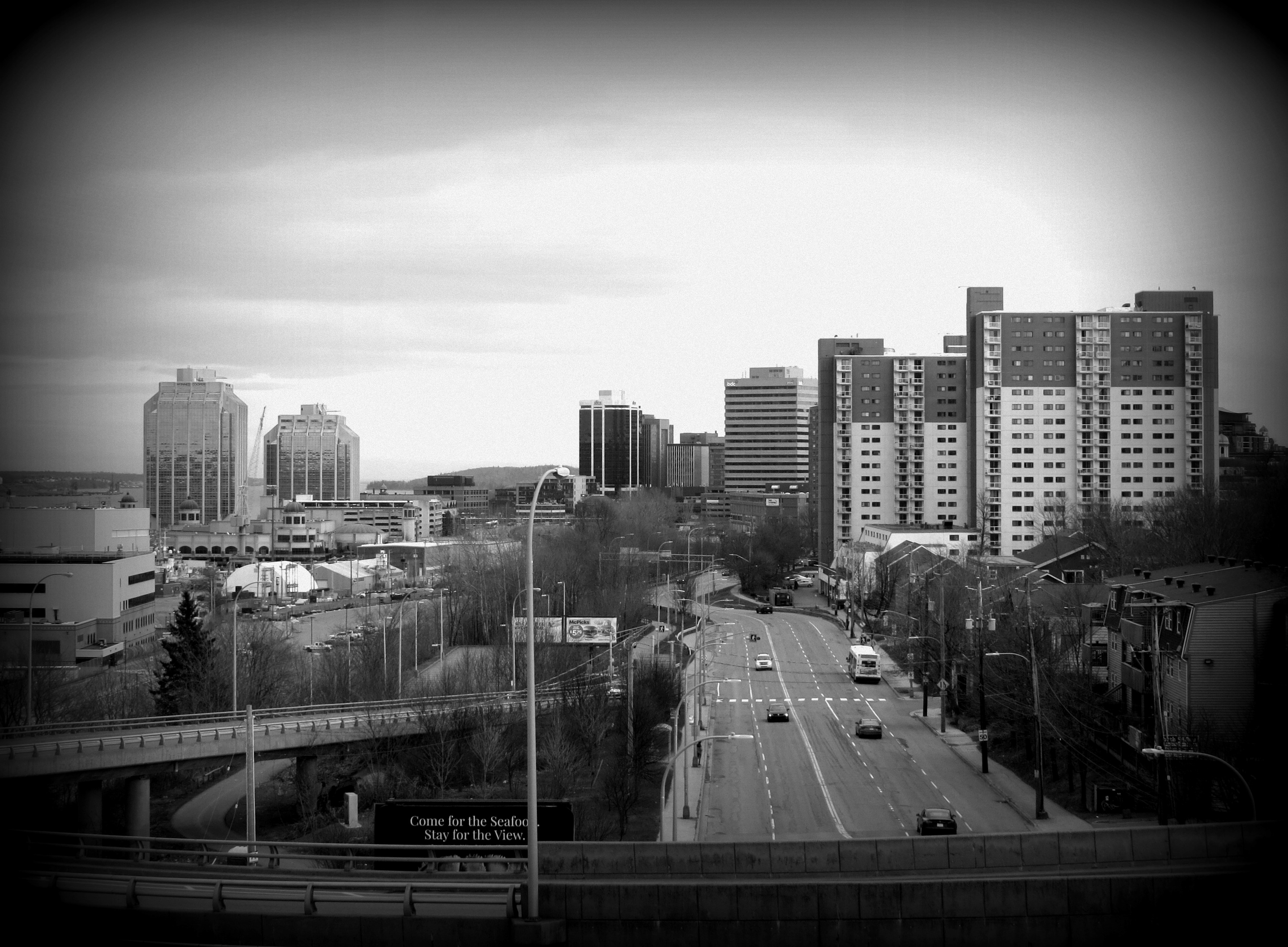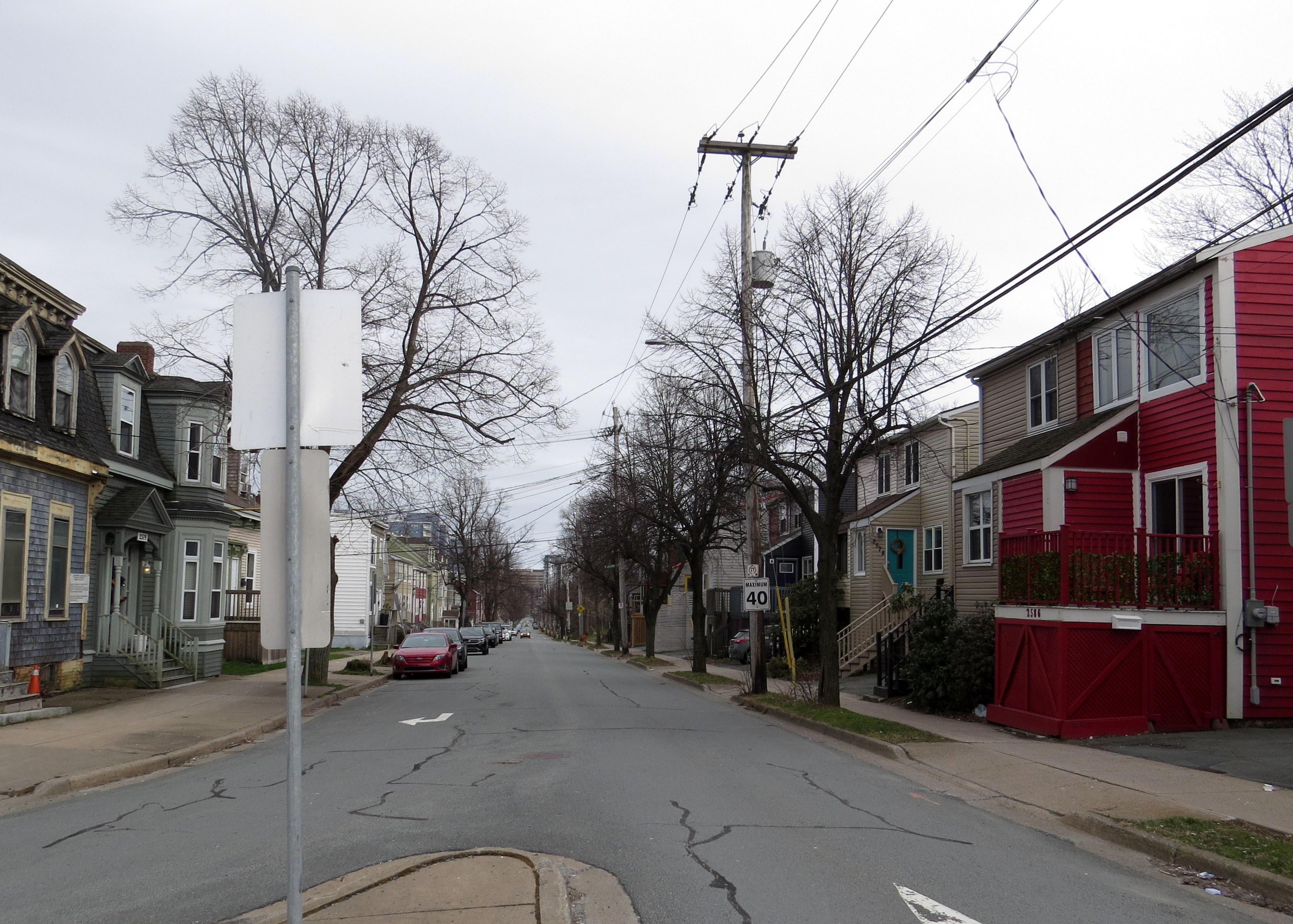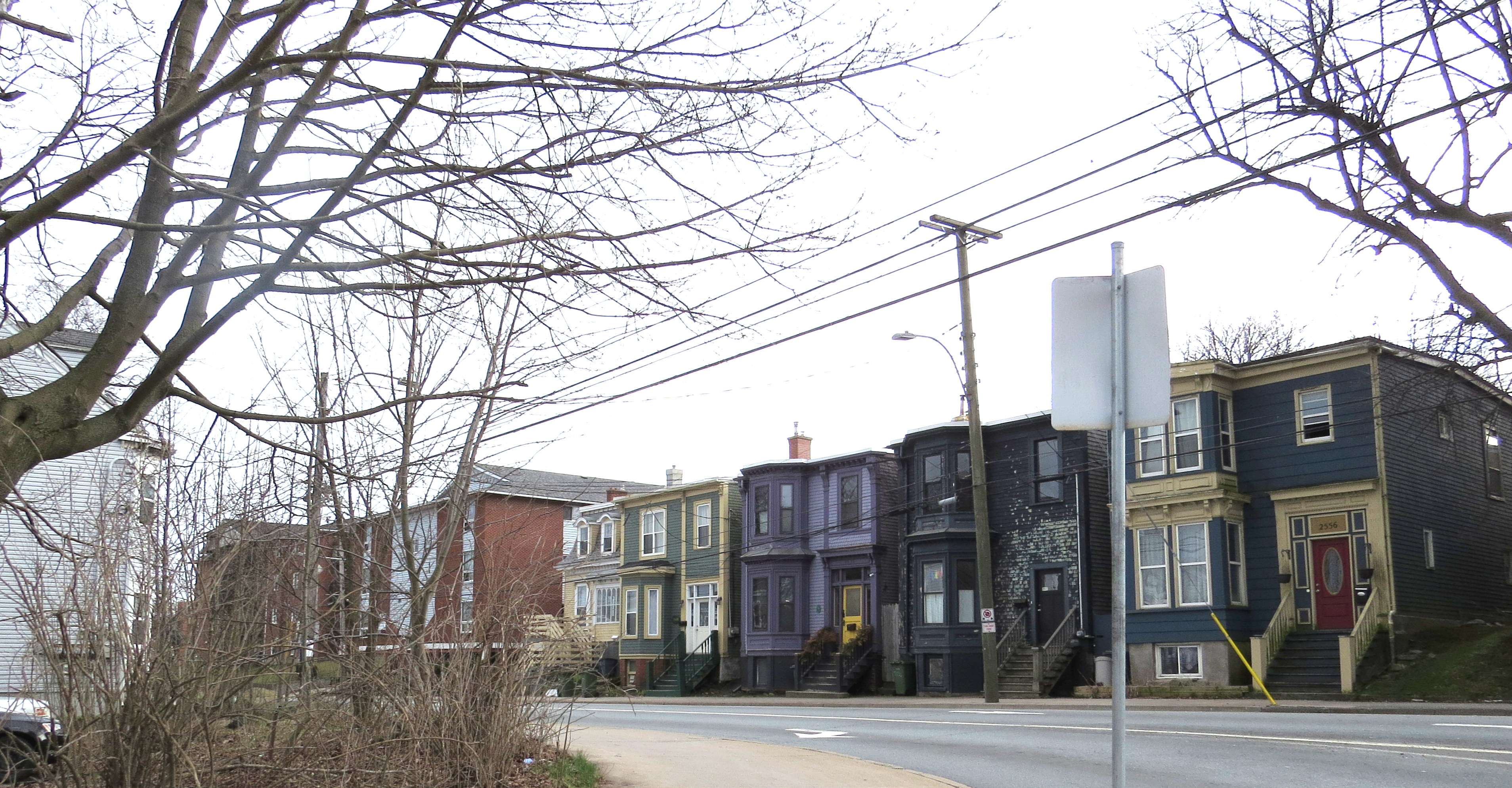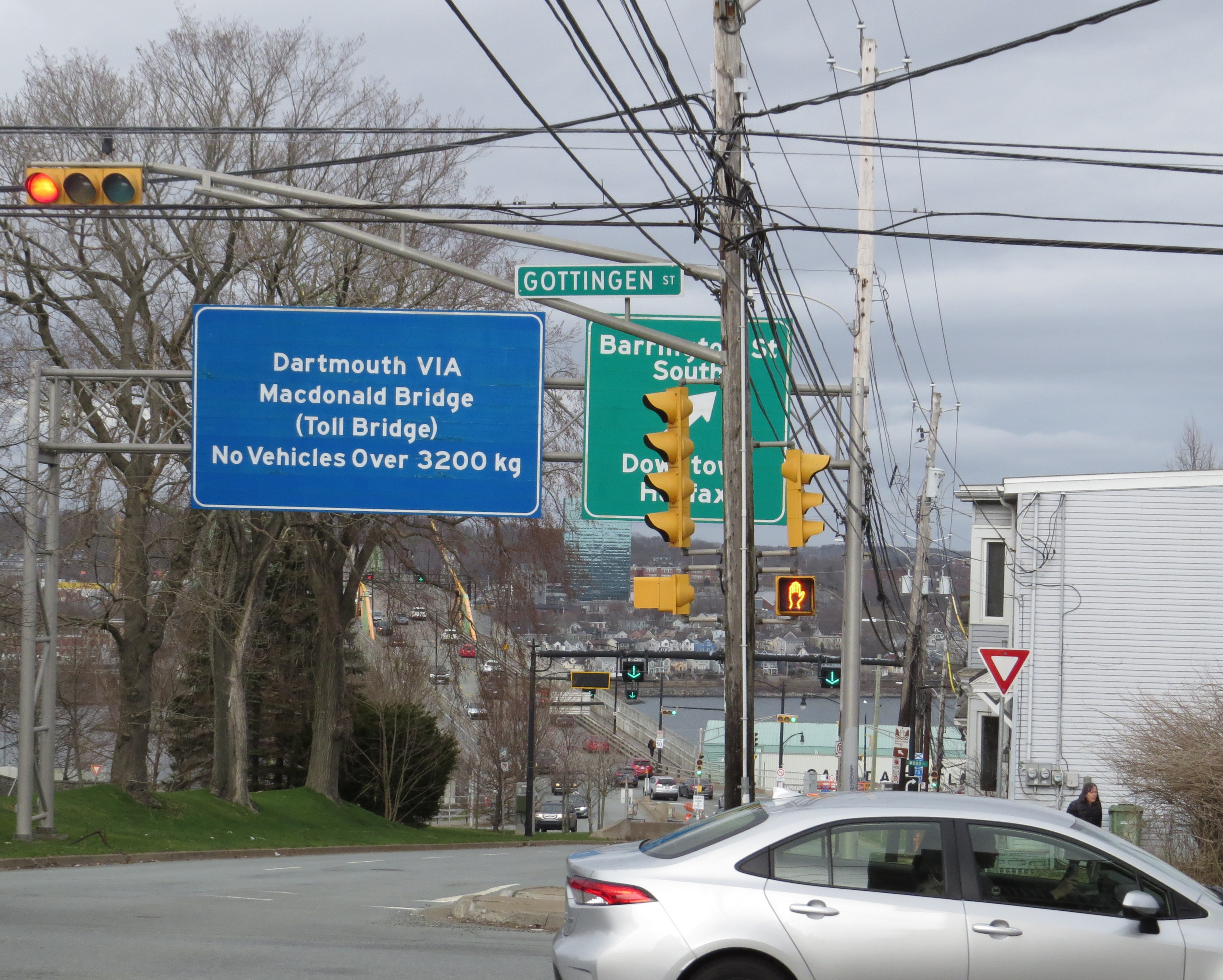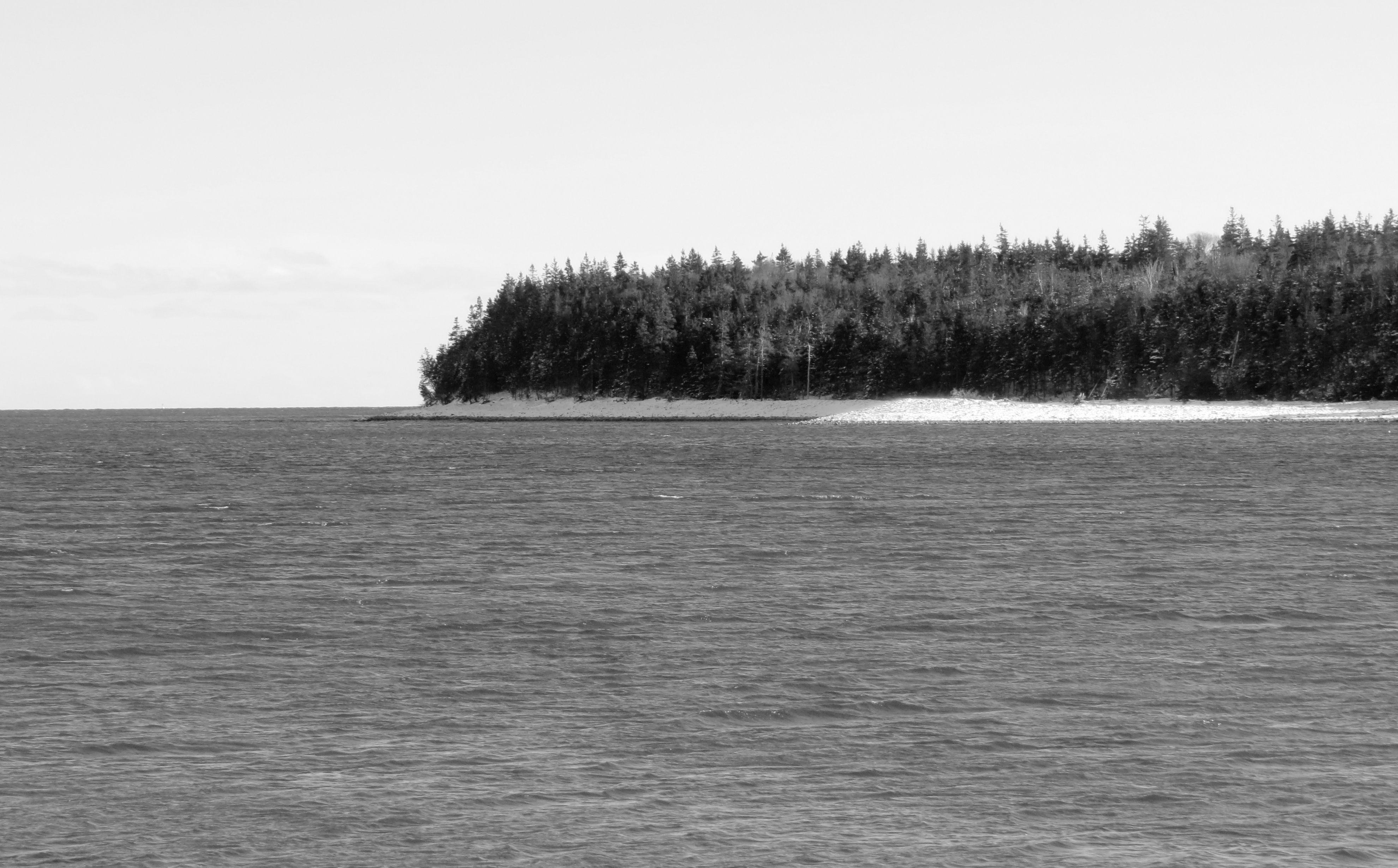
Midnight walk on My Rocks, with a camera

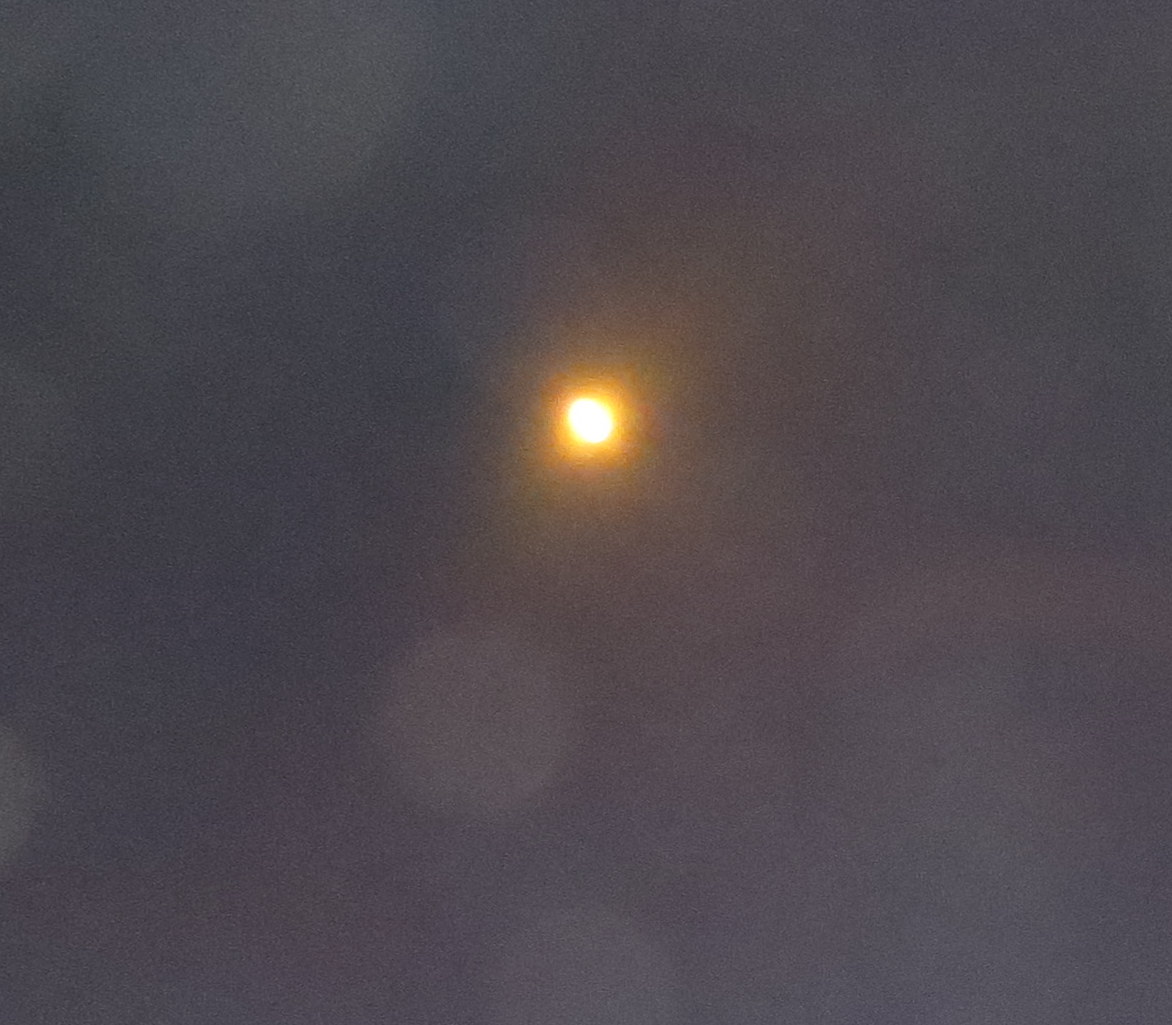
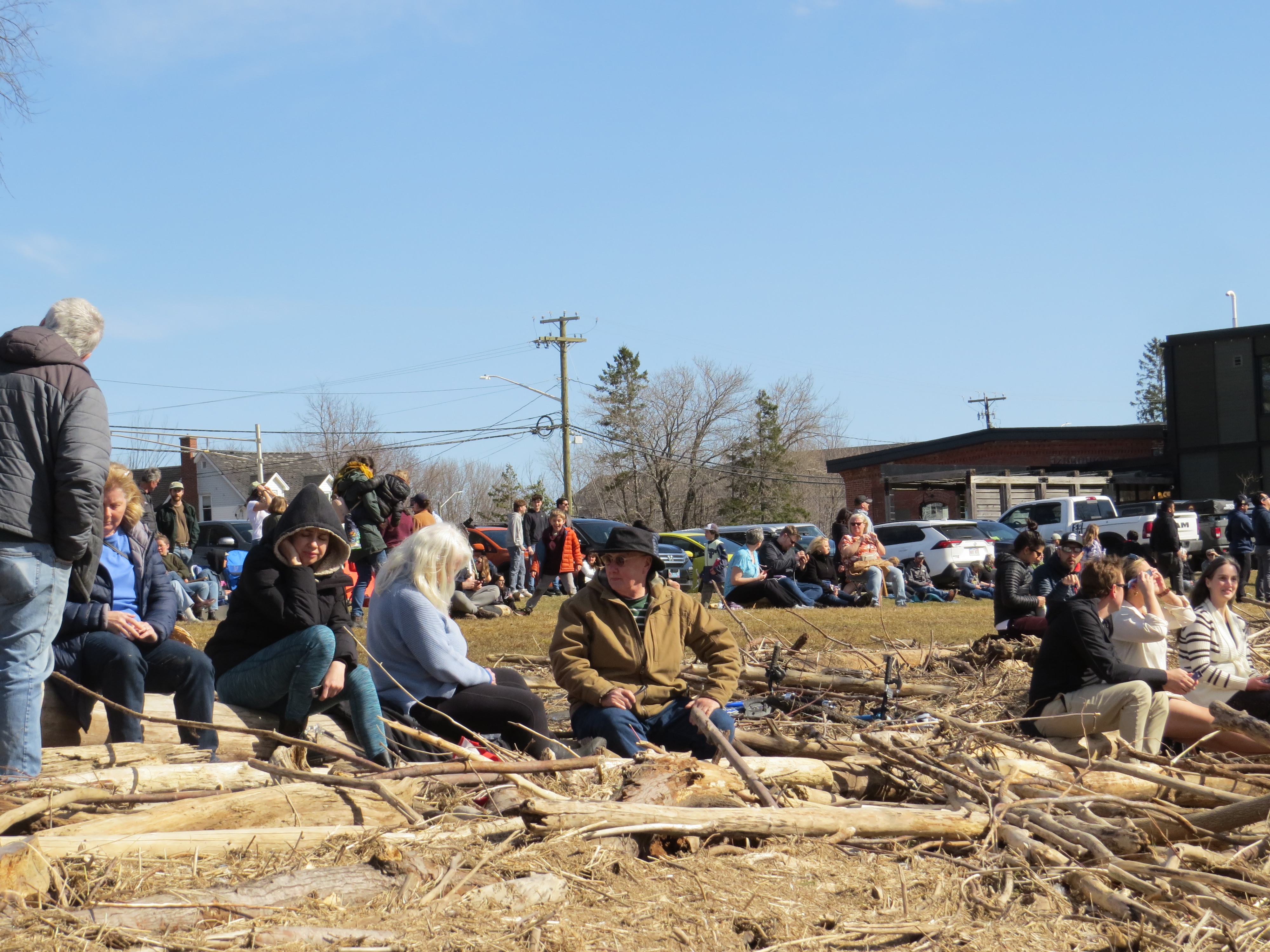
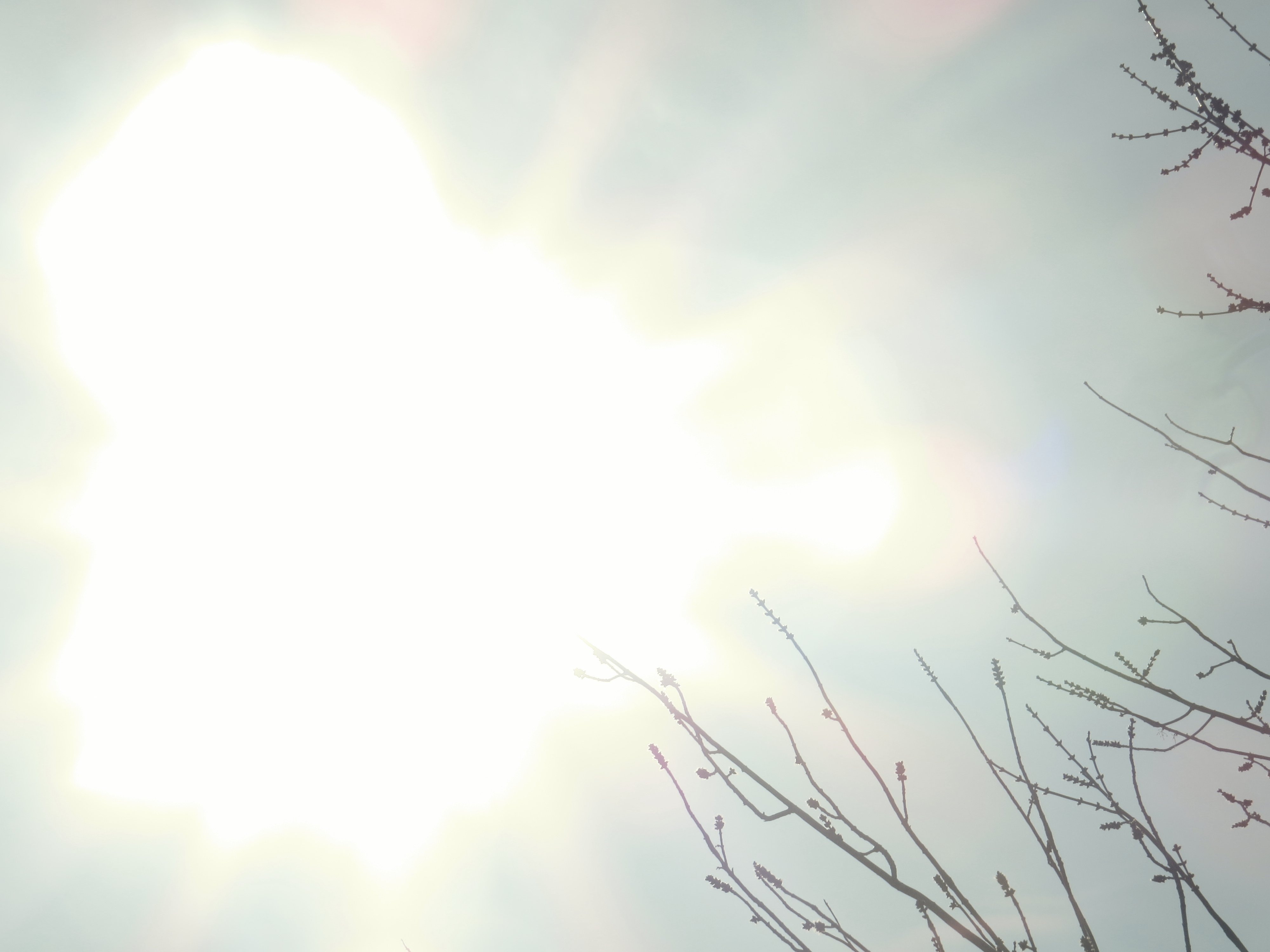
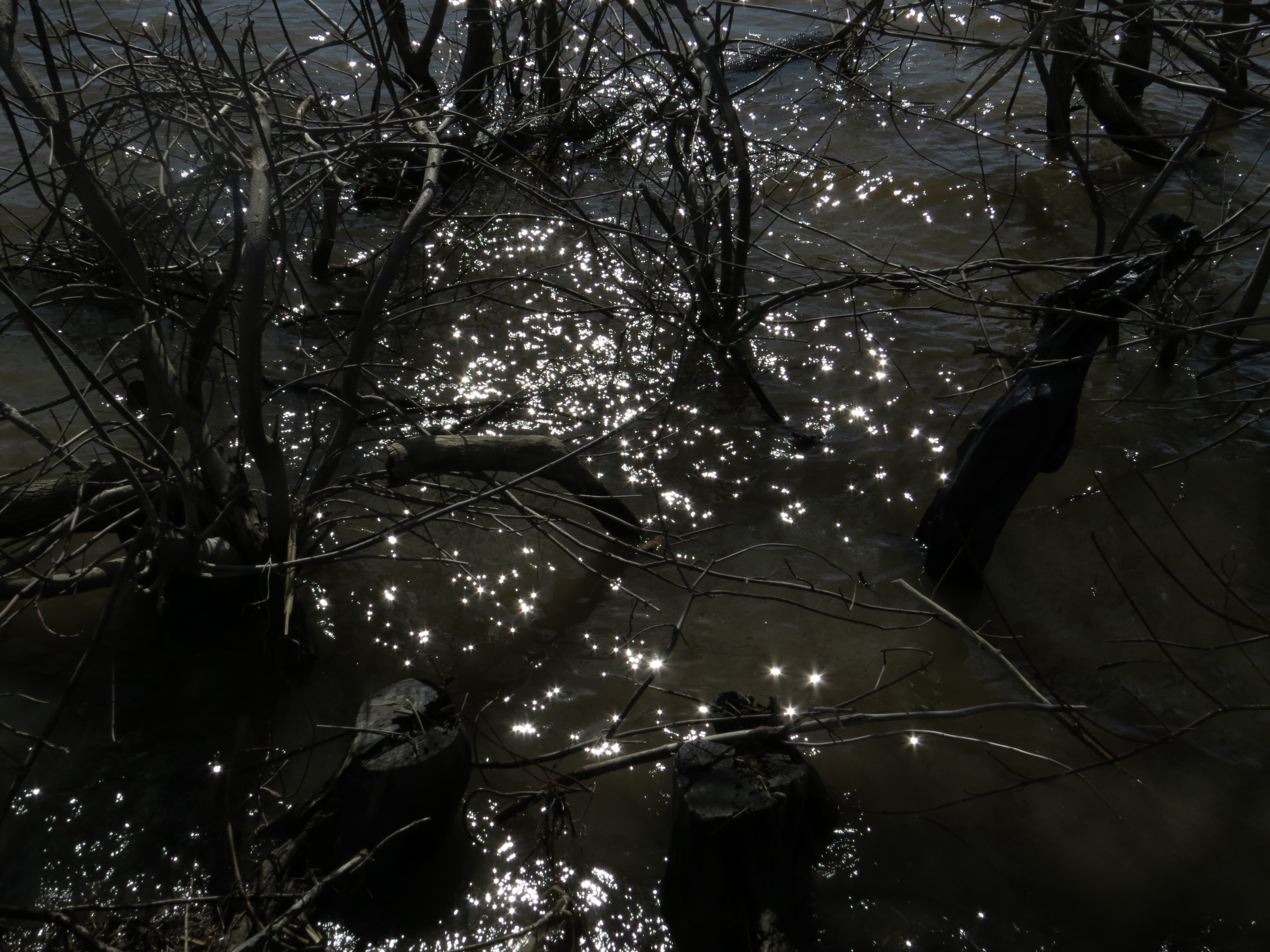
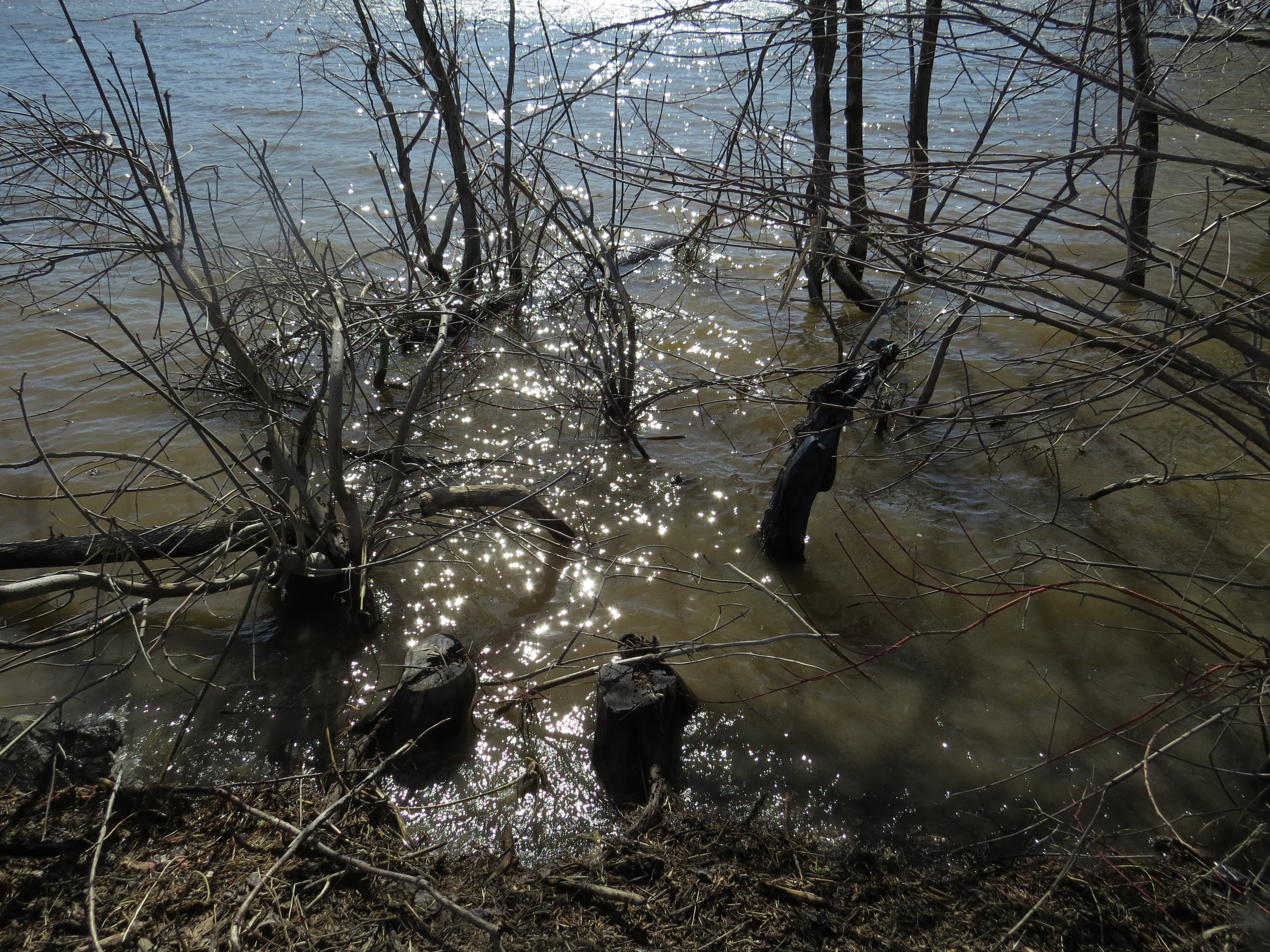
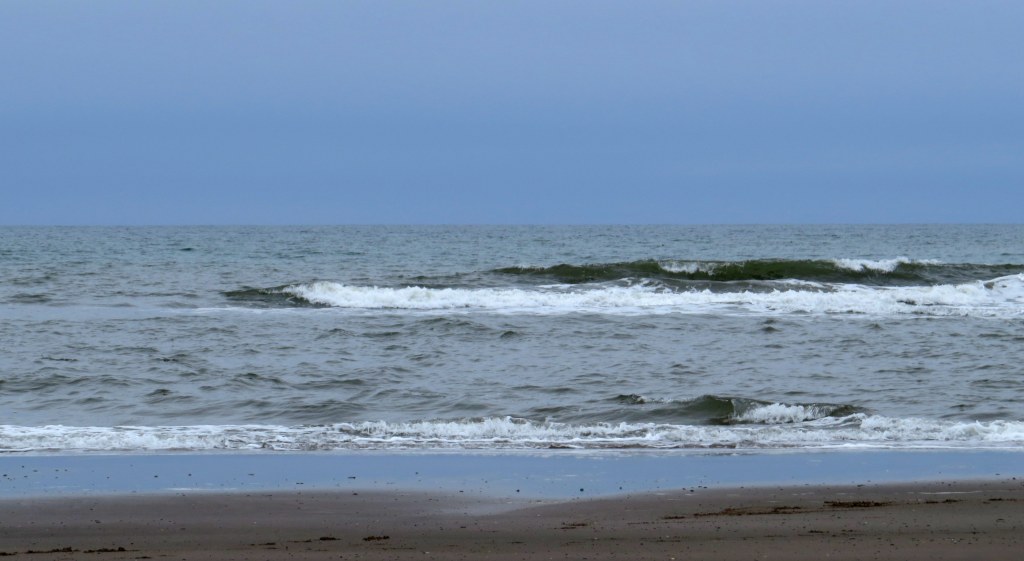
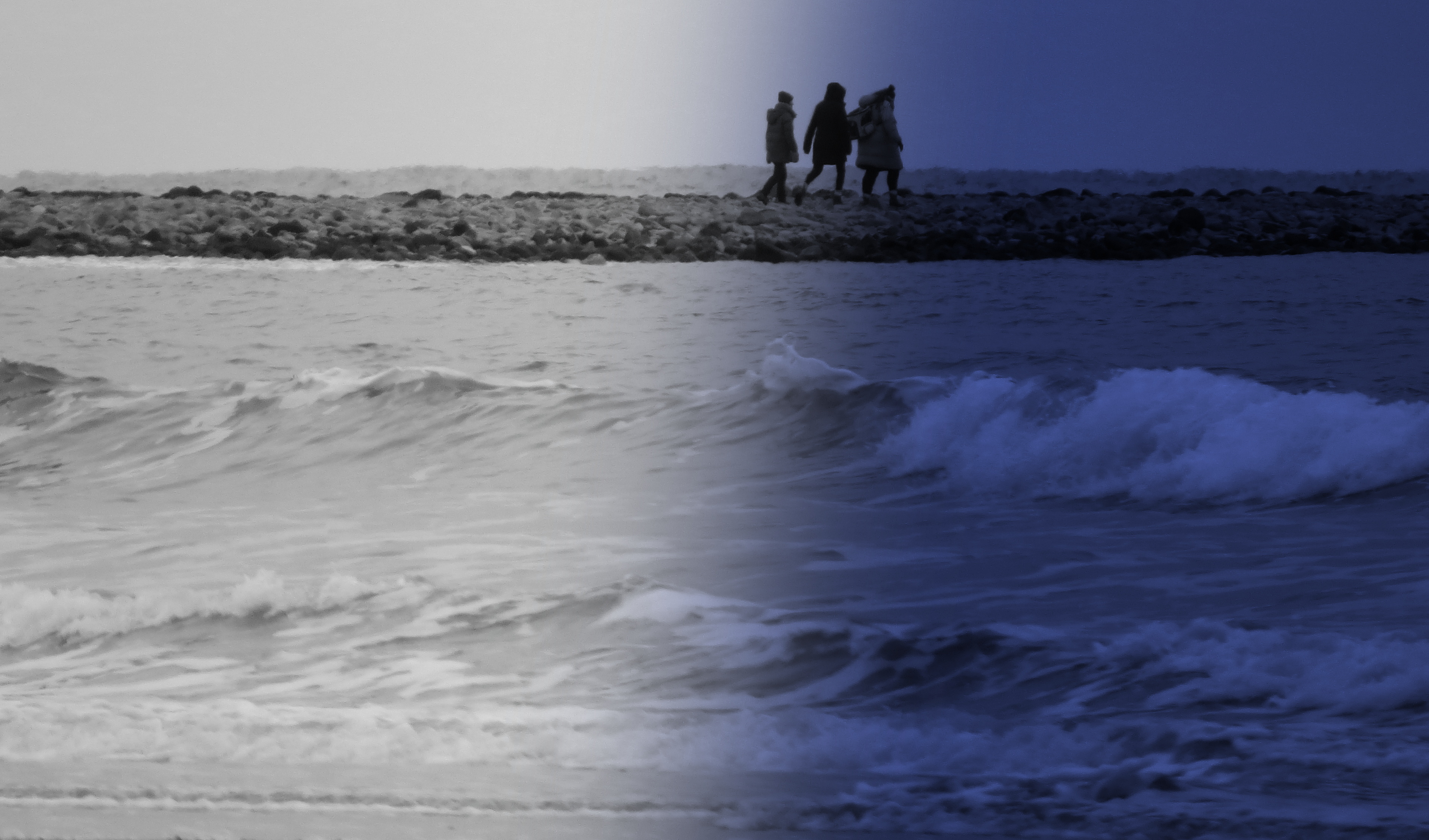
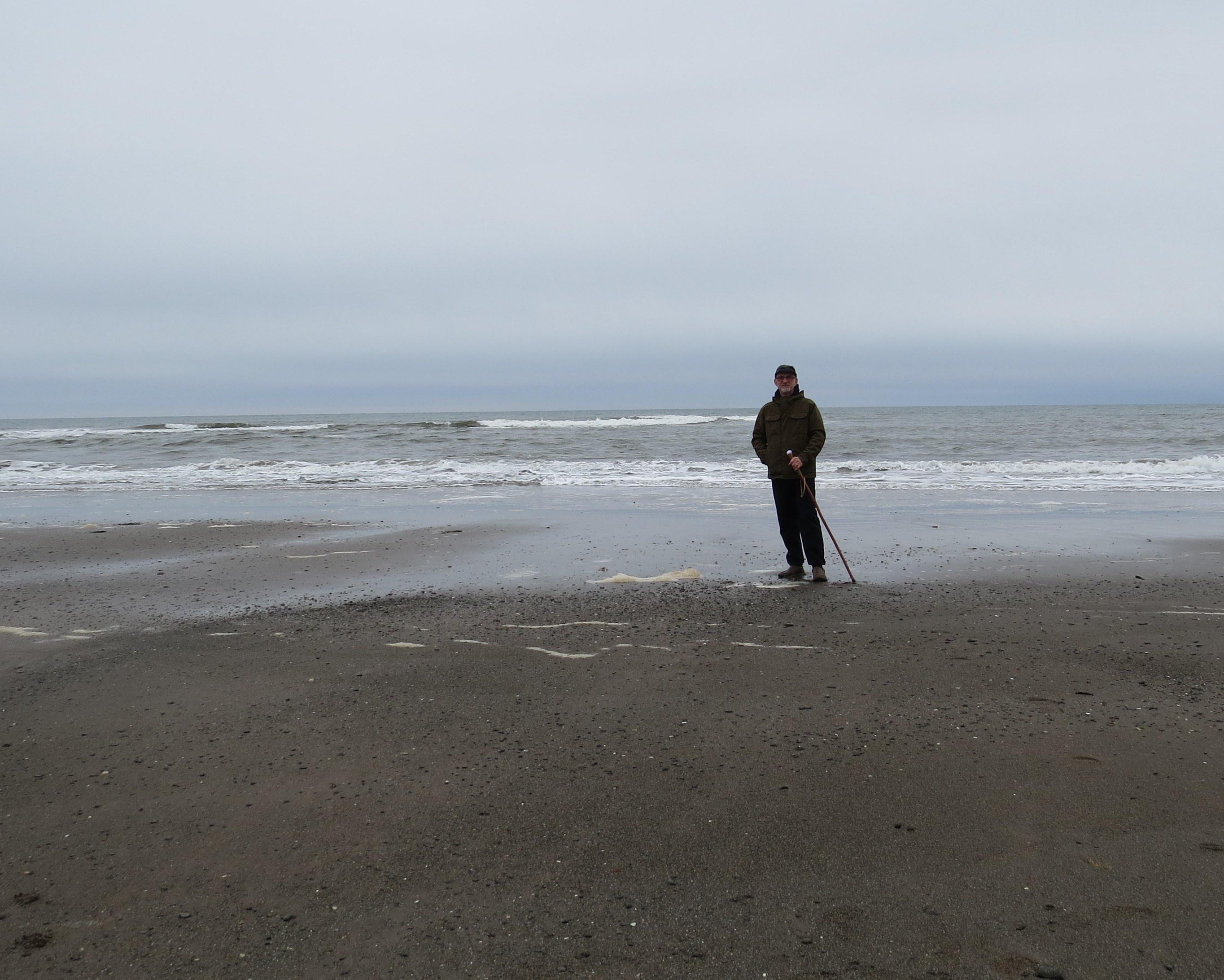
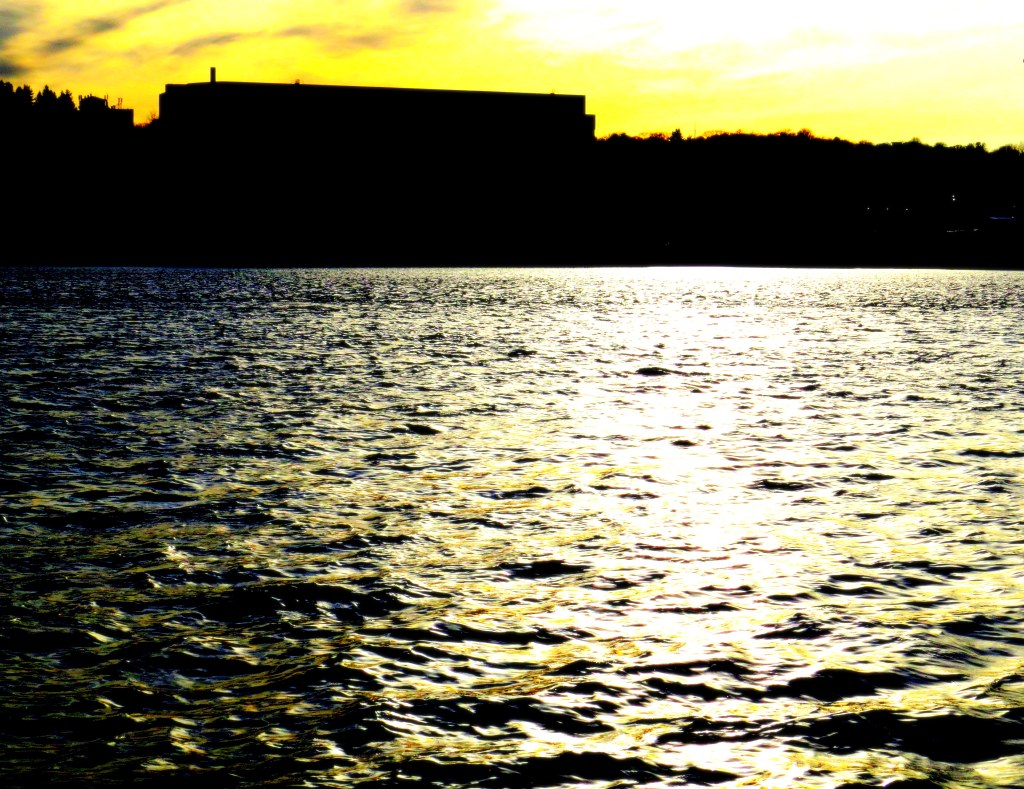
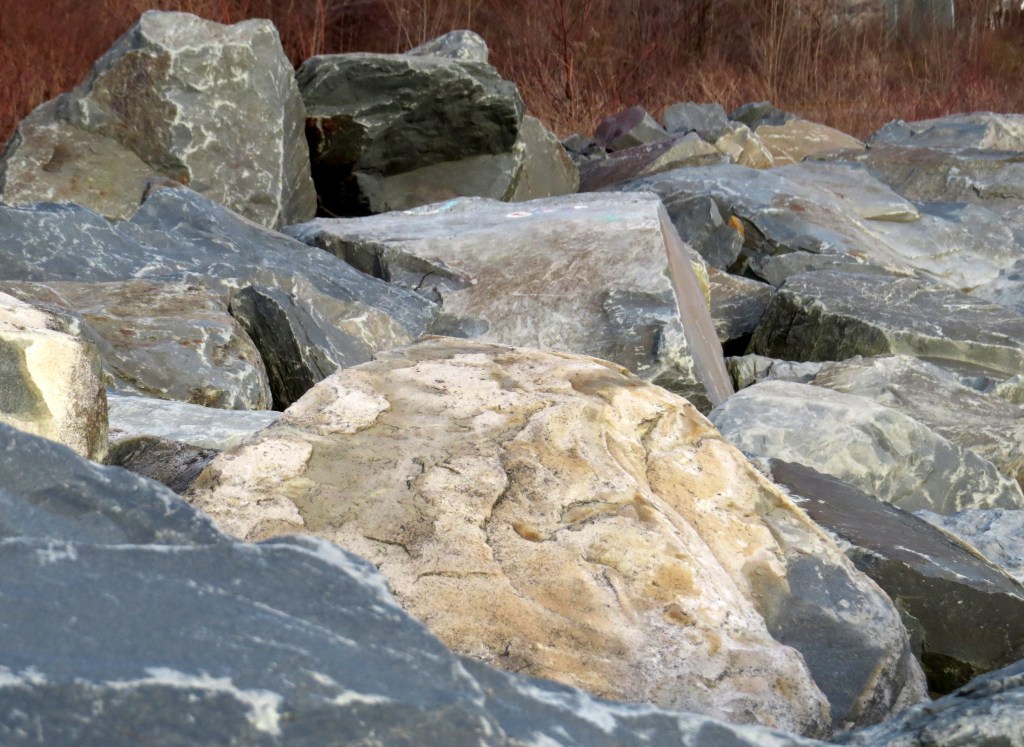
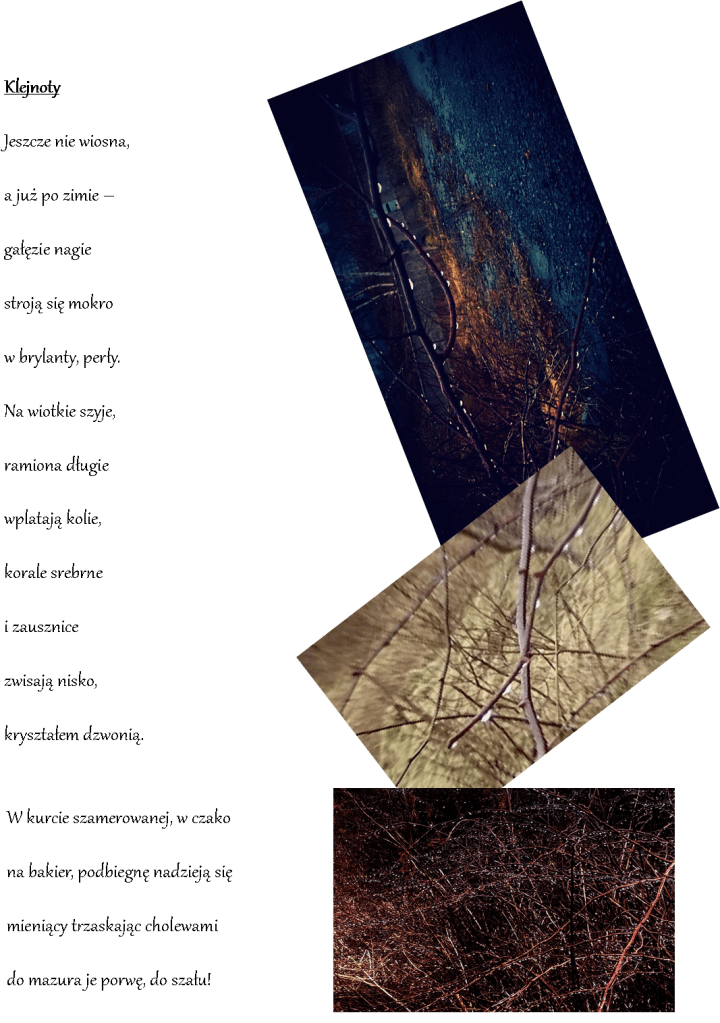
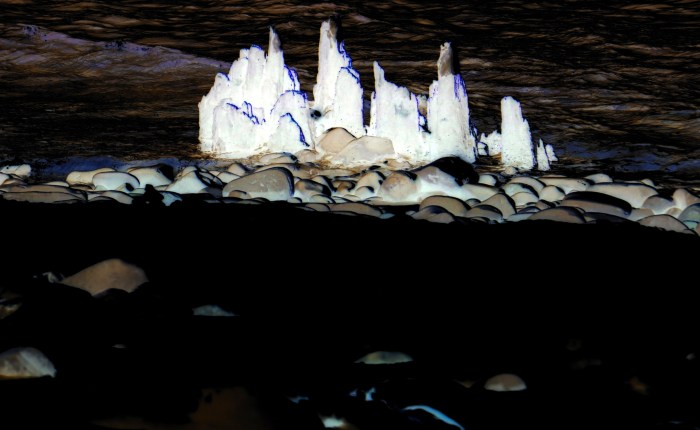
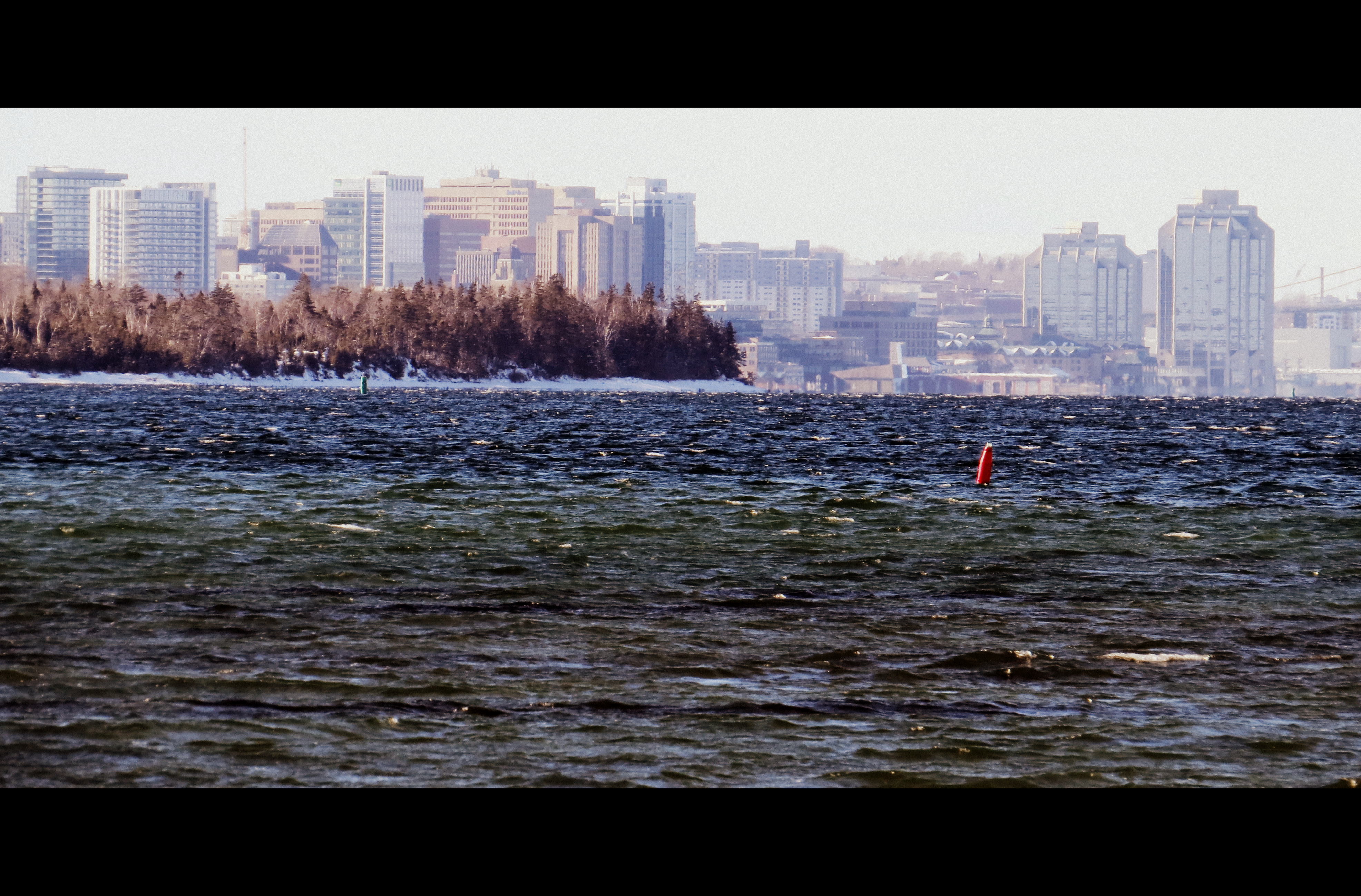
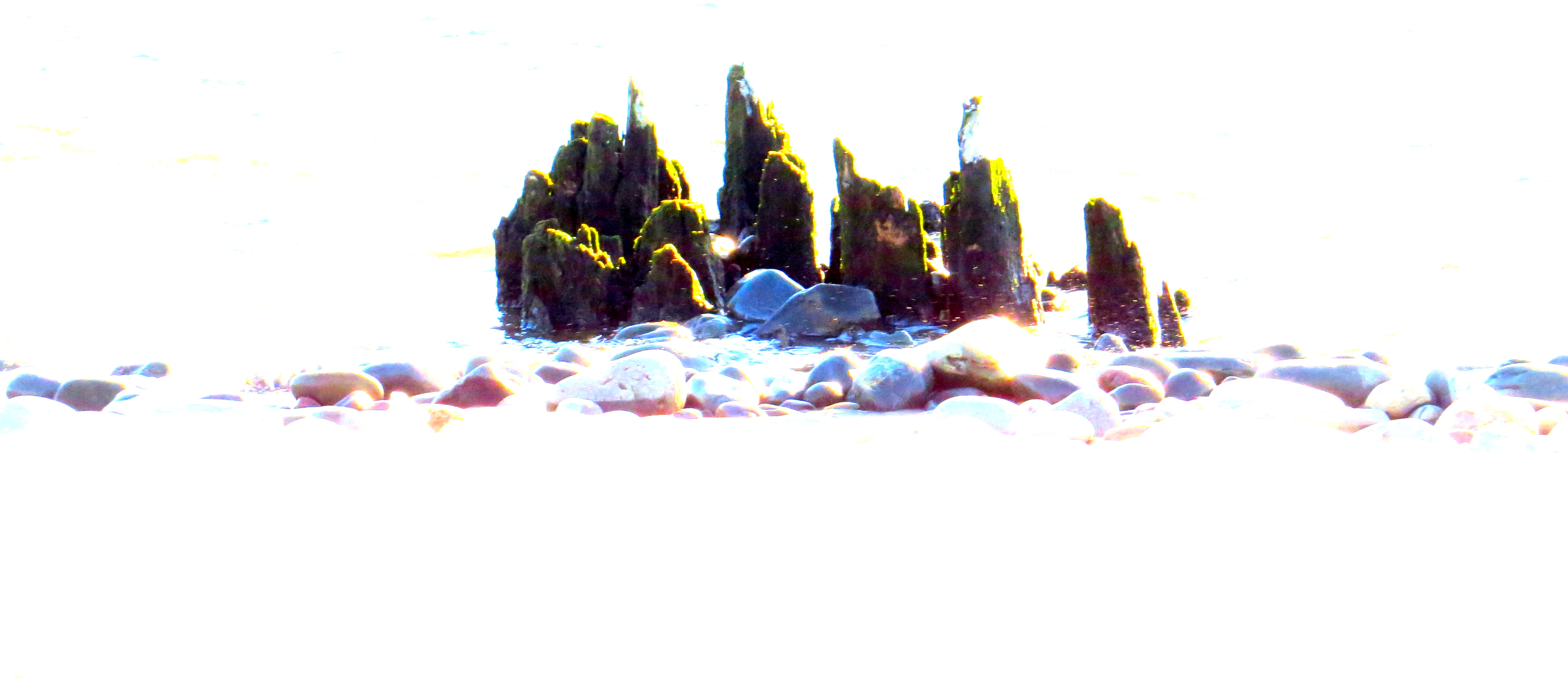
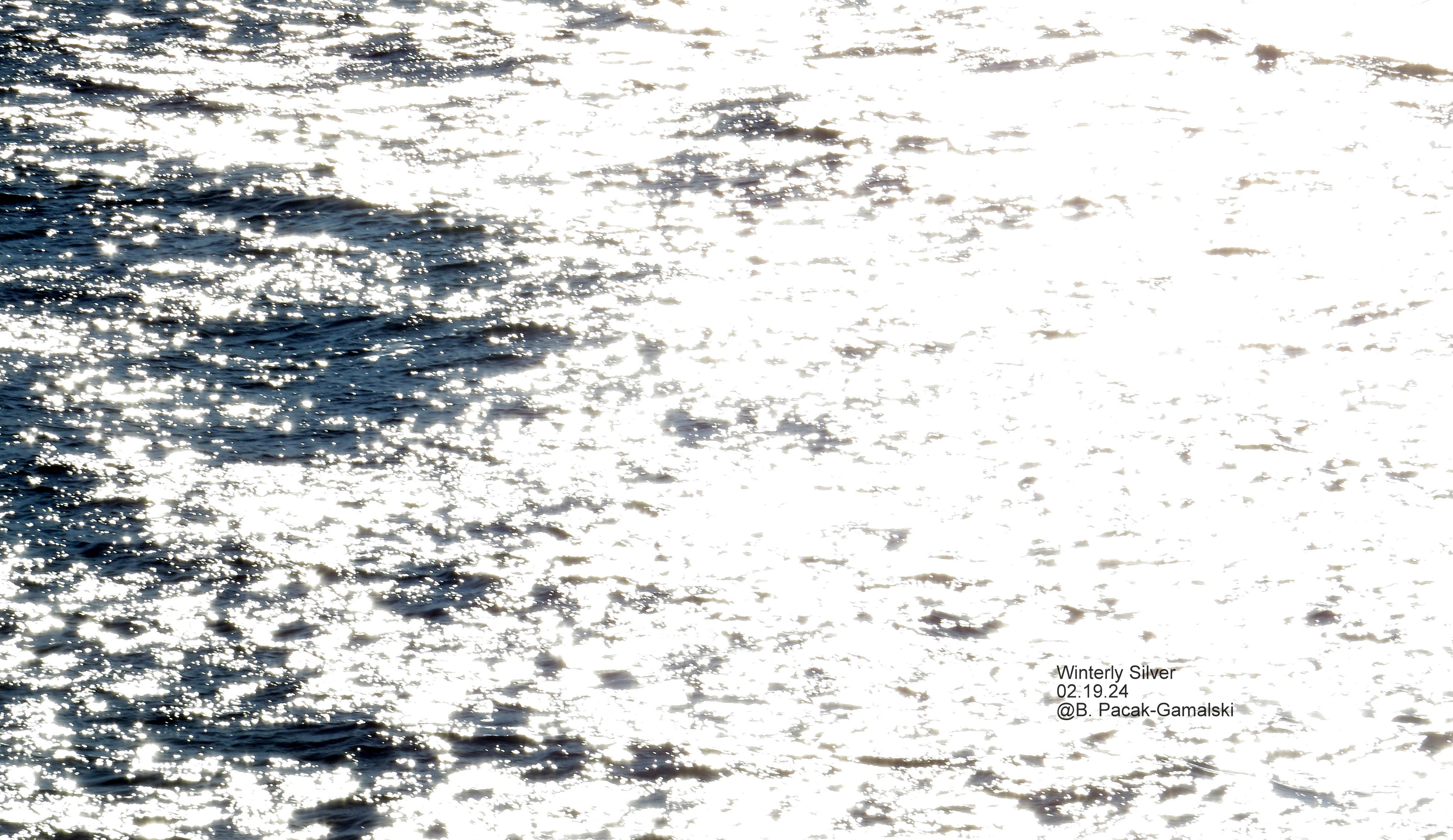
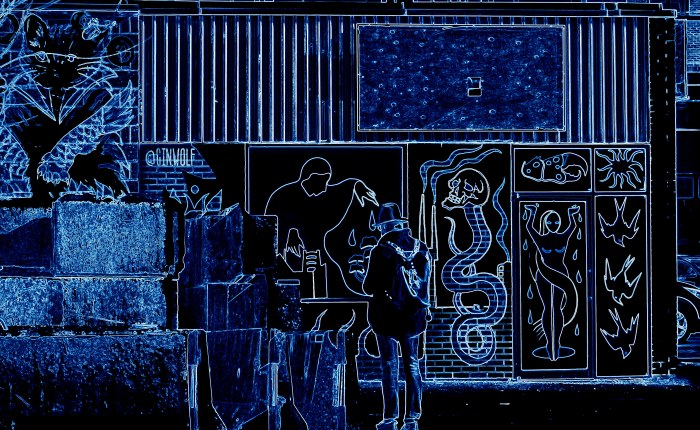
During winter it is a bit tricky and not always a pleasureable to go for a midnight stroll. The rocks are very slippery and the water below them – not very inviting, LOL. But it is also so peaceful, so empty from any distractions. And the play of night lights in the water – just a magic in itself. Here is some of the magic captured by the lense.

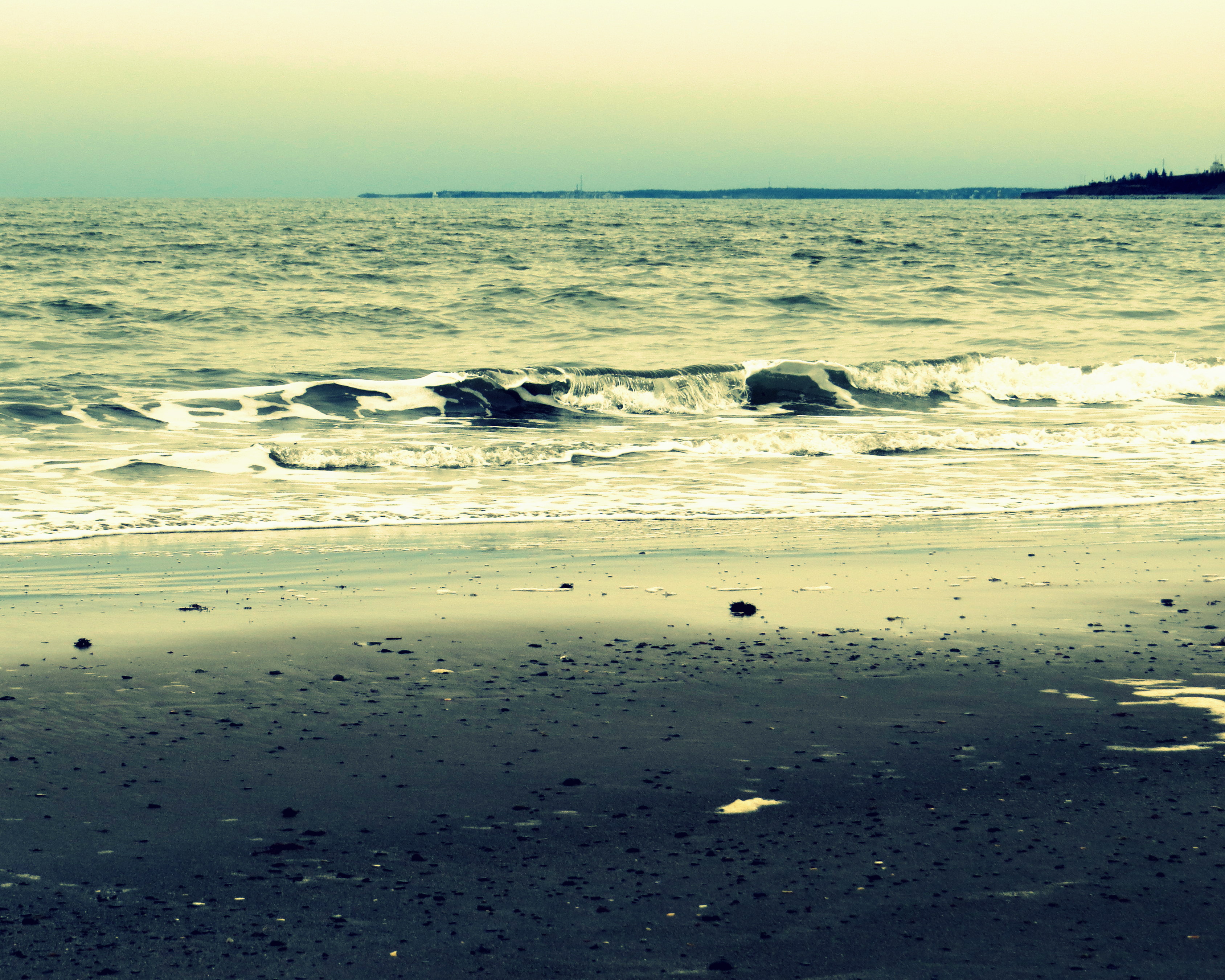
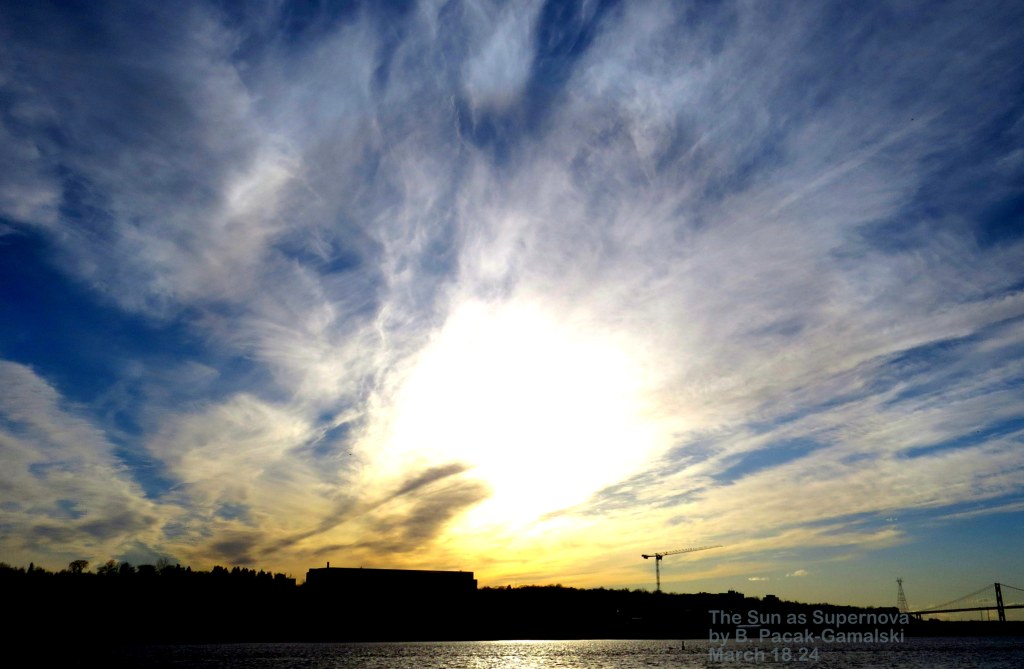
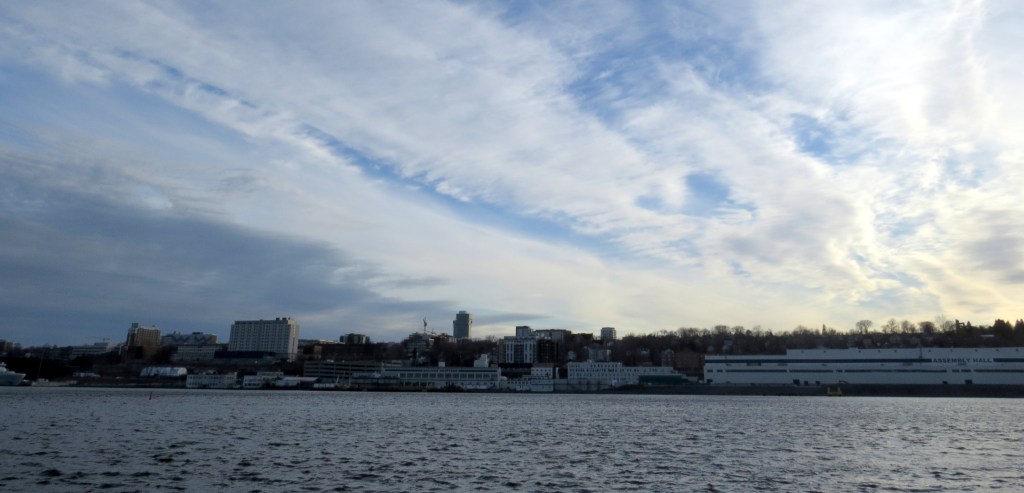
The same panorama captured a day or two earlier in an early evening. Like two different worlds.

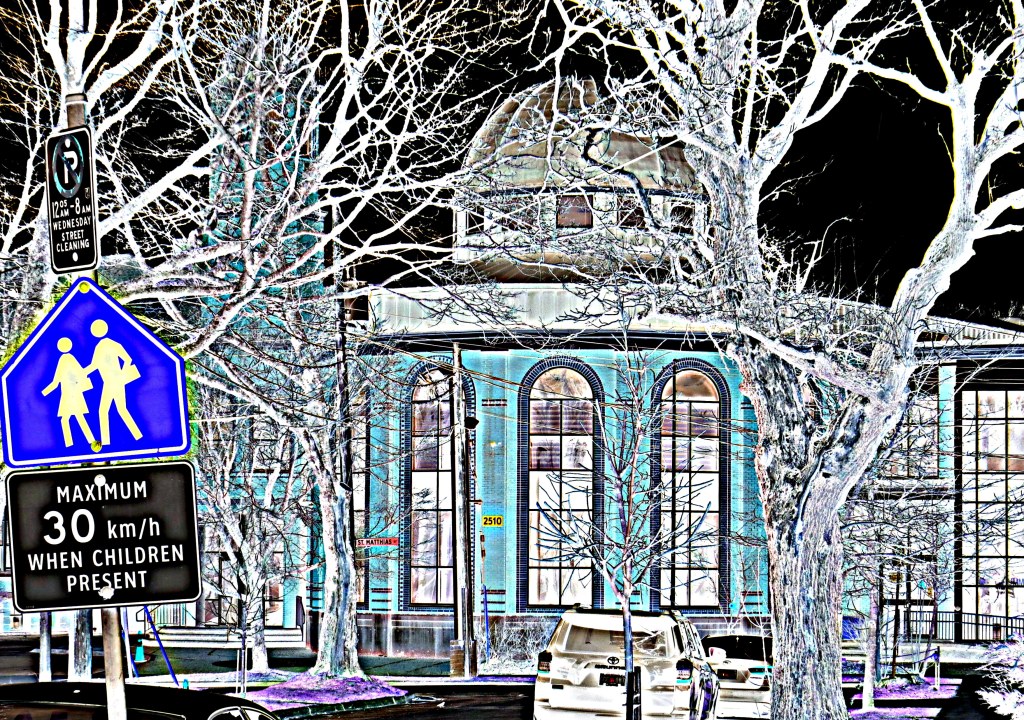
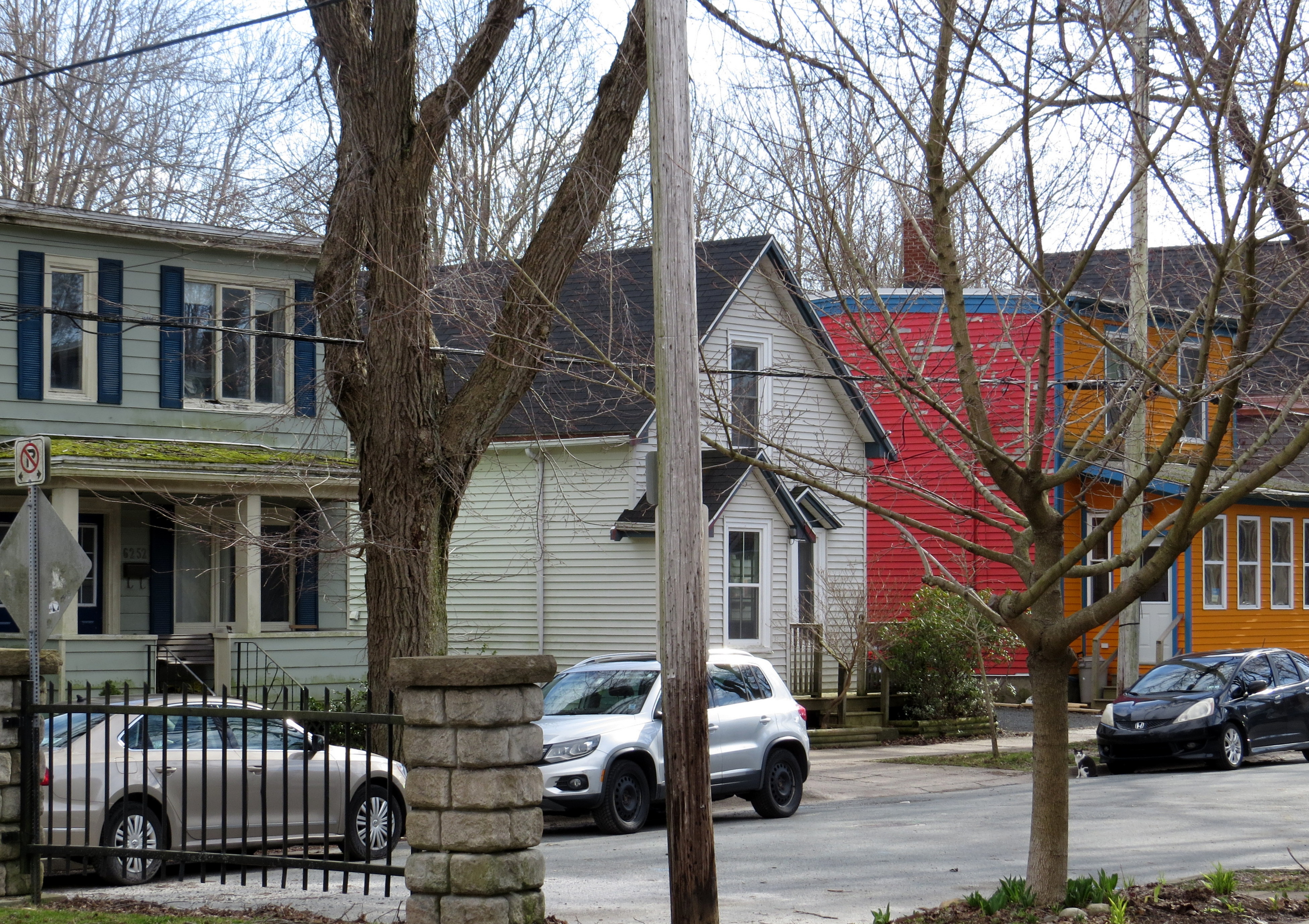
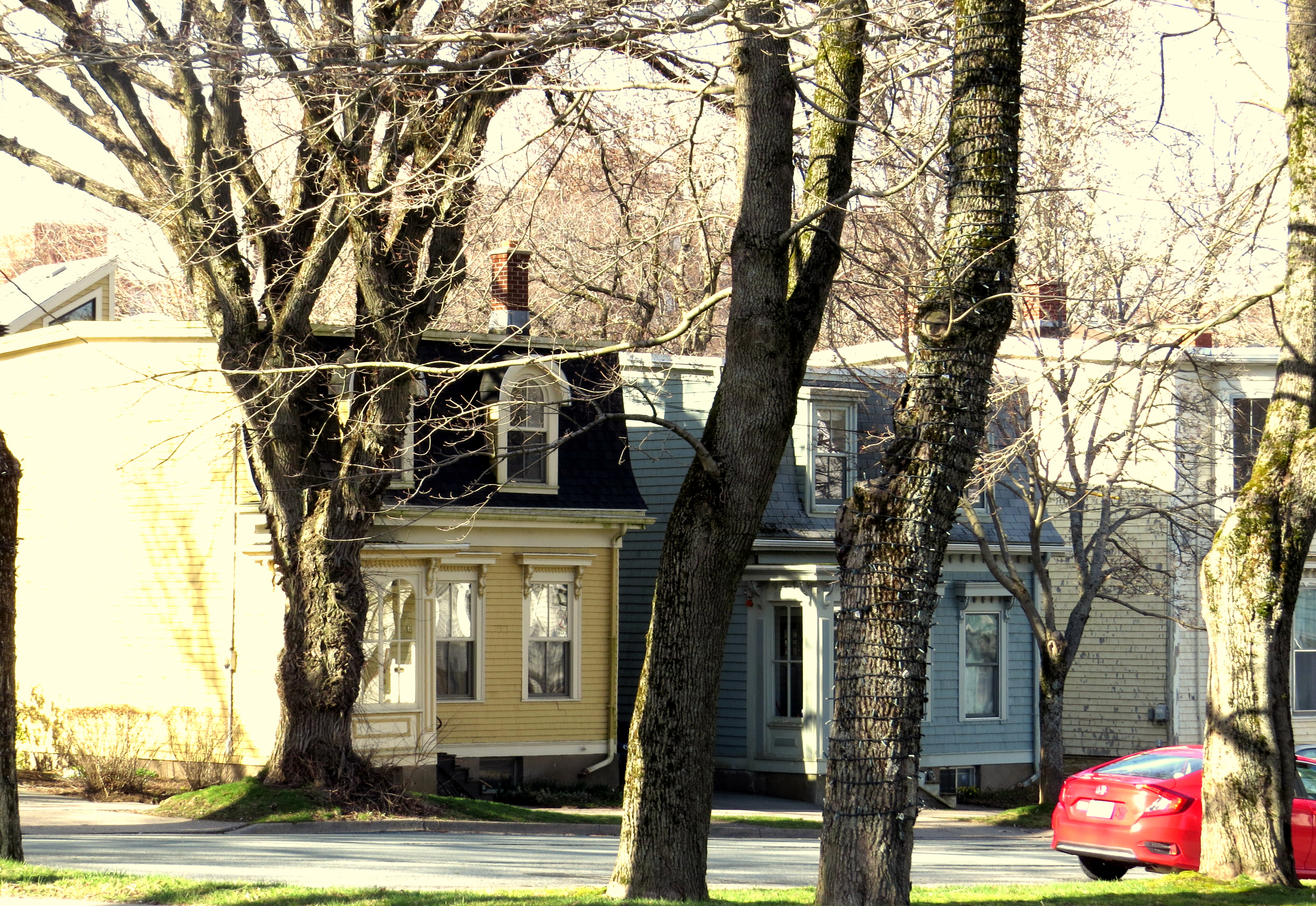
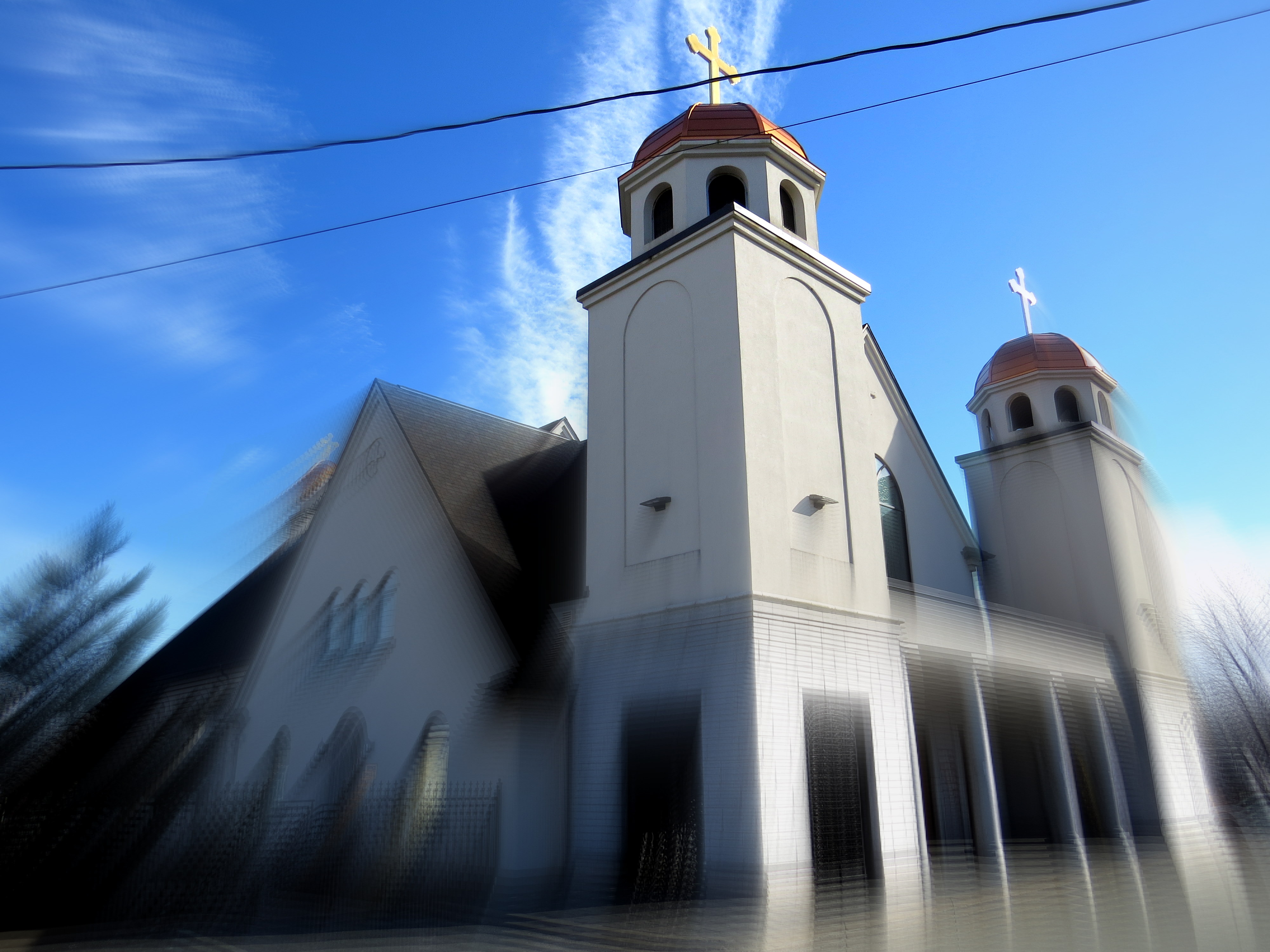
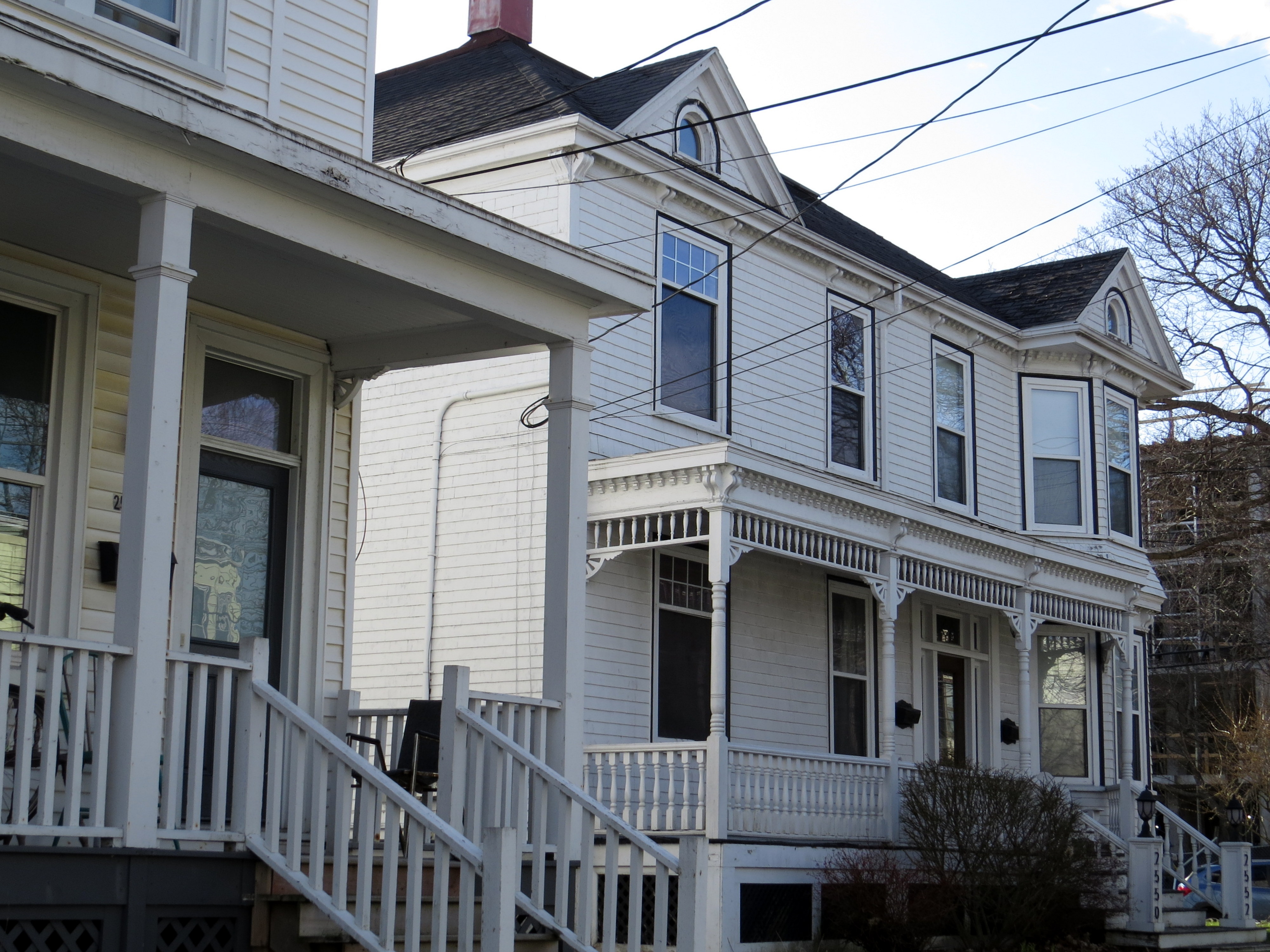
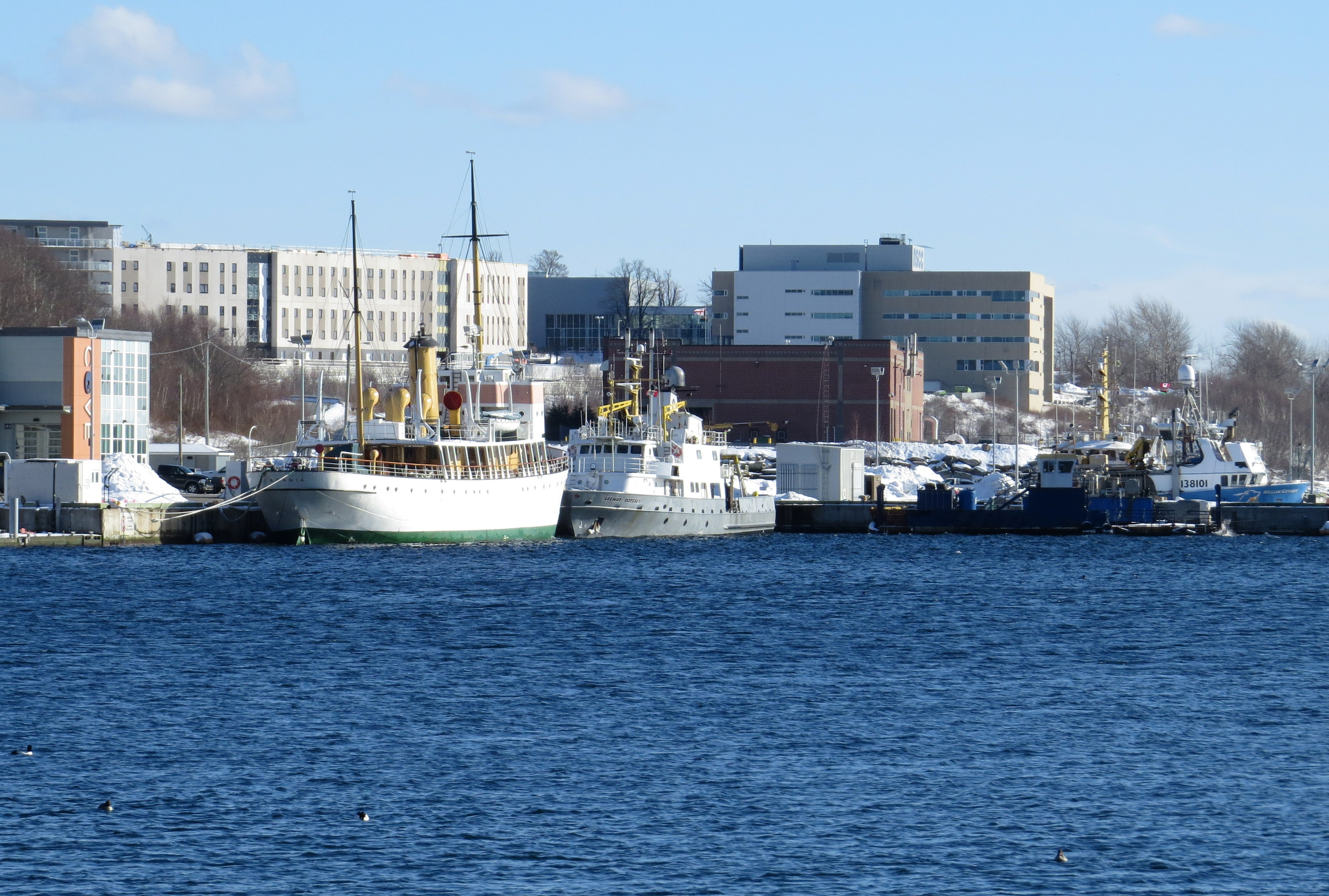
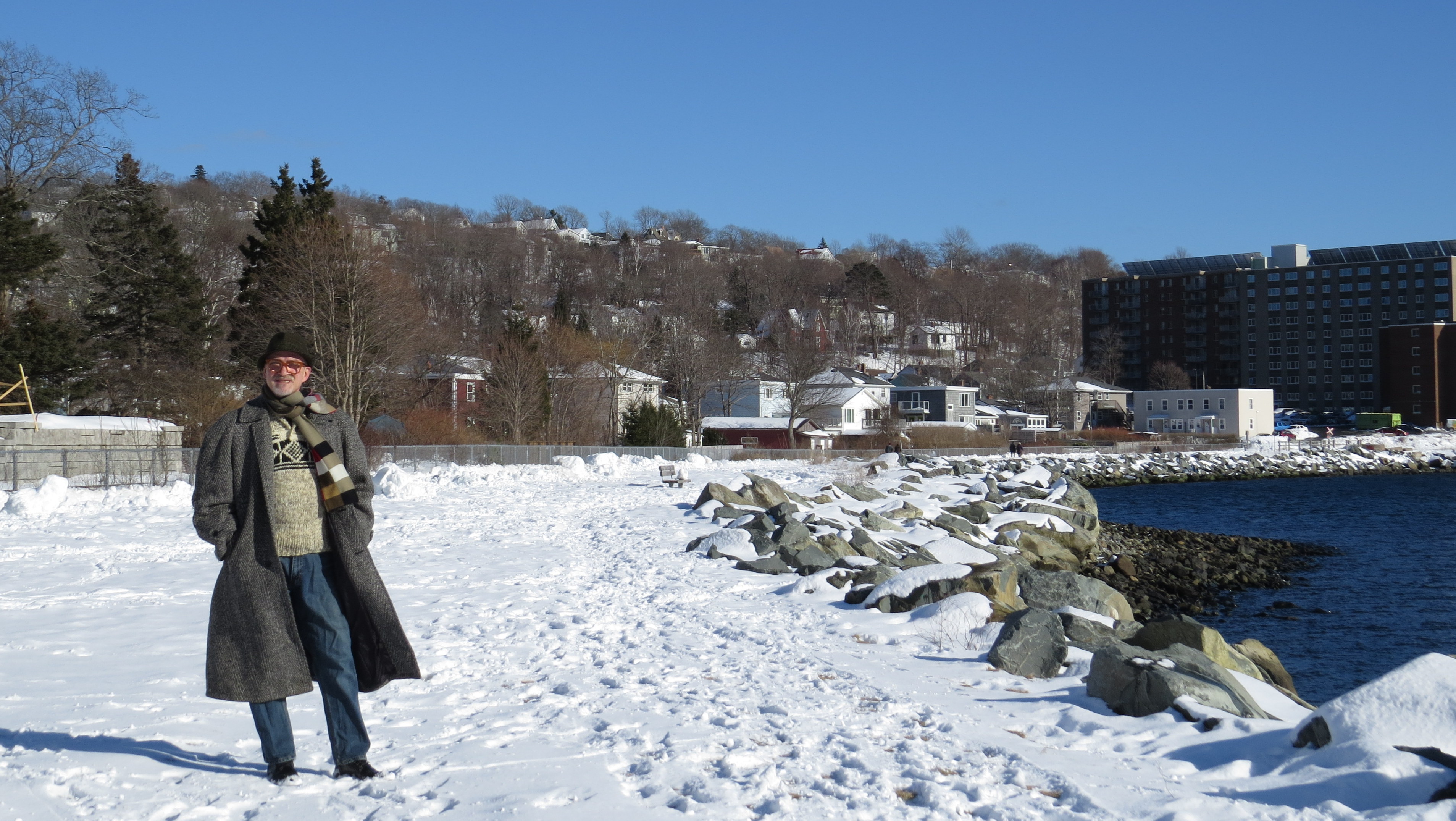
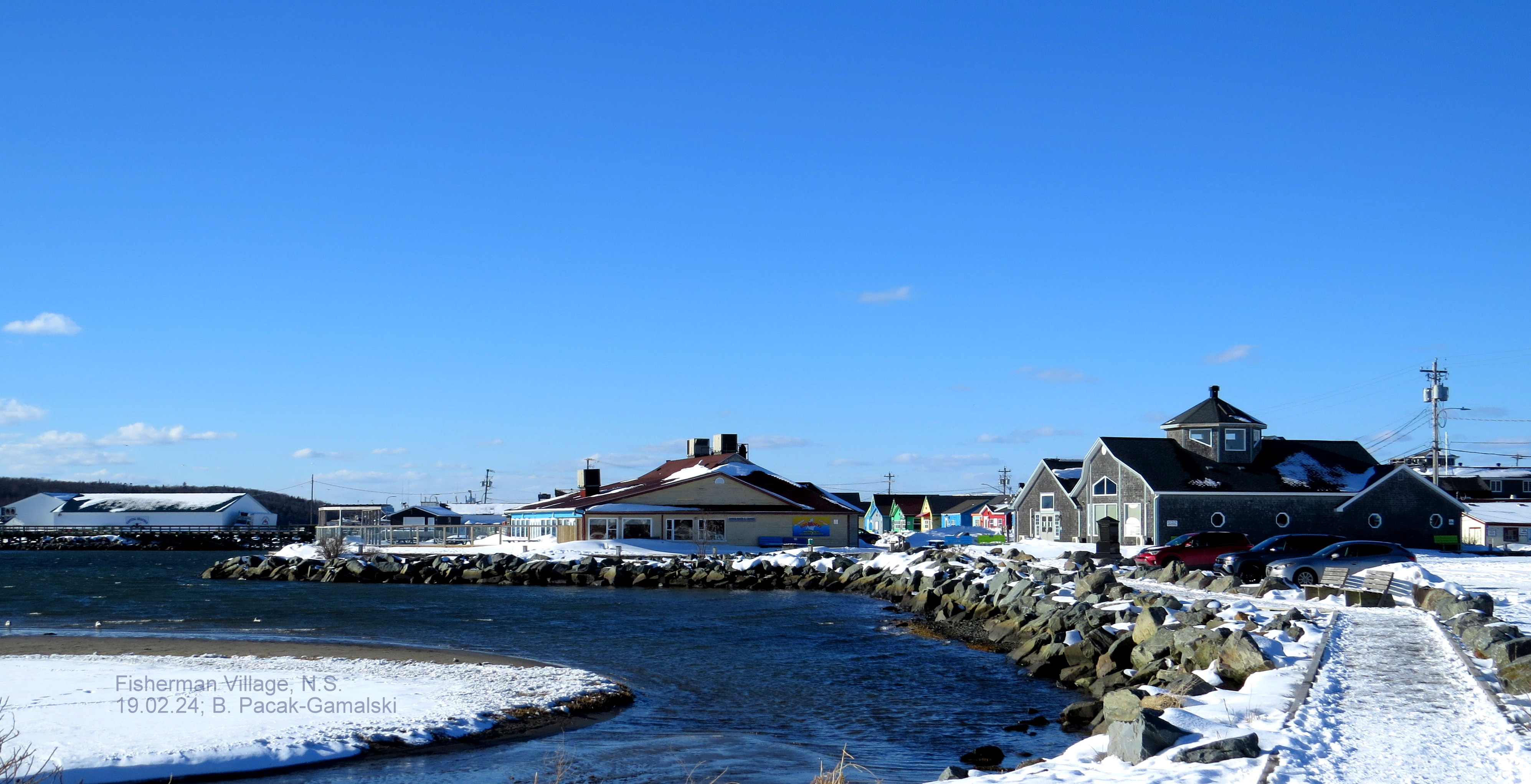
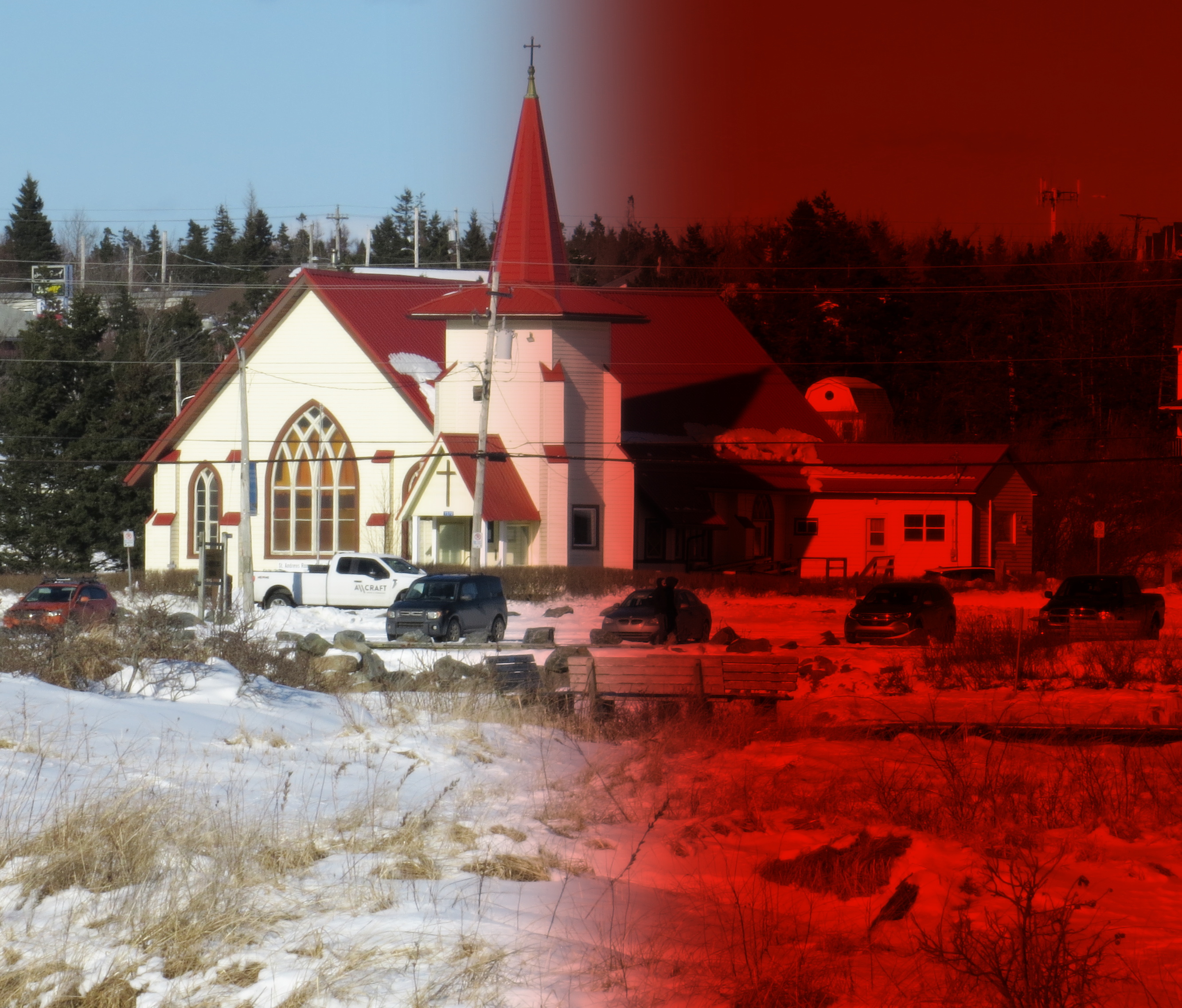
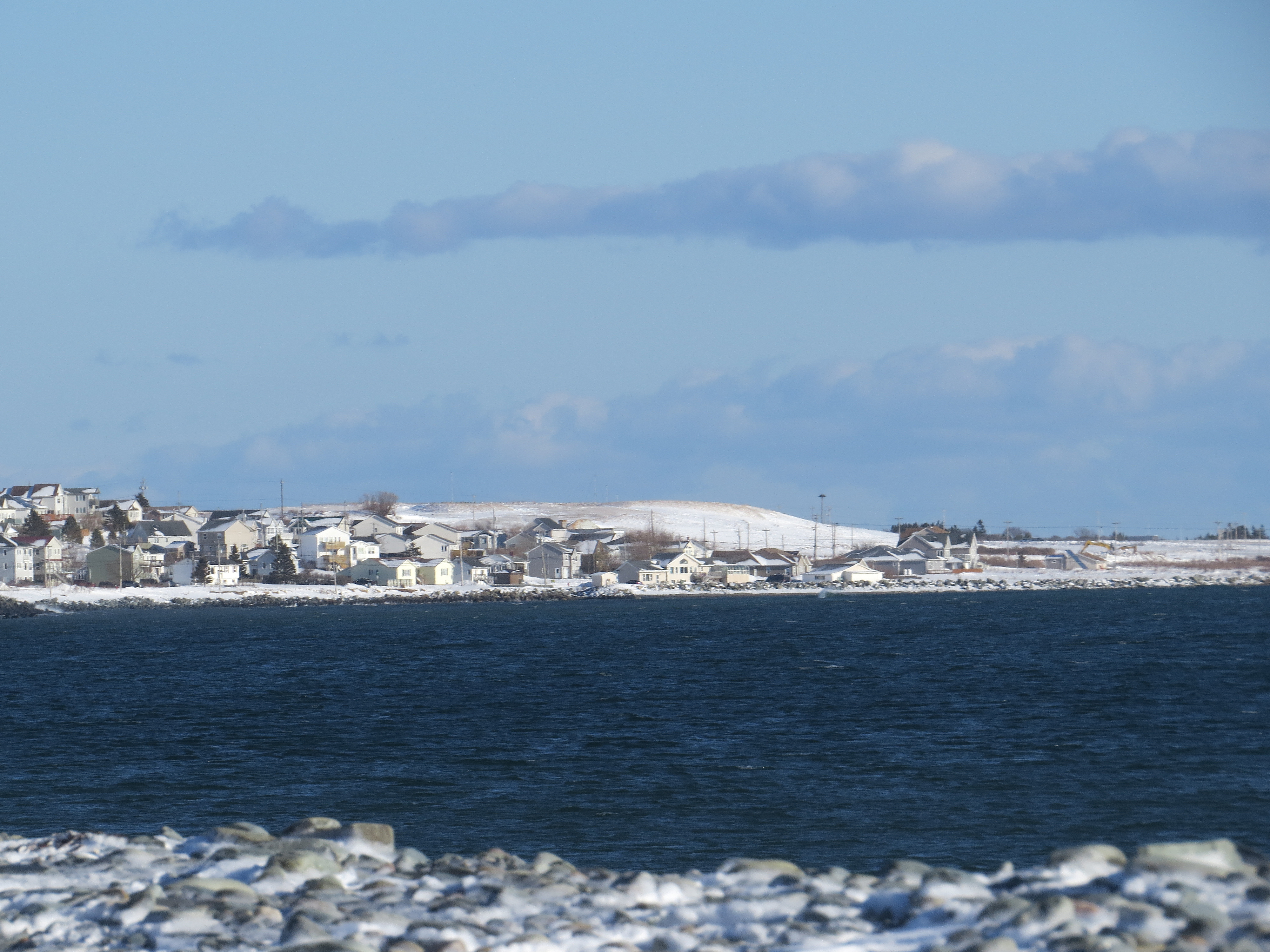
Winter Photography in the town of Pictou, in Nova Scotia

There is a certain charm of old, half-forgotten towns in rural Nova Scotia. They used to be important, even powerful – they had regular shipping lines for sailships and steamships; a railway. But the world slowly changed, passed them by. They deteriorated, lost a lot of young people in search of better opportunities. Grand buildings decayed, many churches emptied. Now they try to regain some of the old glory. Mostly through tourism. But the charm never left.

Ostatni – trudny – spacer z Tobą tego roku

Ostatni – trudny – spacer z Tobą tego roku

Plaża Tęczowego Schroniska

przyjechałem tu

szukać ciebie

w dzień ostatni

tego roku

roku przekleństwa

modlitwą o zapomnienie

że był

pierwszego roku kiedy

przestałeś być

pierwszego w którym cię

nie było

nigdzie nie siedziałeś

obok mnie

nie kładłem się w łóżku

obok ciebie

nie nalewałeś mi pierwszej

rannej kawy

nie jechałeś ze mną

na plażę

tą na którą przyjechałem

teraz

szukać ciebie za kolejnym głazem

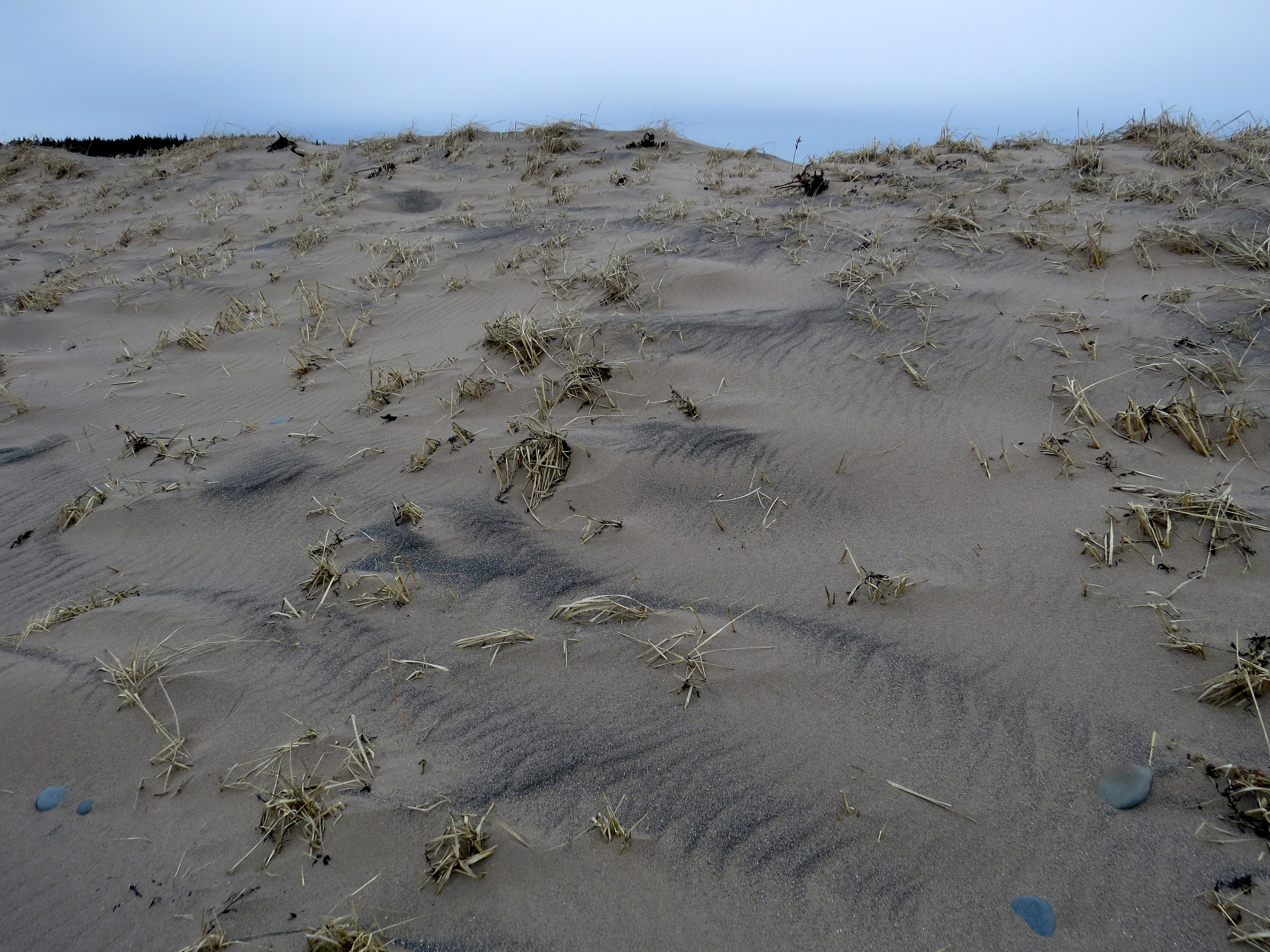
za wydmą porośniętą trawą ostrą

i nie było cię w żadnej

kryjówce

w żadnym zakamarku

wyłem jak wilk głodny

a nie odpowiedziałeś

rzucałem wściekle

mokrymi kamieniami

w drzewa zawieszone

nad urwiskiem

a milczałeś

 nie byłeś

roku potworny

czasie okrutny

roku bogów

obojętnych i głuchych

 na prośby

na plaży Tęczowego Schroniska

która była dziś lochem bez dna

 więzieniem bez kluczy

bądźcie przeklęci

na wieczność

okrutni bogowie

czasie – bądź zapomniany

że byłeś

niech fala porwie z brzegów

wasze świątynie

i wierze kościelne z zegarem

by czas się w niwecz obrócił

jak piasek rozsypał w głębiach

zimnego oceanu

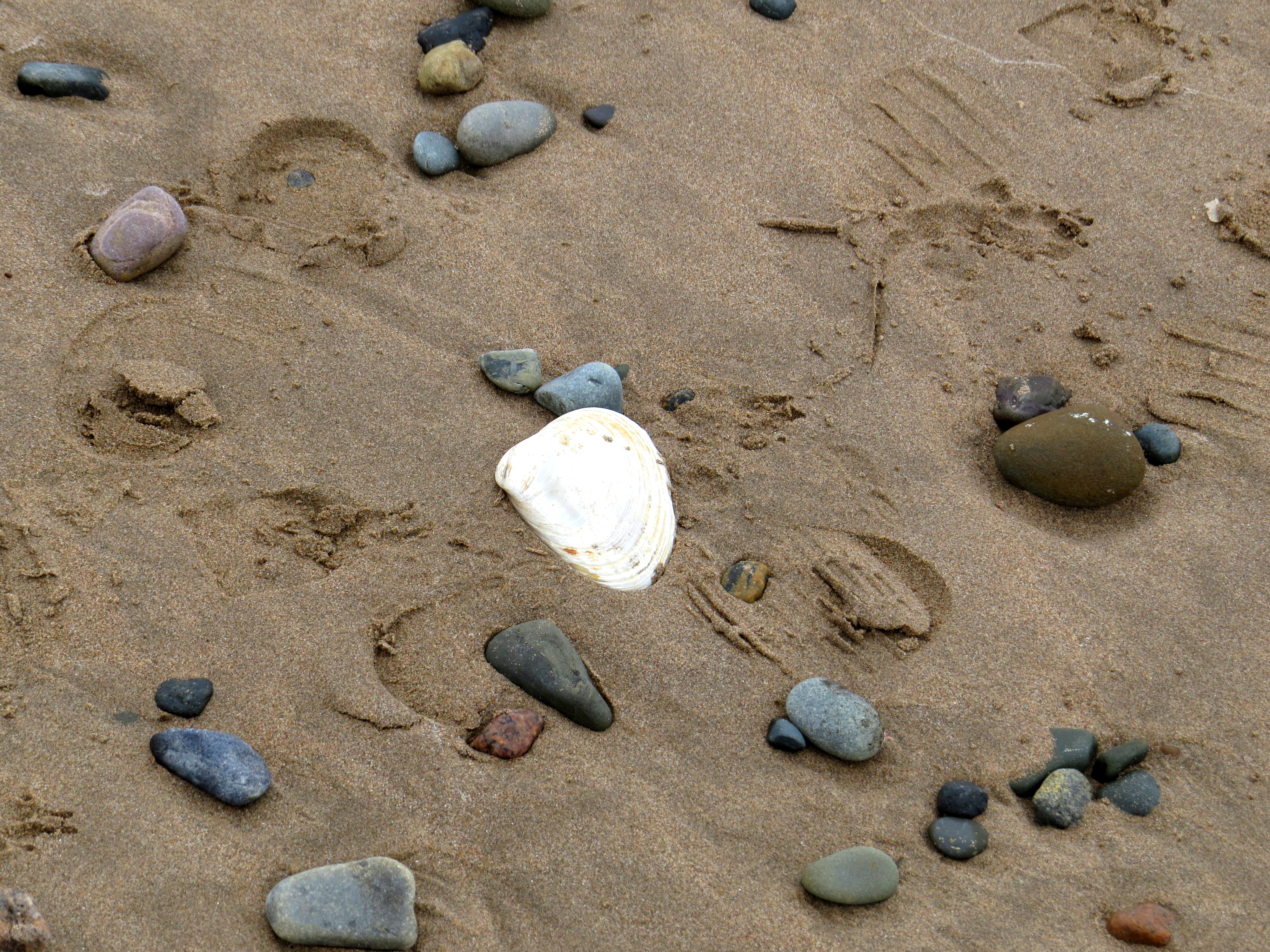
(Rainbow Havens Beach, 31.12.2023)

Camera, poetry, and Yule in Halifax – with John

Yule in Halifax

Do  you still notice the odd things

and the normal things, expected?

Did you hear the song of the waves

yesterday – when it came to our feet,

caressing, enveloping them in a soft

foamy embrace like a kiss?

Do you still follow me on these walks,

my walks of our talks, our love and pain?

Forlorn shores of foreign land that

separated us. But it failed, it failed, I say.

I scream – it failed!

The land on the edge of Canada,

precipitously looking at the abyss

of cold North Atlantic waters.

But we walked on these edges

holding hands, touching limbs and lips.

I still pull you, like a fisherman dragging his net

from the bottom of a cold ocean,

and I bring you to my boat and we sail.

We sail, I say.

I scream – we sail!

With the wind in our lungs,

hope in our hearts,

and memory locked forever:

at the sea, in the forest,

on mountaintops and in deep valleys.

Come with me to the narrow streets

of this old town of sailors and soldiers.

Let’s go at night and celebrate Yule.

Celebrate the way we never did

while we were alive!

(Halifax, Dec.26.2023; by B. Pacak-Gamalski)

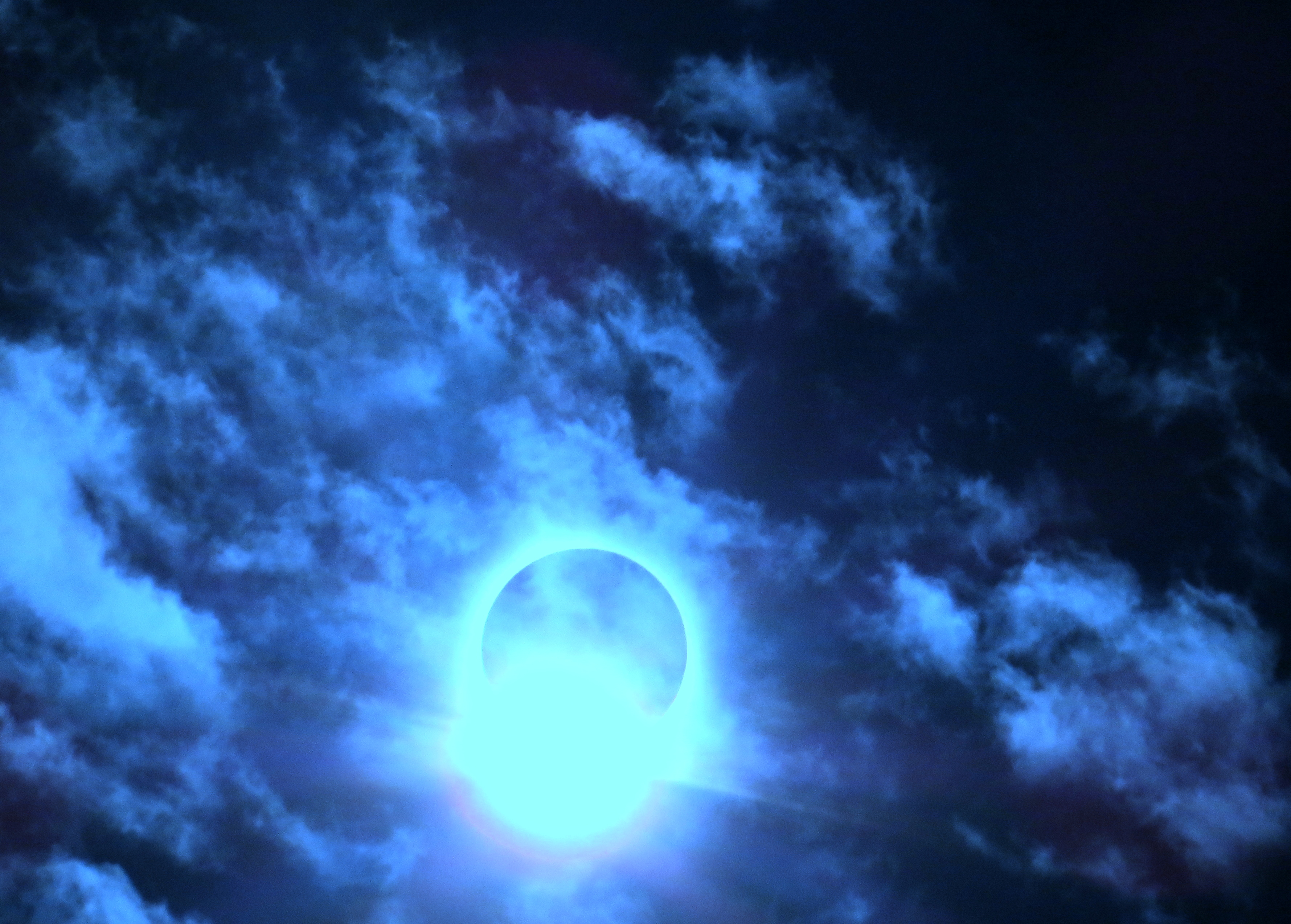
Christmas Day and the gods of the sky: Sun and Moon. And Poseidon, of course.

Christmas Day and the gods of the sky: Sun and Moon. And Poseidon, of course.

Noc dobra nie była. Dusiła, tańczyła na łóżku, tarmosiła pościel, skrobała pazurami długich stop po podłodze.  Telefon zza oceanu o jedenastej rano zbudził z majaków, potem drugi, stamtąd też, ucieszył. A za oknem piękne słońce nowego, bożenarodzeniowego dnia.

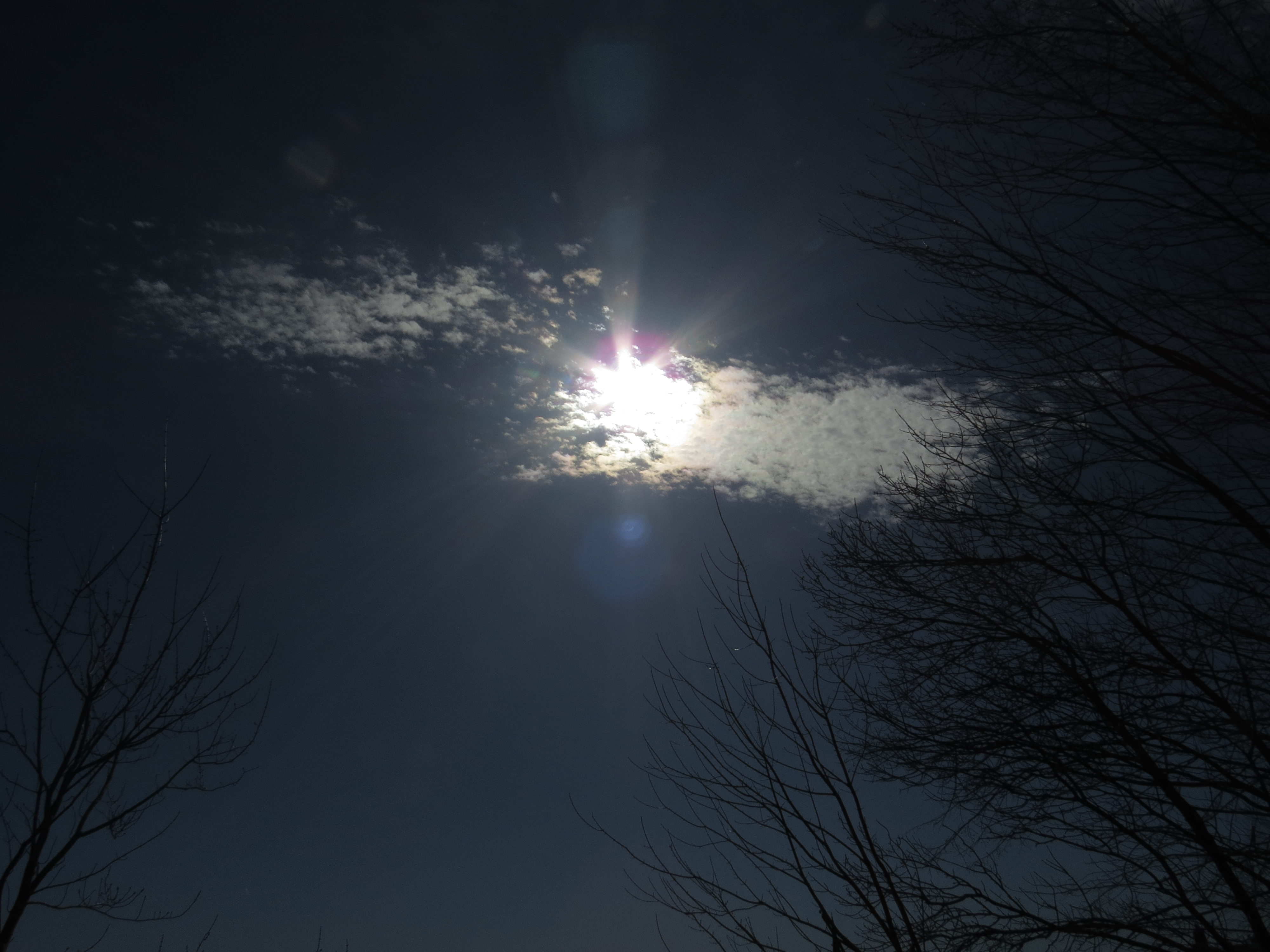
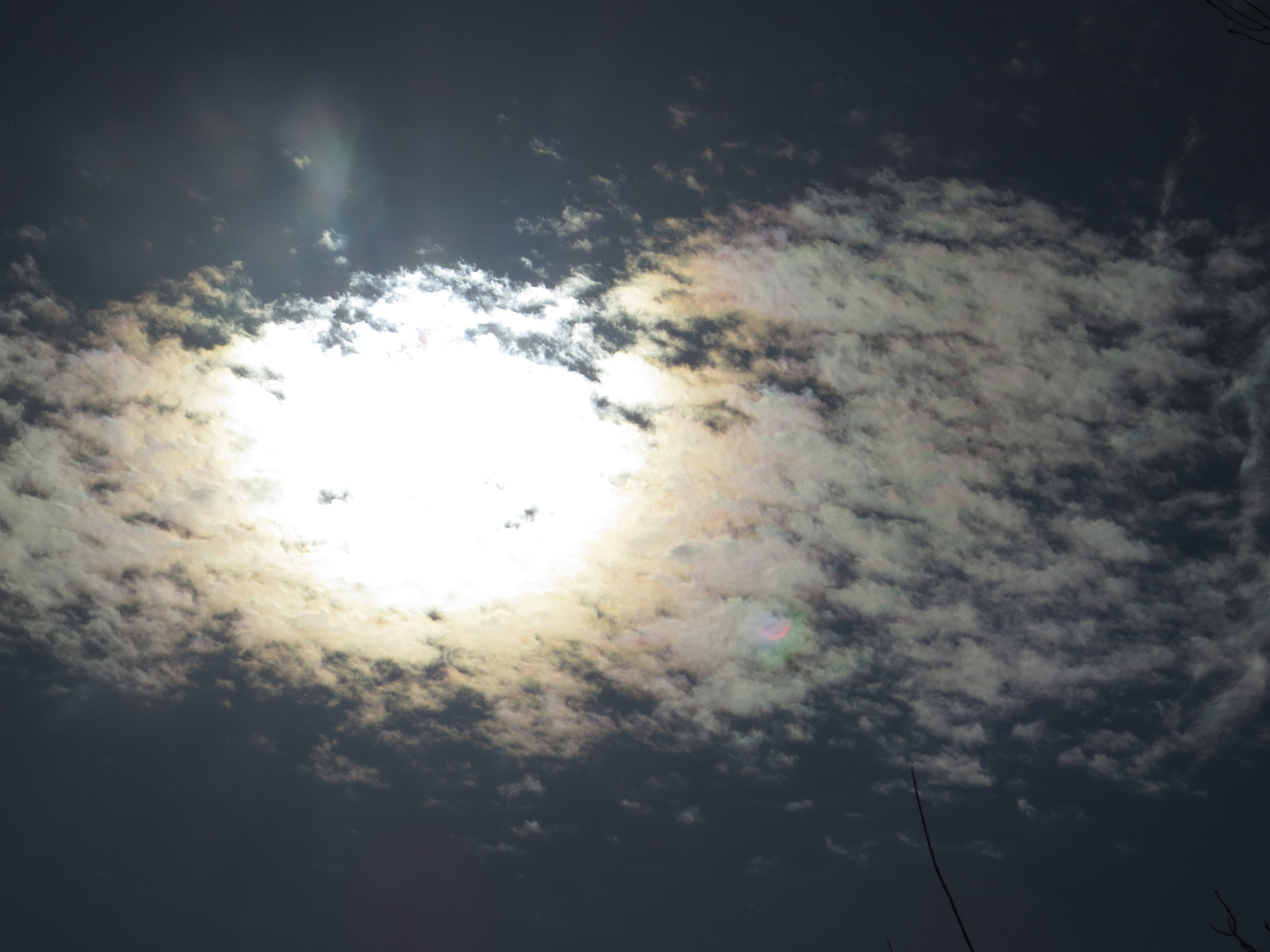
Dwie więc wycieczki zrobiłem – pierwszą do Dartmouth,  do parku Dillman koło Alderney –  a później drugą jazdę na plażę ulubioną koło Lawrencetown – Conrad Beach. W pewnym momencie z nad oceanu świeciła oślepiająco złota grzywa konia z rydwanu Heliosa, a z drugiej, od strony moczar słonowodnych, okrągła, wielka twarz Księżyca w pełni. Czy noc czy dzień do diaska? – pomyślałem i uśmiałem się. A nadbiegająca prędko fala zalała mi buty i zmoczyła skarpety. Chcąc – nie chcąc miałem kąpiel. Nóg tylko co prawda, ale kąpiel jednak. A niżej widoki rannego, bożenarodzinowego Halifaksu i Dartmouth.

The night between Christmas Eve and Christmas was bad. As bad as I suspected it was going to be. Sleepless, despite staying up very late, watching TV, listening to music.  Something was moving the covers on my bed, something was scratching the floor, scratching the walls with a long, yellowish toenail. I must have dose off in the morning when an 11 am call woke me up. A happy, good call from the other side of the ocean. With dear voices of very special and dear people.  I got up refreshed. The sun was bright outside and I took my camera and went to Dillman Park near Alderney in Dartmouth. Went back home to grab a light breakfast, grab my camera again, and drove to Eastern Shore to my favored Conrad Beach. John liked it, too. It was a gorgeous day there. From the ocean side a huge, flaming head of the Sun-god, opposite the Sun, rising above the marches on clear blue sky, full Moon appeared majestically. Looking with my camera at the two gods of the Sky I did not pay attention to my feet and a quick wave covered my shoes and ankles. Well – it was a beach, it was sunny so I had at a least partial bath. And liked it.

Symphony of colours, baroque music, and chat with you.
Today was going to be a nice day. I know, you almost suspect that the next sentence would read: but it wasn’t.  To a certain degree, you are right: it wasn’t a nice day – it was a splendid day.
The next seven days they say it will be very rainy and extremely windy, stormy. Local floods and power outages are expected. But I must go to Pictou and spend some time with you there. It was going to be, after all, our home. Maybe not the epitome of my dreams – but I know it would make you very happy to be next to your brothers, home by home. And my dear, silly Boy – it isn’t Paris, Warsaw, or Barcelona, not even my dear Vilnius or Prague, where I would be happy. I would be happy working on our last home where you would be happy.

I know, in the end, the Fates had other plans, plans that destroyed ours.   But you end up there, in Pictou. With your Mom, your Dad, and now with your older brother, too. It became your home before it had a chance to become mine. Therefore, as Christmas is approaching, I had to go before the storms to be with you.
All the way to Pictou from Halifax, I listened to the best of the best of baroque music. I have said many times that I have very mixed feelings about that epoch in music. I know – Haydn, Bach, Vivaldi, and early Mozart. But, at times it just makes me cringe. It often feels like a tight corset that makes your chest scream for air and freedom.  Then again, at times – nothing soothes you better than old, familiar fugue, like an old shirt or warm morning robe.  Today was one of these days for baroque.  Predictable, well composed, elegant.

Little did I know what you had in plans for me on my way back. A symphony of colours, shades, and hues in the sky I could not imagine possible.

Just one note of my experiences with sunsets: mind you almost my entire life, the adult part anyway, I have spent on the shores of oceans or in the valleys and peaks of big mountains. And many, many years of sailings on ships; I have been to most Polynesian islands and their beaches. In a word – I know a thing or two about sunsets.  Yet, nothing prepared me for the gift you made me today on my way back to Halifax.

And you must know of that special part of Highway #1 from New Glasgow to Truro. It is just like someone was planning a road to be a panoramic exhibition. Almost every season. Particularly beautiful during the glory of Autumn, with the dark hues of evergreens mixed with flames of red, yellow, and gold of other trees. At times it is almost dangerous to drive there as you try to concentrate on the highways and not as much on the panoramas.  Today – you thanked me for our visit and chat with the sky. It was just breathtaking.

There is also something to say about the spookiness of old, local cemeteries that with certain lithing make you feel like watching some old Poltergeist movies. Just saying.

Tidal Bore of Fundy Bay. Bor przypływu z zatoki Fundy. (part 2/część 2.)

At the end of my journey, this fellow met me in Stewiacke

Pamiętacie poprzednią próbę wycieczki śladami potężnego wiertła oceanu, które boruje sobie kanały wzdłuż Nowej Szkocji? Tak po prostu. Włazi sobie w ląd, wyrywa pewnie miliony metrów sześciennych ziemi, boruje kanały i wlewa się swoim żółto-brunatnym mułem. Pamięta skubany, że kiedyś mógł tu skutecznie łączyć się z cieśninami North Cumberland i św. Wawrzyńca i nie był żadną ‘zatoką’ a też cieśniną, nie był zamulony a czysty, jak świeża woda. Nagle wody opadły i Nowa Szkocja z wyspy stała się półwyspem zamykając swobodną wędrówkę wody oceanicznej. No to ta Fundy Bay, która ‘bay’ nie chciała być, pcha się w ten ląd swoją starą drogą. Boruje.  Zaczyna to się w okolicach miejscowości Maintland i drąży ziemię.  Raczej wiadomo, że wydrąży. Woda , panie dobrodzieju, zawsze była silniejsza od najtwardszych skał. Uparta, ot co. Skała to taka trochę zarozumiała jest. No bo silna, twarda, niewzruszona. Więc siedzi tak sobie nieruchomo pewna swej mocy. A woda to żywa, jak rtęć. Smyk, smyk i już miejsce znajdzie. I zacznie drążyć aż tak wydrąży na około twardej skały, że skała sama się zawali w proszek.  

Tamta wycieczka częściowo się tylko udała, bo zachciało mi się ‘bocznych wycieczek’, gdzie w jakiś ostępach leśnych mało nie zniszczyłem swego traka.Wiec dziś pojechałem z surowym sobie danym nakazem: od A do B i wtedy do C. Żadnych bocznych atrakcji.  Co prawda, tak zupełnie posłuszny i skoncentrowany na jeździe utartymi szlakami nie byłem i właziłem tam, gdzie były napisy: Halt! Verbotten! No, ale co to płotek niby metalowy, ale nie wyższy niż do klatki piersiowej? Bo niby zima wszystko nieczynne. A co ja niedźwiedź jaki, że zimą mam spać w norze?! Albo dróżka boczna przez las i wzgórza, niby żwirowa a nie asfaltowa ale porządna.  No tak, był duży napis, że roboty i stała wielka kobieta w walonkach i żółtym skafandrze z dużym znakiem ‘stop’.  Podchodzi do mnie i mówi: reperują most dalej, tylko dla ruchu lokalnego, wracaj do szosy i szosa do głównej trasy. A przecież ja też miałem walonki na sobie, jadę trakiem, jak farmer, więc mówię: ale ja lokalny. No to ona: a,  to OK, jedź. Tylko powoli i uważaj na ciężarówy ze żwirem. I pojechałem. Za mostkiem już robót nie było i droga była dobra.

I cała drogę tej wielkiej rzeki-mułu przejechałem, zaglądałem do niej, podziwiałem potęgę natury. Spotkałem orły, choć zdjęć zrobić nie zdążyłem. Zanim kamerę ustawiłem, odleciały za drzewa. Ale wiecie, jak orły wyglądają. Klucze dzikich gęsi za to po niebie szybujące dały się, niby pięciolinie, w obiektywie złapać.

On the last day of November as you remember, I went to view the immense power of the tidal bore that starts from Minas Basin around Maitland. At that time my unfortunate side trips took so much time, that when I eventually arrived to view the brown mud-river – it was too late to properly explore it. A few days later, still not fully recovered from my bad flu, I went again. This time I took a shorter route and no ‘side trips’. Winter offers totally different views. And lack of tourists. Zero. None. Yes, some spots were gated and closed. But the gates were not really that tall and maybe I didn’t see the sign ‘closed for the season’? Who knows. I was there and the river was there and we had to meet somehow. So we did. The rest is history. The Tidal Bore is an absolute must to see. Such immense power of the ocean tides and the constant struggle of the land against it. A struggle the land will eventually lose. But observing it is something to admire. Nature has so much majesty. I took this time Highway 102 to Shubenacadie and #215 to Maintland. Came back by scenic Riverside Road that follows the flow of the Channel (called also Subenacadie River).  

Gdzie pies z kulawą nogą …where the devil won’t …

… nie pójdzie, to polazę. … there I will go.

The other day, on the last day of November I decided to go and explore parts of Nova Scotia hinterland I have not traveled through. It wasn’t the smartest choice but – what the heck, not the first and certainly not the last time I did things I maybe shouldn’t, and a bit too late, as it was already 1 PM.  Took the #101 west to Lower Sackville and turned into #354 north toward Beaver Bank. Between the little and tremendously loooong towns of Beaver Bank and Middle Beaver Bank, the traffic and road repairs stretched my patience to the limit. I was just about to turn around and go home. But past the Upper Beaver Bank the highway climbed higher and higher, the sky became bluer and bluer and the new snow was so white on passing tree branches and endless fields. I was in heaven. Around the small community of Upper Rawdon the highway reached its peak and you could enjoy endless view in front while driving. And there was almost no one else driving. Such a peace. And peace is what I went for in my driving that day.

I was aiming to go to Maitland to view the power of the Tidal bore of Minas Basin as it rips the land and goes toward Truro on one end and all the way to Shubenacadie on the other end. There is no escape – that bore and power of the Fundy Bay will in not so distant future finish its job and separate once again Nova Scotia from the mainland and we will become an island again. Little chance I will see it (although rising sea levels might accelerate even faster …) but people in their twenties most likely will. I was aiming to…. My famous words, LOL. At the footsteps of the lovely town of Kennetcook I took a sharp turn to the west. Let’s explore some more of the hinterland. Sure, why not?  Especially that it started snowing and daylight became a bit greyish …  It was the last day of November, after all.  Around small Tom Barron Road, I thought that I should start heading back to my original destination. Turned right into the road, passed two or three ancient homes, lost my internet connection. But west is west and east is east with or without internet.  The gravel and mud road instantly becomes narrow. Have a big truck, so what? Just drive to the end and turn on the first road toward the east. What’s the problem?. Passed a very small enclosure in the thick forest with one solitary bull there.  Waved to him and very slowly moved further. Slowly because the road stopped being a road. It became very narrow, with deep holes tunnel. Suddenly for a moment my wifi came back and said: continue for six kilometres and turn left. I tried. But there was no chance. One could hardly walk there and no car (maybe a tank, but I doubt it) can possibly drive through that tunnel. Turning around was impossible. The only choice was driving in reverse trying not to get stuck. Took me forever, meter by meter, back and forth. Branches scratched my poor truck seriously. But I had to get out. The phone was dead again. Finally, I got back to the enclosure with the bull, and used the small clearing around it, turned around and headed back. That was interesting, LOL.

The rest was easy. Back to Kennetcook, down to Maitland. And to the power of the yellowish bore of Minas Basin. It was getting too late already to explore the view of the ‘river of mud’. Took a few pictures and took Highway 215 to Shubenacadie by #102 and back to Dartmouth.  Very soon, I will have to take that drive again to observe the tidal waters coming through the land. But will not engage in doing ‘side trips to nowhere’.

Ostatniego dnia listopadowego nie mogłem więcej wytrwać w domu. Mimo ciągle męczącego kaszlu i myśli zwróconej w kierunku strasznej rocznicy – zdecydowałem pojechać w tereny nieznane jeszcze, na północ przez wzgórza, ku dolinie którą zamieniła w rwącą, żółtą rzekę potęga fali przypływu z Fundy Bay. To nie jest rzeka słodkowodna. To morska fala, potęga oceanu, który rozerwał tą dolinę, jak pługiem. Wyborował sobie drogę. Dawniej, tysiące lat temu Zatoka Fundy była po prostu cieśniną, która oddzielała Nową Szkocje od lądu stałego.  Teraz, podnoszący się stale poziom morzą związany ze zmianami klimatycznymi wraca w swoje dawne koryta. Za pięćdziesiąt lat spodziewamy się, że Fundy Bay znowu będzie cieśniną i połączy się z Zatoką św. Wawrzyńca czyniąc Nową Szkocję wyspą ponownie. Być może nastąpi to szybciej.  Więc pojechałem w kierunku Maitland przez rozległy płaskowyż zobaczyć gdzie ten potężny bor przypływu wyżłobił tą słoną, mulistą rzekę, której jedno ramię delty prowadzi do Truro, a drugie na południe, do Shubenacadie.

Ale, zwyczajem swoim, miast jechać wytyczoną trasa do celu, w okolicach uroczego miasteczka Kennetcook, skręciłem nie w prawo do Maintland, a w lewo. Troszkę wiejsko-sielankowego uroku tej zachodniej części Nowej Szkocji zasmakować. To trochę taka dzielnica zapomniana, nie na głównym szlaku. Zaczynało się robić lekko późno, śnieg prószył już nieźle. Po parudziesięciu kilometrach dojechałem do małej wioski przy drodze Toma Barrona. Pomyślałem, że czas wracać w kierunku Kennetcook i na trasę zaplanowaną. Nova Szkocja obszarem to nie Kolumbia Brytyjska czy Ontario. Wszędzie tu blisko, więc po co wracać ta sama drogą? Przejadę przez tą wioskę i z drugiej strony lasku w pierwszą napotkana drogę w prawo. Co za problem? Droga tylko bita, wąska, ale mam przecież trucka a nie fiacika. Wioska była malutka, osada w zasadzie , może trzy-cztery domki. Zaraz za domostwami zaczął się lasek. Potem gęstszy, droga węższa. Straciłem wifi i googla. Jechałem już wolno. W pewnym momencie była małe obejście otoczone palisadą wewnątrz którego stał samotny byk. Pomachałem ręką. Śnieg prószył bardziej i widoczność zmalała. Zaraz za obejściem droga stała się drużką, tunelem w zasadzie z głębokimi koleinami. W pewnym momencie mój gogle się odezwał! Dalej mnie prowadził mówiąc wyraźnie – za sześć kilometrów skręć w prawo i kontynuuj do szosy 236. Zawahałem się ale nie było jakiejkolwiek możliwości zawrócenia, mój truck ledwie się mieścił między drzewami. Może za kilkadziesiąt metrów ta dróżka się powiększy? Nie powiększyła się. W pewnym momencie zwężała się na dróżka dla jednego-dwóch piechurów. Nie było wyjścia. Wifi też przestał działać ponownie. Musiałem cofać się metr po metrze pilnując by nie wpaść w koleiny i nie zabuksować się lub nie uszkodzić zawieszenia kół. Na gałęzie szorujące bogi samochodu uwagi nie już nie zwracałem.  W zasadzie smiac mi się chciało. W najgorszym wypadku będziesz tu w tej dzikiej gęstwinie nocować, benzyny masz sporo to będziesz mógł się ogrzewać., LOL. Ale metr po metrze jakoś udało mi się wycofać do miejsca tego zagrodzenia z bykiem. Przy zagrodzeniu była mała wycinka, gdzie udało mi się samochód przekręcić. Byłem więc ‘w domu’. Pogadałem chwilę z bykiem, który patrzył się na mnie z politowaniem.

Wróciłem do trasy i przez Kennetcook pojechałem szosą 236 do Maintland. Zaczynała się  niezła szarówka, śnieg ciągle padał.  Obejrzałem tylko mały fragment tej ‘żółtej rzeki’. Jej ciekawsze fragmenty były blisko ale wymagałby zjechania w inną szosę a widoki z minuty na minutę były gorsze. Obiecałem sobie tu jeszcze wrócić (bez bocznych ‘objazdów’).  Szosa 215 pojechałem do głównej trasy 102 i stamtąd do Dartmouth, do domu. Było już czarno. Ale wycieczka mimo to udana.

The power of the ocean and the lure of a wintery sunset

The power of the ocean and the lure of a wintery sunset

For the past few days, I have been struggling with bad flu. You know the story, don’t you? A man and the flu do not mix well. Women over the centuries have learned that flu is but a nuisance yet the homework still needs to be done. Men on the other hand view it as a biblical plaque. They thought that it is the end of the world. I am somewhat a modern man and I do live alone – so the chores reluctantly were done. But venturing beyond home was for most of the time beyond my strength. Today was a first day much better. On the mend, so to speak. Cold but absolutely, stunningly beautiful. I knew the sunset is going to be spectacular and I ached to go and see my sea. Not only the Channel in front of my home, but the actual open ocean: to hear its song, to marvel at its might.

In 2020 I wrote poem to the Ocean. At the end of it, the ocean invites me and says:

I will offer you a lazurite scale armor,
a long shawl in dark green,
as my wedding gift. 

Went to the very end of the road past Fisherman’s Cove, right in front off the aptly named Devil’s Island. There is nowhere to go from there but to marvel. Last time I went there was sometime in December last year with my Damian, who came from Poland to stay with me after John’s passing. I don’t remember much about that December. If not for this good soul, who came to look after me … well, I have no idea how I would have survived. But one cold, wintery day I took him there, to that spot. We watched the furry of the ocean that tossed huge rocks like pebbles on the road.

Today was the orgy of red, orange fires between the sea and the sky. Almost kitsch, almost vulgar. Almost – but Nature never cared much about our delicate bourgeois sensibilities.

Dni straszne nadchodzą. Dni zderzenia się z ciągle odrzucaną rzeczywistością odejścia, rozłąki. Niebytu. Ciebie. Mnie bez Ciebie. Czasu, który na zawsze rozdzielił moje życie na przed i po. Pojechałem tam, gdzie byłem w tych dniach niemożliwych do zrozumienia z Damianem, który przyjechał z Polski ze mną być. Młody człowiek, któremu ja miałem być opoką niewzruszoną, który nie mógł wiedzieć, co w chwilach takich robić należy. Ale był. A nikt nie wie. Ani młody, ani stary. Wiedzą tylko poeci i wariaci. Nikt wtedy też poetów nie czyta, a wariatów nie słucha. Tak nas uczono przez setki lat. Zagryź wargę i idź. Idź gdzie? Wszystkie drogi prowadzą wówczas do nikąd.

Więc pojechałem tą samą drogą, tym samym samochodem, jak tamtego dnia z moim chłopcem z Polski, w dokładnie to samo miejsce. Patrzeć na ocean. Słuchać oceanu. Przy brzegu Diabelskiej Wyspy. Ocean rozumie. Jest wszechpotężny. Wycisza wszystko. Jak w w moim wierszu napisanym wiele lat wcześniej, w 2020. Bardzo mi to dziś pomogło.

Ocean
Patrzę na ciebie, żywa wodo nasza
w wiecznym ruchu, nigdy nie uśpiona.
I tak czasem bywa, że ty, jak tafla
jesteś, jak wielka szyba okna Ziemi.
Jak śpiąca Afrodyta rozmarzona.

Ale ty nawet wówczas drżysz, wznosisz się,
twój oddech jest wilgotny, gdy tuli brzeg.
Gdy budzisz się w czas, muskularna, naga,
grzywacze w rydwanie gnasz przez zatoki,
cieśniny, zdobywasz fiordy, usta rzek.

Mierzysz się z czasem, chcesz go cofnąć, wrócić,
pokryć ciężkim, lepkim płaszczem doliny, góry,
które były pałacem pełnym krużganków,
obszernych komnat z tańcami, muzyką głębi,
odbijających słońce, gwiazdy, księżyc, chmury.

Zawsze gdy wchodzę w twe podwoje, zanurzam się
w tym życiodajnym płynie macierzyńskiego łona.
Otulasz mnie czule, mruczysz bezsłownie: wnijdź,
nie bój się, mam tyle przestrzeni wolnej, twojej.

Podaruję ci płaszcz z łuski niebieskiej,
utkam długi szal zielony,
jak welon weselny.