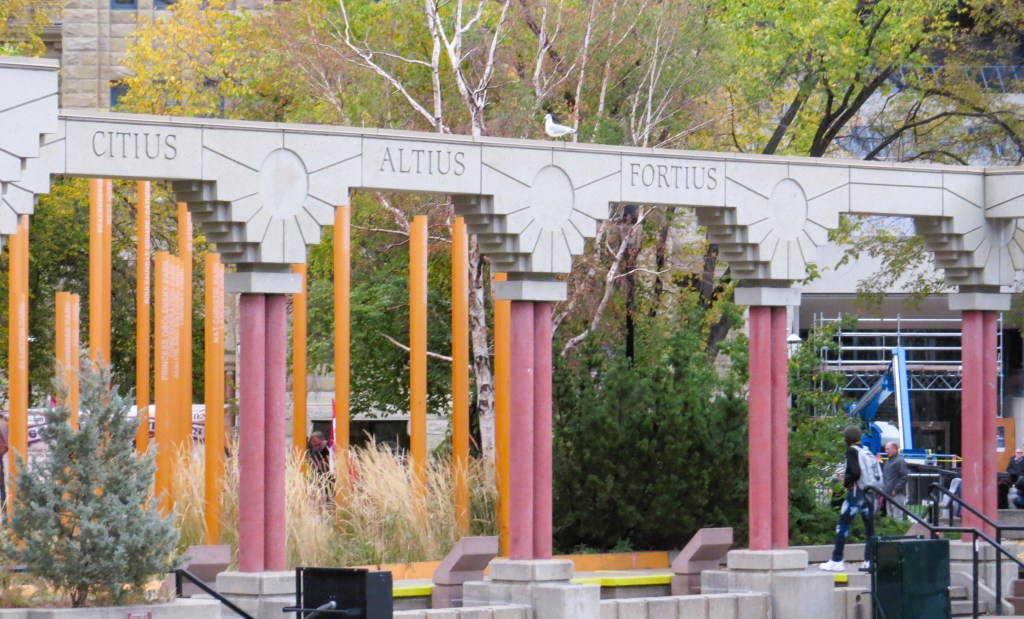
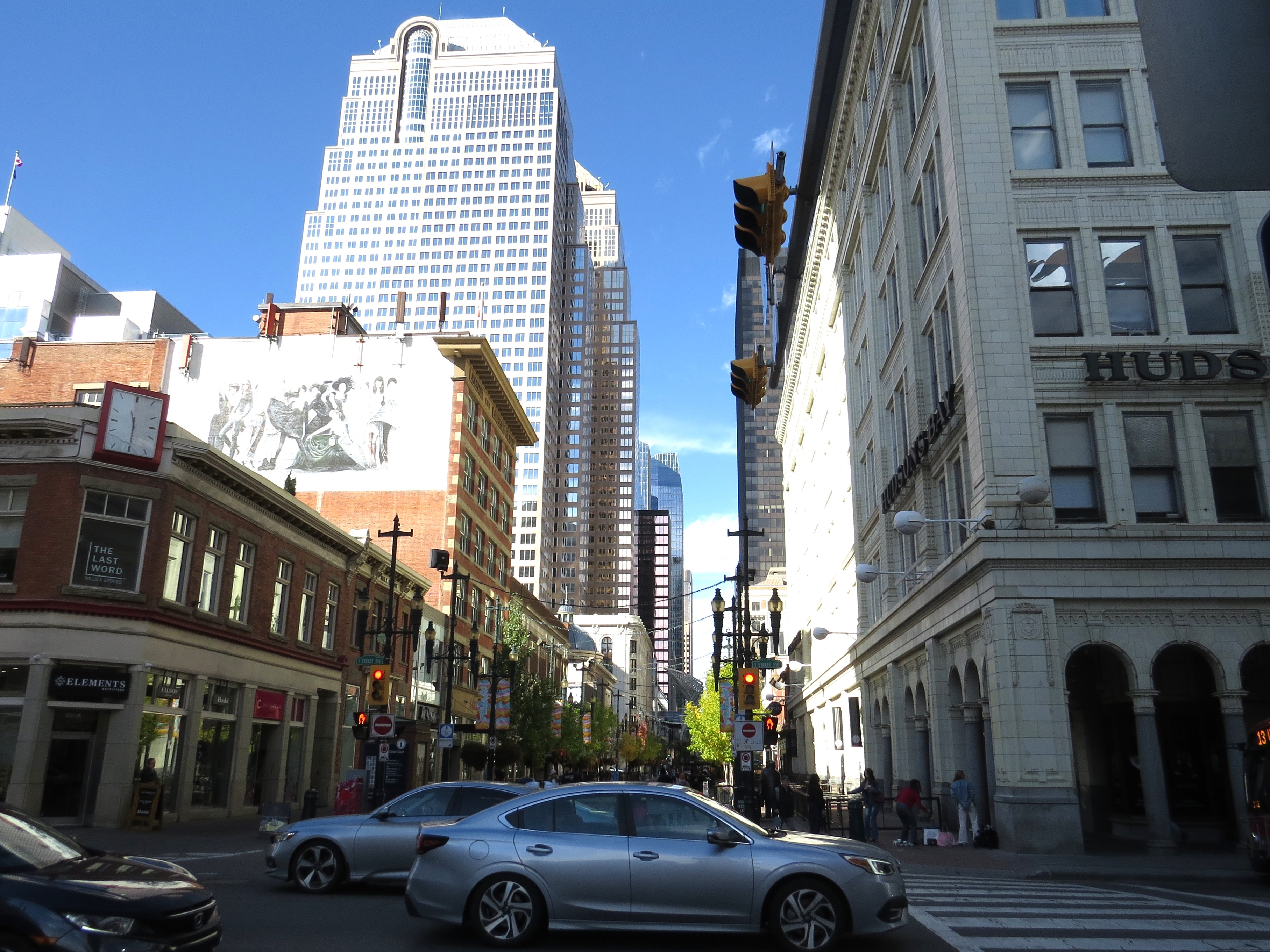
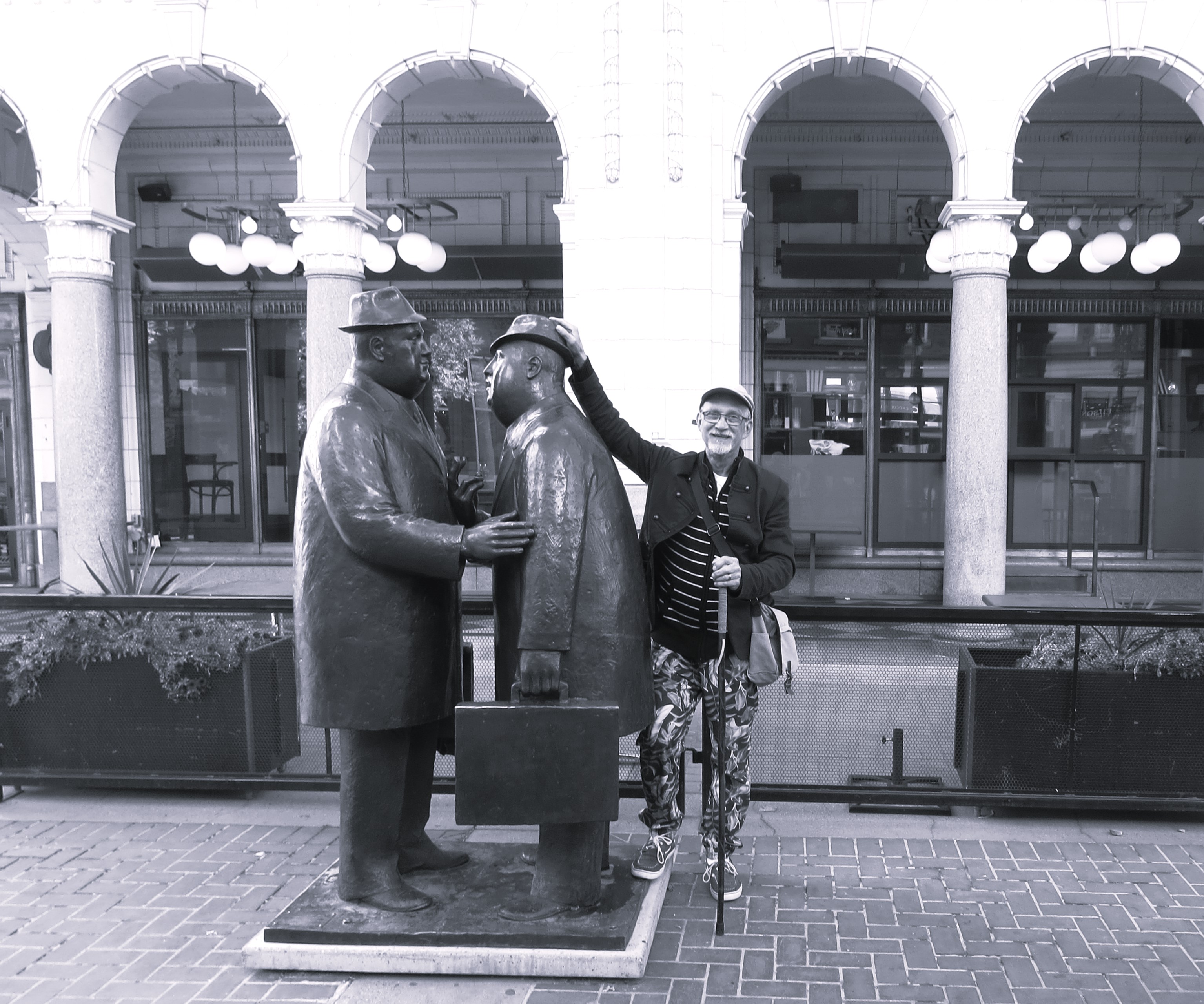
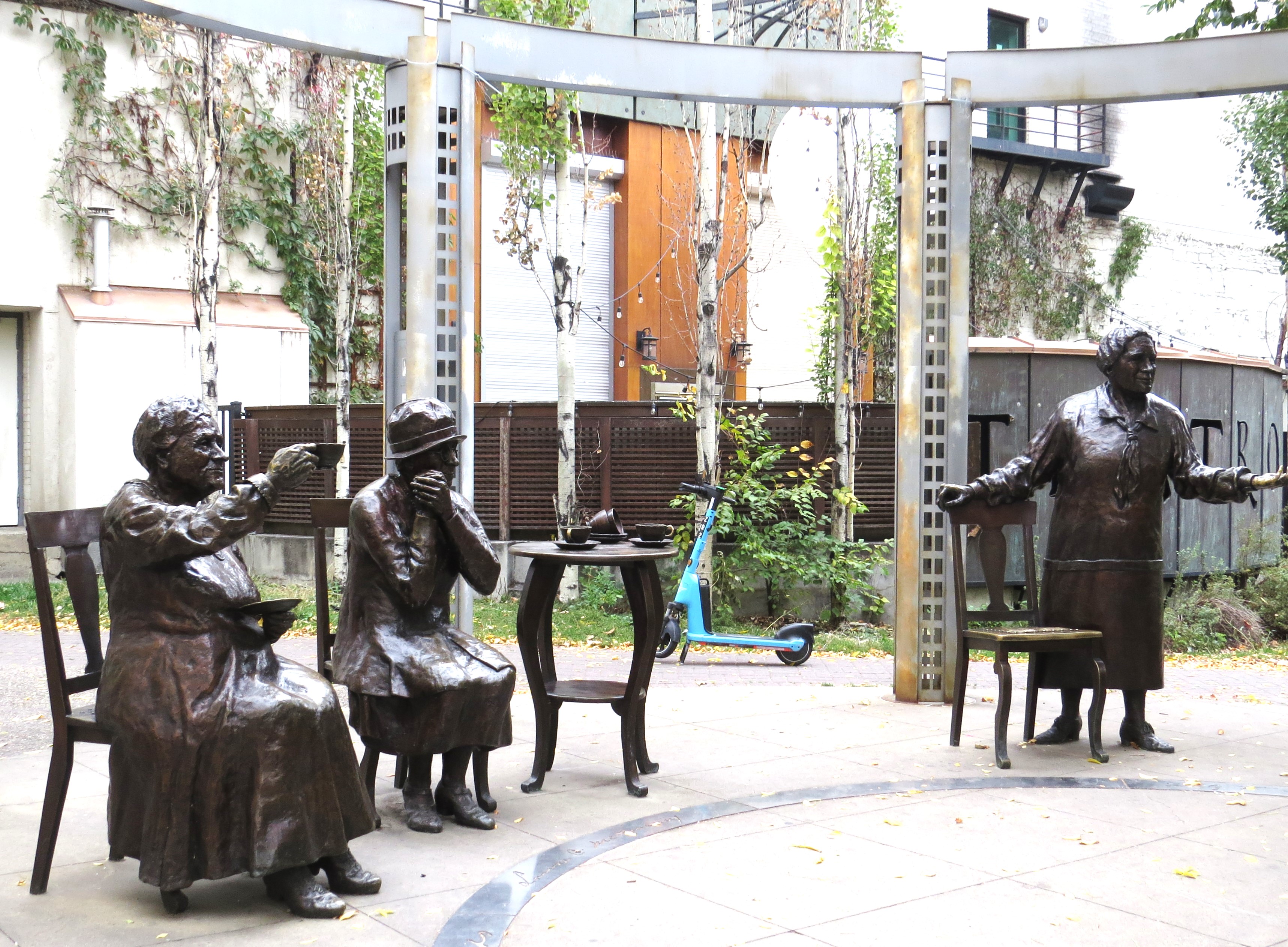
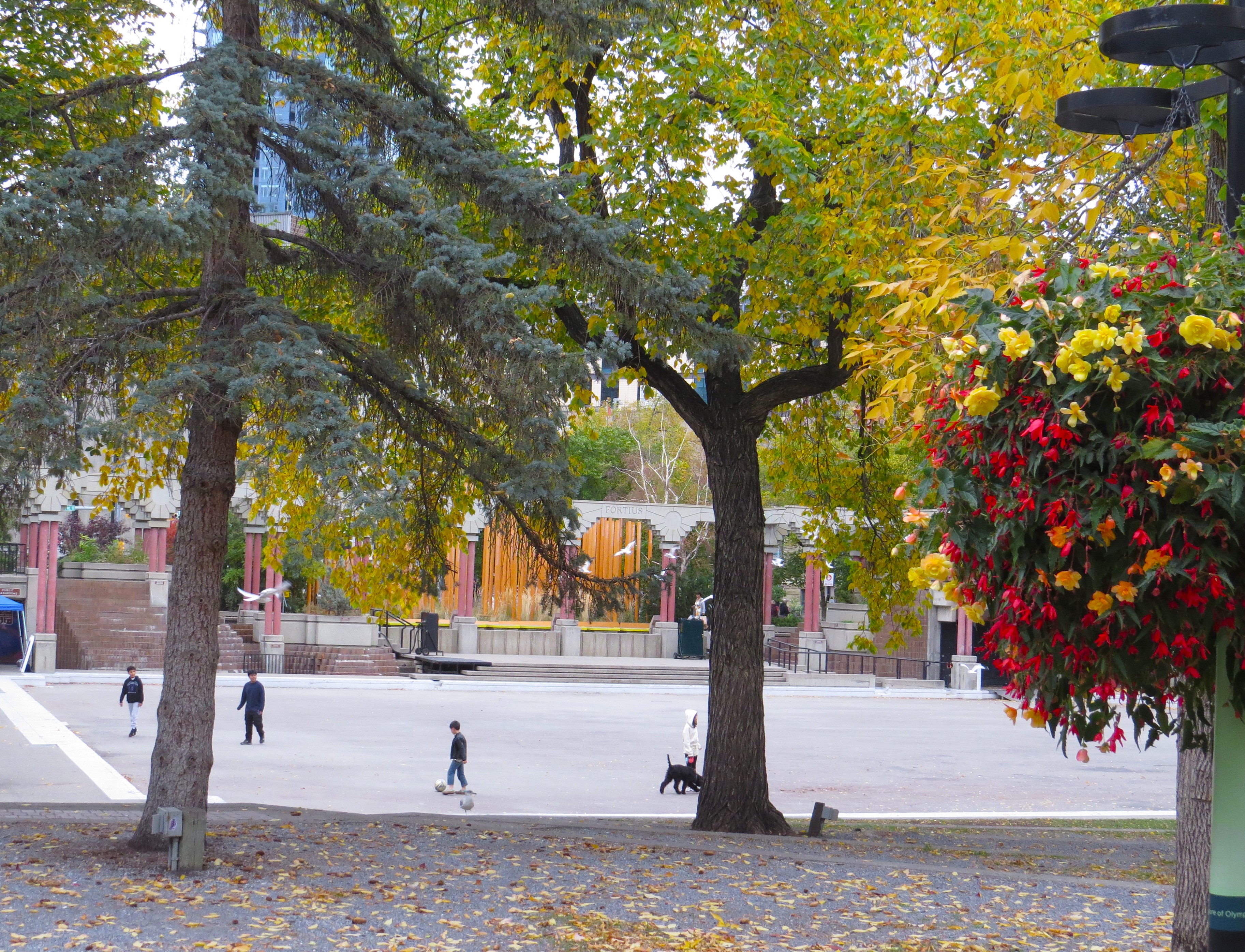
Of all the cities of Canadian prerie provinces (Manitoba, Saskatchewan and Alberta) – Calgary is the best known and in many ways perhaps the most influential way (in both: good and bad ways). Many eons ago it used be my first Canadian home for almost a decade. And Calgary’s main walking and social promenade was Stephen Avenue Mall. Roughly speaking a district in the middle of the city, between City Hall and 6 Street S.W. Entertainment and commercial heart of Calgary. Not the only one (17 Avenue SW is also important ) but historically speaking the main one.
Hence my walk ‘down the memory lane’ with a dear friend. Apart from everything else it is a pivotal part of my entire life. Not only my Canadian life – but my whole life. It is where I met the love of my life, my soulmate.
That personal aspect will be explored in a more poetic language in my next post. Now, that walk through the Mall in September 2024.
Another big journey. Fitting in as it was, as it allows me to say slowly a goodbye to my country – Canada. Would have been most likely My Country to the very end, but Fates wanted otherwise. I will be eventually going to the country of my childhood and youth. That is another story though, and a reader who follows my Blog – knows it.
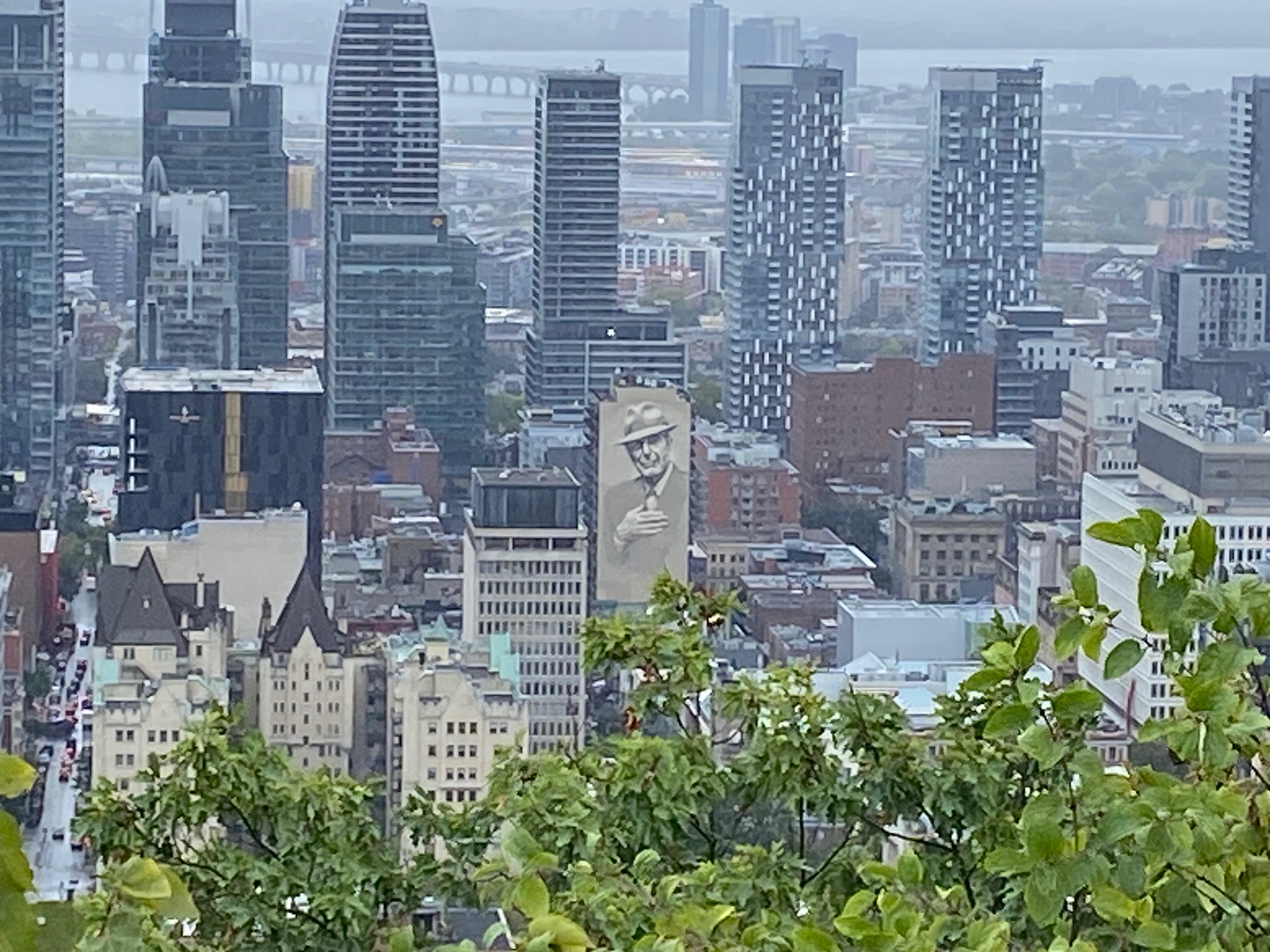
The Story today is Canada, it’s nature and huge expanse. It started by driving from Halifax in Nova Scotia, through New Brunswick, and finally to grand old Montreal. A city built at the mouth of powerful St. Lawrence, surrounded by smaller rivers and water channels. The proper old Montreal was itself an island of land (not a very large one) constricted from all sides by flowing faster or slower water. Hence the grand city is very dense, streets are narrow. It reminds me a bit of an old Paris, an island around Notre Dame, and on the other side closed by the old medieval Royal Seat of Louvre as it was, long before becoming one of the most famous museum and gallery.
From Montreal the highway took me through the capital, Ottawa. It has changed tremendously since I have been here about seven years ago. Not that long ago – but it did. A maze of new skyscrapers.
Pass Ottawa and Petawawa (a city of storied military history) the highway takes us through Ontario’s Cottage Country and numerous small towns and settlements. A glorious Fall colours od forest and Laurential Mountains.
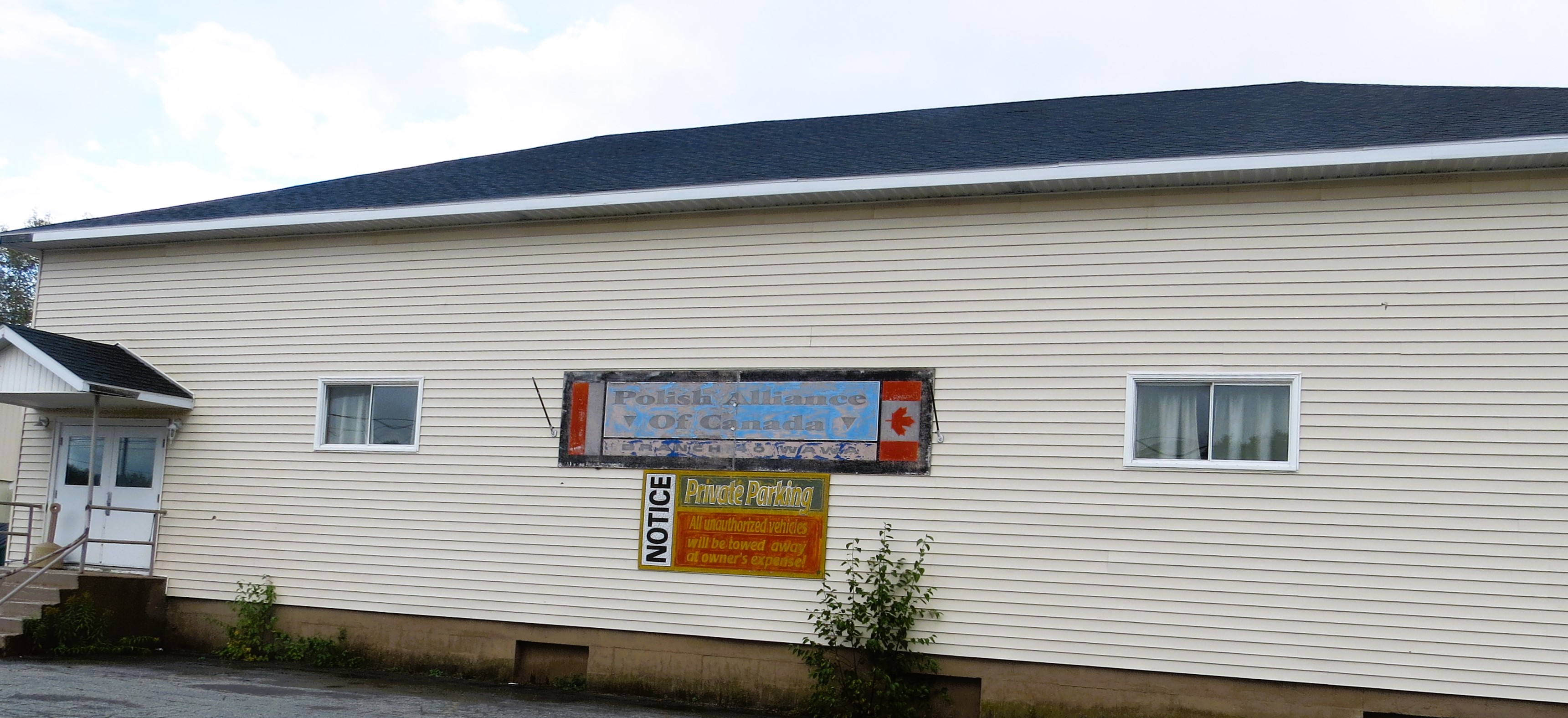
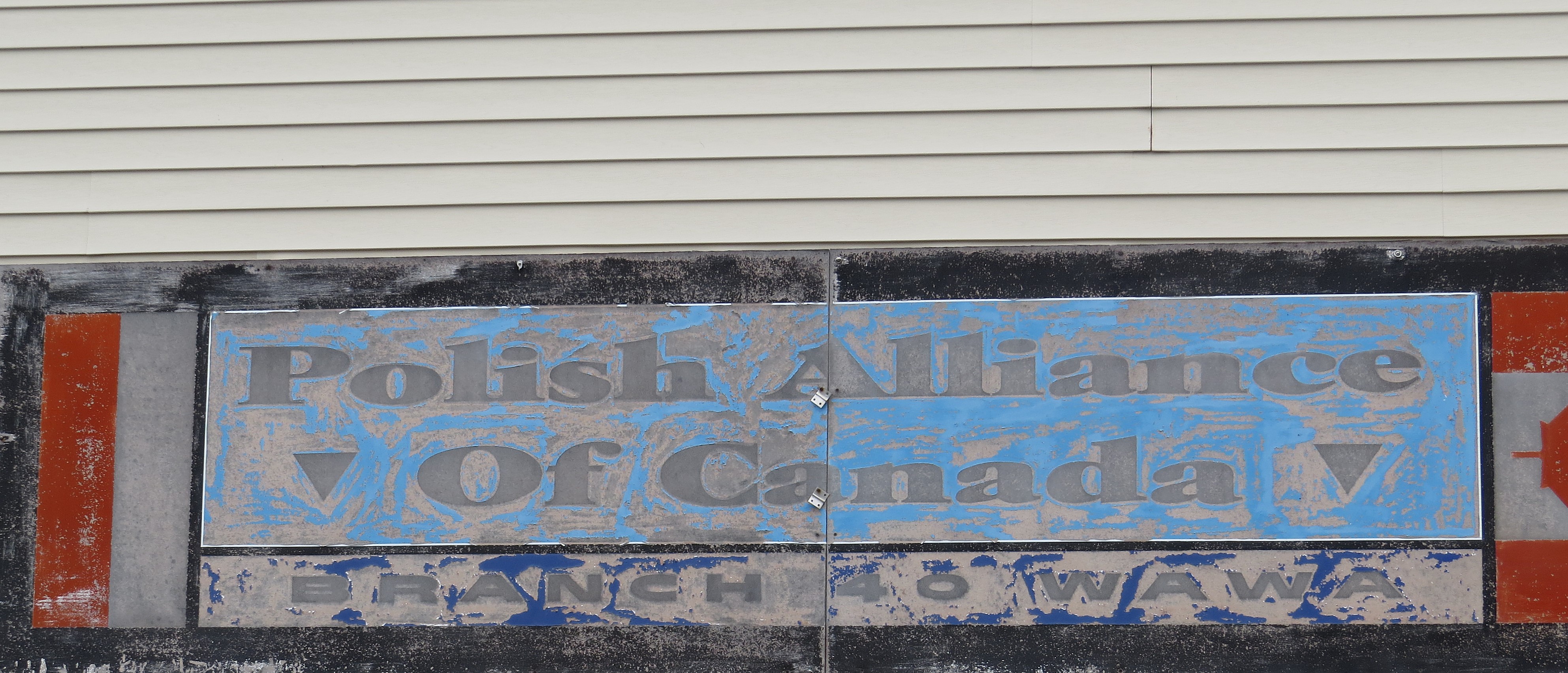
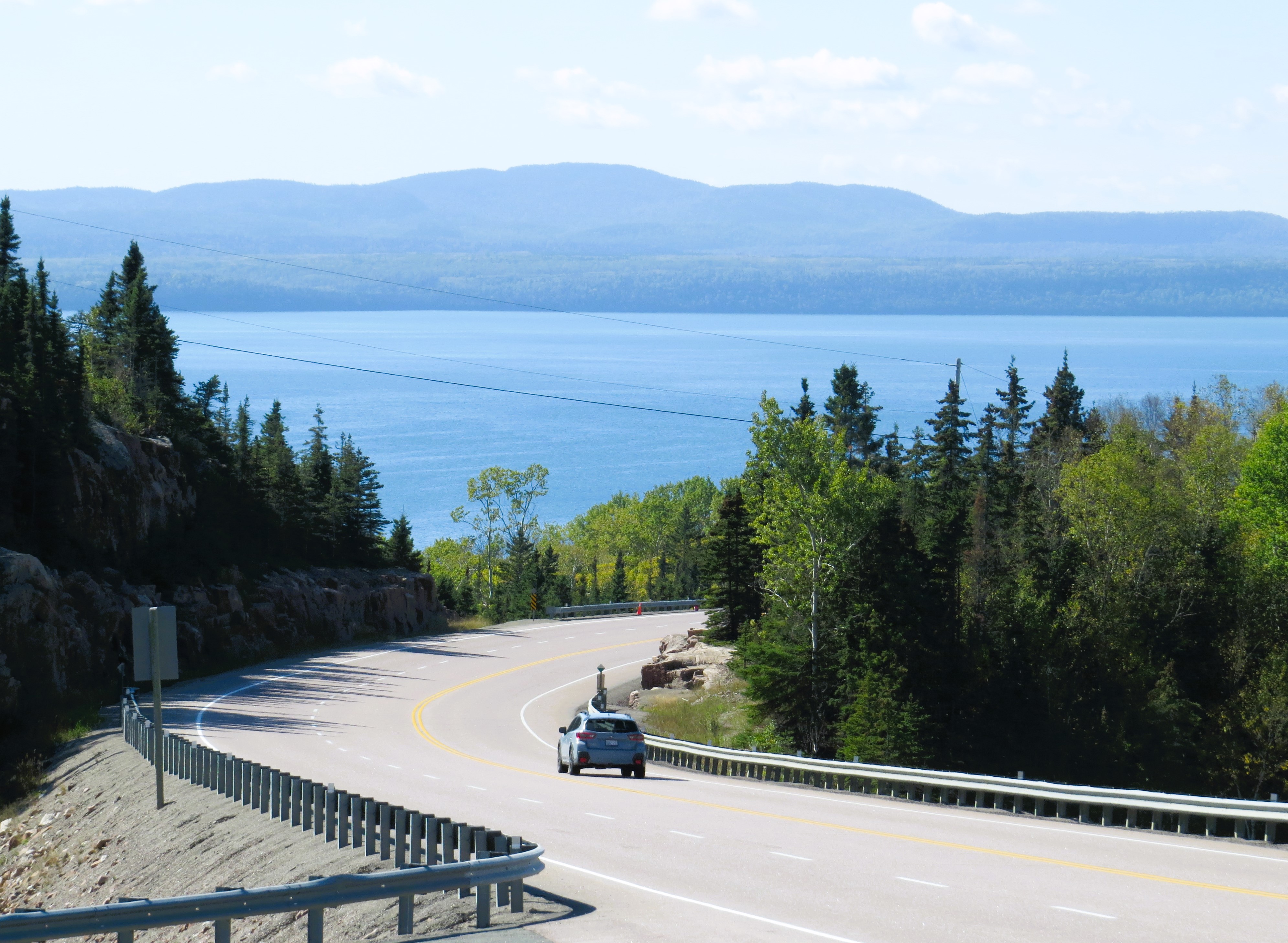
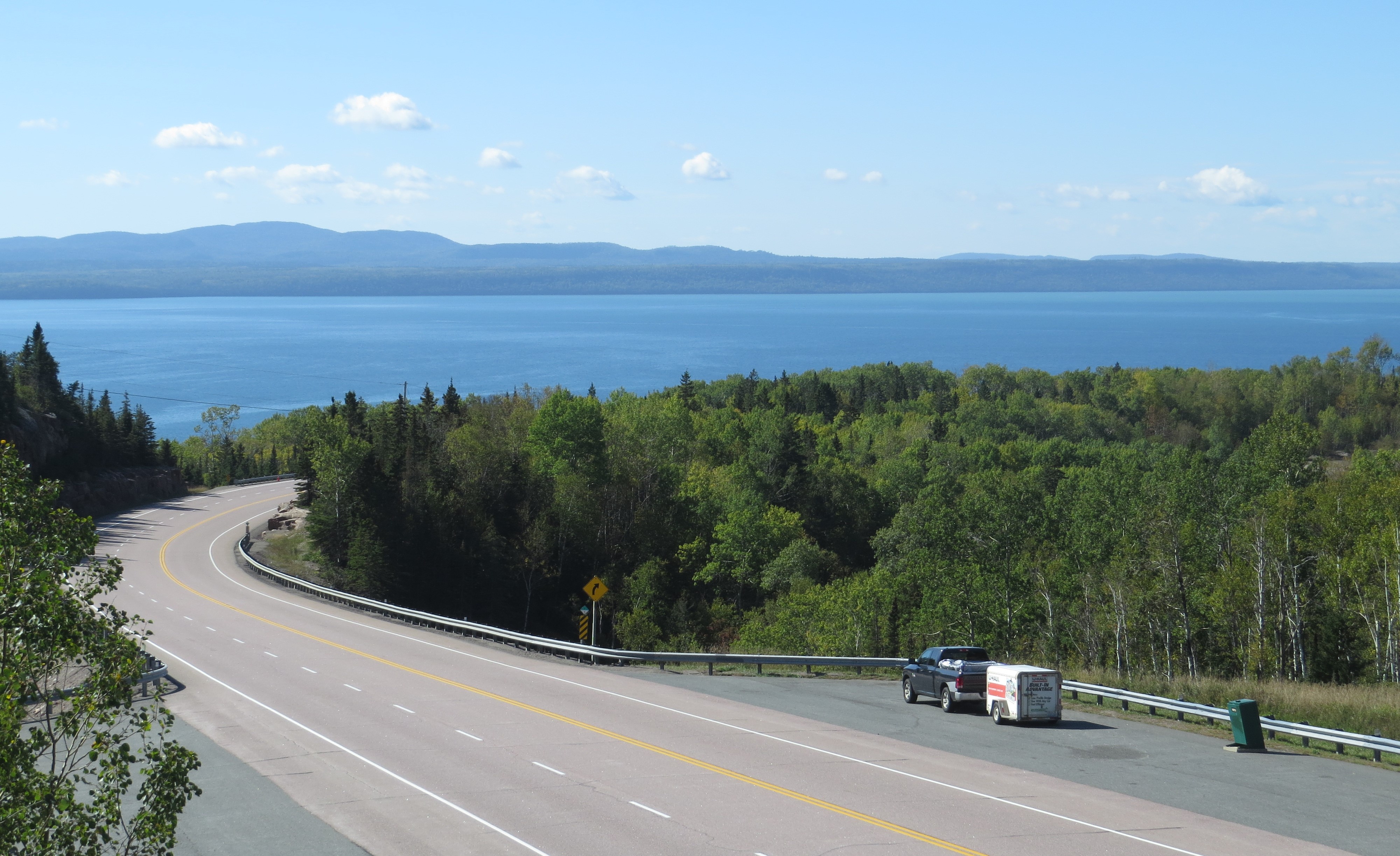
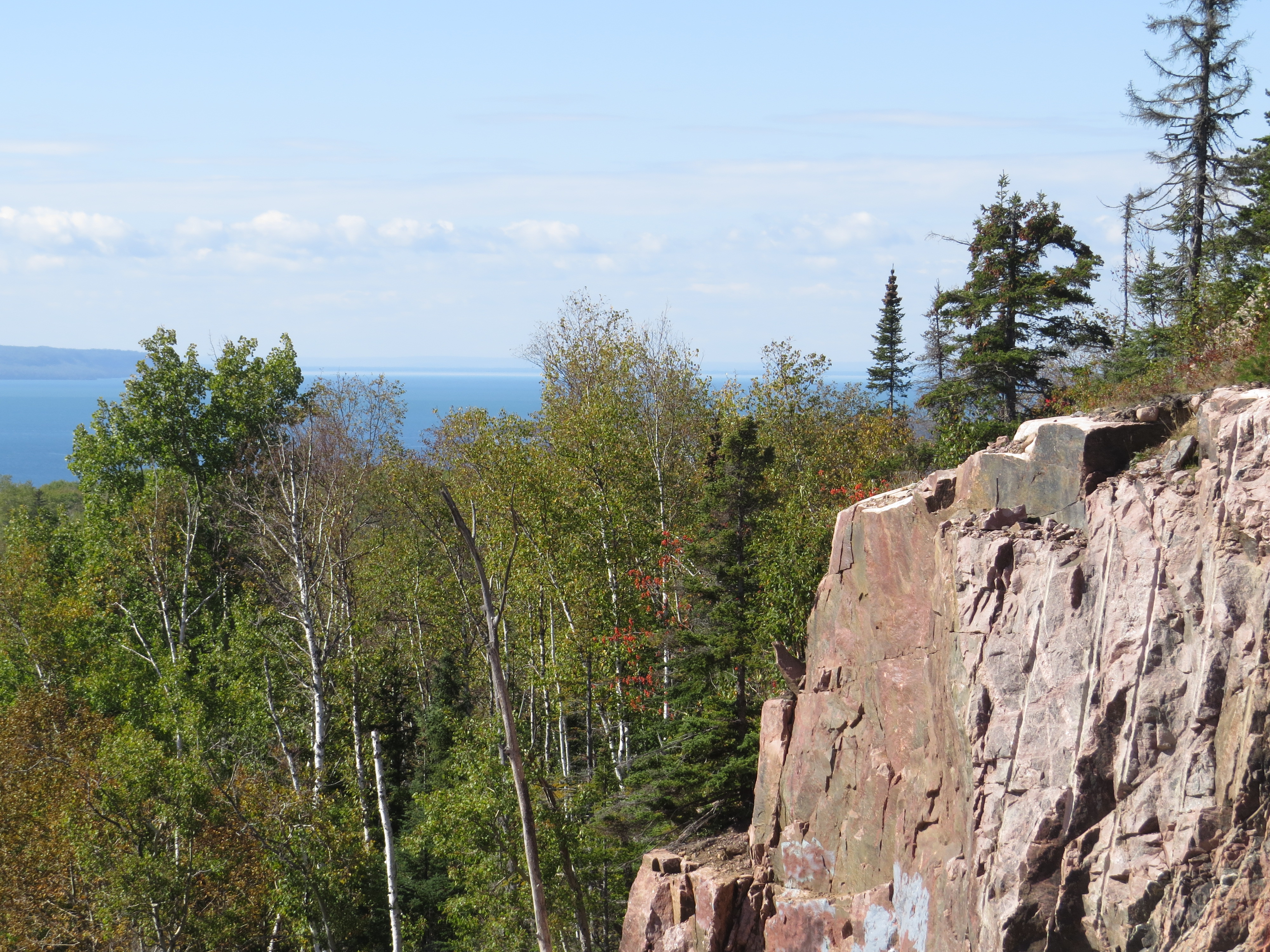
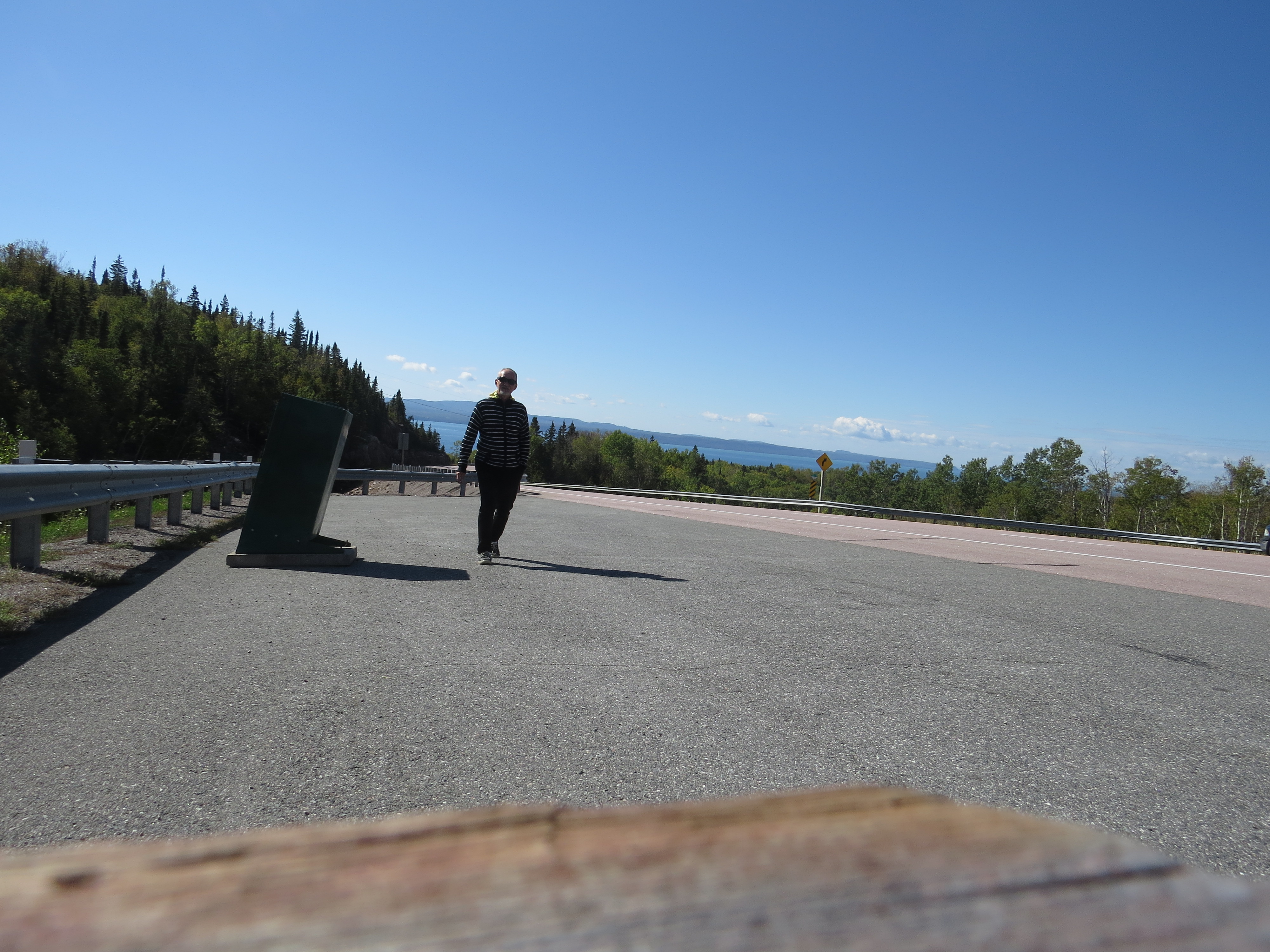
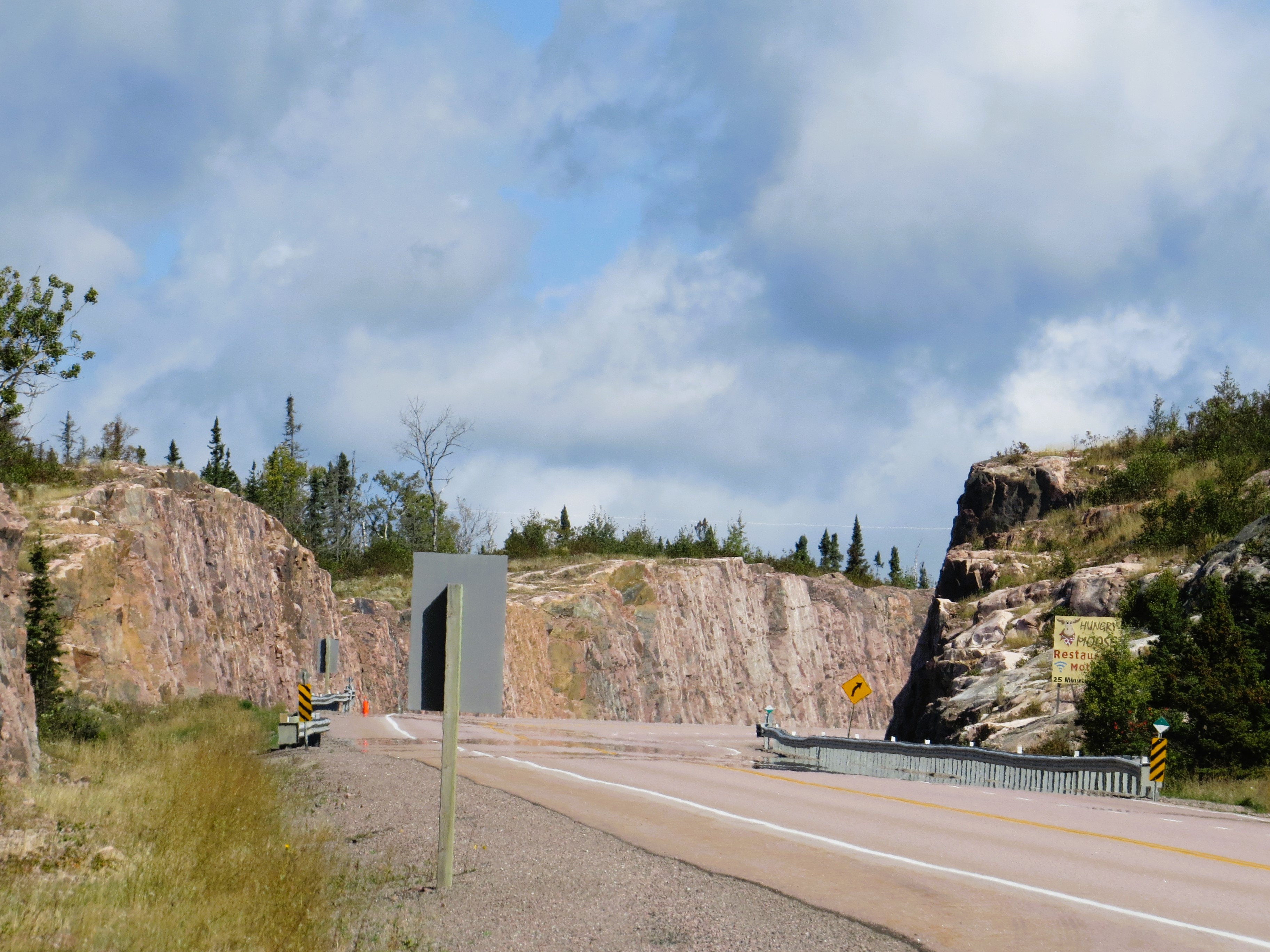
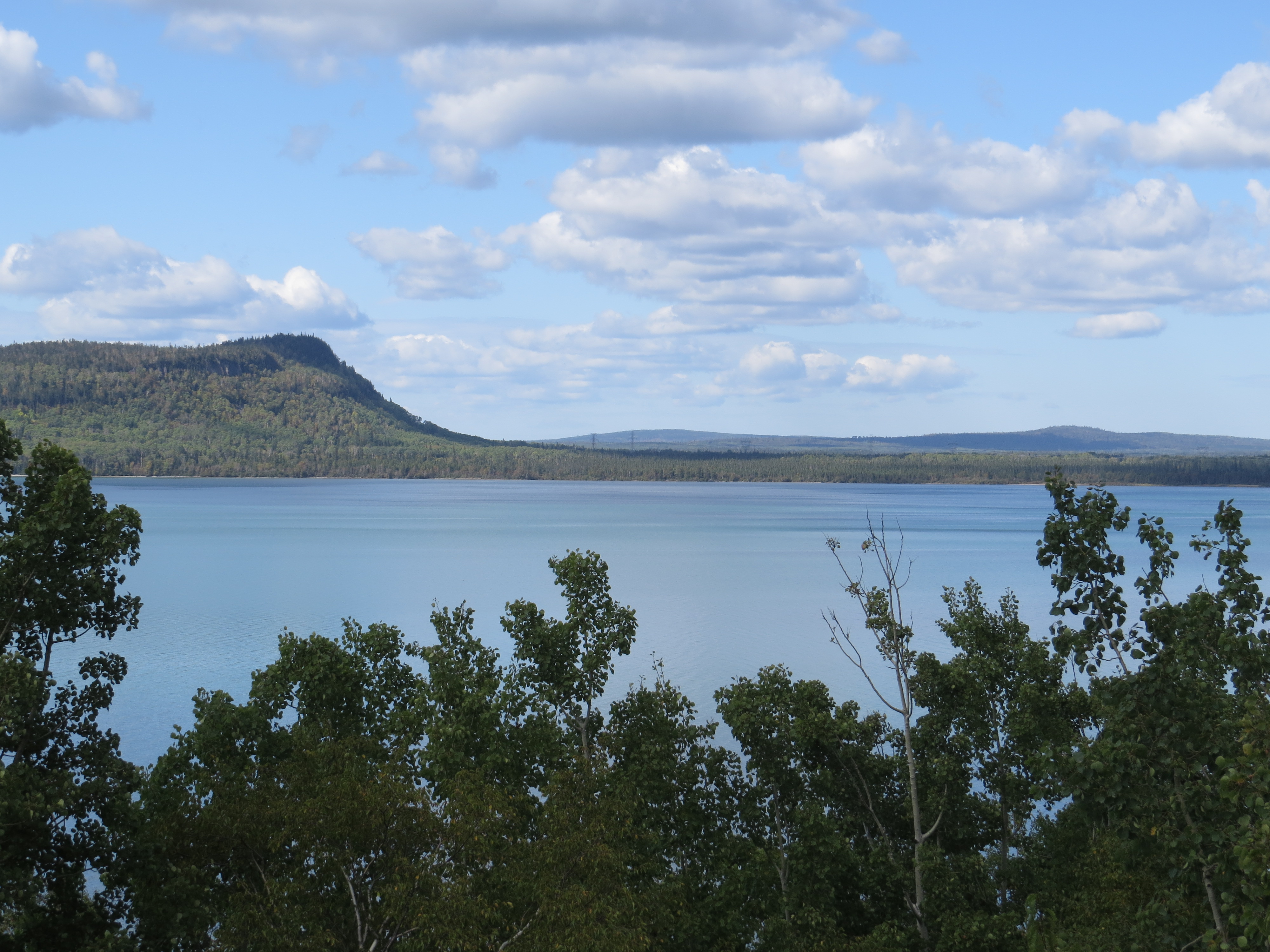
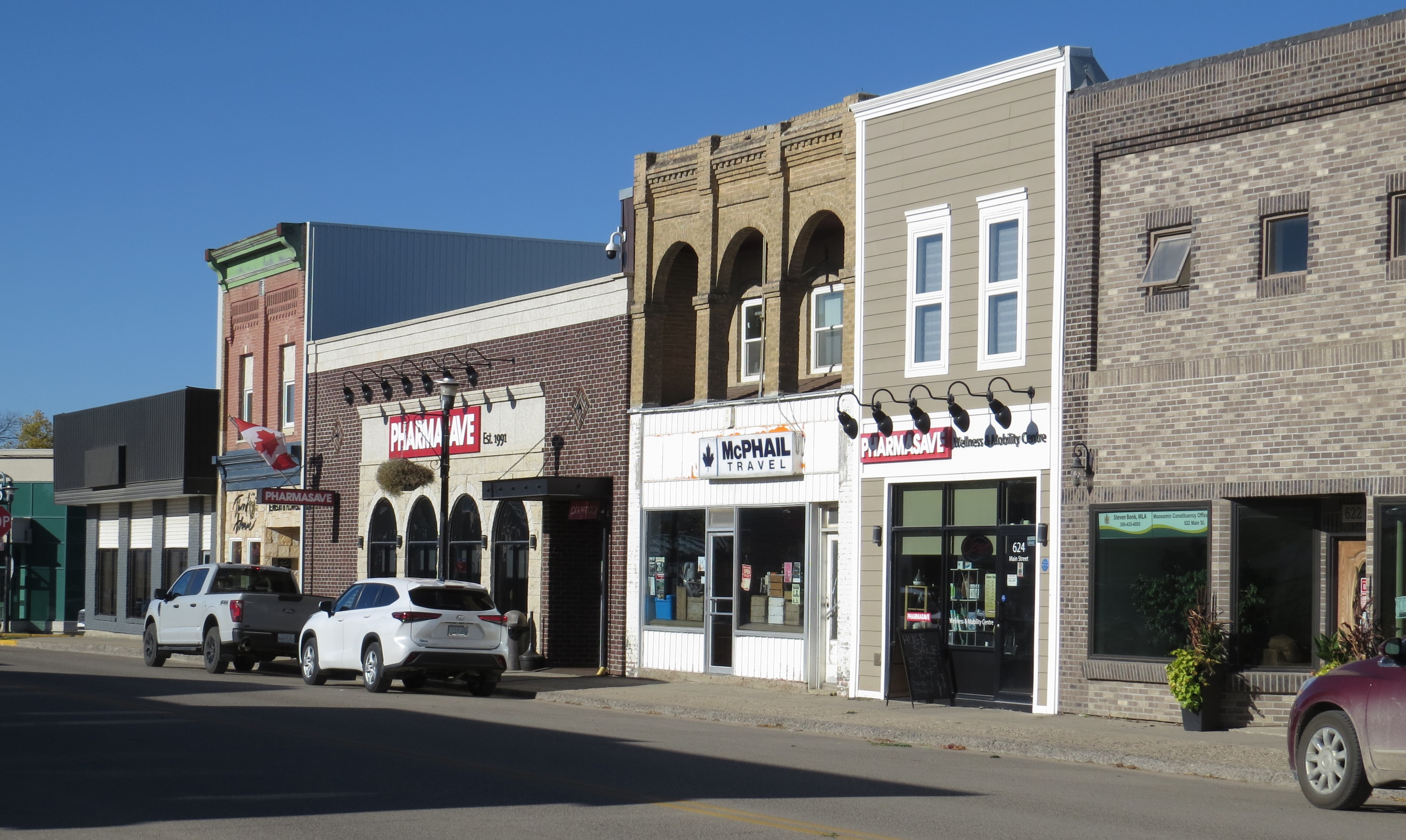
But nature’s through splendor awaits us a bit further, the road will lead us through enormous in size Northern Ontario, alongside the shores of enormous Lake Superior. And a visit to an old Polish settlement of Wawa – in shortened version it simply means ‘Warszawa’ – the capital of Poland. We will finish in the prairies of Manitoba and Saskatchewan.
(in Polish / po polsku)
Gdy ma się dwie ojczyzny, dwa domy rodzinne, odjazdy z jednego z nich z nich bywają trudne, bolesne. Zwłaszcza, gdy oddzielone są olbrzymią przestrzenią oceanów i pasm górskich.
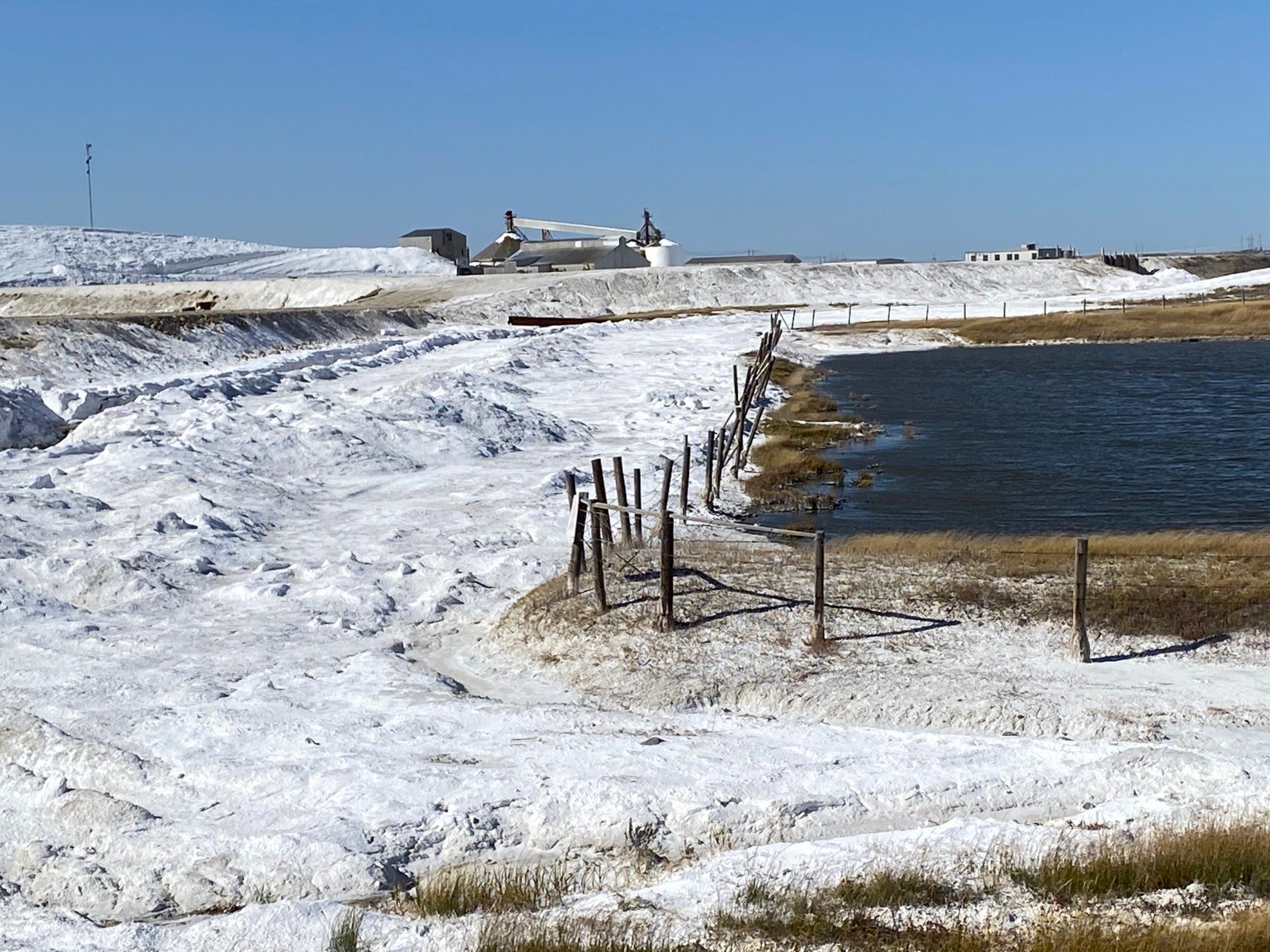
Tym razem wracam do tej pierwszej ojczyzny dzieciństwa i młodości. Za mną zostaje całe dorosłe – długie już – życie w tej drugiej, w Kanadzie. Więc i pożegnalna wielka podróż przez Kanadę. A podróż przez ten wielki kraj, to podróż kontynentalna dosłownie: od jednego oceanu do drugiego; przez pasma wielkich i mniejszych masywów górskich; olbrzymie rzeki, wzdłuż jezior, które łatwo by nazwać bez zbytniej przesady morzami; przez puszcze niekończące się, prerie wielkich łanów pszenicy, kukurydzy. I prerie białe od potasu i odkrywkowych kopalń. Naturalnie nie sposób takiej podróży odbyć w dwa lub trzy dni. Jest wielodniowa, a powinna być wielotygodniowa. Drugi raz taką tu odbywam. Od Halifaksu do Vancouveru.
Zdjęcia załączone obejmują trasę od Halifaksu, przez Nowy Brunszwik, Montreal i Quebec, rejon Ottawy, Północne Ontario, trasę wzdłuż wybrzeży jeziora Superior, założone w XIX wieku przez polskich osadników urocze miasteczko … Wawa. Tak, Wawa od Warszawy. Z Wawy zjazd w dół kręta szosą wśród skał i niekończących się małych jeziorek (słowo ‘małych’ w kontekście Kanady jest właściwe, ale małymi de facto nie są) aż do Kenory. A potem Manitobą i w Sakatchewan – otwarta, płaska niekończąca się preryjna przestrzeń. I wiatrach (częstych) te morza pól wzbijają tumany kurzu i tumany białej soli potasowej. Inny świat.
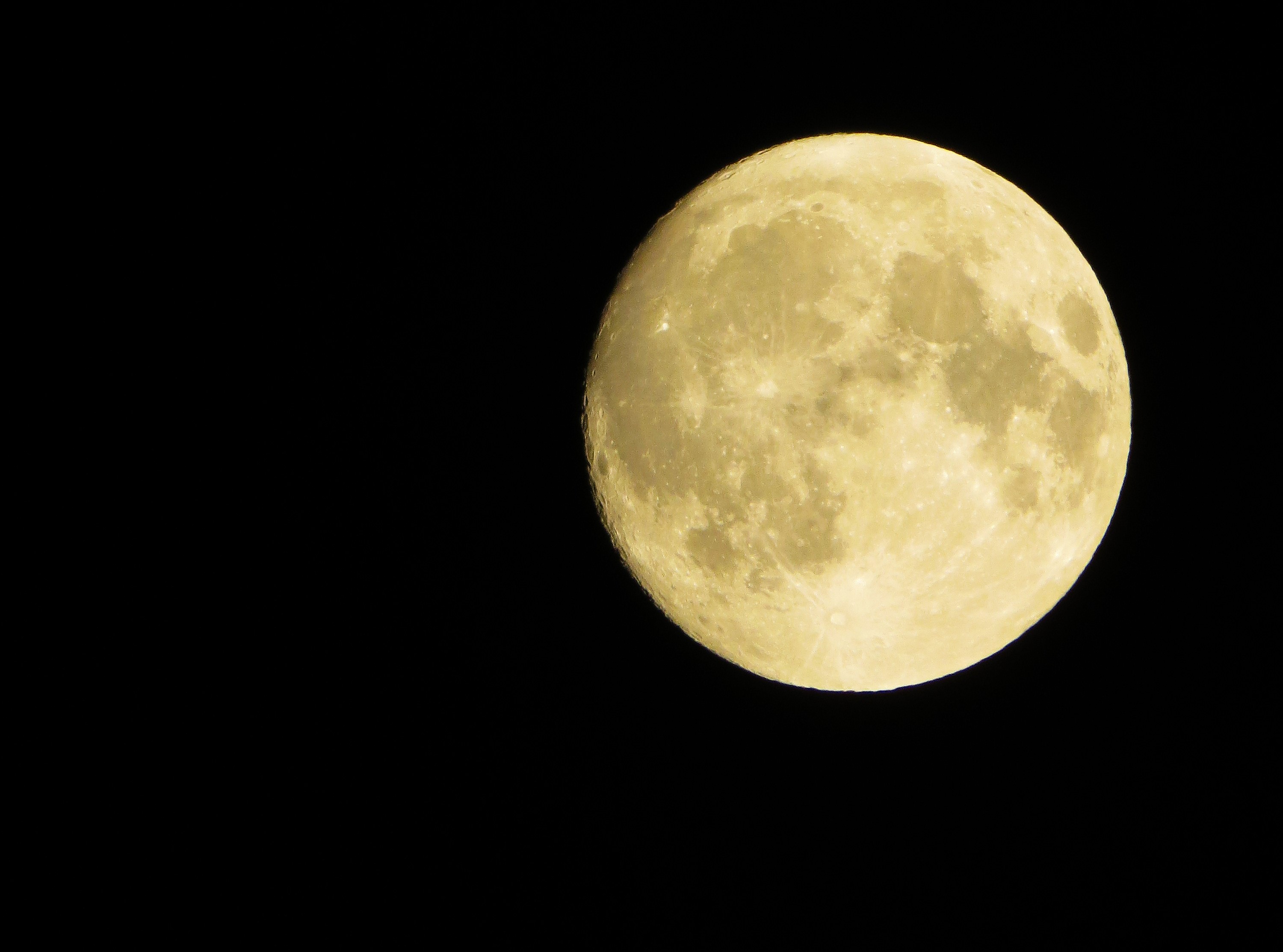
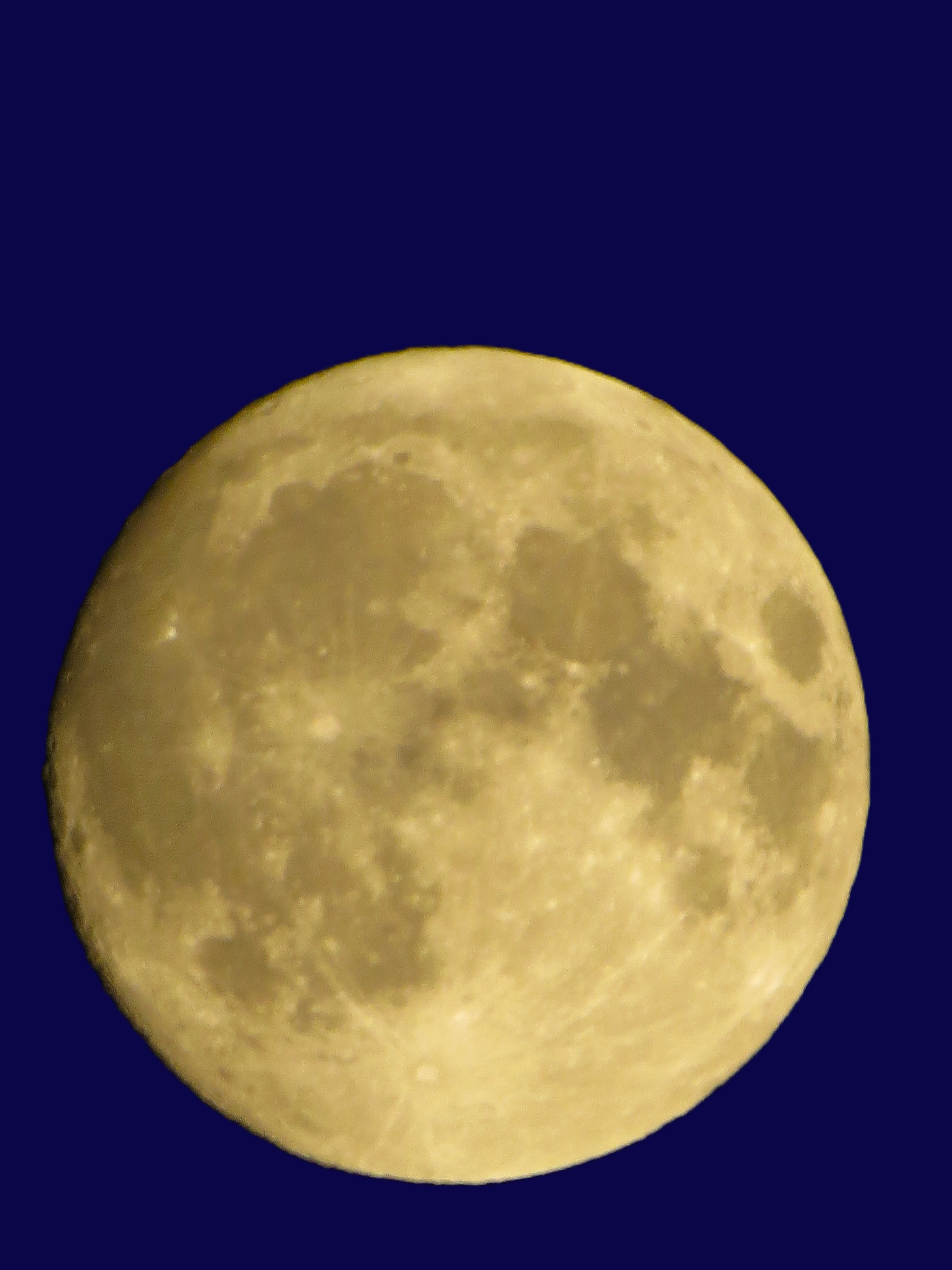
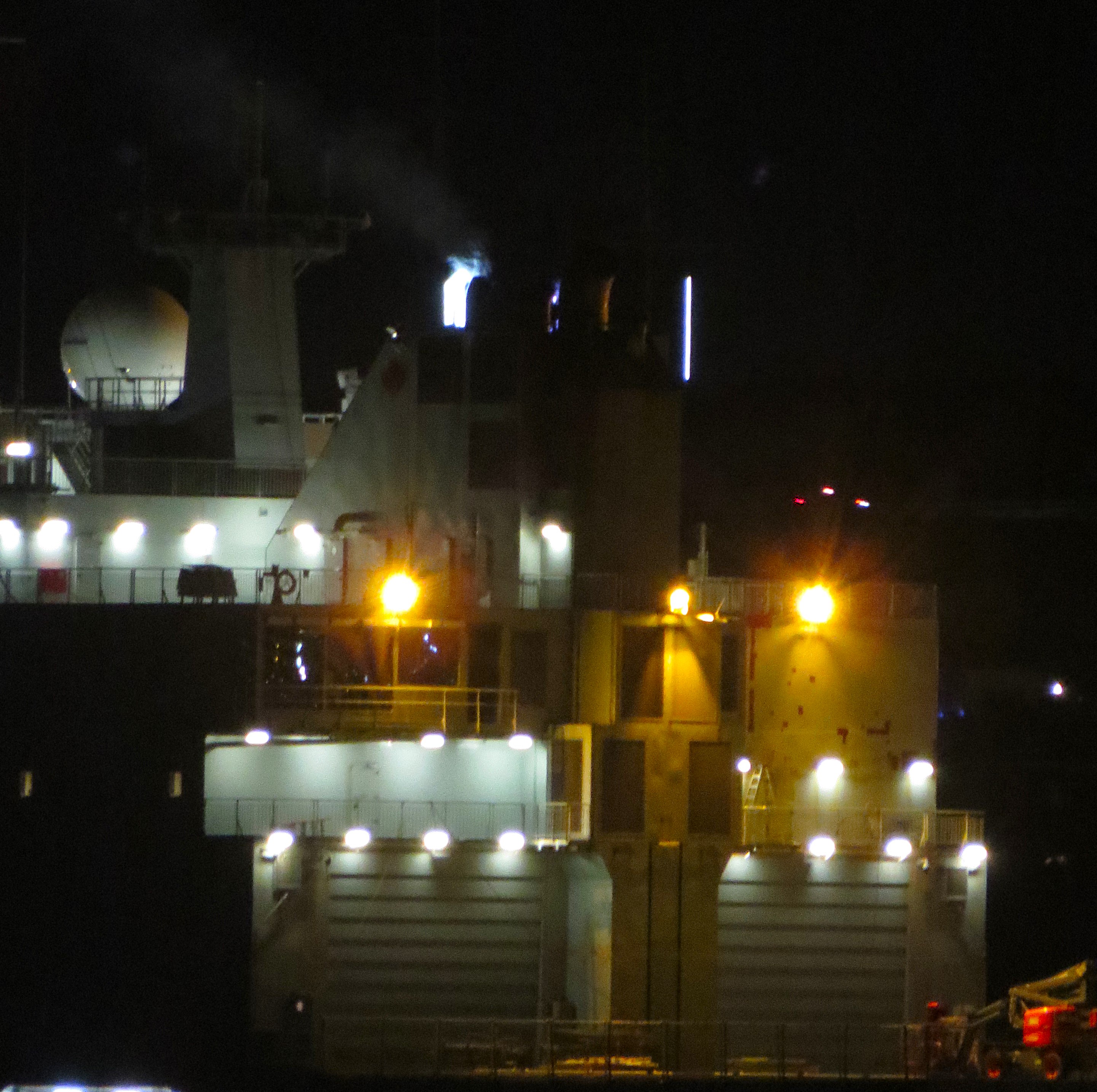
I know I have said in previous post my goodbye to the Moon in Halifax. But today, while sitting at night time on My Rocks, the Moon yelled at me: hey! I have seen your post the other day. If you are saying ‘goodbye’ than might as well take my full portrait, not just part of my face. And he did smiled broadly and showed me his round full face. Wont be any closer soon, so here we go once more and few pics of Halifax’s waterfront as seen from Dartmouth.
Miejsca. Miejsca … to taka specjalna przestrzeń geograficzna i emocjonalna. To tam, gdzie kiedyś ludzie kładli kamienie, budowali kapliczki lub kopce. By odnaleźć potem samemu lub zostawić ślad, drogowskaz dla następnych. Drogowskazy, że tędy droga.
Moje pożegnania z naszym ostatnim domem w Nowej Szkocji od miesięcy wielu do takich miejsc zawsze prowadzą. I zawsze jakiś kamyk tam kładę, jakieś wspomnienie zapisane w notesie, jakiś wiersz. Te literki i słowa to moje kamyki – byliśmy.
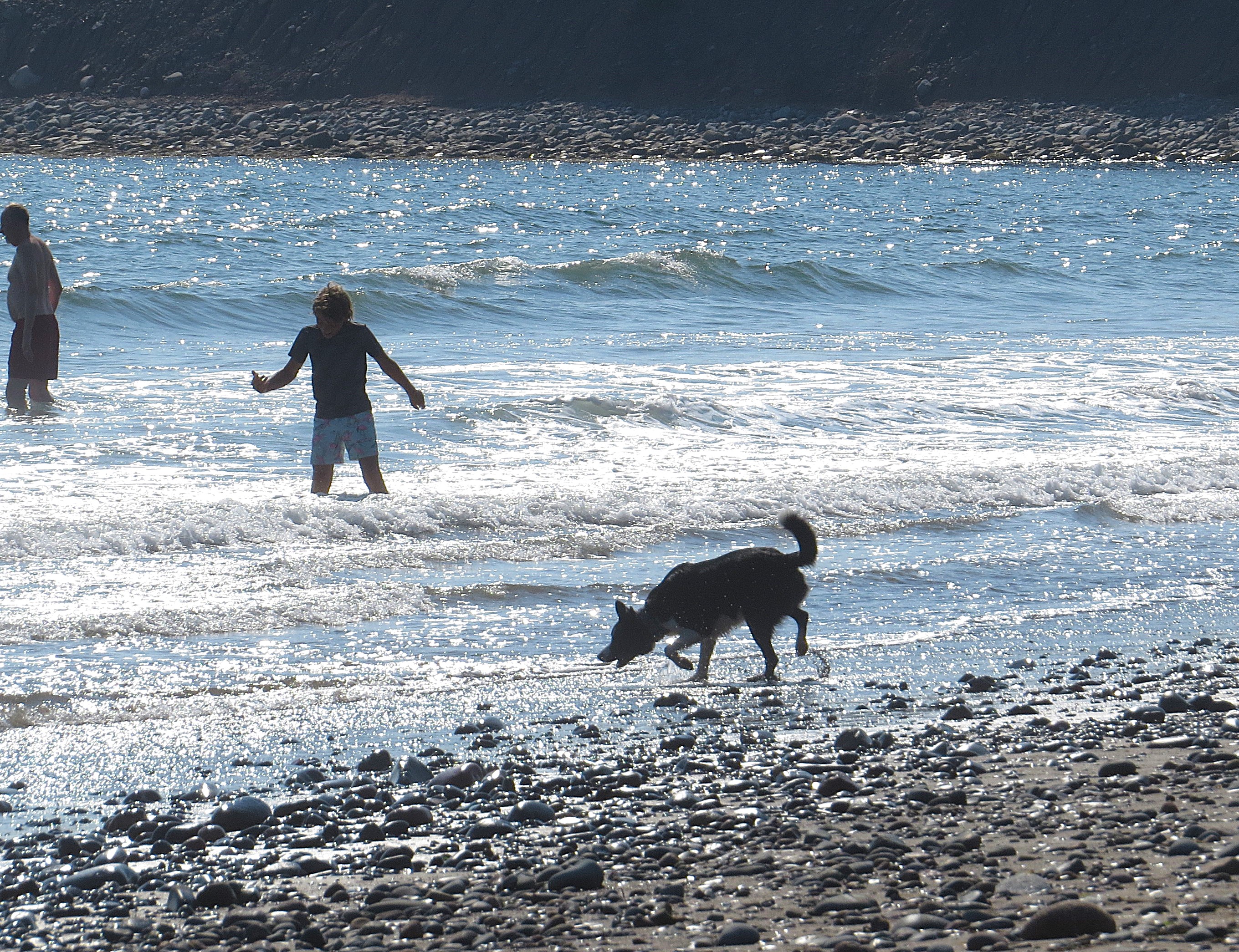
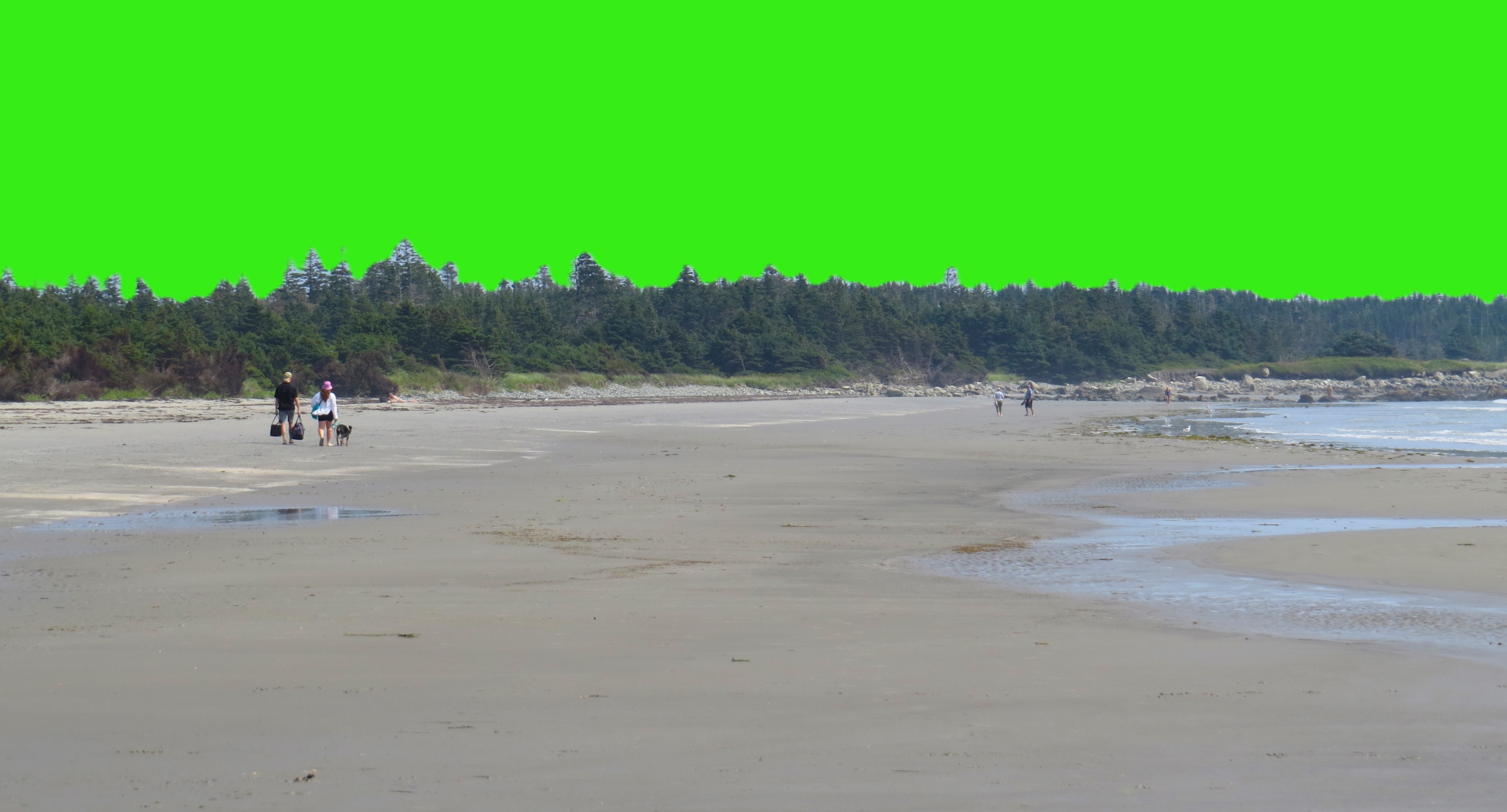
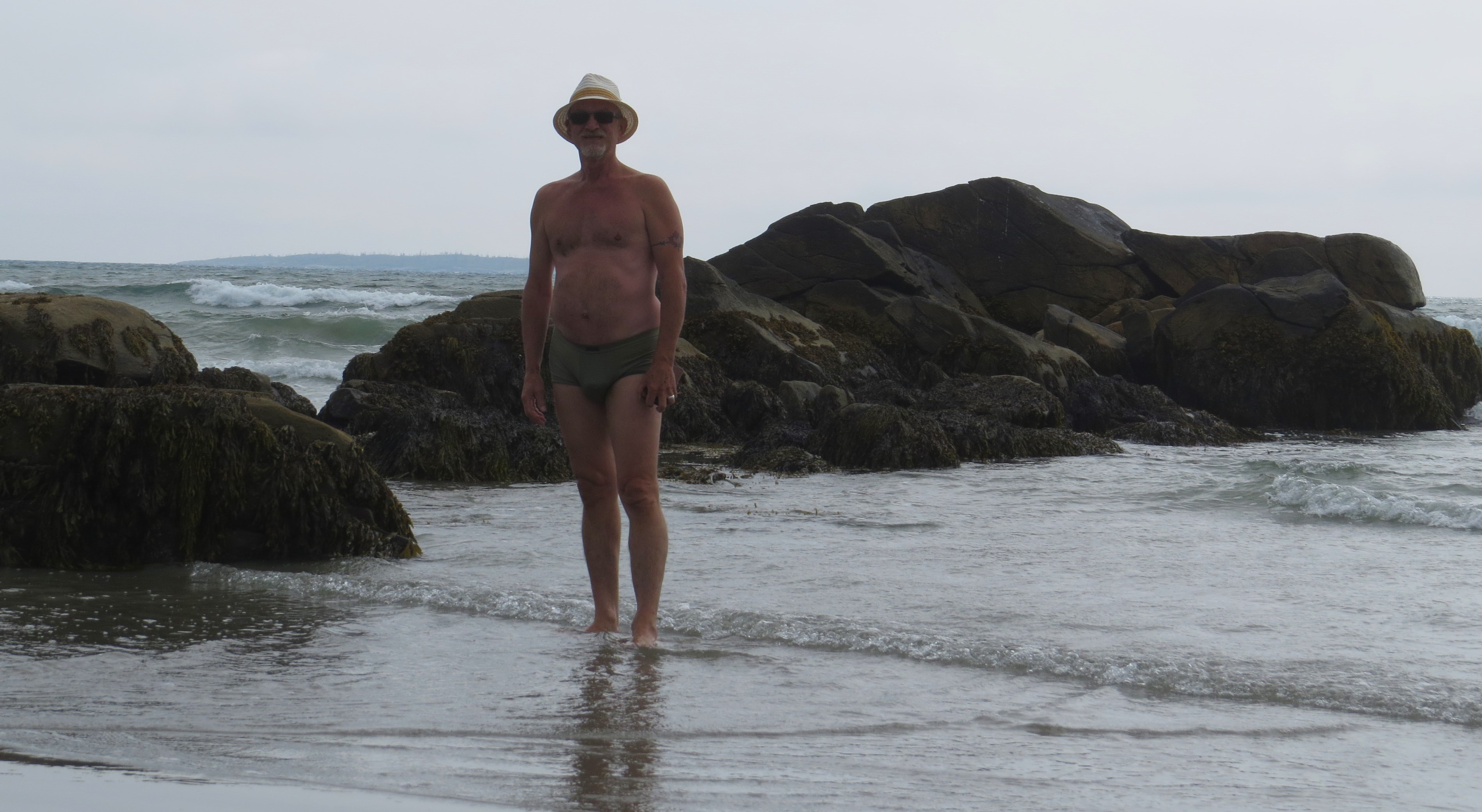
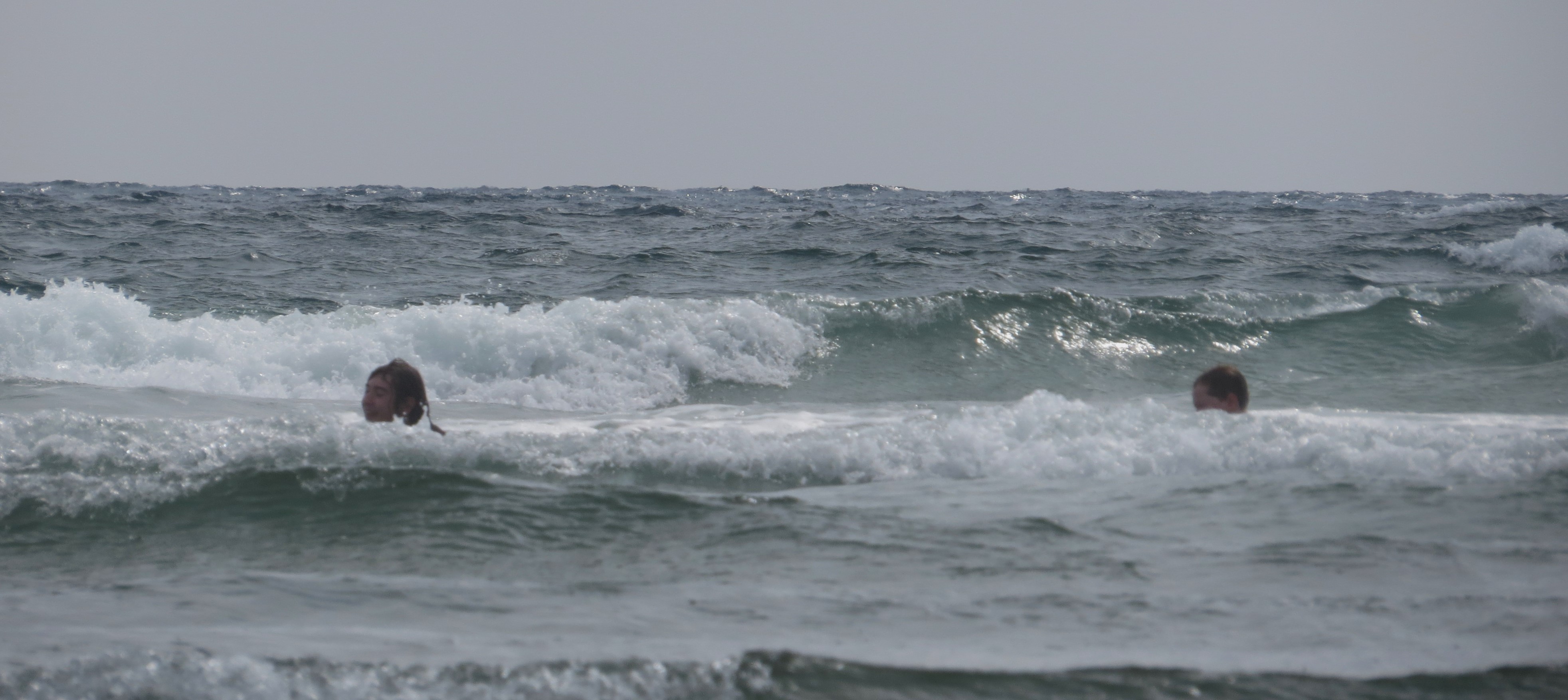
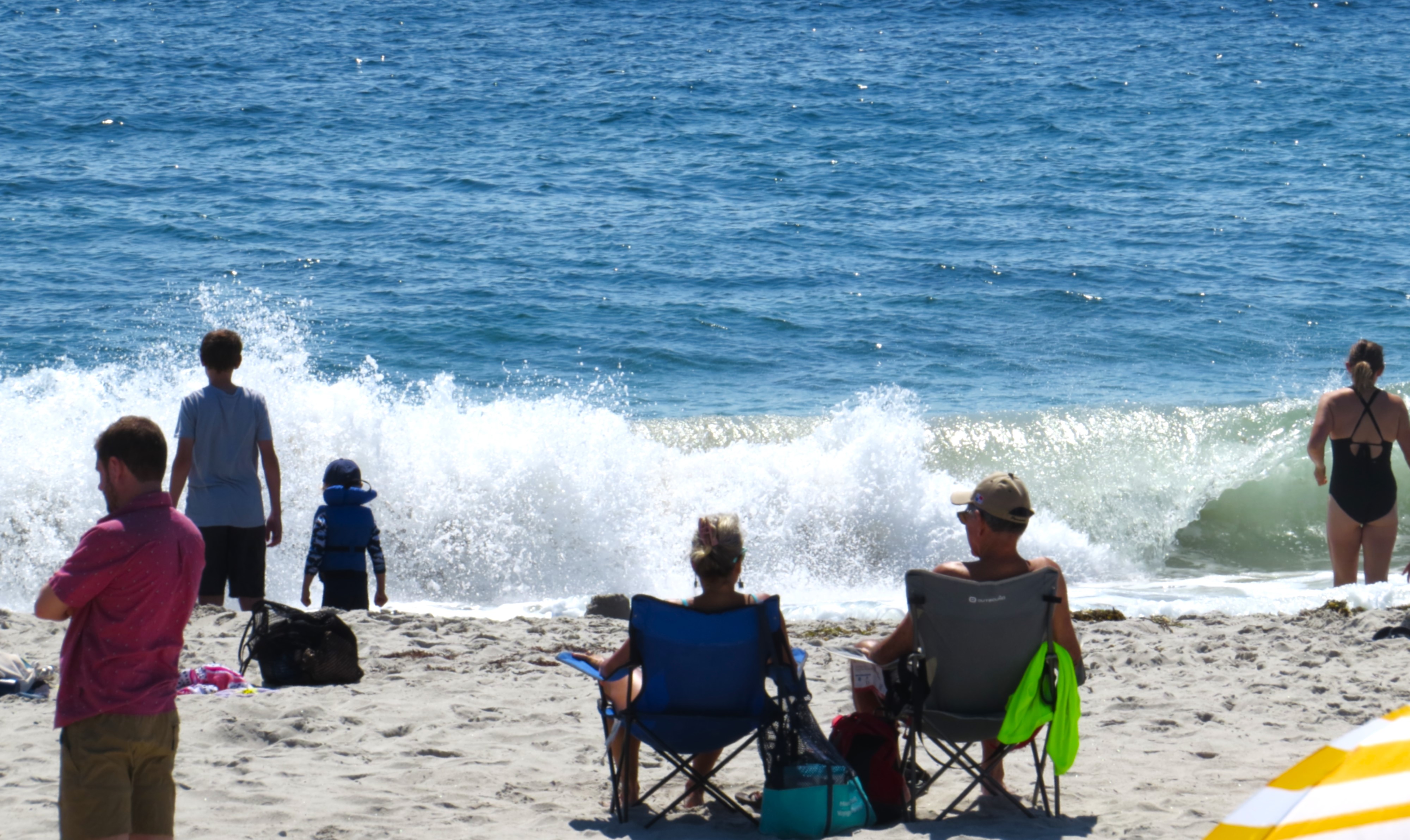
Dziś na plaży Conrada, ostatnie chyba moje pożegnanie, ostatnia kąpiel w falach grzywiastych w tej prowincji. Ostatni nasz spacer tam.
Fala

I cóż falo
	ostatnia na tej plaży?
Mojej wizyty
	też po raz ostatni.
Czy zmyłaś
	ze zmarszczek dni klęski
	i dni zwycięstw?
Pocałunki i łzy,
czułe westchnienia
	i przekleństwo bezsilności?

Pieścisz mnie jeszcze
białą pianą pasji
	niespełnionych do końca,
a potem odpływasz
	w swe głębie
znudzona romansem
	nie zaczętym,
nie skończonym.

(Conrad Beach, 01.09.24)
(po angielsku)
Places. Places are special geographical and emotional spaces. It is where people, lovers, parents with children left stones on the hills, build mounds, erected structures or symbols of their gods in their marches through millennia. So others can follow or so they would find their way back.
My goodbyes with our last home in Nova Scotia took me a long time. Time to trace them back, find my way. But I did it. I have found them for the last time. I have left my ‘stones’ on the shores an on the white pages of my notebook. The ‘stones’ are my letters and sentences written down on the white pages of my notebook.
Today was probably the last one. I went to Conrad Beach for last swim in foamy waves of Atlantic. Our last walk there.
Everything good must come to an end. Summer is receding from the trails and beaches of Nova Scotia. So is my presence in that province of Canada. Time to pack my beach chair … and pack my belongings after six years. For a small province that’s a long time to travel to places known and places less travelled. By now, my Dear Reader you probably know much more about this land from where the entire hemisphere sprang to life under new overlord – the Europeans. But people come and go – the land remains. And the old inhabitants from ancien time remain too – the Lnu People, of which novascotian native Mi’kmaq people are part.
My last hot and sunny day playing among the waves of North Atlantic was on Lawrencetown beach. Place I have visited over the years more than I can remember. After that I went for one more quick swim at Canada’s Ocean Playground beach by Gaetz Lake. And lovely walk to a Wildlife Sanctuary that shows tremendous affection to all kind of native creatures, who suffered some serious problems and can’t survived on it’s own. Such a tranquil place. In a few days time I will be driving through the entire continent, traversing the same route and highways me and my John took six years ago. Back to where we begun that journey – to British Columbia. Although He can’t be with me physically – His love and spirit will. We will have lots of time to reminiscence the almost forty years of an amazing life journey. The most beautiful Journey of my life.
Next pictures from Canada’s Ocean Playground and Wildlife Sanctuary.
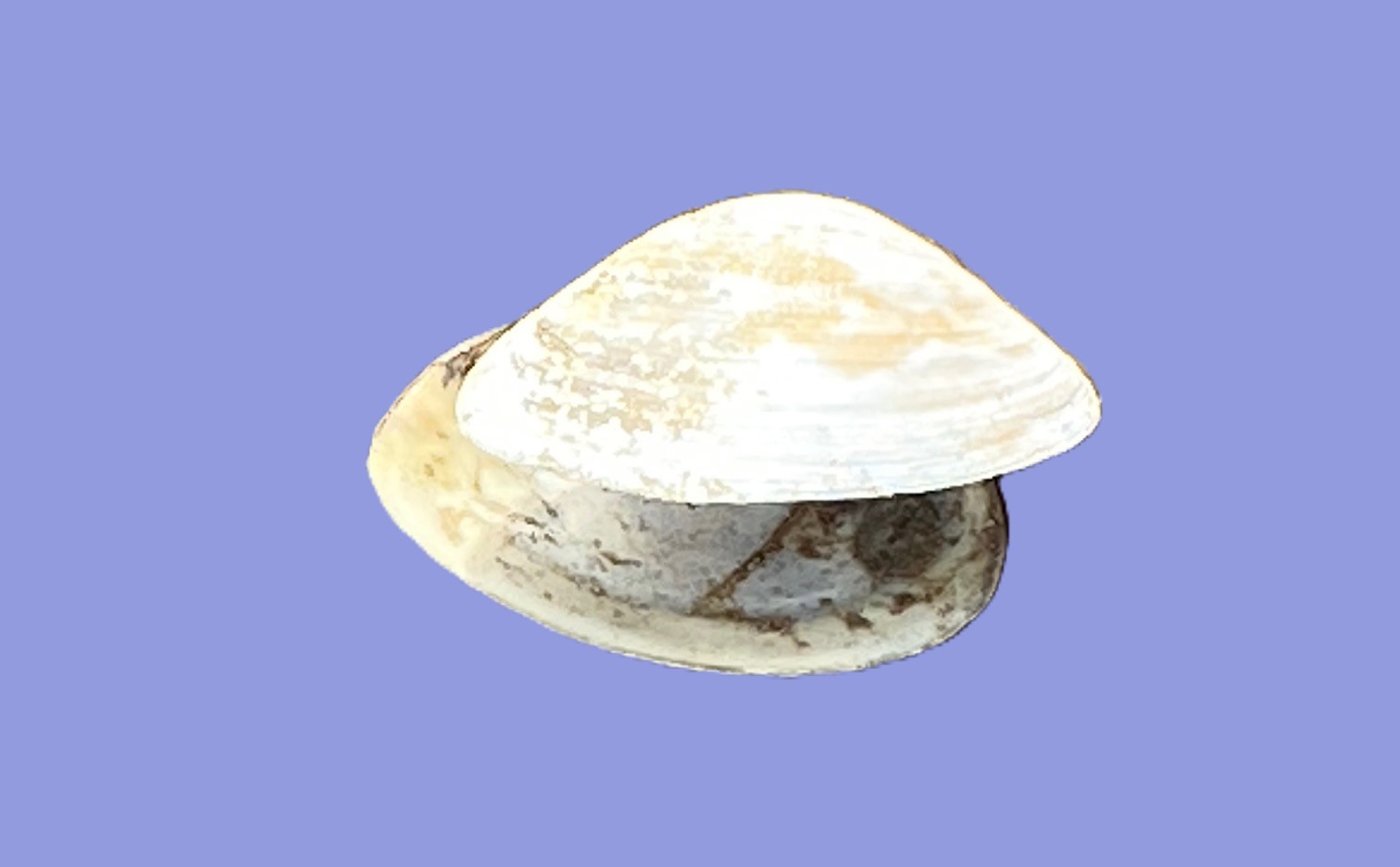
Około dwa miesiące temu[i] opisywałem tu wspaniałą plażę na wschodnim wybrzeżu Nowej Szkocji. Plaża Zatoki Muszli. Zwłaszcza dwóch charakterystycznych rodzajów: popularnej omułki i rogowca. Omułka to naturalnie małż, a rogowiec to właśnie muszla clam. Omułki są podłużne, wewnątrz perłowo-niebieskie, mieniące się, zaś clam bardziej okrągły, w odcieniach szaro-białych.
Woda wówczas była lodowato zimna i bajecznie piękna, szeroka piaskowa plaża świeciła pustkami. Prócz mnie żywy duch się na kąpiel nie odważył. Myślałem, że nie tyle temperatura wody (bo dzień był jednak słoneczny i ciepły) ile odległość plaży od większych miast i dość skomplikowany i długi dojazd bocznymi drogami odbijającymi w dół od głównej szosy był tą przyczyną pustki.
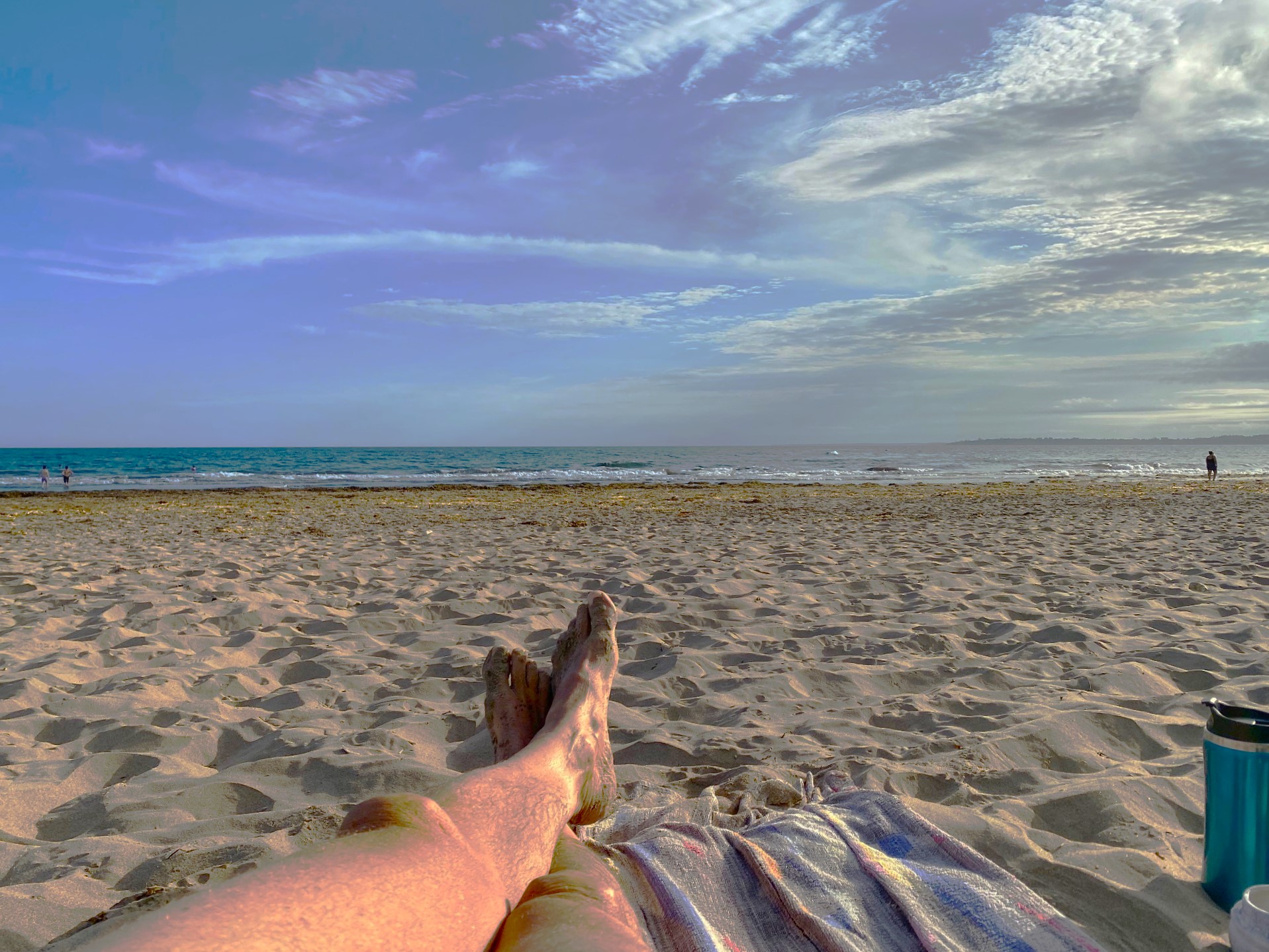
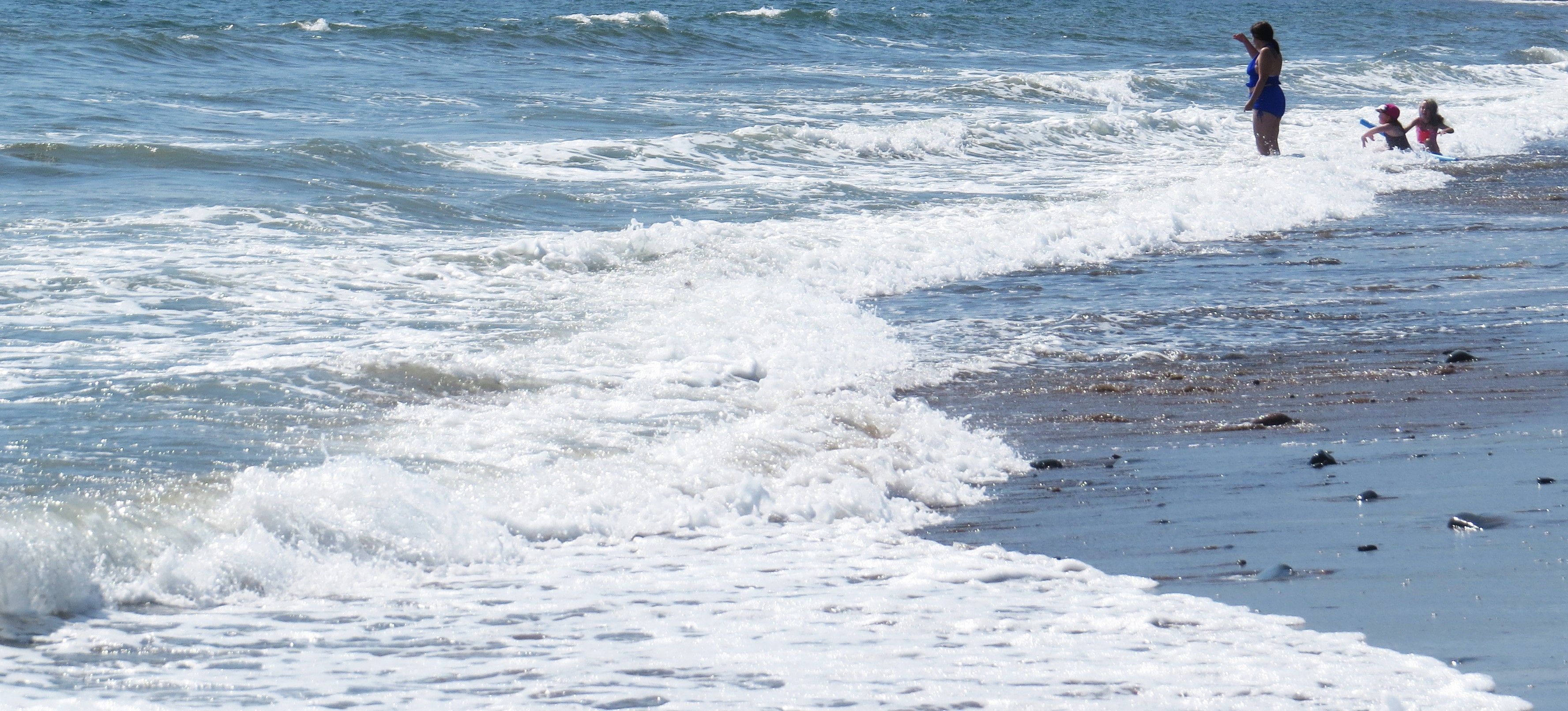
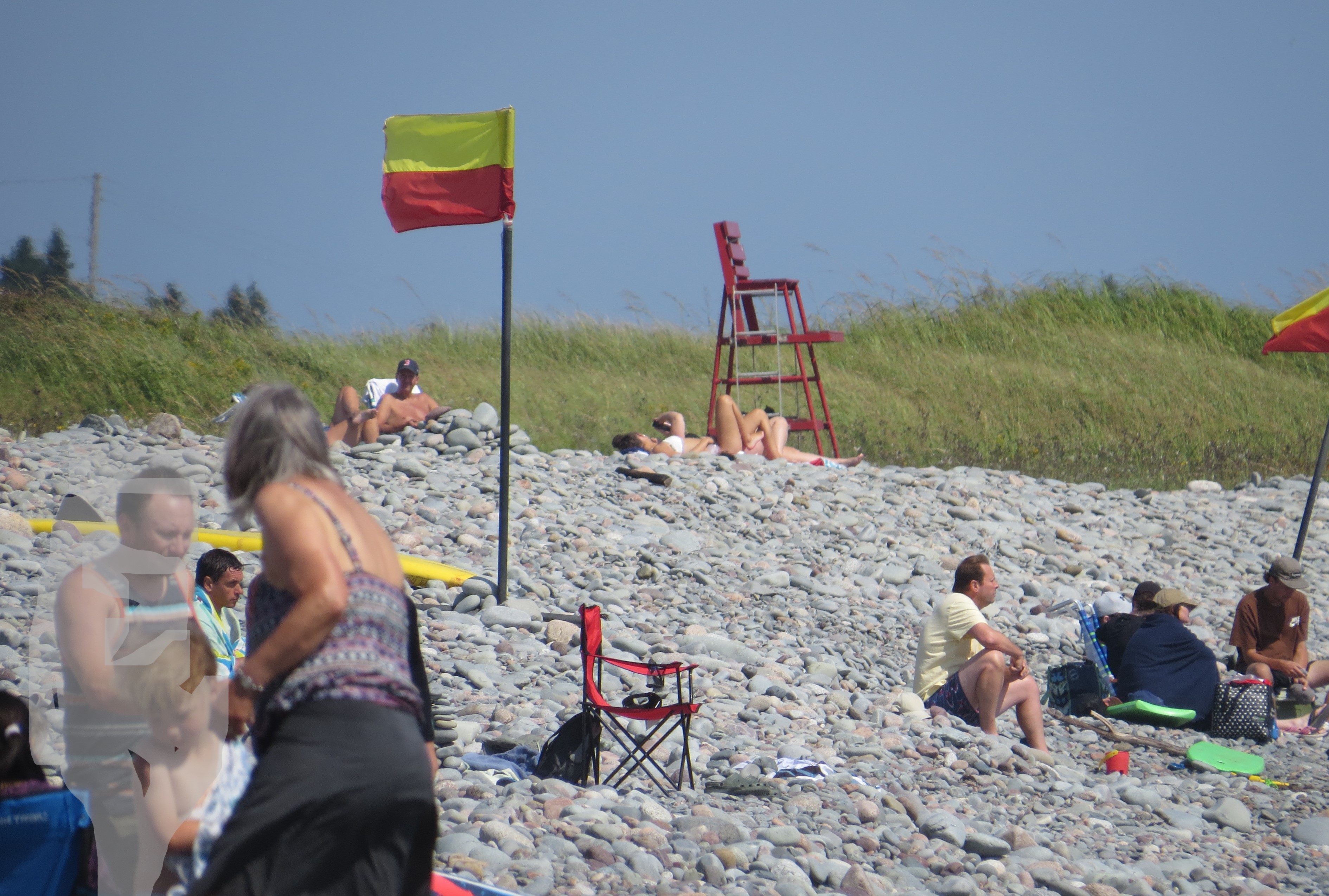
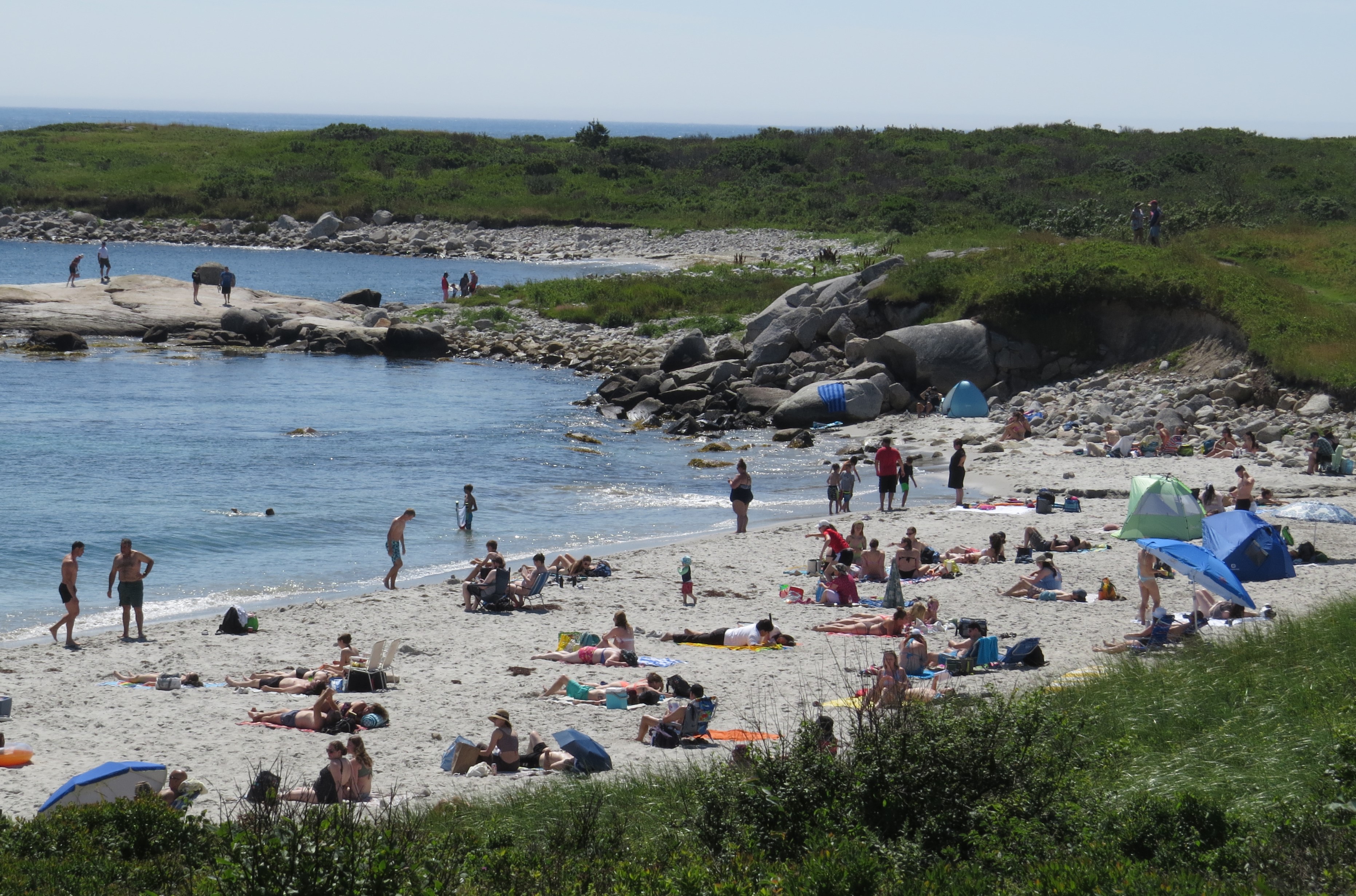
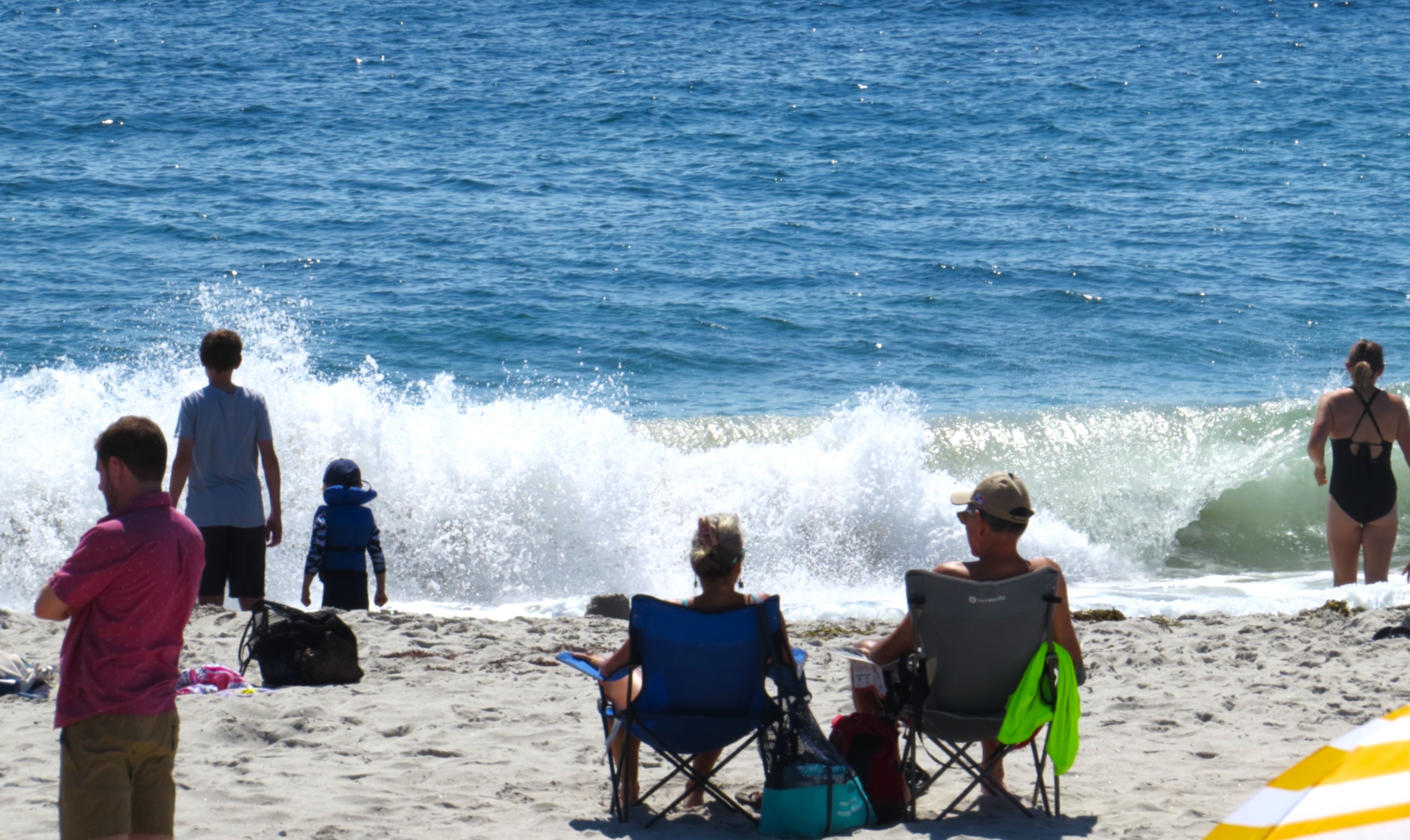
Kilka dni temu pojechałem tam ponownie sierpniową porą. A w sierpniu wody Atlantyku przy Nowej Szkocji są cieple przez silne prądy po-huraganowe na Karaibach. I jednak widać ta temperartura wody chyba zadecydowała. No i szkolne wakacje. Na szerokim polu parkingowym ledwie miejsce znaleźć mogłem. A na plaży – ludzi jak mrówków, LOL. Ale plaża kilometrowa, bez końca. Miejsca i na piasku i wodzie nie zabrakło.
I jedno jeszcze spostrzeżenie bardzo miłe: naturalnie jestem teraz sam i moje wycieczki od dwóch lat są też wycieczkami samotnymi. Zabieram zawsze plecak, składane krzesło plażowe i drogą kamerę z dużym stojakiem. Jedyne co zostawiam w samochodzie to dokumenty. Nie wiem czemu z przyzwyczajenia biorę ze sobą też swój Iphone. Pływać z plecakiem i kamerą trudno (z telephonem też). Więc wszystko tak zostaje na tym krześle, a oparte o nie stoi ta kamera na trójnogu. Czasem te pływanie jest długie, bo uwielbiam targać się z tymi grzywaczami wodnymi. Nie wiem, czasu nie liczę, ale też nigdy się nie śpieszę. I nigdy się mi nie zdarzyło ani na plaży zapełnionej ani pustawej, by mi cokolwiek zginęło. Nie tylko tej, na wszystkich plażach. Ot, taka sympatyczna ciekawostka tutejszych plaż.
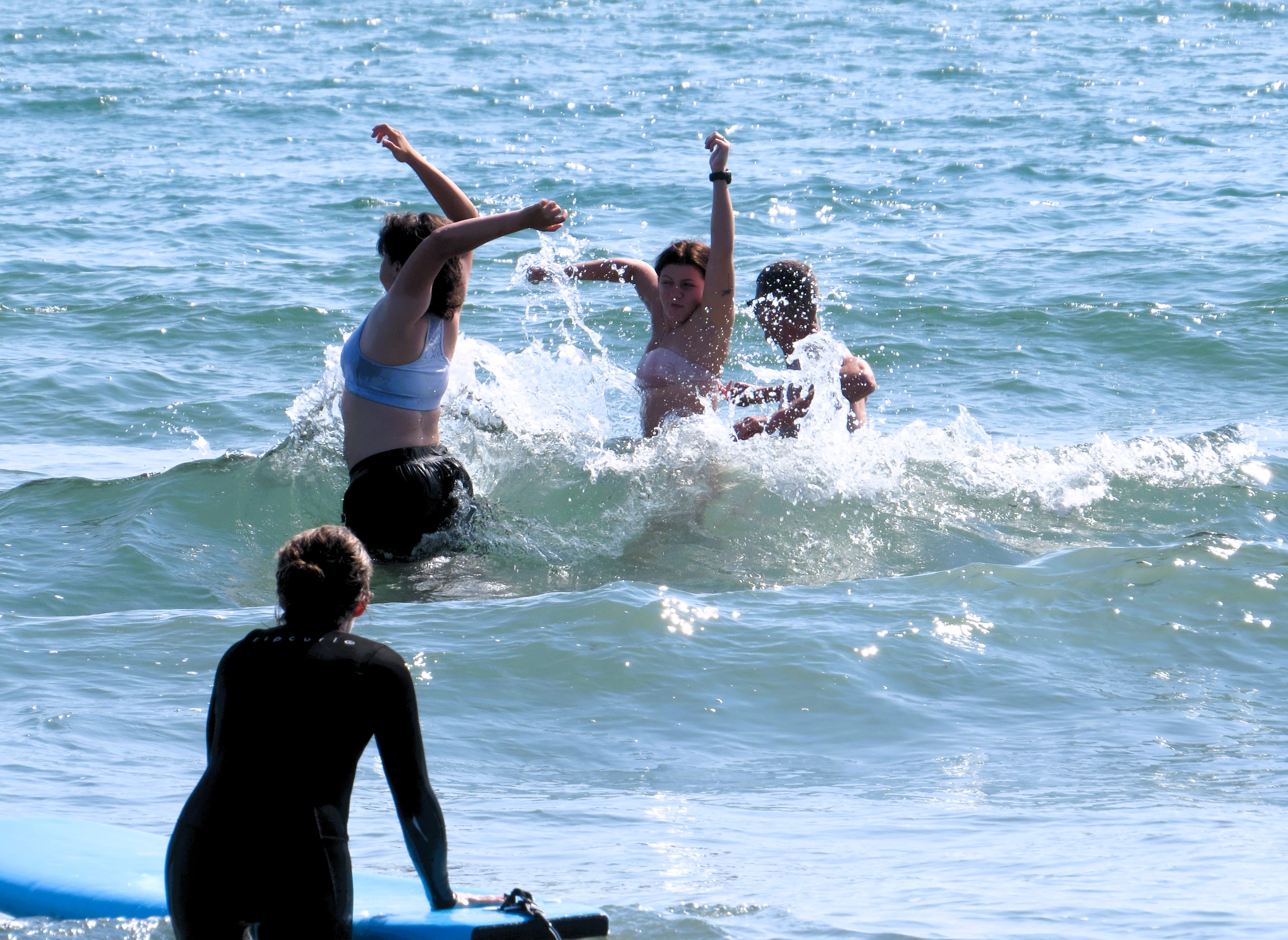
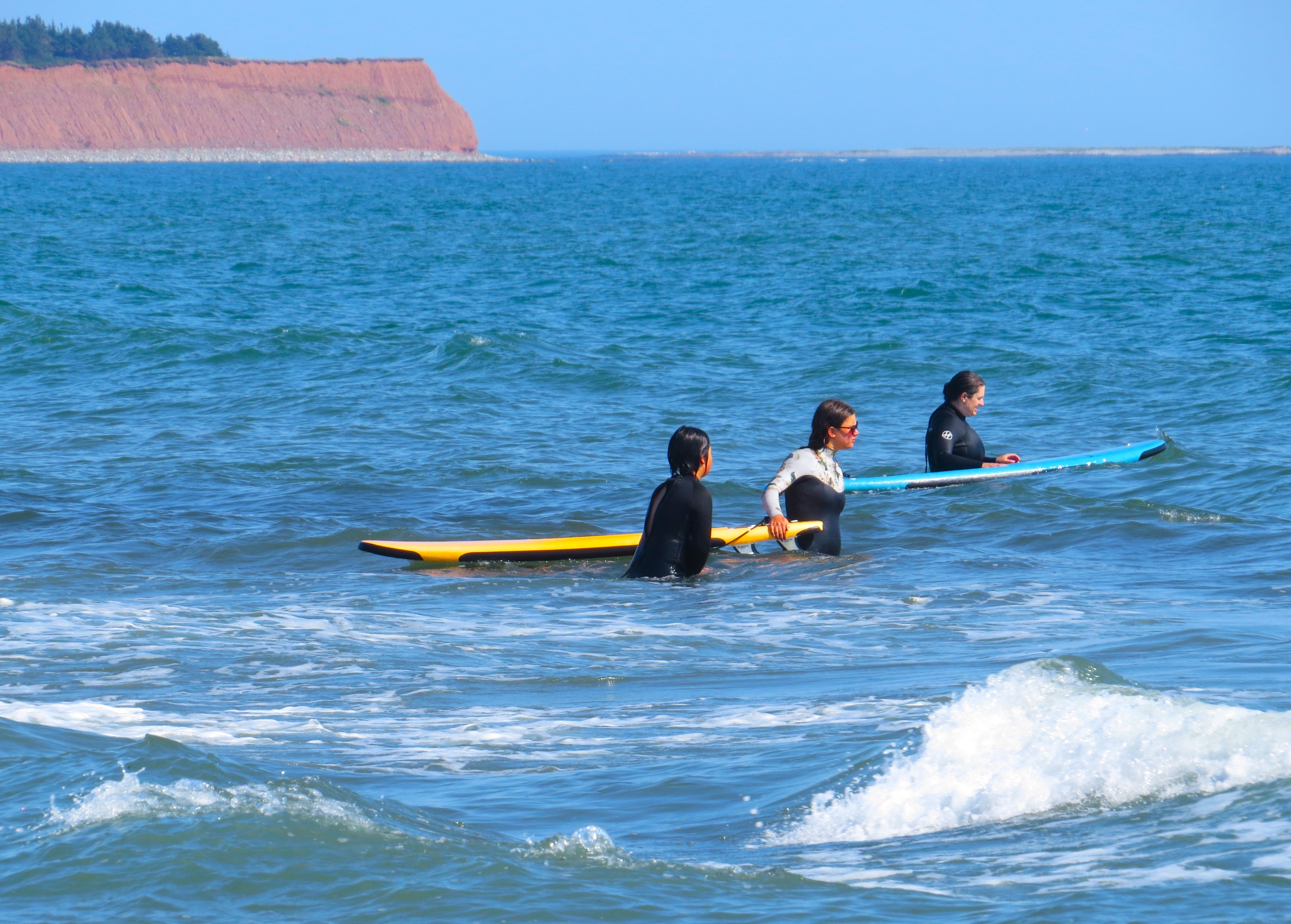
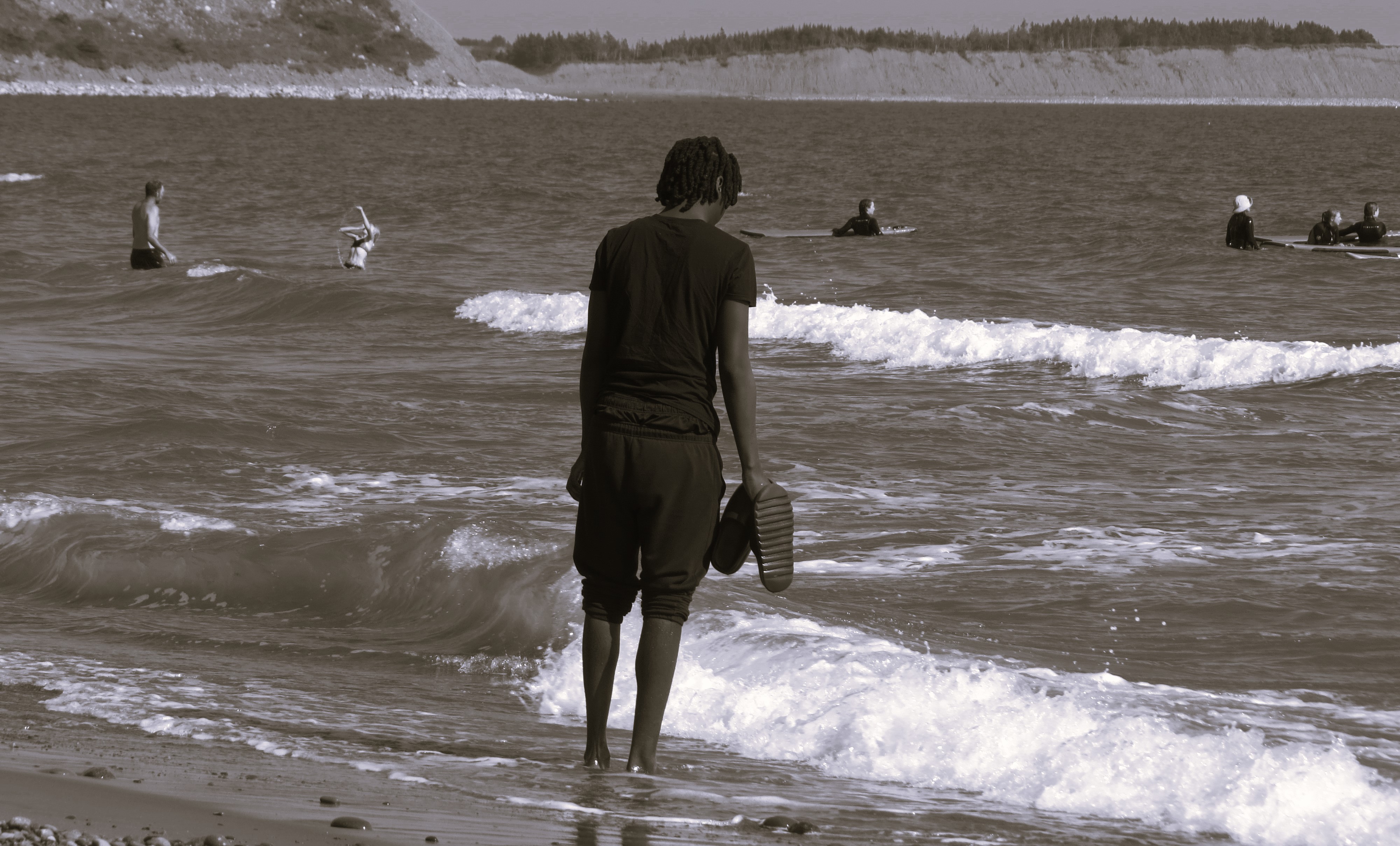
A teraz kilka zdjęć z tej właśnie Clam Bay Beach późnym latem. Już nie pustej.
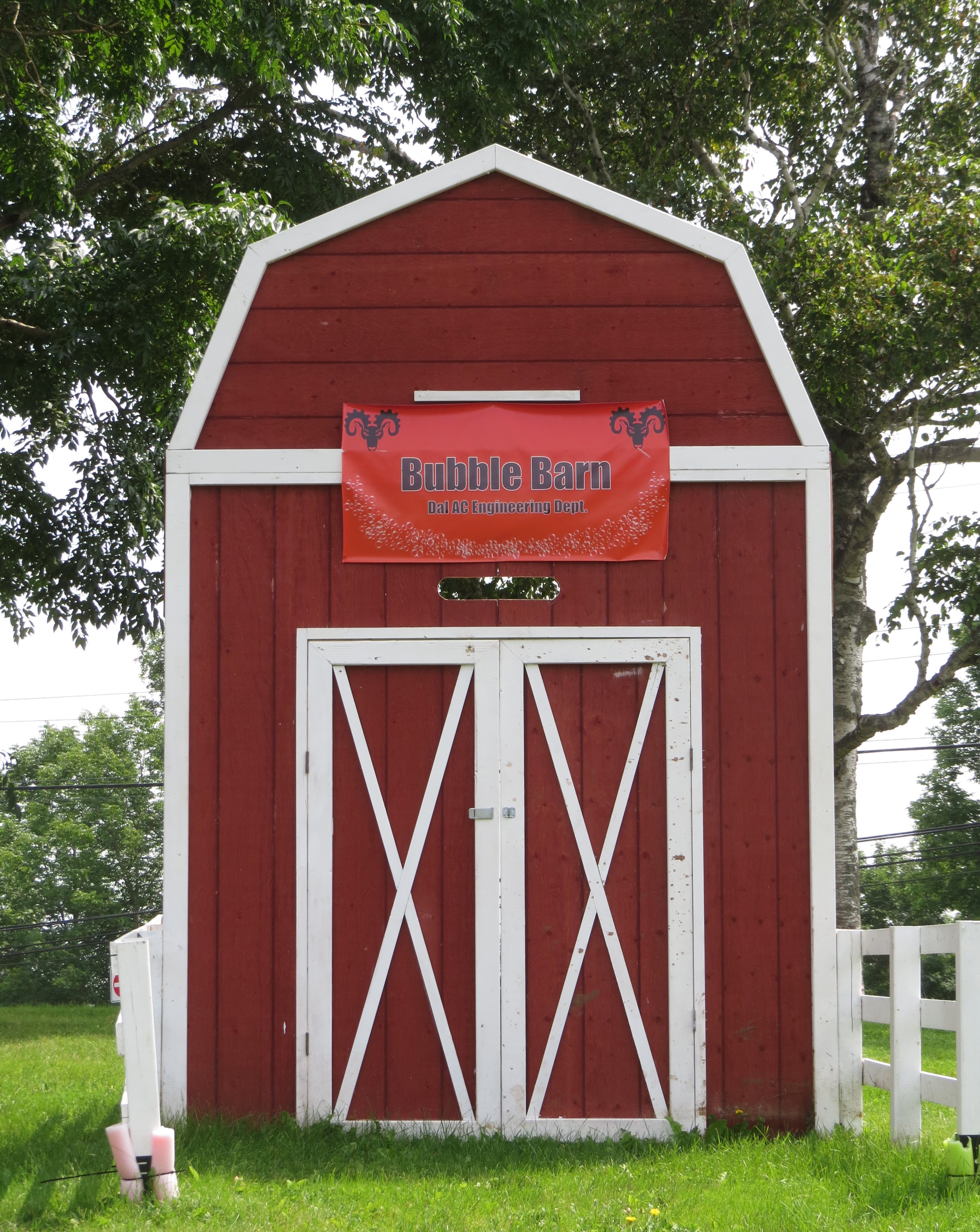
Some time, on this pages, I have published a piece about the history of the oldest University in North America, Kings College in Halifax. Kings College eventually become part of one of the largest university in Canada, the grandiose Dalhousie University of Nova Scotia. I have eventually, on this blog, published a photo series of the university.
The massive complex of Dalhousie stretches through many blocks of the city. It brings life and vibrancy to the city’s core and creates many mini-communities of students and faculty. Encompasses the past and the future. Is integral part of it’s life, atmosphere and pulse. Gave me many pleasurable strolls, moments of reading an interesting book of poetry or novel, writing in my own notebooks my poems or musings on many subjects. University campuses do that to you, LOL. And I love it.
But I have always heard of a special, far away campus of Dalhousie. The entire Faculty of Agriculture. It sits somewhere in a community called Bible Hill, part of larger city of Truro. I have past Truro countless amount of times. It sits right on both sides of meeting of two major highways connecting Nova Scotia to the West of Canada and to the South on Nova Scotia. But what you see, when you are passing the city on highways is hardly and appealing site. The ugly big magazines, some big malls. Sort of ugly site of North America with ever sprawling ugly malls without any character or architectural originality.
Yet, I have heard many times of that Bible Hill campus. As I will be soon leaving this province, I had to visit it. Additional emotional reason was also the fact, that a dear friend of my husband and through him mine – was borne in that city, went to school there. But left it many years ago moving to the West (Calgary and Vancouver) and never seen the campus that was built little way out of the main city. So I did and hope that she will appreciate it.
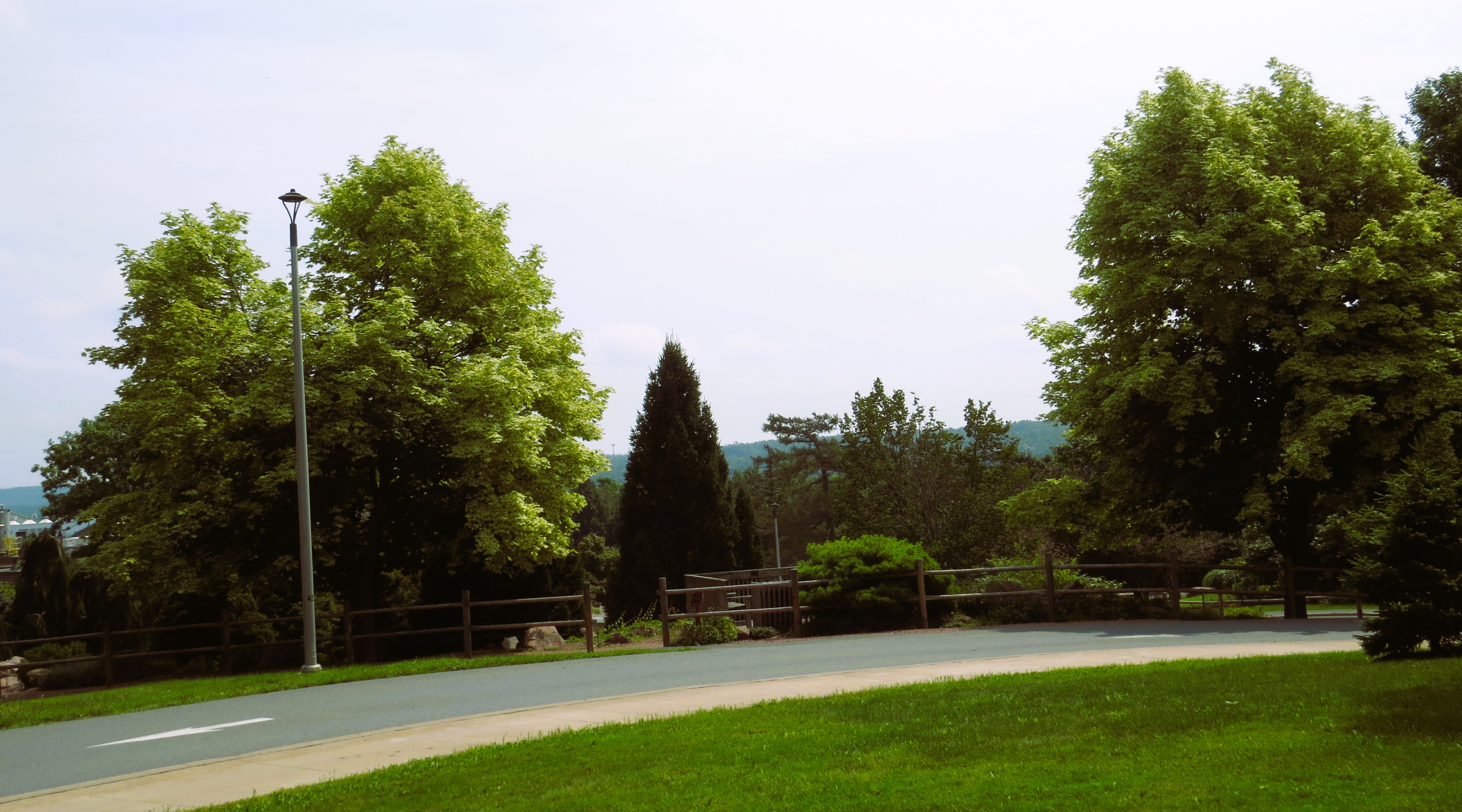
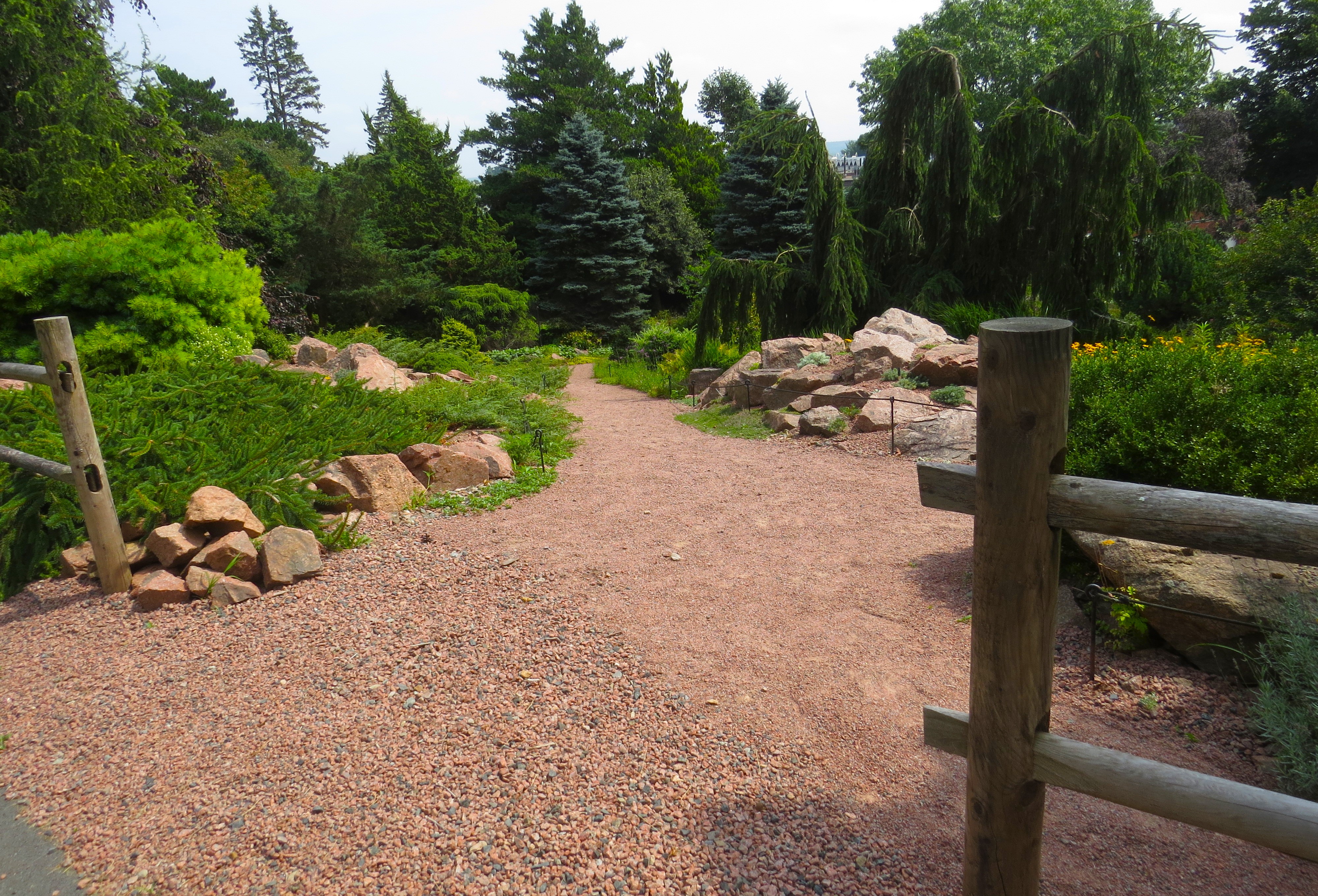
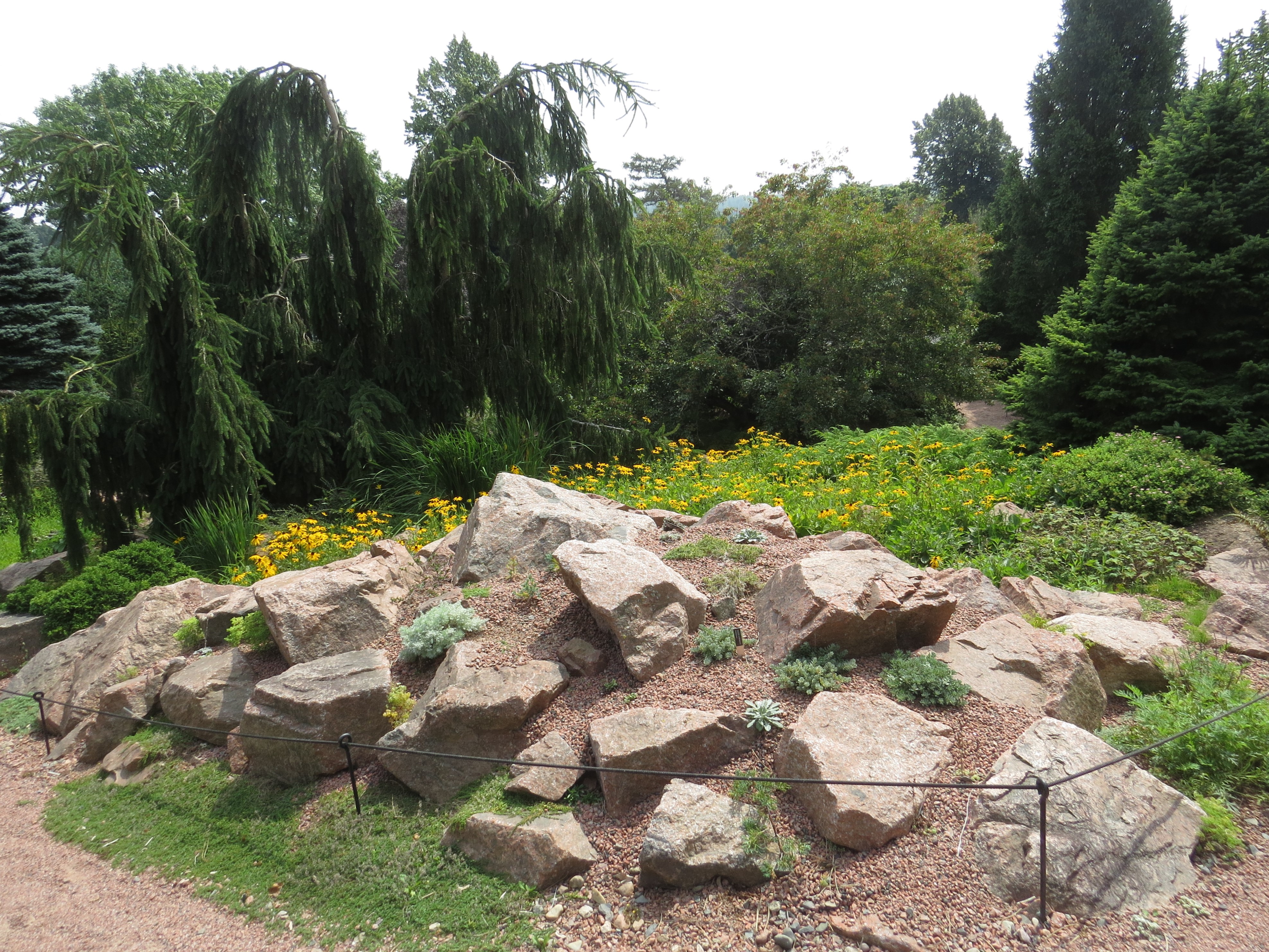
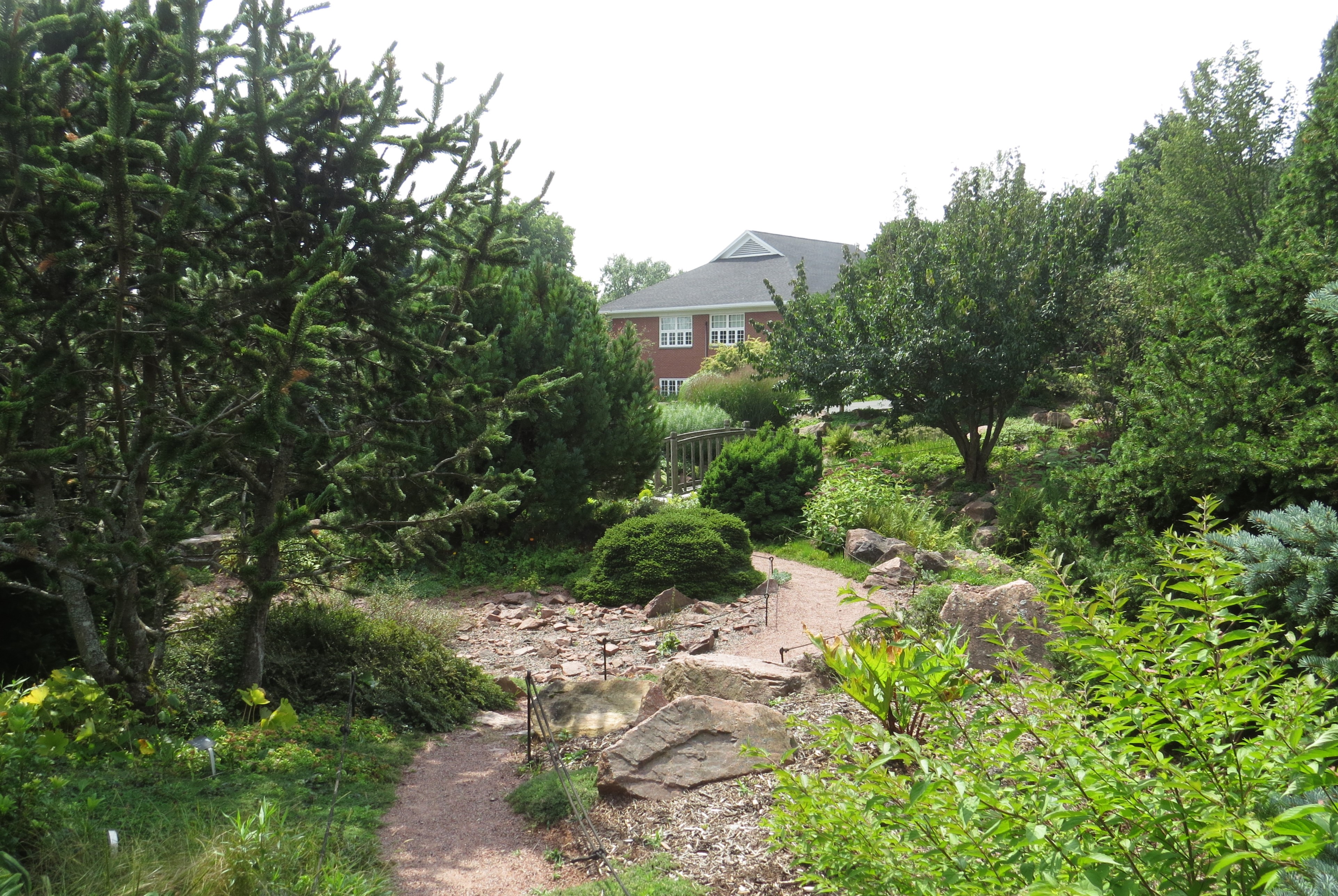
It is a site to behold. Many red brick old university buildings, spread through a large swath of land. No wonder – it’s laboratories are in the fields, in the valley. We are talking of agriculture and botany. Living university. I am so glad that I did.
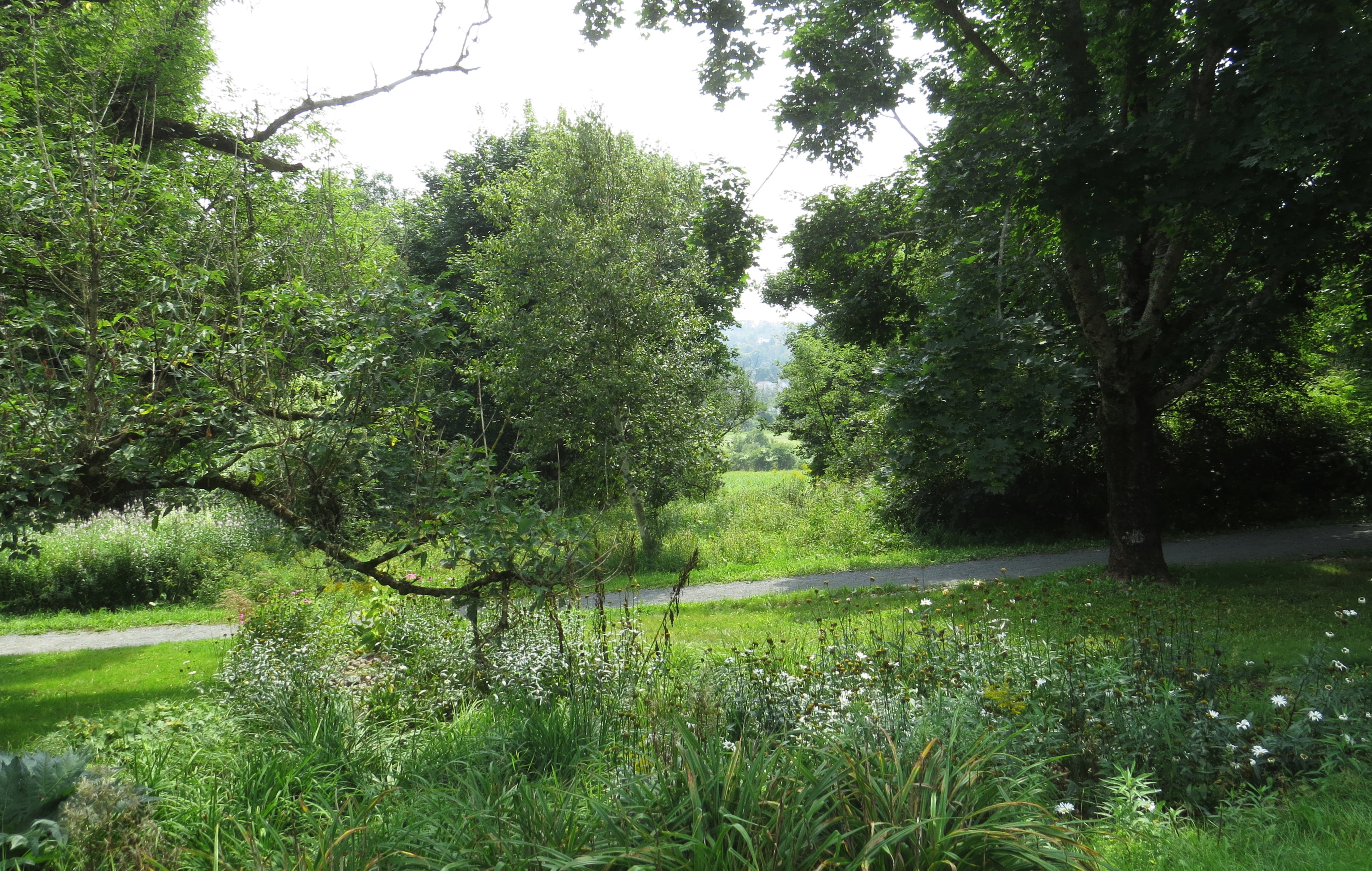
In no particular order here is the view of this wonderful campus.
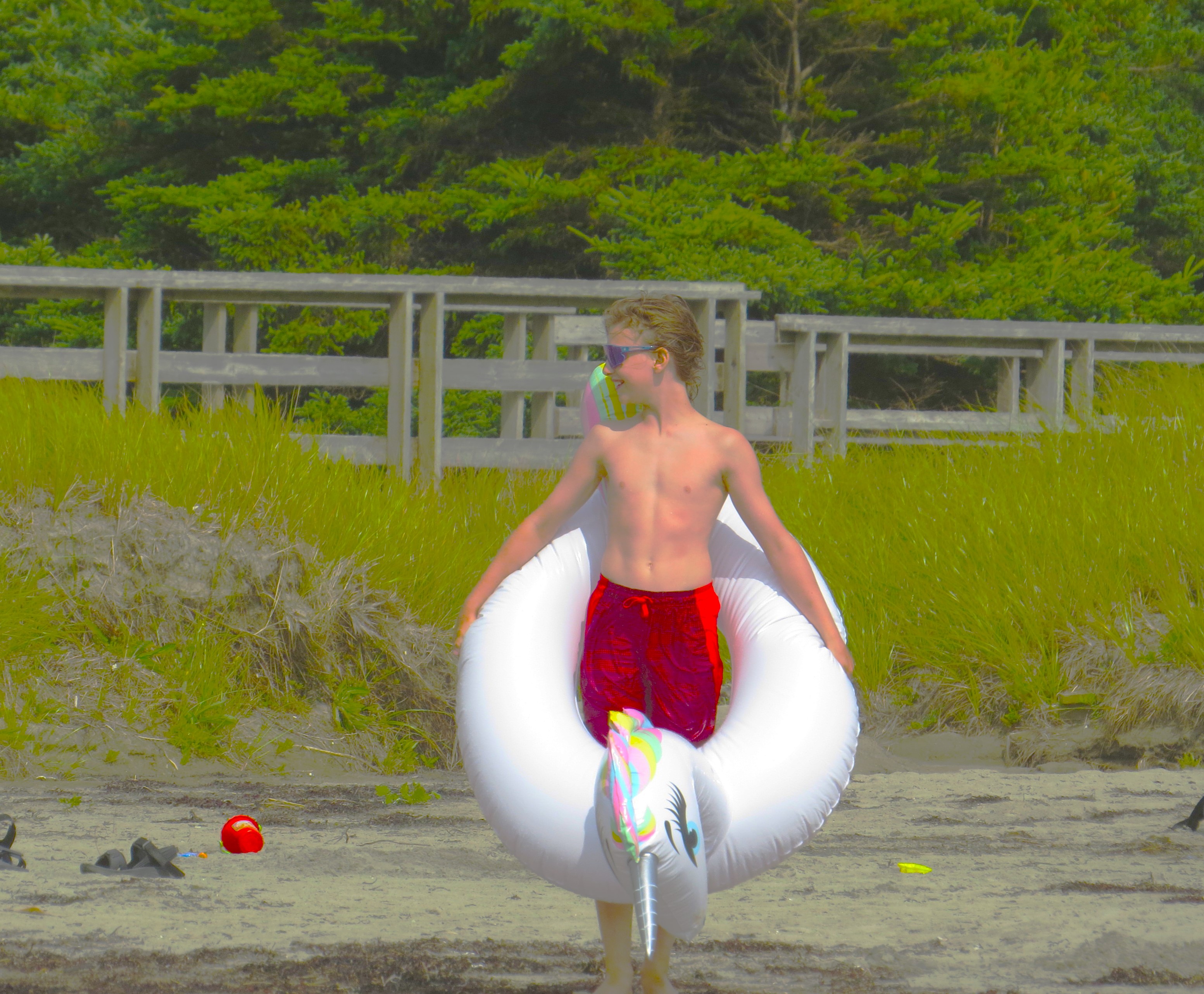
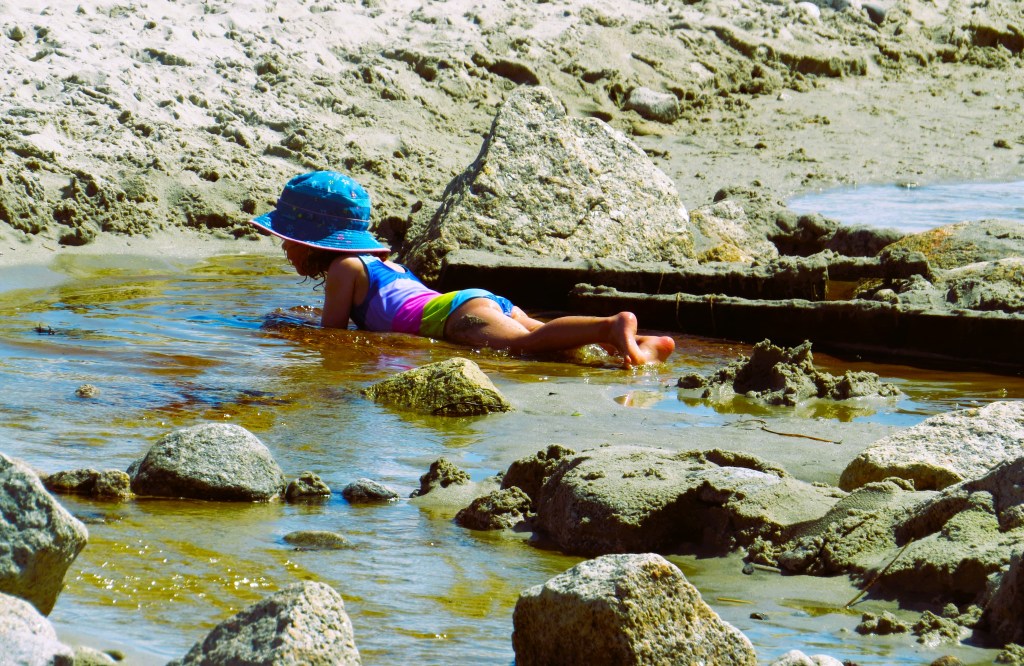
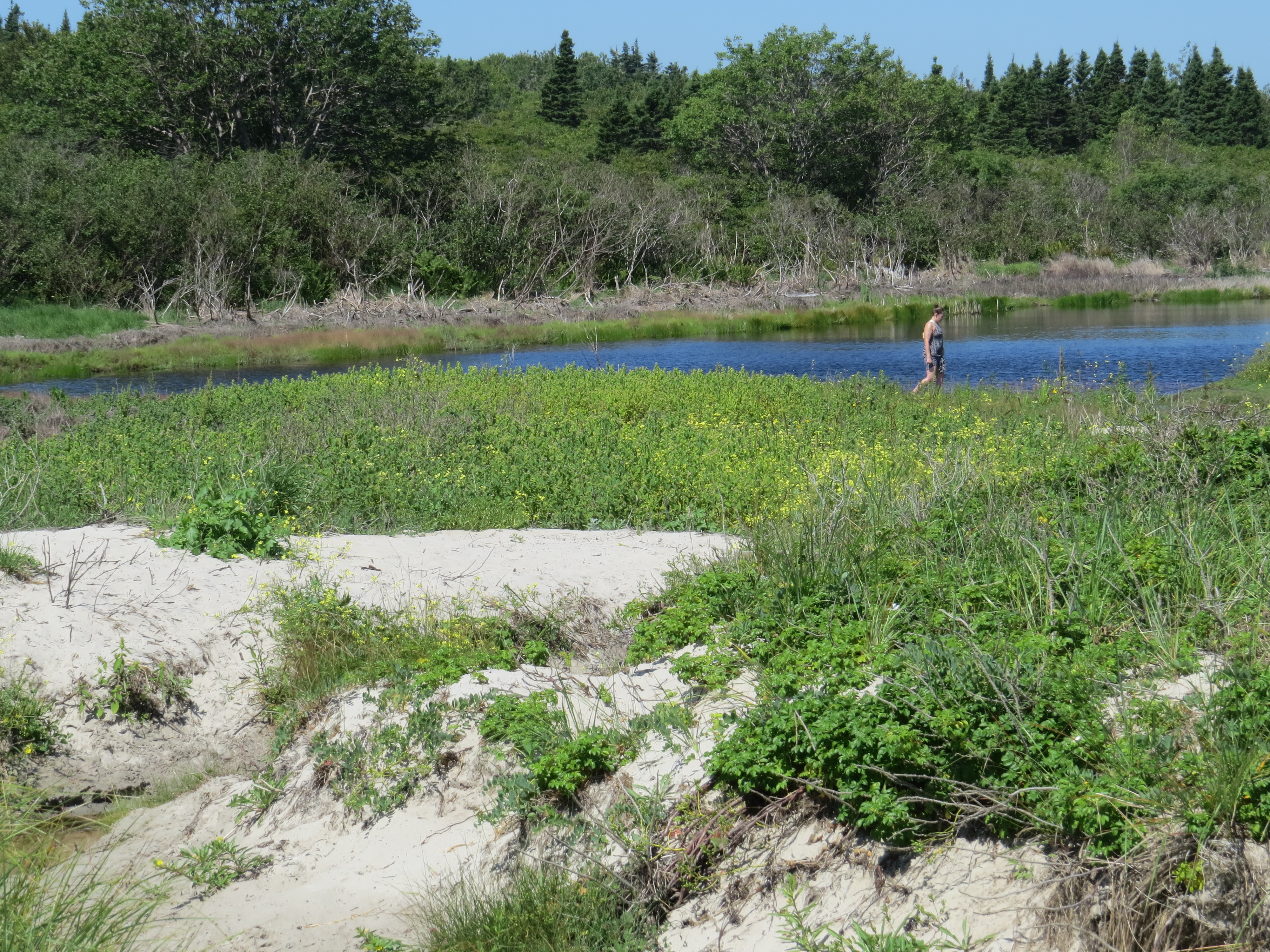
Children are amazing people! Throngs of beachgoers are squeezed next to ech other on the sandy beach – but a child knows better: what could be more magic than playing in a mud in little stream rushing toward the ocean? Child imagination dwarfs imagination of an adult.
Dzieci są niesamowite! Tłumy plażowiczów ściśnięte na słonecznej plaży niby złote sardynki w puszce z olejem. Ale wyobraźnia dziecka pracuje inaczej – cóż może być wspanialszego niż położyć się w ciepłym błotku strumienia spływającego wartkim nurtem do oceanu? Tam dopiero cuda można sobie wyobrażać.
Kolejny przystanek mojej podróży pożegnań z Nową Szkocją. Tym razem do miejsca wyjątkowego. Ostatni raz byłem tu chyba około trzy lata temu. A jeździłem często i John ze mną jeździł póki zaczął unikać i szukać wymówek lub namawiać mnie bym pojechał w taki dzień, gdy on pracował. Wtedy jeszcze nie wiedziałem, że większe wędrówki zaczynają mu już sprawiać bariery niemożliwe do pokonania.
Na szlaku od plaż ku skałom miałem takie ‘prywatne małe poletko skalne zawieszone ponad ścieżką. Na tym poletku, o odpowiedniej porze roku, rosły poziomki i jagody. I znosiłem mu cierpliwie czekającemu pełne garstki tych cudowności. Oponował naturalnie niby oburzony, gdy mu kazałem otworzyć usta i sypałem do nich z mojej dłoni słodkości. Oponował – ale zjadał, LOL. Wiedział, że robi mi tym przyjemność. Takie nasze idiosyncrasies urocze. Tylko pilnował by nikt, broń Boże, akurat nie przechodził i nie było świadka, że je świeże, niemyte owoce i to prosto z mojej ręki! Potem dochodziliśmy do małej plaży nudystów (tu już nawet nie sugerowałem by się rozłożyć i popływać przed skalna wspinaczką. Ostatecznie zbyt dobrze się znaliśmy – to by był koniec wycieczki i basta, LOL). Tyle lat w Vancouverze i plaże tam (w tym dwie nudystów, jedna popularna koło Uniwersytetu) – ale mowy nie było by nago w biały dzień się pokazał. Wracając do Nowej Szkocji – za tą plażą zaczynała się wspinaczka przez wąskie ścieżki kosodrzewiny i przez potężne, zawieszone nad szalejącym Atlantykiem skały i głazy. Nigdy nie szliśmy razem aż tak daleko, jak ja samotnie. Ale nie potrzebowaliśmy. Piękno widoków i krajobrazu mógł docenić i zachwycić się nim na tym odcinku, jaki robiliśmy. Chodziło o to, by to była dla nas radość i satysfakcja, a nie coś wymuszonego. I tak szliśmy daleko, dalej niż większość turystów i miejsc kompletnej prywatności nie brakowało bym i ja mógł smakować te jagody i poziomki z jego ust …
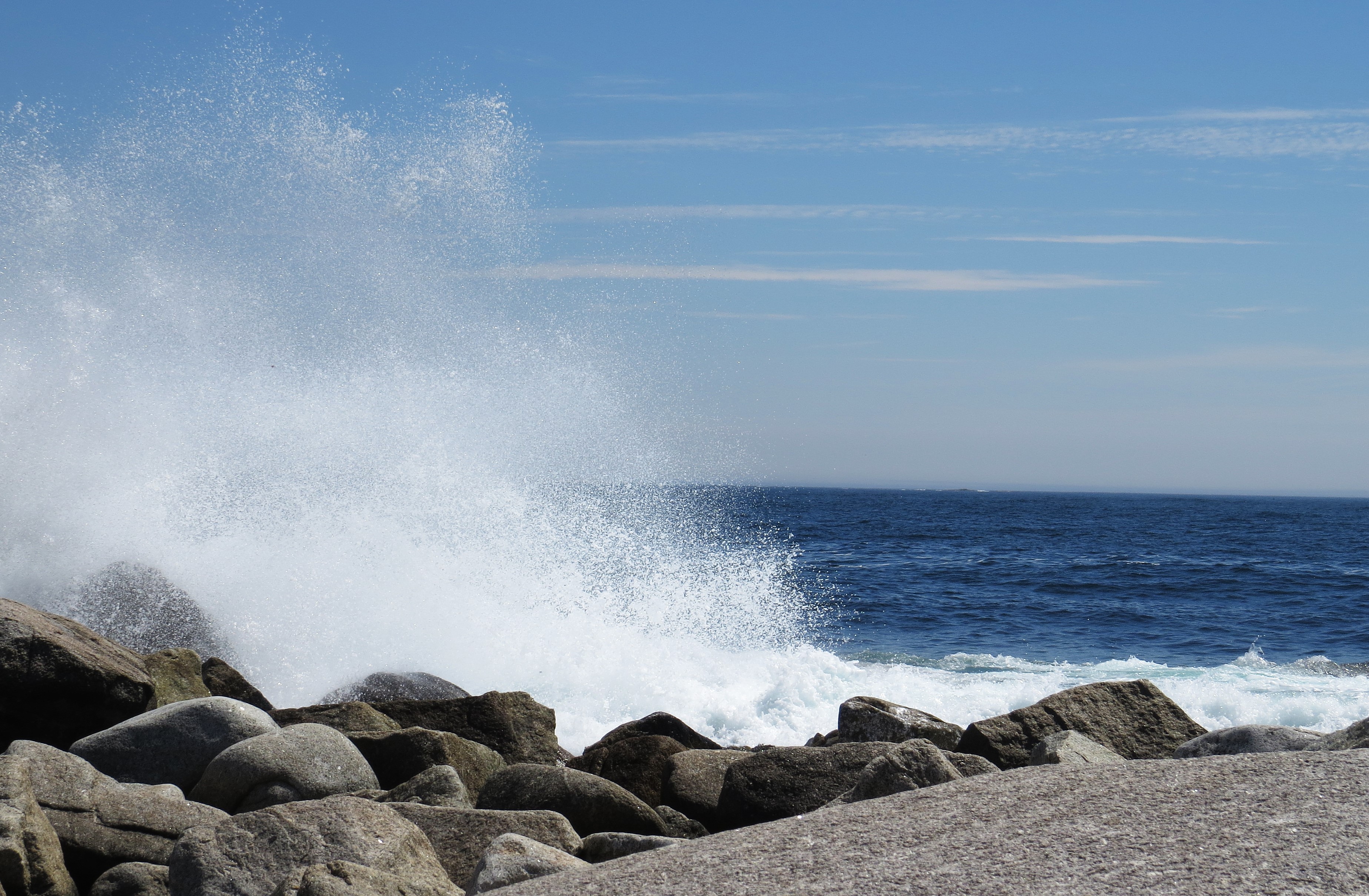
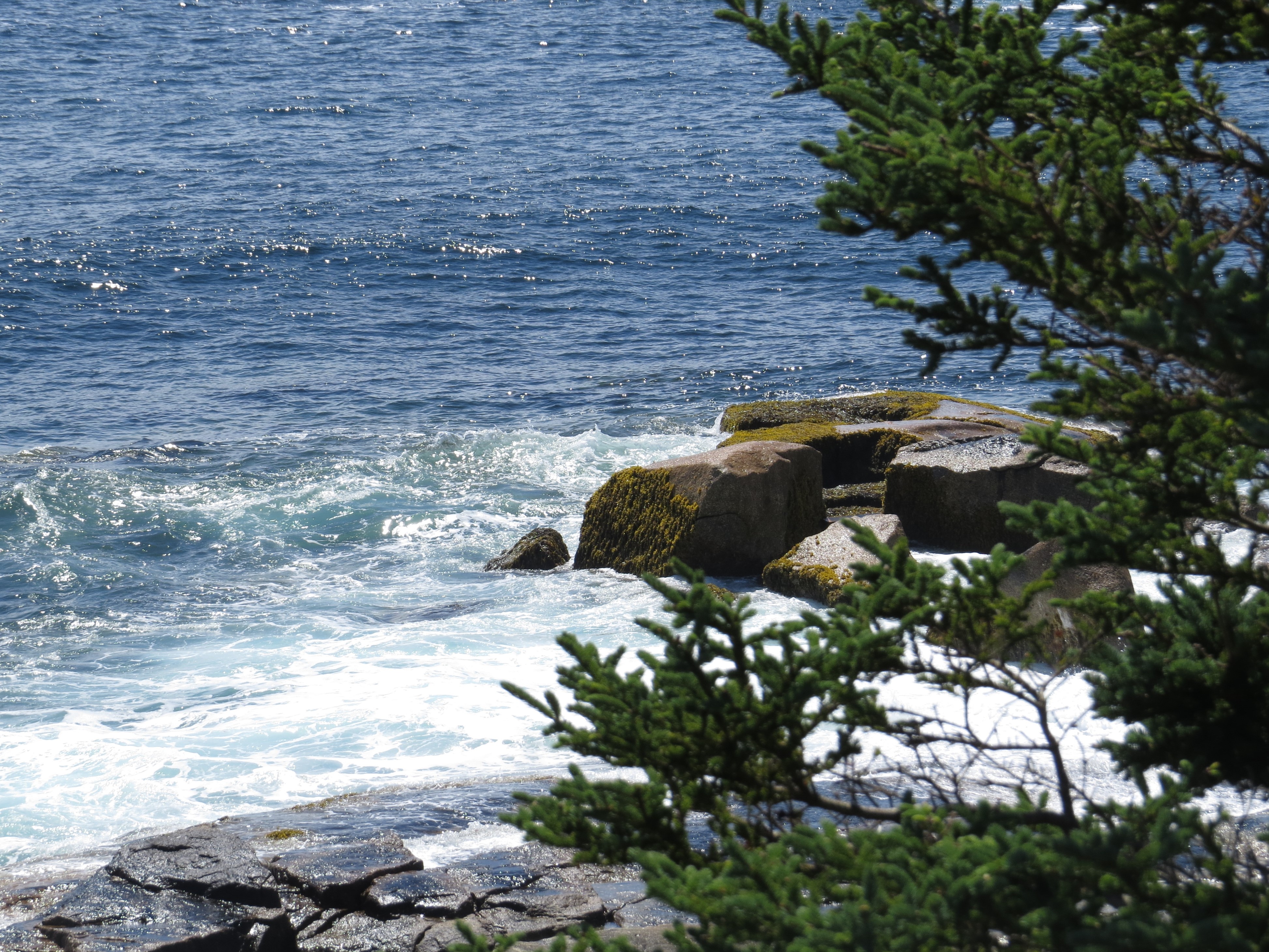
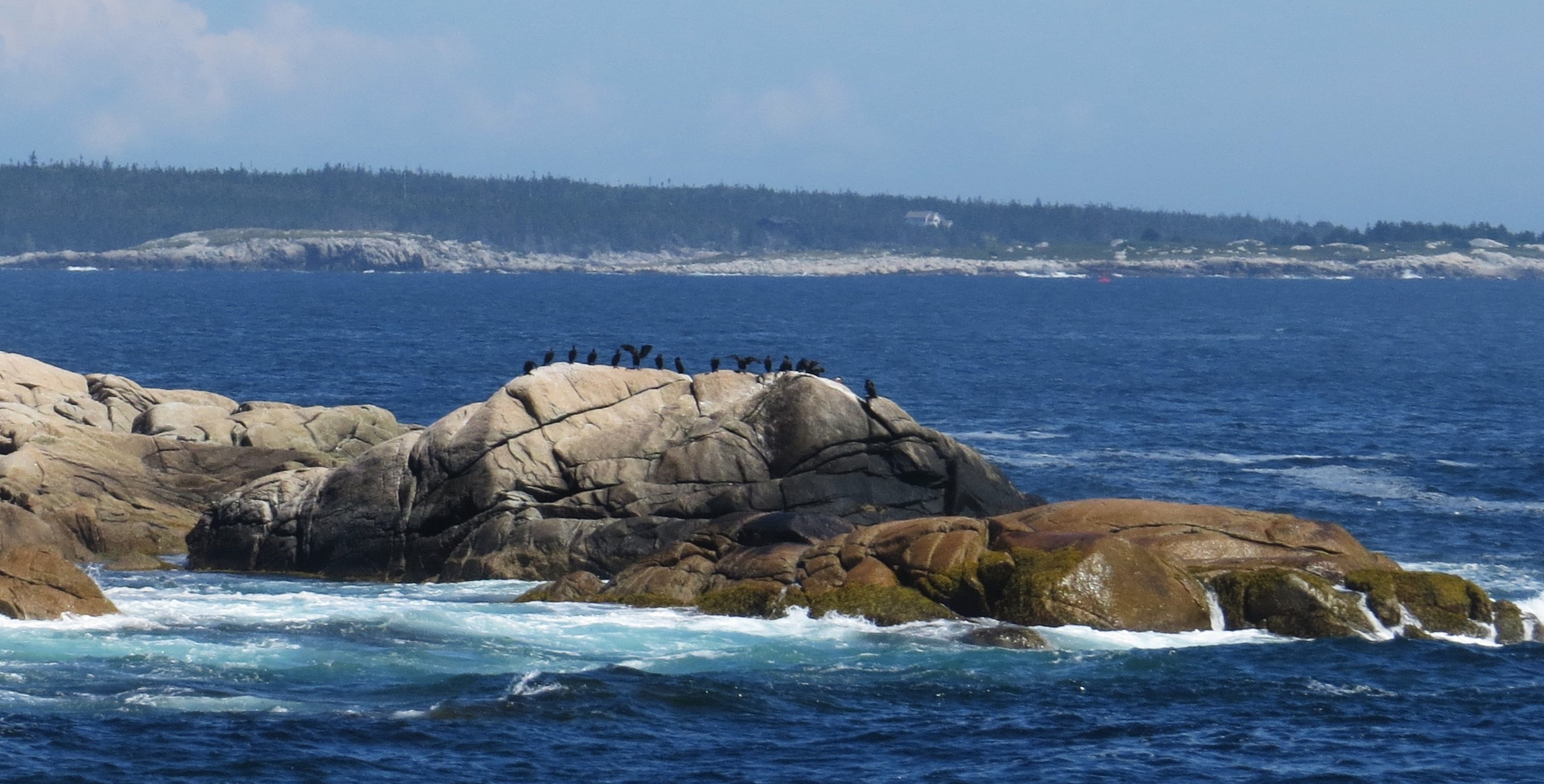
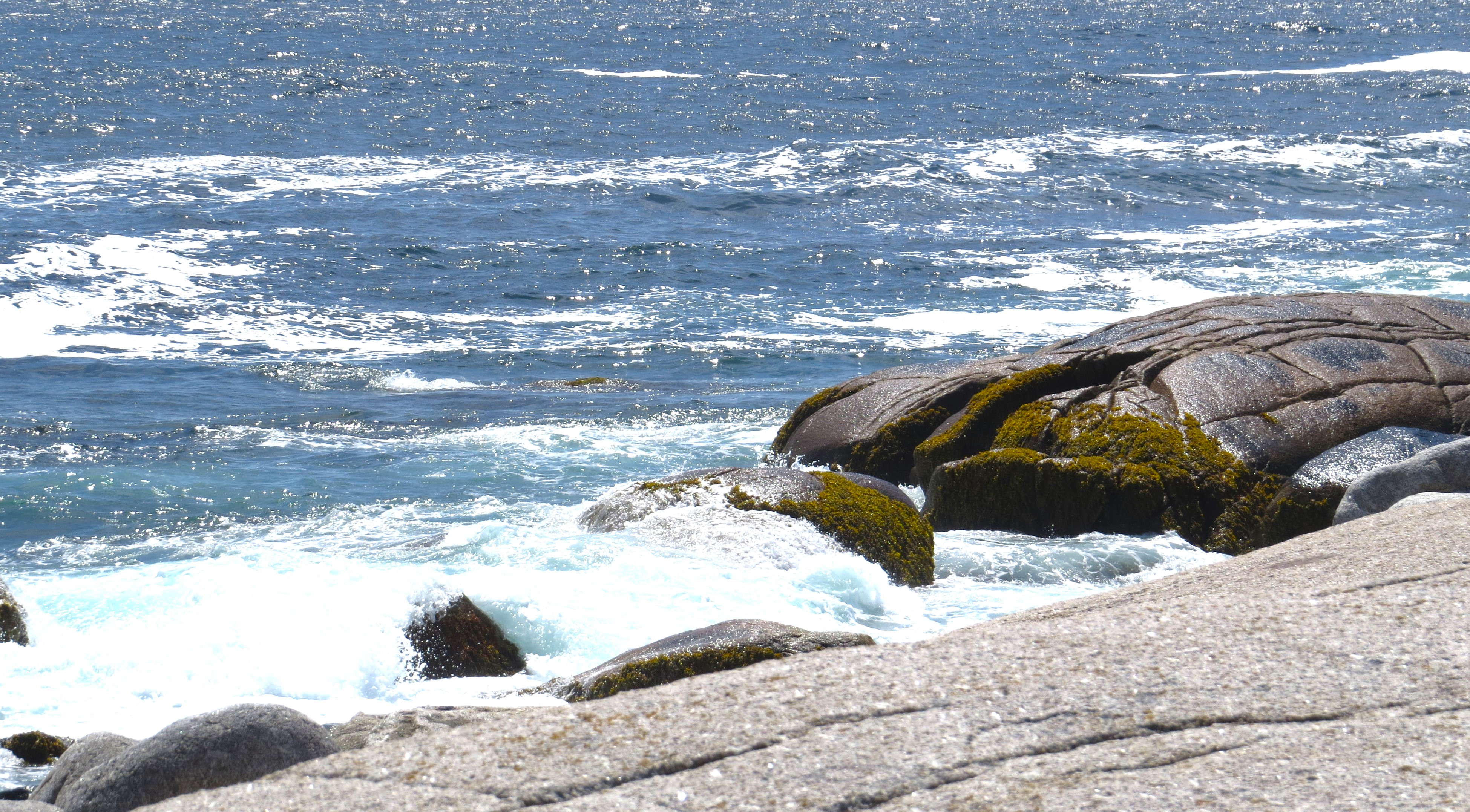
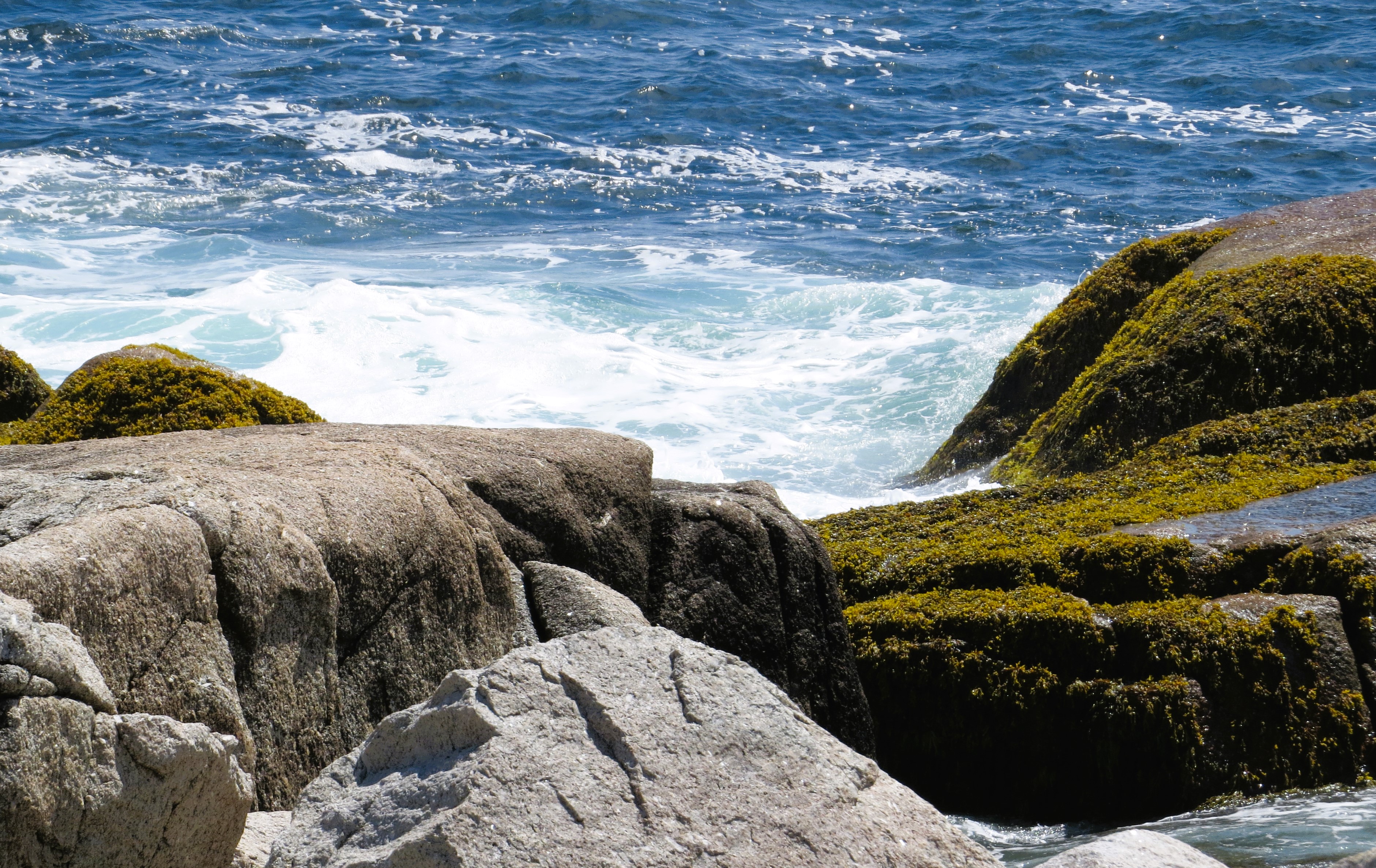
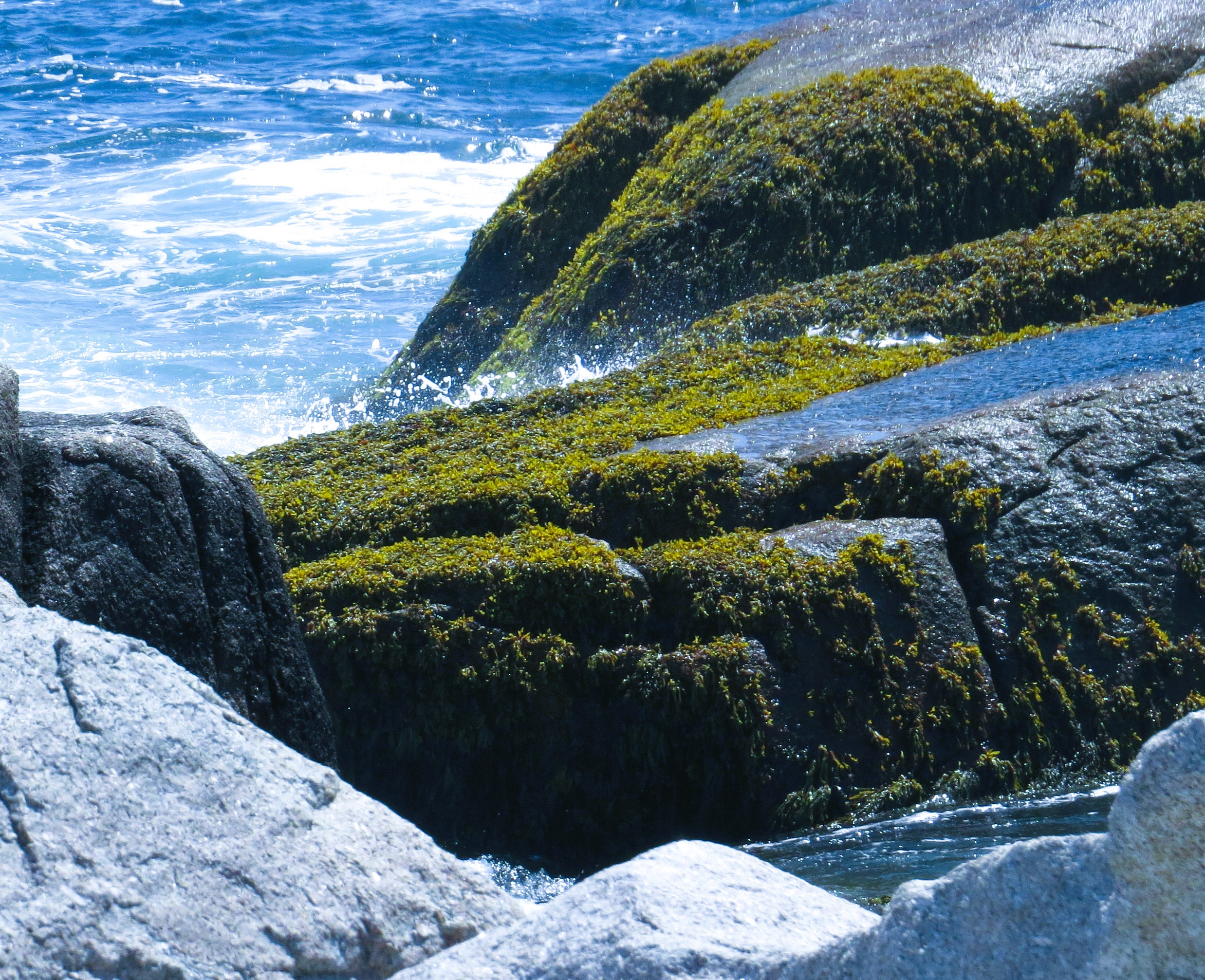
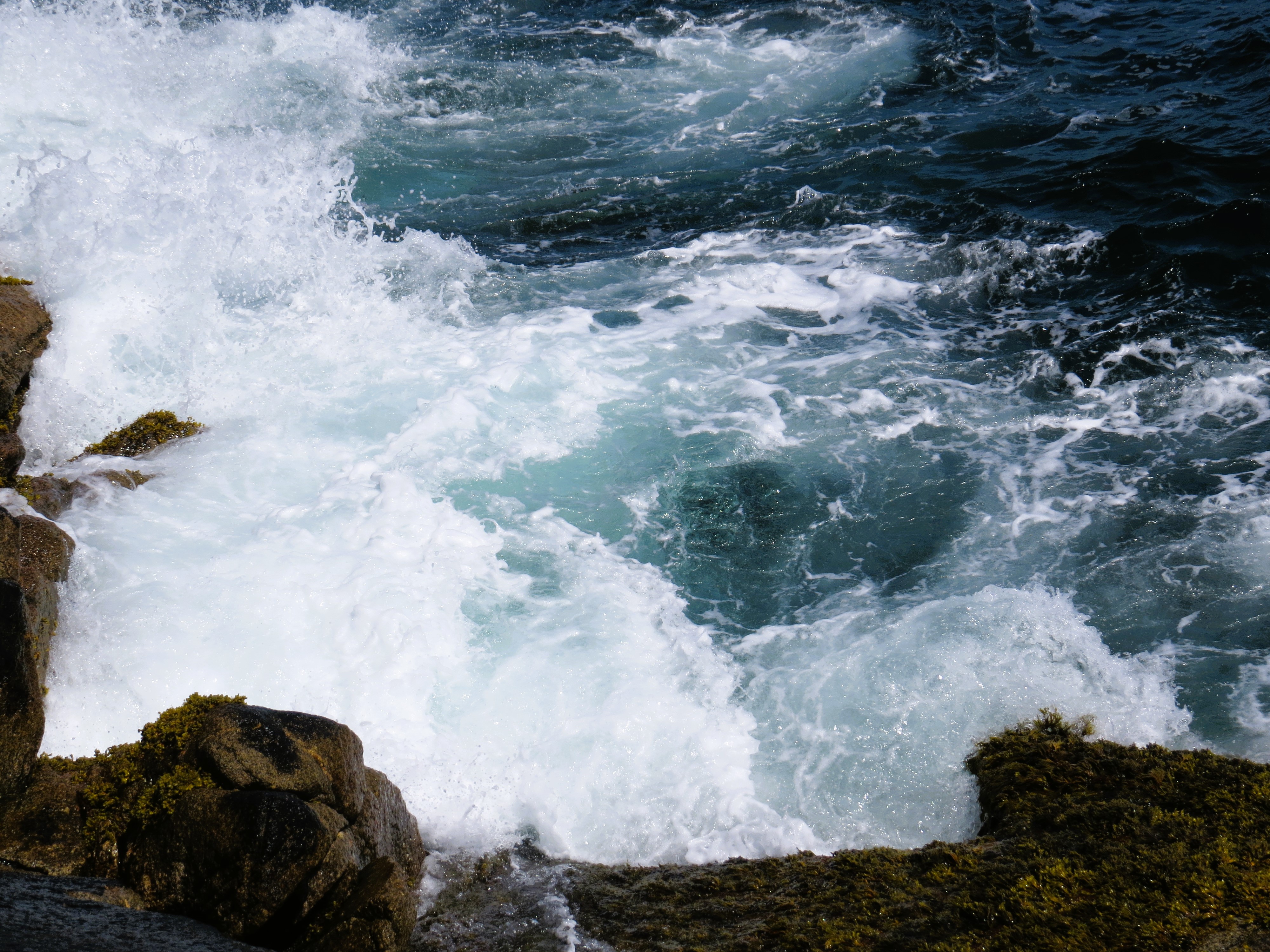
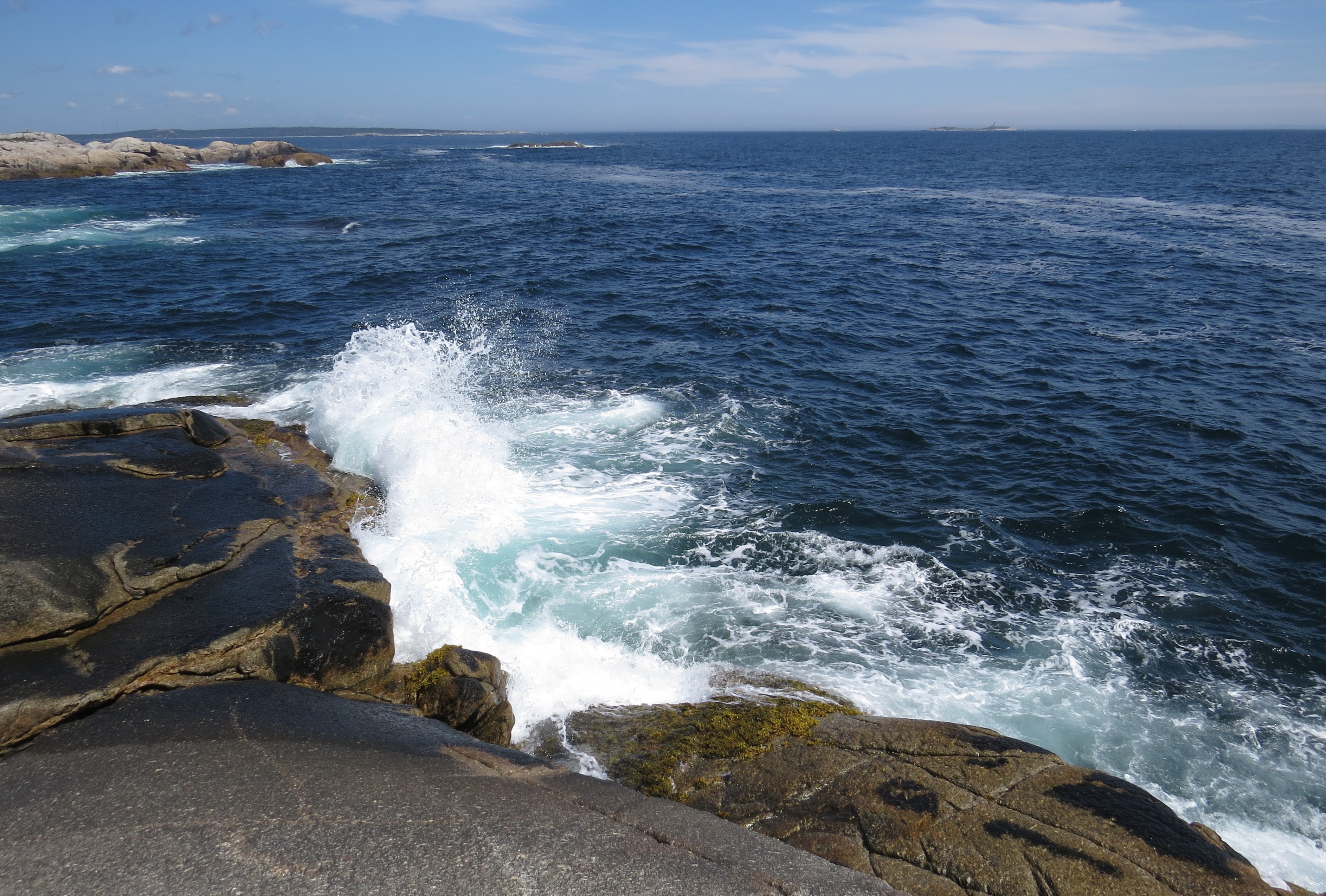
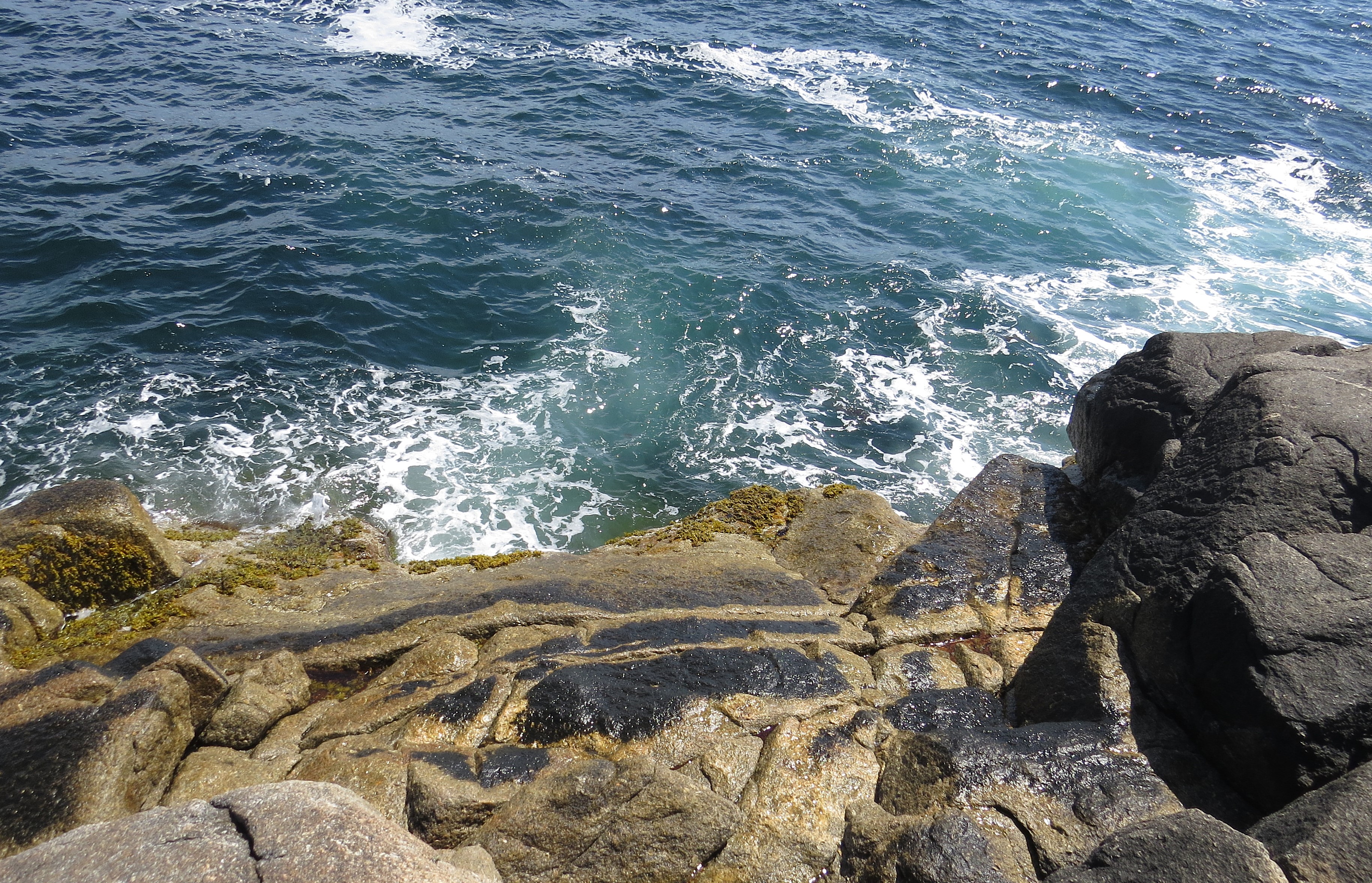
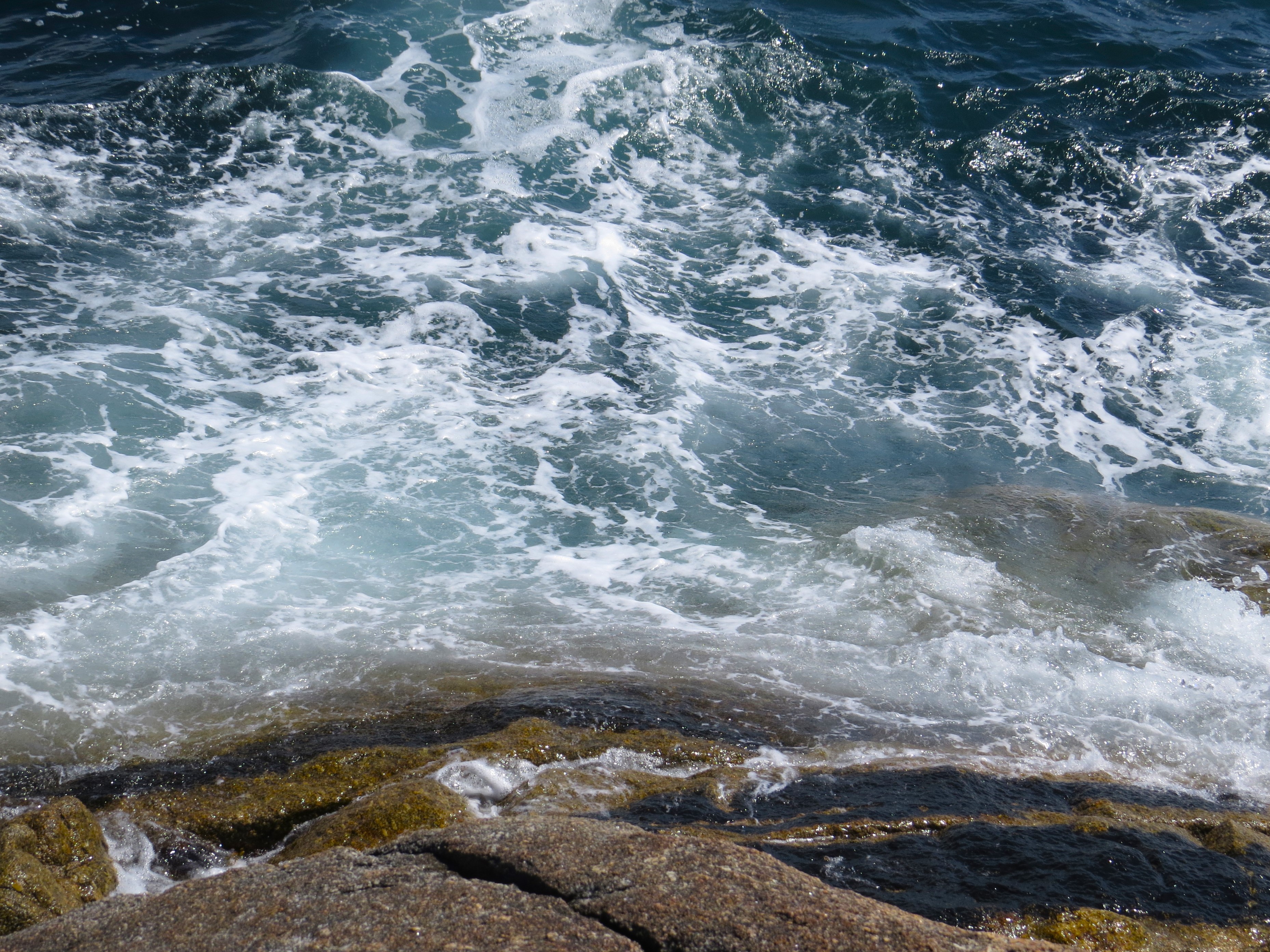
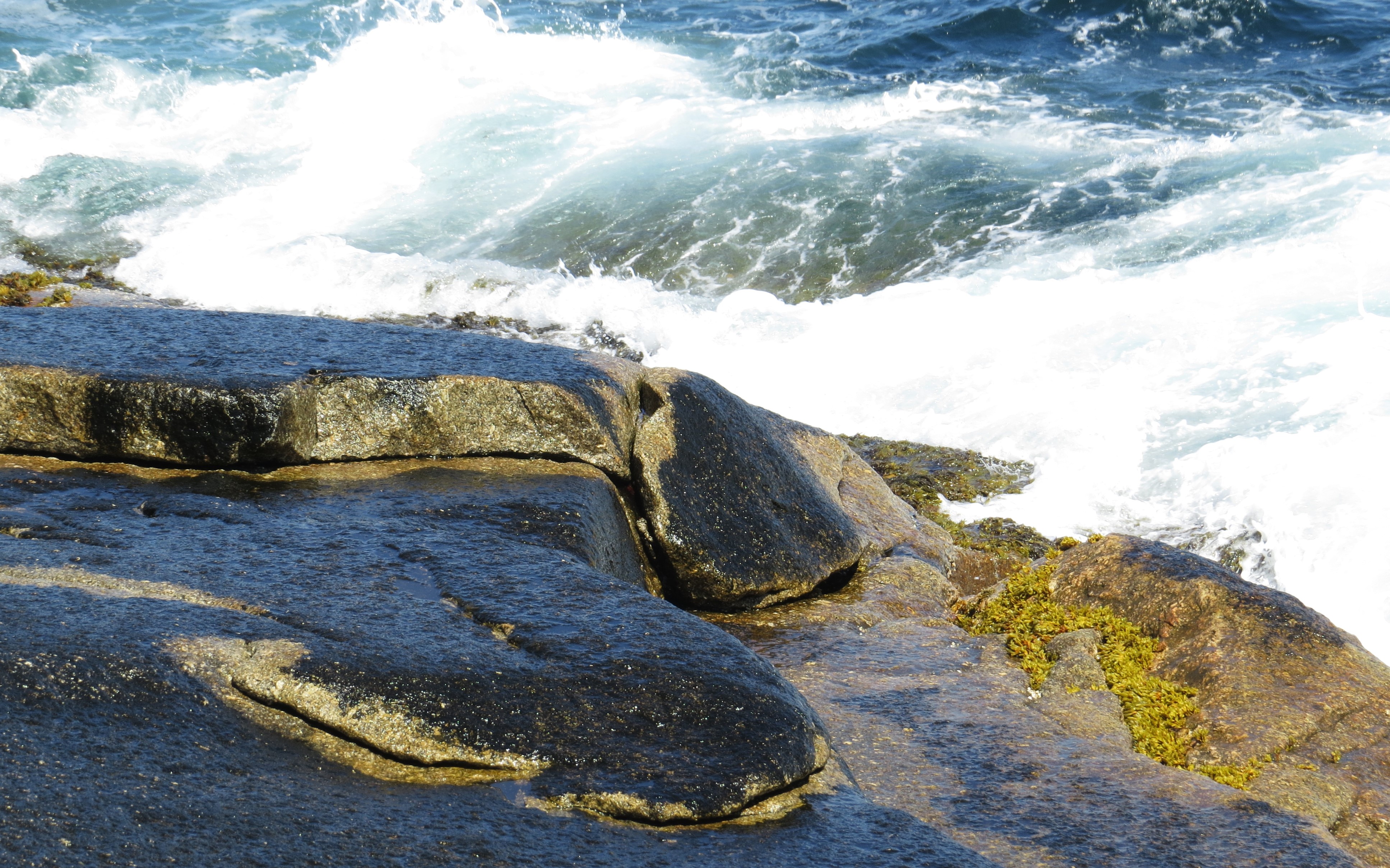
My next stop on the journey of saying ‘goodbye’ to Nova Scotia, our Nova Scotia. Mine and John’s. The last time I was here, I think, was about three years ago. I love that spot. The only beach and long hiking trail on western side of Halifax. We used to go there together, whenever it was possible and when it was possible. Our hike was usually shorter than my solitary were – but long enough to fully appreciate the wild beauty and majesty of massive rocks and boulders and the unrelenting power of the ocean below.
On the way to the rocky trail, pass the beaches and people I had a small secret meadow full of wild strawberries and blueberries. If it was in season I would go there and John would wait on the trail till I come back with both fists full the sweetness of the berries and empty them into his mouth. He pretended to be offended by it … but ate them, LOL. We had to make sure that there was no one approaching on the trail. Heaven’s forbid someone would see him eating fresh fruits and from someone’s hands! He like it, though. Maybe not as much the fruits (John wasn’t really an aficionado of fresh fruits) as the fact that he can make me smile and be happy. Our little idiosyncrasies. Next on the trail was a tiny nudist beach. No, I knew better – didn’t even ask him to stop and go for swim before the hike. Naked in public, beach or no beach?! That would be the end of the walk and the trail, no question asked. I knew what I can ask him of, and what I should not. Idiosyncrasies is one thing and disrespect is another. The true trail started right past that beach. Narrow and easily lost, covered with rocks and roots, often very wet and muddy from numerous tiny creeks rushing toward the ocean. Eventually you got to walkable huge slabs of rock and the amazing view of the majesty and power of the Atlantic. It truly is something to behold. We never went that far, as I venture sometimes, but far enough to absorb the atmosphere, the enormity of nature. And there, on these rocks, far enough from typical tourist or beachgoer, I would find a spot invisible to anyone, secluded … and have my way with the wild strawberries and blueberries off his lips!
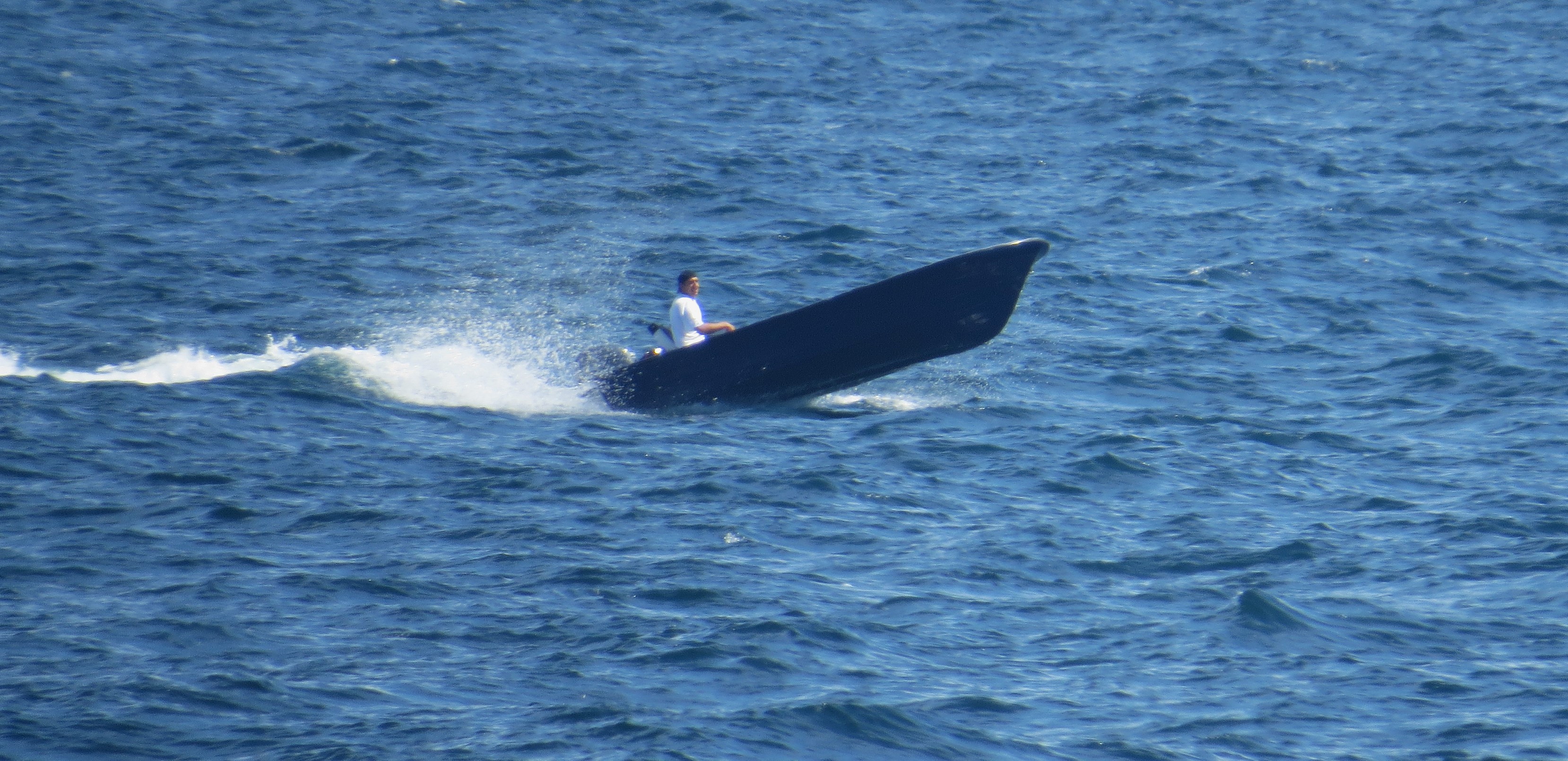
Below, pictures from yesterday – poniżej zdjęcia z wczorajszej wędrówki
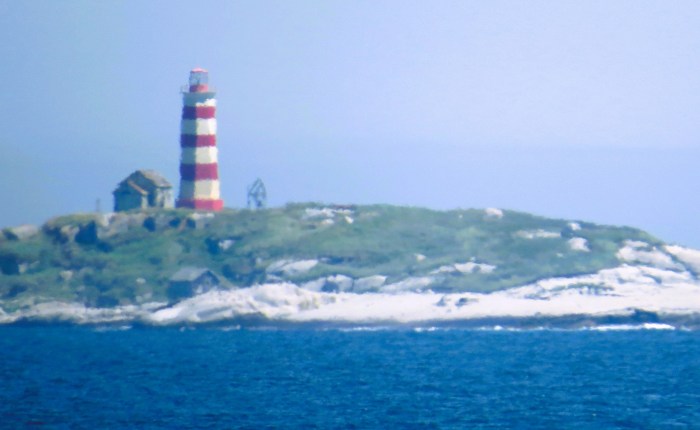
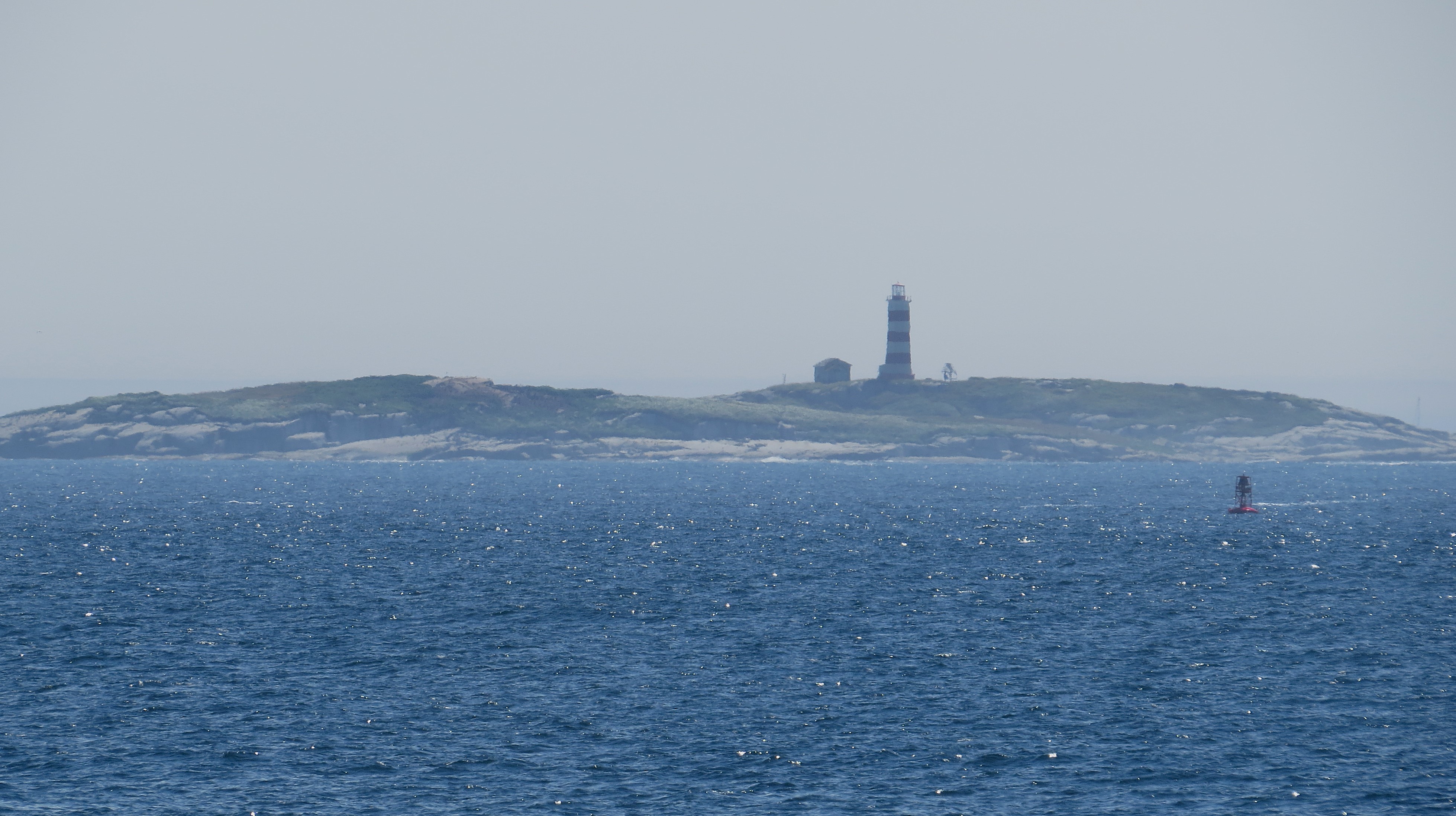
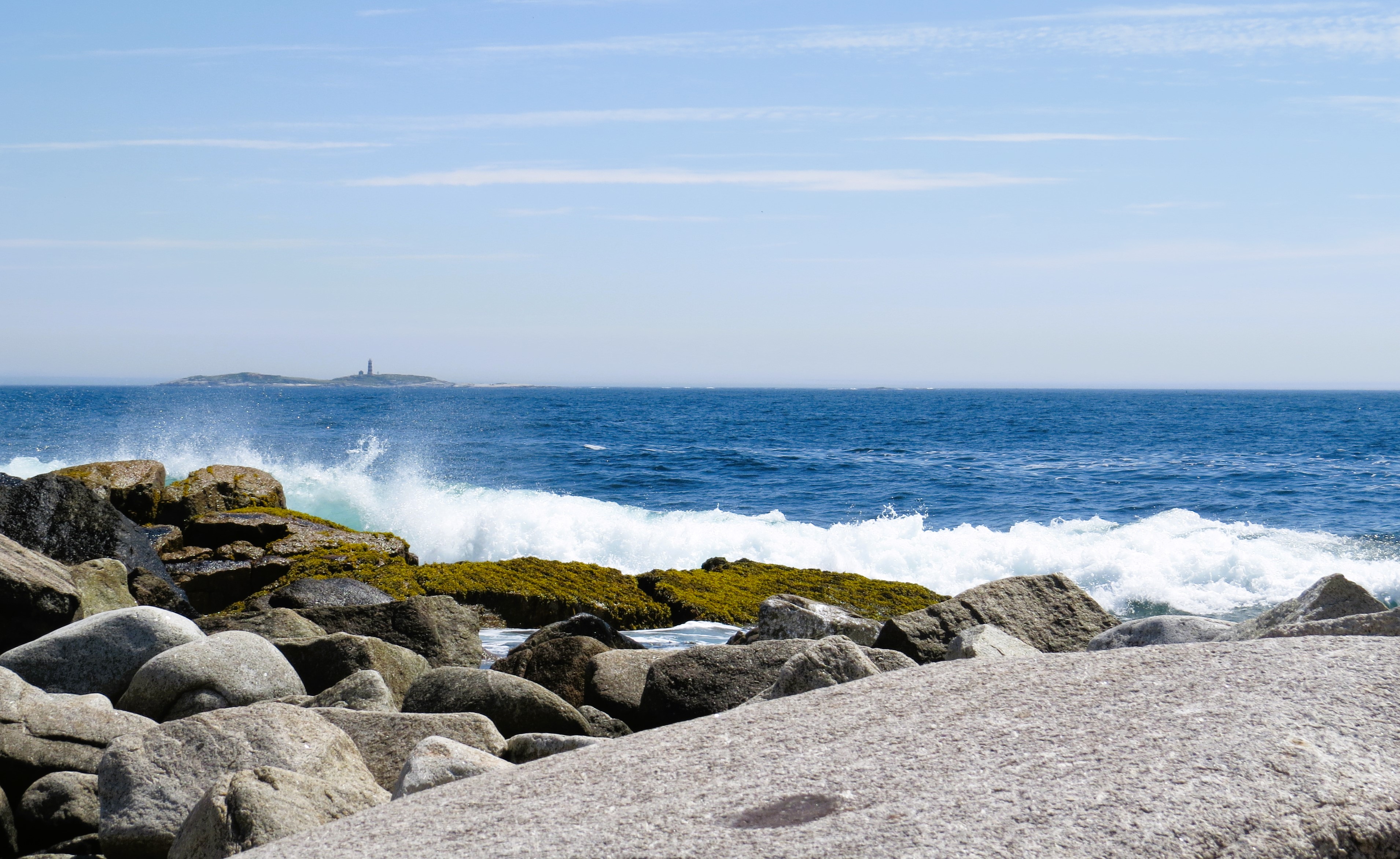
Widoczna na zdjęciu latarnia morska na wyspie Sambro, która jest ‘bramą’ to wejścia do portu Halifax jest najstarsza latarnią morską w Północnej Ameryce i do dziś operującą.
Pictures of the Sambro Island and the lighthouse remind us that it is the first lighthouse built in North Americas and it is still operational.
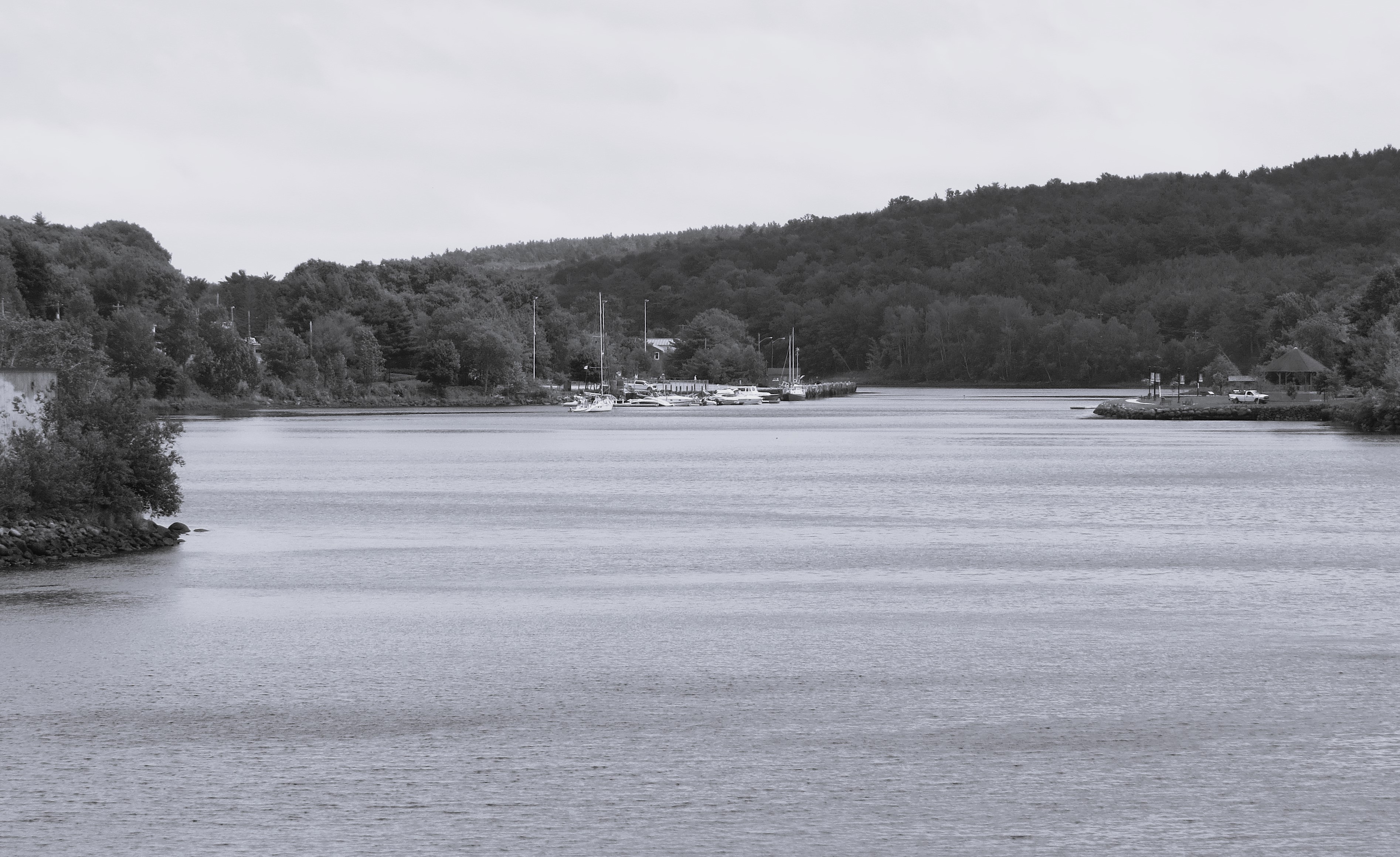
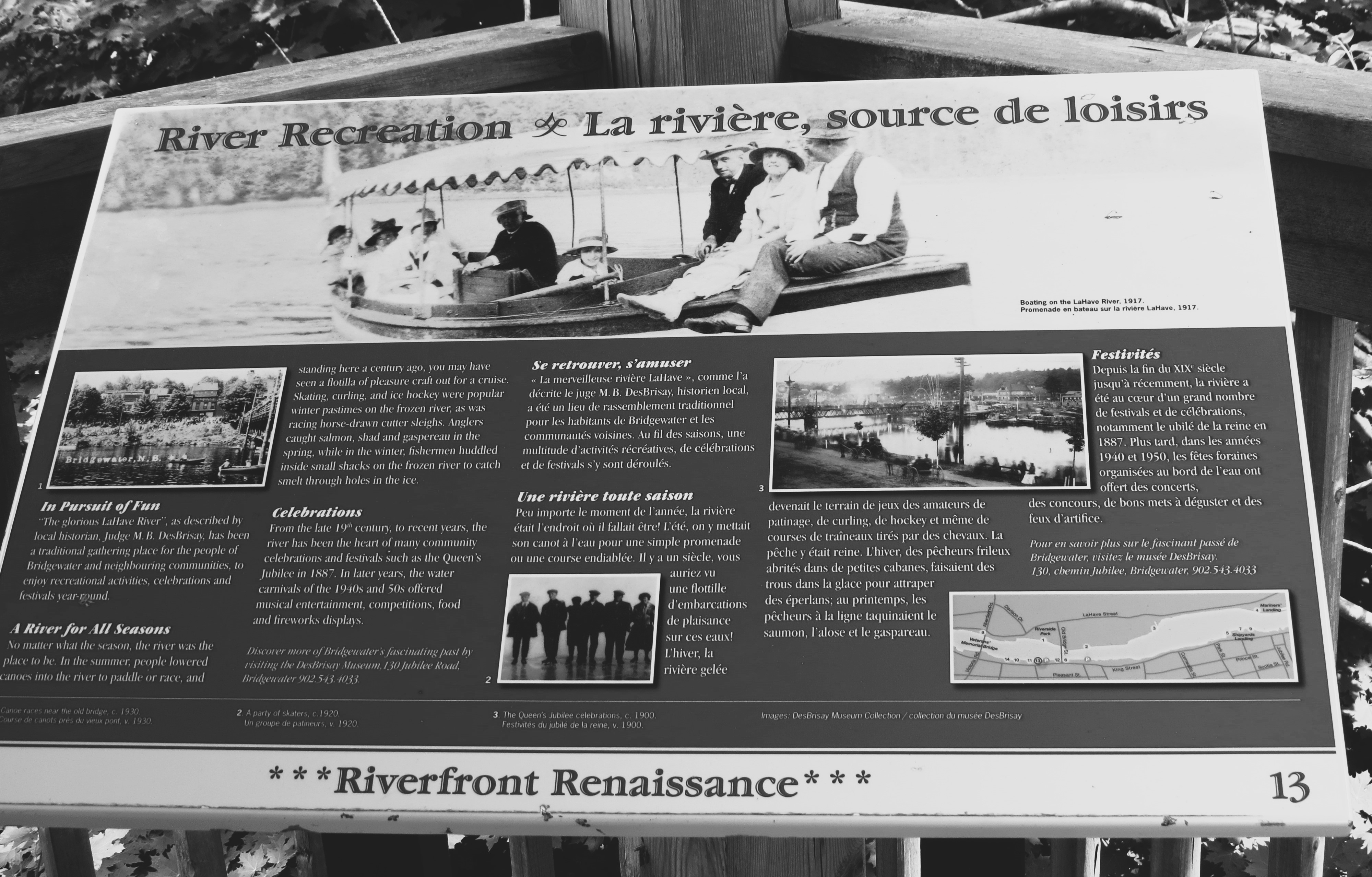
But before the British settled there, and before it become known by the name ‘Bridgewater’ it was an ancient large settlement of Mi’kmaq tribe for thousands of years. There is a rich collection of archeological artefacts attesting to their settlement at the mouth of the large LaHav River.
In 1604 the French Governor of New France Pierre Dugua de Mons visited these lands and by the mid-1600 there was first small French settlement there. In 1825 the first bridge was built and by 1850 the population grew to 300. At the end of XIX century the town had two railway connections – across the valley to Middletown and trains to Halifax. Easy access through the large and navigable river gave beginning of many industries, among which shipbuilding was a major force. It is probably a surprise to many, but the very first ship’s two-stroke engines were manufactured here and exported worldwide. It closed its operations in 1970.
Since the origins of the town, the western bank of the river was the heart and center of the city and so it remains. Most modern developments, shopping malls, concentrate on the east or left part of the city.
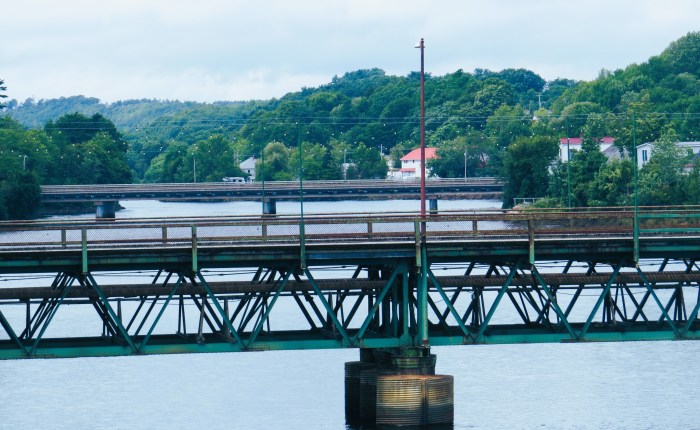
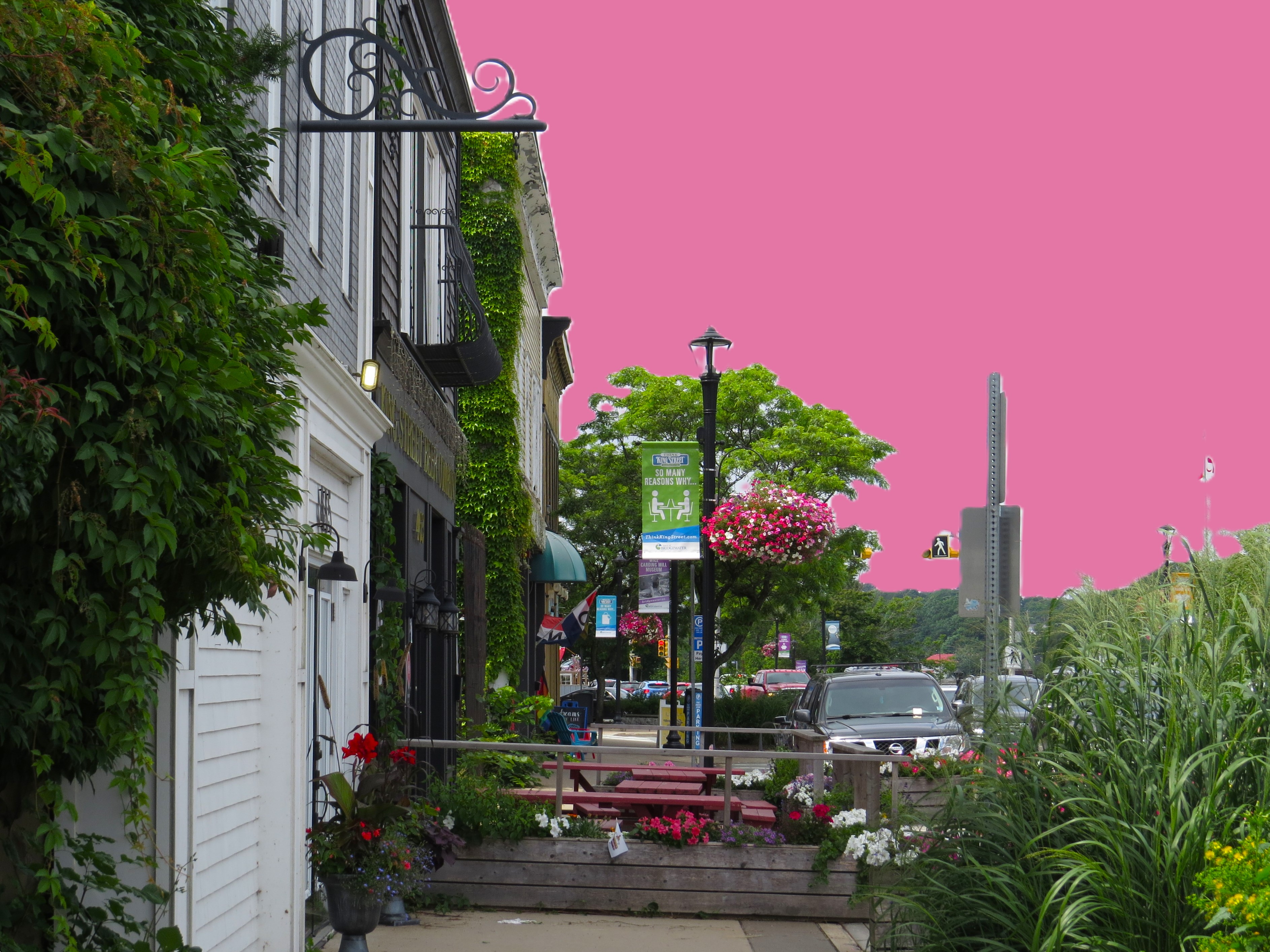
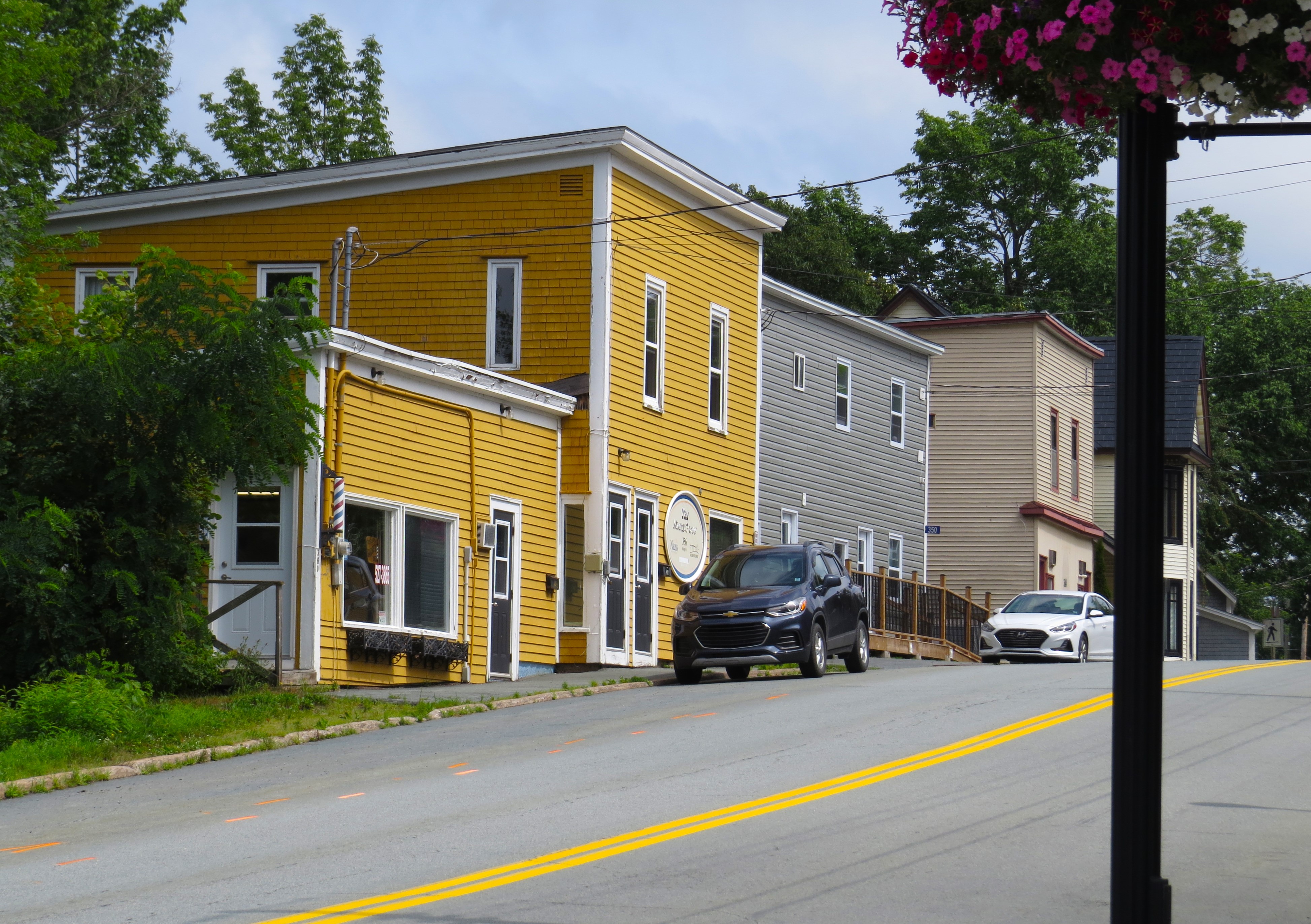
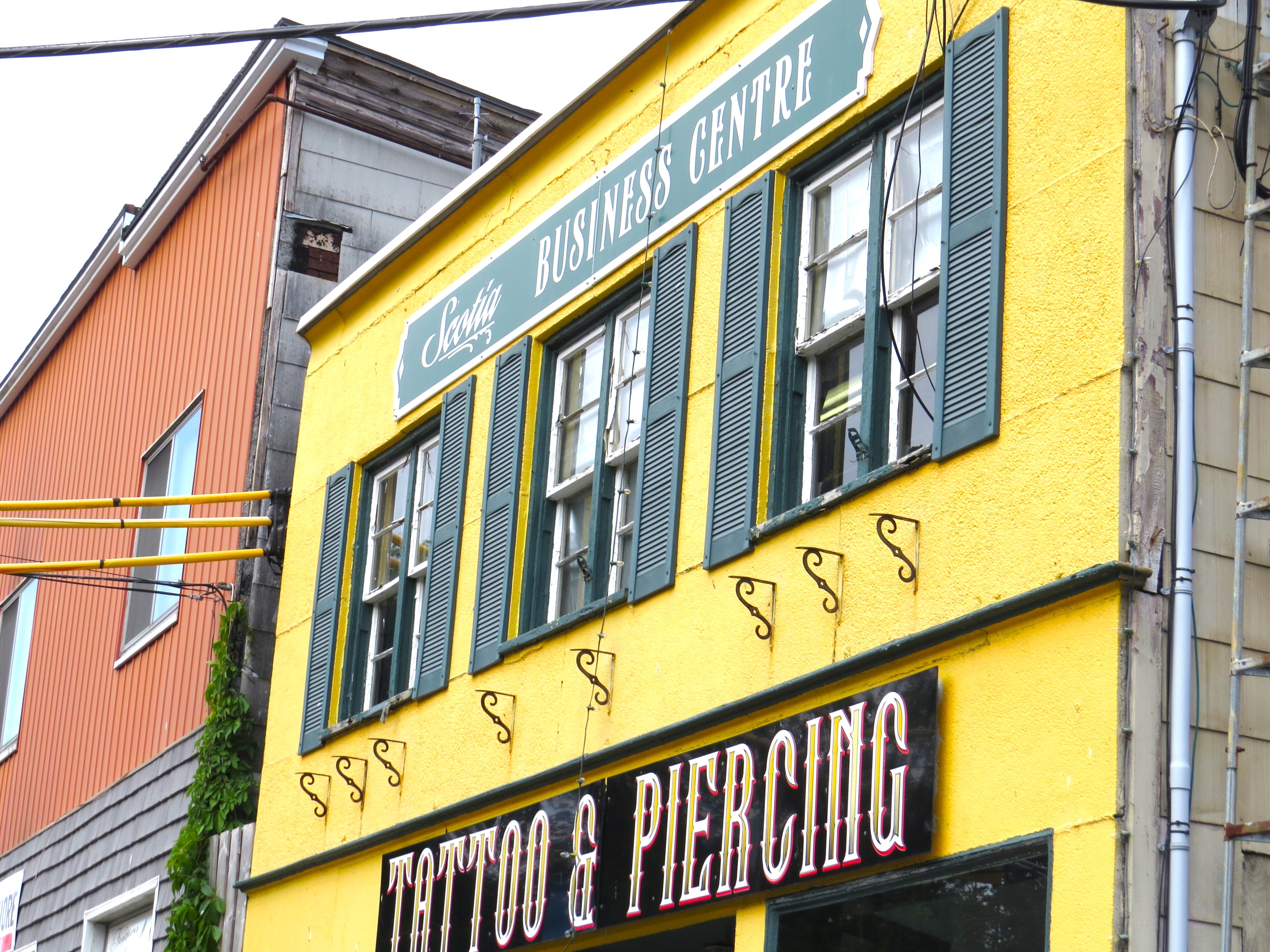
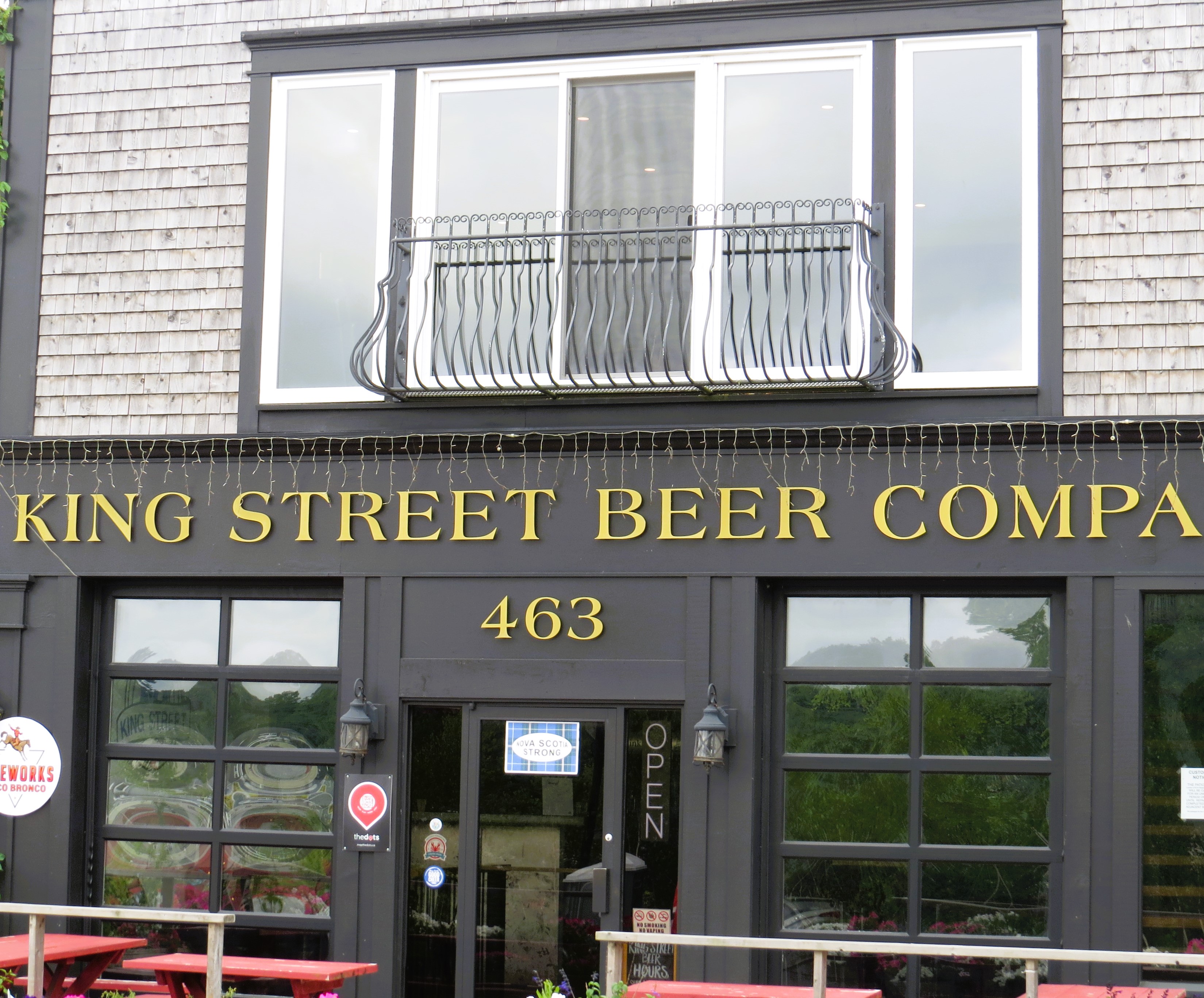
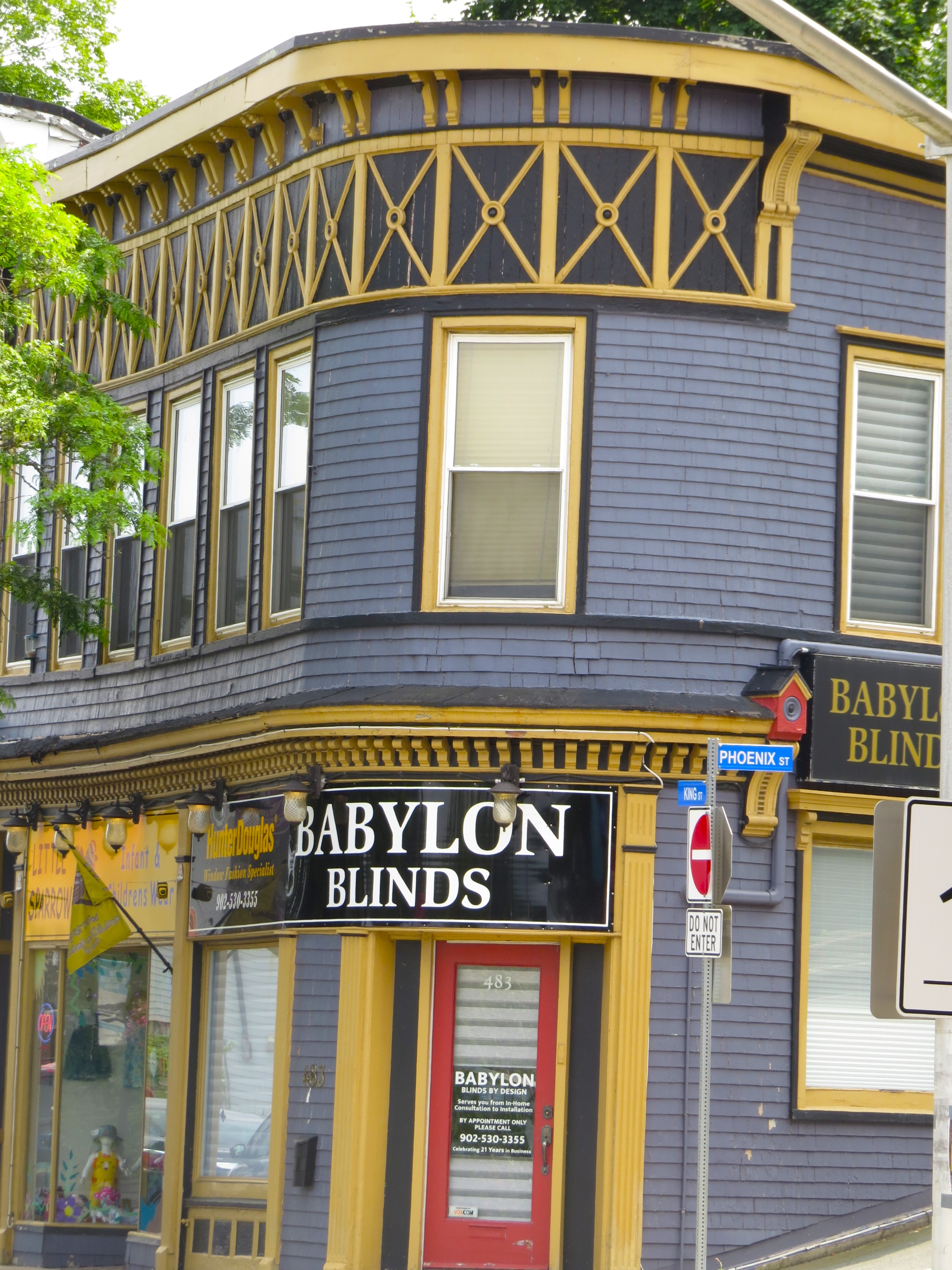
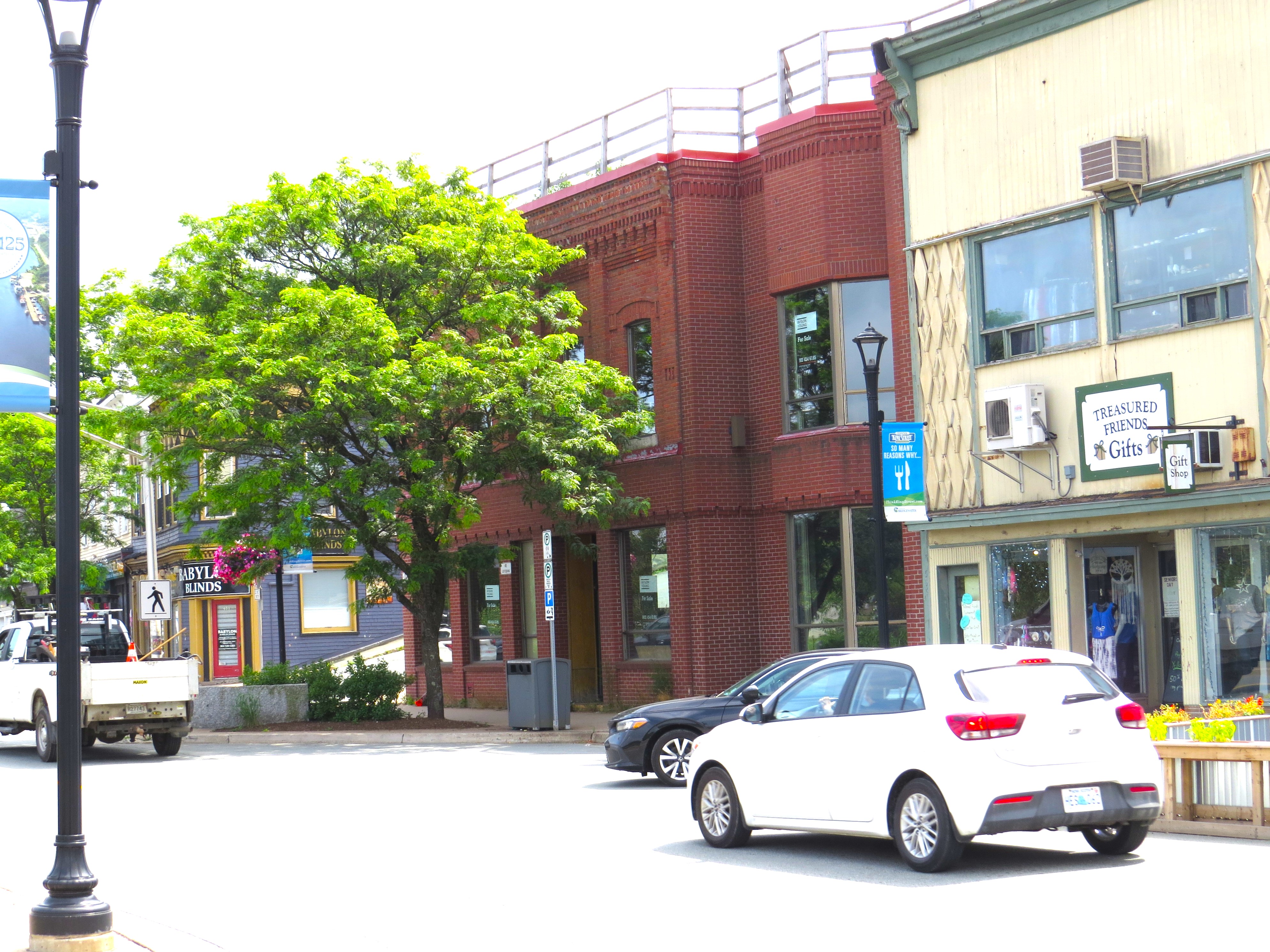
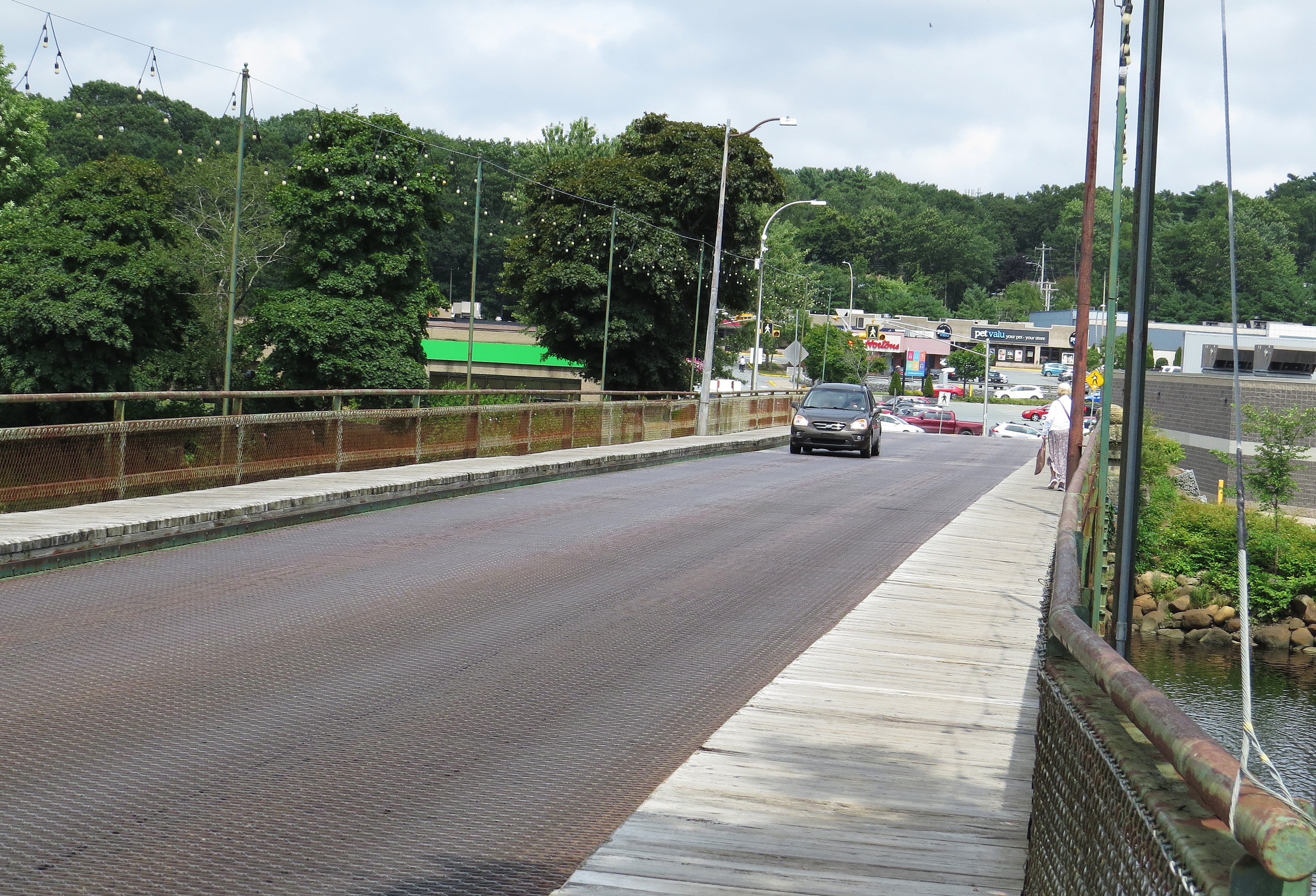
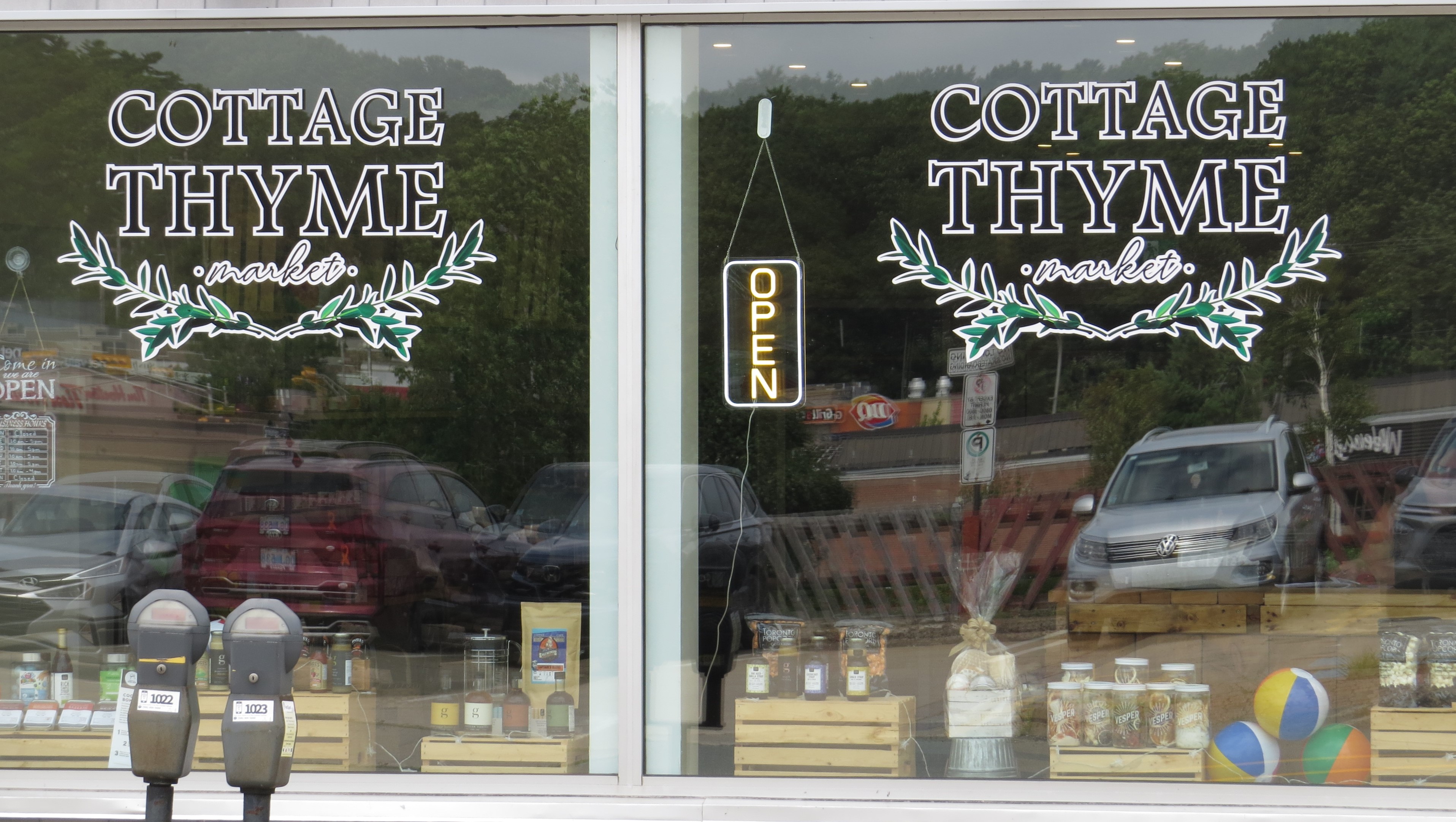
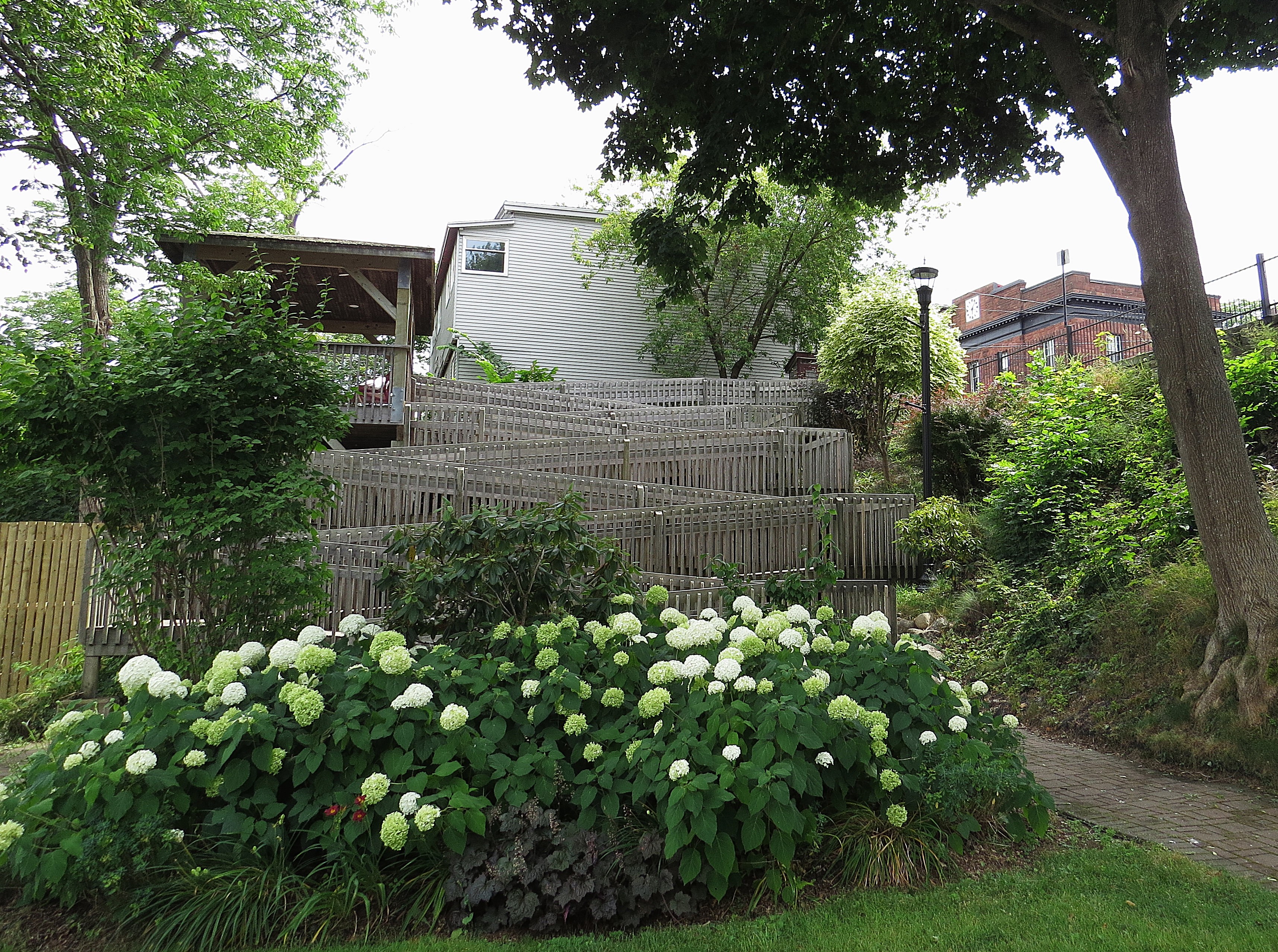
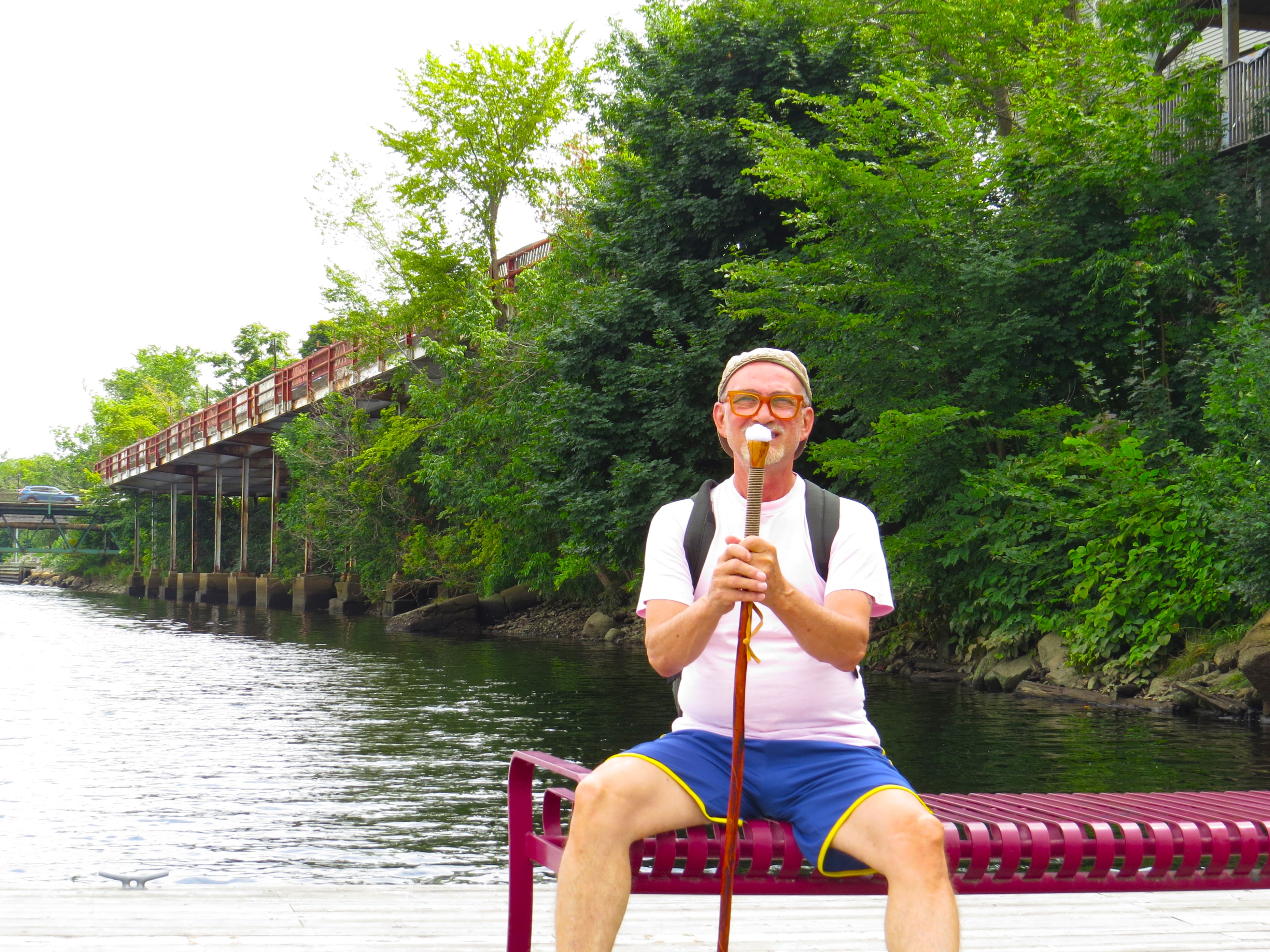
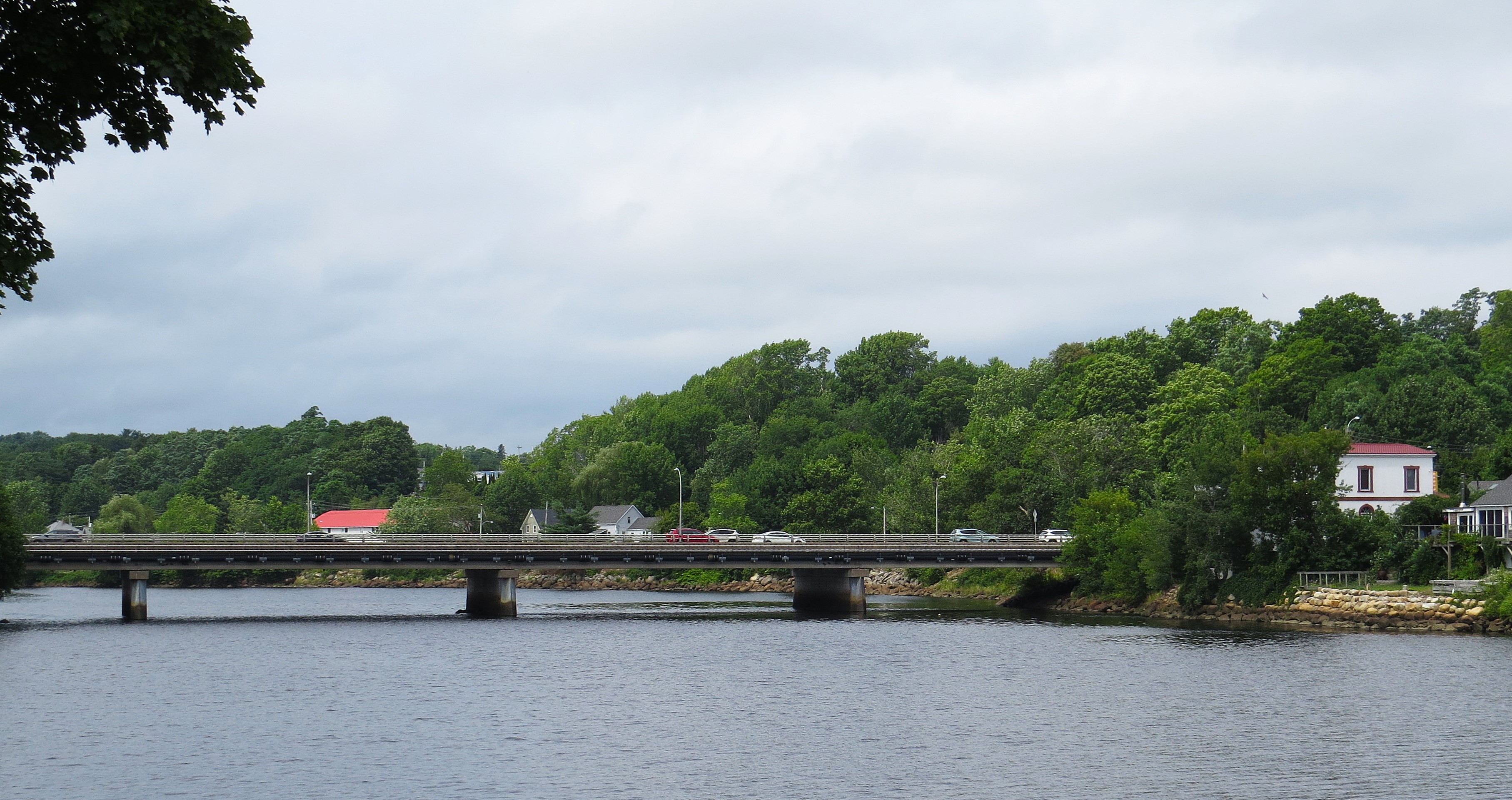
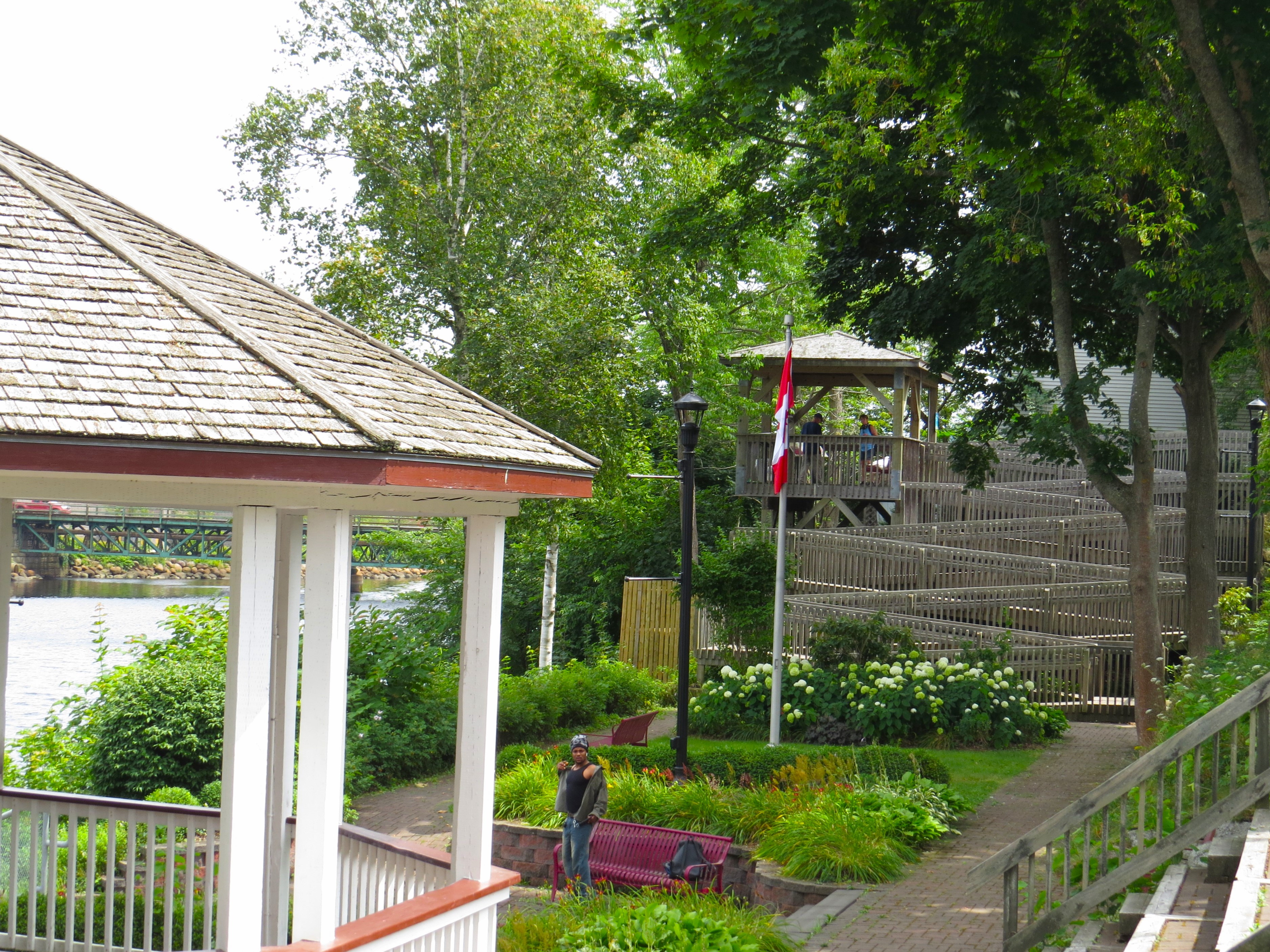
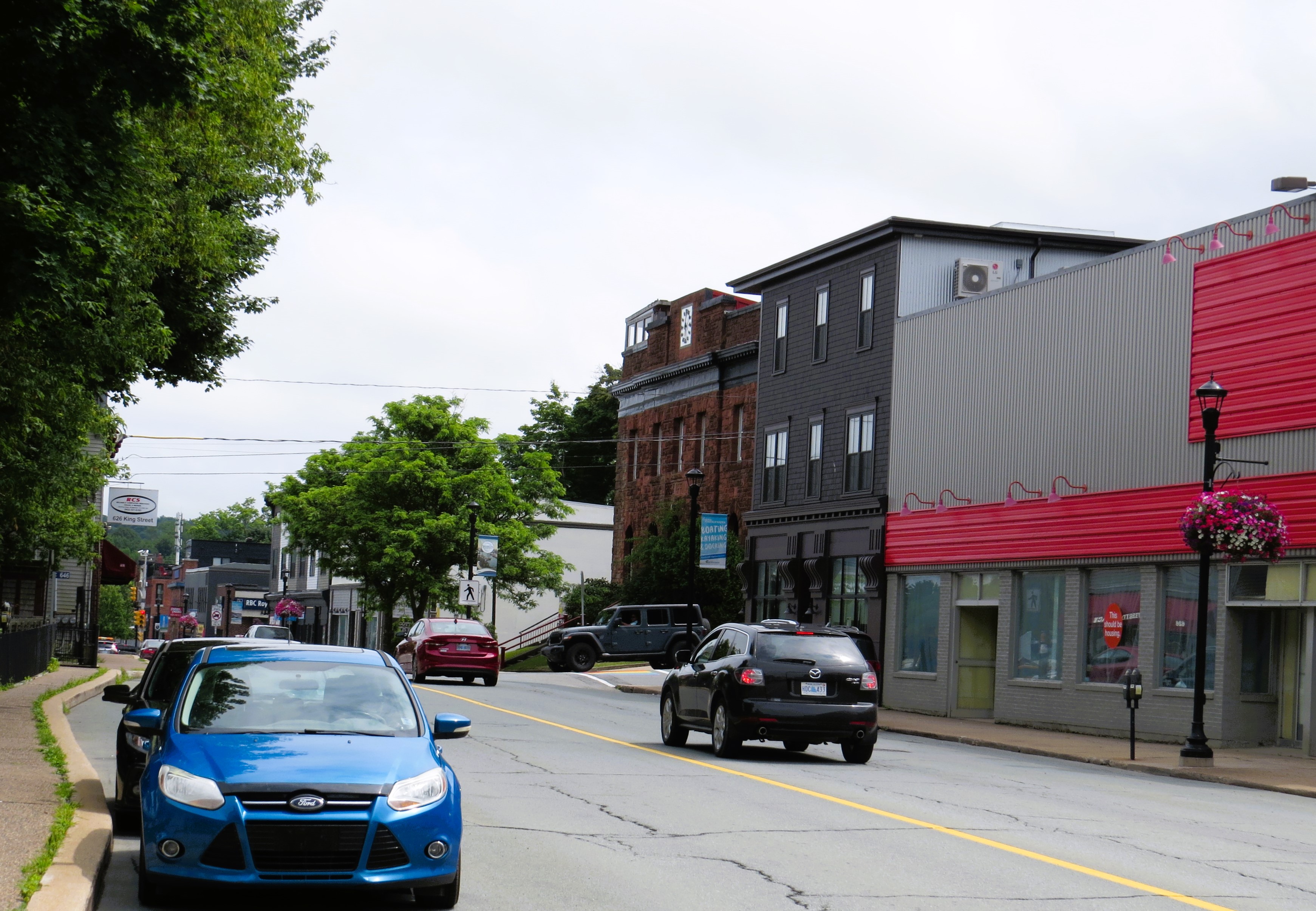
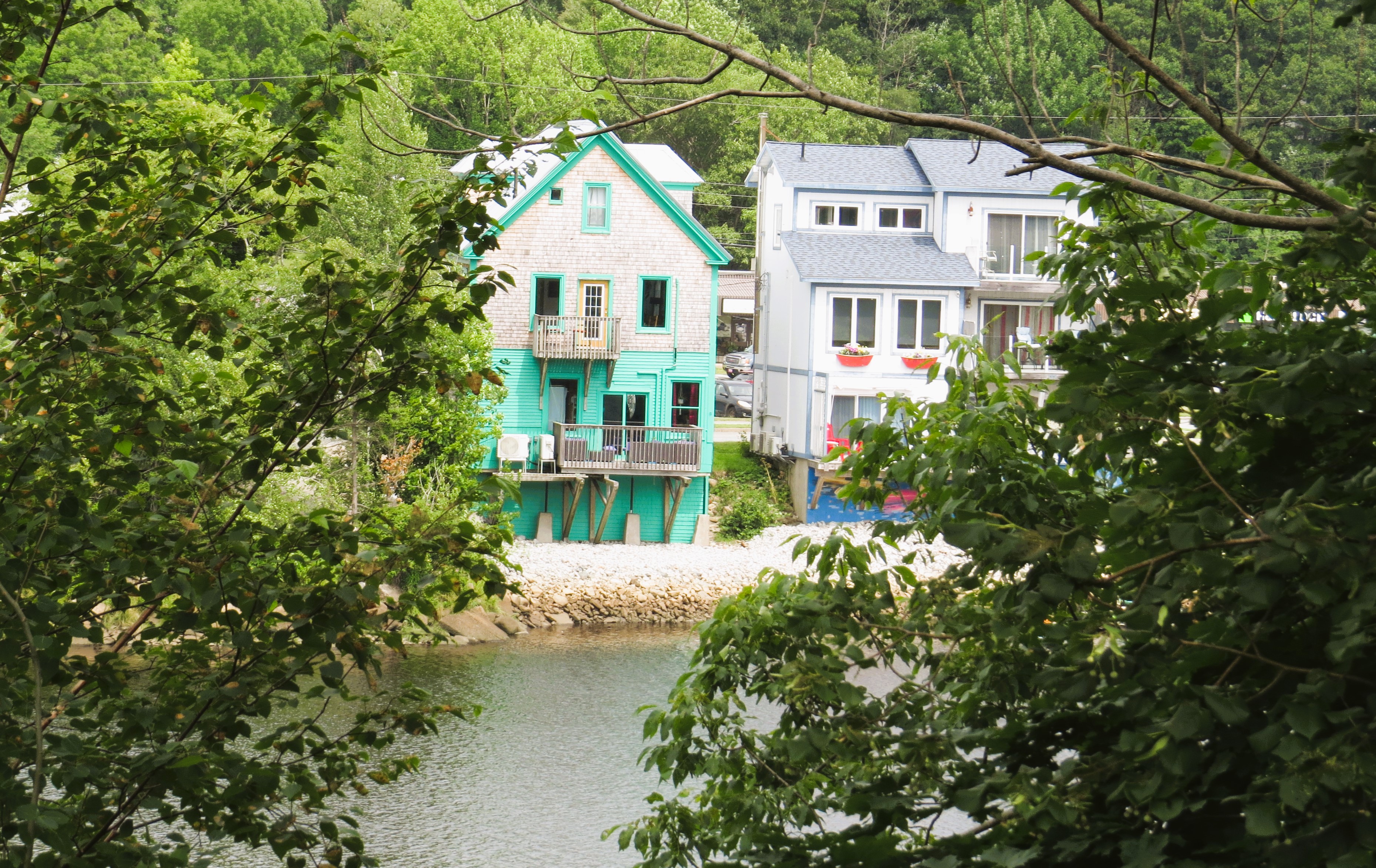
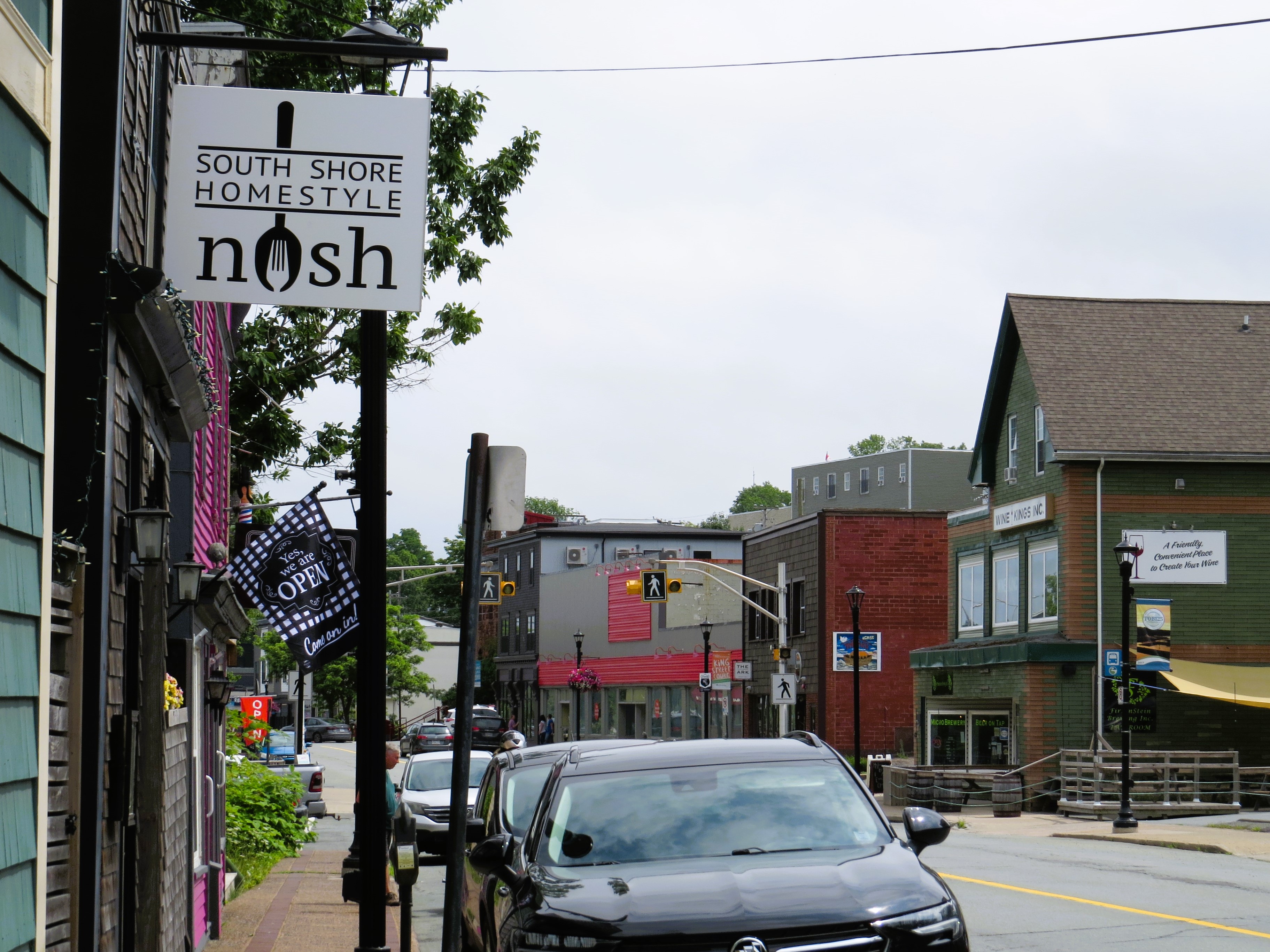
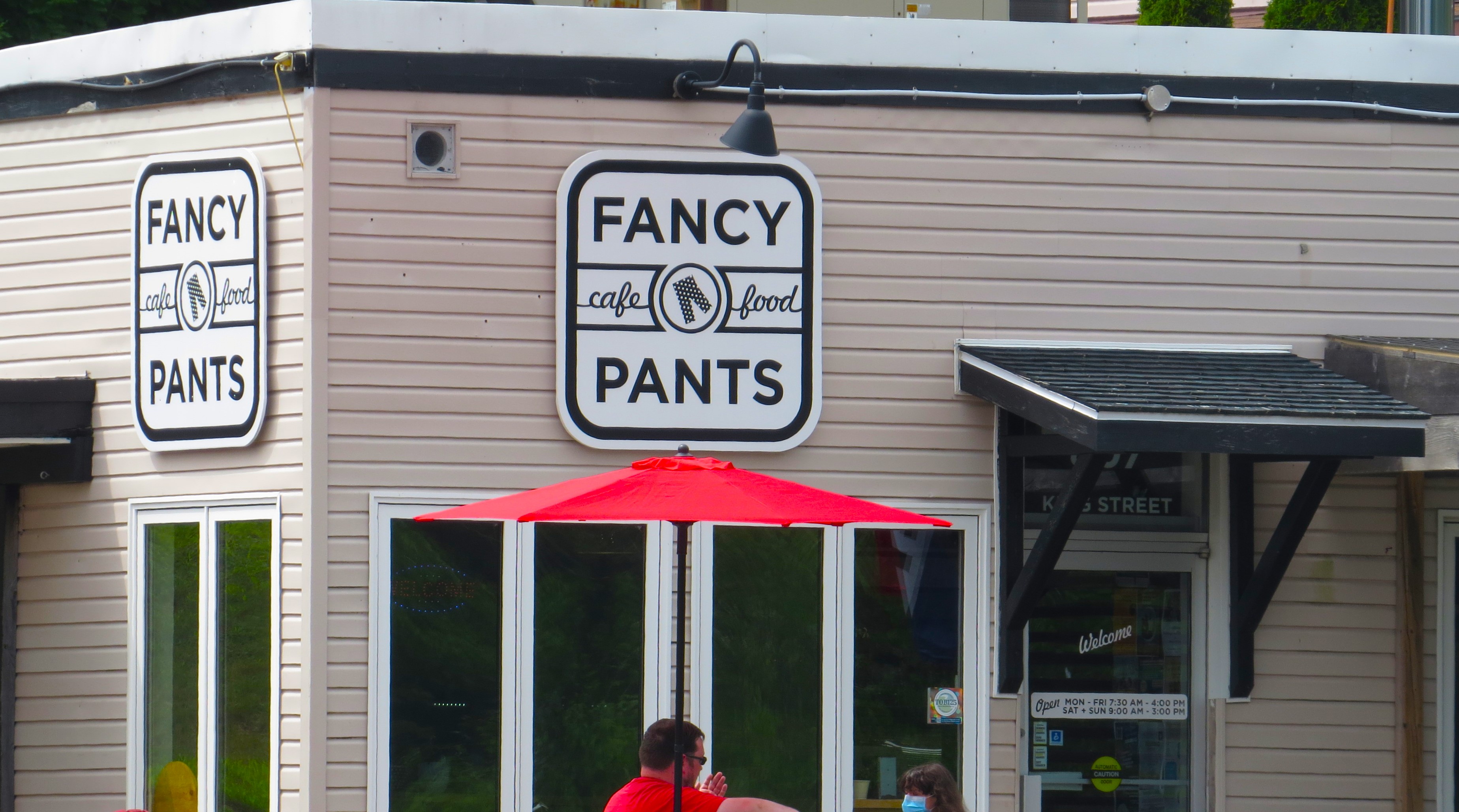
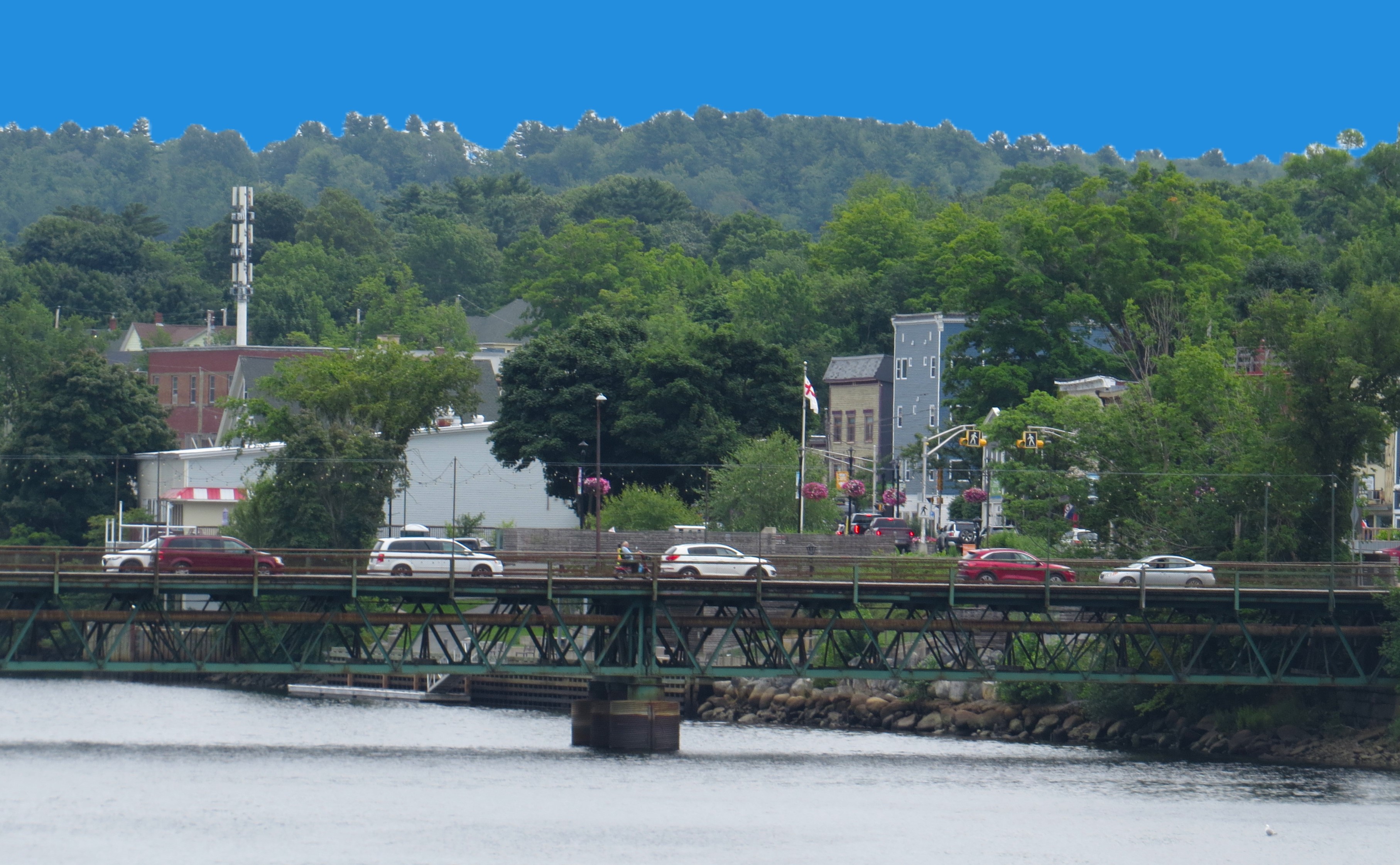
The historic town, its calling card, is the main King Street right along the banks of it’s beautiful river. It is connected by two bridges to the other side. Especially the old iron bridge is such a gem.
A walk on that long street is such a pleasure. It is like you are traveling back in time to a space where that time doesn’t travel so fast, doesn’t run in a hurry. Neither should you, if you ever visit.
As an interesting tidbit – did you know that famous Hollywood and Canadian actor Donald Sutherland spent his formative teenage years and graduated from High School in Bridgewater?
If I was going to stay permanently in Nova Scotia – I would love to move there. But I do suggest to Dear Reader – if you are visiting Nova Scotia, you absolutely must visit Bridgewater. You won’t regret it.






































































































 > > Pogwarki < <