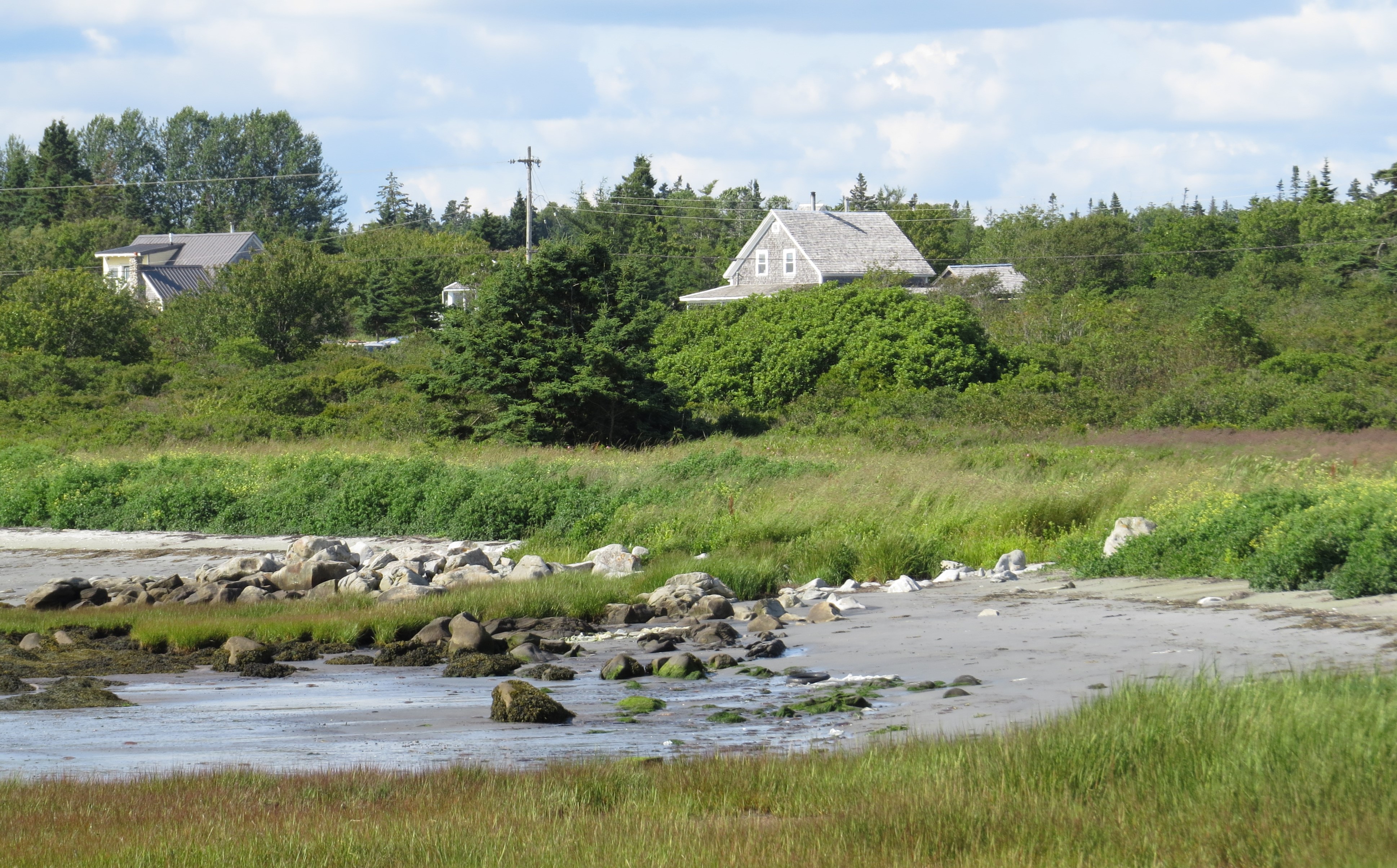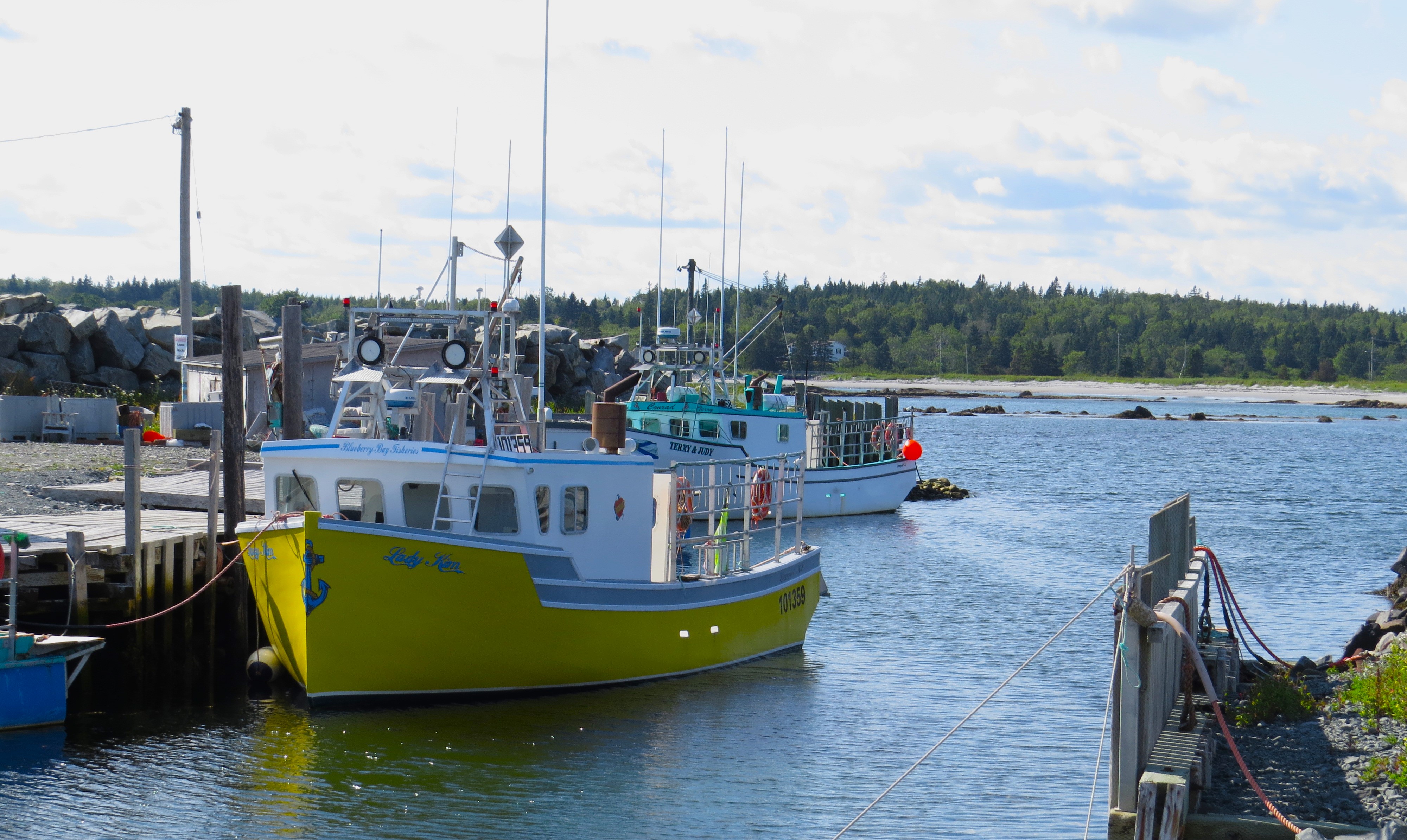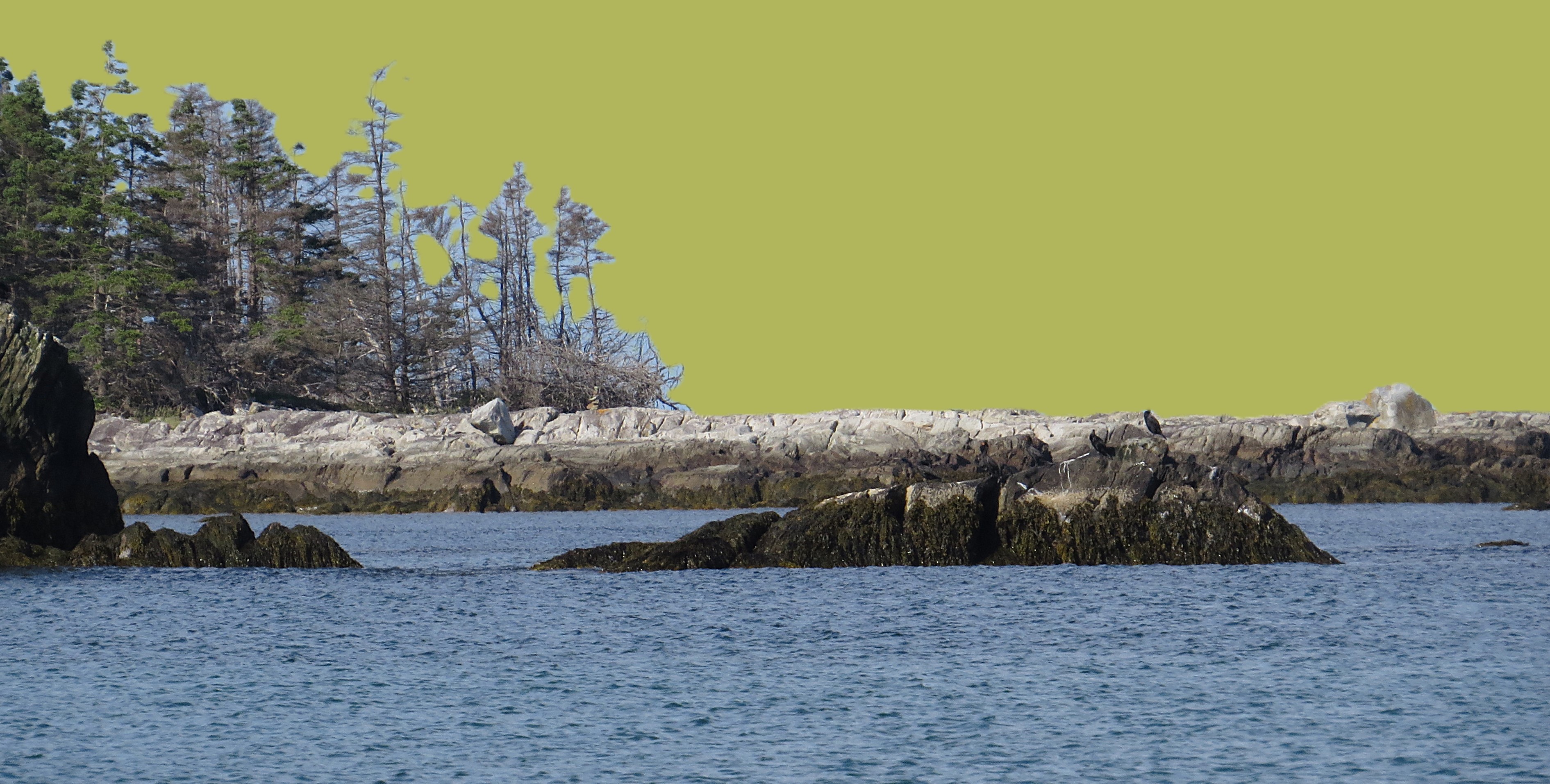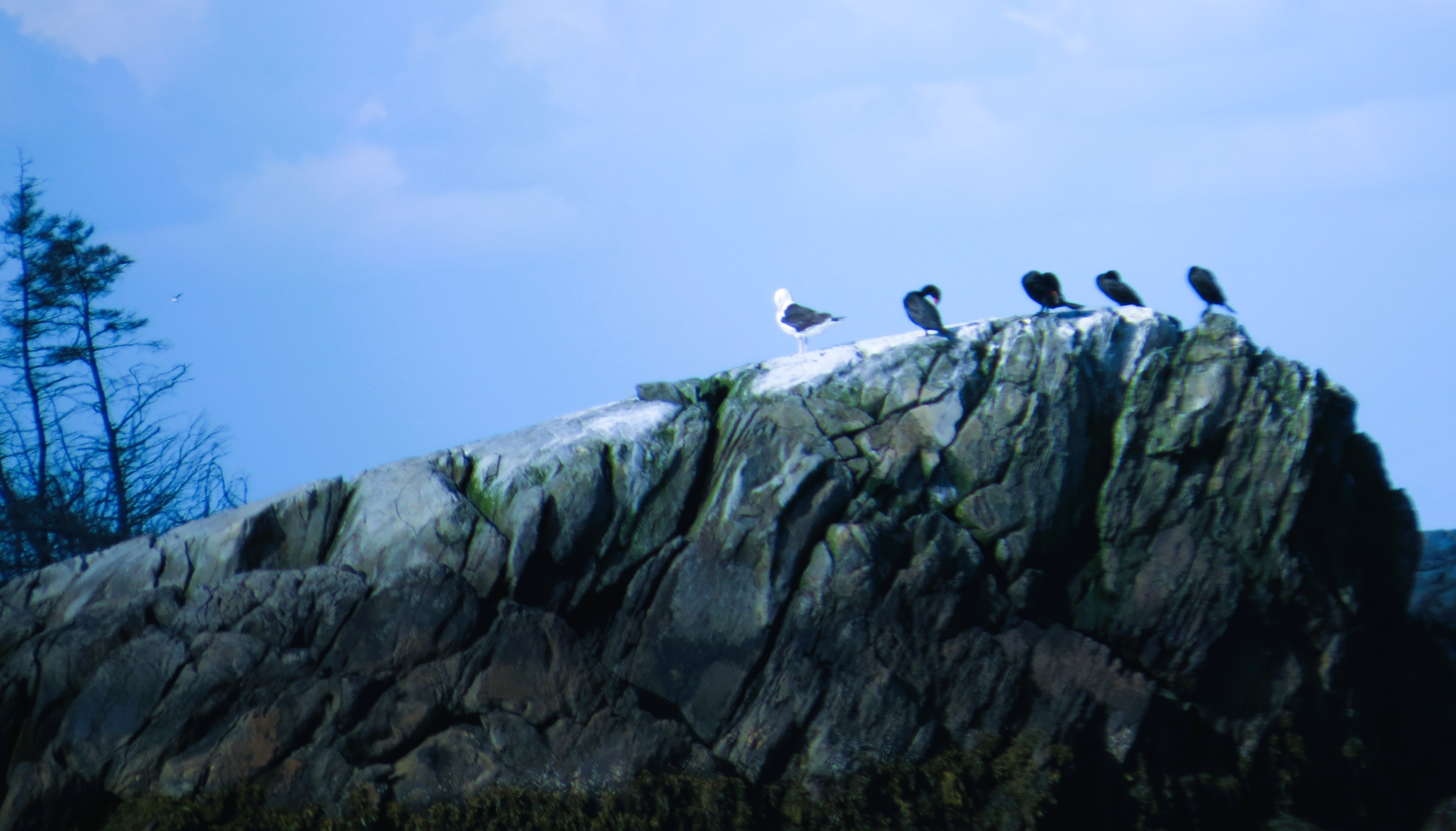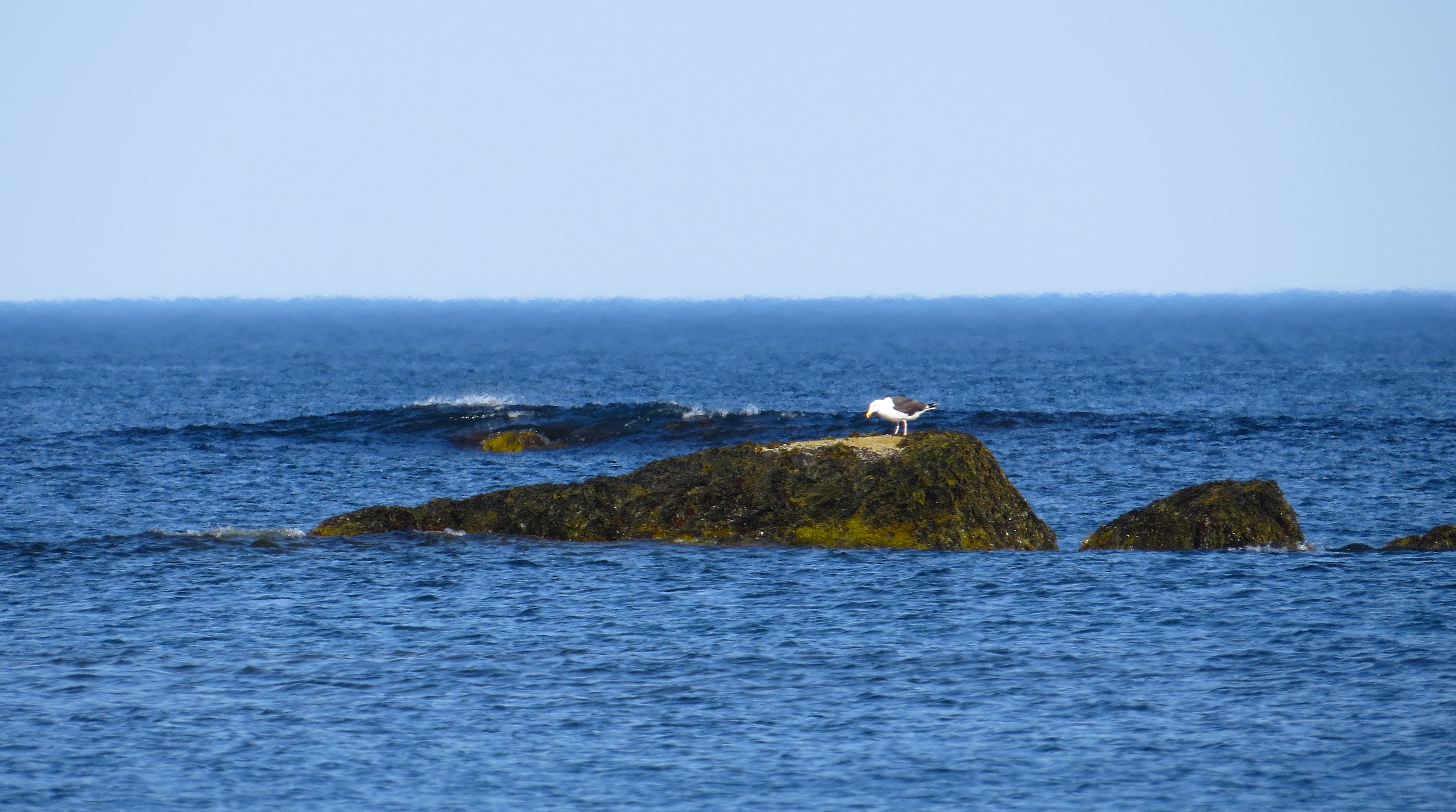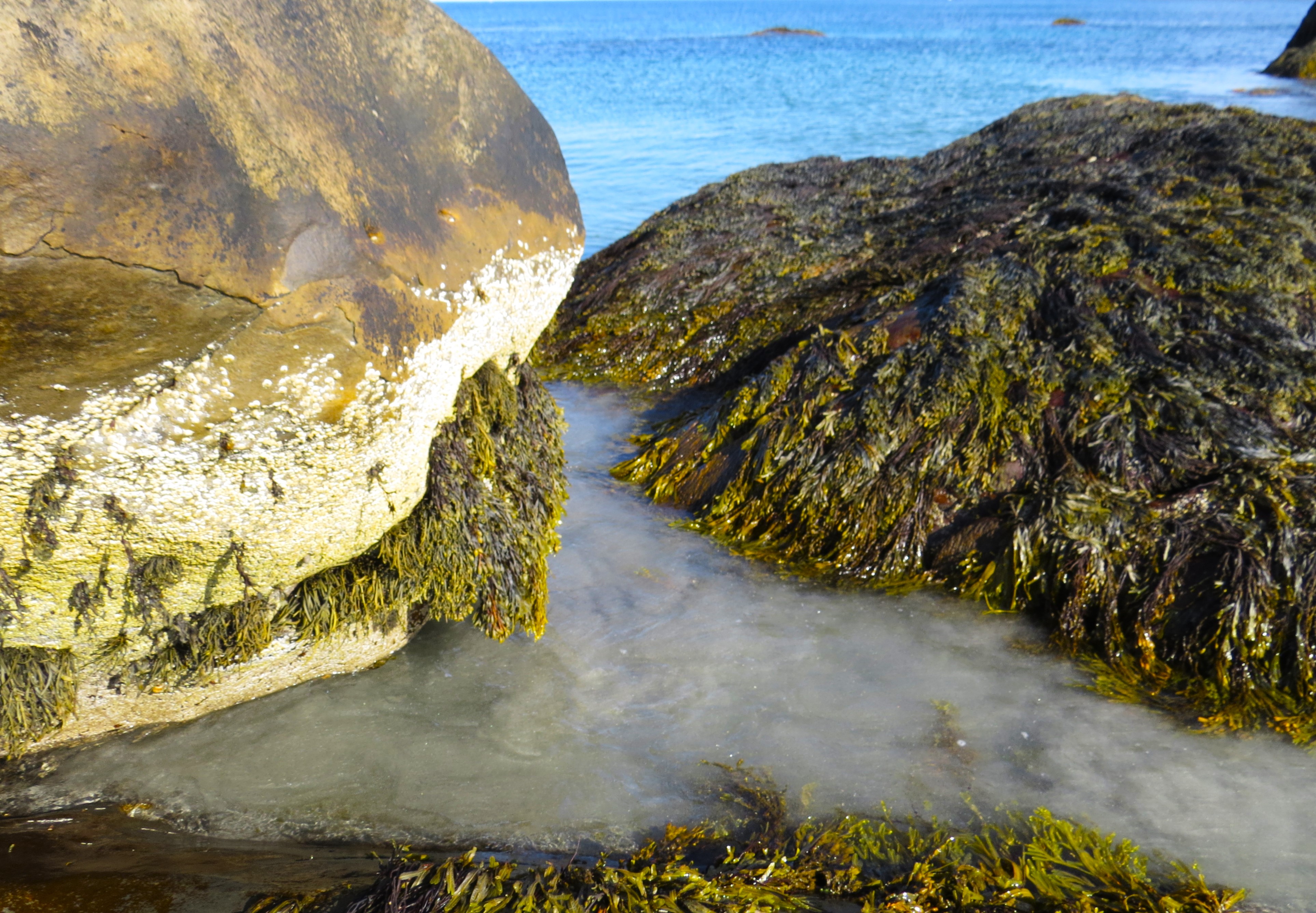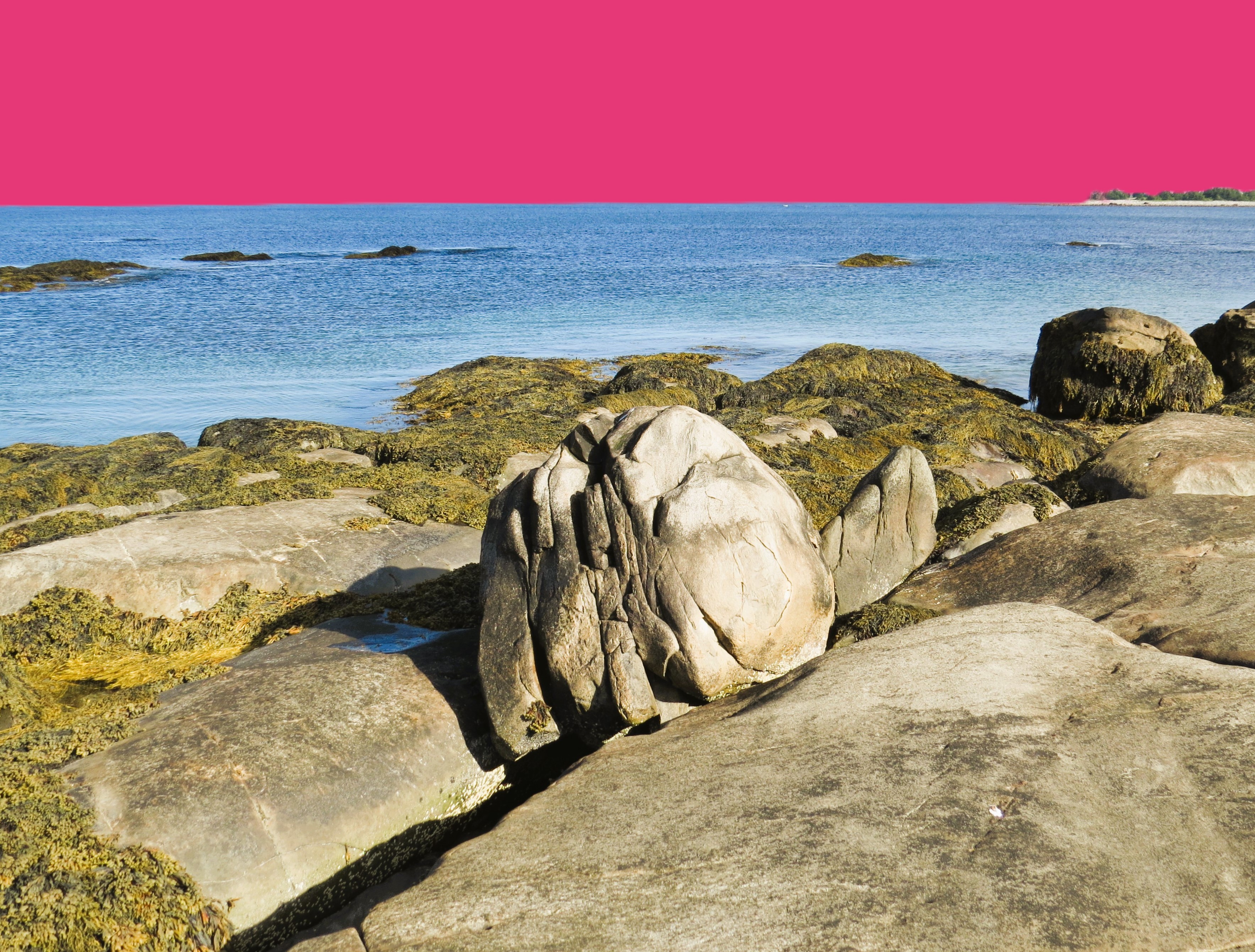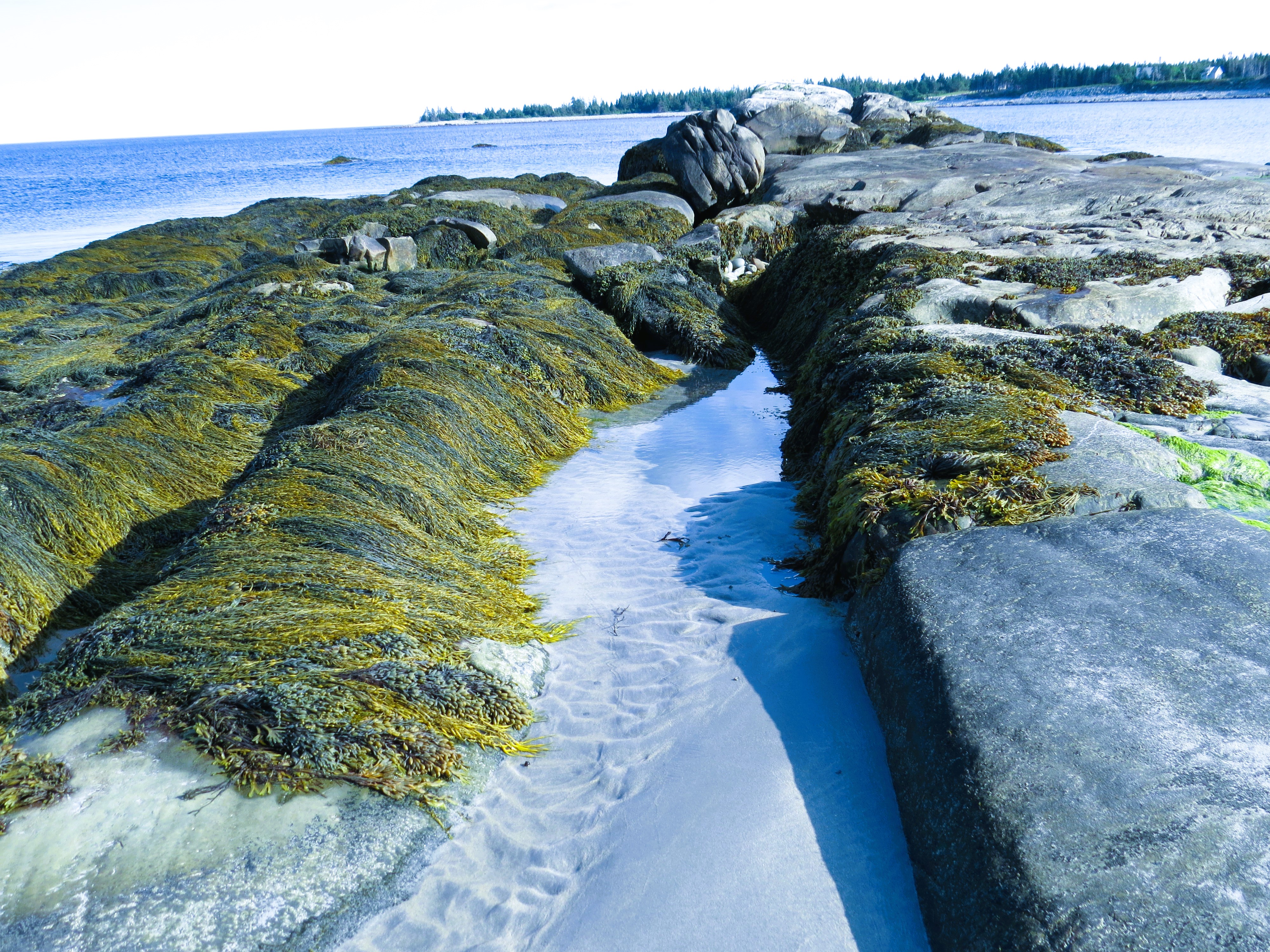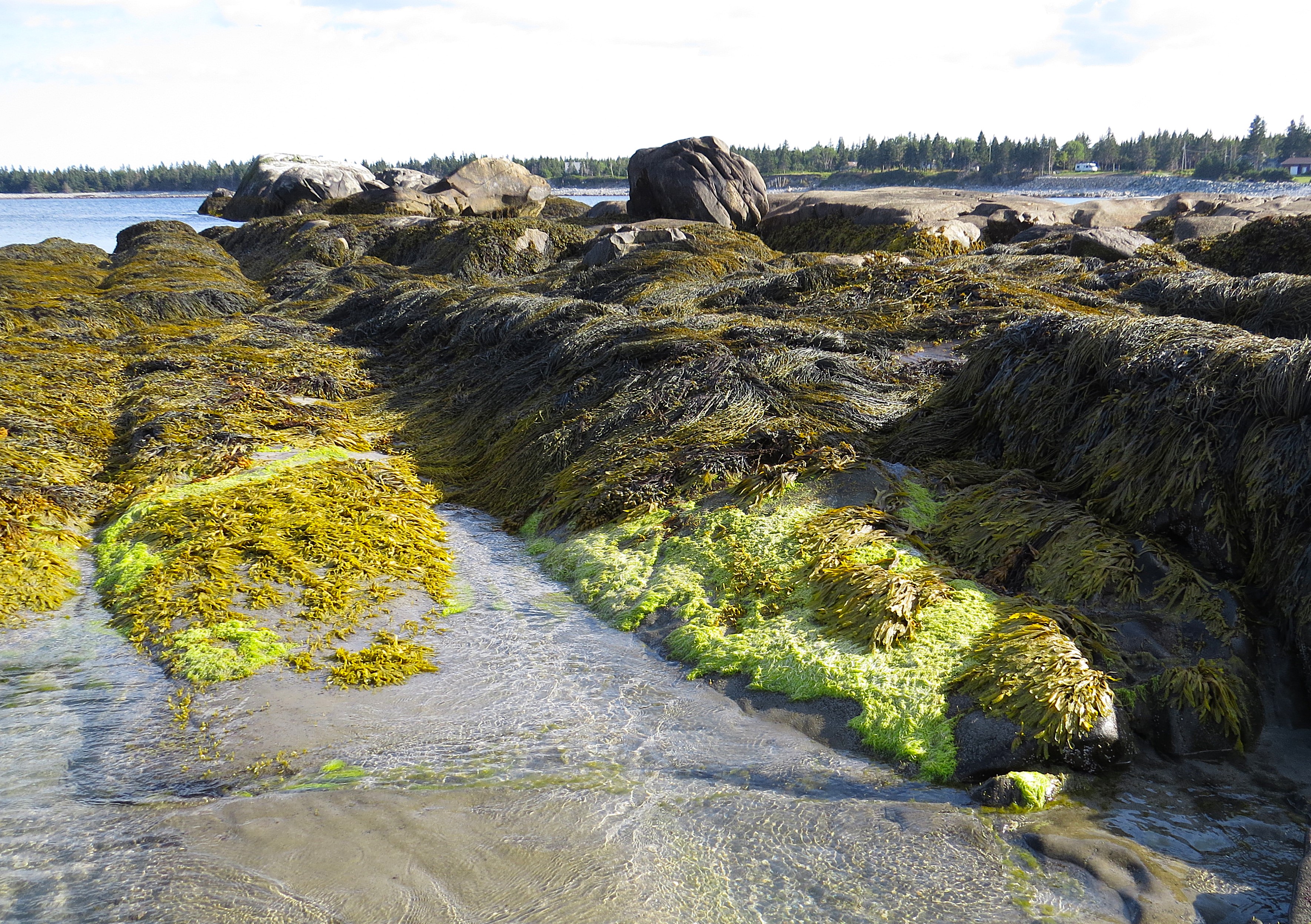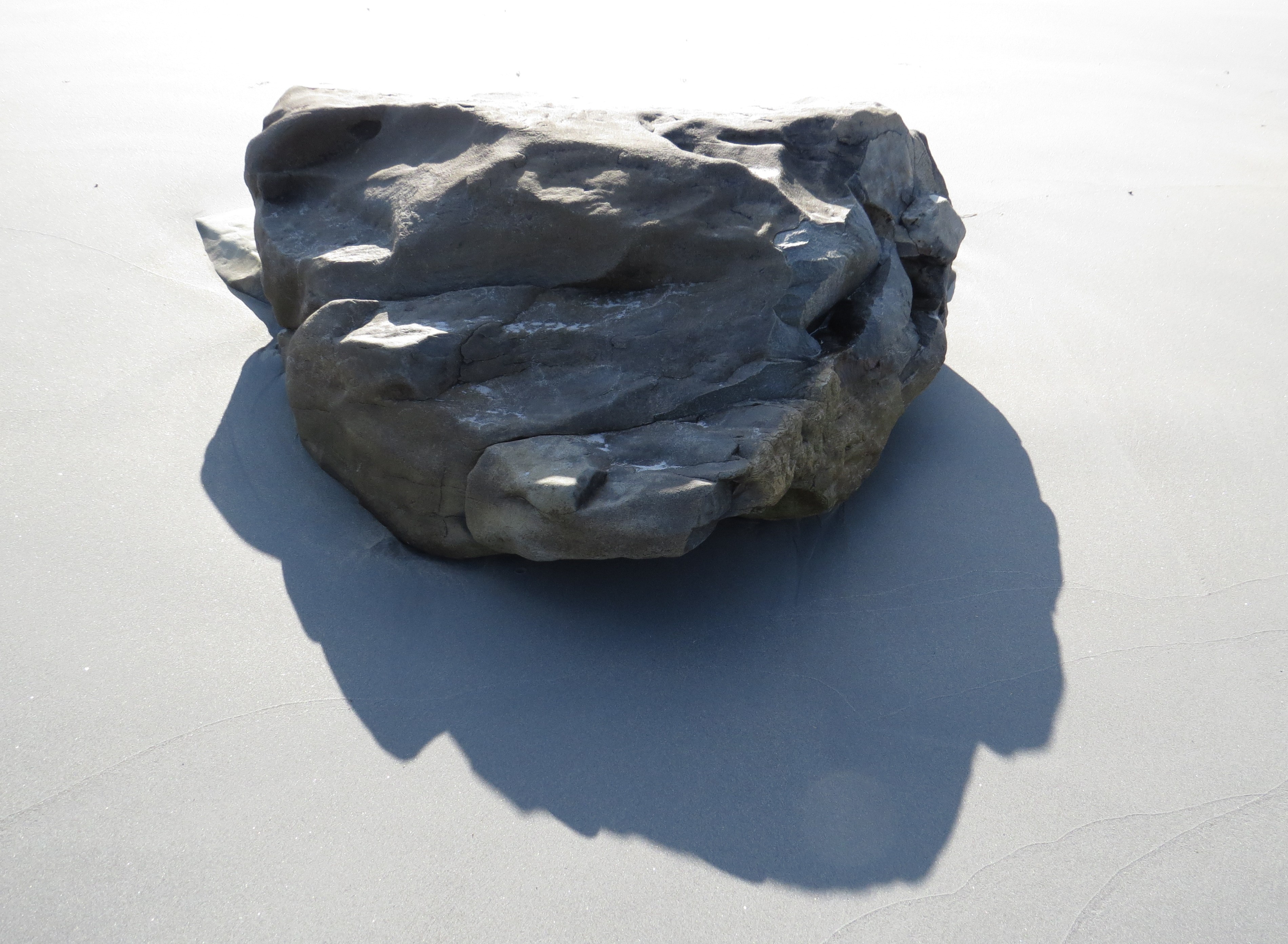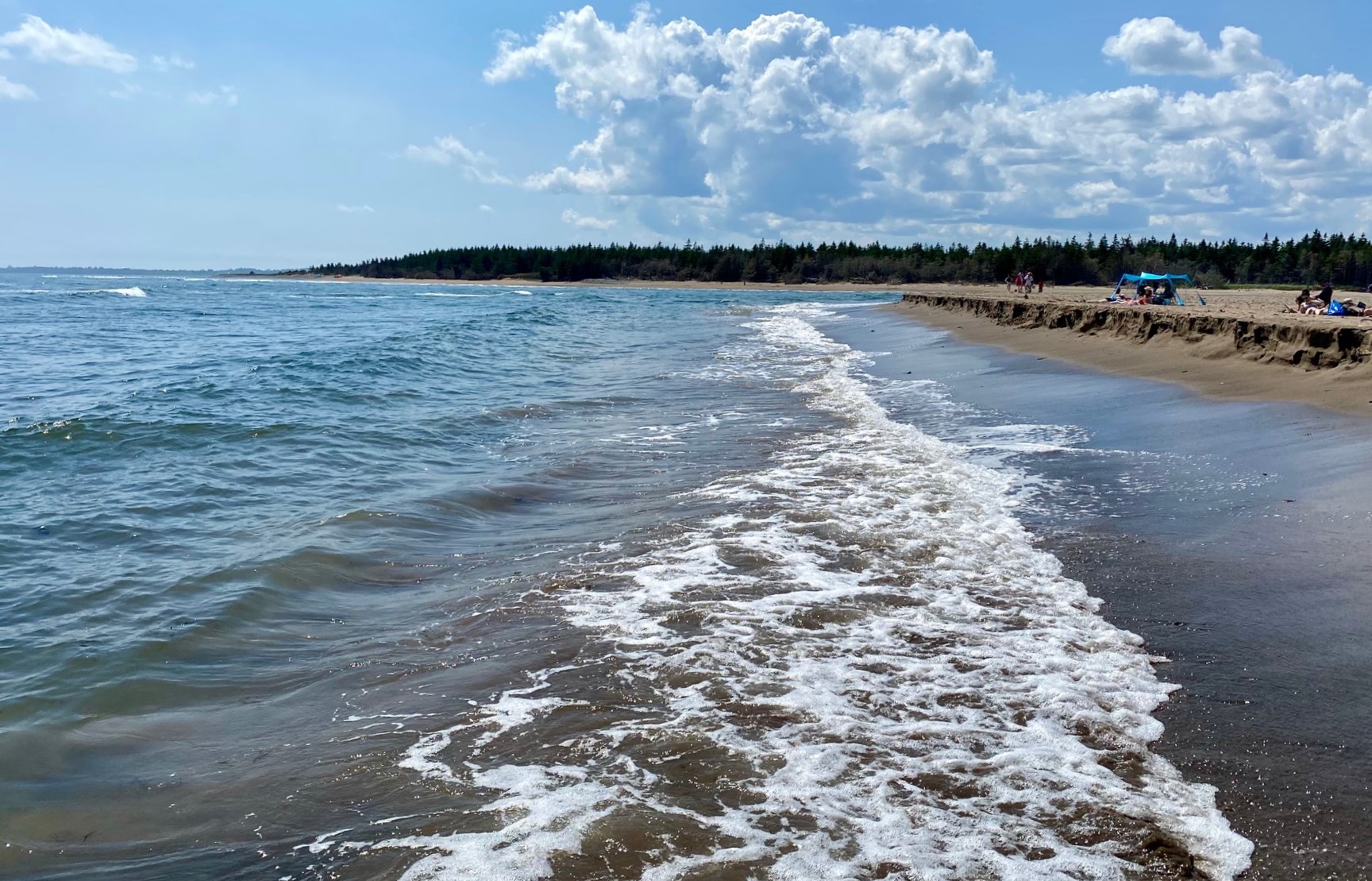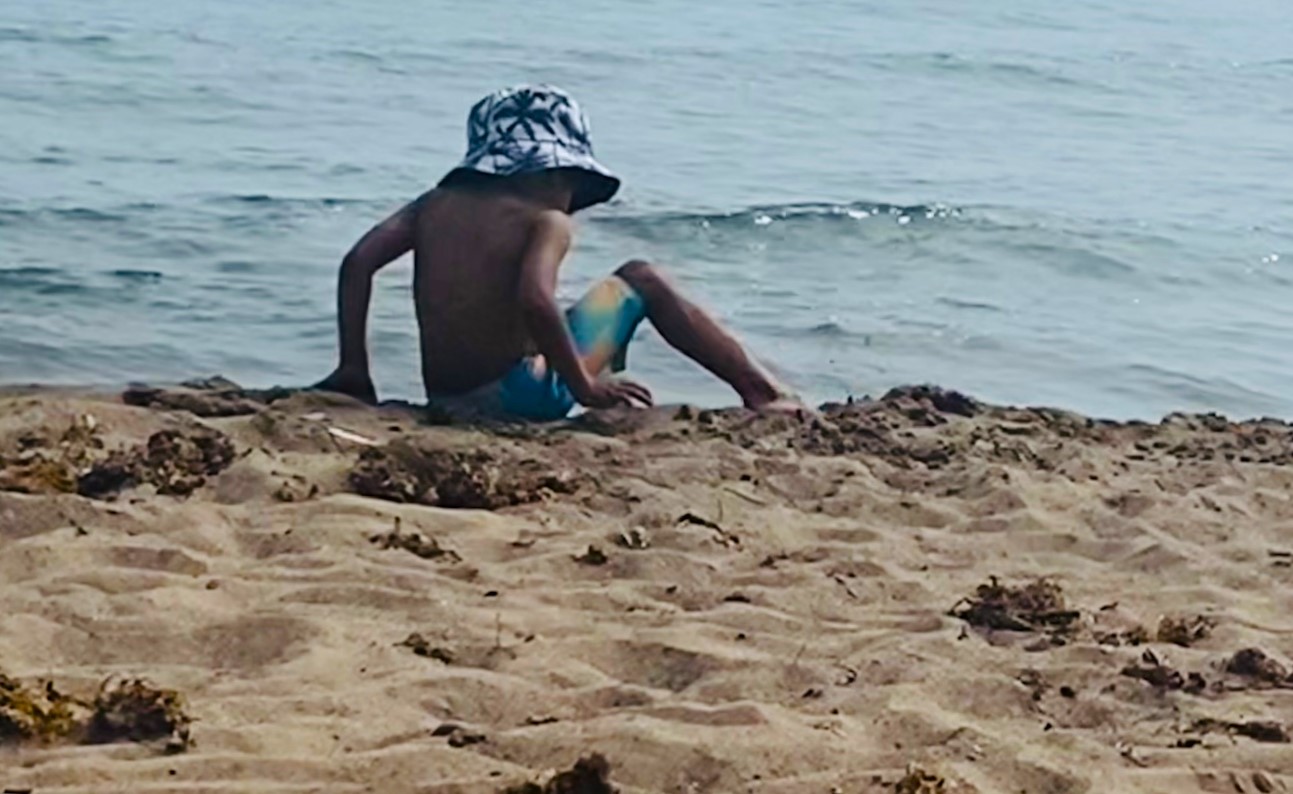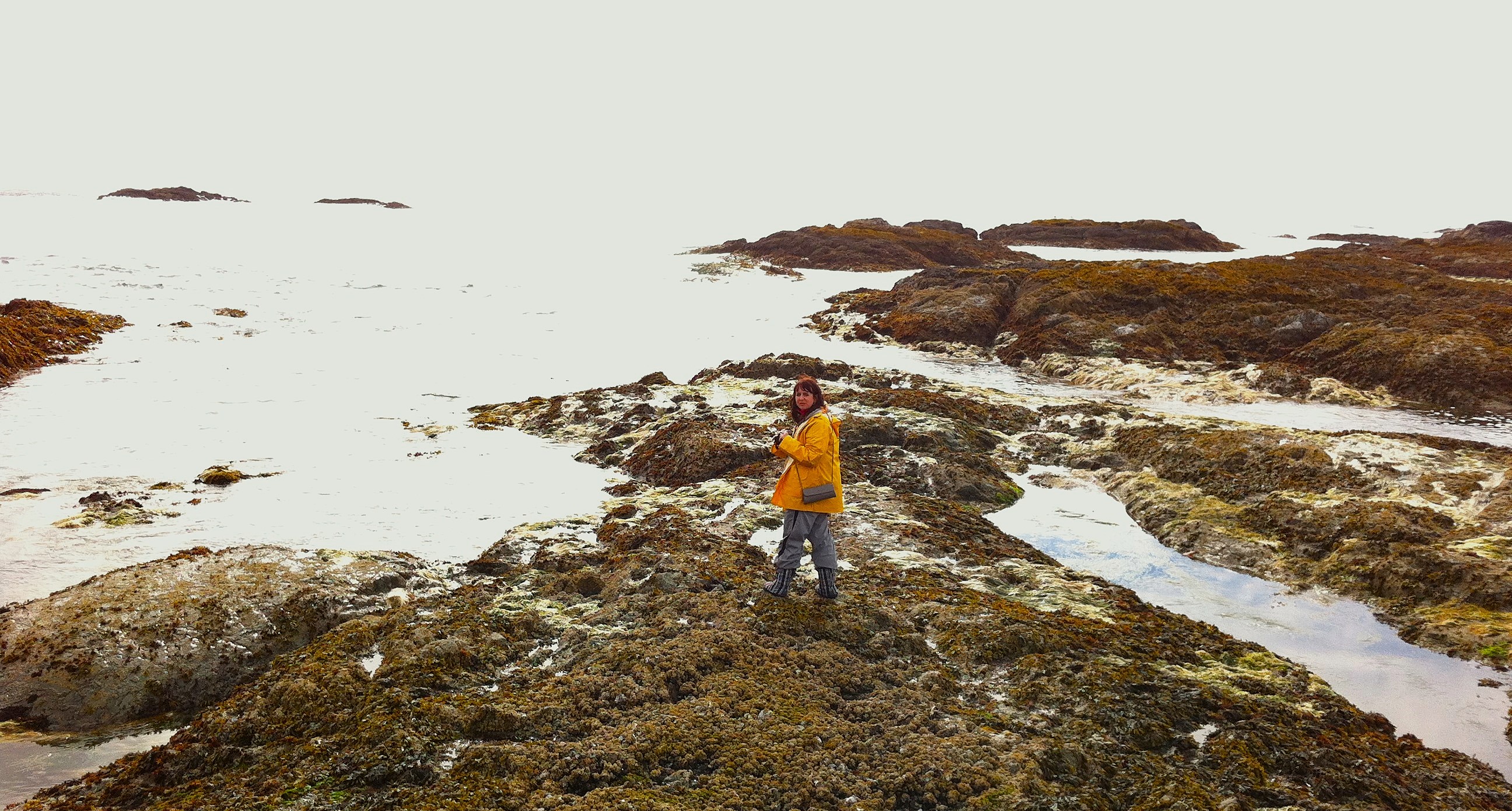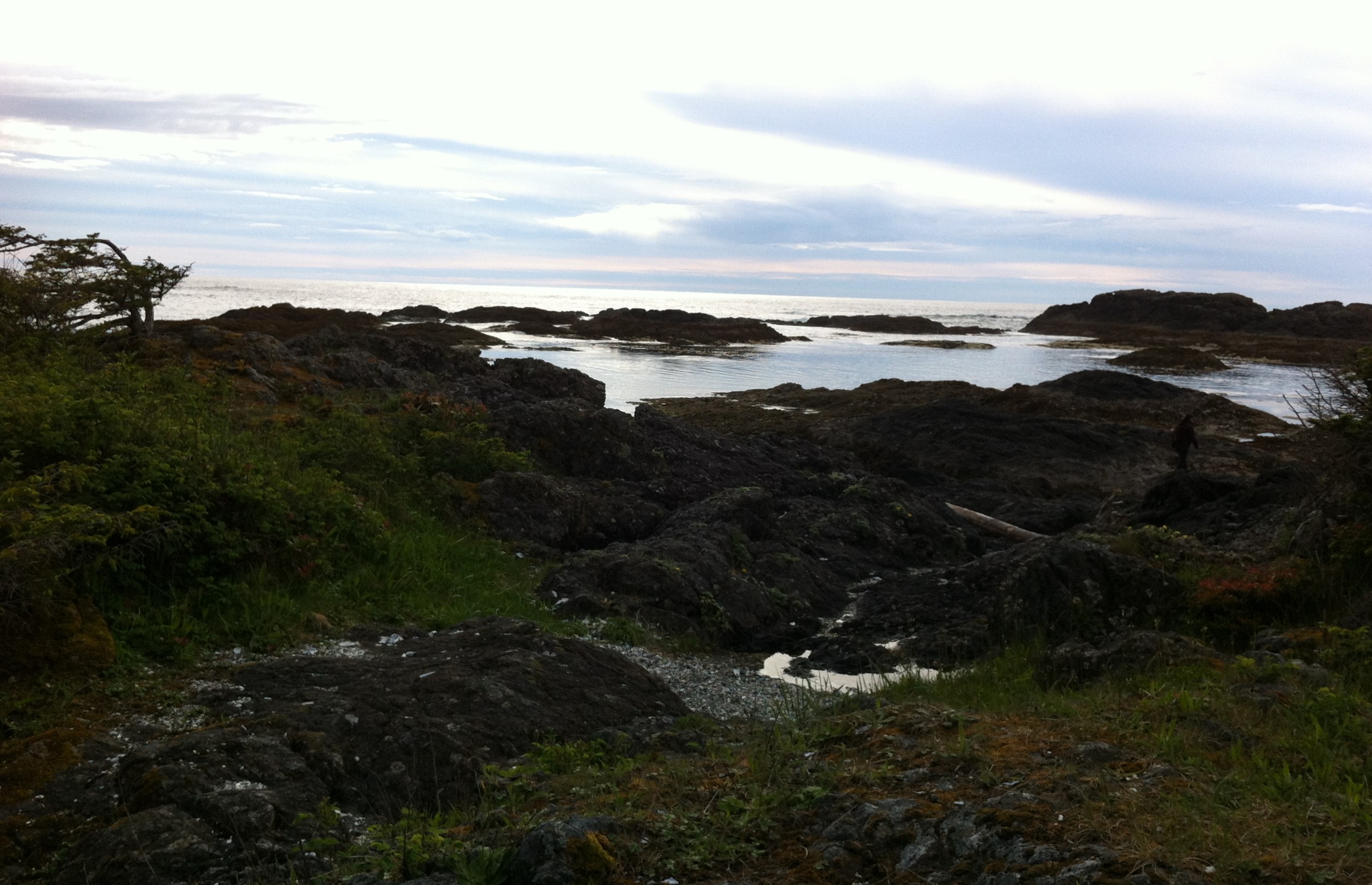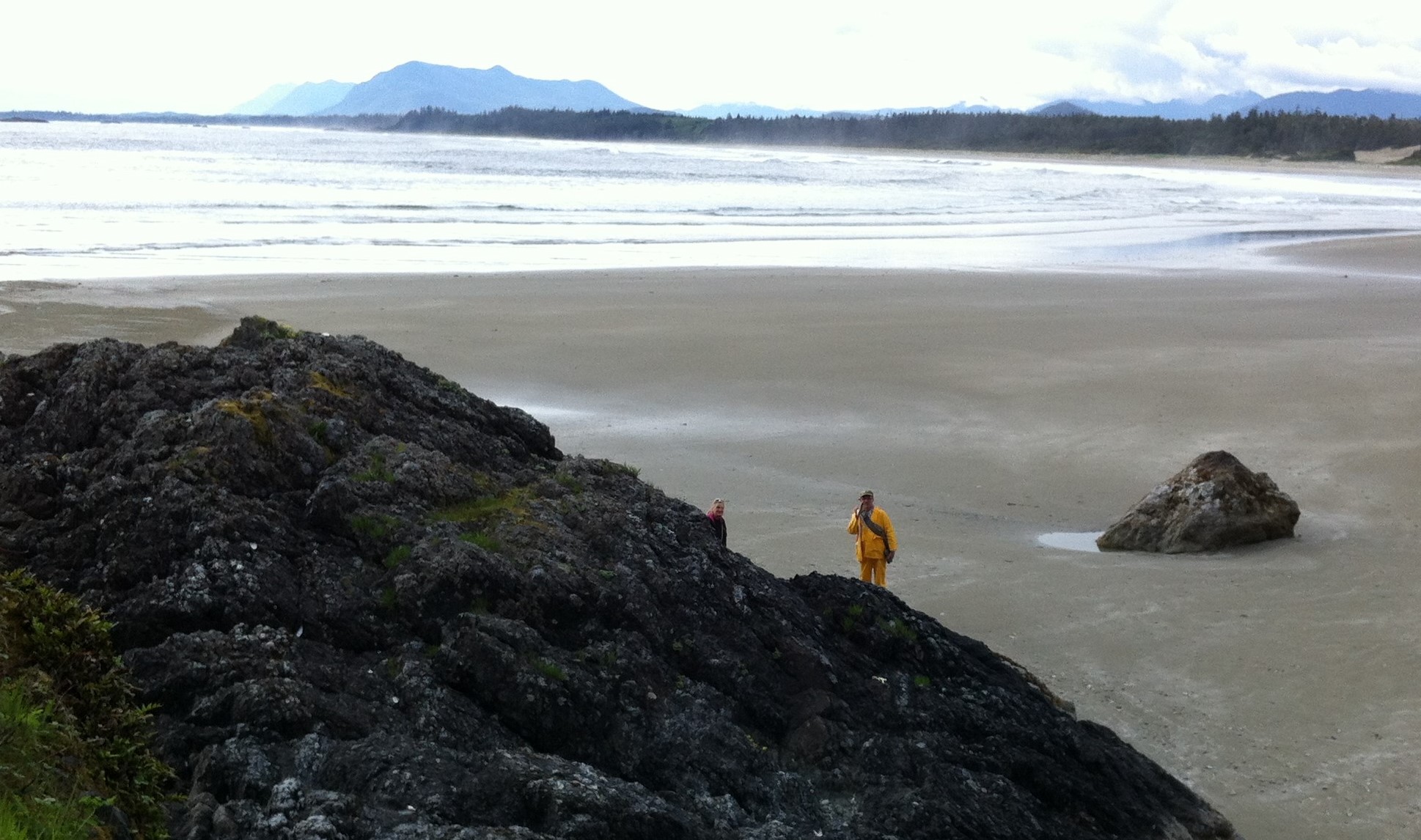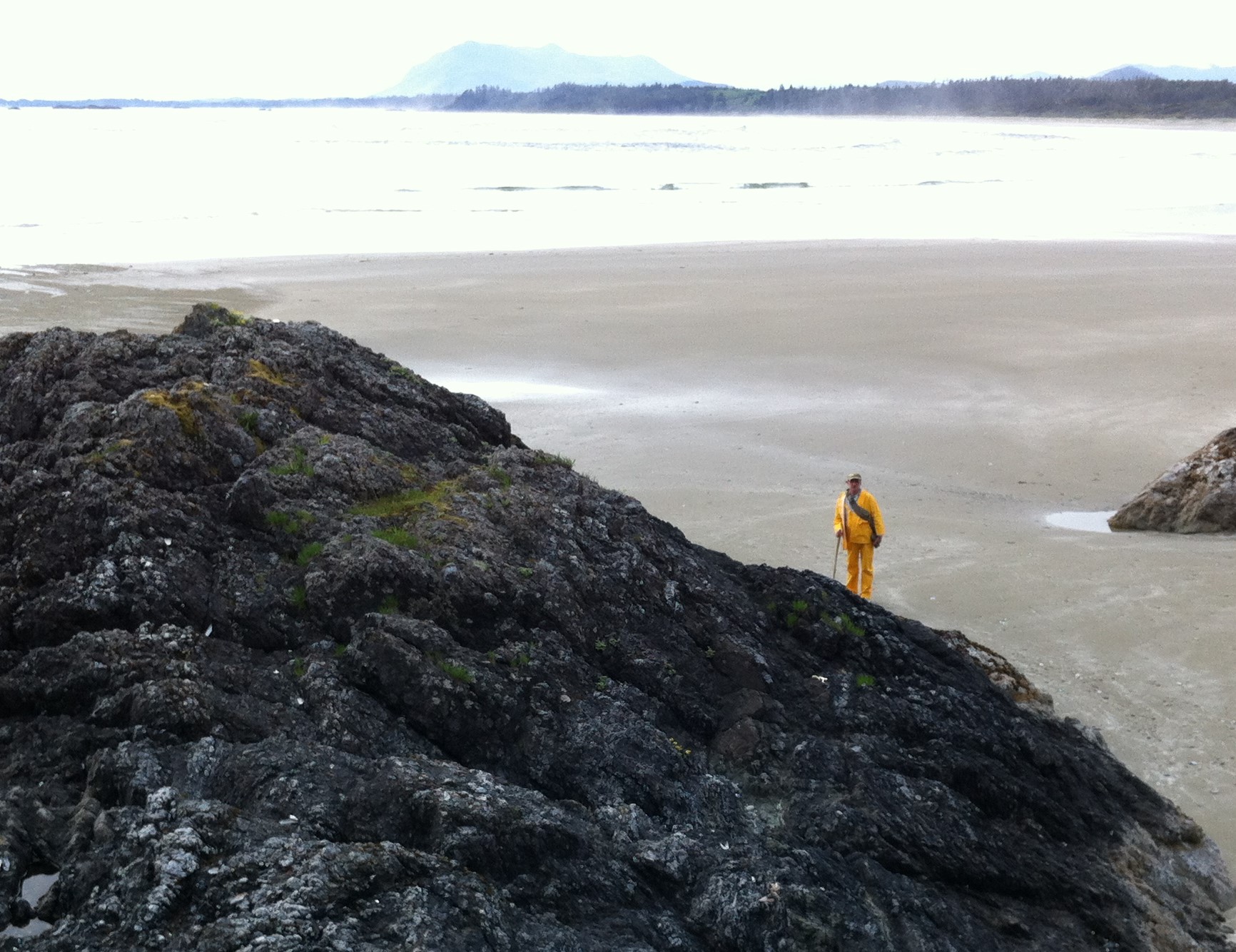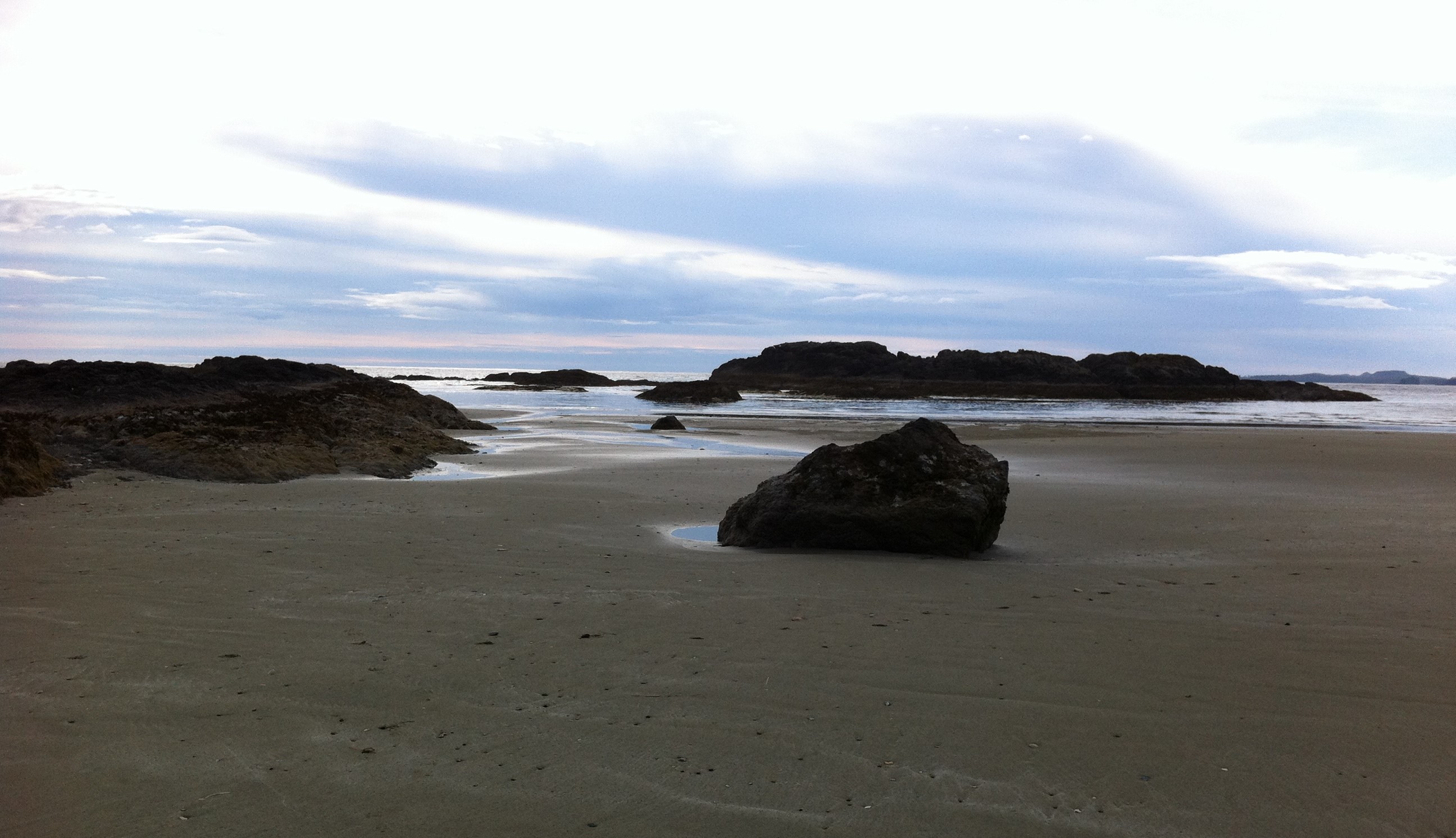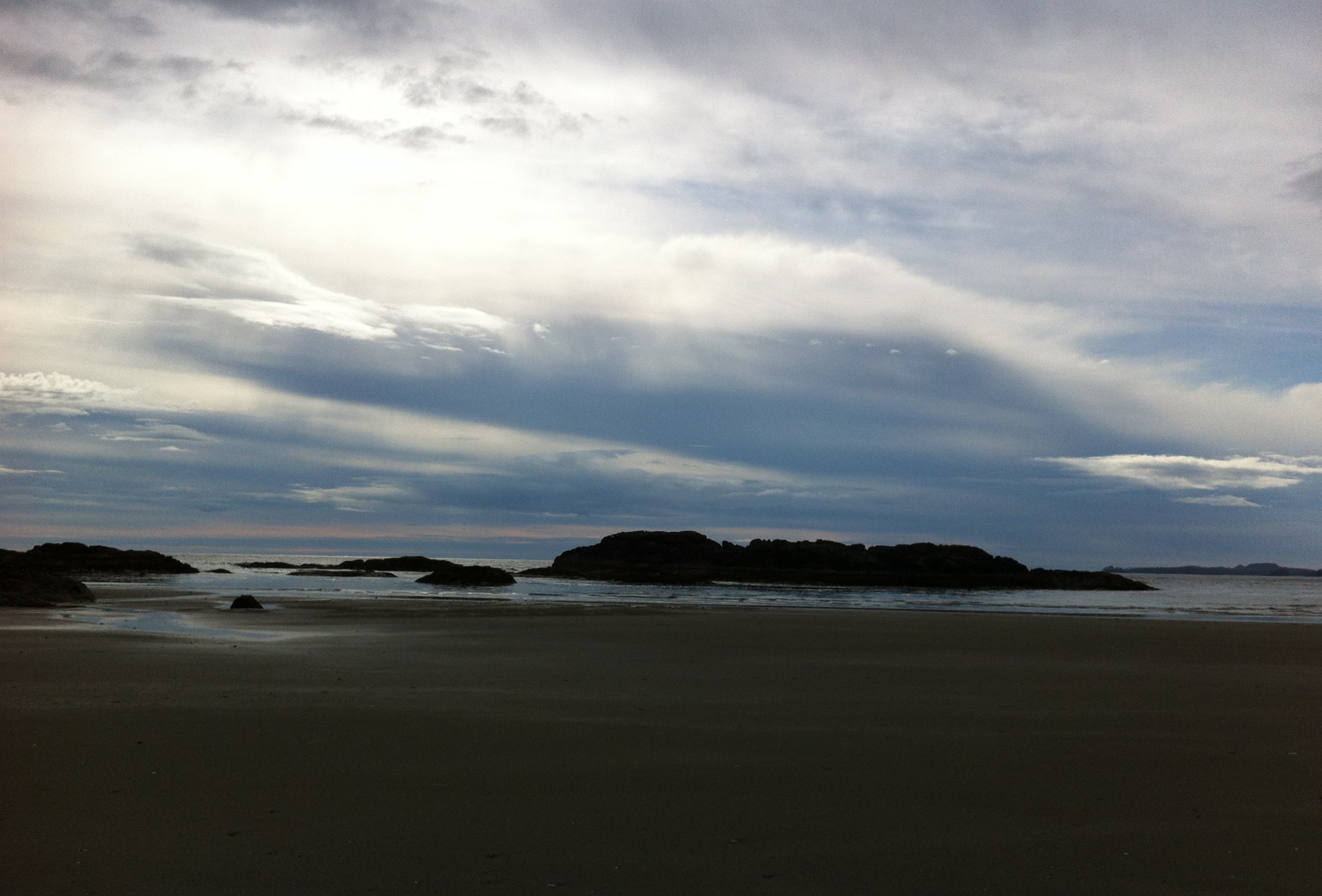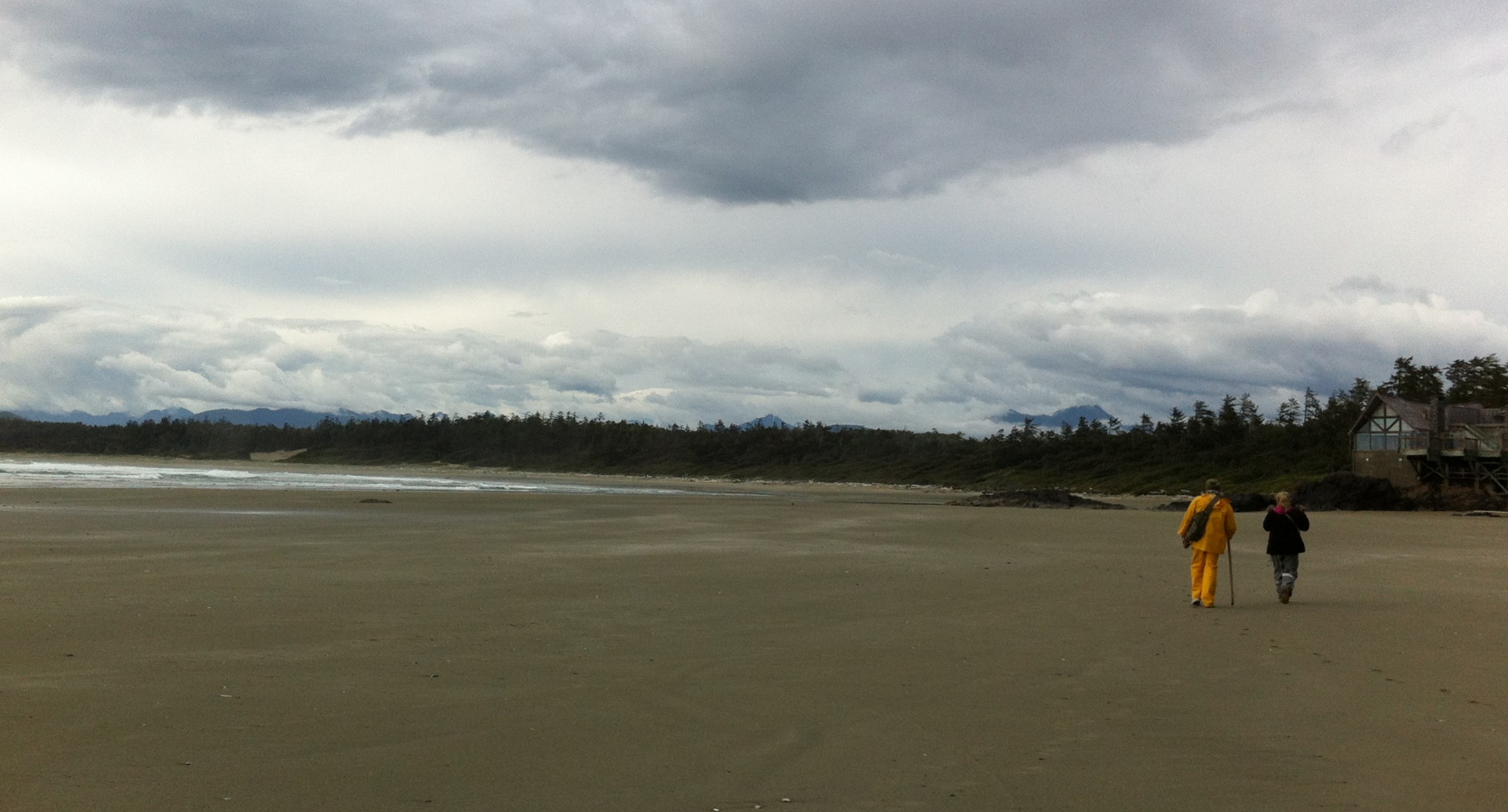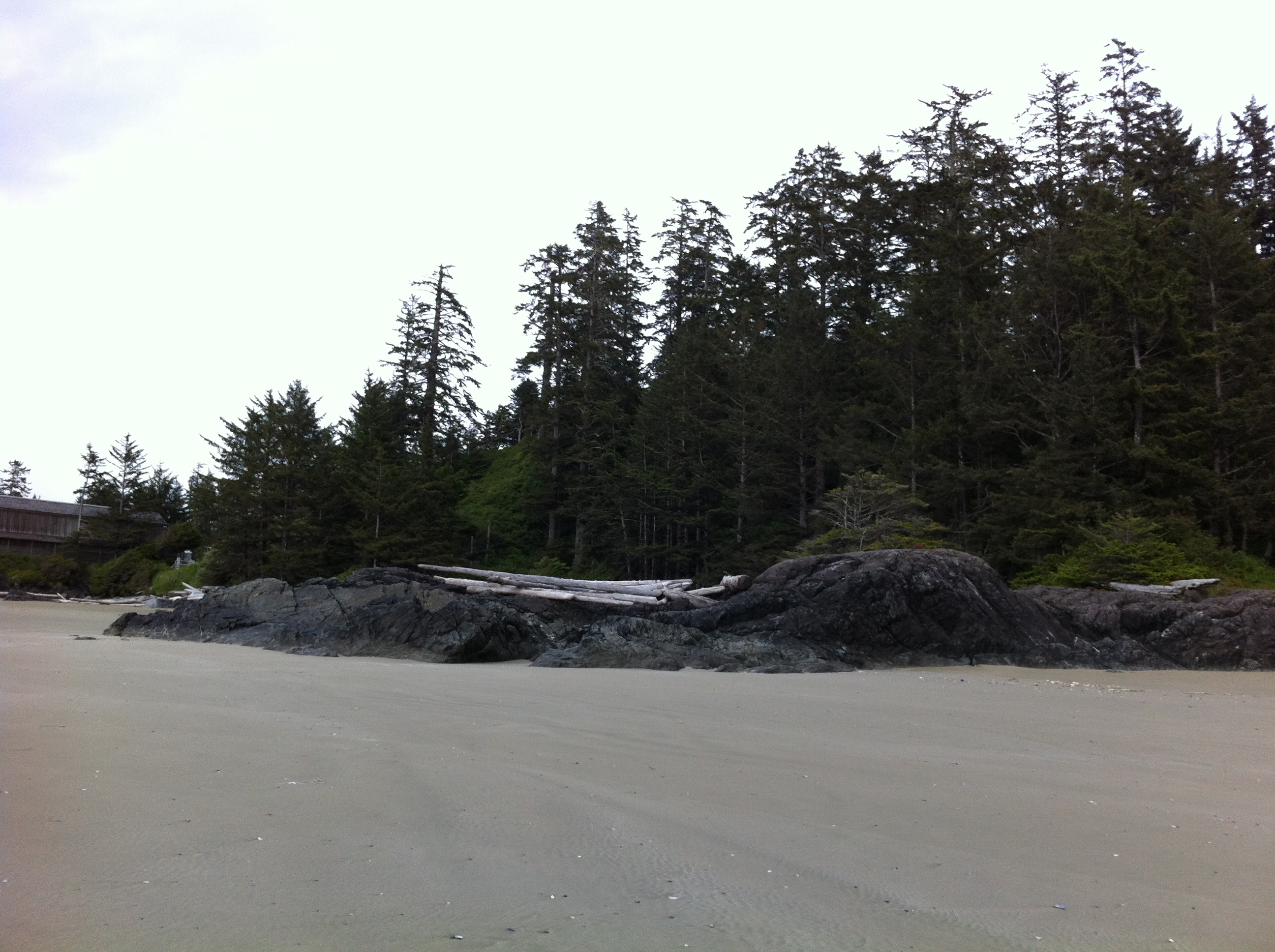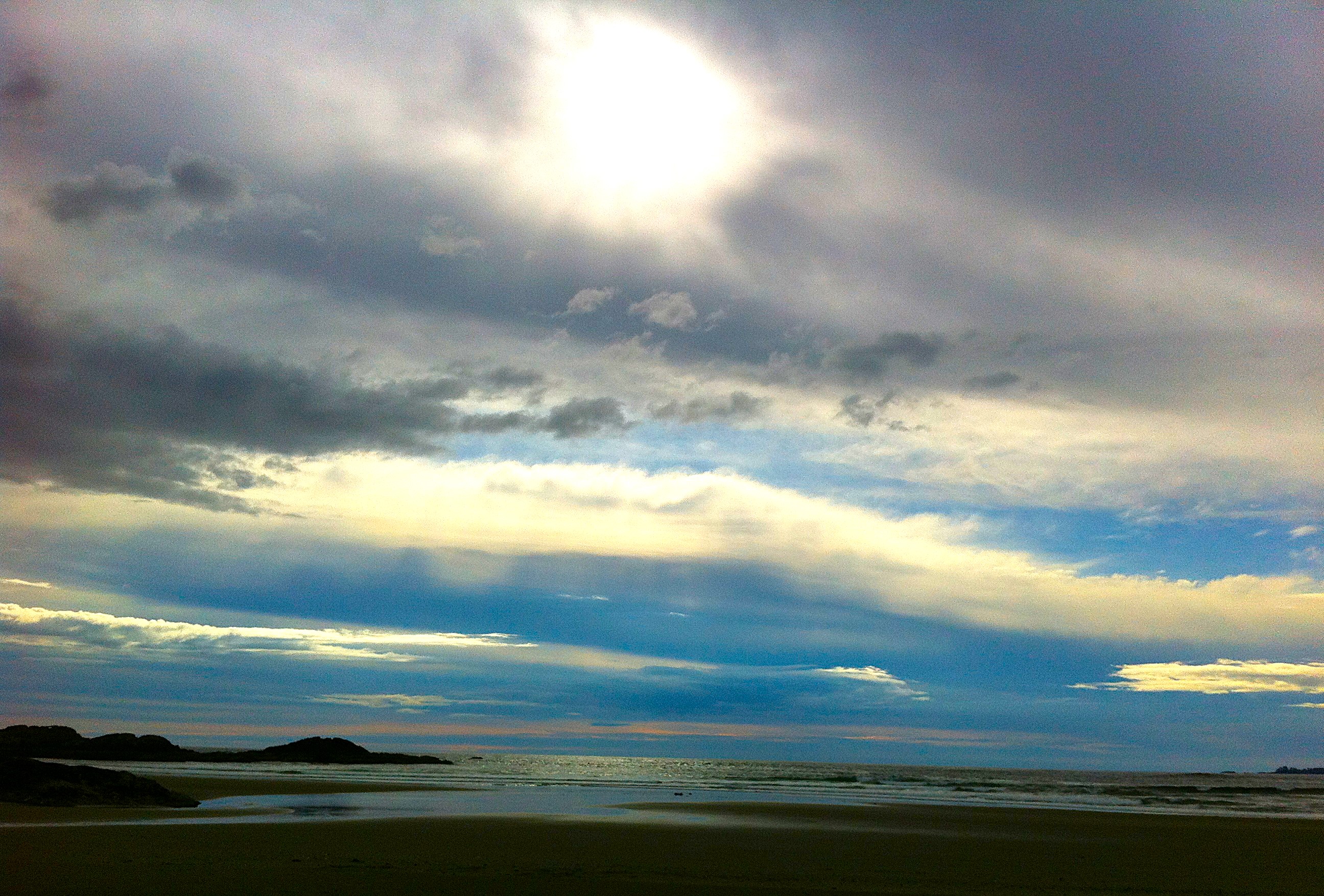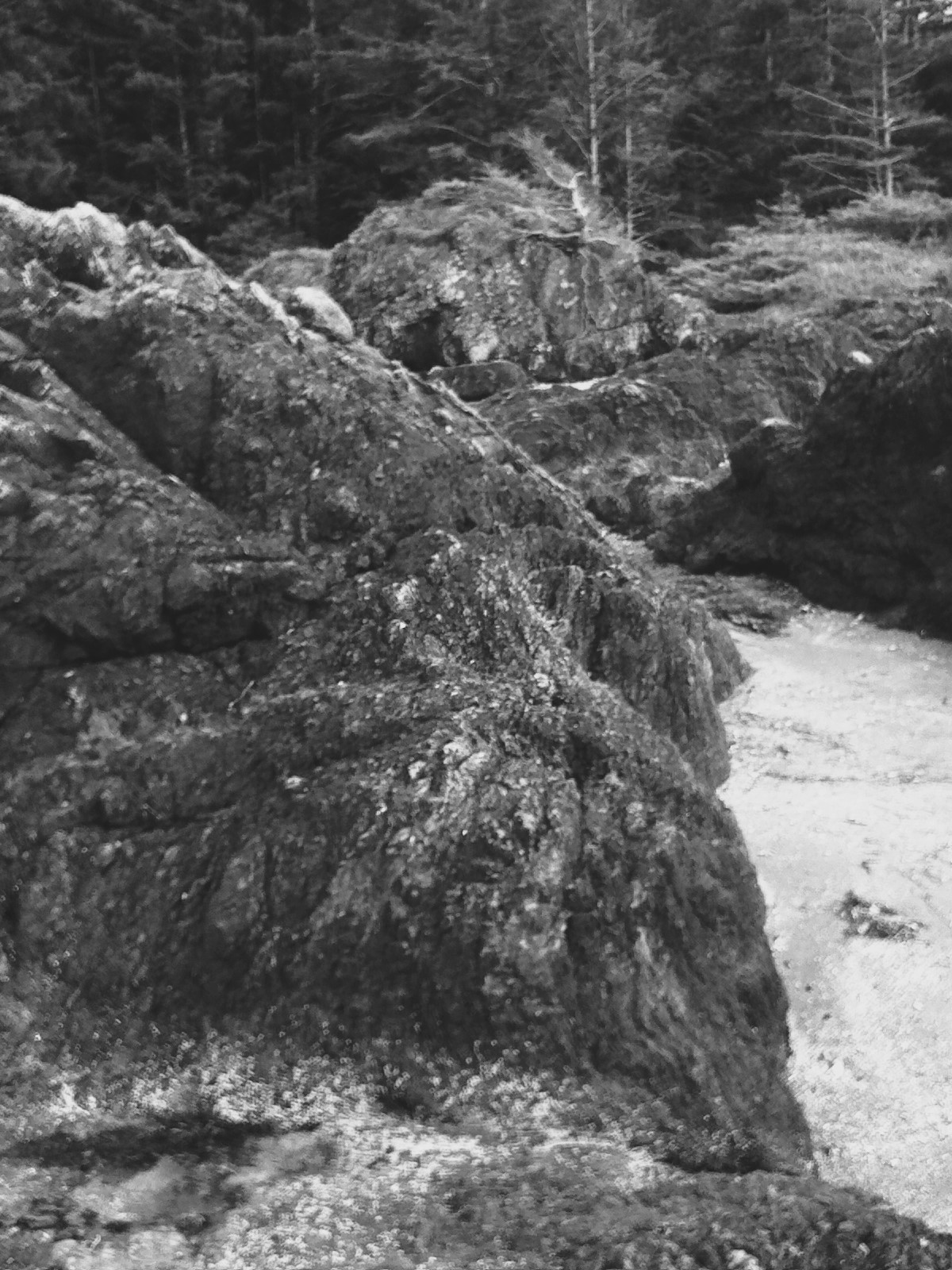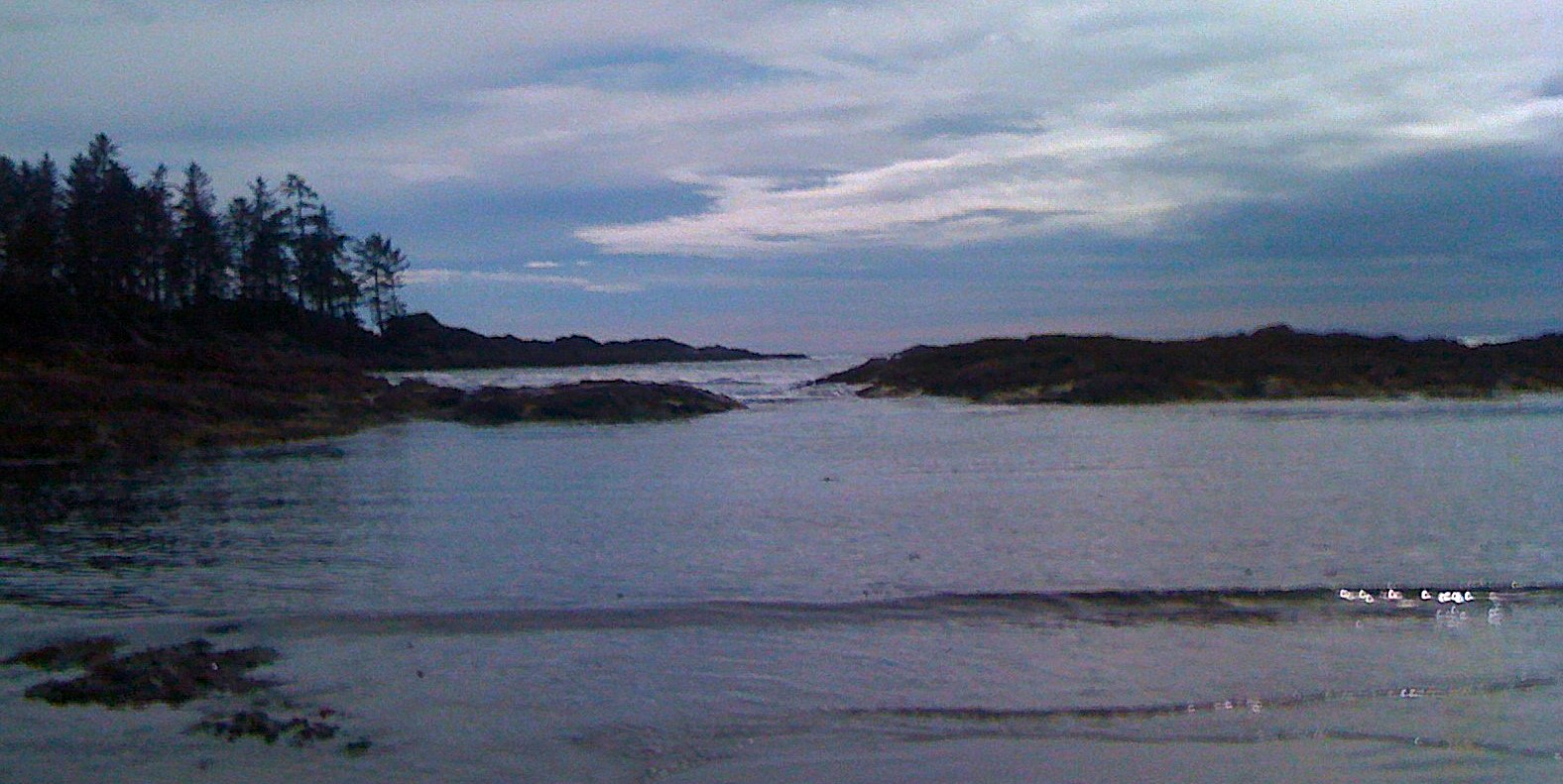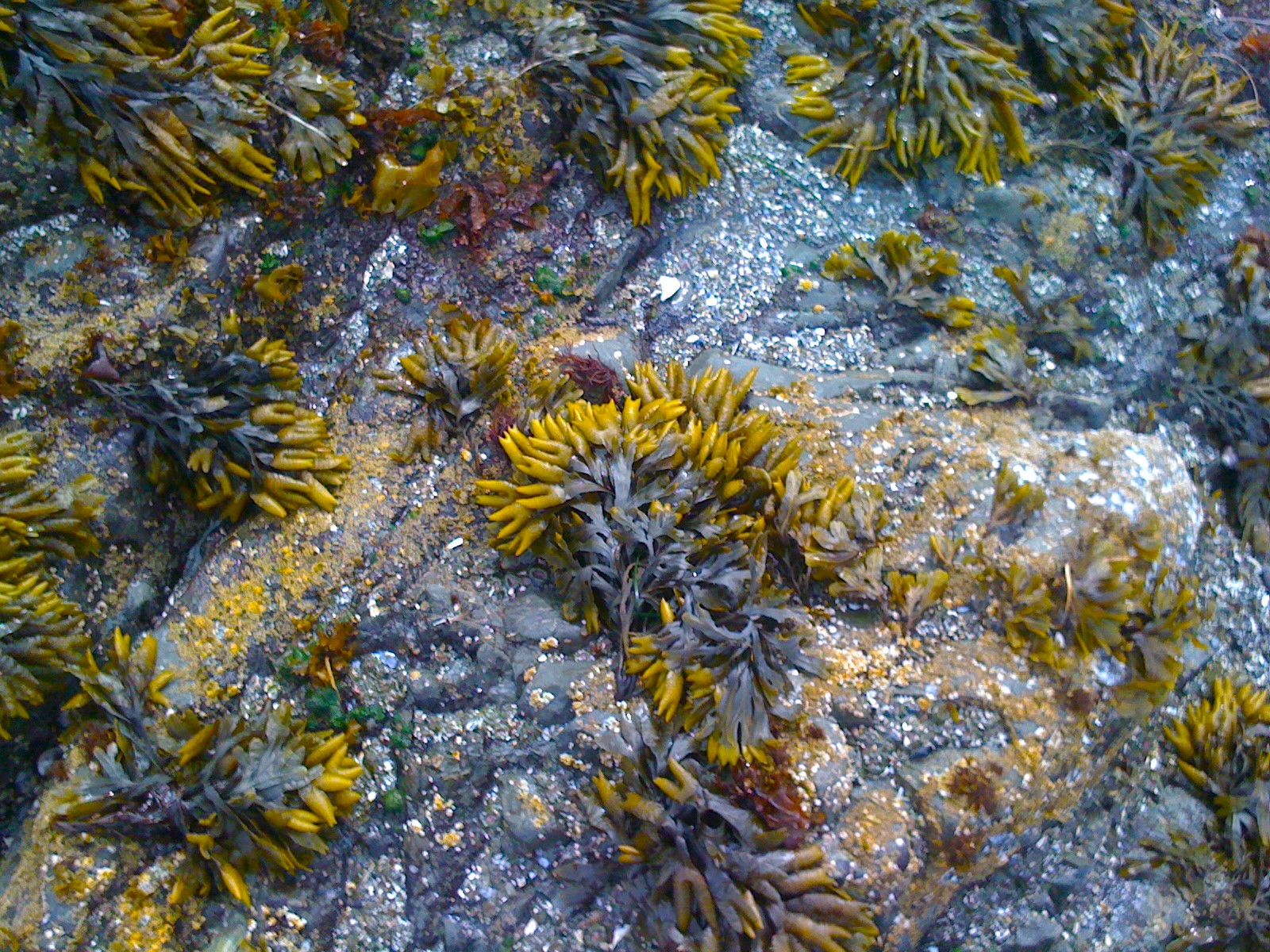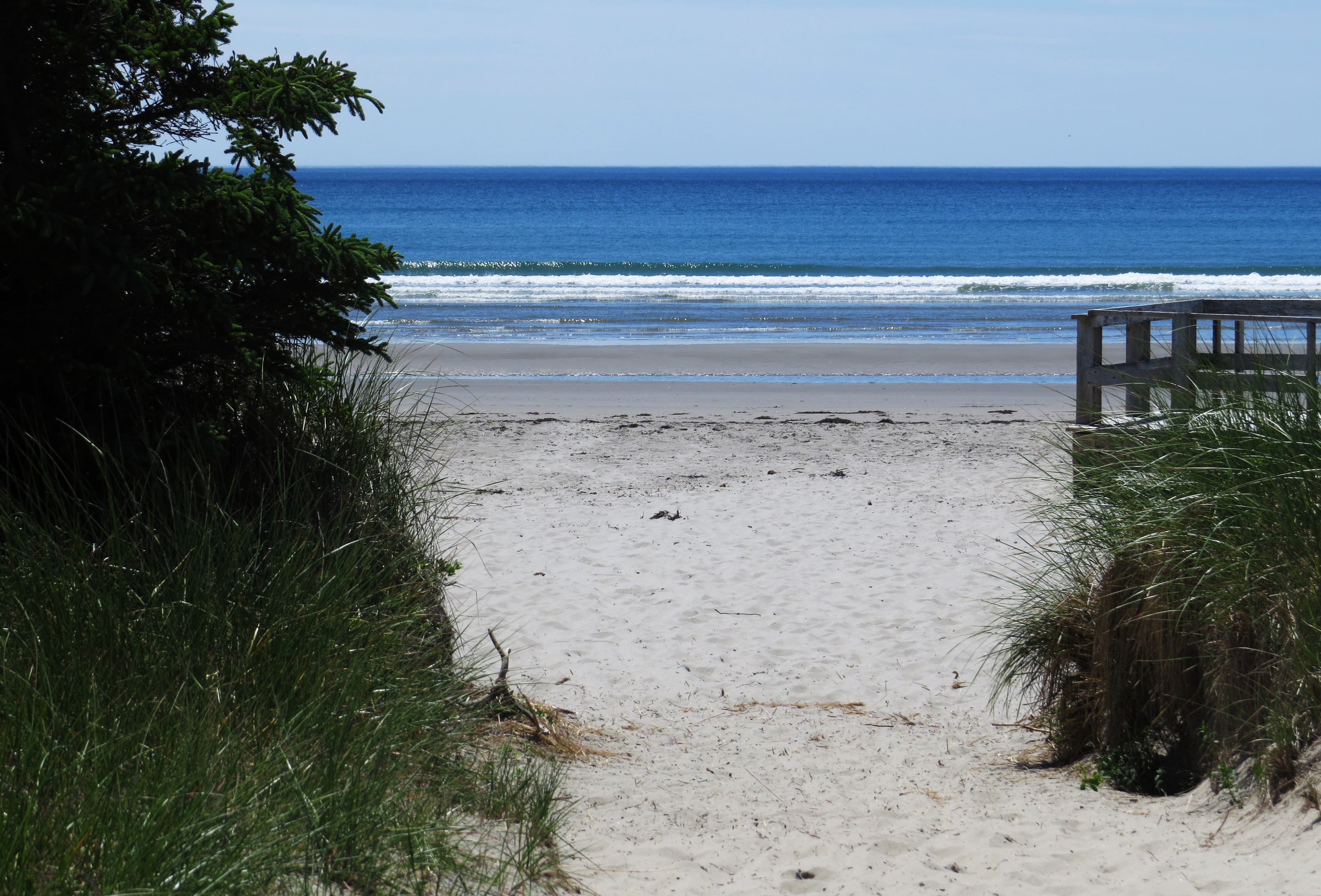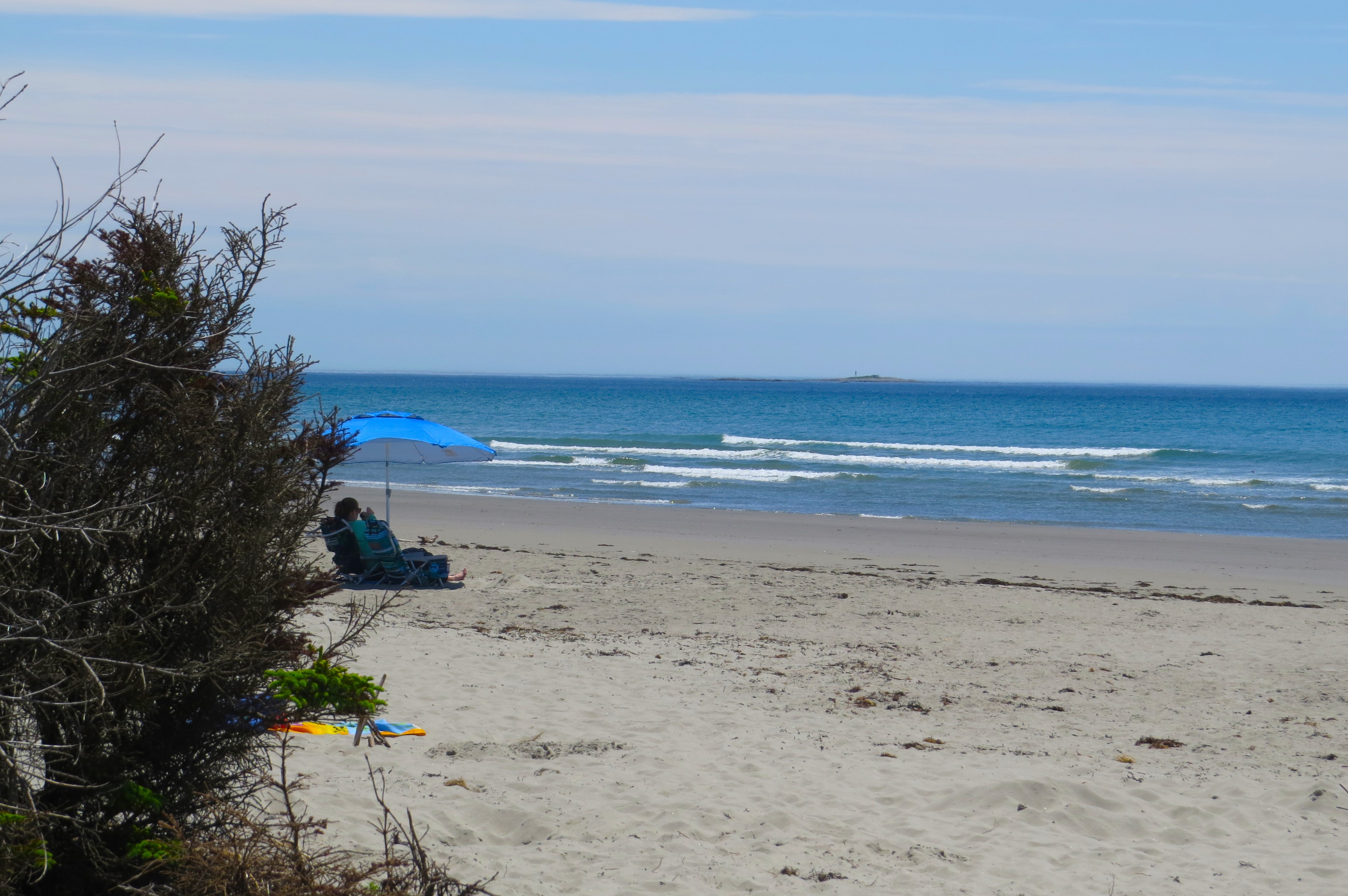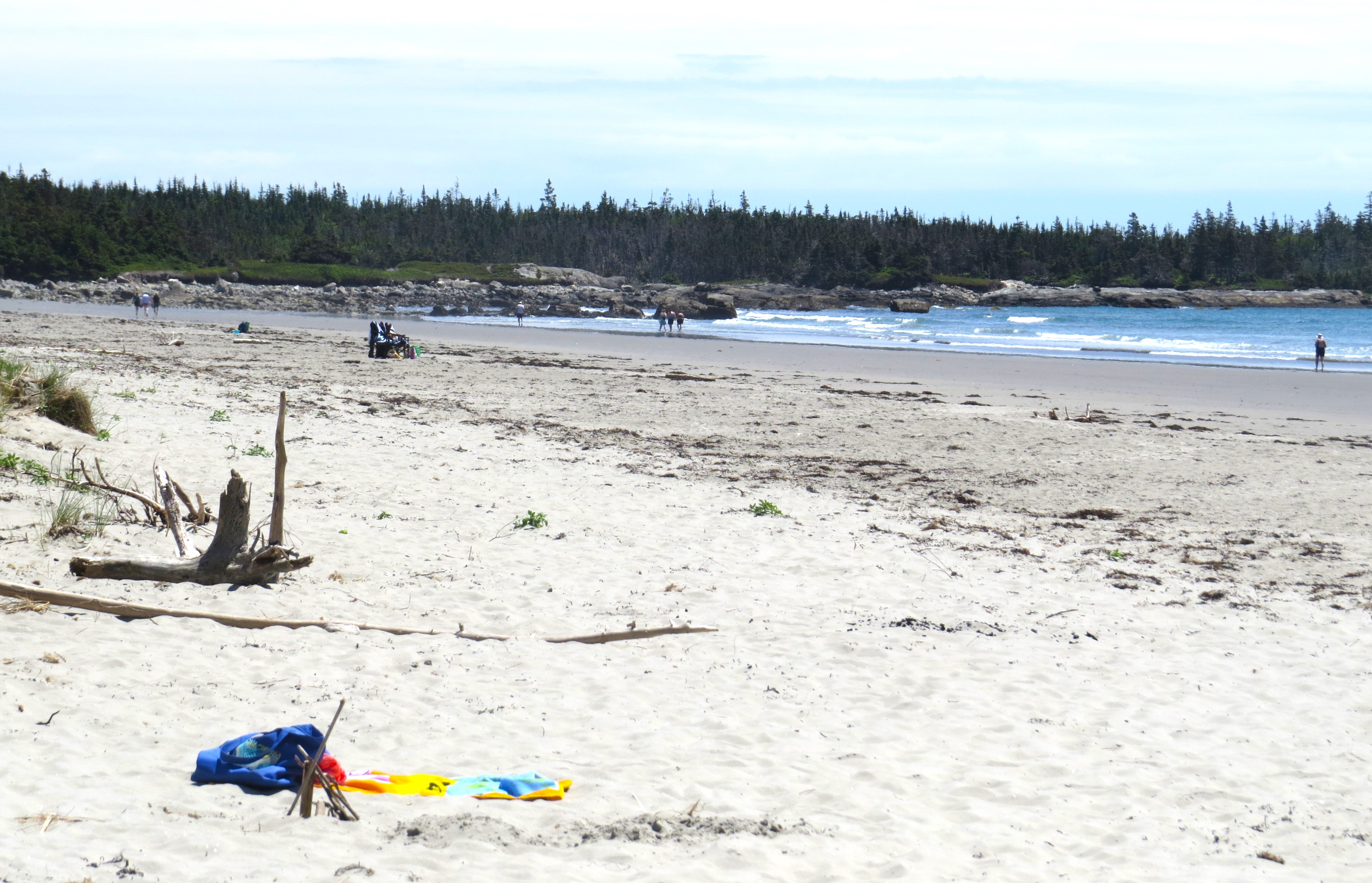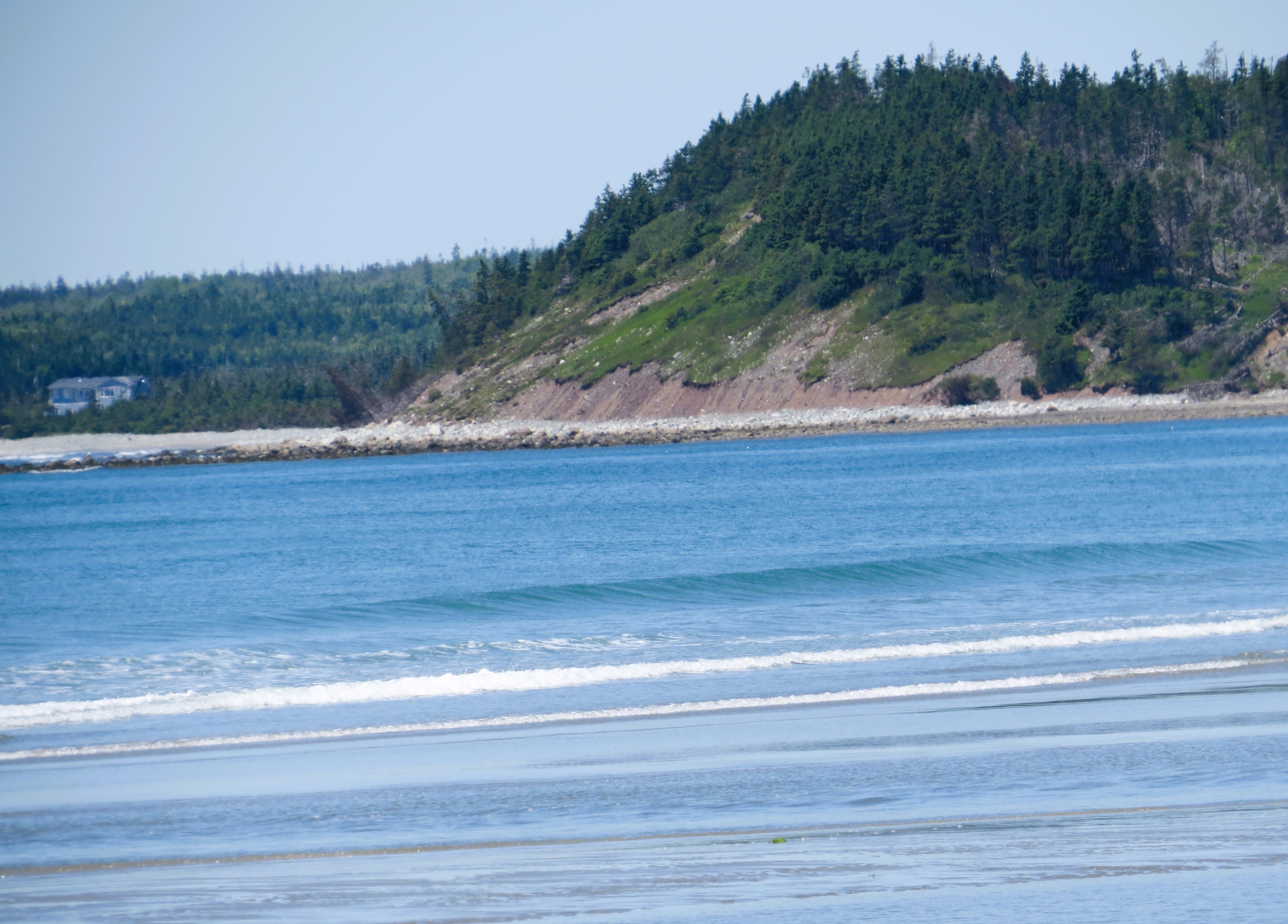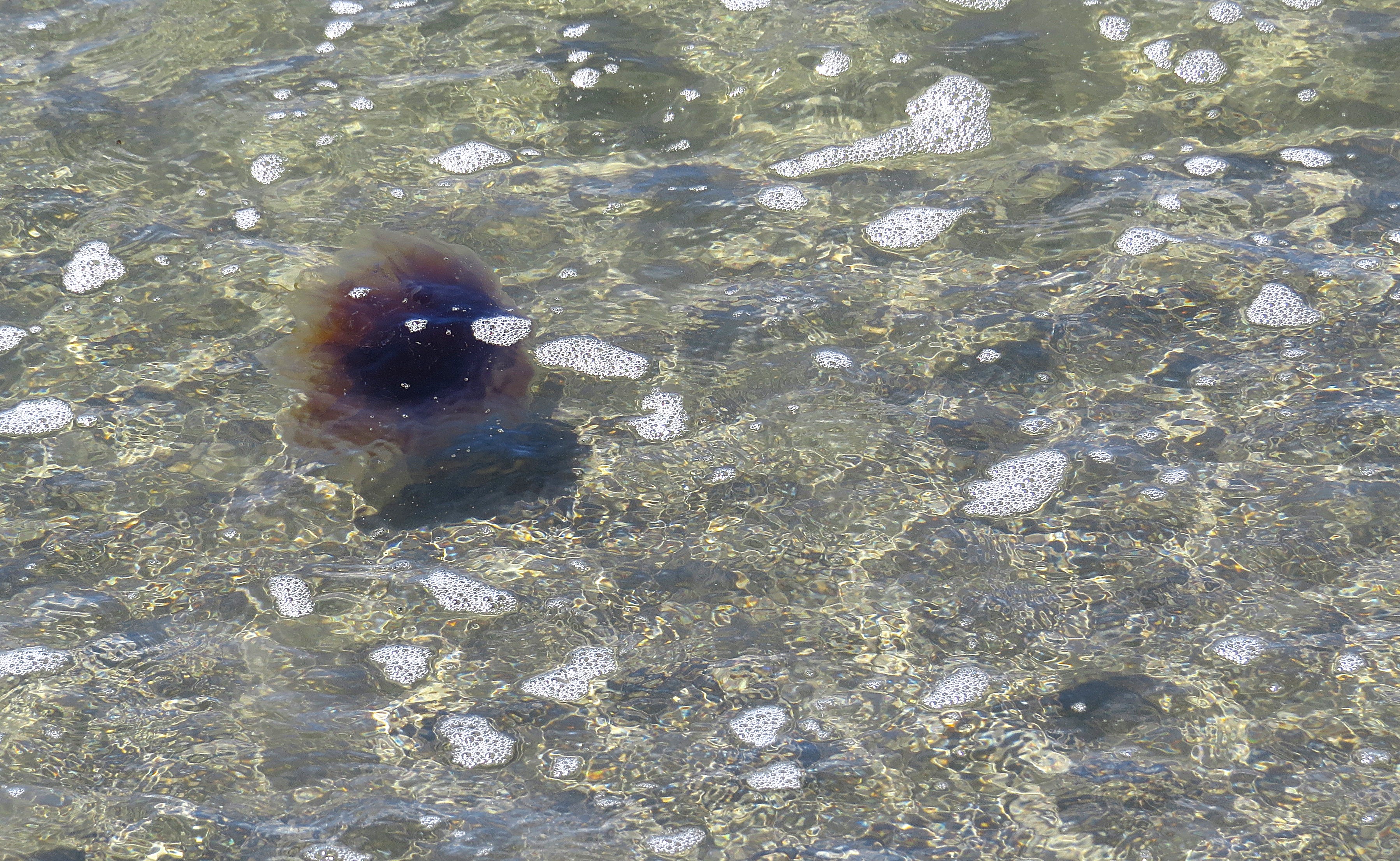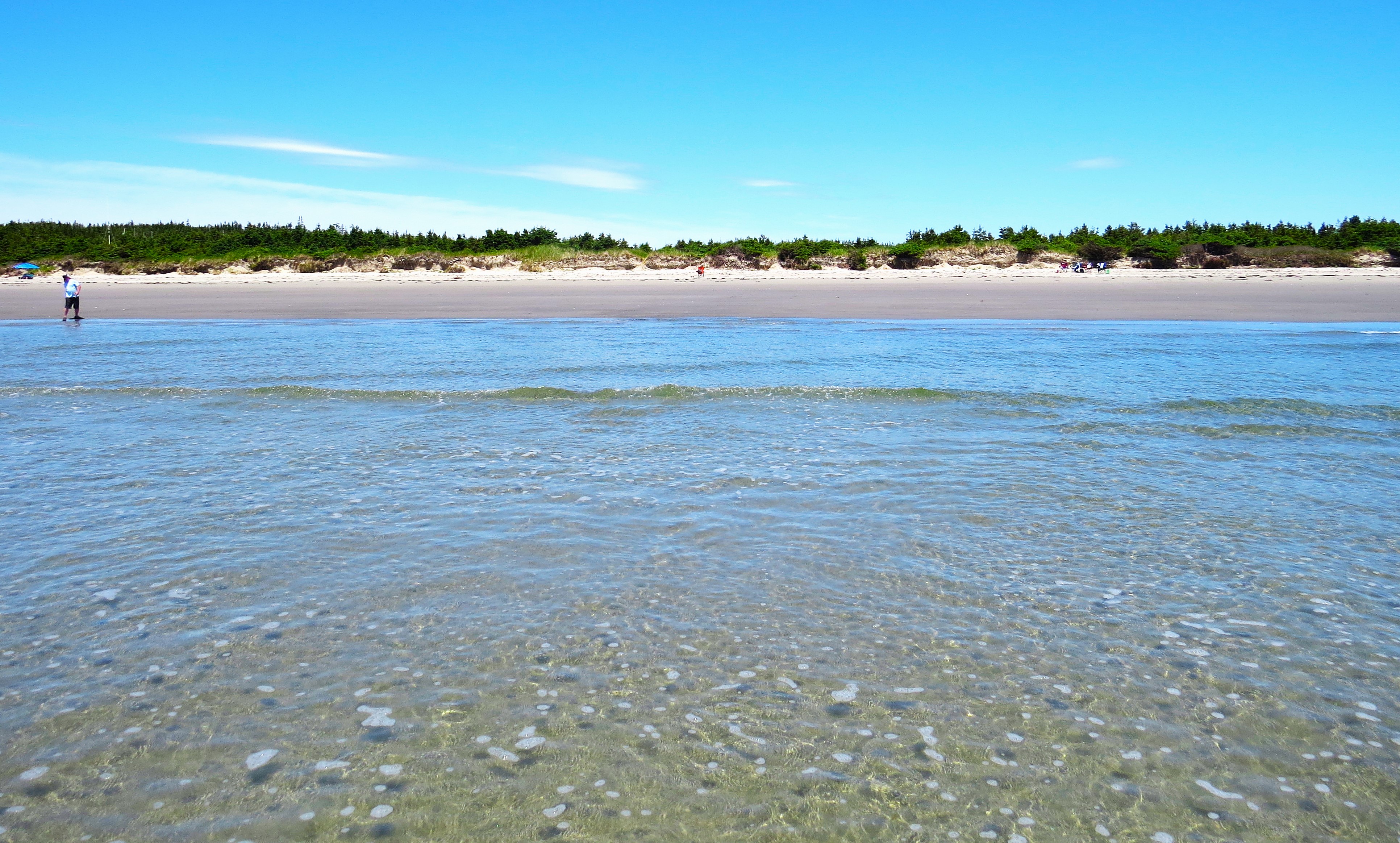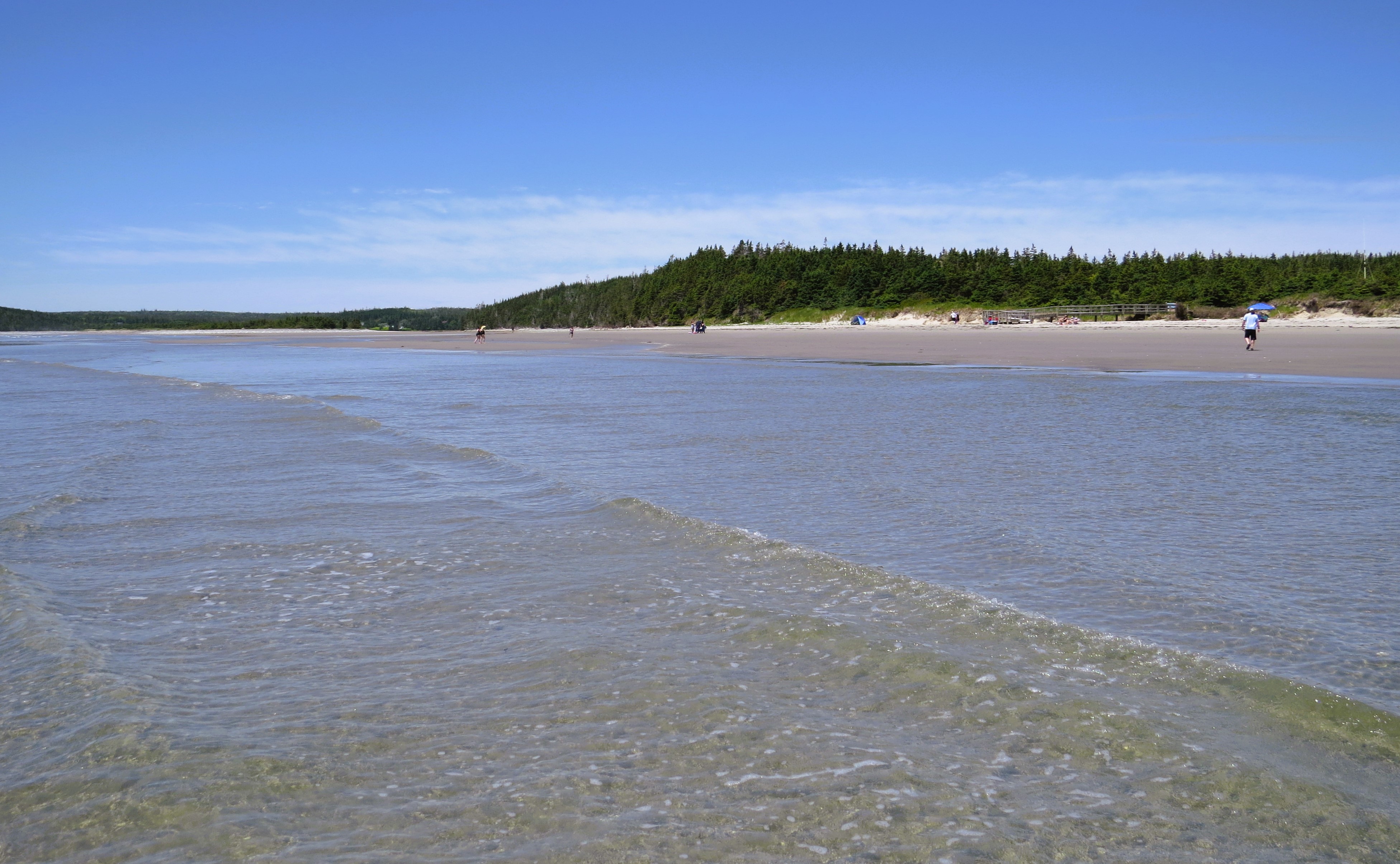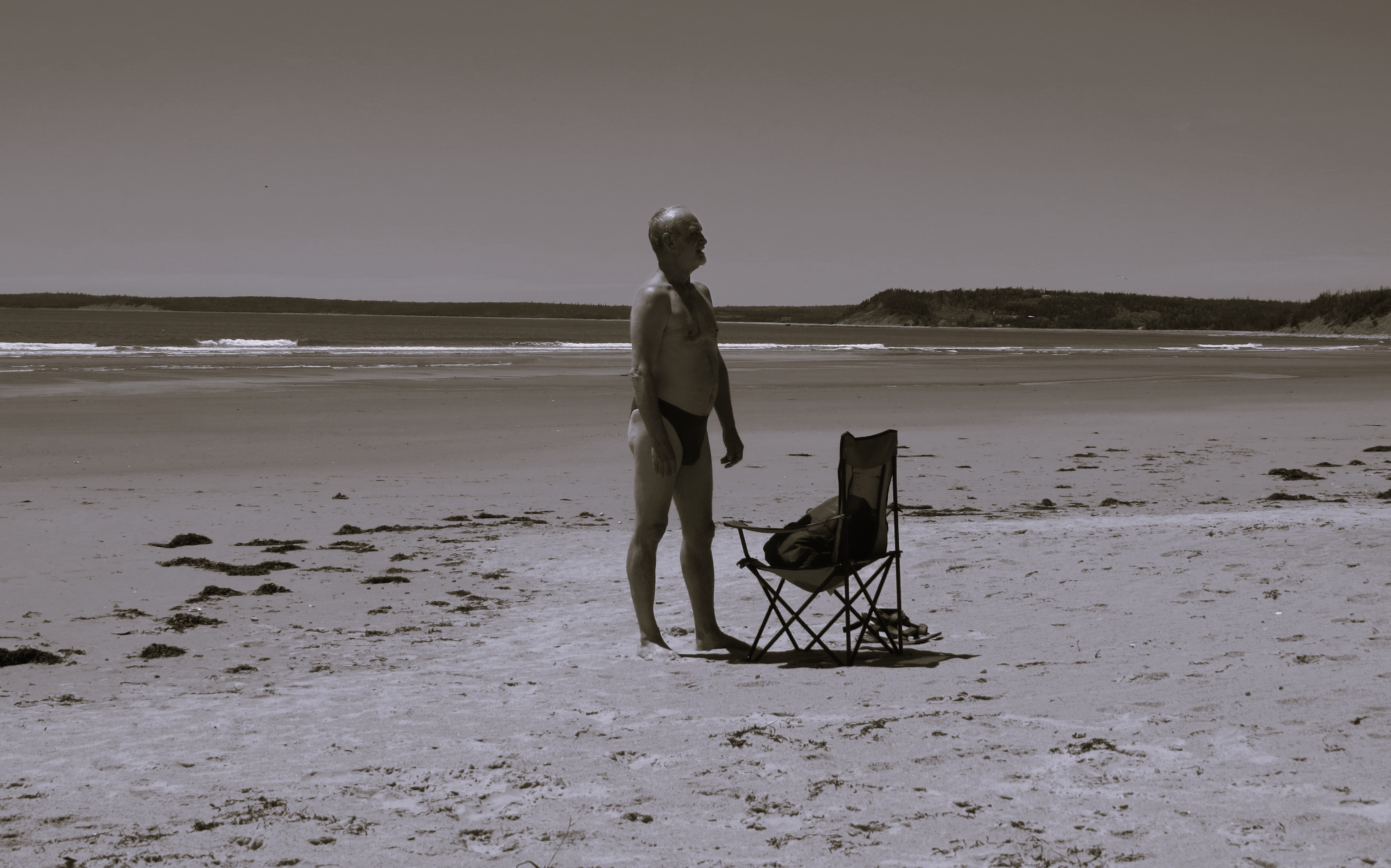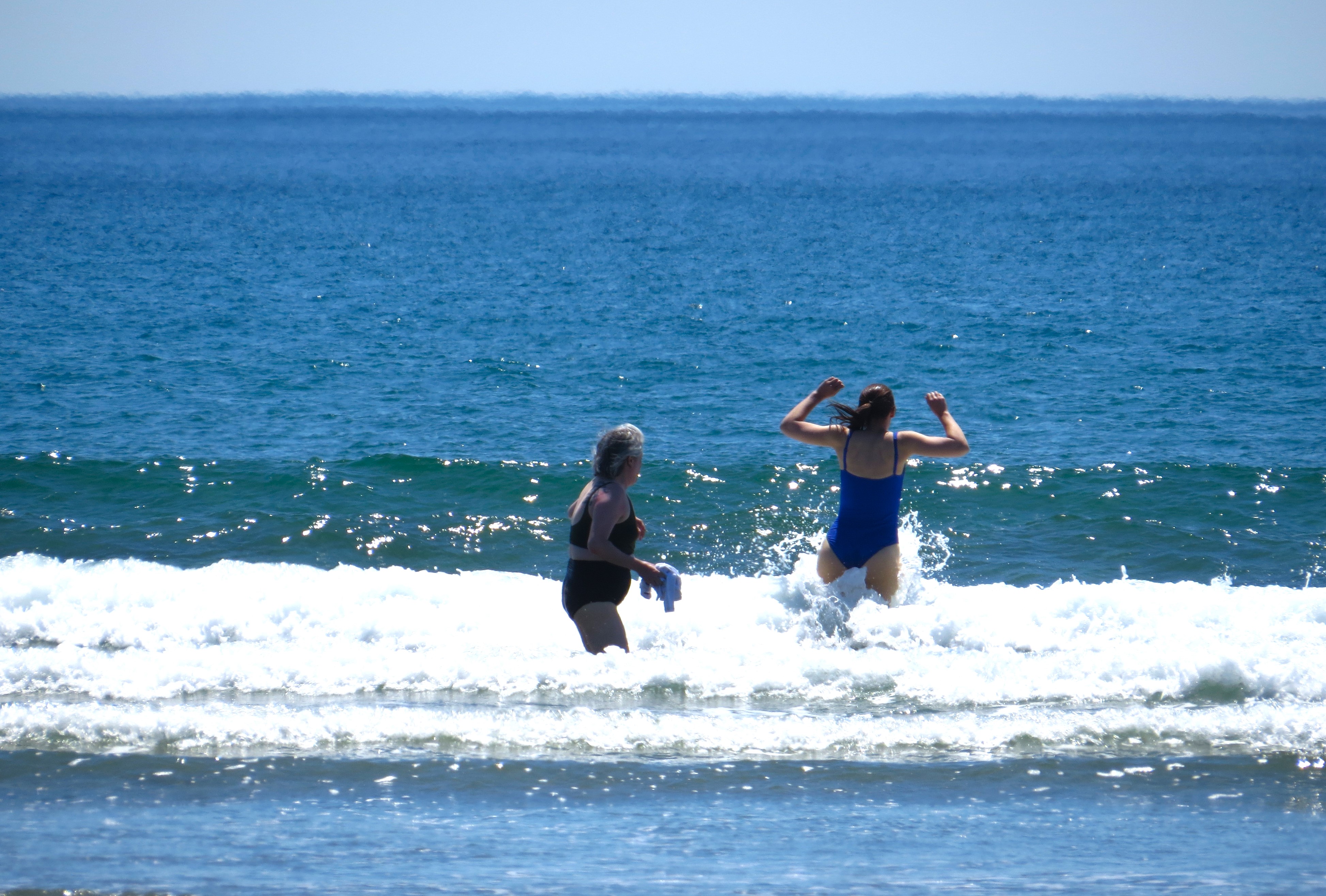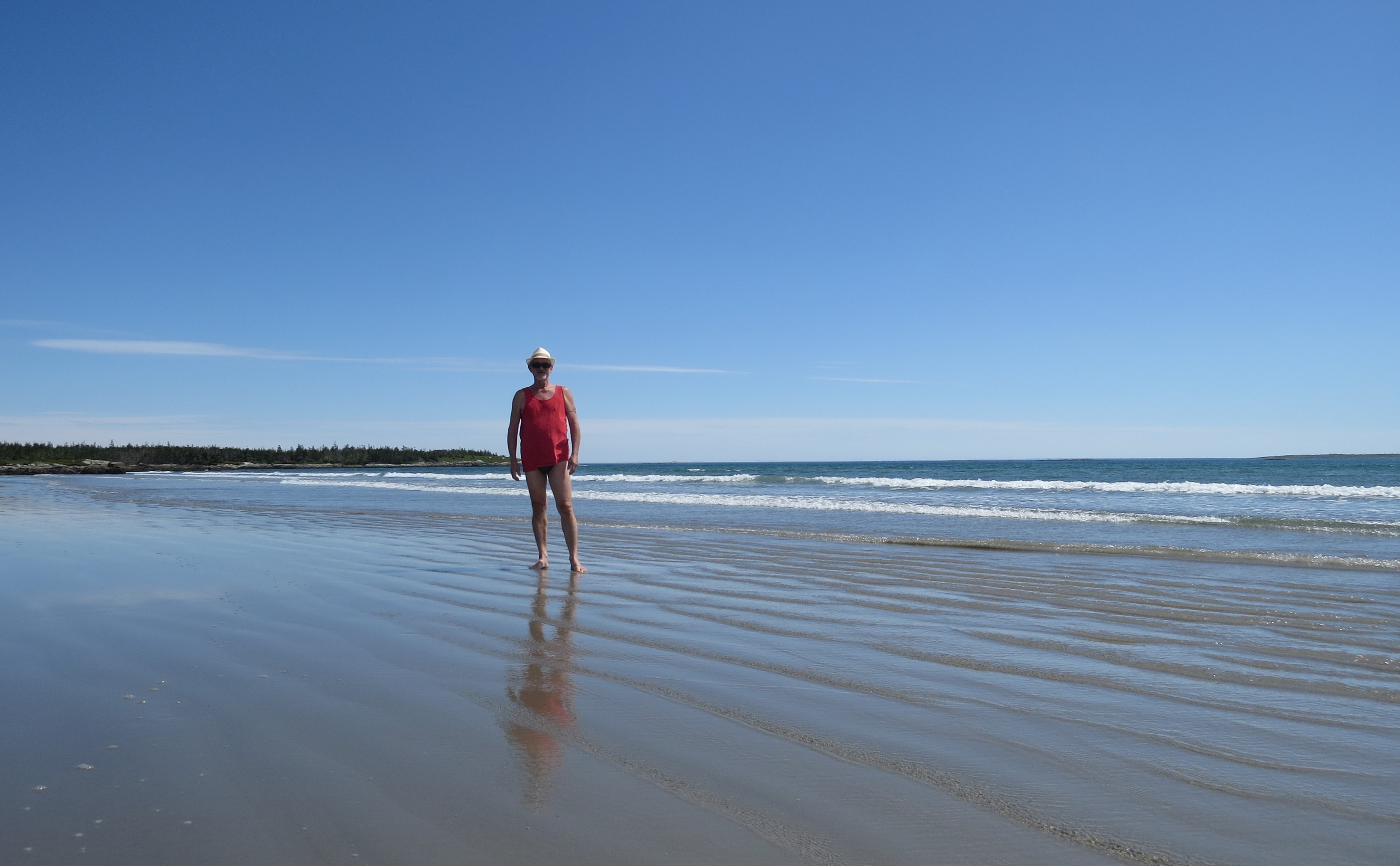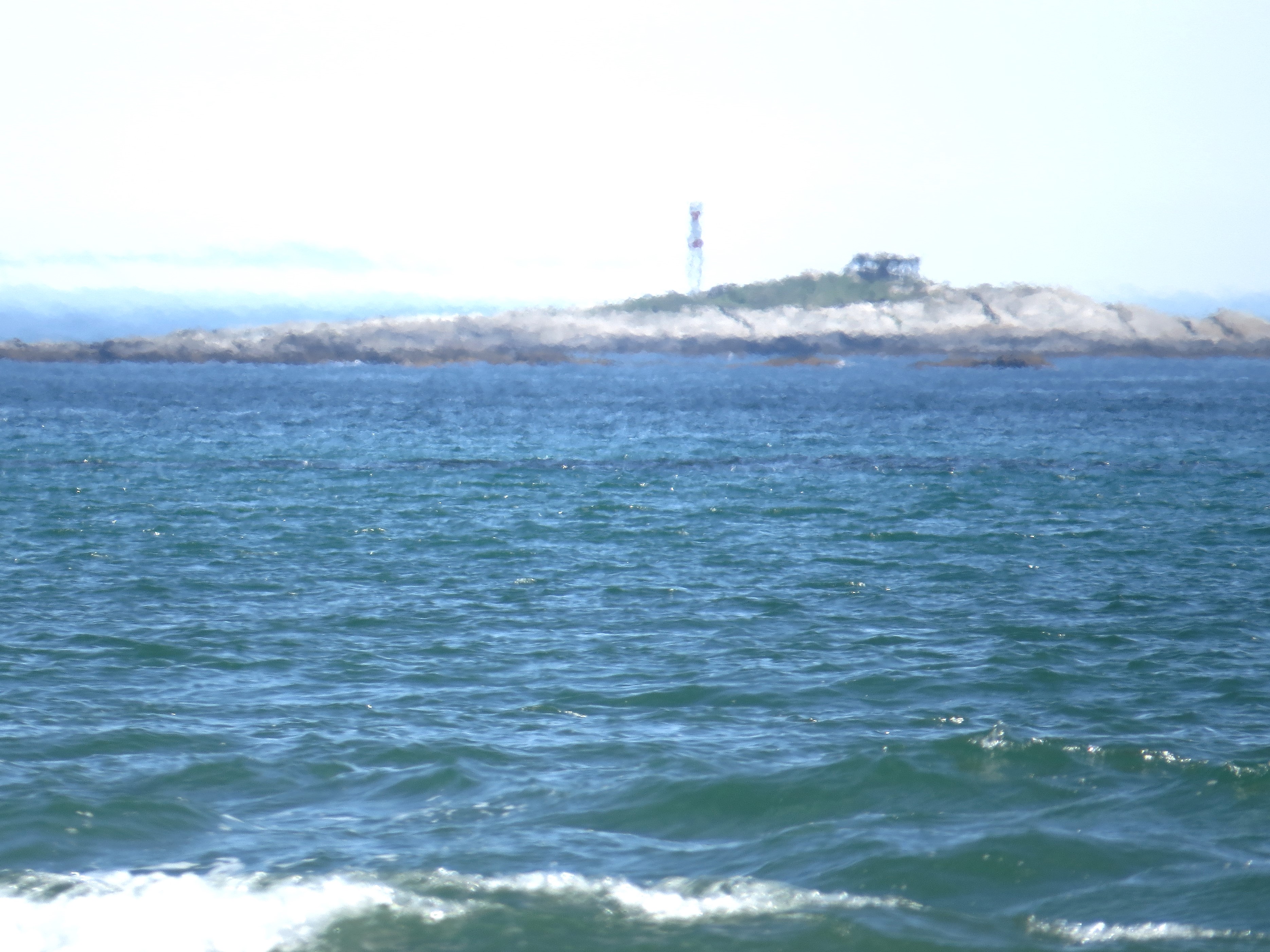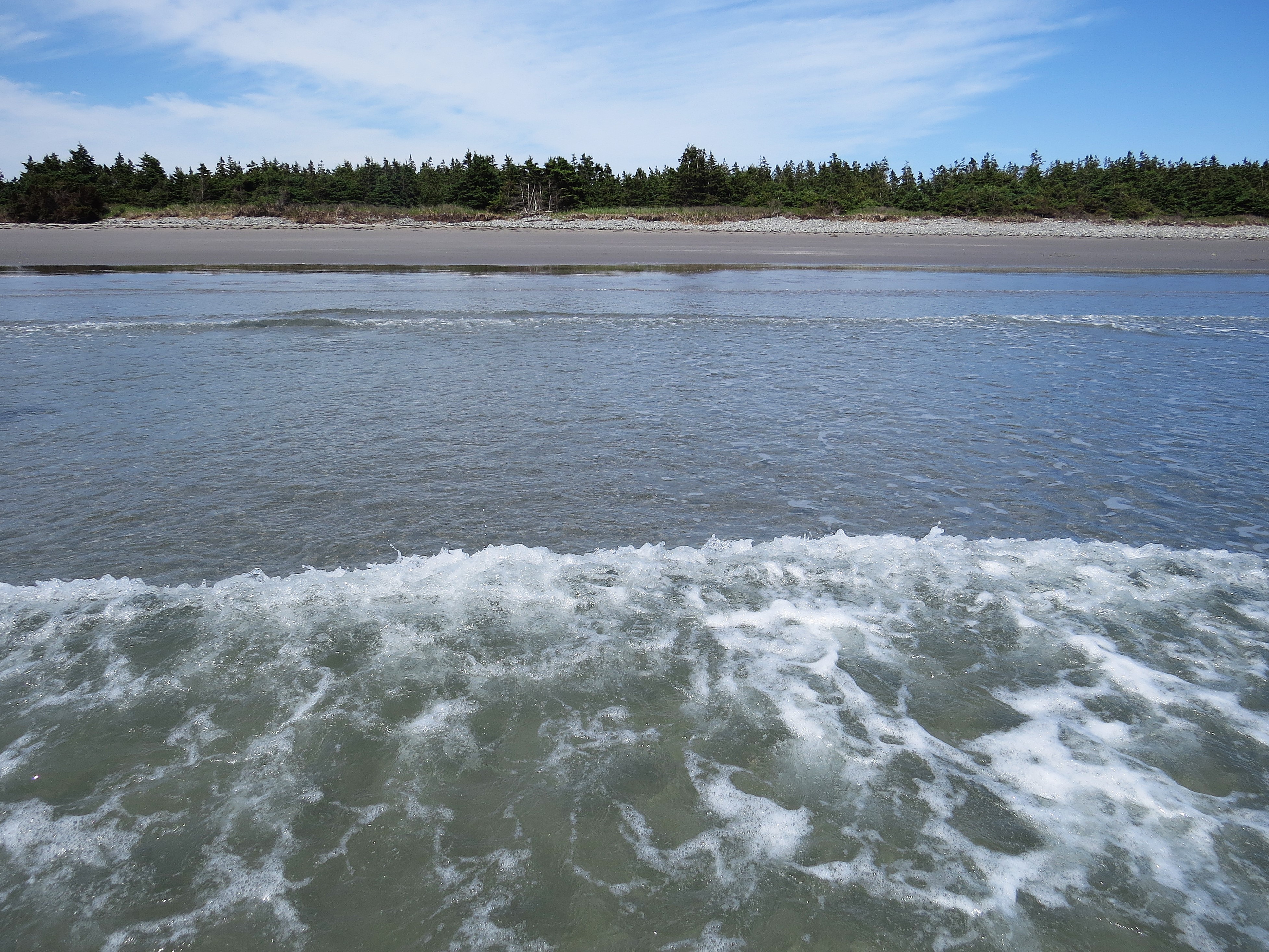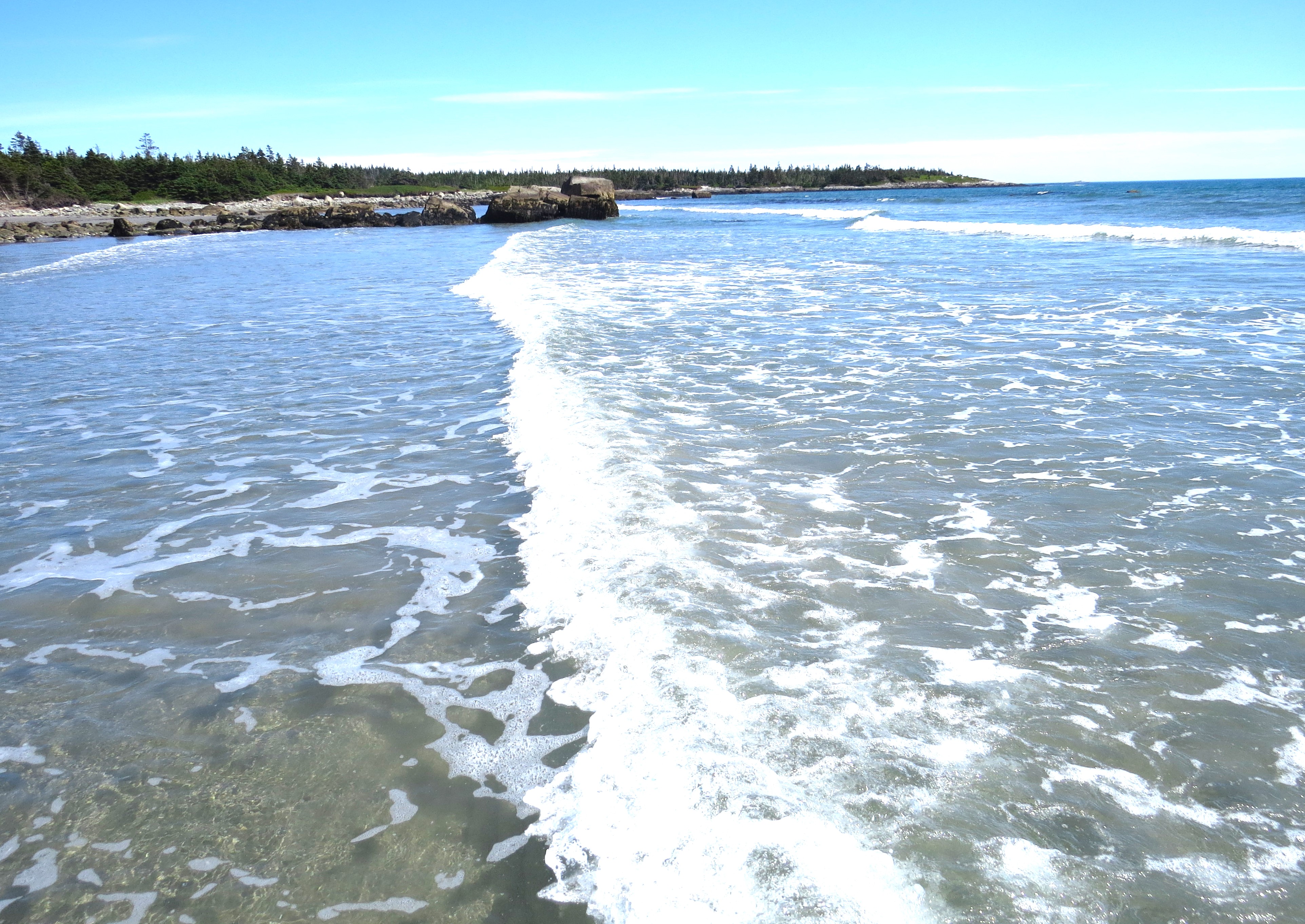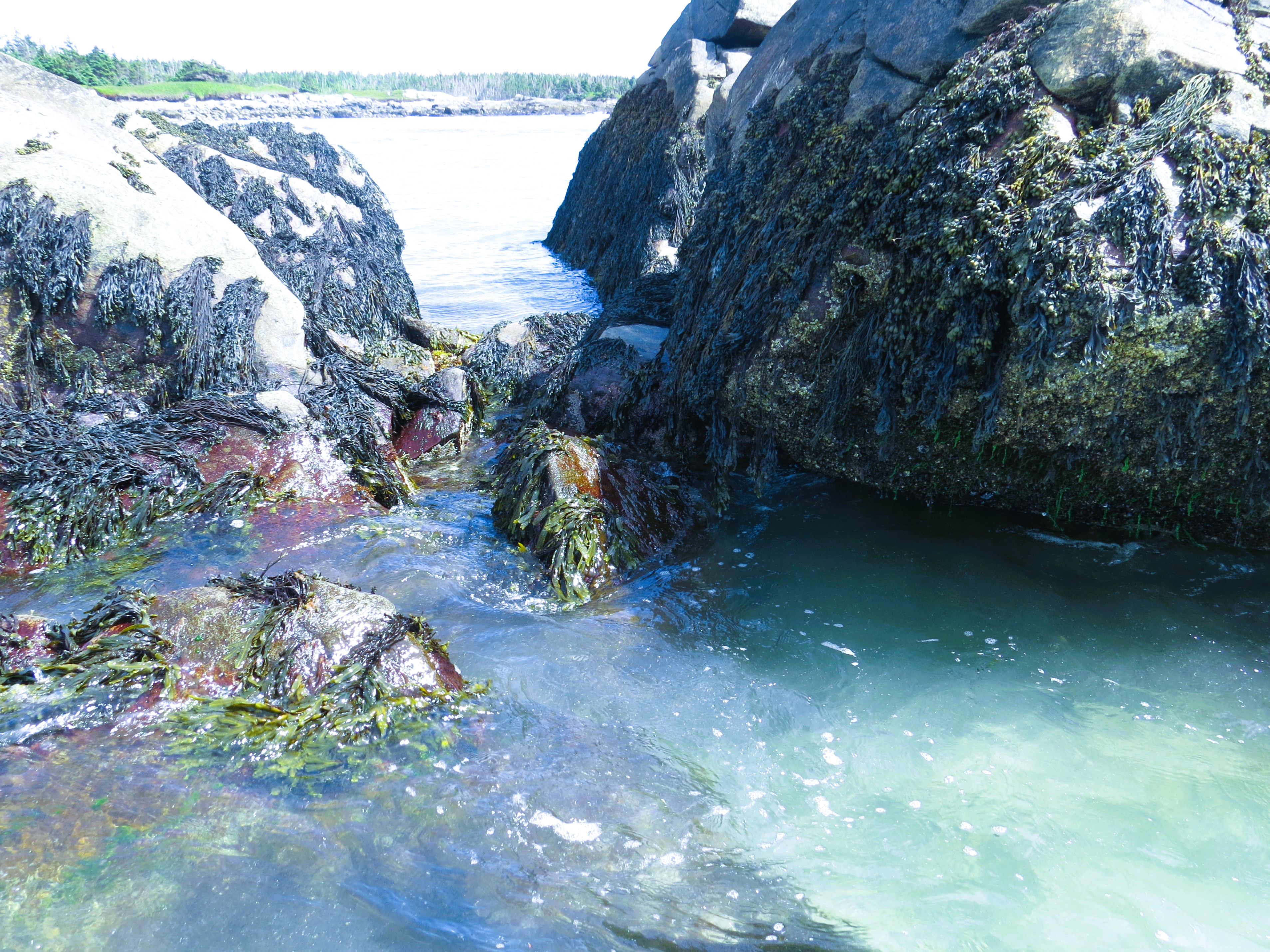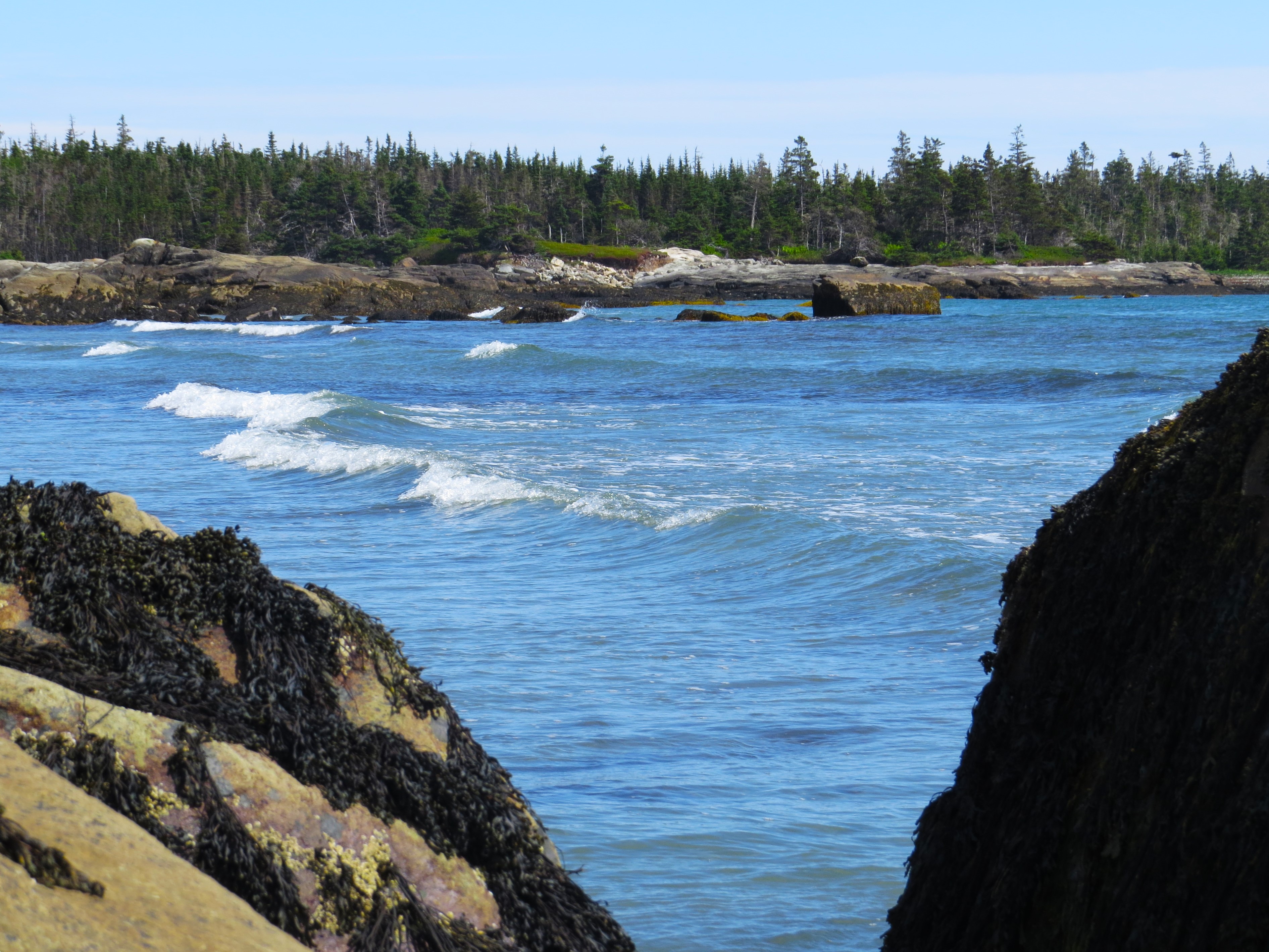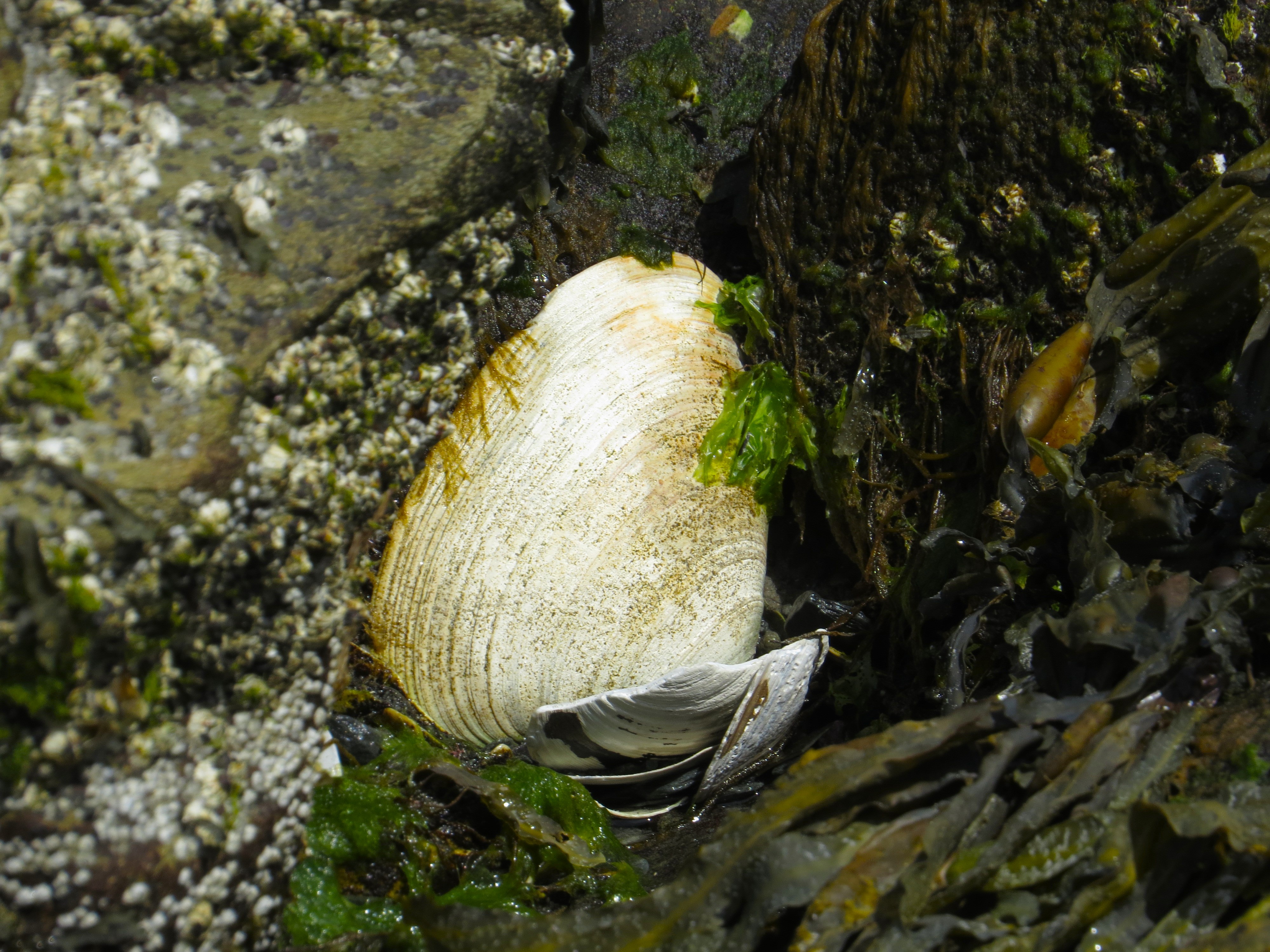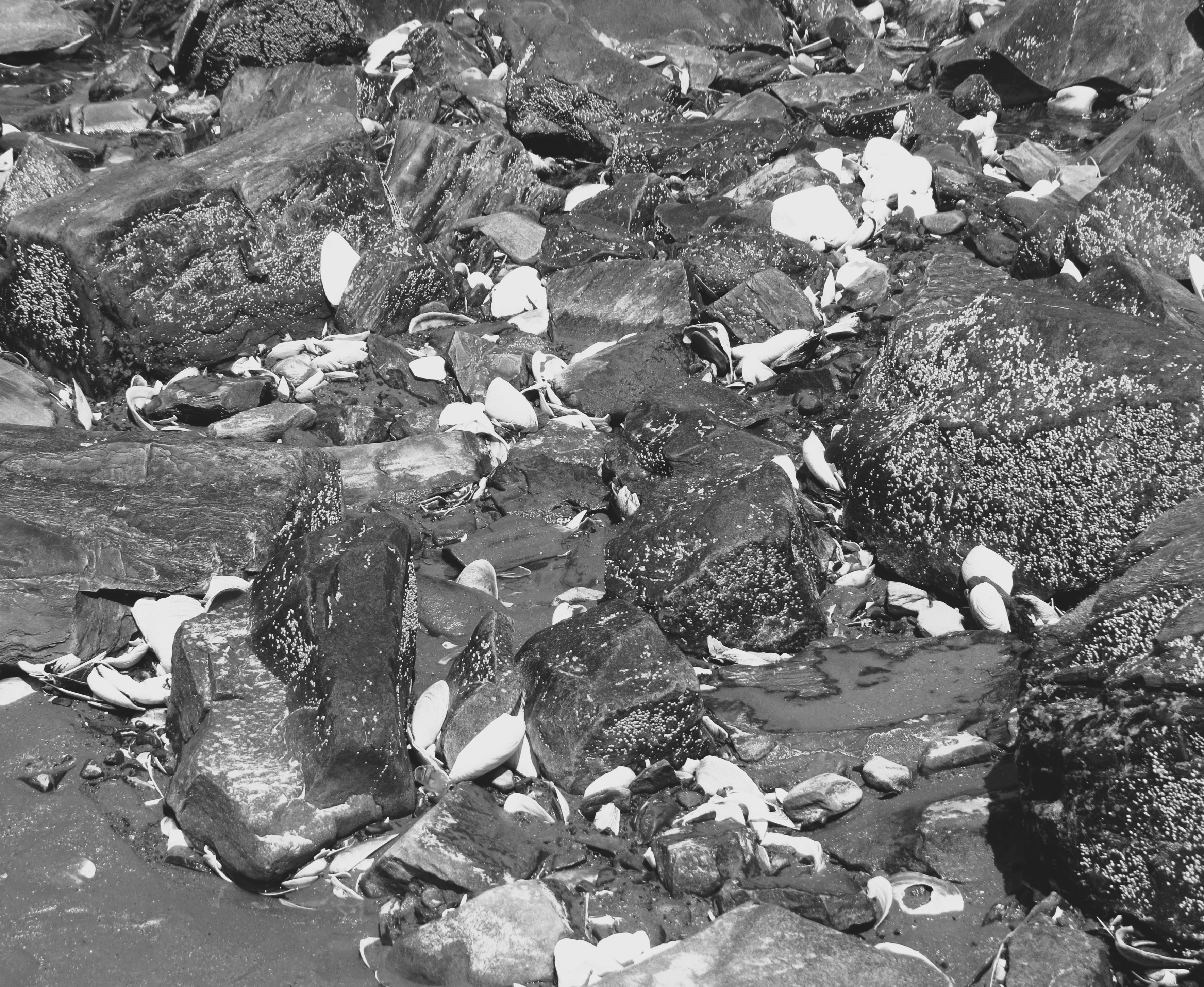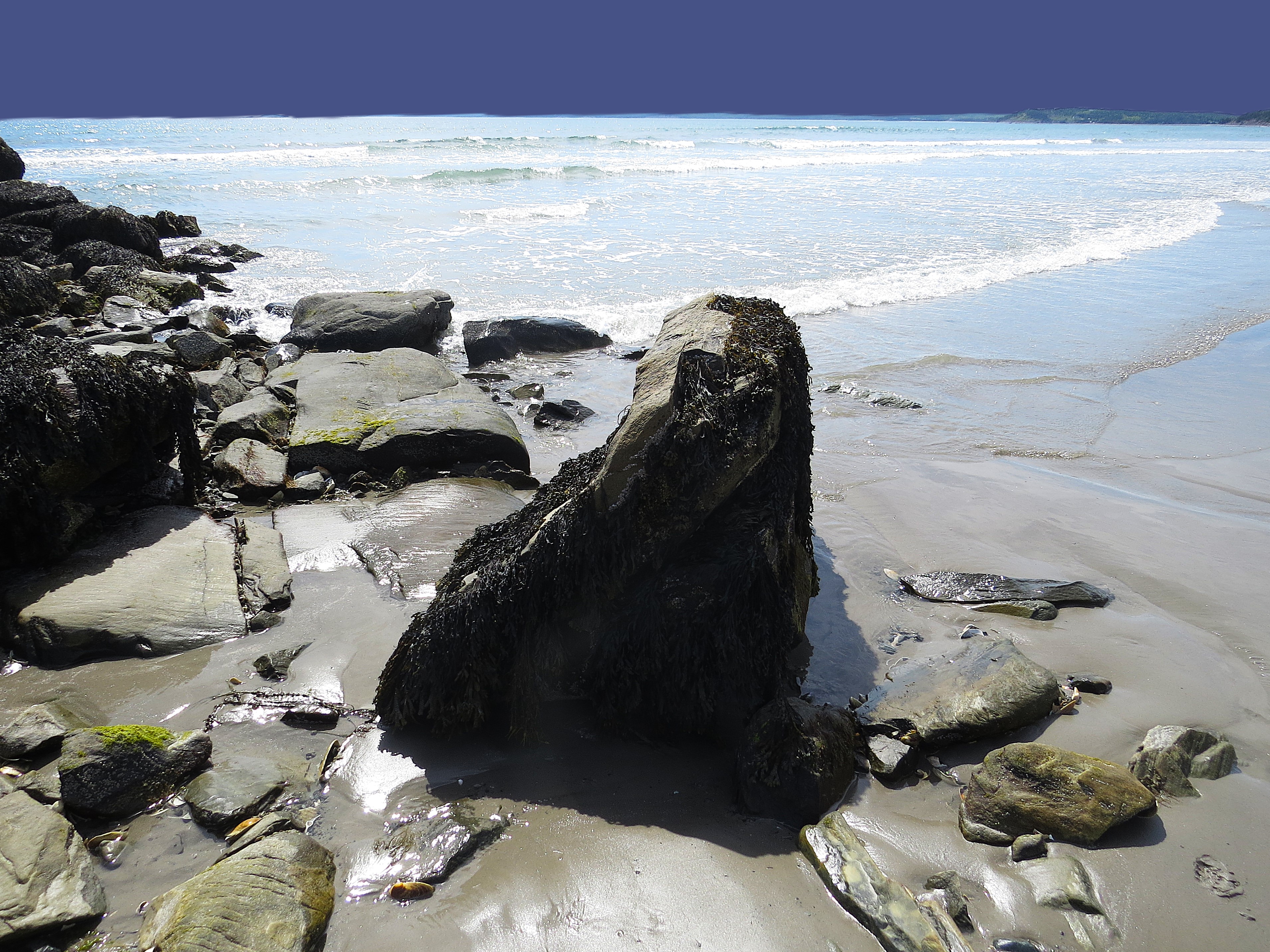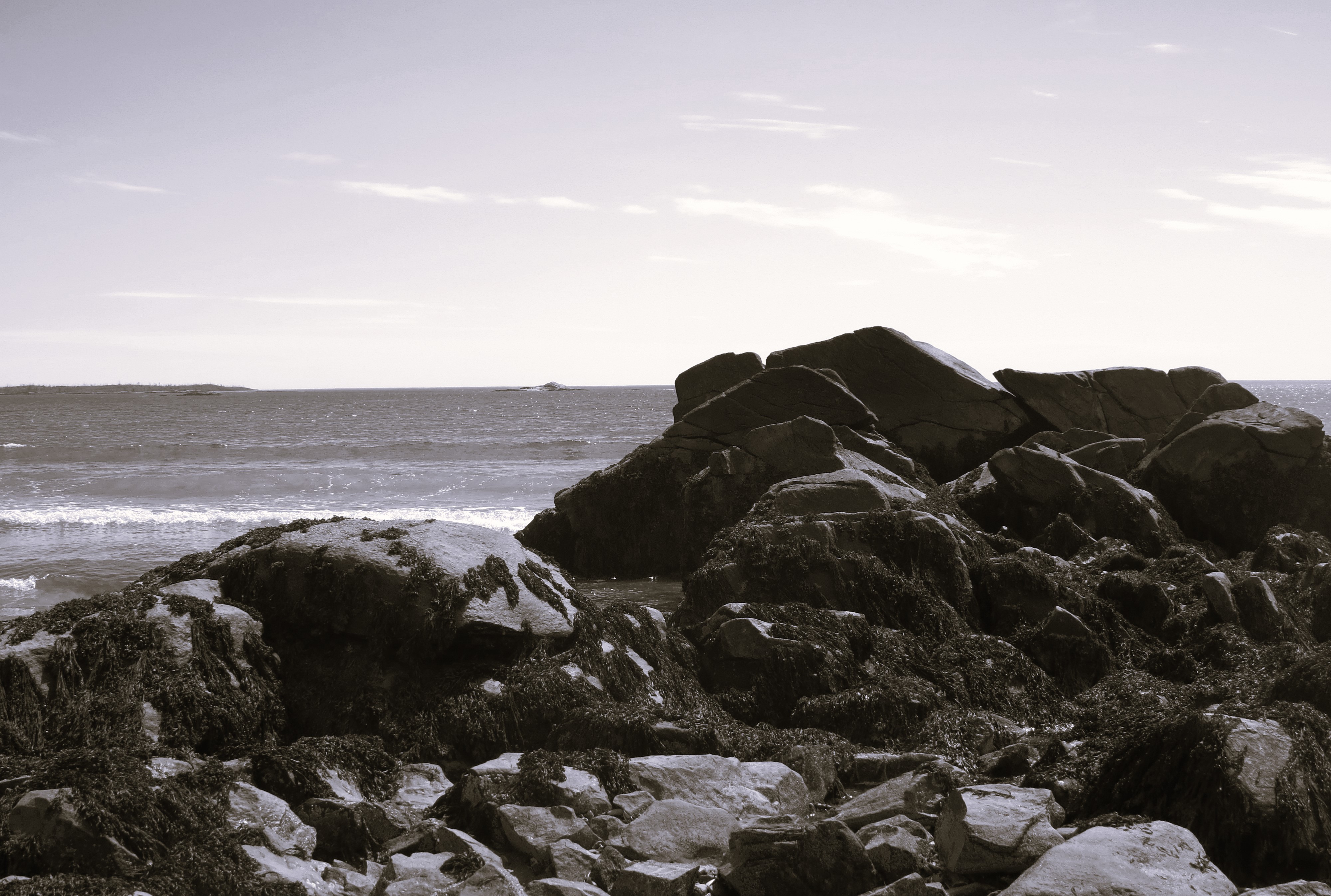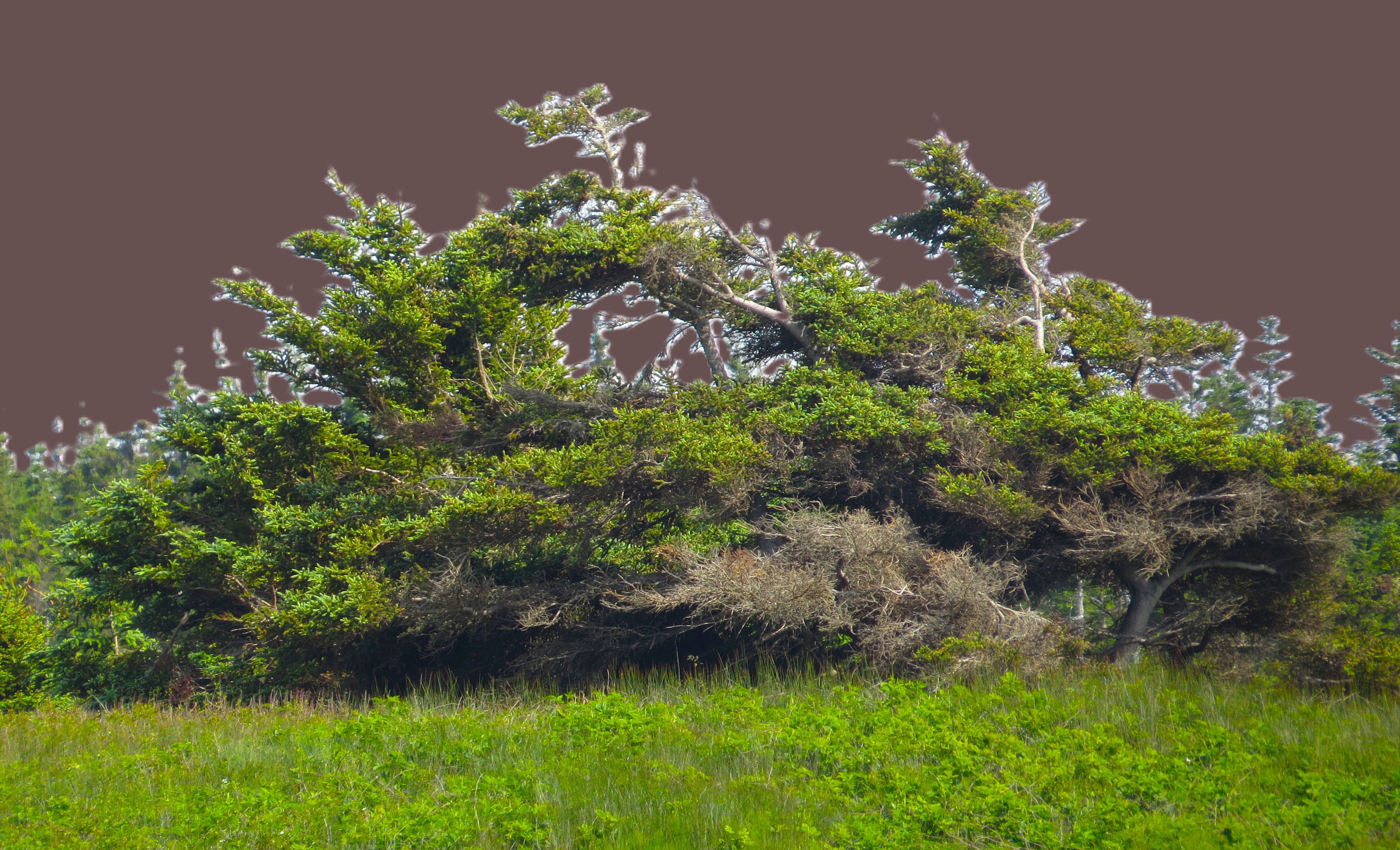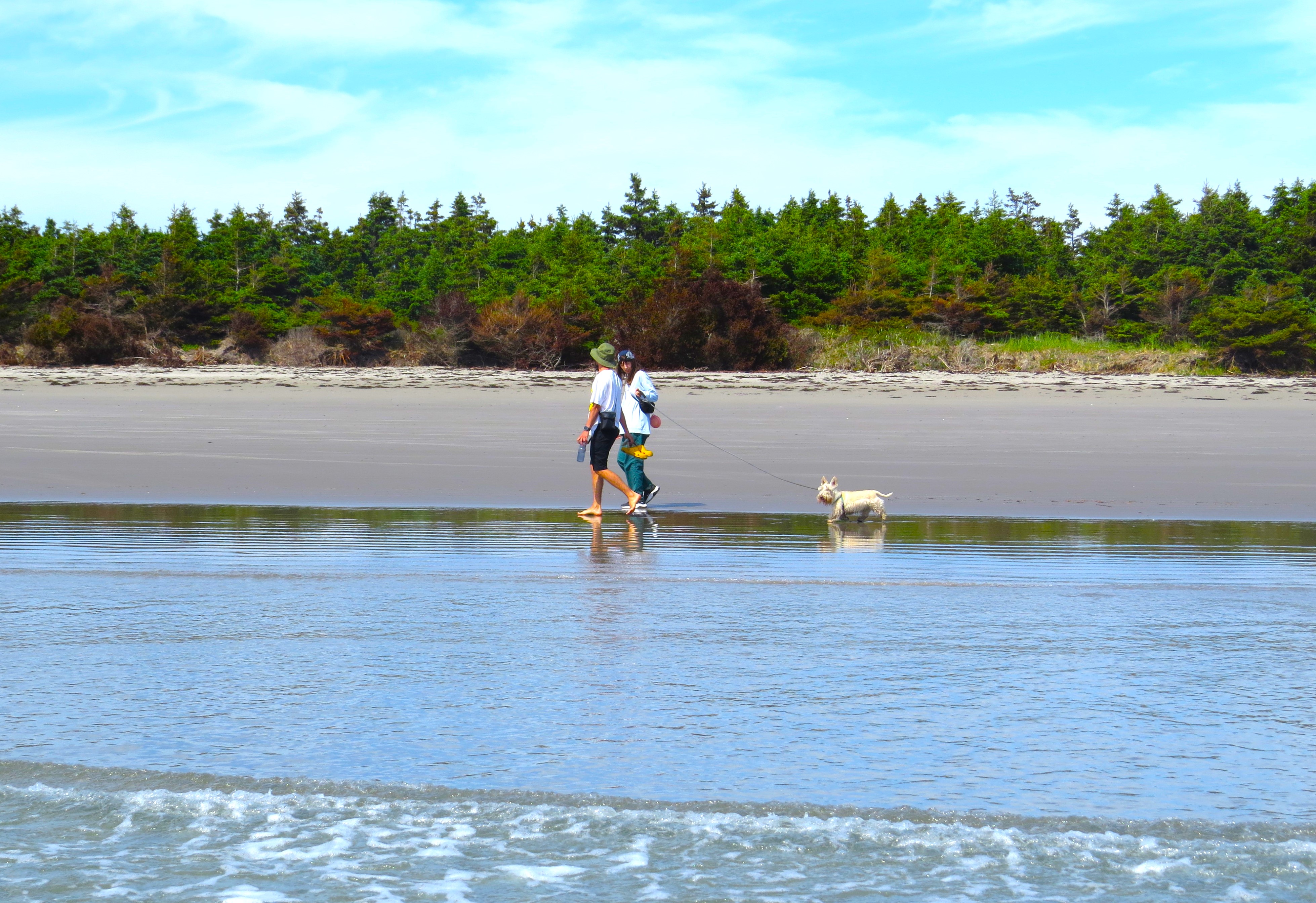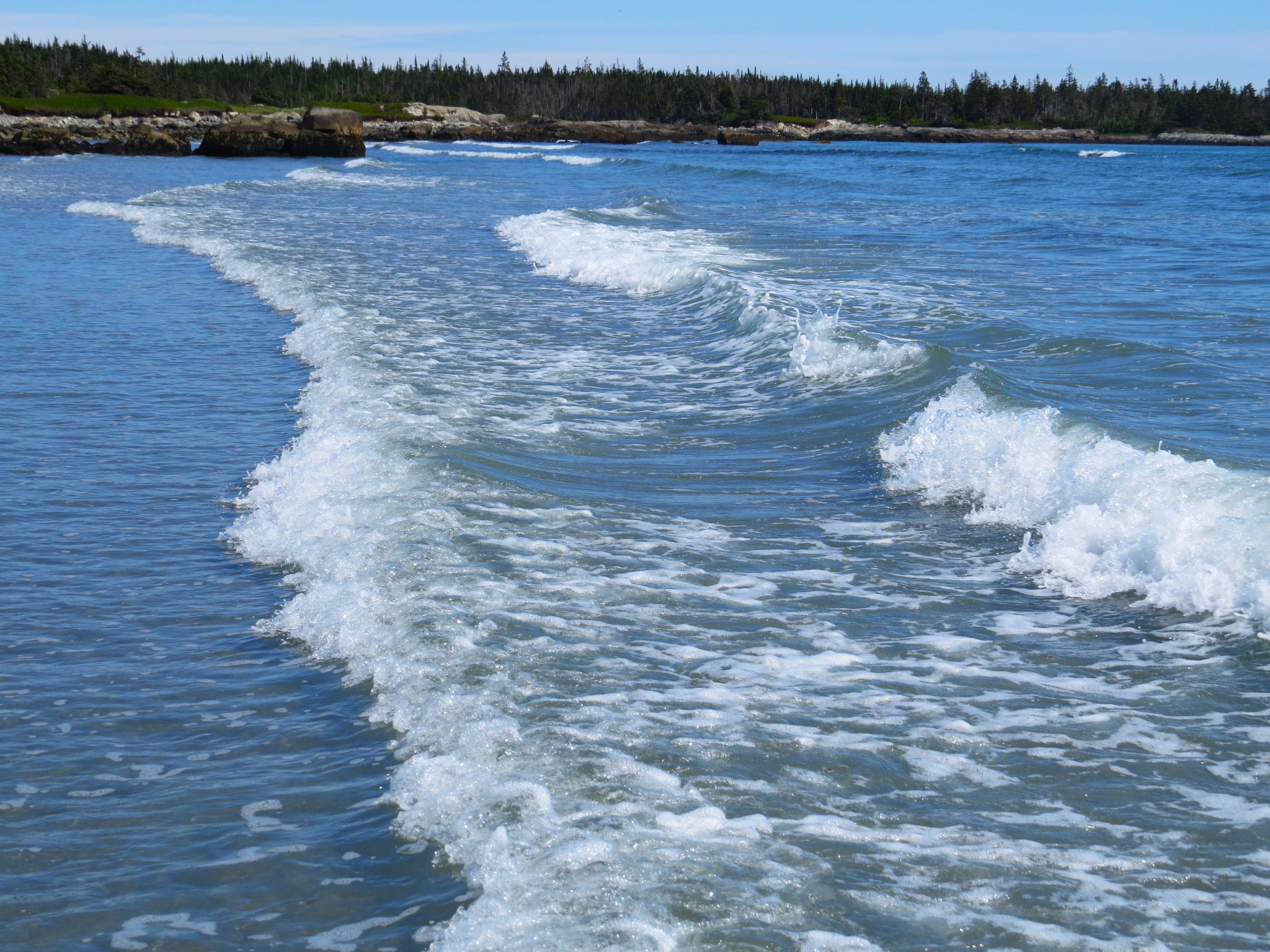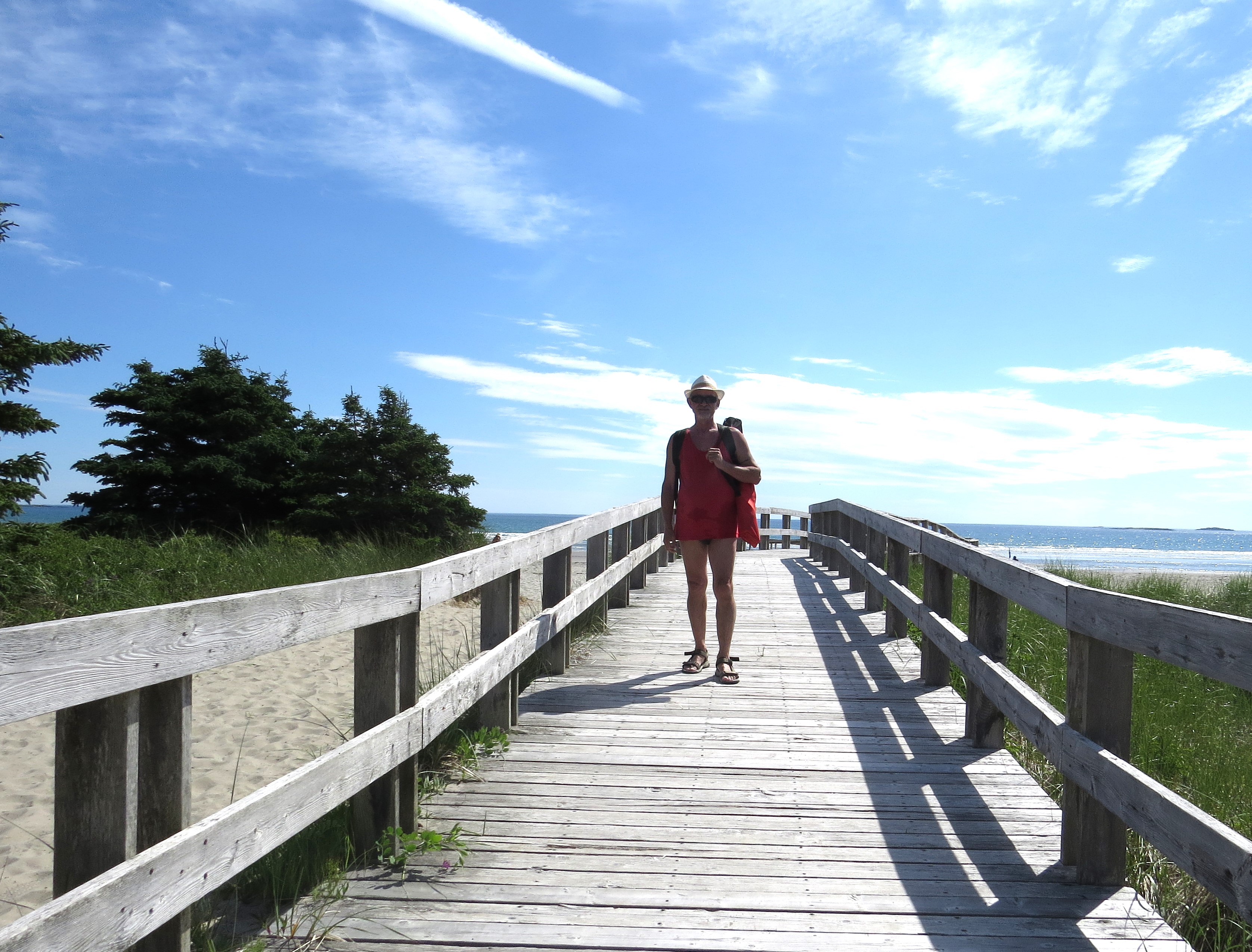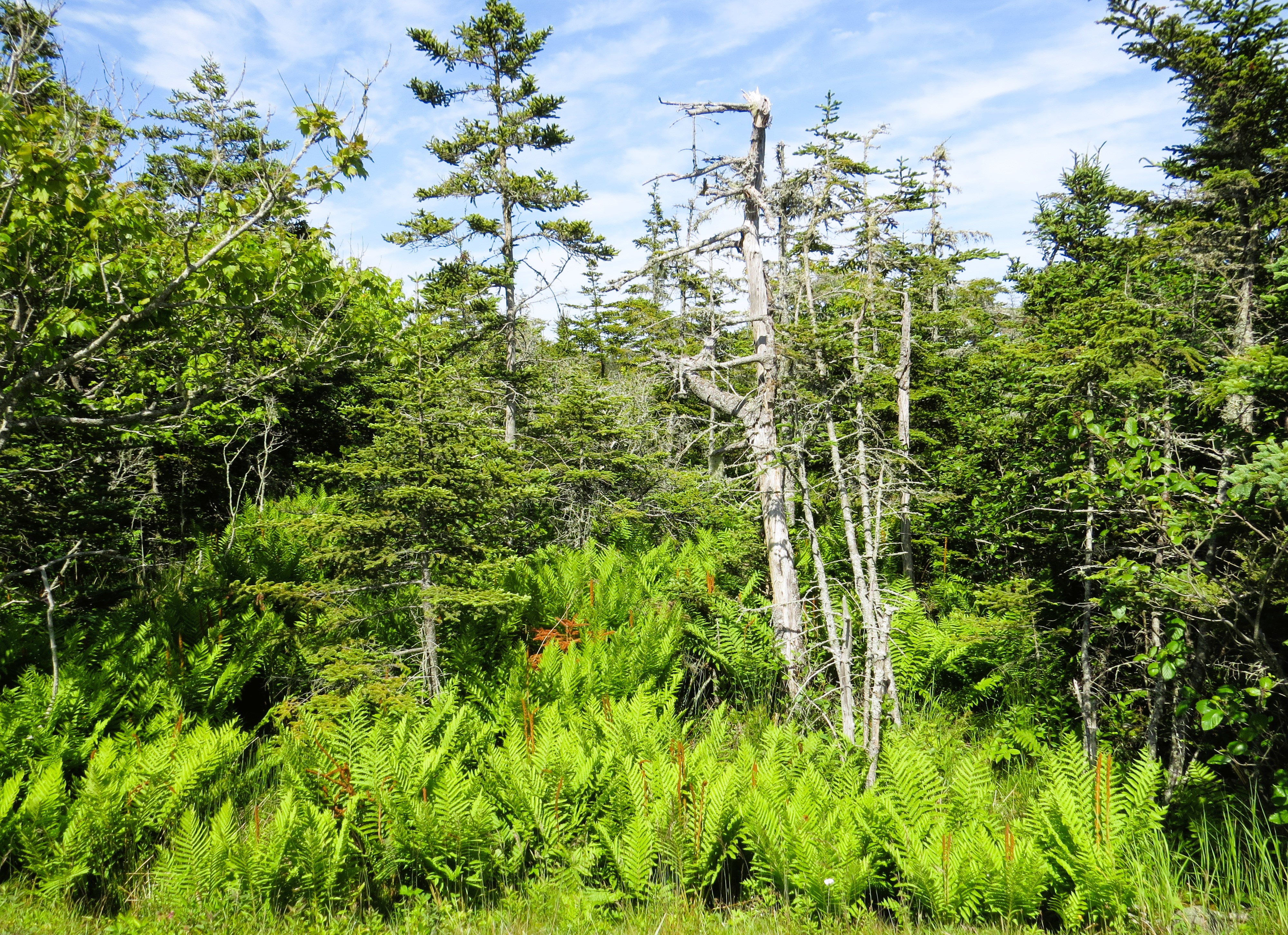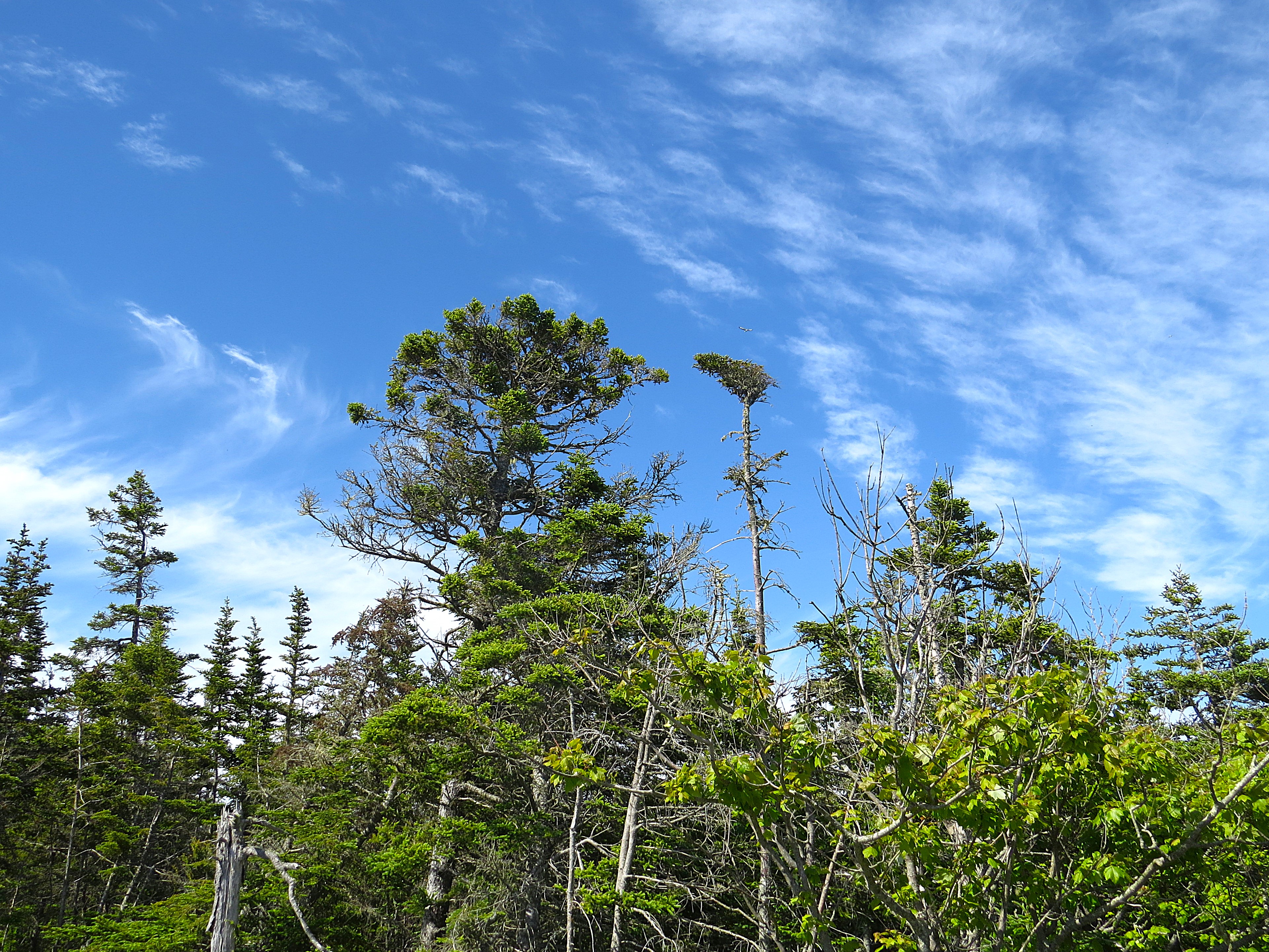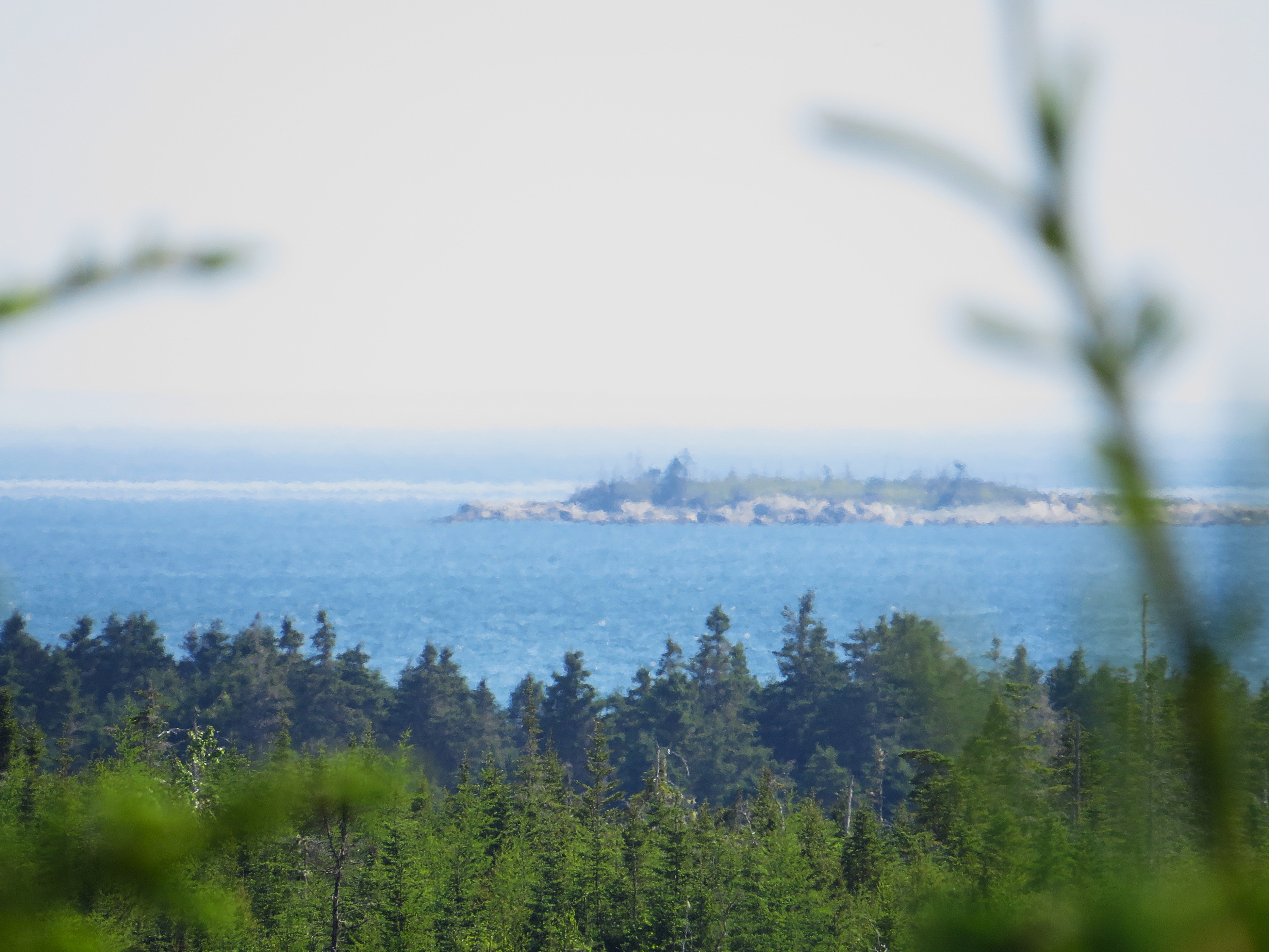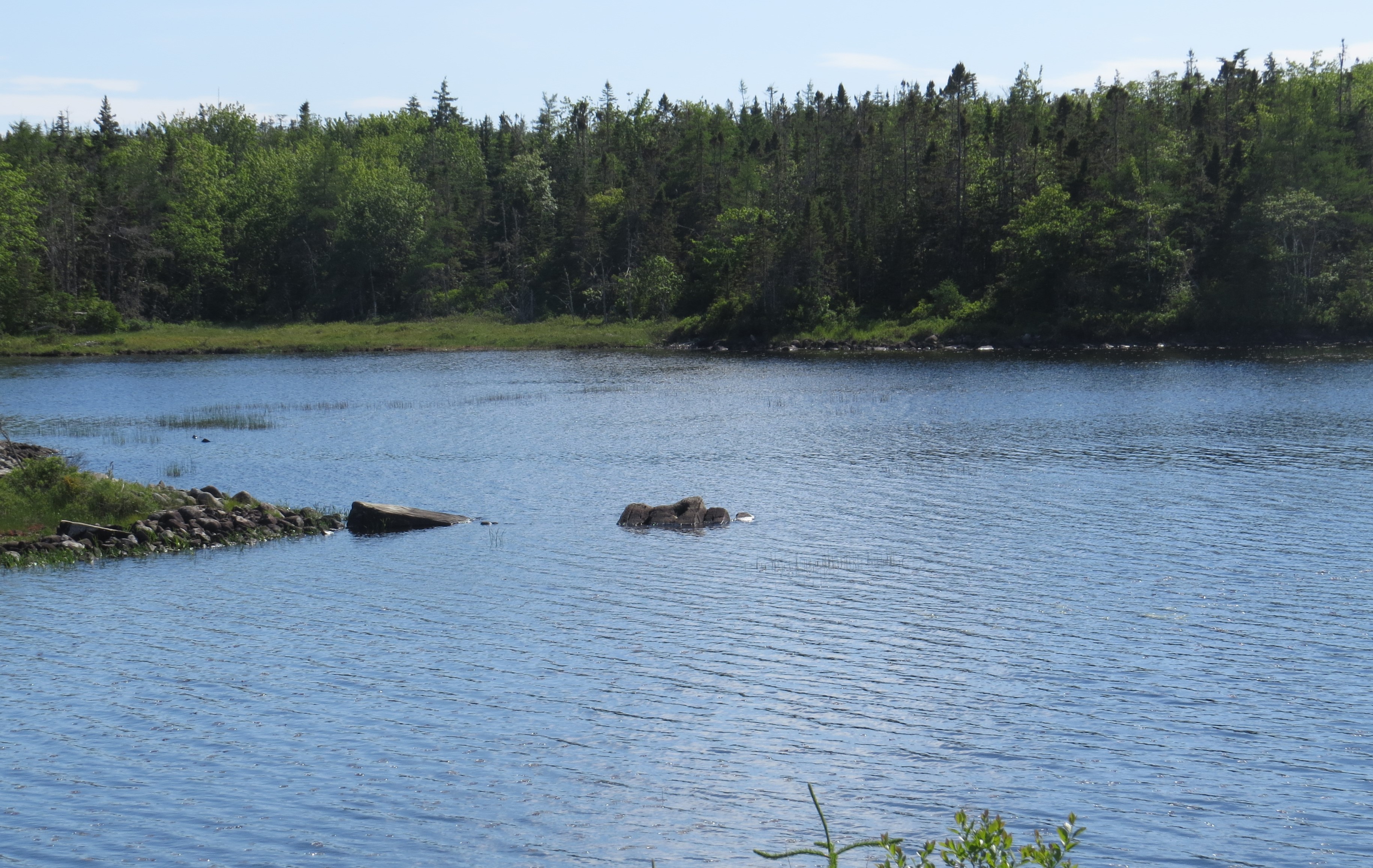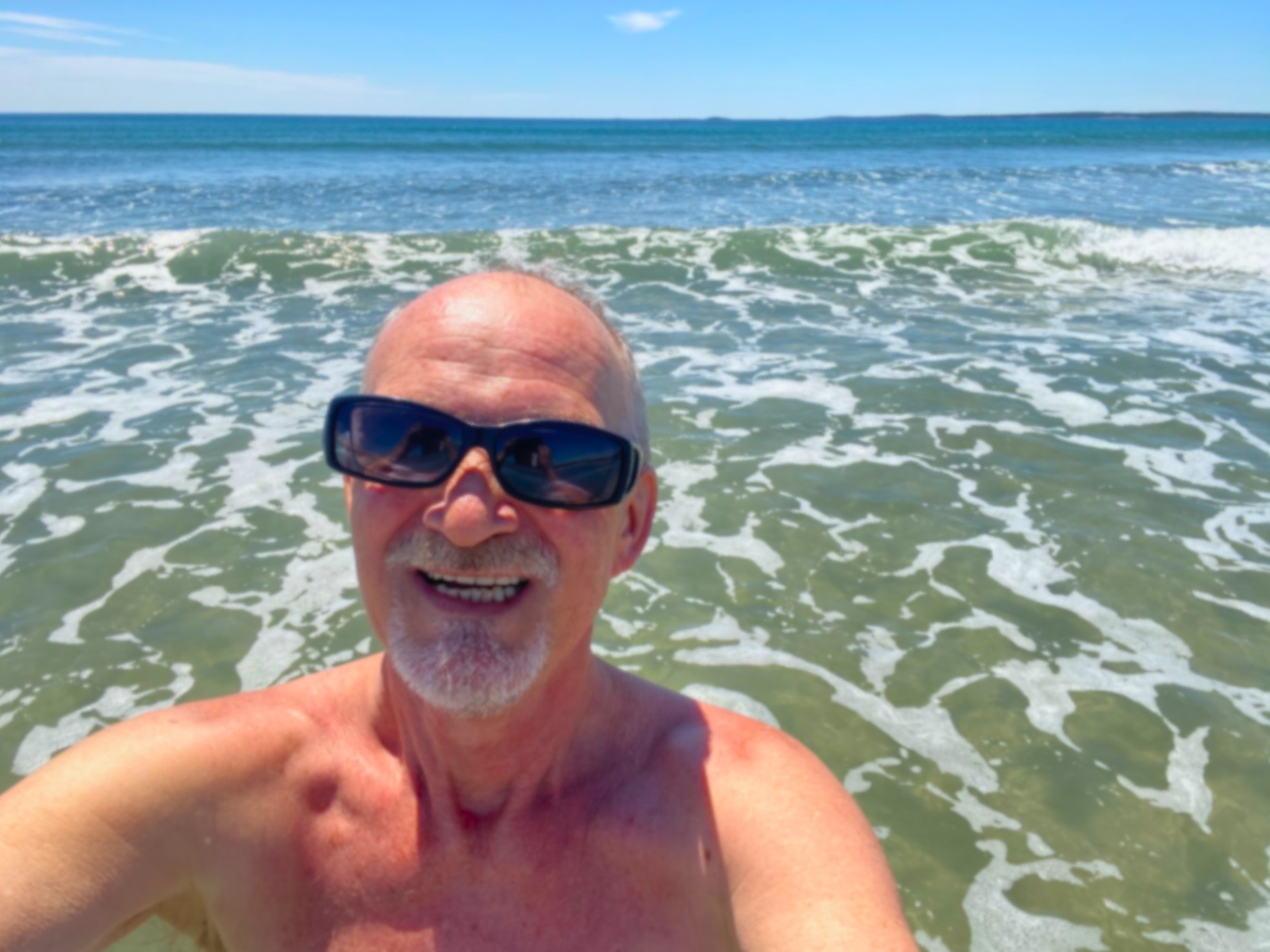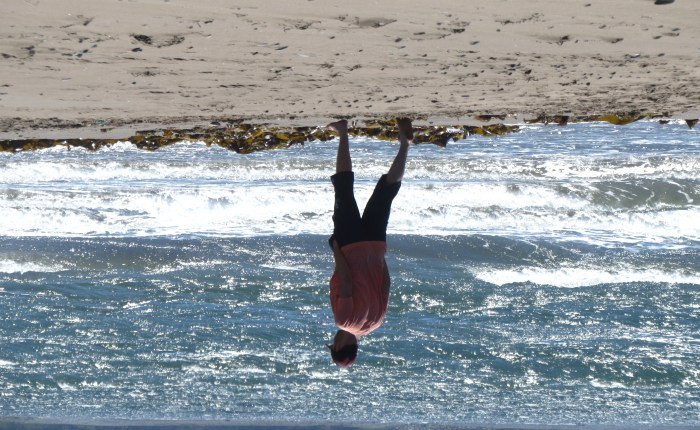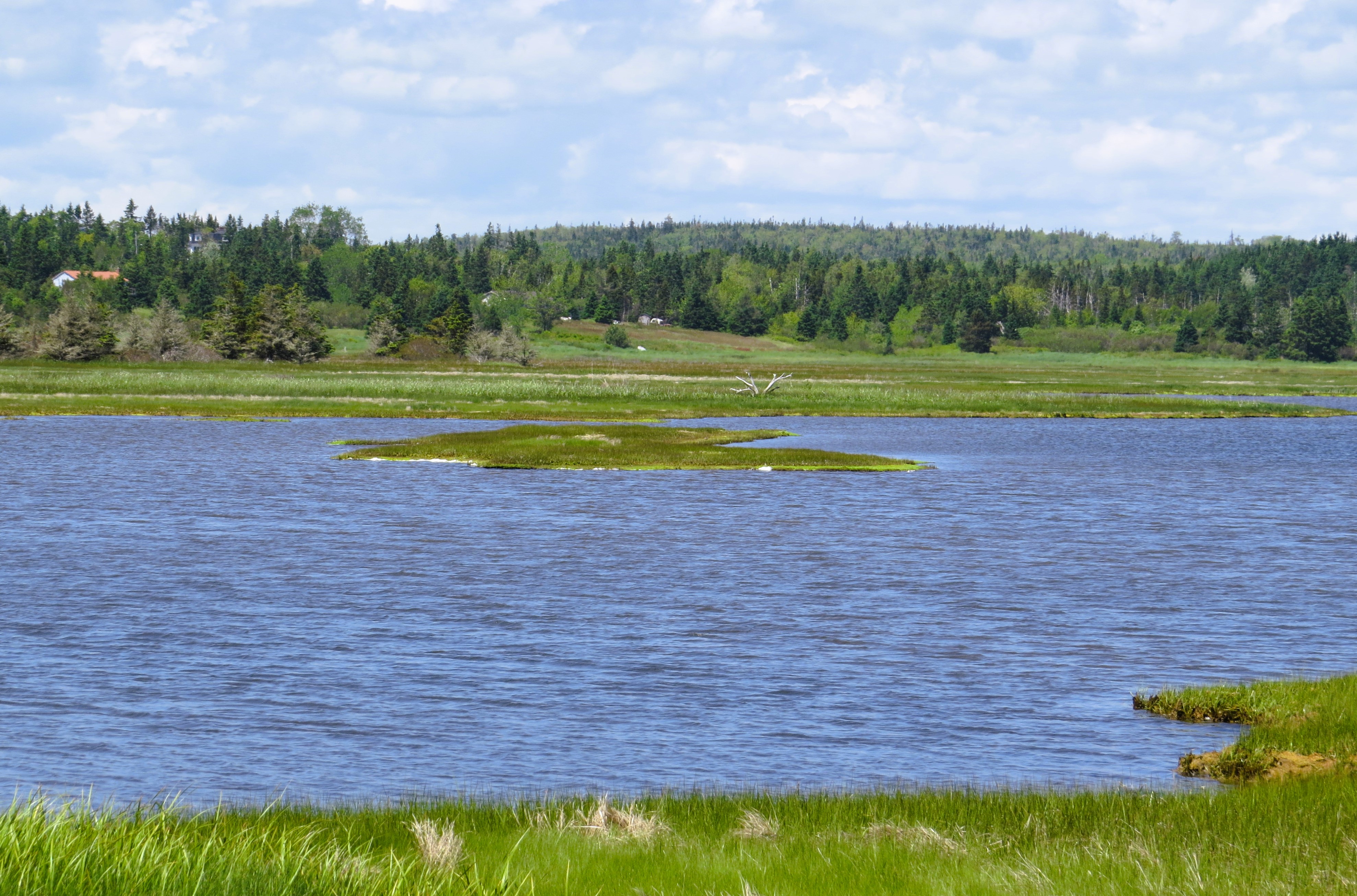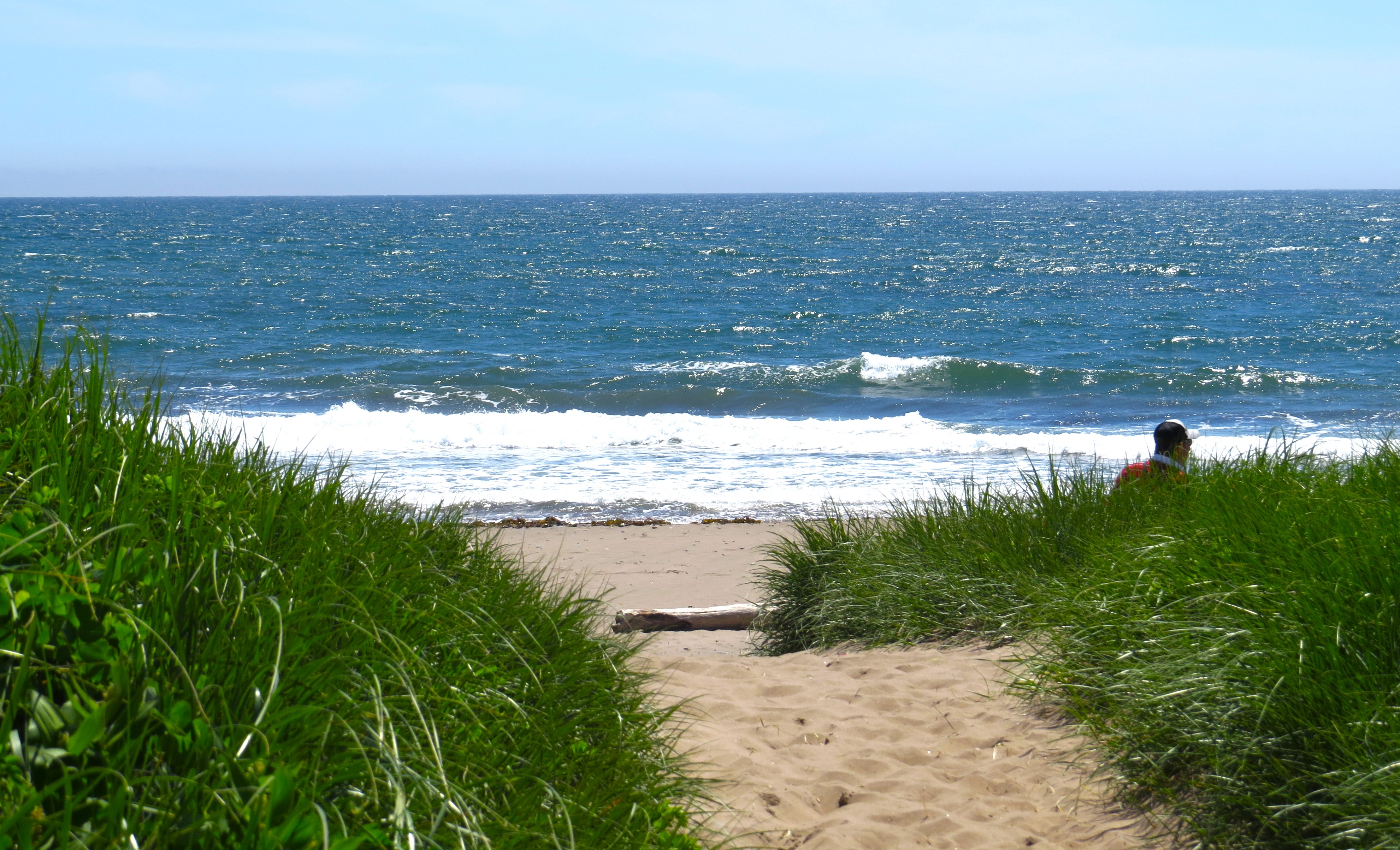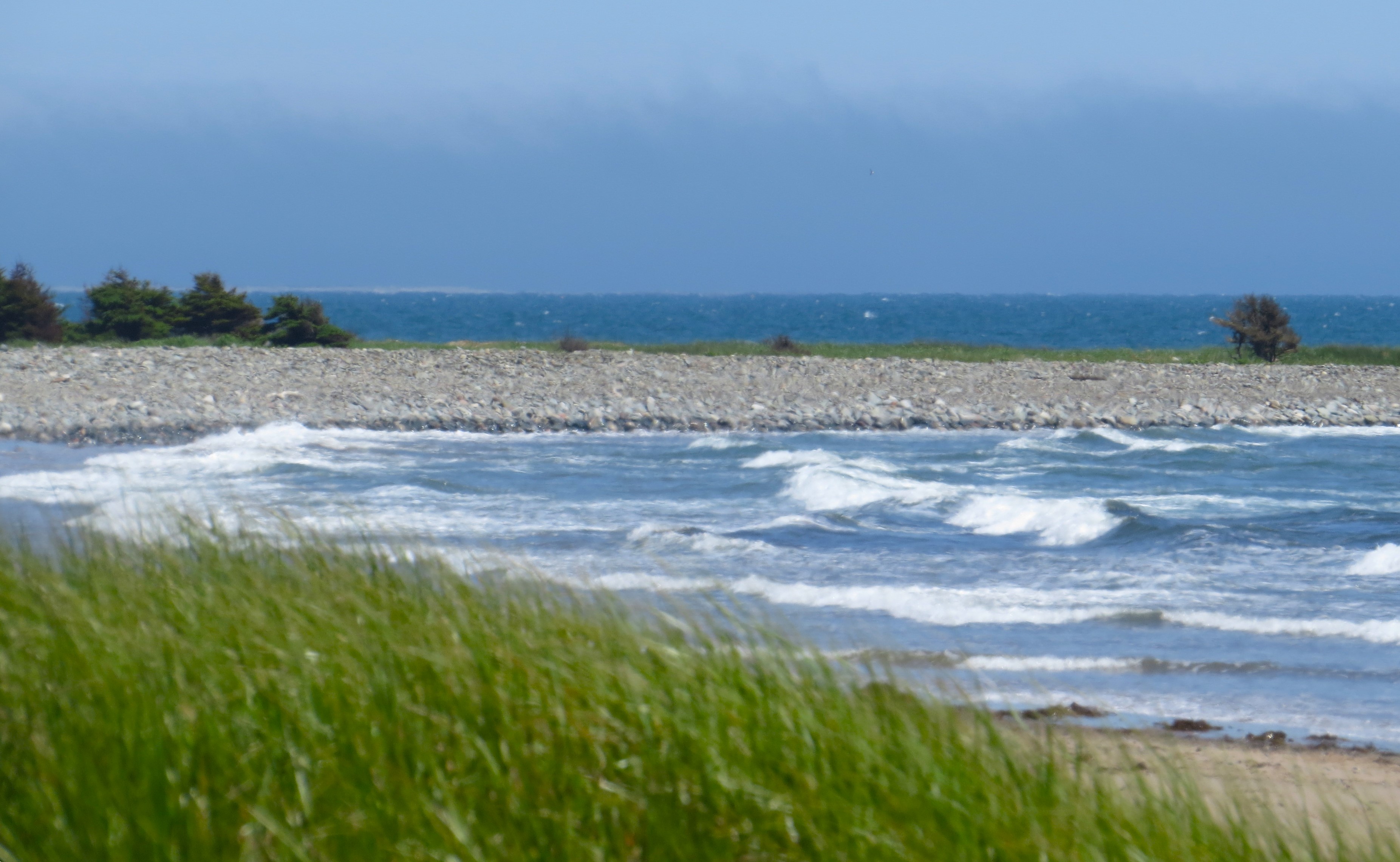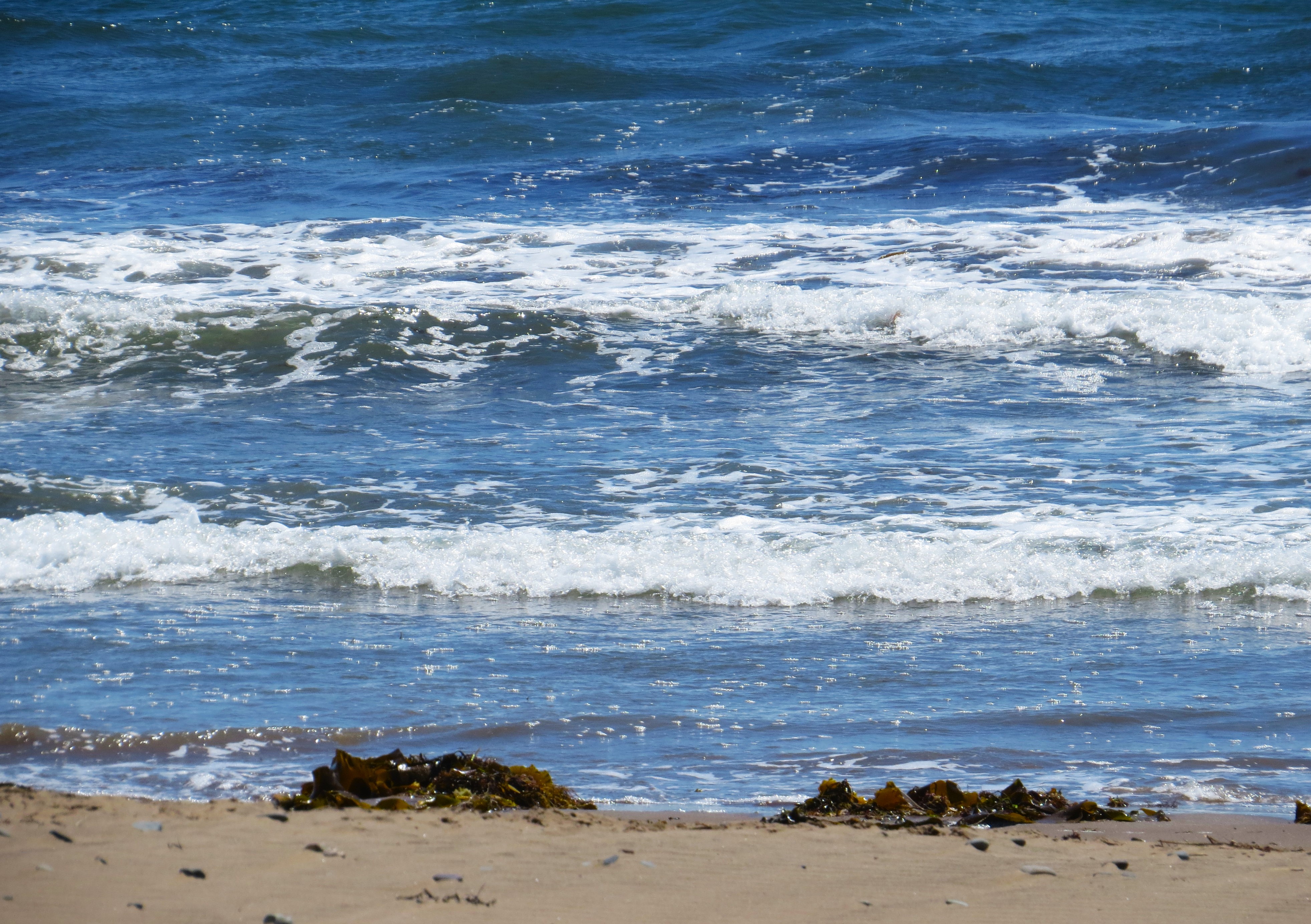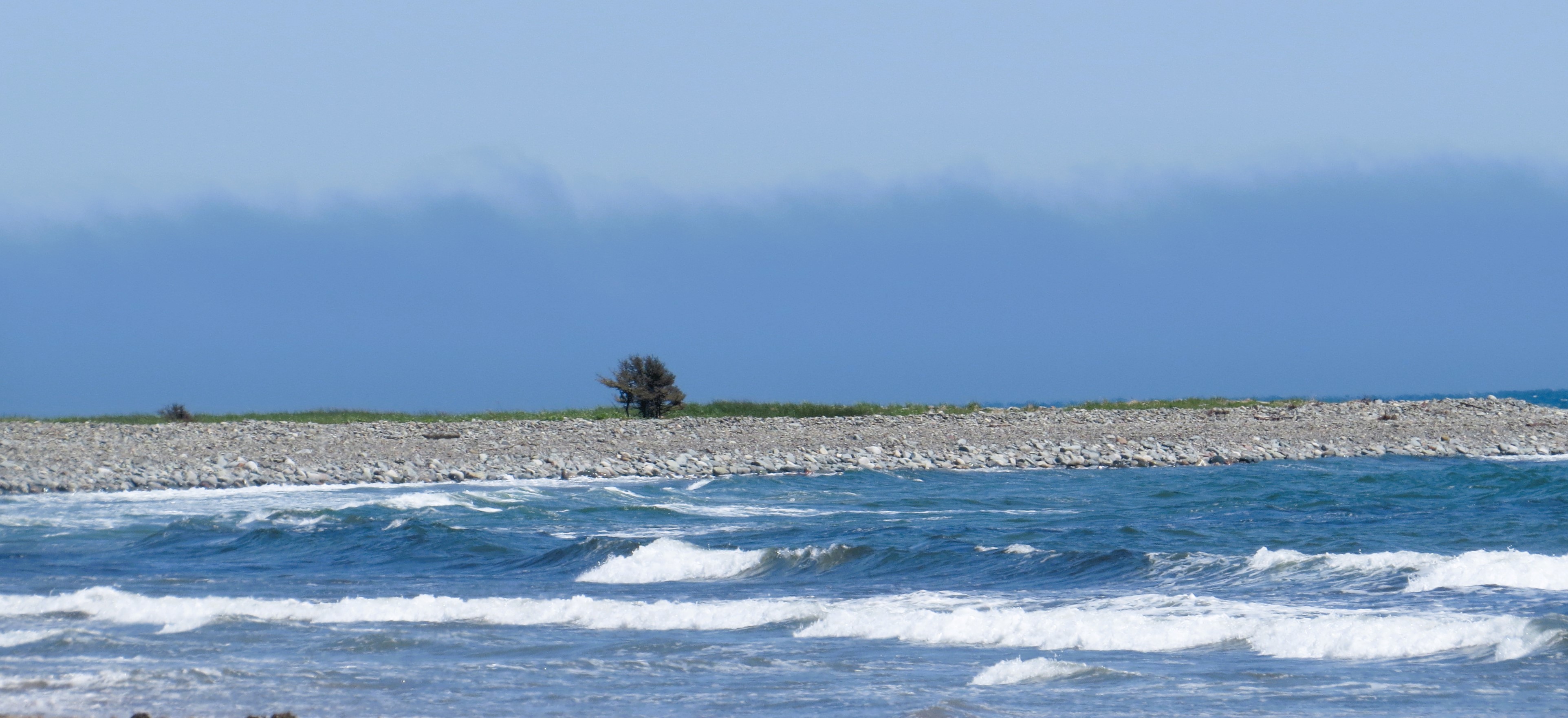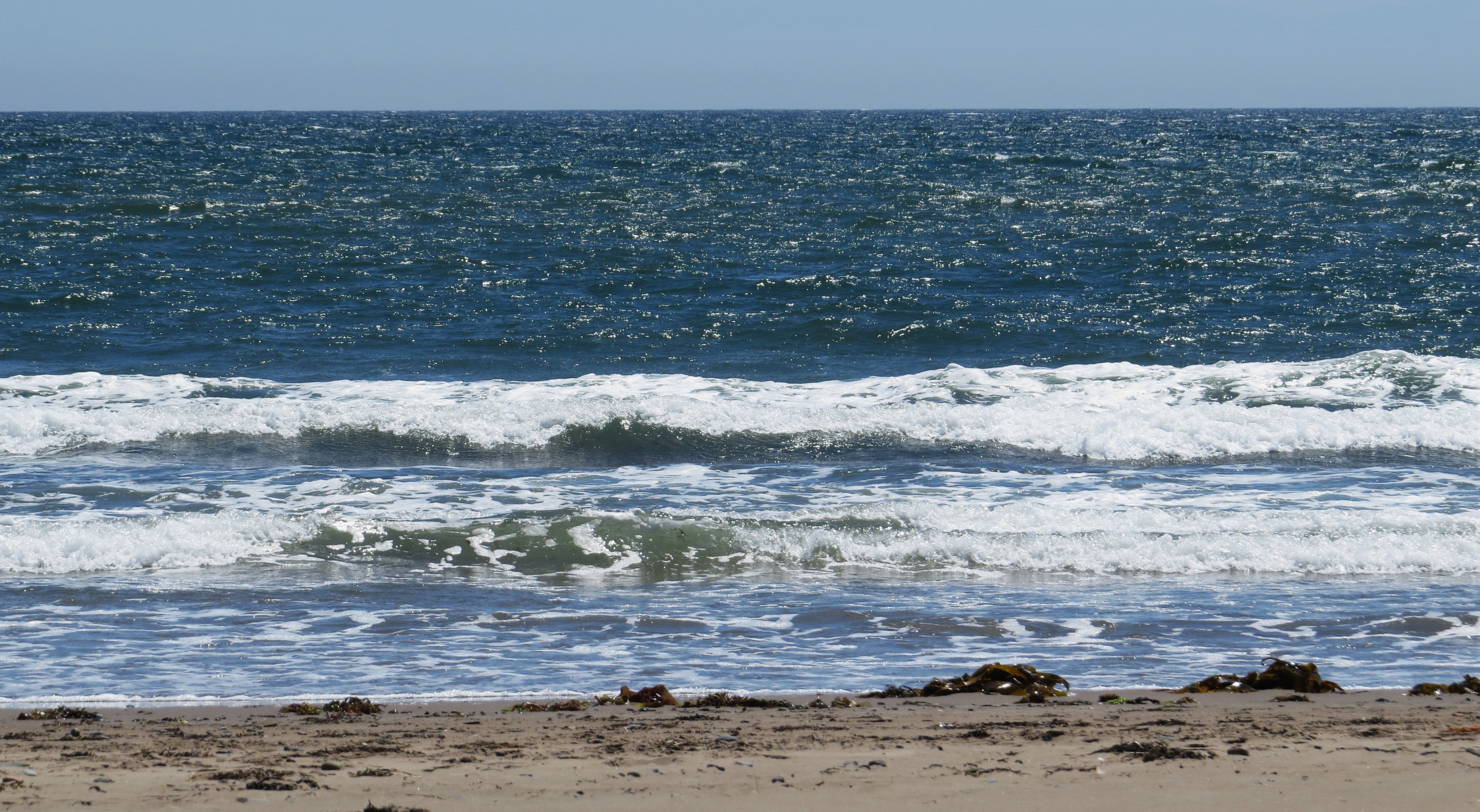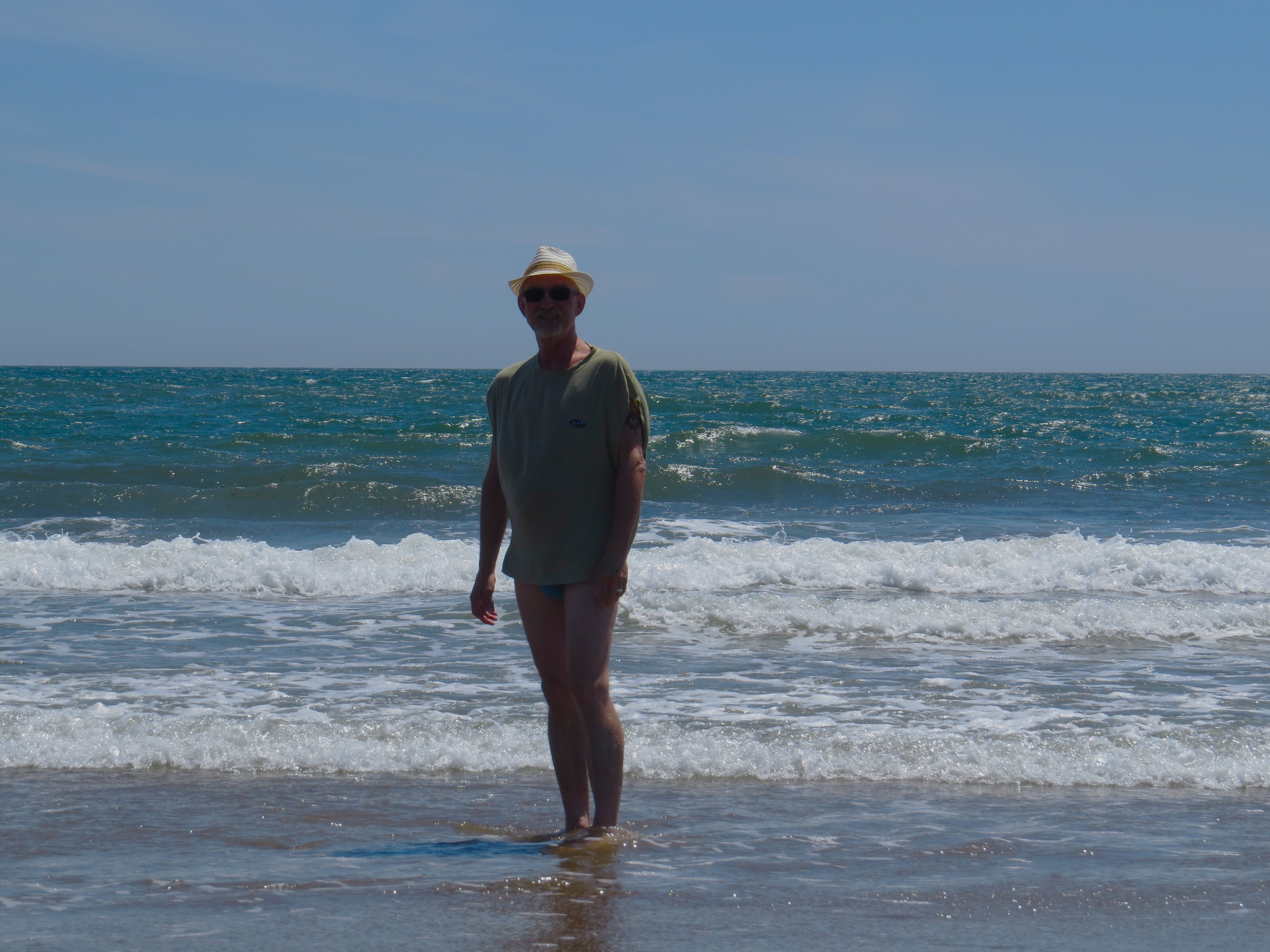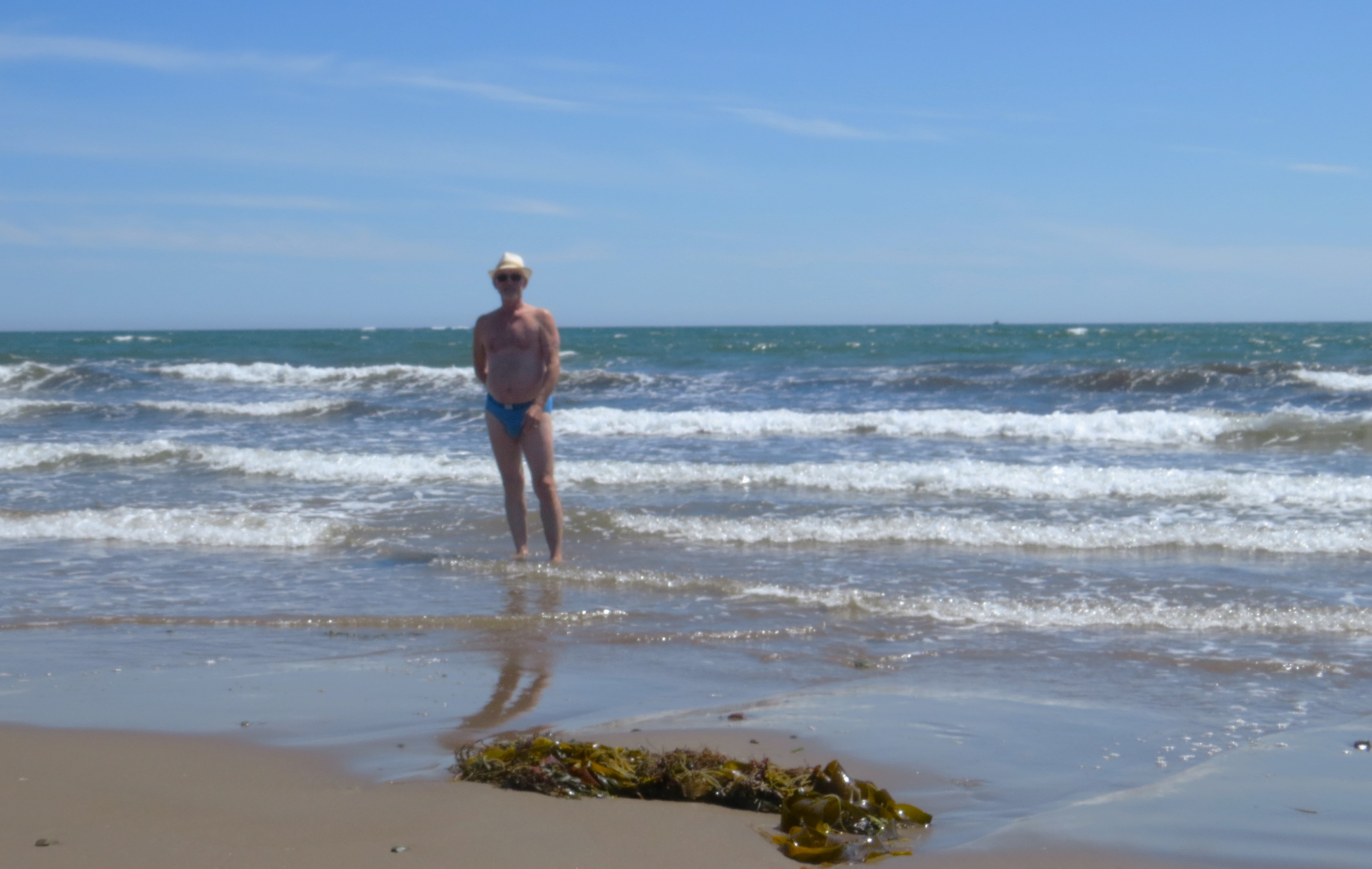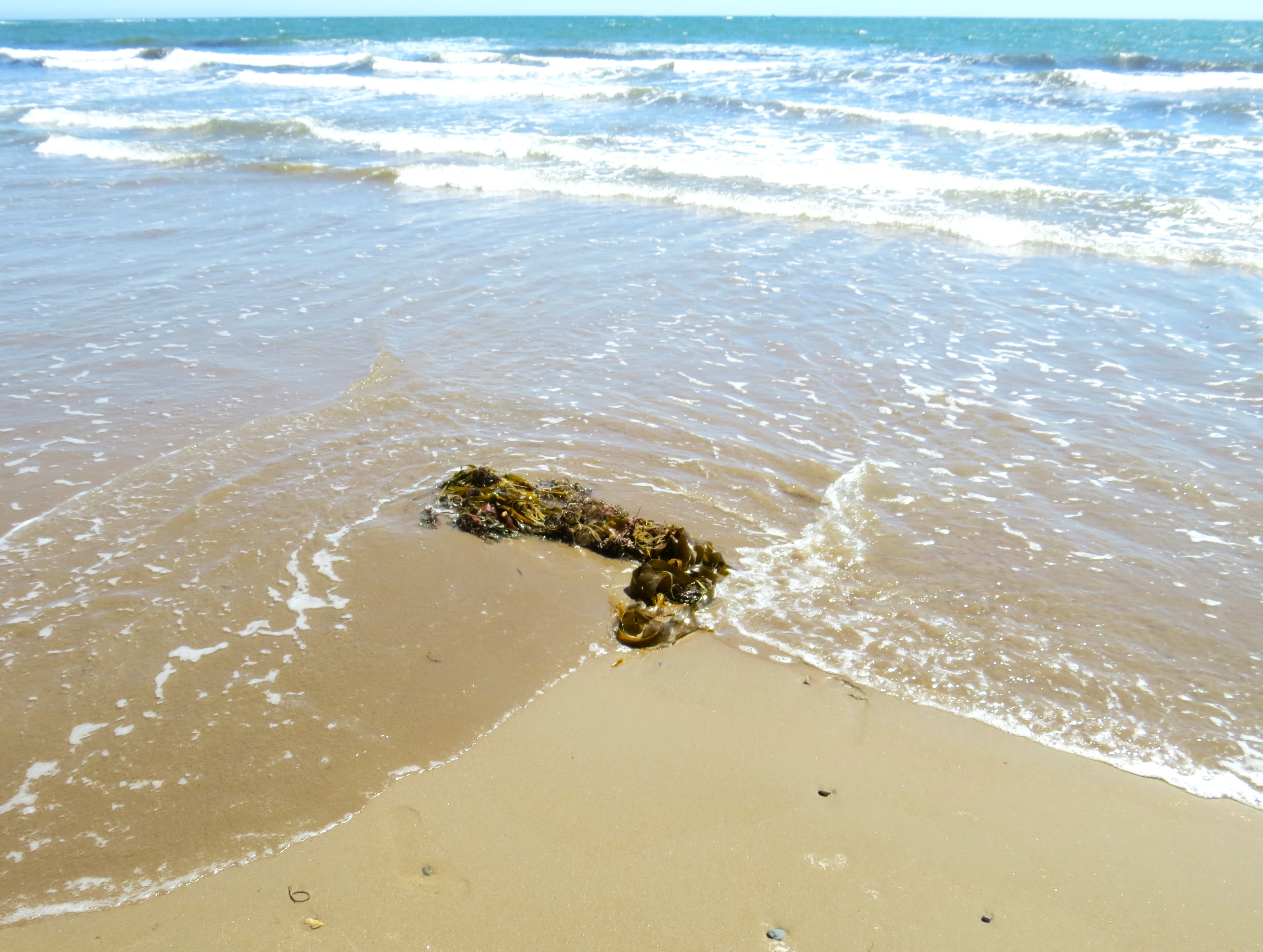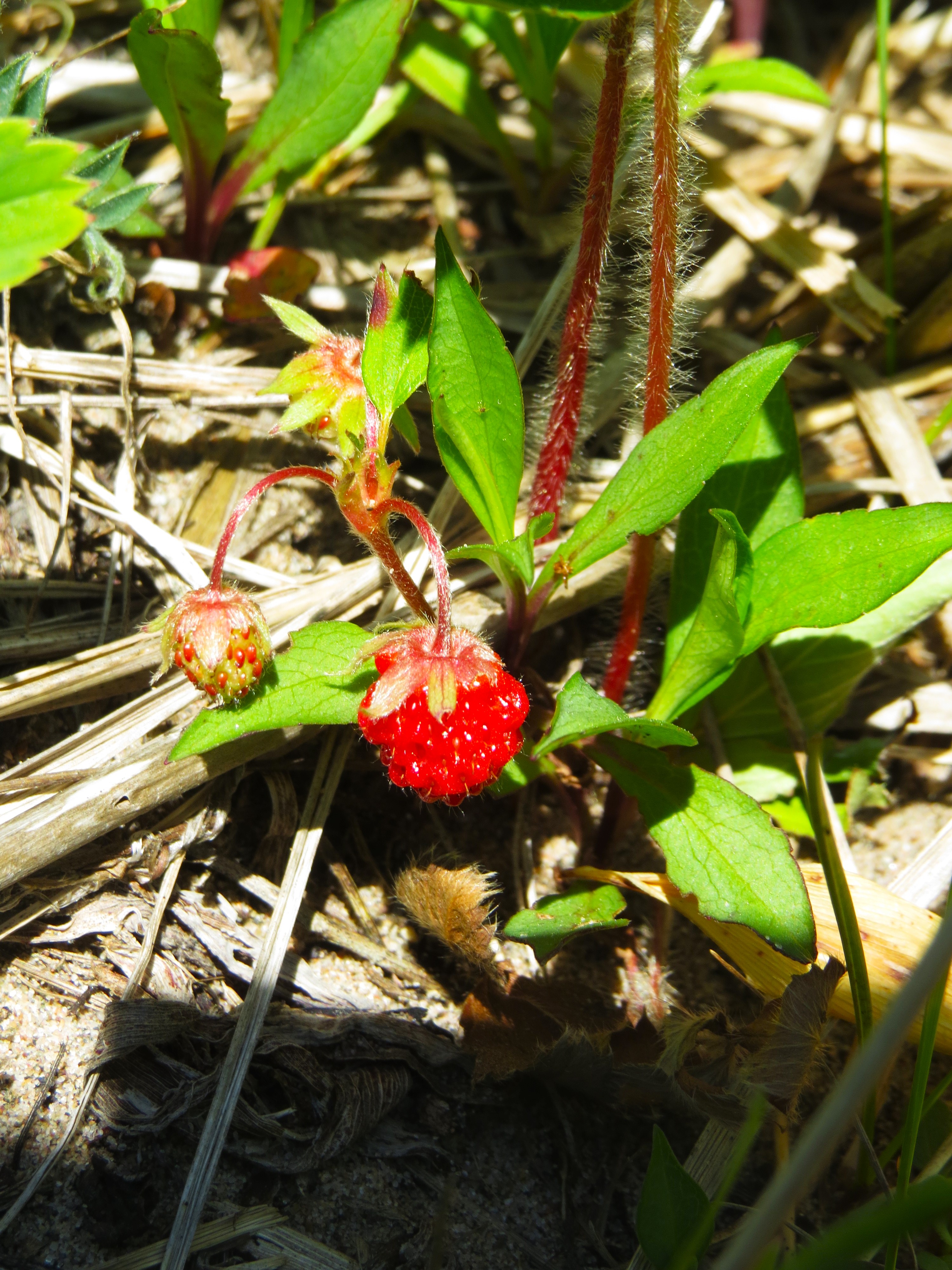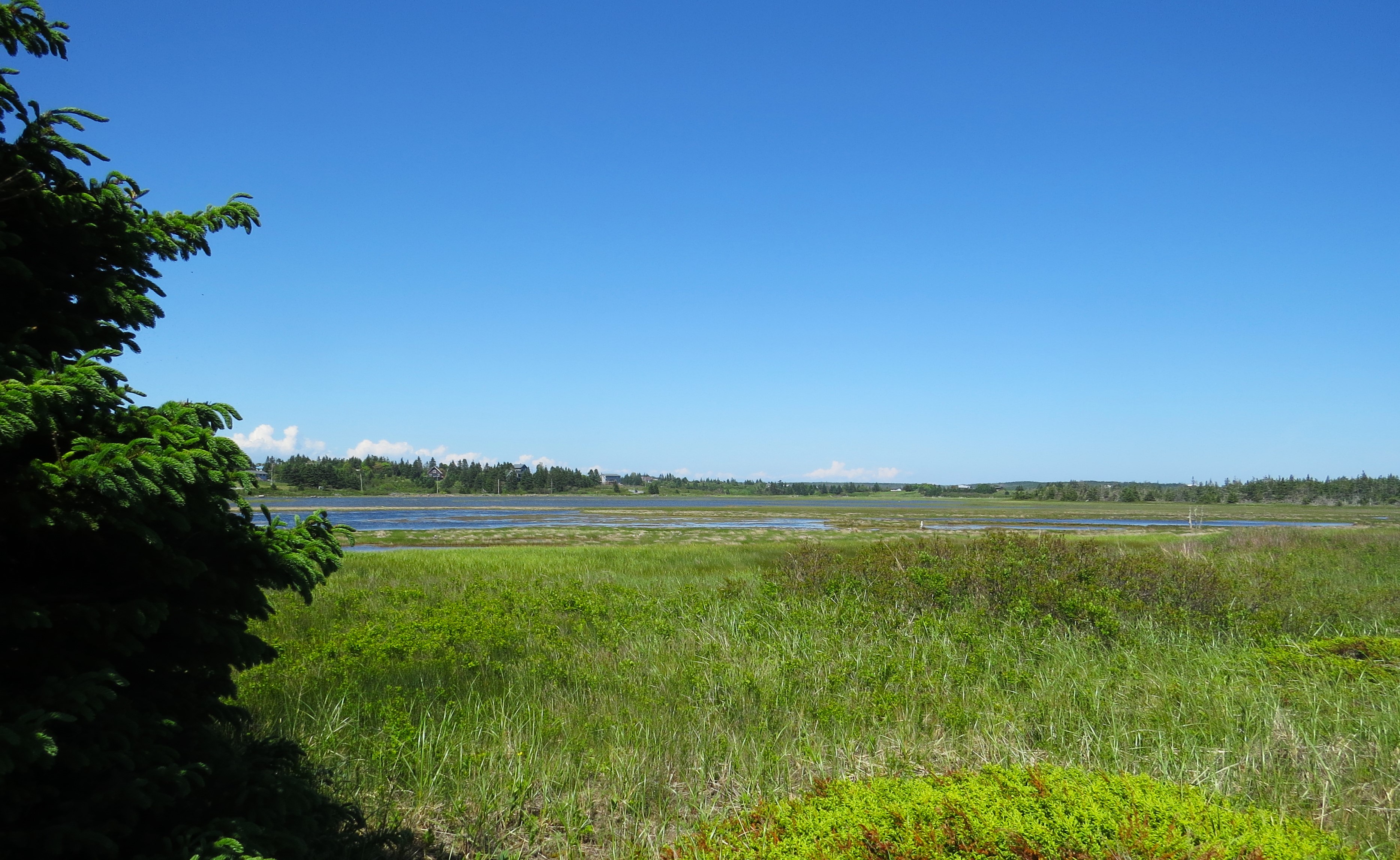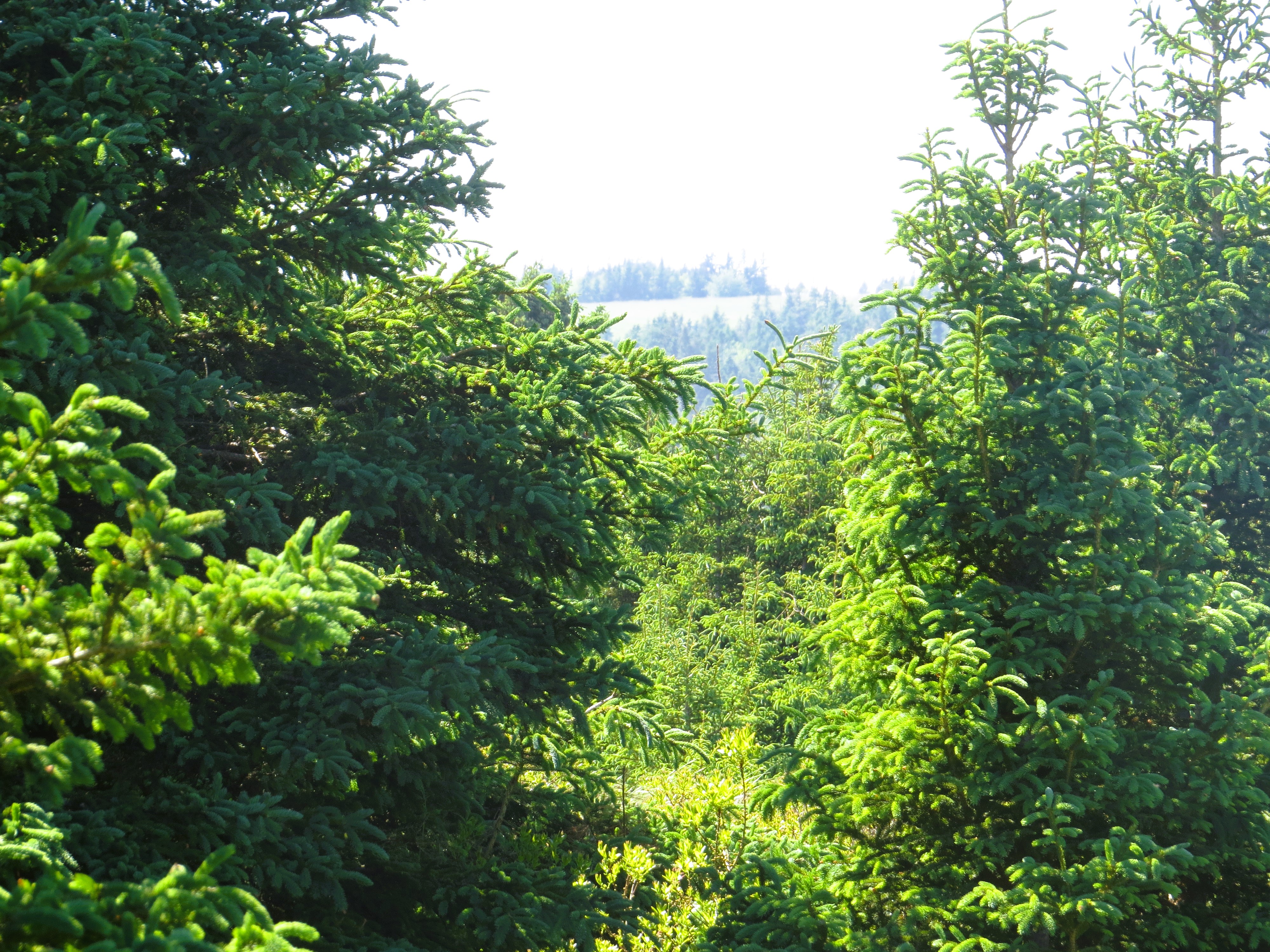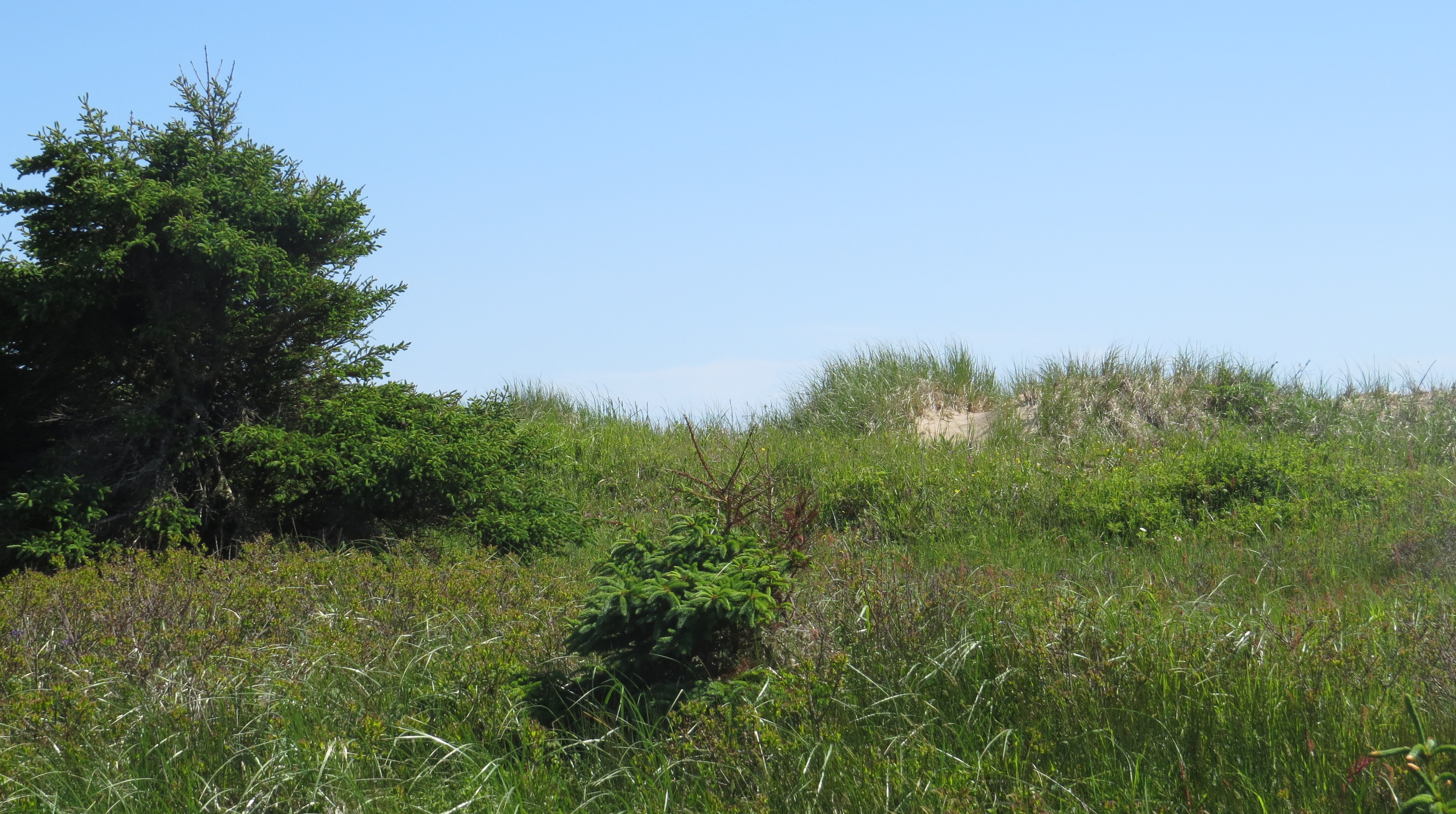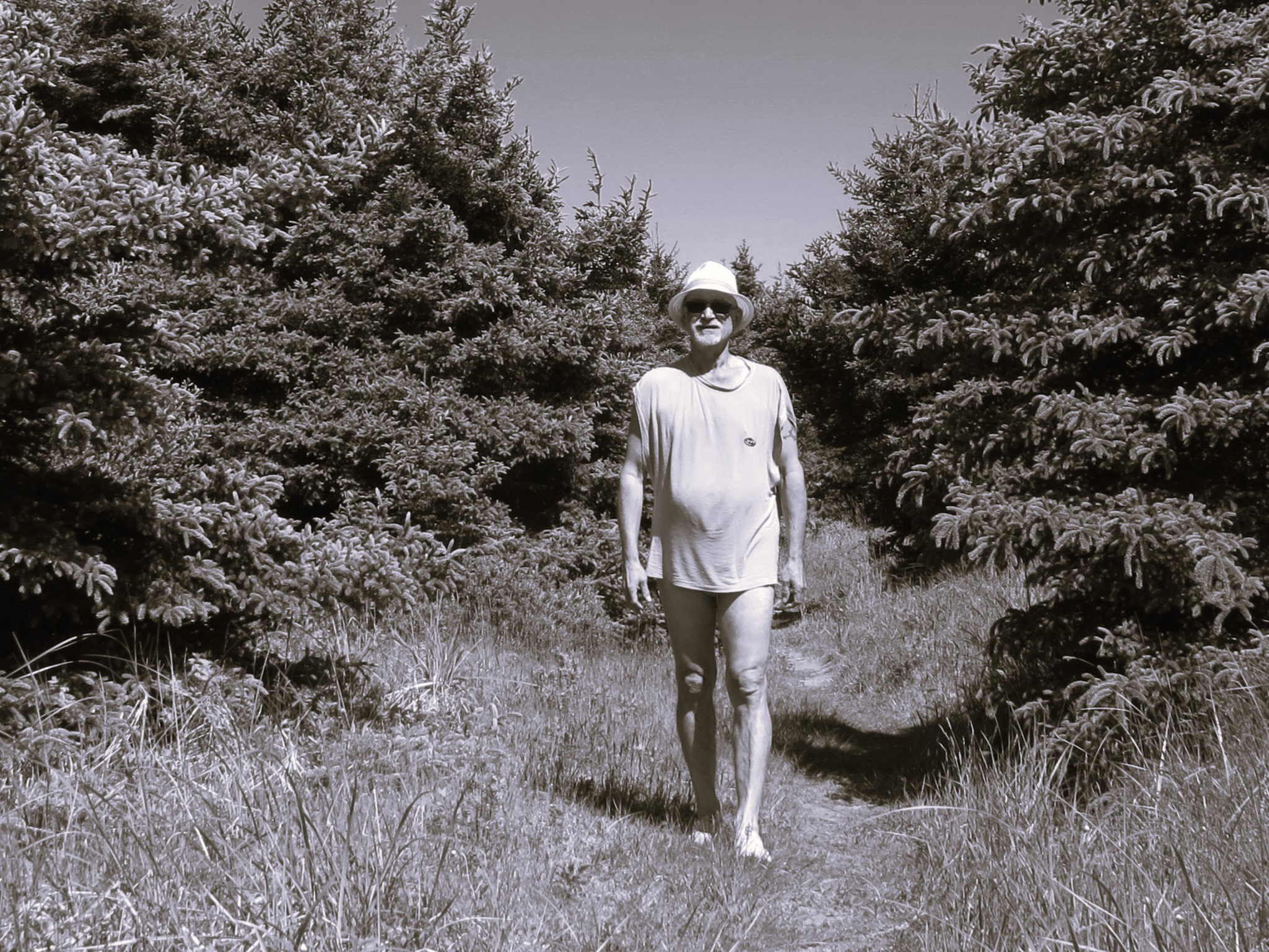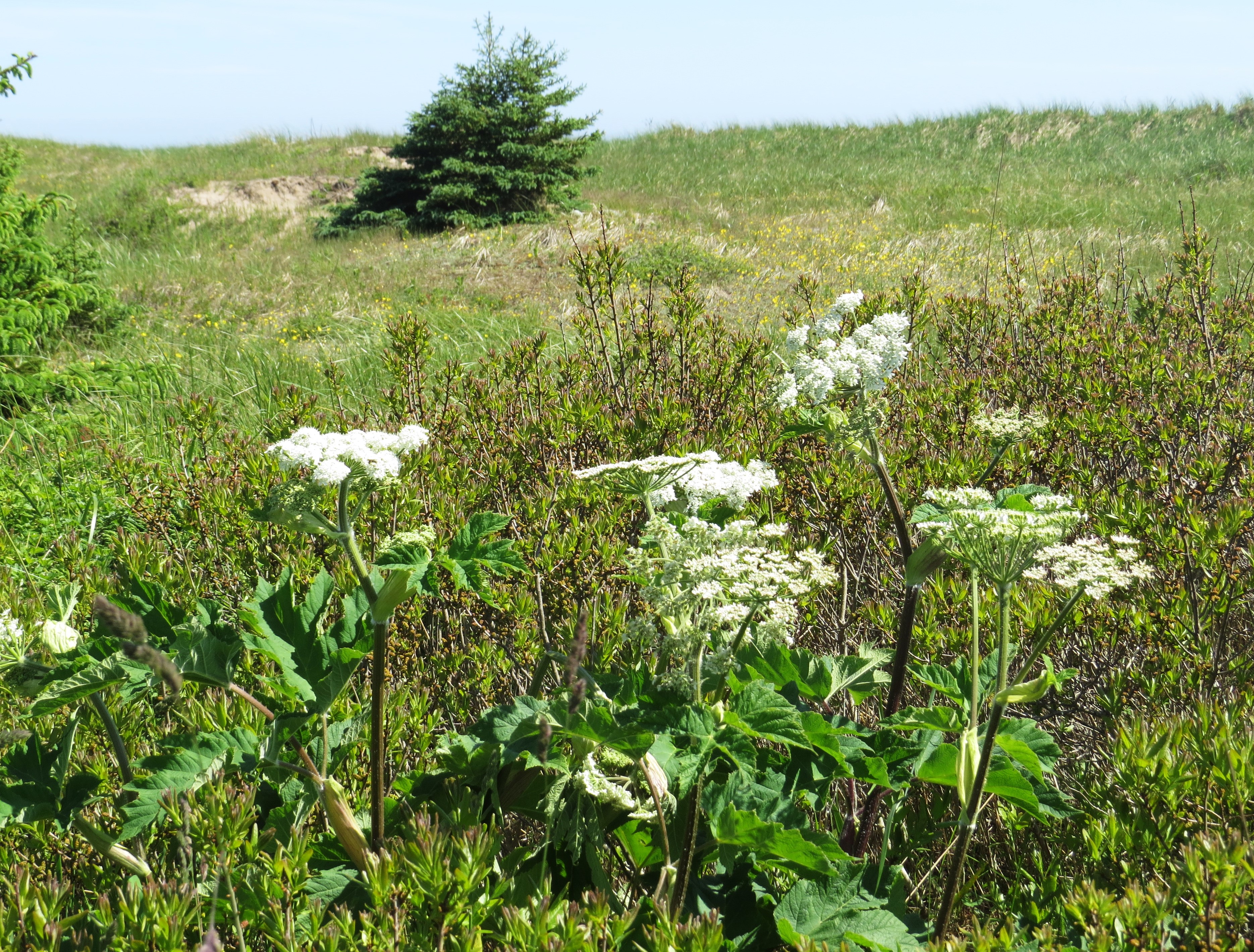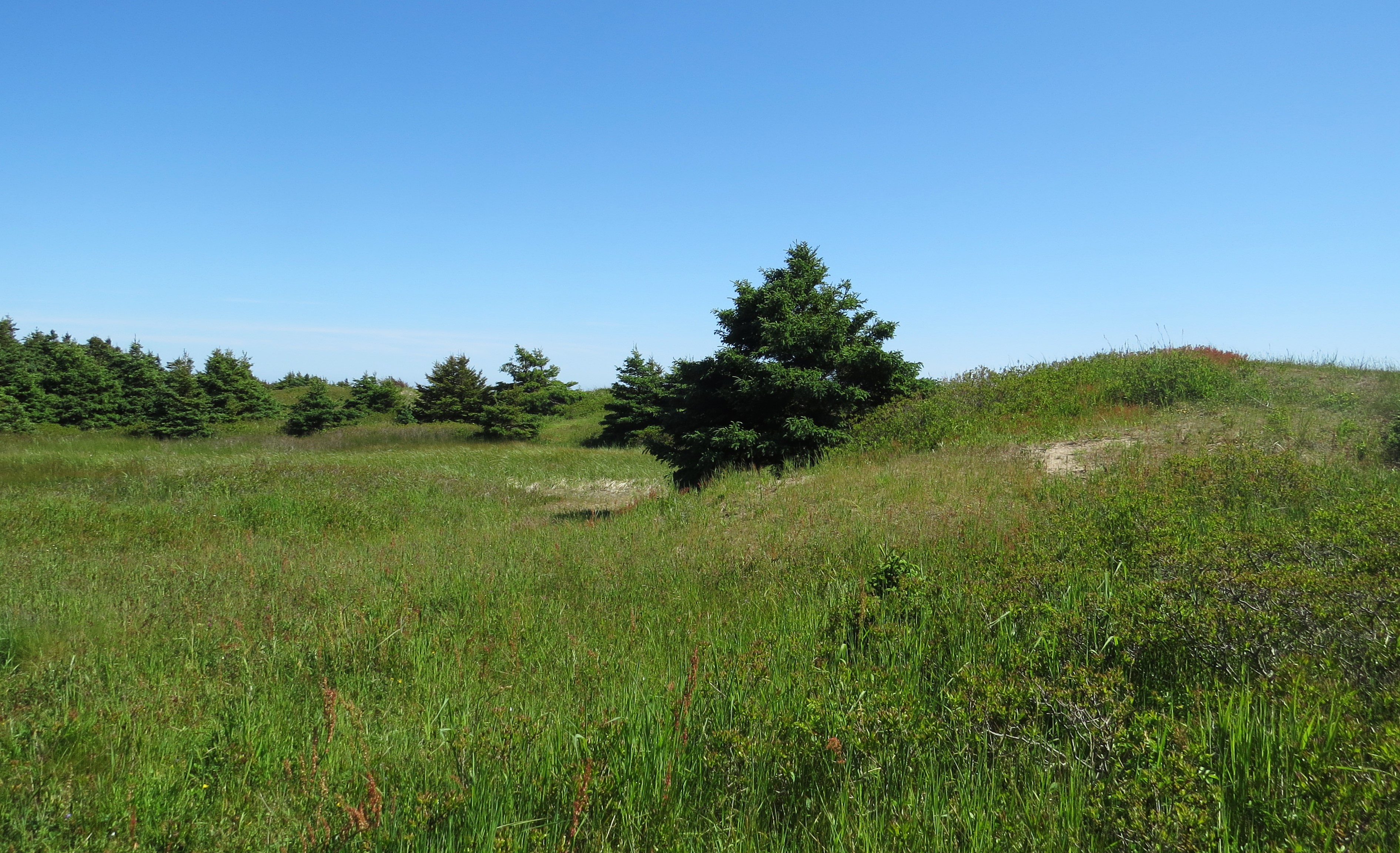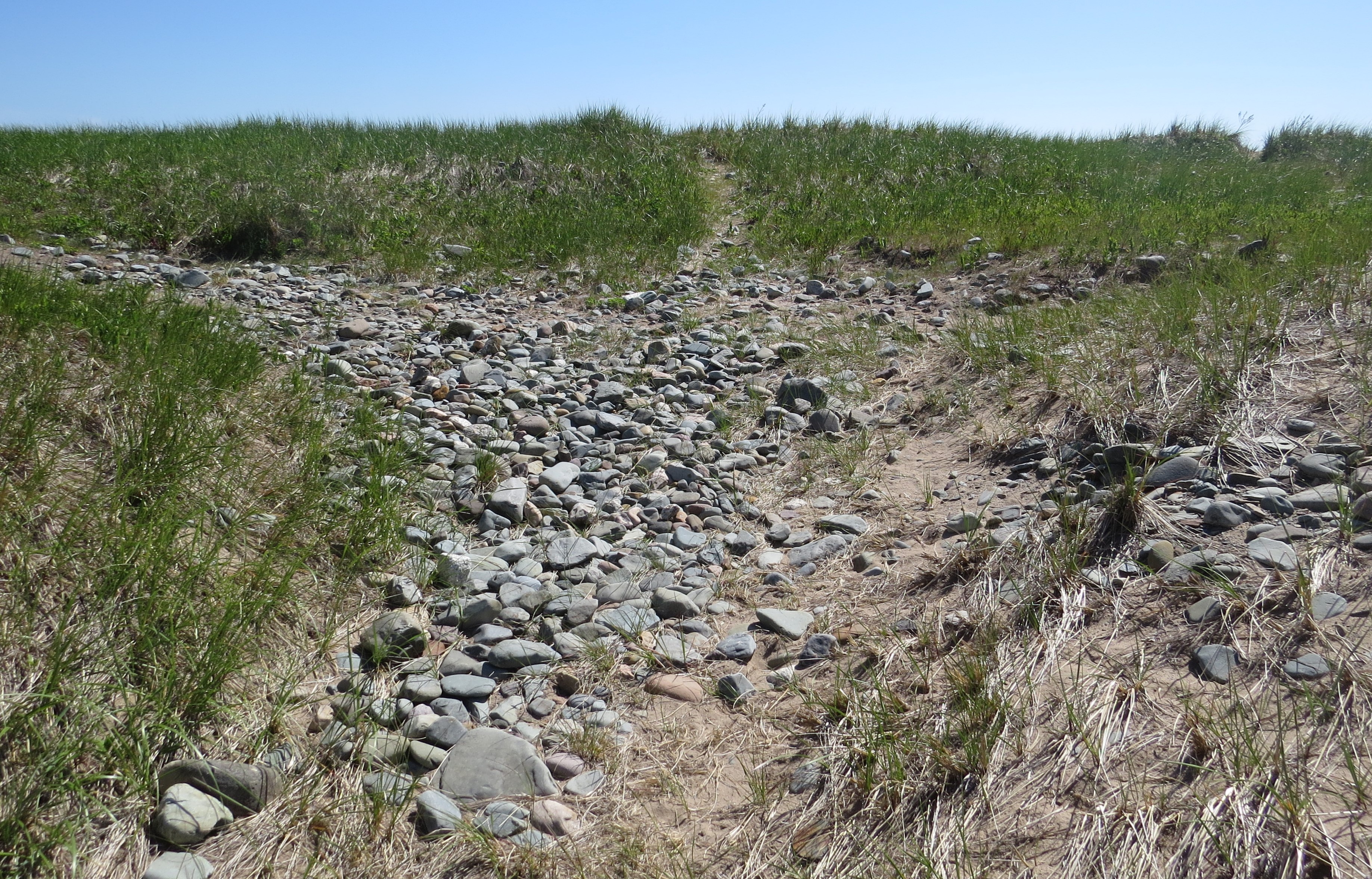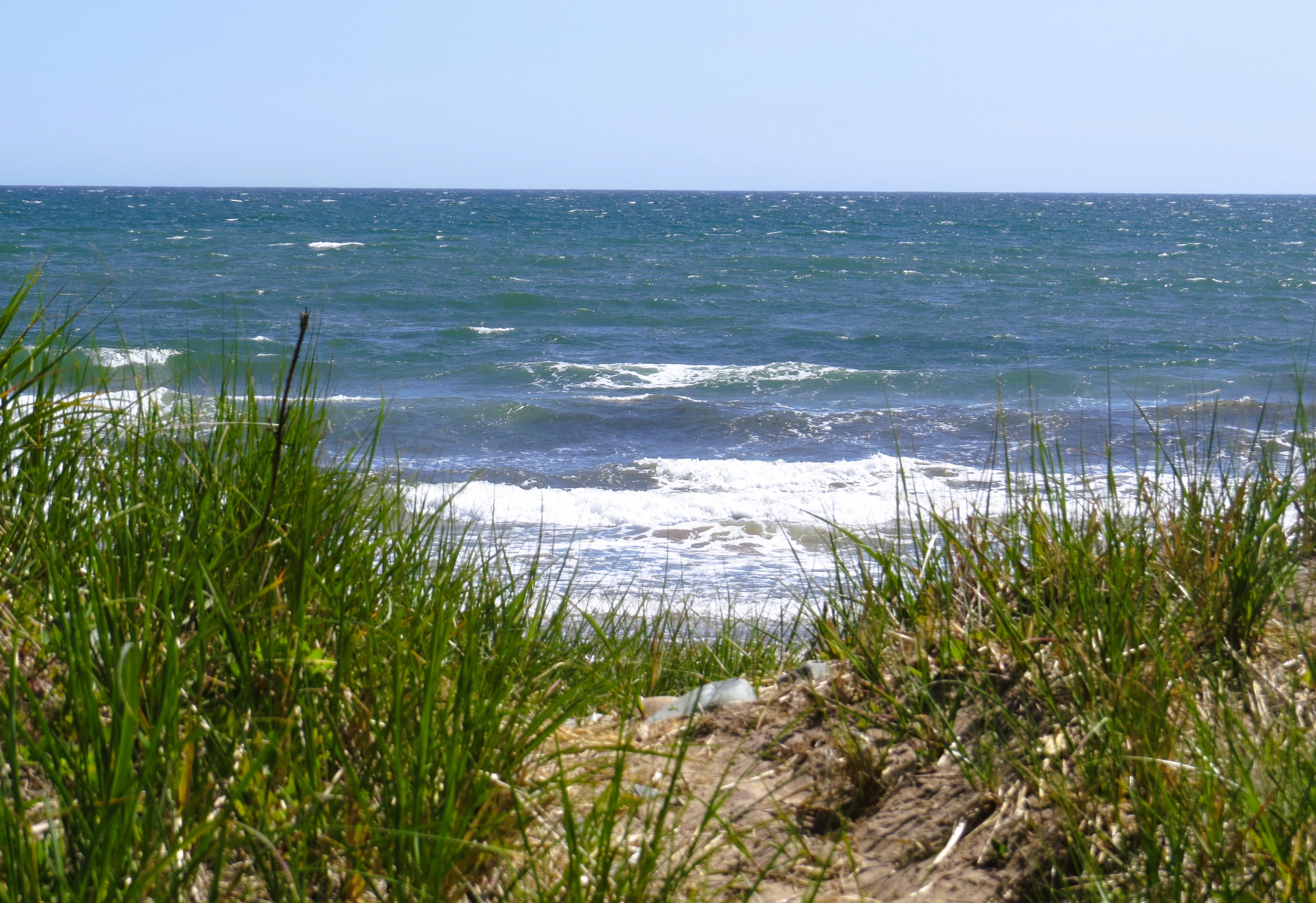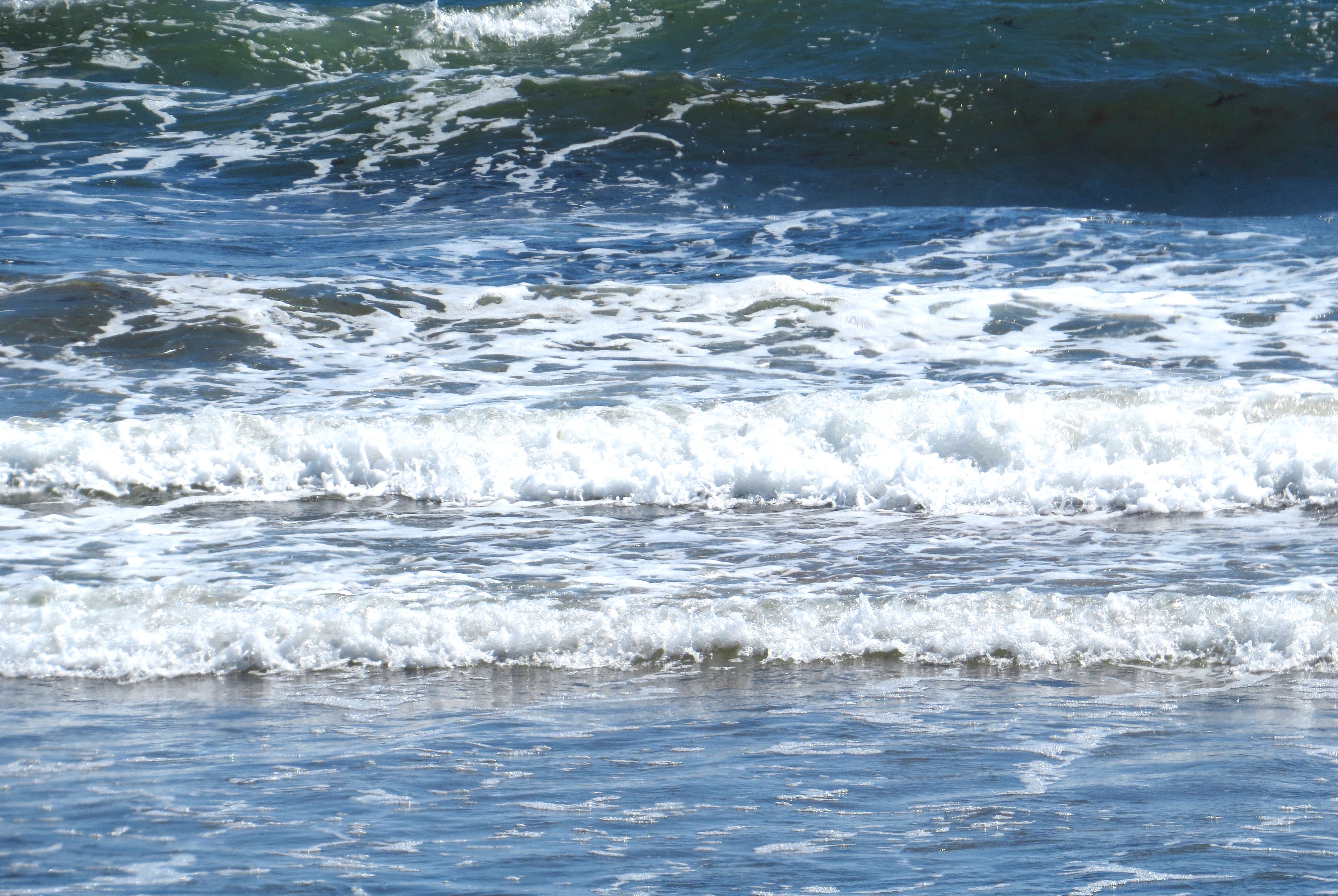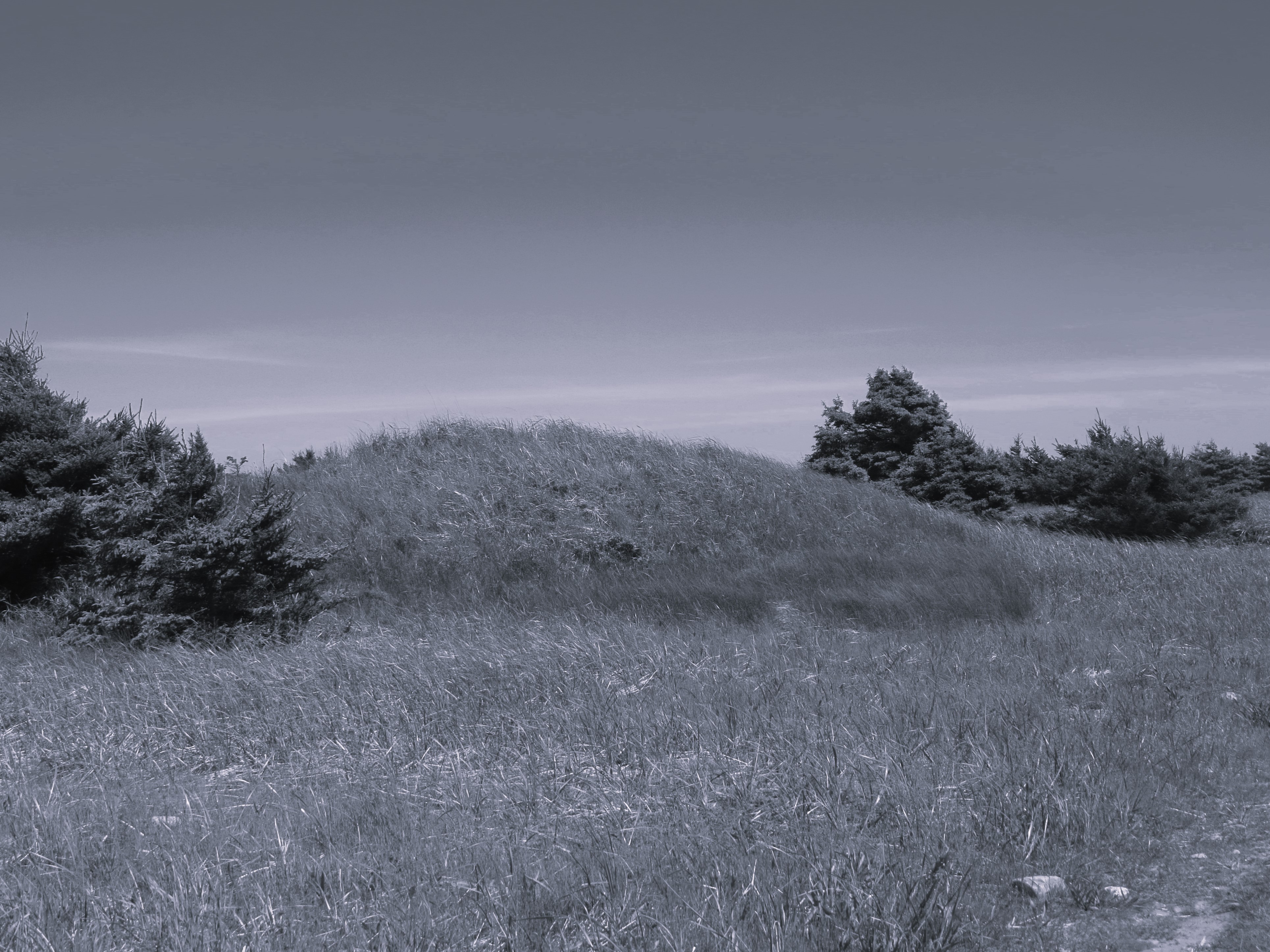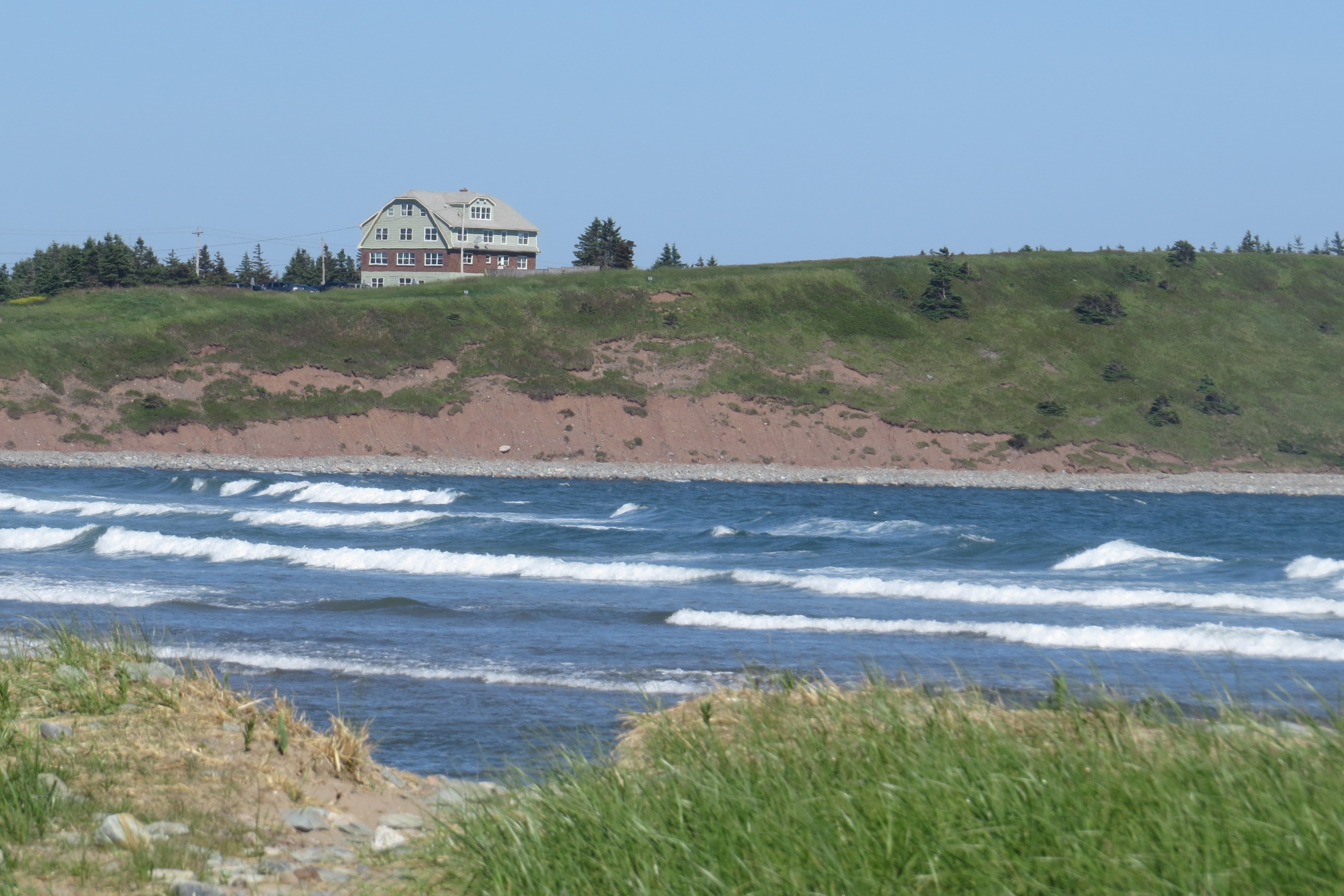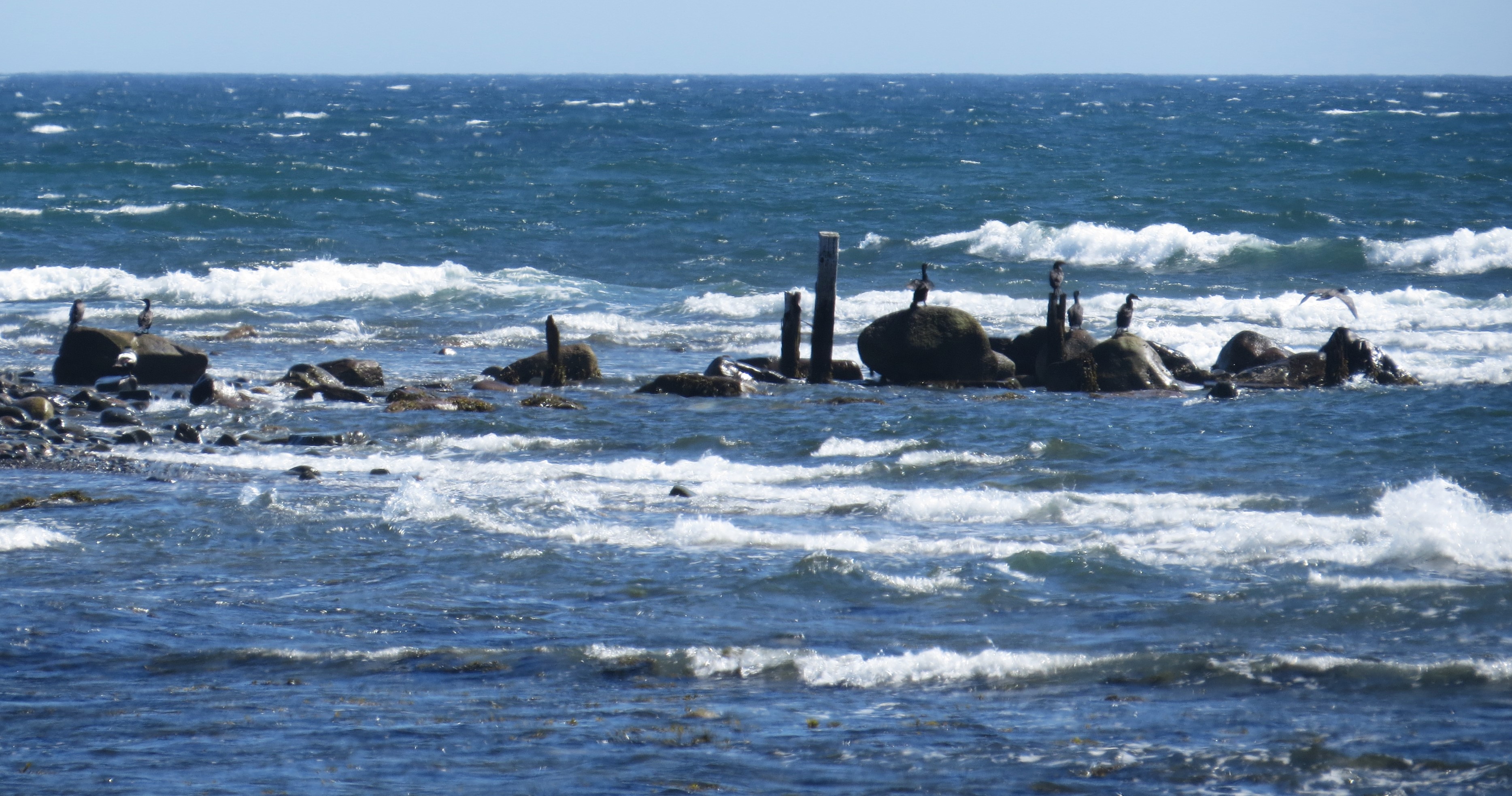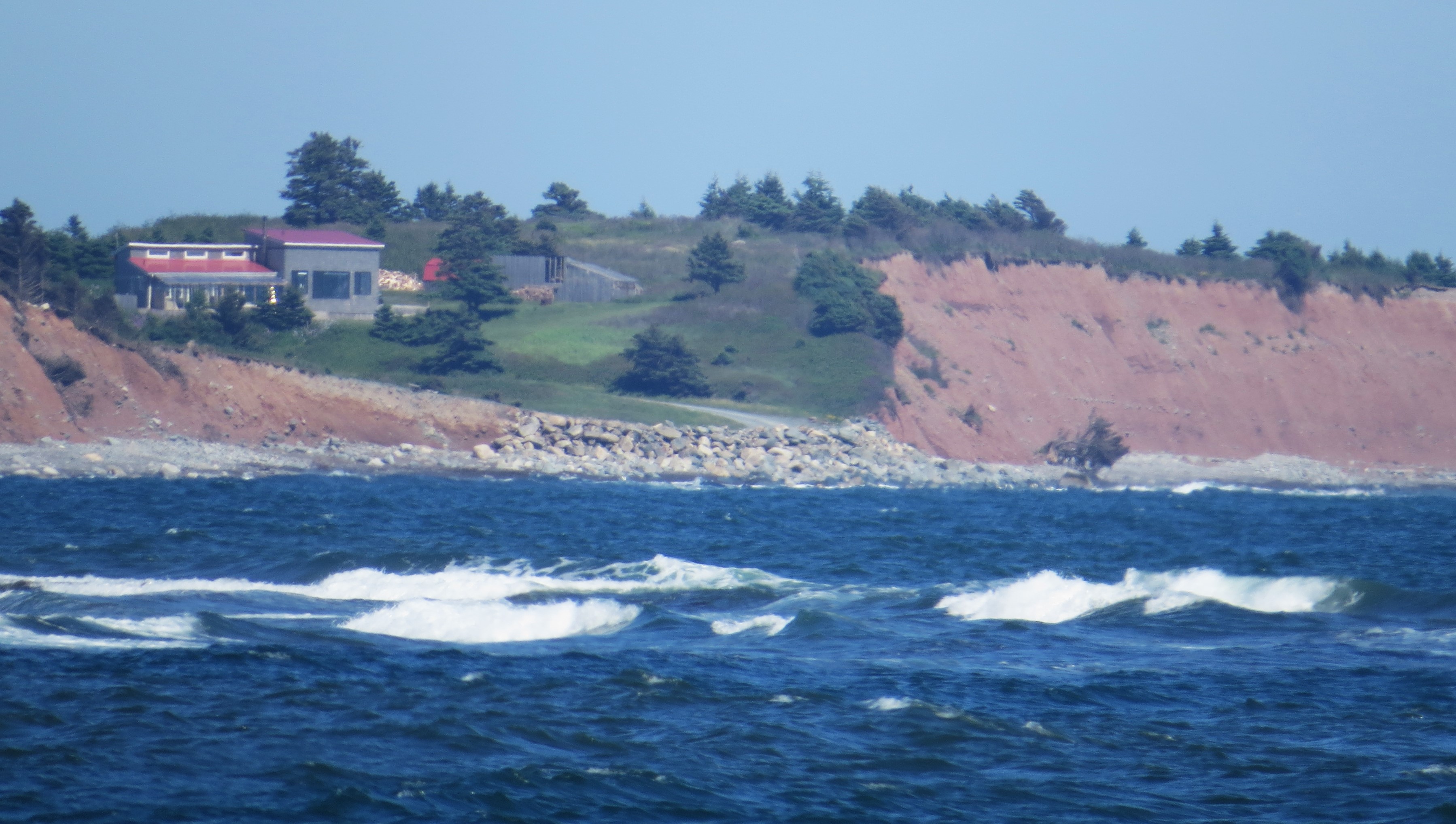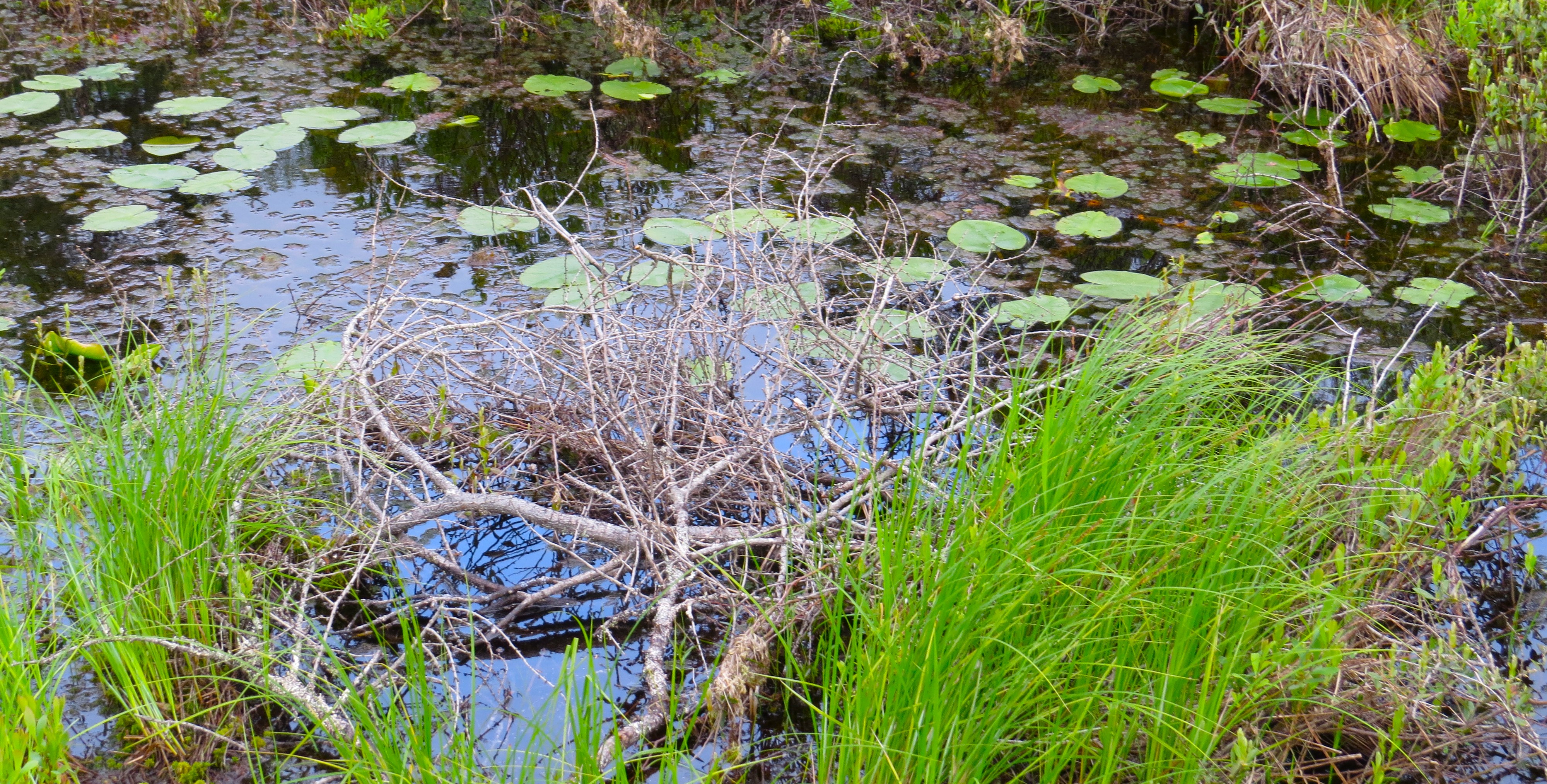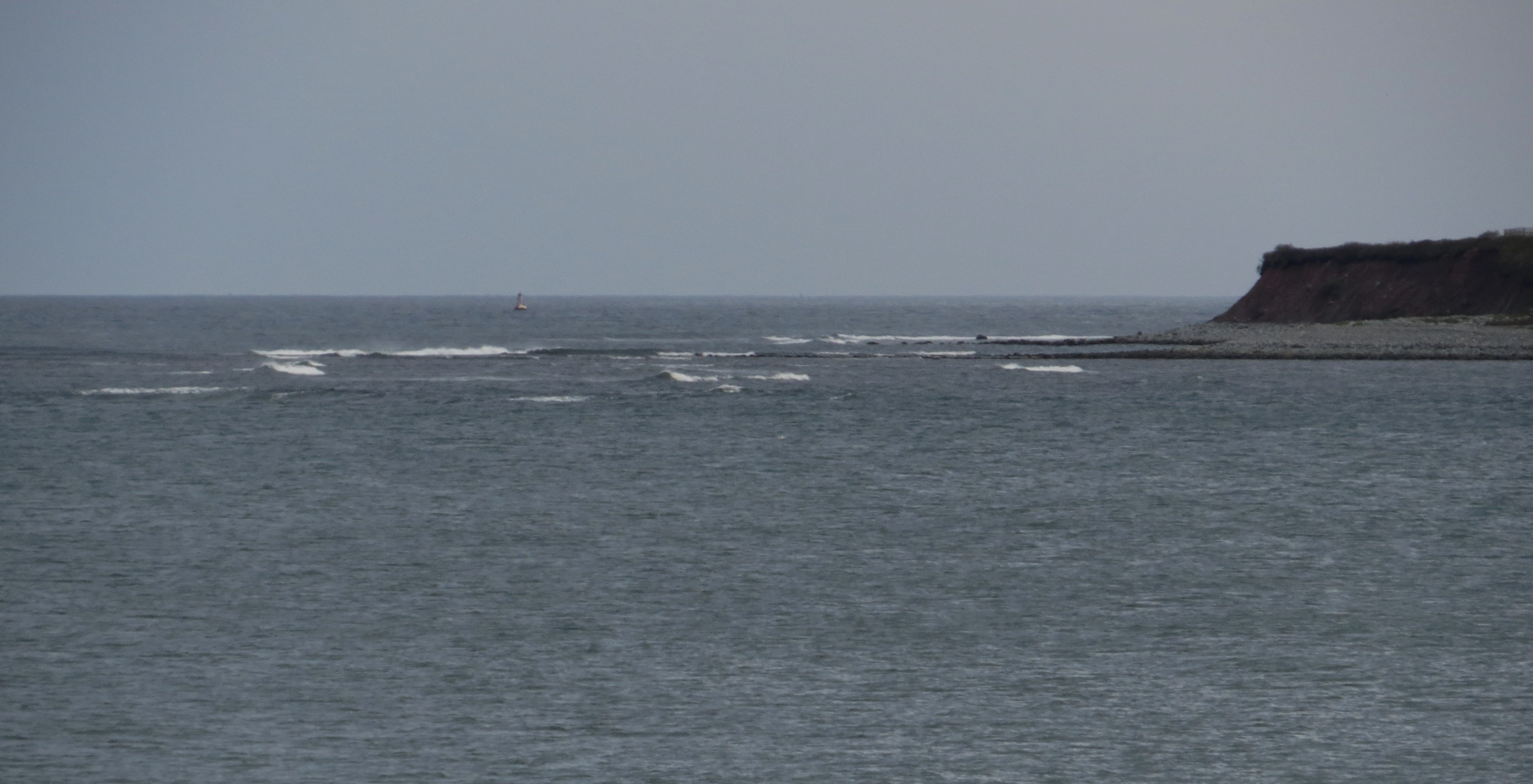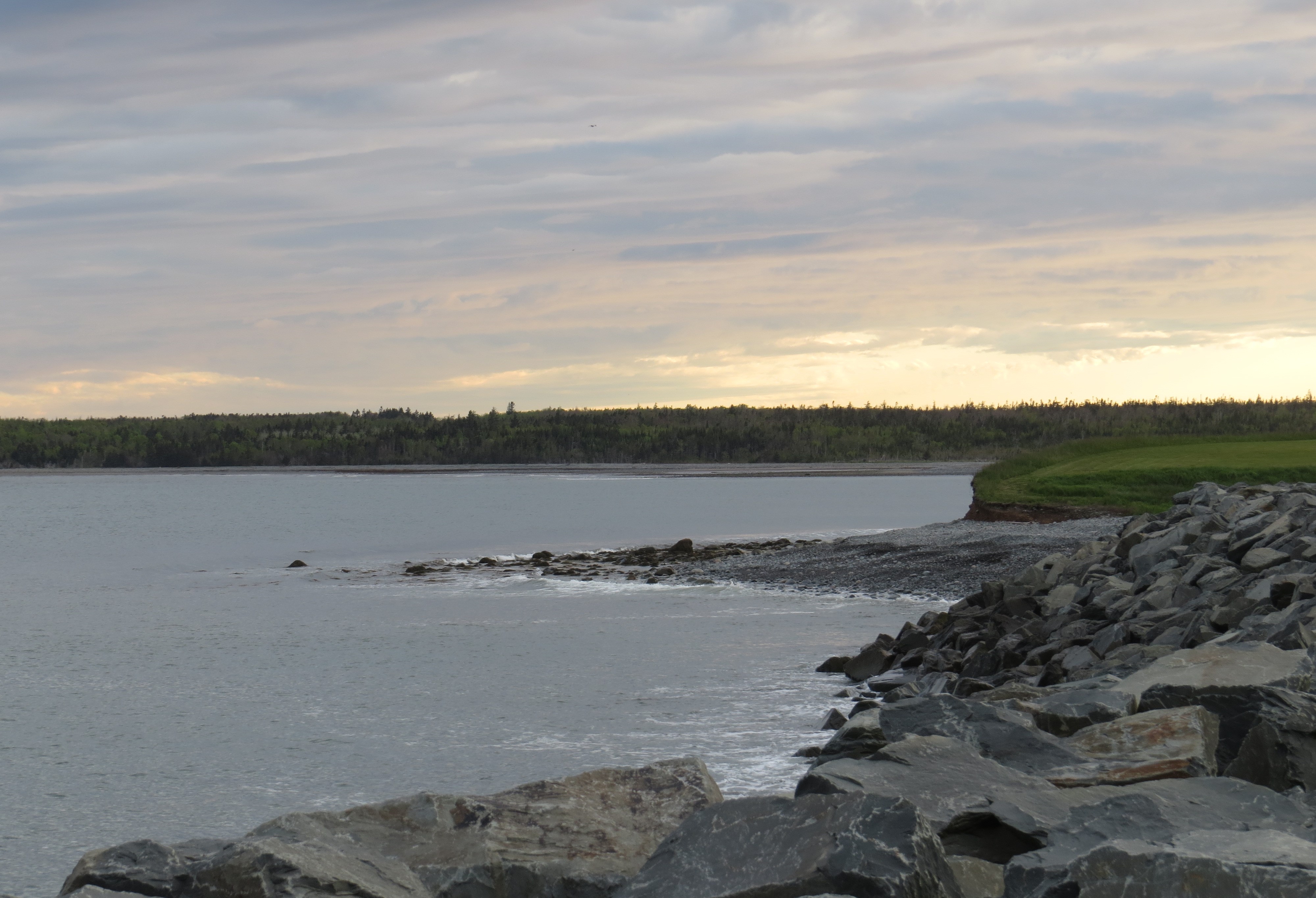
Kąpiel na plaży we Wschodnim Berlinie. Swimming in the ocean on East Berlin Beach.

Kąpiel na plaży we Wschodnim Berlinie. Swimming in the ocean on East Berlin Beach.

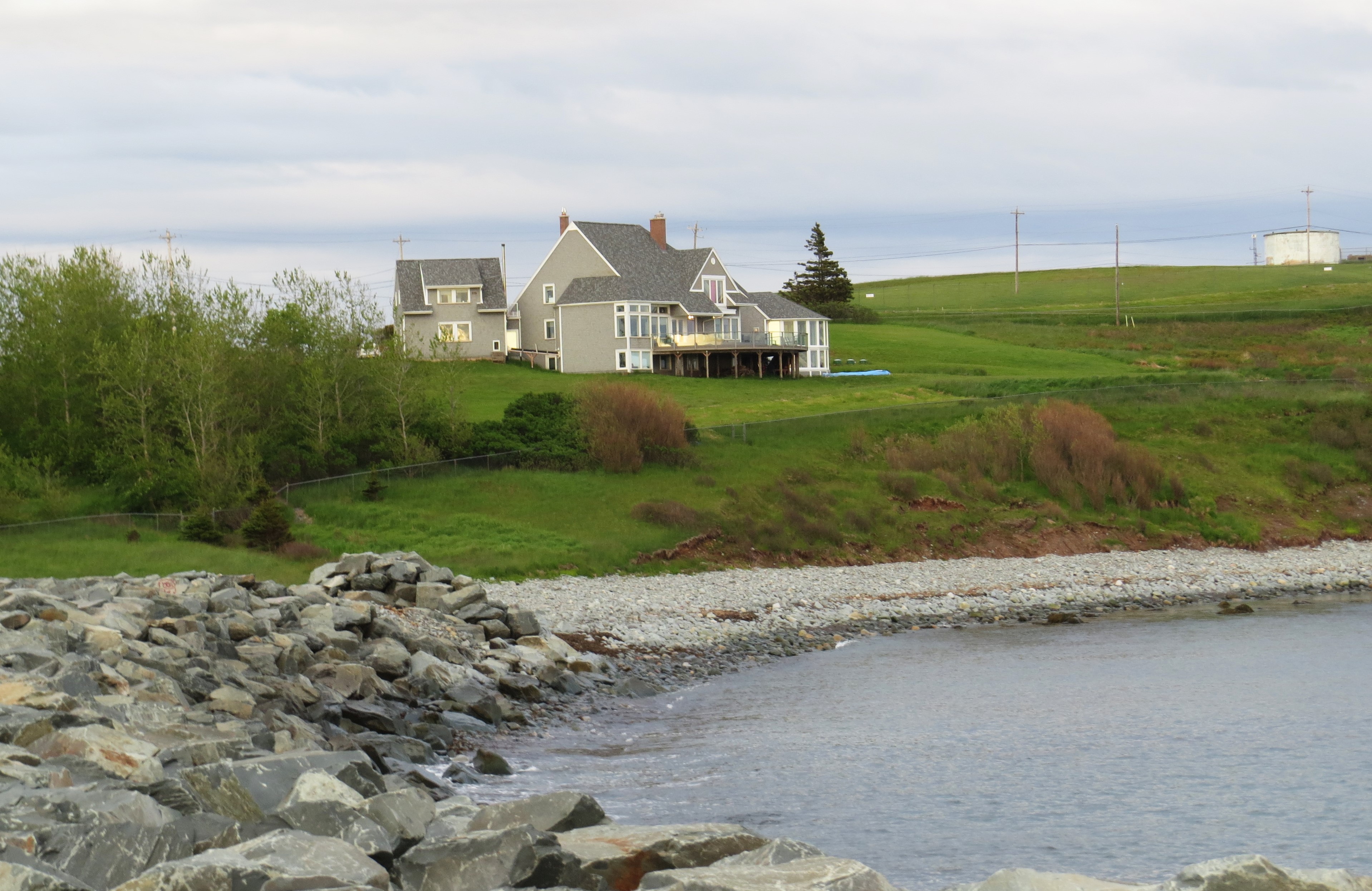
My travels through Nova Scotia most of the time takes me to Eastern Shore or to the north. It is my magic place – the wilderness, certain sense of rustic and old adds charm to it. Of course, the other attraction is my craziness about beaches – Eastern Shore is one big beach! Every turn of the highway there is one. Some small, other vast and long. And huge, massive ocean bays make it a long drive and always offers new experiences.

Halifax is the hub of the entire peninsula. The world to the east is different from the world to the west and south.

The shore is different, the beaches are different. Even the towns and cities are different.

I think that huge St. Margarets Bay is in a way a symbolic point where the shore and the communities change: to the east of it – the rustic and a bit culturally different character but with one of the best beaches in the world; to the west the charm is more subtle, more refined, communities seem to be more affluent. Shall I say – more continental? But the beaches are nowhere near the beauty of Eastern shore. I guess, there must be balance, LOL.

Moje podróże po Nowej Szkocji w tym roku są jednocześnie moimi pożegnaniami z tą prowincją. Pożegnaniami miejsc znanych i wielokroć odwiedzanych. Ot, choćby ulubione plaże wielkich zatok wzdłuż Wschodniego Wybrzeża. Z szalejącymi wielkimi falami Atlantyku, z wijącą się, jak wąż w trawach wydm, czarną nitką szosy nr 207 i 107 – po jednej stronie błękitna stal Atlantyku, z drugiej gęste, ale niskopienne i rachityczne lasy. Uwielbiam te plaże i grzywacze, na grzbietach których daję się nieść niczym drobny liść.

Zachodnie wybrzeże jest inne. Ta inność zauważalna jest od olbrzymiej St. Margarets Bay: na północny-wschód owa rachityczność lasów i rachityczne też, zapomniane niekiedy miejscowości i osady; na południowy zachód lasy bardzo gęste, rosłe i potężne, a miejscowości zadbane, kolorowe. Odnosi się wrażenie, że zamożniejsze. Bez wątpienia (znając już tą prowincję dobrze) widać pewne różnice kulturowe. I faktycznie tak jest. Północo-wschodnia Nowa Szkocja zamieszkana jest tradycyjnie przez ludność pochodzenia szkockiego, więcej – ludność tzw. Scottish Highlands. Byli to najbardziej (do dziś są w pewnym stopniu) ubodzy i najmniej wykształceni Szkoci. Odcięci od świata i mieszkający w odległych i ubogich kresach oraz na Hybrydach i Orkadach. Południowo-zachodnia Nowa Szkocja to w dużej mierze osadnictwo kontynentalnej Europy i Anglosasi środkowej i dolnej części wysp brytyjskich.

So far, I have never travelled past Mahone Bay and Lunenberg. My late husband did in 2018 with his two brothers and niece, while I was for few months in Europe. The beautiful highway 103 makes the travel very pleasurable and fast. I did stop in these two most picturesque cities in the entire province. One famous for very ‘artistic’ entrance – the moment you come out of wooded highway the panorama across the bay shows you a view like a massive painting of a magic town: colorful, with yachts, and three tall steeples of three magical churches (all different Christian denomination) standing next to each other. Little bit further in the bay a famous Oak Island, where people still dig to find a legendary heist of  Spanish gold taken from the Spanish galleon by pirates and hiding it supposedly thousands of miles from Caribbean seas on that island. A short drive from Mahone Bay lays on massive hill Lunenberg – home to famous schooner ‘Bluenose’. Famous for mercilessly beating the Yankees in yearly regattas a hundred years ago. I stopped in these towns mainly to re-visit them, say goodbye and walk the steps full of sentiment and memories of times we walked there together. John and me. Memories of our happy days. But it wasn’t the planned purpose, the aim of my drive. The aim was to drive to the very end, the southern most tip of the province.

To say it shortly and precisely: to go to West Berlin and East Berlin. Why not. Been to Berlin many times, like the city a lot, its vibrancy, its rich history. Walked in western part of it and eastern part of it. Usually, I would take a flight there, didn’t know that I could just drive there! LOL.

Szeroka i w dużej części czteropasmowa szosa 103 prowadzi do południowo-zachodniej granicy półwyspu. Stamtąd już tylko skok przez wodę i Ameryka. Ale po drodze są dwa najbardziej urocze miasta Nowej Szkocji: Mahone Bay i Lunenburg. Malownicze, jakby z ram obrazów romantycznych pejzażystów. Do miasteczek można jechać przepiękną boczną drogą (szosa nr 333 od Halifaksu, potem nr 3) nad samym wybrzeżem – ale to wydłuża jazdę kilkakrotnie i bez noclegu o osiągnięciu celu mowy być nie może. Zatrzymałem się w tych miasteczkach-perełkach ze względu na sentyment głównie, moje liczne wspomnienia ze wspólnych wycieczek tam z Johnem. Potem, po wyniszczającej chorobie, która go mi zabrała, byłem tam jeszcze z rodziną z Europy: z siostrzeńcem z Warszawy, który przejechał do mnie po pogrzebie Johna i siostrzenicą z Hamburga, która przyjechała z rodziną latem tamtego smutnego roku.  Tym razem już sam i chyba ostatni raz.

Ale cel wyprawy był inny. Zdecydowałem tego dnia wykapać się na plaży w Berlinie. Konkretnie we Wschodnim Berlinie. No to wsiadłem w samochód i pojechałem do Berlina. Jak można samochodem z Nowej Szkocji pojechać do Berlina? Bardzo prosto – jechać tak daleko, aż dalej nie można. Do końca świata. Tego nowoszkockiego świata, gdzie ląd się kończy i zaczyna Atlantyk a w oddali widać brzegi stanu Maine.

Najpierw jedzie się szosą 103 do rzeki Medwey i zaraz po jej przejechaniu skręcić w lewo w Port Medwey Road, dojechać do krzyżówki z Eastern Shore Road i skręcić w nią w prawo (od zjazdu z szosy 103 droga prowadzi prawie bez przerwy przez lasy i nie ma tam w zasadzie osad jakichkolwiek). W pewnym momencie, blisko kilku dobrze zagospodarowanych domów, po lewej stronie drogi jest mały cmentarzyk Zachodniego Berlina.
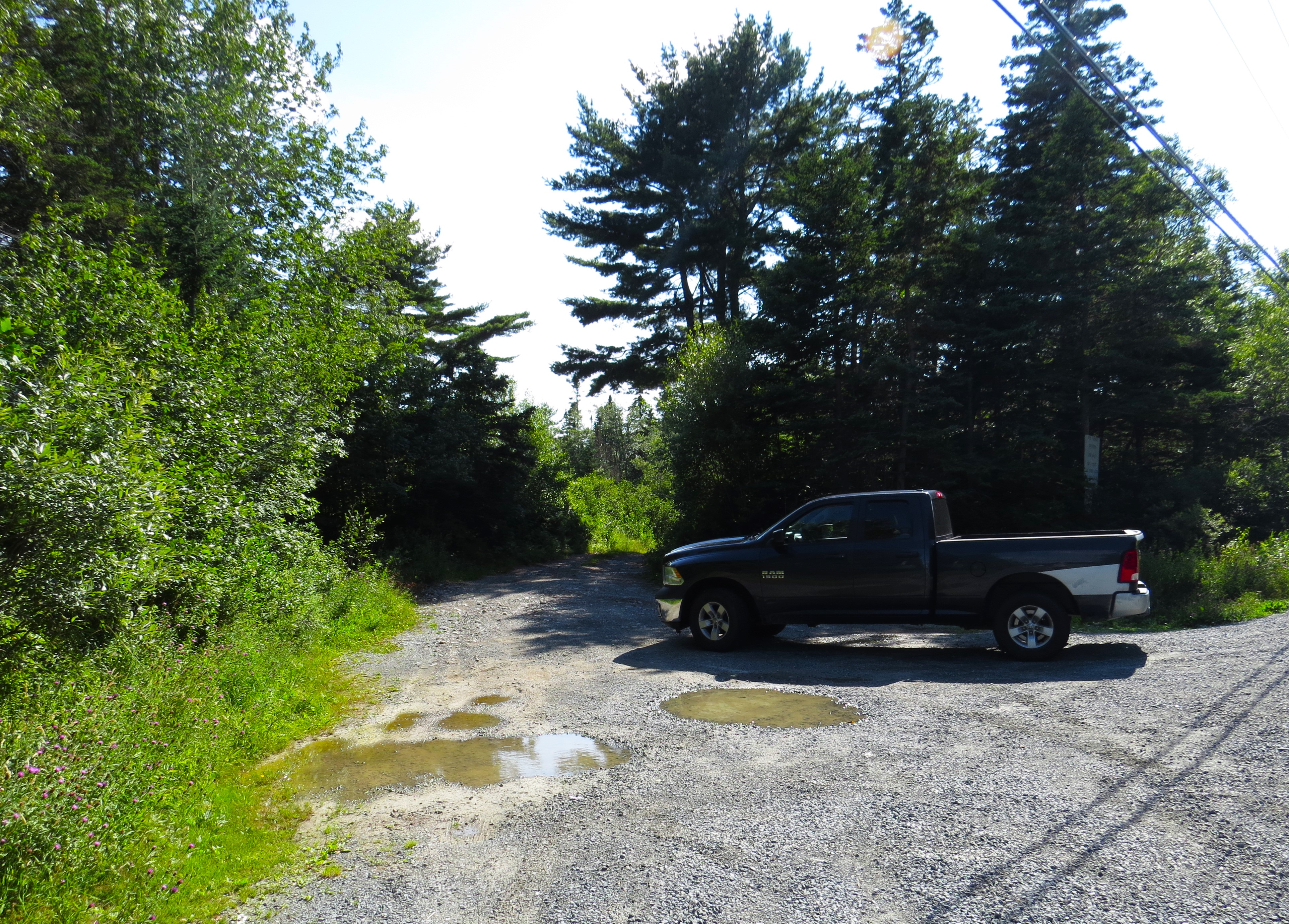
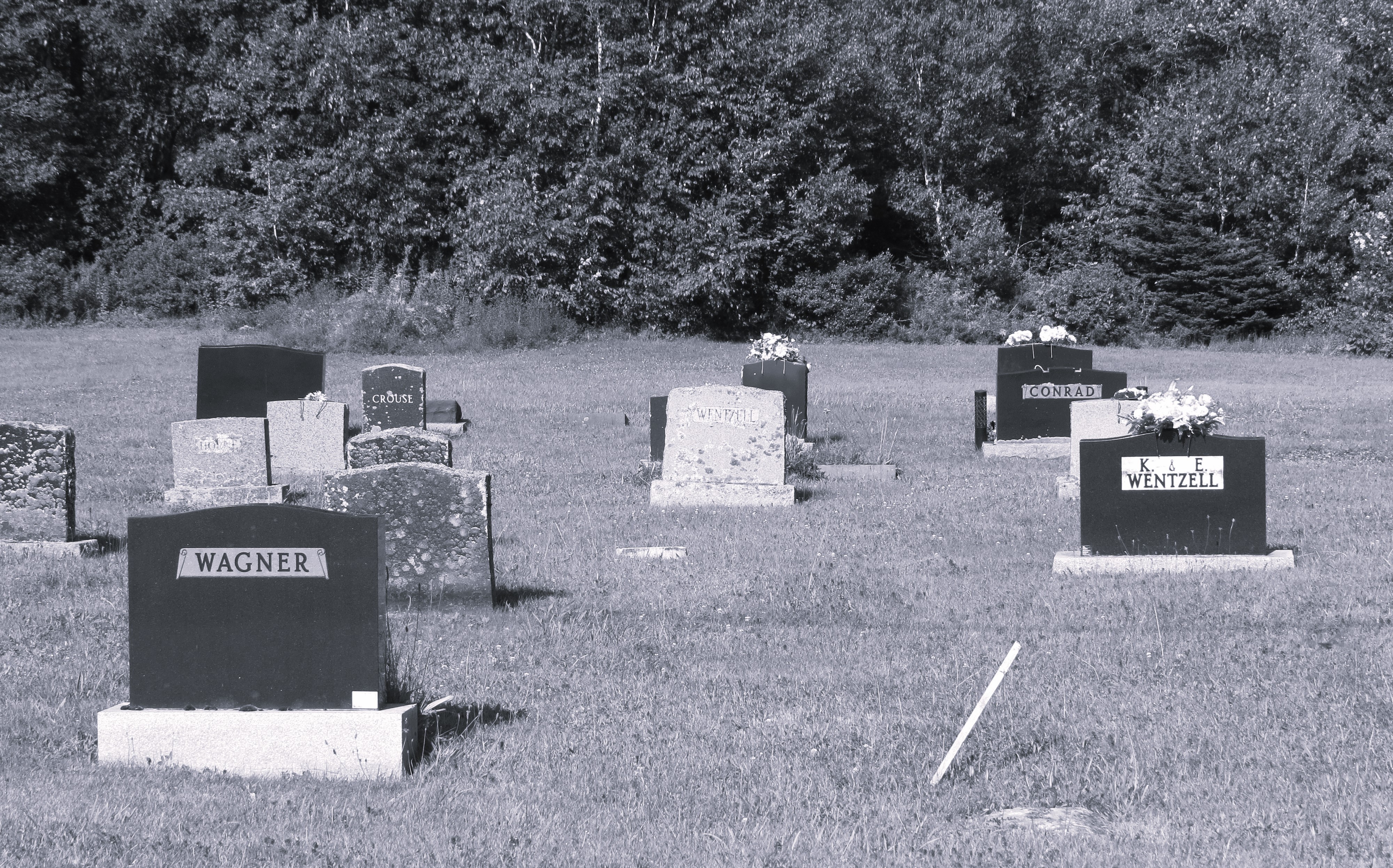
Close to the end of our destination, off the small Eastern Shore Road begins the sparsely populated community of West Berlin. There is a local cemetery with the date of first burial being 1959. Therefore it is clear that the community begun either after the 2 world war or shortly before or during the war. There is nowhere any other close by settlement where people could be buried. The road ends at intersection with East Berlin Road, turn left here into it. From here the asphalt road end and the rest is gravel. After a very short distance there is a smal West Berlin Road to the right leading to small fishermen Warf. It is a very short detour but worth visiting as that is exactly where you can see the coast of USA.

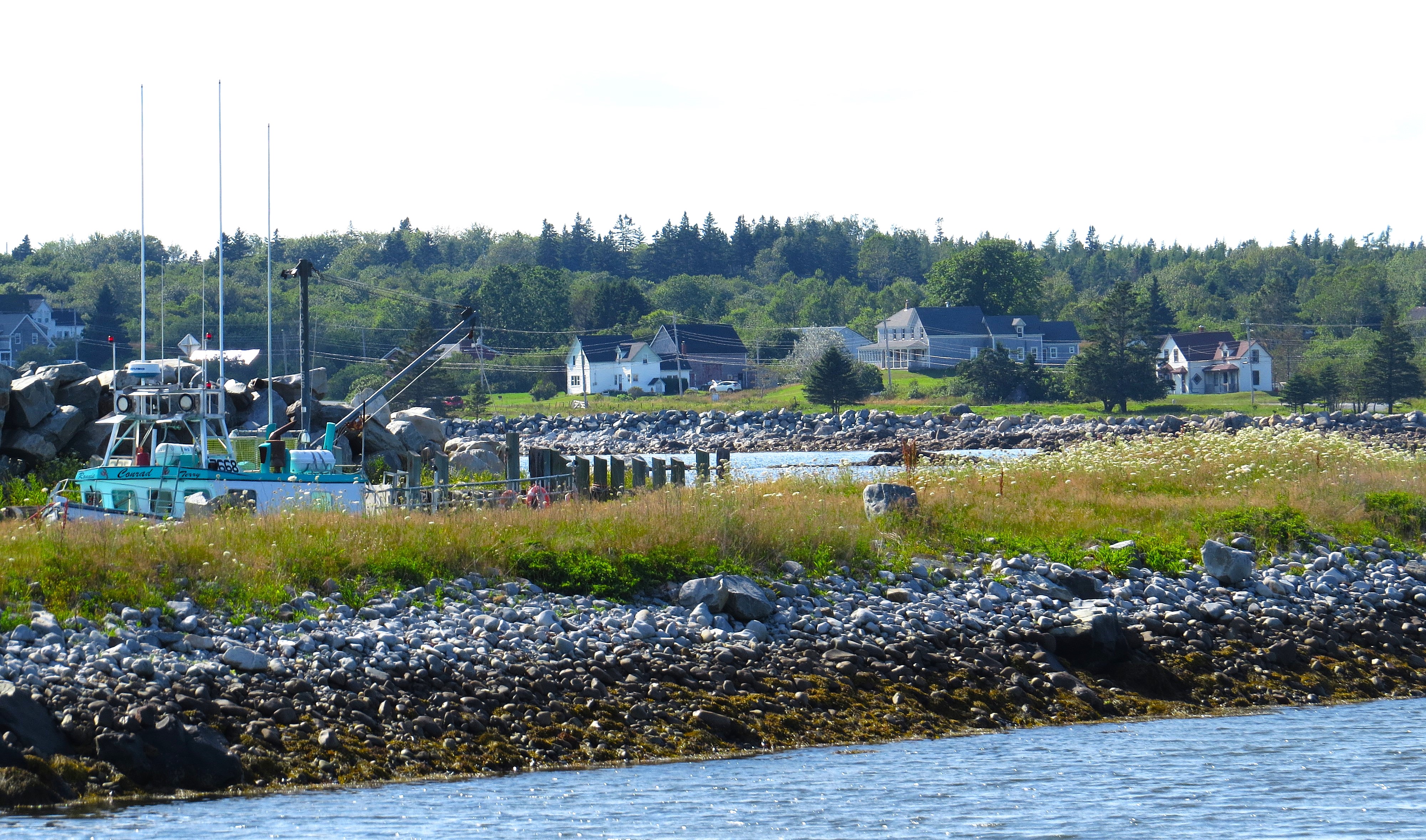
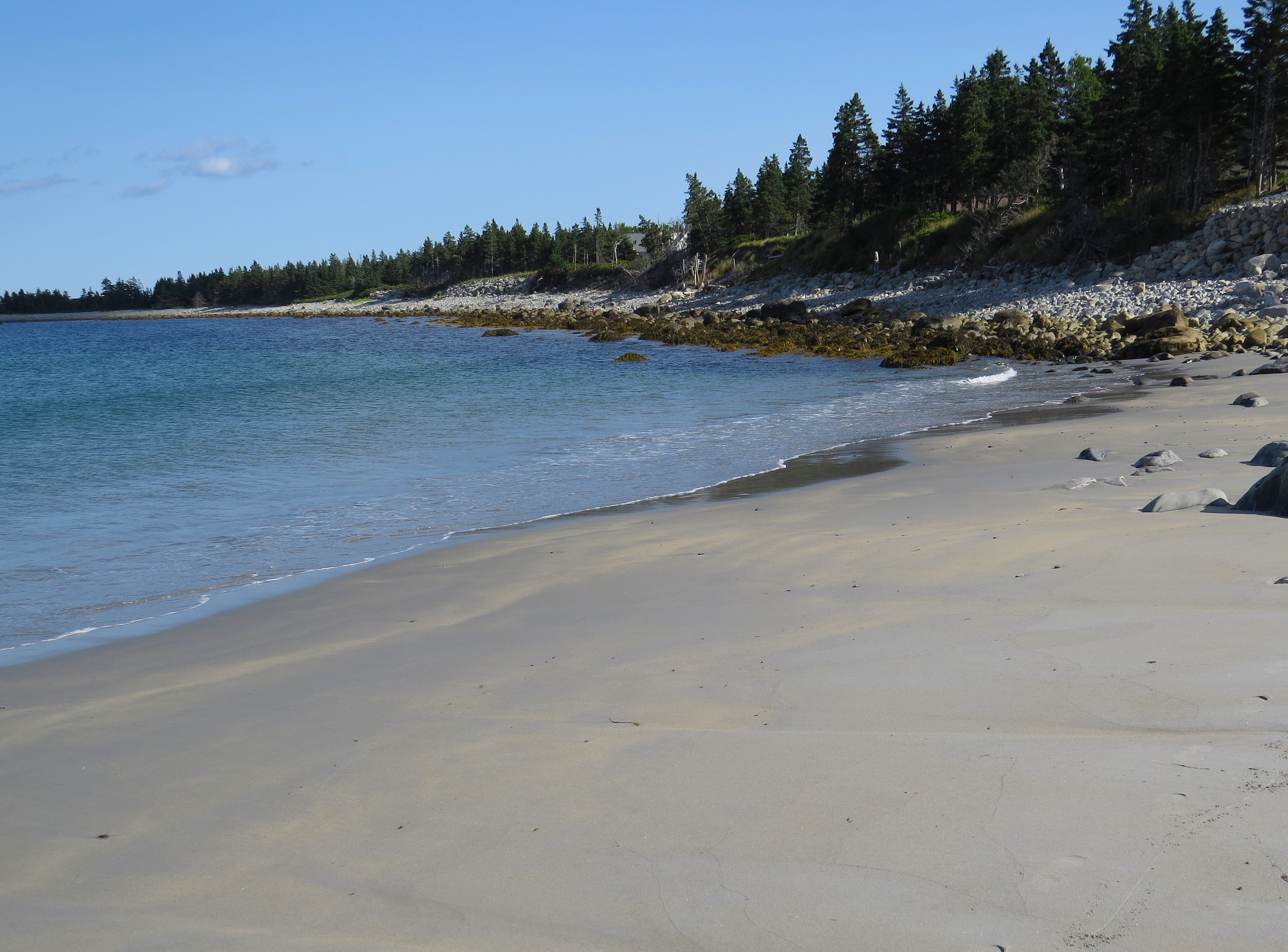
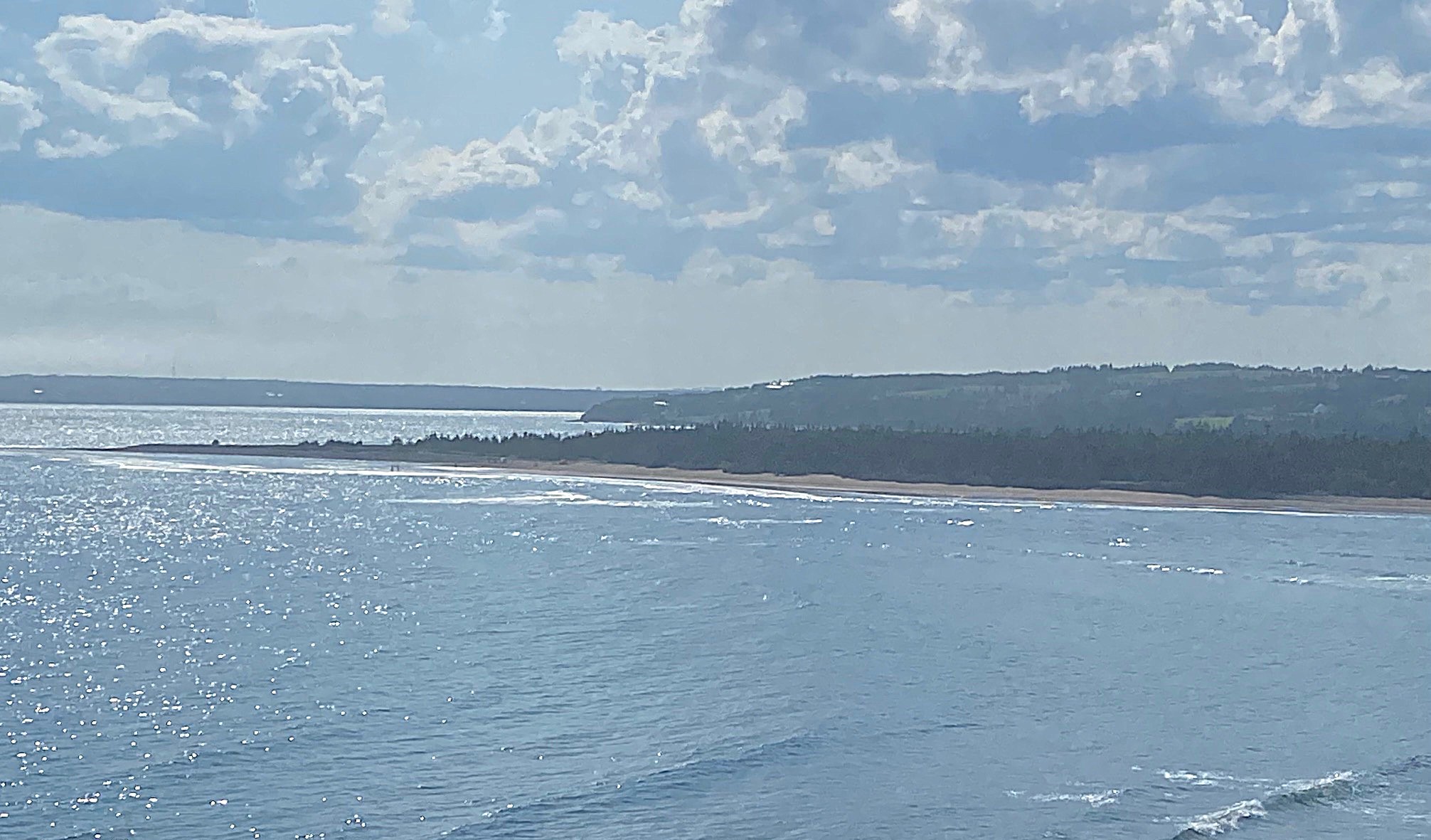
From there you cant get lost. Just continue to end of the East Berlin Road until you can’t go any further. The sandy beach is on your left side. Long, beautiful and likely empty.

Na końcu dojeżdża się do bitej drogi East Berlin Road, która zaprowadzi nas na sama plaże. Nie miniesz plaży, bo droga przy niej się kończy. Czemu droga bita i z dużymi dziurami, a nie asfaltowa? No, proszę państwa – ostatecznie jesteśmy już teraz we Wschodnim Berlinie. A we Wschodnim za moich czasów to się nie przelewało.

A plaża? Ponad kilometrowa, z bajecznym białym piaskiem, zejście do oceanu łagodne i stopniowe. I ani żywej duszy. Może czasem jakiś jeden lub dwóch lokalnych mieszkańców tu i zajdzie, ale turysta tu żaden nie trafi. A plaż łatwo dostępnych w Nowej Szkocji nie brakuje.

Little Prides over the years

Little Prides over the years

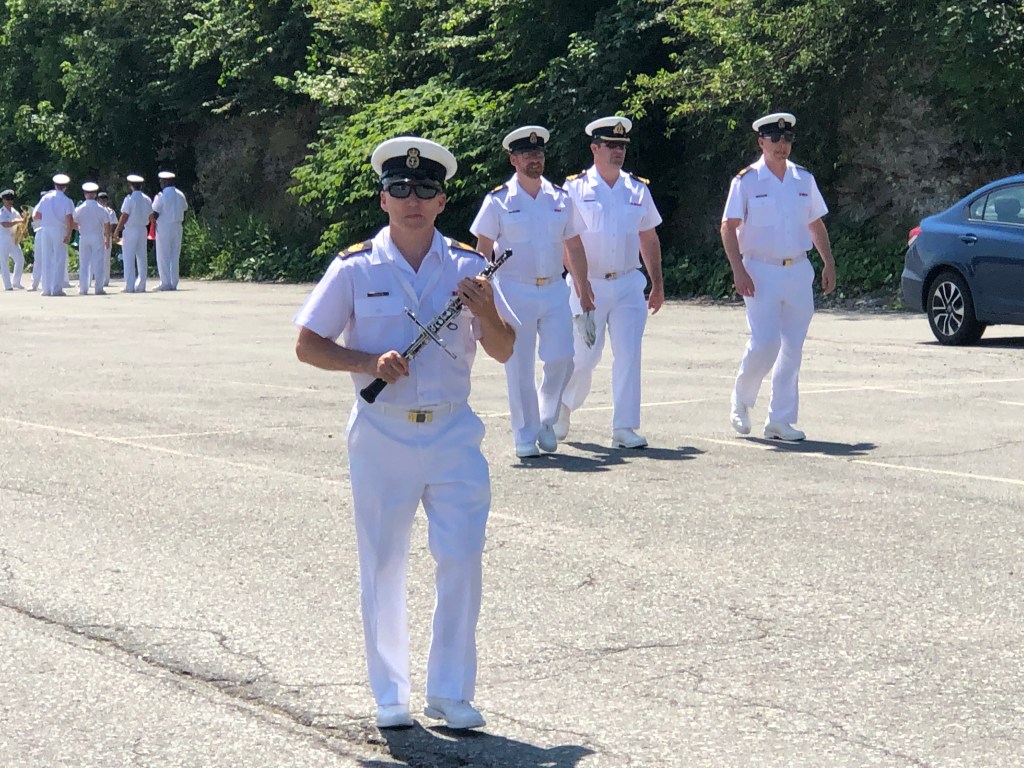
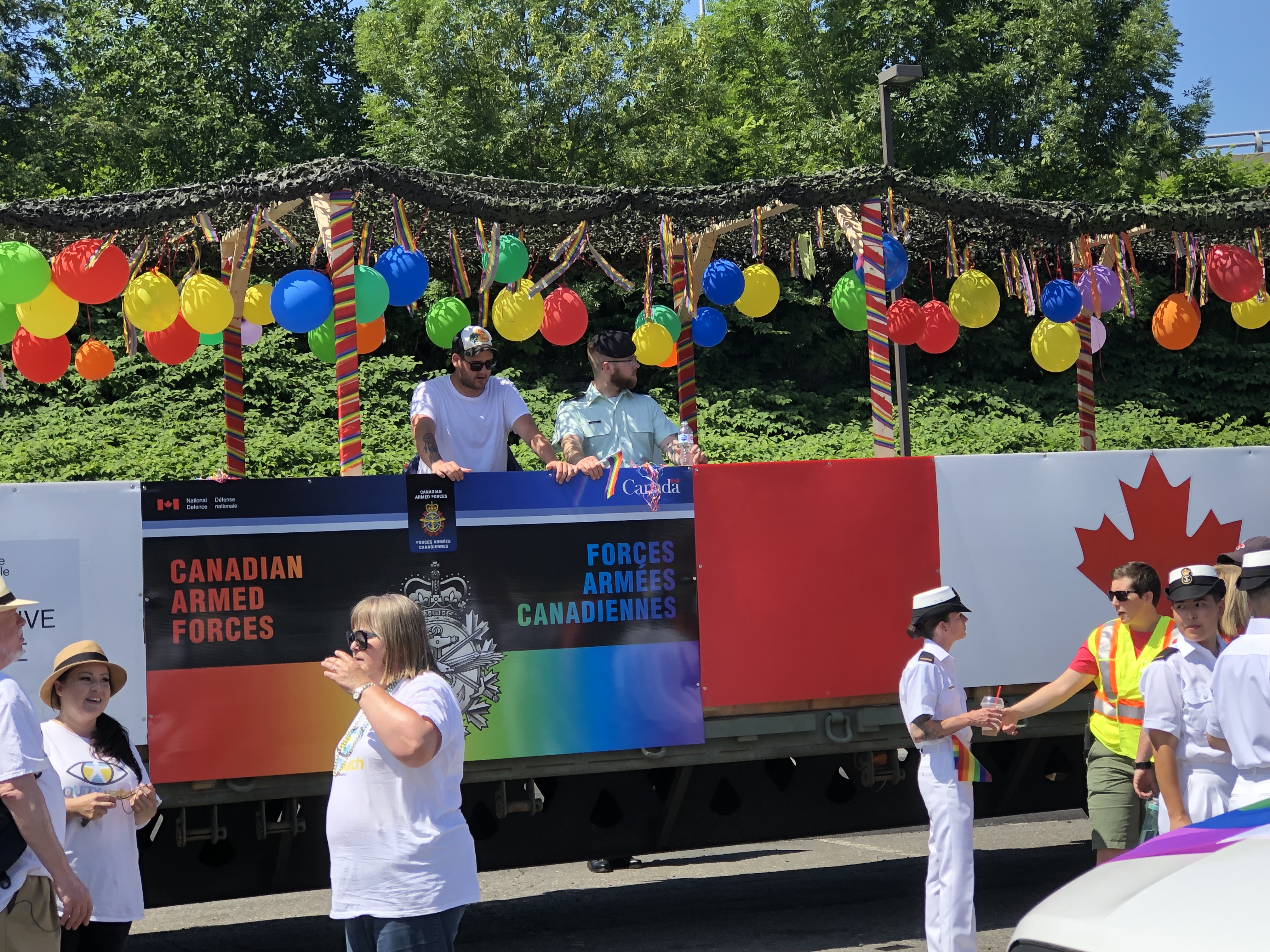
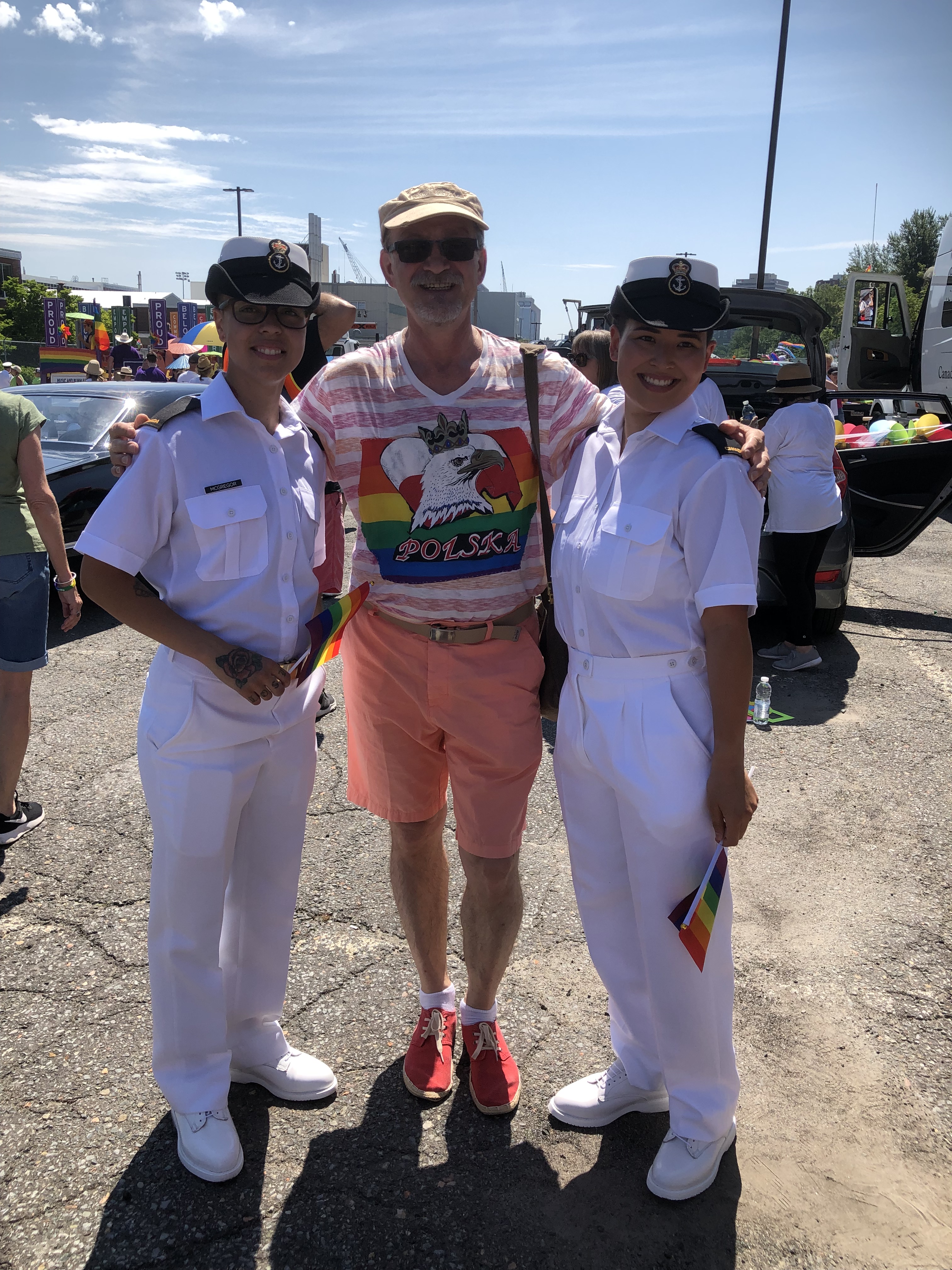
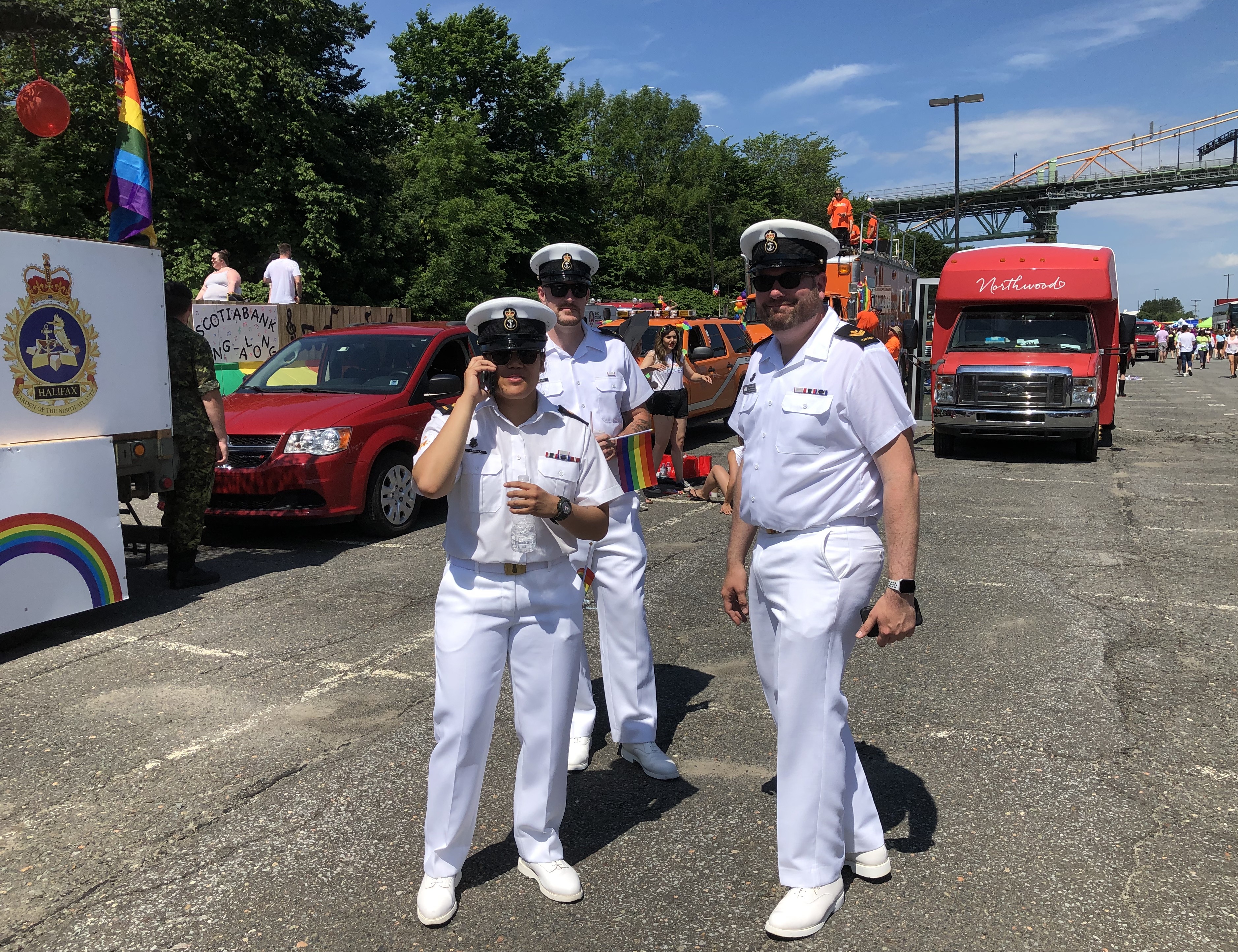
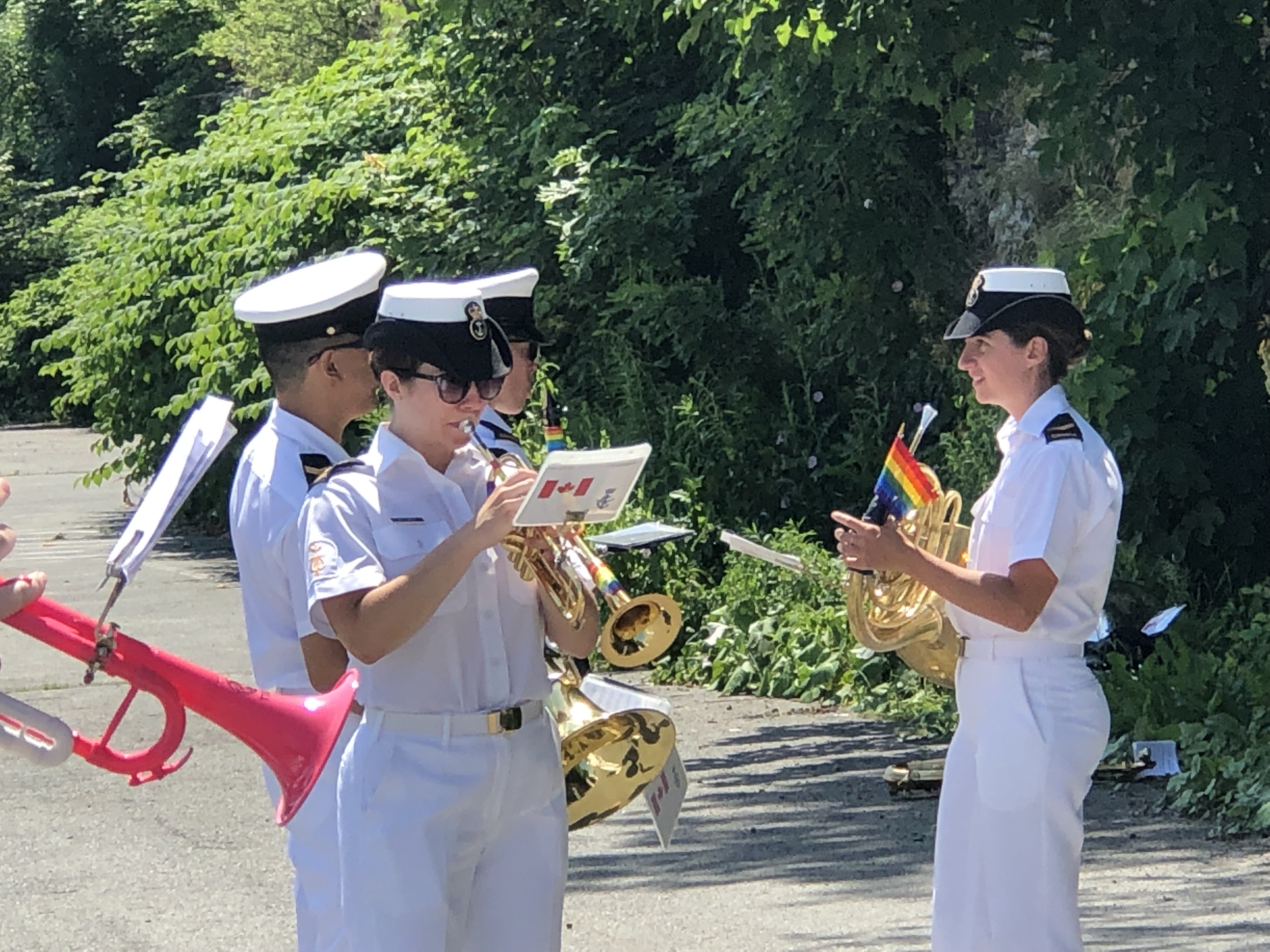
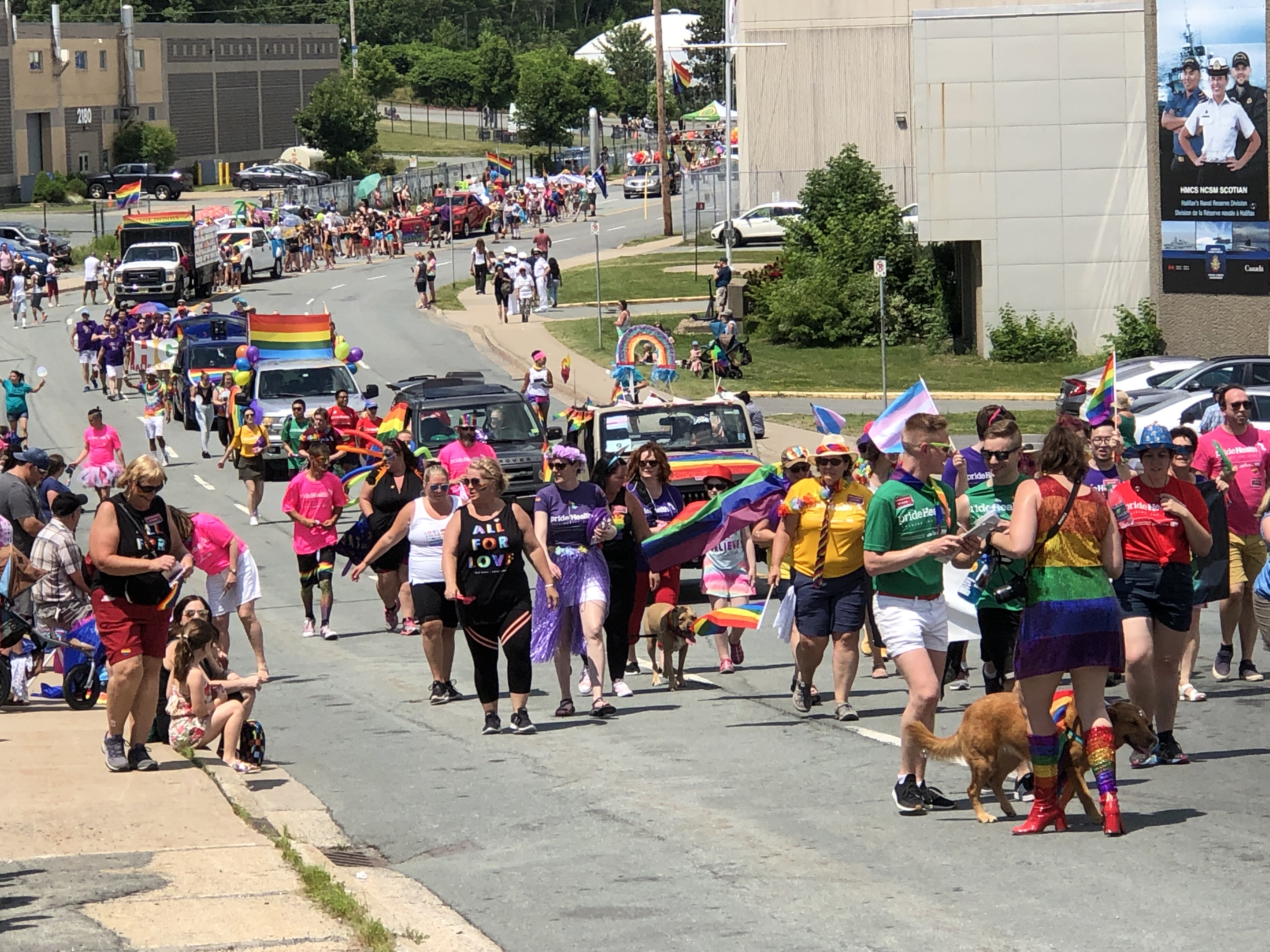
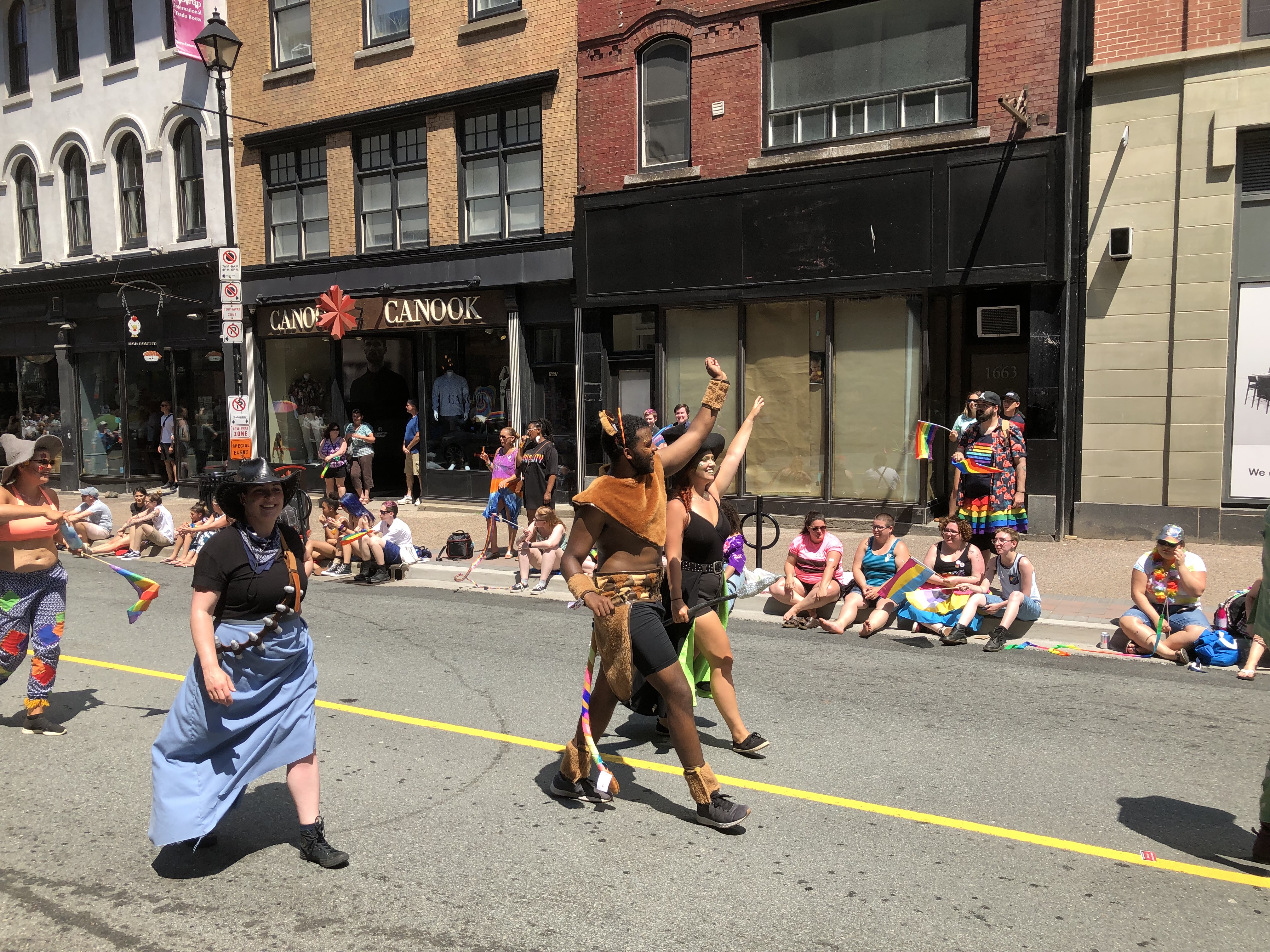
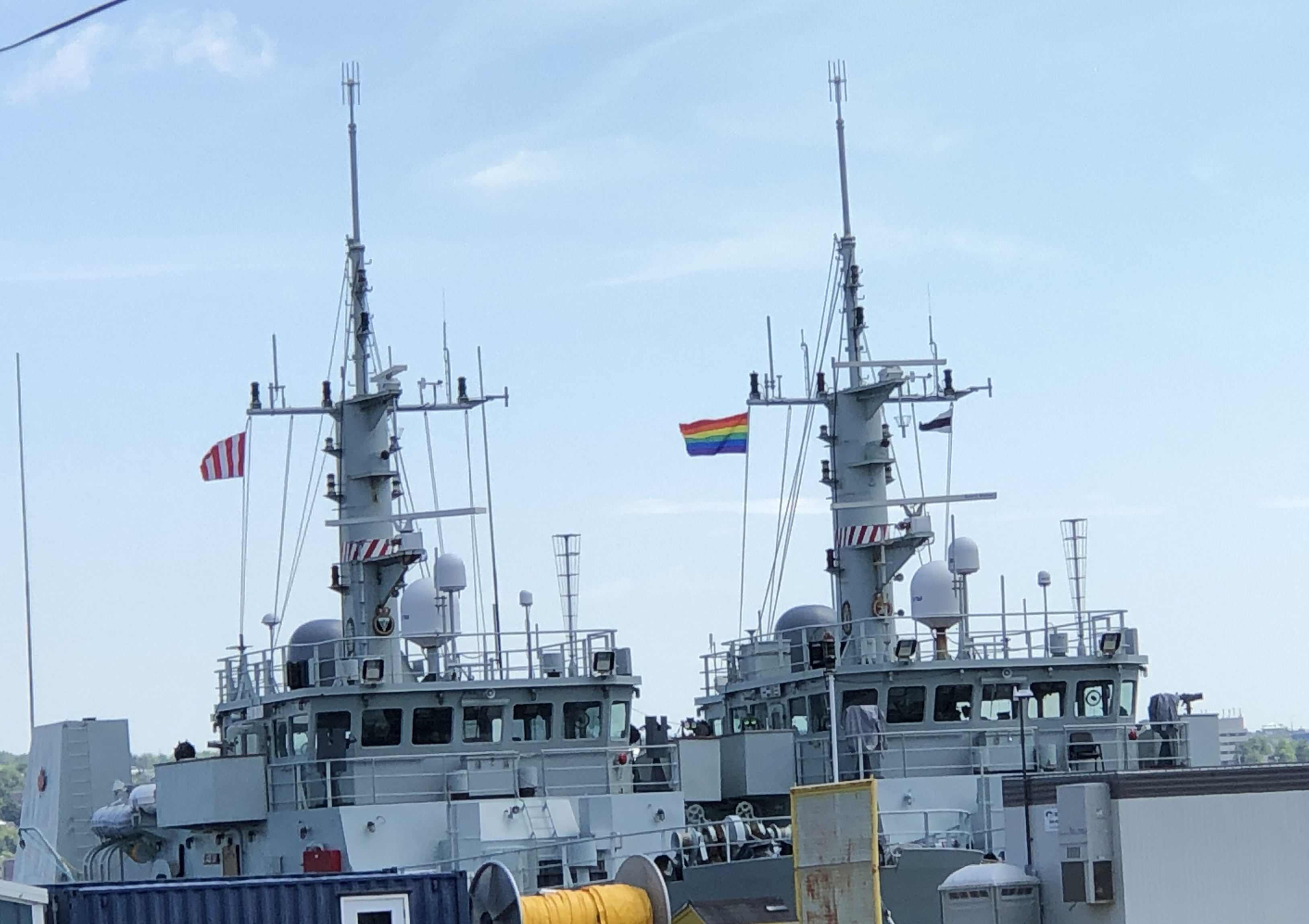
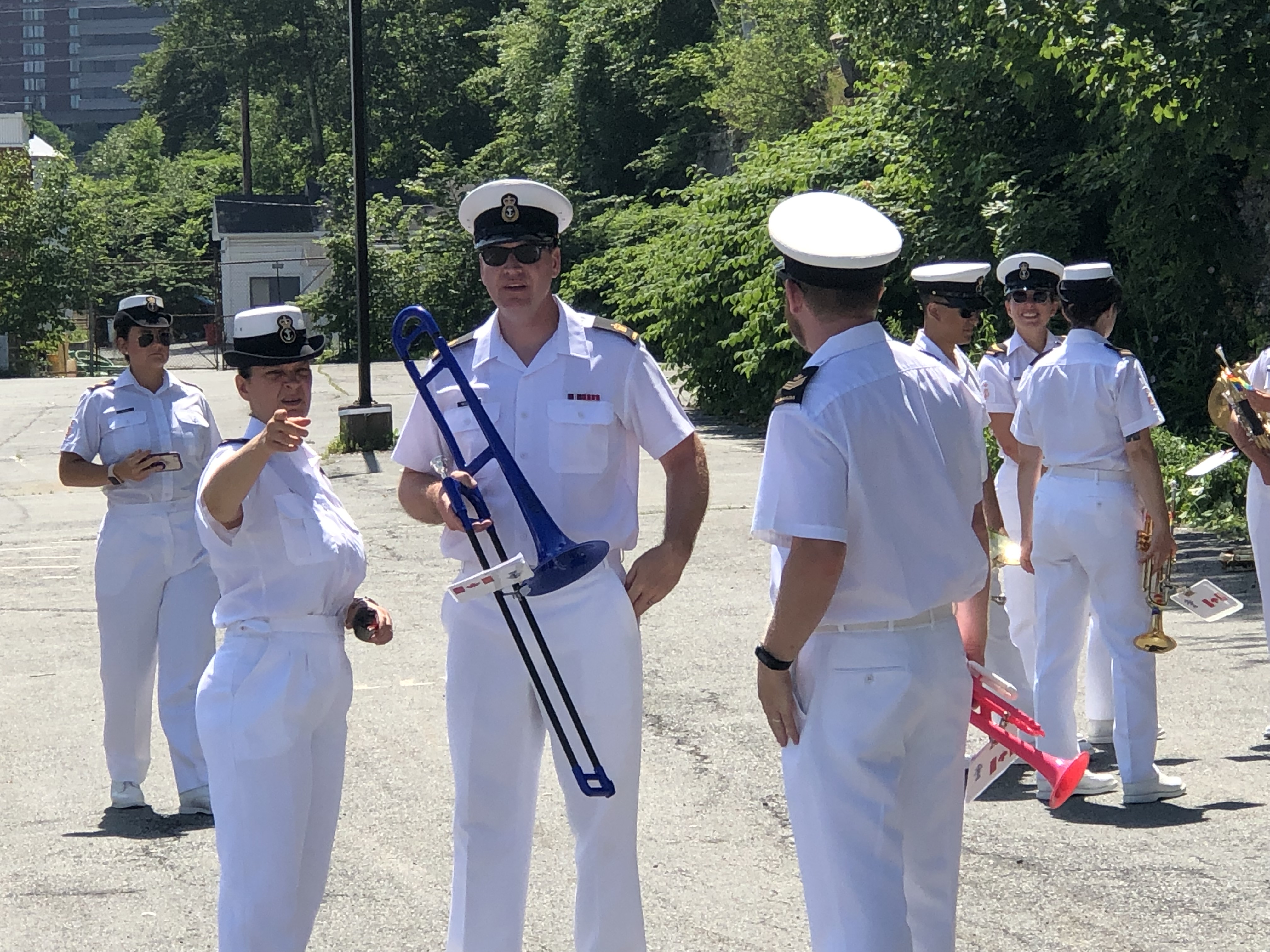
Canadian Navy in Halifax Pride 2019

Everybody knows, took part in, watched or heard of the big Pride Marches: Montreal, Toronto, Vancouver in Canada; London in England, of course Amsterdam, Berlin, Sydney in Australia, New York with it’s Stonewall history, San Francisco, Warsaw in Poland. At the very beginning, before human rights prevailed, these Prides were simply a protest marches, a call: we are here and we are not going anywhere.

Hard to believe, but even among advanced democracies in the middle of Europe, there are stil protest marches. Case in point is my own city, Warsaw in Poland. Country that still denies the basic citizen’s rights of living in a state-recognized unions, couples of other than heterosexual orientation. Specially the incomprehensibly denial to raise children, to be legal parents as a couple. In 2024. Shame on the coalition of Donald Tusk governing coalition. Specifically the Polish Peasant Party and their disgusting leader Władysław Kosiniak-Kamysz. The same party that still denies Polish women any abortion rights. Again – in 2024! Mr. Kosinaik-Kamysz – there is no longer any peasants in Poland. It is 21 century, not a year 1921. The girls, who live in villages in Poland today are having abortions, too. These girls are not peasants, either. They just need to go across the border to any European neighbor state. And you Mr. Kosiniak live in a fantasy land, together with Polish catholic bishops.

I remember my first Pride March (although I can’t remember if it already was called ‘Pride March’, I don’t thing so – we still had a way to go for many rights). Must have been 1983 or 1984, in Calgary. It started on 7 Avenue Mall by the old City Hall and (at that time) Central Library. We were going to march through the entire most popular and busy Seventh Mall Avenue almost all the way to the next bridge on the 14 Street. To our surprise, there was a Police blocking further access to the Mall Avenue (most popular and always full of people) and redirecting as via Central Street to the Sixth Avenue, not as busy with onlookers and not very prominent (again – at that time).

How things have changed since, unbelievable. The world have changed and people changed. True – there are still homophobes. But that’s OK. Nature is strange. The cockroaches didn’t change over the millenia, either.

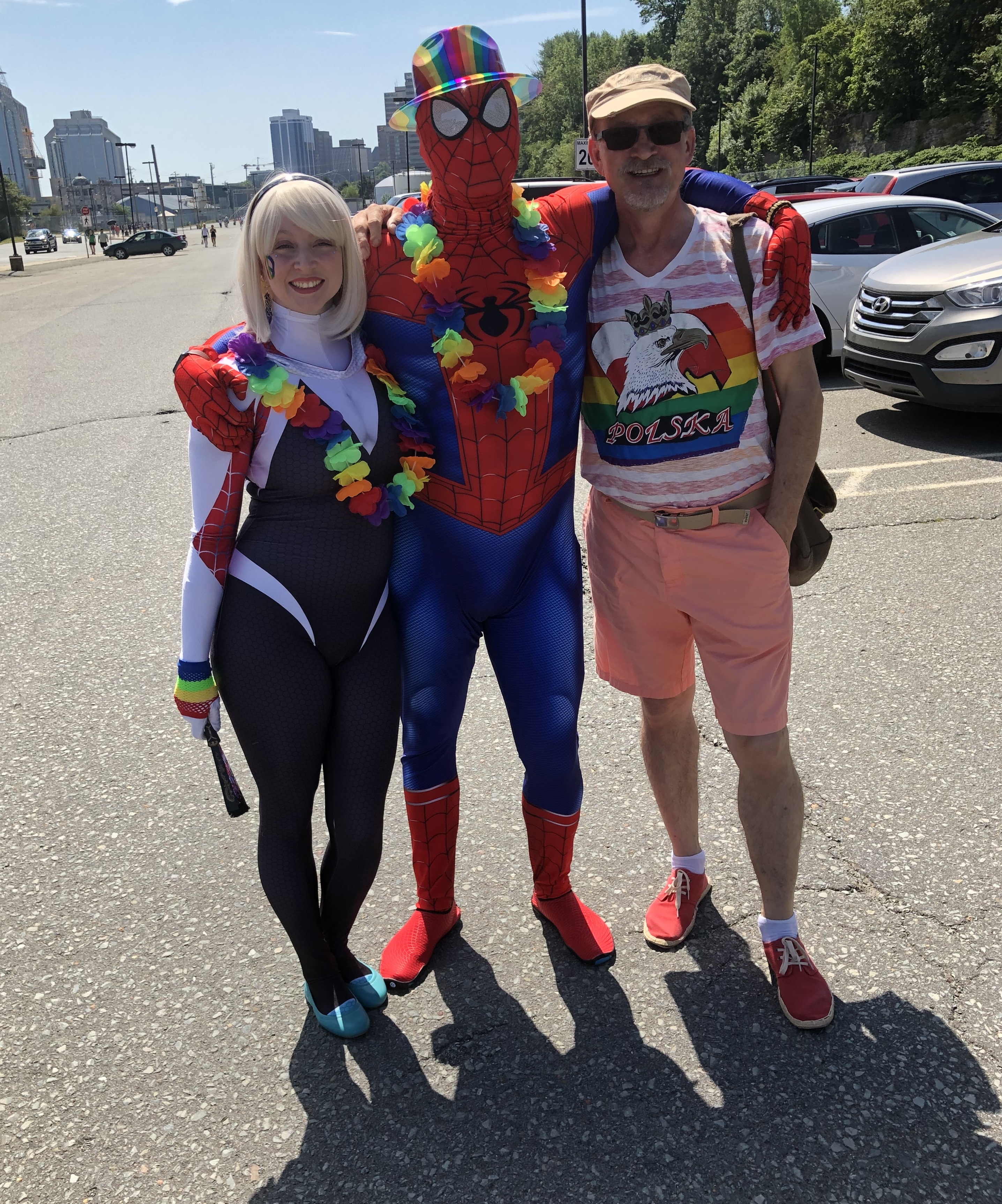
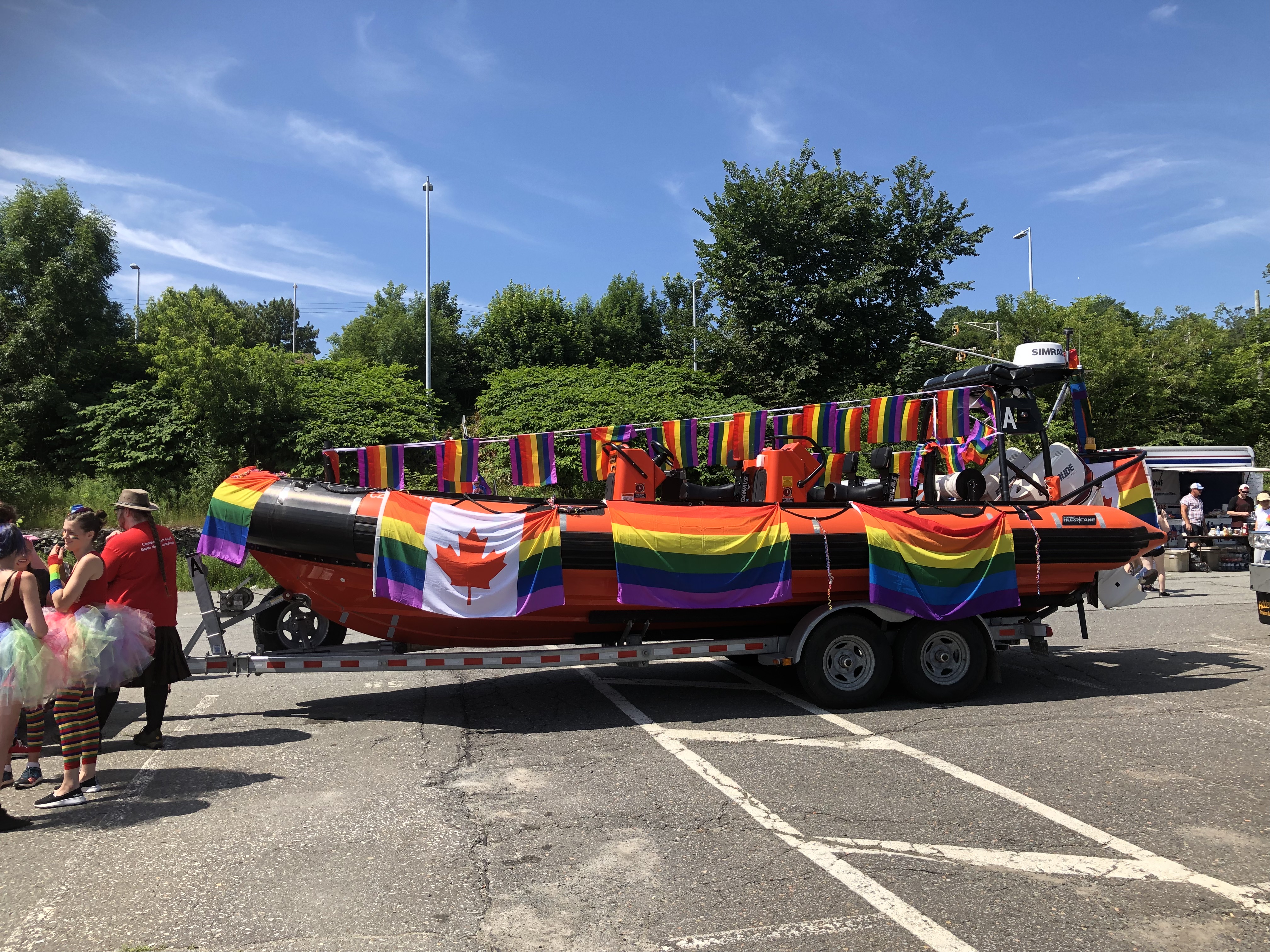
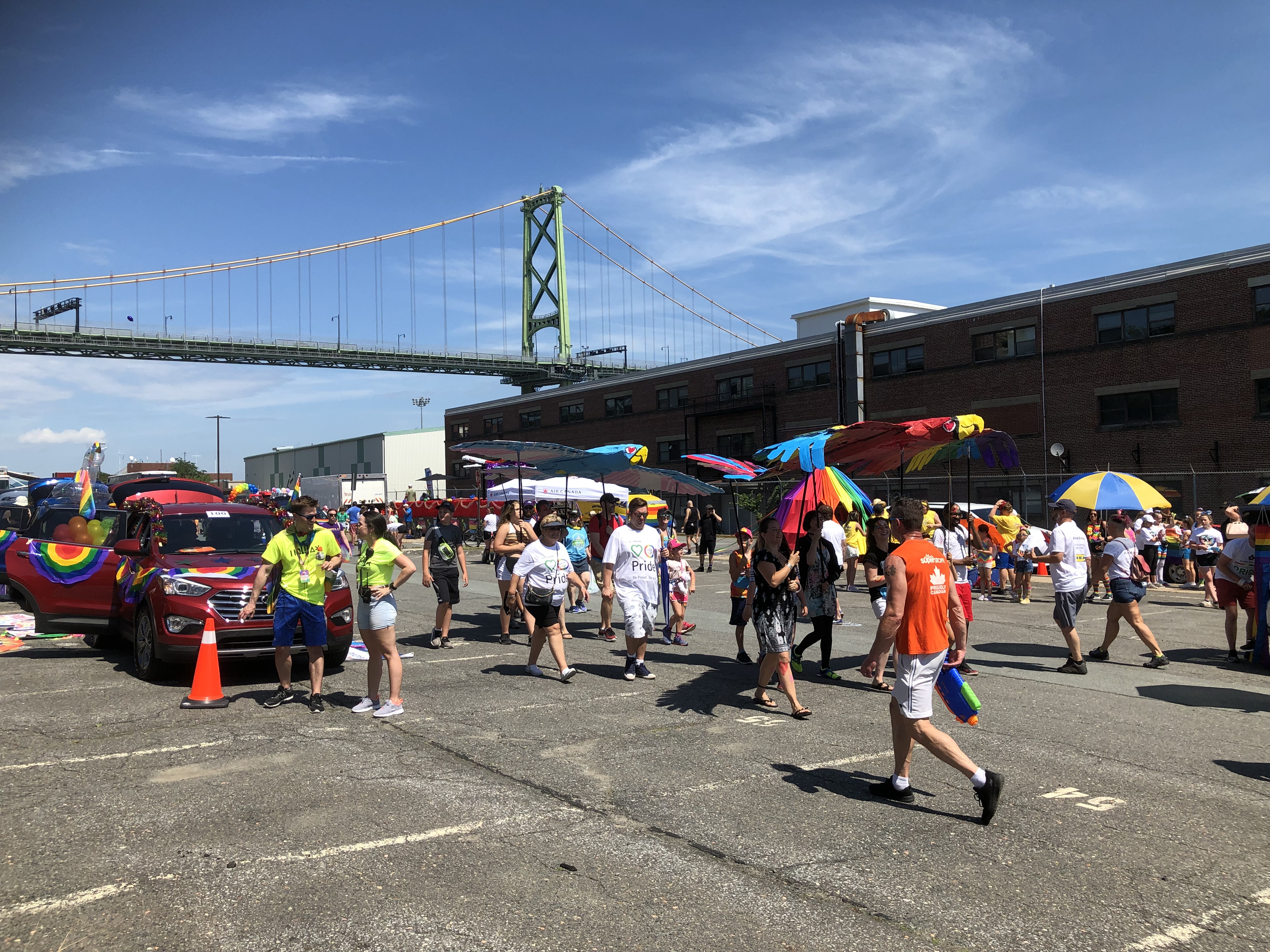
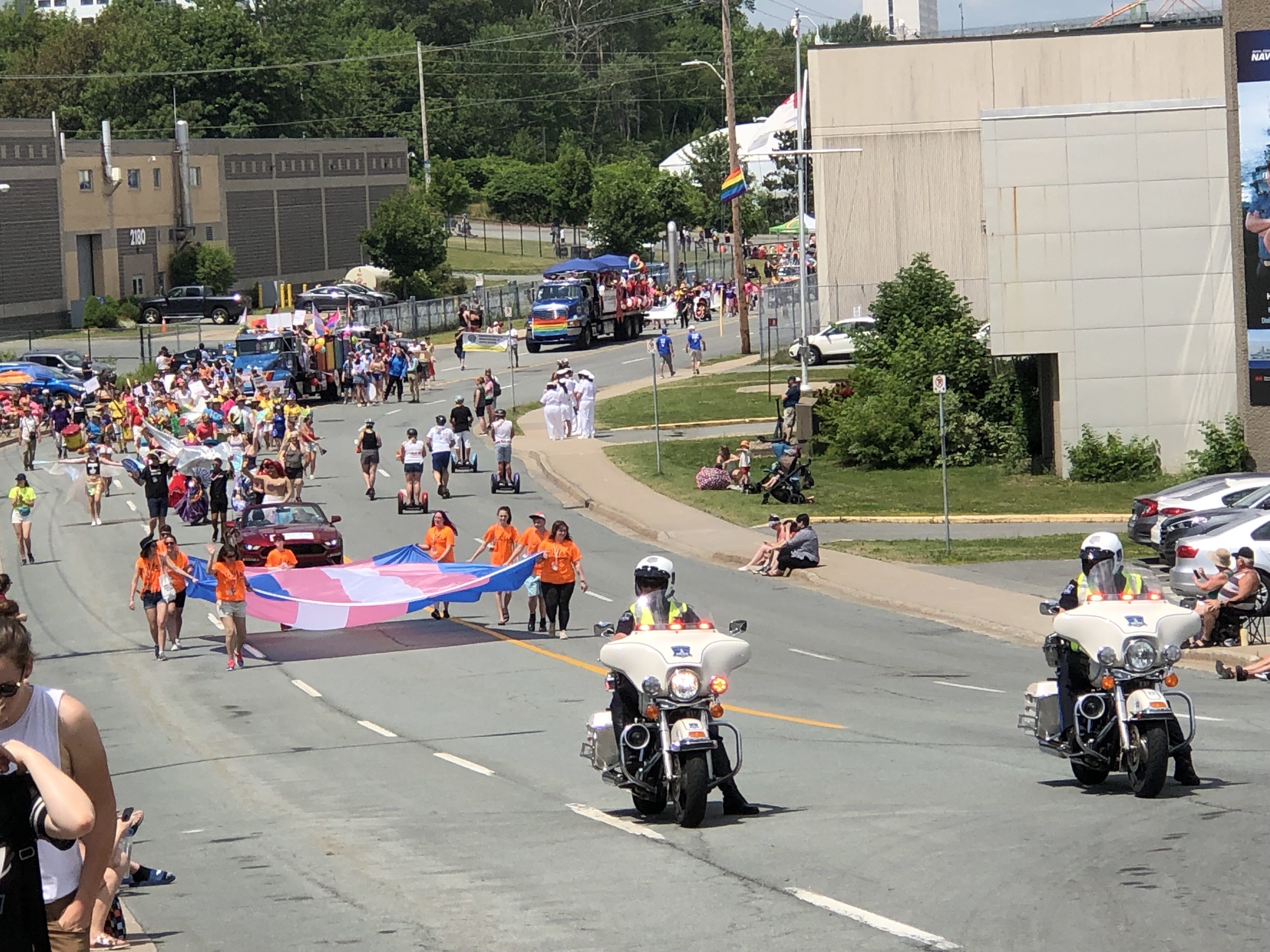
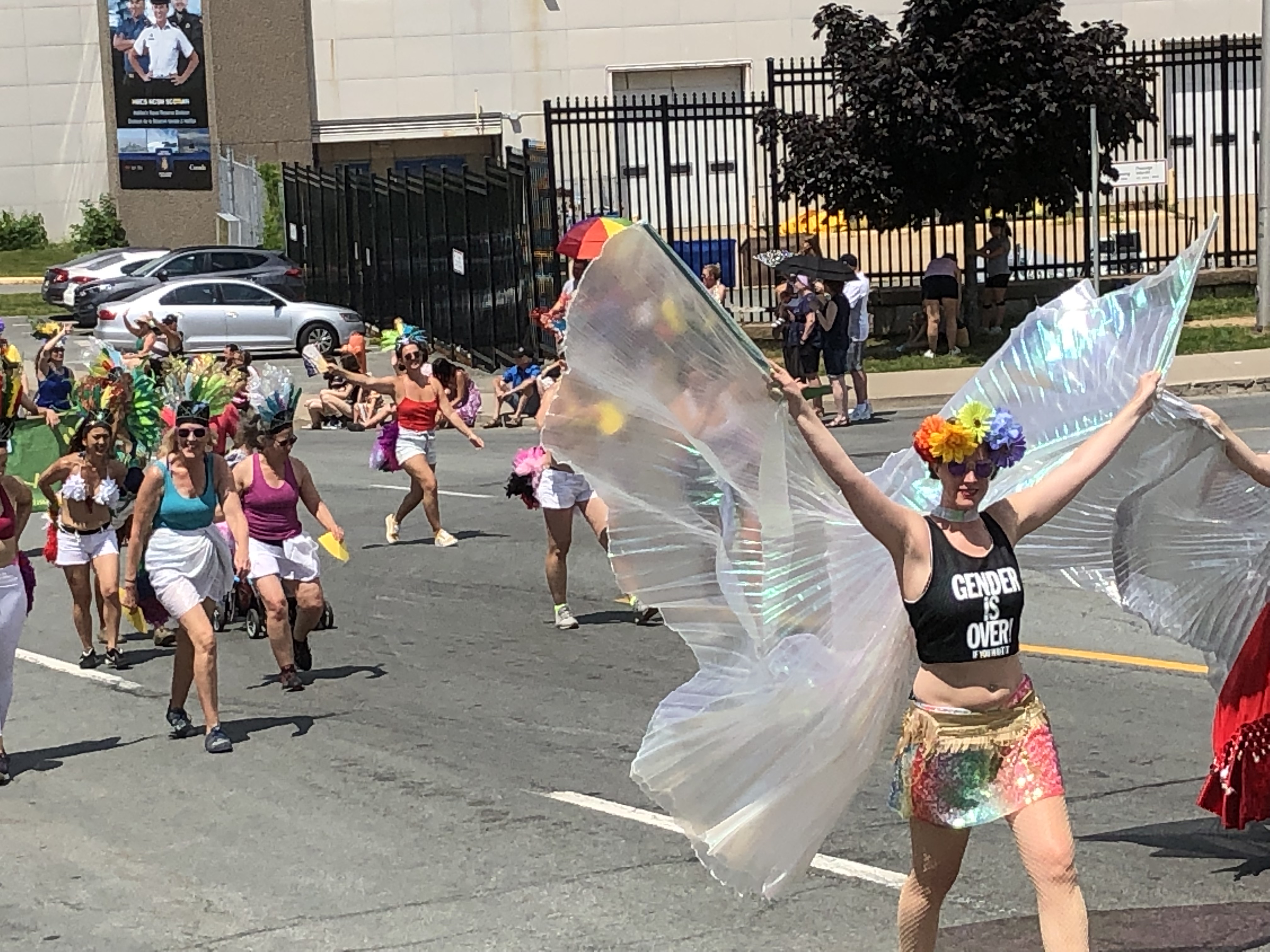
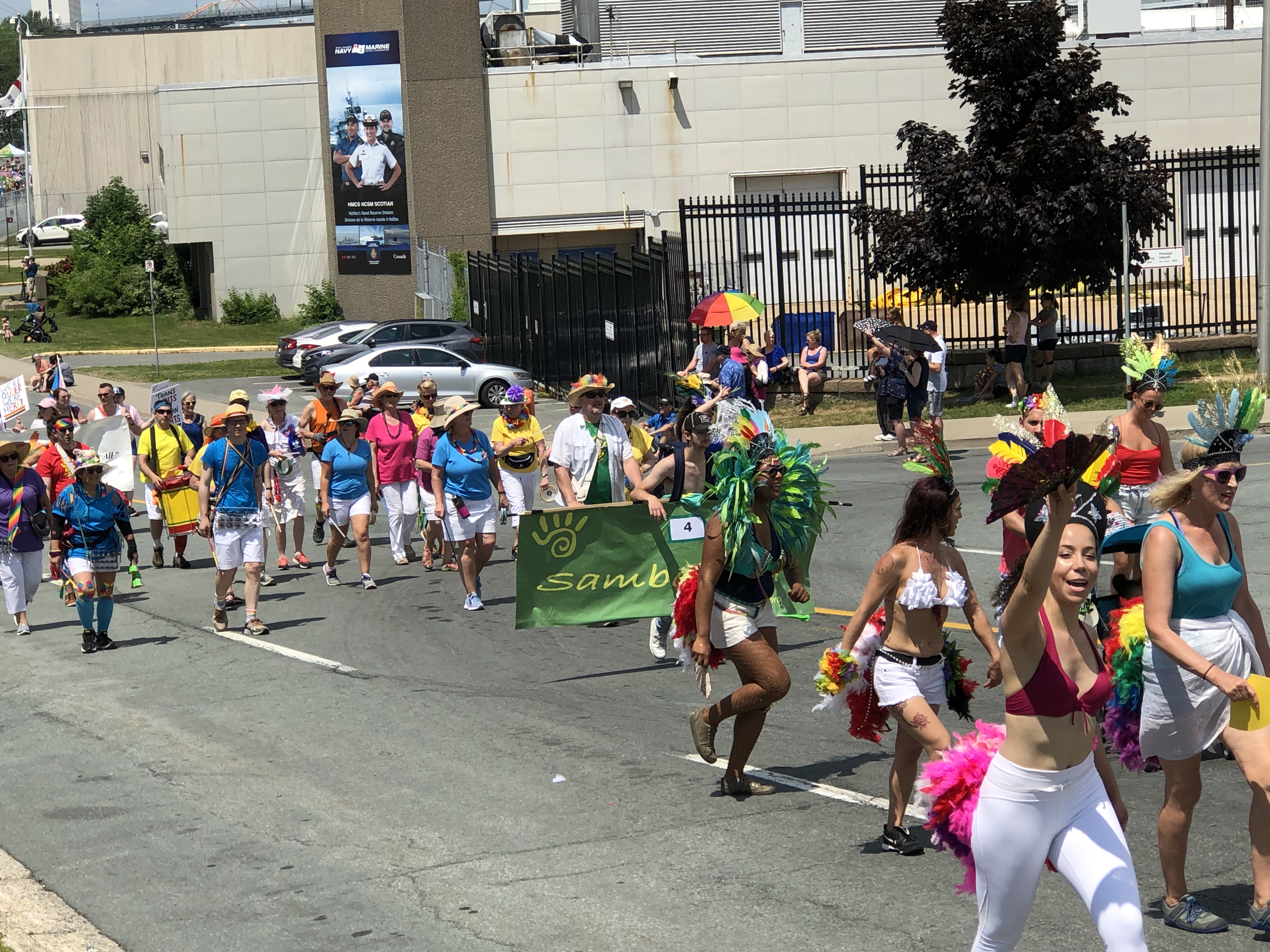
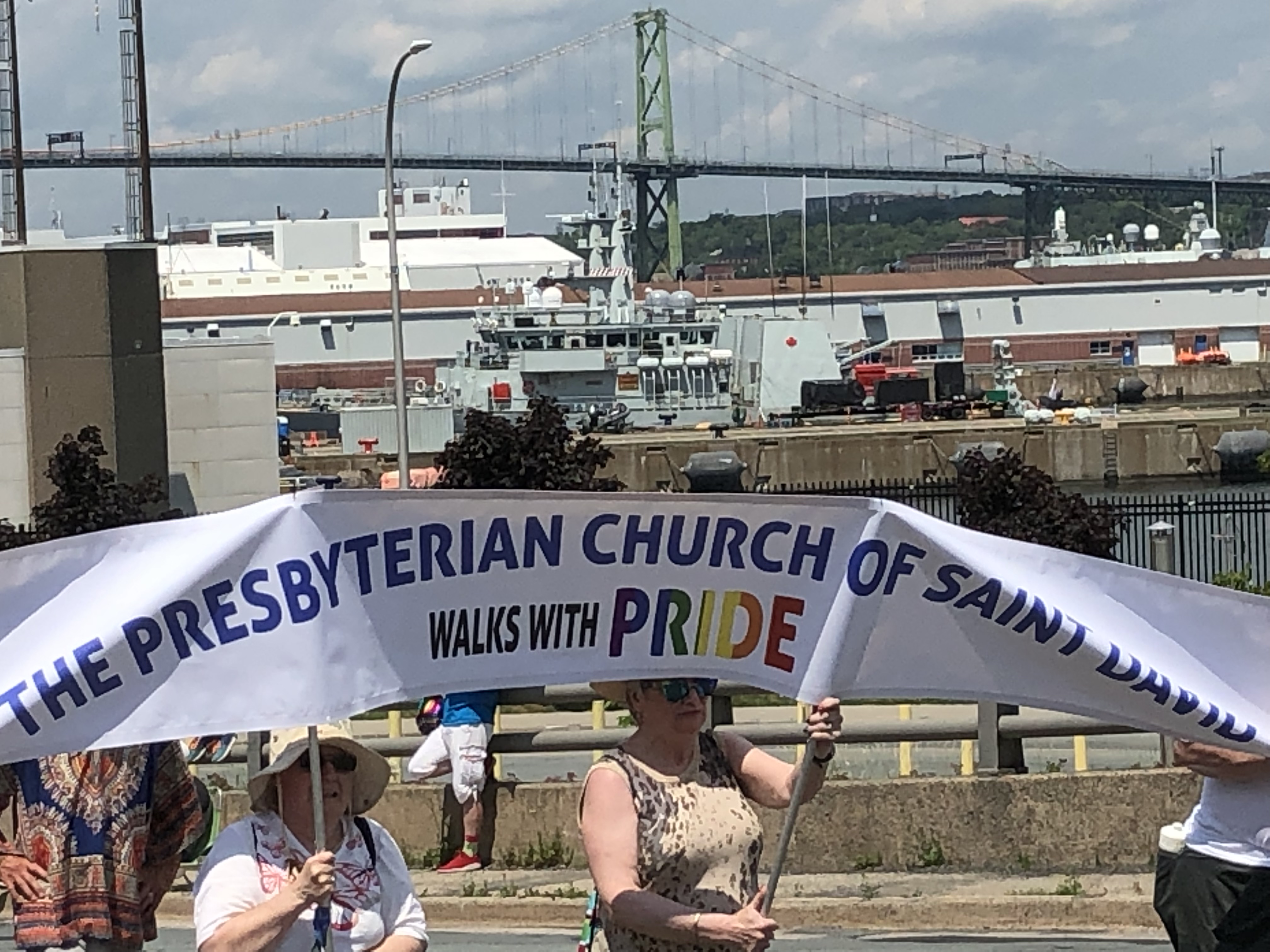
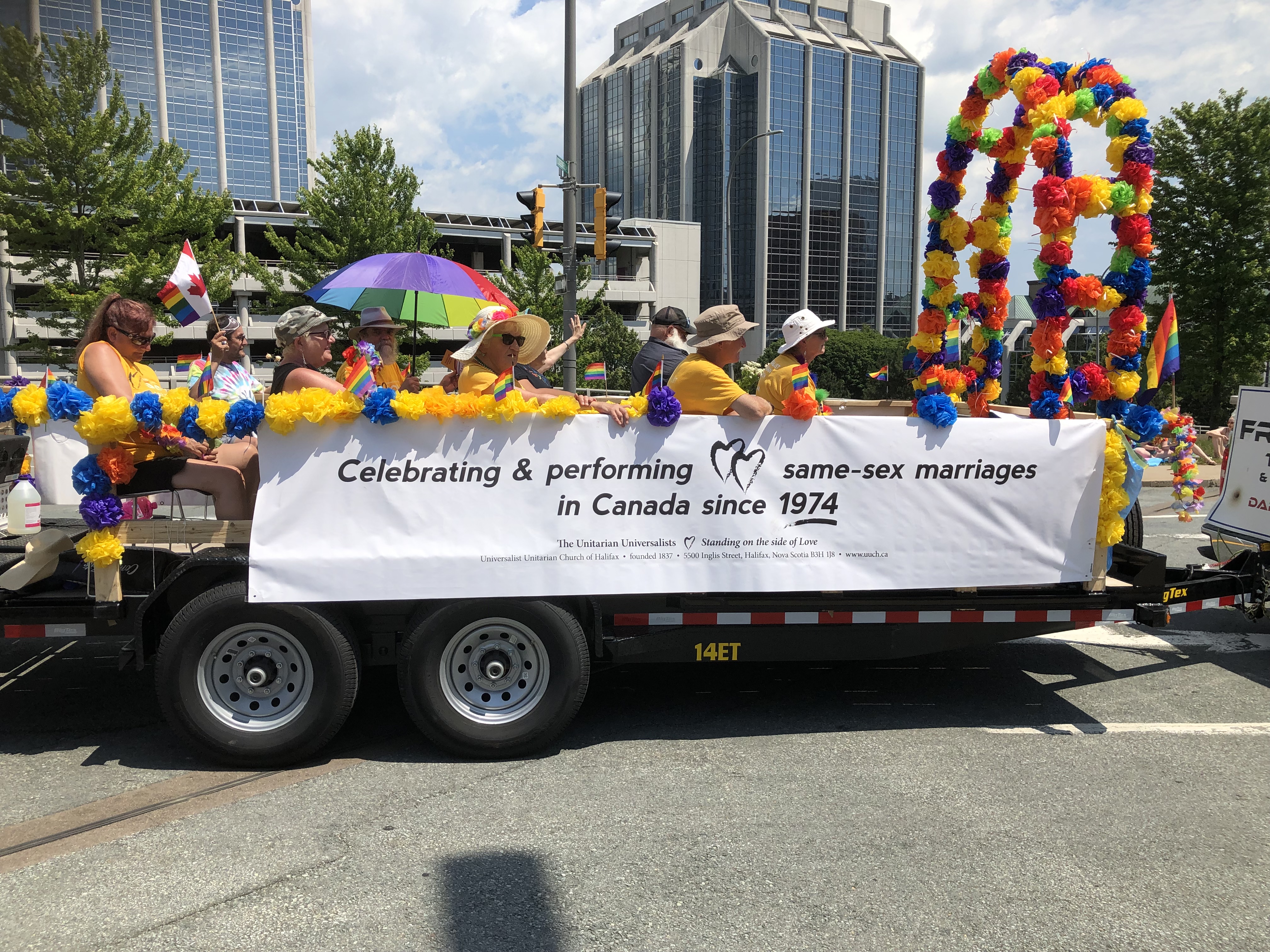
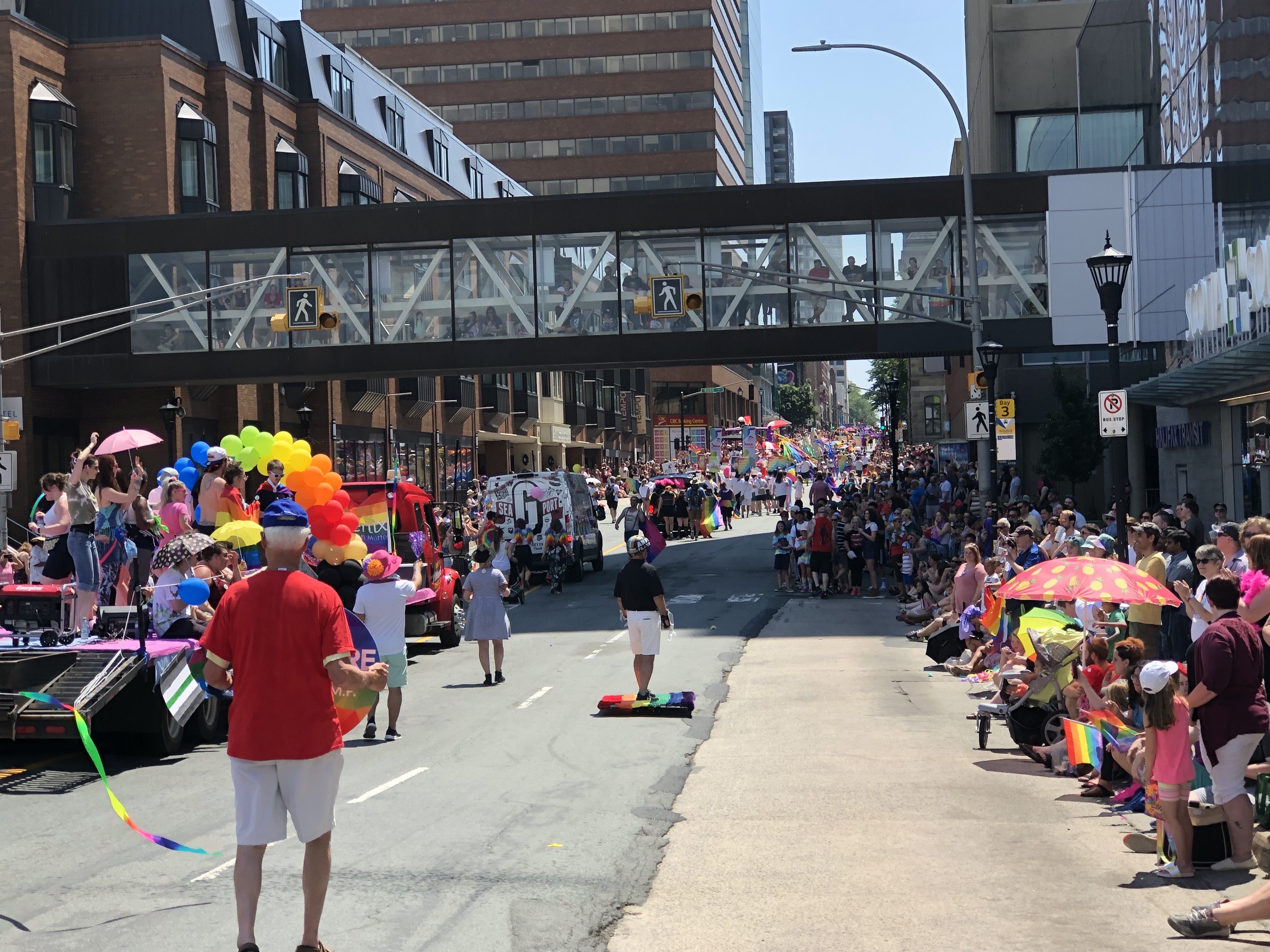
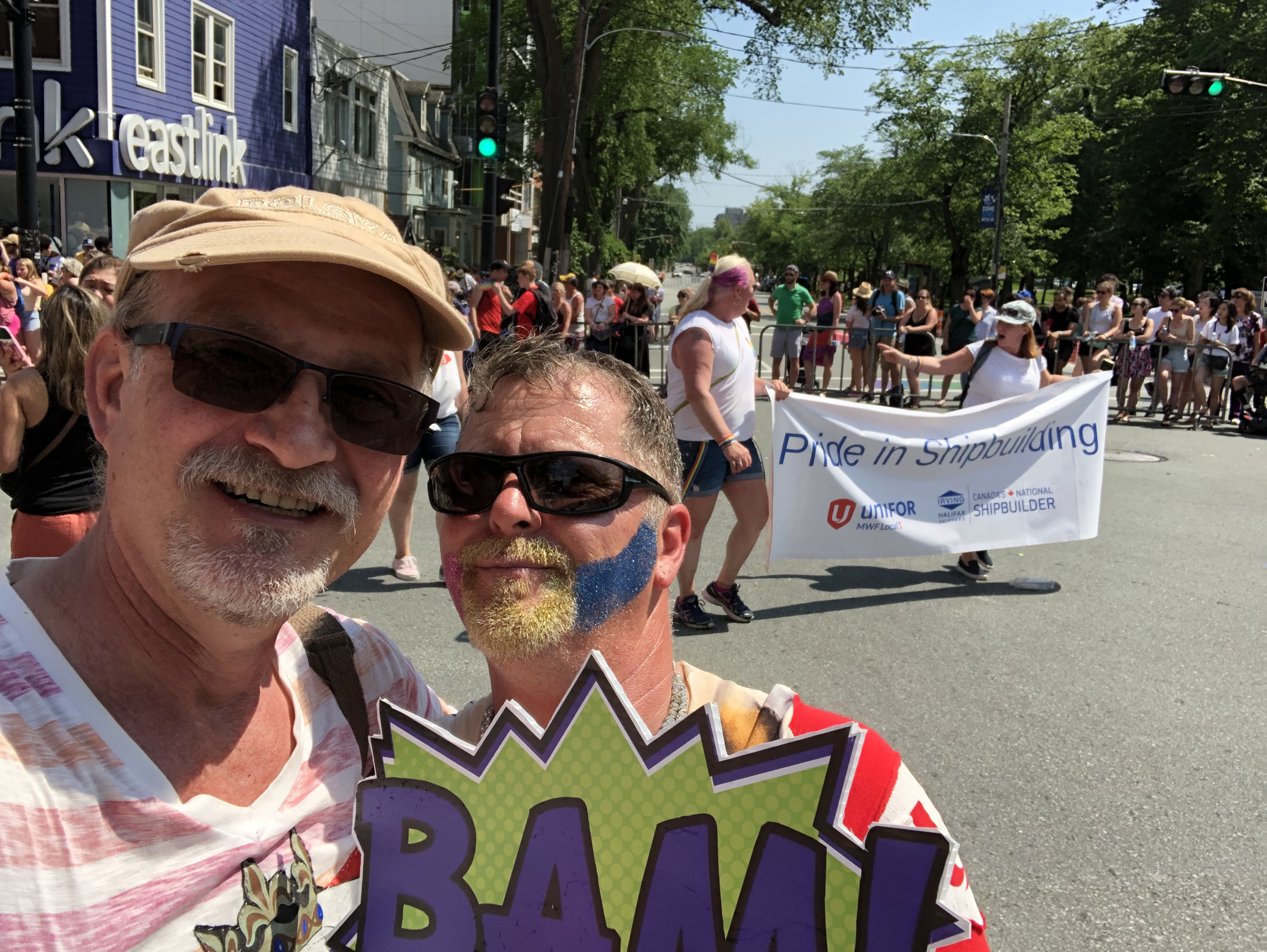
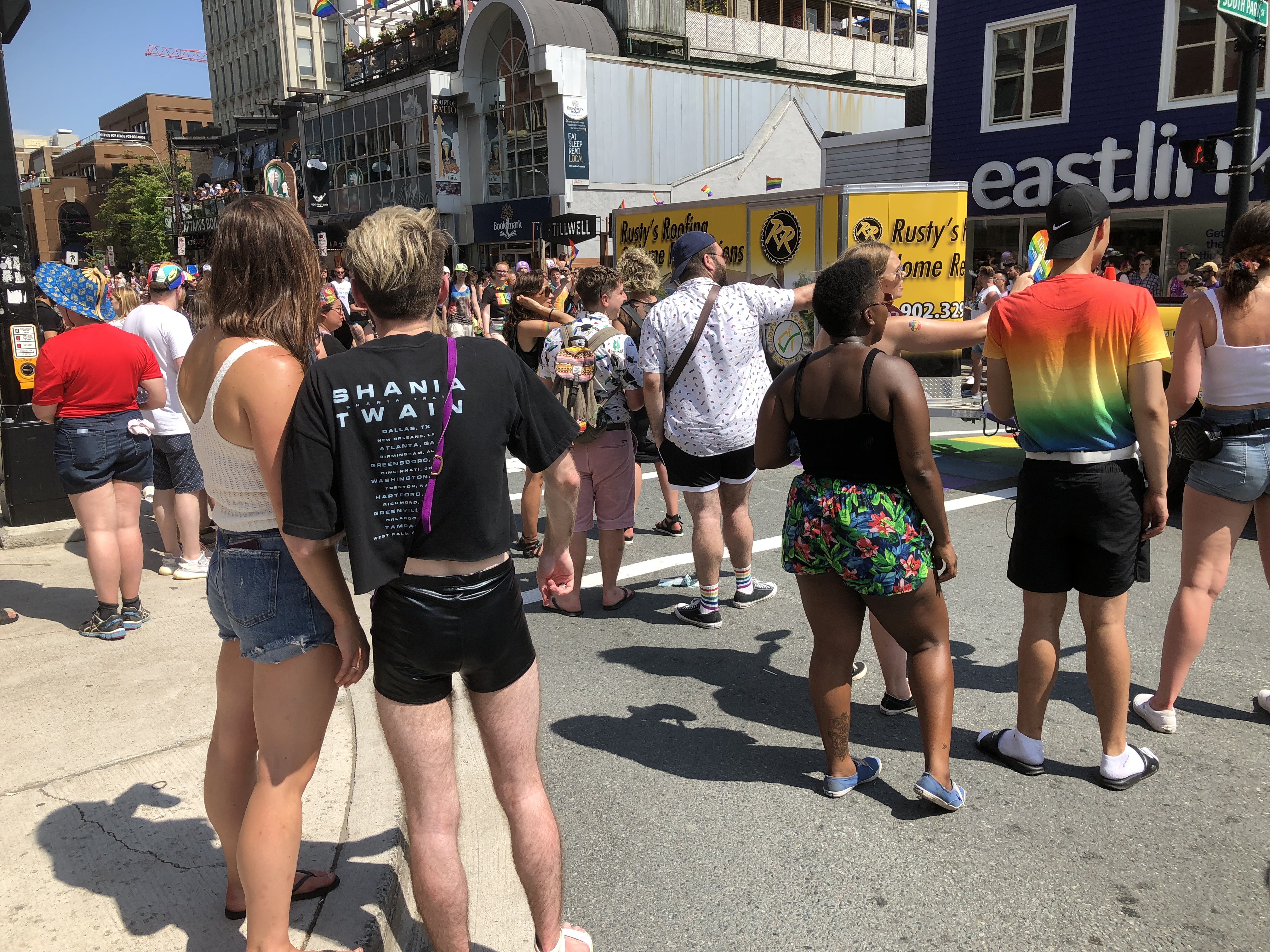
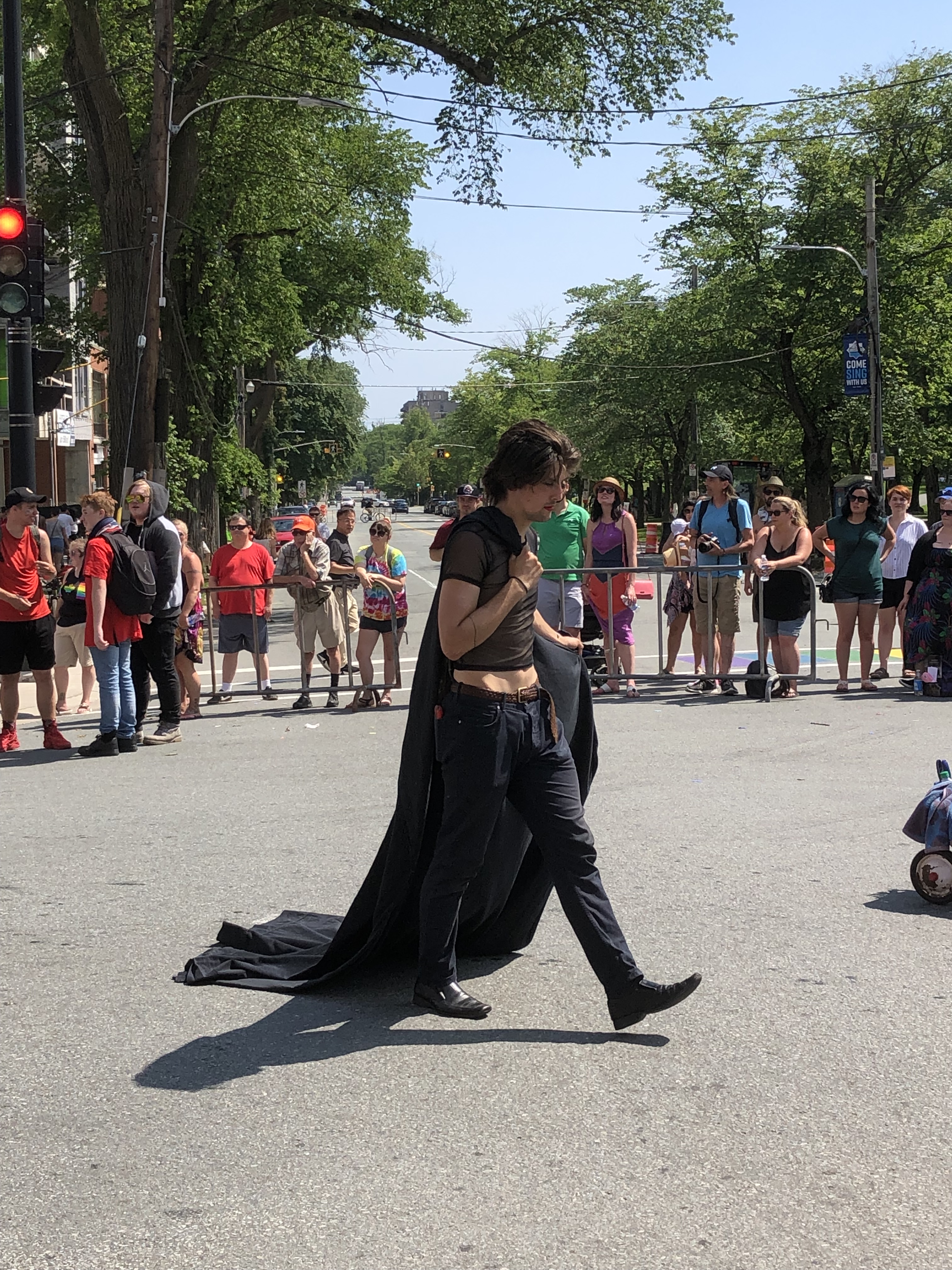
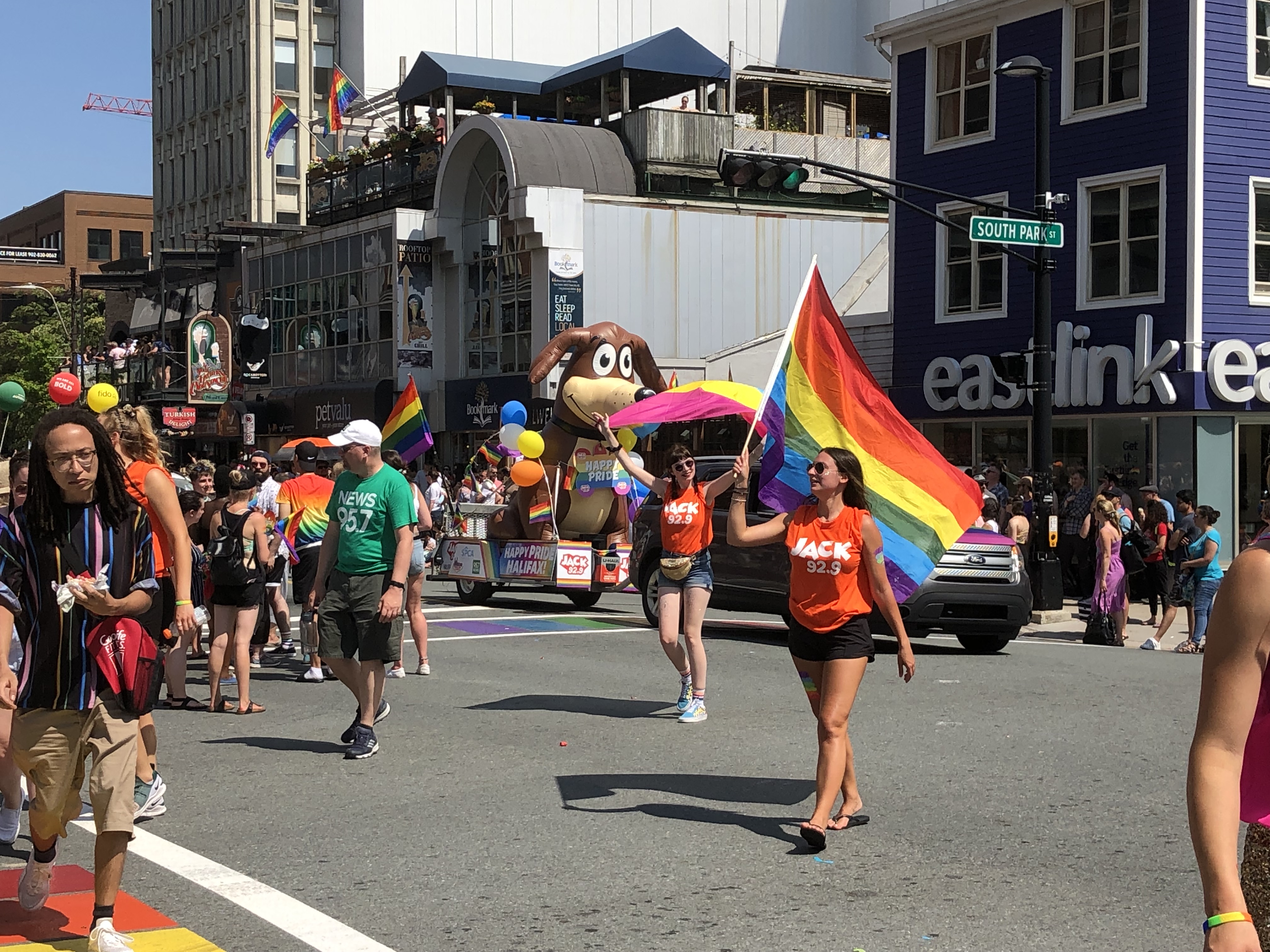
Since than I took part in many big truly Pride Marches. As onlooker and as a participant. Almost all (if not all) Vancouver’s wonderful marches. With my husband John, with my Mom, with friends. The last one I took part in was the 2019 huge Parade in Halifax. It was the first time that there was (from my experience, anyway) such a prominent presence of Canadian Armed Forces (specifically the huge contingent of Canadian Navy. I had a very pleasant and long chat with the Commodore of North Atlantic Fleet.) and very visible presence of, I think, all Christian Churches with their priests and deacons. That was very heartwarming.

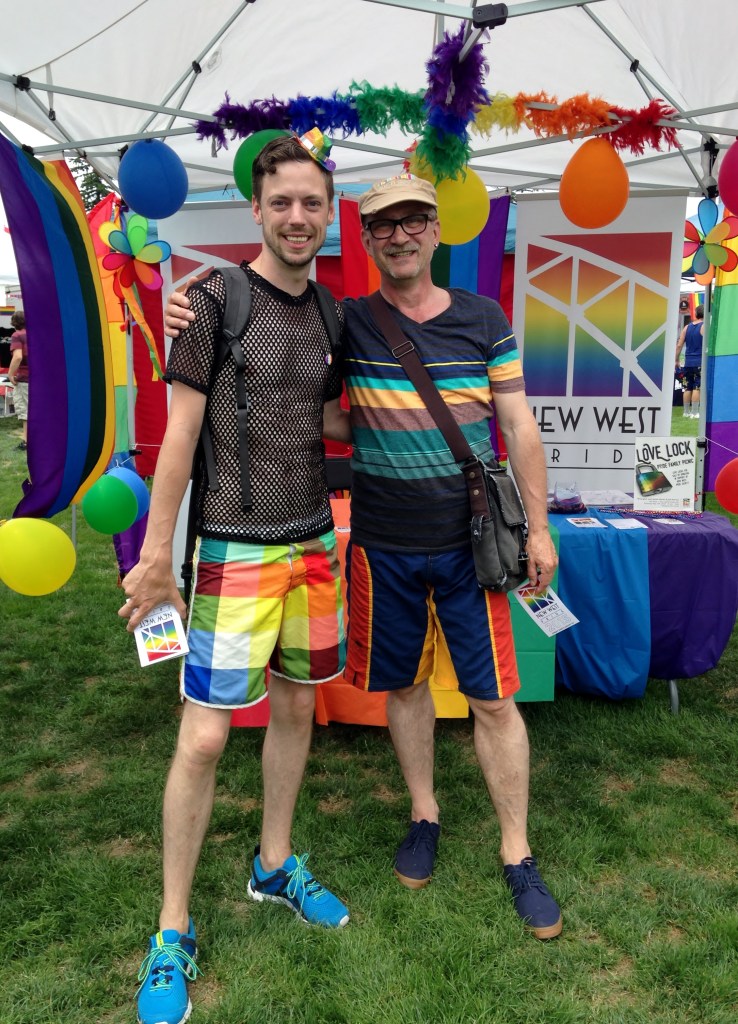
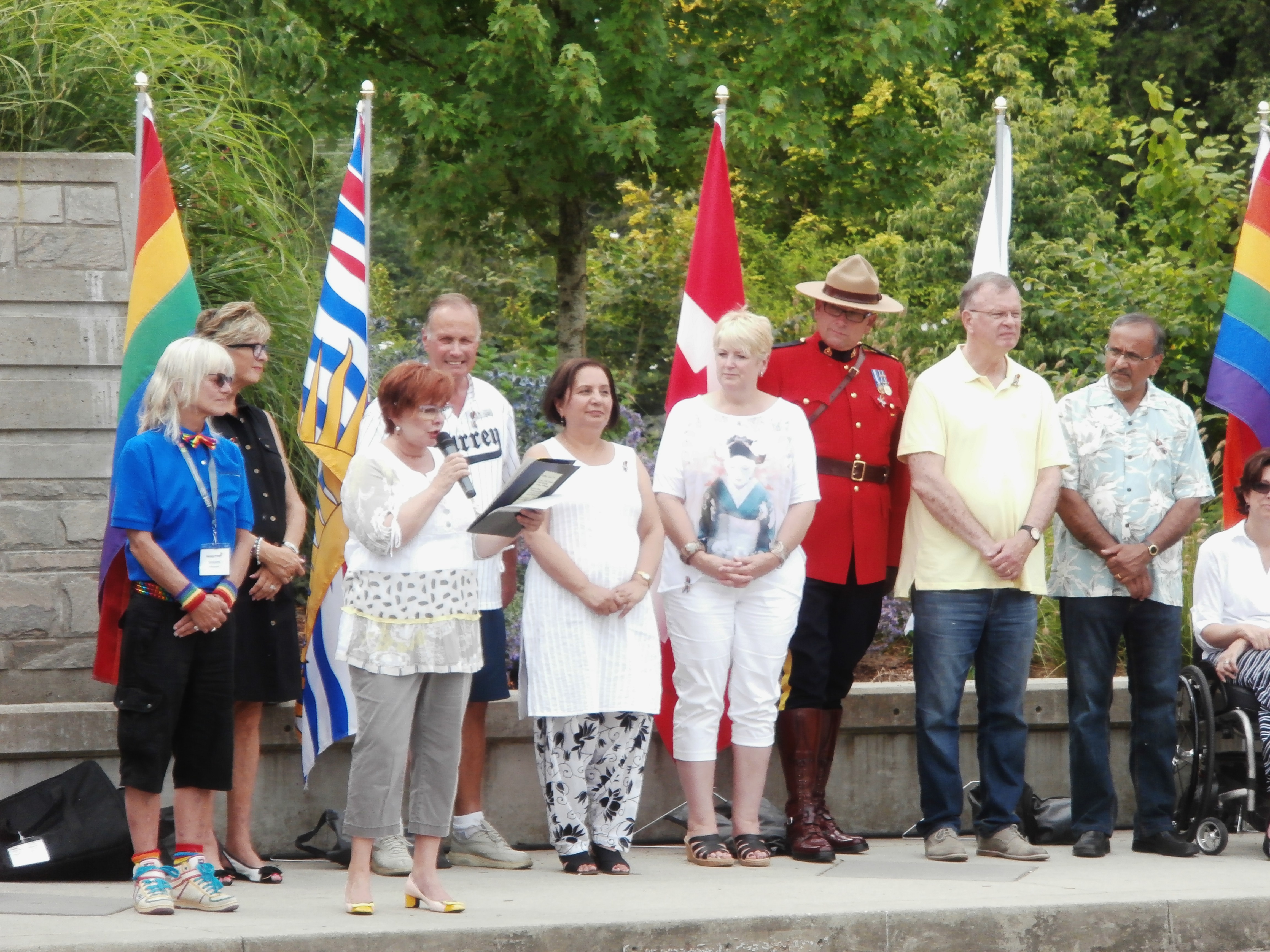
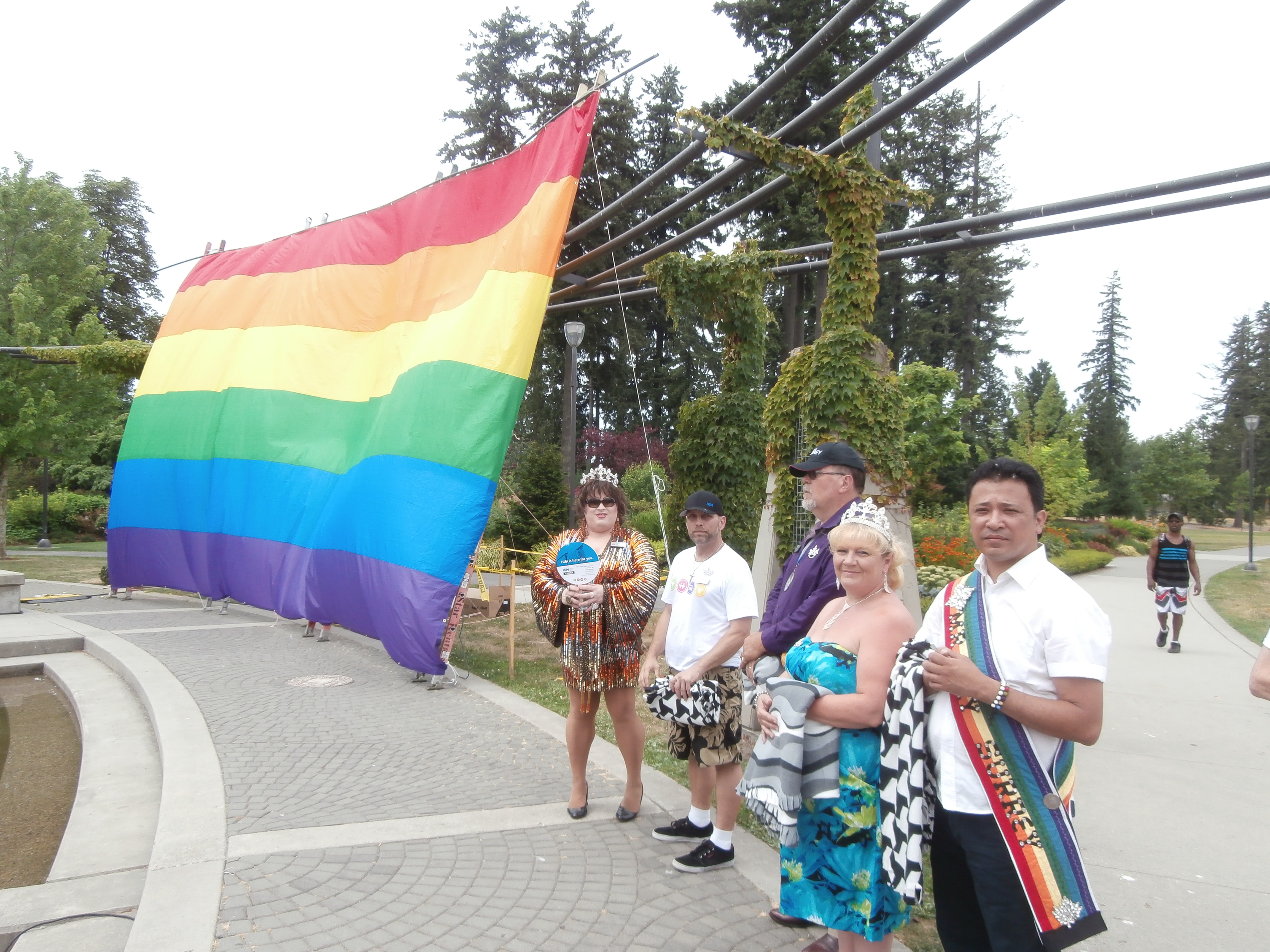
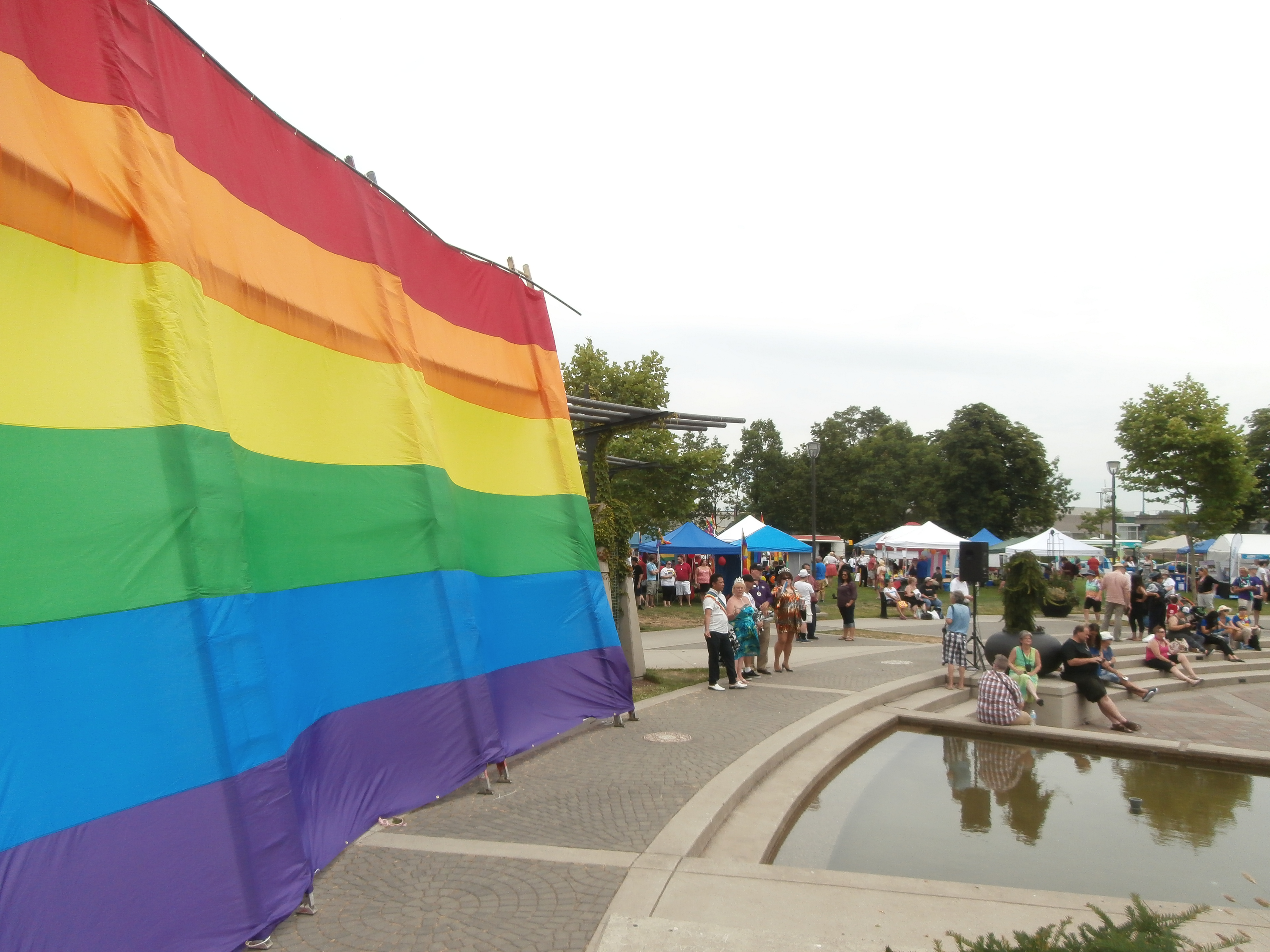
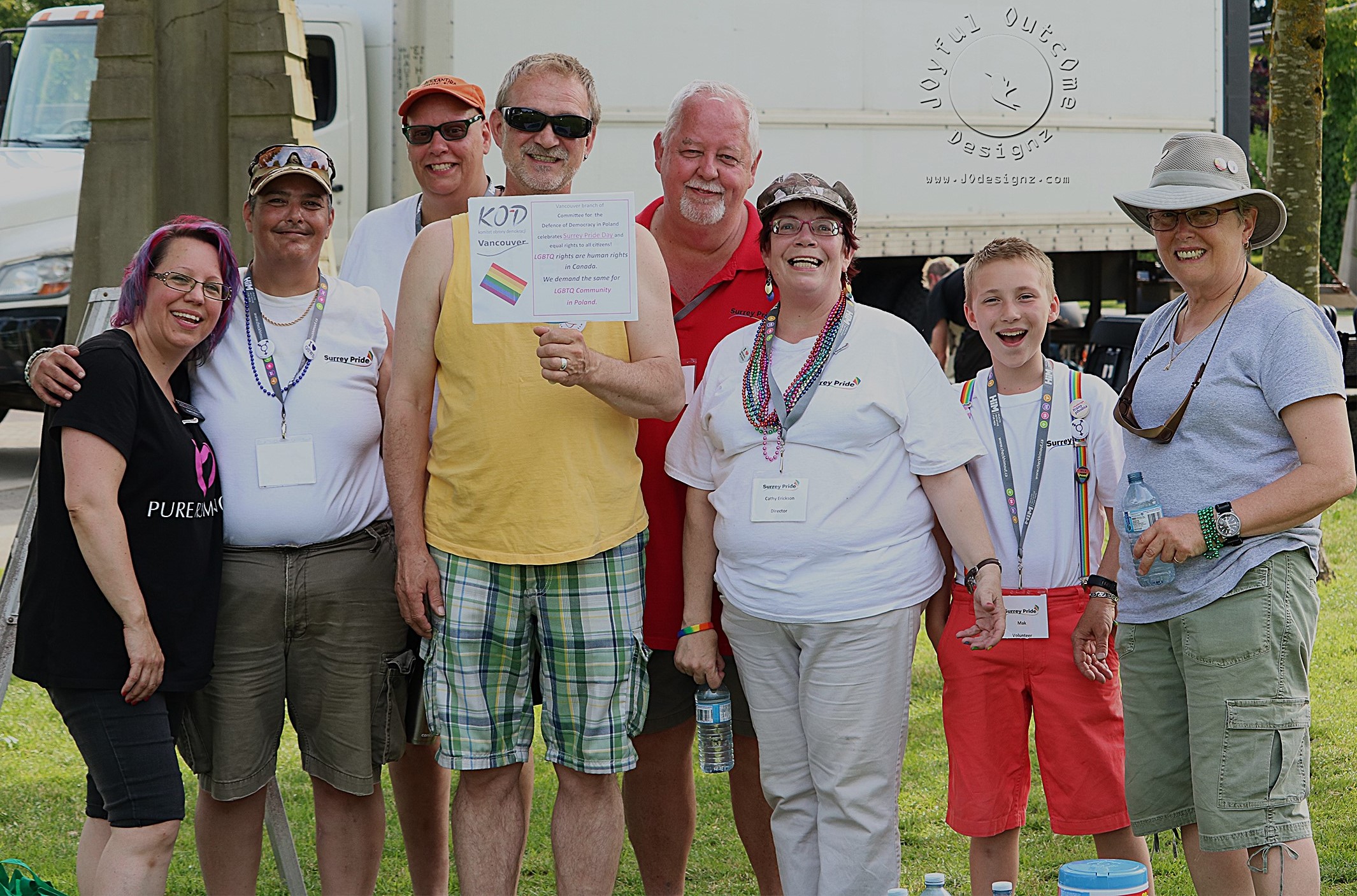
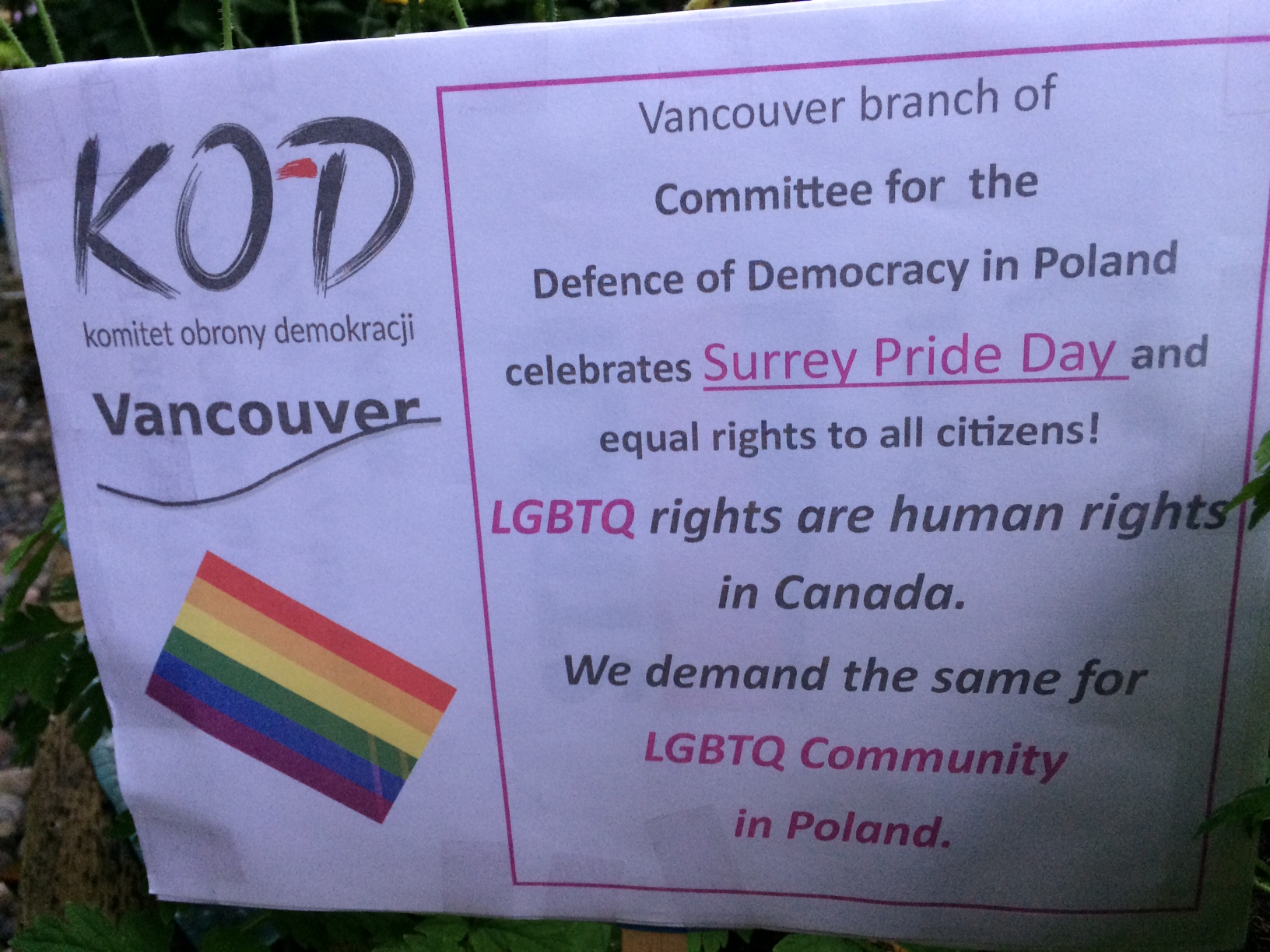
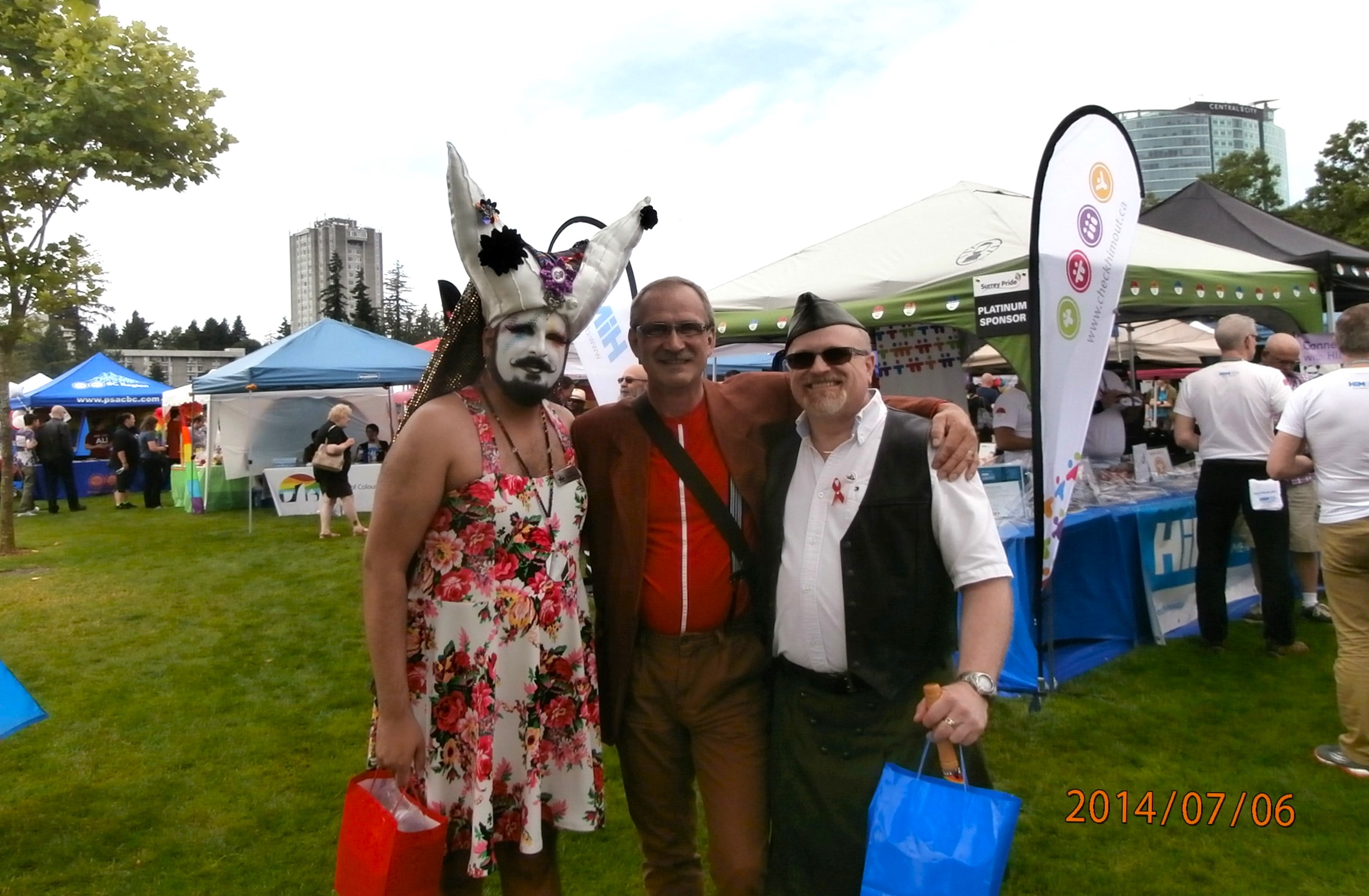
But apart from the big cities and big Marches there were the little ones: in Surrey, BC (in Holland Park), in New Westminster along the Columbia Avenue. And in so many towns and smaller cities across our vast country. Here are some from Surrey. To the left with me is one of the leading organizer of Pride Day events in New West, Jeremy Perry.

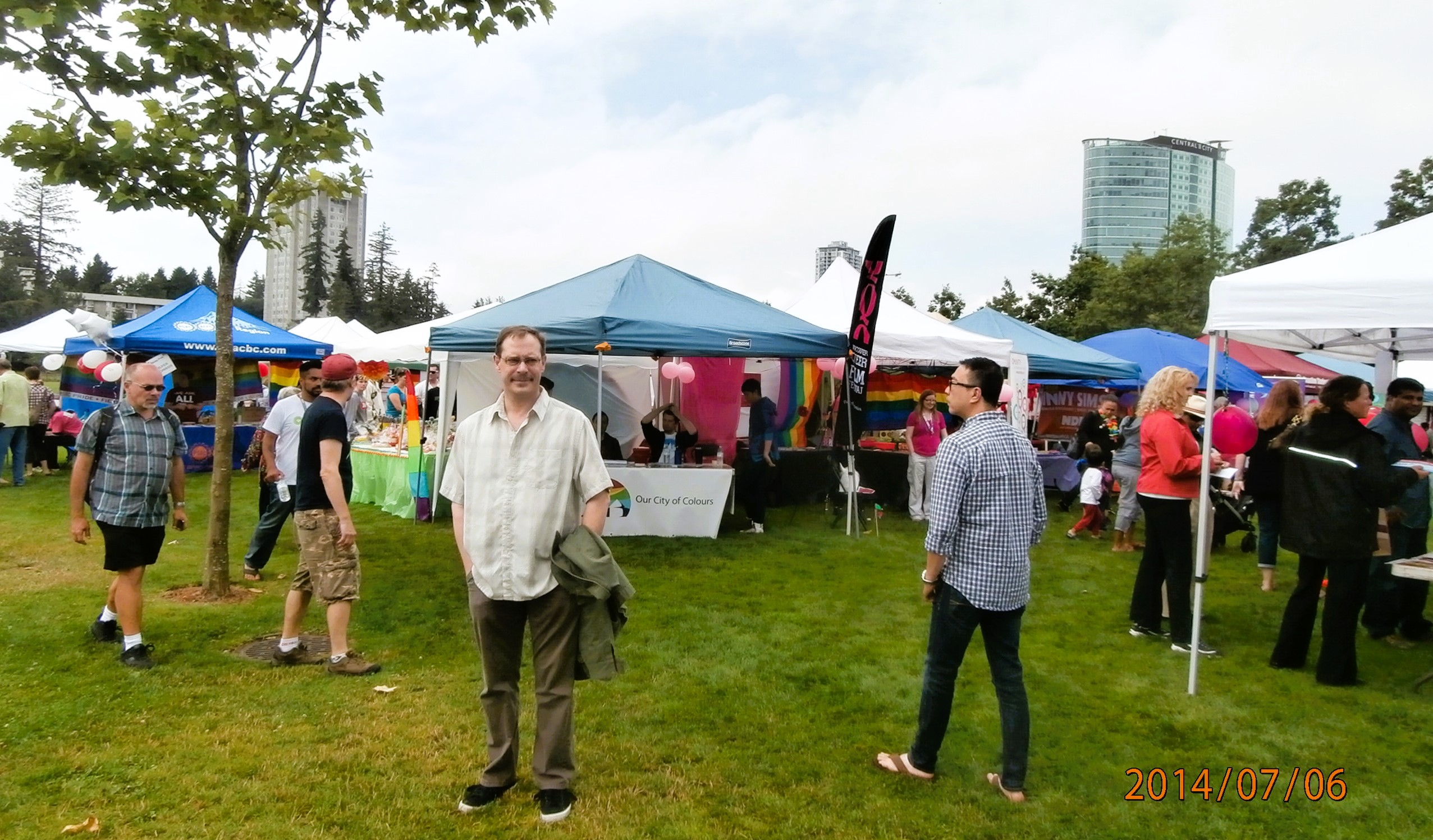
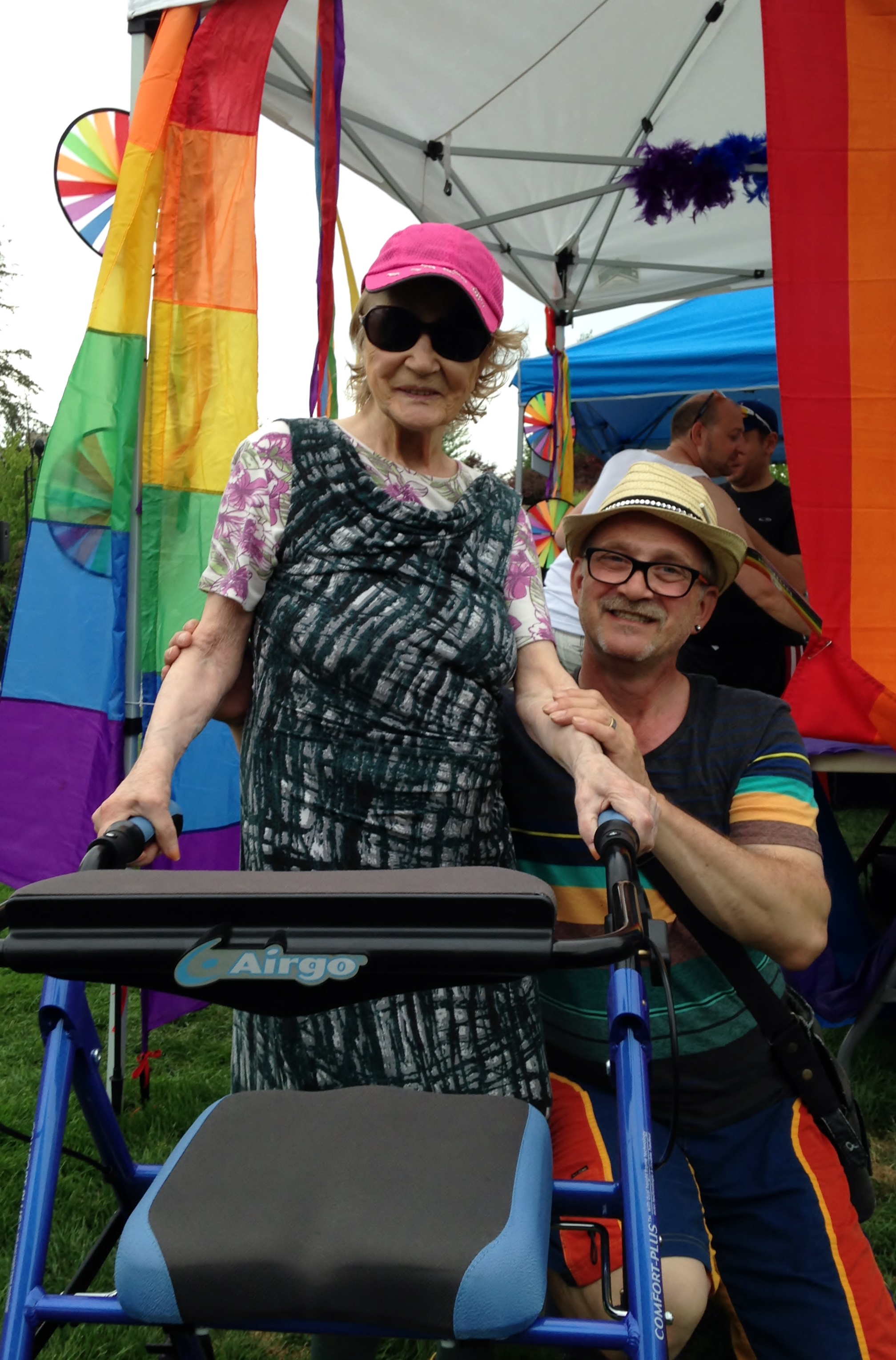
The Holland Park activities in Surrey were more like a big family festyn then traditional March. A tradition was always to have some concert of singers, dancing groups on a big stage in front of the main waterfall. And definitely a good food choices. Atmosphere was just to be happy. Liked them a lot. Below are some pictures from 2014, 15 and 17.

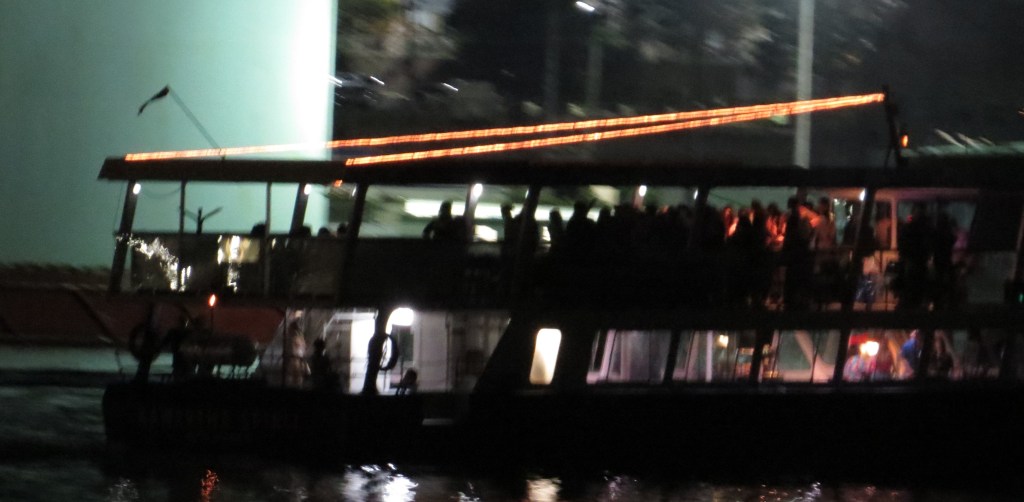
Last picture is from this year Pride in Halifax. A dancing and singing boat of night revelers of Pride.

Kobiety, ach kobiety …

Nie każdego dnia oglądasz bogatą w tradycję ceremonię przekazania władzy, insygniów i dowodzenia Siłami Zbrojnymi państwa. Prowadzącym tą ceremonię, nadającym stopnie i uprawnienia i tzw. Patent Letters (oficjalne dokumenty potwierdzające to) jest formalny Główny Wódz (Wódż Naczelny lub Marszałek Wojsk, jako najbliższe odpowiedniki w polskiej nomenklaturze). W praktyce militarnej Naczelny Wódz to funkcja głownie honorowa w Kanadzie i wielu innych krajach nie będących w stanie wojny. Dowodzeniem wojska, planami dla całości wojsk zawiaduje Sztab Generalny pod dowództwem swojego Szefa. Tak jest też Kanadzie.  Poniżej są oczywiście generałowie-dowódcy wojsk lądowych (Armie), morskich (Navy).

Tak, wiem – tego typu ‘zmiany warty’ odbywają się regularnie w większości krajów świata. Na ogół skutkiem wyborów parlamentarnych, a co się tym wiąże i rządu.

Tylko tu, w Kanadzie  w 2024 mieliśmy sytuację wyjątkowo specjalną:  Naczelnym Wodzem od 2021 jest kobieta, Mary Simon. Też rzecz w Kanadzie nie niezwykła, po 2 wojnie światowej mieliśmy wiele kobiet Generał Gubernatorów (Generał Gubernator jest konstytucyjnie Naczelnym Wodzem). Ale Mary Simon, nasz Naczelny Wódz wręczał te nowe Patent Letters i mianował pełnym generałem nowego Szefa Sztabu Generalnego … kobietę. Jennie Carignan dowodziła wieloma jednostkami wojskowymi od kompanii poczynając, po pełną dywizję, była dowódcą jednostek kanadyjskich w Afganistanie, w Iraku, brała udział w walkach w Bośni-Herzegowinie. W ostatnich czasach miała stopień generała brygady. Ale dziś pełnego generała.  W Kanadzie nie ma tych dodatkowych stopni generalskich (brygady, dywizji i armii) poza wstępnym generała brygady  – potem już tyko pełny generał, bez przyrostków. Ciekawe jak by tu się miały feminitywy (odmiany nazw stopni, tytułów, zawodów na forme żeńską): generałka? pułkowniczka? kapitanka, majorka? Generałową by być nie mogła, bo to  nazwa żony generała.

Abstrahując od tych pytań-żartów lingwistycznych – generał Jennie Carignan jest pierwszą w G7 i G20 kobietą głównodowodzącą narodowymi Siłami Zbrojnymi. I pierwszą w NATO.

Tak więc kobieta Naczelny Wódz wręczała kobiecie nominację generalską i czyniła ją Szefem Sztabu Generalnego Kanady. Imponujące. Faceci mogli przemawiać dopiero później, po tych dwóch paniach (premier Kanady Justin Trudeau i Minister Obrony). Politycznie naturalnie, że Premier był tym, który to zainicjował i chwała mu za to. Ale z formalnego punktu widzenia to właśnie Gubernator Simon musiała to zatwierdzić i tylko ona mogła tą ceremonie przeprowadzić. Panowie politycy byli gośćmi honorowymi.

W wojnie o niepodległość USA jednym z ważniejszych bohaterów-dowódców był też – generał kawalerii Kazimierz Pułaski, jakby wówczas powiedziano – hermafrodyta. Ale nie wiedziano, więc nie powiedziano. A dziś wiemy, że był/a osobą transpłciową, gender-queer. Był/a drobny, porywczy i od kobiet stronił. Rysy miał zdecydowanie kobiece. Kawalerzystą świetnym i w fechtunku doskonały. I był/a dobrym sztabowcem i organizatorem wojsk. Tak więc i my Polacy nie gorsi. Nie tylko jednej i drugiej płci dowódców mieliśmy (Emilia Plater na przykład), ale poszliśmy dalej – wysokiego rangą dowódcę, który obie płcie reprezentował. I czemu nie?

Sunshine and Fog – Laughter and tears … Między Nadzieją i Zwątpieniem

Sunshine and Fog – Laughter and tears … Między Nadzieją i Zwątpieniem

Synopsis in English: My travels trough Nova Scotia’s Eastern Shore brought me so much joy through last year. I should say: OUR travels, mine and John, as that what it really was. Traveling through OUR places, OUR spots. Re-visiting them. Celebrating OUR time.

On surface it might have appeared as simply photographic chronicle of the gems this Province has to offer for a traveler. Of course, in a way it was, and I’m happy if it enticed someone to visit the wonders of our beaches. As wonderous they are, indeed. But this year, in the last few months, it has become harder for me to feel only the joy, the childish almost happiness in playing in waves of Atlantic. Muscular, powerful waves, that can caress you like if you were a child – if you trust them, if you respect them. Or can hurt you if you arrogantly pretend that you can outsmart them.

This year I started loosing John’s presence on this journeys. As if he become bored with the pretense of staging reality. Him becoming a shadow, but a shadow seldom willing to be an active part in these beach plays. Back in our days in BC, there used to be a Theater Festival in Vancouver called Bard on The Beach. There was a circus-like huge tent next to gray building of Vancouver Music Conservatory and Shakespeare was performed there.

My Bard lost interest in my festival of Love. So I thought. That is how my written chronicle of these visits with Atlantic had to turn to literary word, to prose and poetry. And now He is back with me again. Helping me again to find my spot on the map. My new place for OUR love, Our time.

And I can post again happy pictures of children frolicking in the water, of couples walking on shore holding hands.

In the Polish text below I write of my search of familiar places, of my past mountain peaks, about fog and mist that obscures the vistas from my memory. But I sense their presence. I will not translate it, it is pointless. But you, dear reader, will understand why I write what I write. With poetic prose, with poetry you escape the boredom of repetitions of the same images and stories. Even if they are small parts of one large story. In a sense – Epiphany of Love.

Ogarnia mnie dziwny niepokój, rosnący każdego dnia.

Stoję na wąskiej granicy oddzielającym skrawek plaży od nadbiegającej grzywy wielkiej fali. Galopuje w pianie opadającej jej z pyska białymi płatami, jak Wielki Koń Czasu. Tratuje kopytami plażę, wyrzuca wysoko w górę ciężkie kamienie wyrwane ziemi w odległych zatokach. Bawi się nimi, jak piłeczkami ping ponga. Przynosi zapach glonów, małż i wielkich ryb łypiących okrągłymi oczami bez wyrazu.

Oddalam się od tego pola walki. Idę w przeciwną stronę – do siniejących szczytów Wielkich Gór po drugiej stronie kontynentu.

Z dna zielonych dolin kieruję się w głębokie żleby skał. Wspinam się na grań przełęczy. Wokół gołoborza szarych skał, w dole ciemnozielone ramiona sosen. Szczyt nad przełęczą ma jedna stronę płonącą w promieniach słońca, drugą otuloną chustą mgły.

Szukam zagubionej ścieżki, zarośniętego szlaku, który ma mnie zaprowadzić do zapomnianego schroniska, chatki z kamieni i omszałych pni, która ma dawać schronienie zagubionemu nocą wędrowcy.

Zza tej mgły wyłaniają się nagle znajome szczyty Gór Świata: Świnica, Rysy i Zawrat tatrzańskie; kruszące się w spiekocie stare włoskie Apeniny; groźne śnieżne olbrzymy na granicy Patagonii i Chile; Mount Temple i Castel Mountain w kanadyjskich Kordylierach, majestatyczna strażniczka Gór Skalistych – Mount Assiniboine, górująca nad nimi z oddali Mount Robson; wyrastające z wiecznych lodowców szczyty Gór św. Eliasza na Jukonie; samotny szczyt Mount Cook w Nowej Zelandii; Dwa Lwy nad Vancouverem.

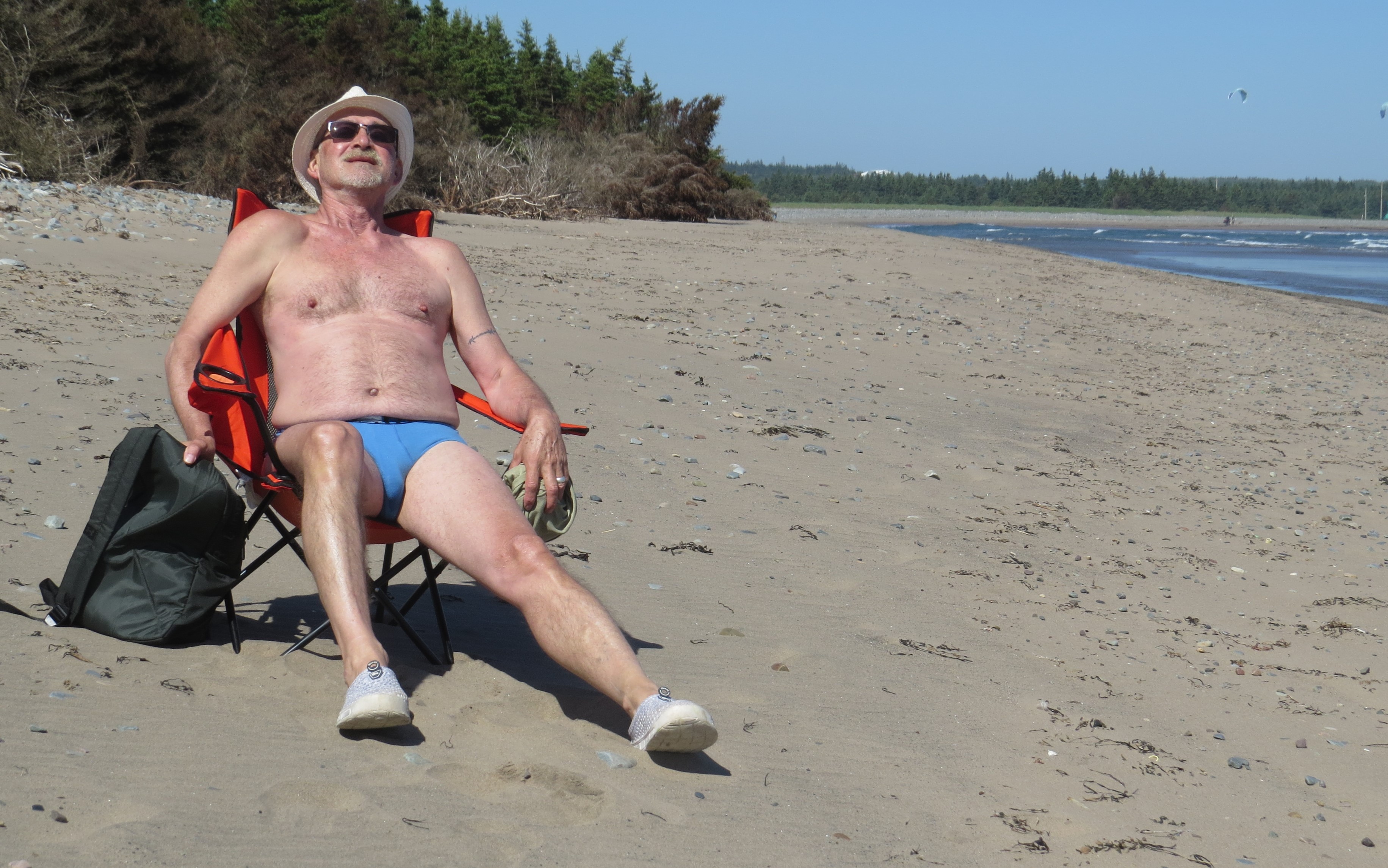
Kuszą spoza tej mgły, wołają cichym gwizdem świstaków: chodź raz jeszcze z dolin do nas! Opowiemy ci nowe stare legendy. I już bym czekan chwycił, już buty silne założył … i nagle budzę się w składanym krześle na plaży atlantyckiej, która mnie uśpiła monotonną kołysanką fal. Pod nogami leży w piasku notes z jakimiś historiami o jakichś szczytach w różnych częściach świata. Od morza nadchodzi znowu mgła, robi się zimno. Czas się zbierać do domu.

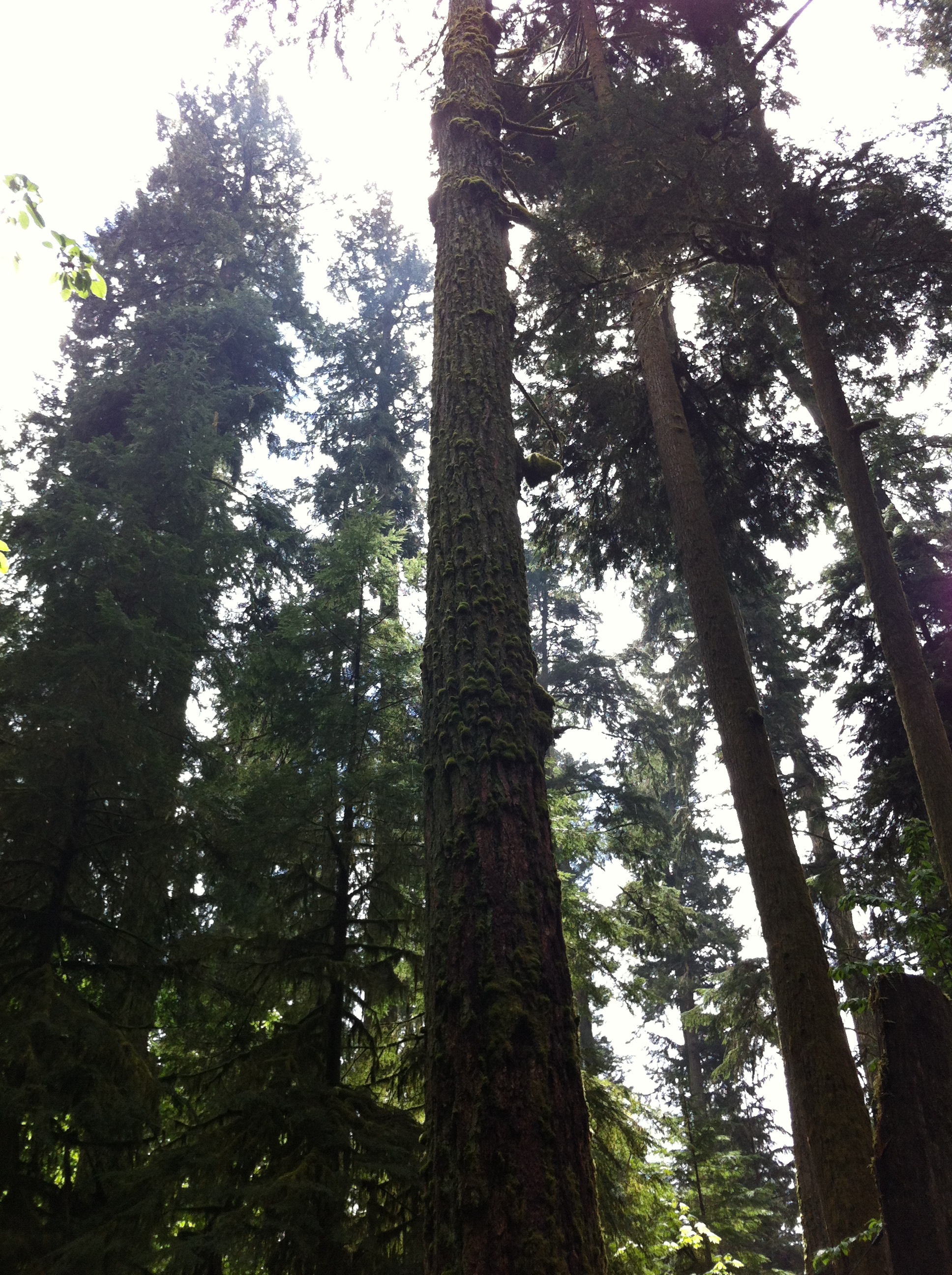
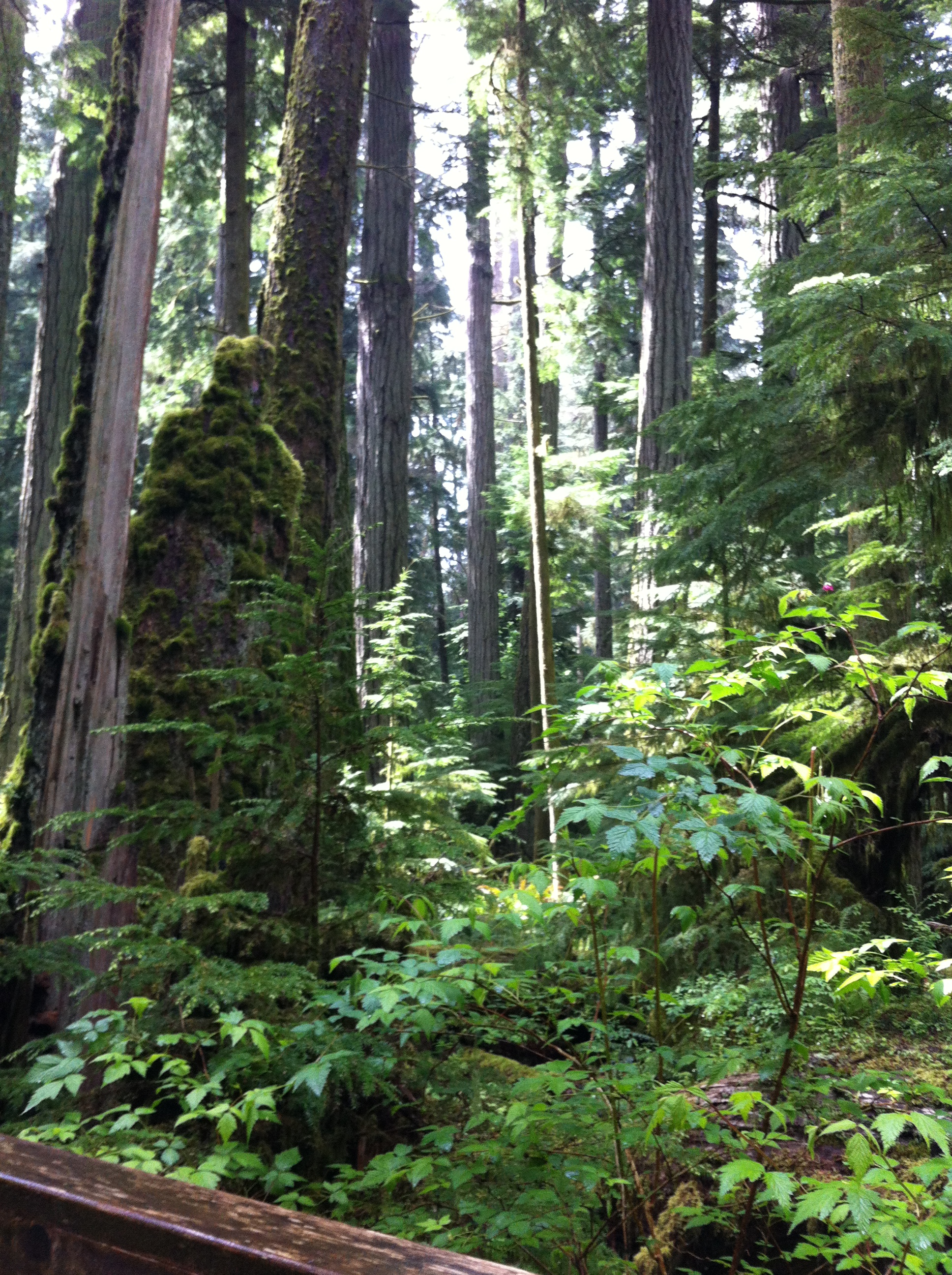
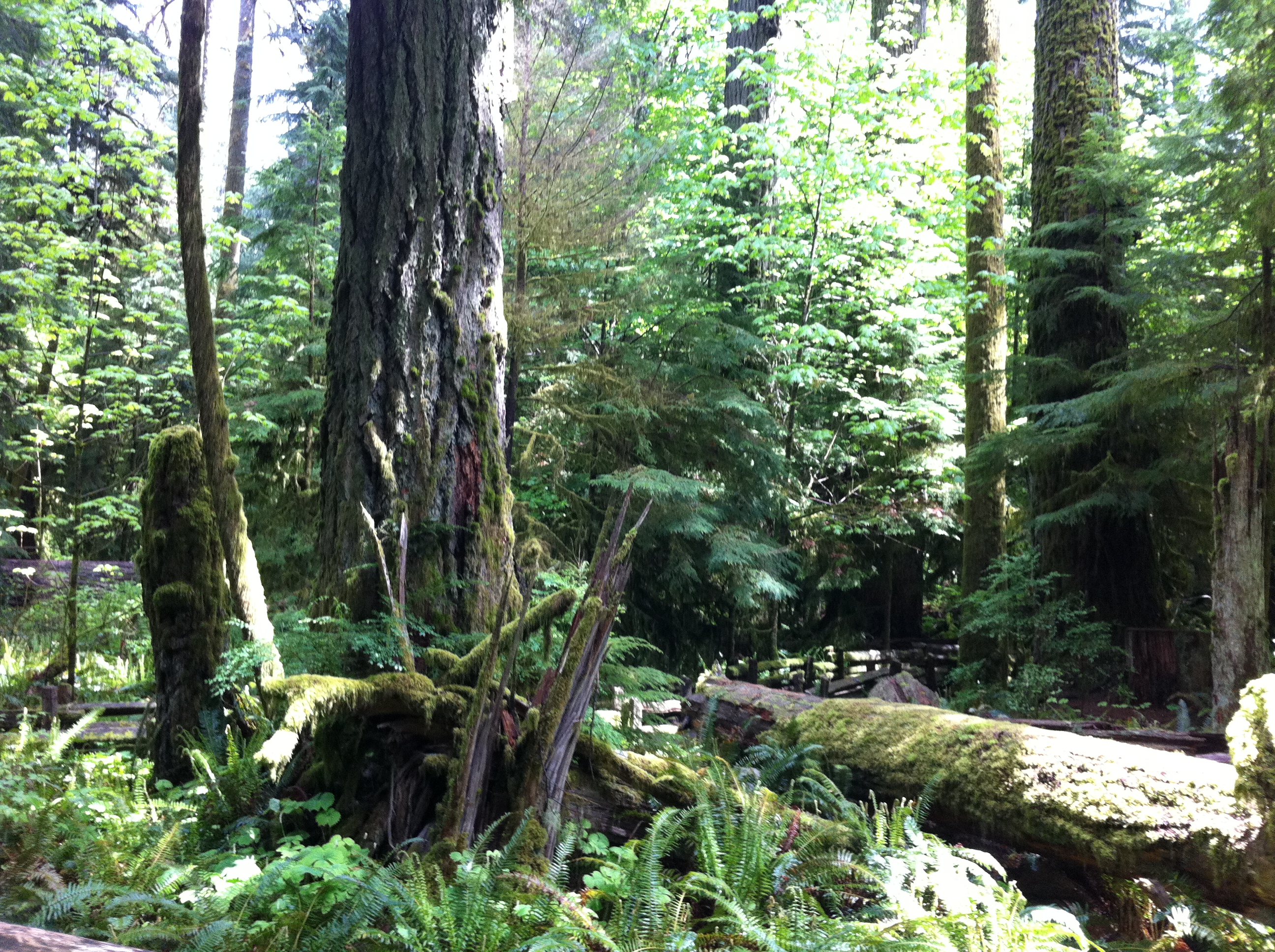
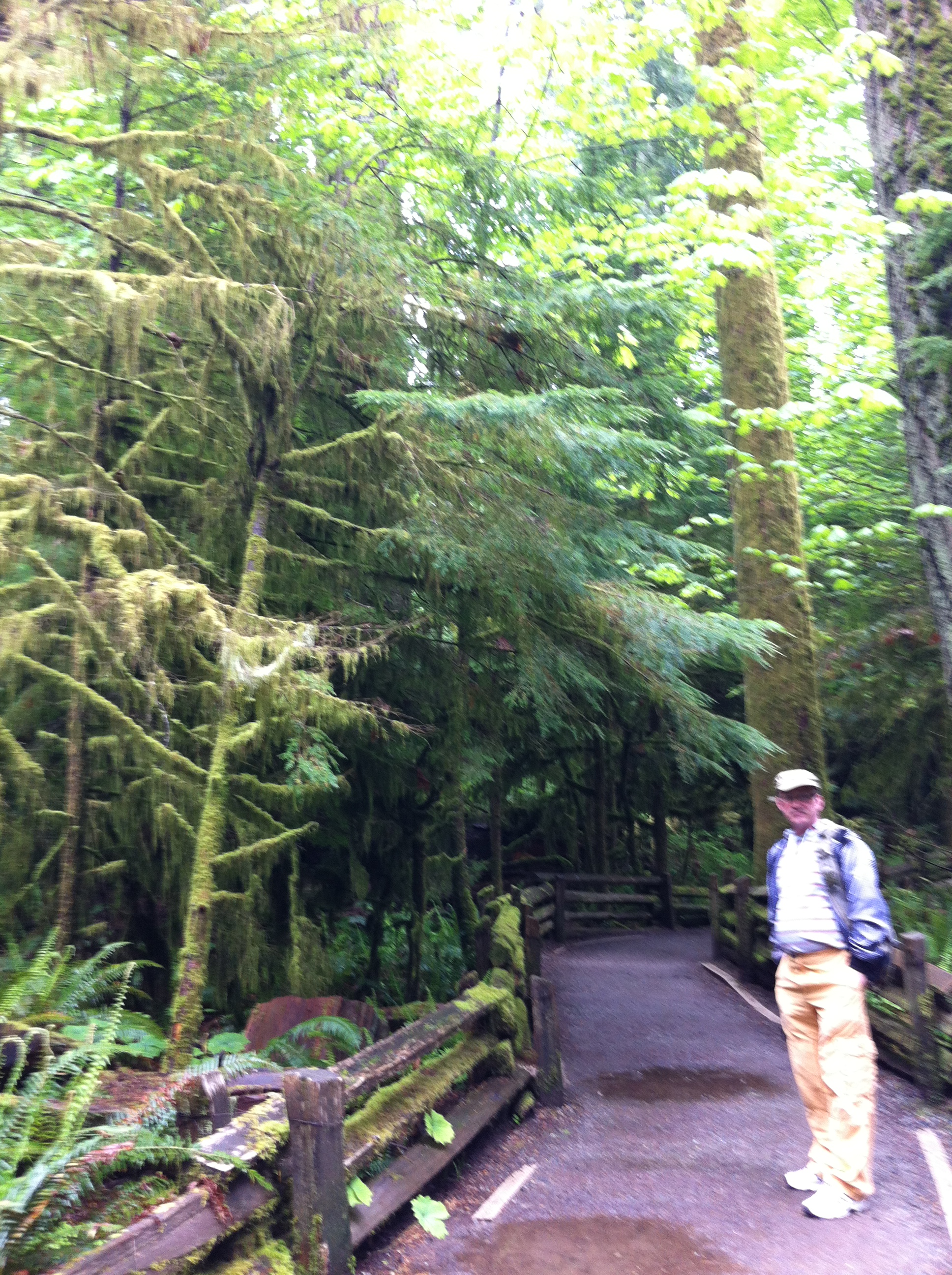
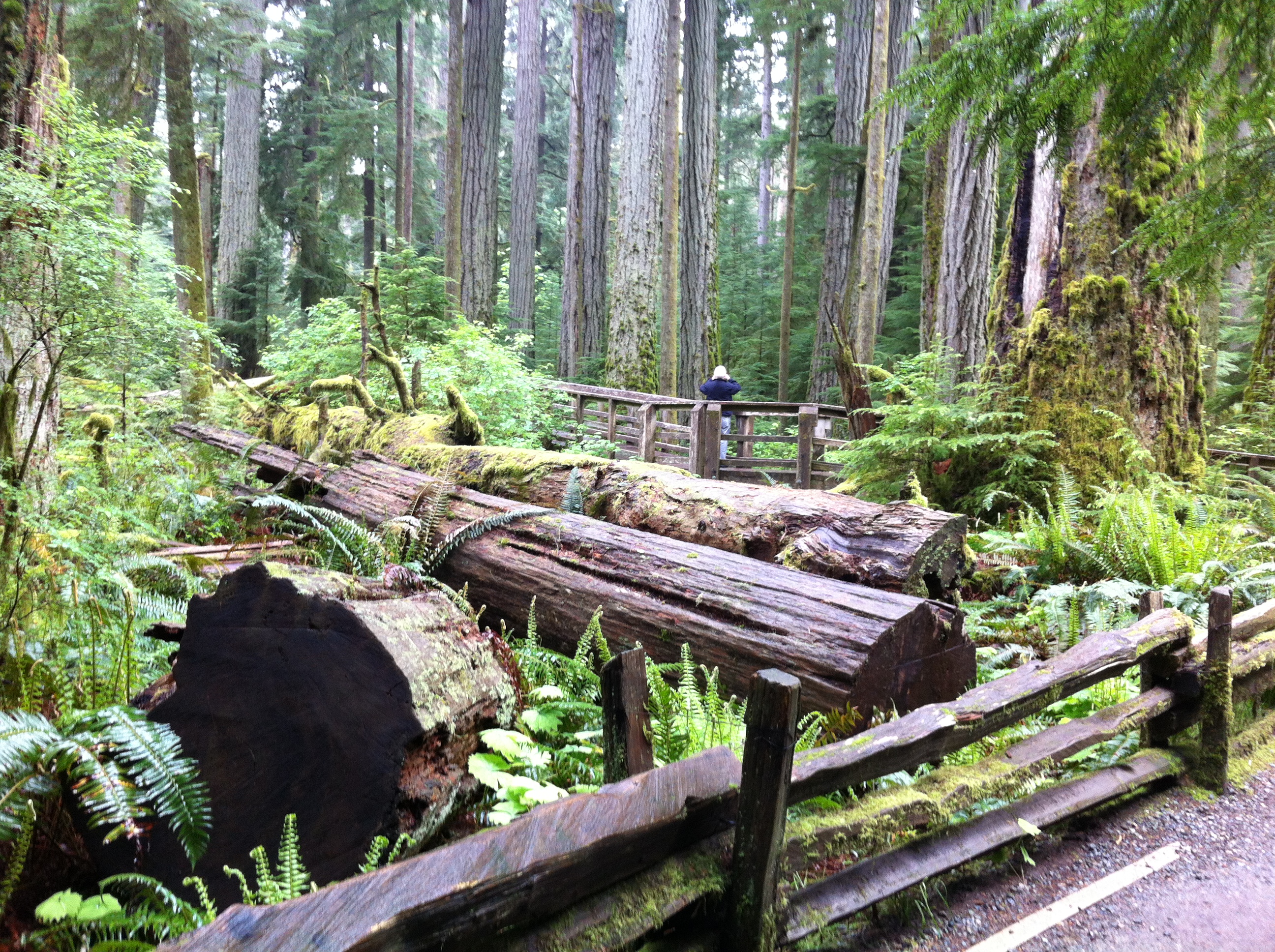
Long Beach and Cathedral Forest on Vancouver Island, BC

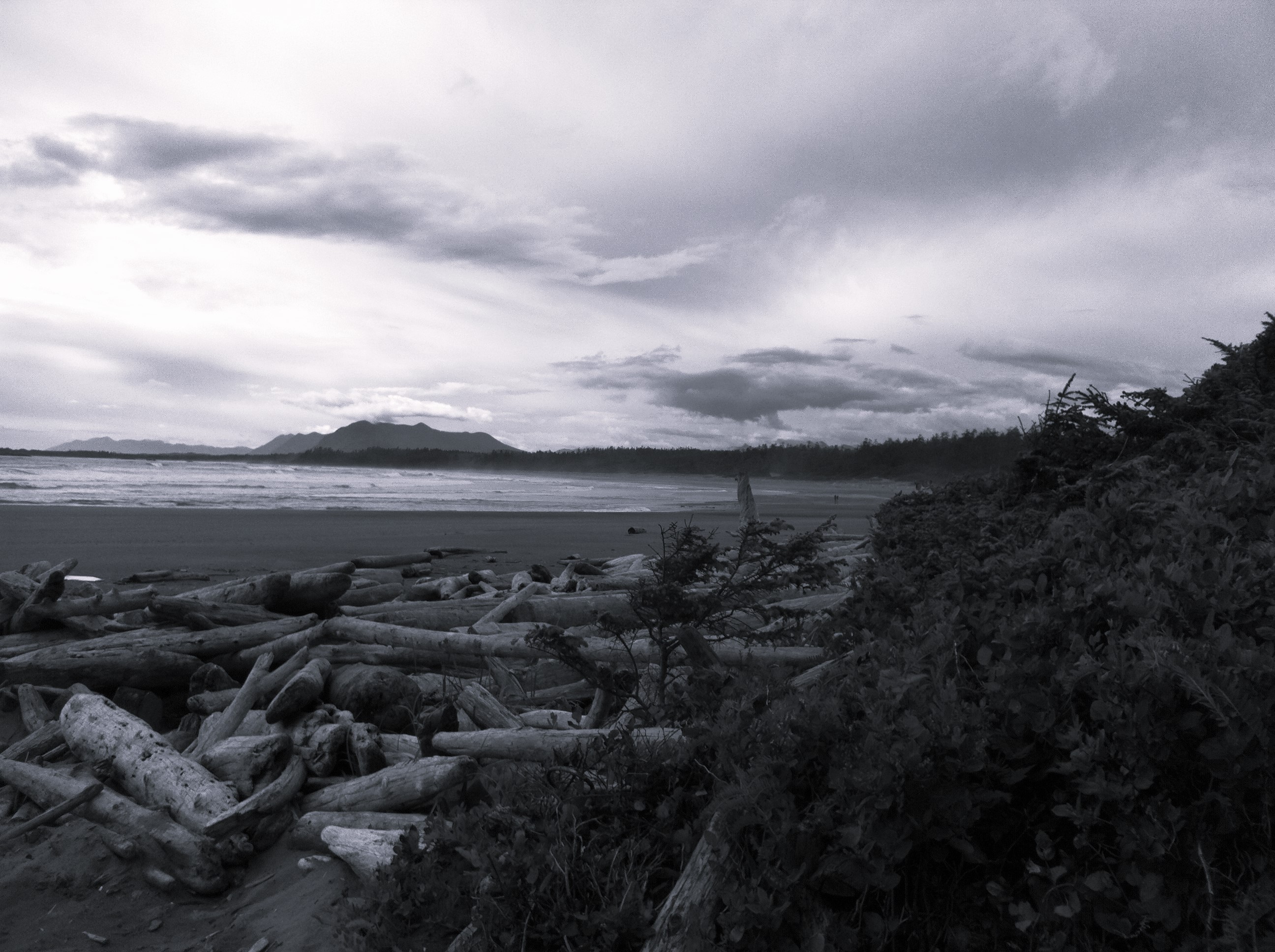
There was a lot of photographs here of the beauty and wilderness of Nova Scotia beaches on Atlantic shores.

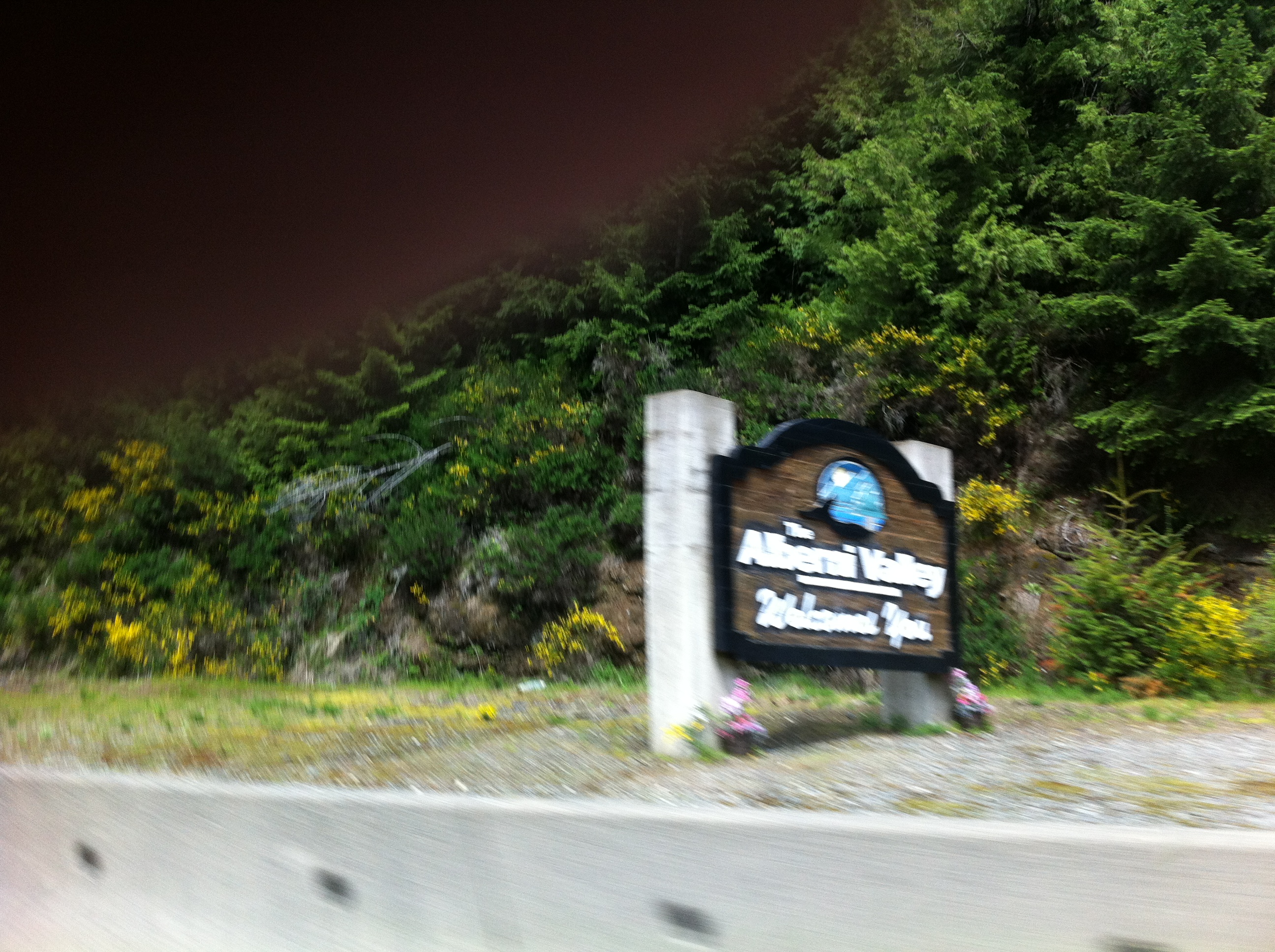
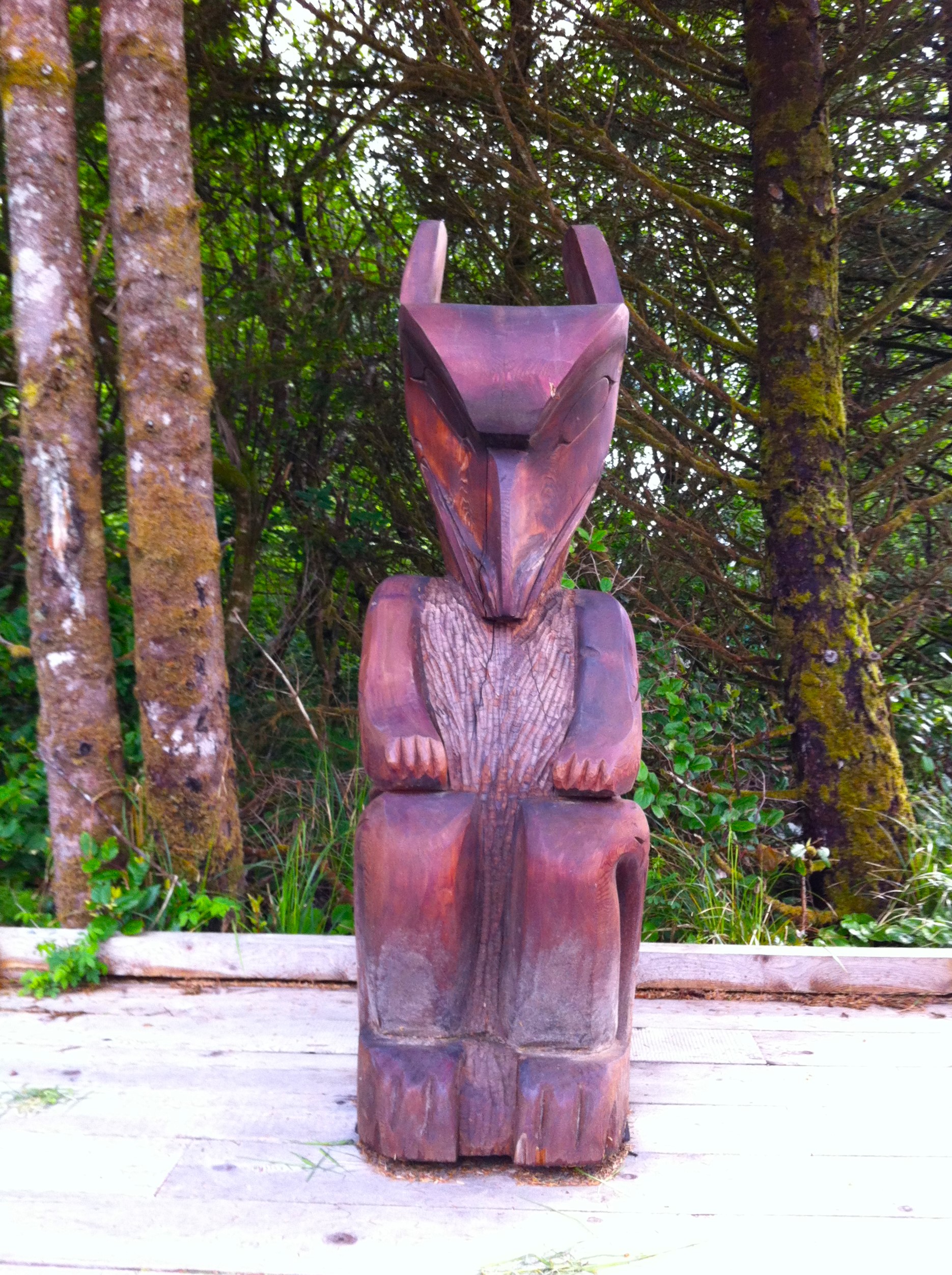
But how could I forget about the other absolute gem on the opposite side of this, Canadian continent? The magic of Long Beach on Vancouver Island and – at times – the hair rising drive from Port Alberni pass the Kennedy Lake, to Ucluelet and Tofino.

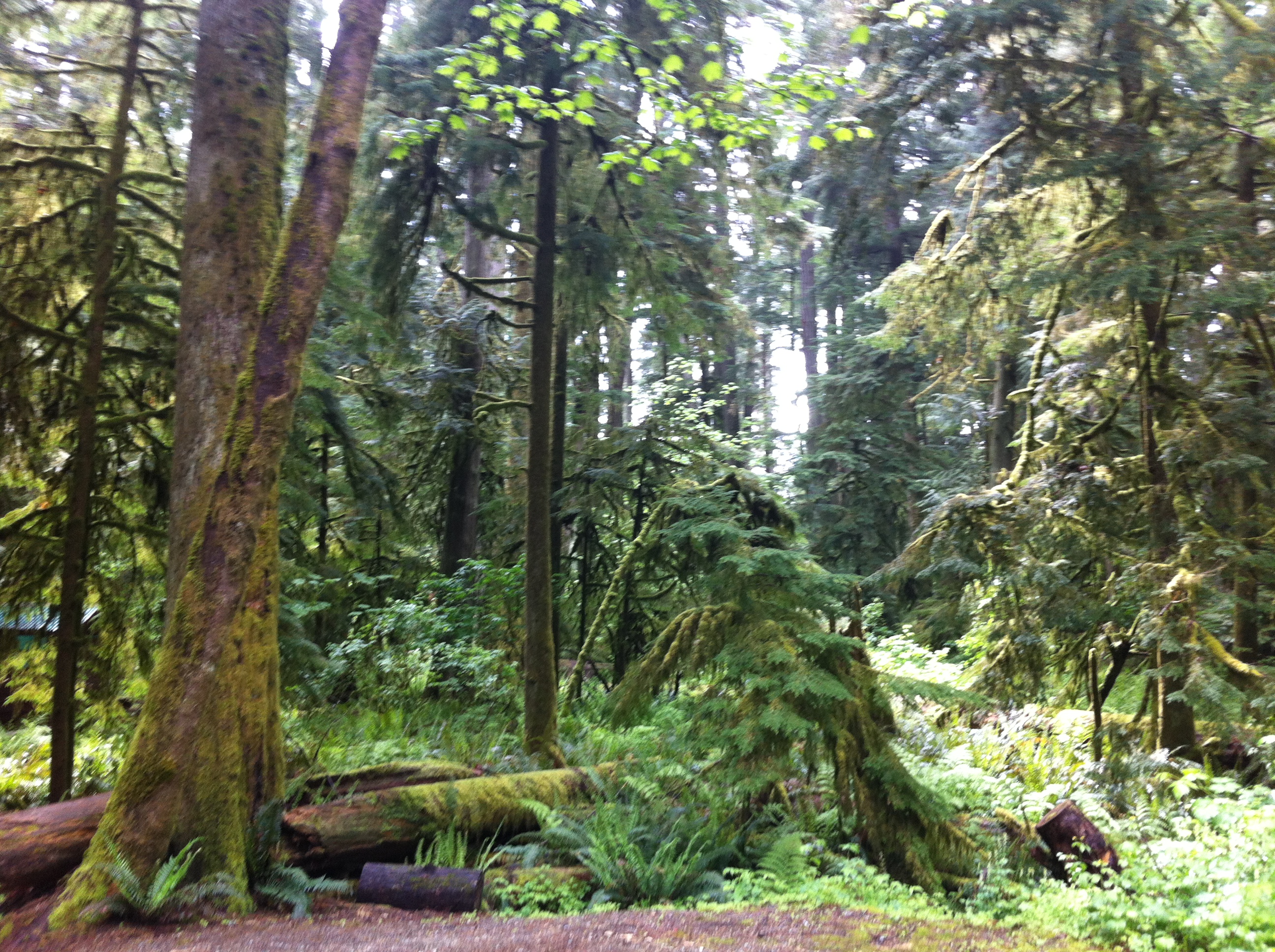
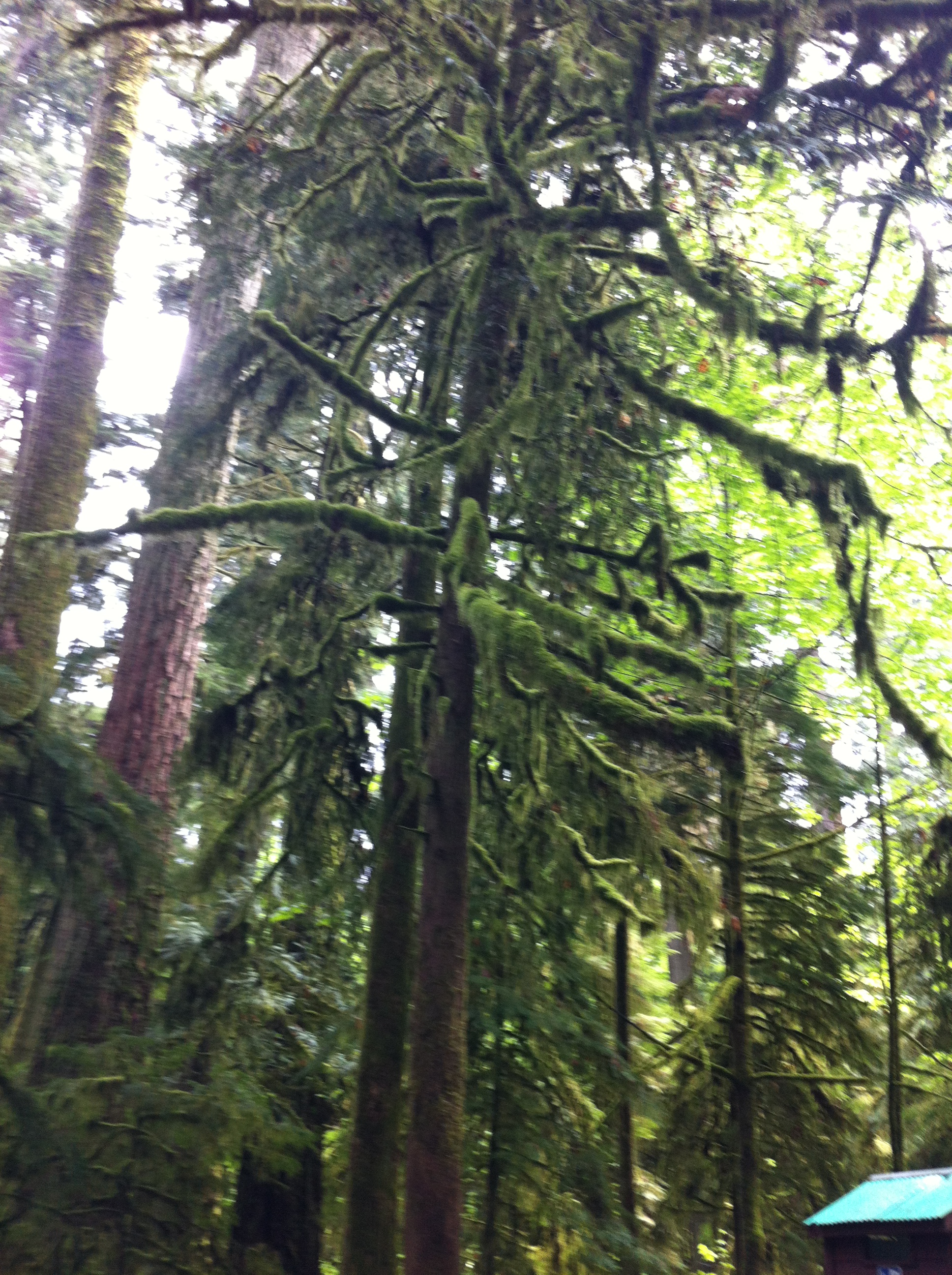
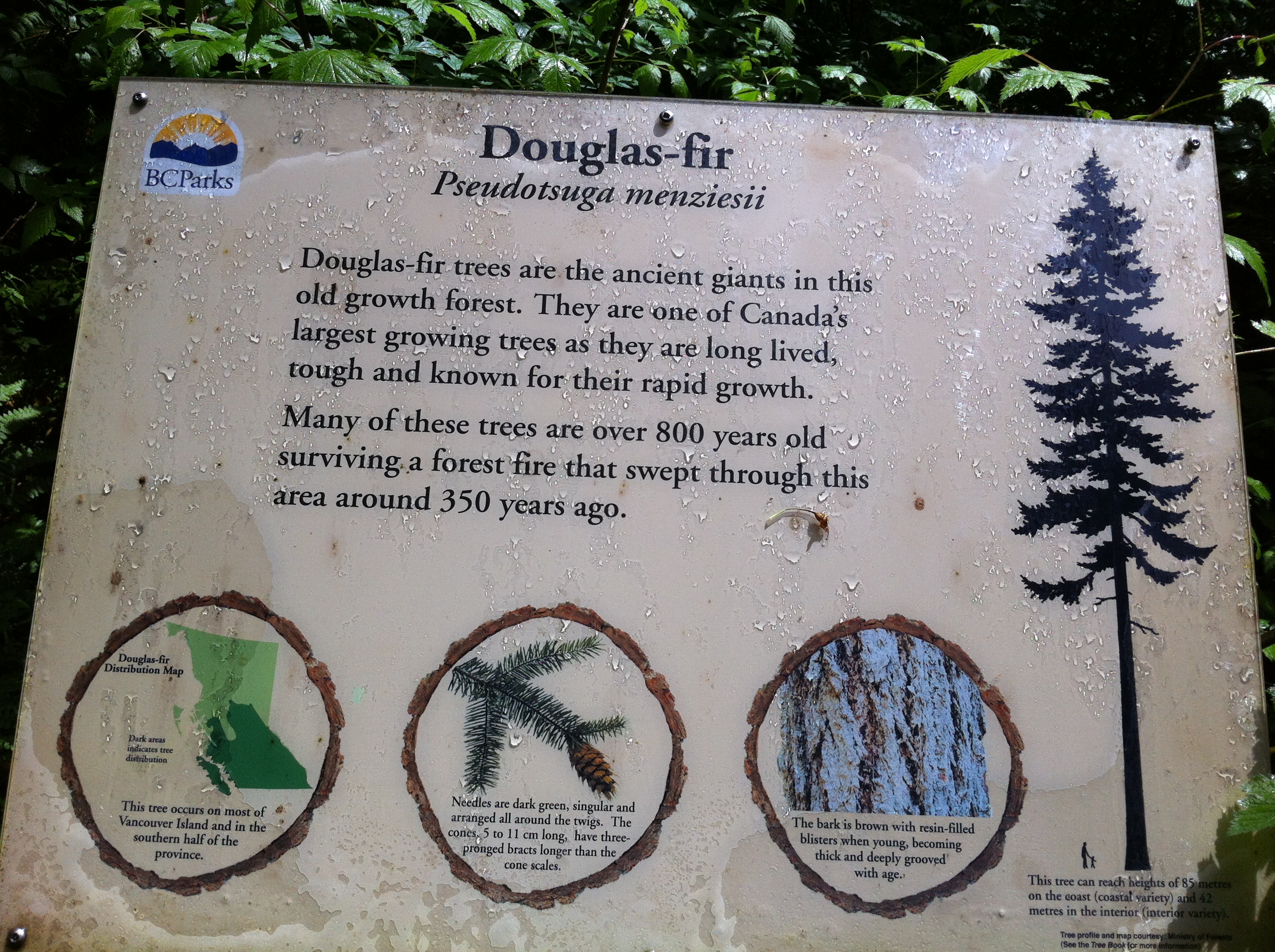
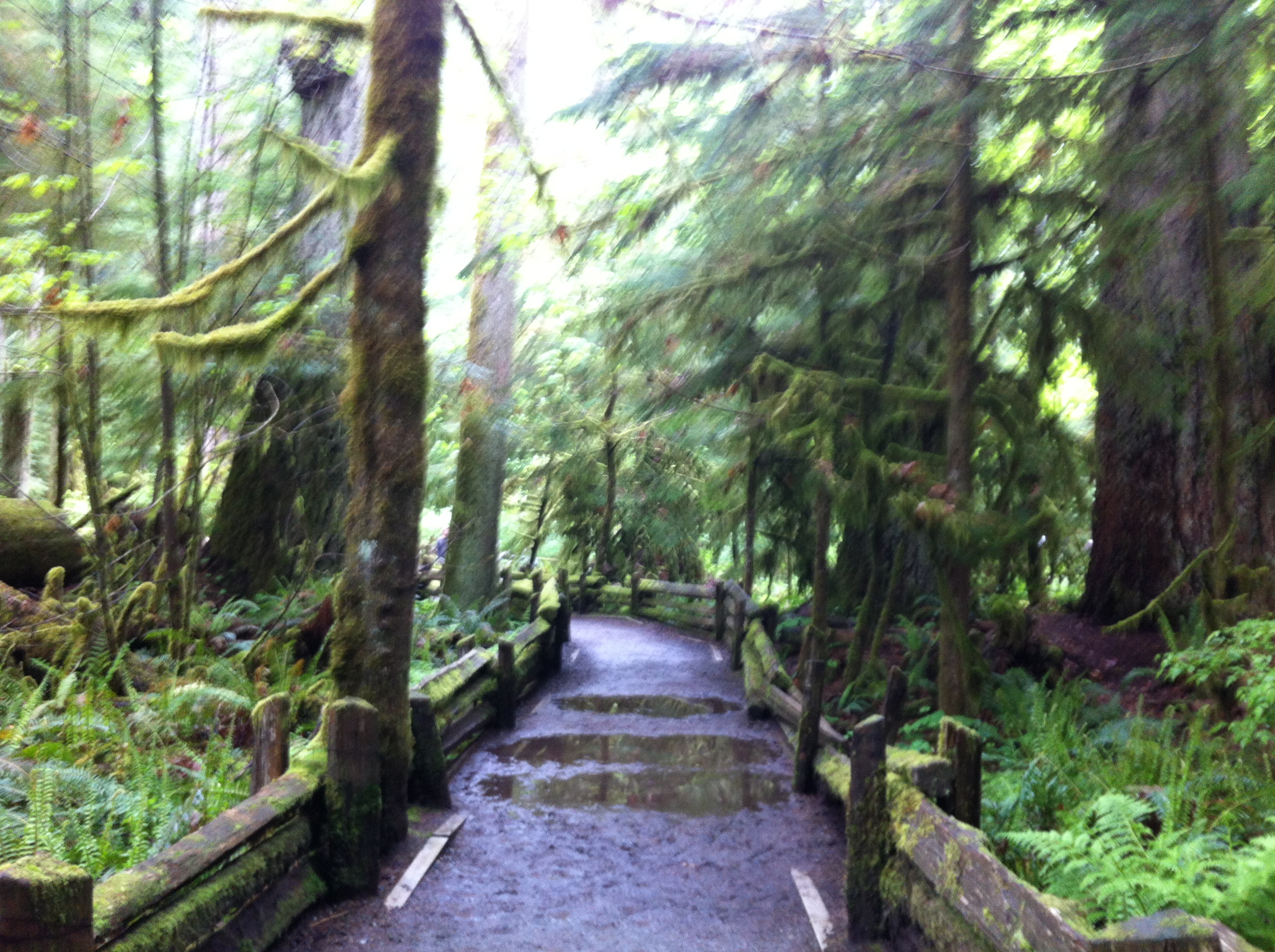
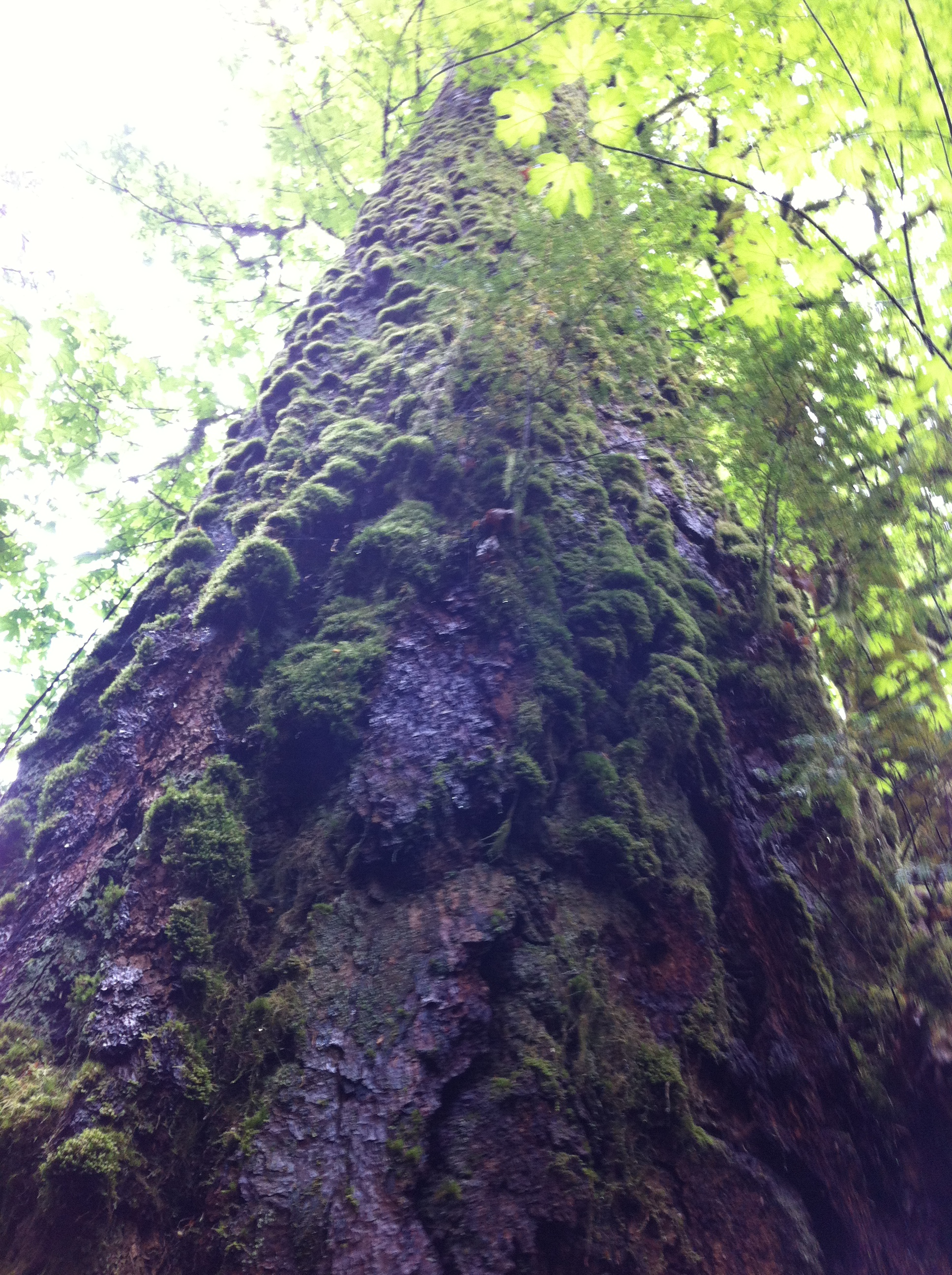
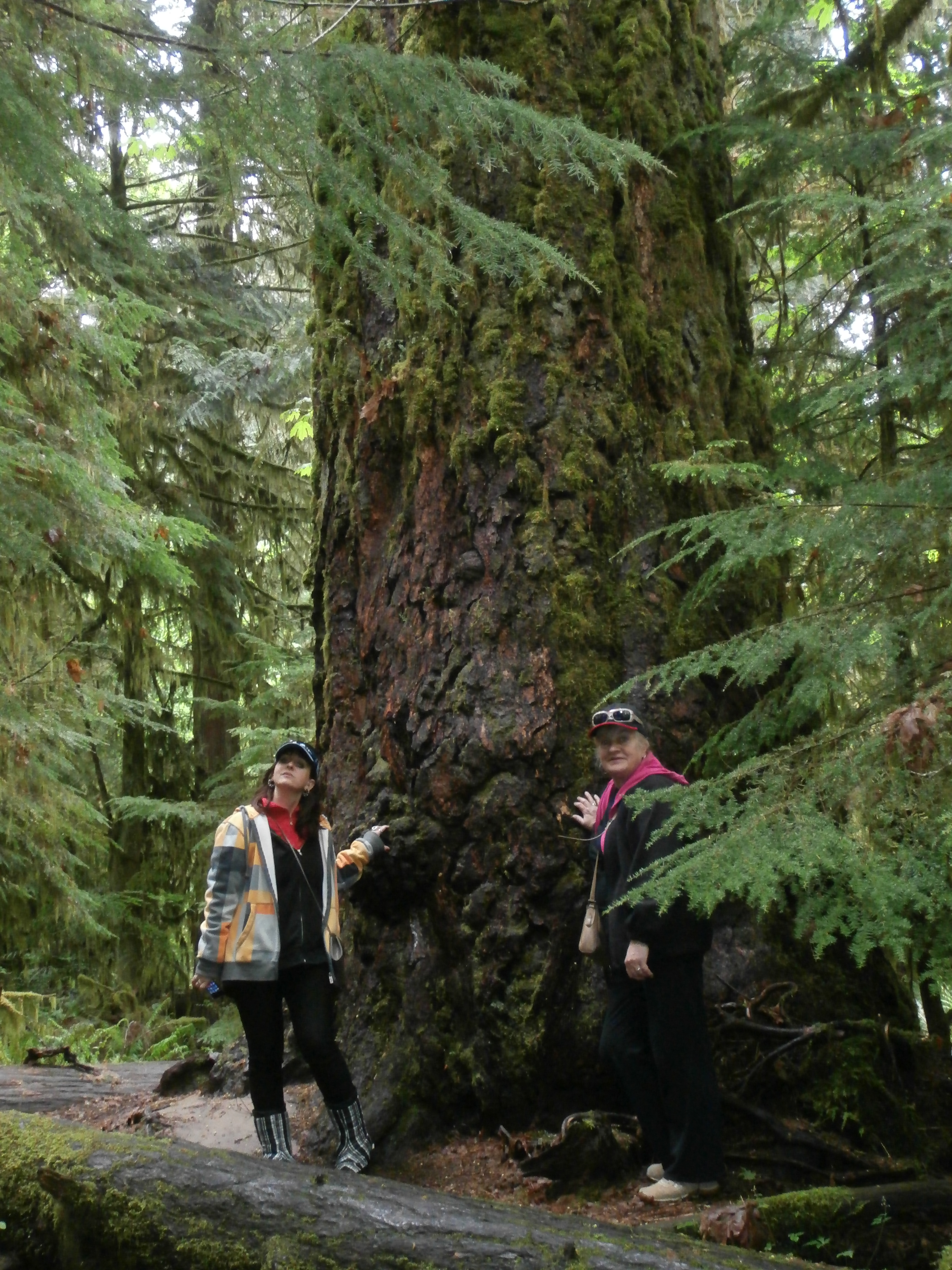
Just before you reach the town of Alberni – one more amazing natural reserve: The Cathedral Forest. It is indeed a ‘cathedral’ – a sacred please saved from annihilation of forest logging companies by people protesting and risking being arrested. Sacred because there is very few places where you can see such undisturbed big forest of hundreds years old giants remembering times immemorial. The Canadian Sitka trees, Douglass fir, Red Cedar. It is an entire cosmos of it’s own ecosystem, everything supporting everything: from the dense brush, grass and plants on the forest floor, to trees that often you can’t see their top because their are so tall and the canopy so dense.

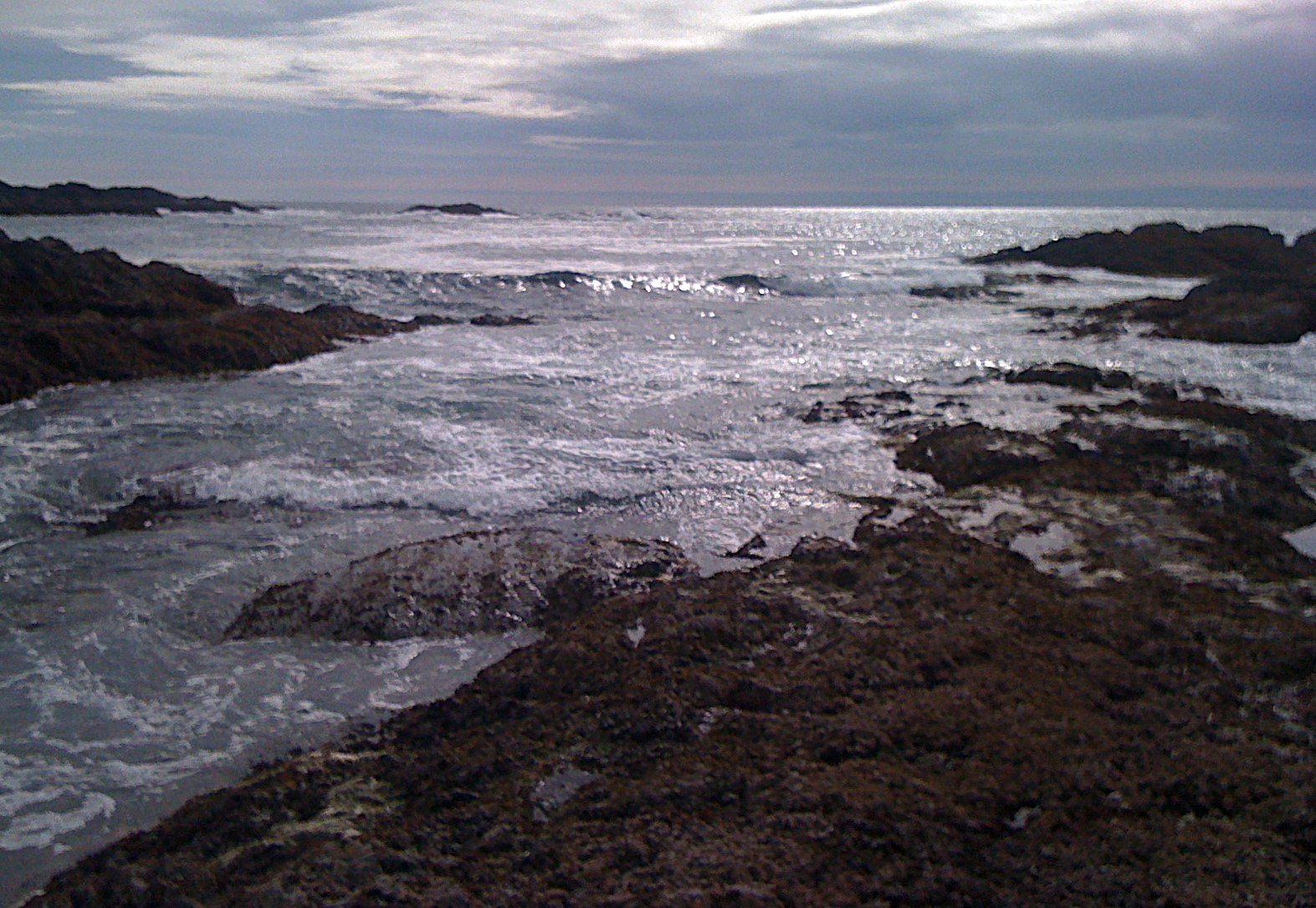
But first the awe inspiring shore of the Pacific from the town of Ucluelet to the town of Tofino. The simple fact is that you can actually walk the entire length of the shore from outskirts of Ucluelet all the way to the edges of Tofino on the beach. Through a bit but colorful rocky formations, passing amazing forest on the hills above, where you will find embankments for huge guns that were there during 2 world war searching for expected Japanese naval invasion. If I remember correctly they did notice one Japanese small vessel far on the horizon and fired few rounds. The shells landed in the waters far from the ship but it was enough to make it turn around and disappear.

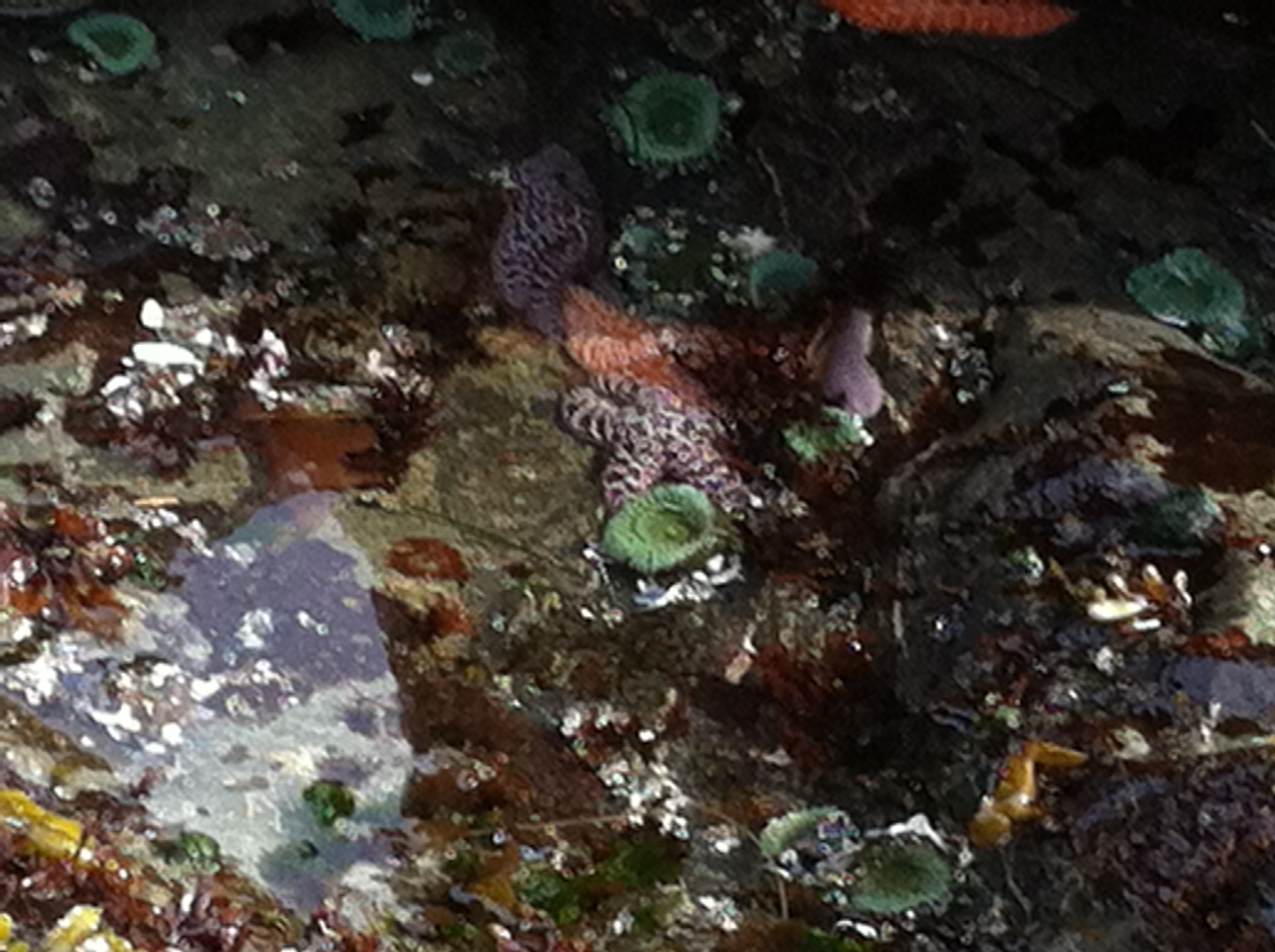
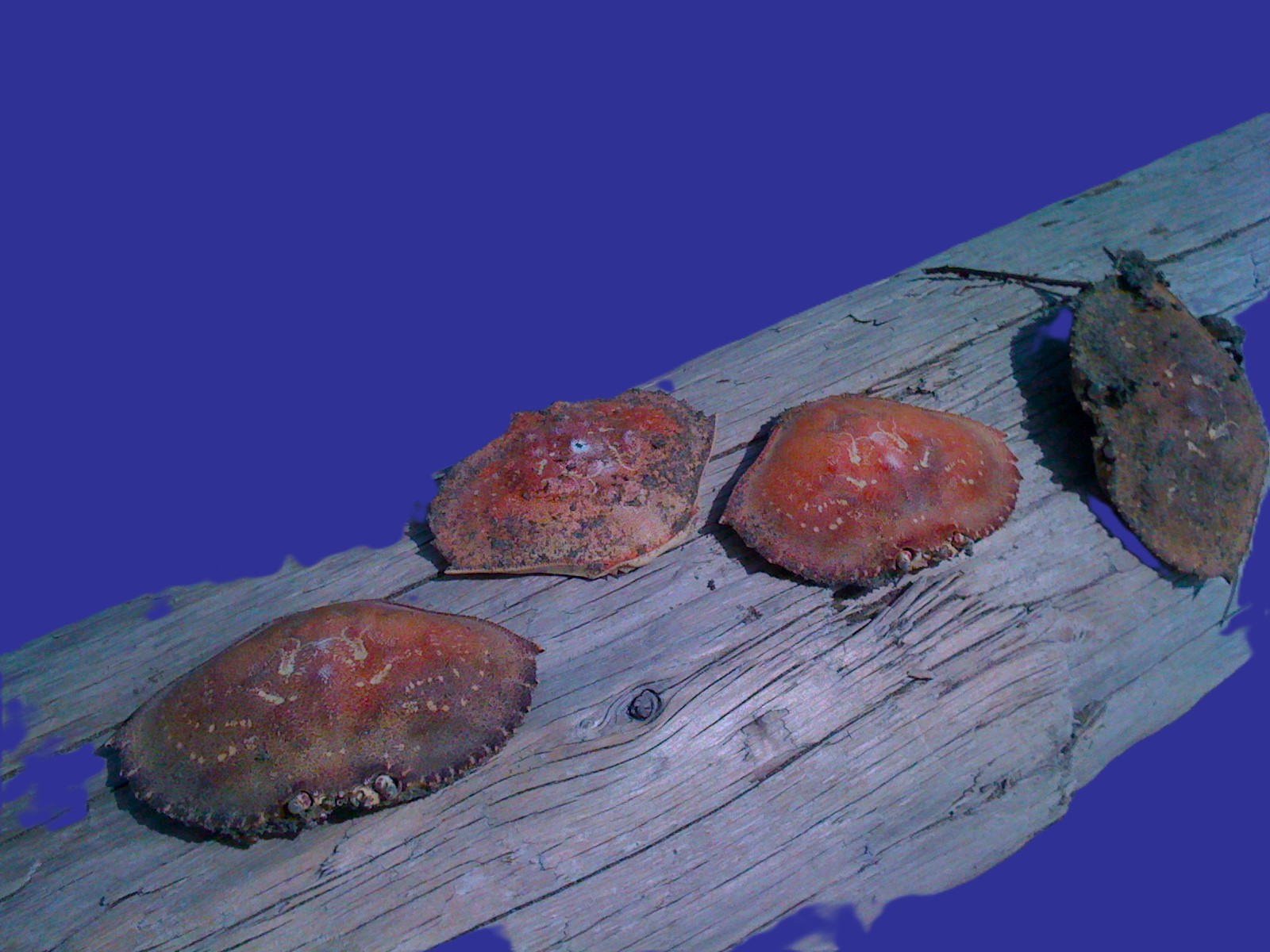
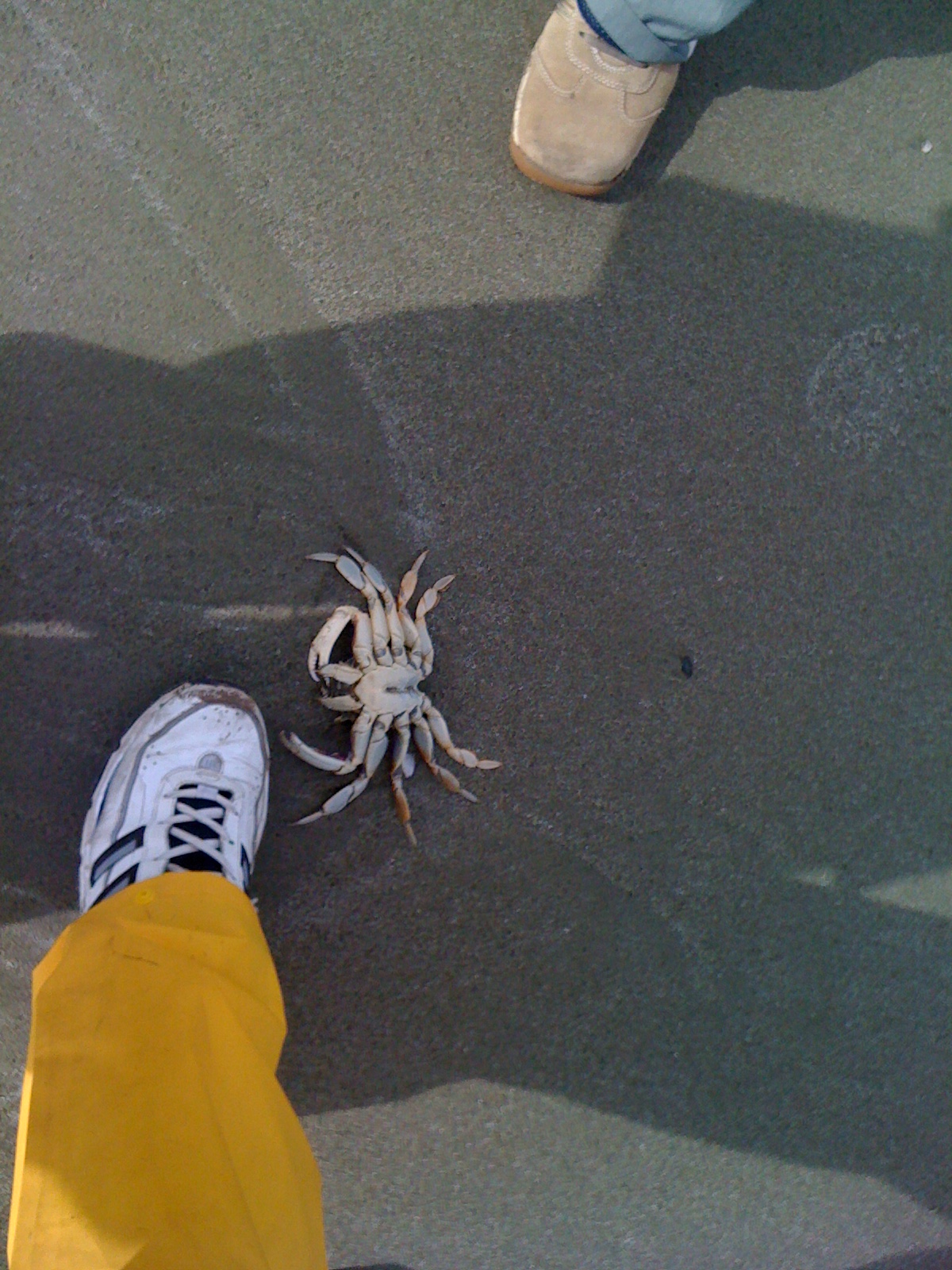
The edges of the beaches in Nova Scotia Atlantic are full of oval clam shells and reddish tops of dead crabs; the Pacific beaches are covered with dark bluish mussels and rocky crevices with gardens of amazing anemones.

Long Beach, BC but first the road from Alberni to Ucluelet

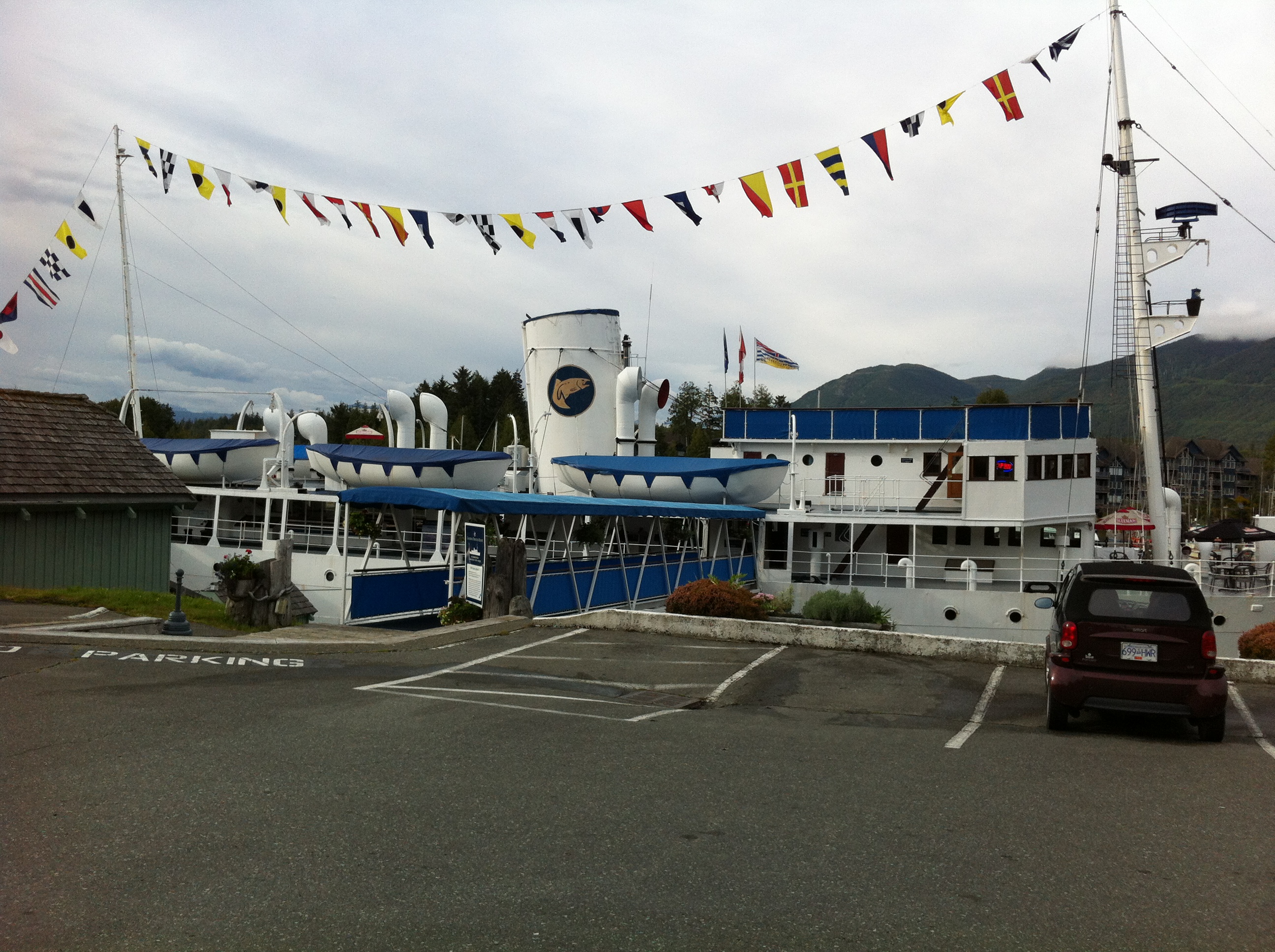
… and few picture of first town – Ucluelet

finally – Long Beach

Cathedral Forest

Clam Bay Beach – north of Jedorre – na Wschodnim Wybrzeżu Nowej Szkocji

Clam Bay Beach – north of Jedorre – na Wschodnim Wybrzeżu Nowej Szkocji

Dziś trochę dalej samochodem szosą nr.7, z Halifaksu aż za Martinique Beach – w kierunku rzeki Tangier. Kiedyś już wspominałem, że tych nazw prawie tropikalnych tu sporo. Co latem nie dziwi. Tylko latem, naturalnie.

Ale dziś do plaży, na której nigdy nie byłem – a wydawałoby się, że byłem tu na każdej przez te sześć lat. Ta jednak z bardzo długim i skomplikowanym dojazdem bocznymi drogami. Jeśli już mijałem Musquoboit Harbour – to po prostu prałem dalej, do końca prawie, na ukochaną plażę Taylors Head Beach tuż za Spry Bay.

Więc tym razem zdecydowałem tą jednak poznać. Głównie dlatego, że mimo tych wielokilometrowych wąskich nitek szos w dół, do oceanu – to i tak o ponad połowę bliżej niż Taylors Head.

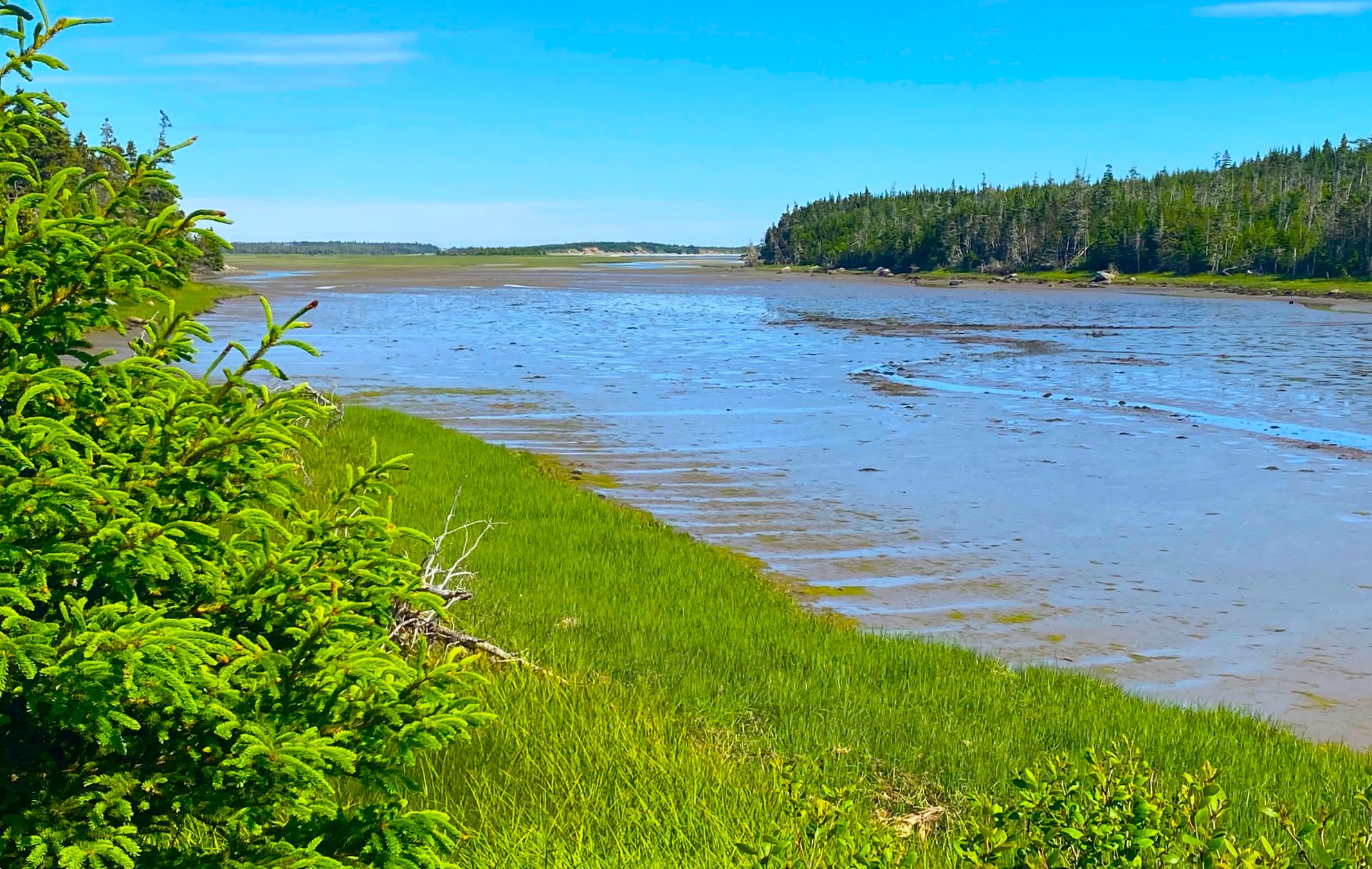
Jak ją opisać? Po prostu, prawdziwie. To Północna Polinezja. Te dwa słowa wydają mi się oddawać najlepiej charakter tej mało znanej plaży. Te dwa, lub może nawet tylko jedno: bajka.

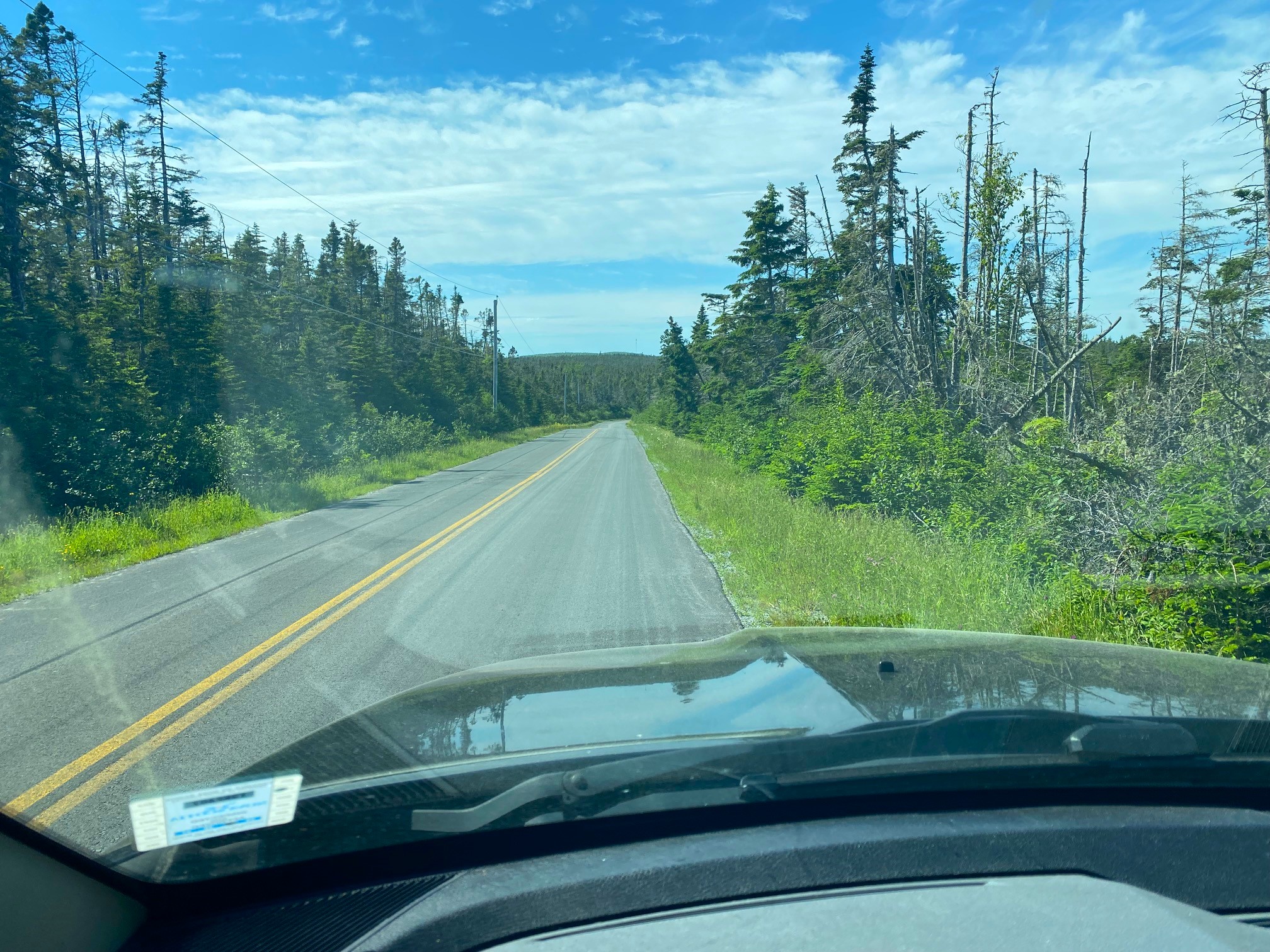
Już końcowy dojazd wąską, krętą drogą wśród lasów i rozsianych rzadko malowniczych gospodarstw, nadaje tej wycieczce charakter bukoliczny.  

Plaża z cudownym szerokim i wielokilometrowym pasem drobnego, jak mąka piasku przypomina nieco właśnie tą w Taylor Park. Tylko przez fakt, że jest bardzo szeroką zatoką i całkowicie otwartą na ocean – ma duże fale nieustannie podpływające na brzeg. Co mnie naturalnie od razu ucieszyło. Pływanie w falach raduje mnie najbardziej. W przeciwieństwie do większości plaż, zejście z wody płytkiej do głębokie jest bardzo łagodne i bardzo długie. W zasadzie jest to sam w sobie niezły spacer i daje czas ciału na oswojenie się z szokiem temperatury (o ciele to jeszcze trochę potem powiem, LOL). Gdy jednak dojdziesz gdzieś do pół-pasa, to jużeś przepadł, już nie uciekniesz. Jeśli nie pierwsza, to na pewno druga fala cię zimnymi ramionami obejmie całego! Wtedy to już lepiej pływać z tymi falami niż być targany nimi w tę i we wtę.

Pierwszy dzień lata kalendarzowego i słonce sprezentowało temperaturę sierpniową. W Europie na takiej plaży byłoby tysiące ludzi. Tu dziś naliczyłem, ok.  … trzydziestu. Pewnie byłem jedynym nie lokalnym. No i ta temperatura iście sierpniowa była na plaży, na lądzie. Królestwo Posejdona ciągle zimne i mroziło stawy nóg. Ciało ludzkie jest jakieś dziwne, a że mężczyzna też czasem bywa człowiekiem, więc i moje jak rozkapryszona kobieta. Najpierw wrzeszczy, gdy zanurzam się po szyję: szaleju się idioto obżarłeś?! Wracaj mi zaraz na plażę z tej lodówki albo nogi zabiorę i razem na plażę uciekniemy, a ciebie niech te fale gdzieś w głębiny pociągną. I nie wiem czy żarty to, czy groźby prawdziwe, więc na wszelki wypadek wracam i siadam w słońcu na składanym krzesełku. Słońce grzeje. Nieźle. To ciało zaraz odwrotną litanie śle: czy ty myślisz, że ja to jakaś krewetka, którą w oleju na tej plażowej patelni będziesz smażył?! Wracaj mi zaraz do wody lub udarem cię draniu zabiję!  No tak – rozkapryszona kobieta, której nie sposób dogodzić. Więc kończę pisać i wracam do fal.

Camera walk from Conrad’s Beach to Stoney Beach in Lawrencetown

Camera walk from Conrad’s Beach to Stoney Beach in Lawrencetown

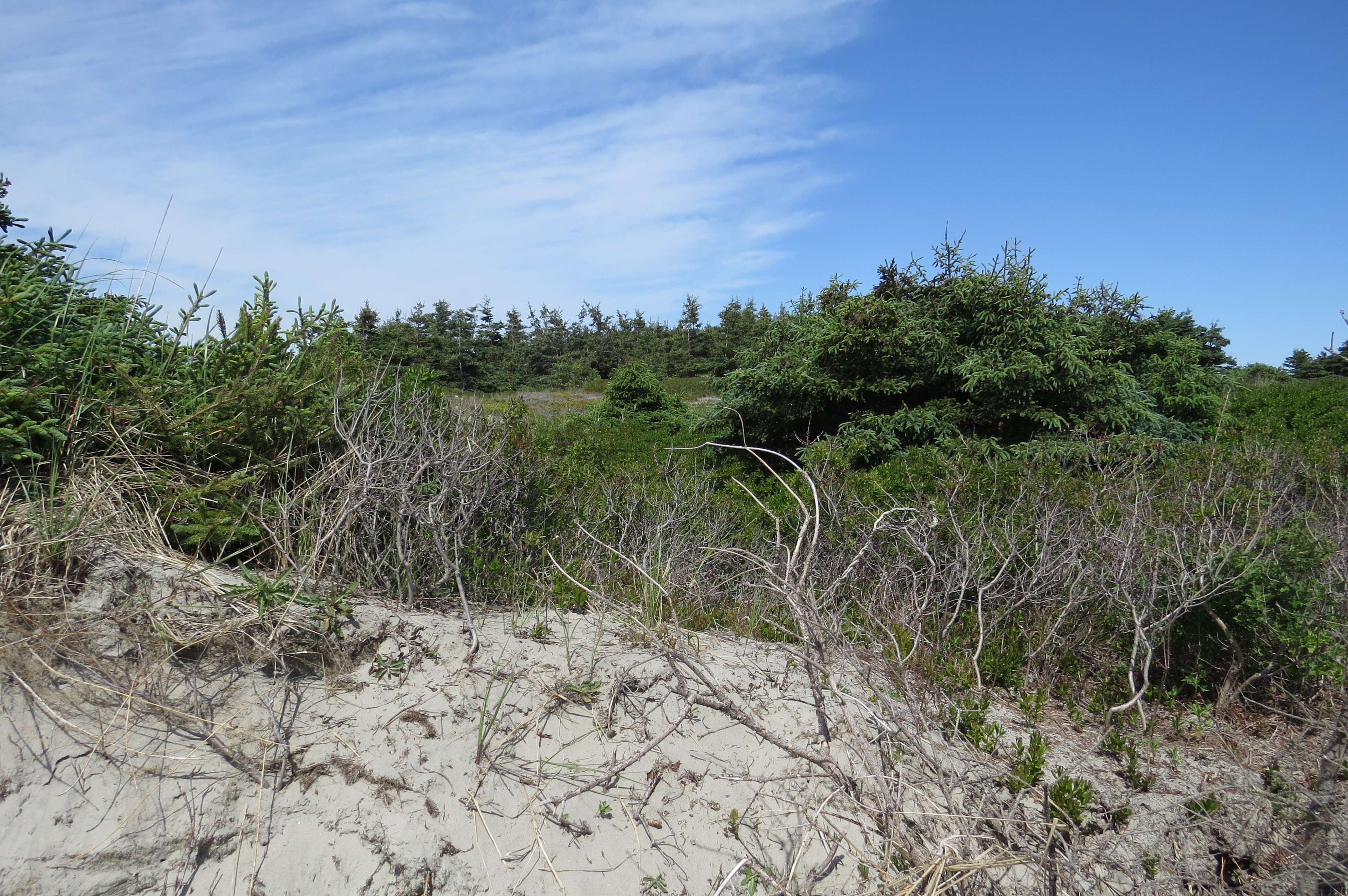
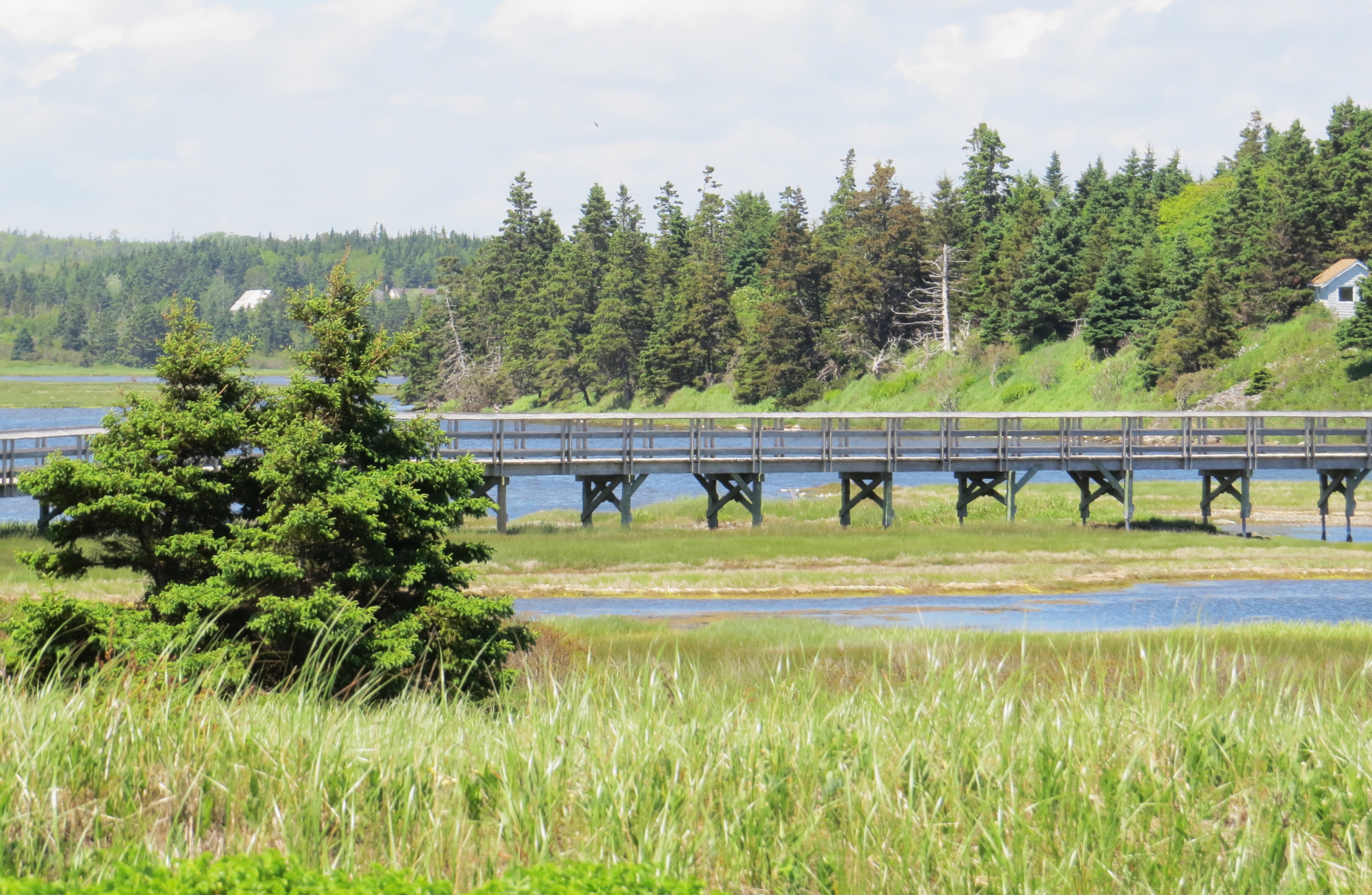
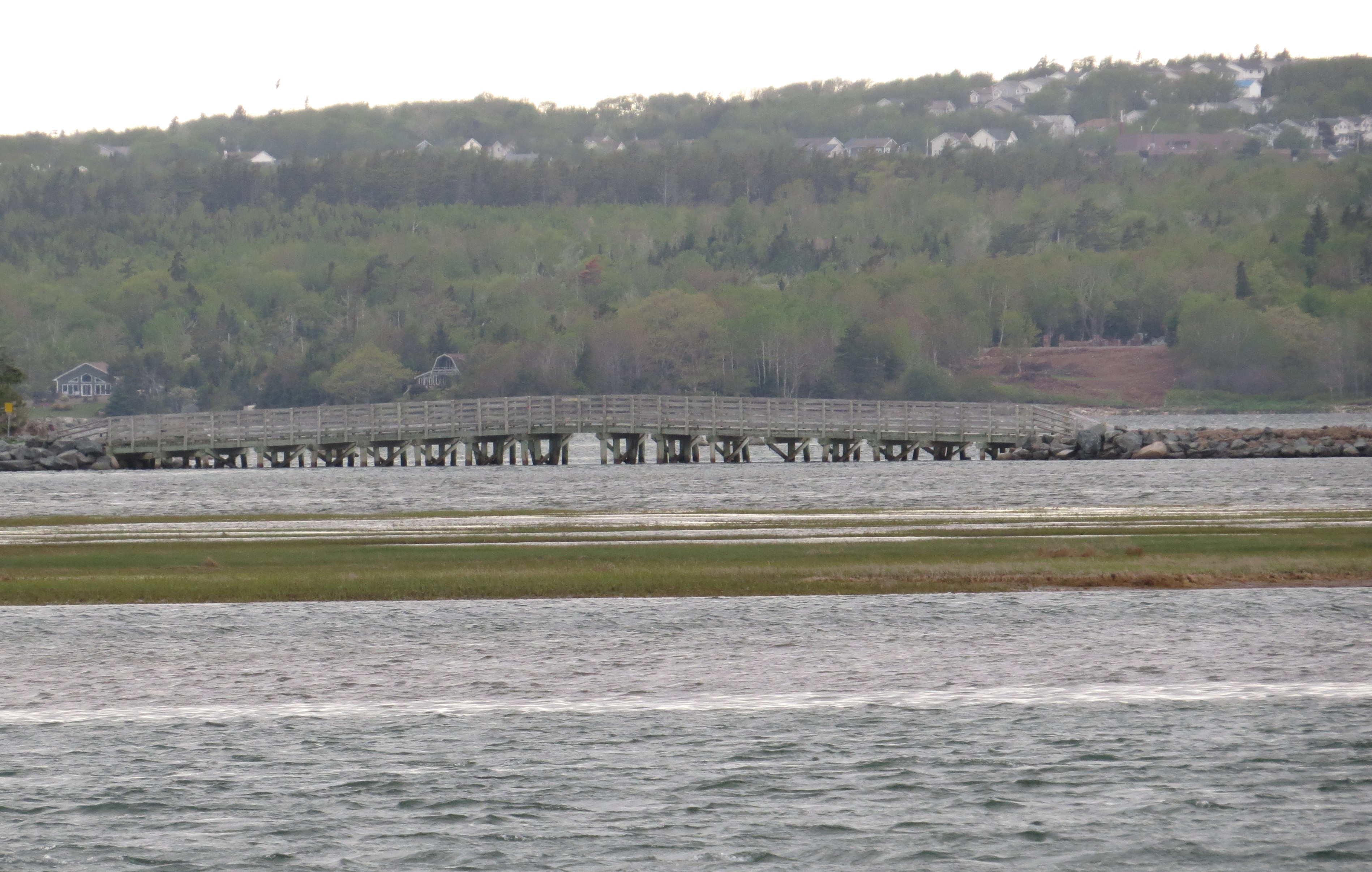
My favored beach outside of city reach, but very close. Parking could be a problem in summertime. Practically speaking you have to park on the curbside of the road and it could be a long way to walk, but the is no through traffic as the road ends there. The way to the beach is via very long wooden walkway, an it is very picturesque, I have always enjoyed it. Beach is very pleasant with a lot of good sand. For restless souls – a perfect place for nature walks. The sand dunes separate the beach from very interesting narrow walkways through grass and low growth patches of forest alongside the protected lakes-like marches.
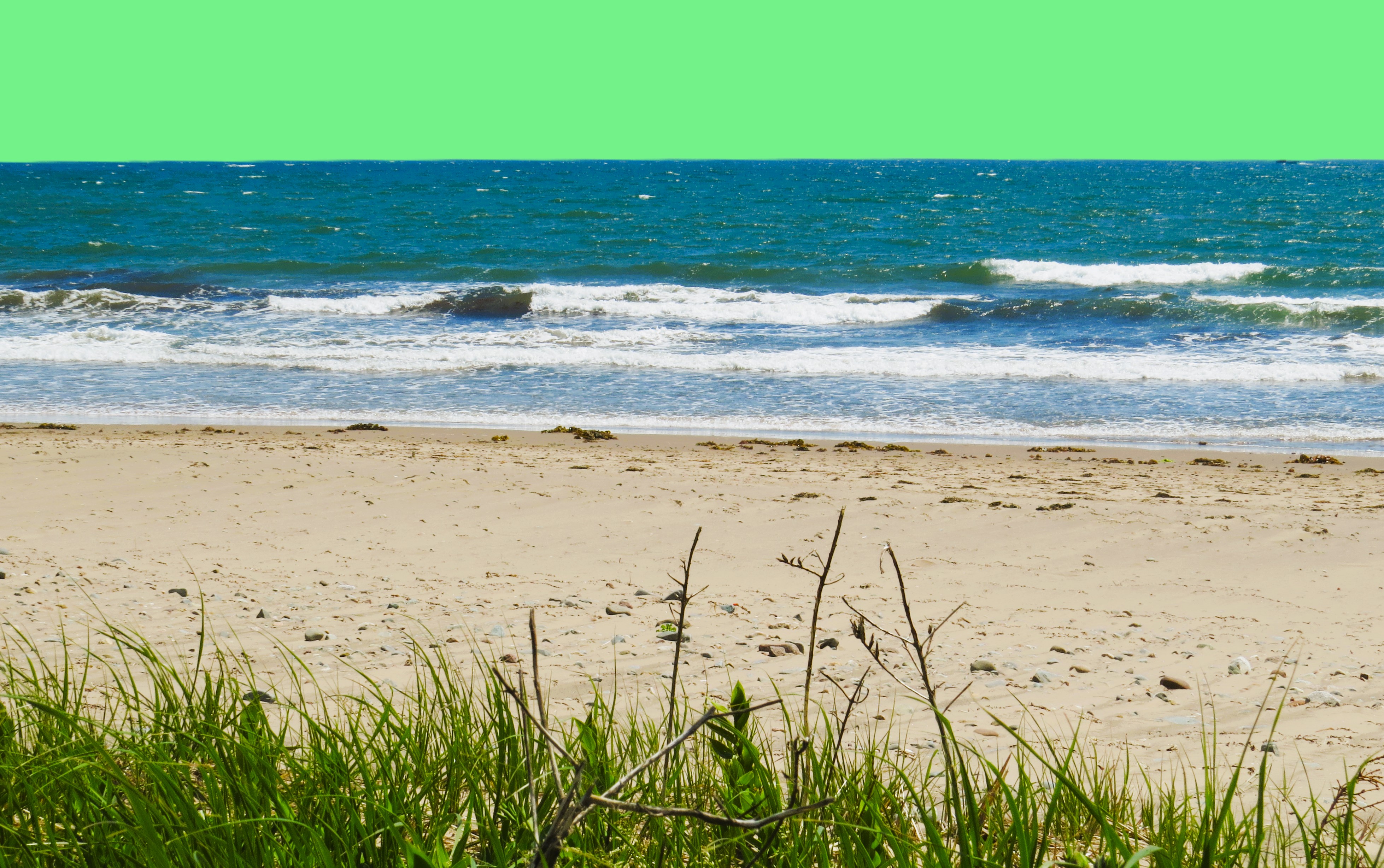
I have been there so many times, can’t even remember how many. Swimming is fabulous but not for everyone at this time of the year, as the water is still very cold. But from middle of July to early November – it is a small paradise for swimmers. However – you can try even now. Cold, but manageable. I did.

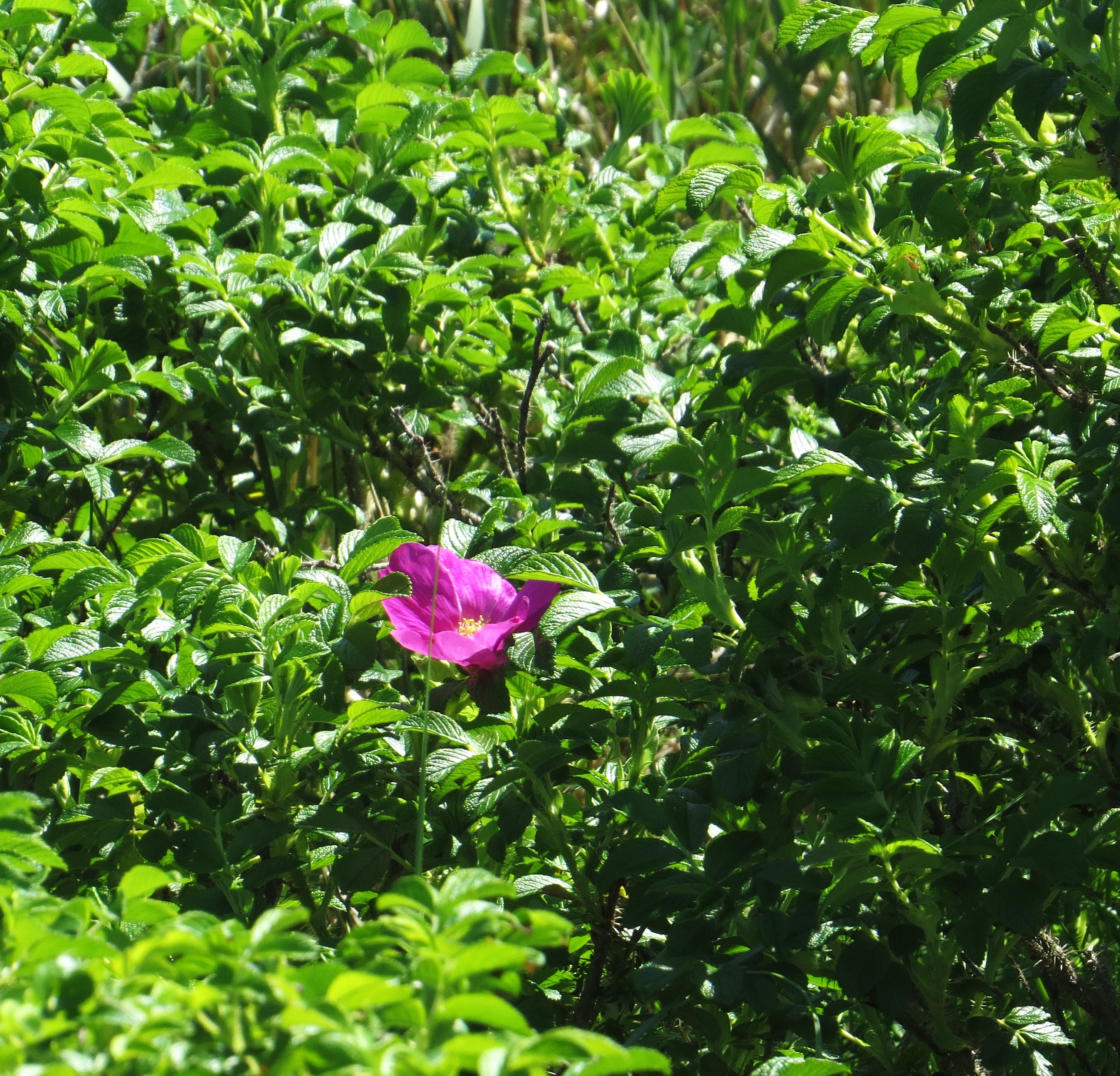
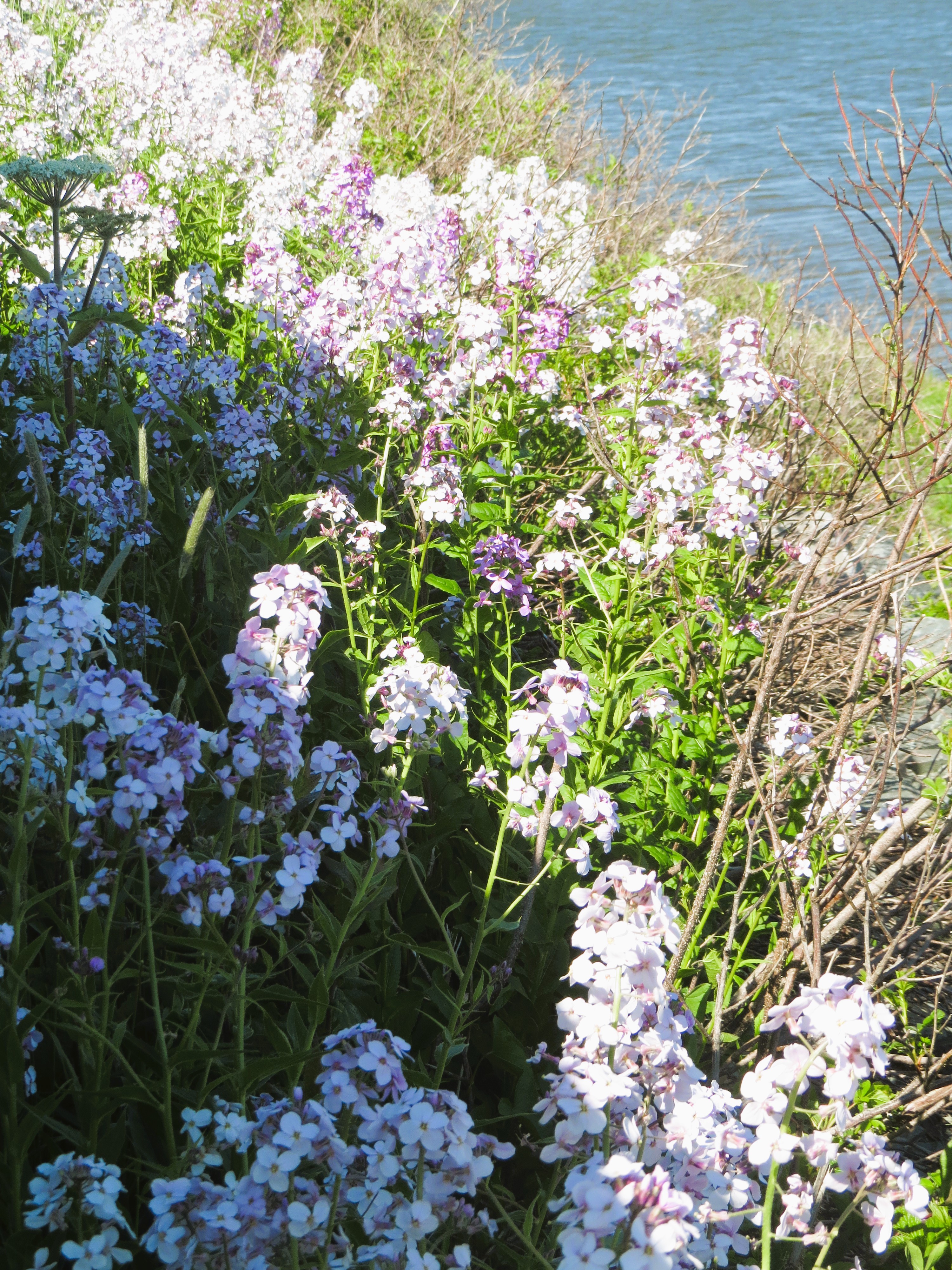
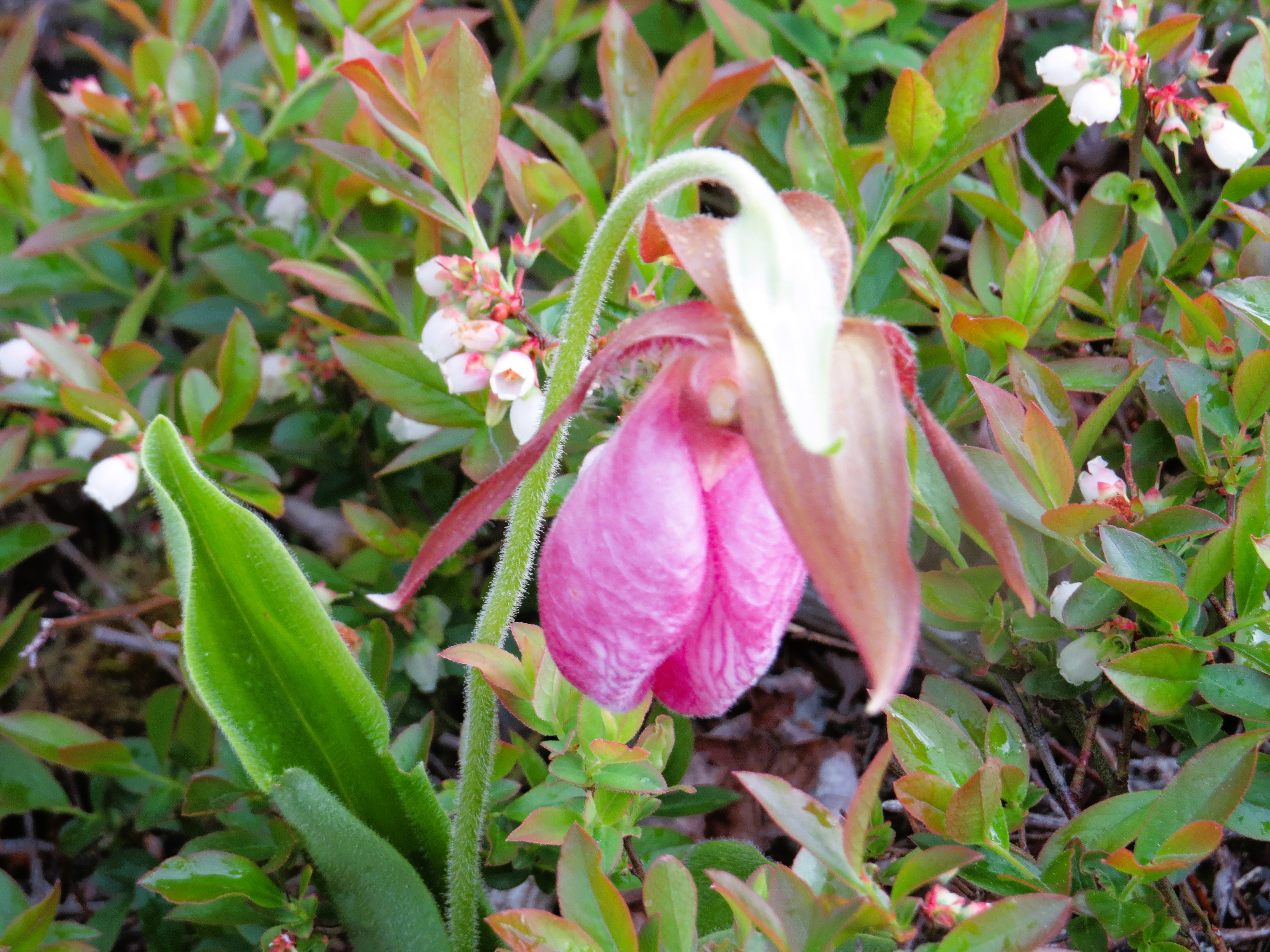
Enjoyed the walks in that little forest and the sand dunes (there is a few narrow trails and please do use the trails – the ecosystem here is delicate and easily disturbed). The flora and fauna is beautiful. Small and larger birds, occasional deer, flowers, butterflies.

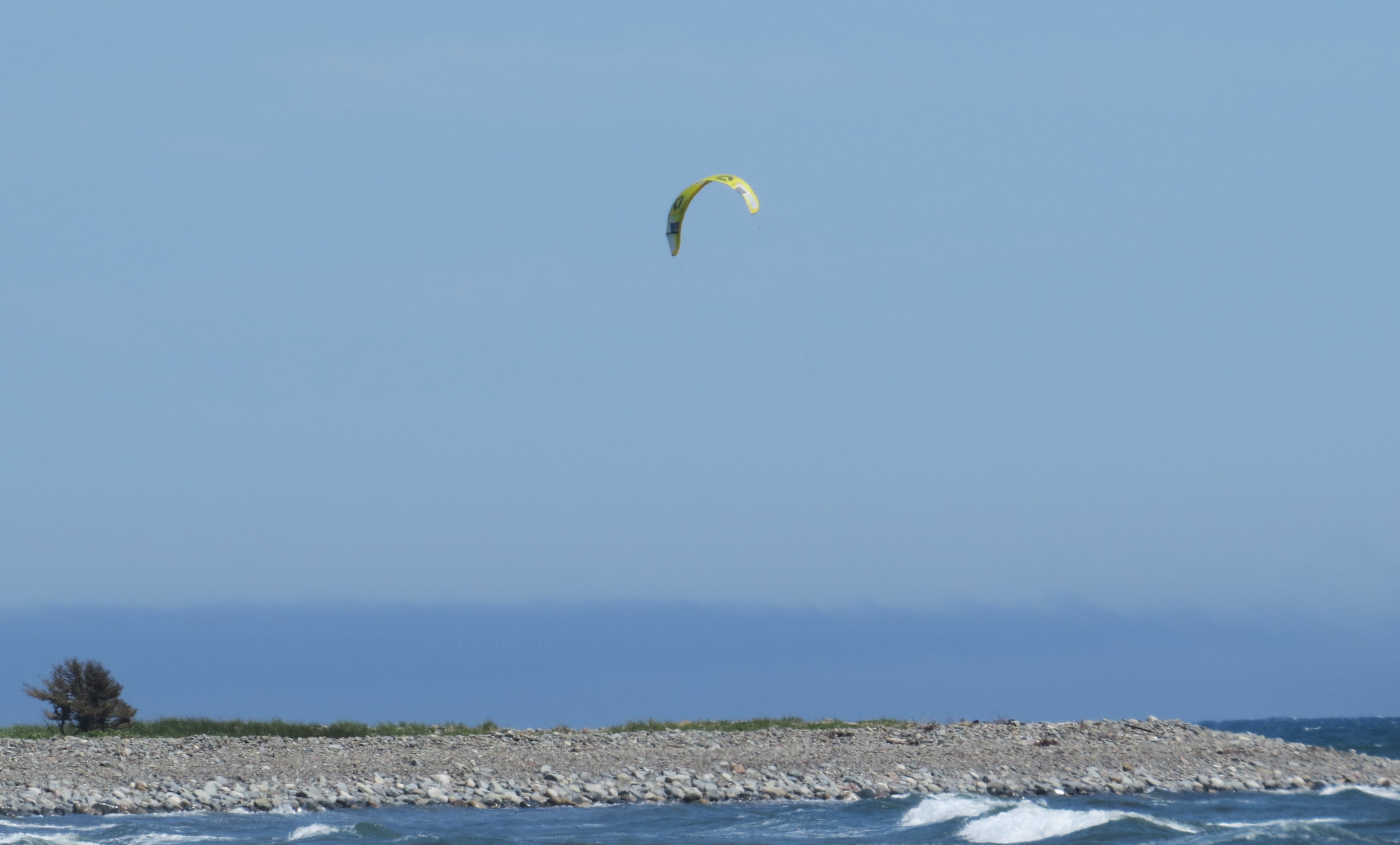
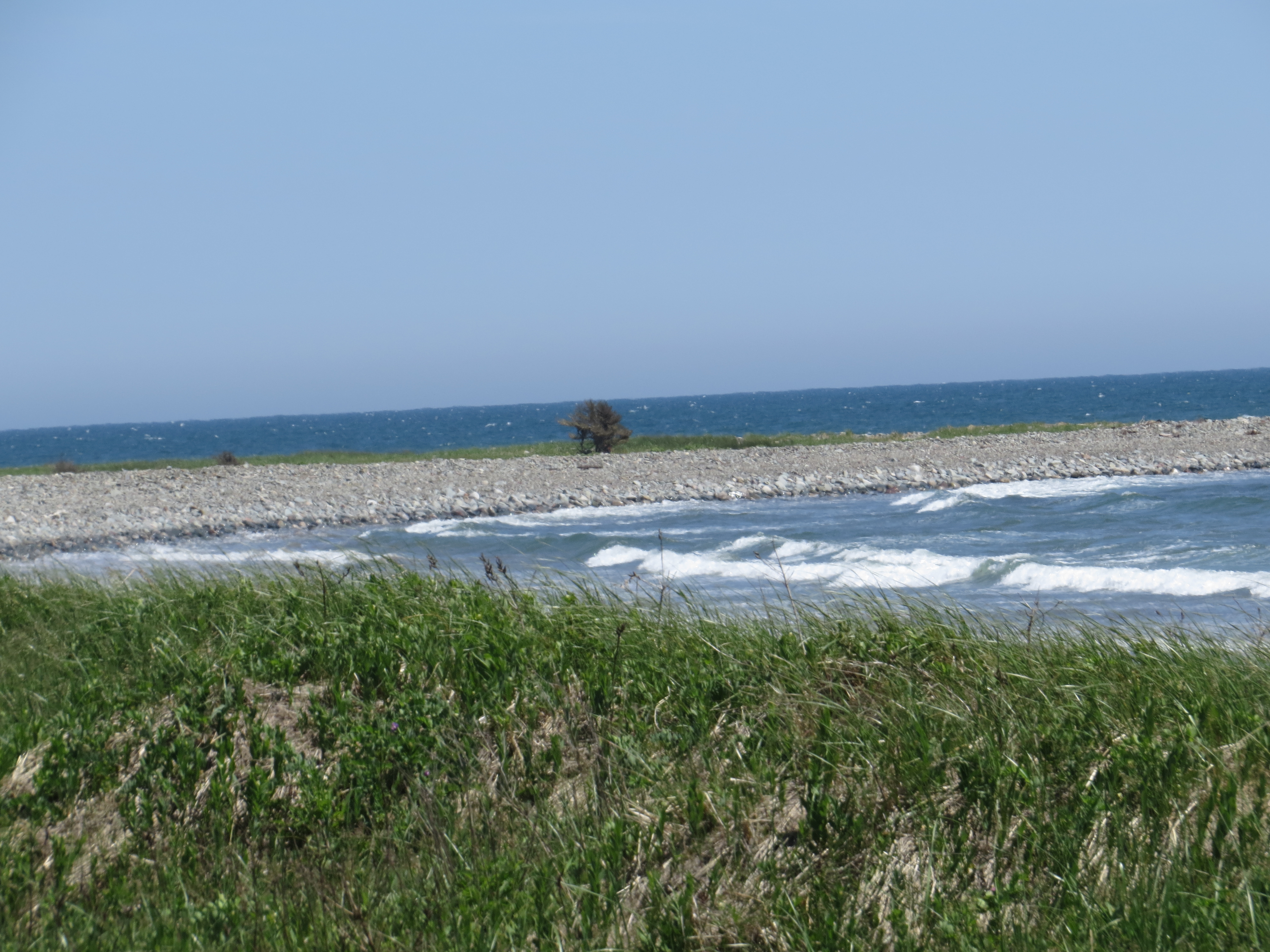
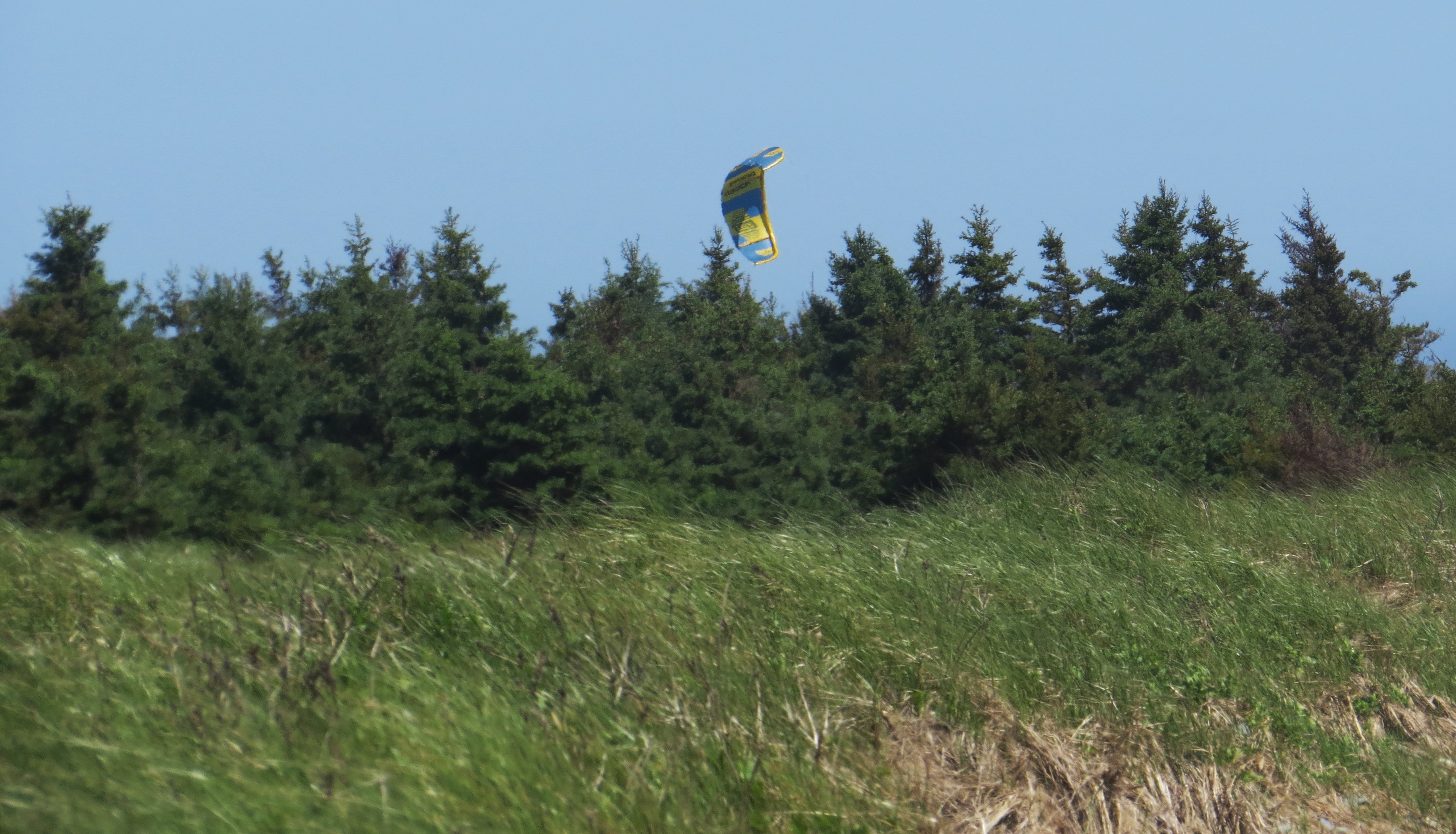
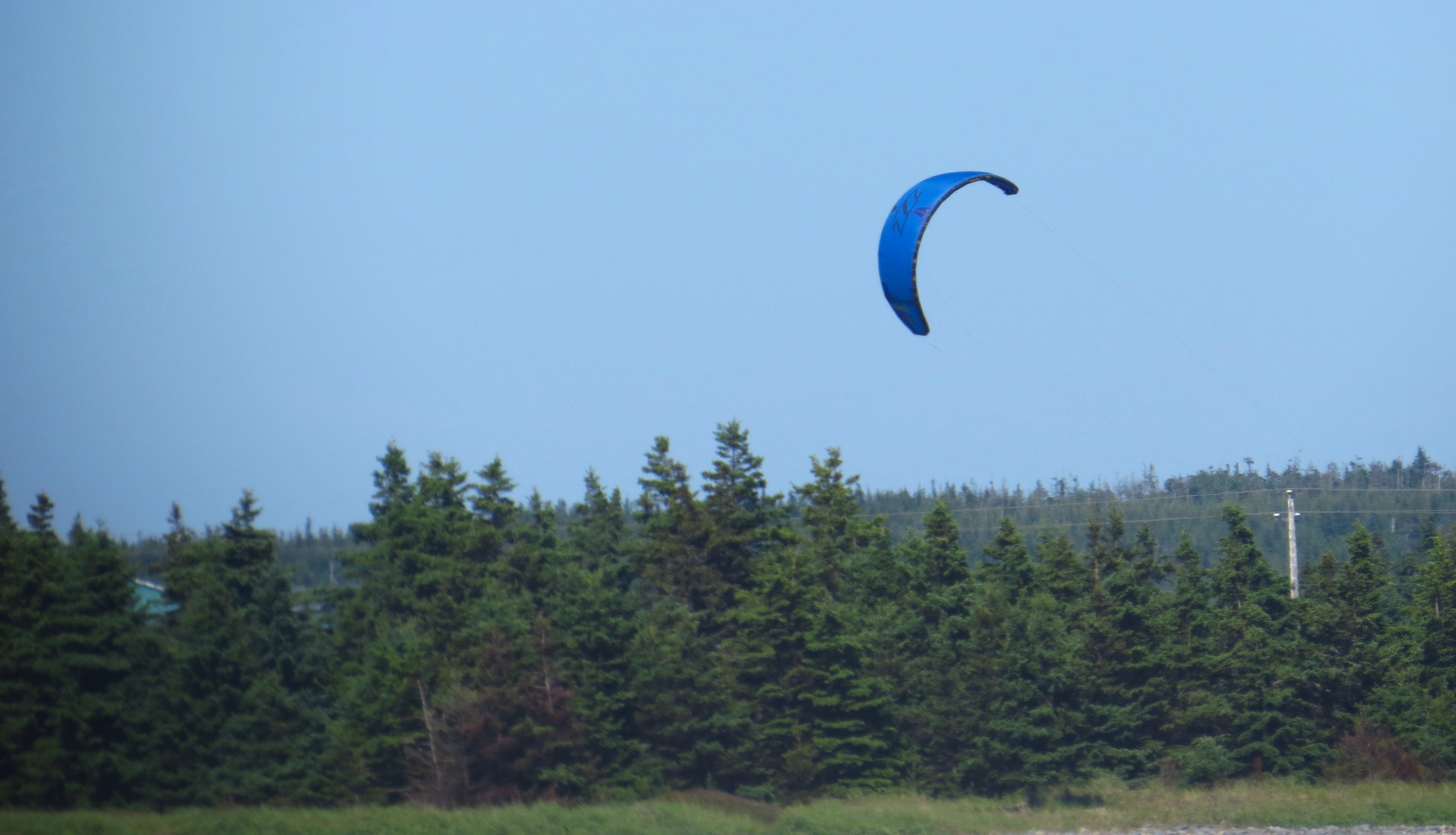
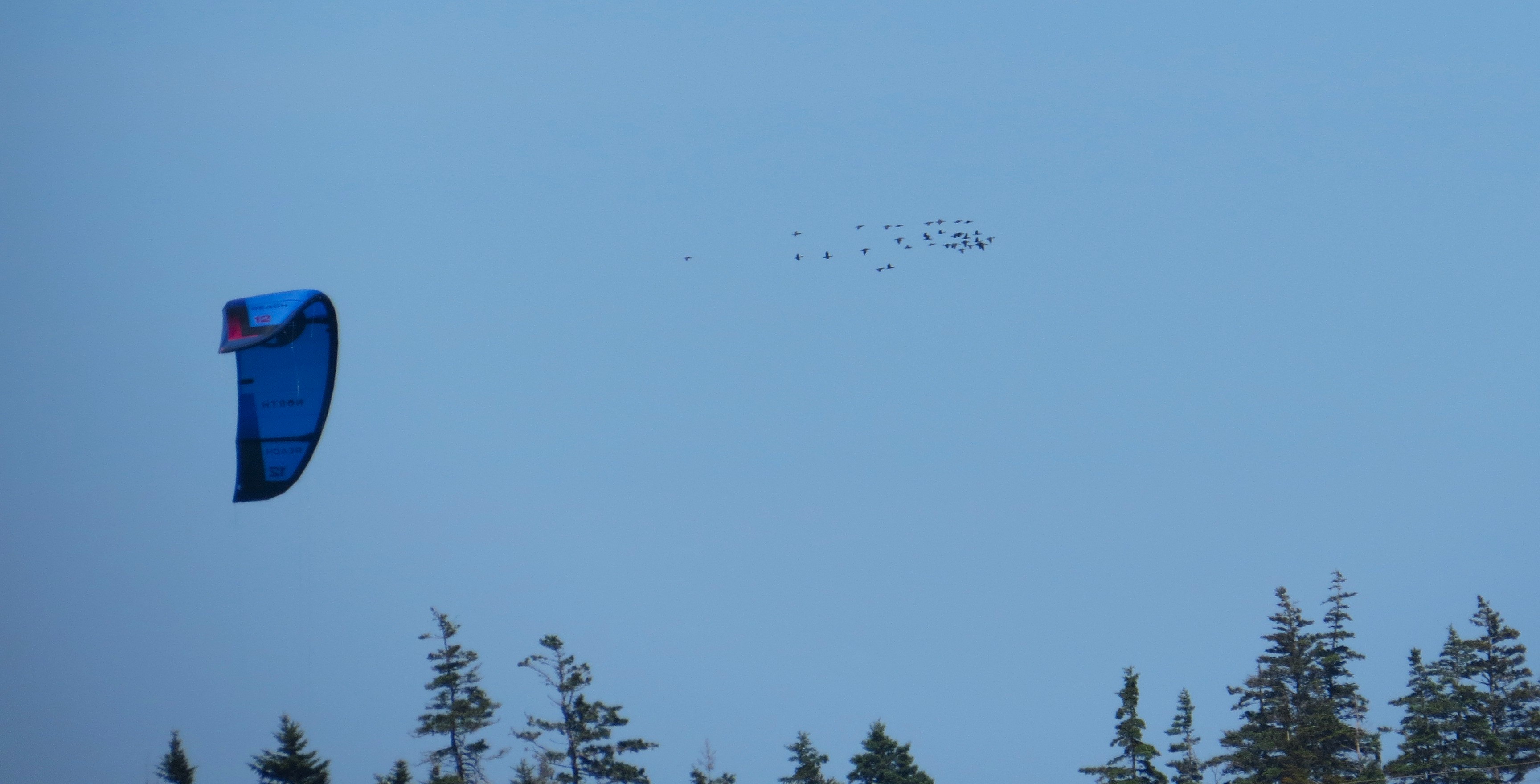
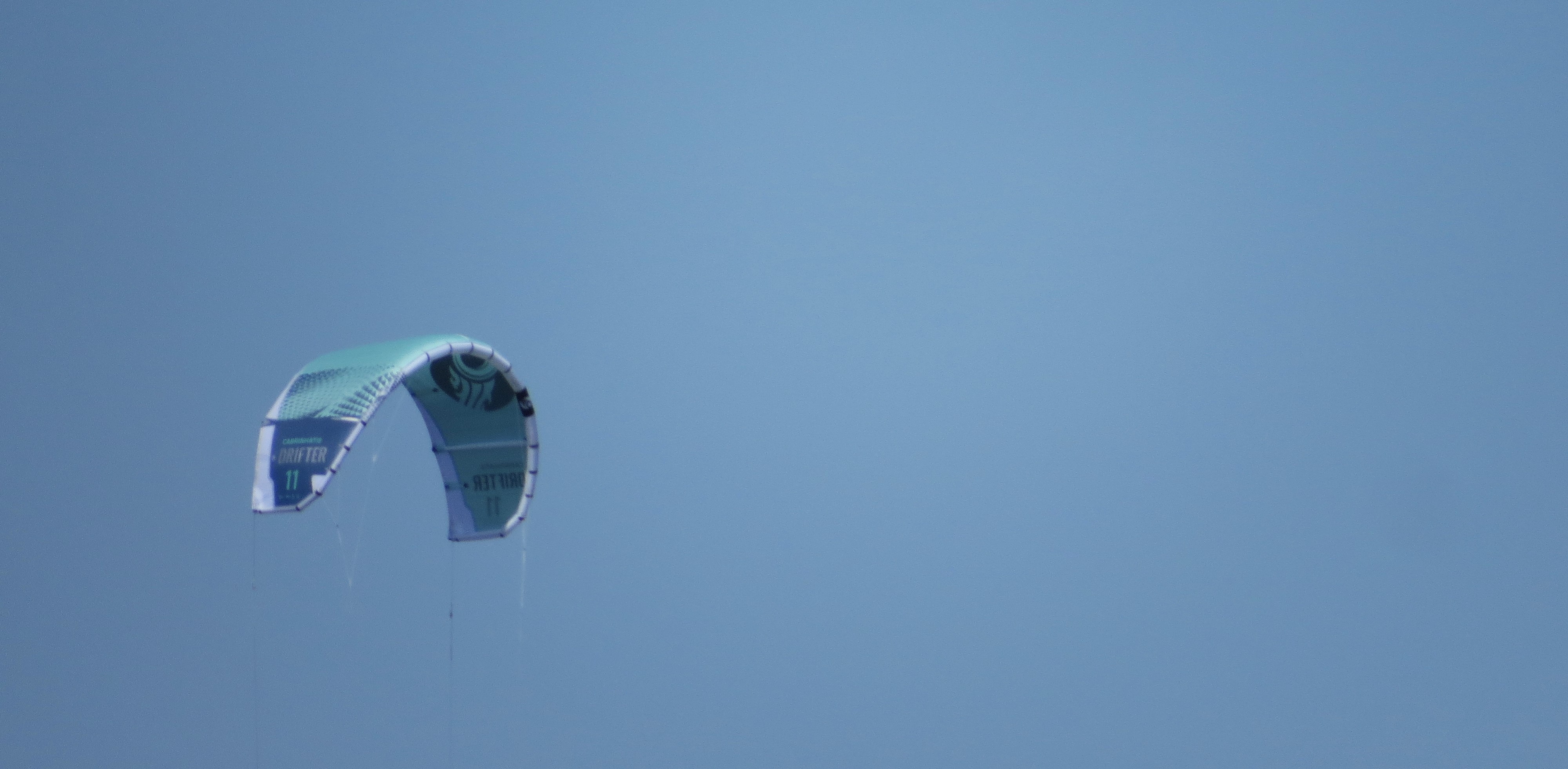
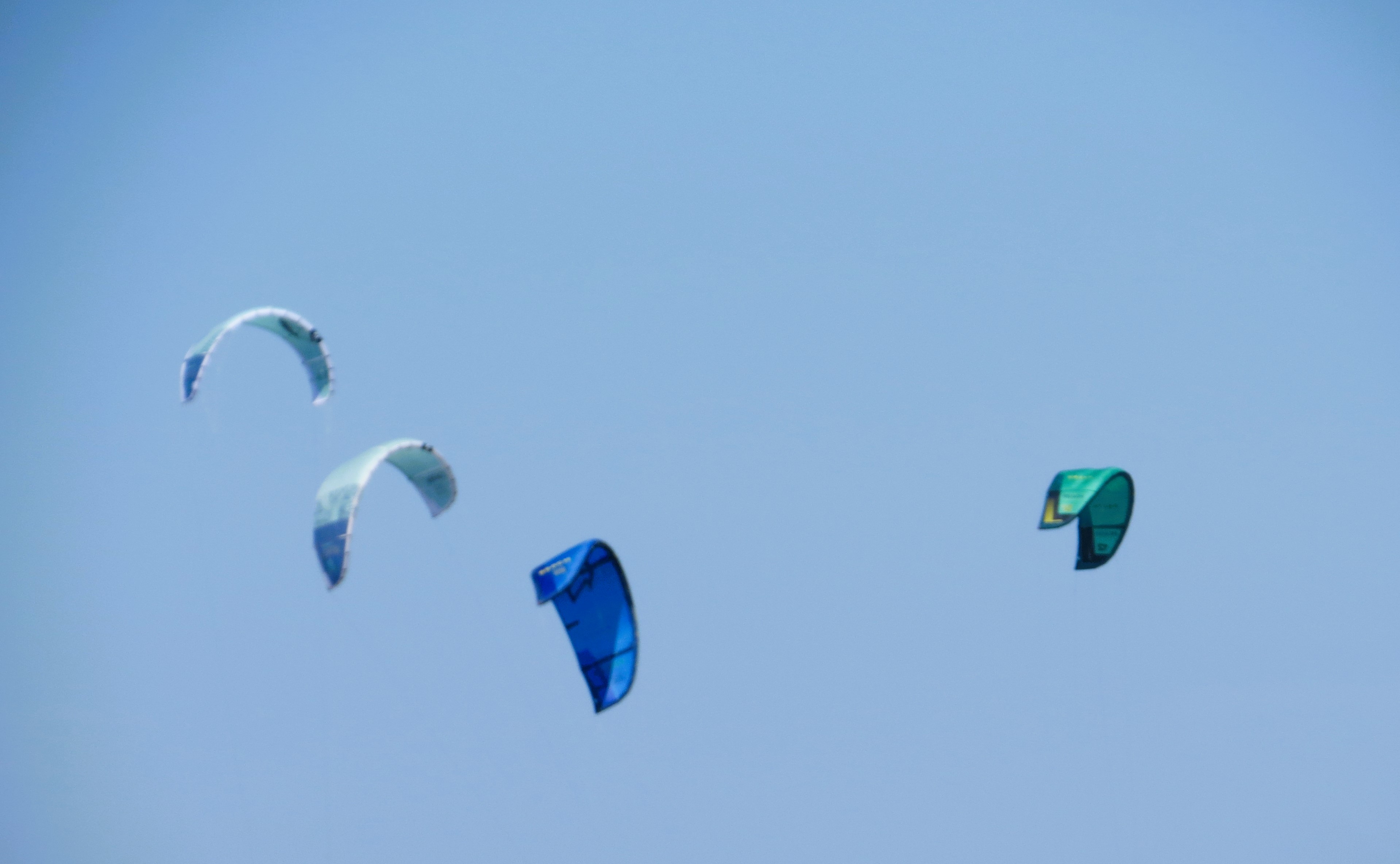
Today I did first time the entire trail, all the way past Conrad’s Beach and Tanner’s Sandy Point to the Stony Beach of Lawrencetown. The Stony Beach is a favored spot for Kitesurfing. Often, when you are on Conrad’s Beach you will see on the horizon to the east colourful kites gliding through the sky – these are the surfers from the Stoney Beach.

The sea has it’s own rules, not everything is manicured and ‘the grass’ is not always cut… . On my way back, by the Tanner’s Sandy Point I have found a relatively fresh dead body of a seal. That point is always very windy and waves are always high and dangerous. She must have been too tired to overcome the waves because otherwise there was no visible signs of any wounds of bites to her body. But to keep things in balance of sad and happy, maybe half an hour earlier, close by, I almost touch a very much alive and startled young deer. I was just walking through a narrow path in the dense forested part and startled suddenly the beautiful creature. She froze for a split second and quickly jumped back to the wood before I had a chance to raise my camera.

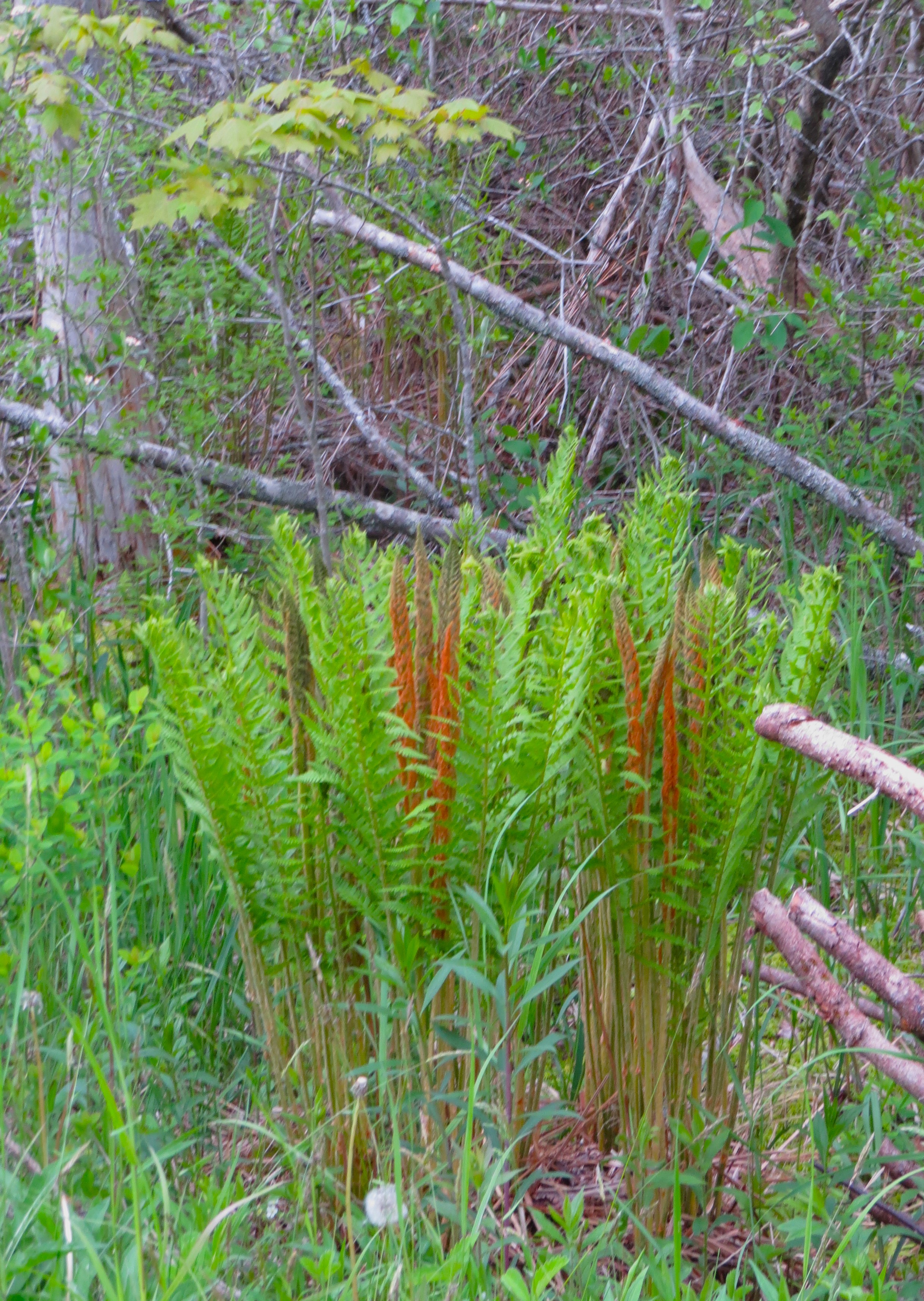
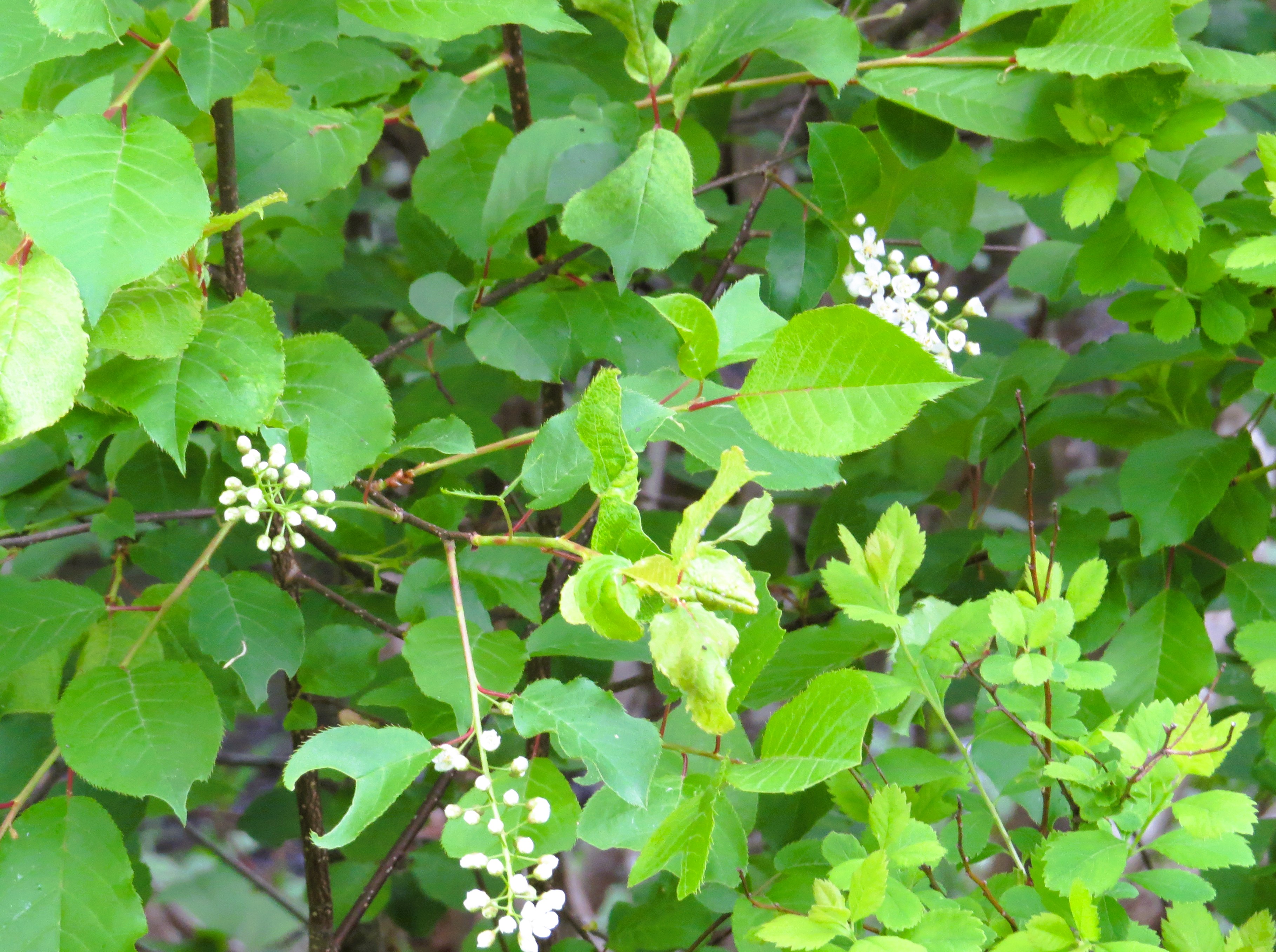
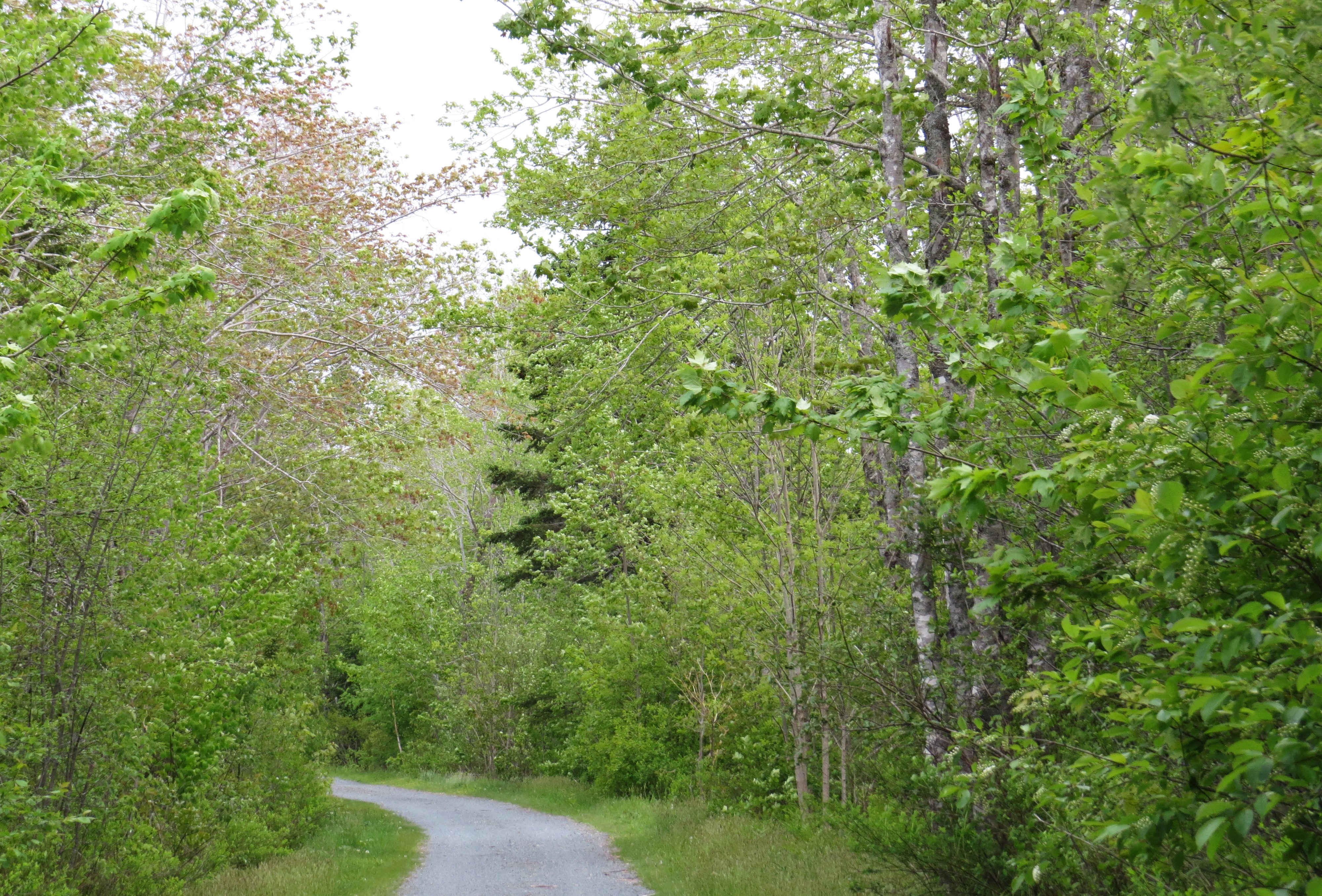
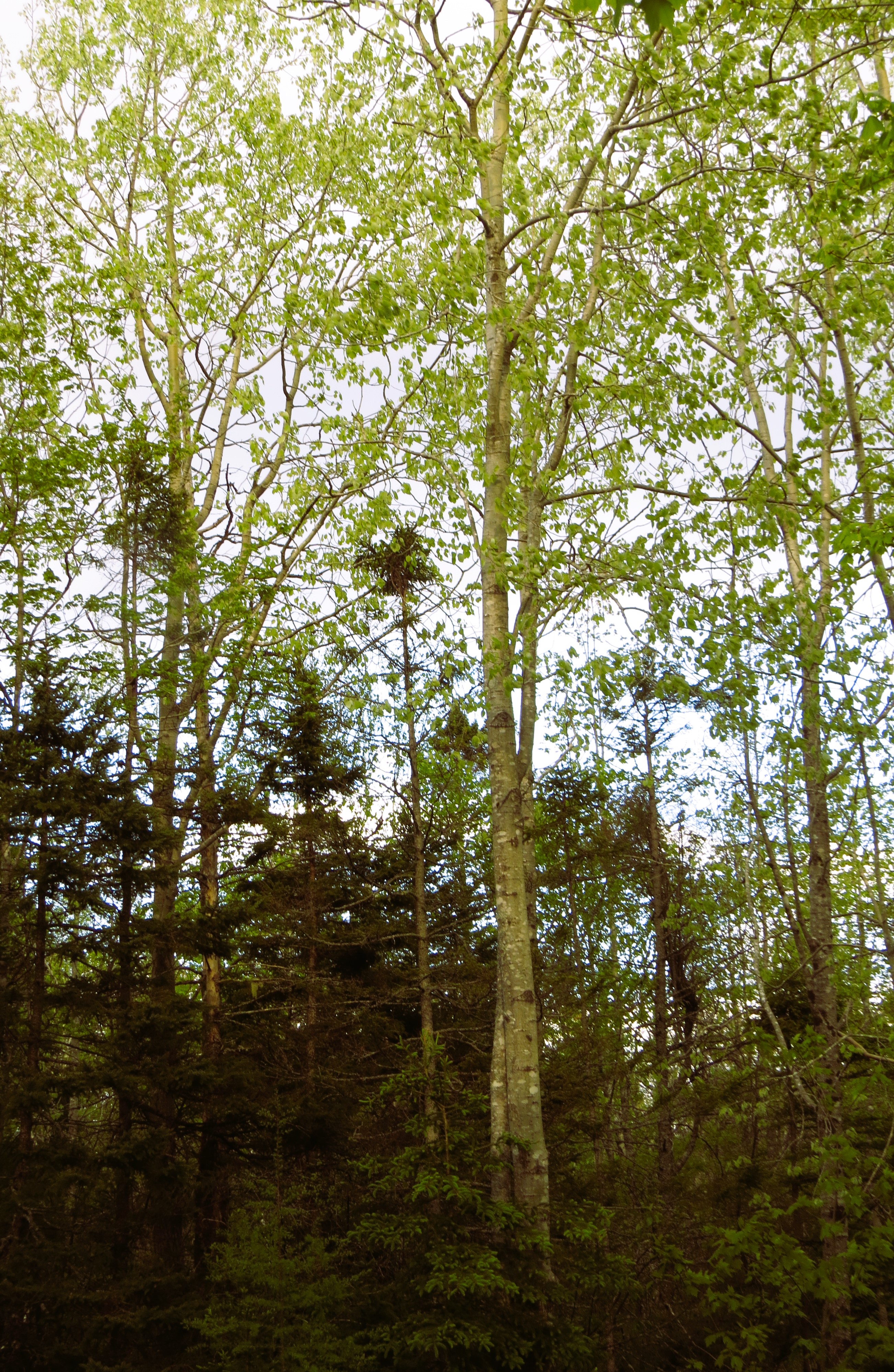
Cow Bay Forest in Nova Scotia

Cow Bay Forest in Nova Scotia

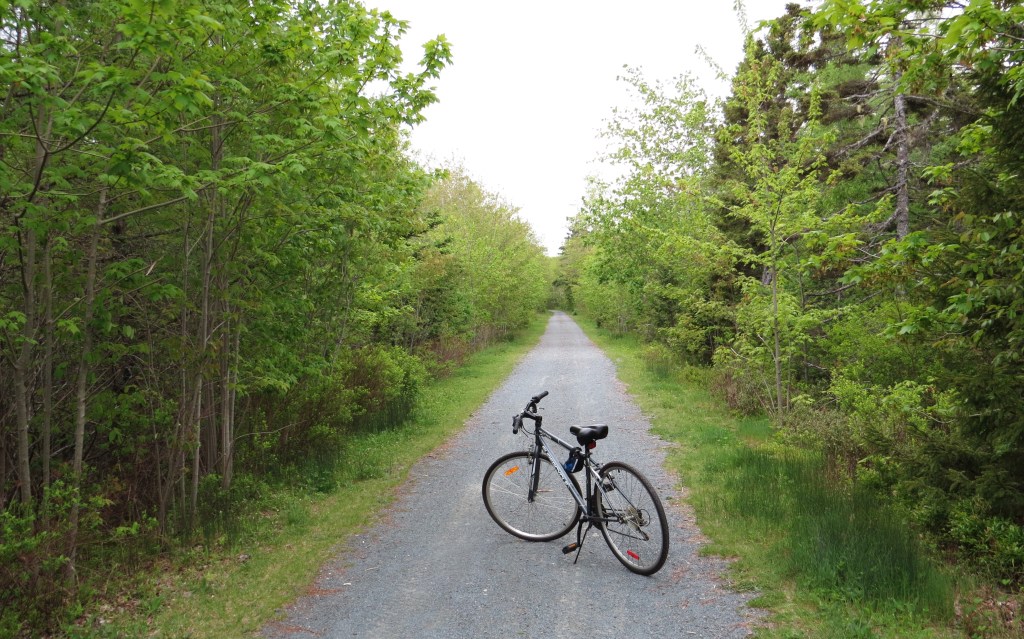
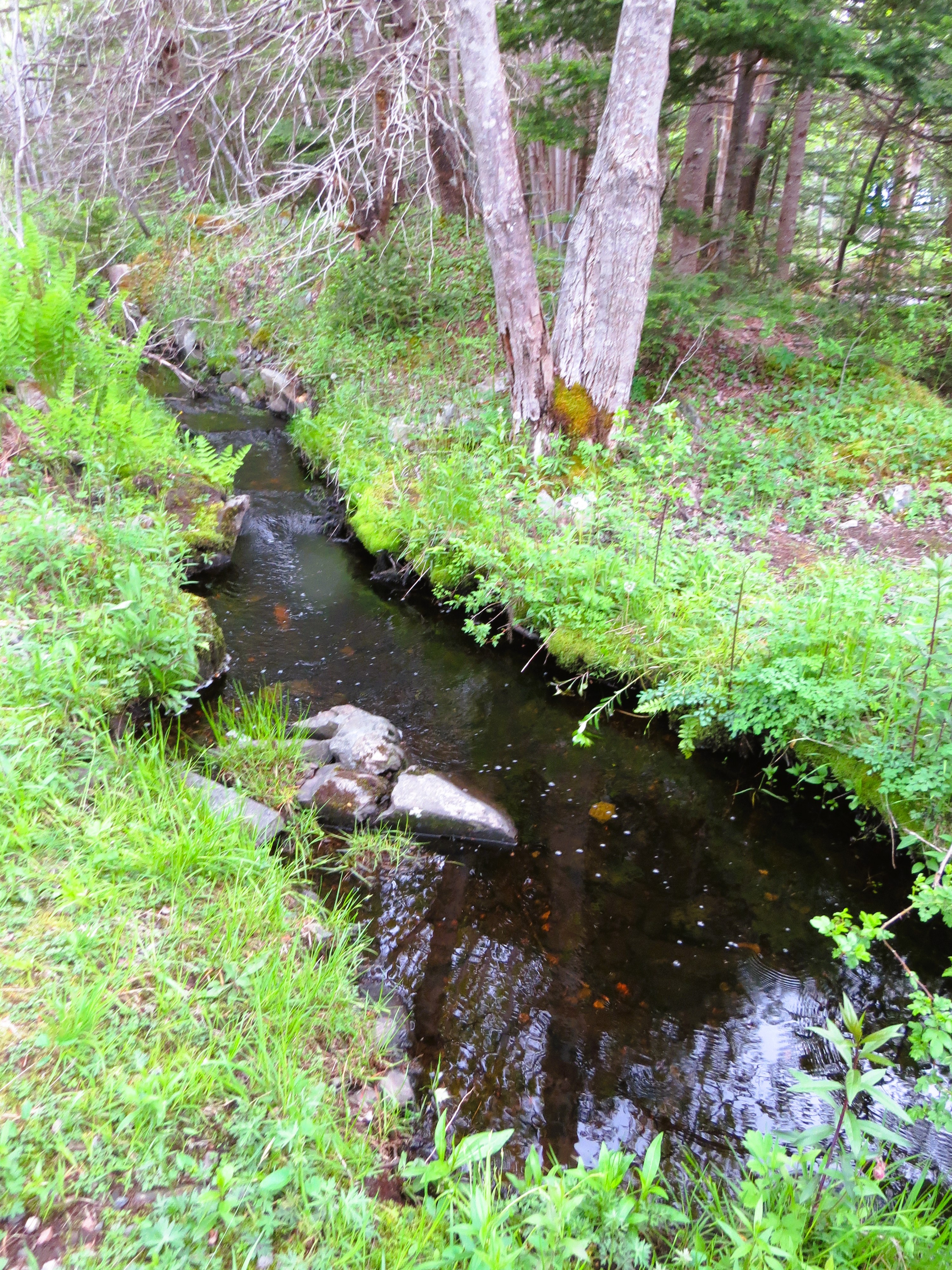
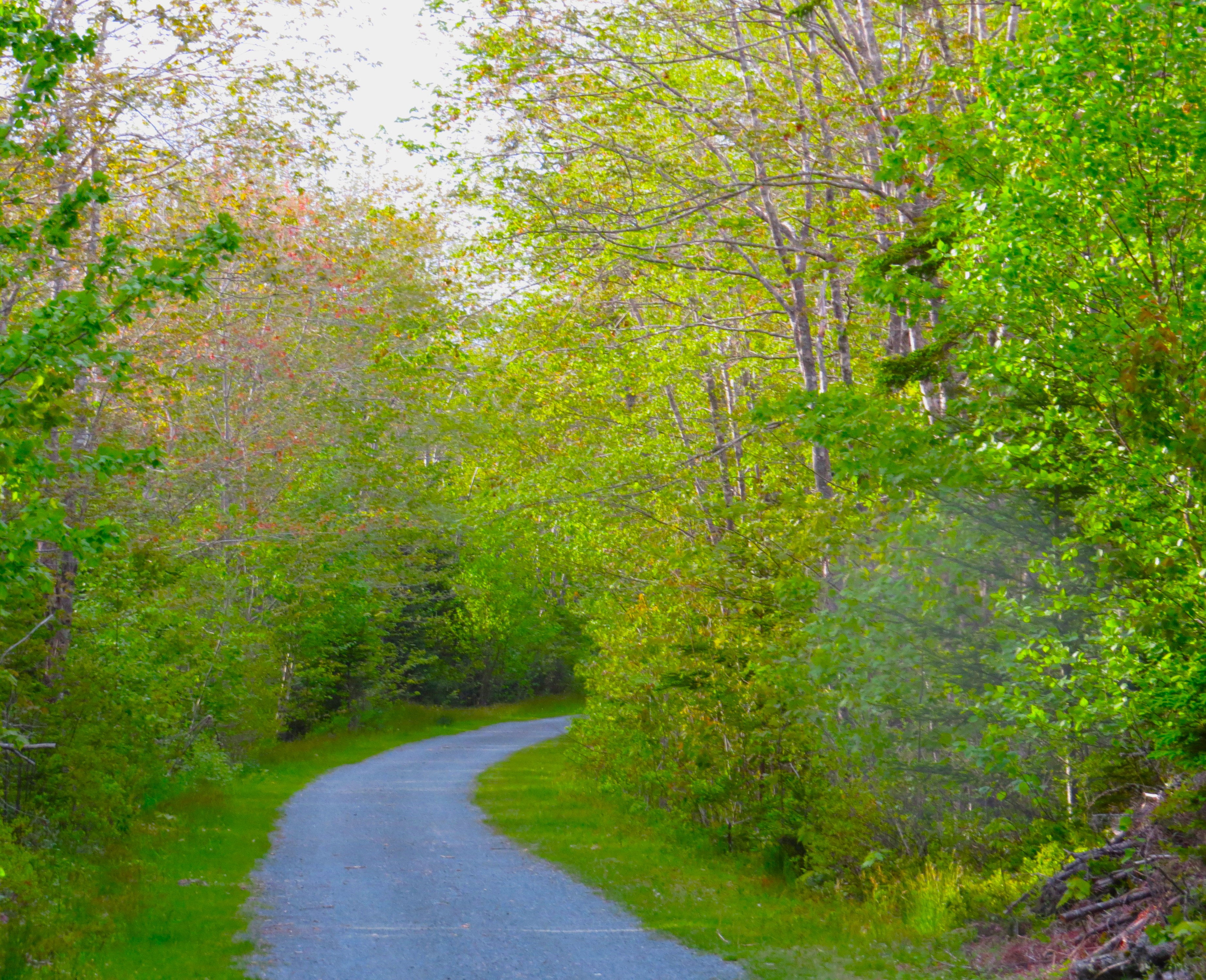
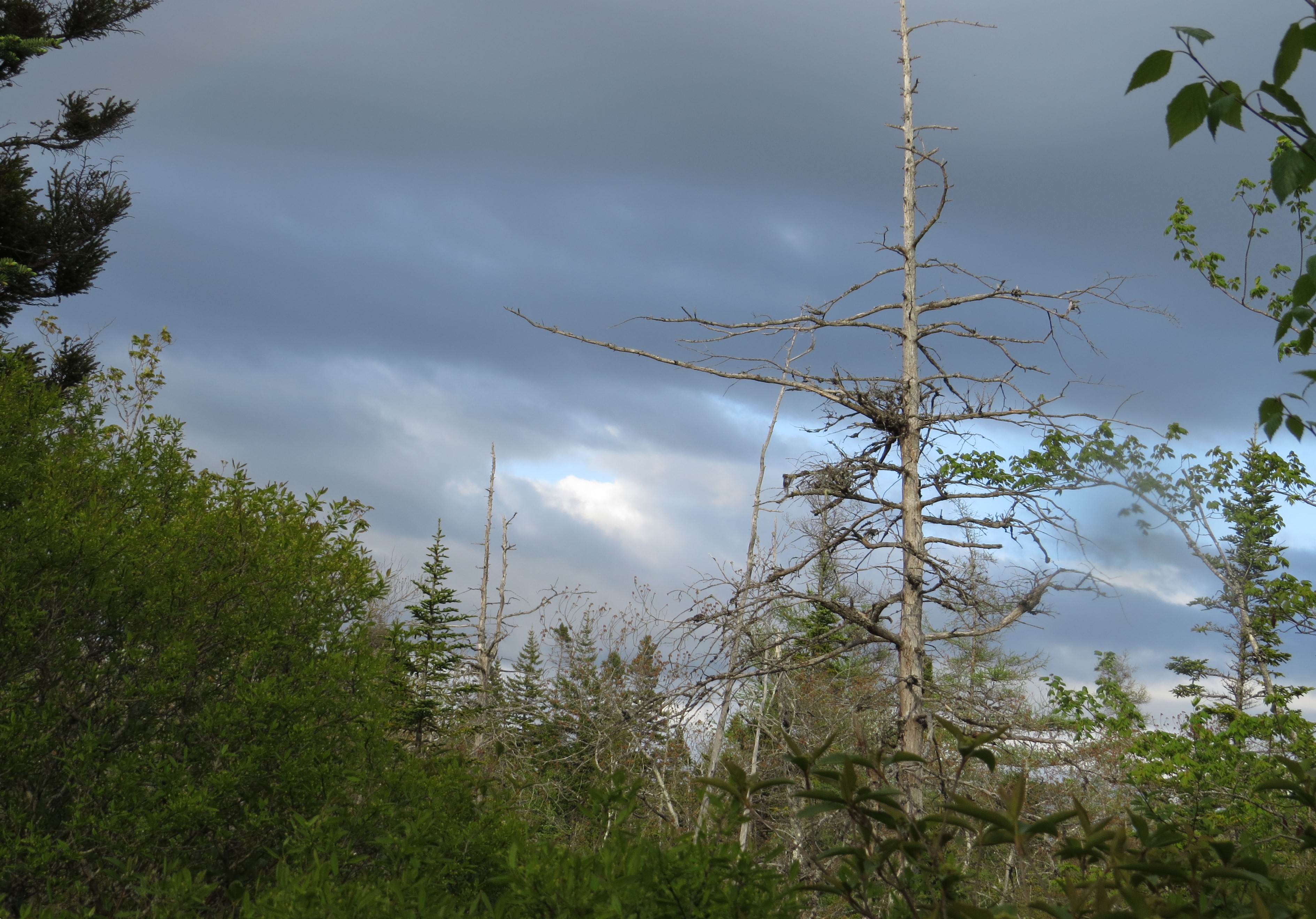
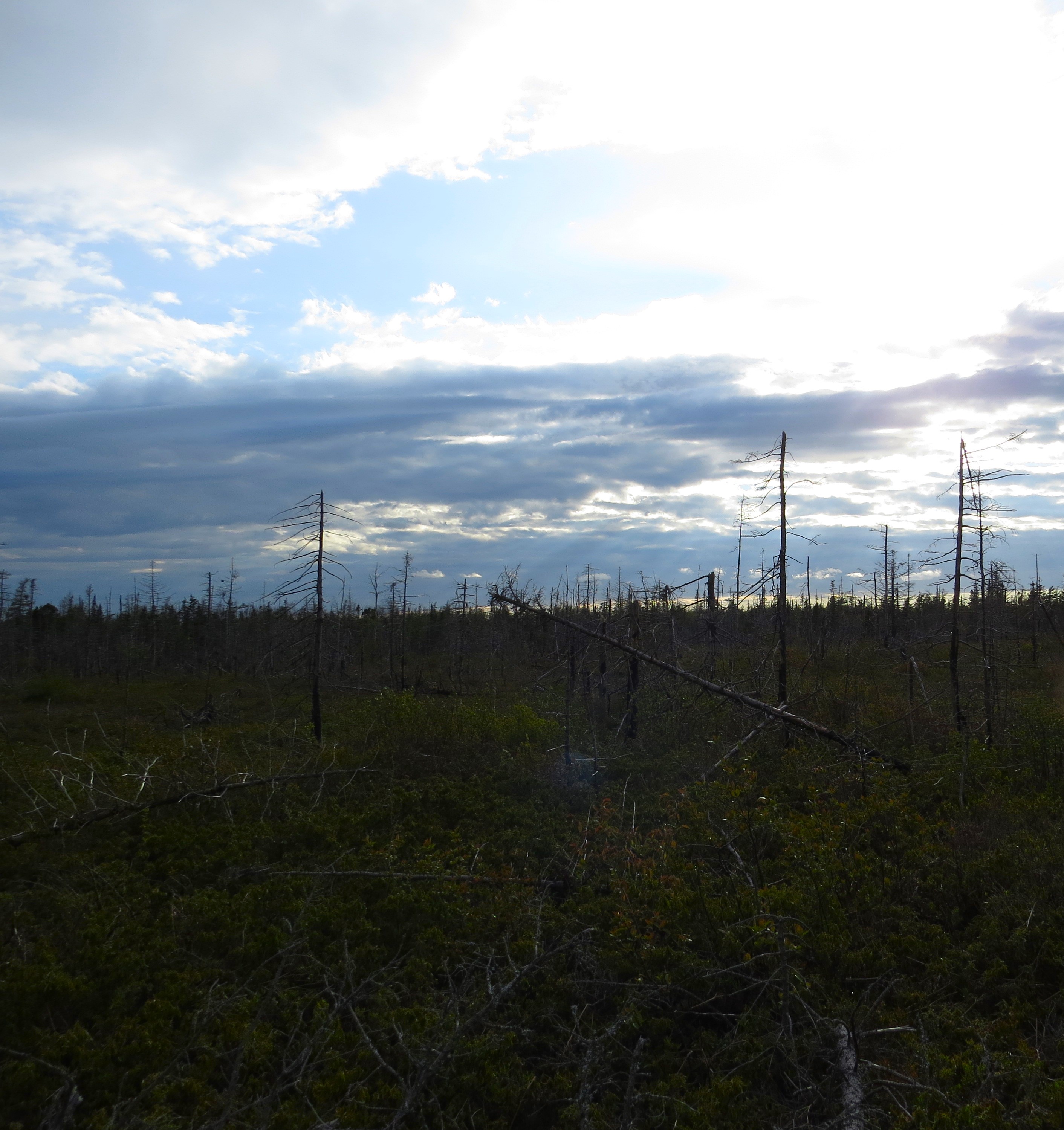
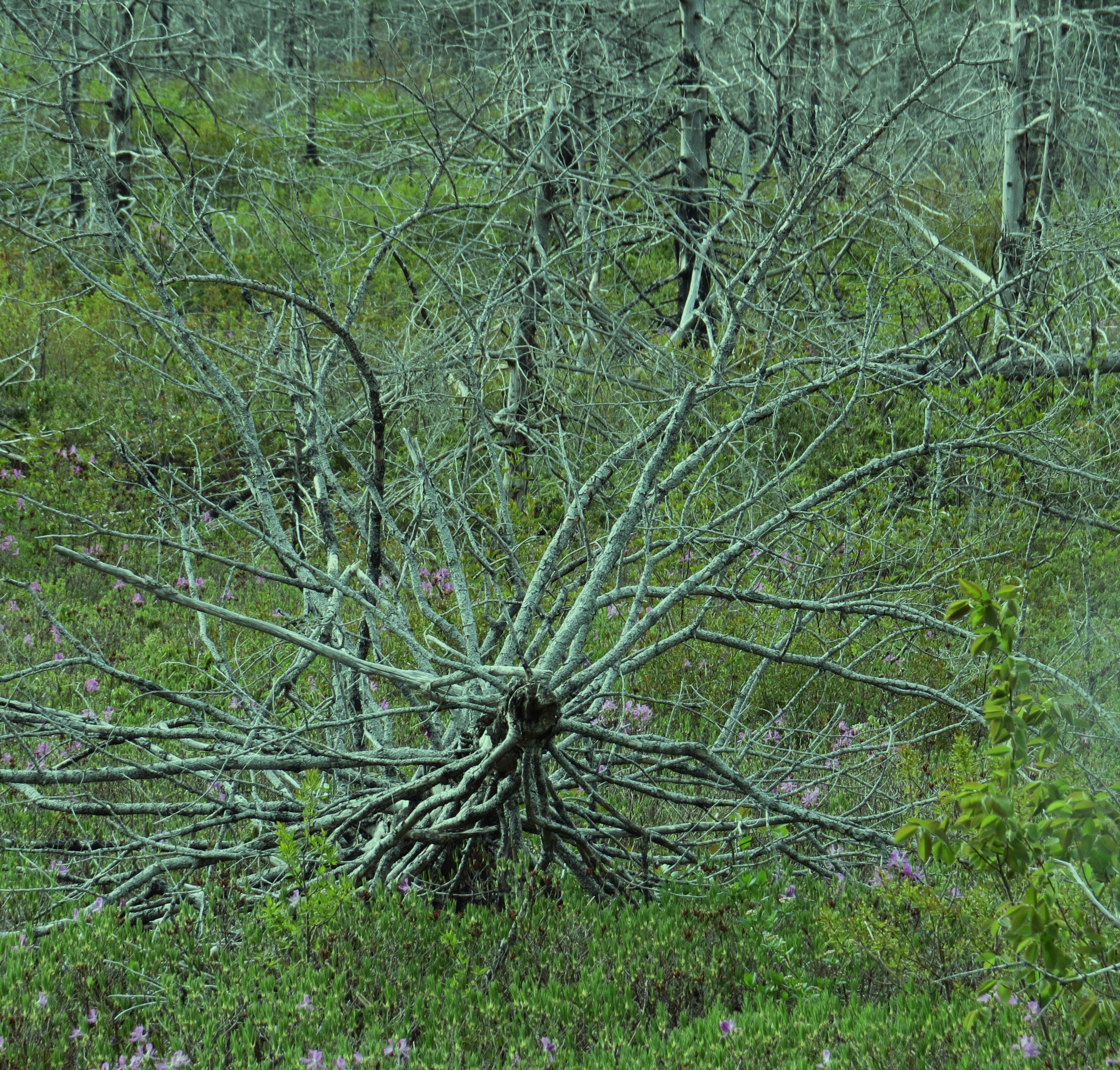
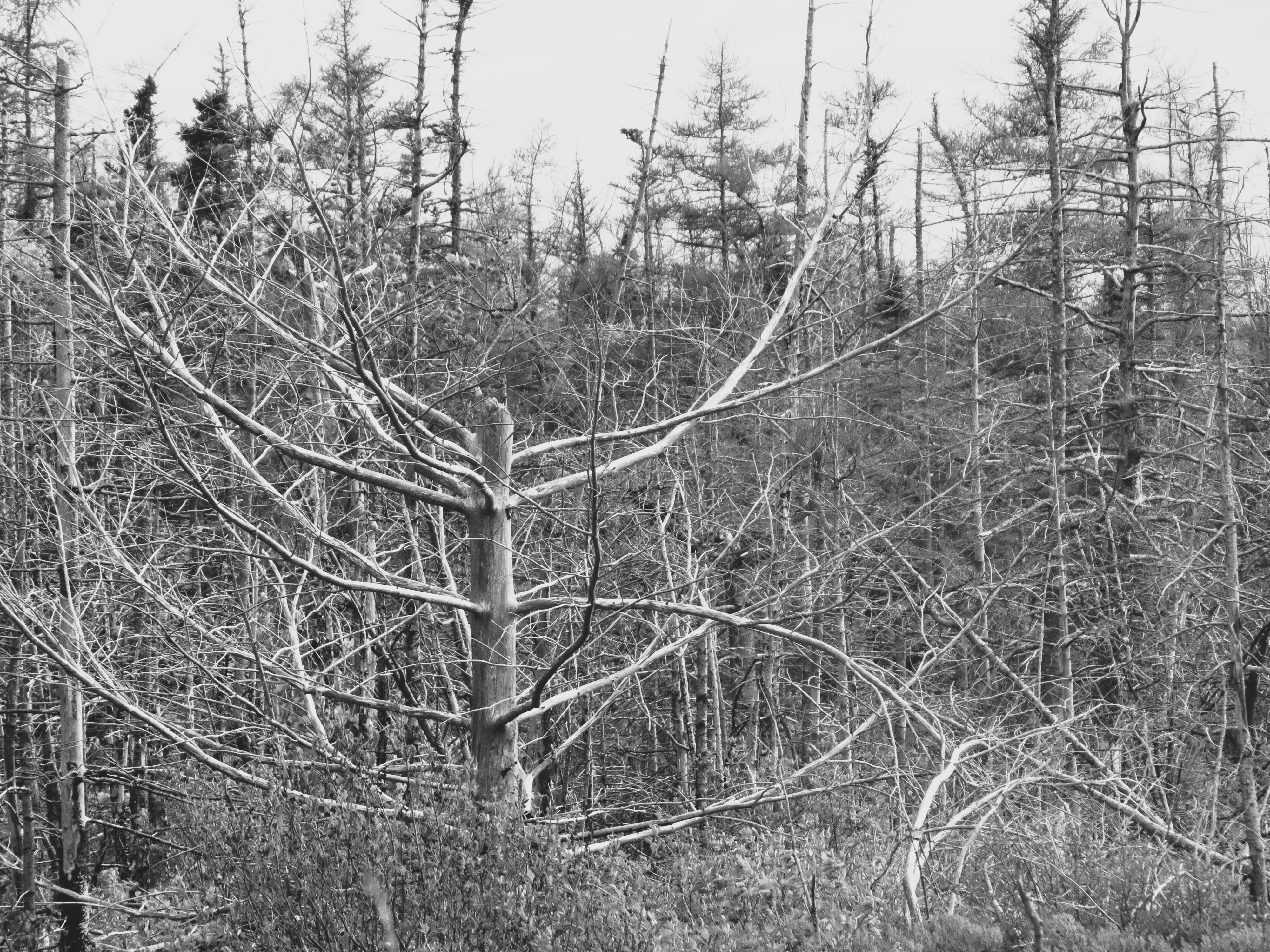
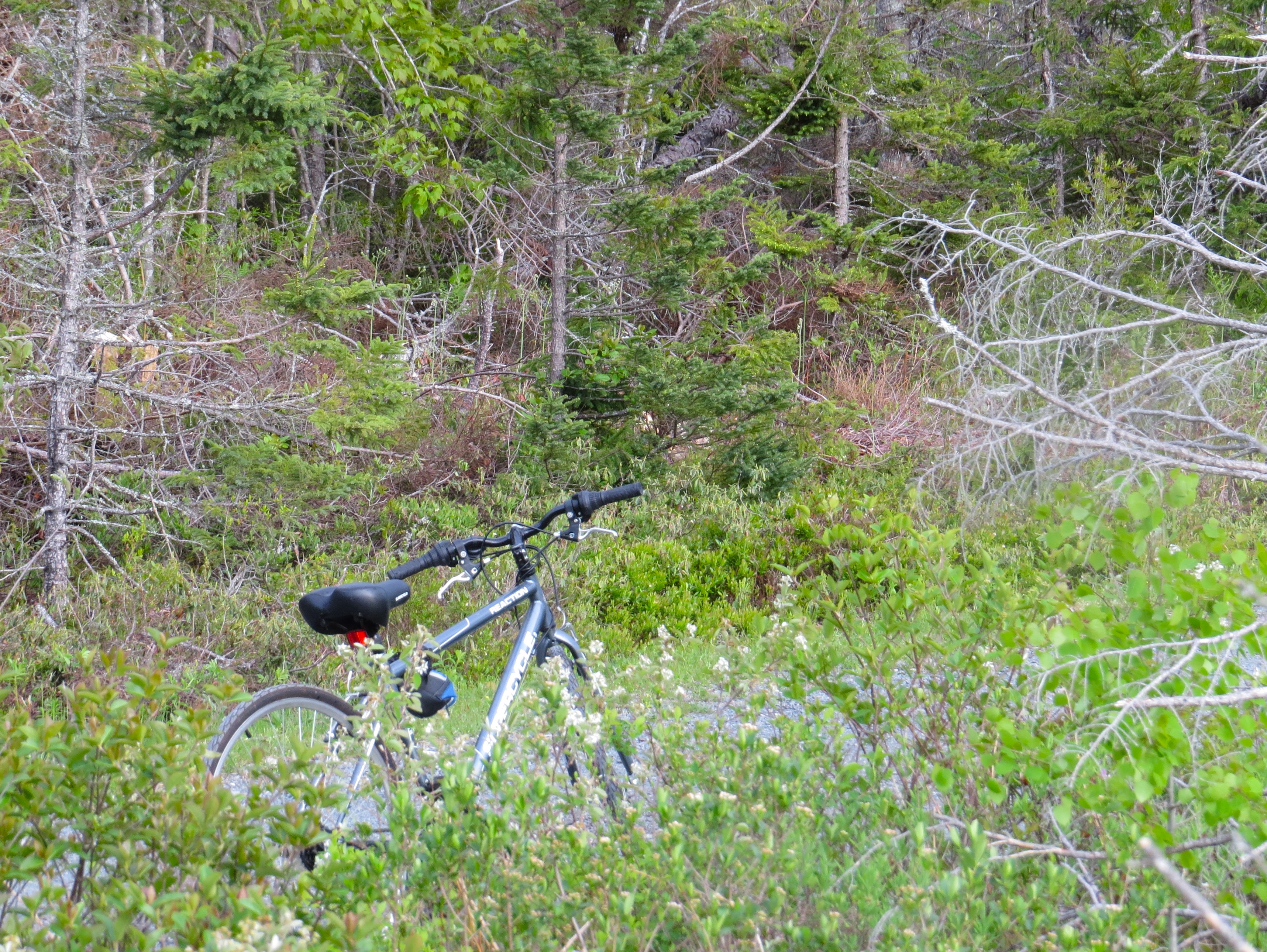
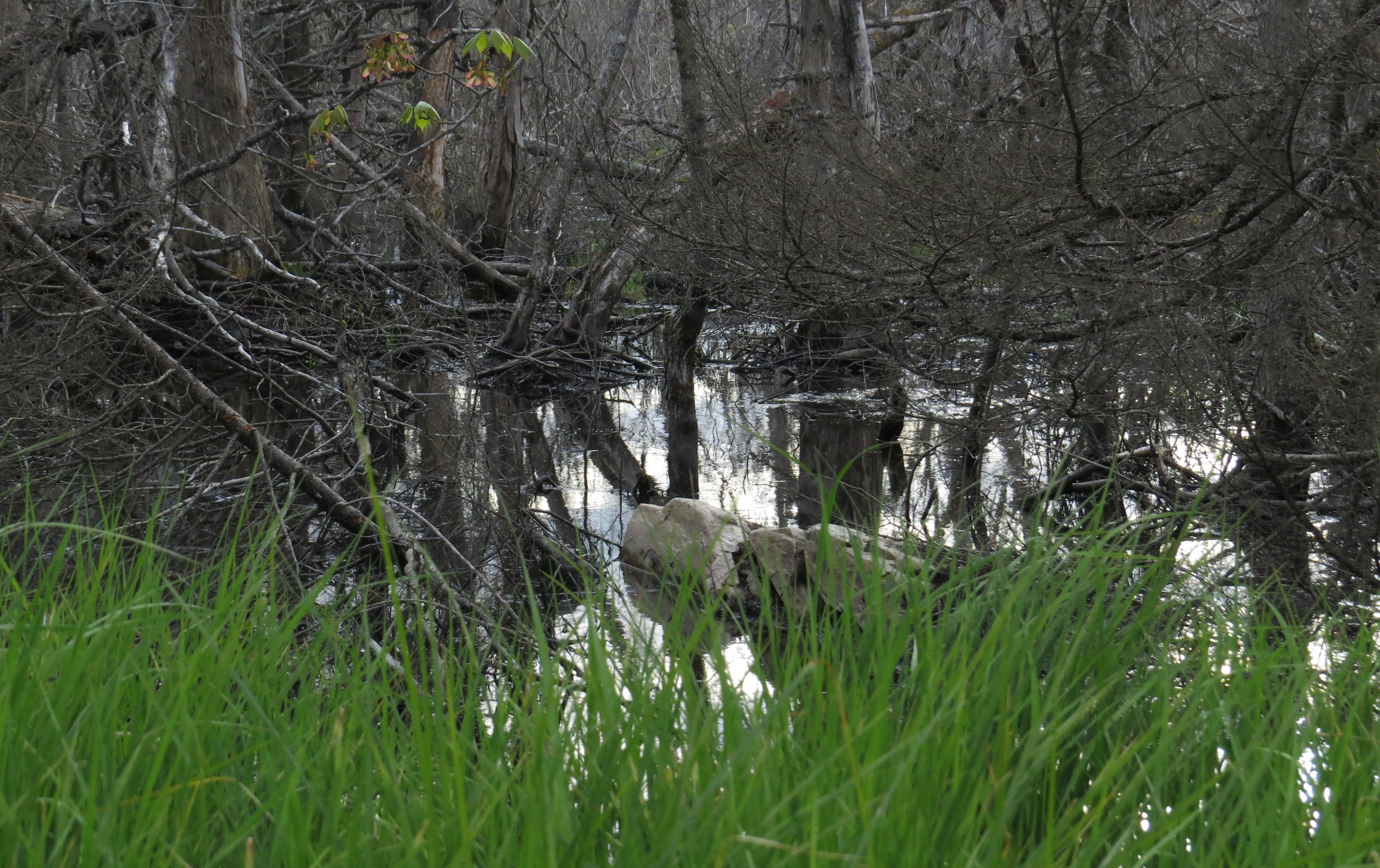
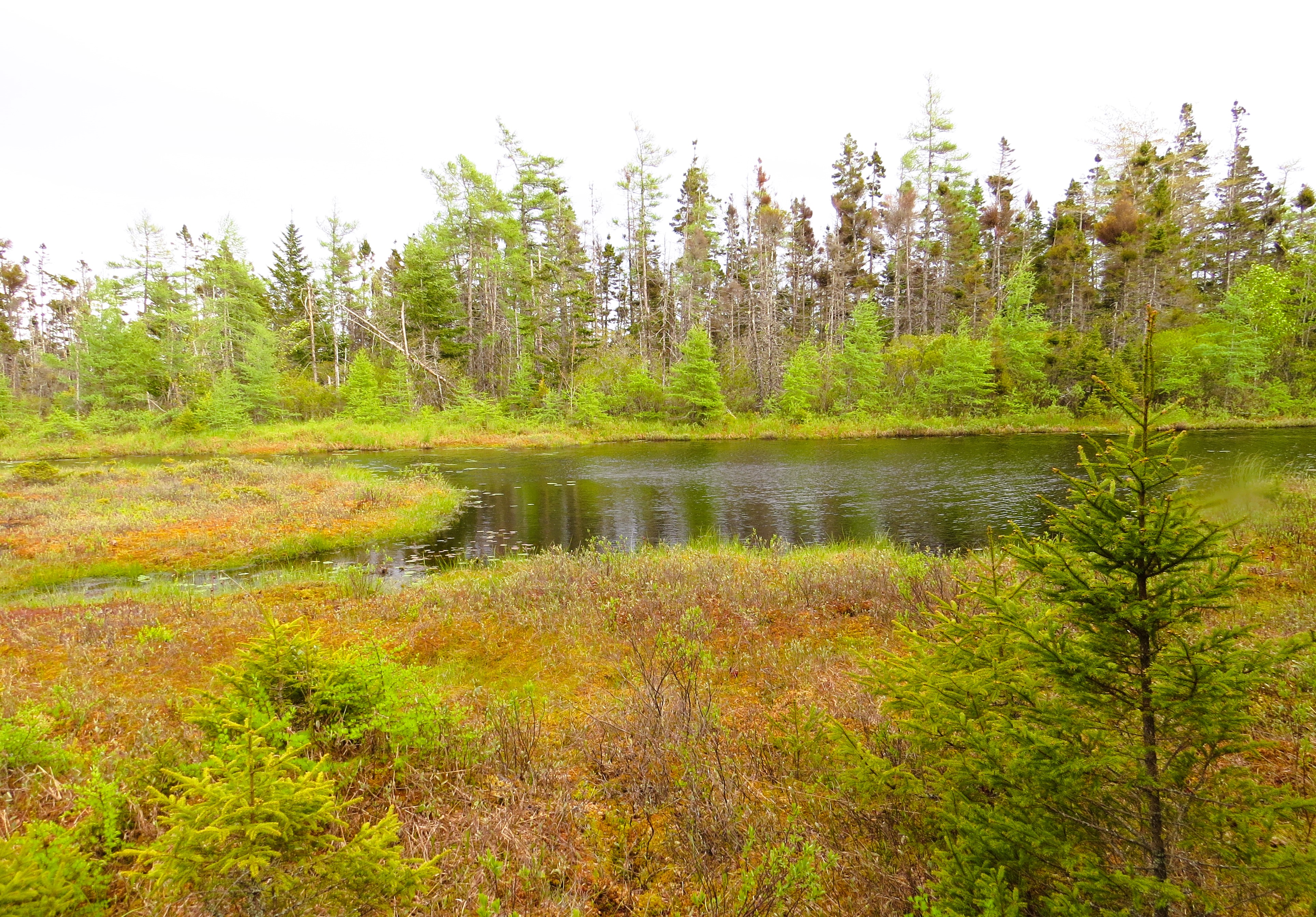
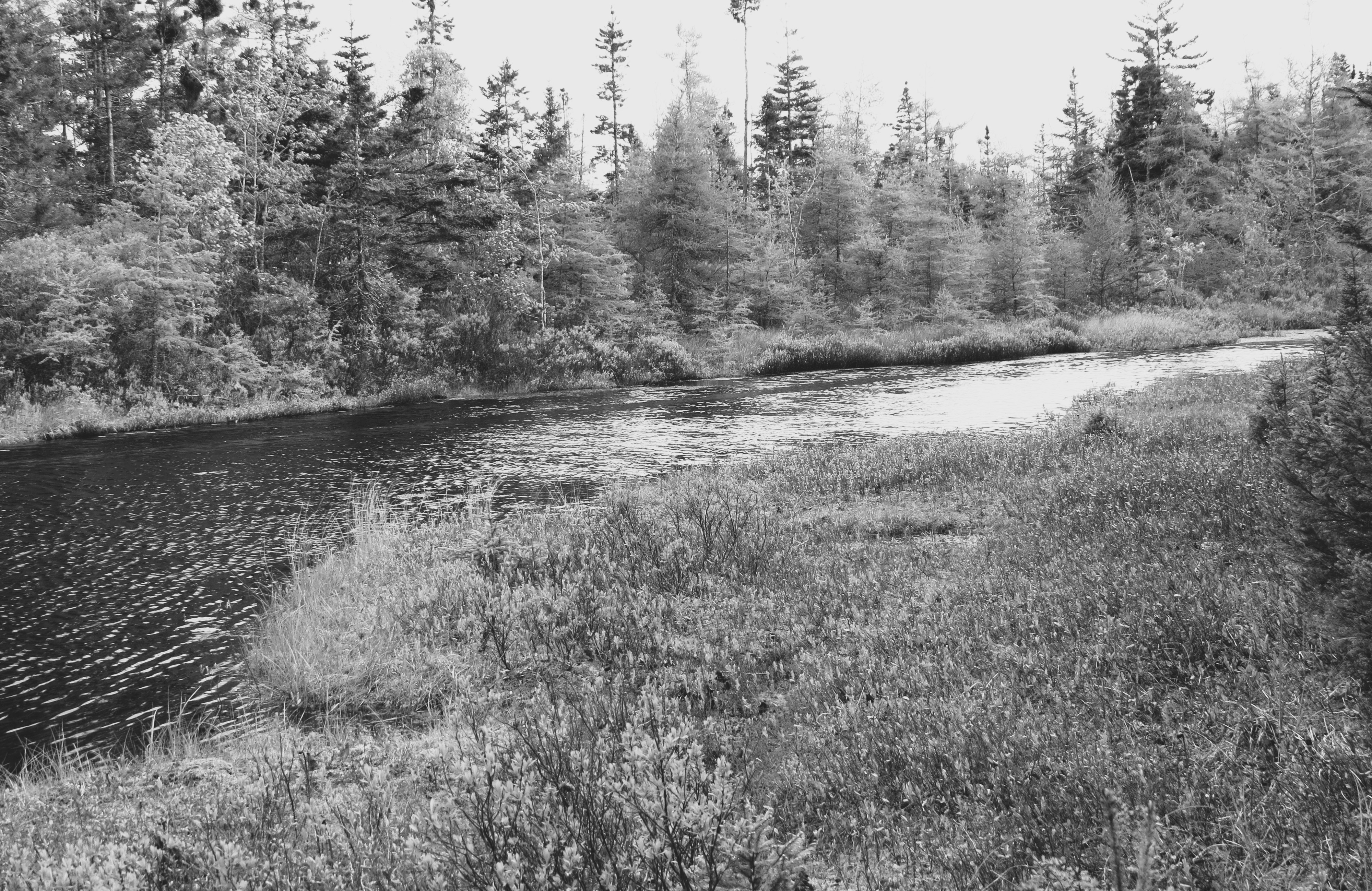
A little green gem nestled near Dartmouth, perfect for walking and cycling. It is a typical example of forests in the Eastern shore: with lots of marches, little lakes and streams. The trees are very seldom big and tall due to the impenetrable rocky bed covered with only shallow layer of red soil. Alas the root system is shallow, too, therefore prone to falling during frequent high winds or root rot. The southern end of the forest is located be the entrance to the Halifax peninsula in Cow Bay, the northern by the big marches near Havens Beach, to the west lays Dartmouth – to the east the vast waters of open Atlantic.

An early evening bike ride was a perfect timing as the trail was empty for practical reasons, air was cool, the rain very light and very sporadic.