Frankfurt nad Menem we mgle smutku

Frankfurt nad Menem we mgle smutku

Straszny smutek mnie dziś ogarnął. Nadszedł gdzieś z chmurami i mgłami jesieni i z odlotem przyjaciela na krótka wizytę do Polski. I nie ten jego odlot, nie ta wizyta w Warszawie, ale kilkugodzinny jego pobyt we Frankfurcie. Frankfurt kocham wyjątkowo. 

Sturm Und Drang[i] tam się zaczął od Goethego i Schillera, synów tego cudownego miasta. Okresu, który do dziś ma , po Renesansie, największy wpływ na charakter Polski i Polaków.  Nolens volens, i mój. Ze wszystkimi tego pozytywnymi negatywnymi konsekwencjami. Mickiewicz widział się zresztą z Goethem, choć nie była to zbyt budująca rozmowa i Goethe przyjął go początkowo chłodno, nie mniej później spotykał się z nim  w Weimarze kilkakroć. Sam Goethe był już uznanym pół-bogiem nowego kierunku i nic mu prawie mało znany poeta z Polski, której na mapie nie było, nie oferował ciekawego wedle jego początkowej opinii.

Nie o Goethem jednak ani o Mickiewiczu chcę tu pisać i nic to z moim uczuciem do Frankfurtu wspólnego nie ma – poza oczywistym faktem, że tam się wychował i urodził i miłe chwile z jego domu-muzeum opodal Klasztoru Karmelitanek wspominam. Miłe było też przesiadywanie zawsze na ławce blisko jego pomnika i blisko pomnika Schillera.

Frankfurt – poza wszelkimi i licznymi atrakcjami dla ducha i ciała (oj, tak – LOL) – to dla mnie kolebka dzisiejszej Europy Centralnej. Mojej Europy. To tu z państwa Franków (stąd nazwa) przybył Karol Wielki i rozpoczął marsz na Pomorze Przednie.  Na Połabach (dzisiejsze tereny Hamburga i Schwerinu), w dolinach Łaby (Elbe) trochę sobie wielokrotnie zęby pokruszył. W tamtym już czasie Połabianie ulegli sporej germanizacji. Z ciekawostek warto dodać, że już w czasach współczesnych ostatni Książę panujący na ziemiach niemieckich, władca Meklemburgii, był w prostej linii potomkiem właśnie Księcia i władcy Słowian połabskich. Karol Wielki tak jego zdolnościami wojskowymi był zafascynowany, że za oddanie hołdu i poddania się woli Karolinga -uznał wasalską władzę tegoż księcia słowiańskiego na ziemi połabskiej.  

Później zwiedzałem oszałamiający wręcz w przepychu pałac tych Książąt w Schwerinie . Oglądałem, to mało – w ogrodach tego parku robiliśmy sesję zdjęciową ślubu mojej córki chrzestnej.  Jakież to losy ludzkie są dziwne, zaiste.

Wracajmy do Frankfurtu jednak kochanego. Pisząc przyjacielowi, co powinien w tymże Frankfurcie zobaczyć – uderzyła mnie realizacja, że ja chyba tam już nigdy nie zawitam. Że pewnie albo tu szczeznę, albo w Polsce gdzieś, krótko po planowanym tam powrocie.  Że już w tym grodzie nad Menem szerokim nie będę chadzał śladami początków nowożytnej Europy, mojej Europy. Nie pójdę tymi szerokimi bulwarami nad tą rzeką z mamą pod rękę, tak jak chadzaliśmy tam –onegdaj zda się .

Czasem zatrzymywałem się tylko, w przelotach, na kilka godzin, czasem na noc lud dwie. Wtedy to ho, ho, poszaleć można było. Stara Hesja nie wiedziała, co to szaleństwa pókim ja tam nie zawitał, LOL.

Mama bardzo Frankfurt lubiła, byliśmy tam razem dwa lub trzy razy. Lubiła lody jeść przy Hauptwache i spacerować powoli bulwarami nad Menem. Nocowaliśmy na ogół w jednym z dwóch hotelików tuż przy Dworcu Głównym, bo były tanie i rano dawali niezłe śniadanie. Raz jeden wracając z Polski do Kanady pojechaliśmy do Frankfurtu pociągiem z Berlina tą przepiękną trasą wzdłuż wijącego się Renu, z wysokimi wzgórzami po obu stronach doliny, wieżami starych niemieckich zamków, koło Ratyzbony skąd przybyła do nas Królowa Rycheza. Potem pociąg skręcał ostro na północ i jechał do Frankfurtu.

Ale – jak zawsze ze mną – prócz szaleństw czas musiał się znaleźć na refleksje, na zachwyt jakimś brylancikiem historii, opowieścią muzyczną lub literacką.  A tych tam dużo. Choćby ta śmieszna rzecz, że Miasto Karola Wielkiego ma barwy biało-czerwone i godło … białego Orła w złotej koronie.

Więc gdym pisał przyjacielowi, jaką ulicą warto przejść … nagle sam chodziłem tymi samymi ulicami pamięci. Dziwne i smutne nieco uczucie. Uczucie-przeczucie?  Gdy bogowie rozdają karty, śmiertelnik musi się z ich wyrokiem pogodzić.

Pożegnanie

Johann Wolfgang Goethe

Niechaj oczy ci wyszepcą
Pożegnanie: wargi drżą
Cięzko, o jak ciężko rzec to…
A dojrzały przeciem mąż!

Jakiż nikły w tym momencie
Każdy uczuć jawny pąk:
Zimne – twoich warg dotknięcie
Słaby – uścisk twoich rąk

Dawniej całus… gdzieś… w pośpiechu – 
O, jak cudny był to szał!
Tak fijołki nam uciechą,
Kto jest w marcu pierwsze rwał.

Nic już nie mam do zerwania – 

Brakło kwiatów, brakło róż:
Wiosna wkoło, miła Franiu,
Dla mnie jesień… jesień już…[ii]


[i] epoka Szturmu i Naporu w kulturze europejskiej, początek romantyzmu
[ii] Pożegnanie – Johann Wolfgang Goethe

Actors, directors, writers and the public. Spectacle of the past and the future:  2023 versus 2024 – the English version

In ancient Greece, there was a special, feared temple in Delphi, where the women serving as the foretellers of tomorrow and fate would tell you what yours would look like. Pythia was seldom very clear in her oracles. I will try my best to be less confusing and complicated. Also, unlike a proper Pythia, I am not a user and therefore I am not high, as I write the story, LOL.  
But before we get to 2024, let’s look back to 2023. Normally, talking about history would seem to be very safe. Nothing could be more wrong than that wisdom. History, my dear reader is only objective about plain facts. You can say safely only one sentence: i.e. the Battle of Hastings took place in 1066. Anything else would be your opinion of the battle, not facts.

So maybe it is better to ‘use’ and be high and talk about the future. At least no one can say with a conviction that you are wrong or even a liar.

But I will try nonetheless to say a few things that I hope will be reasonable, seasoned, and not too emotional.

2023 in Canada

Eighth year of Justin Trudeau’s Liberal government. From happiness and joyful youth of hope at the beginning (that was very much needed at that time) to Covid years, social upheaval (Truck convoys, occupations of Ottawa, and border crossings), and polarization of the entire Canadian society. Not many could have survived it. He did. But badly damaged. I also think that he has become tired and not as enthusiastic about bringing a sunny future to Canadians. I doubt very much if he will be able to beat his father’s record of longest-serving PM in modern Canadian history.

2023 was a series of setbacks for our Government. On the domestic scene and international scene. Most of them were probably beyond anyone’s ability to solve or remedy. But in politics, excuses are seldom granted for those in power.

In the last two years, prices of everything just skyrocketed. And so did interest rates. But food and shelter become the biggest scare of all. That certainly was not a Canadian phenomenon – similar things happened everywhere in the developed world.  In Germany, France, Poland, in the USA. Originally a lot of it stemmed from the COVID years and total breakage in world transport of goods across continents and oceans. But once that was established  – the habits of raking huge profits became entrenched in the pockets of the oligarchs of domestic and world food distributions. Owners of supermarkets, car sales, oil and energy, landlords of apartments both big ones and individual ones. Almost overnight rents went up ten, twenty, and fifty percent higher. The high prices of home ownership were already habitually high putting us all at constant risk of collapse and financial crisis of the banking system (remember what happened in the US many years ago?). But it used to be in Vancouver, Toronto, and Montreal. Suddenly it happened in Halifax, St. John, and Fredericton – for no economic reason whatsoever since none of the Maritime Provinces experienced even a semblance of any economic boom – to the contrary.  I guess greed is a part of human nature. Not a nice one – but it is.

Eventually, wages went up, too. Not nearly enough – but surely. All of it made the fight against inflation even more difficult – but the Bank of Canada stayed its course and no serious inflation ever occurred. It wasn’t popular – but necessary. That is the difference between politicians and high-ranking Officers of the Crown (like national banks presidents). Politicians are at the mercy of voters; appointed Officers are at the mercy of only their terms, thus often doing what is right and not what is safer for them.

The result? 2023 was very expensive for ordinary Canadians. And definitely more expensive for ordinary citizens of most countries in the world. Regardless if the governments were rightist, leftist, or centrist.

I strongly believe that we managed as well as we could thanks to the unusual partnership between Jagmeet Singh of NDP and Justin Trudeau of Liberals. It wasn’t a coalition by any means (probably smart for Singh) but a careful partnership. But when you have a minority government your position as an ally is stronger. It was also an astute choice for Singh as he built his profile and popularity among voters.

Therefore my first choice in politicians of 2023 in Canada goes to him – Jagmeet Singh. Second to Justin Trudeau –  if for anything than for surviving. It was a very bad time for all politicians. Last by any margin of error – but most popular in recent polls, Pierre Poilievre. I understand that when people are angry and scared they run toward the one who is even angrier and scarier. But really? Is that what you want? The most fanatical, the one lacking on any cohesive policy for the massive challenges awaiting us in 2024? God have mercy. It is so easy to criticize existing policies and governments in times of global crisis. But to offer workable and logical, economically sound alternatives – not so much. Certainly, in the case of Poilievre, they are not forthcoming.  The few that he sort of mentioned are just absurd. They have no economic or social value. On the contrary – I think that it would create a much harsher situation for most of us  (very few very rich ones would absolutely gain a lot from it) in 2024.

Canada’s worst ‘enemy’ in 2023 in order of dangers:

  1. Huge forest fires and floods as a result of climate change – stretching from ocean to ocean to ocean. There was no escape. Ecological catastrophe and financial disaster for Provincial and Federal governments.
  2. War in Ukraine. On many fronts most difficult and terribly expensive in recent Canadian history. Our support for Ukraine extended well beyond our ability. And, of course, at the worst possible time. It is one way to be generous during ‘good times’ and a different thing to be generous in ‘bad times’.  Paying for armaments, munition, training, fulfilling obligations to NATO, and sending Canadian regiment to Estonia is very expensive, too. At a time when our Forces need very badly a large amount of budget in Canada to fix years of not doing enough. By all recent federal governments, Liberal and Conservative. Yet – we did not choose that war. The war is not only in Ukraine, somewhere very far away. The war is at the borders of NATO countries to whom we have an obligation. We either support the Ukrainian army, which is much smaller than that of the Russian aggressor – or we might end up doing the fighting ourselves if Russians overcome their defenses and attack NATO country or countries.  Remember a lesson from the 2 world War – if Europe (France and England) and the USA attacked Hitler when he invaded with almost all his armies Poland, maybe the war would not lasted almost six years but only a year or two. And maybe millions of people would have survived it. Just saying. Sometimes – sadly – starting a war against an evil aggressor makes the war shorter and less bloody. Now the ‘hitler’s name is Putin.  (Don’t forget that Stalin’s Russia was Hitler’s ally and invaded Poland from the East two weeks after Hitler started his invasion. If not that Hitler two years later changed his mind and attacked Russia – Stalin would have stayed by Germany’s side)
  3. The global crisis of economies, raising poverty and hunger.

Challenges in 2024

  1. This time the one that is unavoidable. One that dwarfs every other challenge. Climate change. One that can’t be stopped because we are not able to stop or reverse cosmic forces, forces of the Universe. Earth is not a world in itself. It is part of our solar system, our galaxy, and part of the Cosmos known and unknown.  Earth is a ‘living’ thing. Never stopped being one. Constantly changing its form, shape, and look. Just in a different time frame than our human perception. But from time to time it speeds up. It has been done many times before. Usually with very disastrous effects for the life forms, that exist in such times. Then life comes back, some species survive, and some new ones emerge. But one life form became so powerful in the last million or so years that affected that normal, cosmic timeframe. People. We. We can’t stop that change. But we shouldn’t speed it up, as we do.  This time it is not freezing in glaciers, not gigantic volcano eruptions followed by hundreds of years of darkness and acid monsoons. This time it is simply warming. 2003 was already the warmest in kept records. According to geological archeologists, it reached the level last seen 100,000 years ago. That will affect the entire planet, all humankind. It couldn’t care less about any states, borders, or nations. By acting accordingly, wise, and understanding the truly existential nature of that change we might have a chance to adapt, to survive, maybe even flourish later.  But we must. We. Everyone. Governments and international organizations can’t do that for us this time. We must elect only politicians, who are very serious about it, who accept that challenge as the most important one, who follow the plan and do not change it come every election. We can’t say: it must be China most; India most, Brazil first; Europe, Africa, and on and on. No. It must be Canada’s first in Canada. Yes, nations should develop and plan globally. But we can’t afford the time when all agree. We must do now, here. And it will cost money. Will cost us. Les if we start now, more if we start five years from now. By us, I mean us individually, not just some government in some town called Ottawa. Traditional oil-driven or coal-driven energy should be more expensive. And you can’t expect that all the costs will be covered by the government. If the government covers the full cost it means it will cut other services. You know that arithmetic very well. The National Bank doesn’t really just print money. If we fail that test and we will speed up the warming process everything else stops having any sense. Millions of people will die of starvation, hundreds of millions will become poor and desolate, and immigration will just overcome any national borders and border walls. It will be chaos on many fronts. Forest fires and floods? You have not seen anything, yet. Some nation-states are already disappearing in front of our own eyes. I mean – they are truly sinking out of the map.
  2. Two wars that must be stopped by any means. I mean any. Russia must be punished so harshly by all allied states (Europe, North America, Australia, New Zealand, and any other true ally that we have) that would cripple their economy. That will stop the war much faster than any rockets or tanks sent to Ukraine (but we must continue to support Ukraine in the meantime before the sanctions are formed and executed). That is possible and is in our best interest. Current sanctions are just a patchwork of here and there and this and that. We can’t wait for the majority of the world to agree to that. It might never come. We must use our own strict ‘club’ of Western Powers of democratic states and do it fully, comprehensibly, and at once. It is possible and it is doable. We must demand it from our governments.

 Israel – the massacre of Palestinians must stop. No ceasefire, no ‘more careful killings’. This is insanity and it serves no one. Except for one person – the disgusting malfeasant and populist Netanyahu. Now a war criminal.  United States is acting in an abhorrent way aiding in the massacre of people, who already suffered unspeakable theft of land, opportunities, and basic dignity. I do understand that Israel is a linchpin of US policy in the Middle East. But it is all based on old times of rivalry between East (communism and USSR) and West.   But regardless of that anachronistic policy – it is in the best long-time interest of Israel to have peace with Palestinians. It is the only solution to lasting peace there. What happened in December with the atrocious Hamas attack – happened. It has been dealt with. It cannot justify the unspeakable horror of what is happening in the ruins of Gaza City and all other cities and towns in the Gaza Strip. It is abhorrent.  Our, Canadian government can’t be part of it. There is no room to be ‘a little pregnant’ in this conflict. Children and women are dying in hundreds daily, hospitals are bombed as they tend to the wounded and dying, and starvation is happening now.  No medicine, no fresh water, no fuel, no food. The trickle that is coming (never sure if it is coming, and aid trucks have been already bombed, too) is only a fraction of what is needed. It is truly insanity and I can’t understand that some of us are even trying to discuss it politely that maybe this or maybe that, that it is all very complicated. No. It is not complicated at all. It kills innocent people. In thousands. People, who were already suffering. Including suffering from Hamas hands. During the history (a very short one after all) of Israel, it gathered a lot of support. People knew and remembered what was Holocaust, what were pogroms. That Jews deserve their own state. Safe state. And now a lot of it evaporates in thin air. A normal person just watches with astonishment and disbelief. For the sake of not only Palestinians (but mostly for them because they are being massacred) but also the secured and respected Israel – stop it. Kick Netanyahu to the garbage bin of history and restore peace. Both nations deserve it.

  • Last but not least – India. The largest democracy in the world. But is it? The USA wants it to be a counterbalance to China’s ambitions in Asia. I don’t trust this guy at all. Arrogant, populist, and ethno-religious chauvinist. I think that he is the worst that could have happened to this amazing subcontinent with thousands of years of history. How can you have a democracy if the leader is an authoritarian trumpist? Ask me, a Canadian Pole who observed from Canada for the last 10 years the democratically elected government of populists, religious fanatics, and idiots in Poland. They lost power in massive elections and popular protests in October last year. Now is January. It is absurd what is happening now in Poland. The party that lost occupies buildings in Warsaw, occupies the Public TV (equivalent to CBC in Canada), and daily emits anti-government programs. There is legal chaos as part of the Judiciary was chosen by the former chauvinistic government and wants to stop the new government from any normal governance. Democracy is not a panacea for everything. It works only if everyone respects the same rules. Not only the rules it likes.

OK, it looks like the morning is lurking in my window. Time to go to bed.  Enough for today. Good night and sleep well. Hope you can after reading this, LOL.

Nowy rząd w Polsce. Przebudzenie?

Przebudzenie czy Przedwiośnie? Realizm czy żeromoszczyzna? Szklane domy czy po prostu domy, mieszkania dla ludzi – zwyczajne? Szkoły dla dzieci i młodzieży czy plebanki opłacane z funduszu rządowego? Kobieta-człowiek i obywatel czy tylko kobieta-matka i kobieta-żona? Pytan dużo, oczekiwań jeszcze więcej a możliwości mało.

Jutro, 13 grudnia kończy się farsa ‘rządu’ PiSowskiego. Farsa bardzo droga, bardzo szkodliwa. Ale opłacalna dla wielu. Bardzo wielu. Polska, Europa i świat 2023 to nie to samo, co Polska, Europa i świat 2015. Osiem lat tylko – a cała epoka jakby.

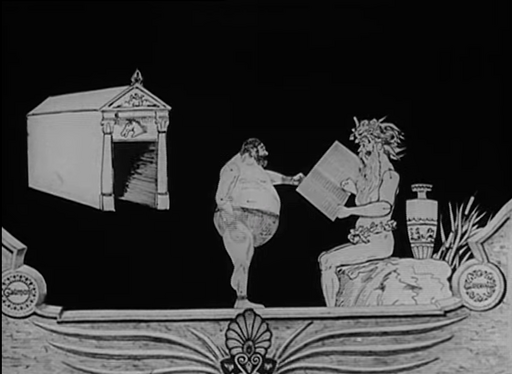
Herkules spotyka Augiasza

Oto kształt tego rządu:

Premier Donald Tusk – Oczywista oczywistość. Na czele nowego rządu stanie przewodniczący Platformy Obywatelskiej Donald Tusk. To będzie jego szósta kadencja w Sejmie (był posłem I., IV., V., VI., i VII kadencji). Współzałożyciel i długoletni przewodniczący Platformy Obywatelskiej (2003–2014). Dwukrotny prezes Rady Ministrów (2007–2014). W latach 2014-2019 przewodniczący Rady Europejskiej. Od 2019 roku przewodnicący Europejskiej Partii Ludowej.

Wicepremier, minister obrony narodowej Władysław Kosiniak-Kamysz – Od 2011 do 2015 minister pracy i polityki społecznej, od 2015 prezes Polskiego Stronnictwa Ludowego i poseł na Sejm VIII i IX kadencji. W 2020 roku kandydował na urząd Prezydenta RP (uzyskał 2,36 proc. głosów).

Wicepremier, minister cyfryzacji Krzysztof Gawkowski – Poseł na Sejm IX i X kadencji, od 2021 roku wiceprzewodniczący Nowej Lewicy.

Minister Sprawiedliwości Adam Bodnar – Wiceprezes zarządu Helsińskiej Fundacji Praw Człowieka (2010–2015), członek rady dyrektorów Funduszu ONZ na rzecz Ofiar Tortur (2013–2014). Od 2015 do 2021 roku Rzecznik Praw Obywatelskich. Obecnie senator.

Minister Spraw Zagranicznych Radosław Sikorski – Senator PiS VI kadencji, Minister Obrony Narodowej w rządach Kazimierza Marcinkiewicza i Jarosława Kaczyńskiego (2005–2007), potem poseł PO. Minister Spraw Zagranicznych (2007–2014) w rządach Donalda Tuska. Obecnie europoseł.

Minister Spraw Wewnętrznych i Administracji Marcin Kierwiński – Poseł od VII kadencji. W 2015 roku został sekretarzem stanu w Kancelarii Prezesa Rady Ministrów i szefem gabinetu politycznego premier Ewy Kopacz, od 2020 sekretarz generalny Platformy Obywatelskiej.

Minister koordynator ds. służb specjalnych Tomasz Siemoniak – Wiceminister Spraw Wewnętrznych i Administracji w rządzie Donalda Tuska (2007–2011). Minister Obrony Narodowej w rządach Donalda Tuska oraz Ewy Kopacz (2011–2015). Od lutego 2016 wiceprzewodniczący PO.

Minister Kultury i Dziedzictwa Narodowego Bartłomiej Sienkiewicz – W latach 2013–2014 minister spraw wewnętrznych i koordynator służb specjalnych, poseł na Sejm IX i X kadencji.

Minister Finansów Andrzej Domański – Jest absolwentem ekonomii na Uniwersytecie Ekonomicznym w Krakowie, przez wiele lat pracował w instytucjach finansowych, między innymi jako analityk i dyrektor inwestycyjny. Wykładał na Uczelni Łazarskiego i Uniwersytecie SWPS.

Minister Aktywów Państwowych Borys Budka – Poseł PO na Sejm VII i VIII kadencji. Minister sprawiedliwości w rządzie Ewy Kopacz (2015). Od 2020 do 2021 i powrotu Donalda Tuska szef PO.

Minister Sportu i Turystyki Sławomir Nitras – Poseł na Sejm V, VI, VIII i IX kadencji. W latach 2009–2014 był posłem do Parlamentu Europejskiego. Od 2014 do 2015 roku doradzał premier Ewie Kopacz.

Minister Edukacji Barbara Nowacka – Posłanka na Sejm IX kadencji (od 2019 roku). W latach 2015–2017 była współprzewodniczącą partii Twój Ruch (wcześniej kierował nią Janusz Palikot). W 2016 roku założyła stowarzyszenie Inicjatywa Polska, które w 2019 roku przekształciło się w partię polityczną (obecnie część Koalicji Obywatelskiej).

Minister Zdrowia Izabela Leszczyna – Posłanka na Sejm VI, VII, VIII i IX kadencji. Od 2013 do 2015 roku sekretarz stanu w Ministerstwie Finansów.

Minister Infrastruktury Dariusz Klimczak – Wiceprezes Polskiego Stronnictwa Ludowego, poseł na Sejm IX i X kadencji.

Minister Rozwoju i Technologii Krzysztof Hetman – Wiceprezes PSL. Poseł na Sejm X kadencji. W latach 2014-2023 eurodeputowany.

Minister Rolnictwa i Rozwoju Wsi Czesław SiekierskiPolityk PSL. Poseł na Sejm III, IV, IX i X kadencji, oraz deputowany do Parlamentu Europejskiego czterech kadencji.

Minister Klimatu i Środowiska Paulina Hennig-Kloska – Posłanka, w Sejmie od VIII kadencji. Najpierw w Nowoczesnej, a od 2021 r. w Polsce 2050.

Minister Funduszy i Polityki Regionalnej Katarzyna Pełczyńska-Nałęcz – Była ambasador RP w Rosji. Szefowa think tanku Strategie 2050.

Minister Rodziny i Polityki Społecznej Agnieszka Dziemianowicz-Bąk – Od 2015 do 2019 roku w partii Razem. Od 2021 roku w Nowej Lewicy. Posłanka IX i X kadencji.

Minister Nauki i Szkolnictwa Wyższego Dariusz Wieczorek – Wiceprzewodniczący Nowej Lewicy, poseł od 2019 roku.

Minister Przemysłu Marzena Czarnecka – Prawniczka, wykładowczyni Uniwersytetu Ekonomicznego w Katowicach. Kieruje Katedrą Transformacji Energetycznej.

Marzena Okła-Drewnowicz – minister do spraw polityki senioralnej;

Oprócz szefów resortów w skład rządu Tuska wejdzie też pięcioro tzw. ministrów bez teki, którzy zajmą się konkretnymi zadaniami zleconymi im przez premiera. Marzena Okła-Drewnowicz – minister do spraw polityki senioralnej; Katarzyna Kotula – minister do spraw równości; Agnieszka Buczyńska – minister do spraw społeczeństwa obywatelskiego; Adam Szłapka – minister do spraw Unii Europejskiej; Jan Grabiec – szef Kancelarii Prezesa Rady Ministrów; Szefem Centrum Legislacyjnego Rządu zostanie Maciej Berek.

Niektóre nazwiska nic mi nie mówią (co zrozumiałe po czterdziestu ponad latach nieobecności …), inne mowią dużo. Sam problem manewrowania politycznego kogo-kim zrobić w rzadzie obejmujacym tyle partii, stronnictw i ruchów politycznych, to praca istnie heraklitańska. Co dziwić nie może też – wszak czeka ich sprzątanie stajni Augiasza.

Tusk, jak premier to raczej bez tłumaczenia – politycznie inaczej niemozliwe. Bodnar świetny na ministra sprawiedliwości (będzie miał najpierw problem z używaniem tego tytułu, który po porzedniu stał się symbolem niesprawiedliwości i beprawia); Nowacka, jako minister Edukacji – strzał w dziesiątkę. Sikorski do MSZ (choć szczerze go nie znoszę i uważam za polityka, który dla władzy sprzeda duszę) wyjściem dyplomatycznie najlepszym – zna wszystkie ścieżki dyplomacji światowej a europejskiej zwłaszcza. Cieszy mnie bardzo uczestnictwo Nowej Lewicy, która Polsce jest potrzebna, jako pewna osłona przed neoliberalizmem. Ministerstwa Rodziny i Szkolnictwa Wyższego właśnie politykom Lewicy przypadły. To dobrze.

Old Poland – building blocks of modern Europe

text by B Pacak-Gamalski; photographs of Jola Drozdzenska and B. Pacak-Gamalski

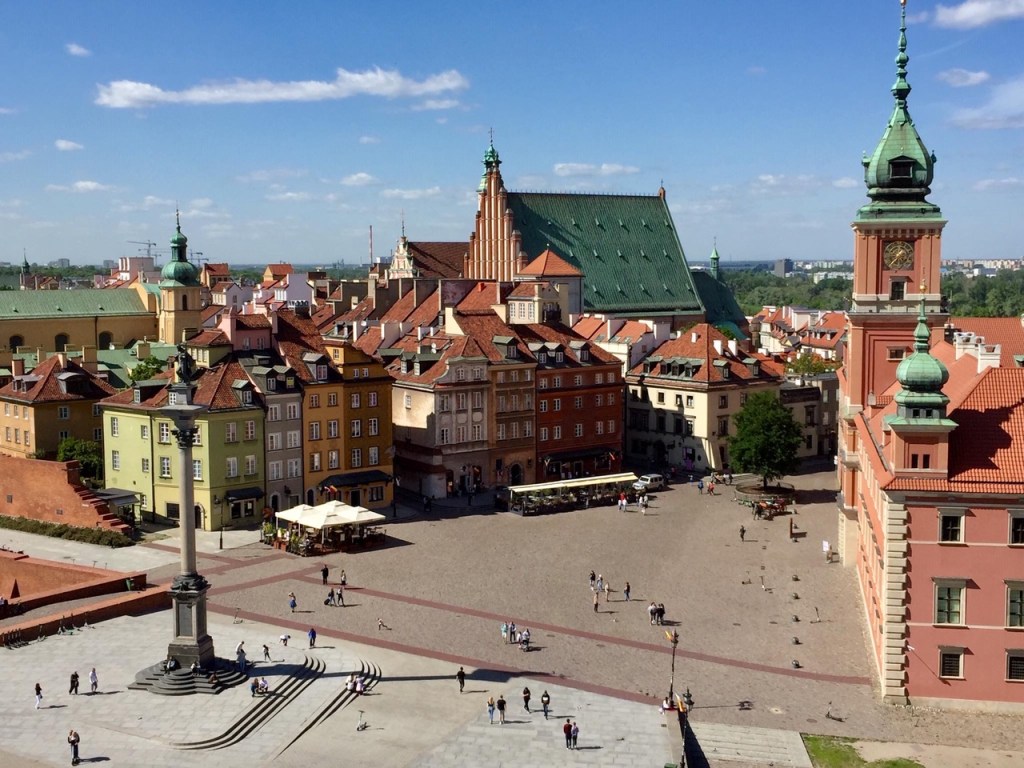
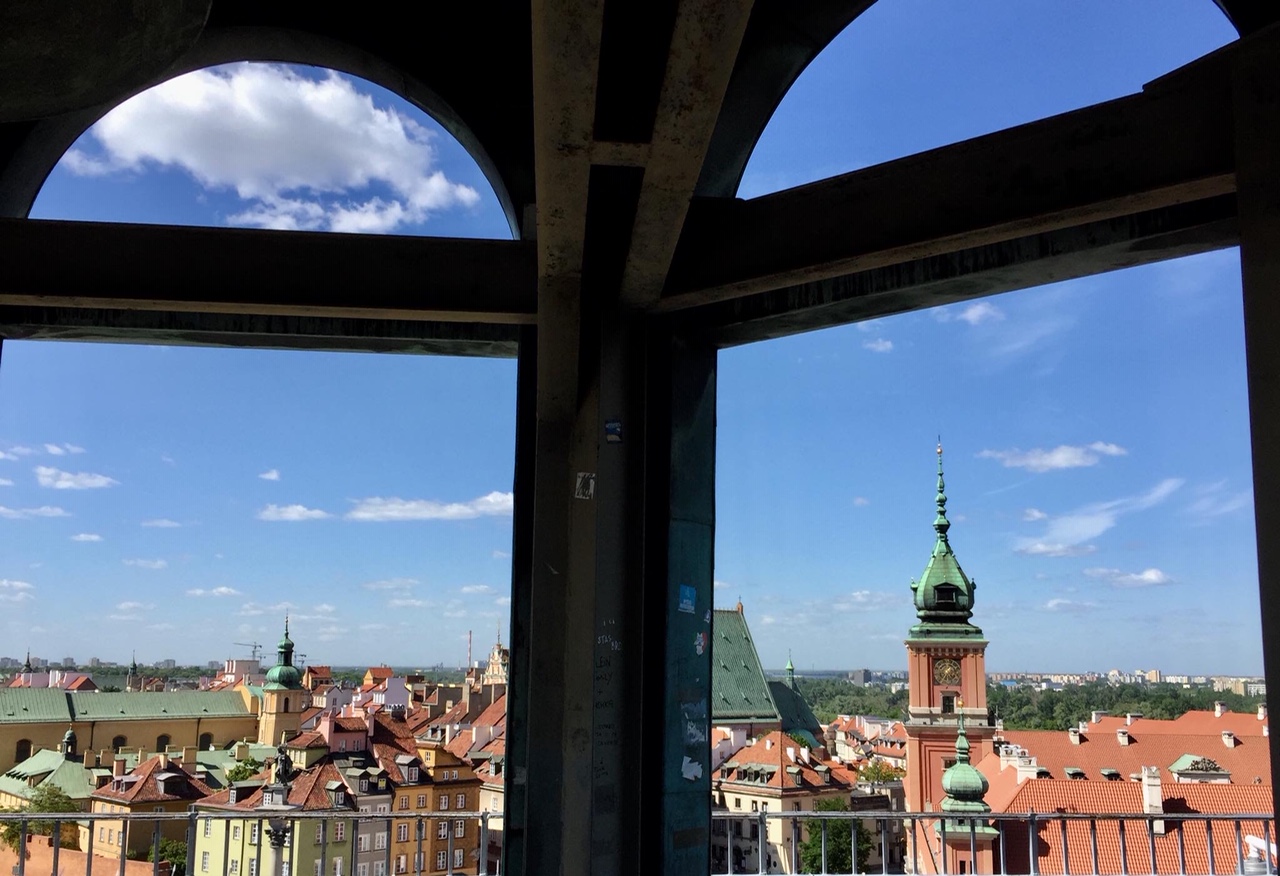
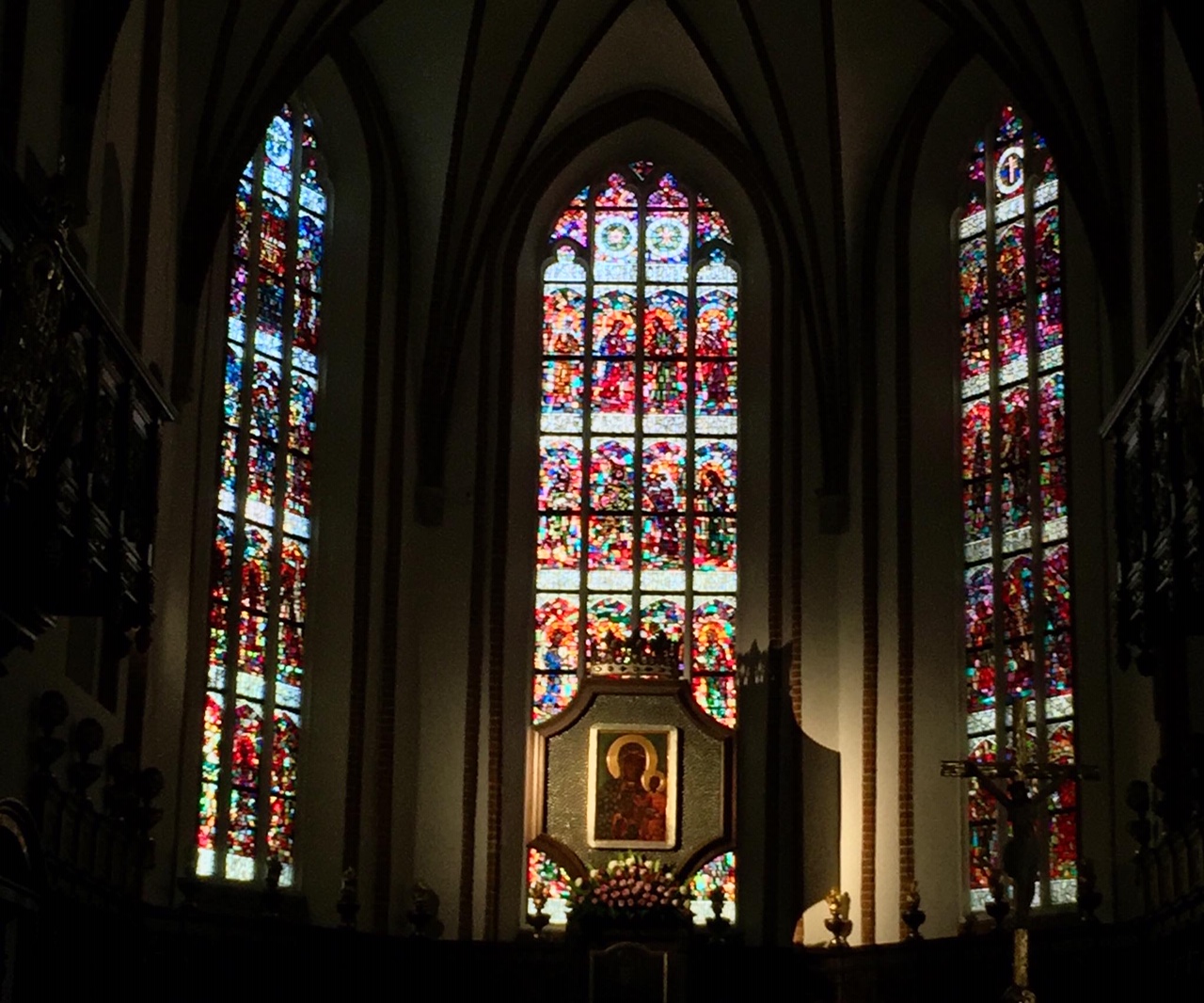
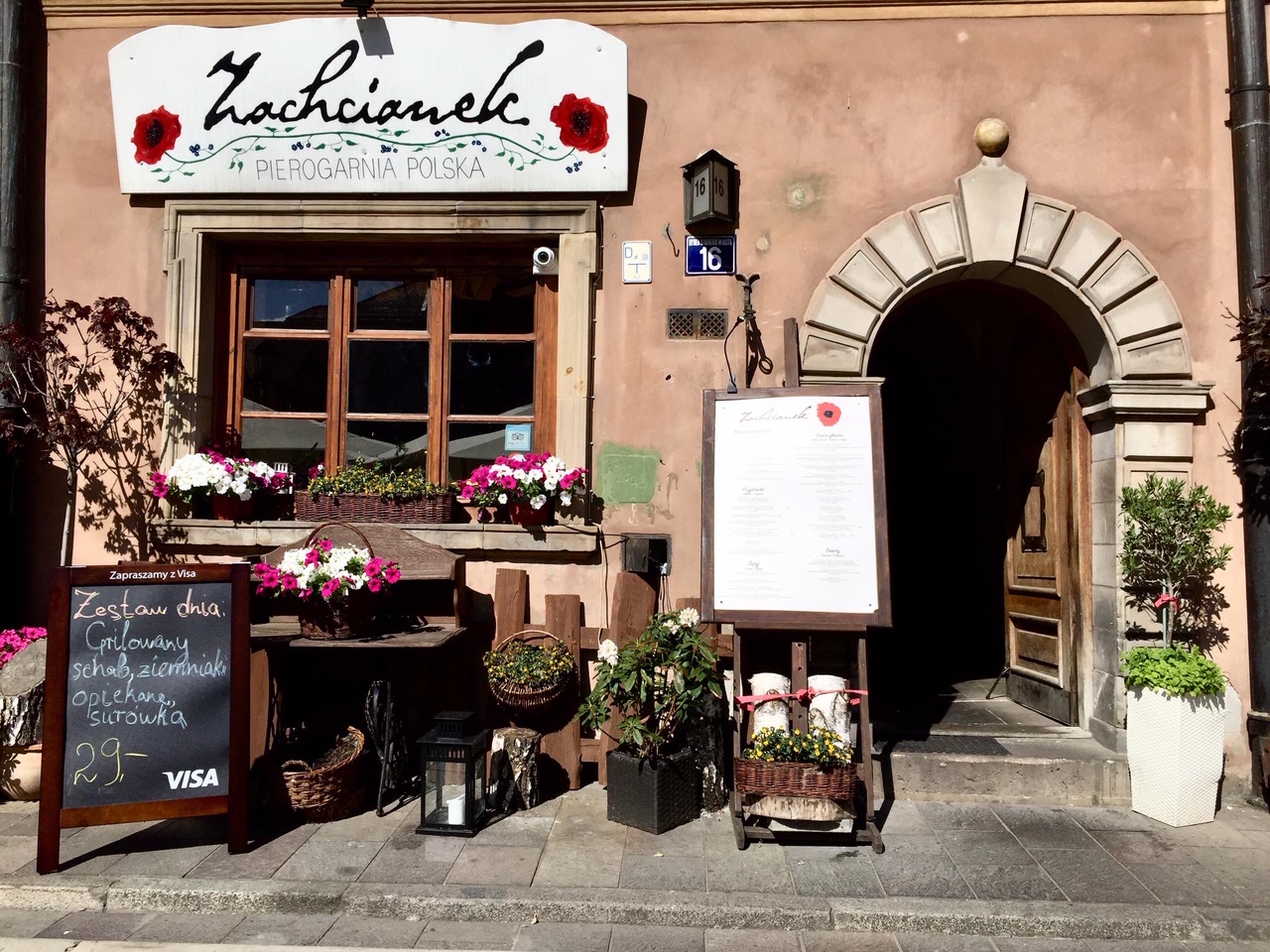
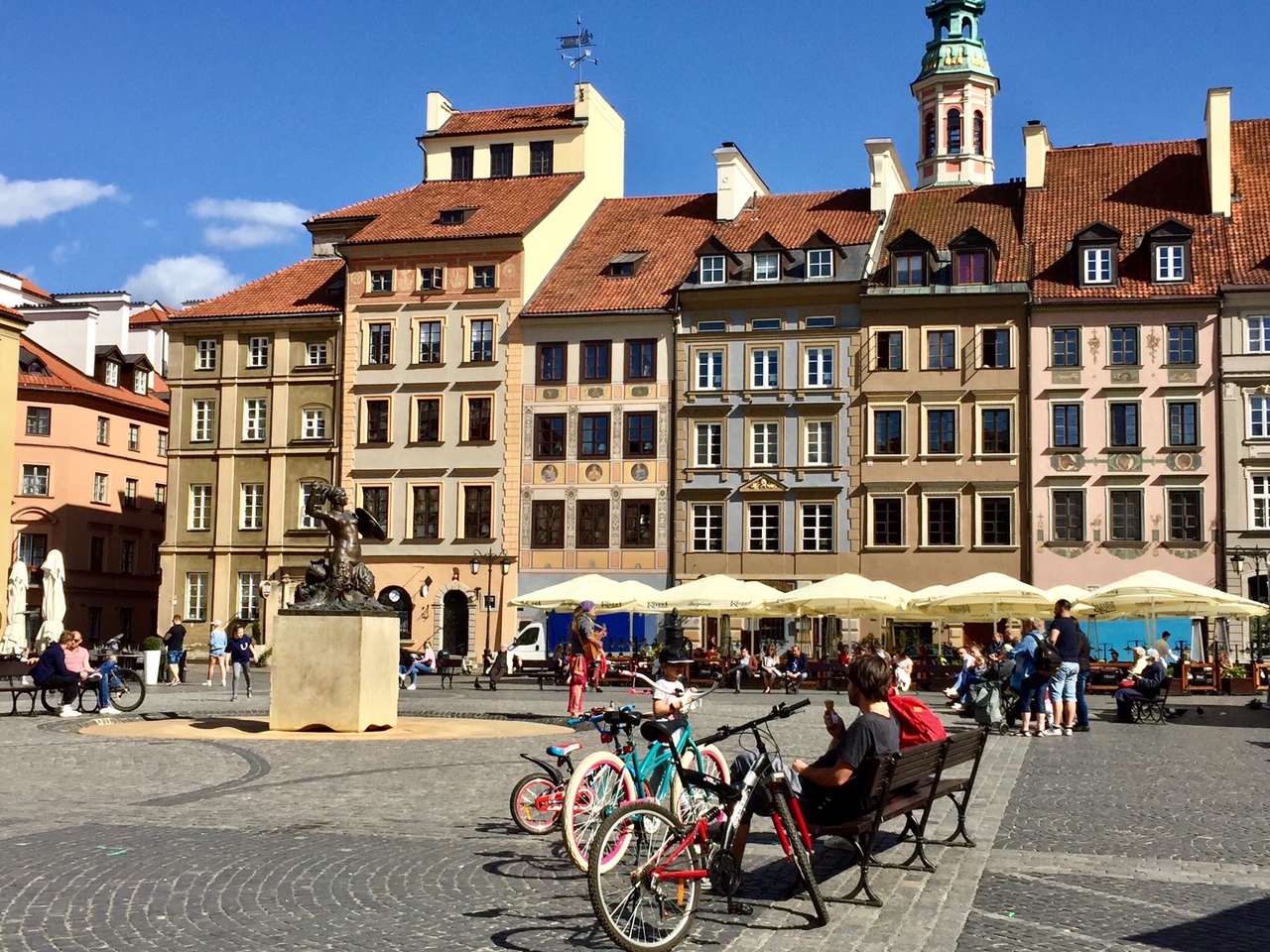
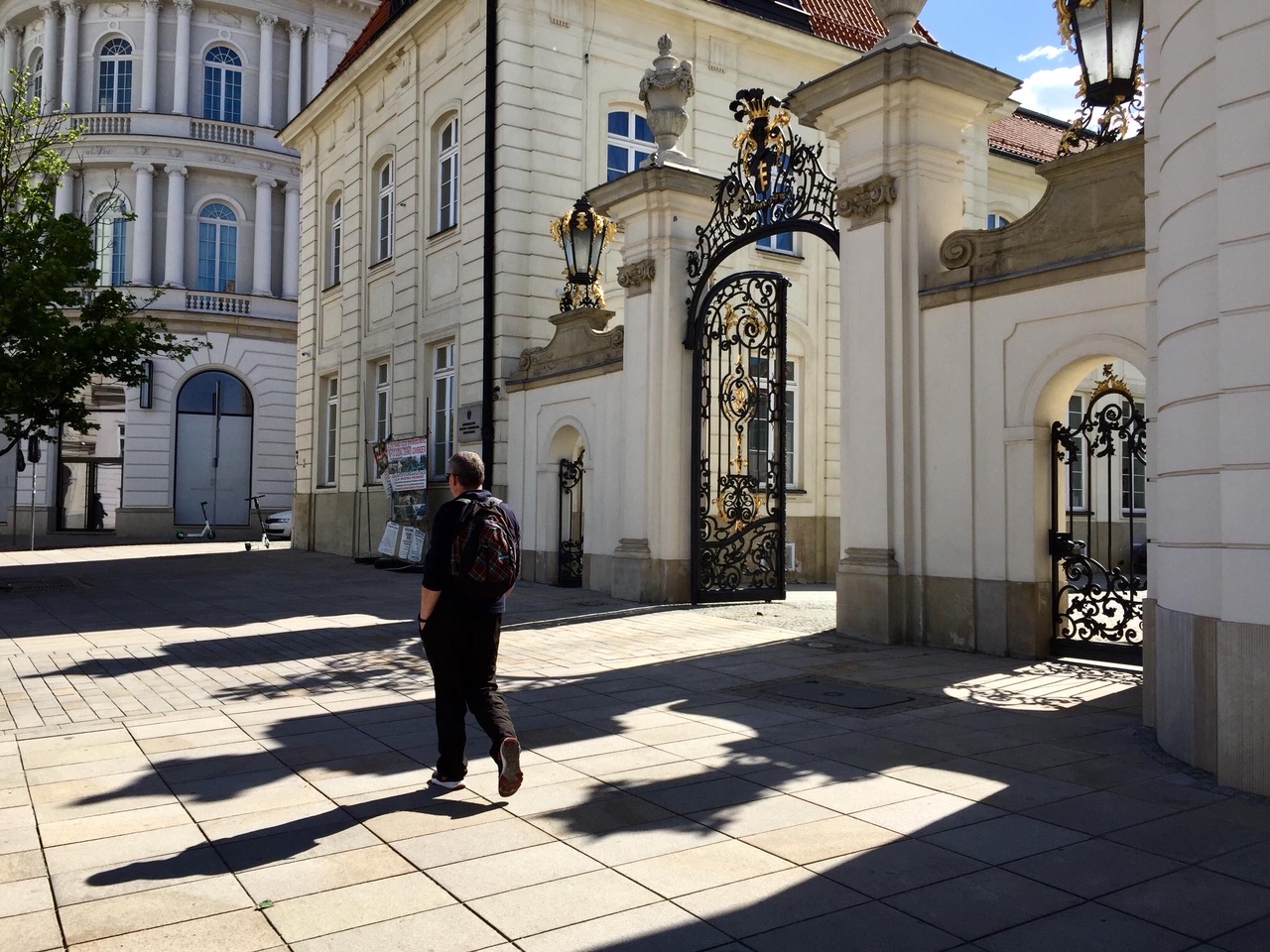
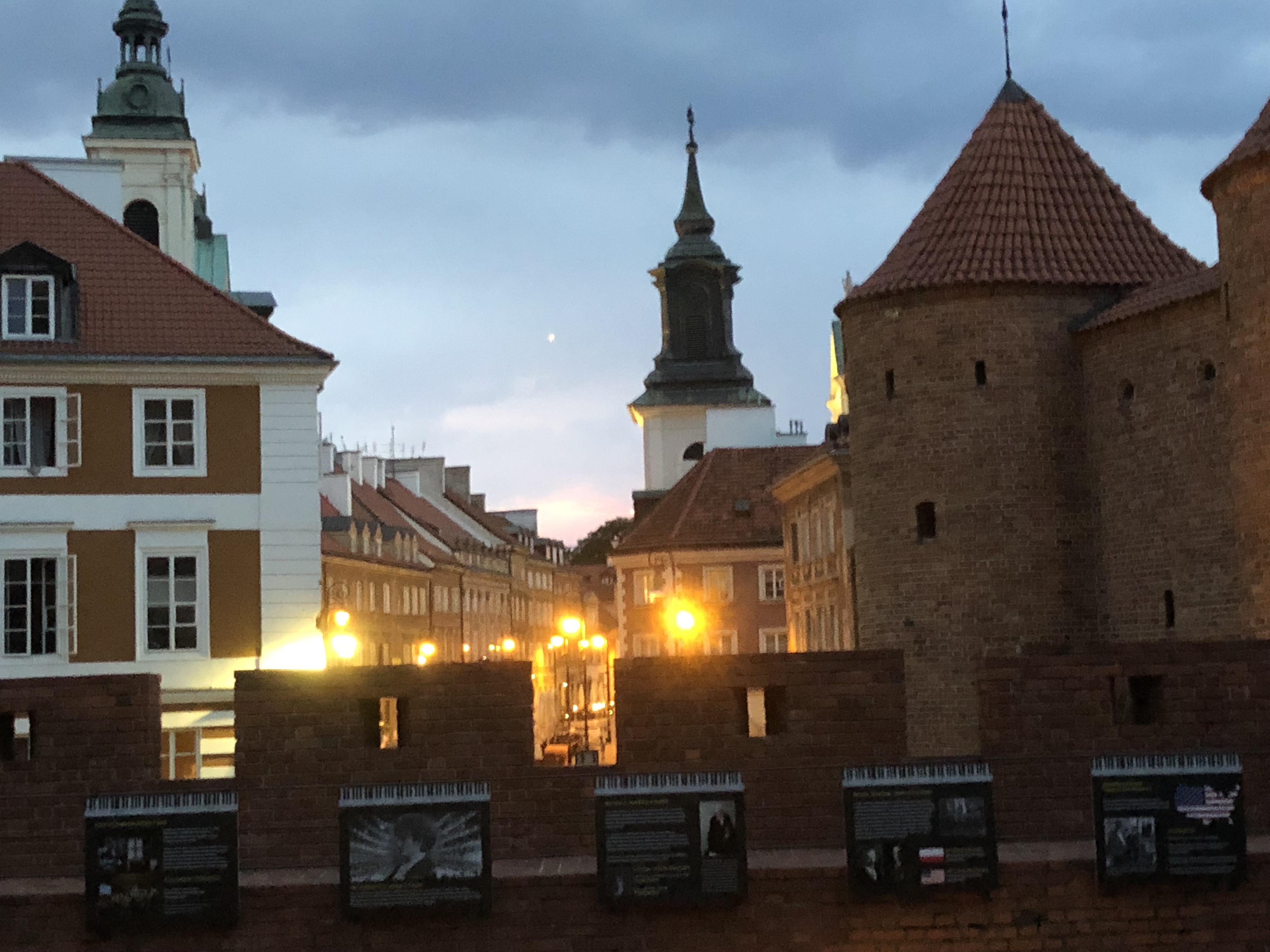
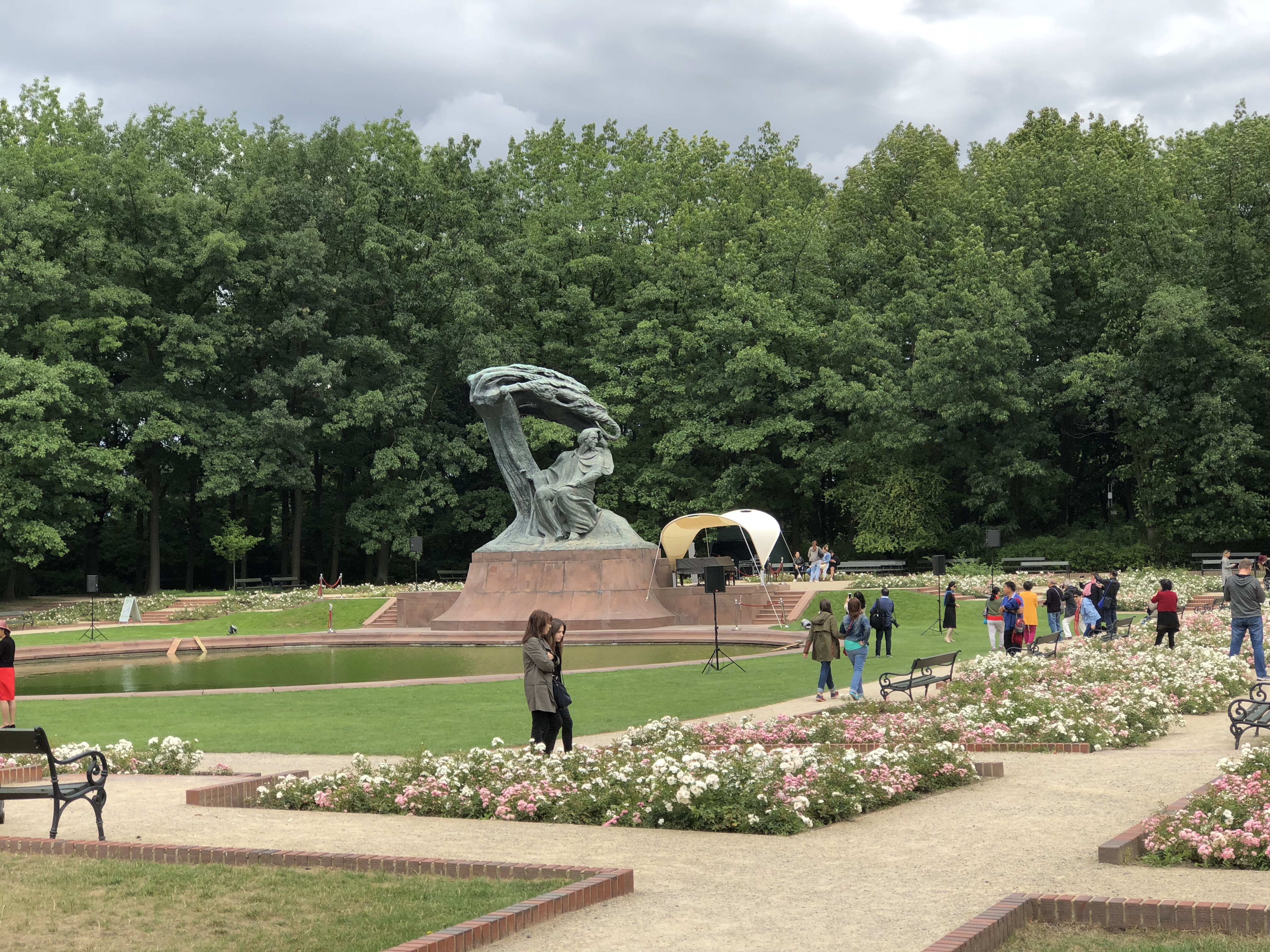
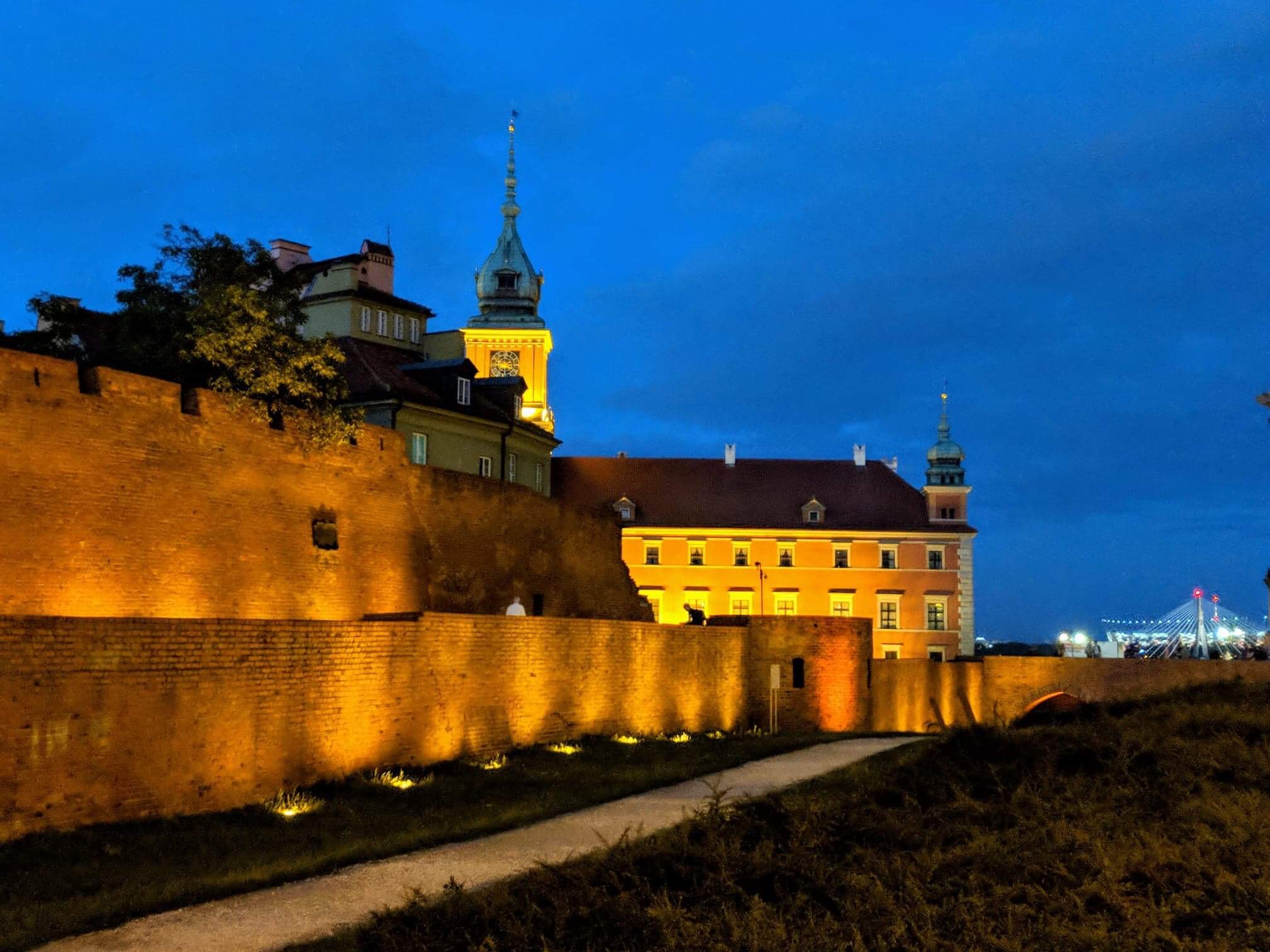
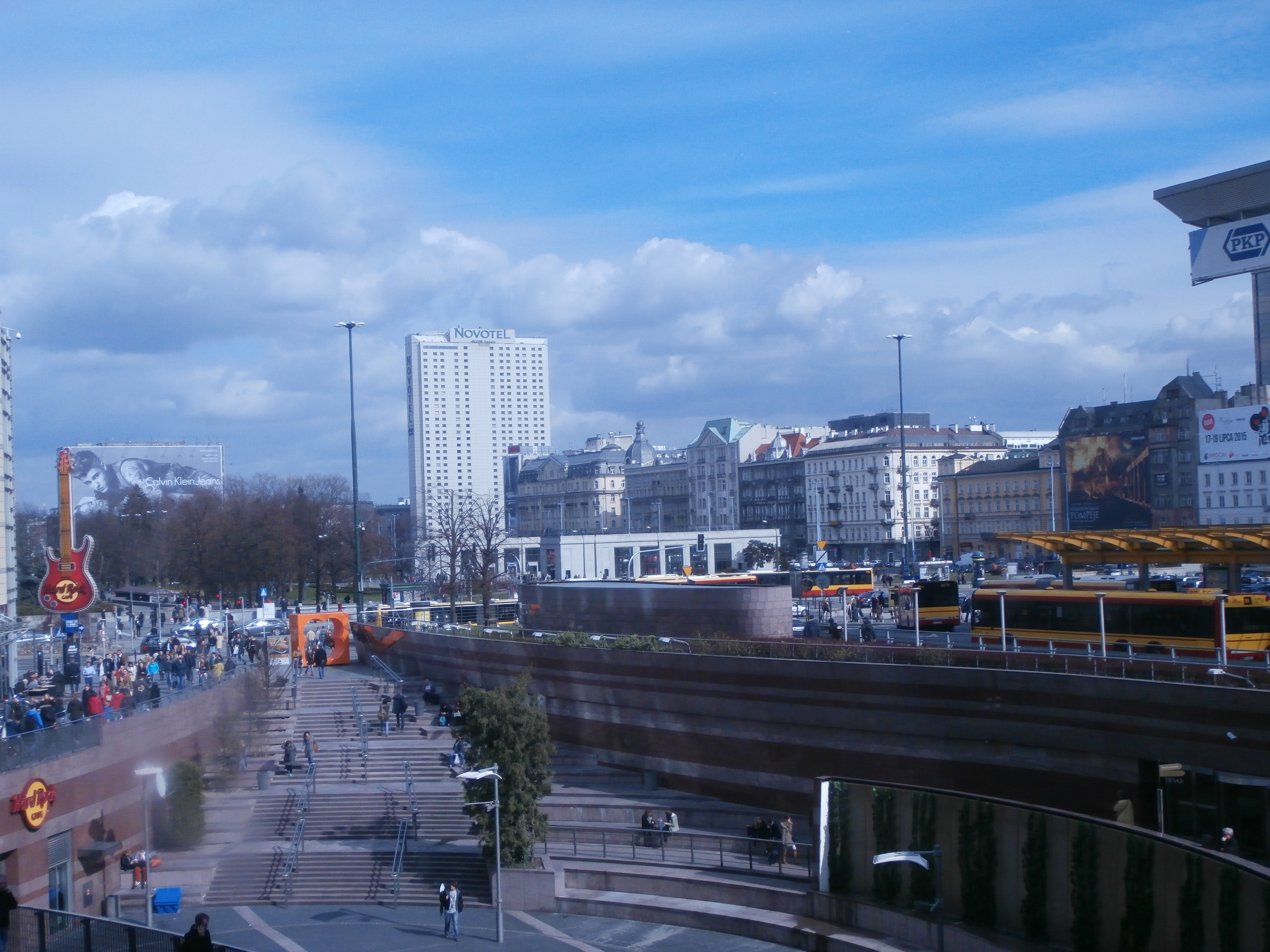
  • Warsaw, J. Drozdzenska, 2020;
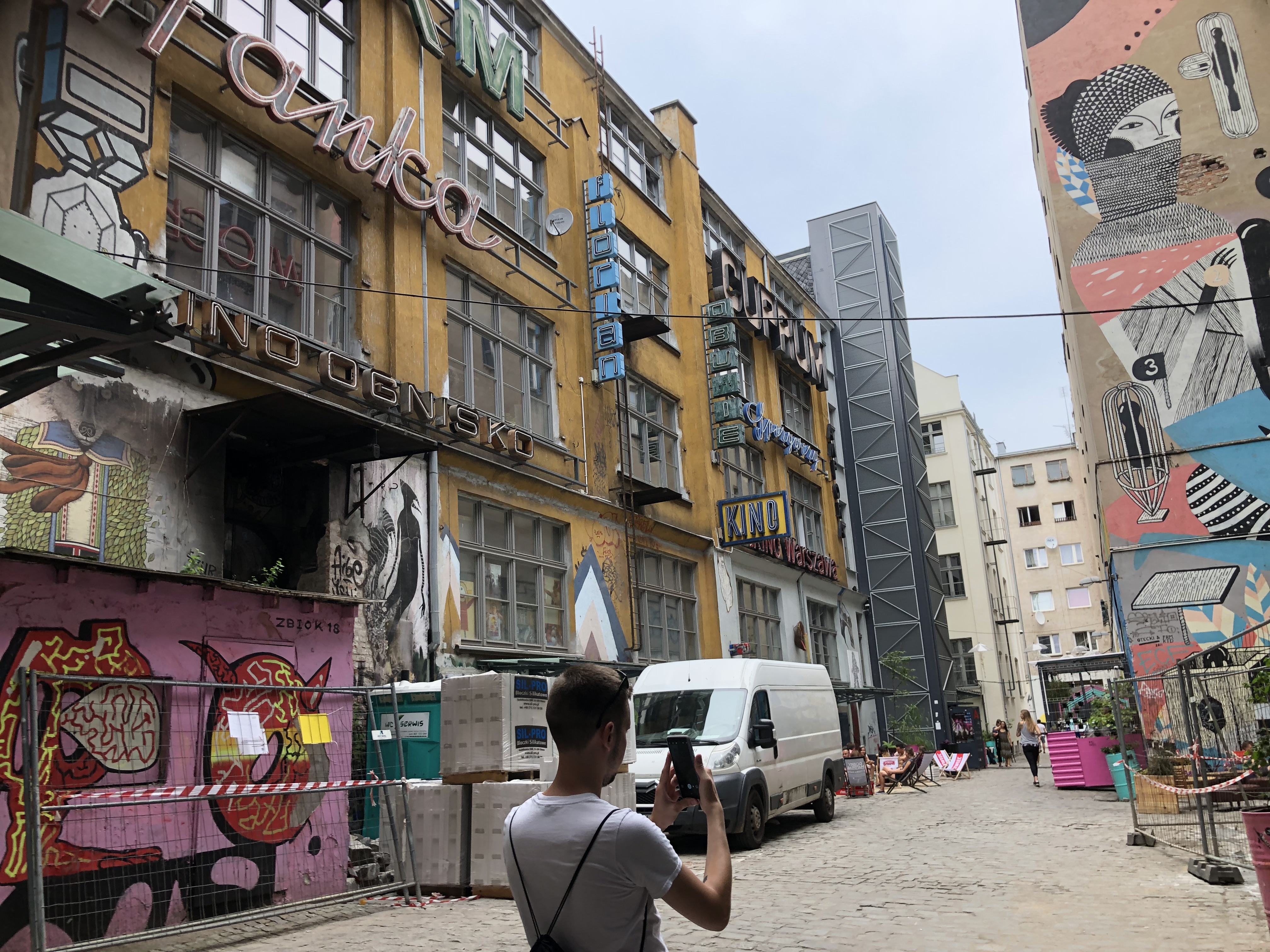
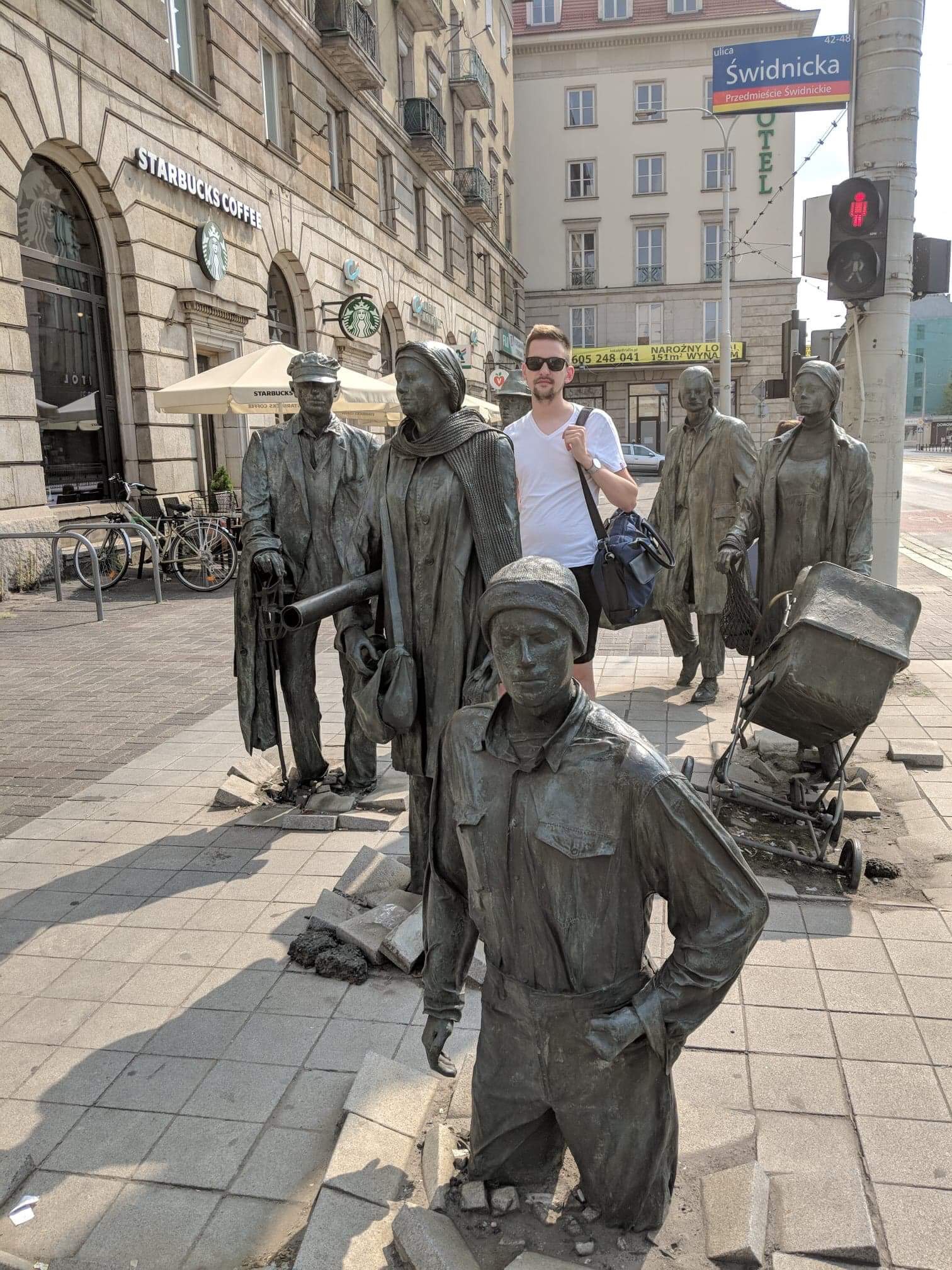
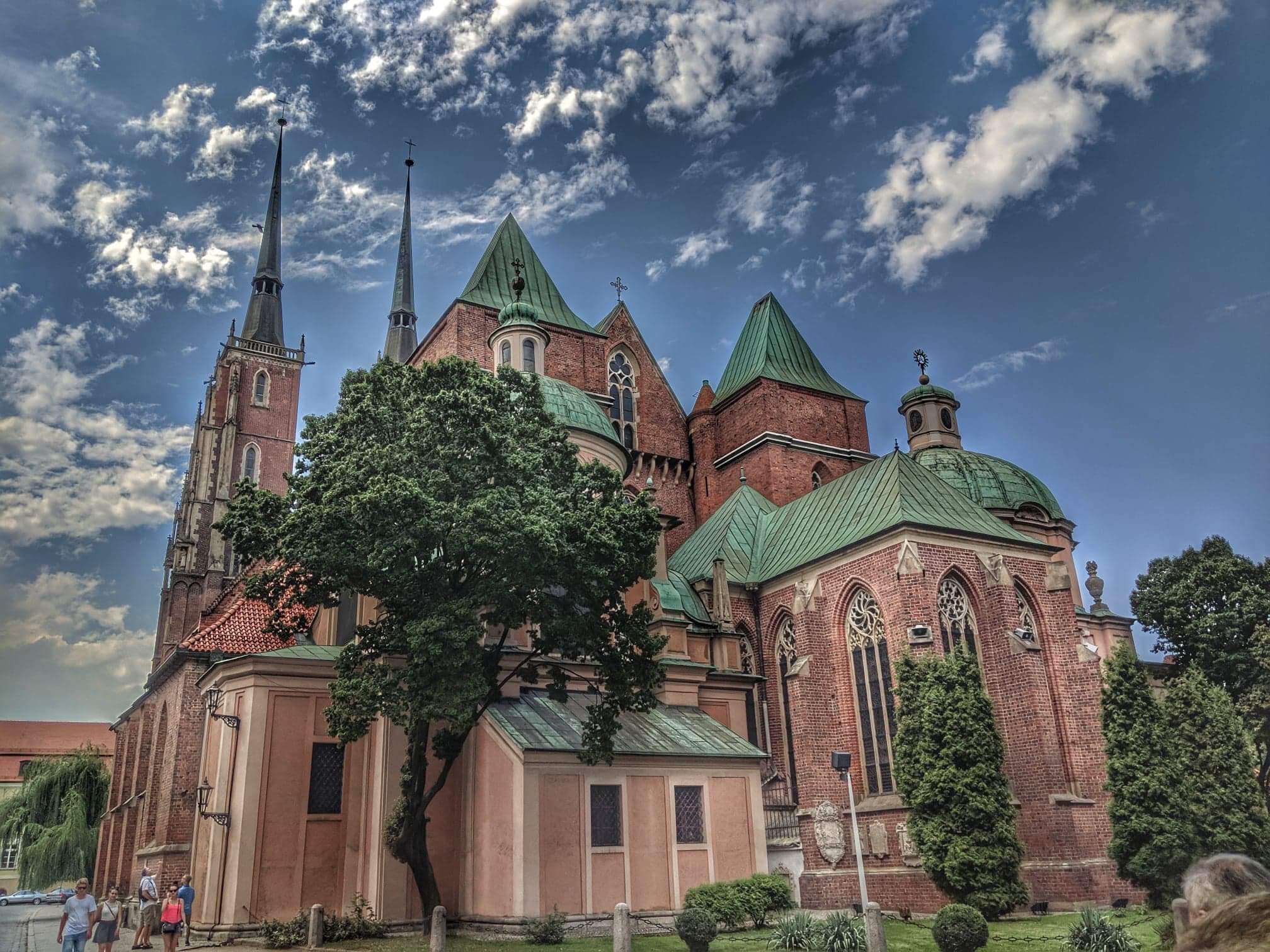
  • Wroclaw, B. Pacak-Gamalski, 2018
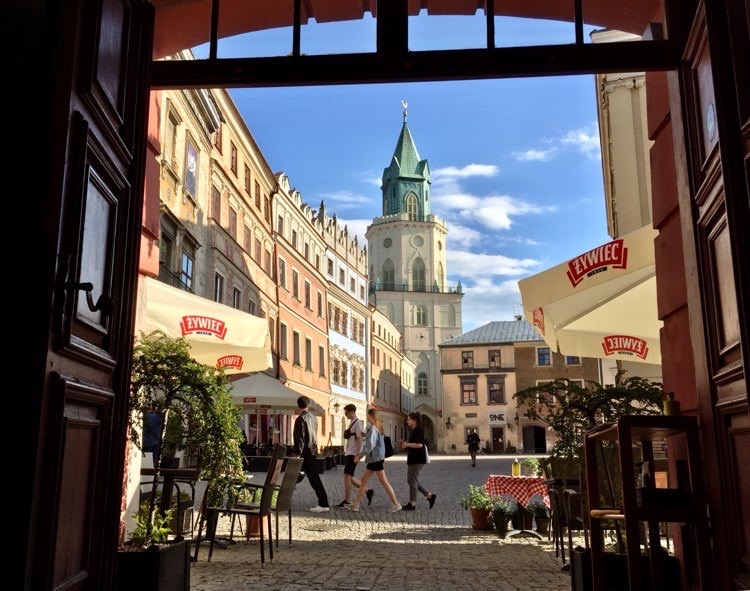
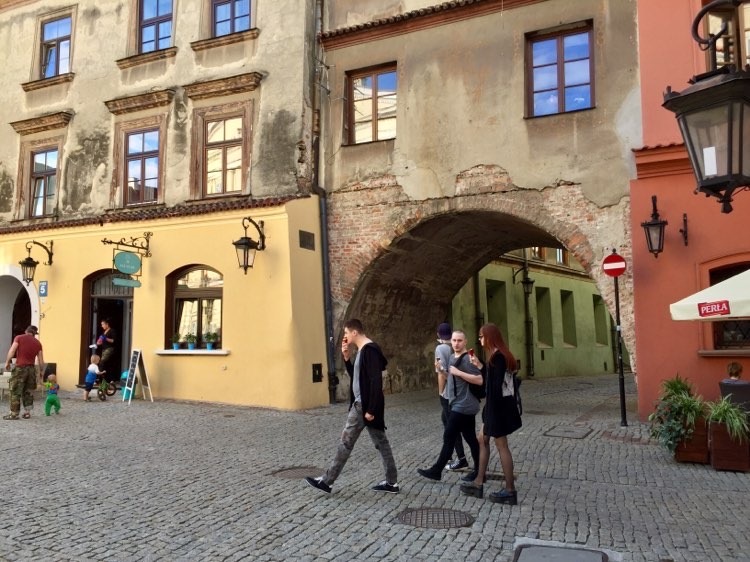
  • Lublin, J. Drozdzenska, 2020
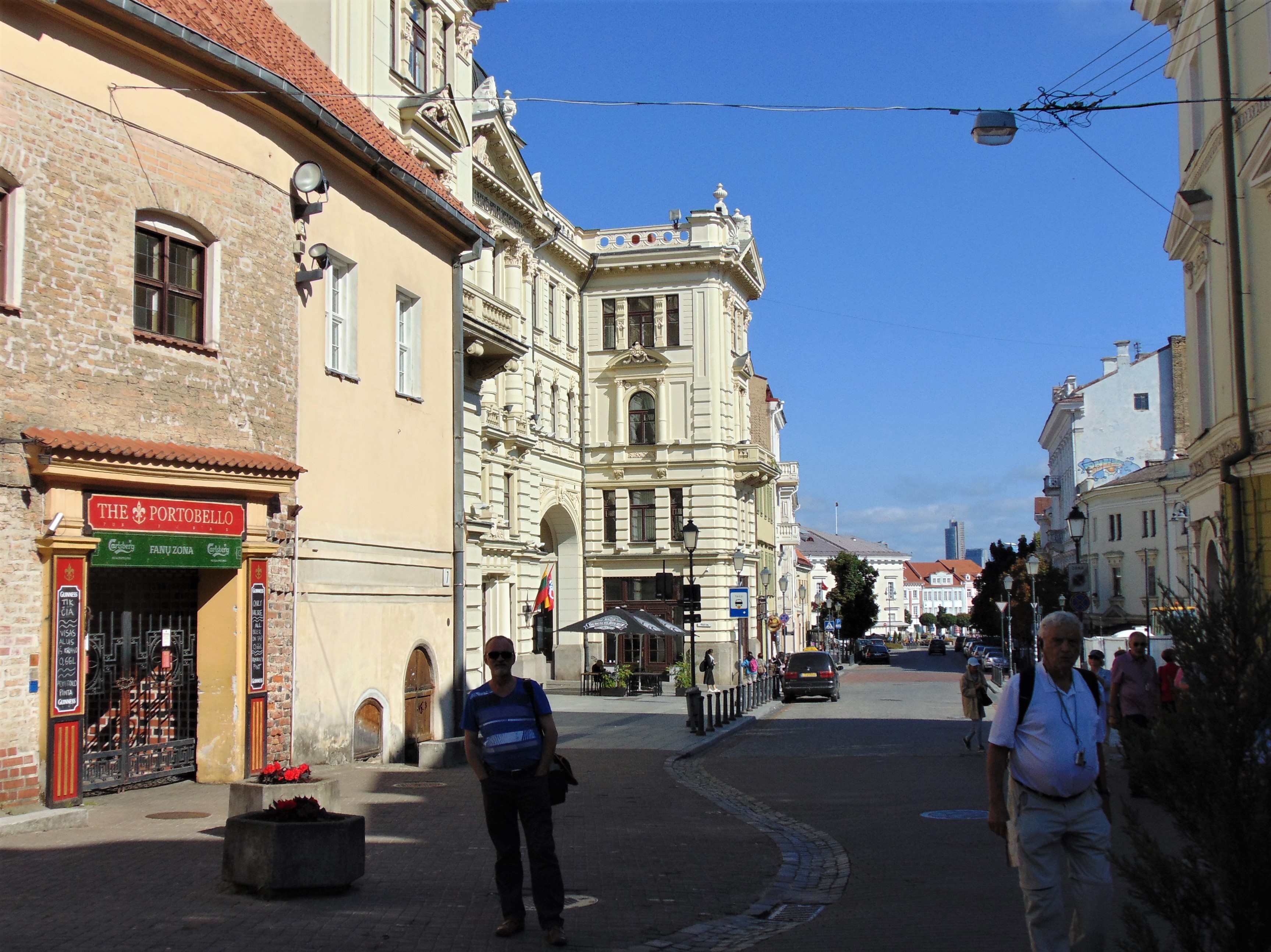
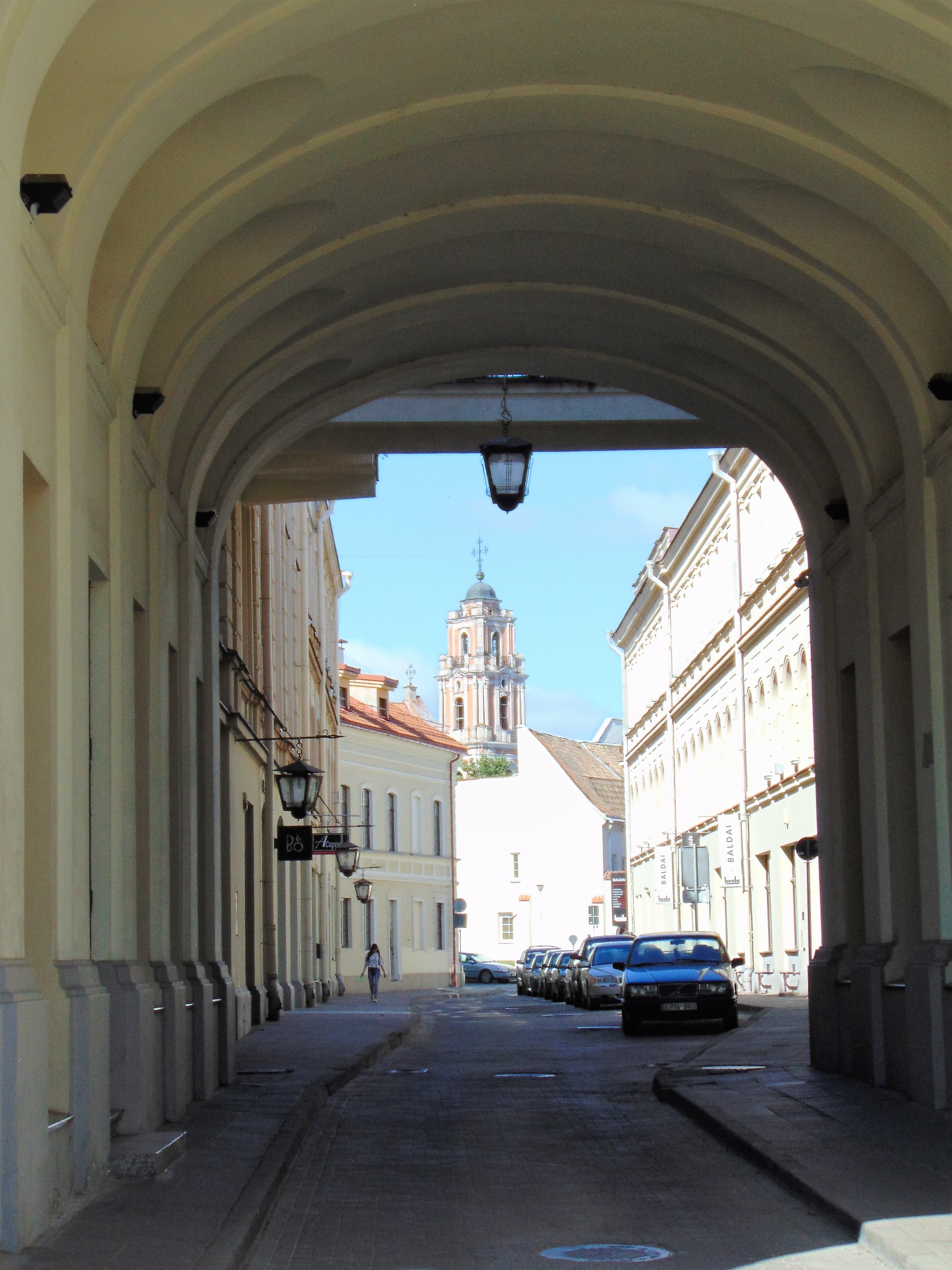
  • Wilno, B. Pacak-Gamalski, 2018

Henrik Ibsen, great Scandinavian play writer, said “A thousand words leave not the same deep impression as does a single deed”. In ensuing years, the sentence become known as “a picture is worth thousand words’.  Perhaps not always true or oversimplified (as any popular sayings) – it does hold popularity and often serves its purpose.

Many of you have become familiar with my own likes of using camera to build an image of place, happening or even a feeling of familiarity, something that touches our common memory or imagination.

So let me take you on a journey of four cities in present or former Poland, which have a tremendous effect on shape of Central and Eastern Europe in the past one thousand years.

First Warsaw (Warszawa in Polish), capital of Poland since XVI century, when moved there from Cracow, the old capital. Then Lublin – very old  and definitely not large city, in the last 300 years slightly forgotten and not as prominent as before. Wroclaw – very old and powerful city in Lower Silesia of early Poland, than equally powerful city of kingdoms and empires of Bohemia, Hungary, Austria and Germany. It returned to Poland in 1945. Wilno (Vilnius in Lithuanian) – originally an old capital of Duchy of Lithuania, than Polish major city for hundreds of years in northeastern part of the Kingdom.  Since 1945 become again capital of modern independent Lithuania.

These cities, perhaps (apart from the medieval city and first Polish capital of Cracow) more than any other, shaped or witnessed for hundreds of years the type and extend of borders and policies of major powers of Europe until the end of XVIII century.

Once Christianity and Papacy become the force that created what is known today as Europe, a new era begun on this continent. It lasted for hundreds of years. And is still visible and recognizable in today’s European states and alliances. After all, the EU (European Union) is nothing more than re-emergence of old goals of early Western Christianity Europe of Holy Empires, popes, Christian dukes and kings. No, it no longer adheres to Papacy and it’s moral or political authority, to a large extend it doesn’t adhere at all to any religious order or vision. It is modern, cosmopolitan and based on equality of rights of its citizen’s, who can pray to any god they wish to or not pray at all. It is secular to the core.  The unity it aspires to project is of cultural, not simply religious, heritage. Cultural and civilizational. But the Europe of first modern states after the collapse of earlier pagan Roman Empire, lasted for more than thirteen hundred years ( approx. until XVIII century). It wasn’t Europe of Italian, French, Spanish, German or  Polish nation states. It wasn’t Europe of nations at all. It was Europe of dynasties, of Crowns. Yes, it is true that most of these dynasties started somewhere, in some very small and concrete territory, were locals spoke one dialect.  But just a stone throw away people were speaking different dialect.  It took hundreds of years for national languages and national mythology to emerge. Of what is Britain today, what is France or Germany, or Poland  was decided by chances lost and won by the dukes and kings. From very few families. Local population had little sway or interest for these families.  Land and opportunity to expand it and keep secured was the major interest. The most decisive years were these between XII and XV century. They shaped or paved the way for today’s states. The monumental three hundred years saw the decline of small, local feudal dukes (France, England and Scotland, Poland) and emergence of powerful Houses:  of France, Spain, England, Scotland, Poland, Germany and Hungary ( for a shorter, earlier period until year 1200 – Bohemia, todays lands of Moravia, Czech and Slovakia and Silesia). In Poland, which was the most powerful kingdom and major driving political force east of Oder and Carpathian Mountains, ruled the House of Jagiellonian kings. Comparable in strength and influence to the Habsburgs, the House of Anjou and Valois, the Bourbons on the continental side and Tudors and Stuarts on the Island.  More or less  all of them intermarried at some time with each other and to a large extend the remaining Royal Houses of Europe (including the –  German in origin – Windsor House of our Queen) comes from a mix of these medieval royal families of France, Germany, Poland and Spain.

But enough of history.  I stop before the ‘thousand words”. Only eight hundred so far.

Warsaw, (Warszawa in Polish) – a city that lies in the middle of Poland, on both sides of main Polish river, Vistula (Wisla in Polish), since 1596 capital of Poland. Frist gallery is the most recent, photographed in last days by North Vancouver’s photographer, Jola Drożdżeńska. Second, from 2018 by the author.

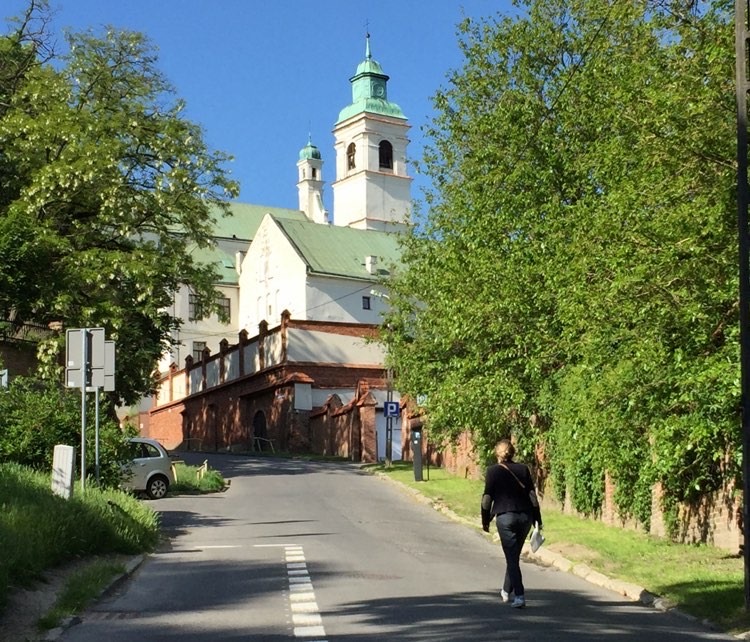
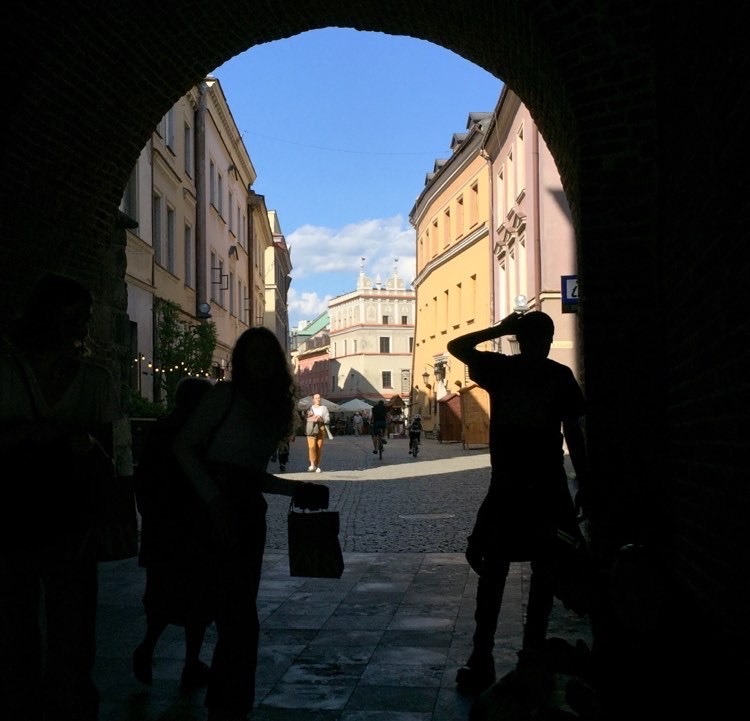
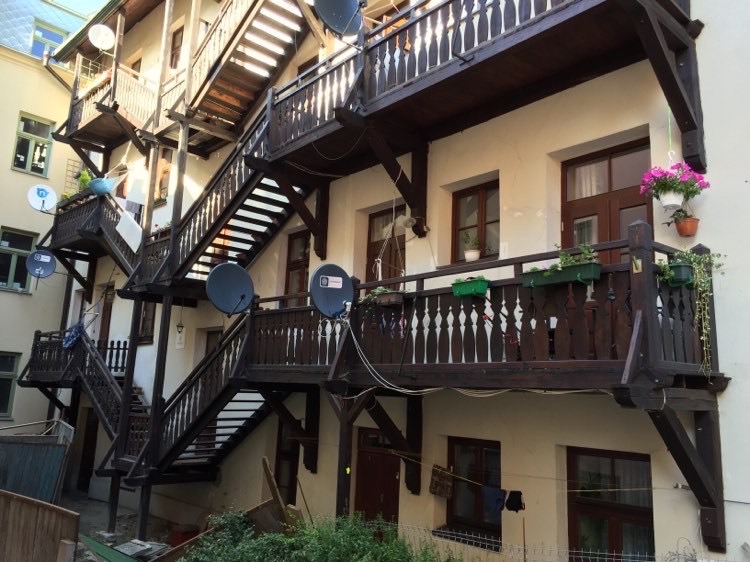
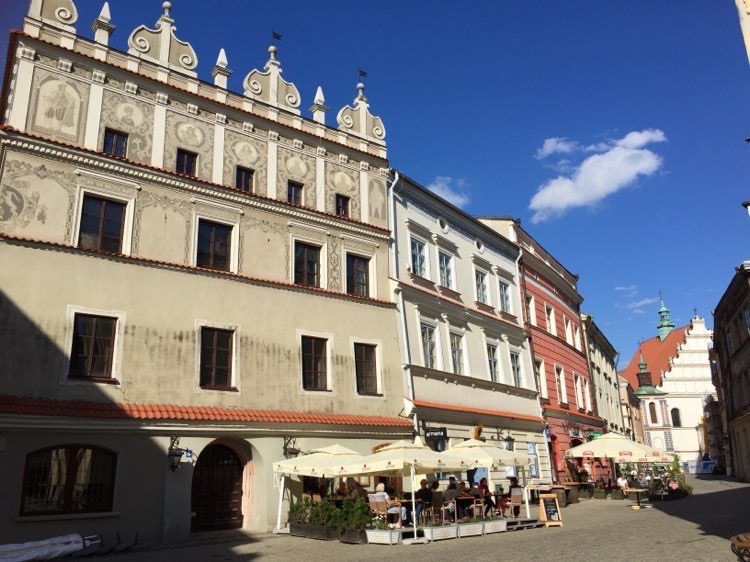
Lublin – old and not a very significant nowadays, but prominent Polish city by the end of medieval period, often Seat of the Sejm (Polish Kingdom House of Commons). In 1413 was a place were the most important (apart from accepting Christianity by early Polish Dukes in 966) political moment of Polish history happened: the Union of two powerful states: Kingdom of Poland and Grand Dutchy of Lithuania. It gave rise to huge imperium stretching at times from Baltic Sea to Black Sea, that lasted until it’s collapse in 1795. (all photos by J. Drożdżeńska, 2020)

Wroclaw (Breslau in German, Vratislav in Czech) – very prominent and old city in Silesia. Originally established and govern by early Polish dukedoms of the Piast dynasty and Bohemian king Vratislaw (hence the name). But from the onset it often changed hands between Polish and Bohemian states.  Since XIV century the city often fell under German Emperors and Dukes; at times even under the rule of Hungarian kings. It was perhaps the most multicultural and multiethnic city in this part of Europe, including an early medieval settlement of Wallons from Belgium.  By the end of XIV century the Polish Kingdom lost practical and even legal control of the city and it became part of Hapsburg’s Empire, followed much later by Prussian rule. Since 1945 it is part of Poland again. No other city in Poland (perhaps with the exception of Gdansk on the Baltic Sea) symbolizes the early European mix of cultures, feudal interests and intersections of major political cooperation and wars, as Wroclaw. (photos by B. Pacak-Gamalski, 2018)

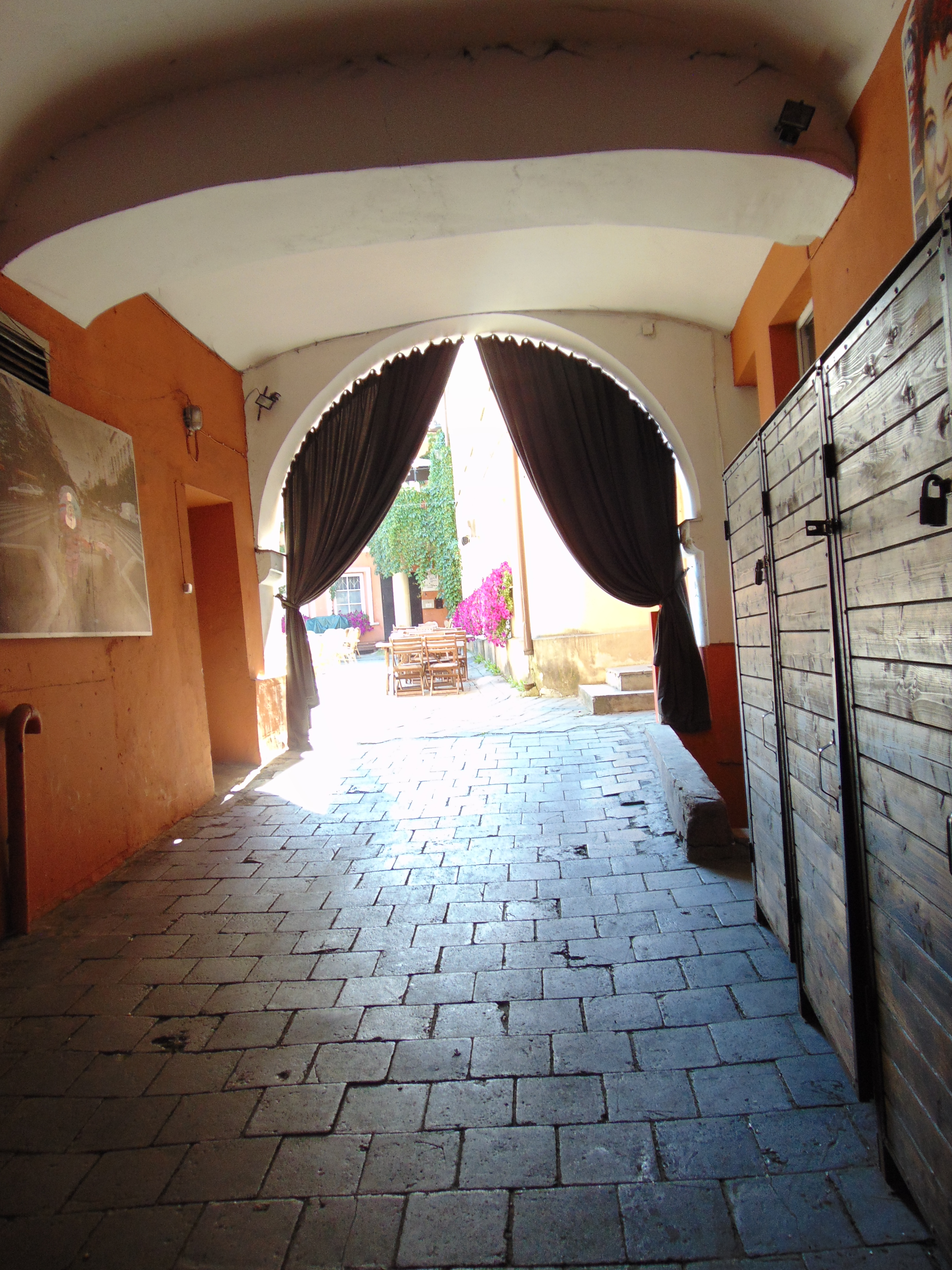
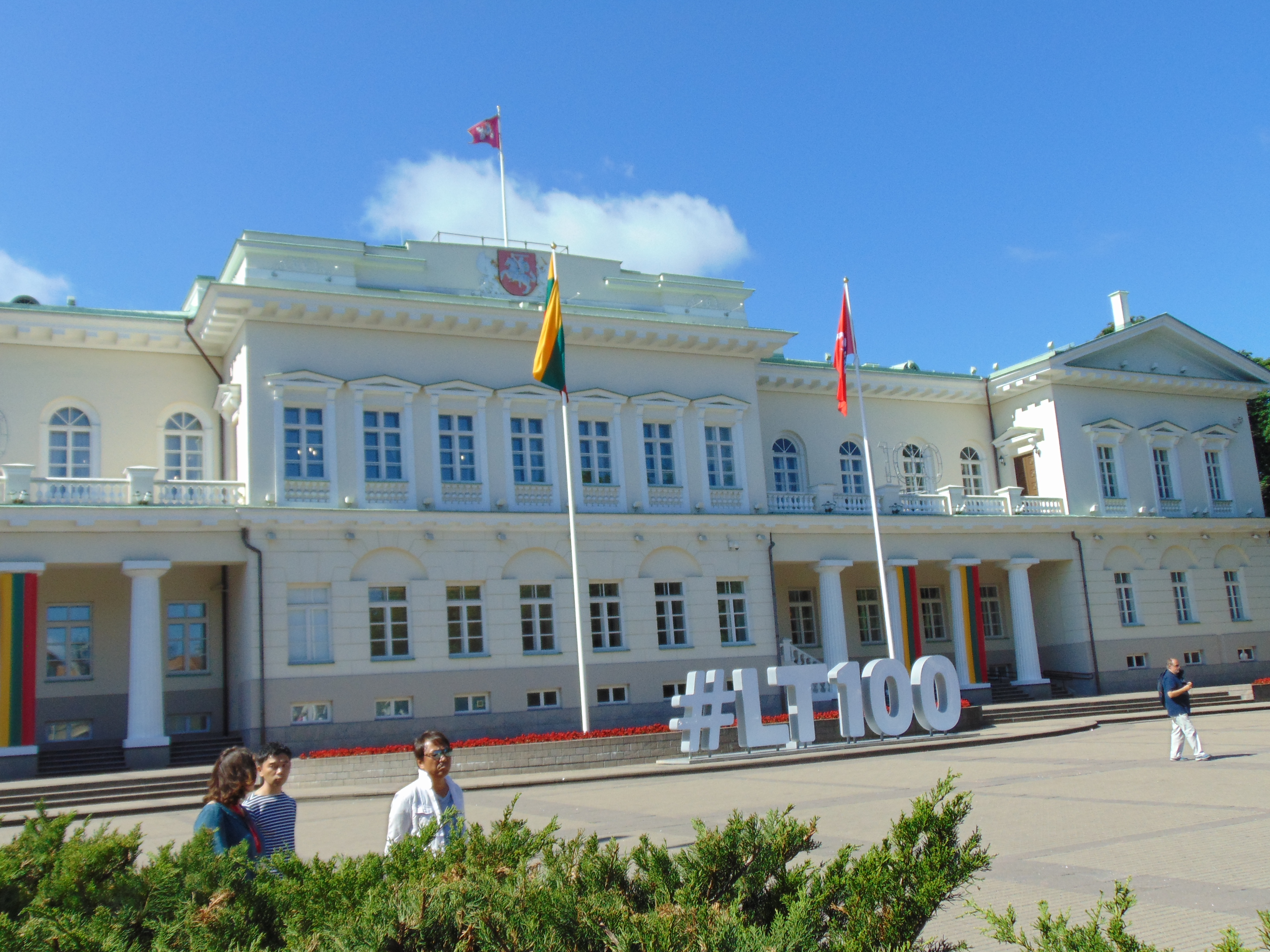
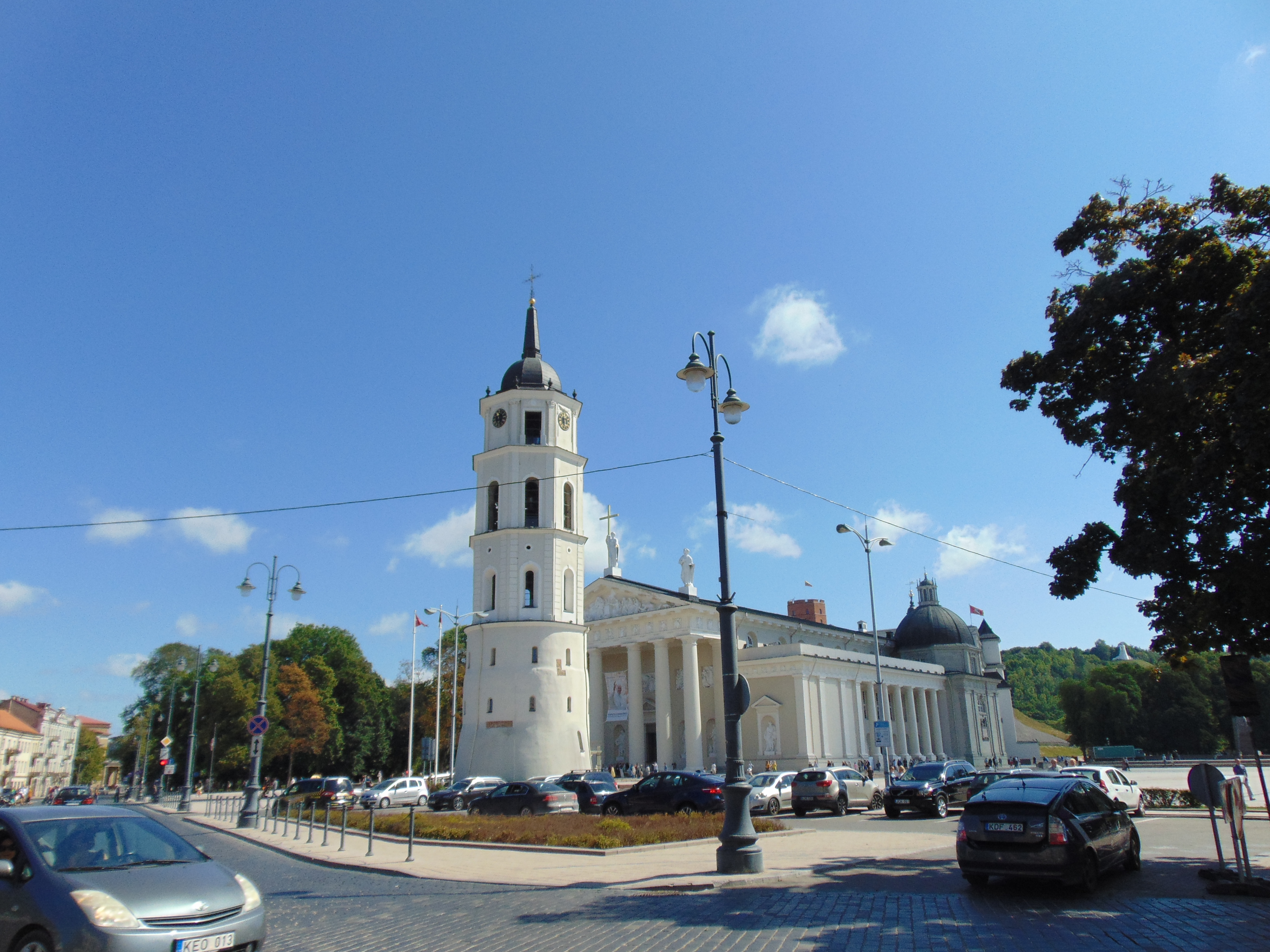
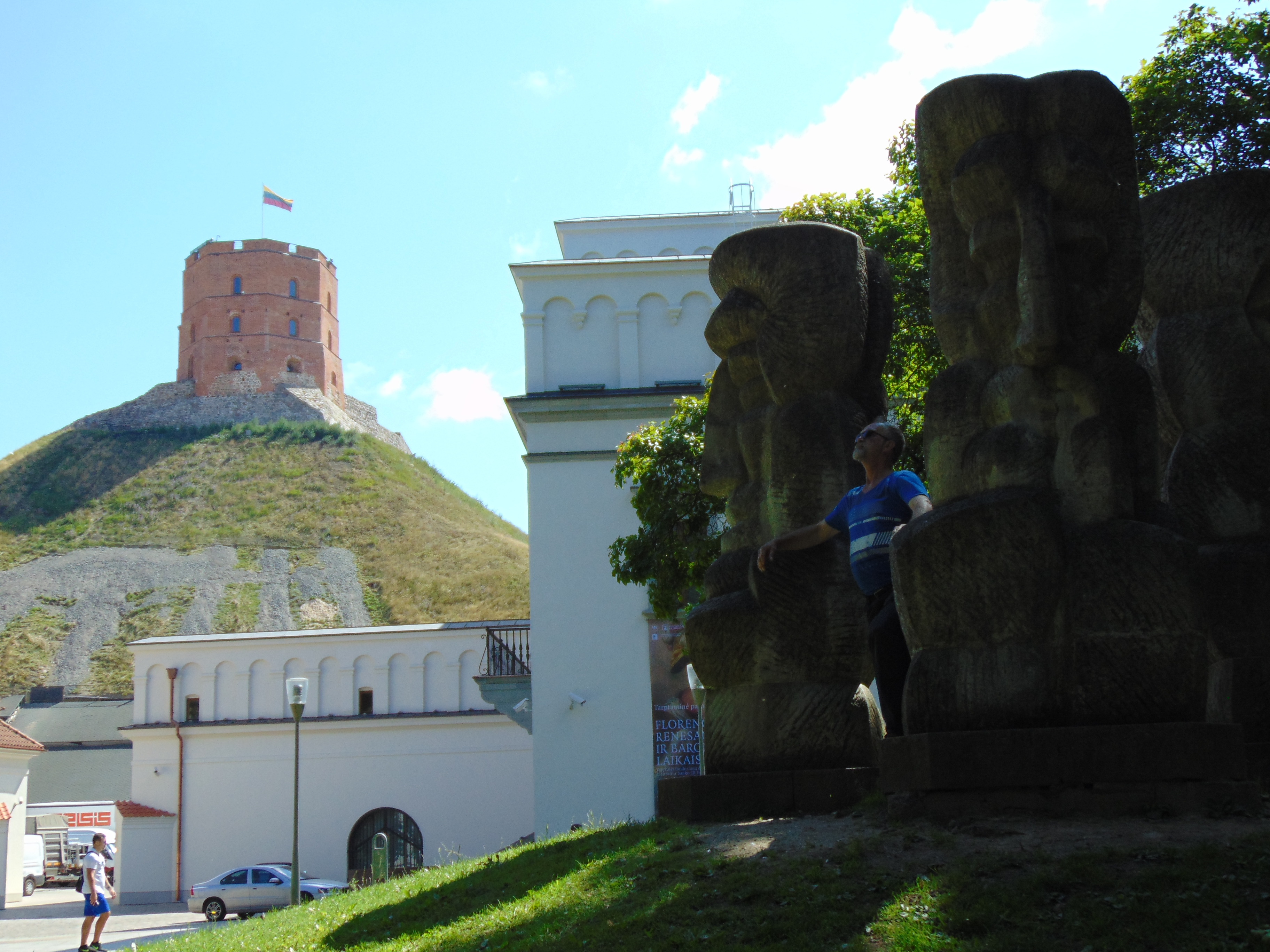
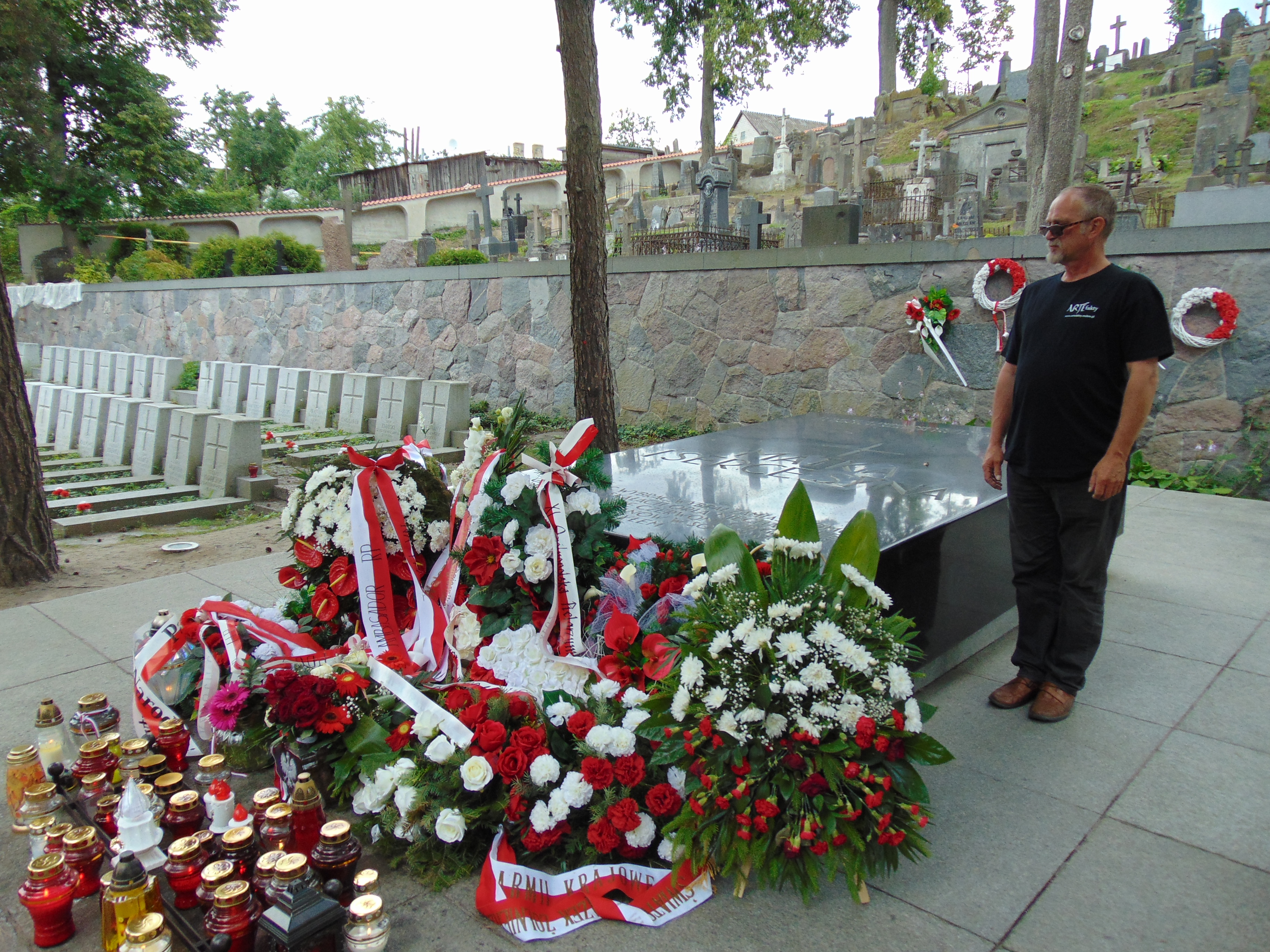
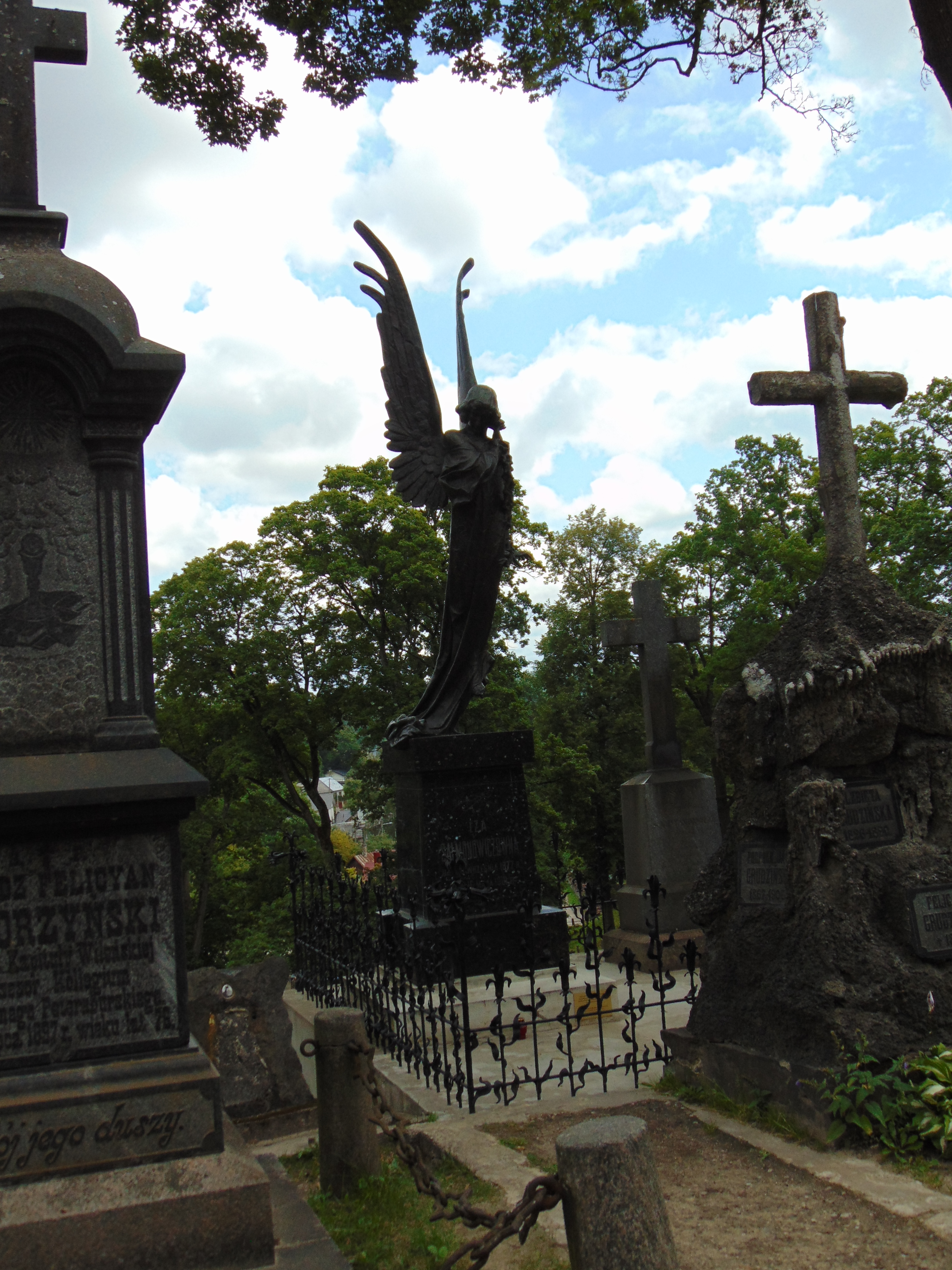
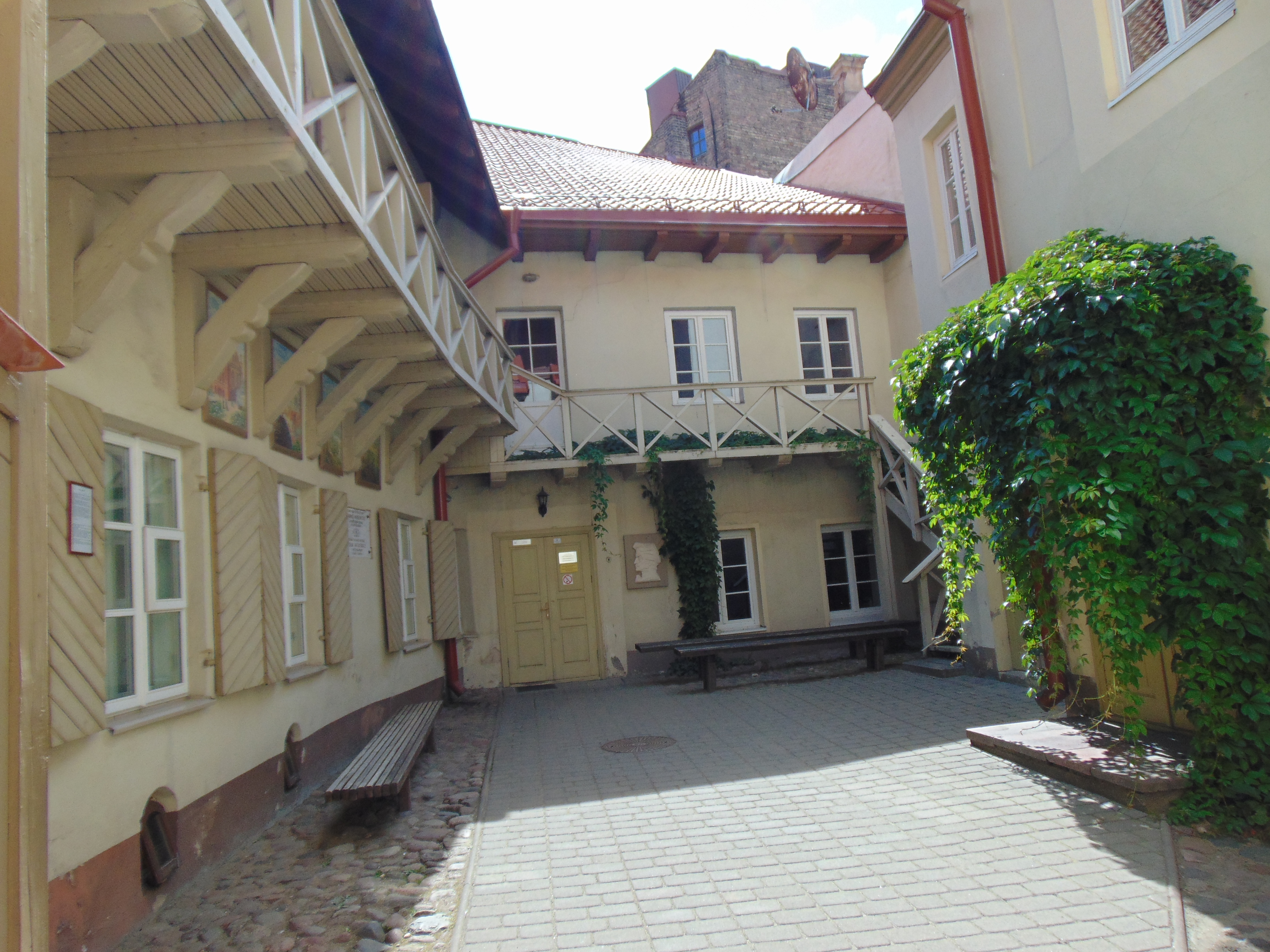
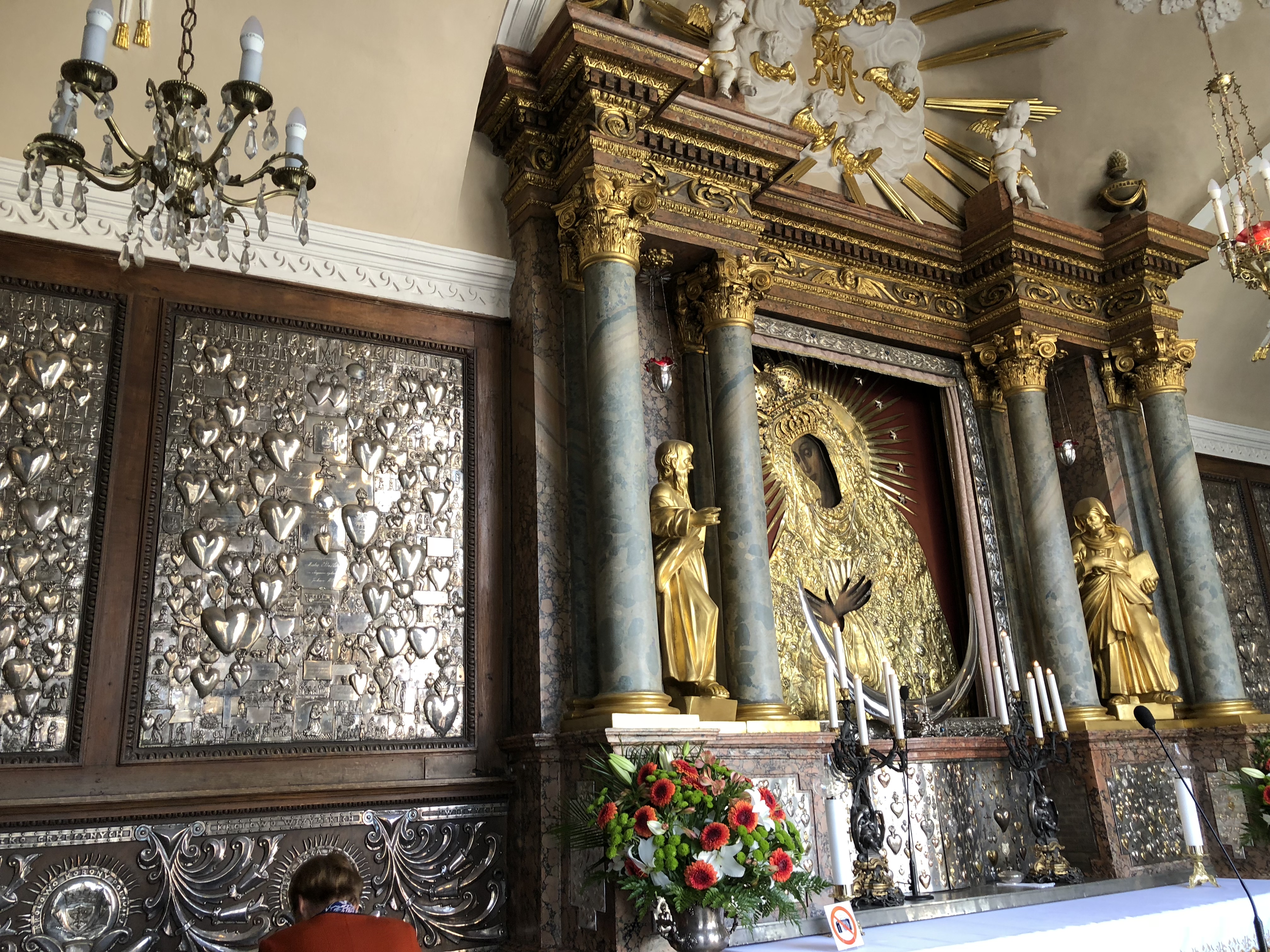
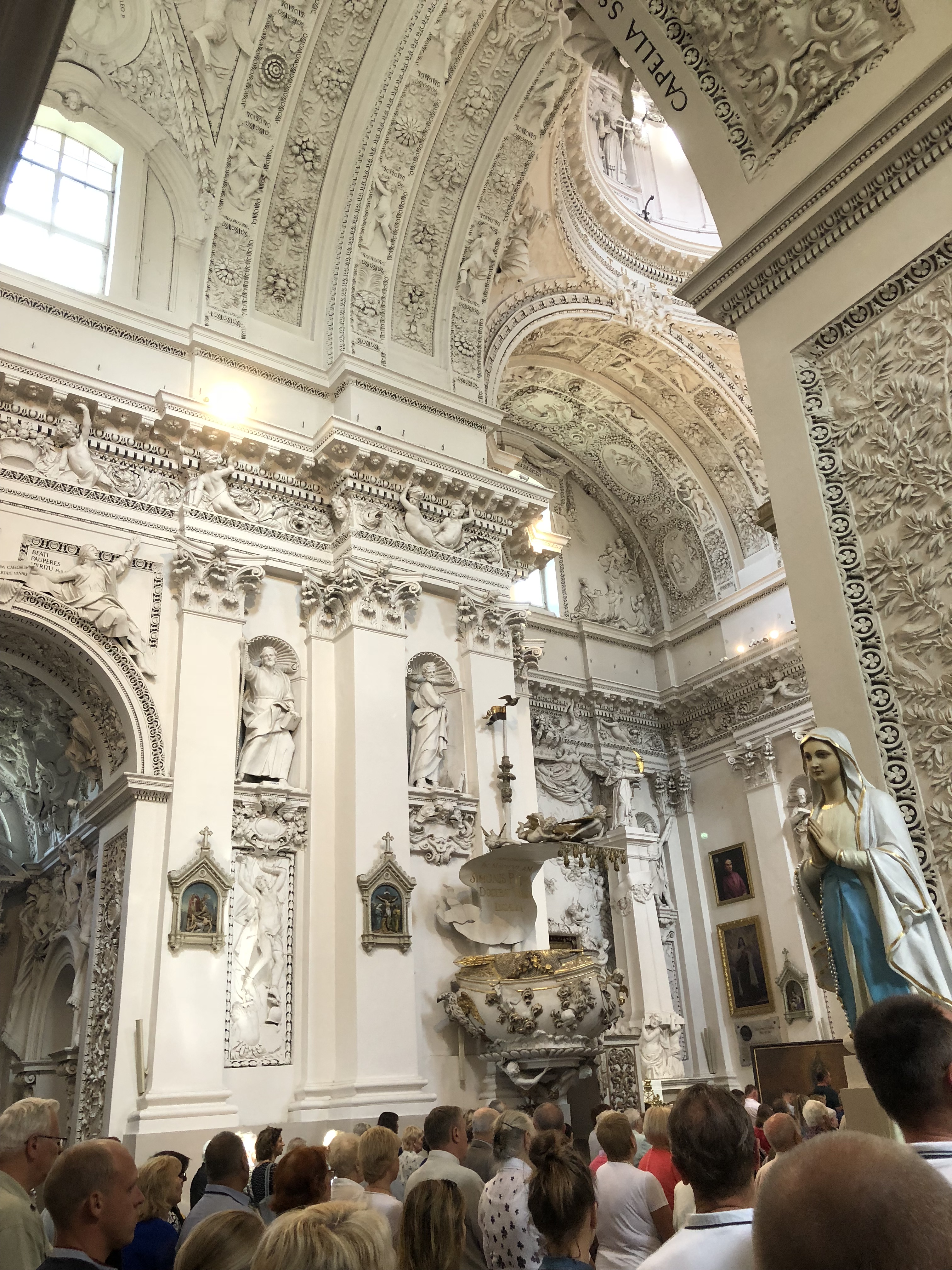
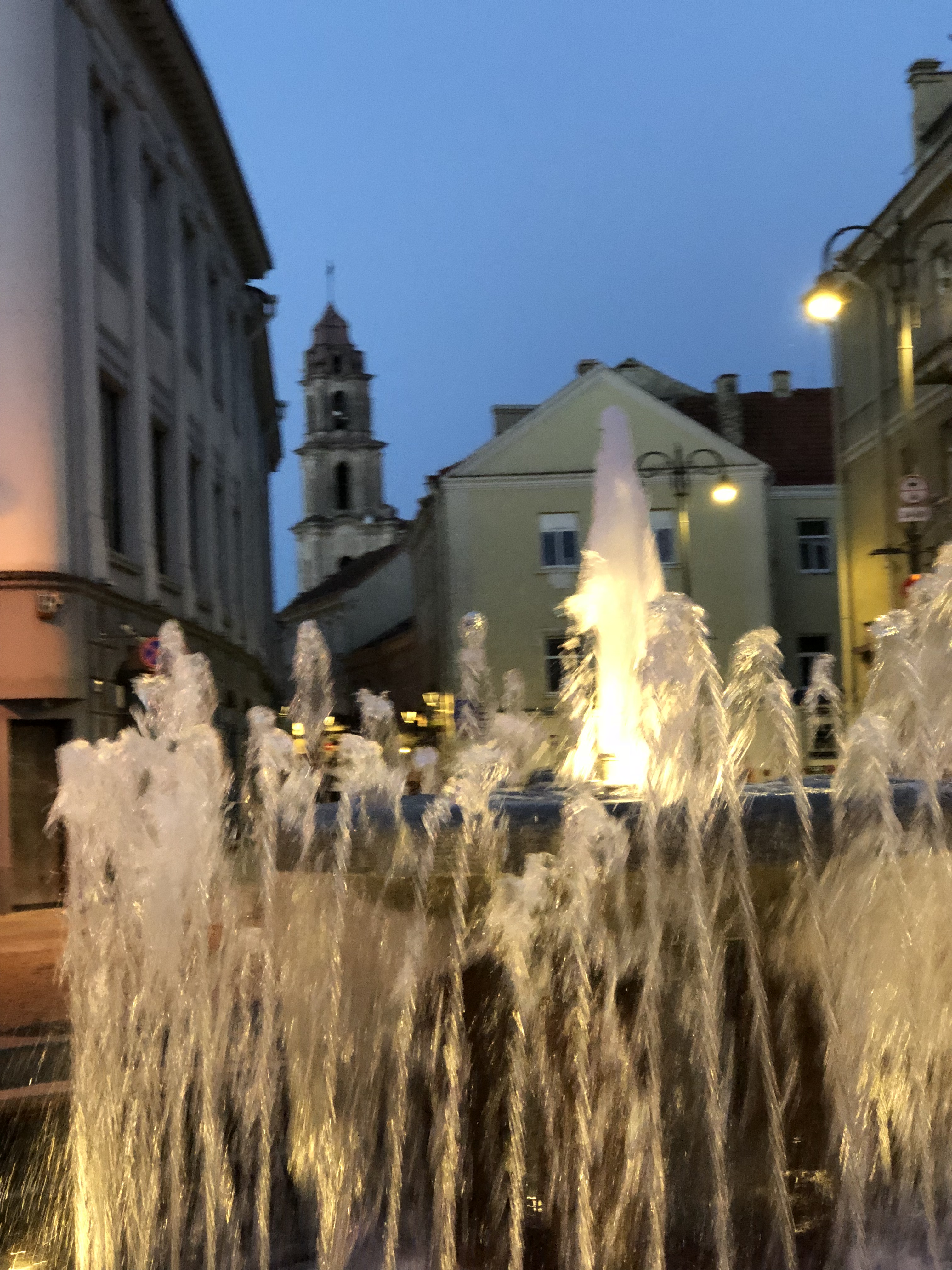
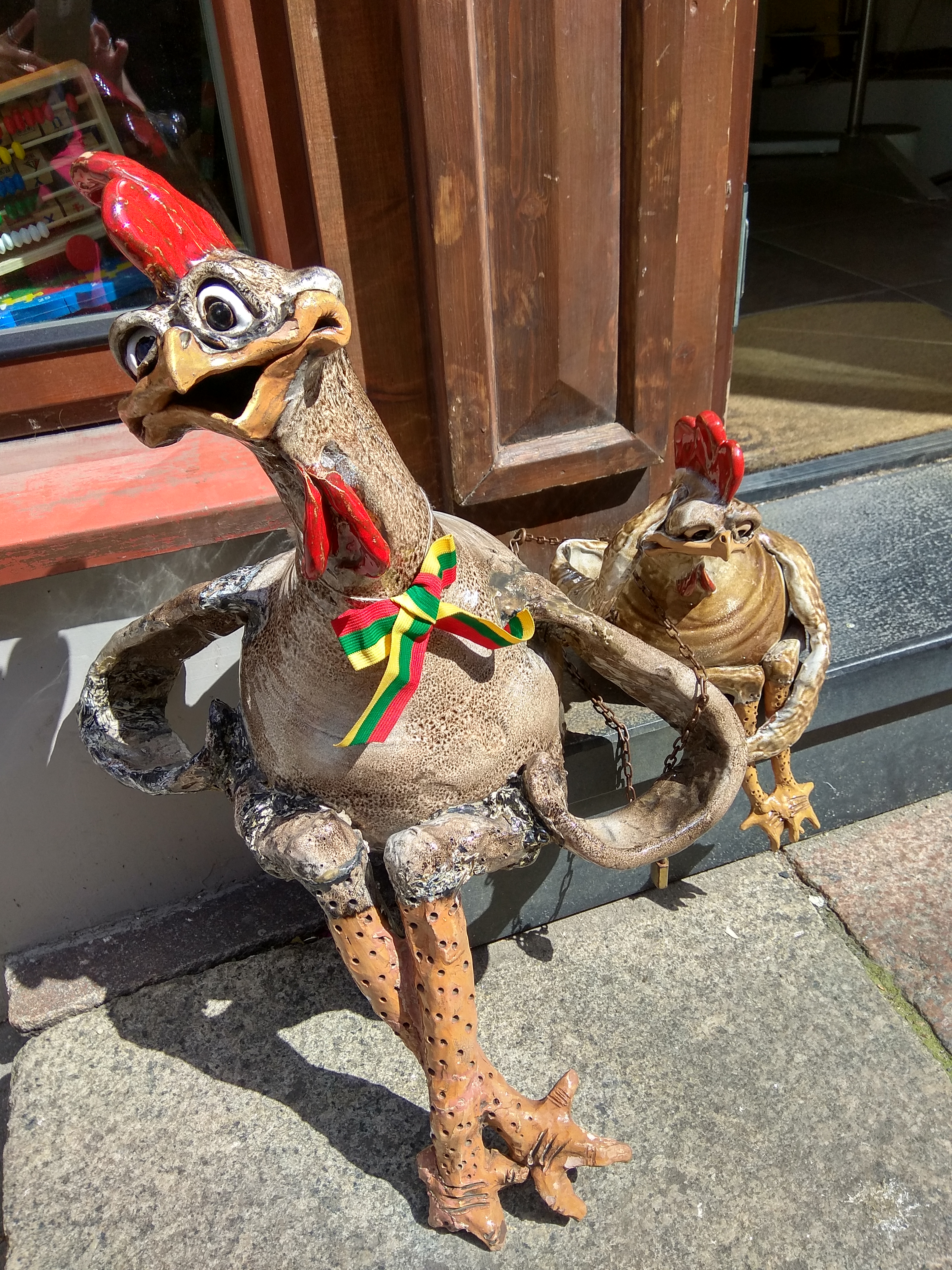
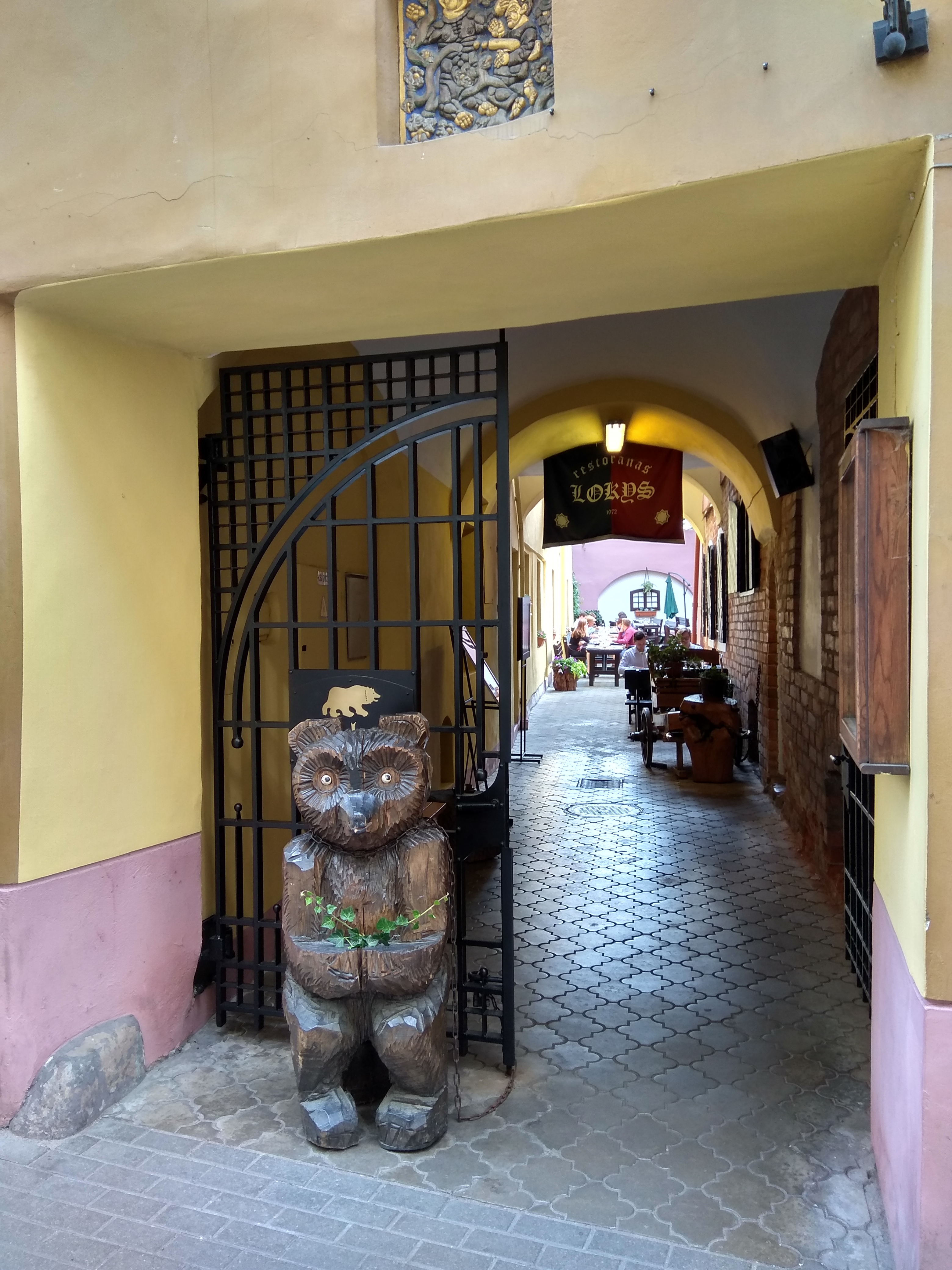
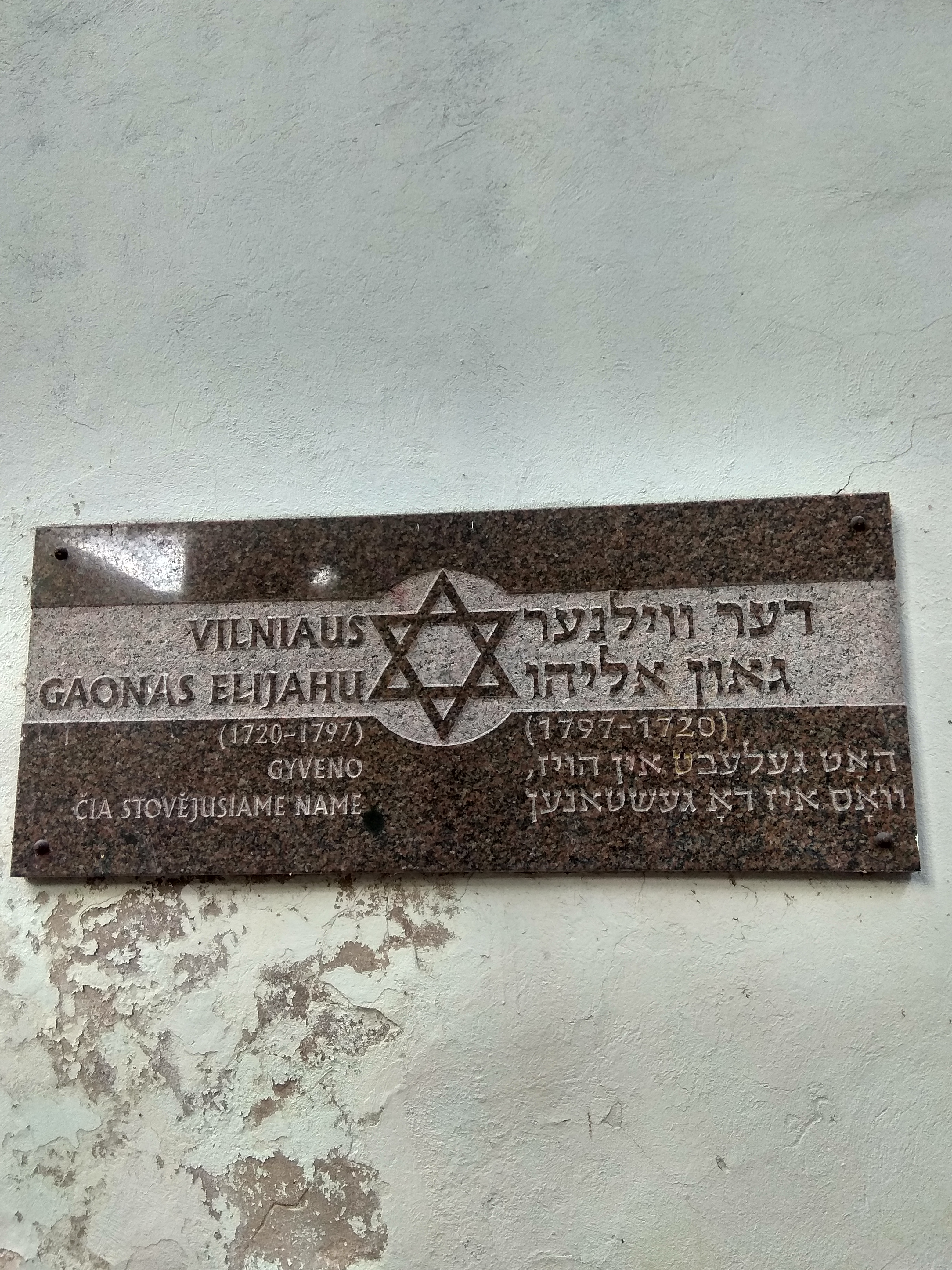
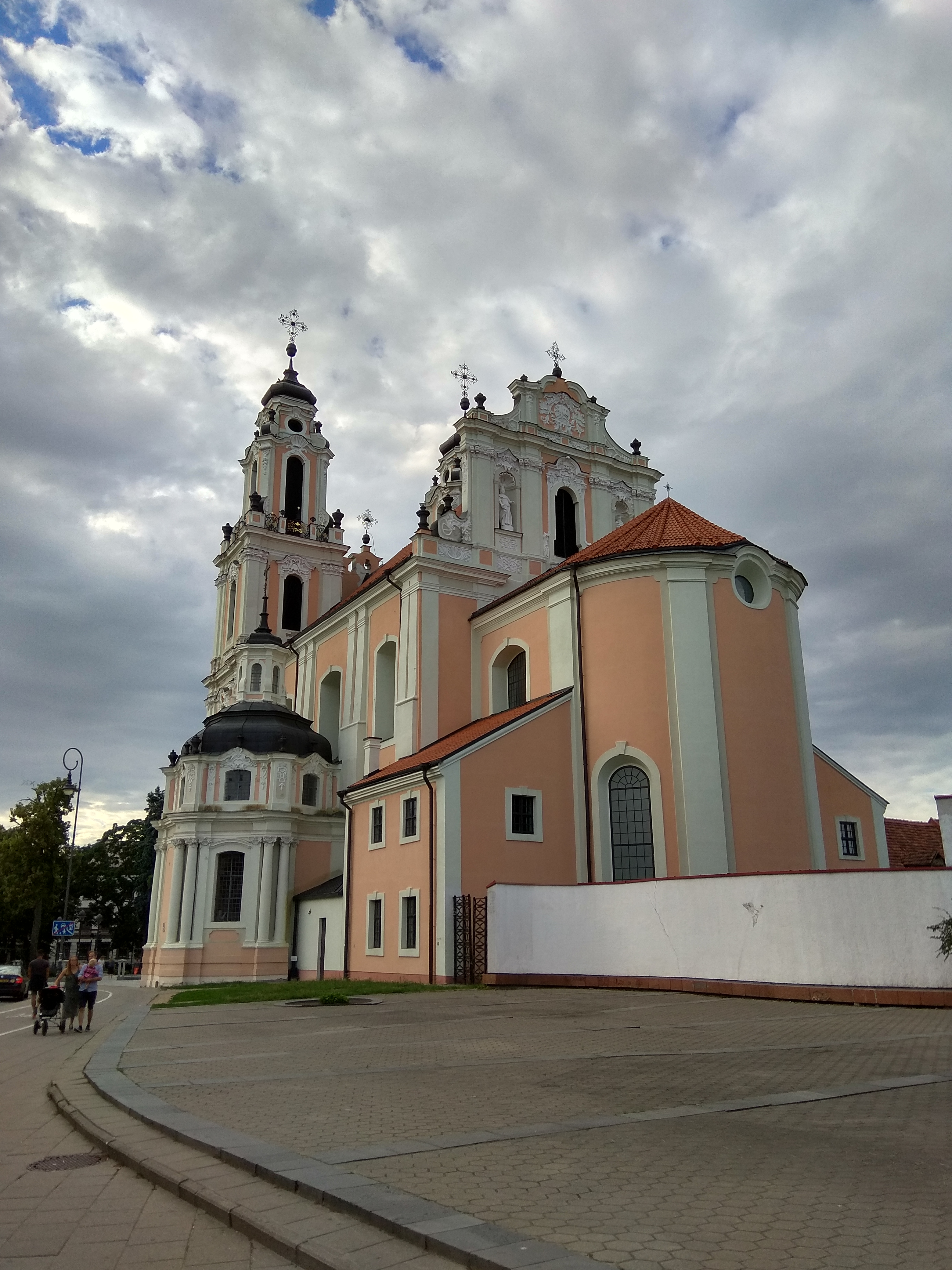
Wilno (Vilnius in Lithuanian) – the only city in this story that is not a part of Poland today, but returned , as its capital, to independent Lithuania in 1945. It’s here because one can’t even begin to talk about Polish Kingdom by the end of medieval epoch and the great dynasty of the House of Jagiellons without that city. It is, after all, from here that the great European dynasty of Jagiellonans emerged after signing first a personal union (1385), and then full union of two states unification: Polish Crown and Lithuanians Grand Dutchy. And, as Wrocław far to southwest border of Poland, Wilno was, through most of its days in the Polish Commonwealth and the Second Polish Republic (1918-1945), an amazing mixture of cultures, religions, even civilizations (starting with two very different types of early division of Christianity – Orthodox (Constantinople Eastern Roman Empire) and Roman Catholic (Western Holy Roman Empire).  In times it became important centre of Jewish faith and studies;  protestant Christianity (mainly Calvinism), there were pockets of Tatars and Muslim faith. You name it – it was European Toronto of late Middle Ages.  (photos by B. Pacak-Gamalski, 2018) 

By the XIX century the old Europe of multinational dynasties, for all practical reasons, was gone, replaced by national, ethnic states. The final ‘nail to the coffin’ of the old Europe, was the I world war. But the shape of these states, the language and mythology of these national states was formed by these dynasties and the old Europe.