A day the life changed

A day the life changed

You did talk to me last night, first time in a while. Yes, it was a strange night, followed by strange day. Or was it the other way around?  When you are alone, without a set schedule or watch, things do get mixed up easily. Dates especially: Mondays become Fridays, Fridays Tuesdays. So what happened to Wednesday, you ask? Who cares what happened to Wedneday, perhaps I left it on a beach, or on a bench in some park? Maybe it is still in the shower when I saw it last time I was taking a shower? What? Do I not take a shower every day? Maybe not, maybe sometime I take a bath, who cares? You really are asking way too many questions and it is my story anyway. Be quite, just listen.

No, not you, Babycake – I’m talking to my alter ego. You wouldn’t ask such stupid, mundane questions.

But the day or the night when I was still in bed, when I was sleeping, I dreamt of you, I talked to you. Have not done it in a while. I thought that you just let it go, these talks of ours across the boundaries of life and death. Thought maybe there is some allotted time that you can do that and maybe you have used it up? I don’t know. Remember? I am the one still left alive, never been consciously to the other side.

None of it is important really, anyway. I have dreamt of you in my sleep. It woke me up and there you were, next to me. No, I couldn’t see you, but you were there talking to me, you were saying something important.  You said that I have to understand that I am alone. That adjective ‘alone’ stood up as a mountain, a wall impregnable, forest too dense to walk out of it. I was getting used to be ‘alone’ in an adverb form.

Since I came back to our home, our former life here, in this city, this province, I have become very busy in many aspects: walks, friends, beaches, concerts, plans. It was just hard to go back to our home, our street. So I did it very seldom, hoping that it will allow me to function as normal as possible. And it did. Had evenings in bars, laughter, maybe a flirt or two. It seemed normal, I was spared any regrets. It was almost as I would finally get across that invisible line of Doctor Time, who heals old wounds; whose grief becomes first bearable, then transforms itself into a memory. Memory that is sad, but also happy that we did have our time, we found each other among the millions of people. As I was told many times, that it will get easier.

You think that was an expectation too easy, perhaps? I am not, after all, just a single guy ready for the picking and ready for harvesting. Is there anything wrong with it, isn’t it logical, practical?

I have reached to my writings of the early days after you were gone, to the first winter after you were gone and my constant visits to the gravesite in Pictou. Yes, that old ancestral town, where we were going to build our home, and spent the rest of our lives in that home.  We did not.

(notes from my writings after John’s passing by the end of November 2022)

Pictou

                One year. It is hard as hell. Came to Pictou to spent time on the cemetery where we put your ashes. It’s windy, very cold. Desolate place. There was no one else there, on the cemetery. I know – it is only a stone with your name on it. Yours, your parents, and your baby brother you never had a chance to know. And now, there is also your oldest brother Fraser, who was laid there just few months ago.

Cleaned around a bit, threw away old winter flowers, and fixed things. Fixed things? How to ‘fix things’? Nothing can be fixed, when everything is broken.

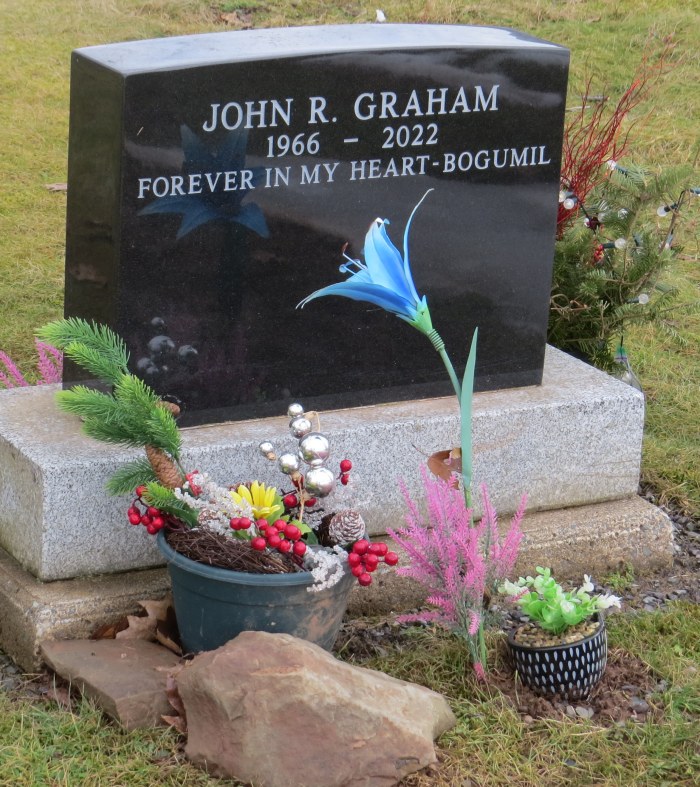
Yes, I know that you are not there, not under the ground. You are with me. Forever. I have engraved on that stone myself that you are forever in my memory. I looked at the letters and smiled. In my memory, really? That’s what it all came to? Our Love, our life: to be remembered? How silly words could be, when they try to describe emotions, feelings. But still hoped that many years from now, when all of us, who knew you and me, would be gone – a stranger would wander to that gravesite and he would think, that the guy who is buried there was indeed ‘non omnis moriar’, that part of him lived in that other guy’s heart. Nice thought.

You and that Love of ours are engraved not on the stone, but in my soul.

Me? I don’t remember who I was before I met you. I was just waiting. Waiting and searching for you – and I have found you.

                Now, now it is almost three years later. I am here, back to our good life on the shores of the other ocean.  Were we had home, a nest, were we had dozens of friends, people we cherished and who cherished us. Some were ours; others were exclusively yours or mine.  The two halves of Us were surprisingly very independent and strong, if only by the constant knowledge that the other half is there to make it whole.

I don’t have that knowledge anymore. The other half is gone, it is just me left. Those many people I have known, and who sought my presence are still here. Not all of them, granted. Some have left either this life (as you), or this city. But some are still here. None seem to really need me. I am not sure I need them. Of course there is some curiosity, some friendly waving of a hand: how nice to see you again, you are looking good … and so on. I thought that I would need to search for them myself, that I would want it very much. But if I’m always finding excuses and ‘important things’ that prevent me from doing it – am I really?

I have one important friend and, strangely enough, one with the shortest amount of time we spent in this city before we left for Nova Scotia.  Less than a year, I think. After my dearest nephew had to go back to Poland, but still this young and very mature nephew was my angel in the first month after John was gone. Then my niece with her husband and son came to stay with me. But he, that younger friend of mine from Vancouver, somehow helped me in the dark months after I was left alone in Halifax. The rest seemed like eternity. Eternity of being in hell, or waiting for the hell’s gates to be opened, to swallow my world. At these dark times that younger friend kept me connected to the world and people by phone. Our long conversations were instrumental of me getting the skeleton of myself back into me.

That is how I did return. To the place of Our home, our happiness. These places somehow were the strongest magnet for me. I submerged myself in going alone, for days on end, on long walks through parks, streets,  squares, building  were we lived, were my mom lived, were I was with my sisters, my nephew and niece. Places that were calling me. Yes, places, much more than people.

I think that we all have these special places, sometime in many countries, on different continents. Special places that act as an anchor on a ship of life. Where we can drop that anchor and stay safely in some magical Bay of Memories.

It is also a time to untie that line across the sides of our two separate boats: mine and the one belonging to my younger dear friend. He has journeys to make across the sea himself, his journey, not ours. That is also a part of me being alone. My boat is rusted a bit, engines are old. It will still make it though, the last long sailing, perhaps passing the Cape of Hope (not the Cape of Horn), back to original shipyard of its maiden voyage. Then I will rest.

After that rest, I will go alone on many walks to many places (some might not exist materially anymore, but will in my world) that will call me. Solitary walks. It will be like existing in two different dimensions.

One day (no, not in my sleep) perhaps suddenly, out of the blue, I will see you taking the same trail or road and walking toward me, and I will stop being alone. I do hope so. Even in a faint split second before the big Nothingness.

It is what it is. Could be silent, but even than it is not nameless.

Yet, we will not call that name today. We know what it is. Sad but proud; weeping but not hysterical. Sad but understanding; resigned but not broken.

Thinking – strangely enough – about two old movies, that made an enormous effect on me as a very young boy. One with Lamberto Maggiorani in “Bicycle Thief” [i] and incomparable Gulietta Masina in “La Strada”[ii]. Dreams and loves. Devotion and standing by your loves no matter what. Beyond the beyond.

Words. Many words.

The soft and the tense.

Words that can pierce,

be sharp but still true.

They are an umbrella

on a rainy day:

it does not bring sunshine,

does not clear the sky,

but it saves you from being wet.

Perhaps there is even a chance

that such an umbrella

will take a flight with you

to the clouds, to the skies.

It is better to be silent

than to use the thread of words

for making a garment

of lies and half-truths.

Walk silently through

the park filled with good words

where leafs whisper

the promise of a kiss and

touch of fingertips and eyelashes.

Words should never be

like grains of sand in a desert

or they will lose their meaning.

It is good to thread them

on strands of necklaces,

make earrings of them –

it makes them easily accessible,

without the need to always

use a coin for new ones.

Words, you see, are like

years and days: they are

 on very limited number.

The story lives

in your heart and soul,

not in thesauruses.

Words are the keys

to books unwritten, yet.  


(Polish vrsion – both were written simultaneously, not a translation)

Słowa. Dużo słów.

Te łagodne i te nastroszone.

Słowa, które mogą kłuć,

być ostre, ale prawdziwe.

Które leczą a nie jątrzą.

Są jak parasol w słotny dzień:

nie przynosi słońca,

nie przepędza chmur,

ale chroni przed zmoknięciem.

Jest nawet szansa, że jak

w starym filmie porwą cię

w podróż w chmury,

na spacer po niebie.

Lepiej milczeć niż szyć

z nici słów opowieść

kłamstw i fałszu.

Milczący – przechadzaj się w ciszy

parku pełnego dobrych słów.

Jak liście pod nogami szeleszczące

obietnicą pocałunku,

dotyku palców i rzęs.

Słowa nie powinny być rozrzutne,

by nie tracić swej wartości.

Warto je nizać na nitkę

naszyjników i zausznic –

masz je wtedy zawsze pod ręką,

nie musisz trwonić monety

czasu na stale inne, nowe.

Bo słów, jak lat i dni

jest ograniczona ilość.

Opowieść mieszka w sercu i duszy –

nie w tezaurusie.

Słowa to klucze do ksiąg,

jeszcze nie napisanych.


[i]Bicycle Thieves (1948) – Film Review. Italian neo-realist classic.

[ii]La Strada (1954) – IMDb

Czas już żegnać się … a ja nie potrafię

Czas już żegnać się … a ja nie potrafię

W kwietniu 1999 roku poszliśmy w wielkiej arenie General Motors w Vancouverze na koncert Andrea Bocceli. Siedzę teraz i słucham jego dysku ,Romanza’[i].  I krzyczę bezgłośnie.  Bo to wszystko wraca: nasze koncerty, nasze podróże, nasza miłość, nasze marzenia.

Ostatnią ścieżką na dysku jest oczywiście duet „Time to say goodbye” Sary Brightman z Bocellim.  Ileż razy słuchaliśmy tej porywającej i strasznie smutnej piosenki … czas się żegnać już.  A przecież nie był! Nie jeszcze i nie tak.

I podła pogoda za oknem dziś, deszcz w silnych podmuchach wiatru, nie zastanawiając się wiele pomyślałem: posłucham „Romanzy” Bocelliego. I było OK, uwielbiam jego głos, jego interpretacje. Zapomniałem o tej ostatniej ścieżce dyskowej i kompletnie mnie powaliło, gdy popłynęła ta pieśń i Sara Brightman w duecie z Bocellim.

Sara, którą uwielbiał za jej niezapomnianą kreację w roli  Christine Daaé  w „Upiorze w Operze”. Był aż trzykrotnie na tym przedstawieniu: raz jeszcze w Calgary i potem dwukrotnie w Vancouverze, ze mną, ze swoją mamą jeszcze w Calgary i z moją później w Vancouverze.

A teraz, z tym ponurym deszczem zbliża się ten dzień fatalny w listopadzie. Dzień, w którym nadszedł ‘czas powiedzenia żegnaj’. Przeklęty dzień.  W jakiś sposób umarłem wówczas też.

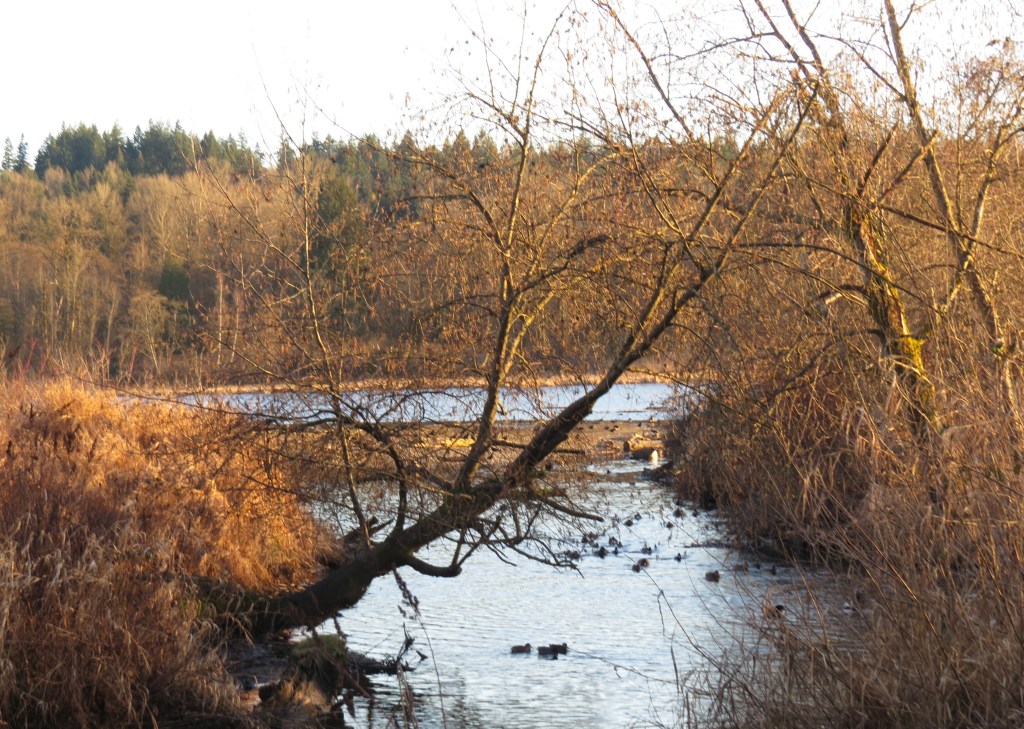
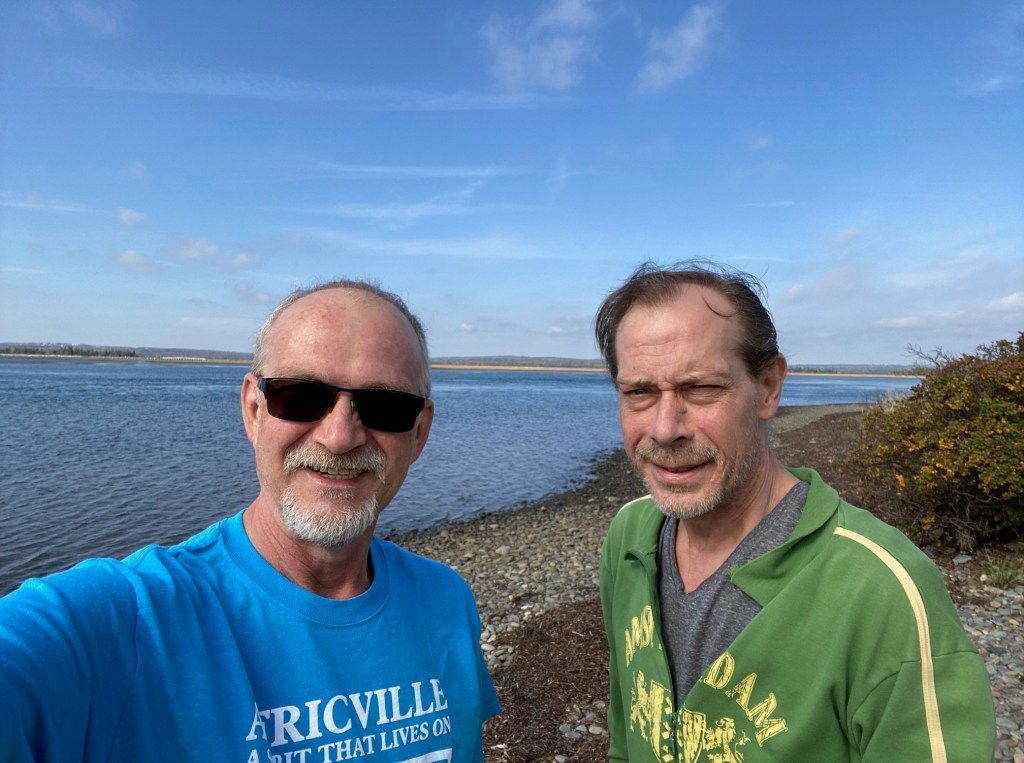
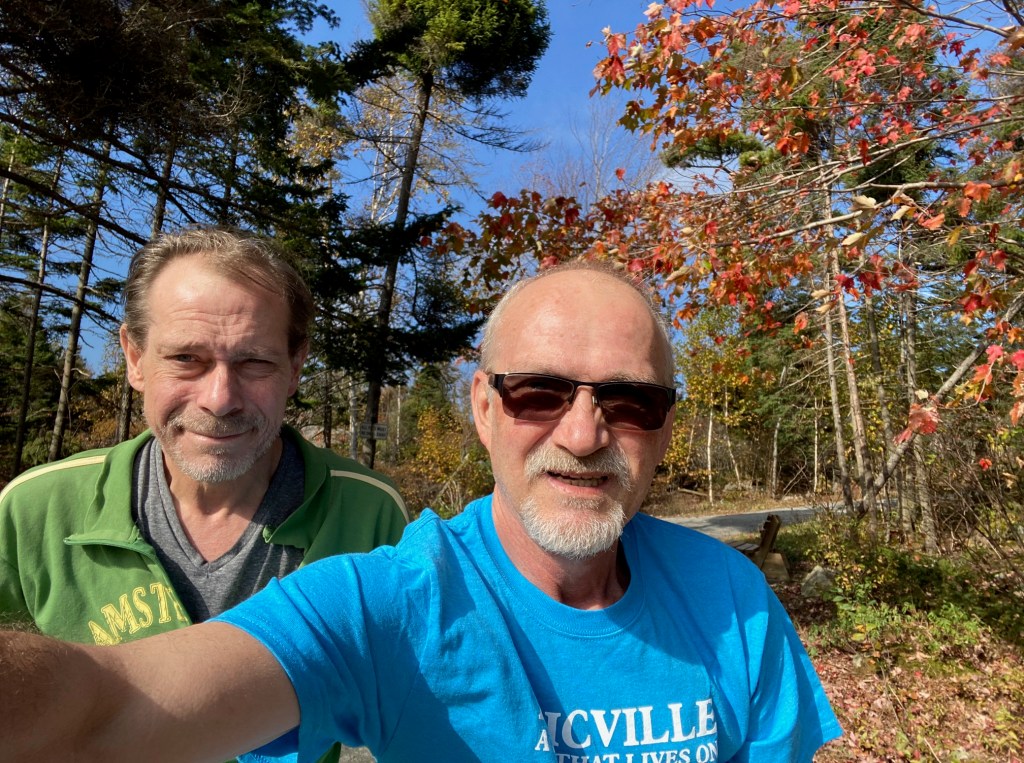
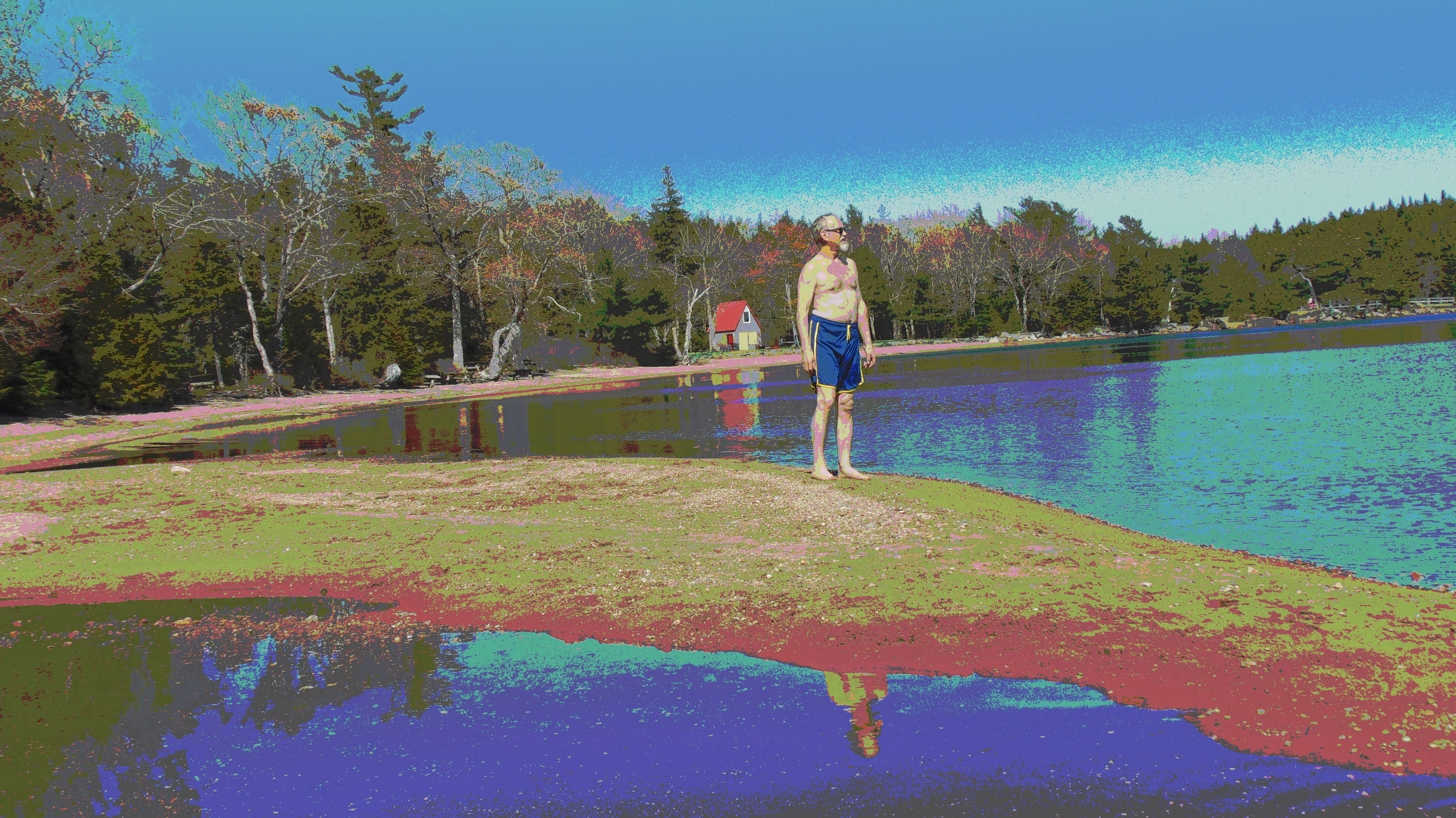
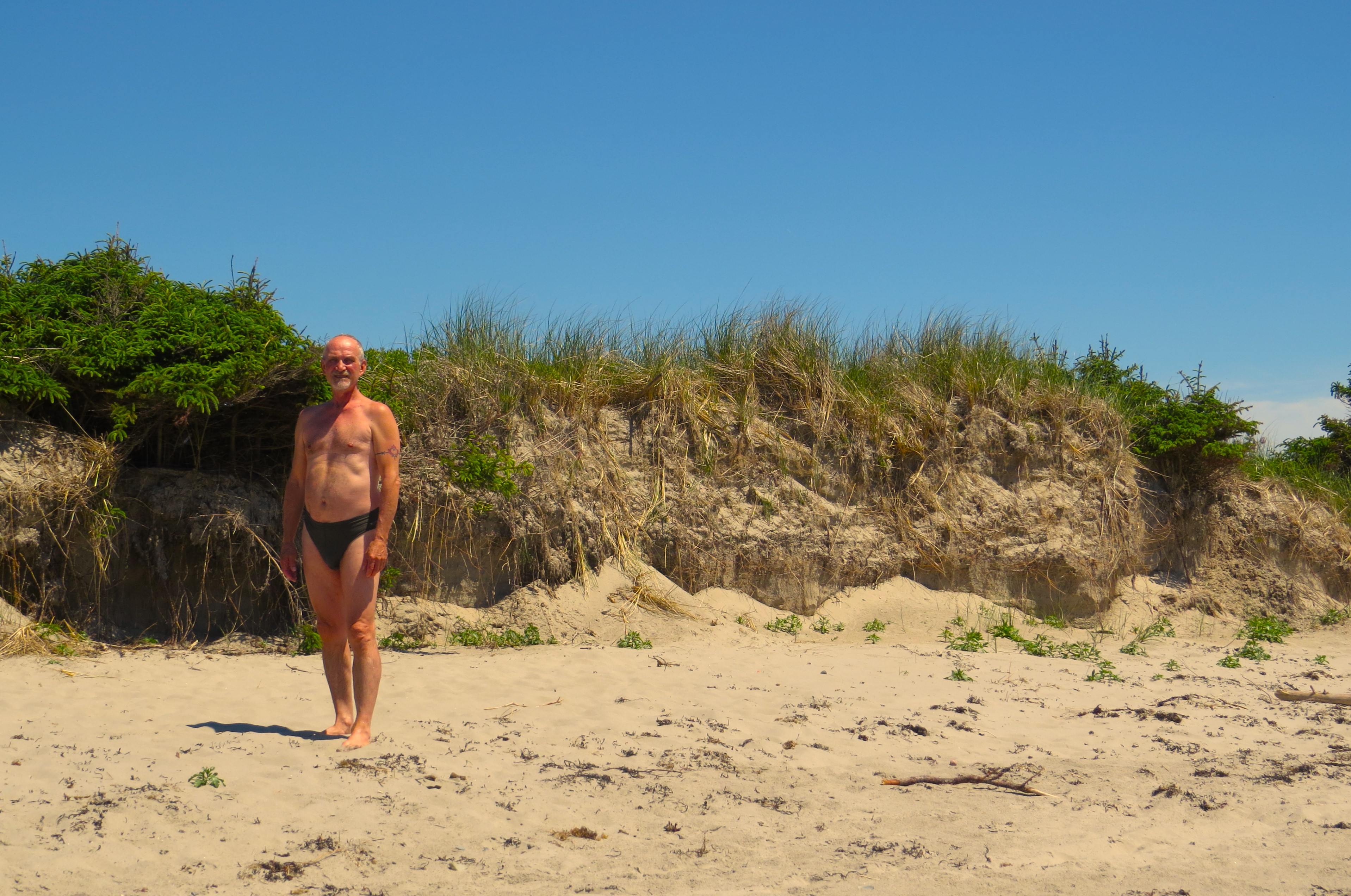
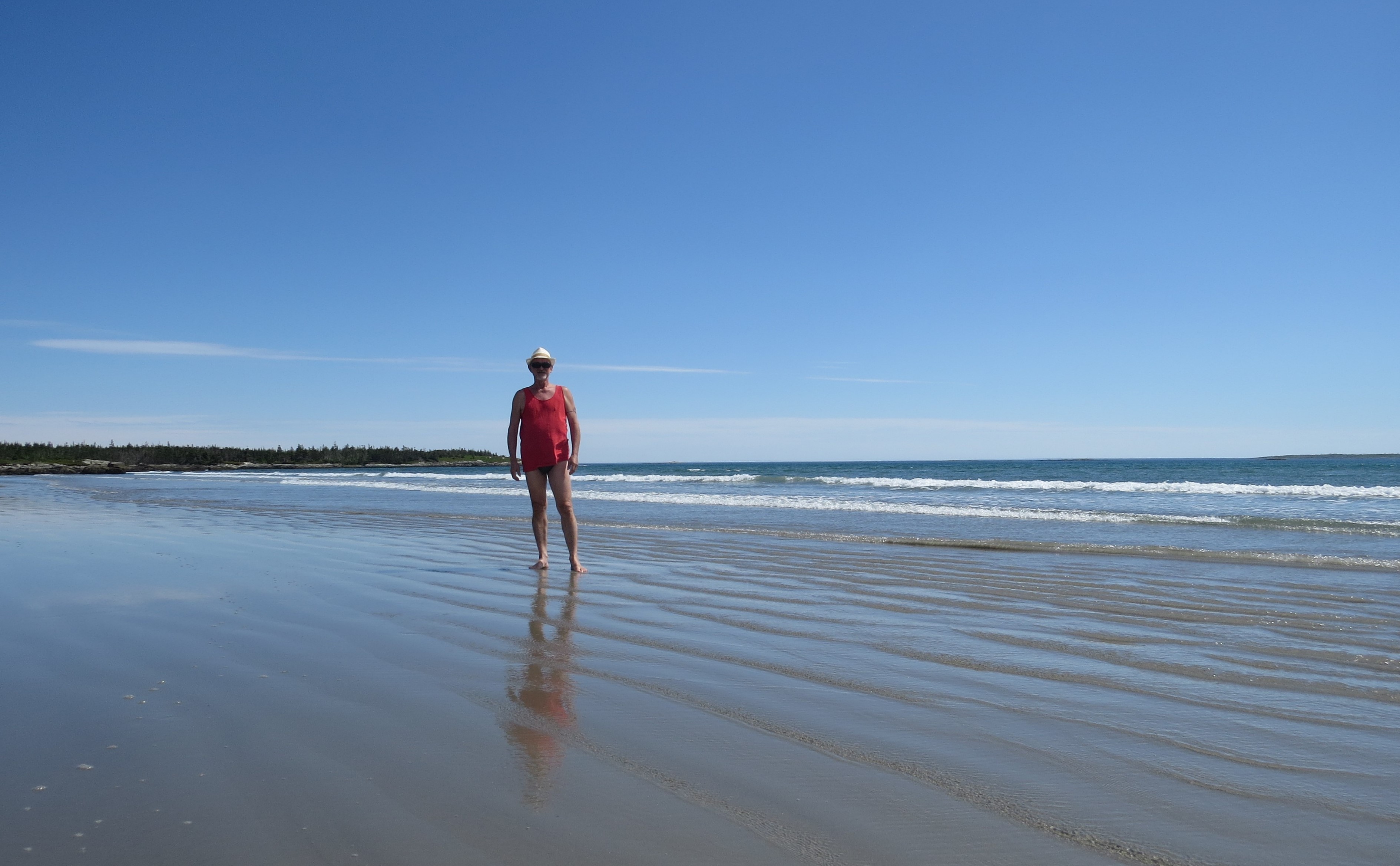
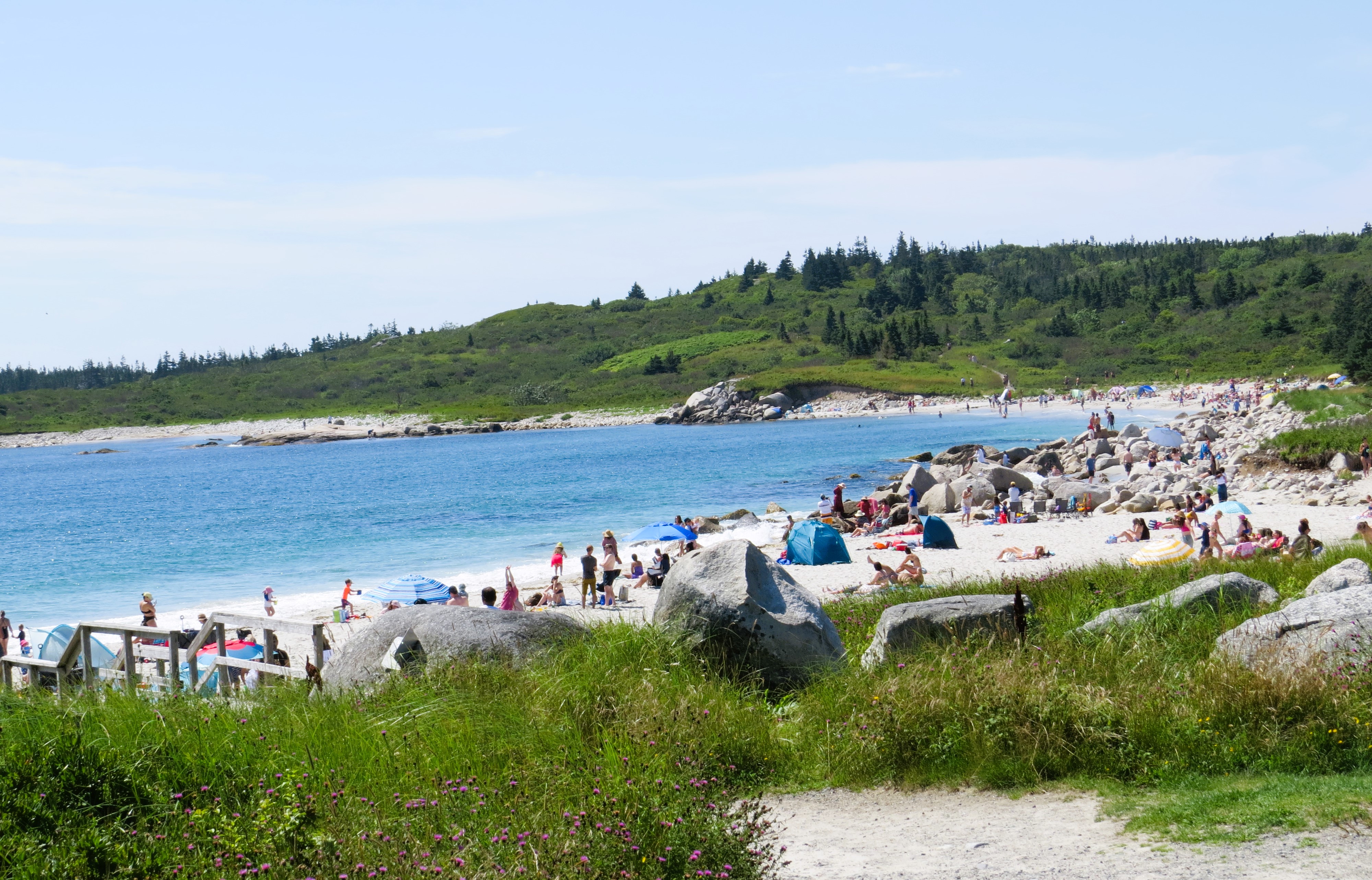
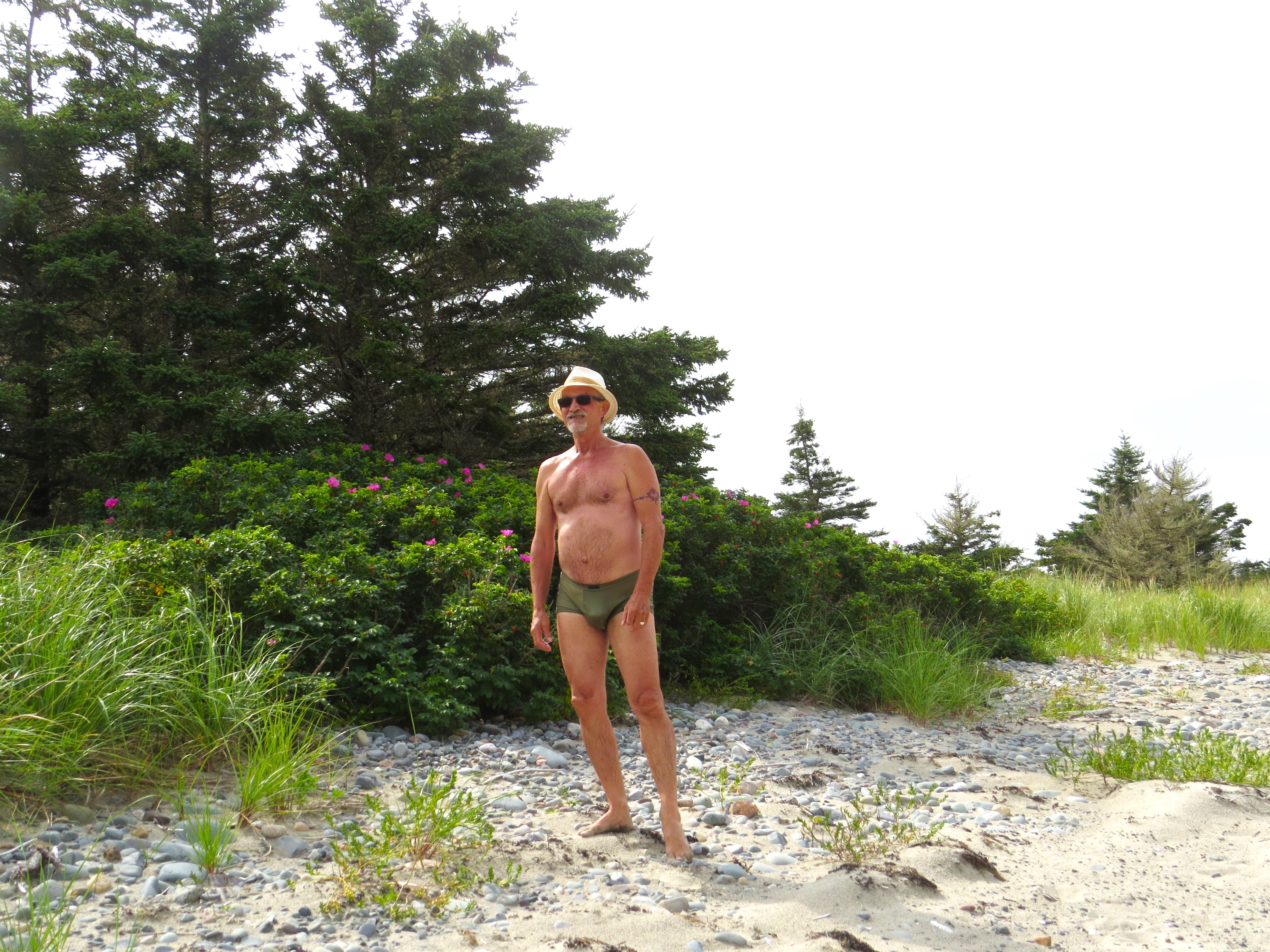
Miesiąc wcześniej, gdzieś o tej porze października jak dziś, wymusiłem na nim przejażdżkę samochodem.  Pojechaliśmy na plażę, pierwszą plażę, na którą pojechaliśmy po przeprowadzce do Nowej Szkocji kilka lat wcześniej.  Wybrałem trasę piękną jesienią przez Cow Bay Road, prowadzącą malowniczą drogą nad wybrzeżem, wzdłuż lasów zielonych jeszcze, aż do tej Haven Beach i słodko-słonych rozlewisk jeziorno-bagiennych przed plażą. Był zadowolony. Ja też. Wiedzieliśmy, że nas czas się kończy. Nie sądziłem, że tak szybko. Zdjęcia poniżej z tego dnia właśnie.

Nigdy, przenigdy nie pogodziłem się z tym. Nie potrafię do dziś.  I nigdy już sobą, takim, jakim byłem, być nie potrafię i nie będę.


[i] „Romanza”, producer PolyGram Group Canada Ltd. (based on 1996 Insieme Srl).

My Canada – A Tribute

My Canada – A Tribute

VANCOUVER

My Canada from ocean to an ocean, from the shores of Atlantic to the shores of Pacific, from Halifax to Vancouver. My Canada intrinsically tied to my John, our Love; his gift to me. Through our meeting and romantic story straight form the pages of Petrarka ‘Beatrice”, from the ancient lovers of Greeks and Macedonians, of Mesopotamians, of Sumerians.

Would I have loved thee if I never met John? Likely, for what there is not to love about thee, Canada? But it would have never consumed me as much, would have never made me such a fervent and ardent lover of this country. My personal private love of John’s Canada for ever etched in my soul and mind.

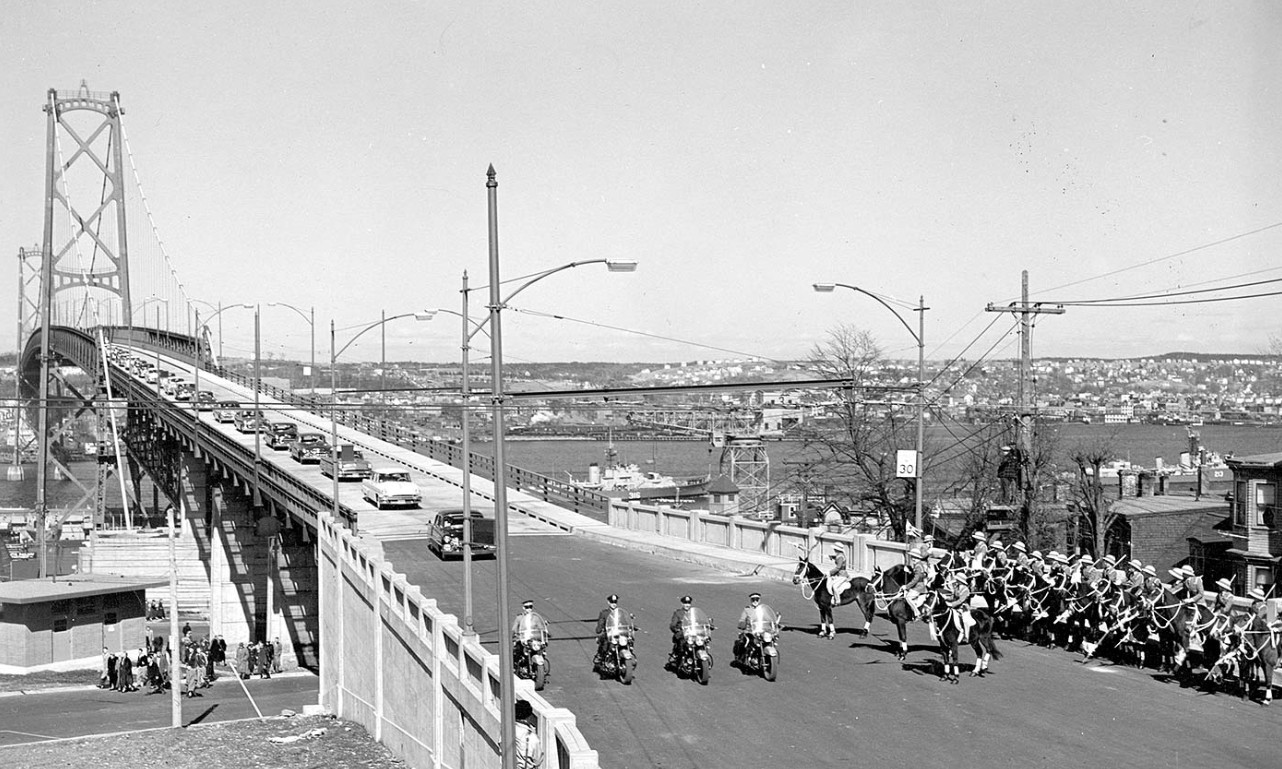
Halifax Atlantic Fleet

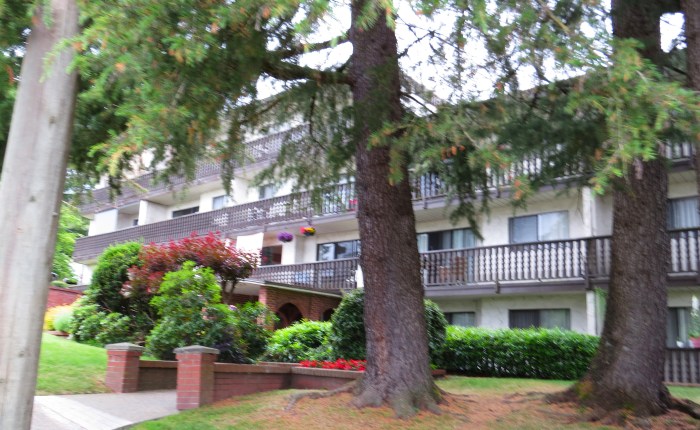
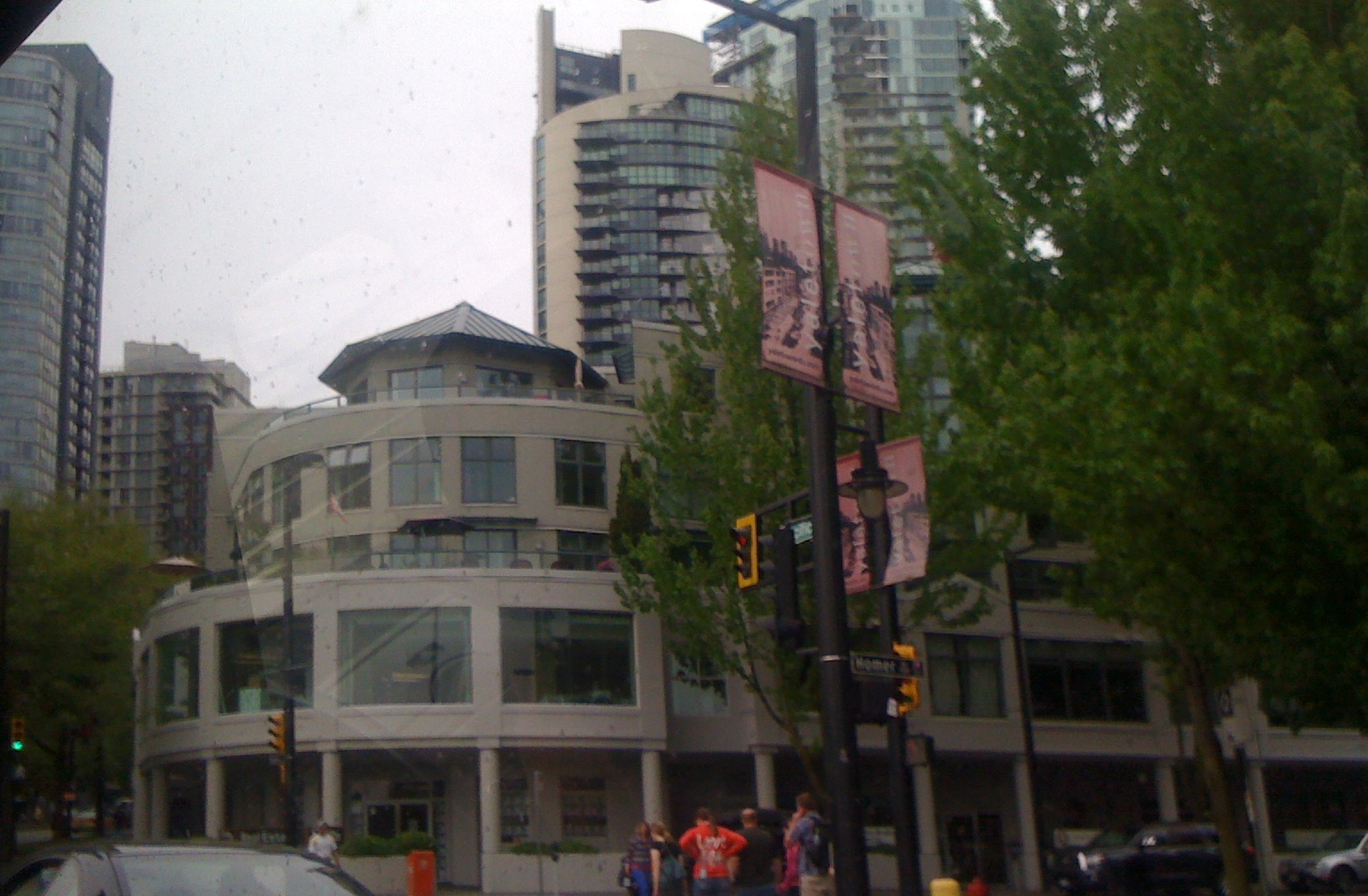
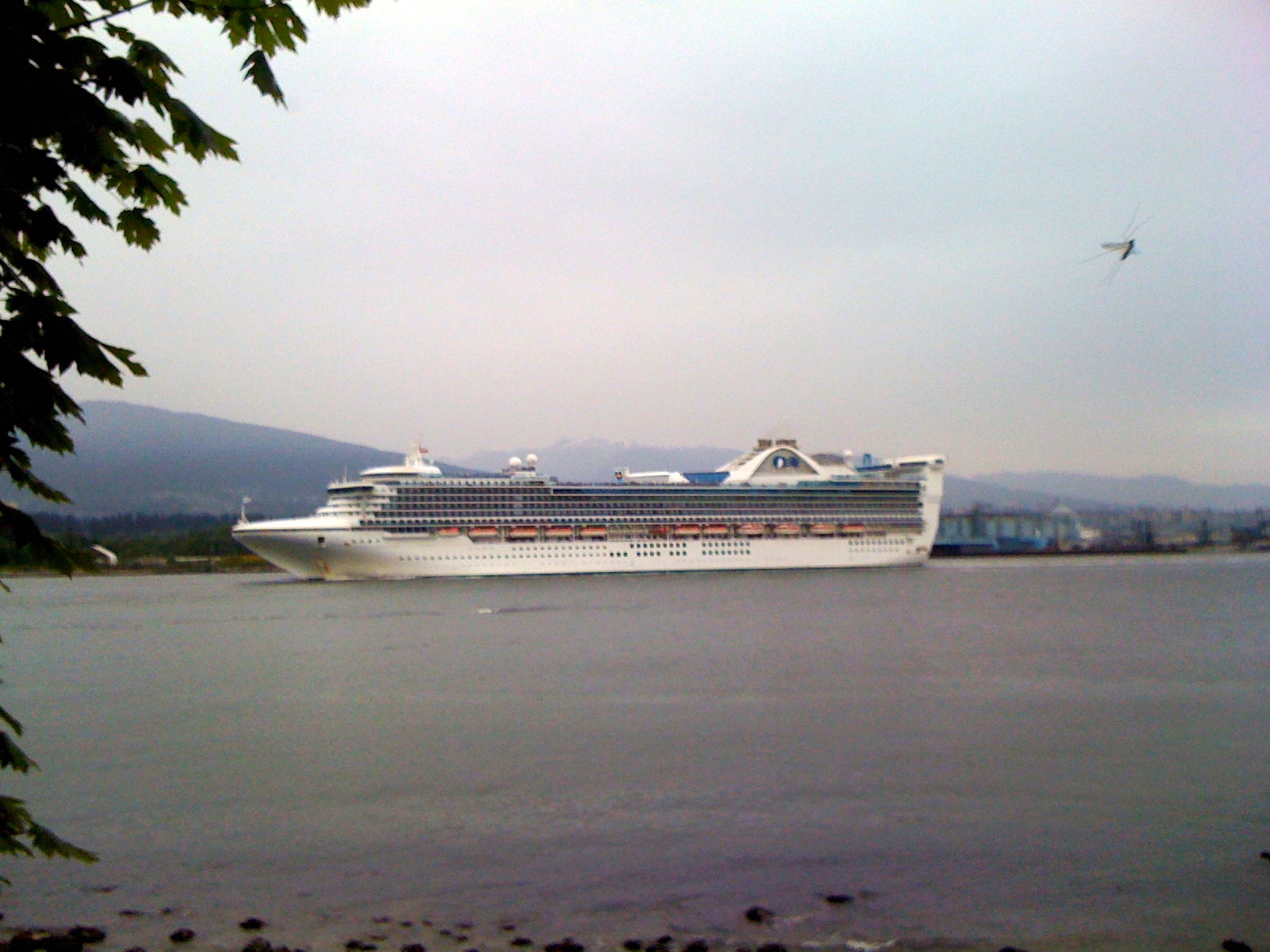
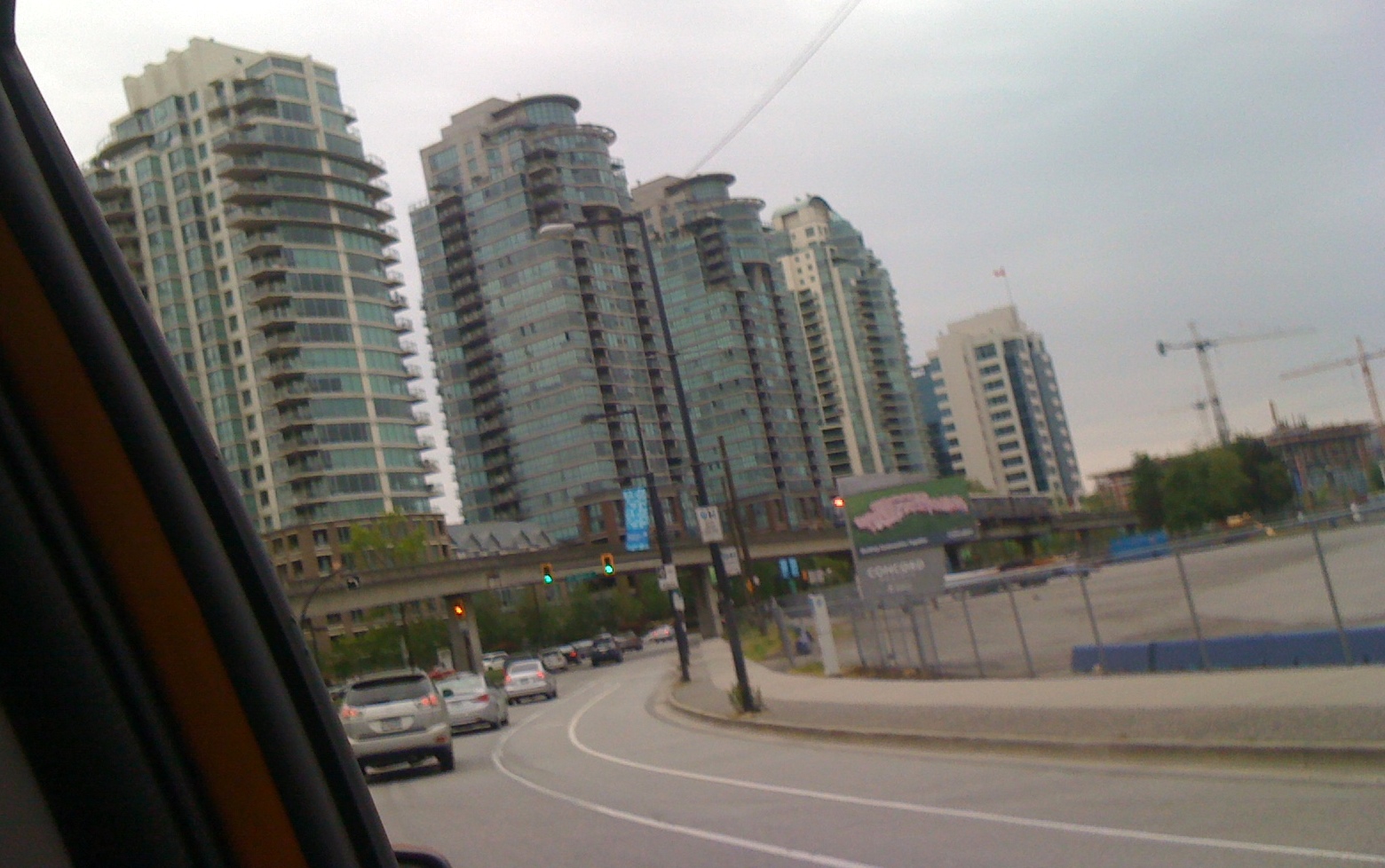
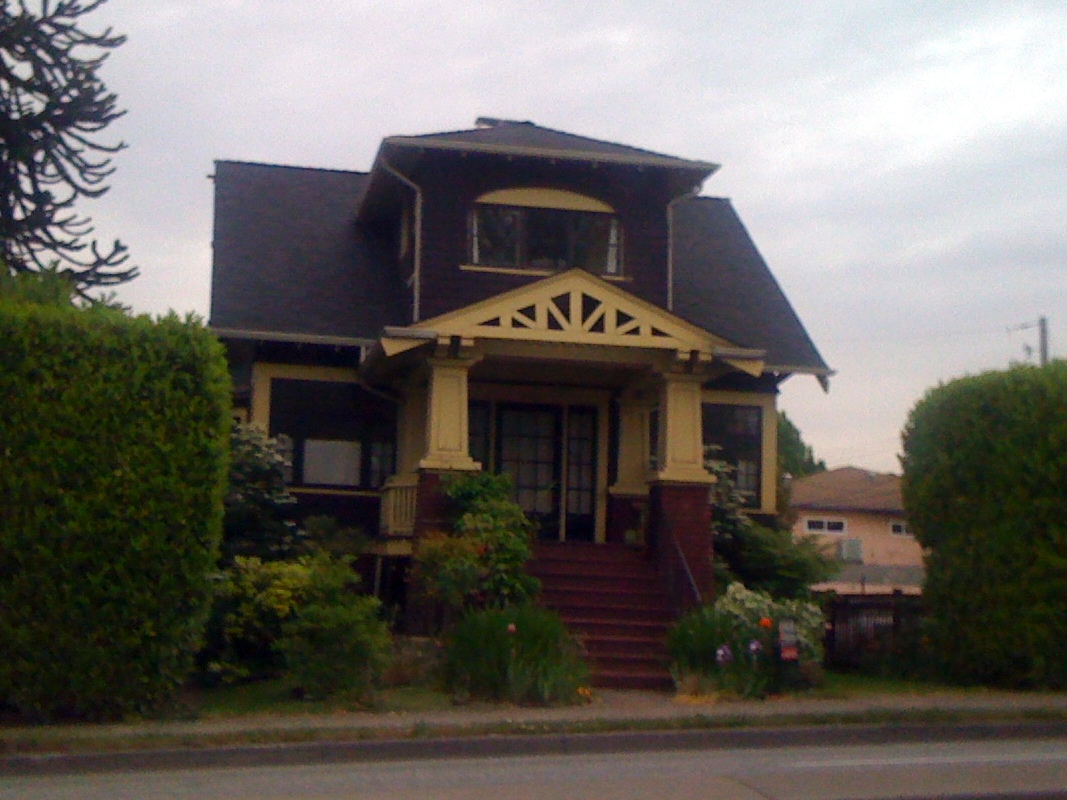
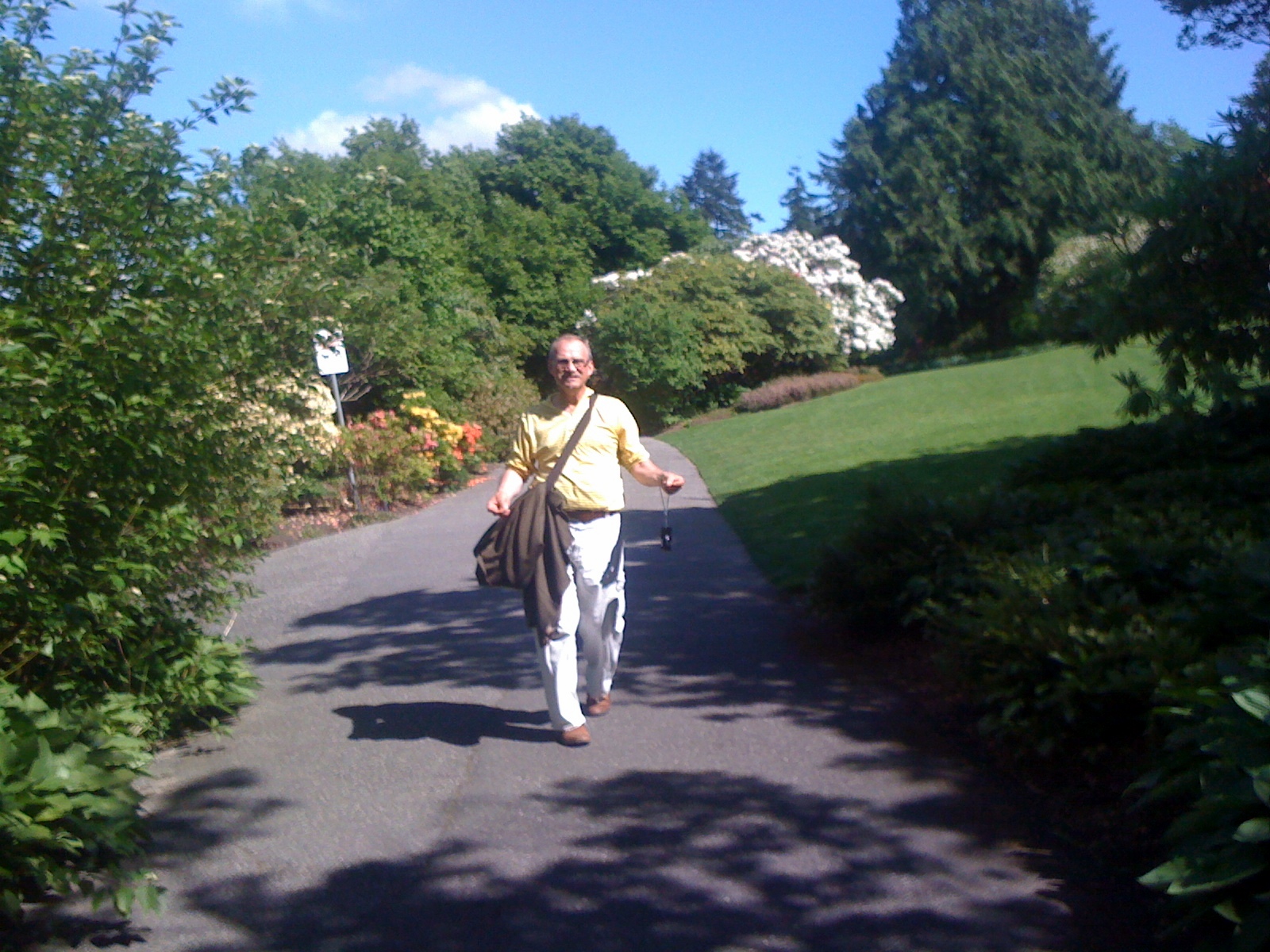
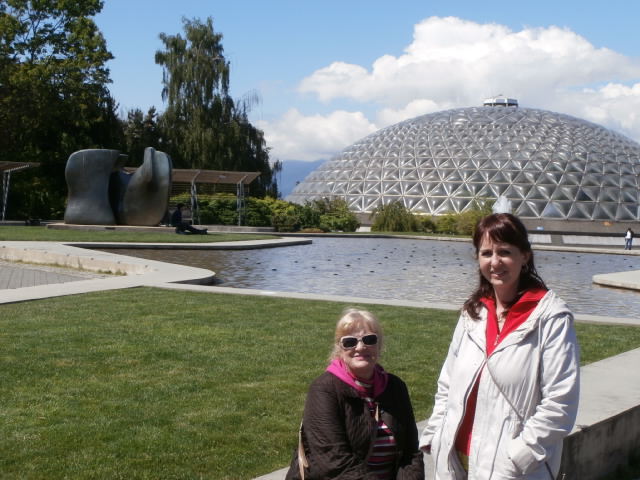
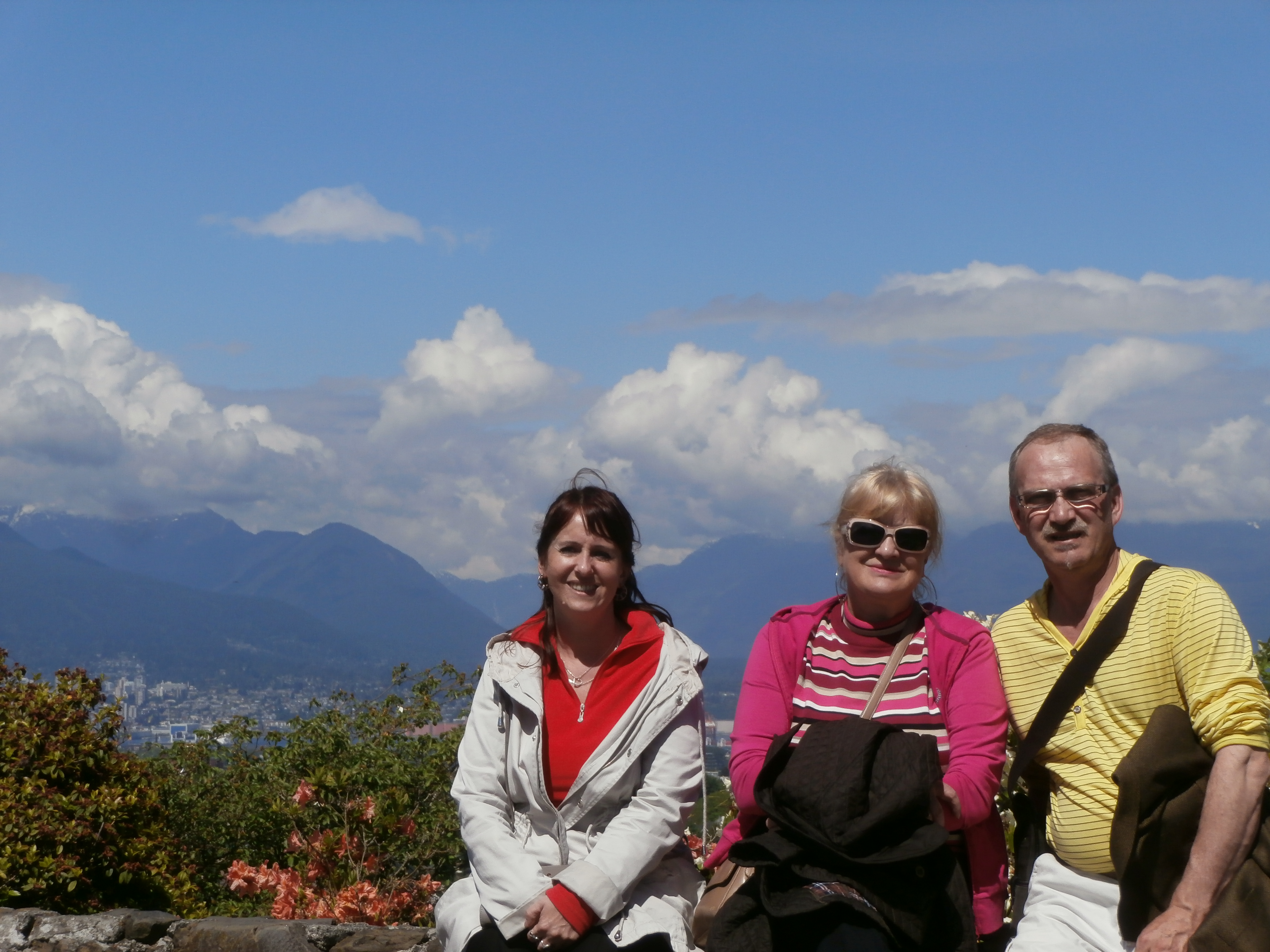
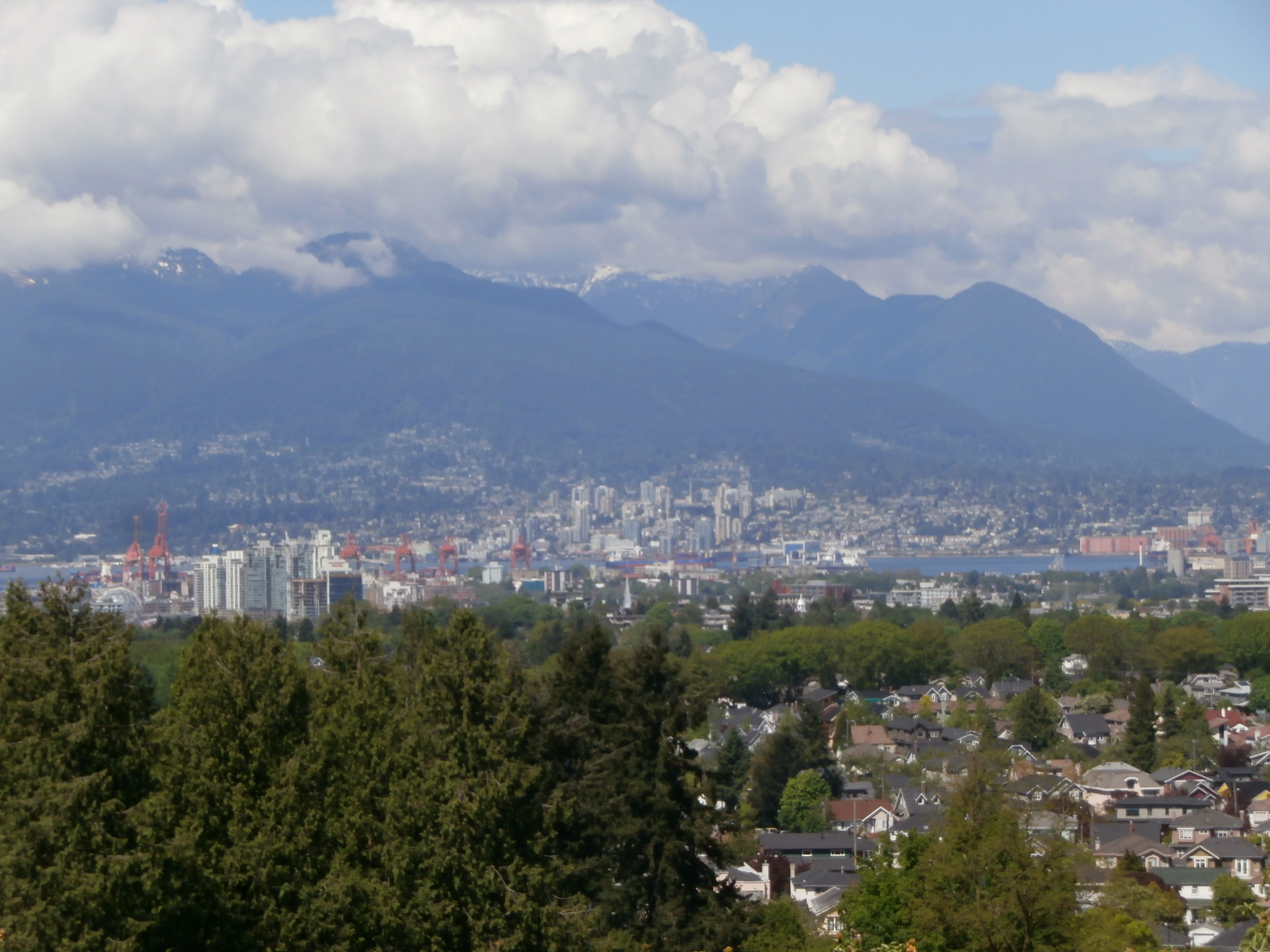
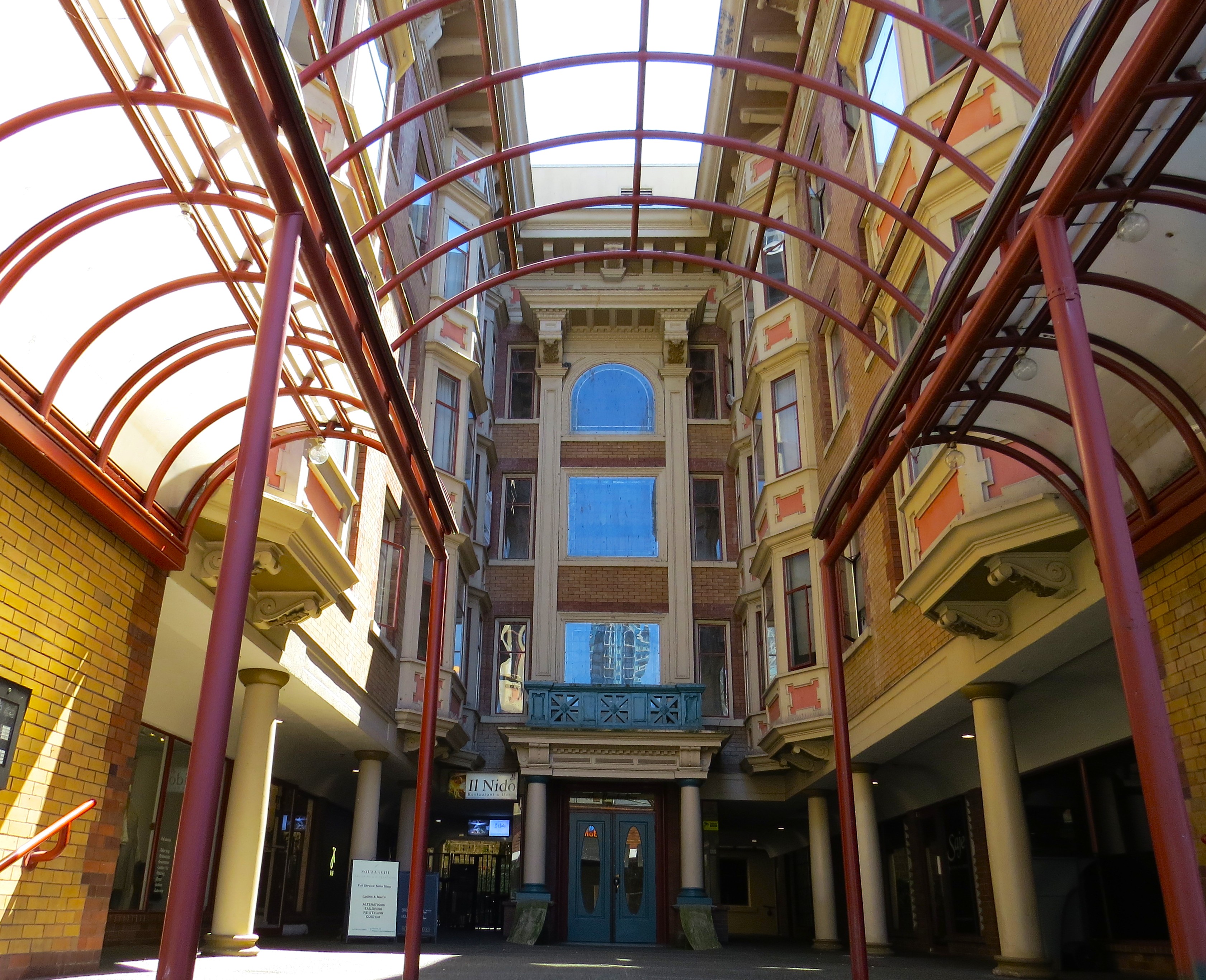
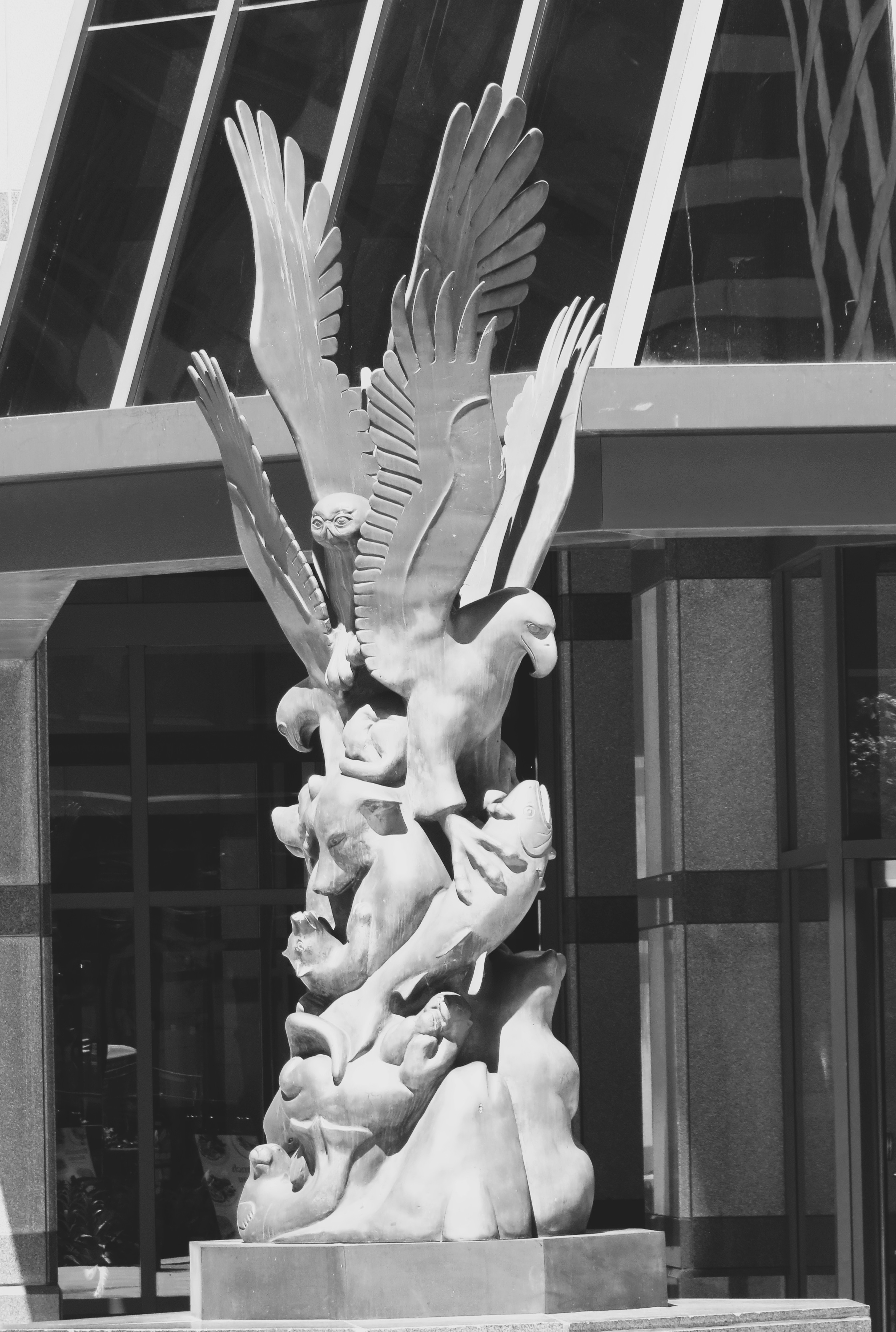
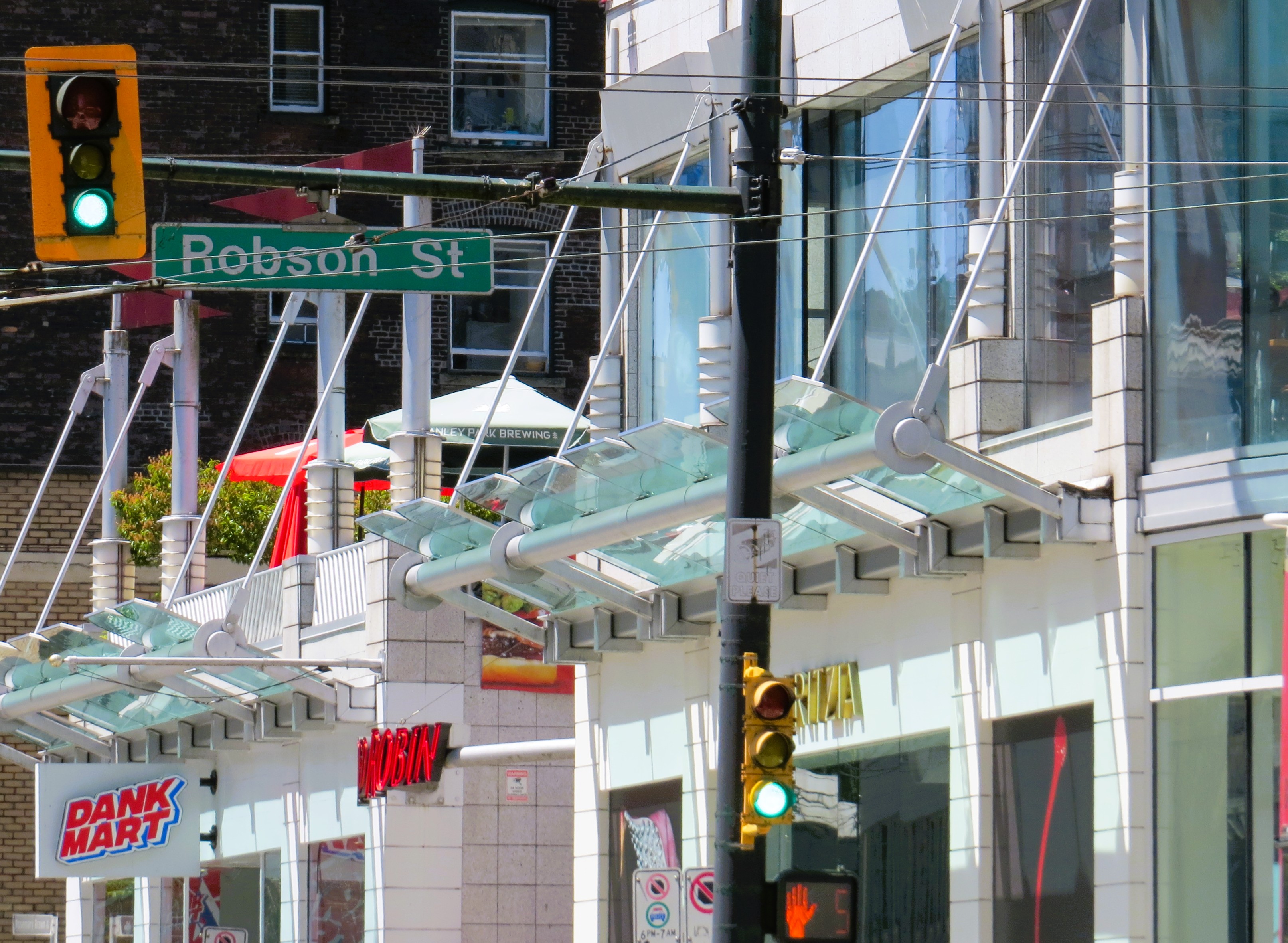
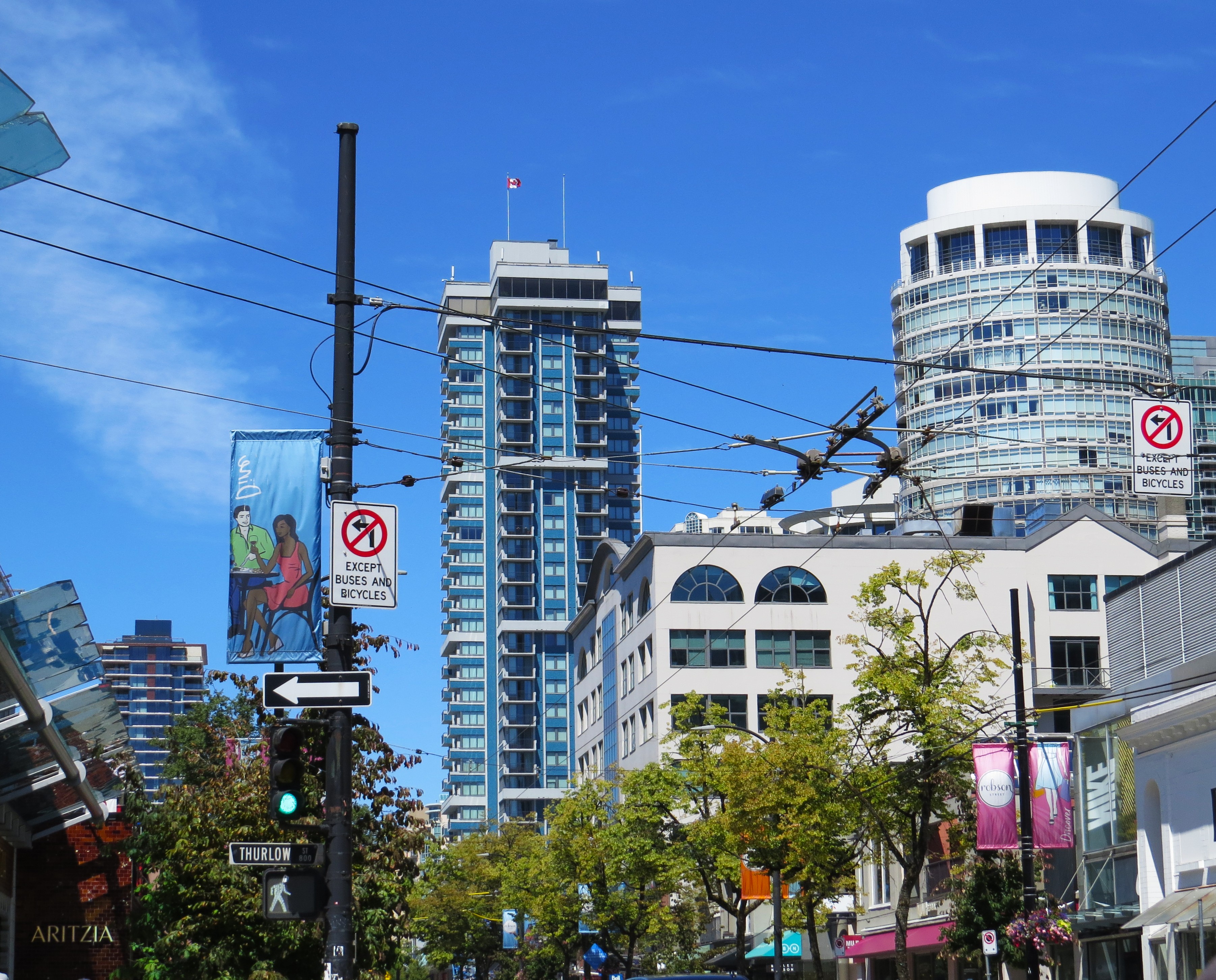
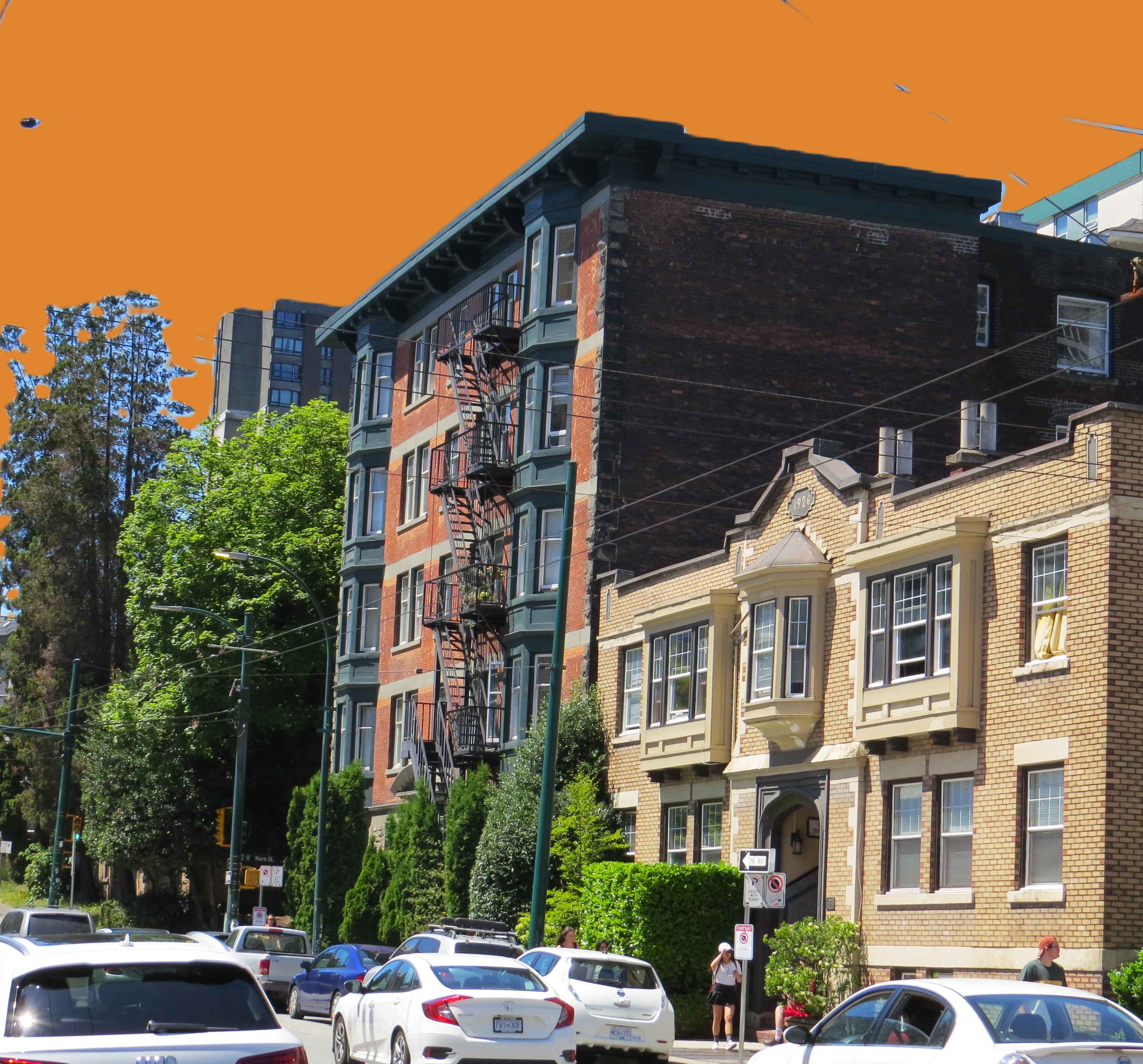
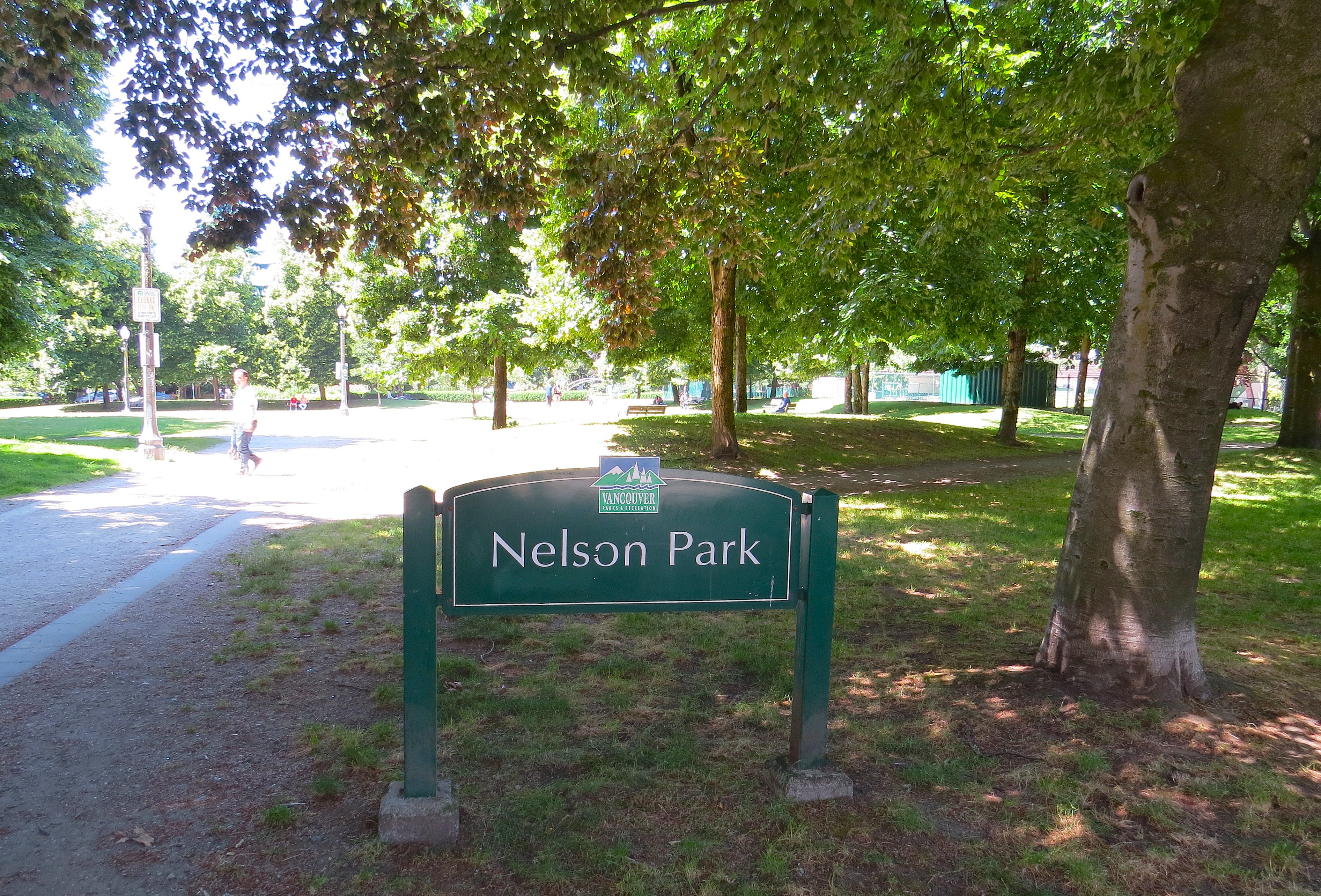
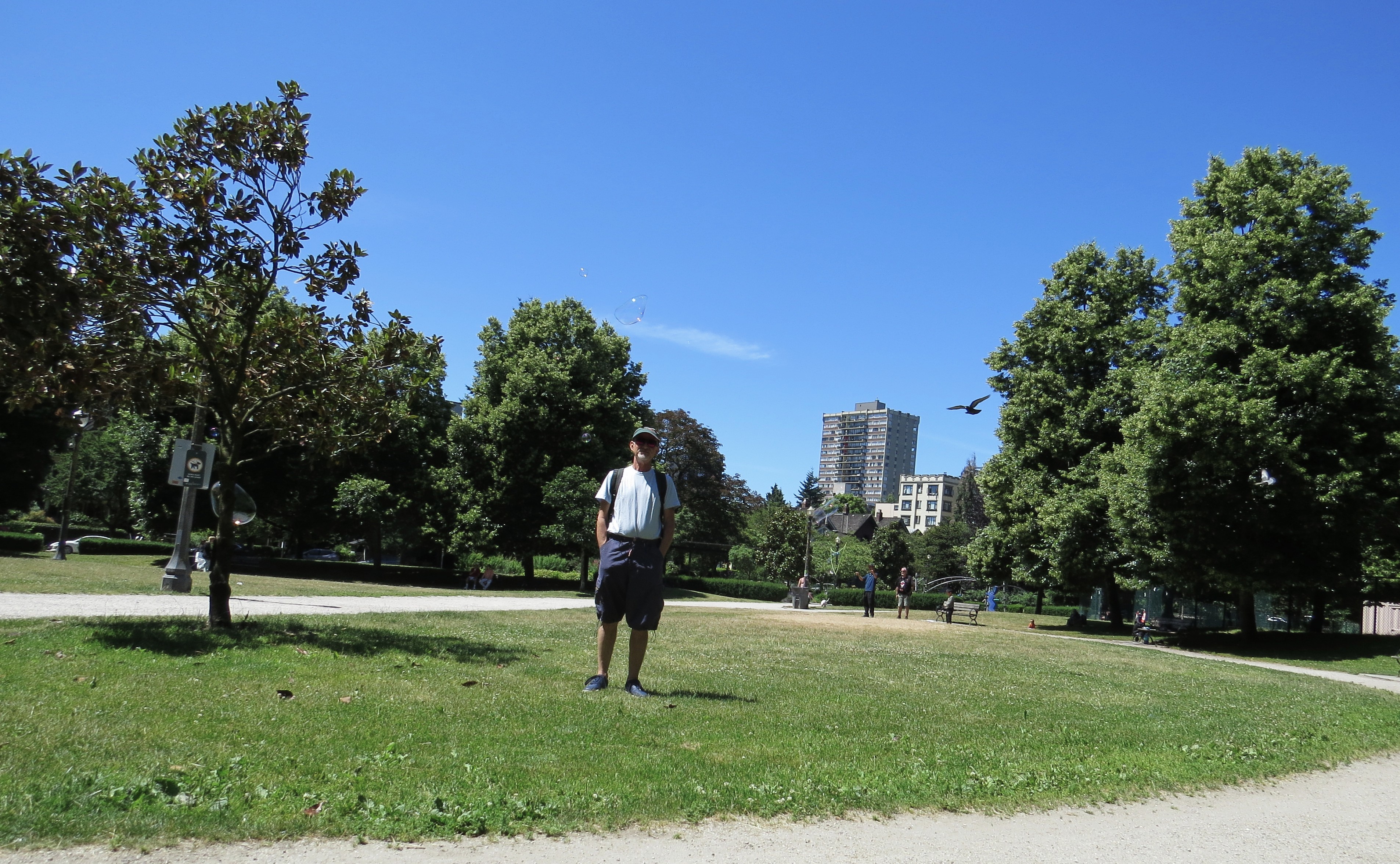
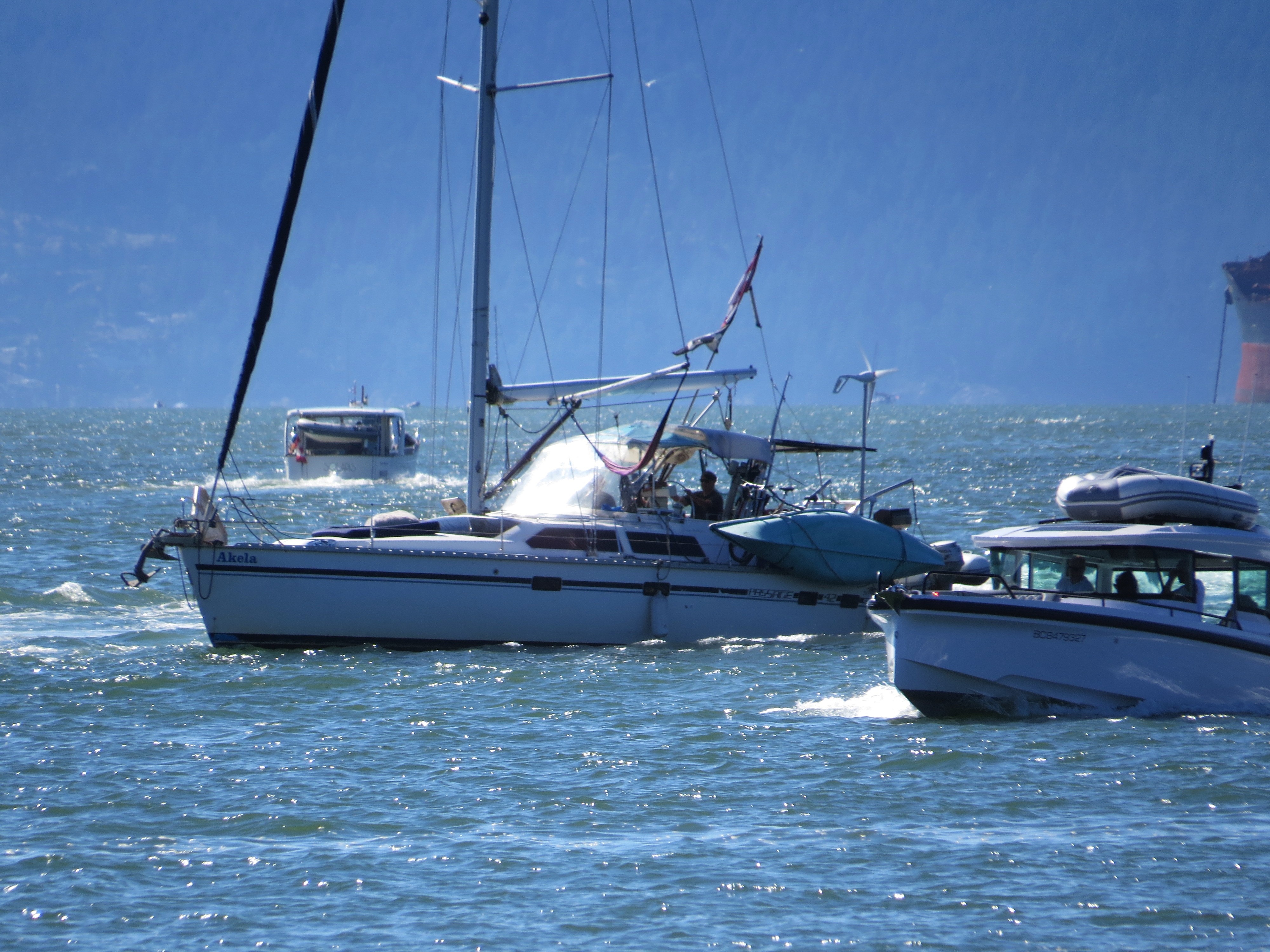
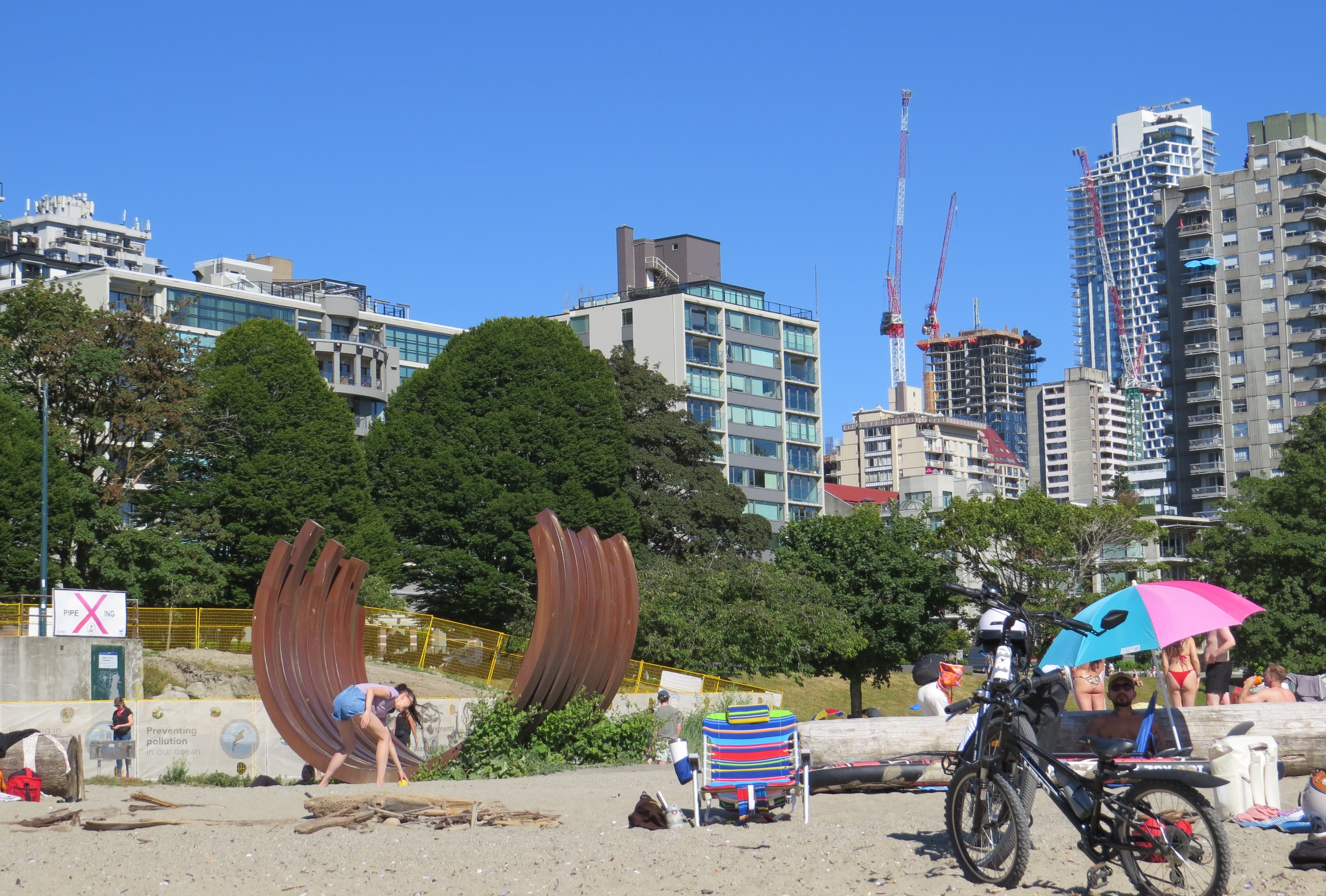
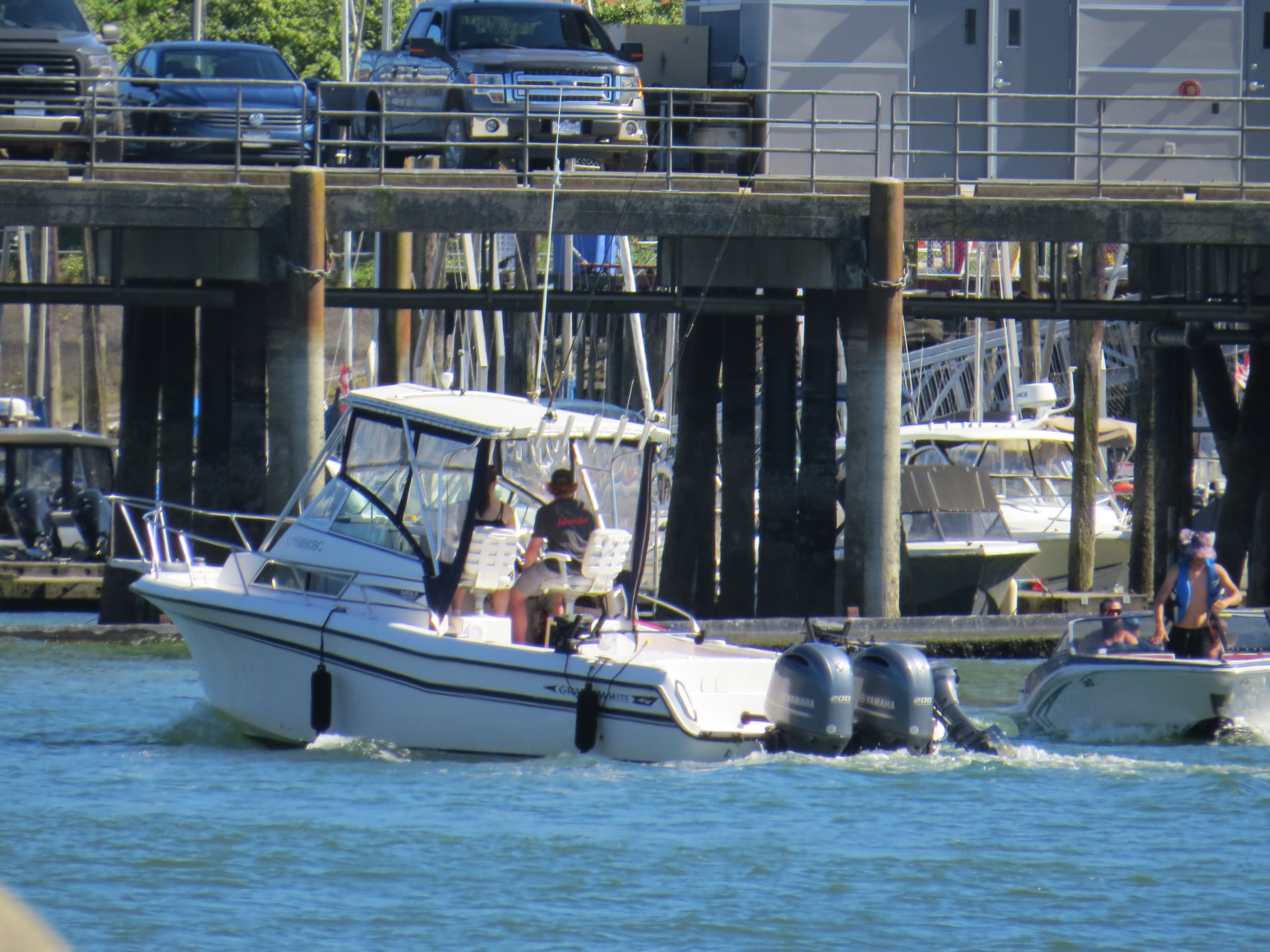
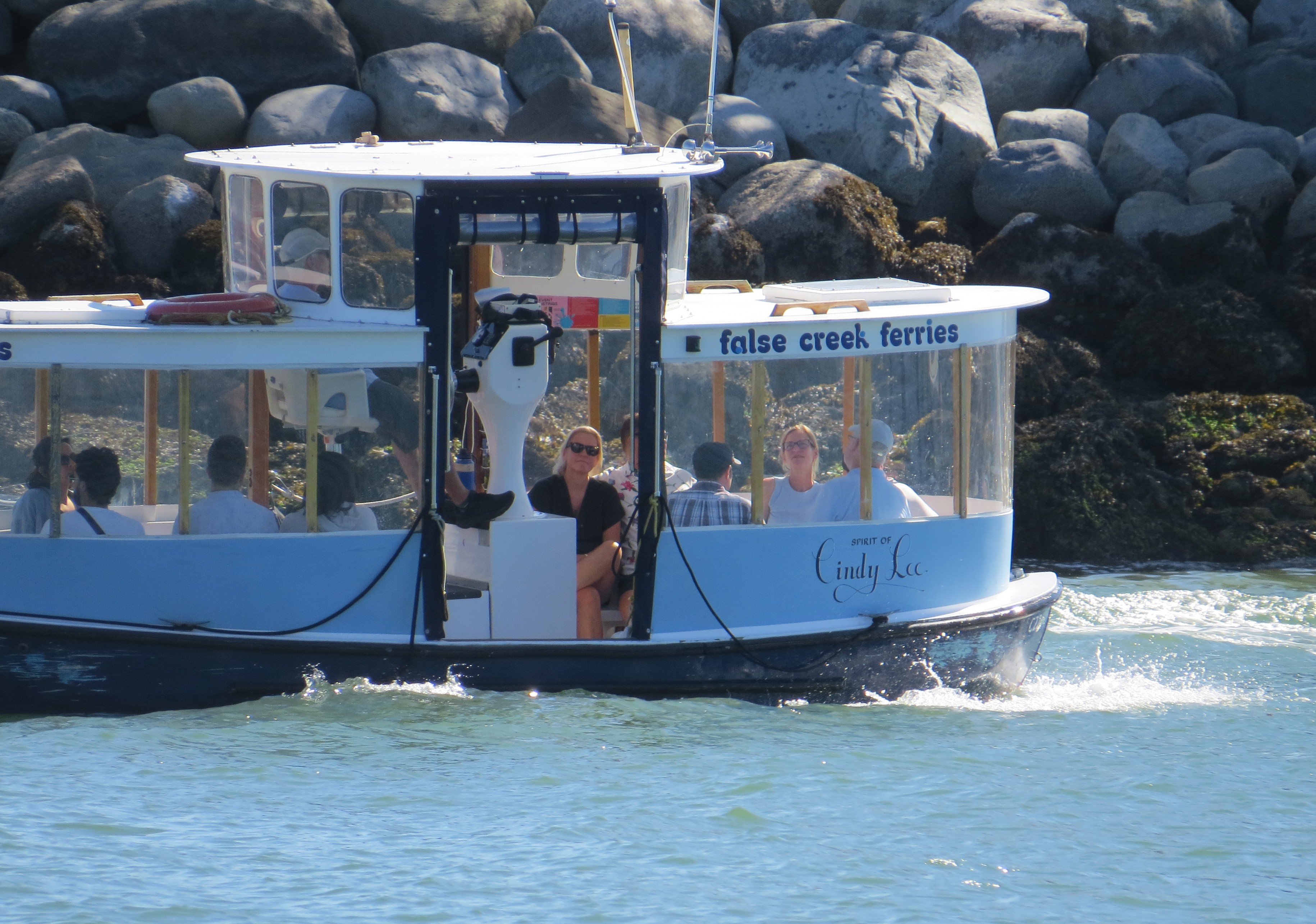
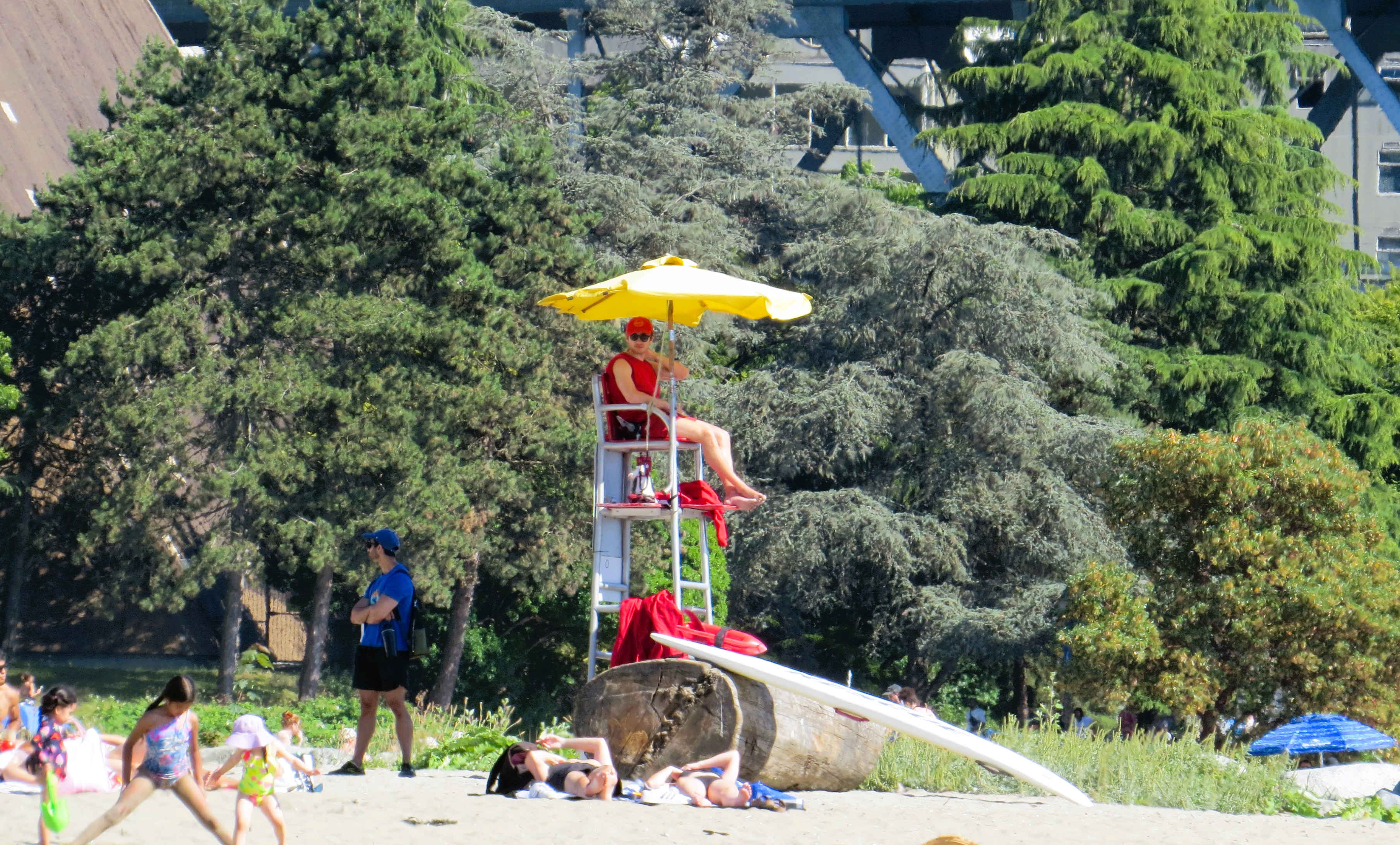
Let’s start with were it all begin in earnest, from our first own home belonging only to us. We met and fell in love almost on the slopes of towering peaks of Rocky Mountain. But it wasn’t till 1994 when we came here, to Greater Vancouver to start a new life in our first own apartment – our Home. On Capitol Hill in North Burnaby. But truly – for us here it is just one big Vancouver. A galery past and recent pictures of that amazing city on the shores of Pacific.

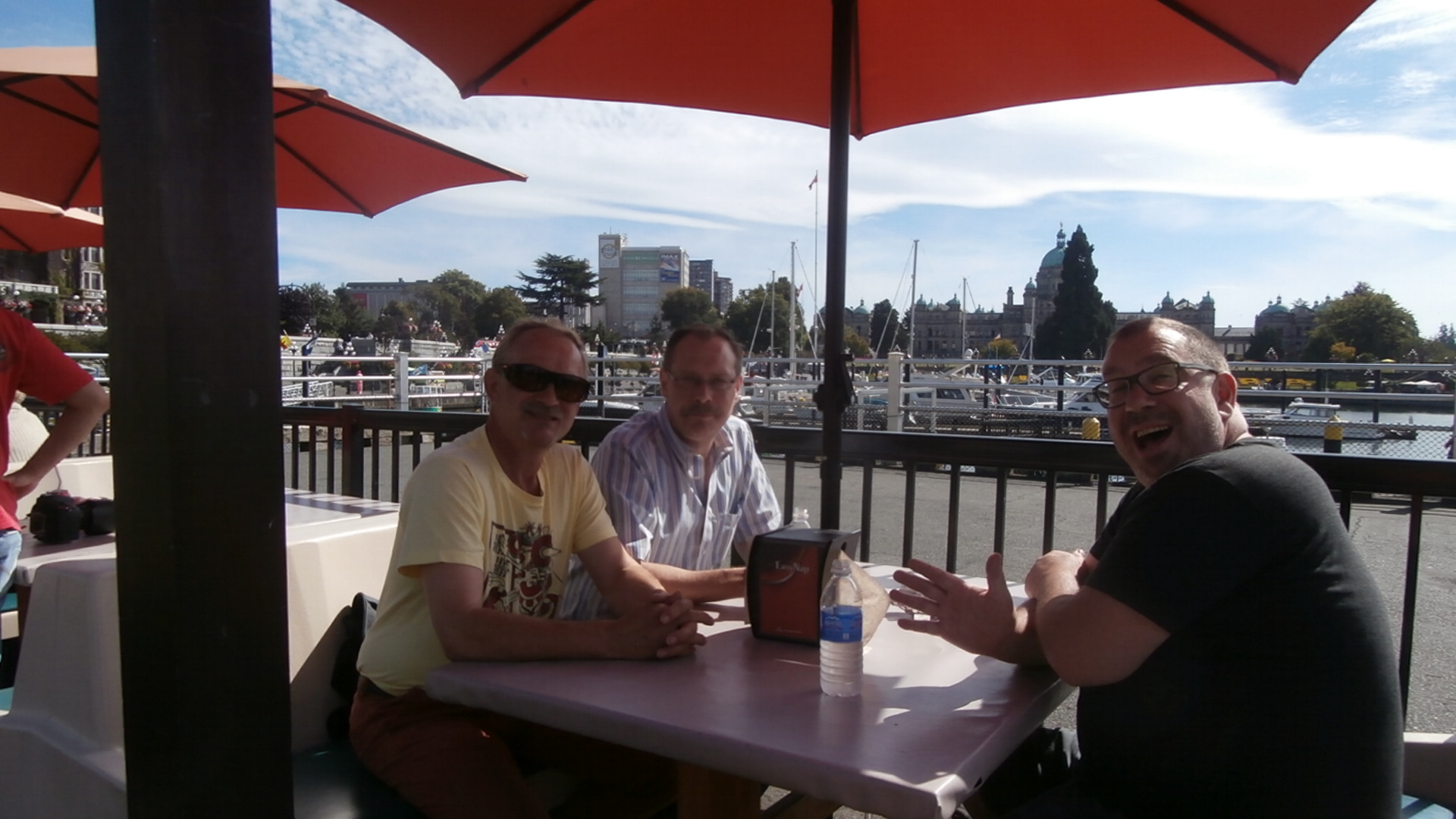
I just noticed that most of the pictures are of people much more than places … . But it is true – it is the people dear or important to you that makes a place – Home. A true home. Where you ar not a tourist, you belo g there, you are IT. My family, dear friends from work and my art promotor activities with poets, actors, musicians from Canada and Poland.

and Atlantic with Halifax – where it all begun for Canada, for entire North America de facto.

Thus end my own journey across the continent, from West to East, and back to West. My Journey of Love, love gifted to me by my own personal love, John. He was, still is in some way, my love to Canada, love of Canada. It begun some odd forty years ago. It didn’t change, it grew stronger perhaps. In a world of growing tensions, being ripped apart, sold to the highest bidder by two megalomaniacs, one from New York and Florida, other from murderous shadows of Kremlin – this country remained true to it’s Canadian core: polite, smiling, carrying. My Canada – a gift that I received from John. Gift of love to good, country, good people. Caring – as he was.

Ballada włóczykija

Ballada włóczykija

Siadamy na parapecie okna – ja i Zosia Nałkowska. Patrzymy, obserwujemy ulicę i przechodniów. Ona wie, że na mnie to nie robi wrażenia, ale siada zalotnie i poprawia uważnie szwy na nylonowych pończochach. To jest jej bardziej potrzebne niż mnie. I doceniam to, nie uważam za próżność.

Obserwujemy, jakie zmiany zaszły w polu jej widzenia[i]. Postrzega, że zauważyłem tą niewinną czynność poprawiania pończoszek na jej zgrabnych, długich nogach. Grozi mi palcem filuternie i śmieje się:

Ja wiem, że na was to nie robi znaczenia, wy nawet nas nie zauważacie, a nam zapach flirtu jest bardzo potrzebny. Chcemy być zauważone.

Pani Zofio kochana – takiej kobiety, jak pani jest niemożliwością nie zauważyć – odpowiadam w proteście.

Nałkowska poważnieje trochę, odwraca wzrok do szyby i patrzy, gdzieś w dal:

Naturalnie, że macie nienaganne maniery. Jak Andrzejewski, jak Iwaszkiewicz, ale to tylko maniery a nie potrzeba życia, mój drogi panie.

Po krótkiej chwili milczenia mówi tak, jakby mówiła do siebie, nie do mnie:

Wie pan, to ciekawe, bo wy jesteście bardzo podobni do nas czasem, w szyku, geście, w uwielbianiu niewinnego flirtu. A Marysia Dąbrowska, która winna być do was podobna – kompletnie na te falbanki uwagi na zwraca. Mmmm, ciekawe zaiste.

Właśnie miałem jej starać się to wytłumaczyć, odrzucić na bok banalność starych spostrzeżeń. Odwróciłem twarz do niej … i nic. Nie było śladu po niej. Rozpłynęła się we mgle czasu.

Ciekawe jakby potoczyłaby się moja rozmowa z Gombrowiczem w Warszawie czy w Buenos Aires? Niby tak, niby napisał ten „Kronos”[ii], tak chroniony przez Ritę, skrywany, że gdy wiele lat po jego śmierci w końcu go wydano prawie cały literacki półświatek padł na kolana: co za szczerość, co za odwaga (po śmieci, co prawda, ale chyba odwaga, bo spiż mógłby się nieco ukruszyć). A ja mam tyle do niego pytań, na które ani w Kronosie ani w Dziennikach nie odpowiedział. Nie wiem, co jest w sumie ważniejsze: fakty czy przemyślenia? Gdzie jest granica etyki, a gdzie tylko szablon środowiskowego savoir faire?

Gombrowicz był wielkim pisarzem, full stop. Więc musi być pytany, rozpatrywany inaczej. Skandalik tu i tam, portowy chłopak na randce ze starzejącym się pisarzem, lęk o tantiemy i opinie – to ważne.  I jednocześnie tylko drugorzędne. Istotne jest wejrzenie, podglądnięcie jego intelektualnej, filozoficznej barwy.  Intelektualiści akademiccy często nijak nie potrafią zrozumieć intelektualizmu artysty. To się odbywa na innych zupełnie piętrach. Pisarz (niekoniecznie literaci, których jest dużo więcej) prowadzi nade wszystko nieustanną dyskusję z samym sobą. I stały głód życia, nigdy niezaspokojony.

A przecież rozmów z Nałkowską ani z Gombrowiczem nie odbyłem. Zmuszony jestem, nolens volens, na własną wiwisekcję, własne poszukiwanie siebie, kim jestem często podświadomie, w czasie samotnych spacerów i poza ścianami mojego mieszkania, a niezauważalne dla mnie publicznego.

               Naturalnie, że żyję. Przejechałem znów cały kontynent, by to życie ożywić, odnaleźć nasze ślady. Ślady naszej miłości, twoje ślady. Twojego uśmiechu, twojej dobroci. Spić z twoich ust czarę mojego szczęścia, które miałem, znałem. Nawet w dni niepogody wiedziałem, że je mam. W dni niepogody było też pogodnie, w dni zimowe było ciepło.

Wszystko, co robię pozostaje niedokończone, a constant jest tylko pustka. Przeraźliwa, obezwładniająca. Wszyscy wokół są mili i dobrzy, a mimo, że znam ich – mówią gwarą dziwną, trudno rozpoznawalną, zagmatwanymi metaforami. Monette[iii] mi to przypomniał.

Więc siadam i ballada jakaś spływa na kartkę spod długopisu w formie sobie tylko znanej. Pisałem tak, jak bardzo dawno temu na kawiarnianych serwetkach w kafejkach mojej, nieistniejącej już też, Warszawy.  Słowa po słowie, bez zwracania uwagi na formę, konstrukcję. Ballada, jako forma śpiewana przy ognisku, butelce wina. Obok ten chłopak lub ta dziewczyna. No właśnie tak.

Apetyt na czereśnie

Jest głód jeszcze

– a brak apetytu.

Jeszcze nęcą czereśnie,

że nie za późno, nie za wcześnie,

choć nie wiem, czy to nie we śnie.

Z zapomnianych nocy letnich,

Szekspirowskich westchnień, żądz.

Niedosycenie świata,

znudzenie śmiercią,

która się ociąga –

– tragizm ubrany w suknię farsy.

Śmiech, jak zgrzyt zardzewiałego

gwoździa na szybie okna.

Ależ tak, wiem:

te czereśnie jeszcze,

jeszcze płatki dzikiej róży,

jak wargi drżące,

spocone lekkim syropem

woni i obietnicy. Czego?

Dzwoni telefon. Odbieram: słucham.

Dzień dobry, tu Stamtąd. Miał pan wrócić, czekam, a po panu nawet śladu. My tu wiemy: i czereśnie i róże są na dole i są w górze. I wargi drżące, lepkie – ale miał pan być, trzeci sezon mija. Co z tego, że czereśnie?  Pestki nawet nie zostały. Róże, jak wargi rozchylone? Proszę przyjeżdżać, lub zwrócić cenę biletu. A róże proszę pana nie mają warg, tylko płatki.

I trzask, słuchawka upadła na widełki i rozmowa się skończyła. Kto dzwonił, skąd dzwonił? Bies czy anioł? Pojęcia nie mam. Takie telefony, co się kładzie słuchawkę na widełki nie mają wyświetlacza numerów, które dzwonią. Nawet nie wiedziałem, że mam jeszcze taki pod ręką. Widać miałem, bo rozmawiałem?

(pisane innym razem i odnalezione w notesach – na ten sam temat)

Niecierpliwość rosnąca każdego dnia, przysypiająca krótkimi nocami z nadzieją, że jutro będzie lżej. Oczywiście nie jest.

Wyszedłem na spacer, rzecz zwykła. Nie wziąłem parasola. a siąpi. Naturalnie, że nie jestem z cukru, nie roztopię się. Ale jestem okularnikiem i te protezy wzroku zaraz spryskane kropelkami wody – i zły humor popsuł cały spacer.

Zachodzę do znajomej kafejki obok, zamawiam expresso. Dobre. Mocne, jak siekiera. Czy pomaga? Raczej nie, ale trzeźwieje i przywraca do rzeczywistości, tej powypadkowej. Może nawet nie tej pół-inwalidzkiej rzeczywistości po wypadku, a po prostu zwyczajnej rzeczywistości starzejącego się samotnego pana. Starzenie, jako-takie też mi po prawdzie nie przeszkadza. Tylko ten tytuł ‘samotnego’ jest przykry, niespodziewany, nieoczekiwany.  Czy Gombrowiczowi dokuczała samotność? Z Ritą musiał być samotny, nie była jego miłością, pasją. Była – i to wszystko. Tak, jak byli chłopcy z portowych dzielnic. Im więcej ich było – tym bardziej samotność dokuczała. Nie miał tego luksusu pasji i spełnienia, jaka była udziałem jego dobroczyńcy literackiego – Kota Jeleńskiego.

A ty, jaki jesteś? – pytam siebie. Odpowiadam Johnowi, mojemu Chłopcu, odpowiadam zapisem z pierwszych tygodni od jego odejścia. Może miesiąca, dwóch. Nie mam dokładnej daty tego zapisu, ale łatwo z tekstu mogę to kalendarzowo określić. Mówię mu, że był architektem ‘mnie’, jakim jestem, nie odrzucając niczego z mojej konstrukcji wcześniejszej – dobudował piętra, pokoje, wykusze.

               Wiosna. Jest ciepło. w alejach parku rozmawiam z Tobą. Miła rozmowa. Dodałeś mi znowu otuchy. Nikt, tak jak Ty, tego robić nie potrafi. Twoje naturalne ciepło i dobroć są zaraźliwe. Jesteś jakimś dziwnym mnichem, który bez hałasu, heroizmu po prostu daje siebie. Tak zwyczajnie, trudno to nawet zauważyć, bo jest tak naturalne, jak oddech powietrza.

Ale brak mi strasznie Twojej fizycznej obecności. Przynosiła spokój mojej skołatanej głowie, kłębowisku myśli. Wprowadzała ład.

Zabierałeś tak mało miejsca w świecie. Niezauważalny pyłek na drodze, maleńki trybik w wielkiej maszynie. Gdy ja zmagałem się z tymi wielkimi kołami historii, ty po prostu dbałeś, aby kawa była smaczna, a obiad ładnie podany. Dzięki tym drobiazgom ta wielka deus ex machina mogła funkcjonować.  Teraz, bez tego maleńkiego trybiku maszyna zatrzymała się. Zatrzymał się mój świat – ten wielki i ważny świat. Bez tego jednego trybu wielkie koło Historii stanęło w miejscu. I jestem zagubiony.

Czasem, w momentach najzimniejszych otulam się szalikiem naszych wspomnień i jest cieplej, mogę funkcjonować.

Czy to coś zmienia, czy odpowiedziałem na poszukiwania Gombrowicza? Znalazłem piętro, gdzie funkcjonuje umysł i duch artysty?

A może wystarczy kubek

dobrej czarnej kawy

z Buenos czy z Warszawy

może wszystko jest jak czubek

wiedzy niedostępnej , trwałej

która wiemy że jest.

Poeta zrobił gest

czułości pełnej i całej.

Jakaś konkluzja, kwintesencja życia i jego sensu? A skądże! Życie polega na pytaniu, na drodze, na ruchu. Szukaniu siebie. W tym Gombrowiczowi pisanie ‘Kronosu’ bardzo pomogło. Trzeba te wszystkie detale zapisać, by między linijkami tekstu znaleźć część siebie. Ten opis zdarzeń i czynności do pewnego stopnia jest bezużyteczny dla zrozumienia, kim się jest. Zwykłe pamiętniki lub dzienniki są dobre dla badaczy, którzy muszą wszystkie filiżanki, kubki i krawaty ułożyć równo na długich półkach w chronologicznej ciągłości.

Dla zrozumienia, kim twórca był – są kompletnie bezużyteczne. Wiadomo, że życie musi być wypełnione czynnościami: trzeba wstać z łóżka, wypić kawę, podrapać się po głowie i po  … tak, tam też, po dupie.  Pójść do pracy lub na spacer. Ale najistotniejszym zajęciem jest poszukiwanie siebie, uczenie się siebie, poznawanie siebie.

Kilka miesięcy temu napisałem wiersz krótki, który wtedy wydał mi się pozytywnym zrozumiem, gdzie jestem w tym momencie. A to nie przykuwa kajdanami do celi, przeciwnie – daje solidne zrozumienie się w tym etapie życia. Samookreślenie.

Coś się przebudziło we mnie,

jakaś uśpiona joie de vivre,

jakiś prezent życia, może zryw

co było, przetrwało niezmiennie.

Przez dzieciństwa łąki nad rzekami,

przez młodości loty nad szczytami,

po dojrzałość rozerwaną oceanami,

aż do czasów, gdy zostajemy sami.

Poszukiwanie siebie, uczenie się siebie jest bodaj najcenniejszym zajęciem twórcy. Poemat, fuga, balet, obraz nie musi być źródłem wiedzy dla publiczności o prywatnym ego twórcy. Zawierają w swej formie przekaz czysto artystyczny, czytelny na różne sposoby przez odbiorcę.  Ale dla badacza twórczości X lub Y są możliwością spojrzenia przez dziurkę od klucza we wnętrze twórcy, wnętrze duszy tego artysty, ujrzenia go In statu nascendi. Dla twórcy – a byłbym ryzykował twierdzenie, że jest to proces uczenia dostępny dla każdego człowieka i bardzo pomocny w mierzeniu się z wyzwaniami życia – to niezbędny proces poznawania się, odkrywania tego centrum, jądra, kim jesteśmy. Gdy odkryjemy tą drogę, to o ileż bezpieczniej przetrwać wielkie burze i kataklizmy życiowe. To nasz azymut i busola.


[i] Zofia Nałkowska przez wiele lat prowadziła Dzienniki i szereg jej nowych zapisów zaczynała od zwrotu: i znów zaszła zmiana w polu mojego widzenia.

[ii] „Kronos”. Witold Gombrowicz, Wydawnictwo Literackie, Kraków, 2013, s.460.

[iii] Paul Monett – poeta i pisarz czasów epidemii AIDSa w Ameryce Północnej.
Moon – once more

Moon – once more

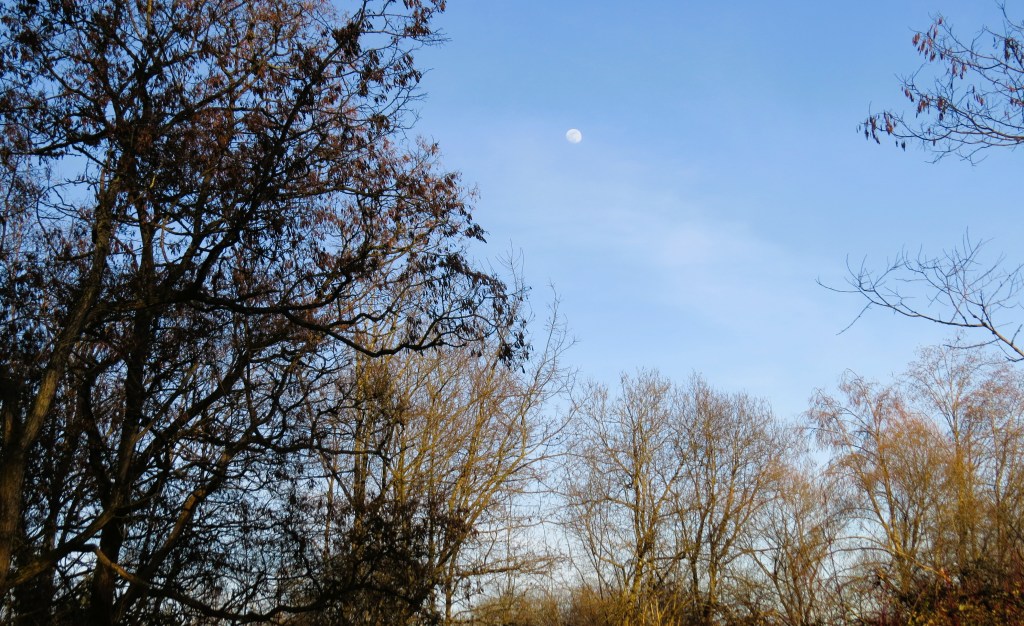
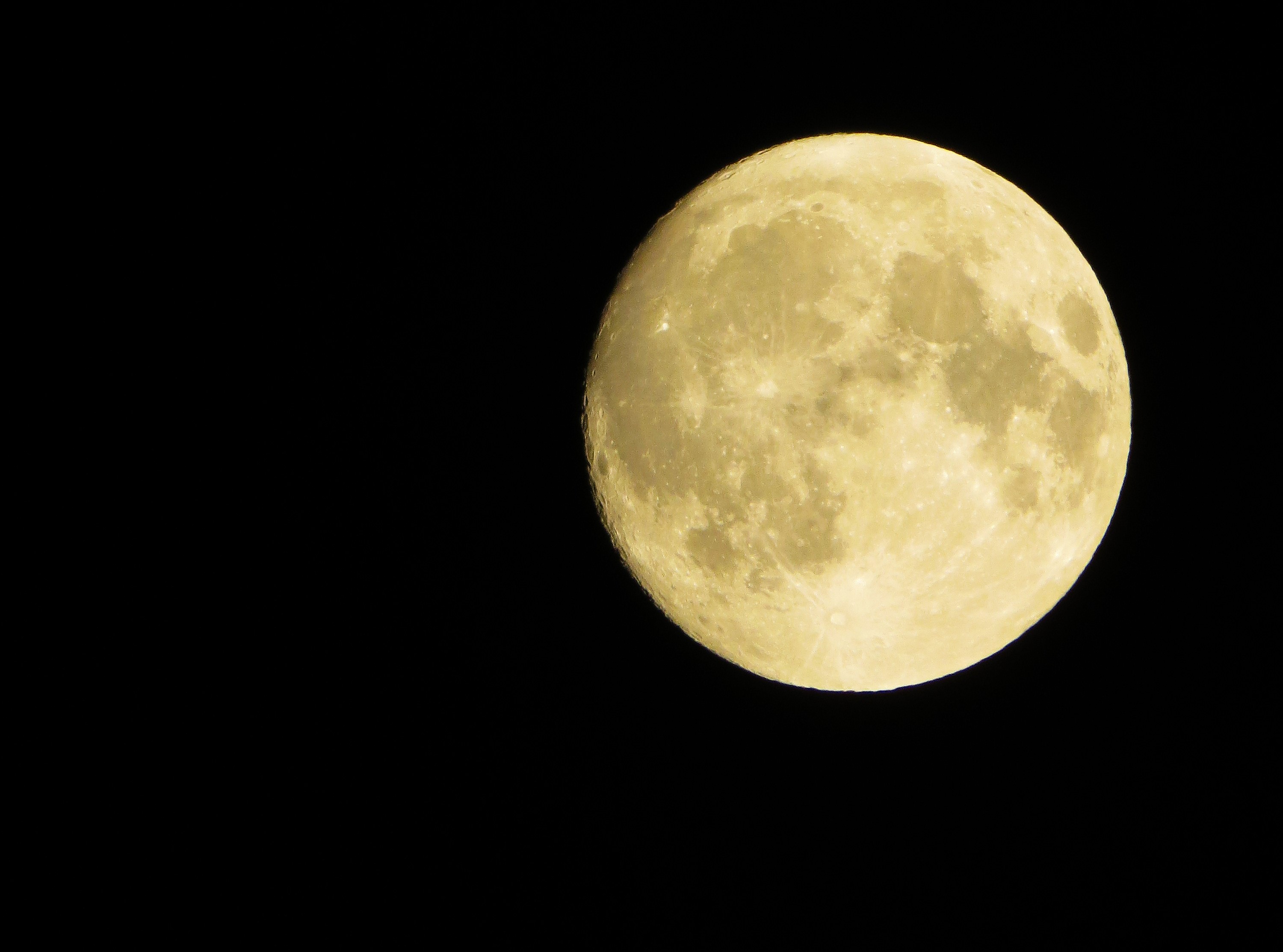
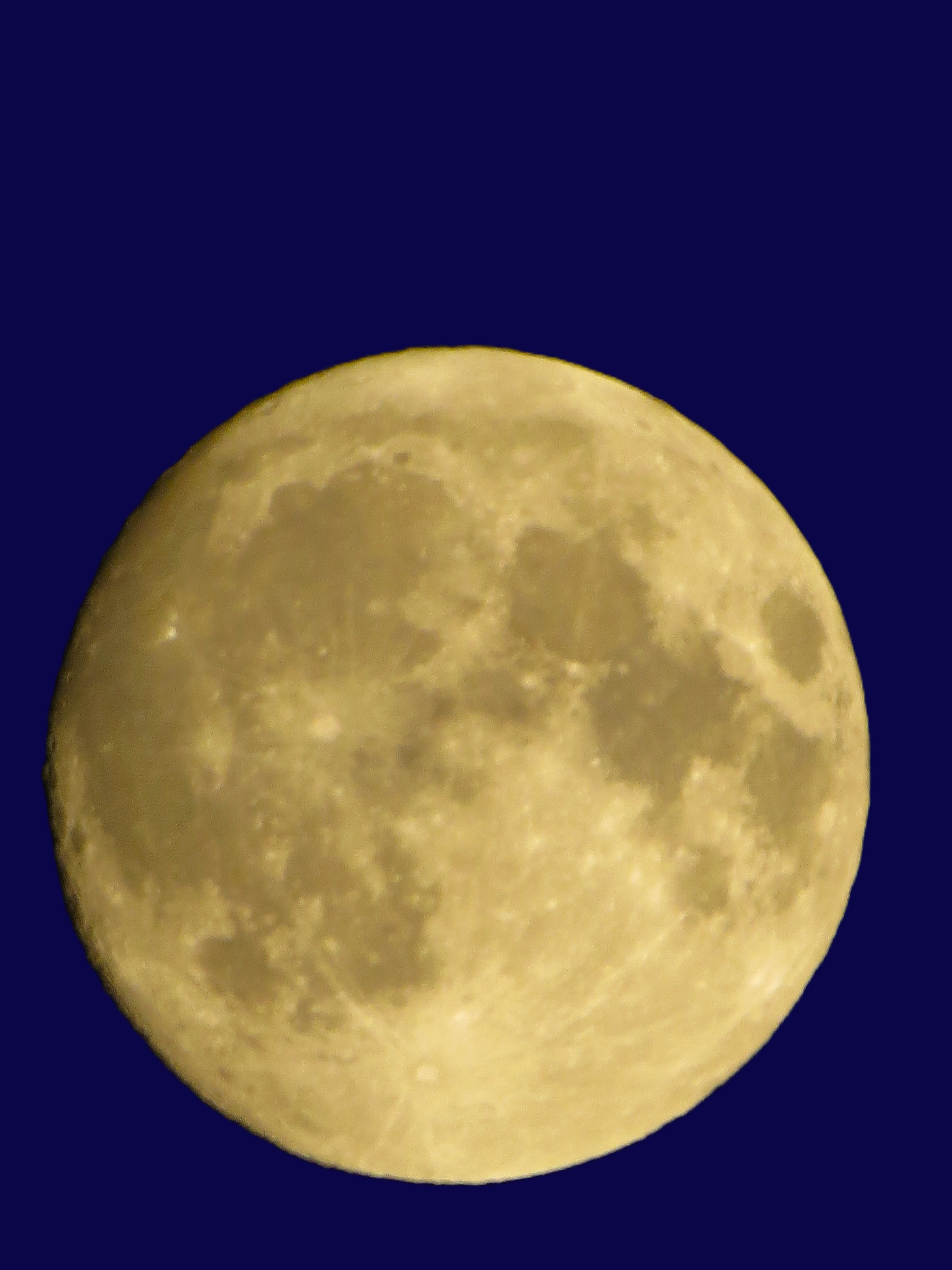
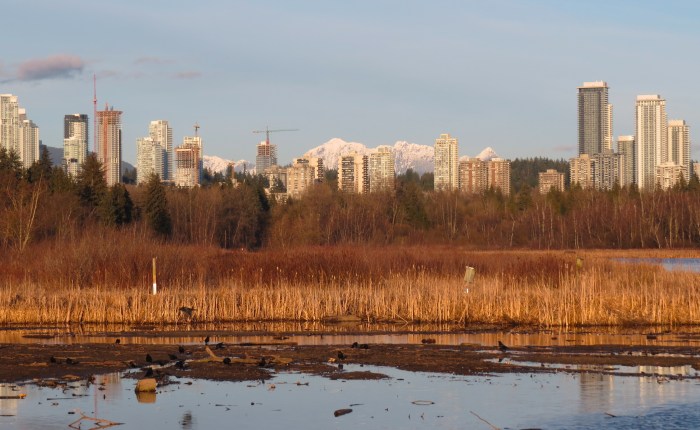
I know I have said in previous post my goodbye to the Moon in Halifax. But today, while sitting at night time on My Rocks, the Moon yelled at me: hey! I have seen your post the other day. If you are saying ‘goodbye’ than might as well take my full portrait, not just part of my face. And he did smiled broadly and showed me his round full face. Wont be any closer soon, so here we go once more and few pics of Halifax’s waterfront as seen from Dartmouth.

Fort Needham – a tribute

Bell Tower on the hill

Fort Needham

It sits upon a hill.

Peacefully, pleasantly

offering a nice view

of Bedford Basin to the left,

and the Narrows to the right.

Time is dangerous –

First world war raging somewhere in

mud of France and Belgium.

Canadian boys are gassed

to death as they jump

from their trenches

in an effort to gain

few feet of that foreign soil.

If the gas is not used,

they are cut in half by

Mauser machine guns.

Time is prosperous In Halifax:

The Harbour bustling with

sea and train traffic from

all over North America.

Shops are full of local

and foreign sailors,

merchants and buyers,

fishermen sale their

daily fresh catch straight

from their wooden boats.

Powerful artillery guns

protect the entrance

to Halifax Harbour

from any attempt by

Emperor Wilhelm Imperial Navy

to conquer the entrance

to entire North America.

The Fortress of Halifax

safeguards Boston and

the rest of United States.

It is not a bad day

in the Harbour

on December 6, 1917.

The Norwegian ship ‘Elmo’

filled with fresh relief supplies

for the war-torn Belgians in Europe

slowly begins its voyage

from Bedford Basin, enters

the tight waters of the Narrows.

But the war in Europe needs

more than bread and flower.

It needs also munitions, gun powder,

chemicals to make bombs.

Comes another vessel,

the French war supply ship,

– ‘Mont-Blanc’.  

Like the snow-covered

peak in the French Alps.

It is sailing from Halifax

to Bedford Basin.

People gather on the Richmond Hill,

on the slopes of Fort Needham

to watch the passing foreign ships.

Fathers hold their children

by hand and explain to them

the colours of the flags,

the foreign ensigns.

Boys are particularly exited.

Scared, but excited even more

when the two ships collide.

As boys all over the world do,

when they see an accident happening.

The ‘Mont-Blanc’ burned for half an hour.

Then the world collapsed.

Upon the ships,

upon the boys on hill

and boys playing in their homes,

in their backyards,

seating on their grandmas laps.

It collapsed on the grandmas

 and grandpas, too.

It collapsed on their city.

It is late summer, 2024.

I walk the slope of Port Needham

to it’s flat top.

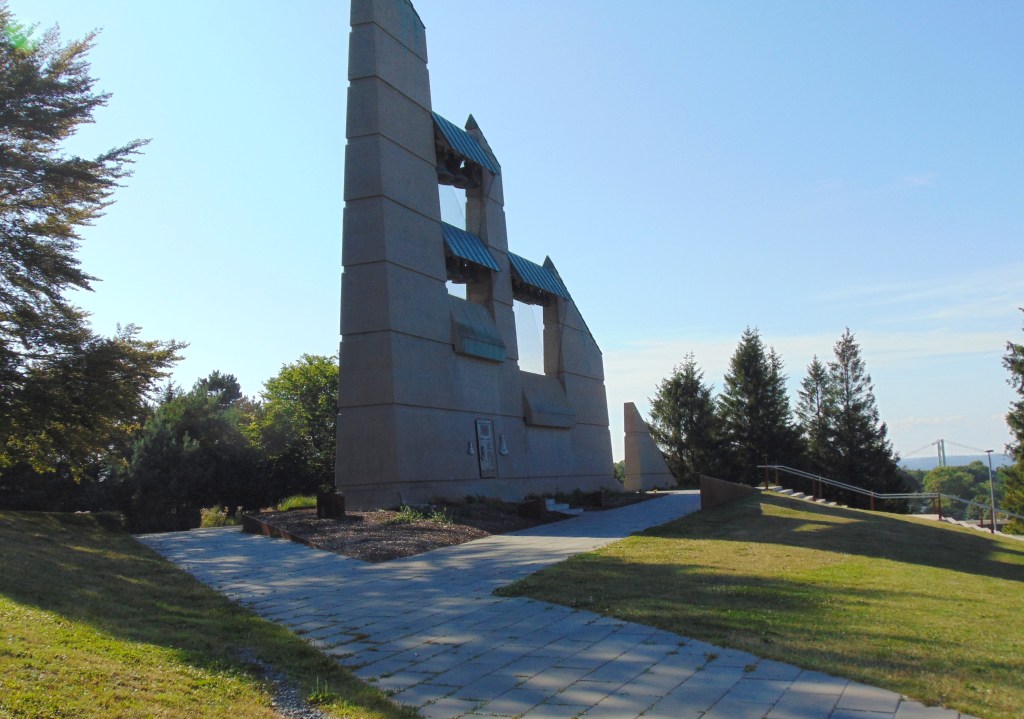
In the middle seats a large structure

of modern bell tower.

I see the Tower from my window

on the other side of the Narrows.

It’s 2 o’clock.

Time for the Bells to sing,

to cry and to remember.

Every day and every boy,

who perished than.

Every girl and uncle,

and mum an pop.

Even the lonely

older chap, whose name

no one knew and no one will.

All one thousand

nine hundred

forty six.

The largest explosion

Prior to Hiroshima

and Nagasaki.

A poet remembers, too.

(Bogumil Pacak-Gamalski, 09.09. 2024)

Summer, summer … it’s time to slowly close the season of fun on the Eastern Coast of Nova Scotia

Summer, summer … it’s time to slowly close the season of fun on the Eastern Coast of Nova Scotia

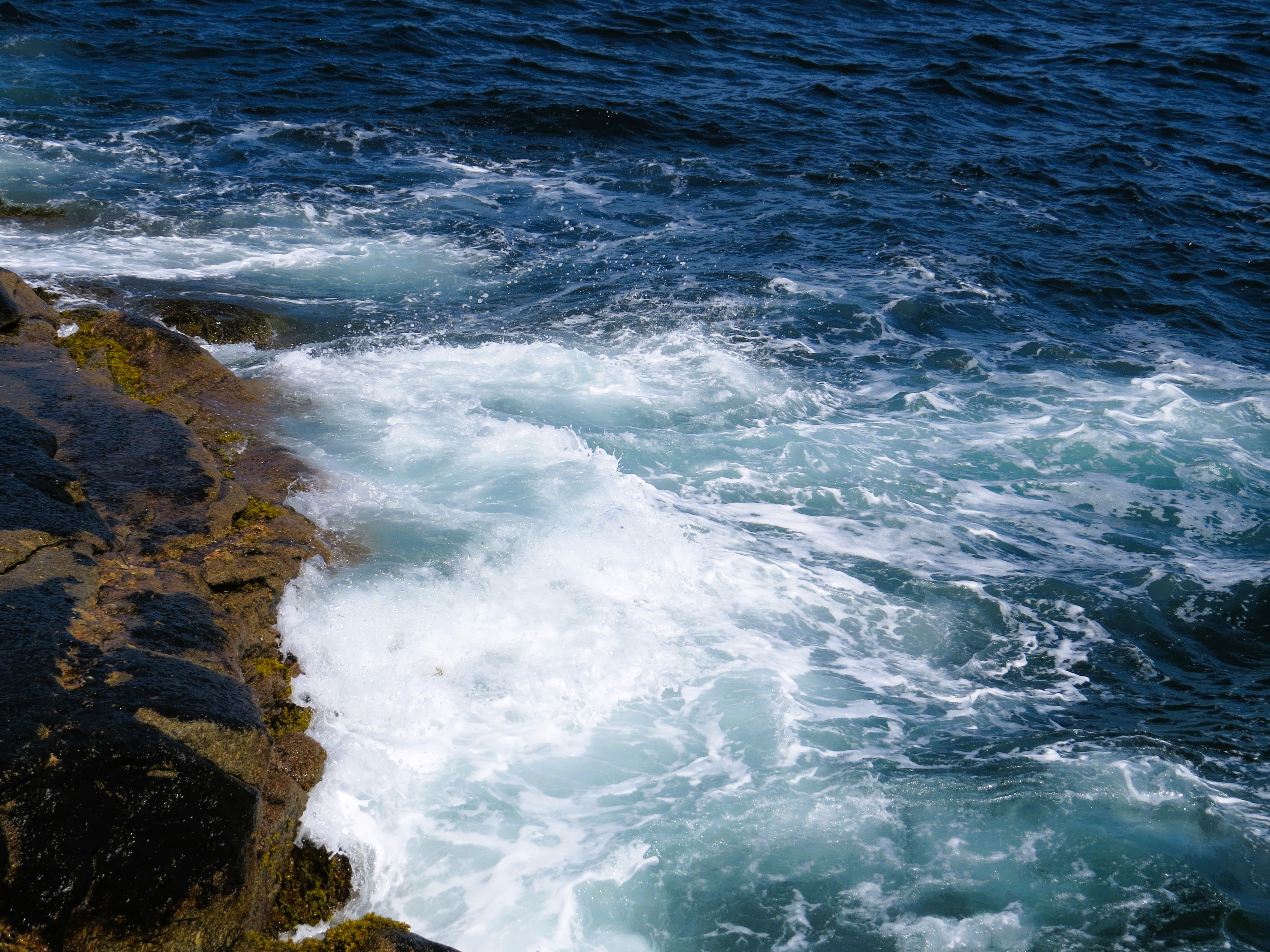
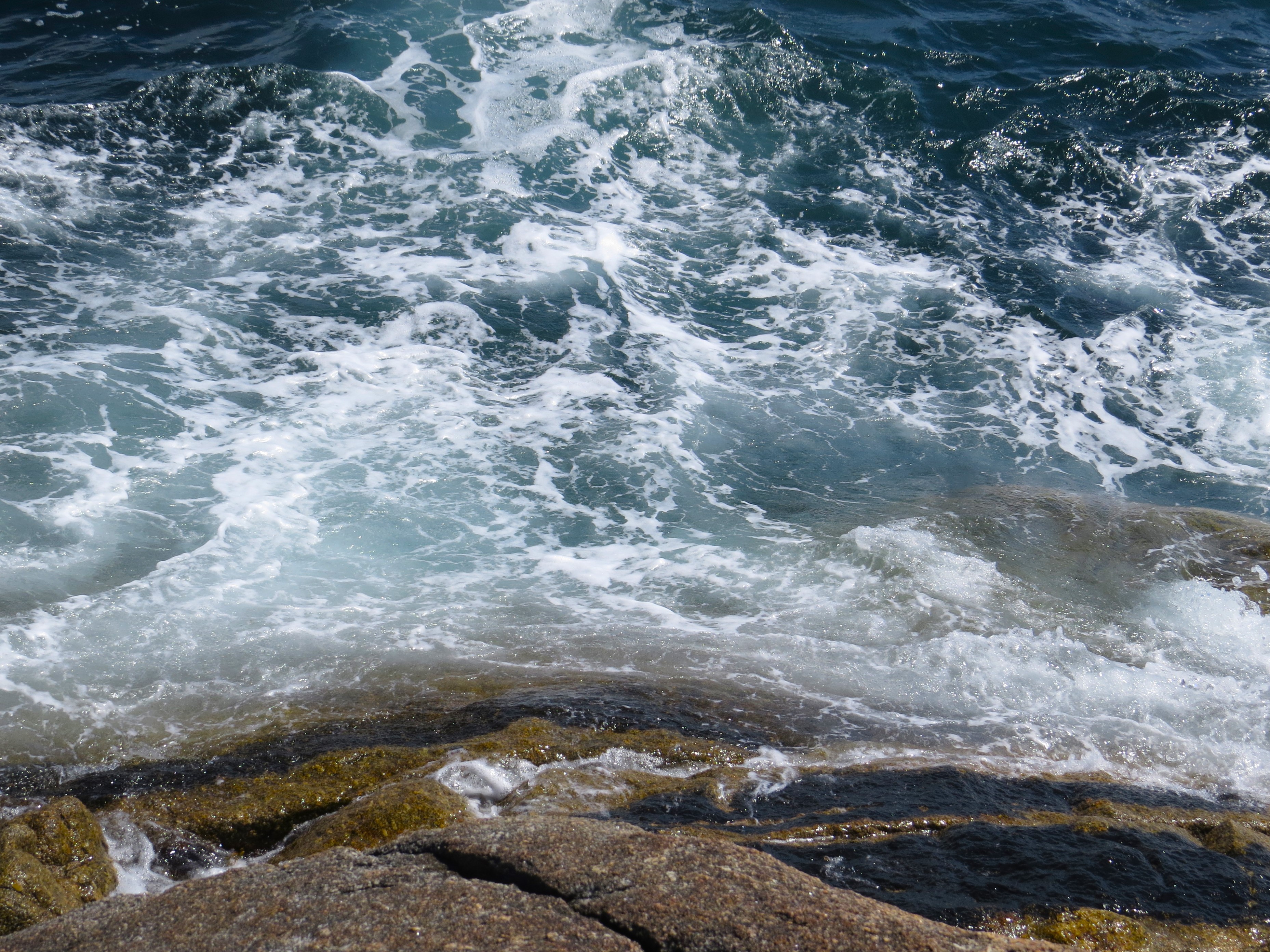
Everything good must come to an end. Summer is receding from the trails and beaches of Nova Scotia. So is my presence in that province of Canada. Time to pack my beach chair … and pack my belongings after six years. For a small province that’s a long time to travel to places known and places less travelled. By now, my Dear Reader you probably know much more about this land from where the entire hemisphere sprang to life under new overlord – the Europeans. But people come and go – the land remains. And the old inhabitants from ancien time remain too – the Lnu People, of which novascotian native Mi’kmaq people are part.

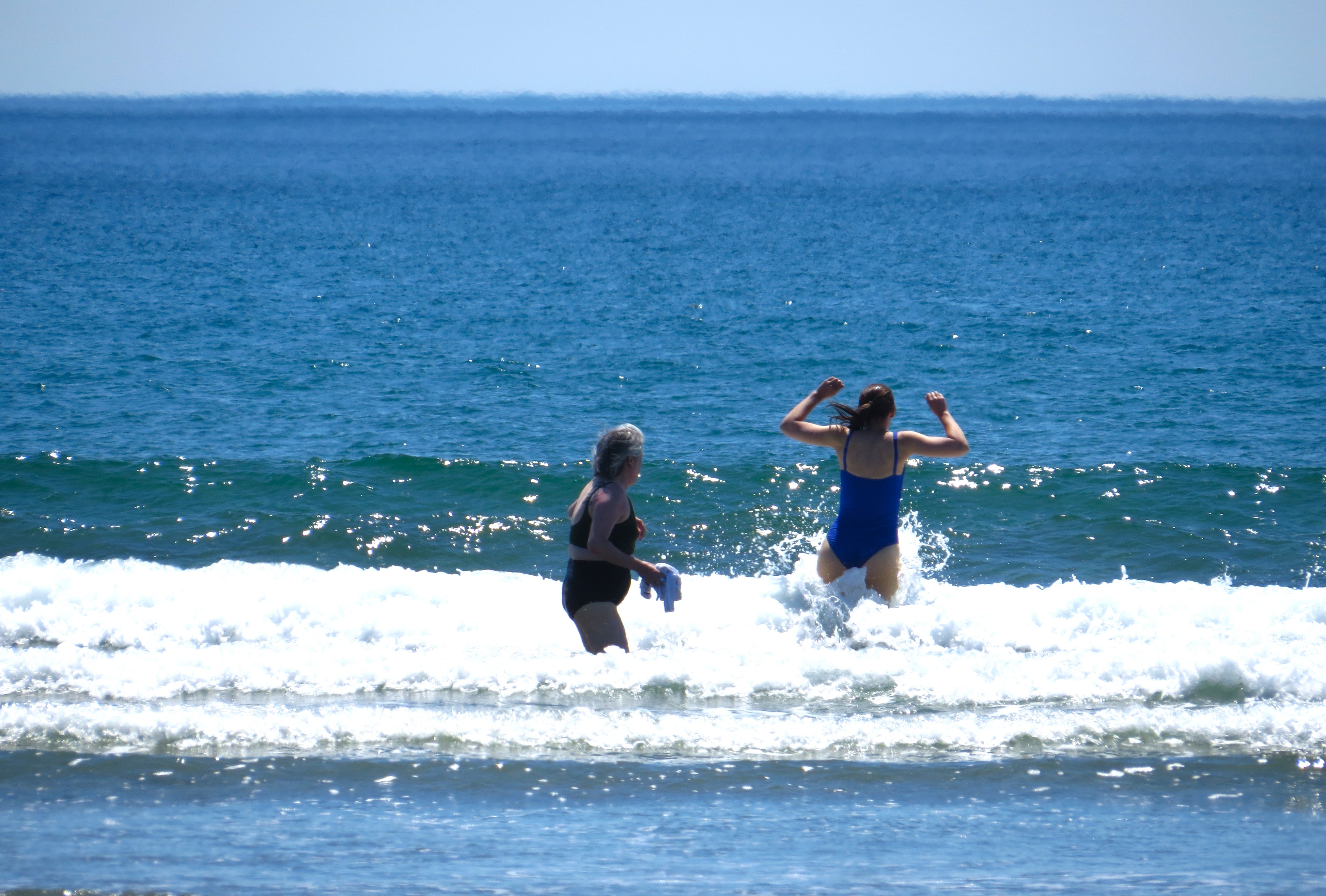
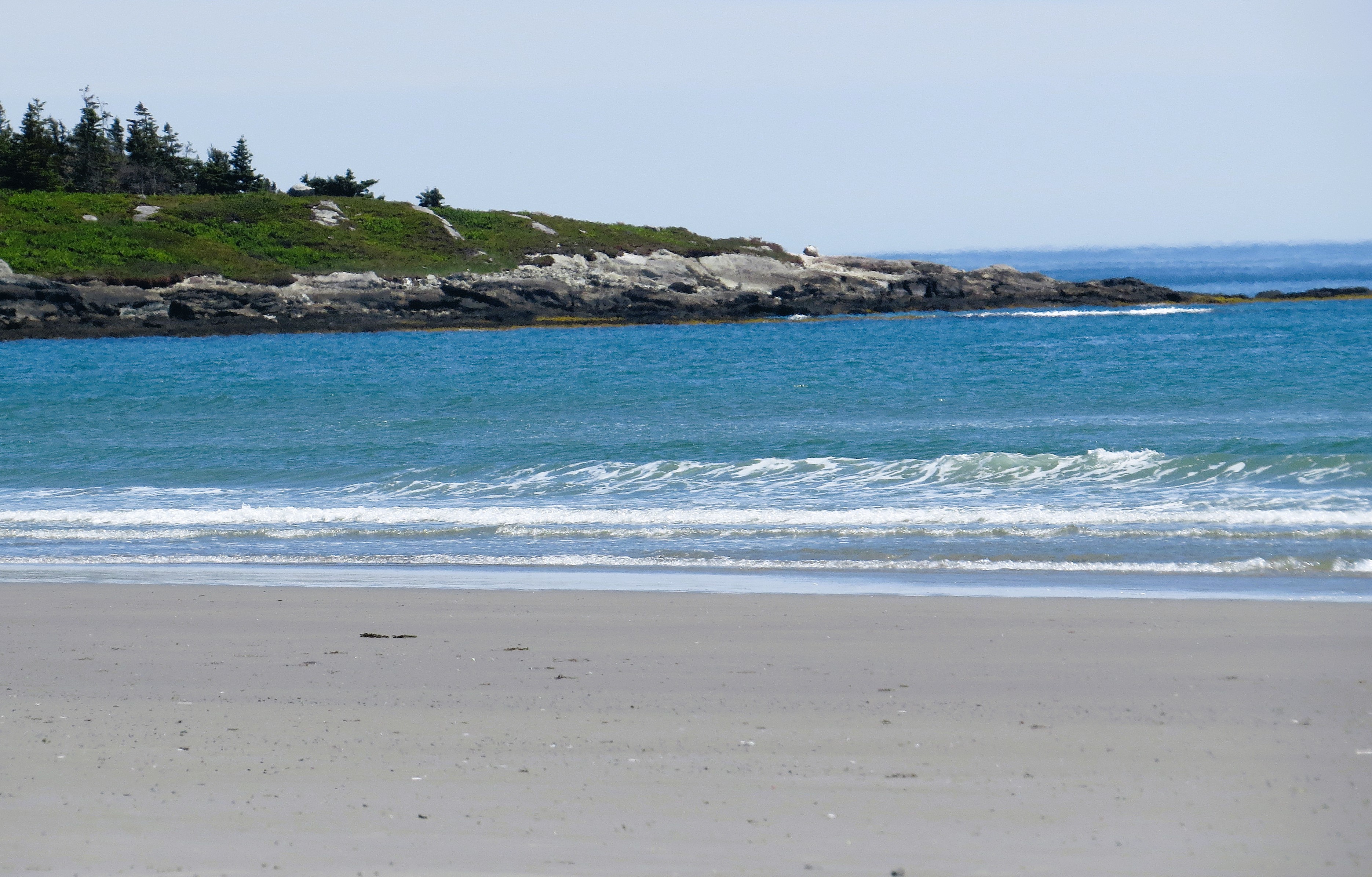
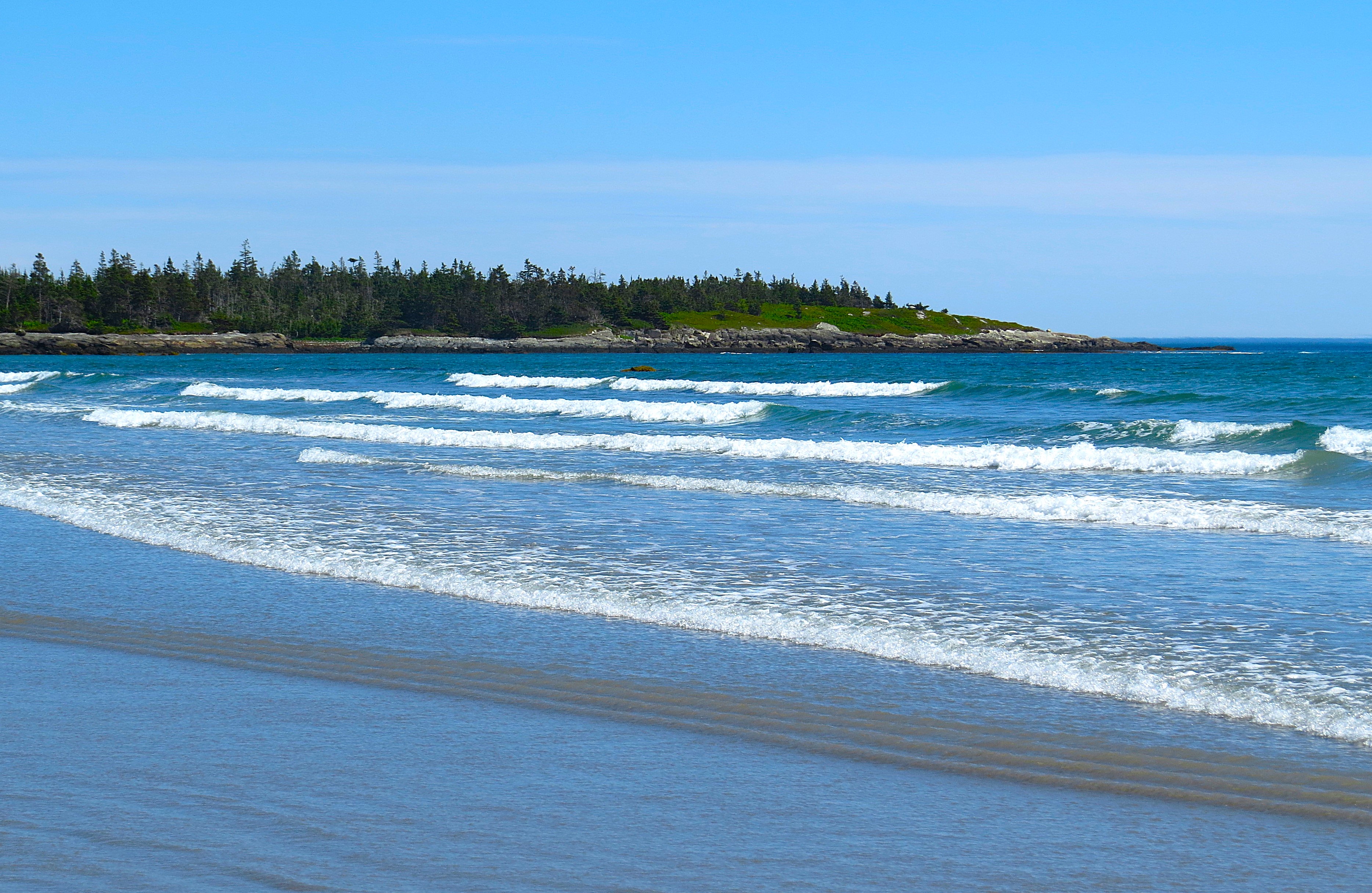
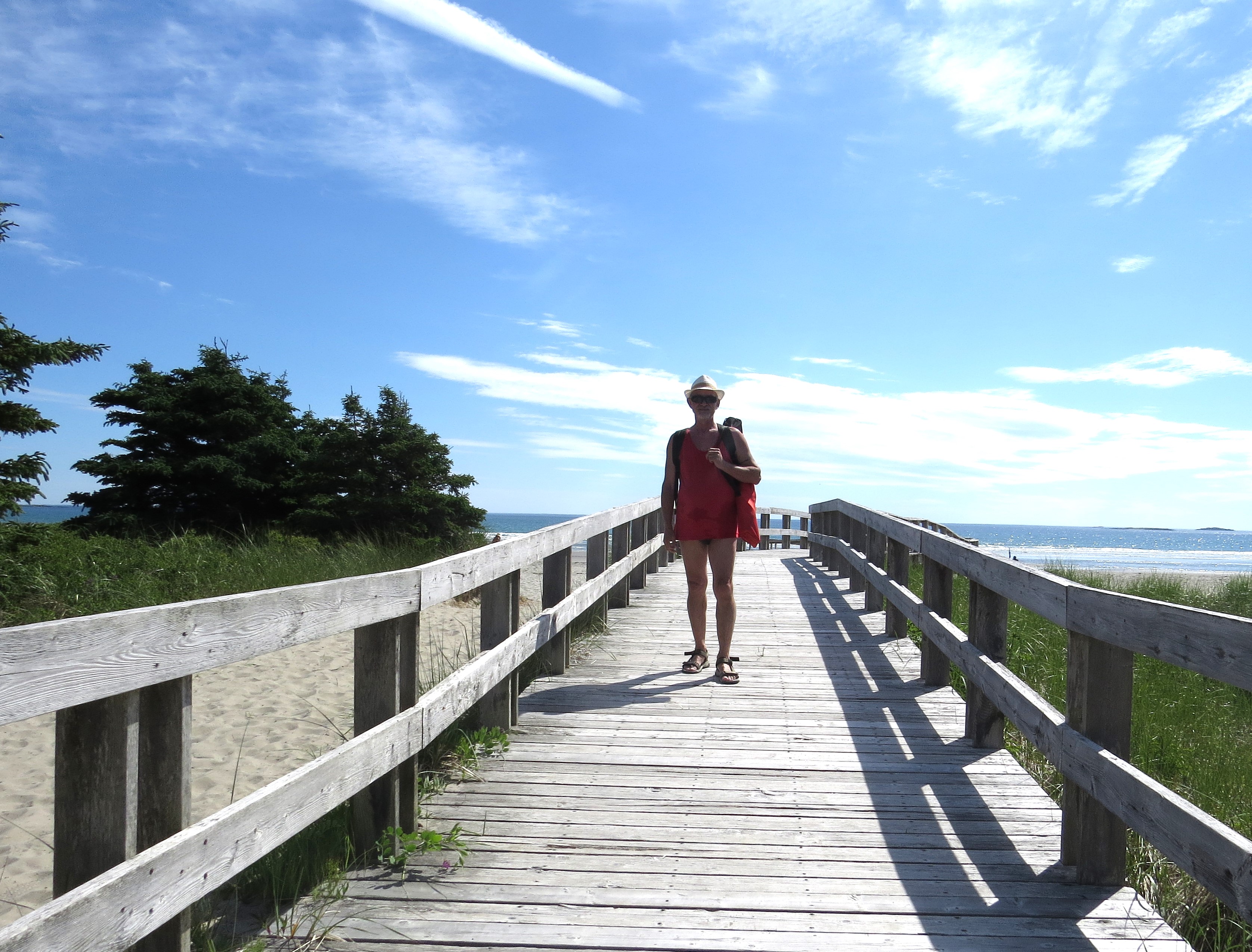
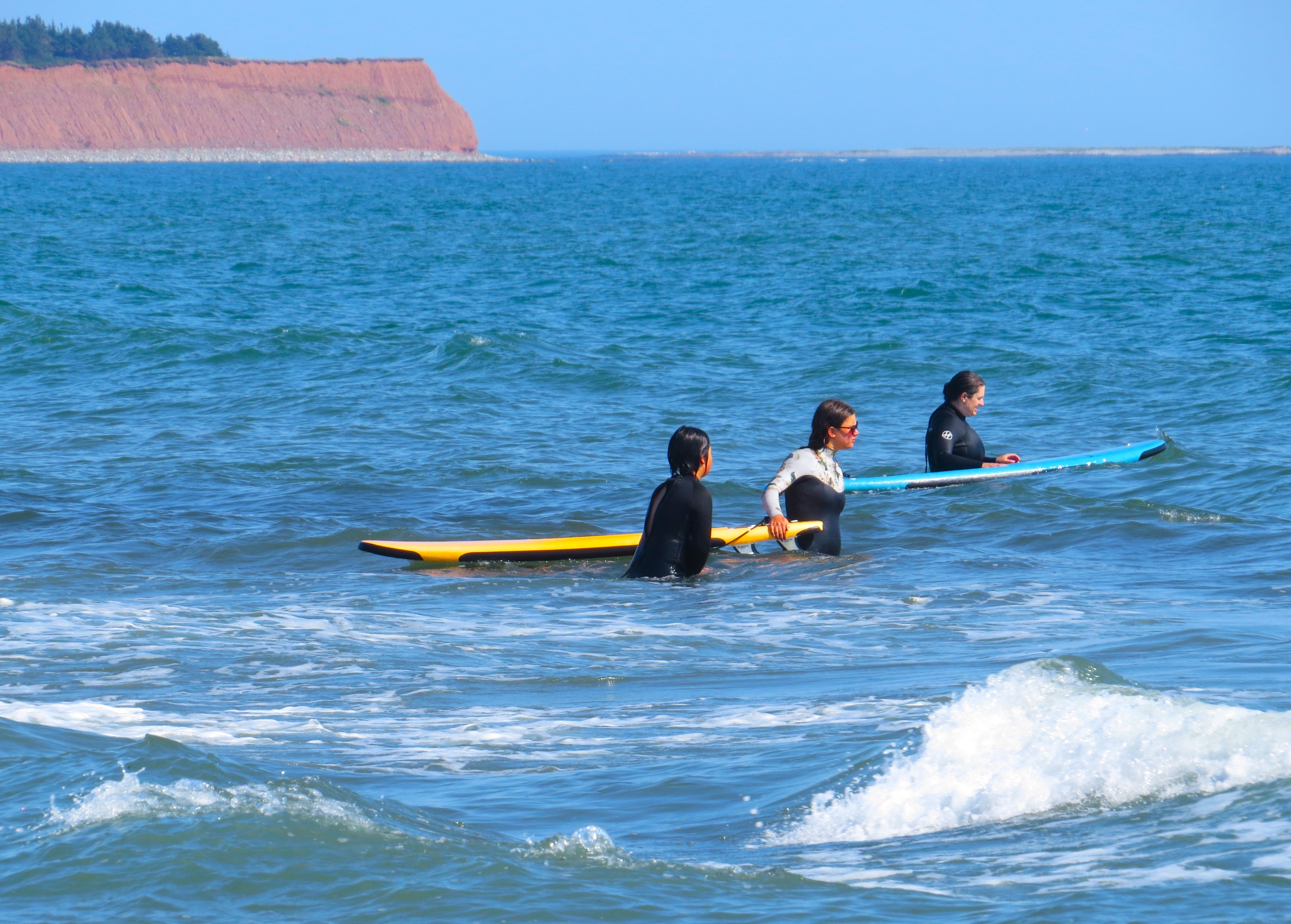
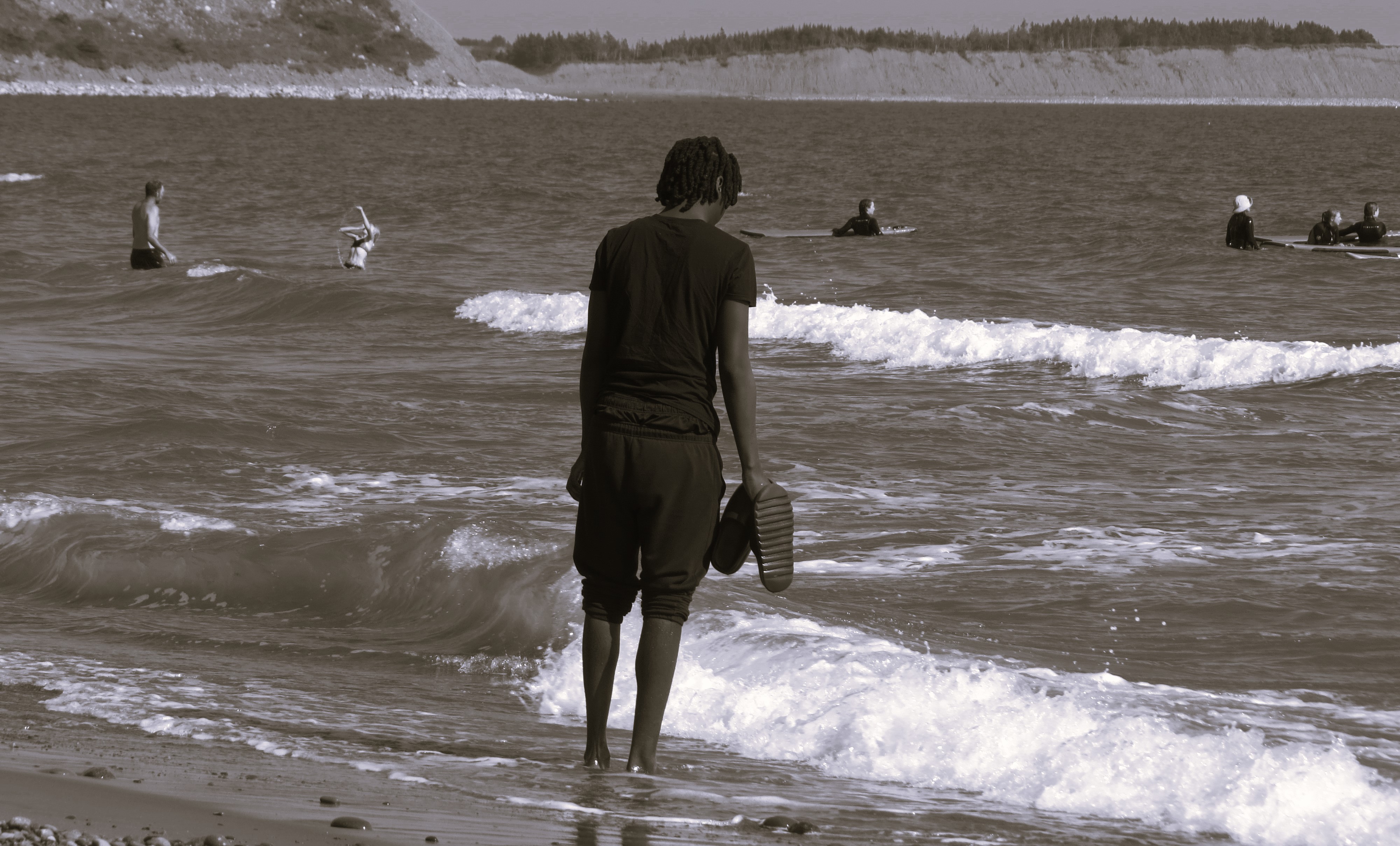
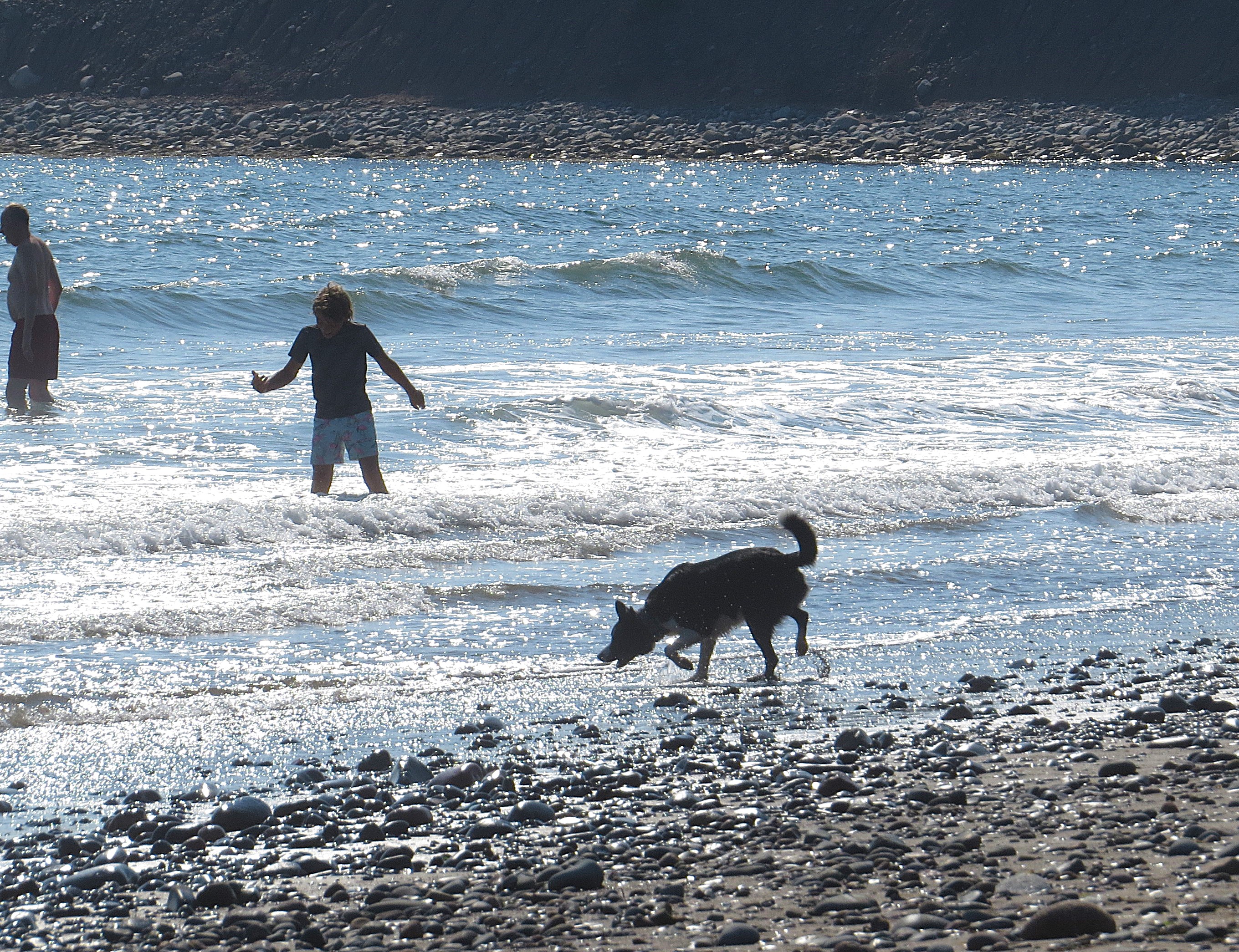
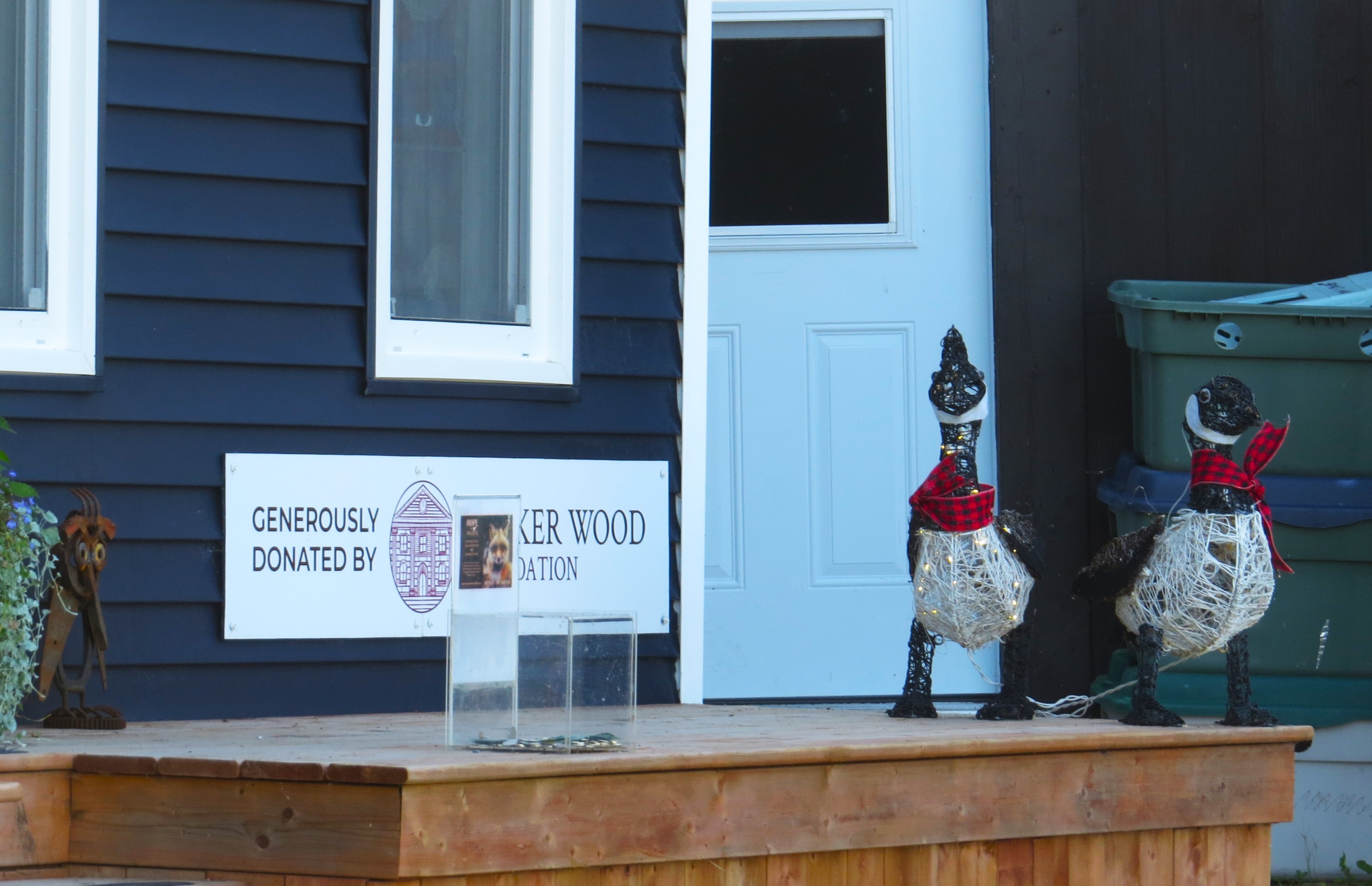
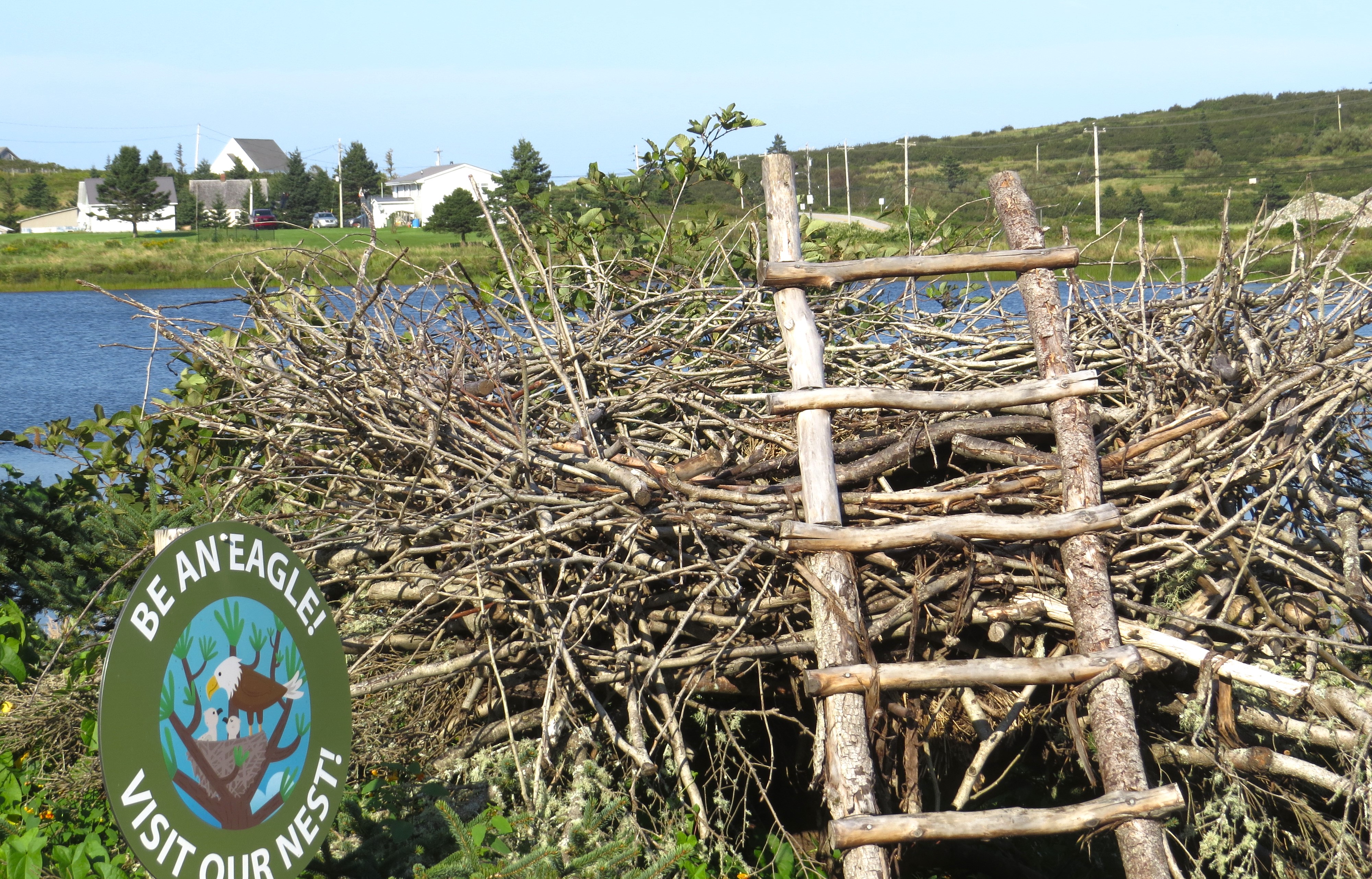
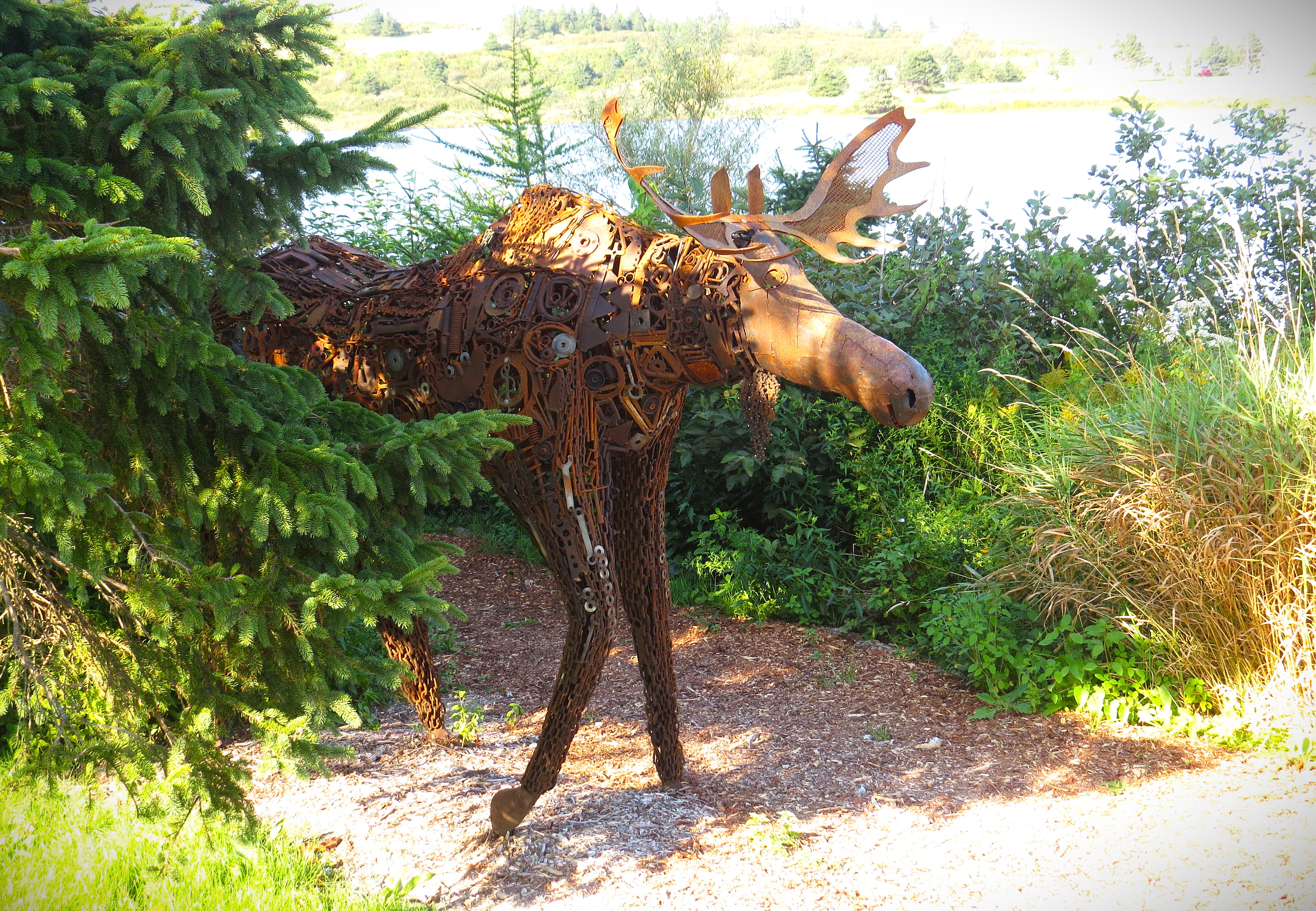
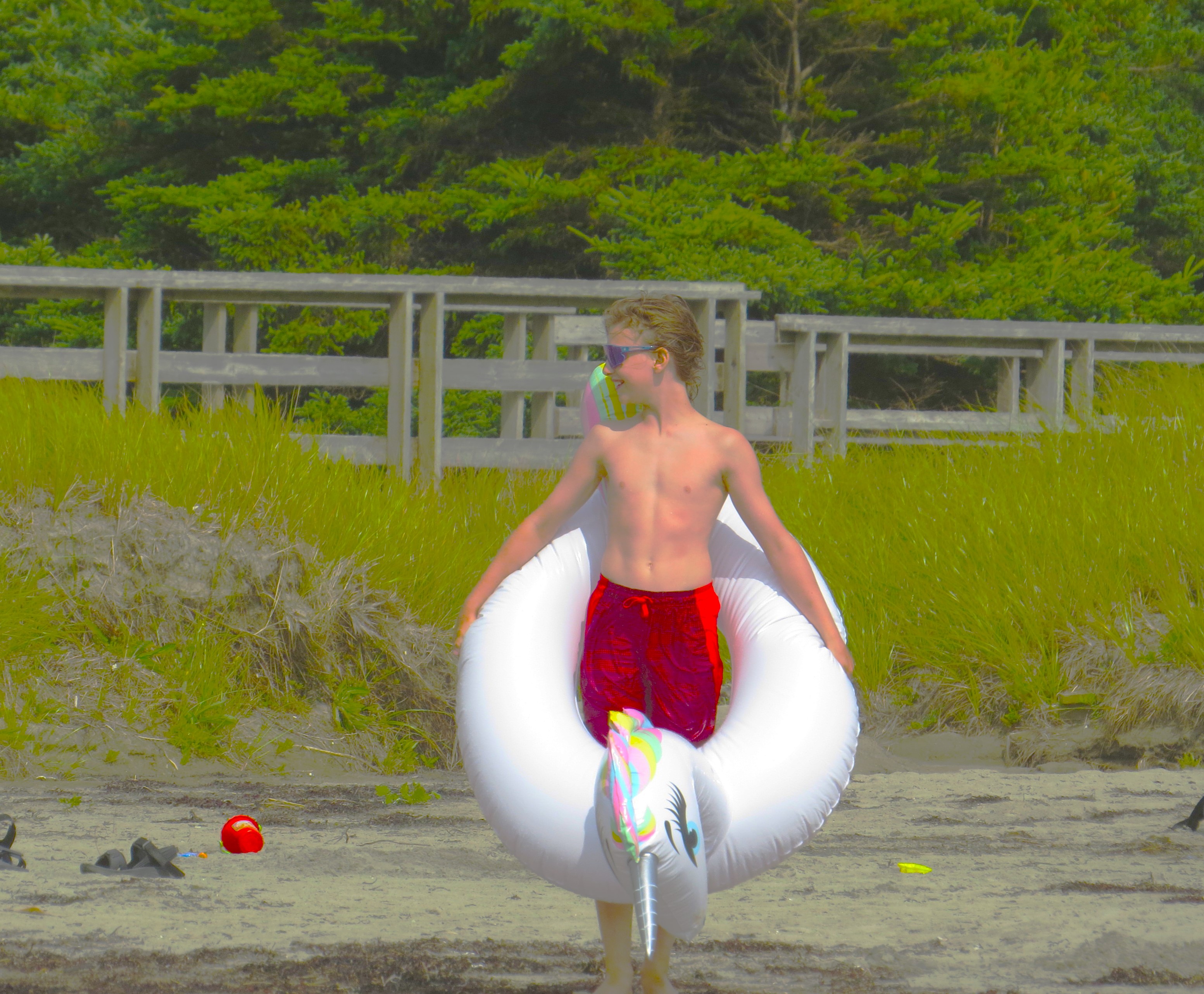
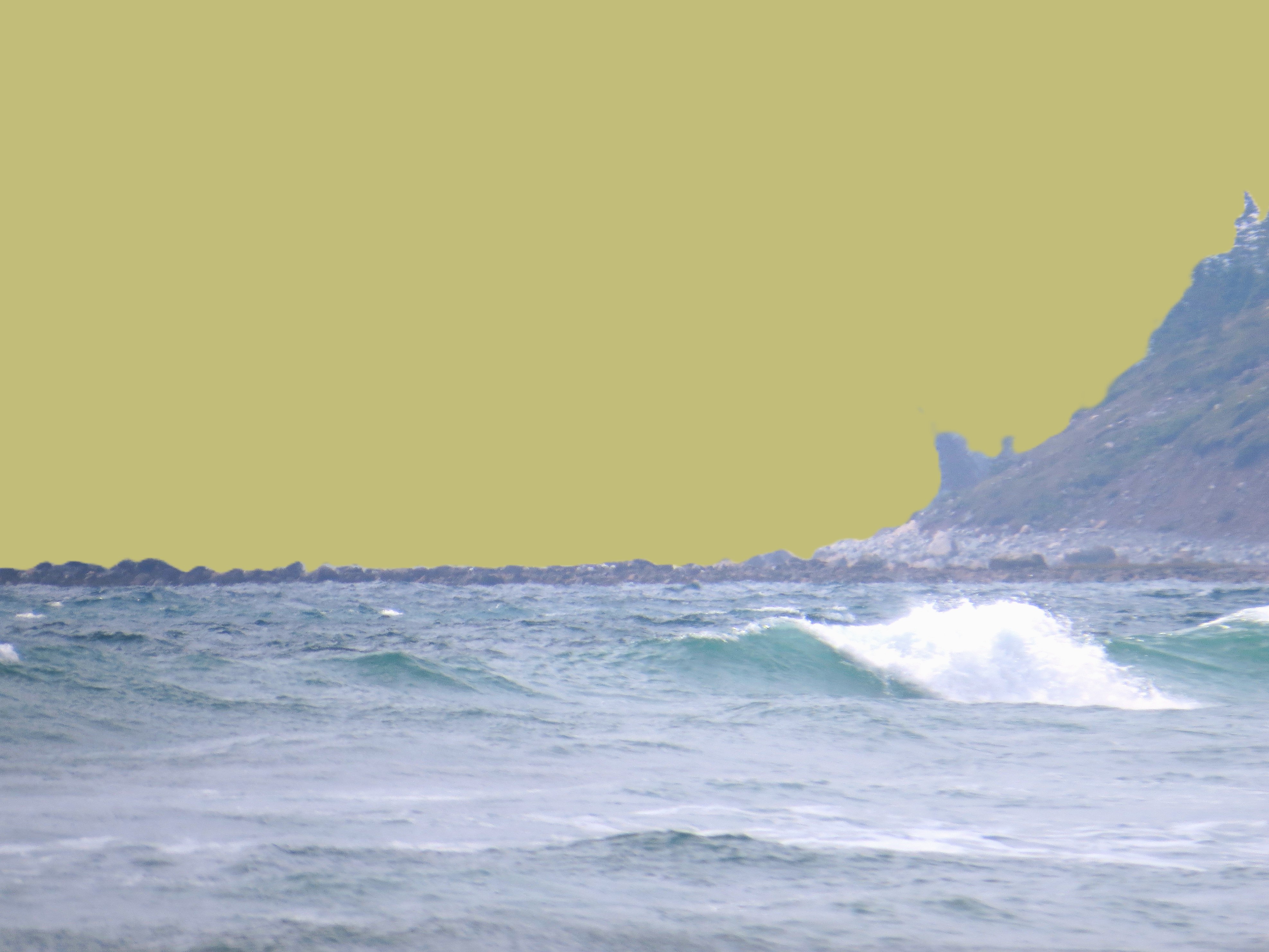
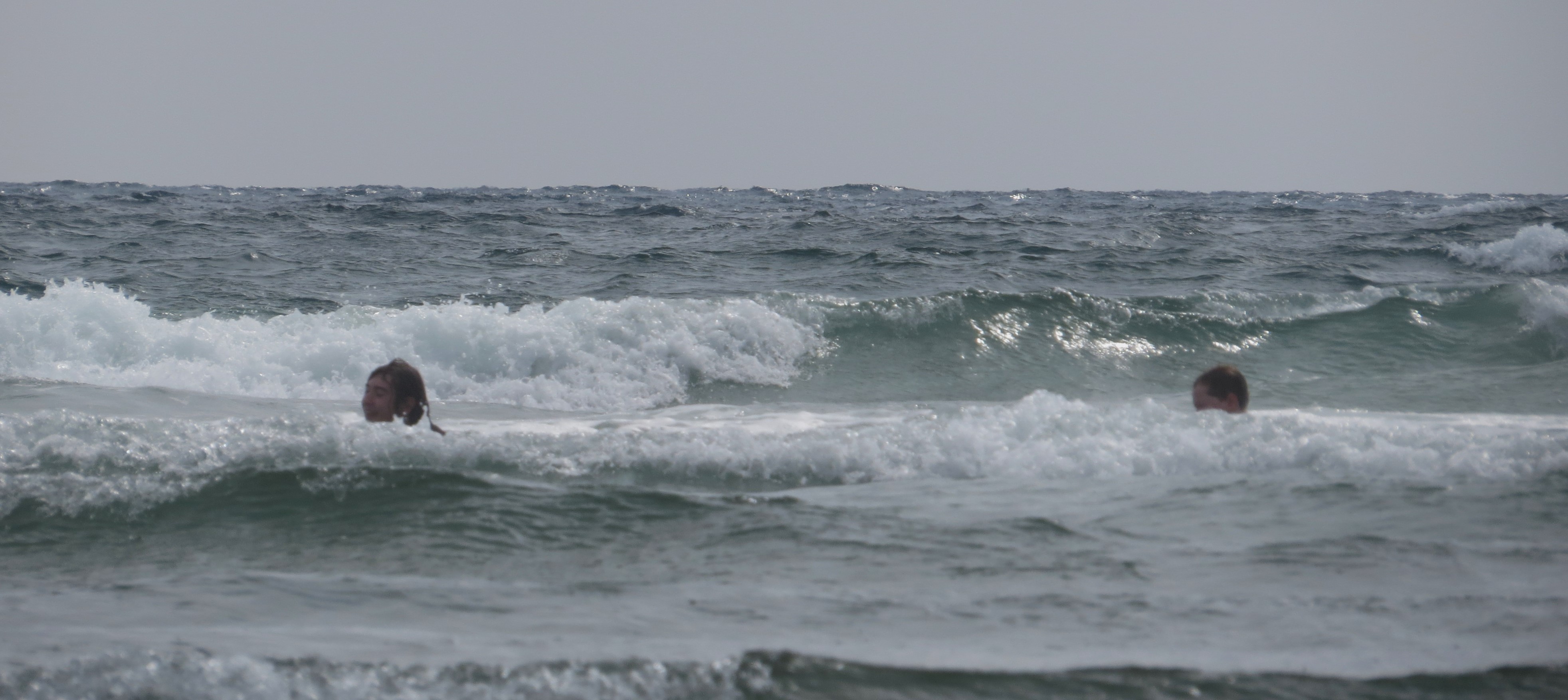
My last hot and sunny day playing among the waves of North Atlantic was on Lawrencetown beach. Place I have visited over the years more than I can remember. After that I went for one more quick swim at Canada’s Ocean Playground beach by Gaetz Lake. And lovely walk to a Wildlife Sanctuary that shows tremendous affection to all kind of native creatures, who suffered some serious problems and can’t survived on it’s own. Such a tranquil place.
In a few days time I will be driving through the entire continent, traversing the same route and highways me and my John took six years ago. Back to where we begun that journey – to British Columbia. Although He can’t be with me physically – His love and spirit will. We will have lots of time to reminiscence the almost forty years of an amazing life journey. The most beautiful Journey of my life.

Next pictures from Canada’s Ocean Playground and Wildlife Sanctuary.

Clam Bay Beach (cz.2)

Clam Bay Beach (cz.2)

Około dwa miesiące temu[i] opisywałem tu wspaniałą plażę na wschodnim wybrzeżu Nowej Szkocji. Plaża Zatoki Muszli. Zwłaszcza dwóch charakterystycznych rodzajów: popularnej omułki i rogowca. Omułka to naturalnie małż, a rogowiec to właśnie muszla clam. Omułki są podłużne, wewnątrz perłowo-niebieskie, mieniące się, zaś clam bardziej okrągły, w odcieniach szaro-białych.

Woda wówczas była lodowato zimna i bajecznie piękna, szeroka piaskowa plaża świeciła pustkami.  Prócz mnie żywy duch się na kąpiel nie odważył. Myślałem, że nie tyle temperatura wody (bo dzień był jednak słoneczny i ciepły) ile odległość plaży od większych miast i dość skomplikowany i długi dojazd bocznymi drogami odbijającymi w dół od głównej szosy był tą przyczyną pustki.

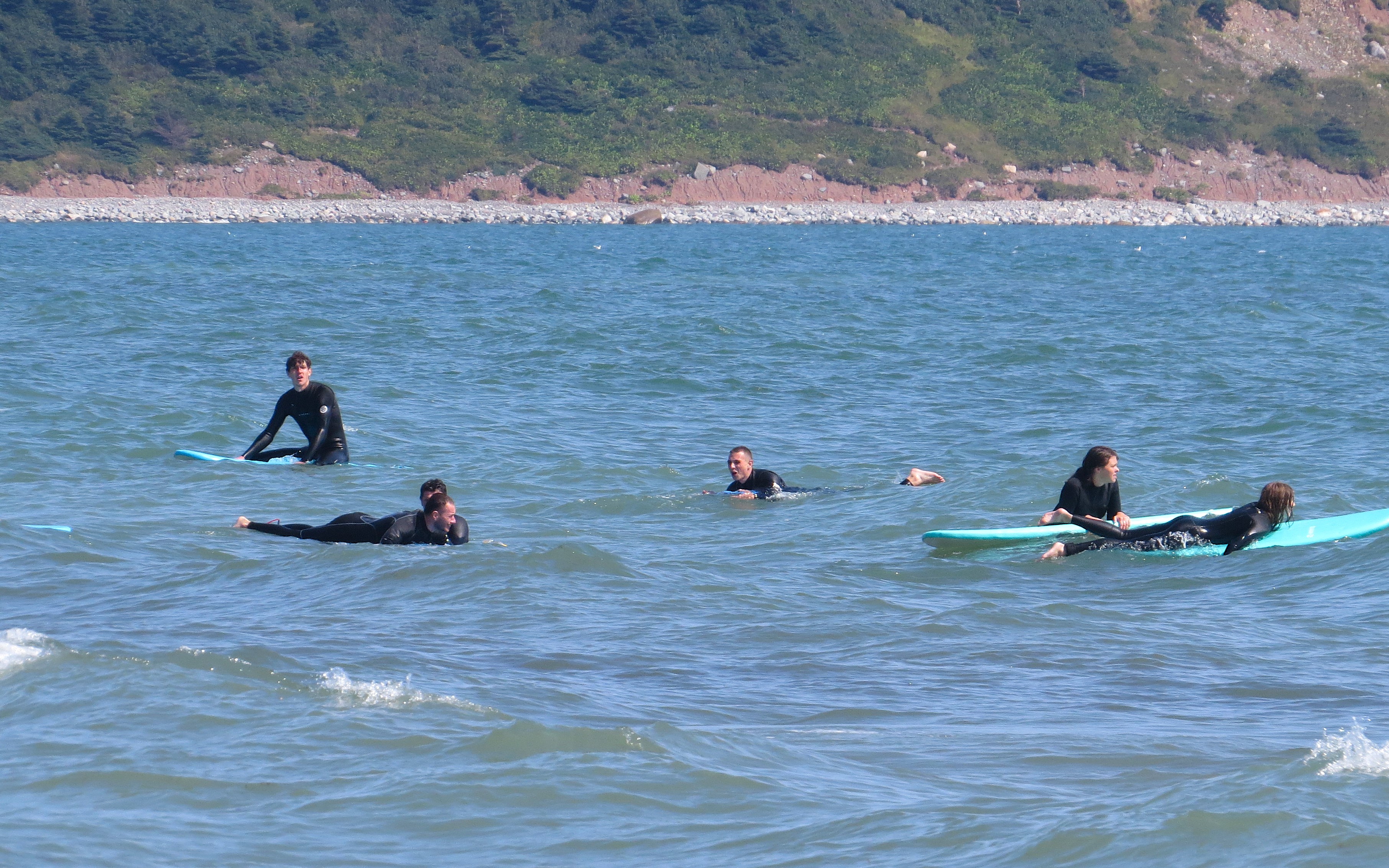
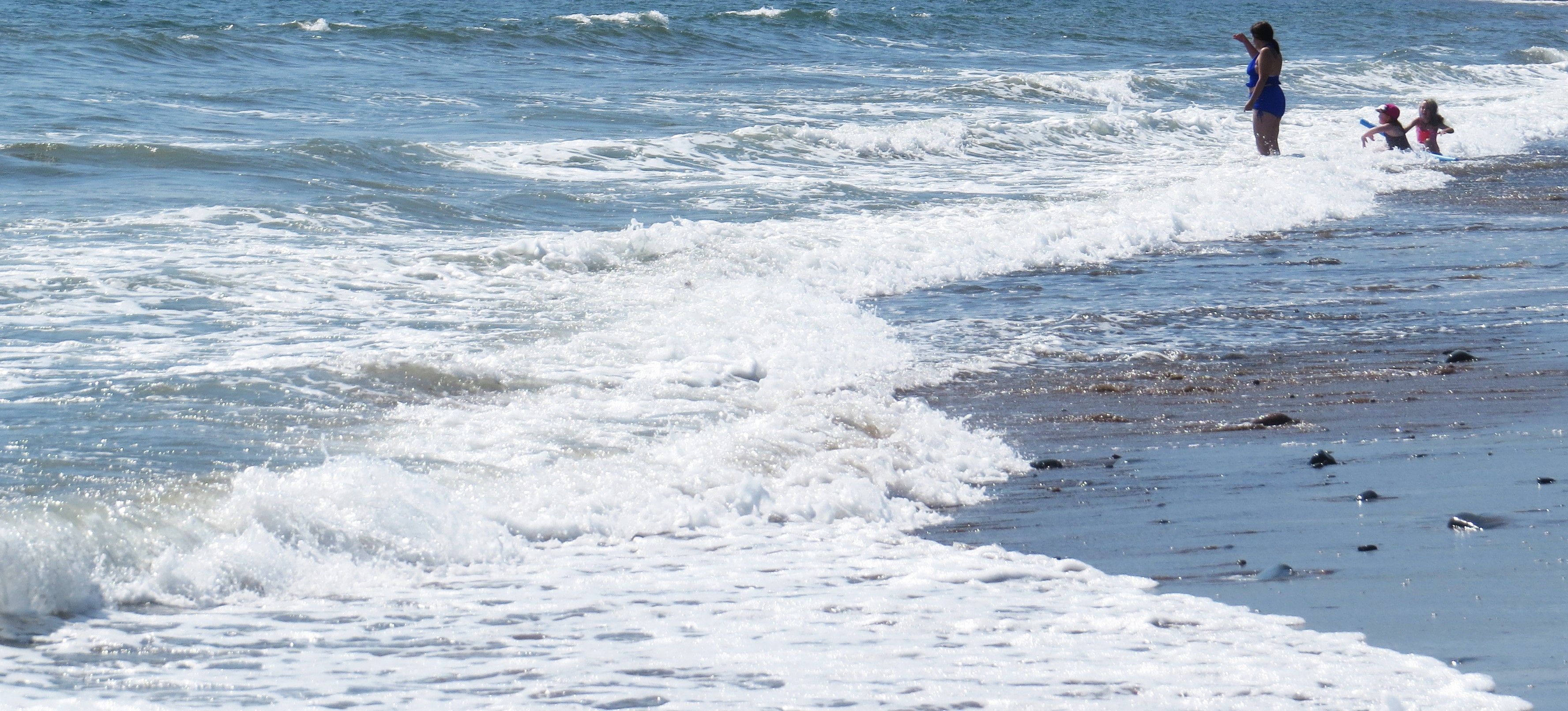
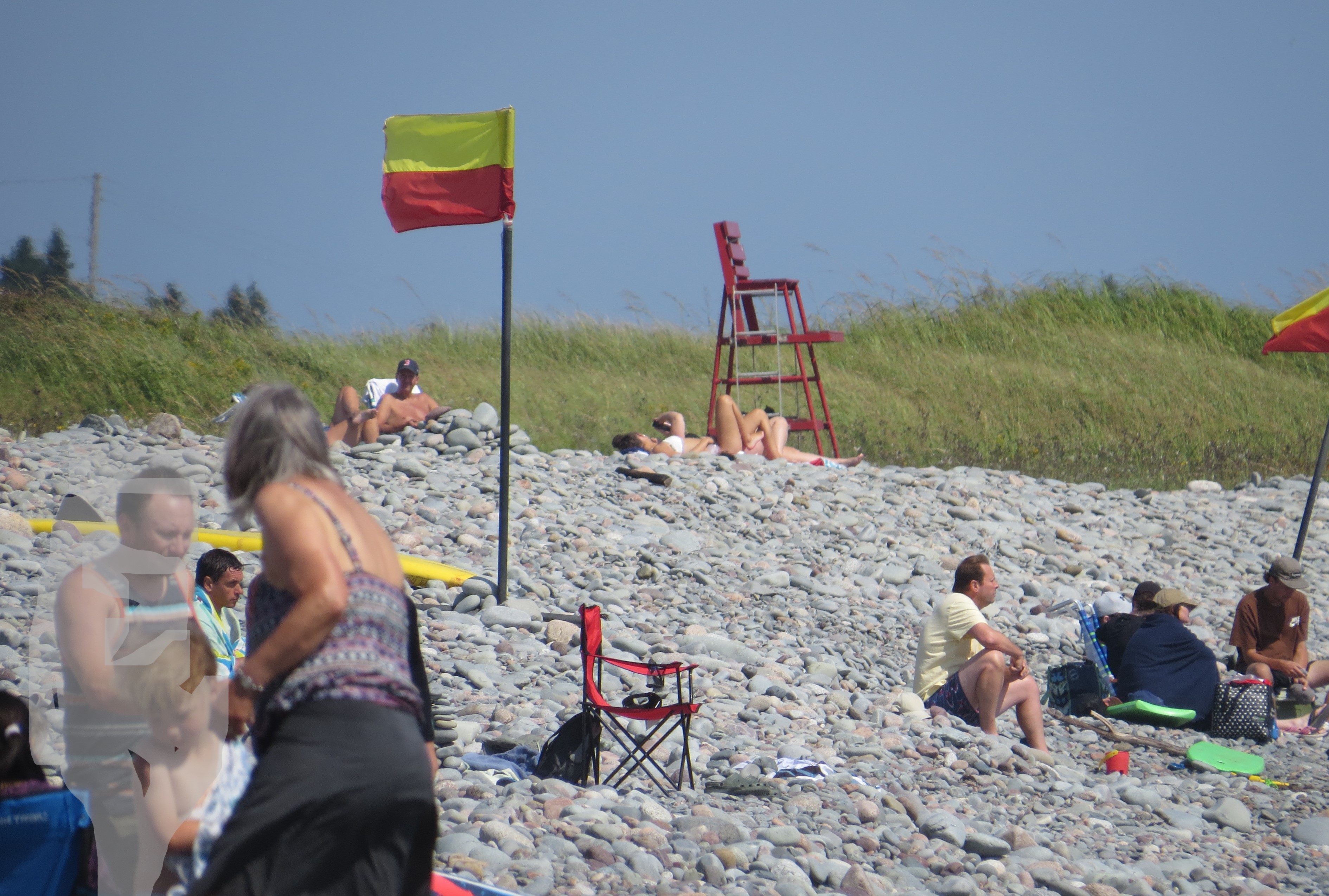
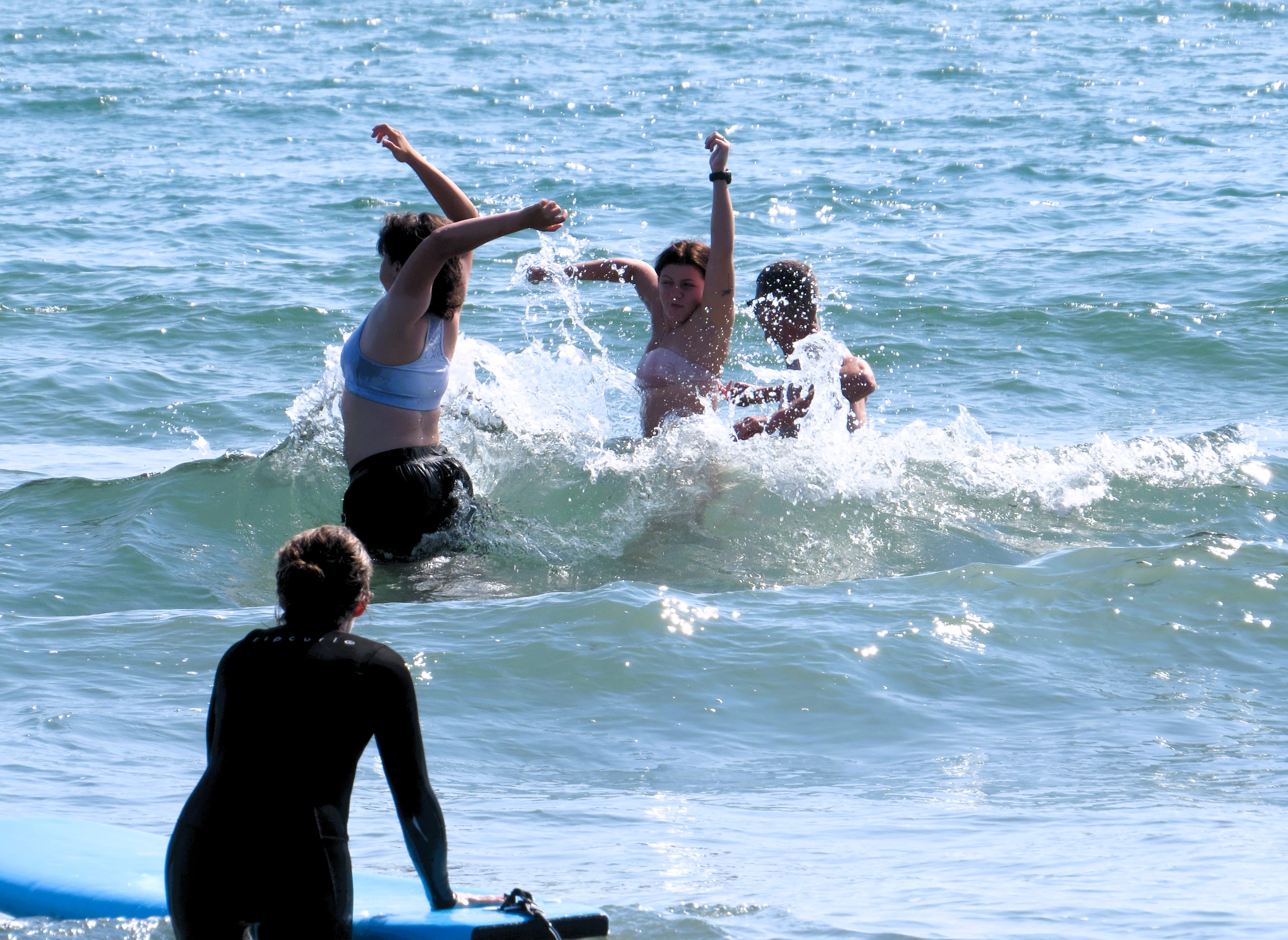
Kilka dni temu pojechałem tam ponownie sierpniową porą. A w sierpniu wody Atlantyku przy Nowej Szkocji są cieple przez silne prądy po-huraganowe na Karaibach. I jednak widać ta temperartura wody chyba zadecydowała. No i szkolne wakacje. Na szerokim polu parkingowym ledwie miejsce znaleźć mogłem. A na plaży – ludzi jak mrówków, LOL. Ale plaża kilometrowa, bez końca. Miejsca i na piasku i wodzie nie zabrakło.

I jedno jeszcze spostrzeżenie bardzo miłe: naturalnie jestem teraz sam i moje wycieczki od dwóch lat są też wycieczkami samotnymi. Zabieram zawsze plecak, składane krzesło plażowe i drogą kamerę z dużym stojakiem. Jedyne co zostawiam w samochodzie to dokumenty. Nie wiem czemu z przyzwyczajenia biorę ze sobą też swój Iphone. Pływać z plecakiem i kamerą trudno (z telephonem też). Więc wszystko tak zostaje na tym krześle, a oparte o nie stoi ta kamera na trójnogu. Czasem te pływanie jest długie, bo uwielbiam targać się z tymi grzywaczami wodnymi.  Nie wiem, czasu nie liczę, ale też nigdy się nie śpieszę. I nigdy się mi nie zdarzyło ani na plaży zapełnionej ani pustawej, by mi cokolwiek zginęło. Nie tylko tej, na wszystkich plażach. Ot, taka sympatyczna ciekawostka tutejszych plaż.

A teraz kilka zdjęć z tej właśnie Clam Bay Beach późnym latem. Już nie pustej.

[i] Clam Bay Beach – north of Jedorre – na Wschodnim Wybrzeżu Nowej Szkocji – Pogwarki (kanadyjskimonitor.blog)

Natural Gardens in Truro’s Bible Hill, Nova Scotia – Dalhousie University

Natural Gardens in Truro’s Bible Hill, Nova Scotia – Dalhousie University

Some time, on this pages, I have published a piece about the history of the oldest University in North America, Kings College in Halifax. Kings College eventually become part of one of the largest university in Canada, the grandiose Dalhousie University of Nova Scotia. I have eventually, on this blog, published a photo series of the university.

The massive complex of Dalhousie stretches through many blocks of the city. It brings life and vibrancy to the city’s core and creates many mini-communities of students and faculty. Encompasses the past and the future. Is integral part of it’s life, atmosphere and pulse. Gave me many pleasurable strolls, moments of reading an interesting book of poetry or novel, writing in my own notebooks my poems or musings on many subjects. University campuses do that to you, LOL. And I love it.

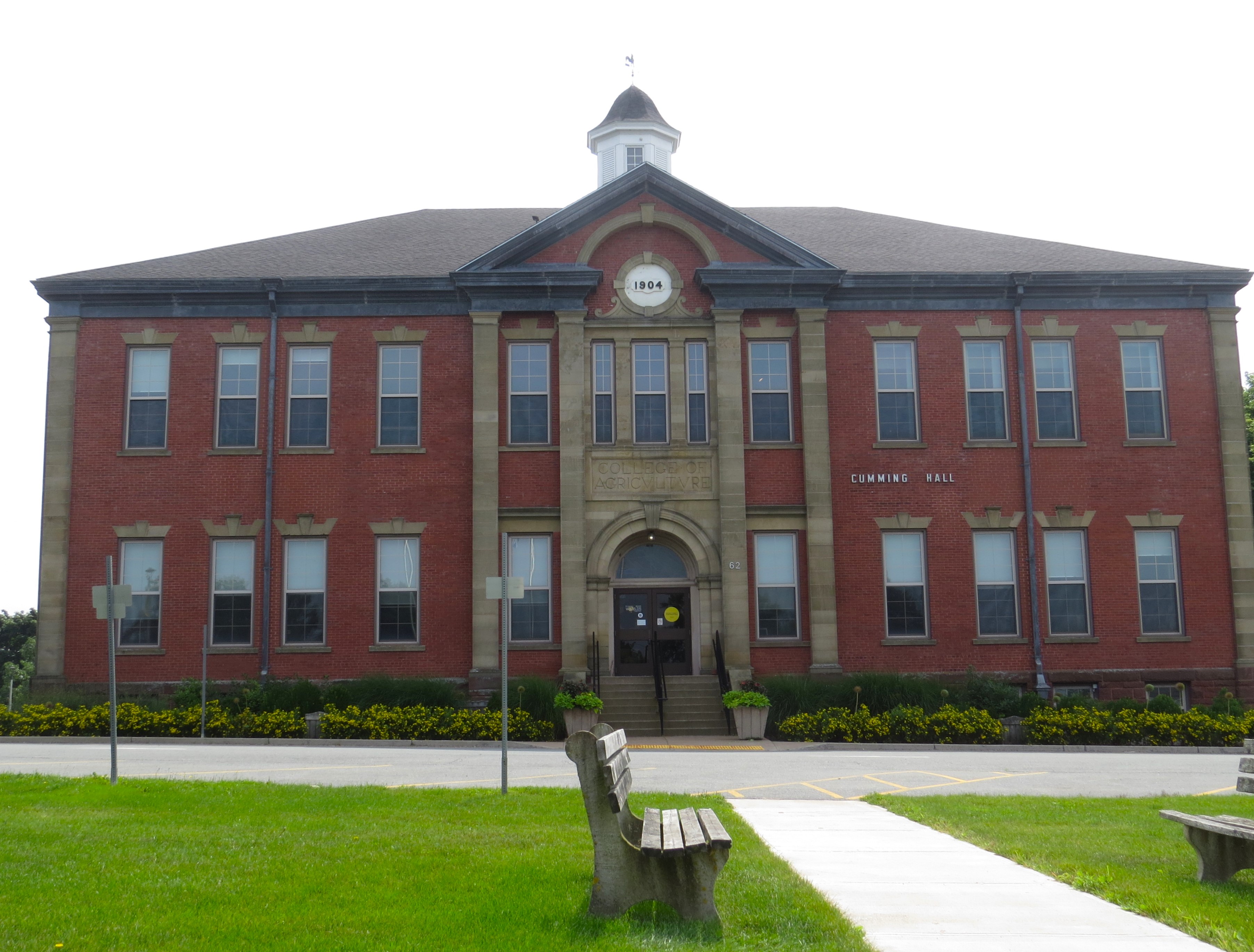
But I have always heard of a special, far away campus of Dalhousie. The entire Faculty of Agriculture. It sits somewhere in a community called Bible Hill, part of larger city of Truro. I have past Truro countless amount of times. It sits right on both sides of meeting of two major highways connecting Nova Scotia to the West of Canada and to the South on Nova Scotia. But what you see, when you are passing the city on highways is hardly and appealing site. The ugly big magazines, some big malls. Sort of ugly site of North America with ever sprawling ugly malls without any character or architectural originality.

Yet, I have heard many times of that Bible Hill campus. As I will be soon leaving this province, I had to visit it. Additional emotional reason was also the fact, that a dear friend of my husband and through him mine – was borne in that city, went to school there. But left it many years ago moving to the West (Calgary and Vancouver) and never seen the campus that was built little way out of the main city. So I did and hope that she will appreciate it.

It is a site to behold. Many red brick old university buildings, spread through a large swath of land. No wonder – it’s laboratories are in the fields, in the valley. We are talking of agriculture and botany. Living university. I am so glad that I did.

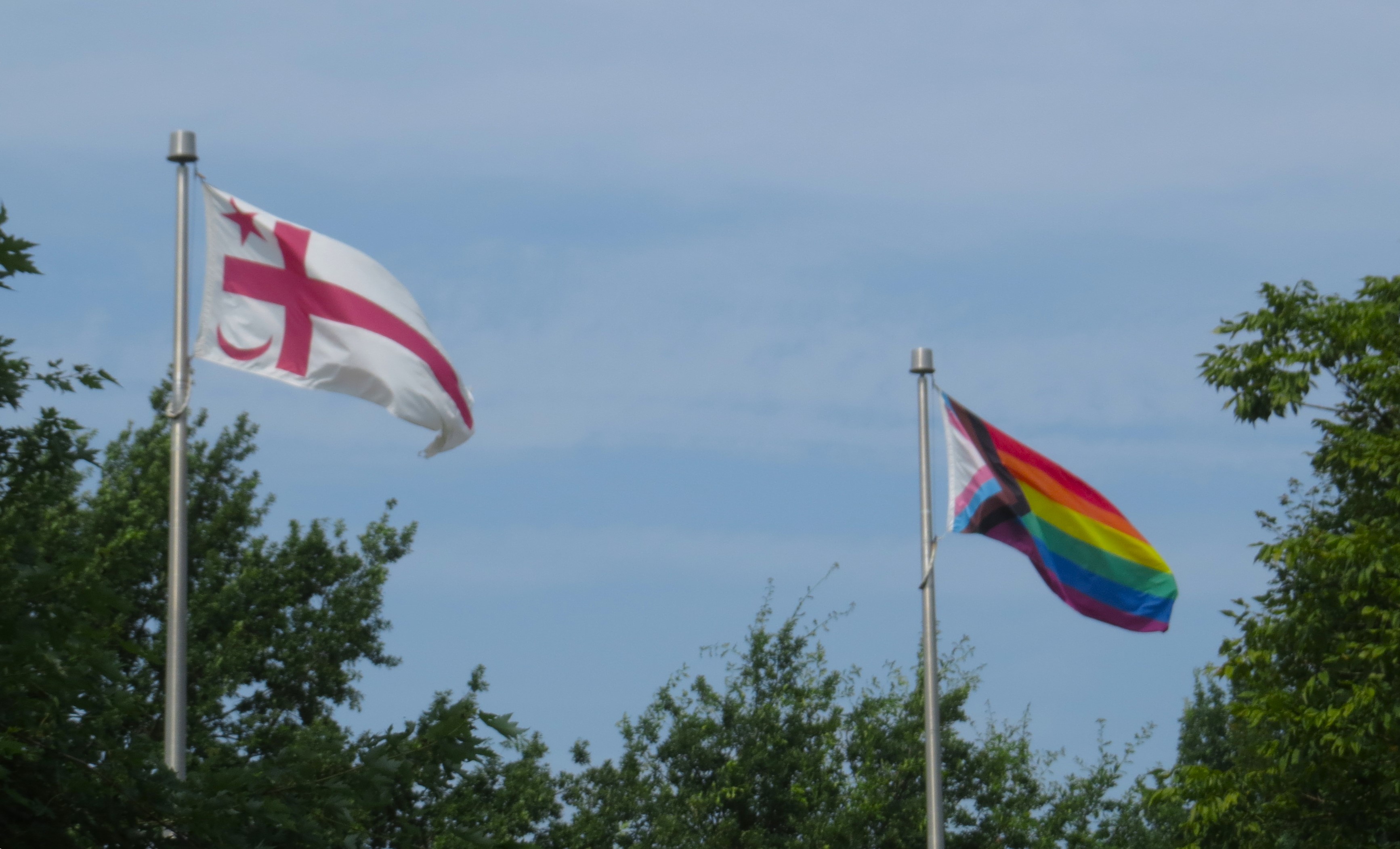
In no particular order here is the view of this wonderful campus.

Link to a post abut the Dalhousie University main campus in Halifax, click below on it: https://kanadyjskimonitor.blog/2023/10/13/a-history-and-future-youth-and-tradition-dalhousie-university-in-halifax/