Arabesca o Andre Ochodlo

Gdzieś w laskach pod Sopotem, sosnowych laskach na piaszczystej ziemi. Może koło Opery Leśnej, tańczę z uroczym Andre Ochodno. Tańczymy do żydowskiej melodii starej piosenki o sztetlu żydowskim w Bełzcu. Andre nuci z rozwianymi bujnymi włosami w jidysz: meine szetele Belz. Śpiewa i płacze. I ja płaczę scałowując jego łzy. Bo też mi żal strasznie i jego i tych sztetli w małych miasteczkach, tego harmideru na uliczkach z drewnianymi domkami, sklepikami, warsztatami krawców, szewców, rymarzy, sklepikami z mydłem i powidłem. Że nie ma synagog.

A może to nie było pod Sopotem, niedaleko teatru „Atelier”? Może to było nocą na uliczkach i w barach Vancouveru, gdzie go poznałem? Był młodziutki, delikatny. A ja byłem draniem. Romantycznym – ale draniem. I zamiast Andre wyciągnąłem Marka Rychtera, świetnego aktora charakterystycznego, który z Andre przyjechał na koncerty do Vancouveru.  Łaziliśmy od speluny do speluny przez całą noc, zabrałem go do świetnego baru w Royal Hotel na Granville, wówczas popularnego baru gejowskiego, gdzie były świetne koncerty wysokiej klasy queer queens parodiujących Lizę Minnelli, Marlenę Dietrich, Barbarę Streisand. Marek był zachwycony ich wysoka profesjonalnością i aktorstwem. Ktoś się do niego przystawiał, chciał kupować drinki. Śmiał się i nagle zwrócił się do mnie – dlaczego nie wziąłeś zamiast mnie Andre, mielibyście świetny czas, bo Andre jak ty jest też gejem. Spojrzałem z wyrzutem na niego: Andre jest za delikatny na takie chlanie od baru do baru. On jest subtelny, jego trzeba chronić przed łajdactwem.

A może powinienem, może Marek miał rację. Przecież nie musieliśmy łazić po barach. Zabrałbym go na długi spacer wzdłuż Zatoki Angielskiej i potem brzegami stawu na skraju Stanley Park. Może poszlibyśmy i do Parku w Alejkę Zakochanych. Może tam byśmy właśnie tańczyli smutne żydowskie tańce pod koronami tysiącletnich cedrów?  Czochrałbym palcami jego gęste włosy, opowiadał o żywej Krochmalnej w Warszawie, o uliczkach w Mińsku Mazowieckim pełnym sklepikarzy z brodami i pejsami, poprowadził ulicami dzielnicy żydowskiej w Wilnie prosto do domku mędrca Gaona. Kłamałbym, że to wszystko jest, albo wyczarowałbym, że by było naprawdę,

I o szarym świcie wracalibyśmy do domu pijani marzeniami. Objąłbym go czule ramieniem, otarł raz jeszcze smutne łzy. Ust bym nie całował, choć jakże nęciły. Może łajdakiem-zawadyjakiem byłem, ale byłem łajdakiem subtelnym, czułym. Nic prócz chwili dać mu nie mogłem, bo sam byłem zakochany po uszy w moim Chłopcu. A Andre romantyczny, smutny zasłużył na więcej niż przygodę. Więc byłem dobry, byłem spolegliwy a nie natrętny.

Sen-zjawa, spacer, którego nie było. Ale Marek miał rację. Powinienem go na ten spacer senno-nocny, magiczny zabrać. Na spacer uliczkami nieistniejącego świata, świata utraconego na zawsze. Może go jeszcze w Polsce zabiorę. Światy istniejące w wyobraźni, w marzeniach są zawsze, nie umierają, nie znikają. Warto je odwiedzać.   


post scriptum autora: tekst powyższy ma charakter specyficznej literackiej fikcji opartej w części na wydarzeniach faktycznych. Nie jest jakakolwiek próba outingu aktora Andre Ochodlo. Jest możliwe, że mi się tylko wydawało, że jest gejem, nie przypominam sobie bym go o to po prostu spytał. Jest też możliwe, że tak mogło się wydawać aktorowi Markowi Rychterowi. W moich późniejszych, po wielu latach rozmowach z Markiem Rychterem, dla którego miałem przygotować monolog (w konsekwencji tej obietnicy nie dokończyłem ze względów niezależnych ani ode mnie ani od Marka Rychtera) nigdy do tamtego spotkania ani tematu nie wracaliśmy.

Miejsca. Places.

(in Polish)

Miejsca. Miejsca … to taka specjalna przestrzeń geograficzna i emocjonalna. To tam, gdzie kiedyś ludzie kładli kamienie, budowali kapliczki lub kopce. By odnaleźć potem samemu lub zostawić ślad, drogowskaz dla następnych. Drogowskazy, że tędy droga.

Moje pożegnania z naszym ostatnim domem w Nowej Szkocji od miesięcy wielu do takich miejsc zawsze prowadzą. I zawsze jakiś kamyk tam kładę, jakieś wspomnienie zapisane w notesie, jakiś wiersz. Te literki i słowa to moje kamyki – byliśmy.

Dziś na plaży Conrada, ostatnie chyba moje pożegnanie, ostatnia kąpiel w falach grzywiastych w tej prowincji. Ostatni nasz spacer tam.

Fala

I cóż falo
ostatnia na tej plaży?
Mojej wizyty
też po raz ostatni.
Czy zmyłaś
ze zmarszczek dni klęski
i dni zwycięstw?
Pocałunki i łzy,
czułe westchnienia
i przekleństwo bezsilności?

Pieścisz mnie jeszcze
białą pianą pasji
niespełnionych do końca,
a potem odpływasz
w swe głębie
znudzona romansem
nie zaczętym,
nie skończonym.

(Conrad Beach, 01.09.24)

(po angielsku)

Places. Places are special geographical and emotional spaces. It is where people, lovers, parents with children left stones on the hills, build mounds, erected structures or symbols of their gods in their marches through millennia. So others can follow or so they would find their way back.

My goodbyes with our last home in Nova Scotia took me a long time. Time to trace them back, find my way. But I did it. I have found them for the last time. I have left my ‘stones’ on the shores an on the white pages of my notebook. The ‘stones’ are my letters and sentences written down on the white pages of my notebook.

Today was probably the last one. I went to Conrad Beach for last swim in foamy waves of Atlantic. Our last walk there.

Time of snuggle

Come to the crescent of my arm,

I will place my hand on your shoulder

and we will walk on the shore.

On that line separating

land and water,

the sky and the mountains,

the Moon and the stars,

death and life.

Come. It’s time.

The time stolen from us –

I have found it.

Come, it’s time.

(Conrad Beach, 01.09.24)

Summer, summer … it’s time to slowly close the season of fun on the Eastern Coast of Nova Scotia

Summer, summer … it’s time to slowly close the season of fun on the Eastern Coast of Nova Scotia

Everything good must come to an end. Summer is receding from the trails and beaches of Nova Scotia. So is my presence in that province of Canada. Time to pack my beach chair … and pack my belongings after six years. For a small province that’s a long time to travel to places known and places less travelled. By now, my Dear Reader you probably know much more about this land from where the entire hemisphere sprang to life under new overlord – the Europeans. But people come and go – the land remains. And the old inhabitants from ancien time remain too – the Lnu People, of which novascotian native Mi’kmaq people are part.

My last hot and sunny day playing among the waves of North Atlantic was on Lawrencetown beach. Place I have visited over the years more than I can remember. After that I went for one more quick swim at Canada’s Ocean Playground beach by Gaetz Lake. And lovely walk to a Wildlife Sanctuary that shows tremendous affection to all kind of native creatures, who suffered some serious problems and can’t survived on it’s own. Such a tranquil place.
In a few days time I will be driving through the entire continent, traversing the same route and highways me and my John took six years ago. Back to where we begun that journey – to British Columbia. Although He can’t be with me physically – His love and spirit will. We will have lots of time to reminiscence the almost forty years of an amazing life journey. The most beautiful Journey of my life.

Next pictures from Canada’s Ocean Playground and Wildlife Sanctuary.

Pride Parade in Ottawa

Pride Parade in Ottawa

Canadian Prime Minister Justin Trudeau has been known to be a friend and ally of LGBTQ+ community in Canada. In general, his personal and to a large extend political stance is in favor of inclusion and full participation in all aspects of private and public life of all segments of society. Long gone are old, somewhat paternalistic attitudes of tolerance. They have been rightfully relegated to history. The LGBTQ+ community does not need to be ‘tolerated’.  We need and are fully equal parts of all spheres of public life. It is those, who hold the disgusting attitude of homophobia that have finally become the true fringes of society in Canada.

But knowing very well our own, very long struggle against ostracism, against hatred and indeed physical violence, we (LGBTQ+ community) often sympathize with those, who face that hatred, scorn and ostracism for who they are. For many different reasons. None is more for the past months than Palestinian people, their children, the elderly being denied the most basic right – a right to their own country, on land they lived from time immemorial.

They are being slaughter right now, they have become a part of insidious and murderous way of shooting game: the Israelis tell them to move from one spot to the other and as they – terrified – try, the Israeli bombs are being dropped on their heads. As of now the number of massacred Palestinians stands at 40 000. They have no homes anymore, no hospitals, no shops to buy food, no schools. The other day an Israeli Jew (not even a military or police – no, private bandit) just came to a Palestinian home (far away from the Gaza executions of Palestinians) and shot dead the Palestinian owner of the home and declared it to be his now.

So there is no surprise that the LGBTQ+ community feels often and by large, as an ally for the Palestinians. They know the suffering, the persecution. That does not make as an ally of Hamas or advocating violence against Jews. But we will stand with the oppressed, the hunted, the ones, who are subject to the terror of state organized genocide.

This is not antisemitism. It is not hatred of Jews. This is pro-life, pro basic human rights, basic political rights. This is against creation of new Cambodian killing fields of Khmer Rouge.  I personally, a Canadian and a Pole, who is still traumatized of the history of Polish Jews during the second world war cannot fathom that their children, grand and great grandchildren, can do toward others the things that – at times – resembled, what was done to their forefathers during 2 world war. Maybe that comparison goes too far, probably it does. But emotions are hard to control, when you watch the news, see the terrified mothers trying to shelter their children, bodies of babies, people lining up to get some scraps of food.  

When I read the article in todays ‘National Post’ about Justin Trudeau and his government refusing to take part in Ottawa’s Pride Parade because the Parade organizers have a message of support for Palestinians in Gaza and that he did it because of pressure from Jewish organizations in Ottawa – it makes me mad as hell.  I don’t want MY prime minister to be an agent of Israel’s lobby. I want MY prime minister to be on the side of empathy, supporting the oppressed, the ones being slaughtered in thousands. The Justin Trudeau I remember and knew. Justin Trudeau the world fell in love with years ago for being such staunch supporter of the weak ones, the oppressed, persecuted.

And no, Prime Minister you have no right to co-organize another Pride Parade somewhere else in Ottawa by Israeli agents. The Pride Parade is organized by the organizers chosen by LGBTQ+ community in Ottawa. One parade. You are welcome as guest to that parade. You don’t have to come. You can even issue a statement why. But don’t dare to be the emperor, who will divide our community.

I will quote Liberal Party statement of that situation: “In light of recent decisions by the Capital Pride board, the Liberal Party has decided not to participate in Capital Pride events this year, and instead will host our own event to celebrate Ottawa’s 2SLGBTQI+ communities,” by Liberal party spokesperson Peter Lund.

Ottawa LGBTQI+ community organizes and hosts Pride event in Ottawa. One, done by us – not by the government and some Jewish activists in Ottawa. Period.

Natural Gardens in Truro’s Bible Hill, Nova Scotia – Dalhousie University

Natural Gardens in Truro’s Bible Hill, Nova Scotia – Dalhousie University

Some time, on this pages, I have published a piece about the history of the oldest University in North America, Kings College in Halifax. Kings College eventually become part of one of the largest university in Canada, the grandiose Dalhousie University of Nova Scotia. I have eventually, on this blog, published a photo series of the university.

The massive complex of Dalhousie stretches through many blocks of the city. It brings life and vibrancy to the city’s core and creates many mini-communities of students and faculty. Encompasses the past and the future. Is integral part of it’s life, atmosphere and pulse. Gave me many pleasurable strolls, moments of reading an interesting book of poetry or novel, writing in my own notebooks my poems or musings on many subjects. University campuses do that to you, LOL. And I love it.

But I have always heard of a special, far away campus of Dalhousie. The entire Faculty of Agriculture. It sits somewhere in a community called Bible Hill, part of larger city of Truro. I have past Truro countless amount of times. It sits right on both sides of meeting of two major highways connecting Nova Scotia to the West of Canada and to the South on Nova Scotia. But what you see, when you are passing the city on highways is hardly and appealing site. The ugly big magazines, some big malls. Sort of ugly site of North America with ever sprawling ugly malls without any character or architectural originality.

Yet, I have heard many times of that Bible Hill campus. As I will be soon leaving this province, I had to visit it. Additional emotional reason was also the fact, that a dear friend of my husband and through him mine – was borne in that city, went to school there. But left it many years ago moving to the West (Calgary and Vancouver) and never seen the campus that was built little way out of the main city. So I did and hope that she will appreciate it.

It is a site to behold. Many red brick old university buildings, spread through a large swath of land. No wonder – it’s laboratories are in the fields, in the valley. We are talking of agriculture and botany. Living university. I am so glad that I did.

In no particular order here is the view of this wonderful campus.

Link to a post abut the Dalhousie University main campus in Halifax, click below on it: https://kanadyjskimonitor.blog/2023/10/13/a-history-and-future-youth-and-tradition-dalhousie-university-in-halifax/

Crystal Crescent Provincial Park in Nova Scotia

Crystal Crescent Provincial Park in Nova Scotia

Children are amazing people! Throngs of beachgoers are squeezed next to ech other on the sandy beach – but a child knows better: what could be more magic than playing in a mud in little stream rushing toward the ocean? Child imagination dwarfs imagination of an adult.

On the way to the rocky trail, pass the beaches and people I had a small secret meadow full of wild strawberries and blueberries. If it was in season I would go there and John would wait on the trail till I come back with both fists full the sweetness of the berries and empty them into his mouth. He pretended to be offended by it … but ate them, LOL. We had to make sure that there was no one approaching on the trail. Heaven’s forbid someone would see him eating fresh fruits and from someone’s hands! He like it, though. Maybe not as much the fruits (John wasn’t really an aficionado of fresh fruits) as the fact that he can make me smile and be happy. Our little idiosyncrasies. Next on the trail was a tiny nudist beach. No, I knew better – didn’t even ask him to stop and go for swim before the hike. Naked in public, beach or no beach?! That would be the end of the walk and the trail, no question asked. I knew what I can ask him of, and what I should not. Idiosyncrasies is one thing and disrespect is another. The true trail started right past that beach. Narrow and easily lost, covered with rocks and roots, often very wet and muddy from numerous tiny creeks rushing toward the ocean. Eventually you got to walkable huge slabs of rock and the amazing view of the majesty and power of the Atlantic. It truly is something to behold. We never went that far, as I venture sometimes, but far enough to absorb the atmosphere, the enormity of nature. And there, on these rocks, far enough from typical tourist or beachgoer, I would find a spot invisible to anyone, secluded … and have my way with the wild strawberries and blueberries off his lips!

Below, pictures from yesterday – poniżej zdjęcia z wczorajszej wędrówki

Widoczna na zdjęciu latarnia morska na wyspie Sambro, która jest ‘bramą’ to wejścia do portu Halifax jest najstarsza latarnią morską w Północnej Ameryce i do dziś operującą.

Pictures of the Sambro Island and the lighthouse remind us that it is the first lighthouse built in North Americas and it is still operational.

My Fort of Love, our Fort

My Fort of Love, our Fort

August 07, 24

I went there again. Maybe the last time? My time here is shrinking, time on this land perched over Atlantic, our land. Maybe in a month or so I won’t be here? Hence, I came today. To our Fort of Love, our love, our castle built on sand with solid rocks, boulders.

Yes, it still is here on this wild beach, far away from any venturing tourists. My hidden sanctuary of talking pebbles, tubal music of waves, clouds of black and white sandpipers flying in unison formations as a single body; ever present individual seagulls, pretending to be busy looking for crabs and dead clams, but observing you all the time. When I am there, I am part of that all, not a visitor but rather a feature belonging there. The flora there is very sparce and in constant struggle to survive. The dead ones are giving all their content as nourishment to the new ones. The sea and sand don’t offer much to land creatures. Occasional dead tree from far away bay or island. Not much but nothing is wasted in that austere environment. Meadows and patches of short forest on the land are separated from that spot by a big and deep saltwater lake. Sometimes, when I am tired of playing with the ocean waves, I go for a longer swim in that lake, its surface is always still like a glass. It must be incredibly deep. There is maybe three or five meters of very easy shallow water and than suddenly it just drops like from windows ledge to a dark deep water. I’m always surprised how dark and impregnable to light that water is.

The shore, where the local road ends, has a small, rocky beach. Almost always, if the weather is OK, there is a small group of locals. Three, sometimes a ‘crowd’ of ten even. They don’t come as far as where I am with my Fort. I have seen once or twice one person or a couple venturing there. You need to cross a fast-moving sea ‘river’ (natural canal connecting the lake and the open ocean) to get to my monastic desert.

But they – the locals – know that the Fort is there. It is the only man-made structure. By now they must also know me, recognize me, when I come with the same red folding chair, a stick in hand and a backpack, as I traverse the water like a hermit coming back to his cell. They see me from far away, sometimes wave to me while I gather more rocks to fix the Fort. It did survive fall, winter and spring. Many storms and big waves. But a good monk always fixes his dwelling for the glory of god – and my god is Love.

Do the locals call it a sanctuary? Maybe. Sanctuary of Love. I like it. Our love, anyone’s love. I am not at all jealous of that love. Love doesn’t belong to me. I just tend to it. She is sacred.

Maybe Venus comes here by sunrise and dances naked by the Fort? Maybe all of them, these crazy Greek gods, come: Venus, Apollo, Narcissus, Orpheus. Maybe even Helen of Troi dances with them? With whom Helen would dance? With handsome Prince of Troi or with Menelaus, her husband?  Sappho of Lesbos later explained that choice in her poem, when she argued:

Some say a host of horsemen, others of infantry and others

   of ships, is the most beautiful thing on the dark earth

   but I say, it is what you love

and few thousand years later, I agree with her wholeheartedly. But it doesn’t matter with whom they dance. Let them dance with whom they want. Let them lit the mighty sky with pyres hot of flames of passion.

August 08, 24

Hey! Yes, you Narcissus. Come here and sit by me. Don’t cry, don’t drown in unanswered selflove. Go to disco tonight. They have one in the club called Elysium. Go there, dance and let go off sorrows. Kiss someone, make love to someone, anyone for Heaven’s sake! They will appreciate you youth, vigor and looks. Me?  No, my dear boy. I have loved hundreds of times, thousands perhaps, for a day, for an hour.  Until I was confiscated, possessed, taken by Love itself. By that one special Boy. One, who become the air I breath, my blood, my waking up and falling asleep. My song and my poem.

But be aware – Love is immortal, but you are not. When The Boy (or Girl) will go (as everything temporal does) you will be broken in half. Shattered like pebbles on the beach, that are constantly thrown by huge waves until only scream remains, only cry to Heaven. But Heaven will have its gates locked by Death.

Love, dear boy, is not for timid souls. Love is only for brave or insane souls. It is Love that holds the saved obol in your outstretched hand, while pounding with your other fist at this gate. The Gates of time, of mourning, of grief. Demanding, pleading for them to be opened. With that obol as a magic key. Hoping but not knowing what is on the other side: reunion or emptiness, nothingness. Yet knowing now, when you are at these Gates, that even nothingness is better than half-living.
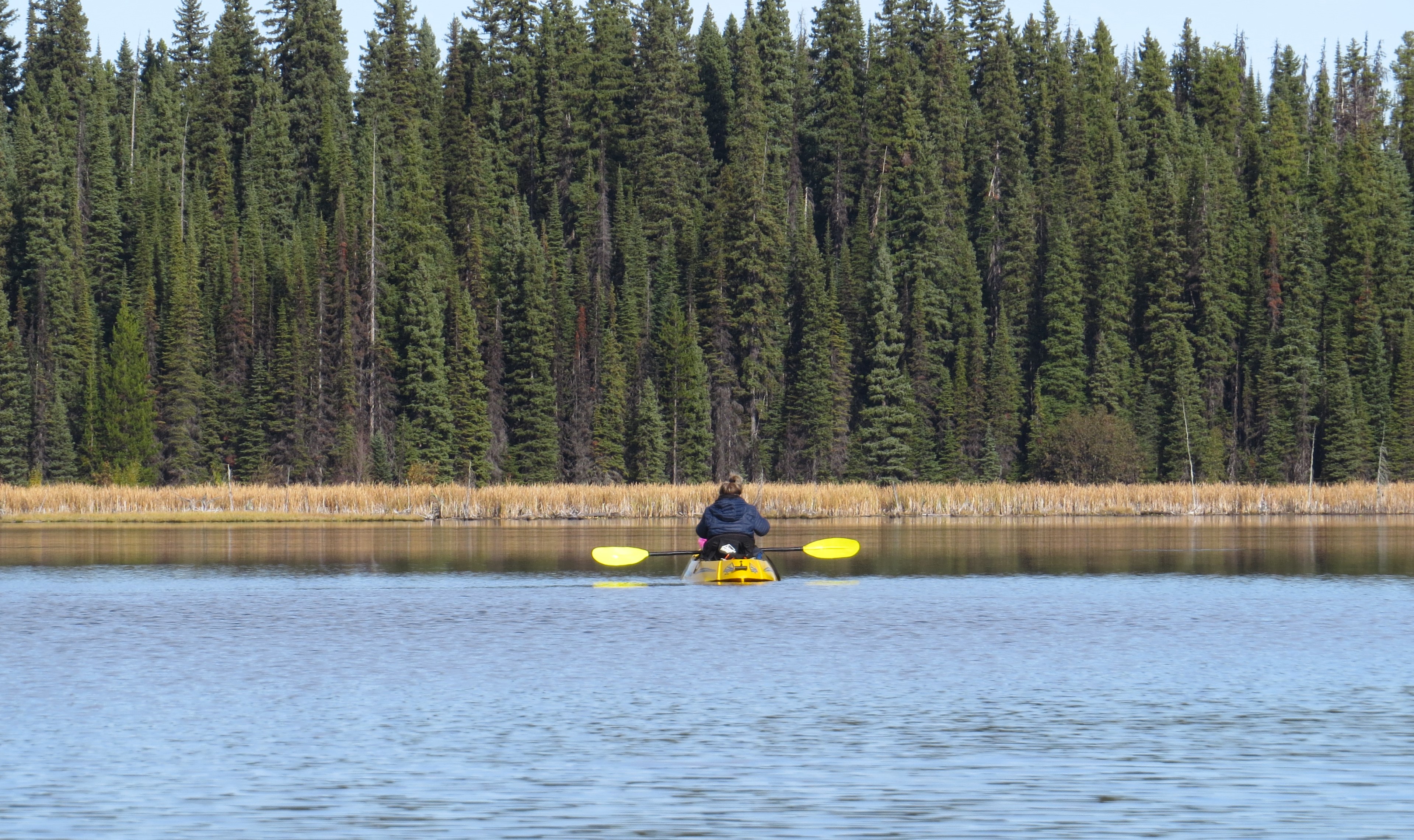
Love is for brave or insane souls.    

bill bisset i Tomasz Michalak – jak tłumaczyć nieskodyfikowane języki?

Ostatni tekst wiązał się bezpośrednio z literaturą. Literaturą przez duże L, bom pisał był o Gombrowiczu i Jeleńskim. Jednocześnie przypominałem mój cykl o literaturze tzw. emigracyjnej lat PRL-u.

W cyklu tym pominąłem jednego poetę i tłumacza poezji, z którym we wczesnych latach 90. nawiązałem kontakt, Tomasza Michalaka.  Opublikowałem w numerze drugim Rocznika Twórczości ‘Strumień’ kilka wierszy Michalaka, a że kontakt nam się w jakiś sposób potem urwał (nie sądzę by były ku temu jakiekolwiek ważne przyczyny, raczej zwykłe i prozaiczne towarzyskie – w tamtym okresie moje życie było ponad miarę wypełnione zajęciami, które pochłaniały więcej czasu niż oferowała go doba). Spotkałem go chyba w Simon Fraser University w Burnaby, gdzie wówczas studiował. Dziś zdaje się dalej tam jest, naturalnie jako wykładowca tym razem.

Opublikowałem wtedy pięć jego wierszy[i]. I wszystkie mi się podobały, podobał mi się sposób w jaki używał języka gramatyki.

Słowo ‘podobały’ nie jest określeniem używanym w krytyce literackiej – a przecież jest to najistotniejsza część łączności z czytelnikiem. Krytyk, badacz musi czytać wiersze, by je oceniać, recenzować.  Czytelnik nie musi i nie potrzebuje. Czytelnik czyta te, które lubi, które mu się podobają.

Gramatyczna kolejność i funkcyjność tej kolejności części mowy. Jeśli poeta trzyma się jej zbyt uparcie i sztywno – wiersz staje się klepanką, ogłoszeniem i traci wyraz poetycki. Nie będę wyliczał poetów, którzy to robią, bo zbyt długi ten tekst by być musiał. Im bardziej kodyfikujemy język, im bardziej sztywny gorset na niego nakładamy – tym bardziej staje się on językiem urzędowego obwieszczenia. W wierszu Michalaka „Rzeczy które wydarzyły się komuś” druga linijka brzmi tak: ze śmiechem kartki przewracają się papieru – naturalnie poprawnie brzmieć to winno: kartki papieru przewracają się ze śmiechu, tyle, że traci wtedy to zupełnie muzyczność frazy, staje się banalnym stwierdzeniem faktu. A przecież nie o to w poezji chodzi. Fakt jako taki jest w swej zasadzie kamieniem u szyi poety. Oczywistość oczywistości to jej śmierć.
Co tu chcę, w znanej mi spuściźnie Michalaka, przypomnieć, to jego praca tłumacza poezji anglojęzycznej. Mówię konkretnie o poezji billa bissetta (oficjalnie to Bill Bissett, forma której poeta w zasadzie nie używa, odrzucając, jak w swej poezji, wiele zastanych norm gramatyczno-ortograficznych). Jeden z najbardziej trwałych i tragicznych elementów kanadyjskiej poezji ostatnich siedemdziesięciu lat. Od dekad prześladowań rządowo-policyjnych, po międzynarodowe i krajowe akolady, nagrody, ordery. Od cel aresztów policyjnych, po salony Sztuki i ordery państwowe[ii].

Tomasz Michalak podjął się trudnego zadania przetłumaczenia tomiku wierszy Bissetta „żeczy ń pojęte”[iii]

Tłumaczenie poezji pisanej w dużej mierze w formie fonetycznej, języka mówionego, a nie pisanego, musi nakładać na tłumacza dodatkowy problem, gdzie sama znajomość języka oryginału i języka tłumaczenia to za mało. Trzeba poniekąd wgryźć się w sposób mówienia i dźwięku słowa.  W skodyfikowanym języku można to porównać do czytania nut. Proszę sobie wyobrazić koncert, gdzie nie ma żadnego muzyka ani instrumentu, miast tego jest lektor. Staje przed widownią i czyta utwór z kartki: tempo presto – crescendo, dwa bemole, 3 szesnastki na trzeciej linii, dwie połówki na czwartej, trzy półnuty w oktawie wyżej …. Ciekawym bym był, ile osób by na takie koncerty chodziło …

Trudno bardzo ocenić poziom tłumaczenia tego typu poezji i nie mam zamiaru tego tu robić. Zupełnie prywatnie musze powiedzieć, że Michalak bardzo przybliżył mi poezje bissetta, a sam bisset autoryzował te tłumaczenie. Co też trudno ocenić, gdyż bissett języka polskiego nie zna. Ale to są już dywagacje mało znaczące. Z punktu widzenia językowego jest to praca dobra i warto by było, gdyby jakieś wydawnictwo w Kraju to opublikowało. Może ktoś kiedyś to zrobił, nie mam pojęcia, bo badań jakichkolwiek nie robiłem w tej mierze.  

Tłumaczenie Michalaka przypomina mi bardzo formę walki futurystycznej z kodyfikacją języka prowadzoną przez Bruno Jasieńskiego i poetycką prozą Brunona Schulza – inność. Inność używania języka, jako formy, która ma służyć twórcy a nie kajdan, które mają go ograniczać. Do takiego ‘braku szacunku’ wobec formalnej kodyfikacji ortograficzno-gramatycznej nawiązywała też współcześnie Olga Tokarczuk podczas spotkania na 70-lecie Wydawnictwa Literackiego w Krakowie. Podkreślała, jak język ma być narzędziem giętkim w ręku pisarza a nie kajdanami sztywnej formy.

Więc wracając do tłumaczenia Michalaka wierszy bissetta przytoczę pierwszy z tego zeszytu poetyckiego. Bardzo zresztą oddający – abstrahując od sposobu zapisania – charakter poezji bissetta.

Czy fszystko jest dla sfiń

ona myśli ż jej gufno

               Jest sesłota swysacanego

rubinami

               on myśli ż jego jest perłostanem

i przeczystością łabęciej kfakfaducji

               co masz  im

mufić

                wiekuf owijają jh sny

               i pryfatne opinie

                              f befełnę

                              praciatofych

                              kultuf

               gufno

               jest gufnem

               ale ja

               fo tego

gufna

               dobiorę ś

               wam

               jeszcze[iv]

Ot, ciekawostka poetycka. Jedynej rzeczy, której sensu pojąć nie potrafię to właśnie tego niby-konstruktywizmem pachnącego układu graficznego strof i wersów. Chyba, że założeniem był jednak chaos. Tutaj tłumacz jest jednak bezbronny, ten układ stroficzny jest dokładnie taki w oryginale. Co w niczym mi w rozumieniu tegoż nie pomaga.  Naturalnie – chaos zrozumiany być nie może i z tym się zgadzam.

I tyleż na dziś.


[i] Rocznik Twórczy „Strumień”, nr 2; s. 31; Surrey, Kanada; rok 2000; ISSN 1488 8513

[ii] Bill Bissett – Wikipedia

[iii] Bill bissett; „żeczy ń pojęte”, wyd. Talon Books, Burnaby BC, Kanada, 1998

[iv] ibit

Bridgewater – the city and the river

Bridgewater – the city and the river

But before the British settled there, and before it become known by the name ‘Bridgewater’ it was an ancient large settlement of Mi’kmaq tribe for thousands of years. There is a rich collection of archeological artefacts attesting to their settlement at  the mouth of the large LaHav River.

In 1604 the French Governor of New France Pierre Dugua de Mons visited these lands and by the mid-1600 there was first small French settlement there.  In 1825 the first bridge was built and by 1850 the population grew to 300. At the end of XIX century the town had two railway connections – across the valley to Middletown and trains to Halifax. Easy access through the large and navigable river gave beginning of many industries, among which shipbuilding was a major force. It is probably a surprise to many, but the very first ship’s two-stroke engines were manufactured here and exported worldwide. It closed its operations in 1970.

Since the origins of the town, the western bank of the river was the heart and center of the city and so it remains. Most modern developments, shopping malls, concentrate on the east or left part of the city.

The historic town, its calling card, is the main King Street right along the banks of it’s beautiful river. It is connected by two bridges to the other side. Especially the old iron bridge is such a gem.

A walk on that long street is such a pleasure. It is like you are traveling back in time to a space where that time doesn’t travel so fast, doesn’t run in a hurry. Neither should you, if you ever visit.  

As an interesting tidbit – did you know that famous Hollywood and Canadian actor Donald Sutherland spent his formative teenage years and graduated from High School in Bridgewater?  

If I was going to stay permanently in Nova Scotia – I would love to move there. But I do suggest to Dear Reader – if you are visiting Nova Scotia, you absolutely must visit Bridgewater. You won’t regret it.