Ostatni raz jechałem tą szosą siedem lat temu. W przeciwną stronę, na drugi brzeg tego kontynentu.
Szukaliśmy portu przyjaznego.
W dolinkach i w zatokach
drugiego oceanu,
gdzie lasy rachityczne,
gleba czerwona,
fale wspaniale muskularne.
Szukaliśmy nowego życia.
Nie znaleźliśmy.
Zgubiliśmy Twoje.
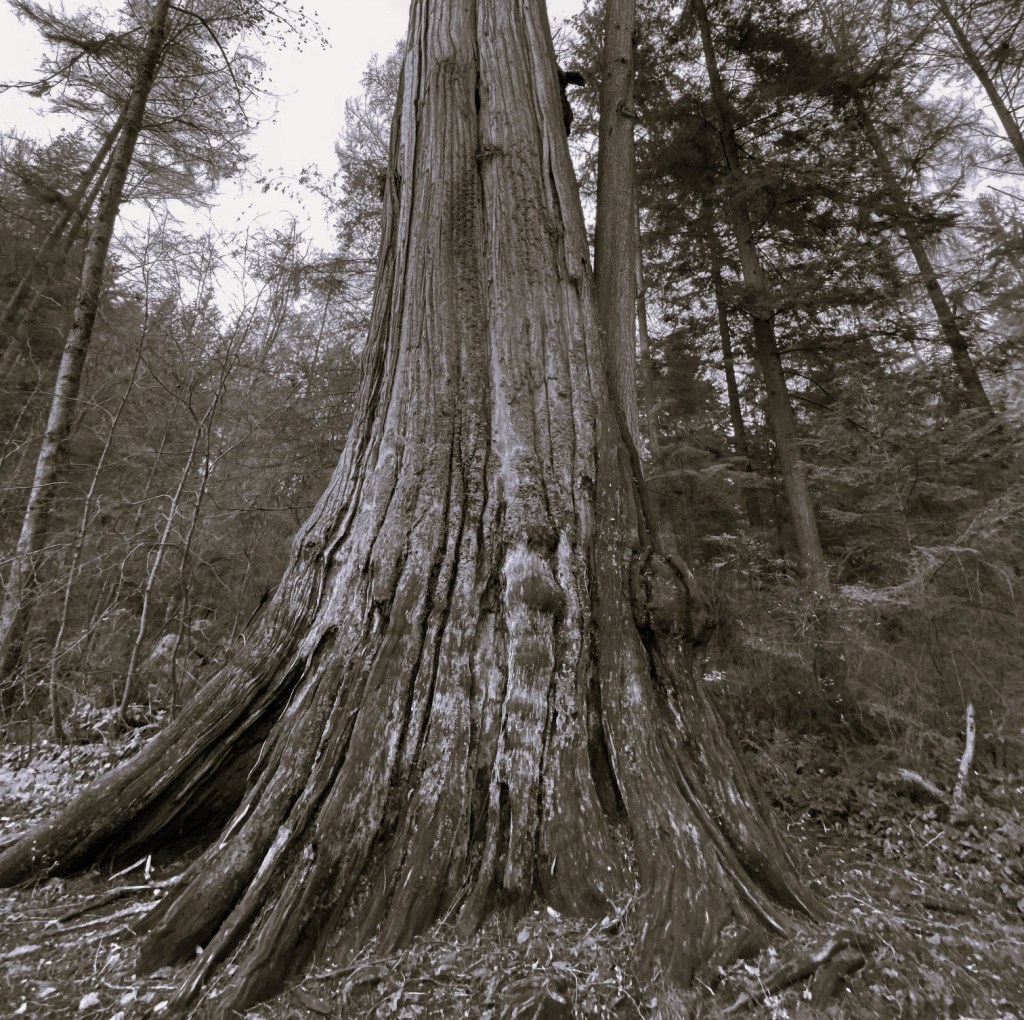
A przecież to tu, nad tym oceanem opartym o potężne, wysokie jedlice Douglasa w wilgotnych puszczach – tu był nasz dom. I tam jadę tą szosą z powrotem. Sam, bez Ciebie. Szukać Twoich śladów.
Górskie mgły, niczym
firanki nieba,
wałęsają się między
koronami drzew,
opadają jak woalki
na skalne ściany.
Zaraz dojadę do Hope. Do Hope, do Nadziei – małego, starego miasteczka, które otwiera bramę do wielkiej doliny rzeki Fraser prowadzącej do Vancouveru.
Spinam ostatnią klamrę naszej epopei. Nagle, właśnie nad tym Hope ukazuje się mała pochodnia słońca. Rozchyliła kotary chmur i uśmiechnęła się do wracającego tułacza. Syna marnotrawnego, czy męża owdowiałego? Wierszoklety, któremu poza słowami nie pozostało już nic.
Jestem w domu bezdomny.
Przyjechałem do nas,
A nas nie ma.
Mimo to jestem,
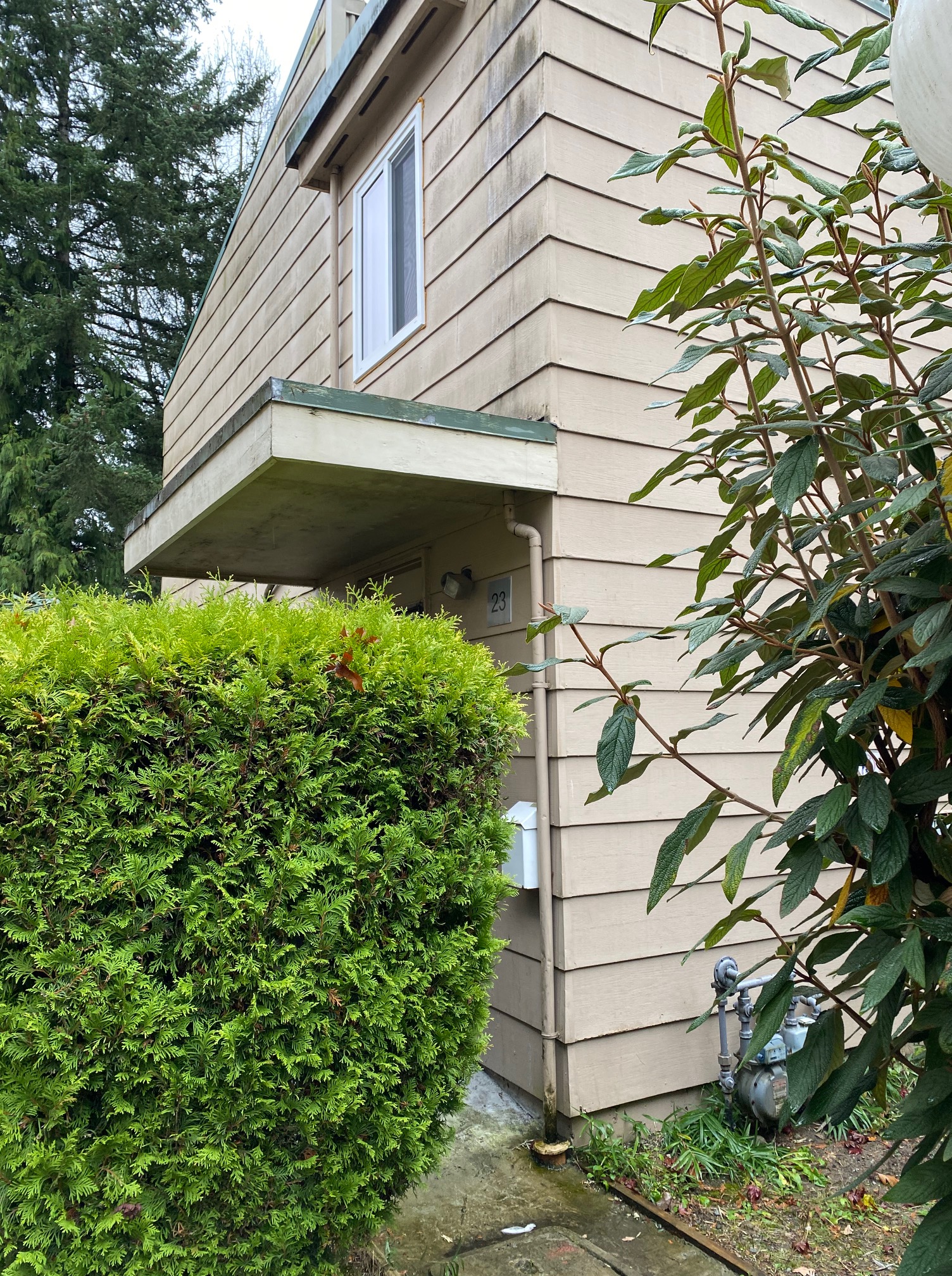
dotykam naszych drzwi,
patrzę na nasze krajobrazy,
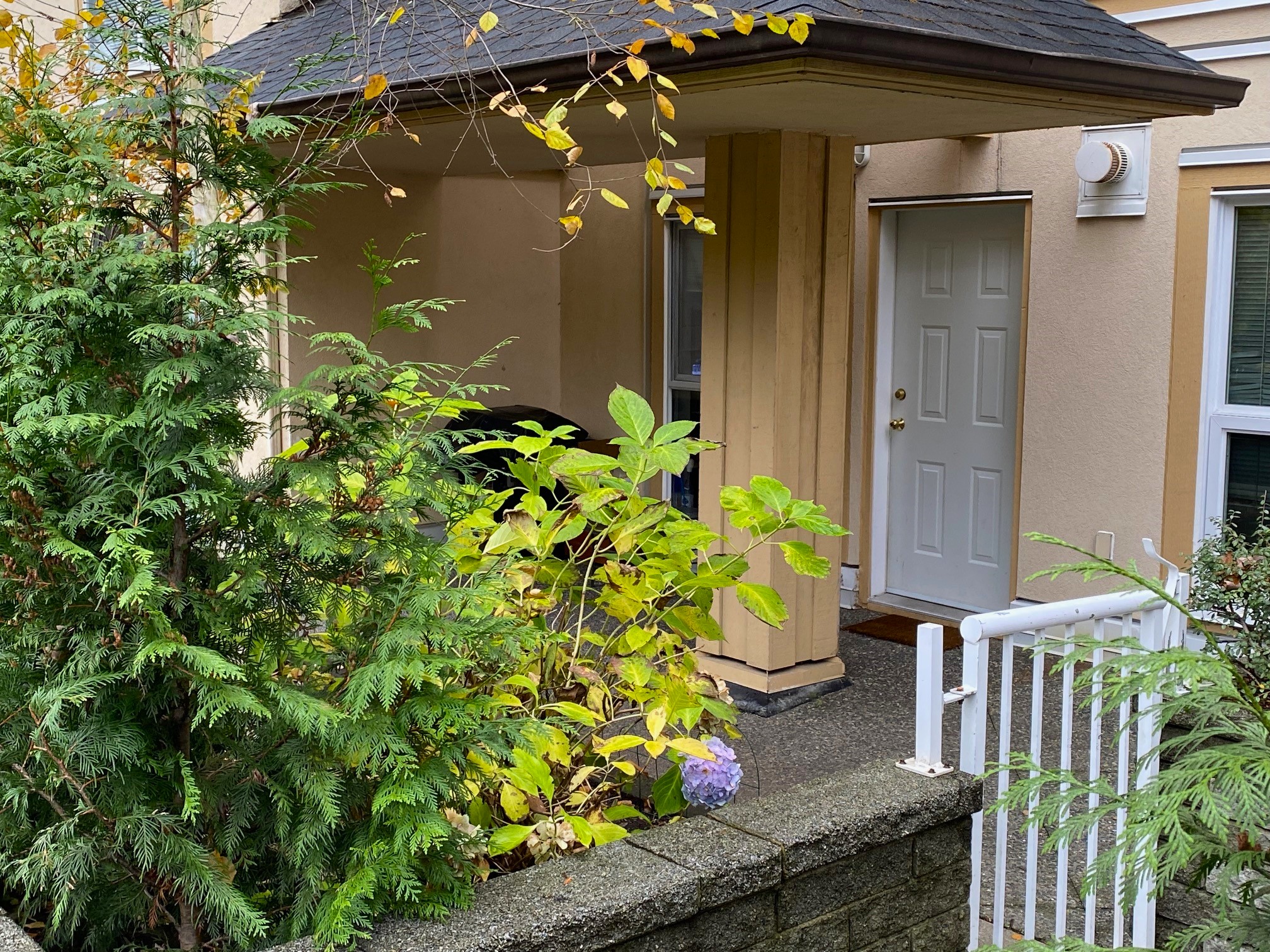
pukam w okna naszych mieszkań.
I nagle, niespodziewanie bierzesz w swoją dłoń moją rękę. Uśmiechasz się. Po prostu zwyczajnie idziemy razem naszymi ulicami trzymając się za ręce. Jak gdyby nic się nie zmieniło, nic się nie stało. Jakby nie było odjazdów i powrotów. Jakbyś żył.
Więc nie wydawało się, nie był to wybryk zmęczonej wyobraźni, splątany kłębek bólu, smutku, majaków. Nie – jesteś ze mną faktycznie. Może nikt inny Cię nie widzi, ale to jest bez znaczenia. Ważne, że my się widzimy, poznajemy.
Pójdziemy naszą ścieżką
przez Stanley Park,
od laguny do mostu.
Ogrody Różane nie
kwitną o tej porze,
ale my je zakwiecimy,
rozlejemy opary słodkich
zapachów różanych
i siądziemy na ławeczce
obok, trzymając się za ręce.
Będziemy. Ja i TY.
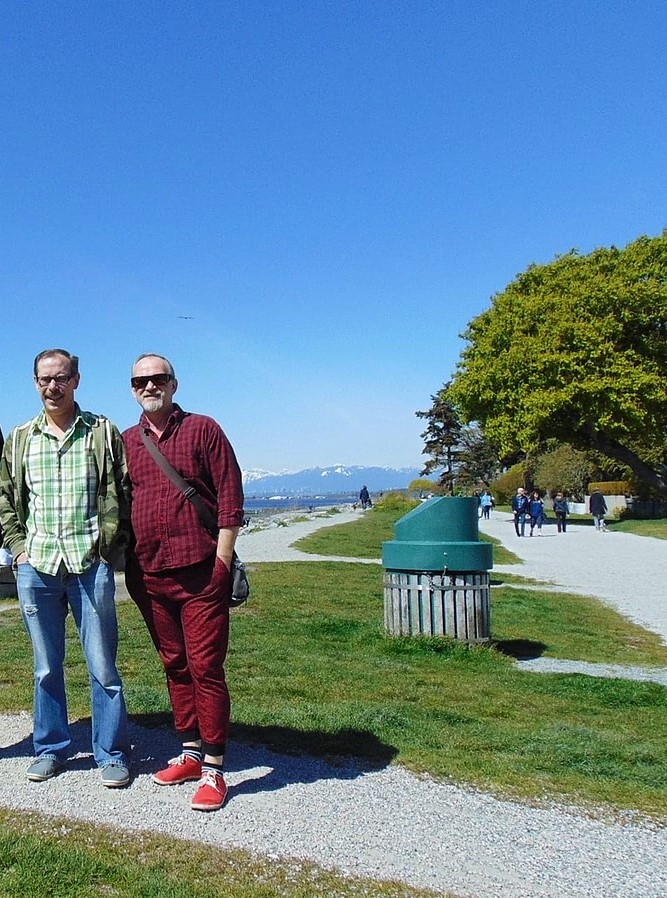
Spacer ścieżką pamięci przy naszych domach i mieszkaniach w Surrey, ranny spacer w Sapperton w New West, ścieżkami Stanley Park w Vancouverze.
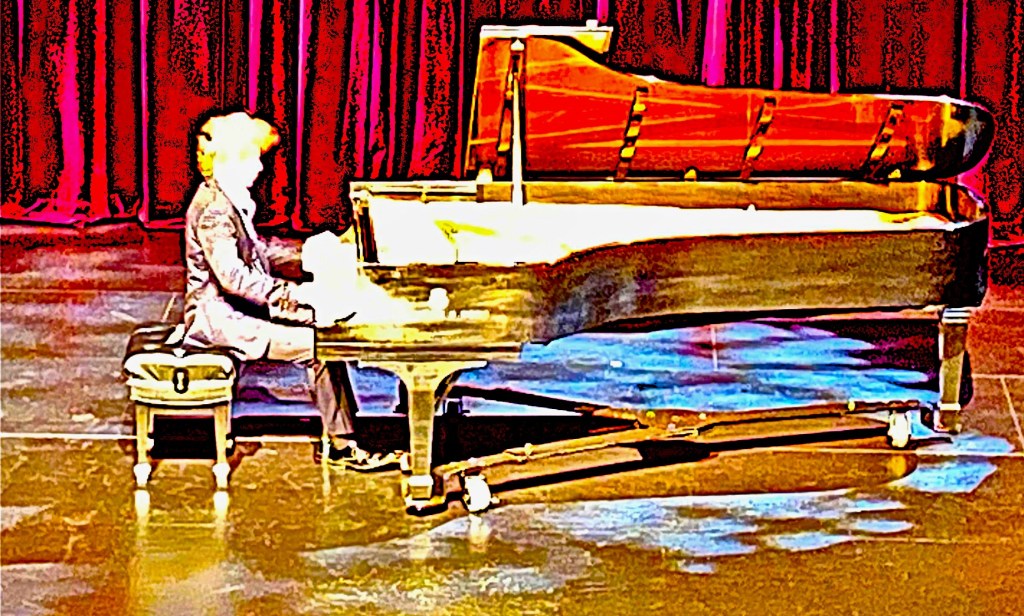
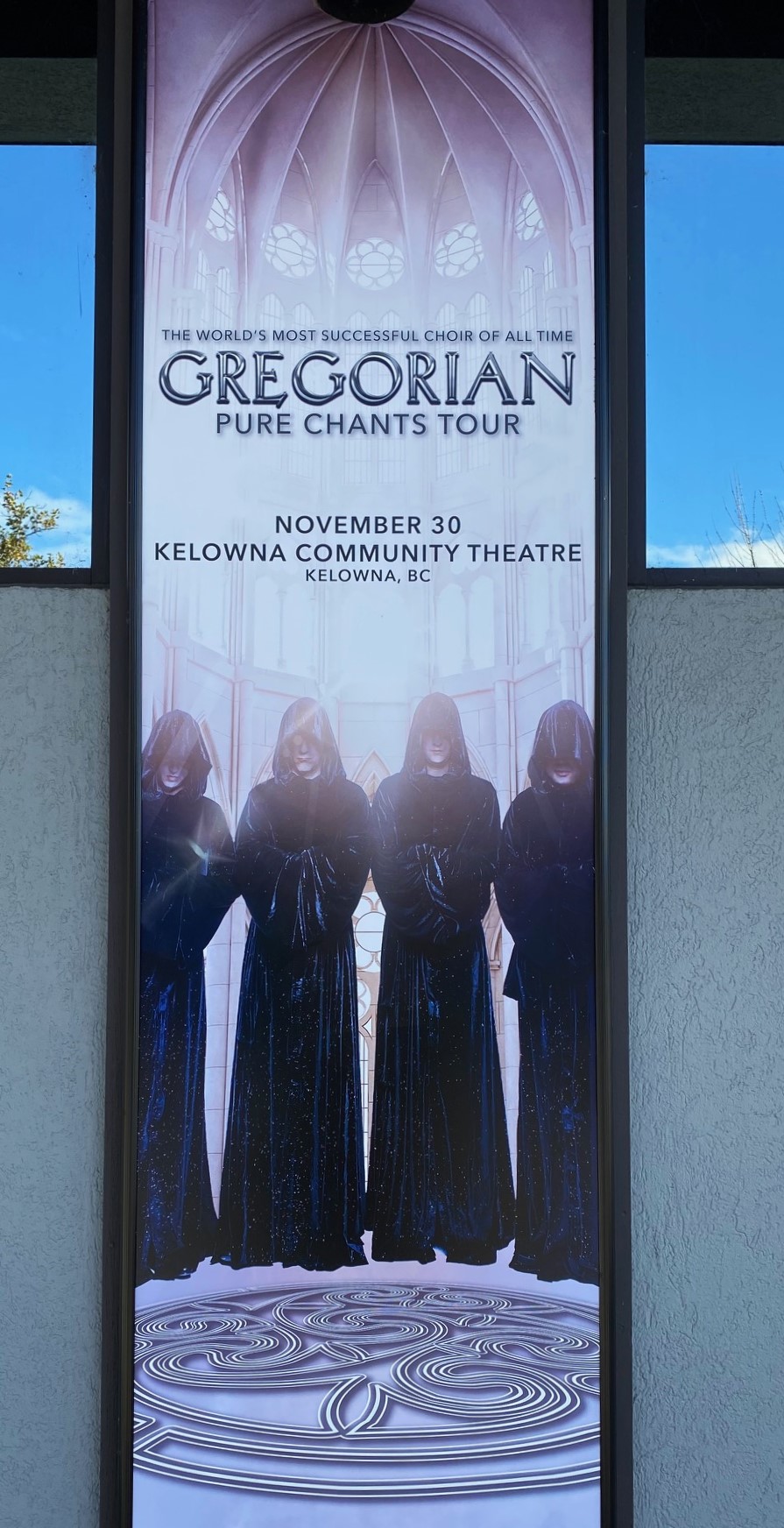
This was one opportunity I didn’t want to miss. Last night piano concert of Nikolay Khozyainov in Kelowna, British Columbia. Have heard of this young pianist few times and his fame proceeded him. Was wary, though. Big fame and being a child prodigy (he started playing in … Siberia – in all of forbidden places – at an early age of six and as a child already performed in Russian cities, including Moscow, a city with earned reputation of being very strict in offering the stage to no one but the best as far as music is concerned) can be misleading and sometimes such career is cut short and musician falls into obscurity.
But Nikolay is no longer a child, and no longer a prodigy of anyone but his own talent and hard work. Bought the tickets well in advance while I was still in Halifax so as not to risk missing the concert.
A fact that he was a finalist in 2015 famous Warsaw’s International Chopin Piano Competition certainly cemented his statue as a pianist, and opened the doors of many international stages to him.
The auditorium in Kelowna’s Waterfront Art Centre is an elegant venue but not a very large one. But the seats are well arranged, and it looked like you could see the stage from every row and corner. In a small venue like that I usually choose either an isle seat or a seat at the very back (best for making quick notes without disturbing anyone).
Day was cold and being next to the huge lake added to that unpleasant coldness of late November. But inside the atmosphere was pleasant. My surprise was that there was not a printed program. In a concert where many pieces of many composers will be played it is helpful to have one. That was a serious minus on the side of the venue administrators. That was not the end of surprises, though. LOL.
When the virtuoso appeared on the stage I was – to say it elegantly – amused. Long gone are the days when longtails were the only accepted attire. Slowly they were replaced by afternoon elegant jacket, even black sweaters (Oh, Mon Dieu!). But pants remained elegant, sharply pressed. And shoes. Ah, the shoes – they are actually important, as they play, too – alongside hand and fingers. Something has to touch the pedals, LOL. Therefore shoes were elegant leather, shiny.
When Maestro Khozyainov entered the stage – he wore non of it. Pardon, except the light but elegant jacked. No, no. He wasn’t half naked! Just the rest of the attire really does not belong on a stage in a concert hall. Even in Kelowna. I was wondering how his cozy and warm winter shoes will feel the pedals …
I know, a bit long introduction – but I was truly amused by all of it.
Alas, back to music. Khozyainov begun with Chopin’s Nocturn D Flat Major, Op. 27. I thought it was a bit rough at times. The beautiful melodies few times were missing a note, or a note fell off the order. Which was sad since that Nocturne is one of the most beautiful nocturnes of Chopin. And yes, the pedals were not used as smoothly and as consistently as they should have.
Next was fantastic Prelude Op.45. Chopin himself said it was best prelude. I think the pianist did very good job in showing the elegant nature of this composition. Following with Ballade No. 4 in F minor, Op. 55 he brought peace to musical order. It is such a beautiful, poetic music. Khozainov fully regained his mastery of the instrument. I enjoyed it very much. It takes you for such a nice walk, memories of romance, of youth, of longing. Could be almost sentimental but still retains the deep feelings, the poetry of the soul. It remained me at times of the way incomparable Kristian Zimerman plays it. Use your inner feeling but stay close to the score seem to be the magic and don’t rush, allow the music to sink in.
After the Ballade, there was a short intermission and suddenly I felt like being back in Carnegie Hall or on Jasna Street in Warsaw’s Philharmonic. Back to great concerthalls of the world. Khozainov appeared in beautiful attire (with very shiny and elegant shoes, LOL) and things seemed all in place. Just waiting for the music to do the rest. It did.
Liszt and his delicate Impromptu Valse set the stage for musical fluidity, elegance. Following different feelings and pictures was Liszt Spanish Raphsody S.254. The Hungarian musical genius composed it in 1858, shortly after his visit to Spain. It has cascade of full octaves, rapid cords. A time to shine and awe, as Khozainov did. I wouldn’t have been surprised if suddenly a solo ballet dancer would appear and did some pirouettes to the music. It didn’t, but it felt like it could. That was certainly a grand finale to the first part.
During the short break I had a nice chat with a fellow, who sat right in front of me, and we exchanged few impressions. It was pleasant conversation to fill the free time (and not missing any equally pleasant innuendos, LOL). Music and romance? That never happens! Or was it just me, who forgot that it does indeed?
However – the time for truly great romance awaited us back in the hall. Ludwig van Beethoven – the towering giant of classical music.
Nikolay played masterly transcribed by Liszt Allegretto from Beethoven’s Seventh.
For a triumphant finale he played probably the most difficult and unusual piano music of the great composer – his Sonata No.23 Op. 57 known as Appassionata. I could easily see it more as a full Piano Concert with orchestra. It is long piece (it is a sonata after all, therefore not too long) but the difficulty lays in its structure, abrupt changes of tempo, emotion, almost loosing melodic motifs. In a way, the Appassionata should habe been composed fifty or seventy years later. It is very much not a mirror of tastes and styles in Herr Ludwig times. But Herr Ludwig was not a man of a’la mode – Beethoven was a man of musical genius. Timeless. I suppose, it must be very difficult and not easy to memorize it to play without the aid of printed score. Because the Appassionata has distinctive long intervals it is very wise for the pianist to remain in full control as some people would not start to clap, thinking it was the finale. Khozainov had it all in check.
I am not surprised that (although not part of this concert repertoire) that he has played and recorded the arch-difficult Gaspar de la nuit by Ravel.
Of course, every musician is prepared for a a short bis after a concert. Nikolay was too. However – none were prepared for almost an entire third part of the concert! It was a sheer bravado which ended in an amusing and happy cavalcade on the keyboard.
Scriabin, Chopin, Rachmaninov, you name it! All the virtuosic pieces that shine and wants the audience to stand up and dance to it. We almost did. Applause did not stop. Just when we thought it is over, done, when we thought that it is almost impolite to demand more … Nikolay played his own impromptu fantasy. And everyone went crazy. What a bravado, gusto with a touch of showmanship. A pure joy of the music. I loved it.
In a chat afterwards we used simultaneously three languages, as both of us knew them: Russian, Polish and English. And he signed my notebook with name I have not seen in a very long time – with ‘otchestvo’ – a Russian peculiarity of using one’s name and the name of one’s father. Because I have the same name , as my father – it is of course: Bogumil Bogumilowitz, LOL. I like it.
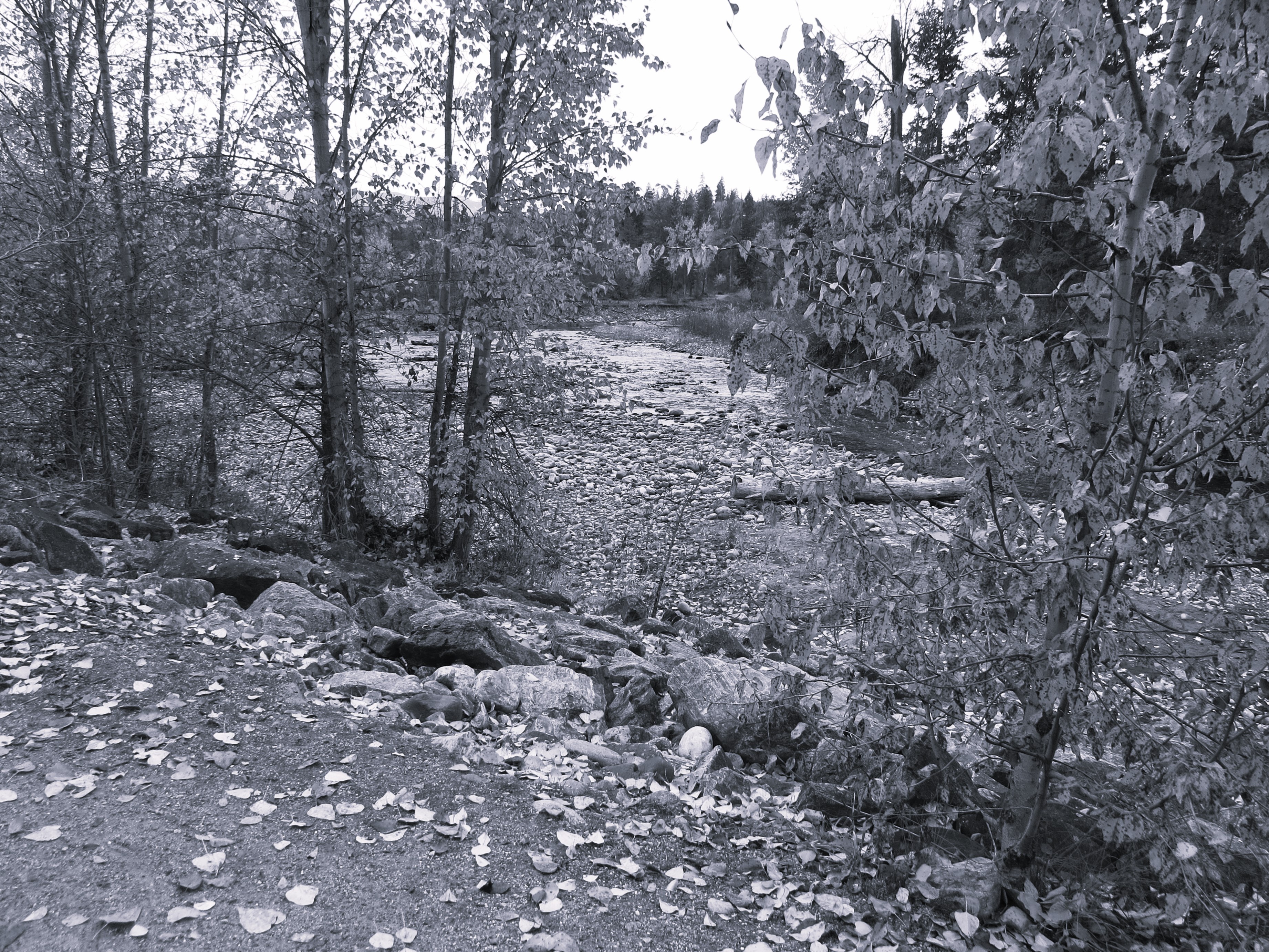
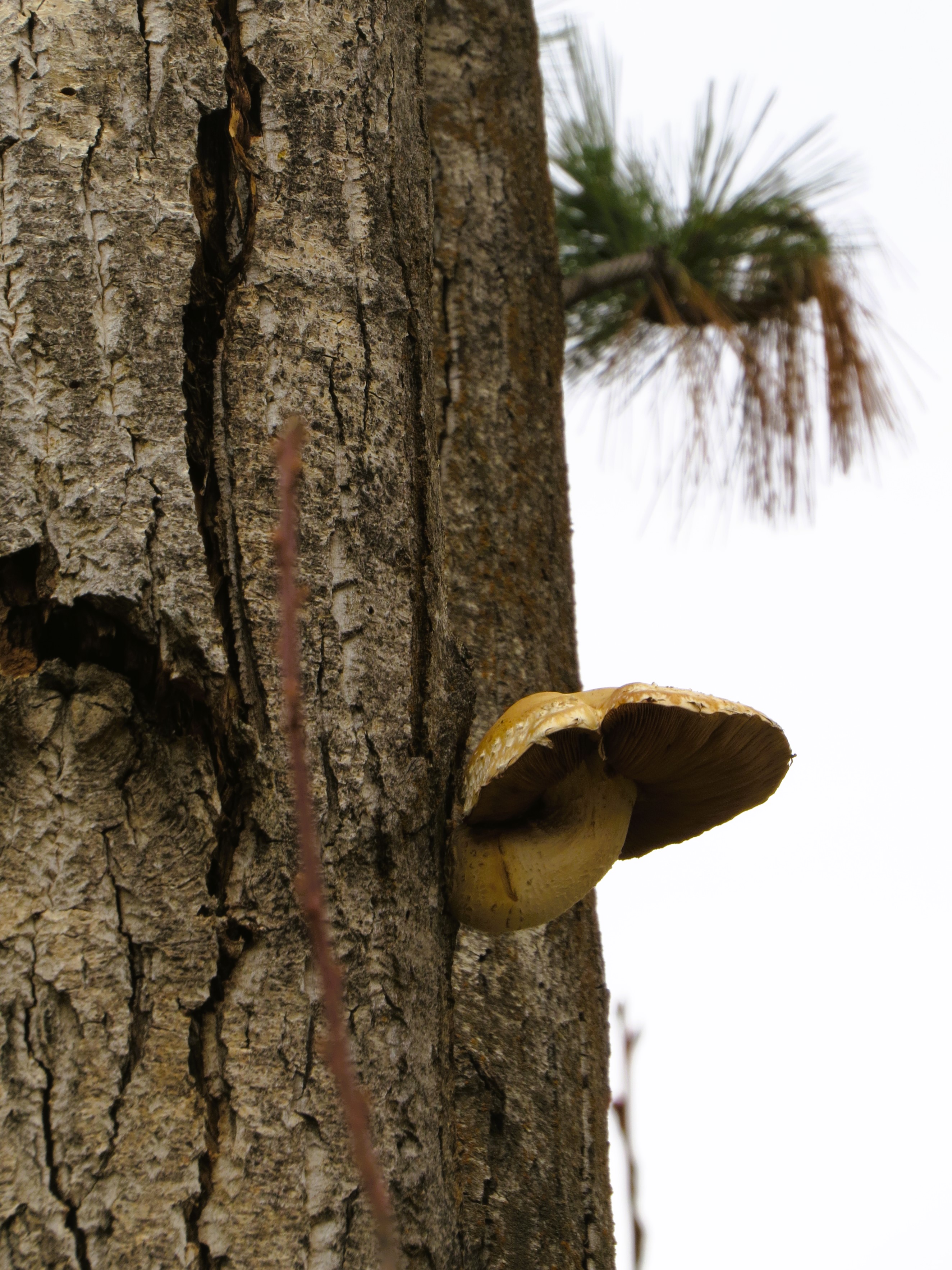
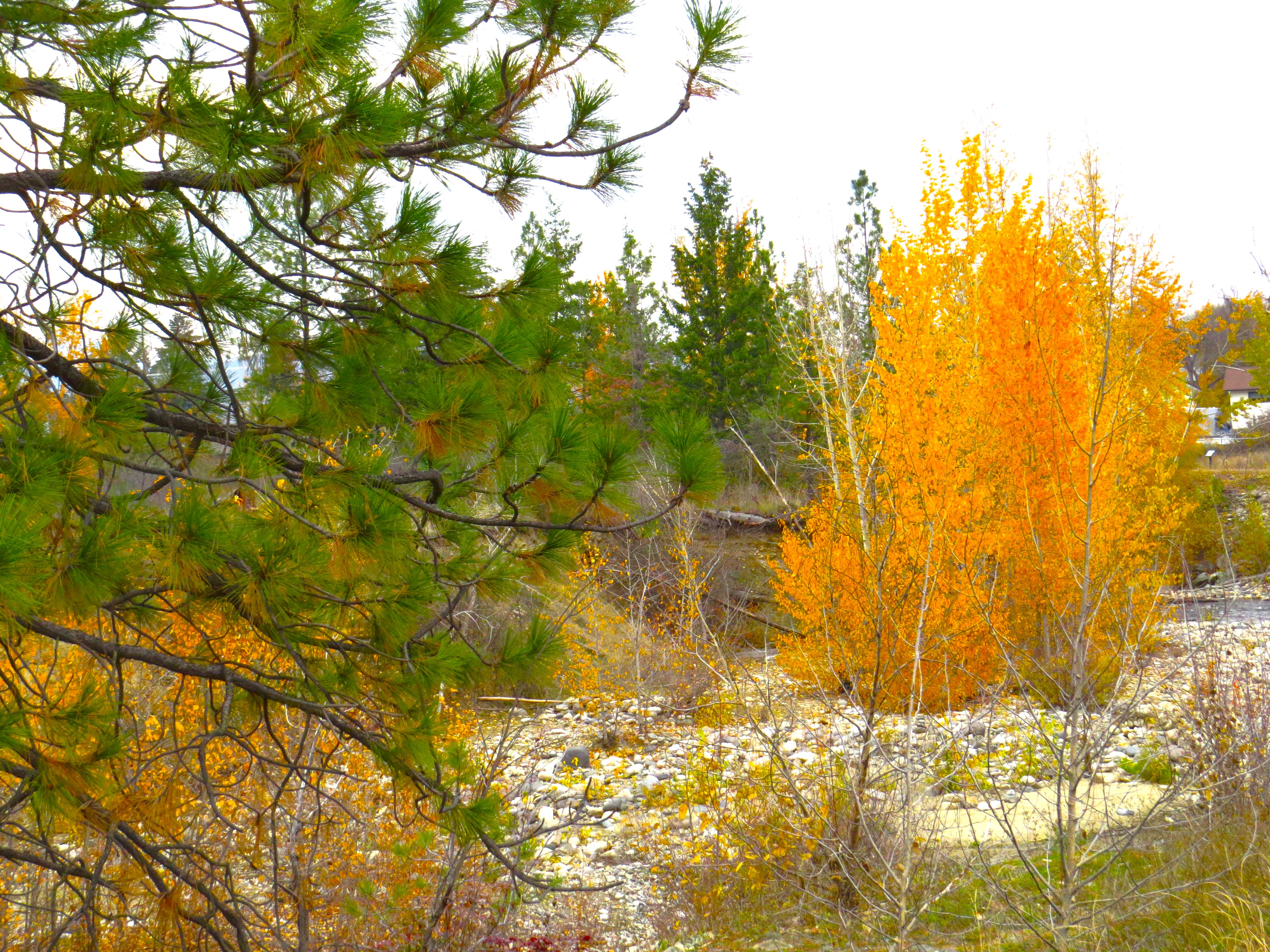
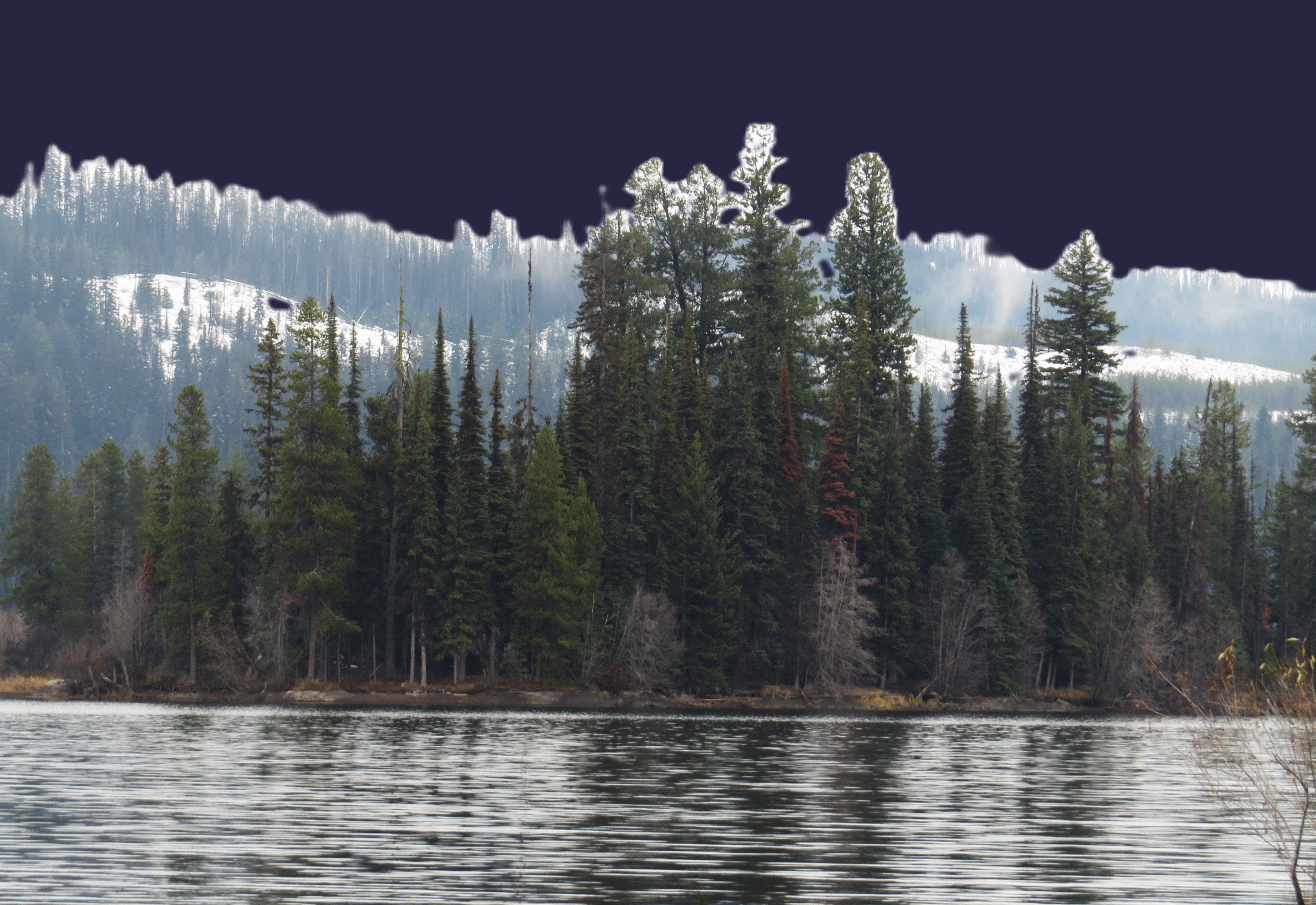
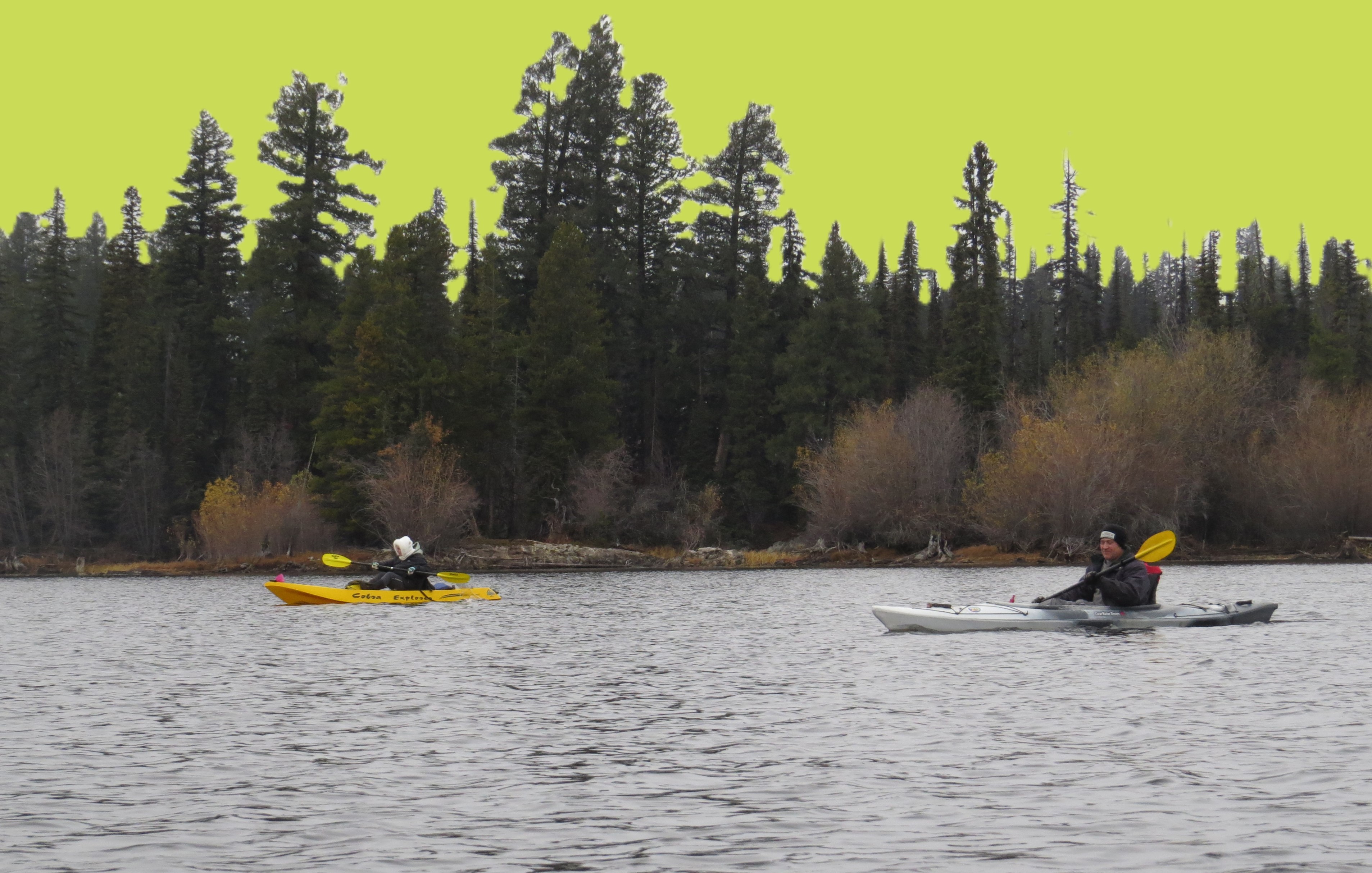
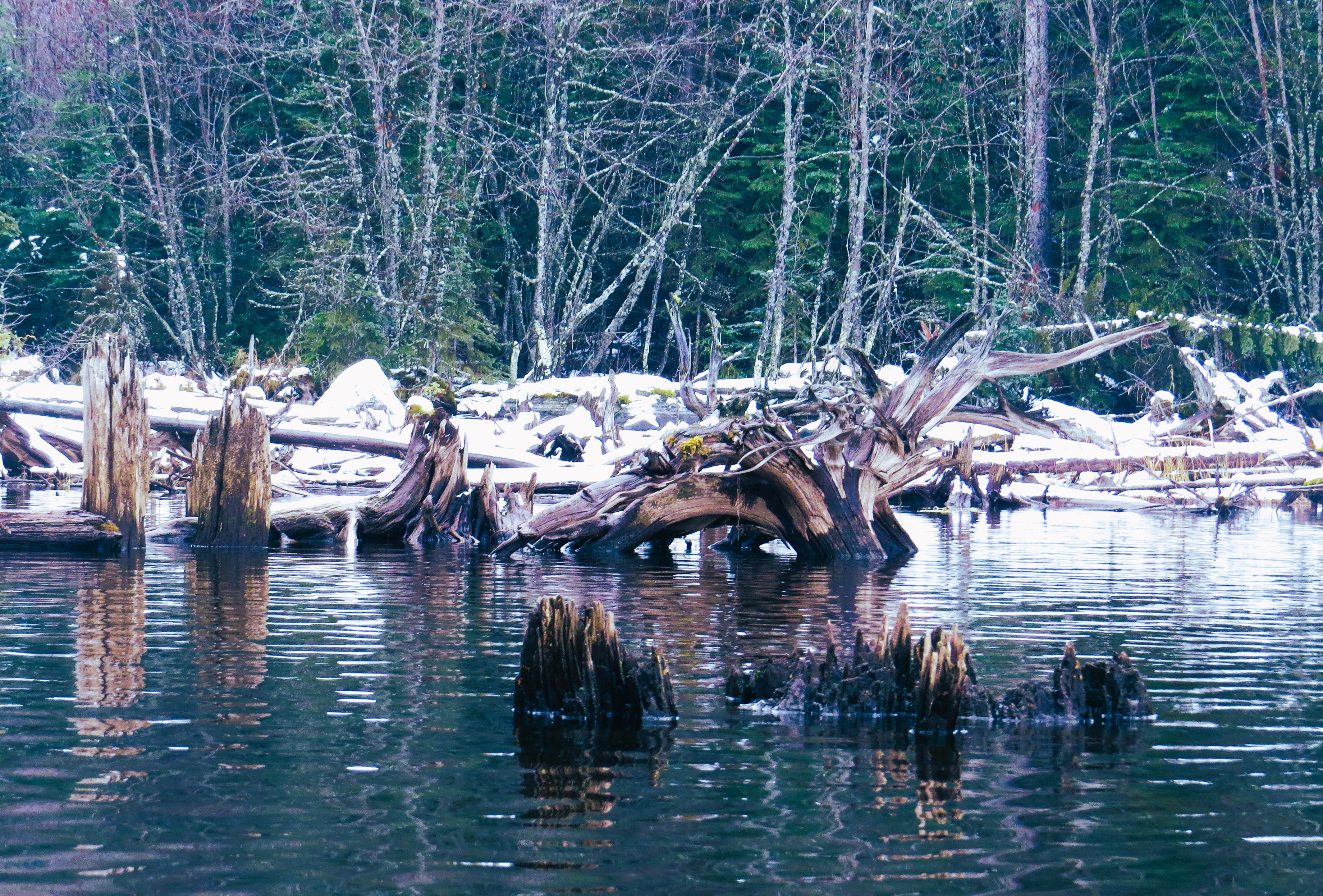
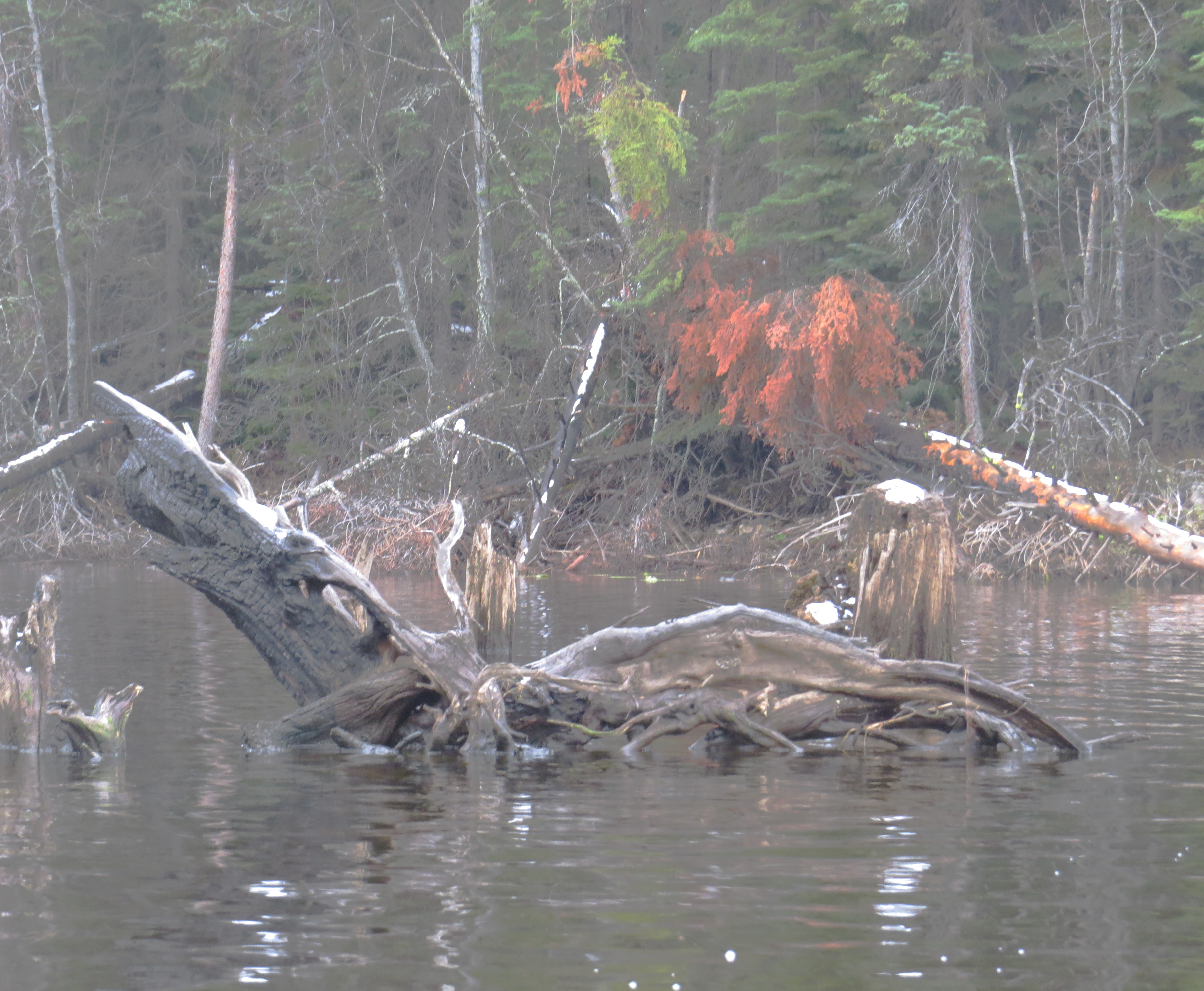
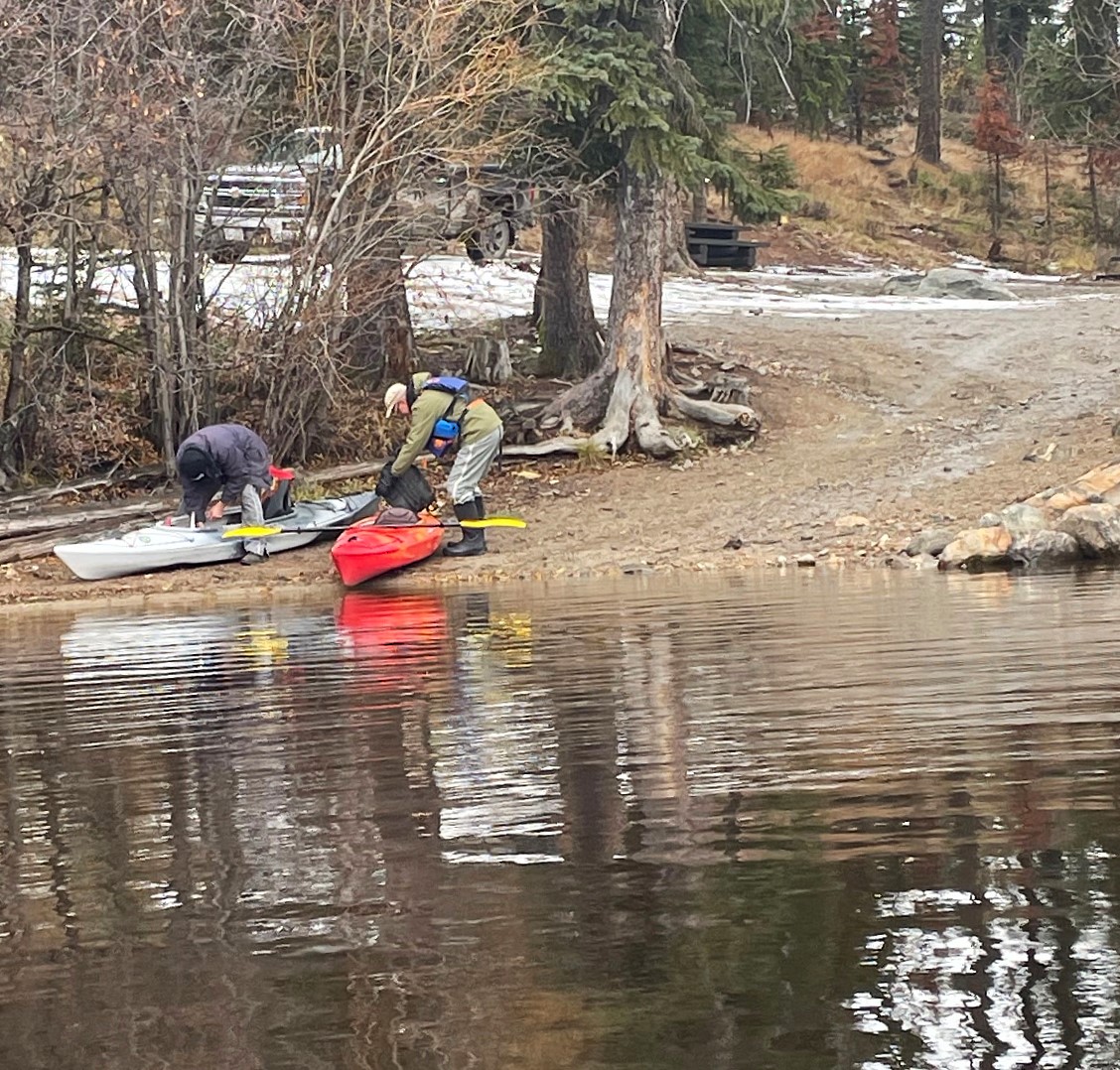
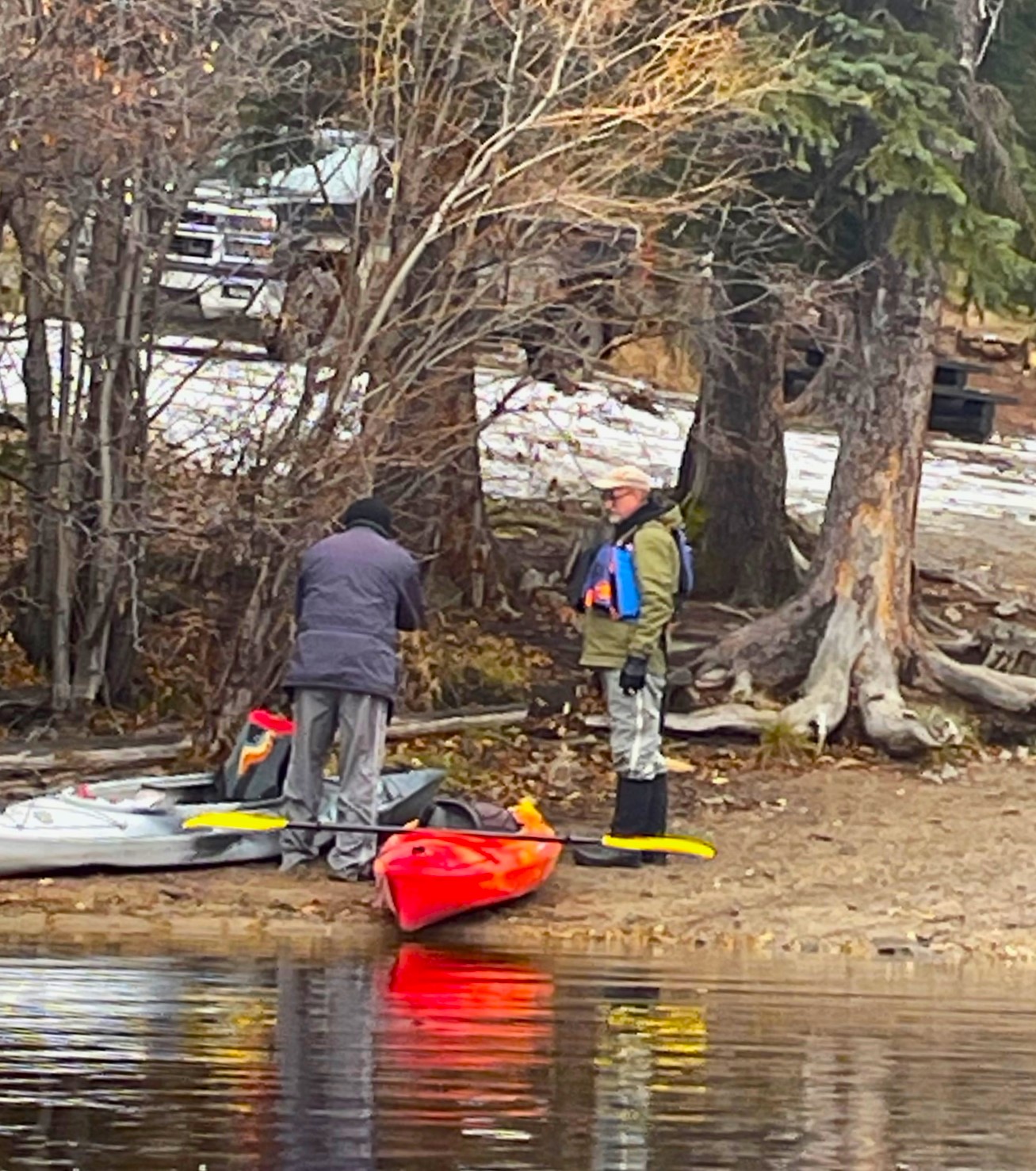
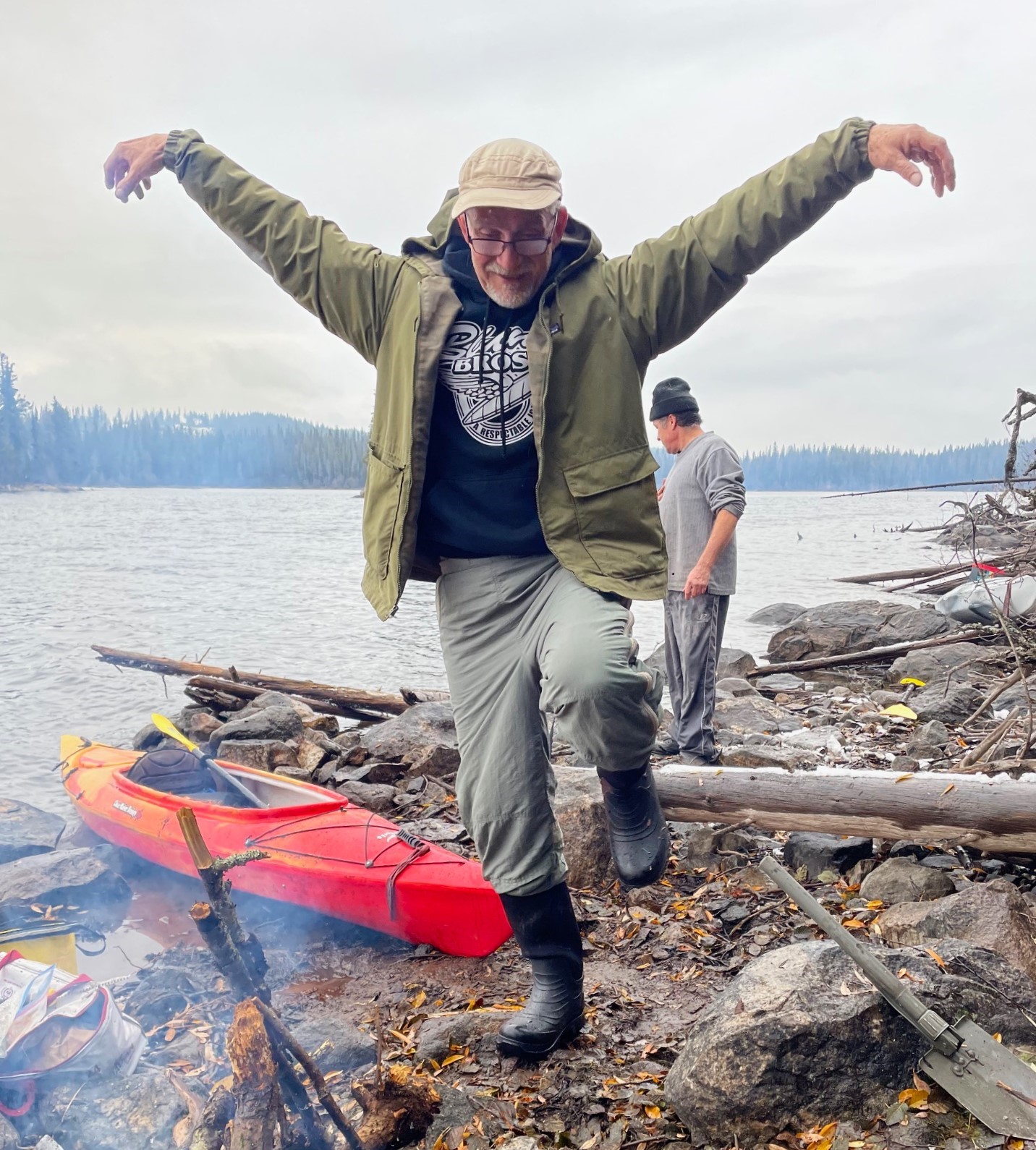
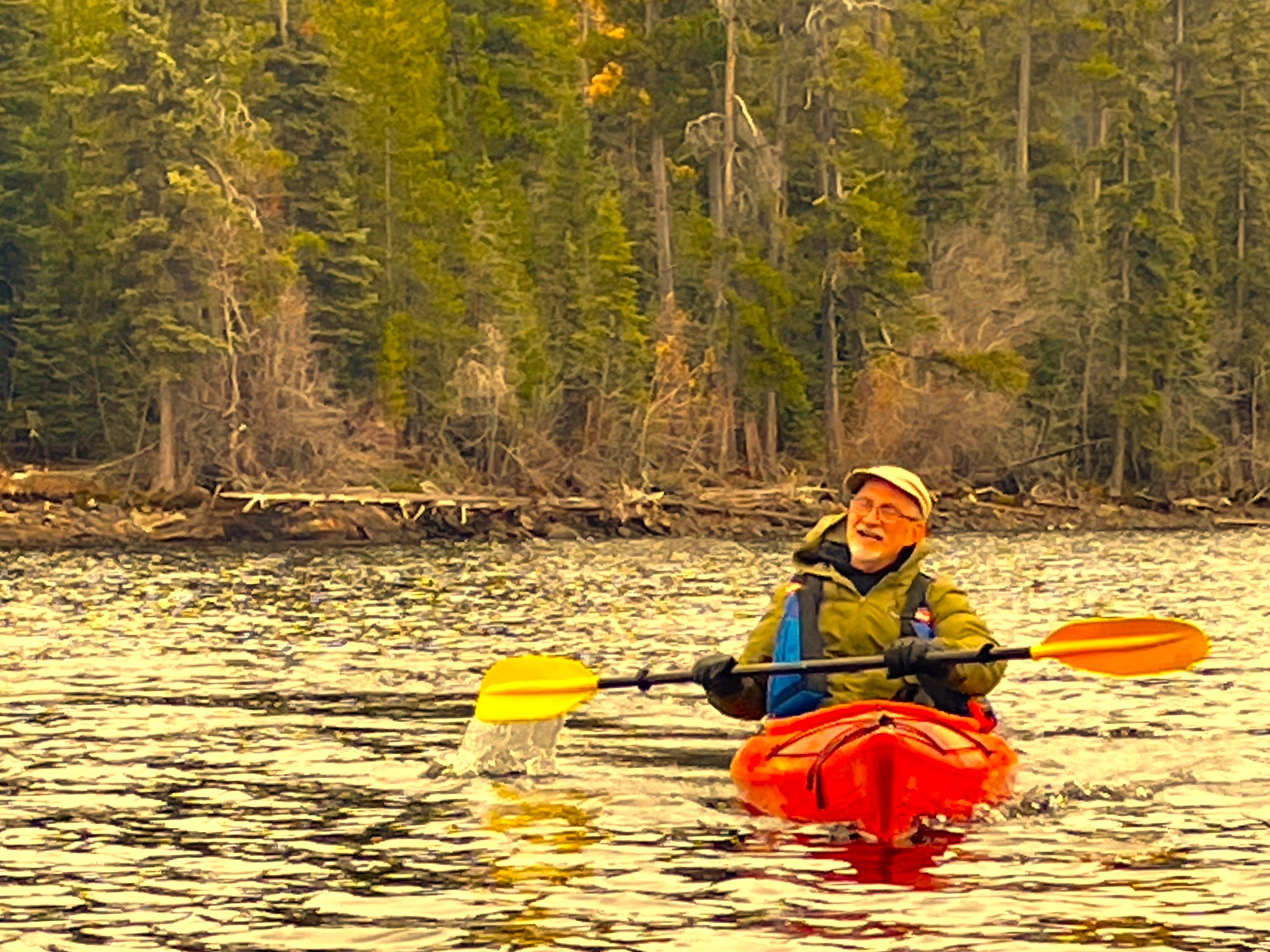
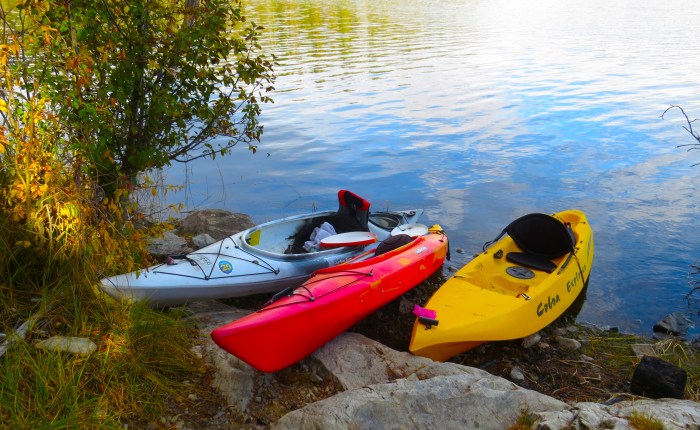
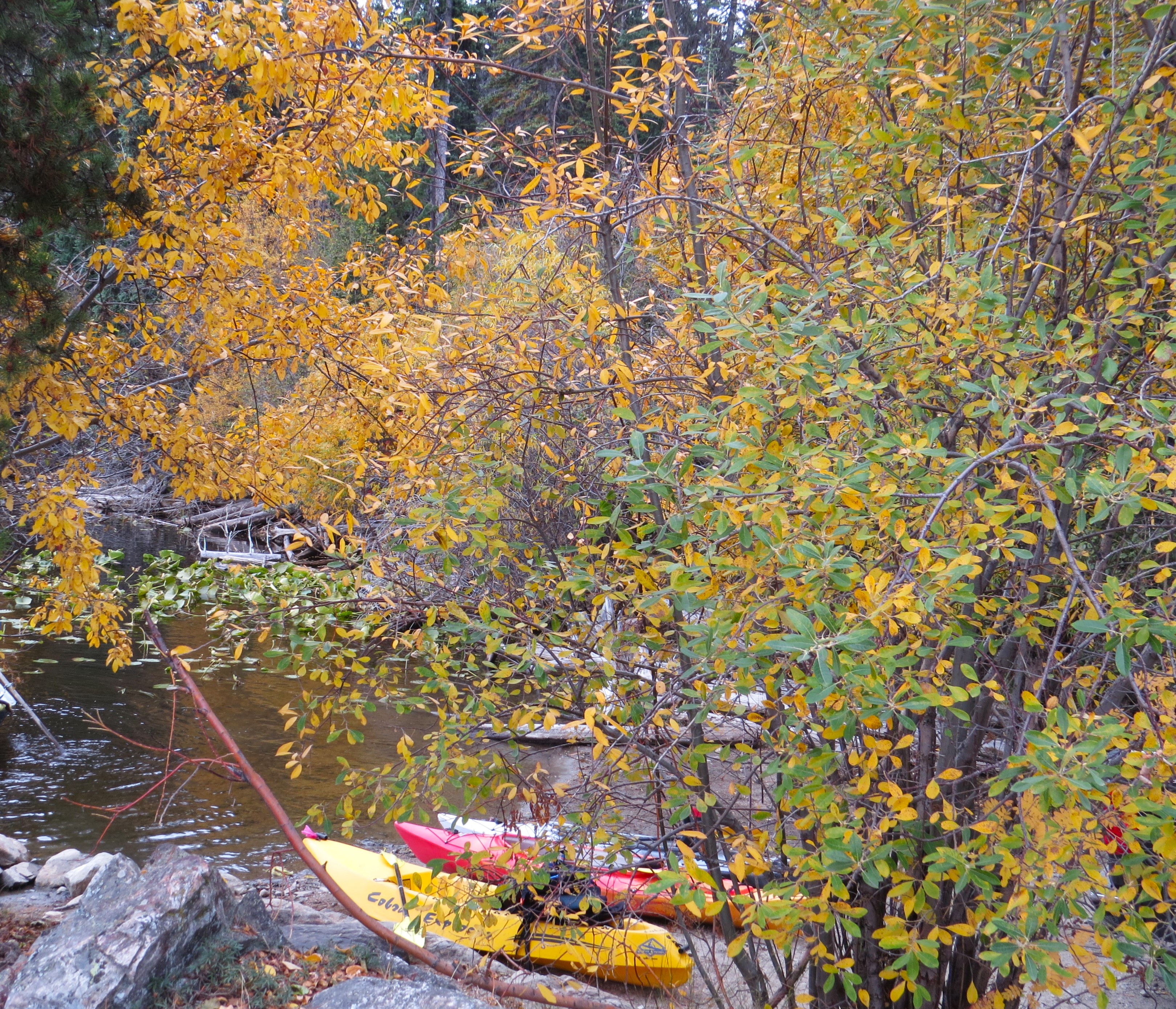
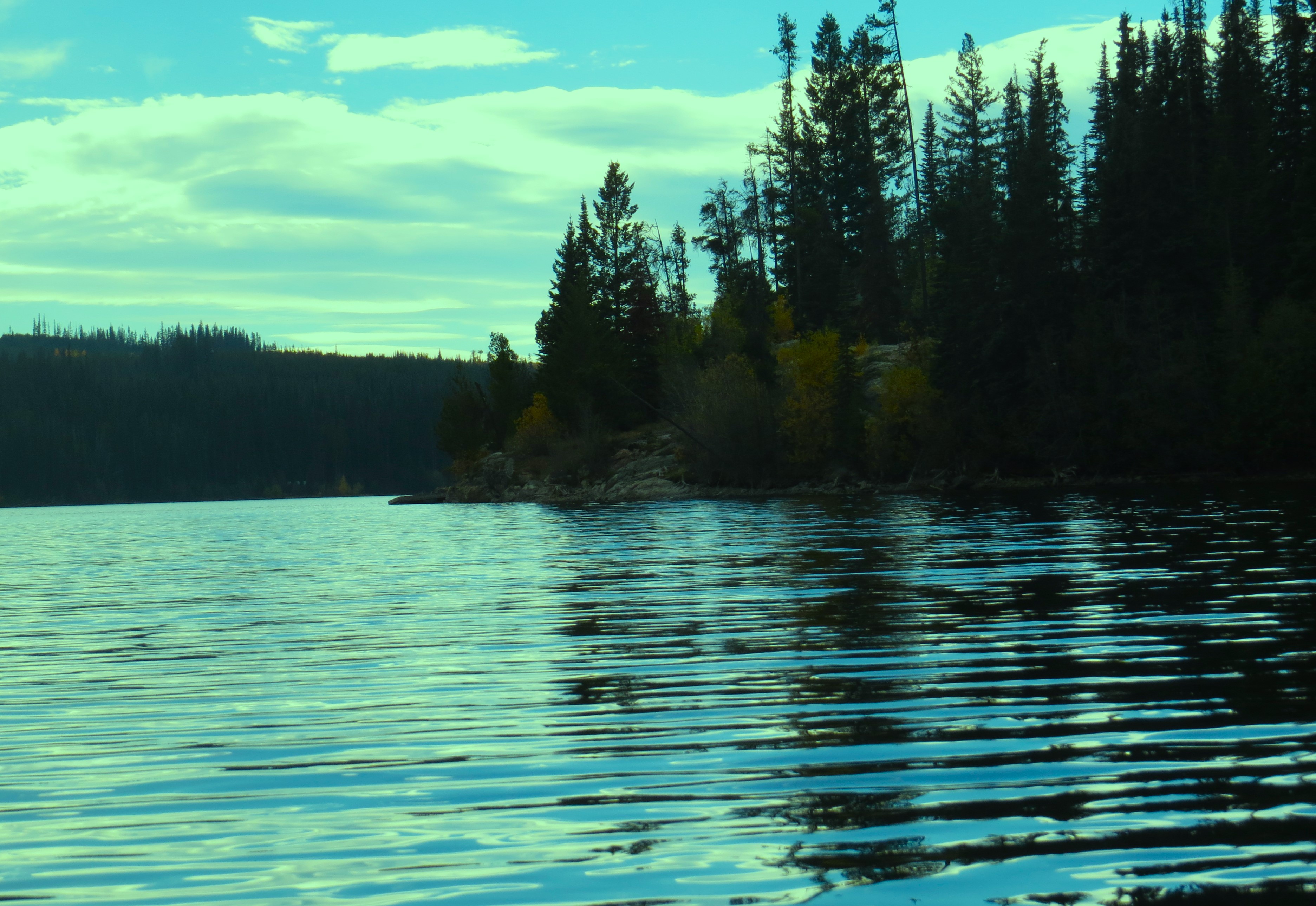
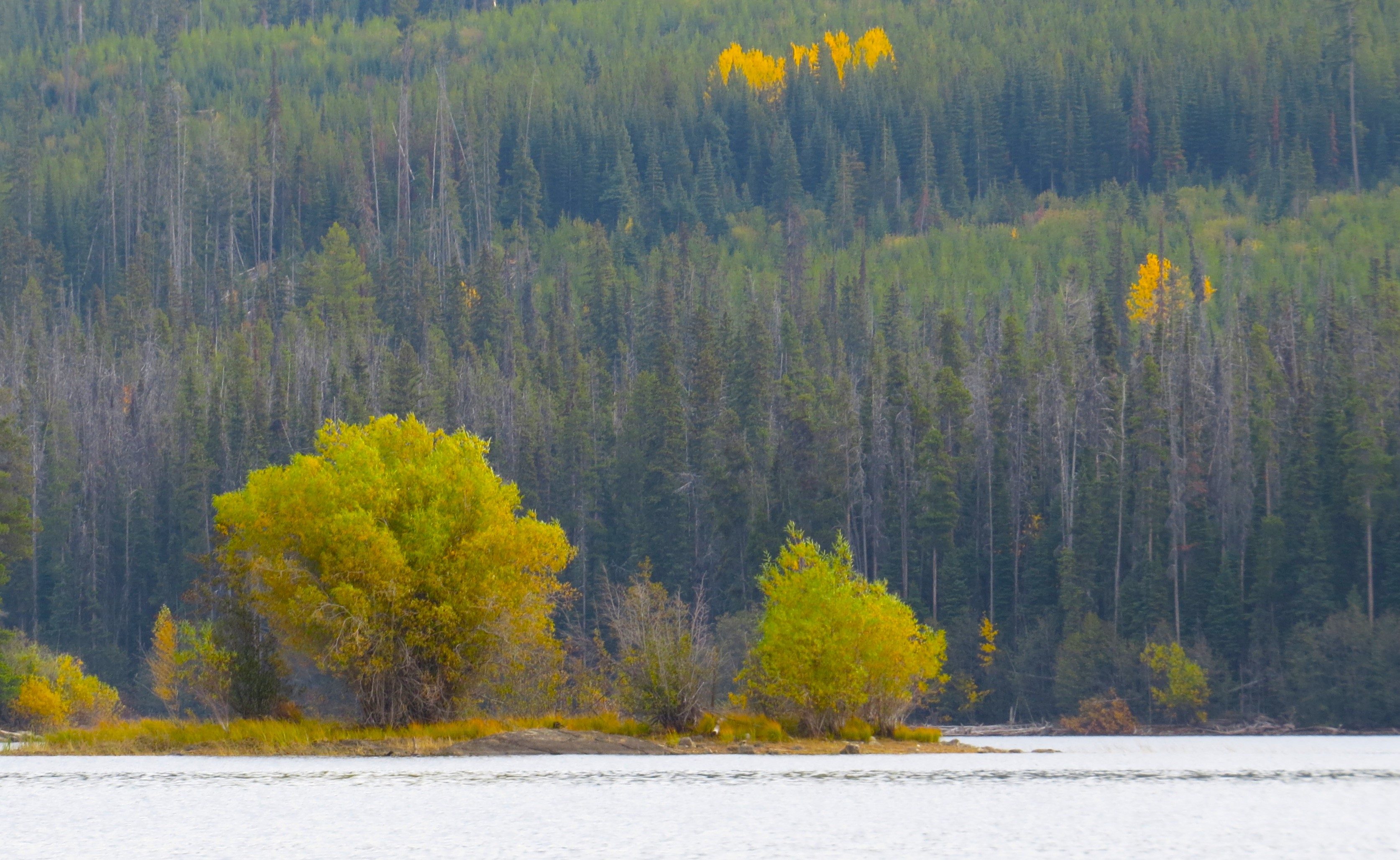
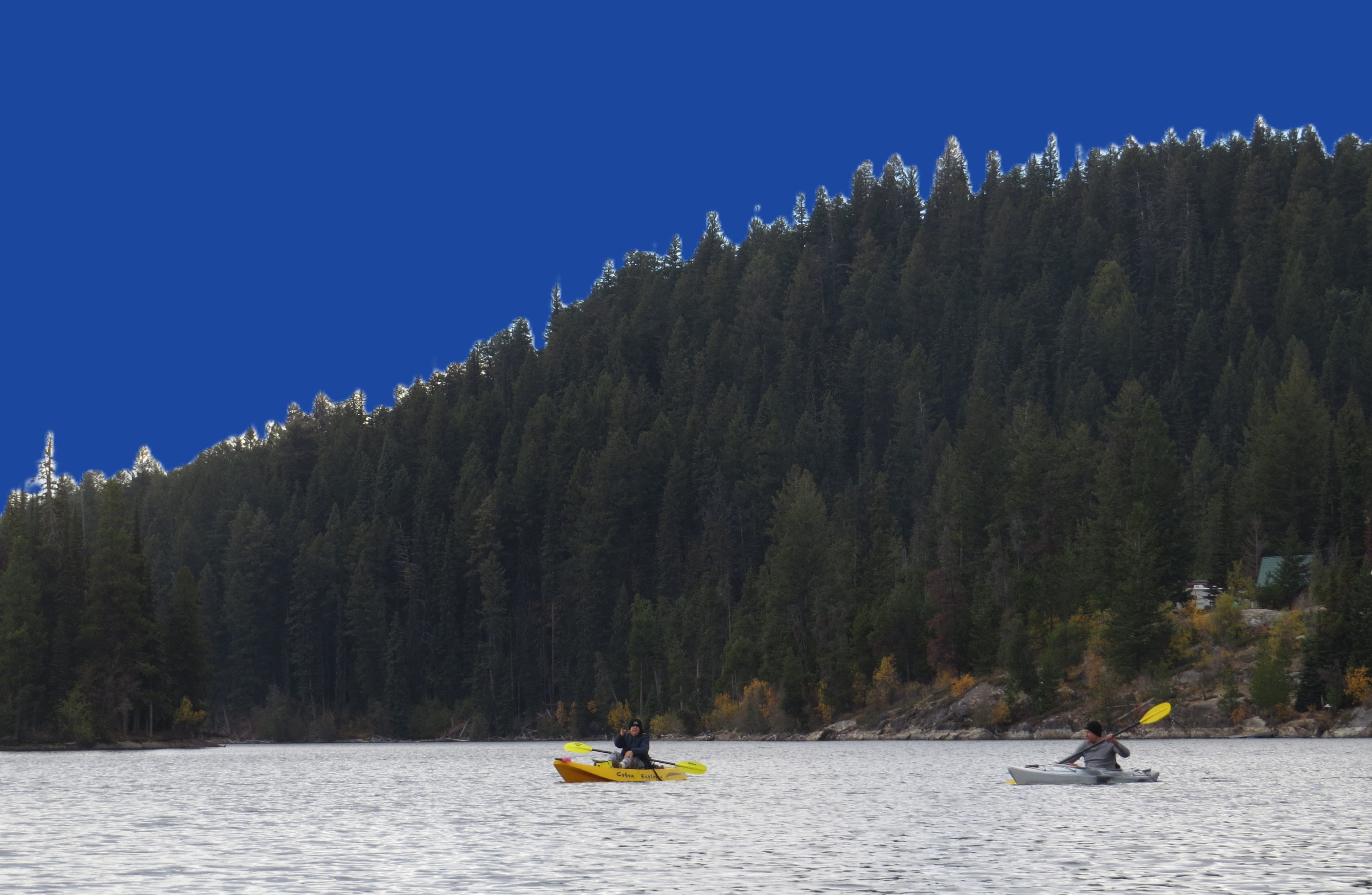
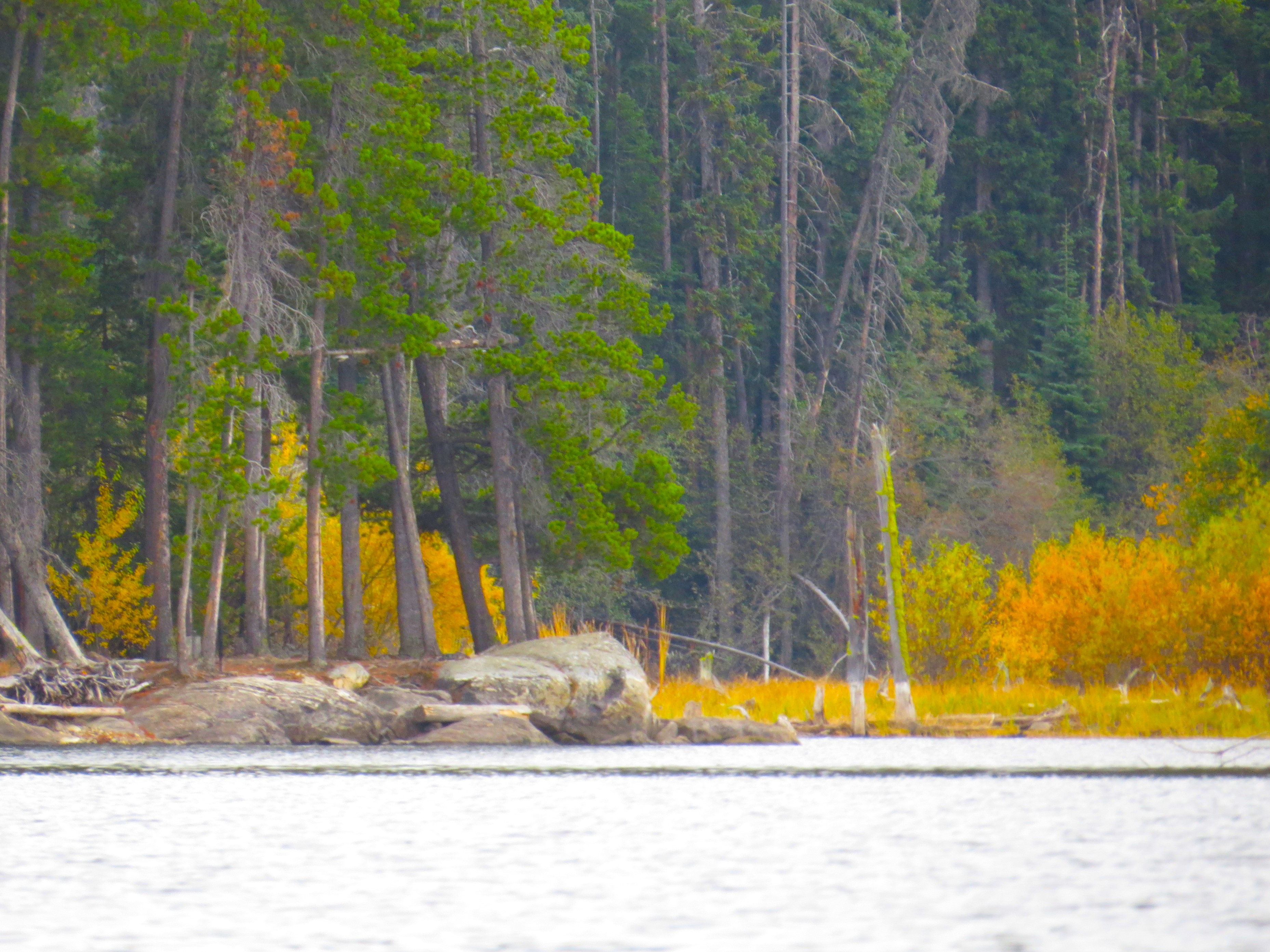
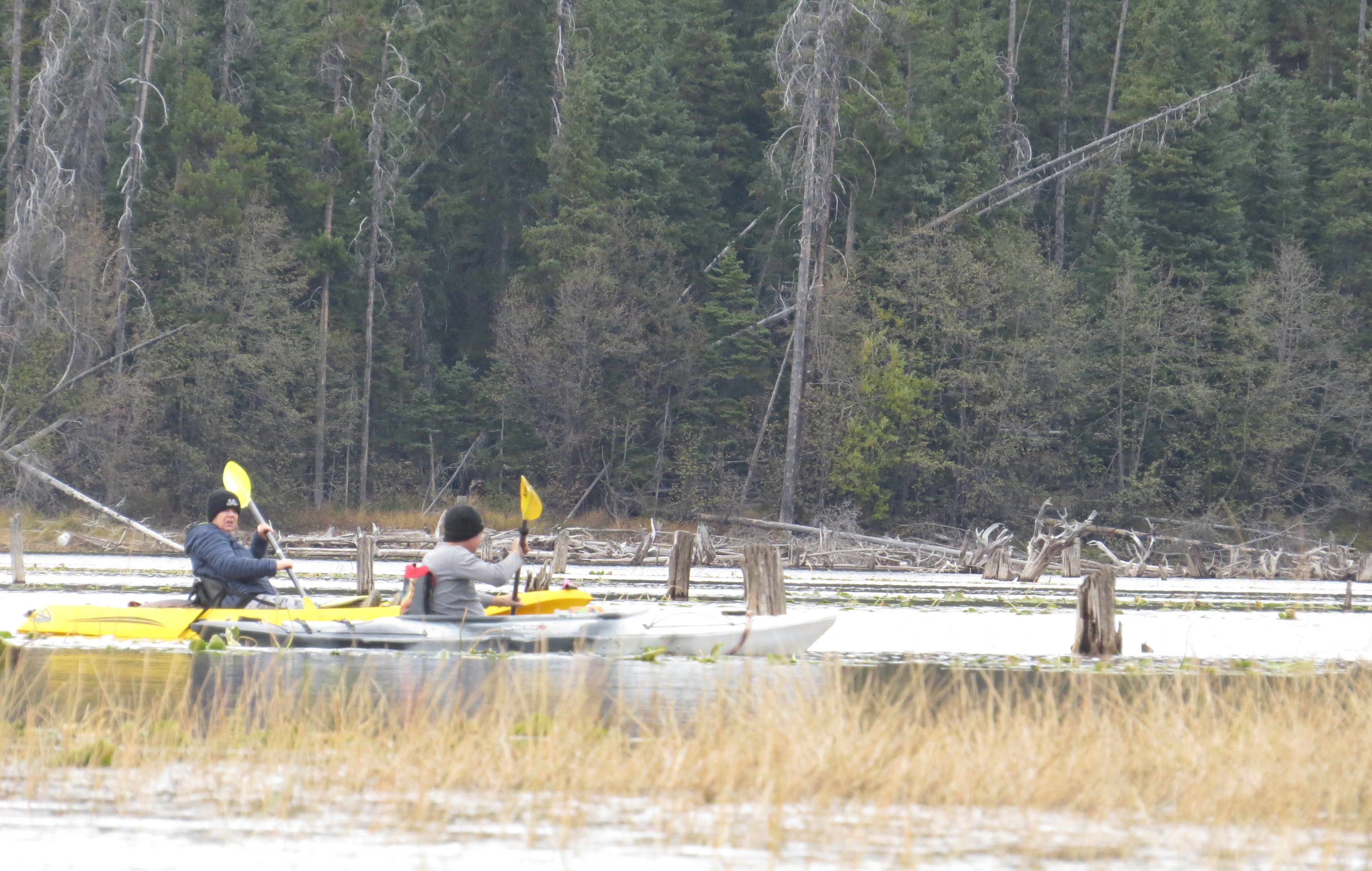
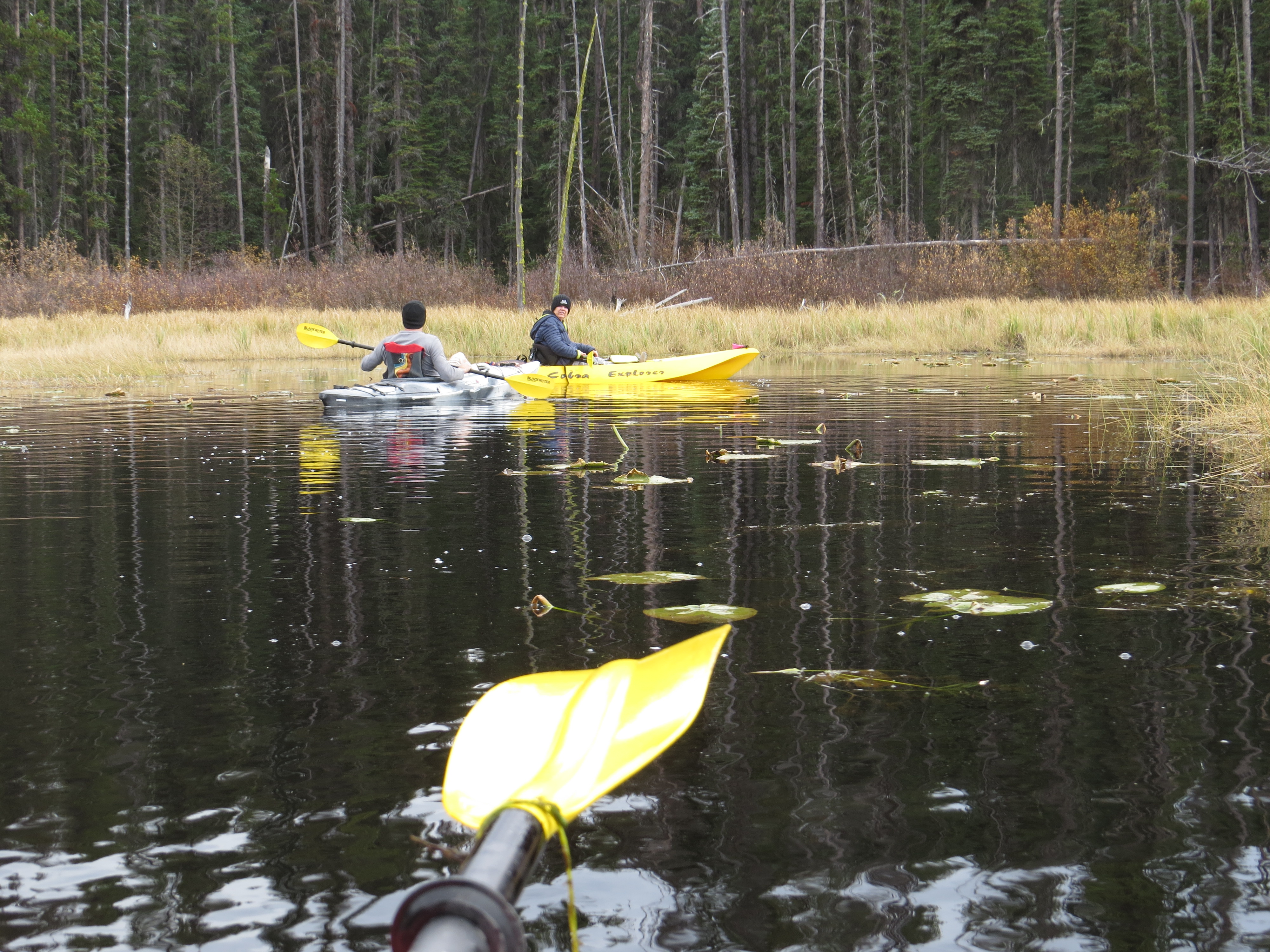
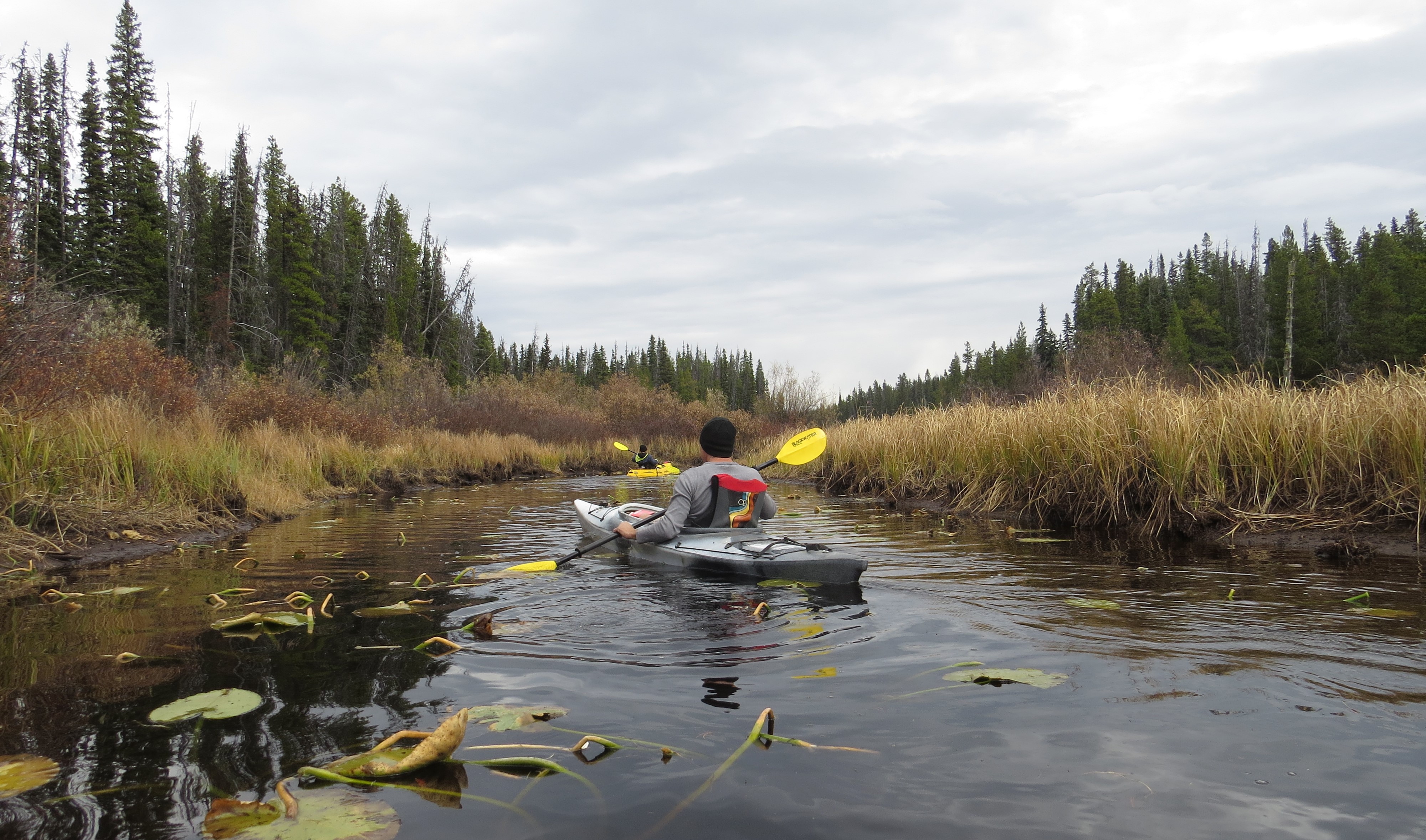
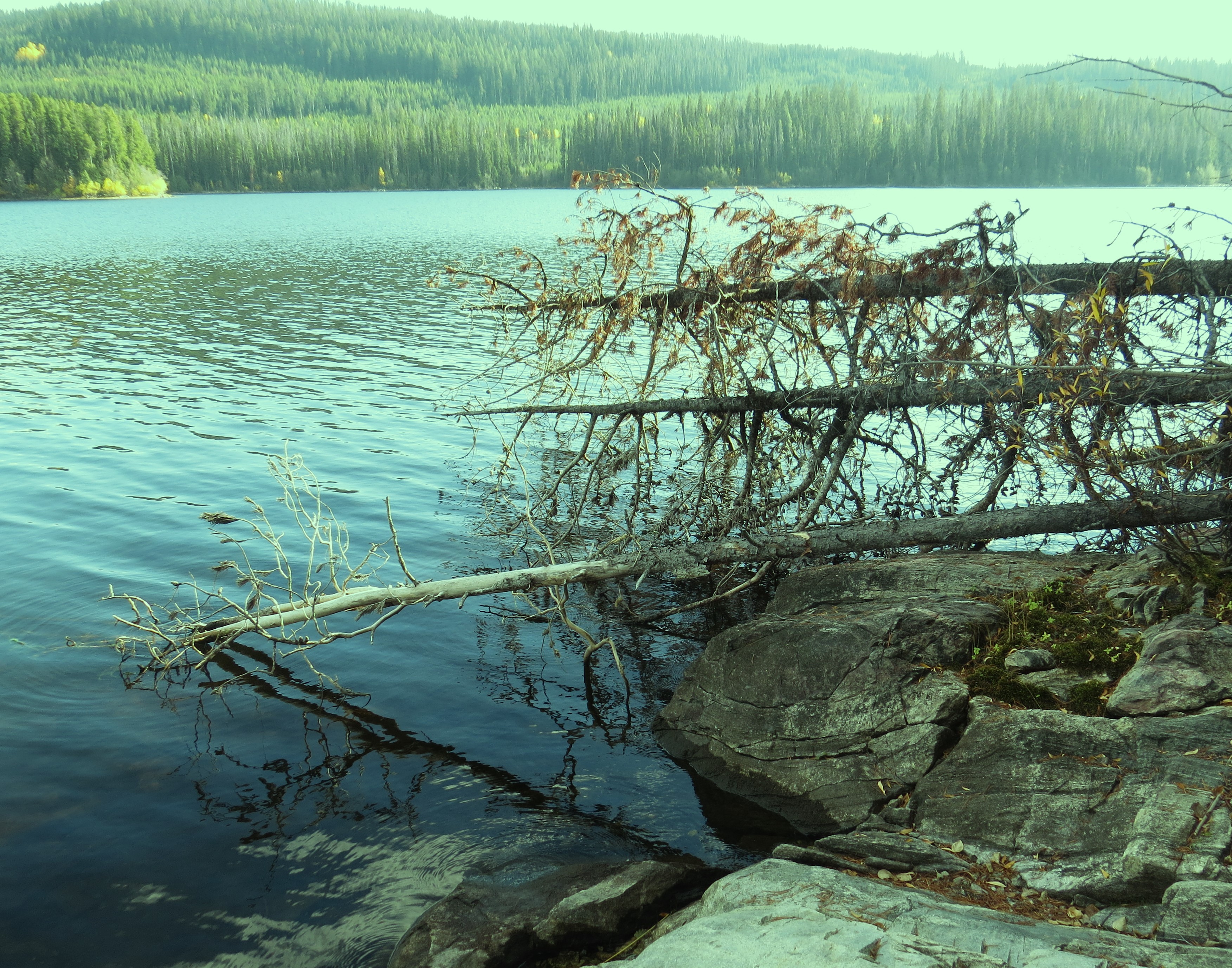
Last two days two nice and very different treks. By land and by water. Friday by land, twelve kilometers through amazing Fall colours of Mission Creek Park following the shoreline of meandering and fast-moving creek, and on Saturday a drive Oyama through the snow- and ice-covered mountain to Oyama Lake. The temperature was still too high for the lake to freeze, there was hardly any wind, and kayaking was a nice adventure.
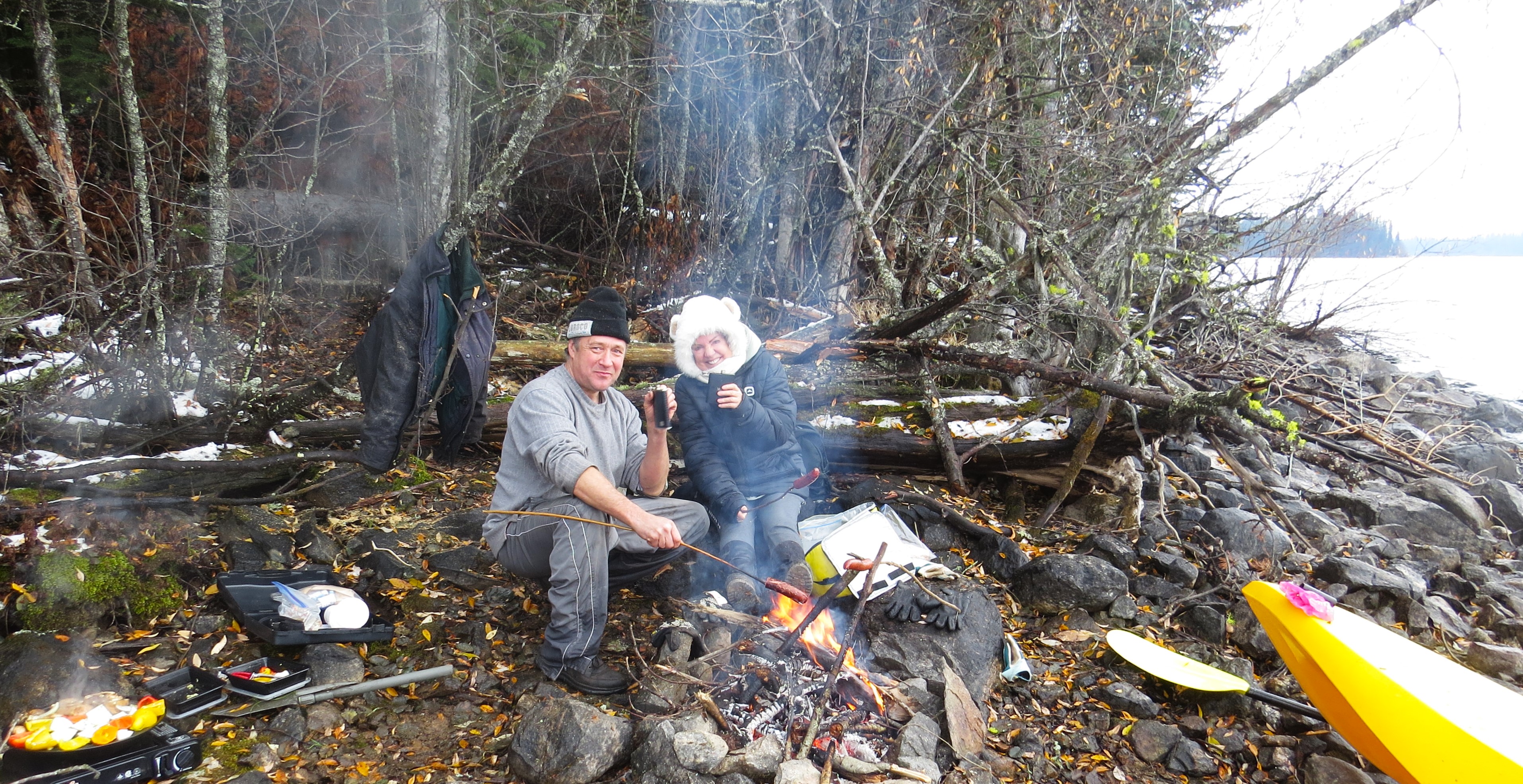
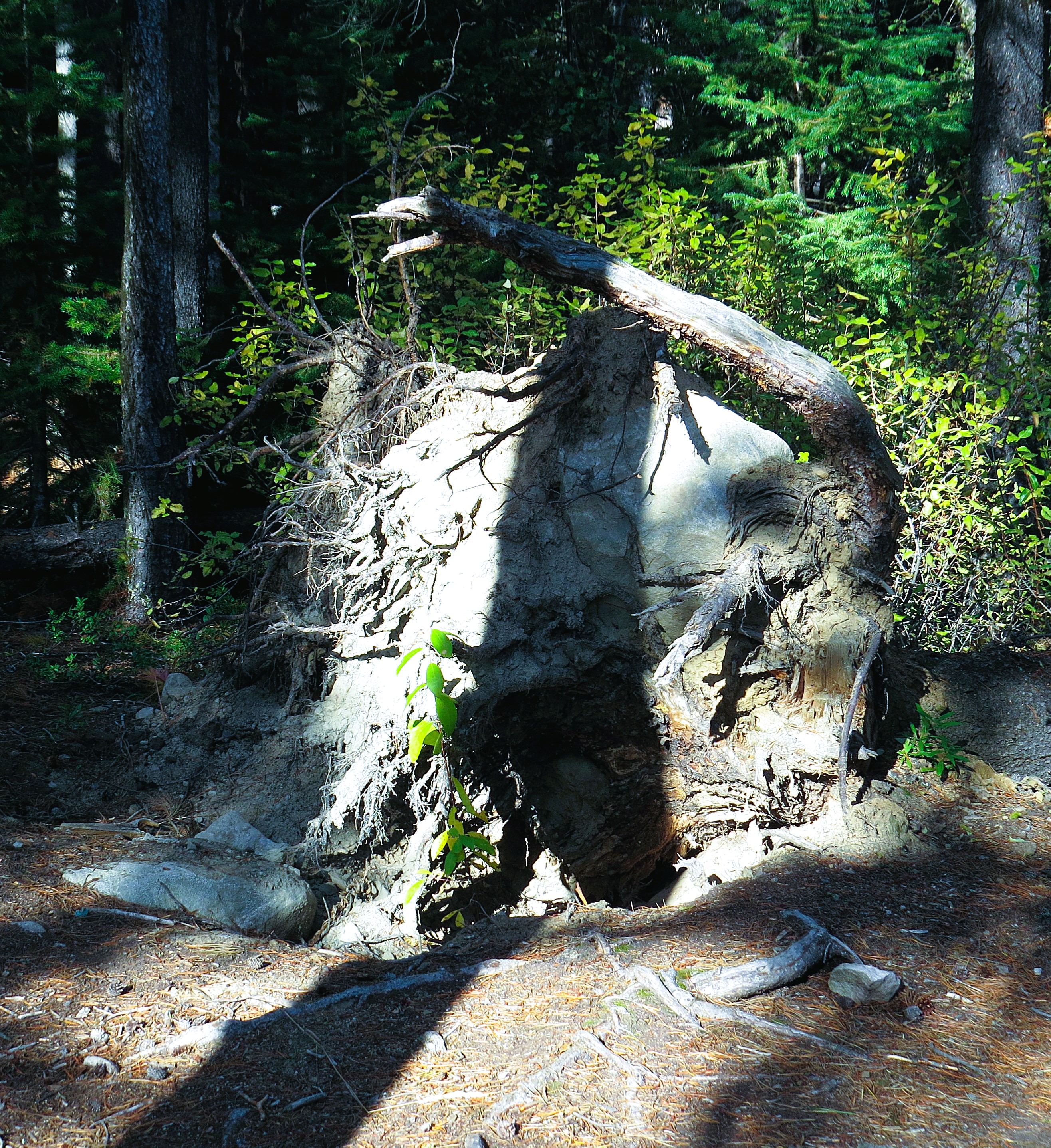
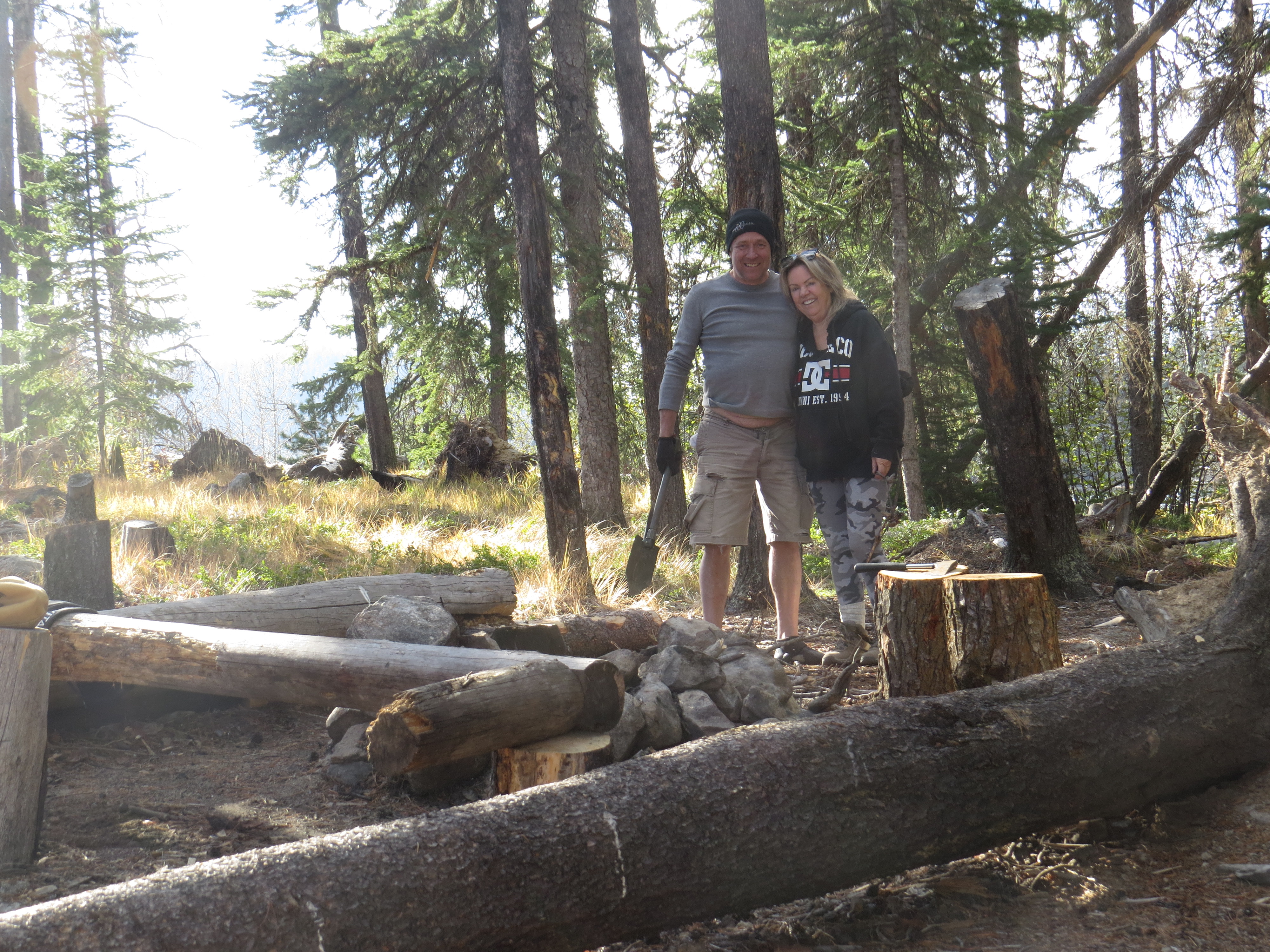
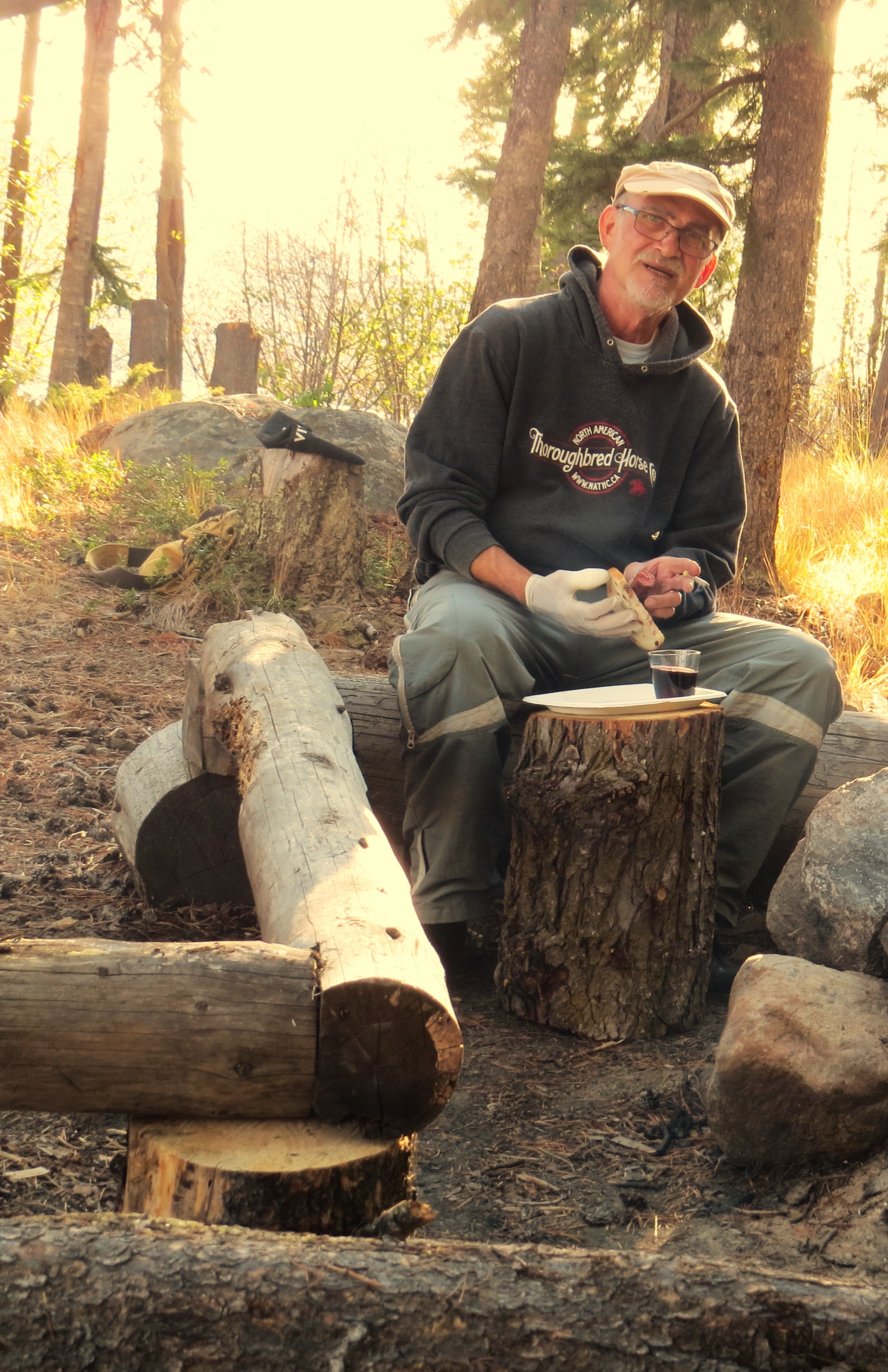
My perfect companions in Okanagan of kayaking – my cousin Lula and her friend Mike – made it a happy outing. For a lunch we ‘invaded’ a large, secluded and totally wild island, without any traces of human visits, made a little bit of clearing on the shore, gathered some dead wood, big rocks from the shoreline to construct a fireplace and had a lunch that tasted better than dinner in Maxime in Paris.
They will most likely return there during summer, so we spent some time arranging the rocks in the water to make a perfect natural harbor for two kayaks. Just a sleeping bag and voila – your private island in wilderness under the ceiling of bright stars!
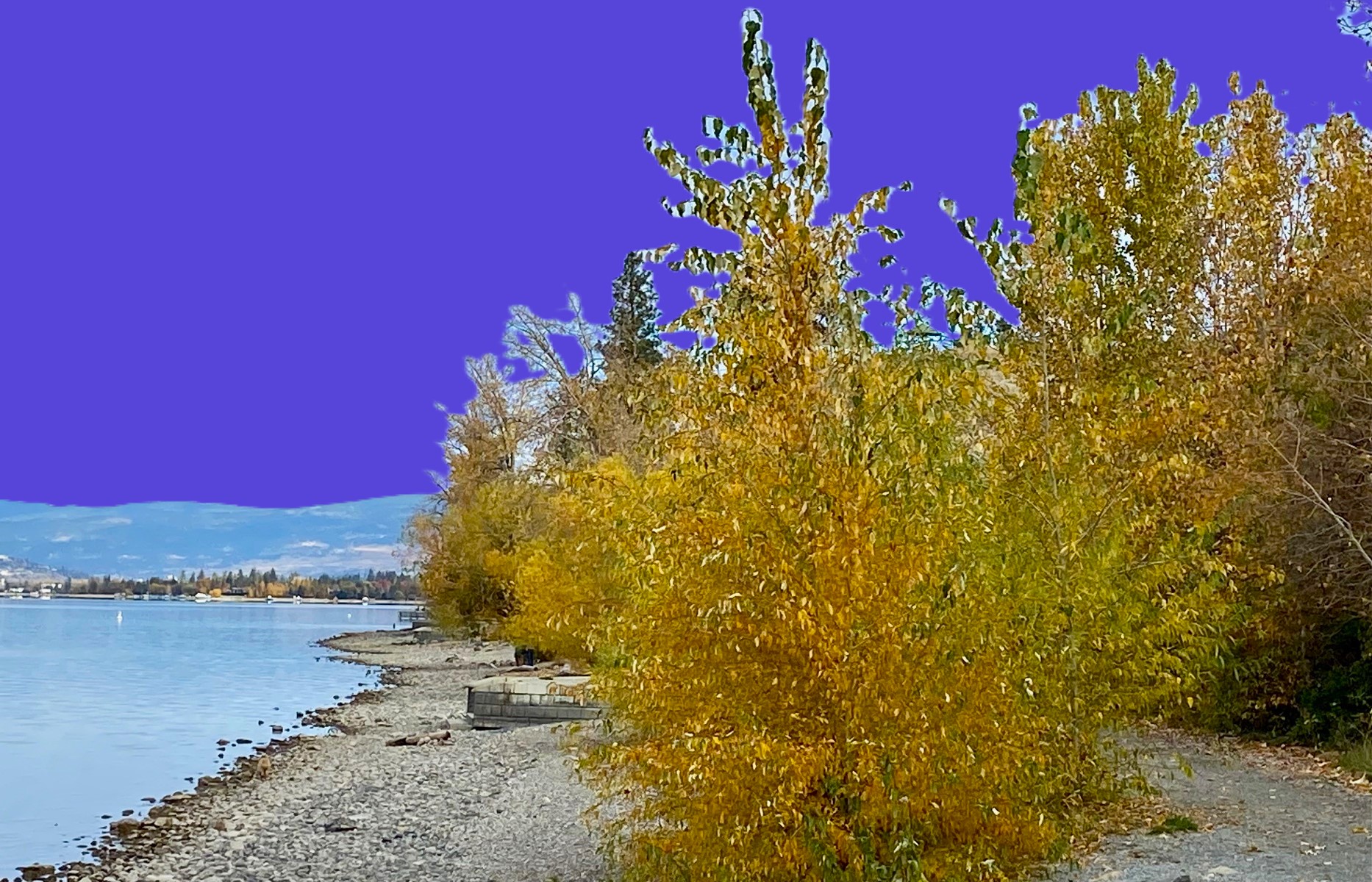
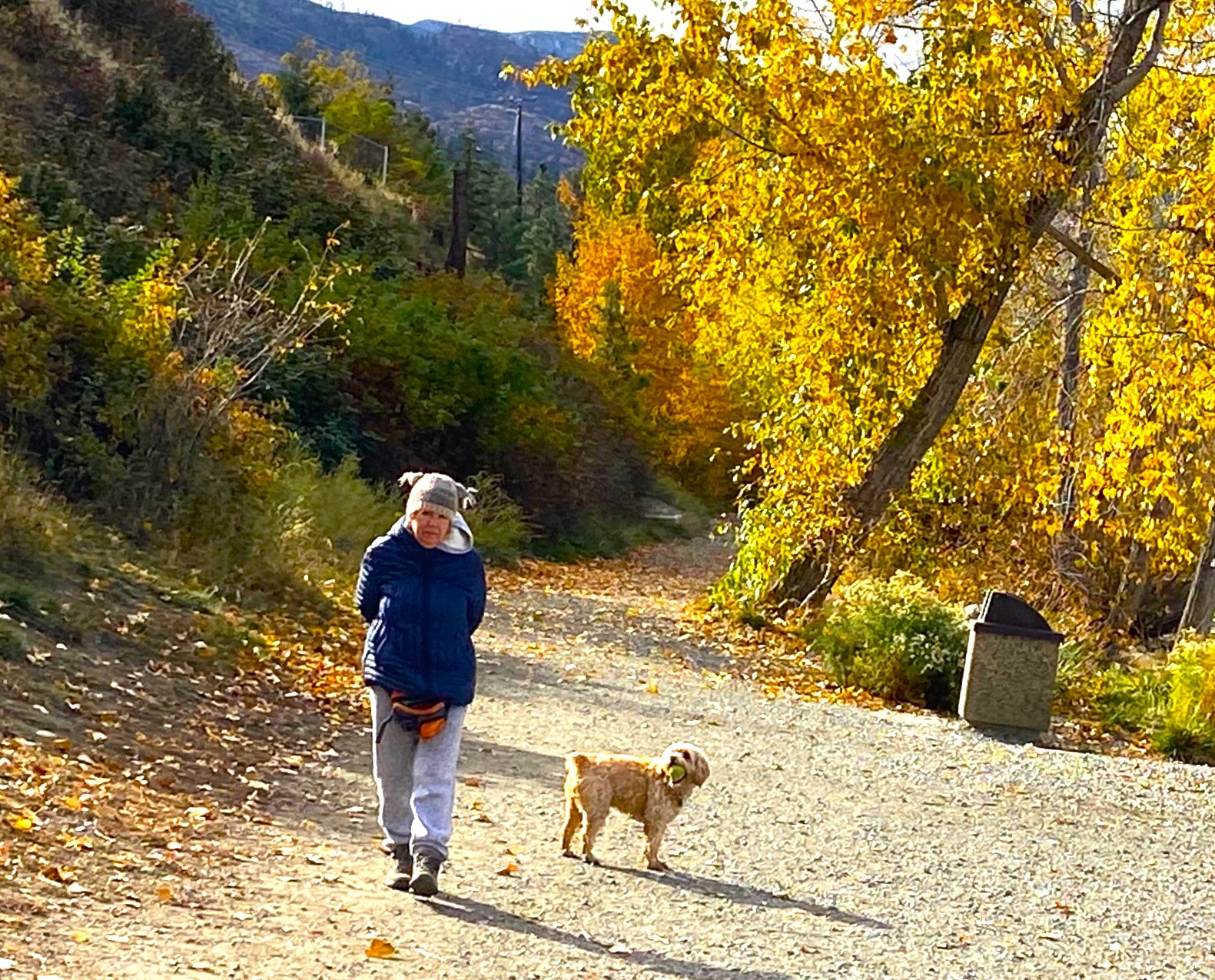
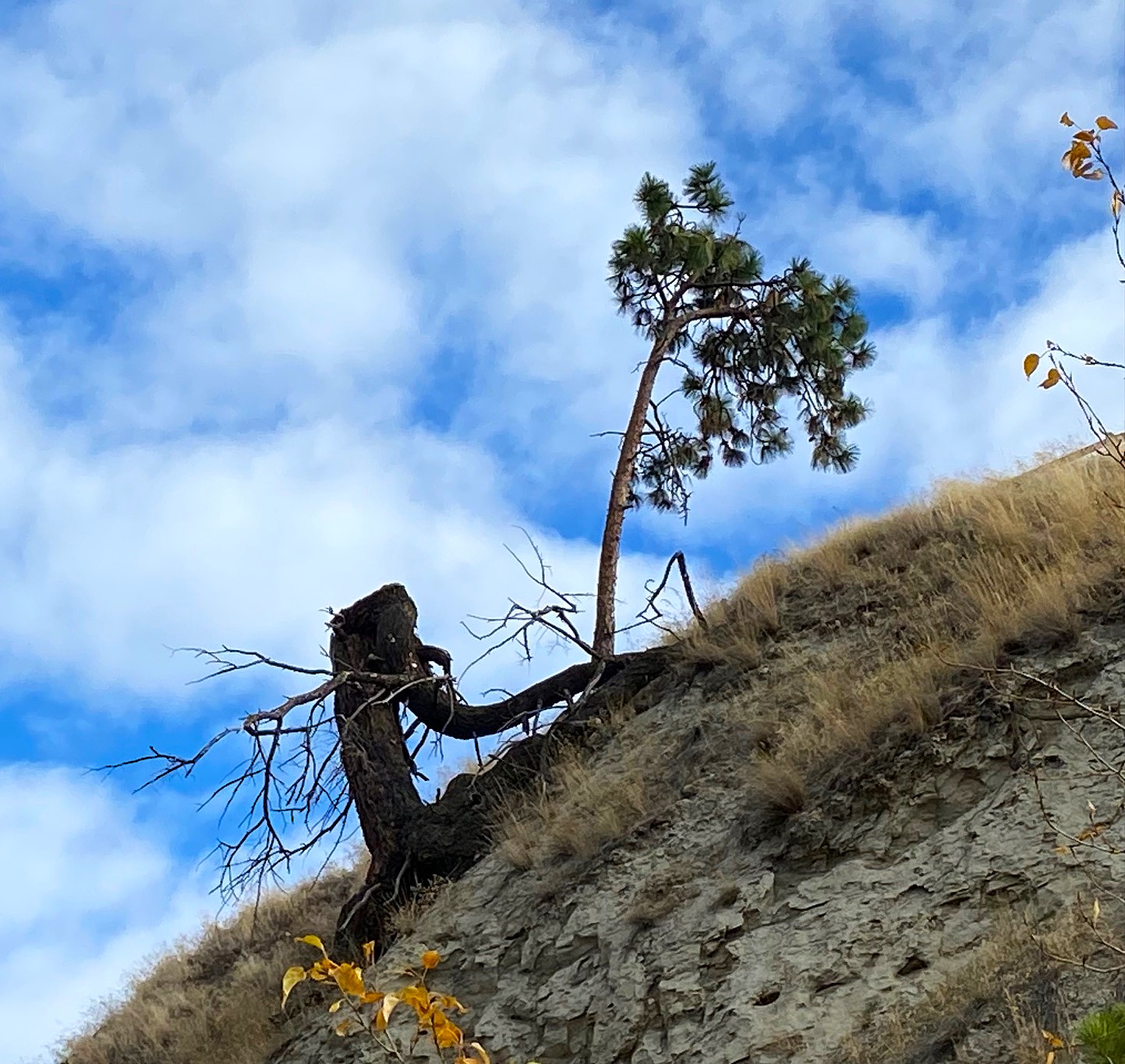
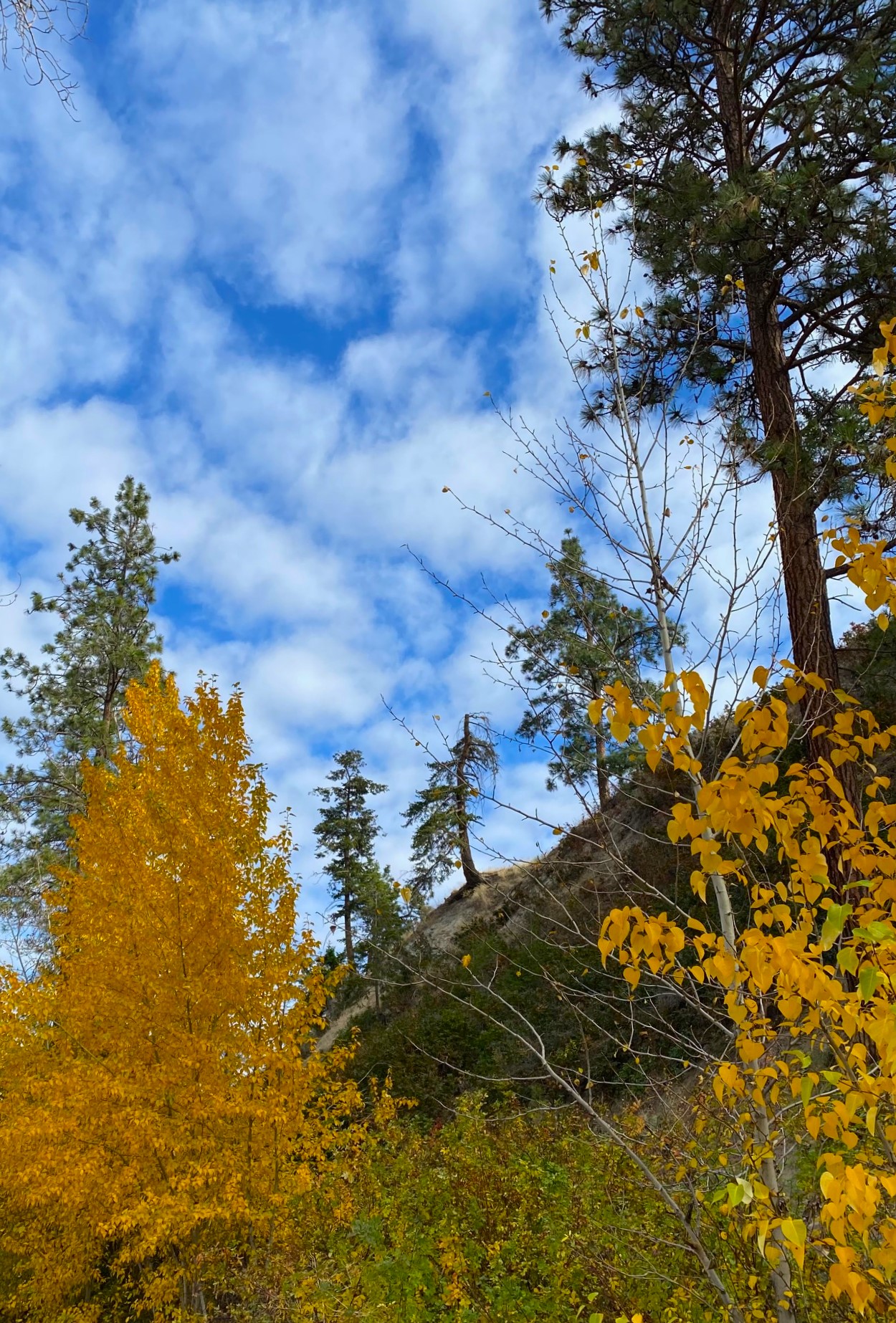
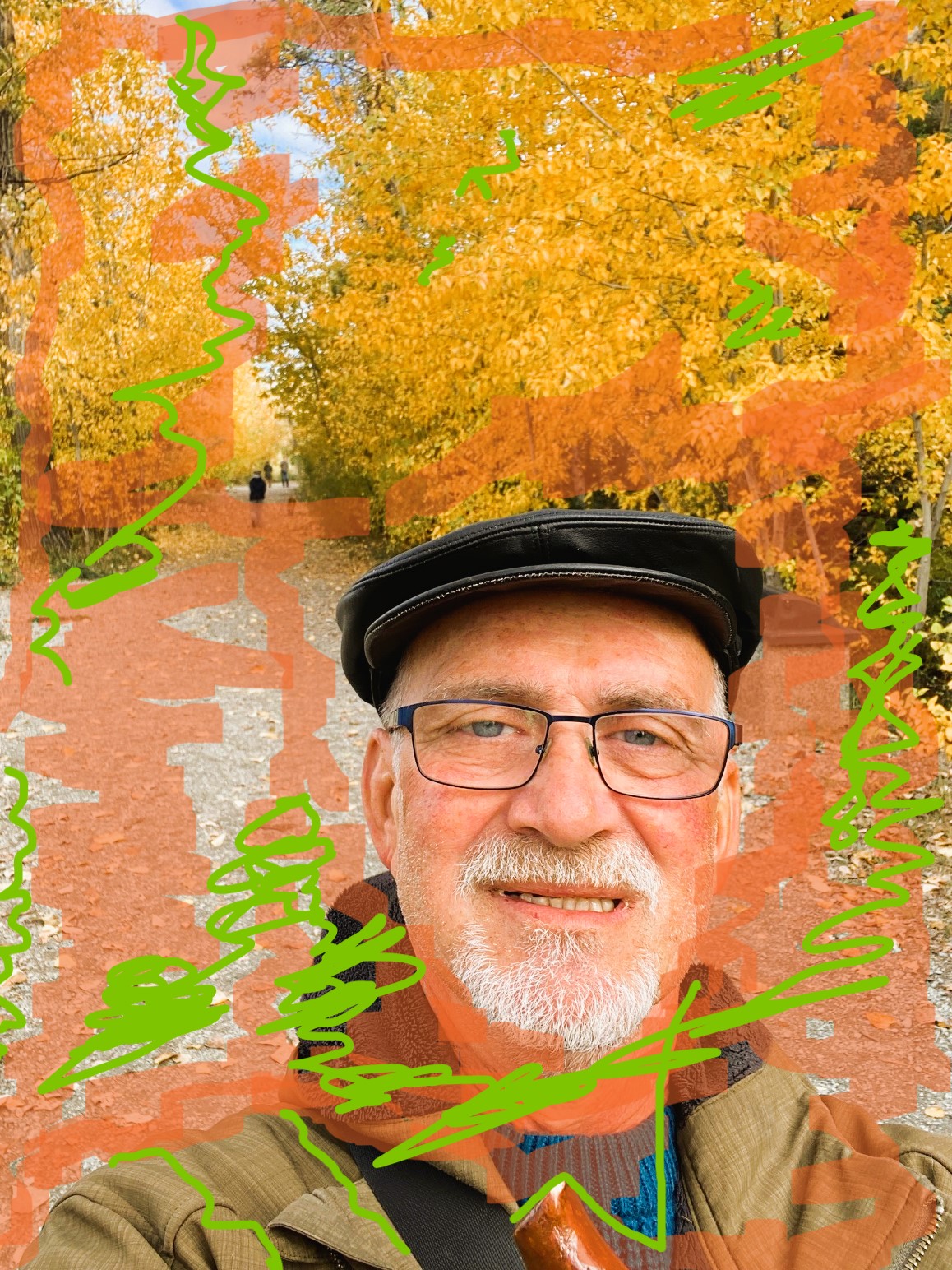
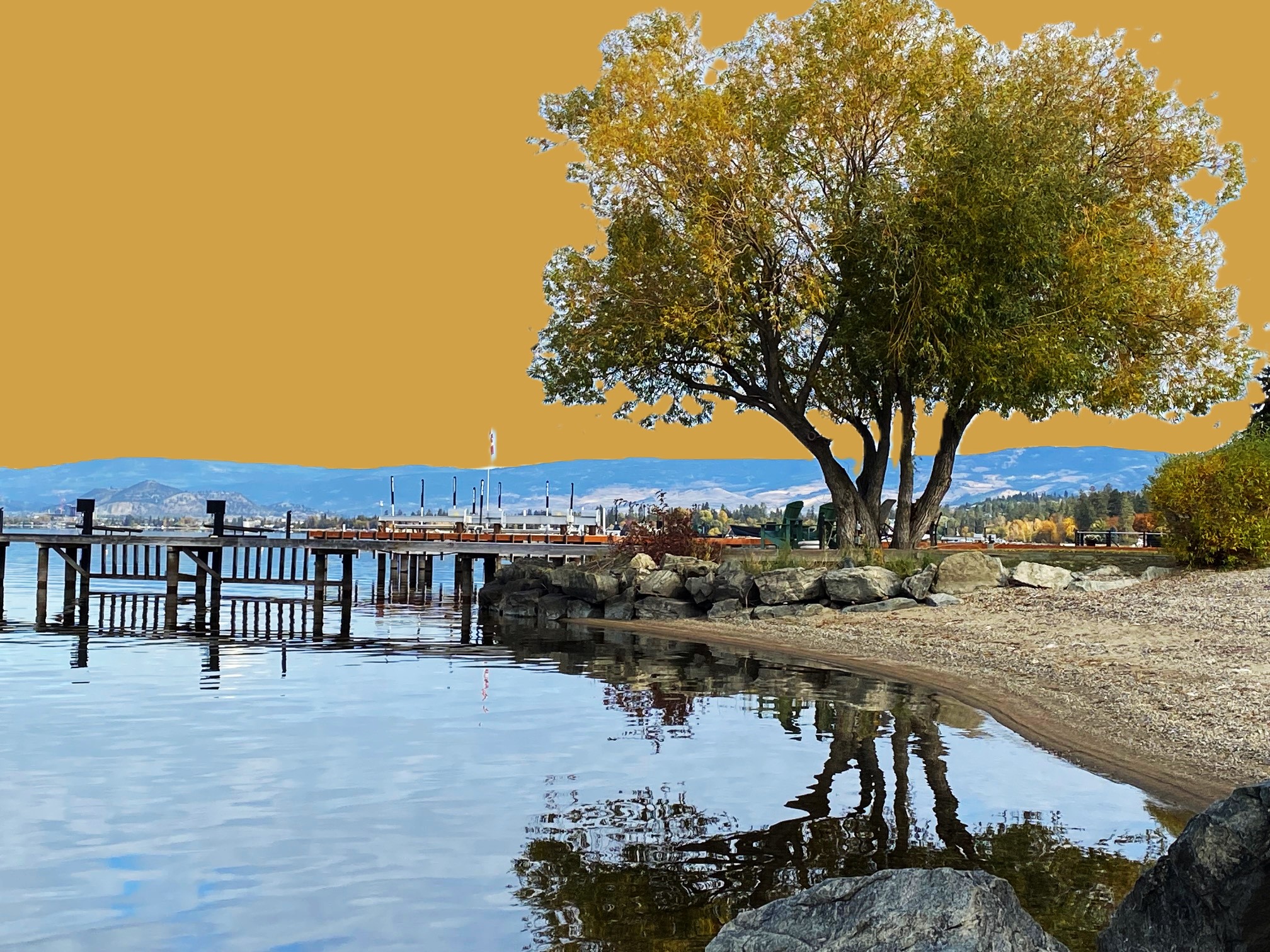
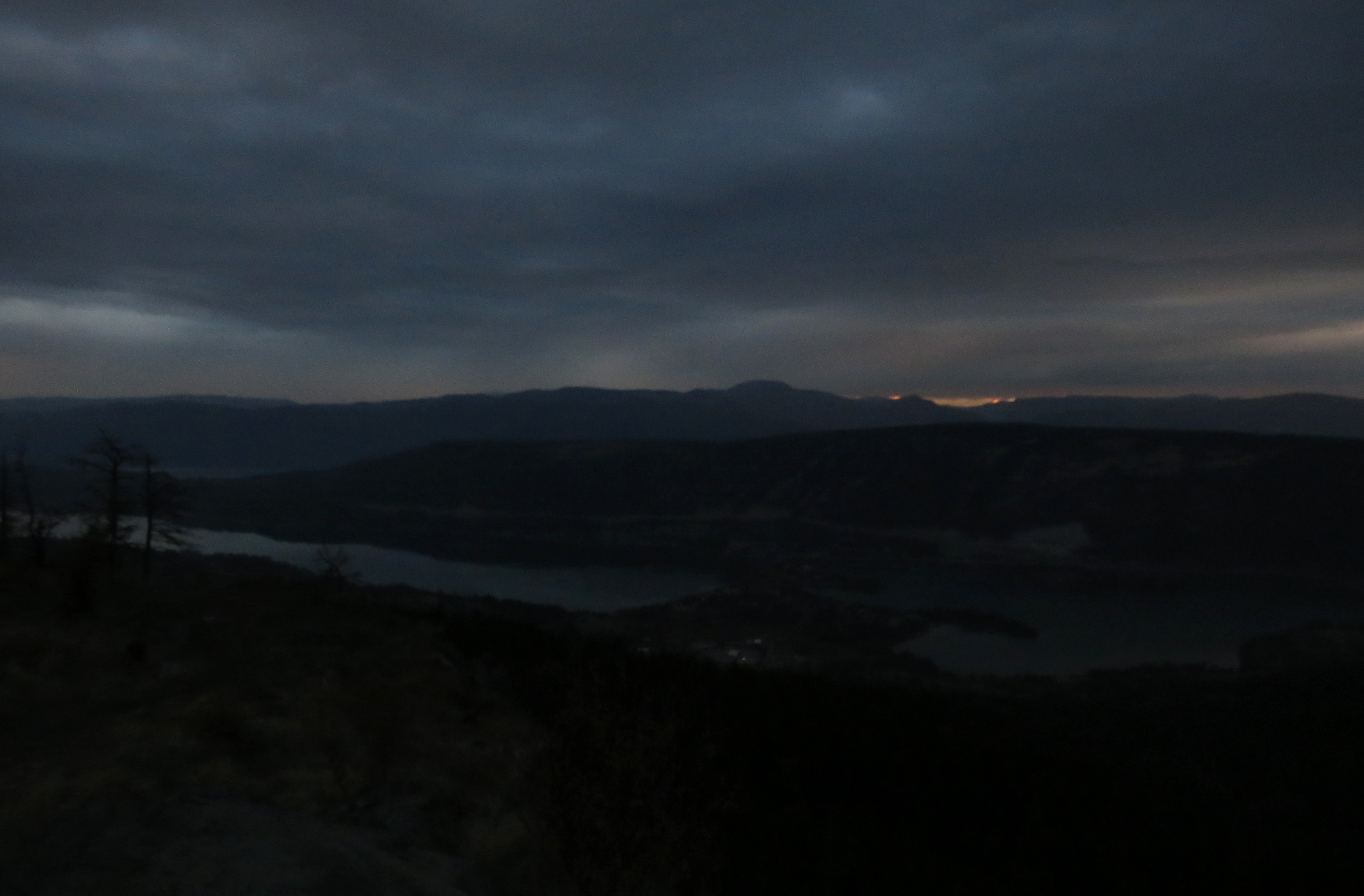
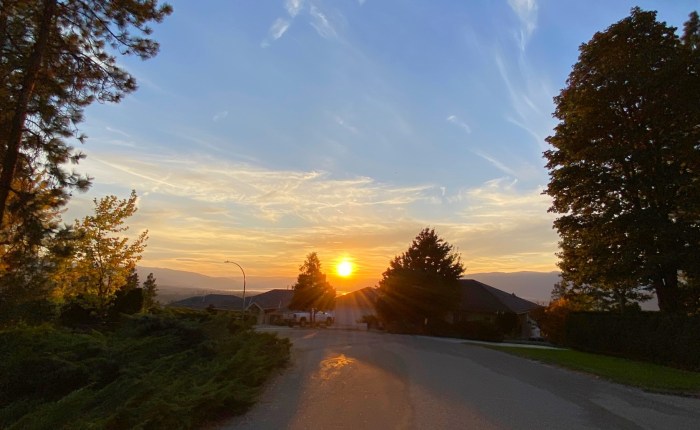
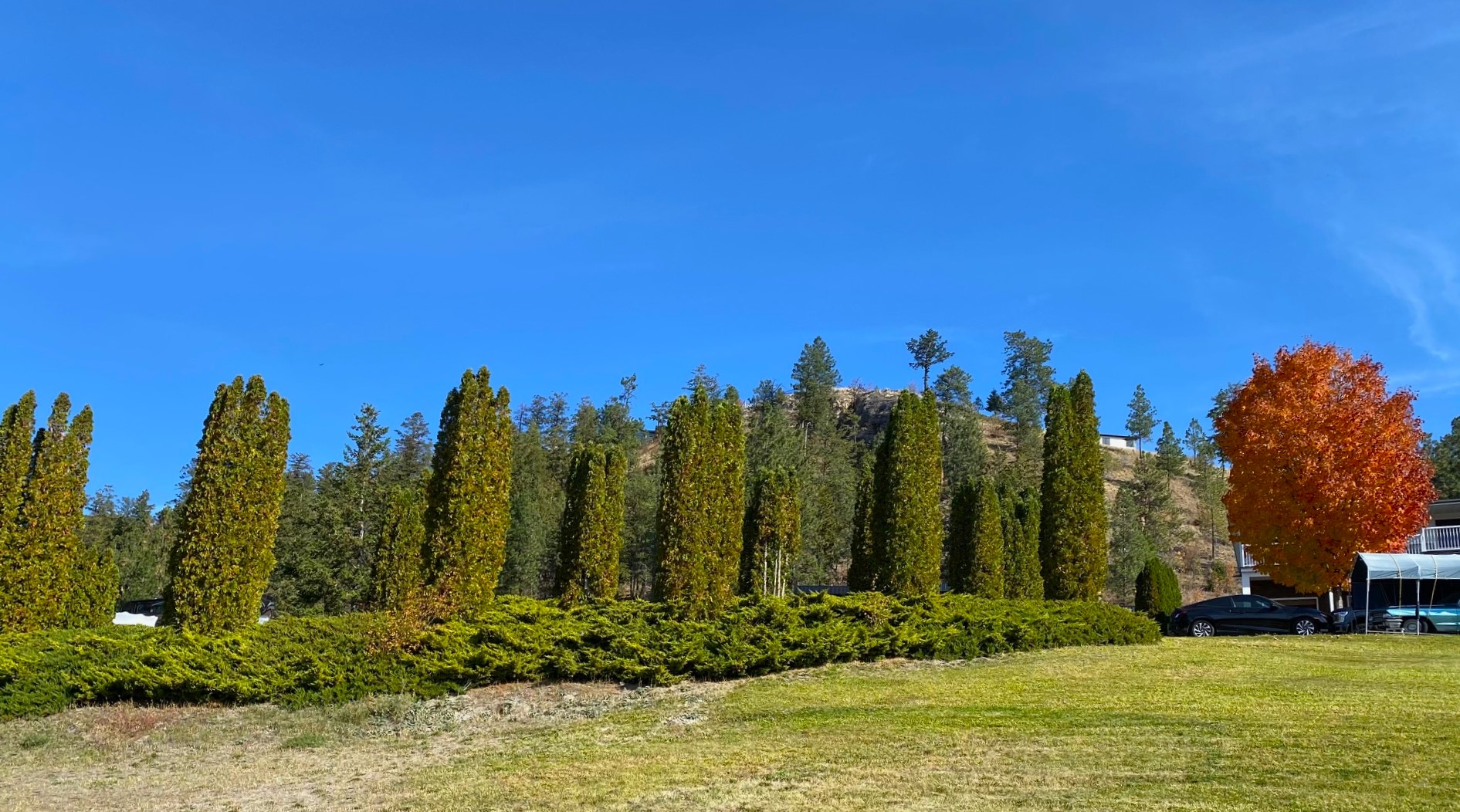
Każdy dzień w tej zaczarowanej dolinie, każdy spacer, wschody i zachody słońca oszałamia furią kolorów i kształtów. A jesień to wulkan i lawa widoków zalewająca wzrok. Słów szkoda, bo i tak zbyt ubogie na opis. Więc zdjęcia pozostają tylko.
Every day is like magic, like a tube of tiny specs of lights and shapes attached to you eyes. Words are useless – maybe photos will.
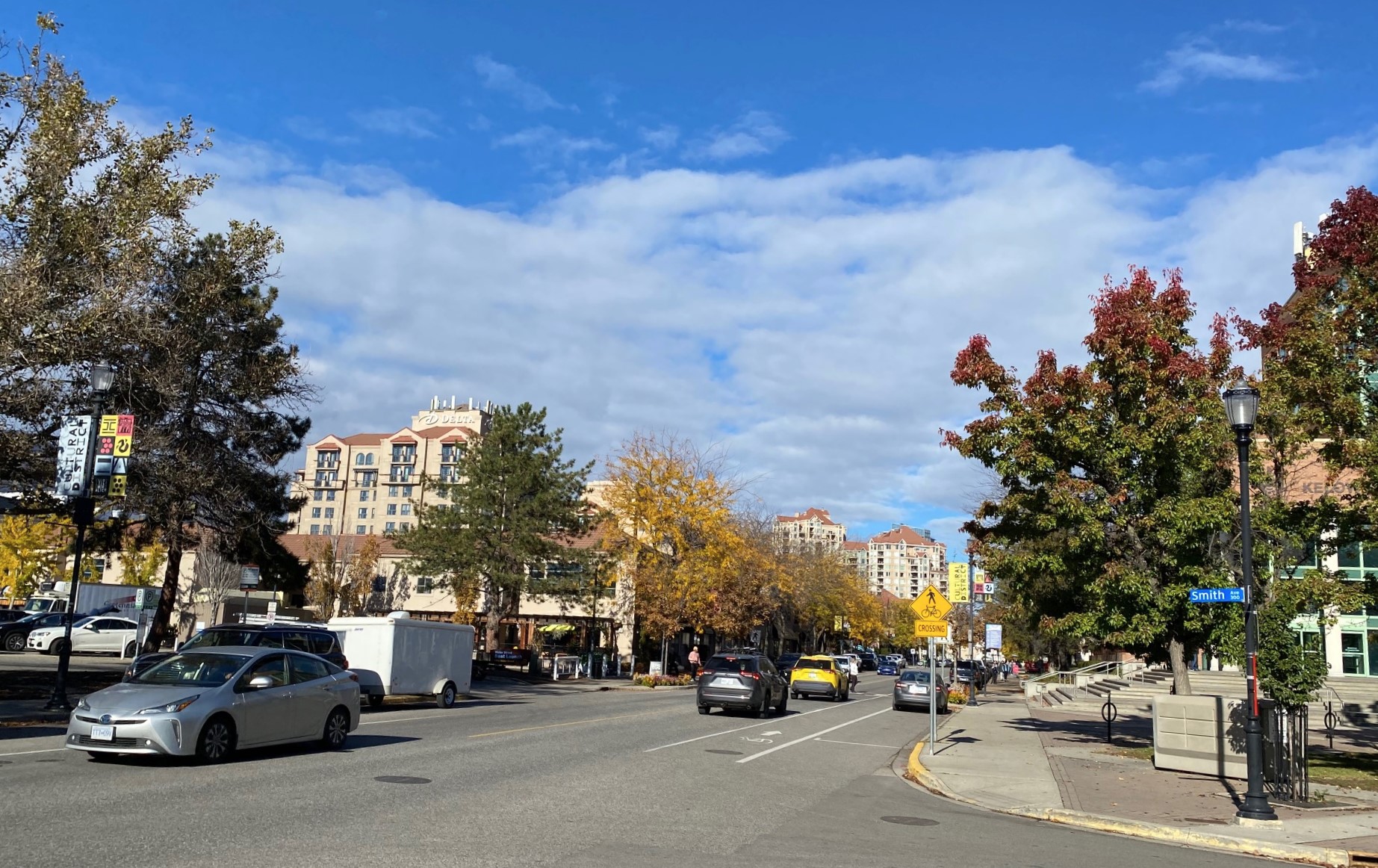
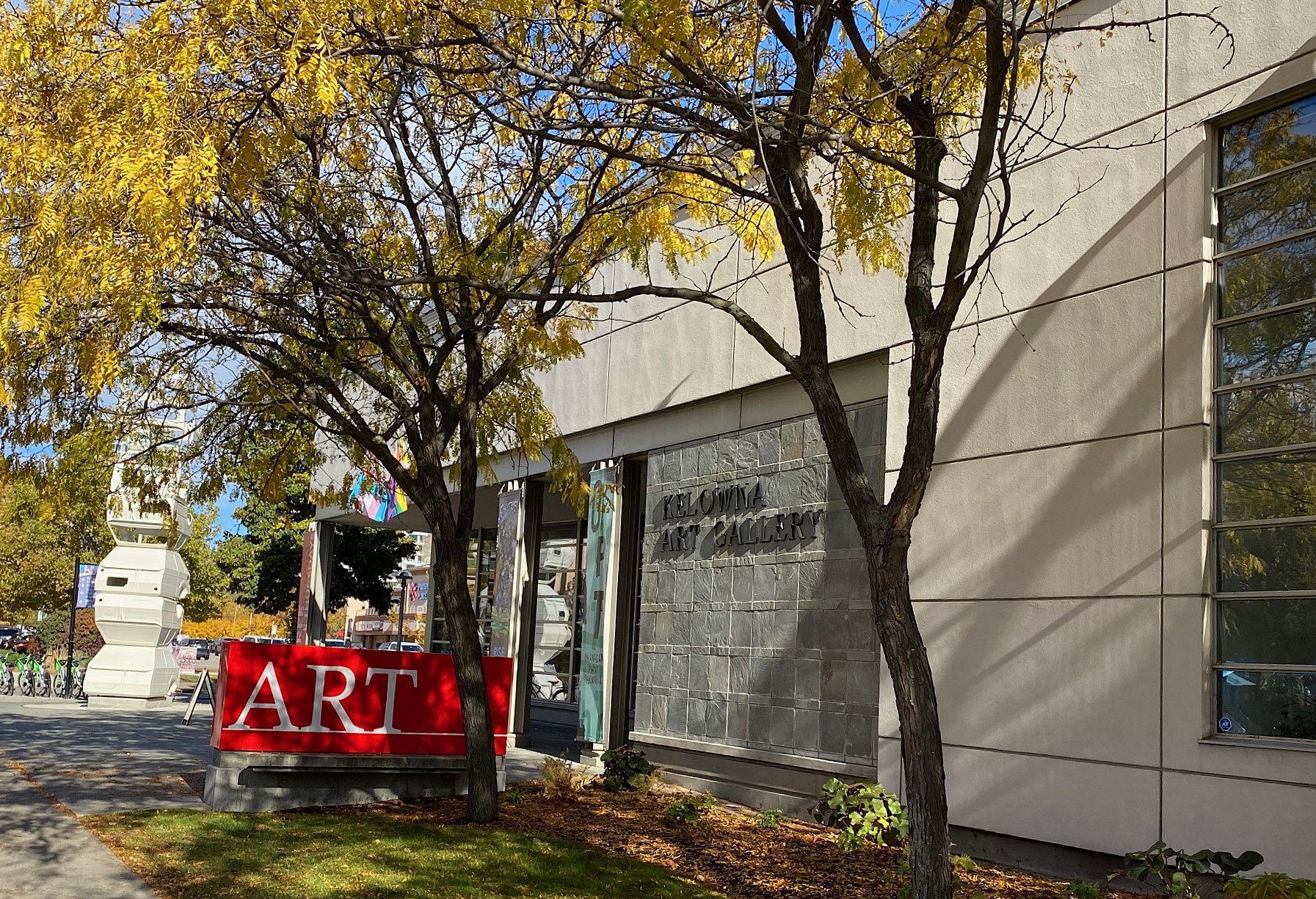
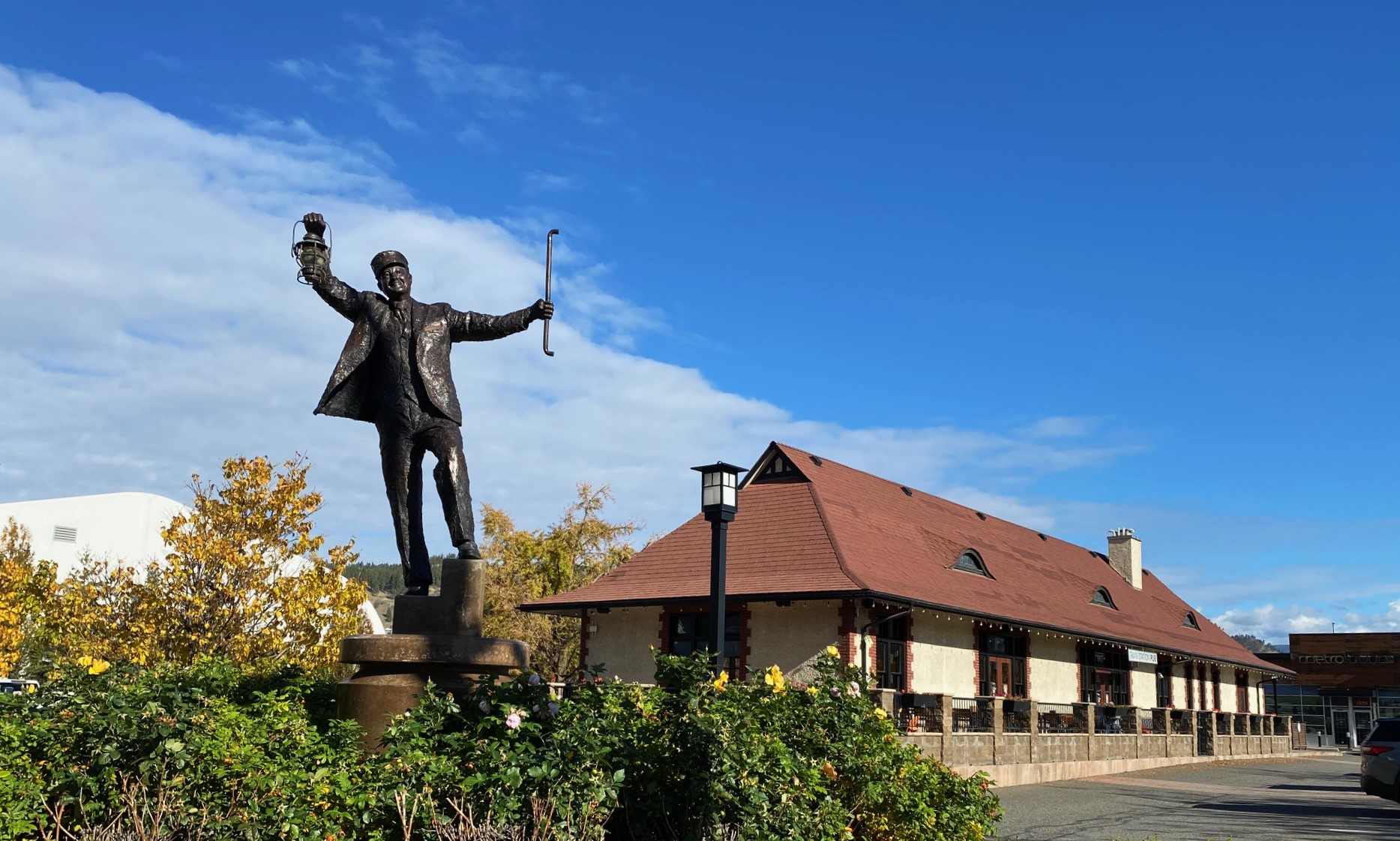
W zasadzie nie cała Kelowna, która (jak wiele kanadyjskich i amerykańskich miast) jest bardzo rozciągnięta olbrzymimi przedmieściami ciągnącymi się przez wiele kilometrów ale jej historyczne centrum – Downtown.
Historycznie ziemie te zasiedlone były narodami Silix lub inaczej Okinagan od blisko 10 000 lat. Europejscy osadnicy pokazali się tu bardzo późno, bo dopiero w drugiej połowie XIX wieku, a miasto inkorporowane ledwie w 1905 z 600 mieszkańcami. Współczesna Kelowna liczy ponad 140 tysięcy mieszkańców, a jej naturalne granice tworzą od północy jezioro Okanagan, od południa wzgórze Toovie i pasmo Black Mountains a od wschodu historyczne miasteczko Vernon, od zachodu rozległe farmy winorośli, jabłek i brzoskwiń.
Byłem tu wielokrotnie poczynając od połowy lat 80. ub. wieku, kiedy przyleciałem tu samolotem z Calgary na narty do resortu Black Mountain. Od l994 dość regularnie dojeżdżałem tu z Vancouveru. Obecna wizyta jest pierwsza od 2018 i zmiany są olbrzymie. Poza bardzo nielicznymi miejscami w Centrum – miasto uległo olbrzymim przeobrażeniom: w Centrum i bliskich dzielnicach gęstość zaludnienia, wieżowce kompletnie zmieniły jego charakter i widok. Musiałem się na nowo uczyć po tym centrum chodzić, bo poza ścisłym Nadbrzeżem – wszystko uległo zmianie. Zdjęcia poniżej właśnie z tego miejsca, a te powyżej to widok ze Wzgórz Toovie.
(in English)
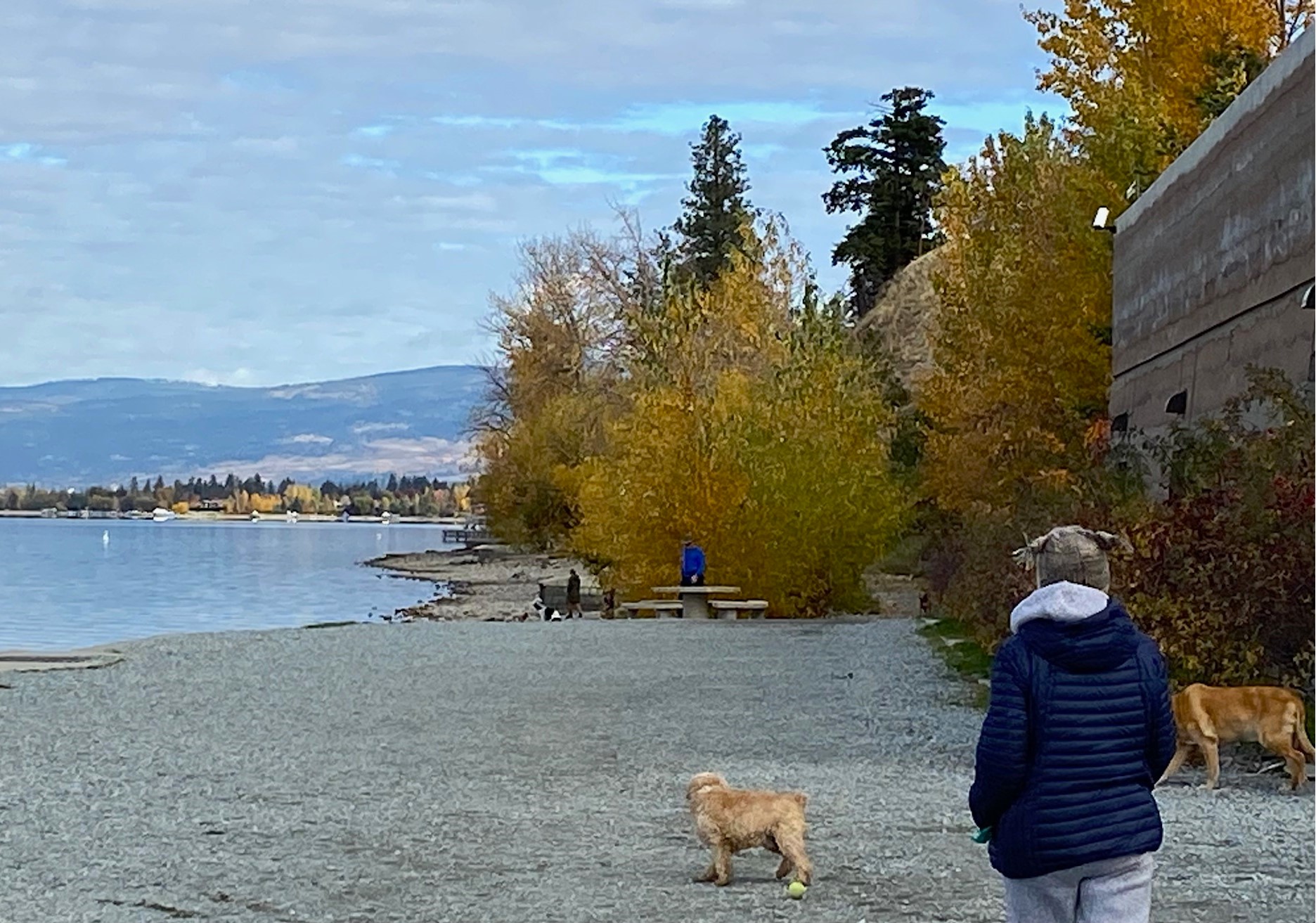
In fact pictures here (except for the top showing showing entire city, as seen from Toovie Hills) are only from Downtown, historic center of Kelowna. It was established as a city in 1905 with 600 hundred inhabitants. Prior to that this land was inhabited for close to 10 000 years the the nations of Silix people (called also Okinagan people). Today’s Kelowna has undergone a major expansion and architectural face-lift in the last ten years. It hardly resembles a city I used to visit often a decade ago or so. High-rises and multitude of hotels, restaurants, vibrant cultural zone – changed the Downton core definitively. Here are some of the vistas.
Gdy słyszymy dźwięki starej (na ogół) sentymentalnej piosenki, uśmiechamy się nieco ironicznie. Naturalnie znamy tą melodie, słyszeliśmy nasze mamy i bacie jak je nuciły z łezką, niczym koronkowy baldachim pod ich powieką.
W rozmowach między sobą z tą ironią mówiliśmy słuchając stare przeboje: to takie śmieszne i ckliwe. Aż dnia pewnego obudziliśmy się z rana, poszliśmy do łazienki i spojrzeliśmy w lustro. I krzyk: Boże kochany, toż ja wyglądam starzej od babci! I faktycznie nie tylko ‘wyglądamy’, ale jesteśmy starsi, bo babcia zmarła już wiele lat temu i umierając była młodsza od nas obecnych. Co się zdarza.
Tak samo podśmiewają się z nas nasze dzieci i wnuki obserwując jak słuchamy i sami podśpiewujemy piosenki Niemena, Borysa, Sobczyk, Krajewskiego, German czy wiecznie żywej Rodowicz. I falujemy niezbyt falująco niezbyt gibkimi biodrami. Oczywiście pociechą jest to, że doskonale wiemy (i nie mylimy się w tym), że ich ten sam los i ironiczne spojrzenia młodszych też czekają.
Aliści, nie ma herbaty bez liści. Ja veto zakładam. Nie starzeniu się ani mało elastycznym biodrom, ale nazwie, terminologii stosowanych do tych piosenek. Dużo bardzo starych szlagierów ani ckliwymi ani śmiesznymi nie jest.
Ot, szedłem wczoraj spacerem po krętej uliczce na wzgórzu nad miastem w Brytyjskiej Kolumbii. Jesień była iście z żurnala: złota i brązy, fiolety, ciemne karminy, chmury bajkowe ponad mną pozaczepiane rogami o szczyty wzgórz tej doliny pode mną. Chodziłem tą uliczką zdaje się ledwie dni kilka temu z Tobą…. W czasie ostatniej mojej tu, przed tegoroczną, wizyty. Oczywiście byliśmy razem. Prawie wszędzie jeździliśmy razem. I wspomnienie tego otworzyło nagle jakąś straszną pustkę, tak przeraźliwie smutną, mimo tego piękna wokół. Niespodziewanie, nie zastanawiając się, nie szukając nic w pamięci, mimowolnie omal najpierw powiedziałem na głos: już nigdy … a potem popłynęły słowa całego refrenu – nie usłyszę kochanych twych słów … do swych ust nie przytulę cię znów… na zawsze pozostaną dni smutku, dni mąk, nie oplecie pieszczotą mnie w krąg płomień twych rąk, już nigdy…Już nigdy! Jаk okrutnie dwa słowa te brzmią!
I nie było w tym nic ckliwego, nie czułem się jakoś sentymentalnie ani melodramatycznie. Tkliwość? Tak. Naturalnie, że tkliwość. Jakże by mogło być inaczej. Za miesiąc ledwie minie dwa lata, gdy moje życie w zasadzie straciło wszelki sens. Gdy w brutalnej walce przegrałem pojedynek ze Śmiercią, która wyrwała Cię z moich ramion. Okres mojej walki z rzeczywistością, krzyku i odrzucania tej rzeczywistości też minął. Po prawdzie rzeczywistość, jako-taka mało mnie dziś interesuje. Jest wokół, wiem. I co z tego, że jest? Niech sobie będzie, niewiele mamy sobie do zaoferowania.
A ten refren? Ten refren i ta piosenka mają. Mówi mi: ja wiem, nic ci nie tłumaczę, – ale wiem. Potwierdzam, że tak jest. A te słowa pan Włast, popularny wówczas tekściarz, napisał dla kompozytora pana Petersburskiego w 1930. Nuciły je moje babcie też w tamtym czasie, czyli kiedy były młodymi kobietami a nie babciami.
Ckliwości i mazgajstwa nie znoszę. Irytuje mnie. Ale nie tkliwość – tą szanuję i cenię. Jeśli zna się i rozumie inny styl opisu uczuć, z innej epoki, która była i nieco egzaltowana i nieco przerysowana – to tekst tego tanga brzmi całkiem współcześnie prawie. Zresztą, wszyscy używamy języka, który jest adekwatny do naszego stanu emocjonalnego. Wtedy jest autentyczny i szczery. Zaś prawdziwa tkliwość i czułość jest przymiotem, a nie wadą.
Ze spaceru wróciłem, odpaliłem kompa i z YouTube słuchałem mistrzowskie wykonanie Edyty Geppert starego tanga ‘Już nigdy’ … . [i]Szalik ciepłego, serdecznego smutku otulił mnie swym czułym, tkliwym ciepłem. Tkliwym, nie ckliwym.
(English) Traveling from Kelowna toward Vernon you will pass two wonderful lakes connected by a bridge: Kalamalka and Wood. Despite the fact that both of them are almost connected (at high water they definitely are) – both own a distinct and different hue. Years ago, on my visits to Kelowna, I used to swim in Kalamalka. If you go across that little bridge separating these lakes and turn left going up a gravel road full of turns and potholes – you would eventually end up on the shores of hidden gem – Oyama.
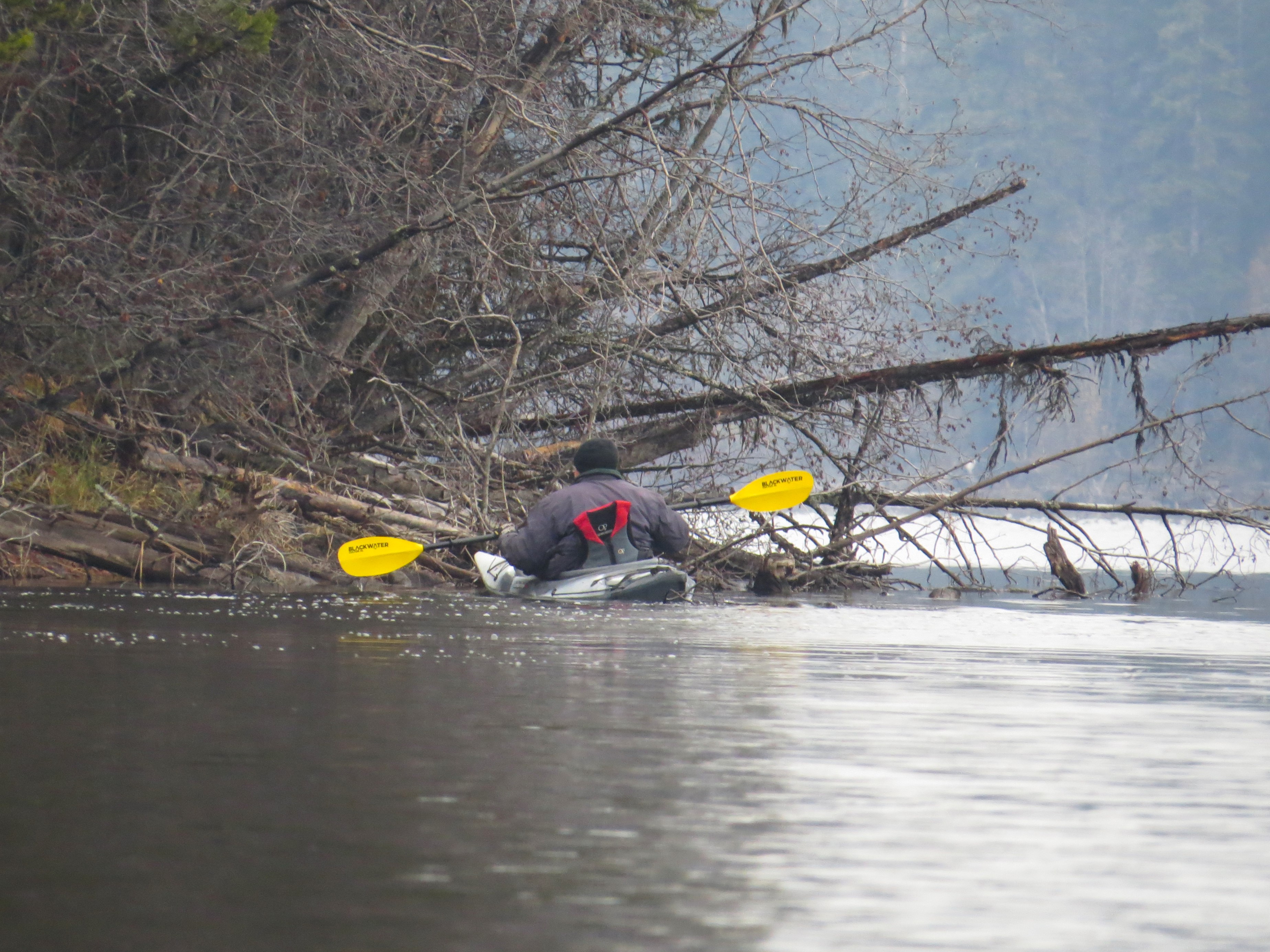
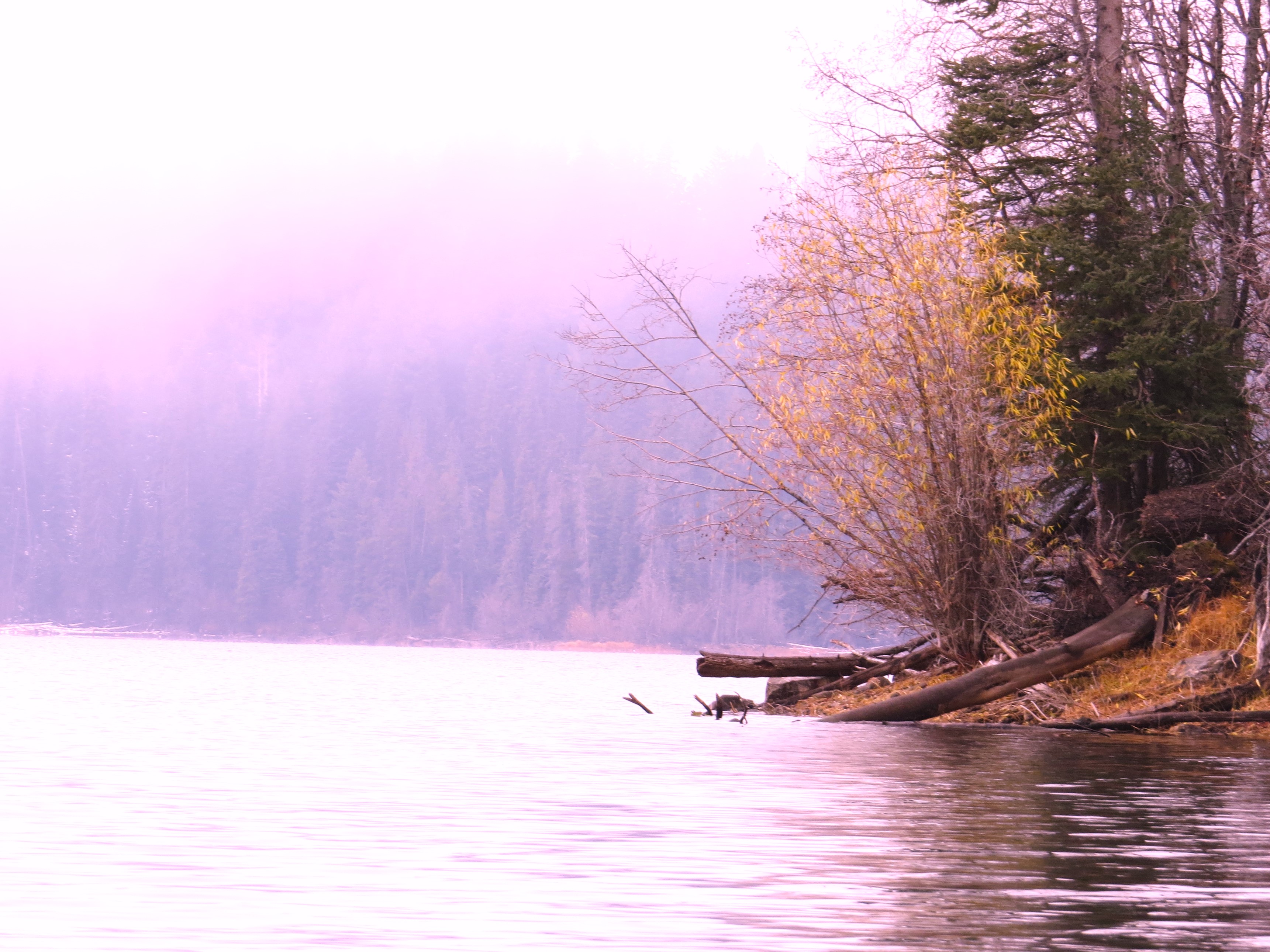
For kayakers and boaters it is truly wonderful experience, dotted with numerous little islands – some with easy access by kayak – there you can have a lunch or dinner as some have a firepits. Please be very mindful, though – in this type of total wilderness and remoteness fire could be a catastrophe of unthinkable consequences. From Oyama Lake I strongly recommend paddling to the left through an amazing channel covered with lilies, reed and acorus. That path offers amazing solitude and meandering for long time through narrow water channels. Eventualy you will enter anoter lake – Streak.
(Polish) W Kolumbii Brytyjskiej jadąc szosą 97 na wschód od Kelowny dojedziesz do dwóch bardzo charakterystycznych jezior: Kalamalka i Wood. Nie ma wątpliwości, że kiedyś był to jeden obszar wodny a i dziś w sezonach wyjątkowo deszczowych (co nie jest tu częste) jeziora się łączą starym kanałem. Mimo to, patrząc na nie ze wzgórz jedno ma charakterystyczny kolor zielonkawy a drugie zdecydowane stalowo-szary. Jakie są tego powody geologiczno-morfologiczne nie mam pojęcia, ale jakieś być muszą. Obecnie dzieli je mały mostek-grobla. Przejeżdżając ten mostek i skręcając ostro w górę na prawo od mostku wjeżdżasz w świat dziki i piękny. Bita, wąska i pełna wybojów droga zaprowadzi cię do klejnotu natury – jeziora Oyama z dziesiątkami mniejszych i większych wysp, a dla wioślarzy raj długiego, meandrującego pośród wodnych lilii i trzcin kanału. Ten wielokilometrowy kanał doprowadzi cię do jeziora Streak. Kanałem należy wiosłować ostrożnie by nie wbić się w błotnisty brzeg lub nie nadziać za szybko na zapadłe po wodą konary i pnie zatopionych drzew. Wszystko to jednak warte wrażeń widokowych. Wracając zatrzymaliśmy się na jednej z większych wysp na Oyamie i na istniejącym już palenisku zrobiliśmy wyśmienity lunch/obiad. Po prawdzie ‘zrobiliśmy’ to eufemizm, bo zrobił przyjaciel mojej kuzynki, Mike. Nie zabrakło kiełbasek na patyku ale były i krewetki, i cudownie przygotowana w grubych plastrach lekko zarumieniona cebula, duszone plsterki kartofelków. No i coś do popicia, naturalnie. Nie, nie była to woda jeziorna, LOL.
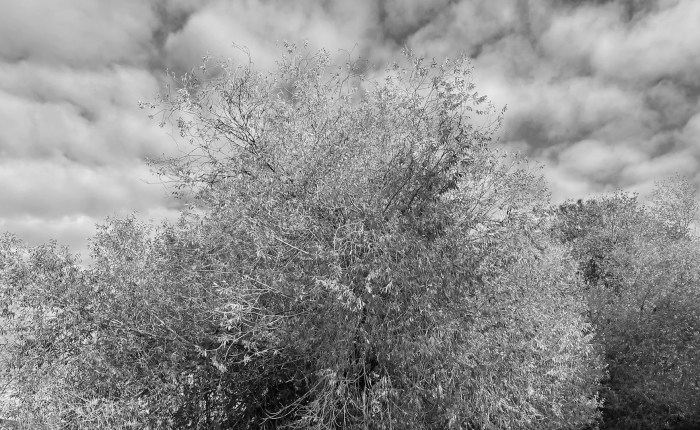
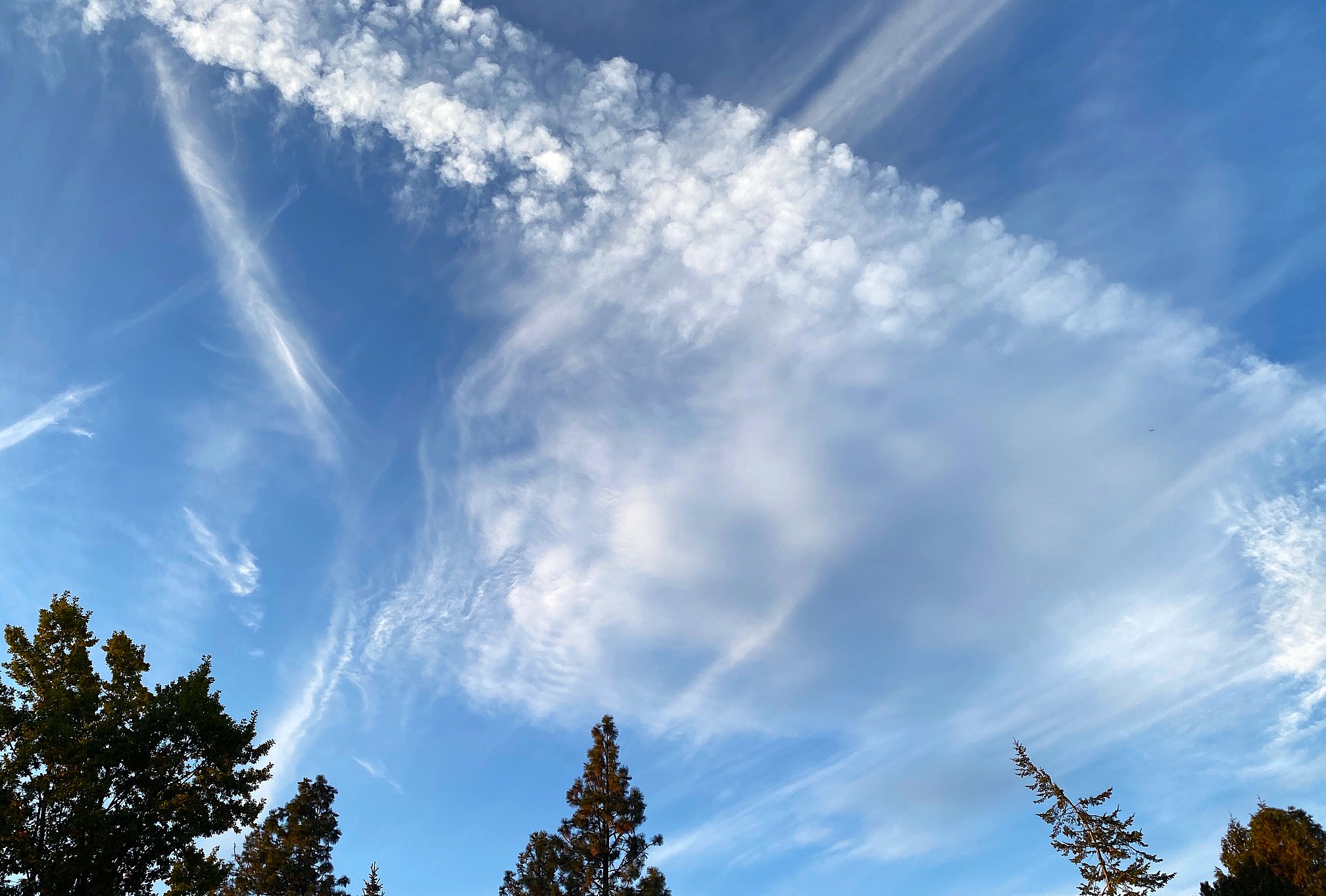
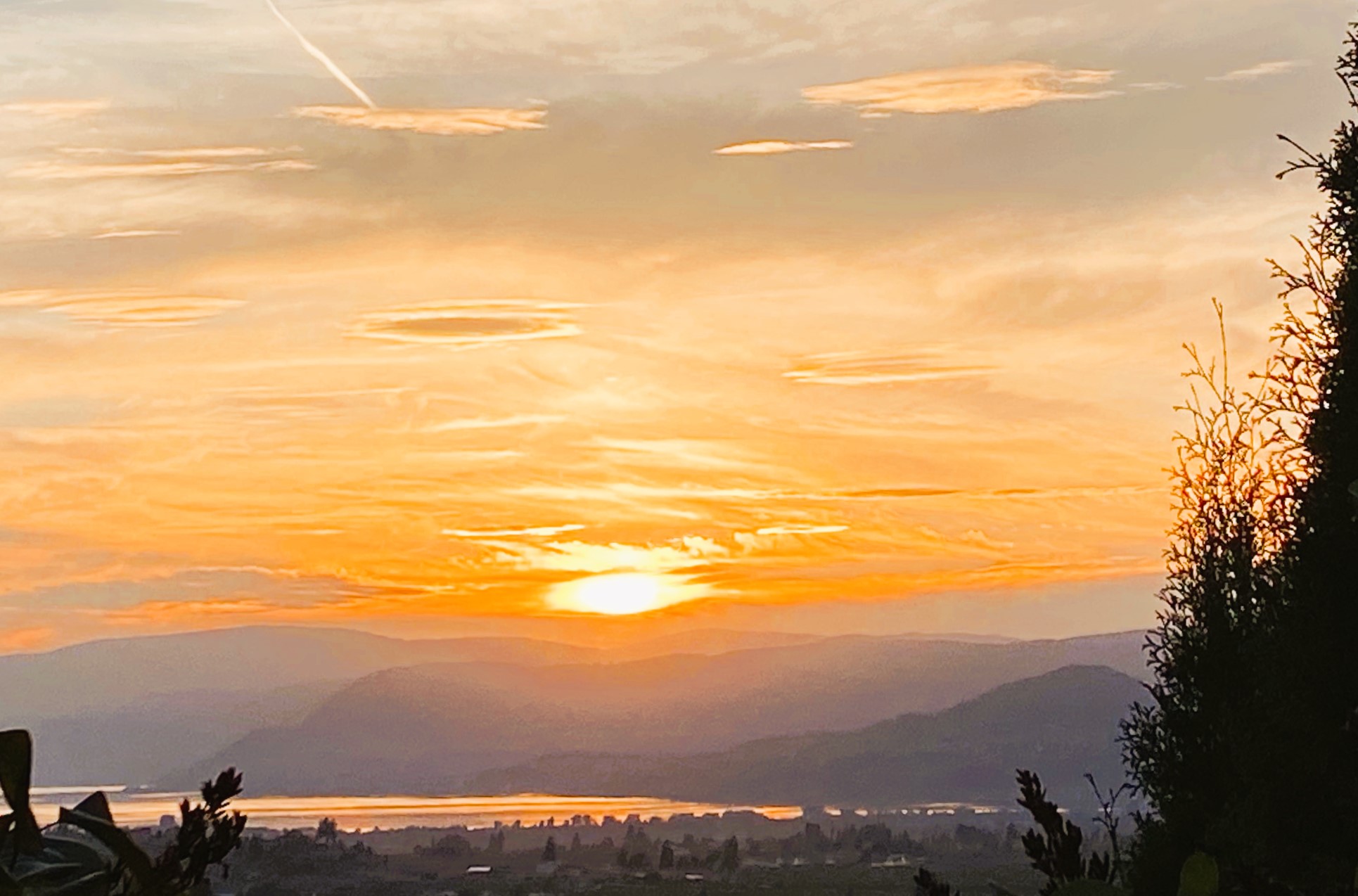
The arid air, lakes and high hill surrounding Kelowna are perfect orchard not only for apples, peaches and grapes – it is an orchard of amazing skies, clouds, sunsets. Here are some.