Epistemologia Smutku

Epistemologia smutku

Epistemologia zajmuje się filozoficznym wymiarem wiedzy na temat pewnych procesów. Pojęcie ‘smutku’ jakkolwiek niewymierne, jest bardzo silną emocją istniejącą ponad wszelką wątpliwość. Skąd się bierze, co jest jego przyczyną, jakie jest jego natężenie – to pytania dość racjonalne, nawet, jeśli podłoża jakiegoś konkretnego ‘smutku’ są irracjonalne. Irracjonalność pewnego zachowania lub emocji nie przekreśla faktu ich istnienia. A co istnieje można starać się zbadać, wytłumaczyć.

            Więc rozważanie smutku, jako efektu straty jest rozważaniem epistemologicznym, pomagającym znaleźć odpowiedź bez oceny przydatności lub zbędności takiegoż.

Jako że smutek jest od dwóch lat pewnym constans mojej egzystencji – czemu miałbym się nie zająć jego rozumieniem inaczej trochę niż zwykłą opisowością moich emocji?

I.

Gombrowicz nie dla zabawy samej, dla wygody zwykłej pisarskiej, używał w większości wypadków pierwszej osoby, jako narratora. Nie przez czystą zarozumiałość (której mu naturalnie nigdy nie brakowało), a przez umiejętność własnej wiwisekcji, poznanie świata przez poznanie siebie. Rozumienie świata zewnętrznego poprzez własne intelektualne i cielesne doświadczania go pozwala nam zrozumieć lepiej samego siebie. Robił to błyskotliwie w swoich „Dziennikach”, jak i dzienniku prywatnym, w „Kronosie”[i].  Zresztą zamiarem jego było opublikowanie tej ‘obrazobórczej’  auto-wiwisekcji. Jest genialna i jest nużąco-nudna chwilami, jak flaki w oleju. Trudno doprawdy oceniać jej wartość literacką. Ze względu na nazwisko autora uzyskała od razu status bliski genialności. Zupełnie zdaniem moim niezasłużenie. Ale może być genialnym studium samego Gombrowicza-człowieka. Niekoniecznie Gombrowicza-pisarza. Czasami te osobowości (twórcza i prywatna) się zazębiają, łączą – ale generalnie nie powinno się nigdy ich kompletnie scalać. Jedna jest kreacją, druga jest po prostu byciem, życiem.

Czemu od Gombrowicza zacząłem? Jedną część wyjaśniłem (mam nadzieję) powyżej. Ale jest jeden jeszcze, bezpośrednio z tytułem złączony element – „Kronos” właśnie, który jest też autoportretem strachu, lęku kulminującego się przed starzeniem się cielesnym, przed utratą nie żądzy a kurczącymi się możliwościami jej zaspokojenia. I poprzez kurczenie się własnej atrakcyjności cielesnej i przez kurczenie się własnych możliwości fizyczno-erotycznych. Fakt homoseksualności Gombrowicza uwielokrotnił ten lęk. To taki emocjonalny odpowiednik okresu przekwitania. Zresztą sama ta terminologia ‘przekwitanie’ jest idealnym obrazem tego procesu u mężczyzn – zwłaszcza mężczyzn homo i biseksualnych. Szczególnie, gdy mówimy o czasach, gdy orientacje seksualne inne od tej typowej były bardzo skomplikowane i otoczone kokonem tajemnicy szeptanej po cichu w rogu salonów kawiarnianych.

U osób nieco neurastenicznych, a jednocześnie przekonanych o swojej wyjątkowości pisarskiej, ale i zwykłej życiowej (ładny, jako młodzieniec; przystojny, jako dorosły mężczyzna), jak u Gombrowicza, istnieje w jego pisarstwie pewien pociąg do intelektualnego ekshibicjonizmu swojej osobowości prywatnej. „Kronos” tego ekshibicjonizmu jest idealnym przykładem. Z biegiem lat, z zauważalnym przez niego samego procesem zmniejszania się aktywności i atrakcyjności fizycznych – opanował go pewien egzystencjalny smutek, lęk nawet. I tutaj ‘epistemologia smutku’ wydaje się być świetnym narzędziem do głębszego poznania Gombrowicza prywatnego. Zwłaszcza, że z momentem publikacji „Kronosa’’– prywatnym być przestał.

Kiedy zmarł (nota bene śmierć przyszła do niego uroczo, ciepło), był w moim wieku. Zabawne skojarzenie i niepokojące dla piszącego te słowa. Ileż razy w ostatnich dwóch latach wołałem ją by już przyszła, że jestem zmęczony zasypianiem w łóżku z Panią Śmiertką siedzącą cicho na brzegu tego łóżka. Ileż razy nakłaniałem ją, namawiałem by się w końcu położyła obok i przytuliła do mnie? Do dziś nie jestem przekonany, że postąpiła słusznie nie ulegając moim prośbom. Ale ten temat pomińmy w tym momencie, bo to zupełnie inna ścieżka rozważań.

II.

Jest koniec 2024, ostatnie tygodnie. Przejechałem kontynent, by szukać naszych (moich i mojego Johna) śladów. W prowincji i mieście, gdzie się poznaliśmy i zakochaliśmy bez pamięci tego dnia, gdy pierwszy raz się spotkaliśmy; i dalej jeszcze, na kraniec kontynentu: do Vancouveru, który był naszym najpiękniejszym i niezapomnianym domem przez długie lata. Chodziłem pod te adresy, jak na jakiejś pielgrzymce, którą musiałem odbyć. Taka droga pątnicza?  Pisałem już bodaj w swoim blogu, iż wydawało mi się nawet, że go znalazłem, że szedł obok mnie, trzymał mnie za rękę. Było to bardzo miłe wrażenie, ucieszyło mnie. Ale smutek, strata są zazdrosne. Nie uznają takich nostalgicznych spotkań, takich wyimaginowanych spacerów. I w pewnym momencie, gdy już bardzo miło mi się moim Johnem chodziło spacerując po Stanley Parku, po uliczkach centrum w Vancouverze – ten smutek chwycił mnie silnie za gardło i rzucił na bruk. Tak po prostu, jakby mówił: czas się obudzić i spojrzeć rzeczywistości w twarz. Co jest też pewnym oszustwem, bo jeśli coś odczuwamy naprawdę to – choć nie jest to rzeczywistość materialna – wszak jest rzeczywistością emocjonalną.  Niestety, strata nie ma jakichkolwiek inklinacji do wdawania się w dyskusje lub targi uczuciowe. Moja odpowiedź na ten gwałt zadany mi była prosta, zwięzłą, jak spowiedź. Słowa wyszły same szeregiem krótkim, nielicznym. Były silne do tego stopnia, że siadłem na pobliskiej ławce i zapisałem je w notesie bez zastanowienia się, bez jakiejkolwiek formy. Bez literatury, choć literatura umożliwiła to i bez wątpienia w jakiś sposób miała wpływ na ich kształt, ilość i dźwięk.

.

Tak mi ciebie brak

i tak brak mi słów

by to opisać

nazwać dotknąć

pozostał tylko krzyk

dziurawiący ciemność

rozpostartej nocy

sięgający ostrzem noża

w zakamarki zmarłej duszy

uparcie żyjącego ciała

po co?

            Naturalnie, że żyję. Przejechałem przecież ponownie cały kontynent, by to życie życiu przywrócić. Odnaleźć nasze ślady. Ślady naszej miłości. Ślady Ciebie, twojego uśmiechu, twojej dobroci. Chciałbym napić się z Twoich ust tej dobroci, takiej zwykłej, bezceremonialnej, takiej po prostu. Spić z Twoich ust pełną czarę mojego szczęścia jeszcze niedopitą, jeszcze niewypróżnioną do dna. Nawet w dni niepogody wiedziałem, że jest słonecznie, w dni zimowej zawieruchy, że jest ciepło.

Teraz wszystko, co robię pozostaje niedokończone. Trwała jest tylko pustka. Przeraźliwa, obezwładniająca. Wszyscy wokół są mili i dobrzy, ale mówią nieznaną gwarą, niezrozumiałymi metaforami. Monette[1] mi to przypomniał.

III.

Od kilku lat nosiłem się z zamiarem przetłumaczenia trudnego tomiku wierszy Monette’a na język polski. Kilka pojedynczych zrobiłem, ale nigdy wystarczającej ilości czasu, ciszy i skupienia znaleźć nie mogłem. Dodatkowym problem jest forma, jakiej używa bardzo rygorystycznie i bez uwzględnienia (dość zasadniczej zdaniem moim) innej reguły: naturalnej płynności toku myśli i budowy zdania. Łamanie zdania w pól i we czworo tyko po to, by utrzymać format dziesięciozgłoskowca moim zdaniem jest gwałtem na poezji. I pewnie efektem zbyt długich i rygorystycznych studiów filologicznych. Po napisaniu tego, co wyżej rodzi się pytanie: dlaczego Monette ma być wybrany przeze mnie, jako idealny przykład poezji Bólu i Straty?  Zwyczajnie – bo był świetnym poetą, który jak nikt potrafił w poezji swojej pokazać pełną panoramę tych uczuć, emocji i refleksji. Bez ubierania togi tragika greckiego.  Jak te dwie sprzeczne z pozoru opinie pogodzić?  Nie mam zamiaru tego robić. Bywali i bywają poeci, którzy formie kłaniali się jeszcze niżej, ale sam ten tylko fakt głębi ich poezji nie umniejszał.

Wróćmy do tematu jednak, do poezji bólu. W pewnym czasie, okresie nie tak odległym i bardzo dobrze przez mnie pamiętanym, miliony młodych głównie mężczyzn poddano okrutnej próbie przetrwania mimo masowego żniwa śmierci. Triumwirat Zła ‘Reagan-Thatcher-Jan Paweł II”, przy pełnej zmowie milczącego przyzwolenia większości społeczeństw zdecydował, że nowa plaga była naturalną formą selekcji osobników. Że tak długo jak ,zdrowa’ większość (czyt. heteroseksualna) nie jest zagrożona – po co obciążać budżet badaniami i szukaniem antidotum?  Niech umierają. I umierali. Masowo. Na oczach wszystkich i wszędzie: w mieszkaniach, w szpitalach (w okrutnej izolacji), na ławkach w parkach, na ulicy.

To były czasy dżumy Camusa[ii] – z tą różnica, że ta ‘dżuma gejowska’ opanowała cały prawie glob. W przypadku Paula Monette’a ten glob, to było jego mieszkanie, ulice i miasto. Nie musiał, jak Camus’, uciekać się do absurdalności, do wyolbrzymień. Sytuacji bardziej absurdalno-tragicznej niż ta, która go autentycznie otaczała wyobrazić sobie nie można. Tak, to był wiek poprzedni, ale to był już jego schyłek, u progu obecnego. Świat był bardzo podobny do dzisiejszego.

Wiara Galileusza była przeciwna

Boskiej karzącą za mówienie prawdy

współwięźniom.  W Itali nie ma światka

gejowskiego, wszyscy chcą wyjechać

do Nowego Jorku, nie wiedząc jeszcze,

że już go tam nie ma. /…/

/…/    …….               w 1348 zaraza

pochłonęła trzecią część Florencji,

aż czterech z pięciu w Sienie i

nie było łaźni do zamykania.[iii]

(B.P-G, tł. własne, fragmenty)

IV.
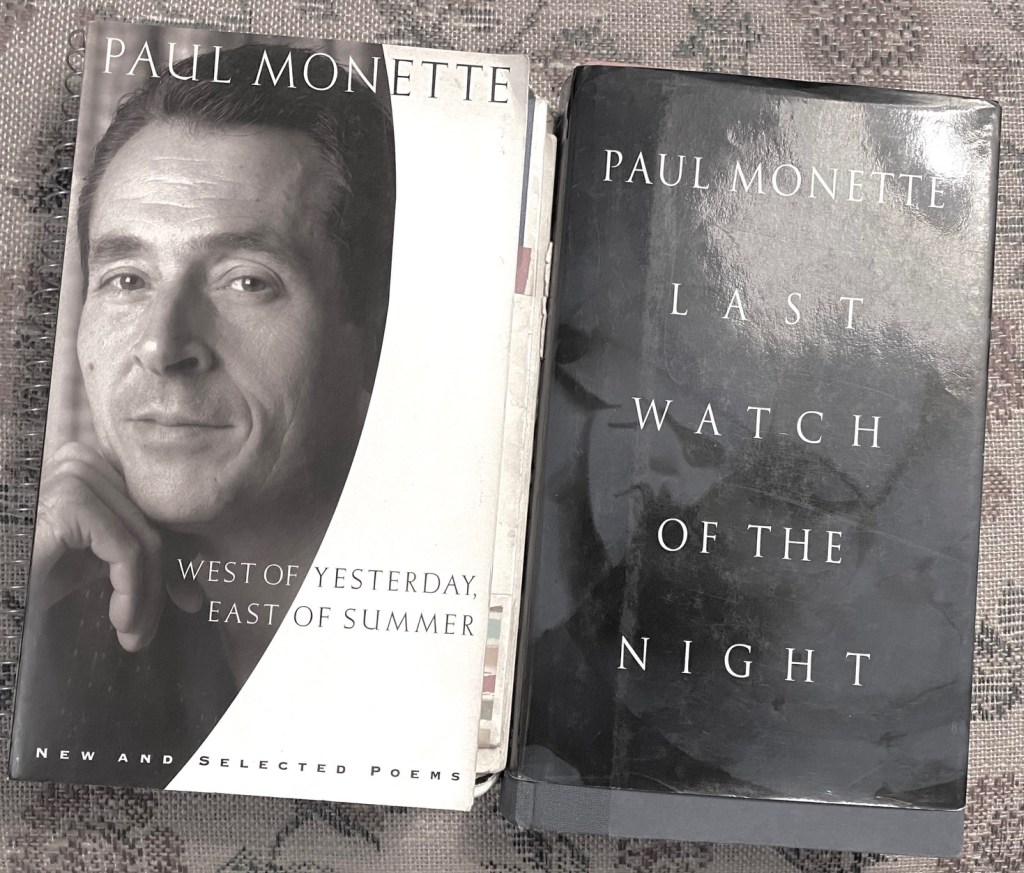
            Doszliśmy do zasadniczej części tej epistemologii Smutku i Straty. Do „Last Watch of the Night” Paula Monette’a[iv]. Zbioru autobiograficznych esejów dekady AIDSA w USA. Dekady niewyobrażalnej dzisiaj, a przecież z równym okrucieństwem zmowy milczenia powtórzonej w Domach i Ośrodkach Starości  na początku ostatniej ‘dżumy’ – Covida. Wystarczy dotkniętych ‘dżumą’ zidentyfikować, jak grupę. Grupę do której nie należy większość. Żydzi, Czarni, Gejowie, bardzo starzy… Ktokolwiek, tylko nie większość. Nie ‘my’. Okazuje się, że dużo łatwiej wtedy manipulować społeczeństwem. Może nawet sugerować, mimochodem wskazywać, że np. pewne miejsca odosobnienia, izolacji nie są nieetyczne. Nie, broń boże obozy! To straszne słowo i koncepcja! Przecież my – społeczeństwo- po prostu chcemy zapobiec masowym infekcjom, nowych transformacji bakterii czy wirusa. Nic w tym złego nie ma, prawda? No, a poza tym każda choroba musi przejść swój kurs.

W latach 80. zidentyfikowano taką grupę. Zwłaszcza w ośrodkach, centrach, gdzie było ich wielu, gdzie zyskiwali sympatię i trochę cywilnych praw (choćby mieszkaniowe). Nowy Jork, Paryż, San Francisco, Los Angeles. Niezbyt dużo równouprawnienia faktycznego, nie – ale zmiany społeczne w tym kierunku podążały. A tu AIDS. Jak manna z nieba prosto w fartuszki religijnych maniaków, hochsztaplerów, siewców nienawiści z ambon telewizyjnych, prasowych i kościelnych. Krzyczeli: a nie mówiliśmy wam! To kara boska, że pozwalamy na takie zezwierzęcenie!

Dość jednak przypominania. Jedynie krótko to wspomnam dla tych, którym łatwo było zapomnieć ‘takie drobiazgi’. Większość ludzi niezbyt lubi rozpamiętywać sprawy i sytuacje przykre. To ludzkie i naturalne.

            Paul Monette nie mógł. On tym żył, w tym żył, na to umarł. Ale zanim umarł, chodził stale do szpitali, odwiedzać tam umierających kolegów i znajomych. Przede wszystkim opiekował się do ostatnich chwil umierającym przyjacielem i kochankiem. Potem drugim. Też do chwil ostatnich, do pogrzebu. Ale zanim był pogrzeb trzeba było ich myć, karmić, do ostatnich fizycznie możliwych chwil wyprowadzać na spacer, Trzeba było ich podmywać, zmieniać pieluchy, pościel. Wiedząc (choć ciągle mając promil nadziei, że ktoś coś odkryje, jakieś antidotum, ratunek), że ratunek nie przyjdzie.

Monette pisze o sobie. Podaje czyste, nieadornowane fakty, szczegóły, momenty codziennej rutyny dbania przez miesiące o kogoś, kto umiera. I w końcu tej śmierci. Kogoś, kto dziś byłby pewnie jego mężem, na pewno wieloletnim partnerem. Najbliższą z możliwych osób. Kiedy brat jego partnera (Rogera), który przyjechał z wizytą narzeka, że legowisko ich psa (Pucka) jest brudne i śmierdzi, Monette przypomina sobie ten moment i dodaje: Nie, tam faktycznie cuchnęło jak śmierć, gdy nazwiesz rzeczy po imieniu. Cały dom. I po prawdzie tylko Puck mógł z tym smrodem żyć, ze smrodem pola bitwy z płytkimi nieznanymi grobami. Ci, którzy sugerowali nową tapicerkę, jako sposób na trzymanie śmierci z daleka odwiedzali nas coraz rzadziej. I chwała Bogu.[2]

Kiedy przytacza ostatnie dni i godziny Rogera – pies jest bardzo ważna postacią w tej epopei przerażenia. Wiedzy, rozumienia – a jednak przerażenia bezsilnością i nieuniknionością. Pies swoja obecnością pomógł mu uciekać momentami od obezwładniającego smutku. Pies i … pisanie. Wspomina:

Przetrwałem ten niemożliwy do przetrwania pierwszy rok żałoby zmuszając się do zejścia z łóżka, bo ktoś musiał tego psa wyprowadzić; pisząc  aby nie myśleć.[3]

I zaraz wraca przed moje (piszącego te słowa) oczy obraz mojego pierwszego roku. Moim ratunkiem nie był pies, były wielogodzinne wałęsanie się po plażach, morskich bezludziach i notes, pisanie. Wymuszane, bolesne – a niezbędne, jak woda do przetrwania.

Monnette rozdział po rozdziale, przeprowadza właśnie takie studium, taką pracę epistemologiczną  Bólu Straty. Nie robił tego z potrzeb filozoficznych, badawczych. Nie. To wiwisekcja siebie. Próba zrozumienia, jak można było to przeżyć. Co pomagało, co hamowało przed nieobliczalnymi skutkami. Ale robiąc to pomagał nie tylko sobie, pomagał innym. Bo wymiar bólu, ciężar straty jest dla każdego trochę inny.

Monette przeszedł kawalkadę śmierci na AIDSA (Steve był jego kolejnym partnerem, który tak odszedł w szpitalu) łącznie z własną, nadchodząca powoli, ale nieuchronnie. Oczywiści nie zostawił zapisów ostatnich godzin i chwil. Mimo, że był świetnym pisarzem – nie był bogiem. Trudno nam samym opisywać własną śmierć po fakcie.

Ciekawym bardzo jest rozdział, gdy pisze o Kościele Katolickim i o sytuacji przyjaciół i znajomych, którzy z tym mieli wielki związek będąc czynnymi lub byłymi księżmi, zakonnikami. W tamtych czasach, w latach 80. O tym jak Ratzinger (późniejszy następca Wojtyły na tronie watykańskim) nakazywał biskupom i przeorom amerykańskim, by tępili i torpedowali wszelkie zamiary udzielania jakichkolwiek praw cywilnych homoseksualistom w USA. W Kościele pełnym nie tylko pedofilów, ale przede wszystkim homoseksualistów.[4]  Ten wątek w epistemologii Straty i Bólu mało ma do wniesienia, więc rozwijać go tu nie będę.

Głęboki ból utraty kogoś najbliższego, zwłaszcza gdy poprzedzony długim okresem spodziewania się jej (nieuleczalna choroba) i długim trwaniem opiekowania się tą osobą, aż do momentu zgonu, jest doświadczeniem nieporównywalnym. Zmienia tą osobę, która pozostaje przy życiu. Często ktoś taki próbuje różnych sposobów zewnętrznych i wewnętrznych (terapie), aby to zrozumieć. Ale terapia jest powiązana ściśle z leczeniem, leczy się zaś sprawy i ciała chore. Nie sadzę by żałoba była chorobą. Właściwszym jest rozumienie tego bólu, nie negowanie go lub reperowanie plastrem i pigułką. Być może właśnie badanie filozoficzne jest najbardziej właściwym dla zrozumienie tego procesu. Właśnie podejście epistemologiczne. I zagłębianie się w opisy innych, w sytuacjach zbliżonych. Oswoić ból Straty. Warto.

Paul Monette najpierw swoją poezją, potem tym pamiętnikiem-dziennikiem pomógł mi niezmiernie.


[1]Paul Monette | LGBTQ+ Activist, Poet, Biographer | Britannica

[2] ibid. s12

[3] ibid. s 14

[4] rozdział ‘My Priets’ zaczynający się na str. 54


[i]“Kronos” w pigułce, czyli wszystko, czego nie wiesz o Gombrowiczu | #literatura | Culture.pl

[ii] Albert Camus, „Dżuma”; napisana w 1947 opisuje lata pandemii dżumy w Oranie, w Algerii.

[iii] P. Monette, „West of Yesterday. East of Summer”, s. 19, frag. wiersza ‘Do GB z Tuskanii’ (wyd. z 1994)

[iv] Paul Monette, „Last watch of the night”; wyd. HarcourtBrace&Company; 1994, s.310

Poeci nie giną. Unoszą się w płomieniach pamięci. Lub odlatują na latawcach

Rok temu zginął w Gazie wybitny talent literacki Palestyny – Refaat Alareer. Był znawcą historii i literatury islamskiej, arabskiej, palestyńskiej i angielskiej. Ukończył Uniwersytet Islamski w Gazie i brytyjski London University w Anglii.

W dniu swej śmierci z rąk izraelskich żołnierzy Alareer miał ledwie 43 lata. Wraz z nim zginął jego brat, siostra i ich dzieci. Nigdy już nie napisze kolejnego wiersza – ale też jego wiersze nigdy nie zamilkną. Paradoks wojny i zbrodni wojennych – oprawców po latach nikt nie pamięta, ale poetów i ich wiersze się nie zapomina.

Poniższe tłumaczenie jest ze zbioru “If I must die” opracowanego przez Jousefa Aljamala.

Jeśli muszę zginąć,

ty musisz przetrwać

by opowiedzieć o mnie

sprzedać moje rzeczy

kupić jakiś całun

z wiązadełkami,

(aby był biały z długim ogonem)

i niech dziecko, gdzieś w Gazie

patrząc niebu w oczy

oczekując swego ojca znikającego w wybuchu –

a nie żegnał nikogo

nawet własnego ciała

nawet siebie –

ujrzy latawiec, mój który zrobiłeś, szybujący wysoko

i niech pomyśli przez chwilę, że jest tam anioł

przynoszący miłość ponownie

Jeżeli muszę zginąć

niech to przyniesie nadzieję.

niech to będzie opowieścią

An ode to Stanley Park

An ode to Stanley Park

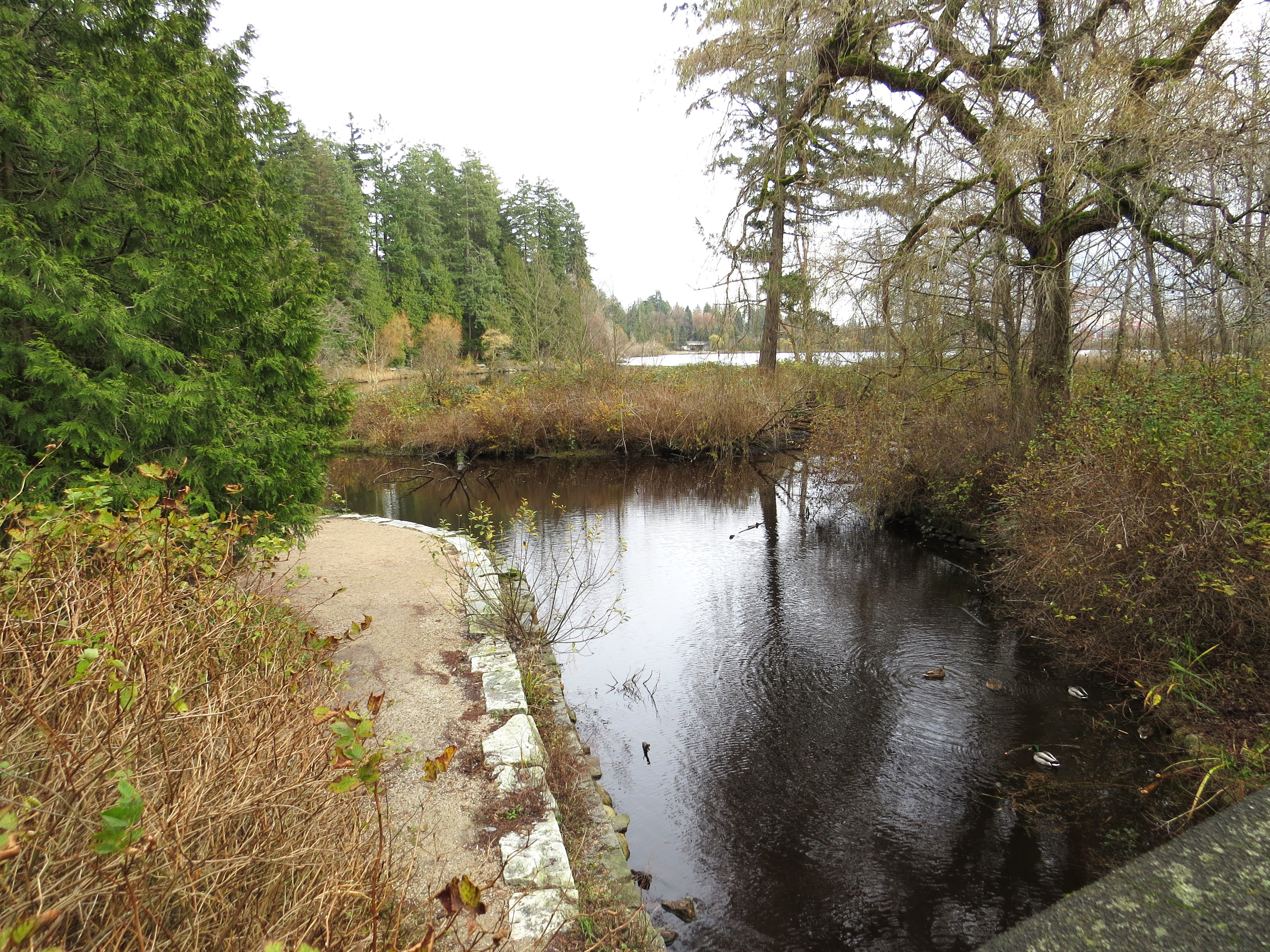
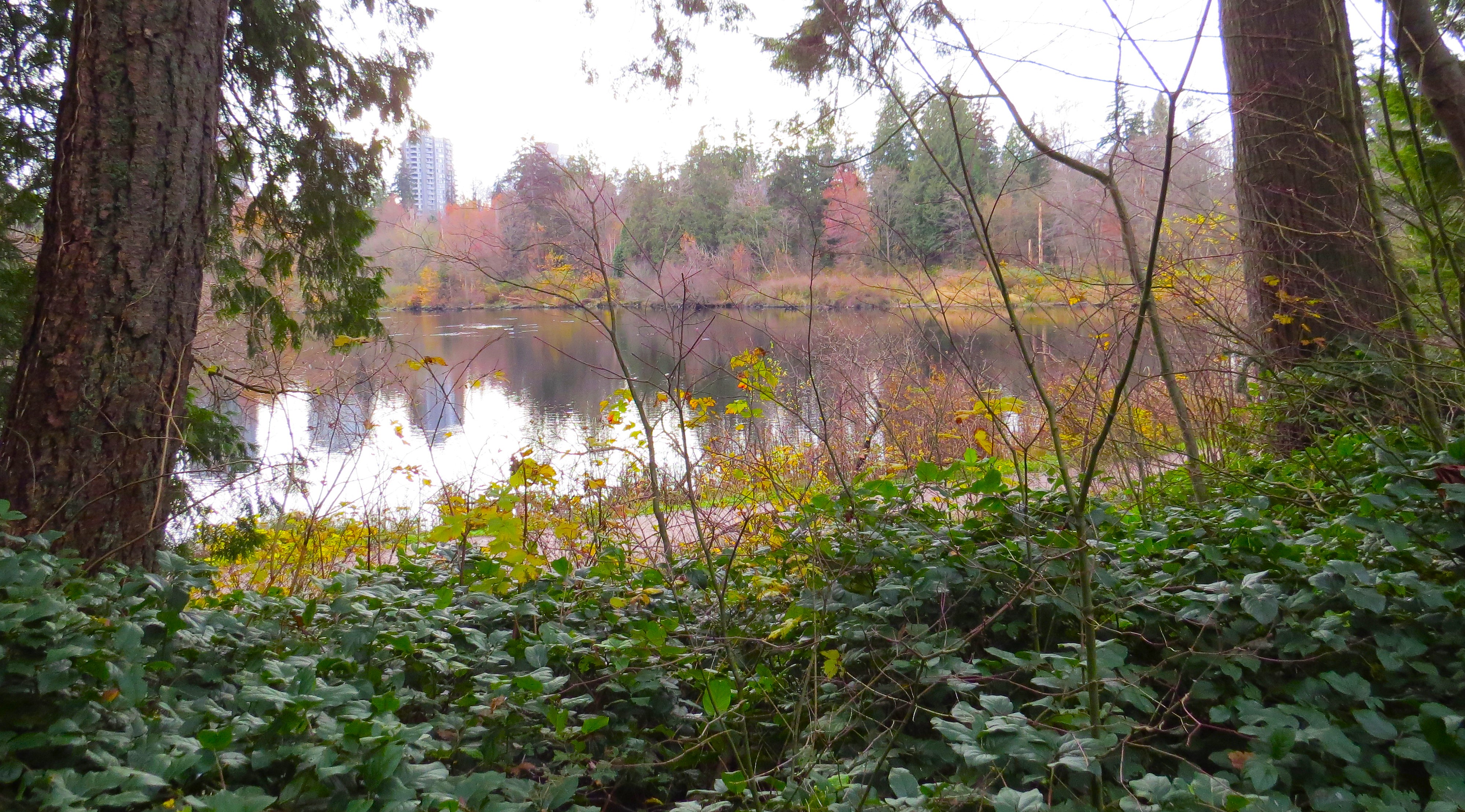
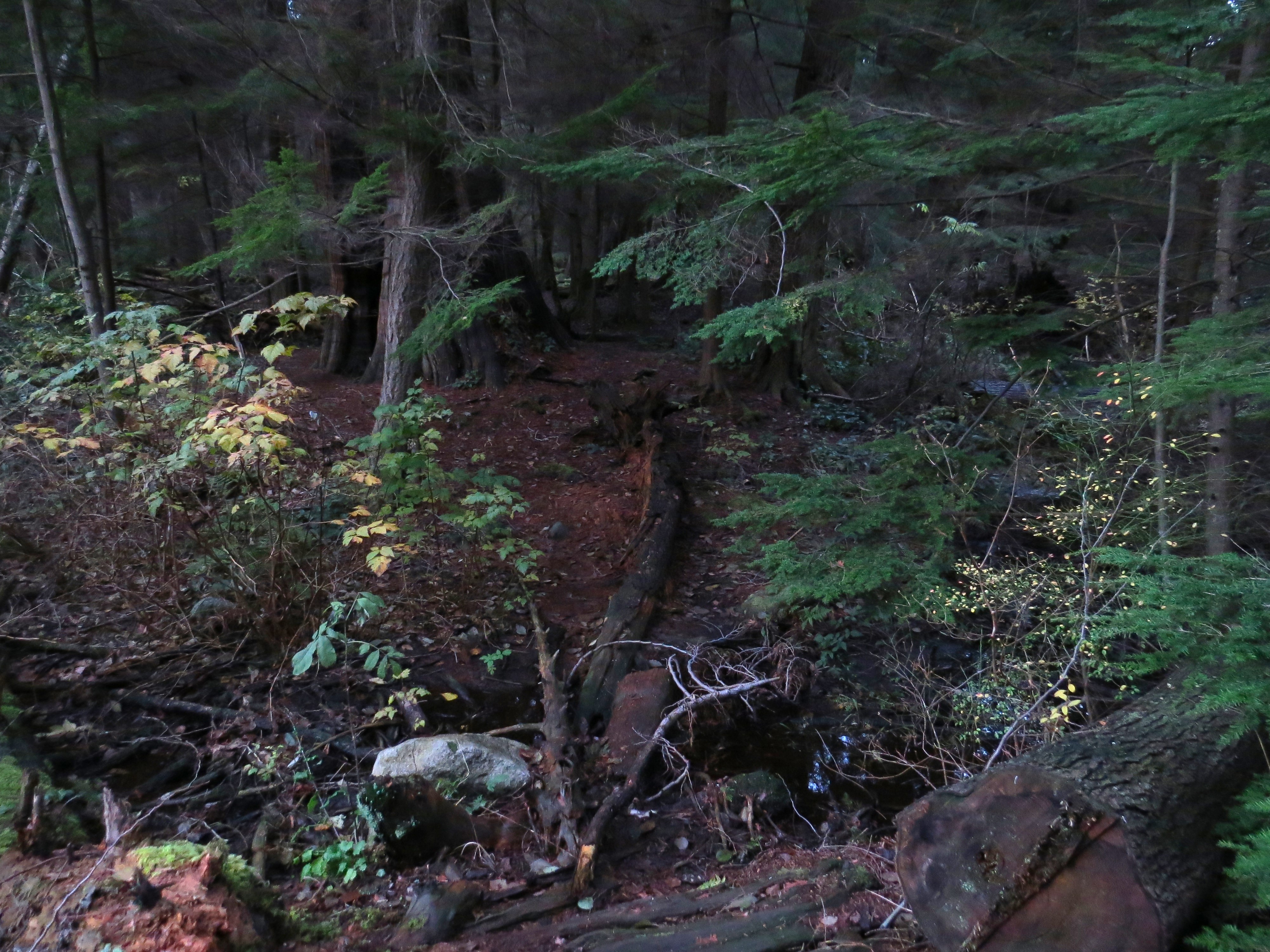
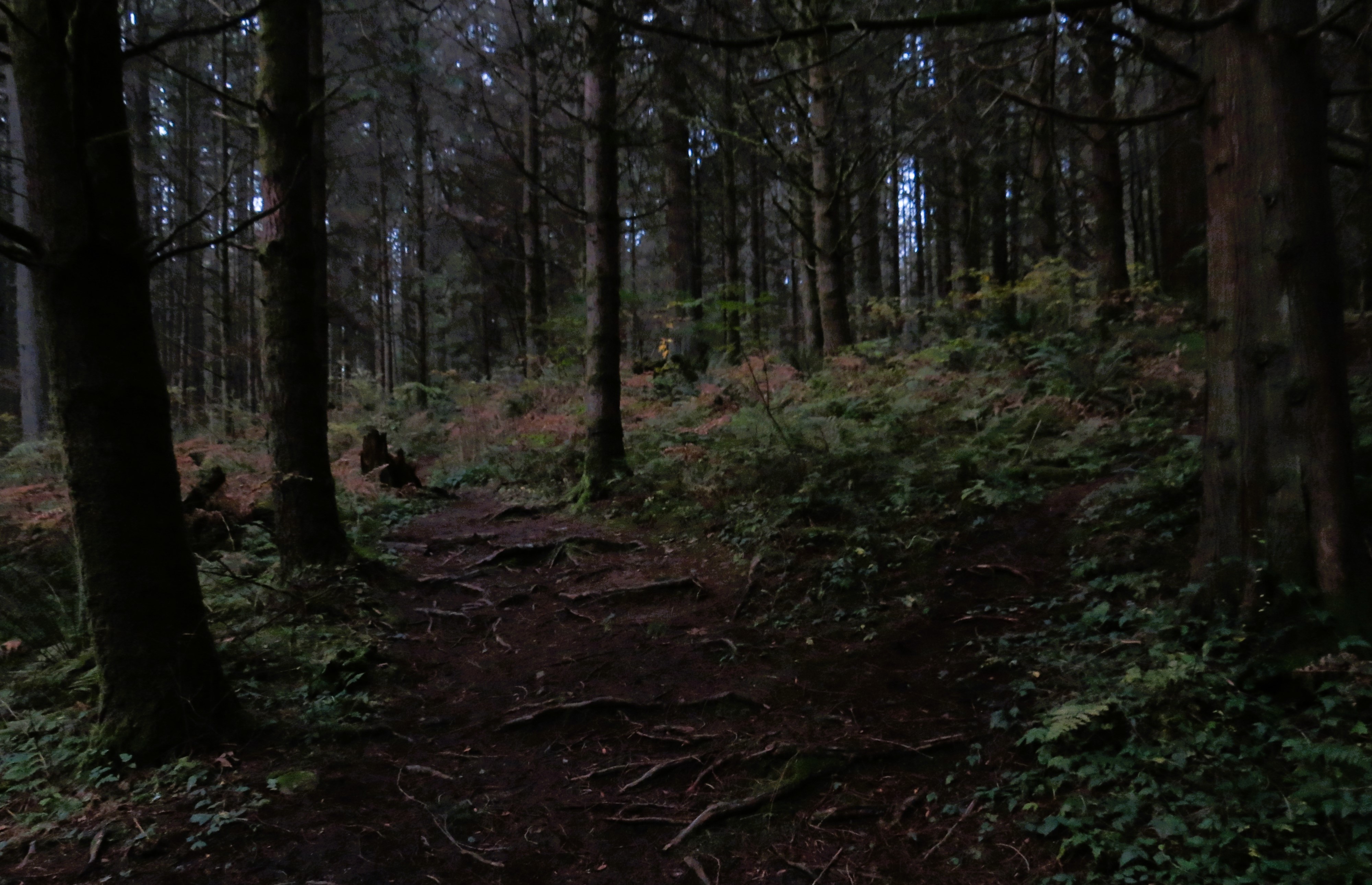
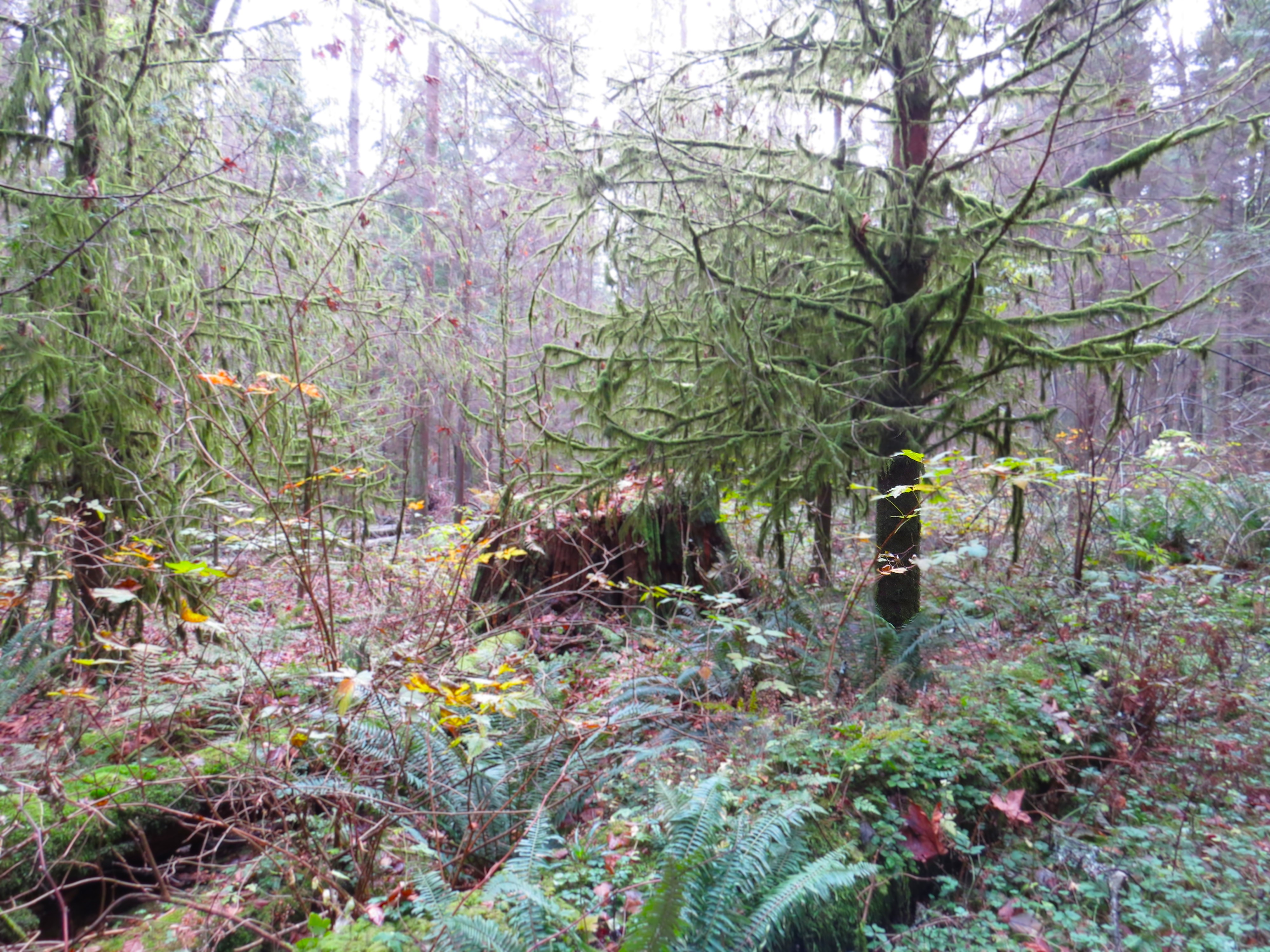
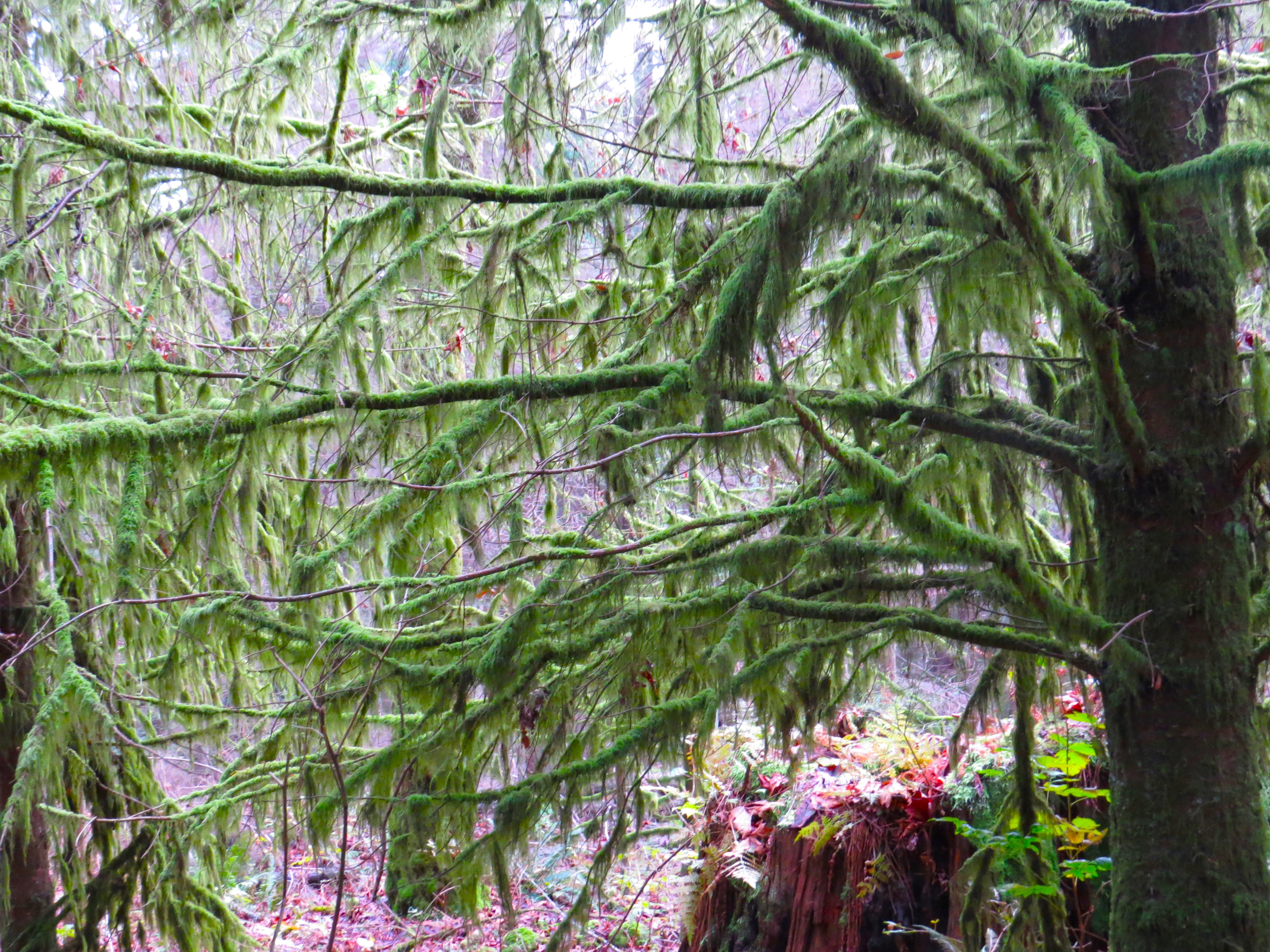
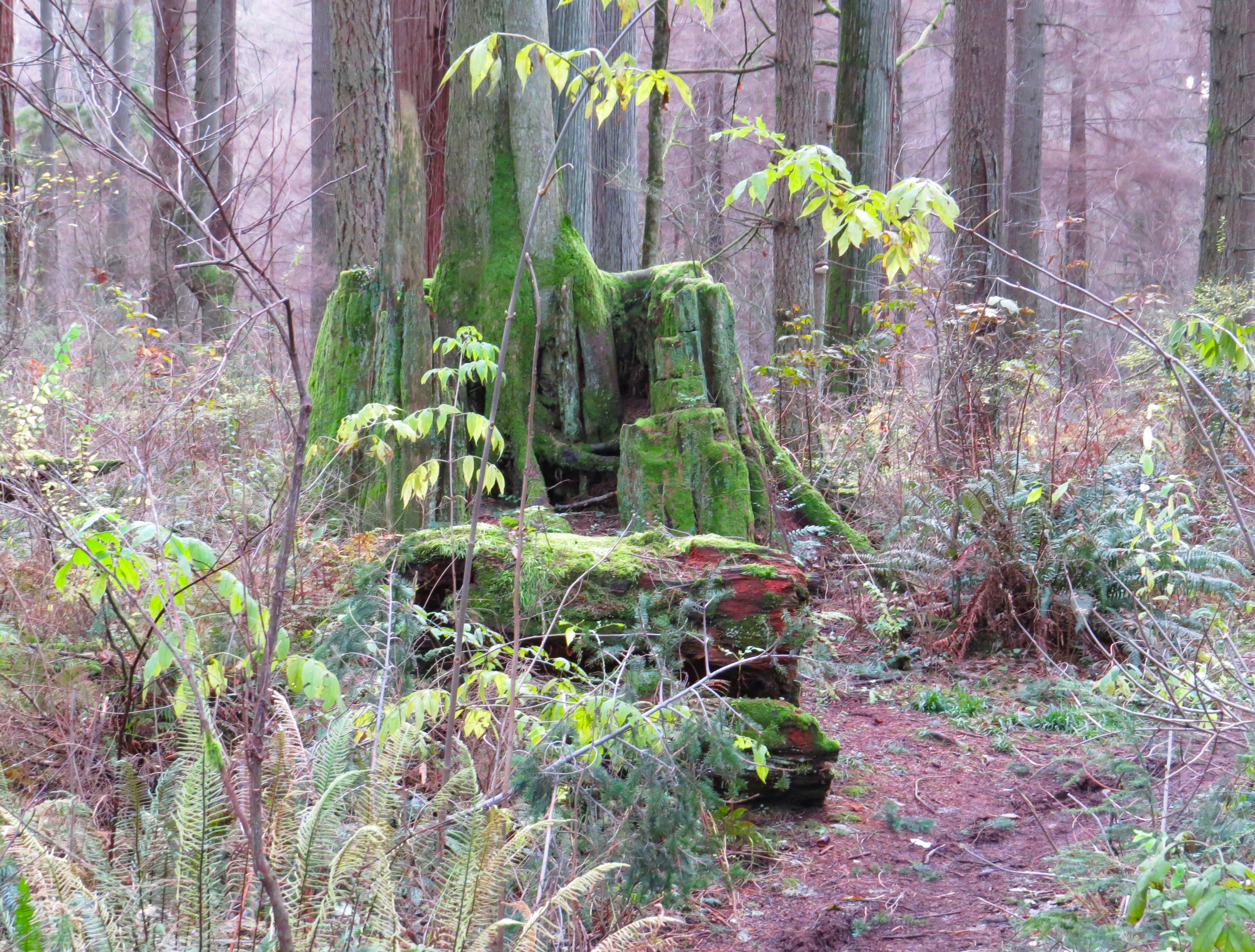
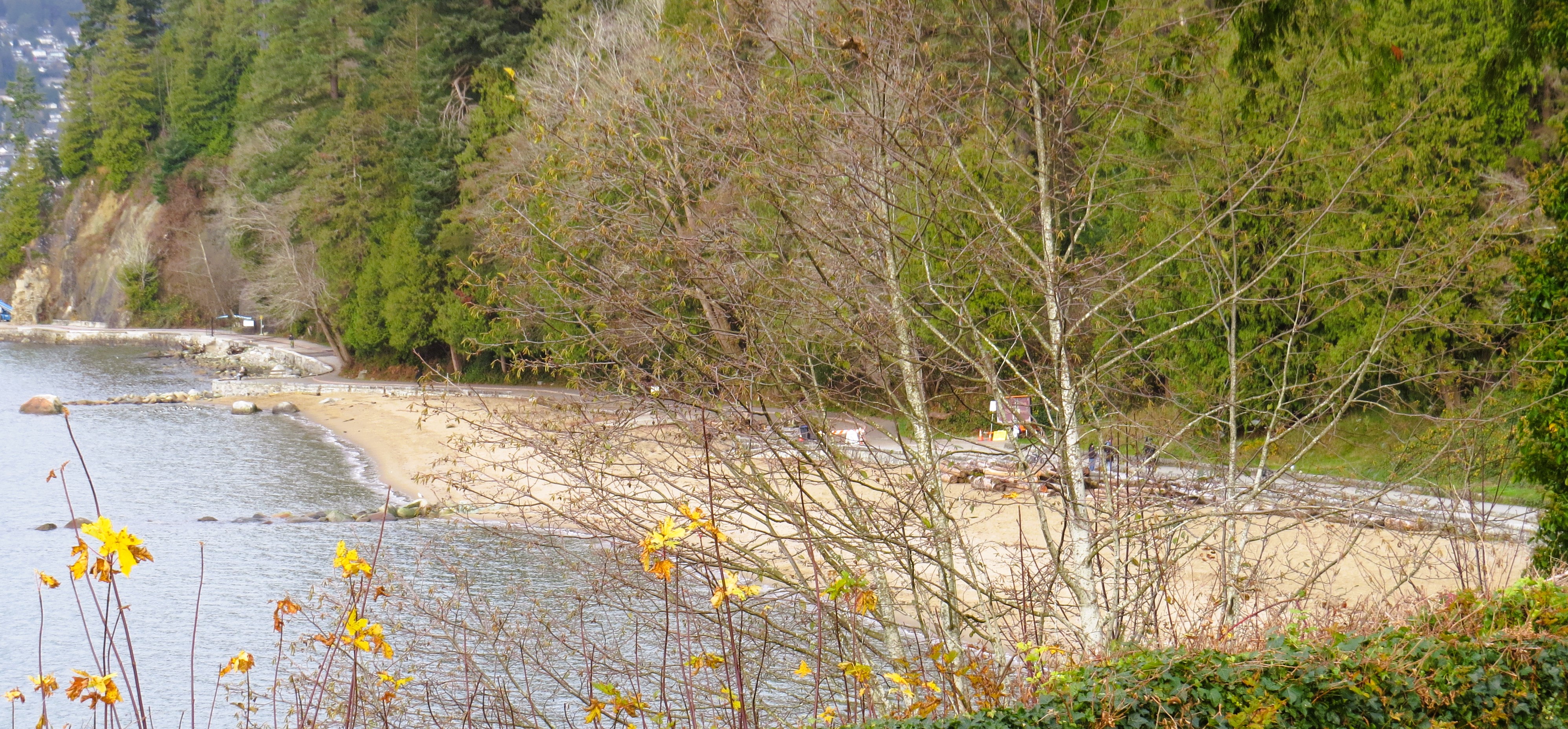
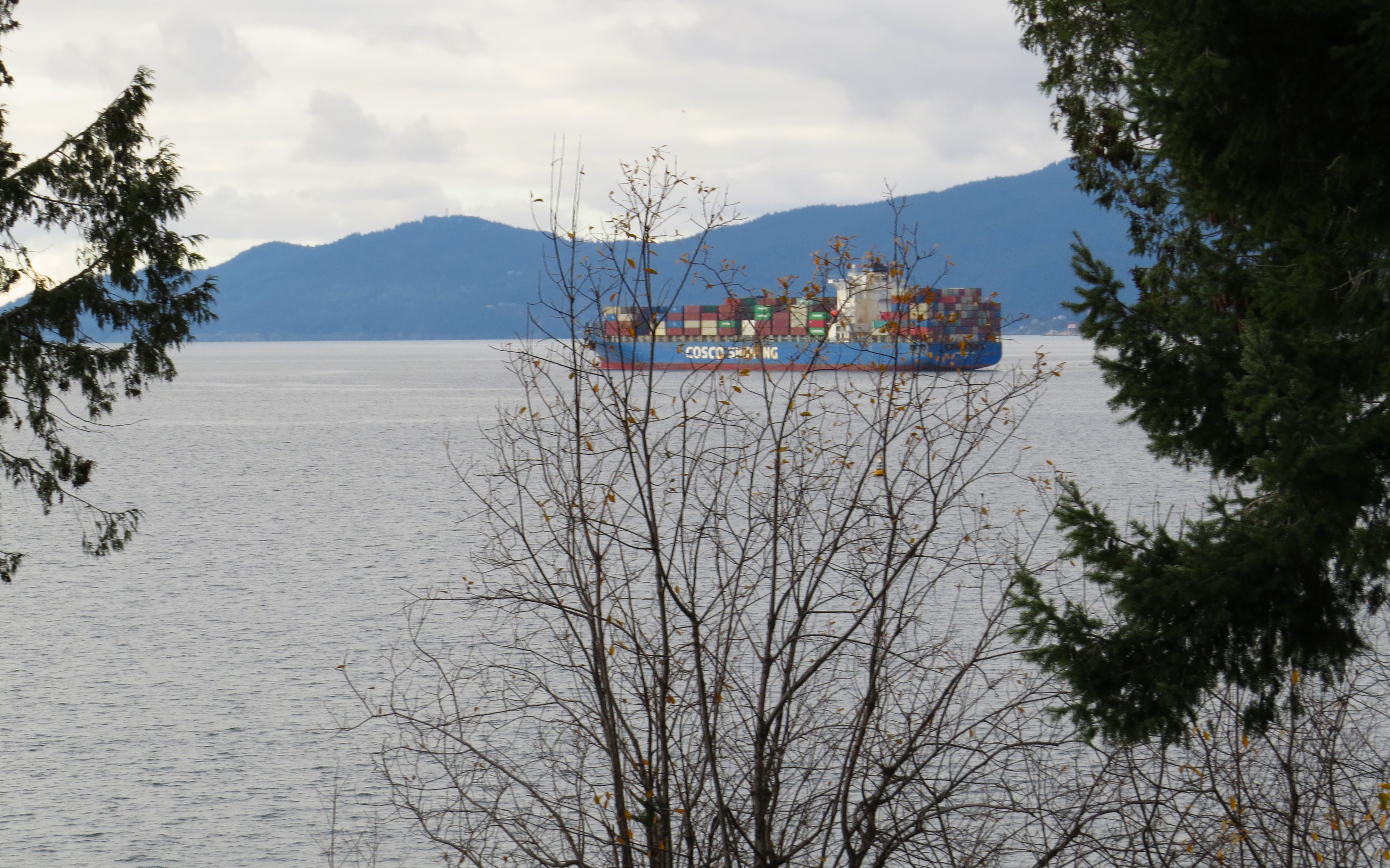
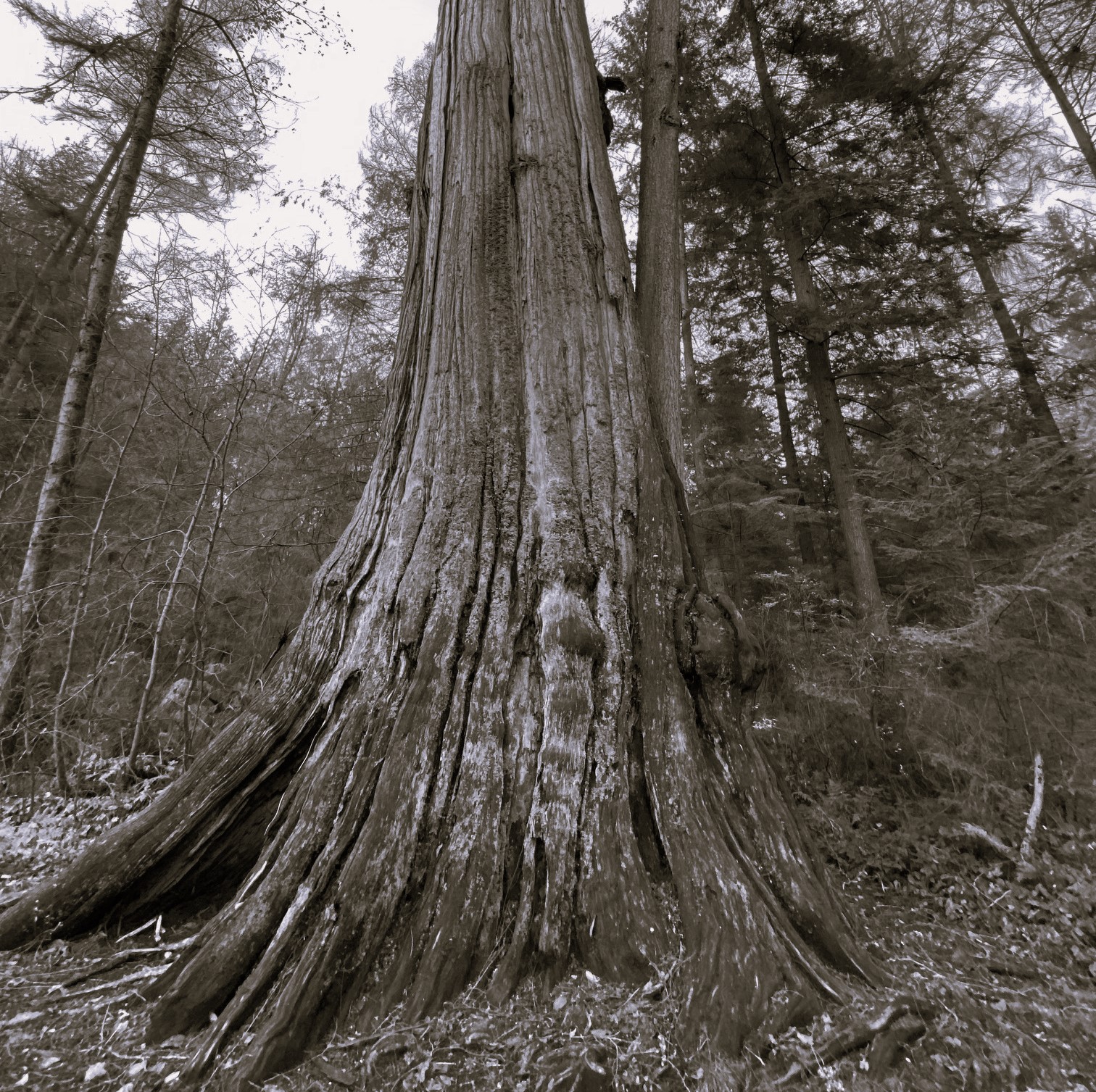
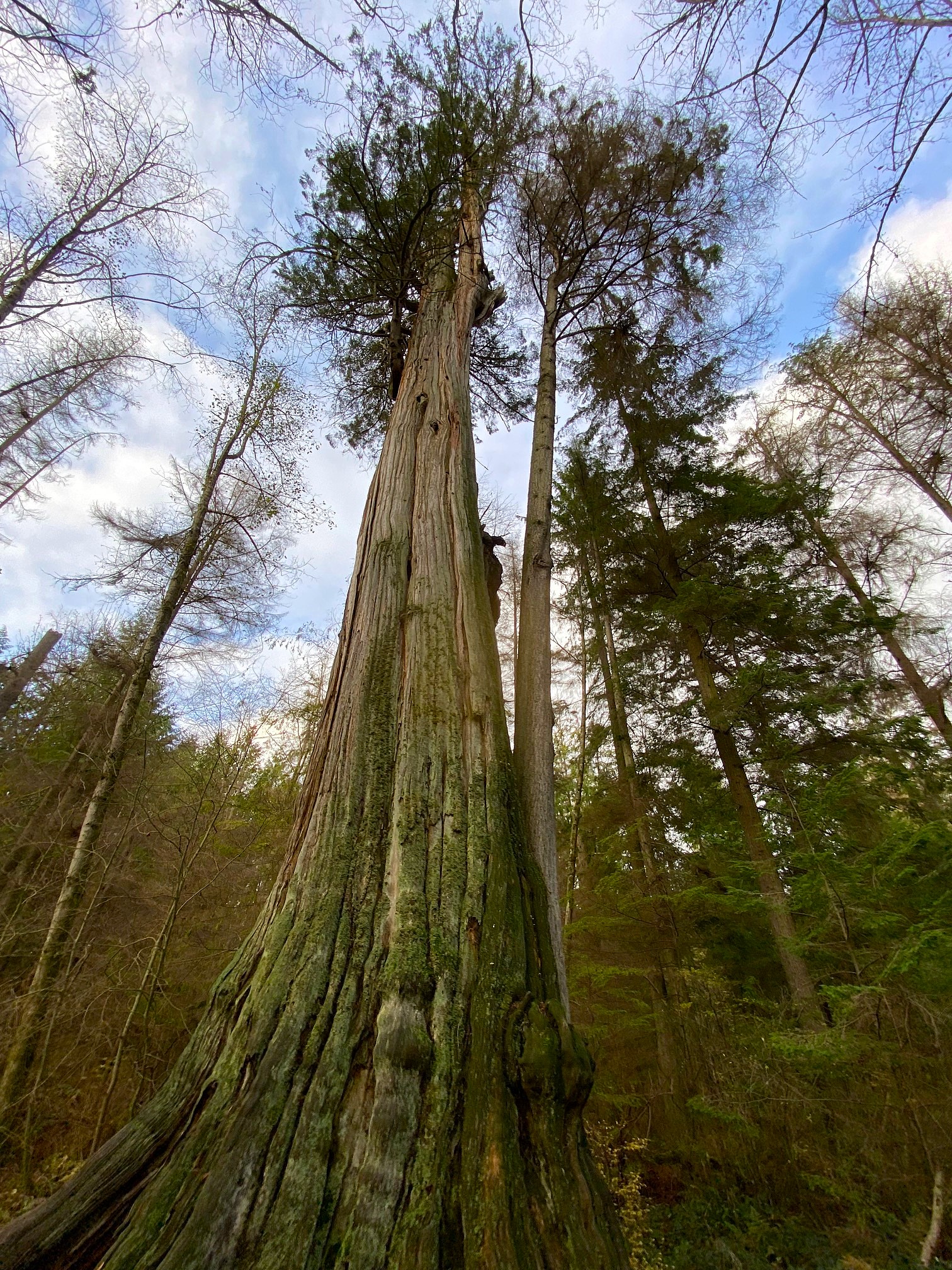
There is a place full of magic. Place that deserves an ode, a poem. But a poem that you, the Reader, will have to write using your own words. I will just offer you some imagery captured on camera during my last visit to Vancouver ( a city full of its own magic and beauty). Therefore, without further ado, let me take you for a walk through that magical place.

Spacer cienia – Walk of a shadow

Spacer cienia – Walk of a shadow

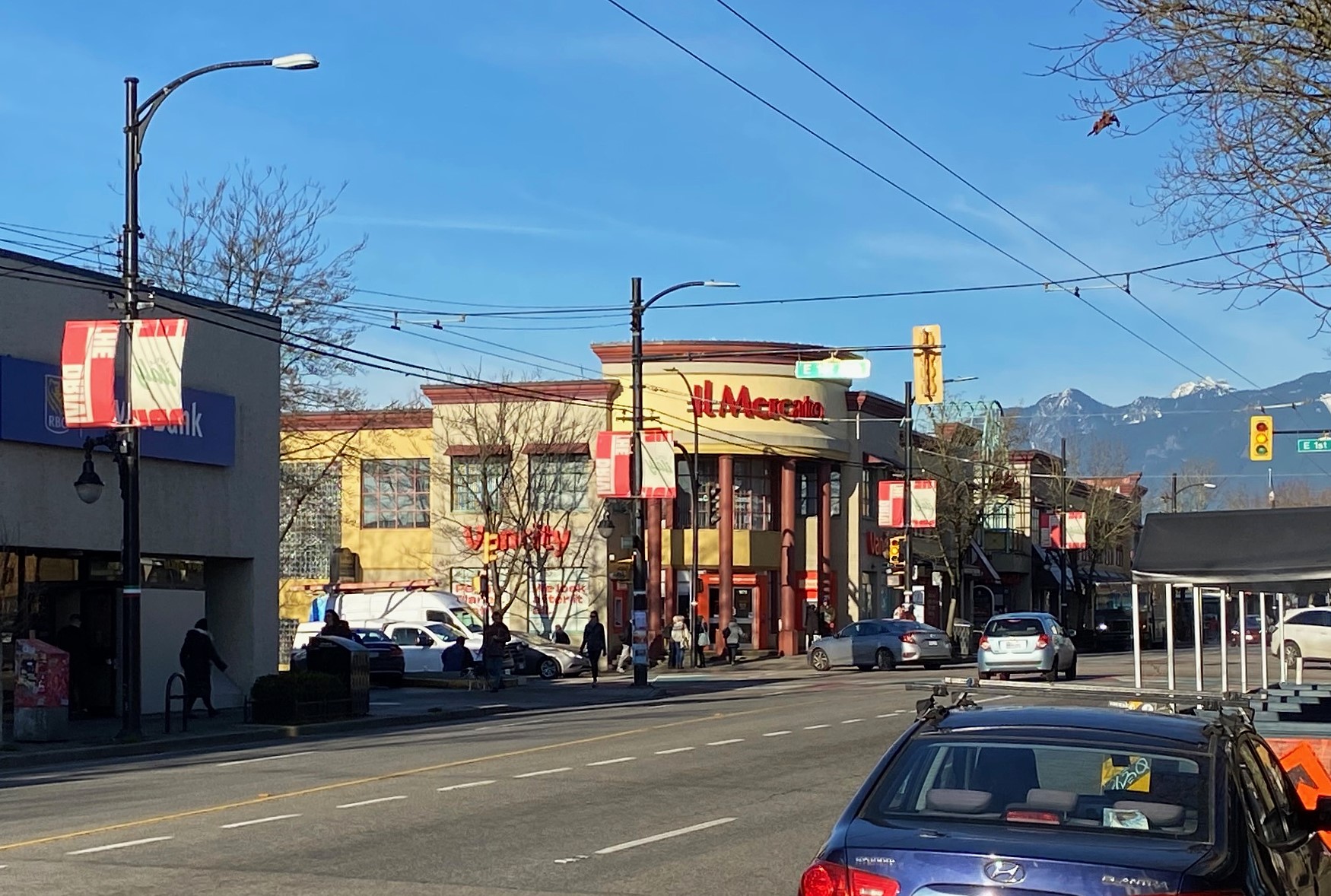
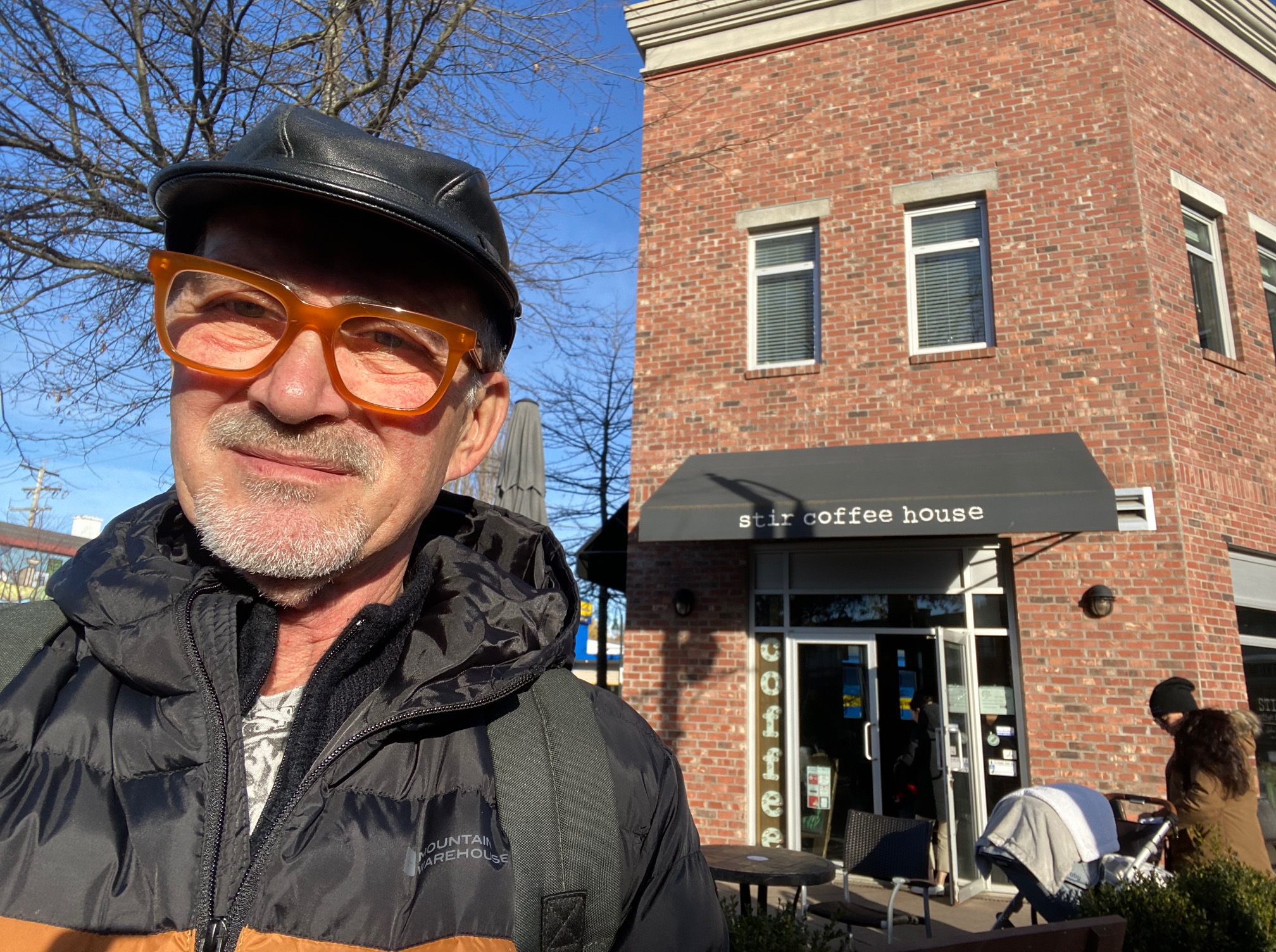
Chodzę moimi ulicami, zaglądam do moich kawiarenek. Do Naszych Miejsc. Uśmiecham się do mijanych ludzi, rozmawiam nawet z nimi.

Nagle spostrzegam, że jestem cieniem. Spoza ich świata, poza nimi, obok. Nie, nie umykam chyłkiem, jak złodziejaszek kieszonkowy, jak przemytnik. Ale przenikam między nimi jak cień właśnie. Taki nie całkiem materialny.

Siedzę teraz w jednym z pokoików naszego Queer Community Centre[i] na rogu Davie and Bute. Lubiłem tu przychodzić. Sam, z Johnem. Taki dom poza domem. To tu był pierwszy w historii nowożytnych olimpiad oficjalny Gay Olympic Pawilon (Pride House)[ii]. Po tamtej Olimpiadzie takie Pawilony stały się normą sankcjonowaną przez MKO (Międzynarodowy Komitet Olimpijski). Uroczy recepcjonista wita mnie z uśmiechem i pyta czy ma mnie oprowadzić. Uśmiecham się, znam tu przecież każdy pokoik i zakamarek; przesuwam się bezszelestnie (cienie robią to świetnie) korytarzykami do jednego ze znajomych pokoi, siadam przy stoliku, otwieram notatnik i piszę właśnie te słowa.  

Nałkowska używała w swoich Dziennikach często ten zwrot przy kolejnych wpisach: i znów zaszła zmiana w polu mojego widzenia. Ale tu teraz to nie pasuje. To ja – patrzący – przeszedłem zmianę.  Stałem się przeźroczystym cieniem.

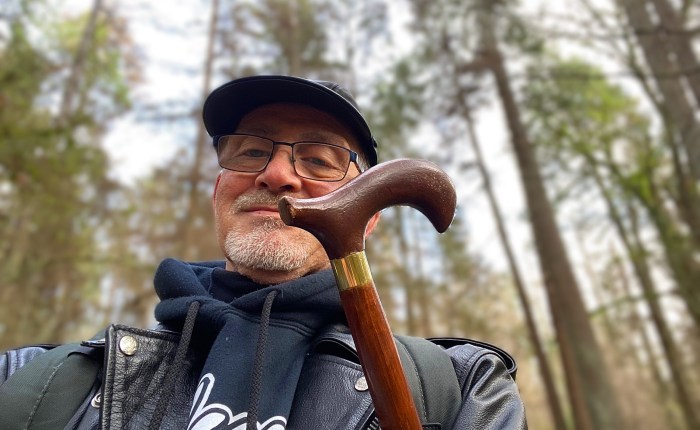
Ile jest takich cieni spacerujących ulicami?  Czy mijam ich sam na skrzyżowaniach nie zauważając nawet? Może moja transformacja jest jeszcze za świeża, jeszcze nie zadomowiła się w mojej świadomości? Niełatwo, bo jeszcze słyszę stuk mojej laseczki i uderzenia cholewek na krawężniku trotuaru.

(English version)

It has been so peaceful and pleasant for the first few days here. Here – back to Our Home, Vancouver. You walked with me; you held my hand. At times – it seemed – you placed a kiss on my cheek.

But it changed abruptly. I noticed it on my second trip to Downtown Vancouver. I was alone. You were nowhere to be seen, to be touched. You were gone. As I know that you are.

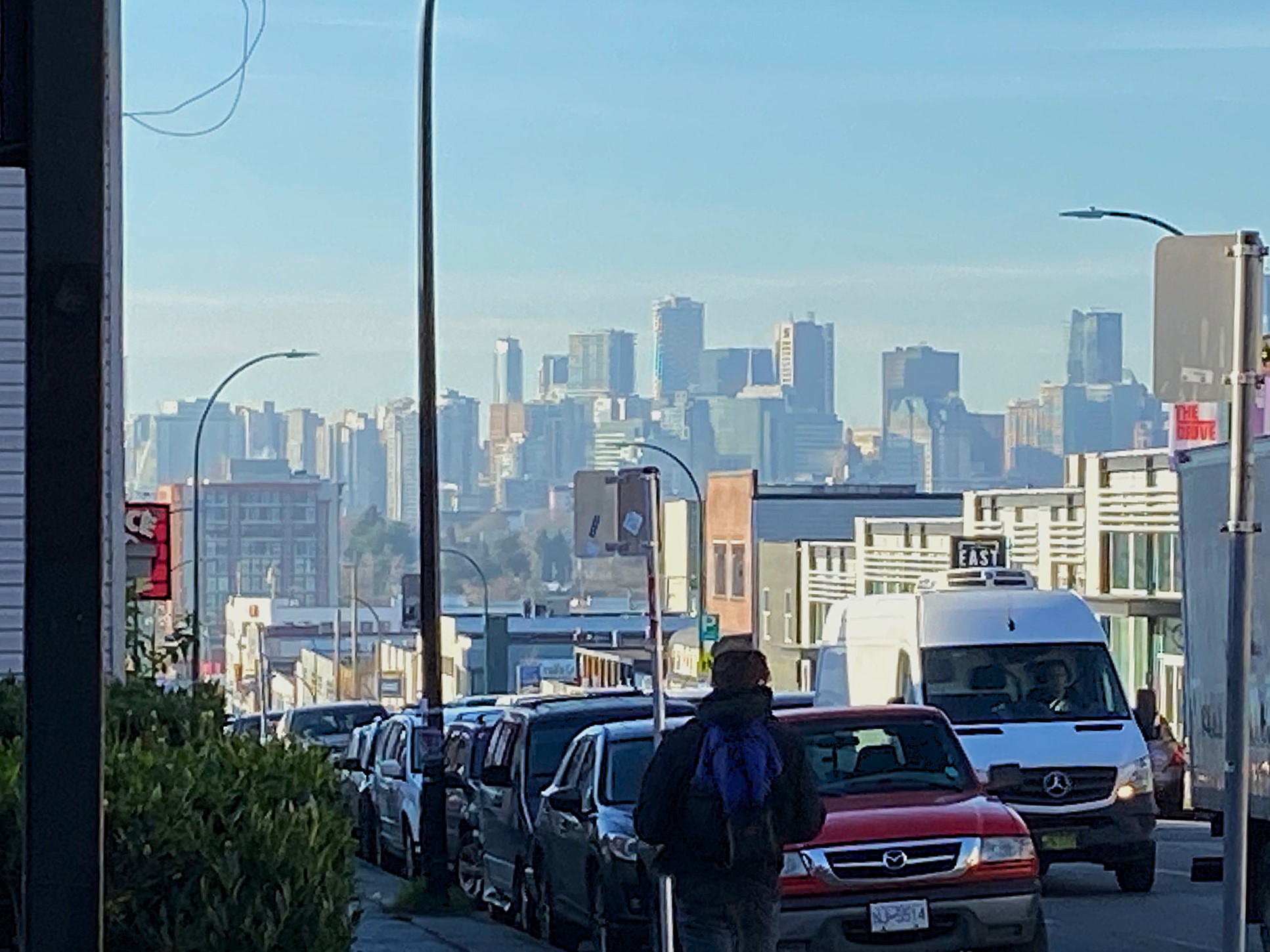
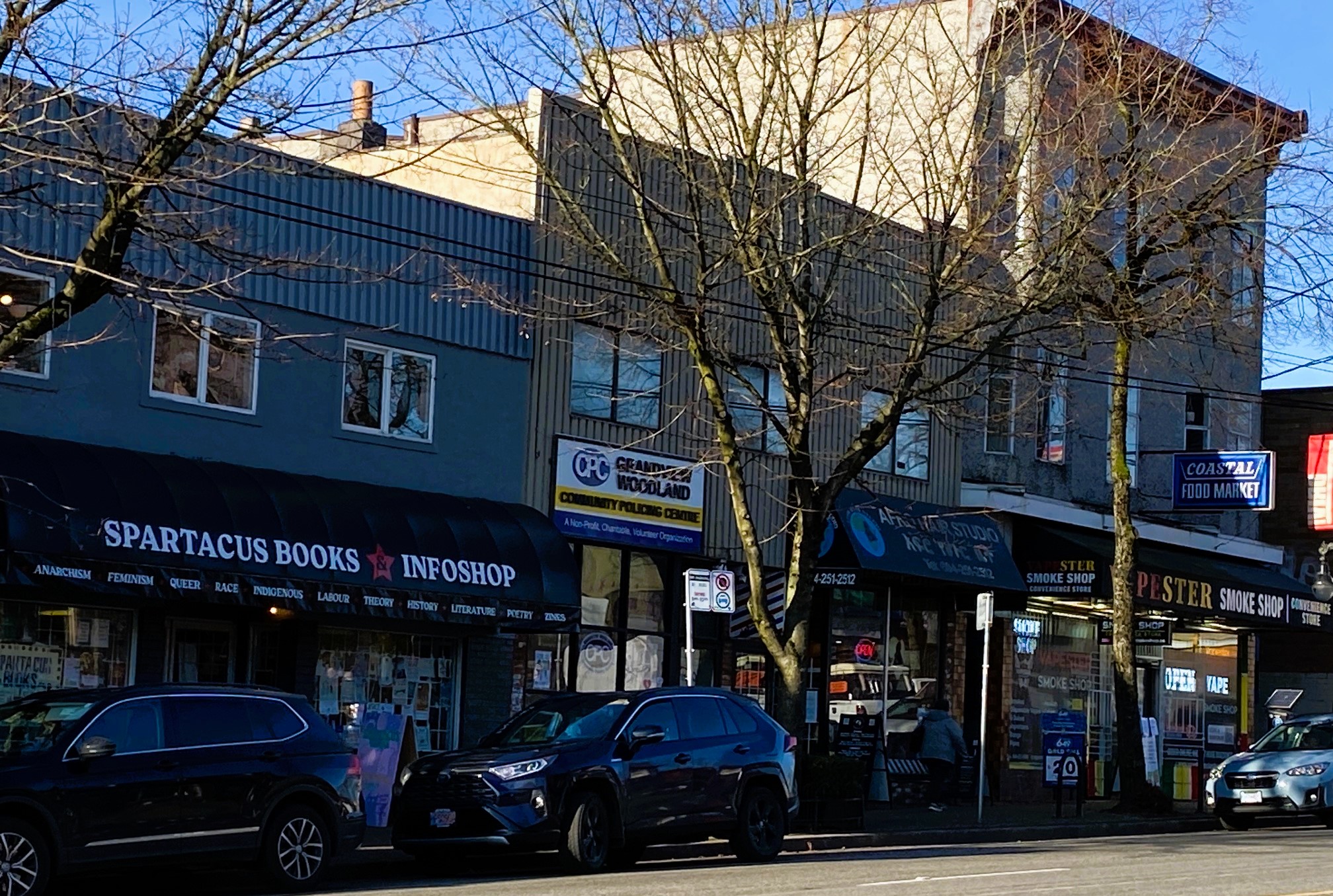
Today I ventured closer to our first home on Capitol Hill in Burnaby, as I went to Commercial Drive in East Van.

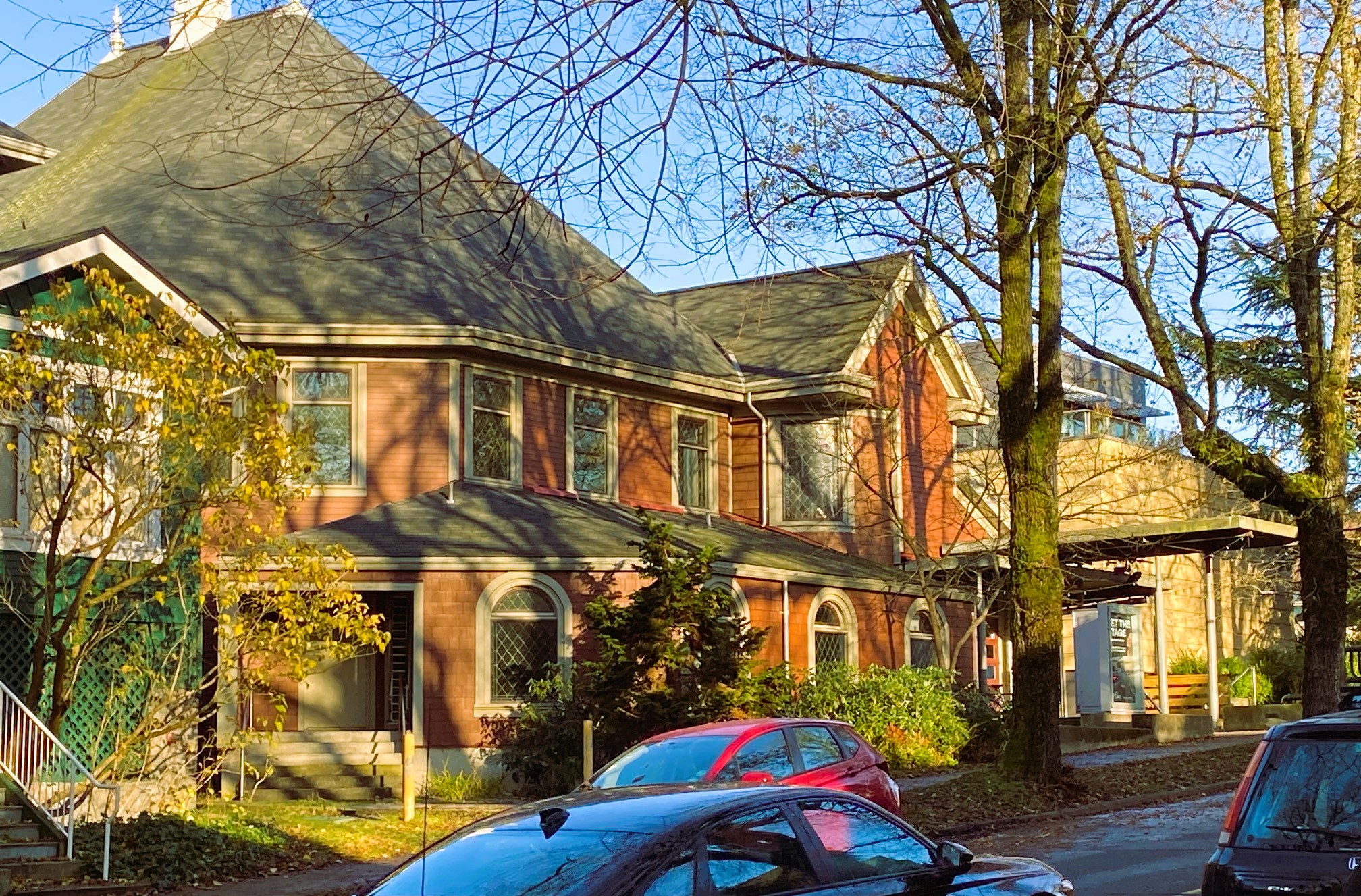
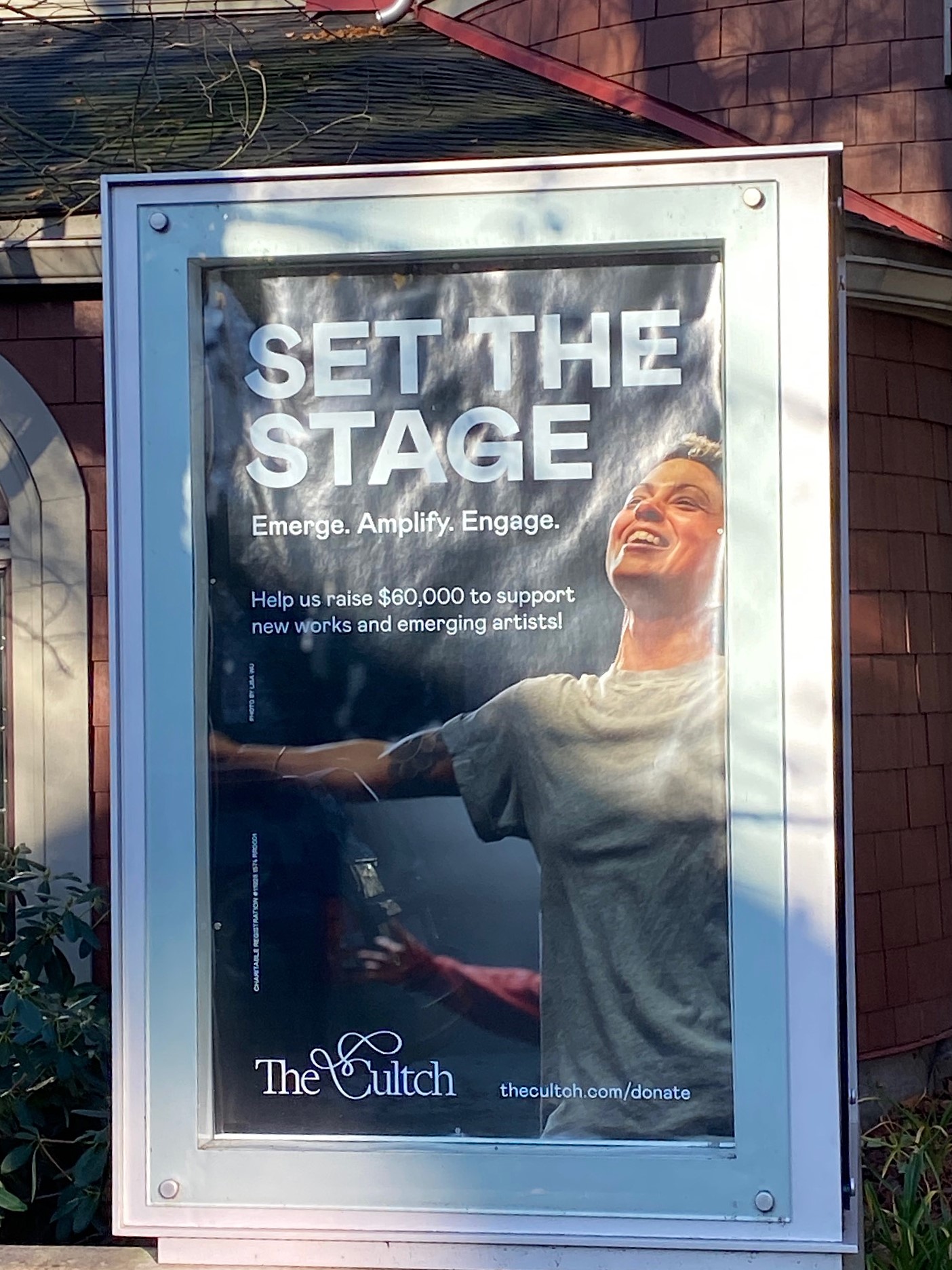
Commercial is a lovely stretch of space between Hasting and Boadway, that contains people, their laughter, neighborly shopping in plentiful little shops, cafes. It is also a perfect mix of rich and poorer, accountants, architects and artists and artisans. Went to the Cultch Theater – the last play I have seen there years ago was a very good adaptation of “Waiting for Godot”, we went there to see it together, with You.

Stopped by Your favored shop on the corner of Commercial and Venables. Later I had sweets and excellent coffee in one of the cafes.

I looked everywhere. In vain. It came to me in a physical, sharp pain. As if something heavy and cold penetrated my heart. Something that screamed at me angrily: he is not here! He is gone! Oh, I so wanted to pick up a street fight with that screaming ugly IT, have even raised my walking stick a bit, was ready to shout back at IT: you are a liar! He is here, with me!

But there was no one around to scream at. The Screamer was not material, was invisible. But it was loud and clear.

You attempt to re-fight battles that you have had already lost is always futile.


[i] qmunity.ca

[ii] 2010 Olympic + Paralympic Games, Vancouver + Whistler, Canada | Pride House International
December walk through Ladner

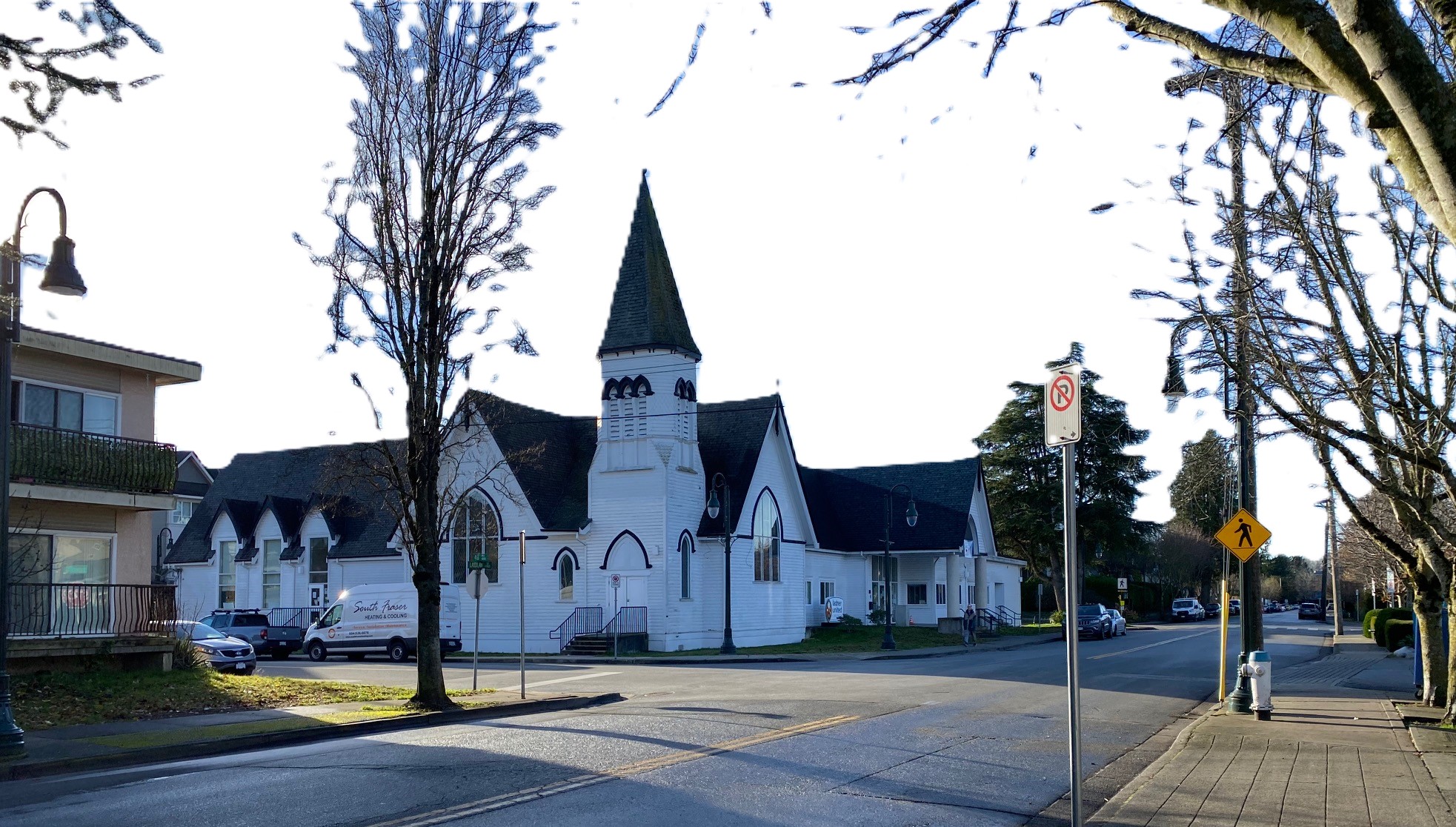
There are big metropolis like Rome, New York, Vancouver, Paris; there are big cities, major centres of commerce, trade, culture; and there are small towns. These towns are often unknown little gems, picturesque, quaint. Known only to their residents, and few neighboring, equally small communities.

Such is Ladner in British Columbia Lower Mainland. It is actually located near a major artery leading to largest Ferry Terminal connecting Vancouver to Vancouver Island – but hardly anyone from these travelers stop in this little historic town.

It is a charming community. There are buses here, but the truth is that once you are inside – you can get anywhere by foot or biking. Have been here numerous times years ago, when I lived in Vancouver. Now I have come back for a few days to stay with some friends. And did that picturesque walk with my camera. Summer is of course preferable time. But beginning of December offers the chance to see the Christmas lights and decorations. Sometime it feels (after dark especially) like you are in a fairy tale. Here are some pictures from the historic centre of it.

A walk with a notebook

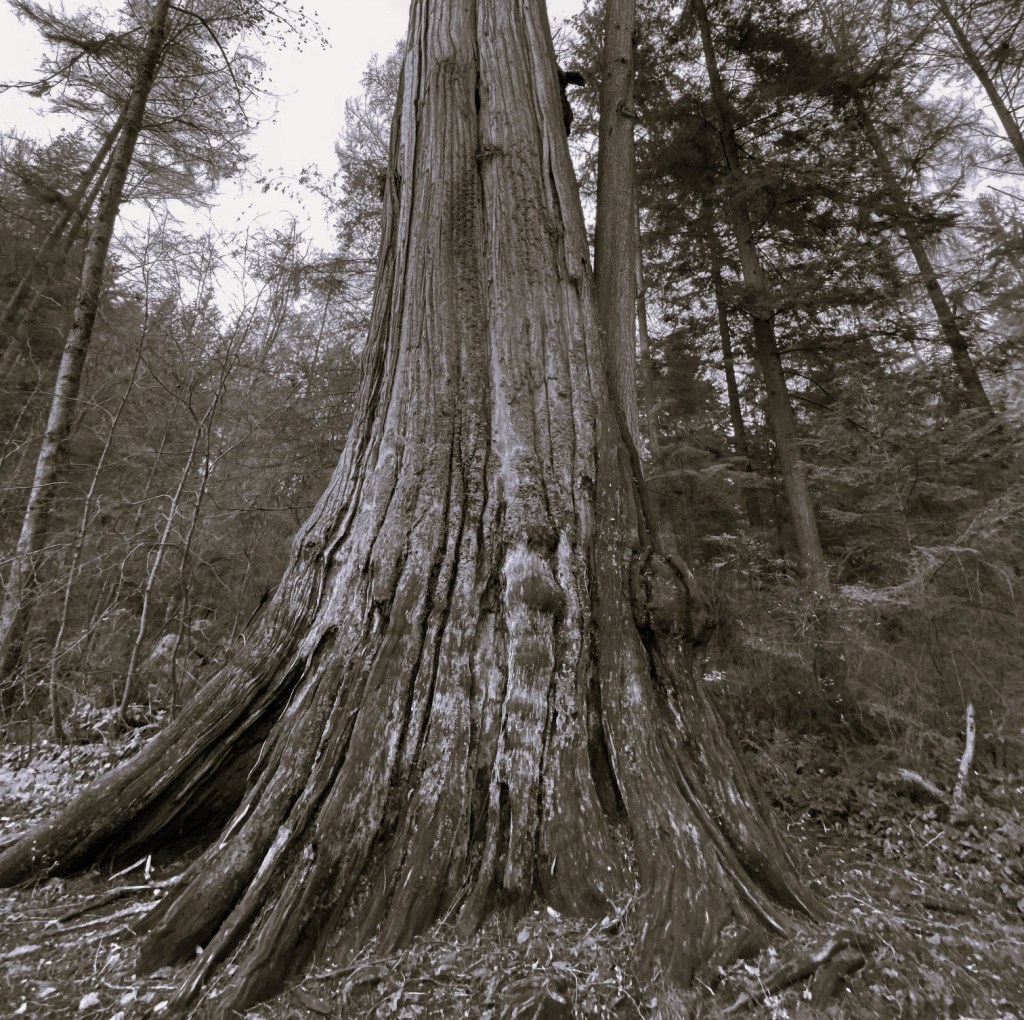
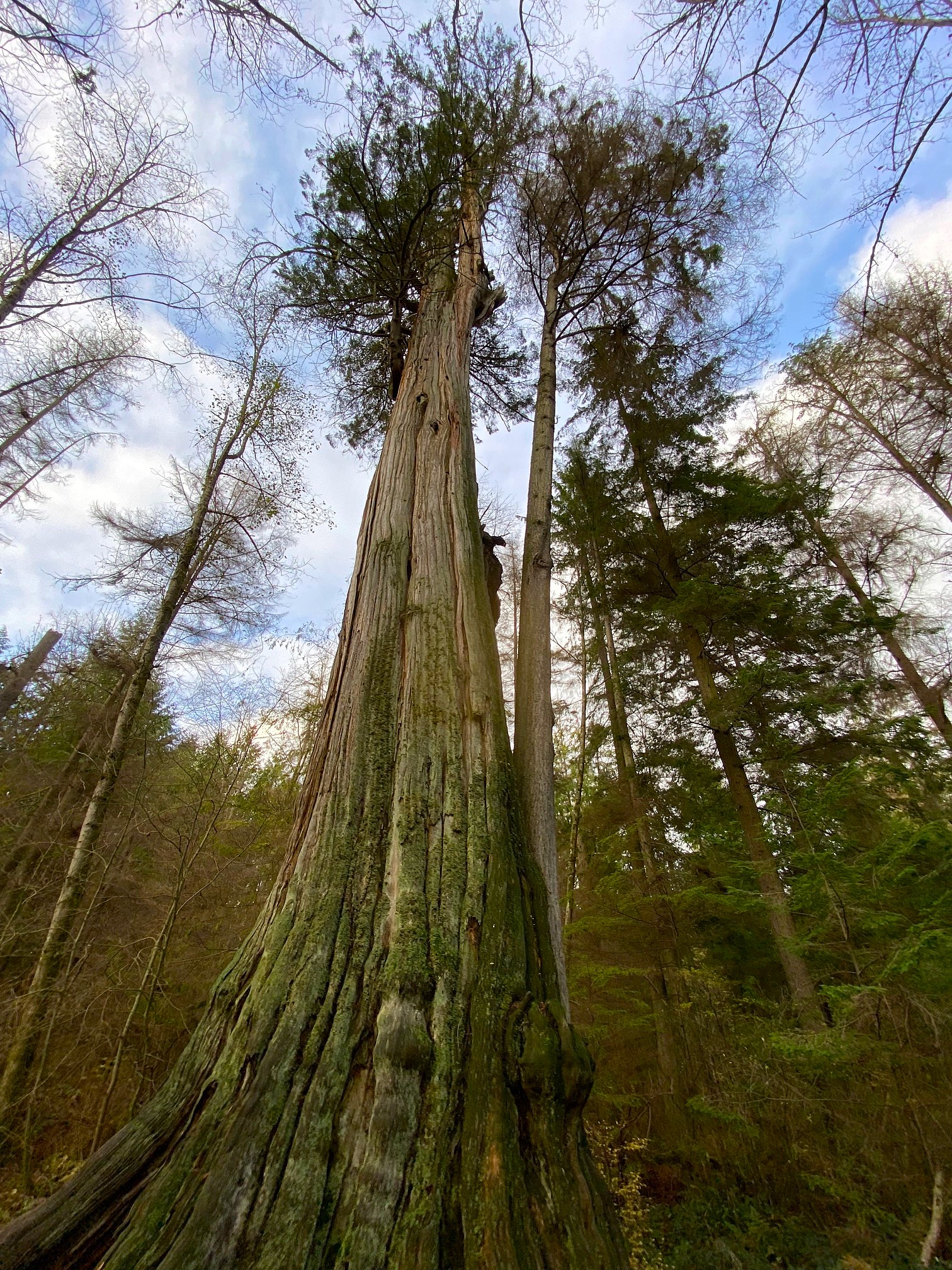
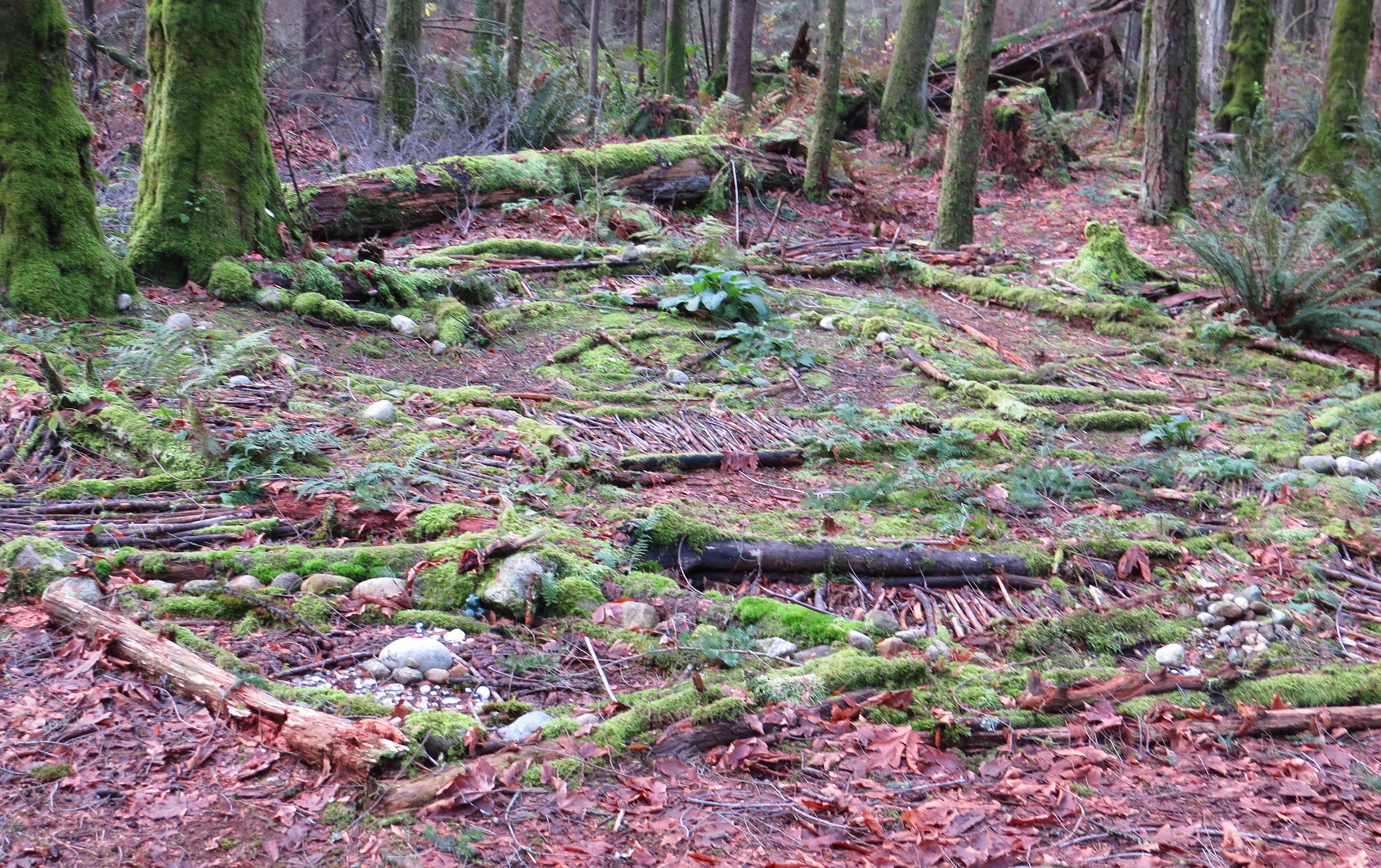
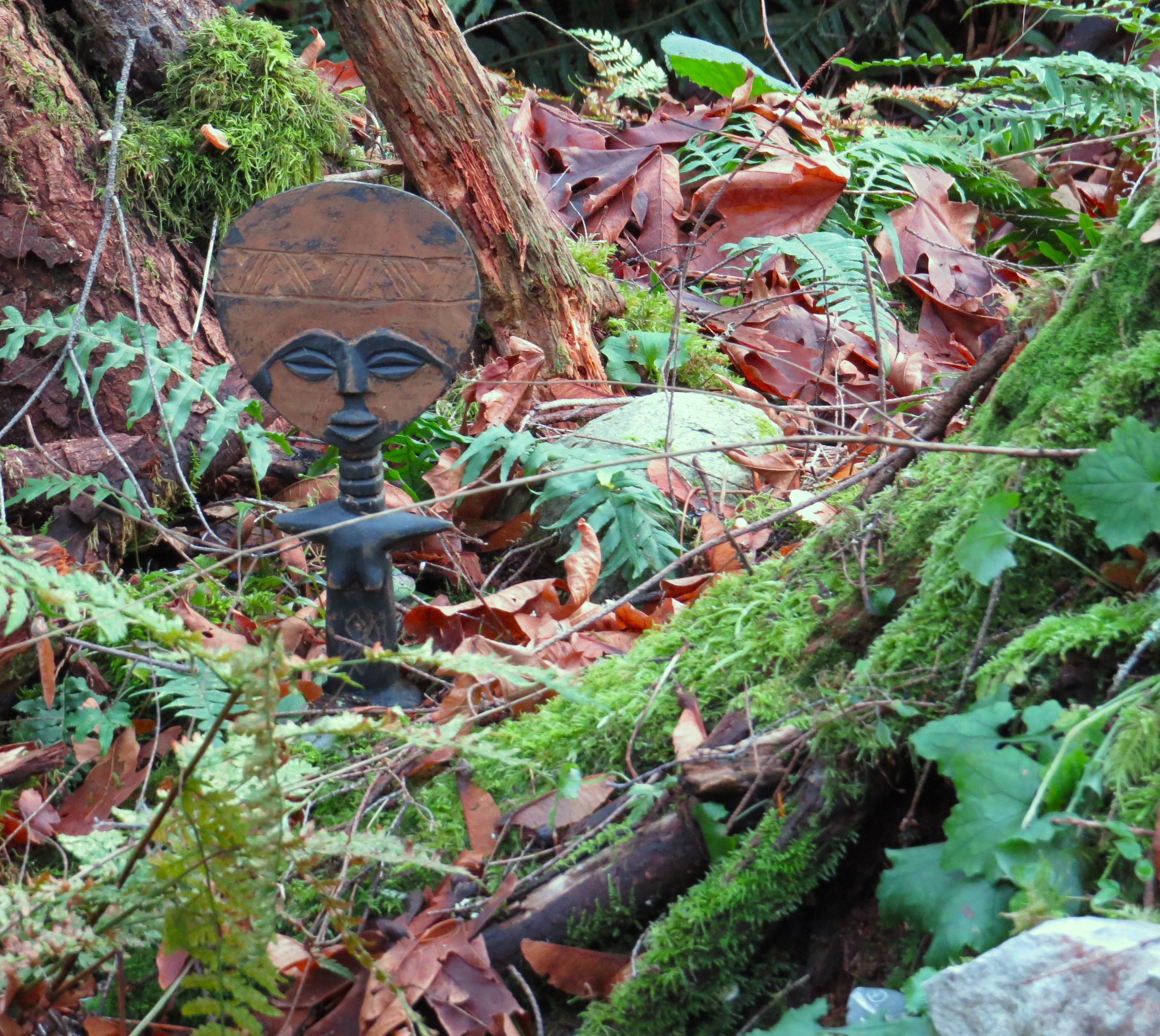
Circle of Life

You walk through

the green and brown

maze of moss,

moisture hanging

in the air like

heavy breath

of decaying youth,

skin and yellowed

fingernails and eyes.

Walkways with names

of those, who can’t

walk anymore but

left a sign that they

were here, lurking

in the shadows

of moonlight,

made love at evening

between the fallen

giants of dense forest.

Who danced with

the Seven Sisters by

the Lovers pathway

to temporary heaven

of passion, sweat

and desire to live,

if only for a day.

Did they die

like the fireflies

of night pretending

to be butterflies?

Or did they whitter

to be old like

crumbled leaf of life

to remember those,

who died in a flash

of wondrous thunder?

Old lovers carrying

brown carton boxes

with the ashes

of their young lovers

to spread them

under the heavy

branches of the

sleeping giants

of Stanley Park.

Dec.01.2024, Vancouver

Powrót do domu – do Ciebie, do nas

Powrót do domu – do Ciebie, do nas
Crescent Beach, South Surrey

Podróż powrotna

Czarne sosny

w żlebach, na stokach

zwieńczone białymi szczytami.

Znałem wasze imiona,

znałem strumienie, które

z hukiem spływają w dół.

Ostatni raz jechałem tą szosą siedem lat temu. W przeciwną stronę, na drugi brzeg tego kontynentu.

Szukaliśmy portu przyjaznego.

W dolinkach i w zatokach

drugiego oceanu,

gdzie lasy rachityczne,

gleba czerwona,

fale wspaniale muskularne.

Szukaliśmy nowego życia.

Nie znaleźliśmy.

Zgubiliśmy Twoje.

A przecież to tu, nad tym oceanem opartym o potężne, wysokie jedlice Douglasa w wilgotnych puszczach – tu był nasz dom. I tam jadę tą szosą z powrotem. Sam, bez Ciebie. Szukać Twoich śladów.

Górskie mgły, niczym

firanki nieba,

wałęsają się między

koronami drzew,

opadają jak woalki

na skalne ściany.

Zaraz dojadę do Hope. Do Hope, do Nadziei – małego, starego miasteczka, które otwiera bramę do wielkiej doliny rzeki Fraser prowadzącej do Vancouveru.

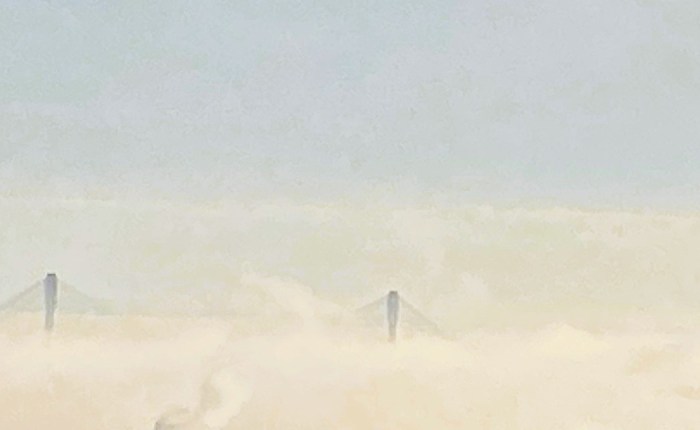
Spinam ostatnią klamrę naszej epopei. Nagle, właśnie nad tym Hope ukazuje się mała pochodnia słońca. Rozchyliła kotary chmur i uśmiechnęła się do wracającego tułacza. Syna marnotrawnego, czy męża owdowiałego? Wierszoklety, któremu poza słowami nie pozostało już nic.

Jestem w domu bezdomny.

Przyjechałem do nas,

A nas nie ma.

Mimo to jestem,

dotykam naszych drzwi,

patrzę na nasze krajobrazy,

pukam w okna naszych mieszkań.

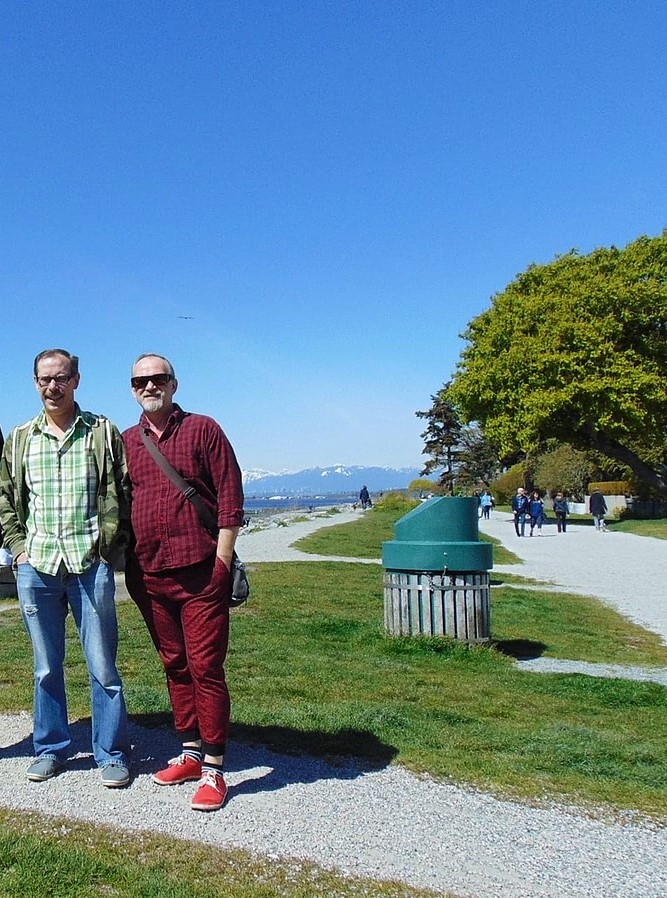
I nagle, niespodziewanie bierzesz w swoją dłoń moją rękę. Uśmiechasz się. Po prostu zwyczajnie idziemy razem naszymi ulicami trzymając się za ręce. Jak gdyby nic się nie zmieniło, nic się nie stało. Jakby nie było odjazdów i powrotów. Jakbyś żył.

Więc nie wydawało się, nie był to wybryk zmęczonej wyobraźni, splątany kłębek bólu, smutku, majaków. Nie – jesteś ze mną faktycznie. Może nikt inny Cię nie widzi, ale to jest bez znaczenia. Ważne, że my się widzimy, poznajemy.

Pójdziemy naszą ścieżką

przez Stanley Park,

od laguny do mostu.

Ogrody Różane nie

kwitną o tej porze,

ale my je zakwiecimy,

rozlejemy opary słodkich

zapachów różanych

i siądziemy na ławeczce

obok, trzymając się za ręce.

Będziemy. Ja i TY.

Spacer ścieżką pamięci przy naszych domach i mieszkaniach w Surrey, ranny spacer w Sapperton w New West, ścieżkami Stanley Park w Vancouverze.

Prosecutor of ICC issues arrest warrants in case against PM of Israel and it’s Defense Minister for war crimes against humanity.

Today, on 21 November 2024, Pre-Trial Chamber I of the International Criminal Court (‘Court’), in its composition for the Situation in the State of Palestine,unanimously issued two decisions rejecting challenges by the State of Israel (‘Israel’) brought under articles 18 and 19 of the Rome Statute (the ‘Statute’). It also issued warrants of arrest for Mr Benjamin Netanyahu and Mr Yoav Gallant.

Decisions on requests by the State of Israel

The Chamber ruled on two requests submitted by the Israel on 26 September 2024. In the first request, Israel challenged the Court’s jurisdiction over the Situation in the State of Palestine in general, and over Israeli nationals more specifically, on the basis of article 19(2) of the Statute. In the second request, Israel requested that the Chamber order the Prosecution to provide a new notification of the initiation of an investigation to its authorities under article 18(1) of the Statute. Israel also requested the Chamber to halt any proceedings before the Court in the relevant situation, including the consideration of the applications for warrants of arrest for Mr Benjamin Netanyahu and Mr Yoav Gallant, submitted by the Prosecution on 20 May 2024.
As to the first challenge, the Chamber noted that the acceptance by Israel of the Court’s jurisdiction is not required, as the Court can exercise its jurisdiction on the basis of territorial jurisdiction of Palestine, as determined by Pre-Trial Chamber I in a previous composition. Furthermore, the Chamber considered that pursuant to article 19(1) of the Statute, States are not entitled to challenge the Court’s jurisdiction under article 19(2) prior to the issuance of a warrant of arrest. Thus Israel’s challenge is premature. This is without prejudice to any future possible challenges to the Court’s jurisdiction and/or admissibility of any particular case.

Decision on Israel’s challenge to the jurisdiction of the Court pursuant to article 19(2) of the Rome Statute

The Chamber also rejected Israel’s request under article 18(1) of the Statute. The Chamber recalled that the Prosecution notified Israel of the initiation of an investigation in 2021. At that time, despite a clarification request by the Prosecution, Israel elected not to pursue any request for deferral of the investigation. Further, the Chamber considered that the parameters of the investigation in the situation have remained the same and, as a consequence, no new notification to the State of Israel was required. In light of this, the judges found that there was no reason to halt the consideration of the applications for warrants of arrest.

Decision on Israel’s request for an order to the Prosecution to give an Article 18(1) notice

Warrants of arrest

The Chamber issued warrants of arrest for two individuals, Mr Benjamin Netanyahu and Mr Yoav Gallant, for crimes against humanity and war crimes committed from at least 8 October 2023 until at least 20 May 2024, the day the Prosecution filed the applications for warrants of arrest.

The arrest warrants are classified as ‘secret’, in order to protect witnesses and to safeguard the conduct of the investigations. However, the Chamber decided to release the information below since conduct similar to that addressed in the warrant of arrest appears to be ongoing. Moreover, the Chamber considers it to be in the interest of victims and their families that they are made aware of the warrants’ existence.

At the outset, the Chamber considered that the alleged conduct of Mr Netanyahu and Mr Gallant falls within the jurisdiction of the Court. The Chamber recalled that, in a previous composition, it already decided that the Court’s jurisdiction in the situation extended to Gaza and the West Bank, including East Jerusalem. Furthermore, the Chamber declined to use its discretionary proprio motu powers to determine the admissibility of the two cases at this stage. This is without prejudice to any determination as to the jurisdiction and admissibility of the cases at a later stage.

With regard to the crimes, the Chamber found reasonable grounds to believe that Mr Netanyahu, born on 21 October 1949, Prime Minister of Israel at the time of the relevant conduct, and Mr Gallant, born on 8 November 1958, Minister of Defence of Israel at the time of the alleged conduct, each bear criminal responsibility for the following crimes as co-perpetrators for committing the acts jointly with others: the war crime of starvation as a method of warfare; and the crimes against humanity of murder, persecution, and other inhumane acts.

The Chamber also found reasonable grounds to believe that Mr Netanyahu and Mr Gallant each bear criminal responsibility as civilian superiors for the war crime of intentionally directing an attack against the civilian population.

Alleged crimes

The Chamber found reasonable grounds to believe that during the relevant time, international humanitarian law related to international armed conflict between Israel and Palestine applied. This is because they are two High Contracting Parties to the 1949 Geneva Conventions and because Israel occupies at least parts of Palestine. The Chamber also found that the law related to non-international armed conflict applied to the fighting between Israel and Hamas. The Chamber found that the alleged conduct of Mr Netanyahu and Mr Gallant concerned the activities of Israeli government bodies and the armed forces against the civilian population in Palestine, more specifically civilians in Gaza. It therefore concerned the relationship between two parties to an international armed conflict, as well as the relationship between an occupying power and the population in occupied territory. For these reasons, with regards to war crimes, the Chamber found it appropriate to issue the arrest warrants pursuant to the law of international armed conflict. The Chamber also found that the alleged crimes against humanity were part of a widespread and systematic attack against the civilian population of Gaza.

The Chamber considered that there are reasonable grounds to believe that both individuals intentionally and knowingly deprived the civilian population in Gaza of objects indispensable to their survival, including food, water, and medicine and medical supplies, as well as fuel and electricity, from at least 8 October 2023 to 20 May 2024. This finding is based on the role of Mr Netanyahu and Mr Gallant in impeding humanitarian aid in violation of international humanitarian law and their failure to facilitate relief by all means at its disposal. The Chamber found that their conduct led to the disruption of the ability of humanitarian organisations to provide food and other essential goods to the population in need in Gaza. The aforementioned restrictions together with cutting off electricity and reducing fuel supply also had a severe impact on the availability of water in Gaza and the ability of hospitals to provide medical care.

The Chamber also noted that decisions allowing or increasing humanitarian assistance into Gaza were often conditional. They were not made to fulfil Israel’s obligations under international humanitarian law or to ensure that the civilian population in Gaza would be adequately supplied with goods in need. In fact, they were a response to the pressure of the international community or requests by the United States of America. In any event, the increases in humanitarian assistance were not sufficient to improve the population’s access to essential goods.

Furthermore, the Chamber found reasonable grounds to believe that no clear military need or other justification under international humanitarian law could be identified for the restrictions placed on access for humanitarian relief operations. Despite warnings and appeals made by, inter alia, the UN Security Council, UN Secretary General, States, and governmental and civil society organisations about the humanitarian situation in Gaza, only minimal humanitarian assistance was authorised. In this regard, the Chamber considered the prolonged period of deprivation and Mr Netanyahu’s statement connecting the halt in the essential goods and humanitarian aid with the goals of war.

The Chamber therefore found reasonable grounds to believe that Mr Netanyahu and Mr Gallant bear criminal responsibility for the war crime of starvation as a method of warfare.

The Chamber found that there are reasonable grounds to believe that the lack of food, water, electricity and fuel, and specific medical supplies, created conditions of life calculated to bring about the destruction of part of the civilian population in Gaza, which resulted in the death of civilians, including children due to malnutrition and dehydration. On the basis of material presented by the Prosecution covering the period until 20 May 2024, the Chamber could not determine that all elements of the crime against humanity of extermination were met. However, the Chamber did find that there are reasonable grounds to believe that the crime against humanity of murder was committed in relation to these victims.

In addition, by intentionally limiting or preventing medical supplies and medicine from getting into Gaza, in particular anaesthetics and anaesthesia machines, the two individuals are also responsible for inflicting great suffering by means of inhumane acts on persons in need of treatment. Doctors were forced to operate on wounded persons and carry out amputations, including on children, without anaesthetics, and/or were forced to use inadequate and unsafe means to sedate patients, causing these persons extreme pain and suffering. This amounts to the crime against humanity of other inhumane acts.

The Chamber also found reasonable grounds to believe that the abovementioned conduct deprived a significant portion of the civilian population in Gaza of their fundamental rights, including the rights to life and health, and that the population was targeted based on political and/or national grounds. It therefore found that the crime against humanity of persecution was committed.

Finally, the Chamber assessed that there are reasonable grounds to believe that Mr Netanyahu and Mr Gallant bear criminal responsibility as civilian superiors for the war crime of intentionally directing attacks against the civilian population of Gaza. In this regard, the Chamber found that the material provided by the Prosecution only allowed it to make findings on two incidents that qualified as attacks that were intentionally directed against civilians. Reasonable grounds to believe exist that Mr Netanyahu and Mr Gallant, despite having measures available to them to prevent or repress the commission of crimes or ensure the submittal of the matter to the competent authorities, failed to do so.

Background

On 1 January 2015, The State of Palestine lodged a declaration under article 12(3) of the Rome Statute accepting jurisdiction of the Court since 13 June 2014.

On 2 January 2015, The State of Palestine acceded to the Rome Statute by depositing its instrument of accession with the UN Secretary-General. The Rome Statute entered into force for The State of Palestine on 1 April 2015.

On 22 May 2018, pursuant to articles 13(a) and 14 of the Rome Statute, The State of Palestine referred to the Prosecutor the Situation since 13 June 2014, with no end date. 

On 3 March 2021, the Prosecutor announced the opening of the investigation into the Situation in the State of Palestine. This followed Pre-Trial Chamber I’s decision on 5 February 2021 that the Court could exercise its criminal jurisdiction in the Situation and, by majority, that the territorial scope of this jurisdiction extends to Gaza and the West Bank, including East Jerusalem. 

On 17 November 2023, the Office of the Prosecutor received a further referral of the Situation in the State of Palestine, from South Africa, Bangladesh, Bolivia, Comoros, and Djibouti, and on 18 January 2024, the Republic of Chile and the United Mexican State additionally submitted a referral to the Prosecutor with respect to the situation in The State of Palestine.

Nikolay Khozyainov in Kelowna – Beethoven Monument

Nikolay Khozyainov in Kelowna – Beethoven Monument

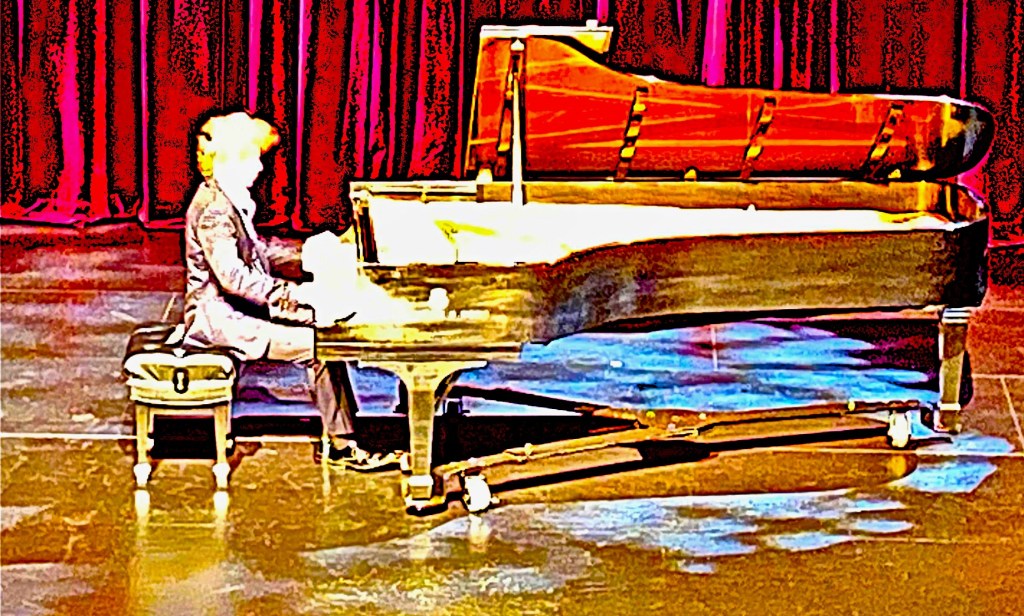
This was one opportunity I didn’t want to miss. Last night piano concert of Nikolay Khozyainov in Kelowna, British Columbia. Have heard of this young pianist few times and his fame proceeded him.  Was wary, though. Big fame and being a child prodigy (he started playing in  … Siberia – in all of forbidden places – at an early age of six and as a child already performed in Russian cities, including Moscow, a city with earned reputation of being very strict in offering the stage to no one but the best as far as music is concerned) can be misleading and sometimes such career is cut short and musician falls into obscurity.

But Nikolay is no longer a child, and no longer a prodigy of anyone but his own talent and hard work. Bought the tickets well in advance while I was still in Halifax so as not to risk missing the concert.

A fact that he was a finalist in 2015 famous Warsaw’s International Chopin Piano Competition certainly cemented his statue as a pianist, and opened the doors of many international stages to him.

The auditorium in Kelowna’s Waterfront Art Centre is an elegant venue but not a very large one. But the seats are well arranged, and it looked like you could see the stage from every row and corner. In a small venue like that I usually choose either an isle seat or a seat at the very back (best for making quick notes without disturbing anyone).

Day was cold and being next to the huge lake added to that unpleasant coldness of late November. But inside the atmosphere was pleasant. My surprise was that there was not a printed program. In a concert where many pieces of many composers will be played it is helpful to have one. That was a serious minus on the side of the venue administrators. That was not the end of surprises, though. LOL.

When the virtuoso appeared on the stage I was – to say it elegantly – amused. Long gone are the days when longtails were the only accepted attire. Slowly they were replaced by afternoon elegant jacket, even black sweaters (Oh, Mon Dieu!). But pants remained elegant, sharply pressed. And shoes. Ah, the shoes –  they are actually important, as they play, too  – alongside hand and fingers. Something has to touch the pedals, LOL. Therefore shoes were elegant leather, shiny.

When Maestro Khozyainov entered the stage – he wore non of it. Pardon, except the light but elegant jacked. No, no. He wasn’t half naked! Just the rest of the attire really does not belong on a stage in a concert hall. Even in Kelowna. I was wondering how his cozy and warm winter shoes will feel the pedals …

I know, a bit long introduction – but I was truly amused by all of it.

Alas, back to music. Khozyainov begun with Chopin’s Nocturn D Flat Major, Op. 27. I thought it was a bit rough at times. The beautiful melodies few times were missing a note, or a note fell off the order. Which was sad since that Nocturne is one of the most beautiful nocturnes of Chopin. And yes, the pedals were not used as smoothly and as consistently as they should have.

Next was fantastic Prelude Op.45. Chopin himself said it was best prelude. I think the pianist did very good job in showing the elegant nature of this composition. Following with Ballade No. 4 in F minor, Op. 55  he brought peace to musical order. It is such a beautiful, poetic music. Khozainov fully regained his mastery of the instrument. I enjoyed it very much. It takes you for such a nice walk, memories of romance, of youth, of longing. Could be almost sentimental but still retains the deep feelings, the poetry of the soul. It remained me at times of the way incomparable Kristian Zimerman plays it. Use your inner feeling but stay close to the score seem to be the magic and don’t rush, allow the music to sink in.

After the Ballade, there was a short intermission and suddenly I felt like being back in Carnegie Hall or on Jasna Street in Warsaw’s Philharmonic. Back to great concerthalls of the world. Khozainov appeared in beautiful attire (with very shiny and elegant shoes, LOL) and things seemed all in place. Just waiting for the music to do the rest. It did.

Liszt and his delicate Impromptu Valse set the stage for musical fluidity, elegance. Following different feelings and pictures was Liszt Spanish Raphsody S.254. The Hungarian musical genius composed it in 1858, shortly after his visit to Spain. It has cascade of full octaves, rapid cords. A time to shine and awe,  as Khozainov did. I wouldn’t have been surprised if suddenly a solo ballet dancer would appear and did some pirouettes to the music. It didn’t, but it felt like it could. That was certainly a grand finale to the first part.

During the short break I had a nice chat with a fellow, who sat right in front of me, and we exchanged few impressions. It was pleasant conversation to fill the free time (and not missing any equally pleasant innuendos, LOL). Music and romance? That never happens! Or was it just me, who forgot that it does indeed?

However – the time for truly great romance awaited us back in the hall. Ludwig van Beethoven – the towering giant of classical music.

Nikolay played masterly transcribed by Liszt Allegretto from Beethoven’s Seventh.

For a triumphant finale he played probably the most difficult and unusual piano music of the great composer – his Sonata No.23 Op. 57 known as Appassionata. I could easily see it more as a full Piano Concert with orchestra. It is long piece (it is a sonata after all, therefore not too long) but the difficulty lays in its structure, abrupt changes of tempo, emotion, almost loosing melodic motifs. In a way, the Appassionata should habe been composed fifty or seventy years later. It is very much not a mirror of tastes and styles in Herr Ludwig times. But Herr Ludwig was not a man of a’la mode – Beethoven was a man of musical genius. Timeless. I suppose, it must be very difficult and not easy to memorize it to play without the aid of printed score. Because the Appassionata has distinctive long intervals it is very wise for the pianist to remain in full control as some people would not start to clap, thinking it was the finale. Khozainov had it all in check.

I am not surprised that (although not part of this concert repertoire) that he has played and recorded the arch-difficult Gaspar de la nuit by Ravel.

Of course, every musician is prepared for a a short bis after a concert. Nikolay was too. However – none were prepared for almost an entire third part of the concert! It was a sheer bravado which ended in an amusing and happy cavalcade on the keyboard.

Scriabin, Chopin, Rachmaninov, you name it! All the virtuosic pieces that shine and wants the audience to stand up and dance to it. We almost did. Applause did not stop. Just when we thought it is over, done, when we thought that it is almost impolite to demand more … Nikolay played his own impromptu fantasy. And everyone went crazy. What a bravado, gusto with a touch of showmanship. A pure joy of the music. I loved it.

In a chat afterwards we used simultaneously three languages, as both of us knew them: Russian, Polish and English. And he signed my notebook with name I have not seen in a very long time – with ‘otchestvo’ – a Russian peculiarity of using one’s name and the name of one’s father. Because I have the same name , as my father – it is of course: Bogumil Bogumilowitz, LOL. I like it.