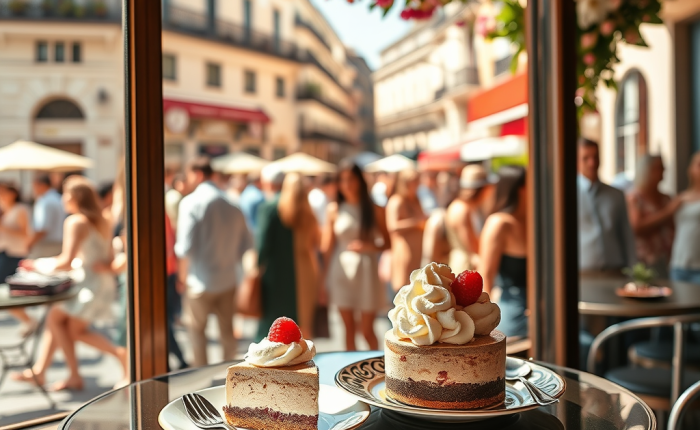
Siedzę w kawiarni, drugie drzwi od drzwi do mojego budynku. Siedzę przy dużym oknie i obserwuję ruchliwą ulicę. Jest bardzo ciepło, wiosennie. Leniwe, sobotnie popołudnie. Czuje się, jak gdzieś w Rzymie. Stara ruchliwa ulica dużych kamienic. Przechadzający się mężczyźni i kobiety ubrani elegancko, a’la mode. Jem lokalnie robione lody tiramisu. Aby wypełnić posłanie włoskiego dolce vita lody przekąszam pysznym … malinowym sernikiem z greckiego jogurtu. Istna rozpusta. Ale rozpusta bardzo mi potrzebna po ciężkim wypadku kilka dni temu. Zresztą może to nie Rzym, a Monte Carlo?
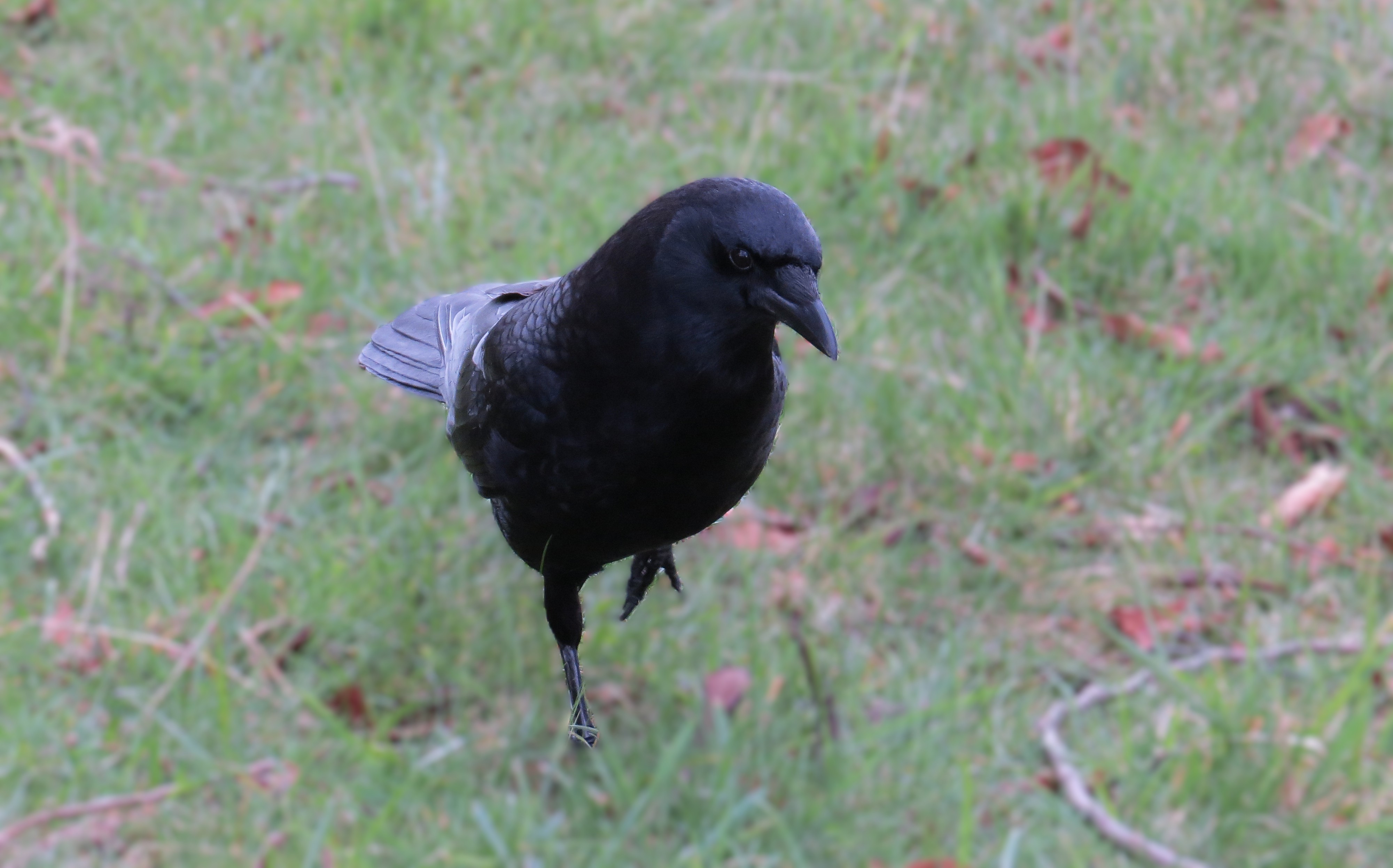
I te cudowne wszystkie rasy: od perskich po indyjskie, od europejskich po afrykańskie. Rozkosz i rozpusta wizualna.
Z małego głośnika dobiega mnie śpiew Chevaliera (kto dziś puszcza w kawiarni Chevaliera, kto go nawet pamięta z młodych ?!); potem jakieś melodie samby z Ipanemy brazylijskiej. Mówię wam – rozkosz. Ileż bym dał usłyszeć teraz cudowną Palomę Negrę z kubańskim rytmem, i naturalnie gdzieś obok musi być Sachmo przekonywujący przechodzących mimo spacerowiczów, że świat jest piękny. Dekadencja? A niechże!
Gibkie biodra młodych dziewczyn chłopców obiecują owoce romansu; eleganckie toalety dojrzałych kobiet – flirtu. Ach, flirt! Zamierająca sztuka niuansu. Tego może tak, a może nie.
A starsi? Coż, starsi są coraz starsi i zdający sobie doskonale sprawę z tego prawa czasu, lepiej niż ktokolwiek inny. Więc cenią bardziej niż inni dzisiejszy zmierzch i spacer bulwarem. Zmierzch bogów? Zmierzch bogów trwa nieustannie. Od tego dnia, gdy człowiek bogów wymyślił. Zmierzch człowieka trwa dużo krócej. Może dzień, może dwa?
07.04. 2025
Dwa dni później przy tym samym stoliku, w tej samej kawiarni. Dzień powszedni, wczesne popołudnie, od rana siąpi deszcz jeszcze nie letni, nie ciepły.
W kawiarence pusto, prócz mnie, pani gdzieś w moim wieku, może nieco starsza i pan w ciemnym garniturze, jak urzędnik, około pięćdziesięciu lat.
Znikła erotyka spacerów za oknem. Samotne postacie przemykają szybko w kurtkach od deszczu, pod parasolami. Dzieci grupkami wracają ze szkoły. Dzieci-podlotki uśmiechnięte, z beztroską na twarzy. Widać, że czują się bezpieczne. Ich odzież, barwy i odcienie skóry, kształt nosów, oczu wskazuje na pochodzenie z odległych lądów. Z ziemi, gdzie często miast deszczu z nieba spadają bomby, nadlatują z sykiem węża pociski, ktoś strzela zza węgła. Tam musiały przemykać chyłkiem. Tu nawet o tym nie myślą, Ida swobodnie, śmieją się głośno.
Jakże to cieszy. To w takich chwilach mam wielką radość, że Kanada jest ich domem tak samo, jak moim.
Myślę o dzieciach w Palestynie, o dzieciach w Ukrainie. I zaraz widzę słynne motto z „Medalionów” Nałkowskiej: ludzie ludziom zgotowali ten los. Nic więcej powiedzieć nie można. W sercu zapada martwa cisza.
A jednak świat przetrwał. Żyjemy. Spacerujemy trotuarami, łąkami, nad stawami i nad rzekami. Żyjemy.
Z tych samych głośników za plecami dziś płyną jakieś tęskne pieśni charakterystycznego języka, gdzieś z Anatolii, z Persji. Nie rozumiem słów, ale słyszę sercem ich głęboką tęsknotę. Gdzieś pod Konstantynopolem furkocą w prędkim wirującym tańcu spódnice uniesionych religijną ekstazą Derwiszów.
Czas wracać do mieszkania. Starsza pani wstaje od stolika, odsuwa ściśnięte pod oknem stoliki by ułatwić mi wyjście z moim metalowym chodzikiem, lekceważąc moje opory podchodzi do drzwi i otwiera je szeroko dla mnie. Już nie protestuję, uśmiecham się szeroko i dziękuję za jej uprzejmość. Życzymy sobie dobrego dnia.
Potem odwiedza mnie serdeczny przyjaciel i przynosi torby pełne owoców, napoje. Jemy wspólny obiad. Ludzie potrafią też gotować nam dobry los. Ciągle. I dlatego, mimo wszystko, można i warto żyć.
Co różni działalność obywatelską od działalności politycznej? Czy to wymienne pojęcia?
Różni wszystko. To dwa kompletnie odrębne od siebie światy, inne konstelacje i galaktyki. Problemem jest dla wielu niezaprzeczalny fakt, że oba istnieją, funkcjonują w tej samej politycznej przestrzeni. Ale w tej samej przestrzeni tego samego układu planetarnego funkcjonuje Ziemia z księżycem i tych kilka innych zlepków kamienno-gazowych. Decydującym o ich zasadniczym ruchu, kształcie, masie i atmosferze jest jednak zdecydowanie tylko nasza jedna gwiazda – Słońce. A Ziemia ani wielki Jowisz gwiazdami nie są. Identycznie jest z różnicą między ruchem, grupą, organizacją obywatelską a partią polityczna: te pierwsze są działalnością obywatelską nie stricte sensu polityczną. Owszem, funkcjonują w tej wielkiej przestrzeni politycznej (tak, jak planety są częścią Układu Słonecznego) ale ich działalność to nacisk społeczny, społeczna kontrola czynników politycznych, protesty lub poparcie dla takich czy innych idei polityczno-gospodarczo-społecznie ważnych. Nie stanowią jednak siły sprawczej – od tego są władze polityczne i państwowe (parlament, rząd, Głowa Państwa, Sądy Powszechne). Mają jedynie wpływ przez wywieranie presji na te czynniki polityczne – nie mają narzędzi ani możliwości (poza rewolucją, zamachem stanu, przewrotem politycznym – ostatnim w Polsce zamachem było przejęcie władzy przez PPR i PKWN w 1944/45), by same funkcję sprawczą posiąść i użyć.
To jest zwykłe vademecum funkcjonowania władzy państwowej w zasadzie na całym świecie. Nawet tam, gdzie demokracja jako taka nie istnieje. Jeśli istnieje państwo to istnieje władza polityczna tego państwa, która nim zawłada. Społeczeństwo, grupy społeczne i organizacje obywatelskie podlegają władzy politycznej decyzjom i zarządzeniom.
Koniec, kropka. Inaczej nie było, nie jest, wątpliwe by kiedykolwiek być mogło. Nawet w Watykanie.
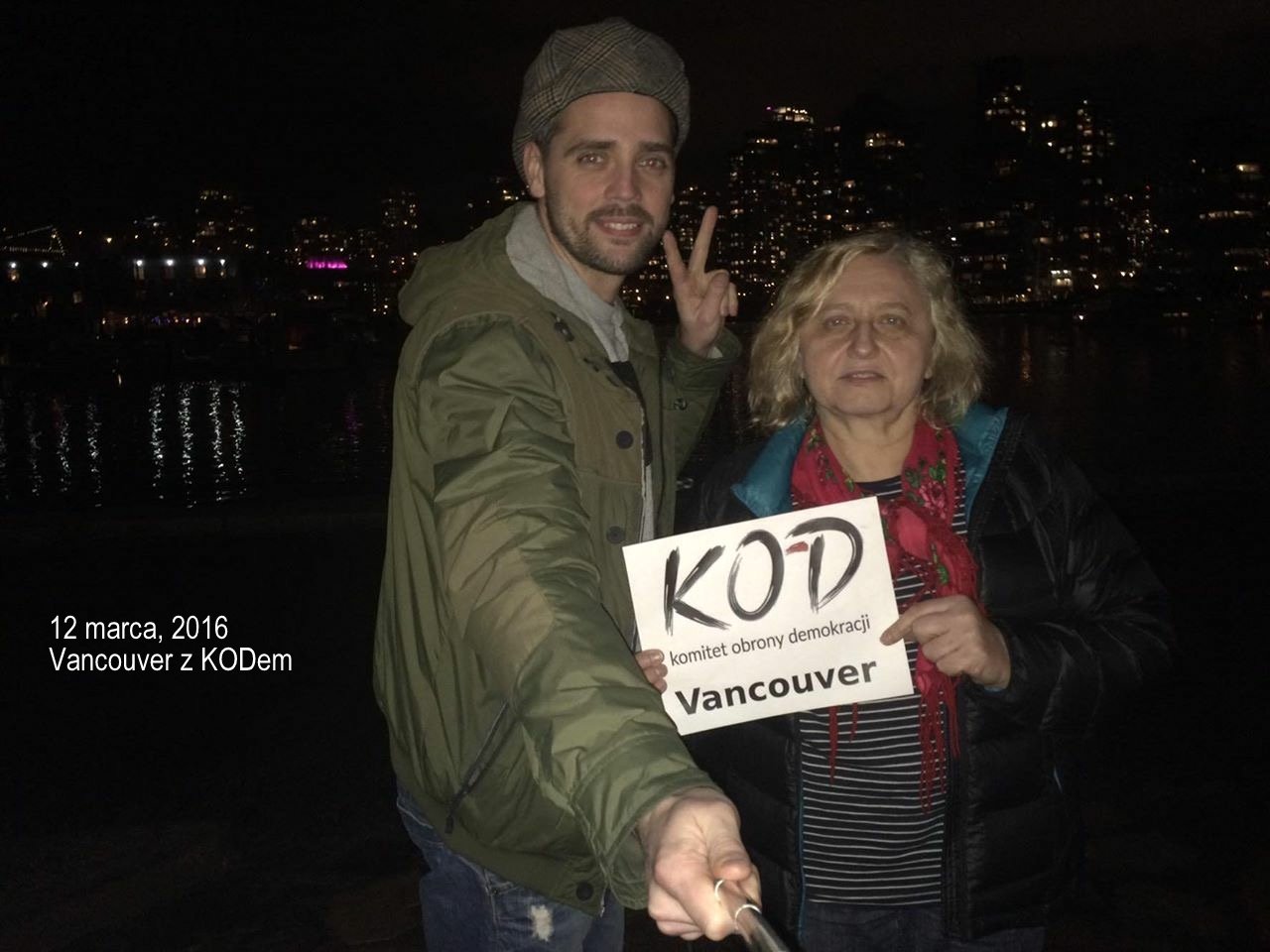
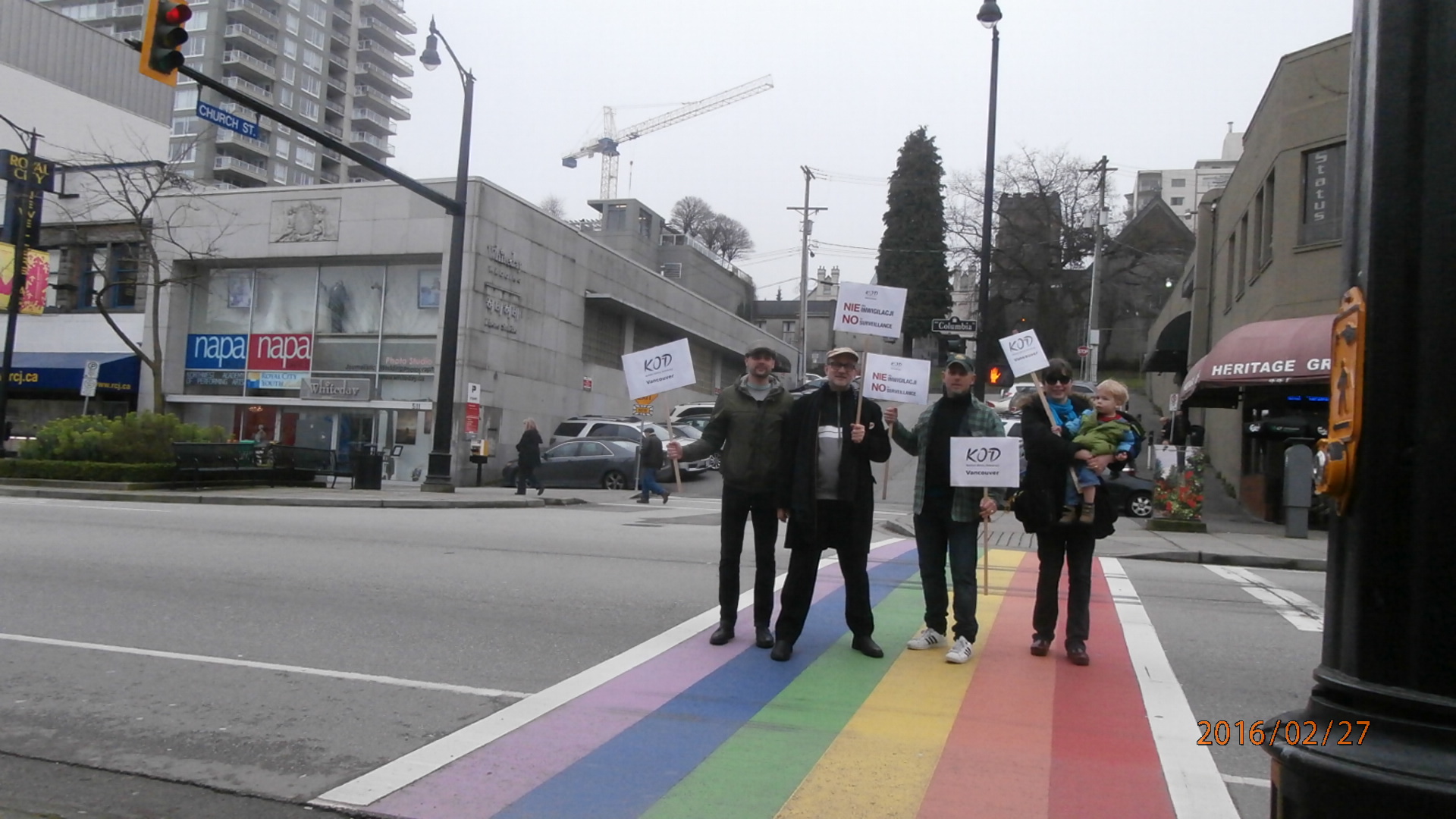
Czemu o tym piszę? Piszę, bo spotkałem się ostatnio – na szczeblu konsularnym – z niepełnym lub bardzo niejasnym stanowiskiem konsula. Niejasność wynikała z niezrozumienia kardynalnej różnicy między działalnością obywatelską a działalnością polityczną. Jeszcze bardziej konkretnie: chodziło o Komitet Obrony Demokracji i jego Oddziały, jakie istniały w 2015 roku w Vancouverze i innych wielkich ośrodkach polonijnych w Kanadzie (podobnie, jak w większości demokratycznych państw kultury europejskiej).
Jako, że byłem (nie przez cały okres czasu, ale przez zdecydowaną większość istnienia KOD w Kanadzie) przewodniczącym KOD i lokalnie w Vancouverze i jednym z Koordynatorów na całą Kanadę (obok Anny Bocheńskiej i Marka Tucholskiego i niezależnego KODu w Ottawie) – znam tą sytuację być może lepiej niż ktokolwiek inny. Zdecydowanie lepiej niż Konsul RP w Vancouverze czy gdziekolwiek indziej. Bodaj nikogo z obecnych reprezentantów konsularnych i dyplomatycznych Polski w Kanadzie w tamtym czasie tu nie było. Choć ze wszystkimi Konsulami w Vancouverze kontakty nawet po przeprowadzce do Halifaksu utrzymywałem.
Ze względu na fakt, że po blisko dziesięciu latach wróciłem na stałe do Vancouveru – kontakty z naszą placówką chciałem jak najszybciej nawiązać. Konsul na szczeblu lokalnym (czyli tam, gdzie lokalnie jest placówka) to coś więcej niż tylko załatwianie dokumentów: paszporty, spadki, emerytury – cokolwiek. Konsul i Konsulat to taki nasz kawałek Polski, gdzie możemy zajść wysiadając z autobusu lub tramwaju. Bez konieczności przelecenia połowy kuli ziemskiej samolotem. Wartość niewymierna – a bardzo ważna. Być może nie uczą tego w przygotowaniach do pracy konsularnej w MSZecie. Ale tak jest. I to bardzo dobrze. Ileż wspaniałych wystaw, odczytów, koncertów odbyło się w Konsulacie, ile razy zapraszany był na lokalne polonijne uroczystości, wydarzenia kulturalne i historyczne, spotkania grupowe, gdzie mógł/a wziąć bezpośredni udział w życiu polonijnym. Raz jeszcze – niewymierna wartość, a nadzwyczajnie wartościowa i dla nas lokalnie i dla Polski bardzo.
Wracajmy do KOD-u kanadyjskiego – podkreślam ‘kanadyjskiego’, bo KOD jako taki w Polsce dalej funkcjonuje i jest ważną instytucją kontroli społecznej. I jest instytucją obywatelską, nie polityczną. Nie ma orientacji ideologicznej: to nie jest ruch chadecki (PO dla przykładu), to nie jest ruch ludowców (PSL), socjalistów (Partia ‘Razem i socjaldemokraci), zdecydowanie to nie faszyści polscy (Konfederacja). Bardzo możliwe, że indywidualni członkowie KOD polskiego mają różne ukształtowane poglądy polityczne, może nawet indywidualnie ktoś z nich formalnie do jakiejś partii należy (na pewno nie do Konfederacji lub PiSu).
My nigdy nie pytaliśmy kogokolwiek w KODzie kanadyjskim, kto ma i jakie poglądy polityczne i czy do jakiejkolwiek partii politycznej polskiej czy kanadyjskiej należy. Jako grupa takiego (poglądu politycznego) nie mieliśmy. Nie piszę, że tak przypuszczam – stwierdzam, bo wiem. Ostatecznie zakładałem tą grupę i ją prowadziłem. Więc to jest oświadczenie, a nie przypuszczenie. Bezwzględnie wiarygodniejsze niż konsula RP, ambasadora czy nawet Prezydenta lub Prymasa Polski, LOL. A nawet samego Wielkiego i Nieomylnego Wóca Donalda Trumpa.
Więc to jest sprawa zamknięta. O niej dyskutować dalej jest bez sensu. Ani stwarzać otoczki jakiejś możliwości, braku pełnej wiarygodności czy innych gdybań.
KOD w Kanadzie nie był nigdy organizacją polityczną. Był organizacją obywatelską. Amen. Tu żadnych dywagacji nie ma.
Powstał tylko w jednym celu – poparcia ruchu obywatelskiego w Polsce, który stanął w obronie porządku konstytucyjnego Polski. Stanął w obronie demokracji wobec obrzydliwego, bandyckiego zamachu na polską Konstytucję wczesną wiosną 2015 roku. Od zamachu na polski Trybunał Konstytucyjny. Autorzy tego zamachu, (PiS, czyli partia polityczna Prawo i Sprawiedliwość) w następnej kolejności dopuścili się olbrzymich kradzieży i korupcji majątku państwowego i narodowego. Niektórzy za to już dziś siedzą w więzieniach, inni siedzieć będą. Niektórzy uciekli za granicę z milionami. A nie zrobiono jednego, zasadniczego i podstawowego kroku prawnego: zabrakło zjednoczenia i woli by tą zbrodniczą organizację zdelegalizować. PiS był szajką złodziei i politycznych malwersantów, zdrajców Polski. To chyba zbyt ielka arogancja by dać stanowisko jakiemuś Misiewiczowi w Armii (sic!), bo się jakiemuś choremu człowieczkowi roiło w głowie od erotycznych snów. Nie wiem, być może te same rojenia chodzą teraz po głowie temu staremu oszustowi i kłamcy, gdy patrzy na wykidajłę z Nowogrodzkiej. No bo takich od otwierania drzwi drzewiej nazywano wykidajłami w lokalach nierządu.
Tych podglądów pani poseł podzielać nie musi, a w dodatku z racji urzędu nie powinna, bo niestety Polska tej zbrodniczej organizacji politycznej nie rozwiązała i jest ona oficjalną partia polityczną. Więc pani Konsul nie może publicznie (prywatnie mogłoby to być niebezpieczne dla niej też) takiej opinii podzielić. Rozumiem to i doceniam. Ja konsulem nie jestem i mogę mówić prawdę.
Ale Państwo Polskie (a placówka konsularna jest, jak już wyjaśniałem, eksterytorialnym obszarem polskim w ramach Konwencji Sztokholmskiej) ma nie tylko obowiązek, ma wręcz potrzebę uszanowania ludzi i grupy, które w obronie polskiej Konstytucji i państwowości dużo w Kanadzie i na świecie robiły. Nie przeceniam. KOD nie był olbrzymia organizacją mającą otwarte drzwi do wielkich salonów politycznych Kanady i świata. Ale zrobiliśmy bardo dużo, zwłaszcza wśród nas samych właśnie – wśród Polaków i polskiej diaspory. Wychowanie obywatelskie w duchu demokratycznym to bardzo żmudna i trudna praca. Doskonale wiemy i pamiętamy, jak zachowywały się tradycyjne ośrodki i grupy polonijne – były za Pisem, za tą mitomanią Wielkiej Polski, tymi durnymi upiorami tej mitomanii. Wsłuchiwali się w tą papkę propagandową ultra-katolickiej Wielkiej Polski i przyklaskiwali tej papce głośno mlaskając i się śliniąc obficie.
W tym ciepłym błotku organizacji kongresowych rozsądny głos nie był mile widziany. Uwagi na to nie zwracaliśmy. Robiliśmy swoje … bo trzeba było. Bo był taki czas znowu wymagający powiedzenia na głos : non pasaran. Pewnych granic przekraczać nie wolno.
I tym ludziom, tej grupie myślących i zatroskanych Polaków chciałbym wszystkim złożyć wielki ukłon. Na symbolicznym terytorium Polski. Pani Konsul nie musi tego robić słowami, oświadczeniem. Ja to zrobię. Ale powinno to być spotkanie w Konsulacie. Nie, nie spotkanie wyborcze w związku ze zbliżającymi się wyborami w Polsce. O wyborach mówić nie zamierzam. W czasach dzisiejszych każdy ma 24 godziny na dobę dostęp do wszelkich informacji z Polski na te tematy. Ja wiem dokładnie jaką mam na ten temat własną opinię. Ale to moja opinia. Inni mogą mieć inne. Demokracja na tym też polega – na wolności wyboru. Będę na ten temat pisał – ale to już moja prywatna publicystyka. Z historią KODu nie mająca nic wspólnego. Przyszedł jednak już najwyższy czas, by tym ludziom z tamtych trudnych bardzo lat podziękować za ich obywatelską pracę. Nie ma cienia wątpliwości, że każdemu indywidualnie takie podziękowanie złożę zanim sam do Kraju na stałe nie wrócę. Ale Polska ma wobec nich też dług wdzięczności. Stąd chciałbym bardzo bym mógł to zrobić grupowo właśnie i specjalnie w Sali Konsulatu. Jestem pewny, że pan Krzysztof Kasprzyk, pierwszy Konsul Generalny Polski w Vancouverze byłby bardzo z tego zadowolony. Rozmawiałem z nim bardzo często, już kiedy dawno w Kanadzie nie był. Poznałem go na tyle dobrze – że mam głębokie przekonanie, że by się ze mną zgodził. Wierze, że pani Konsul też to zrobi.
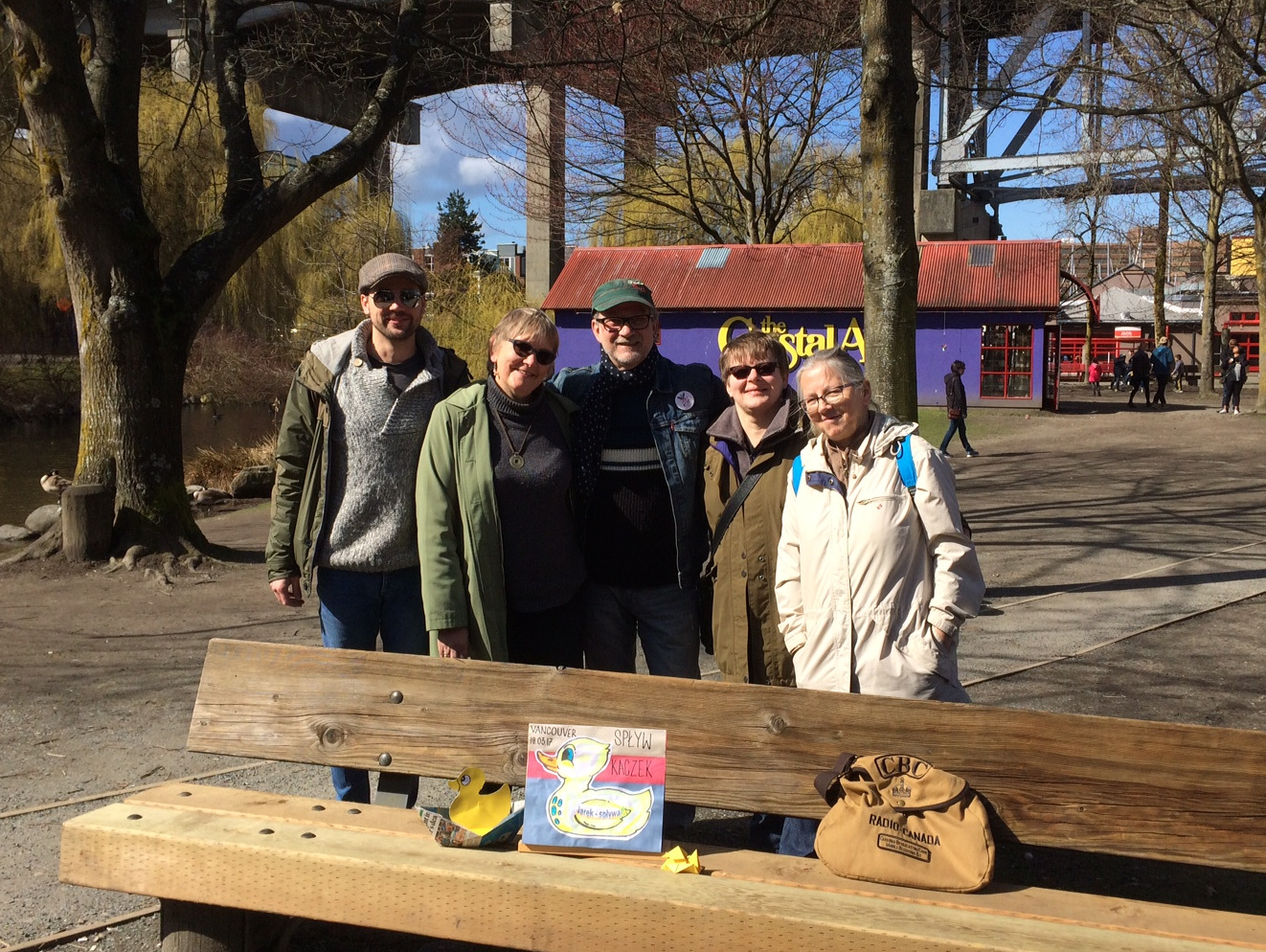
Mała galeria osób i miejsc z historii KOD-Vancouver
Więc wróciłem. Wróciłem do ciebie, mój Parku Stanleya. Jadę tam teraz kolejką z mojego domu tu. Tak jak było wtedy przez tyle lat, tyle marzeń, pocałunków i westchnień.
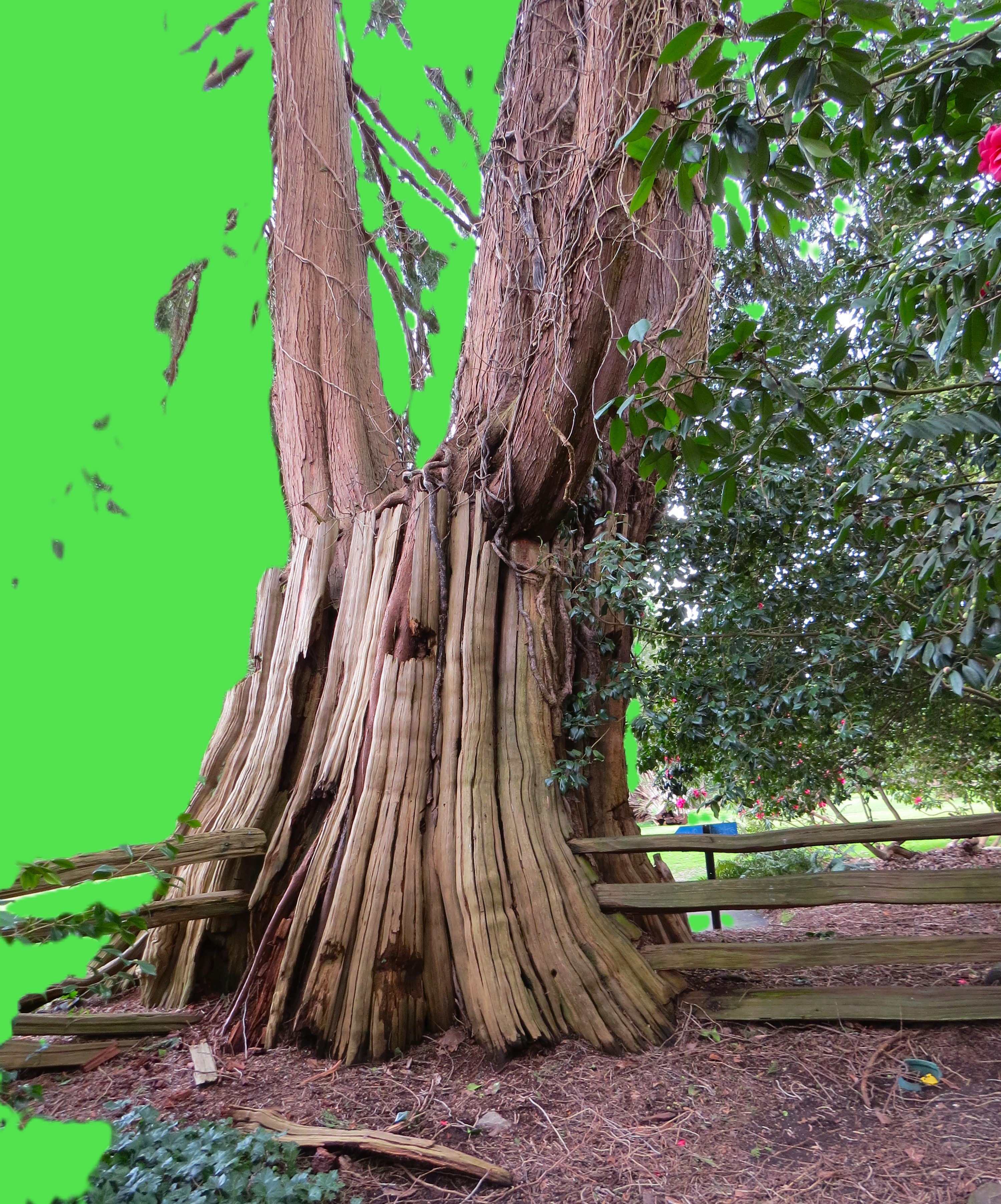
Jadę parku najdroższy, tak jak Łazienkowski w Warszawie, podziwiać twoje bordowe kwiaty japońskiego klonu nad twoją laguną. Wracam, jak syn marnotrawny z wertepów tysięcy kilometrów.. Trochę złamany, trochę poturbowany, może wolniejszy w marszu. Wracam sam, więc tak, jakby tylko moja połowa wróciła. Boleśnie rozdarty piorunem na dwoje, jak stary wysoki cedr z twoich alejek.
Jeszcze się gałęzie zielenią, jeszcze ptaki w dziuplach gniazda wiją. Wracam z mojej dziupli, z mojego nowego gniazda na tym samym drzewie. Ale to gniazdo na zawsze pozostanie w pół zamieszkane, w pół puste z jednym samotnym ptakiem..
Kaczuchy czyszczą po zimie swoje gniazda w zatoczkach laguny. Gromadki gęsiątek na popasie w trawie, tuż koło tego znajomego mostku prowadzącego do alejek Stanley. Patrzą się na mnie zdziwione pytającym wzrokiem: to ty? wróciłeś? I bez niego, bez twojej mamy i bez Irenki?
Oh, Irenka – jakże mógłbym zapomnieć! To lata jeszcze z Burnaby na Capitol Hill, z polskiego Domu Kopernika na Rosemont Drive, z naszego pierwszego townhouse, który kupiliśmy po wyprowadzeniu się z Capitol Hill. Do Parku Stanleya z nimi jeździłem często, do ulubionego przez Irenkę Ogrodu Różanego, gdzie dojeżdżał trolejbus z Kingsway blisko od Domu Kopernika, na końcowy przystanek właśnie przy tym Ogrodzie Różanym. Irenka kończyła przed wojną Wydział Ogrodnictwa na SGGW w Warszawie i stąd tak lubiła i znała się na ogrodach i kwiatach. Pochodziła z zamożnej rodziny Maciejewskich i bywała na balach u Prezydentowej Mościckiej. Ta zaś, w ‘spisku’ z mamą Irenki, chciała ją żenić ze swoim synem, młodym Mościckim. Ale jej ani w głowie było małżeństwo wtedy – wolała tańczyć fokstrota na stolikach w „Ziemiańskiej”! Potem wyszła za mąż za pana Pasławskiego, ale nie było to udane małżeństwo. Po wojnie spotkała się ze znajomym panem Kropińskim, który przyjechał do Polski na urlop z Kanady, gdzie osiedlił się po wojnie. A Kropiński twierdził, że kochał się w niej jeszcze w tej przedwojennej Warszawce, ale dała mu też kosza. Płk. Dyp. Adam Kropiński był przed wojną oficerem stacjonującym w twierdzy Przemyśl. Jego praprapra, Piotr Kropiński był rotmistrzem Straży Przedniej samego Augusta II Sasa. Pan Adam w czasie stacjonowania w Anglii pobrał się z arystokratka angielską z tego samego rodu … co Diana, tragiczna Księżniczka Walii. Co za konotacje i ścieżki historii, prawda? Gdy spotkał z naszą Irenką podczas wizyty w Polsce był już wdowcem i się jej oświadczył. Z Pasławskim wzięła rozwód i … tak wylądowała w Kanadzie, początkowo pod Vernon w Okanagan, potem w Vancouverze.
A potem jeszcze …no łaziliśmy nocami po klubach ciekawych z nią i mamą, za dnia po Stanley Parku, gadaliśmy wiersze i słuchaliśmy dobrej muzyki i wykładów znawców wielu tematów ze sztuką związanych na niezapomnianych wieczorach „Pegaza” u Krystyny Połubińskiej, raz w roku na spotkaniach w Bibliotece przy ukazywaniu się kolejnego rocznika „Strumień’, który tu wydawałem przez ponad 10 lat.
Zaraz, o czym to miało być? A, o Stanley Parku. No widzicie, aż tak się nie zmieniłem – ciągle uciekam w tematy poboczne i gadułą jestem nieznośnym, LOL.
Więc chodzę teraz brzegiem tej Zagubionej Laguny i widzę Johna, widzę Irenkę, widzę moją mamę. I też jestem sam tak, jak one wtedy już obie były. Kiedyś wszyscy zostajemy sami. Ten drugi ptak z któregoś lotu do dziupli już nie wraca. Kiedyś kaczka druga do gniazda uwitego z tataraku więcej nie podpływa …
Zwalony wykrot olbrzymiego starego cedru szepce:
pamiętaj, że było warto, warto po stokroć, a samotność nie jest ceną wygórowaną nawet za dzień szczęścia.
Kiwam głową:
tak, warto po stokroć. Ból Straty jest, jak eliksir życia – krzyczy, że jeszcze żyjesz, a żyjąc pamiętasz, że kochałeś, że byłeś kochany. Cóż w życiu może być bardziej piękne, bardziej wartościowe niż doświadczenie miłości?
To dzięki temu potrafię chodzic naszymi alejkami nad Zagubioną Laguną, uliczkami w Surrey, New Westminster i Vancouveru. Bez przymusu, serdecznie i szczerze kłaniać się i uśmiechać do mijanych przechodniów. I szeptać im bezgłośnie:
Idźcie na spacer przed zmierzchem do tego Parku w Aleję Zakochanych. Ale przed nocą, nim zmierzch wszystko opończą ciemną otoczy, nim wrócicie do domów i powszedniości. Idźcie tam i całujcie się serdecznie, gorąco, natarczywie. Czy macie lat piętnaście czy osiemdziesiąt jest bez znaczenia, prawdziwa miłość o metrykę nie pyta. Pięćsetletnie tuje i klony ponad wami spojrzą, szturchną się gałęziami i ze śmiechem zaszumią – patrzcie na tych siedemdziesięcioletnich smarkaczy na randce!
How do I say it? Where do I sent it, to what address? You didn’t leave any forwarding mail note in all these little messages for my on your old Iphone. Yes, you did tell me that you love me – but that I knew already, as you did that I do love you. More than life. Much more than that. I guess we both did know IT for many decades. Of course, as any lovers we also had the natural urge to say it over and over to the other. Silly, isn’t it? Yet, sweet nonetheless.
But I still don’t know where do I sent this letter, these words I scribble now to you. Just in case.
You know that I’m going in a day or two to complete the last leg of our last journey. I’m going to our Home. Back to our home. Back to the amazing city that saw us, blanketed us with its beauty and it’s almost unnatural shower of protection, and gave our feelings a nest. No, it didn’t protect us from little silly misgivings, trespasses (even if they felt at that time as a apocalyptic catastrophe) – why would it? The city knew that they are of no consequence. It took care and protected that, which was most important and most cherished. That made life worthwhile – our mutual love. The rest was just a noise. Little things to do to fill time. It is when I laid in bed at night and listened to your breathing as you were falling asleep – that was when it mattered. That was all that mattered. Even more than – dare I say it?! – nights of passion that was heavenly.
Have to take that journey back. Back where we should had have came back much earlier together.
It doesn’t matter anymore, really. You are coming with me anyway. Maybe not in body, but in memory. With passing years memories is often what we have left.
You know that highway I’m taking. During summertime it offers glorious vistas. This time of the years, at times it is very treacherous. A strange feeling came over me. A feeling that I might not make it. Not take us back home through the very last, short leg of the journey. Funny, but a bit disturbing. Foretelling? Just in case, a little note to you. Want you to know that I almost did it. One could say that I did, regardless of some little detail at the very end. It would be like, let’s say falling off you skies at the very bottom of the hill, after a long slalom from the top. Who cares? You still skied from the very top. Just a mere few meters doesn’t really count. No, I’m not wishing or hoping that it would end up like that. I do actually believe that in a day or two I will be unpacking in our new place back in our city. This is just a few words to you, in case of some tiny misshape on the last mile. Otherwise – see you at home, Babycake.
I do get up in the morning; get dressed, have breakfast; clean the dishes afterwards and watch some news. I don’t go to concerts anymore or much less than I did in Halifax. It was terrible there, where every street, every park, every store reminded me of us being there together. It is terrible here, where everywhere I go, I remember when younger us walked together. You are everywhere, and yet I know that you are nowhere. You are gone. Forever.
It was going to be easier they said, and I thought it would. It is not, or it is by the virtue that you can get used to even chronic pain. But the pain is not lesser and it is tiring all the same. After a while you are just tired of that chronic pain. You have had enough and you want to be gone, too. What is the point of maintaining that, which will never ease, never go away?
Oh, I know that mine is not special or rare and distinct. But suffering of others does not ease your pain. That would be a sick perversion. I know that you are no longer have any worries, unhappy days or sadness. You can’t ‘cause you are gone, nonexistent anymore. But it is the memory of you that pains me so much. I am the only holder, only chalice where you exist. For as long as I live, I will be that chalice containing you, and the pain.
Right now I am in the process or refurbishing my life again. Moving to place where we used have our happiest days, decades actually. No, not some sort idyllic frolicking in flowery meadow. A life with its bad days, but live full of love, nonetheless. It did exited me, when I got that idea, and I got struck with realization that I will be walking these trails, street, places as alone, as every day I did since you were gone. Yet, I’m looking forward to it. Strange. Somehow, can’t explain logically how it works, that chalice full of pain will not be as heavy? Or I will understand perhaps better why it is so heavy. Understanding a process might make it easier to go through it.
Yes, there is also that element of egoistic pleasure of ‘coming back home’. Sort of making it the full circle. Of course big part of that circle would be reconnecting with my old friends. Very dear people: older, younger, my age. Somehow our life and love did not preclude both of us from pursuing our own interests and social circles. Much more on my part perhaps, not by design though or special privileges. I just did.
It will not make me happy in a conventional meaning of the world. It will however (or not?) allow me to live again, smile at times. Smile honestly, not politely.
How do you write a poem? Where is it borne? I mean – how the simple act of poetic writing occurs, how is it borne?
Of course, there are poets, who simply give themselves a task of writing a poem or three per day, or per week. When you do have a career as a poet, you are expected to keep writing. You need to publish here and there in a literary paper, every so often to publish a full new book of poetry. It is a job after all to maintain a name in circulation.
On the other hand, there are these impossible poets, who simply don’t give a damn about the business of being a poet. They just write when they feel like. Maybe once a day, or once a week, a month per chance? And some might even get silent for extended period of time. Free spirits.
What interest me in the original question is not how often or how rarely they write, but how the poem, the words are borne. Do you say them aloud? Is it possible that you think: I will write a poem about this or that? Do you seat yourself and start saying that poem aloud and copy it on paper (keyboard)? To be precise – is a poem borne in your soul or in your brain? Is it possible to use a verbatim form of recording a poem?
The other day I used a microphone that ‘types’ the words into a computer by itself (what will they think of next, LOL!). Therefore the poem was deliberately born in the brain. It had no form or ‘sketch’ that I ‘copy’ on paper. It was becoming as I was saying it to the mike. I knew therefore what I was saying but had no idea what the next stanza will be. In a way it turned out to be …a discourse with the microphone. And the microphone was trying to correct my trail of thought, LOL, which I resisted angrily. It became almost a battle of wills. Very amusing. Decided to keep it, as a reminder that it definitely is not my way of writing poetry. It felt almost Kantor-esque, if I can use the workings of great Polish and international theater stages by Tadeusz Kantor.
Here it is, cacophonic, almost angry, but somehow makes (maybe only to myself?) sense.
My walks with John are changing, far from any routine. I like it because we have not become an odd pair of aging gentlemen. Far from it. Not that people would really notice since they can’t see John, of course. They would just look at me, perhaps with a shake of their heads. Which really wouldn’t bother me at all. Not out of my arrogance and dismissiveness of their opinion. Honestly not. People see what they want to see, hear what they want to hear and they do have a right to their opinions. God knows I have mine.
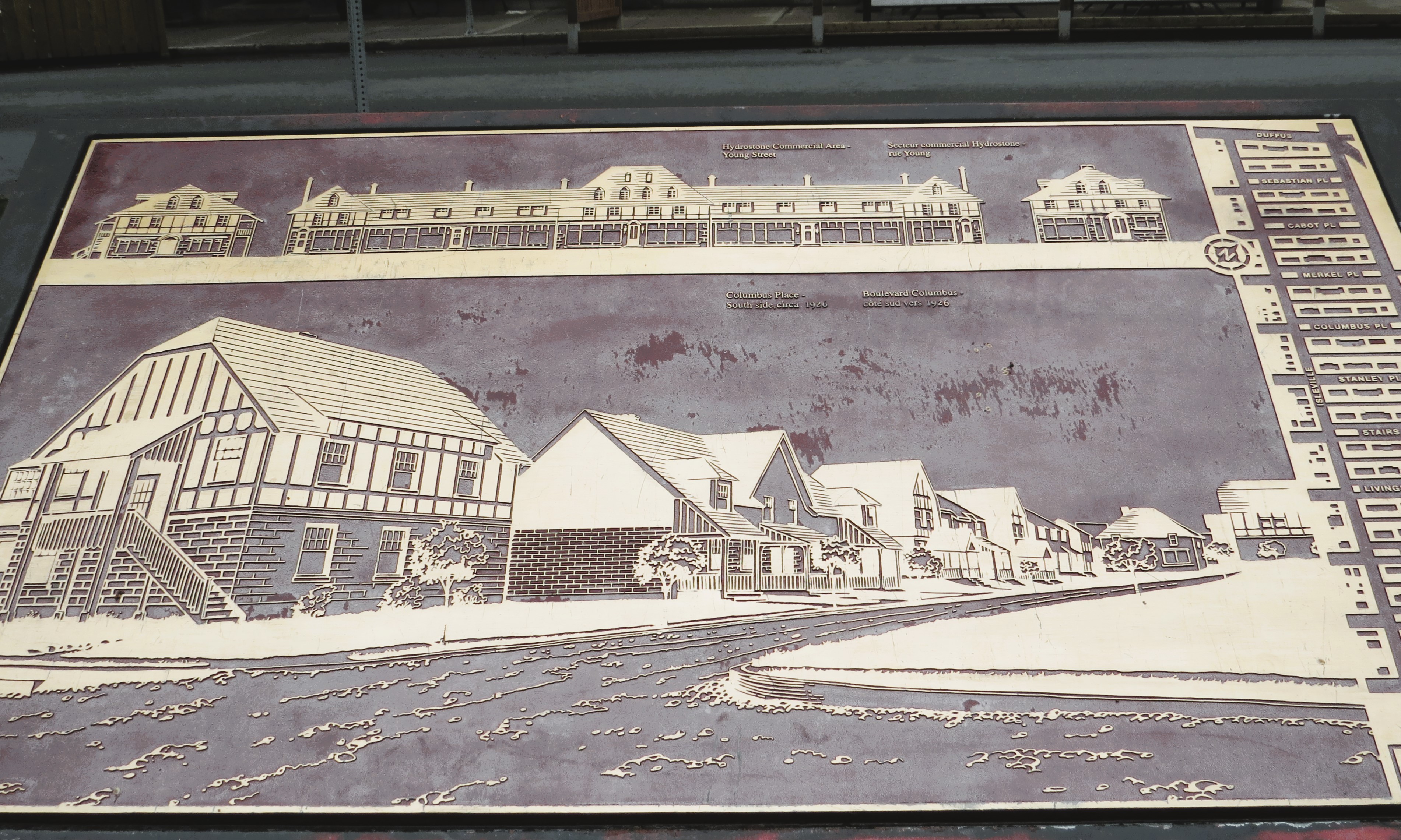
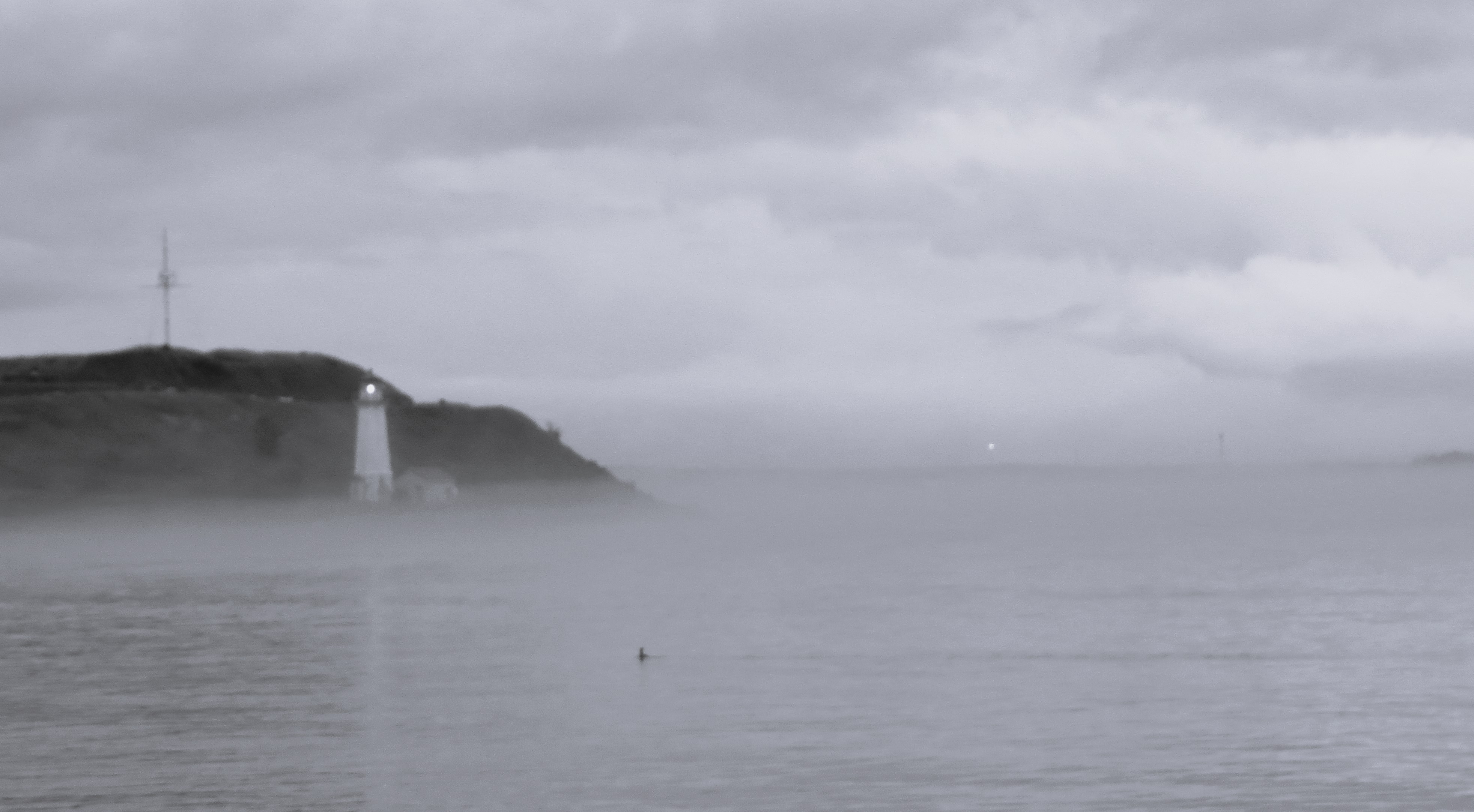
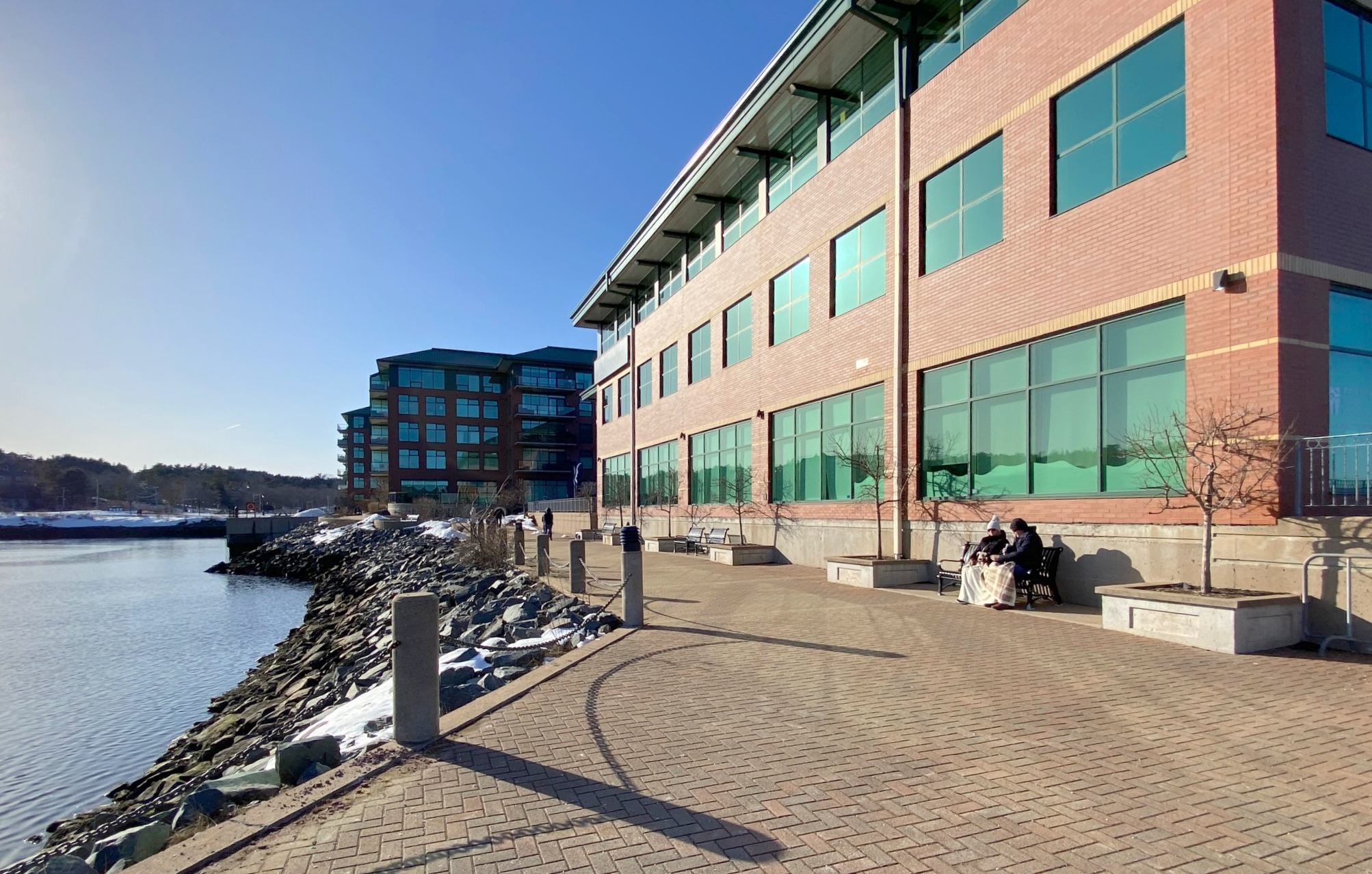
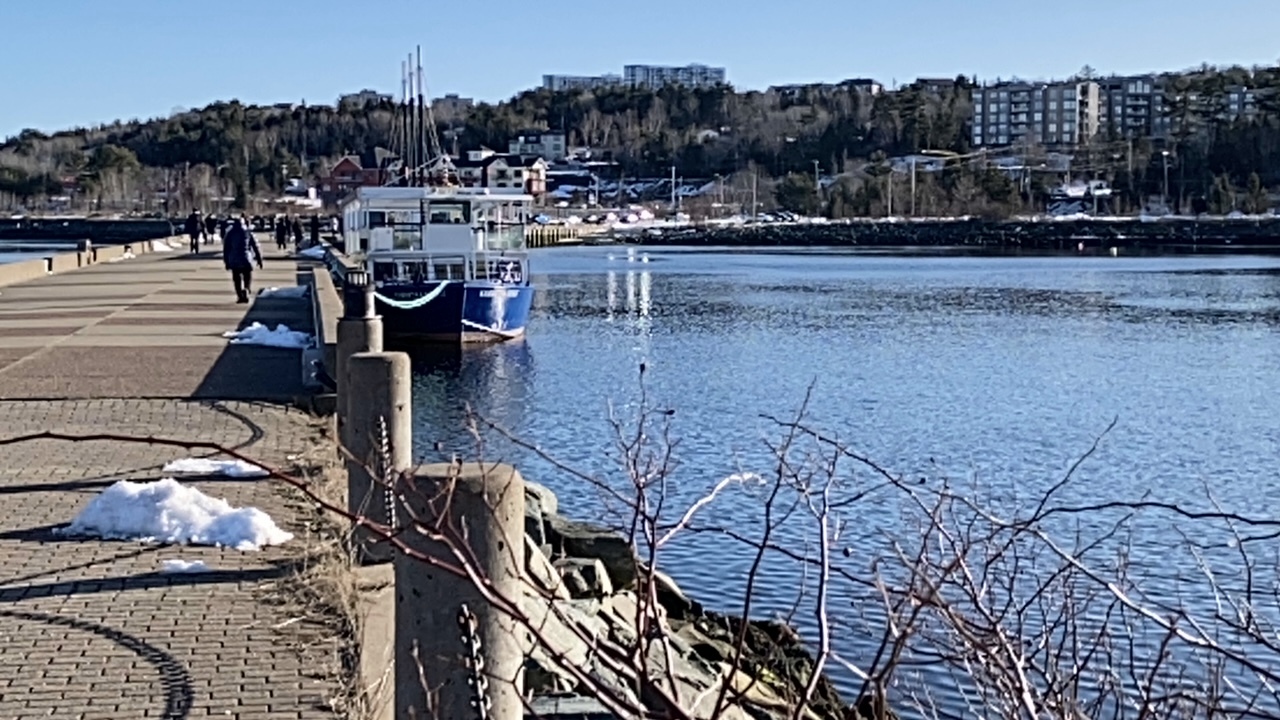
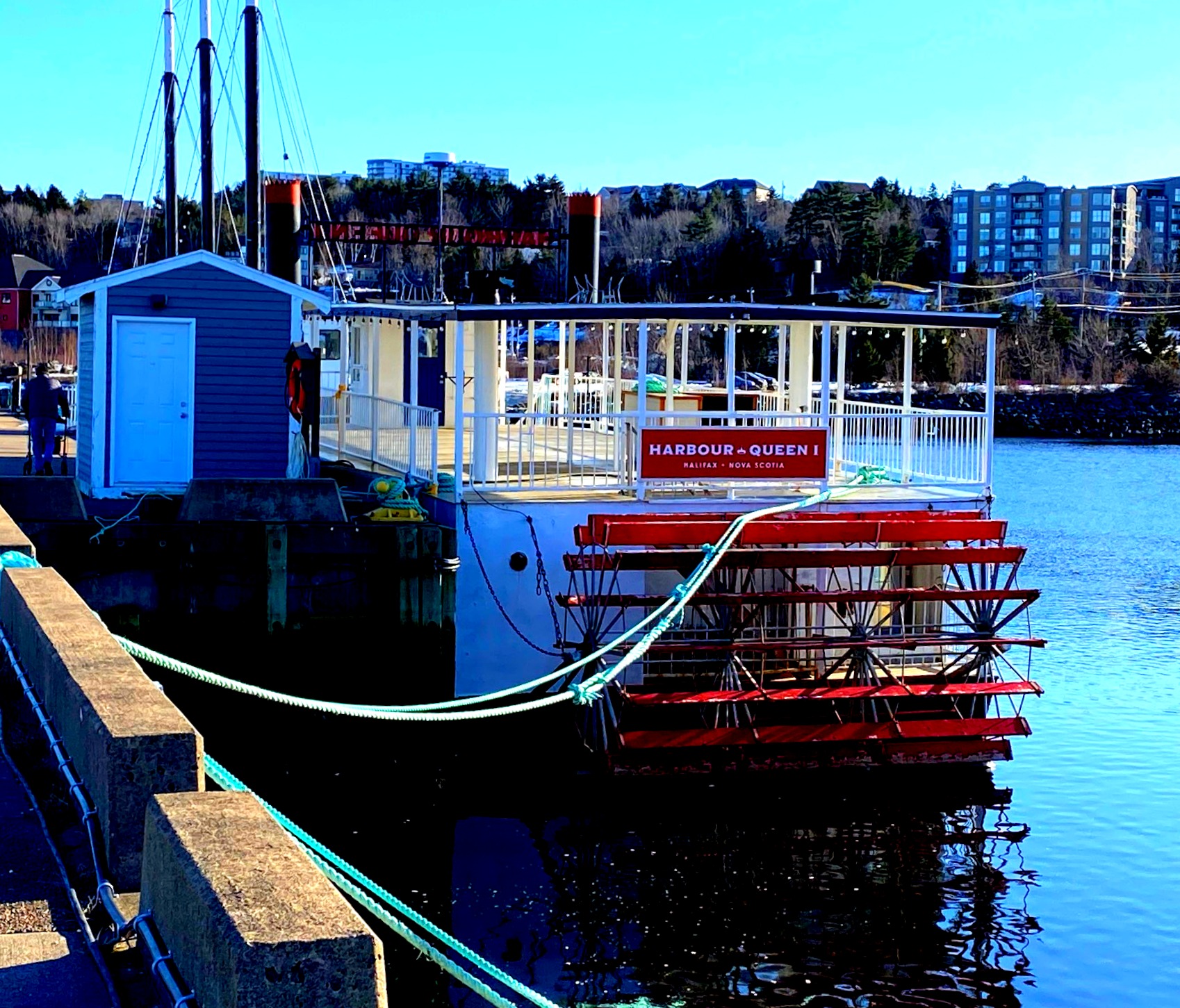
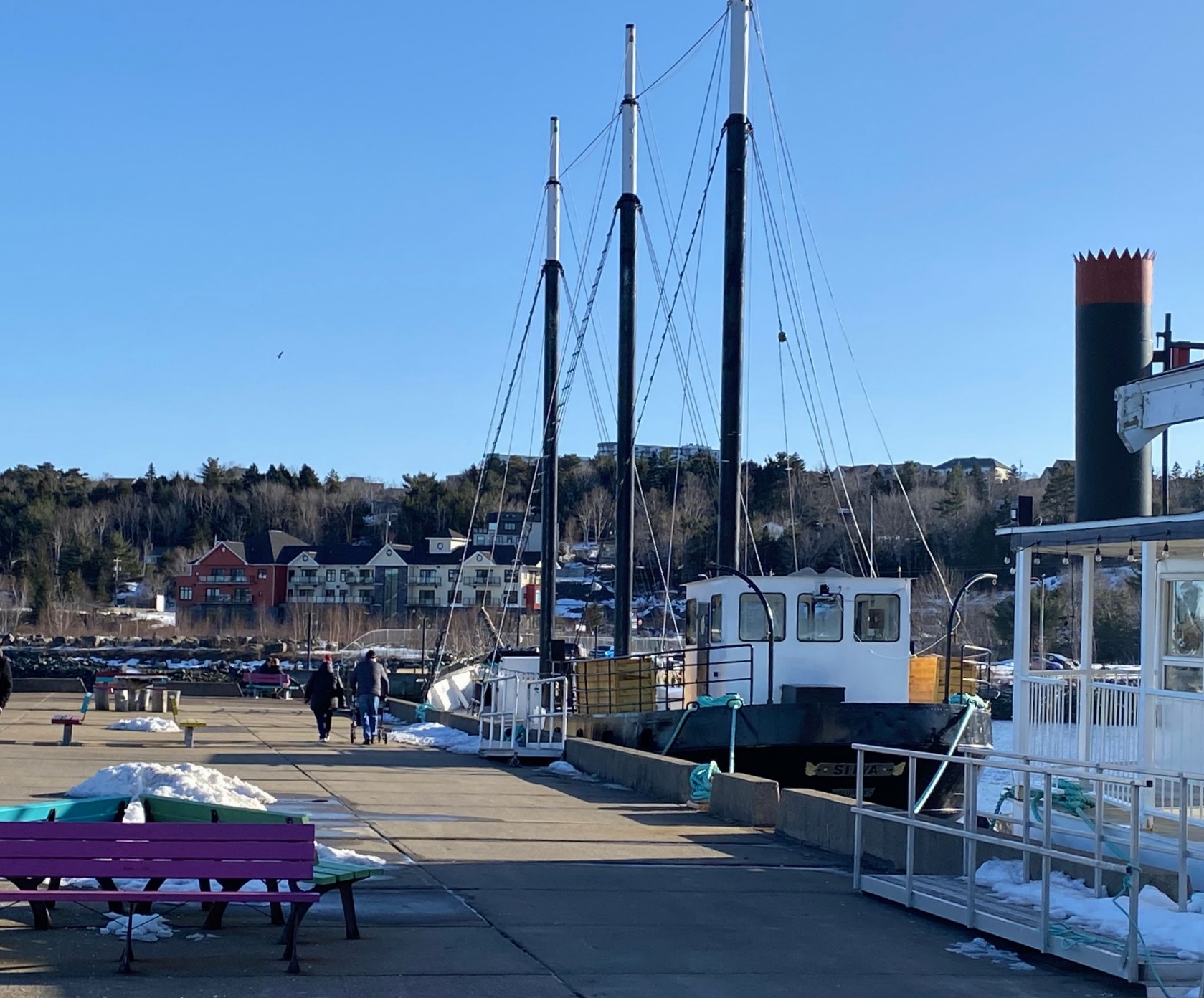
So I was walking on Canada Day with John in Halifax through spots we liked to visit together. Like the little square on Novalea, just before the Hydrostone district. And I started to write some stanzas about these walks with him. Later I went to the Waterfront. It was sunny day but with a heavy fog and mist covering the Channel. It really was coming right out of my unfinished poem.
The world of shadows
The shadows are everywhere:
the silhouette of your body,
          the taste of your lips,
          the gaze of your eyes,
          the touch of your arms.

On the corners of the streets,
on benches in the squares,
trails in parks, and in hills.
They are lurking behind trees,
passing us on the walkways.

Every time a green car
of certain make that you drove
                             passes me by,
                             I stop
                             and follow it
                             with my stare:
do I see your shadow behind the wheel?

The world has become bi-dimensional:
real physical presence of shapes,
and shapes of shadows
mingling between us –
invisible to some,
real to others.

Our talks in the crowds
          of these shadows,
your invisible hand
reaches out to touch
                   my arm.
I can’t see your hand –
                  yet, I feel it
when it touches my skin.

I feel the other shadows,
when they pass me by
               on the streets.

Some walk painfully bearing
	      heavy bag of sorrow,
others are light, they float
	                        in the air
without care or foreboding.

We don’t know their stories,
so, I just accept their behavior
as it is, without question.
They too have a right
to be joyful, and your insistence
that the shadows should be sad
is just an arrogance
born of our ignorance.
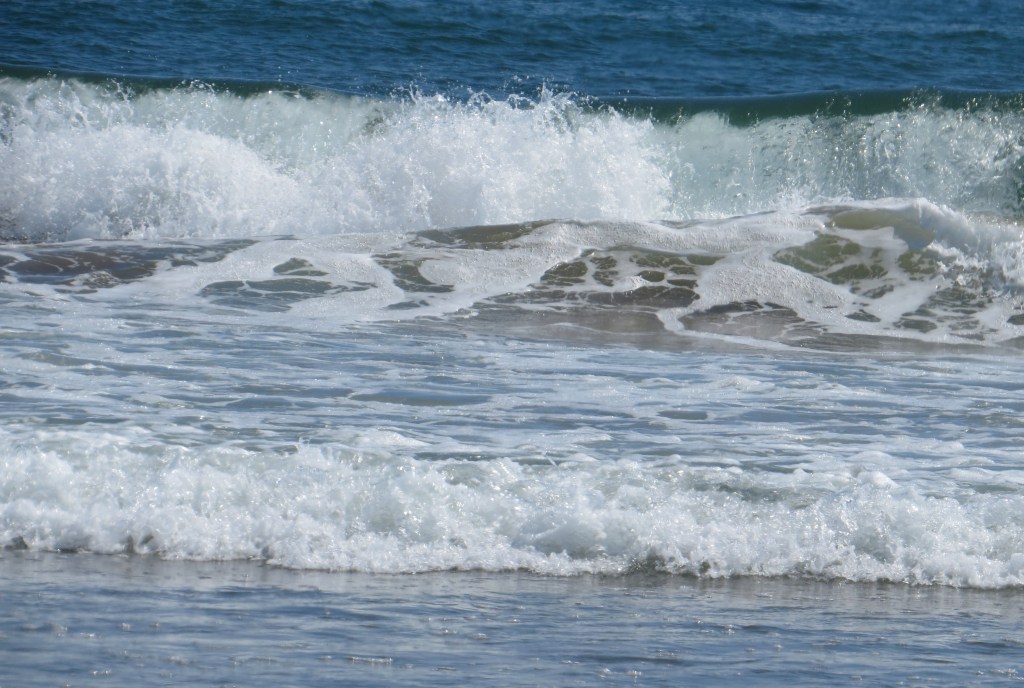
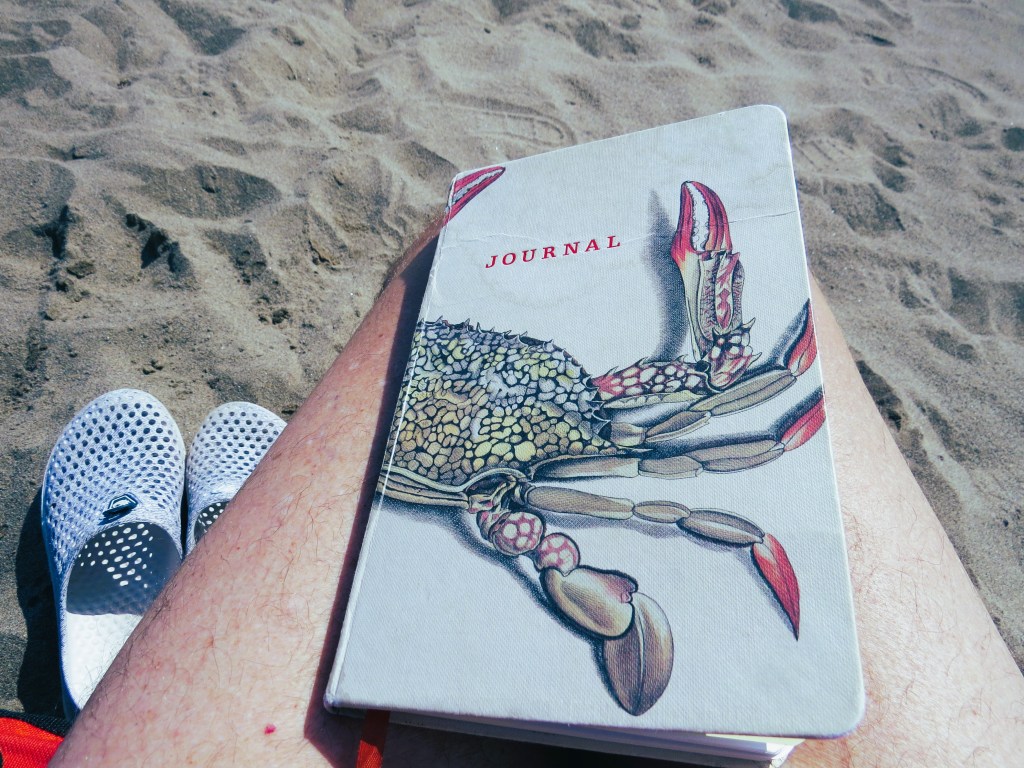
Today I went to the beach to finish the poem. Well, I have no idea if I did really finished it. I might actually add later another section to it for the idea of the ‘shadows’ among us (you can read to it whatever you want but my personal perspective does not come from religious point of view, but I always promoted the idea that a poem belongs to the author only as long as it has not been read by any other person. The moment it finds another reader – the poet no longer has any control of it, it belongs to that reader). But for now it is what it is. There was no fog on the beach, au contraire – it was sunny. But the crushing waves created beautiful mist on the edges of the beach, just where it meets the ocean. I liked it.
Every day starts with waking, and getting up from bed. Doesn’t matter if it is noon or 5 in the morning. Time is a very subjective thing. On days I don’t have to go to work (most of the time, since I officially stopped working for any company more than six years ago) and don’t have any appointments – I don’t look at watches or clocks. I do things when it is time to do these things, without assigning any number to that time.
Besides, time has stopped for me in November 2022. On the first night (was it night?) I fell asleep after You were gone. I wish I had not woken up. Waking up after that very first sleep is a daily routine of terror. The few seconds before you are certain that it is reality, that you are awake. When I am forced again to know that You are gone. Not to the kitchen to make us a fresh morning coffee, which you did every morning religiously for more than three decades. No – You are GONE. I have to go through that terror every single day while getting up. For 467 days, as of today.
Sometimes, just before I finally drift off to sleep, I wish, I pray, that it is the last time. That I don’t have to wake up again.
When I sleep I often meet You and talk to You. I think, sometimes I make love to You. That we are watching TV or go for a drive in the countryside.
You are my Eurydice, for whom I went to Hades to plead, to argue with the God of the Underworld, that he made a mistake. I beg him, I threaten him. I offer him love and hatred, devotion and disdain. To no avail – he is unmoved. In my dream, I write a poem to You in Italian. When I get up from my sleep I remember that poem and copy it, surprised that I retained more of my old Italian than I thought.
Dove sei, Euridice?
Dove sei, Amore mio?
Mostrati e parlami d’amore.
Ricordare! Non fermata
e non guardare indietro.
Ricorda, mio caro …
ricorda, ricor… , ri…
e piango, perché so
che ti volterai.
Ogni volta.
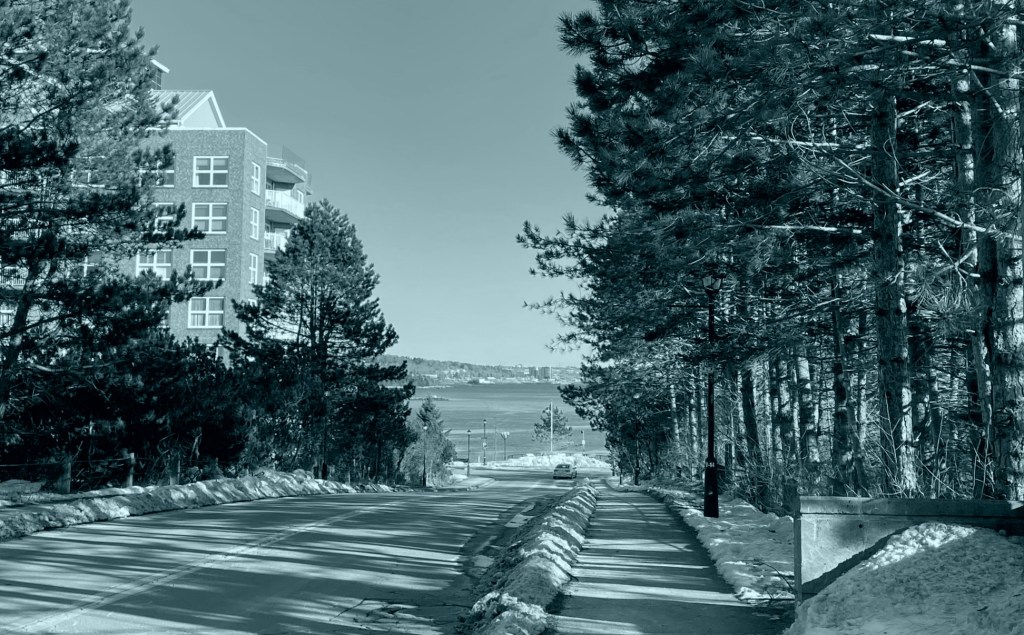
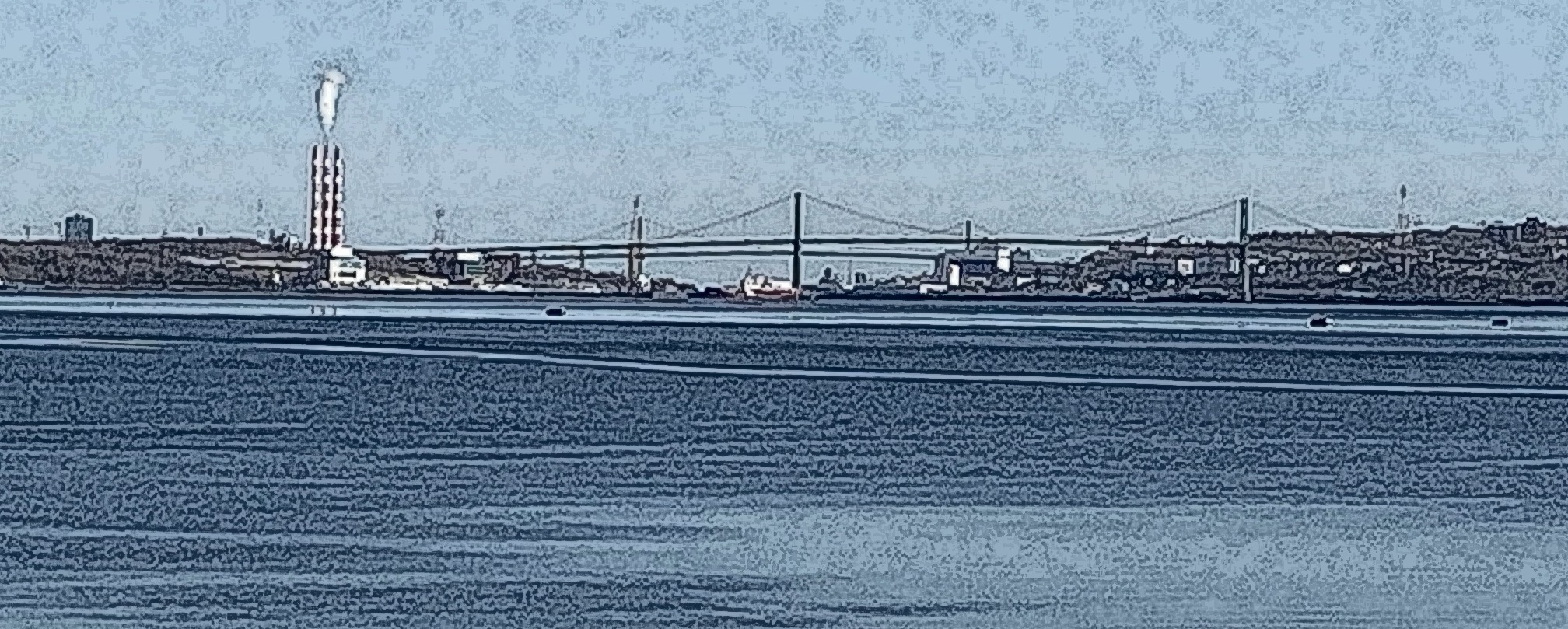
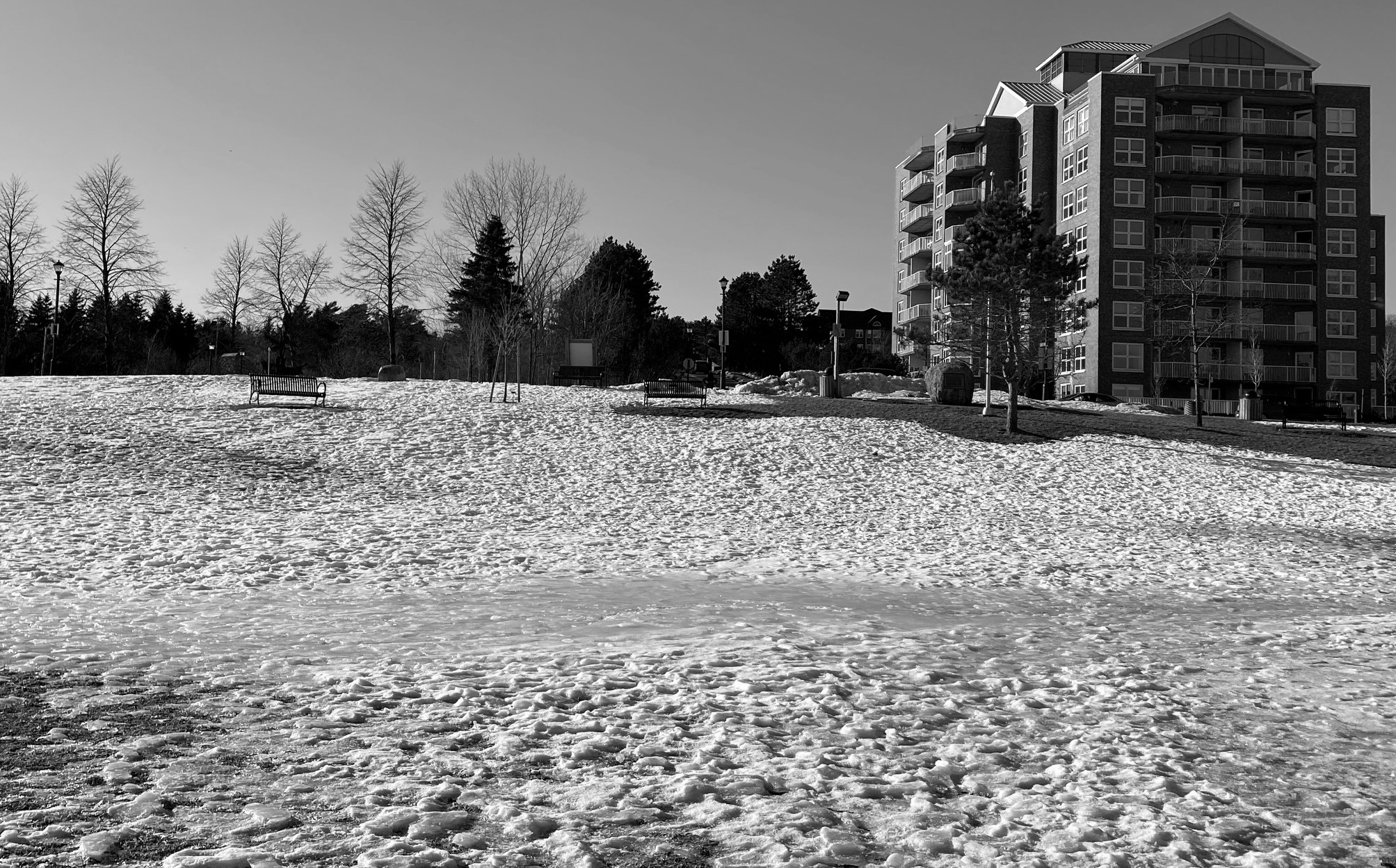
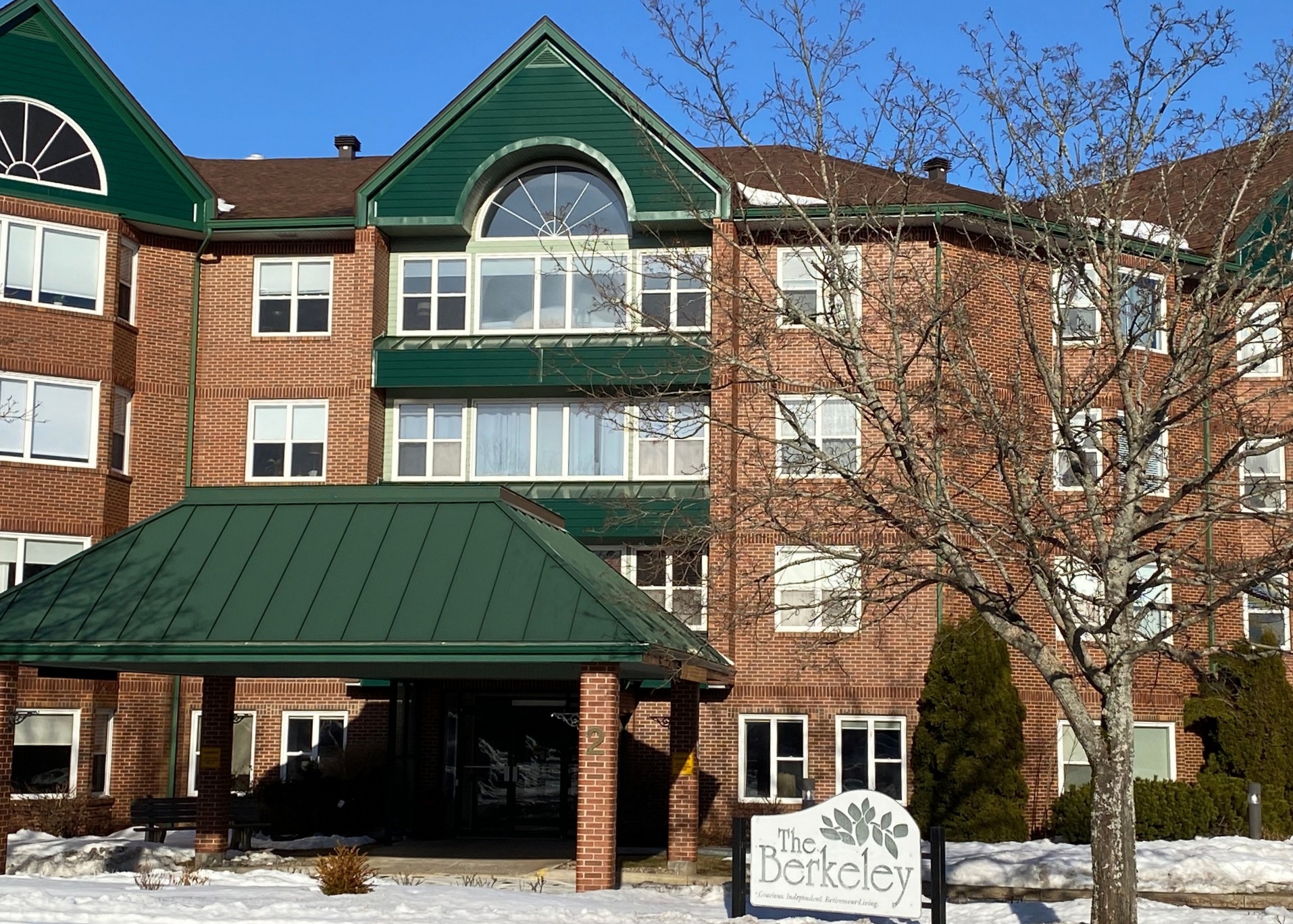
Today I stopped in a little park De Volf in Bedford. We used to go there many times and both liked it. It is a small park but there is something sweet and romantic about it. It offers a nice view of Halifax, our bridges, and Dartmouth. Next to it is a big building of the company that you worked for – The Berkeley. You didn’t even have that much time to work for them, yet You did leave a special mark on the senior residents of that building and all the staff. Your innate goodness emanated from you as everywhere you worked before. I will never forget and still am moved to tears how they organized a special memory meeting for the residents and staff in their main hall. It was full of people. Wonderful people, who came to share their memories, and their sorrow and offer their support to me and Your siblings, who came for Your final journey.
It was a cold but amazingly sunny day. I really enjoyed the walk and reminiscing about our strolls there. For a short while You – my Eurydice – walked with me. You didn’t turn back, didn’t look back. You walked with me. Maybe I even felt Your hand in my hand.
I know that the terror of getting up will come back tomorrow. Then again, and again for the rest of my days. But the walk today was good. Thank You, Babcycake. Gracie, mia Euridice.
Przyglądam się z coraz większym niepokojem polskim szosą prowadzącym do przejść granicznych z Ukrainą. Tym kilometrowym wystawom sprzętu rolniczego, zwłaszcza ciągników i traktorów. Bardzo zresztą ładnym i nowoczesnym, tutaj furmanek czy zdezelowanych Ursusów nie uwidzisz. Polska wieś zasobna, gospodarna. Mam nadzieję, że gospodarna i że ktoś tym krówkom w stajniach i świnkom w kojcach siana i innej strawy na czas daje. Słowem, że gospodarstwa pilnuje. Wszak od dziesięcioleci słyszeliśmy, że chłop urlopu nie ma, bo w oborze i na zagonie ni zwierzę ni rola urlopu nie biorą – świątek, piątek czy niedziela. Pewnie panie Gospodynie wiejskie i dzieciaki chłopskie chłopa-męża dzielnie w tej pracy znojnej zastępują.
Ach, łza się w oku kręci, gdy taki obraz wsi polskiej maluję. Tyle, że jest to obraz, tak jak od Chełmońskiego, a nie rzeczywistość. Mamy de facto dziś producentów żywności. Chłopa z małego gospodarstwa na tych szosach nie obaczysz przypuszczalnie – na samą benzynę (lub ropę) by go stać nie było. Więc ci polscy przedsiębiorcy żywnościowi idą blokować granicę ukraińską by produkty rolne od obszarników ukraińskich nie zalewały polskiego i europejskiego rynku.
A co polskiemu klientowi w sklepach spożywczych za różnica, czy kupuje drogie jajka od obszarnika ukraińskiego czy od kułaka polskiego? Bo kurze to kompletnie obojętne, kto jej te jajka podbiera. A te ciągniki wysiewające stale zbędne i groźne, trujące otoczenie wyziewy spalinowe to na granicy ukraińskiej stać mogą – tylko pomyliliście na której granicy. Powinny być tam dalej na wschód, na rosyjsko-ukraińskiej. Jak tabor Żółkiewskiego pod Cecorą. I nie pozwalać dziczy rosyjskiej wchodzić na dawne ziemie Rzeczypospolitej. Ale – tak, jak klęska Żółkiewskiego była w dużej mierze spowodowana zdradami i ucieczkami podwładnych Żółkiewskiego – tak i ci ‘ciągnikowi bohaterzy’ innemu panu dziś służyć się zdają. Nie sułtanowi tureckiemu, z którym mierzył się Żółkiewski. Nie – carowi rosyjskiemu.
Wstyd i hańba polscy producenci żywności (chłopami was nie chce nazywać więcej, bo jesteście faktycznie przedsiębiorcami i w dodatku wielu z was pewnie zatrudnia za psie pieniądze właśnie ukraińskich robotników rolnych), że własna chciwość i łasość na mamonę zastąpiła wszelkie poczucie odpowiedzialności za kraj, wszelką obywatelskość zgubiła. Ach , i jeszcze ta po-pisowska nienawiść do Unii Europejskiej, która chce narzucić wam przepisy nowego ‘zielonego ładu’! Krzyczycie, że wy sami najlepiej wiecie, jak środowisko naturalne ratować.
Ot, to wam powiem – …no wiecie i tyle. Zaśmiecaliście od dziesięcioleci te środowisko, zatruwaliście je bez końca. Za czasów komuny i po 1990. Kiedy tam mieszkałem i później, gdy często odwiedzałem, widziałem to często i gęsto. Nie wszyscy naturalnie. Ale podejrzewam, że większość tych, co tymi ciągnikami blokują te szosy. Są piękne cechy chłopskie. Ale są i obrzydliwe – przysłowiową jest pazerność i upór. Znam i takich tu, w Kanadzie, gdzie mieszkam. Gdy trzeba wyciągać od rządu dotacje i daniny – to naturalnie identyczne hasła: my farmerzy, sól tej ziemi! My żywimy Kanadę i świat od świtu do nocy harując na rodzinnych gospodarstwach! Tyle, że przeciętny mieszczuch ciągle romantycznymi oczami widzi tą wizję domowego gospodarstwa: stara chata-rancho drewniana, kury w obejściu, sad za oknem i paręnaście-parędziesiąt hektarów ziemi ornej. Podczas, gdy w rzeczywistości to latyfundia na miarę tych polskich magnackich na starej Ukrainie. I tysiące letnich robotników rolnych sprowadzanych za grosze z Meksyku i trzymanych na ‘gospodarstwie’ w urągających warunkach po 3-6 osób na izbę.
Gdybym był Donaldem Tuskiem, to bym nie jechał do Brukseli odblokować jakieś fundusze dla was rolnicy-putinowcy na szosach. Wysłałbym siły policyjne i odpowiednie wozy do ściągnięcia tych ciągników z szosy, was ukarał grzywną za blokowanie infrastruktury przygranicznej i obarczył kosztami tej operacji policyjnej. I pożegnał pozdrowieniem, jakim za mojego dzieciństwa na polach się chłopi witali i żegnali – szczęść Boże!