Bardzo dawno temu, bodaj w 2018 byłem z moim Johnem na koncercie Akademii Muzycznej[i]. w ‘Orpheum’ w Vancouverze Pamiętam świetnie, bo grali nie takie łatwe ‘Requiem”[ii]. W Akademii tej często wówczas gościłem i znałem wielu z młodych studentów z całego świata, wielu wykładowców. Wykładała tam wówczas (wykłada w dalszym ciągu w tej samej uczelni) dobra znajoma, pianistka polska Krystyna Tucka. I naturalnie zacny Kim Sun Lee, z którym prowadziłem często długie rozmowy.
Z przyjemnością więc poszedłem do tej naszej filharmonii posłuchać, jak się ci znajomi studenci na formalnym koncercie zachowają, czy nie ulegną zbyt dużej tremie. A nie ulegli, koncert był bardzo udany.
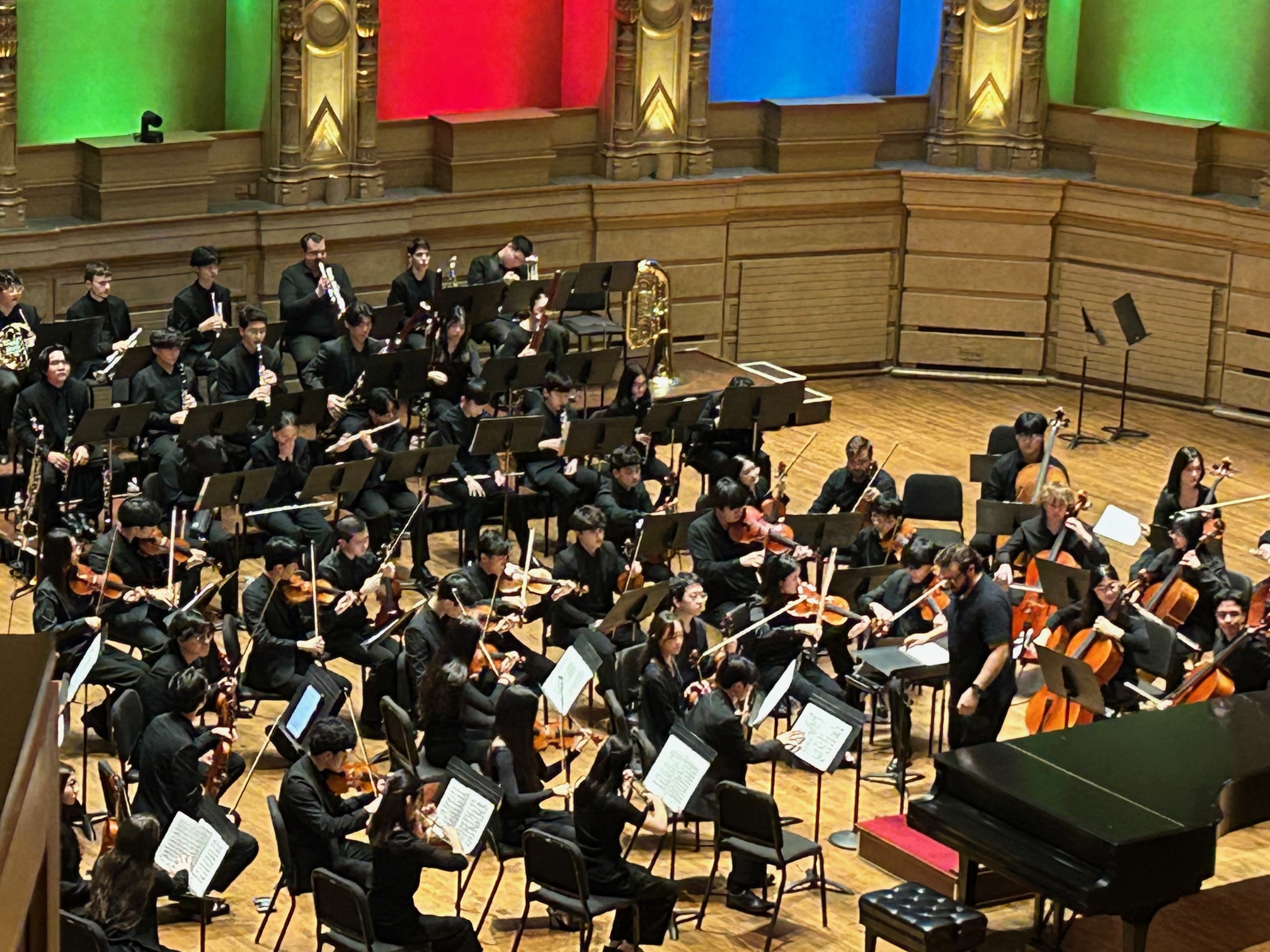
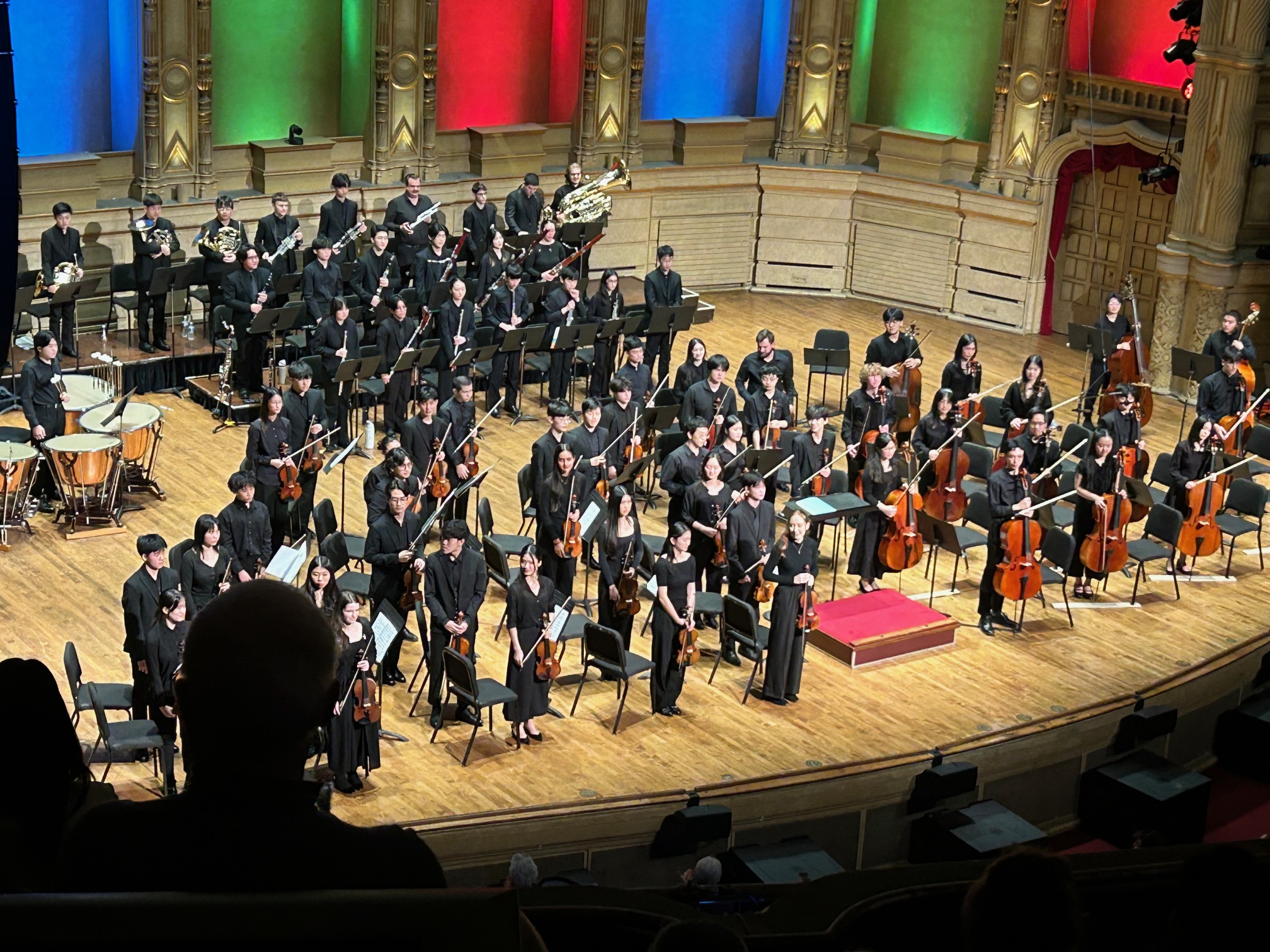
Minęło osiem lat i 1 marca 2026 w tymże samym Orpheum jestem znowu, by słuchać tegorocznych studentów Akademii Muzycznej. Tym razem program jeszcze trudniejszy, obejmujący różne style i epoki muzyki. I, naturalnie to jest już też następna generacja młodych muzyków.
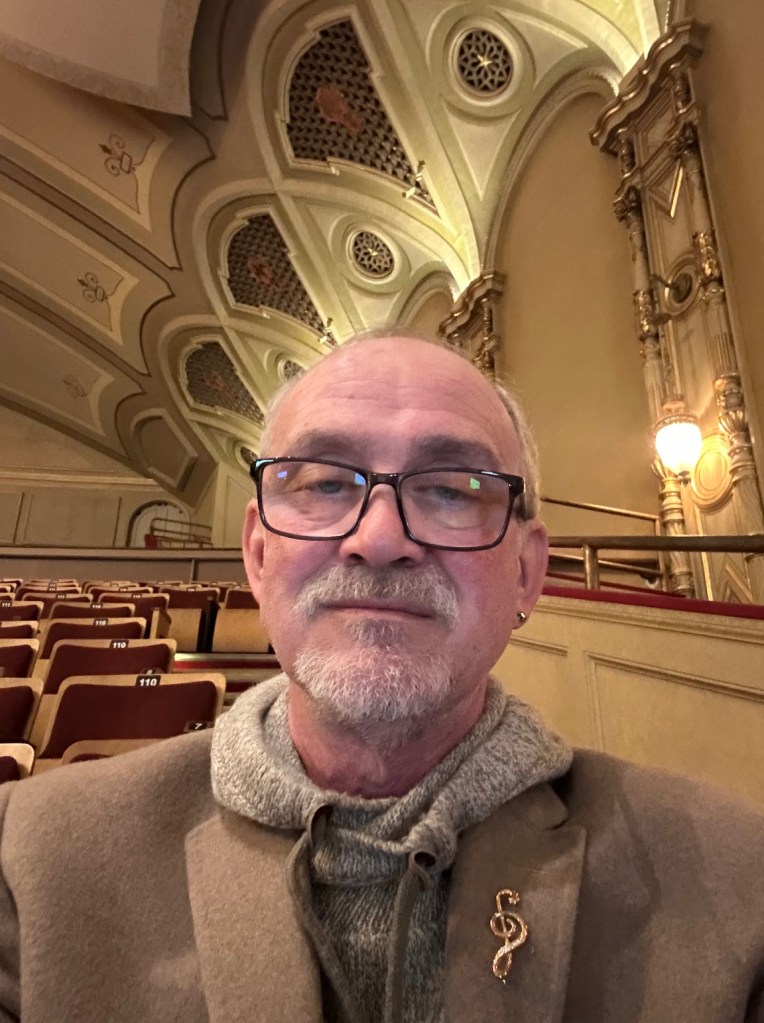
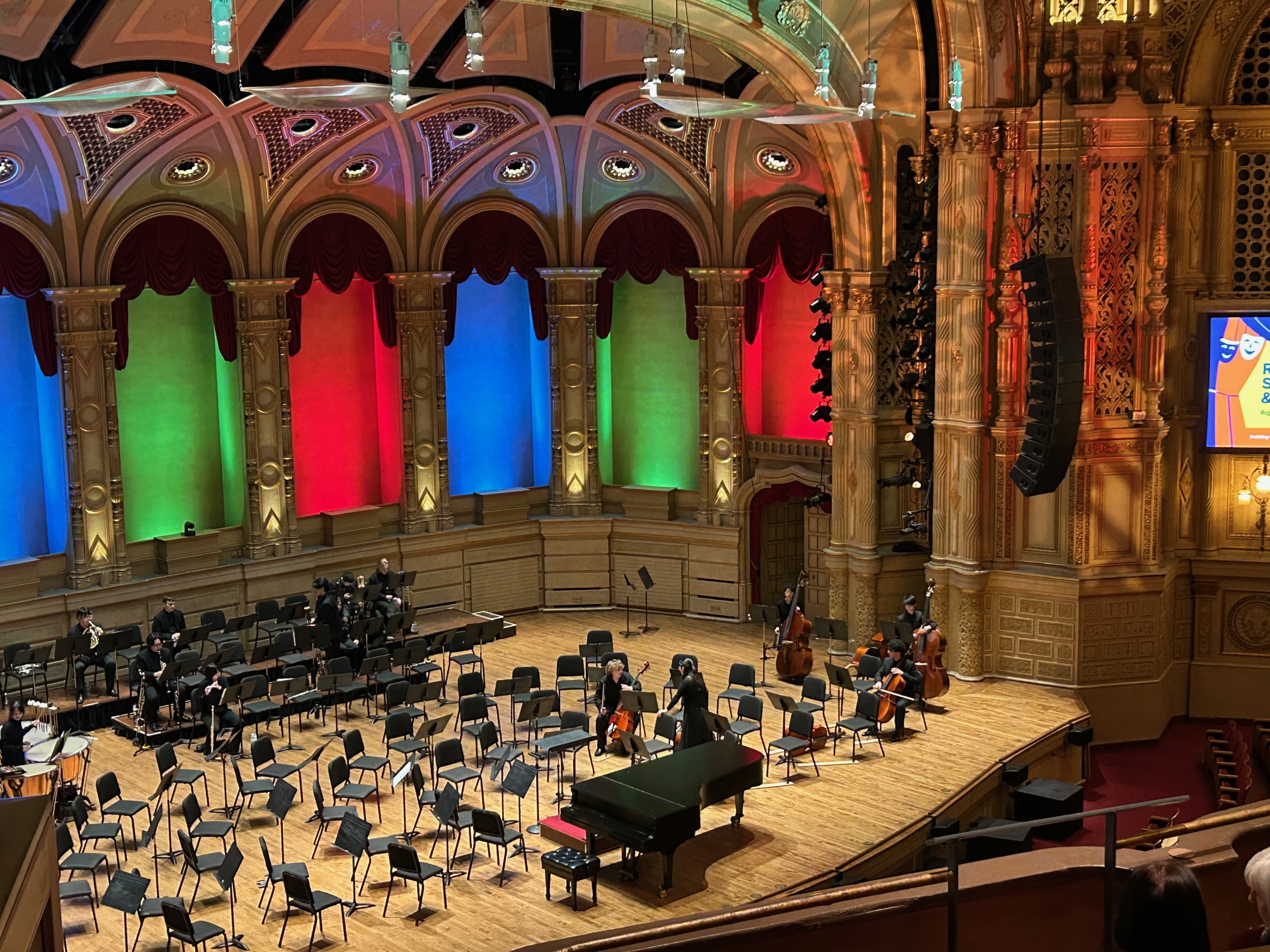
Miejsce, swoim zwyczajem, zająłem na pierwszym balkonie w pierwszym rzędzie, na ostatnim fotelu. Stary zwyczaj, bo i widok całej sceny dobry i siedzą z boku mam możliwość robienia w trakcie swoich notatek, co później ułatwia spisanie wrażeń koncertowych.
Dodatkową miłą atrakcją była część pierwsza z pianistą Forestem Bensonem[iii]. Słyszałem o nim już coś, ale nigdy nie słyszałem jego gry.
Benson grał uroczą uwerturę z Magicznego Fletu Mozarta; Koncert Fortepianowy Nr5 F-dur, Op.103 Saint-Saensa.
Początek Uwertury Mozarta był zbyt delikatny, zbyt nieśmiały. Ale pianista szybko poczuł ducha tej radosnej muzyki, nadał jej właściwy nastrój i tempo.
Muzyka Saint-Saensa nie jest łatwa, to przedział epok muzycznych, przechodzenie z jednej do drugiej. Pełny koncert pianistyczny, więc z całą orkiestrą. I robi to bardzo dobrze. Nie stara się być gwiazdą, a raczej częścią tej muzyki, wespół z orkiestrą. Co mnie trochę zaskoczyło, to prawie niewidoczny kontakt dyrygenta (Ian Parker, ntb. z bardzo dobrym i cenionym życiorysem prowadzenia orkiestr) z pianistą. Oczywiście, że są obok: pianista słyszy orkiestrę, dyrygent słyszy pianistę. Tylko czasem warto ten kontakt wzrokowy ułamkiem sekundy utrzymać, wzrokiem dać znać kiedy i jaki akcent podkreślić. Gdy się jest kapitanem okrętu nie należy zakładać, że Pierwszy Oficer czyta w myślach kapitana … . Nie mogę powiedzieć, że wykonanie by było lepsze, gdyby ten kontakt był zauważalny. Po prostu nie wiem, bo nie istniał przez większość gry. Może to moje stare przyzwyczajenia jedynie. Na usprawiedliwienie dyrygenta należy jednak przypomnieć, że pianista – choć młody – już z pewnym uznanym dorobkiem, zaś cała orkiestra to … młodzież muzyczna i na pewno więcej kontroli i opieki wymagała niż fortepian. Z sekcji orkiestrowych zdecydowanie należało pochwalić waltornie i oboje, dobre były skrzypce i altówki, na właściwym poziomie wiole i kontrabasy. Szczególnie duże uznanie oddaje młodemu muzykowi za bębnami – świetnie operował młoteczkami i jego ‘divertissementa-kanonady’ były majstersztykiem.
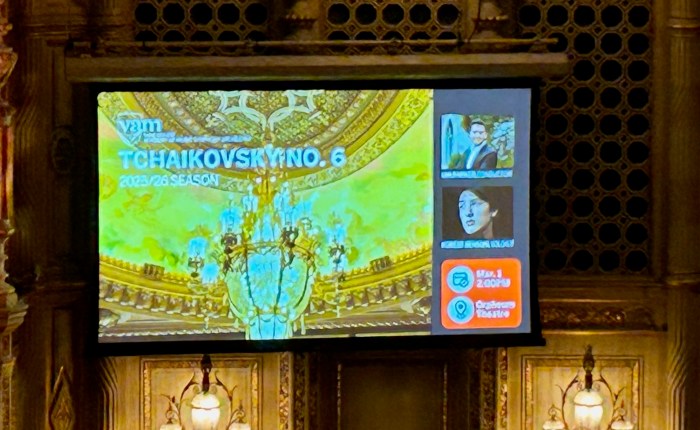
To było małe, urocze tête-à-tête przed daniem gównym, małe soirée zanim otworzą się wielkie drzwi do bogatego salonu jadalnego. Dziś serwują 6 Symfonię h-moll Czajkowskiego. Symfonię, nomen-omen, nazwaną ‘Patetyczną’. Kompozytor nie wiedział jeszcze, że będzie ona ostatnią większą kompozycją. Na jego niebie zbierały się już czarne chmury spisku potężnych przyjaciół samego kompozytora, ale i przyjaciół dworu carskiego. Romantyczna miłość do syna potężnego arystokraty rosyjskiego zakończyła się sfingowanym pojedynkiem, w którym Czajkowski zgodził się być zastrzelonym[iv]. Nie nawiązując do romantyczno-tragicznych przyczyn śmierci Czajkowskiego, Ian Parker bardzo ładnie w słowie wstępnym wyjaśnił, że nazwa ‘patetyczna’ w języku rosyjskim ma nieco inne brzmienie, bardziej smutne i tragiczne niż w rozumieniu popularnym, et winno być odczytane, jako wielka, wspaniała, podniosła. Chyba wystarczyło takie objaśnienie.
Pierwsze adagio –Allegro non troppo. Dobrze bardzo zagrane. Zwłaszcza solo klarnetu przejmujące; kotły utrzymują i poniekąd narzucają bardzo dobre tempo. Dobra synchronizacja całej orkiestry, zapomina się, że to orkiestra młodych studentów – to po prostu muzycznie dojrzała orkiestra. Równe granie jednej sekcji instrumentalnej udziela się pozostałym sekcjom instrumentalnym. Odnosi się wrażenie, że sami to doceniają i słyszą, dodaje im to skrzydeł, pewności lotu. Przez moment tylko odnosi się wrażenie, że trąbki i tuba opowiadają jakby inna historię, LOL. Ale to moment tylko.
Allegro con grazia trochę słabsze, brak ‘łagodności’, czułości tej muzyki, choć nie jest zagrane nagannie. Może pomieszały się szyki kto i kiedy dźwiękowi pozwala, jak ptaku ulecieć? Na szczęście nadchodzi moment uroczego walca, który – jak to walc – który wszystkie instrumenty łagodnie i tanecznie po sali balowej, niczym wodzirej elegancko prowadzi.
Przychodzi finał. Adagio lamentoso. Jak w każdej szanującej się symfonii te ostatnie allegro musi nawiązać muzycznie do części pierwszej, podjąć główny temat muzyczny.
Odniosłem wrażenie, że ta krótka pauza między molto vivace a adagio lamentoso zbyt była krótka. Nie można z walca radosnego ot tak, przeskoczyć do lamentu. To dwa odległe świata emocjonalne, dwa kosmosy uczuć. Być może niezbyt wyraźnie odczytali ruch ręki dyrygenta, pospieszyli się? Gdy jedna sekcja zacznie, wszyscy muszą kontynuować. To tylko drobna uwaga, bom bardzo wyczulony był na ten utwór i jego całą otoczkę historyczną. Przy tym adagiu-lamencie powróciła myśl o młodym Czajkowkim, jego tragicznym romansie… .
Wracajmy do muzyki wszak. Ten finał grany był bardzo dobrze. To była jakby zapowiedź, przepowiednia tragedii, która zawisła nad życiem kompozytora. Fatum płynące, jak jęk, płacz w cieniu kanonady rewolwerowej.
Młodszy brat Piotra, Modest Czajkowski miał powiedzieć, że ta symfonia była ‘elegią po zabitym kochanku’. O tym właśnie myślałem smutno, gdy słuchałem ostatnich taktów tej symfonii w Orpheum.
Czy tak było naprawdę? Teorie jedynie, pół-słowa, szczątki wspomnień rozsiane po carskich i sowieckich archiwach, tak, jak pół-słowa i pół-prawdy o kochanym Fryderyku i jego miłościach i miłostkach …
Na samym końcu pozostaje muzyka: piękna, szlachetna, smutna i radosna, porywająca i powalająca. Ot, sztuka.
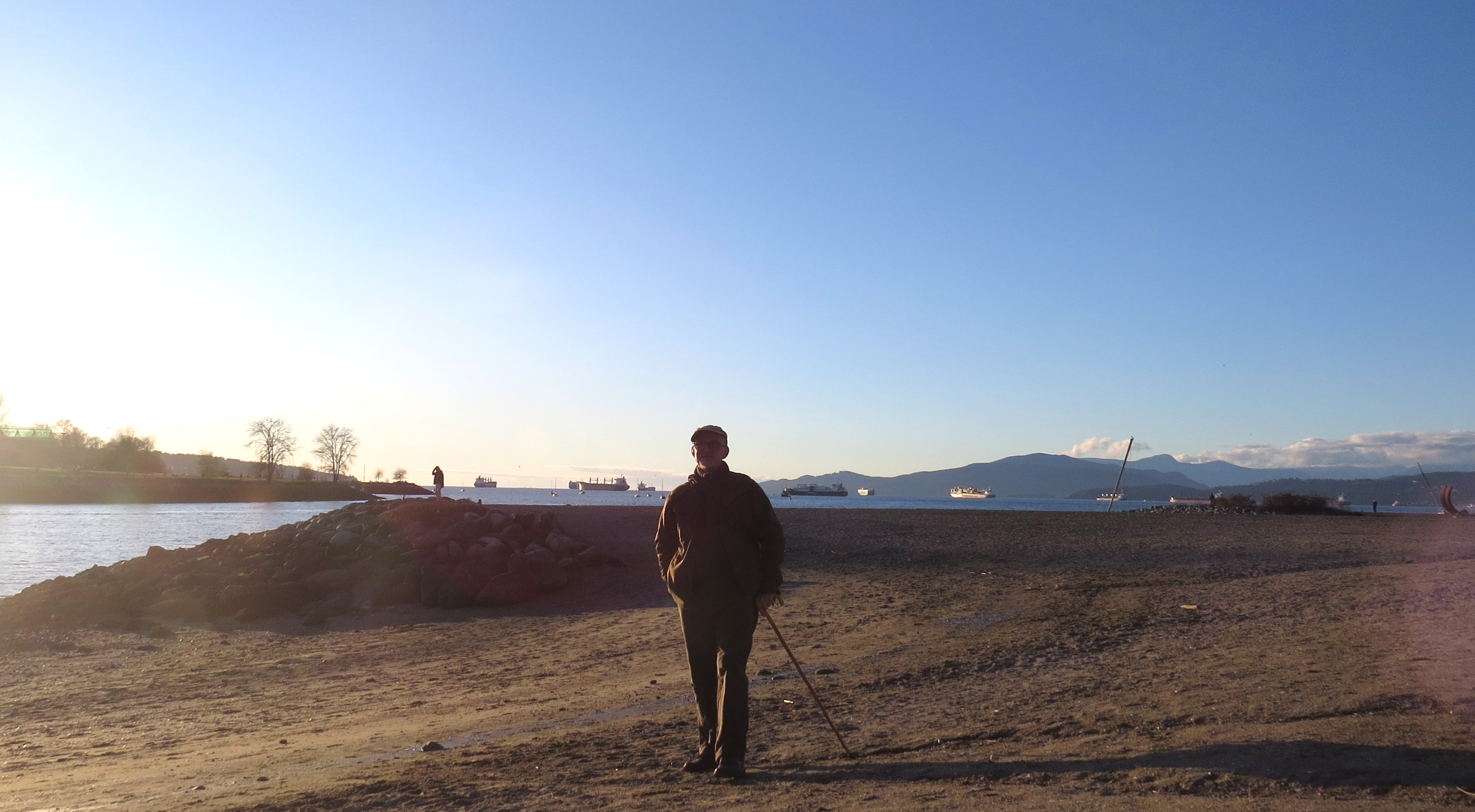
Po koncercie spacer sobie zrobiłem w kierunku naszej Galerii Sztuki. Muzyka musiała się wlec za mną, niczym rozwiana peleryna romantycznego kompozytora. Bo tu nagle inna kultura, inna cywilizacja i inna muzyka grana na elektrycznych organach. Japońska artystka, i to w kimono klasycznym, grała przeuroczo przed Galerią. Posłuchałem, podziękowałem grzecznie, grosik wdowca do puszeczki wrzuciłem i poszedłem dalej stukając kijkiem po chodniku.
Two stories in one. Bridges, for example. We know in Vancouver, that bridges are the backbone of our transportation. Fraser River is like an impenetrable natural border that separates two entities of our great multi-cities community: huge, deep, unforgivable. There is one equally mighty – it is, of course, the Burrard Inlet with one arm ending in Port Moody, the other in the Indian Arm fiord.
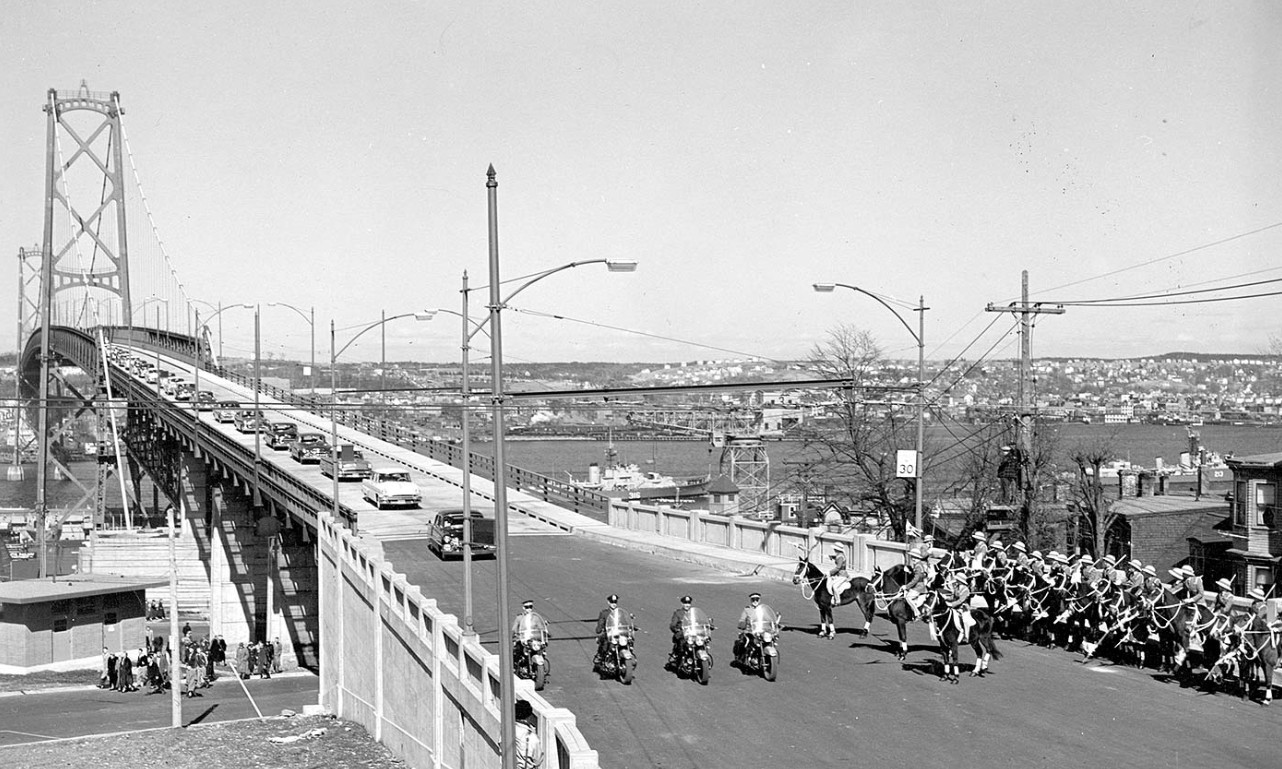
It starts with the poster-like Lions Gate Bridge – hanging over the entrance from English Bay to Burrard Inlet. Its name comes from two characteristic peaks of Coastal Mountains, resembling heads of two huge lions resting atop. Strangely enough, I have seen every morning and every evening almost identical bridge from the windows of our apartment in … Dartmouth. On the other end of Canada, by another ocean – Atlantic. It connects Dartmouth and Halifax. Drove, biked and walked across it probably hundreds of times. The similarity of these bridges was striking. Not by accident – that in Halifax and the one in Vancouver were designed by the same architect, Philip Pratley. In 1938 in Vancouver, and in 1955 in Halifax.
But for the majority of Vancouverites (that includes the majority of the multitudes of cities and town that make up the Greater Vancouver) it is Fraser River. If not for the bridges spanning the River (and a tunnel, very busy and vehemently disliked by travelers) – there would not be any Greater Vancouver. As simple as that.
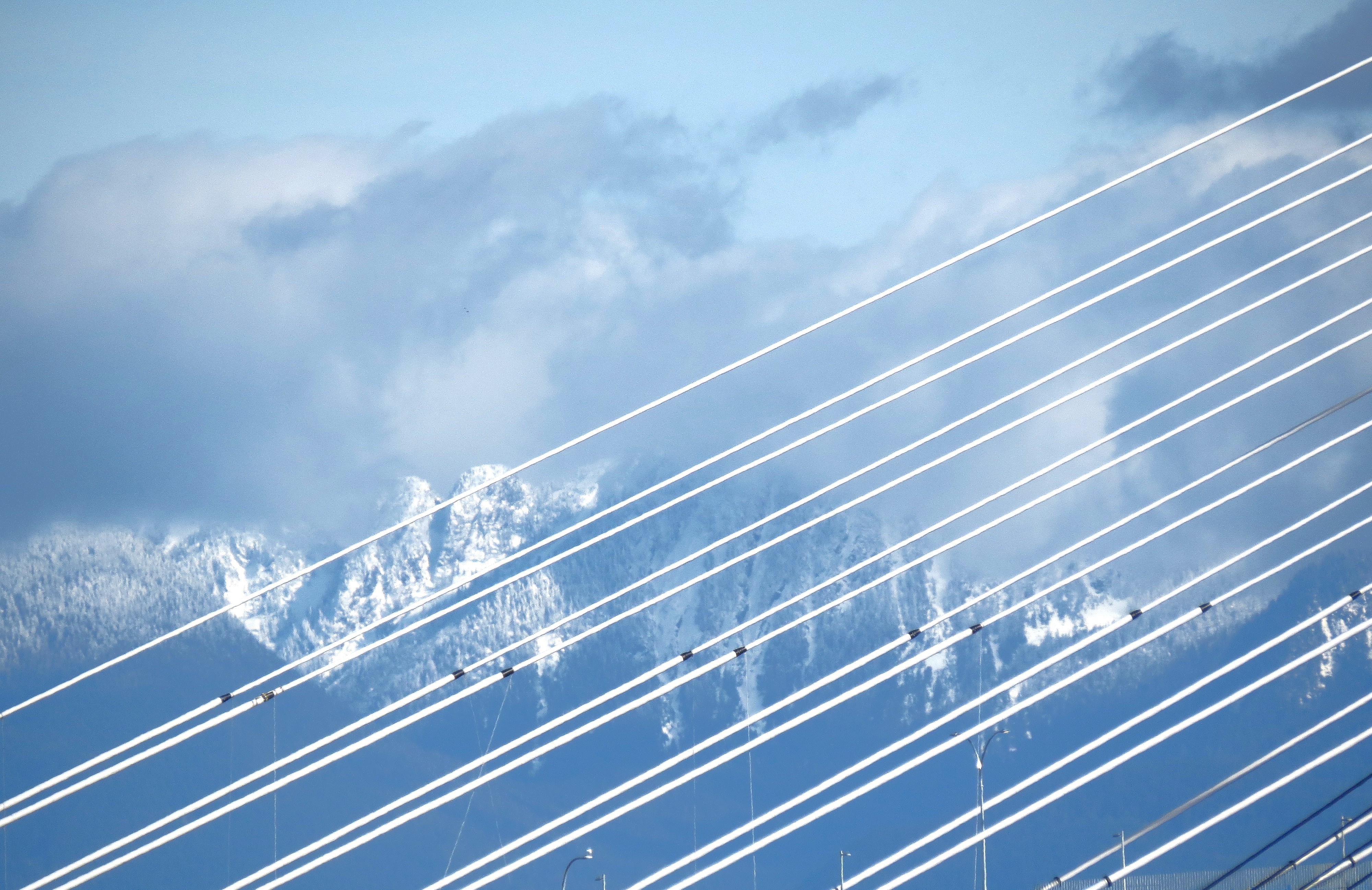
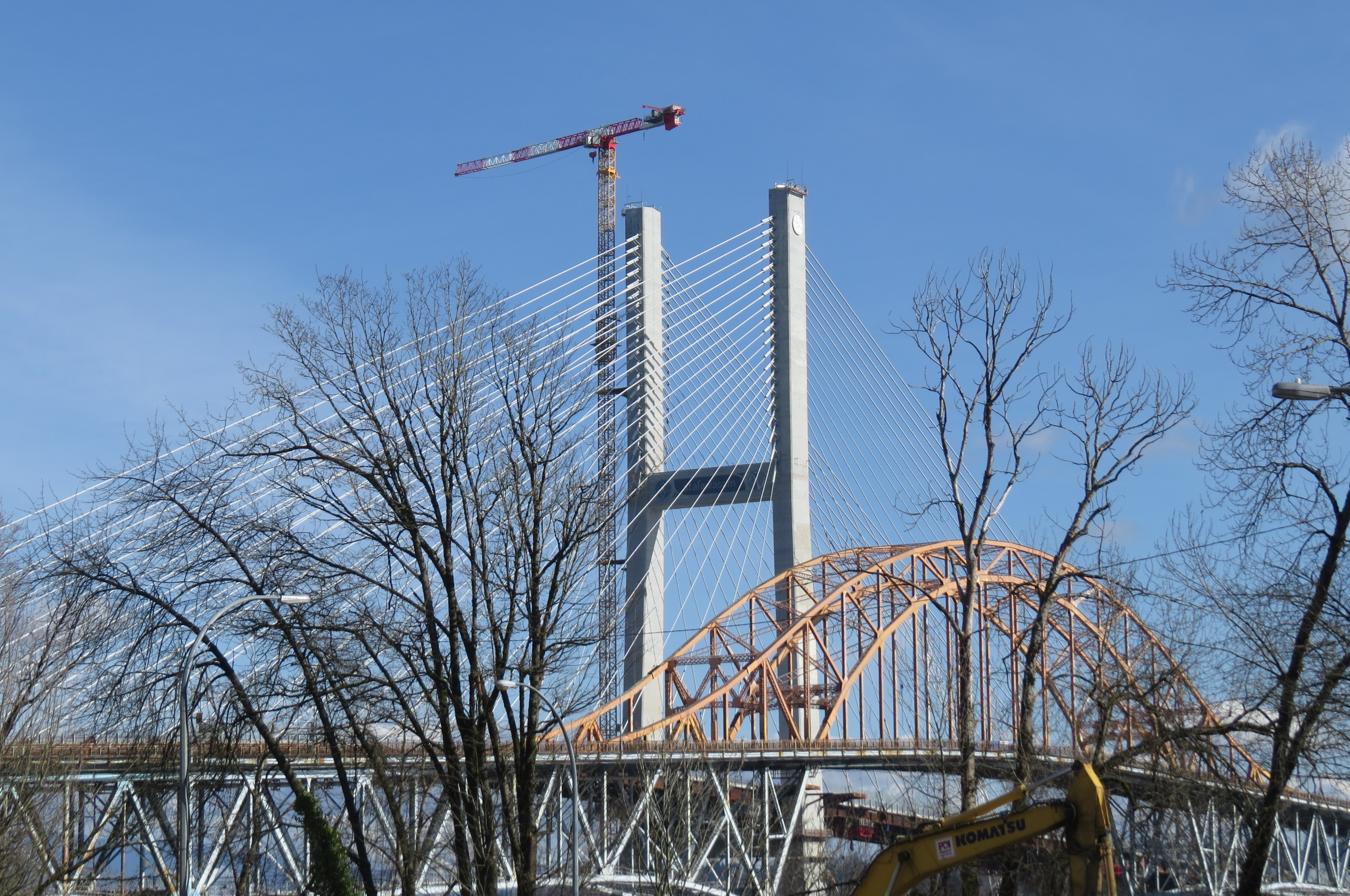
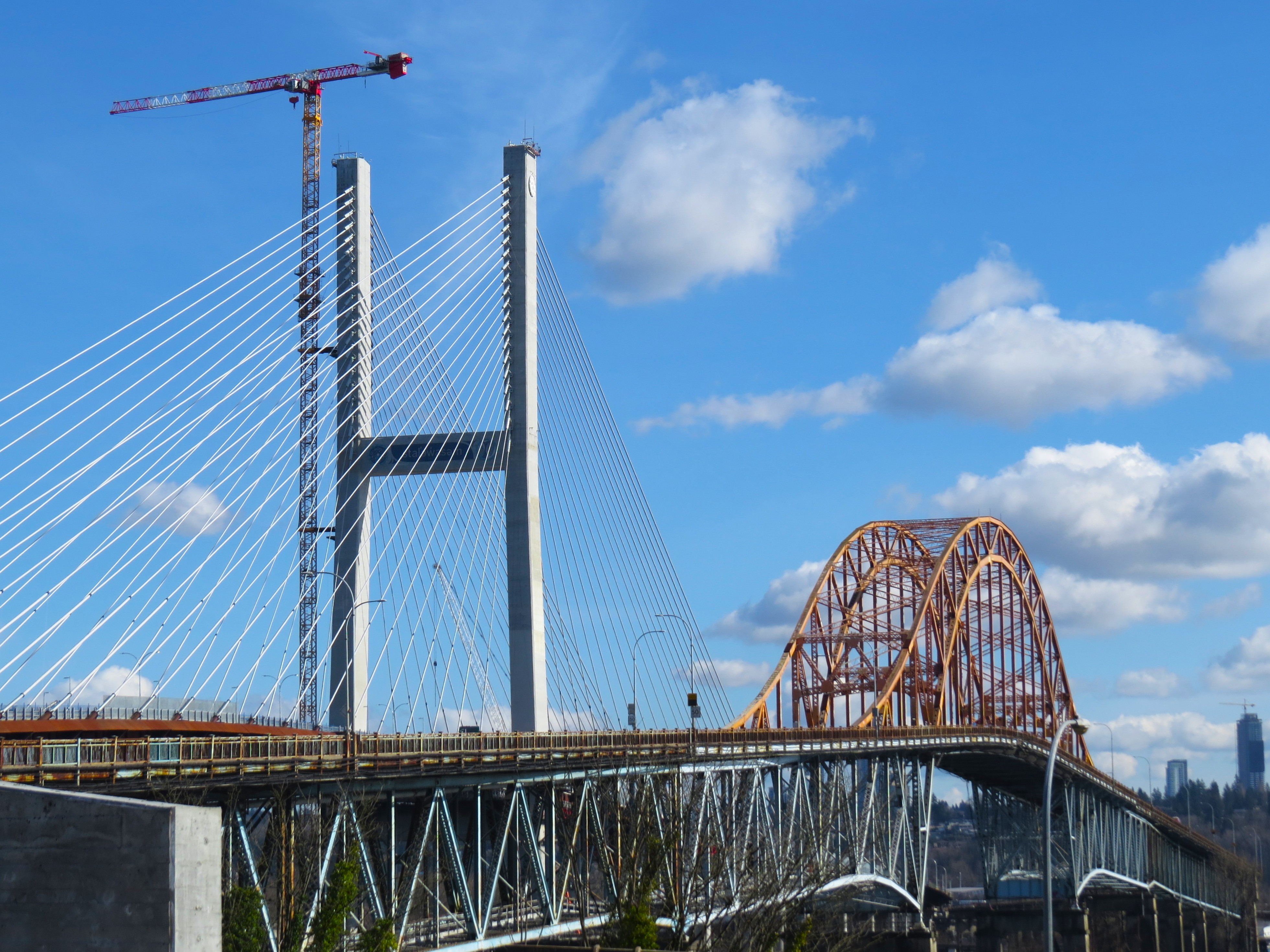
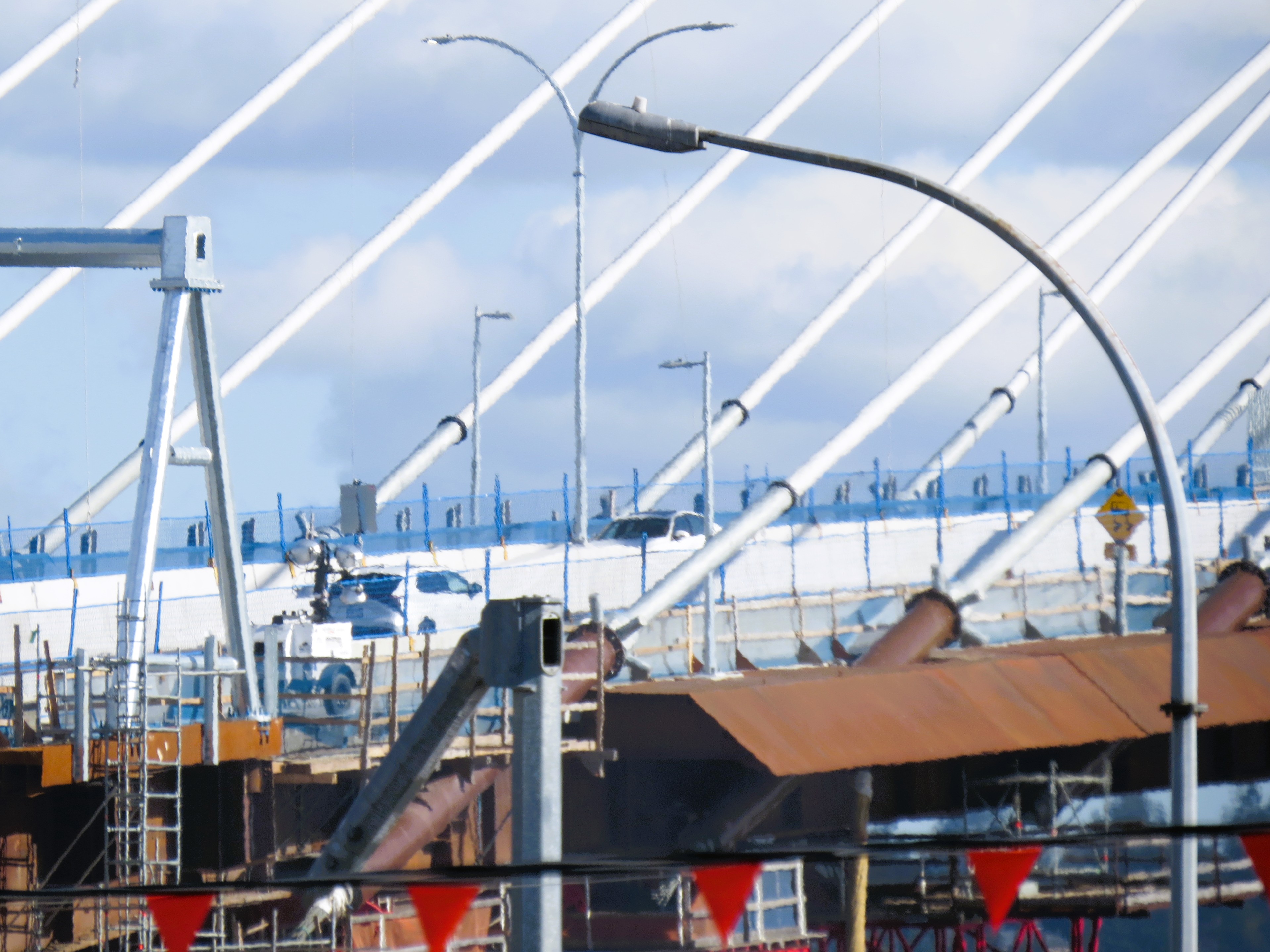
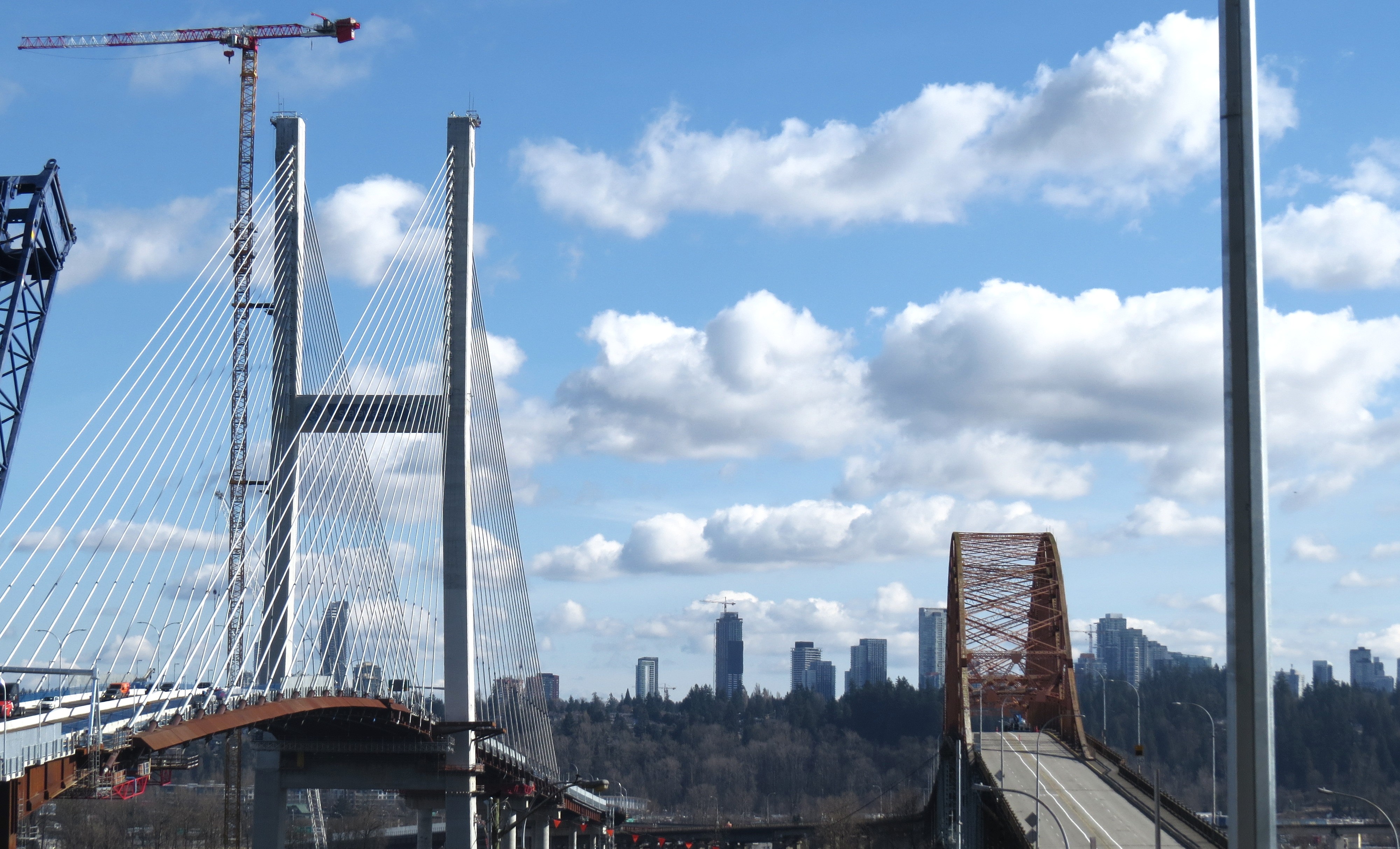
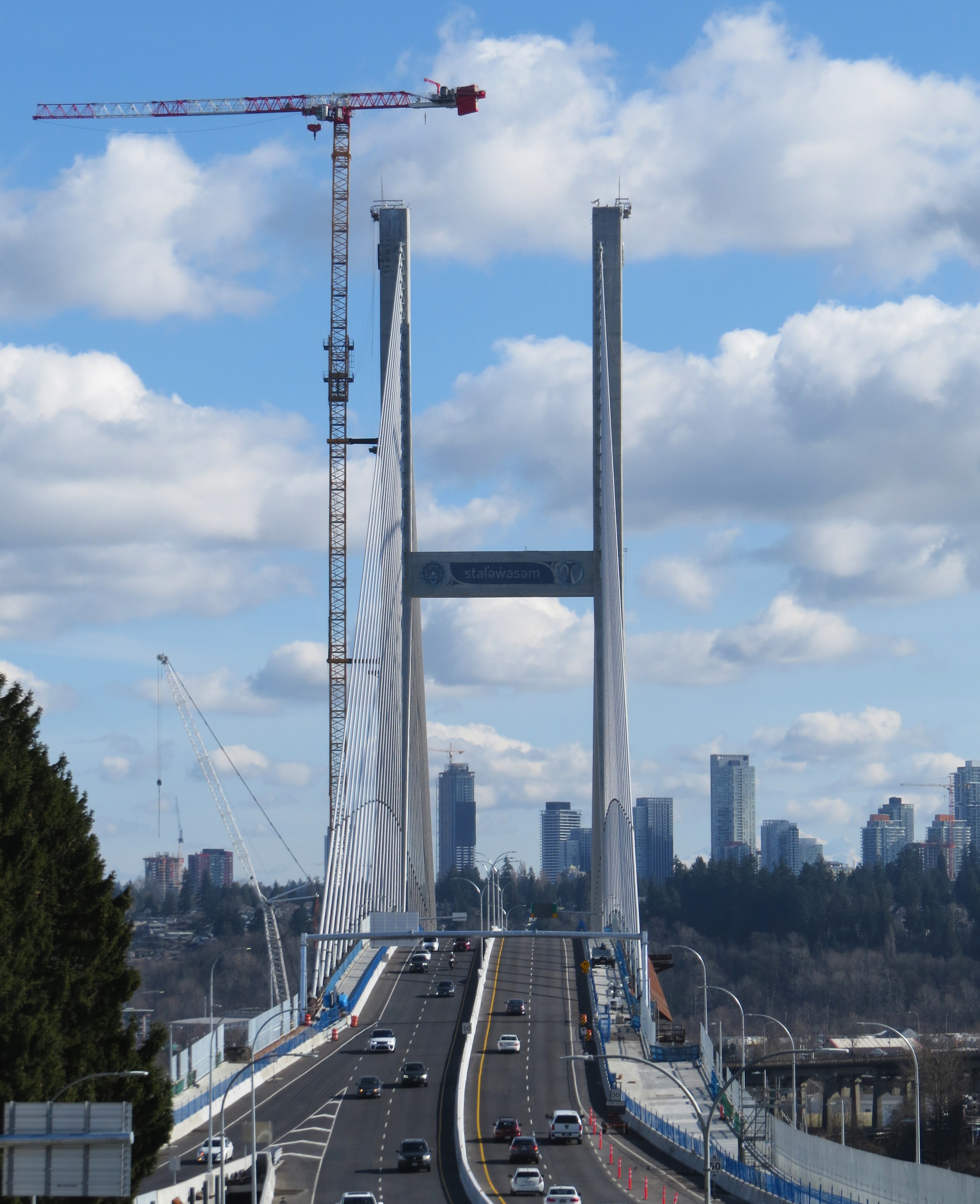
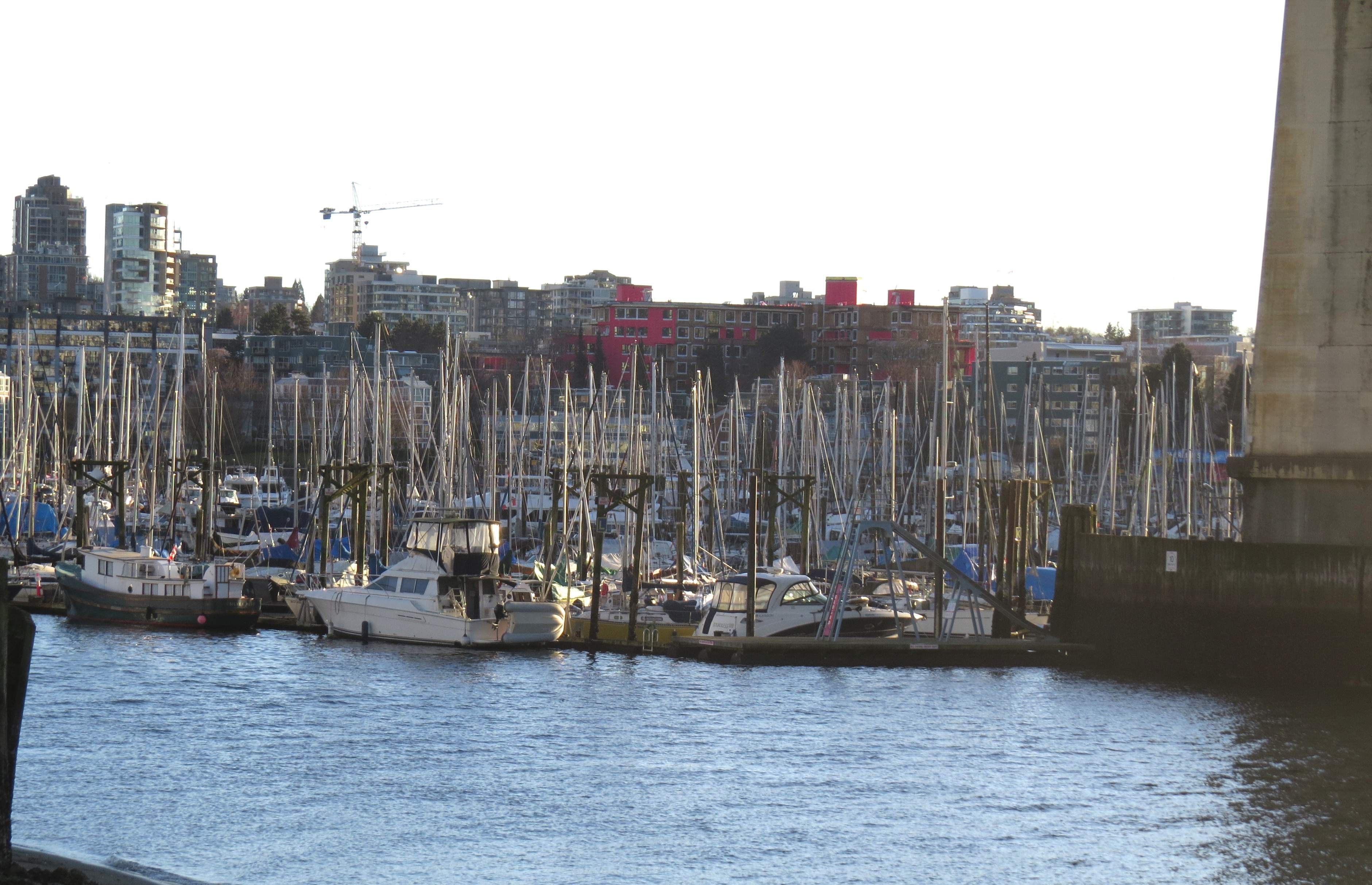
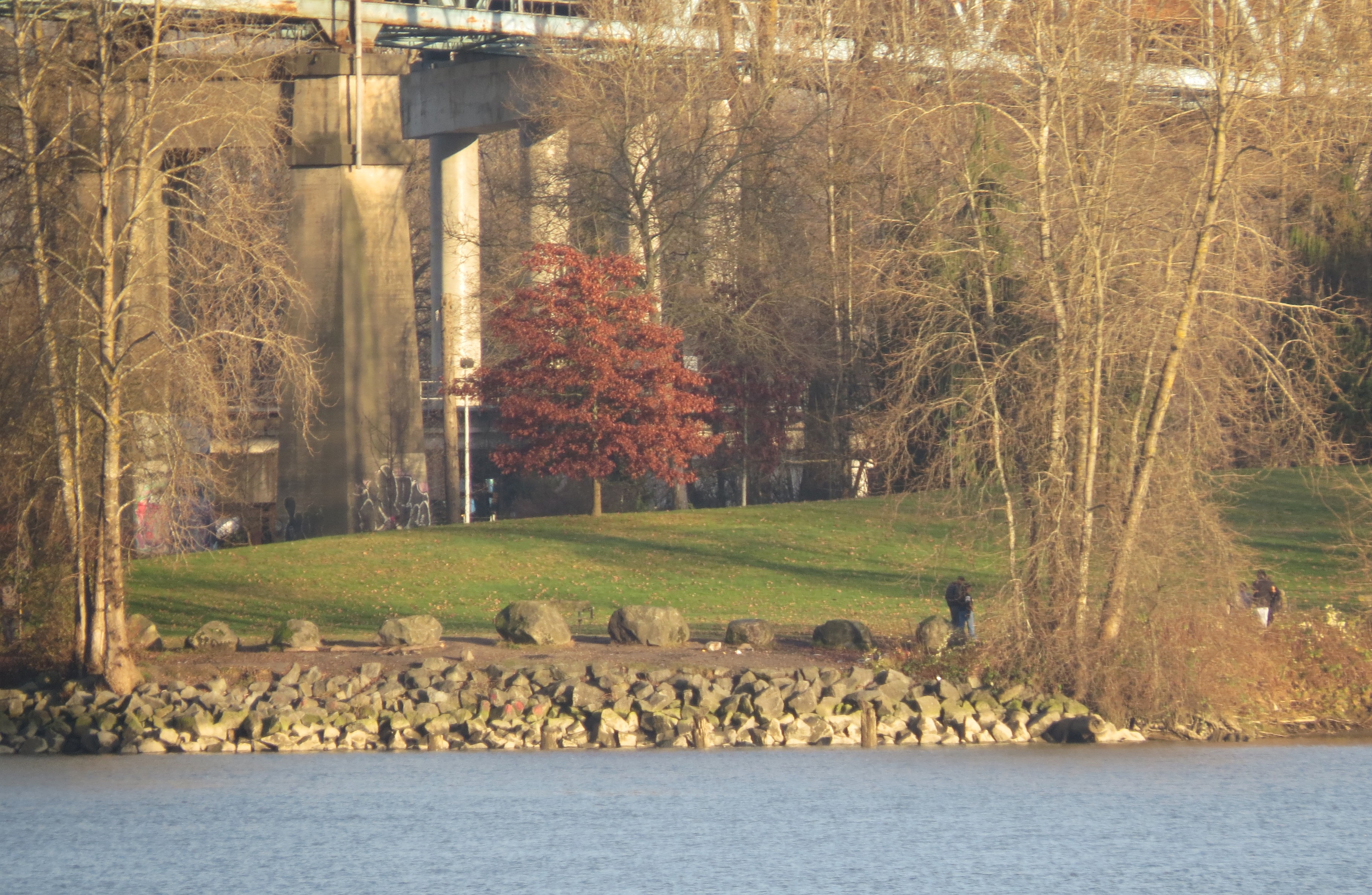
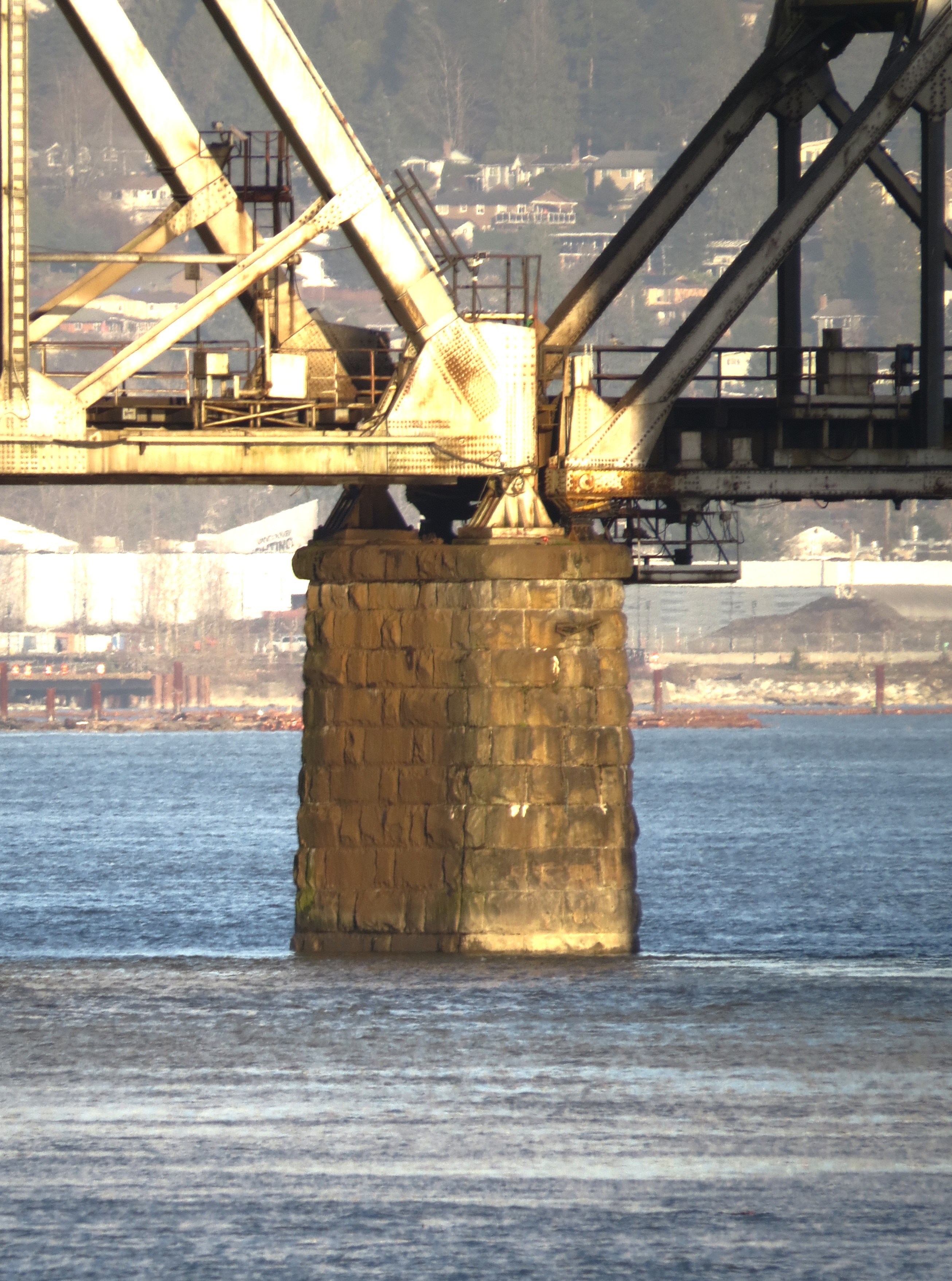
Relatively new and modern Alex Fraser Bridge, oldest – Patullo, newest and impressive Riverview Bridge, Port Mann, and Golden Ears (connecting to Pitt River Bridge).
Three of these bridges are very close to my heart: the oldest and first, Patullo; the Riverview, since I watched its ‘birth’ and Port Mann.
Patullo – the oldest and first one to connect not only huge Surrey to Vancouver’s ports but originally to connect the USA farmers to trains and Vancouver’s ports – simply put: to international trade and shipments. Since I remember it was too old and too small twenty years ago. It outlived its purpose even before the monumental urban transformation of Central Surrey. And now, the other day, I witnessed the beginning of its dismantling starting on Westminster side.
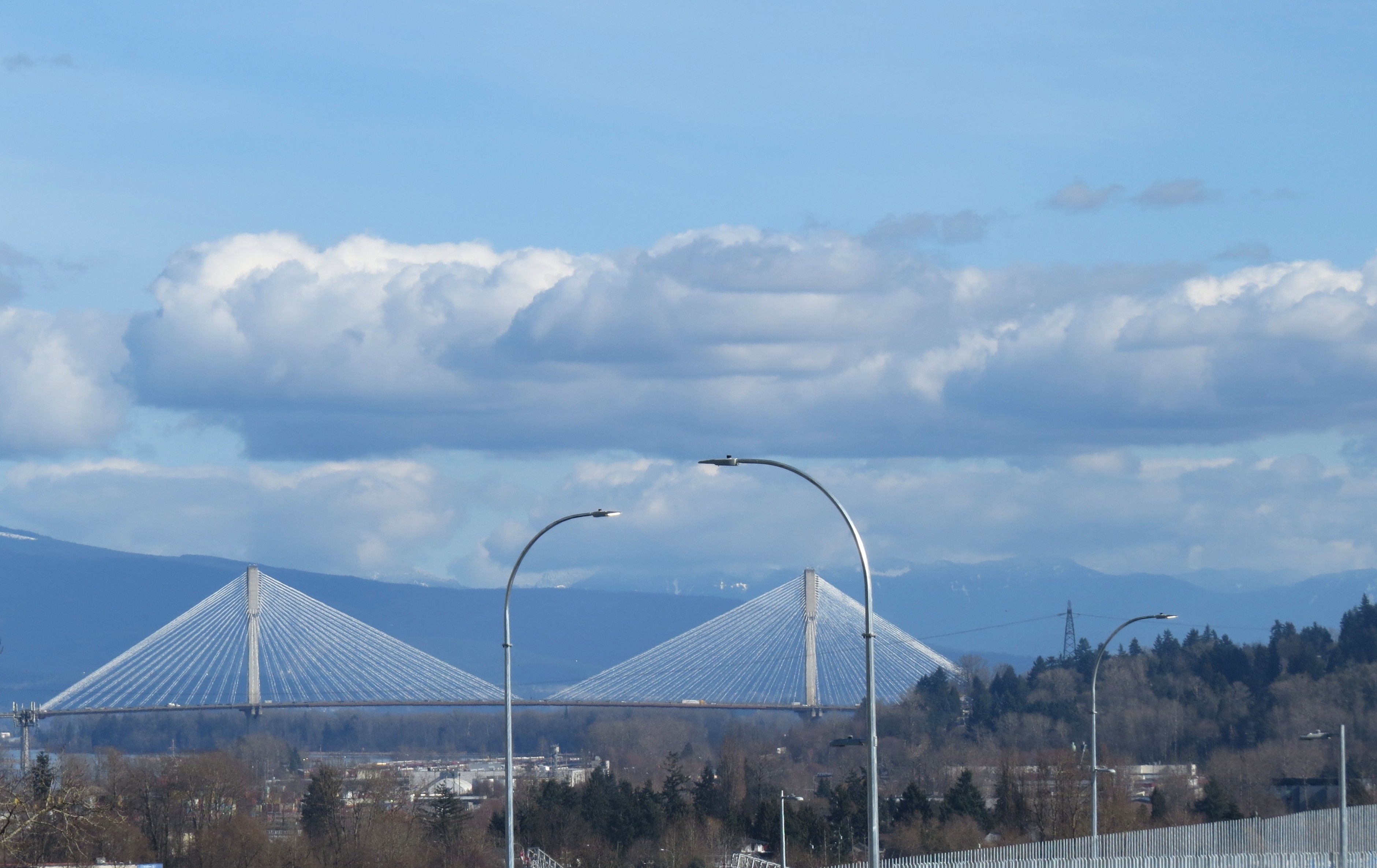
Port Mann – seen it being build in 2012 and remember using the first, older one that was built in 1964, well before my time in Canada before. The current one is by far the most picturesque, especially when you see it from a distance – it appears like huge sails spanning the river.
Also remember, when the construction of Golden Ears Bridge finally connected Surrey and Langley toward Lougheed Highway, and across Pitt River to Maple Ridge.
/last picture – the opening of A.L. Macdonald Bridge in Halifax in 1953/
Lots of memories during my current, last sojourn in a place and land I have spent majority of my life. Thanks to my dear friend, who also likes travels, long walks – we visit many jewels of this amazing jungle of man-made structures of steel and cement and rich array of huge natural parks, beaches, protected areas of wilderness in the middle of this huge land of Greater Vancouver.
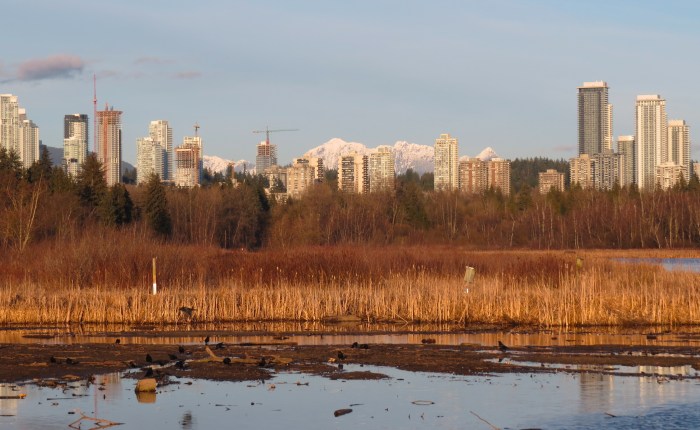
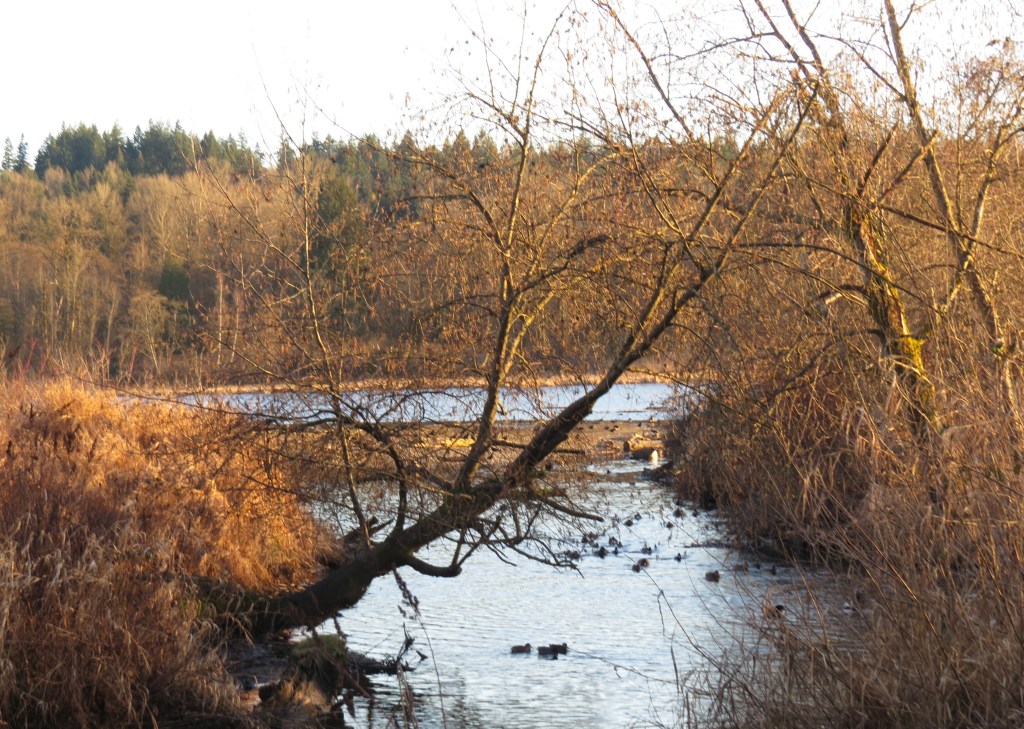
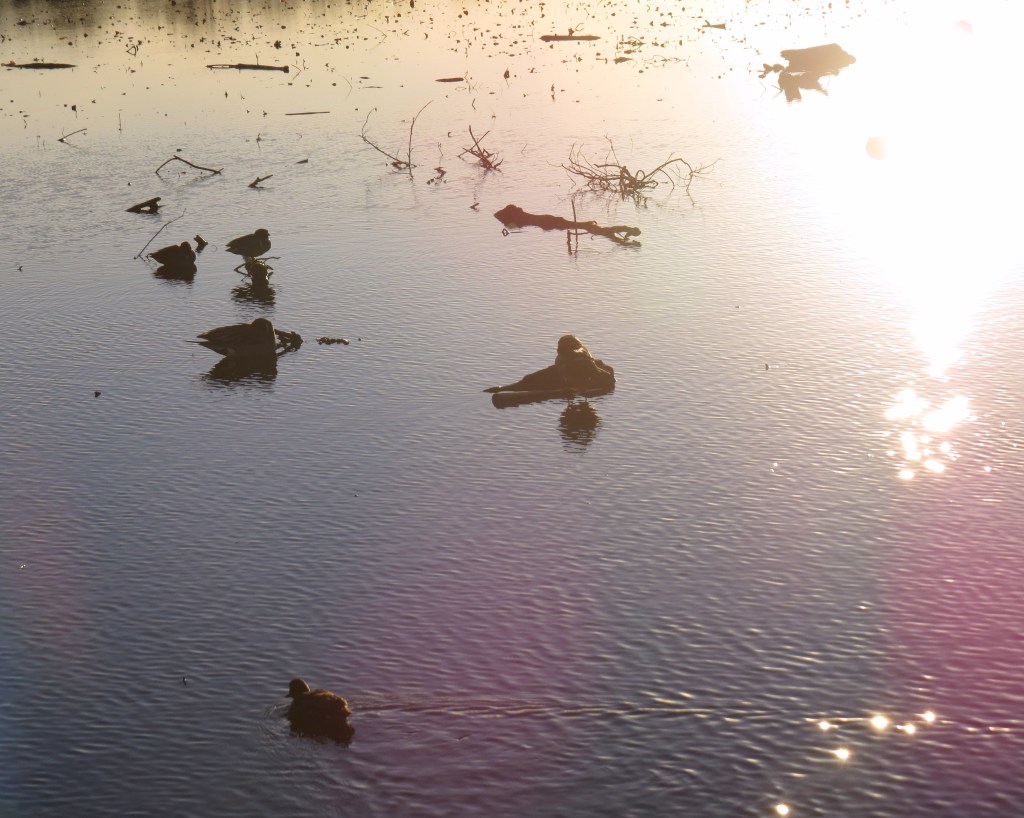
One of very dear to my heart is a vast wetland and marches of Burnaby Lake. I used to come here with my husband and my mom for long walks. But have not visited it since late 1990ties, when we moved to Capitol Hill in Burnaby, after our move from Calgary. It is sort of out of the way, tucked in a low laying valley. The other day I talked with my friend about it and he remarked that he has not been there for years, too, and asked suddenly: why don’t we drive today there? We did.
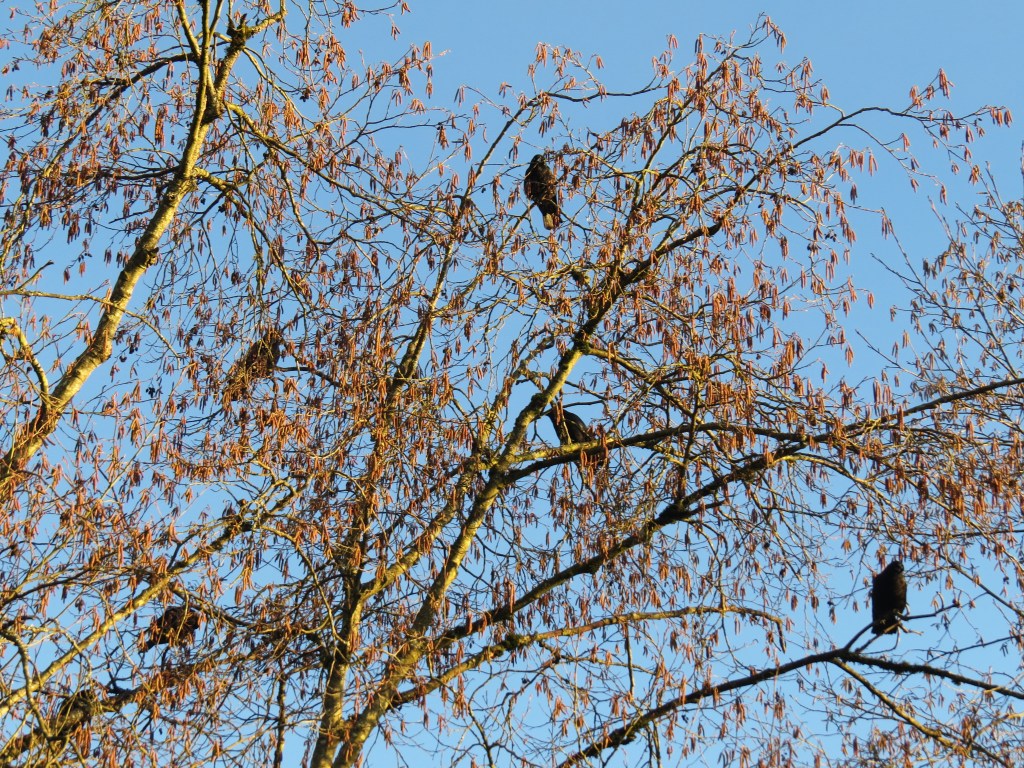
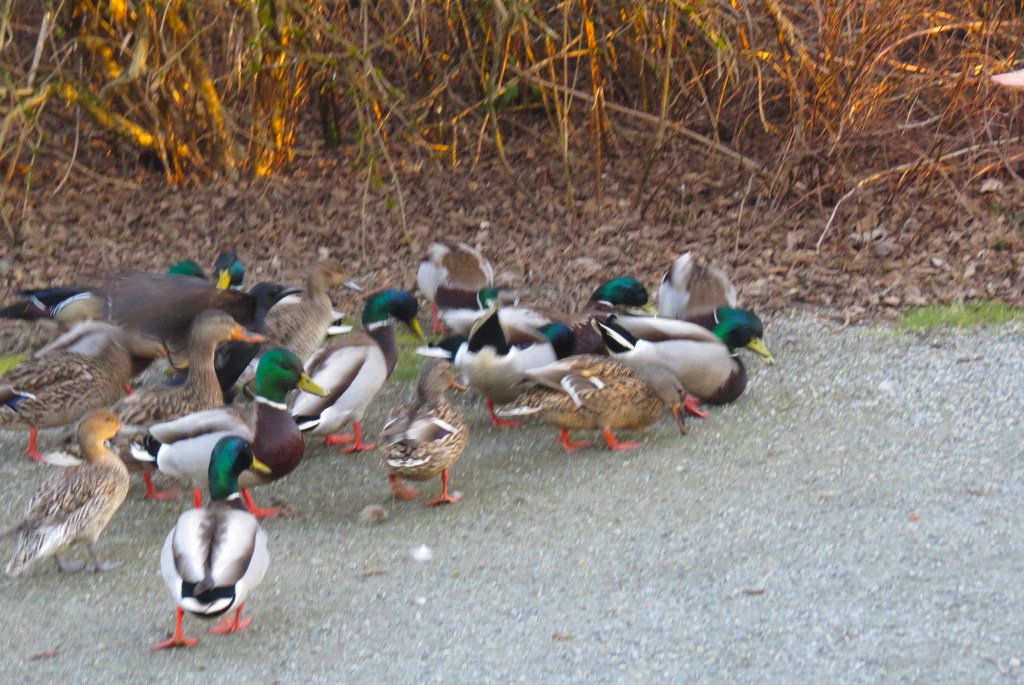
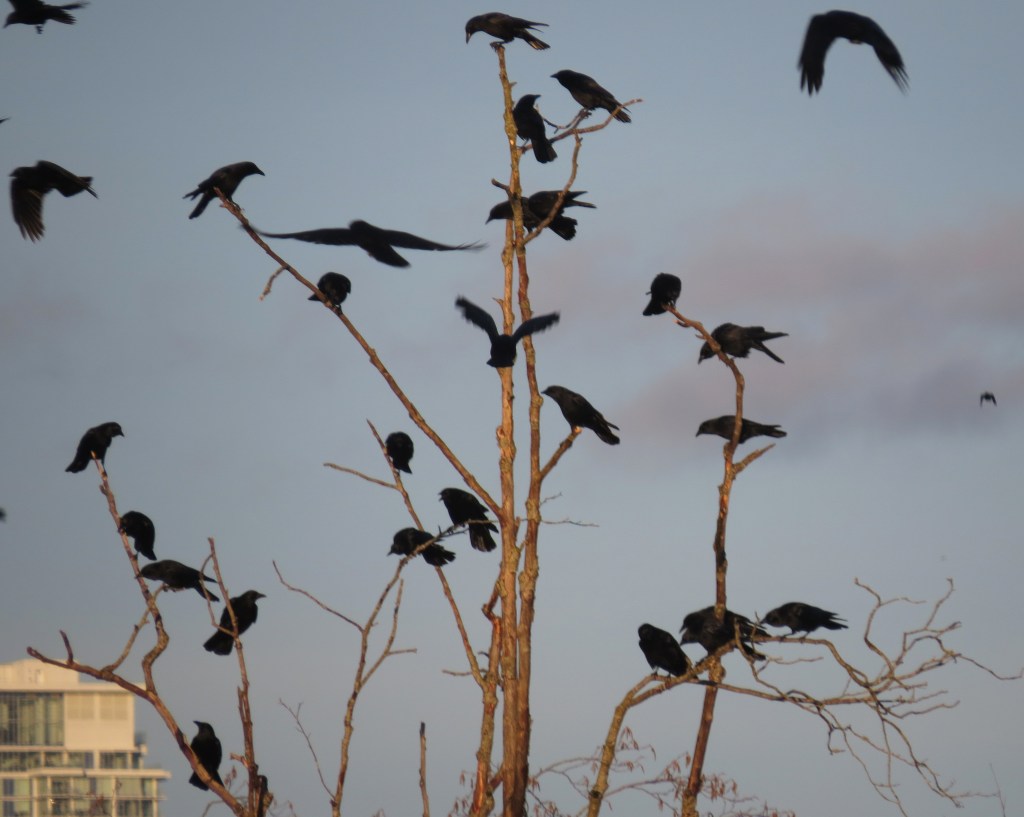
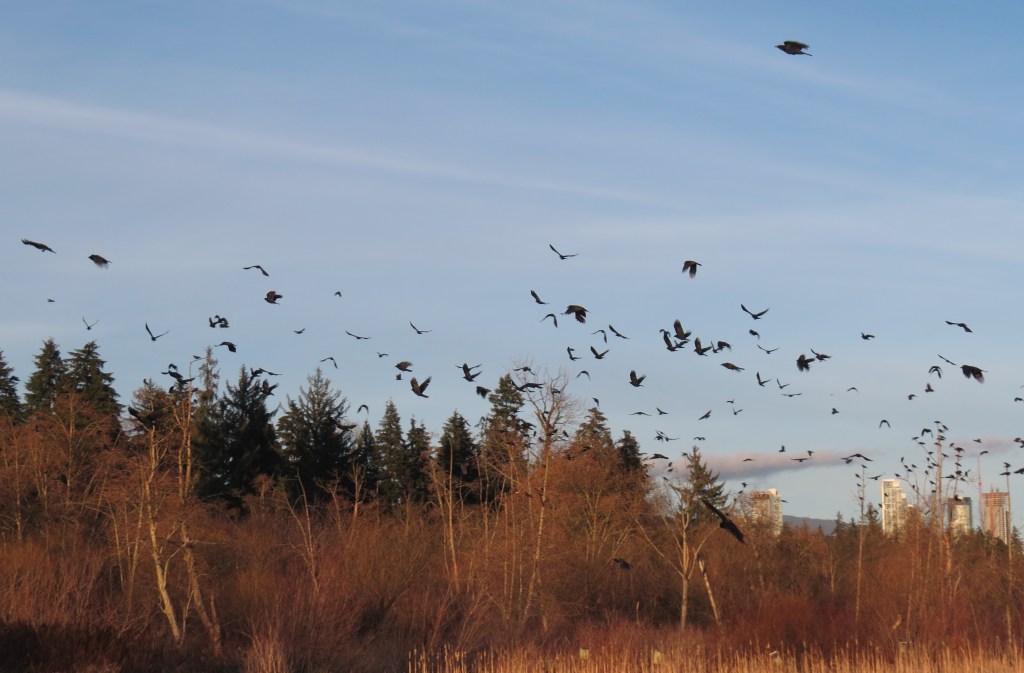
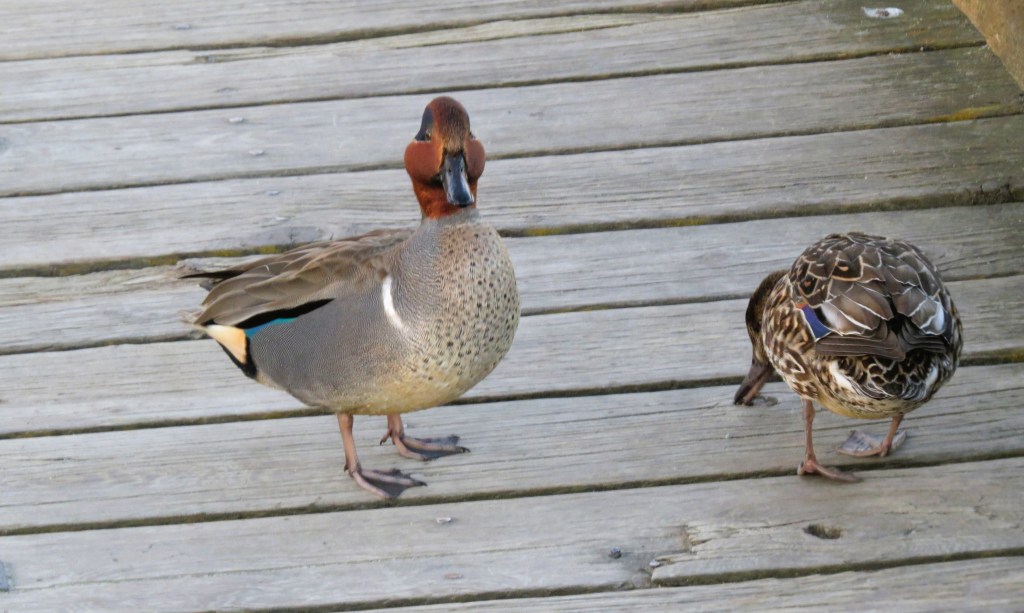
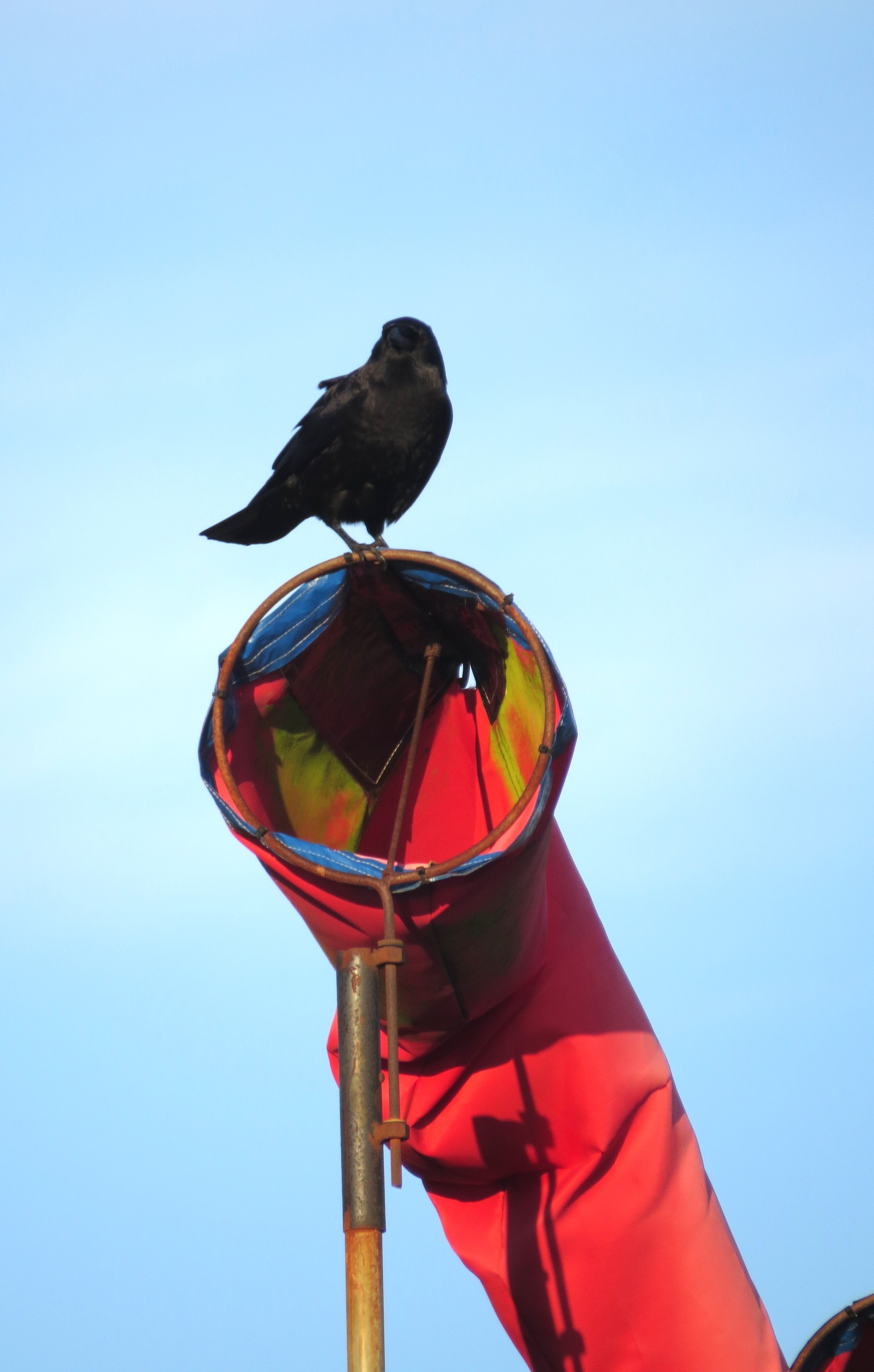
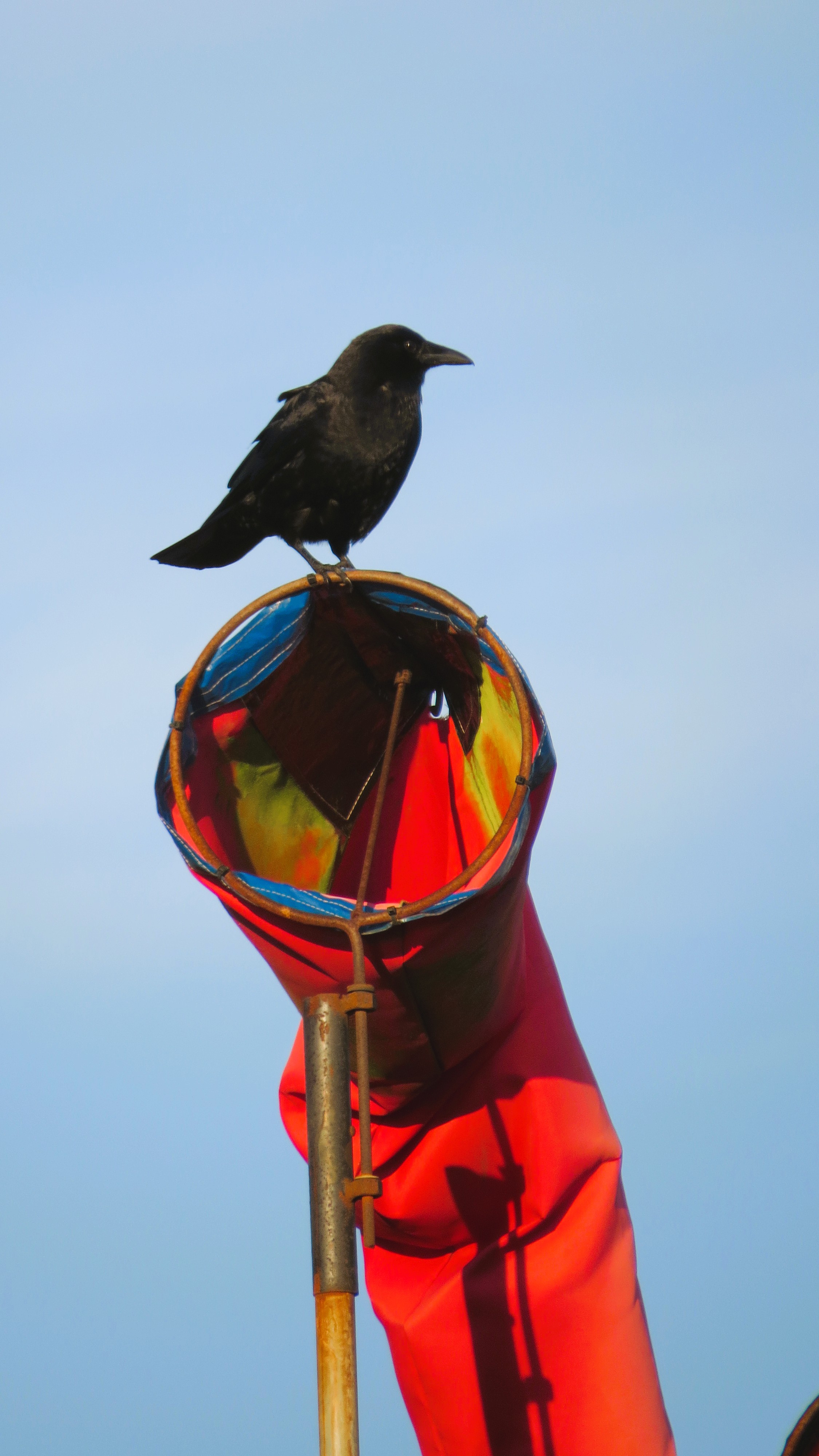
A kingdom of waterfowl and main gathering of thousands of crows for their daily ‘parliament’, that gathers here from all over Greater Vancouver. Nice, long trails for miles to walk, bike. We enjoyed it very much.
The city that was calling me gently with clear morning promising sunshine in late March. I know these calls; I have heard them many times and many years ago.
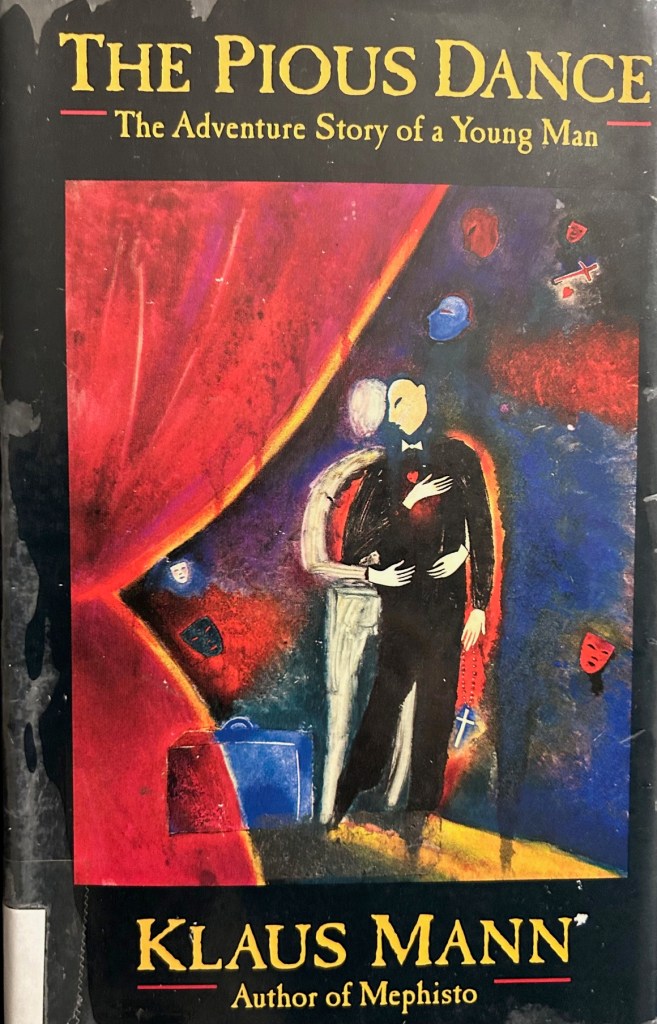
I did – dutifully – answered them then, and I answered it now. It all started with innocent trip to the architectural gem of our Main Library. While there, I finished reading that wonderful semi-autobiographical novel by Klaus Mann[i].
Few days earlier I was so taken by the soft lyricism of the young protagonists love in the fragment, when one of them, taking advantage of the other’s sleep, gives his lover a long story of their love eternal in a most evocative way, full of softness, gentle care and naked emotion, that can come only from a very young person before life gives them a lesson of hiding the power of emotions. Ah, adulthood is so cruel! And for all the wrong reasons, for it kills or silences, what is the most beautiful and within in our lives.
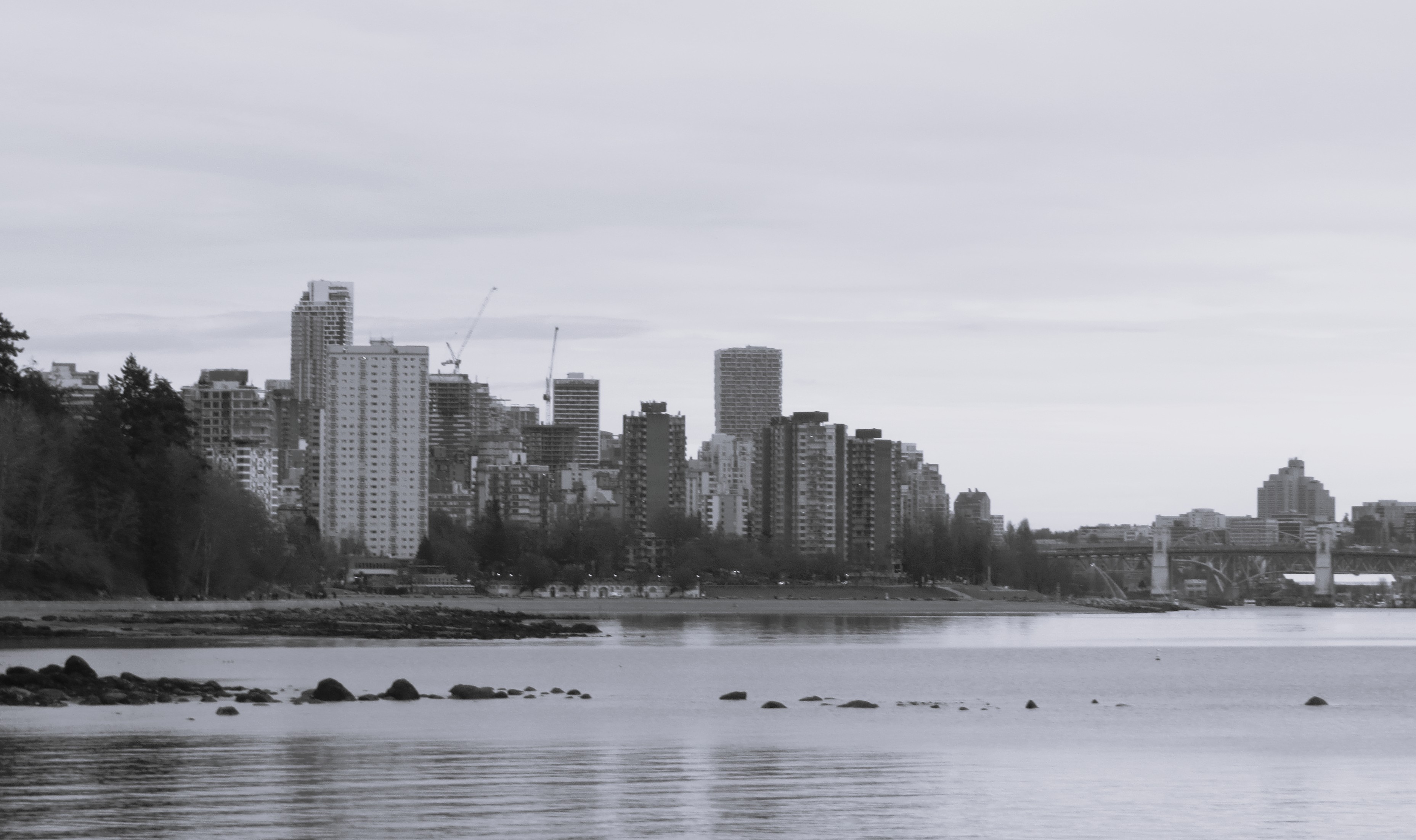
While reading it again in the Library – that sweetness of these feelings, feelings I remember so well, overtook me. I felt like Luis Amstrong was singing to my ear that beautiful song of his, “What a wonderful world”. Therefore, when I went for a long walk toward Burrard Bridge and further to English Bay beaches toward Stanley Park – I felt like singing and smiling to the world and passers-by.
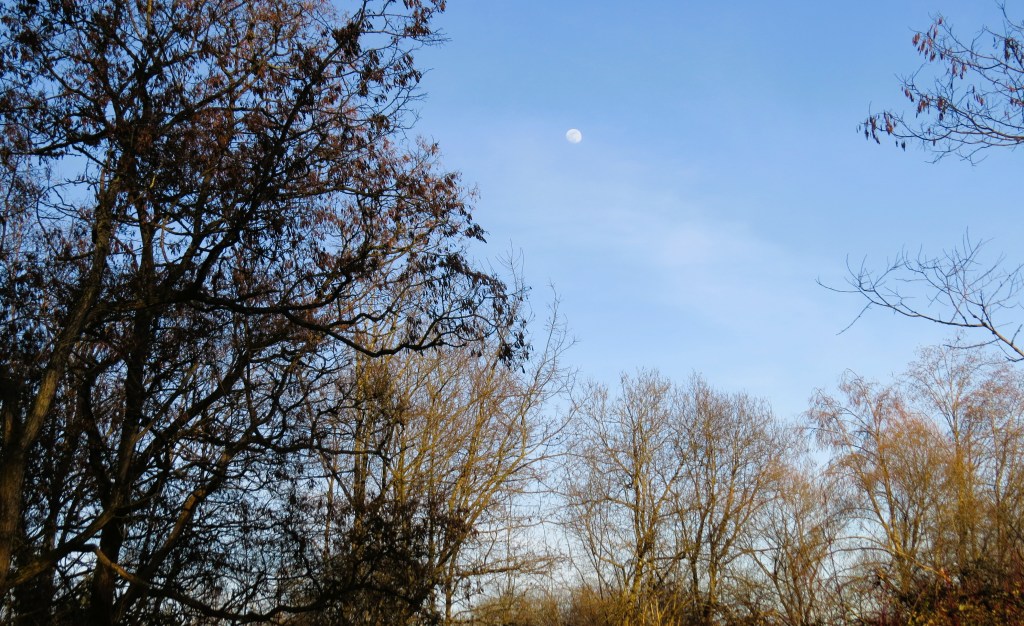
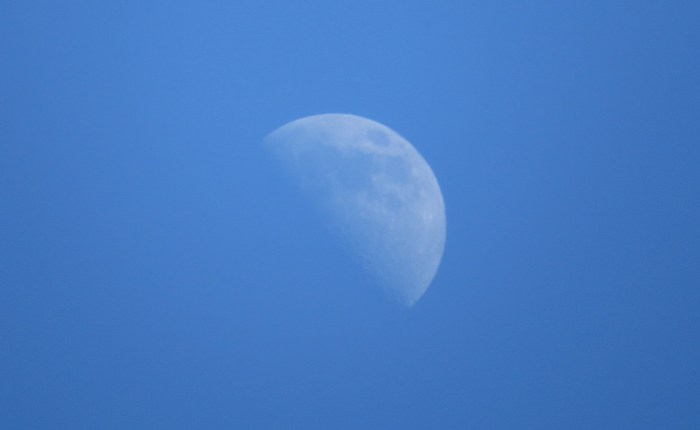
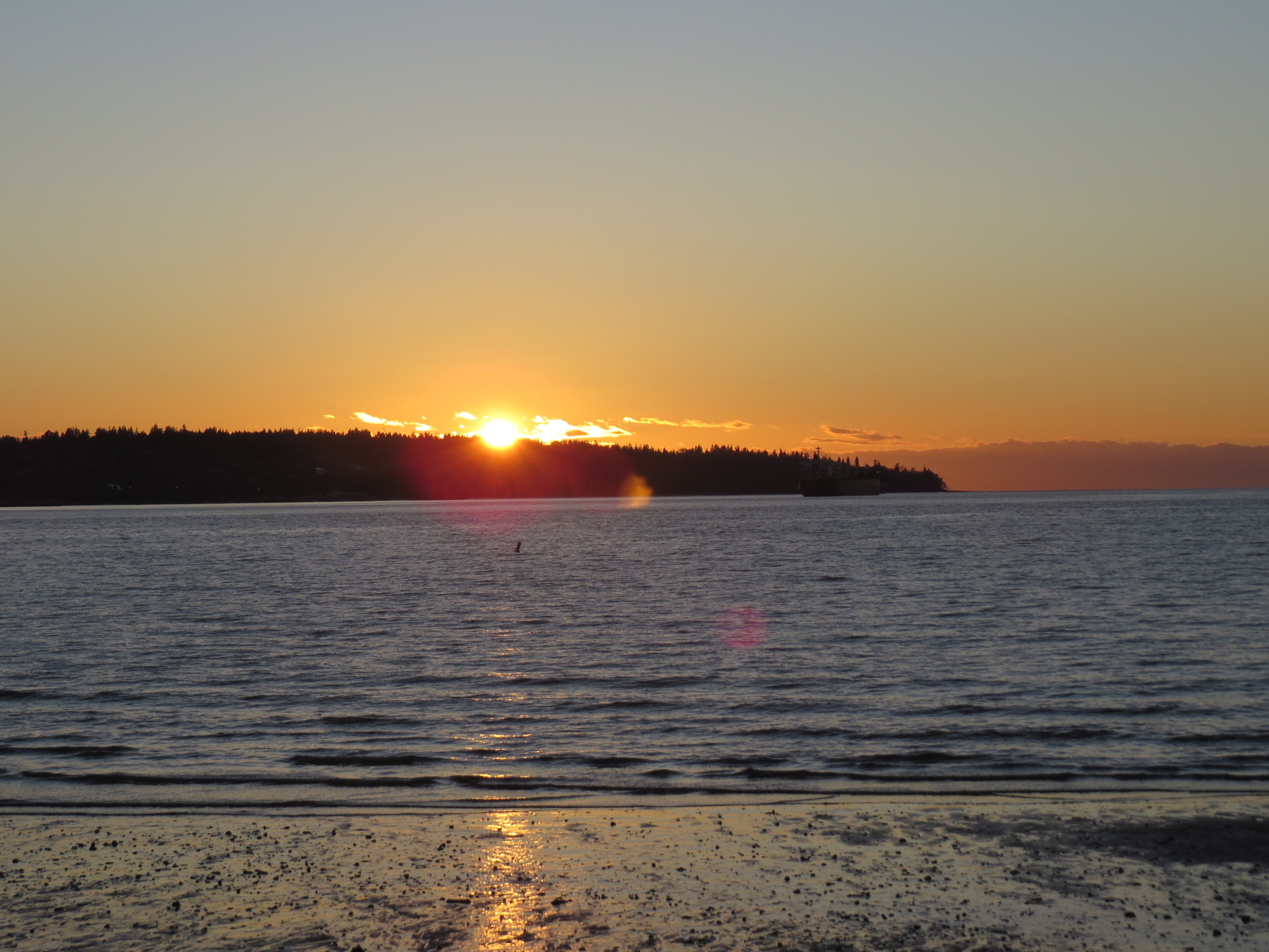
Of course, I can’t forget to mention the start of the day, that clear morning with the promise of sunshine! I was not the only one happy about it. The Moon, despite a broad light, didn’t want to miss saying ‘hi!’ to the Sun and I waved to him from my balcony.
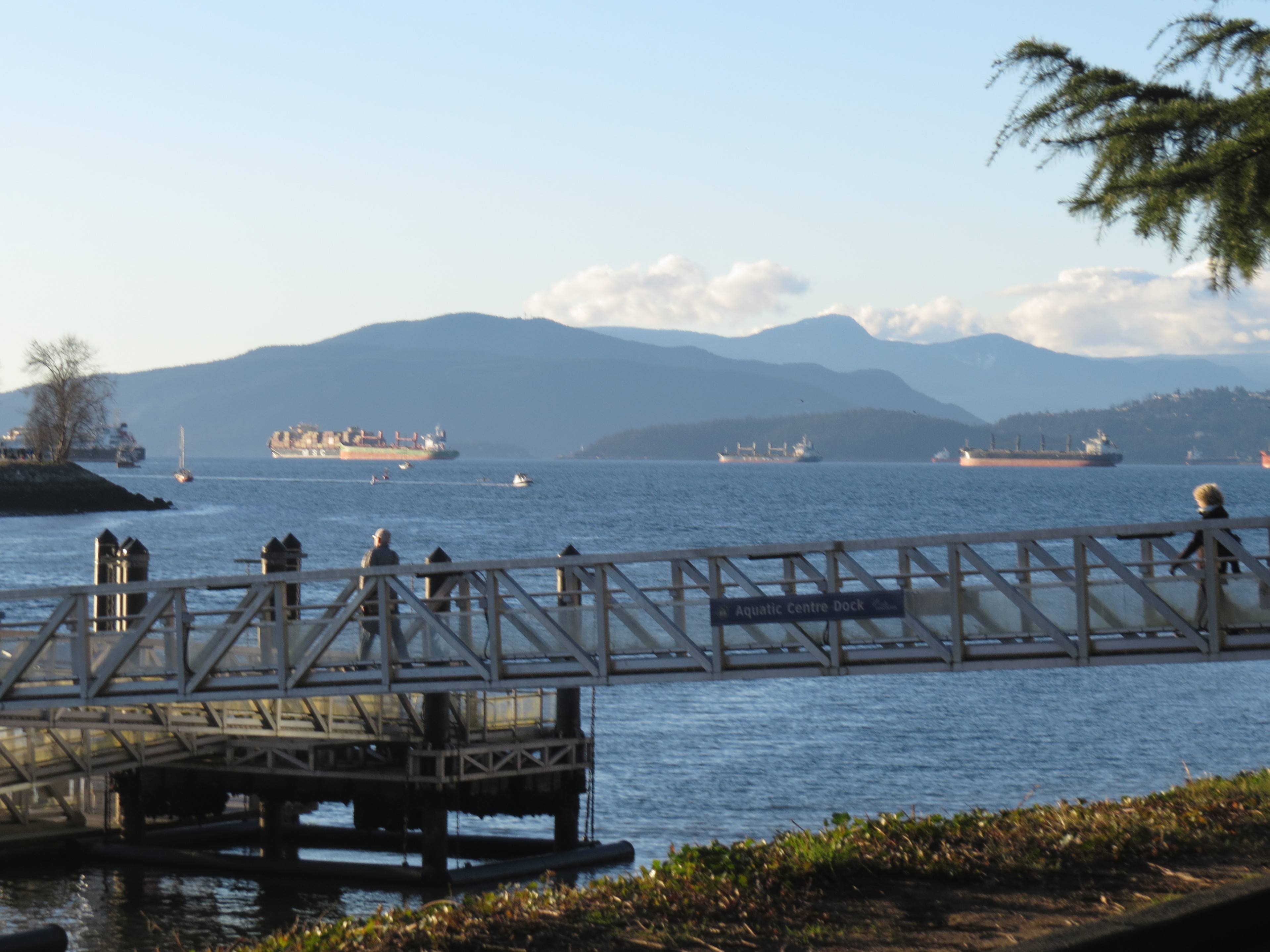
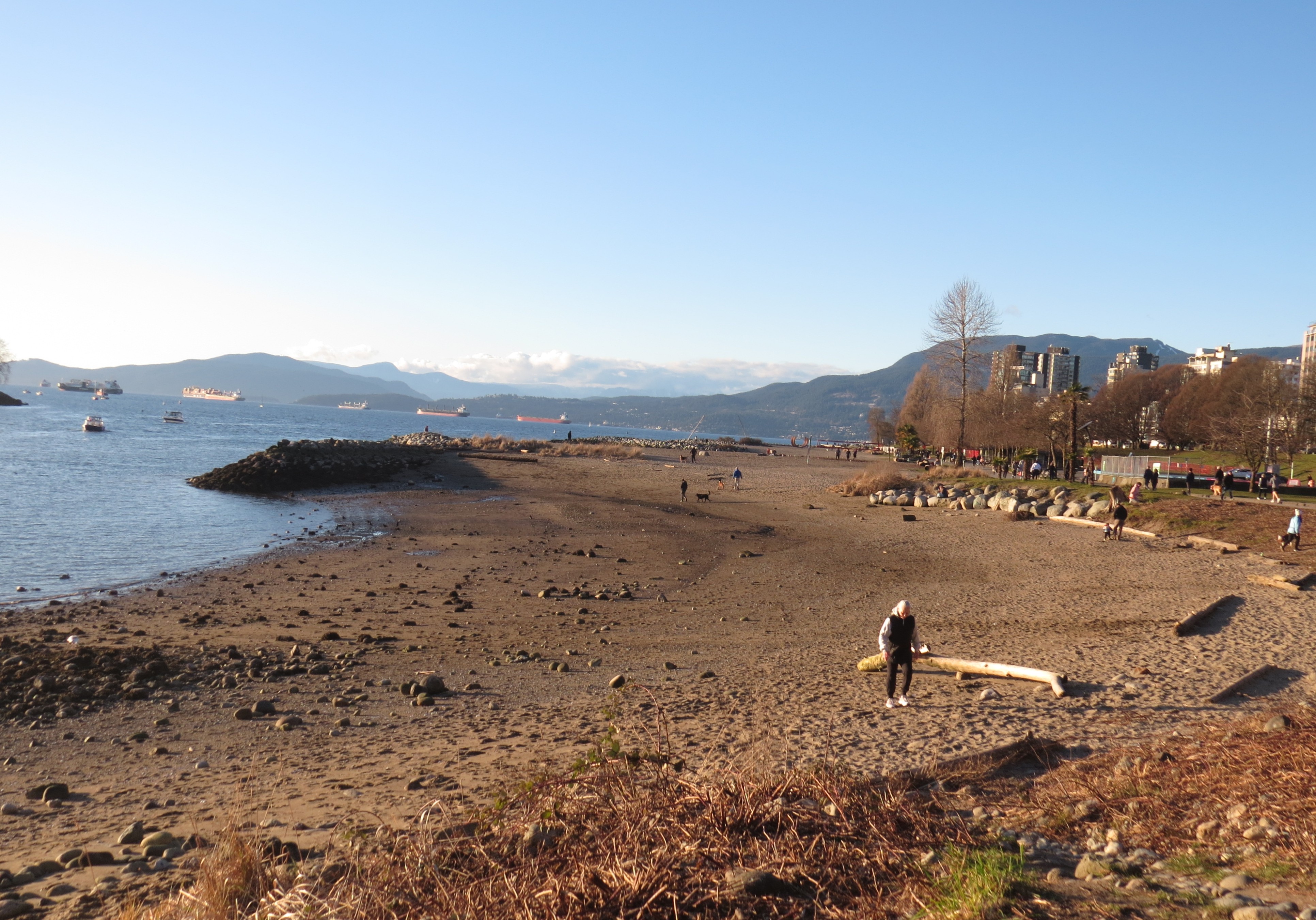
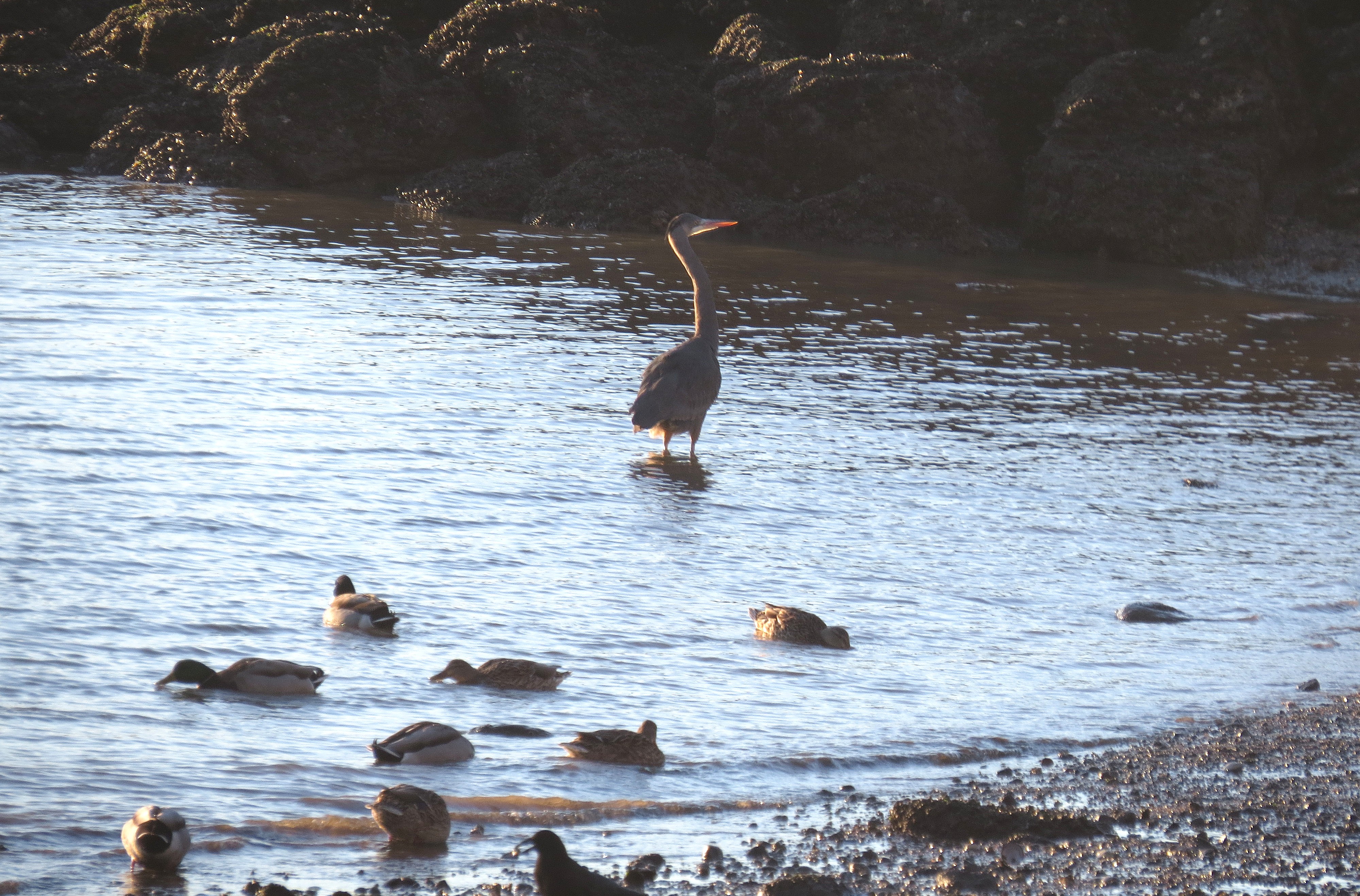
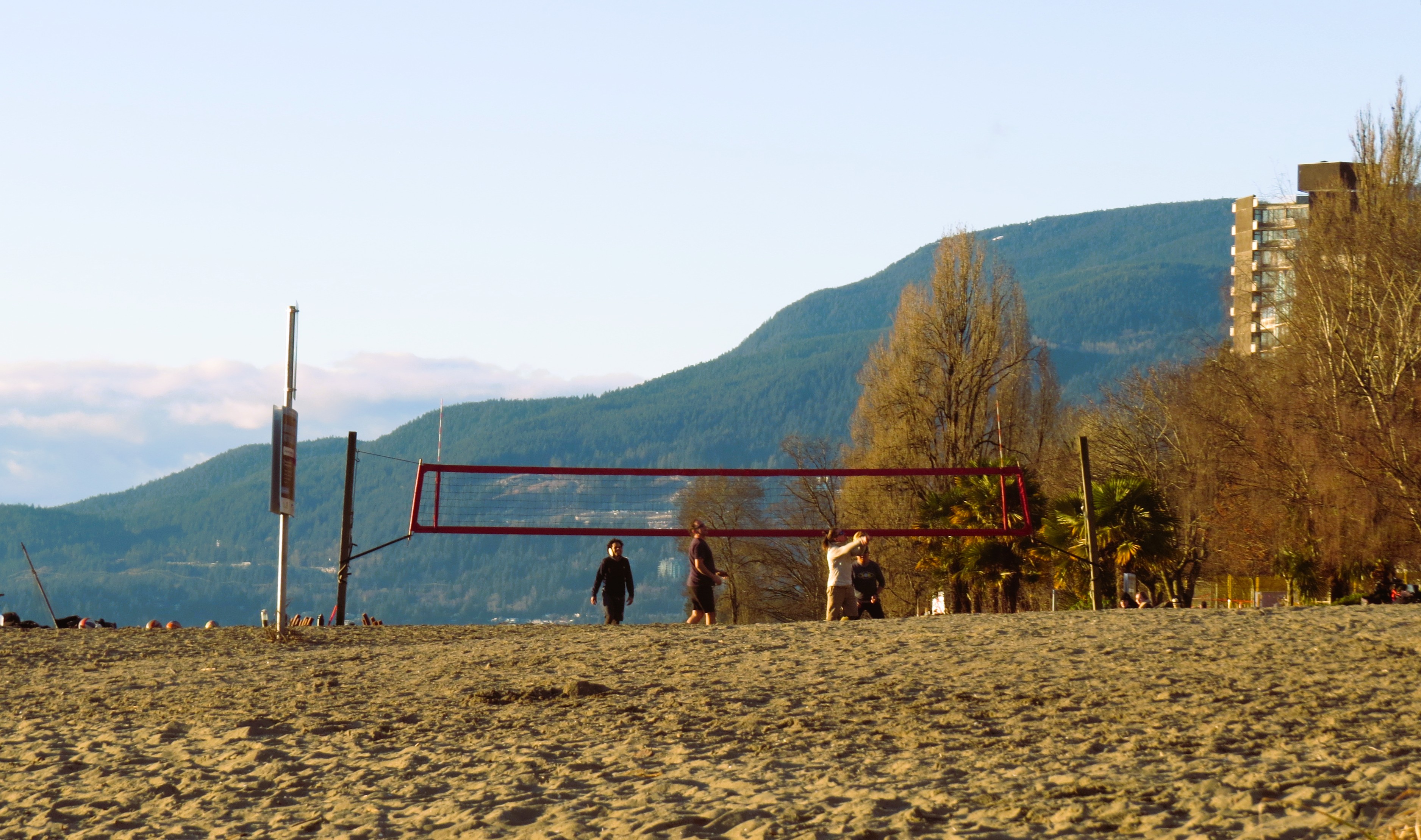
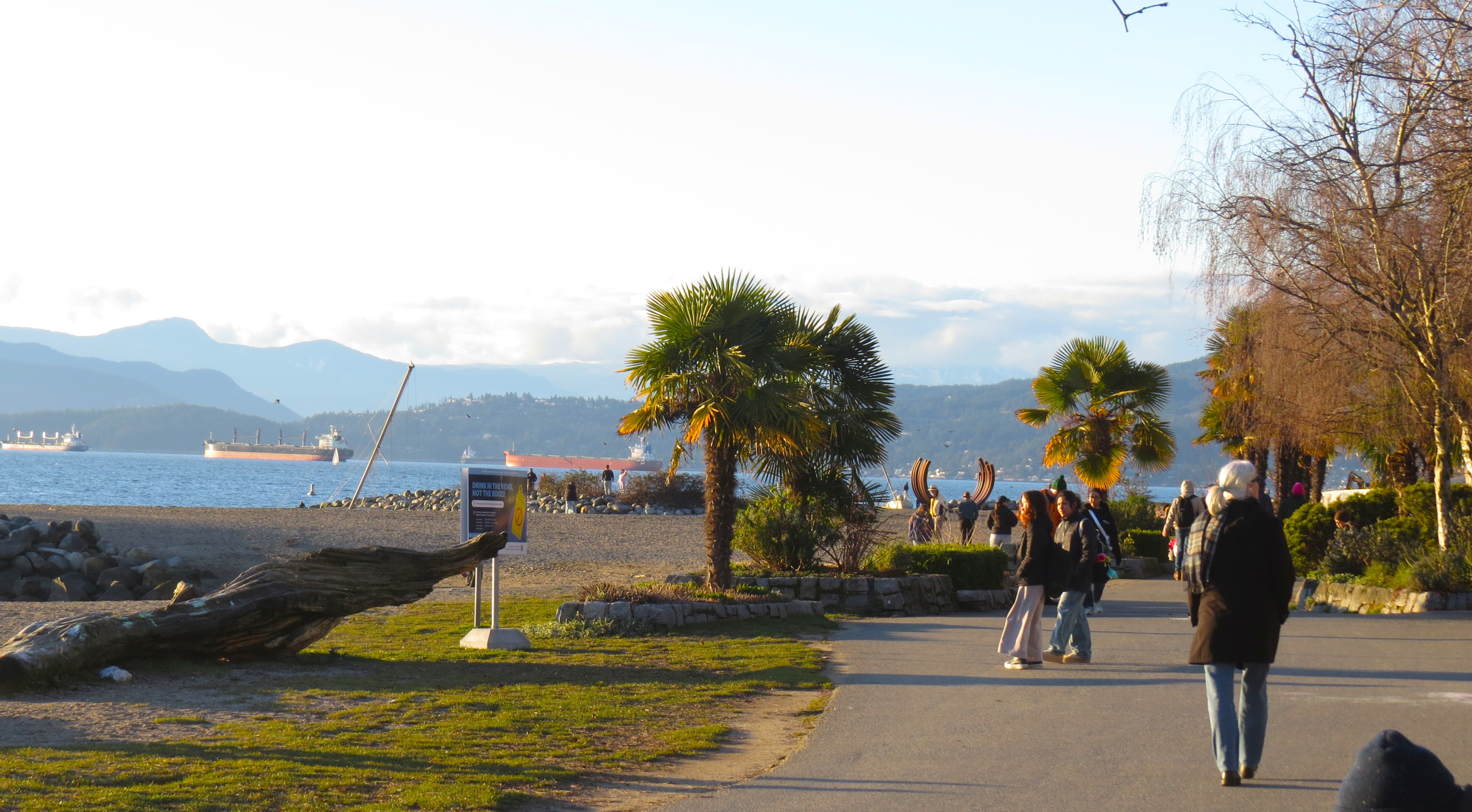
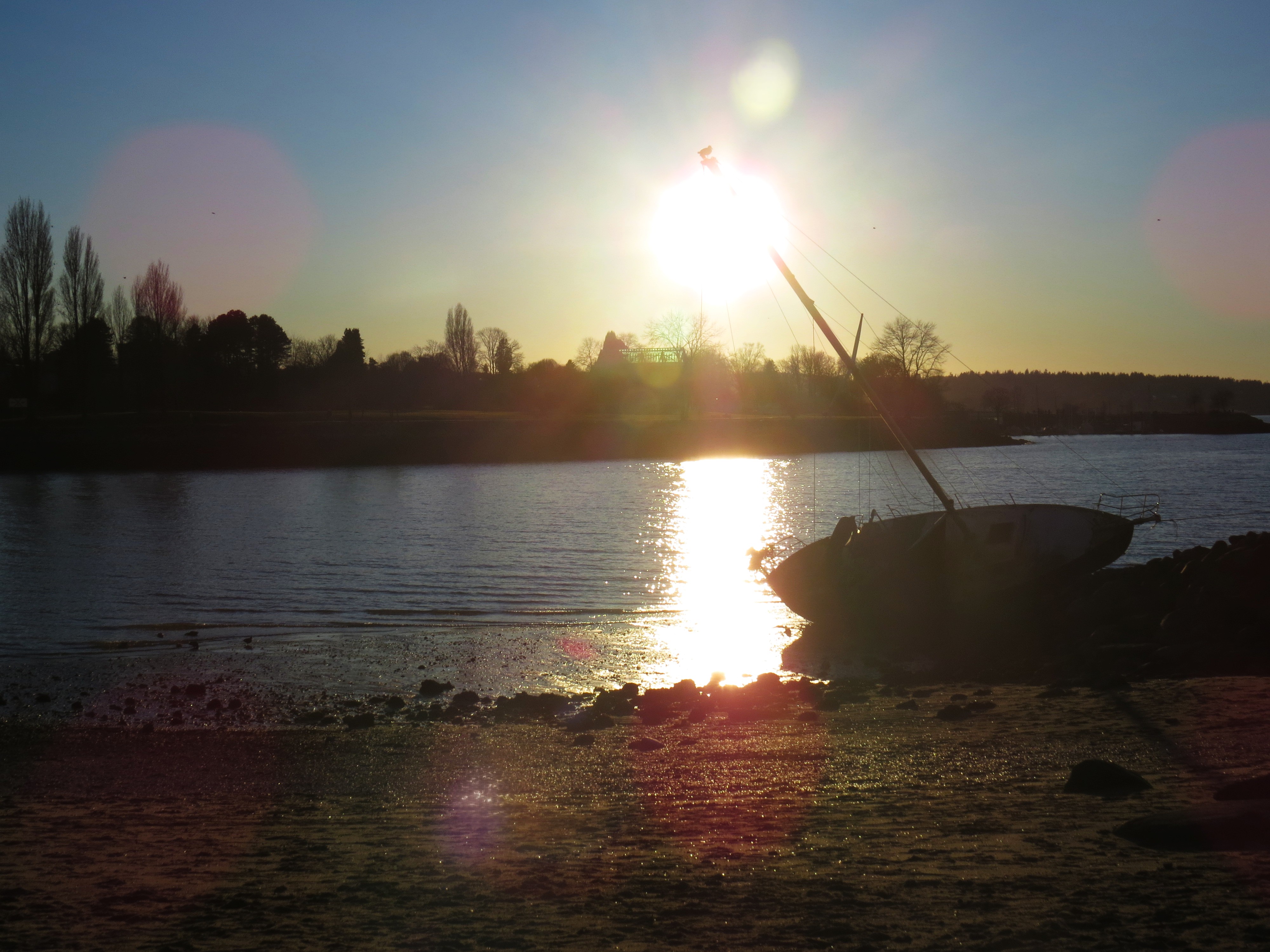
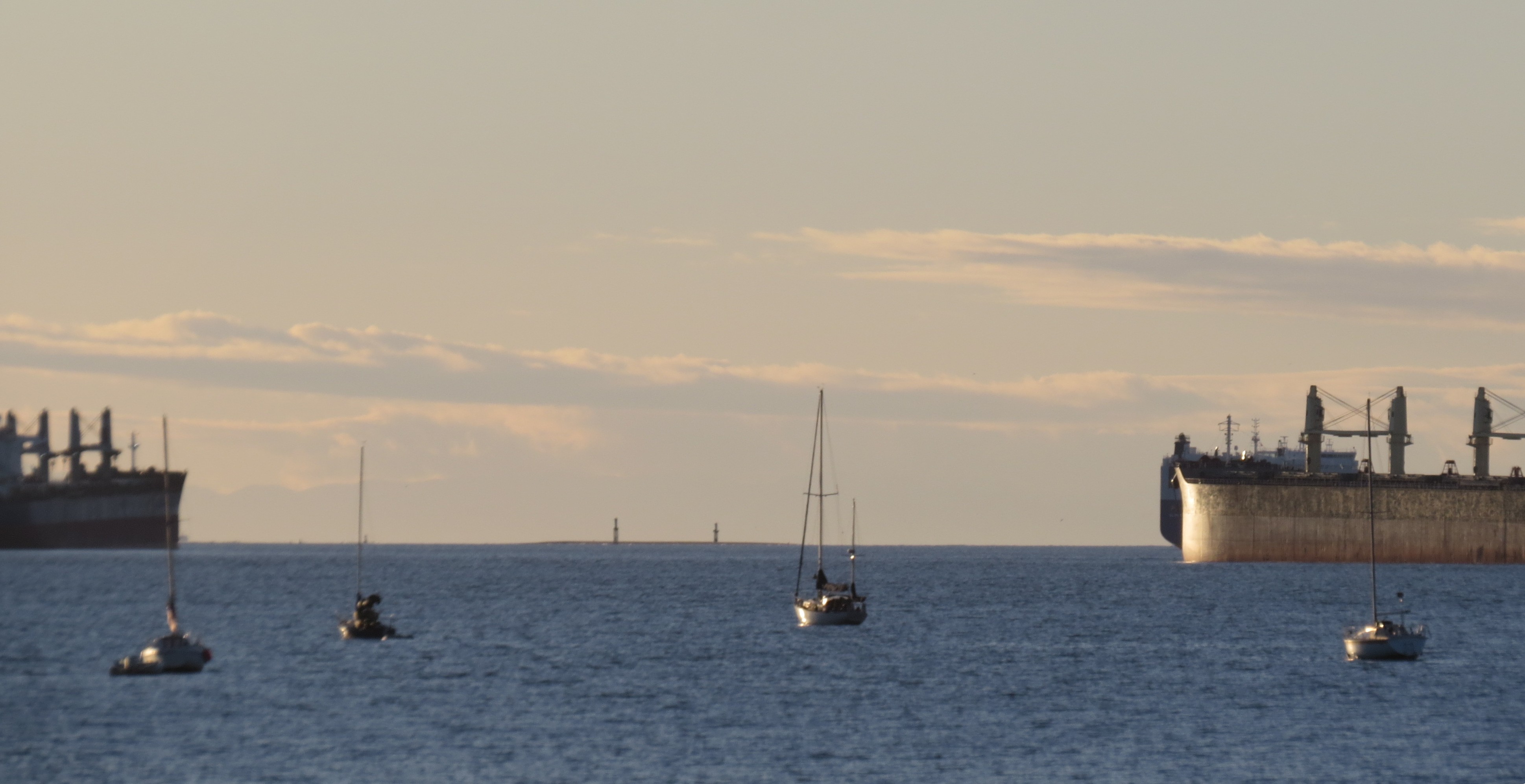
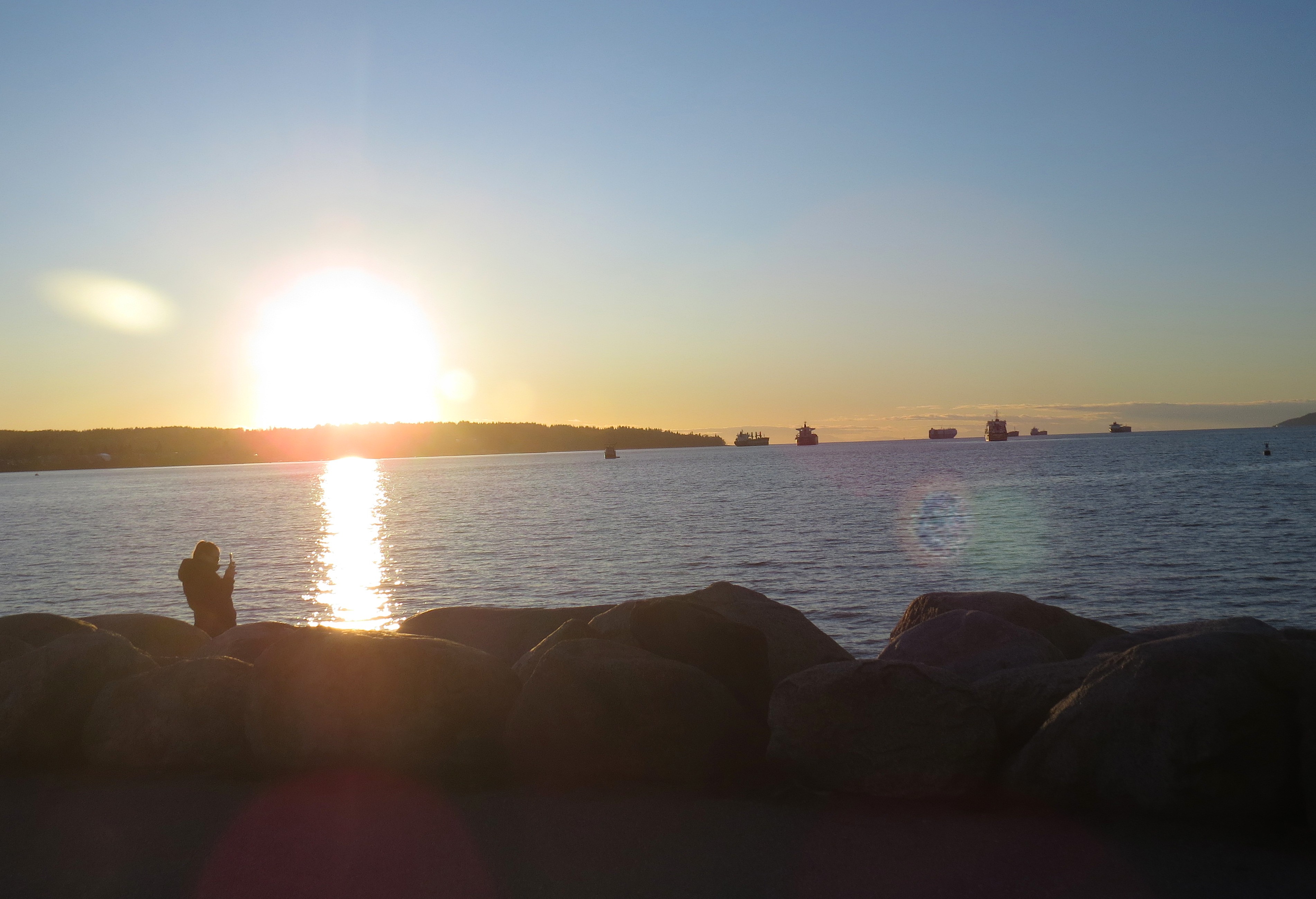
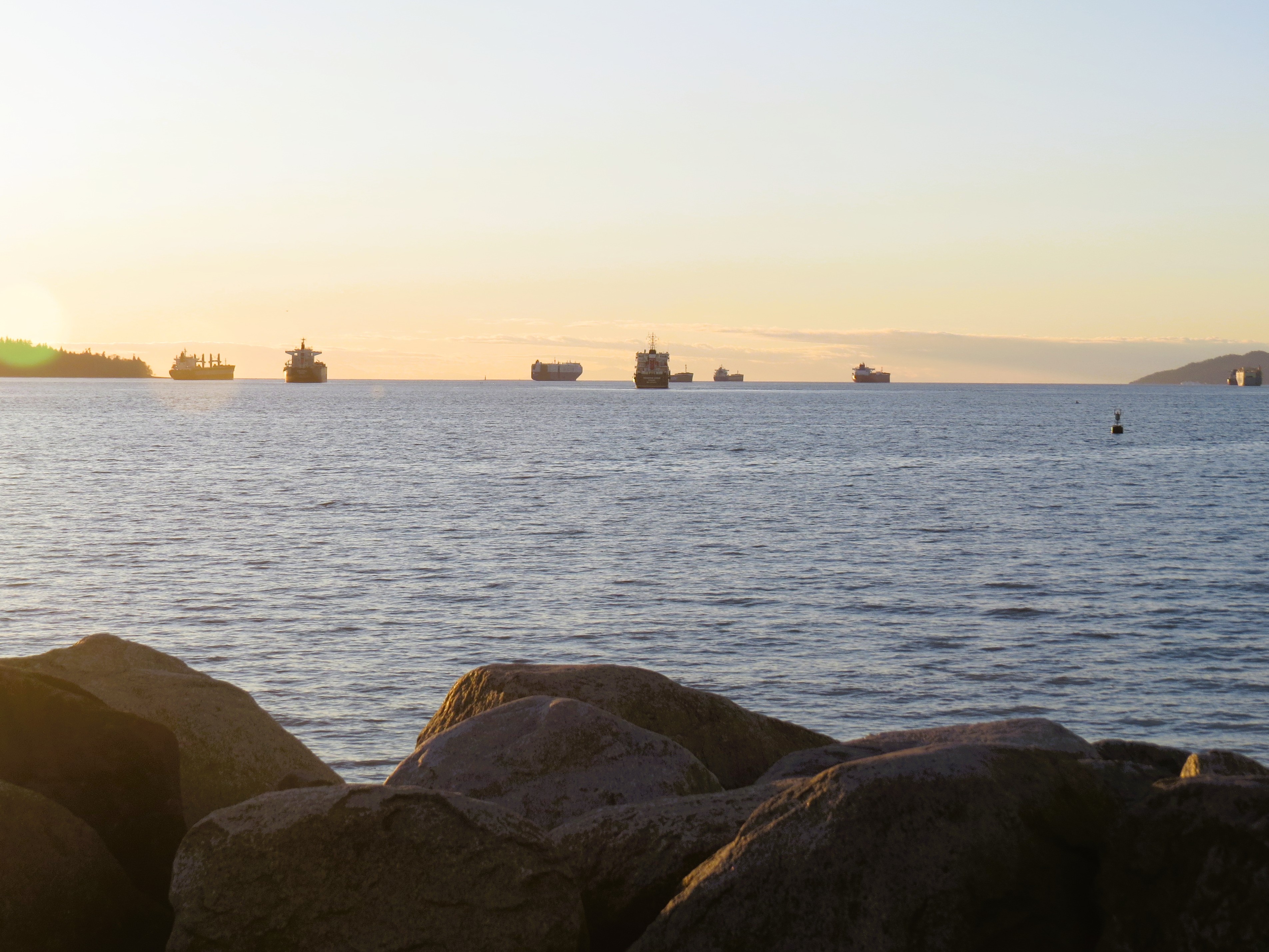
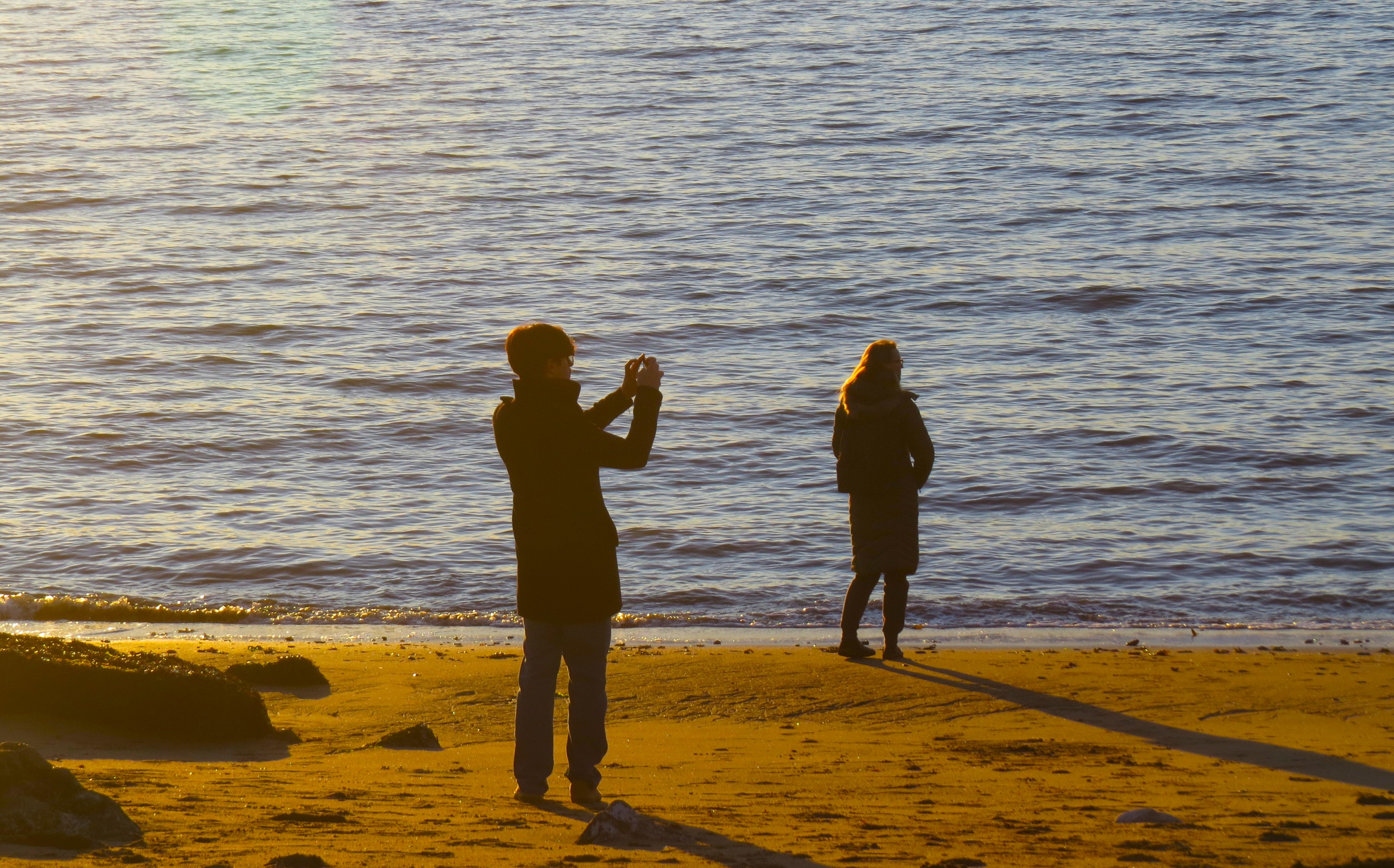
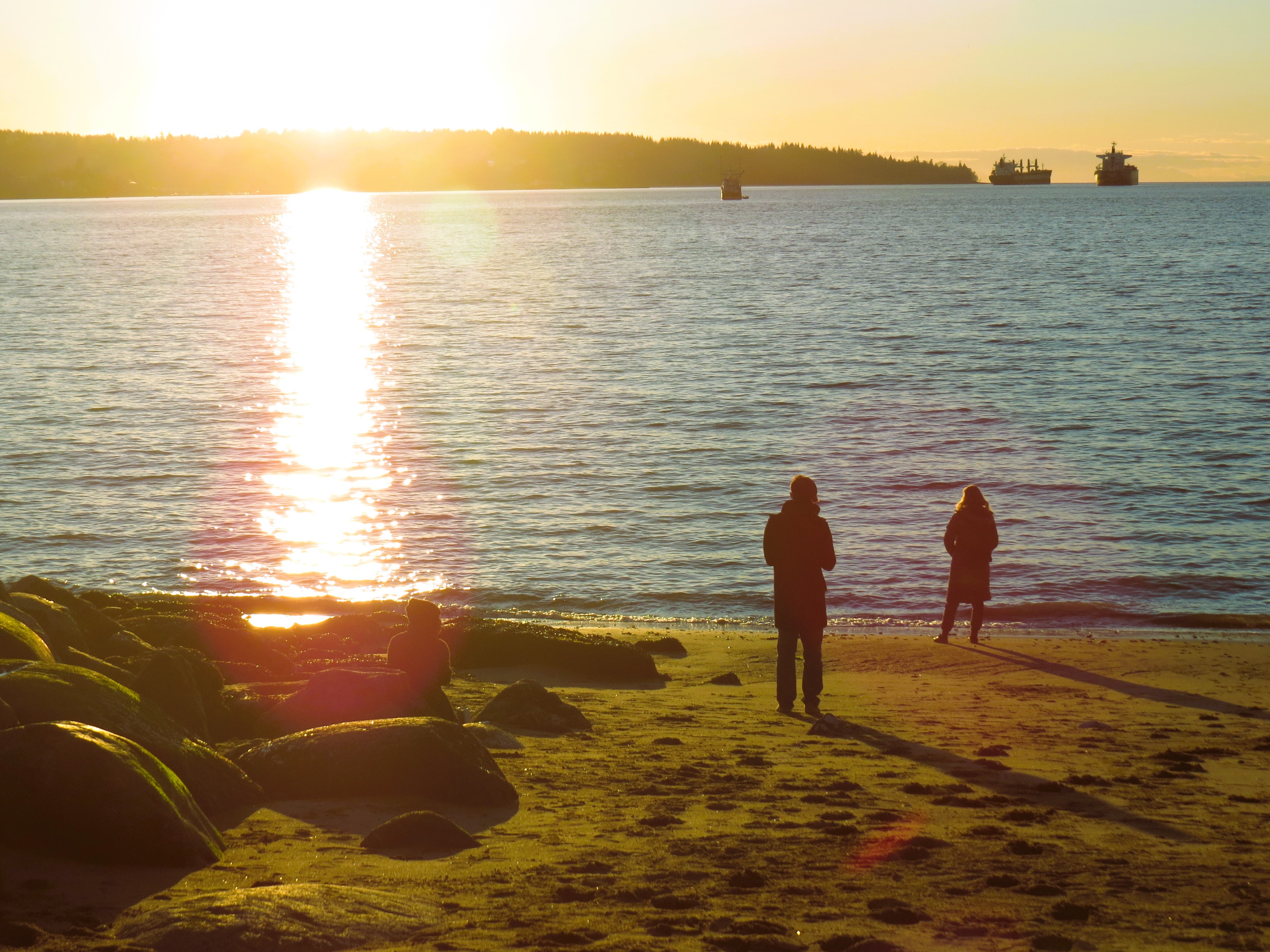
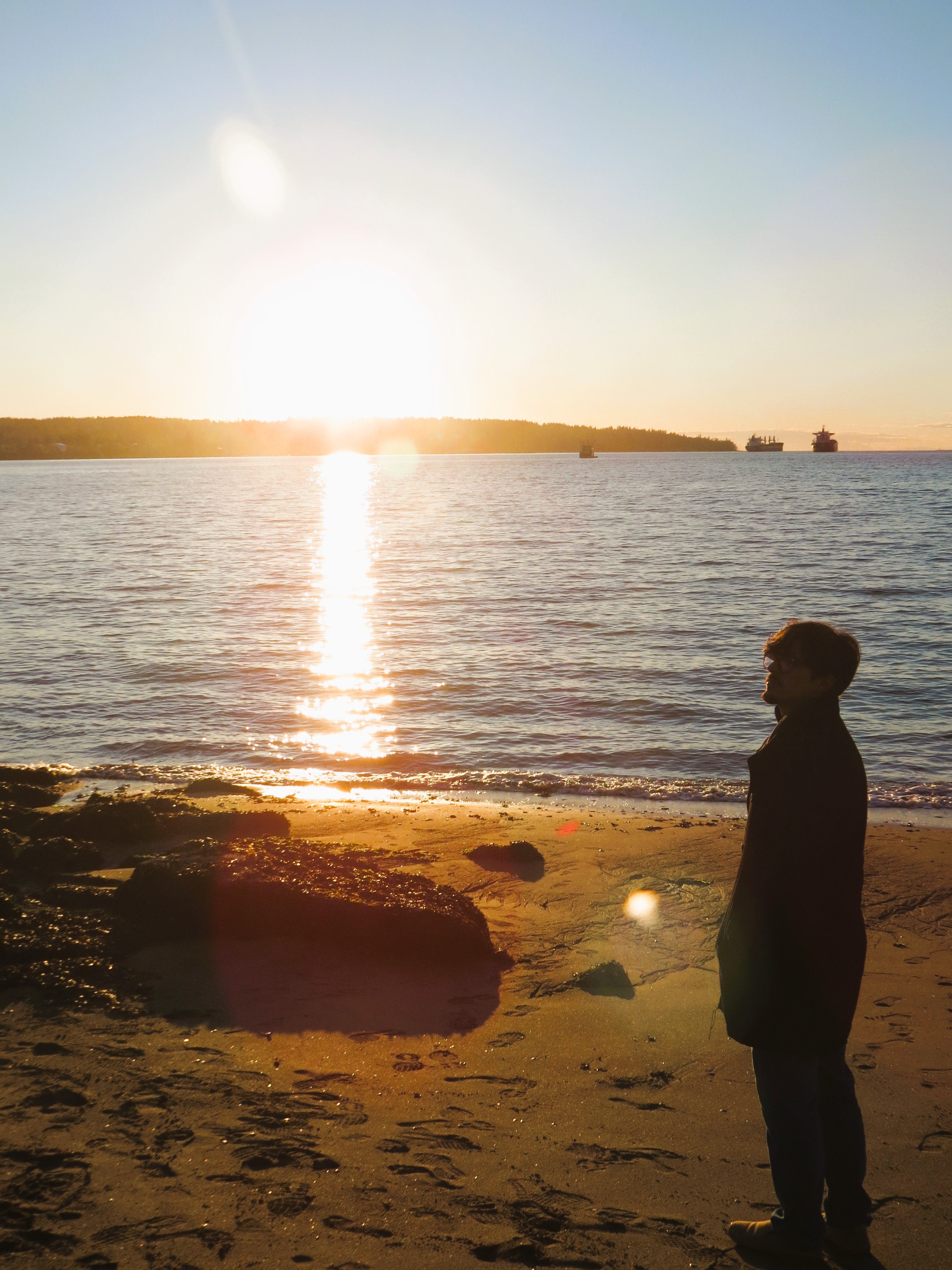
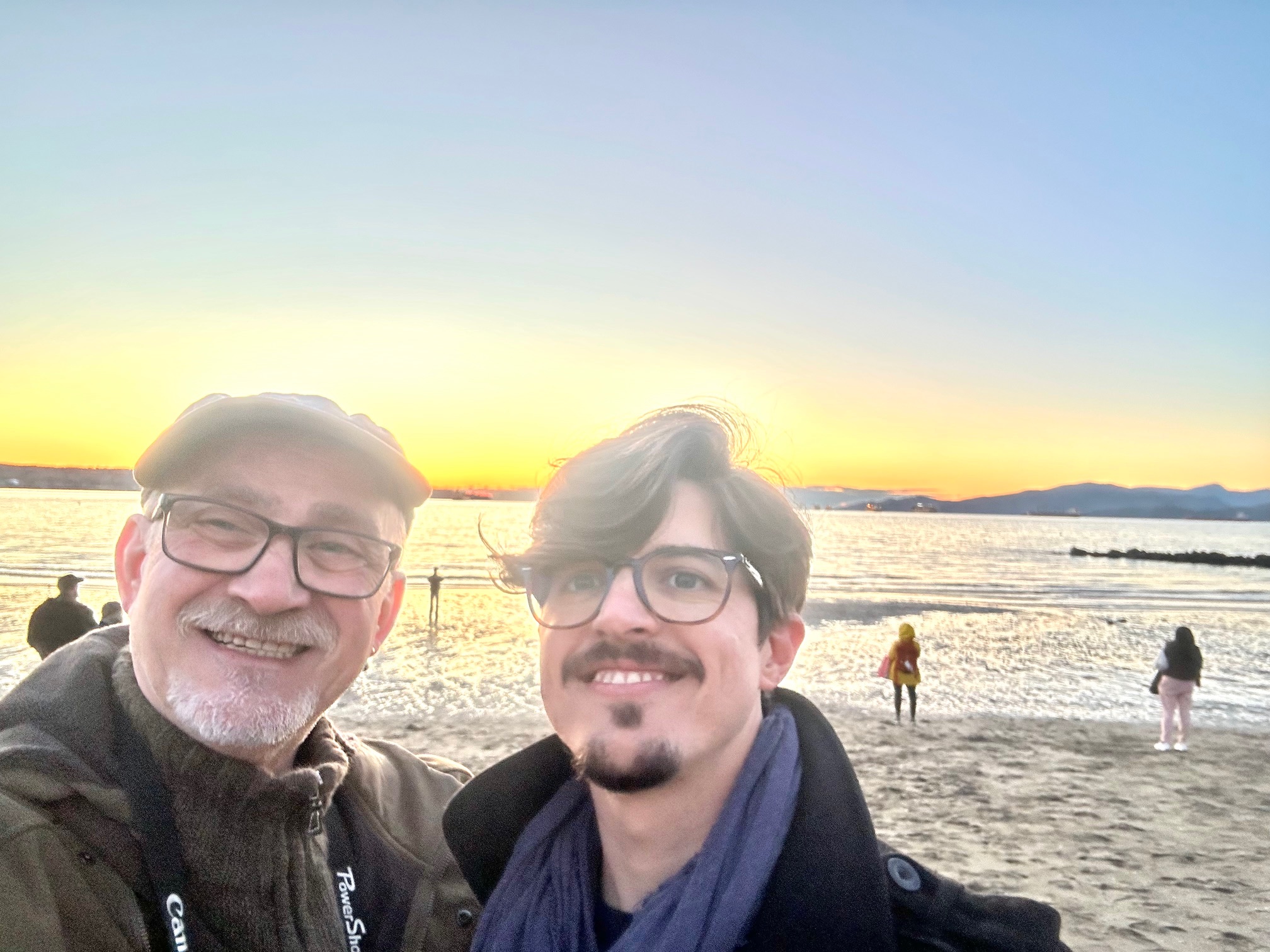
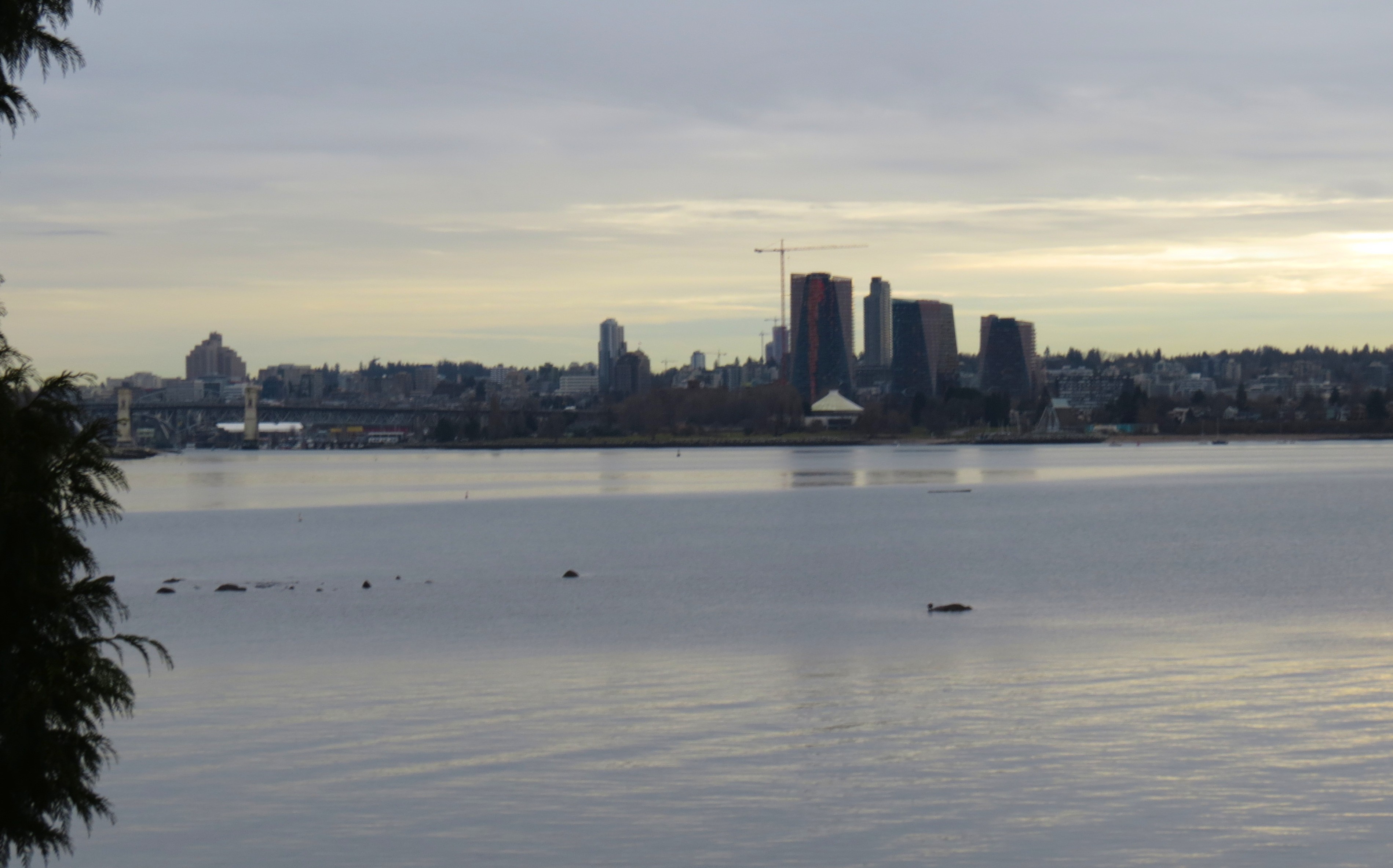
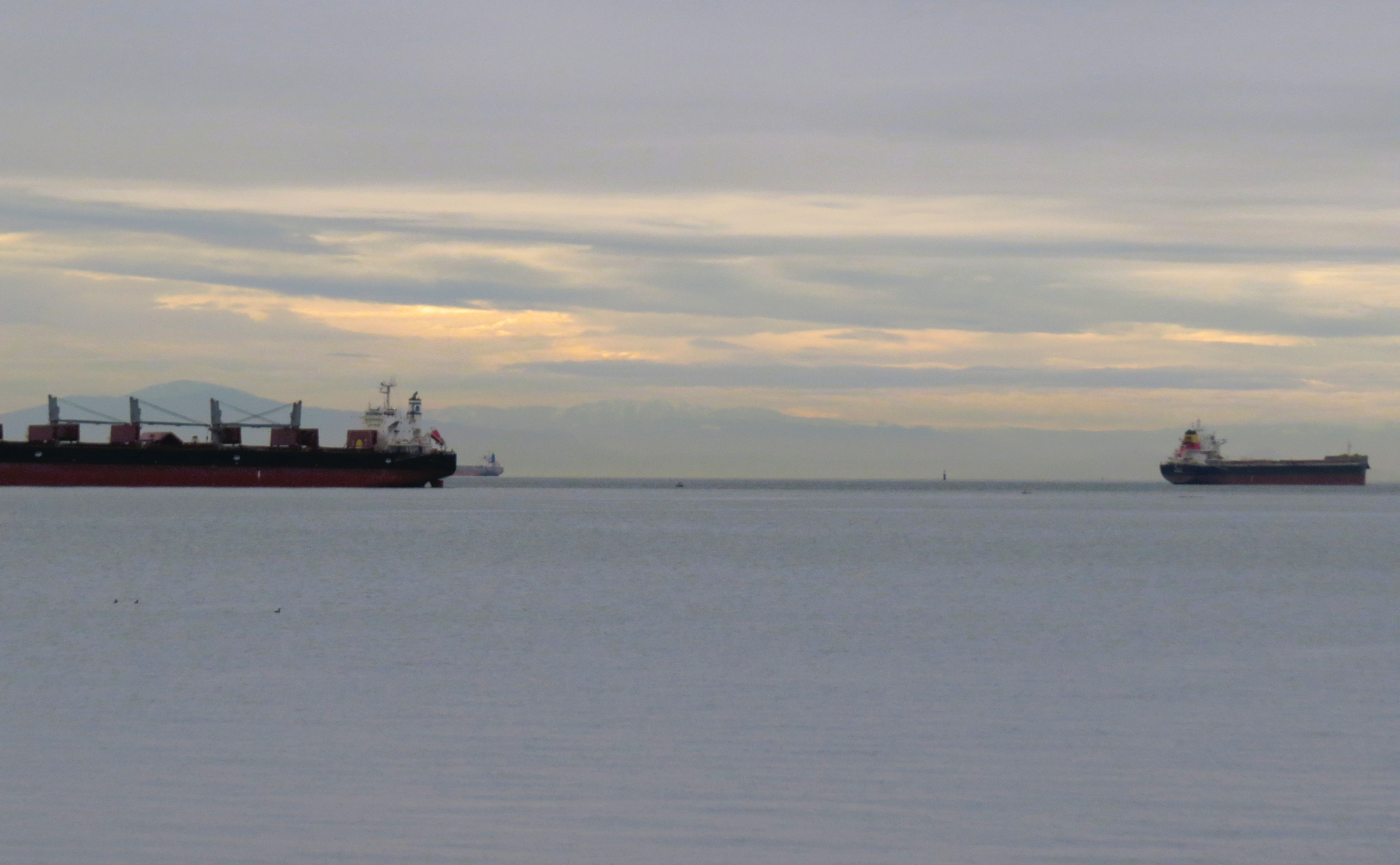
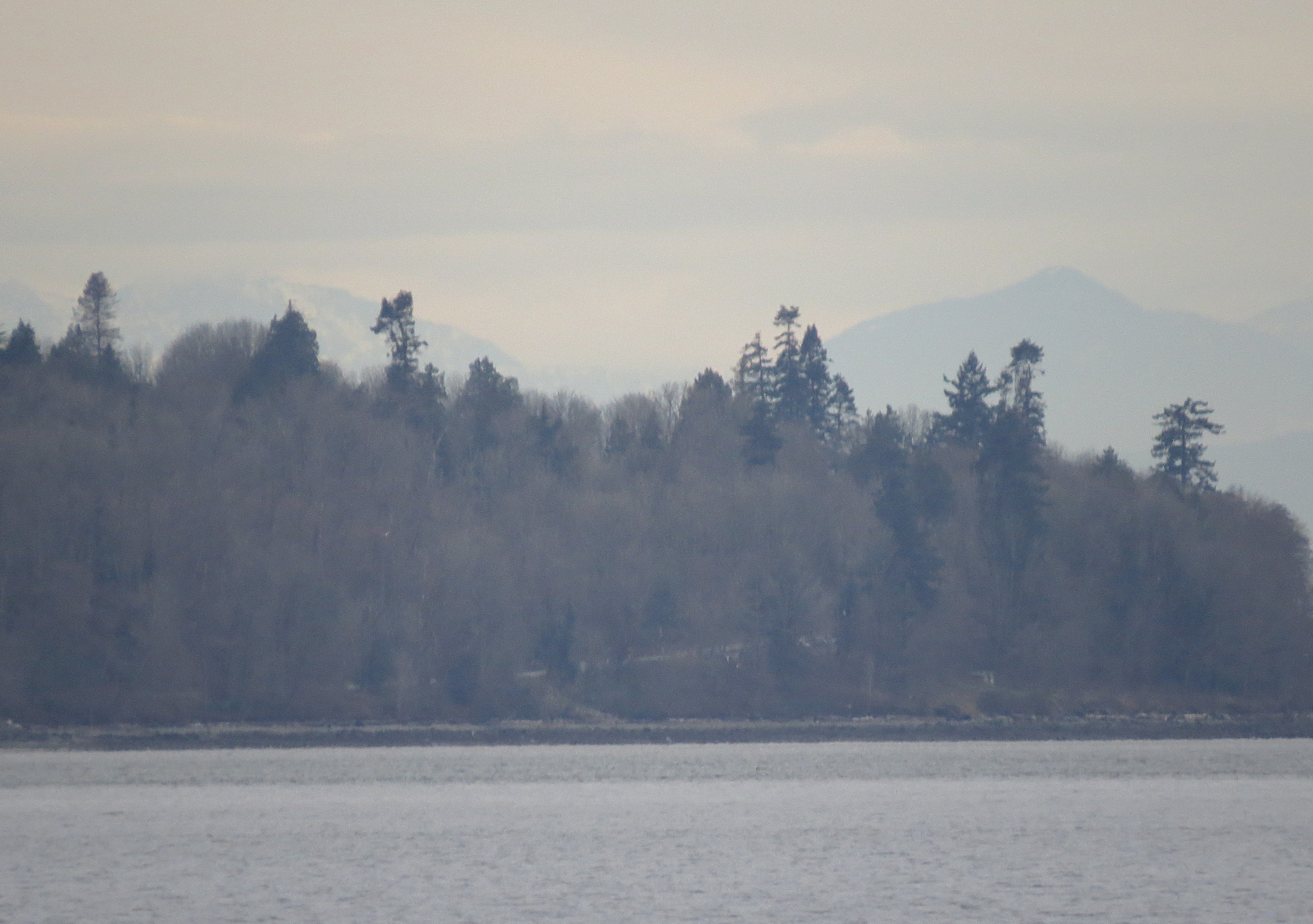
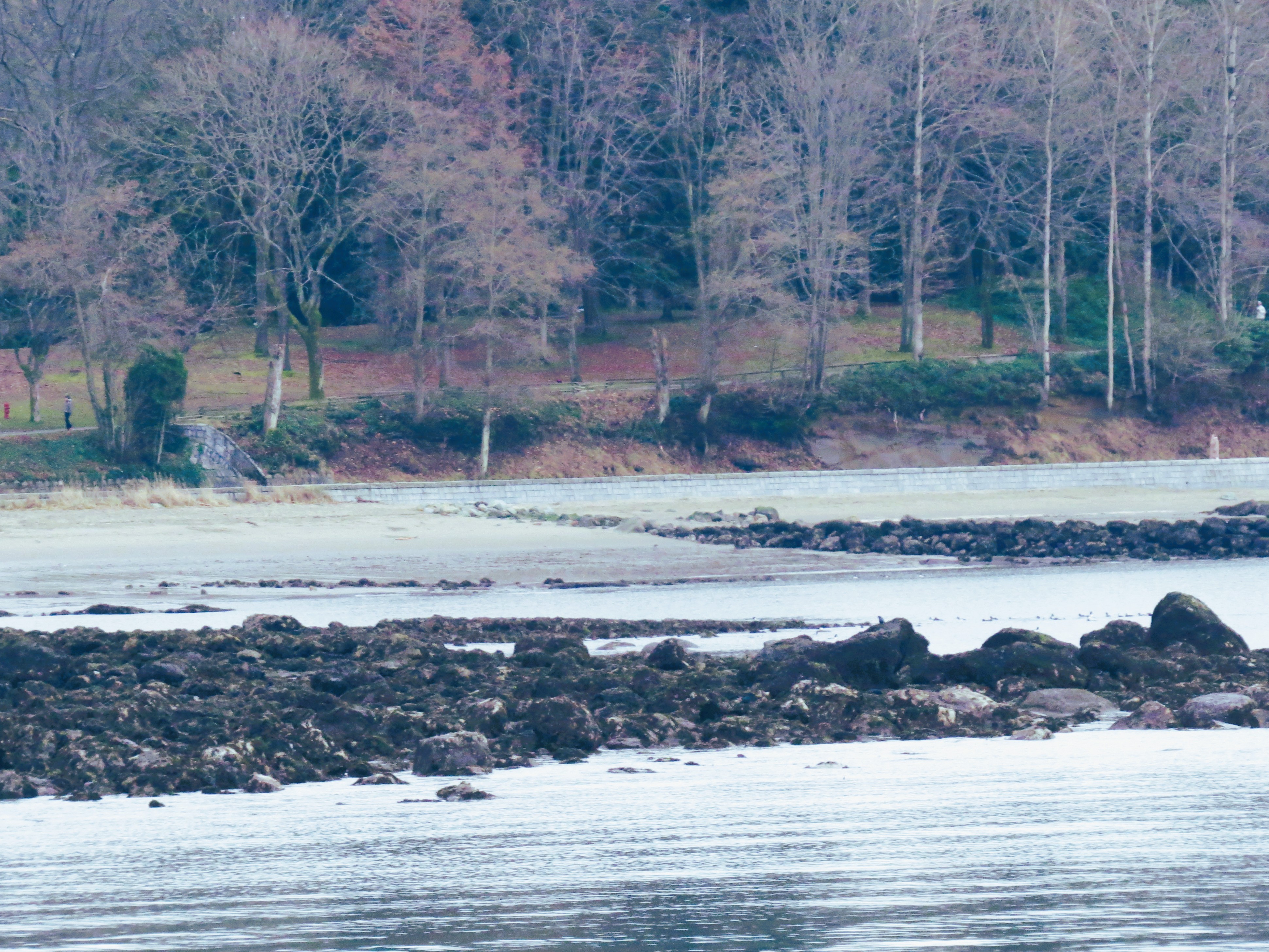
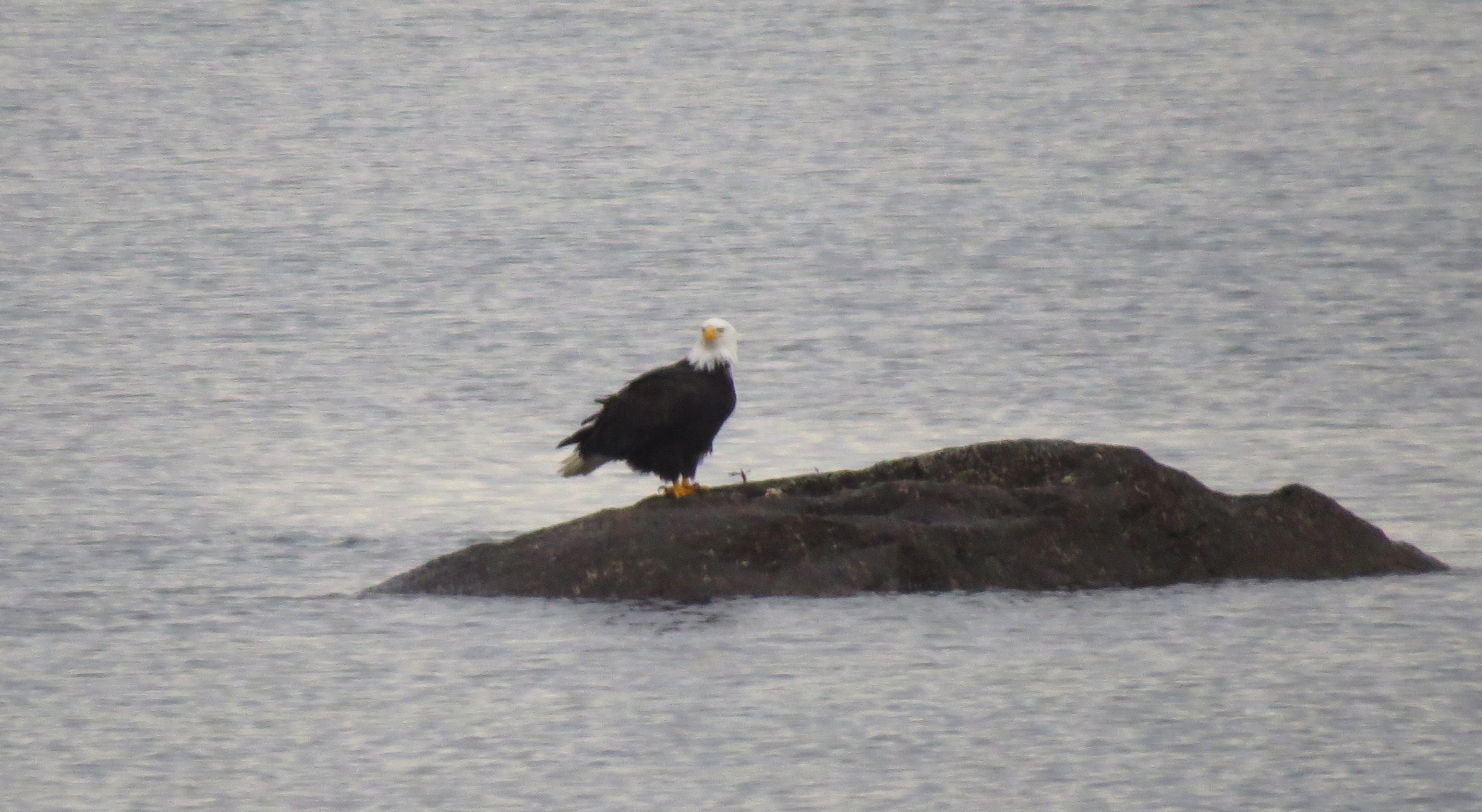
I walked on the beaches with my camera, smiled to ships, the ocean and the people. A young fellow, who lives in far away Brazil was doing the same. We joined our smiles and our amazement. A story ensued. He lives in Rio, I was there many years ago, when I was his age. We continued our walks together for long time. From the beach, uphill Davie. Long talks and walks, good company. The world is smiling, when you smile at it.
[i] “The Pious Dance – the Adventure Story of Young Man” by Klaus Mann
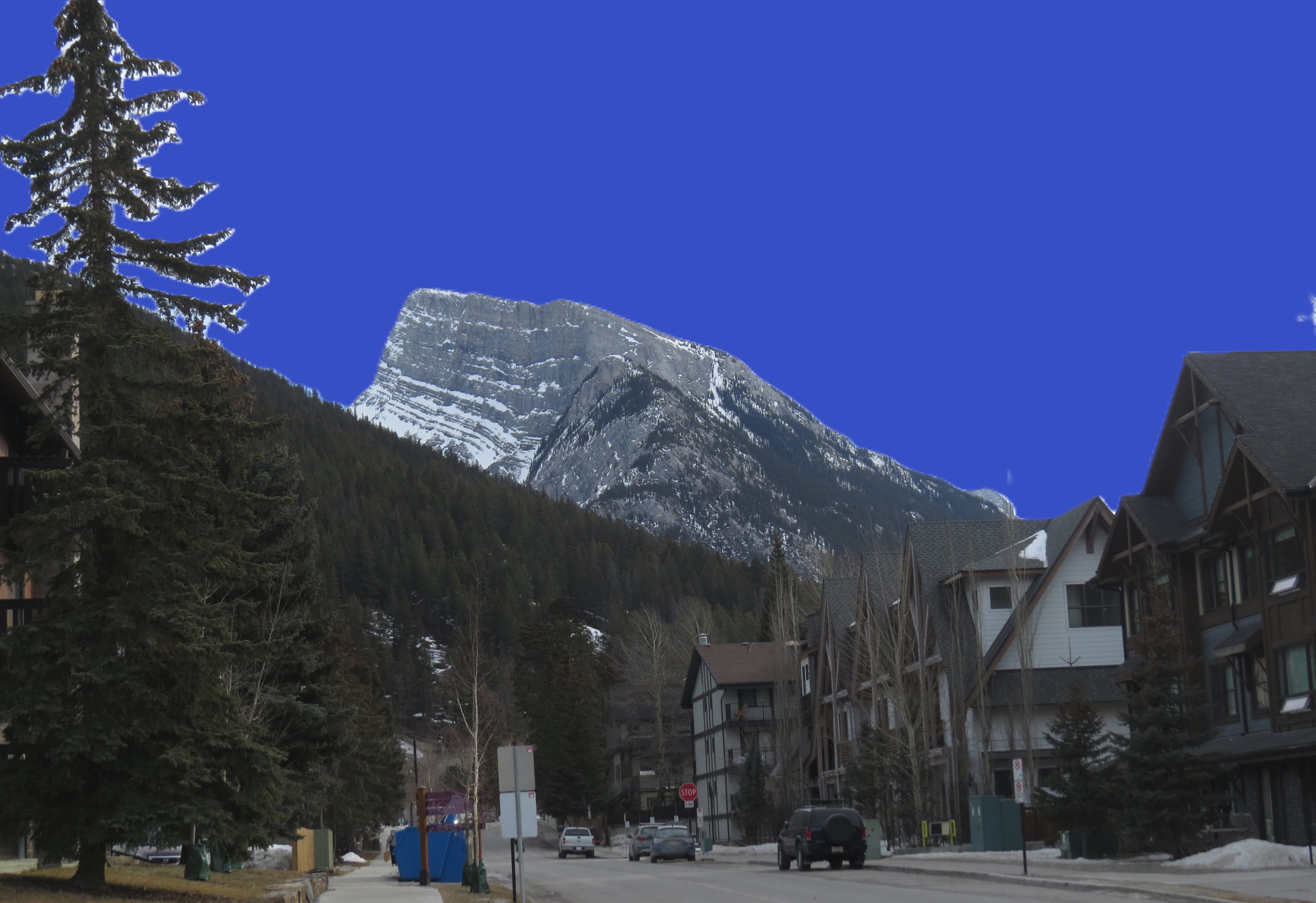
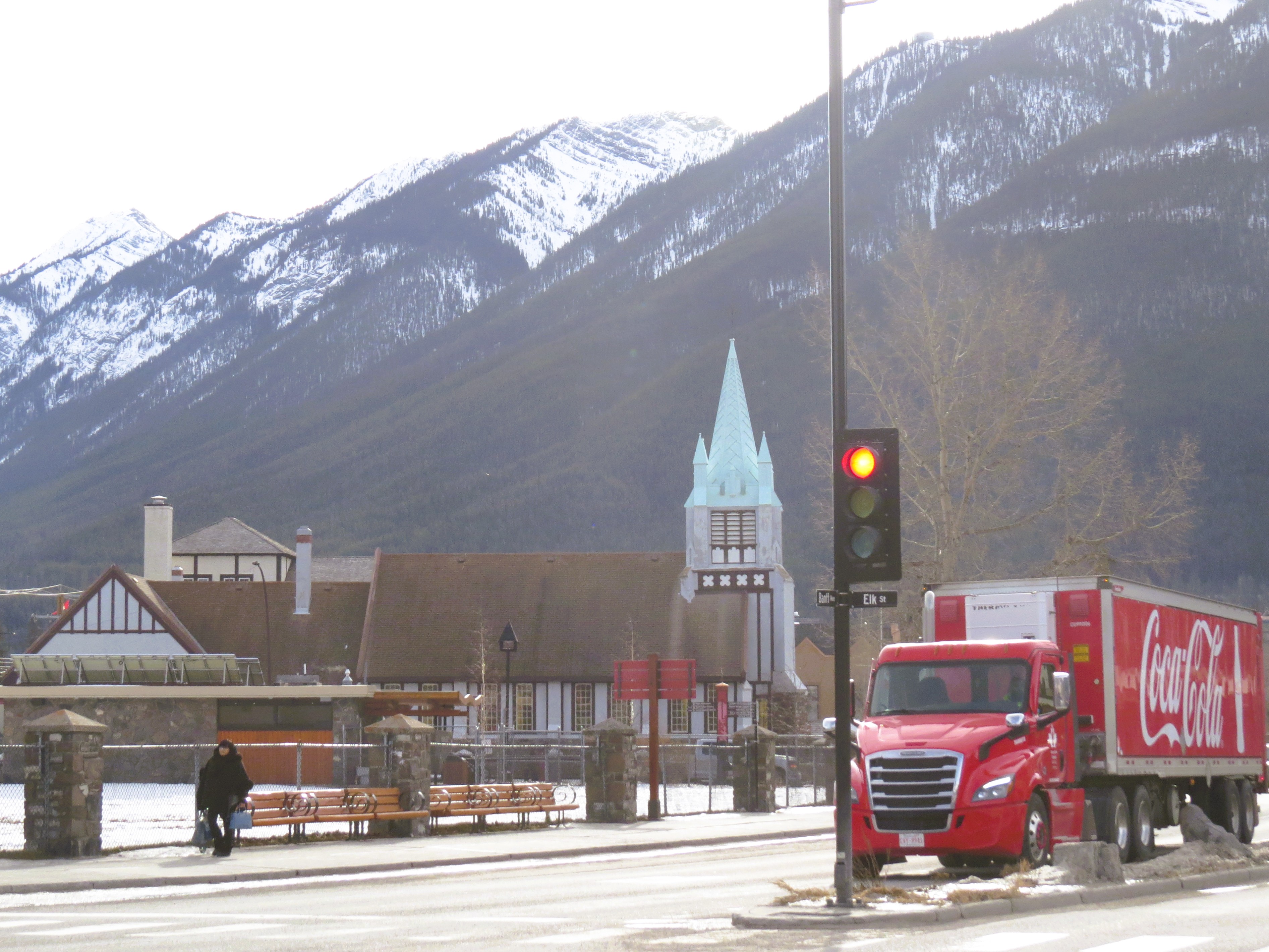
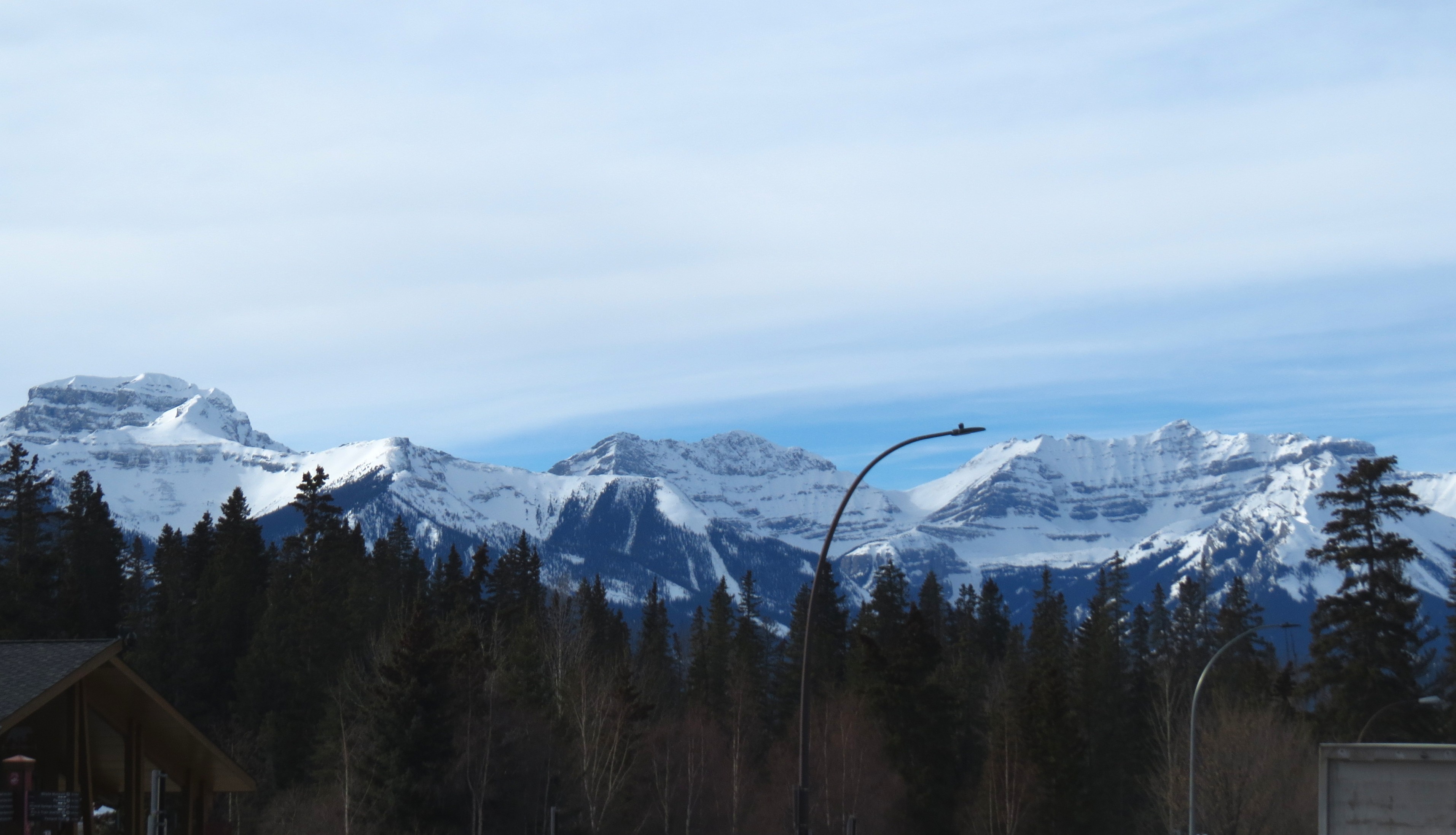
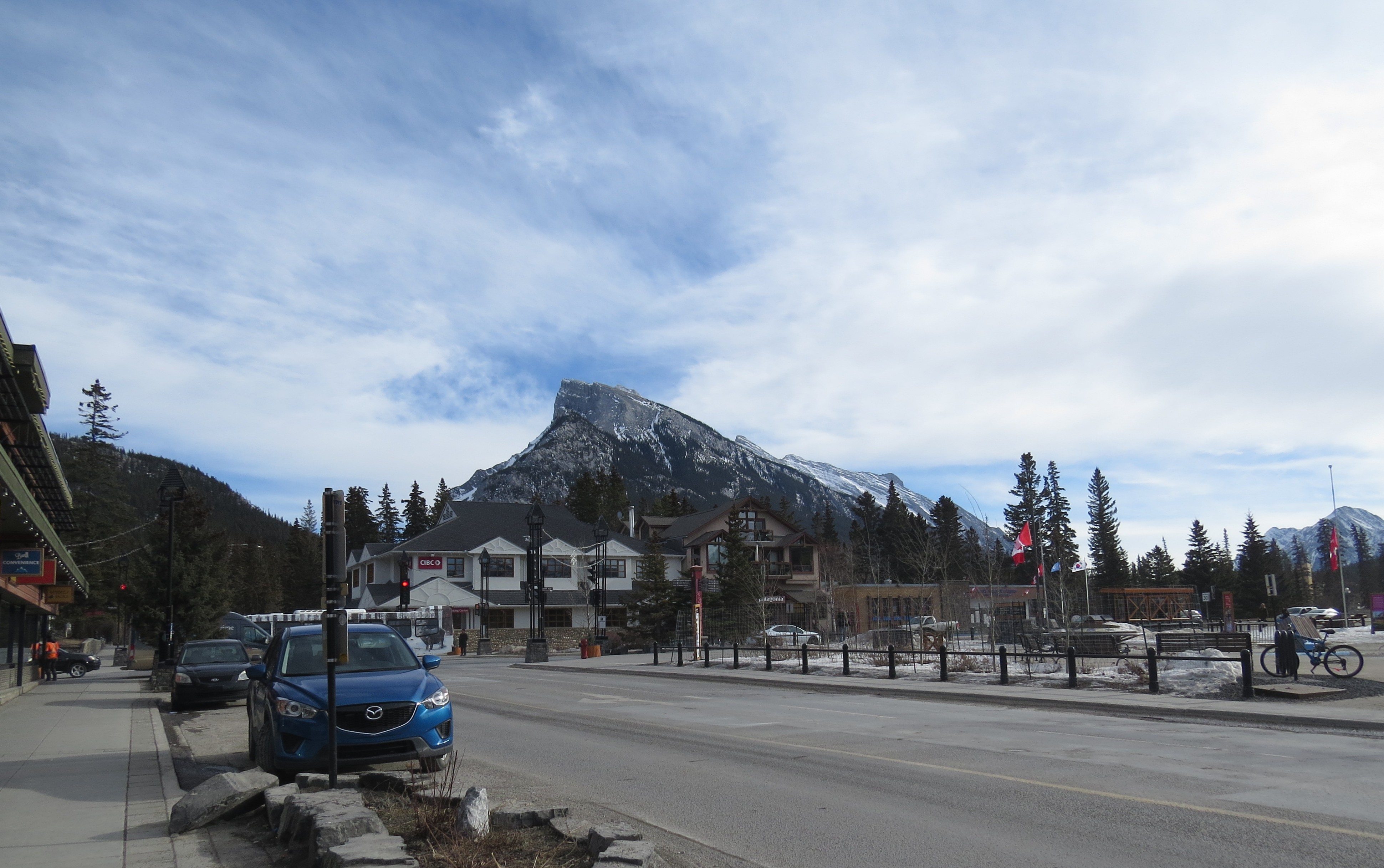
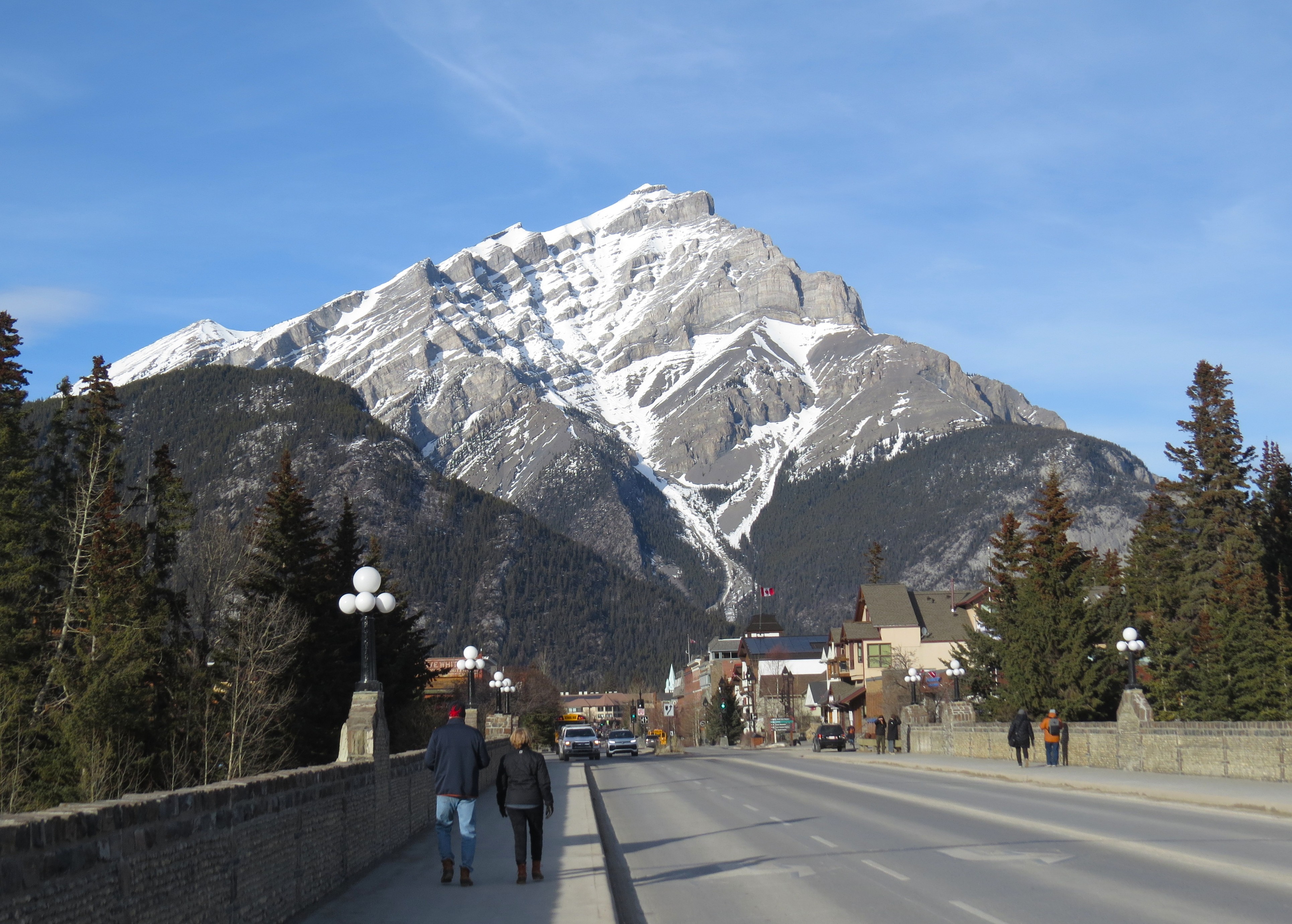
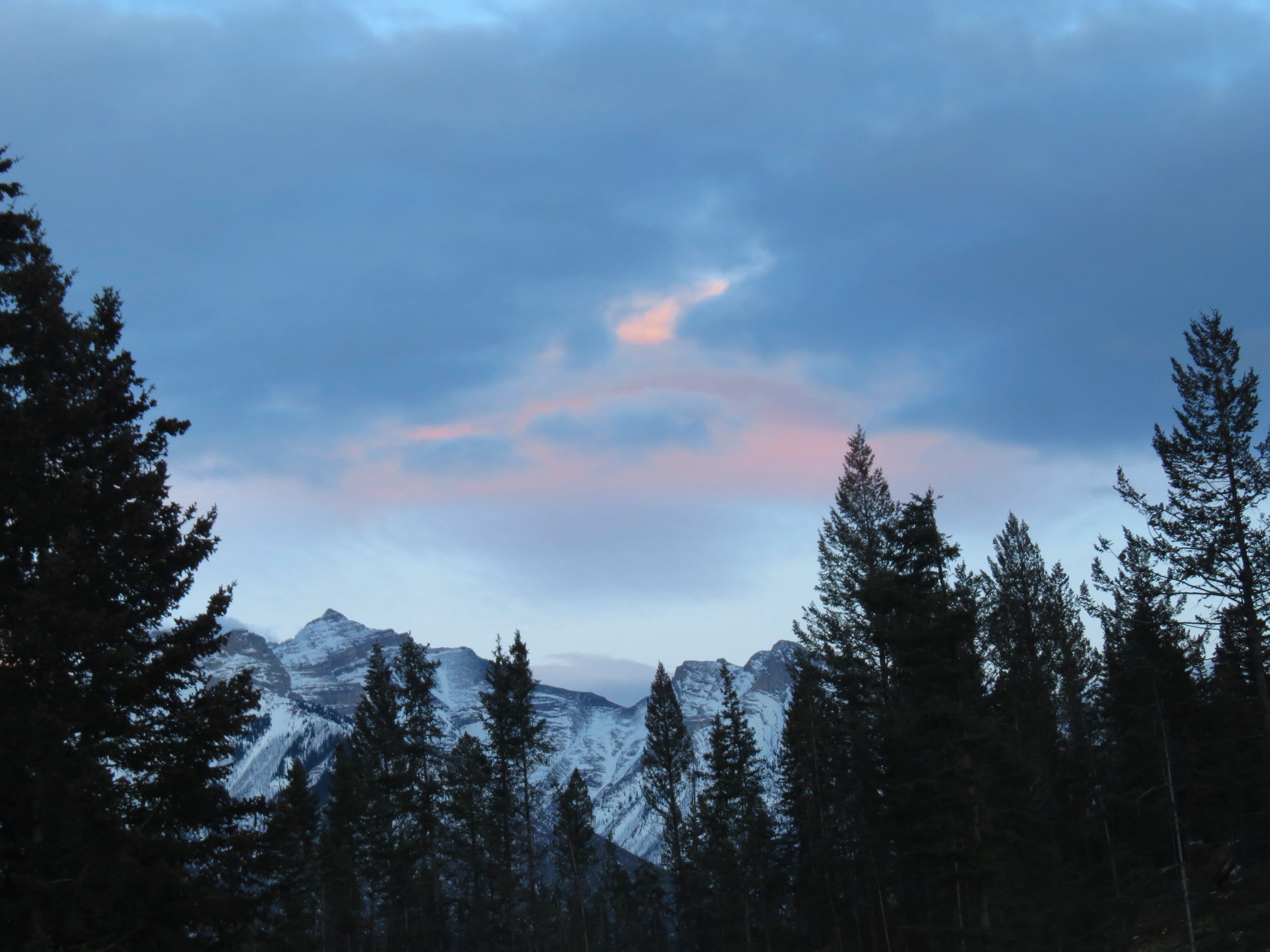
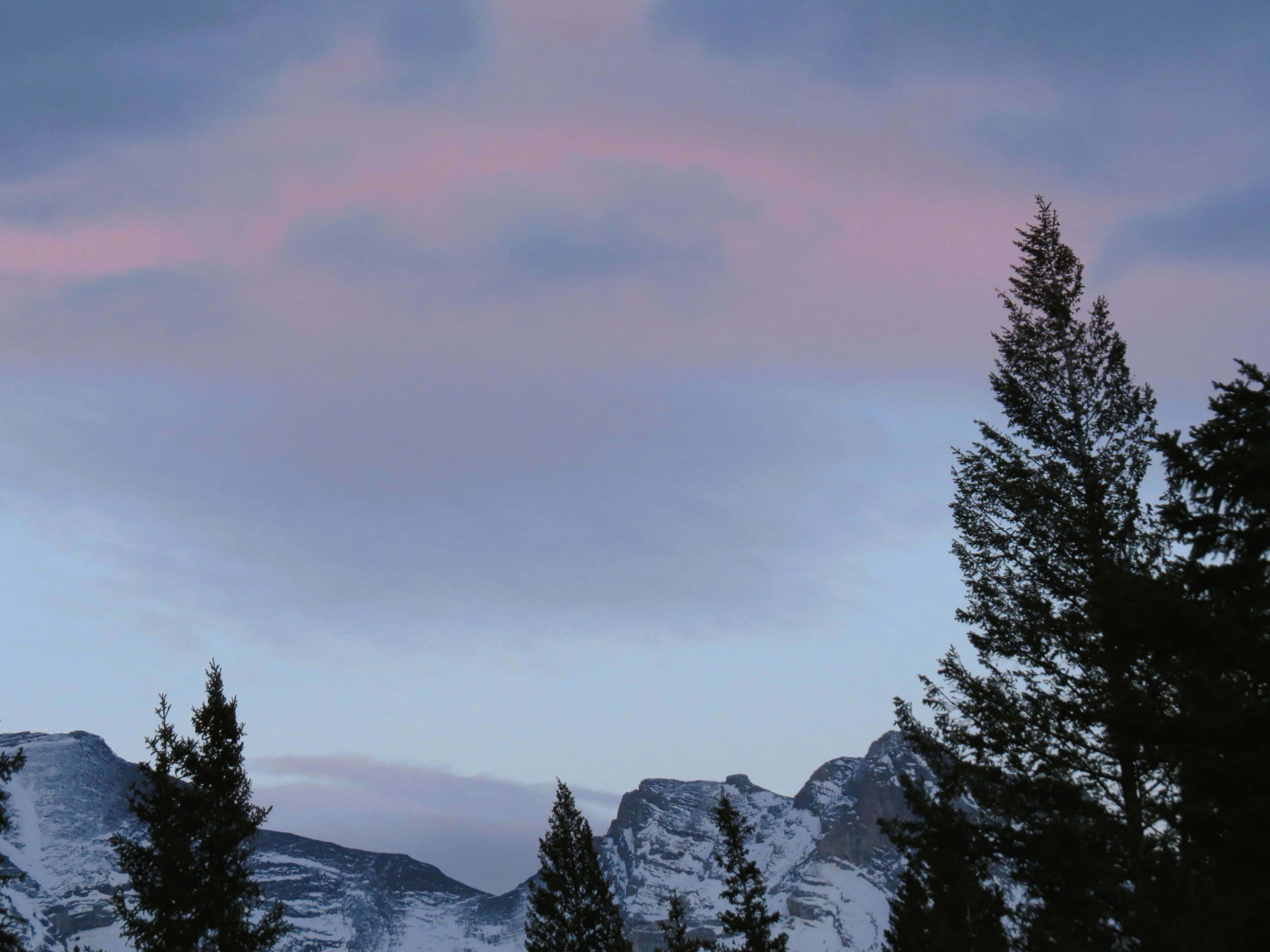
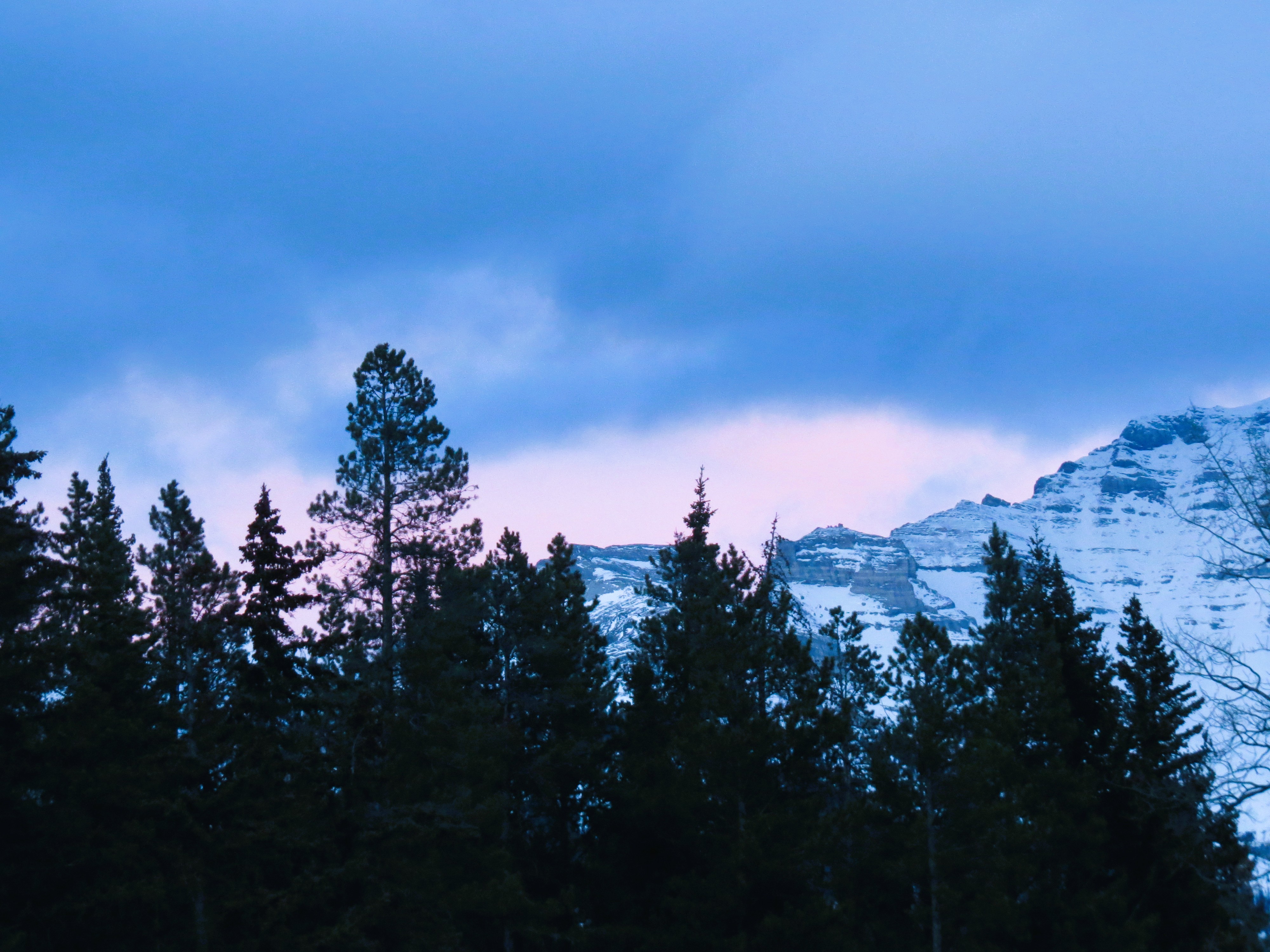
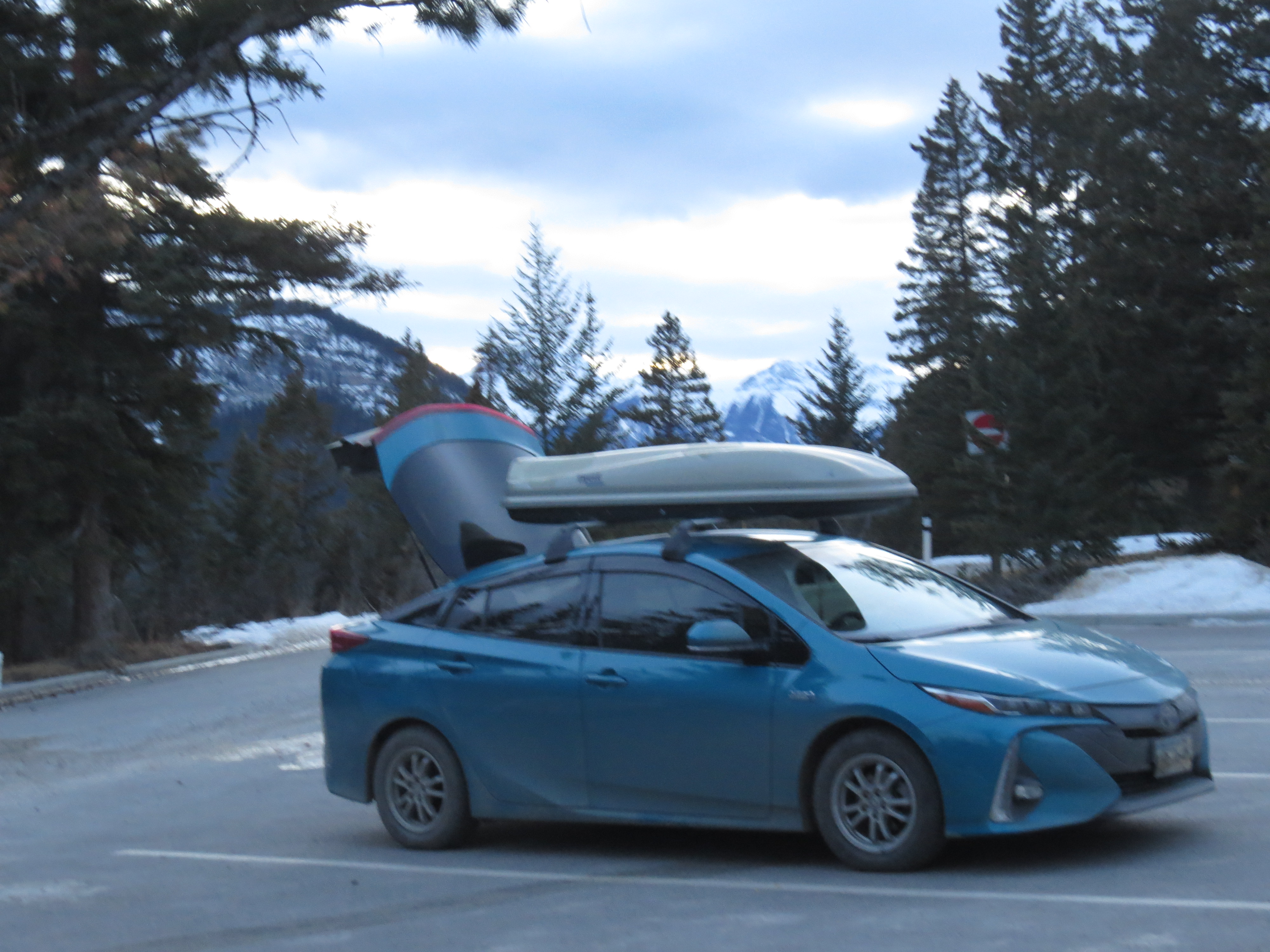
Droga do Banff. Droga z Vancouveru do serca Gór Skalistych; droga z Calgary z sercem pełnym pasji i miłości. Dwie drogi w dwóch bardzo różnych czasach i epokach.
Około czterdziestu lat temu jechaliśmy (ja i Mój Chłopak) pierwszy raz razem na Wigilię do hotelu w Panoramie koło Radium, mijaliśmy Banff po drodze. Długa, ale bardzo wygodna szosa #1 prowadziła prostą nitką do skrzyżowania z szosą 93 do tegoż hotelu. No właśnie – długa. Bardzo długa, gdy prowadzący i pasażer to dwóch młodych, zakochanych w sobie po uszy chłopaków. Trudno się przecież całować, gdy się prowadzi samochód na trasie szybkiego ruchu! Więc postojów było dużo. Oj …
Jakiś czas później, już porą letnią, jedziemy do Banff na dwa lub trzy dni łazikowania po okolicznych górach w uroczym wówczas małym Banff. Ba – jest ciepło na zewnątrz … a gorąco w samochodzie. No tak, też tych samych dwóch młodych, zakochanych po uszy chłopaków. W połowie drogi zjeżdżam w boczną, leśna drogę #64 do Sibbald Flats. Znajdujemy cichy zakątek otulony młodym lasem świerkowym. Oczywiście, że się całujemy. I oczywiście, że na całowaniu się nie kończy. To tylko uwertura do całego Koncertu Pasji Młodości i Miłości. Do Banff zajeżdżamy o zmroku, mimo, że normalnie jazda z Calgary, to nie dłużej niż godzina. Co zrobić – młodość i miłość to inne niż zwyczajne czasy. Inne zegary, inne doby.
Prawie cztery dekady później niespodzianie jadę do Banff z drugiej strony, znad Pacyfiku. Mój Chłopiec nie jest ani za kierownicą, ani na siedzeniu pasażera. Któregoś dnia, kiedy byliśmy na drugiej stronie kontynentu, nad Atlantykiem, uleciał mi w chmury. Zanim odleciał przypomniał mi jeszcze, że mnie kocha, ja wiedziałem, że jego kocham. No, ale uleciał. Jego czas się skończył. Też nie zupełnie jednak, bo po czarnych nocach rozpaczy zrozumiałem, że część jego została, zamieszkała we mnie. Tak długo, gdy mój czas odjazdu ostatecznego nie nastąpi. Może się wtedy spotkamy znowu, może nie. We snach, kiedy ze mną po odlocie rozmawiał, nie chciał mi tego jednoznacznie wyjaśnić. Więc nie wiem na pewno. Zobaczymy, lub właśnie może nie zobaczymy. Póki jestem – to mam go stale w sobie. To mi wystarcza.
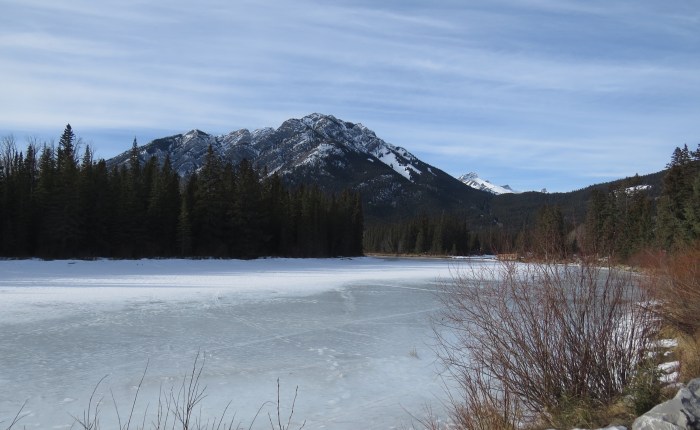
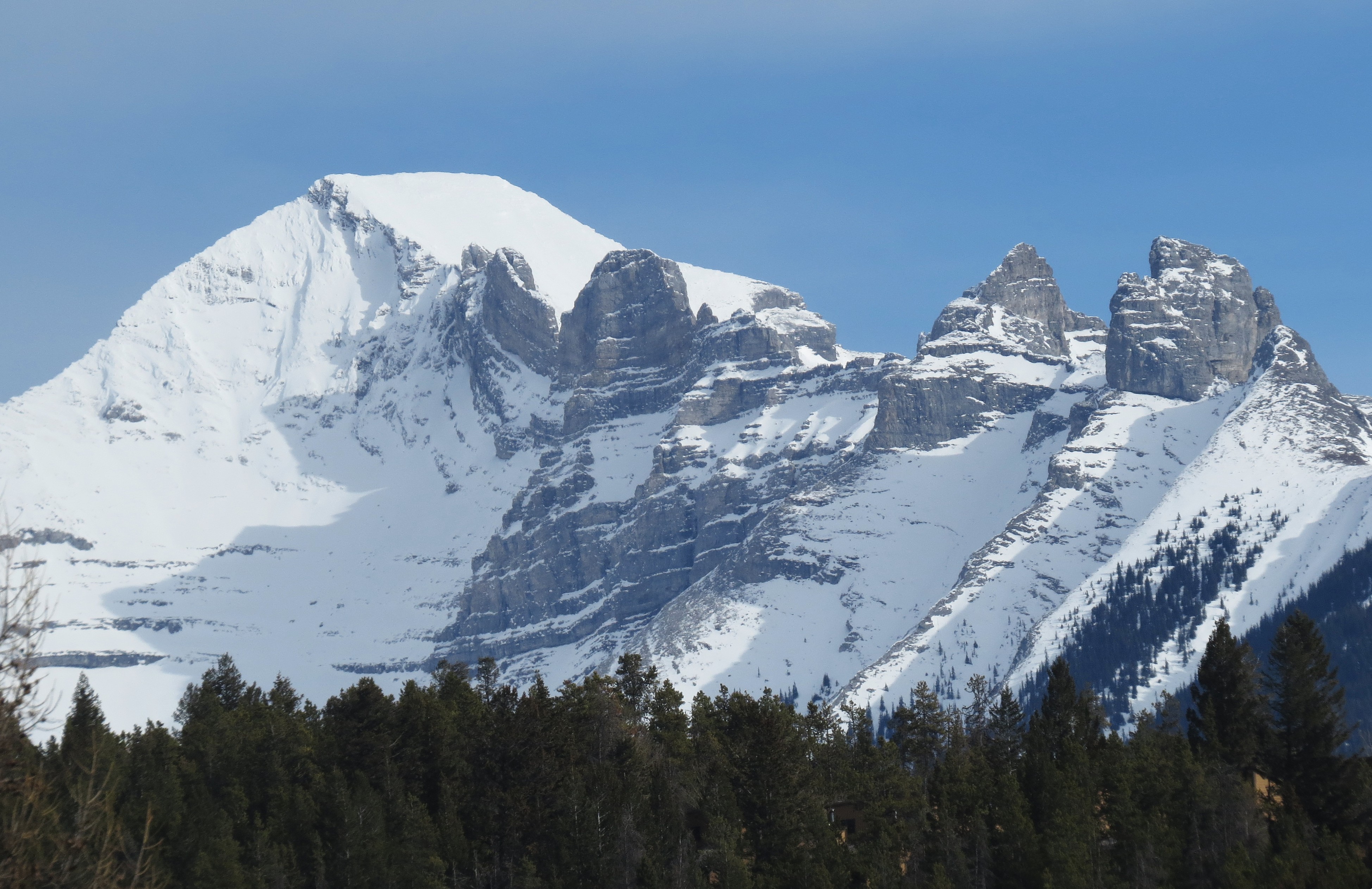
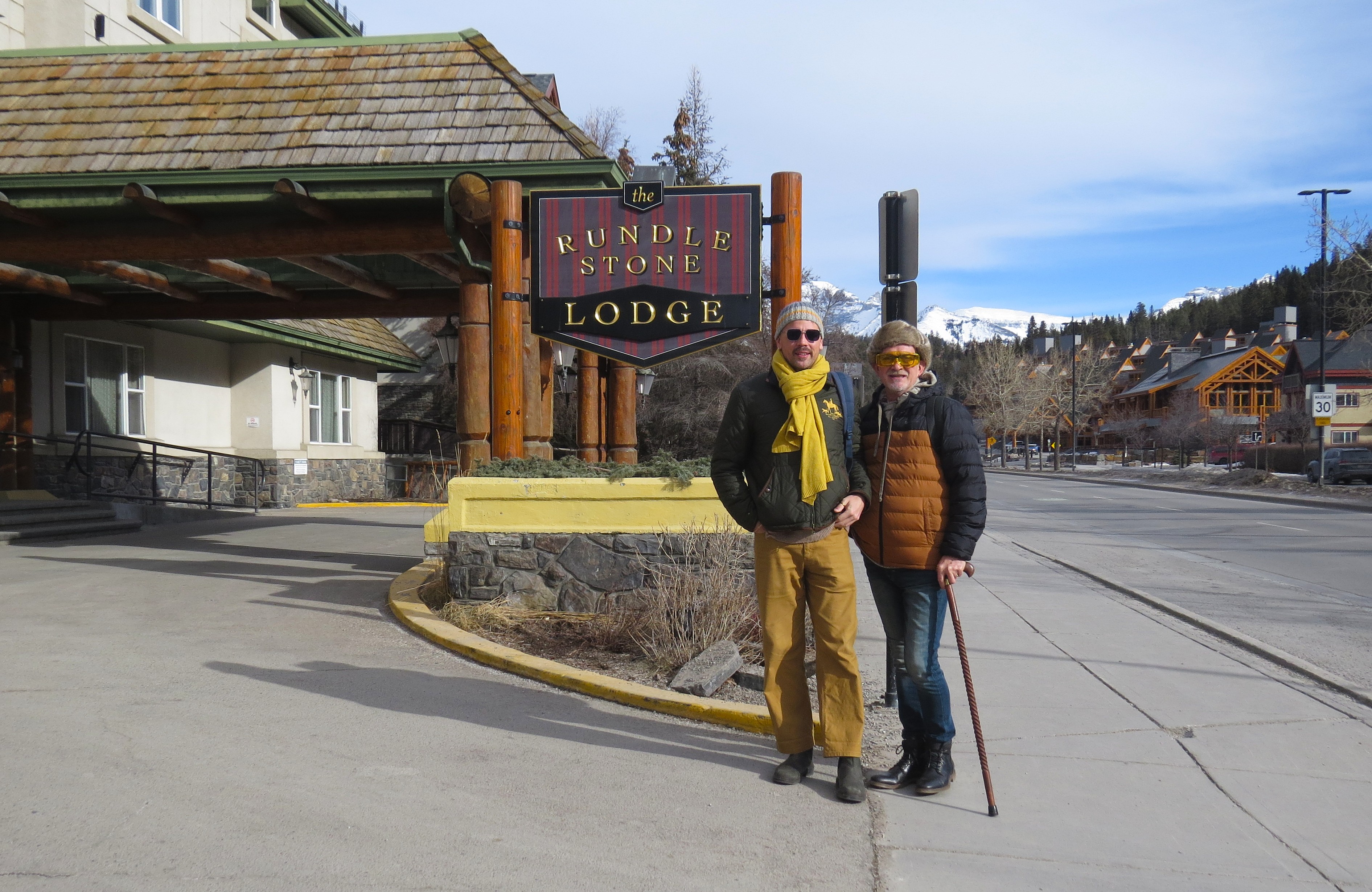
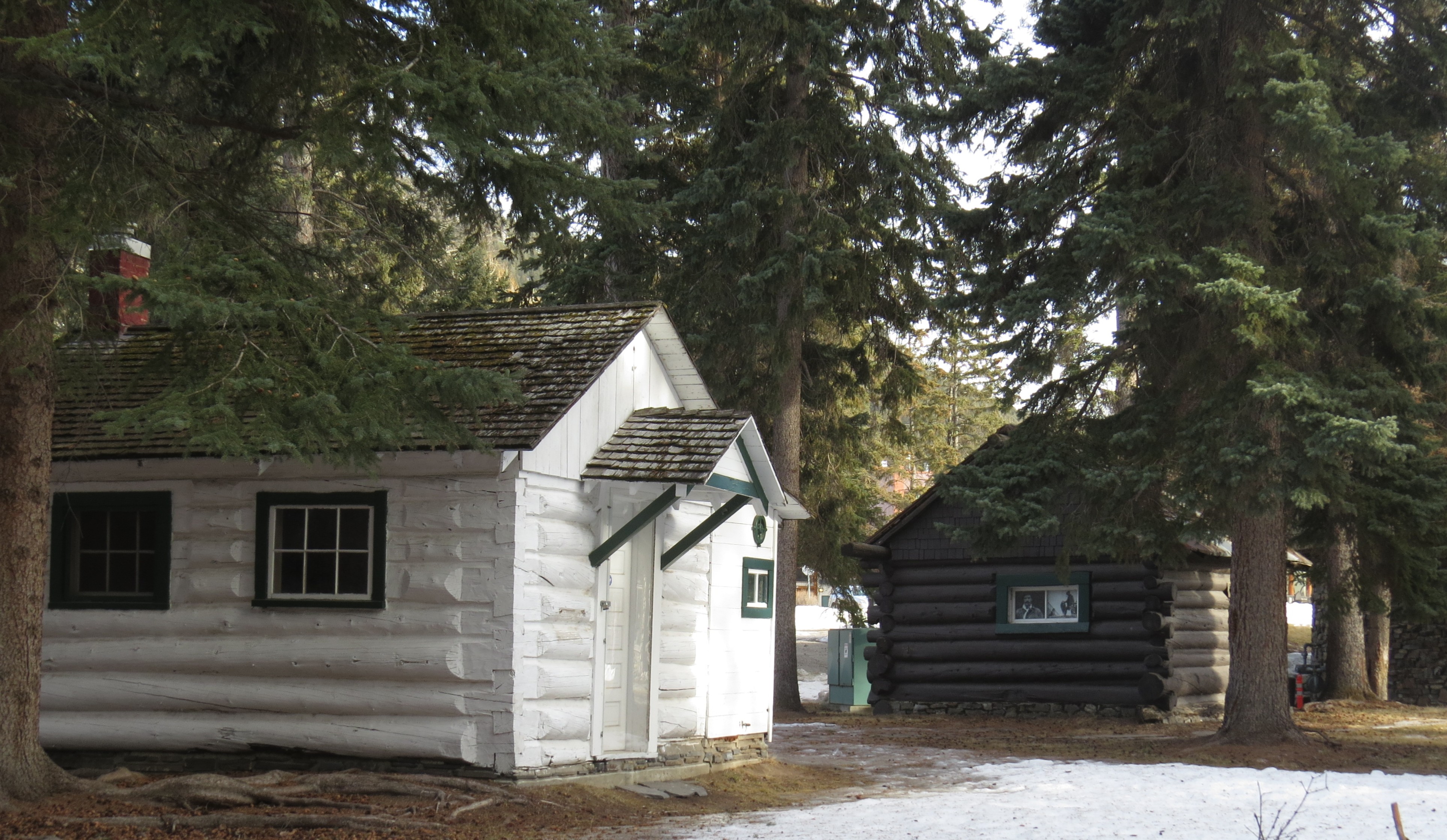
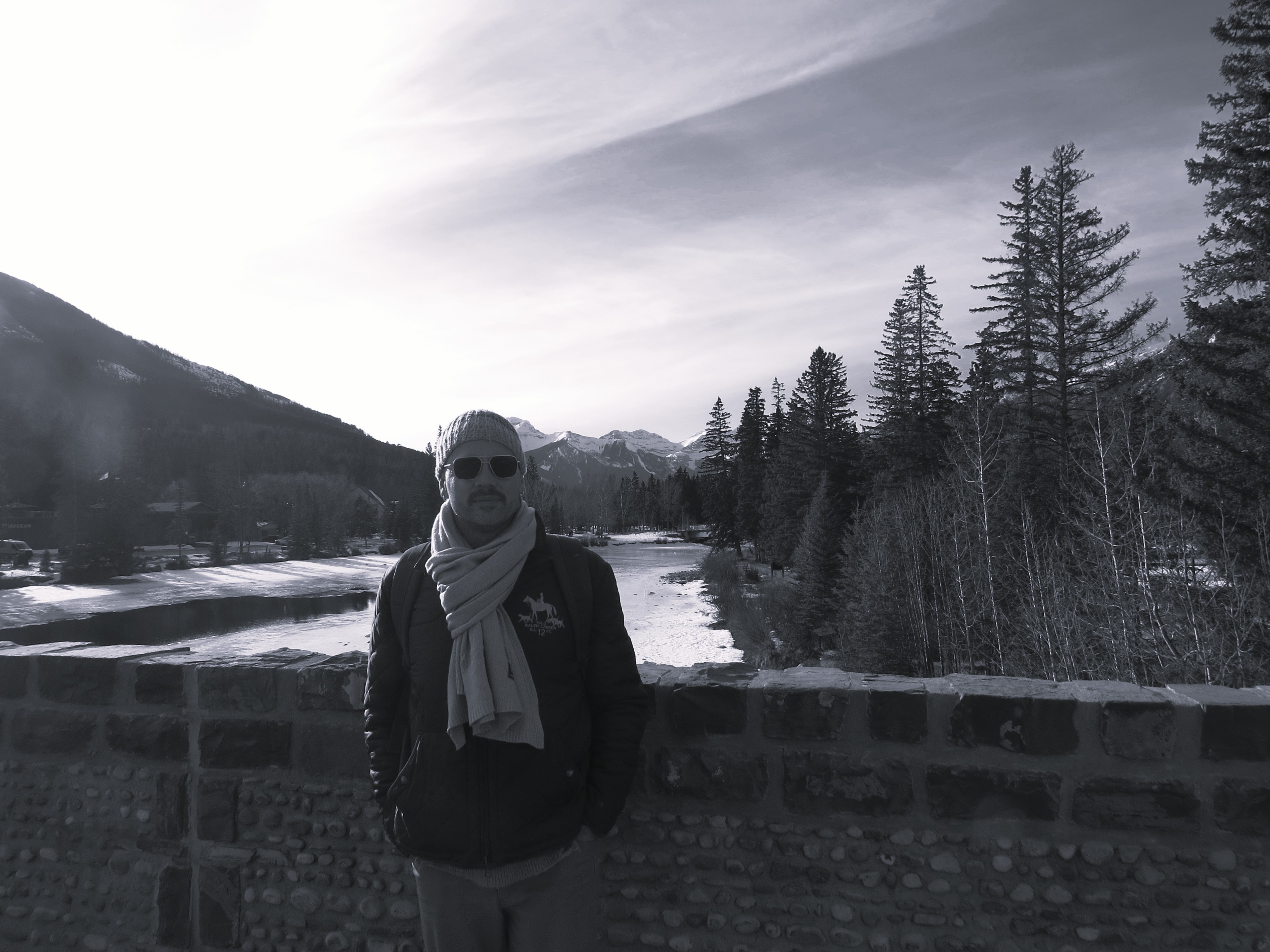
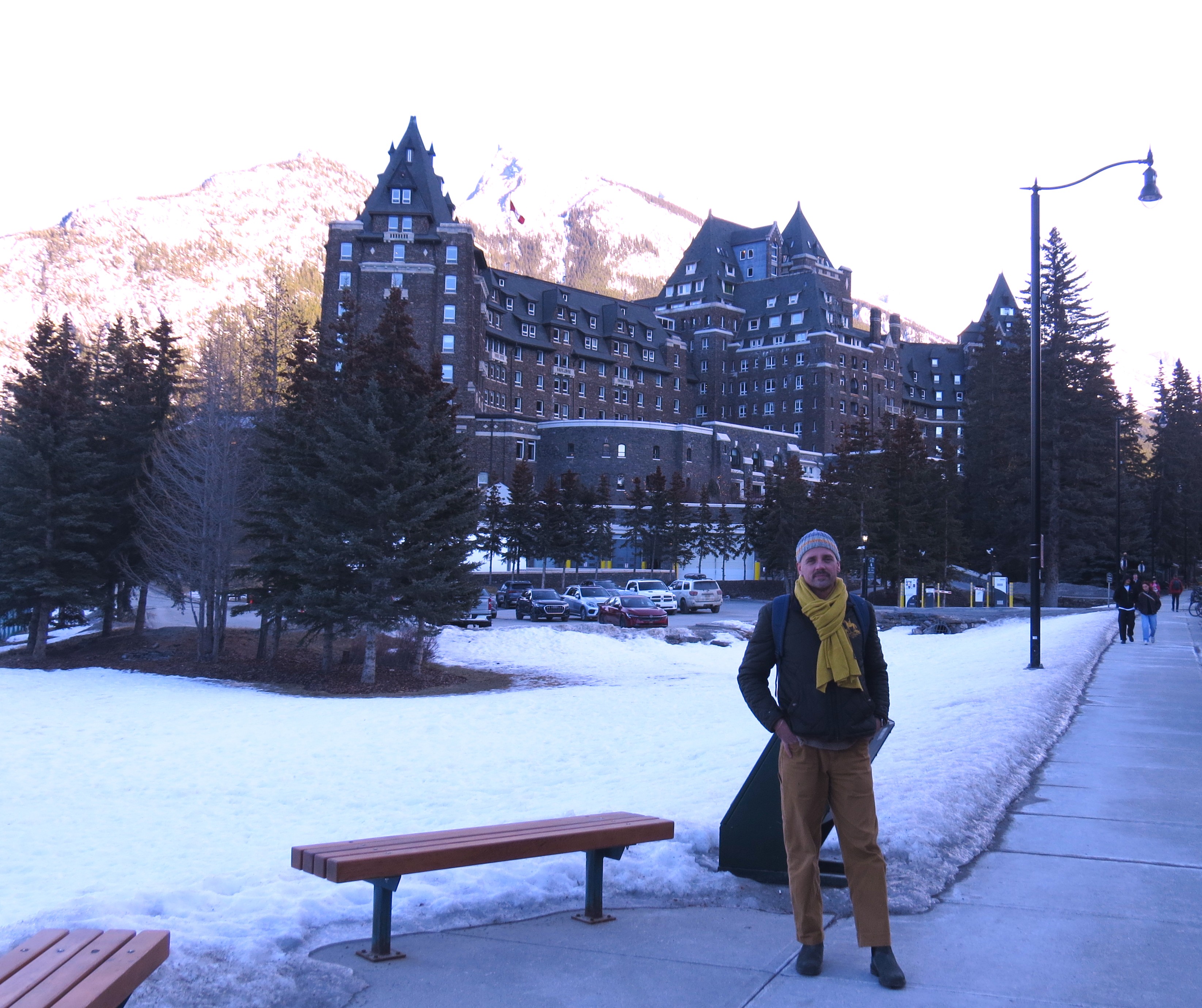
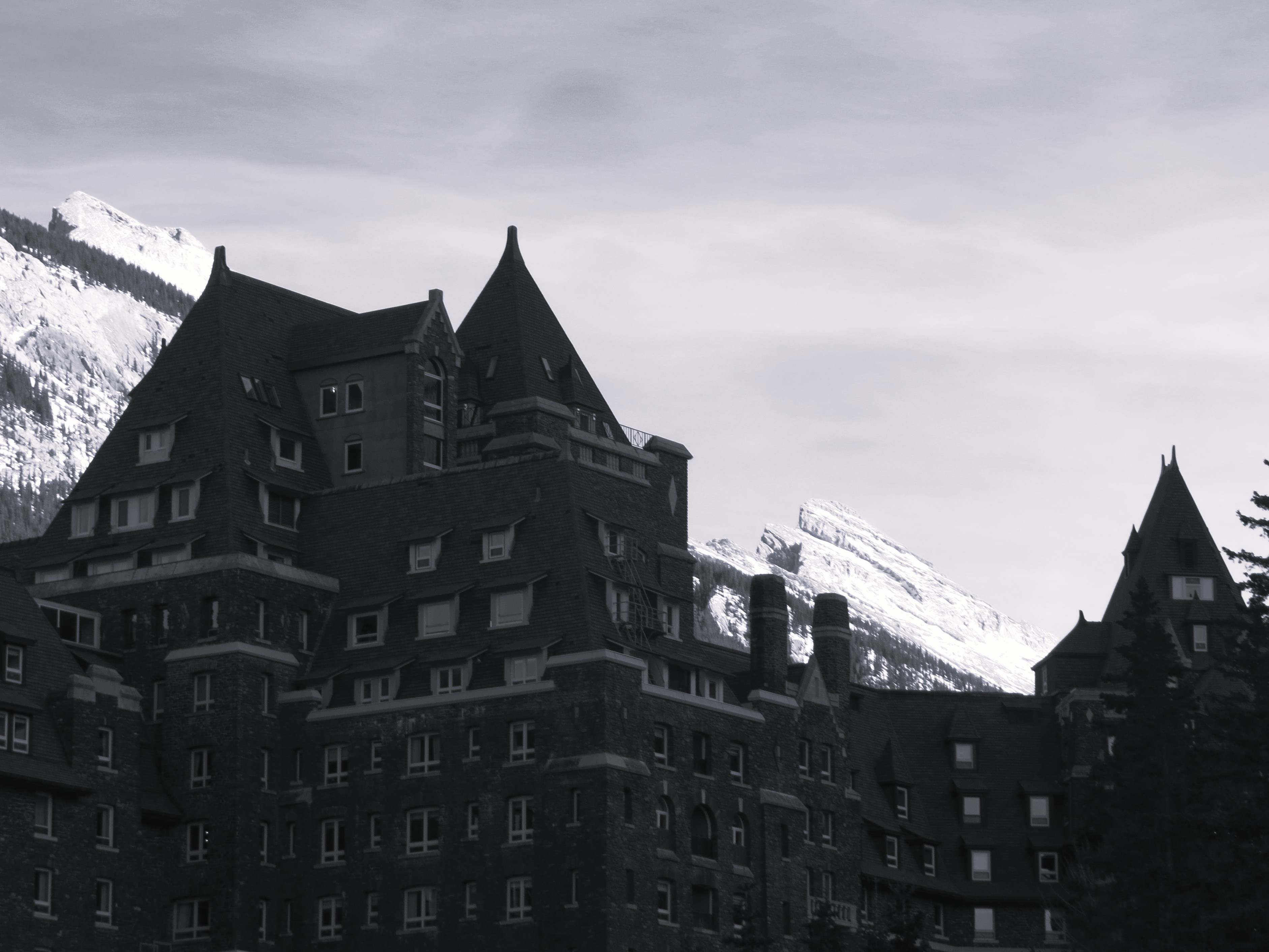
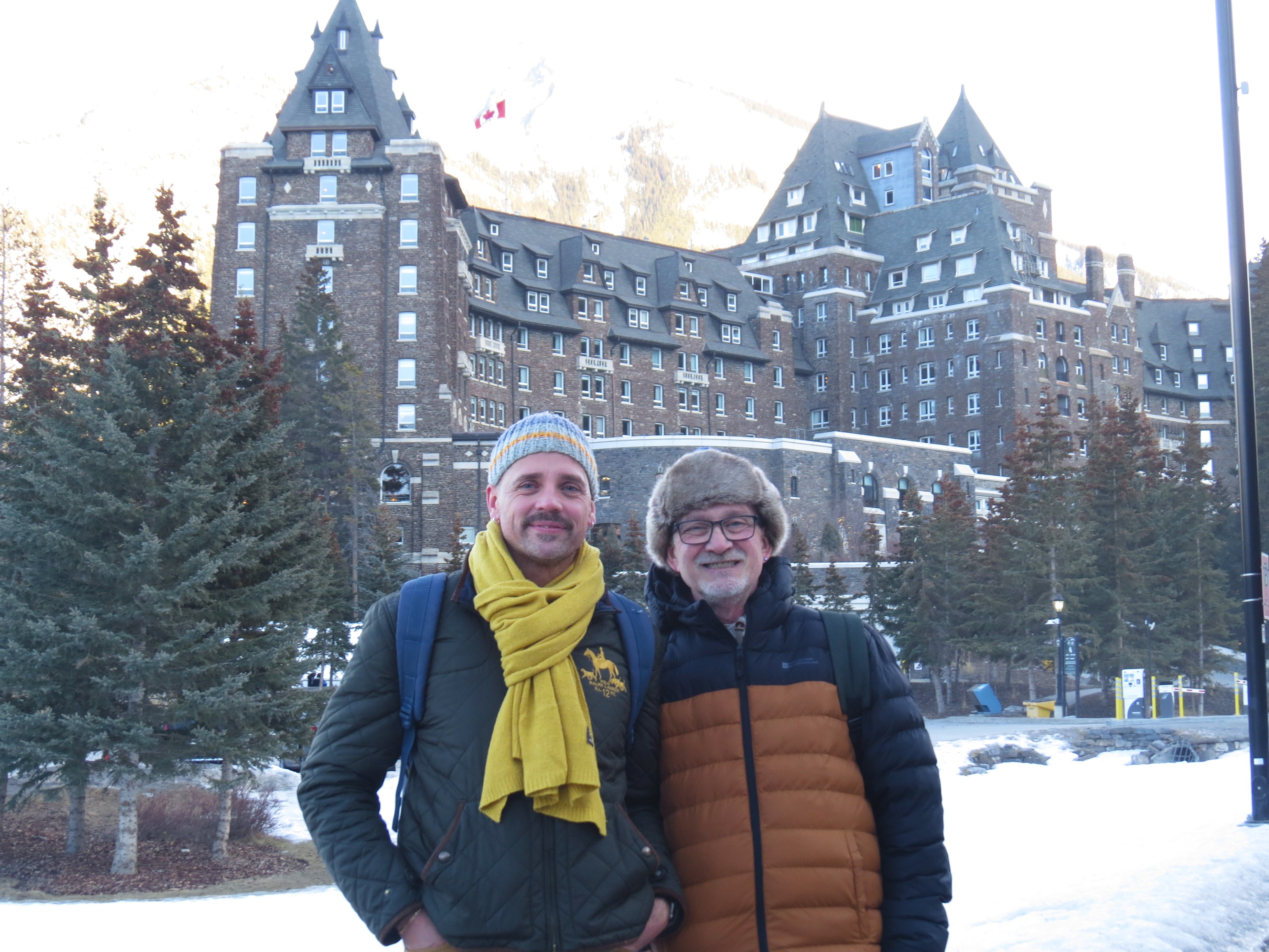
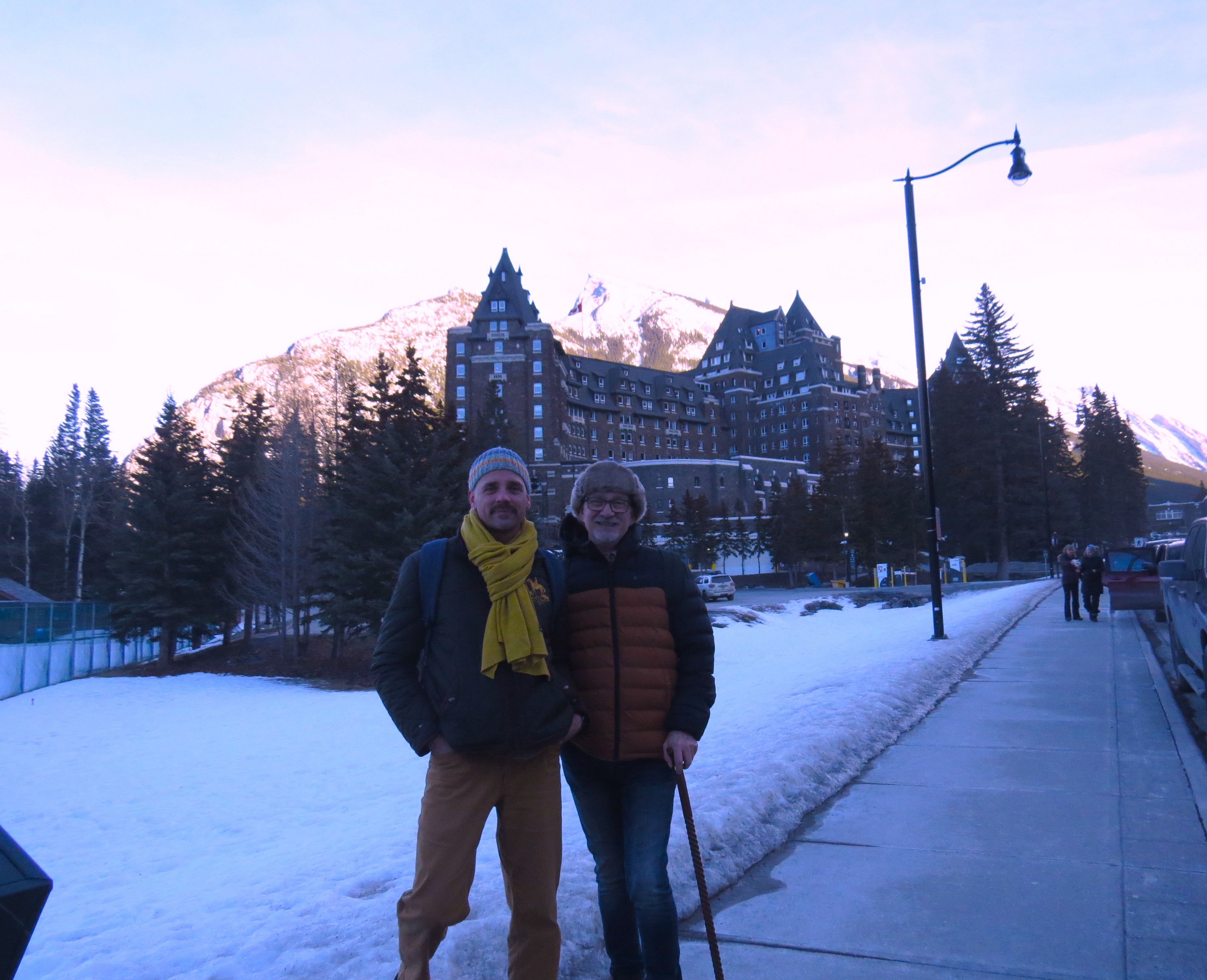
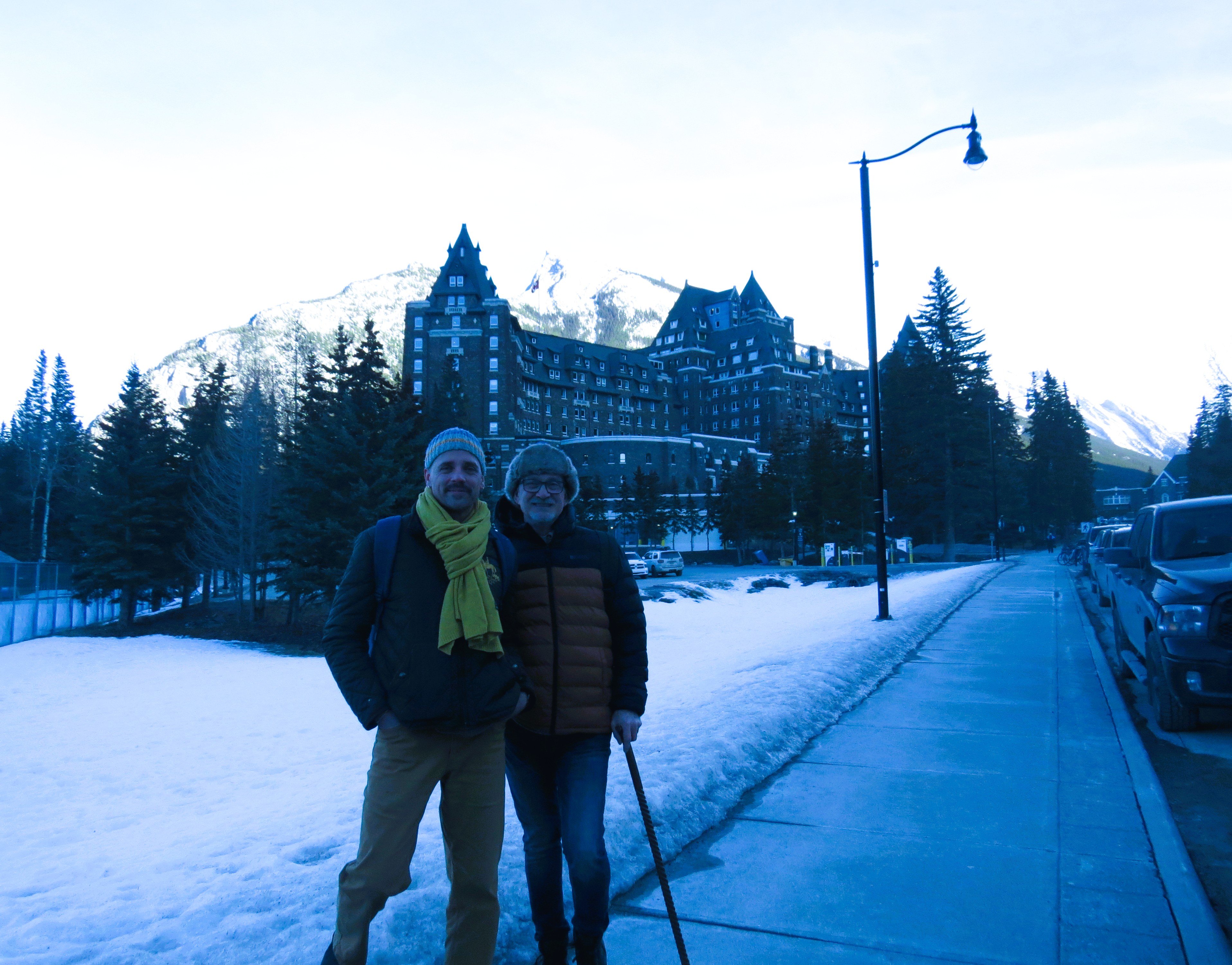
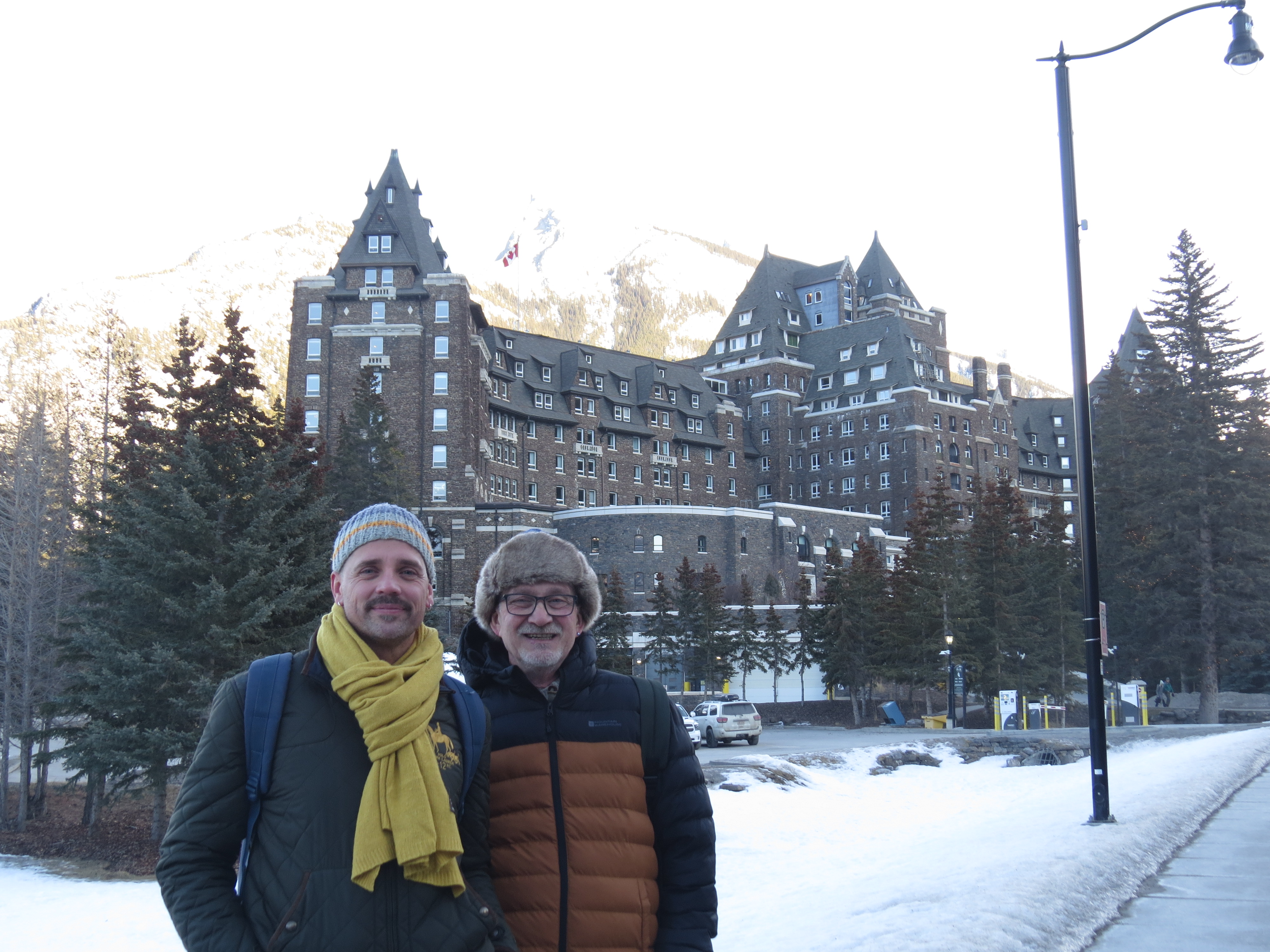
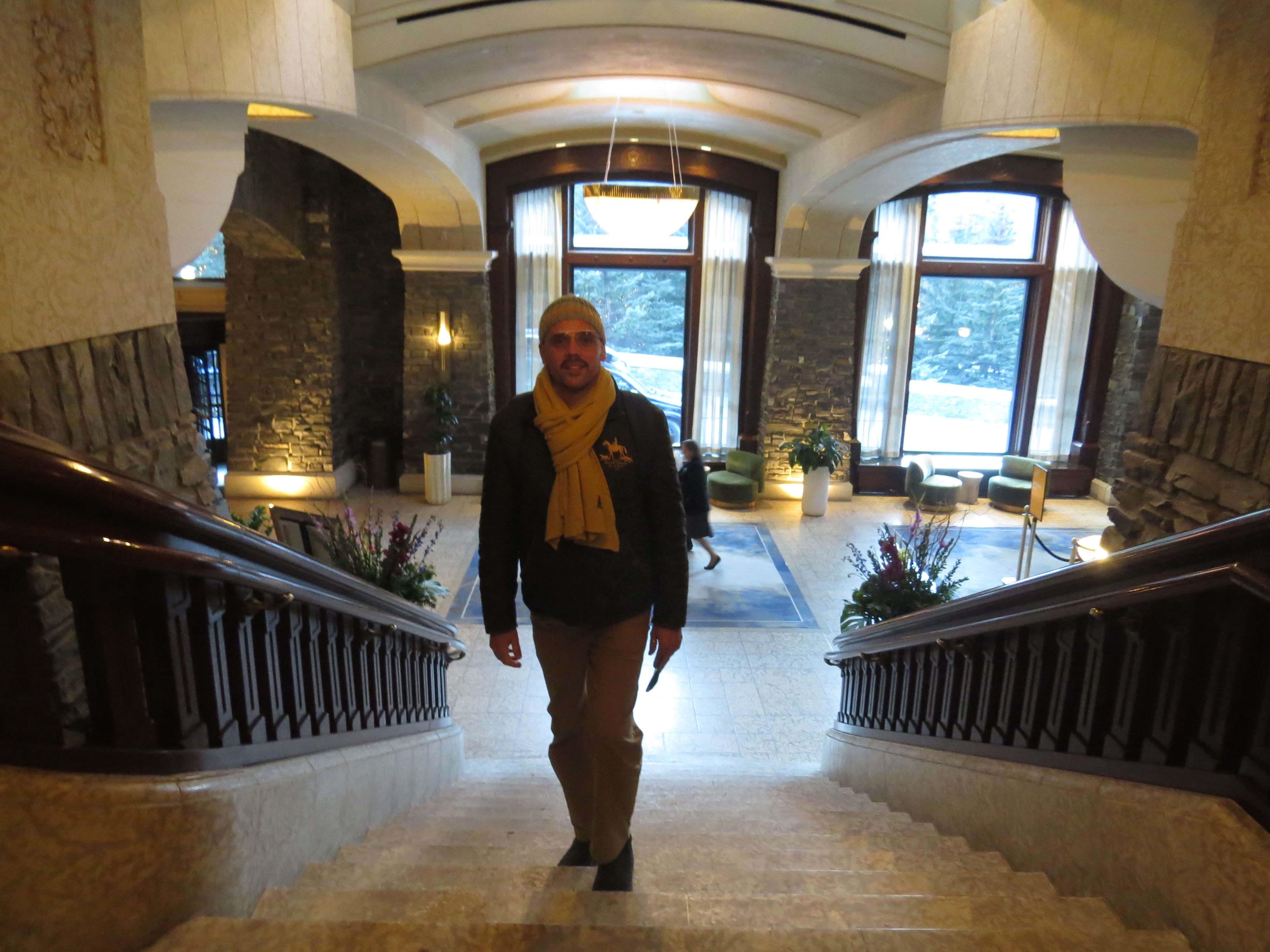
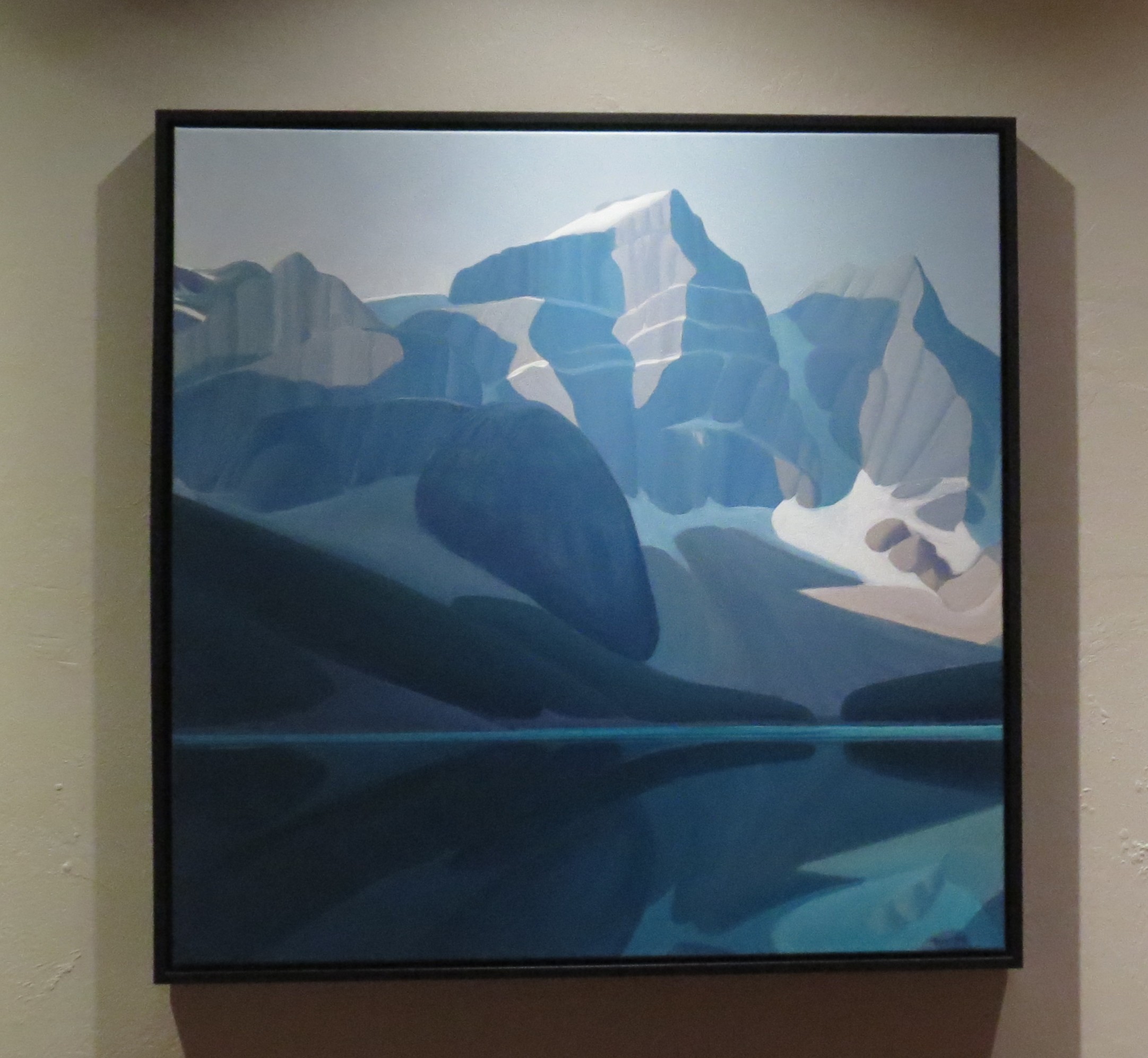
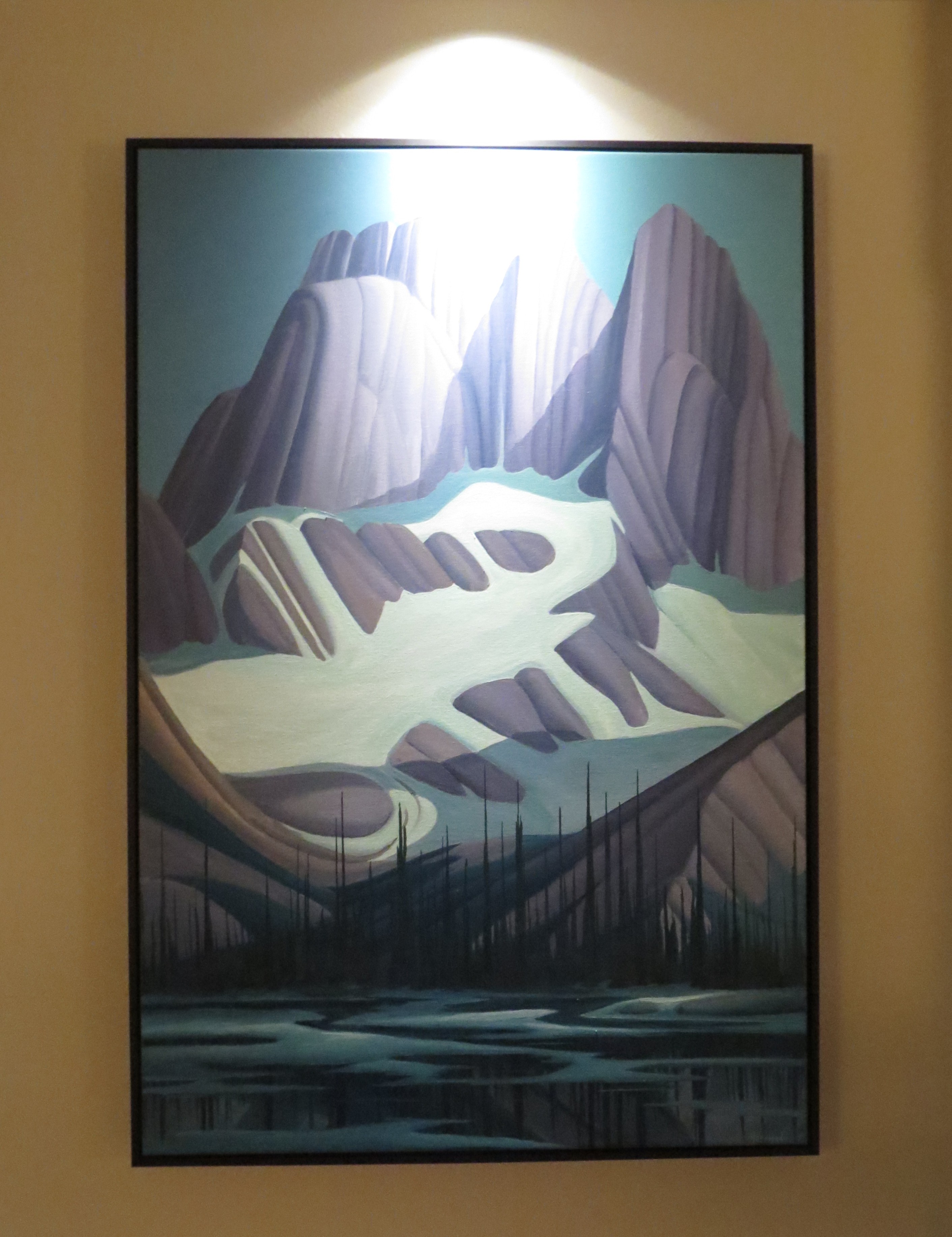
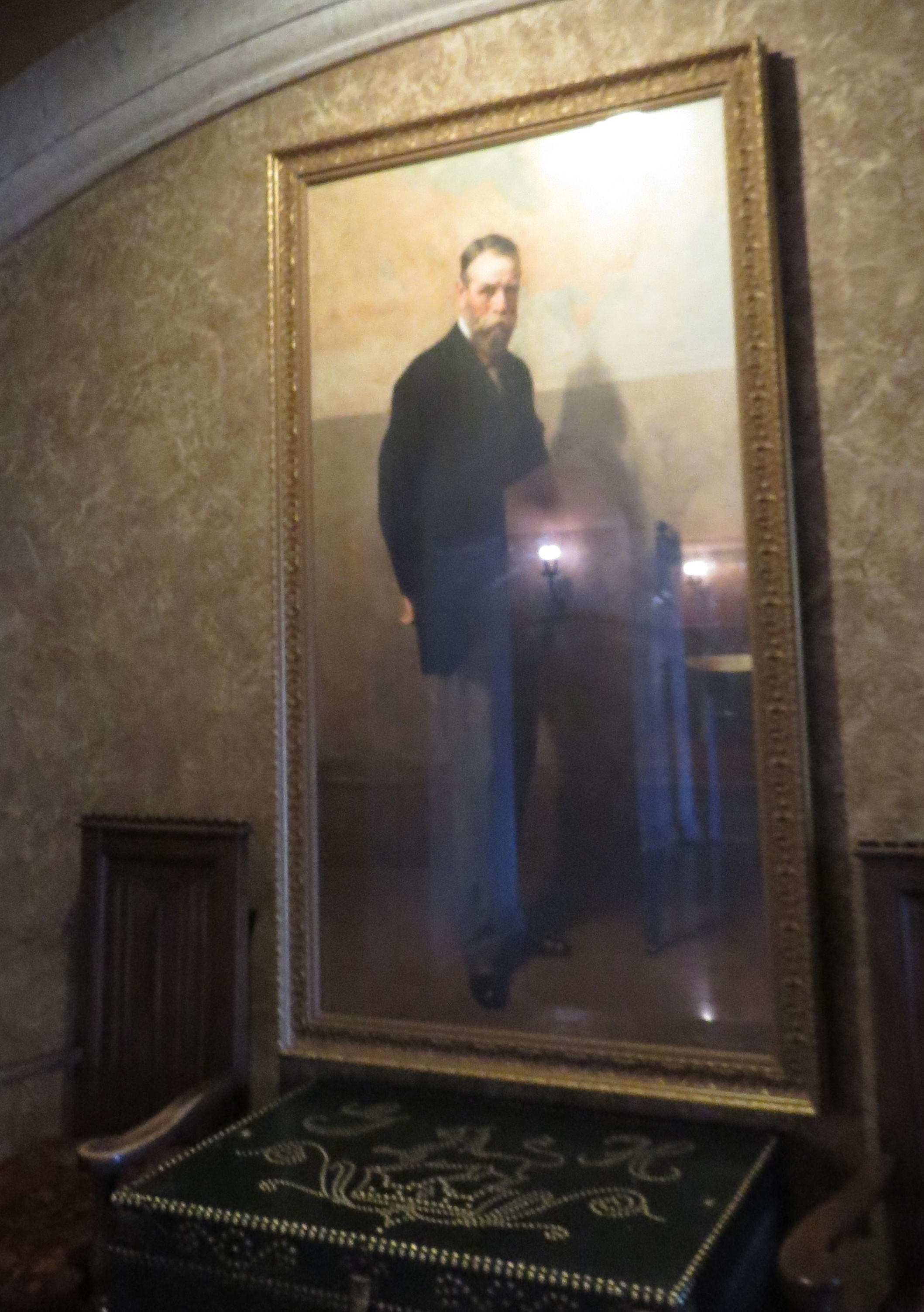
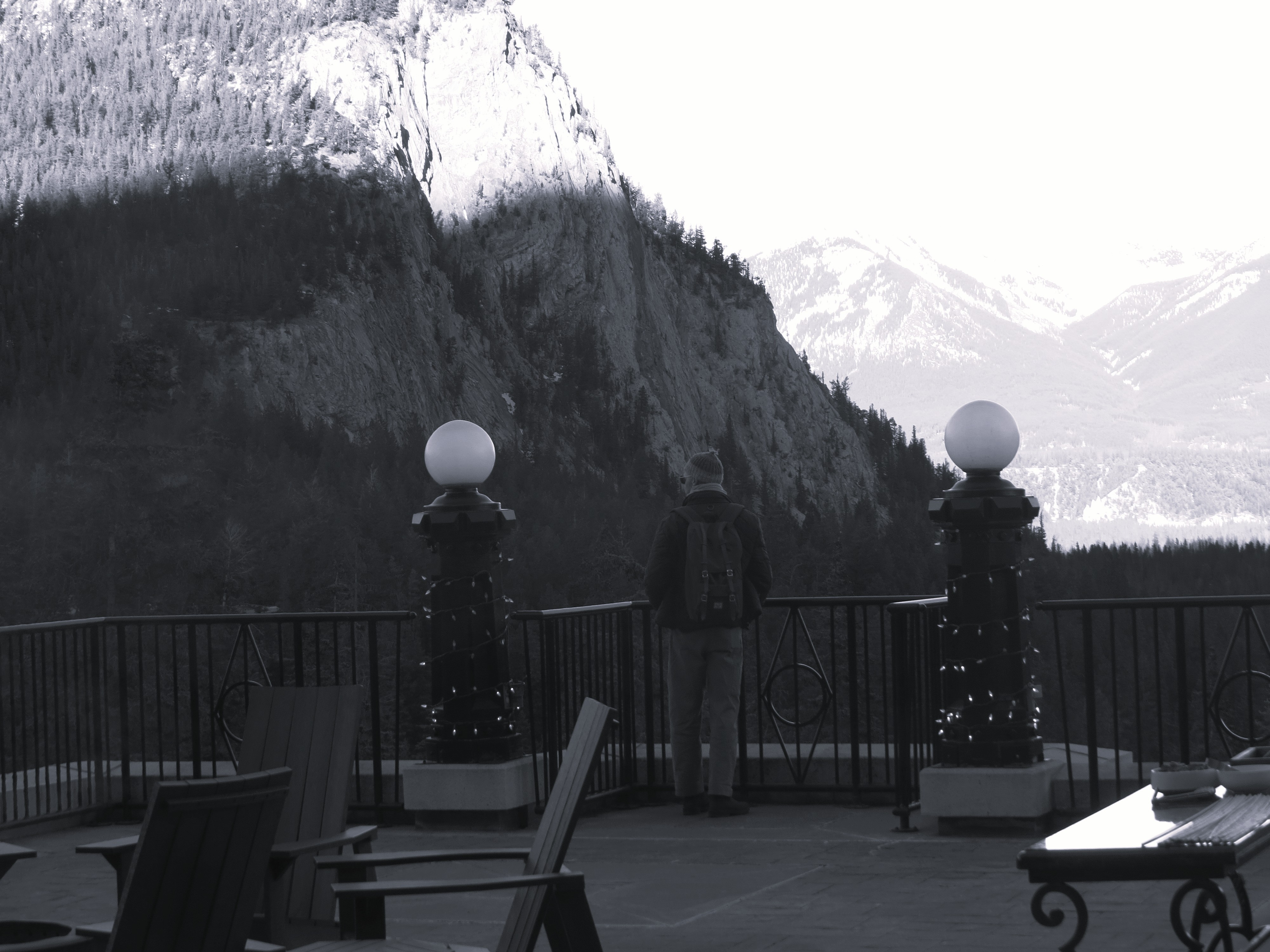
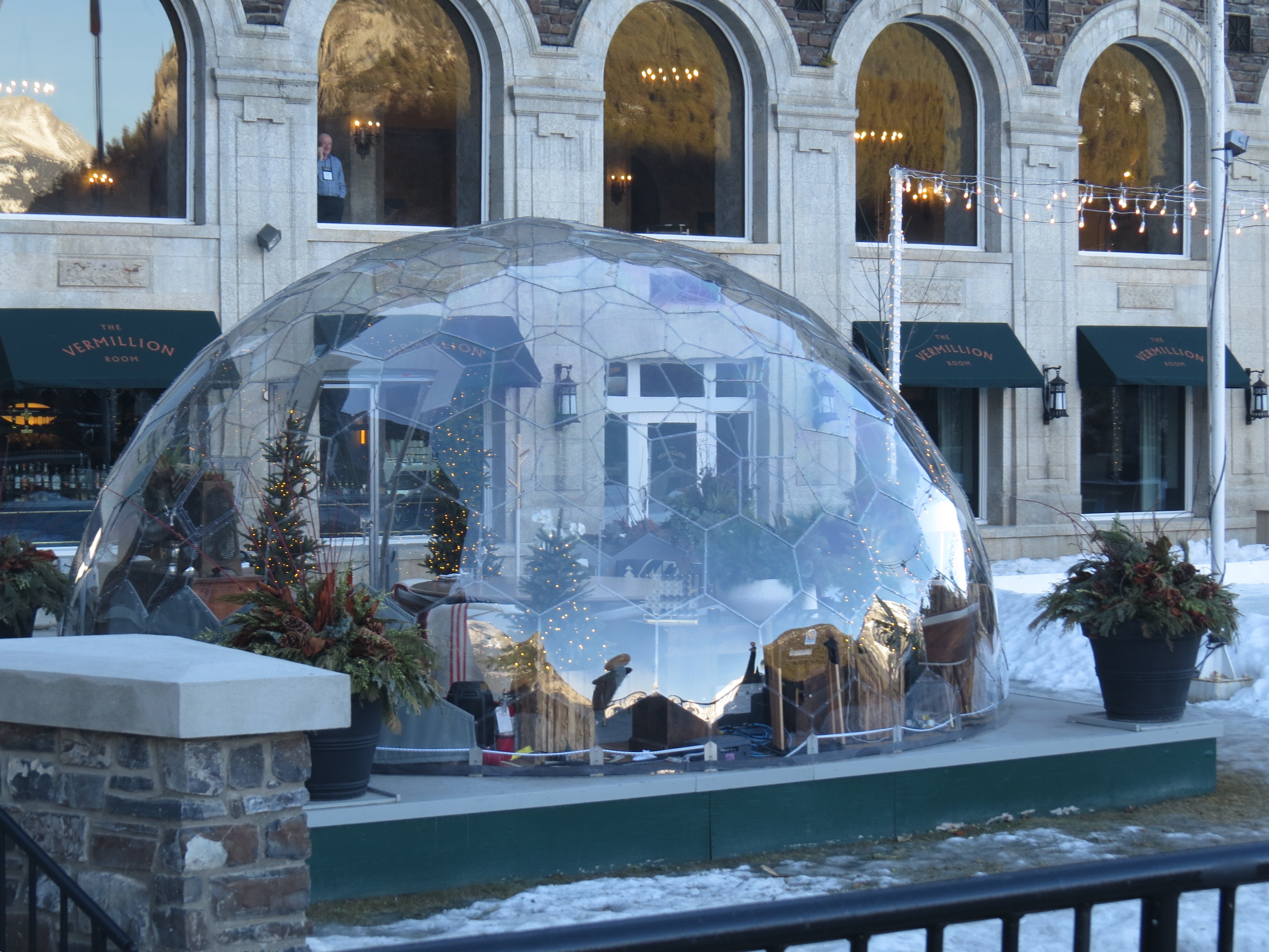
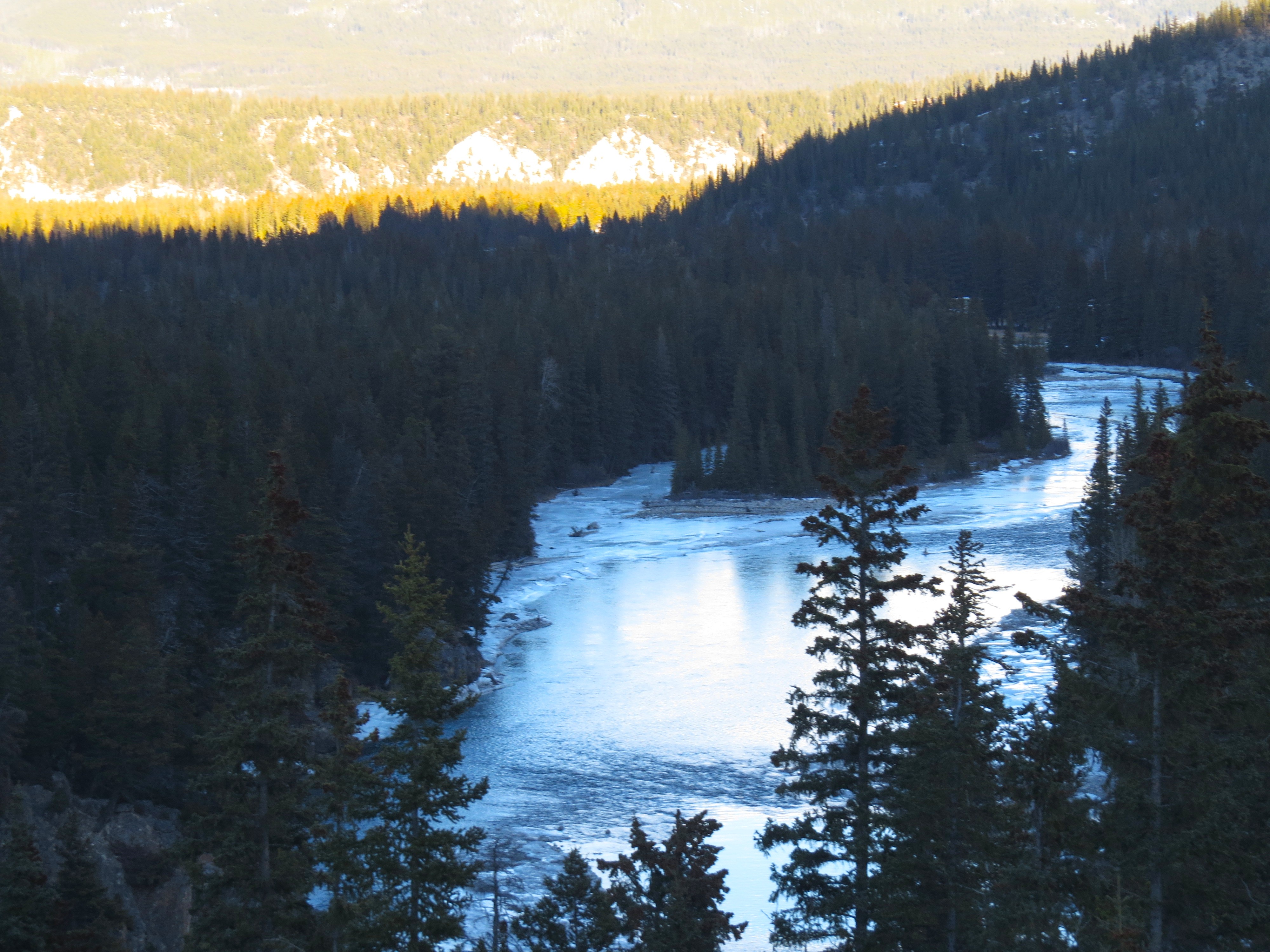
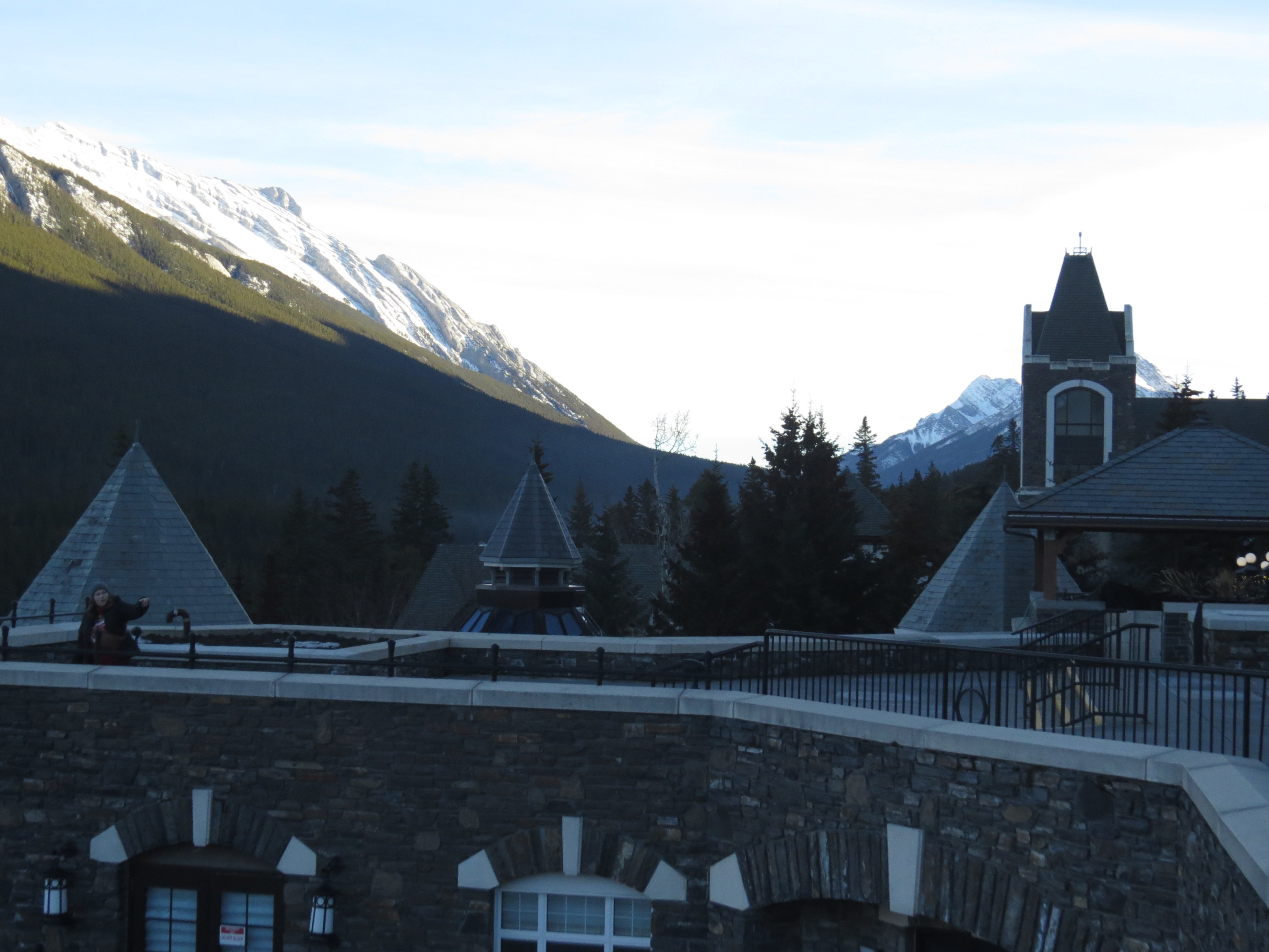
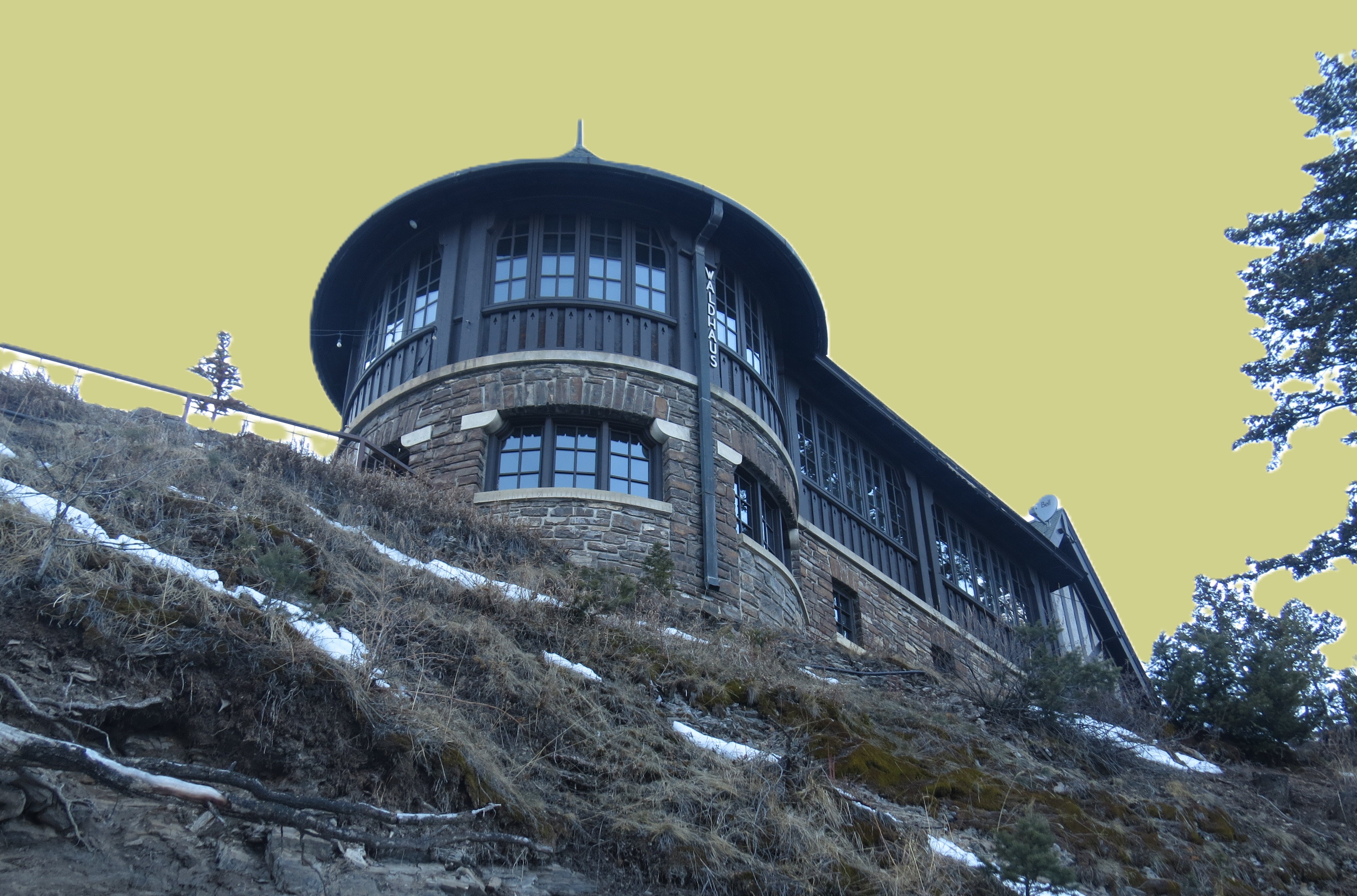
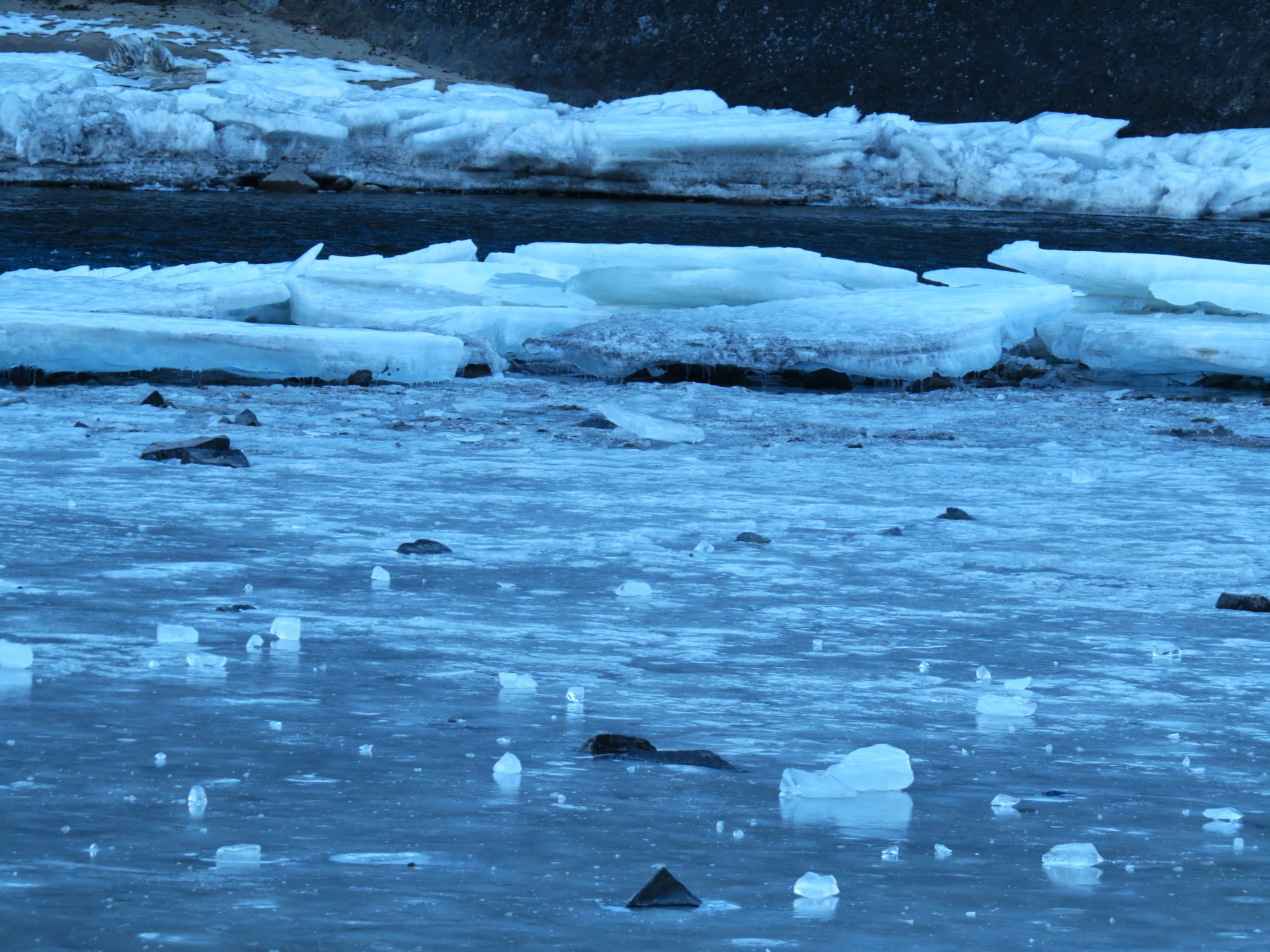
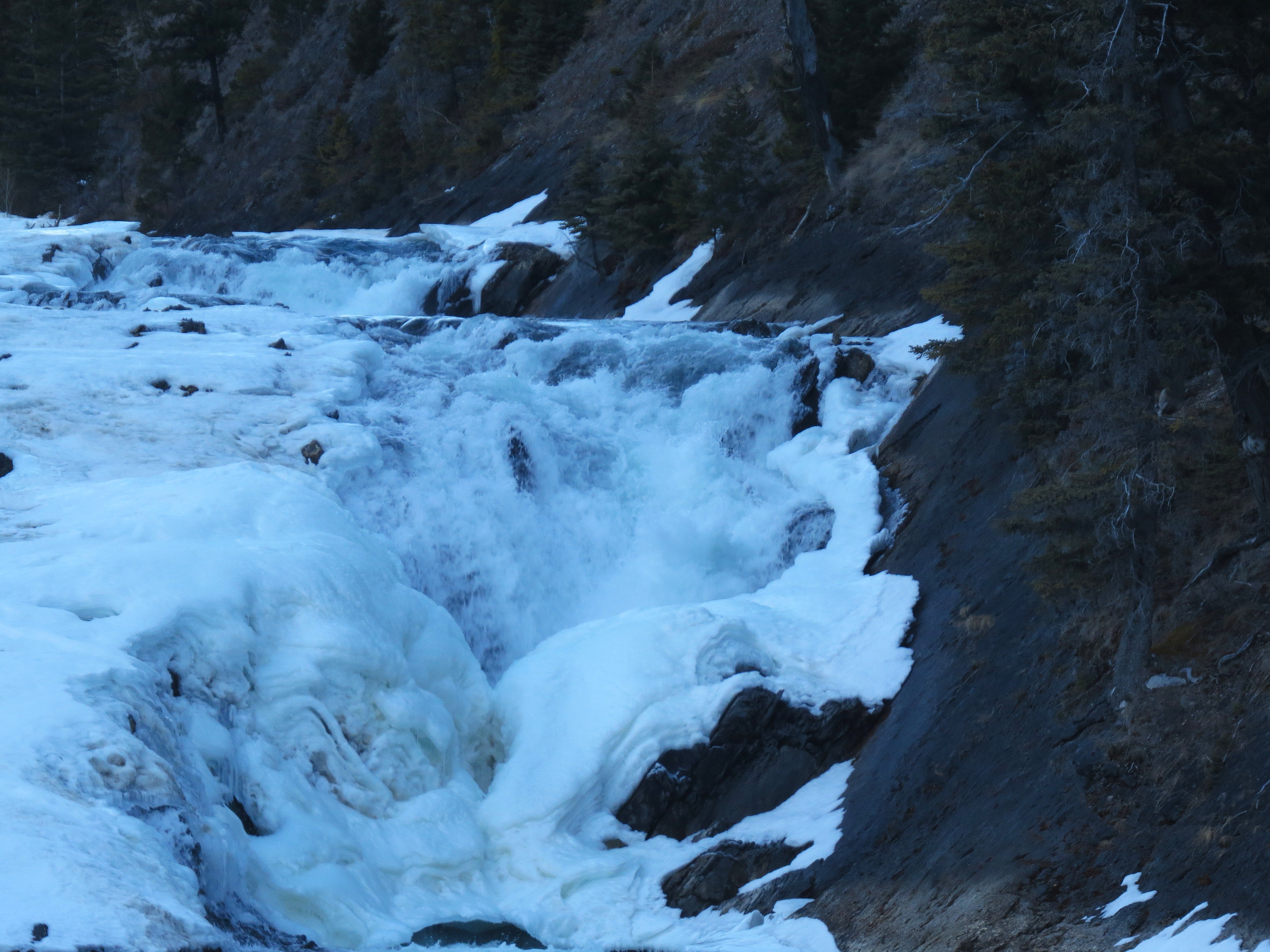
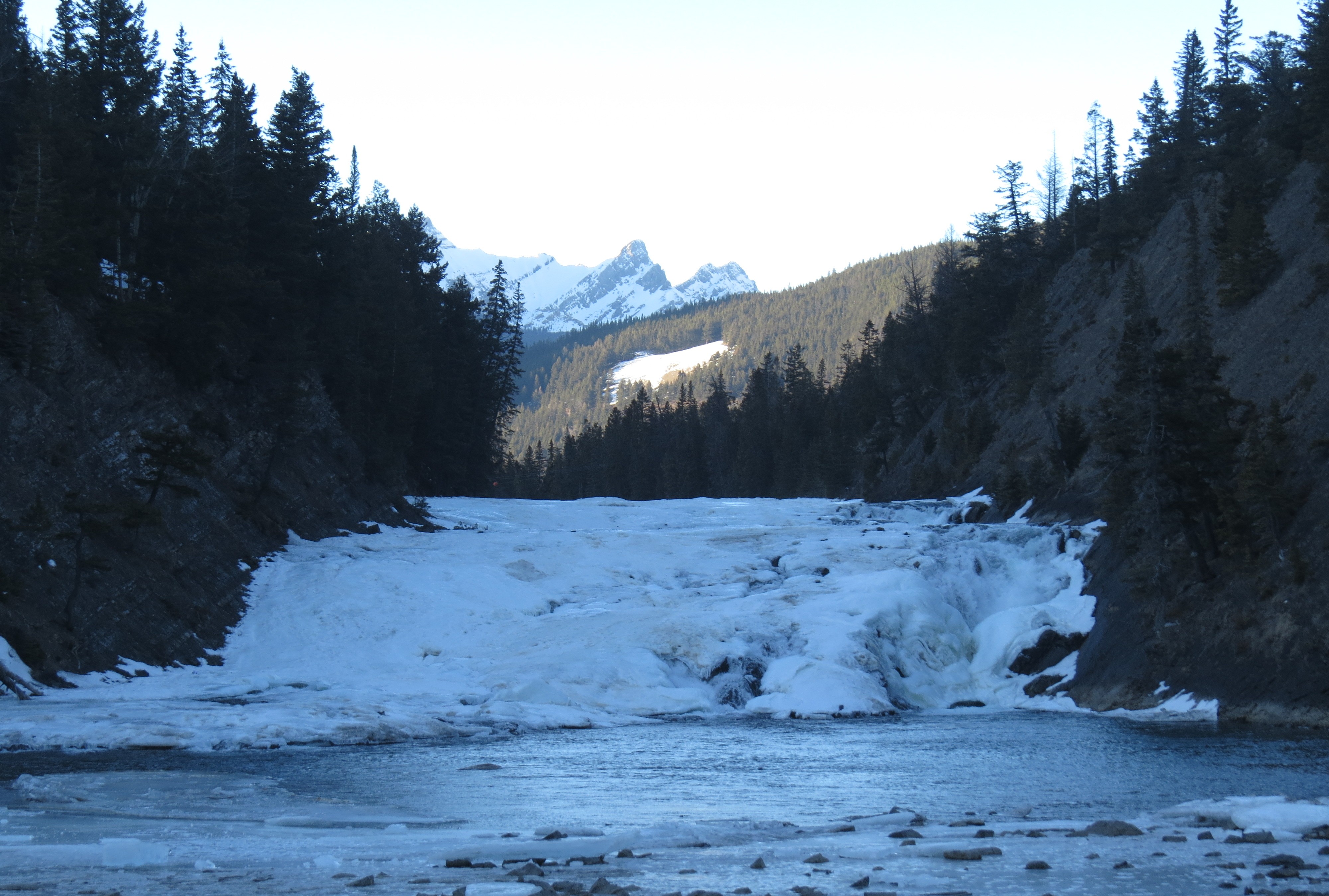
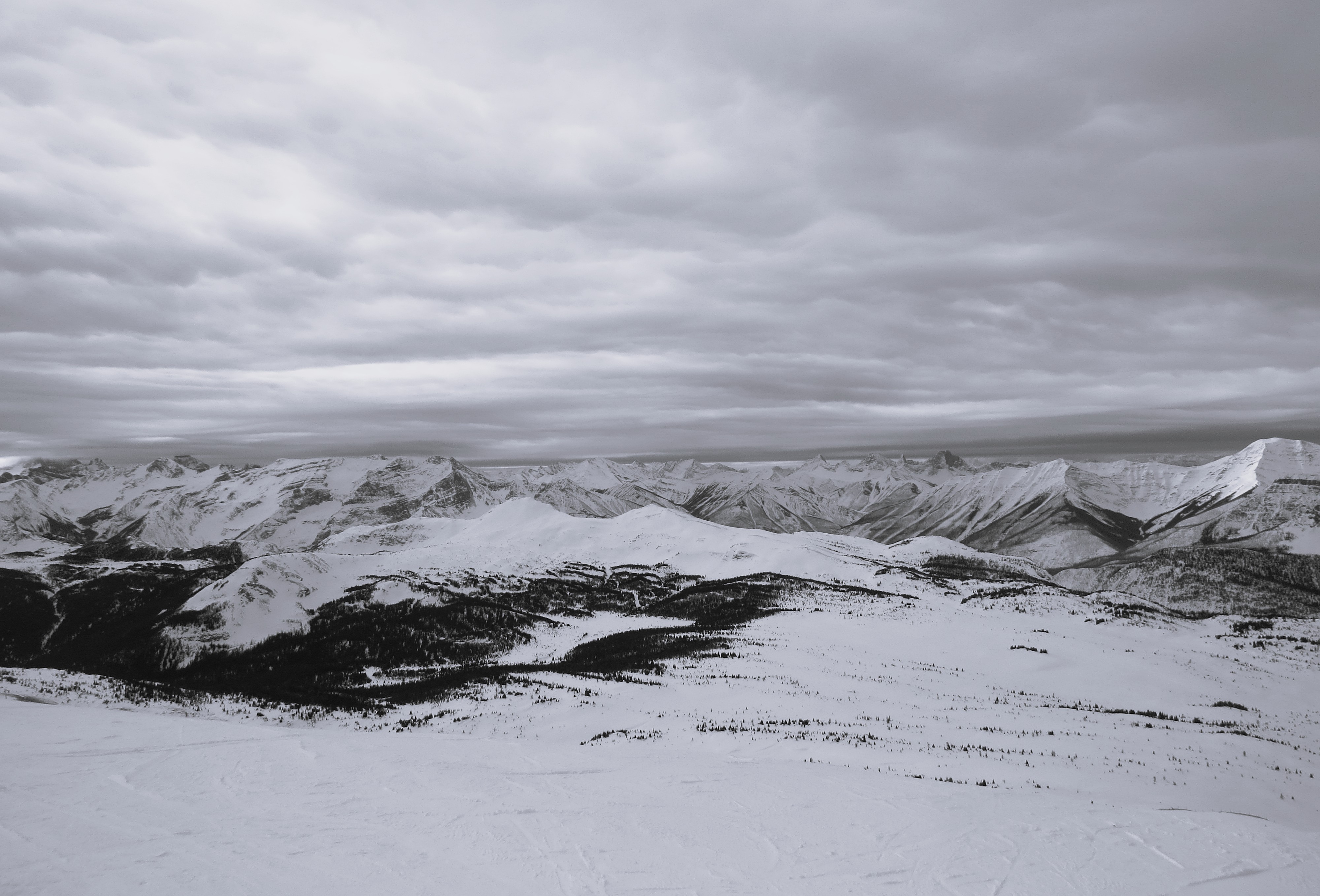
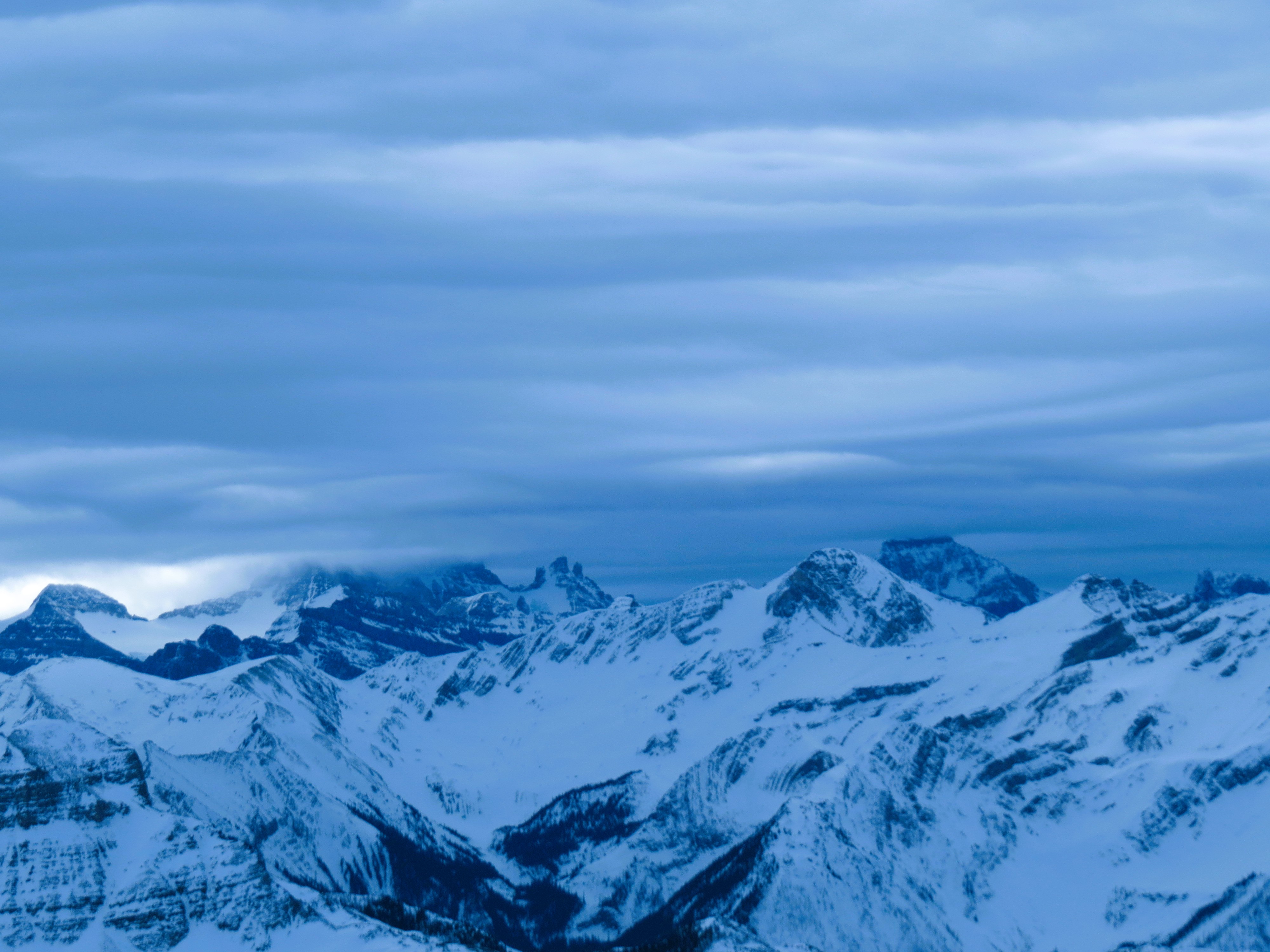
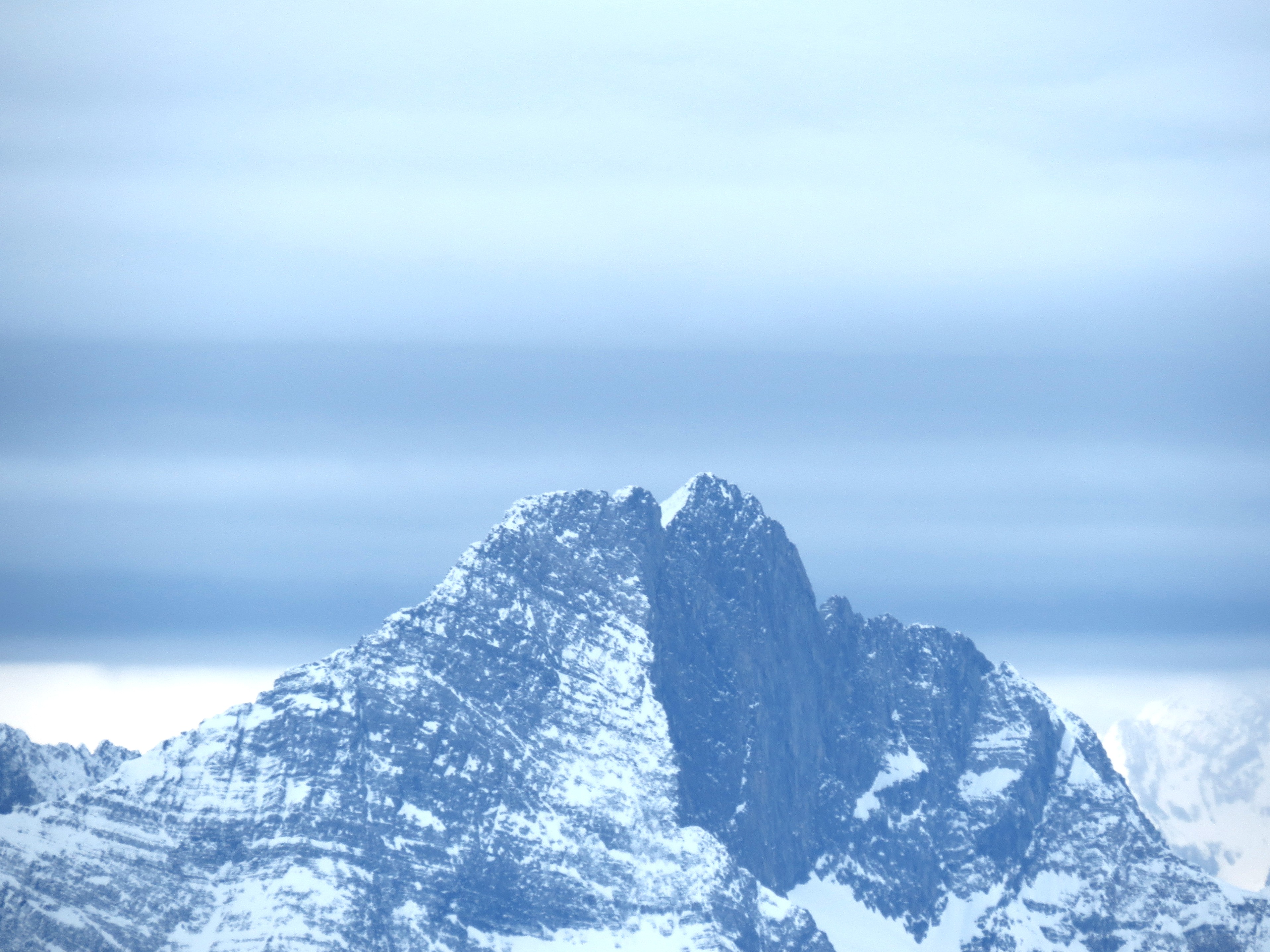
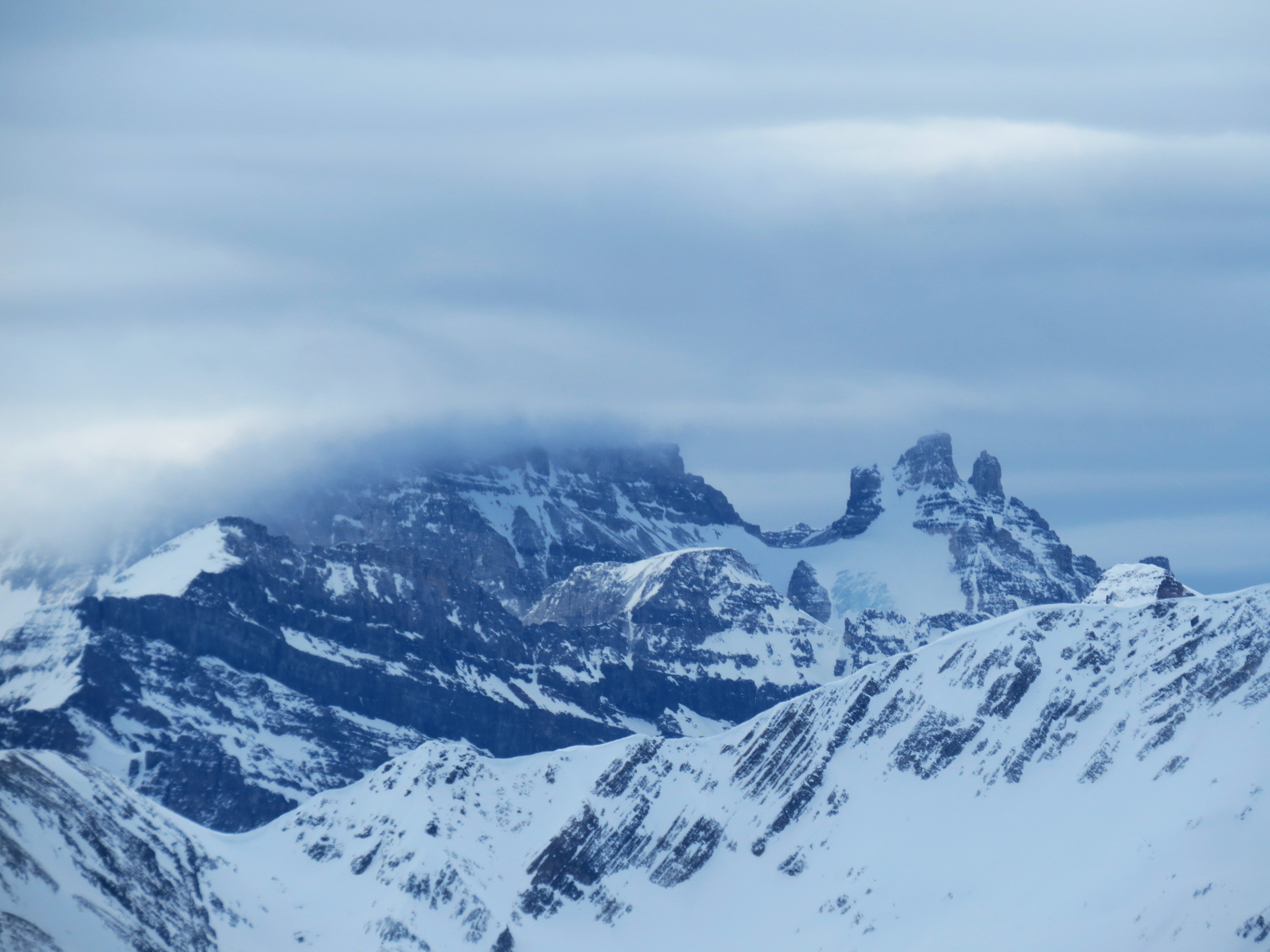
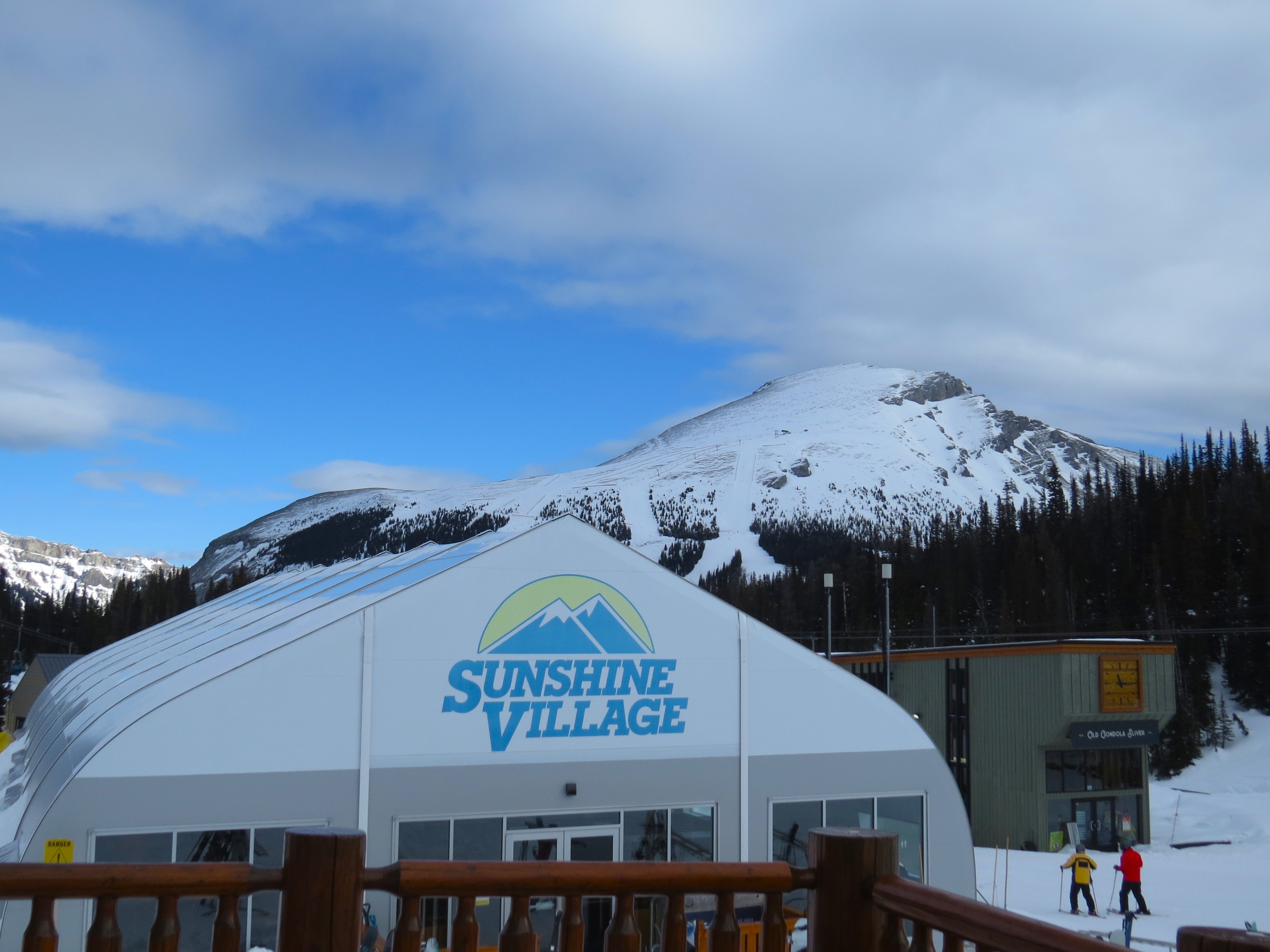
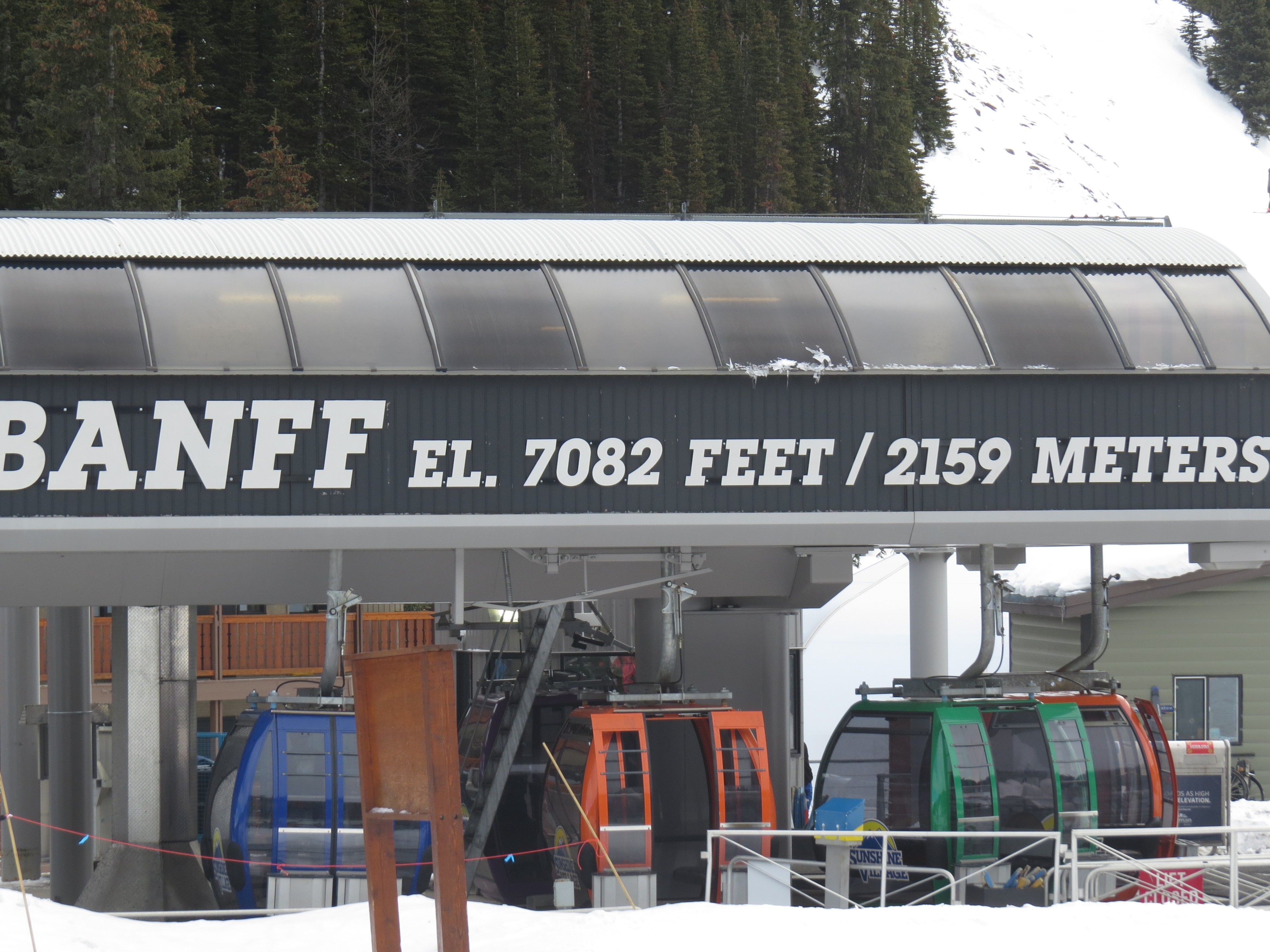
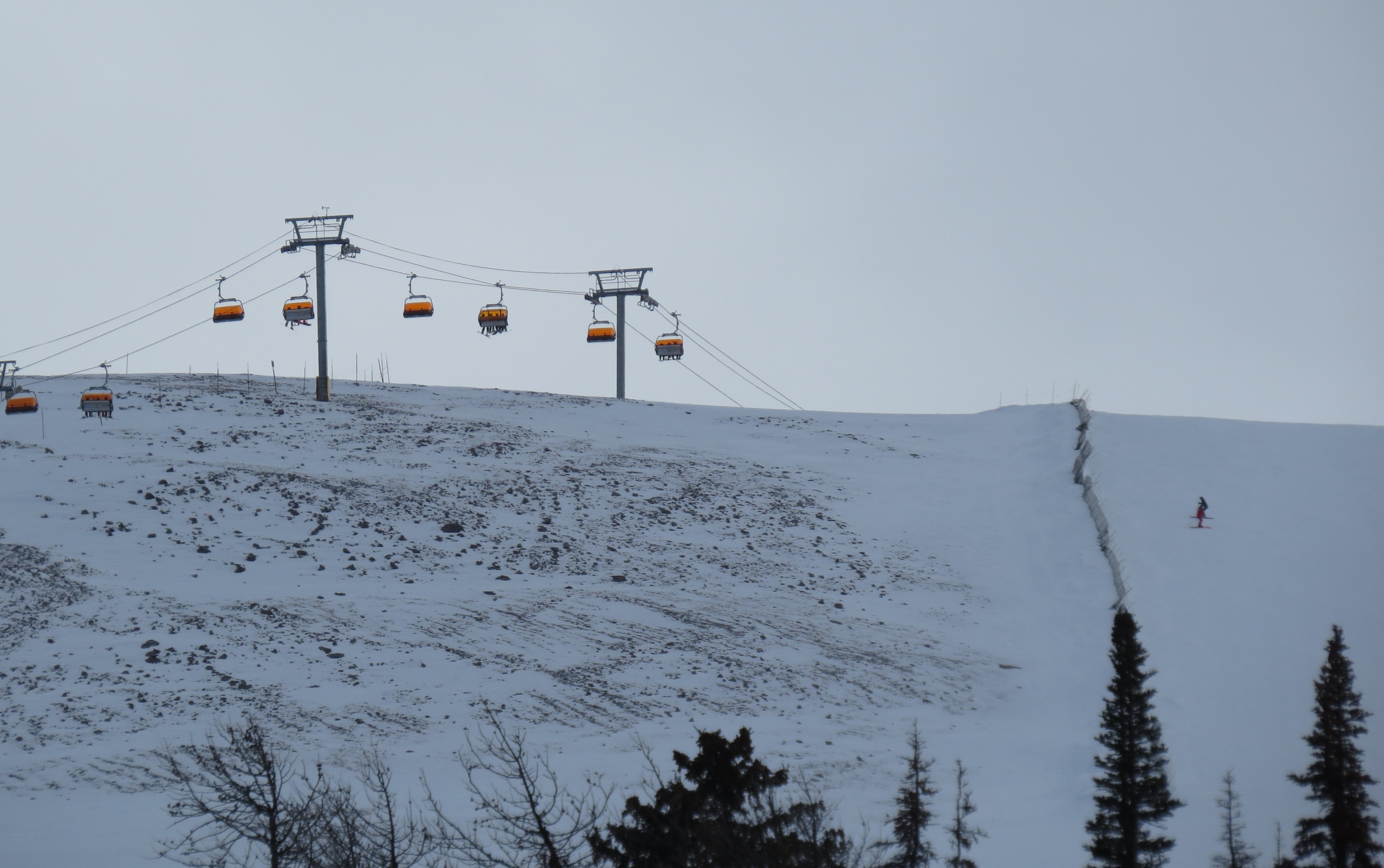
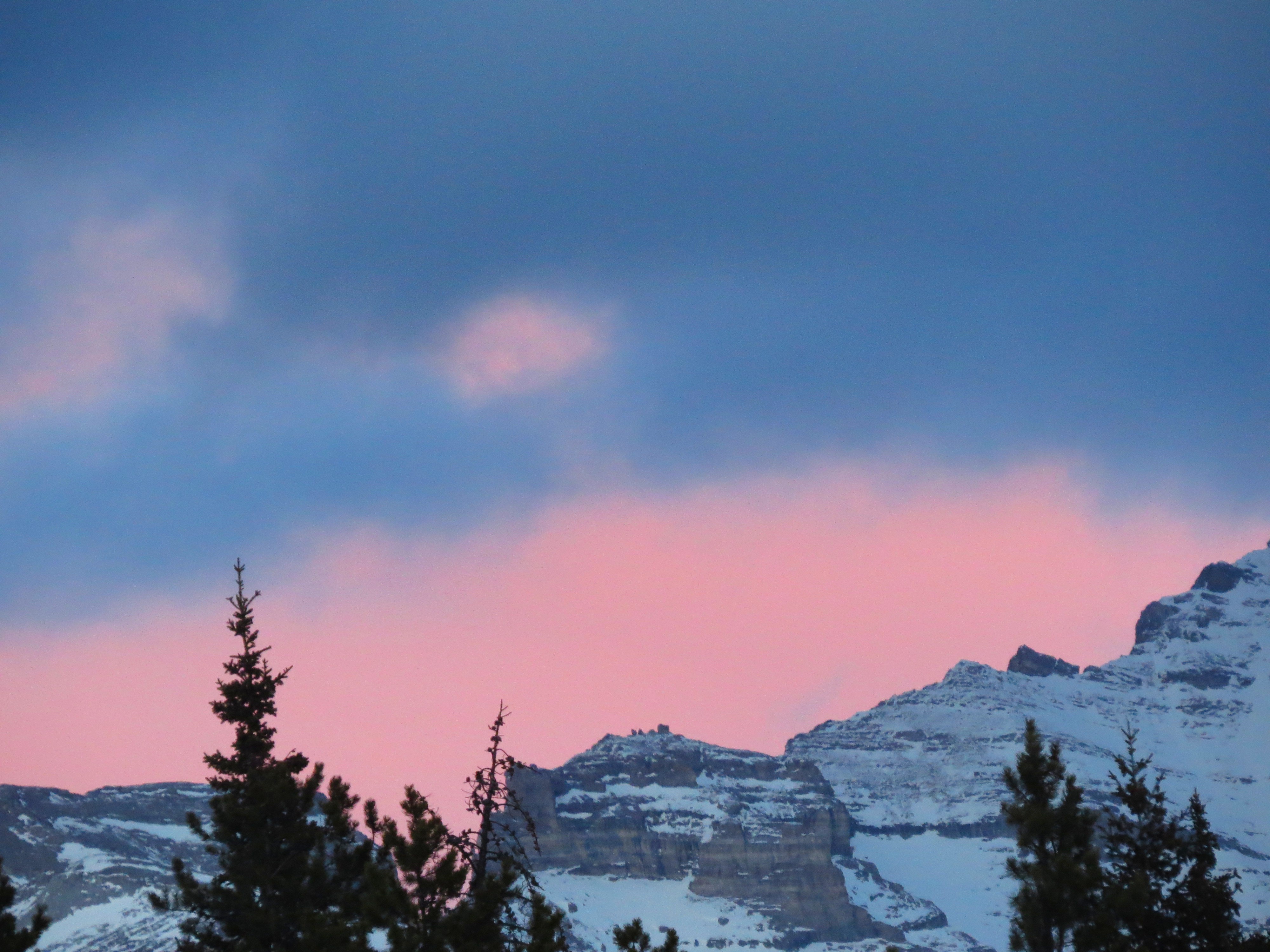
Jadę z przyjacielem, który ma się spotkać w Banff ze swoim przyjacielem z lat młodości jeszcze warszawskiej. Kiedyś był w Banff ale nie zna go aż tak dobrze, jak ja. Łazimy więc długimi kilometrami wokół zamarzniętej Bow River, wokół starego, monumentalnego Fairmont Hotel, gdzie kiedyś przed laty spotkałem i rozmawiałem z wielką gwiazdą Hollywood Jamesem Stewartem[i]. Idziemy do Banff School of Arts, gdzie kiedyś chodziłem na koncerty i gdzie bliski znajomy flecista Krzysztof Kaczka miał stypendium, gdzie kiedyś ja miałem dostać też swoje na pisanie – musiałem zrezygnować, bo inne wydarzenia w życiu nie pozwoliły na takie sabbatical. Następnego dnia jedziemy do fantastycznego, mojego ulubionego w dawnych czasach, raju narciarskiego w Sunshine Village. Od czasu mojego wypadku samochodowego blisko rok temu moja lewa noga nie pracuje jak trzeba. W zasadzie spodziewałem się, że narty, zwłaszcza wysokogórskie, już nie są dla mnie. Aliści … nie ma lasu bez liści. Więc założyłem deski i … wio! Skłamałbym pisząc, że szusowałem, jakbym mógł rok temu. Ale radość jazdy mi zrobiły, mimo, ze chwilami bolesne i trudne. A potem kilka kilometrów do bazy już nie kolejka linową a droga w dół. Pierwszy i jedyny upadek miałem już przy parkingu, gdy się zatrzymałem by już odpiąć narty, źle chyba stanąłem i poleciałem na plecy, LOL. Następnego dnia pojechaliśmy nad Lake Louise i zamarzniętym na amen jeziorze złaziliśmy kilka dobrych kilometrów. Spoglądałem z ciepłym rozrzewnieniem na szczyty Mitry i Abberdeen, na lodowiec Victorii przy Lake Louise, hen po prawej ku Lake Agnes i przełęczy, którą kiedyś przechodziłem do Lake O’Hara i starego schroniska, gdzie przebywał kiedyś Jackson, jeden z malarzy słynnej Grupy Siedmiu; na moją ukochaną Mount Temple z bogami mieszkającymi na jej szczycie. Tym razem chyba naprawdę ostatni raz. Wiem, tyle już razy mówiłem, że gdzieś jestem ostatni raz … i nagle do tych miejsc wracałem. Ale tam już chyba faktycznie więcej nie pojadę. Ale jestem szczęśliwy, że pojechałem teraz. I w kompani serdecznej, dobrej.
A wracając zatrzymaliśmy się w Revelstoke na obiad w tym samym hoteliku, gdzie zawsze zatrzymywałem się z Moim Chłopcem, gdy jeździliśmy bardzo często z Vancouveru (mieszkaliśmy tu najdłużej) do Calgary odwiedzić jego rodzeństwo.
I to była historia moich podróży do Banff w Górach Skalistych.
[i]James Stewart – Wikipedia – w Fairmont Hotel w Banff odbywają się od wielu lat Festiwale Filmów Telewizyjnych i na jednym z nich w latach 90tych Stewart zasiadał w jury festiwalowym.
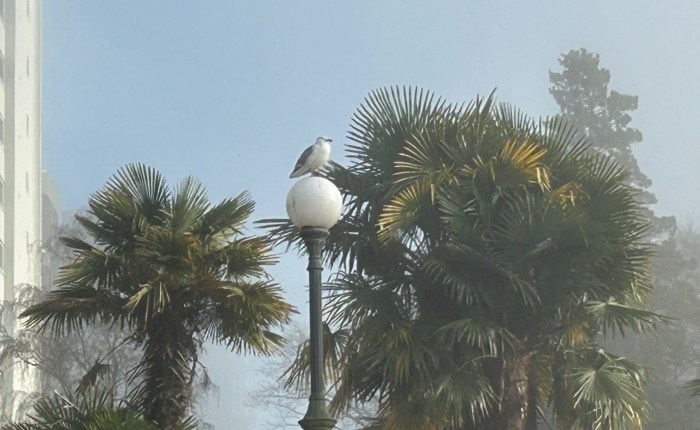
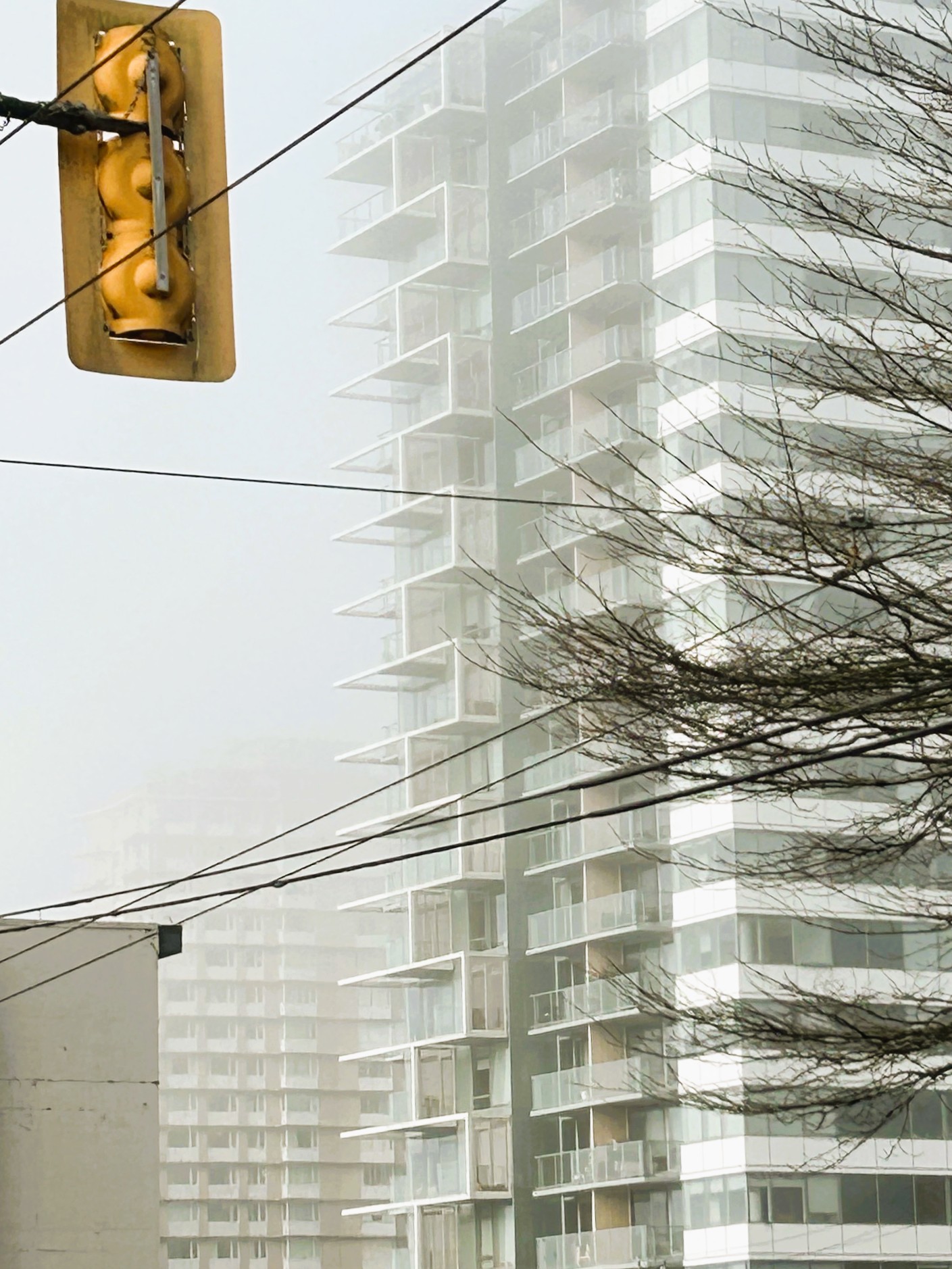
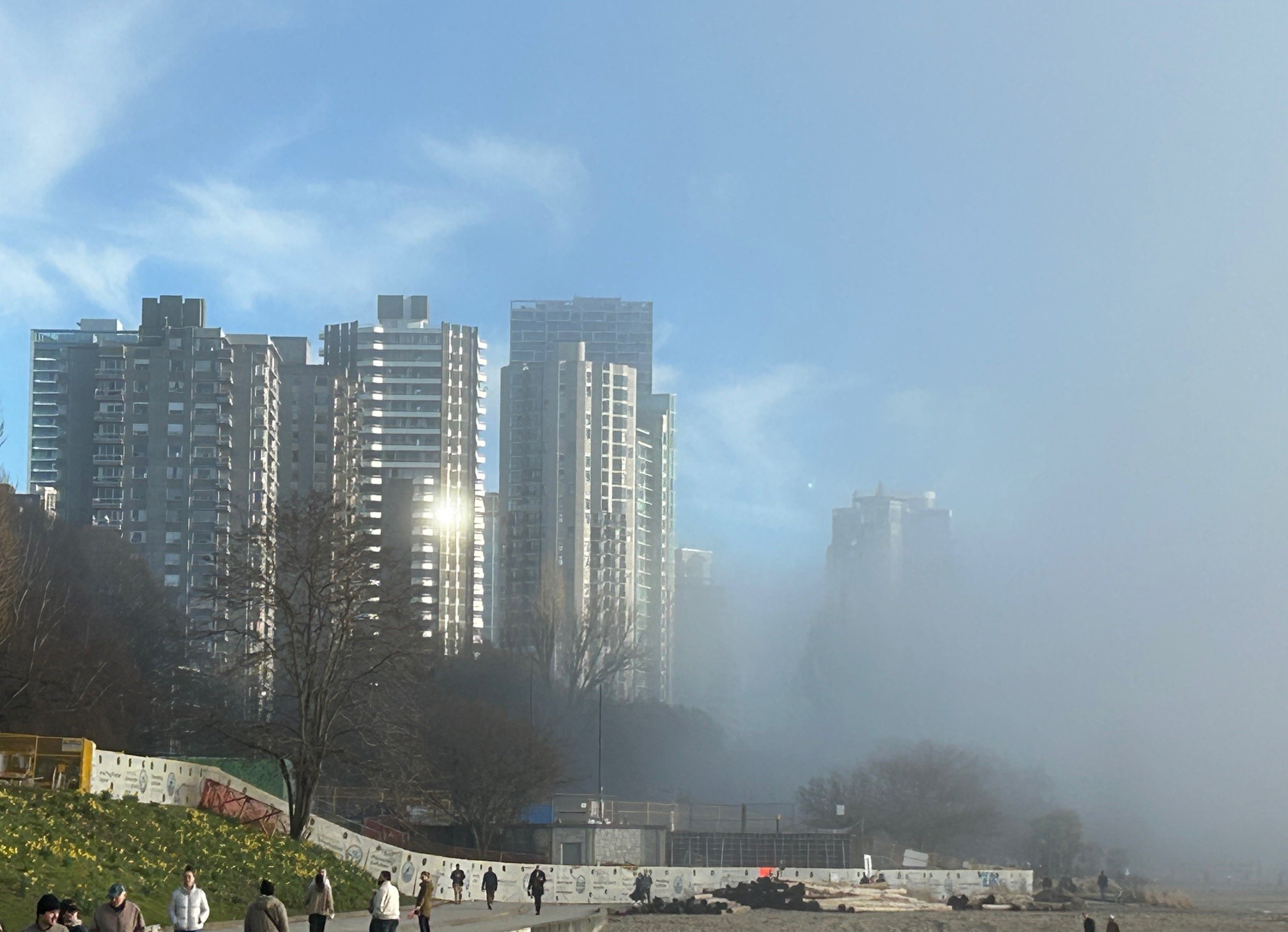
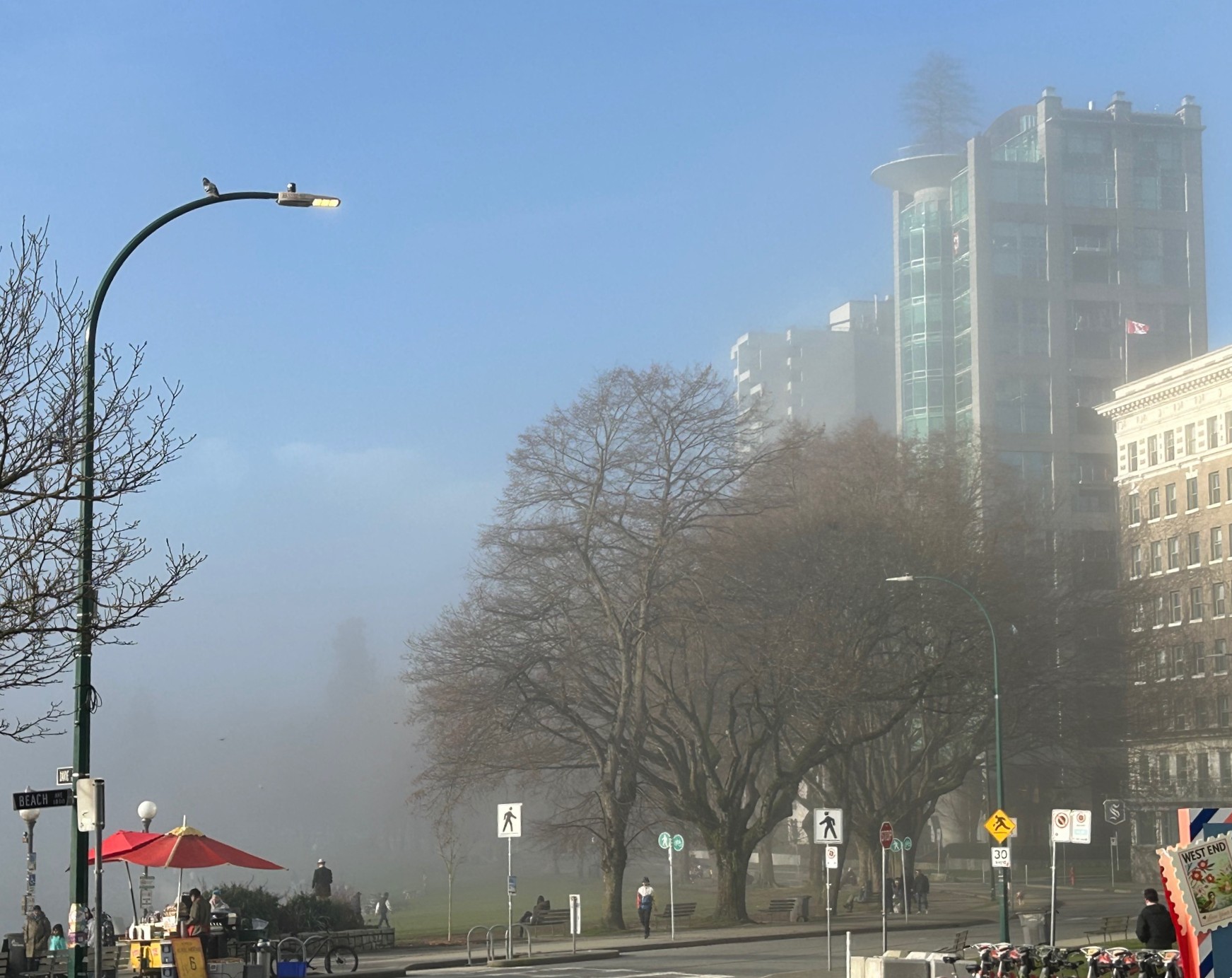
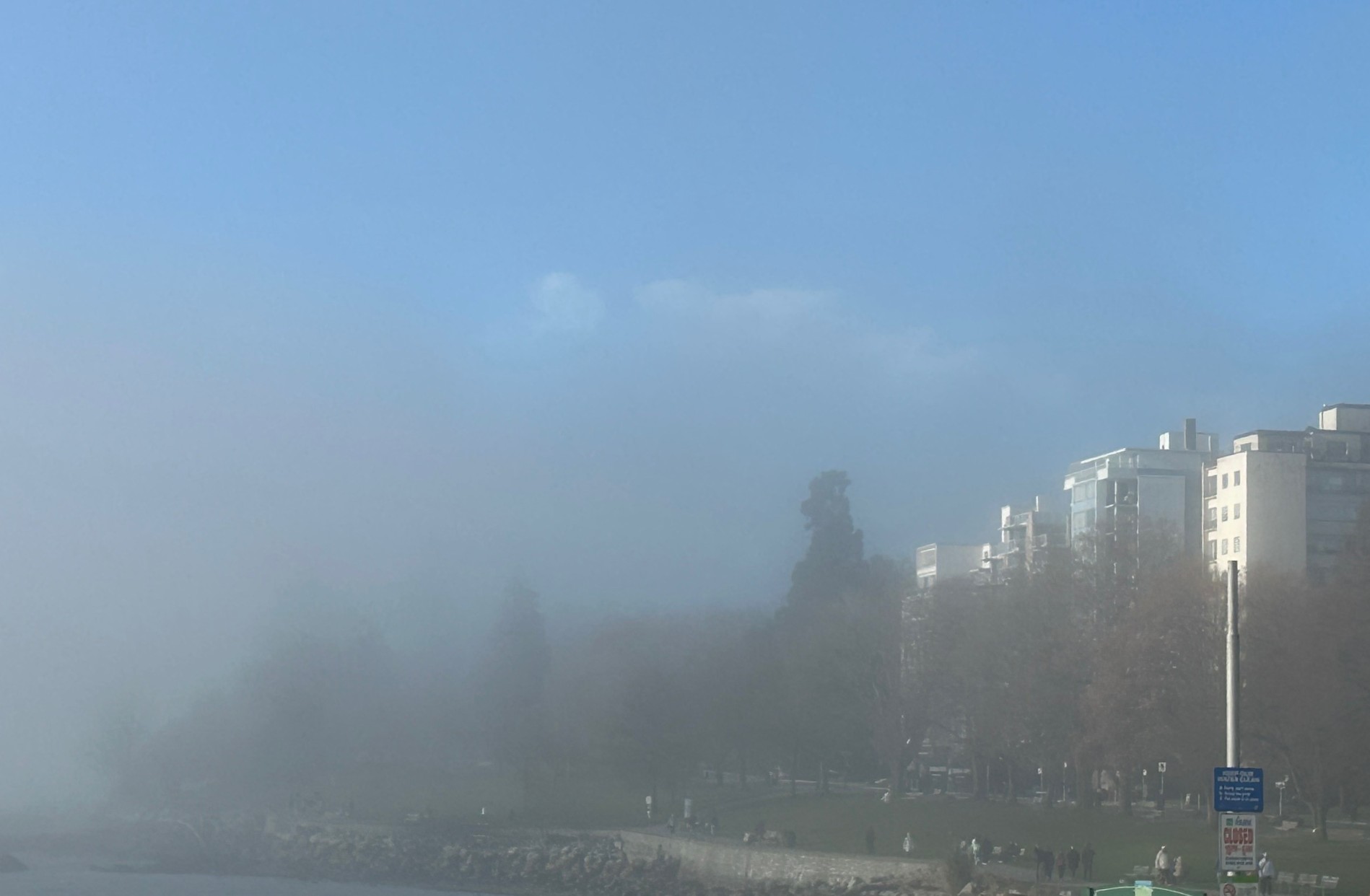
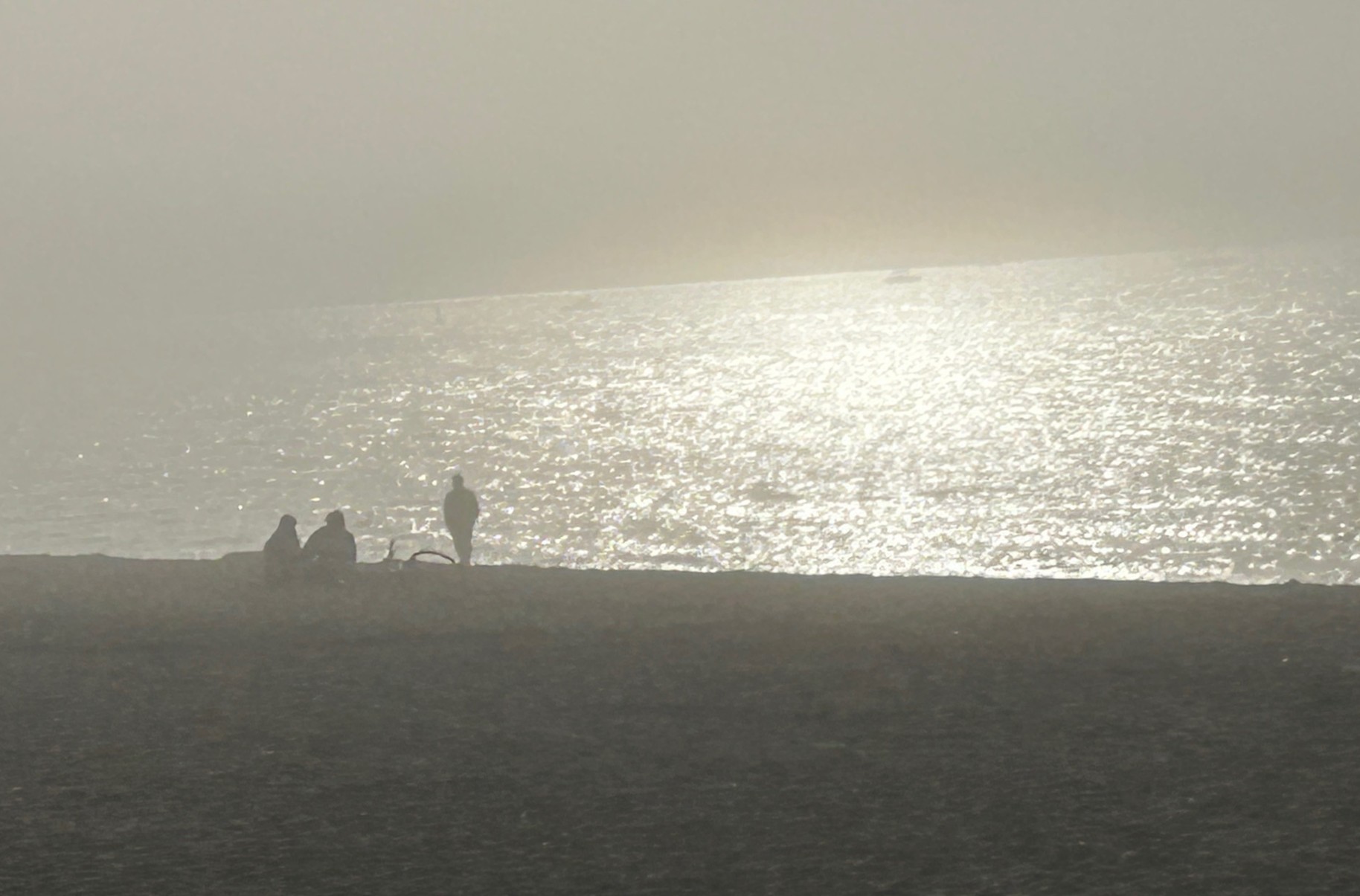
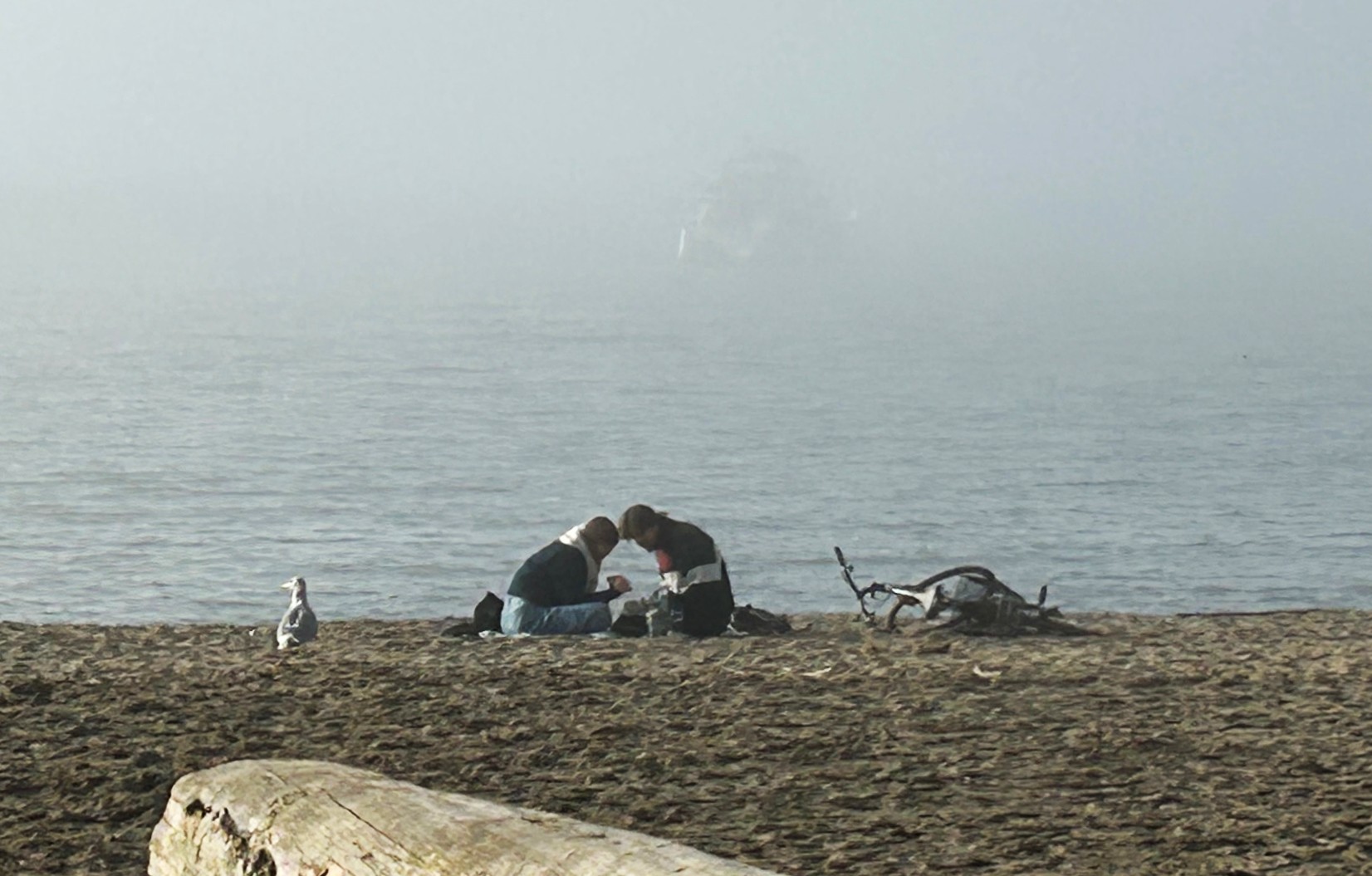
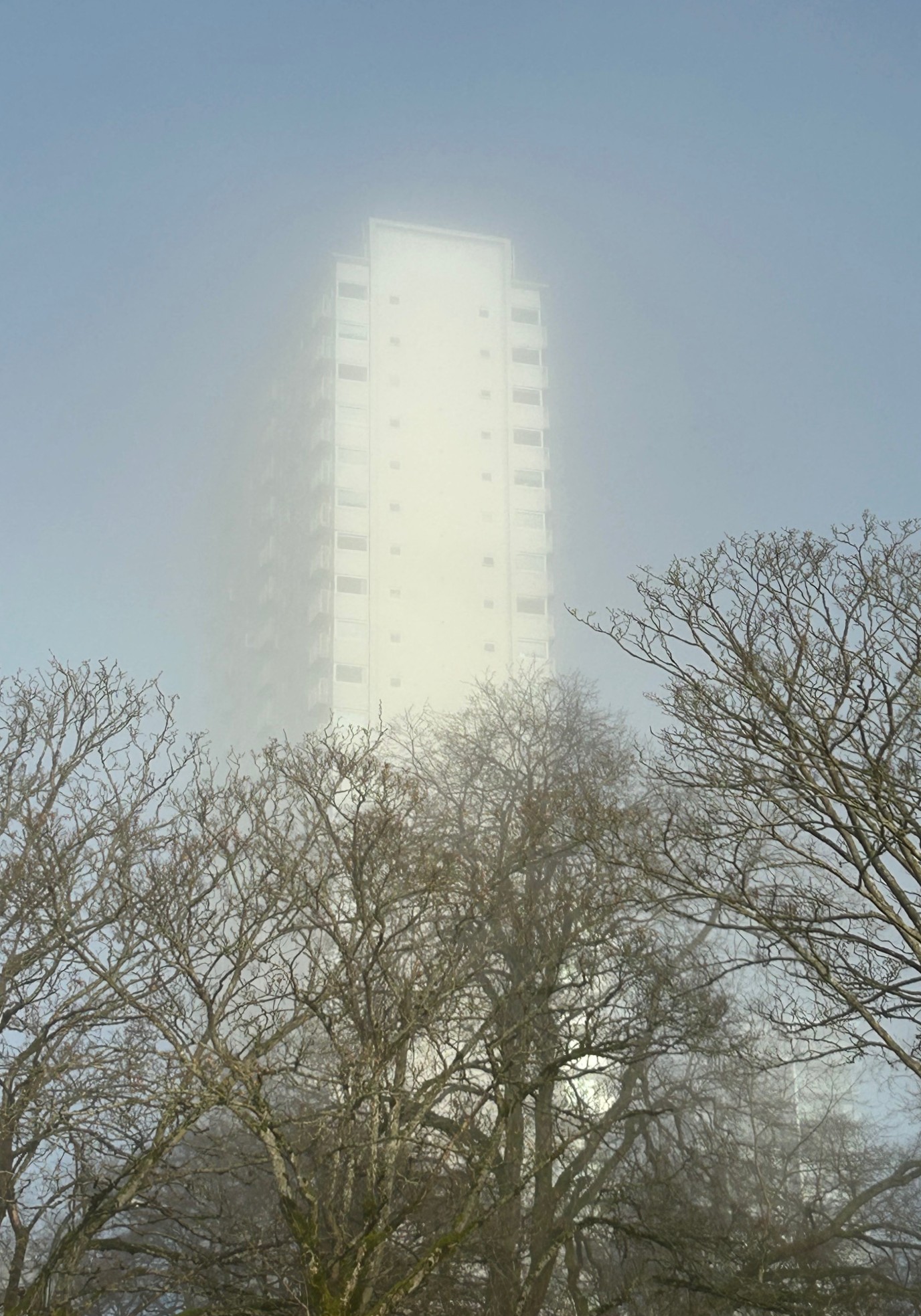
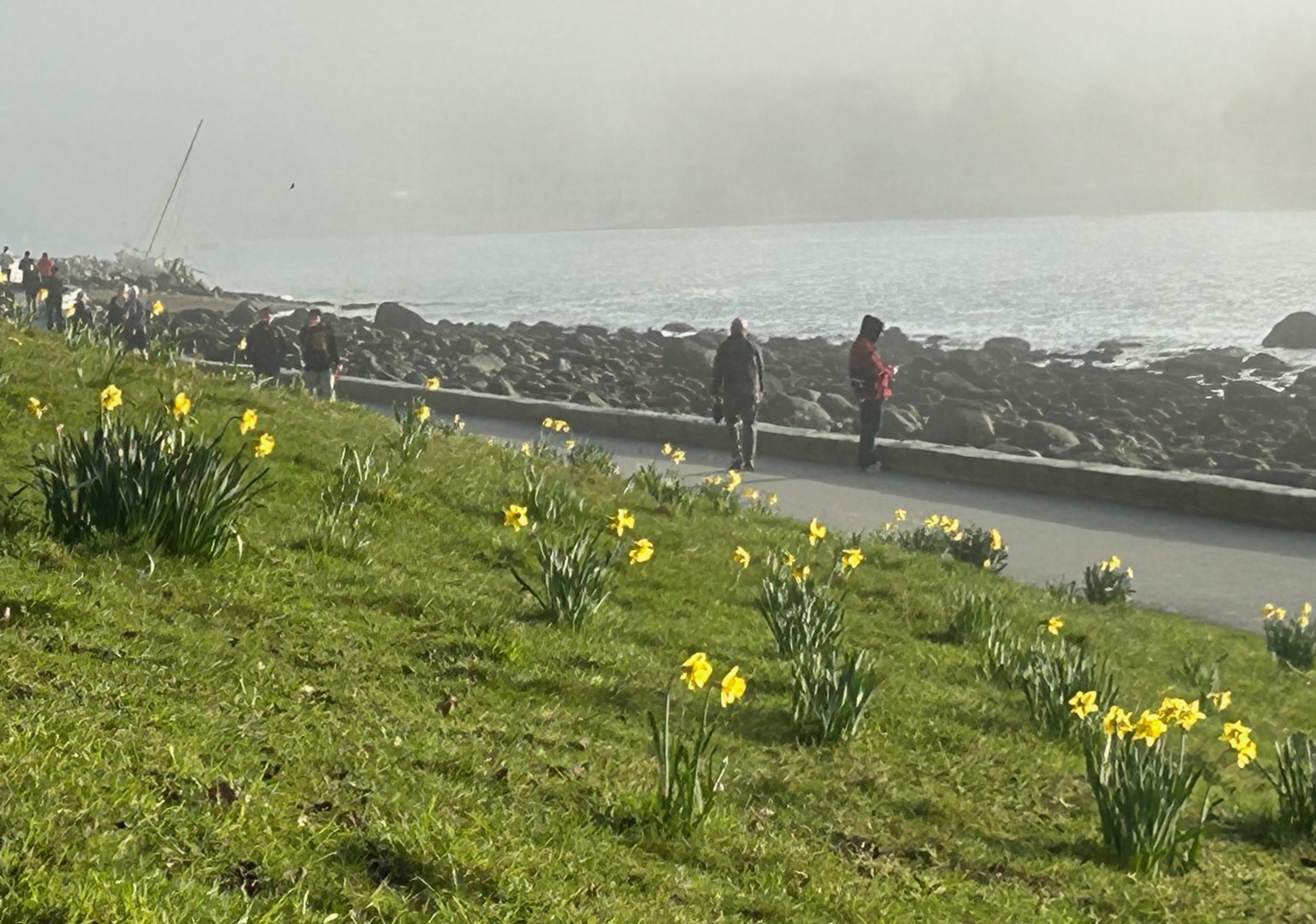
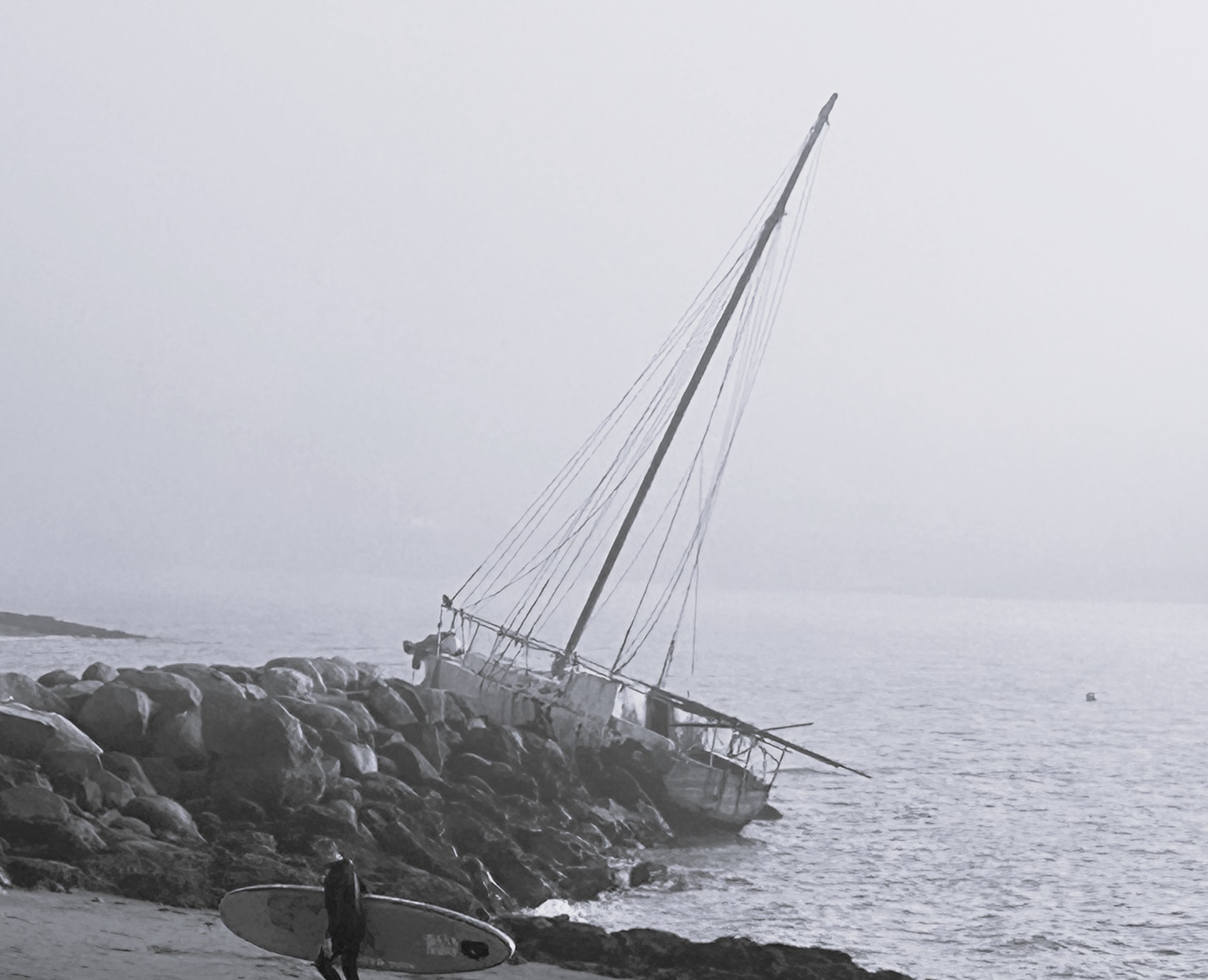
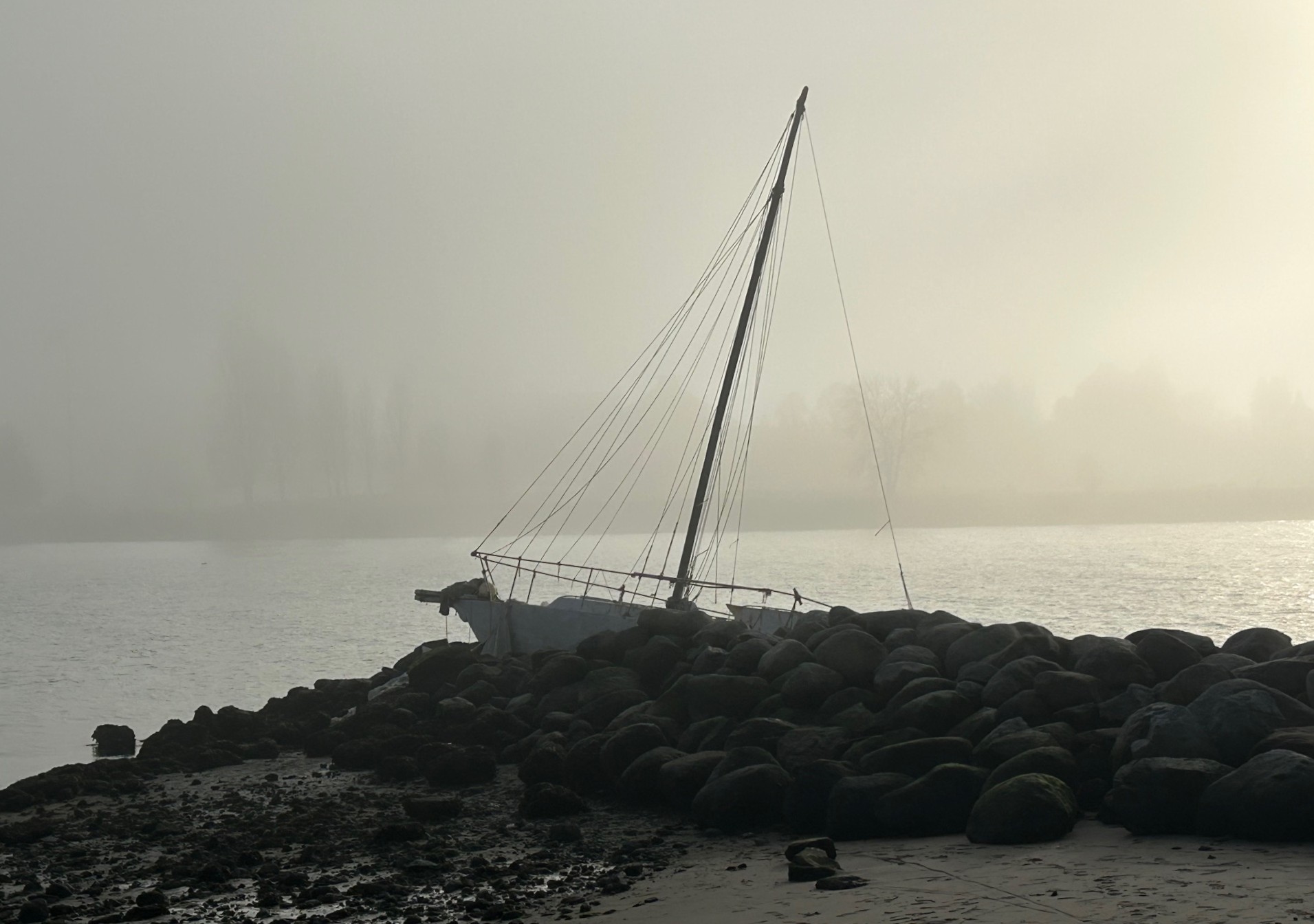
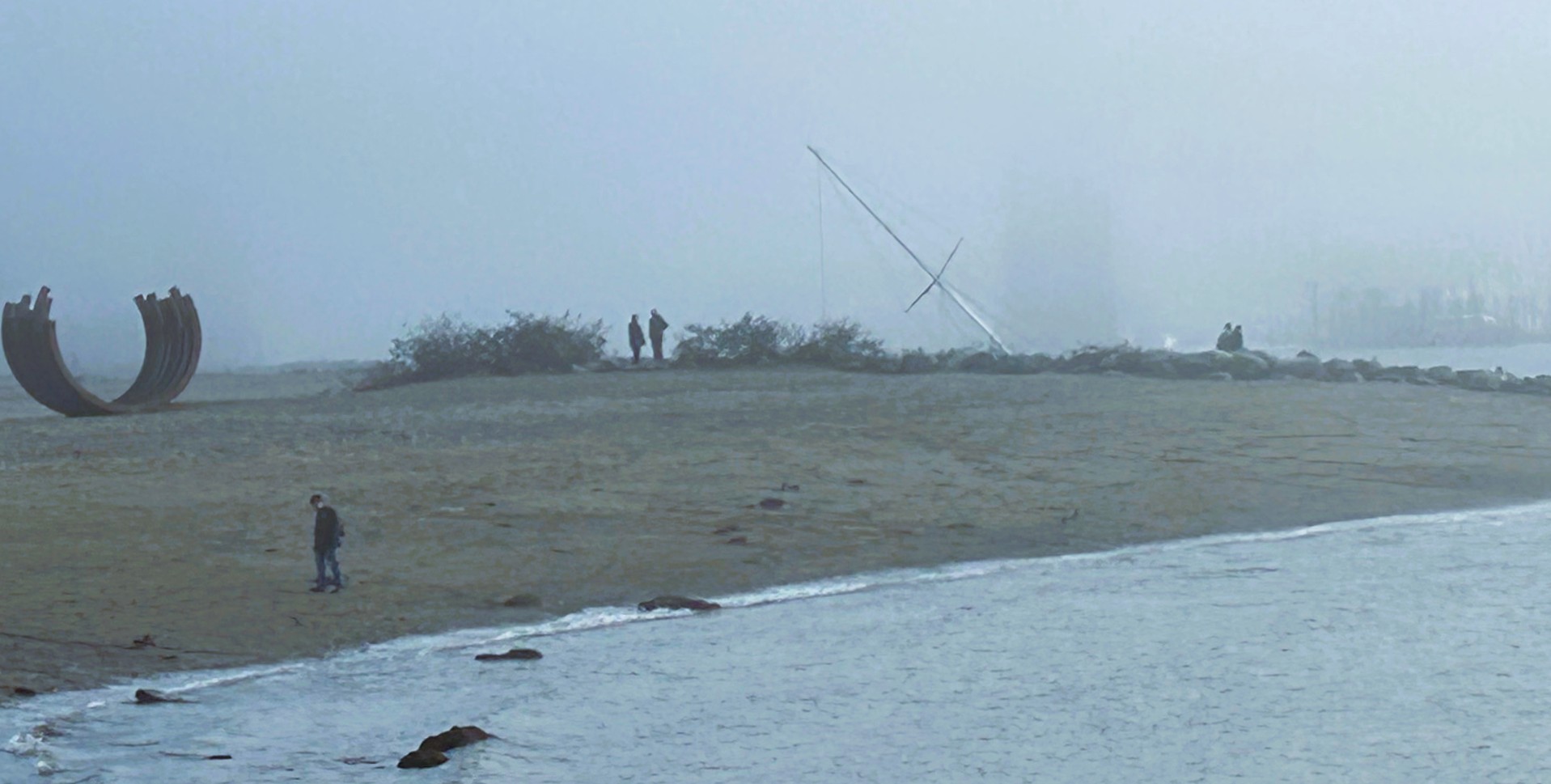
A walk with glorious sun locked in a deathly battle with thick fog coming from English Bay over the beautiful little streets in Vancouver’s West End.
Battle of Light and Darkness? No, no, no! Nothing of that sort. Fog has nothing of darkness. Au contraire, mon ami. You see, fog is full of light, light that is powerfully condensed, weaved very tightly onto amazing arrases, where you can see all the shadows of shapes, a promise of something that might become. Reality not fully realized, not fully described. A poem, from which some of the ink evaporated, bleached out and you can see only some of the words – the rest of the lines, the stanzas are left to the reader’s imagination. Ha! You are being allowed to finish someone else’s poem; composing anew a song you remember only faintly, fleetingly, few cords perhaps? Painting a picture that another painter only sketched with just few strokes of a pencil?
That is fog: a promise of shapes, colours. It asks you to be brave in your own creation, your own enormous palette of colours, sounds, and visions. To be a god! Creator! From dust to form. Not a mere believer, follower. Take the steering wheel in your own hands, follow your chart to navigate to lands and islands unspoiled, with birds made from rainbows, beaches with sand made of pure white pearls and fruits, that taste like lips of someone that you love.
Fog – the master of deception or Demiurge of Land of Dreams?!
Me? I will take my walk through my Mole Hill by Nelson Park in West End. But remember: a Mole Hill could easily be someone’s Mont Blanc. In a fog, of course.
Every boy and every girl need to have a poet, who reminds them of the power of love. Something they absolutely must be certain of, something that hangs like a heavy, sweet fruit from the low branches that you are forced to reach, pick in your hands and sunk your teeth into it. Absorb the sweet aroma, let juices flow from your lips to your soul.
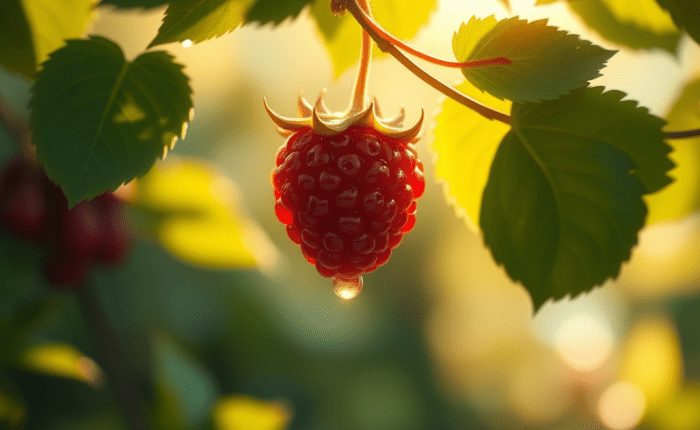
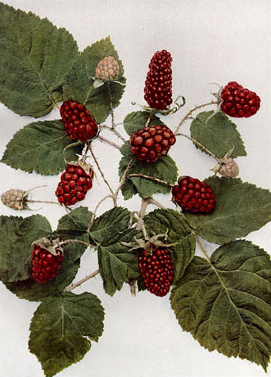
Let me be the poet, who will take you to the garden and show you the delicate foliage of the ancient orange shrubs and their sweet berries. The loganberries.
A sweet logan berry
hangs from your lips
like a promise of heaven.
What is heaven, you ask?
Heaven is like a kiss,
silent yet powerful.
Heaven is red like
quivering lips of logan berry.
Heaven is when you are
becoming someone’s berry.
A red, live, pulsating Loganberry.
How would I know, how would I dare to foretell stories like that? Because I am a poet and if poets know anything – they do know love, her ways and her magic. Poets know long walks by the small banks of streams, where the berries are plentiful in late summer evenings, and they see there pairs of young lovers picking the berries and placing them in the mouth of their beloved ones. Poets, being poets, go home and write a poem about it. After all, that is all they know how to do. Hoping to explain the ways of love to some young boy or girl. They are like the loganberry – all they know is how to grow and become sweet and inviting, hoping that some girl or boy will pick them and taste them. The rest is mystery like the morning mist climbing the shores of small stream.
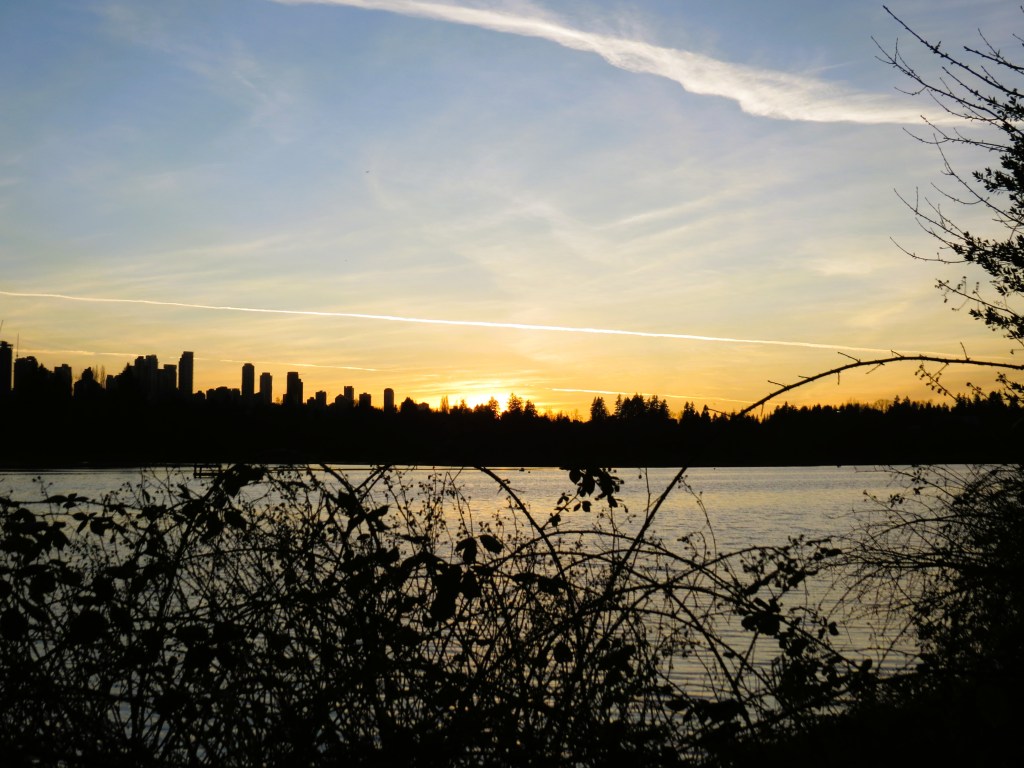
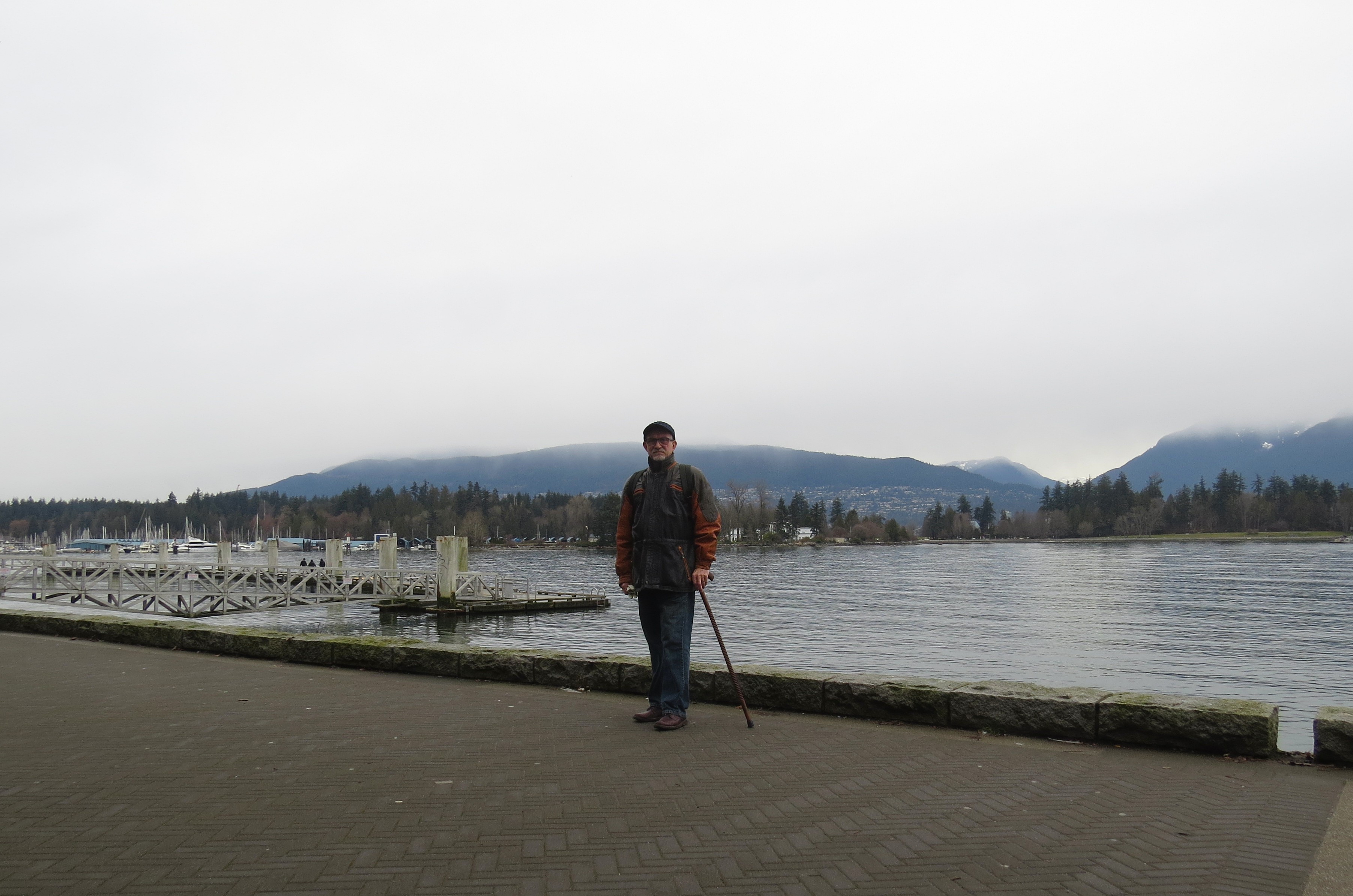
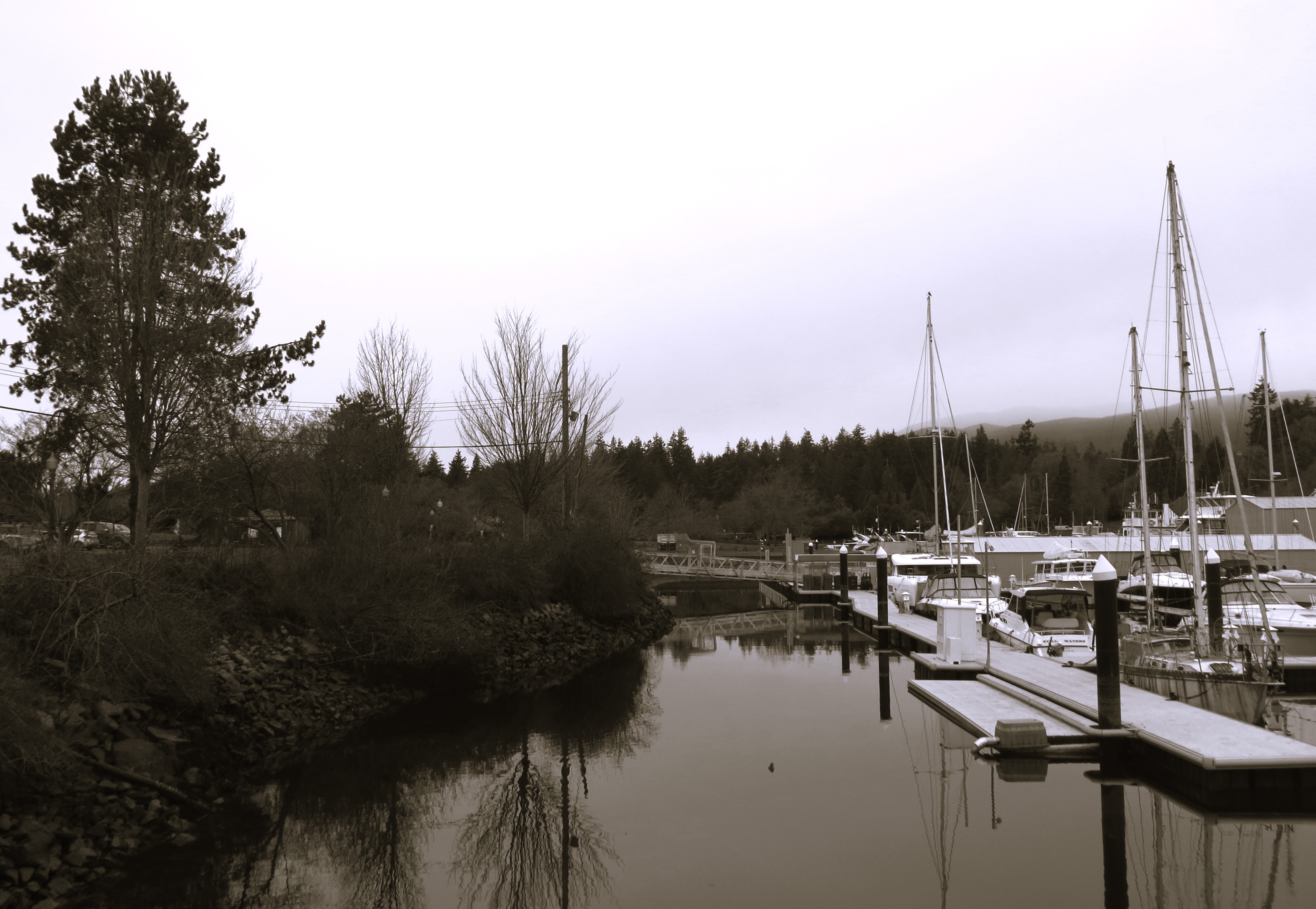
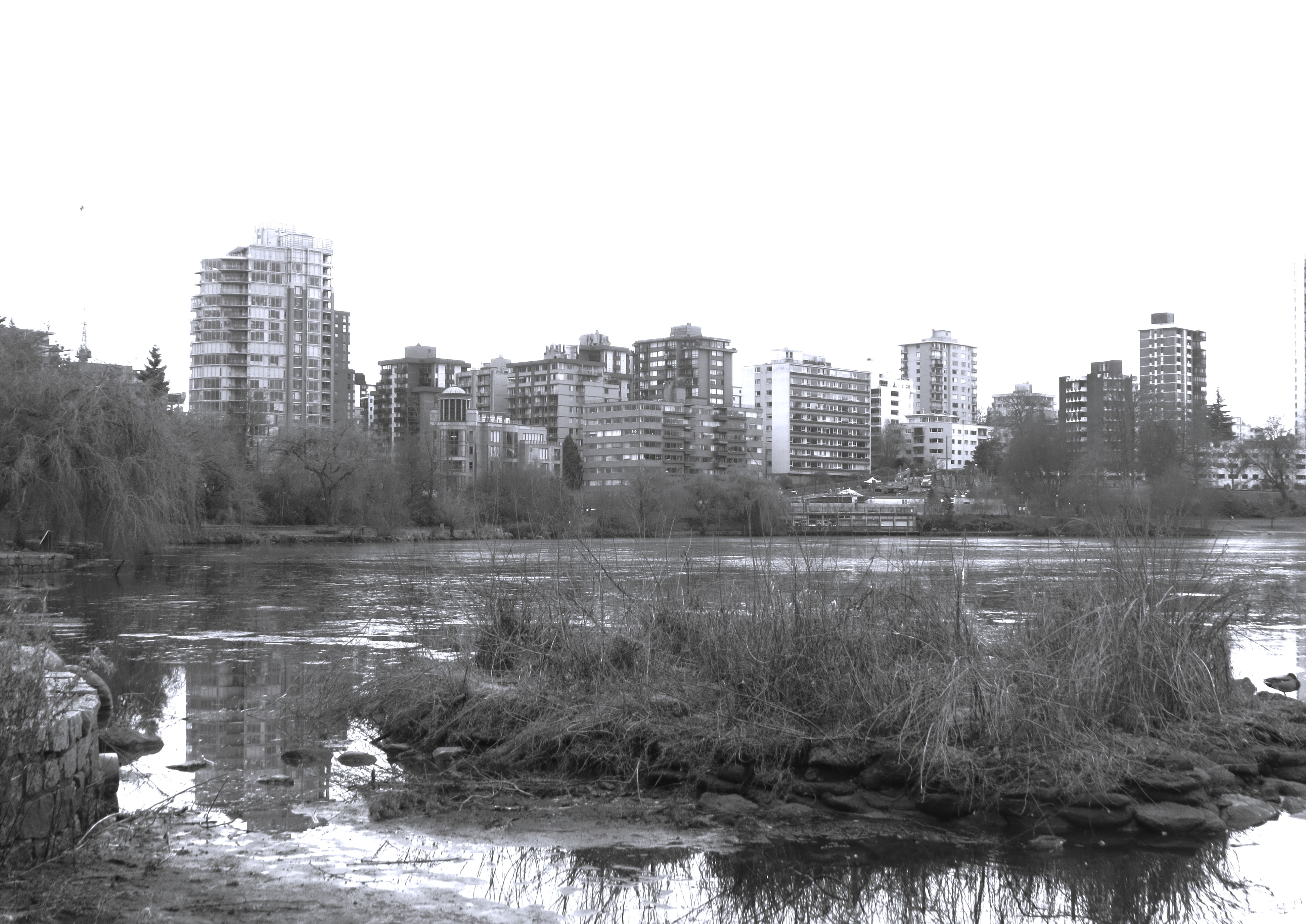
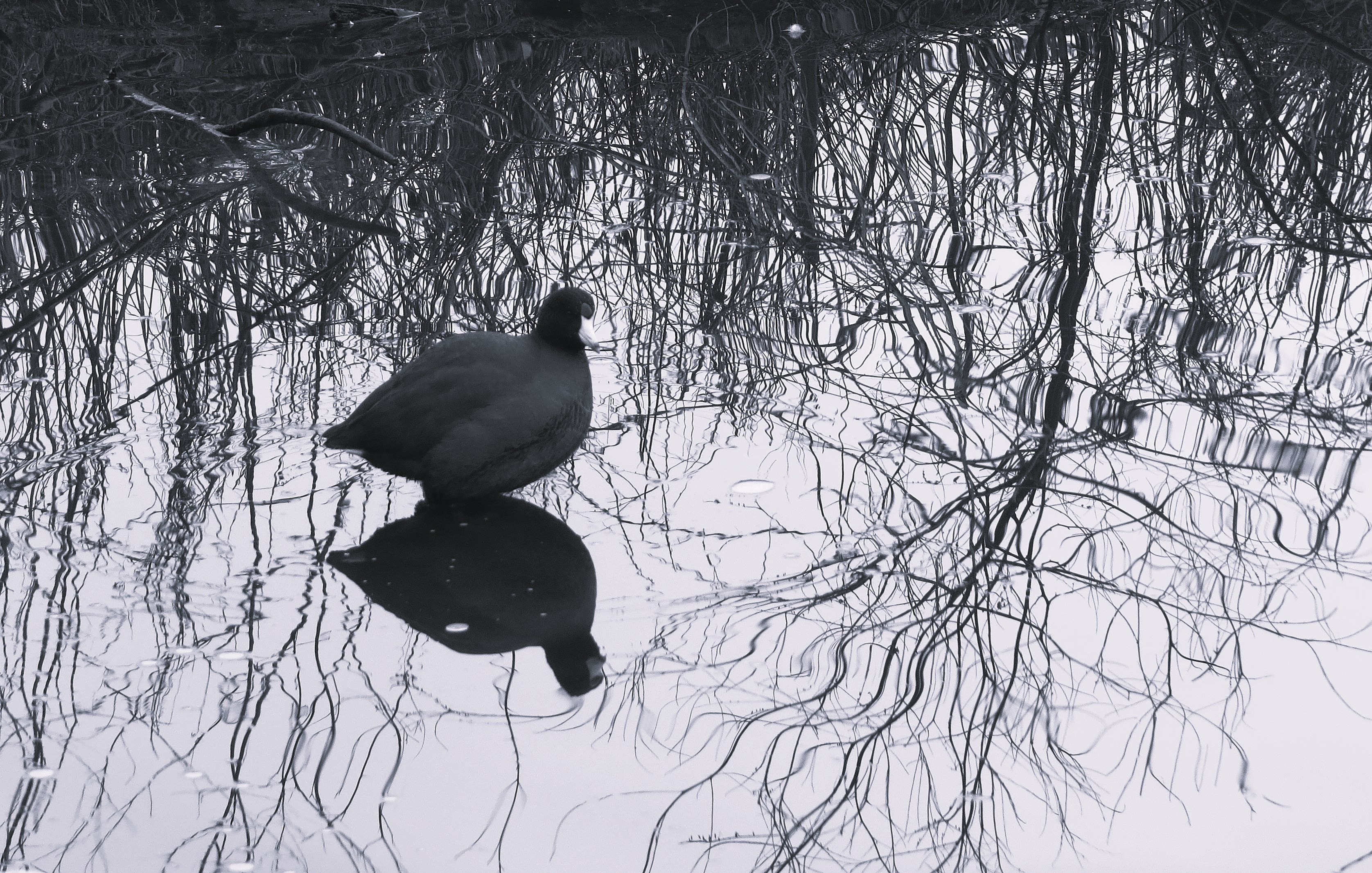
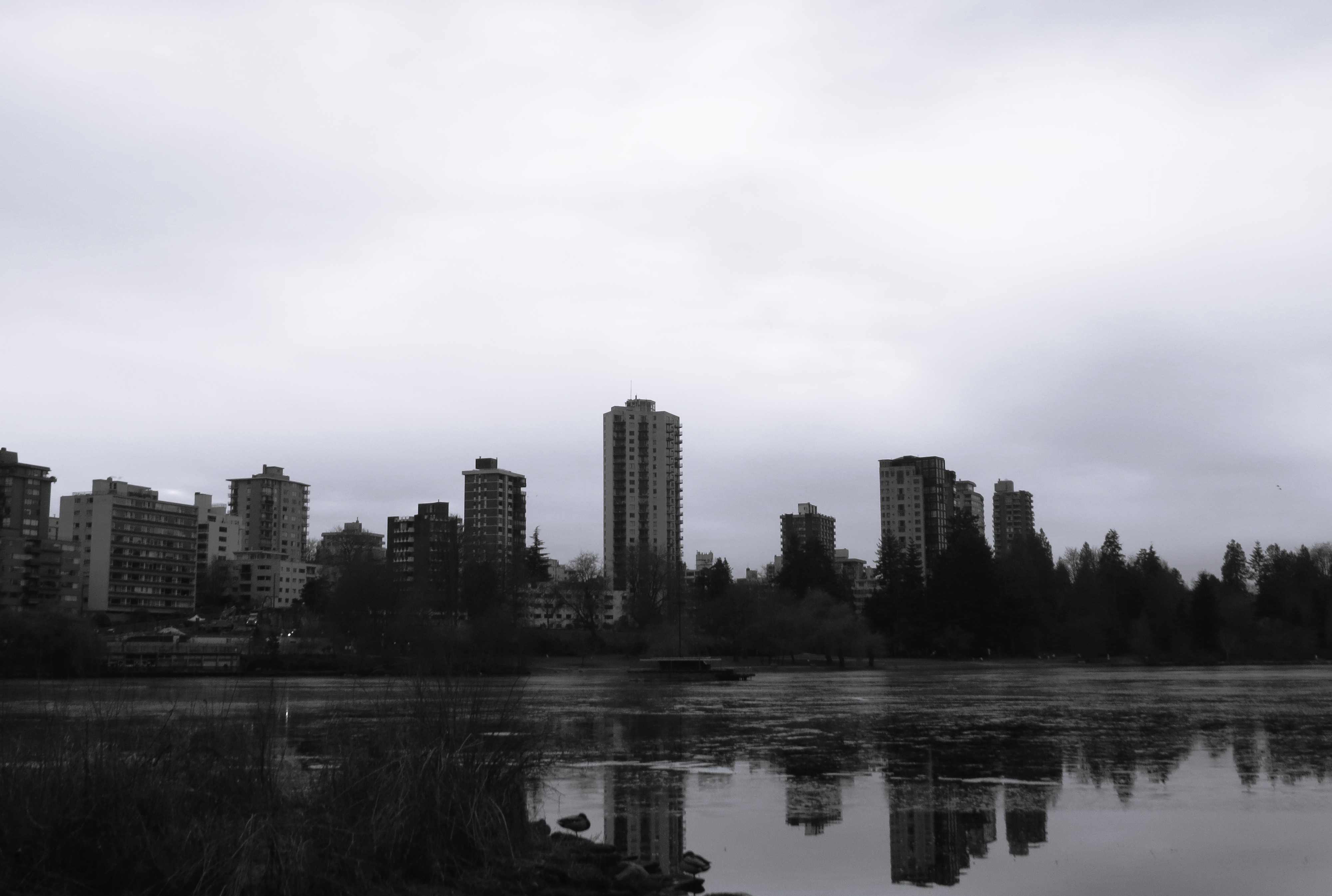
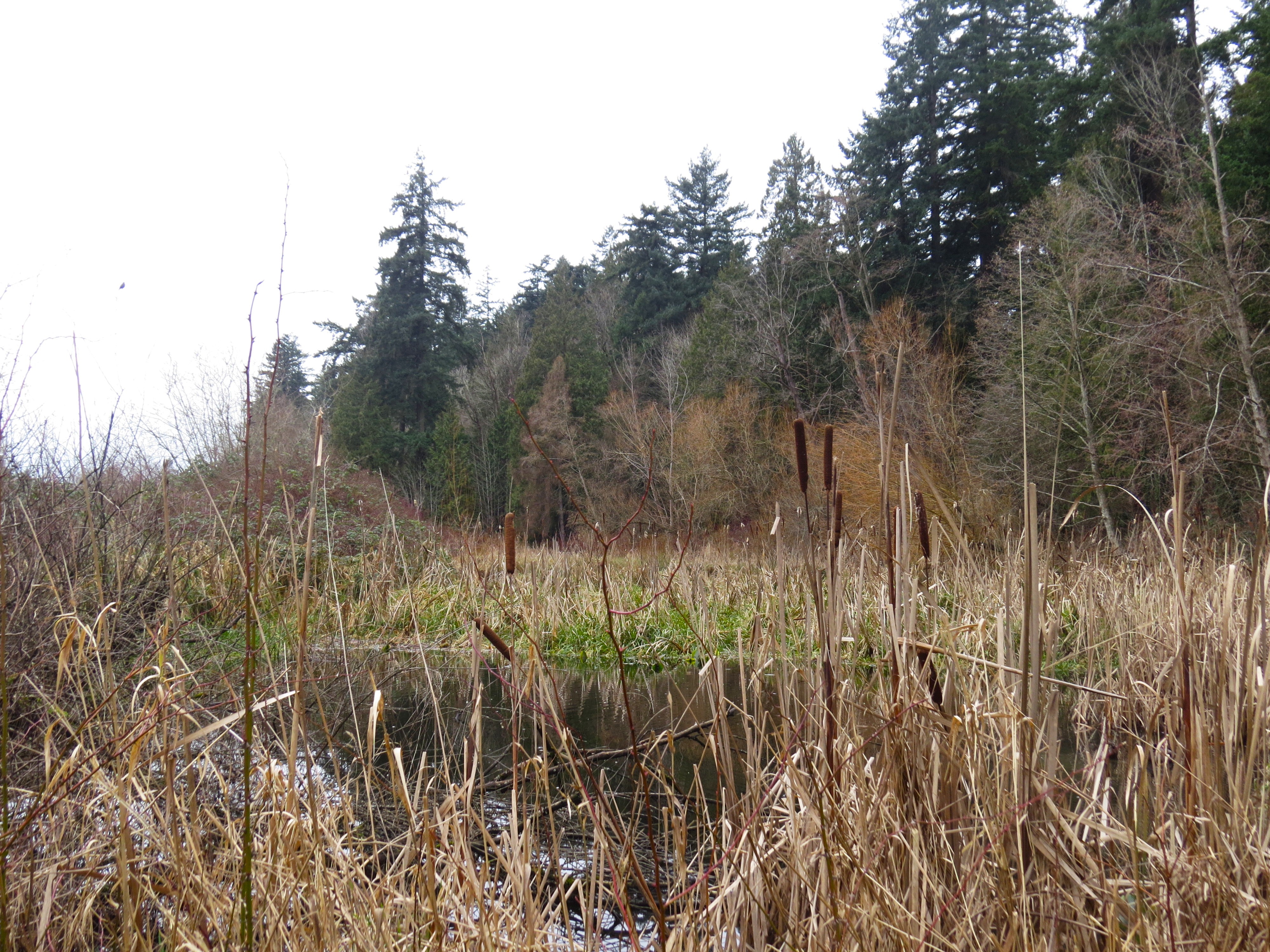
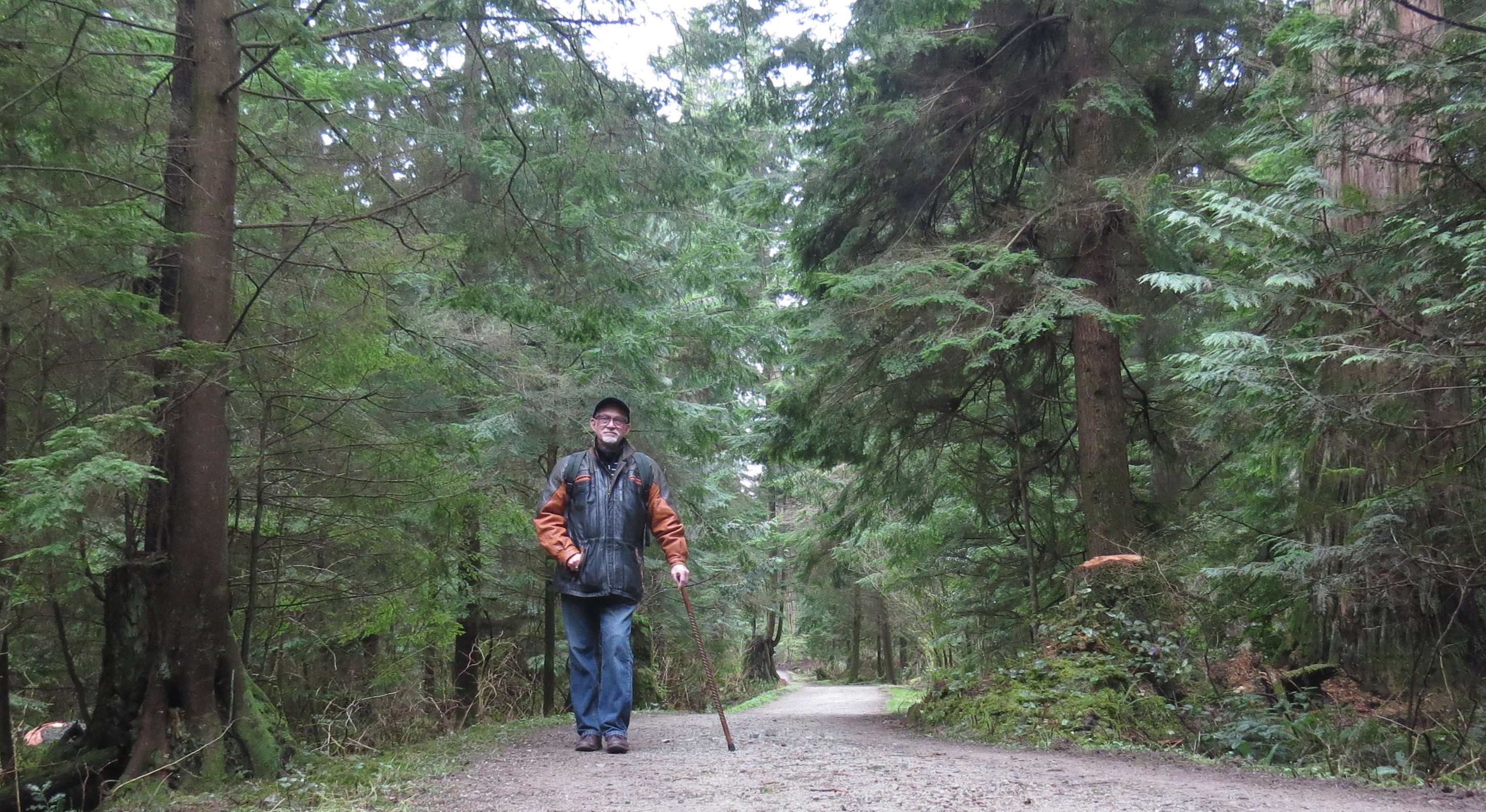
Moja Lost Lagoon w moim Stanley Park. Czy jesteś zagubiona, tak jak ja? Dlaczego? Co lub kogo zgubiłaś, kto cię zostawił, lub opuścił?
Ach, wiem – tęsknisz do swojego morza, do spotkania ze skałą Siwasha. Tęsknisz do swojego odwiecznego Salish Sea[i]. Teraz jesteś wodą słodką, a byłaś zawsze słoną. A ja, pytasz? Ja ide w moje, popłatane ścieżki mojego starego parku. Nie sięgam swoja ludzką pamięcią dni, gdy ty byłaś słona i szczęśliwa. Ale pamiętam i poznaje Twoje szuwary i trzciny z pięknymi brązowymi pałkami, pamiętam wyspy pływające kwitnących nenufarów. Pamiętam głodny dotyk ust i rąk młodych kochanków parna nocą lata w dzikich alejach parku otaczającego ciebie. Potem kąpiel nocną nagich ciał na Trzeciej Plaży[ii]. Potem … .
Potem, już nie było potem. Potężne fale Atlantyku, po drugiej stronie mego kanadyjskiego świata, rozbiły, rozmyły ścieżki do potem. Wymyły ze stron słownika słowo ‘potem’. Potem jest pustką, a nie oczekiwaniem. Potem jest tym samym każdego dnia, każdej nocy. Każdego roku. Dni, noce i lata podobne do siebie, jak dwie krople wody, przemijają beż śladu, następują po sobie trochę niechciane, niepożądane. Czas nie jest ani złośliwy, ani bezwzględny. On po prostu jest, płynie nie zatrzymując się. Czas nie ma czasu dla rzeczy tak mało użytecznych, jak człowiek.
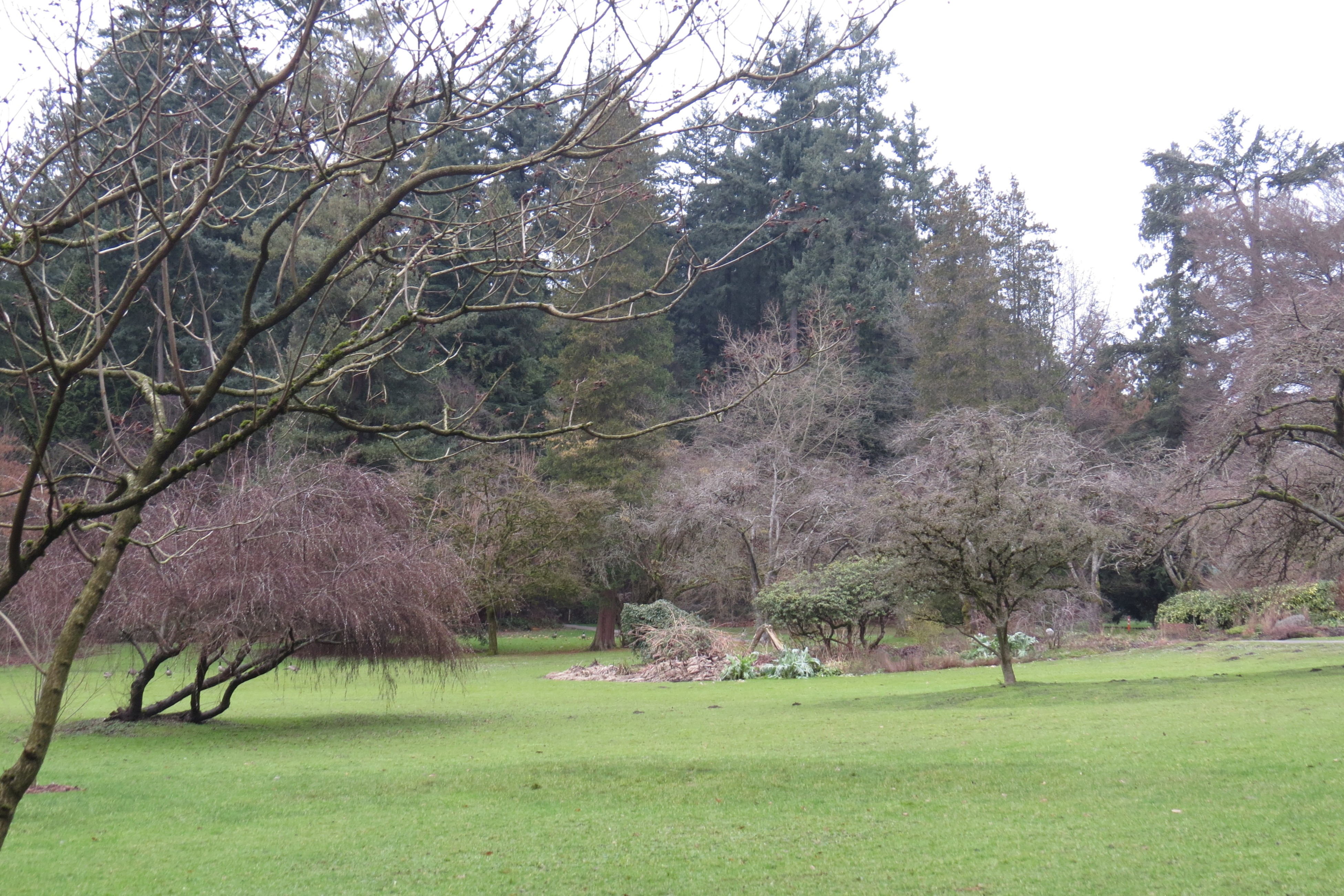
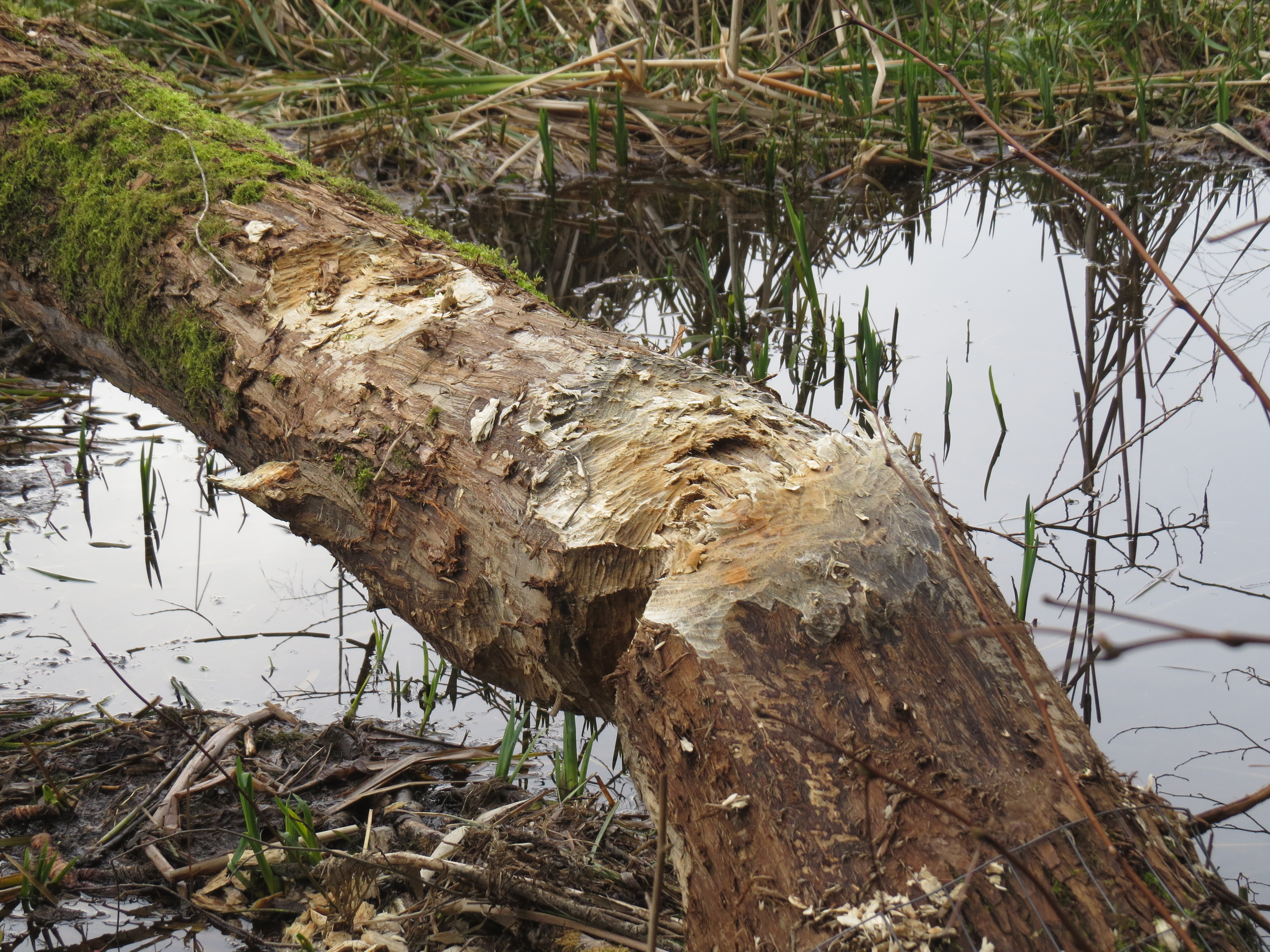
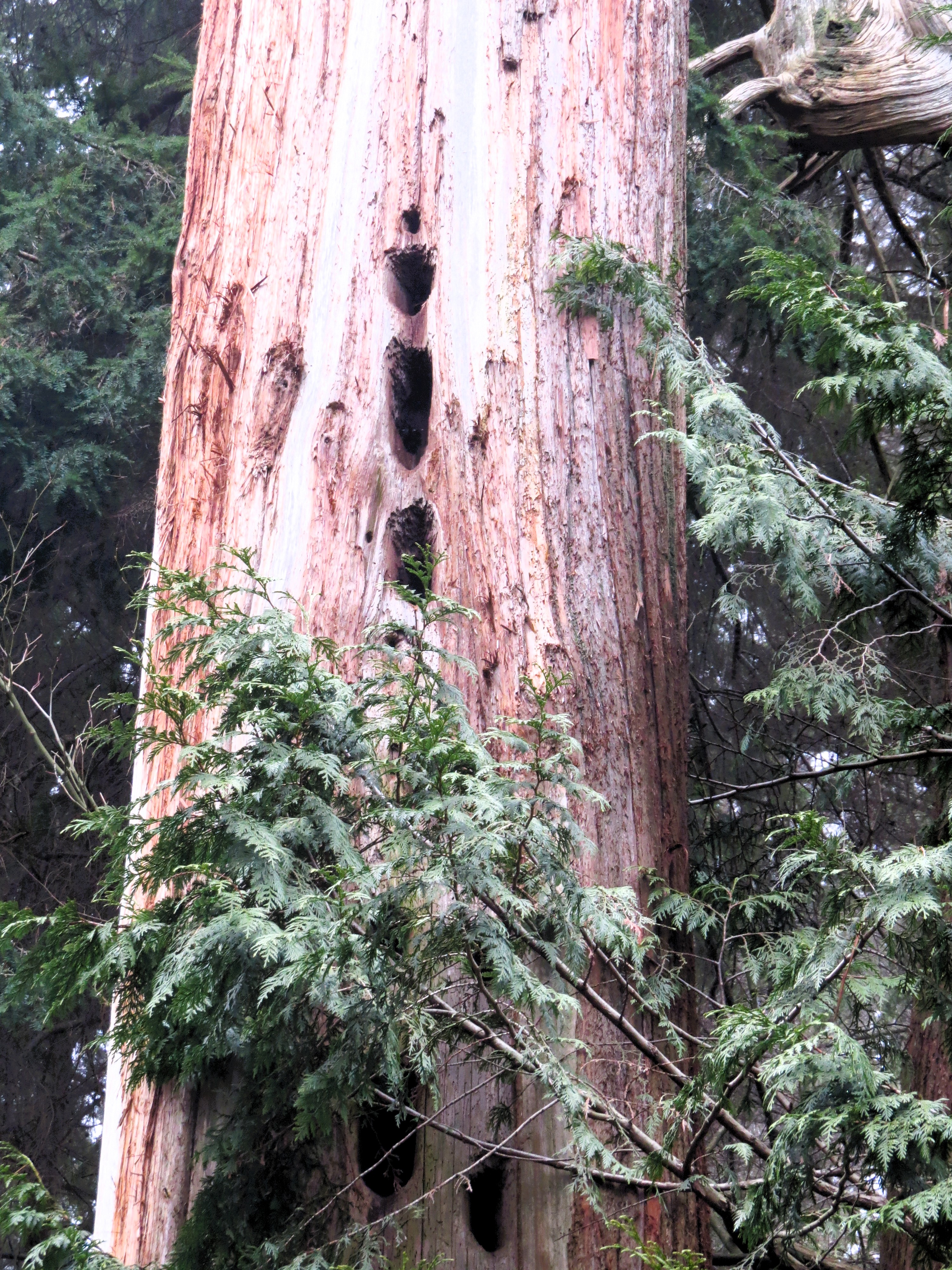
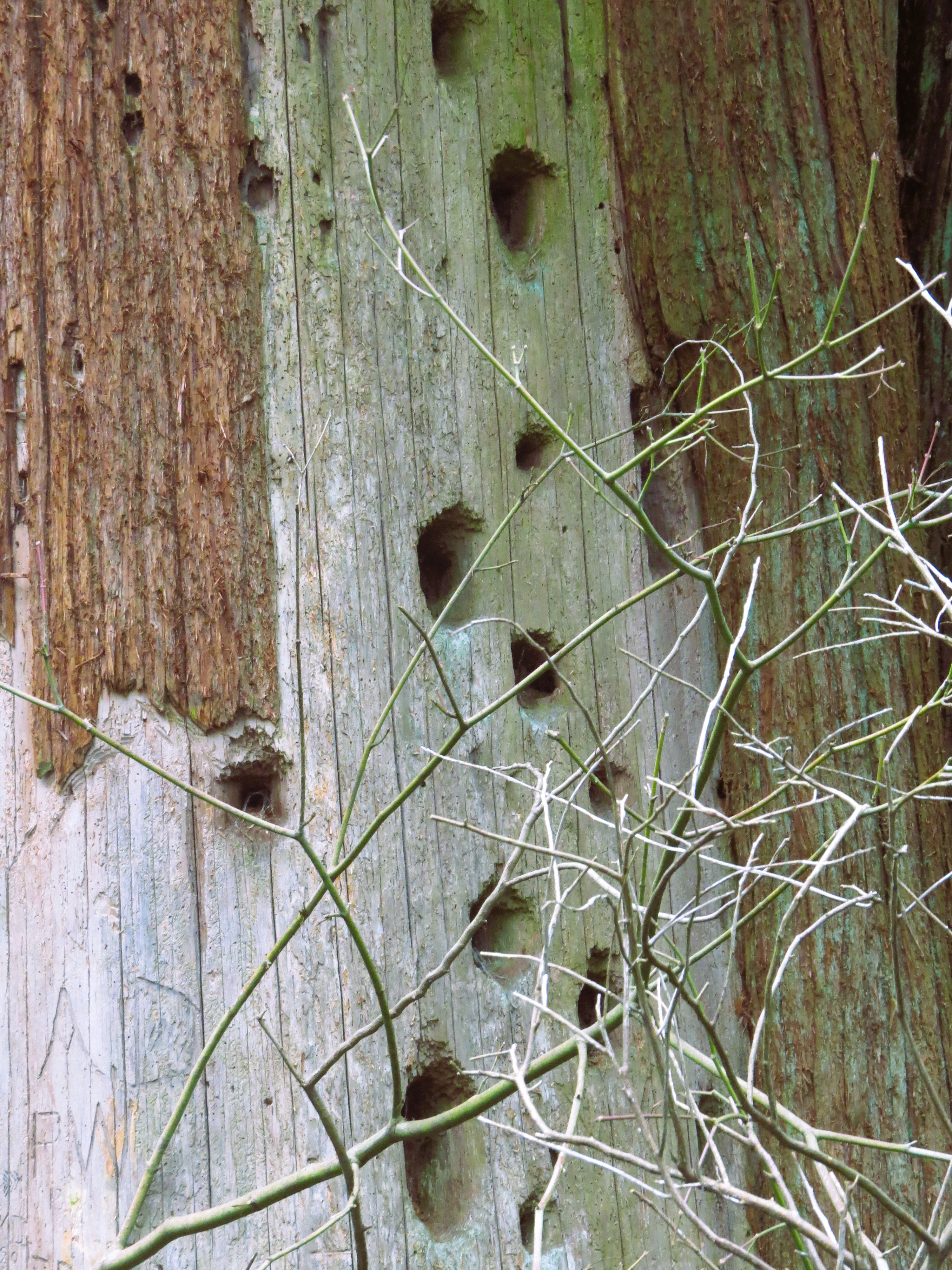
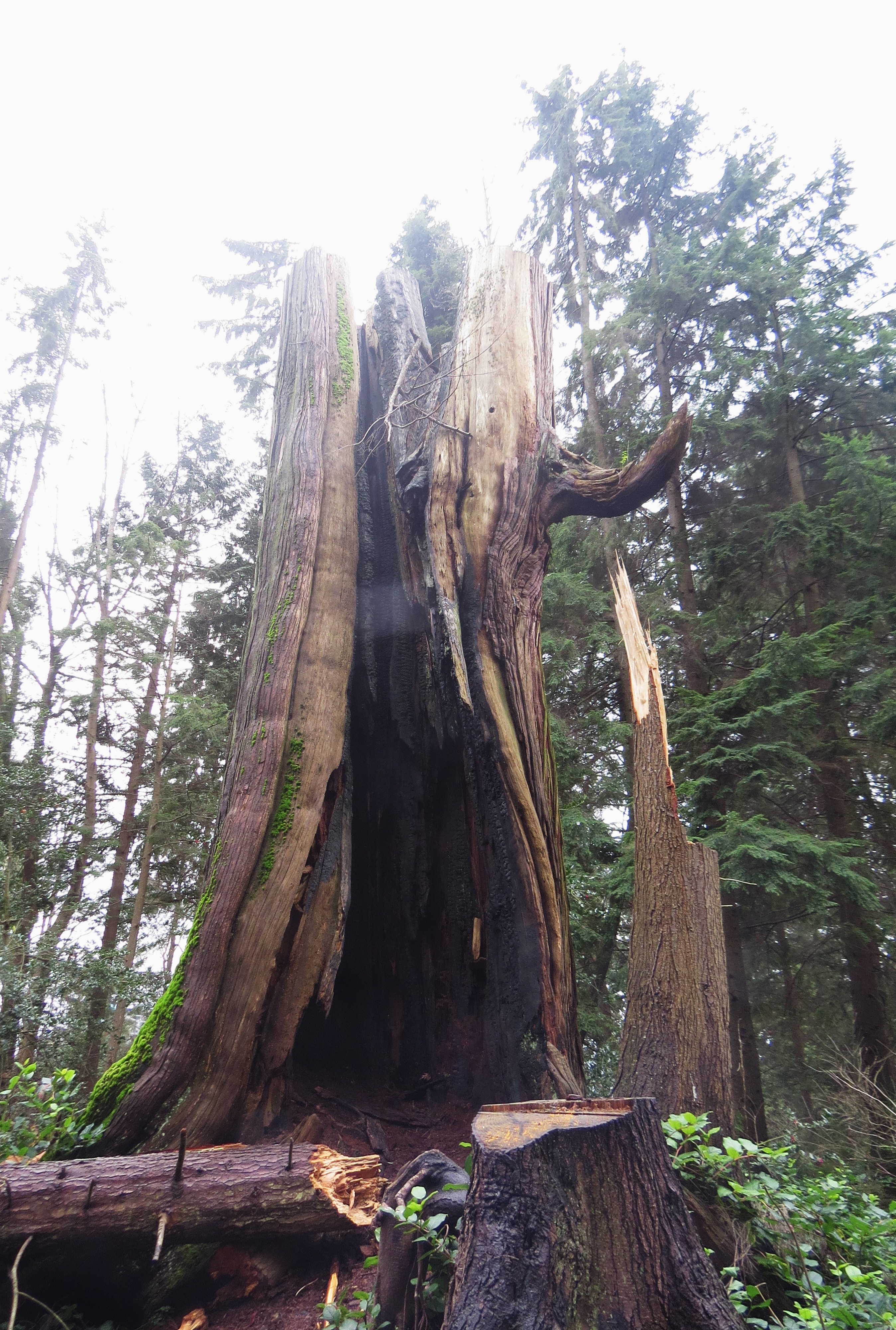
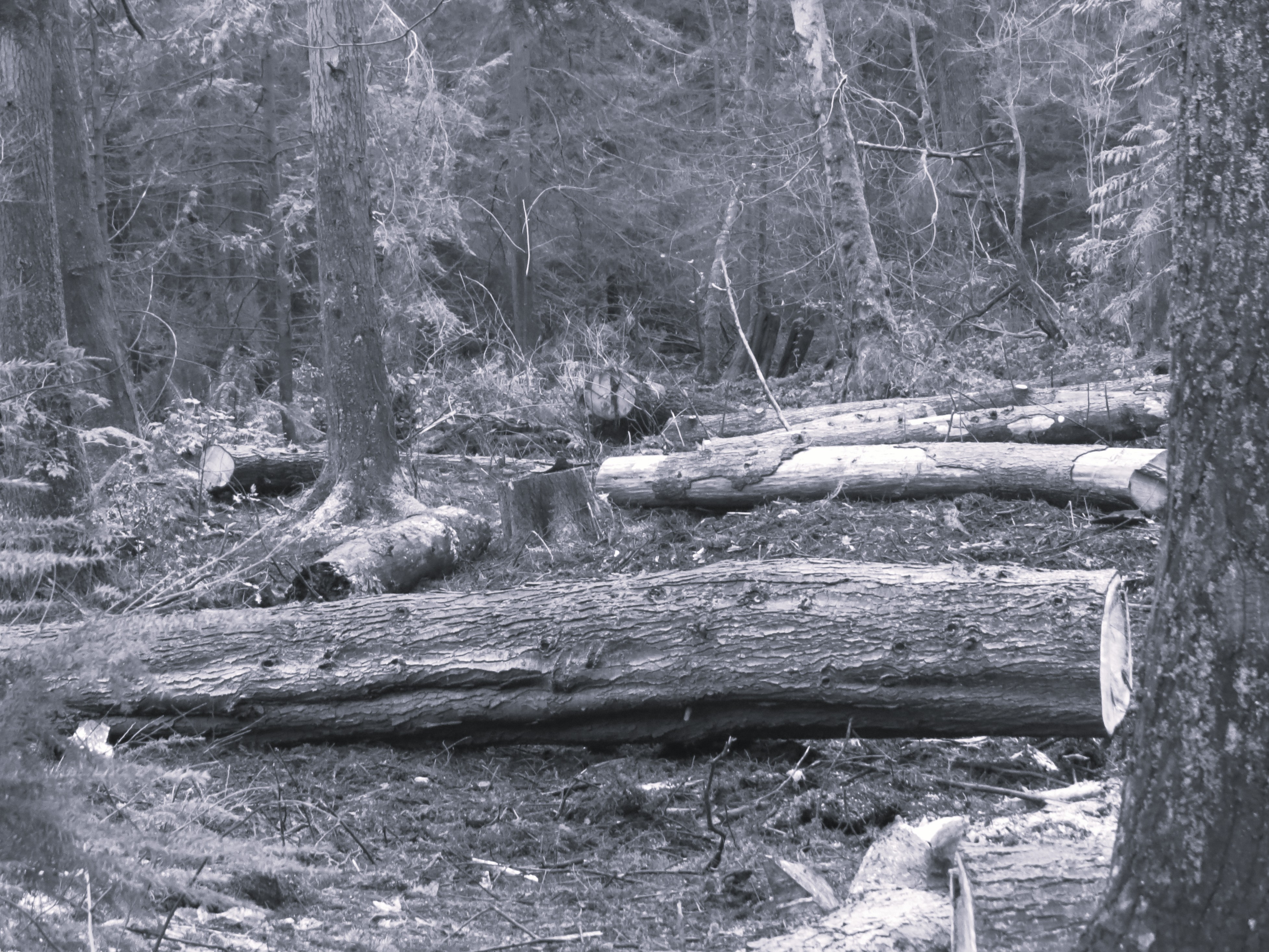
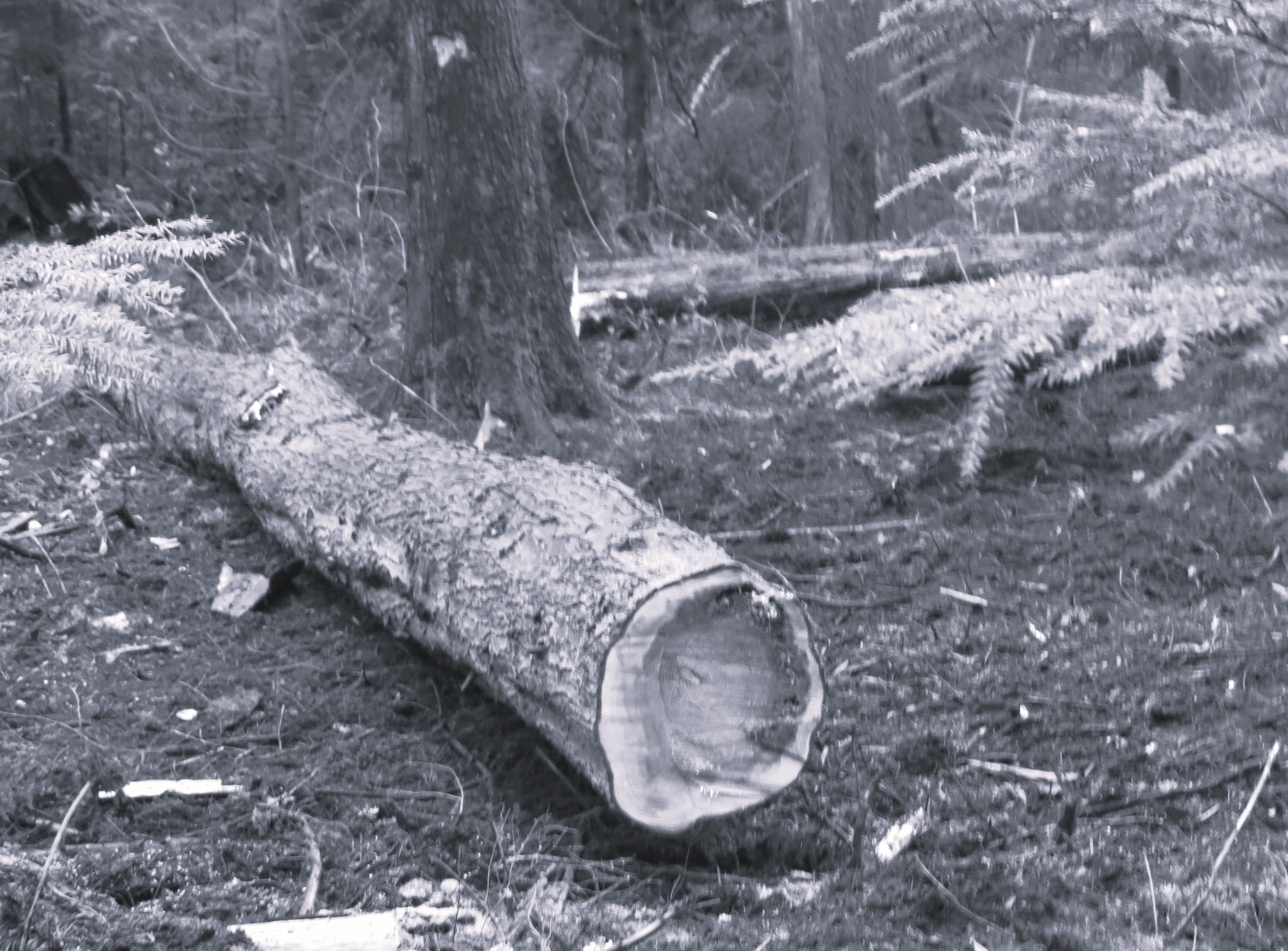
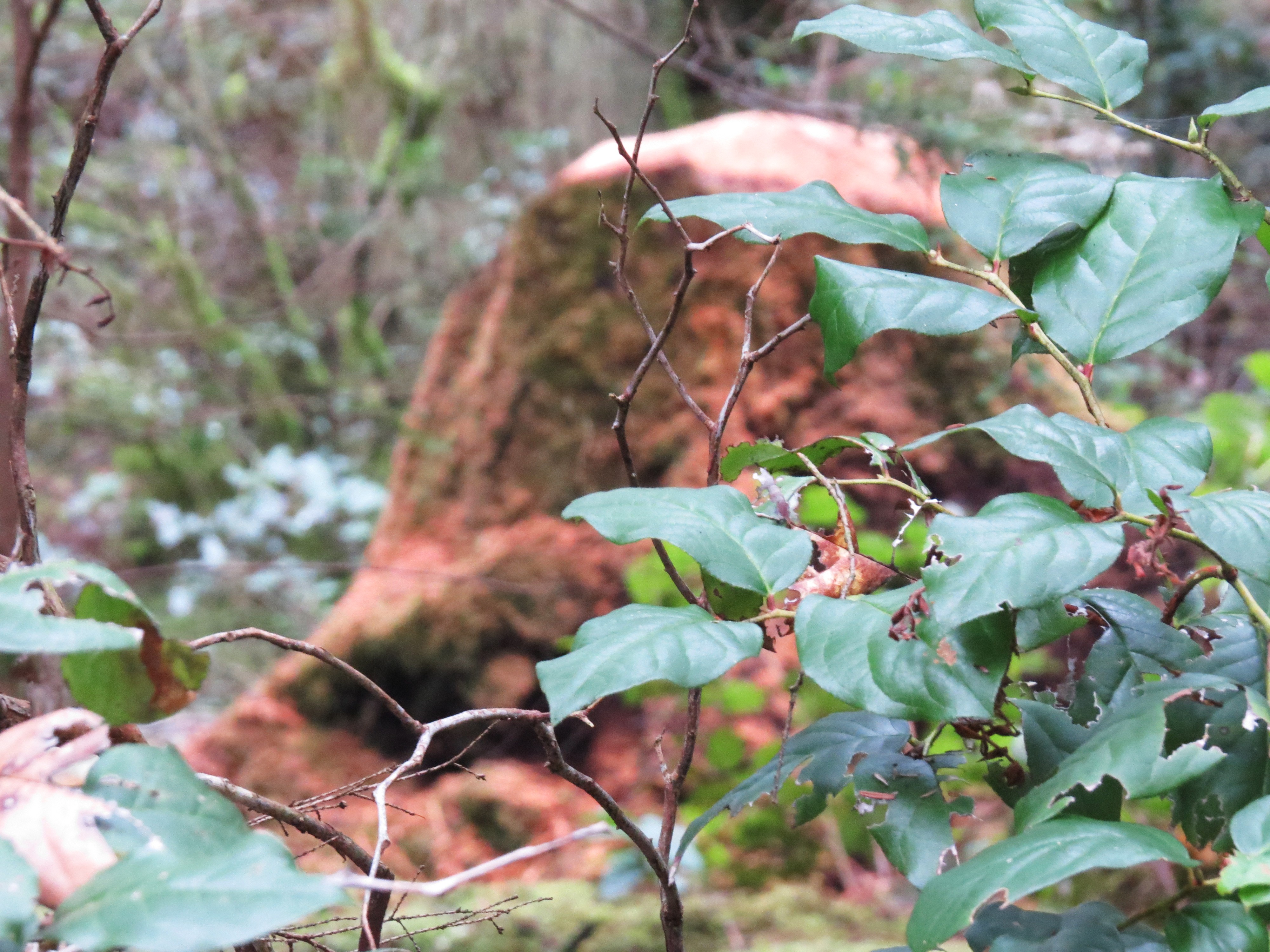
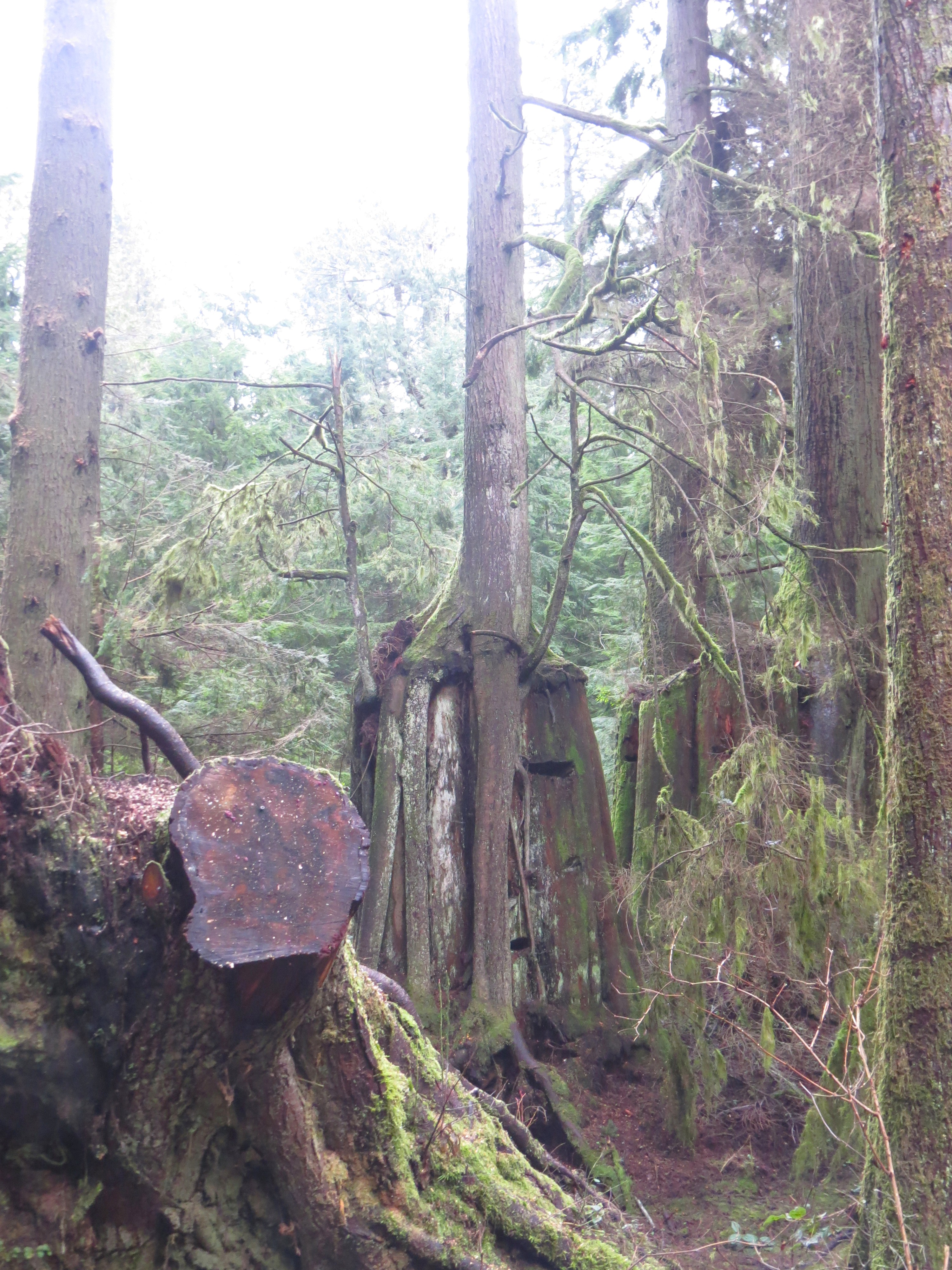
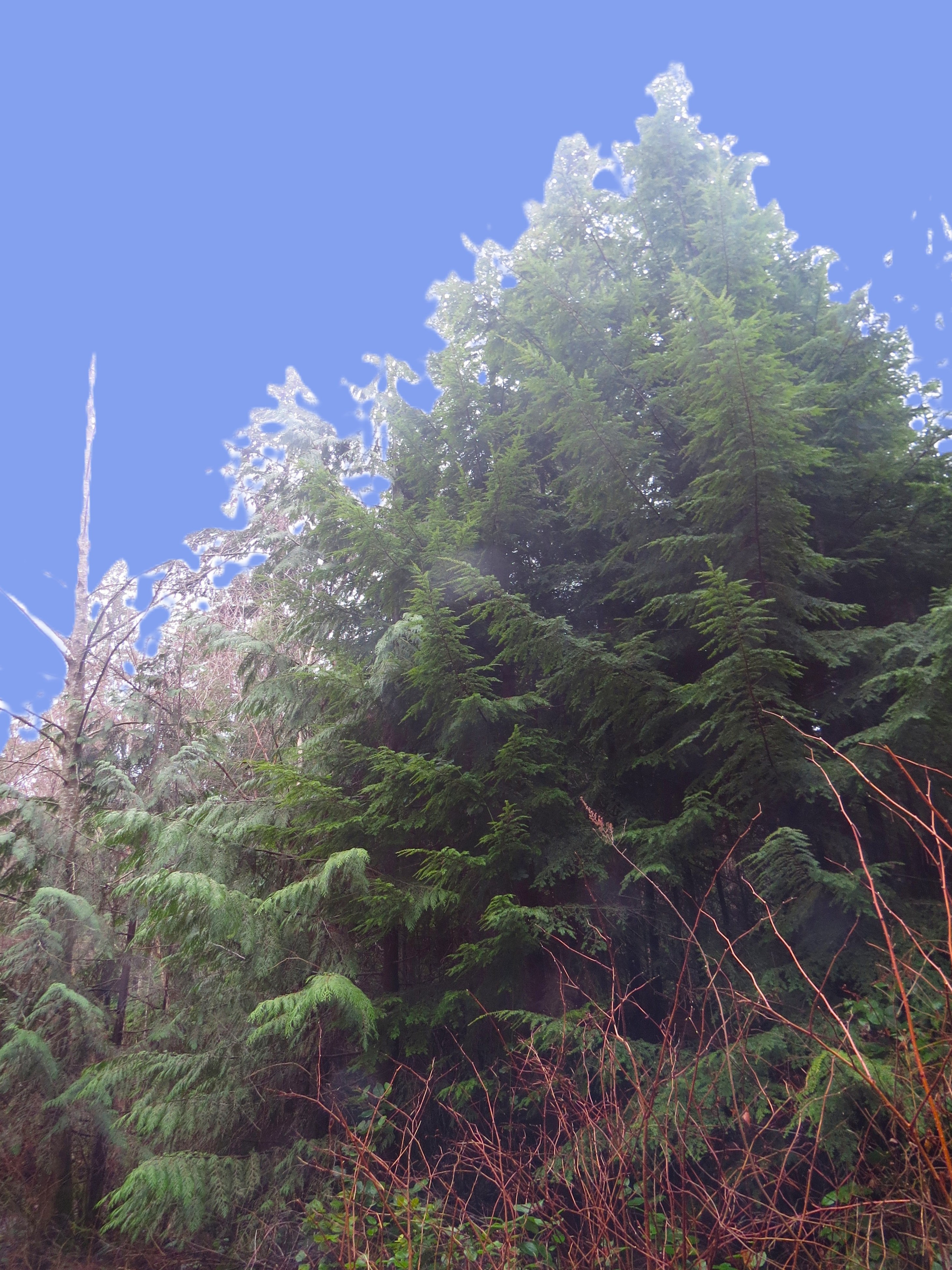
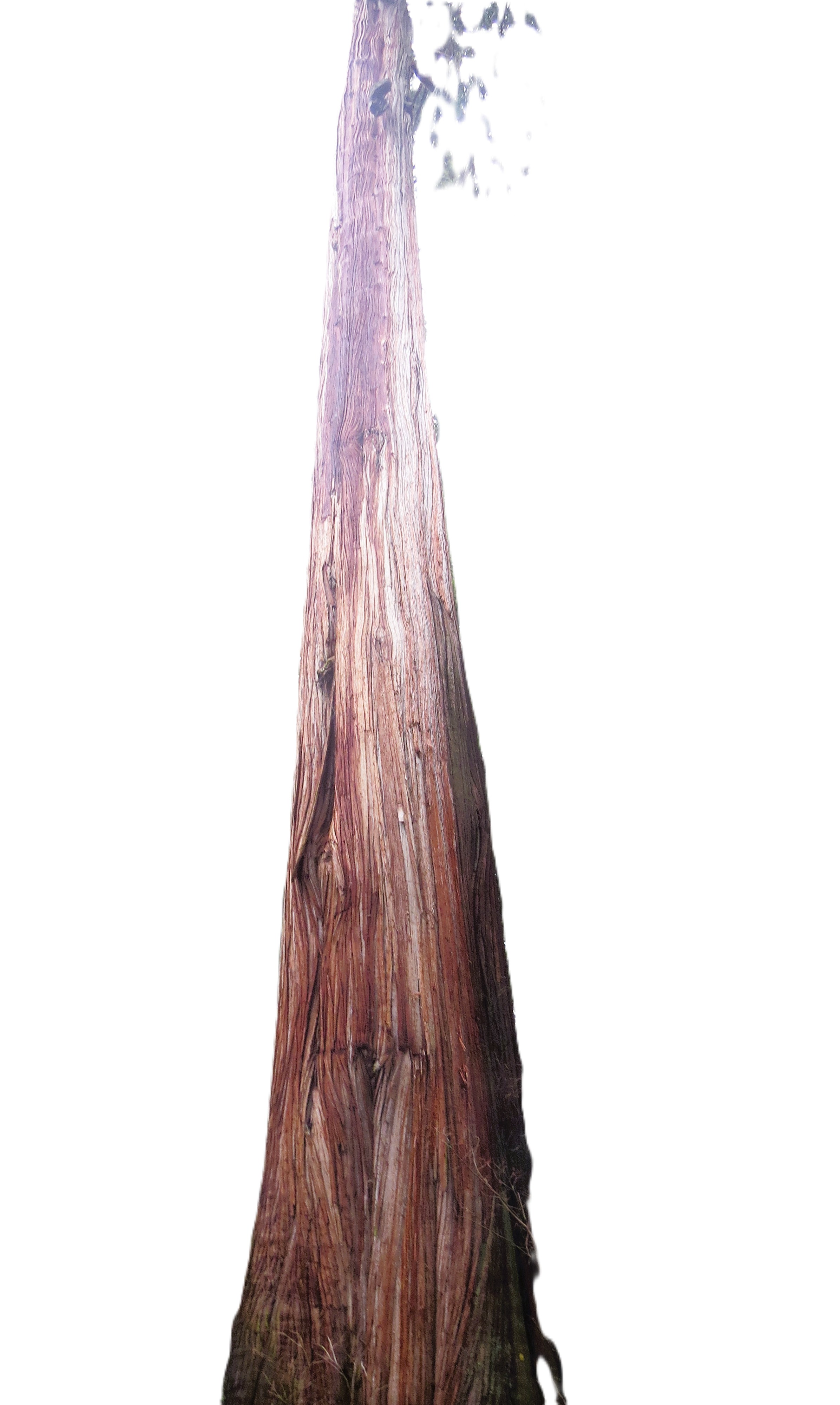
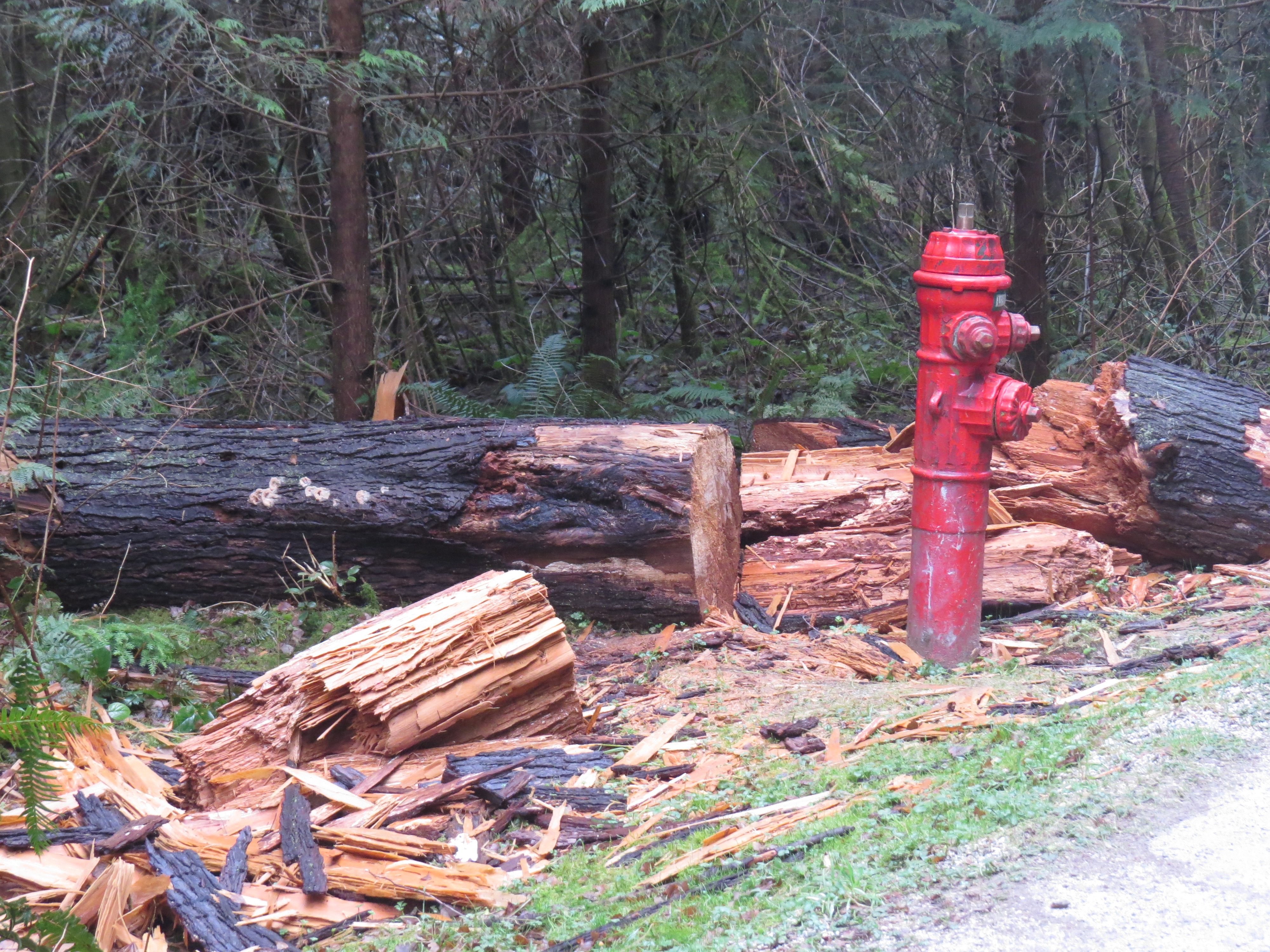
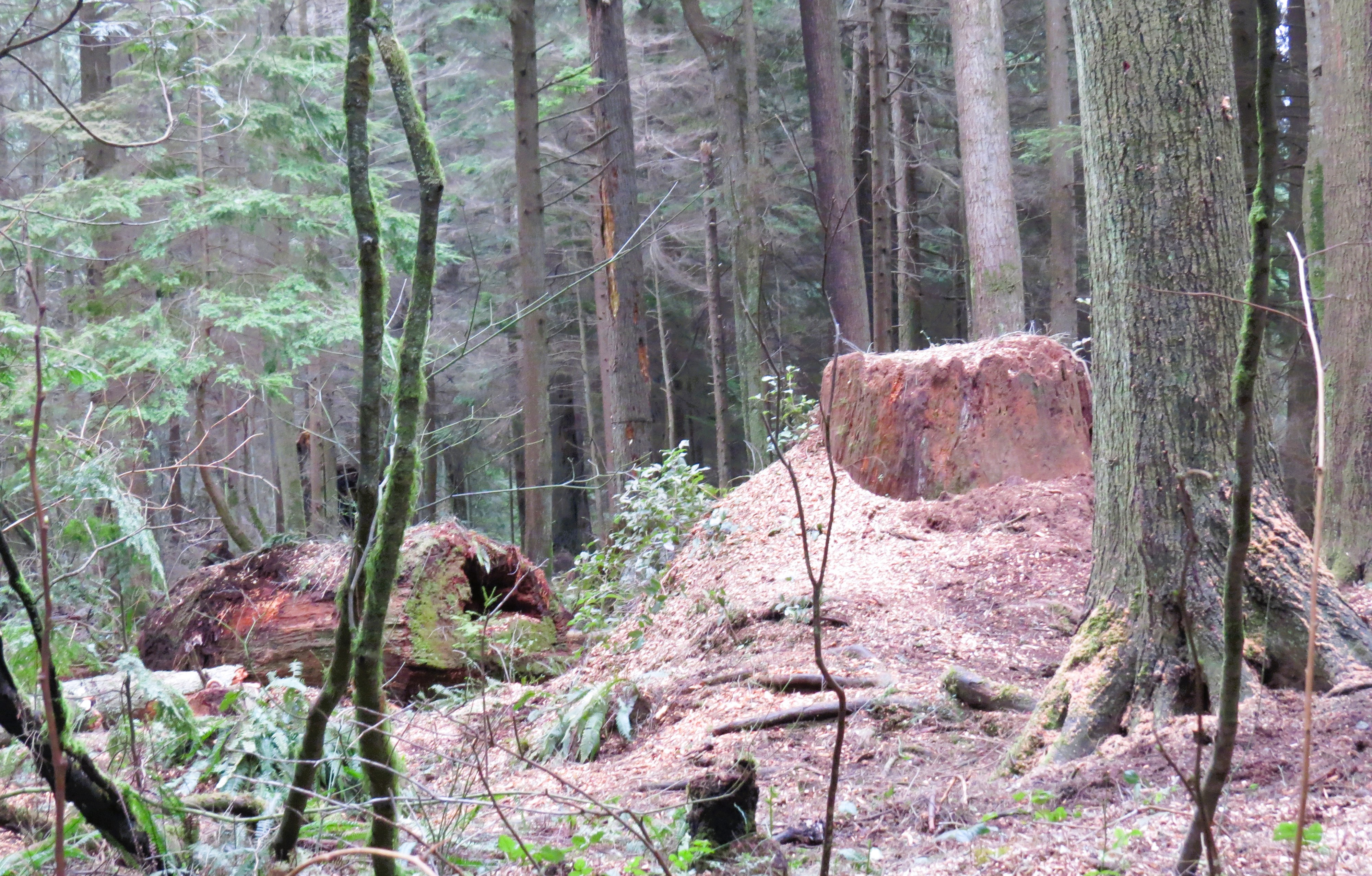
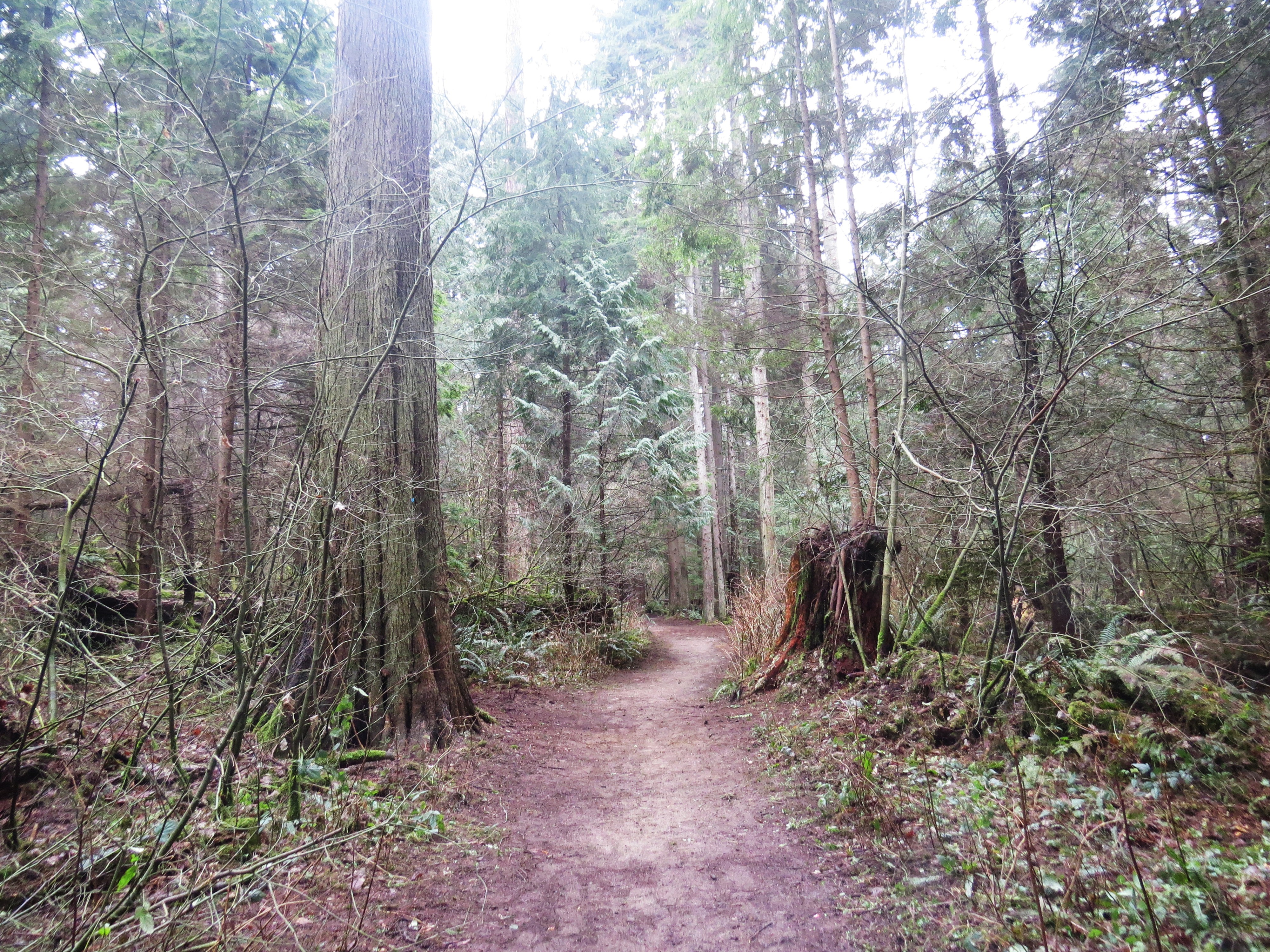
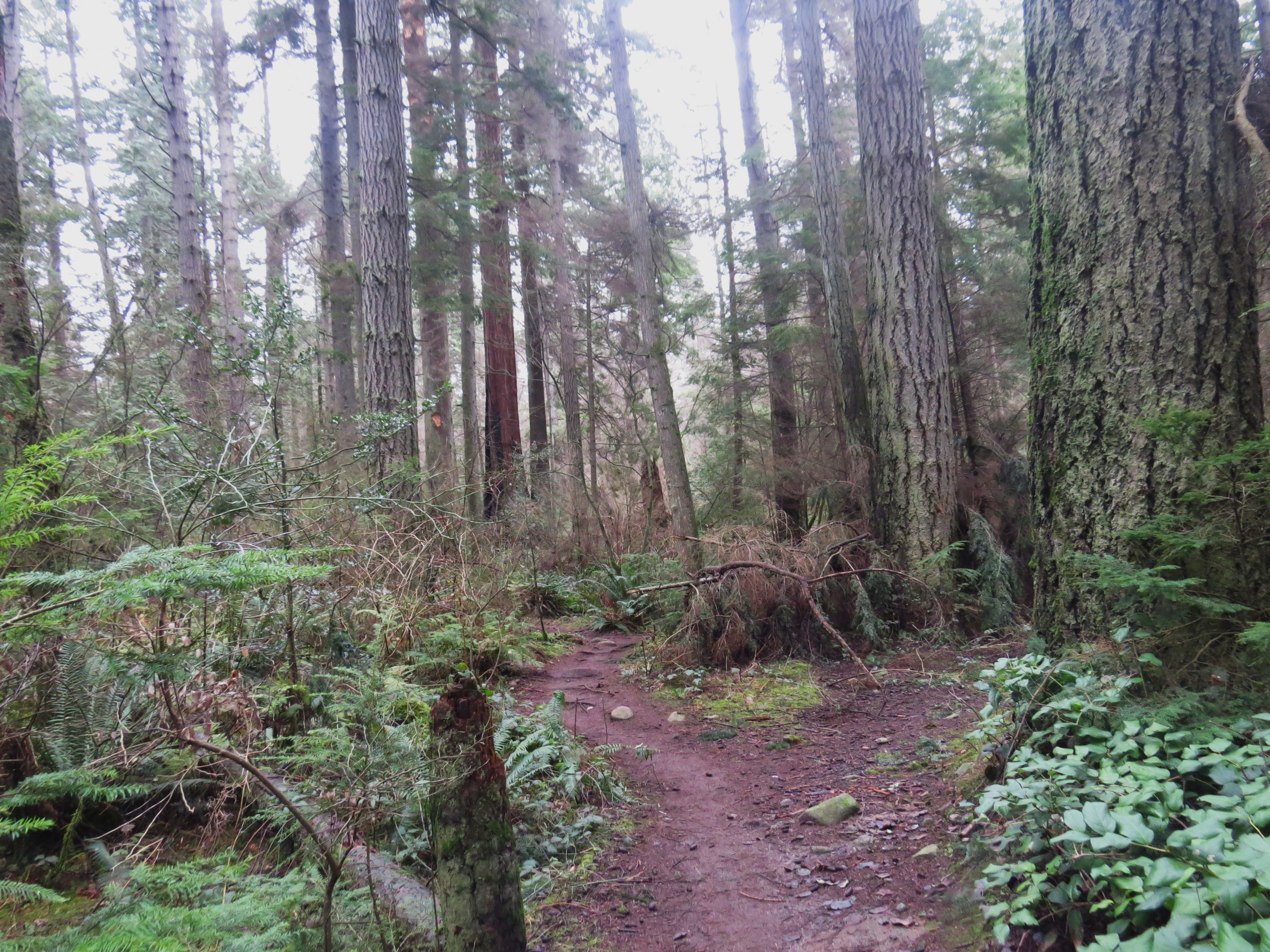
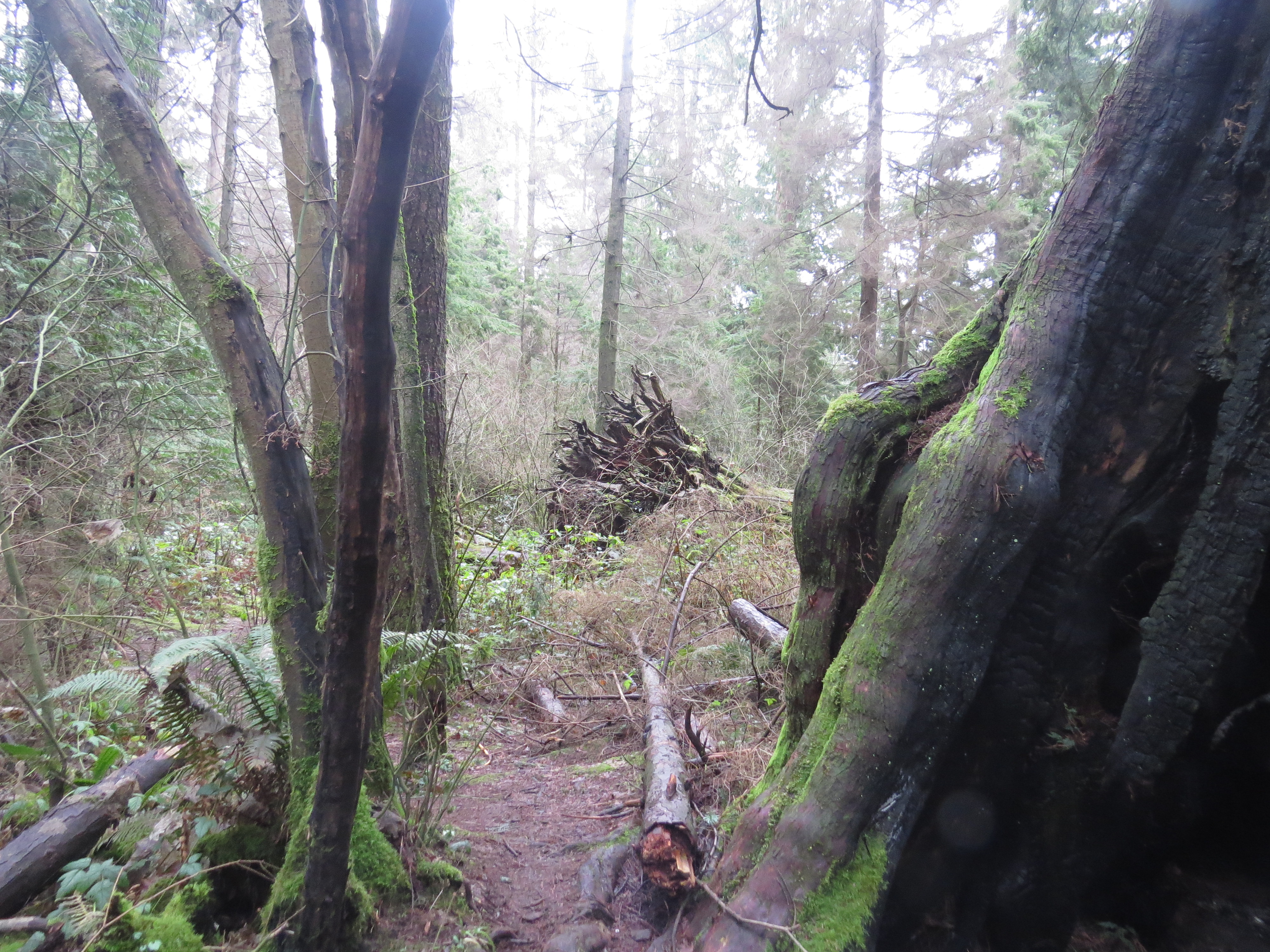
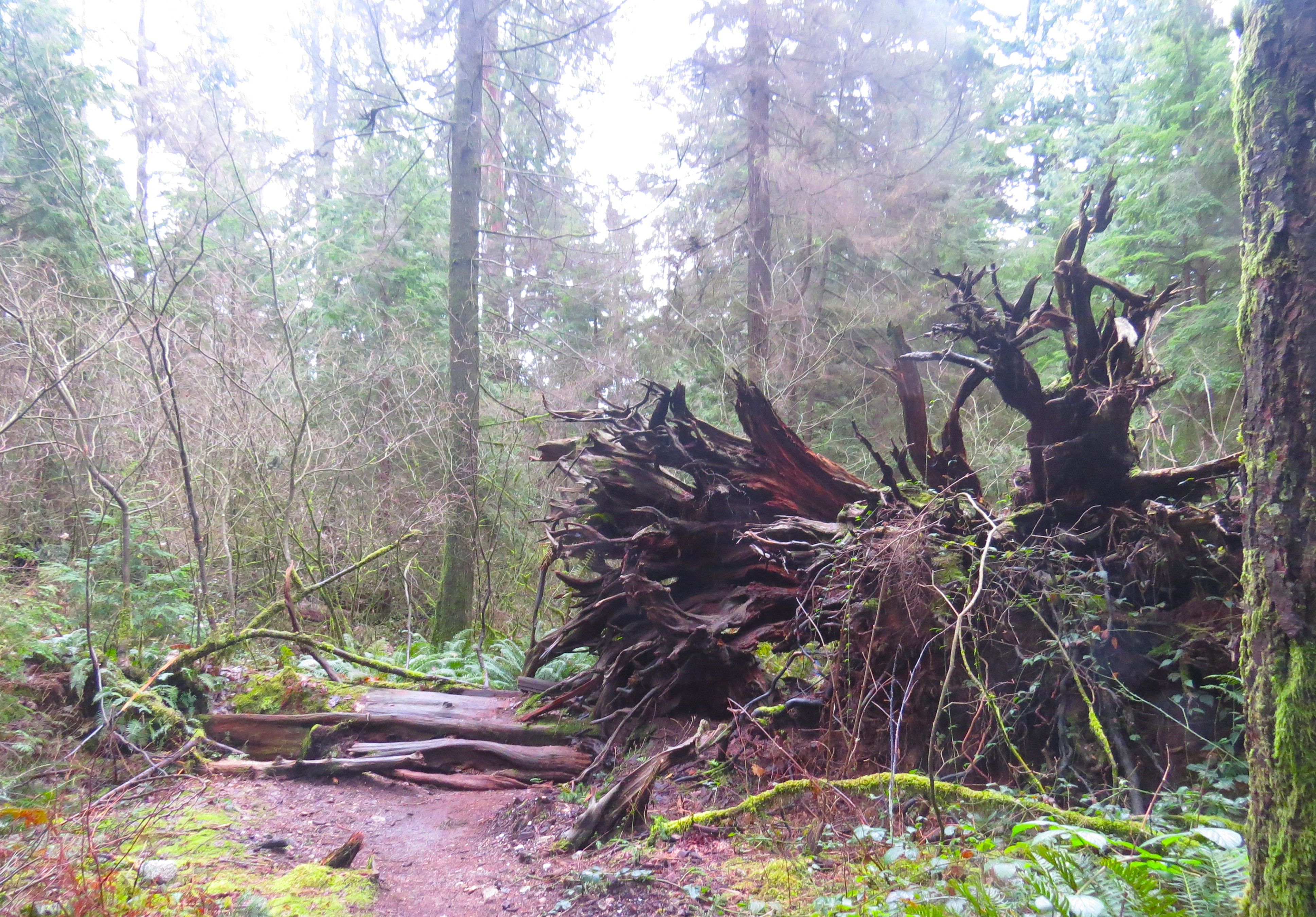
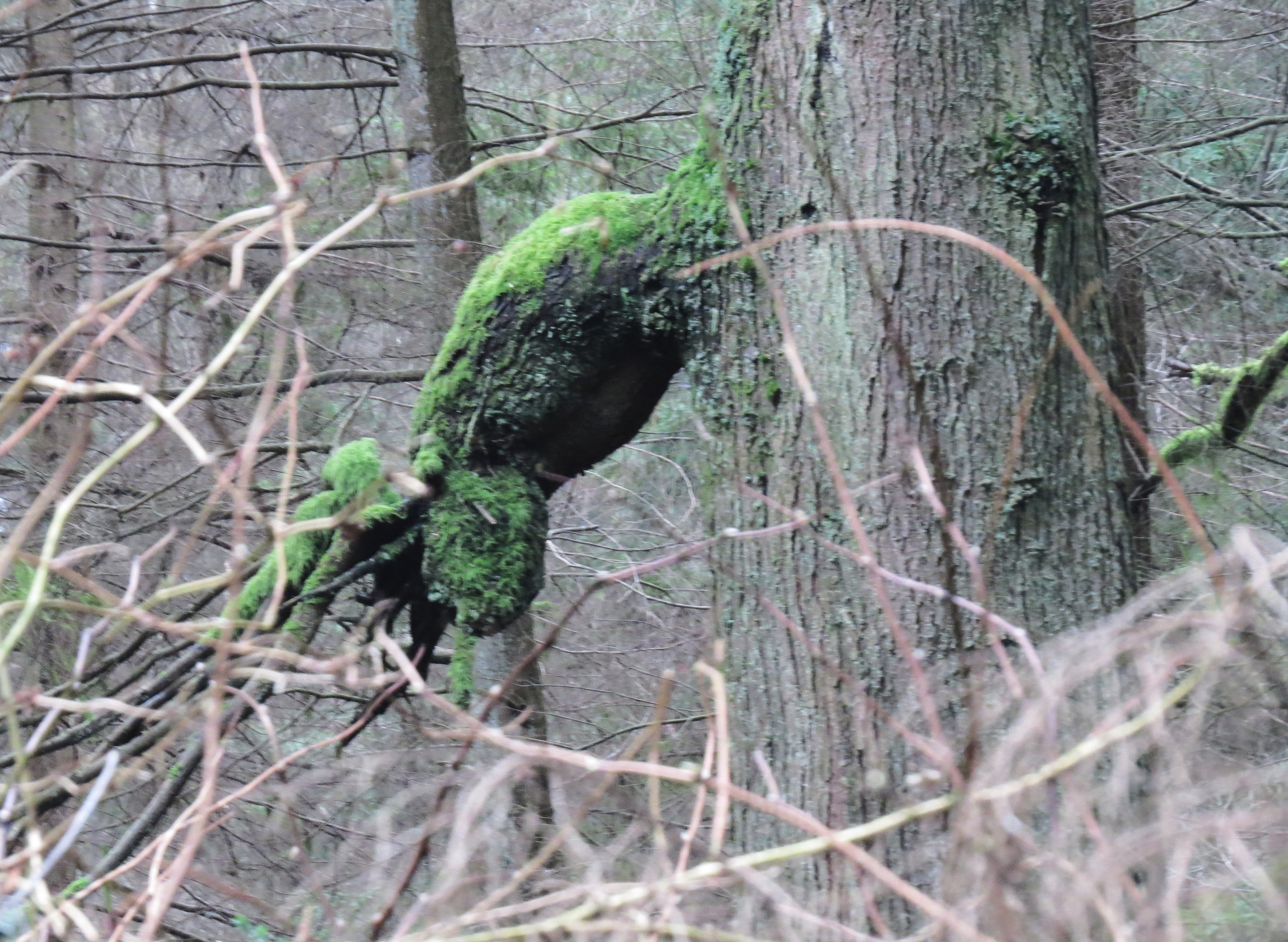
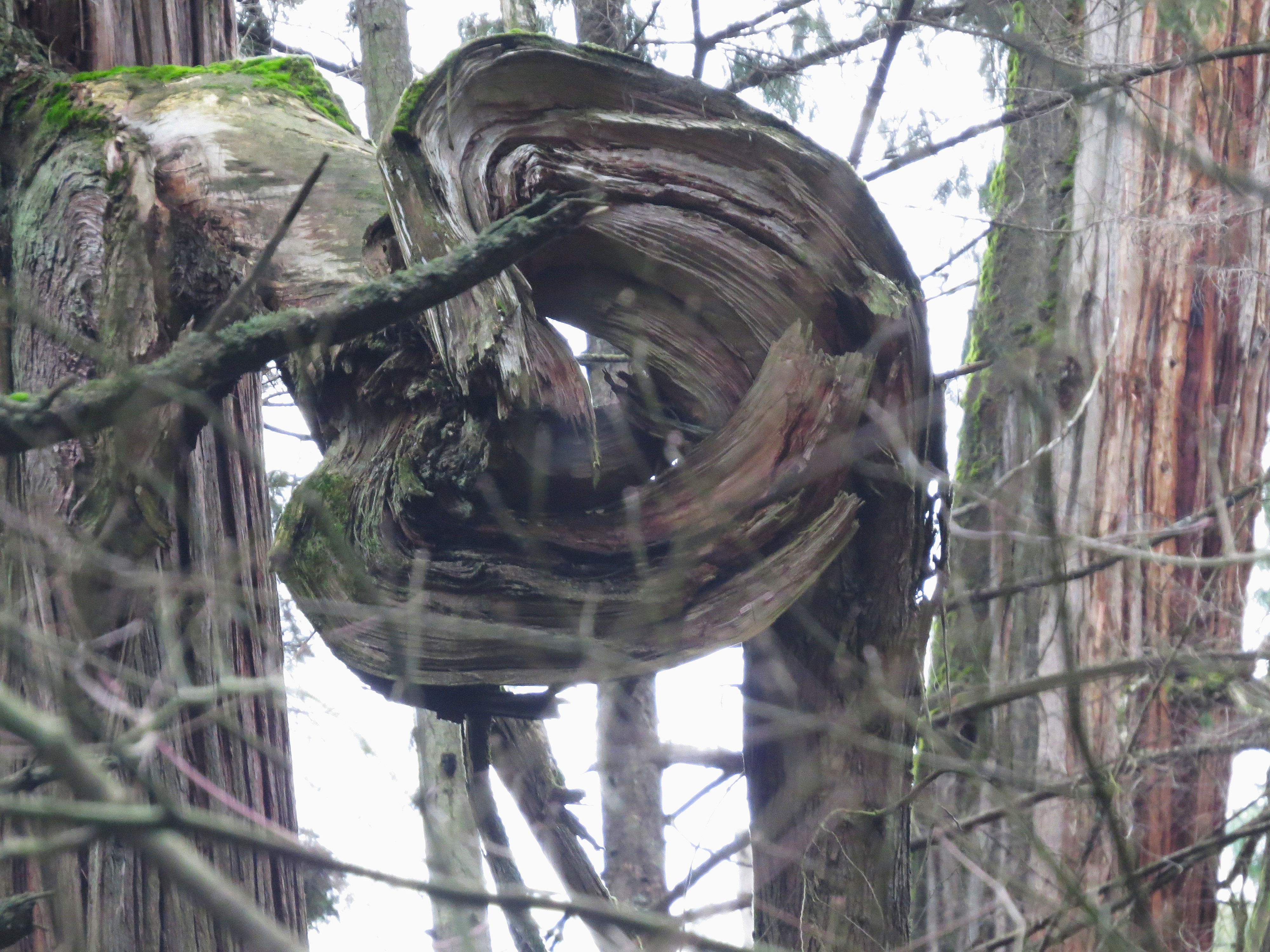
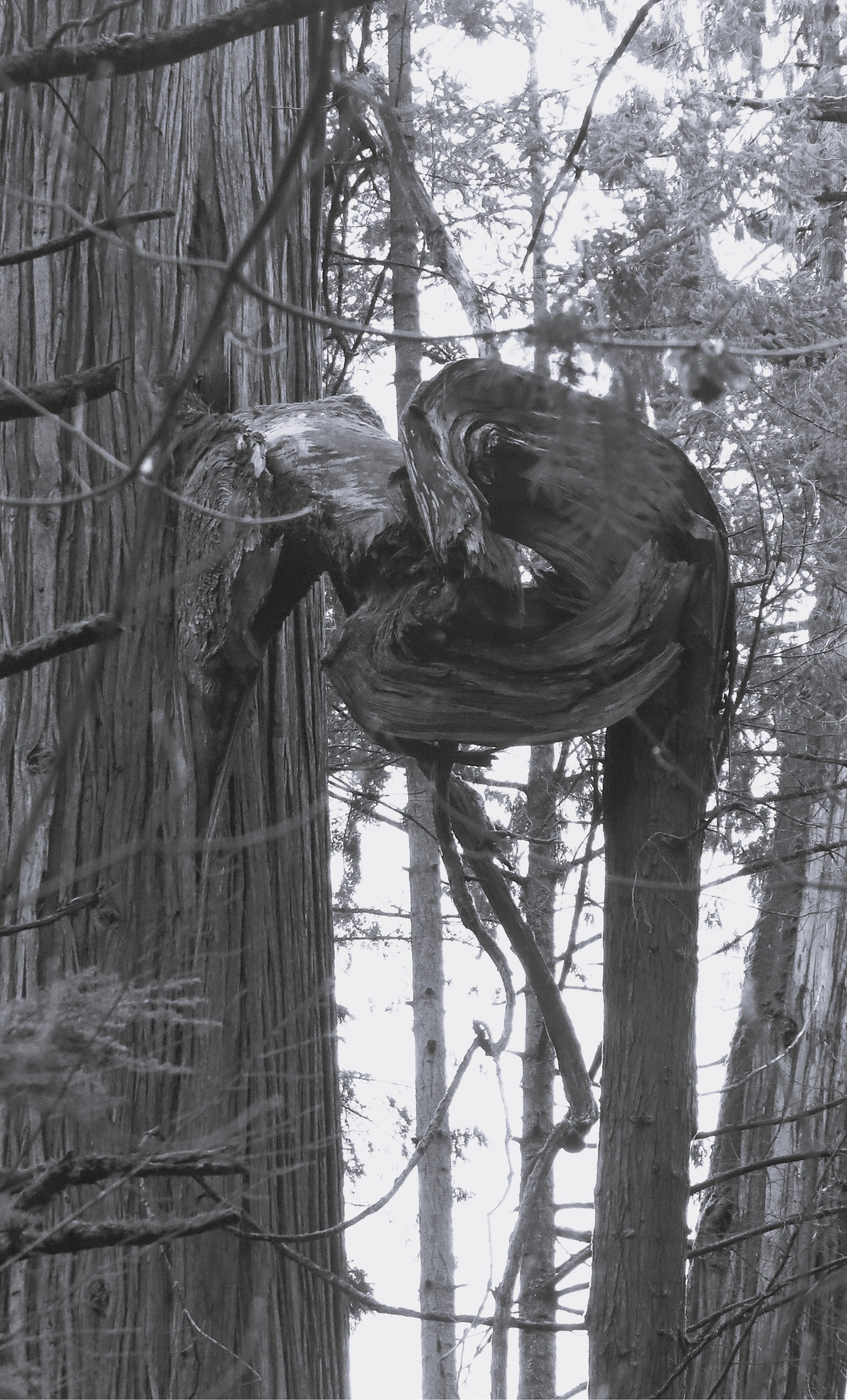
Cedry w moim parku w Vancouverze trwają prawie wiecznie, nigdy po prostu być nie przestają. Nim skruszy je śmierć dbają, by z ich korzeni, pni zmurszałych wyrastały już nowe, młode cedry. Swoisty rodzaj reinkarnacji botanicznej. Z prochu, próchnicy człowieka nie wyrasta nic, na pewno nie wyrasta nowy człowiek.
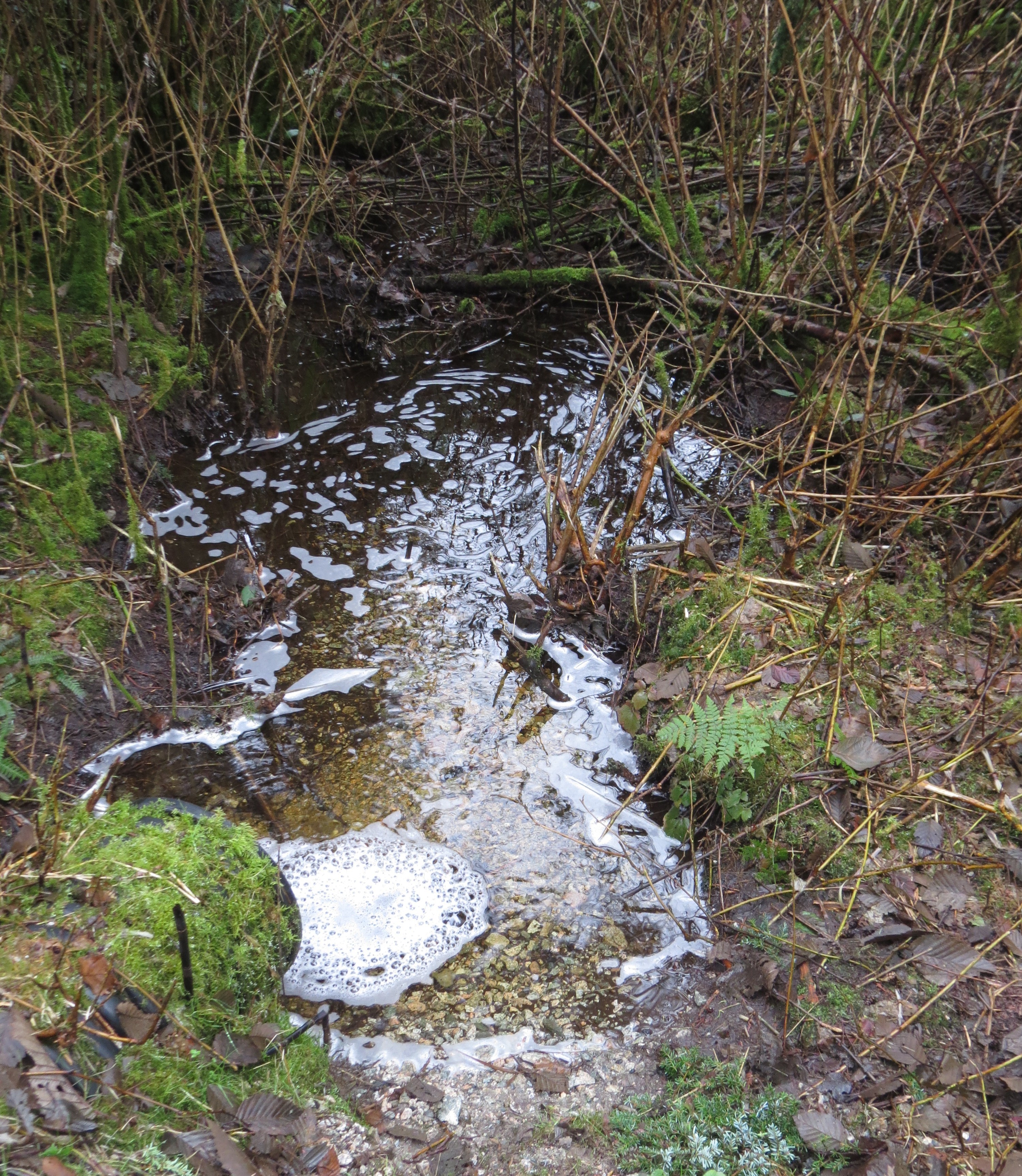
Więc śpiewaj puszczo dumna hymn życia. Niech cieszą się strumyki żywej wody płynące pośród twych korzeni. Spłyną do Zagubionej Laguny i opowiedzą o katharsis, o odradzaniu się, o trwaniu.
Wszak i ty, laguno powrócisz do morza, lub morze przyjdzie po ciebie, przytuli, przygarnie, jak macierz pamiętająca, trwająca wiernie.
Ja tylko jeszcze parę wierszy napiszę, kilka wierszy innych poetów przeczytam. I to wszystko. Wiersze to też tylko słowa, nic więcej. Przyjdzie wiatr i je porwie. Może rozsypie te słowa, jak nasionka, w jakimś starym parku i może drzewa je posłyszą w poszumie swych liści nim pofruną podmuchem i upadną – niepotrzebne – na bruki miasta, które też już dawno temu umarło. Miasta, którego ulice i domy będą kruszeć i zacznie powoli je zarastać trawa, krzewy i młode drzewa.
[i] wody oblegające Vancouver, to część tego morza; cieśninę między Vancouverem a Wyspą Vancouver koloniści brytyjscy nazwali Georgia Straight na cześć panującego wówczas króla Jerzego III.
[ii] plaże morskie w Centrum Vancouveru nazywane są liczbami: od Pierwszej tuż przy moście Burrard, przez Drugą na wysokości Lost Lagoon, po najdalej wysuniętą Trzecią.



 > > Pogwarki < <