Andre Gide and the long trails he led me through

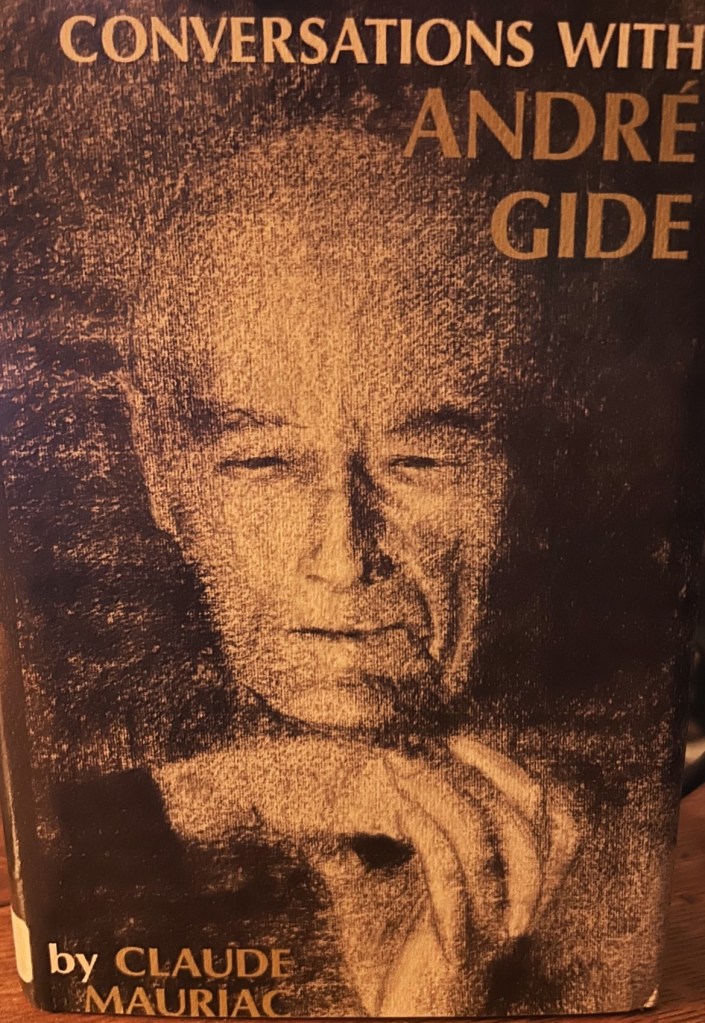
On Claude Mauriac Coversations with André Gide

Introduction:

Andre Gide as a guide – but to what light, what knowledge?

Andre Gide not himself with his books, his amazing literature, but Gide as seen in his twilight years through conversations and observations of a young Parisian, Claude Mauriac. No, no that more famous father, François Mauriac[i] (a writer, critic and member of French Academy and Nobel laureate in literature). Claude followed his father’s footsteps, who also interviewed Gide and wrote about him extensively.

All of it and all of them reminded me how amazingly important for continental Europe was the French literature since Moliere, and especially in revolutionary XIX and first half of XX century.  Italian, Spanish, or German literatures had its episodes, individual, singular writers, the same as English from across the Channel. But none of them had such an impact on literary styles, thought, as did French literature as a whole at the same time frame.

I remember vividly that right after I stopped reading Mickiewicz, Kraszewsk and Krasicki[ii]  – I went straight to Stendhal[iii].  I’m talking about a 10-12 year old boy in a peculiar cocoon called ‘Polish People Republic’[iv].  Yes, it meant communist.  France for us was modern Athens. Of course, I had to re-read a lot of it again in a two-three short years to better comprehend it – but by the time I was fifteen, I knew by memory all the streets of Paris, from Montmartre to Montparnasse. It was very helpful when I eventually ended up in Paris for a visit with Kot Jelenski[v] – a true bridge-navigator between French high culture and Polish literary/art achievements.

                The story with reading about Gide goes a few weeks back. I was trying (still unsuccessful) to get from our Library a book by Klaus Mann and his talks with Andre Gide. He was the last one to have this type of talk with the great writer. That book simply vanished from Vancouver Library – last time I was actually told that: disappeared. I went finally to get that book by older Mauriac –  François. Remembered seeing it on shelf of the Library, but this time that book was gone, too. LOL.  Machiavellian conspiracy?!

 But they had this book by the younger Mauriac and I took it. It might have been a good idea. He was very young and very much taken by Gide, and his own criticism was not blinded by arrogance or pre-conceived notions, as could have been the case with his father writings. Even more intriguing is the fact that older Mauriac was about the same age as Gide. Claude Mauriac, being more than generation younger, would not dare to contradict, or argue with Gide. I knew he would have listen and absorb – therefore his recollections would be more crystal, so-to-speak, taken with reverence.

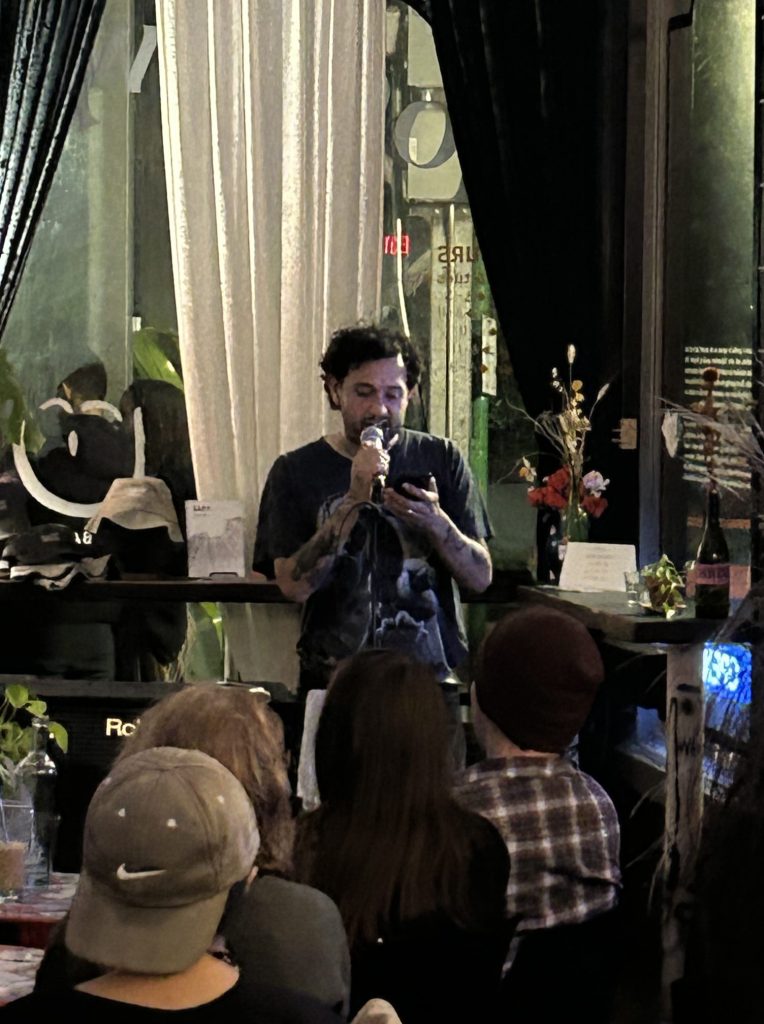
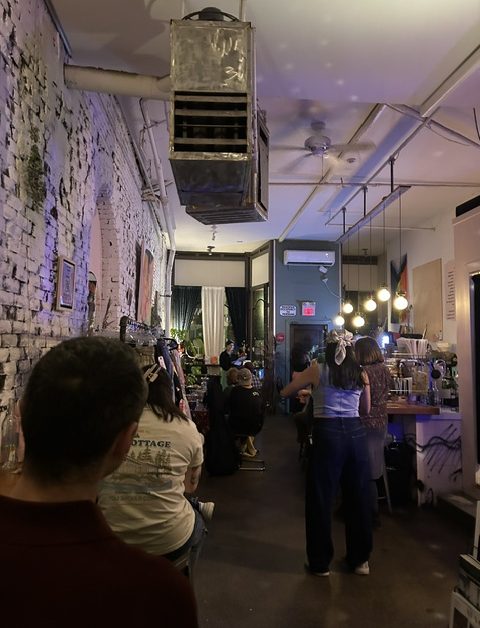
While reading these ‘Conversations’[vi] in Moodswing Cafe[vii] a strange thought came to me or, more aptly – an observation. Strangely perhaps, because on the surface it is totally disconnected from that book and it’s subject. Somehow though, it feels that I need to include it in that short essay.

Here we go:

some people, mostly the artistic type, or at the very least working on some sort of public stage while doing it, dress very differently on that stage than off that stage. I am definitely not talking about actors, as these professionals play a role, not themselves. No, my observation is about any type of performer, who presents their own skill/art in a public space. They often dress very differently than they are off that stage. Why? Are they victims of ‘Dr. Jekyll and Mr. Hyde”[viii] syndrome? I doubt it.  Yet, it seems to me that they think as their artistic persona would be too peculiar, too extravagant for normal, ordinary life. Extravagant?! Obviously that ‘artistic’ part is very important and it shows that they are fuller, happier and more confident in that ‘stage attire’ than in ordinary, boring clothing.

They should allow themselves that freedom of dressing a bit differently simply because ‘it’ is them and ‘it’ would show confidence and joy. Being an artist does not make you better than others, but it does give you the privilege, the right to be a little bit of a peacock. Perhaps not with fully displayed tail – but a colorful peacock nonetheless.

I think that Gide helped me to have that thought, observation. Certainly monsieur Cocteau[ix], who comes up in Mauriac’s story very often would think that. I do not shy from this ‘perversion’ definitely.

(Next day in Melriches Cofee bar on Davie Street)

Well, back to the subject, the book of Claude Mauriac.

 As I said I wouldn’t have borrow that book if not for the simple fact, that the other, written by his famous father was not at the library.  Yet, being as it was, I have found out that it worked very well. That Claude, young aspiring critic and journalist did not come to Gide to discuss, analyze a famous writer style, body of work. He came timidly with open mind and heart to observe, to learn about Gide from Gide, without pre-conceived notions about Gide as a man. Obviously, the age difference added to his deference.

                Did he understand the peculiarity of aging Gide homosexuality? Yes, he knew of it very well, Gide never hid it, but did he knew the emotional price paid by an aging homosexual artist – even in liberal Paris of the 30ties – who was single, did not have a partner? Of course he did.

 Gide still analyzed, re-lived his tragically ended marriage ( her sudden death), a marriage never fully ‘consummated’. If you are not sure of the torture, perhaps you should read the gem of literature, the „Immoralist”[xi].  It had tremendous effect on me decades ago, when I read it first time.

Claude Mauriac was not only young (o, so very young!), he was (as his father) staunchly, almost fervently Catholic. But he did try very hard not to let himself be judgmentally opinionated in his dogmas, especially noticing that his own famous father (also fervently Catholic) did not allow himself to judge Gide writings through his sexuality or otherwise private conduct. Au contraire – he held him in high esteem.

Yet, I must say without a hint of trepidation, that I sensed very strongly, that Claude was drawn mysteriously not only to Gide’s admired writings but also to his suggestive handsome looks and his, at times, flirtatious behavior. And I also do remember the ancient times when I was at Claude’s age, and how intellectually attractive were my much older friends. One must assume that admiring these much older friends intellectual prowess easily translates into physical allure. It goes without saying that intellectually accomplished men (and women), who are artists or people formally associated with art ventures do age gracefully, and barring serious illness, they do retain physical attractiveness rather well. That ‘attractiveness’ should not be confused with just mere and banal ‘good looks’.

On p. 160 of that book Claude re-examines his feelings toward Gide and vice versa. He now recognizes Gide acting as a clever gamer, he sees his ‘perfidy’ to be friendly toward him – a boy, a budding young journalist. But is it a fair examination of Gide’s acting by Claude himself?  I don’t think so. I think and I assume it, because I believe that Claude wrote that book honestly. I also believe (although he doesn’t state it as an explice) that at times, through the extended vacation in southern France, he often was jealous of his father closeness and long friendship to Gide. Closeness that took away Gide attention to Claude only. That he might have been at times in the shadow of these two towering figures of contemporary French high culture. Granted – it offered him an extra security that the father might have offered just by being close, but it did steal the singular attention of Gide that might have been his otherwise. If he did not have these feelings, he would have been indeed very abnormal young man, and I don’t think that he was ‘abnormal’, LOL.  François Mauriac and Andre Gide were undeniably first class stars of French literary culture; they knew and admired each other accomplishments for decades. Hence, vis avis that Claude persona and personality fades into shades of words, of importance of their lively discussions.

(following day, back in Moodswing Café)

I have become more and more attune to Andre Gide again. Yes, it started with Claude Mauriac Journal , but it took me much farther. It is now me at times, who talks with Gide. Sometime I argue with him, sometime I adore him … and yes, sometime I just want to shout at him: shut up already, Andre. You are not god or, at the very least, you are not the only god of European Olympus! Another false claimant to Homer’s lyre.

Alas, truth to be told, I do love Andre. When Claude Mauriac takes him to visit deathly ill dear friend Paul Valery[xii] and he is not sure what his friend was whispering to him, I feel sorry for Andre. When he returns for a second visit … he is half an hour late. Valery is dead. Claude is overtaken by the look of broken, crying Gide. Was he crying for Valery? Undoubtedly, but mostly he was crying for their youth, for ‘that’ Paris. He was crying for himself. Selfishness? Perhaps … but truly, who is not selfish at the very core, the very center of our ego, our soul?  When you cry after dear lover’s death – you cry over your loss much more than the loss of another person (of course the ‘other person’ would be your lover, but the asserted ‘yours’ is the key to that loss: something, someone was yours, belonged to you and now was taken away).

Egotist? I remember years ago reading F. Scott Fitzgerald  “Short Stories”[xiii] and loved it so much. It was his greatest literary achievement and it prompted me to read his first full novel “This Side of Paradise”[xiv] from 1920. Many have called it an absolute portrait of the generation and its first section is titled The Romantic Egotist. How appropriate! These short stories and the novel portray a generation that just went through the unthinkable loss of millions in that devastating war of 1914-1918. Generation that was hungry for life, love, excess – ALL of it.

Dear Andre, did you know during your talks with this improbable youth called Claude Mauriac, that his world (as well as yours – once again) is just about to collapse under the pitiful actions of his admired earlier presidency of Maréchal Pétain, the Lion of Verdun, who become the Mouse of Vichy? No, of course you did not. After all you went to Tunis and Algiers. Did you enjoy the young bodies of the Arabian boys? Of course you did. After all it wasn’t the first time, was it? But you still should have told some of it to young Claude. He was naïve …

                Gide dies soon after Valery. I’m personally taken by these moments and his sad, somber realizations. Am I now waiting for my death? Is my return to Warsaw a Gide’s return to Paris after the war years in Africa? Return to die…

(following day, back in Melriches Café on Davie in Vancouver)

Ah, yes – it is very hard to leave this place again, these streets, buildings, even shops, stores. Perhaps it is most difficult leaving the parks and their trails. Everything is so dear for me there. Everything? If life is everything – than yes, it is.

Our love, that I will never find again, my writings. Despite many shorter and longer returns to Poland, my dearest Poland, the undeniable fact remains that I was twenty two years old boy, when I left her. Now I am close to Andre Gide’s age, when Claude Mauriac wrote his Journal and become emotionally attached to that famous French writer. Andre died in Paris few years later, in 1951.

Regrets? No, have I not left my dearest Poland, I would have never found him – My Boy, My Life, My Soul. Things like that do not happen twice. Yet – Poland is my first love of books, of literature, of poetry, music. When I finally landed in Canada (after a year in London and two years in Italy) I was a truly fully developed man spiritually and intellectually. Back in the old communist Poland young people had to develop fast and mature fast. Of course, there was time for first kisses and romances – but a romance is not That Love you dream of, when you are that young. That one was waiting for me here, in Canada. Do I believe that things are preordained somewhere for us?  That I don’t know and I am not going to be wasting time trying to answer such a theoretical question – cosmology was never my strength.

I do have one regret, though. Back in the 80ties I went to Paris to visit Kot Jeleleński[xv], an amazing intellectual and art lover. Art lover is one description – but of course he must have been a great lover romantically, too. After all, he was a lover of improbable Leonor Fini[xvi] and improbably beautiful Stanislao Lepri – an Italian aristocrat. He did, in pre-war Poland, had a friendship with Polish great poet Kamil Baczyński (a hero of Warsaw Uprising, where he died fighting German occupiers)  – I forgot to ask him if he ever made love to beautiful Baczyński? But I would like to think that they kissed at the very least, both of them were very handsome boys.  That is a side thought only, pleasurable but of no consequence. Yet, my regret is that I should have asked Kot to take me to the streets and cafes in Paris which Gide frequented. Kot was Parisian bare none. It is my great regret. You don’t ask just a tourist guide for places and stories like that. Stories like that could be told only by art lovers. Or artists themselves.

Who, if not Konstanty Jelenski  could have told me the true shades of Gide? Jelenski, the ever arbiter elegentiae, the guardian of Polish and European literature? How did he survived the death of his love – Stanislao, the gorgeous Italian?  I didn’t know that Kot at that time was dying himself of incurable cancer. Being as elegant in every meaning of the word, he never shown anyone his physical ailments. Let’s talk about art, not of something as ghastly as death – he would have probably answered.

Our lovers die too soon.

I have talked for a long time with Giedroyc[xvii] in Maisons-Laffitte near Paris, editor-in-chief of highly influential literary and political monthly “Kultura” – but our talk was all wasted on politics instead about literature. Those were the times, but we should have known that even during war, talking about art and love is more important than politics! One that could have put us back on these important tracks was another editor of ‘Kultura” – Józef Czapski. Tall as a skyline physically and intellectually, himself a lover of young Russian poet Nabokov and later of Ludwik Hering – but Czapski was not in Paris, when I visited Giedroyc. Maybe Czapski met Gide, he could have due to his aristocratic connections he mingled o lot in the ‘society’ circles of Paris. Eh, the occasions and talks we missed…

                When Oscar Wilde took Gide to a hotel in Algiers, Wilde rented two rooms and in both rooms was a local Algerian boy. Naturally, the boy was rented, too. They both delighted in their boys. Yes, I know my dear Reader that you are aghast – but trust me, I am certain that both of these writers delighted in these Algerian boys. They definitely were not terrified of these boys. Not only that – to your surprise  (no doubt) I must tell you that it was not illegal – the age of consent was not 18, not even 15. It was at that time …thirteen.  O tempora, o mores! Did you, dear Reader give a sigh?! Did you just say, with wiping sentimental tear off you check: the good, old times? No? You didn’t? I thought you did – because that is what you usually say, when you comment on current times, don’t you?

O, please spare me the debacle. I am not going to Algiers tonight, or any other time. And the age of consent in Algiers now is the same as in Poland or in Canada. Even in Paris, LOL. Not sure about Texas or the Temple in Utah – religions and individual states laws and customs are very different in the ‘land of the free’ south of the border. They are Christians, too (I think?) but they are the Later Saints … or is it Latter-day saints? Maybe it is just very special Latte or Cappuccino; it is all too complicated for a simple guy as me.

Thinking of Gide for few more days and thinking of him I wrote two pieces of poetry: one in Moodswing Café in New Westminster and one … sunbathing on nude beach and swimming in Mud Bay of South Surrey’s Crescent Beach.  I think it necessary to finish this essay, which no longer is an essay only about Andre Gide, with these poems. Maybe I should even dedicate it to his memory and talent.

 To you Andre, to the memory of great man of letters from France.

Winter time in a small village in Pyrenees.

Night comes quickly and darkness covers

the valleys and peaks. Suddenly, the windows

off a small stony church lights up in delicate

orange glow. From the top of the church steeple

comes the song of its bells: big bam! Big bam!

big!, big! big! Bam! Bam! Bam! Baaaam-mmm!

The air vibrates with each tone of the big bell

and sends  bronze-coloured sounds to the valleys.

Archangel Michael blows into long, golden trumpet.

The music envelopes the meadows, climbs up the hills.

The call of God, the call of the Shepherd: 

come and be enlighten in the mystery of life

 and promise of death merciful that claims us all.

They run – the tired travelers, the herds of goats.

They cry and hope, as the trumpet sounds again

and dies suddenly like the last drop of now empty goblet.

The church becomes a masjid and archangel becomes muezzin,

that intones to all: Allāhu ʾAkbar. In Pyrenees Hannibal’s army

stop their march and rise their tusks and trunks: they sense the pitch

of the hymn and the psalm as the far flung peaks of Alps slowly

cover the church, the mosque and streams in the valleys.

The curtain call of History. Birth and death of Love.

Moodswing Café, 29. 05.26

B. Pacak-Gamalski


It’s almost seven in the evening.

The sun just starts to burn its glory.

I talk to young Adonis I just met in the water,

when we were swimming close by.

Back on the hot rocks  of the beach

he asks me about a book I’m reading.

That book is about Andre Gide and young

 Claude Mauriac, who wrote that book.

No, I don’t suppose that my Adonis knows

who was Gide and I explain that he was seventy

at that time and fabulously-scandalously gay,

but Claude was barely twenty one and staunchly catholic.

Definitely believing being straight as an arrow,

straight as the priest, who presided piously over Holy Mass

in the church they attended with Gide and Claude’s father

in the southwestern France,  in Malagar, close to Garonne’s

fast moving waters and not far from Spain’s Pyrenees.

Not sure if all that did not scared him: Malagar, big river Garonne,

 close to Spain. A thought might have crossed his mind:

is he crazy per chance? And he moved few steps to the left.

Yet, he stroke a pose of Greek efeb to accentuate

his graceful, but  muscular body. I pretend

not to read his mind and just admire his statuesque’s

shapes. Like a monument in Louvre or in Athens.

Michelangelo must have painted or sculptured him.

Gide and Claude in France? Who are they?

And who cares on a nudist beach

in the company of Greek efeb?!

Crescent Beach in South Surrey, 30.05.26

B. Pacak-Gamalski


[i] François Mauriac | Nobel Prize-Winning French Author | Britannica

[ii] A. Mickiewicz – great Polish poet, author of national epopee “Pan Tadeusz; Jozef Kraszewski, a popular author of many historical novels in the late XIX century; Ignacy Krasicki, bishop and writer called a Polish La Fontaine, satirist and critic of an old feudal system, XVIII century

[iii] Stendhal (orig. name: Marie-Henri Beyle) French novelist, precursor of realism and psychological portrait

[iv] Quasi sovereign satellite of Soviet Union block of states created after the 2 w.w. (1944) – the most liberal and free from the entire soviet Block. It ended in 1989 by peaceful free election led by ‘Solidarity” movement.

[v] Konstanty Jelelenski – eminent Polish émigré in Paris after the end of 2 world war; one of the three founding intellectuals, who organized and run the famous Paris “Culture’ periodic – an extremely influential magazine among intellectual and literary elite and not only for Polish people in the West, but mostly for people in communist Poland, where it widely distributed  as ‘bibula’ (illegally)

[vi] Conversations with A. Gide; by Claude Mauriac; tr. M. Leback; pub. George Braziller Inc. New York 1965; s. 235

[vii] Services 4 — Moodswing Coffee + Bar

[viii] The Strange Case Of Dr. Jekyll And Mr. Hyde | Project Gutenberg

[ix] Jean Cocteau – a prominent French poet, performer and avant-garde style movement instigator

[x] Melriches Coffee, 1244 Davie St, Vancouver, BC. | Make that happy connection!

[xi] The Immoralist | French Novel, Existentialism, André Gide | Britannica

[xii] Paul Valéry – Wikipedia

[xiii] The short Stories of F. Scott Fitzgerald; pub. By Charles Scriner’s Sons, New York, 1989, p. 776

[xiv] https://www.ebsco.com/research-starters/literature-and-writing/side-paradise-f-scott-fitzgerald#this-side-of-paradise-by-f-scott-fitzgerald

[xv] Konstanty Jeleński — Wikipédia

[xvi] Leonor Fini at Weinstein Gallery

[xvii] Jerzy Giedroyc – Wikipedia
Beach time season officially opened

Beach time season officially opened

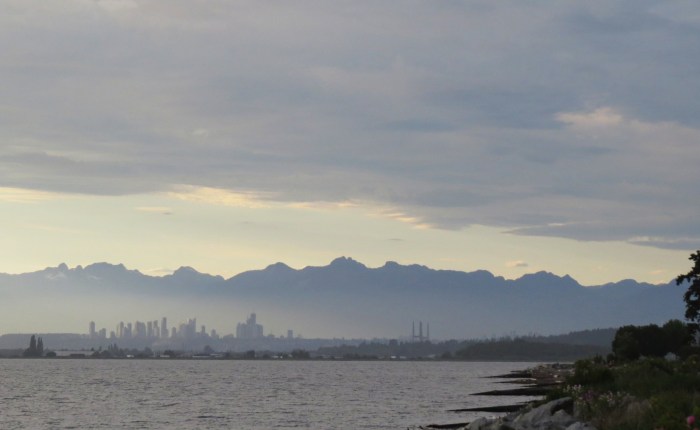
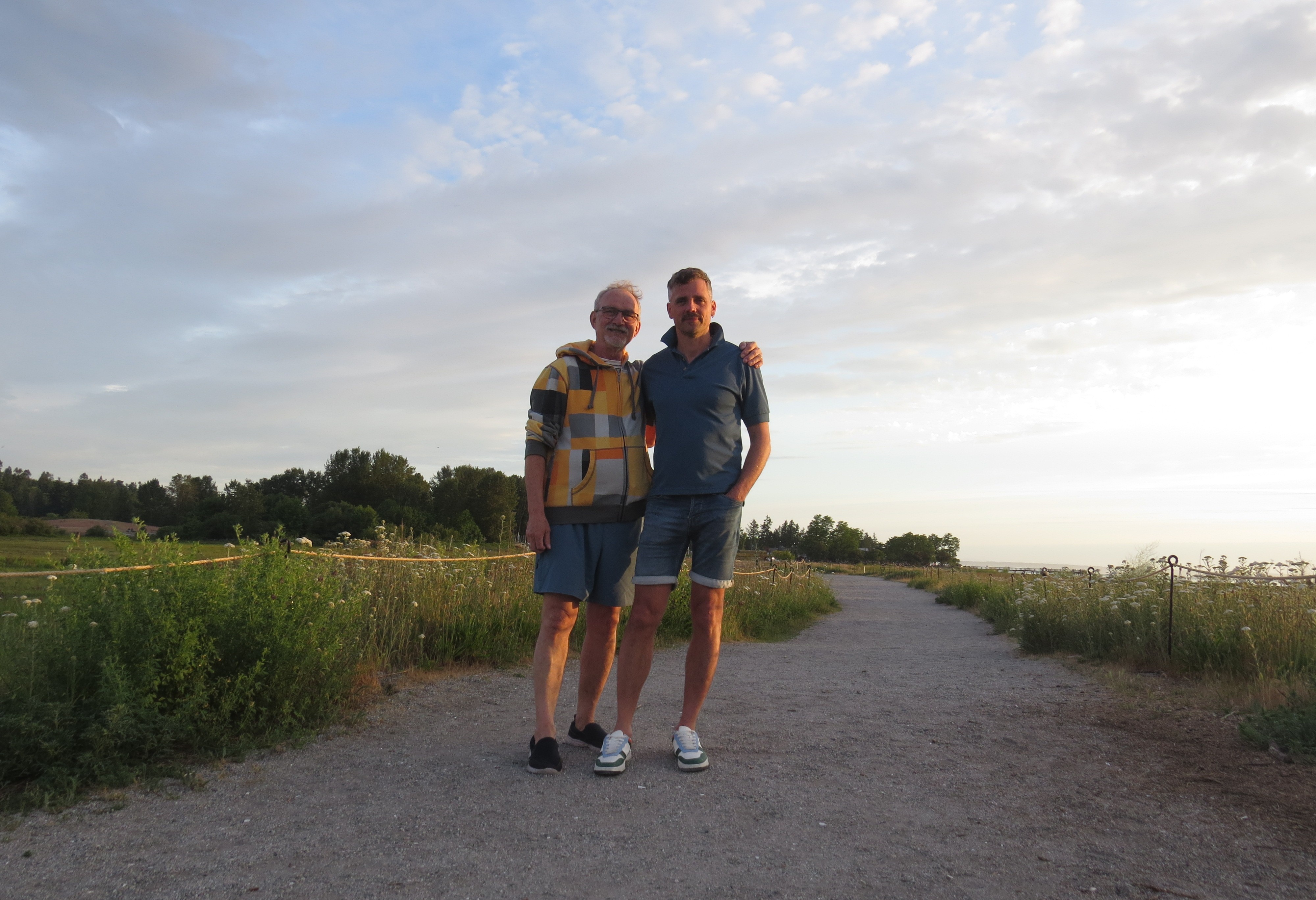
It was rather late time of the day, but nonetheless I boarded the comfortable coach (with modern mechanical horses under the hood, LOL) of my travelling companion and off we went to our favorable place – South Surrey Crescent Beach. Of course to the wild part of rocky beaches for naturalist (yeah, the ones, who walk and swim void of single piece of clothing).

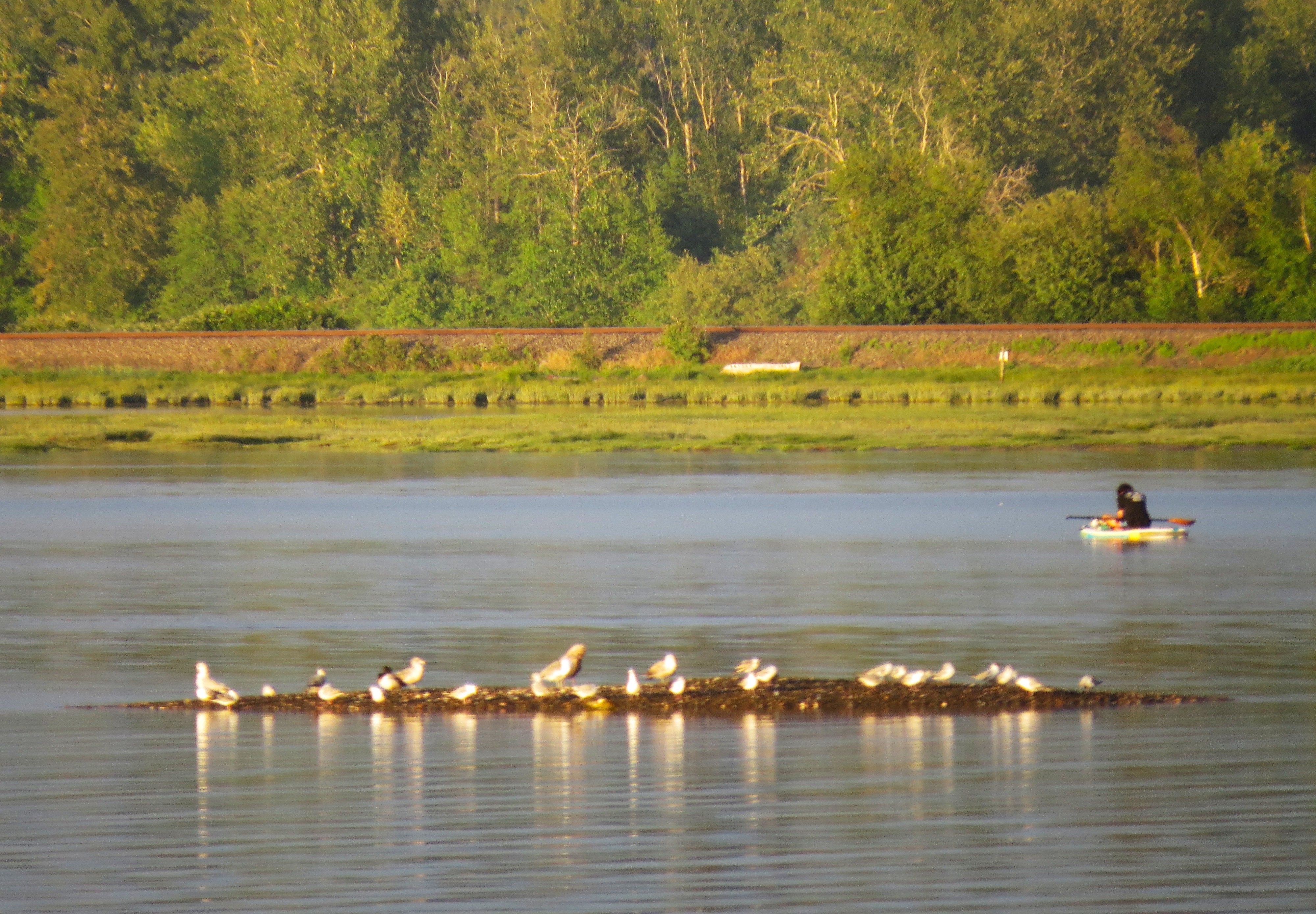
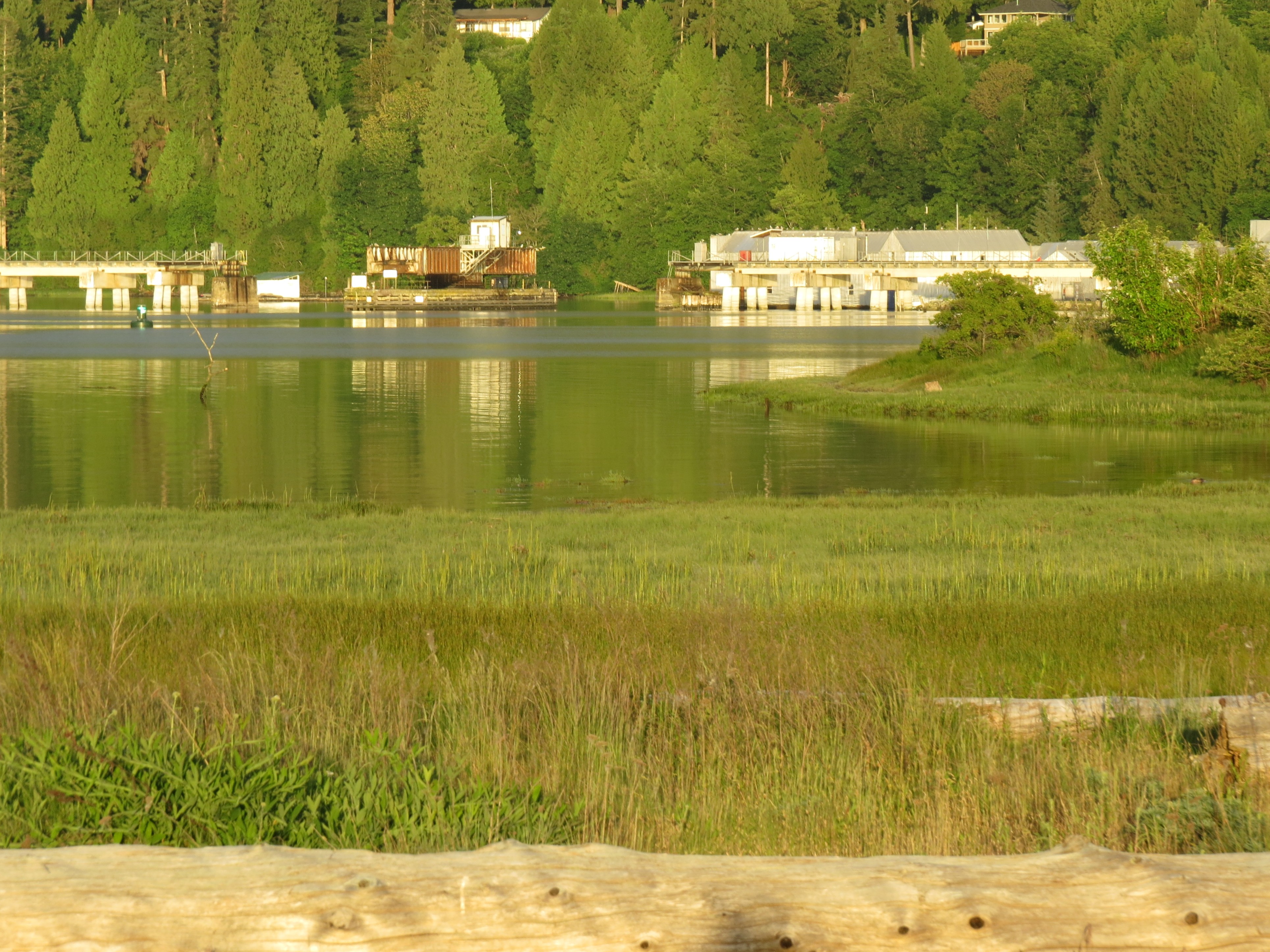
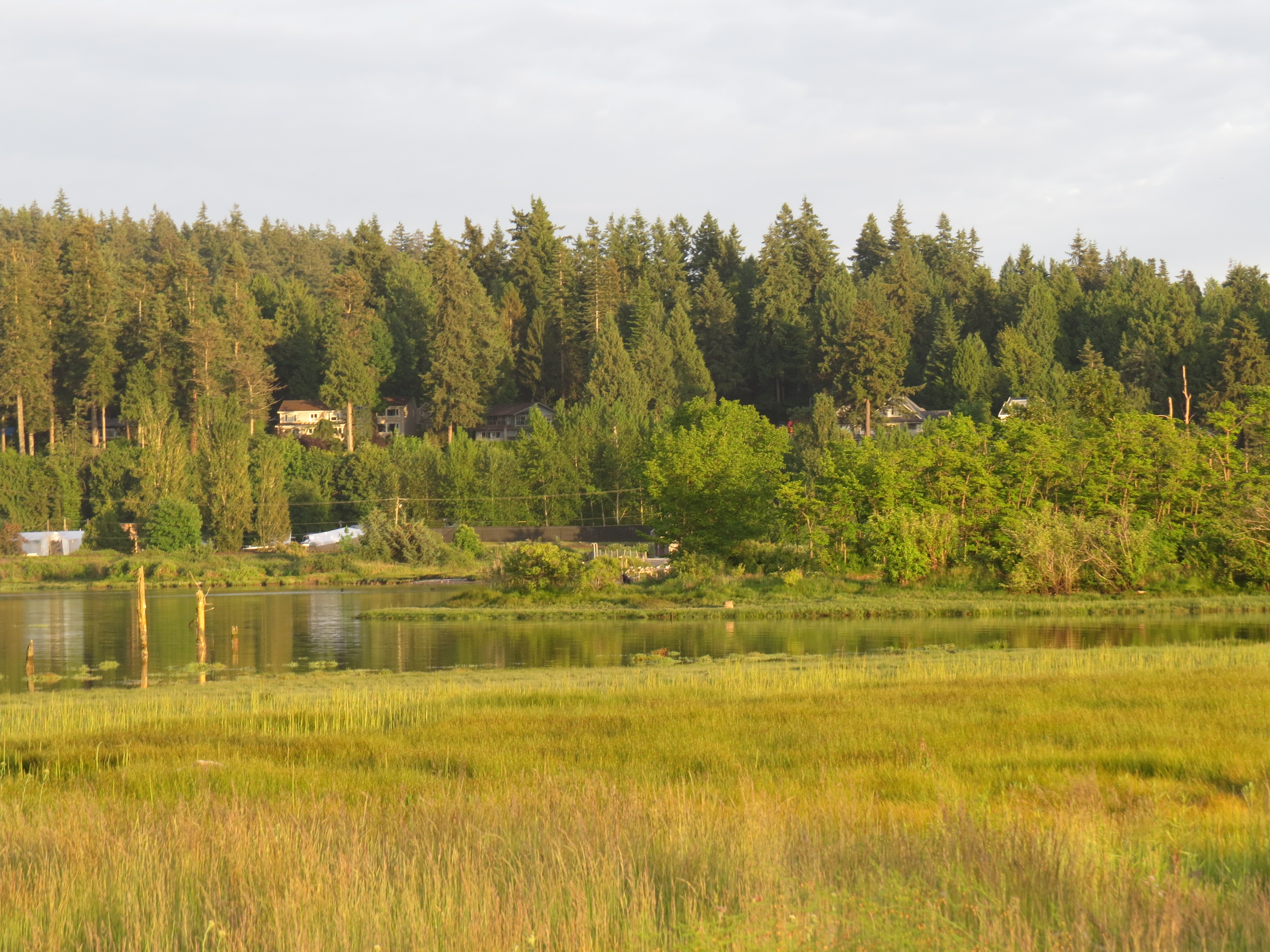
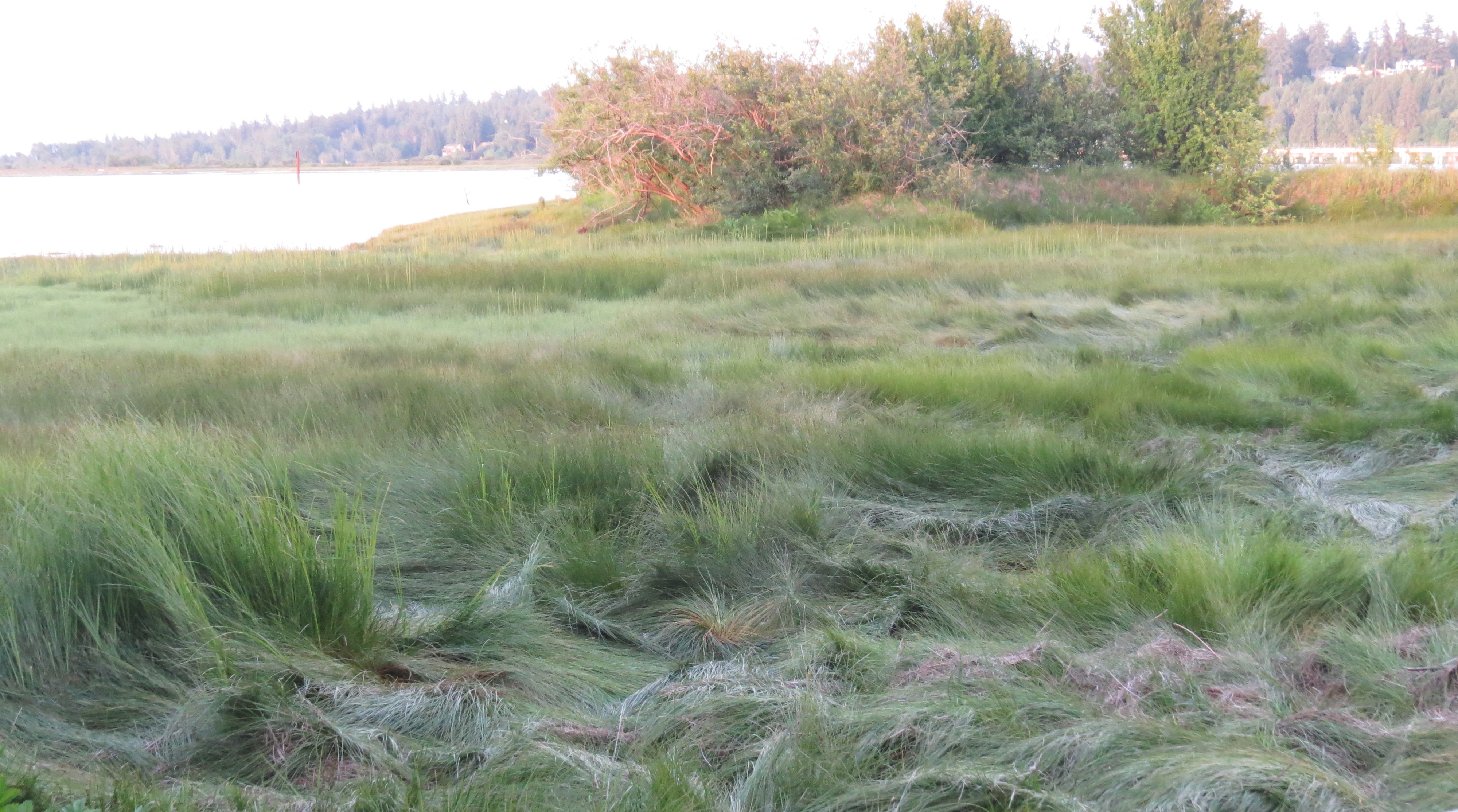
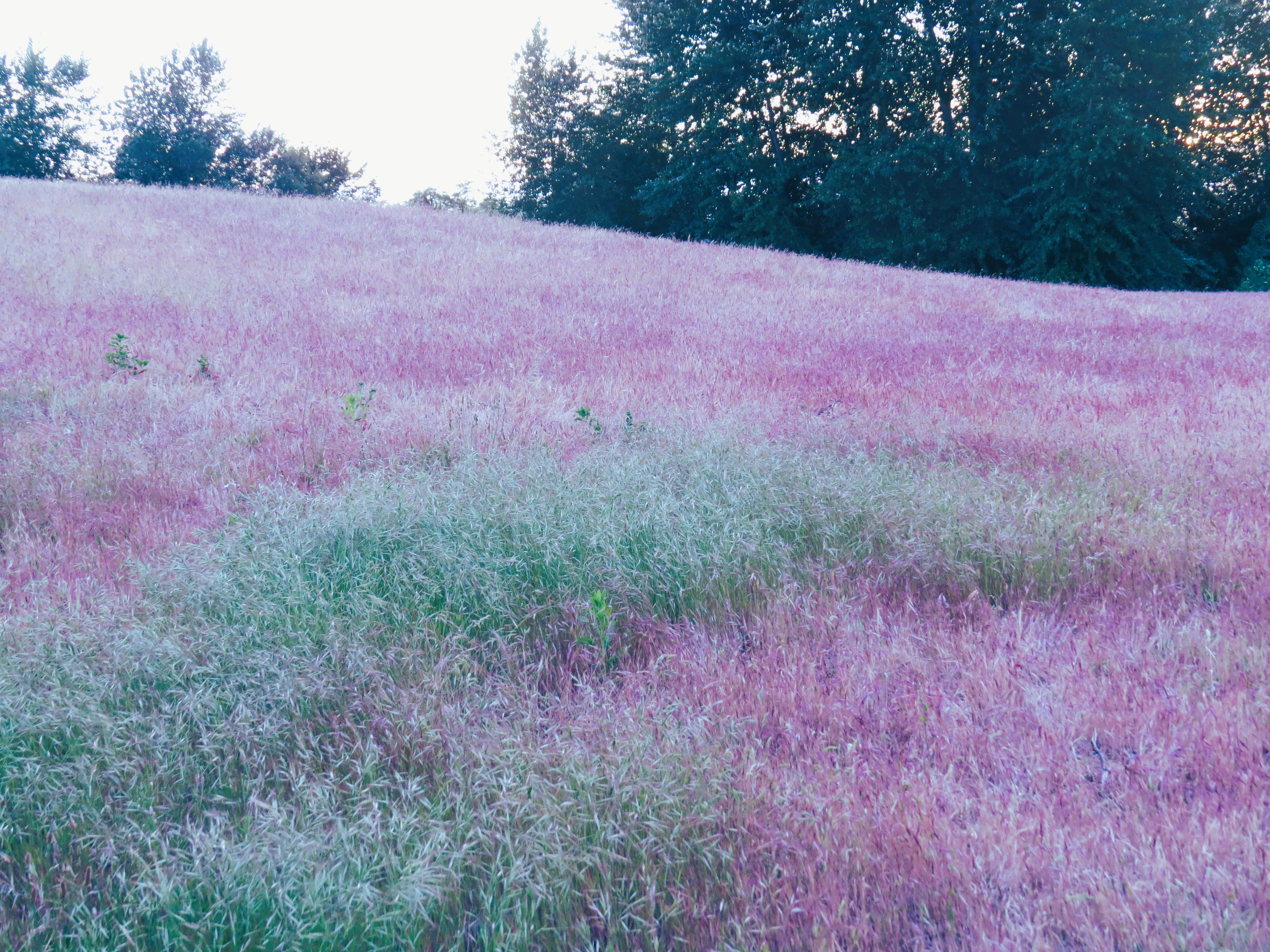
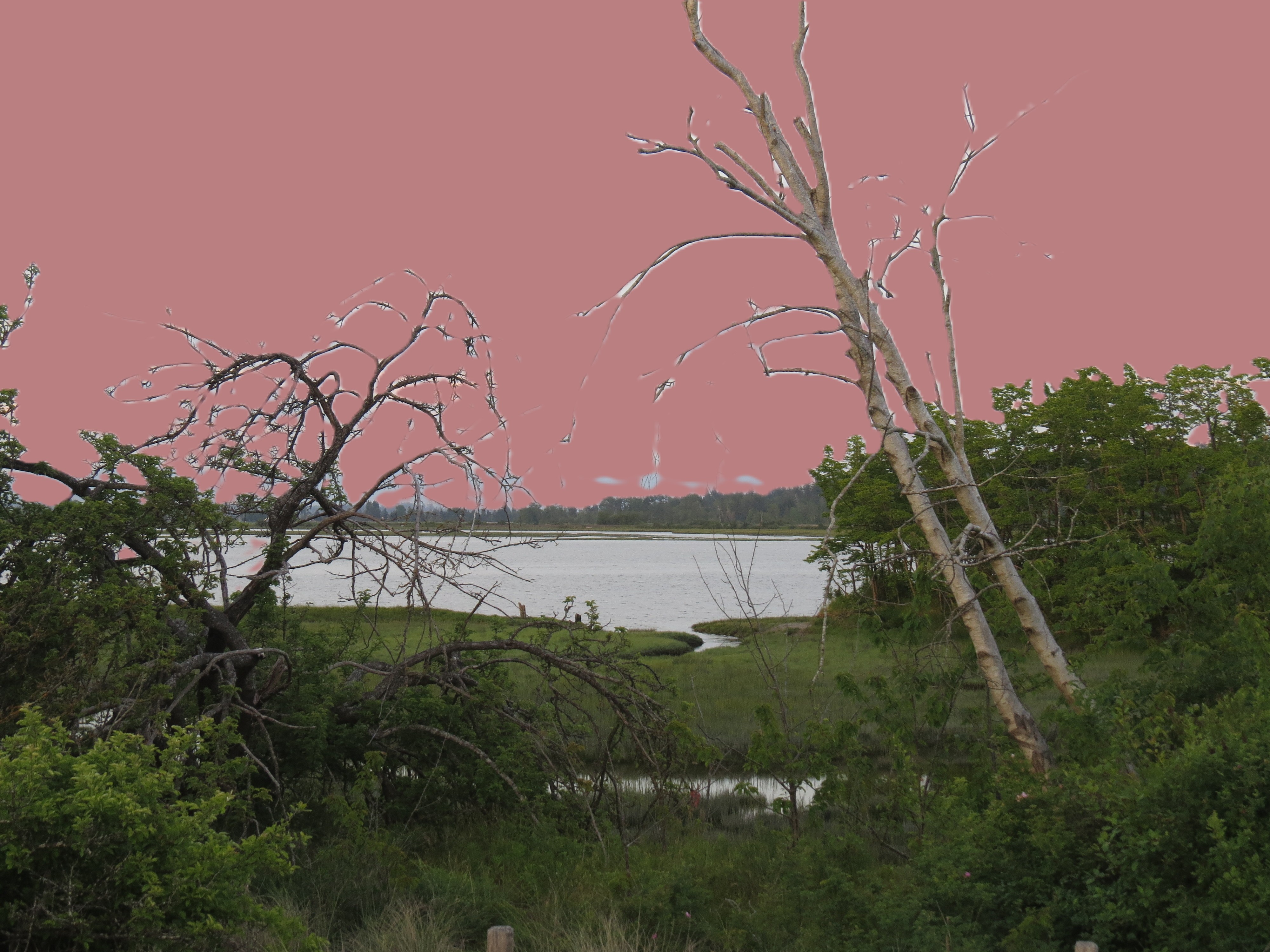
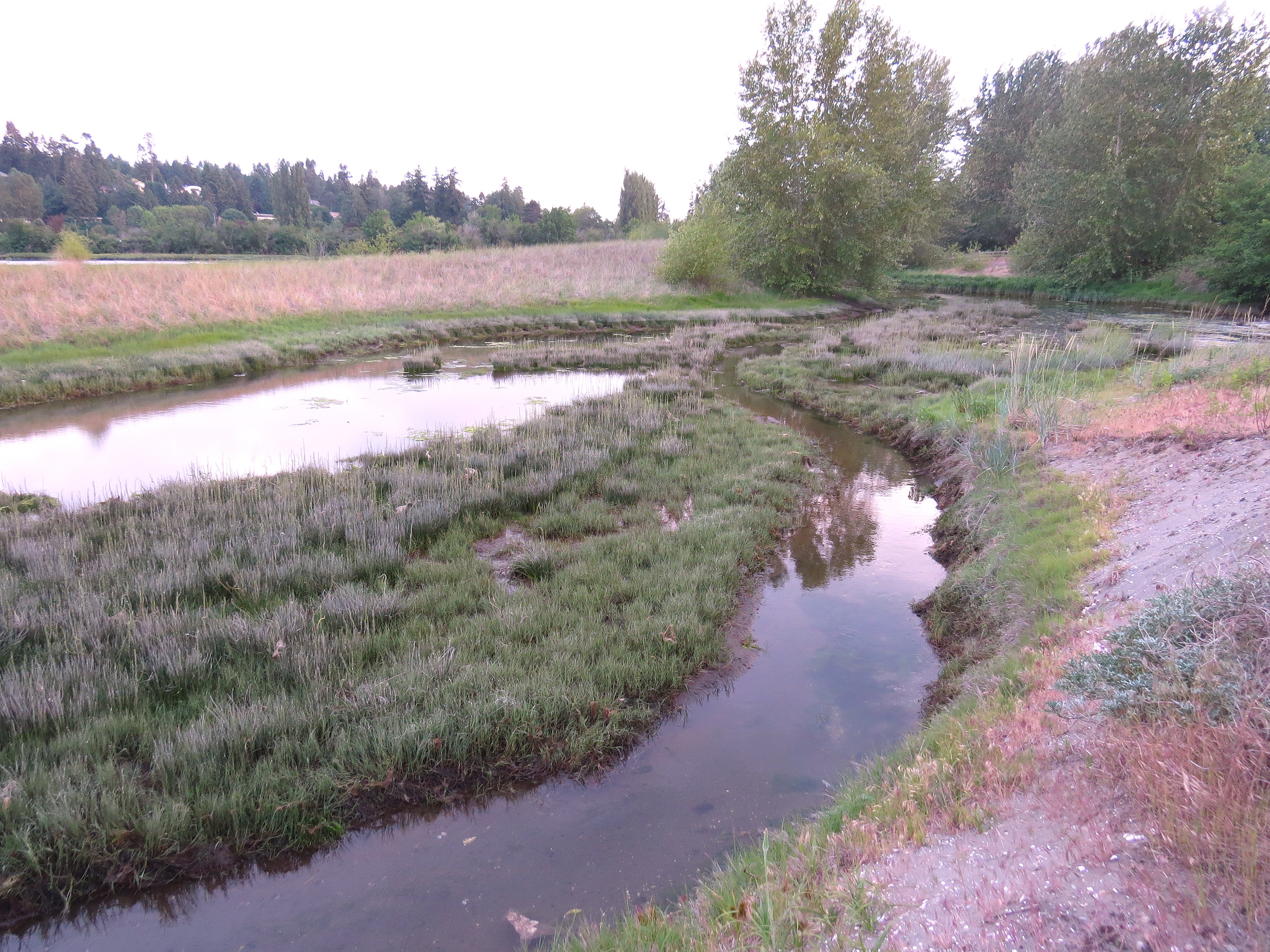
Water was clear as crystal, cool but very friendly. Love that spot. Afterwards we went for gorgeous paths on natural meadows and marches at the other end of the beach. It’s truly marvelous – remember and respect the rules: it is protected and very delicate area. Follow strictly only the narrow walkways and do not stray into the meadows – the meadows are the kingdom of many little birds, who nest there. There is not many meadows like that in the vicinity of large cities, so do respect it. I was overjoyed.

Sezon plażowo-pływacki rozpoczęty oficjalnie. Pojechaliśmy z przyjacielem wczoraj późnym popołudniem do ulubionej plaży Crescent Beach w South Surrey. Naturalnie na plażę golasów, na kamlotach. Ale woda tam jest cudowna, czysta, nie ma przepełnienia i prawie zawsze wszyscy obok to starzy bywalcy i bardzo respektujący otoczenie i sąsiadów.. Woda zimna jeszcze ale już po pierwszym lekkim szoku bardzo miła do pływania, nurkowania. W odróżnieniu od plaż w Vancouverze wokół English Bay, które tej przezroczystośi i bogactwa morskiej flory i fauny nie posiadają.

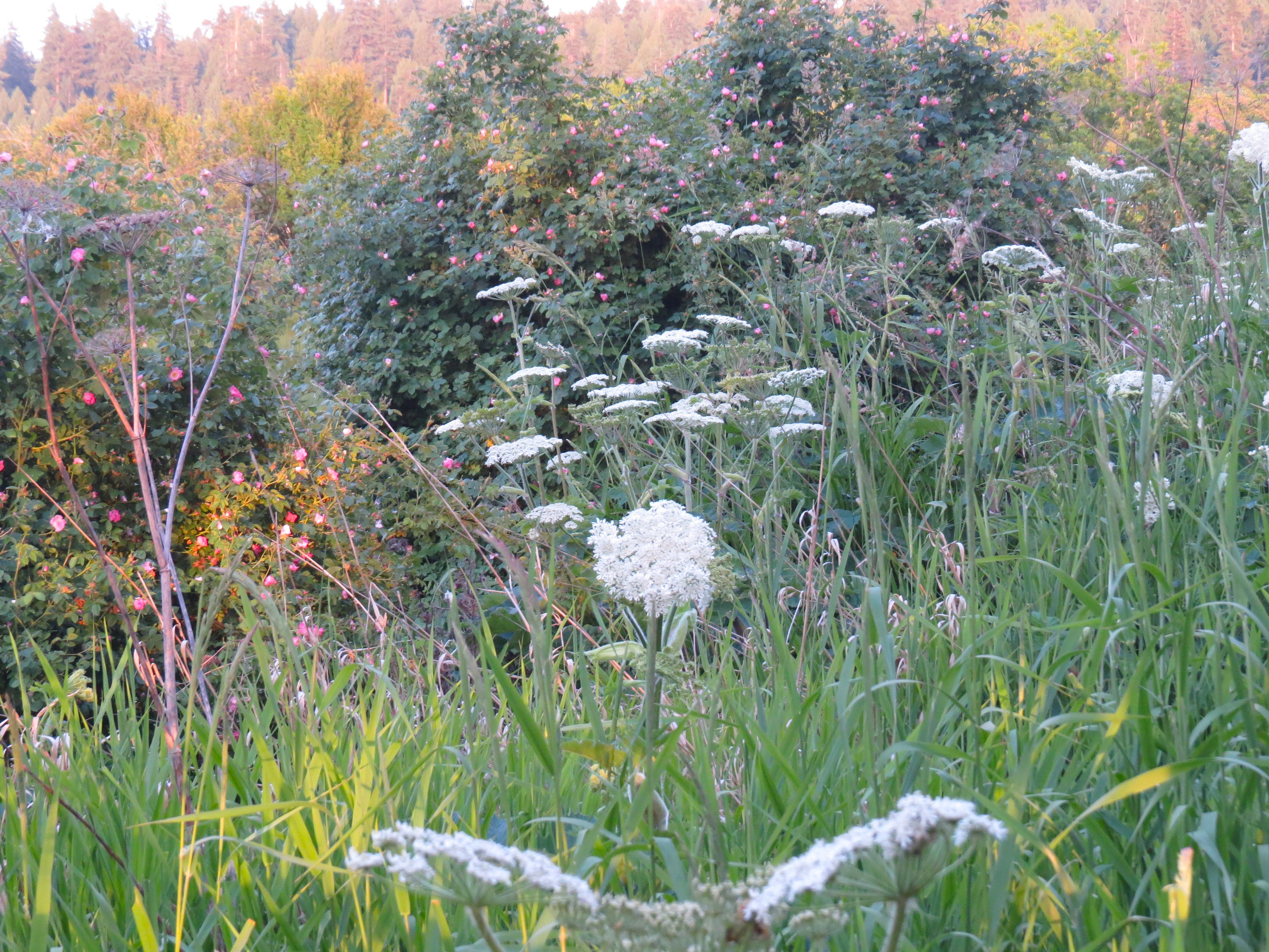
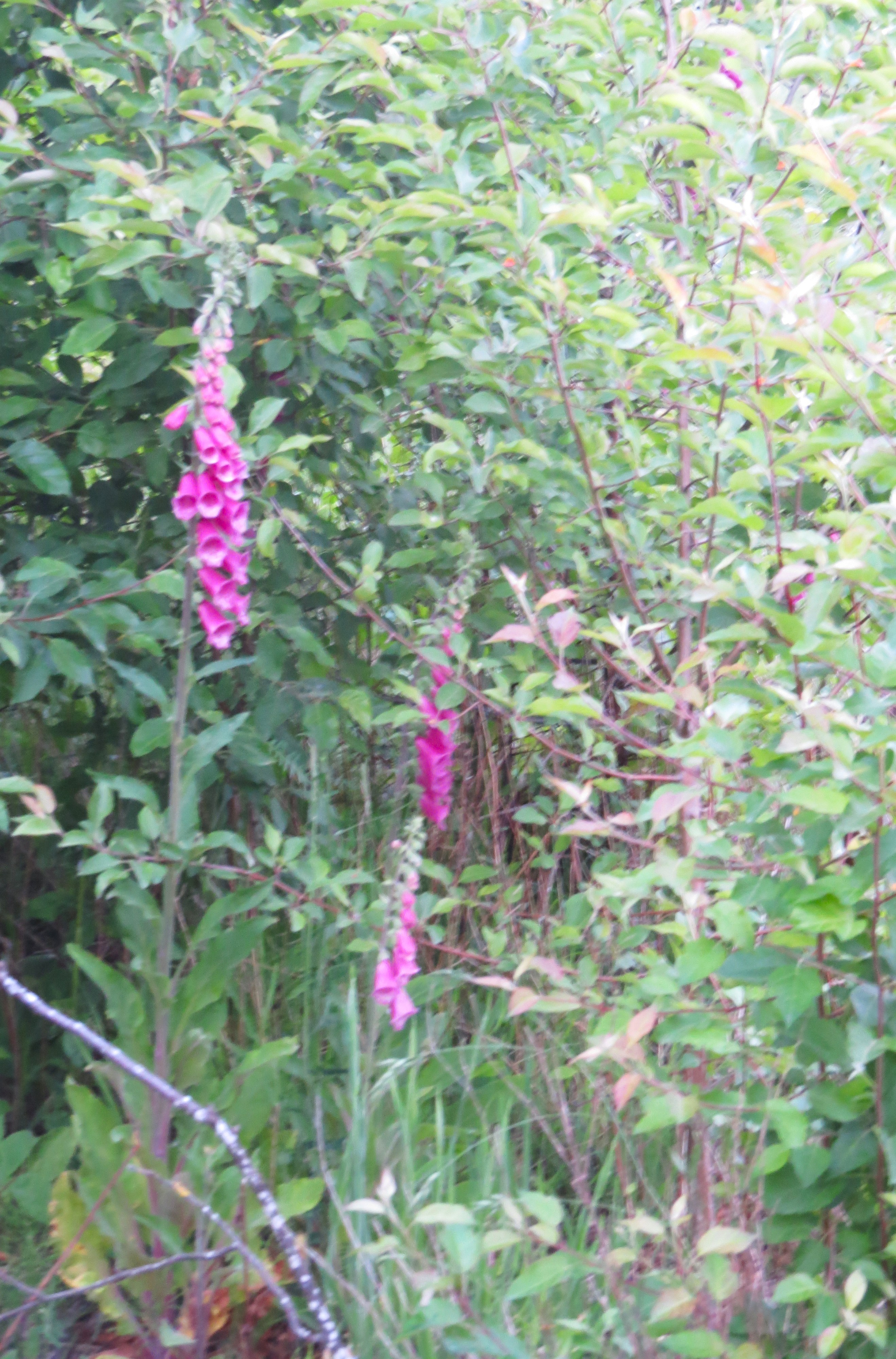
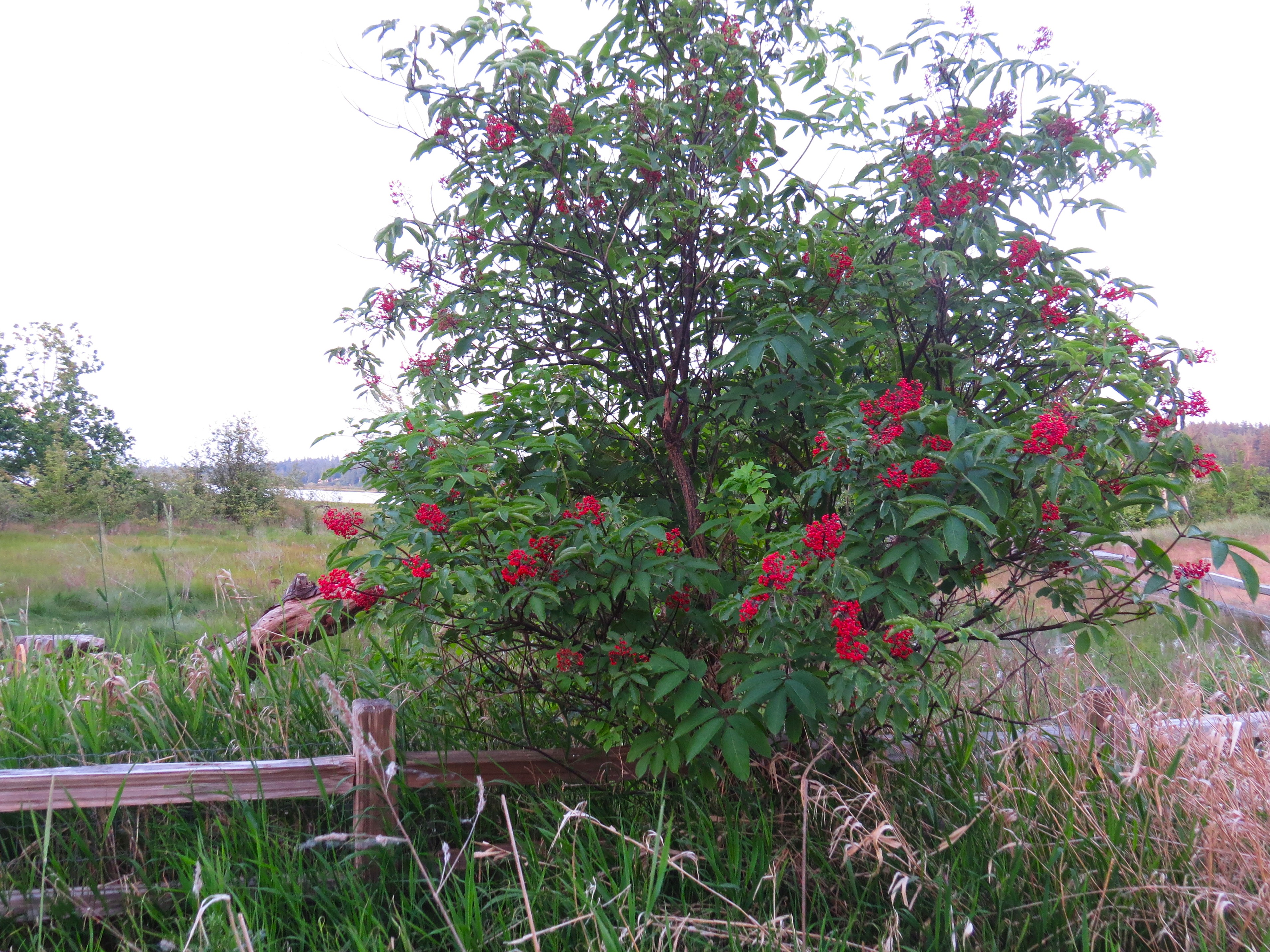
Po kąpieli podjechaliśmy, już przy początkach kolorów zachodu słońca, na przeurocze łąki i mokradła drugiego końca Crescent. To tereny pod ochroną, rezerwaty flory i fauny brzegowej. Bajeczne kwiaty i krzewy jakie trudno w pielęgnowanych ogrodach miejskich znaleźć. I ta masa ptasiej drobnicy, która w tych łąkach uwinęła sobie gniazdka. Proszę więc nie schodzić ze ścieżek w te łąki, bo to tak jakby włazić w eleganckie salony w upapranych błotem walonkach. Ten spacer najbardziej mnie zachwycił, bo łąki kocham.

Dzieci poezji i parków

                                                                                                                                             Melriches, March 12.26

Ulica Egzystencji

Uśmiechy ludzi mijanych na chodniku.

Obojętne spojrzenia innych na tymże.

Życie, ludzie mają swoje dzienne sprawy.

Mogą być też zwyczajnie zmęczeni tym dniem.

Późne popołudnie to wszak czas powrotów

z pracy, nie lubianej przez większość – współczesnej

formy pańszczyzny ich przodków. Wymianie

uległy jedynie nazwy, nie zasady.

Wczoraj śnieg wrócił. Mokry. Brudna breja

biało-szara zaległa uliczki między

starymi kamieniczkami i nowymi

wieżowcami, gdzie skryli się mieszczanie

ze wzrokiem utkwionym w szklanych ekranach

telewizorów, zawsze obecnych ręcznych

telefonach, tabletach, komputerach.

Te kamienice i wieżowce nie mają

znaczenia dla bezdomnych. Szukają tylko

jakiegoś nawisu nad parterami tych

kamienic, szklano-stalowych wieżowców.

Miejsca, gdzie mogą usiąść na swoich workach,

które wypełnia ich dobytek, ich wózkach.

Nie zwracają uwagi na mieszczan, którzy

mijają ich obojętnie, przyzwyczajonych

do ich egzystencji: tak widać być musi.

Biedacy i mieszczanie. Dwie Egzystencje.

Idę więc tą ulicą Egzystencji,

i jednak się uśmiecham. Mimo kropelek

deszczu, znajduję w moim mieście kwitnące

magnolie, zawilce i żonkile żółte.

Opodal alejki Kreciego Wzgórza

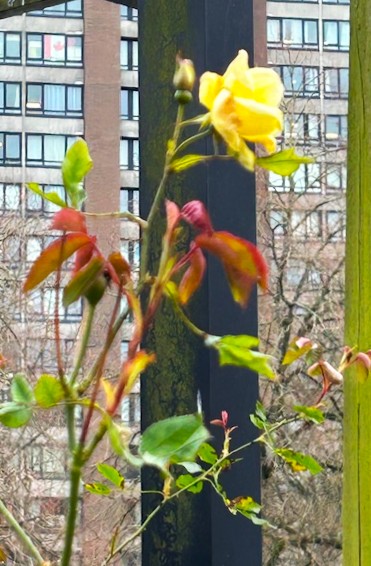
skromny krzaczek różany z jednym kwiatem,

płonącym żółtym płomykiem-latarenką.

Odwiedziłem wcześniej mój Kościół – Bibliotekę.

Zwrócić jedną książkę i pożyczyć drugą.

Taka wymiana opłatka komunijnego.

Komunia Święta to my. Jesteśmy Komunią,

jesteśmy komunardami paryskimi.

I uśmiecham się znowu popijając

kawę w ulubionej kawiarni na Davie.

Dobrze jest być komunardem. Nie, nie chce być

ani Robespierrem, ani Maratem. Nie.

Wolę być zwykłym komunardem biegnącym

od kawiarenki do kawiarenki paryskiej

z bagietką w jednej ręce, drugą z butelką

taniego wina, krzyczącym: Liberté!

Fraternité! Eh, Egalité zgubiłem!

Nigdy nie będziemy równi, czymś się jednak

odróżniać musimy, aby nie było nudno.

Mój smutek i żal? Moja tęsknota gdzie?

Zawsze są ze mną, dzieci się nie porzuca.

Bogumił Pacak-Gamalski, Vancouver, 2026

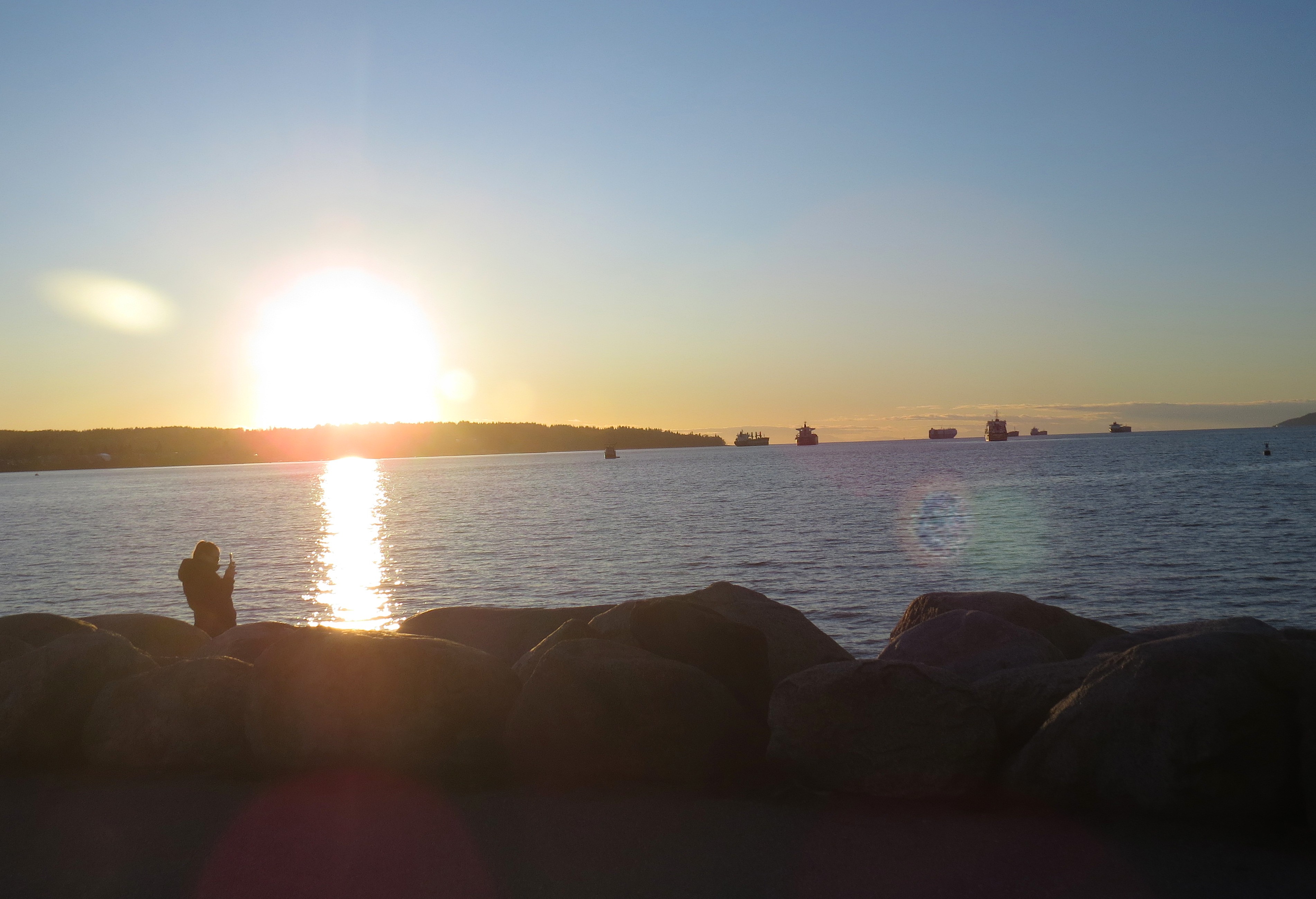
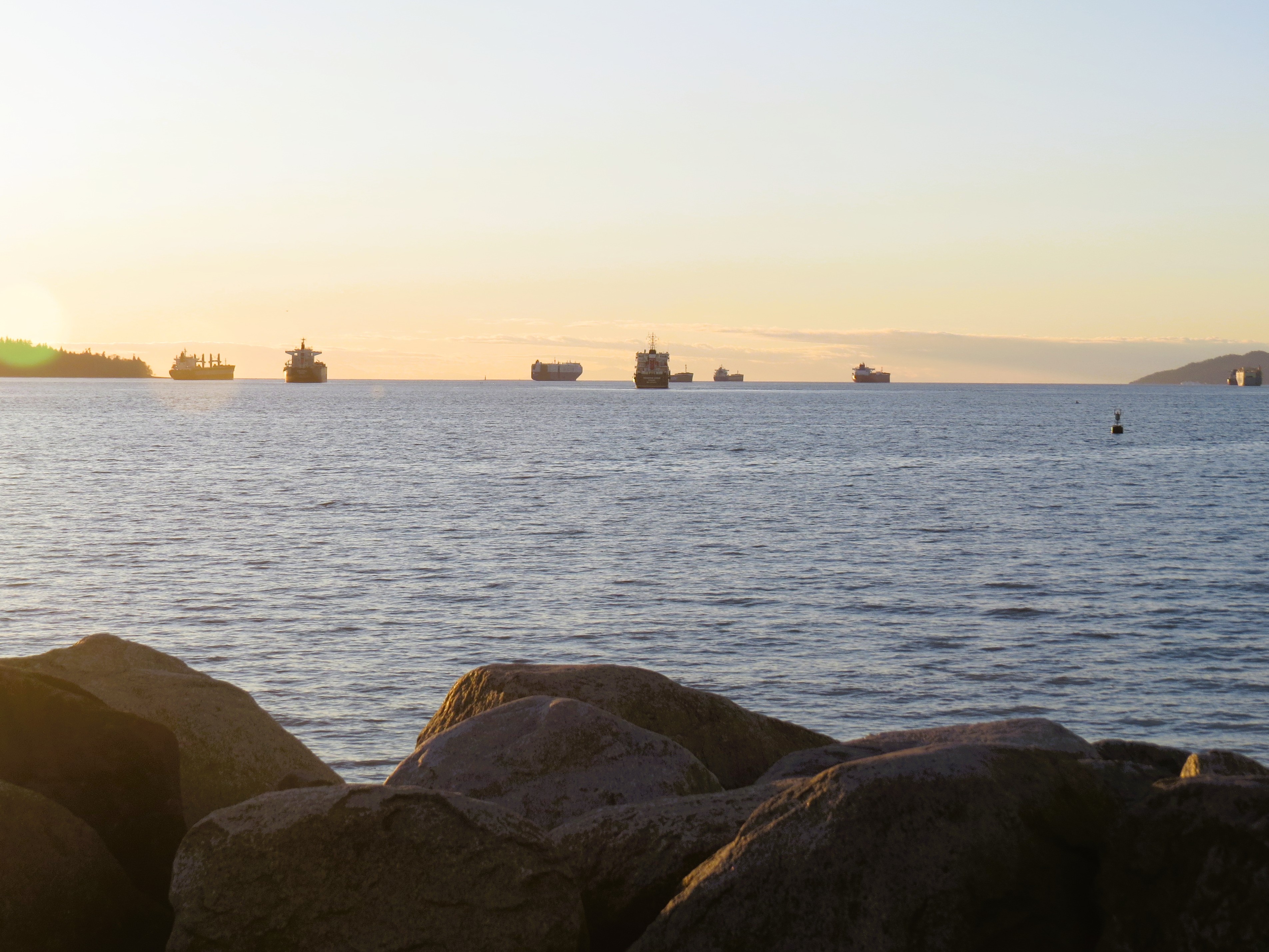
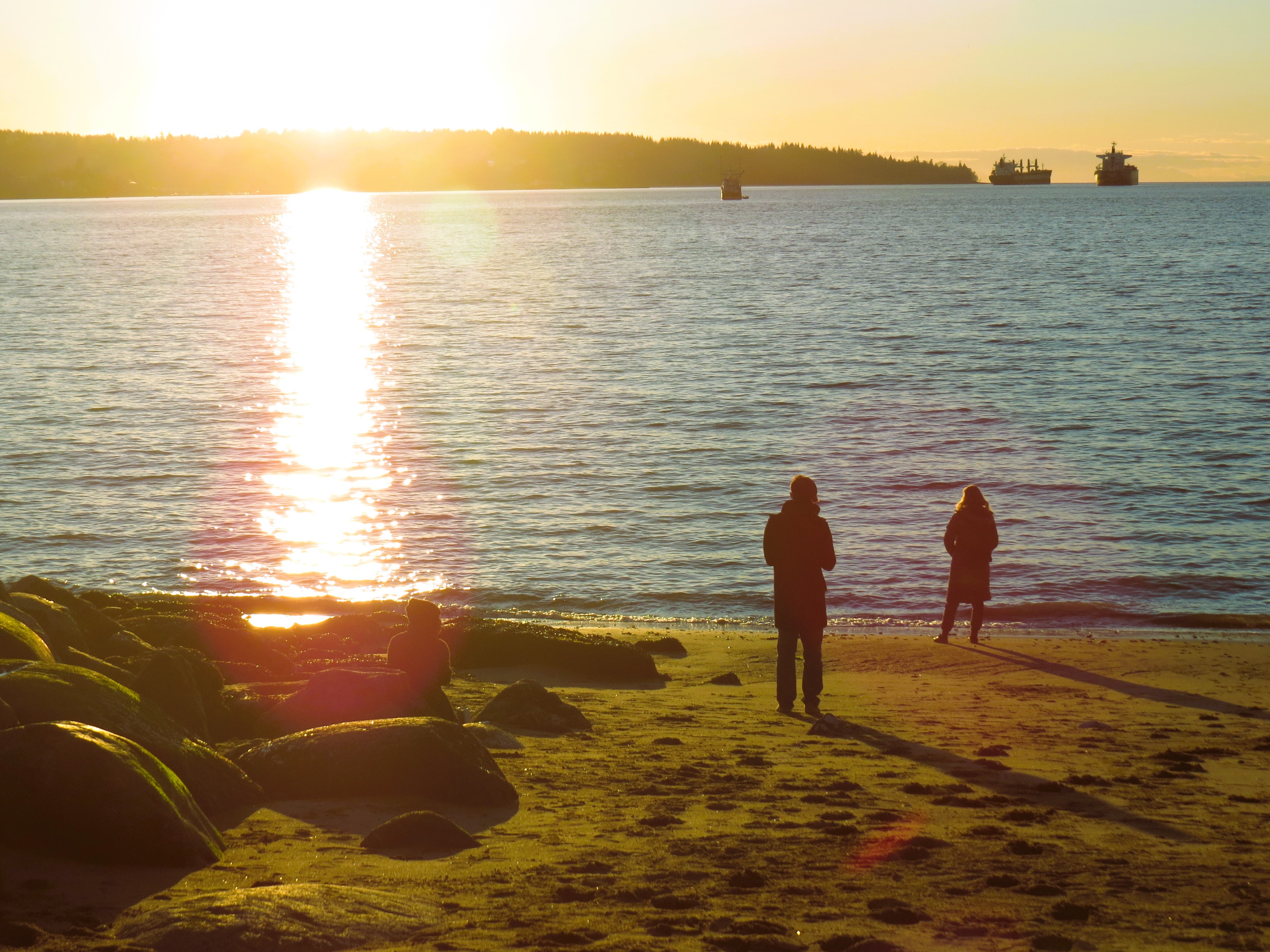
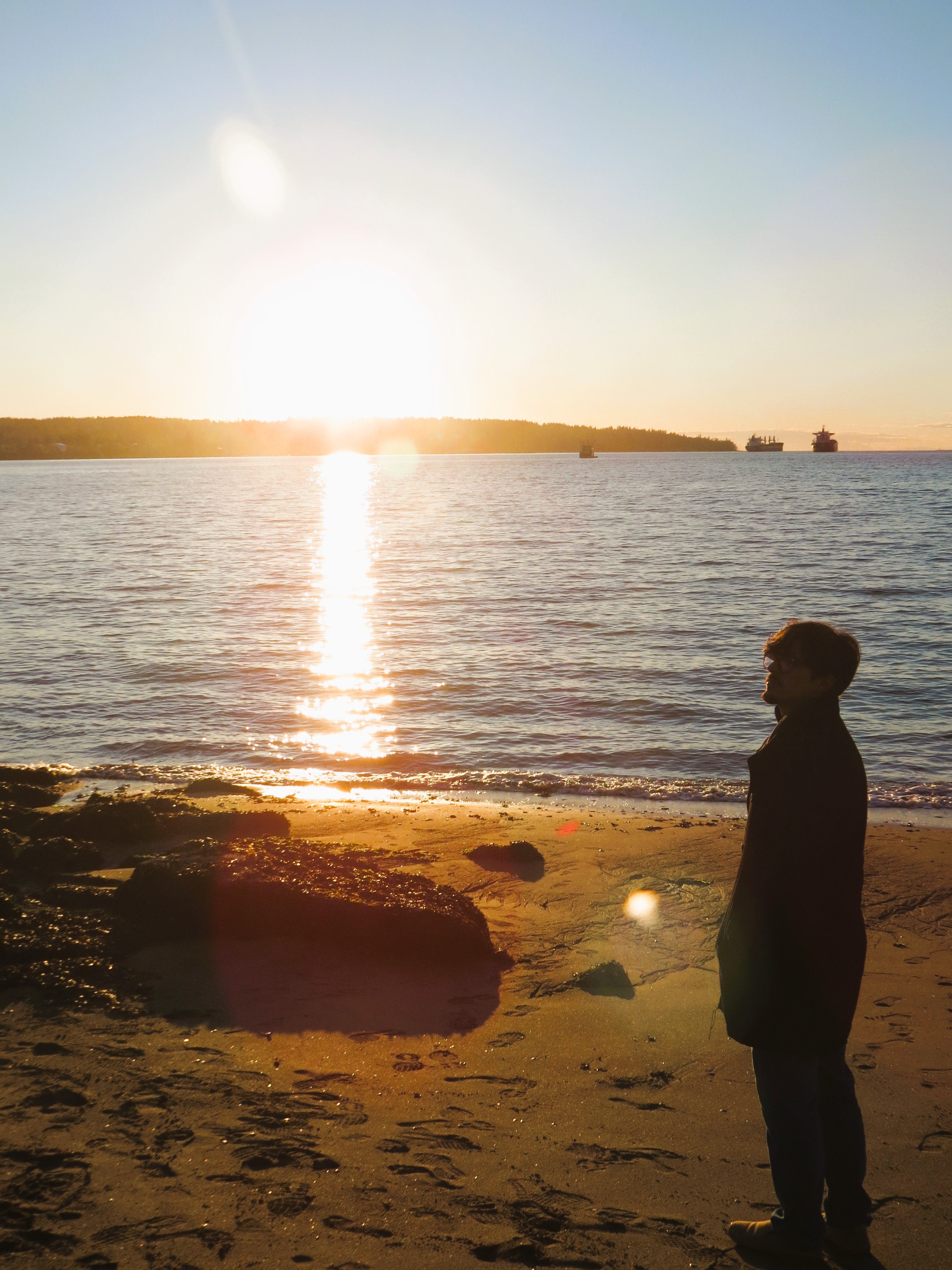
Vancouver sunsetting, Vancouver’s English Bay

Vancouver sunsetting, Vancouver’s English Bay

The city that was calling me gently with clear morning promising sunshine in late March. I know these calls; I have heard them many times and many years ago.

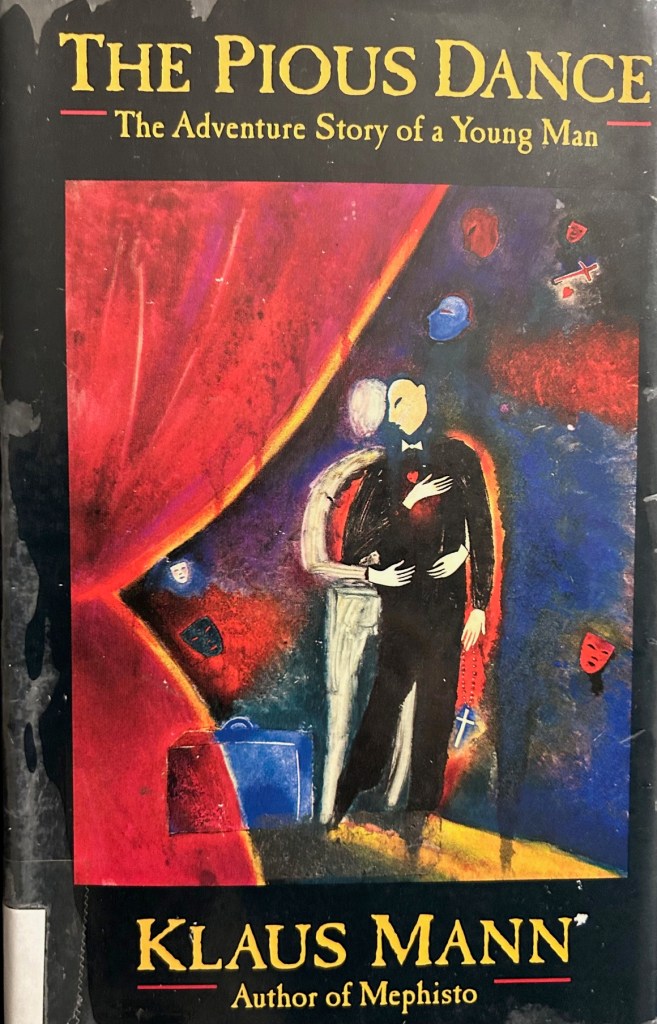
I did – dutifully – answered them then, and I answered it now. It all started with innocent trip to the architectural gem of our Main Library. While there, I finished reading that wonderful semi-autobiographical novel by Klaus Mann[i].

Few days earlier I was so taken by the soft lyricism of the young protagonists love in the fragment, when one of them, taking advantage of the other’s sleep, gives his lover a long story of their love eternal in a most evocative way, full of softness, gentle care and naked emotion, that can come only from a very young person before life gives them a lesson of hiding the power of emotions. Ah, adulthood is so cruel! And for all the wrong reasons, for it kills or silences, what is the most beautiful and within in our lives.

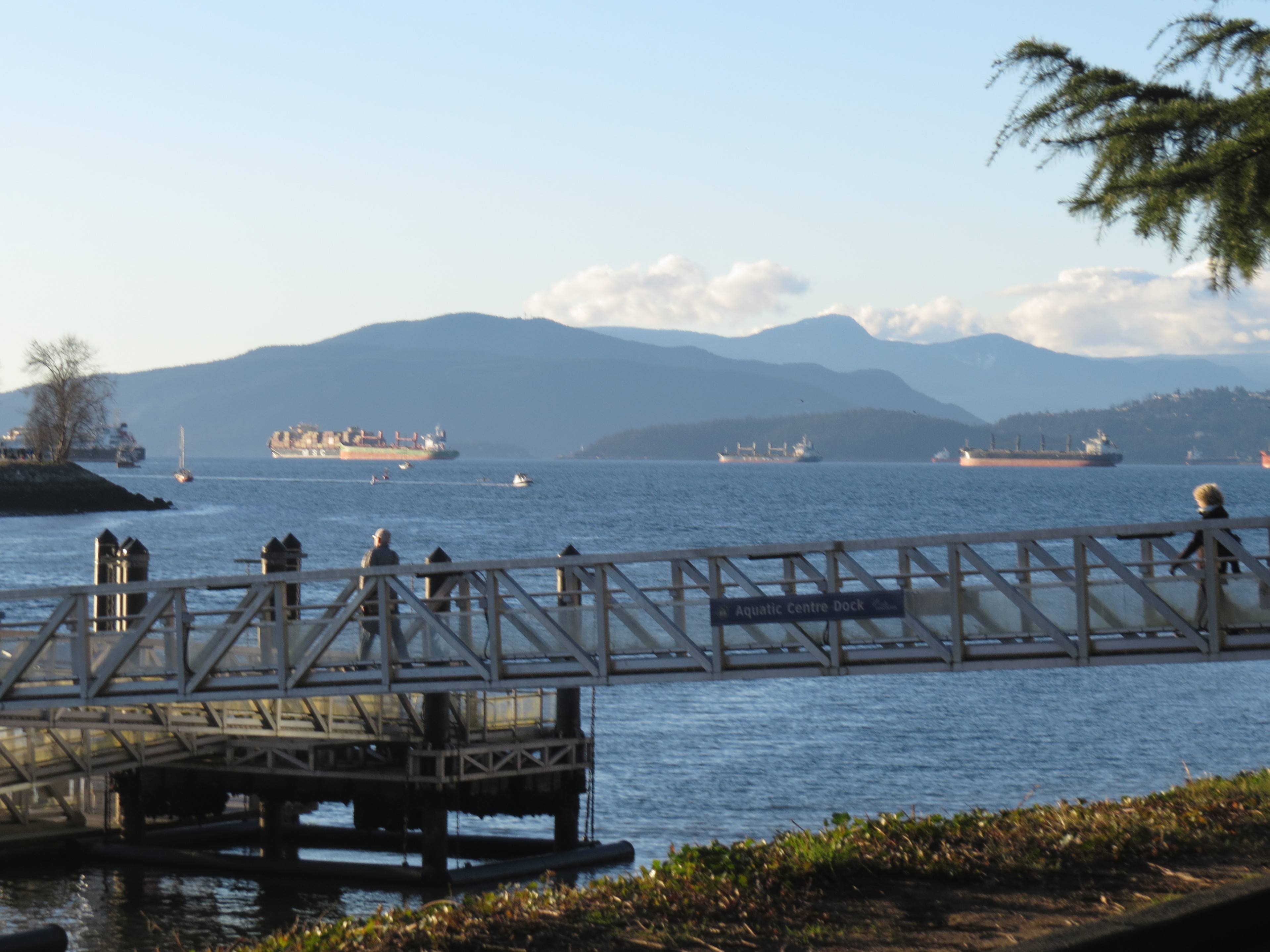
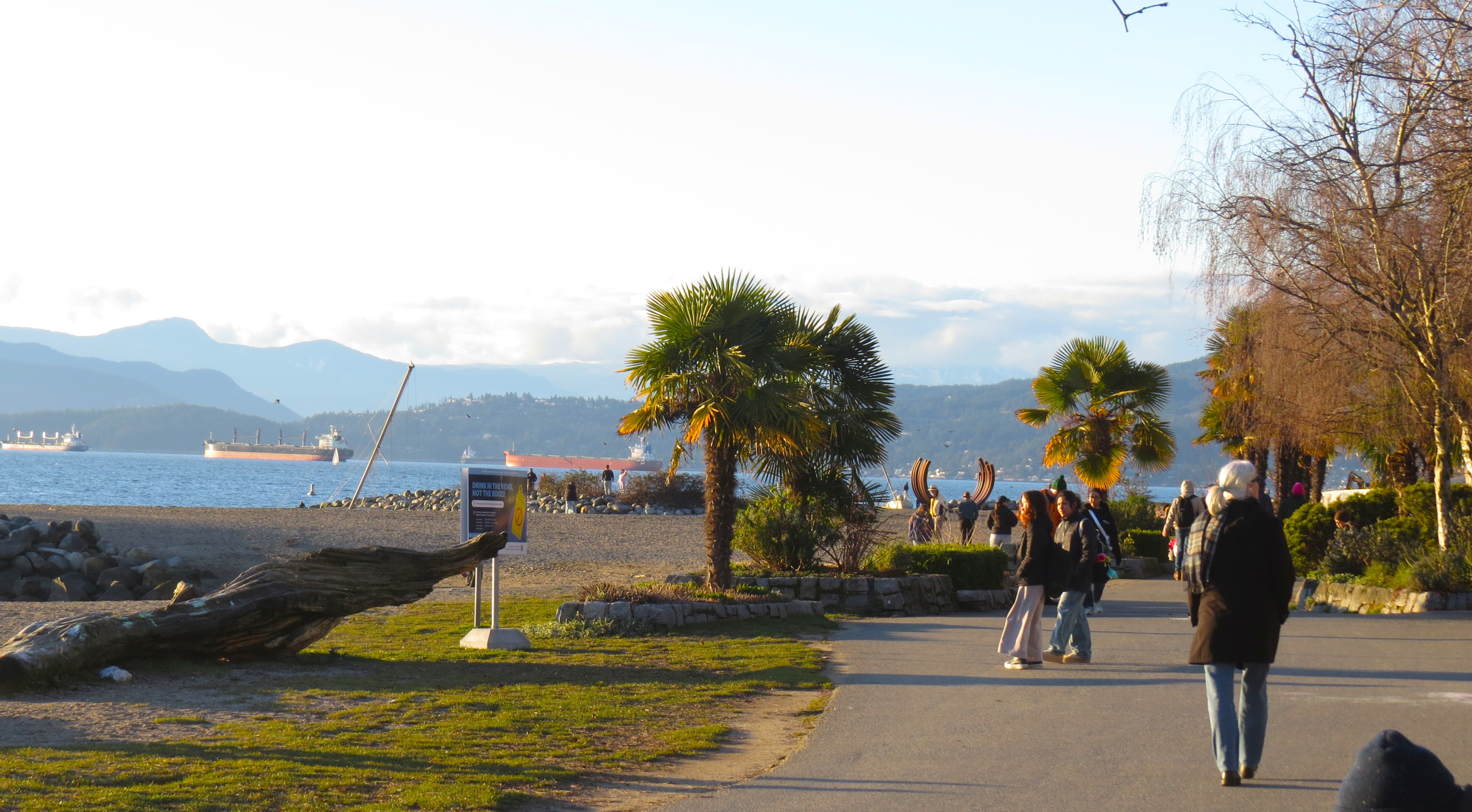
While reading it again in the Library – that sweetness of these feelings, feelings I remember so well, overtook me. I felt like Luis Amstrong was singing to my ear that beautiful song of his, “What a wonderful world”. Therefore, when I went for a long walk toward Burrard Bridge and further to English Bay beaches toward Stanley Park – I felt like singing and smiling to the world and passers-by.

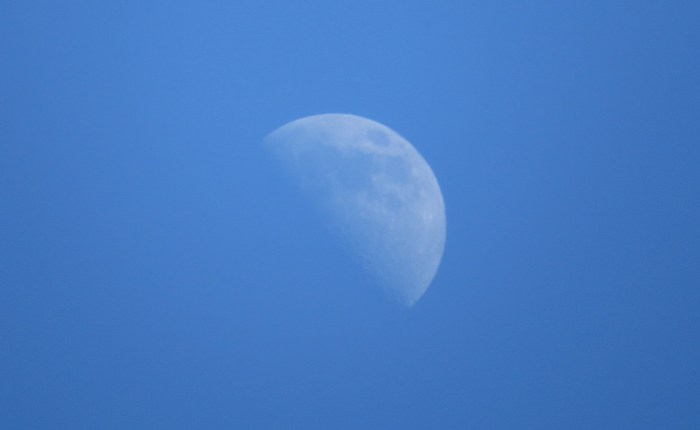
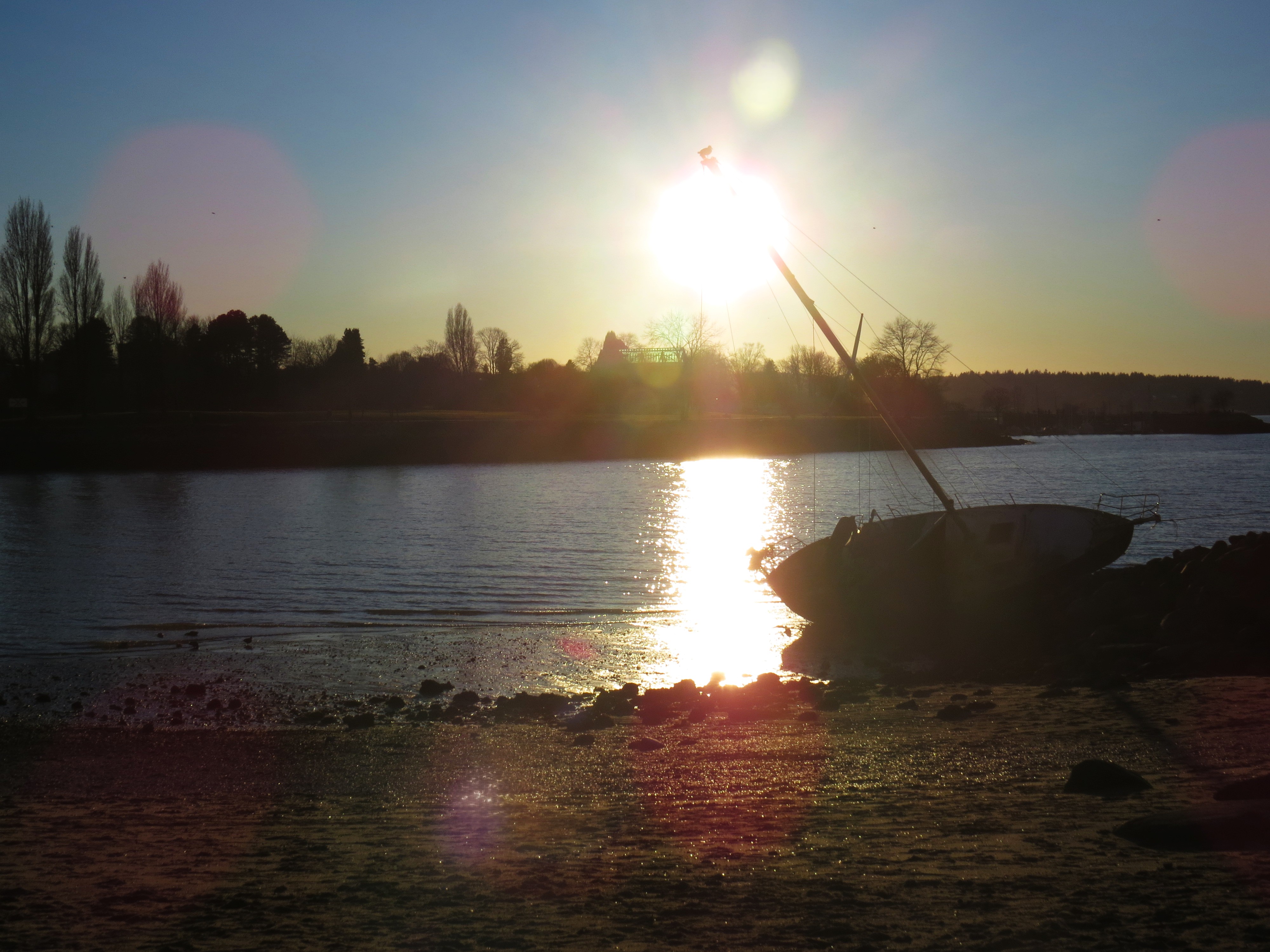
Of course, I can’t forget to mention the start of the day, that clear morning with the promise of sunshine! I was not the only one happy about it. The Moon, despite a broad light, didn’t want to miss saying ‘hi!’ to the Sun and I waved to him from my balcony.

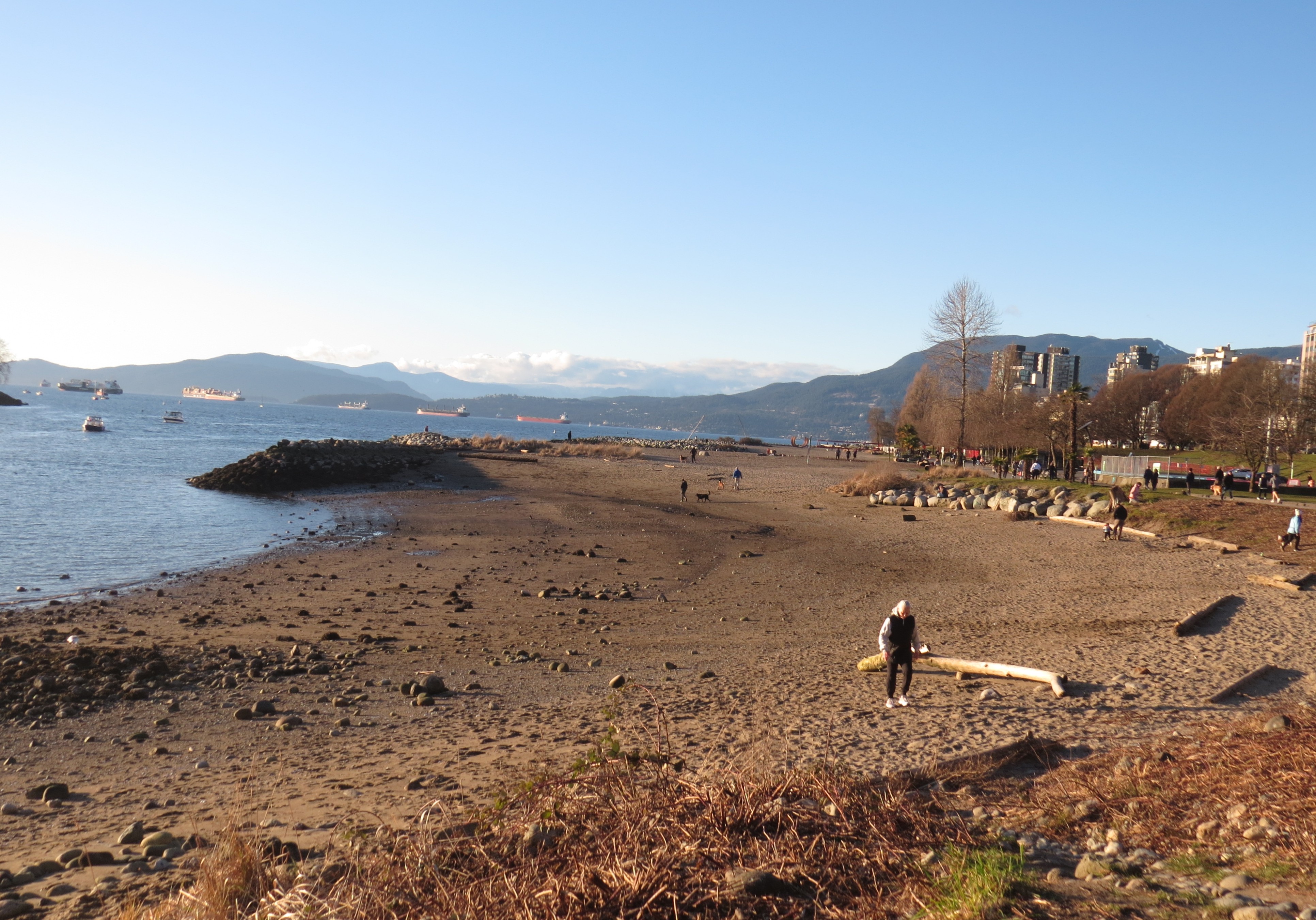
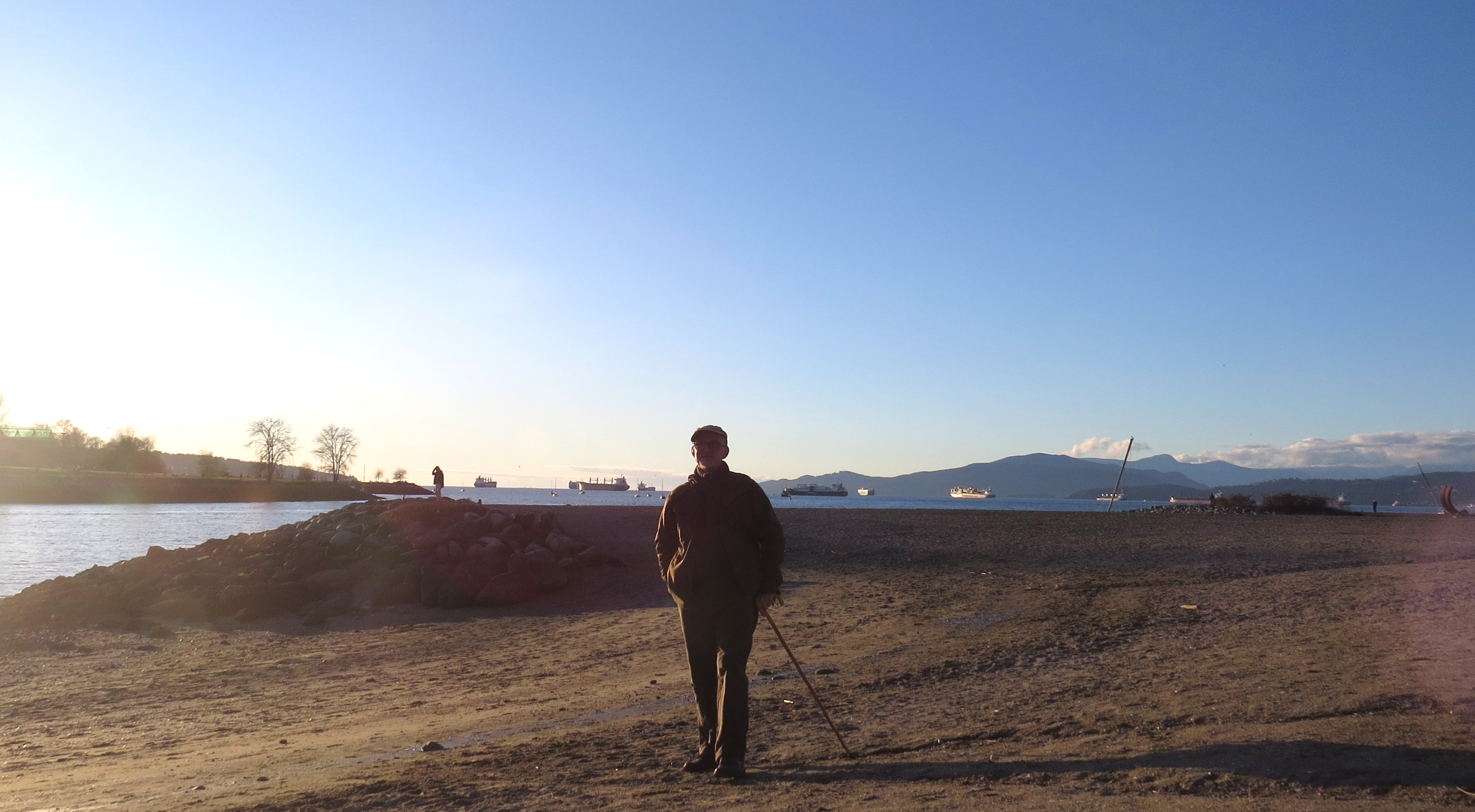
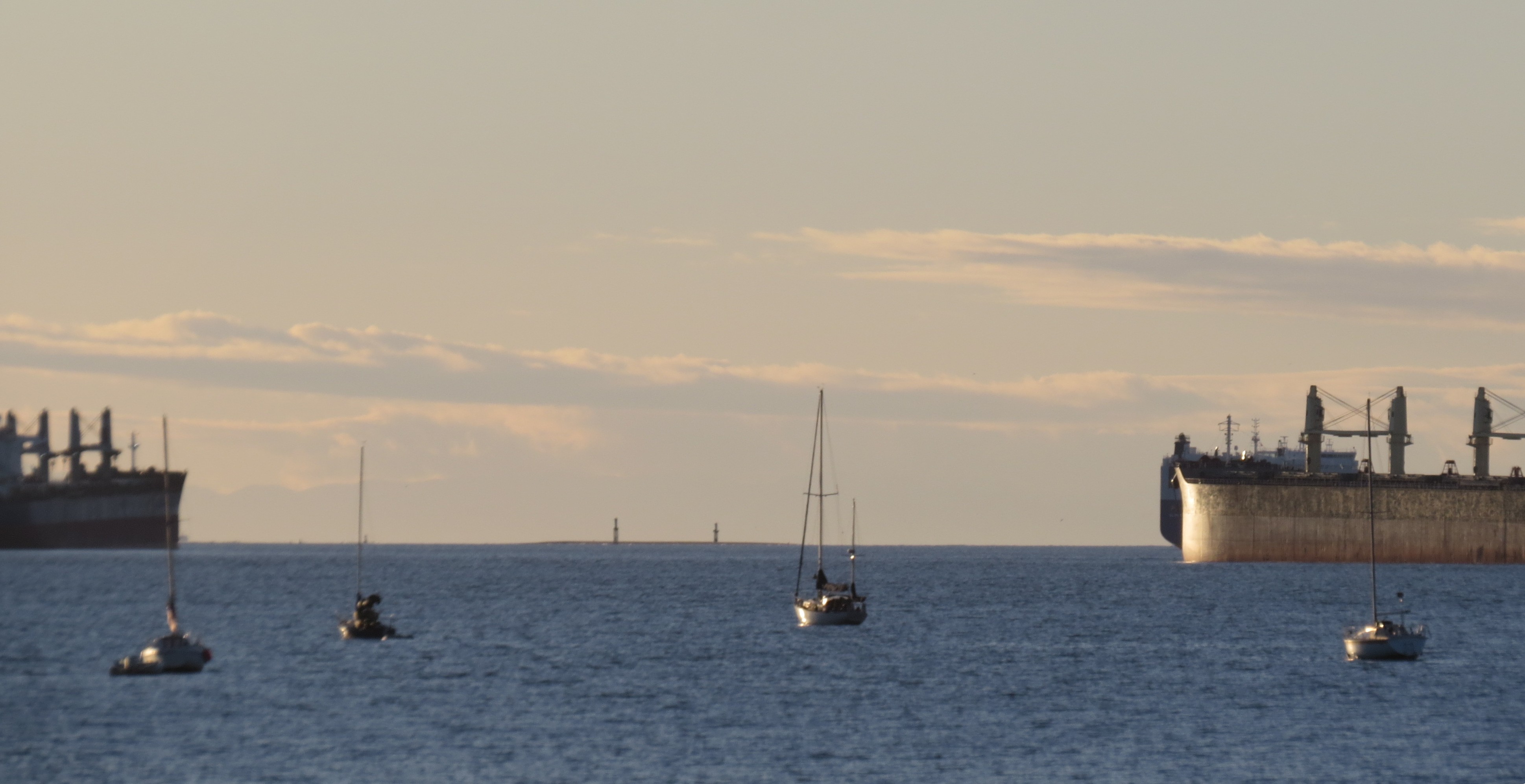
                I walked on the beaches with my camera, smiled to ships, the ocean and the people. A young fellow, who lives in far away Brazil was doing the same.  We joined our smiles and our amazement. A story ensued. He lives in Rio, I was there many years ago, when I was his age. We continued our walks together for long time. From the beach, uphill Davie. Long talks and walks, good company. The world is smiling, when you smile at it.


[i] “The Pious Dance – the Adventure Story of Young Man” by Klaus Mann

Fog and Sun in Vancouver in February

Fog and Sun in Vancouver in February

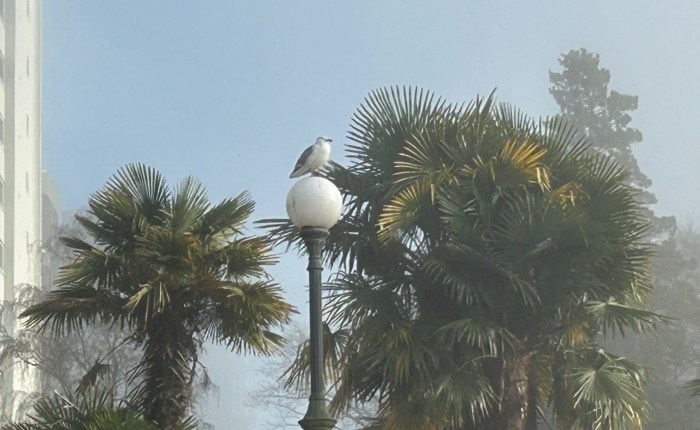
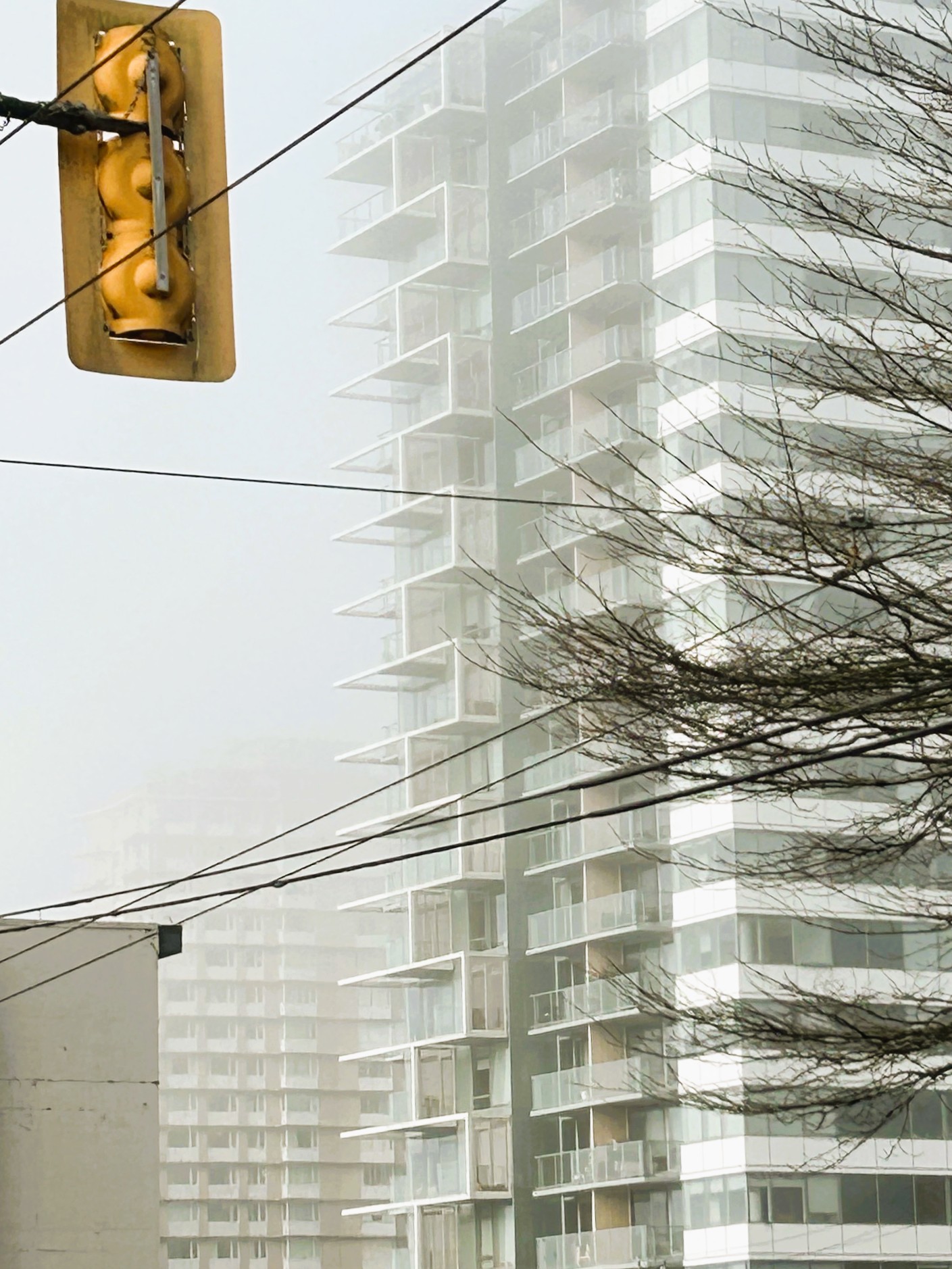
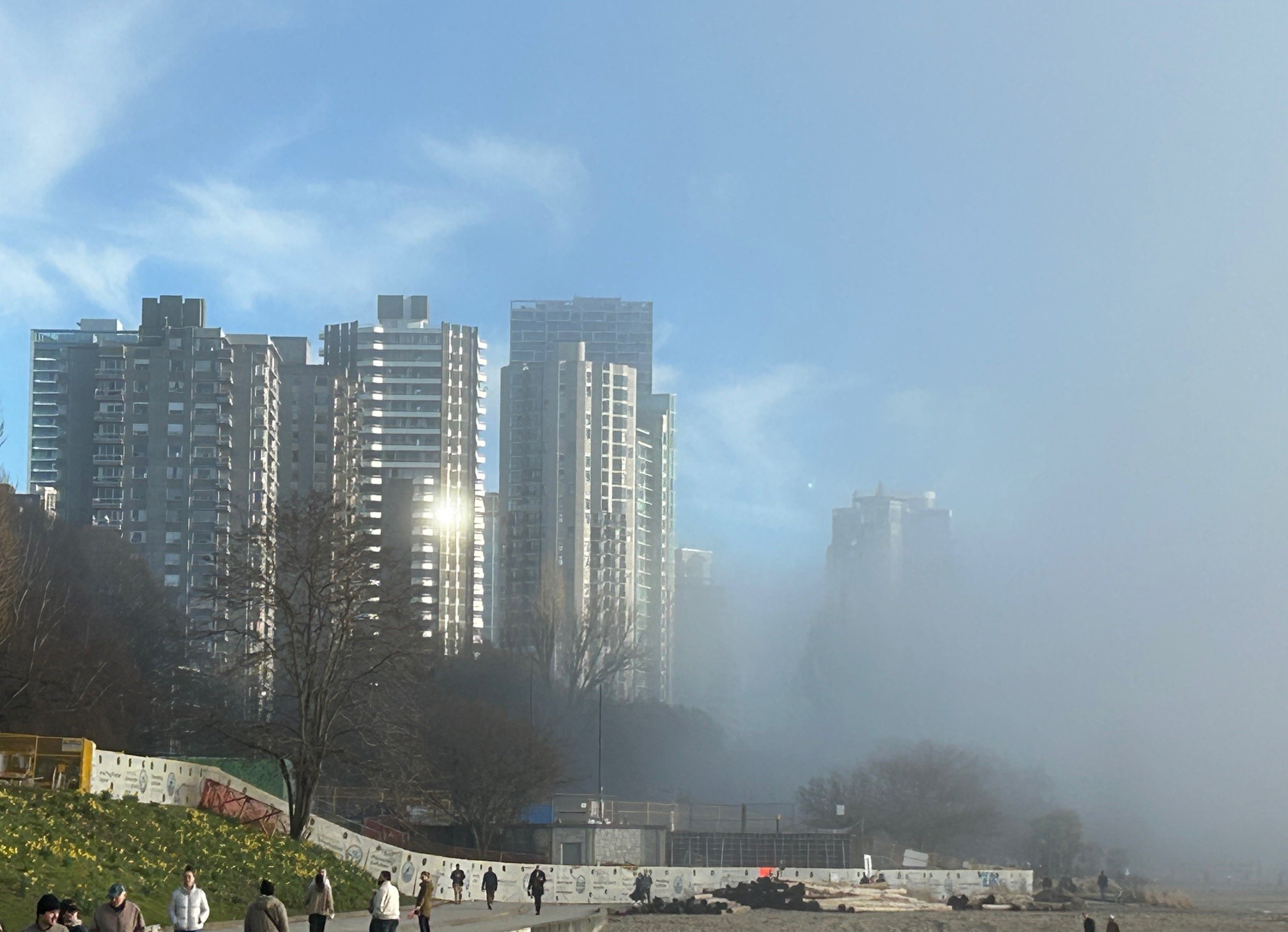
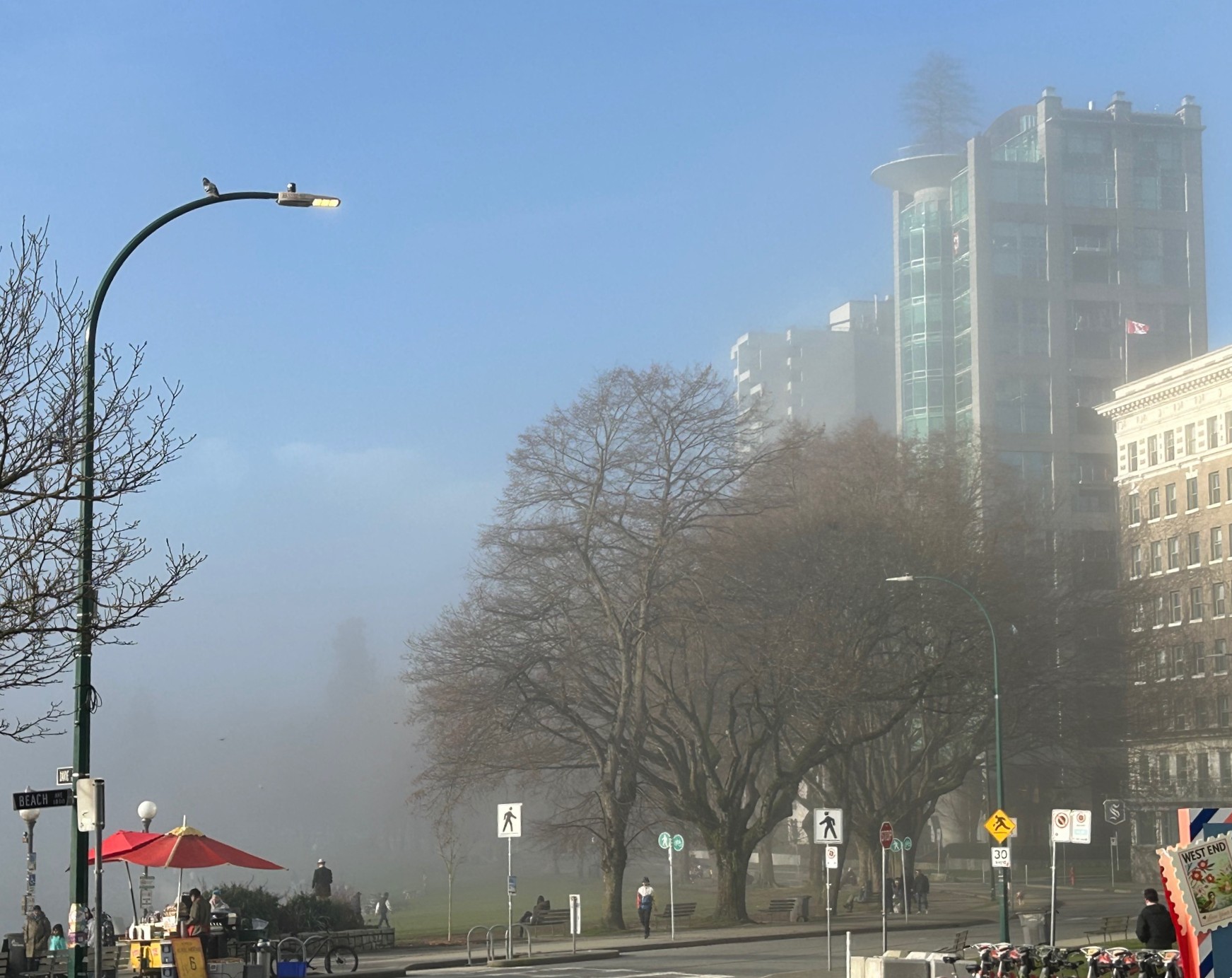
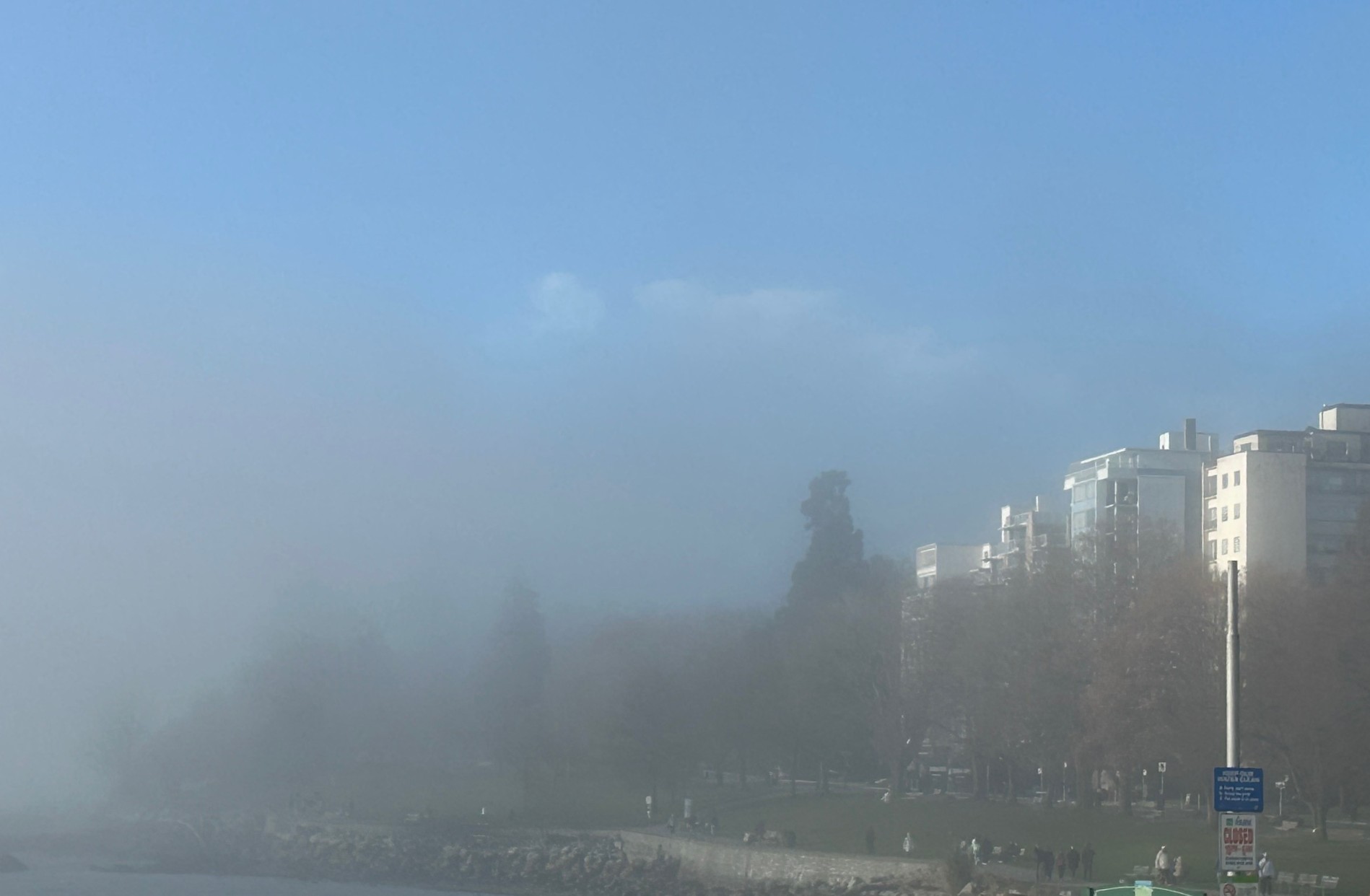
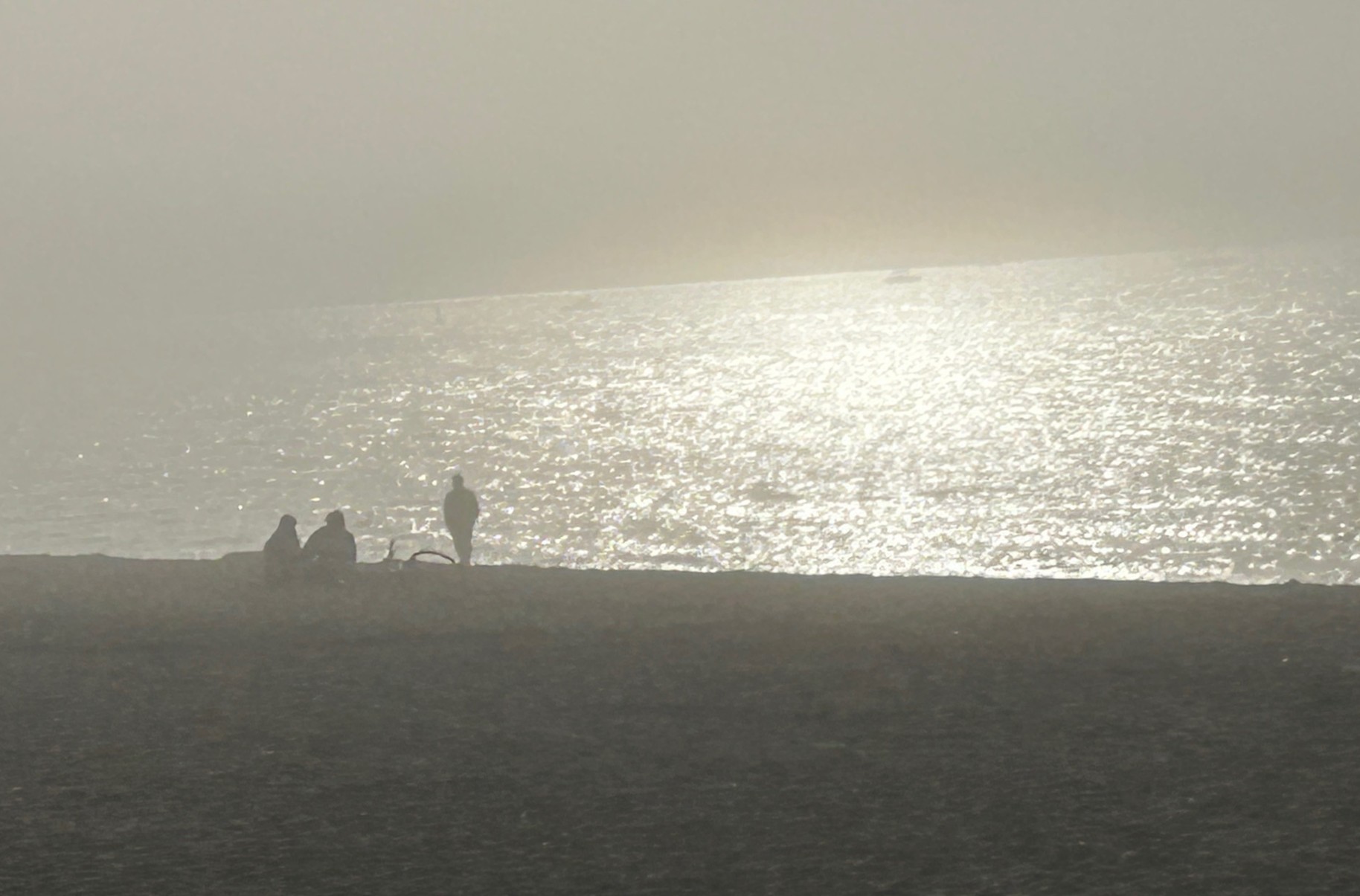
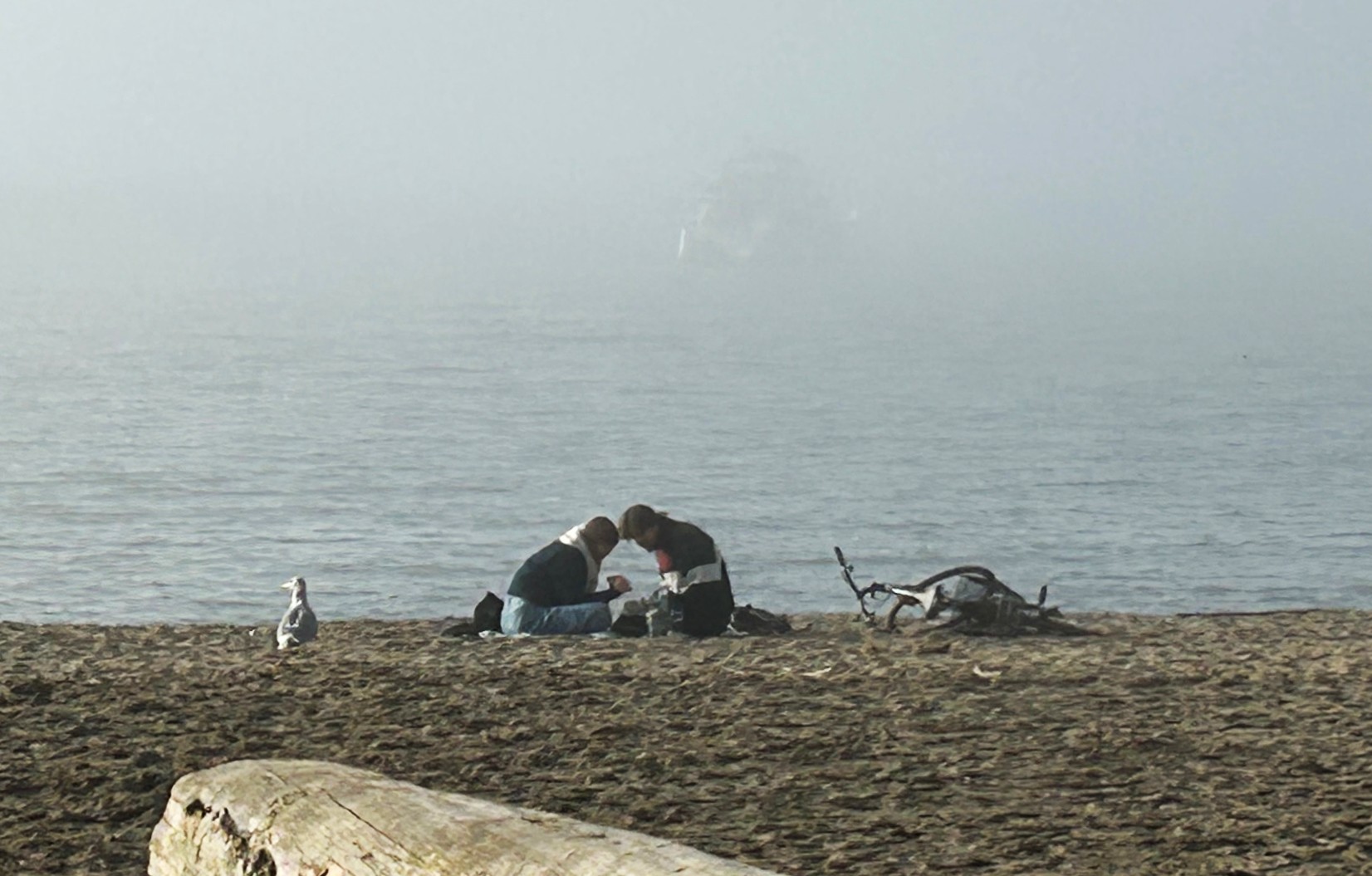
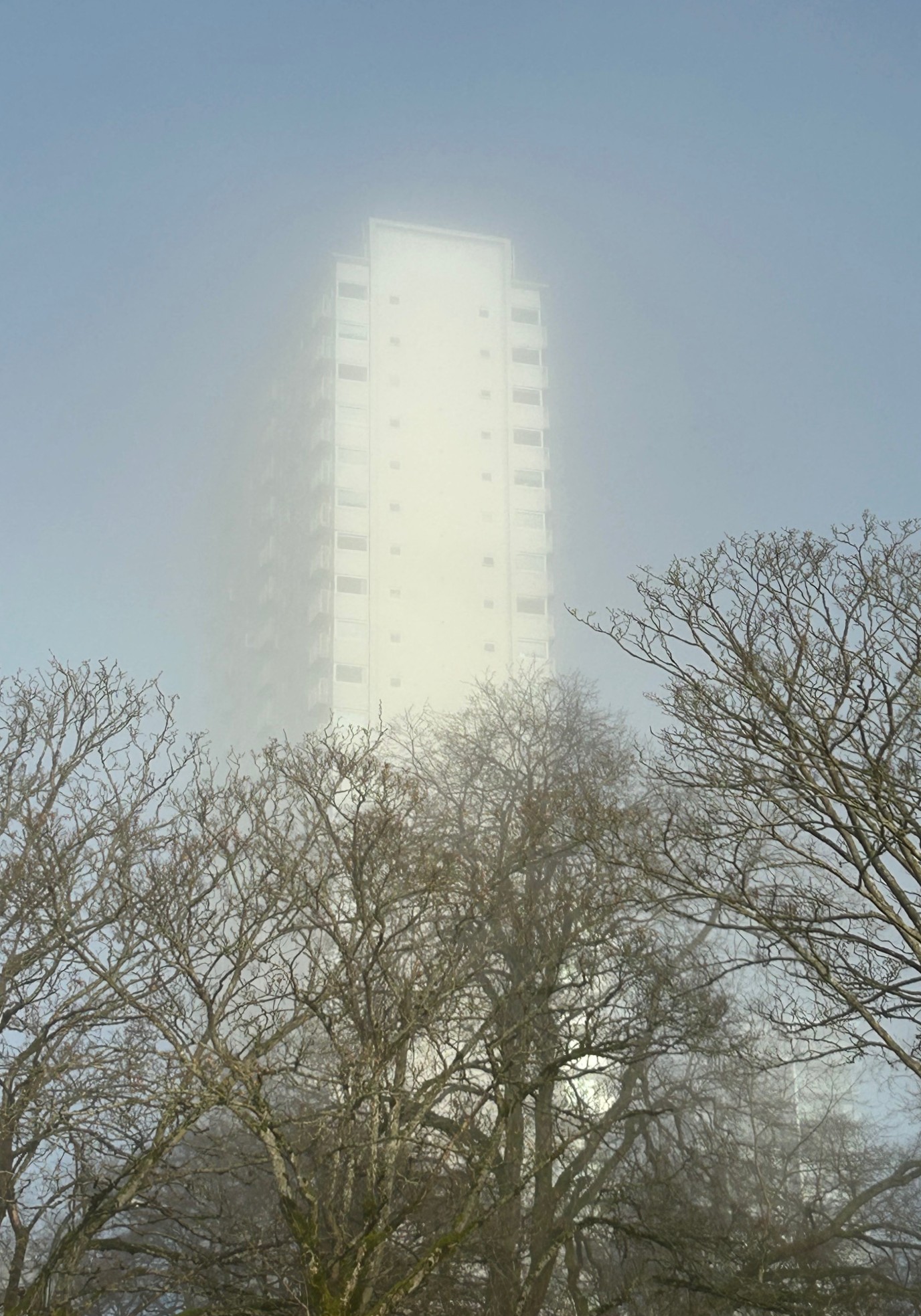
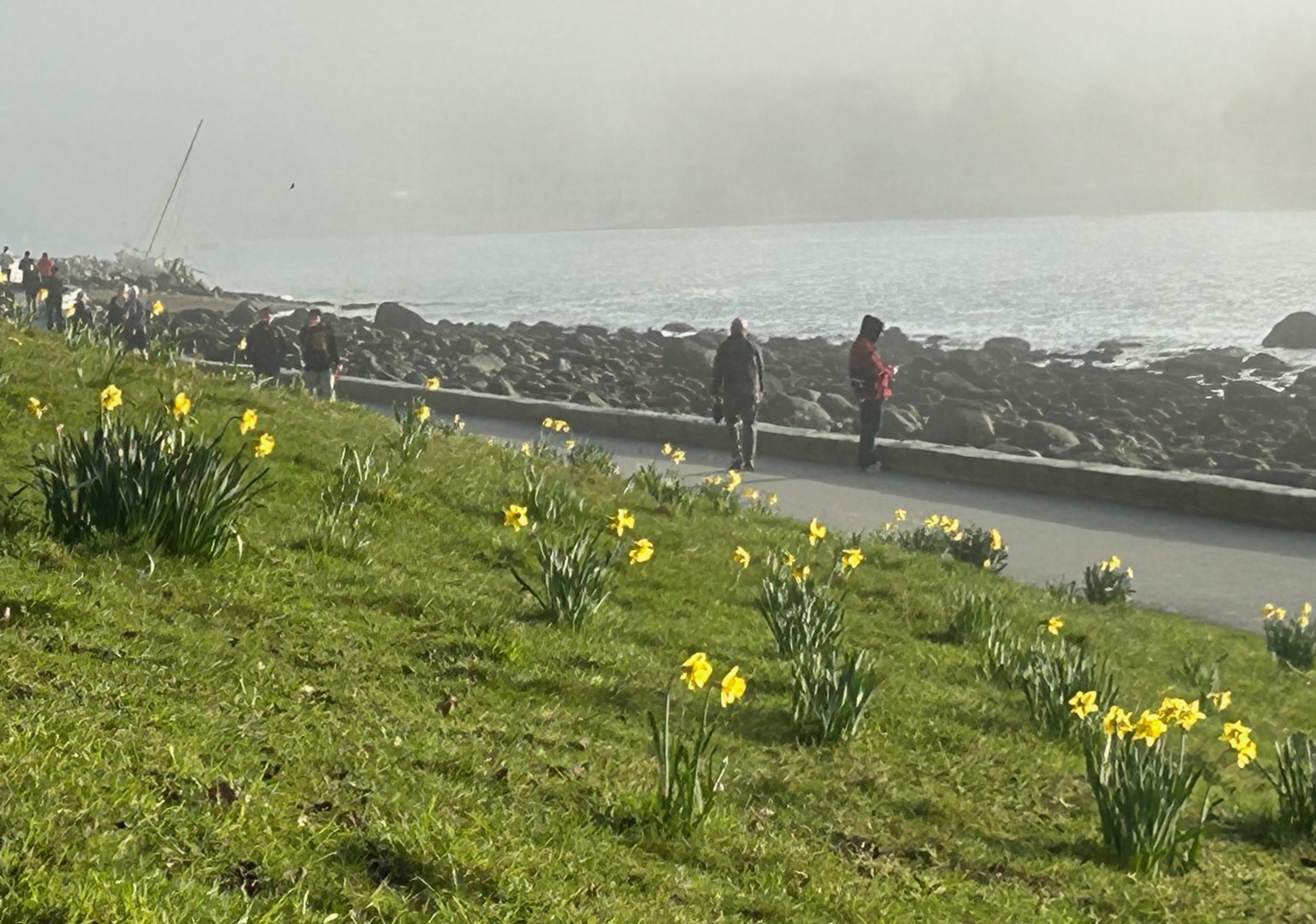
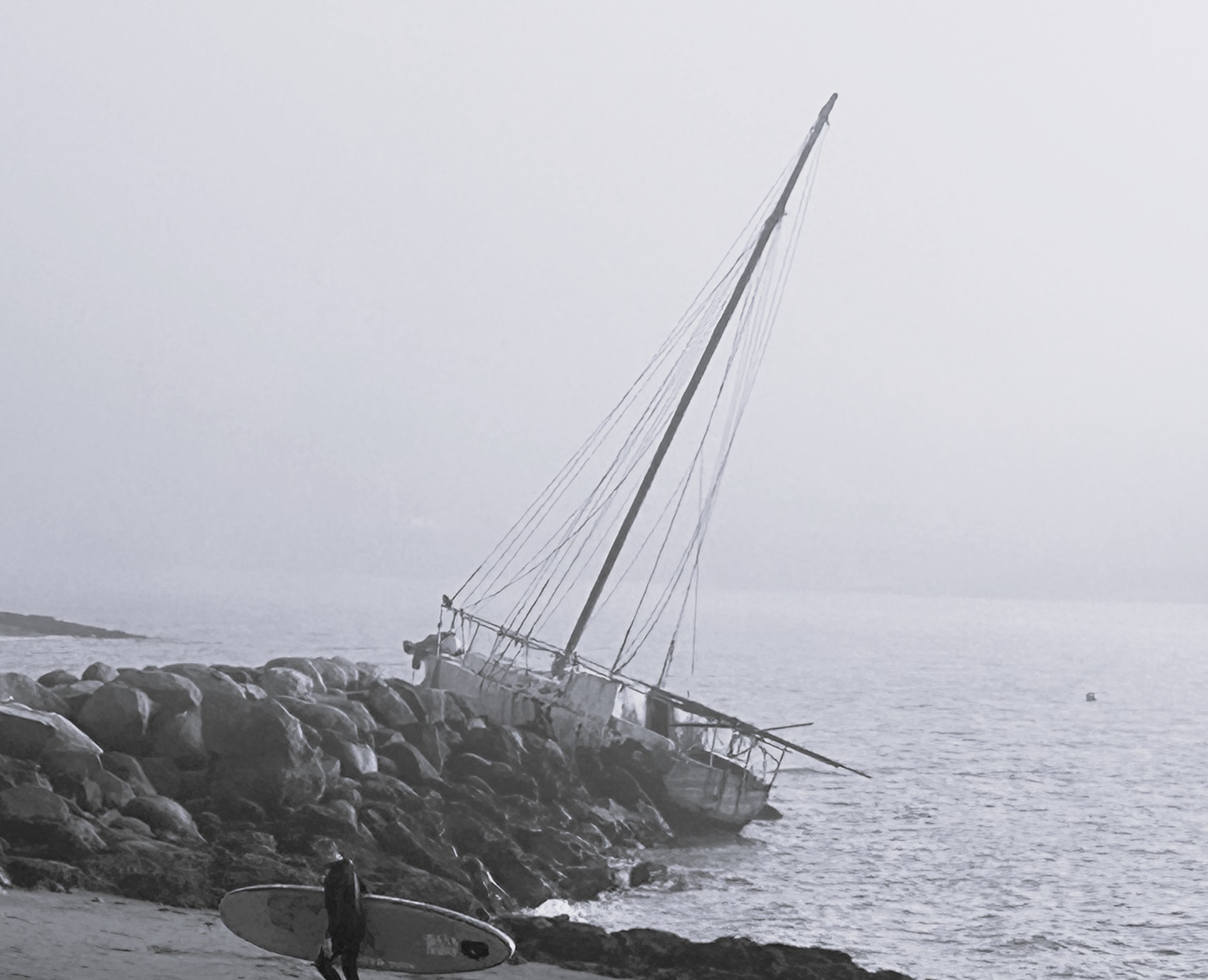
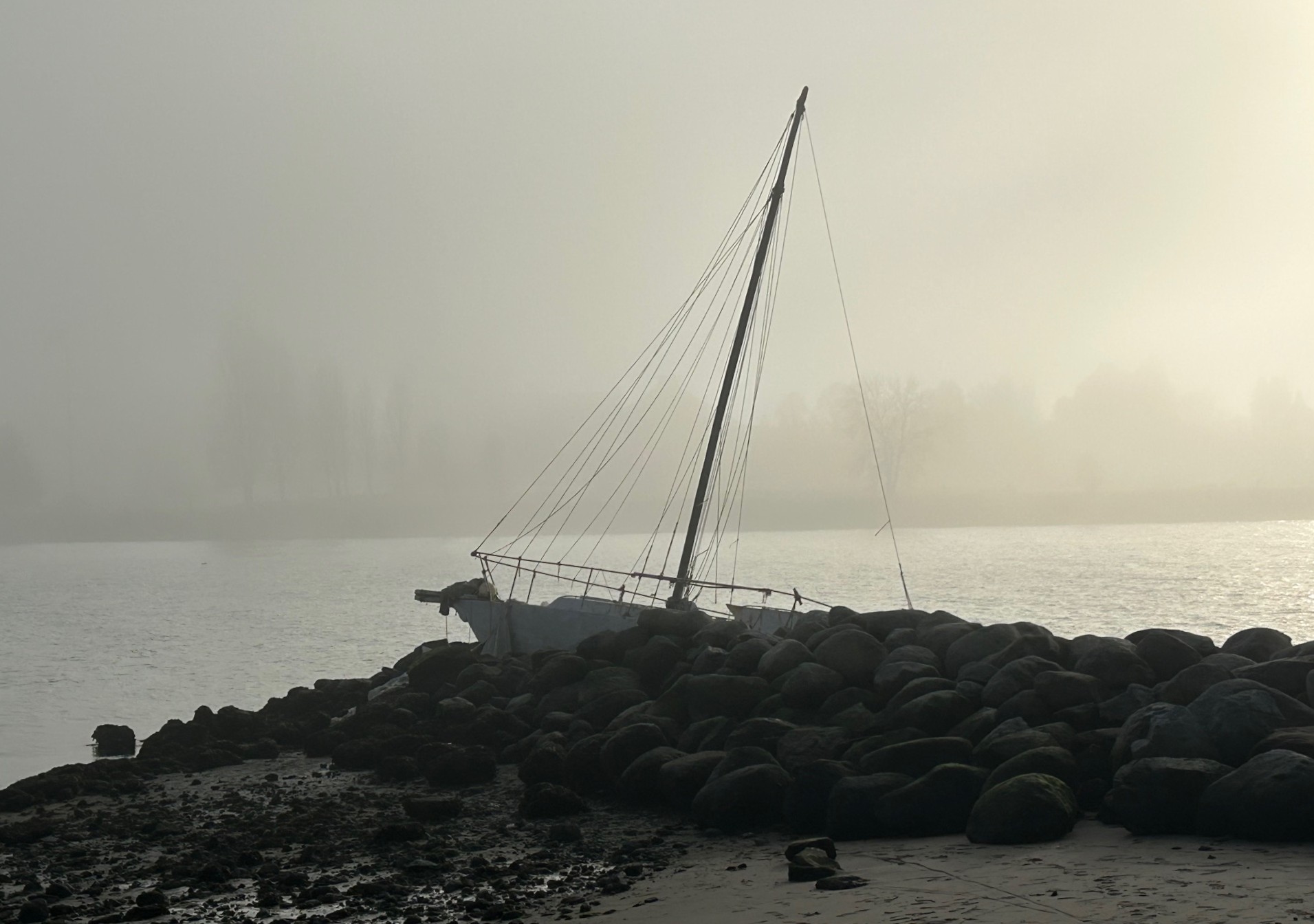
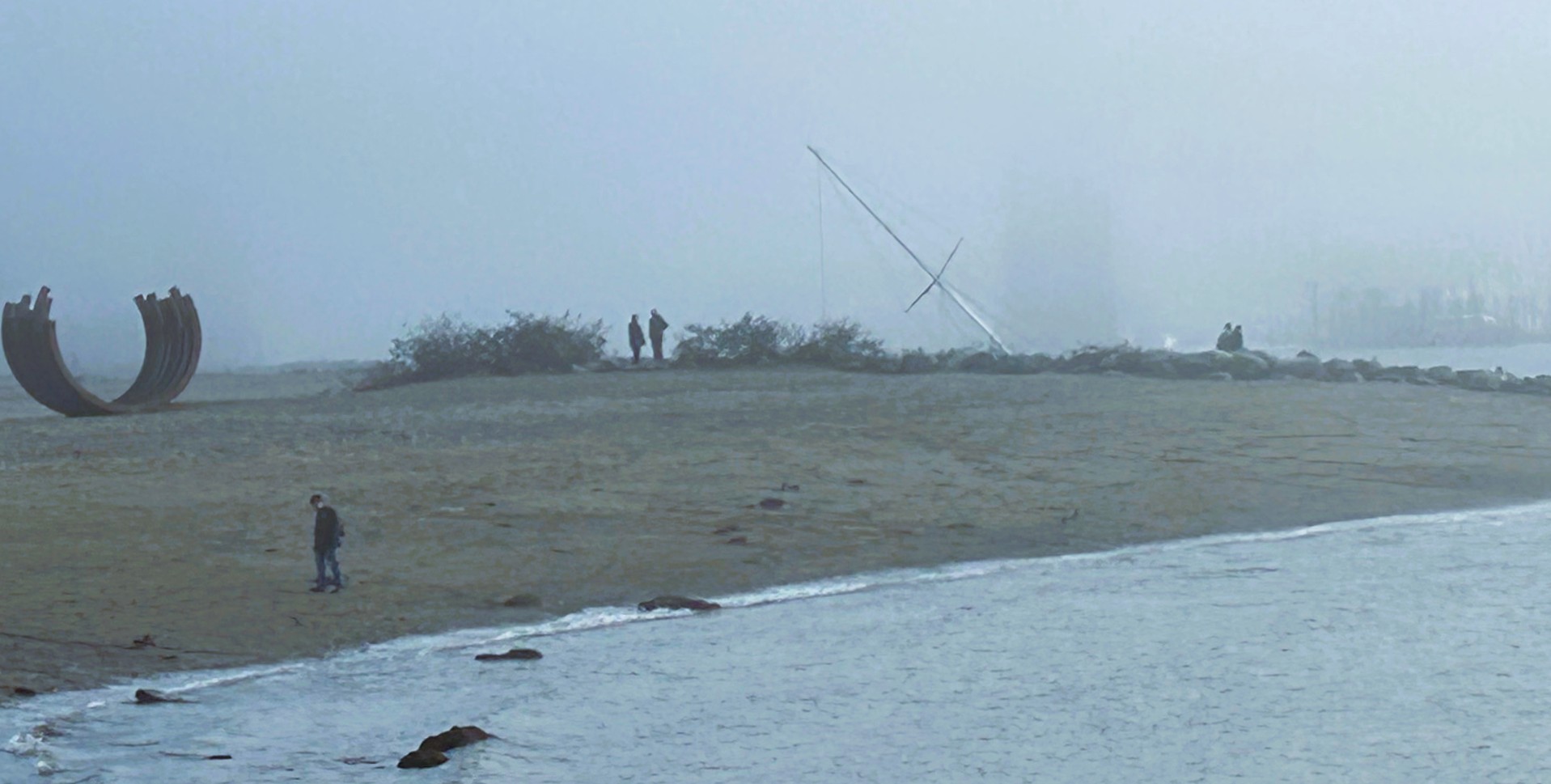
A walk with glorious sun locked in a deathly battle with thick fog coming from English Bay over the beautiful little streets in Vancouver’s West End.

Battle of Light and Darkness? No, no, no! Nothing of that sort. Fog has nothing of darkness. Au contraire, mon ami. You see, fog is full of light, light that is powerfully condensed, weaved very tightly onto amazing arrases, where you can see all the shadows of shapes, a promise of something that might become. Reality not fully realized, not fully described. A poem, from which some of the ink evaporated, bleached out and you can see only some of the words – the rest of the lines, the stanzas are left to the reader’s imagination. Ha! You are being allowed to finish someone else’s poem; composing anew a song you remember only faintly, fleetingly, few cords perhaps?  Painting a picture that another painter only sketched with just few strokes of a pencil?

That is fog: a promise of shapes, colours. It asks you to be brave in your own creation, your own enormous palette of colours, sounds, and visions. To be a god! Creator! From dust to form. Not a mere believer, follower. Take the steering wheel in your own hands, follow your chart to navigate to lands and islands unspoiled, with birds made from rainbows, beaches with sand made of pure white pearls and fruits, that taste like lips of someone that you love.

               Fog – the master of deception or Demiurge of Land of Dreams?! 

Me? I will take my walk through my Mole Hill by Nelson Park in West End. But remember: a Mole Hill could easily be someone’s Mont Blanc. In a fog, of course.

Mann, Pandemonium and Tadzio

Mann, Pandemonium and Tadzio

Reading again the masterwork of Thomas Mann titled “Death in Venice”[i] took me to the edges of my agony of Love and Desire impossible. Of dreams and fears realized intellectually, but holding you emotionally as a powerless prisoner nonetheless.

Where is the line, the edge beyond which we are too weak to venture – and yet, we are crossing the borders all the time, becoming the papier-mâché dolls, whose strings are pulled by the demons and angels alike? Love and desire are narcotics, and we are the addicts. It is an ageless addiction, timeless struggle.

Mann’s writing is his Shakespeare’s “Romeo and Juliet”, his Dante’s ‘Divine Comedy’. But don’t be fooled by it as the only cornerstones of the emotional battles for they are also rooted in “Tristan and Isolde” of Wagnerian genes (through the musically insane “The Ring of Nibelung”). What is interesting is the fact that Wagner, due to his own romantic upheavals and problems, had to escape to … Venice to finish composing ‘Tristan and Isolde’. If Wagnerian music is added to the old Germanic mix (certainly known to Mann), than we can’t escape the influences of Valhalla! You imagination easily conjures the terrifying images of heavy hooves of heavy horses crossing the Alps, steam and foam escaping their nostrils, as they are marching to plunder and murder Greco-Italian vestiges of elegance and order.  They are not galloping to discuss the politics and laws on Capitol nor the philosophical counterpoints on Agora in Athens. They are galloping to wash Rome and Athens with Roman and Grecian blood! The horses of Apocalypse at the end of times[ii].

                Let us go back to temporary time. Here and now, to Moodswing Café in New Westminster[iii]. Pandemonium in my café, where I go on almost daily routine to write and to have my coffee. Always the same coffee – almost boring – but also a small sign of some order in my chaotic life, some ordinary habit. I came for that coffee and to finish reading Mann’s short story from Venice.

And I encountered pandemonium in that regularly quiet café: hardly a standing spot anywhere. Throngs of bodies, all sitting places taken. Gathering of folks from Rainbow Coalition.

By my table just a solitary fellow. I push few standing gatherers aside and sat by that table next to him. I placed my coffee there, ordered a snifter of wonderful Hennessy, took out my notebook, a pen and put it all on that little table. There was certainly very little place left for this fellow and his drink. He looked perplexed and asked me (without a hint of malice or any anger) very simple question: are you going to write in all that noise and crowd? I gave him a perplexed look and answered without any malice neither: Why wouldn’t I? I am w writer and writing is what I do, I’m not a mingler or joiner of crowds. I write here, by exactly this table. He seemed almost amused by my answer and continued slightly ironically: I didn’t realize it was your table (with the accent on the word ‘your’), should I move somewhere else? I completely disregarded the ironic tone of his question and turned my eyes to his face answering in matter-of-fact tone:  Why? That is very kind and very understanding of you. Thank you very much. For a second or two he was speechless and shocked by my candor, than stood up, looked down at me and asked tersely: are you satisfied now? To which I promptly and honestly replied: But of course! And once again – thanks for your understanding. And I returned to scribbling my notes, as he walked away with a shrug of his arms. You can’t blame me for being honest.

Mann conjures all the mastery of Spanish painters in a Goya’sque[iv] style of the turn of XVII and XIX century: the elongated faces, the eyes full of mysticism or terror as in his famous painting ‘Saturn devouring his son’. He sees and feels Albrecht Dürer[v] depictions of Hell few hundred years prior to Goya.The writer is an opposite – one would assume – of terror or chaos. He is from elegant and very bourgeois Munich – just stone throw away to majestic and also stately Austrian Alps. Yet … yes, there is always an ‘alas’!

Suddenly the elegant world of Herr Aschenbah[vi] collapses. From the stately Bavarian city, the elegant slopes of Austrian Alps, from the elegant hotel in Venice, he takes us to the rocks of Tartarus[vii]. Ang[viii], an ungodly proto-Germanic god dons the mask of hoofed Pan[ix] leading a dancing caravan to the edge of desire, of want unfettered by ethics constructed over millennia to constrain lust and primordial instincts. Greed to posses the ‘other’ – his or her body. Almost like today in my café: noisy, talkative, music pulsating, vibrating, desires shielded from being recognized, yet existing, breathing, sweating.

Mann-writer dons the coat of suitor-painter. Hoofed Pan leads Bests and human folk to dance macabre, bodies twisted by primordial instincts of need and warm mist.

Gustav von Aschenbach watches with fascination, yet with terror, as the body count in diseased Venice climbs. Bu so does the throngs of strange animalistic crowd descending from the slopes of the mountains.

I am myself getting tired of Venice, of the sound of hoofs, strange creatures and I leave my café and go to my apartment shielded from all the pandemonium. Leave Tadzio, leave Venice and Valhalla, leave Thomas Mann and his desires. Adieu to all, I am off to bed.

                Next day. I left and slept. But gods, the hoofs, the desires beautifully-innocent and the animalistic – they stayed up, waiting for me to finish their story.

Went again to Moodswing Café. All the creatures and characters from the book waited for me. Why should I write your stories? Because the reader?! What more does the reader need to know? An orgy in Elysian Fields[x]? Eurydice turning her back to Orpheus? The River of Forgetting?

No! I have much darker future to foretell you. On my own will, not forced by powers untold.

                I wish upon you a march, a cavalcade if you will through the boring meadows of mundane, fields of ordinary days and nights without dreams. Maybe even worse – memories of youth vanishing bit by tiny bit until the Etruscan vases from red clay will dry up. You will no longer remember Alexander and his lover, whom he made himself a living god; you will not recognize young Tadzio sitting on Lido in Venice.  But you will survive. You will not die there. You will live a long life somewhere in boring Bavaria forever regretting your cowardice and asking why did you not taste the sweetness of Tadzio’s lips? Never.

Trust me – that torment is hundredfold more terrifying than sudden death in Venice. Thus spoke Zarathustra[xi]. And who would dare to challenge god? 


[i] T. Mann, “Death in Venice”, trans. by J. Neugroschel; pub. by VIKING in 1998

[ii] from Biblical ‘Book of Revelation’.

[iii] Moodswing Coffee + Bar

[iv] Francisco Goya | Biography, Art, Paintings, Etchings, & Facts | Britannica

[v] Albrecht Durer | Biography, Prints, Paintings, Woodcuts, Adam and Eve, & Facts | Britannica

[vi] Mann’s – no doubt – self portrait in ‘Death in Venice’

[vii] Tartarus: The Greek Prison at the Bottom of Universe | History Cooperative

[viii] ANGST Definition & Meaning – Merriam-Webster

[ix] Pan • Facts and Information on the God Pan

[x] ELYSIUM Definition & Meaning – Merriam-Webster

[xi] Thus Spake Zarathustra – Wikisource, the free online library

Brahms, Schumann and Beethoven in Vancouver

Brahms, Schumann and Beethoven in Vancouver

How do you begin to write your notes about a concert that three days later you still can’t shake off the emotions you were subjected to? Almost physical blows and assaults of the music onto your soul. A music you know so well and heard numerous times! At least you thought you did … Blows delivered not by some enormous pianist, internationally acclaimed, for many years on best stages of the universe … but by a … boy pianist (of course he is an adult, but only just by a thickness of the paper a musical score is printed on)?! I still struggle to find the right ones to describe to you the experience.

Sufficient to say, it proves that there is no musical score or concert that you can just take your seat among the audience and wait for familiar, soothing experience. For bourgeoisie vanity and eloquence. And thank gods for that.

Sunday, 26 of October in Vancouver Playhouse (Queen Elizabeth Theater) concert of Tony Siqi Yun with music of Johannes Brahms (Theme and Variations in D minor, Op.18b); Robert Schumann (Theme and Variations in E-flat major, Wo0 24 or Ghost Variations); by same composer Symphonic Etudes Op.13; Ludwig van Beethoven (Sonata “Appassionata” No.23 in F minor Op. 57); and Ferruccio Busoni (Berceuse from Elegies BV 249) – of the last composer and music I will not write beyond that point. Because … in was beyond the point to have this music played in that concert, sufficient to say in my arrogant opinion. Obviously not shared by the enormously talented pianist, Tony Siqi Yun.

Thanks to YouTube portal I was able to find Tony playing exactly the same Schumann’s Etudes Op.13. That was recorded from earlier concert elsewhere. You can see the physicality and the energy – trust me, but in in Vancouver it erupted like a volcano.

Did he made any mistakes, omissions? How would I know?! There was not a single second one could pay attention to the score – the pianist consumed you wholly, not letting go for a second.

I remember only once such a wonderful confusion while listening to a pianist. That was very, very long time ago. The year 1980, X International Chopin Festival, biggest piano competition in the world. The pianist was Ivo Pogorelić from Yugoslavia (today Serbia). He was so different than other pianista that the (at that time to the extreme) very conservative Jury did not awarded him any prize (the public did). I remember being taken by Pogorelić very much. Of course a bit jealous, too, LOL – he was exactly my age! But was very glad that great pianist (former finalist of that Competition) Martha Argerich felt the same. To the chagrin of the ultra-orthodox Jan Ekiert, who like many of his generation, saw Chopin more as a monument and Polish patriotic antiquity than the true romantic boy and young man, who had nothing to do with the official portrait/gorset assigned to him.

https://ivopogorelich.com/portfolio/home/: Brahms, Schumann and Beethoven in Vancouver

Thanksgiving in solitude – an intimate letter

Thanksgiving in solitude – an intimate letter

Thanksgiving came with crisp, yet sunny day.

What do I have to be thankful for? The anger that still exist wants to scream: the hell with you and your thankfulness: Go away, you – rober of my Love, my life.

But anger is not truly my companion, my alter ego. Even, when at times, we exchange expletives. These moments are rare and short-lived, for what I have left of my life is not worth to be wasted on anger and easy expiative words. I still hold people and places dear to my heart. Mews, parks, rivers, mountains. I know I won’t see some of them anymore, some are non-existent anymore outside of my memory. But … what is truly more real: material world or world contained within ourselves? They used to co-exist within me in equal parts. It seems now, there is less of the outer and more of the inner.

I am almost afraid to go back to my old country, to my cherished and loved family, for I know that I will cheat them a bit – instead of becoming part of them, I will exist in a different space paralleled to their reality. Not outside their world, just paralleled. Like shadows that exist only in certain light, certain angle of your eyesight.

There is more now of what wasn’t as visible before THAT happened: my attachment to poetic verse, to good literature, to musical note. Something that consumes you, troubles you, moves you. Otherwise it is just noise of sounds or noise of words. Yes, there is a lot of just noise in so called art – let’s be honest – even great writers and composers produce a lot of noisy garbage.

Why then, there might be invisible wall between me and my loved ones? Because now it is much more pronounced, much more important to me, and I’m much less willing to hide it from visibility. It became me stronger than before. It filled that empty space left by THAT.

There is always a chance – let me be a clairvoyant about my future – that things will change, that someone will claim that space. Yet, I doubt it very much (and the accent is pronounced strongly on the ‘very much’); first, it is true without any doubt , that is is simply much harder at certain age to offer oneself to someone; second – if I am willing to get involved in a flirt, I am almost shut off from willingness to romantic attachment.

Odysseus

Love was always a mythical and mystical idea living in my soul since very early youth. Not just romance – a love overwhelming, all-powerfull. Many people did dream of it, many are and many will. Few will be successful. Such love is not easy, to a point that, at times, it could be overwhelming, too encompassing and like powerful boa-constrictor. You constantly travel between Elysium and Hades. You are on a boat on Aegean Sea, the starry skies at nighttime are pure joy and awe, but that sea could and will become stormy beyond your endurance and you are pleading with gods to let you return to land and never sail again. Odysseus will be my witness to the truth of this story. (image to the left from Wikimedia Commons under a licence: By Aison – Marie-Lan Nguyen (User:Jastrow), 2008-05-02, CC BY 2.5, https://commons.wikimedia.org/w/index.php?curid=4019222
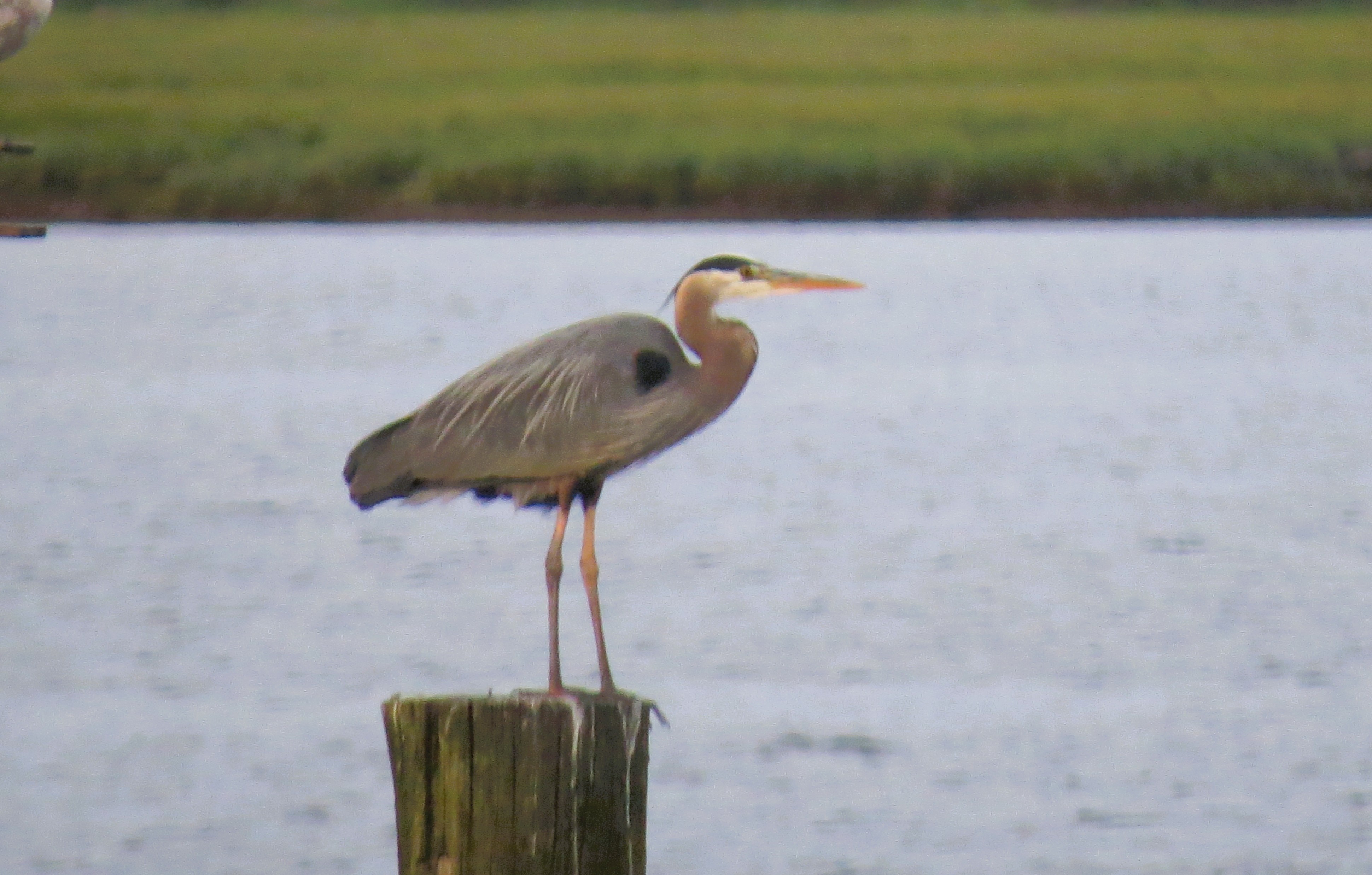
Where were we? Ach, Thanksgiving on sunny and crisp day in Vancouver in 2025. Couldn’t just sit at home and didn’t want to impose on someone’s genuine thanksgiving atmosphere.

Took my camera, my notebook and went to OUR city, city of OUR love. A long walk through streets and places we used to walk together. Reminiscing how it was before THAT. Getting ready to say again ‘goodbye to that city, this time my own, singular goodbye? Perhaps. And perhaps it will be the final goodbye. One more love locked forever in my memory, my soul. Another album in a chest full of other pictures albums… .

Here is the story of that day as seen through the camera lens. My, our streets, parks, cafes, beaches.

Of course, I did have my little dinner at my Melriches Cafe on Davie Street. It was a Thanksgiving Day, after all. And I took out my notebook from the backpack and I scribbled these words. Looked at the other chair at my table. It was empty.

The Valley of Death in an ocean of affluence – Dolina Śmierci otoczona dobrobytem

The Valley of Death in an ocean of affluence – Dolina Śmierci otoczona dobrobytem

Dolina Śmierci – tak można nazwać samo stare centrum Vancouveru. Nie, nie te przy pięknym nadbrzeżu Convention Centre, gdzie milionowe jachty lśnią hebanem i kolorowymi żaglami; nie te wokół cudownego, majestatycznego Stanley Park; nie te na urokliwym, jakże przyjacielskim Westendzie;  nie te nad 1, 2 i 3-cią plażą, nawet nie te przy ruchliwej, zwariowanej i uroczej Commercial Drive.

Te w starym centrum handlowo-komercjalnym, u zbiegu poważnych i statecznych arterii z licznymi hotelami z solidnej cegły i kamienia, przy starej, rodem jak z Manhattanu lub Londynu, Bibliotece Carnegie.  Zaraz za Pomnikiem Nieznanego Żołnierza, dwa kroki od uroczego Miasteczka Chińskiego (China Town), dwa kroki do spacerów i alejek wokół False Creek i Planetarium (Science Centre).

               The Valley of Death – how else can you call the old commercial centre of Vancouver? No, not the modern one alongside the Convention Centre, with the view of North Vancouver,  with streets and elegant passages leading to majestic Stanley Park. Not even the slightly abandoned but still full of nice attractions Granville Street. Certainly not the most livable in entire centre of the city West End, the three beaches, Davie Street.

No, not these neighborhoods. I’m talking about the old commercial part of Downtown. The one, where the old main arteries meet together: Hasting, Powell, Cambie, Main. One around the massive Carnegie Library and Pigeon Park with the Cenotaph. Cenotaph – a place we remember those, who died in defense of Canada.

But people still die in that neighborhood, in very big numbers, every day, fighting the losing battle to stay alive for one more day. Most likely, while I am writing these words, someone dropped dead on the pavement there, likely someone I have passed on the street few hours ago. Statistics tell that five of them every day, one hundred fifty five every month.  It is like Covid-in-perpetuity, like AIDS in the 1980’ in New York, in San Francisco.

One can say with an uncomfortable sadness: they brought it upon themselves, their lifestyle choices brought it upon them. But the truth is none of them wanted to die, when they took their first morphine, heroin, fentanyl. There is so many more ways to kill oneself faster, cheaper and without prolonged suffering.

Stoją tam potężne stare gmachy hoteli niegdyś pełne przyjezdnych, marynarzy, turystów; każde z popularnymi – niegdyś – barami, pubami, po drugiej stronie ulicy (jednej z najdłuższych i najbardziej używanej) równie solidne kamienice mieszkalne, na parterach oferujące sklepiki, zakłady rzemieślnicze. Sam niegdyś coś tam kupowałem. Dziś to wszystko jest martwe lub tak żywe, jak staruszek, który właśnie otrzymał od kapłana ostatnie namaszczenie …. Jeszcze żywy … formalnie.

Nigdy nie była to łatwa dzielnica. Pewnie nie była łatwa zanim ja tu się pojawiłem w 1994. Ale była mimo to funkcjonująca. Dziś jedyne, co tam funkcjonuje, to oczekiwanie na śmierć. Wpół zgarbioną, ze spojrzeniem gdzieś poza światem realnym, na krawężniku w zaśmieconym przejściu między budynkami. Ona jedna pamięta o nich, przyjdzie po nich. Mają po dwadzieścia lat, maja po dużo więcej, ale trudno to kreślić. Starsi użytkownicy tych narkotyków wyglądają inaczej, nie mają normalnej kadencji wieku. Może ten mężczyzna, który siedząc pod ścianą na chodniku i właśnie siusia pod siebie ma lat sześćdziesiąt, może tylko czterdzieści? Zgięta wpół kobieta może być kogoś starą babcią, lub kobietą pod czterdziestką. Poza tymi właśnie najmłodszymi, niektórymi atrakcyjnymi i ładnymi – wszyscy mają tu jeden wiek: wiek śmierci.
               I didn’t go there looking for answers, or to offer, one of thousands offered before, simple solution. But I needed to see it. That is Vancouver, too. My Vancouver,  my city that I love dearly.  I wanted to bear witness to that Greek tragedy. To these lives. You need to see it, you need to envelope yourself in that very uncomfortable fabric of decay, grief and sadness.

In the last ten years 58000 people died of it. Currently, every month about fifty five That is a fair size town. A town that just disappeared – with all its inhabitants.

               Dolina Śmierci otoczona zielonymi wzgórzami życia w jednym z najpiękniejszych i jednym z najbogatszych miast na świecie. Być może to jest najsmutniejsze, najtragiczniejsze.

The Valley of Death surrounded by affluence of one of the most beautiful cities in the world.  A city I love.  And it hurts deeply.