Remembrance Day on November 11th

Remembrance Day on November 11th

The day we wear the red poppies attached to our other clothing. Why? Because on Flanders fields in Europe the red blood form thousands of young Canadian and Commonwealth countries soldiers saturated the fields so much, that a carpet of red poppies covered the dead ones mercifully and gave them peace. The final peace.

Did you know that the last soldier killed in that awful war was a Canadian boy from Saskatchewan? He was shot few seconds before the clock on the town’s square struck the 11 th hour. The armistice was signed already, the big guns were silent. That boy just went from his trenches to that little village/town to look around. Near by, stood a German soldier, a sharpshooter. He saw the allied soldier from far away, check the clock on the town’s tower and seeing that the large needle did not reach ’11’ yet – he aimed, pulled the trigger. The Canadian boy fell down instantly. Nothing was gain by it, not a single inch of land moved hands. By the time he gave his last breath – the war was over. The German soldier stopped being his mortal enemy, he stopped being the enemy of the German soldier.

The impossible stupidity of all wars. I remember I wrote a poem about that Saskatchewan boy many, many years ago. Now, every November 11 I remember some of the names of some of the great commanders of the massive armies, remember some of the huge battlefields on the Maginot Line, the gases used to kill silently hundreds of them, the awful swamps red-brown from the blood of the soldiers, who were ordered to climb over the trenches and mount another useless attack on foot and being instantly cut down by first submachine guns. Being cut like flowers by stroke of scythe. Later, after the guns stopped, the war ended – the fields were red not from blood, but from the poppies.

And I remember that lonely boy from Saskatchewan, who never really knew why they were fighting, probably knew from some small school near his town the name of the British king, the one he was going to die for. But why? He ever saw any big town or city in Canada – until he was on the train and saw the stations of Winnipeg, Toronto, finally Montreal, where he boarded a huge ship with hundreds of other boys and went across the huge and cold ocean. I’m sure he become seasick many times.

A boy from the prairies on a ship in the middle of Atlantic! He would have many stories to tell family and friends for many years to come! But he didn’t. He died, in that strange village. After being told by his officer or sergeant that the war is over. He did not tell stories his parents or grandparents. By now his parents are dead, his grandparents are dead, too. If he had any siblings and his siblings had children – they are dead, too. Many years, more than a hundred have passed.

But I remember him, more than any other king, general or Prime Minister from that time in the Commonwealth and Great Britain. Just by now, I am myself so much older than he is. I suppose by now, I am his grandfather?

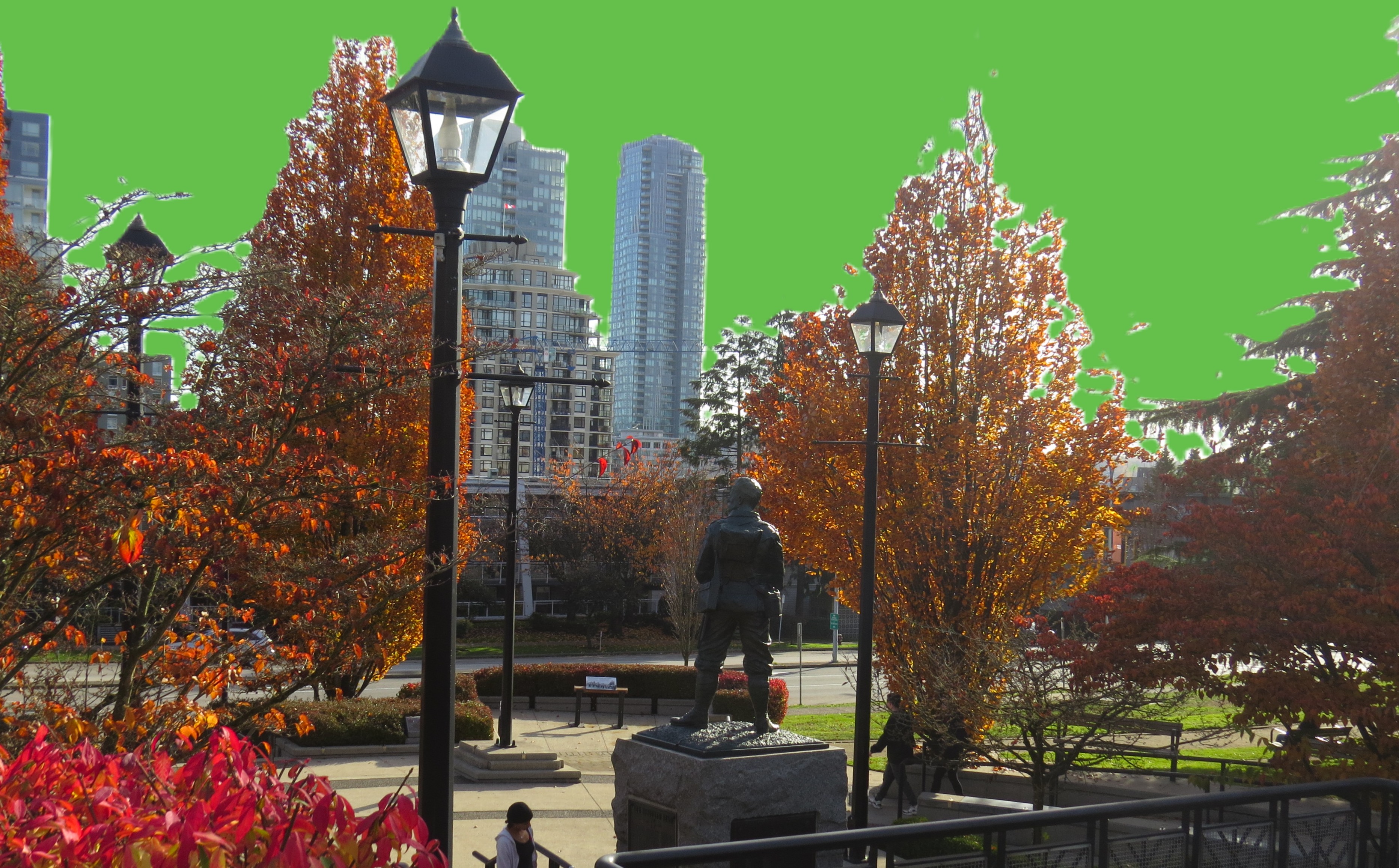
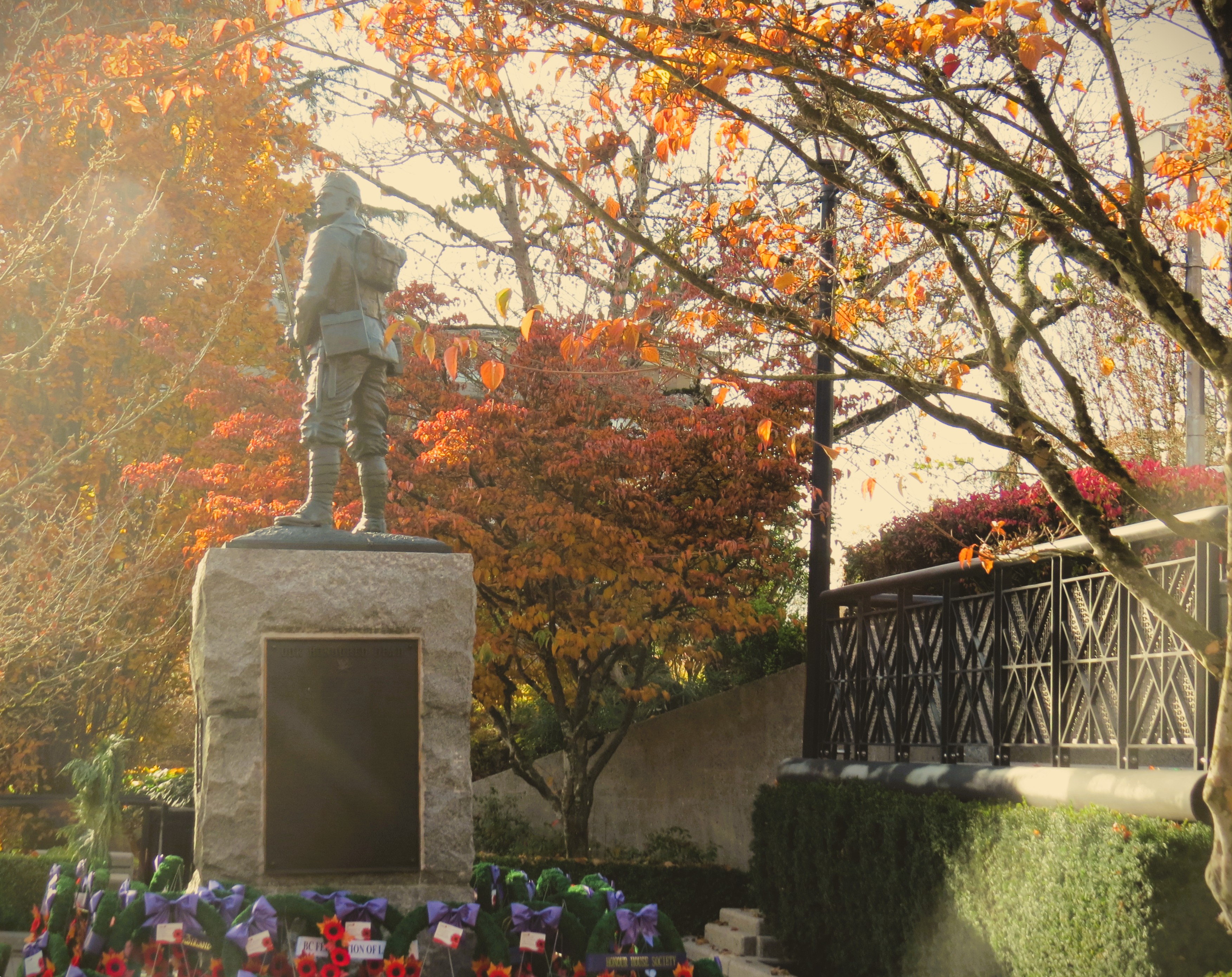
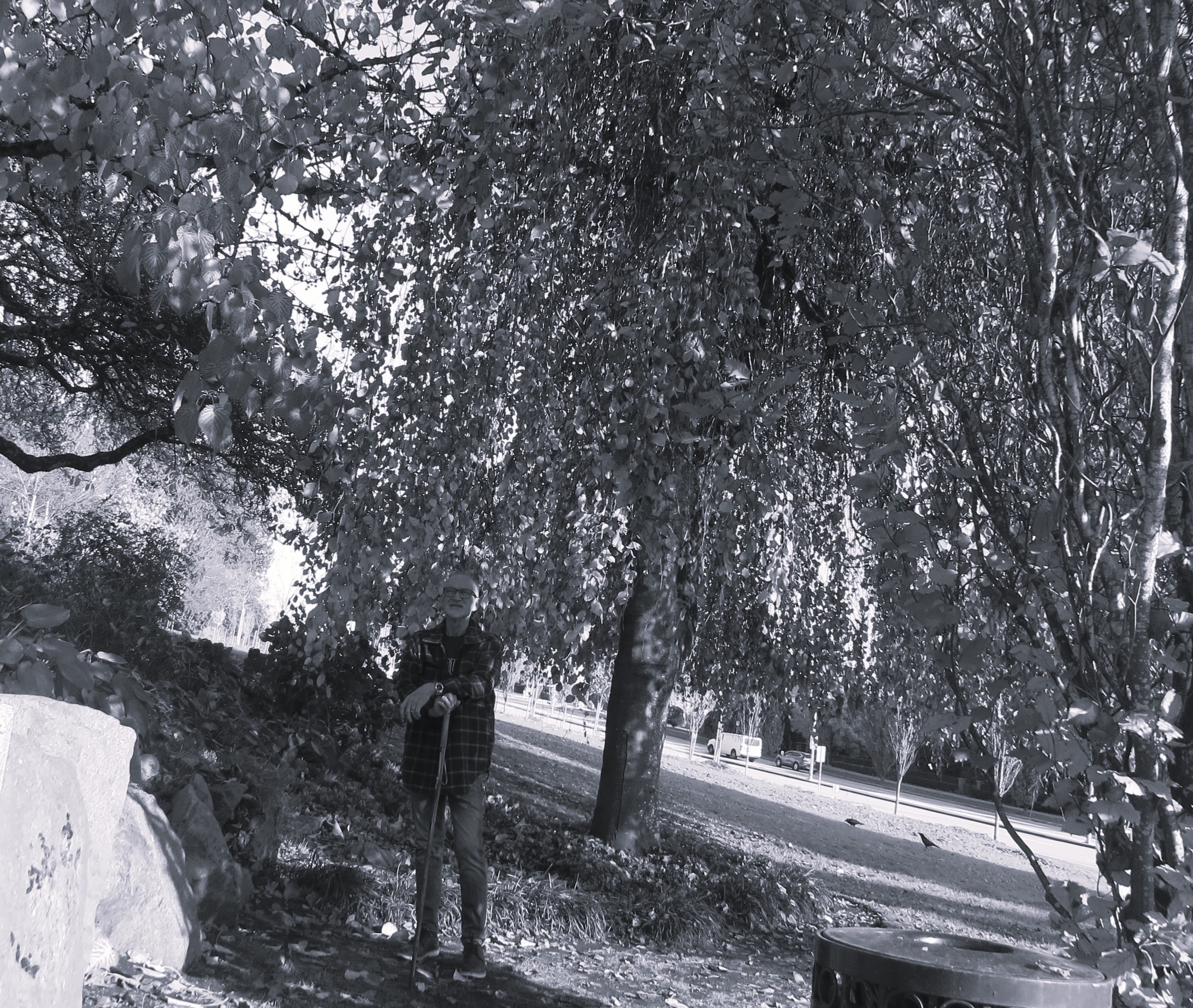
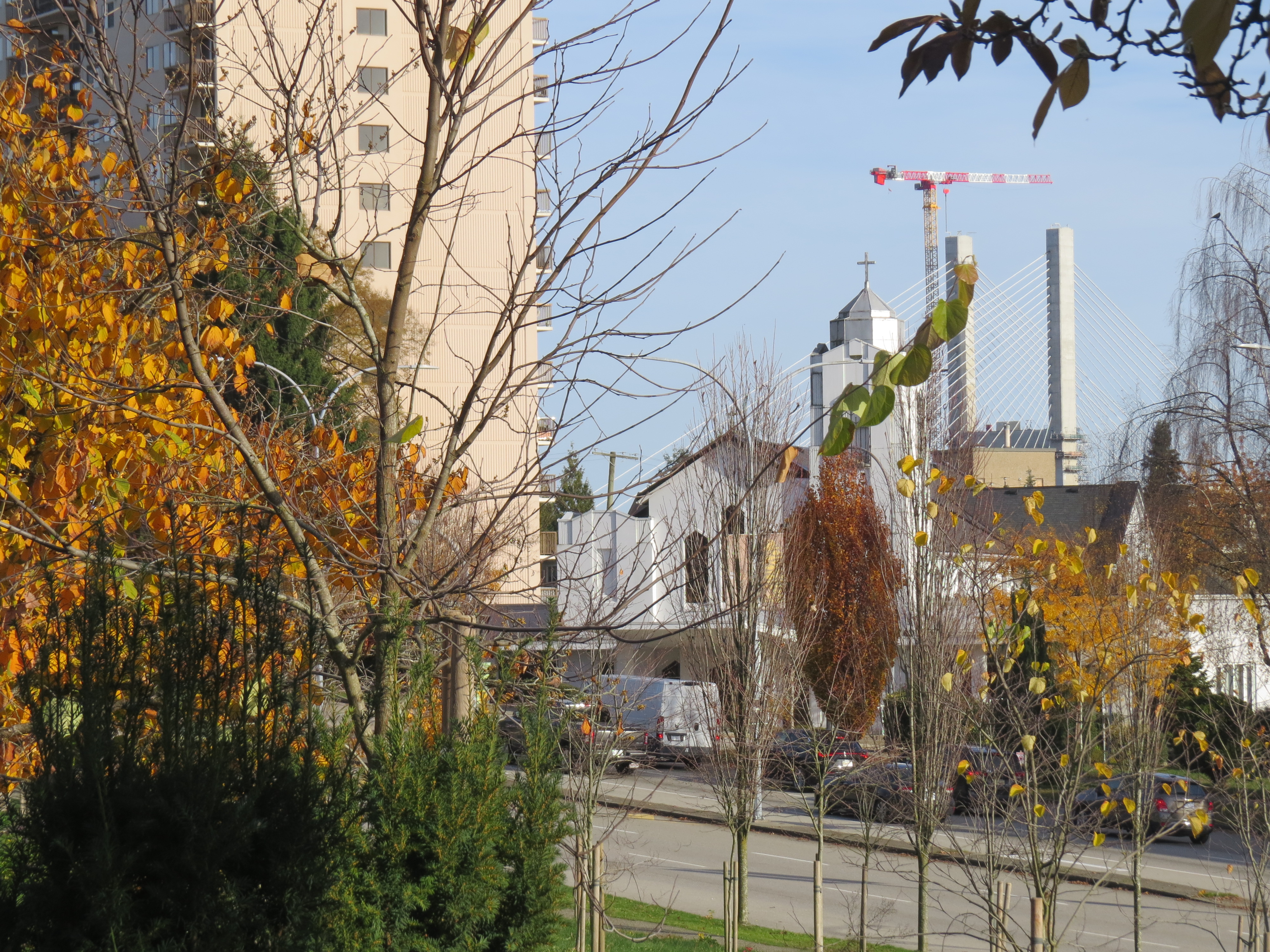
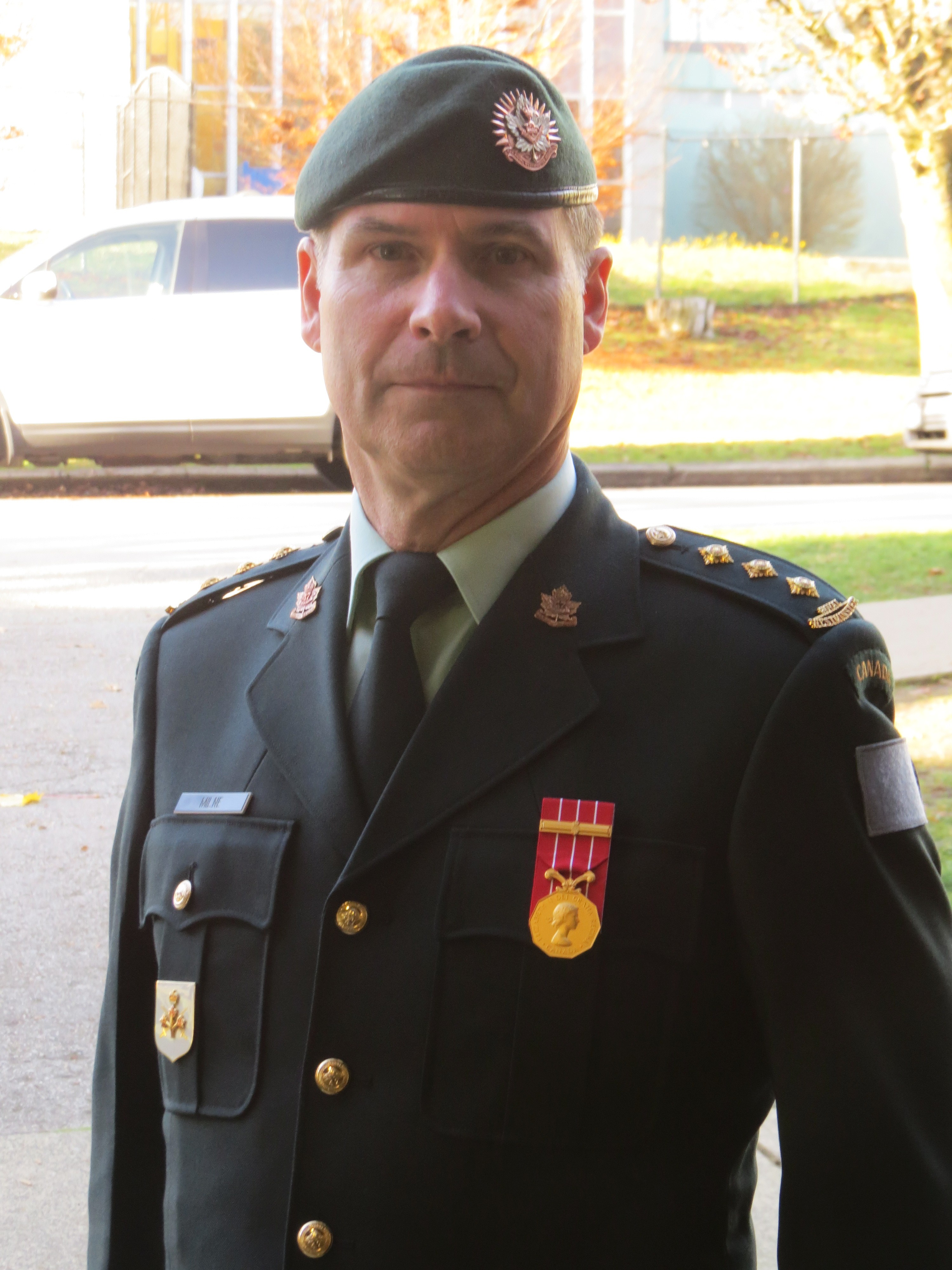
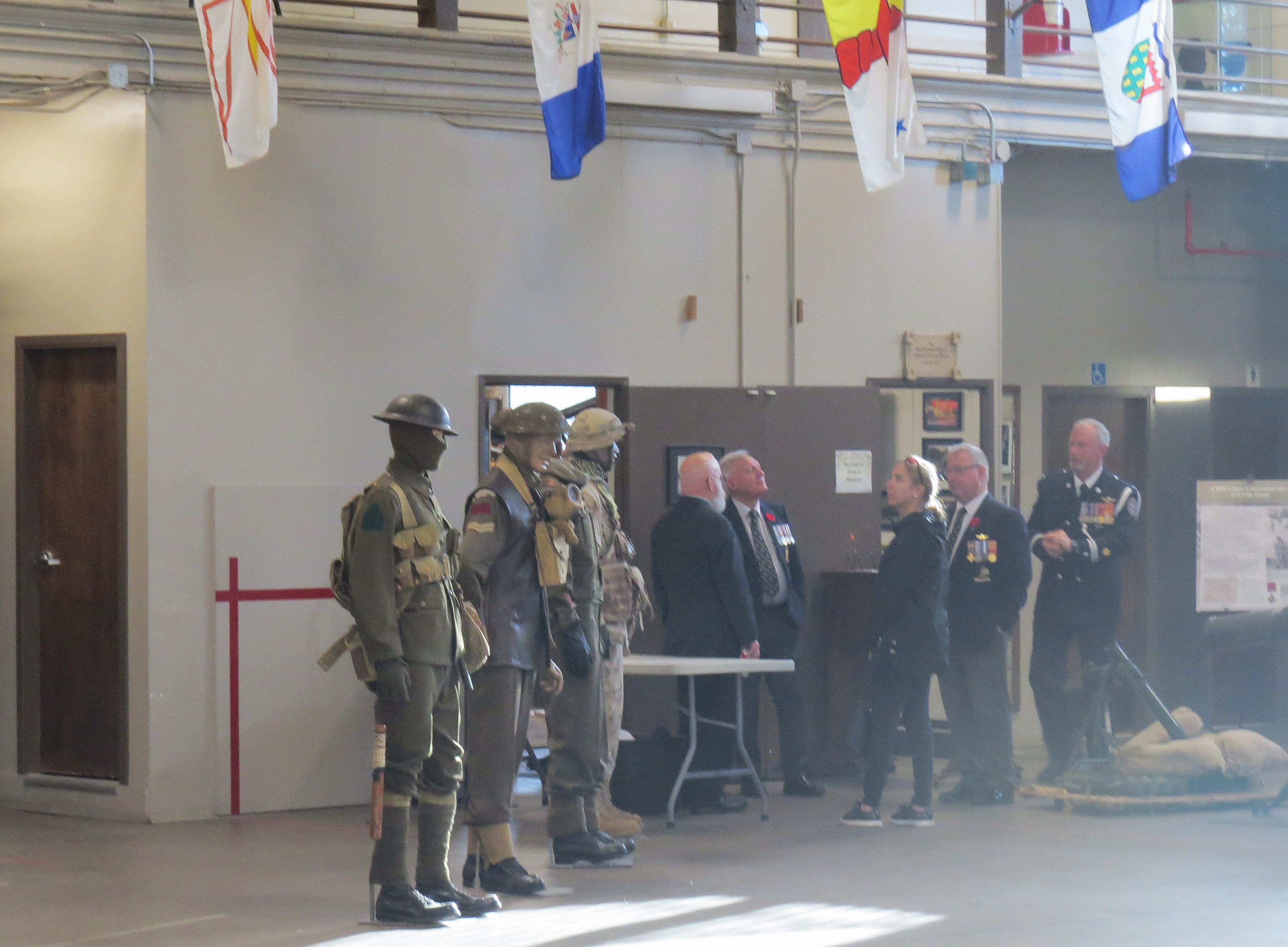
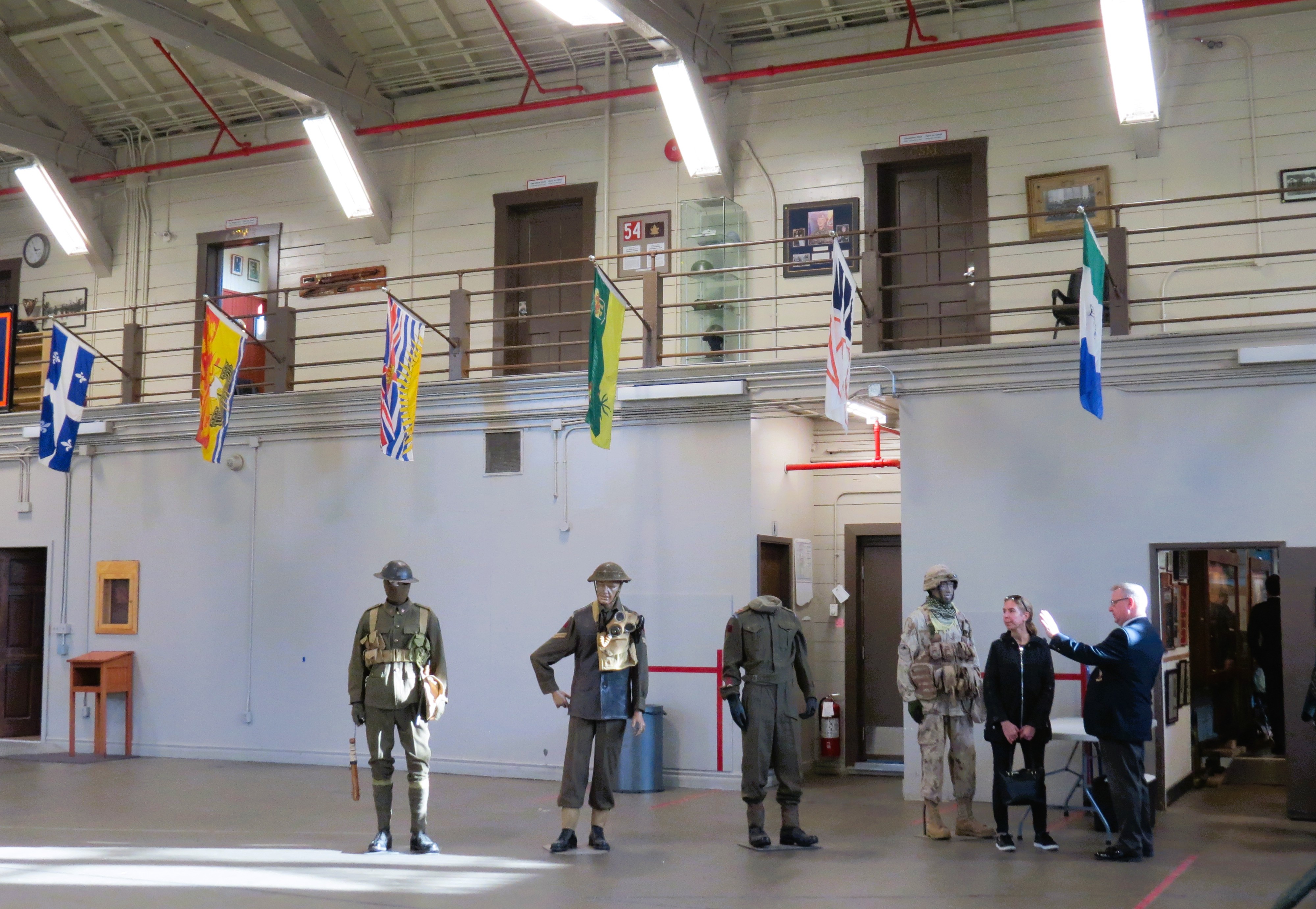
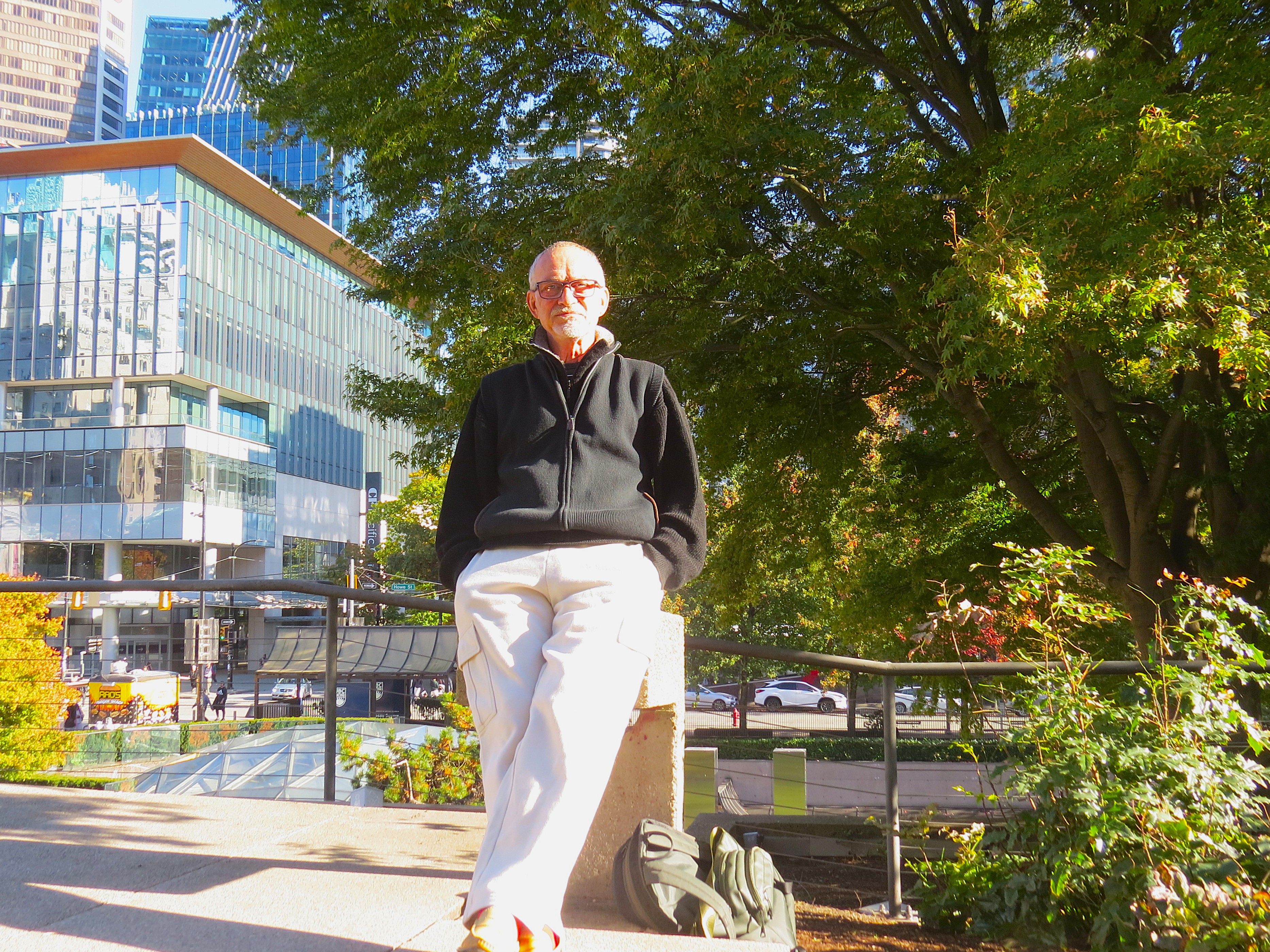
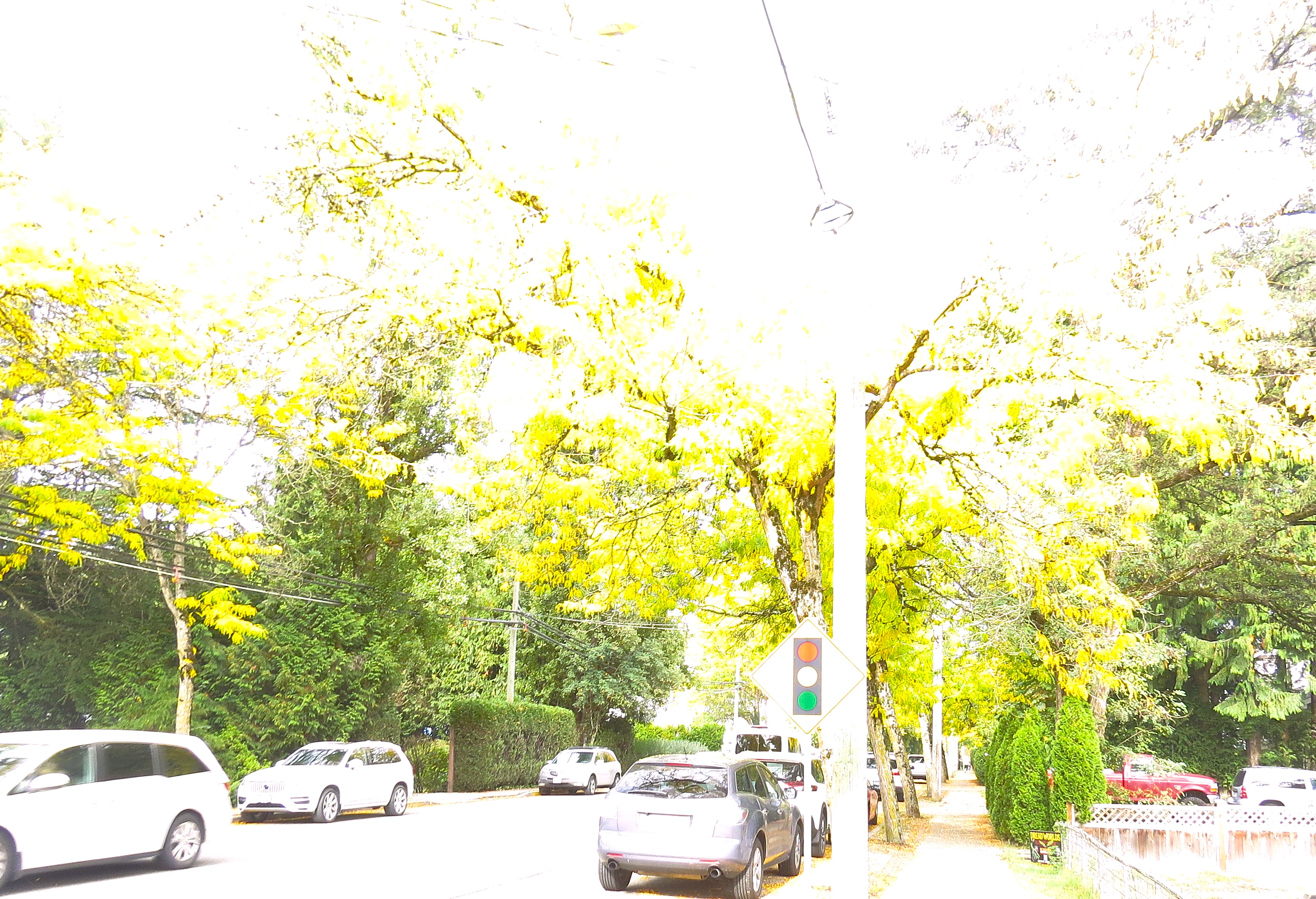
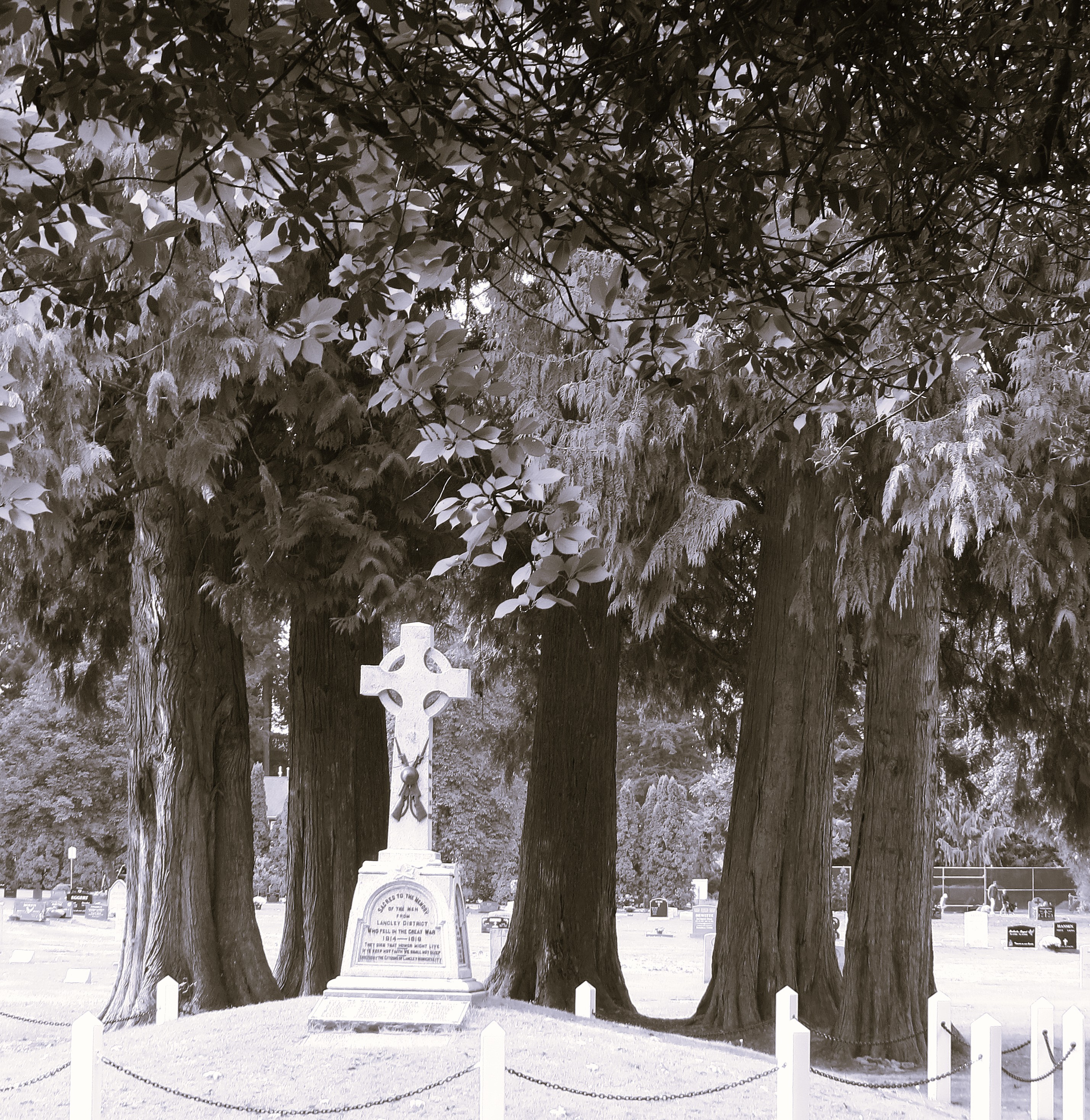
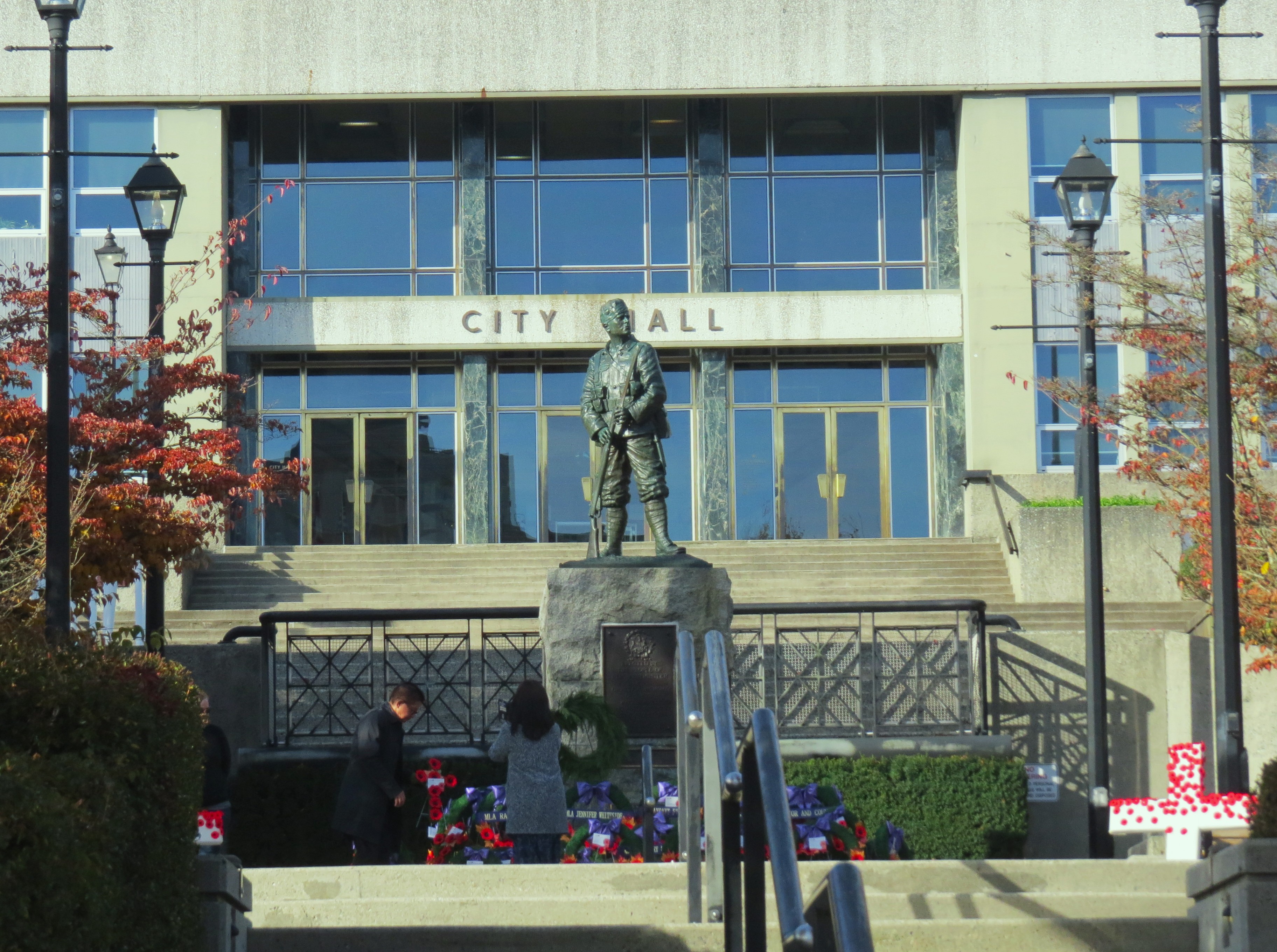
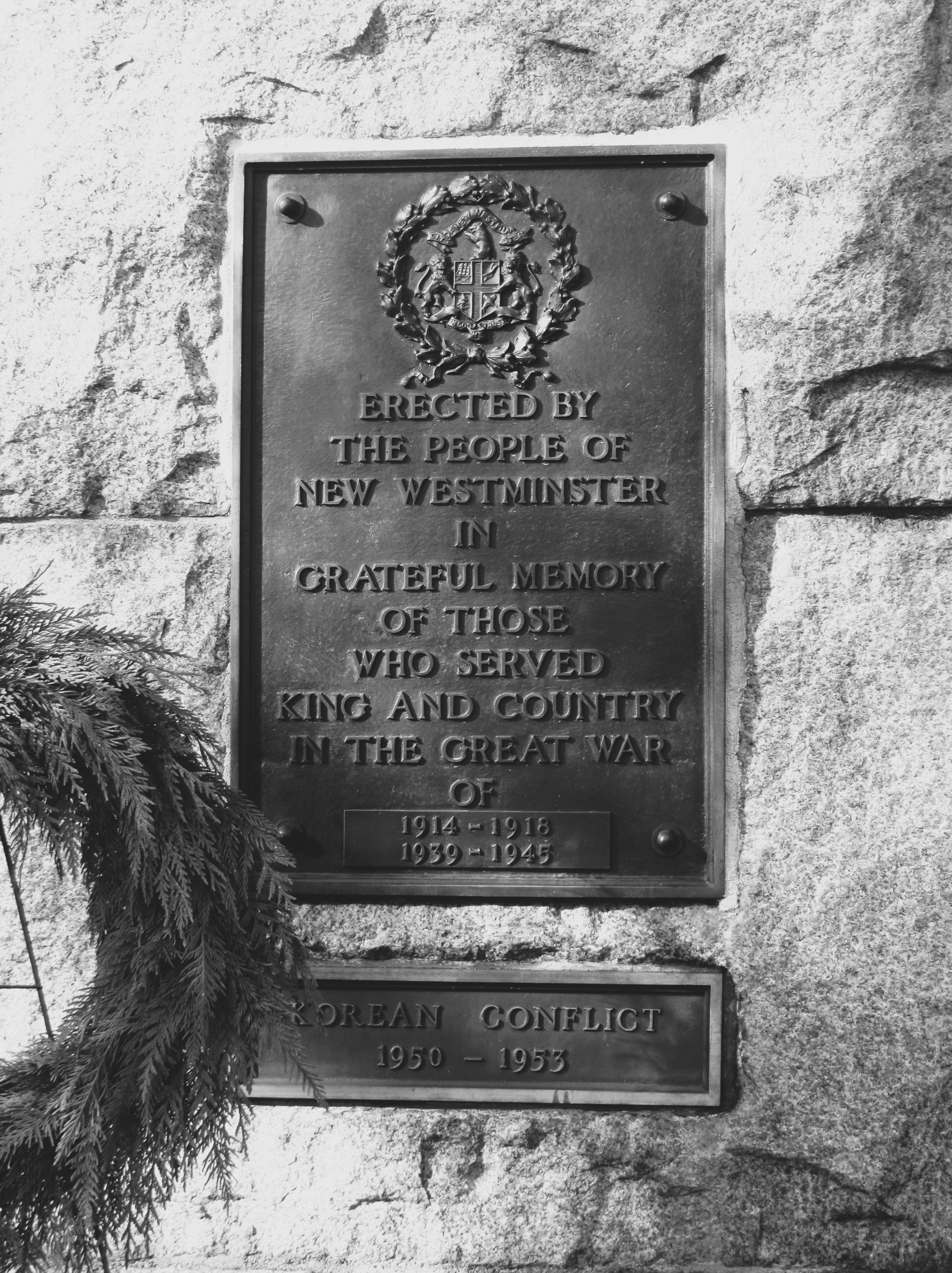
These were my thoughts on a sunny, colourful Fall’s day, as I walked to the City Hall and our Cenotaph in New Westminster. Later, a short walk through the park to the Armory, a chat with a Captain, who was in command of the troops, who organized the short parade and laying of wreaths. His father (or was it grandfather?) served in the 2nd world war and took part in landing across the Ardens, near Falaise Pocket. I told the captain that my personal friend, Ted Kaminski was a parachuter in the 1st Polish Airborne Division and was dropped along his many friends to support the advance of a tank divisions of allied forces (among them the Canadian 1st Army of general Harry Crerar and the Polish Tank Division of general Stanislav Maczek). The Polish paratroopers were able to encircle major German forces in a Falaise Pocked, thus definitely eliminating a great many casualties of the marching allied tank formations. And I was able many years after the war to meet personally that Polish general of the Armored Division in that battle. I met him In London, I think must have been in 1982. We had nice chat. Therefore the young captain of the Canadian soldiers, whose father fought during the last world war near Falaise, had an invisible connection with my life and people I knew. Through events eighty years ago. Indeed a strange chance encounter.

But most of all, I thought of you, my young boy from Saskatchewan, who died when the clock in some village in Europe struck the 11th hour. When the guns went silent and when you took your last breath.
post scriptum:

just as a side note: over the last forty odd years I observed Remembrance Day every year. Sometime by just solitary or with my husband, individual visit to many Cenotaphs. Once in Calgary, in the late 1980s very officially: in the company of Mayor of Calgary, Canadian general, Commander of the large garrison in Calgary and the President of Polish Combatants Association in front of the Cenotaph, by the 3rd Street, in front of the old Library.

This year is the very first year that, to my shock I must admit, a majority of passers bye on the street did not wear a poppy. It was so noticeable. It shows a tremendous lack of respect to the memory of the people, who gave their life for us to be free in our country. I actually felt angry that these people showed such a cowardly indifference to my boy from Saskatchewan. No more on that subject, but just so you know what I think of you. And it is not much.

Hollow Day, Zaduszki, Dziady. Wczoraj i dziś.

Hollow Day, Zaduszki, Dziady. Wczoraj i dziś.

W strugach deszczu nadchodzi

co roku dzień pamięci –

chwile uniesień, powodzi,

rzeki pragnień i niechęci.

Szlachetne twarze i gęby

wykrzywione, szczerbate:

szczodre kłosy i otręby,

przyjaciel razem z katem.

Trochę tu i trochę tam.

Śmiejesz się i płaczesz sam.

I takoż to jest w ten dzień powracający, jak zły szeląg i jak dobra piosenka. Nawet rymy, których doprawdy nie lubię, same siadają na bieli kartki bez zapytania. Ot tak, okrakiem i bezczelnie, niczym lokalny osiłek na zabawie wiejskiej w jakiejś remizie w zabitej dechami wsi. O! Naturalnie, że Focault język oczyszcza z naleciałości burżuazyjnej naftaliny, że Tatarkiewicz uszlachetnia mowę i pismo klasycznym pięknem prostych kolumn doryckich. Popatrz – nic to nie pomogło wszak. Posłuchaj – słyszysz Bacha, czy słyszysz wielką, hałaśliwą śmieciarę, która zabiera z podwórek opasłe pojemniki na śmieci i odpadki? Nowoczesność i postmodernizm też przegrały, też przegadały wszystko przy szklance wina, jak ich poprzednicy. Tą samą stawkę – jutro. 

Od pokoleń robimy to samo, siadamy do stolika, rozdajemy pięć kart i liczymy, że dostaniemy cztery asy. Pierwszą kartą dostaną jest As, więc podbijamy stawkę kilkakrotnie w górę. Po otrzymaniu kolejnych kart okazuje się jednak, że mamy tylko tego jednego, pierwszego asa i tylko dwie pary: ‘trójki’ i ‘szóstki’. Szanse zwycięstwa diametralnie się zmniejszyły. Ach, jesteś intelektualistą, filozofem, cóż to za gra – poker?! Ty tylko w brydża. Dobrze, graj. Skończyłeś licytację? O, gracie ‘cztery bez atu’ z partnerem! Brawo! Szkoda tylko, że partner ma tylko jednego asa i ani jednego króla … .  Szansę ciągle masz, ale doprawdy tylko minimalną, ciut, ciut ledwie.

To samo zaiste z tą poezją. Czasem rym pcha się przemożenie. Prosisz, tłumaczysz. Koniec końców chwytasz za kołnierz i wyrzucasz za drzwi, basta. A tu guzik, rym wraca przez okno!

Pewne rzeczy, uczucia same wybierają z rymem czy bez. Nie ma co kombinować nowoczesnego jazzu, gdy tylko stara fuga rzecz najprościej wyłoży. Glen Gould może ten temat lepiej wyjaśnić. Tak, tak, wiem. Gould nie żyje od wielu lat. No ale to o ten właśnie dzień chodzi. Tych, których już tylko pamiętamy. Więc tego dnia możesz z nim (żywym, czy martwym) porozmawiać.  Hollow Day, Zaduszny, Dziady – dzień pamiętania. Nie można pamiętać do przodu, tylko do tyłu. A w tyle jest zawsze masa dobrego i masa złego. Nie oszukujmy się, jeśli pamiętamy to naturalnie i te złe też pamiętamy. Rzeki pragnień i niechęci, przyjaciela razem z katem. Bo wszak czasem śmiejesz się i płaczesz sam.

Brahms, Schumann and Beethoven in Vancouver

Brahms, Schumann and Beethoven in Vancouver

How do you begin to write your notes about a concert that three days later you still can’t shake off the emotions you were subjected to? Almost physical blows and assaults of the music onto your soul. A music you know so well and heard numerous times! At least you thought you did … Blows delivered not by some enormous pianist, internationally acclaimed, for many years on best stages of the universe … but by a … boy pianist (of course he is an adult, but only just by a thickness of the paper a musical score is printed on)?! I still struggle to find the right ones to describe to you the experience.

Sufficient to say, it proves that there is no musical score or concert that you can just take your seat among the audience and wait for familiar, soothing experience. For bourgeoisie vanity and eloquence. And thank gods for that.

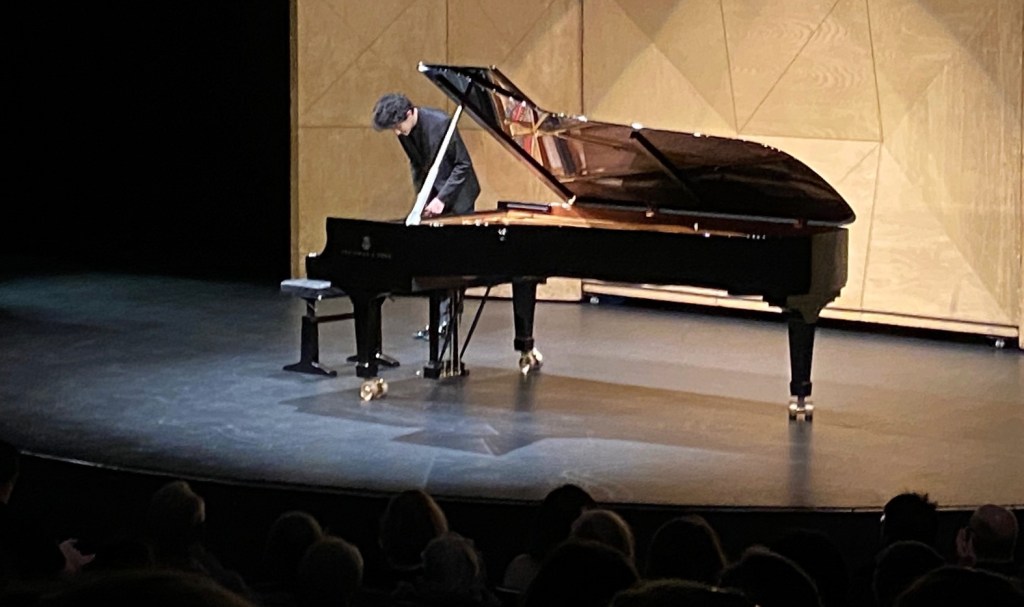
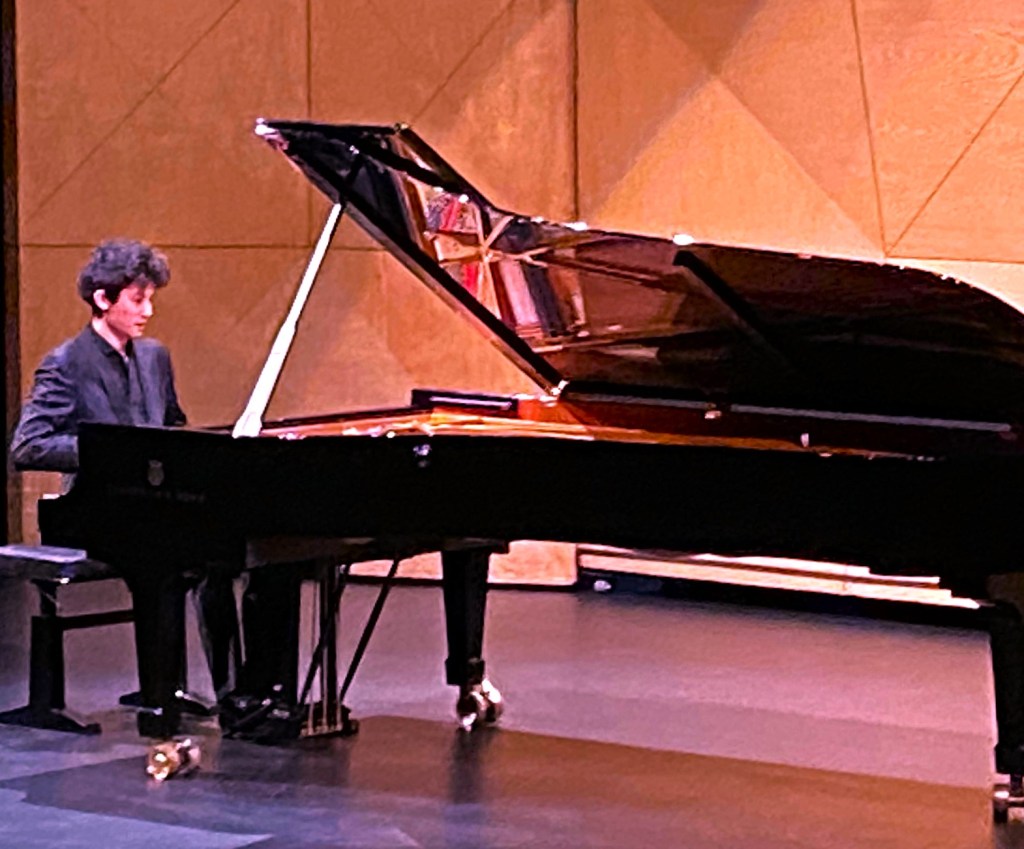
Sunday, 26 of October in Vancouver Playhouse (Queen Elizabeth Theater) concert of Tony Siqi Yun with music of Johannes Brahms (Theme and Variations in D minor, Op.18b); Robert Schumann (Theme and Variations in E-flat major, Wo0 24 or Ghost Variations); by same composer Symphonic Etudes Op.13; Ludwig van Beethoven (Sonata “Appassionata” No.23 in F minor Op. 57); and Ferruccio Busoni (Berceuse from Elegies BV 249) – of the last composer and music I will not write beyond that point. Because … in was beyond the point to have this music played in that concert, sufficient to say in my arrogant opinion. Obviously not shared by the enormously talented pianist, Tony Siqi Yun.

Thanks to YouTube portal I was able to find Tony playing exactly the same Schumann’s Etudes Op.13. That was recorded from earlier concert elsewhere. You can see the physicality and the energy – trust me, but in in Vancouver it erupted like a volcano.

Did he made any mistakes, omissions? How would I know?! There was not a single second one could pay attention to the score – the pianist consumed you wholly, not letting go for a second.

I remember only once such a wonderful confusion while listening to a pianist. That was very, very long time ago. The year 1980, X International Chopin Festival, biggest piano competition in the world. The pianist was Ivo Pogorelić from Yugoslavia (today Serbia). He was so different than other pianista that the (at that time to the extreme) very conservative Jury did not awarded him any prize (the public did). I remember being taken by Pogorelić very much. Of course a bit jealous, too, LOL – he was exactly my age! But was very glad that great pianist (former finalist of that Competition) Martha Argerich felt the same. To the chagrin of the ultra-orthodox Jan Ekiert, who like many of his generation, saw Chopin more as a monument and Polish patriotic antiquity than the true romantic boy and young man, who had nothing to do with the official portrait/gorset assigned to him.

https://ivopogorelich.com/portfolio/home/: Brahms, Schumann and Beethoven in Vancouver

Czas już żegnać się … a ja nie potrafię

Czas już żegnać się … a ja nie potrafię

W kwietniu 1999 roku poszliśmy w wielkiej arenie General Motors w Vancouverze na koncert Andrea Bocceli. Siedzę teraz i słucham jego dysku ,Romanza’[i].  I krzyczę bezgłośnie.  Bo to wszystko wraca: nasze koncerty, nasze podróże, nasza miłość, nasze marzenia.

Ostatnią ścieżką na dysku jest oczywiście duet „Time to say goodbye” Sary Brightman z Bocellim.  Ileż razy słuchaliśmy tej porywającej i strasznie smutnej piosenki … czas się żegnać już.  A przecież nie był! Nie jeszcze i nie tak.

I podła pogoda za oknem dziś, deszcz w silnych podmuchach wiatru, nie zastanawiając się wiele pomyślałem: posłucham „Romanzy” Bocelliego. I było OK, uwielbiam jego głos, jego interpretacje. Zapomniałem o tej ostatniej ścieżce dyskowej i kompletnie mnie powaliło, gdy popłynęła ta pieśń i Sara Brightman w duecie z Bocellim.

Sara, którą uwielbiał za jej niezapomnianą kreację w roli  Christine Daaé  w „Upiorze w Operze”. Był aż trzykrotnie na tym przedstawieniu: raz jeszcze w Calgary i potem dwukrotnie w Vancouverze, ze mną, ze swoją mamą jeszcze w Calgary i z moją później w Vancouverze.

A teraz, z tym ponurym deszczem zbliża się ten dzień fatalny w listopadzie. Dzień, w którym nadszedł ‘czas powiedzenia żegnaj’. Przeklęty dzień.  W jakiś sposób umarłem wówczas też.

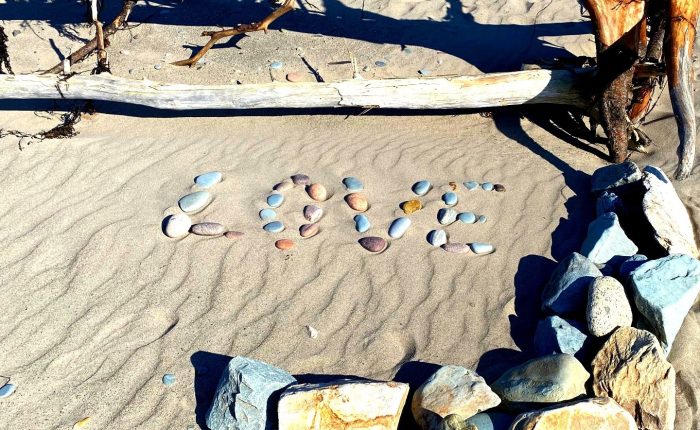
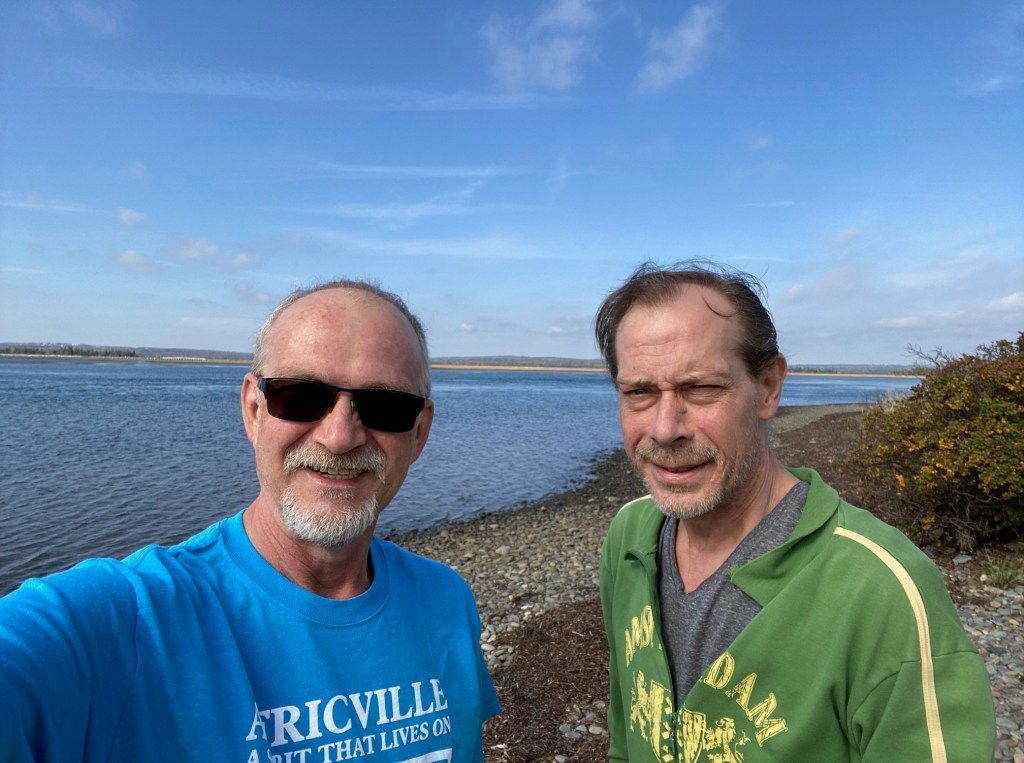
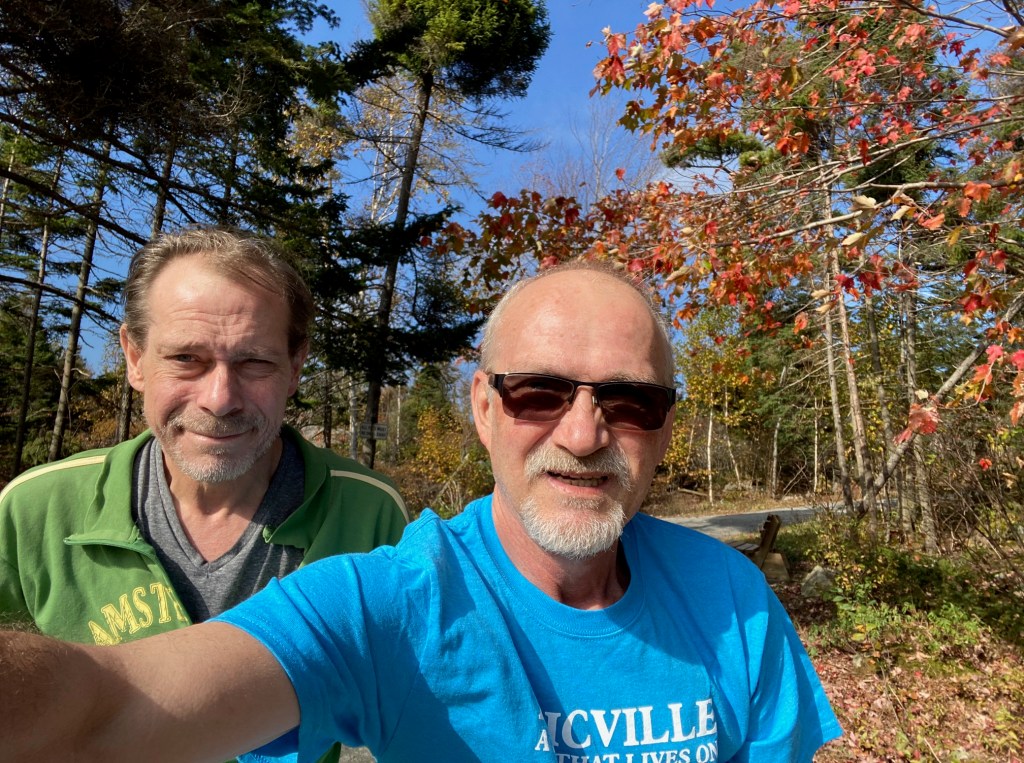
Miesiąc wcześniej, gdzieś o tej porze października jak dziś, wymusiłem na nim przejażdżkę samochodem.  Pojechaliśmy na plażę, pierwszą plażę, na którą pojechaliśmy po przeprowadzce do Nowej Szkocji kilka lat wcześniej.  Wybrałem trasę piękną jesienią przez Cow Bay Road, prowadzącą malowniczą drogą nad wybrzeżem, wzdłuż lasów zielonych jeszcze, aż do tej Haven Beach i słodko-słonych rozlewisk jeziorno-bagiennych przed plażą. Był zadowolony. Ja też. Wiedzieliśmy, że nas czas się kończy. Nie sądziłem, że tak szybko. Zdjęcia poniżej z tego dnia właśnie.

Nigdy, przenigdy nie pogodziłem się z tym. Nie potrafię do dziś.  I nigdy już sobą, takim, jakim byłem, być nie potrafię i nie będę.


[i] „Romanza”, producer PolyGram Group Canada Ltd. (based on 1996 Insieme Srl).

Thanksgiving in solitude – an intimate letter

Thanksgiving in solitude – an intimate letter

Thanksgiving came with crisp, yet sunny day.

What do I have to be thankful for? The anger that still exist wants to scream: the hell with you and your thankfulness: Go away, you – rober of my Love, my life.

But anger is not truly my companion, my alter ego. Even, when at times, we exchange expletives. These moments are rare and short-lived, for what I have left of my life is not worth to be wasted on anger and easy expiative words. I still hold people and places dear to my heart. Mews, parks, rivers, mountains. I know I won’t see some of them anymore, some are non-existent anymore outside of my memory. But … what is truly more real: material world or world contained within ourselves? They used to co-exist within me in equal parts. It seems now, there is less of the outer and more of the inner.

I am almost afraid to go back to my old country, to my cherished and loved family, for I know that I will cheat them a bit – instead of becoming part of them, I will exist in a different space paralleled to their reality. Not outside their world, just paralleled. Like shadows that exist only in certain light, certain angle of your eyesight.

There is more now of what wasn’t as visible before THAT happened: my attachment to poetic verse, to good literature, to musical note. Something that consumes you, troubles you, moves you. Otherwise it is just noise of sounds or noise of words. Yes, there is a lot of just noise in so called art – let’s be honest – even great writers and composers produce a lot of noisy garbage.

Why then, there might be invisible wall between me and my loved ones? Because now it is much more pronounced, much more important to me, and I’m much less willing to hide it from visibility. It became me stronger than before. It filled that empty space left by THAT.

There is always a chance – let me be a clairvoyant about my future – that things will change, that someone will claim that space. Yet, I doubt it very much (and the accent is pronounced strongly on the ‘very much’); first, it is true without any doubt , that is is simply much harder at certain age to offer oneself to someone; second – if I am willing to get involved in a flirt, I am almost shut off from willingness to romantic attachment.

Odysseus

Love was always a mythical and mystical idea living in my soul since very early youth. Not just romance – a love overwhelming, all-powerfull. Many people did dream of it, many are and many will. Few will be successful. Such love is not easy, to a point that, at times, it could be overwhelming, too encompassing and like powerful boa-constrictor. You constantly travel between Elysium and Hades. You are on a boat on Aegean Sea, the starry skies at nighttime are pure joy and awe, but that sea could and will become stormy beyond your endurance and you are pleading with gods to let you return to land and never sail again. Odysseus will be my witness to the truth of this story. (image to the left from Wikimedia Commons under a licence: By Aison – Marie-Lan Nguyen (User:Jastrow), 2008-05-02, CC BY 2.5, https://commons.wikimedia.org/w/index.php?curid=4019222

Where were we? Ach, Thanksgiving on sunny and crisp day in Vancouver in 2025. Couldn’t just sit at home and didn’t want to impose on someone’s genuine thanksgiving atmosphere.

Took my camera, my notebook and went to OUR city, city of OUR love. A long walk through streets and places we used to walk together. Reminiscing how it was before THAT. Getting ready to say again ‘goodbye to that city, this time my own, singular goodbye? Perhaps. And perhaps it will be the final goodbye. One more love locked forever in my memory, my soul. Another album in a chest full of other pictures albums… .

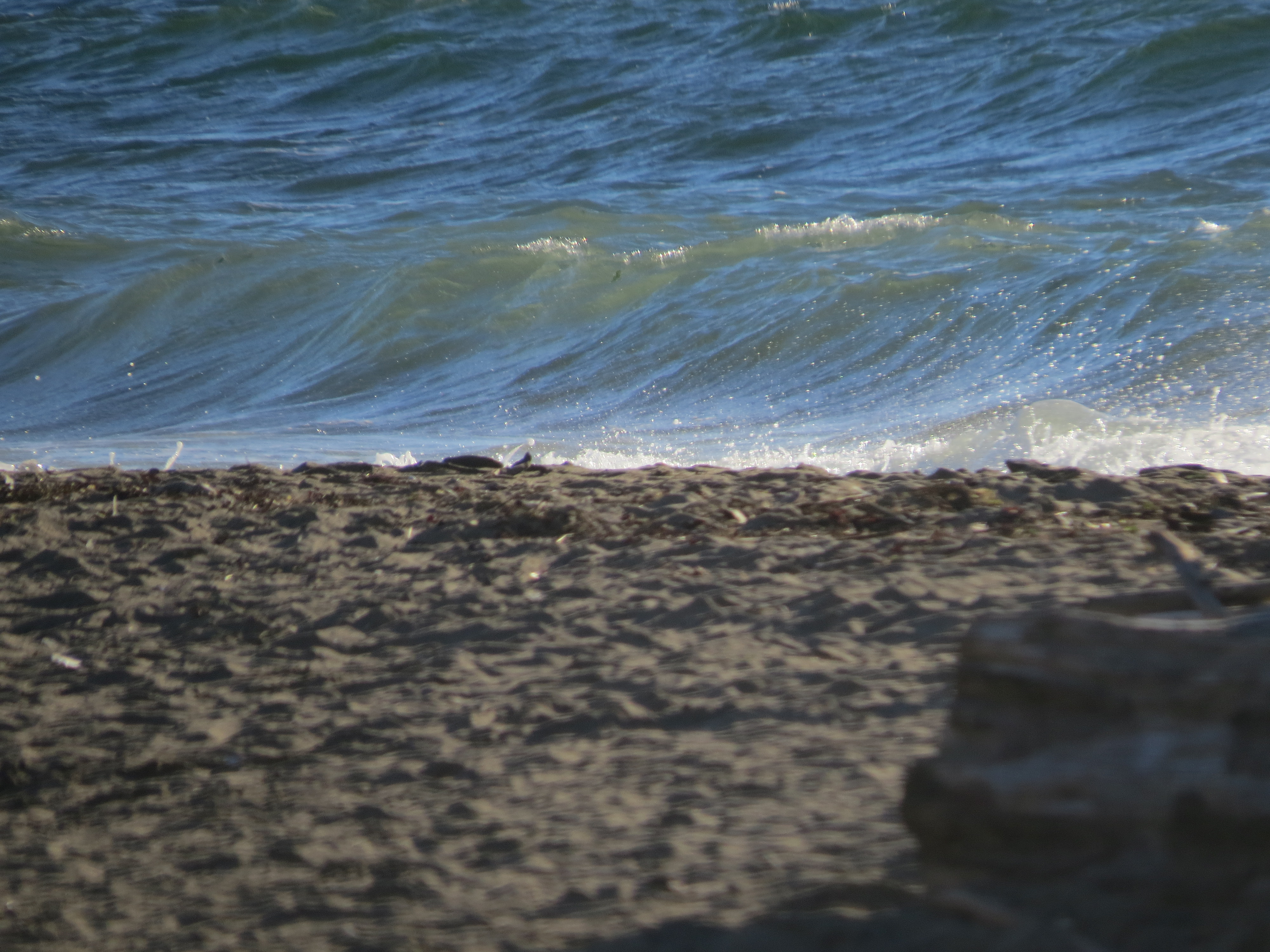
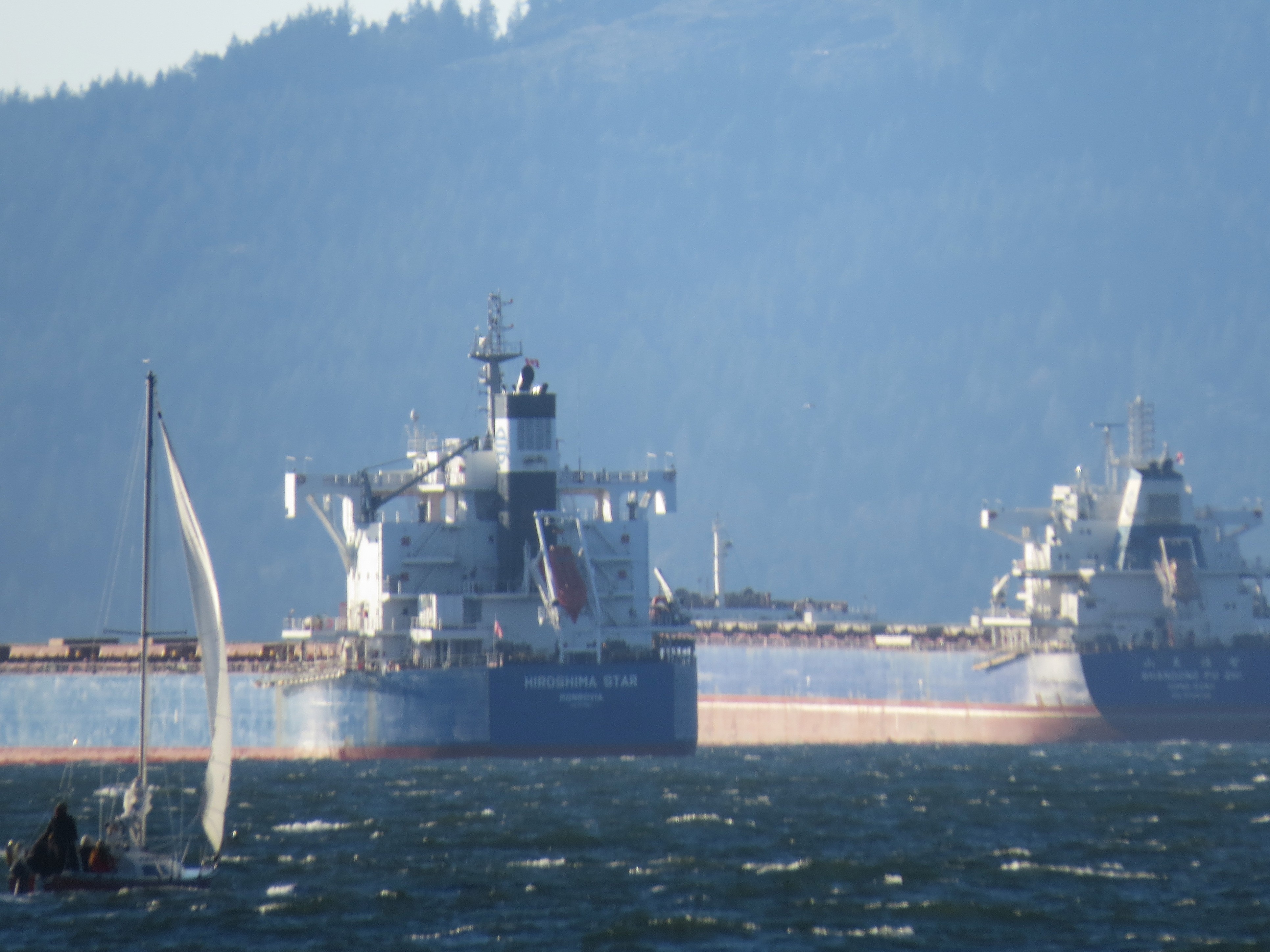
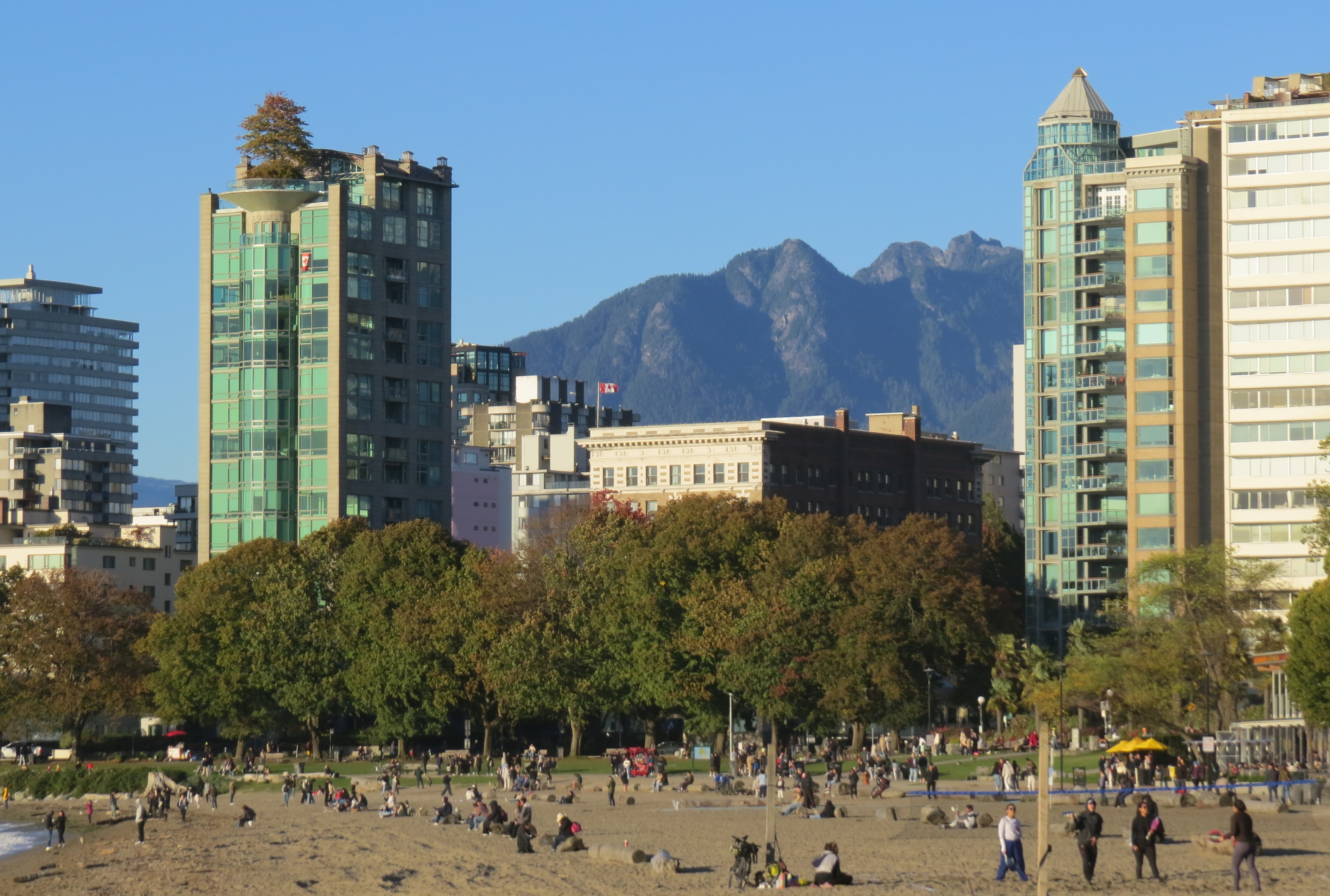
Here is the story of that day as seen through the camera lens. My, our streets, parks, cafes, beaches.

Of course, I did have my little dinner at my Melriches Cafe on Davie Street. It was a Thanksgiving Day, after all. And I took out my notebook from the backpack and I scribbled these words. Looked at the other chair at my table. It was empty.

The Valley of Death in an ocean of affluence – Dolina Śmierci otoczona dobrobytem

The Valley of Death in an ocean of affluence – Dolina Śmierci otoczona dobrobytem

Dolina Śmierci – tak można nazwać samo stare centrum Vancouveru. Nie, nie te przy pięknym nadbrzeżu Convention Centre, gdzie milionowe jachty lśnią hebanem i kolorowymi żaglami; nie te wokół cudownego, majestatycznego Stanley Park; nie te na urokliwym, jakże przyjacielskim Westendzie;  nie te nad 1, 2 i 3-cią plażą, nawet nie te przy ruchliwej, zwariowanej i uroczej Commercial Drive.

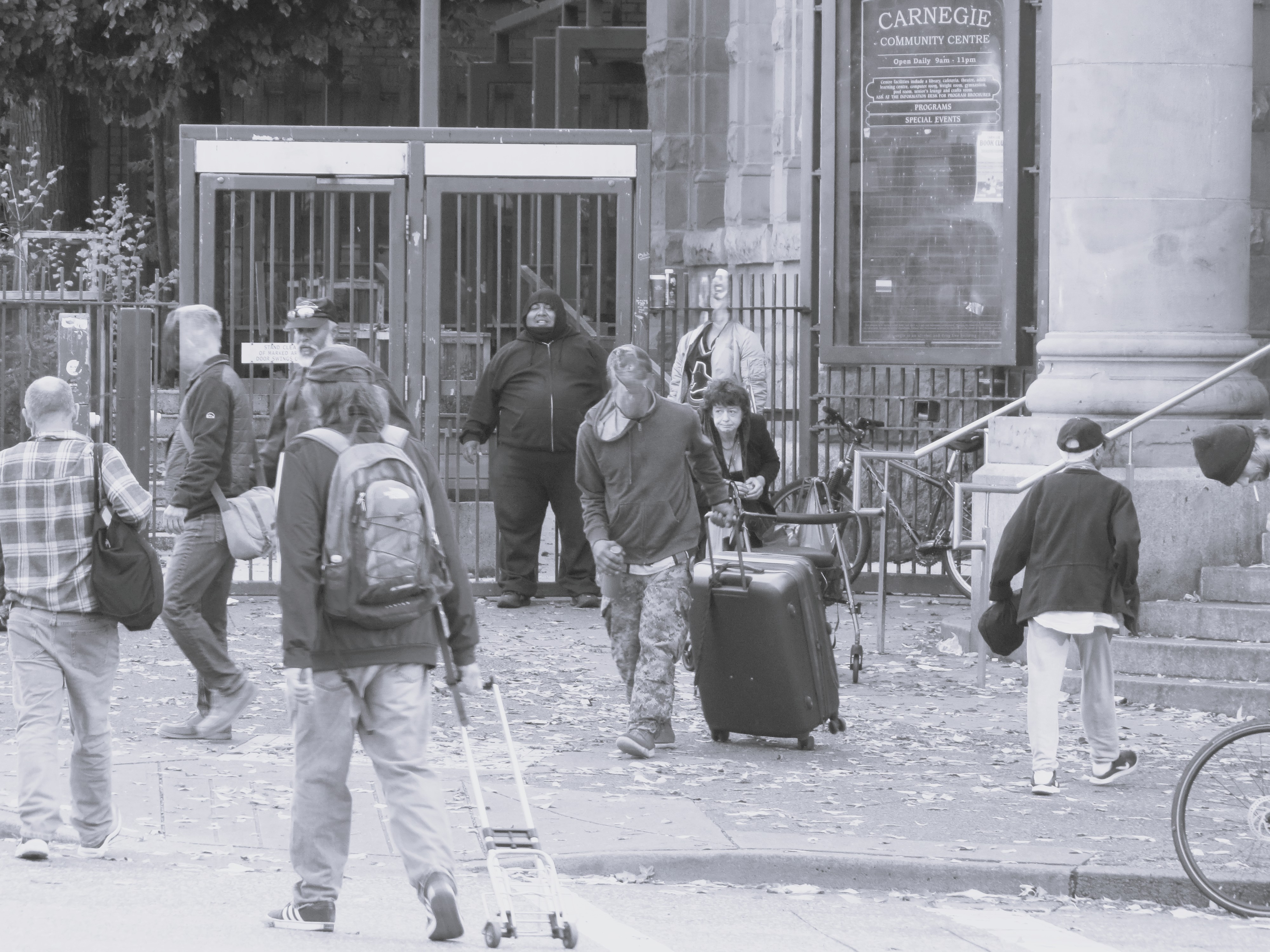
Te w starym centrum handlowo-komercjalnym, u zbiegu poważnych i statecznych arterii z licznymi hotelami z solidnej cegły i kamienia, przy starej, rodem jak z Manhattanu lub Londynu, Bibliotece Carnegie.  Zaraz za Pomnikiem Nieznanego Żołnierza, dwa kroki od uroczego Miasteczka Chińskiego (China Town), dwa kroki do spacerów i alejek wokół False Creek i Planetarium (Science Centre).

               The Valley of Death – how else can you call the old commercial centre of Vancouver? No, not the modern one alongside the Convention Centre, with the view of North Vancouver,  with streets and elegant passages leading to majestic Stanley Park. Not even the slightly abandoned but still full of nice attractions Granville Street. Certainly not the most livable in entire centre of the city West End, the three beaches, Davie Street.

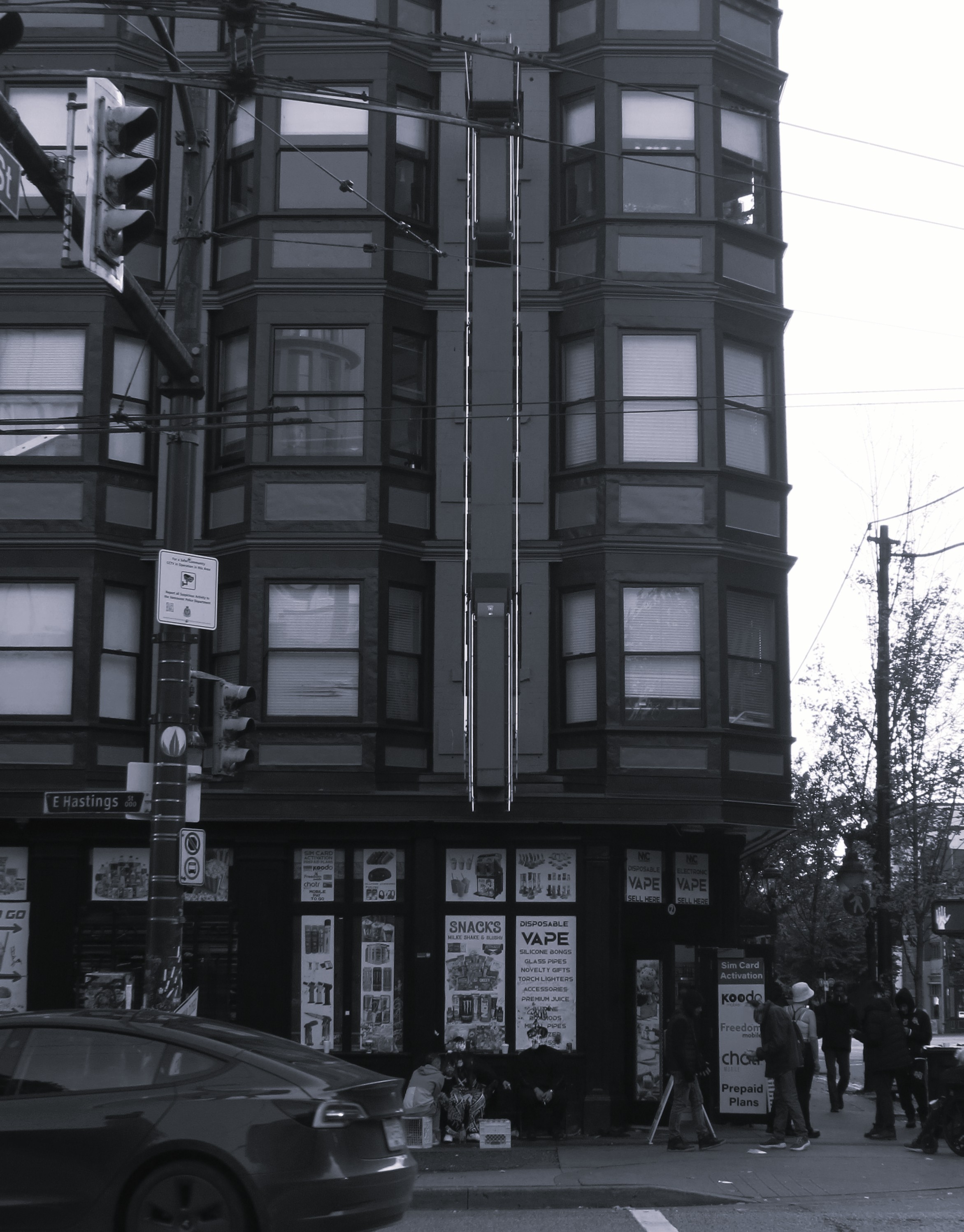
No, not these neighborhoods. I’m talking about the old commercial part of Downtown. The one, where the old main arteries meet together: Hasting, Powell, Cambie, Main. One around the massive Carnegie Library and Pigeon Park with the Cenotaph. Cenotaph – a place we remember those, who died in defense of Canada.

But people still die in that neighborhood, in very big numbers, every day, fighting the losing battle to stay alive for one more day. Most likely, while I am writing these words, someone dropped dead on the pavement there, likely someone I have passed on the street few hours ago. Statistics tell that five of them every day, one hundred fifty five every month.  It is like Covid-in-perpetuity, like AIDS in the 1980’ in New York, in San Francisco.

One can say with an uncomfortable sadness: they brought it upon themselves, their lifestyle choices brought it upon them. But the truth is none of them wanted to die, when they took their first morphine, heroin, fentanyl. There is so many more ways to kill oneself faster, cheaper and without prolonged suffering.

Stoją tam potężne stare gmachy hoteli niegdyś pełne przyjezdnych, marynarzy, turystów; każde z popularnymi – niegdyś – barami, pubami, po drugiej stronie ulicy (jednej z najdłuższych i najbardziej używanej) równie solidne kamienice mieszkalne, na parterach oferujące sklepiki, zakłady rzemieślnicze. Sam niegdyś coś tam kupowałem. Dziś to wszystko jest martwe lub tak żywe, jak staruszek, który właśnie otrzymał od kapłana ostatnie namaszczenie …. Jeszcze żywy … formalnie.

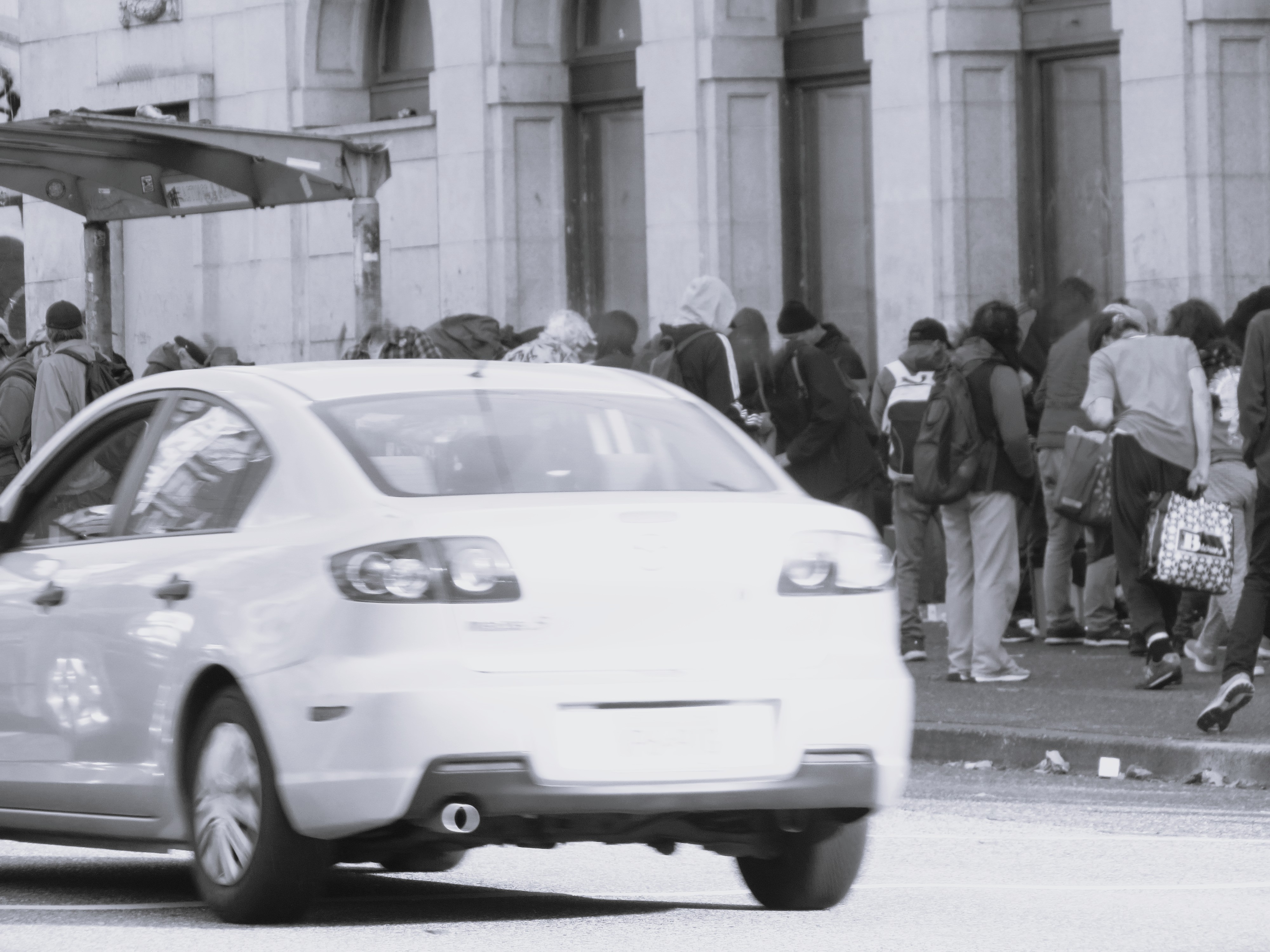
Nigdy nie była to łatwa dzielnica. Pewnie nie była łatwa zanim ja tu się pojawiłem w 1994. Ale była mimo to funkcjonująca. Dziś jedyne, co tam funkcjonuje, to oczekiwanie na śmierć. Wpół zgarbioną, ze spojrzeniem gdzieś poza światem realnym, na krawężniku w zaśmieconym przejściu między budynkami. Ona jedna pamięta o nich, przyjdzie po nich. Mają po dwadzieścia lat, maja po dużo więcej, ale trudno to kreślić. Starsi użytkownicy tych narkotyków wyglądają inaczej, nie mają normalnej kadencji wieku. Może ten mężczyzna, który siedząc pod ścianą na chodniku i właśnie siusia pod siebie ma lat sześćdziesiąt, może tylko czterdzieści? Zgięta wpół kobieta może być kogoś starą babcią, lub kobietą pod czterdziestką. Poza tymi właśnie najmłodszymi, niektórymi atrakcyjnymi i ładnymi – wszyscy mają tu jeden wiek: wiek śmierci.

               I didn’t go there looking for answers, or to offer, one of thousands offered before, simple solution. But I needed to see it. That is Vancouver, too. My Vancouver,  my city that I love dearly.  I wanted to bear witness to that Greek tragedy. To these lives. You need to see it, you need to envelope yourself in that very uncomfortable fabric of decay, grief and sadness.

In the last ten years 58000 people died of it. Currently, every month about fifty five That is a fair size town. A town that just disappeared – with all its inhabitants.

               Dolina Śmierci otoczona zielonymi wzgórzami życia w jednym z najpiękniejszych i jednym z najbogatszych miast na świecie. Być może to jest najsmutniejsze, najtragiczniejsze.

The Valley of Death surrounded by affluence of one of the most beautiful cities in the world.  A city I love.  And it hurts deeply.

Fort Langley in/w British Columbia/Kolumbii Brytyjskiej

Fort Langley in/w British Columbia/Kolumbii Brytyjskiej

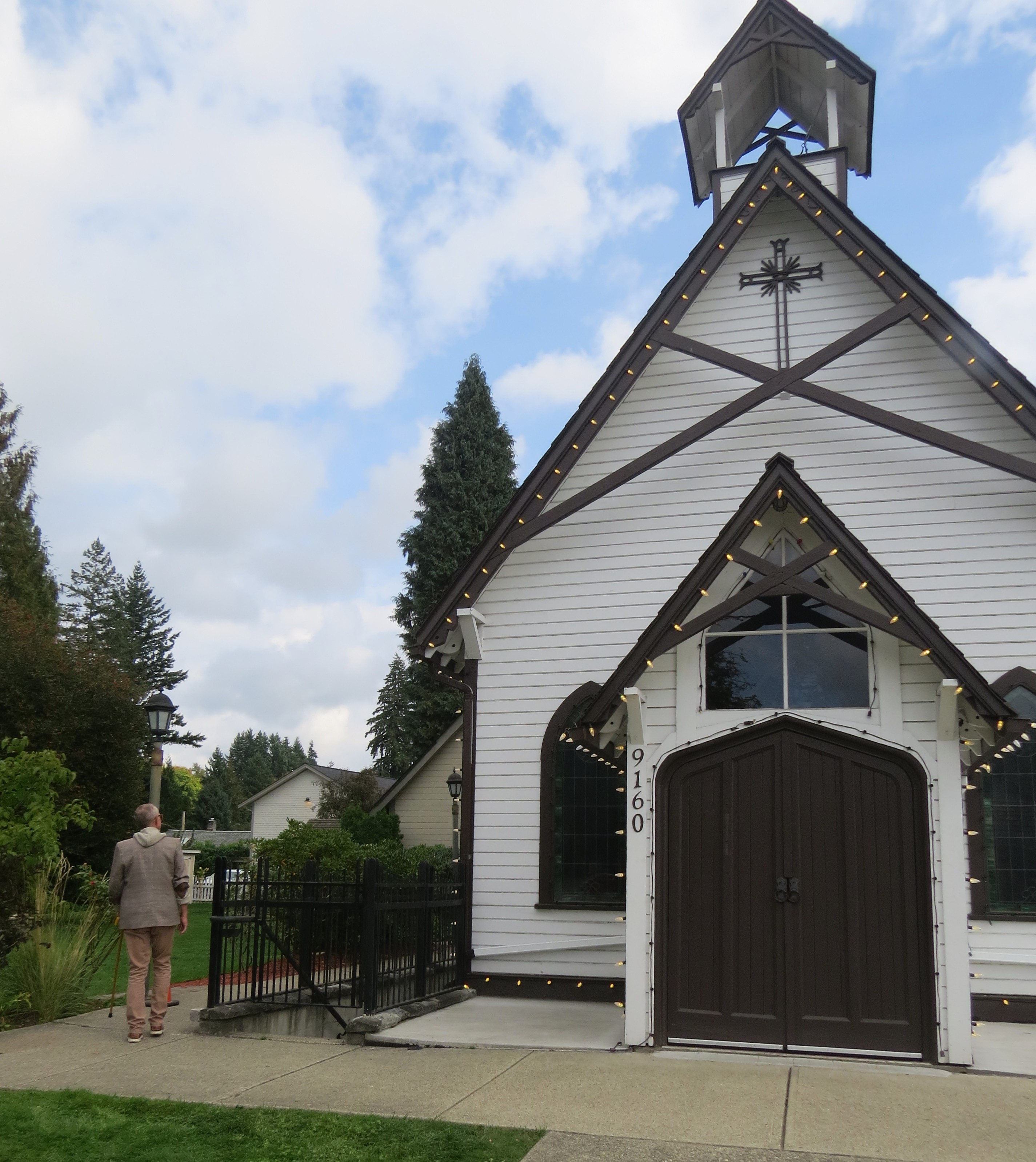
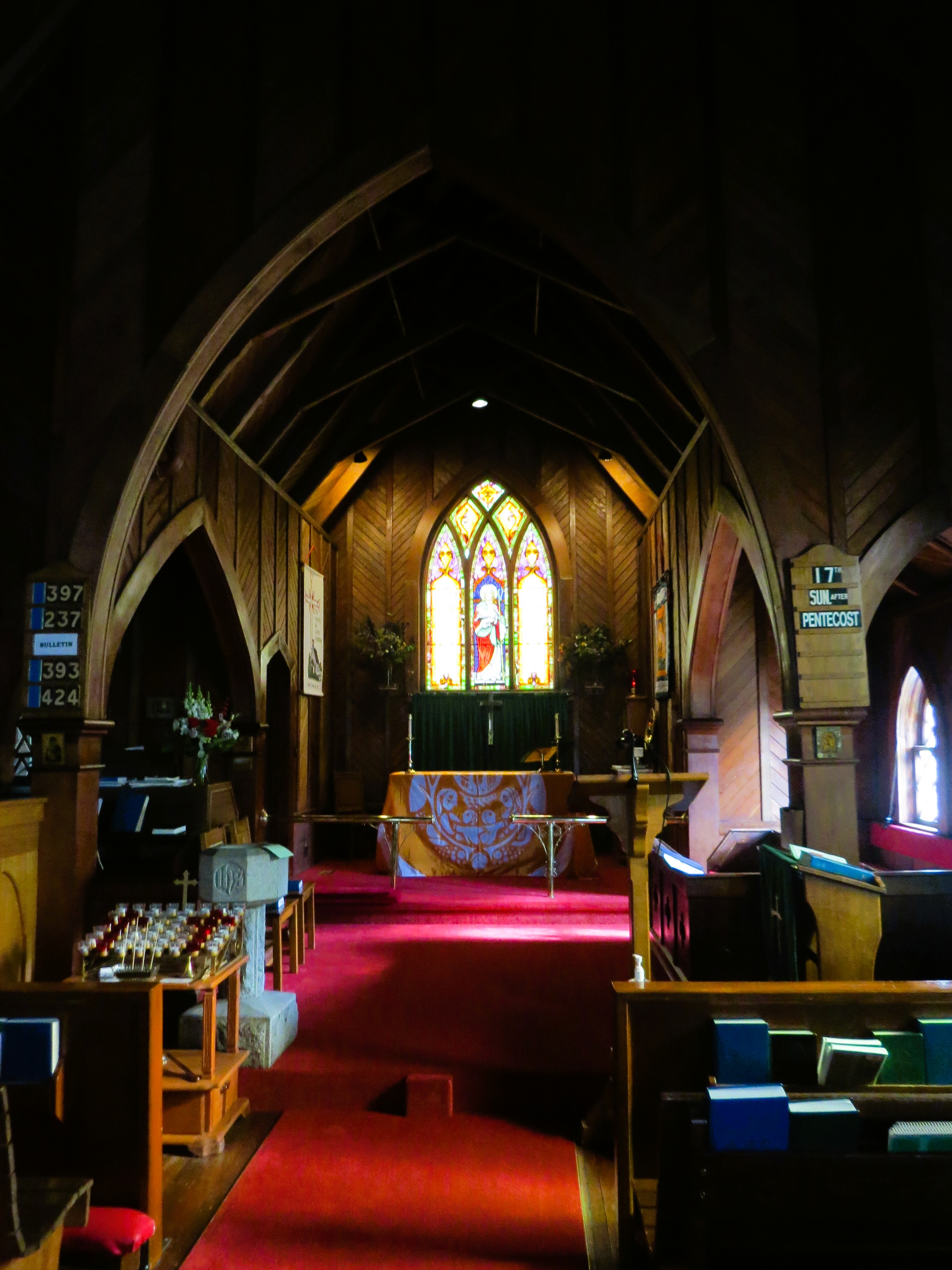
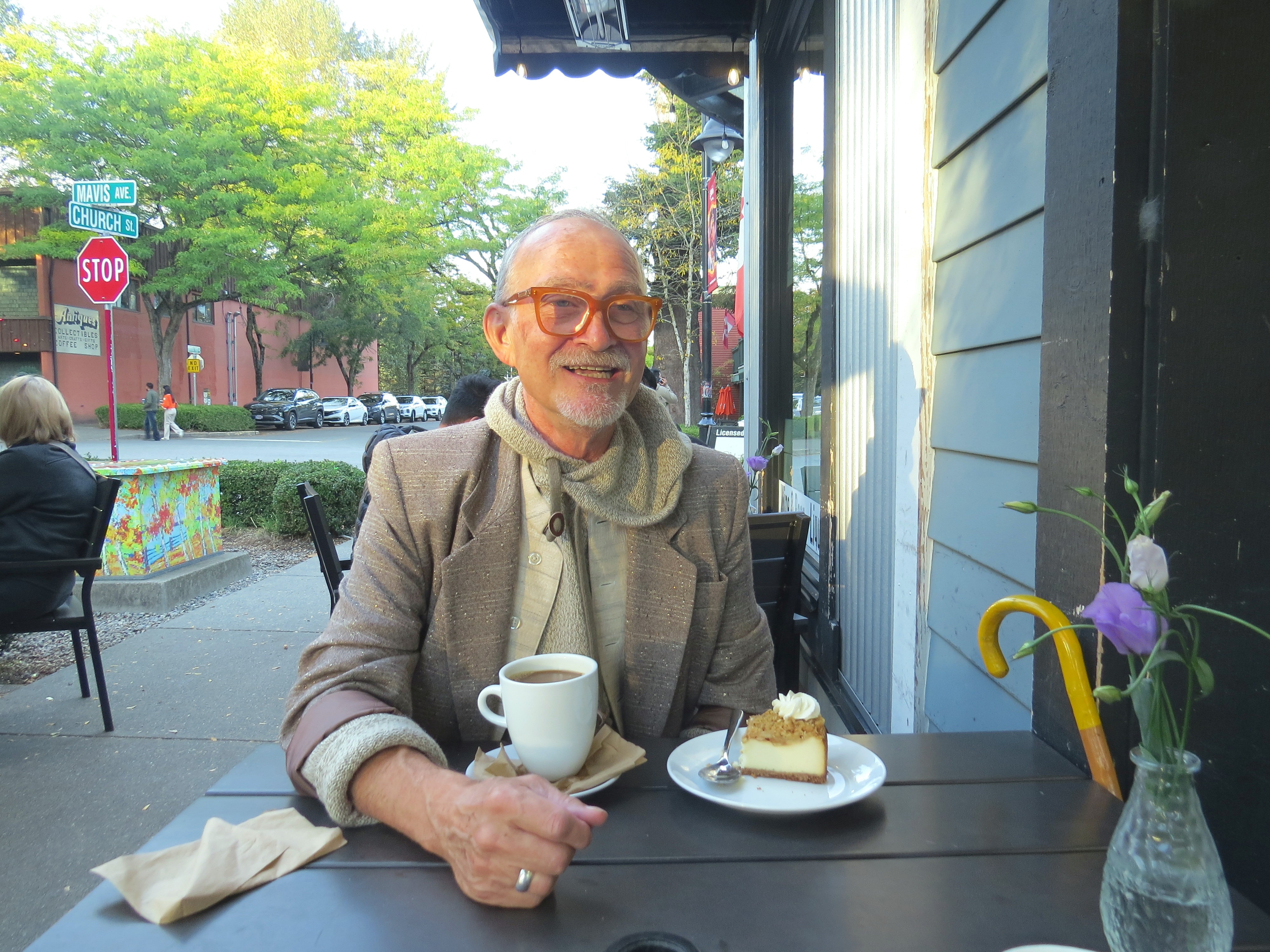
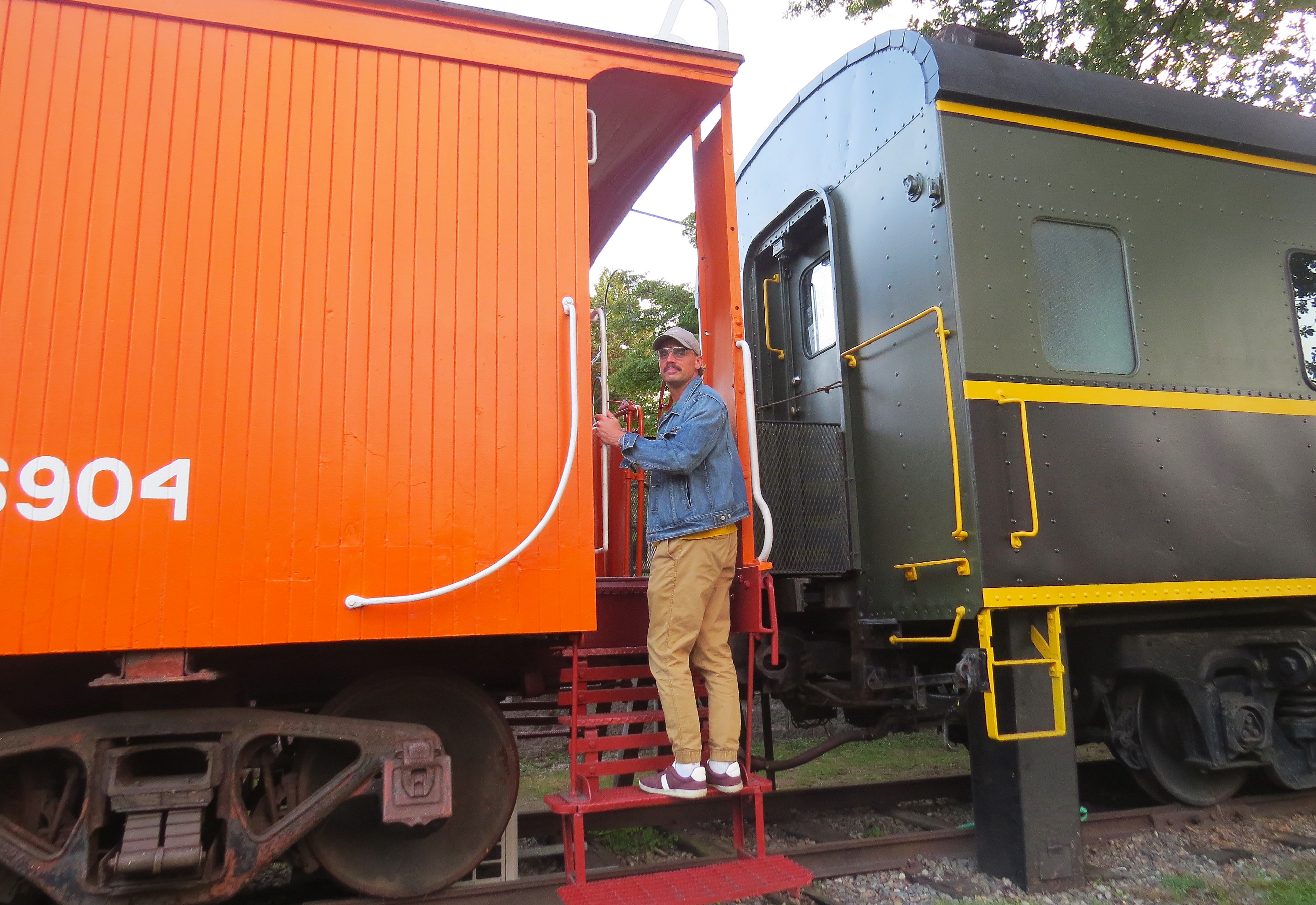
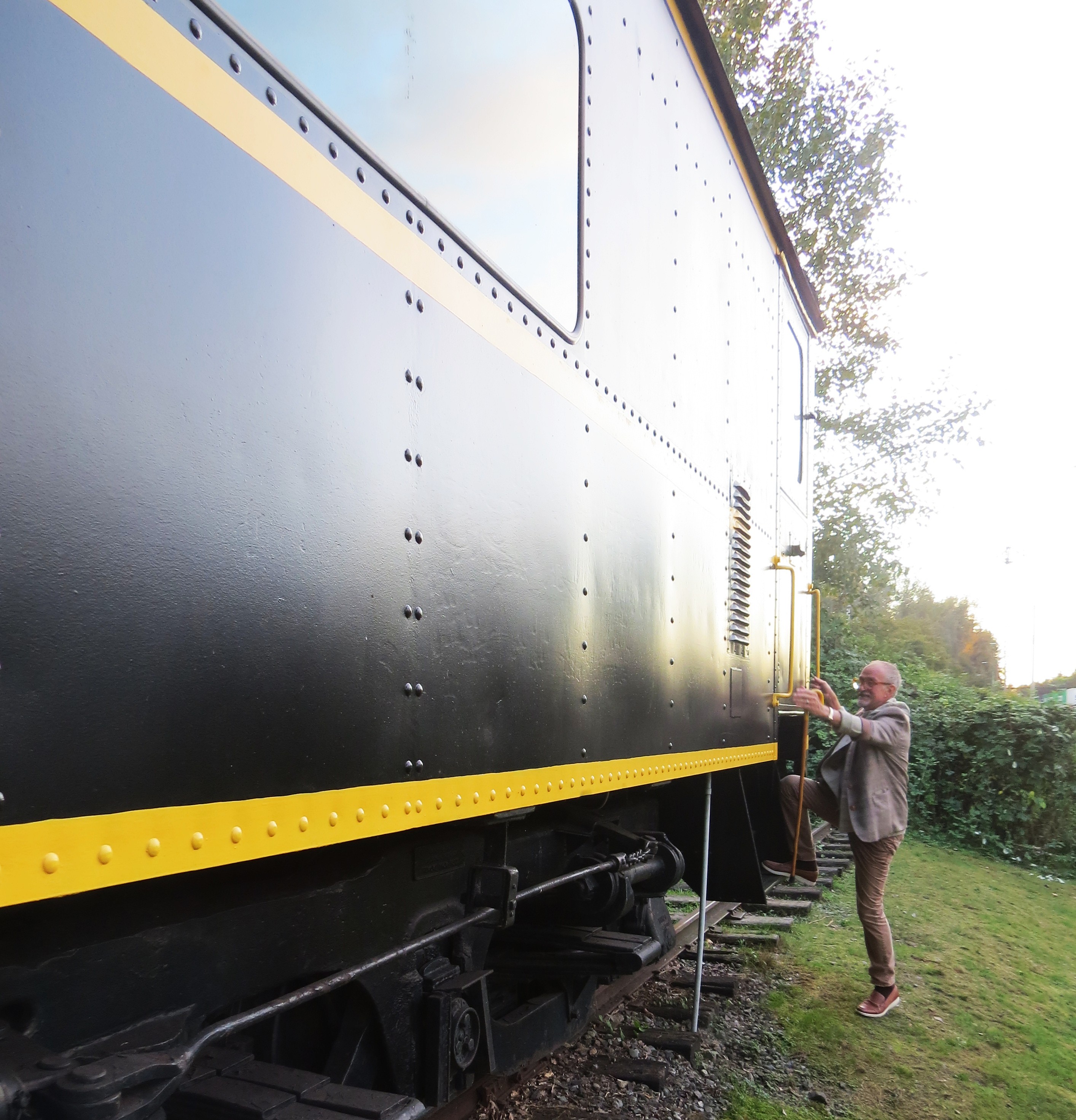
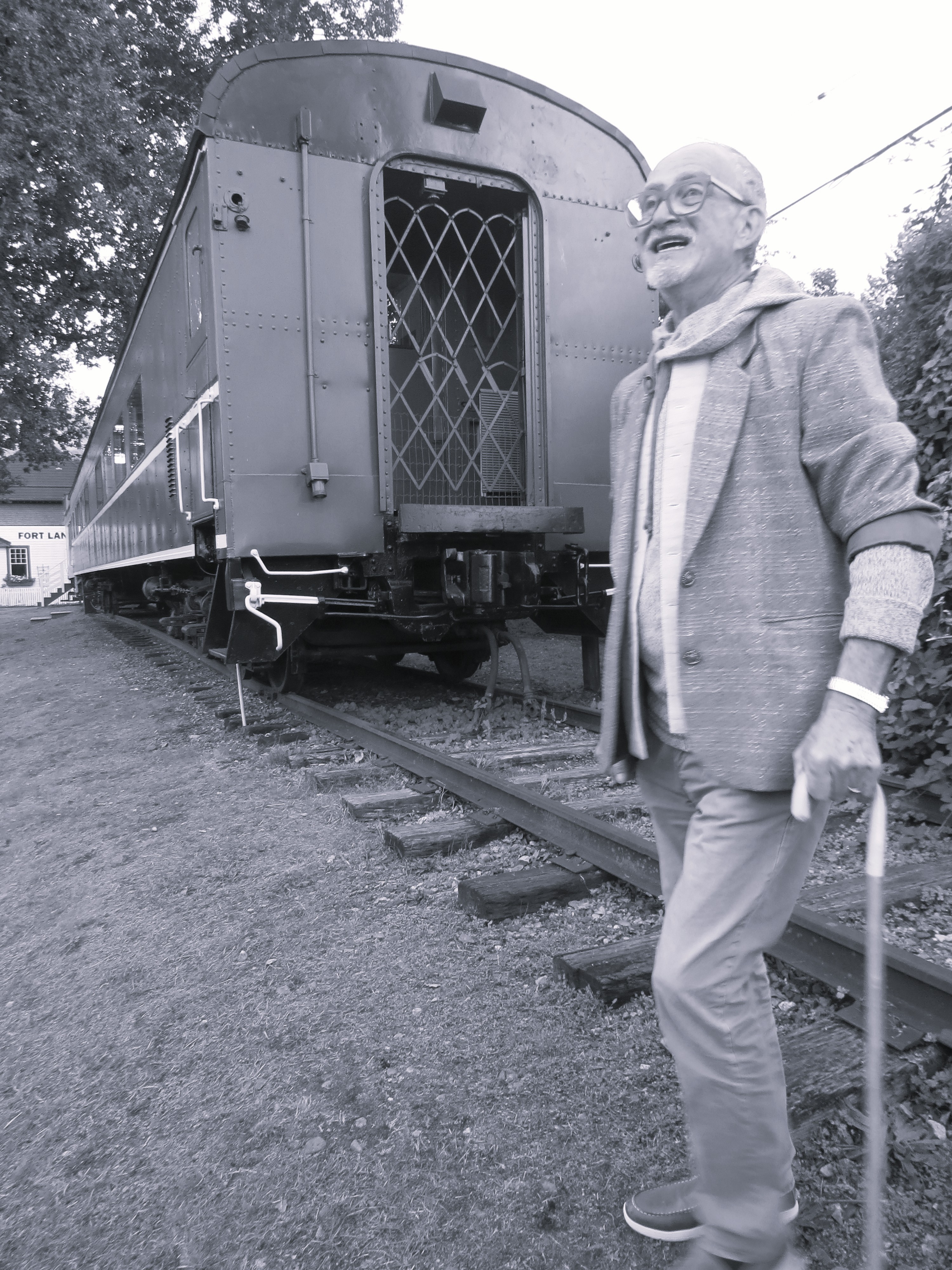
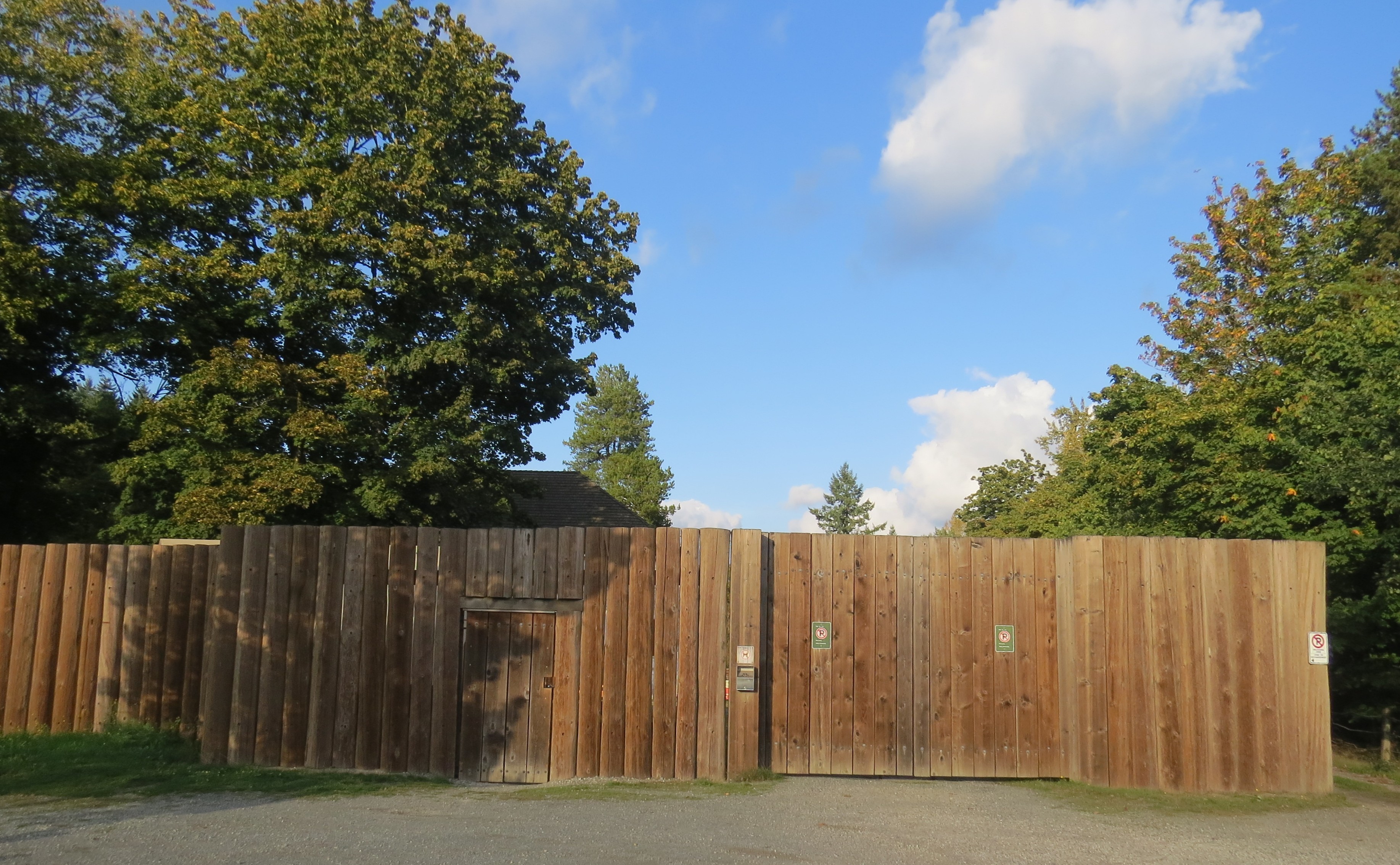
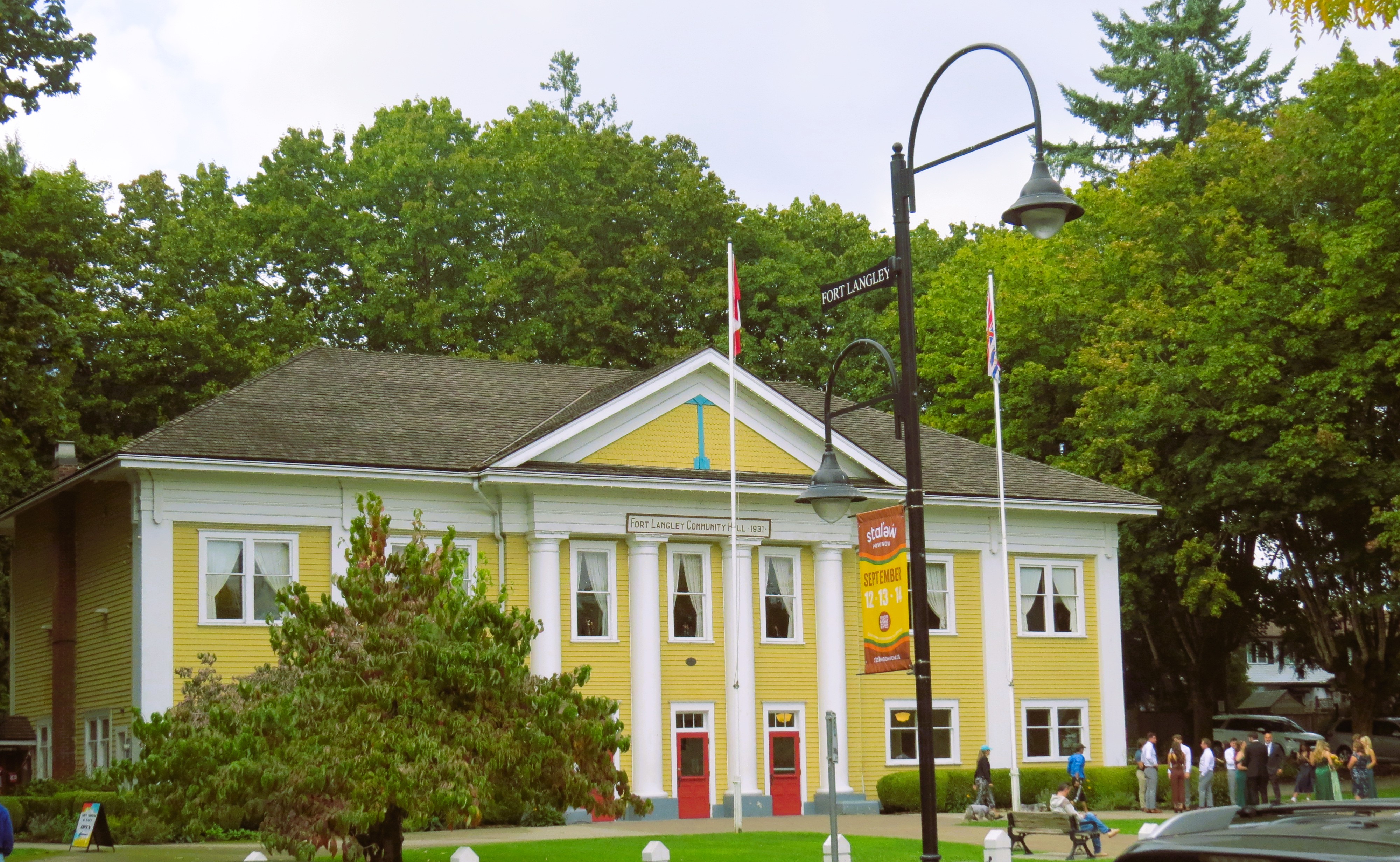
With a friend in his blue carriage – as mine lived out his days after crossing the entire continent twice, mountain ranges, lakes, wild forests, huge cities and small towns – we went to another sentimental journey in time. The time of the beginning of this province, the first wooden Fort surrounded by tall palisade. And tiny, wonderful Anglican Church, were many years ago I had a lovely chat with Bishop Michael Ingham from New West Diocese.

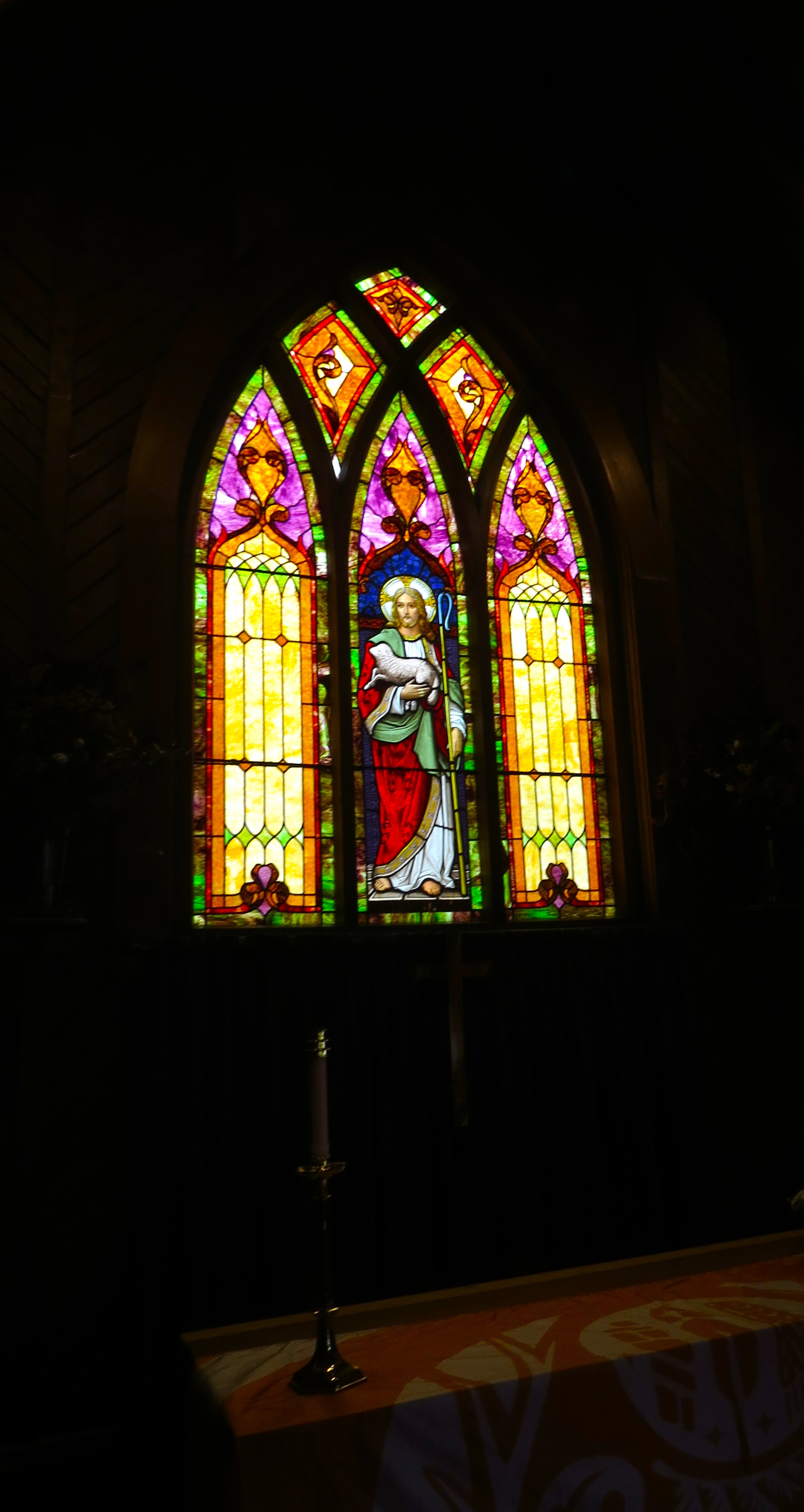
To my great sadness that tiny church was closed. Wawa, my friend was ready to give up. But what a problem could it be for me? Just a lock on the door. For sure it could be opened! And it was – just for us, for two strange travelers. Two lovely church ladies opened the door wide for us with a smile and lots of stories. We had wonderful time with them. They pointed to the one new stain glass window with an obvious distaste: a stain glass of St. Peter, and I understood and shared their disapproval of that new window: it was a very different and foreign to all the older windows scenes and character. Did not belonged in the old company. They used the old wooden Pastoral bishop’s cane to point to other interesting and perhaps new details in the tiny one nave. I loved their agitation and somehow respectful disrespect to sacral items, LOL. They obviously loved their church very much.

Lata temu uwielbiałem tam jeździć na krótkie wycieczki z Mamą, byliśmy tam też razem z Damiankiem. Teraz z przyjacielem. Pogoda nagle zrobiła się, jak na zamówienie: a niech tam wam będzie słonecznie i raźnie, aniołki z góry śpiewały. Tośmy też wycieczkę od kościółka cudownego, maleńkiego zaczęli. Niby był na cztery spusty zamknięty, ale co tam dla chcącego! Urocze dwie starsze (no, powiedzmy w okolicach mojego wieku, LOL) panie kościelne wrota nam otworzyły i dzieliły się chętnie szczegółami, zwłaszcza nowymi, mi nieznanymi od czasów ostatniej wizyty jakieś 10-13 lat temu. A miałem tu kiedyś przemiłą i ważną rozmowę z ówczesnym biskupem diecezji anglikańskiej na New Westminster, Michałem Inghamem. Opowiadały z niesmakiem o jedynym nowym witrażu przedstawiającym św. Piotra, który pasował tak do starych, znanych mi witraży, jak pięść do oka. Kompletnie ich uczucia podzielałem. Uwielbiałem z Wawą, jak panie bezceremonialnie, ale z uczuciem, używały prostego drewnianego pastorału biskupiego do wskazywania różnych mało widocznych a ważnych detali, LOL. Dodano też jeden więcej rząd siedzeń, bo mieli wielki problem niedzielami jak pomieścić wiernych. Nie zmieniło to jednak uroczego charakteru tego pięknego kościółka.

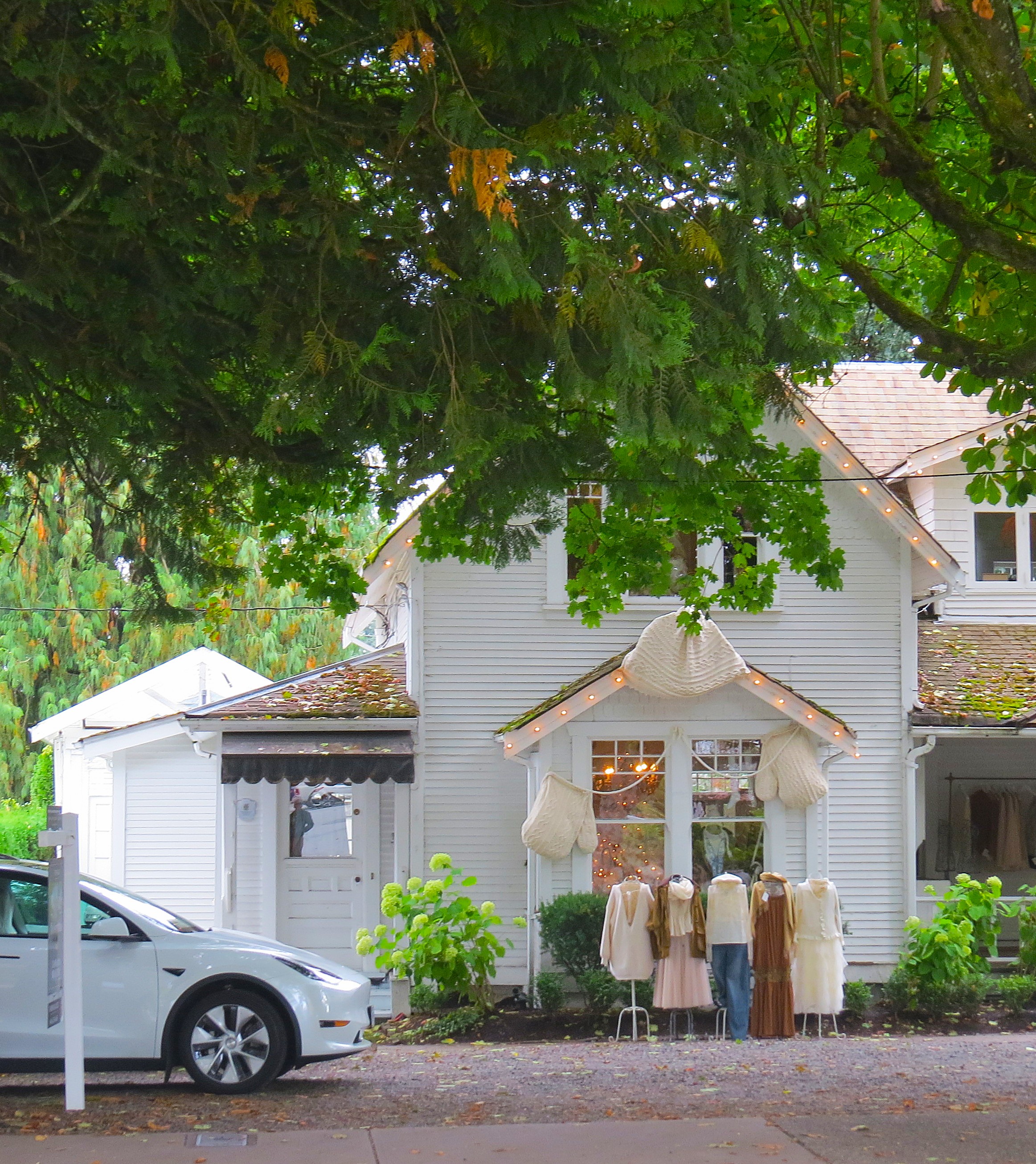
A potem, potem naturalnie w uliczki urocze prowadzące przez sklepiki pamiątkarskie, galeryjki, kafejki i targ farmerski pod drugim kościołem – aż do torów ze stacyjką i mostu prowadzącego na wyspę na Fraser River.

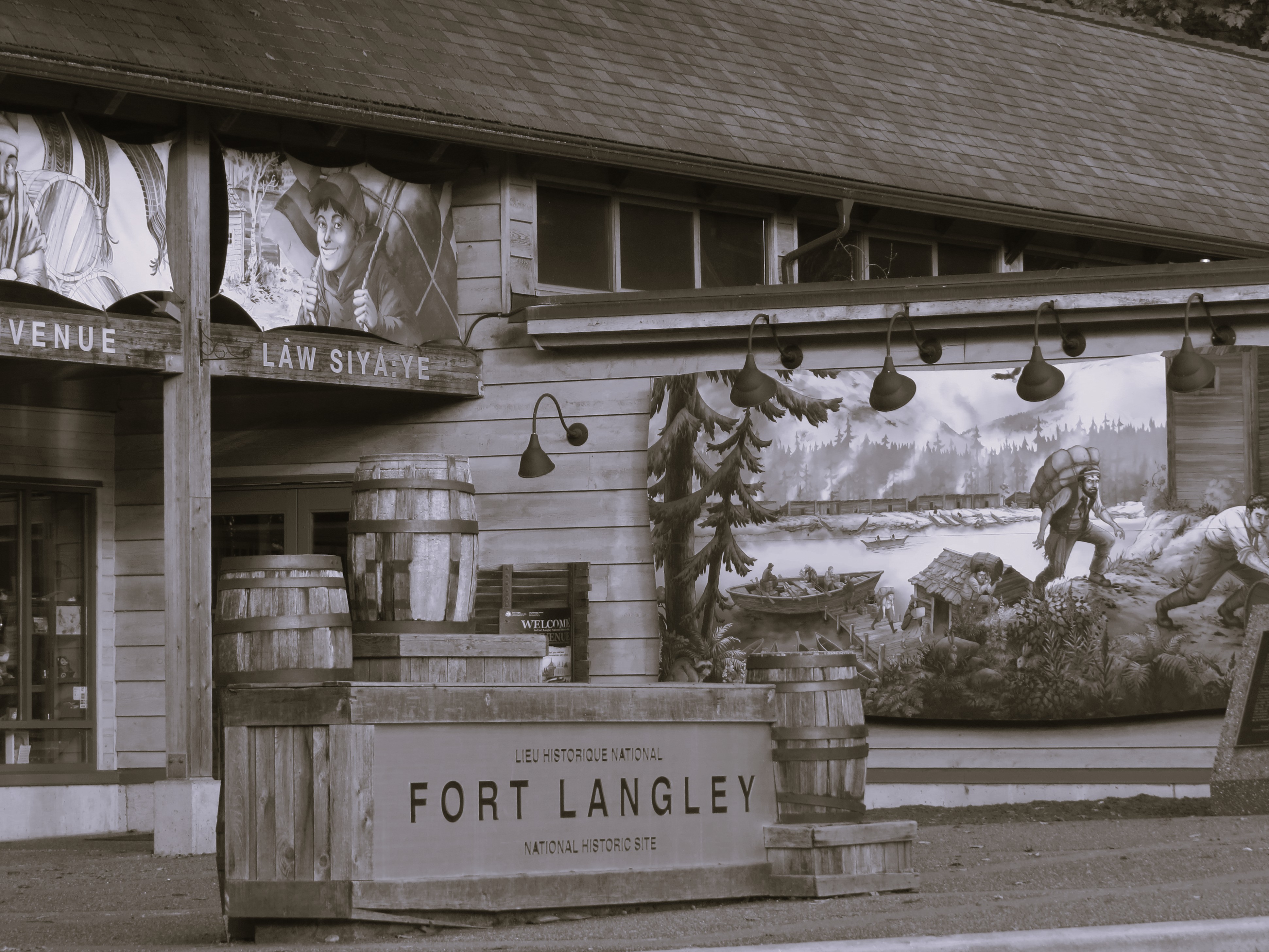
Fort Langley był faktycznie pierwszą osadą brytyjską na dobre parę lat przed powstaniem prowincji Kolumbii Brytyjskiej i pierwszym portem rzecznym Hudson Bay Company po tej stronie Gór Skalistych. Jeszcze przed Vancouverem i przed New Westminster, Założono go w 1827, początkowo ok. trzy kilometry powyżej obecnej lokalizacji. Pierwszą osadą brytyjską na zachodnim brzegu kontynentu. Sama prowincja i jej pierwsza stolica (New Westminster) zostały proklamowane i powstały w latach 1846-68, czyli dwadzieścia lat później.
Całe okolice Fort Langley, drogi doń prowadzące z Vancouveru, są też przeurocze i bardzo malownicze, zwłaszcza o tej porze roku i w dzień słoneczny. Rozległe łąki, laski, pastwiska i pola uprawne wyglądają, jak urocza, bukoliczna akwarelka gdzieś z Prowansji.

A nasze wspólne zamiłowania do podróżowania łodzią, statkami, samolotami – i zdecydowanie najbardziej ludzką i najprzyjemniejszą podróżą – pociagami dało nam upust do chłopięcej zabawy w konduktora i maszynisty na lokalnej (nieczynnej już też, niestety – lokalnej stacyjce kolejowej.

Bardzo polecam na kilkugodzinną wycieczkę z dala od hałasu i zapełnionych ulic metropolii vankuverskiej.

Odnaleziony wiersz

Odnaleziony wiersz

Wczorajszego dnia zgubiłem wiersz. W samym centrum starego Vancouveru, na Westendzie. Siedziałem z przyjacielem przy otwartym oknie swojej ulubionej kawiarni na ulicy Davie i przyszedł do mnie sam. Na papierowej serwetce zaczął się zapisywać.  Ktoś jednak do nas podszedł, zaczął rozmowę. Znajomy sprzed kilku miesięcy. Właśnie wybiera się w podróż do Europy i zaczyna ją od Polski.  Widać, że nie jest obieżyświatem, jak ja, boi się tej podróży, tego jak tam się znajdzie, czy podoła, czy porozumie się po angielsku.

Nudzi mnie ta rozmowa, bom ją już z nim właśnie w tej kawiarni przed paroma miesiącami miałem. Przyjaciel jest dużo bardziej rozmowny, zadowolony wręcz i udziela szerokich wyjaśnień na wątpliwości i lęki stroskanego podróżnika.  Nie brał udziału w naszym pierwszym przypadkowym spotkaniu i nie nuży go to. Ja nie lubię przeżuwać, niczym krowa, dwukrotnie tej samej trawy.  No i ten wiersz zaczęty, który w ogóle na naszą rozmowę nie zwraca uwagi. Znudzony tymi tłumaczeniami wyskoczył zwyczajnie przez okno na ulice i tyle go widziałem! Za nic miał gadanie baedekerowskie, przewodnikiem nie mógłby być.

Żal mi trochę tego wiersza-nicponia było i szepnąłem dwa słowa żalu na fejsbuku o tym i lęku czy gdzieś nie sczezł w śmietniku lub nie zdziczał na gałęziach starych świerków w pobliskim Stanley Parku. Znajoma odpisała, że była tam też, że widziała jeden wiersz zaczepiony o gałązkę, dmuchnęła z nadzieją, że przyleci na mój balkon w mieszkaniu. Rano sprawdziłem – nie przyleciał ladaco, zresztą to spory kawałek i pewnie by nie dał rady.

Jadę więc dziś tam ponownie. Może siedzi tam gdzie nie bądź, czeka i jest mu trochę głupio, że jak szczeniak wyskoczył na ulicę.

Zachciało ci się przygody, ladaco! Jakby ta, którą ja ci oferowałem dając ci życie nie była wystarczająco ciekawa. Może i nie była. Ale wiersz młody, nieznający ni świata ni ludzi małolat, cóż może o tym świecie ogromnym wiedzieć? Pewnie nawet jednej choćby książki nie przeczytał, nie spotkał jeszcze choćby jednego innego wiersza! Ach, młodość jest tak nierozważna …

Więc wrócić chciałem, znaleźć go, bo com zaczął, skończyć muszę.

Wiersz, jak cała ulica i jej mieszkańcy, po polsku nie mówi, tylko po angielsku. Więc tak go też i zapisałem, bo sam nie byłby w stanie inaczej siebie odczytać. A nie przystoi, by wiersz sam siebie nie rozumiał.

Melriches on Davie Street

Red is a very bold colour.

Independence is a very sweet feeling.

Davie in West End

has a human air to breath.

     *

Grocery store in the middle:

a place of business, of exchange

money for food. Our daily bread.

Bold ref sign starring at me

sitting by the window in Melriches Café.

That sign announces at Urbi:

“Davie Street Independent”.

     **

It is a busy street, few steps

from the beaches of the ocean.

People move by on the sidewalks.

Some hurry to somewhere,

others saunter about without aim.

They offer a smile, they talk

to each other, greet you with a nod.

Men dress like a woman nonchalantly;

women avoid covering themselves

with expensive jewellery gimmicks.

   ***

Their roles are interchangeable –

some men fancy macho style.

They scream with wardrobes:

I am butch and strong,

your dream fruit hanging from

low tree branches, ready to be picked.

But they scream like that

not to passing women,

but to the passing men.

And women understand their language

without a hint of animosity or jealousy.

    ****

A black crow hurriedly looks

around the cafè’s tables placed

on the side of pavement in search

of tasty morsels that fell to the ground.

They do not leave any tips for the waitress.

         *****

On a bench next to my café

a girl kisses a boy,

just when another glamorous boy

walks for his date with another boy,

and an elderly couple slowly strolls

holding trembling from age hands.

She is grey and her hips are not swaying,

he uses a cane to overcome the typical

aged hips constrictions – the price of experience.

     ******

The street is Home

to all that live here:

the young mother pushing

carriage wit her baby,

older man dressed casually,

with a big ring dangling

from his earlobe made from

stainless steel – it boldly

denotes that he is a macho man,

not a sissy adorned with shiny

jewellery from false gold and silver.

    ******

It is my home, too.

Yet, I have never lived on it.

Had addresses in many cities;

some were truly my homes for a while.

But none of them had a street

I had call: My Home.

I had always returned

here to her – to my street.

Close to my Mole Hill,

to my park I loved so,

the street of my soul,

where you can lose your poem

and find it the next day

waiting for you in an old

café on Davie Street.

(B. Pacak-Gamalski; Vancouver, 2025)

Stars, planets and moons

Stars, planets and moons

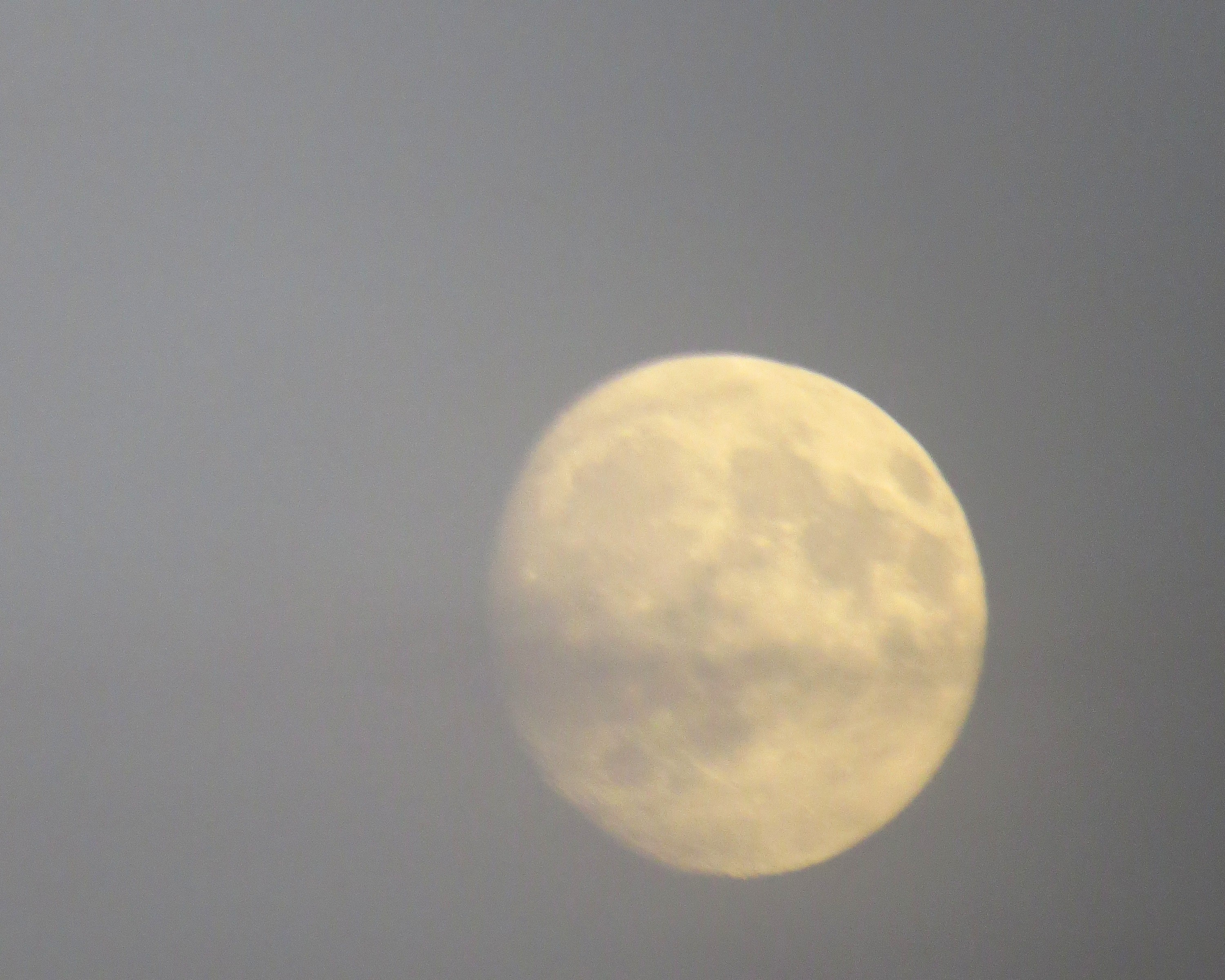
I love taking picture of the skyline. Small disclaimer, though: I am not an astronomer and do not use any complicated telescopes or other instruments to scan the vastness of space. Rather more like the Ancient Ones – I admire and I am at awe looking at the splendor of night or very early skies. No wonder so many of them over the millenia constructed wonderful stories, religions, songs and poems. How can you not?

Of course I do have a slight advantage over them – unlike Homer and others I do actually have an instrument that does a pretty good pictures (with all it’s limitations) of bright giants hanging above our heads.

September 19 was a rare moment to see Venus very clearly and close to the Moon, which was just a sliver of itself, and therefore not blinding the view of Her Majesty Venus. But that is not all my children – from far, far away in a constellation of Leo (let’s call it a stellar town) came a star called Regulus. Mind you – it is a giant much bigger than Earth and Moon combined but the humongous distance makes it look like a speck. On one or two of my pictures I could capture it on my film. I have marked it with writing so you don’t mistake it for a speck of dust on your screen, LOL.

O! Venus grandiose and splendid

in your graces, full of caprices,

allow yourself to be painted

in all your jewelry pieces!