Biblioteki – sapere aude

Immanuel Kant w swoim uczonym eseju o wiedzy, jako motto użył słów Horacego: sapere aude[i]. I jakże słusznie. Chciałby się krzyczeć na całe gardło: nie lękaj się wiedzy, bo ona cię wyzwoli!

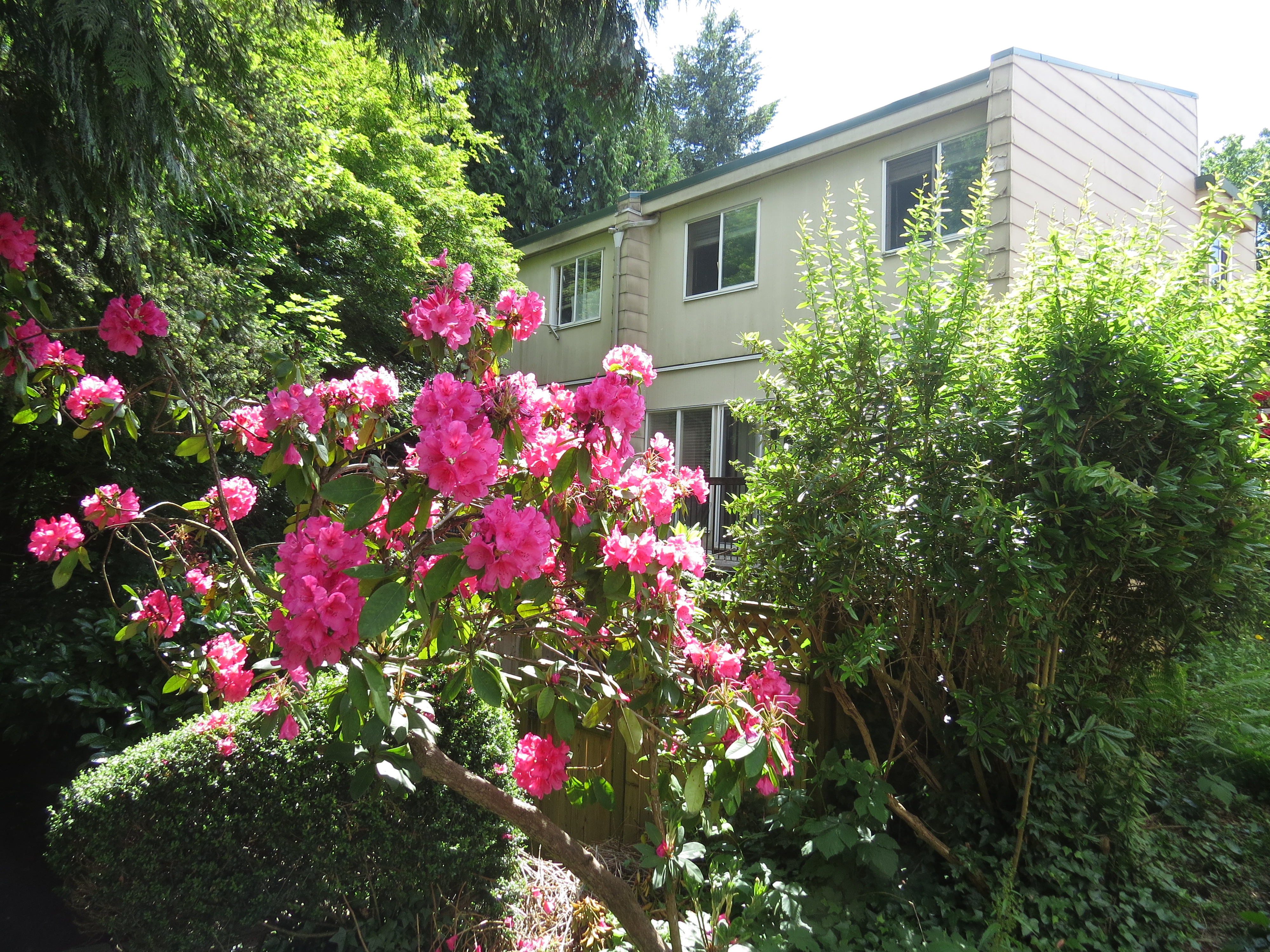
Te zadanie i cel nauczyciela z Królewca, zadanie sposobu myślenia i poznawania świata, krzyczały i w mojej głowie, gdym wędrował po piętrach monumentalnej i pięknej Biblioteki Publicznej w Vancouverze[ii].

Biblioteki całego świata to najprawdziwsze kościoły, bazyliki, katedry ludzkości. Jedyne głoszące prawdziwe ‘słowo boże’ – wiedzę o nas i o świecie zbieraną i kolekcjonowaną od tysięcy lat.  Czy jesteś osobą wierzącą, ateistą lub gnostykiem (mój ‘krzyż’, który dźwigam) – idź do nich, do tych świątyń wiedzy, a zgłębisz w tej wierze swoje przekonanie, rozumienie tej wiary. Poznasz też, przynajmniej pobieżnie, podstawy tych, którzy wątpia lub wręcz przeczą twojej dogmie. Poznasz, choćby pobieżnie znowu, innych bogów lub demiurgów, w których miliony lub setki tysięcy wierzą. A przede wszystkim poznasz lepiej siebie, nauczysz się myślenia krytycznego (czyli argumentacji pro i contra niezbędnej dla każdego swobodnego myślenia) a nie ‘myślenia chcianego’[iii]. I nagle twój krąg domniemanych wrogów i przeciwników ulegnie skurczeniu do minimum nieistotnego, bo pojmiesz, że inny punkt widzenia nie jest ‘grzechem pierworodnym’ i nie jest zaprzeczeniem totalnym twojego własnego.

Ostateczne tak naprawdę jest tylko to, że któregoś dnia się rodzimy i któregoś umieramy. Reszta jest po prostu dopuszczalna i możliwa, ale nie jest gwarantowana lub przypisana ‘odgórnie’.  I wiedza jest przekazywana następnym generacjom, czyli jest kumulująca się. Aby ten proces nie był przerwany, byś mógł korzystać z tego testamentu mądrości niezbędny jest zapis tej wiedzy. Inaczej w każdym pokoleniu musielibyśmy czekać, na jakiegoś Archimedesa, który zechce się kąpać w wannie i obserwować różnice poziomu wody przed i po wejściu do tej wanny.

Literatura jest poniekąd pierwszym nauczycielem, pierwszym zbiorem tej elementarnej wiedzy o nas i o otaczającym nas świecie. Niczym więcej. To skarbnica wiedzy elementarnej, intuicyjno-emocjonalnej. Od Gilgamesza poczynając, przez historię Beatrycze, Romea i Julii i innych prototypów pragnień (lub lęków) emocjonalno-romantycznych. Nawet ta fantastyczna. Bo wyobraźnia i marzenia nie są ograniczone namacalną rzeczywistością. Są w pewnym sensie rzeczywistością augmentowaną.

Więc błagam chodźcie do bibliotek, korzystajcie z nich (OK, niech to będą nawet audiobuki – ostatecznie teatr, będący dzieckiem literatury – to wszak taki audiobuk rozpisany na wiele głosów). Ze staroświeckim upiorem podszepnę tylko: nic czytania w ciszy materialnej książki w ręku nie zastąpi, a już po pierwszym rozdziale bohaterowie opowieści mówią do ciebie swoimi własnymi głosami i niekoniecznie (?) są to przykłady choroby psychiatrycznej, LOL .

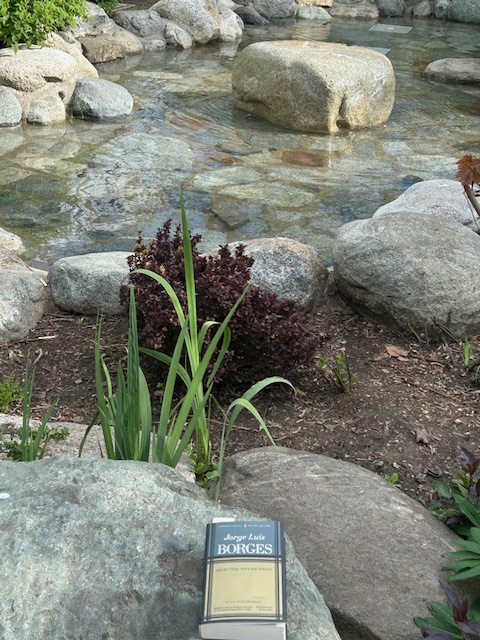
Mnie zachciało się przypomnieć cudną opowiastkę Tomasza Manna „Śmierć w Wenecji”. Te wakacje z młodym Tadziem, gdzieś na południu Europy. Miłość platoniczna, czysta jak anielsko zarysowany polski chłopczyk. Kiedyś (nie pamiętam gdzie publikowałem ni roku) napisałem esej o Tomaszu Mannie, o tym opowiadaniu’ i o jego synie, bardzo zdolnym i znanym też pisarzu Klausie Mannie. Jako, że nie mogłem znaleźć (w Polsce została?, którejś z przeprowadzek nie przeżyła?) pod ręką tego zbioru Manna-ojca – wybrałem się do tej wspaniałej, monumentalnej Biblioteki w Vancouverze. Książki jego syna, Tomasza, były a jakże, na parterze sumiennie miedzy literkami K i M. Ale dorobek Tomasza aż na szóstym piętrze! A tego dnia noga mi dość złośliwie dokuczała i w bibliotekach nie lubię używać wind. Wolę schody, bo wtedy mijając kolejne piętra, zaglądam z radością na półki ustawione tam z szeregami tysięcy książek. I się uspakajam – tak, ta mądrość pokoleń nie uległa zniszczeniu, znalazły dom dla siebie, schronienie. Więc cóż tam noga obalała! Są sprawy ważniejsze – książnice.

I dlatego cieszę się, że biblioteki są na ogół w gmachach solidnych, statecznych, imponujących. Tam wszak mieści się największe bogactwo całego społeczeństwa – książki.

A następnego dnia pojechałem mimo deszczu na spacer po mojej też bardzo lubianej Bibliotece w Surrey Central. Trochę, jak wielki statek, z łagodnymi falującymi poręczami, schodami. Statek, skojarzenie dziwne? Nie! To nasza Arka Noego – gdy inne, materialne bardziej wartości ulegną zniszczeniu, niech ta Arka z potopu uratuje naszą globalną mądrość i wiedzę: książki. Sapere aude.

I tyle ich noszę w serdecznej pamięci, małych i wielkich, a znaczących kiedyś w mym szukaniu prawdy o człowieku i świecie: ta warszawska na Koszykowej 26[iv], stara Biblioteka Polska w Paryżu[v], Biblioteka w POSKu londyńskim[vi], urocza mała Książnica w Pruszkowie z zakochanym w niej i w literaturze dyrektorem z fajką Grzegorzem Zegadło[vii].  


[i] lit. zaufaj wiedzy; odważ się wiedzieć

[ii] Central Library | Vancouver Public Library

[iii] ów strasznie irytujący argument głupców: ‘a ja sobie tak myślę i koniec, kto mi zabroni? Mam prawo!’

[iv] Aktualności – Biblioteka Publiczna m.st. Warszawy – Biblioteka Główna Woj. Mazowieckiego

[v] Instytut Biblioteka Polska w Paryżu

[vi] Biblioteka Polska POSK – Polski Ośrodek Społeczno-Kulturalny

[vii] Portal informacyjny Książnica Pruszkowska – Książnica Pruszkowska

Fog in the Old City of the New World – Mgła w Starym Mieście Nowego Świata

Fog in the Old City of the New World – Mgła w Starym Mieście Nowego Świata

Continuation of my walks about with a camera in hand. Picture hunting, if you will. Of course, the term ‘Old City’ is heavy with irony, but the addition of ‘New World’ adds to it some justification. I do understand that in the Old World a hundred sixty odd years is an age of a baby, young teenager at best.

In New Westminster, December brings a lot with very foggy days and some time it combines the fog coming down from the slopes of mountains with the heavy fog flowing with the Fraser River from the valley.

An evening stroll through the main street , with the X-massy decorations combined with the New Year could be very charming. Romantic or magical. That’s how I was saying goodbye to the old year.

Powyżej zdjęcia z ostatniego w Starym Roku spaceru po starym mieście, otulonym opończą mgły i świątecznych neonów. Naturalnie, w Europie ta nazwa ‘stare miasto’ by była kompletnie niestosowna, LOL. Ale w Nowym Świecie sto sześćdziesiąt lat z okładem, to rawie antyk, LOL.

Poniżej zaś już przywitanie Nowego Roku w młodszym mieście – w Vancouverze.

The next day a stroll welcoming 2026 in younger city – Vancouver. And it does look splendidly at night time with all the lights and noise of modern metropolis.

Of Love mortal and immortal. O miłości wiecznej i odchodzącej. Year of changes.

Of Love mortal and immortal. O miłości wiecznej i odchodzącej. Year of changes.

Dec. 18.25 Moodswing Cafe

Strangeness of time

I am, I’m what’s left of us.

Me broken, stooped, and slower.

Me lesser of what were us.

Still here, still trying to be.

Submerged in constant little

battles bloodless, but mortar

nonetheless – the floor as any

battlefield strew with small

partial , dismembered corpses

of me: an arm raised here,

eyes lurking impatiently,

heaving chest, dark nipples

                waiting for your lips

                or fingertips

Monday after Friday,

daylight after dusk:

all out of their order,

timeframes, expectations.

Books opened, never read

beyond few pages, with corners

bended at their upper edges.

An old clock showing time gone.

Not winded, as it would somehow

mark the transit of space.

No shadow of you in new

apartment you never lived in.

                But come and kiss my belly,

                or touch it.

***

Rain, wind, coldness.

Christmas is coming

to wet and windy city.

Why is it coming uninvited?

What should I not buy you

as a gift? What will you

not cook for me again?

Bluish cold lights of huge

electric metal irises

stare at me sitting

at Moodswing Café.

A couple sitting behind me

laugh and touch themselves.

I smile and pretend not to be

offended by their tenderness.

But I am, of course! What

right do they have to enjoyment?

I can be not understanding,

to be angry, egoistic, to be void.

After all – it is Christmas time.

The joy, the hope … o, spare me!

Yet … I am void and alone,

empty and hopeless, silenced.

But the couple, their laughter,

their touching and sparkling eyesight

                makes me remember, feel and taste

                your kiss, touch.

****

It is so much more than silence,

emptiness and want unanswered:

the eons of nibbling your earlobes,

tasting the saltiness of your skin,

erupting hunger that was fed and fulfilled.

The Tree of Love is greenish with

it’s leaves even in the deepest

of winter; in the dryness of dessert;

the bareness of Himalayan peaks.

In the Hannukhahs of Judea,

the Euprhates of Babylons,

in the Brahmaputras seeking Induses,

and Blue Niles washing Sphinxes.

It is the tiny Elbow River

at the footsteps of Kananaskis,

where I undressed you

to marble nakedness, and

made symphony in the grass.

Our Judea, our Palestine,

our Vilno and Polesie,

our Manhattan and Piraeus,

and our tiny Bragg Creek, where

I tore your coverings off you.

                Your Frederickton and my Torun;

                Chopin and Patsy Cline.


(Melriches Cafe, Dec. 26.25)

Jesteś ciągle blisko,

choć co raz dalej.

Rozmawiamy codziennie,

ale co raz krócej.

Trudno mówić o światach,

które są obce:

                mój dla ciebie,

                twój dla mnie.

A przeszłość? Przeszłość jest tam:

za tobą i za mną.

I nigdy się nie zmieni.

Nie uleci z niej jeden dzień

i nie przybędzie jej jednej minuty.

Będziesz w niej na zawsze

i ja tamten będę w niej.

Tylko ja dzisiejszy

nigdy tam nie wrócę.

Są drzwi, do których

nie ma klucza,

które nie mają klamek.

Na zawsze zamknięte.

Z tym jest mi najtrudniej

się pogodzić, oswoić, uznać.

****

Zostają słowa biegające

nerwowo, wystraszone

od ściany do ściany,

od dnia do nocy.

Krzyczą, ale nikt

im nie odpowiada.

W ciszy toną we łzie

przemienionej w ocean.

Zimny, głęboki, bezbrzeżny.

Jak tamten, tam właśnie,

gdzie zbudowałem nasz

Fort Miłości, w którego

korytarzach i komnatach

nikt nie mieszka.

Może kraby o zmroku

tam spacerują, dyskutują.

Może za dnia przysiadają

mewy zdumione lub znudzone.

                Miłość cicha, smutna

                o zmierzchu i o świcie

                w białej sukni snuje się tam.

Za dnia skrywa się zlękniona

w gęstwie rachitycznego

lasku obok, który zmaga się

z odwiecznym oceanem,

by przetrwać jeszcze jeden rok.

    Żal mi tej miłości, że nie

   nie miała czasu doczekać ciepłej

  starości w fotelu wiklinowym,

z termosem ciepłej kawy obok.

                Prowadzilibyśmy długie

                wieczorne rozmowy, grzane

                tym ciepłem, tym spokojem.

                Może byśmy układali razem

                przednocnego pasjansa?

(by B. Pack-Gamalski, Vancouver, 2025)

Pamiętajcie o beztroskim śmiechu – jest ważniejszy od poważnych twarzy

Pamiętajcie o beztroskim śmiechu – jest ważniejszy od poważnych twarzy

W centrum starego New Westminster jest, od wielu już lat, bardzo modernistyczny i nowoczesny budynek Convention Centre, zwany Anvil[i]. Miejsce spotkań: z lokalną sztuką, lokalnym rękodziełem, lokalnymi aktywistami socjalnymi.  Reasumując – miejsce spotkań sąsiadów, taki a’la ratusz minus cywilna i polityczna siatka biurokracji. Tam (City Hall) spotykają się politycy i biurokraci na niekończących się zebraniach, nasiadówkach i dyskutują, jak wydać nasze pieniądze; tu, w Anvil, spotykamy się my: mieszkańcy i robimy wystawy, potańcówki, prelekcje, przedstawienia teatralne, muzyczne. A jak Święta, to wiadomo – musi być coś wesołego, radosnego w kontraście do tej bieganiny zabójczej za jakimś beznadziejnymi i na ogół mało pożytecznymi prezentami, blichtrem, który nikomu żadnej autentycznej radości nie daje.

Kto, do takiej bezpretensjonalnej, lub może odwrotnie: pretensjonalnie tak nadętej do granic możliwości, że przez ten absurd staje się bezpretensjonalną zabawą, nadaje się najlepiej?

Tak, naturalnie – drag queens! Rzeczywistość jest dla nich absurdem pozbawionym sensu istnienia; normalność, to takie nudy, że na mdłości zbiera. Drag Queen, to de facto wolne ptaki w społeczeństwie, któremu odcięto skrzydła fantazji i wolności.

Więc wczoraj w tymże Anvil Centre Draqq Queens z New Westminster pofruwały nad nami swymi surrealistycznymi skrzydełkami, poskakały, pośpiewały i zagrały nam palcami na nosach-fujarkach.

Widziałem w swym życiu dużo lepsze drag show – ostatecznie to jest forma wysokiej sztuki scenicznej, wymaga talentu i ciężkiej pracy – ale te było, jakby ad hoc zorganizowane, nie po to by olśnić skomplikowaną choreografią i treściami a po to, by wywołać uśmiech na twarzach znużonych świąteczną bieganiną. Trochę beztroski, po prostu, zwyczajnie. Trochę dziecka w nas obudzić.

No i z radością patrzyłem właśnie na twarze stosunkowo licznej grupy dzieci, które też przyszły to widowisko oglądać – te były najszczęśliwsze i oklaski dawały najgorętsze! Być może z całego showu – to właśnie rozbawiło i rozczuliło mnie najbardziej. Ta reakcja radosna tych dzieci.

Christmas, for some, could be difficult. It is now for me. But for most it is also very tiring end of weeks of shopping and running after the best deals for presents and trying to remember about others. Sadly, most of the gifts is not really what our dear ones need. They just need us – not our wallets and boxes of more ‘stuff’. But, be as it is – we are a bit cranky and tire of it all. Time for some simple laughter, joy unpretentious, simple. Child-like perhaps?

That is exactly what the small sow of drag queens in Anvil Centre in New West offered yesterday. Not feeling particularly joyful these days – I listened to suggestion of my friend and almost forced myself to go. What a simple and very modest yet natural drag queen performance it was! Laughter, joy. Screaming to the onlookers and the world – allow yourself for some magic, for being free for few hours. By what you perhaps wanted to but were too timid, be perhaps a child again with abundance of imagination a none of the barriers we erected later as adults.

That’s what they are – the drag queens. A possibility of ‘what if?’ or ‘why not?’. And it is wonderful, liberating emotionally. But the most joy I have received from the show, was not watching the talented performers – it was the laughter and the smiles of the children, who came with their families to watch the show! So seldom they can see their adult families and friends, to be brave enough to become someone else for a moment. To imagine.


[i] Anvil Centre

Granvilles

Granvilles

In Old French ‘granville’ means simply an old village. Were to be more than just one Granville – it must be than – obviously, LOL – ‘granvilles.  Simple. Therefore I walked through and through three of them. Started from the bottom of an old, yet sadly no so much venerable anymore, Granville Street in Downtown Vancouver. It truly used to be a pleasure to walk that street in my younger years. There was everything in there: places to eat, drink, dance, and pick up fellow or girl for an evening of fun, an old opera, and symphony building. It offered entertainment for high prices, and for very moderate pockets alike. It truly was the main thoroughfare of Downtown, for girls and boys, for gay and straight.

It still is interesting, still offers a little bit of everything to everyone. But it lost its grandeur, certain elegance (mind you – not haute couture, but elegance nonetheless). If Davie is paradise for LGBTQ people, Robson for shoppers and Burrard for expensive shopping – Granville was everyone and everyone liked strolling through it. I did.  Still do, but with a bit of sadness and … anger at the City Hall for allowing it to reach such a state. We already lost the section of old Hasting Street with the vicinity of Carnegie Library and Granville is not far behind.

Next ‘granville’ on my walking escapade was the Granville Bridge. Everyone should do it once a year! It is such beautiful old bridge and very well maintained for walkers. The views of Waterfront Vancouver, the skyscrapers off the horizon of Metrotown and Brentwood are truly something to behold, similarly as the vistas of the sister Burrard Bridge, and of the English Bay and Bowen Island.  From that perspective you are reminded that Vancouver is still dear and beautiful city, regardless of all the shortcomings in the last decade.

Warszawa ma Aleje Jerozolimskie biegnące od Centrum ku Wiśłe i na most Poniatowskiego do Ronda Waszyngtona – Vancouver ma Ulicę Granville biegnąca od Centrum Vancouveru (Waterfornt przy fiordzie Burrard) na most Granville, a po drugiej stronie mostu – wysepkę Granville. Czyli są trzy Granville. Każdy ze swoim specyficznym charakterem i kolorytem. Od mostu poczynając otwierają się przepiękne widoki na zatokę Angielską (English Bay), uroczą architekturę Zachodniego Przedmieścia (West End), Stanley Park, a wszystko zamyka dość wysoka wyspa Bowen.

Po drugiej stronie mostu otwiera się widok na mała wysepkę Granville w dole. Dawniej czysto przemysłowy i mało ciekawy teren dla różnych warsztatów i fabryczek – dziś zaczarowany świat sklepików, galerii sztuk, teatrów, strumieni, hoteliku, kafejek, restauracji i świetnego targu, gdzie znajdziesz każdy towar. Cóż dziwnego, że tą właśnie nazwę wybrano – granville, czyli w starofrancuskim: gościniec.  Bo gościniec musi podróżnego kolaską dowieźć i do gospody z noclegiem i pożywieniem, i do straganów przekupek lokalnych. A zawsze gdzieś na targu znajdzie się skrzypek, śpiewak, jaką trupa cyrkowo-teatralna.

Przechodząc koło Front Theater przypomniałem występy tam samej wspaniałej warszawskiej gwiazdy teatru – Magdy Zawadzkiej. Grała tam z naszym, z Vancouveru rodem, amatorskim Teatrem Popularnym. W 2011 występował tu Teatr im. Stefana Żeromskiego w Kielcach z niesamowitą inscenizacją „Samotności pól bawełnianych” Bernarda Coltesa, o czym pisałem na łamach Instytutu Teatralnego im. Raszewskiego[i]. Szerzej o teatrze polskim w Kanadzie pisałem w szkicu historycznym w nr 5 w 2009  Rocznika Twórczości „Strumień”[ii].

A te galeryjki sztuk wizualnych, ach! Co za urocze miejsca i chwile w nich spędzone nie do zapomnienia. Tego dnia spotkałem się tam w Galerii Federacji Artystów Kanadyjskich z Aldoną Dyk, która miała tam jedną ze swoich prac w aktualnej serii wystawienniczej. Długa i świetna rozmowa z nia i jej przyjaciółka, kanadyjska malarką o malarstwie, która szybko popłynęła od warsztatu malarskiego ku teorii sztuki, i dalej na szerokie wody filozoficzno-estetyczne o jej roli w poznawaniu świata i człowieka. Wcześniej nieco wprost fantastyczna wizyta w następnej, bardzo specjalnej, galerii i warsztatach artystycznych „Arts Umbrella”[iii]. Ta galeria i programy, które oferuje, jest całkowicie poświęcona dzieciom i młodzieży artystycznej, zwłaszcza tej, która być może nie miałaby dostępu do tego rodzaju twórczego rozwoju swej osobowości i talentów. Ja byłem zaszokowany dojrzałością, głębią i szalenie silna emocjonalnością oglądanych na ich wystawie prac.


[i] Wstrząsające przeżycie teatralne | e-teatr.pl

[ii] Strumień Rocznik Twórczości Polskiej – Wikipedia, wolna encyklopedia

[iii] Arts Umbrella | Arts Education in Metro Vancouver

A day the life changed

A day the life changed

You did talk to me last night, first time in a while. Yes, it was a strange night, followed by strange day. Or was it the other way around?  When you are alone, without a set schedule or watch, things do get mixed up easily. Dates especially: Mondays become Fridays, Fridays Tuesdays. So what happened to Wednesday, you ask? Who cares what happened to Wedneday, perhaps I left it on a beach, or on a bench in some park? Maybe it is still in the shower when I saw it last time I was taking a shower? What? Do I not take a shower every day? Maybe not, maybe sometime I take a bath, who cares? You really are asking way too many questions and it is my story anyway. Be quite, just listen.

No, not you, Babycake – I’m talking to my alter ego. You wouldn’t ask such stupid, mundane questions.

But the day or the night when I was still in bed, when I was sleeping, I dreamt of you, I talked to you. Have not done it in a while. I thought that you just let it go, these talks of ours across the boundaries of life and death. Thought maybe there is some allotted time that you can do that and maybe you have used it up? I don’t know. Remember? I am the one still left alive, never been consciously to the other side.

None of it is important really, anyway. I have dreamt of you in my sleep. It woke me up and there you were, next to me. No, I couldn’t see you, but you were there talking to me, you were saying something important.  You said that I have to understand that I am alone. That adjective ‘alone’ stood up as a mountain, a wall impregnable, forest too dense to walk out of it. I was getting used to be ‘alone’ in an adverb form.

Since I came back to our home, our former life here, in this city, this province, I have become very busy in many aspects: walks, friends, beaches, concerts, plans. It was just hard to go back to our home, our street. So I did it very seldom, hoping that it will allow me to function as normal as possible. And it did. Had evenings in bars, laughter, maybe a flirt or two. It seemed normal, I was spared any regrets. It was almost as I would finally get across that invisible line of Doctor Time, who heals old wounds; whose grief becomes first bearable, then transforms itself into a memory. Memory that is sad, but also happy that we did have our time, we found each other among the millions of people. As I was told many times, that it will get easier.

You think that was an expectation too easy, perhaps? I am not, after all, just a single guy ready for the picking and ready for harvesting. Is there anything wrong with it, isn’t it logical, practical?

I have reached to my writings of the early days after you were gone, to the first winter after you were gone and my constant visits to the gravesite in Pictou. Yes, that old ancestral town, where we were going to build our home, and spent the rest of our lives in that home.  We did not.

(notes from my writings after John’s passing by the end of November 2022)

Pictou

                One year. It is hard as hell. Came to Pictou to spent time on the cemetery where we put your ashes. It’s windy, very cold. Desolate place. There was no one else there, on the cemetery. I know – it is only a stone with your name on it. Yours, your parents, and your baby brother you never had a chance to know. And now, there is also your oldest brother Fraser, who was laid there just few months ago.

Cleaned around a bit, threw away old winter flowers, and fixed things. Fixed things? How to ‘fix things’? Nothing can be fixed, when everything is broken.

Yes, I know that you are not there, not under the ground. You are with me. Forever. I have engraved on that stone myself that you are forever in my memory. I looked at the letters and smiled. In my memory, really? That’s what it all came to? Our Love, our life: to be remembered? How silly words could be, when they try to describe emotions, feelings. But still hoped that many years from now, when all of us, who knew you and me, would be gone – a stranger would wander to that gravesite and he would think, that the guy who is buried there was indeed ‘non omnis moriar’, that part of him lived in that other guy’s heart. Nice thought.

You and that Love of ours are engraved not on the stone, but in my soul.

Me? I don’t remember who I was before I met you. I was just waiting. Waiting and searching for you – and I have found you.

                Now, now it is almost three years later. I am here, back to our good life on the shores of the other ocean.  Were we had home, a nest, were we had dozens of friends, people we cherished and who cherished us. Some were ours; others were exclusively yours or mine.  The two halves of Us were surprisingly very independent and strong, if only by the constant knowledge that the other half is there to make it whole.

I don’t have that knowledge anymore. The other half is gone, it is just me left. Those many people I have known, and who sought my presence are still here. Not all of them, granted. Some have left either this life (as you), or this city. But some are still here. None seem to really need me. I am not sure I need them. Of course there is some curiosity, some friendly waving of a hand: how nice to see you again, you are looking good … and so on. I thought that I would need to search for them myself, that I would want it very much. But if I’m always finding excuses and ‘important things’ that prevent me from doing it – am I really?

I have one important friend and, strangely enough, one with the shortest amount of time we spent in this city before we left for Nova Scotia.  Less than a year, I think. After my dearest nephew had to go back to Poland, but still this young and very mature nephew was my angel in the first month after John was gone. Then my niece with her husband and son came to stay with me. But he, that younger friend of mine from Vancouver, somehow helped me in the dark months after I was left alone in Halifax. The rest seemed like eternity. Eternity of being in hell, or waiting for the hell’s gates to be opened, to swallow my world. At these dark times that younger friend kept me connected to the world and people by phone. Our long conversations were instrumental of me getting the skeleton of myself back into me.

That is how I did return. To the place of Our home, our happiness. These places somehow were the strongest magnet for me. I submerged myself in going alone, for days on end, on long walks through parks, streets,  squares, building  were we lived, were my mom lived, were I was with my sisters, my nephew and niece. Places that were calling me. Yes, places, much more than people.

I think that we all have these special places, sometime in many countries, on different continents. Special places that act as an anchor on a ship of life. Where we can drop that anchor and stay safely in some magical Bay of Memories.

It is also a time to untie that line across the sides of our two separate boats: mine and the one belonging to my younger dear friend. He has journeys to make across the sea himself, his journey, not ours. That is also a part of me being alone. My boat is rusted a bit, engines are old. It will still make it though, the last long sailing, perhaps passing the Cape of Hope (not the Cape of Horn), back to original shipyard of its maiden voyage. Then I will rest.

After that rest, I will go alone on many walks to many places (some might not exist materially anymore, but will in my world) that will call me. Solitary walks. It will be like existing in two different dimensions.

One day (no, not in my sleep) perhaps suddenly, out of the blue, I will see you taking the same trail or road and walking toward me, and I will stop being alone. I do hope so. Even in a faint split second before the big Nothingness.

It is what it is. Could be silent, but even than it is not nameless.

Yet, we will not call that name today. We know what it is. Sad but proud; weeping but not hysterical. Sad but understanding; resigned but not broken.

Thinking – strangely enough – about two old movies, that made an enormous effect on me as a very young boy. One with Lamberto Maggiorani in “Bicycle Thief” [i] and incomparable Gulietta Masina in “La Strada”[ii]. Dreams and loves. Devotion and standing by your loves no matter what. Beyond the beyond.

Words. Many words.

The soft and the tense.

Words that can pierce,

be sharp but still true.

They are an umbrella

on a rainy day:

it does not bring sunshine,

does not clear the sky,

but it saves you from being wet.

Perhaps there is even a chance

that such an umbrella

will take a flight with you

to the clouds, to the skies.

It is better to be silent

than to use the thread of words

for making a garment

of lies and half-truths.

Walk silently through

the park filled with good words

where leafs whisper

the promise of a kiss and

touch of fingertips and eyelashes.

Words should never be

like grains of sand in a desert

or they will lose their meaning.

It is good to thread them

on strands of necklaces,

make earrings of them –

it makes them easily accessible,

without the need to always

use a coin for new ones.

Words, you see, are like

years and days: they are

 on very limited number.

The story lives

in your heart and soul,

not in thesauruses.

Words are the keys

to books unwritten, yet.  


(Polish vrsion – both were written simultaneously, not a translation)

Słowa. Dużo słów.

Te łagodne i te nastroszone.

Słowa, które mogą kłuć,

być ostre, ale prawdziwe.

Które leczą a nie jątrzą.

Są jak parasol w słotny dzień:

nie przynosi słońca,

nie przepędza chmur,

ale chroni przed zmoknięciem.

Jest nawet szansa, że jak

w starym filmie porwą cię

w podróż w chmury,

na spacer po niebie.

Lepiej milczeć niż szyć

z nici słów opowieść

kłamstw i fałszu.

Milczący – przechadzaj się w ciszy

parku pełnego dobrych słów.

Jak liście pod nogami szeleszczące

obietnicą pocałunku,

dotyku palców i rzęs.

Słowa nie powinny być rozrzutne,

by nie tracić swej wartości.

Warto je nizać na nitkę

naszyjników i zausznic –

masz je wtedy zawsze pod ręką,

nie musisz trwonić monety

czasu na stale inne, nowe.

Bo słów, jak lat i dni

jest ograniczona ilość.

Opowieść mieszka w sercu i duszy –

nie w tezaurusie.

Słowa to klucze do ksiąg,

jeszcze nie napisanych.


[i]Bicycle Thieves (1948) – Film Review. Italian neo-realist classic.

[ii]La Strada (1954) – IMDb

Remembrance Day on November 11th

Remembrance Day on November 11th

The day we wear the red poppies attached to our other clothing. Why? Because on Flanders fields in Europe the red blood form thousands of young Canadian and Commonwealth countries soldiers saturated the fields so much, that a carpet of red poppies covered the dead ones mercifully and gave them peace. The final peace.

Did you know that the last soldier killed in that awful war was a Canadian boy from Saskatchewan? He was shot few seconds before the clock on the town’s square struck the 11 th hour. The armistice was signed already, the big guns were silent. That boy just went from his trenches to that little village/town to look around. Near by, stood a German soldier, a sharpshooter. He saw the allied soldier from far away, check the clock on the town’s tower and seeing that the large needle did not reach ’11’ yet – he aimed, pulled the trigger. The Canadian boy fell down instantly. Nothing was gain by it, not a single inch of land moved hands. By the time he gave his last breath – the war was over. The German soldier stopped being his mortal enemy, he stopped being the enemy of the German soldier.

The impossible stupidity of all wars. I remember I wrote a poem about that Saskatchewan boy many, many years ago. Now, every November 11 I remember some of the names of some of the great commanders of the massive armies, remember some of the huge battlefields on the Maginot Line, the gases used to kill silently hundreds of them, the awful swamps red-brown from the blood of the soldiers, who were ordered to climb over the trenches and mount another useless attack on foot and being instantly cut down by first submachine guns. Being cut like flowers by stroke of scythe. Later, after the guns stopped, the war ended – the fields were red not from blood, but from the poppies.

And I remember that lonely boy from Saskatchewan, who never really knew why they were fighting, probably knew from some small school near his town the name of the British king, the one he was going to die for. But why? He ever saw any big town or city in Canada – until he was on the train and saw the stations of Winnipeg, Toronto, finally Montreal, where he boarded a huge ship with hundreds of other boys and went across the huge and cold ocean. I’m sure he become seasick many times.

A boy from the prairies on a ship in the middle of Atlantic! He would have many stories to tell family and friends for many years to come! But he didn’t. He died, in that strange village. After being told by his officer or sergeant that the war is over. He did not tell stories his parents or grandparents. By now his parents are dead, his grandparents are dead, too. If he had any siblings and his siblings had children – they are dead, too. Many years, more than a hundred have passed.

But I remember him, more than any other king, general or Prime Minister from that time in the Commonwealth and Great Britain. Just by now, I am myself so much older than he is. I suppose by now, I am his grandfather?

These were my thoughts on a sunny, colourful Fall’s day, as I walked to the City Hall and our Cenotaph in New Westminster. Later, a short walk through the park to the Armory, a chat with a Captain, who was in command of the troops, who organized the short parade and laying of wreaths. His father (or was it grandfather?) served in the 2nd world war and took part in landing across the Ardens, near Falaise Pocket. I told the captain that my personal friend, Ted Kaminski was a parachuter in the 1st Polish Airborne Division and was dropped along his many friends to support the advance of a tank divisions of allied forces (among them the Canadian 1st Army of general Harry Crerar and the Polish Tank Division of general Stanislav Maczek). The Polish paratroopers were able to encircle major German forces in a Falaise Pocked, thus definitely eliminating a great many casualties of the marching allied tank formations. And I was able many years after the war to meet personally that Polish general of the Armored Division in that battle. I met him In London, I think must have been in 1982. We had nice chat. Therefore the young captain of the Canadian soldiers, whose father fought during the last world war near Falaise, had an invisible connection with my life and people I knew. Through events eighty years ago. Indeed a strange chance encounter.

But most of all, I thought of you, my young boy from Saskatchewan, who died when the clock in some village in Europe struck the 11th hour. When the guns went silent and when you took your last breath.

post scriptum:

just as a side note: over the last forty odd years I observed Remembrance Day every year. Sometime by just solitary or with my husband, individual visit to many Cenotaphs. Once in Calgary, in the late 1980s very officially: in the company of Mayor of Calgary, Canadian general, Commander of the large garrison in Calgary and the President of Polish Combatants Association in front of the Cenotaph, by the 3rd Street, in front of the old Library.

This year is the very first year that, to my shock I must admit, a majority of passers bye on the street did not wear a poppy. It was so noticeable. It shows a tremendous lack of respect to the memory of the people, who gave their life for us to be free in our country. I actually felt angry that these people showed such a cowardly indifference to my boy from Saskatchewan. No more on that subject, but just so you know what I think of you. And it is not much.

Hollow Day, Zaduszki, Dziady. Wczoraj i dziś.

Hollow Day, Zaduszki, Dziady. Wczoraj i dziś.

W strugach deszczu nadchodzi

co roku dzień pamięci –

chwile uniesień, powodzi,

rzeki pragnień i niechęci.

Szlachetne twarze i gęby

wykrzywione, szczerbate:

szczodre kłosy i otręby,

przyjaciel razem z katem.

Trochę tu i trochę tam.

Śmiejesz się i płaczesz sam.

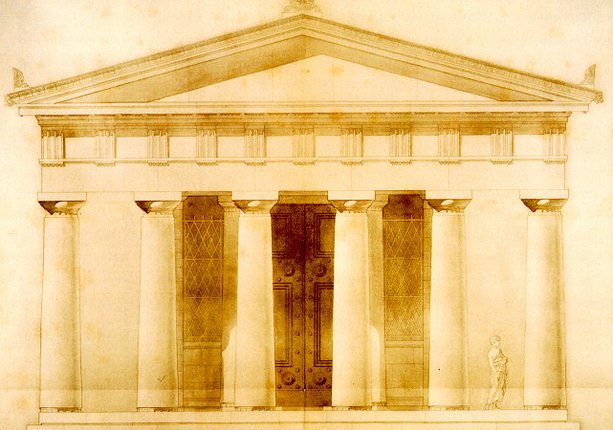
I takoż to jest w ten dzień powracający, jak zły szeląg i jak dobra piosenka. Nawet rymy, których doprawdy nie lubię, same siadają na bieli kartki bez zapytania. Ot tak, okrakiem i bezczelnie, niczym lokalny osiłek na zabawie wiejskiej w jakiejś remizie w zabitej dechami wsi. O! Naturalnie, że Focault język oczyszcza z naleciałości burżuazyjnej naftaliny, że Tatarkiewicz uszlachetnia mowę i pismo klasycznym pięknem prostych kolumn doryckich. Popatrz – nic to nie pomogło wszak. Posłuchaj – słyszysz Bacha, czy słyszysz wielką, hałaśliwą śmieciarę, która zabiera z podwórek opasłe pojemniki na śmieci i odpadki? Nowoczesność i postmodernizm też przegrały, też przegadały wszystko przy szklance wina, jak ich poprzednicy. Tą samą stawkę – jutro. 

Od pokoleń robimy to samo, siadamy do stolika, rozdajemy pięć kart i liczymy, że dostaniemy cztery asy. Pierwszą kartą dostaną jest As, więc podbijamy stawkę kilkakrotnie w górę. Po otrzymaniu kolejnych kart okazuje się jednak, że mamy tylko tego jednego, pierwszego asa i tylko dwie pary: ‘trójki’ i ‘szóstki’. Szanse zwycięstwa diametralnie się zmniejszyły. Ach, jesteś intelektualistą, filozofem, cóż to za gra – poker?! Ty tylko w brydża. Dobrze, graj. Skończyłeś licytację? O, gracie ‘cztery bez atu’ z partnerem! Brawo! Szkoda tylko, że partner ma tylko jednego asa i ani jednego króla … .  Szansę ciągle masz, ale doprawdy tylko minimalną, ciut, ciut ledwie.

To samo zaiste z tą poezją. Czasem rym pcha się przemożenie. Prosisz, tłumaczysz. Koniec końców chwytasz za kołnierz i wyrzucasz za drzwi, basta. A tu guzik, rym wraca przez okno!

Pewne rzeczy, uczucia same wybierają z rymem czy bez. Nie ma co kombinować nowoczesnego jazzu, gdy tylko stara fuga rzecz najprościej wyłoży. Glen Gould może ten temat lepiej wyjaśnić. Tak, tak, wiem. Gould nie żyje od wielu lat. No ale to o ten właśnie dzień chodzi. Tych, których już tylko pamiętamy. Więc tego dnia możesz z nim (żywym, czy martwym) porozmawiać.  Hollow Day, Zaduszny, Dziady – dzień pamiętania. Nie można pamiętać do przodu, tylko do tyłu. A w tyle jest zawsze masa dobrego i masa złego. Nie oszukujmy się, jeśli pamiętamy to naturalnie i te złe też pamiętamy. Rzeki pragnień i niechęci, przyjaciela razem z katem. Bo wszak czasem śmiejesz się i płaczesz sam.

Brahms, Schumann and Beethoven in Vancouver

Brahms, Schumann and Beethoven in Vancouver

How do you begin to write your notes about a concert that three days later you still can’t shake off the emotions you were subjected to? Almost physical blows and assaults of the music onto your soul. A music you know so well and heard numerous times! At least you thought you did … Blows delivered not by some enormous pianist, internationally acclaimed, for many years on best stages of the universe … but by a … boy pianist (of course he is an adult, but only just by a thickness of the paper a musical score is printed on)?! I still struggle to find the right ones to describe to you the experience.

Sufficient to say, it proves that there is no musical score or concert that you can just take your seat among the audience and wait for familiar, soothing experience. For bourgeoisie vanity and eloquence. And thank gods for that.

Sunday, 26 of October in Vancouver Playhouse (Queen Elizabeth Theater) concert of Tony Siqi Yun with music of Johannes Brahms (Theme and Variations in D minor, Op.18b); Robert Schumann (Theme and Variations in E-flat major, Wo0 24 or Ghost Variations); by same composer Symphonic Etudes Op.13; Ludwig van Beethoven (Sonata “Appassionata” No.23 in F minor Op. 57); and Ferruccio Busoni (Berceuse from Elegies BV 249) – of the last composer and music I will not write beyond that point. Because … in was beyond the point to have this music played in that concert, sufficient to say in my arrogant opinion. Obviously not shared by the enormously talented pianist, Tony Siqi Yun.

Thanks to YouTube portal I was able to find Tony playing exactly the same Schumann’s Etudes Op.13. That was recorded from earlier concert elsewhere. You can see the physicality and the energy – trust me, but in in Vancouver it erupted like a volcano.

Did he made any mistakes, omissions? How would I know?! There was not a single second one could pay attention to the score – the pianist consumed you wholly, not letting go for a second.

I remember only once such a wonderful confusion while listening to a pianist. That was very, very long time ago. The year 1980, X International Chopin Festival, biggest piano competition in the world. The pianist was Ivo Pogorelić from Yugoslavia (today Serbia). He was so different than other pianista that the (at that time to the extreme) very conservative Jury did not awarded him any prize (the public did). I remember being taken by Pogorelić very much. Of course a bit jealous, too, LOL – he was exactly my age! But was very glad that great pianist (former finalist of that Competition) Martha Argerich felt the same. To the chagrin of the ultra-orthodox Jan Ekiert, who like many of his generation, saw Chopin more as a monument and Polish patriotic antiquity than the true romantic boy and young man, who had nothing to do with the official portrait/gorset assigned to him.

https://ivopogorelich.com/portfolio/home/: Brahms, Schumann and Beethoven in Vancouver