Sprawa zakochania się w tekście literackim

Przedmowa tłumacza

Czasem literatura, zwłaszcza ta mi już znana sprzed wielu laty, potrafi mnie nagle zaskoczyć, zatrzymać w pół kroku. Każe wrócić kilka kartek, raz jeszcze je przeczytać. I odczytać tą samą treść raz jeszcze, powoli, z zastanowieniem rosnącym we wzruszenie niepomierne. 

To stało się już w końcowej fazie powieści syna wielkiego literackiego noblisty Tomasza Manna –Klausa. Zwłaszcza, ze jest to w dużej mierze powieść autobiograficzna. W autobiografii trudniej ulec wzruszeniu szczeremu. Wzruszeniu nie bibliofila, nie intelektualisty, a zwykłym człowieczym, czytelnika, który po prawdzie za powieściami od lat nie przepada. Nie oszukujmy się – mimo nielicznych prób oryginalnych – napisano już gdzieś i kiedyś, wszystko, co jest do napisania. Ktoś gdzieś, kiedyś się urodził, chodził do jakichś szkół, zakochał się, może wałczył na jakiejś wojence i na niej poległ ze zdumionym westchnieniem-pytaniem: to już? Może nie walczył, a pracował w biurze, może miał romans w tym biurze, może był odkrywcą, mordercą, filozofem, świętym nawet? Wszystko już było zapisane i opisane piórem bardziej lub mniej płodnym i wyrosłe spod talentu większego lub mniejszego. Gdyby te książki wszystkie w szeregu ustawić to, kto wie? Może nawet w Kanadzie od brzegu Atlantyku do brzegu Pacyfiku by miejsca nie starczyło? Coś na ten temat wiem, bom ją dwukrotnie od brzegu do brzegu przejechał.

A tu nagle te kilka kartek. Zapis krótki rozmowy młodego kochanka-przyjaciela do śpiącego miłośnika równie młodego. Przez to, że adresat rozmowy-wyznania śpi, przeto wyznanie szczere, pozbawione sztuczności, garniturku poprawności.

To wyznanie-opowieść byłbym i ja tym razem przeoczył, lub przeczytał pobieżnie. Ot, taki zwykły kolejny fragment powieści. A nie przeoczyłem. Bo i ja jestem od kilku lat innym człowiekiem, który sam siebie – tego nowego – odszukuje, poznaje. Wracam myślami do początków piękna wzruszonego, do delikatności i czułości niezwykłej, która w zdumieniu dotyka miłości napotkanej. Pragnie jej i boi się jej jednocześnie. Bo pamiętam teraz, że się wtedy jej bałem, mimo, że tak jej pożądałem. Bałem się by jej nie zrobić krzywdy, nie zadać bólu. I słusznie, że się tego bałem, bo teraz wspominając każdy dzień z tej wieloletniej drogi wspólnej – poznaję, że ból taki czasem zadawałem nie myśląc, że bólem być mógł.  Ani ja ani on nie byliśmy doskonali, choć ja przez fakt prosty, że starszy byłem dobrych kilka lat – pewnie tego bólu zadałem więcej.

Ale ten fragment powieści-wspomnień Klausa Manna, ta rozmowa-wyznanie wróciło mnie tak silnie do pragnień wyznania tej miłości raz jeszcze. Mój Chłopiec też śpi. I choć mój się nie obudzi – mogę mu tą powieść, moimi słowami opowiedzieć. We snach stale wszak rozmowy z nim prowadzę. Więc mu tą, jako naszą opowieść, swoimi słowami opowiem.

‘Swoimi’ w cudzysłowie, bo to jednak zapis Klausa Manna, tyle, że przeze mnie na polski przetłumaczony. Przetłumaczony bardziej z myślą o uchwyceniu tej pięknej czułości słów niż sensu srickto tłumaczenia formalnego.

tłumaczenie z angielskiego frag. powieści Klausa Manna „The Pious Dance – the adventure story of a Young Man”[i]

O – powiedział Andreas – opowiem ci wiele rzeczy, wszystko, co wiem. Wydaje mi się, drogi Nielsie, że wiem o nas wszystko. Jesteśmy parą dzieci, które wbiegły w las i nie mogą się odnaleźć w drugiej stronie tego lasu. Jedno z nas ma głowę wypełniona myślami i mgłą niepewności – ale drugi ma tak piękne włosy! Zaczarowana noc wypełniona gwarem, ciągotą i brakiem pewności umiejscowienia, zakotwiczenia. Niewidoczny księżyc skryty gdzieś za czarnymi chmurami. Nawet gwiazdy zgubiły swą pewność i sens, swój nieosiągalny cel, gdy podmuchy zefiru rzucają nimi w tę i we w tę. Pewnie to światełka z pobliskiej gospody, z oddali słychać warczenie psów obwieszczających swe proste sekrety. Słychać kumkanie żab. Wołałam twe imię, które jest Ugolino[ii].  ‘Ugolino!’ – wołam w przestrzeń. Gdzieś w tej pustce może i ty wołasz moje. Słyszę twój mruczący słodko głos z oddali. Ja jestem Kaspar. Ale nasze imiona nie odnajdują się, wiatr bawi się w kotka i myszkę ich sylabami, przerzuca nimi, jak piłeczkami: spotykają się i omijają w kirze powietrza. Kaspar nie widzi cię. Ugolino, jesteś osobny, zagubiony, zanikasz w cieniach krzewów – czasem jesteś w jednym miejscu, znienacka niczym drzewo nieruchome, ale on ponownie nie może cię rozpoznać; twój drzewny spokój jest tak inny od twojej ruchliwości i on przebiega ponownie obok. Ale ty jesteś stale jego azymutem, celem – gdyby nie ty, byłby zgubiony, Ugolino. Powiem ci wszystko. Nie powinieneś tego wiedzieć, ale twoje powieki zamknął sen, więc nie zrozumiesz tego. Noce były burzliwe i niespokojne. Opowiem ci o wszystkim, co przeszedłem tamtych nocy.

§

Było cicho, jakby ten młodzieniec w łóżku spał. Miał spokojna twarz i oddychał równomiernie. Głos opowiadającego spływał po śpiącym tak delikatnie, by go nie zbudzić.

-Jesteś lepszy ode mnie, gdyż jesteś bardziej ode mnie niewinny- szeptał w jego twarz- i stąd bardziej niż ja jesteś wybrany. Teraz wiem, że spokojne usta znaczą więcej przed Bogiem niż usta mówiąc. Świątobliwy człowiek więcej niż człowiek uczony. A kochające ciało jest wartościowsze od wykształconej głowy. A tancerz wartościowszy w oczach Boga od pisarza lub malarza. I, że ty jesteś bez skazy.

§§

To, drogi Ugolino, jest mój sekret, moja słodka pieśń – to bajka mojej młodości i moich burzliwych czasów – musimy być niewinni, a nie rozważni. Być wierzącymi, ale nie dumnymi. Kochający, nie pytający. Świat jest do bycia w nim, nie do jego zrozumienia. Tylko ciało i mieszkająca w nim dusza zbliża nas do Boga, a nie rozumujący umysł. To moja pieśń, słuchałem jej za dnia, żyłem nią nocami. Nie znam innej. Nie wiem, czy potrafię wymalować tym obraz, ale gdy nadejdzie ostatnia godzina, będę mógł powiedzieć: dziękuję za to, że teraz tu jesteś, zobaczyłem wiele. Mogę jej szepnąć: dziękuję moja droga czarna godzino, żeś o mnie nie zapomniała. Ja nigdy nie zapomniałem o tobie. Ta czułość, jaką miałem dla ciebie oczyściła moje występki. Ale ciało, którym mnie obdarowałeś, ta fizyczna skorupa, którą dałeś i którą oczarowałeś przytroczyła mnie do ziemi w radości i smutku. Bo z tym, z moim ciałem, kochałem wszystkie ukochane ciała wszystkich mężczyzn. Oto, dlaczego chodzę bezlicznymi ulicami z ciekawości i pożądania, ulicami, które się dla mnie otwierają – ponieważ pożądanie i ciekawość pozostały wierne. Droga godzino: kochałem życie, jak mi nakazałaś – było piękne.

§§§

Głos mówiący do śpiącej twarzy zamilkł. Andreas skończył opowieść i wsłuchiwał się tylko w głęboki ton oddechu leżącego obok przyjaciela. W międzyczasie zapadła głęboka ciemność.

Ale w tej ciemności głos odżył ponownie, słowa niczym krople spłynęły po ciele śpiącego.

Jakie to było dziwne, – rzekł głos do ciała – jak dziwne. Zanim cię spotkałem. Jakie poplątane drogi musiałem przejść. To była tortura. Ale głos przyrzekł mi kiedyś, że znajdę światło i zrozumienie. Czy teraz je znalazłem? Czy w końcu zrozumiałem? Ale serce boi się mi odpowiedzieć.


[i] z angielskiego tłumaczenia powieści dokonanego przez Laurence’a Senelick’a

[ii] trudno być pewnym, czy Mann użył tego imienia wspominając Dantego i Virgila, którzy nawiedzają w Piekle owego średniowiecznego tragicznego brygadiera Pisy o imieniu Ugolino. (przyp.mój)

While wandering through the streets of our city …

While wandering through the streets of our city …

Question

So, tell me how it is,

tell me now who am I?

Where I am and why?

Time is timeless, so they say,

with no beginnings, no end,

why was it short for us?

It begun one day, to end

with no excuse offered?

The flower was sentenced

to flourish with vibrant colours

only for one day, one night.

Why the gift begun a sentence

so cruel, that I was left wandering,

weeping, dying slowly, to be resurrected

at night over and over again?   

Years have passed and the broken

Sisyphus still pushes the boulder

of broken promise to the top of

the Mountain of Death, which

many called Life by mistake.

You, the false cartographer of maps!

Who gave you the power, the utter

arrogance, to name the Columns of Men

by erroneous name and promise?

What is the geography of humans

without the light, the love, the need

to be with other, who makes them whole?

So cruel is your ungodly design

to mark two separate frail human

bodies and fuse them into one soul –

than separating them by sending

the Angel of Death to take one only,

while leaving the other to be alive

 in grief overwhelming and soulless.

B. Pacak-Gamalski, Vancouver, 19.02.26

Drogi do Banff

Drogi do Banff

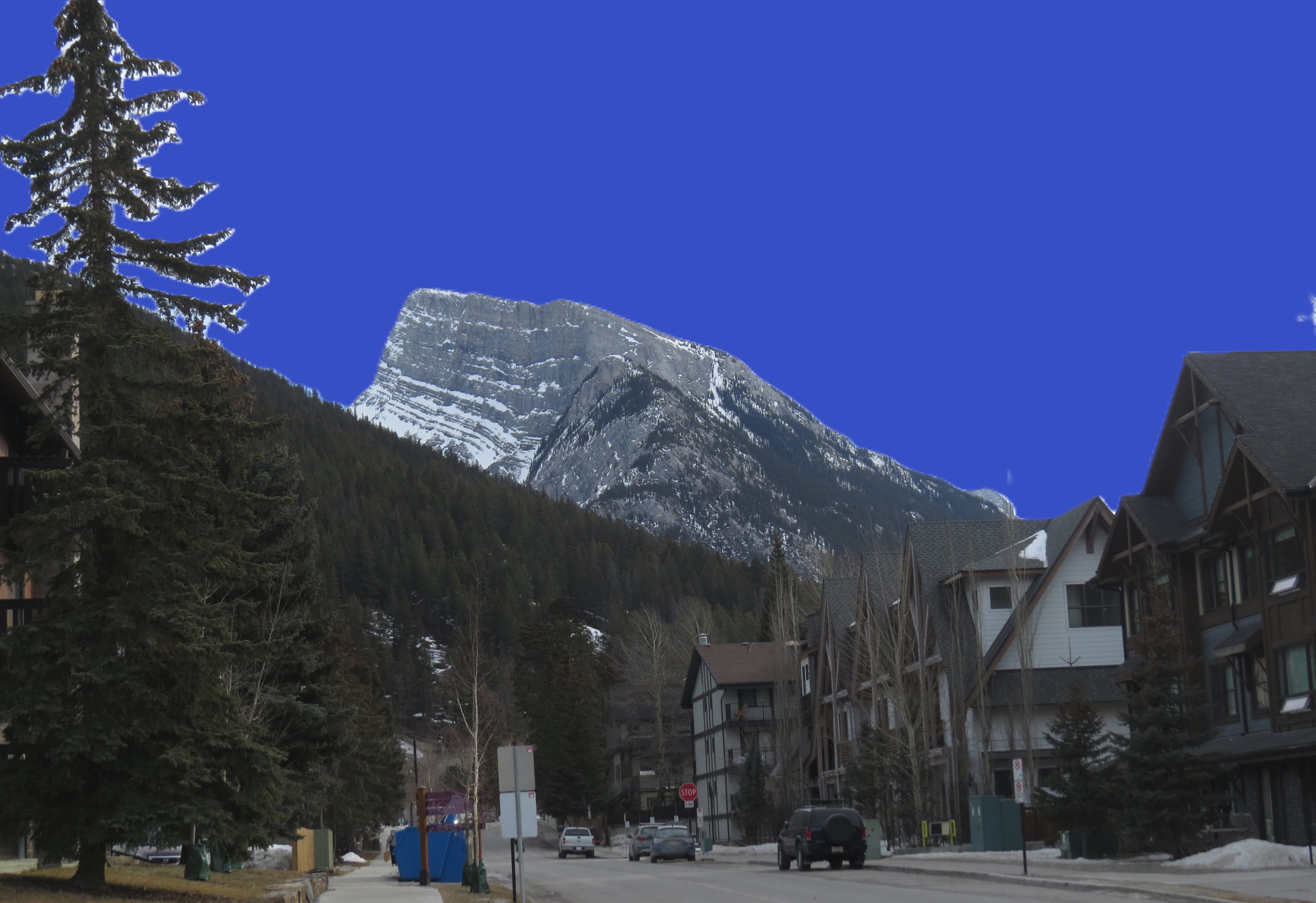
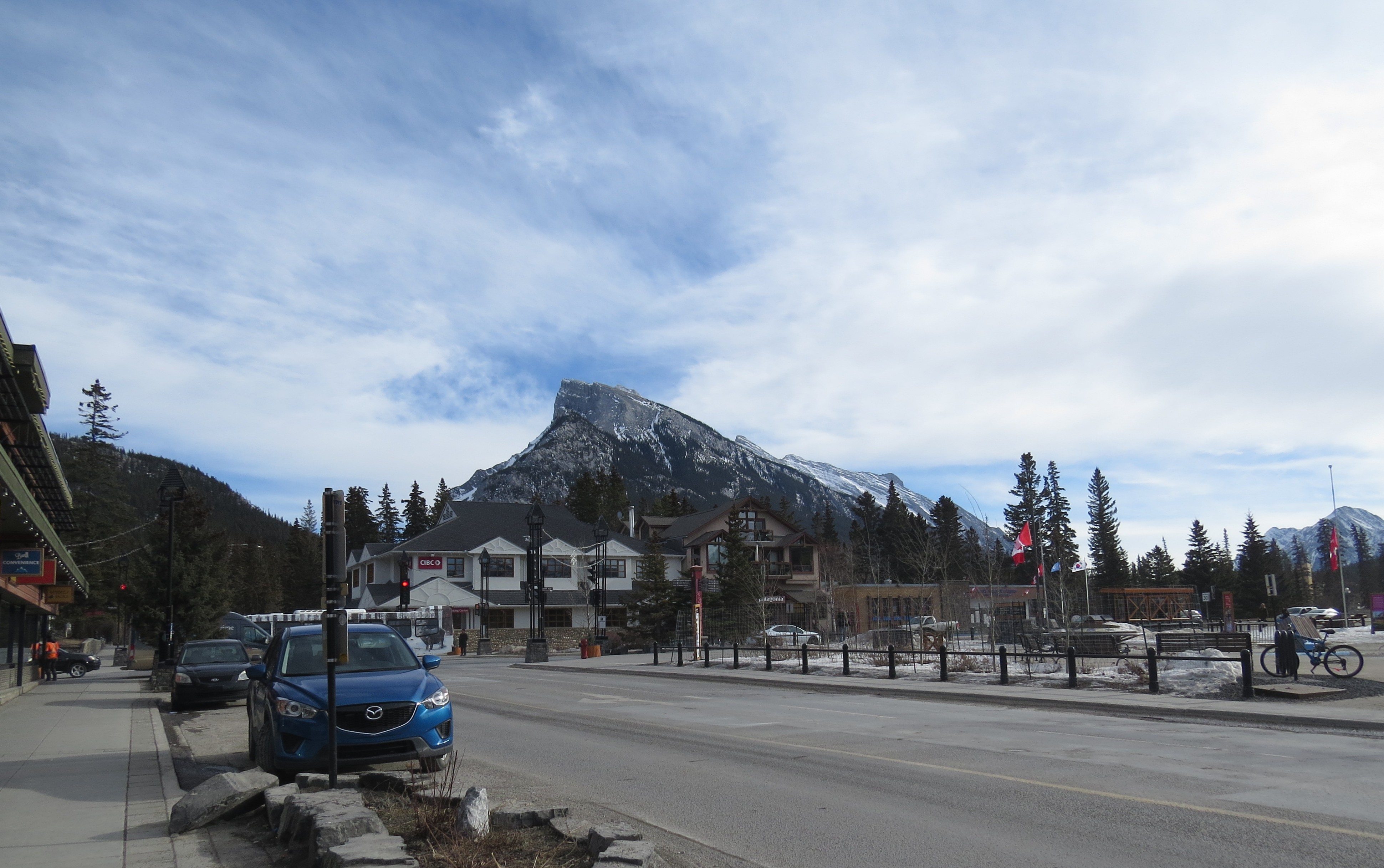
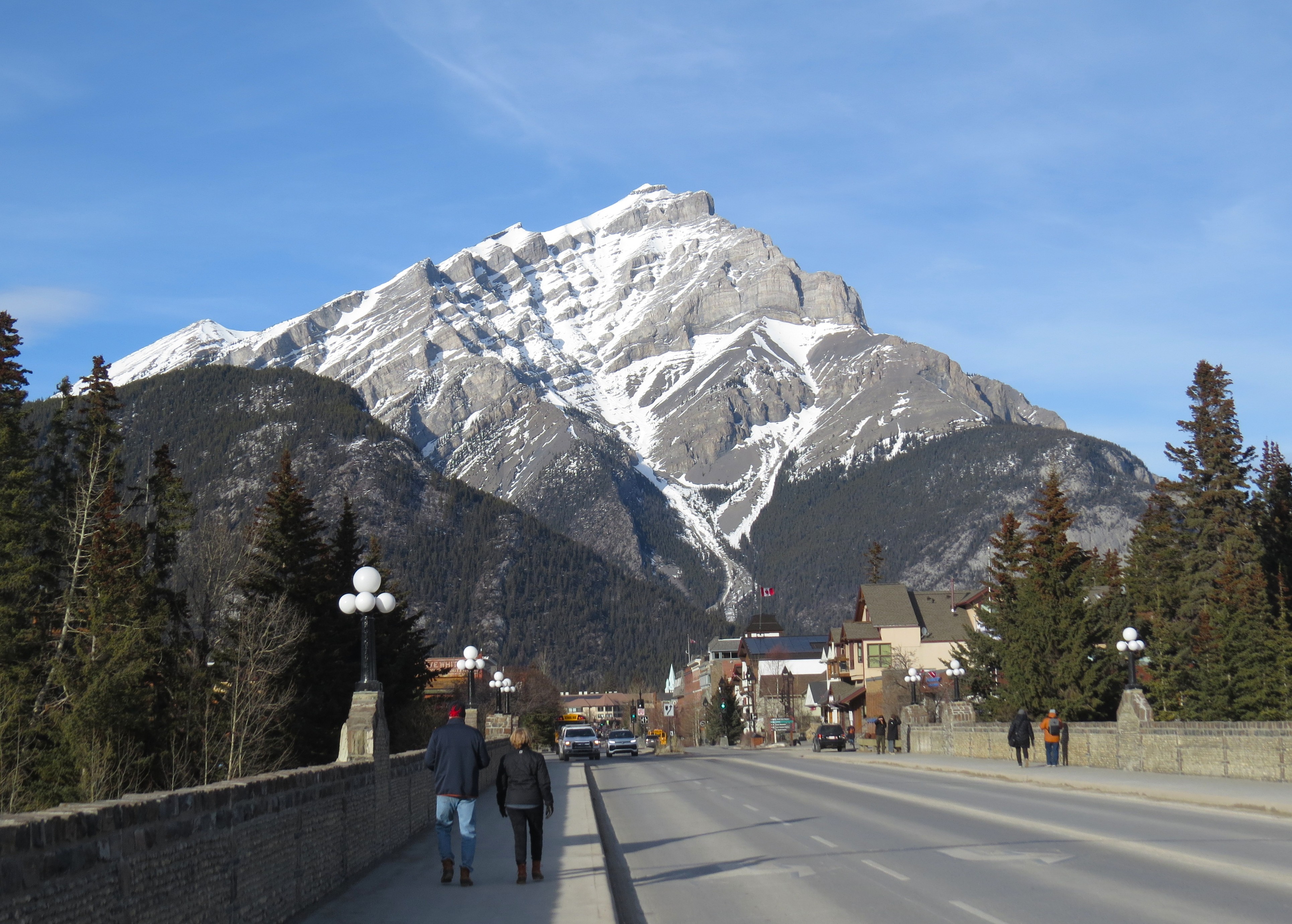
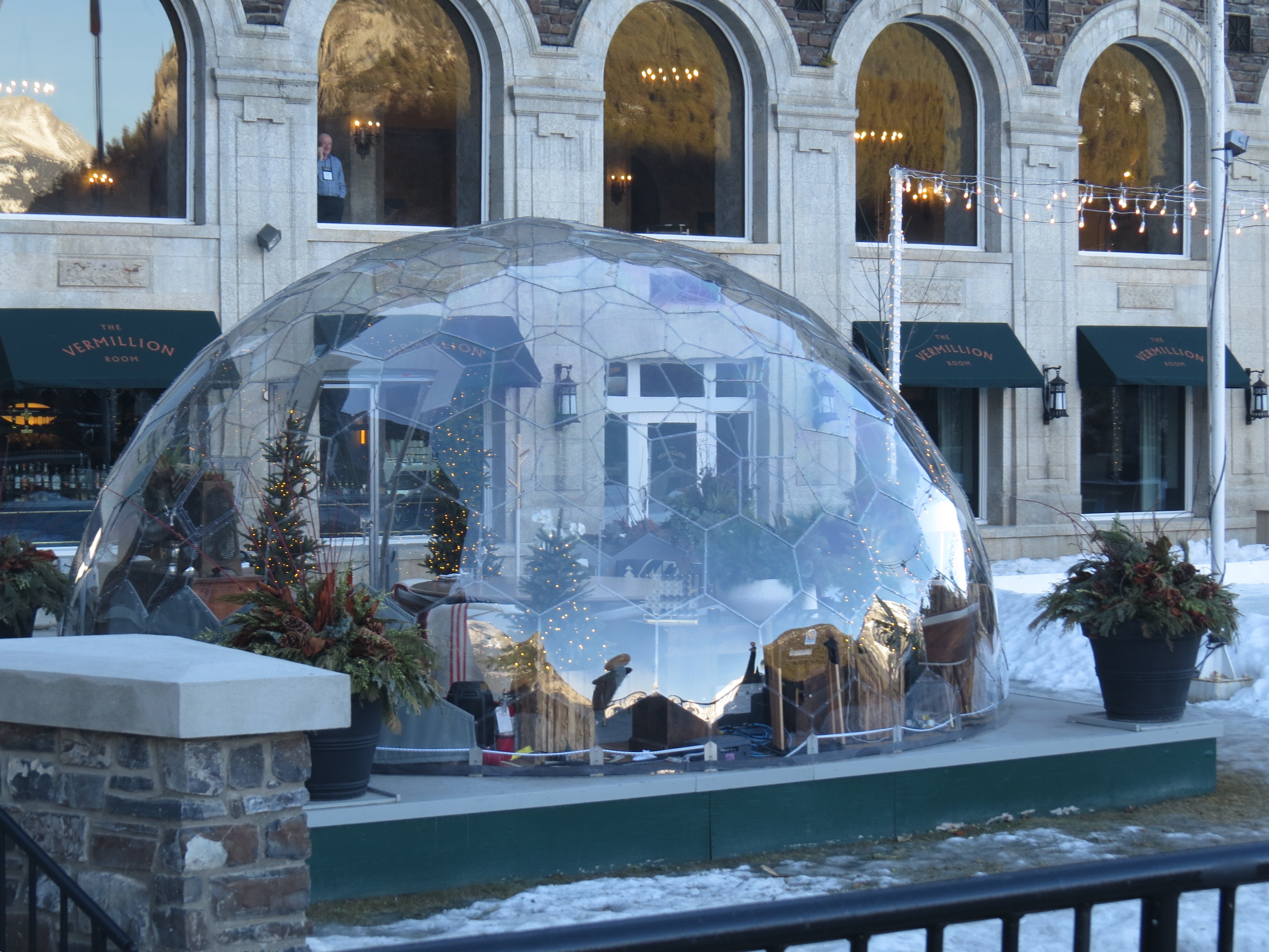
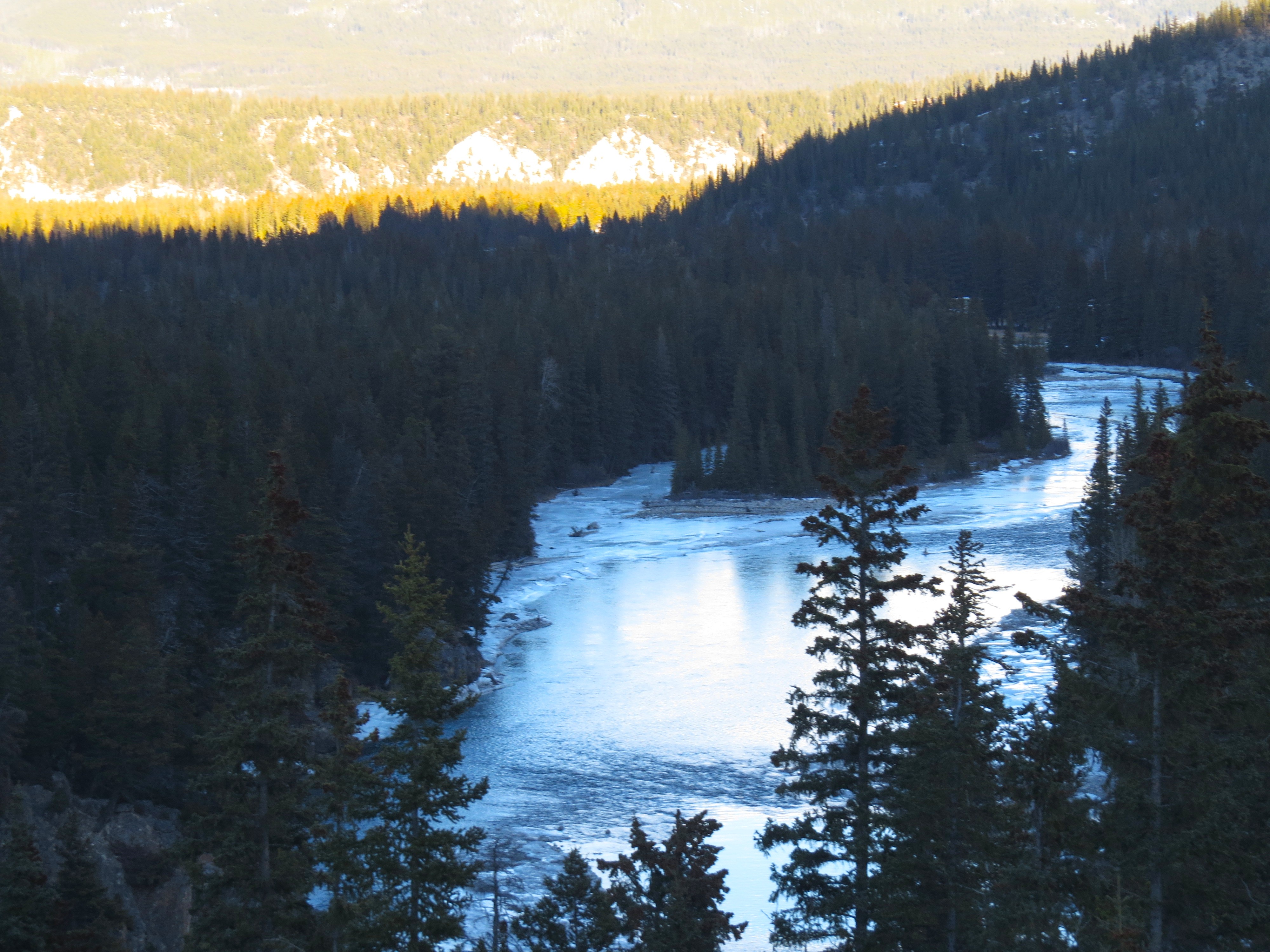
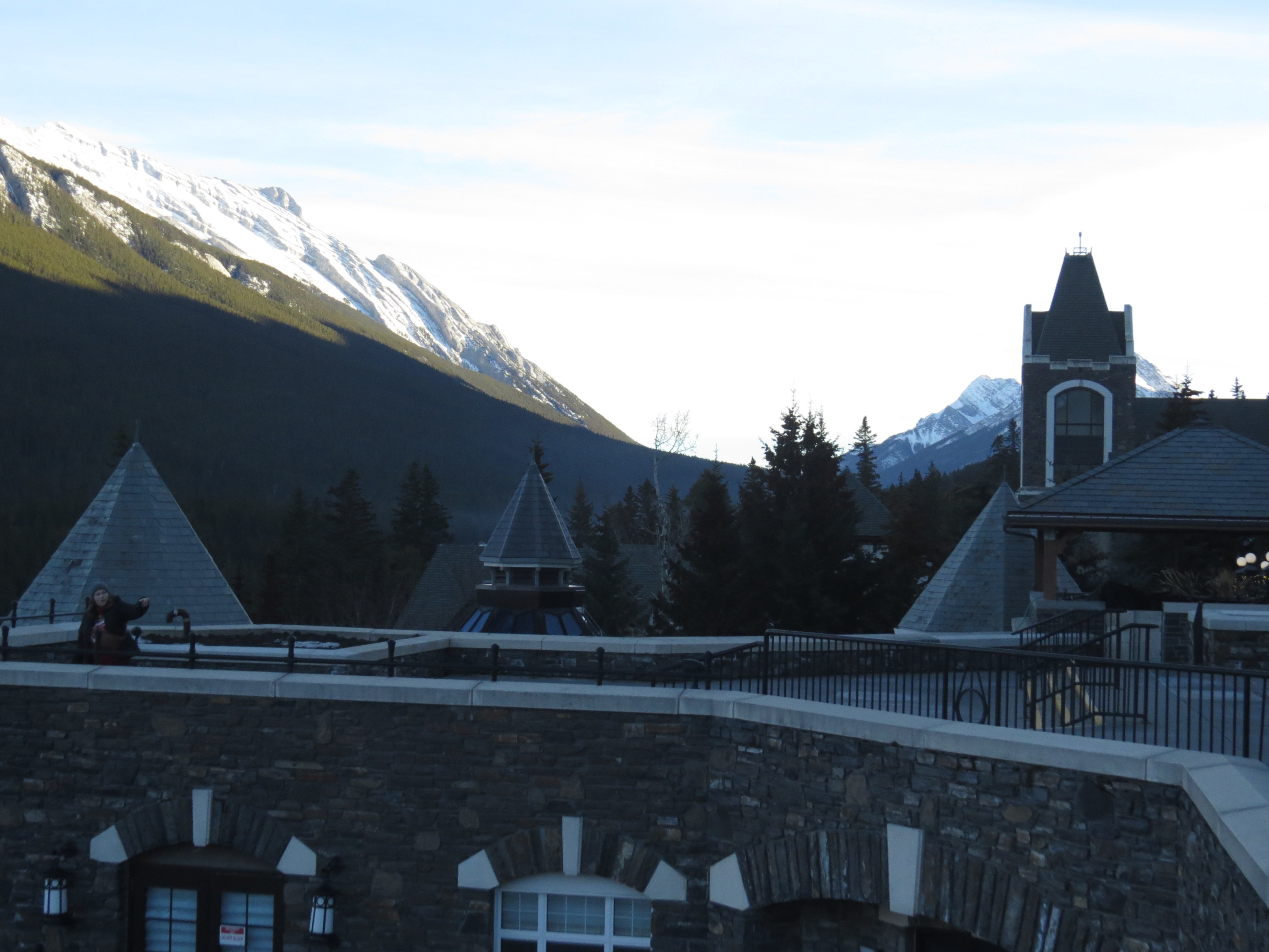
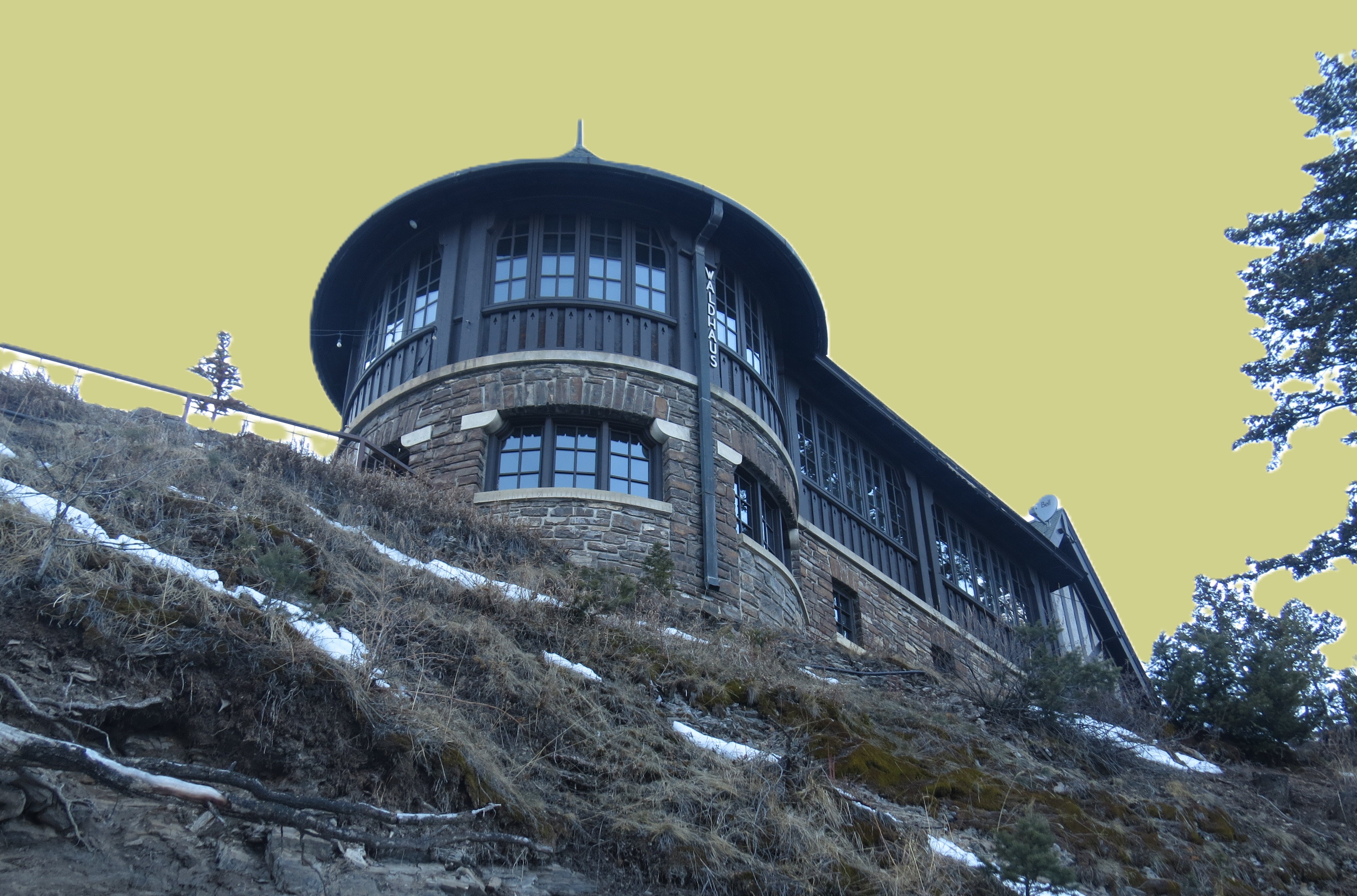
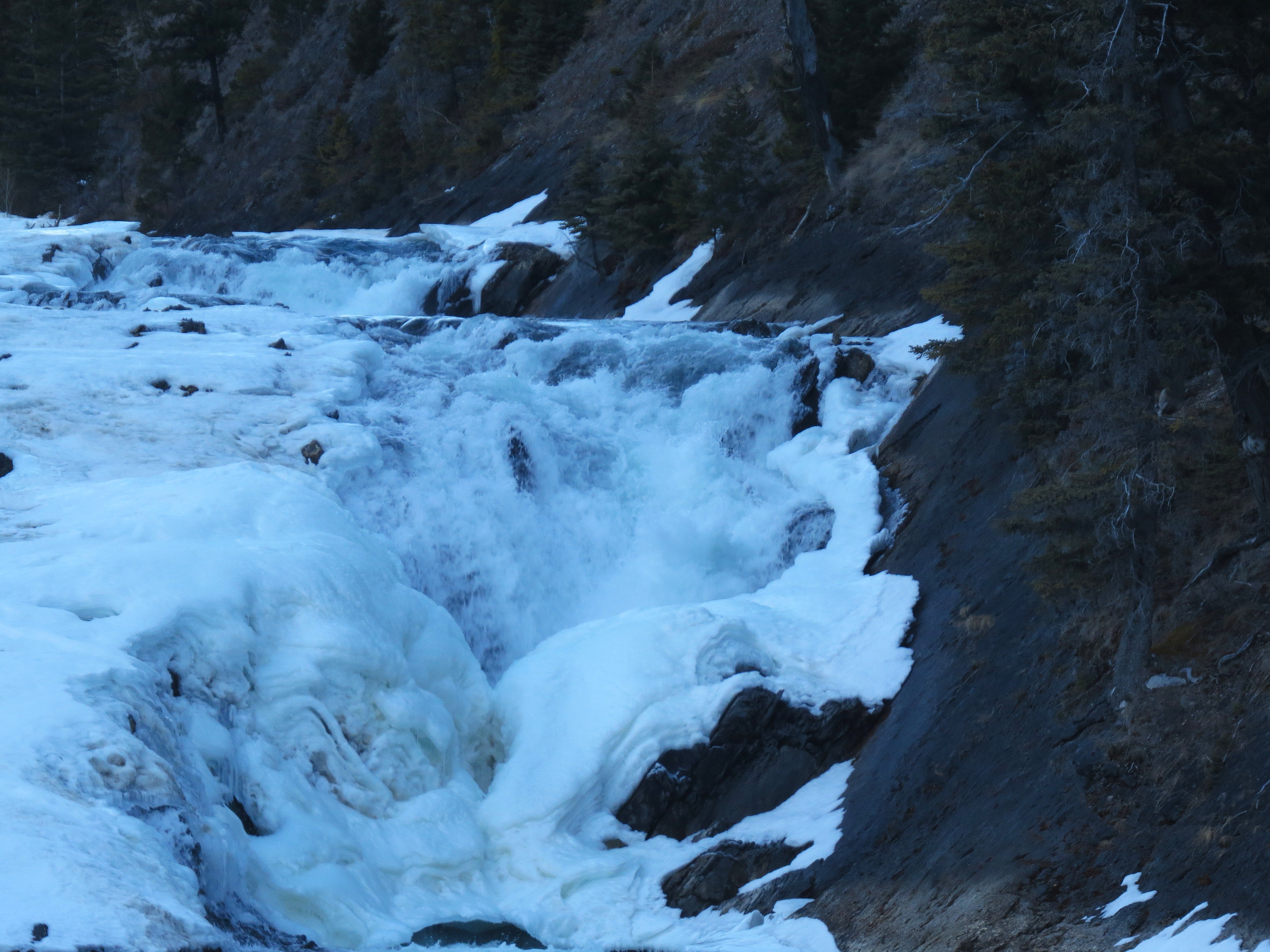
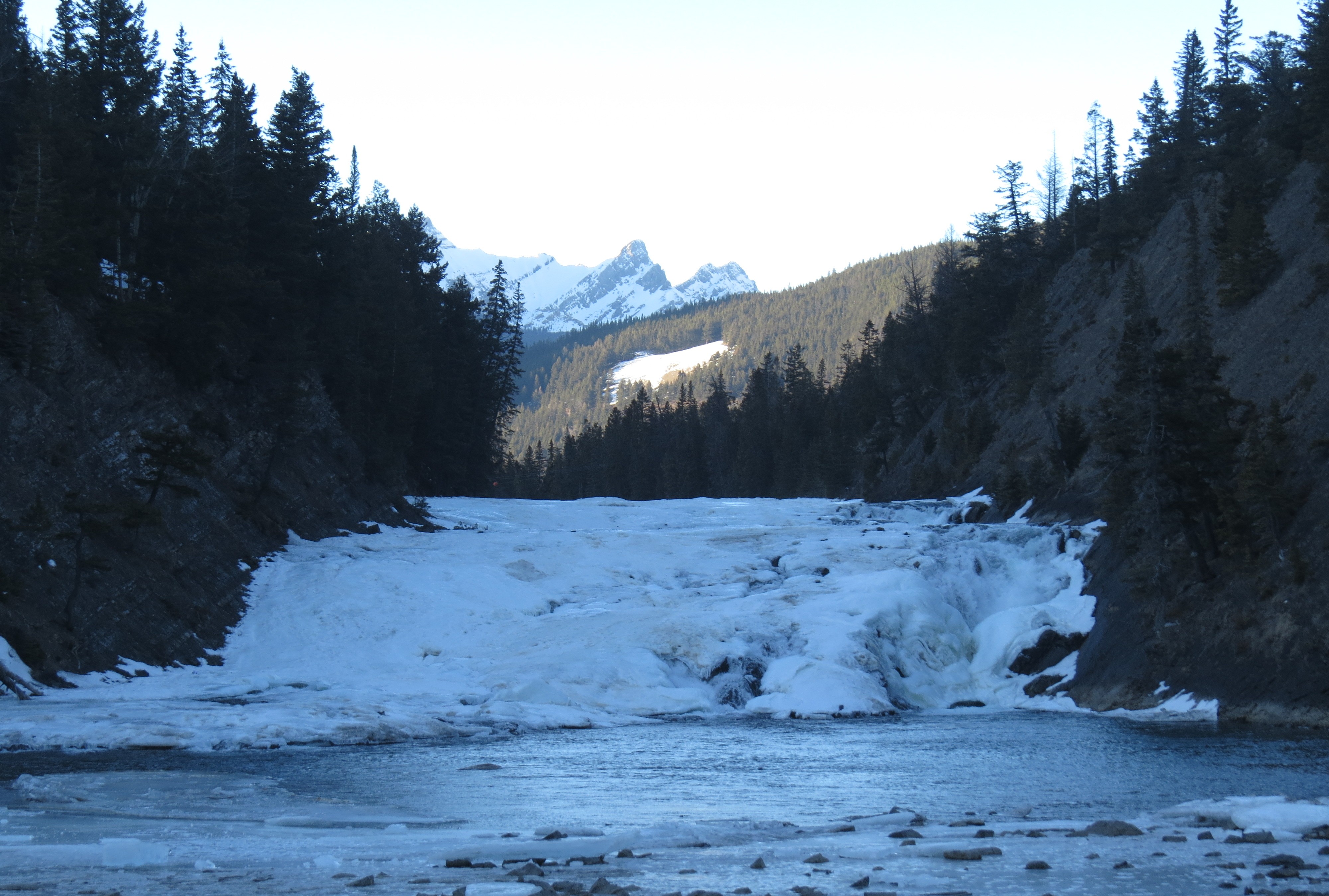
Droga do Banff. Droga z Vancouveru do serca Gór Skalistych; droga z Calgary z sercem pełnym pasji i miłości. Dwie drogi w dwóch bardzo różnych czasach i epokach.

Około czterdziestu lat temu jechaliśmy (ja i Mój Chłopak) pierwszy raz razem na Wigilię do hotelu w Panoramie koło Radium, mijaliśmy Banff po drodze. Długa, ale bardzo wygodna szosa #1 prowadziła prostą nitką do skrzyżowania z szosą 93 do tegoż hotelu. No właśnie – długa. Bardzo długa, gdy prowadzący i pasażer to dwóch młodych, zakochanych w sobie po uszy chłopaków. Trudno się przecież całować, gdy się prowadzi samochód na trasie szybkiego ruchu! Więc postojów było dużo. Oj …

Jakiś czas później, już porą letnią, jedziemy do Banff na dwa lub trzy dni łazikowania po okolicznych górach w uroczym wówczas małym Banff. Ba – jest ciepło na zewnątrz … a gorąco w samochodzie. No tak, też tych samych dwóch młodych, zakochanych po uszy chłopaków. W połowie drogi zjeżdżam w boczną, leśna drogę #64 do Sibbald Flats.  Znajdujemy cichy zakątek otulony młodym lasem świerkowym. Oczywiście, że się całujemy. I oczywiście, że na całowaniu się nie kończy. To tylko uwertura do całego Koncertu Pasji Młodości i Miłości.  Do Banff zajeżdżamy o zmroku, mimo, że normalnie jazda z Calgary, to nie dłużej niż godzina. Co zrobić – młodość i miłość to inne niż zwyczajne czasy. Inne zegary, inne doby.

Prawie cztery dekady później niespodzianie jadę do Banff z drugiej strony, znad Pacyfiku. Mój Chłopiec nie jest ani za kierownicą, ani na siedzeniu pasażera. Któregoś dnia, kiedy byliśmy na drugiej stronie kontynentu, nad Atlantykiem, uleciał mi w chmury. Zanim odleciał przypomniał mi jeszcze, że mnie kocha, ja wiedziałem, że jego kocham. No, ale uleciał. Jego czas się skończył. Też nie zupełnie jednak, bo po czarnych nocach rozpaczy zrozumiałem, że część jego została, zamieszkała we mnie. Tak długo, gdy mój czas odjazdu ostatecznego nie nastąpi. Może się wtedy spotkamy znowu, może nie. We snach, kiedy ze mną po odlocie rozmawiał, nie chciał mi tego jednoznacznie wyjaśnić. Więc nie wiem na pewno. Zobaczymy, lub właśnie może nie zobaczymy.  Póki jestem – to mam go stale w sobie. To mi wystarcza.

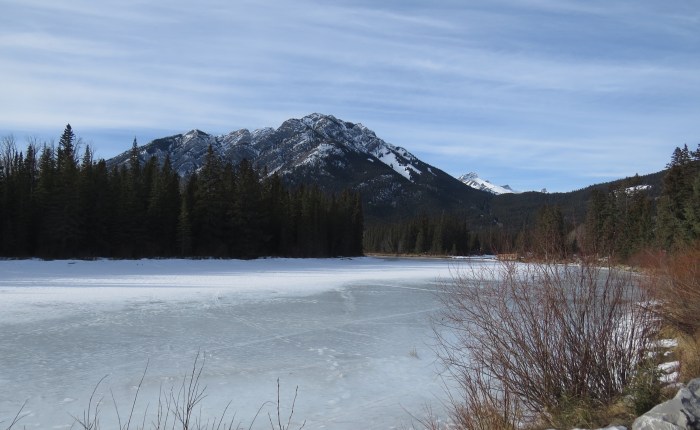
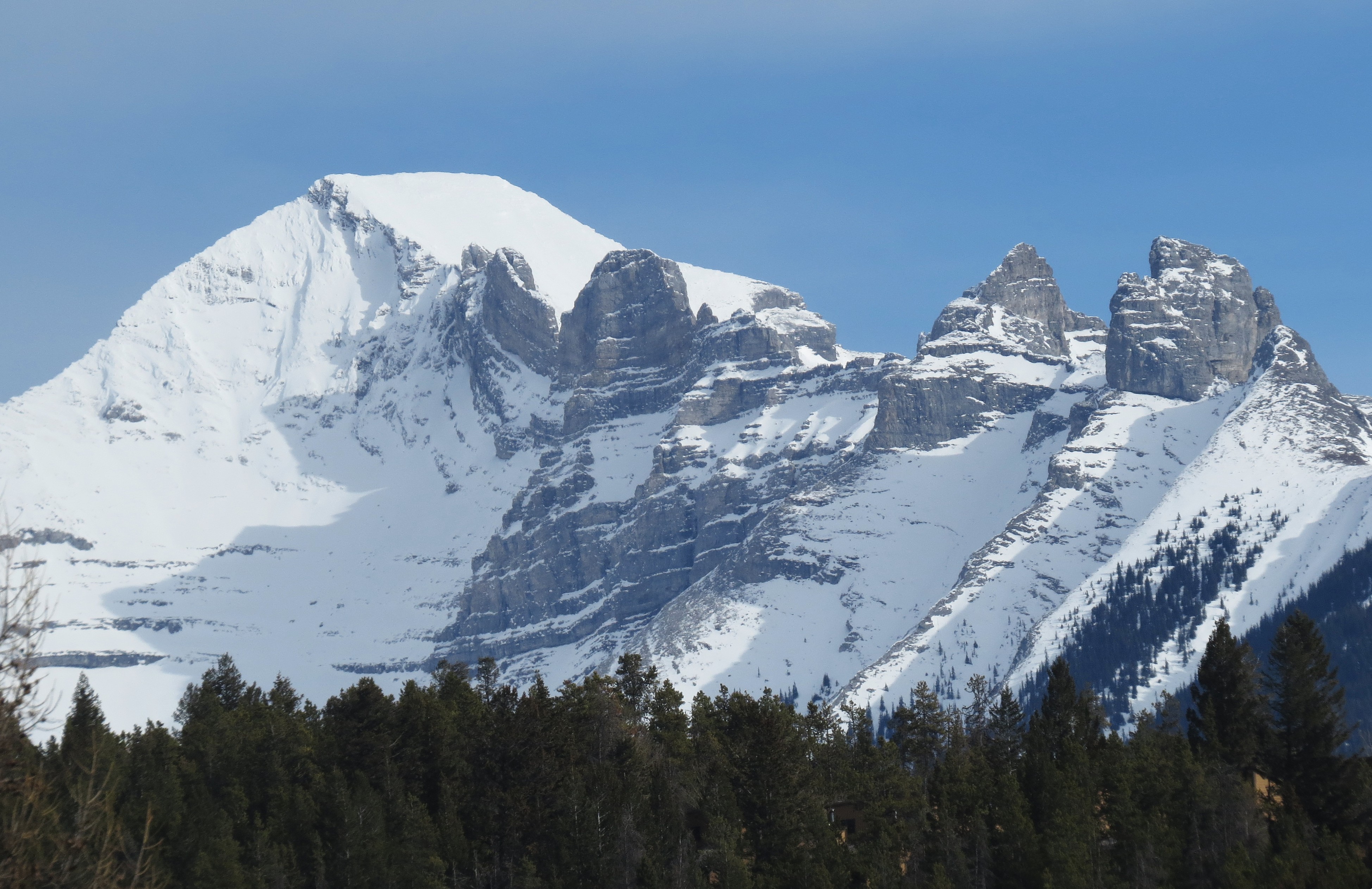
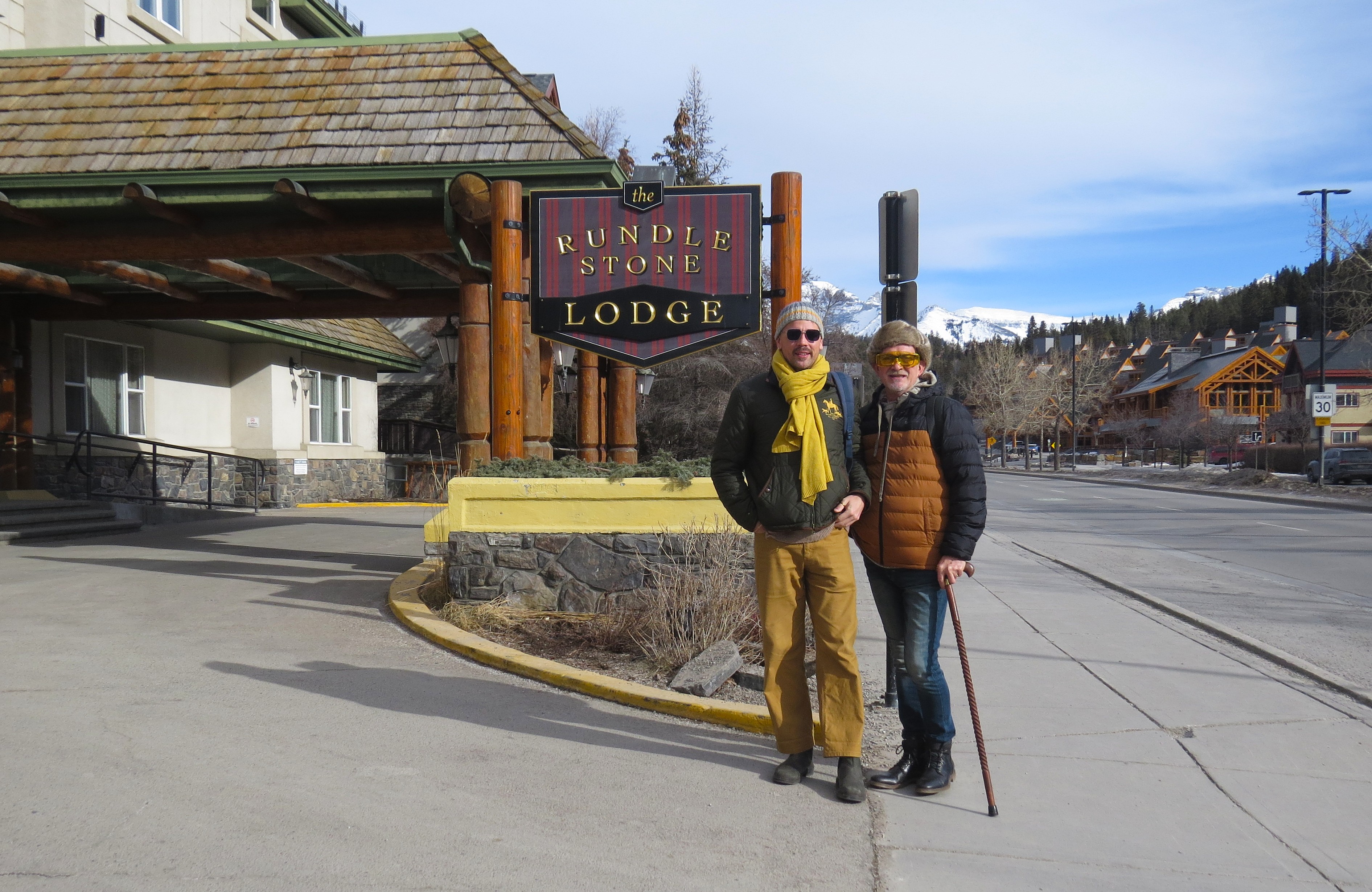
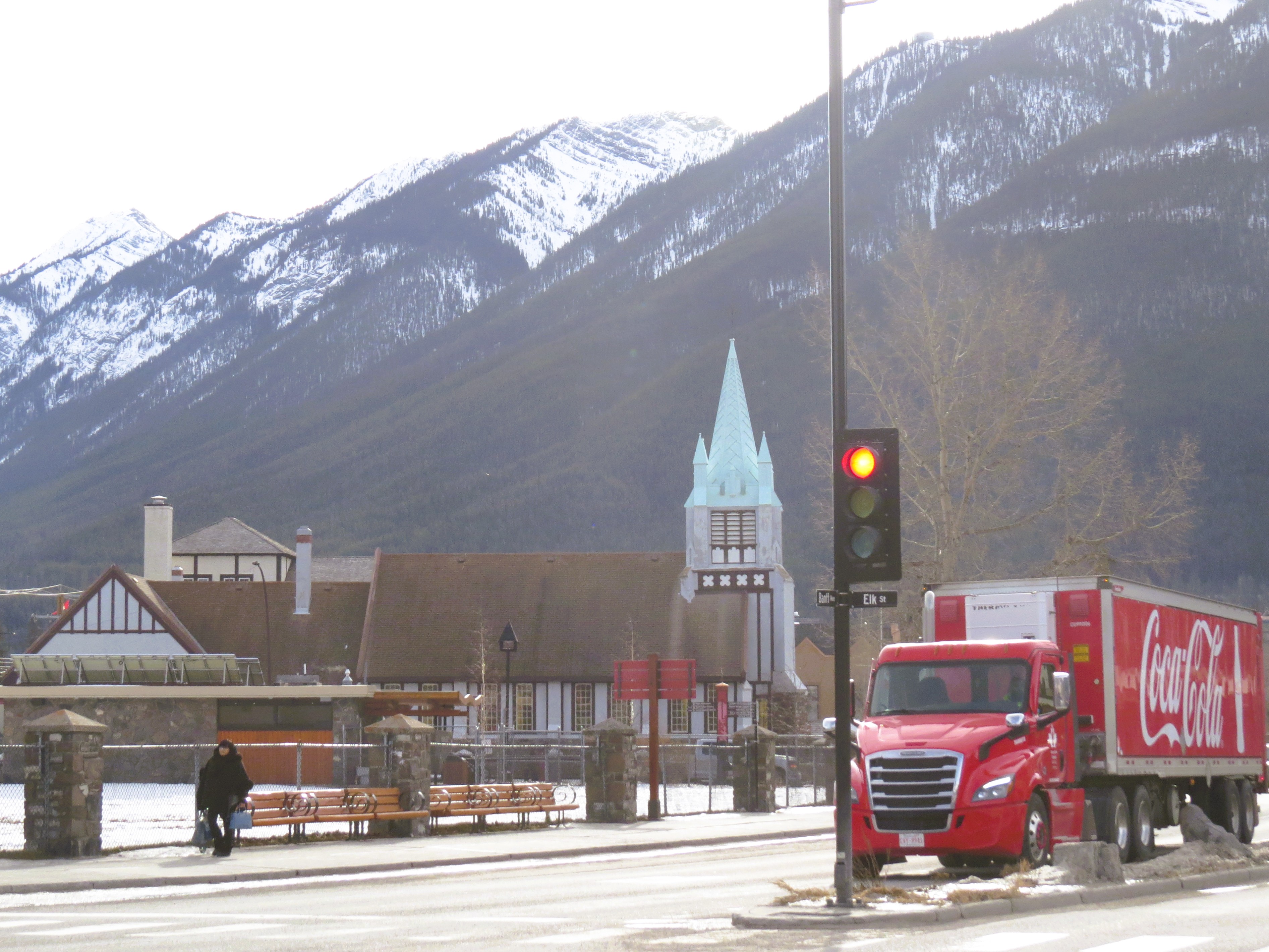
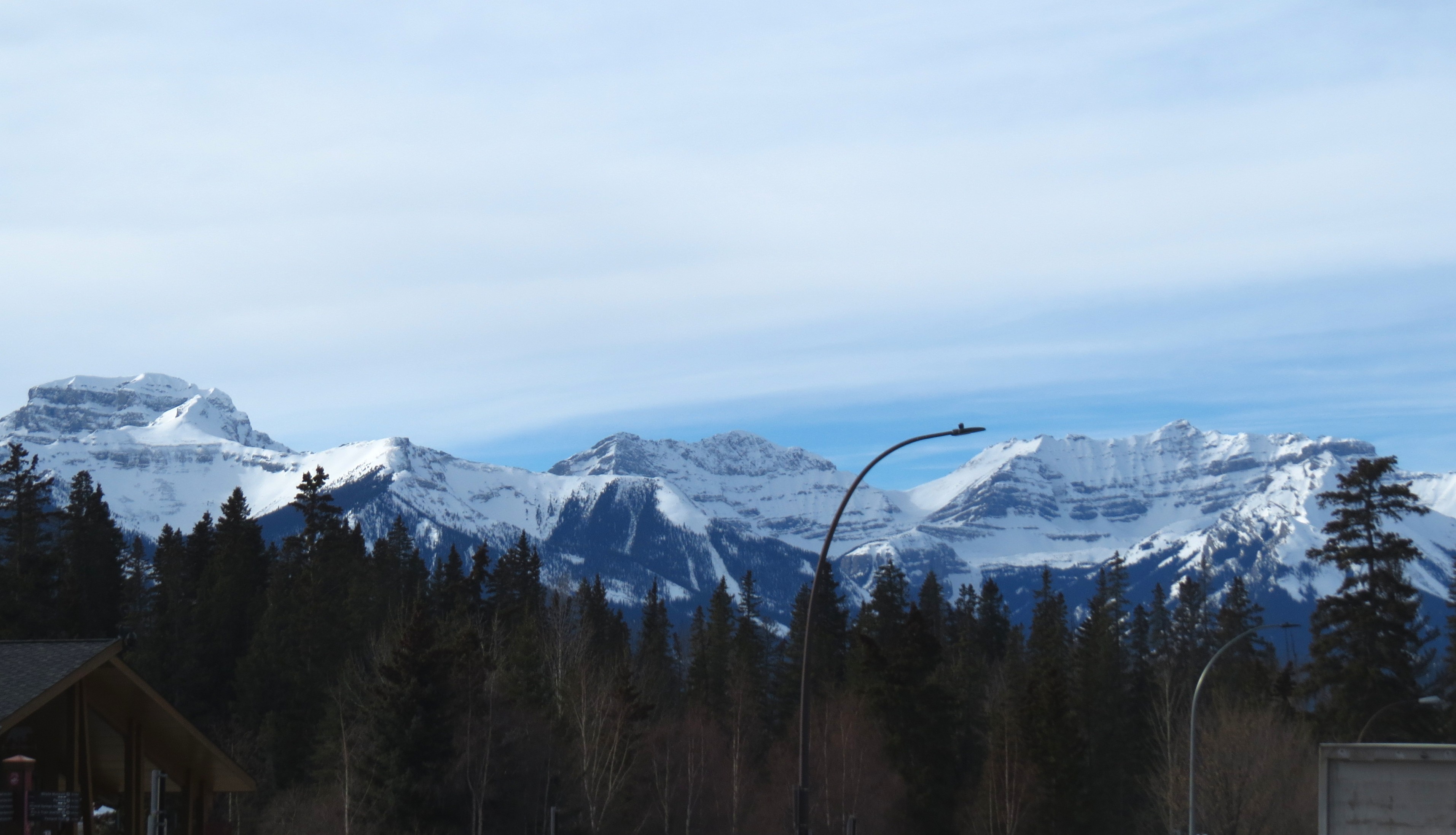
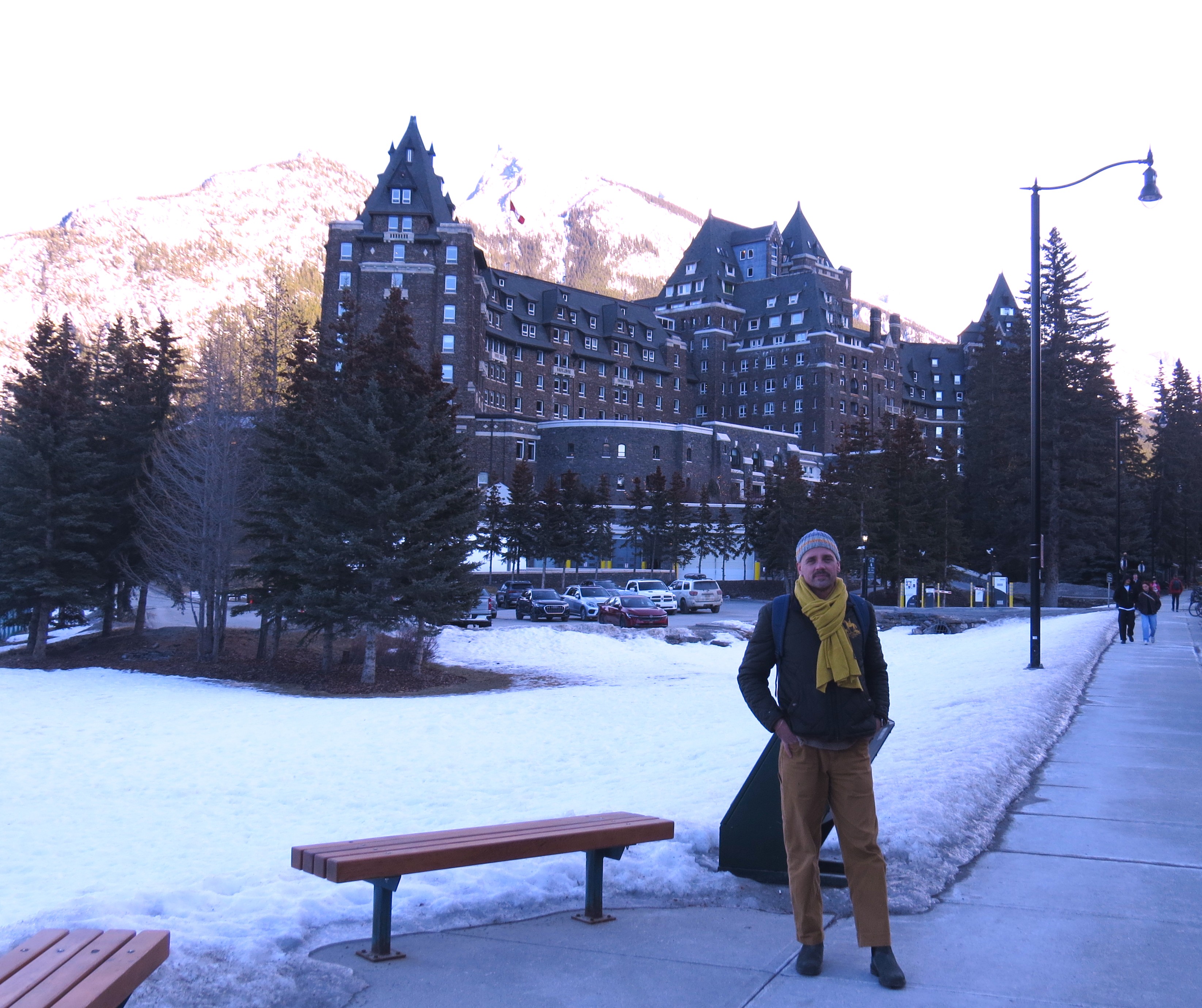
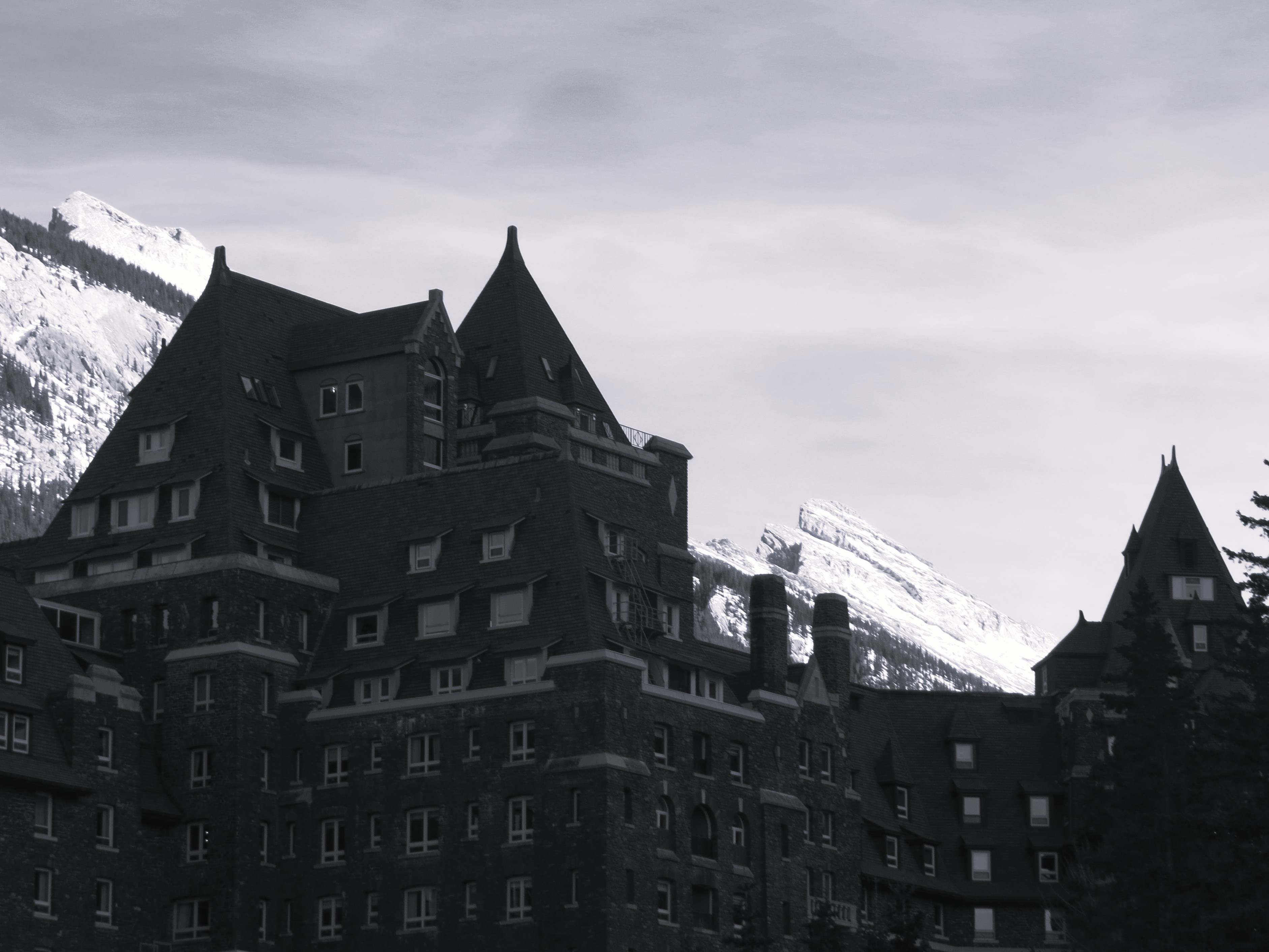
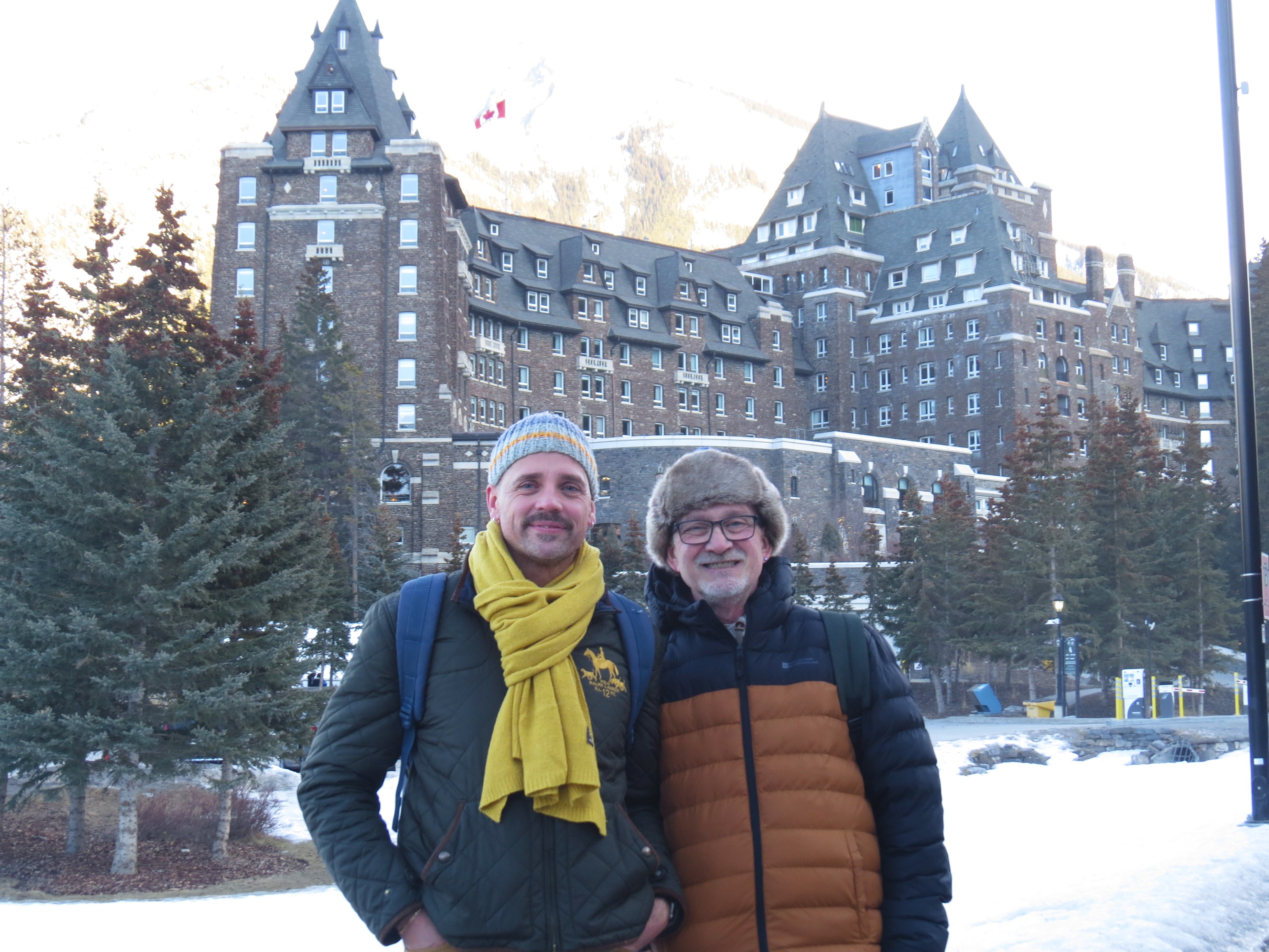
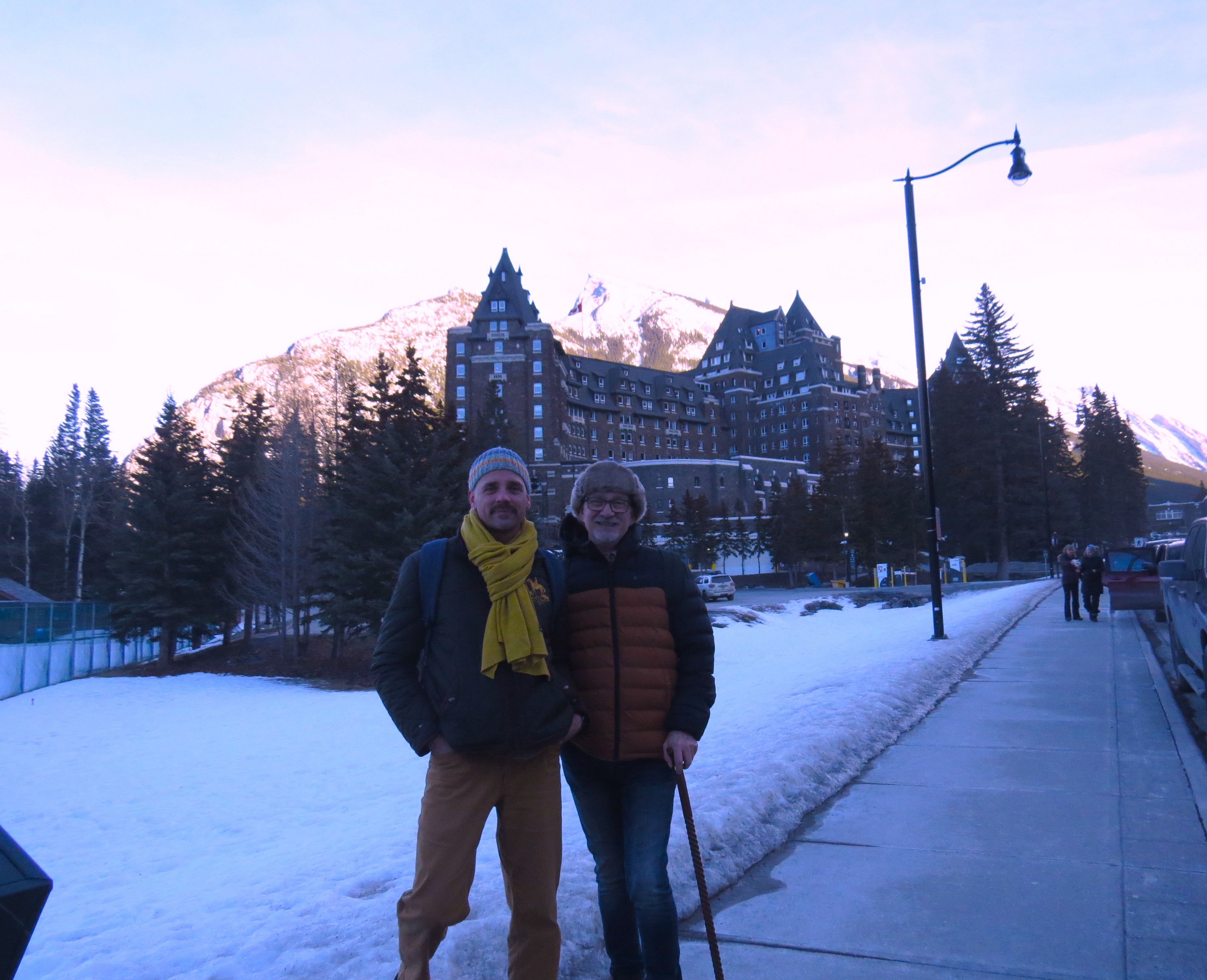
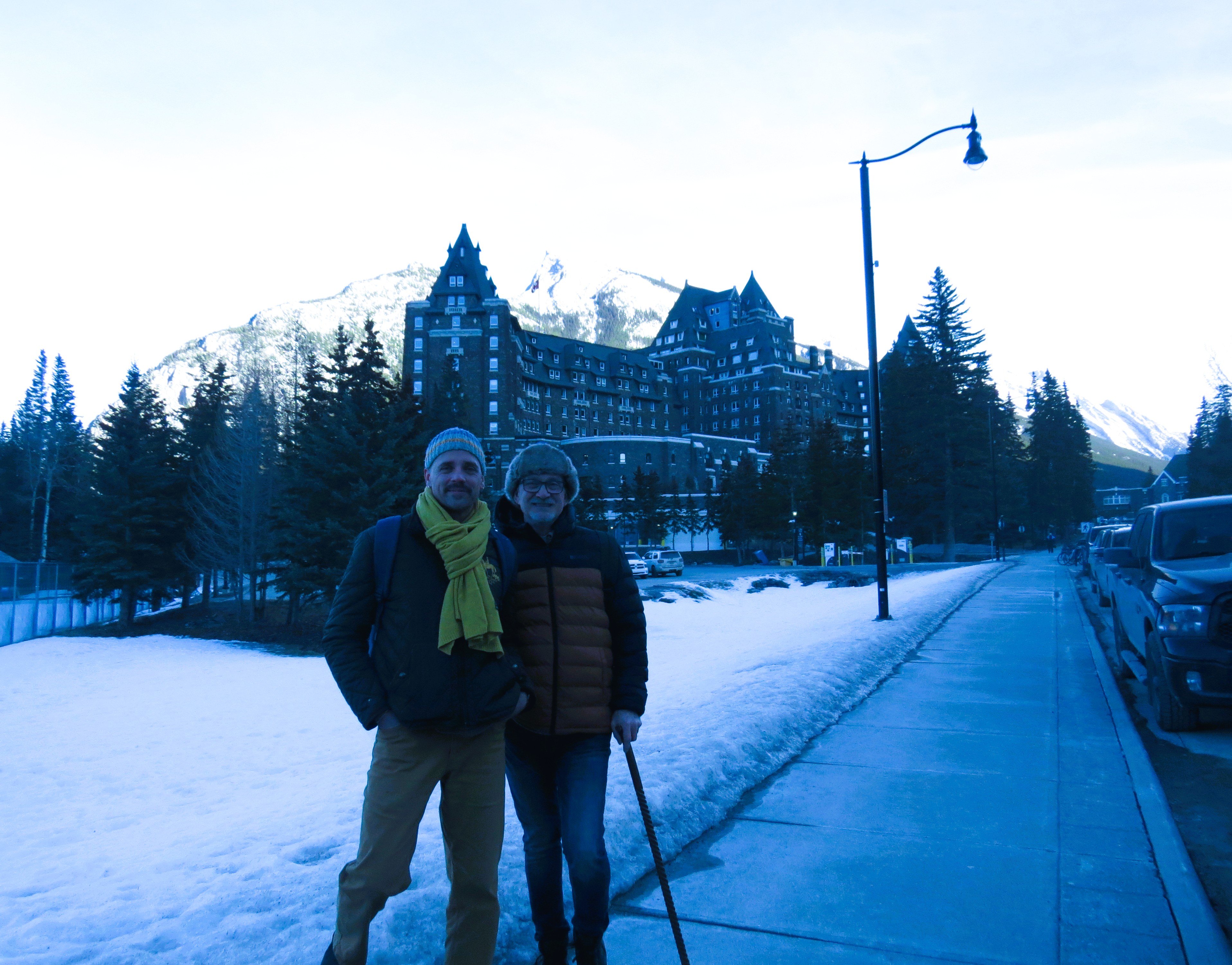
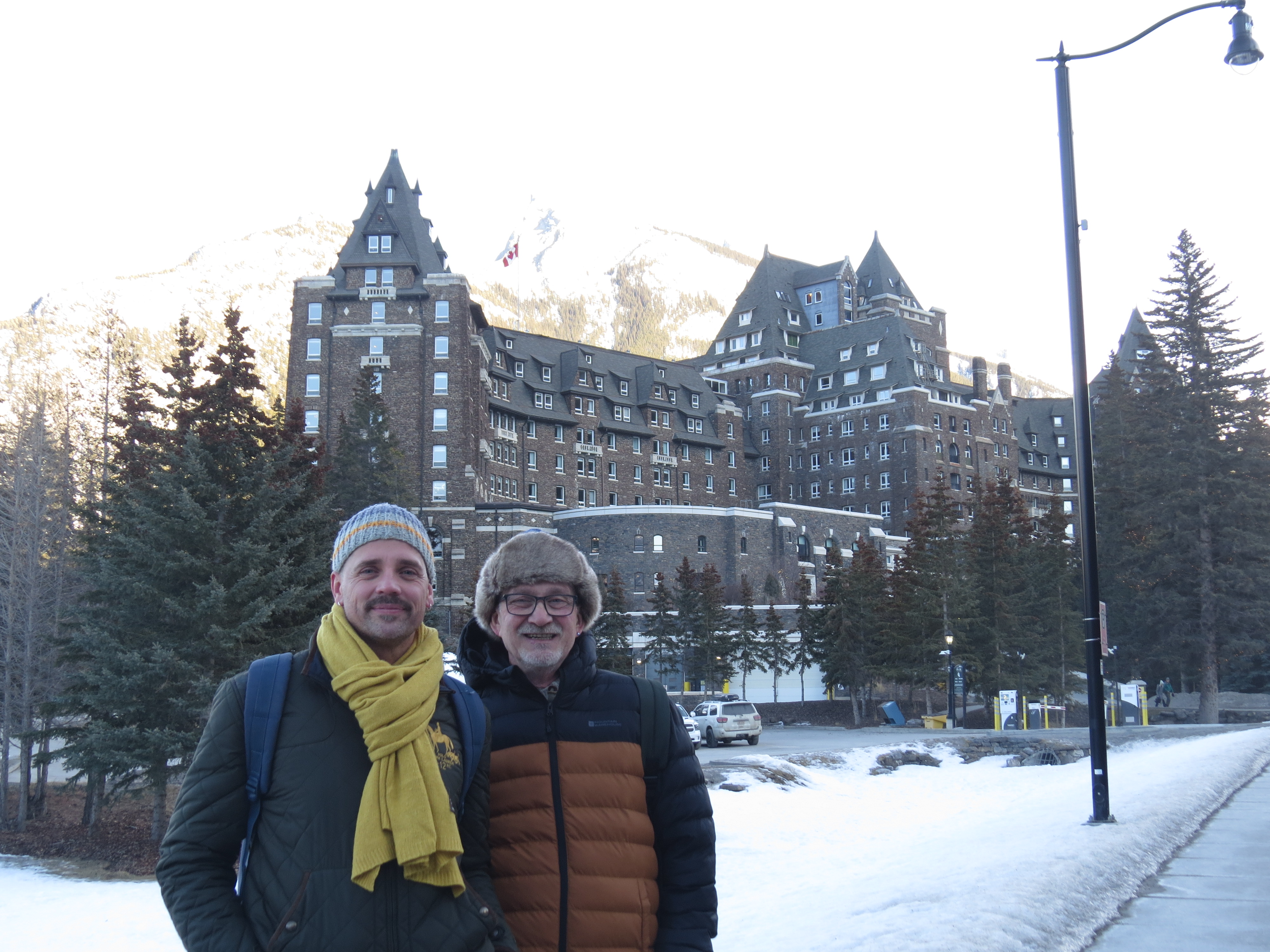
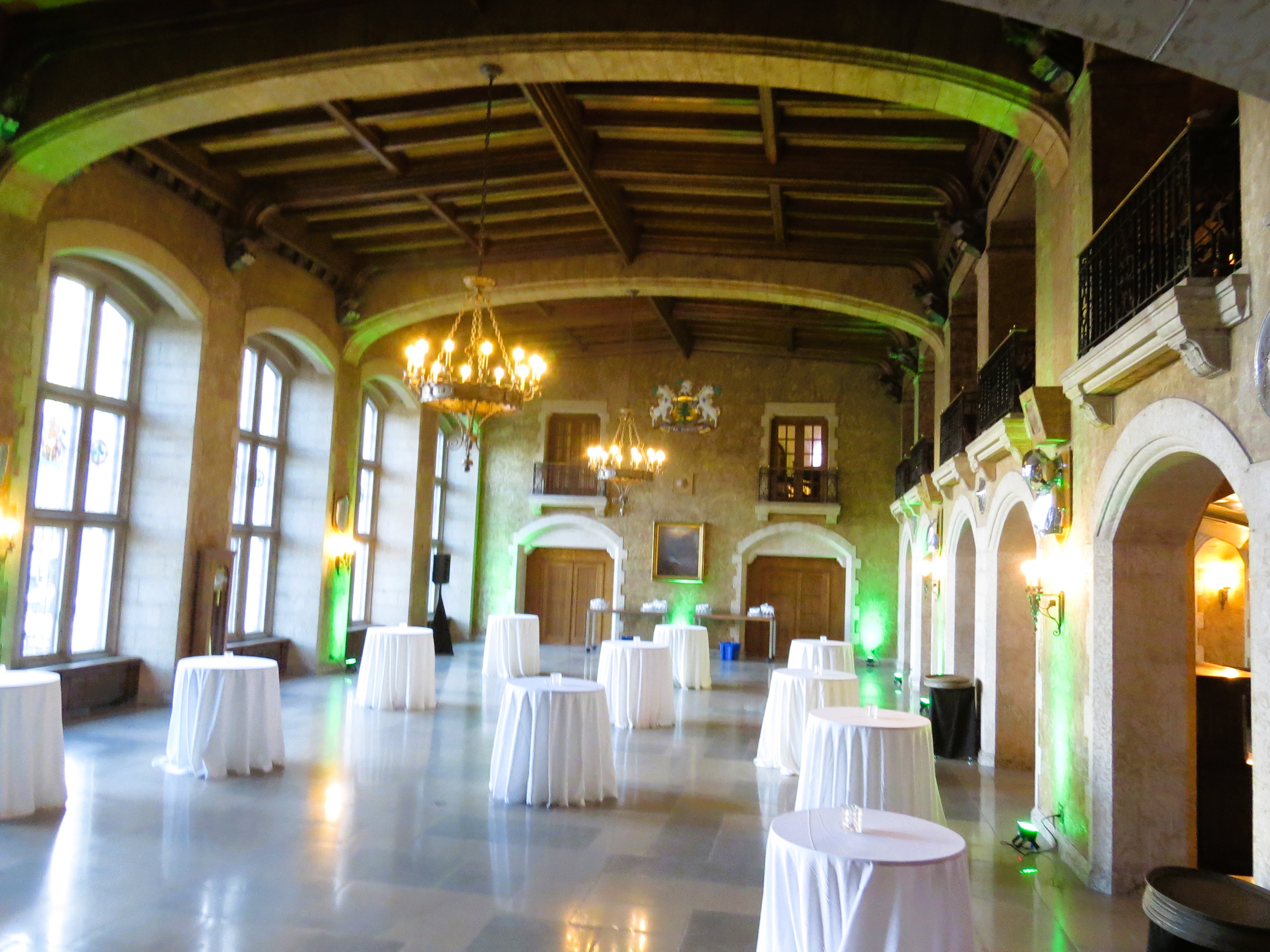
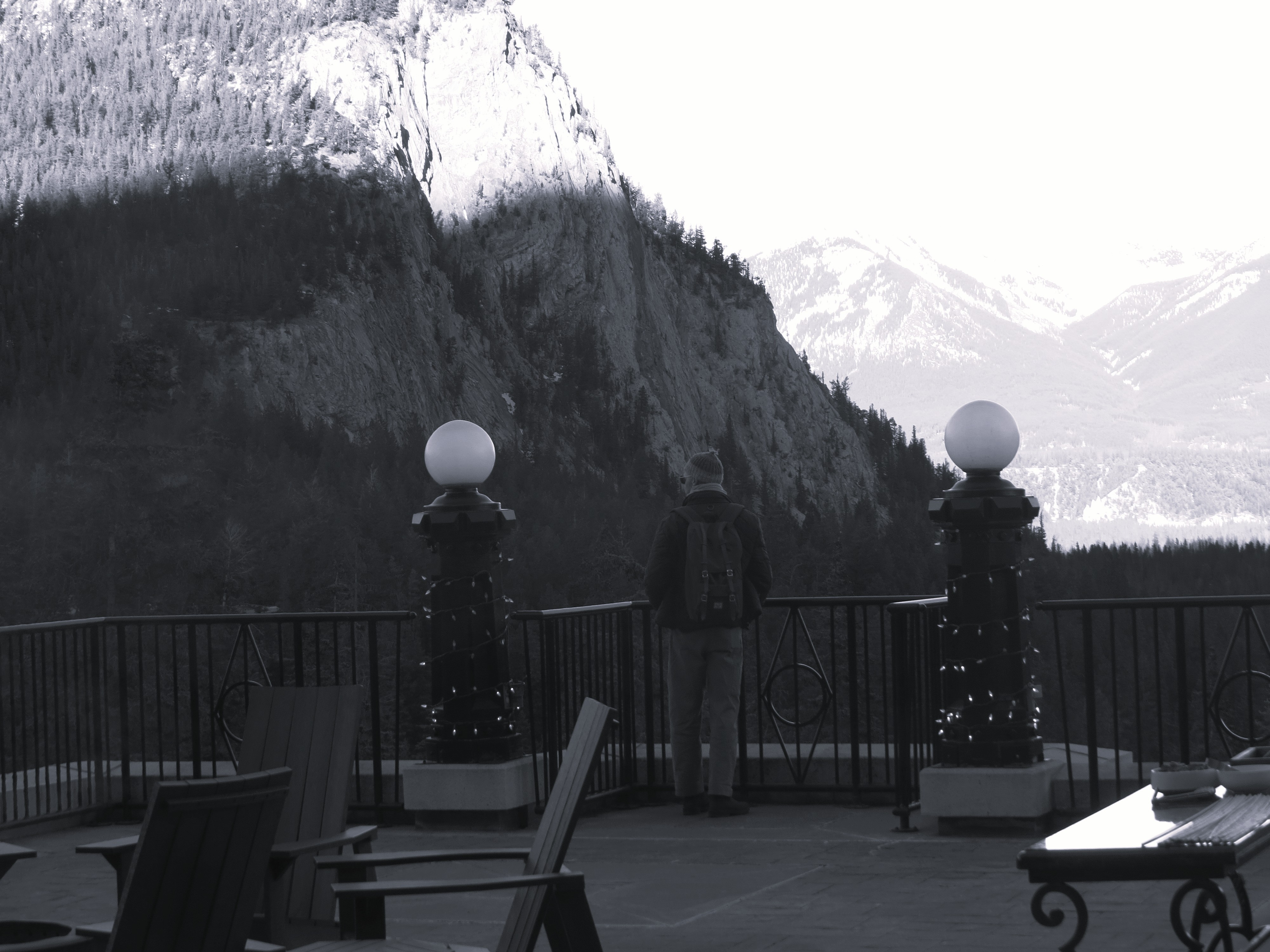
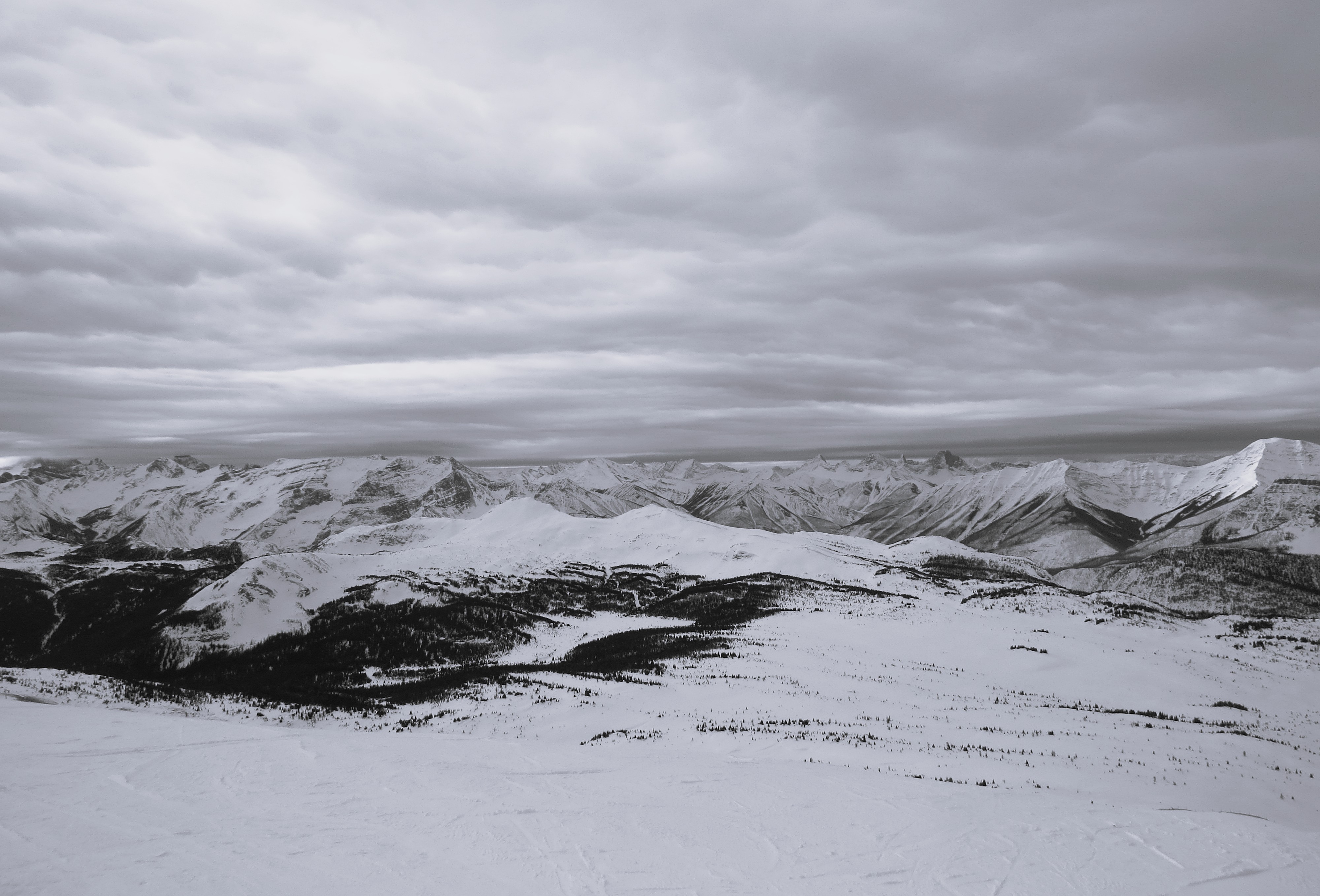
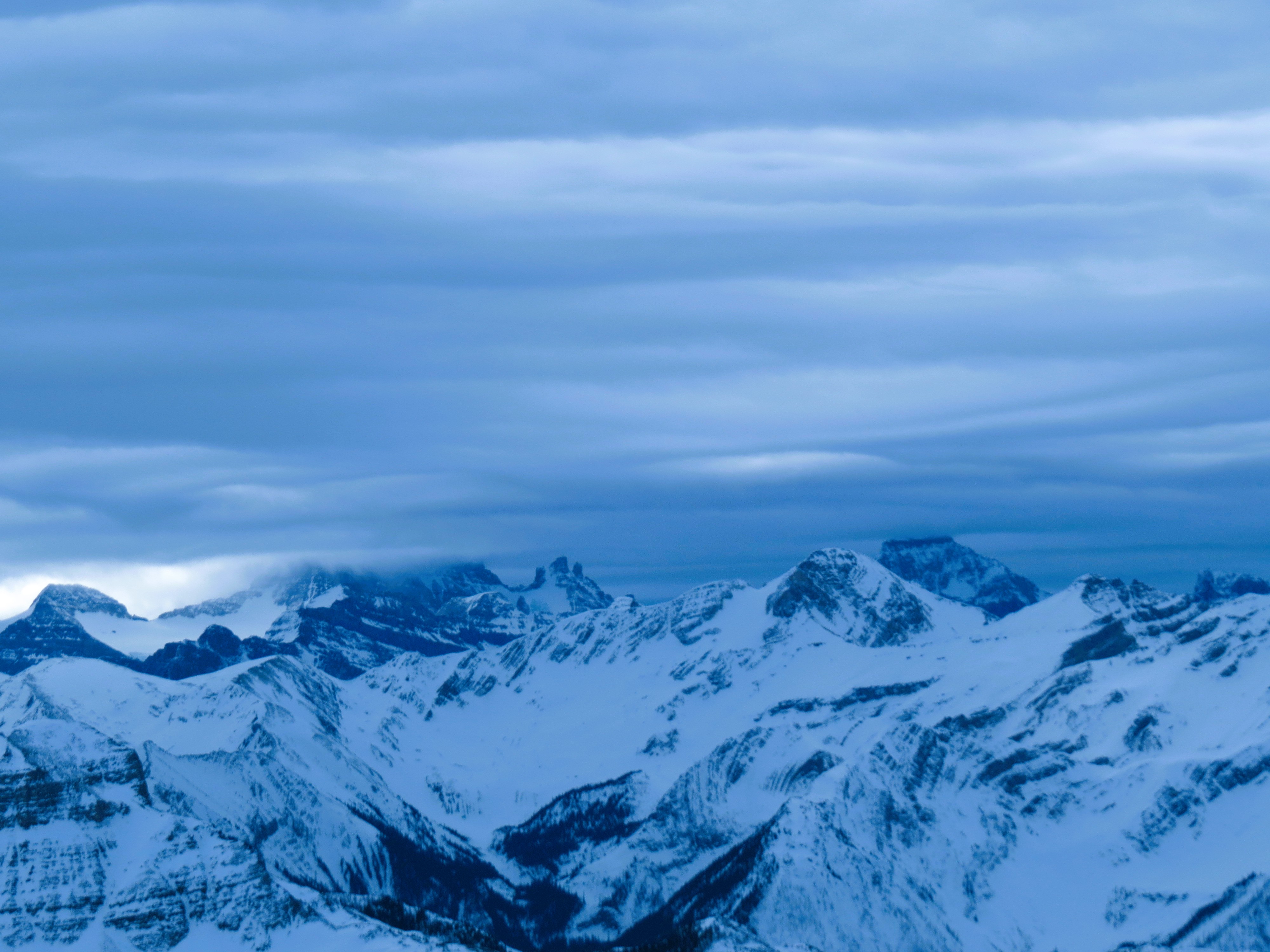
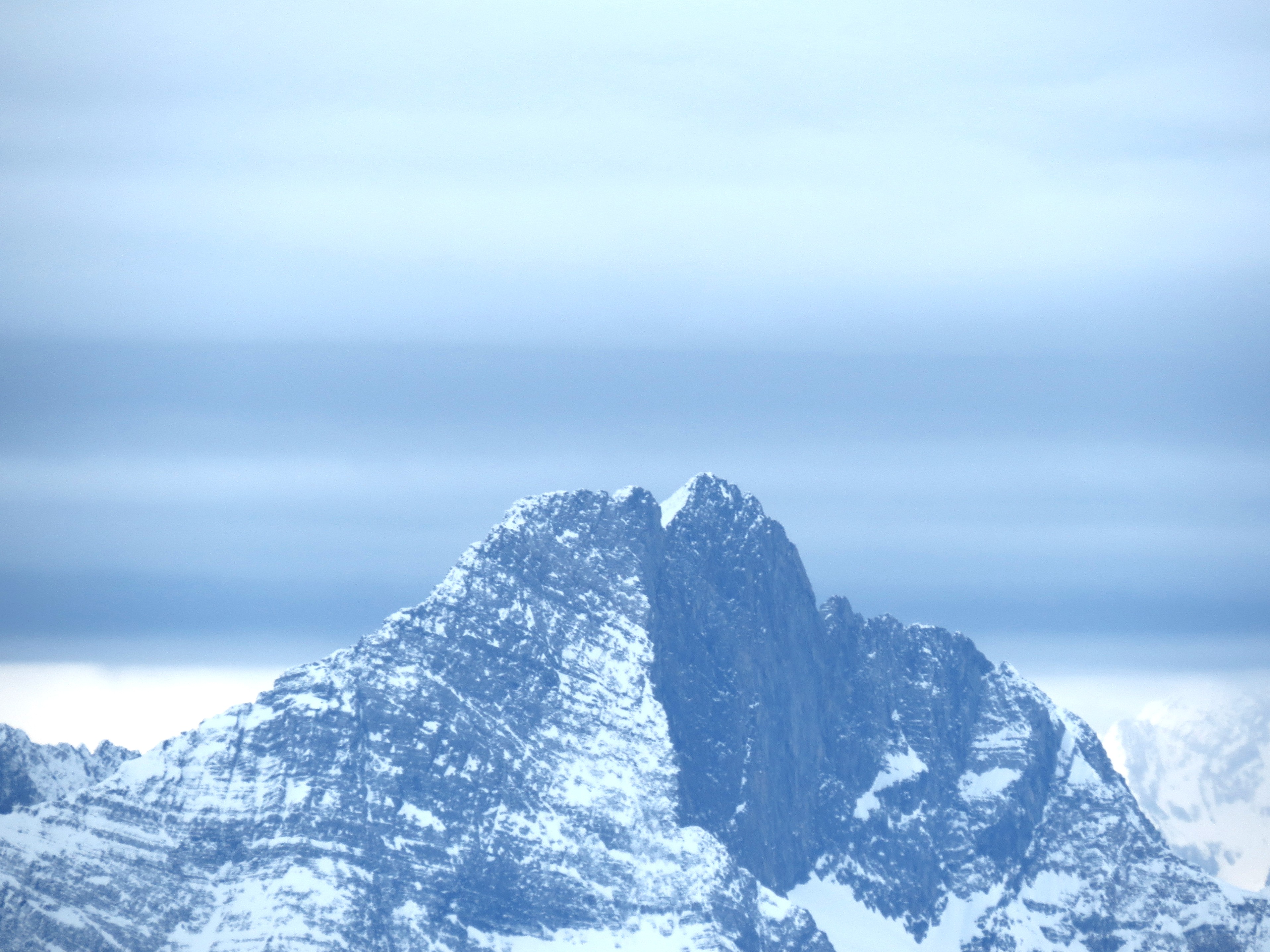
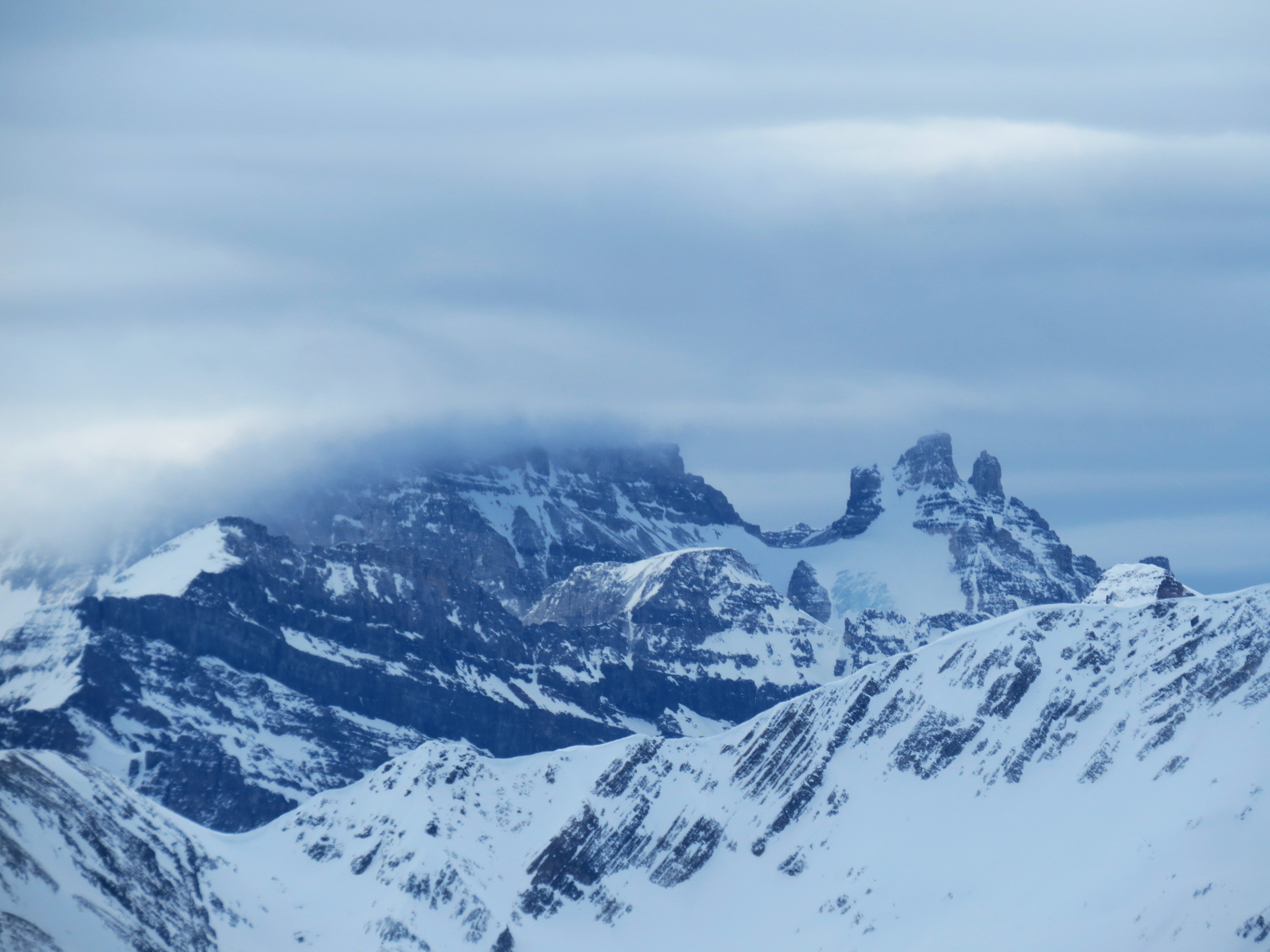
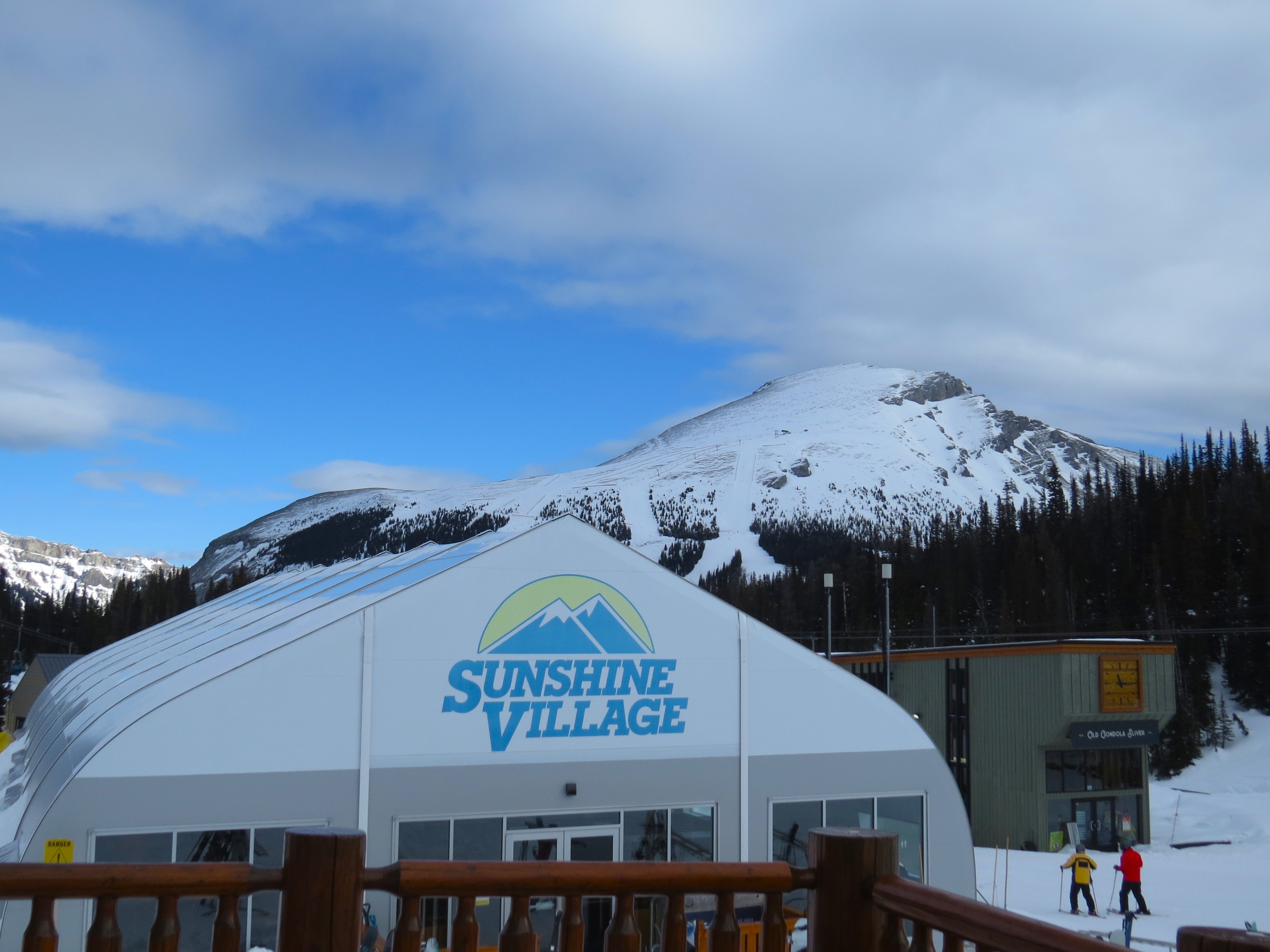
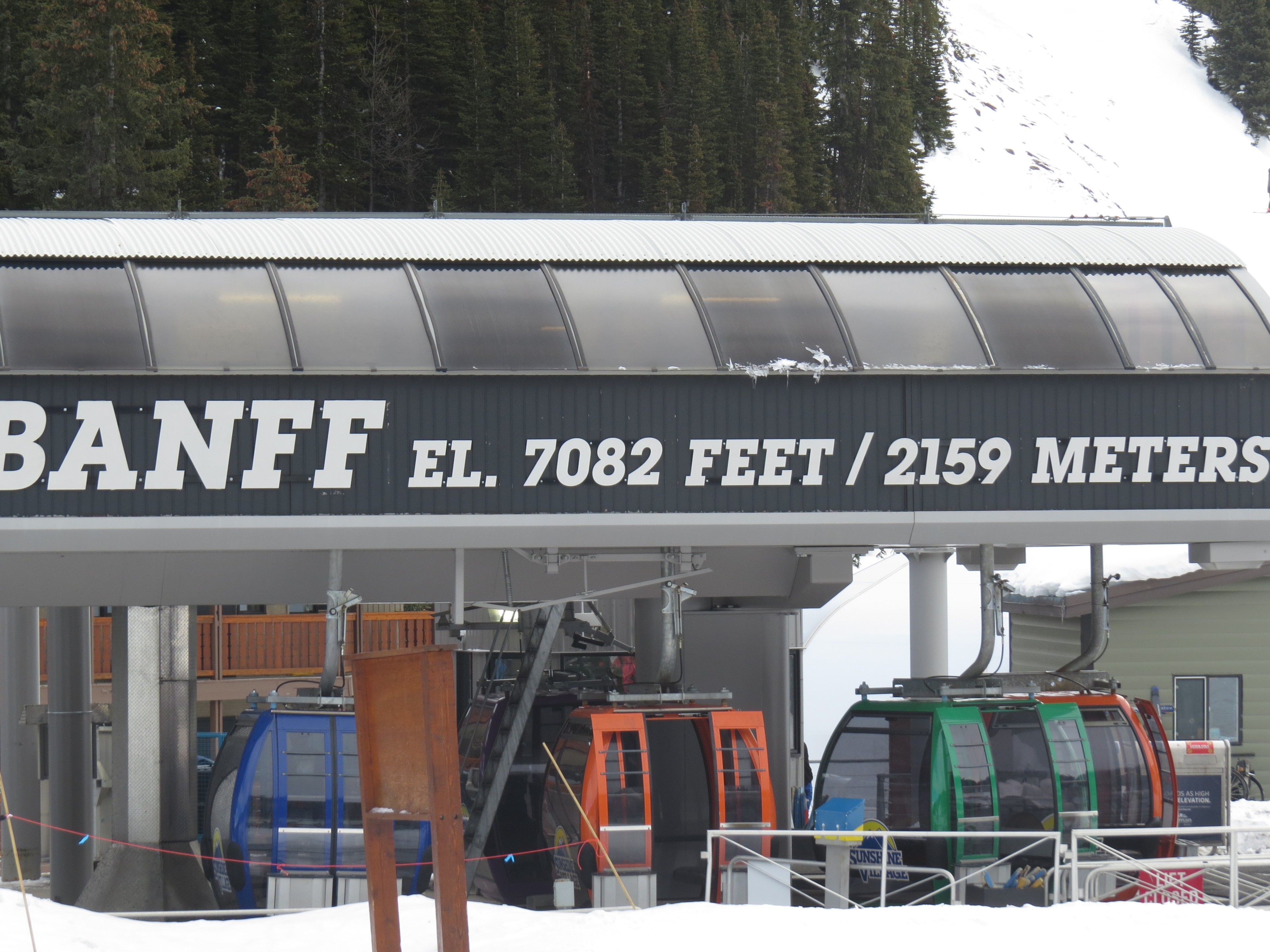
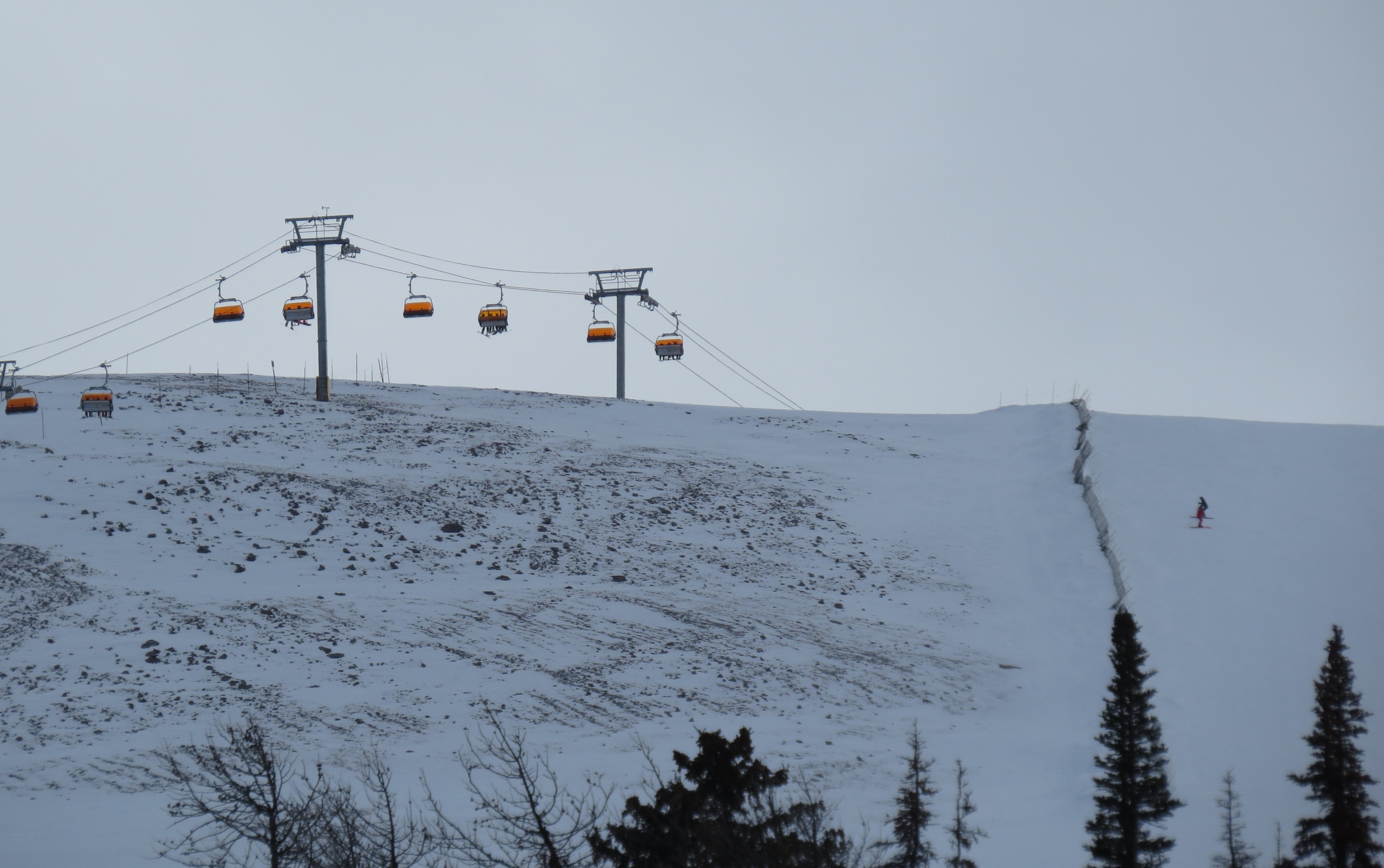
Jadę z przyjacielem, który ma się spotkać w Banff ze swoim przyjacielem z lat młodości jeszcze warszawskiej. Kiedyś był w Banff ale nie zna go aż tak dobrze, jak ja. Łazimy więc długimi kilometrami wokół zamarzniętej Bow River, wokół starego, monumentalnego Fairmont Hotel, gdzie kiedyś przed laty spotkałem i rozmawiałem z wielką gwiazdą Hollywood Jamesem Stewartem[i]. Idziemy do Banff School of Arts, gdzie kiedyś chodziłem na koncerty i gdzie bliski znajomy flecista Krzysztof Kaczka miał stypendium, gdzie kiedyś ja miałem dostać też swoje na pisanie – musiałem zrezygnować, bo inne wydarzenia w życiu nie pozwoliły na takie sabbatical.  Następnego dnia jedziemy do fantastycznego, mojego ulubionego w dawnych czasach, raju narciarskiego w Sunshine Village. Od czasu mojego wypadku samochodowego blisko rok temu moja lewa noga nie pracuje jak trzeba. W zasadzie spodziewałem się, że narty, zwłaszcza wysokogórskie, już nie są dla mnie. Aliści … nie ma lasu bez liści. Więc założyłem deski i … wio! Skłamałbym pisząc, że szusowałem, jakbym mógł rok temu. Ale radość jazdy mi zrobiły, mimo, ze chwilami bolesne i trudne. A potem kilka kilometrów do bazy już nie kolejka linową a droga w dół. Pierwszy i jedyny upadek miałem już przy parkingu, gdy się zatrzymałem by już odpiąć narty, źle chyba stanąłem i poleciałem na plecy, LOL. Następnego dnia pojechaliśmy nad Lake Louise i zamarzniętym na amen jeziorze złaziliśmy kilka dobrych kilometrów. Spoglądałem z ciepłym rozrzewnieniem na szczyty Mitry i Abberdeen, na lodowiec Victorii przy Lake Louise, hen po prawej ku Lake Agnes i przełęczy, którą kiedyś przechodziłem do Lake O’Hara i starego schroniska, gdzie przebywał kiedyś Jackson, jeden z malarzy słynnej Grupy Siedmiu; na moją ukochaną Mount Temple z bogami mieszkającymi na jej szczycie. Tym razem chyba naprawdę ostatni raz. Wiem, tyle już razy mówiłem, że gdzieś jestem ostatni raz … i nagle do tych miejsc wracałem. Ale tam już chyba faktycznie więcej nie pojadę. Ale jestem szczęśliwy, że pojechałem teraz. I w kompani serdecznej, dobrej.

A wracając zatrzymaliśmy się w Revelstoke na obiad w tym samym hoteliku, gdzie zawsze zatrzymywałem się z Moim Chłopcem, gdy jeździliśmy bardzo często z Vancouveru (mieszkaliśmy tu najdłużej) do Calgary odwiedzić jego rodzeństwo.

I to była historia moich podróży do Banff w Górach Skalistych.

poniżej link do historii malarzy z Grupy 7-miu

https://www.youtube.com/watch?v=7uSvO1PTbPY;


[i] James Stewart – Wikipedia – w Fairmont Hotel w Banff odbywają się od wielu lat Festiwale Filmów Telewizyjnych i na jednym z nich w latach 90tych Stewart zasiadał w jury festiwalowym.

Mann, Pandemonium and Tadzio

Mann, Pandemonium and Tadzio

Reading again the masterwork of Thomas Mann titled “Death in Venice”[i] took me to the edges of my agony of Love and Desire impossible. Of dreams and fears realized intellectually, but holding you emotionally as a powerless prisoner nonetheless.

Where is the line, the edge beyond which we are too weak to venture – and yet, we are crossing the borders all the time, becoming the papier-mâché dolls, whose strings are pulled by the demons and angels alike? Love and desire are narcotics, and we are the addicts. It is an ageless addiction, timeless struggle.

Mann’s writing is his Shakespeare’s “Romeo and Juliet”, his Dante’s ‘Divine Comedy’. But don’t be fooled by it as the only cornerstones of the emotional battles for they are also rooted in “Tristan and Isolde” of Wagnerian genes (through the musically insane “The Ring of Nibelung”). What is interesting is the fact that Wagner, due to his own romantic upheavals and problems, had to escape to … Venice to finish composing ‘Tristan and Isolde’. If Wagnerian music is added to the old Germanic mix (certainly known to Mann), than we can’t escape the influences of Valhalla! You imagination easily conjures the terrifying images of heavy hooves of heavy horses crossing the Alps, steam and foam escaping their nostrils, as they are marching to plunder and murder Greco-Italian vestiges of elegance and order.  They are not galloping to discuss the politics and laws on Capitol nor the philosophical counterpoints on Agora in Athens. They are galloping to wash Rome and Athens with Roman and Grecian blood! The horses of Apocalypse at the end of times[ii].

                Let us go back to temporary time. Here and now, to Moodswing Café in New Westminster[iii]. Pandemonium in my café, where I go on almost daily routine to write and to have my coffee. Always the same coffee – almost boring – but also a small sign of some order in my chaotic life, some ordinary habit. I came for that coffee and to finish reading Mann’s short story from Venice.

And I encountered pandemonium in that regularly quiet café: hardly a standing spot anywhere. Throngs of bodies, all sitting places taken. Gathering of folks from Rainbow Coalition.

By my table just a solitary fellow. I push few standing gatherers aside and sat by that table next to him. I placed my coffee there, ordered a snifter of wonderful Hennessy, took out my notebook, a pen and put it all on that little table. There was certainly very little place left for this fellow and his drink. He looked perplexed and asked me (without a hint of malice or any anger) very simple question: are you going to write in all that noise and crowd? I gave him a perplexed look and answered without any malice neither: Why wouldn’t I? I am w writer and writing is what I do, I’m not a mingler or joiner of crowds. I write here, by exactly this table. He seemed almost amused by my answer and continued slightly ironically: I didn’t realize it was your table (with the accent on the word ‘your’), should I move somewhere else? I completely disregarded the ironic tone of his question and turned my eyes to his face answering in matter-of-fact tone:  Why? That is very kind and very understanding of you. Thank you very much. For a second or two he was speechless and shocked by my candor, than stood up, looked down at me and asked tersely: are you satisfied now? To which I promptly and honestly replied: But of course! And once again – thanks for your understanding. And I returned to scribbling my notes, as he walked away with a shrug of his arms. You can’t blame me for being honest.

Mann conjures all the mastery of Spanish painters in a Goya’sque[iv] style of the turn of XVII and XIX century: the elongated faces, the eyes full of mysticism or terror as in his famous painting ‘Saturn devouring his son’. He sees and feels Albrecht Dürer[v] depictions of Hell few hundred years prior to Goya.The writer is an opposite – one would assume – of terror or chaos. He is from elegant and very bourgeois Munich – just stone throw away to majestic and also stately Austrian Alps. Yet … yes, there is always an ‘alas’!

Suddenly the elegant world of Herr Aschenbah[vi] collapses. From the stately Bavarian city, the elegant slopes of Austrian Alps, from the elegant hotel in Venice, he takes us to the rocks of Tartarus[vii]. Ang[viii], an ungodly proto-Germanic god dons the mask of hoofed Pan[ix] leading a dancing caravan to the edge of desire, of want unfettered by ethics constructed over millennia to constrain lust and primordial instincts. Greed to posses the ‘other’ – his or her body. Almost like today in my café: noisy, talkative, music pulsating, vibrating, desires shielded from being recognized, yet existing, breathing, sweating.

Mann-writer dons the coat of suitor-painter. Hoofed Pan leads Bests and human folk to dance macabre, bodies twisted by primordial instincts of need and warm mist.

Gustav von Aschenbach watches with fascination, yet with terror, as the body count in diseased Venice climbs. Bu so does the throngs of strange animalistic crowd descending from the slopes of the mountains.

I am myself getting tired of Venice, of the sound of hoofs, strange creatures and I leave my café and go to my apartment shielded from all the pandemonium. Leave Tadzio, leave Venice and Valhalla, leave Thomas Mann and his desires. Adieu to all, I am off to bed.

                Next day. I left and slept. But gods, the hoofs, the desires beautifully-innocent and the animalistic – they stayed up, waiting for me to finish their story.

Went again to Moodswing Café. All the creatures and characters from the book waited for me. Why should I write your stories? Because the reader?! What more does the reader need to know? An orgy in Elysian Fields[x]? Eurydice turning her back to Orpheus? The River of Forgetting?

No! I have much darker future to foretell you. On my own will, not forced by powers untold.

                I wish upon you a march, a cavalcade if you will through the boring meadows of mundane, fields of ordinary days and nights without dreams. Maybe even worse – memories of youth vanishing bit by tiny bit until the Etruscan vases from red clay will dry up. You will no longer remember Alexander and his lover, whom he made himself a living god; you will not recognize young Tadzio sitting on Lido in Venice.  But you will survive. You will not die there. You will live a long life somewhere in boring Bavaria forever regretting your cowardice and asking why did you not taste the sweetness of Tadzio’s lips? Never.

Trust me – that torment is hundredfold more terrifying than sudden death in Venice. Thus spoke Zarathustra[xi]. And who would dare to challenge god? 


[i] T. Mann, “Death in Venice”, trans. by J. Neugroschel; pub. by VIKING in 1998

[ii] from Biblical ‘Book of Revelation’.

[iii] Moodswing Coffee + Bar

[iv] Francisco Goya | Biography, Art, Paintings, Etchings, & Facts | Britannica
[v] Albrecht Durer | Biography, Prints, Paintings, Woodcuts, Adam and Eve, & Facts | Britannica
[vi] Mann’s – no doubt – self portrait in ‘Death in Venice’

[vii] Tartarus: The Greek Prison at the Bottom of Universe | History Cooperative

[viii] ANGST Definition & Meaning – Merriam-Webster

[ix] Pan • Facts and Information on the God Pan

[x] ELYSIUM Definition & Meaning – Merriam-Webster

[xi] Thus Spake Zarathustra – Wikisource, the free online library
My Three Loves

My Three Loves

My Three Loves never left me. I have never left them, nor have I forgotten them. Through all my early years as a teenager, in an old country on the old continent, country that was greyer than the buildings sorrowing people, who lived there.

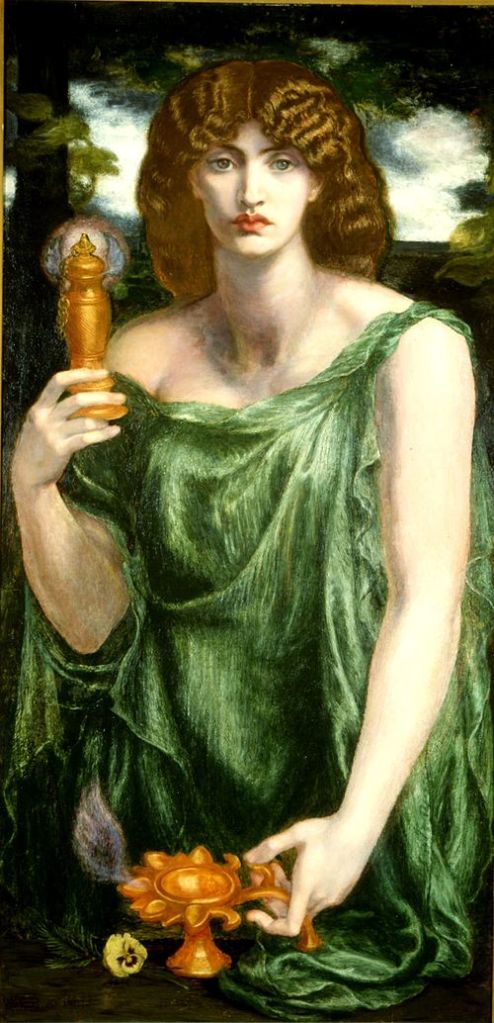
Mnemosyne

(by Dante Rossetti)

But my first love that had sprouted in my heart made it flowering, singing above the roofs of these grey buildings. The city of grey buildings, that rose from the ashes of the worst war that fell upon humankind. Yet – my first love gave it a warm embrace that belongs to the titanic Mnemosyne, mother of all the muses, daughter of Uranus and Gaia[i]. She was not the most sympathetic and meek of Titans with a slightly twisted taste in romantic escapades, after all she also bedded Zeus himself, who was logically speaking … her brother. But who’s blaming anyone? Not the Greek gods (or any gods, god forbid!) for their erotic (diss)behavior. I am merely a human, nothing more. For me then, in the grey city of my grey youth, Mnemosyne was the mother of Muses. That cleared her of any other crimes or indiscretions. Who would anyway, any other way? Surely, not when you are fifteen, seventeen or twenty! Love disregards all and any boundaries. And I was in love! Purely platonic, but fearless and furious; intellectually and emotionally on equal basis. And that love, otherwise called ‘friendship’, stayed with me my entire long life. I have never left her, she stayed with me in my traveling luggage all these decades.

My two other loves happened years after the first one. The next one happened almost unknowingly to my senses. It happened in that old country, still very much grey and poor, but on a threshold of new-found freedom, with dreams and appetites for brighter and greener fields ahead. A boy was borne of familial spring, just like the nymphs chasing after the image of Hyacinthus immortalized by songs of his Olympian lover – the God of Love Itself.  But beware of love offered by gods, my dear boy! They never end well for lesser lovers. I’ll tell you a story here, later on, in the last chapter, of the price I paid for asking for, and being granted the Love Immortal. The grief is as deadly, as the disk of Apollion that killed his lover – Hyacinthus. But wait, I take back these warnings and the words of sorrow and grief. For Love Eternal outlasts grief and sorrow. Each time and every time. Lament is temporary and is a sign of temporarily losing your perspective. If you grief losing a lover – the lover’s love will come back to you in time, for love can’t be solitary. It will seek and enter the other lover’s soul, because Love needs a nest.  

Alas, we went too far in this true fable, the allegoric story of my ordinary life and my Loves Immortal.

Boy was born in the Old Country, as I said. We all rejoiced. Remember walking with my parents, his older sister (a child herself), and the little boy in a walking stroller, a long walk through the countryside near Warsaw, through fields and meadows, to an old palace of some aristocratic imminence and a beautiful stream running through the meadows. Of course, we all loved the new boy. But I had no idea how important, how encompassing, and not always easy at all, that love would be. Didn’t have to wait very long, though, just few more years, few more of my returns to that old familial country and I knew. It was unspoken, unexplained, but very clear. She sprung not suddenly and unexpectedly, didn’t come from ‘the bolt in the sky’ (as it did happen in my last Love Eternal).

It was warmly growing inside me, flowering with tenderness. He was still a child, whom I could carry on my shoulders, as we walked through the streets of that old city that used to be so grey in my youth. But now the city was truly beautiful, transformed by modernity and embracing Western Europe. With that, it embraced the traditions of old Greece, of Zeus and Plato, and Plato’s talks with the boy Phaidros. The sweet youth, who desired his teacher, the old Socrato, and a thought that there must be something wrong with him, since his beloved teacher would not accept the gift of his pupil’s young body. But Socrates was wiser than simple desire. He knew that the boy deserves better than a tired body of not very attractive nor a rich old teacher. That in itself, without any further arguments, proves that Socrat was perhaps in love with that youth and choose of his own will a chanced possibility of better future for Phaidros. A sacrifice, if you will.

Not unlike relationship between Herr Aschenbach and sweet adolescent Tadzio, in “Death in Venice”[ii]. Sweet, tender and innocent – until one afternoon Aschenbach runs away from Tadzio to a park, exhausted and ashamed of himself collapses on a bench and hears himself saying aloud the dreaded proclamation: I love you. But once you say it aloud there is no escape, no turning time back. Ha! That ‘thing’: your desire, your dream could be the abyss of torment. Bliss and condemnation eternal.

What happened in that novella, if it happened and why, is totally irrelevant to our discourse on Love Immortal.  If you want to – buy or borrow that booklet from a library. It is not very long, but definitely it is master class of literature.

Hence – back to our story, my Second Love eternal to that boy from an old capital in Central Europe. Years (not that many in my calendar, but must have felt like an eternity in a teenager’s life of that boy) have passed and that boy, in a pivotal time of transformation into adulthood, comes to me in the New World, across the vast ocean and entire continent in search of his destiny(?), his ways through life. In short: in search of himself. At that time I was already well established, secured and totally committed and enthralled with my lifetime Love Eternal, one that consumed me happily, engulfed, and enthralled me without any hesitation. The one that was romantic and erotic. That boy from the Old Country came here exactly for these reasons, too. Firstly, he knew that I love him dearly and sincerely and I would not offer him anything that would be false, or based on pretense or judgment; would protect him, in as much as I could, from any harm that a sudden freedom can bring too.

That was the time, when my Love for that boy transformed to my Love Eternal: when he stopped being a boy from an Old Country, a nephew, for whom you care enormously – he became my Prodigal Son. Without any too strict connotation to the biblical story (of course, if needed, mistakes and transgressions would be forgiven – what proper father would not?). With another number of years the boy become a mature, well established, and educated man. For any parent, biological or emotional, it sounds like a solid reason to be proud. I am.

My Third Love

How should I name you, how should I call you, by what name? Who you are, who you were, where are you?

I can call you by my name for you are me. I can call you by your name for I am you. I can call you Love for you are My Love. Encompassing all my days and nights. Quivering like a blade of grass on summery meadow. Quivering and fluttering like my heart, when I call your name. I won’t be scared whispering to you: I love you – I will be brimming with pride, when I say it. You, who crossed the continent with me, to be with me. When I asked you, where we should settle for our sunset years, you answered: anywhere where you are going to be, because you are my Home.

When we met at the foothills of majestic Cordillera, bellow the amazing peak of Assiniboine Mountain, on the meadows flowing from the enormous Mount Temple, when we walked in the shadow of Mount Robson I wanted to hold your hand in mine. Wanted to show you how beautiful you look in the glory of these peaks surrounding you. Wanted to ask the angels floating around these peaks to come down and embrace you in their warm, godly wings. Just as I would, if I was a god. Maybe we were the gods? Didn’t we possess the most important attribute of deity: Love Eternal? Love that is everlasting. The Black Angel of Mercy in Hyde Park on Manhattan told us so, when we went on sunny October day to visit him.

When we walked the beaches of Northern Pacific in Tofino telling the anemones the story of our love – they danced in waves of happiness; when we walked the white beaches of Eastern Shore on Atlantic coast of Nova Scotia – the eagles danced above our heads and parasailors smiled seeing us traversing the beach.

You – my Third Love were the epitome of love, the Mount Everest of being alive. If I ever would lose the sense of smell – I would still remember the smell of your skin. If I ever lose my sight – I would still clearly see your eyes. If I ever lose my memory – I would want to not know who I am at all, because I would be nothing without the memory of Our Love.


[i] parents of Zeus

[ii] a novella by Thomas Mann

Of Love mortal and immortal. O miłości wiecznej i odchodzącej. Year of changes.

Of Love mortal and immortal. O miłości wiecznej i odchodzącej. Year of changes.

Dec. 18.25 Moodswing Cafe

Strangeness of time

I am, I’m what’s left of us.

Me broken, stooped, and slower.

Me lesser of what were us.

Still here, still trying to be.

Submerged in constant little

battles bloodless, but mortar

nonetheless – the floor as any

battlefield strew with small

partial , dismembered corpses

of me: an arm raised here,

eyes lurking impatiently,

heaving chest, dark nipples

                waiting for your lips

                or fingertips

Monday after Friday,

daylight after dusk:

all out of their order,

timeframes, expectations.

Books opened, never read

beyond few pages, with corners

bended at their upper edges.

An old clock showing time gone.

Not winded, as it would somehow

mark the transit of space.

No shadow of you in new

apartment you never lived in.

                But come and kiss my belly,

                or touch it.

***

Rain, wind, coldness.

Christmas is coming

to wet and windy city.

Why is it coming uninvited?

What should I not buy you

as a gift? What will you

not cook for me again?

Bluish cold lights of huge

electric metal irises

stare at me sitting

at Moodswing Café.

A couple sitting behind me

laugh and touch themselves.

I smile and pretend not to be

offended by their tenderness.

But I am, of course! What

right do they have to enjoyment?

I can be not understanding,

to be angry, egoistic, to be void.

After all – it is Christmas time.

The joy, the hope … o, spare me!

Yet … I am void and alone,

empty and hopeless, silenced.

But the couple, their laughter,

their touching and sparkling eyesight

                makes me remember, feel and taste

                your kiss, touch.

****

It is so much more than silence,

emptiness and want unanswered:

the eons of nibbling your earlobes,

tasting the saltiness of your skin,

erupting hunger that was fed and fulfilled.

The Tree of Love is greenish with

it’s leaves even in the deepest

of winter; in the dryness of dessert;

the bareness of Himalayan peaks.

In the Hannukhahs of Judea,

the Euprhates of Babylons,

in the Brahmaputras seeking Induses,

and Blue Niles washing Sphinxes.

It is the tiny Elbow River

at the footsteps of Kananaskis,

where I undressed you

to marble nakedness, and

made symphony in the grass.

Our Judea, our Palestine,

our Vilno and Polesie,

our Manhattan and Piraeus,

and our tiny Bragg Creek, where

I tore your coverings off you.

                Your Frederickton and my Torun;

                Chopin and Patsy Cline.


(Melriches Cafe, Dec. 26.25)

Jesteś ciągle blisko,

choć co raz dalej.

Rozmawiamy codziennie,

ale co raz krócej.

Trudno mówić o światach,

które są obce:

                mój dla ciebie,

                twój dla mnie.

A przeszłość? Przeszłość jest tam:

za tobą i za mną.

I nigdy się nie zmieni.

Nie uleci z niej jeden dzień

i nie przybędzie jej jednej minuty.

Będziesz w niej na zawsze

i ja tamten będę w niej.

Tylko ja dzisiejszy

nigdy tam nie wrócę.

Są drzwi, do których

nie ma klucza,

które nie mają klamek.

Na zawsze zamknięte.

Z tym jest mi najtrudniej

się pogodzić, oswoić, uznać.

****

Zostają słowa biegające

nerwowo, wystraszone

od ściany do ściany,

od dnia do nocy.

Krzyczą, ale nikt

im nie odpowiada.

W ciszy toną we łzie

przemienionej w ocean.

Zimny, głęboki, bezbrzeżny.

Jak tamten, tam właśnie,

gdzie zbudowałem nasz

Fort Miłości, w którego

korytarzach i komnatach

nikt nie mieszka.

Może kraby o zmroku

tam spacerują, dyskutują.

Może za dnia przysiadają

mewy zdumione lub znudzone.

                Miłość cicha, smutna

                o zmierzchu i o świcie

                w białej sukni snuje się tam.

Za dnia skrywa się zlękniona

w gęstwie rachitycznego

lasku obok, który zmaga się

z odwiecznym oceanem,

by przetrwać jeszcze jeden rok.

    Żal mi tej miłości, że nie

   nie miała czasu doczekać ciepłej

  starości w fotelu wiklinowym,

z termosem ciepłej kawy obok.

                Prowadzilibyśmy długie

                wieczorne rozmowy, grzane

                tym ciepłem, tym spokojem.

                Może byśmy układali razem

                przednocnego pasjansa?

(by B. Pack-Gamalski, Vancouver, 2025)

Pamiętajcie o beztroskim śmiechu – jest ważniejszy od poważnych twarzy

Pamiętajcie o beztroskim śmiechu – jest ważniejszy od poważnych twarzy

W centrum starego New Westminster jest, od wielu już lat, bardzo modernistyczny i nowoczesny budynek Convention Centre, zwany Anvil[i]. Miejsce spotkań: z lokalną sztuką, lokalnym rękodziełem, lokalnymi aktywistami socjalnymi.  Reasumując – miejsce spotkań sąsiadów, taki a’la ratusz minus cywilna i polityczna siatka biurokracji. Tam (City Hall) spotykają się politycy i biurokraci na niekończących się zebraniach, nasiadówkach i dyskutują, jak wydać nasze pieniądze; tu, w Anvil, spotykamy się my: mieszkańcy i robimy wystawy, potańcówki, prelekcje, przedstawienia teatralne, muzyczne. A jak Święta, to wiadomo – musi być coś wesołego, radosnego w kontraście do tej bieganiny zabójczej za jakimś beznadziejnymi i na ogół mało pożytecznymi prezentami, blichtrem, który nikomu żadnej autentycznej radości nie daje.

Kto, do takiej bezpretensjonalnej, lub może odwrotnie: pretensjonalnie tak nadętej do granic możliwości, że przez ten absurd staje się bezpretensjonalną zabawą, nadaje się najlepiej?

Tak, naturalnie – drag queens! Rzeczywistość jest dla nich absurdem pozbawionym sensu istnienia; normalność, to takie nudy, że na mdłości zbiera. Drag Queen, to de facto wolne ptaki w społeczeństwie, któremu odcięto skrzydła fantazji i wolności.

Więc wczoraj w tymże Anvil Centre Draqq Queens z New Westminster pofruwały nad nami swymi surrealistycznymi skrzydełkami, poskakały, pośpiewały i zagrały nam palcami na nosach-fujarkach.

Widziałem w swym życiu dużo lepsze drag show – ostatecznie to jest forma wysokiej sztuki scenicznej, wymaga talentu i ciężkiej pracy – ale te było, jakby ad hoc zorganizowane, nie po to by olśnić skomplikowaną choreografią i treściami a po to, by wywołać uśmiech na twarzach znużonych świąteczną bieganiną. Trochę beztroski, po prostu, zwyczajnie. Trochę dziecka w nas obudzić.

No i z radością patrzyłem właśnie na twarze stosunkowo licznej grupy dzieci, które też przyszły to widowisko oglądać – te były najszczęśliwsze i oklaski dawały najgorętsze! Być może z całego showu – to właśnie rozbawiło i rozczuliło mnie najbardziej. Ta reakcja radosna tych dzieci.

Christmas, for some, could be difficult. It is now for me. But for most it is also very tiring end of weeks of shopping and running after the best deals for presents and trying to remember about others. Sadly, most of the gifts is not really what our dear ones need. They just need us – not our wallets and boxes of more ‘stuff’. But, be as it is – we are a bit cranky and tire of it all. Time for some simple laughter, joy unpretentious, simple. Child-like perhaps?

That is exactly what the small sow of drag queens in Anvil Centre in New West offered yesterday. Not feeling particularly joyful these days – I listened to suggestion of my friend and almost forced myself to go. What a simple and very modest yet natural drag queen performance it was! Laughter, joy. Screaming to the onlookers and the world – allow yourself for some magic, for being free for few hours. By what you perhaps wanted to but were too timid, be perhaps a child again with abundance of imagination a none of the barriers we erected later as adults.

That’s what they are – the drag queens. A possibility of ‘what if?’ or ‘why not?’. And it is wonderful, liberating emotionally. But the most joy I have received from the show, was not watching the talented performers – it was the laughter and the smiles of the children, who came with their families to watch the show! So seldom they can see their adult families and friends, to be brave enough to become someone else for a moment. To imagine.


[i] Anvil Centre

A day the life changed

A day the life changed

You did talk to me last night, first time in a while. Yes, it was a strange night, followed by strange day. Or was it the other way around?  When you are alone, without a set schedule or watch, things do get mixed up easily. Dates especially: Mondays become Fridays, Fridays Tuesdays. So what happened to Wednesday, you ask? Who cares what happened to Wedneday, perhaps I left it on a beach, or on a bench in some park? Maybe it is still in the shower when I saw it last time I was taking a shower? What? Do I not take a shower every day? Maybe not, maybe sometime I take a bath, who cares? You really are asking way too many questions and it is my story anyway. Be quite, just listen.

No, not you, Babycake – I’m talking to my alter ego. You wouldn’t ask such stupid, mundane questions.

But the day or the night when I was still in bed, when I was sleeping, I dreamt of you, I talked to you. Have not done it in a while. I thought that you just let it go, these talks of ours across the boundaries of life and death. Thought maybe there is some allotted time that you can do that and maybe you have used it up? I don’t know. Remember? I am the one still left alive, never been consciously to the other side.

None of it is important really, anyway. I have dreamt of you in my sleep. It woke me up and there you were, next to me. No, I couldn’t see you, but you were there talking to me, you were saying something important.  You said that I have to understand that I am alone. That adjective ‘alone’ stood up as a mountain, a wall impregnable, forest too dense to walk out of it. I was getting used to be ‘alone’ in an adverb form.

Since I came back to our home, our former life here, in this city, this province, I have become very busy in many aspects: walks, friends, beaches, concerts, plans. It was just hard to go back to our home, our street. So I did it very seldom, hoping that it will allow me to function as normal as possible. And it did. Had evenings in bars, laughter, maybe a flirt or two. It seemed normal, I was spared any regrets. It was almost as I would finally get across that invisible line of Doctor Time, who heals old wounds; whose grief becomes first bearable, then transforms itself into a memory. Memory that is sad, but also happy that we did have our time, we found each other among the millions of people. As I was told many times, that it will get easier.

You think that was an expectation too easy, perhaps? I am not, after all, just a single guy ready for the picking and ready for harvesting. Is there anything wrong with it, isn’t it logical, practical?

I have reached to my writings of the early days after you were gone, to the first winter after you were gone and my constant visits to the gravesite in Pictou. Yes, that old ancestral town, where we were going to build our home, and spent the rest of our lives in that home.  We did not.

(notes from my writings after John’s passing by the end of November 2022)

Pictou

                One year. It is hard as hell. Came to Pictou to spent time on the cemetery where we put your ashes. It’s windy, very cold. Desolate place. There was no one else there, on the cemetery. I know – it is only a stone with your name on it. Yours, your parents, and your baby brother you never had a chance to know. And now, there is also your oldest brother Fraser, who was laid there just few months ago.

Cleaned around a bit, threw away old winter flowers, and fixed things. Fixed things? How to ‘fix things’? Nothing can be fixed, when everything is broken.

Yes, I know that you are not there, not under the ground. You are with me. Forever. I have engraved on that stone myself that you are forever in my memory. I looked at the letters and smiled. In my memory, really? That’s what it all came to? Our Love, our life: to be remembered? How silly words could be, when they try to describe emotions, feelings. But still hoped that many years from now, when all of us, who knew you and me, would be gone – a stranger would wander to that gravesite and he would think, that the guy who is buried there was indeed ‘non omnis moriar’, that part of him lived in that other guy’s heart. Nice thought.

You and that Love of ours are engraved not on the stone, but in my soul.

Me? I don’t remember who I was before I met you. I was just waiting. Waiting and searching for you – and I have found you.

                Now, now it is almost three years later. I am here, back to our good life on the shores of the other ocean.  Were we had home, a nest, were we had dozens of friends, people we cherished and who cherished us. Some were ours; others were exclusively yours or mine.  The two halves of Us were surprisingly very independent and strong, if only by the constant knowledge that the other half is there to make it whole.

I don’t have that knowledge anymore. The other half is gone, it is just me left. Those many people I have known, and who sought my presence are still here. Not all of them, granted. Some have left either this life (as you), or this city. But some are still here. None seem to really need me. I am not sure I need them. Of course there is some curiosity, some friendly waving of a hand: how nice to see you again, you are looking good … and so on. I thought that I would need to search for them myself, that I would want it very much. But if I’m always finding excuses and ‘important things’ that prevent me from doing it – am I really?

I have one important friend and, strangely enough, one with the shortest amount of time we spent in this city before we left for Nova Scotia.  Less than a year, I think. After my dearest nephew had to go back to Poland, but still this young and very mature nephew was my angel in the first month after John was gone. Then my niece with her husband and son came to stay with me. But he, that younger friend of mine from Vancouver, somehow helped me in the dark months after I was left alone in Halifax. The rest seemed like eternity. Eternity of being in hell, or waiting for the hell’s gates to be opened, to swallow my world. At these dark times that younger friend kept me connected to the world and people by phone. Our long conversations were instrumental of me getting the skeleton of myself back into me.

That is how I did return. To the place of Our home, our happiness. These places somehow were the strongest magnet for me. I submerged myself in going alone, for days on end, on long walks through parks, streets,  squares, building  were we lived, were my mom lived, were I was with my sisters, my nephew and niece. Places that were calling me. Yes, places, much more than people.

I think that we all have these special places, sometime in many countries, on different continents. Special places that act as an anchor on a ship of life. Where we can drop that anchor and stay safely in some magical Bay of Memories.

It is also a time to untie that line across the sides of our two separate boats: mine and the one belonging to my younger dear friend. He has journeys to make across the sea himself, his journey, not ours. That is also a part of me being alone. My boat is rusted a bit, engines are old. It will still make it though, the last long sailing, perhaps passing the Cape of Hope (not the Cape of Horn), back to original shipyard of its maiden voyage. Then I will rest.

After that rest, I will go alone on many walks to many places (some might not exist materially anymore, but will in my world) that will call me. Solitary walks. It will be like existing in two different dimensions.

One day (no, not in my sleep) perhaps suddenly, out of the blue, I will see you taking the same trail or road and walking toward me, and I will stop being alone. I do hope so. Even in a faint split second before the big Nothingness.

It is what it is. Could be silent, but even than it is not nameless.

Yet, we will not call that name today. We know what it is. Sad but proud; weeping but not hysterical. Sad but understanding; resigned but not broken.

Thinking – strangely enough – about two old movies, that made an enormous effect on me as a very young boy. One with Lamberto Maggiorani in “Bicycle Thief” [i] and incomparable Gulietta Masina in “La Strada”[ii]. Dreams and loves. Devotion and standing by your loves no matter what. Beyond the beyond.

Words. Many words.

The soft and the tense.

Words that can pierce,

be sharp but still true.

They are an umbrella

on a rainy day:

it does not bring sunshine,

does not clear the sky,

but it saves you from being wet.

Perhaps there is even a chance

that such an umbrella

will take a flight with you

to the clouds, to the skies.

It is better to be silent

than to use the thread of words

for making a garment

of lies and half-truths.

Walk silently through

the park filled with good words

where leafs whisper

the promise of a kiss and

touch of fingertips and eyelashes.

Words should never be

like grains of sand in a desert

or they will lose their meaning.

It is good to thread them

on strands of necklaces,

make earrings of them –

it makes them easily accessible,

without the need to always

use a coin for new ones.

Words, you see, are like

years and days: they are

 on very limited number.

The story lives

in your heart and soul,

not in thesauruses.

Words are the keys

to books unwritten, yet.  


(Polish vrsion – both were written simultaneously, not a translation)

Słowa. Dużo słów.

Te łagodne i te nastroszone.

Słowa, które mogą kłuć,

być ostre, ale prawdziwe.

Które leczą a nie jątrzą.

Są jak parasol w słotny dzień:

nie przynosi słońca,

nie przepędza chmur,

ale chroni przed zmoknięciem.

Jest nawet szansa, że jak

w starym filmie porwą cię

w podróż w chmury,

na spacer po niebie.

Lepiej milczeć niż szyć

z nici słów opowieść

kłamstw i fałszu.

Milczący – przechadzaj się w ciszy

parku pełnego dobrych słów.

Jak liście pod nogami szeleszczące

obietnicą pocałunku,

dotyku palców i rzęs.

Słowa nie powinny być rozrzutne,

by nie tracić swej wartości.

Warto je nizać na nitkę

naszyjników i zausznic –

masz je wtedy zawsze pod ręką,

nie musisz trwonić monety

czasu na stale inne, nowe.

Bo słów, jak lat i dni

jest ograniczona ilość.

Opowieść mieszka w sercu i duszy –

nie w tezaurusie.

Słowa to klucze do ksiąg,

jeszcze nie napisanych.


[i]Bicycle Thieves (1948) – Film Review. Italian neo-realist classic.

[ii]La Strada (1954) – IMDb

Czas już żegnać się … a ja nie potrafię

Czas już żegnać się … a ja nie potrafię

W kwietniu 1999 roku poszliśmy w wielkiej arenie General Motors w Vancouverze na koncert Andrea Bocceli. Siedzę teraz i słucham jego dysku ,Romanza’[i].  I krzyczę bezgłośnie.  Bo to wszystko wraca: nasze koncerty, nasze podróże, nasza miłość, nasze marzenia.

Ostatnią ścieżką na dysku jest oczywiście duet „Time to say goodbye” Sary Brightman z Bocellim.  Ileż razy słuchaliśmy tej porywającej i strasznie smutnej piosenki … czas się żegnać już.  A przecież nie był! Nie jeszcze i nie tak.

I podła pogoda za oknem dziś, deszcz w silnych podmuchach wiatru, nie zastanawiając się wiele pomyślałem: posłucham „Romanzy” Bocelliego. I było OK, uwielbiam jego głos, jego interpretacje. Zapomniałem o tej ostatniej ścieżce dyskowej i kompletnie mnie powaliło, gdy popłynęła ta pieśń i Sara Brightman w duecie z Bocellim.

Sara, którą uwielbiał za jej niezapomnianą kreację w roli  Christine Daaé  w „Upiorze w Operze”. Był aż trzykrotnie na tym przedstawieniu: raz jeszcze w Calgary i potem dwukrotnie w Vancouverze, ze mną, ze swoją mamą jeszcze w Calgary i z moją później w Vancouverze.

A teraz, z tym ponurym deszczem zbliża się ten dzień fatalny w listopadzie. Dzień, w którym nadszedł ‘czas powiedzenia żegnaj’. Przeklęty dzień.  W jakiś sposób umarłem wówczas też.

Miesiąc wcześniej, gdzieś o tej porze października jak dziś, wymusiłem na nim przejażdżkę samochodem.  Pojechaliśmy na plażę, pierwszą plażę, na którą pojechaliśmy po przeprowadzce do Nowej Szkocji kilka lat wcześniej.  Wybrałem trasę piękną jesienią przez Cow Bay Road, prowadzącą malowniczą drogą nad wybrzeżem, wzdłuż lasów zielonych jeszcze, aż do tej Haven Beach i słodko-słonych rozlewisk jeziorno-bagiennych przed plażą. Był zadowolony. Ja też. Wiedzieliśmy, że nas czas się kończy. Nie sądziłem, że tak szybko. Zdjęcia poniżej z tego dnia właśnie.

Nigdy, przenigdy nie pogodziłem się z tym. Nie potrafię do dziś.  I nigdy już sobą, takim, jakim byłem, być nie potrafię i nie będę.


[i] „Romanza”, producer PolyGram Group Canada Ltd. (based on 1996 Insieme Srl).