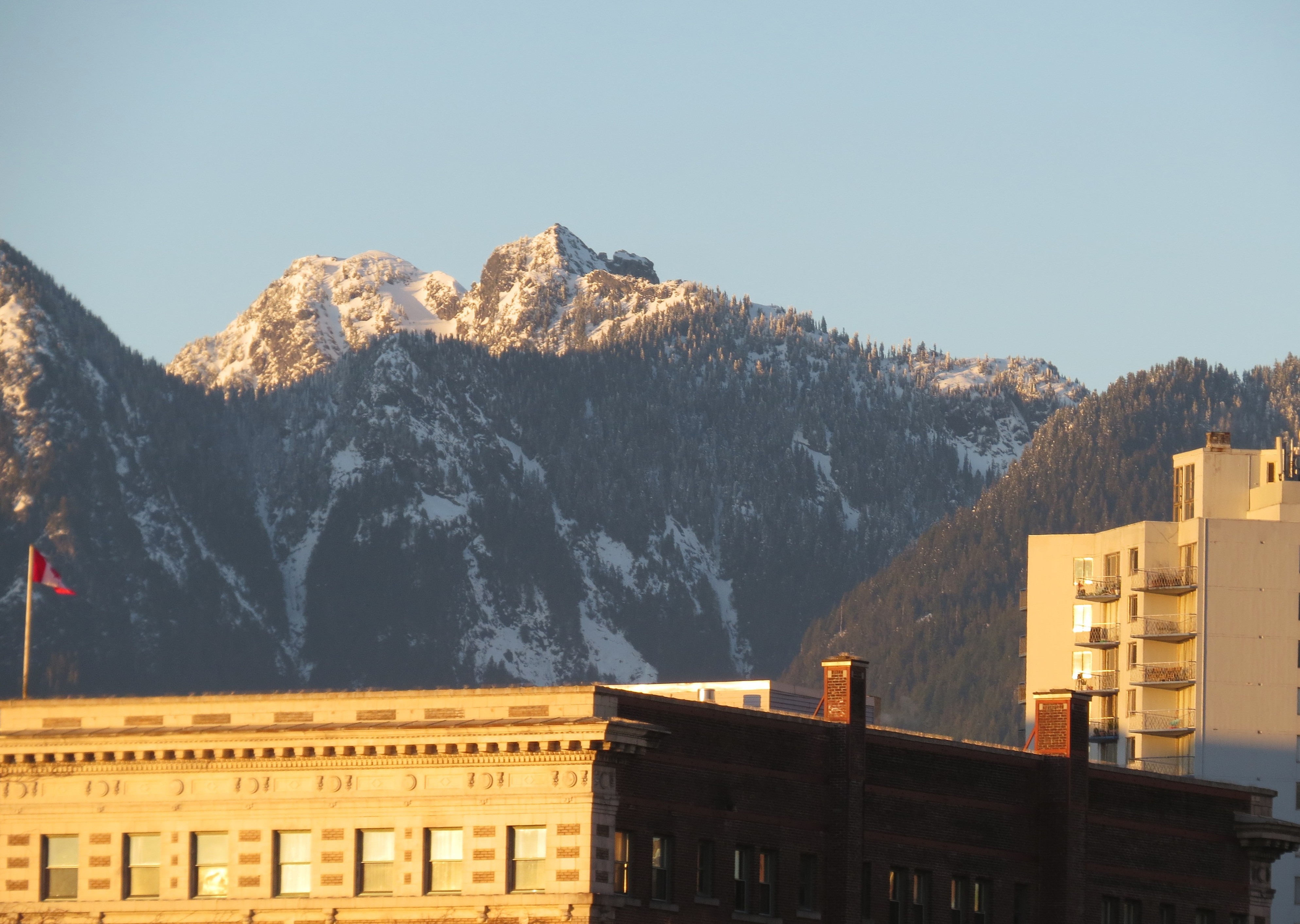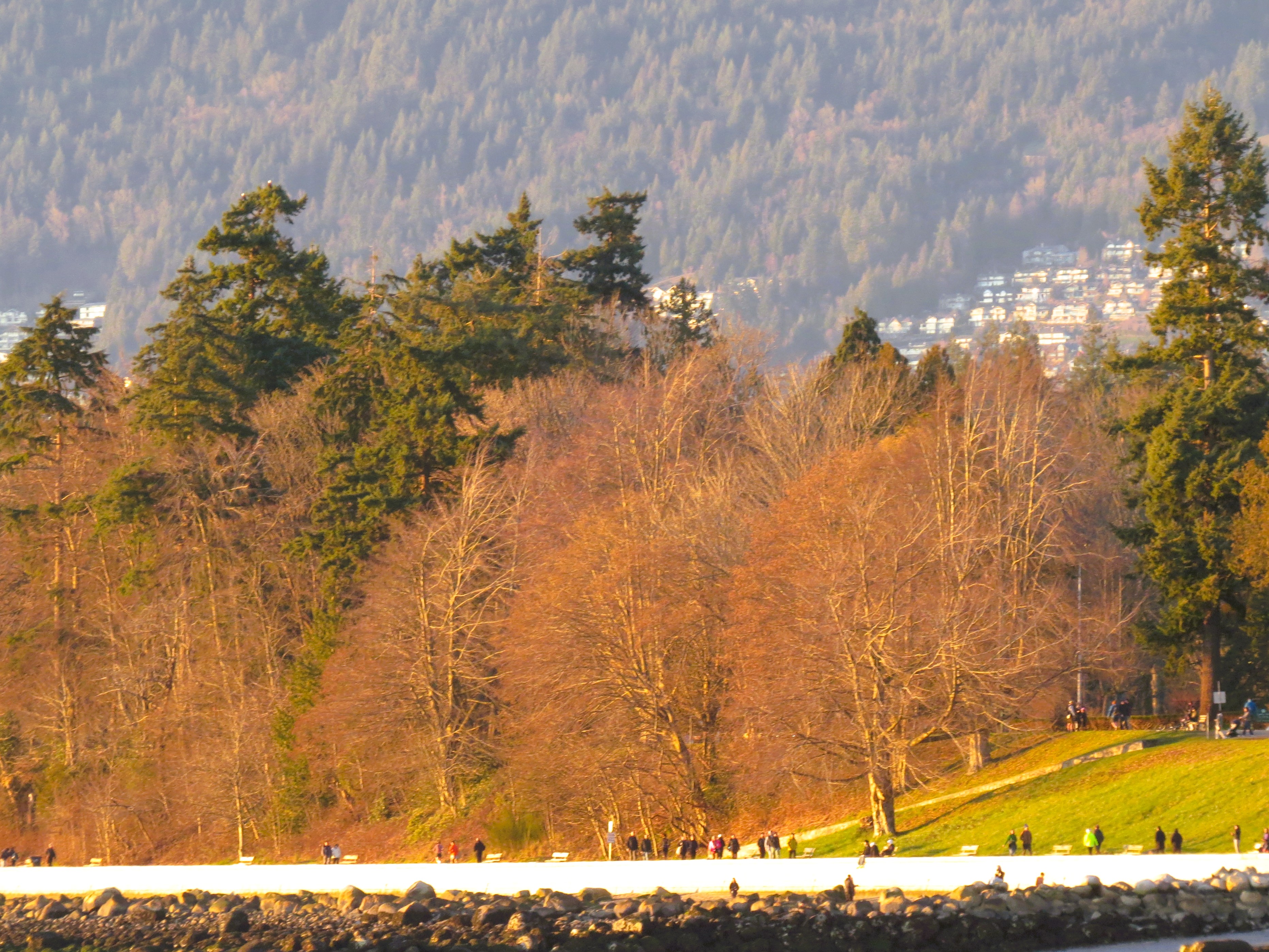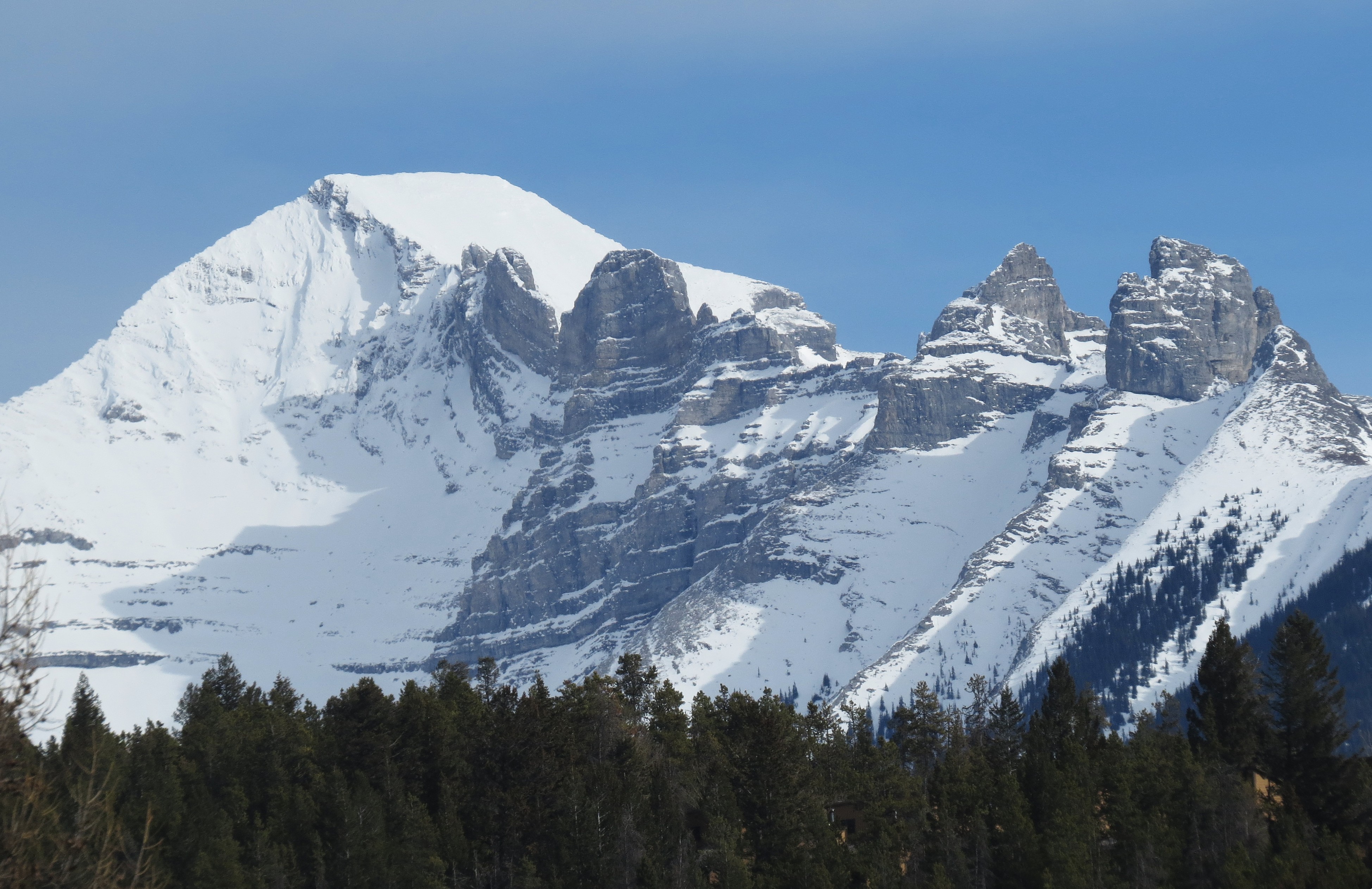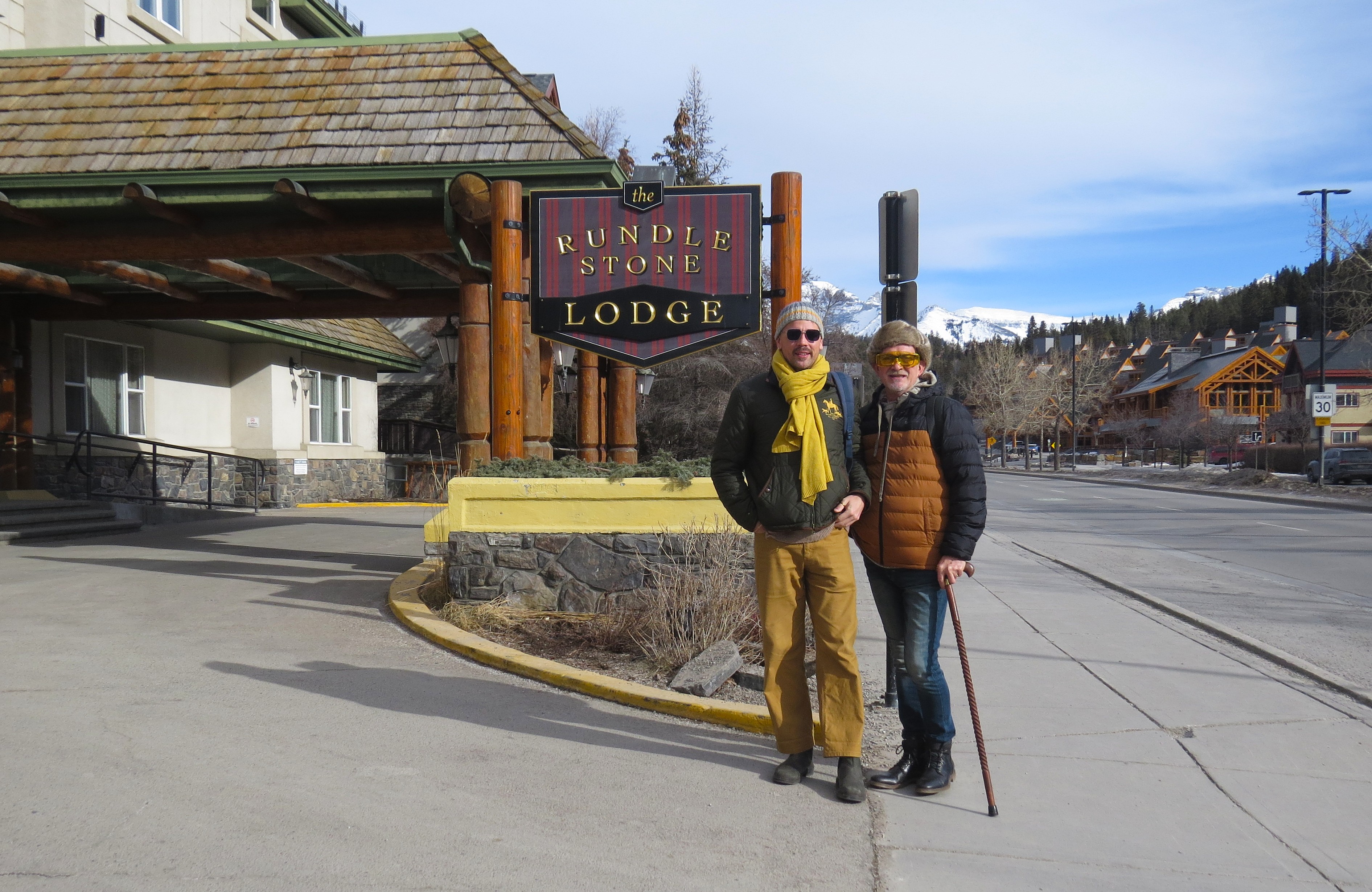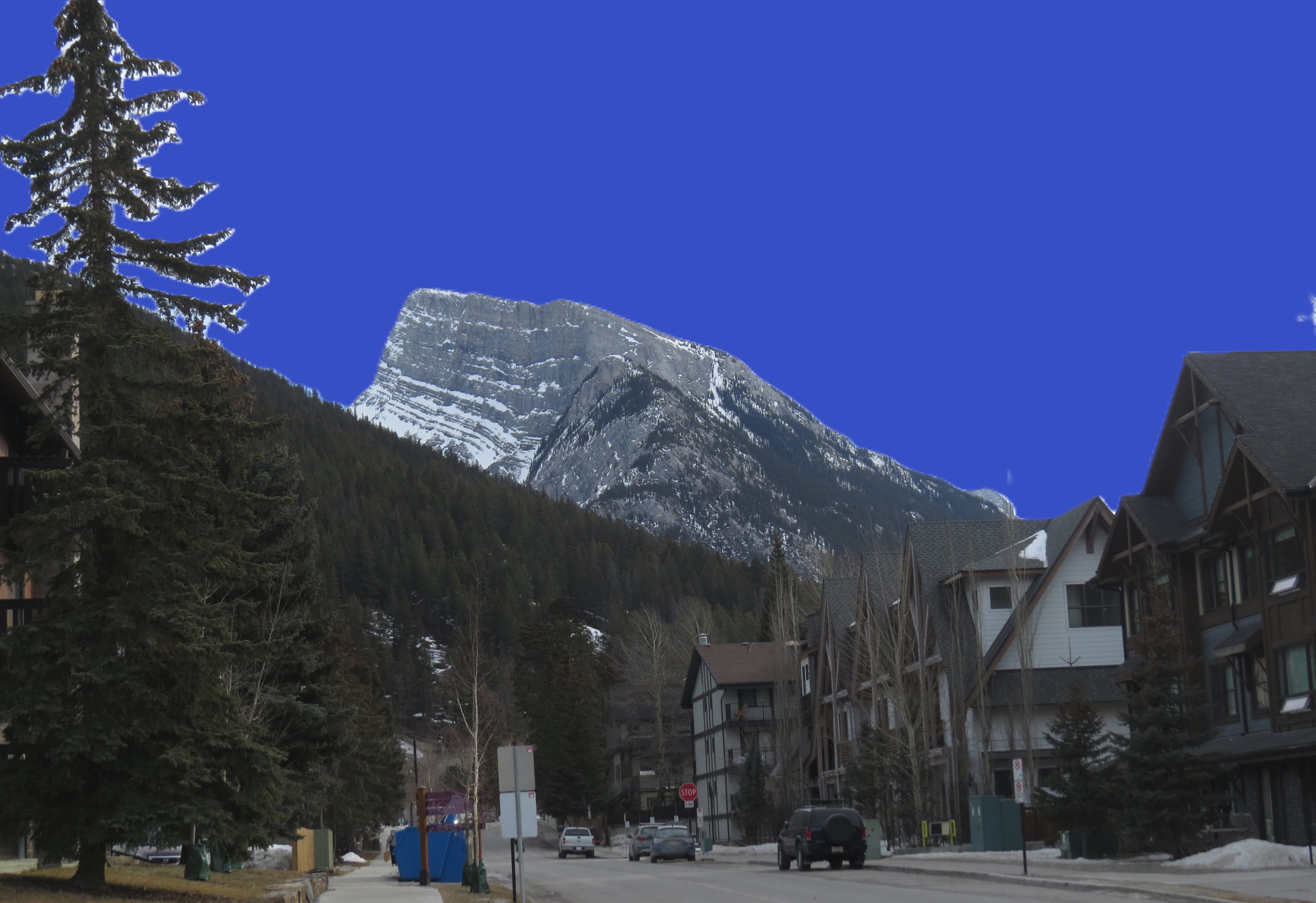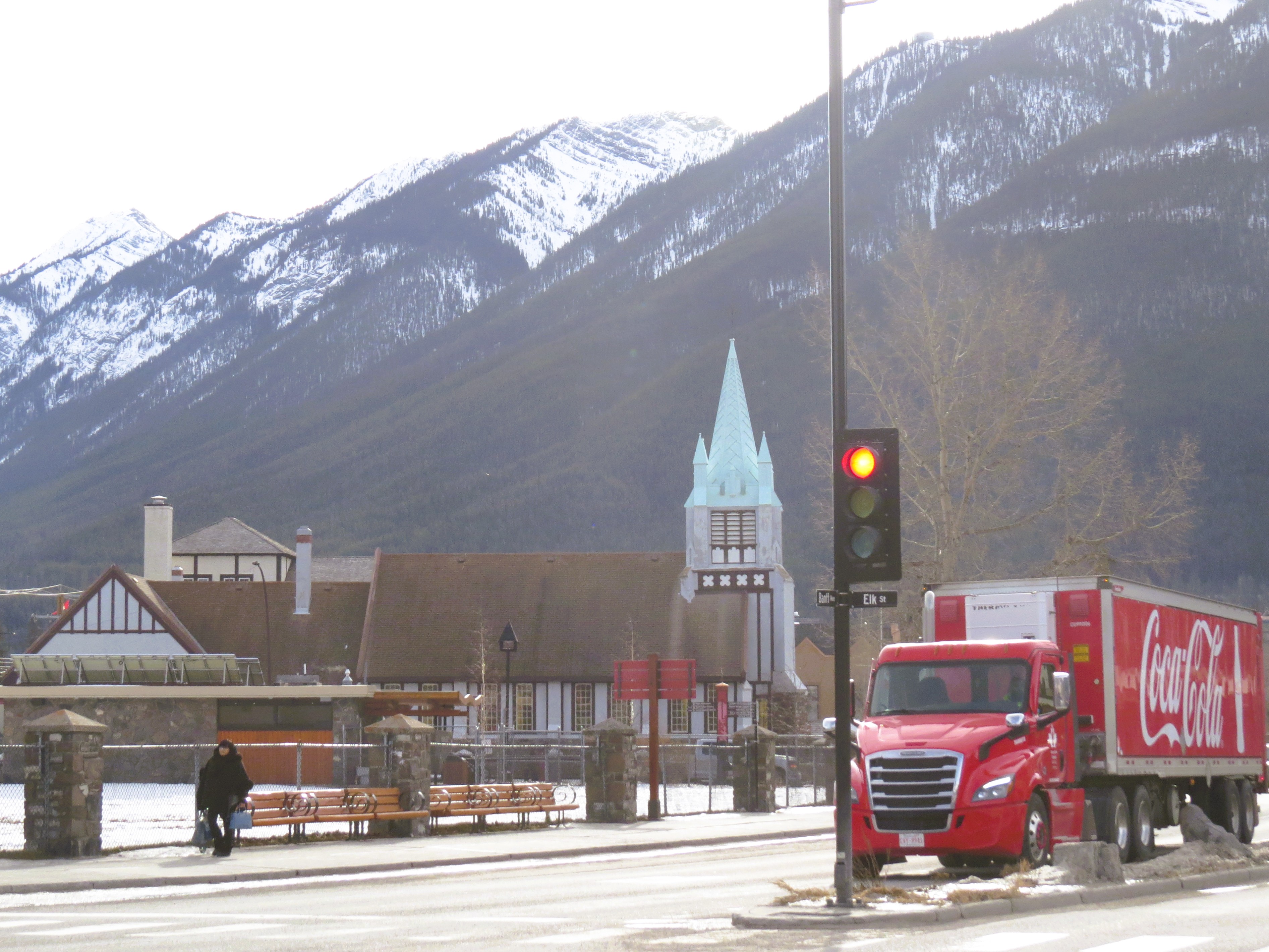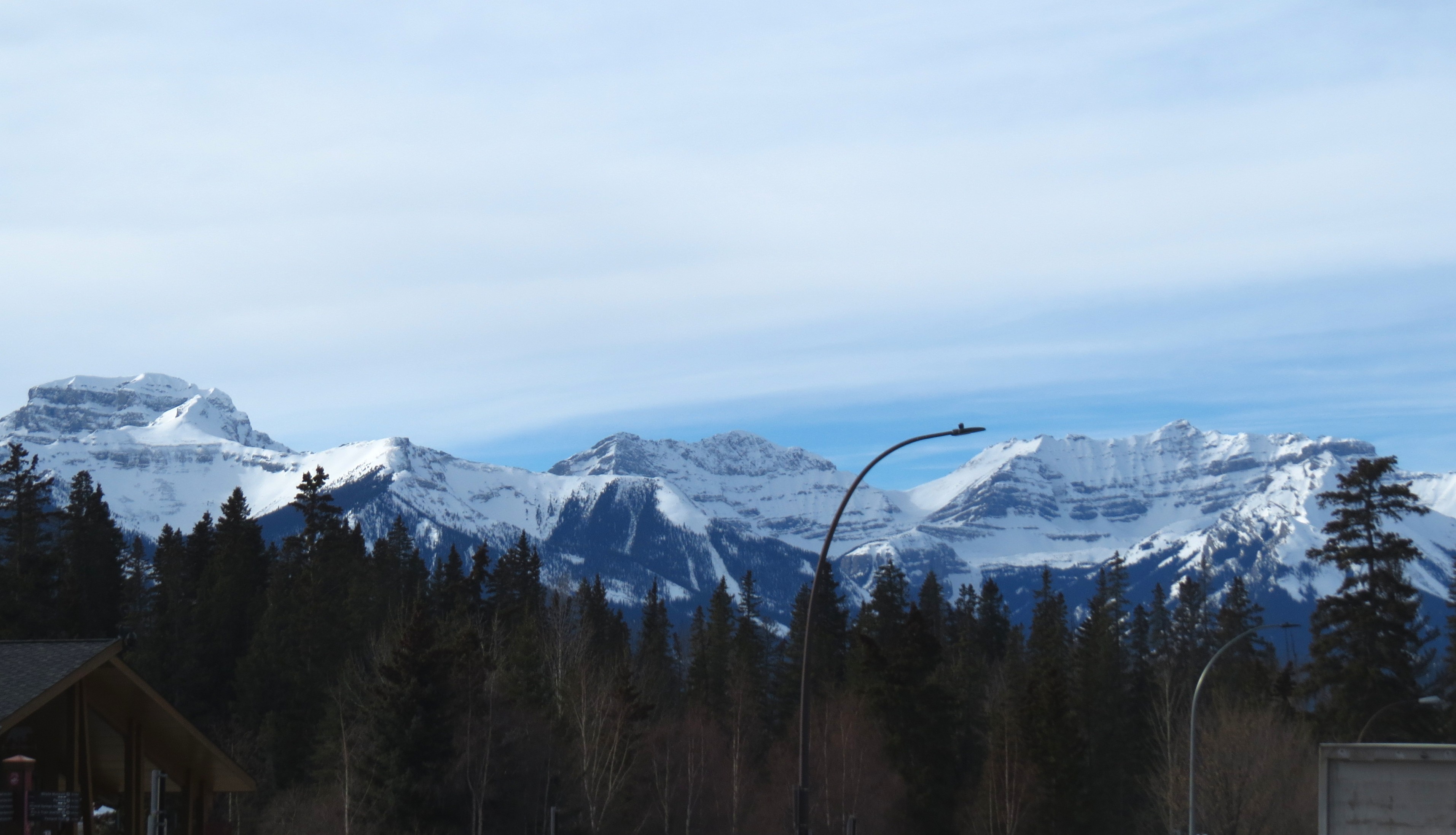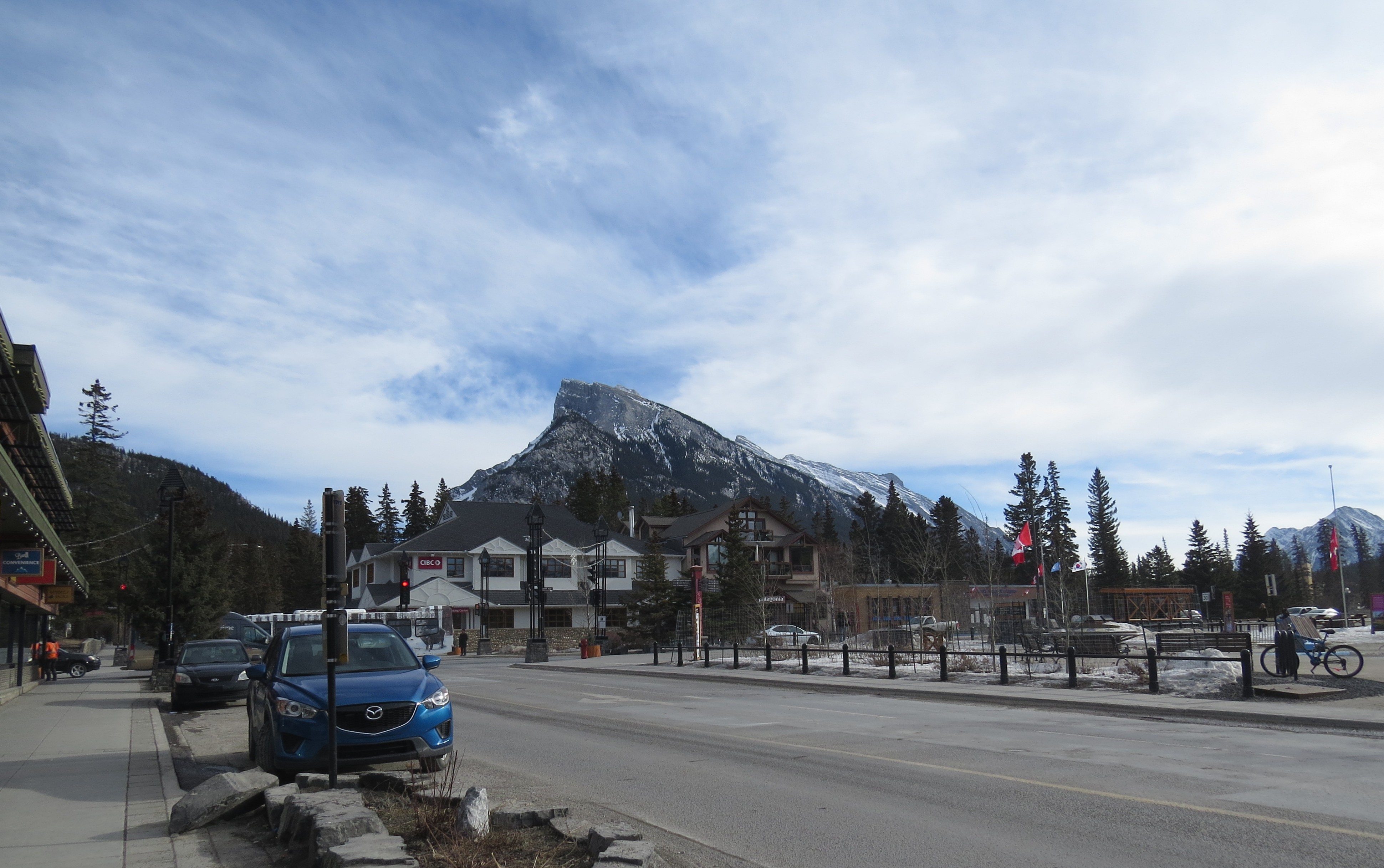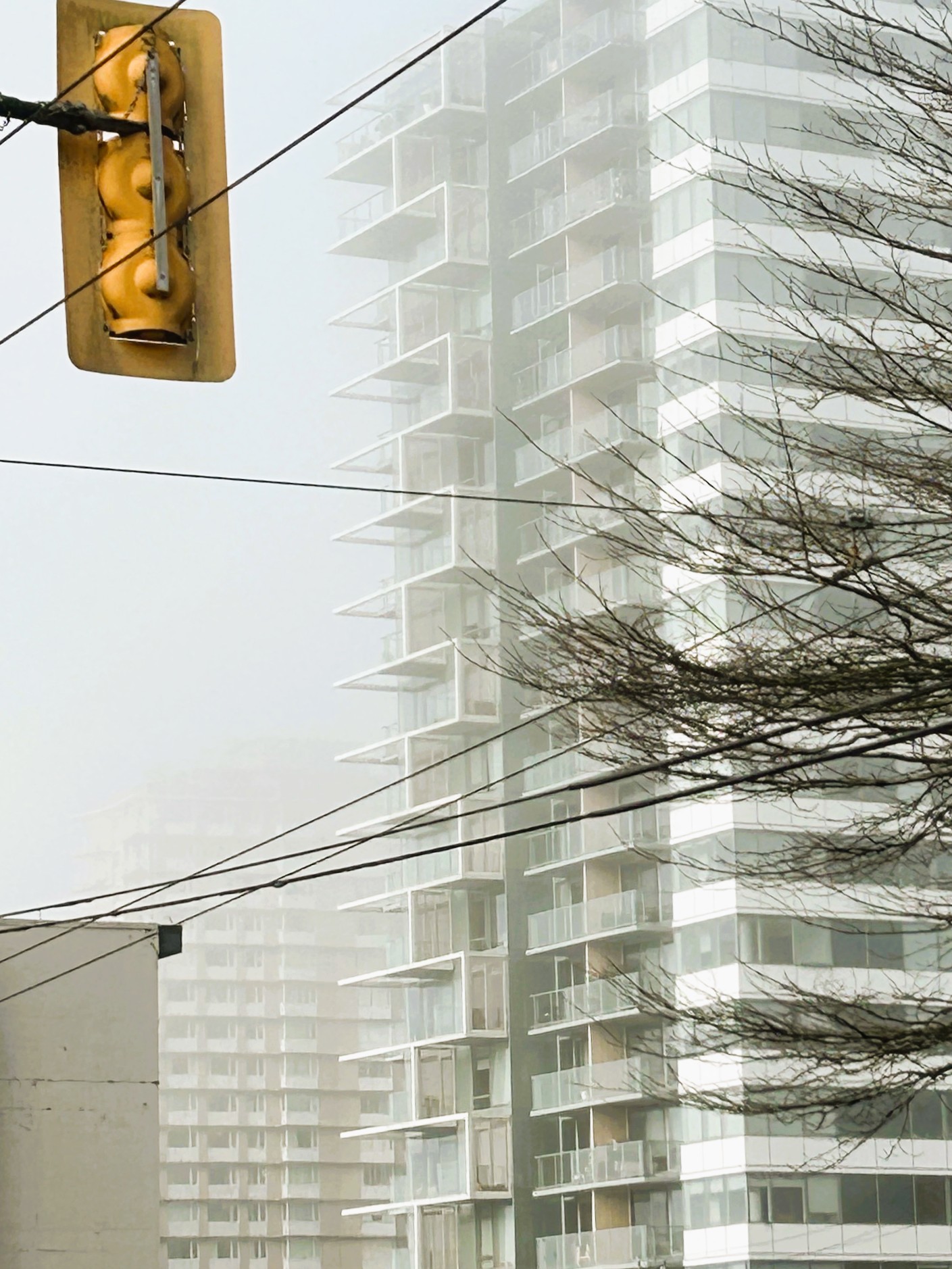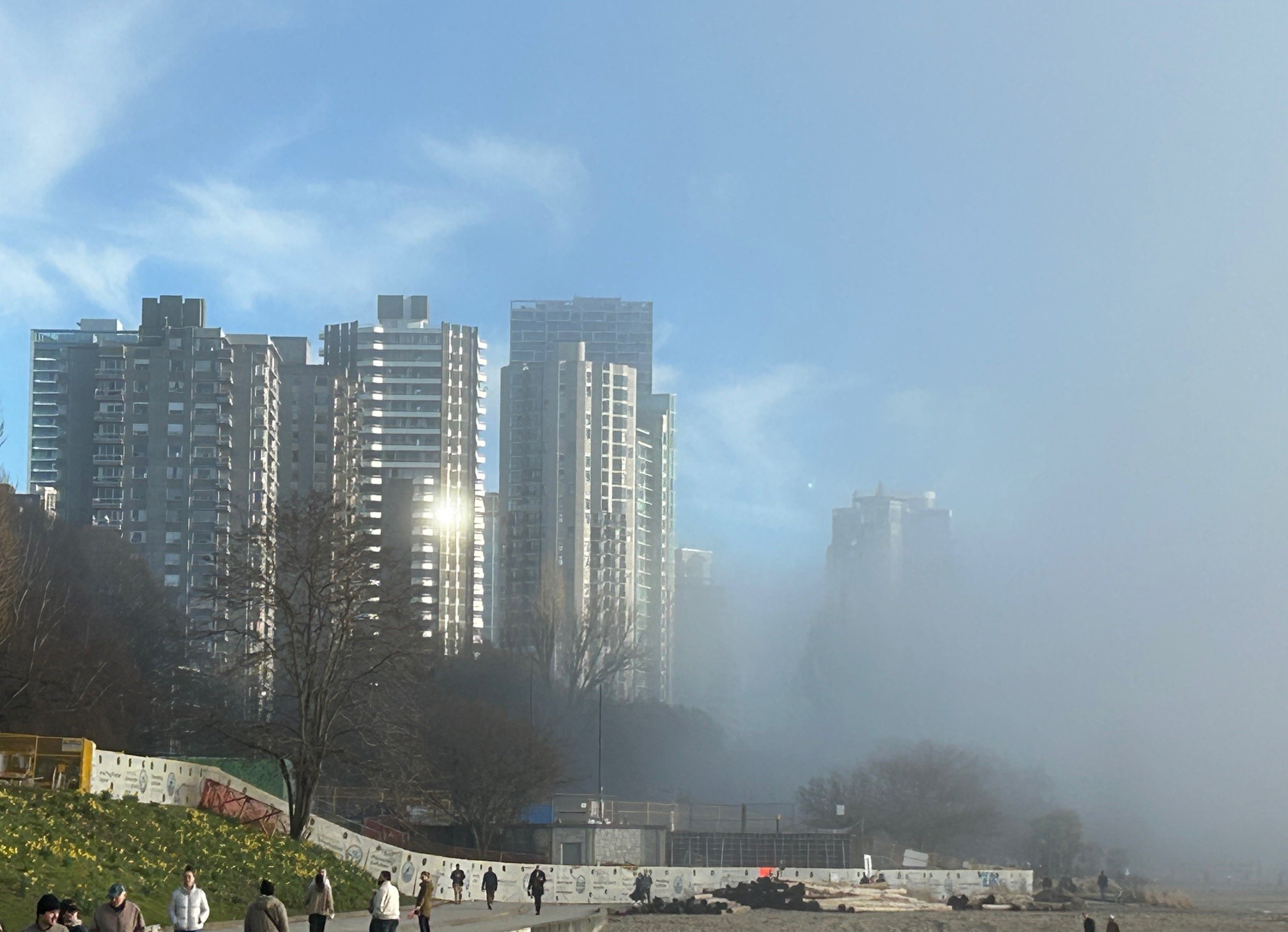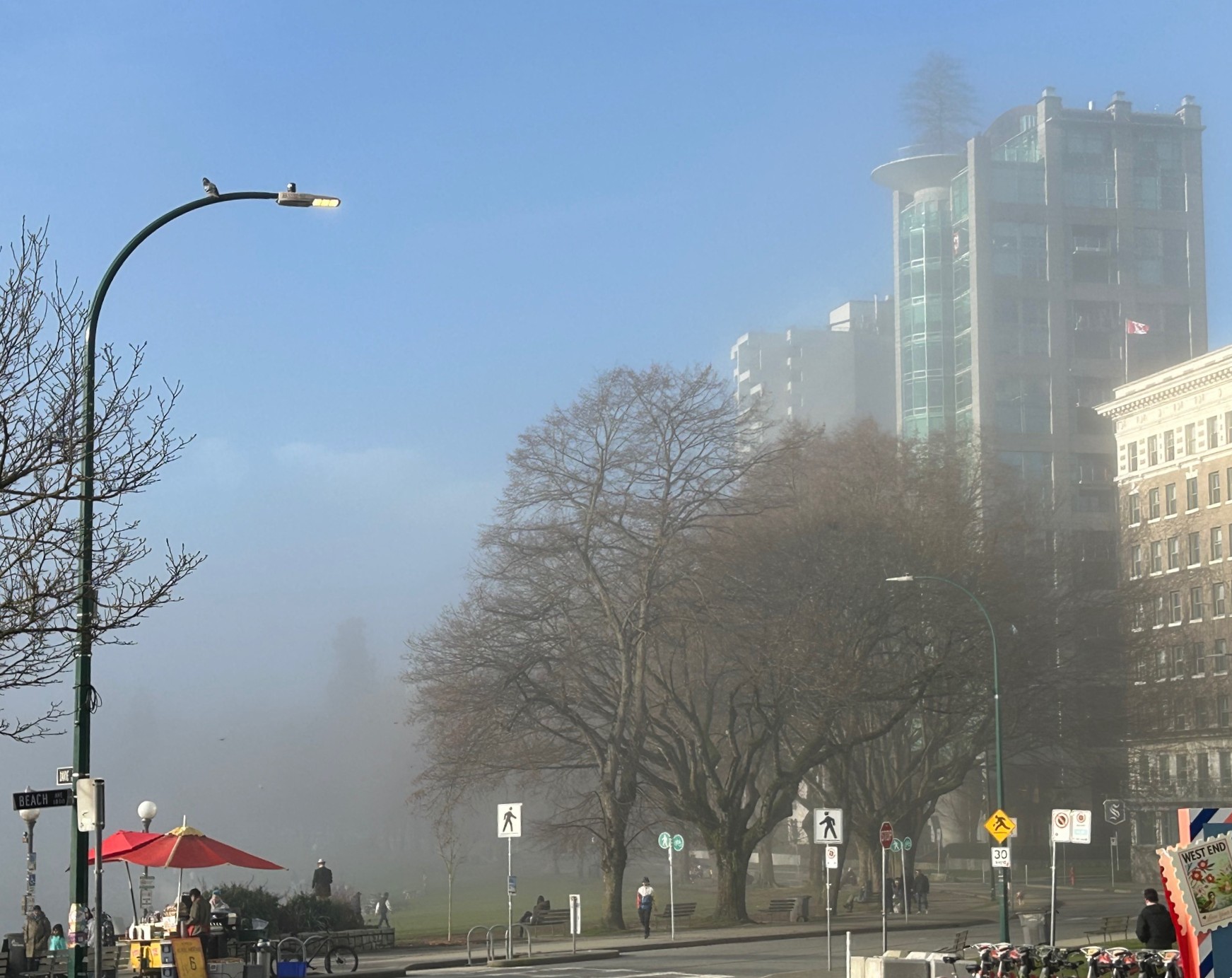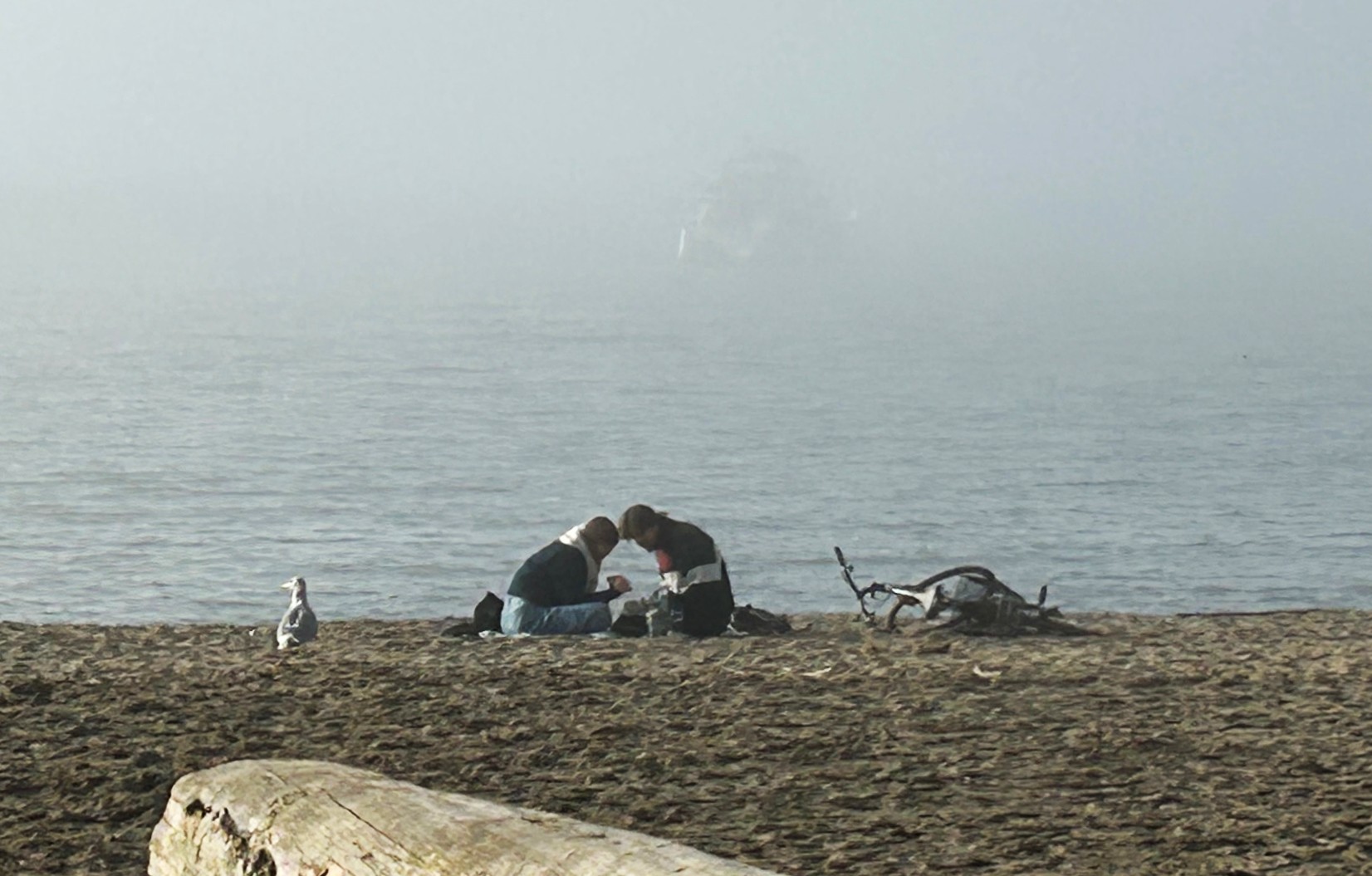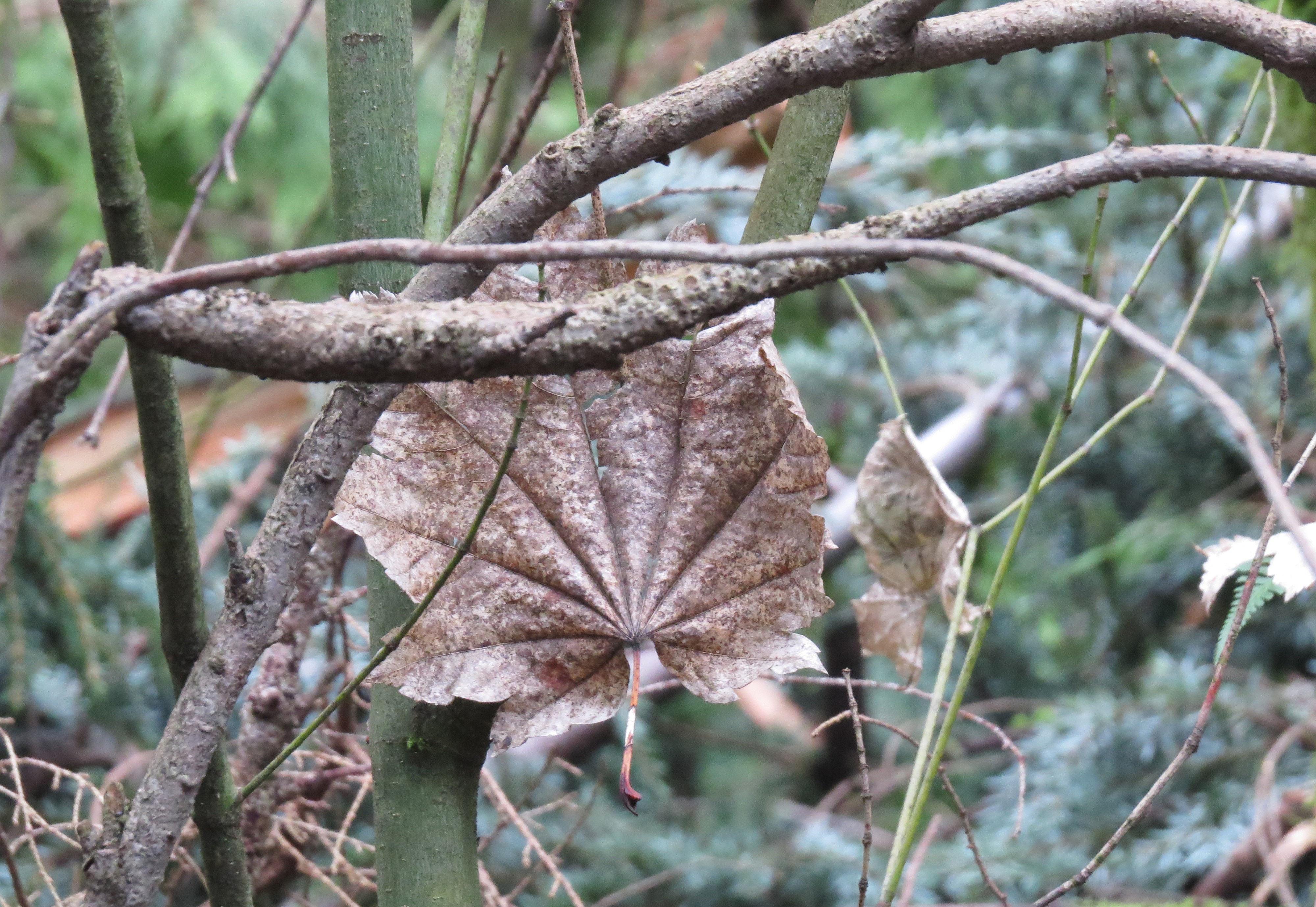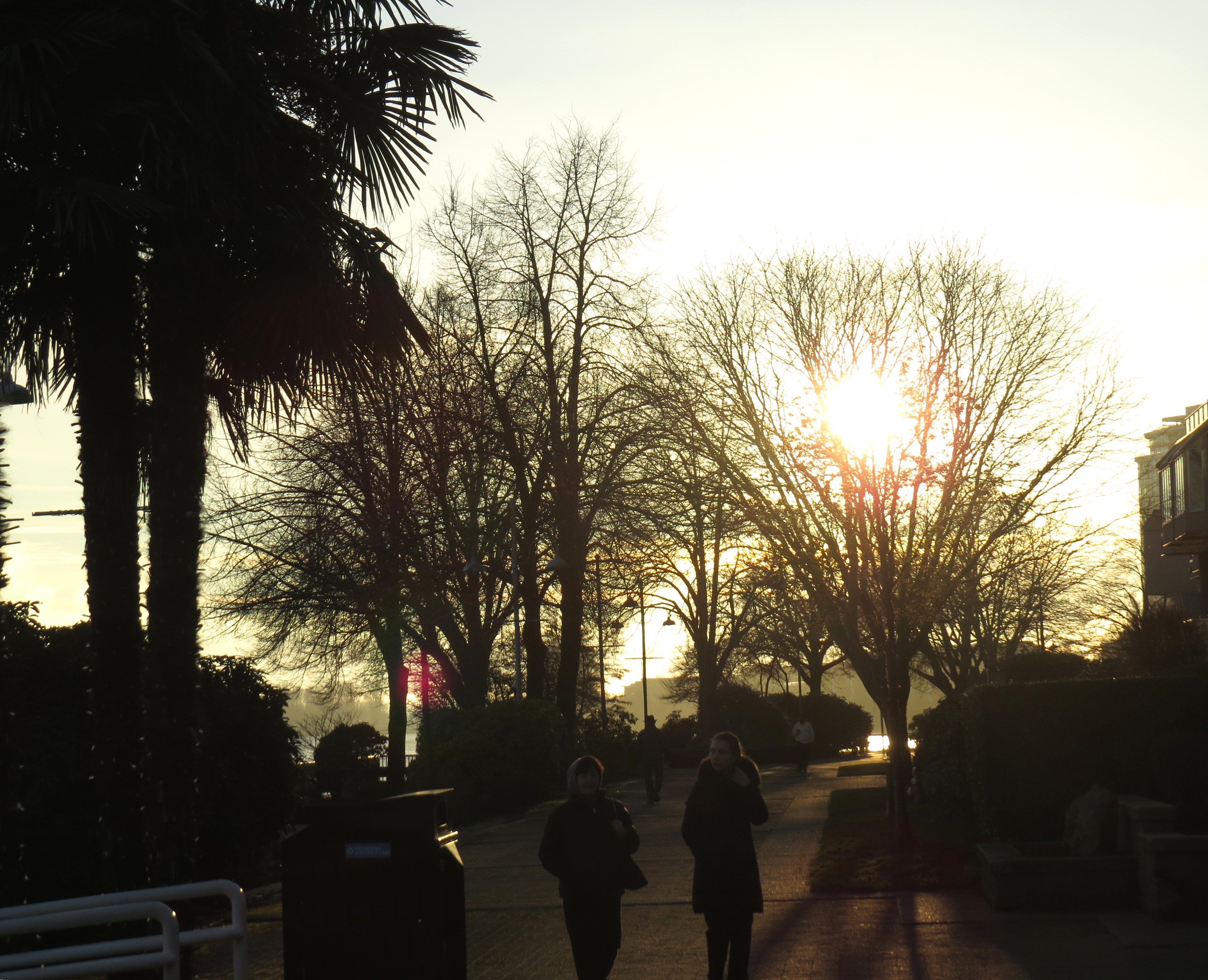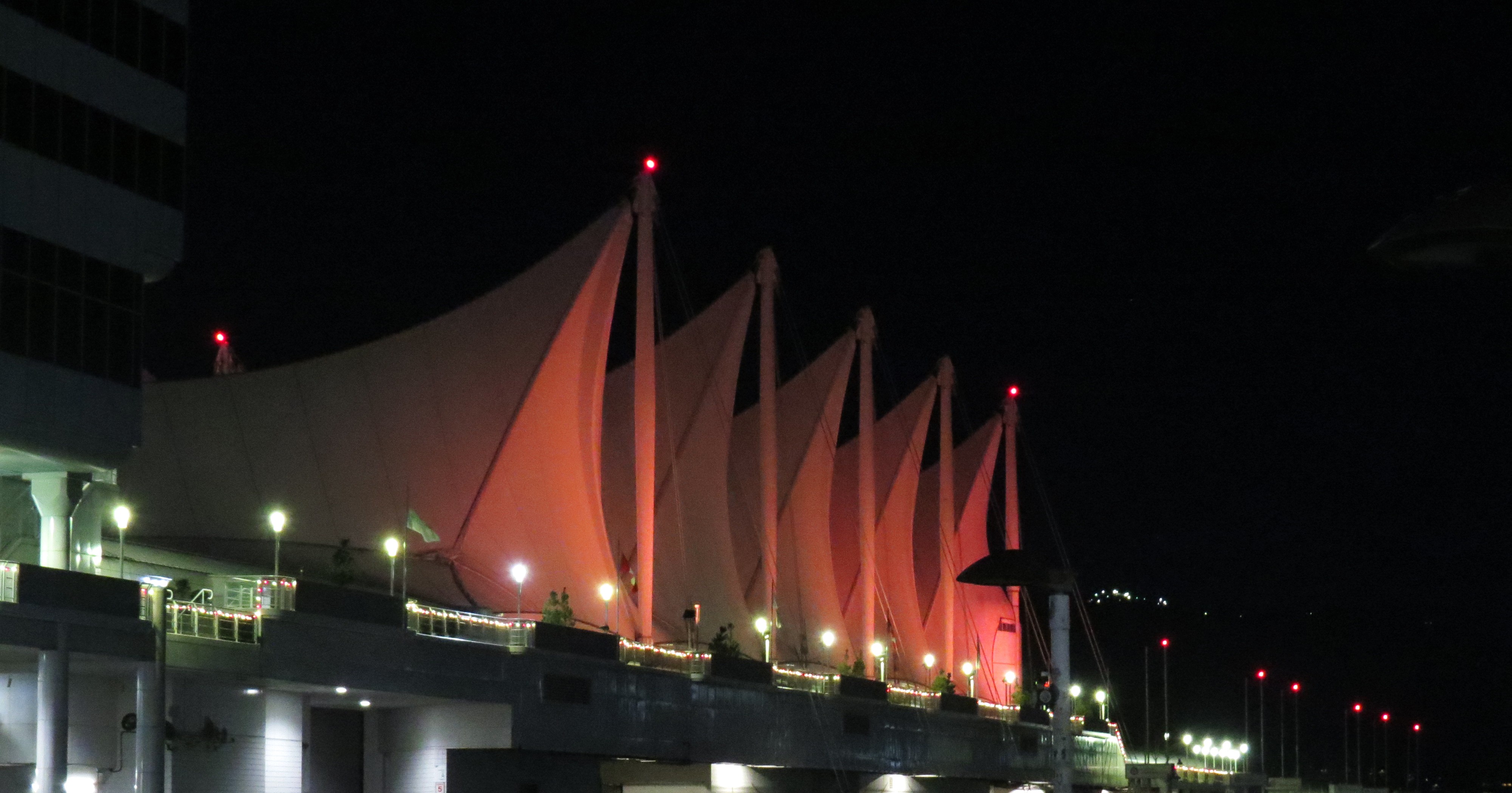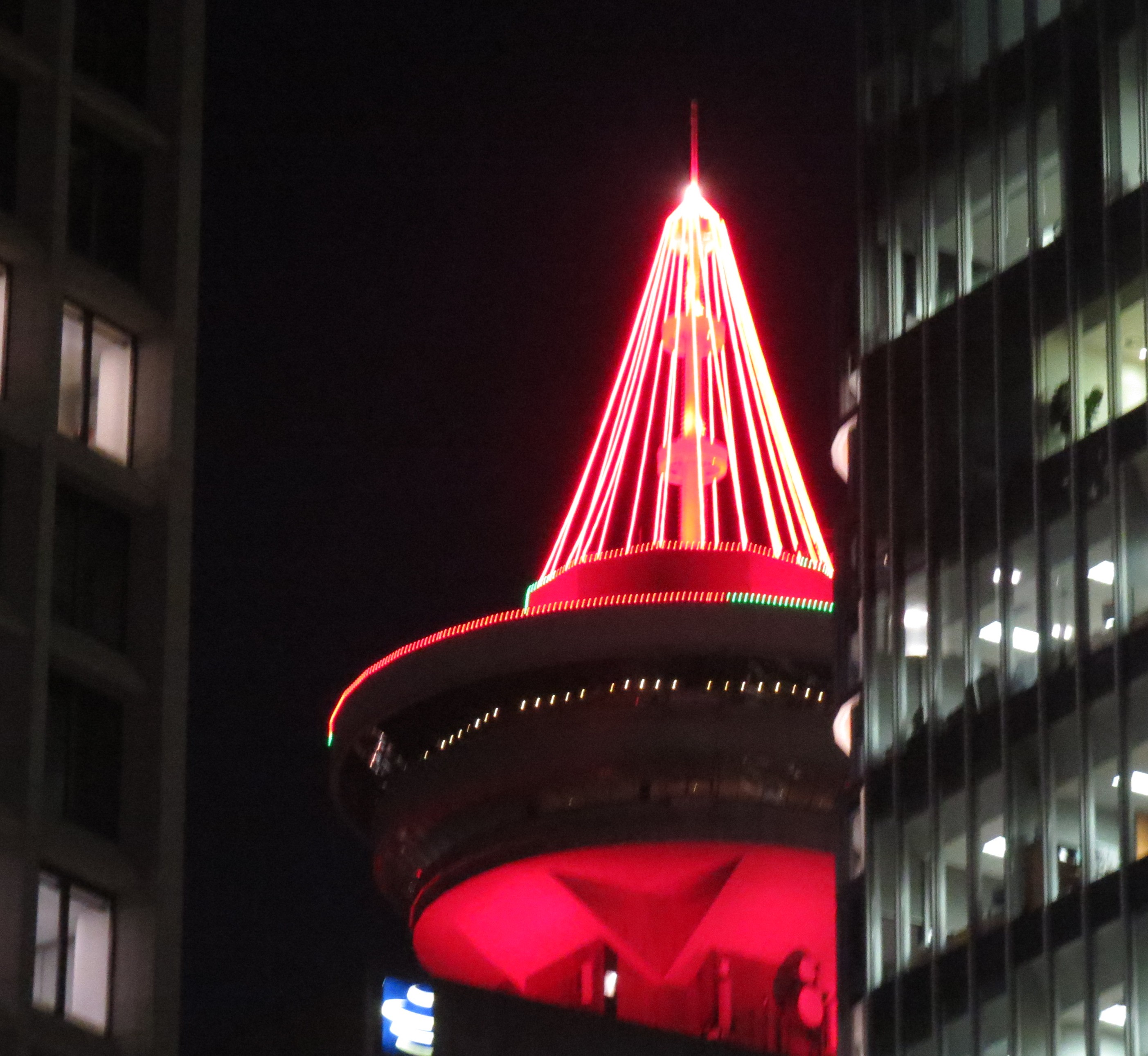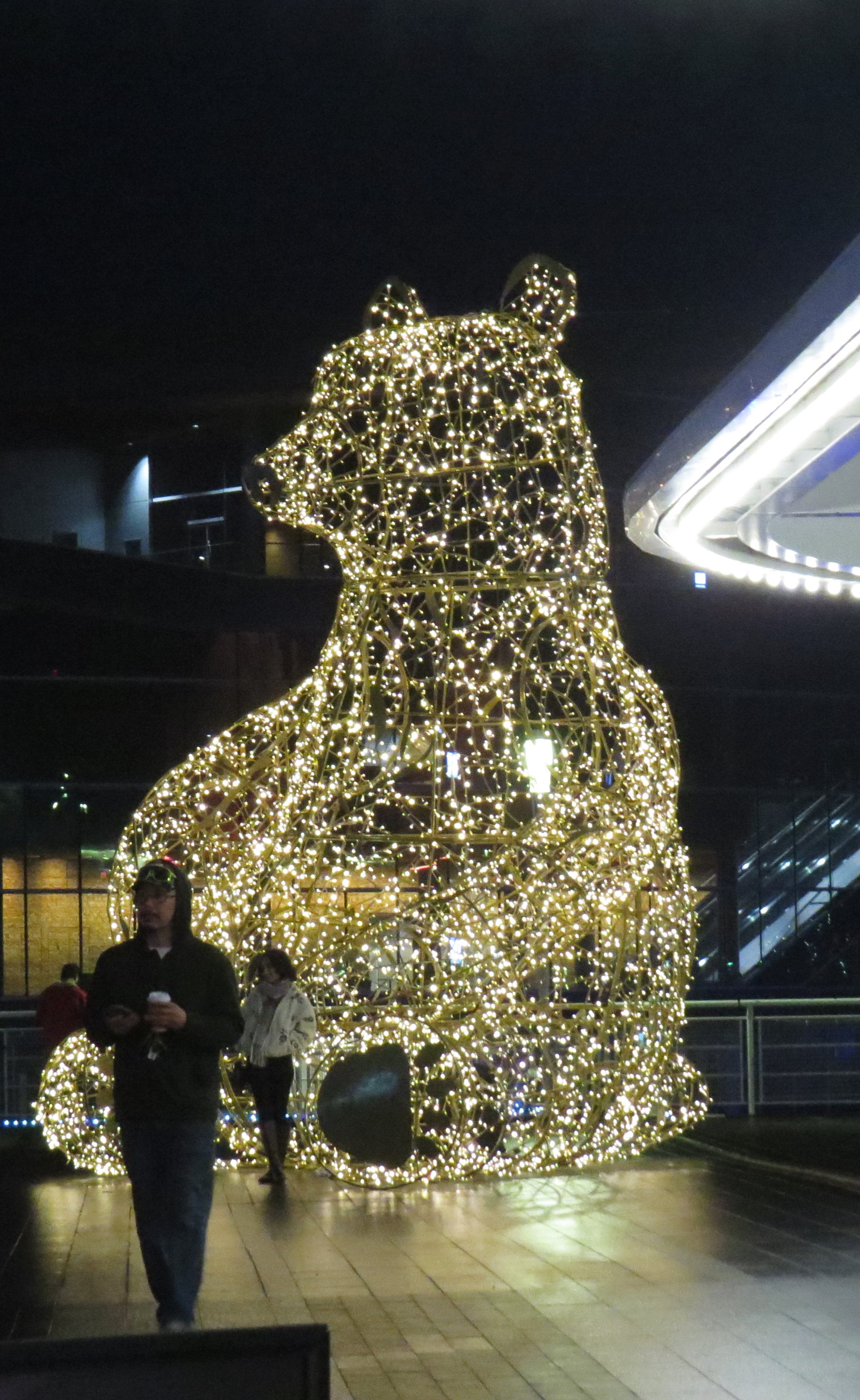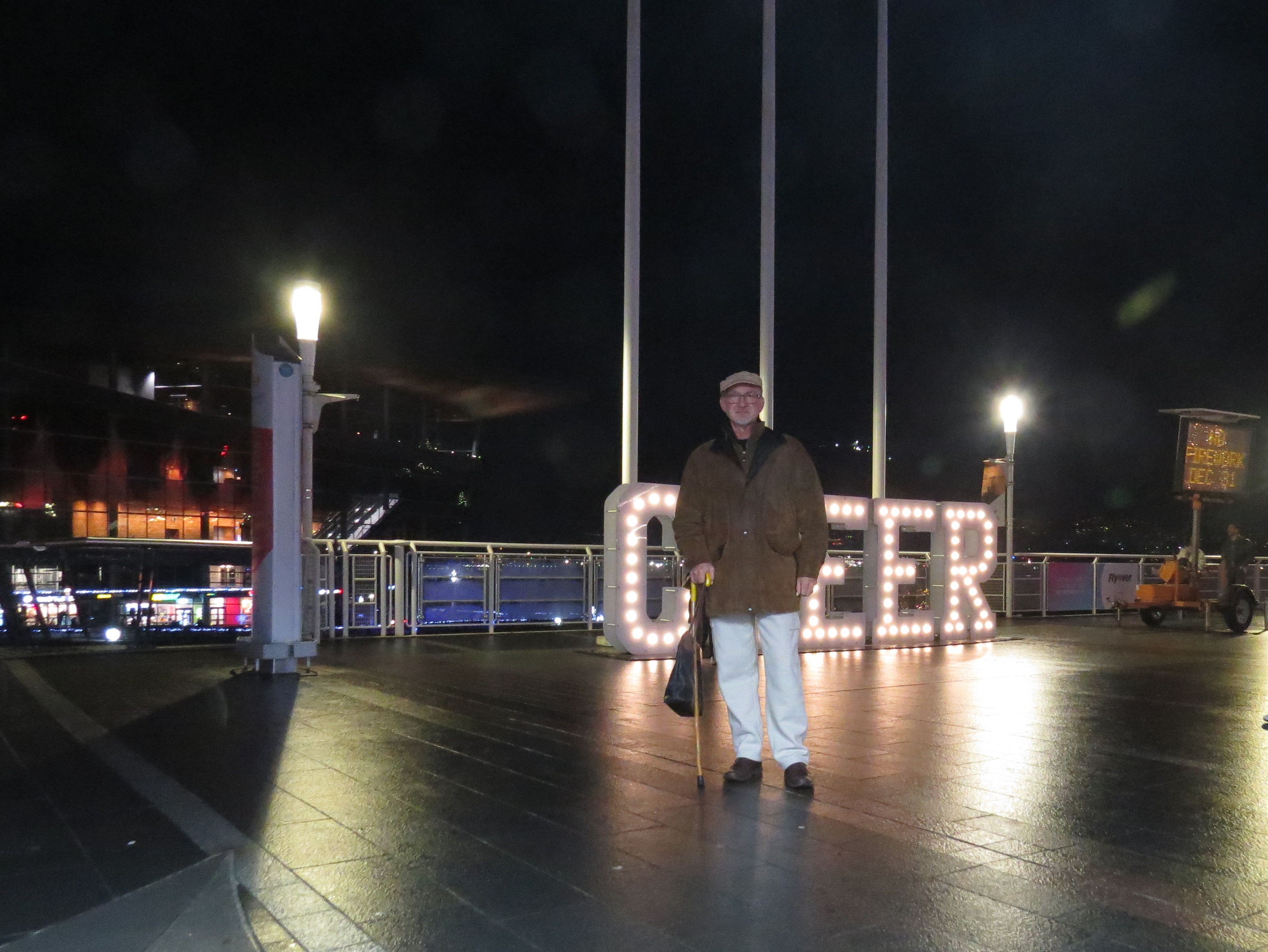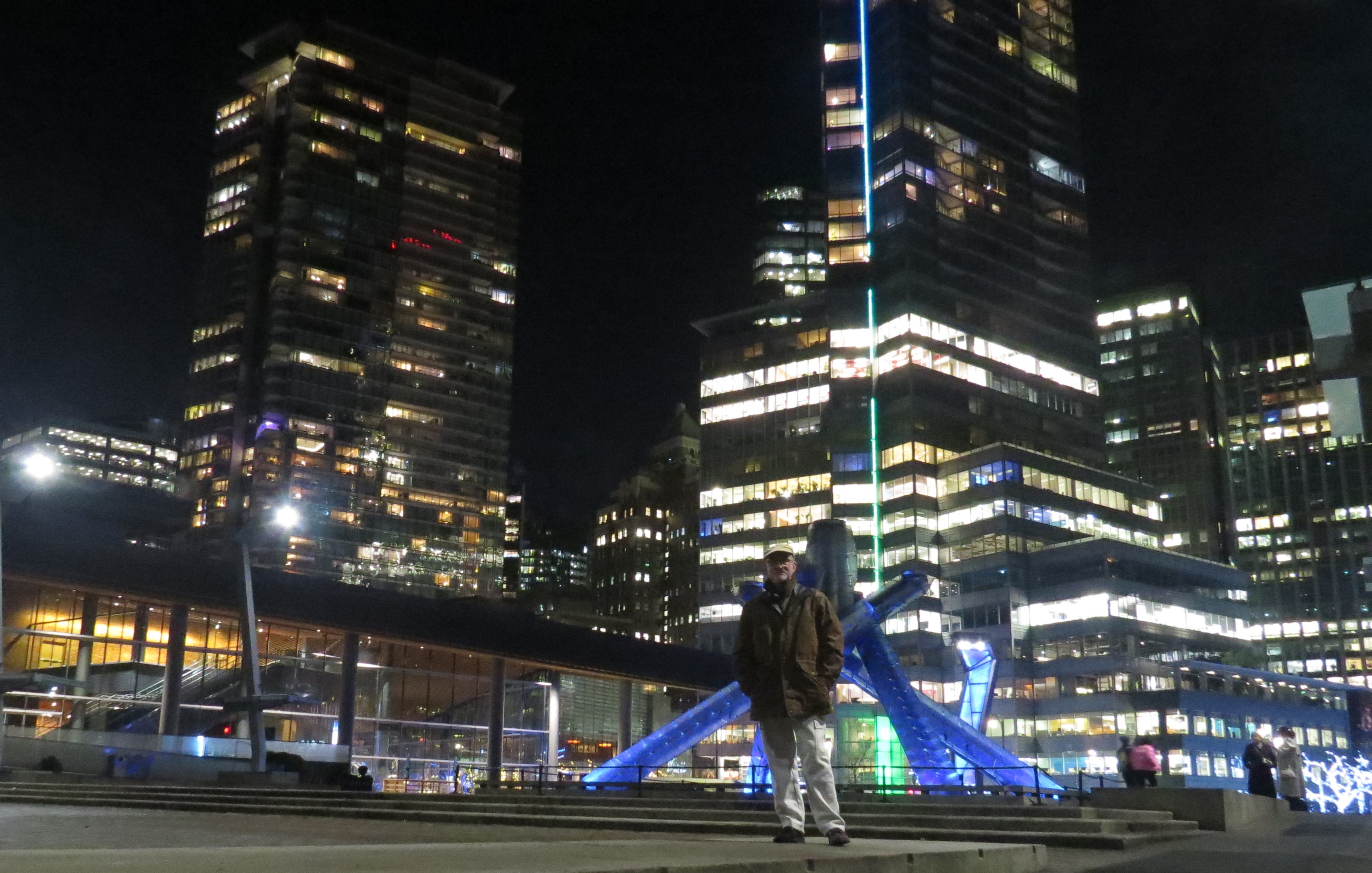
Granvilles

Granvilles

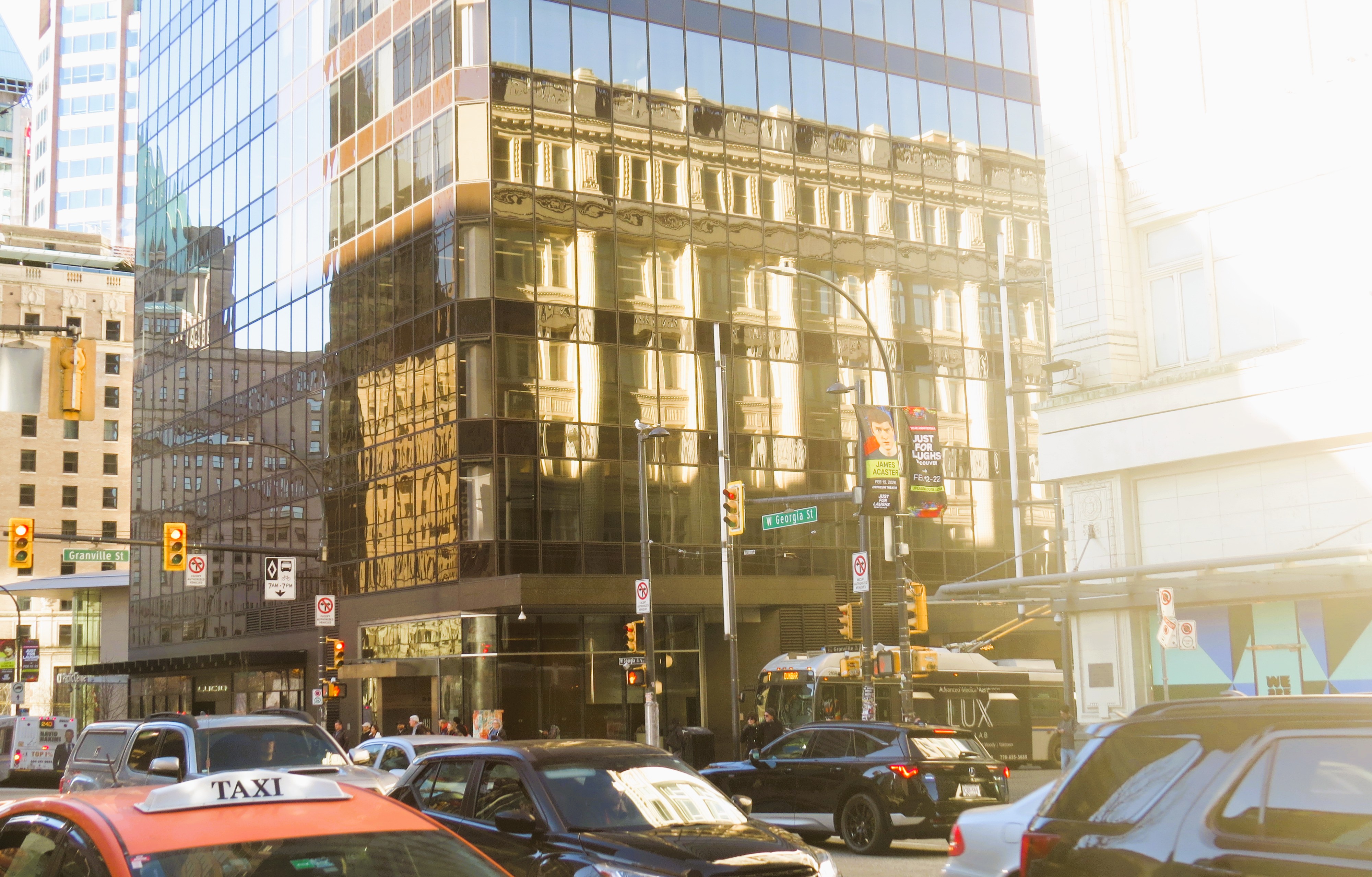
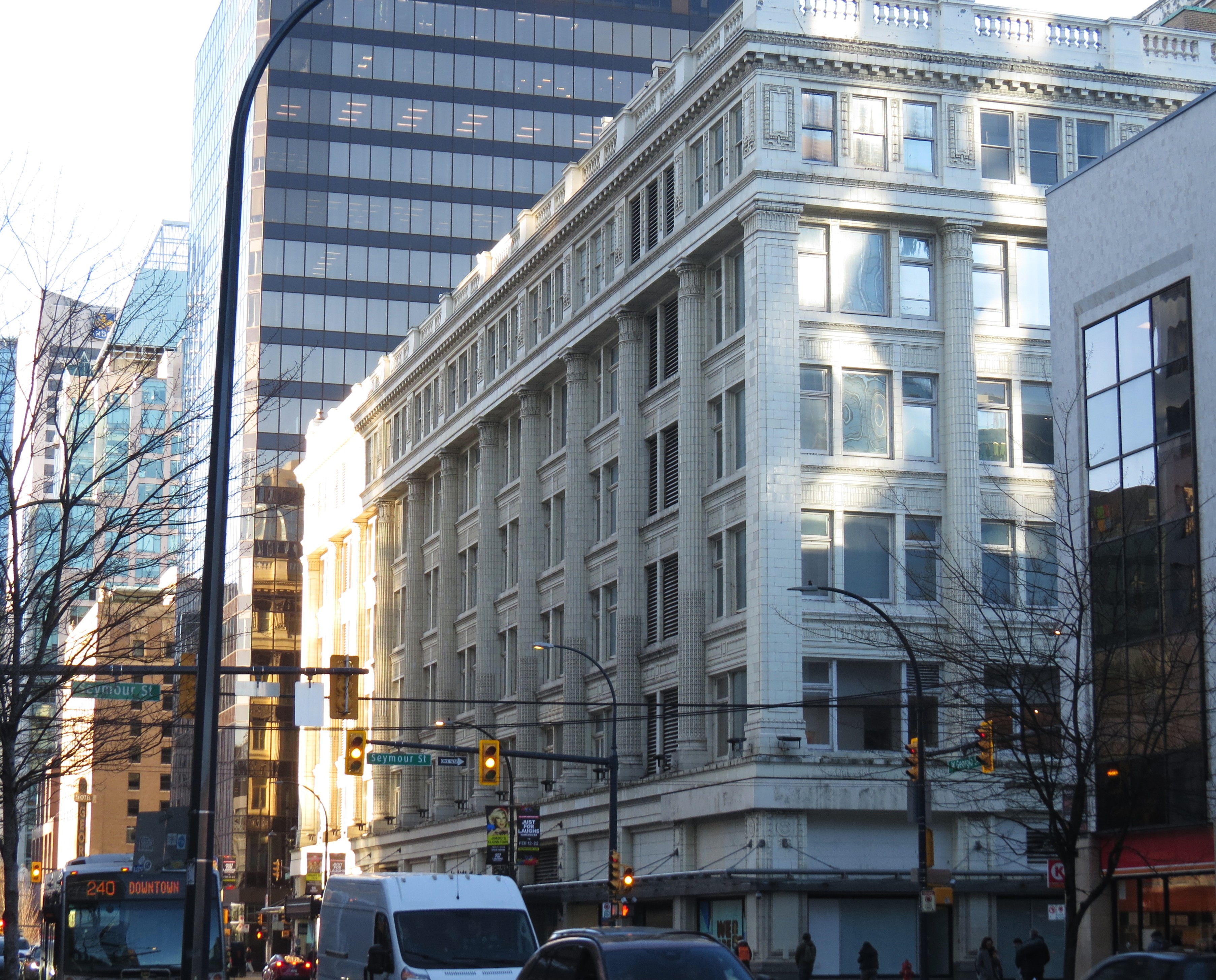
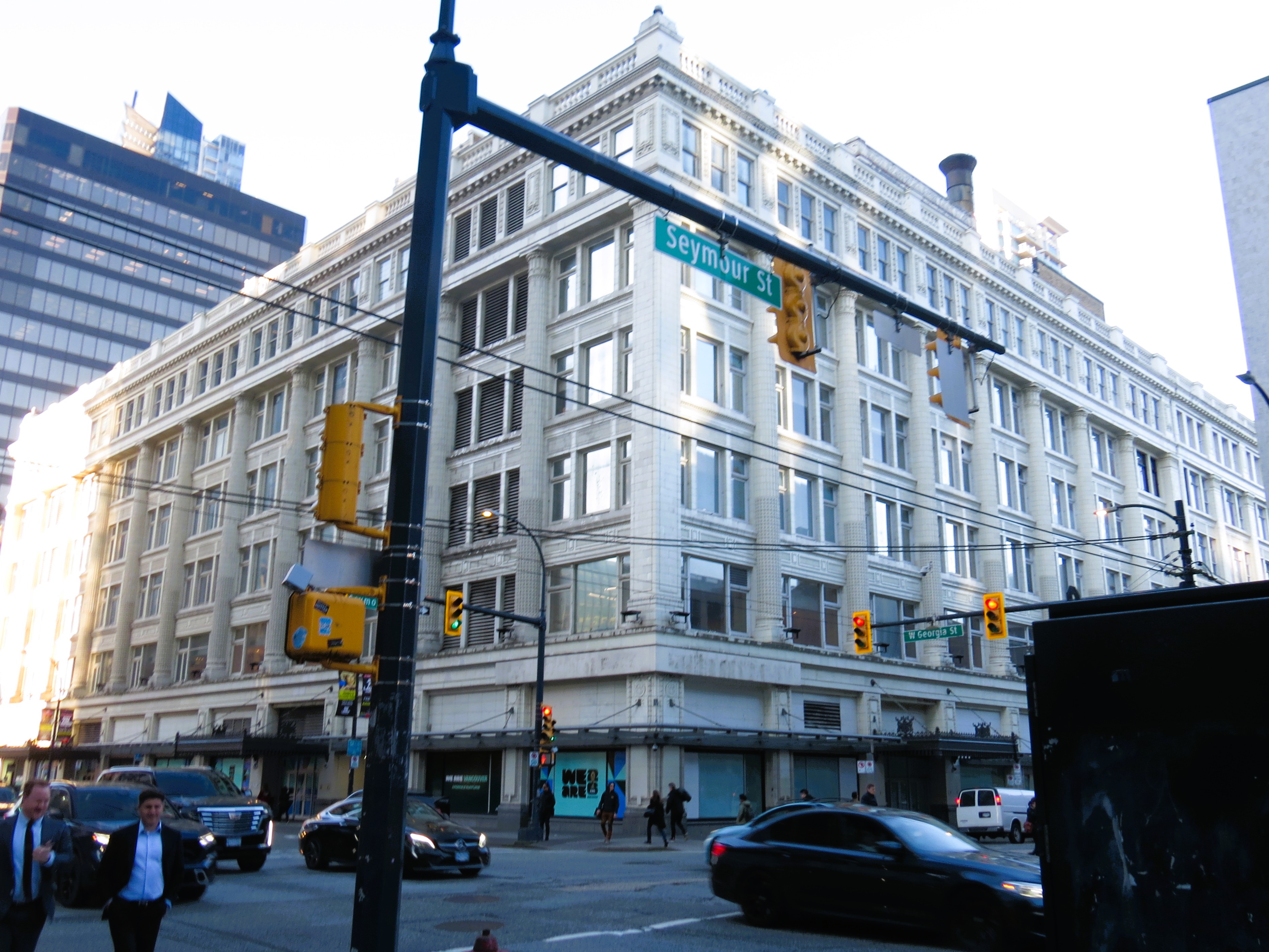
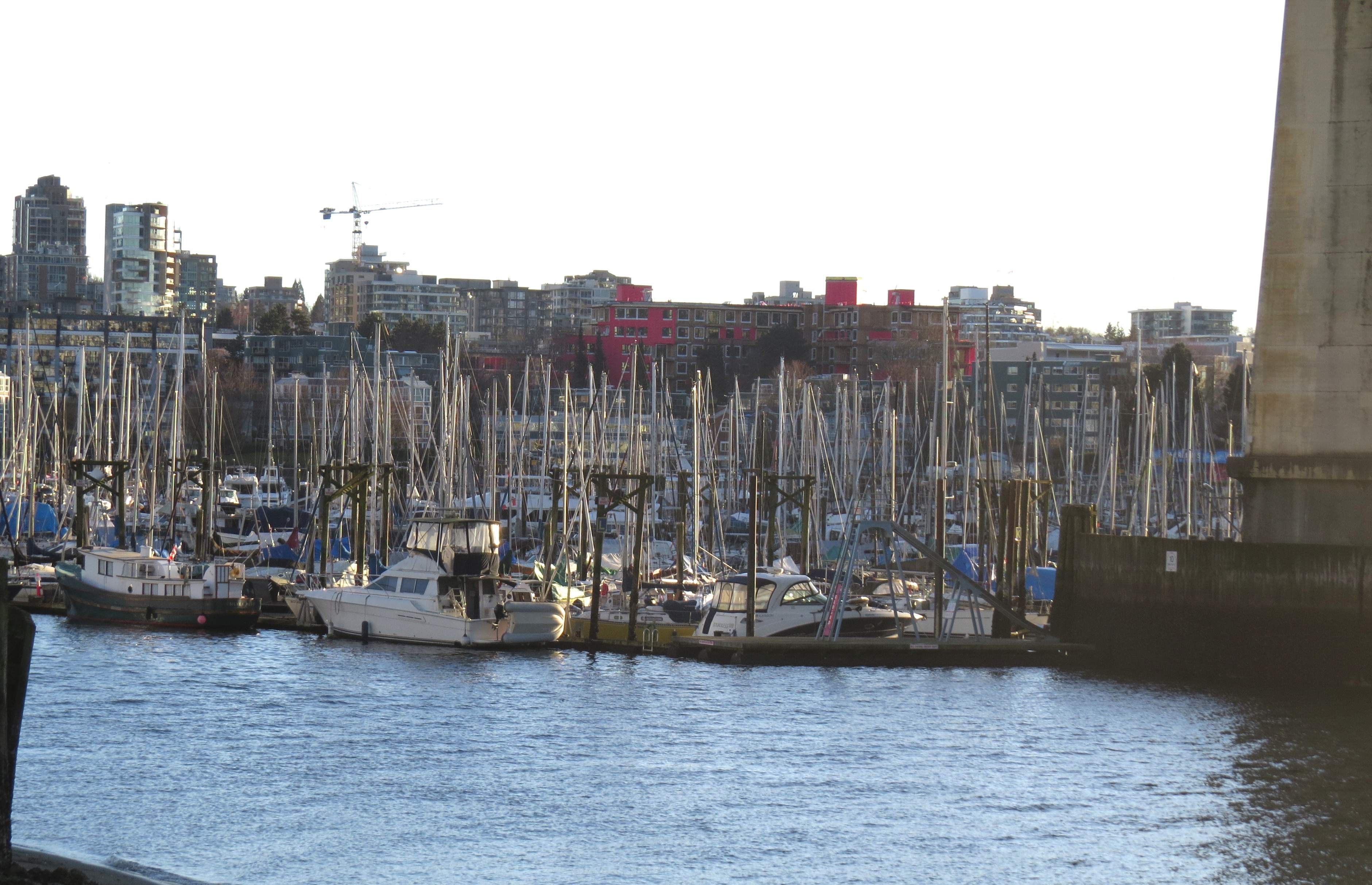
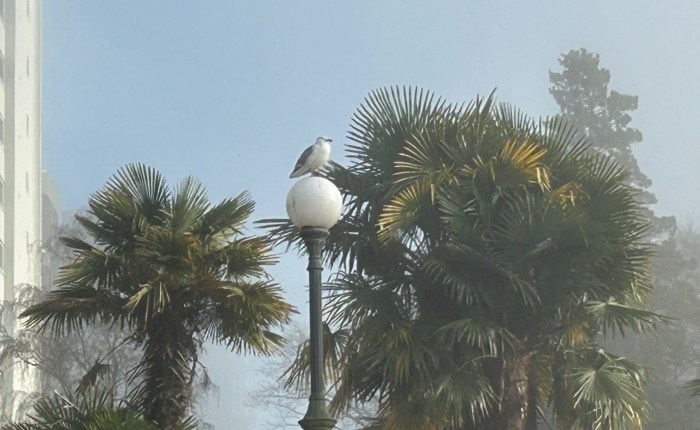
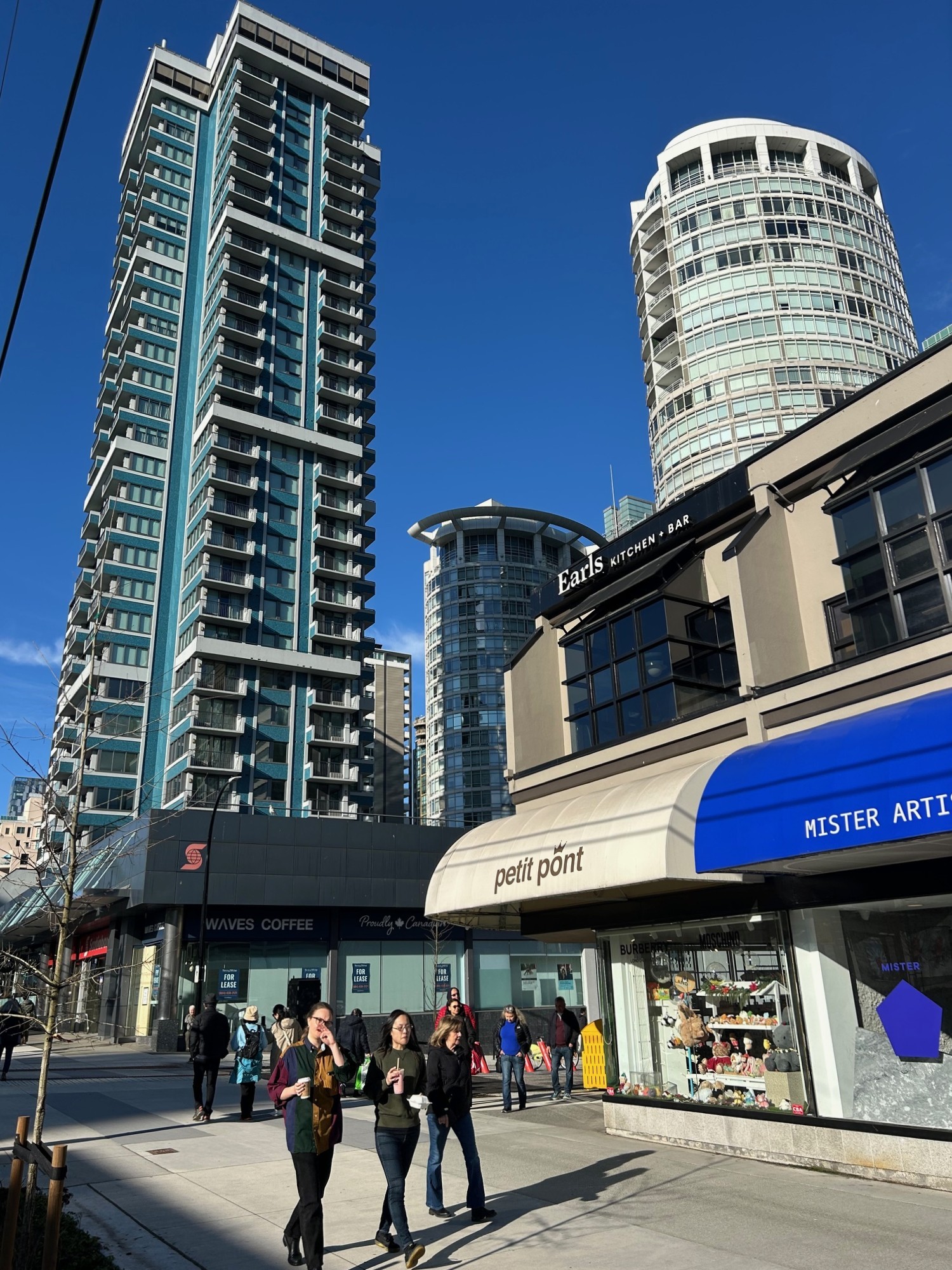
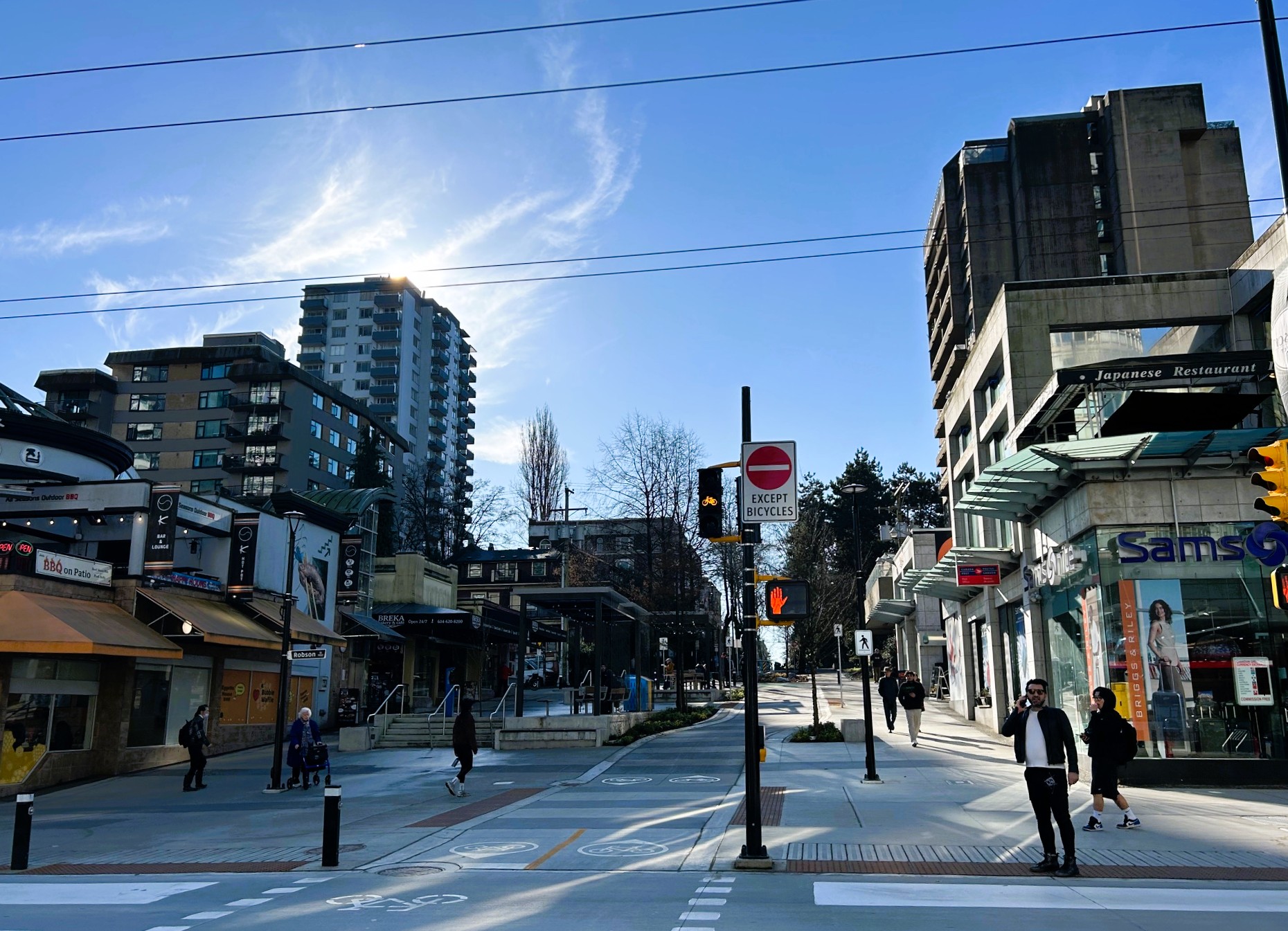
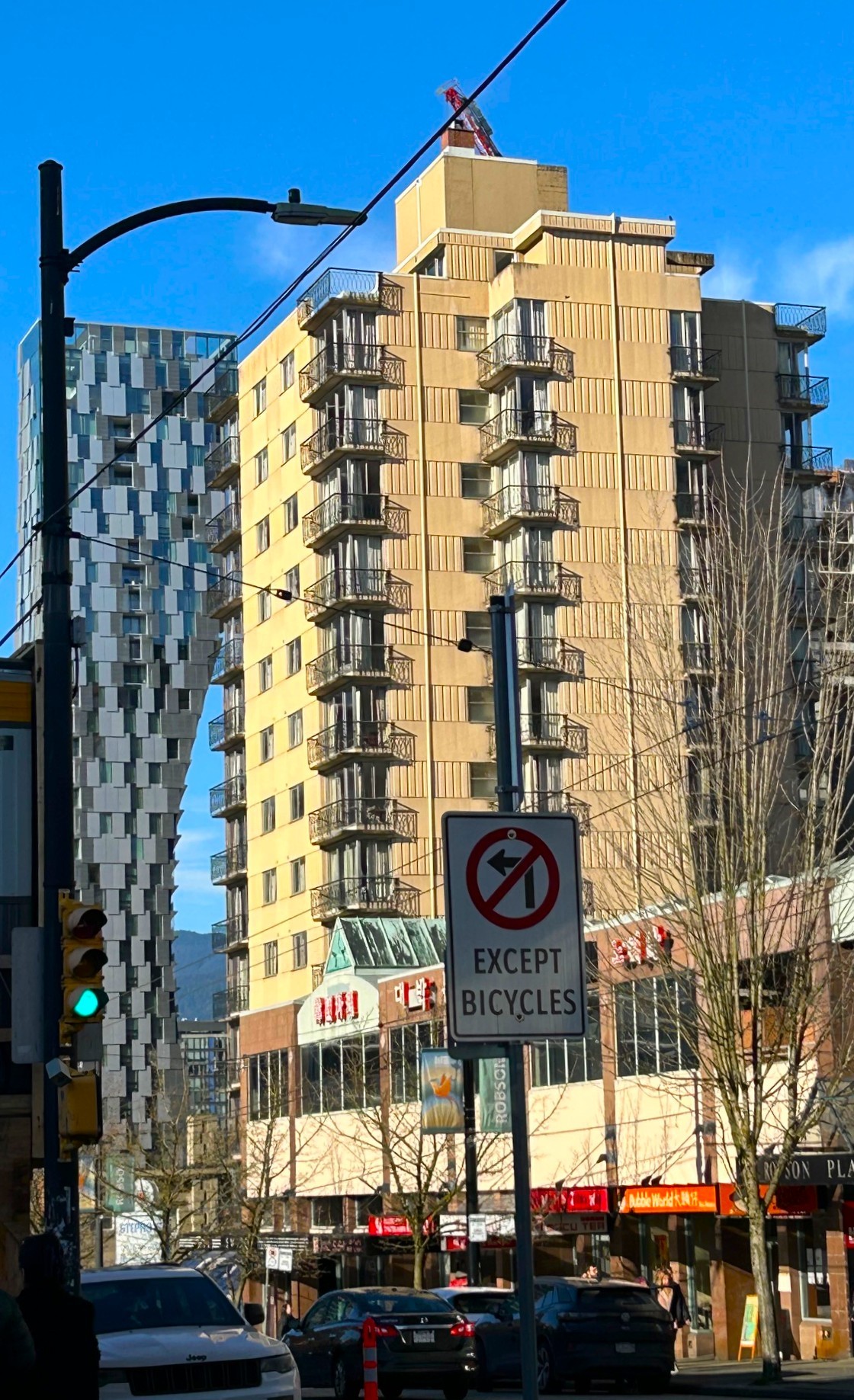
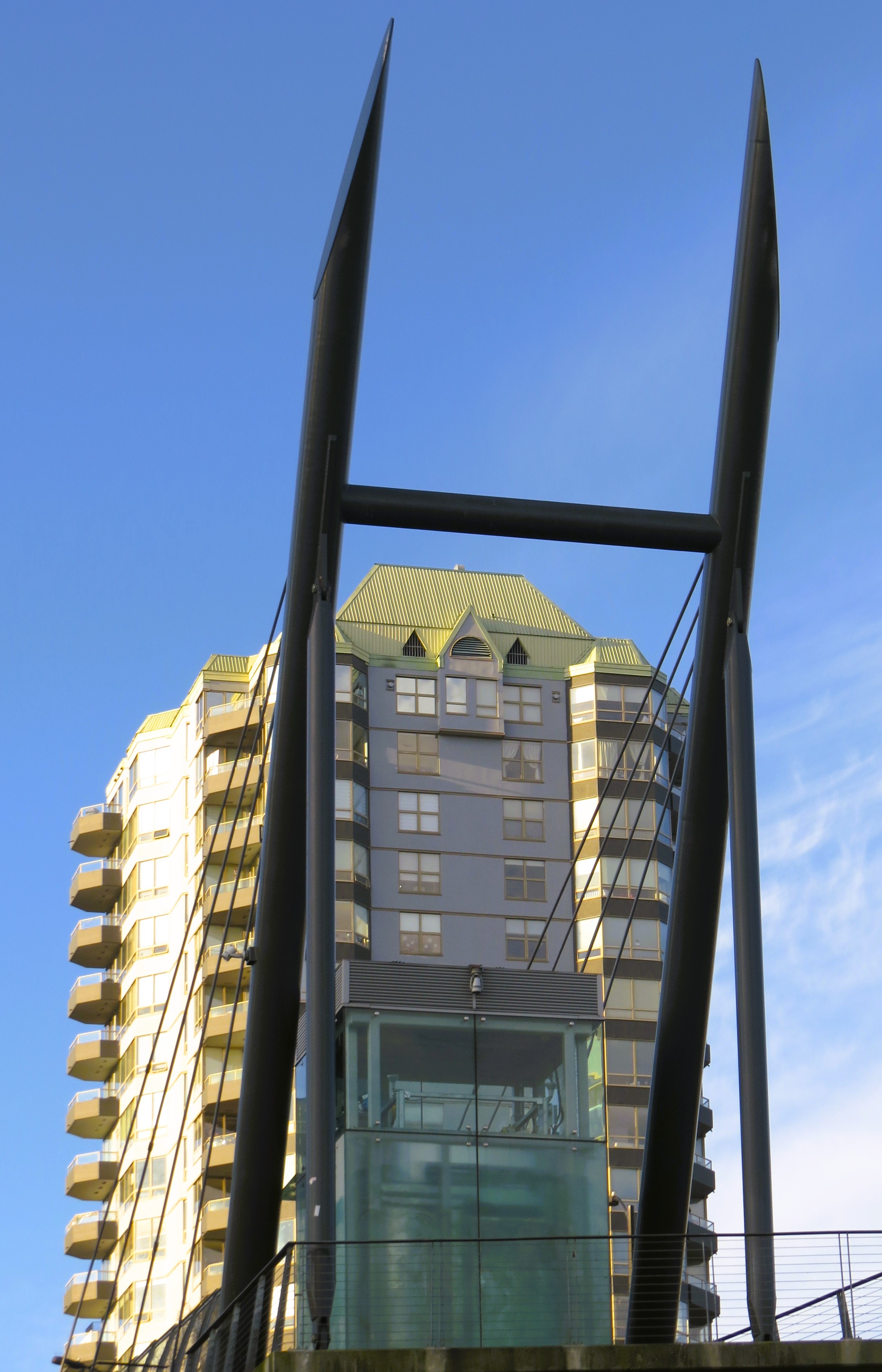
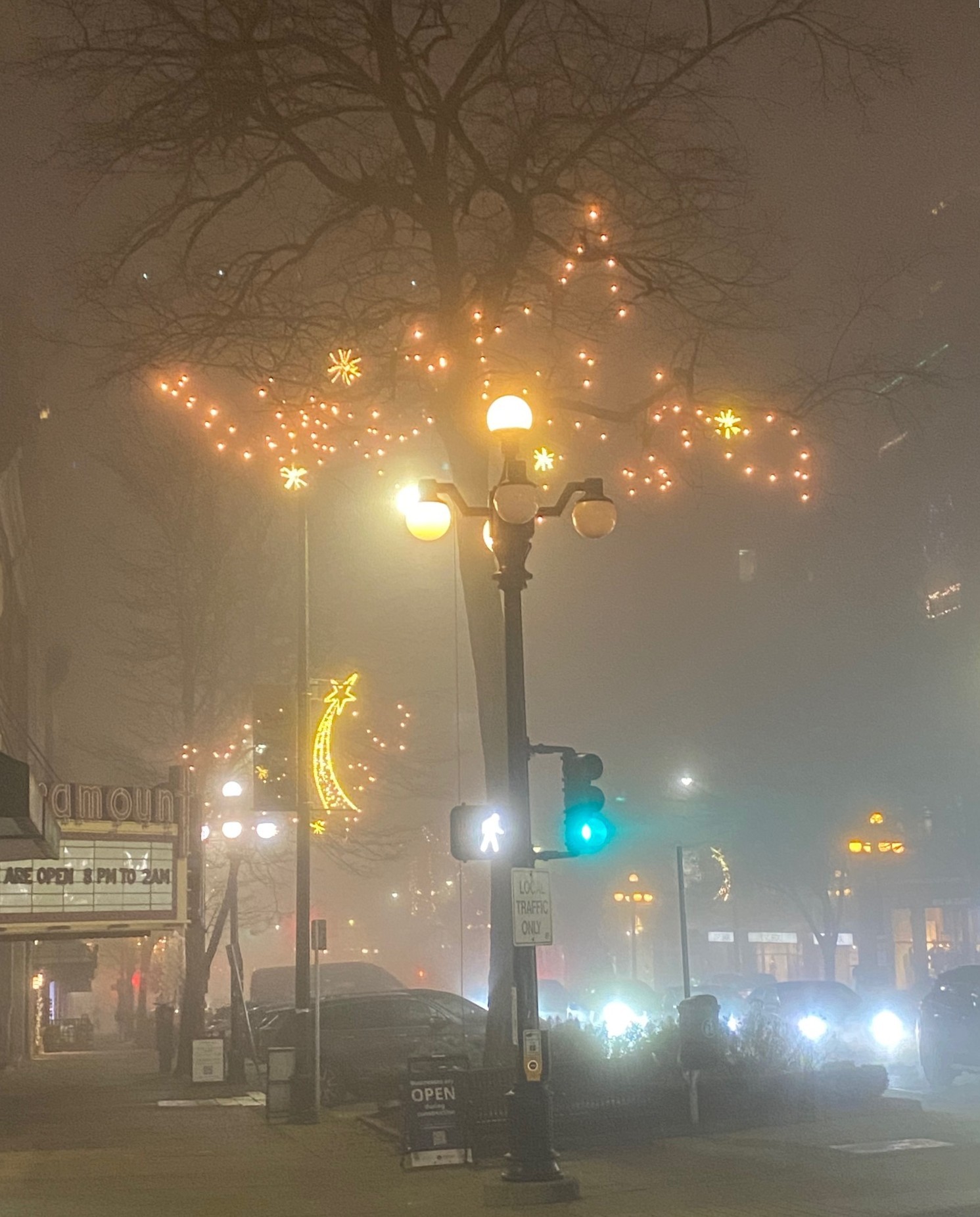
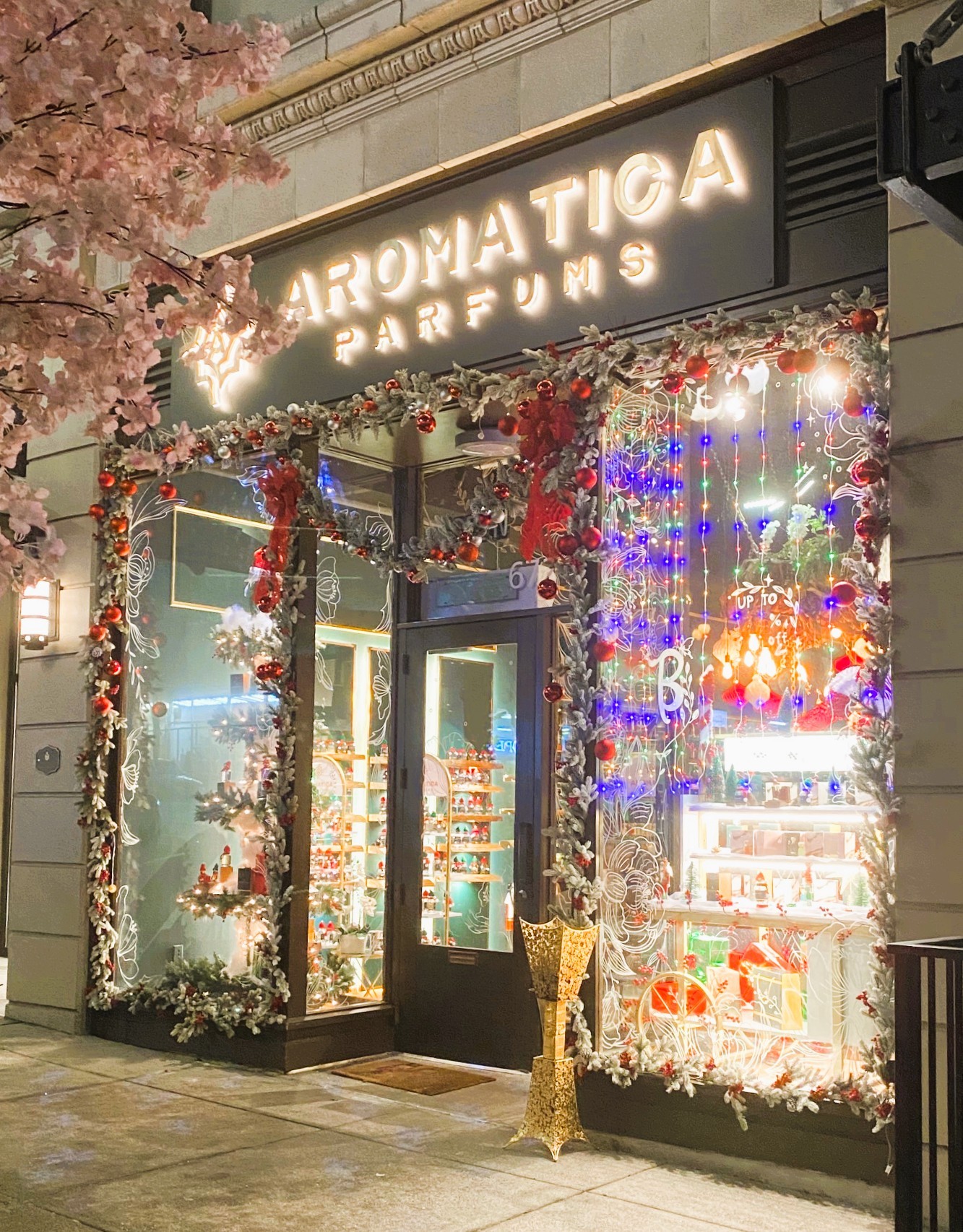
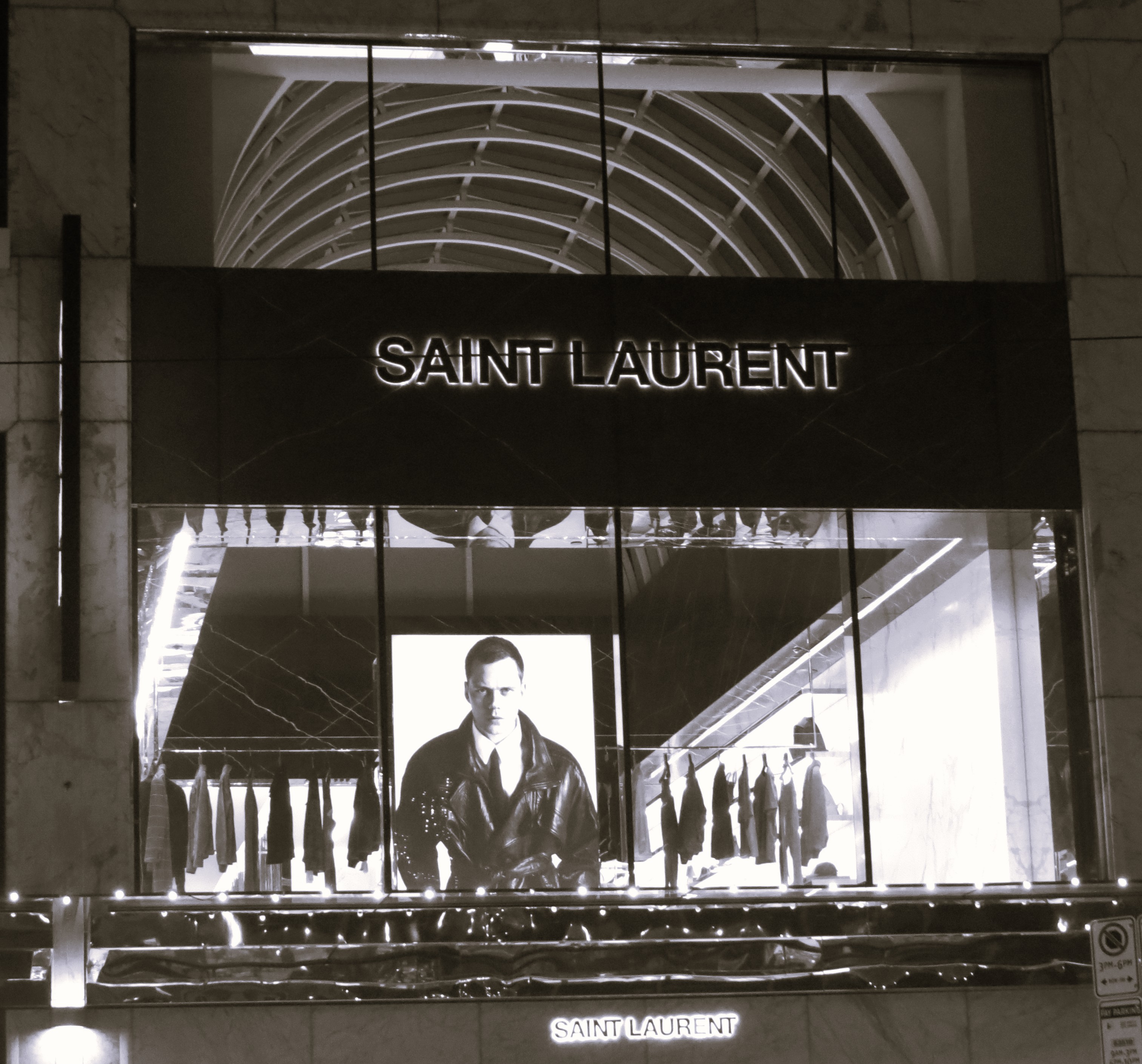
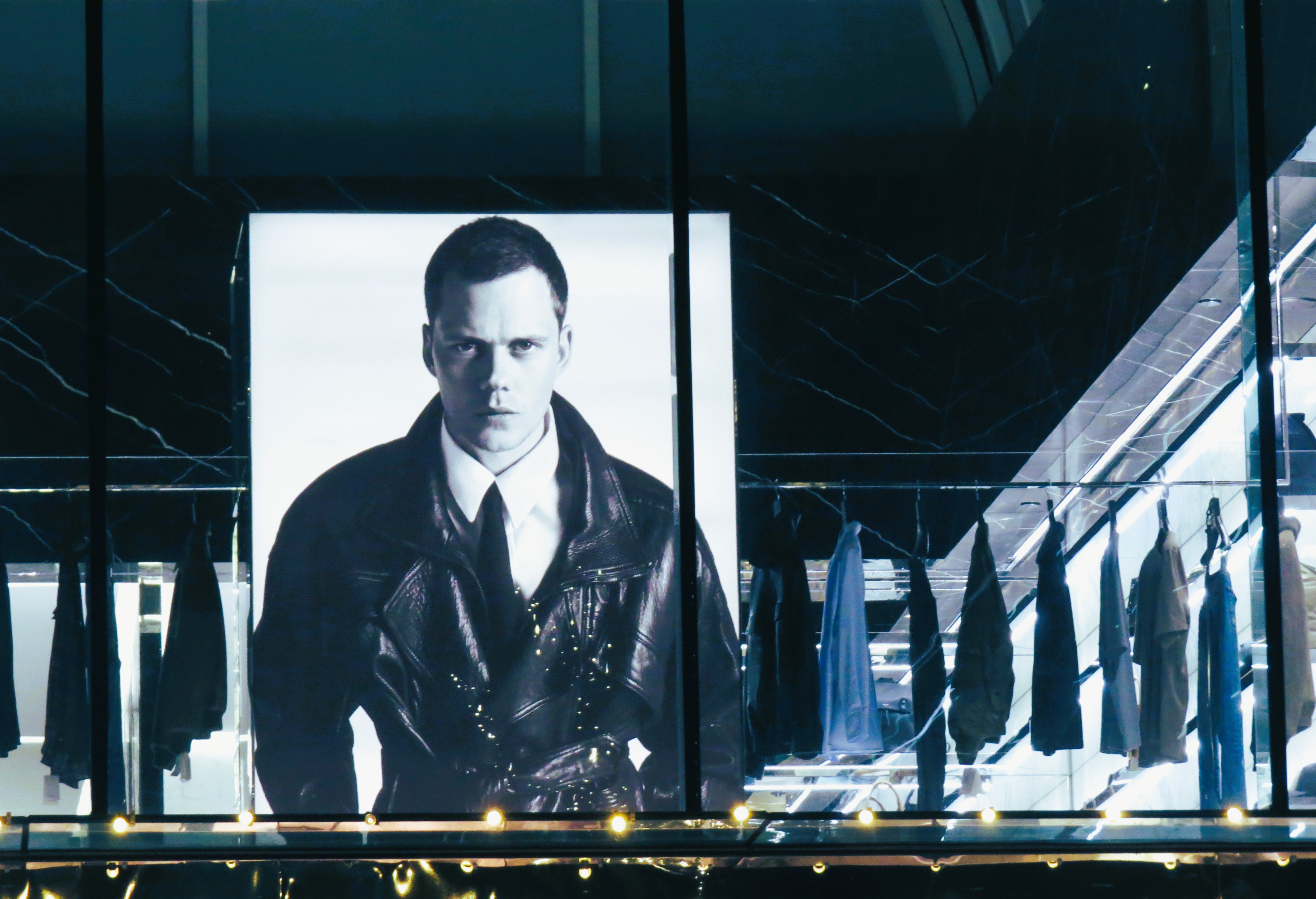
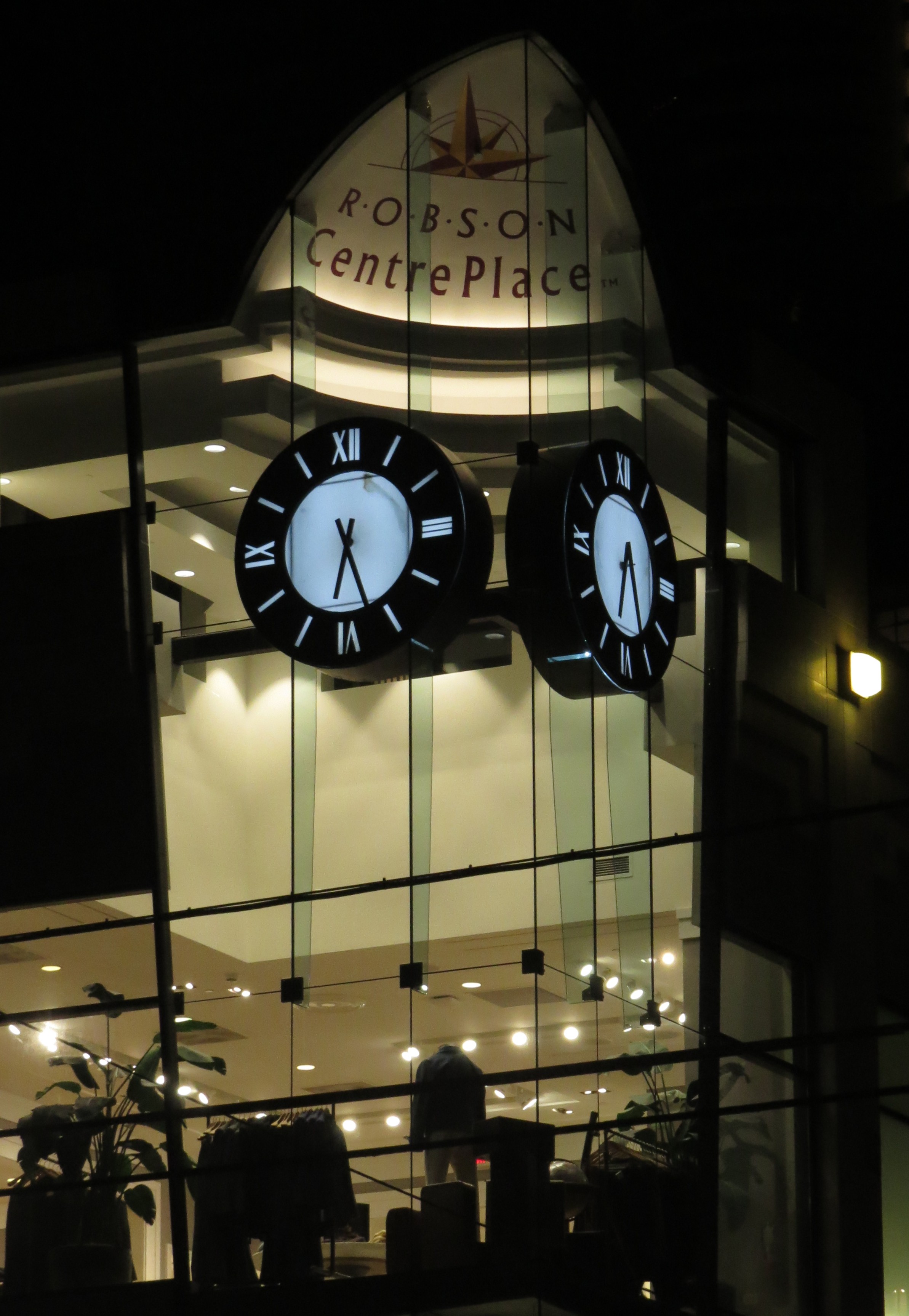
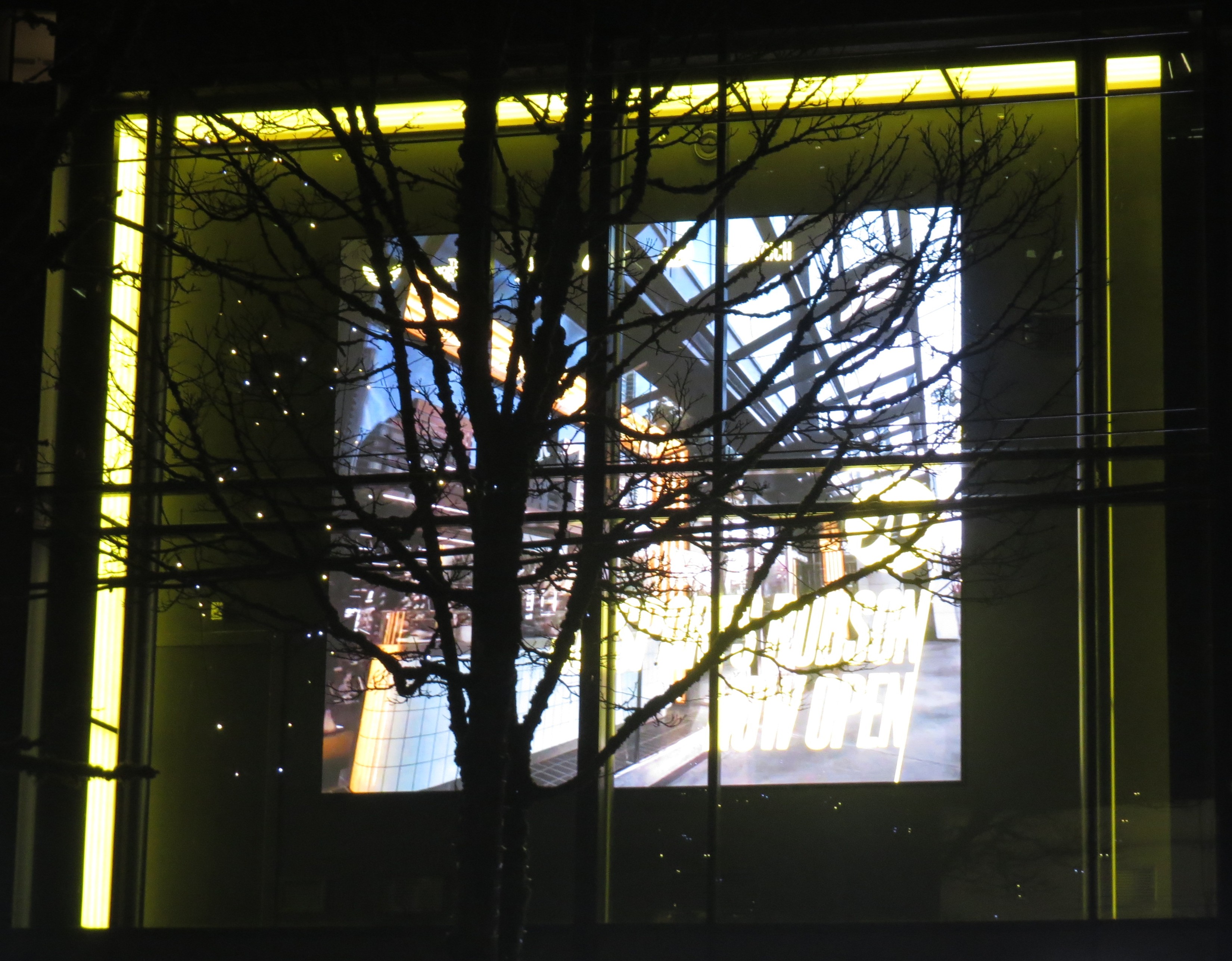
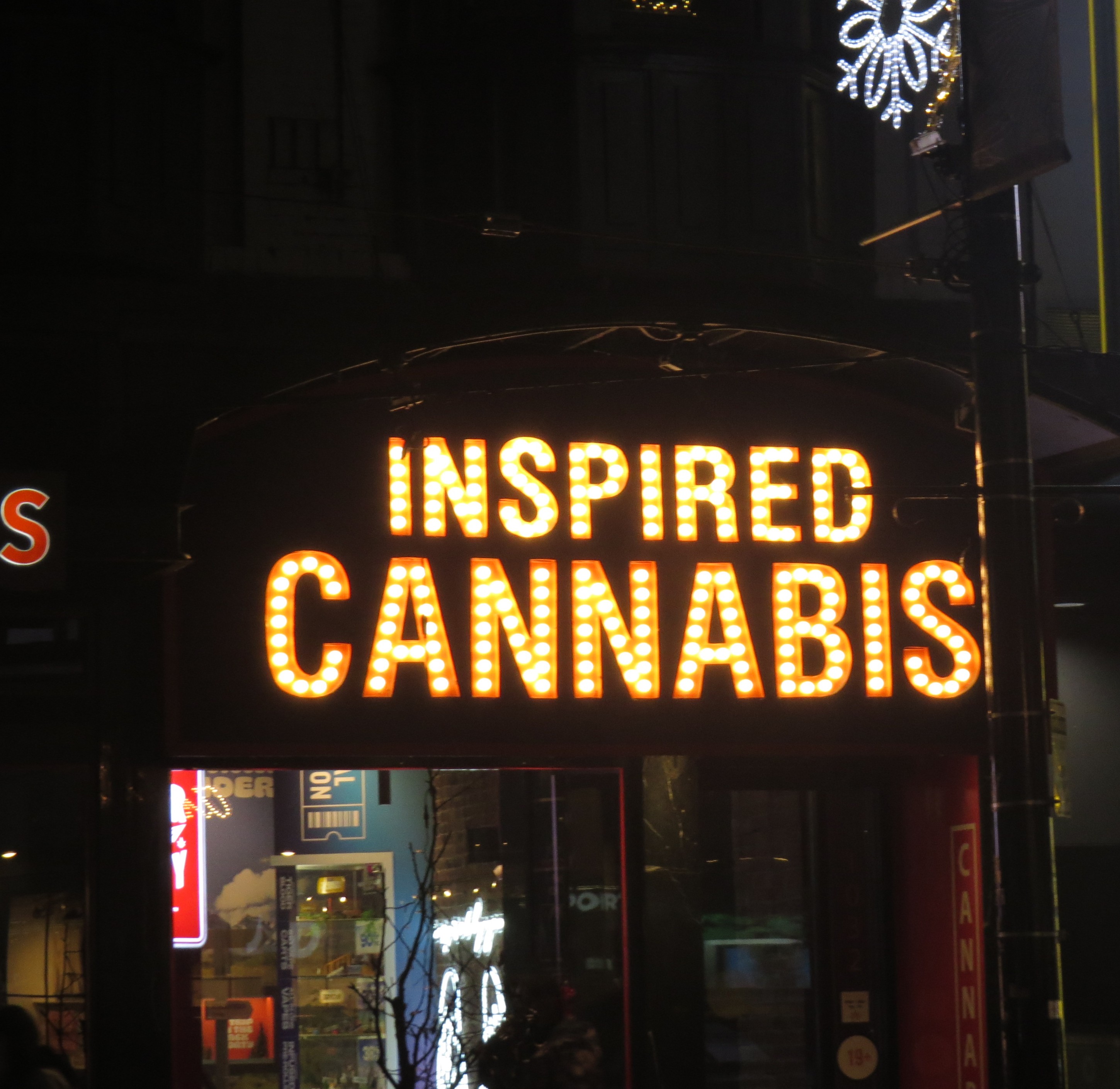
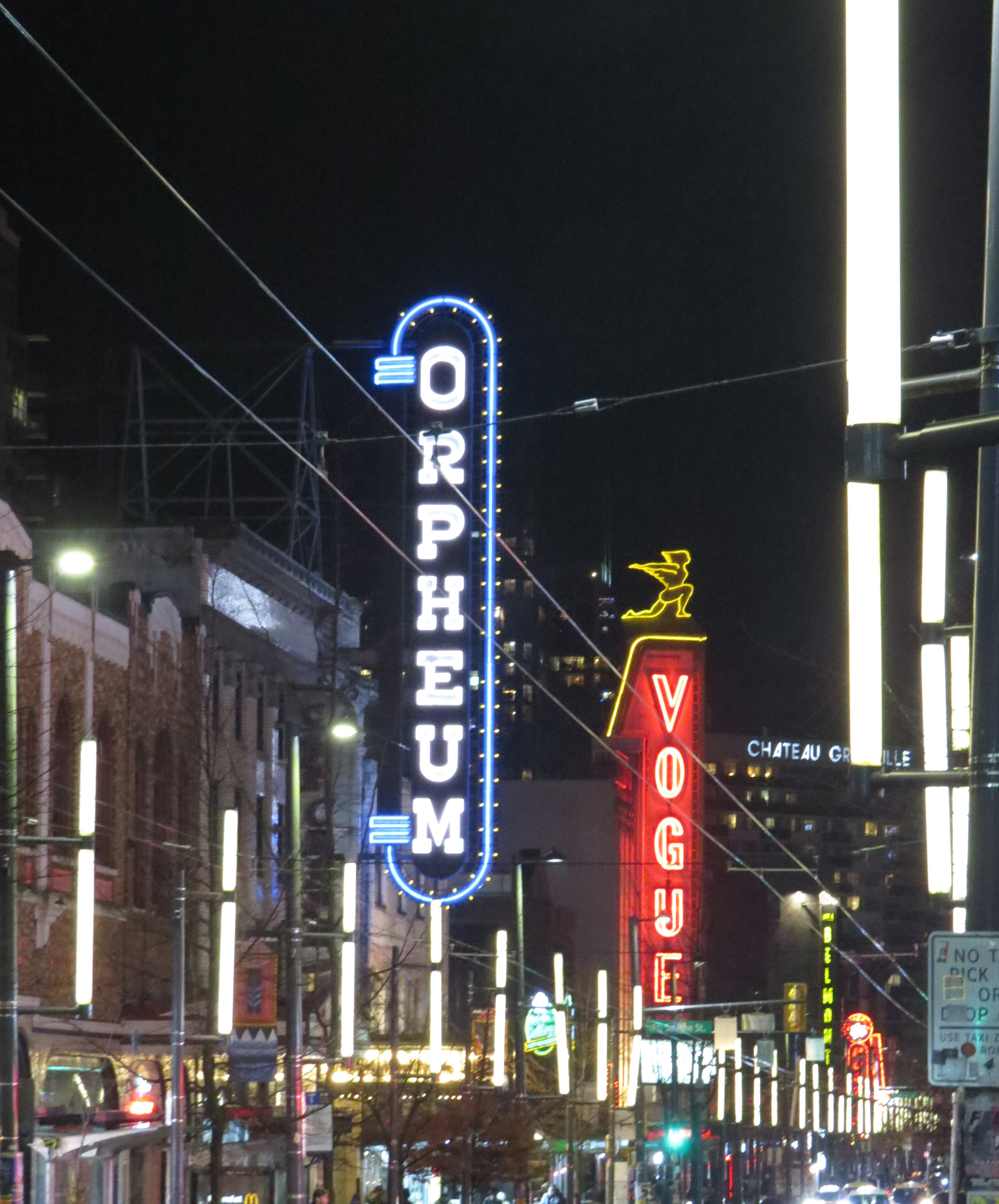
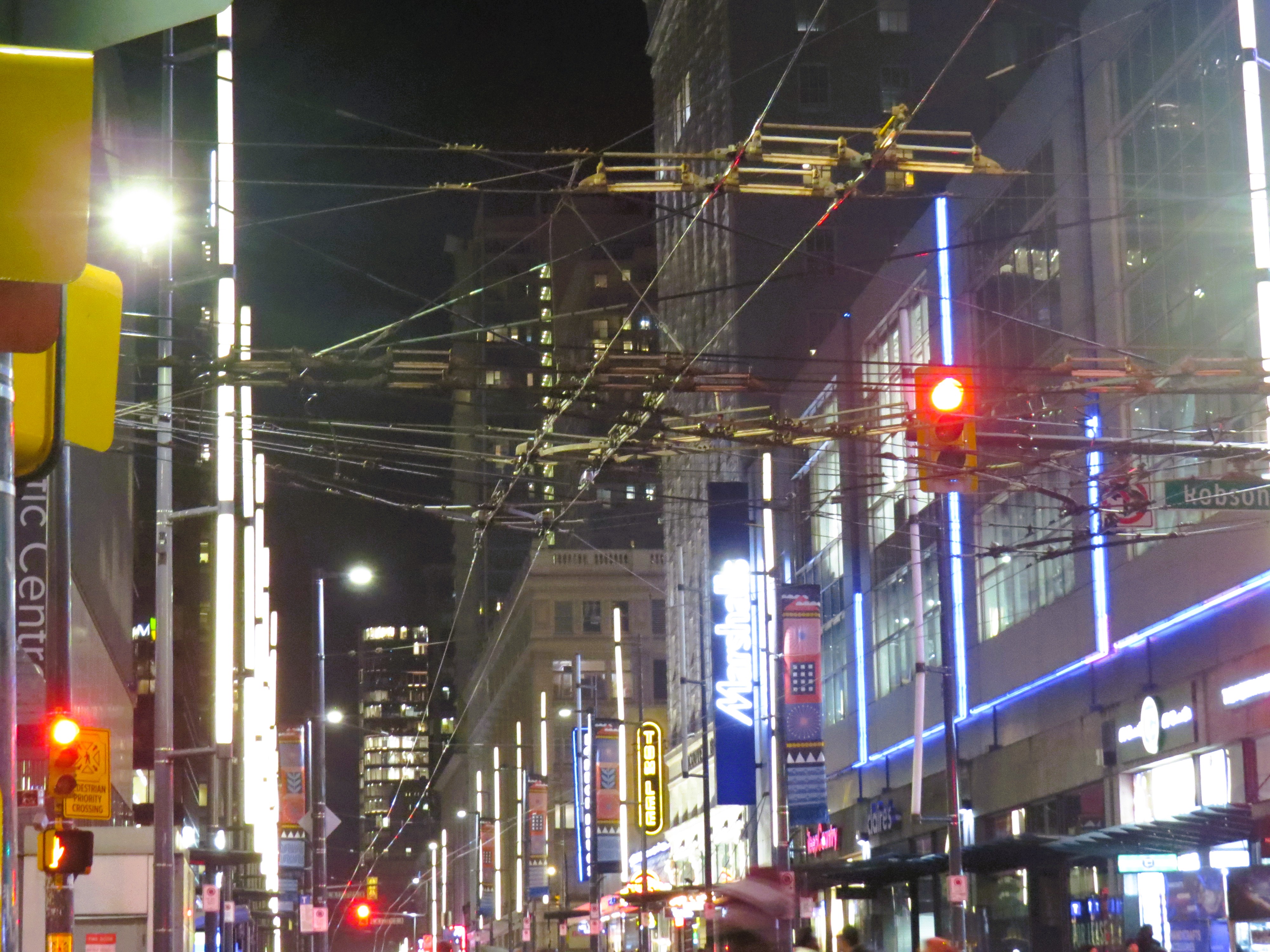
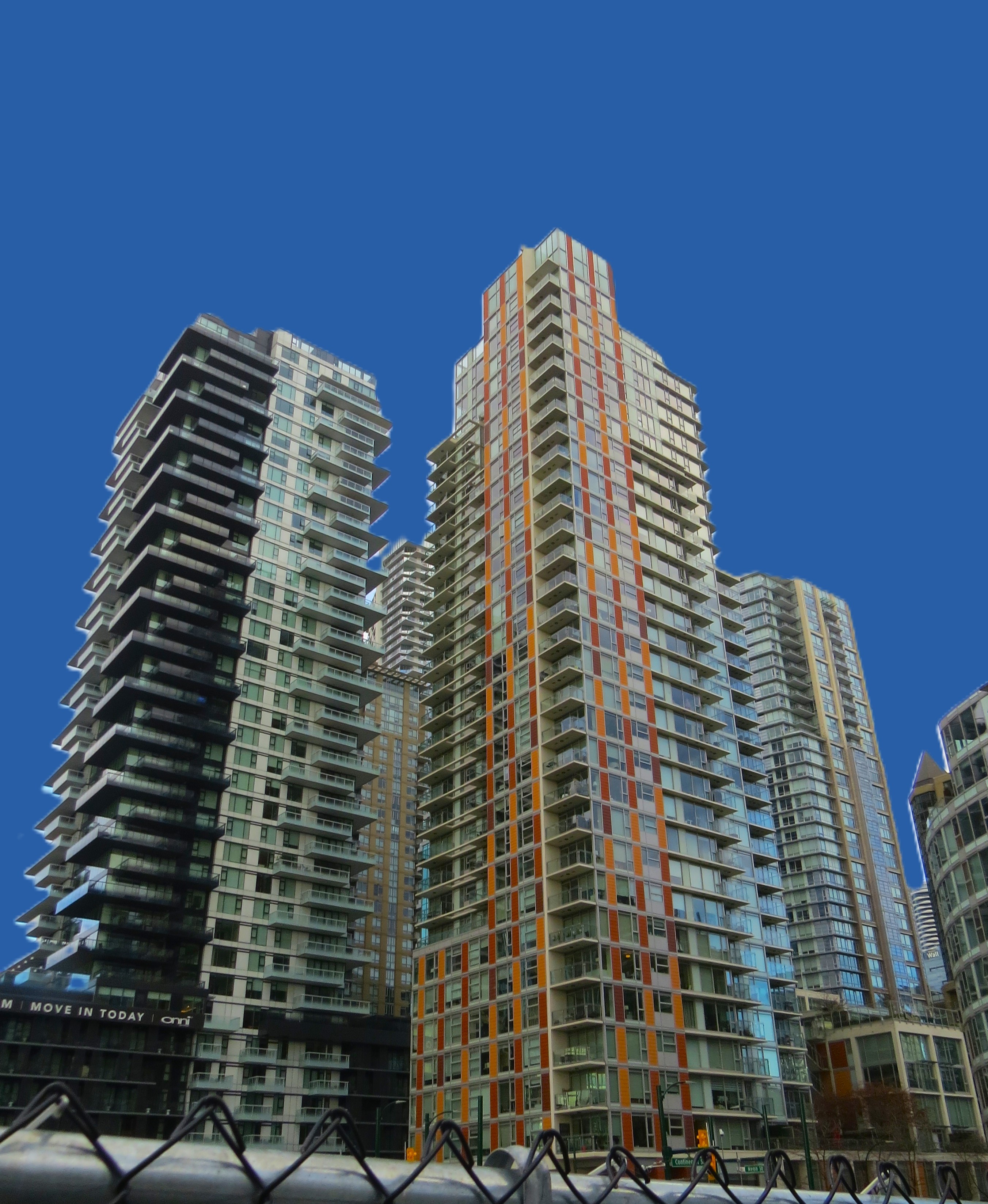
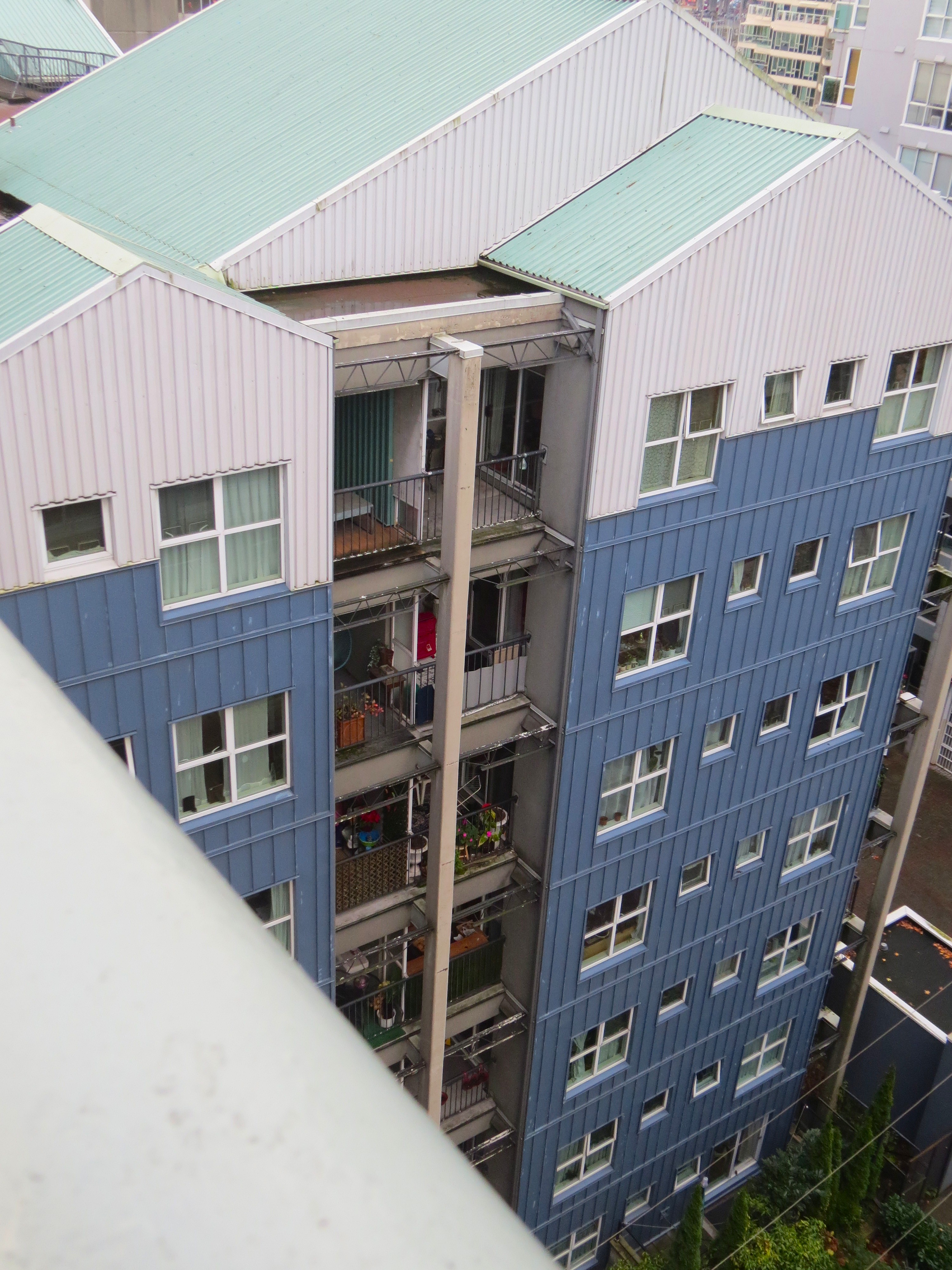
In Old French ‘granville’ means simply an old village. Were to be more than just one Granville – it must be than – obviously, LOL – ‘granvilles.  Simple. Therefore I walked through and through three of them. Started from the bottom of an old, yet sadly no so much venerable anymore, Granville Street in Downtown Vancouver. It truly used to be a pleasure to walk that street in my younger years. There was everything in there: places to eat, drink, dance, and pick up fellow or girl for an evening of fun, an old opera, and symphony building. It offered entertainment for high prices, and for very moderate pockets alike. It truly was the main thoroughfare of Downtown, for girls and boys, for gay and straight.

It still is interesting, still offers a little bit of everything to everyone. But it lost its grandeur, certain elegance (mind you – not haute couture, but elegance nonetheless). If Davie is paradise for LGBTQ people, Robson for shoppers and Burrard for expensive shopping – Granville was everyone and everyone liked strolling through it. I did.  Still do, but with a bit of sadness and … anger at the City Hall for allowing it to reach such a state. We already lost the section of old Hasting Street with the vicinity of Carnegie Library and Granville is not far behind.

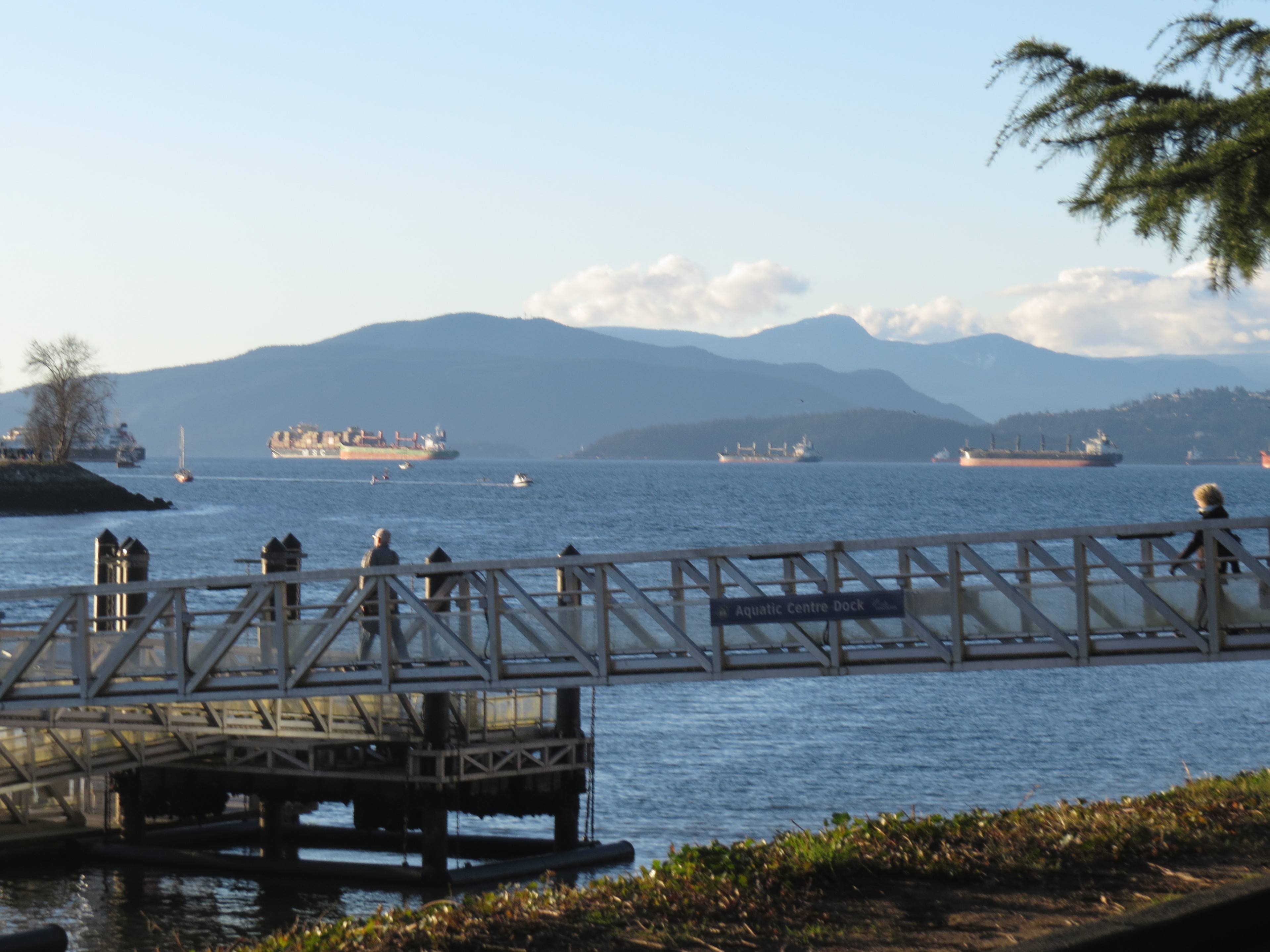
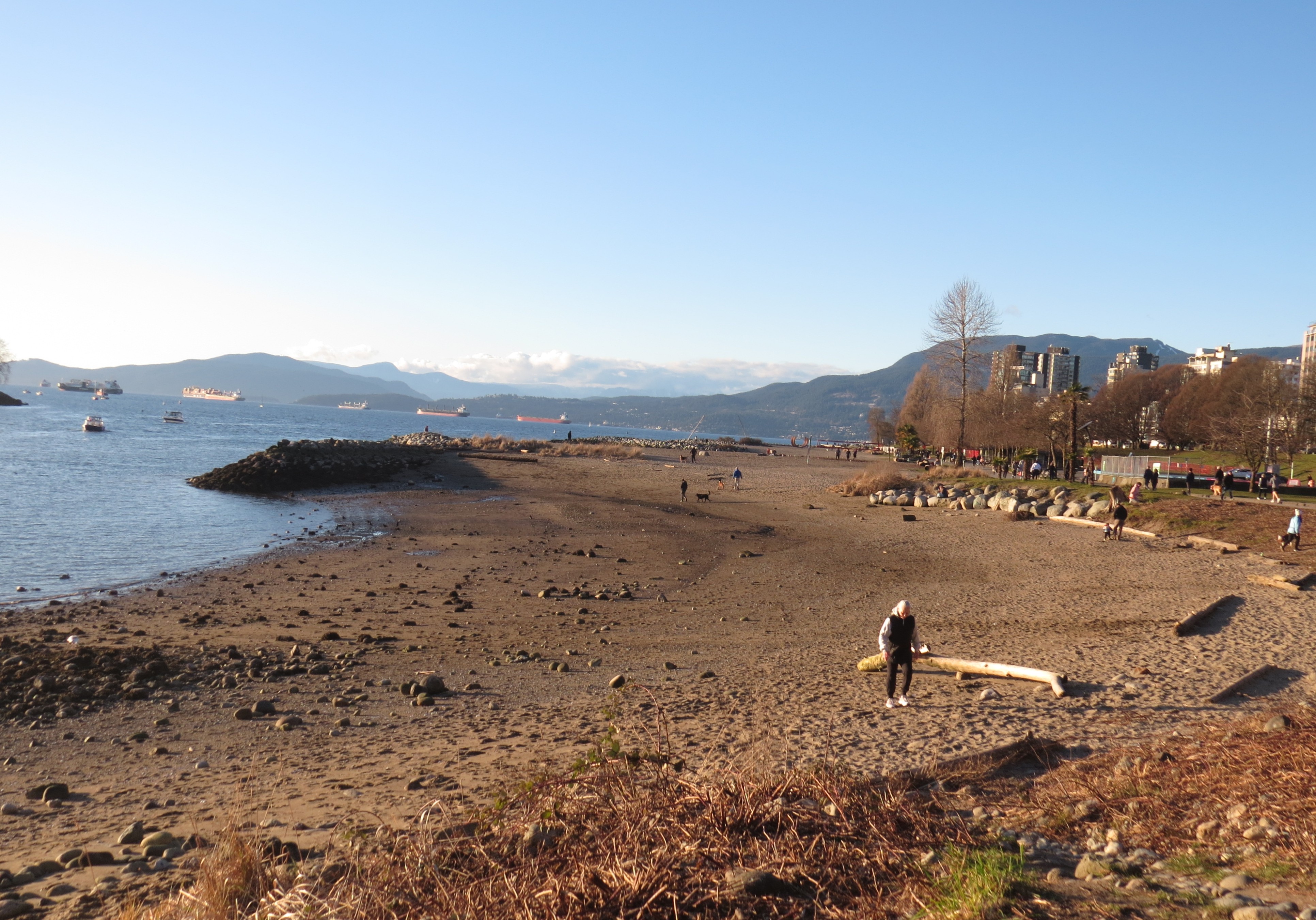
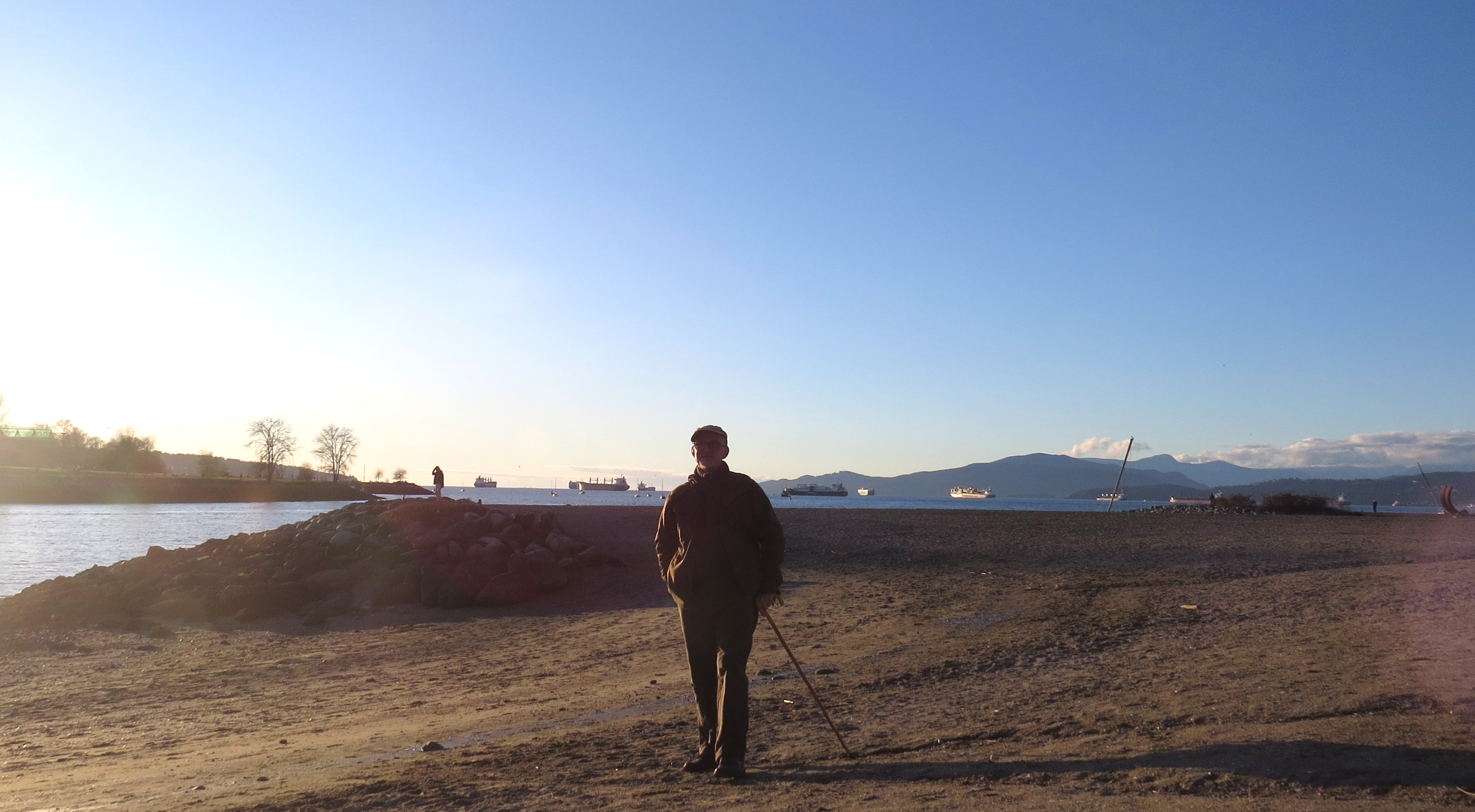
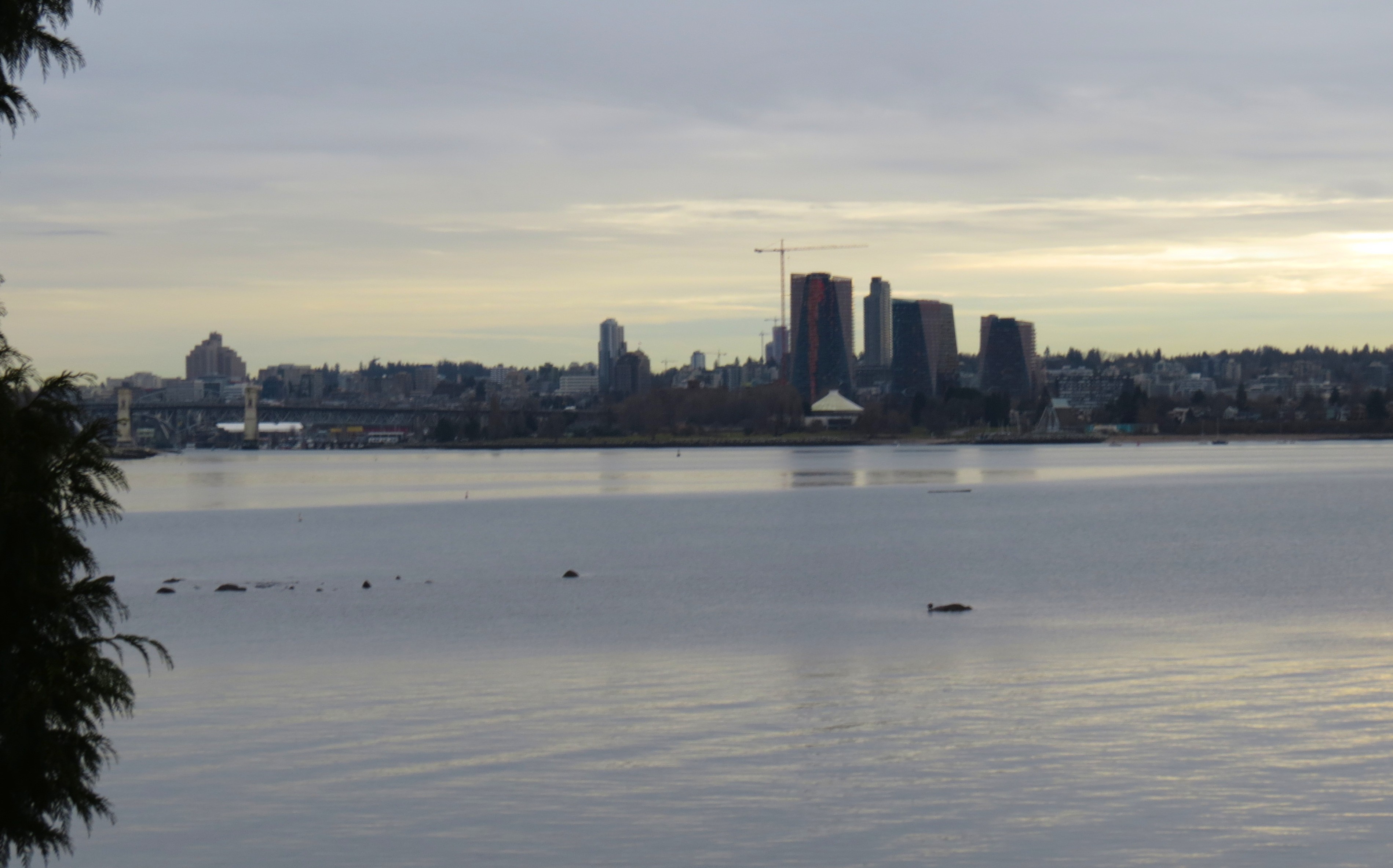
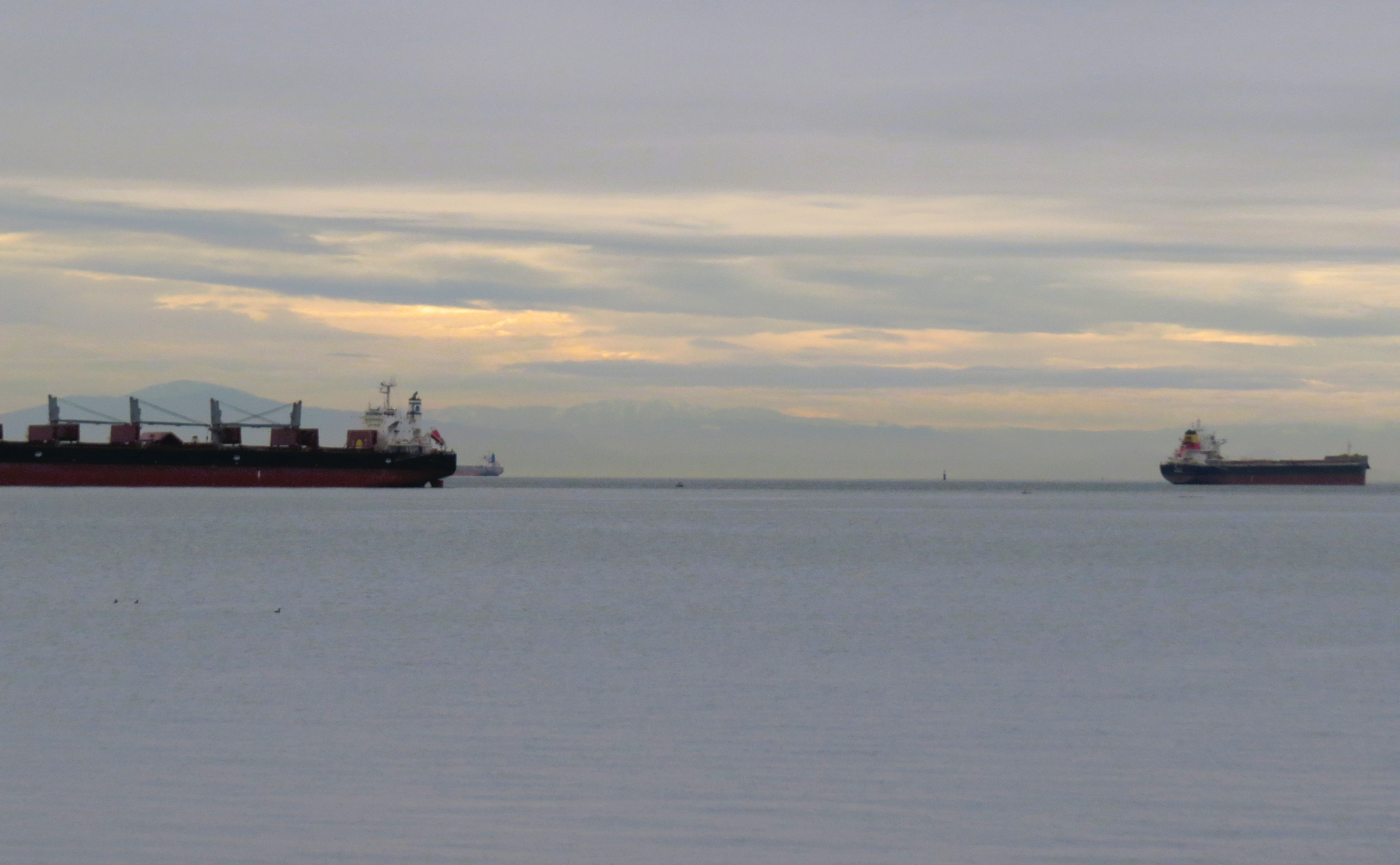
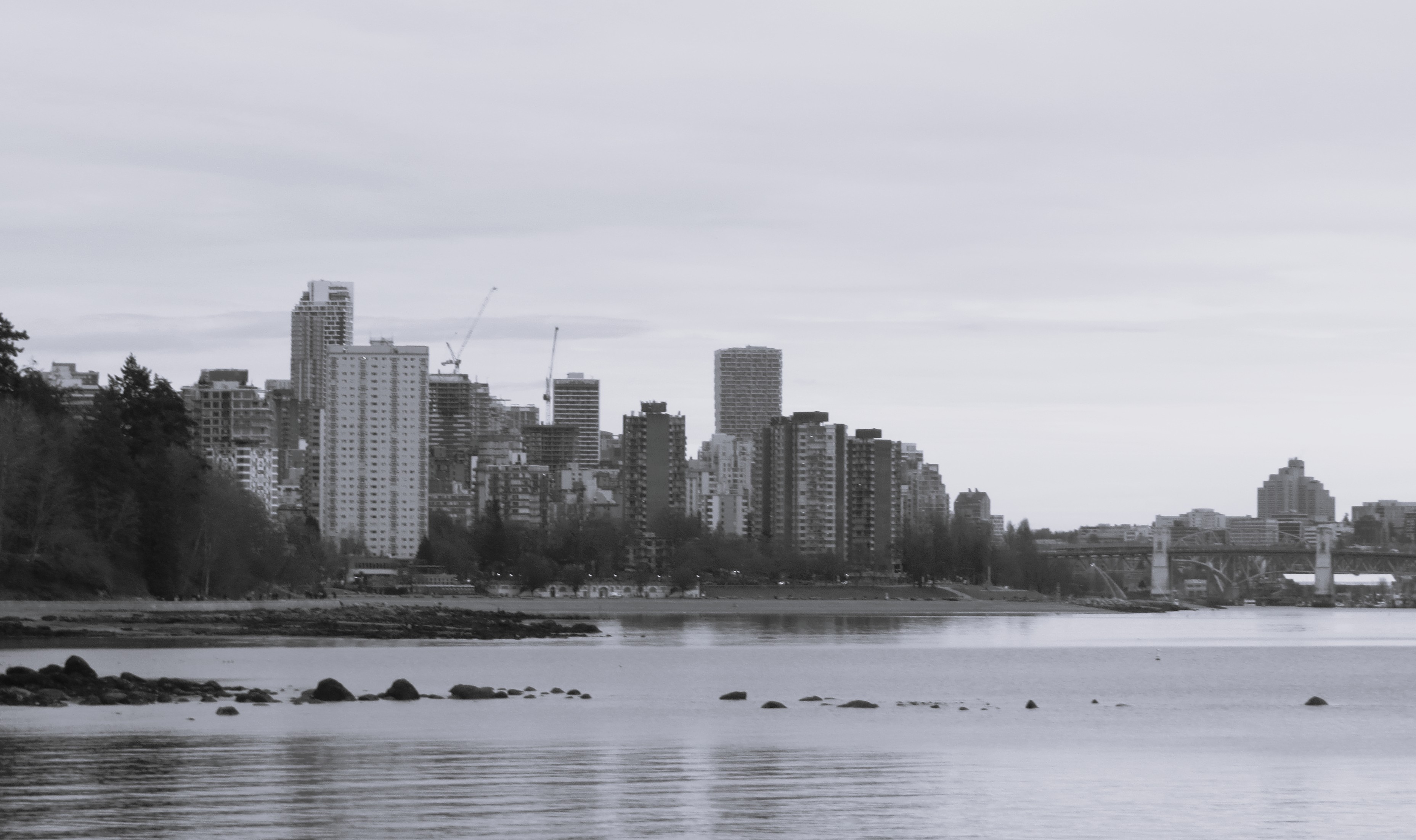
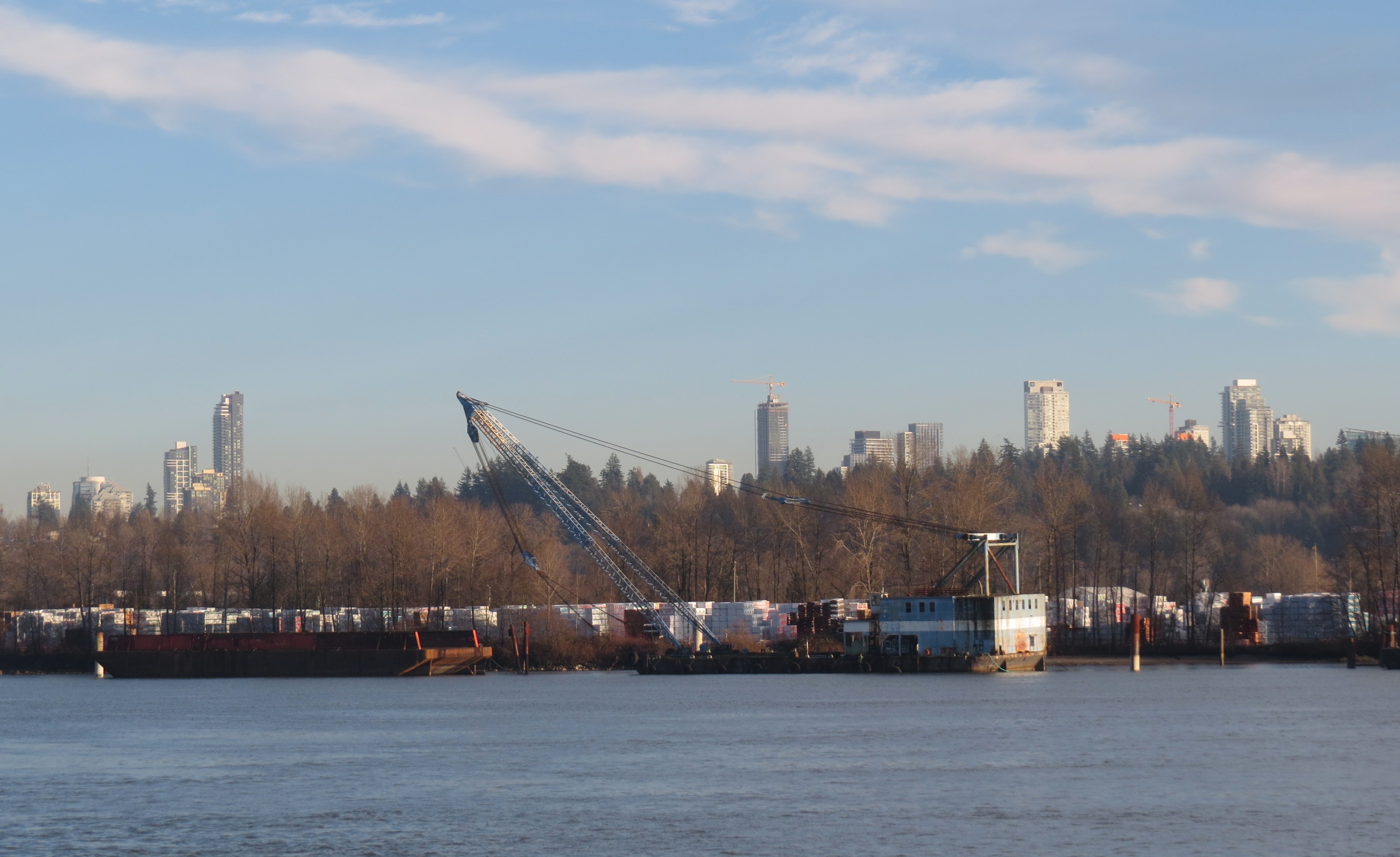
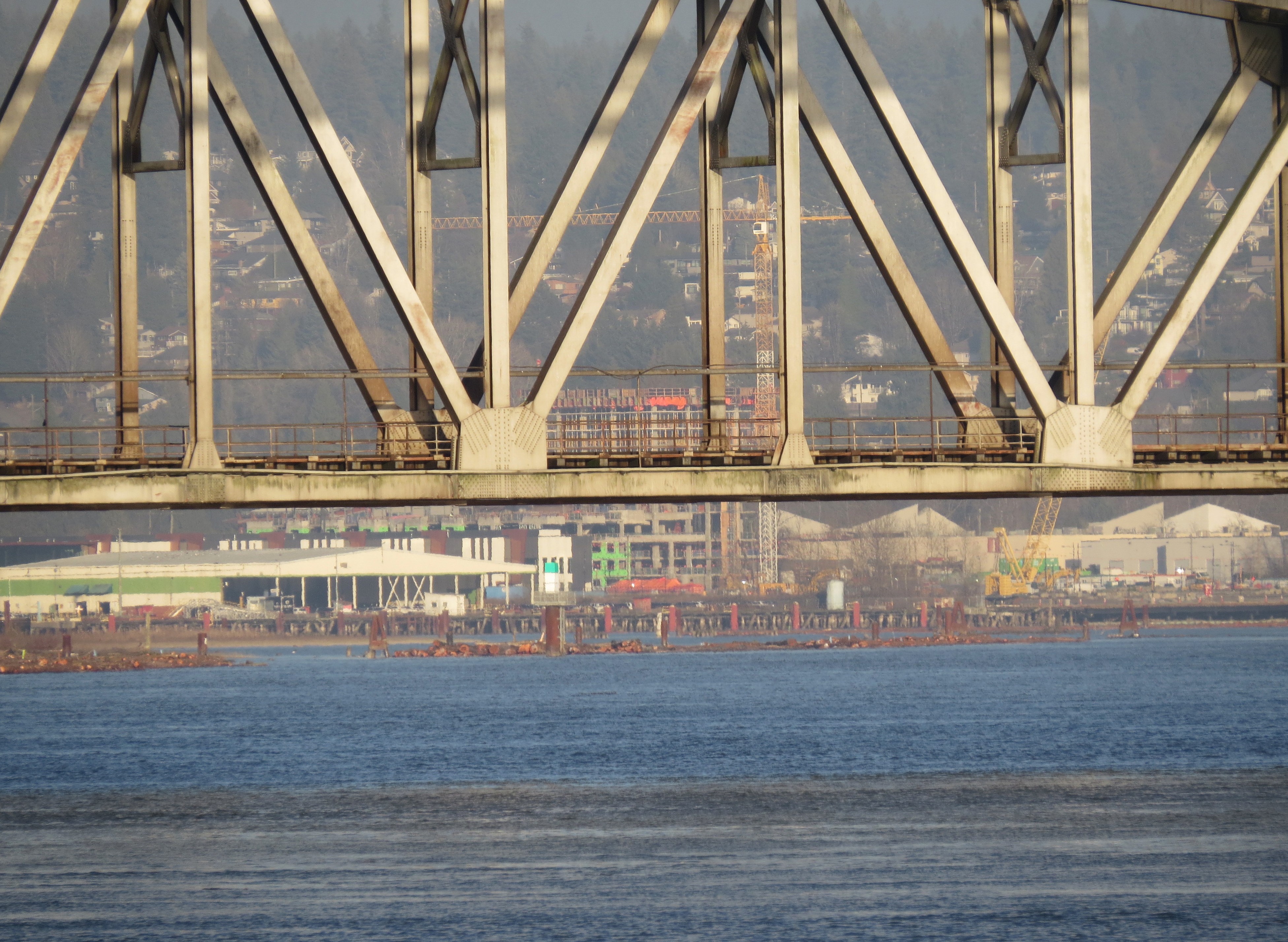
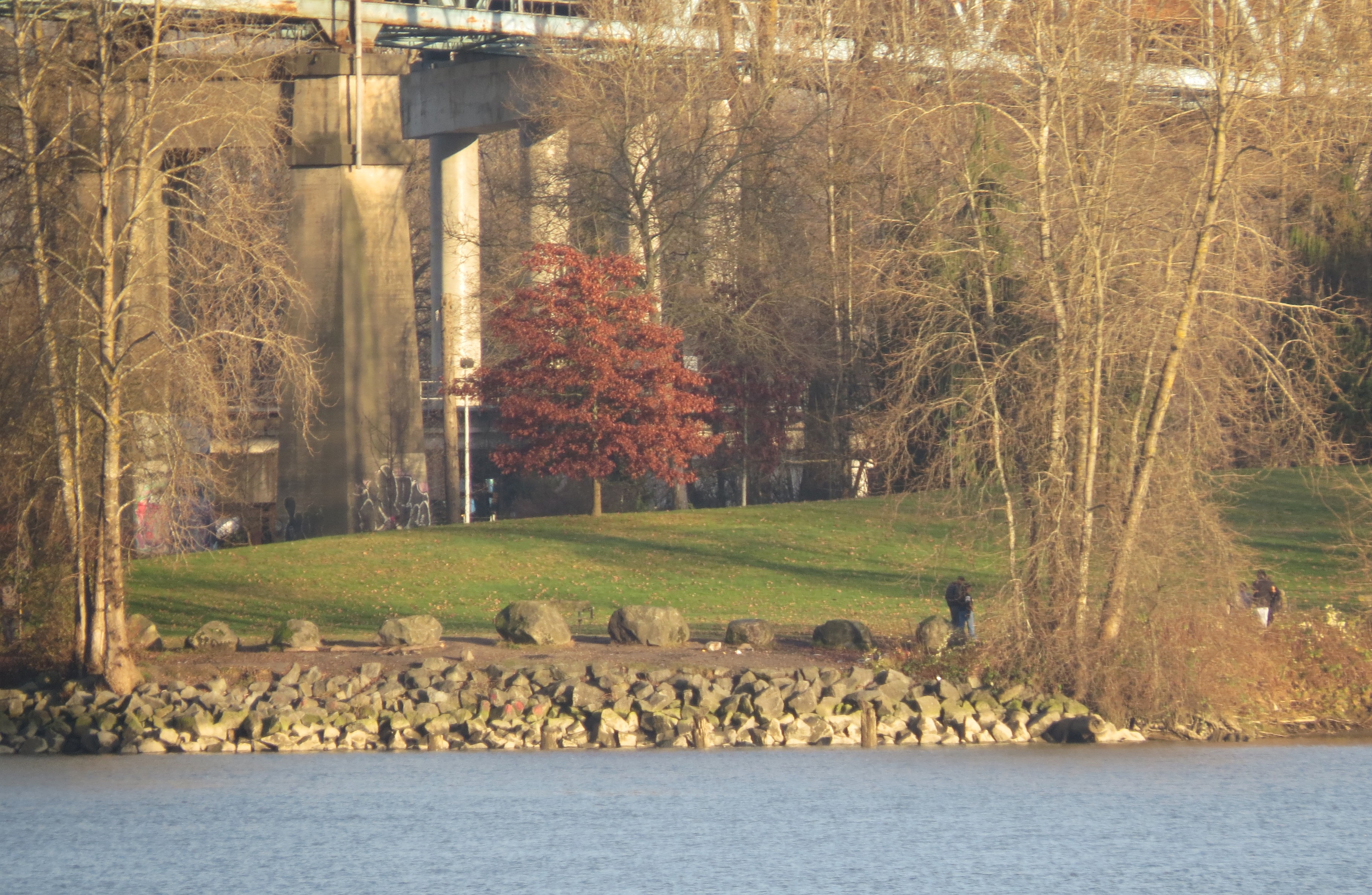
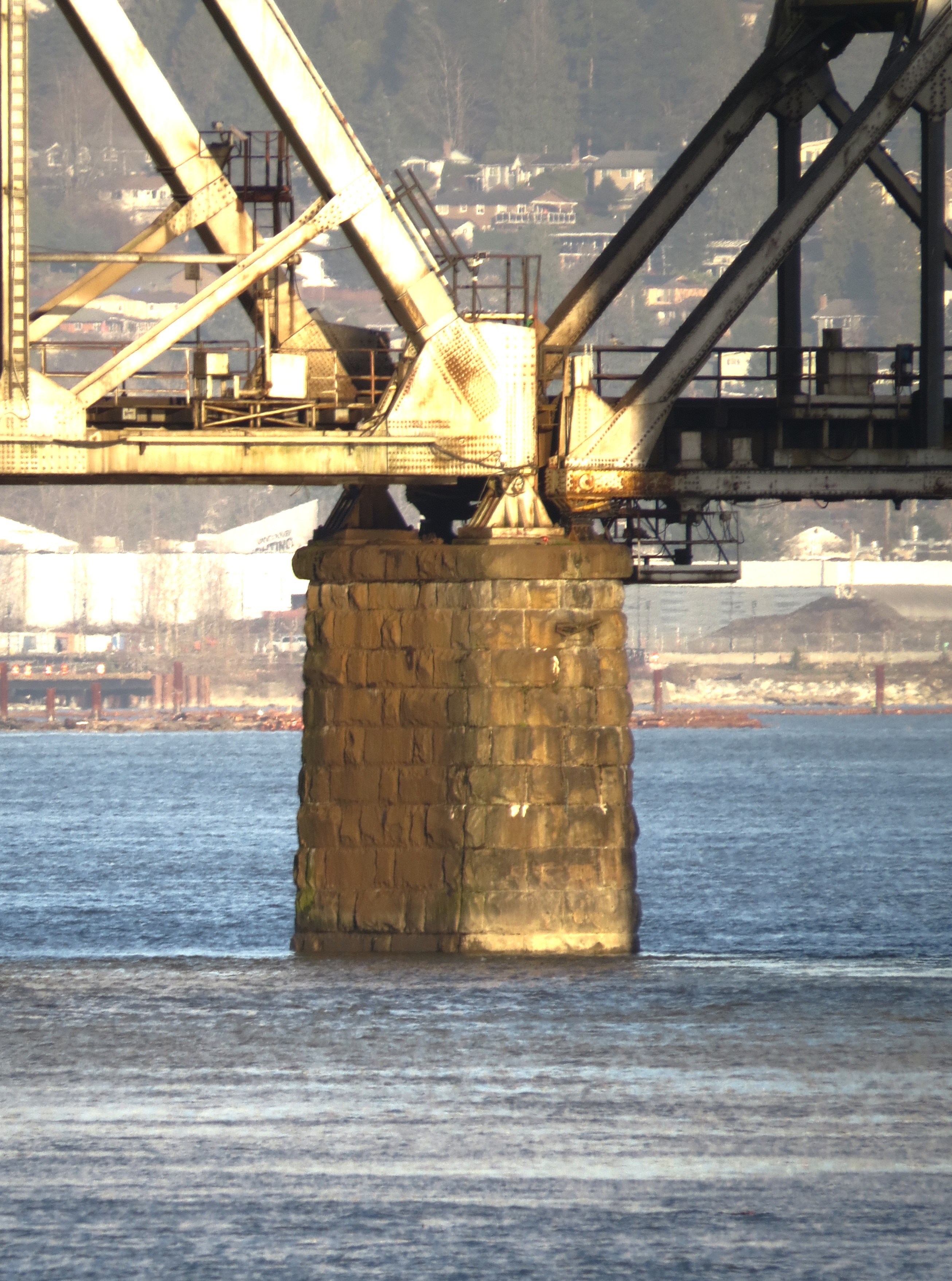
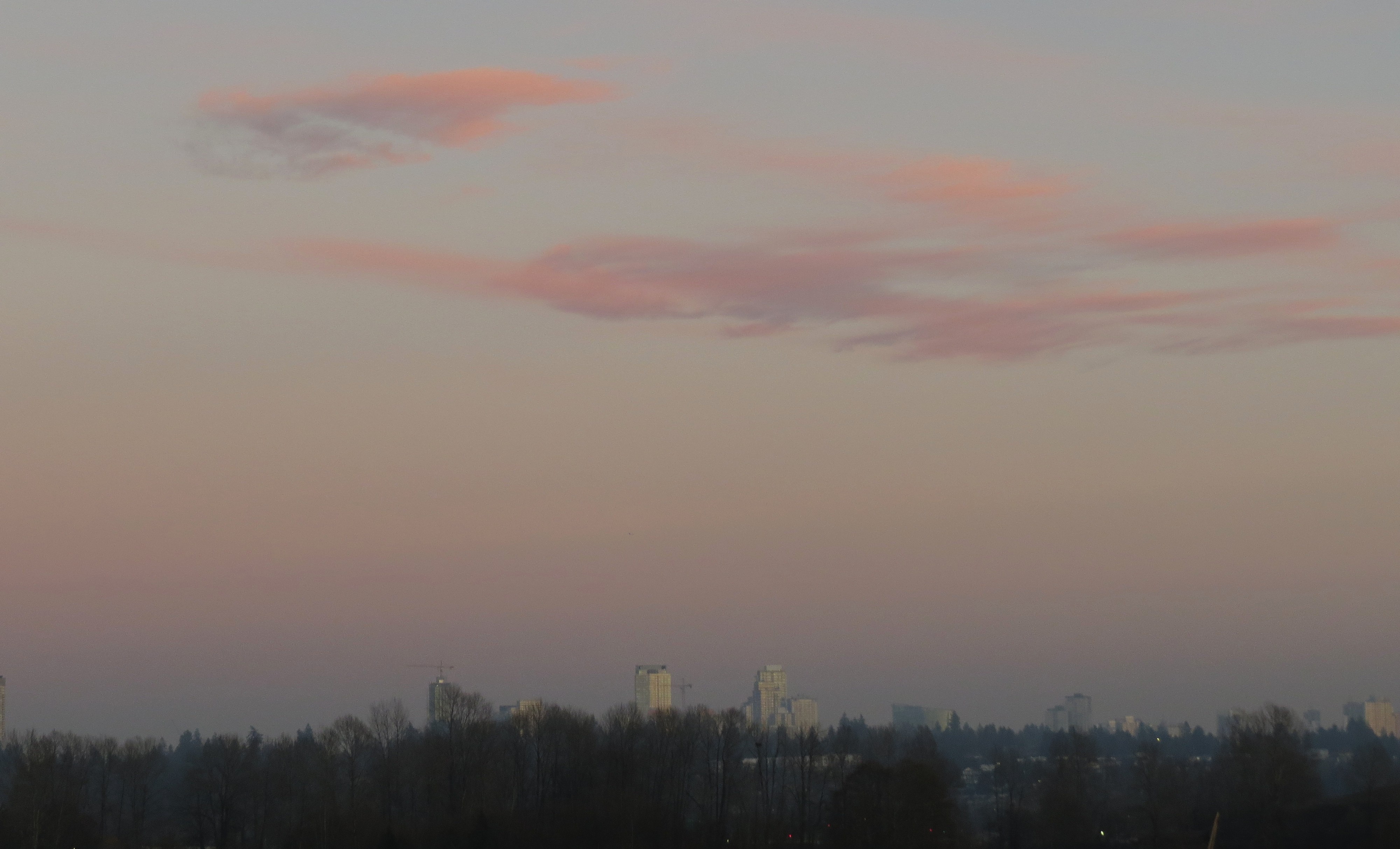
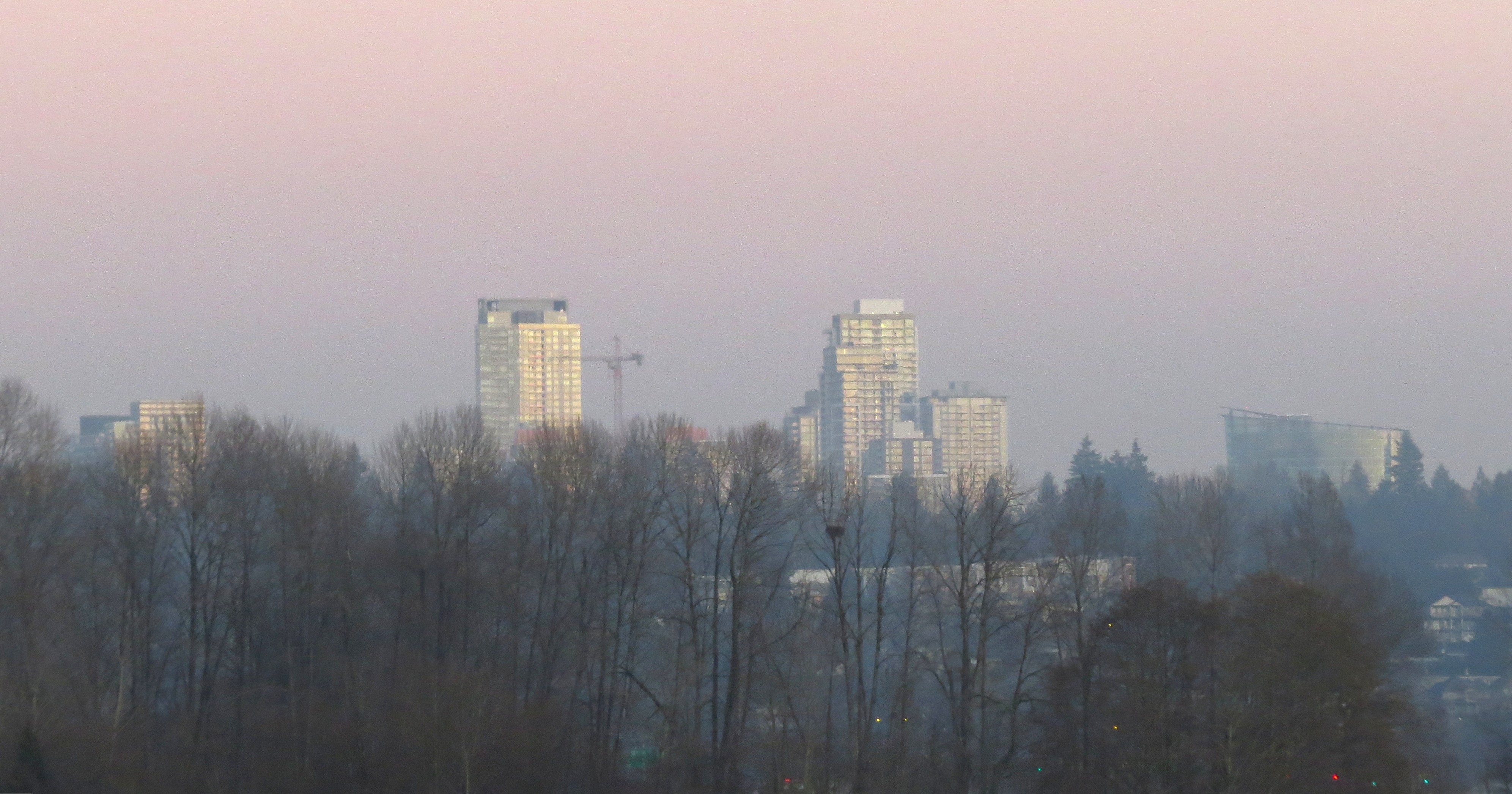
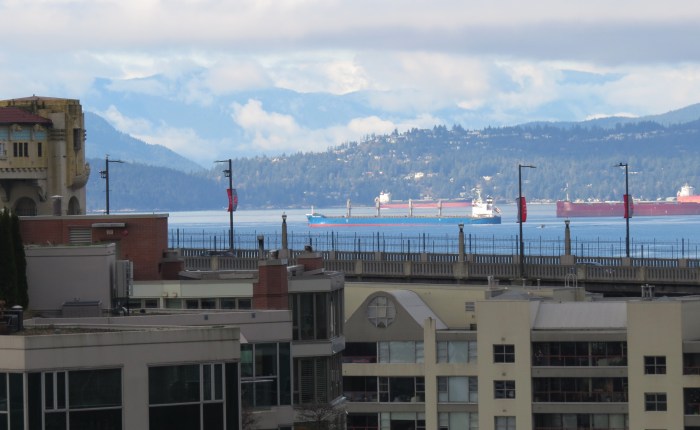
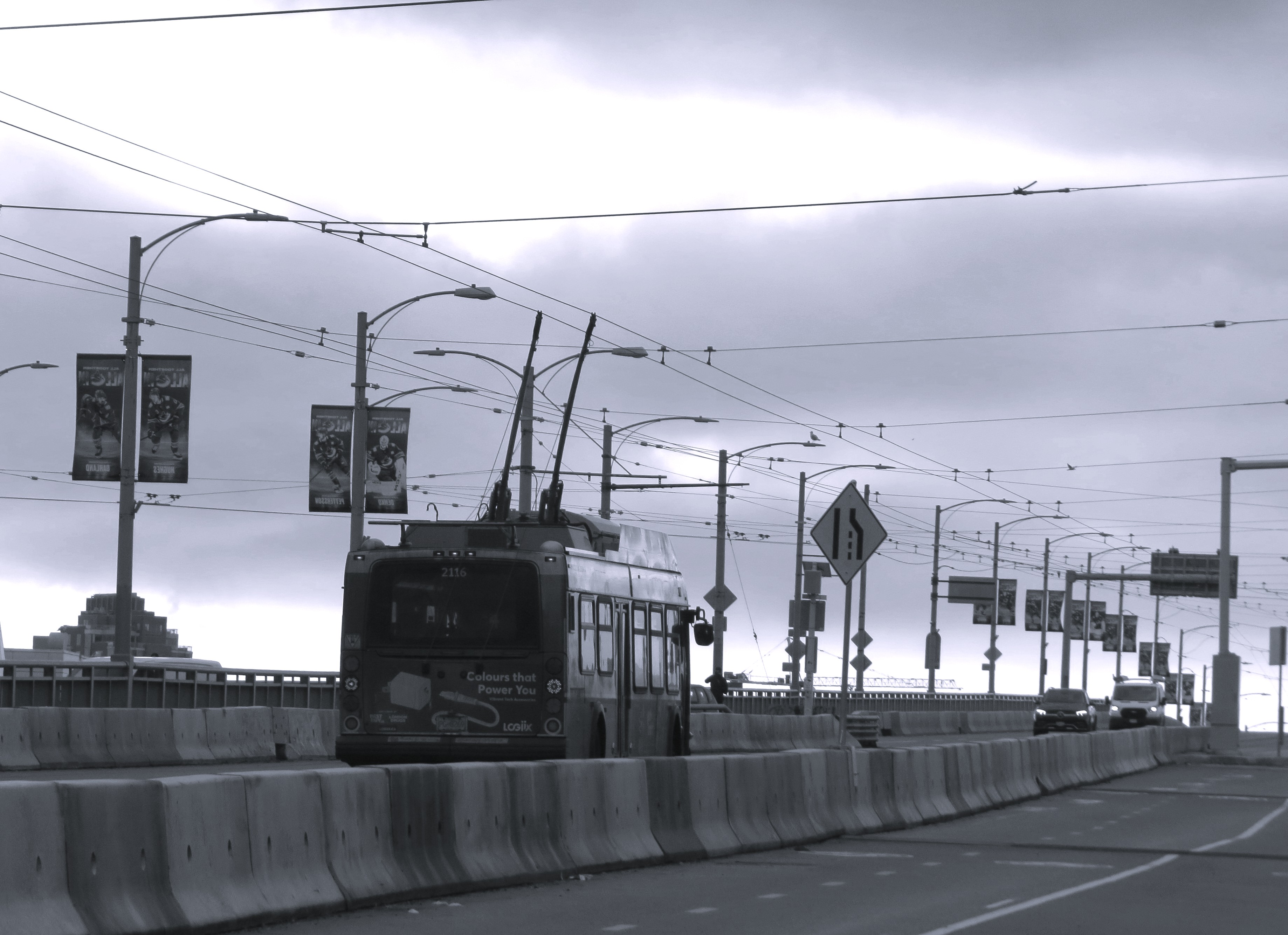
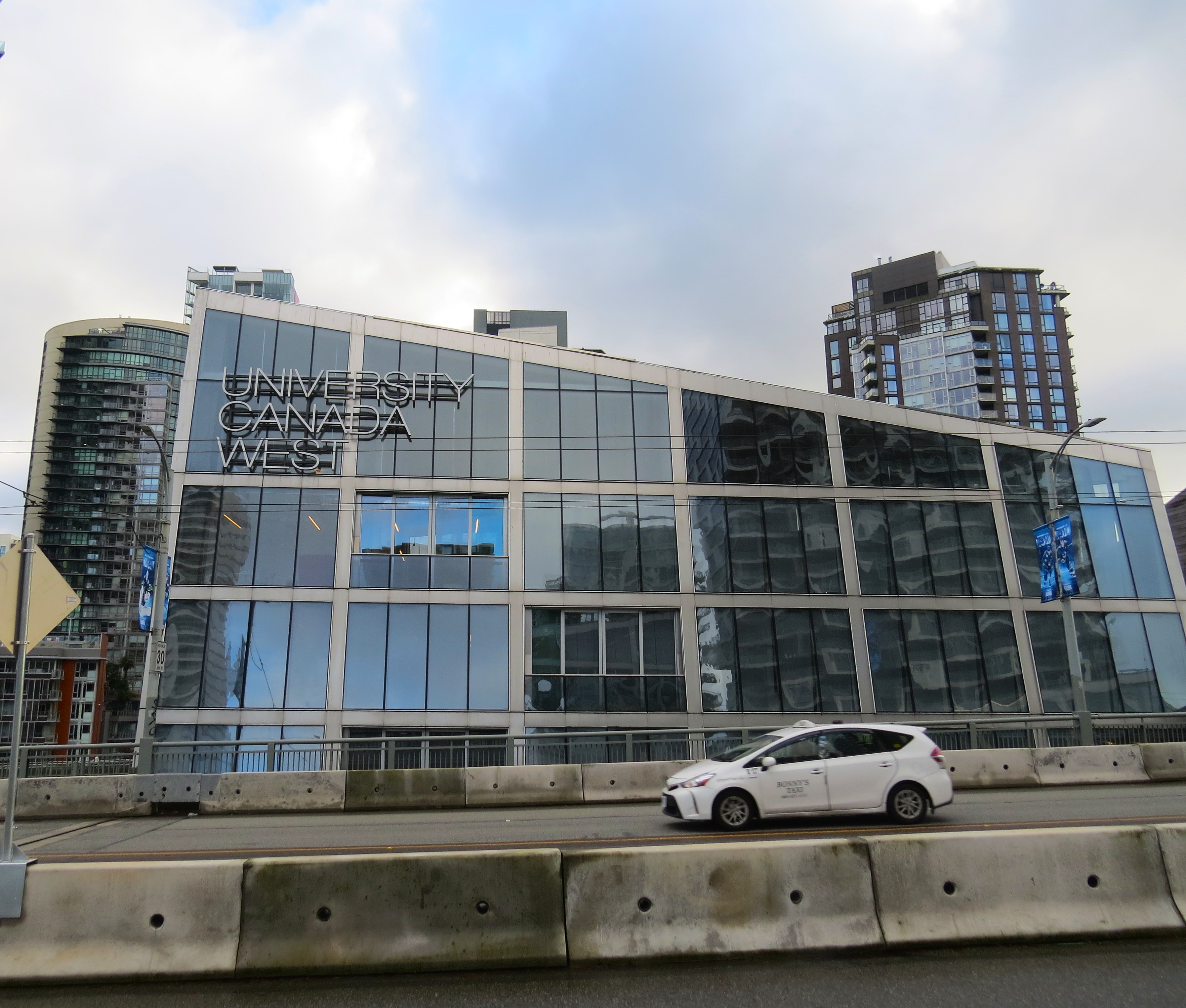
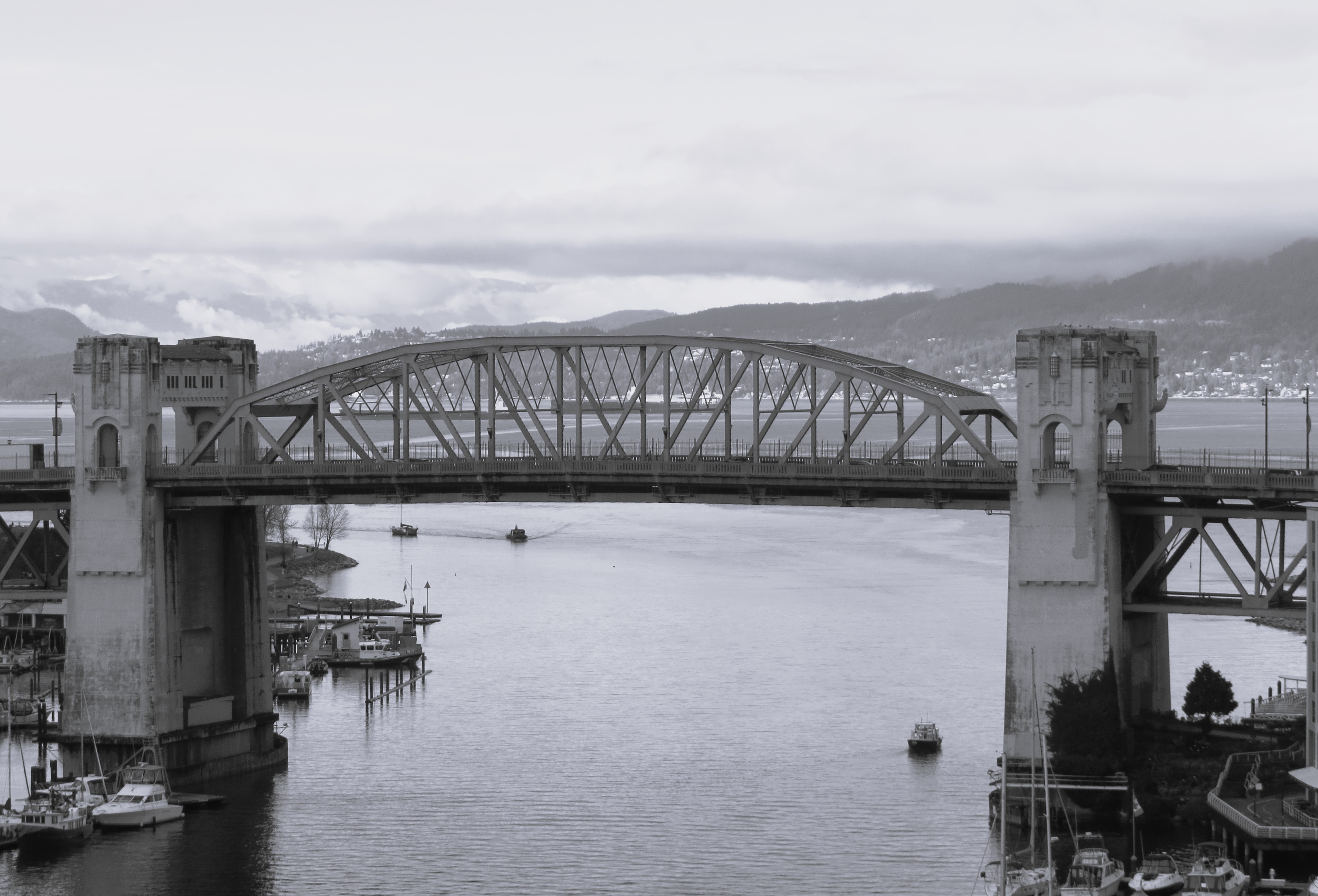
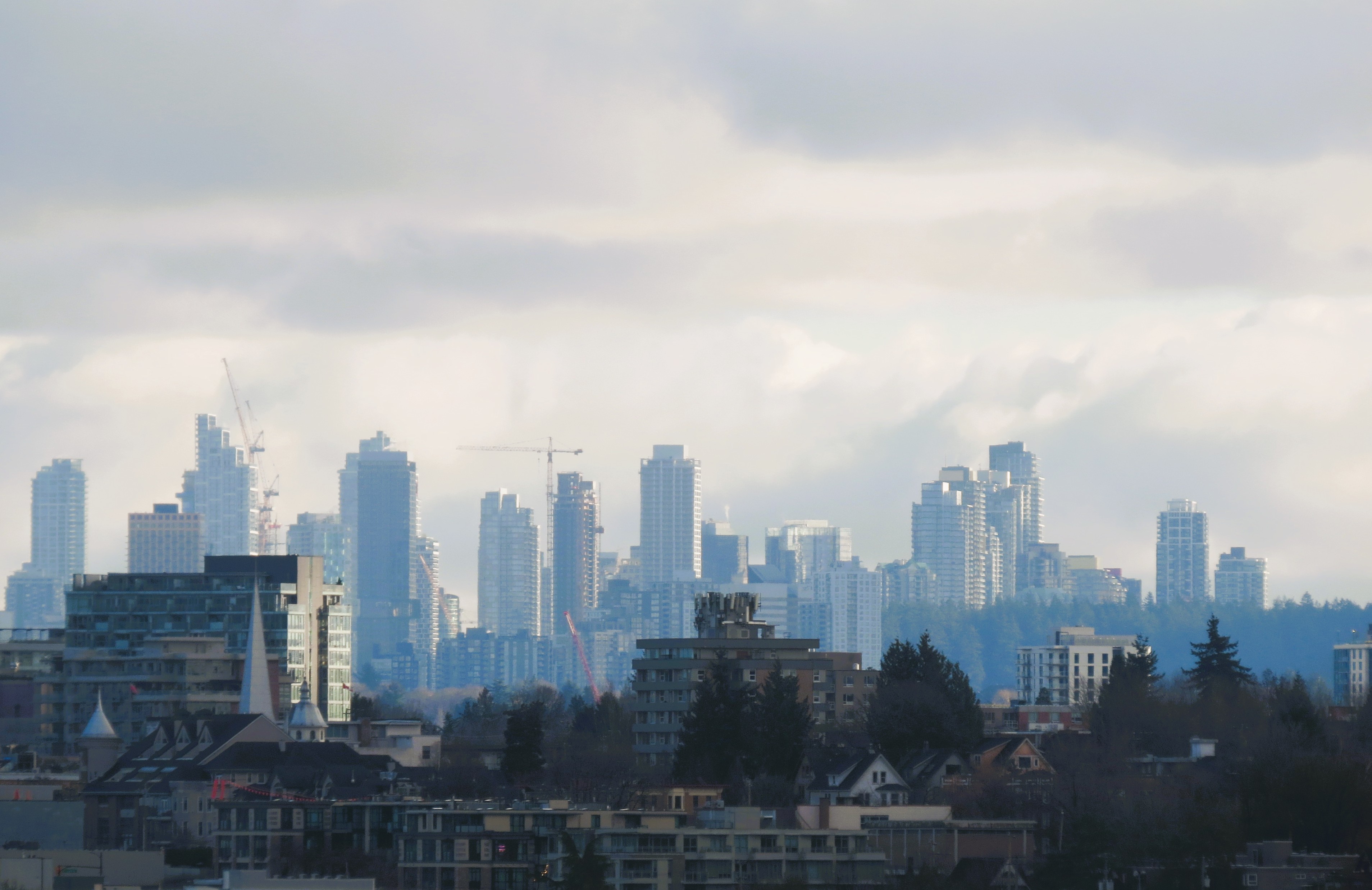
Next ‘granville’ on my walking escapade was the Granville Bridge. Everyone should do it once a year! It is such beautiful old bridge and very well maintained for walkers. The views of Waterfront Vancouver, the skyscrapers off the horizon of Metrotown and Brentwood are truly something to behold, similarly as the vistas of the sister Burrard Bridge, and of the English Bay and Bowen Island.  From that perspective you are reminded that Vancouver is still dear and beautiful city, regardless of all the shortcomings in the last decade.

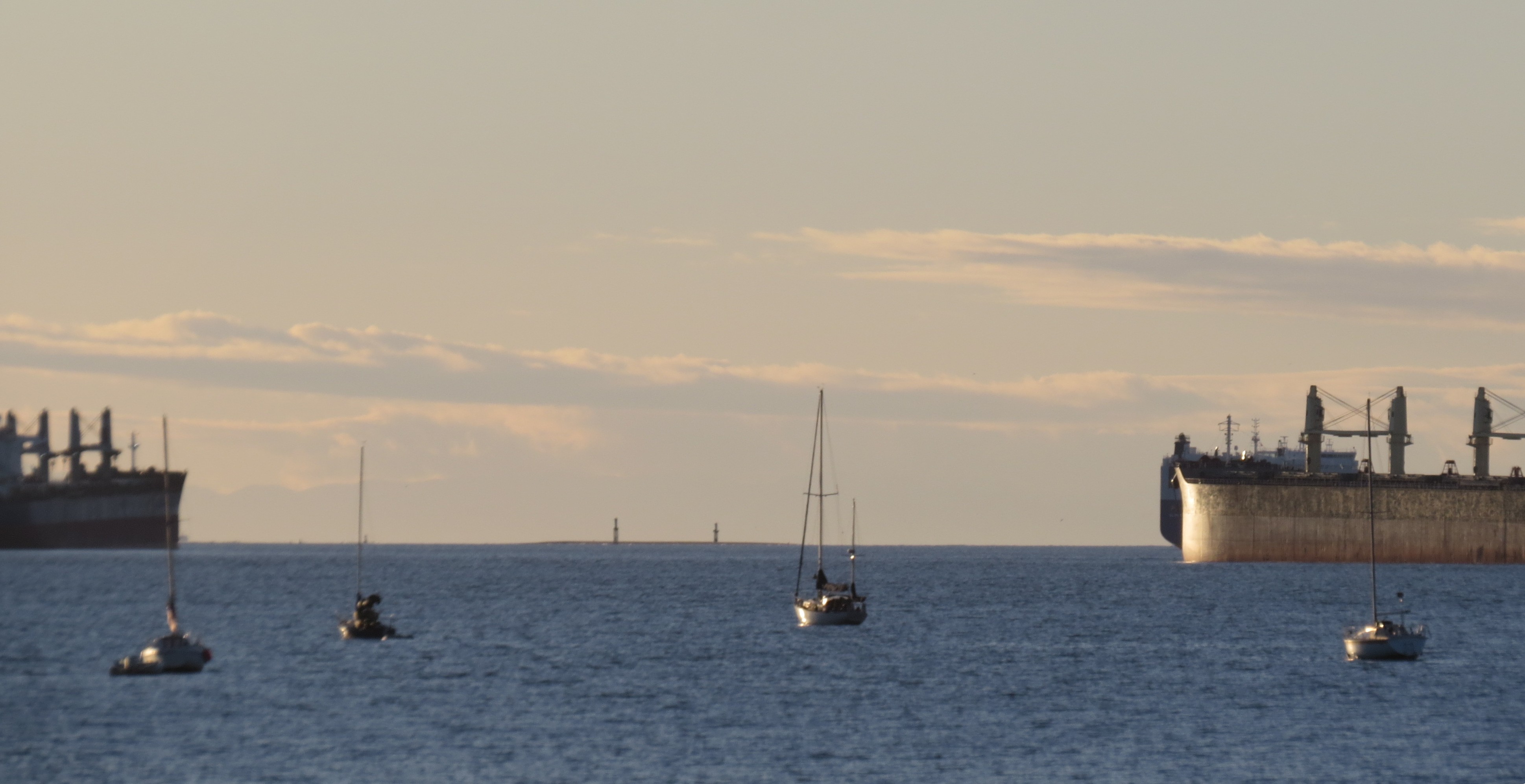
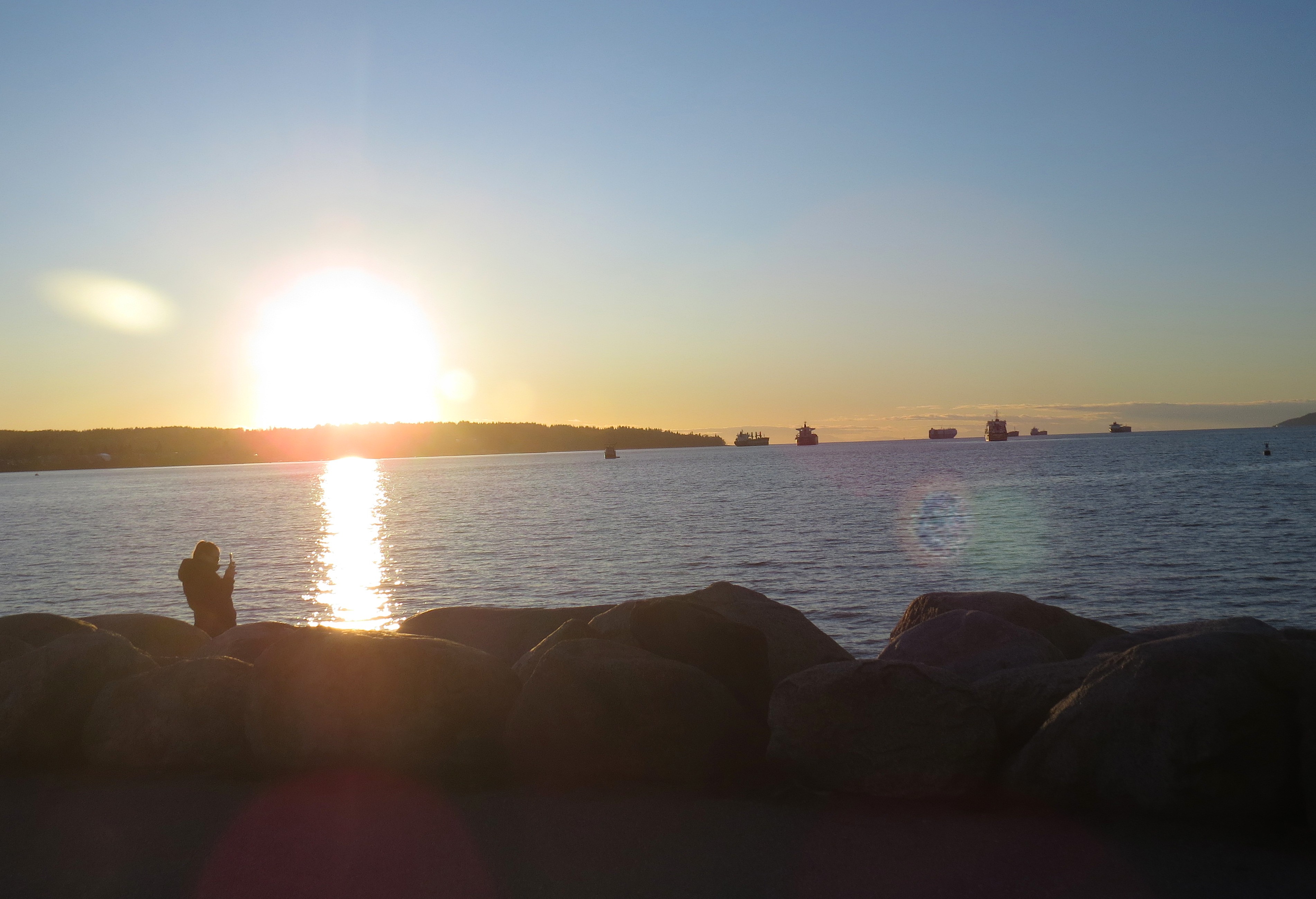
Warszawa ma Aleje Jerozolimskie biegnące od Centrum ku Wiśłe i na most Poniatowskiego do Ronda Waszyngtona – Vancouver ma Ulicę Granville biegnąca od Centrum Vancouveru (Waterfornt przy fiordzie Burrard) na most Granville, a po drugiej stronie mostu – wysepkę Granville. Czyli są trzy Granville. Każdy ze swoim specyficznym charakterem i kolorytem. Od mostu poczynając otwierają się przepiękne widoki na zatokę Angielską (English Bay), uroczą architekturę Zachodniego Przedmieścia (West End), Stanley Park, a wszystko zamyka dość wysoka wyspa Bowen.

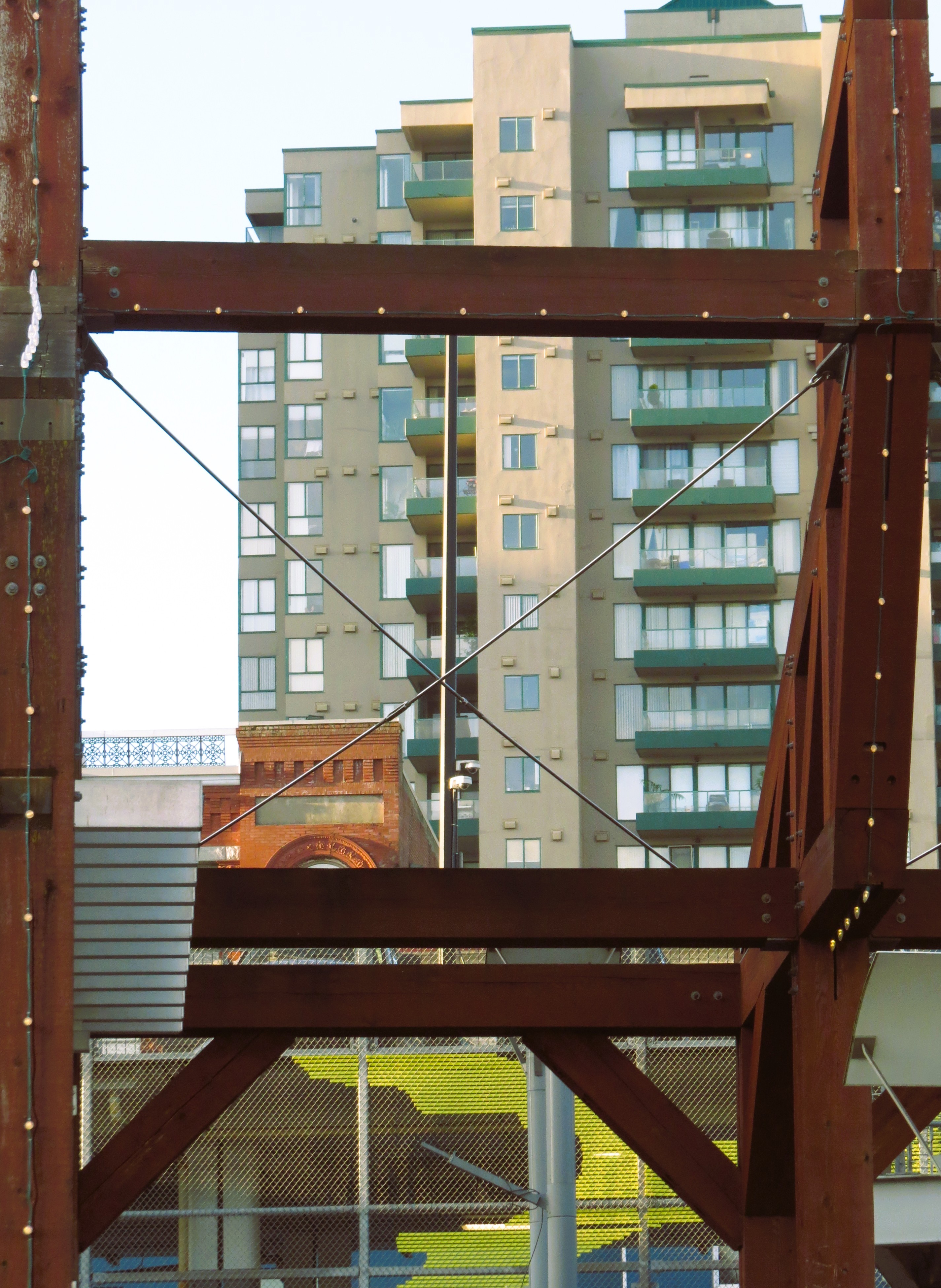
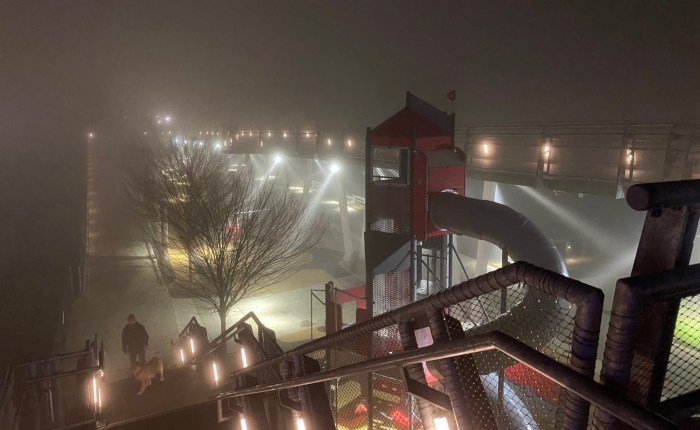
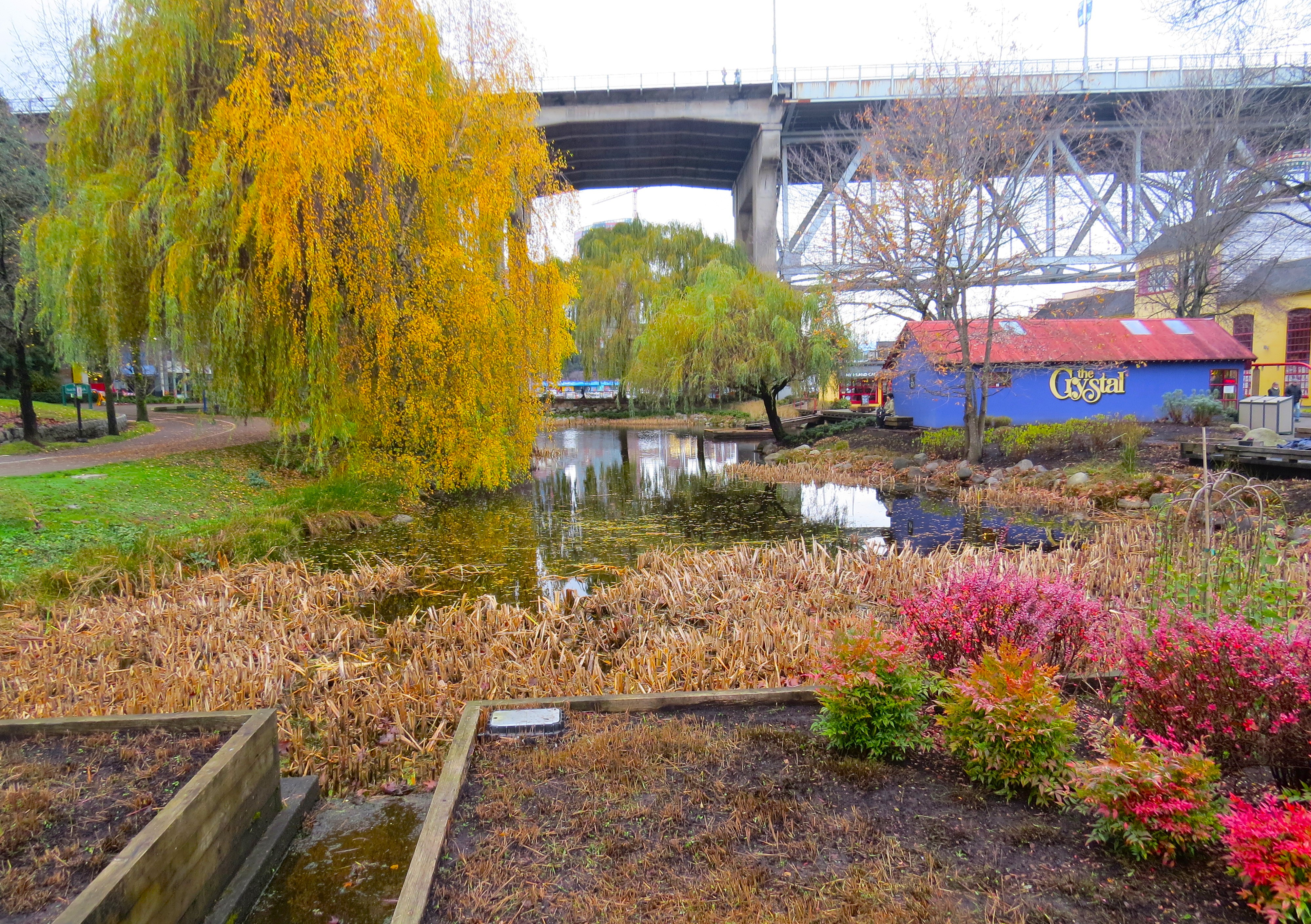
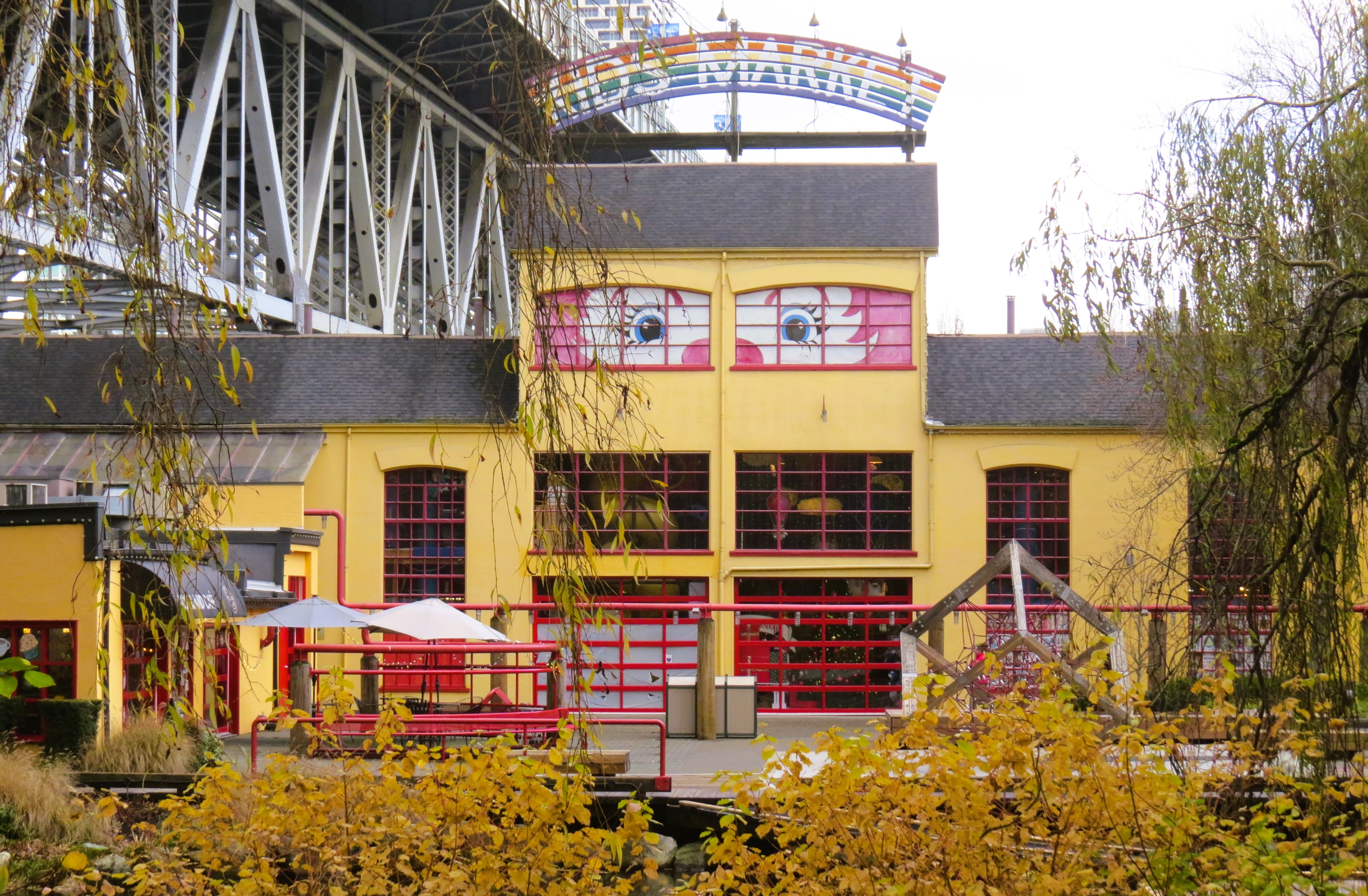
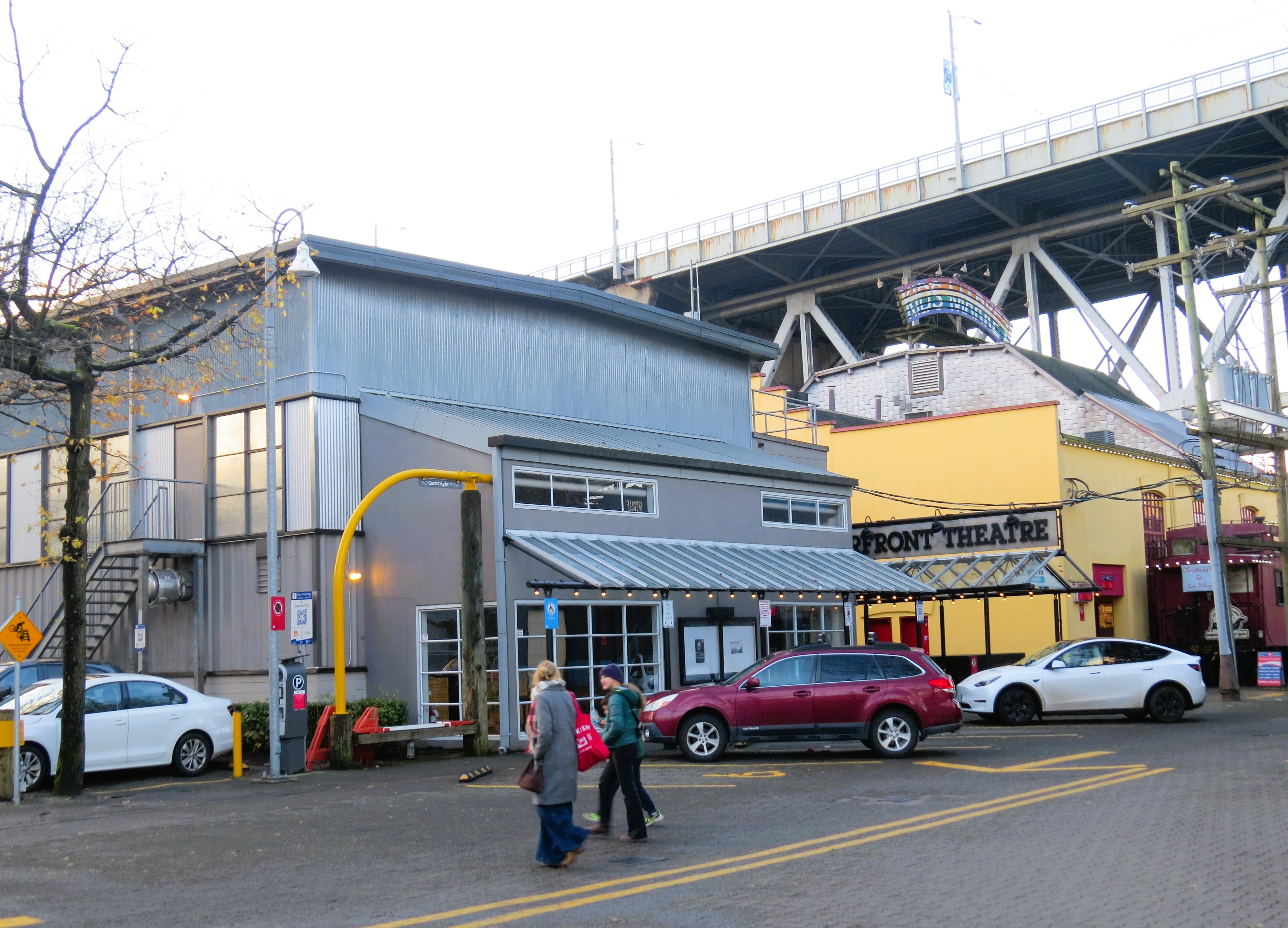
Po drugiej stronie mostu otwiera się widok na mała wysepkę Granville w dole. Dawniej czysto przemysłowy i mało ciekawy teren dla różnych warsztatów i fabryczek – dziś zaczarowany świat sklepików, galerii sztuk, teatrów, strumieni, hoteliku, kafejek, restauracji i świetnego targu, gdzie znajdziesz każdy towar. Cóż dziwnego, że tą właśnie nazwę wybrano – granville, czyli w starofrancuskim: gościniec.  Bo gościniec musi podróżnego kolaską dowieźć i do gospody z noclegiem i pożywieniem, i do straganów przekupek lokalnych. A zawsze gdzieś na targu znajdzie się skrzypek, śpiewak, jaką trupa cyrkowo-teatralna.

Przechodząc koło Front Theater przypomniałem występy tam samej wspaniałej warszawskiej gwiazdy teatru – Magdy Zawadzkiej. Grała tam z naszym, z Vancouveru rodem, amatorskim Teatrem Popularnym. W 2011 występował tu Teatr im. Stefana Żeromskiego w Kielcach z niesamowitą inscenizacją „Samotności pól bawełnianych” Bernarda Coltesa, o czym pisałem na łamach Instytutu Teatralnego im. Raszewskiego[i]. Szerzej o teatrze polskim w Kanadzie pisałem w szkicu historycznym w nr 5 w 2009  Rocznika Twórczości „Strumień”[ii].

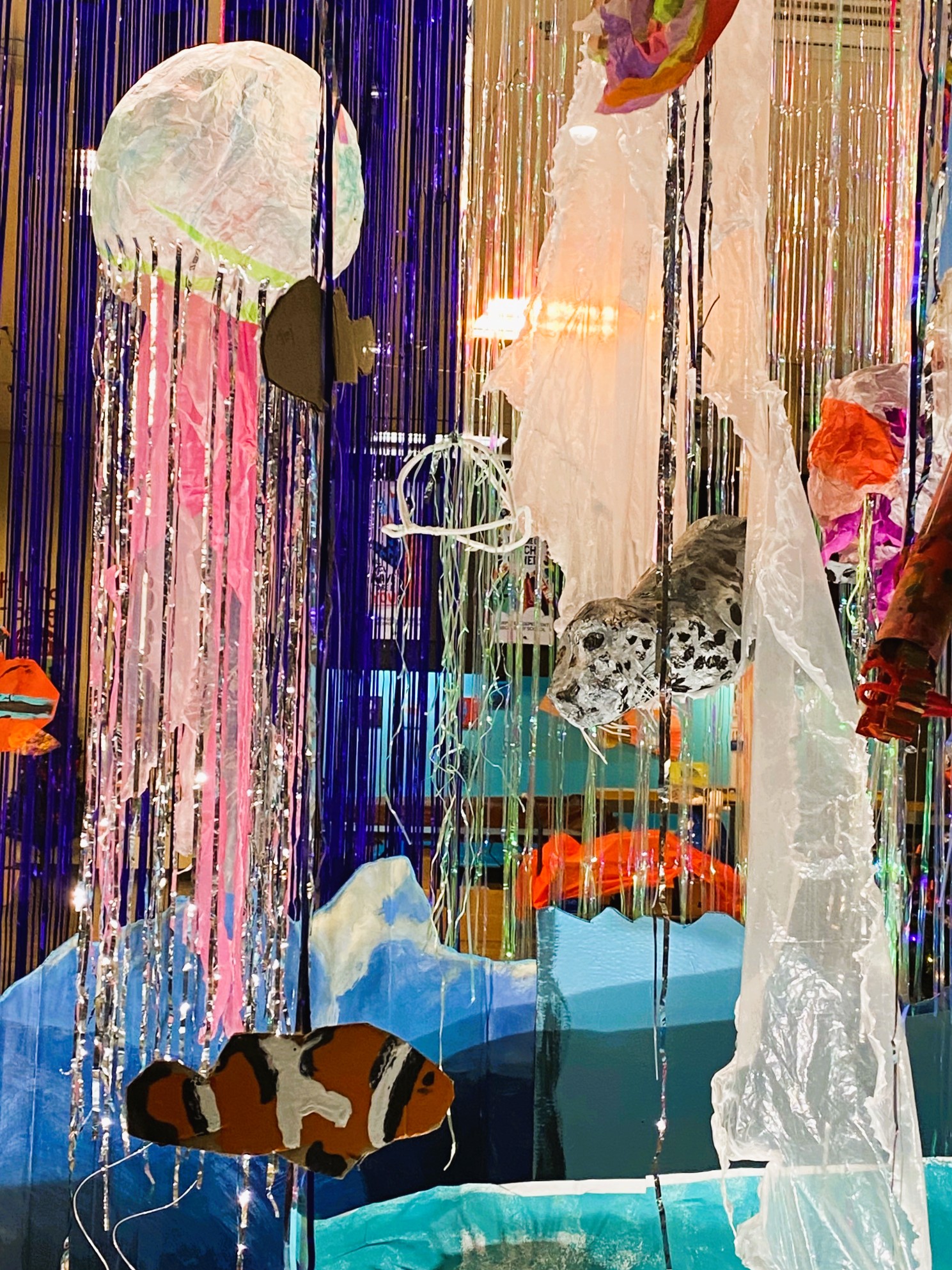
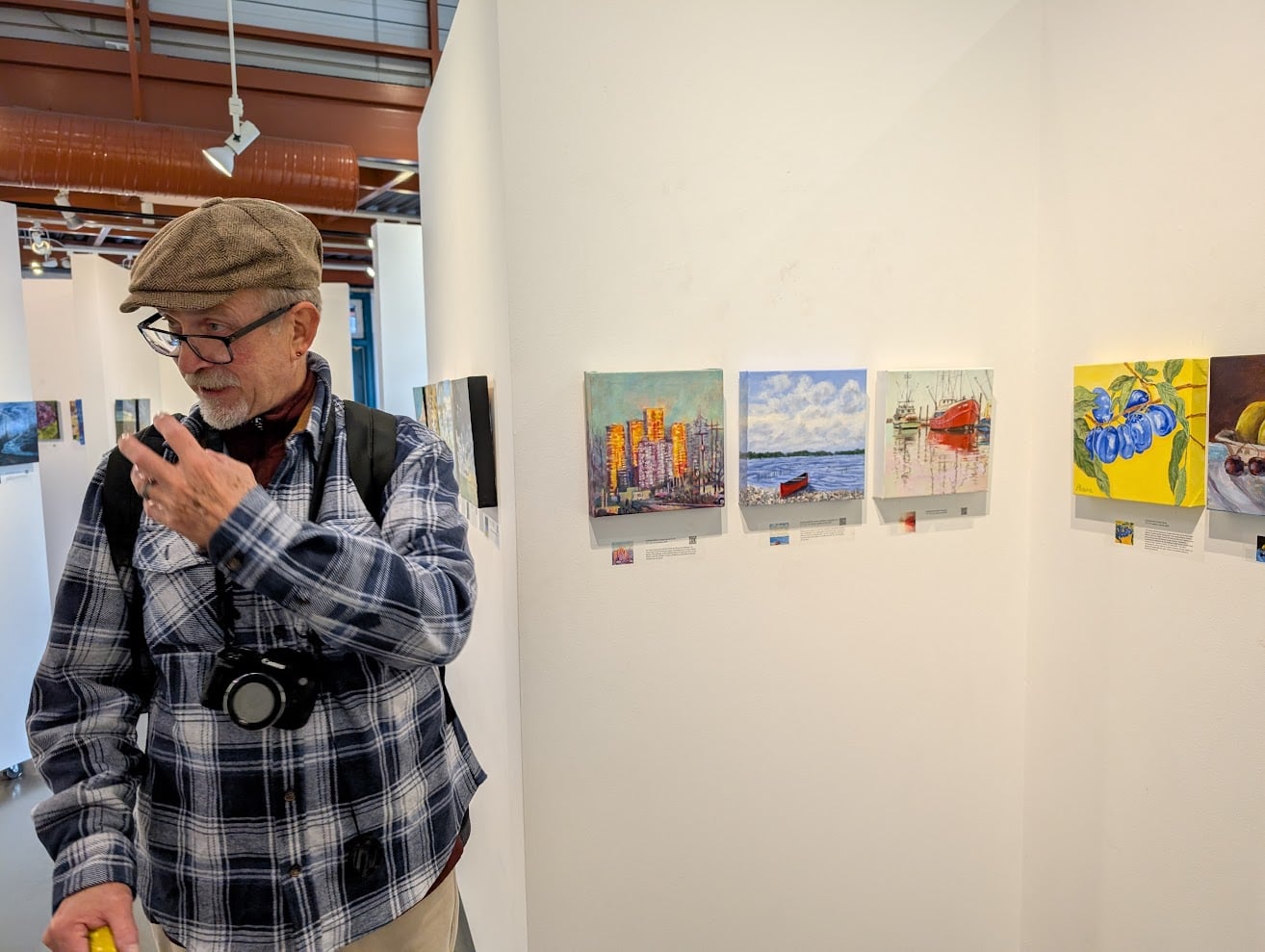
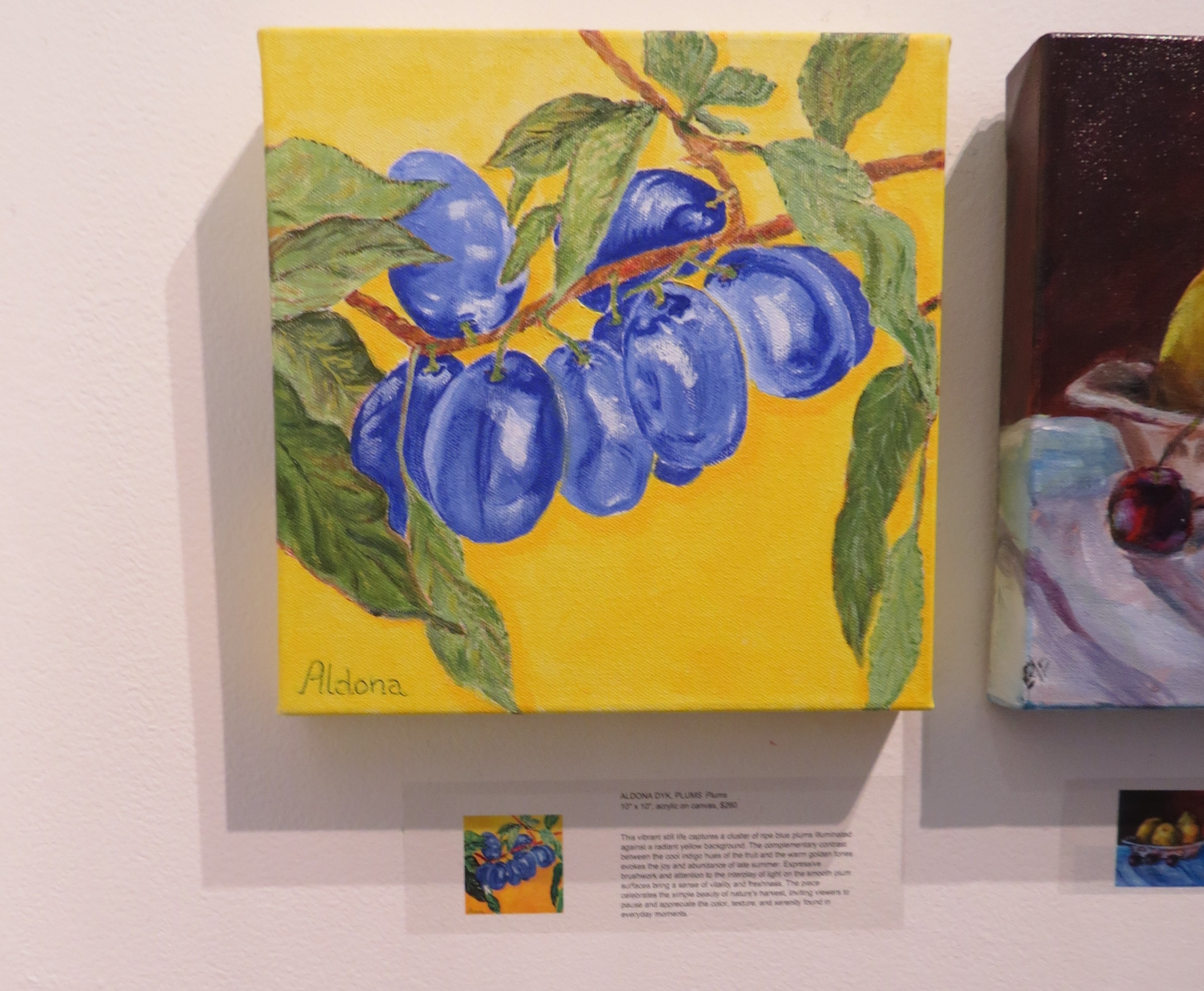
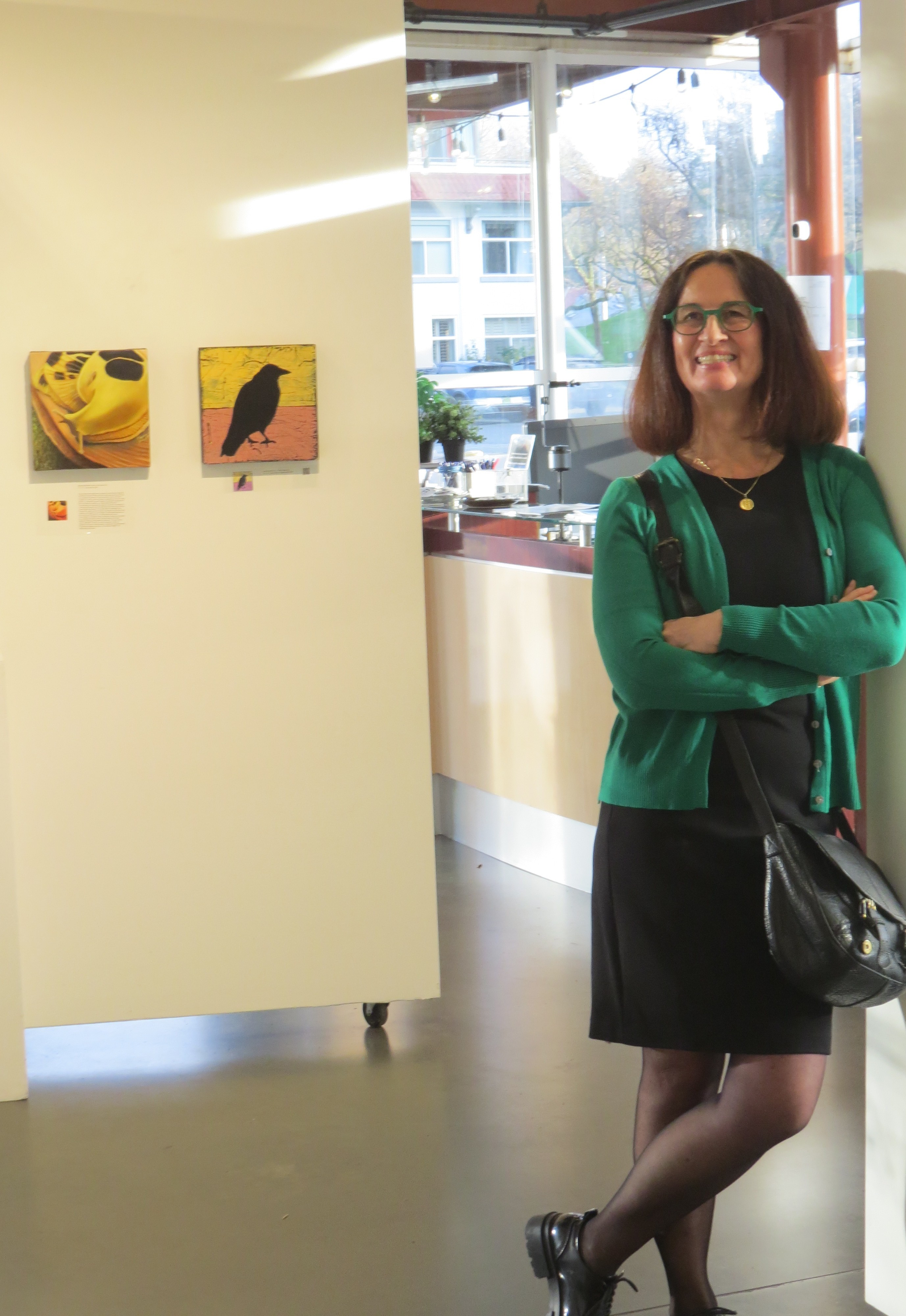
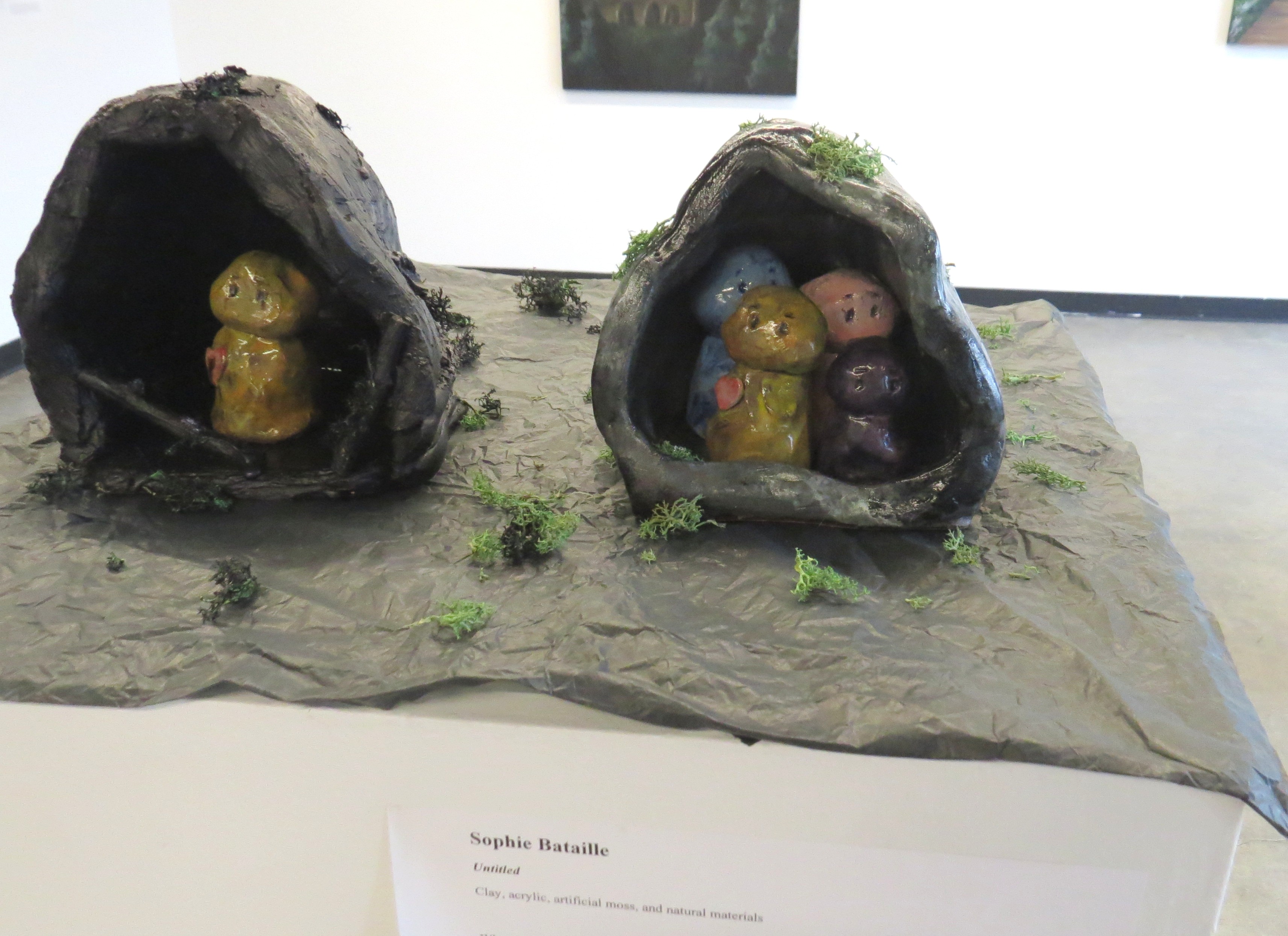
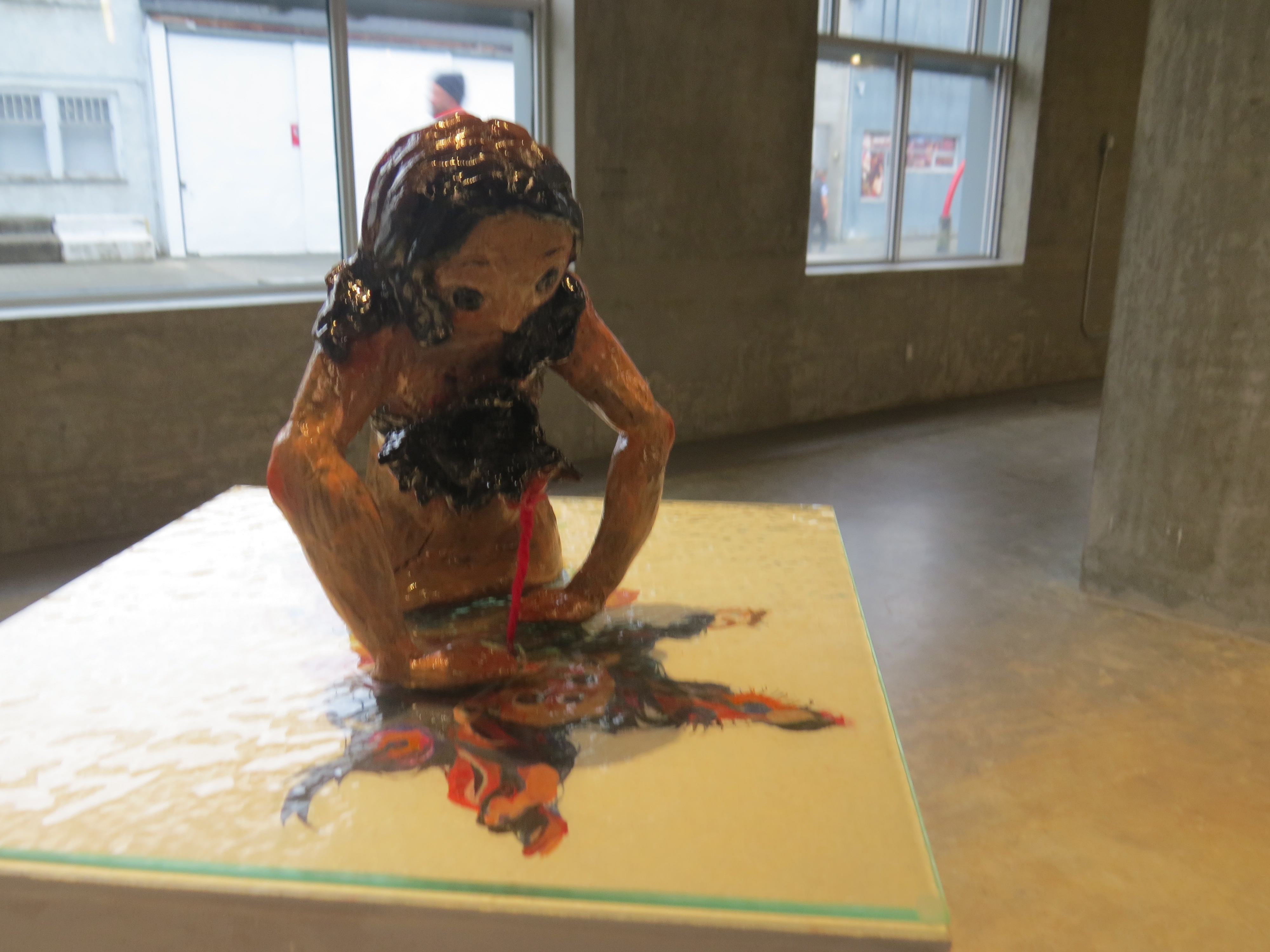
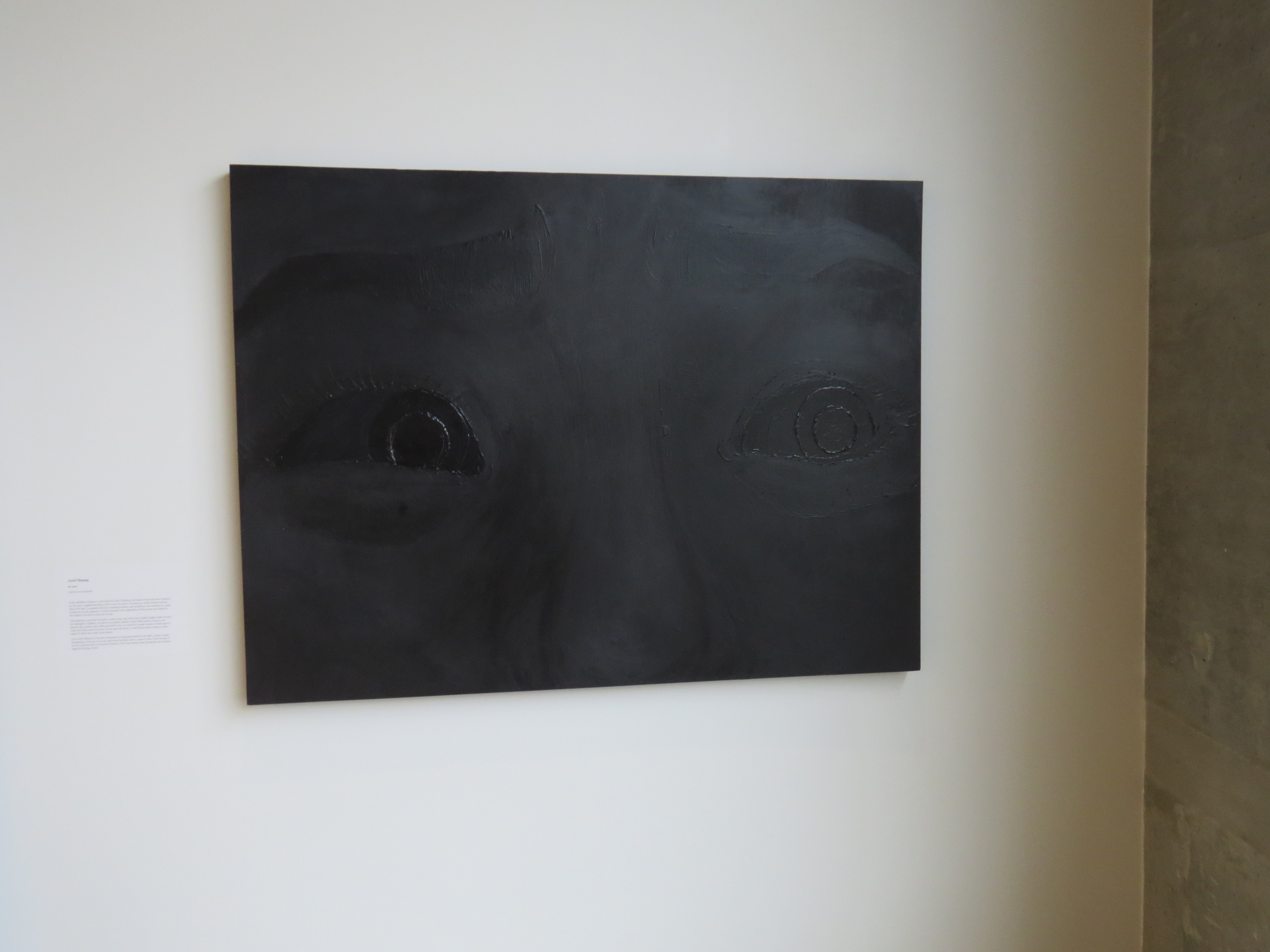
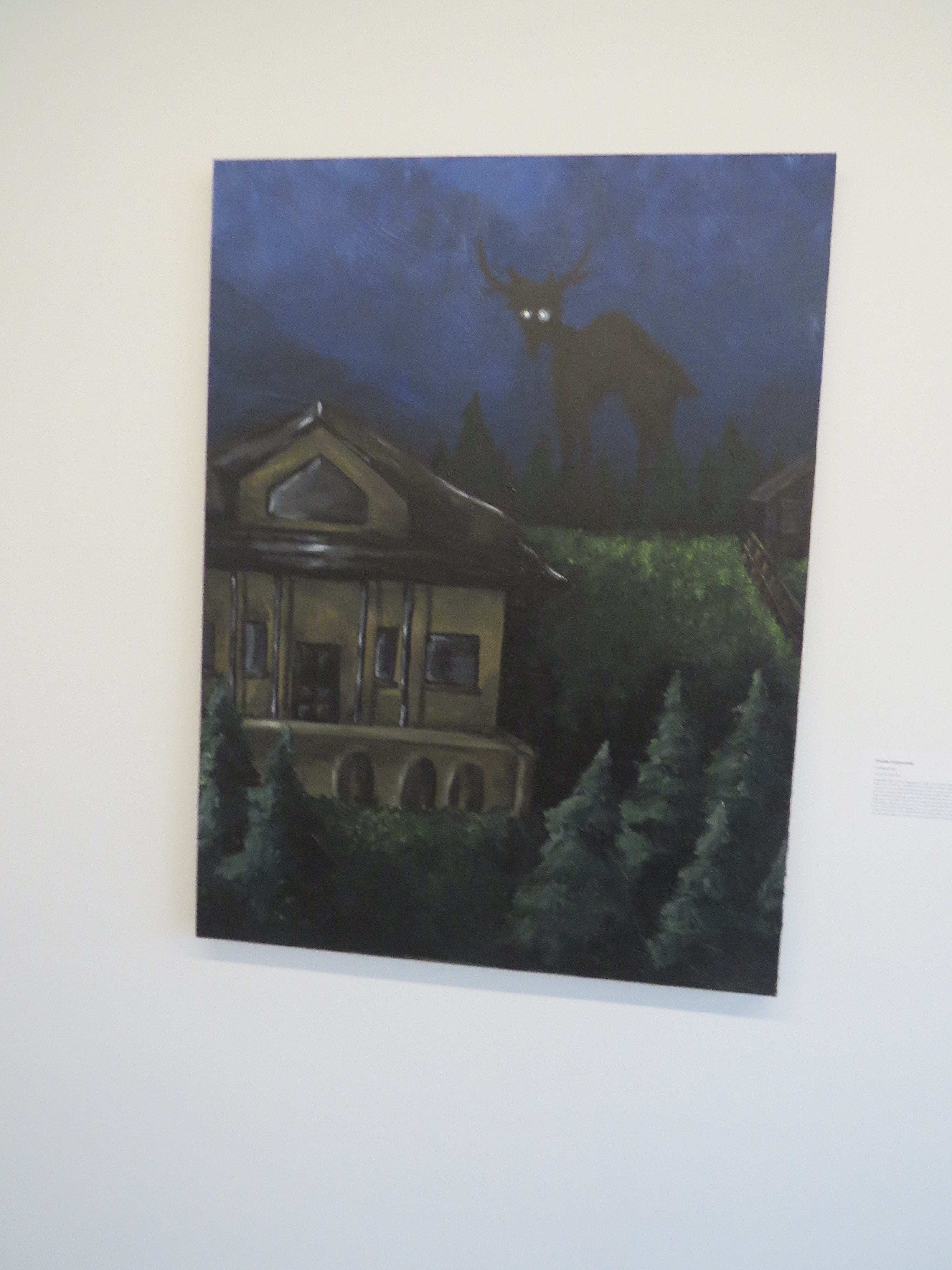
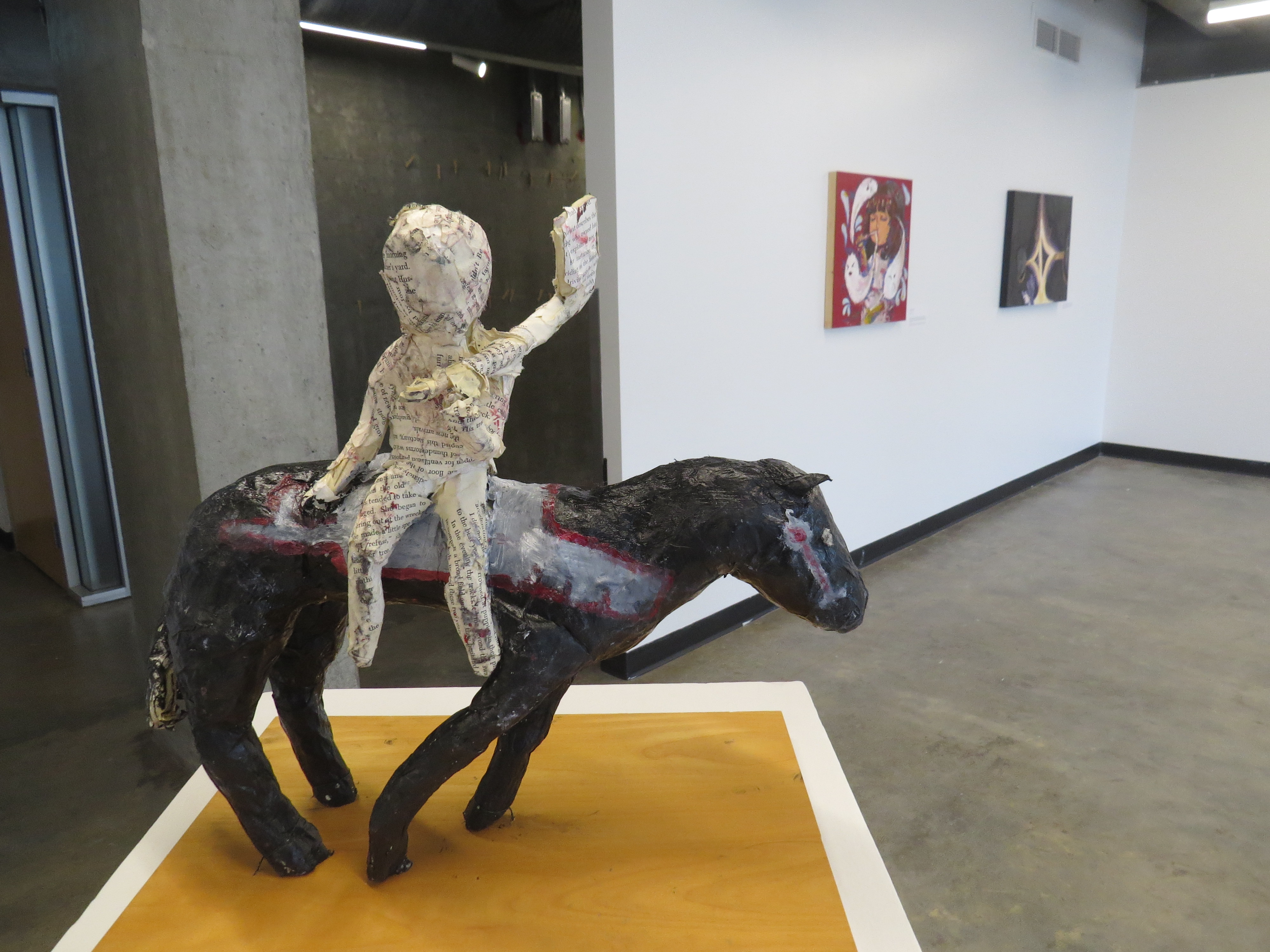
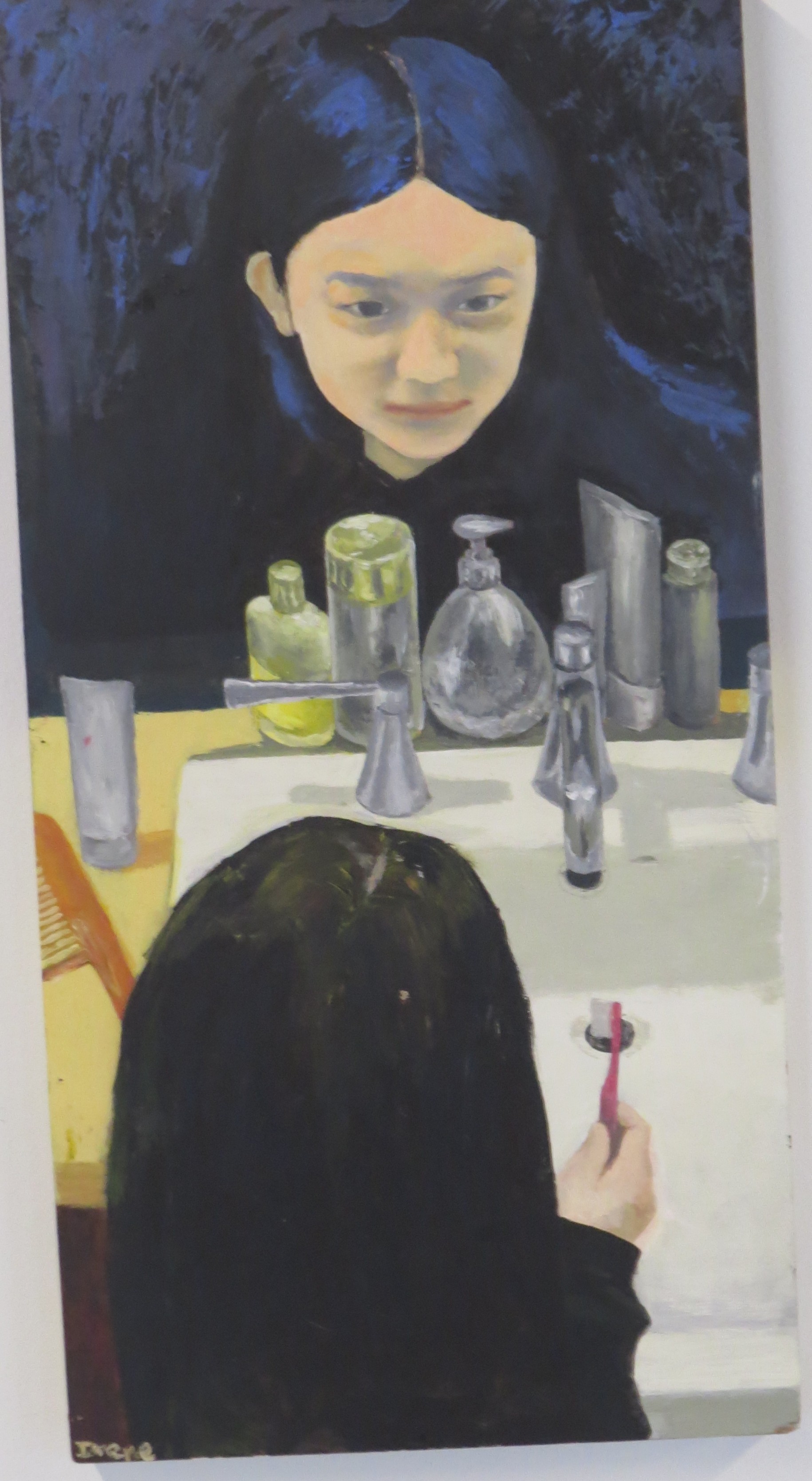
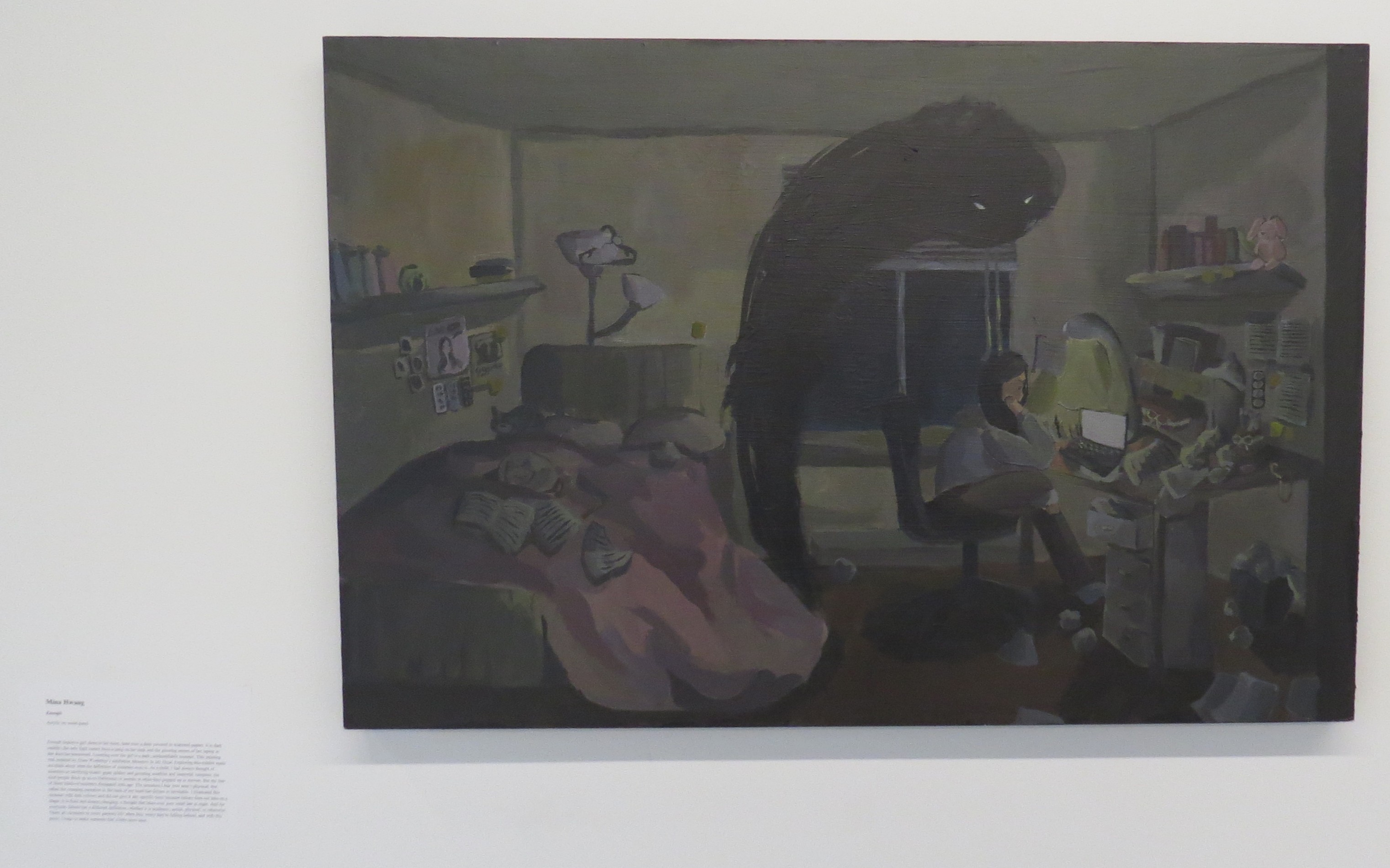
A te galeryjki sztuk wizualnych, ach! Co za urocze miejsca i chwile w nich spędzone nie do zapomnienia. Tego dnia spotkałem się tam w Galerii Federacji Artystów Kanadyjskich z Aldoną Dyk, która miała tam jedną ze swoich prac w aktualnej serii wystawienniczej. Długa i świetna rozmowa z nia i jej przyjaciółka, kanadyjska malarką o malarstwie, która szybko popłynęła od warsztatu malarskiego ku teorii sztuki, i dalej na szerokie wody filozoficzno-estetyczne o jej roli w poznawaniu świata i człowieka. Wcześniej nieco wprost fantastyczna wizyta w następnej, bardzo specjalnej, galerii i warsztatach artystycznych „Arts Umbrella”[iii]. Ta galeria i programy, które oferuje, jest całkowicie poświęcona dzieciom i młodzieży artystycznej, zwłaszcza tej, która być może nie miałaby dostępu do tego rodzaju twórczego rozwoju swej osobowości i talentów. Ja byłem zaszokowany dojrzałością, głębią i szalenie silna emocjonalnością oglądanych na ich wystawie prac.


[i] Wstrząsające przeżycie teatralne | e-teatr.pl

[ii] Strumień Rocznik Twórczości Polskiej – Wikipedia, wolna encyklopedia

[iii] Arts Umbrella | Arts Education in Metro Vancouver

Remembrance Day on November 11th

Remembrance Day on November 11th

The day we wear the red poppies attached to our other clothing. Why? Because on Flanders fields in Europe the red blood form thousands of young Canadian and Commonwealth countries soldiers saturated the fields so much, that a carpet of red poppies covered the dead ones mercifully and gave them peace. The final peace.

Did you know that the last soldier killed in that awful war was a Canadian boy from Saskatchewan? He was shot few seconds before the clock on the town’s square struck the 11 th hour. The armistice was signed already, the big guns were silent. That boy just went from his trenches to that little village/town to look around. Near by, stood a German soldier, a sharpshooter. He saw the allied soldier from far away, check the clock on the town’s tower and seeing that the large needle did not reach ’11’ yet – he aimed, pulled the trigger. The Canadian boy fell down instantly. Nothing was gain by it, not a single inch of land moved hands. By the time he gave his last breath – the war was over. The German soldier stopped being his mortal enemy, he stopped being the enemy of the German soldier.

The impossible stupidity of all wars. I remember I wrote a poem about that Saskatchewan boy many, many years ago. Now, every November 11 I remember some of the names of some of the great commanders of the massive armies, remember some of the huge battlefields on the Maginot Line, the gases used to kill silently hundreds of them, the awful swamps red-brown from the blood of the soldiers, who were ordered to climb over the trenches and mount another useless attack on foot and being instantly cut down by first submachine guns. Being cut like flowers by stroke of scythe. Later, after the guns stopped, the war ended – the fields were red not from blood, but from the poppies.

And I remember that lonely boy from Saskatchewan, who never really knew why they were fighting, probably knew from some small school near his town the name of the British king, the one he was going to die for. But why? He ever saw any big town or city in Canada – until he was on the train and saw the stations of Winnipeg, Toronto, finally Montreal, where he boarded a huge ship with hundreds of other boys and went across the huge and cold ocean. I’m sure he become seasick many times.

A boy from the prairies on a ship in the middle of Atlantic! He would have many stories to tell family and friends for many years to come! But he didn’t. He died, in that strange village. After being told by his officer or sergeant that the war is over. He did not tell stories his parents or grandparents. By now his parents are dead, his grandparents are dead, too. If he had any siblings and his siblings had children – they are dead, too. Many years, more than a hundred have passed.

But I remember him, more than any other king, general or Prime Minister from that time in the Commonwealth and Great Britain. Just by now, I am myself so much older than he is. I suppose by now, I am his grandfather?

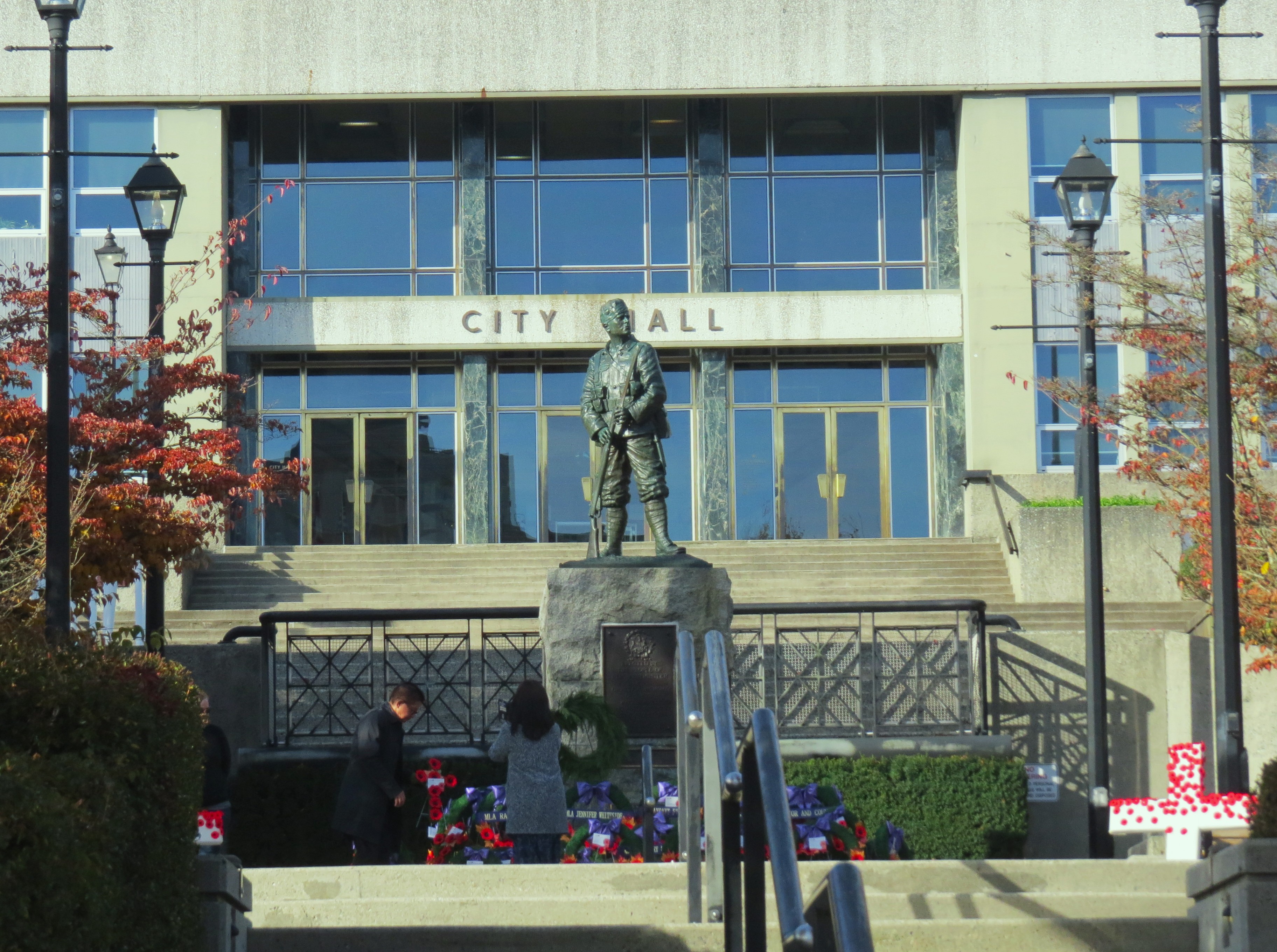
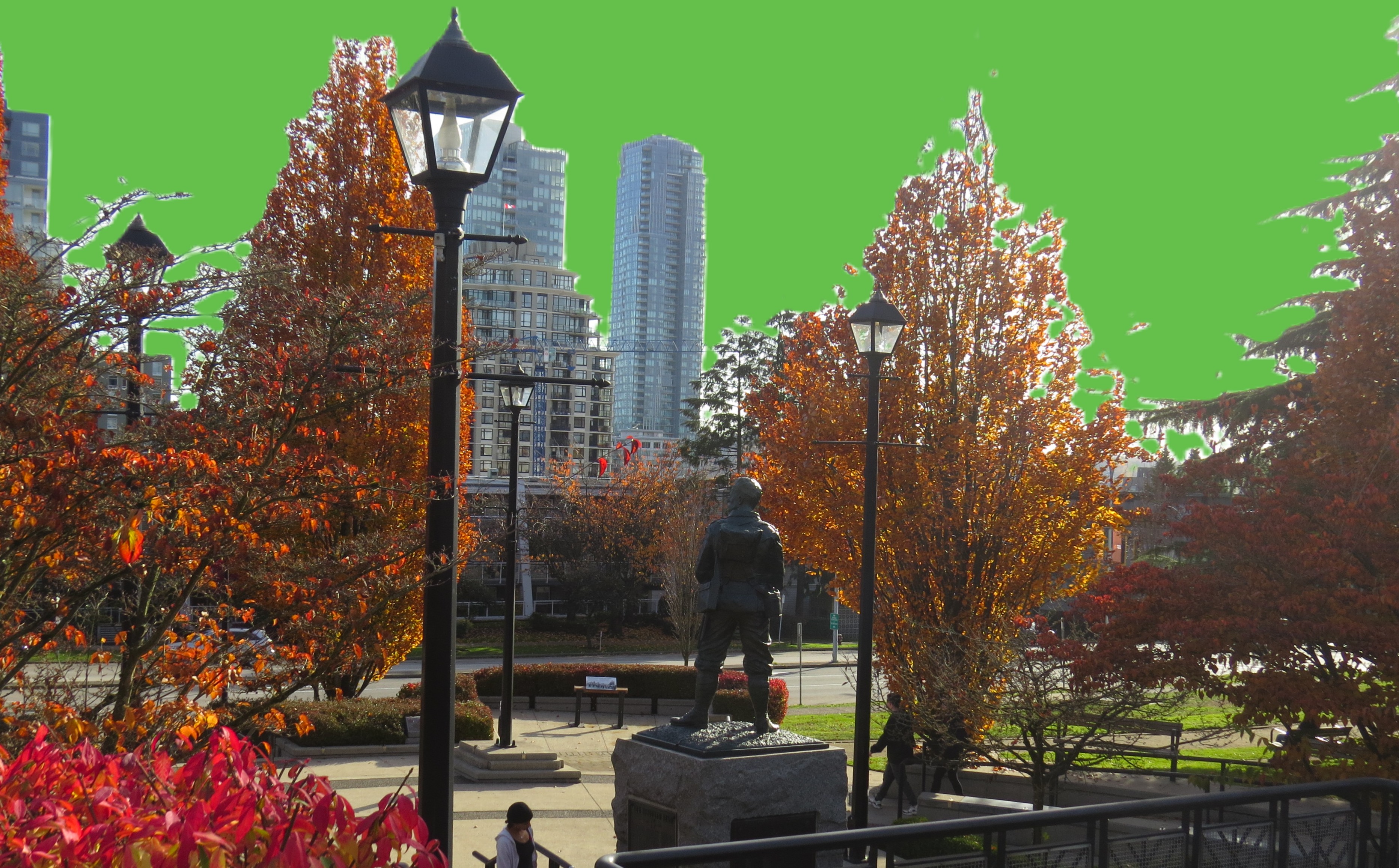
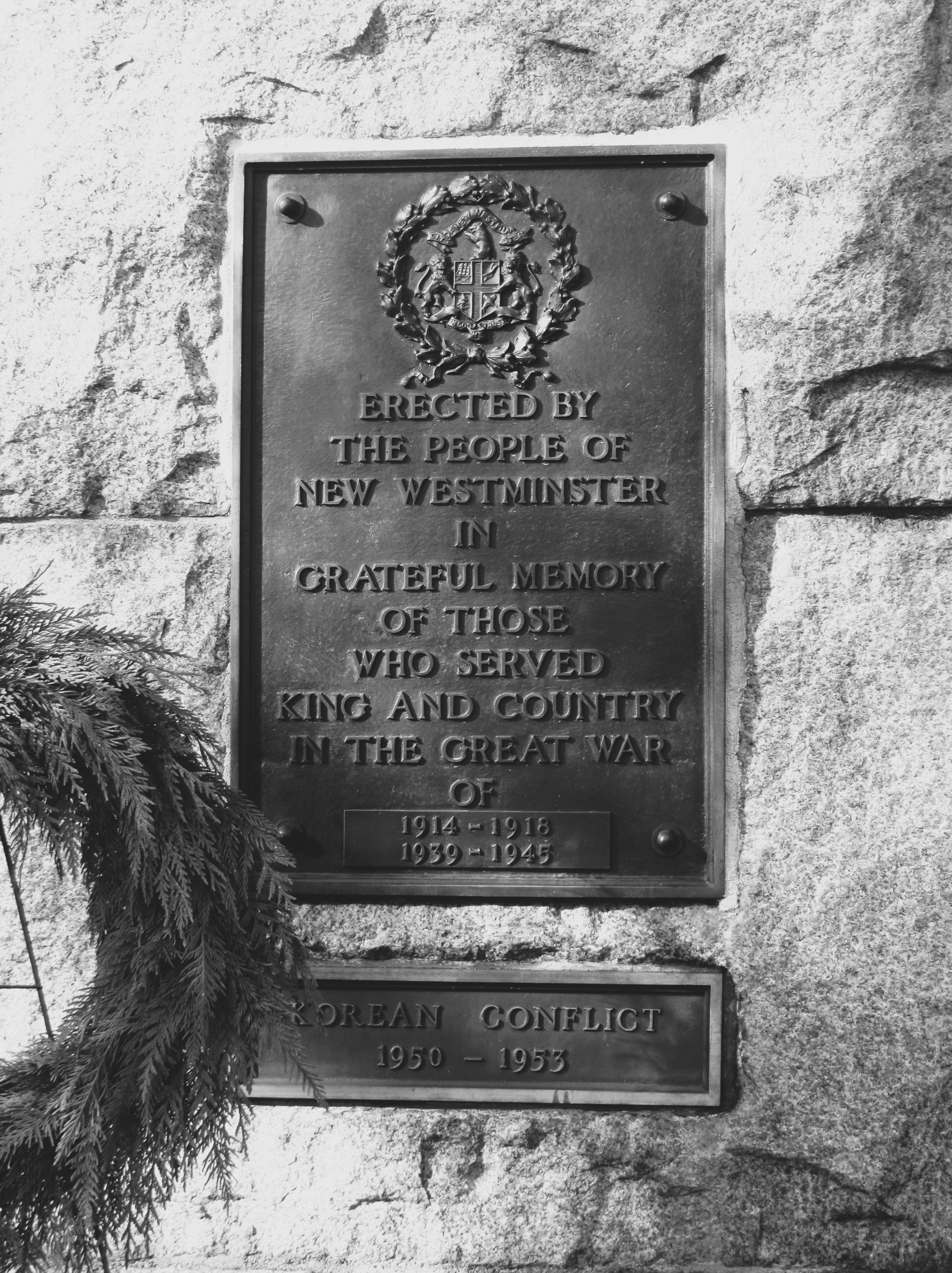
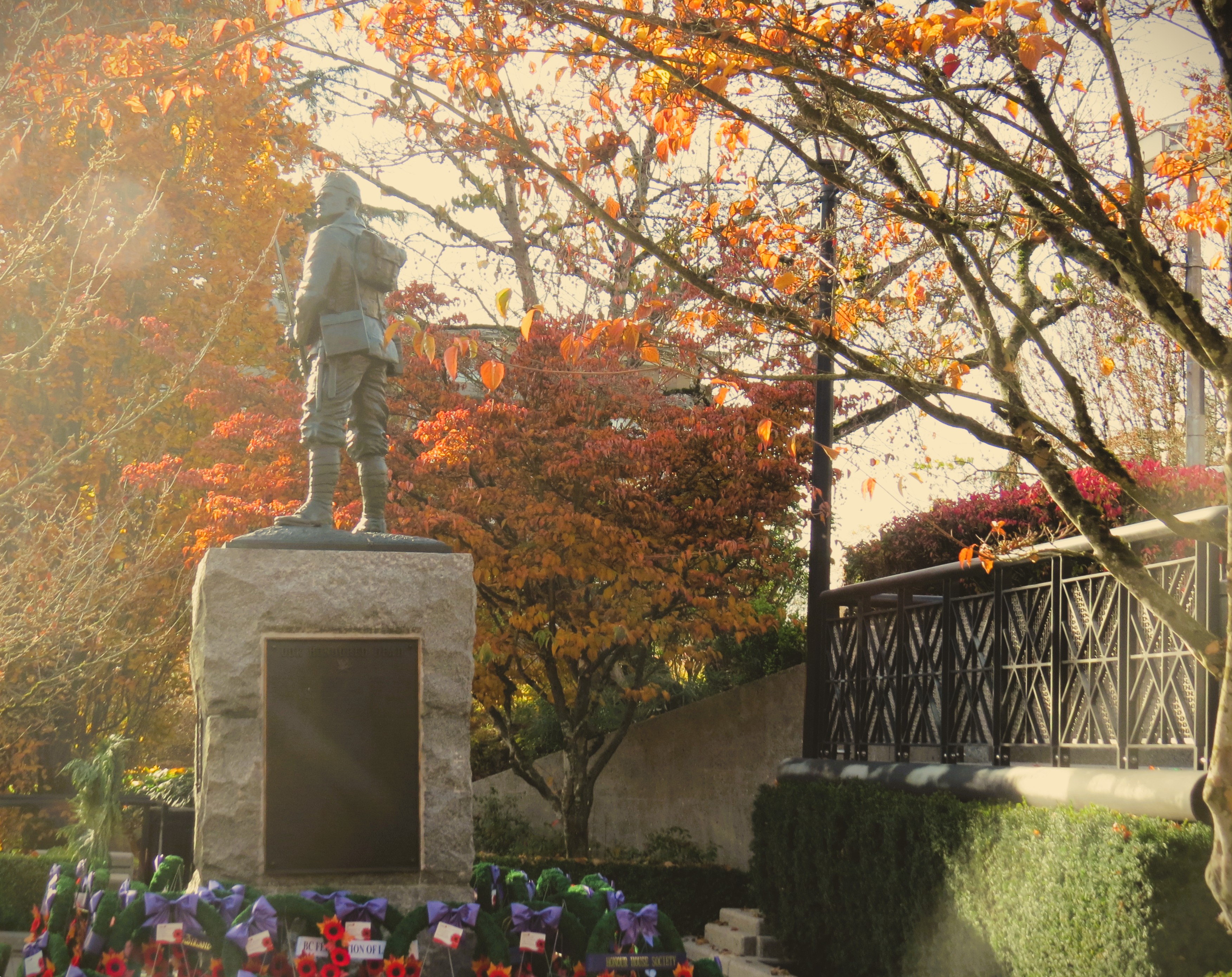
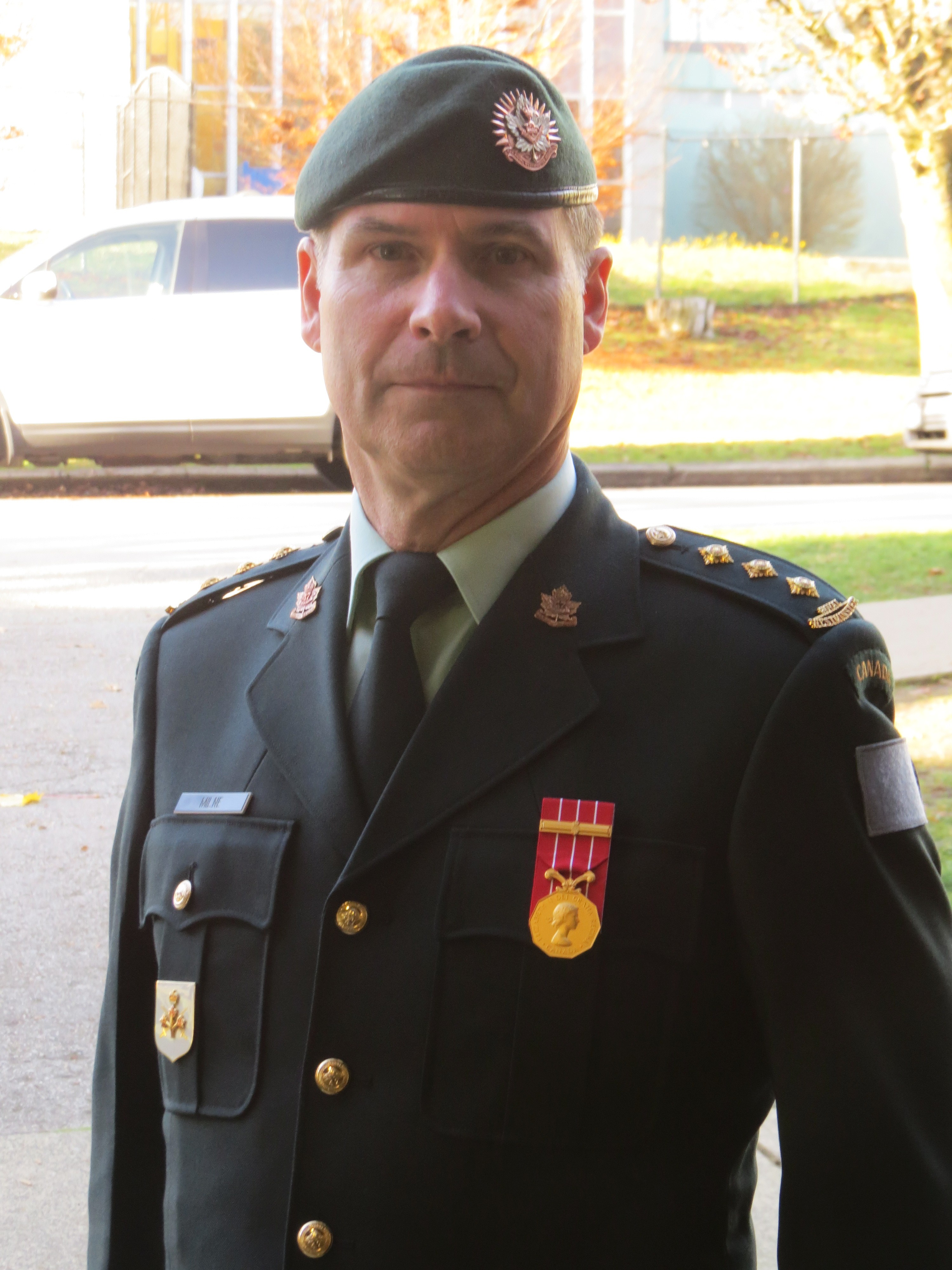
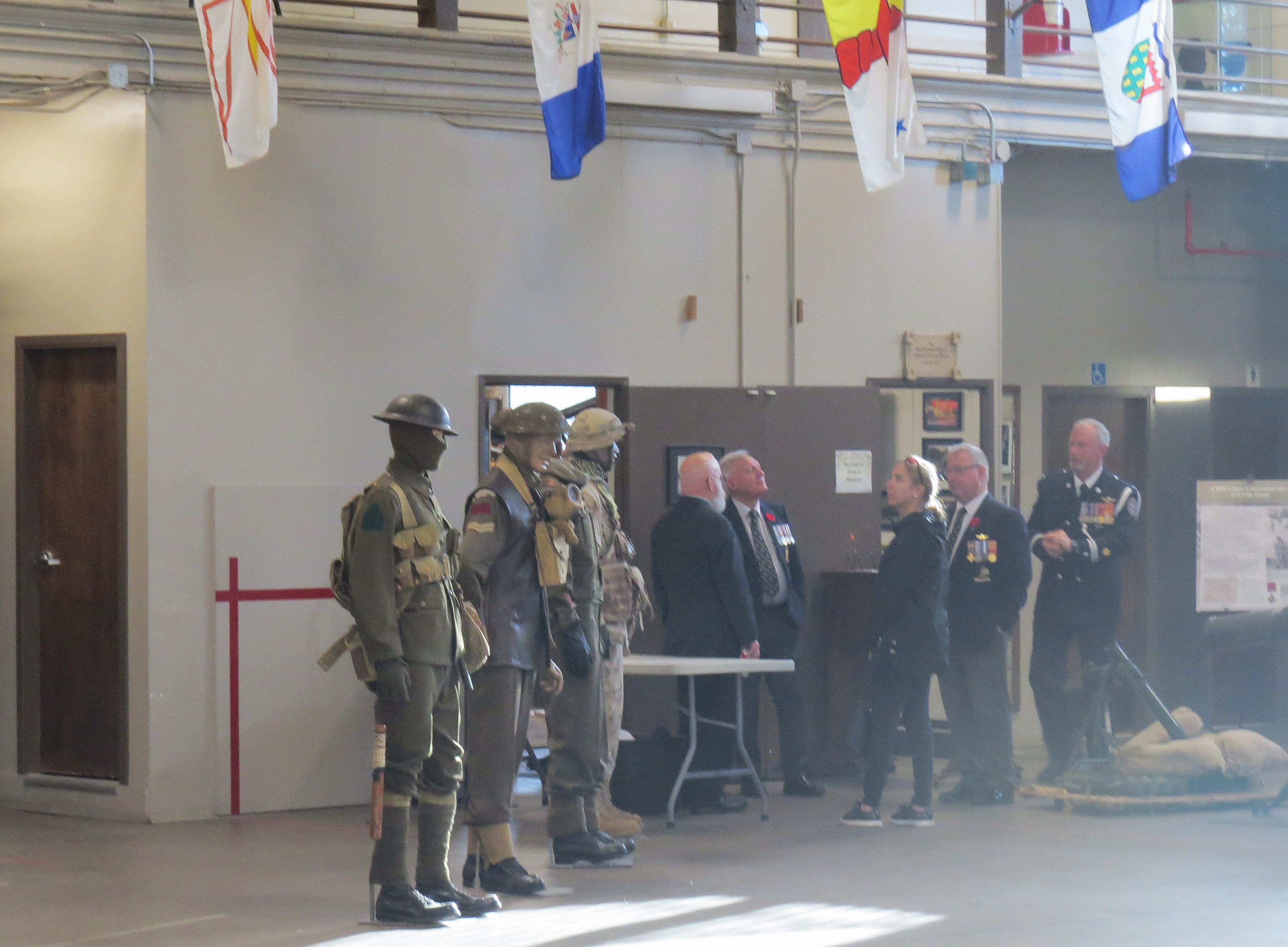
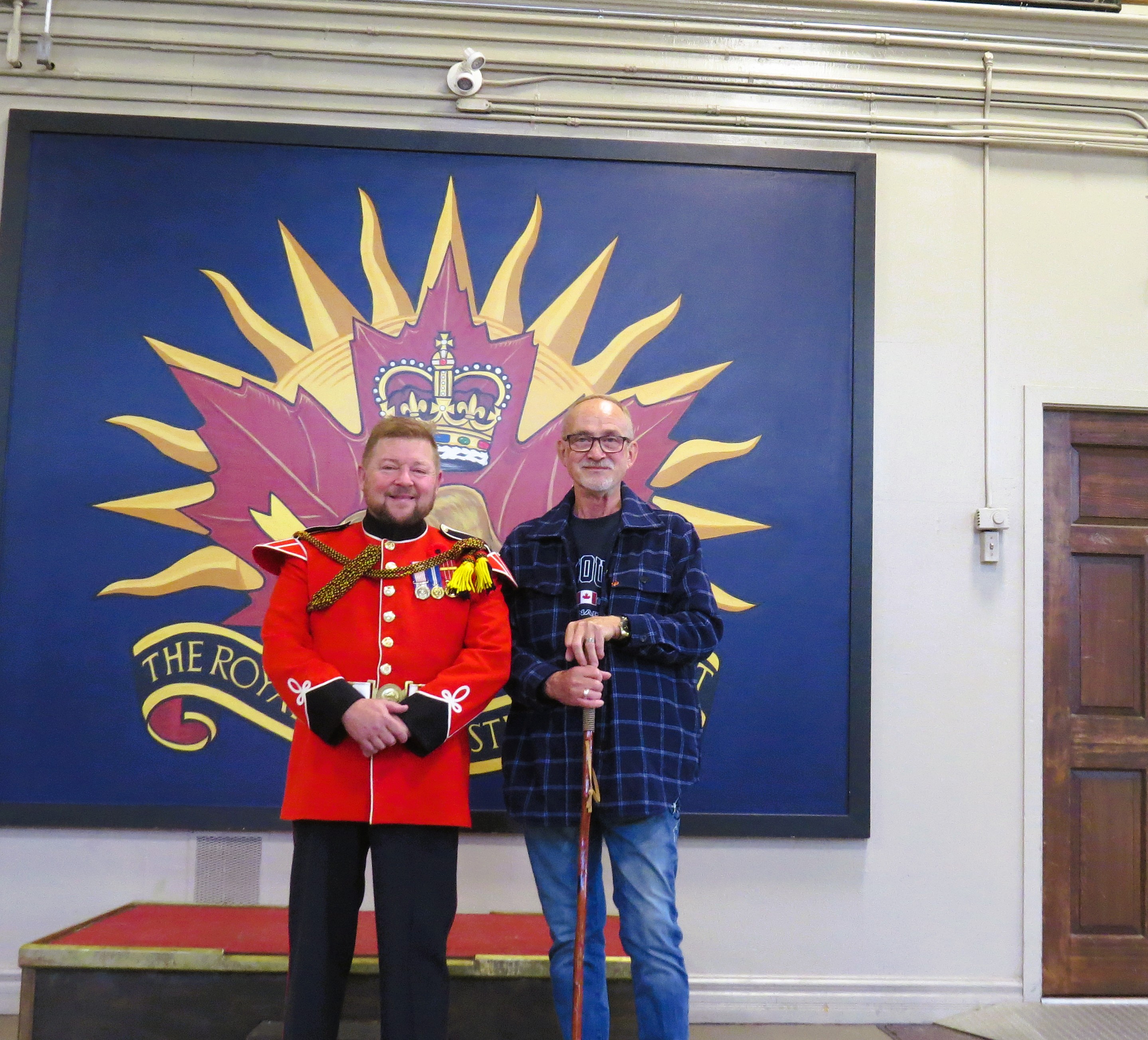
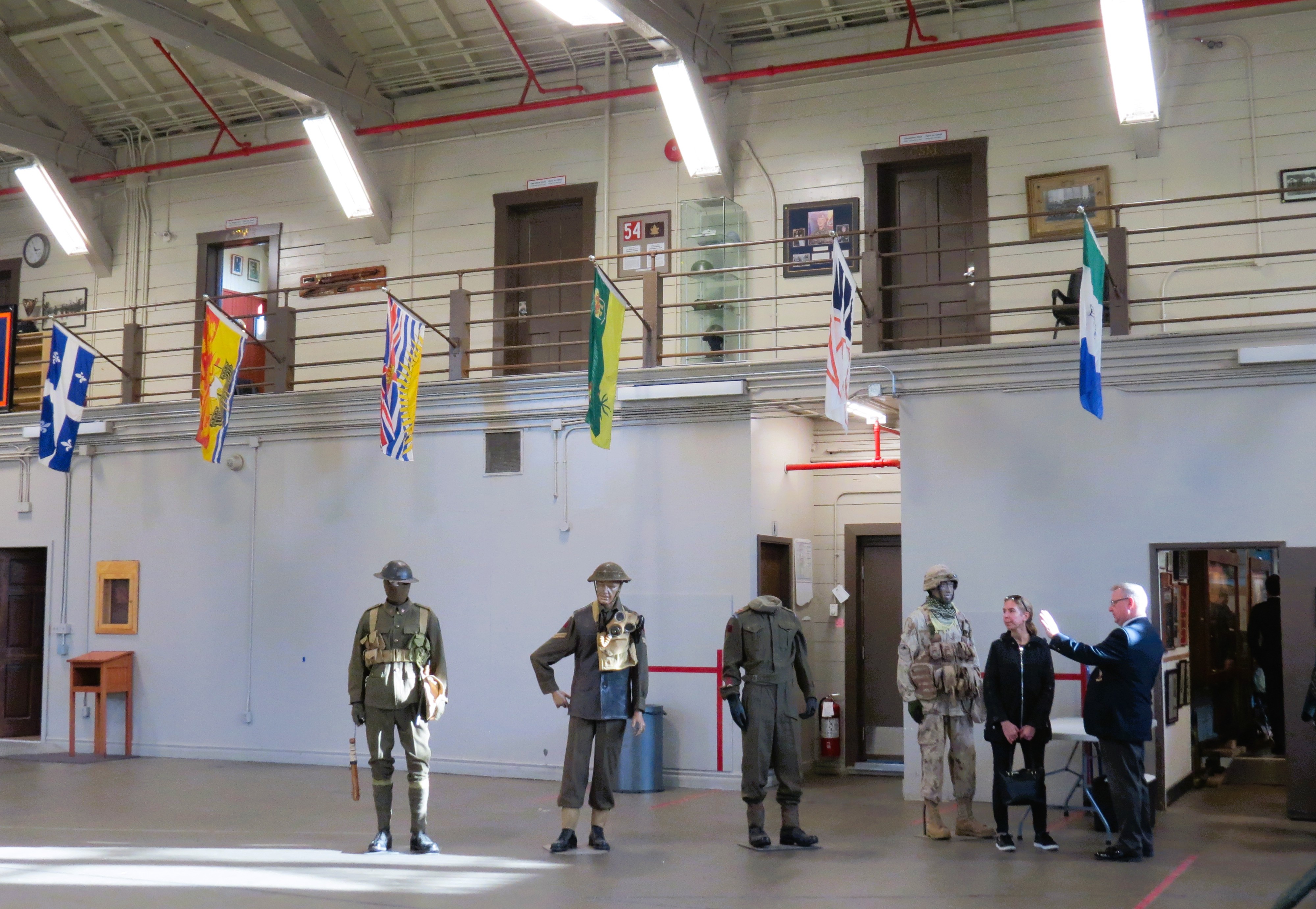
These were my thoughts on a sunny, colourful Fall’s day, as I walked to the City Hall and our Cenotaph in New Westminster. Later, a short walk through the park to the Armory, a chat with a Captain, who was in command of the troops, who organized the short parade and laying of wreaths. His father (or was it grandfather?) served in the 2nd world war and took part in landing across the Ardens, near Falaise Pocket. I told the captain that my personal friend, Ted Kaminski was a parachuter in the 1st Polish Airborne Division and was dropped along his many friends to support the advance of a tank divisions of allied forces (among them the Canadian 1st Army of general Harry Crerar and the Polish Tank Division of general Stanislav Maczek). The Polish paratroopers were able to encircle major German forces in a Falaise Pocked, thus definitely eliminating a great many casualties of the marching allied tank formations. And I was able many years after the war to meet personally that Polish general of the Armored Division in that battle. I met him In London, I think must have been in 1982. We had nice chat. Therefore the young captain of the Canadian soldiers, whose father fought during the last world war near Falaise, had an invisible connection with my life and people I knew. Through events eighty years ago. Indeed a strange chance encounter.

But most of all, I thought of you, my young boy from Saskatchewan, who died when the clock in some village in Europe struck the 11th hour. When the guns went silent and when you took your last breath.

post scriptum:

just as a side note: over the last forty odd years I observed Remembrance Day every year. Sometime by just solitary or with my husband, individual visit to many Cenotaphs. Once in Calgary, in the late 1980s very officially: in the company of Mayor of Calgary, Canadian general, Commander of the large garrison in Calgary and the President of Polish Combatants Association in front of the Cenotaph, by the 3rd Street, in front of the old Library.

This year is the very first year that, to my shock I must admit, a majority of passers bye on the street did not wear a poppy. It was so noticeable. It shows a tremendous lack of respect to the memory of the people, who gave their life for us to be free in our country. I actually felt angry that these people showed such a cowardly indifference to my boy from Saskatchewan. No more on that subject, but just so you know what I think of you. And it is not much.

Thanksgiving in solitude – an intimate letter

Thanksgiving in solitude – an intimate letter

Thanksgiving came with crisp, yet sunny day.

What do I have to be thankful for? The anger that still exist wants to scream: the hell with you and your thankfulness: Go away, you – rober of my Love, my life.

But anger is not truly my companion, my alter ego. Even, when at times, we exchange expletives. These moments are rare and short-lived, for what I have left of my life is not worth to be wasted on anger and easy expiative words. I still hold people and places dear to my heart. Mews, parks, rivers, mountains. I know I won’t see some of them anymore, some are non-existent anymore outside of my memory. But … what is truly more real: material world or world contained within ourselves? They used to co-exist within me in equal parts. It seems now, there is less of the outer and more of the inner.

I am almost afraid to go back to my old country, to my cherished and loved family, for I know that I will cheat them a bit – instead of becoming part of them, I will exist in a different space paralleled to their reality. Not outside their world, just paralleled. Like shadows that exist only in certain light, certain angle of your eyesight.

There is more now of what wasn’t as visible before THAT happened: my attachment to poetic verse, to good literature, to musical note. Something that consumes you, troubles you, moves you. Otherwise it is just noise of sounds or noise of words. Yes, there is a lot of just noise in so called art – let’s be honest – even great writers and composers produce a lot of noisy garbage.

Why then, there might be invisible wall between me and my loved ones? Because now it is much more pronounced, much more important to me, and I’m much less willing to hide it from visibility. It became me stronger than before. It filled that empty space left by THAT.

There is always a chance – let me be a clairvoyant about my future – that things will change, that someone will claim that space. Yet, I doubt it very much (and the accent is pronounced strongly on the ‘very much’); first, it is true without any doubt , that is is simply much harder at certain age to offer oneself to someone; second – if I am willing to get involved in a flirt, I am almost shut off from willingness to romantic attachment.

Odysseus

Love was always a mythical and mystical idea living in my soul since very early youth. Not just romance – a love overwhelming, all-powerfull. Many people did dream of it, many are and many will. Few will be successful. Such love is not easy, to a point that, at times, it could be overwhelming, too encompassing and like powerful boa-constrictor. You constantly travel between Elysium and Hades. You are on a boat on Aegean Sea, the starry skies at nighttime are pure joy and awe, but that sea could and will become stormy beyond your endurance and you are pleading with gods to let you return to land and never sail again. Odysseus will be my witness to the truth of this story. (image to the left from Wikimedia Commons under a licence: By Aison – Marie-Lan Nguyen (User:Jastrow), 2008-05-02, CC BY 2.5, https://commons.wikimedia.org/w/index.php?curid=4019222

Where were we? Ach, Thanksgiving on sunny and crisp day in Vancouver in 2025. Couldn’t just sit at home and didn’t want to impose on someone’s genuine thanksgiving atmosphere.

Took my camera, my notebook and went to OUR city, city of OUR love. A long walk through streets and places we used to walk together. Reminiscing how it was before THAT. Getting ready to say again ‘goodbye to that city, this time my own, singular goodbye? Perhaps. And perhaps it will be the final goodbye. One more love locked forever in my memory, my soul. Another album in a chest full of other pictures albums… .

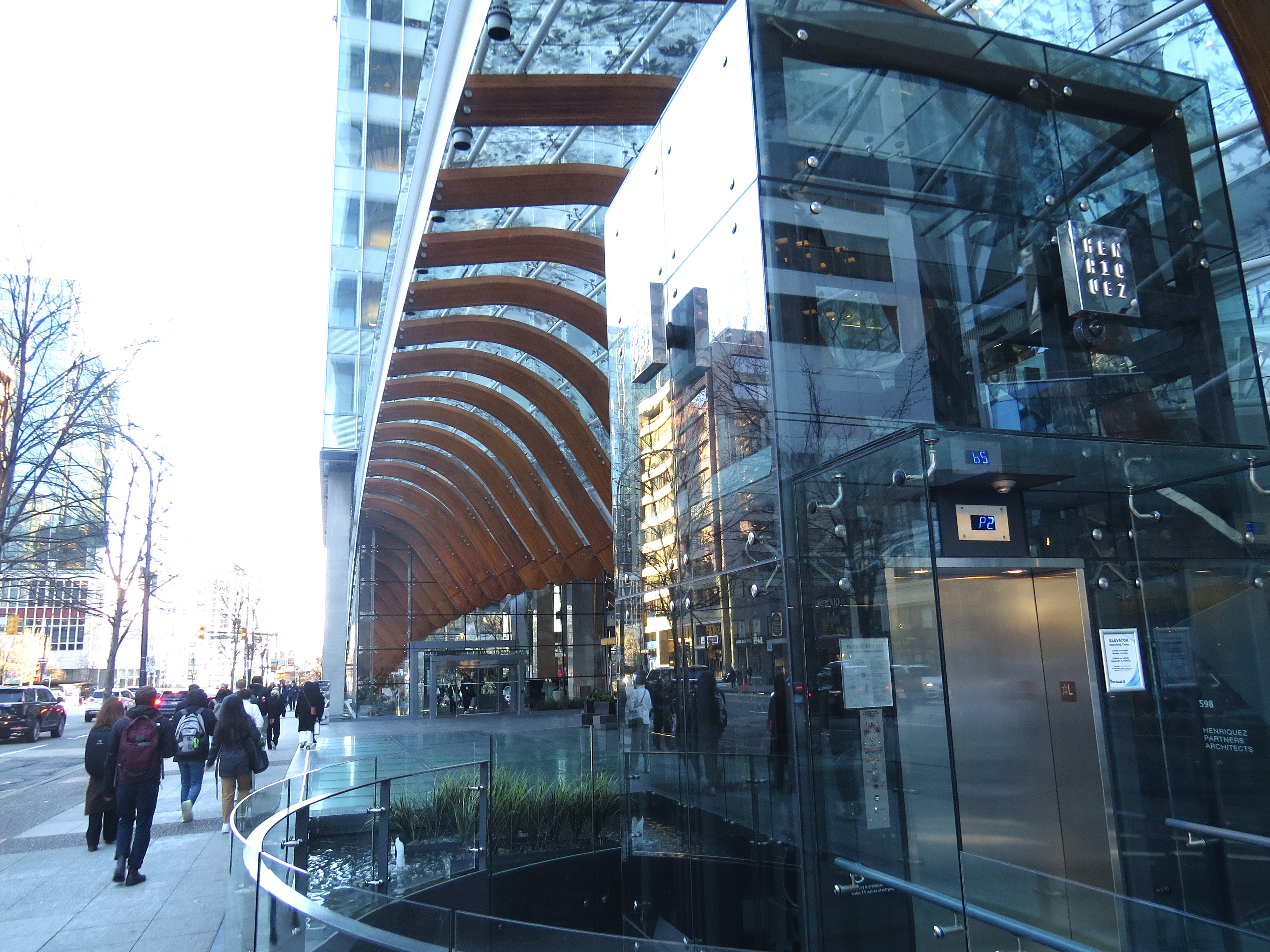
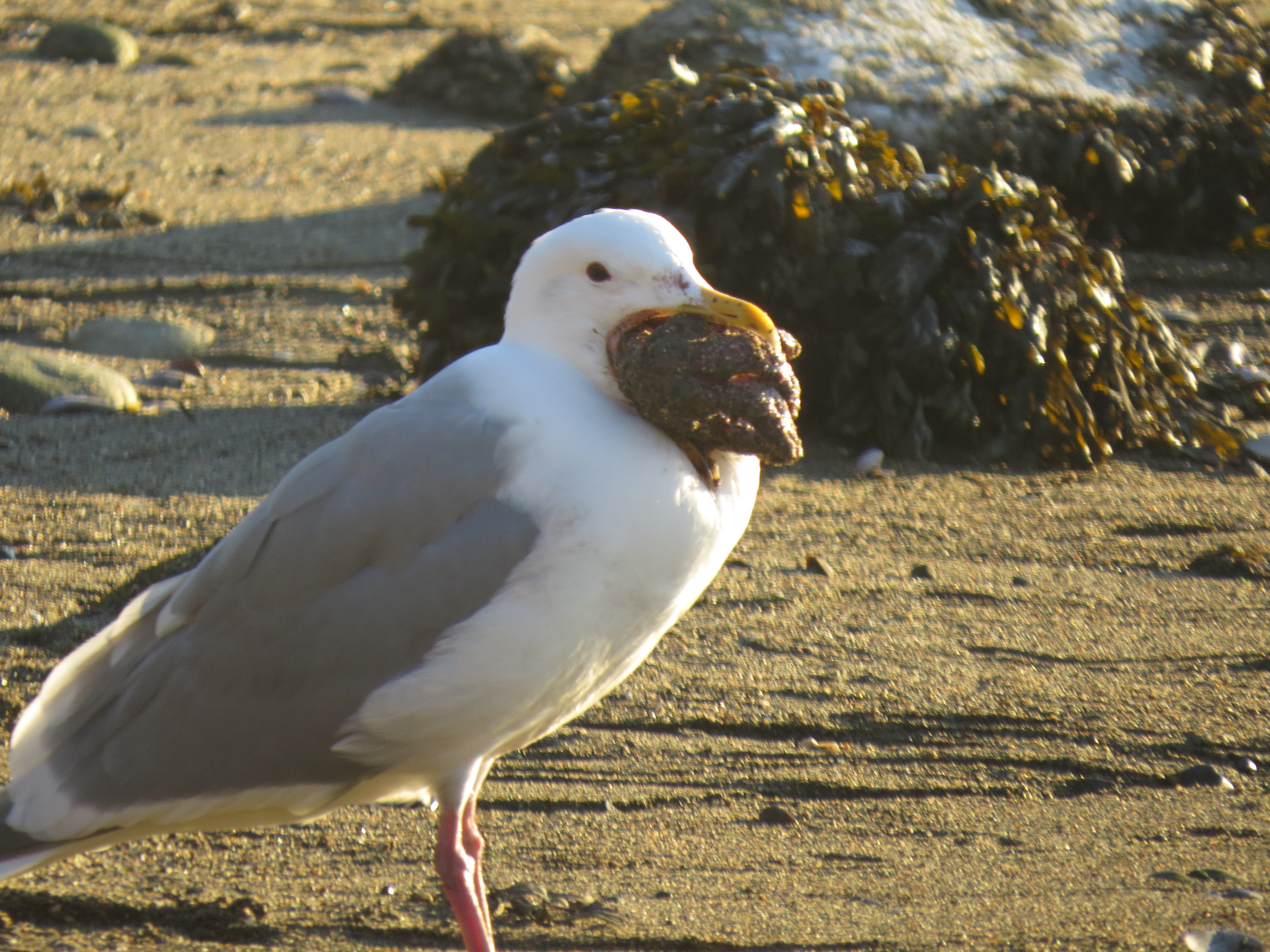
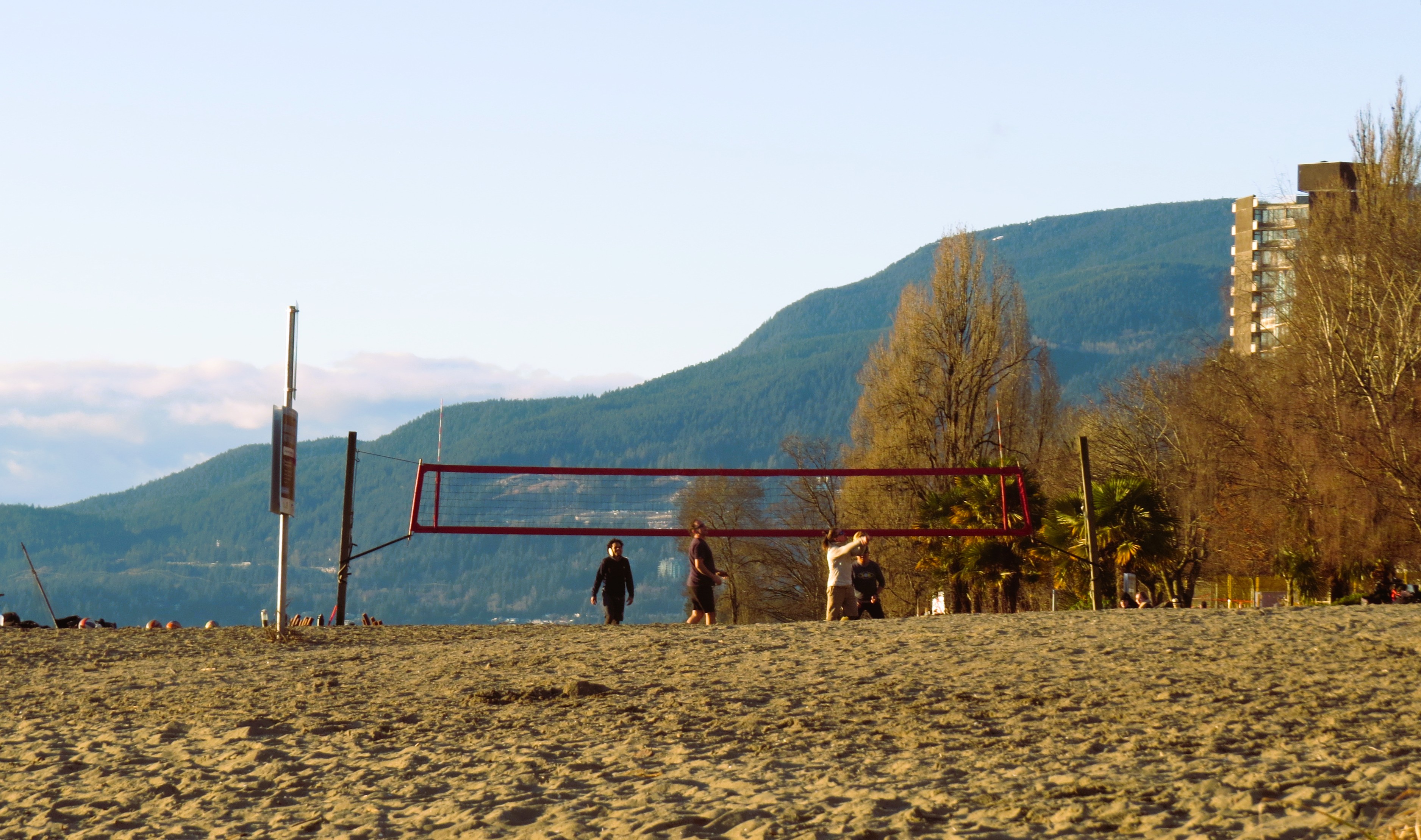
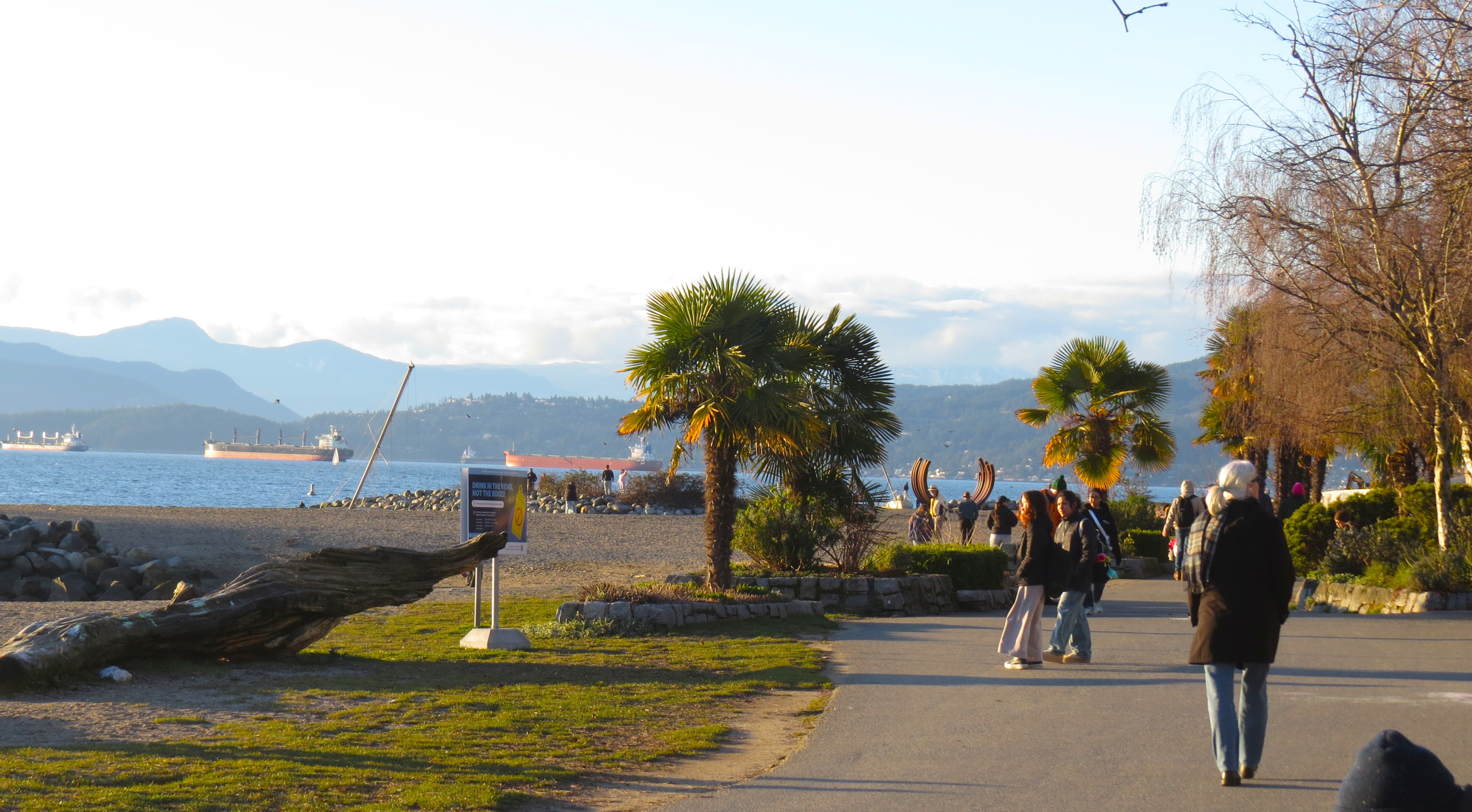
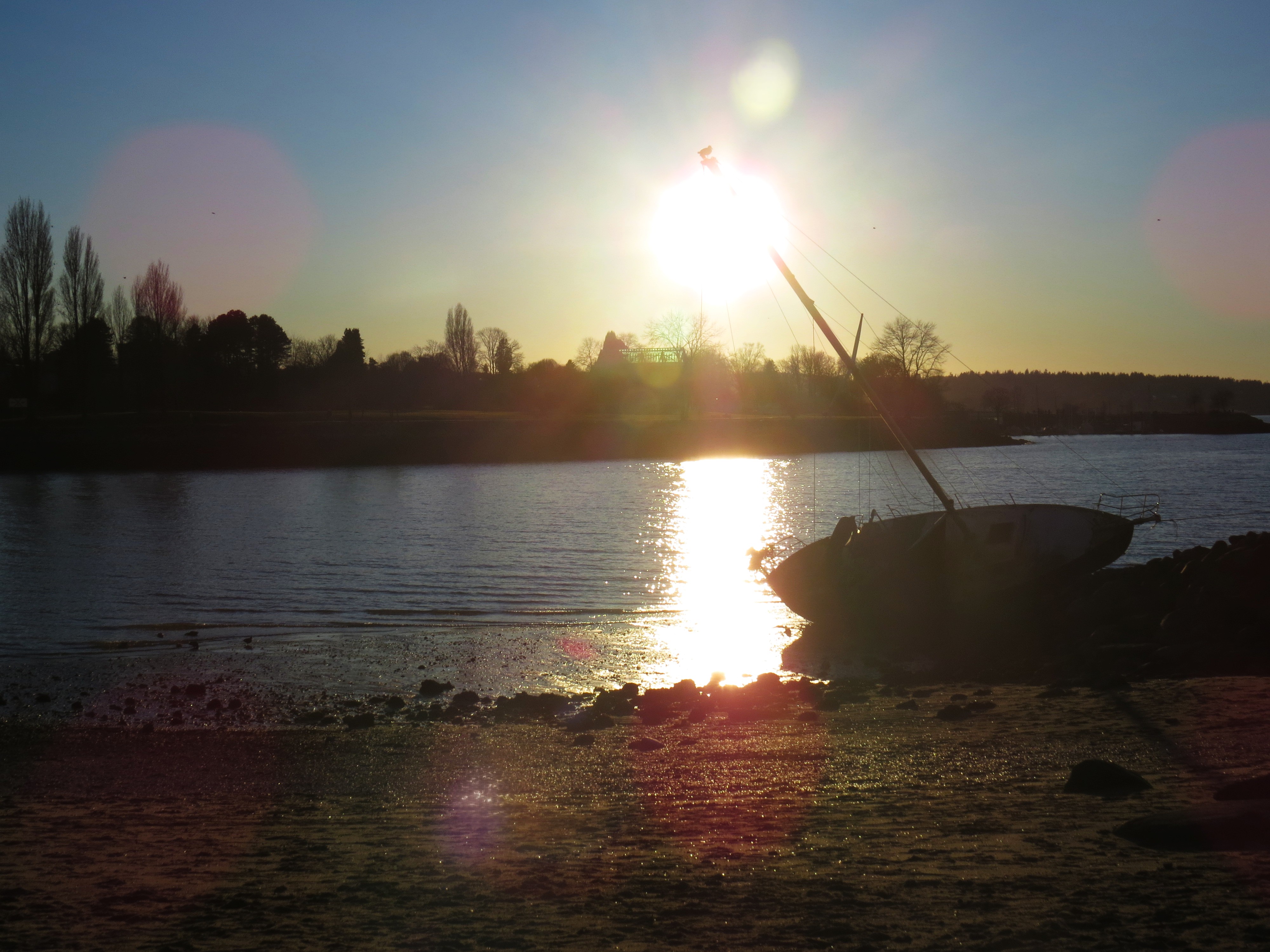
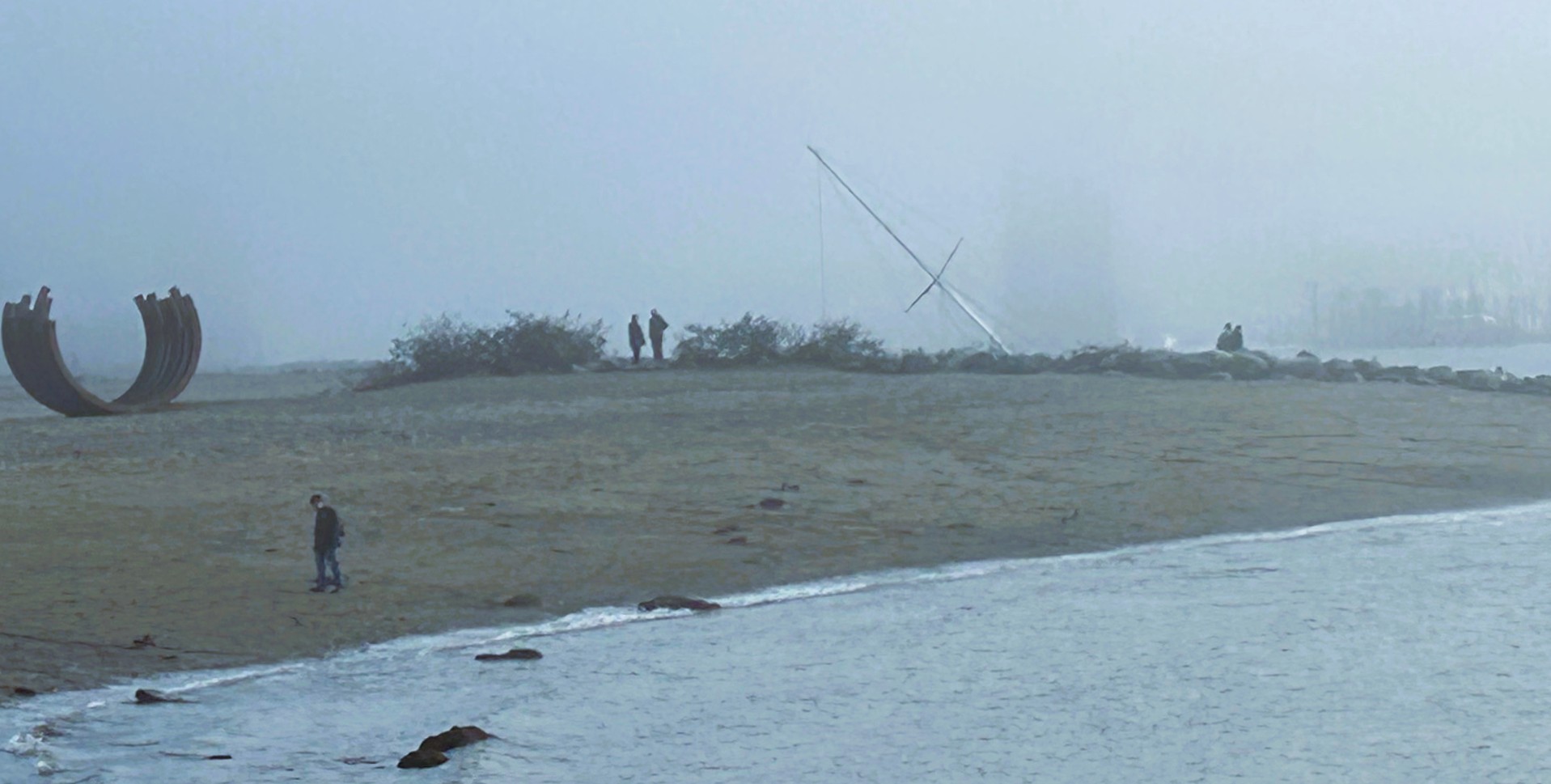
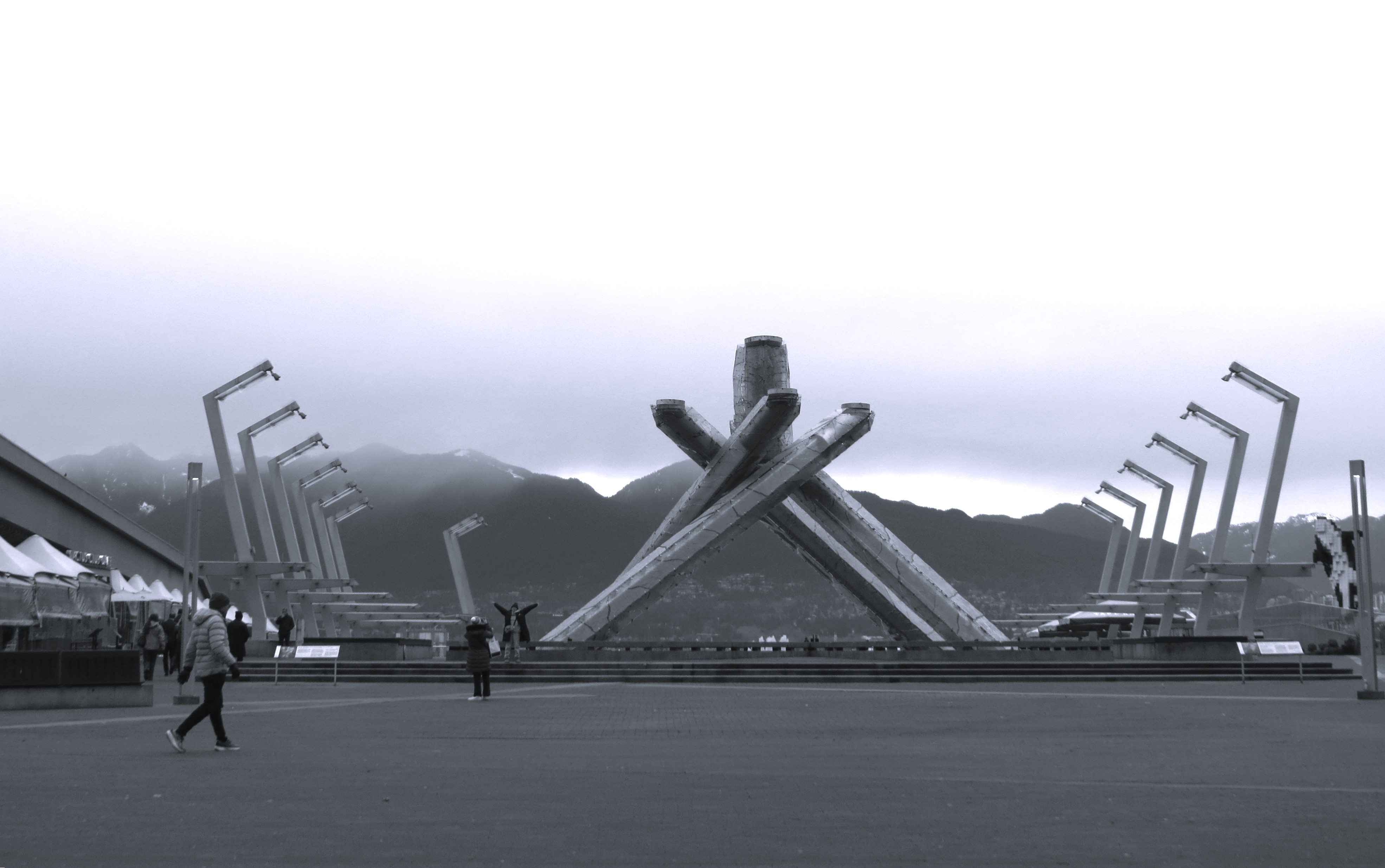
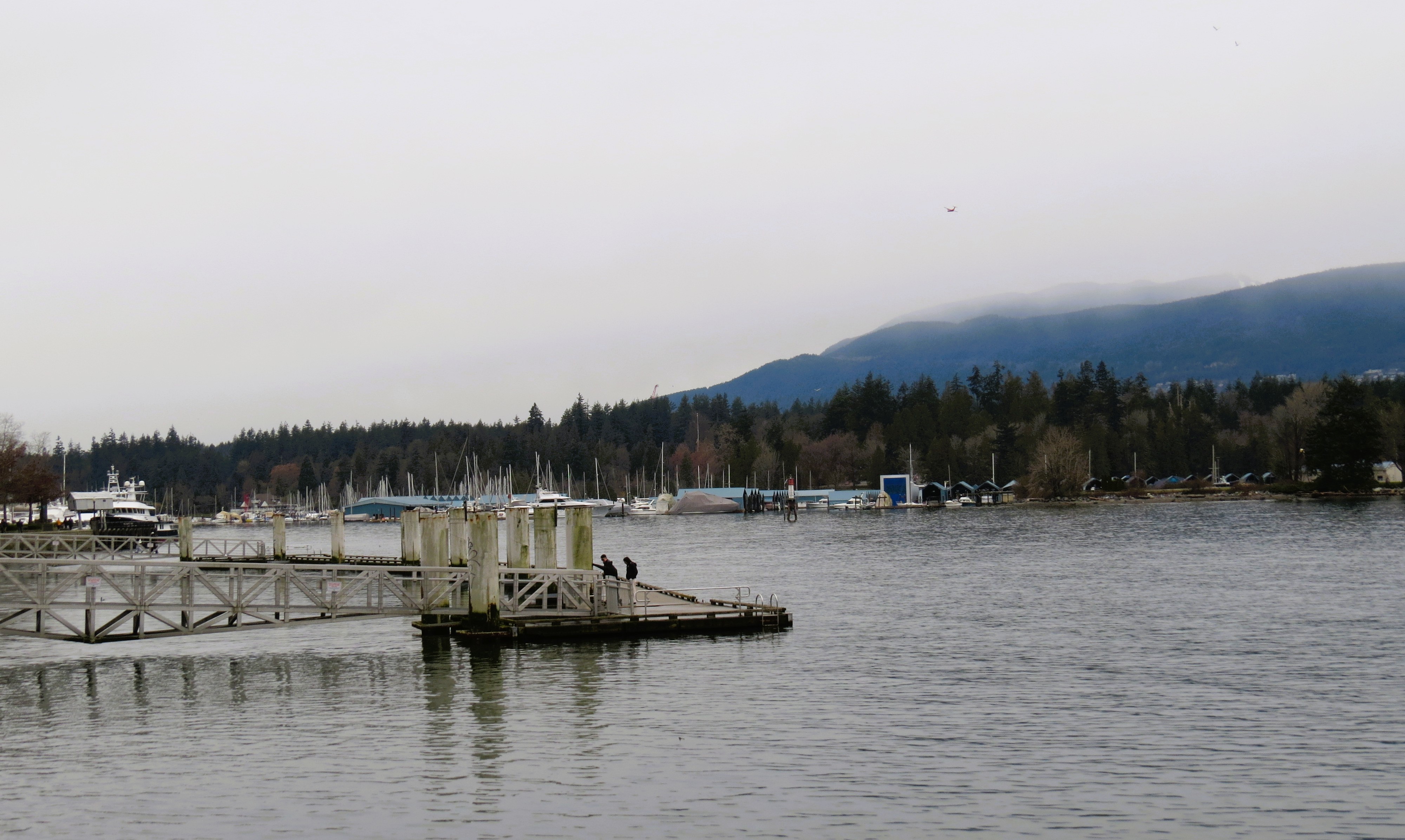
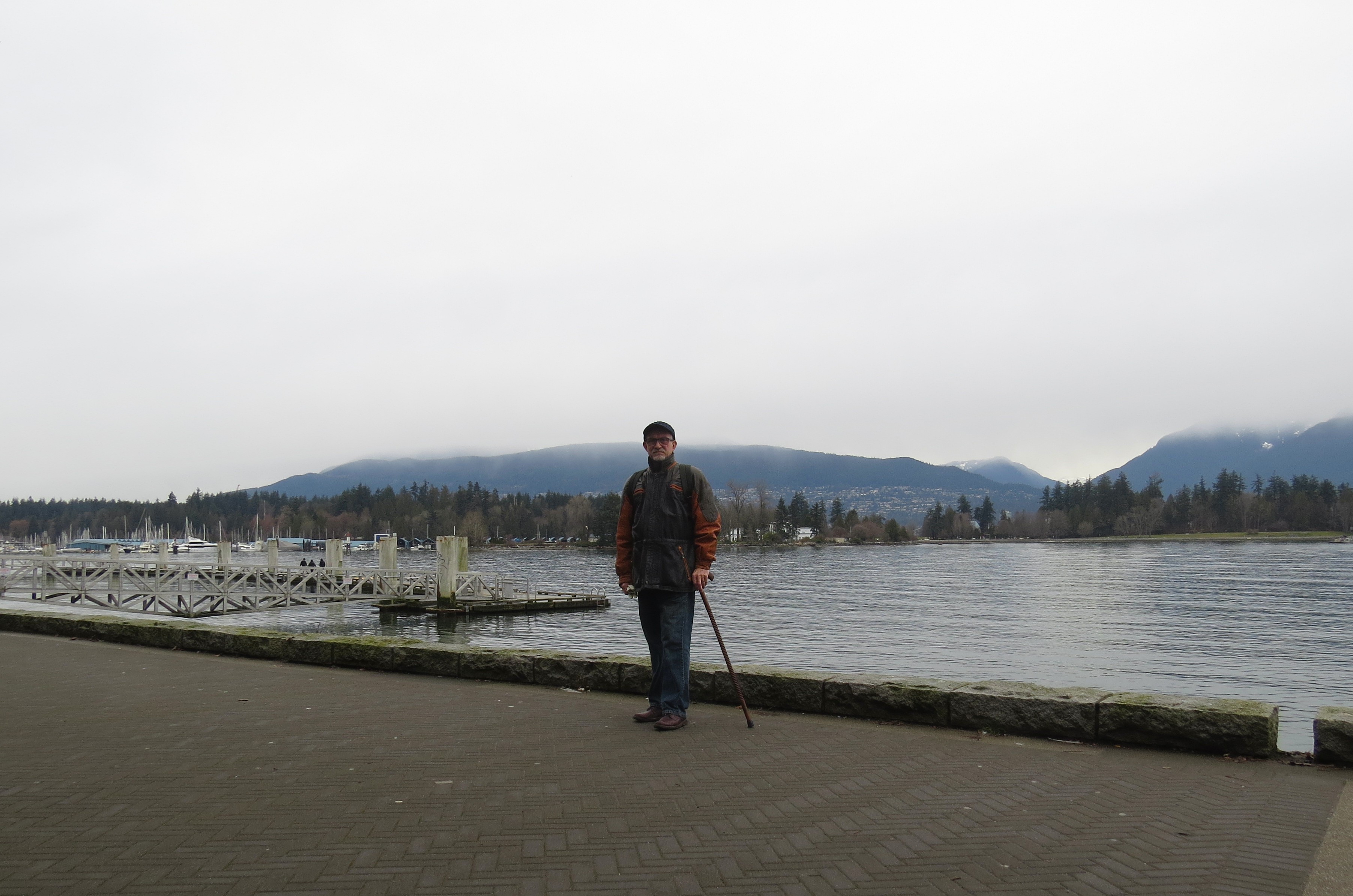
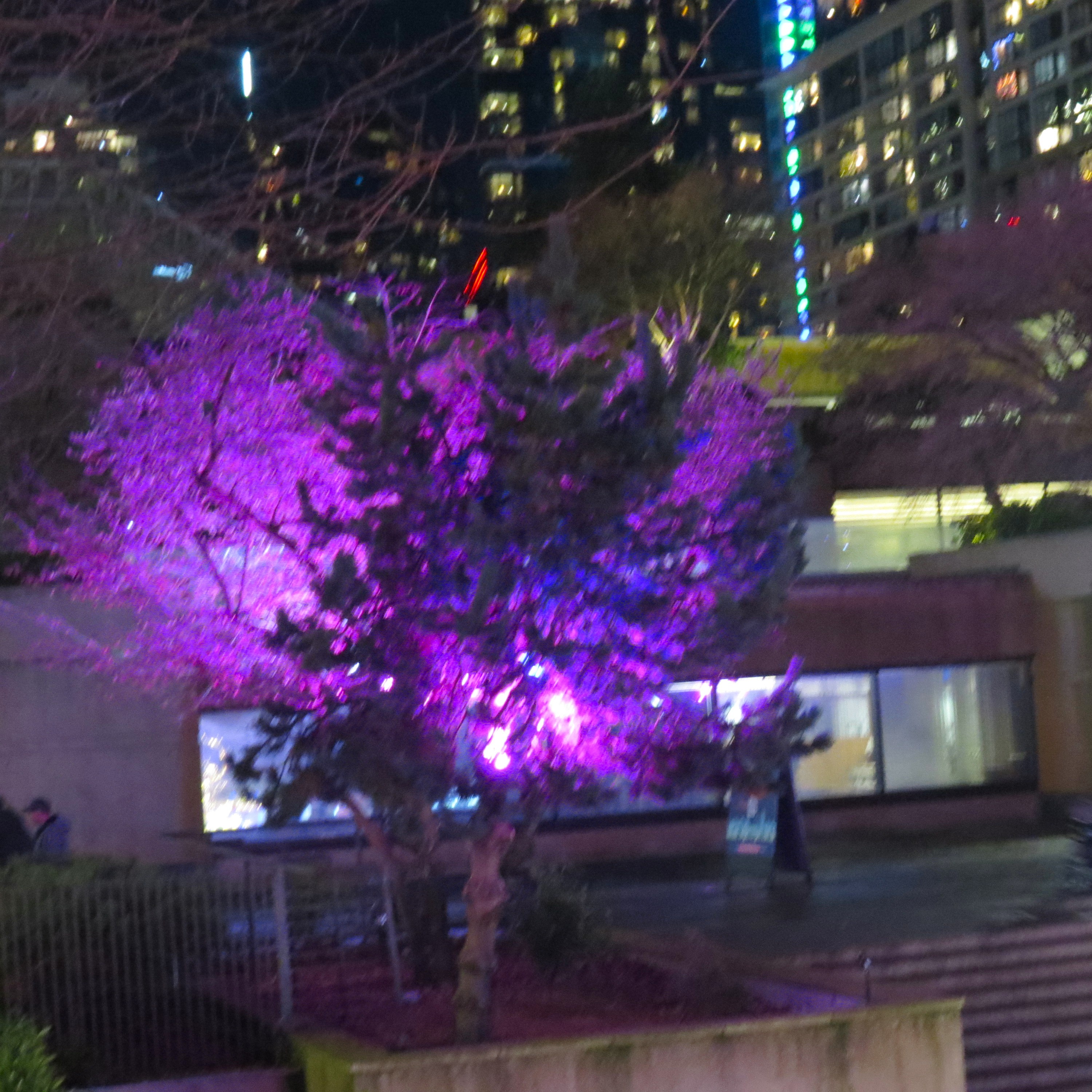
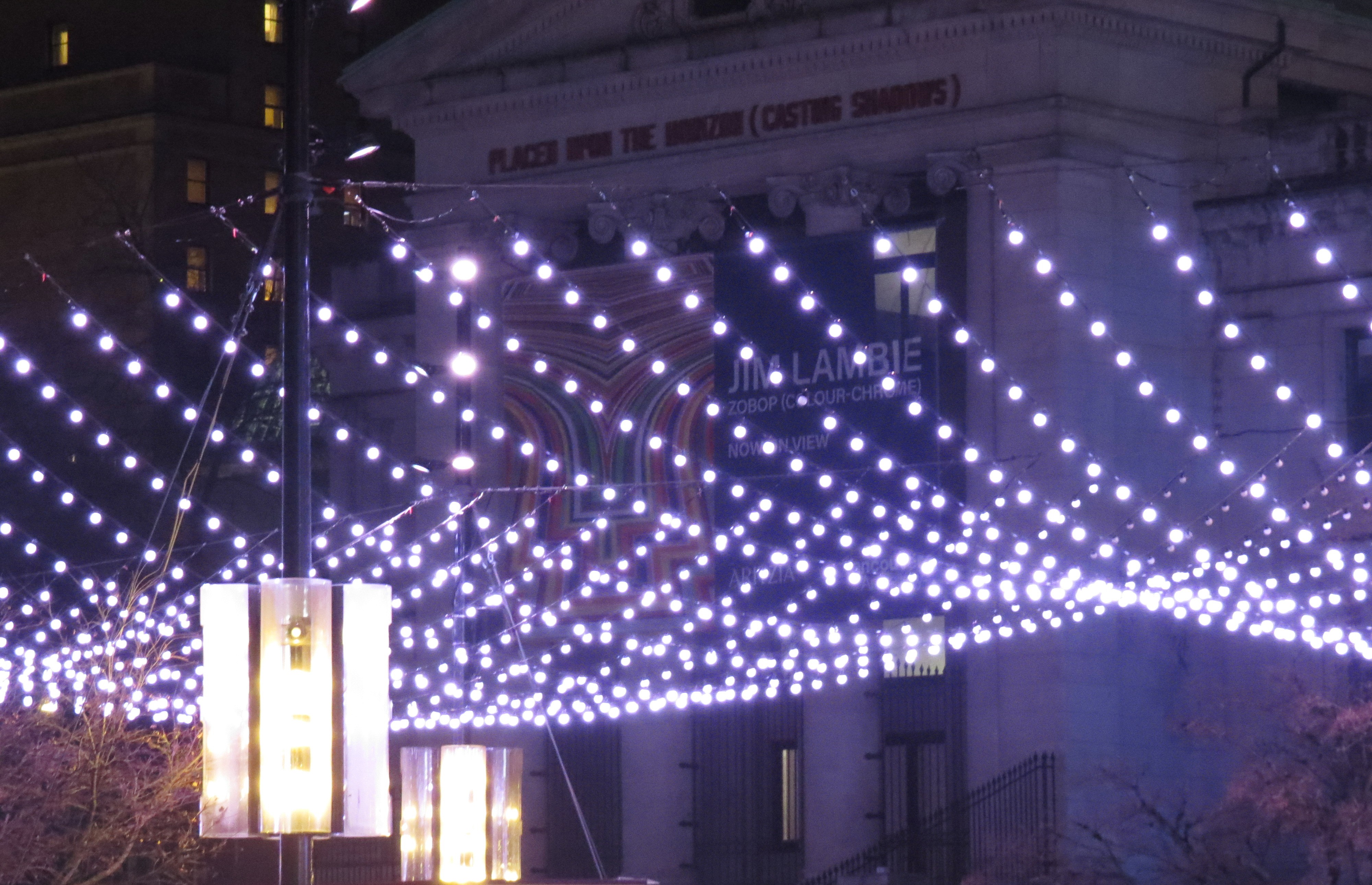
Here is the story of that day as seen through the camera lens. My, our streets, parks, cafes, beaches.

Of course, I did have my little dinner at my Melriches Cafe on Davie Street. It was a Thanksgiving Day, after all. And I took out my notebook from the backpack and I scribbled these words. Looked at the other chair at my table. It was empty.

Frankfurt nad Menem we mgle smutku

Frankfurt nad Menem we mgle smutku

Straszny smutek mnie dziś ogarnął. Nadszedł gdzieś z chmurami i mgłami jesieni i z odlotem przyjaciela na krótka wizytę do Polski. I nie ten jego odlot, nie ta wizyta w Warszawie, ale kilkugodzinny jego pobyt we Frankfurcie. Frankfurt kocham wyjątkowo. 

Sturm Und Drang[i] tam się zaczął od Goethego i Schillera, synów tego cudownego miasta. Okresu, który do dziś ma , po Renesansie, największy wpływ na charakter Polski i Polaków.  Nolens volens, i mój. Ze wszystkimi tego pozytywnymi negatywnymi konsekwencjami. Mickiewicz widział się zresztą z Goethem, choć nie była to zbyt budująca rozmowa i Goethe przyjął go początkowo chłodno, nie mniej później spotykał się z nim  w Weimarze kilkakroć. Sam Goethe był już uznanym pół-bogiem nowego kierunku i nic mu prawie mało znany poeta z Polski, której na mapie nie było, nie oferował ciekawego wedle jego początkowej opinii.

Nie o Goethem jednak ani o Mickiewiczu chcę tu pisać i nic to z moim uczuciem do Frankfurtu wspólnego nie ma – poza oczywistym faktem, że tam się wychował i urodził i miłe chwile z jego domu-muzeum opodal Klasztoru Karmelitanek wspominam. Miłe było też przesiadywanie zawsze na ławce blisko jego pomnika i blisko pomnika Schillera.

Frankfurt – poza wszelkimi i licznymi atrakcjami dla ducha i ciała (oj, tak – LOL) – to dla mnie kolebka dzisiejszej Europy Centralnej. Mojej Europy. To tu z państwa Franków (stąd nazwa) przybył Karol Wielki i rozpoczął marsz na Pomorze Przednie.  Na Połabach (dzisiejsze tereny Hamburga i Schwerinu), w dolinach Łaby (Elbe) trochę sobie wielokrotnie zęby pokruszył. W tamtym już czasie Połabianie ulegli sporej germanizacji. Z ciekawostek warto dodać, że już w czasach współczesnych ostatni Książę panujący na ziemiach niemieckich, władca Meklemburgii, był w prostej linii potomkiem właśnie Księcia i władcy Słowian połabskich. Karol Wielki tak jego zdolnościami wojskowymi był zafascynowany, że za oddanie hołdu i poddania się woli Karolinga -uznał wasalską władzę tegoż księcia słowiańskiego na ziemi połabskiej.  

Później zwiedzałem oszałamiający wręcz w przepychu pałac tych Książąt w Schwerinie . Oglądałem, to mało – w ogrodach tego parku robiliśmy sesję zdjęciową ślubu mojej córki chrzestnej.  Jakież to losy ludzkie są dziwne, zaiste.

Wracajmy do Frankfurtu jednak kochanego. Pisząc przyjacielowi, co powinien w tymże Frankfurcie zobaczyć – uderzyła mnie realizacja, że ja chyba tam już nigdy nie zawitam. Że pewnie albo tu szczeznę, albo w Polsce gdzieś, krótko po planowanym tam powrocie.  Że już w tym grodzie nad Menem szerokim nie będę chadzał śladami początków nowożytnej Europy, mojej Europy. Nie pójdę tymi szerokimi bulwarami nad tą rzeką z mamą pod rękę, tak jak chadzaliśmy tam –onegdaj zda się .

Czasem zatrzymywałem się tylko, w przelotach, na kilka godzin, czasem na noc lud dwie. Wtedy to ho, ho, poszaleć można było. Stara Hesja nie wiedziała, co to szaleństwa pókim ja tam nie zawitał, LOL.

Mama bardzo Frankfurt lubiła, byliśmy tam razem dwa lub trzy razy. Lubiła lody jeść przy Hauptwache i spacerować powoli bulwarami nad Menem. Nocowaliśmy na ogół w jednym z dwóch hotelików tuż przy Dworcu Głównym, bo były tanie i rano dawali niezłe śniadanie. Raz jeden wracając z Polski do Kanady pojechaliśmy do Frankfurtu pociągiem z Berlina tą przepiękną trasą wzdłuż wijącego się Renu, z wysokimi wzgórzami po obu stronach doliny, wieżami starych niemieckich zamków, koło Ratyzbony skąd przybyła do nas Królowa Rycheza. Potem pociąg skręcał ostro na północ i jechał do Frankfurtu.

Ale – jak zawsze ze mną – prócz szaleństw czas musiał się znaleźć na refleksje, na zachwyt jakimś brylancikiem historii, opowieścią muzyczną lub literacką.  A tych tam dużo. Choćby ta śmieszna rzecz, że Miasto Karola Wielkiego ma barwy biało-czerwone i godło … białego Orła w złotej koronie.

Więc gdym pisał przyjacielowi, jaką ulicą warto przejść … nagle sam chodziłem tymi samymi ulicami pamięci. Dziwne i smutne nieco uczucie. Uczucie-przeczucie?  Gdy bogowie rozdają karty, śmiertelnik musi się z ich wyrokiem pogodzić.

Pożegnanie

Johann Wolfgang Goethe

Niechaj oczy ci wyszepcą
Pożegnanie: wargi drżą
Cięzko, o jak ciężko rzec to…
A dojrzały przeciem mąż!

Jakiż nikły w tym momencie
Każdy uczuć jawny pąk:
Zimne – twoich warg dotknięcie
Słaby – uścisk twoich rąk

Dawniej całus… gdzieś… w pośpiechu – 
O, jak cudny był to szał!
Tak fijołki nam uciechą,
Kto jest w marcu pierwsze rwał.

Nic już nie mam do zerwania – 

Brakło kwiatów, brakło róż:
Wiosna wkoło, miła Franiu,
Dla mnie jesień… jesień już…[ii]


[i] epoka Szturmu i Naporu w kulturze europejskiej, początek romantyzmu

[ii] Pożegnanie – Johann Wolfgang Goethe

The Valley of Death in an ocean of affluence – Dolina Śmierci otoczona dobrobytem

The Valley of Death in an ocean of affluence – Dolina Śmierci otoczona dobrobytem

Dolina Śmierci – tak można nazwać samo stare centrum Vancouveru. Nie, nie te przy pięknym nadbrzeżu Convention Centre, gdzie milionowe jachty lśnią hebanem i kolorowymi żaglami; nie te wokół cudownego, majestatycznego Stanley Park; nie te na urokliwym, jakże przyjacielskim Westendzie;  nie te nad 1, 2 i 3-cią plażą, nawet nie te przy ruchliwej, zwariowanej i uroczej Commercial Drive.

Te w starym centrum handlowo-komercjalnym, u zbiegu poważnych i statecznych arterii z licznymi hotelami z solidnej cegły i kamienia, przy starej, rodem jak z Manhattanu lub Londynu, Bibliotece Carnegie.  Zaraz za Pomnikiem Nieznanego Żołnierza, dwa kroki od uroczego Miasteczka Chińskiego (China Town), dwa kroki do spacerów i alejek wokół False Creek i Planetarium (Science Centre).

               The Valley of Death – how else can you call the old commercial centre of Vancouver? No, not the modern one alongside the Convention Centre, with the view of North Vancouver,  with streets and elegant passages leading to majestic Stanley Park. Not even the slightly abandoned but still full of nice attractions Granville Street. Certainly not the most livable in entire centre of the city West End, the three beaches, Davie Street.

No, not these neighborhoods. I’m talking about the old commercial part of Downtown. The one, where the old main arteries meet together: Hasting, Powell, Cambie, Main. One around the massive Carnegie Library and Pigeon Park with the Cenotaph. Cenotaph – a place we remember those, who died in defense of Canada.

But people still die in that neighborhood, in very big numbers, every day, fighting the losing battle to stay alive for one more day. Most likely, while I am writing these words, someone dropped dead on the pavement there, likely someone I have passed on the street few hours ago. Statistics tell that five of them every day, one hundred fifty five every month.  It is like Covid-in-perpetuity, like AIDS in the 1980’ in New York, in San Francisco.

One can say with an uncomfortable sadness: they brought it upon themselves, their lifestyle choices brought it upon them. But the truth is none of them wanted to die, when they took their first morphine, heroin, fentanyl. There is so many more ways to kill oneself faster, cheaper and without prolonged suffering.

Stoją tam potężne stare gmachy hoteli niegdyś pełne przyjezdnych, marynarzy, turystów; każde z popularnymi – niegdyś – barami, pubami, po drugiej stronie ulicy (jednej z najdłuższych i najbardziej używanej) równie solidne kamienice mieszkalne, na parterach oferujące sklepiki, zakłady rzemieślnicze. Sam niegdyś coś tam kupowałem. Dziś to wszystko jest martwe lub tak żywe, jak staruszek, który właśnie otrzymał od kapłana ostatnie namaszczenie …. Jeszcze żywy … formalnie.

Nigdy nie była to łatwa dzielnica. Pewnie nie była łatwa zanim ja tu się pojawiłem w 1994. Ale była mimo to funkcjonująca. Dziś jedyne, co tam funkcjonuje, to oczekiwanie na śmierć. Wpół zgarbioną, ze spojrzeniem gdzieś poza światem realnym, na krawężniku w zaśmieconym przejściu między budynkami. Ona jedna pamięta o nich, przyjdzie po nich. Mają po dwadzieścia lat, maja po dużo więcej, ale trudno to kreślić. Starsi użytkownicy tych narkotyków wyglądają inaczej, nie mają normalnej kadencji wieku. Może ten mężczyzna, który siedząc pod ścianą na chodniku i właśnie siusia pod siebie ma lat sześćdziesiąt, może tylko czterdzieści? Zgięta wpół kobieta może być kogoś starą babcią, lub kobietą pod czterdziestką. Poza tymi właśnie najmłodszymi, niektórymi atrakcyjnymi i ładnymi – wszyscy mają tu jeden wiek: wiek śmierci.

               I didn’t go there looking for answers, or to offer, one of thousands offered before, simple solution. But I needed to see it. That is Vancouver, too. My Vancouver,  my city that I love dearly.  I wanted to bear witness to that Greek tragedy. To these lives. You need to see it, you need to envelope yourself in that very uncomfortable fabric of decay, grief and sadness.

In the last ten years 58000 people died of it. Currently, every month about fifty five That is a fair size town. A town that just disappeared – with all its inhabitants.

               Dolina Śmierci otoczona zielonymi wzgórzami życia w jednym z najpiękniejszych i jednym z najbogatszych miast na świecie. Być może to jest najsmutniejsze, najtragiczniejsze.

The Valley of Death surrounded by affluence of one of the most beautiful cities in the world.  A city I love.  And it hurts deeply.

Fort Langley in/w British Columbia/Kolumbii Brytyjskiej

Fort Langley in/w British Columbia/Kolumbii Brytyjskiej

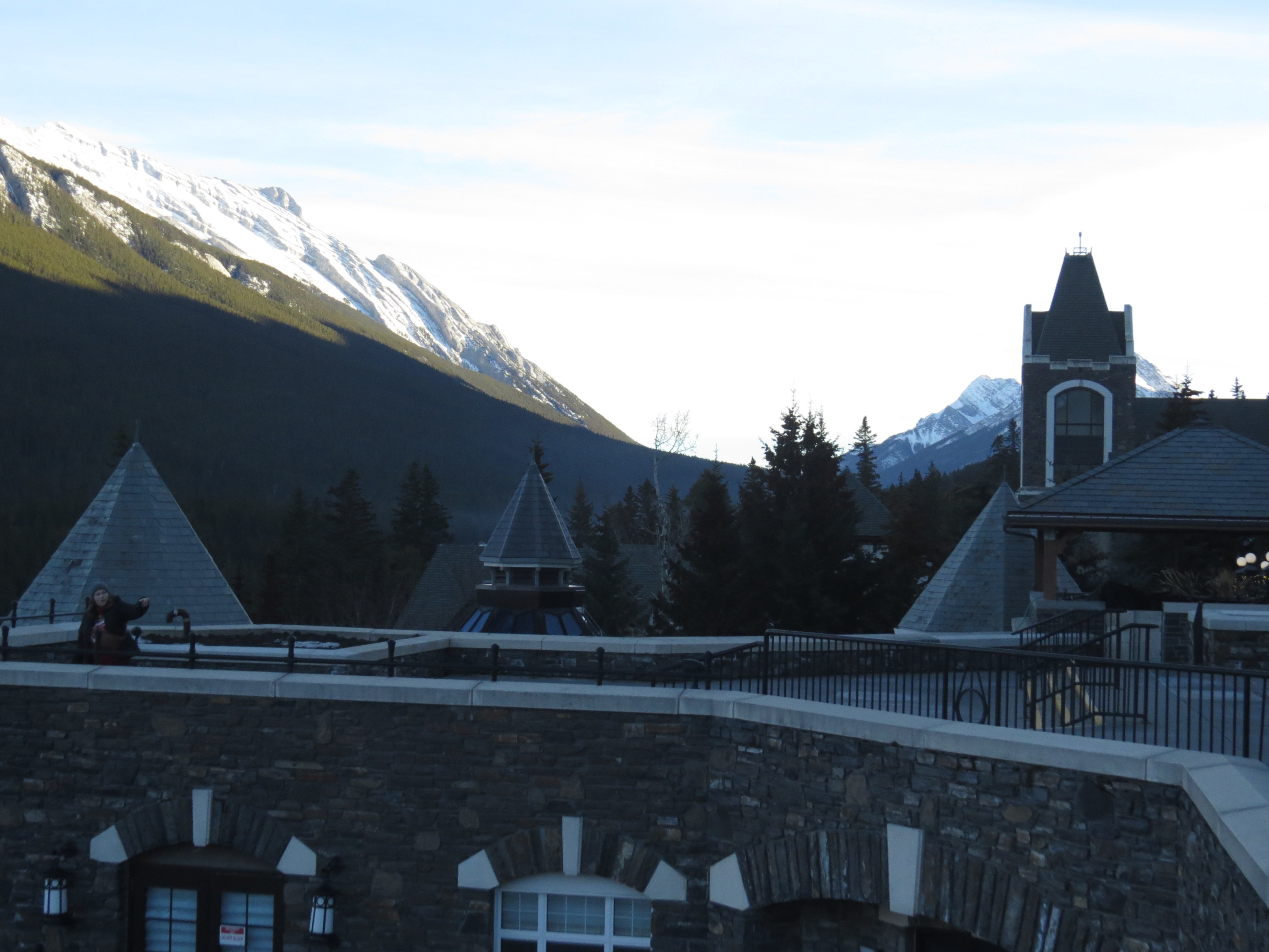
With a friend in his blue carriage – as mine lived out his days after crossing the entire continent twice, mountain ranges, lakes, wild forests, huge cities and small towns – we went to another sentimental journey in time. The time of the beginning of this province, the first wooden Fort surrounded by tall palisade. And tiny, wonderful Anglican Church, were many years ago I had a lovely chat with Bishop Michael Ingham from New West Diocese.

To my great sadness that tiny church was closed. Wawa, my friend was ready to give up. But what a problem could it be for me? Just a lock on the door. For sure it could be opened! And it was – just for us, for two strange travelers. Two lovely church ladies opened the door wide for us with a smile and lots of stories. We had wonderful time with them. They pointed to the one new stain glass window with an obvious distaste: a stain glass of St. Peter, and I understood and shared their disapproval of that new window: it was a very different and foreign to all the older windows scenes and character. Did not belonged in the old company. They used the old wooden Pastoral bishop’s cane to point to other interesting and perhaps new details in the tiny one nave. I loved their agitation and somehow respectful disrespect to sacral items, LOL. They obviously loved their church very much.
Lata temu uwielbiałem tam jeździć na krótkie wycieczki z Mamą, byliśmy tam też razem z Damiankiem. Teraz z przyjacielem. Pogoda nagle zrobiła się, jak na zamówienie: a niech tam wam będzie słonecznie i raźnie, aniołki z góry śpiewały. Tośmy też wycieczkę od kościółka cudownego, maleńkiego zaczęli. Niby był na cztery spusty zamknięty, ale co tam dla chcącego! Urocze dwie starsze (no, powiedzmy w okolicach mojego wieku, LOL) panie kościelne wrota nam otworzyły i dzieliły się chętnie szczegółami, zwłaszcza nowymi, mi nieznanymi od czasów ostatniej wizyty jakieś 10-13 lat temu. A miałem tu kiedyś przemiłą i ważną rozmowę z ówczesnym biskupem diecezji anglikańskiej na New Westminster, Michałem Inghamem. Opowiadały z niesmakiem o jedynym nowym witrażu przedstawiającym św. Piotra, który pasował tak do starych, znanych mi witraży, jak pięść do oka. Kompletnie ich uczucia podzielałem. Uwielbiałem z Wawą, jak panie bezceremonialnie, ale z uczuciem, używały prostego drewnianego pastorału biskupiego do wskazywania różnych mało widocznych a ważnych detali, LOL. Dodano też jeden więcej rząd siedzeń, bo mieli wielki problem niedzielami jak pomieścić wiernych. Nie zmieniło to jednak uroczego charakteru tego pięknego kościółka.
A potem, potem naturalnie w uliczki urocze prowadzące przez sklepiki pamiątkarskie, galeryjki, kafejki i targ farmerski pod drugim kościołem – aż do torów ze stacyjką i mostu prowadzącego na wyspę na Fraser River.

Fort Langley był faktycznie pierwszą osadą brytyjską na dobre parę lat przed powstaniem prowincji Kolumbii Brytyjskiej i pierwszym portem rzecznym Hudson Bay Company po tej stronie Gór Skalistych. Jeszcze przed Vancouverem i przed New Westminster, Założono go w 1827, początkowo ok. trzy kilometry powyżej obecnej lokalizacji. Pierwszą osadą brytyjską na zachodnim brzegu kontynentu. Sama prowincja i jej pierwsza stolica (New Westminster) zostały proklamowane i powstały w latach 1846-68, czyli dwadzieścia lat później.
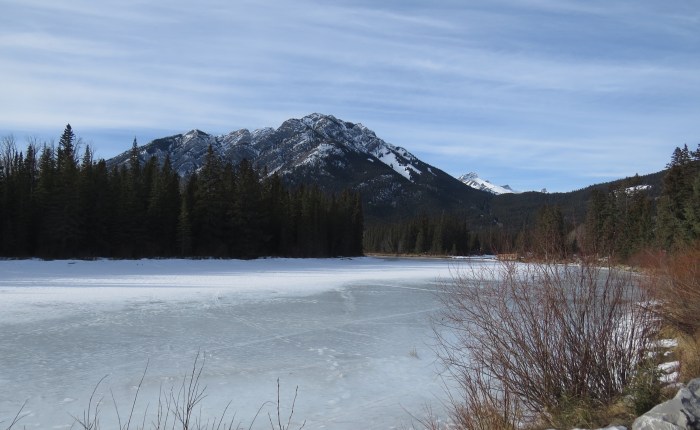
Całe okolice Fort Langley, drogi doń prowadzące z Vancouveru, są też przeurocze i bardzo malownicze, zwłaszcza o tej porze roku i w dzień słoneczny. Rozległe łąki, laski, pastwiska i pola uprawne wyglądają, jak urocza, bukoliczna akwarelka gdzieś z Prowansji.

A nasze wspólne zamiłowania do podróżowania łodzią, statkami, samolotami – i zdecydowanie najbardziej ludzką i najprzyjemniejszą podróżą – pociagami dało nam upust do chłopięcej zabawy w konduktora i maszynisty na lokalnej (nieczynnej już też, niestety – lokalnej stacyjce kolejowej.

Bardzo polecam na kilkugodzinną wycieczkę z dala od hałasu i zapełnionych ulic metropolii vankuverskiej.

Stars, planets and moons

Stars, planets and moons

I love taking picture of the skyline. Small disclaimer, though: I am not an astronomer and do not use any complicated telescopes or other instruments to scan the vastness of space. Rather more like the Ancient Ones – I admire and I am at awe looking at the splendor of night or very early skies. No wonder so many of them over the millenia constructed wonderful stories, religions, songs and poems. How can you not?

Of course I do have a slight advantage over them – unlike Homer and others I do actually have an instrument that does a pretty good pictures (with all it’s limitations) of bright giants hanging above our heads.

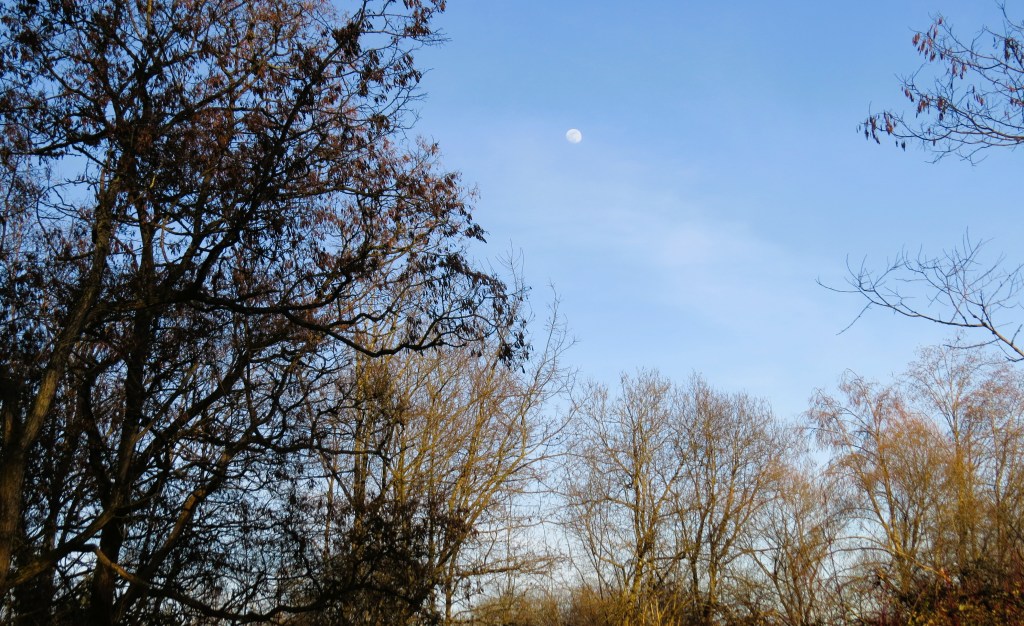
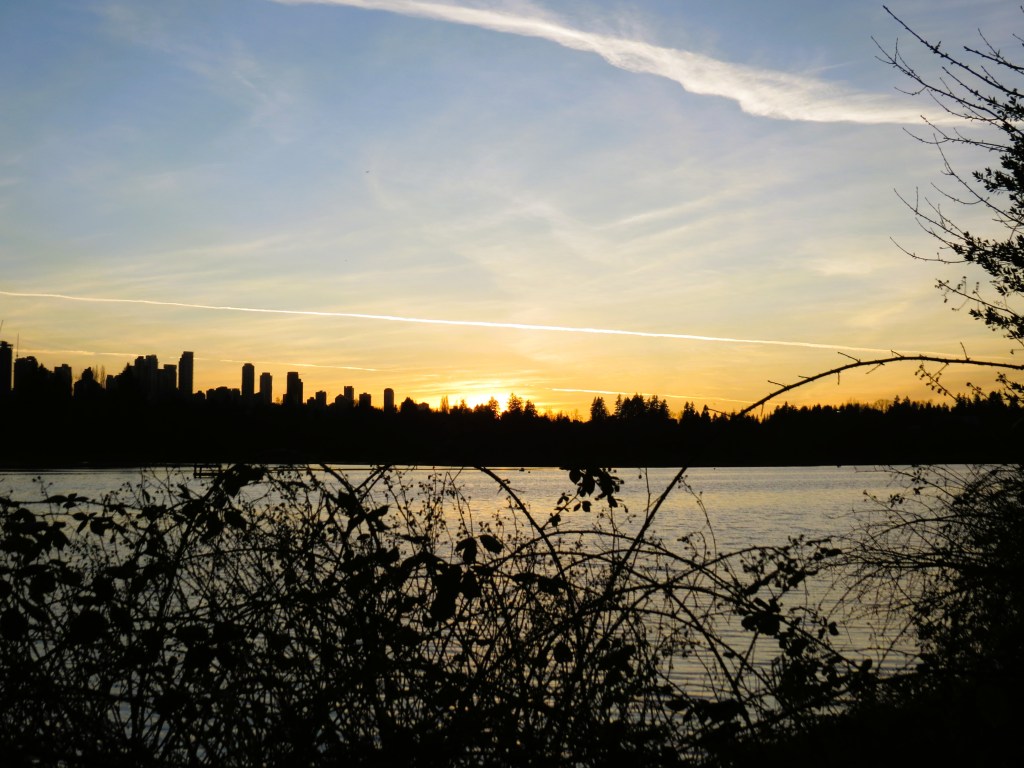
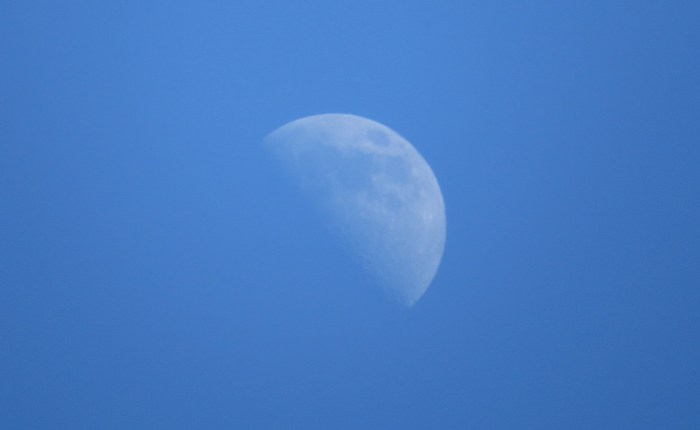
September 19 was a rare moment to see Venus very clearly and close to the Moon, which was just a sliver of itself, and therefore not blinding the view of Her Majesty Venus. But that is not all my children – from far, far away in a constellation of Leo (let’s call it a stellar town) came a star called Regulus. Mind you – it is a giant much bigger than Earth and Moon combined but the humongous distance makes it look like a speck. On one or two of my pictures I could capture it on my film. I have marked it with writing so you don’t mistake it for a speck of dust on your screen, LOL.

O! Venus grandiose and splendid

in your graces, full of caprices,

allow yourself to be painted

in all your jewelry pieces!

Pożegnanie lata na skalistej plaży

Pożegnanie lata na skalistej plaży

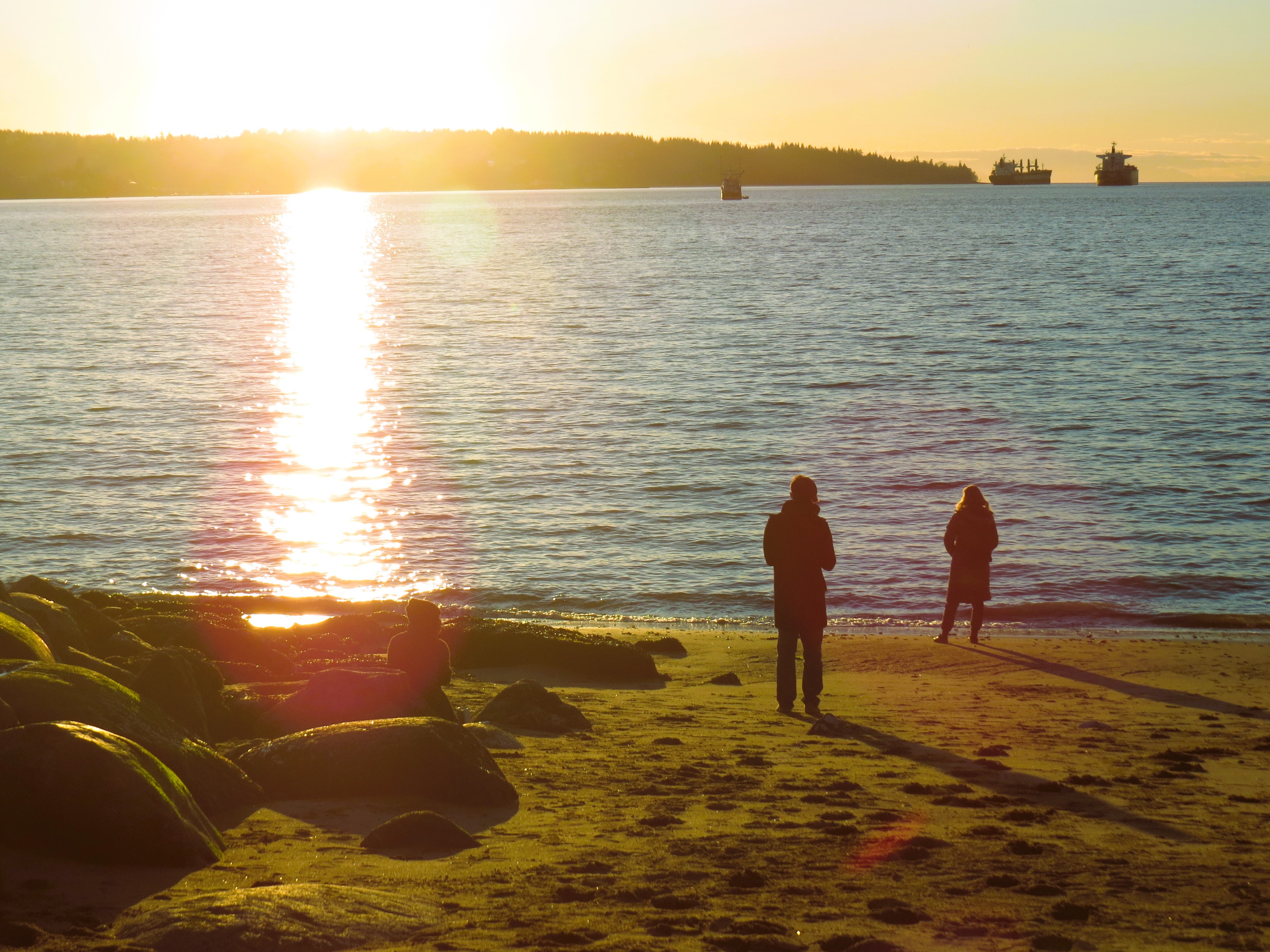
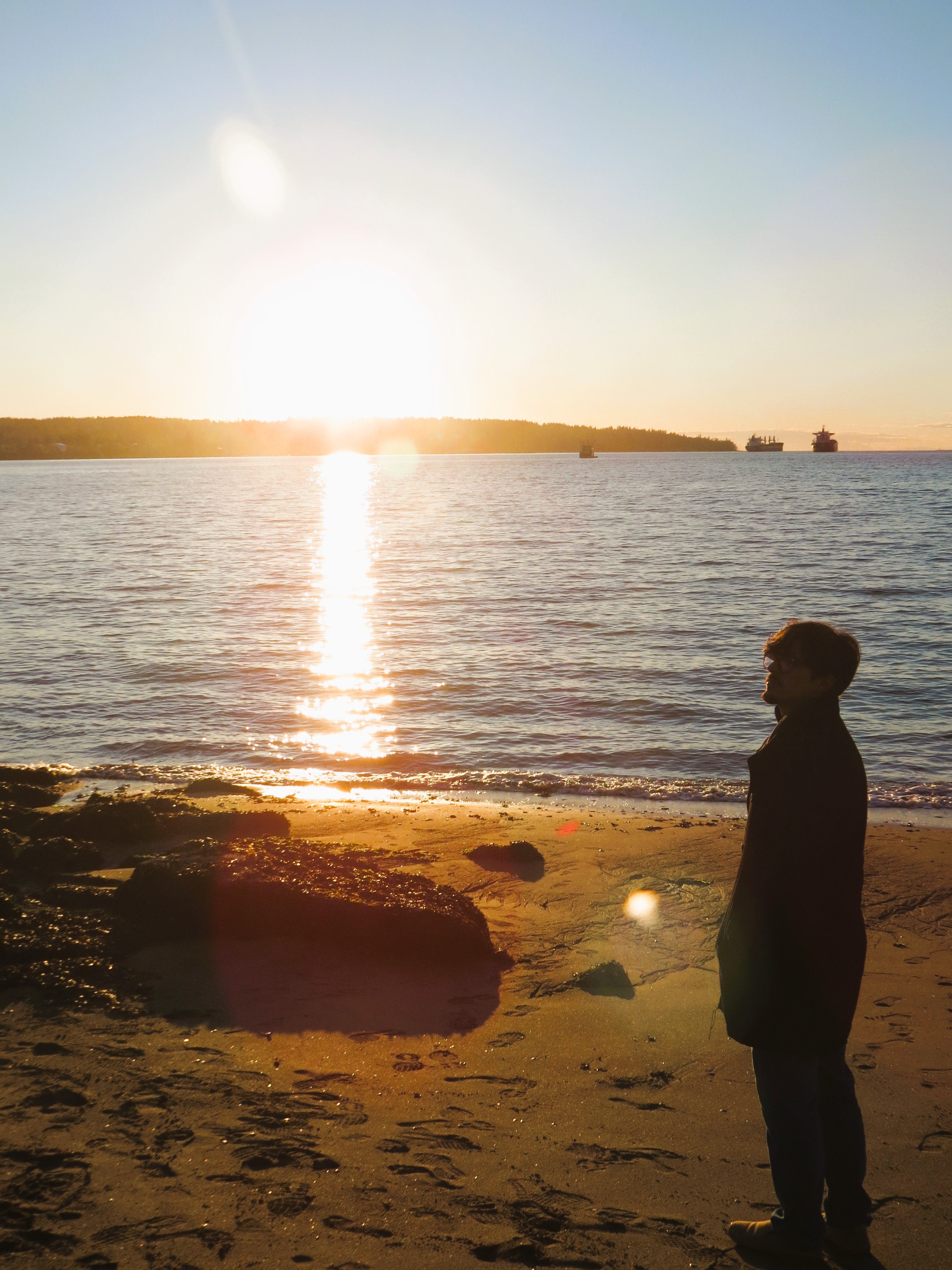
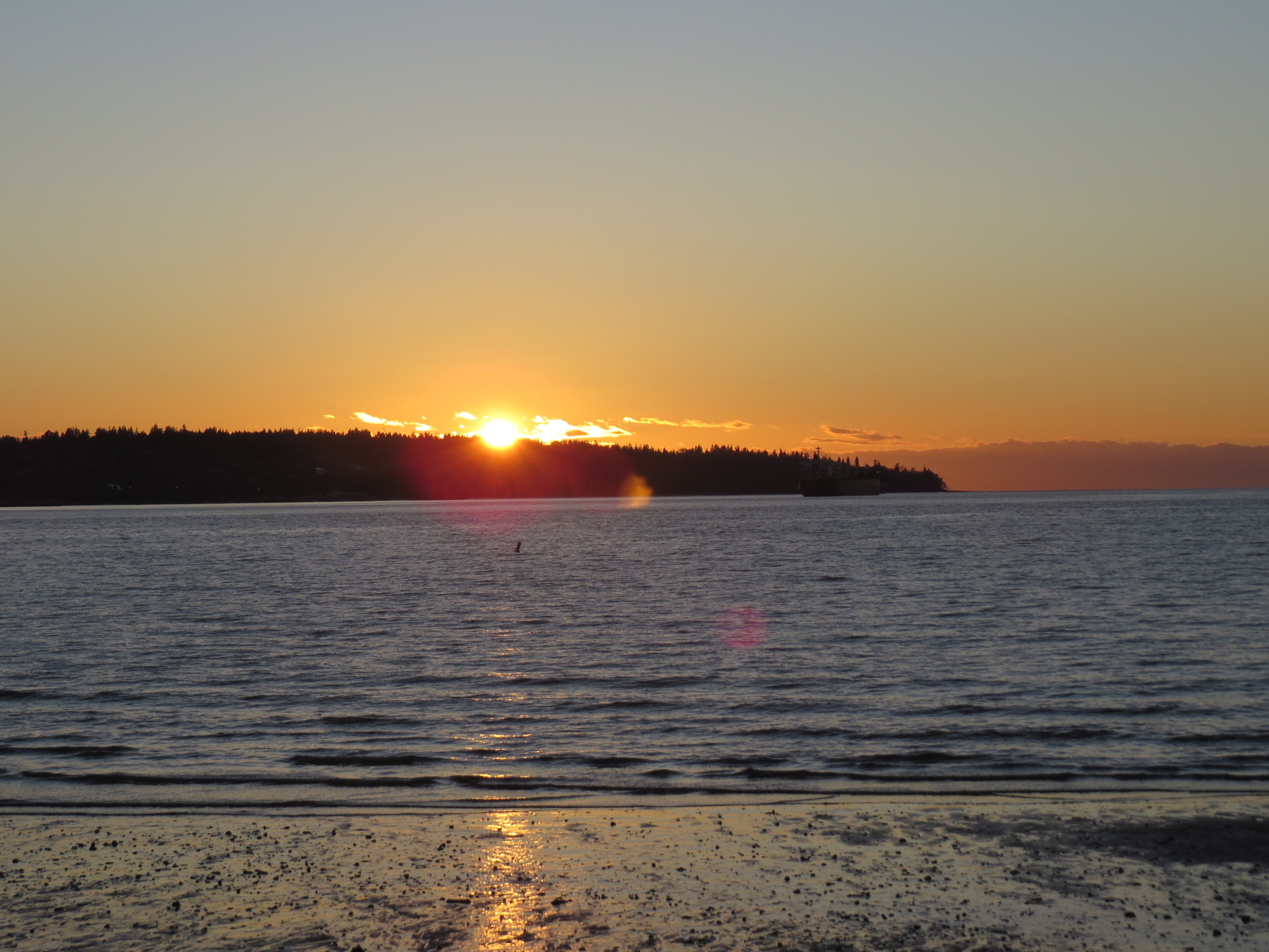
22 września już jutro, koniec lata kalendarzowego, następnego dnia lata astronomicznego. Wybrałem się na ulubioną plażę w Południowym Surrey – Crescent Beach. Naturalnie, że naturalistyczną, LOL. Przyznaję bez zmuszania do zeznań, że plaże golasów uwielbiam najbardziej. Czy tą w Crystal Crescent koło Sambro w Nowej Szkocji, czy tylko Crescent w South Surrey, LOL.
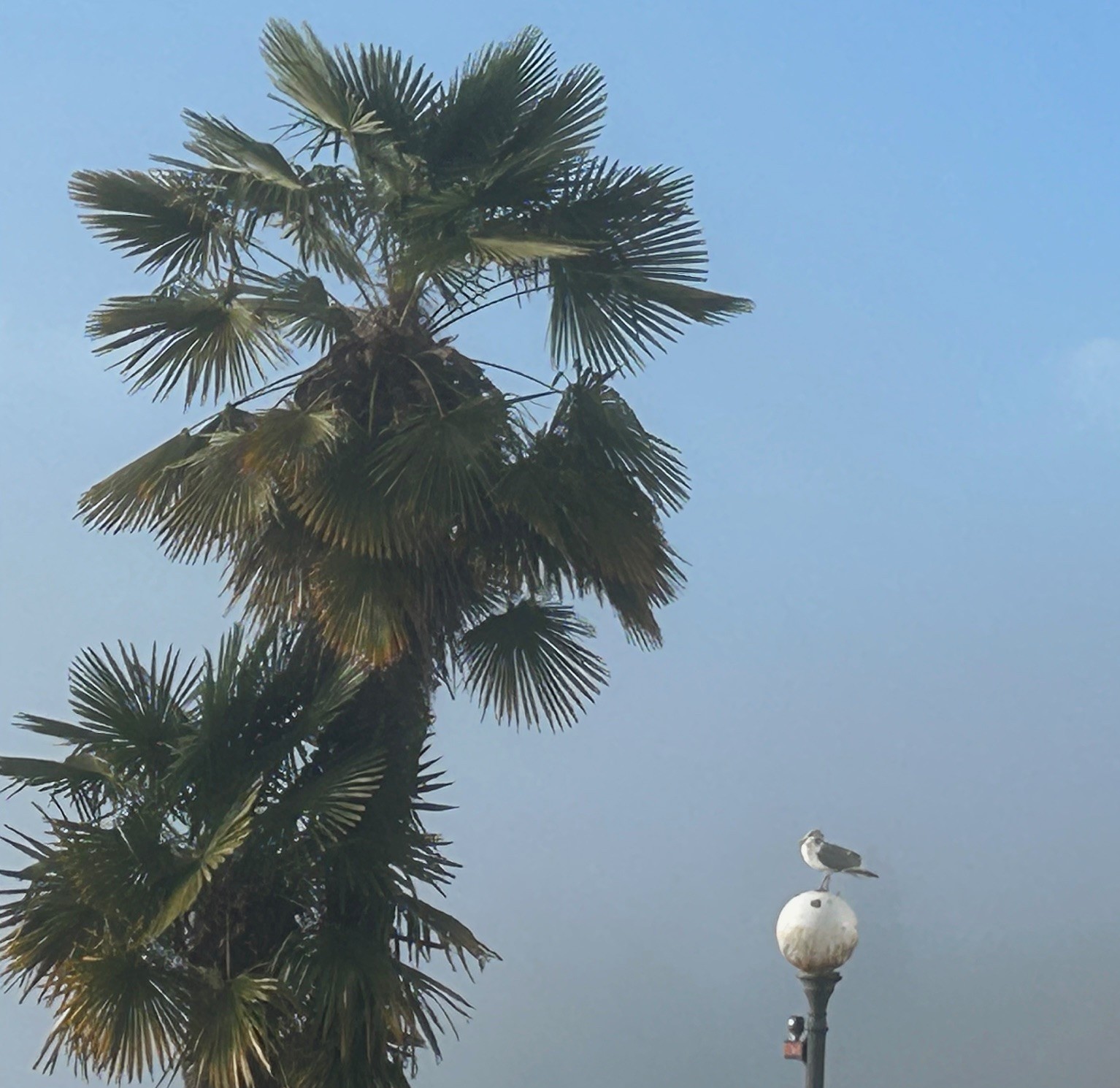
W Nowej Szkocji zresztą na Wschodnim Wybrzeżu więcej było plaż niż plażowiczów – więc naturszczykiem można było być bez problemu i bez oficjalnej destynacji. Pływanie w ubraniu jakoś nie łączy się z wolnością pływania morskiego, bo ostatecznie gacie to też ubranie, a kto kąpie się w ubraniu?! I kiedy wszyscy opalają się w stroju Ewy i Adama (bez listka figowego broń boże!) nie robi to jakiegokolwiek (u zdrowych osobników) wrażenia. A zwłaszcza wśród stworzeń wodnych. Bo jakież też kraby, czy ryby pływają w kostiumach!? No tak, małże przyznaje są jakieś dziwne, łażą po dnie z domami na plecach. Nie poradzisz, zawsze się jacyś dziwacy znajdą, nawet na plaży nudystów.
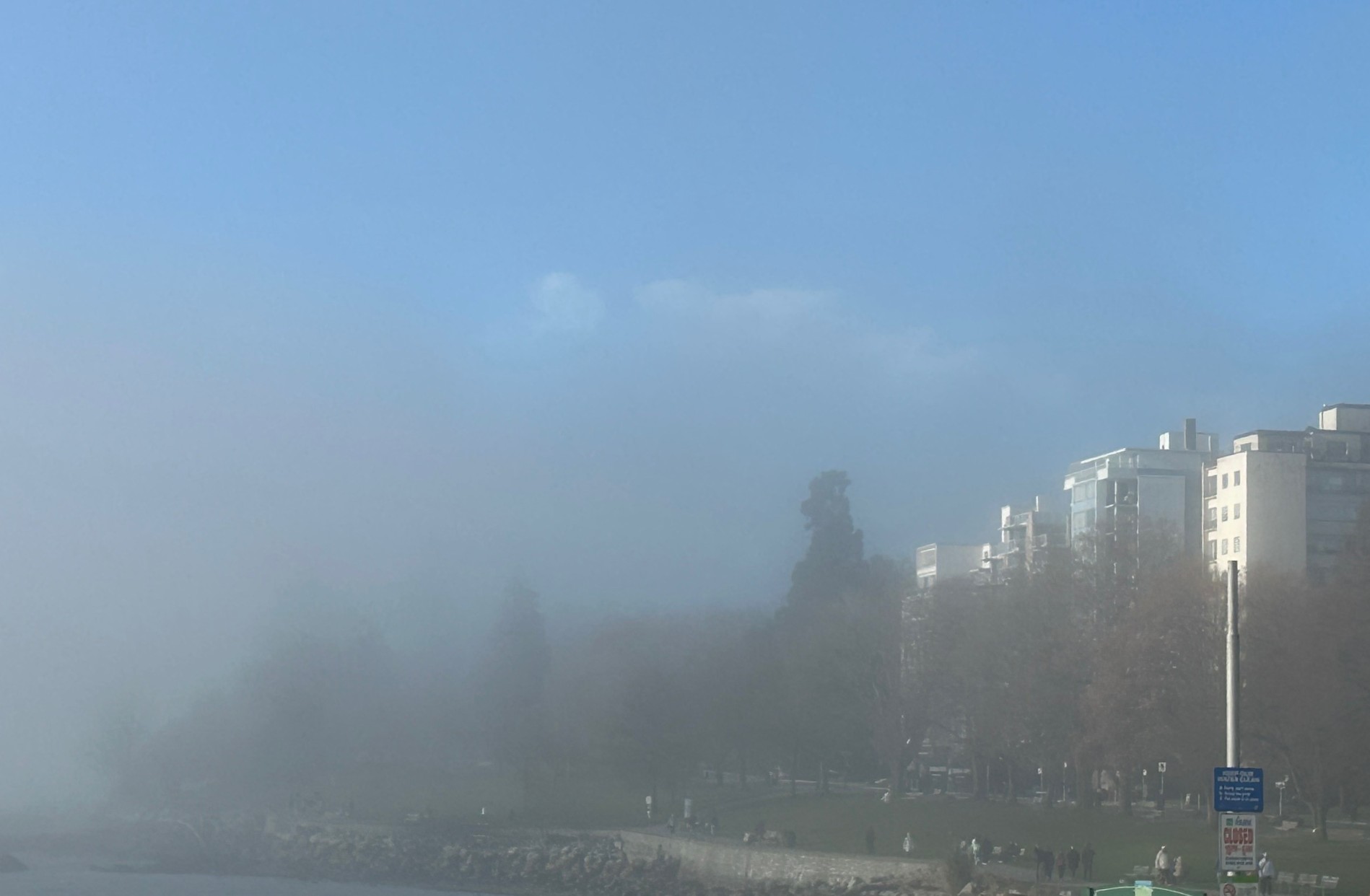
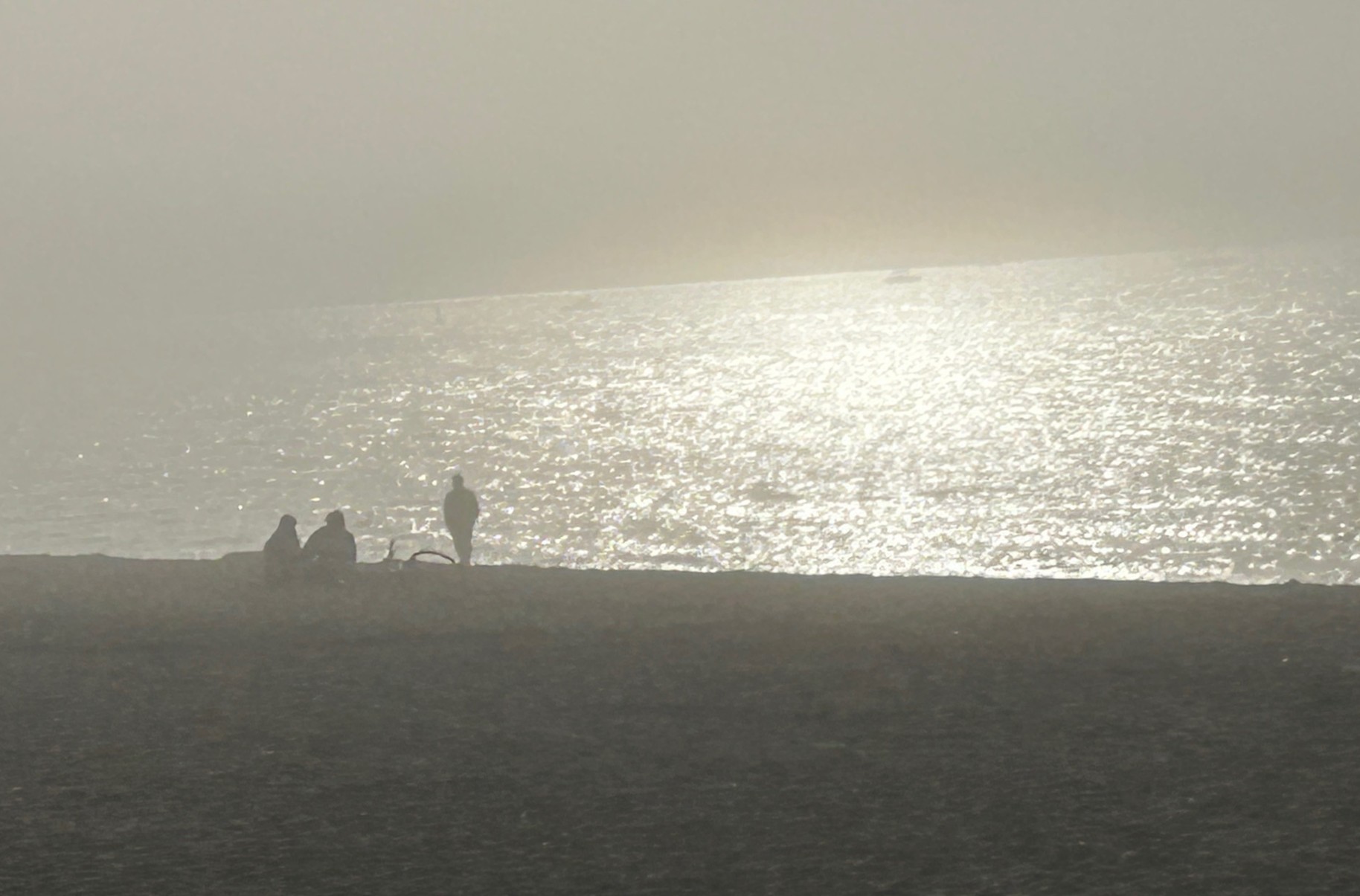
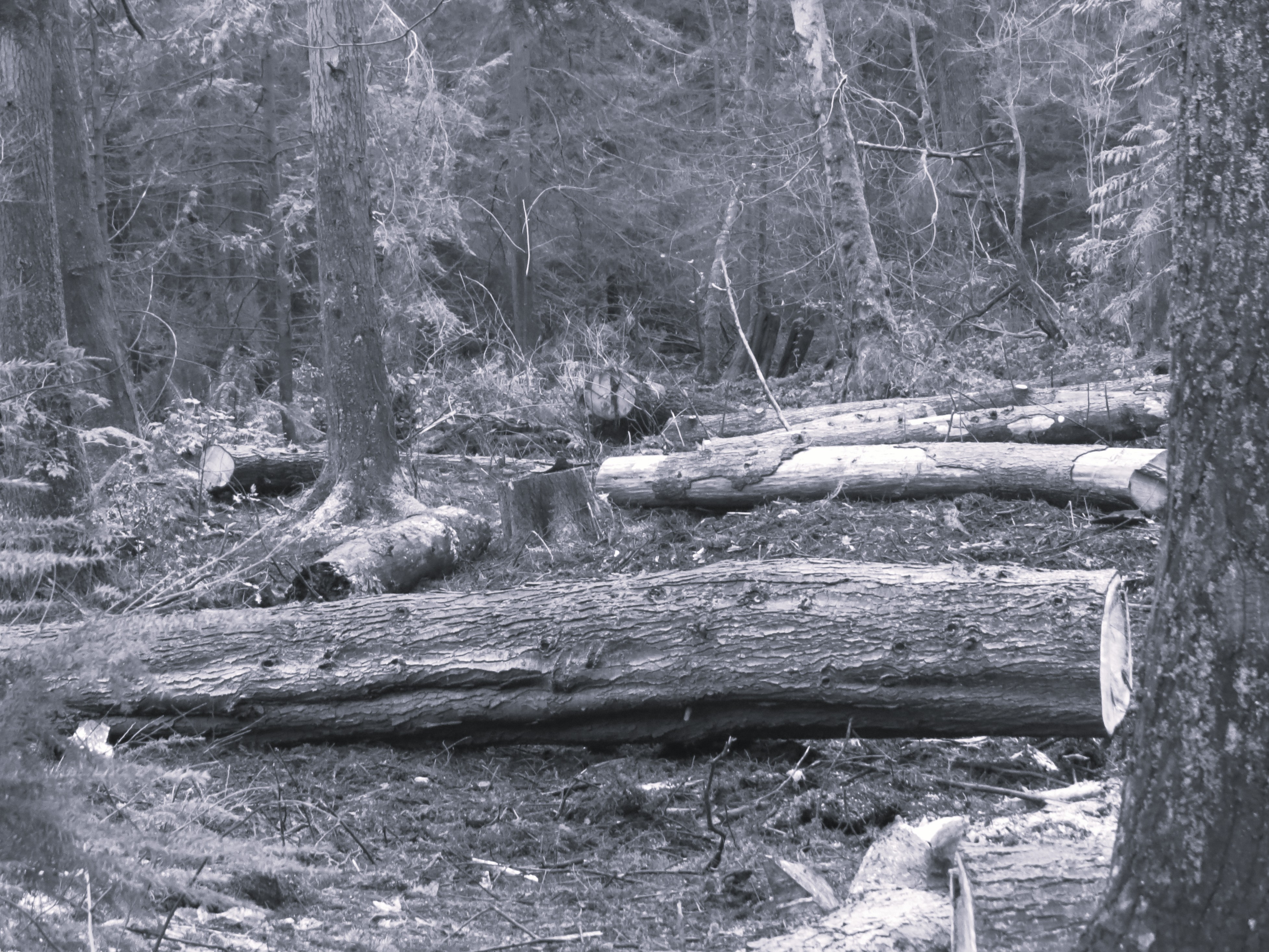
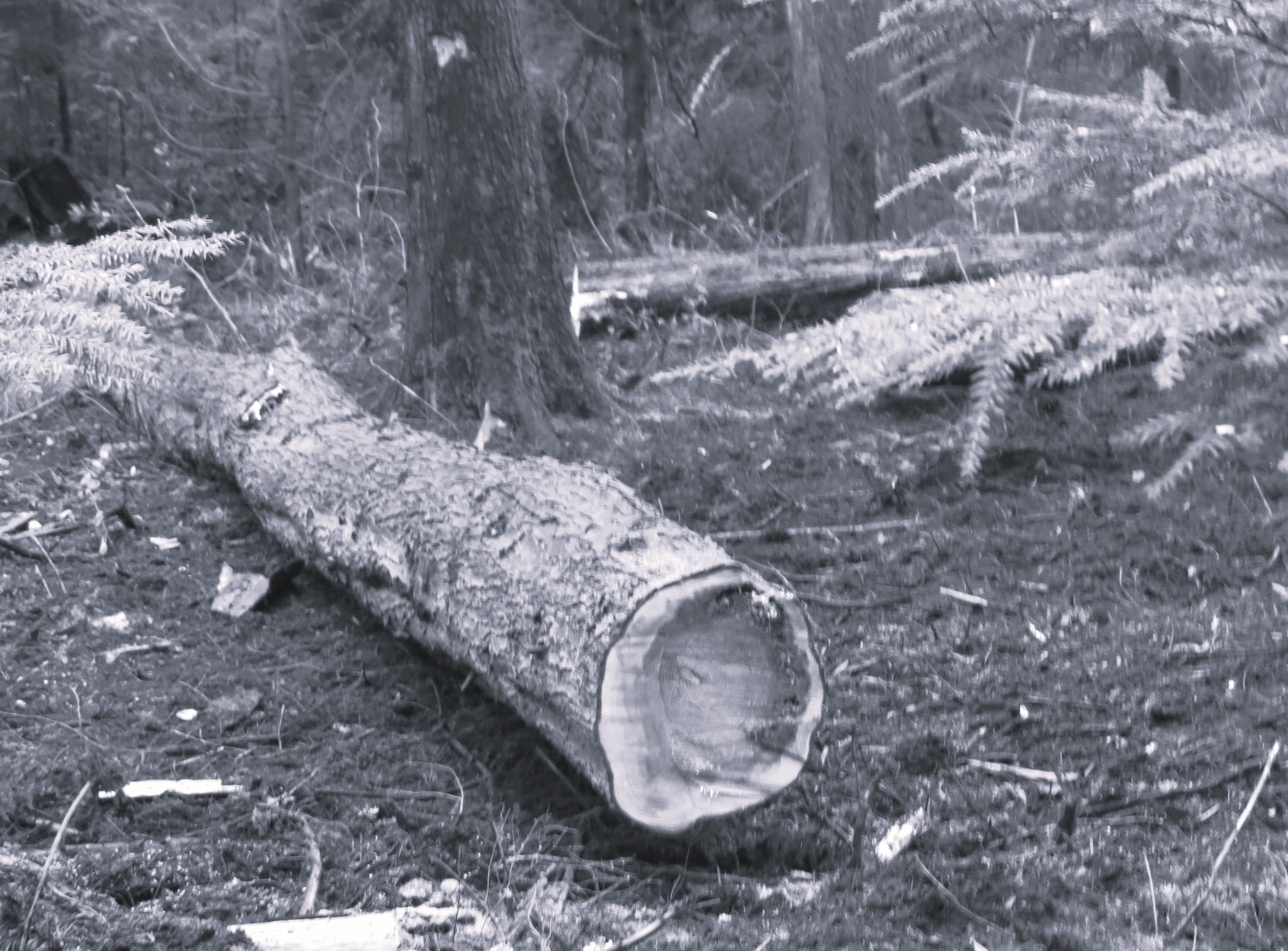
Woda już była zimna, ale piękna w zielono-stalowym odcieniu. I ta ilość powalonych gdzieś i przygnanych przez fale wielkich pni! Wbite gdzieś miedzy potężnymi głazami, jak strażnicy pogranicza lądu i wody. Wykroty, bale, głazy, zieleń i krzewy starające się wcisnąć w każde miejsce możliwe do zapuszczenia korzonków. Jakby oglądanie w lupie dziejów prehistorii oddzielania się ziemi od oceanu.

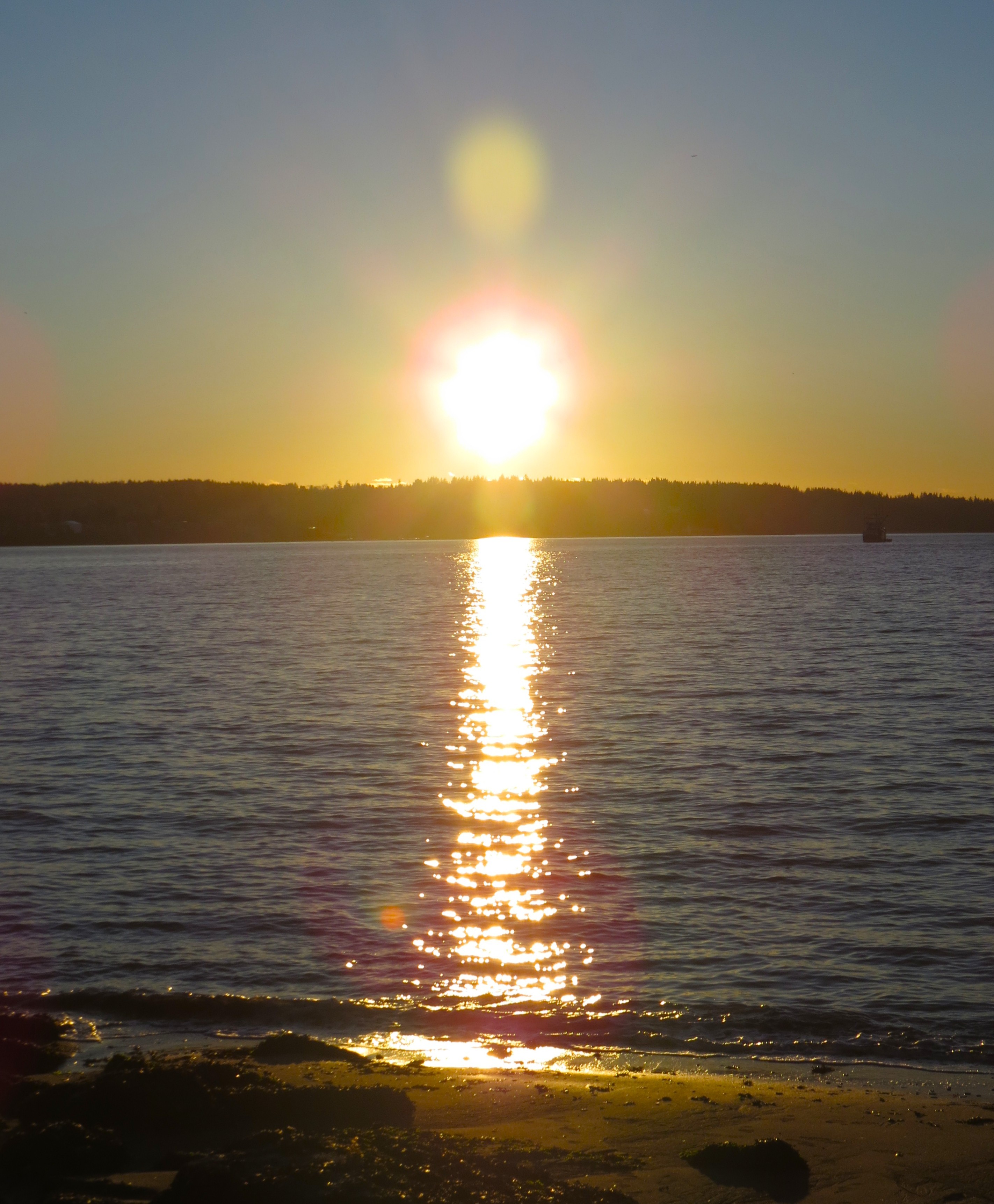
A potem nagle: cicho! Sza! Ni słowa więcej!. Bo właśnie kurtyna się podnosi i rozpoczyna najważniejsze, najwspanialsze widowisko – Zachód Boga Ra. Słońce śpiewa arię Pożegnanie Dnia. I tu kończyć się musi opis słowami, bo słów po prostu brak.

The Little Mountain of Vancouver

The Little Mountain of Vancouver

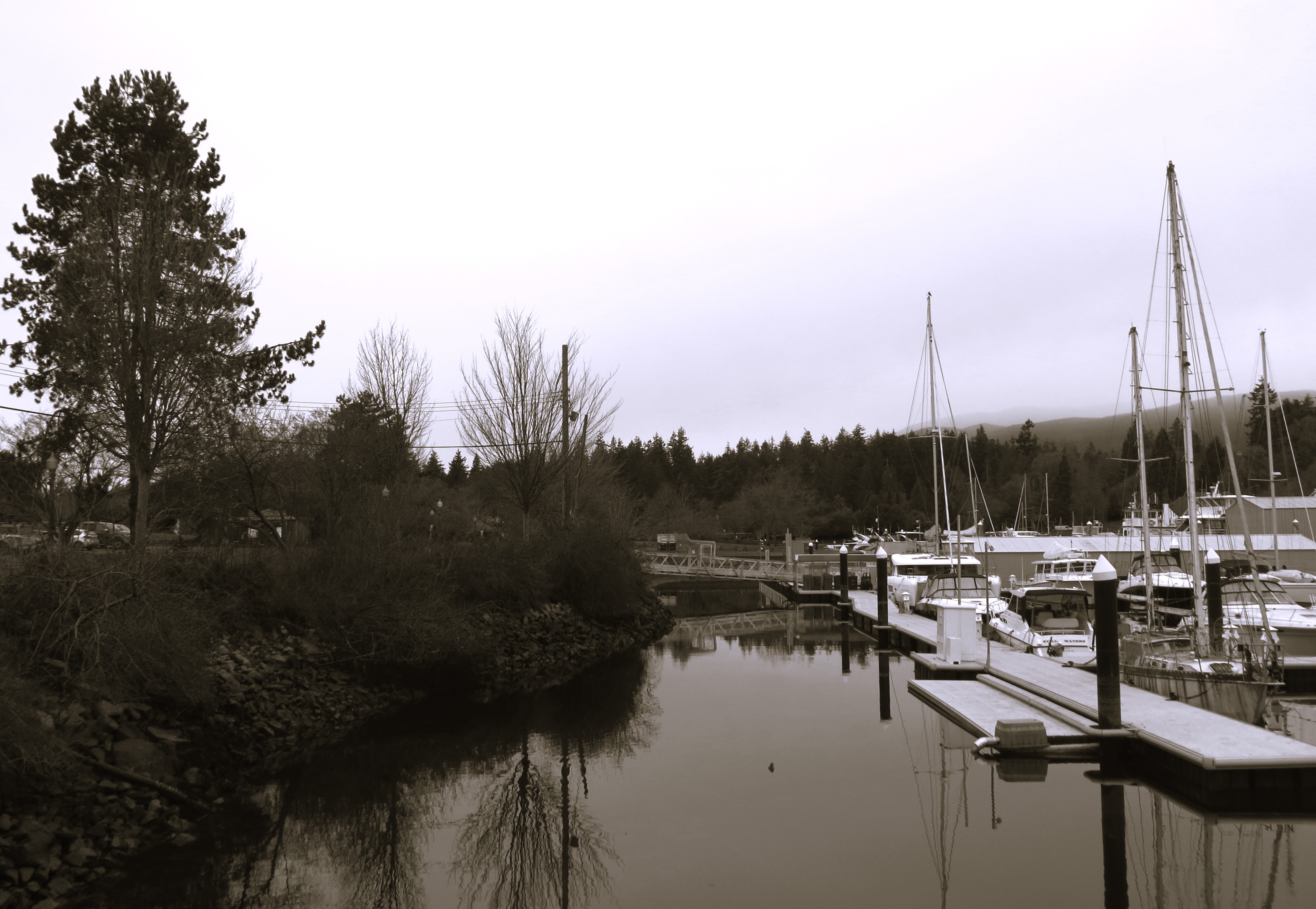
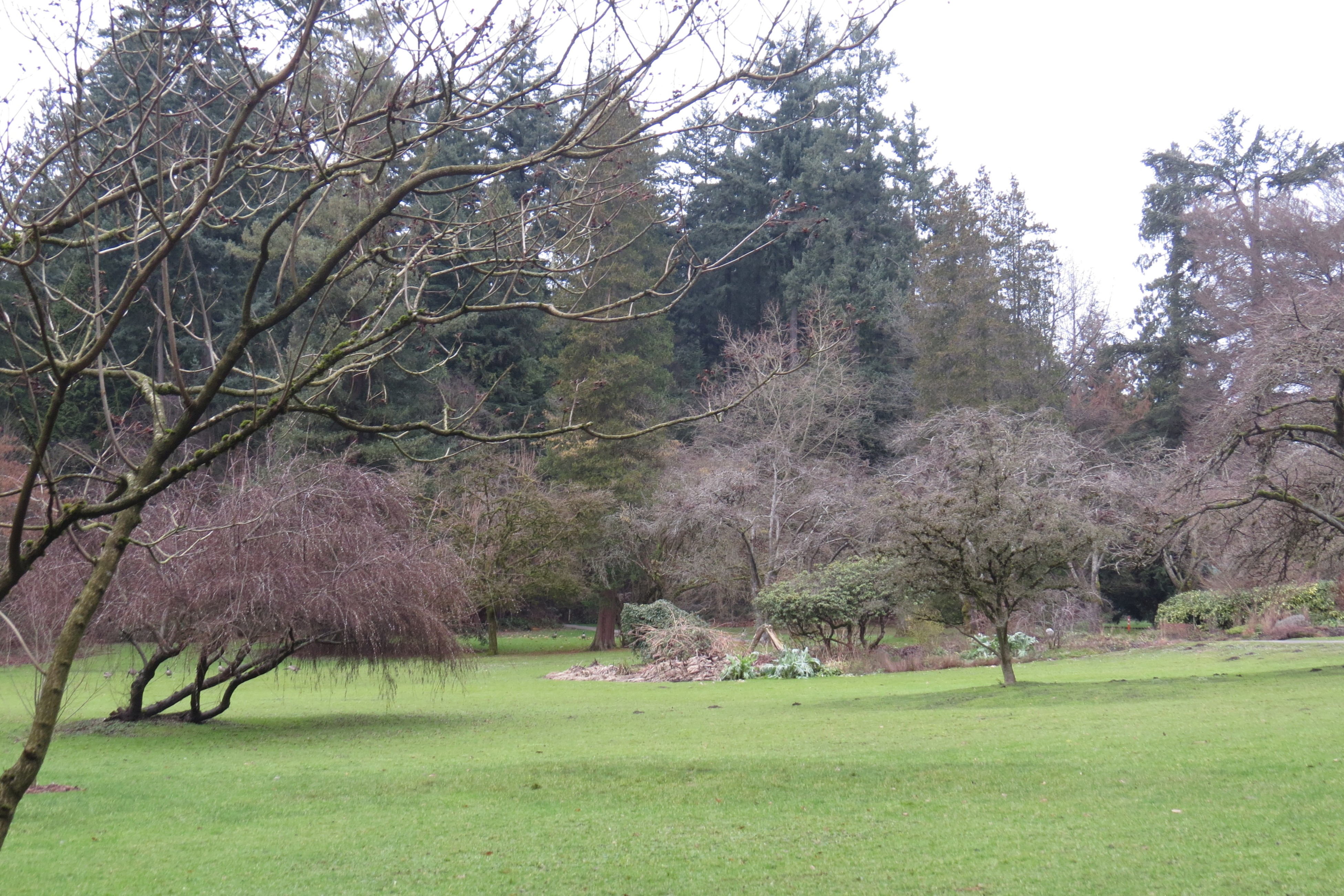
On top of Little Mountain is a very special place called Queen Elizabeth Park. I am not sure how many modern day Vancouverites do know that the name of the park was given in honor of Queen Mother, not Queen Elizabeth II. At that time, in the 1930ties, Elizabeth Bowes-Lyon was the Queen Consort and as such Queen Consort of Canada. During her visit with King George VI in 1939.

Originally, before the English came here, it was lush small mountain of old growth forest with salmon spawning creeks running to False Creek (they still exist under the pavement and houses ). Later it became a basalt quarry. In 1936 Vancouver Tulip Association ask the City Board to create there a park – and so it begun. There are no longer grey wolves, bears, and elks roaming the Little Mountain, but birds and squirrels are plentiful. And so are people.

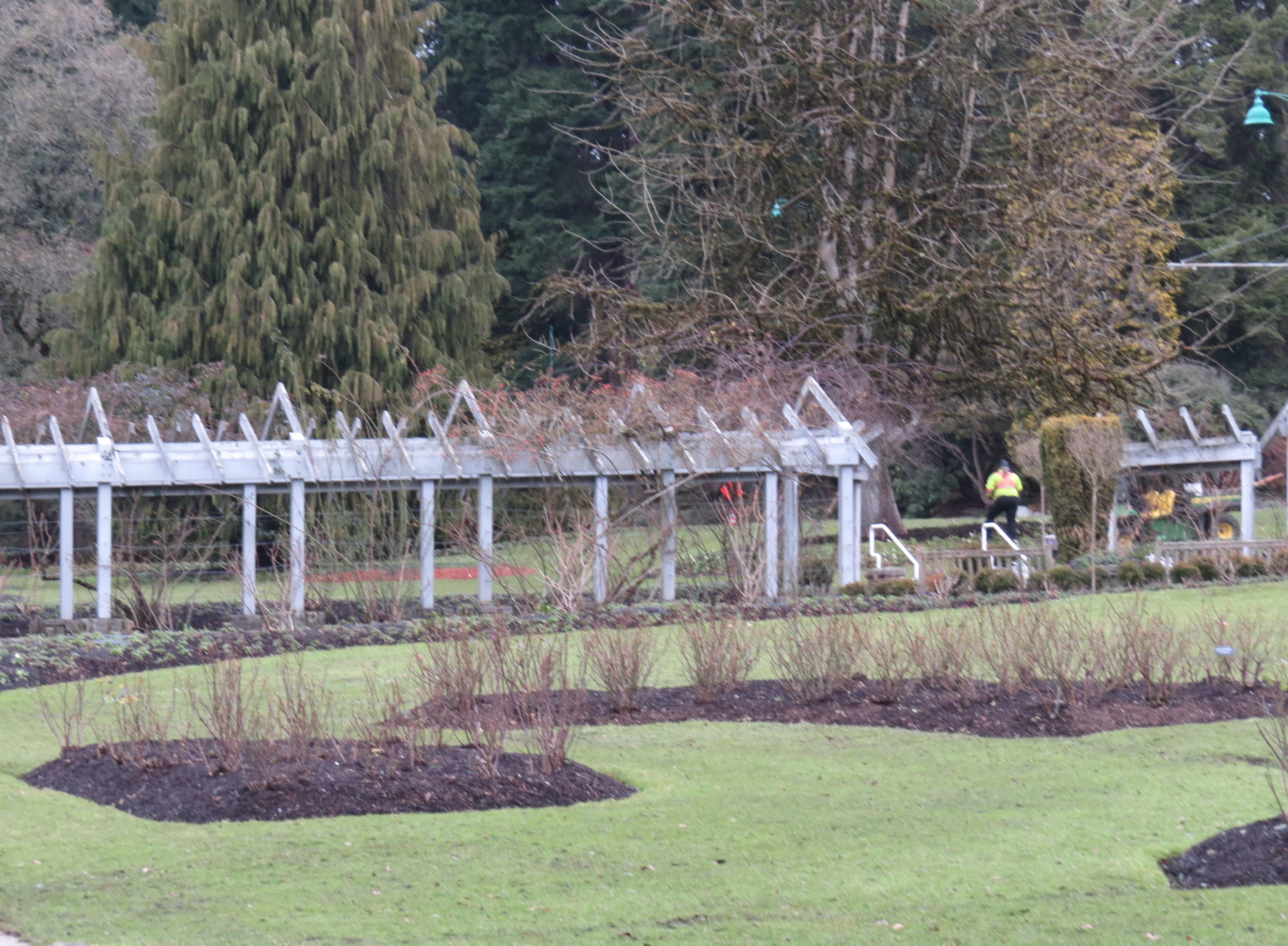
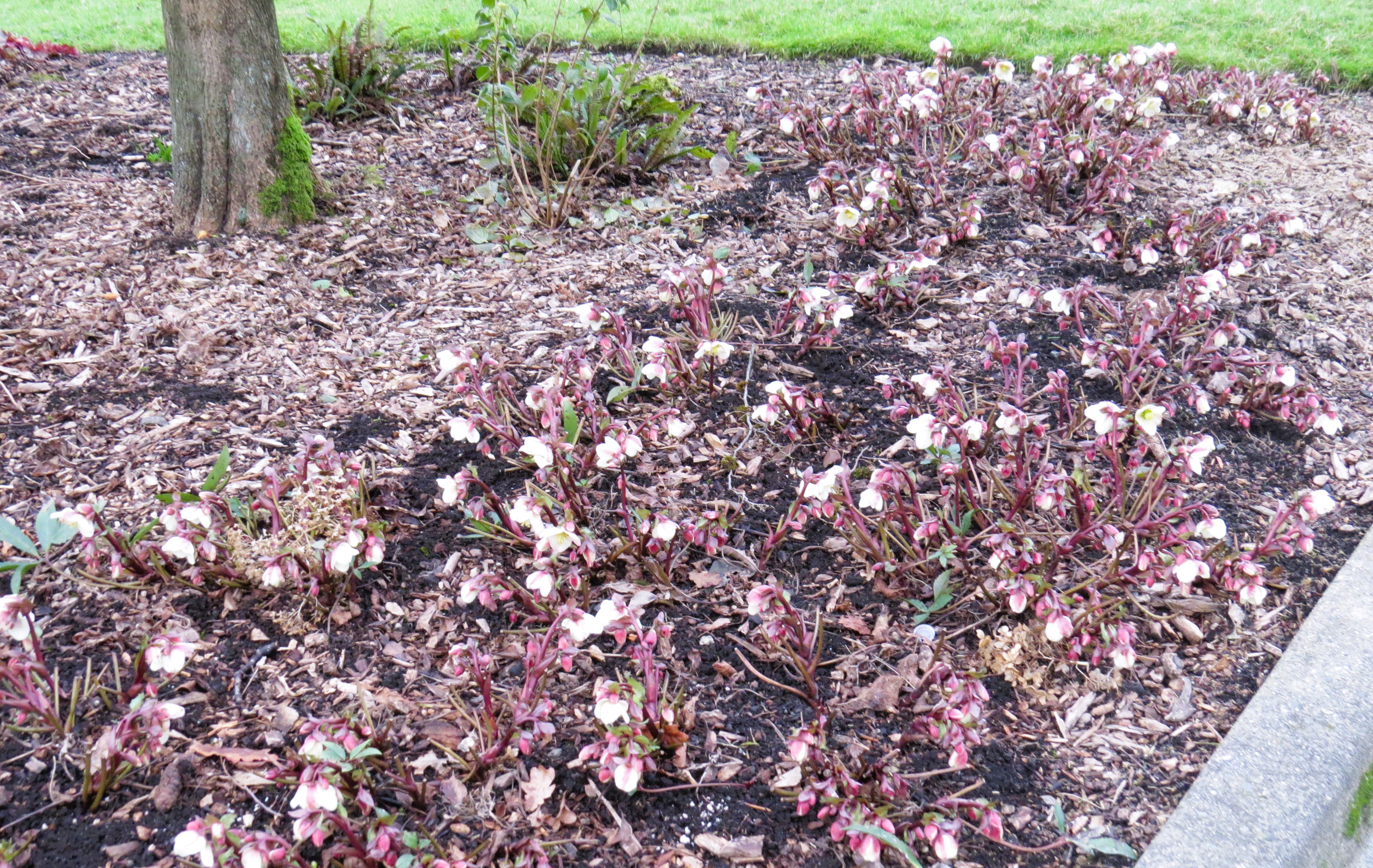
Philanthropher and landscape architect Bill Livingstone turned it into a gem of lush walkways, remnants of the old growth, Rose Garden, little ponds and small sport fields, and on top of it sits iconic Bloedell Floral Conservatory. Behind the Conservatory is an amazing display of water fountains and a famous sculpture of renowned British artist Henry Moore.

It used to be one of my favored places for walks with my Mom in my earlier days in Vancouver. Last time we went there with Mom, John and both of my sisters.

Był więc to czas najwyższy do odwiedzin tego specjalnego miejsca po moim tu powrocie. Przejść się ścieżkami, którymi chodziliśmy razem. Po spacerach w ukochanym Stanley Parku, w Central Parku w Burnaby, Bear Creek Parku w Surrey i naturalnie po Holland Parku w centrum Surrey, tuż pod domem …  Powoli zamykam koło ponownych odwiedzin ‘syna marnotrawnego’, wdowca. Jeszcze tylko jedna dłuższa podróż, ostania może. Do kraju, gdzie wszystkie moje perygrenacje się zaczęły.

Powoli zaczynam czuć się zmęczony. Czas może siąść na ławce znajomej w starym parku nad Wisłą. Tam, gdzie były zauroczenia pierwsze, pierwsze miłości, gdzie jako dziecko słuchałem Szopena.