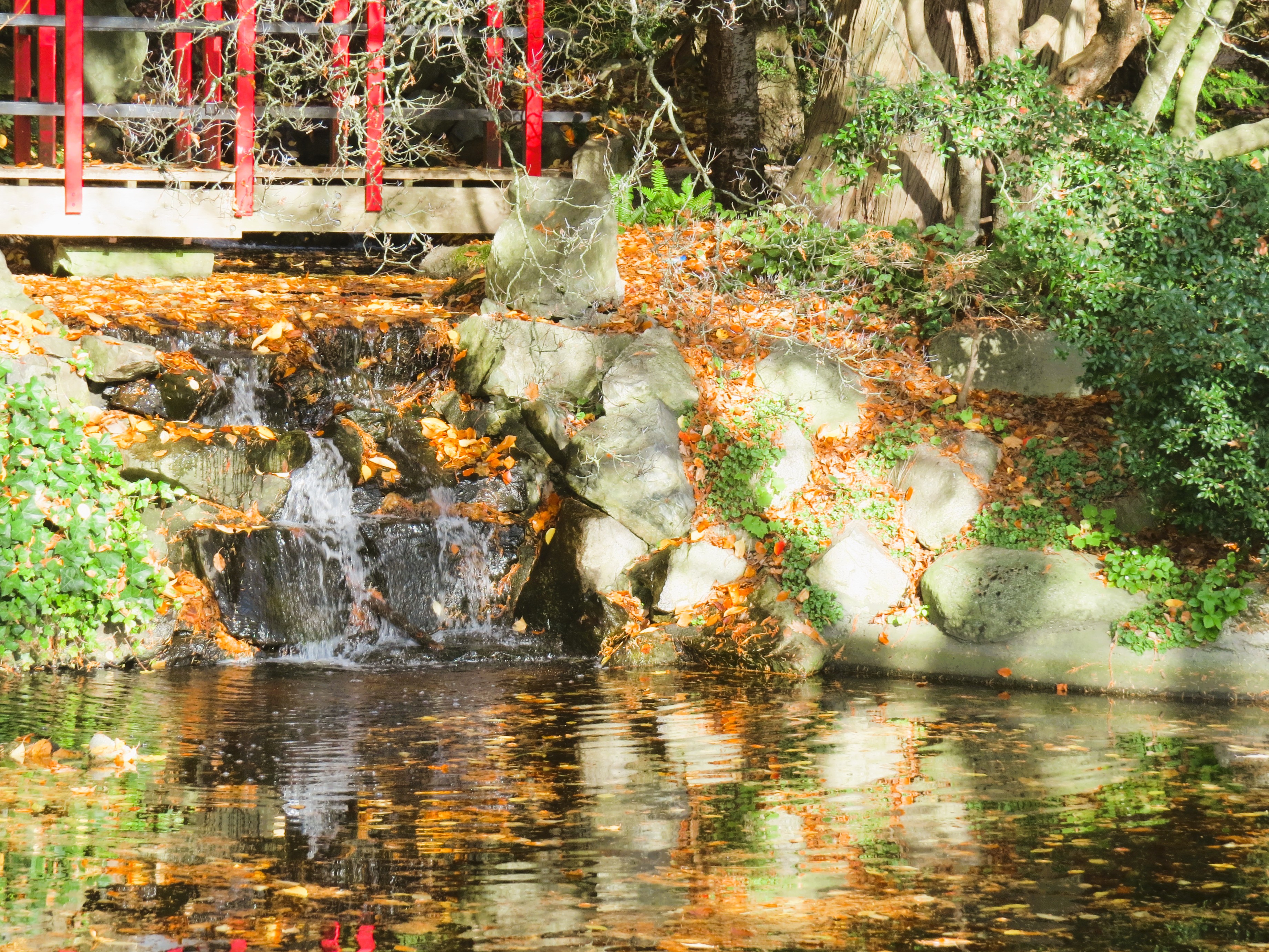
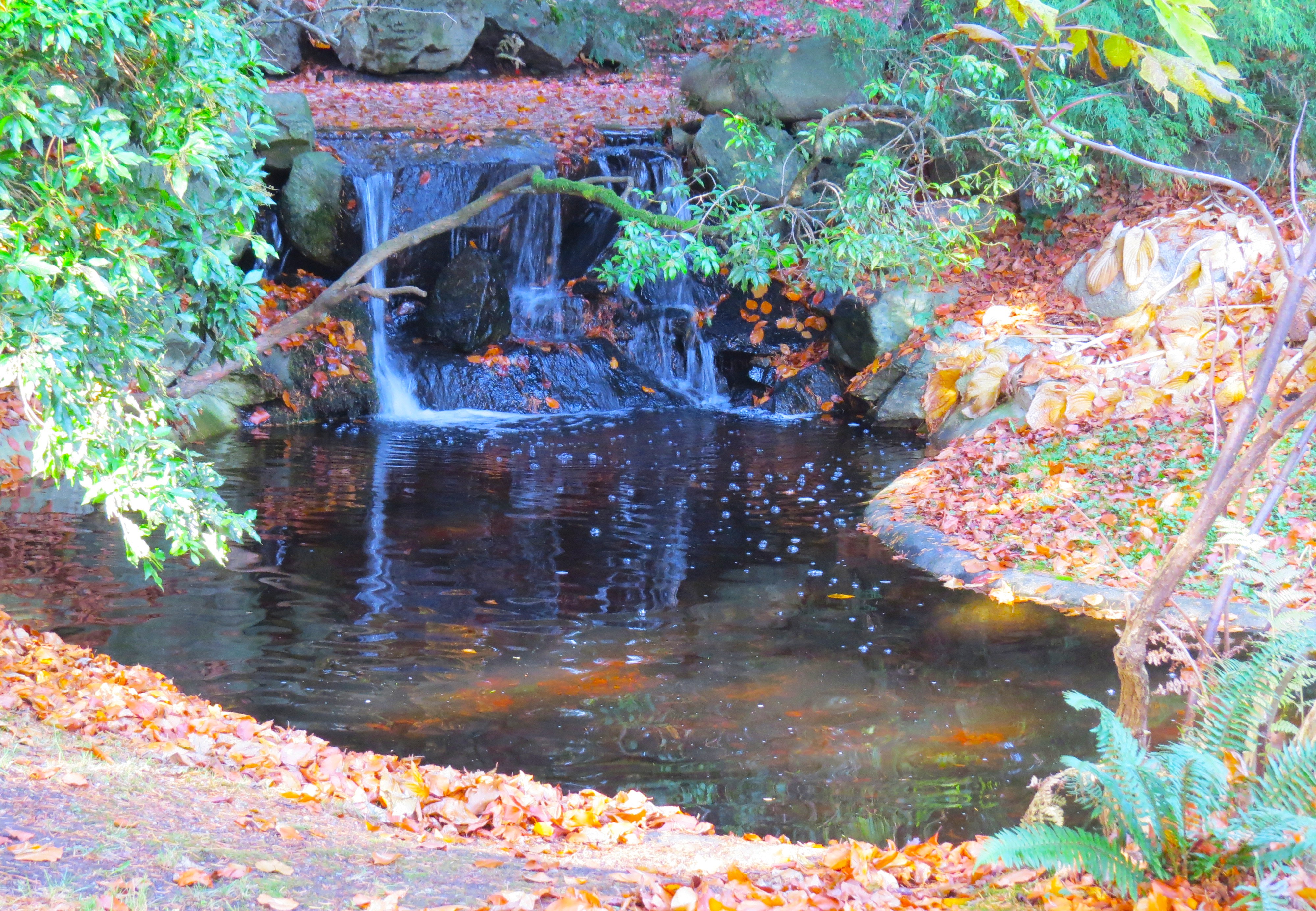
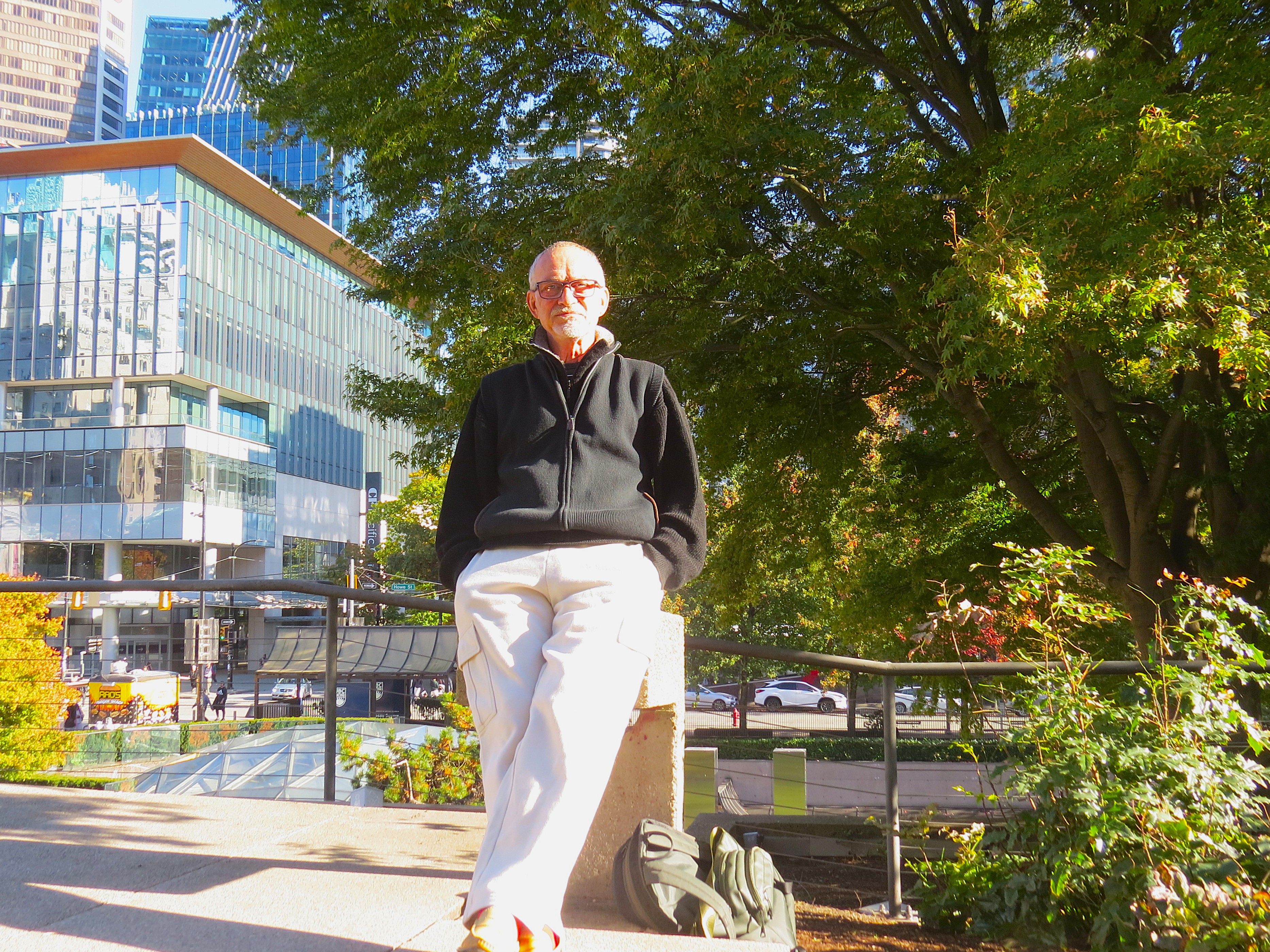
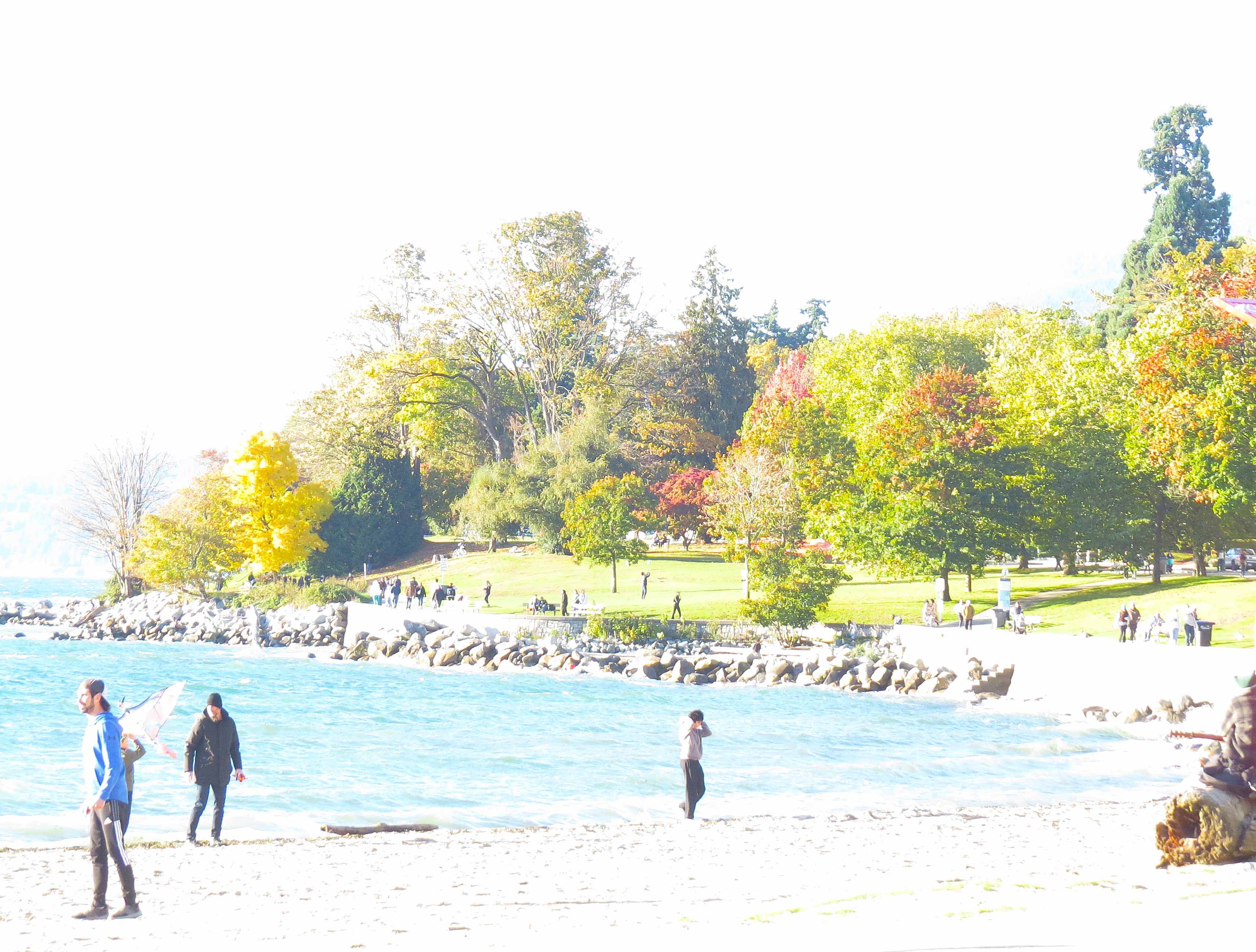
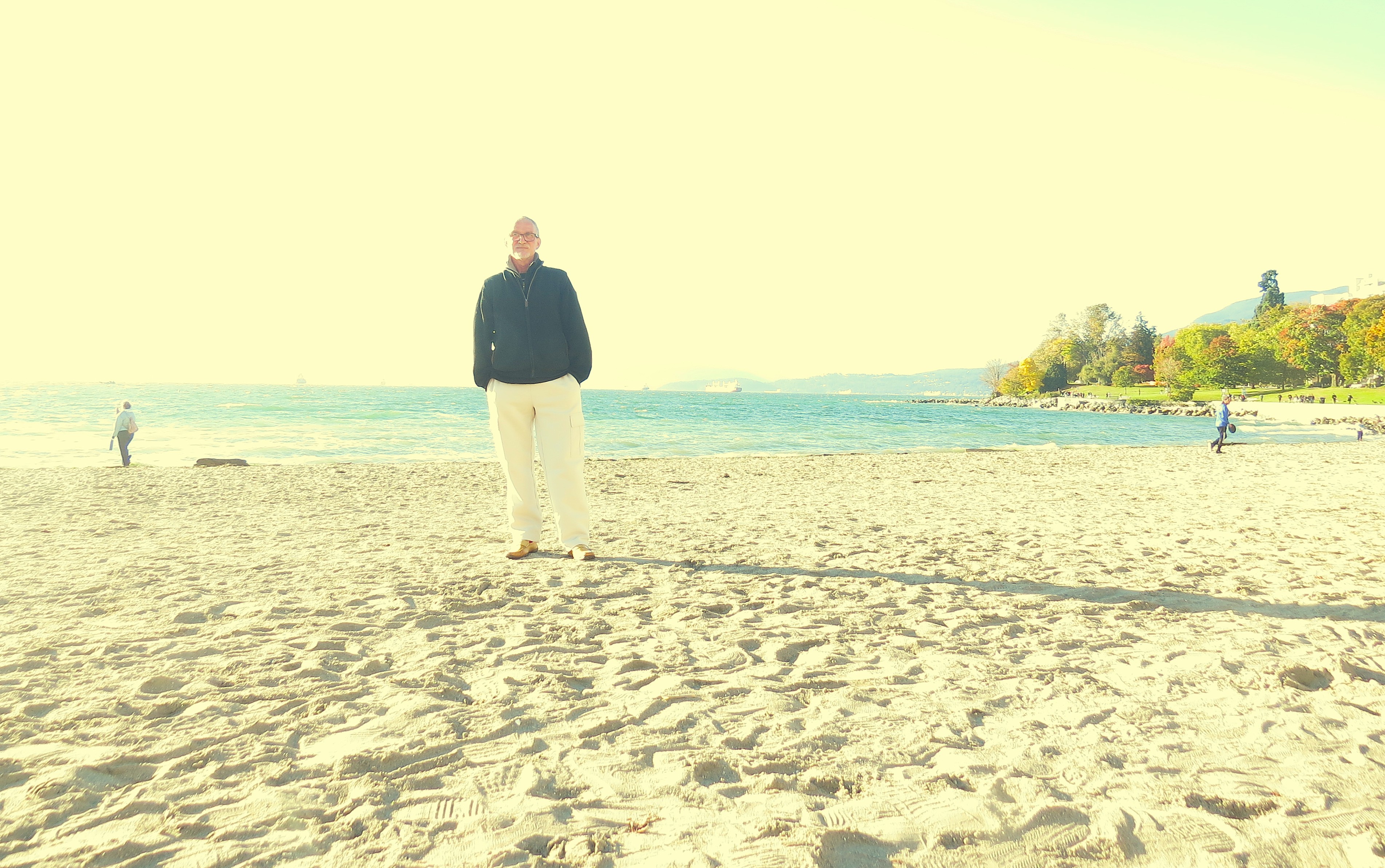
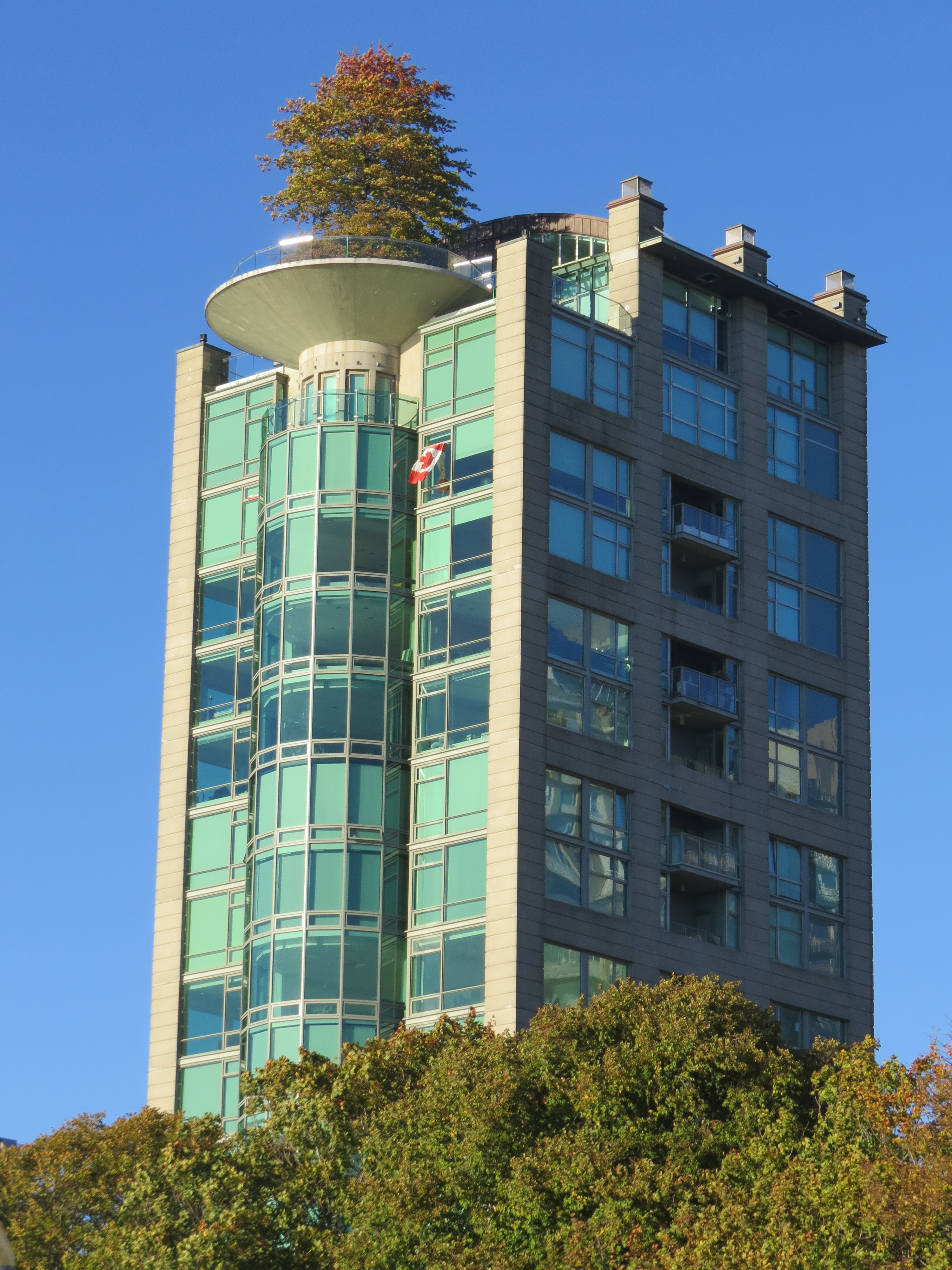
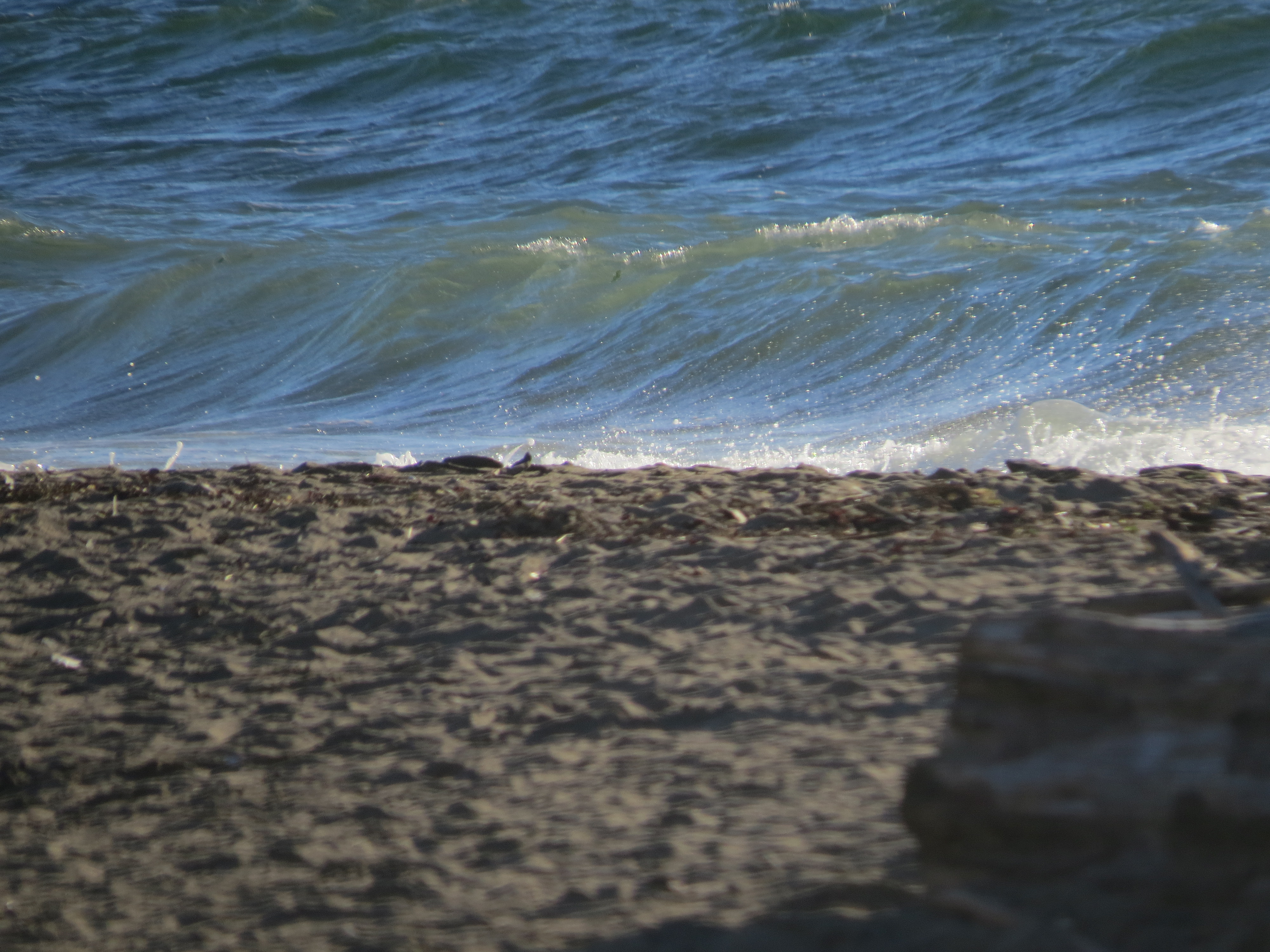
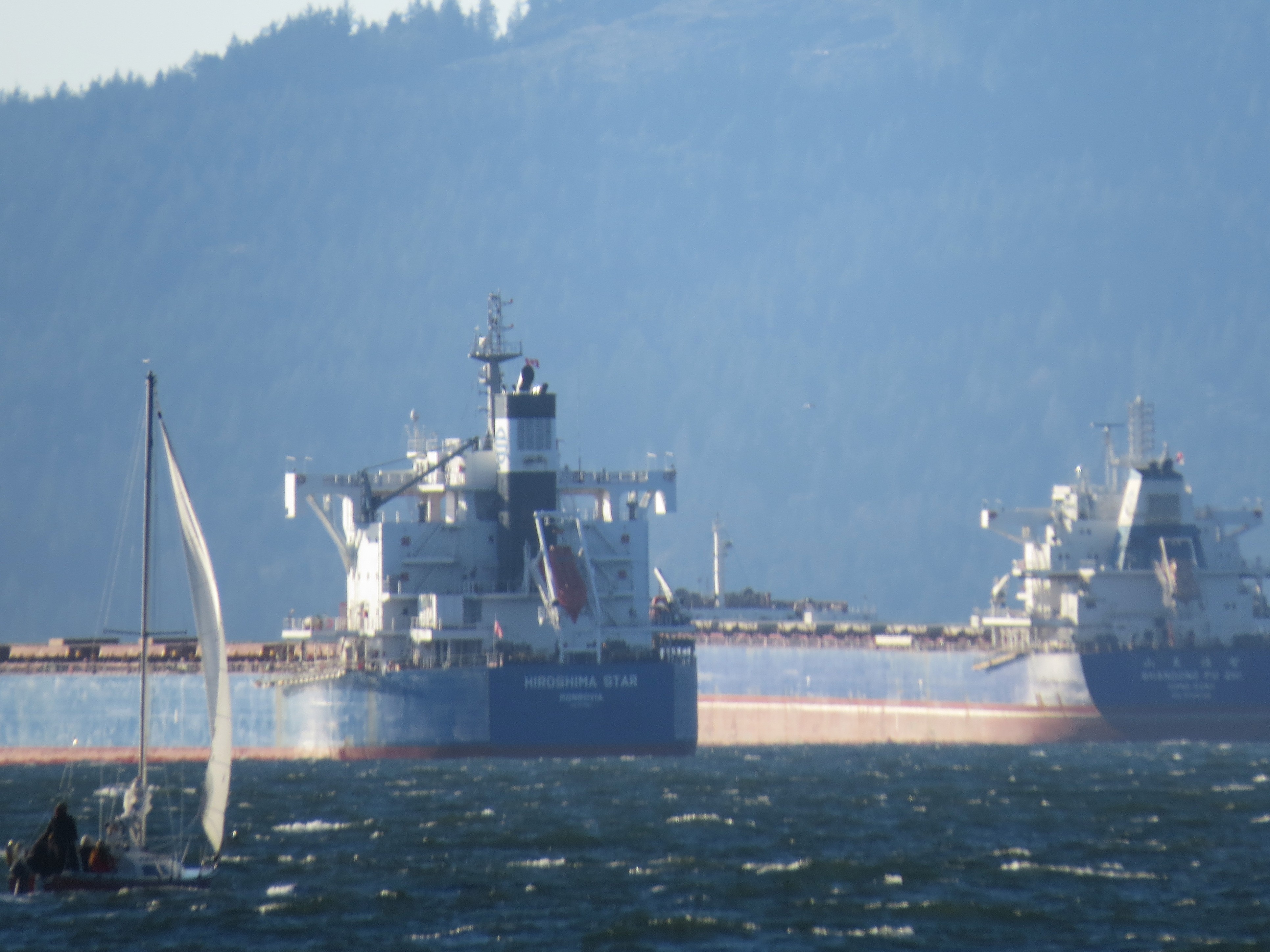
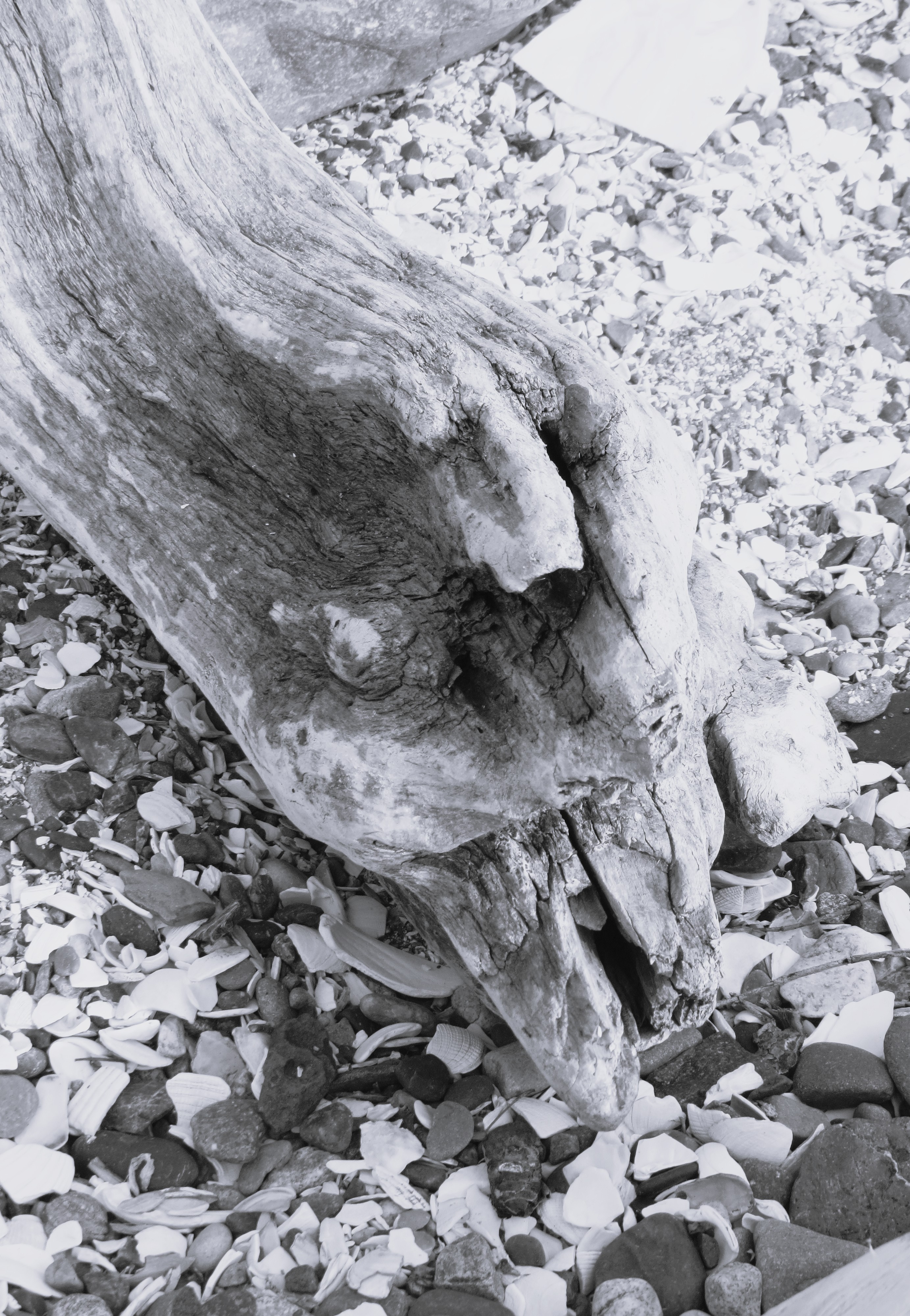
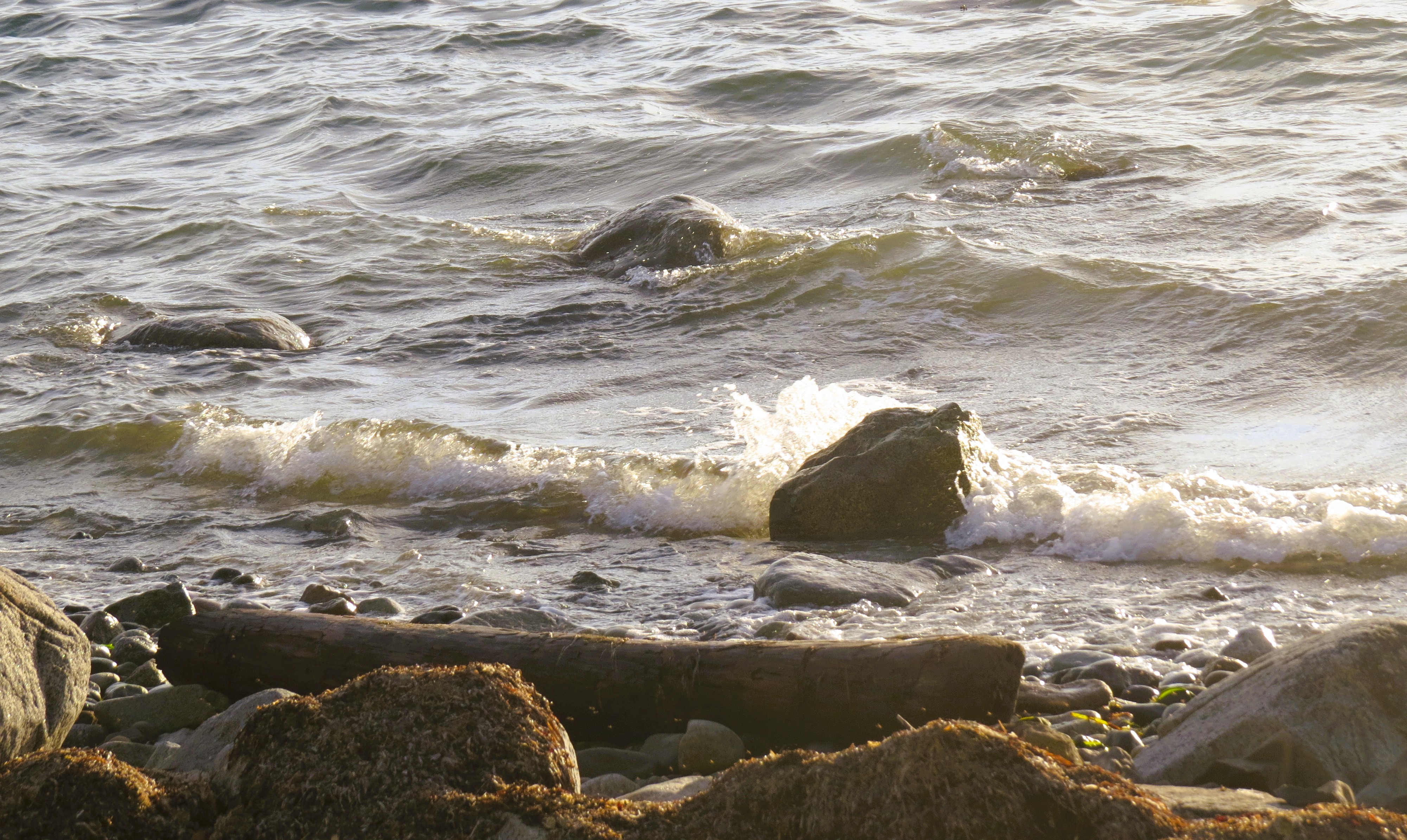
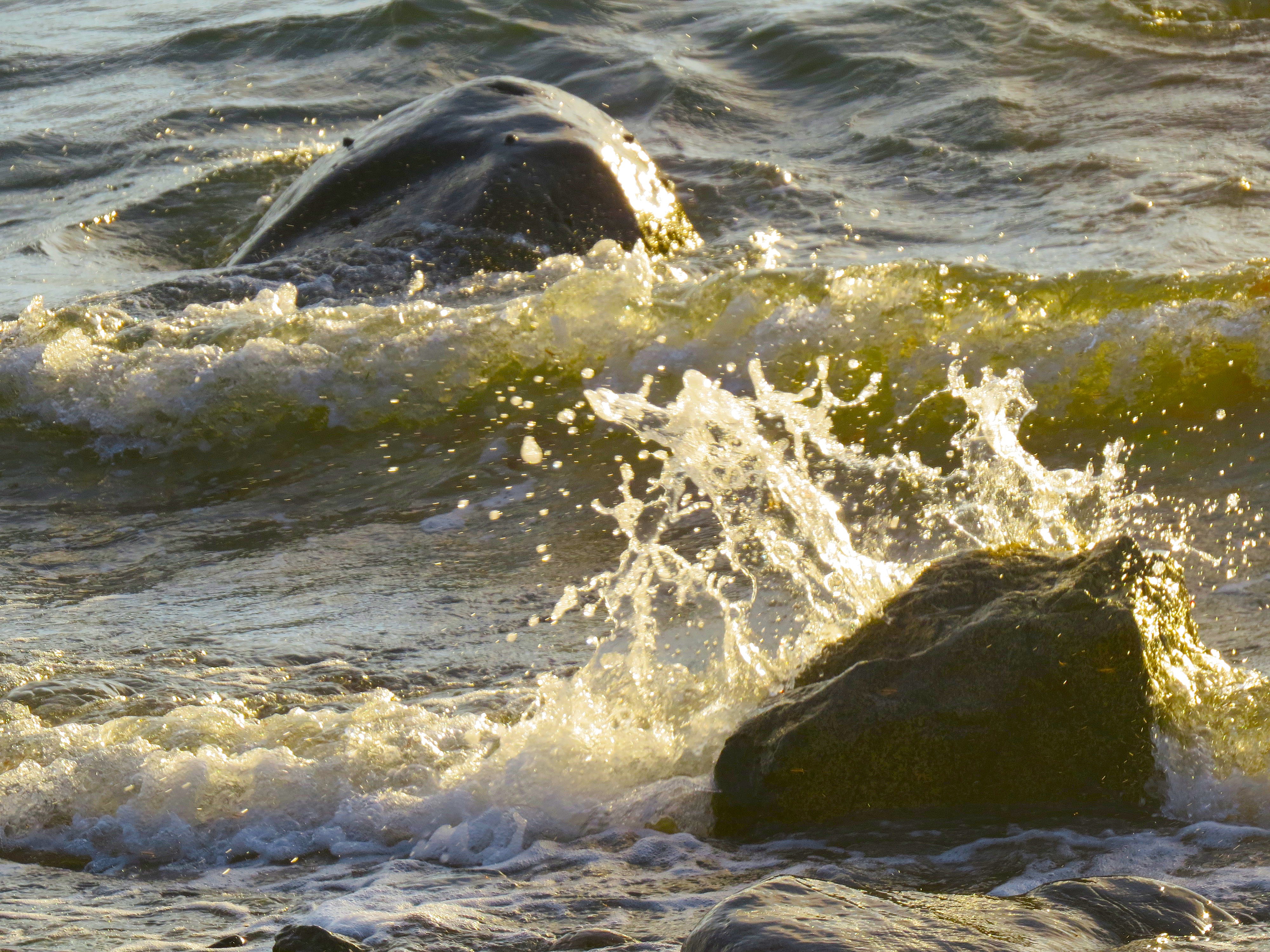
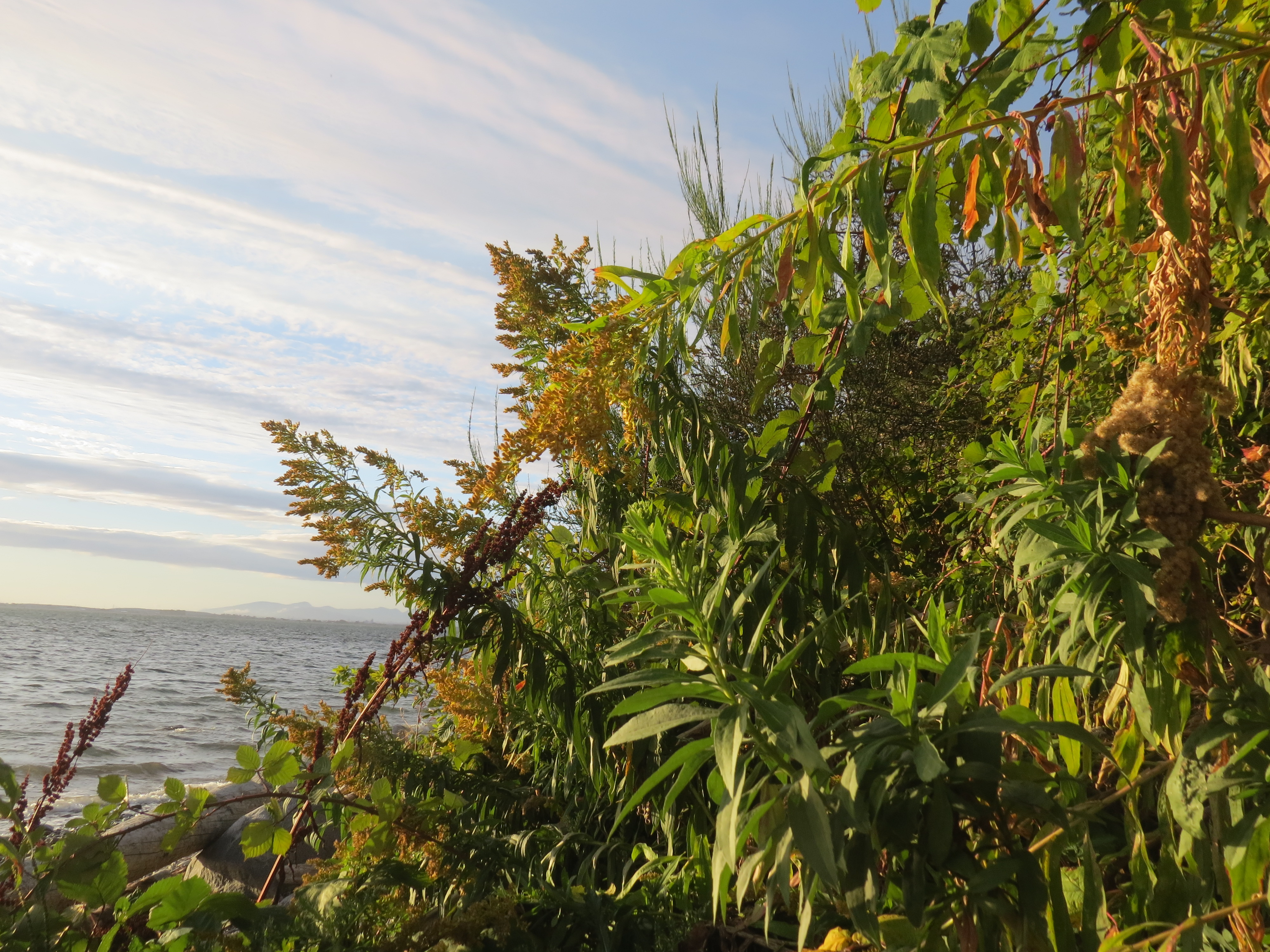
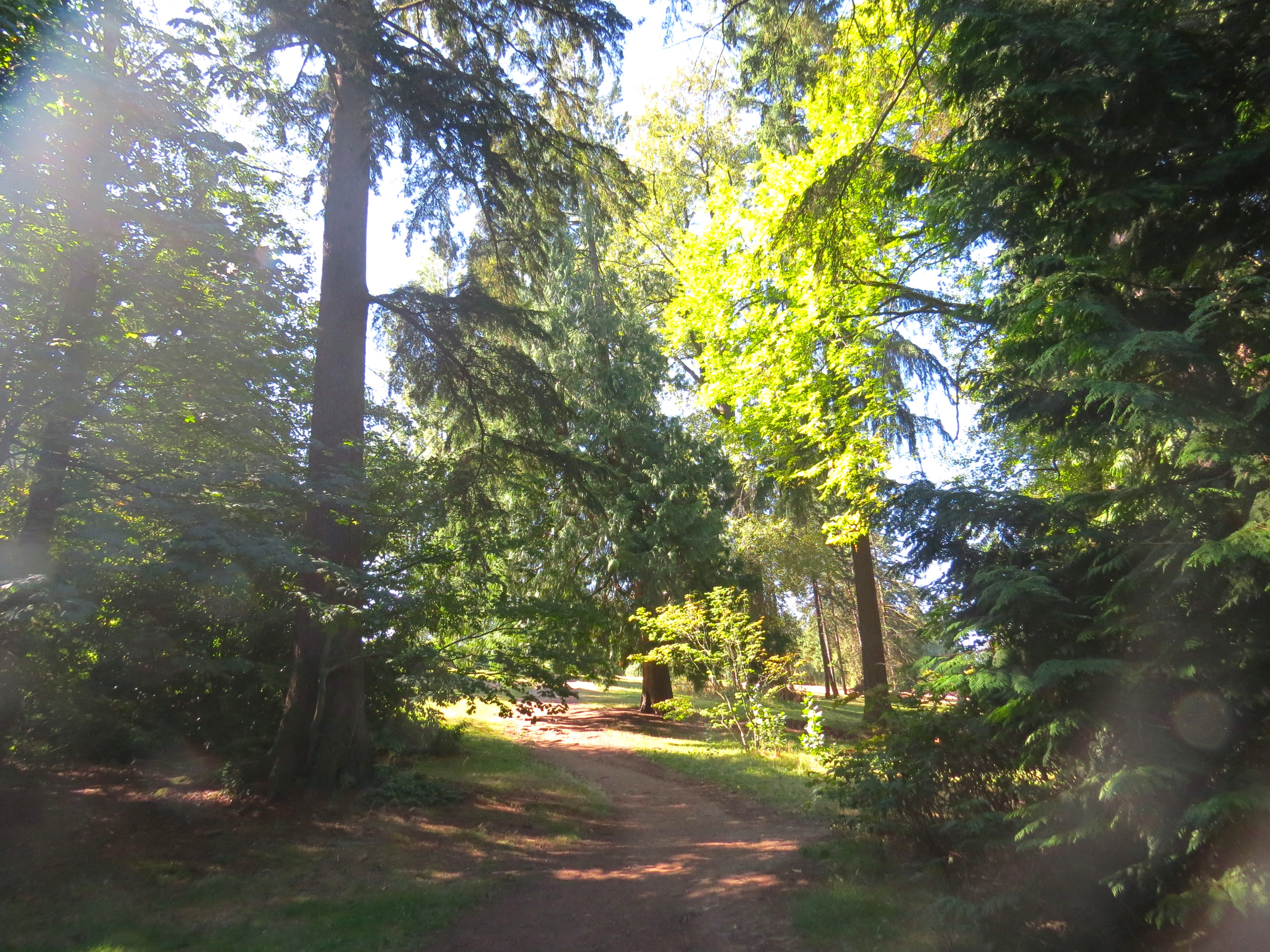
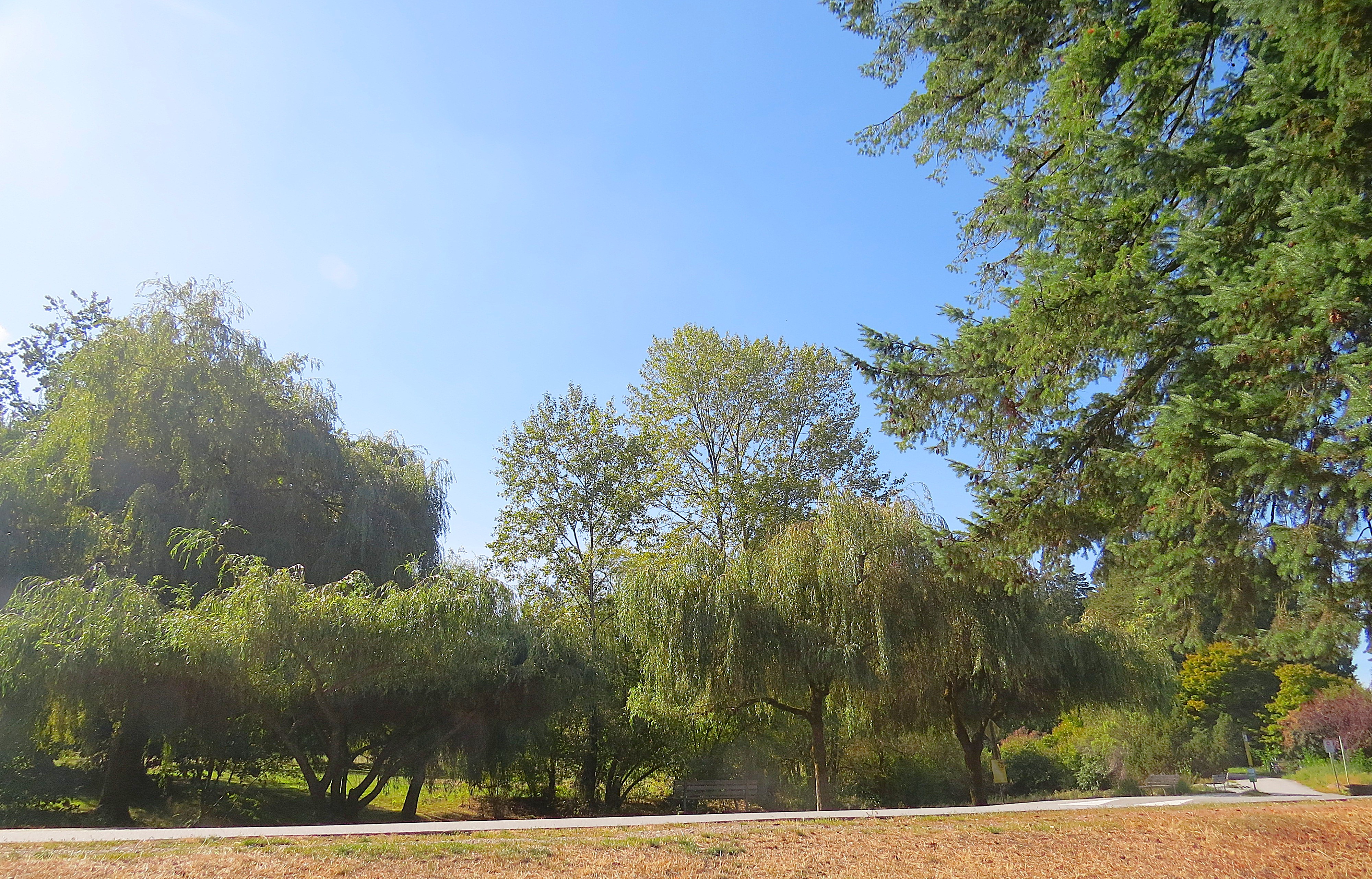
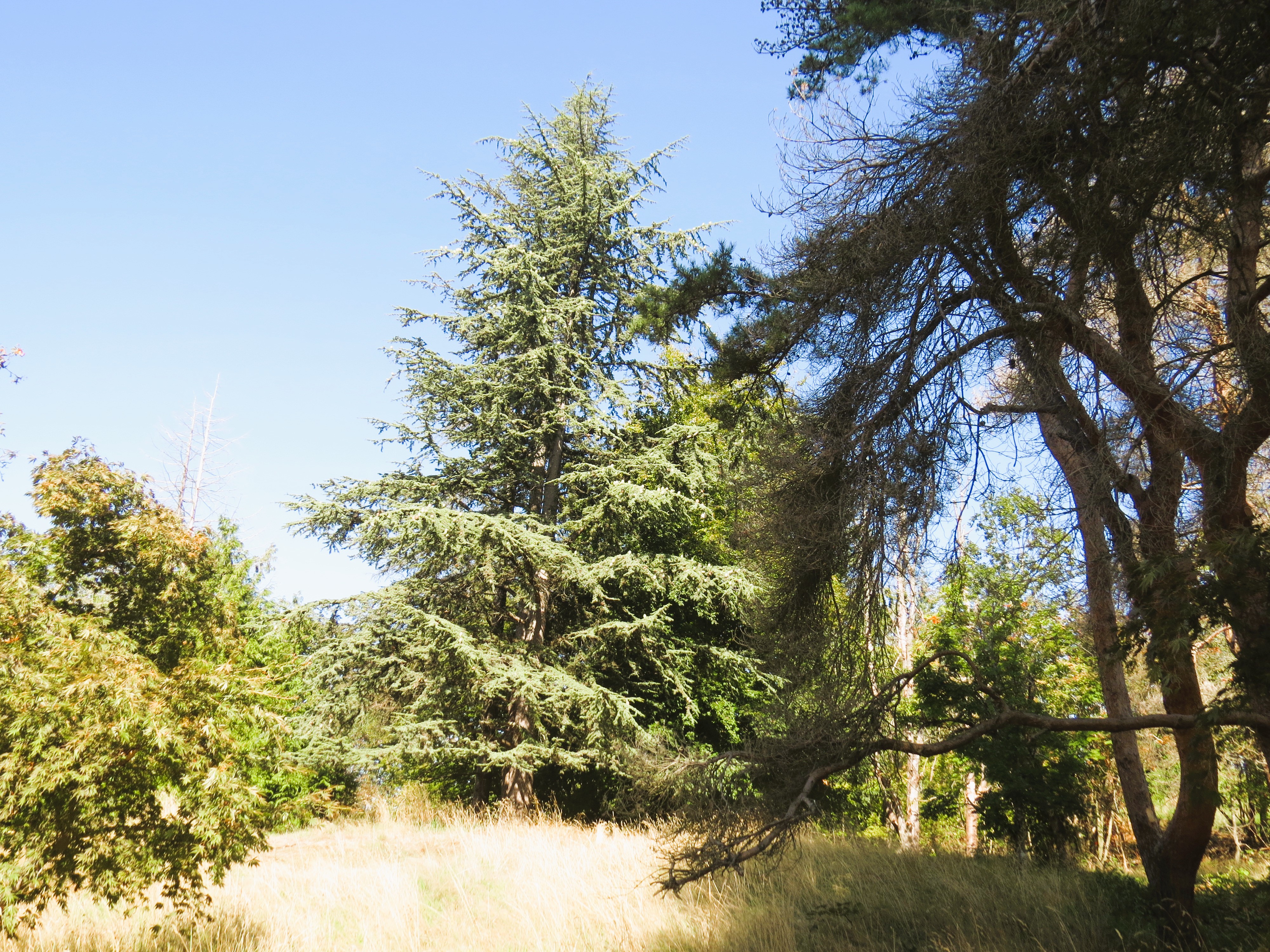
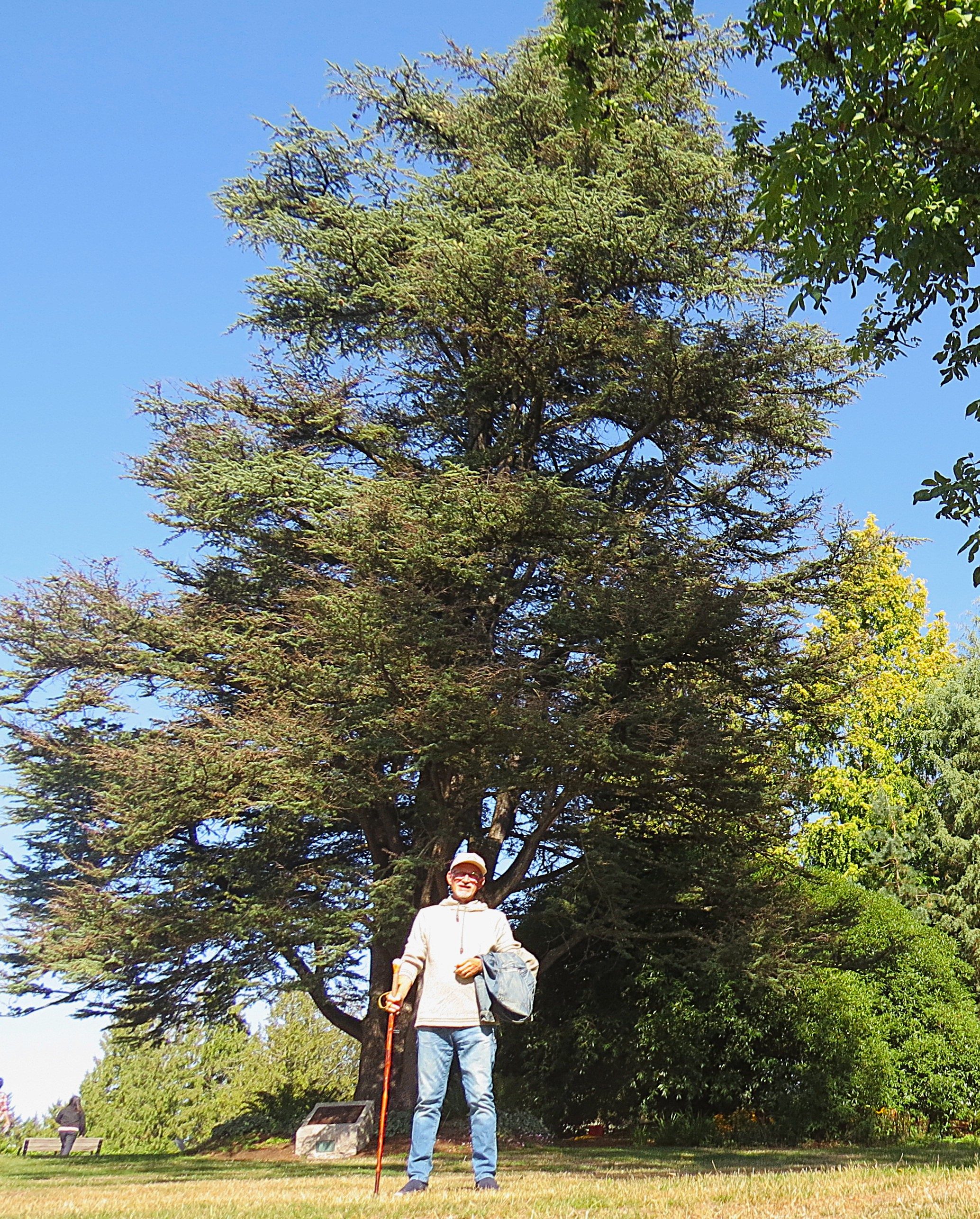
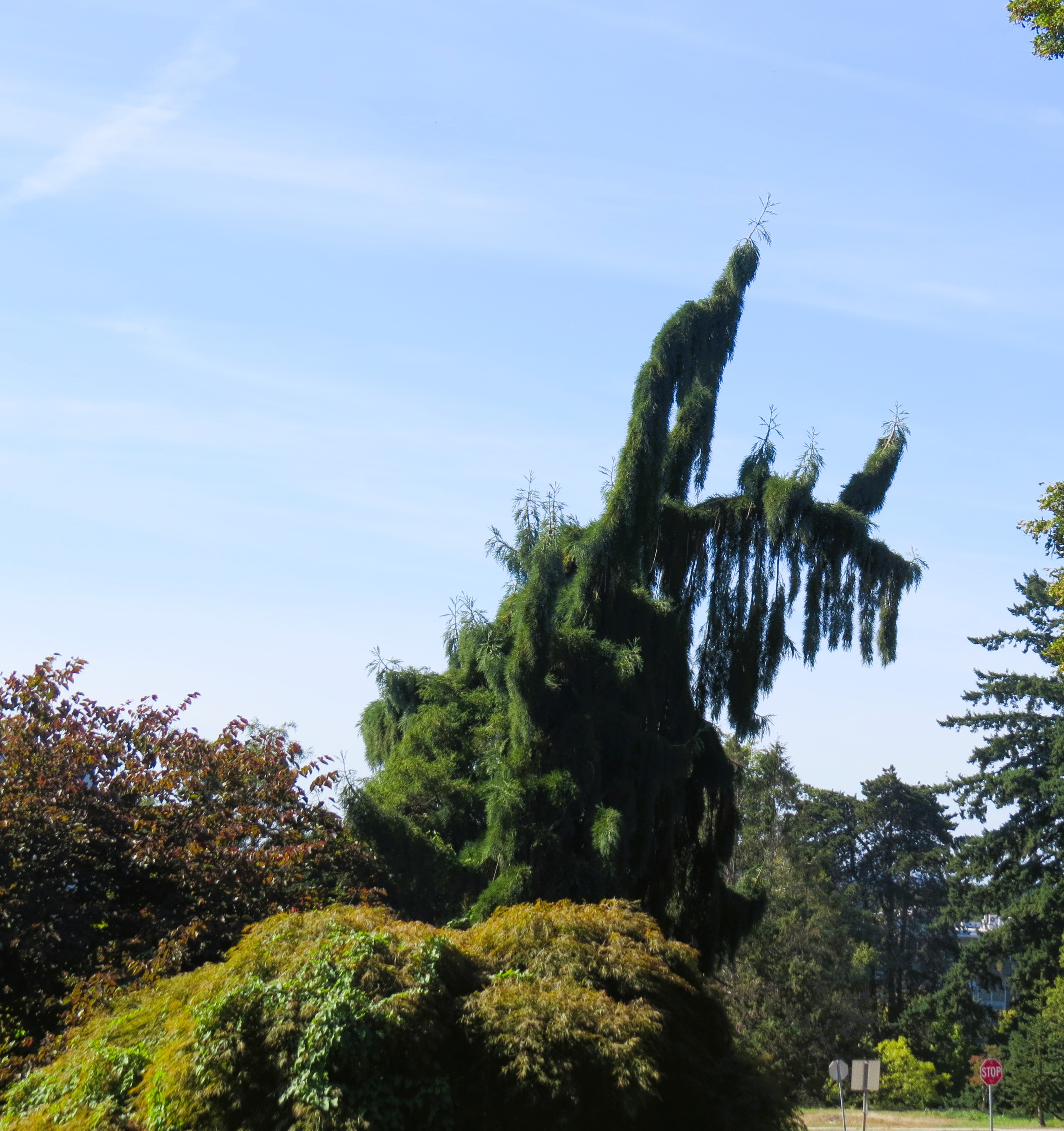
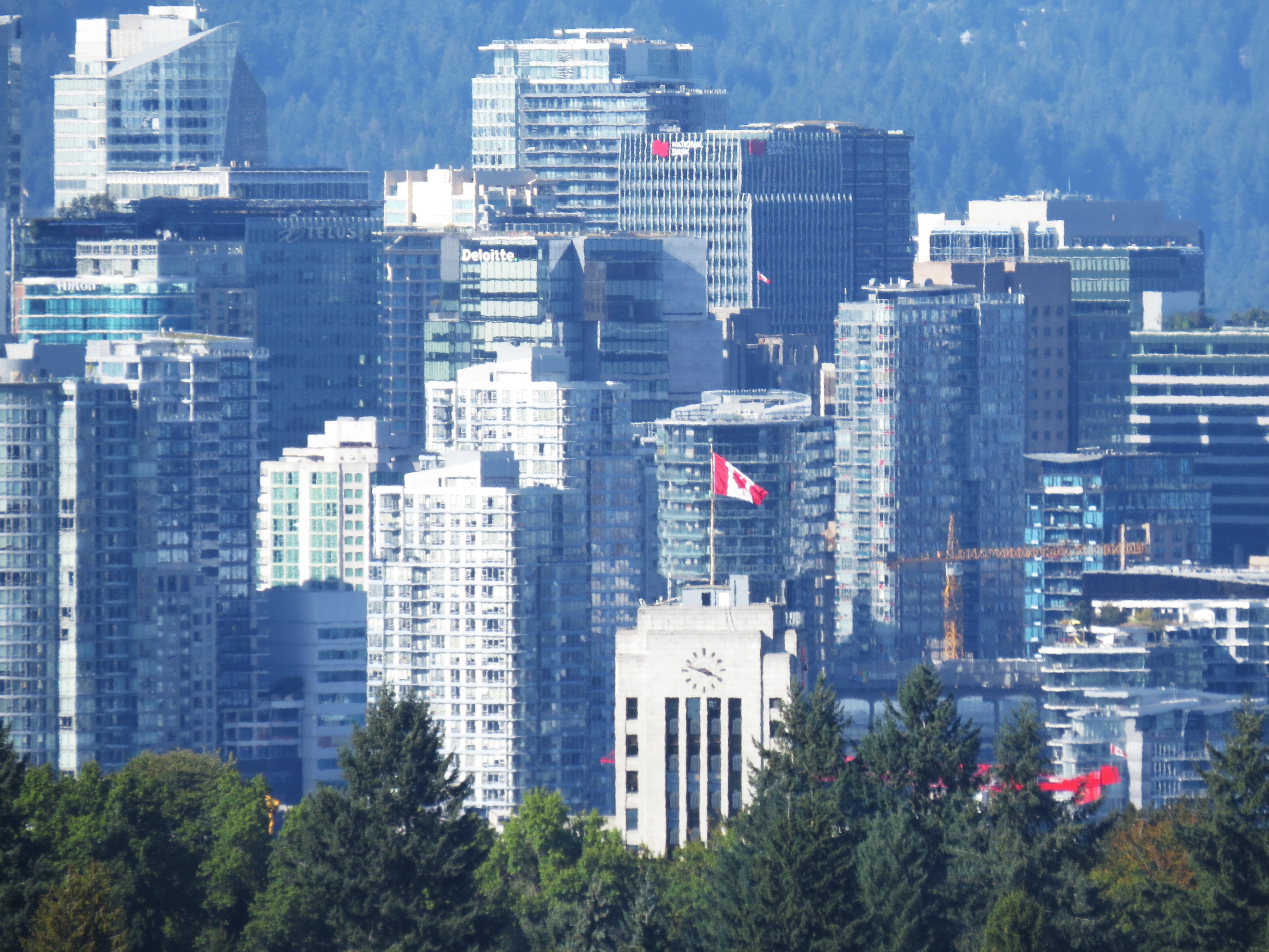
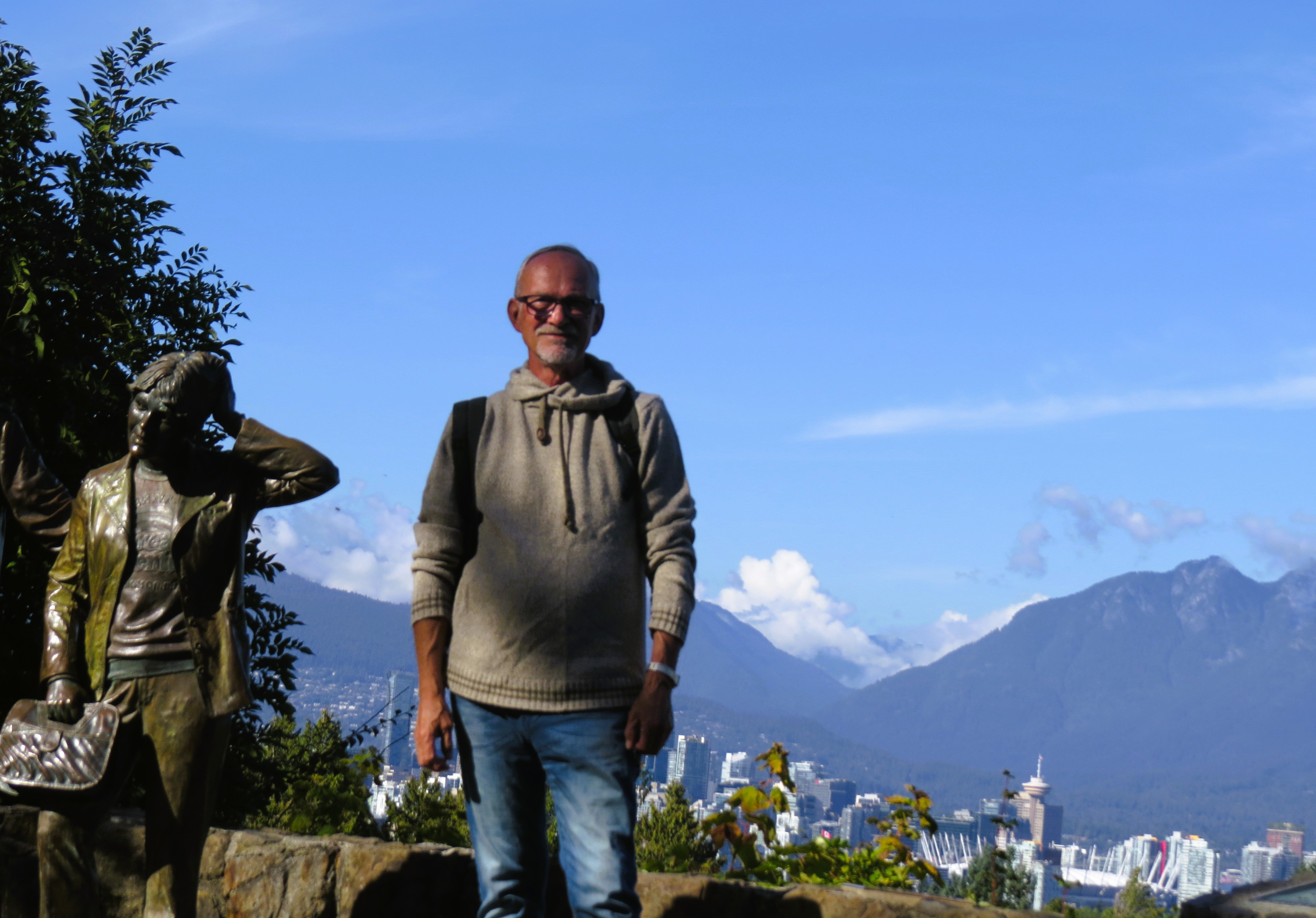
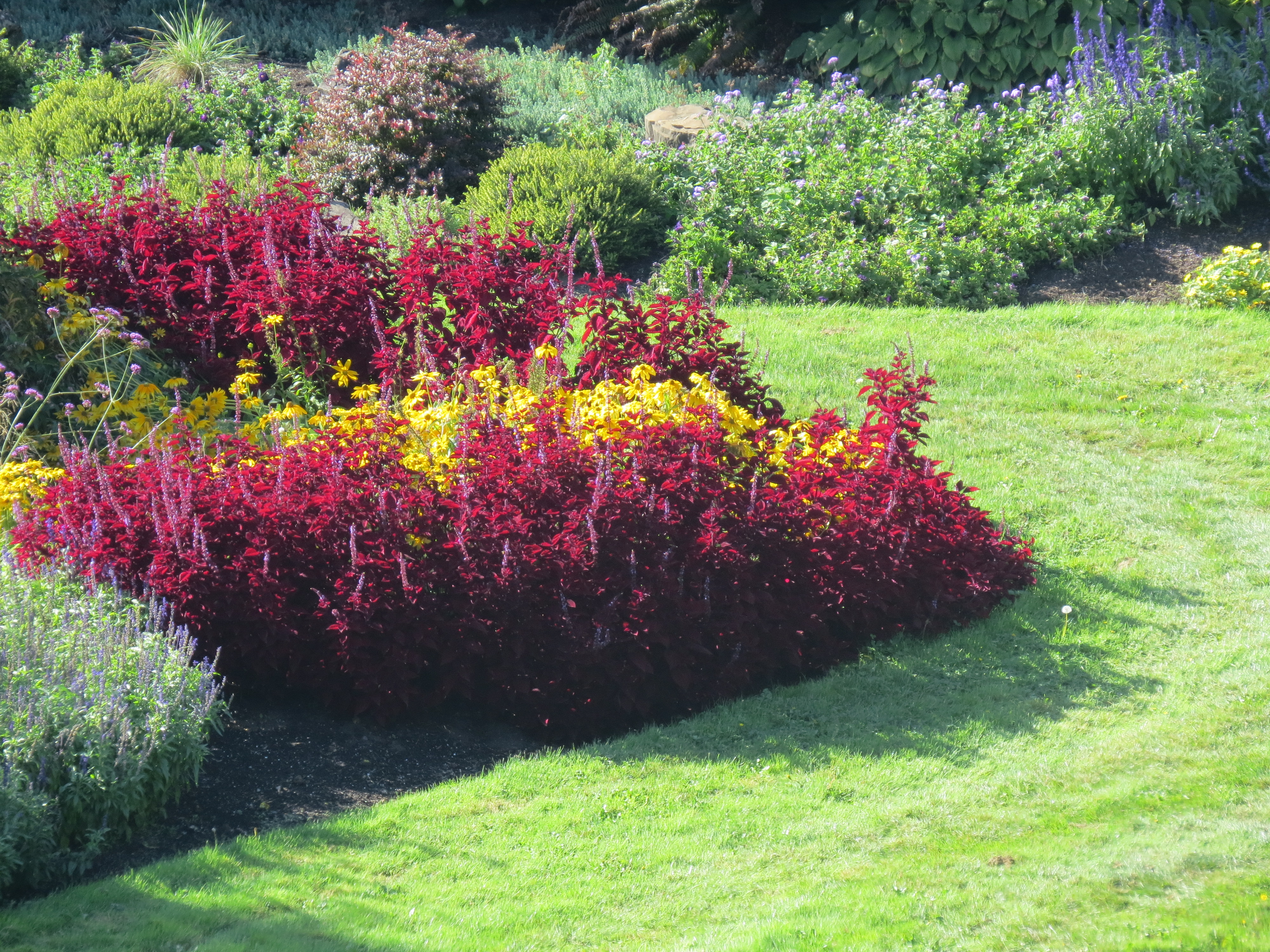
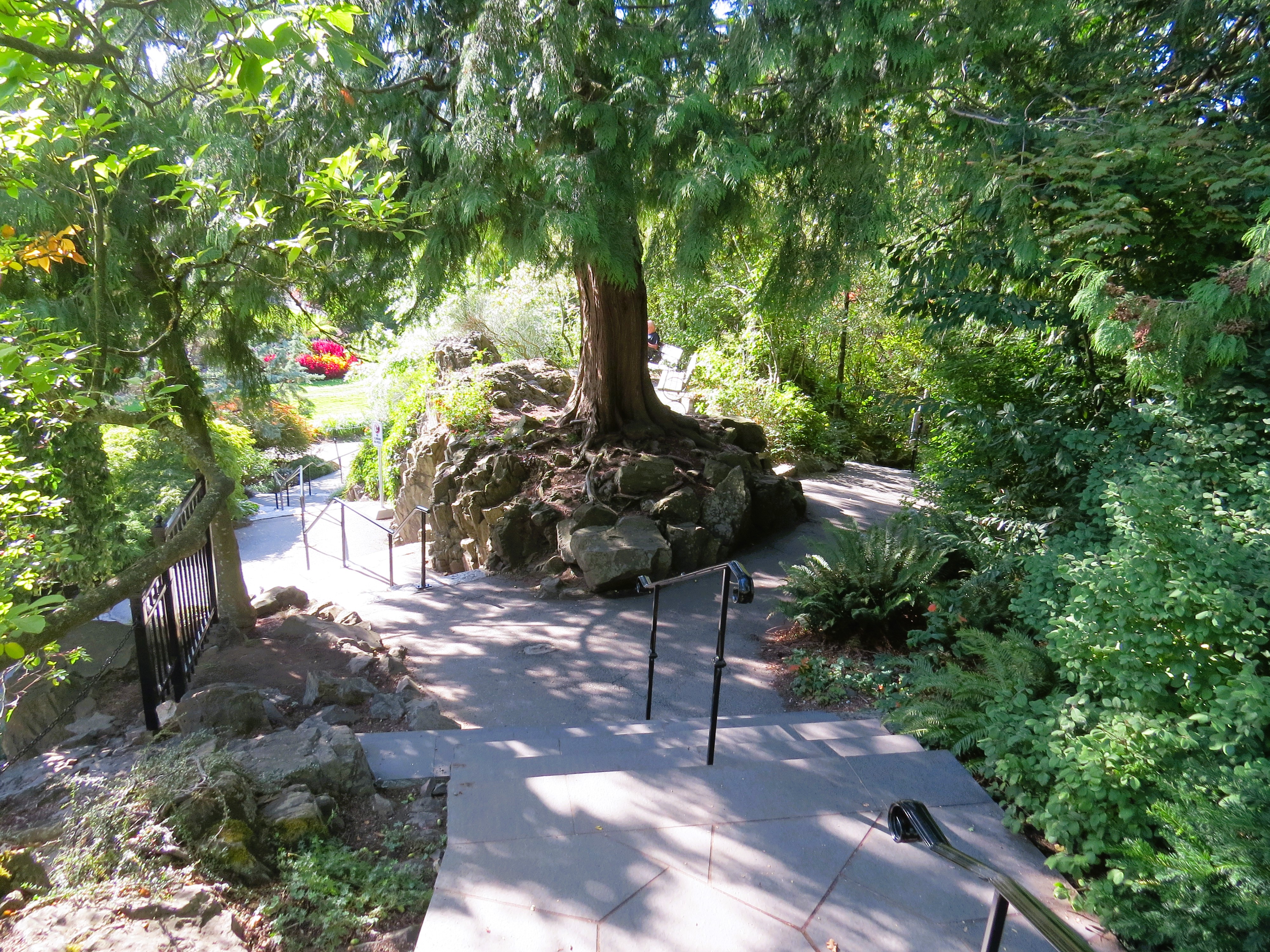
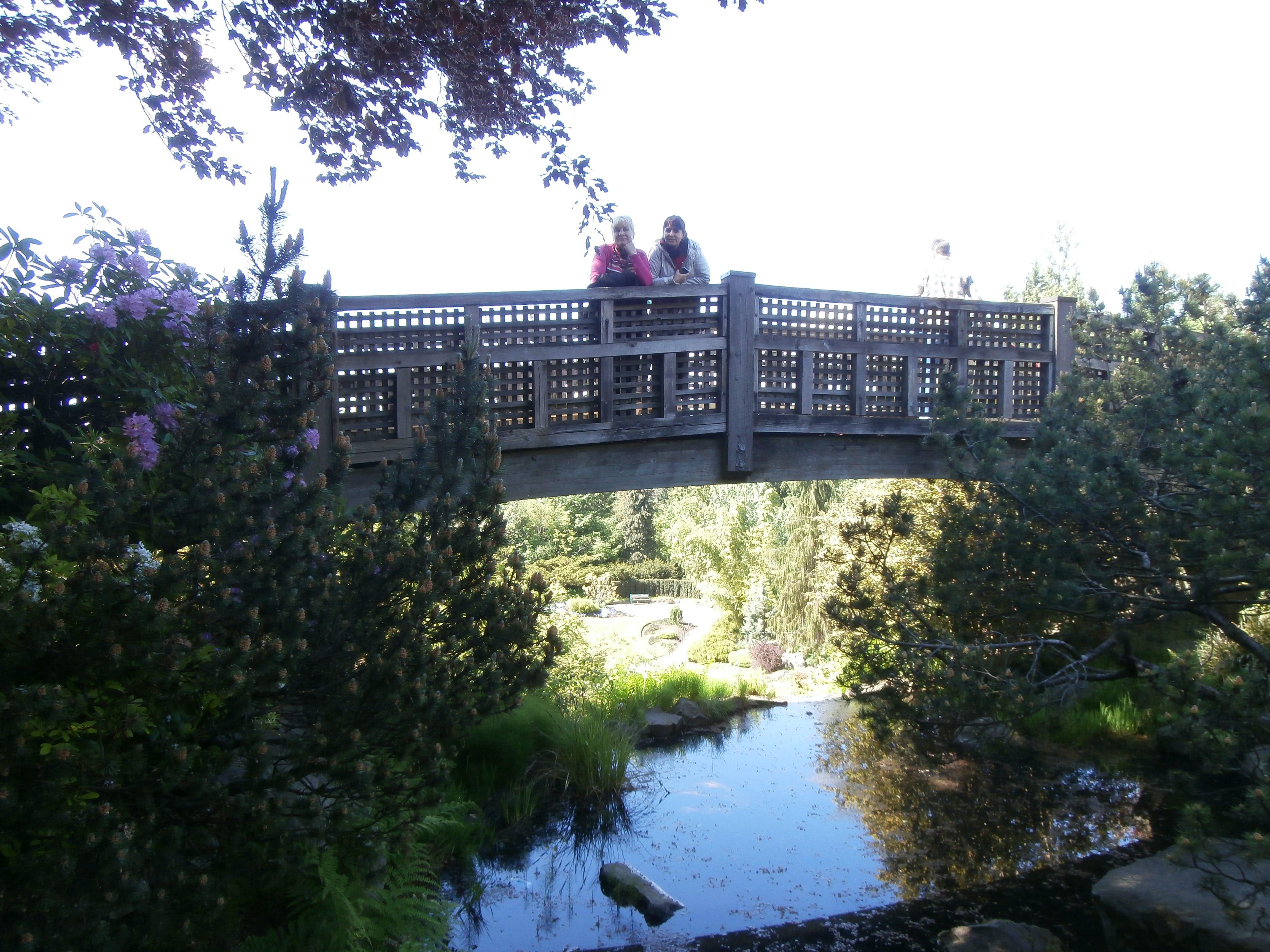
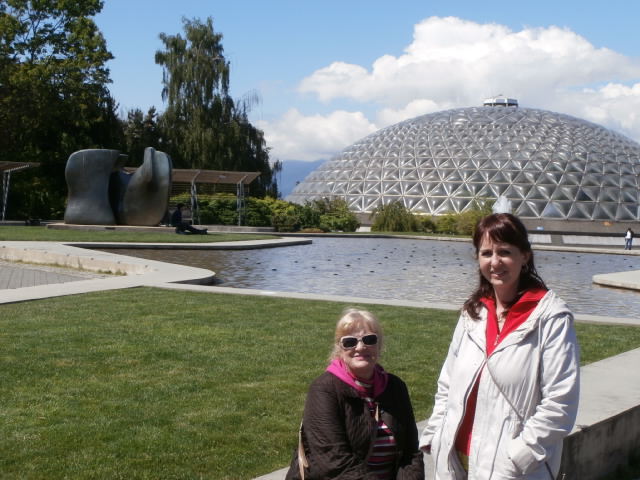
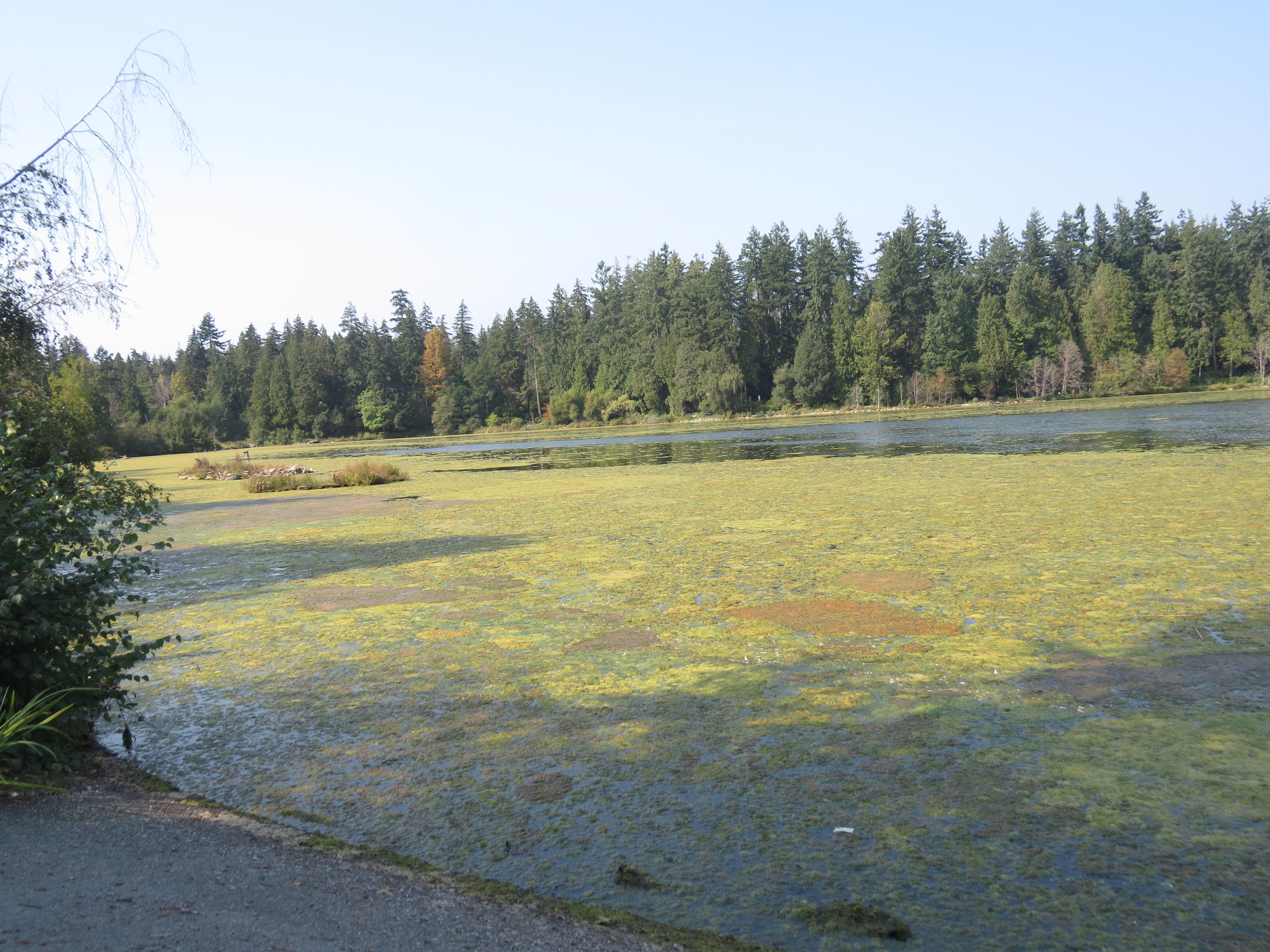
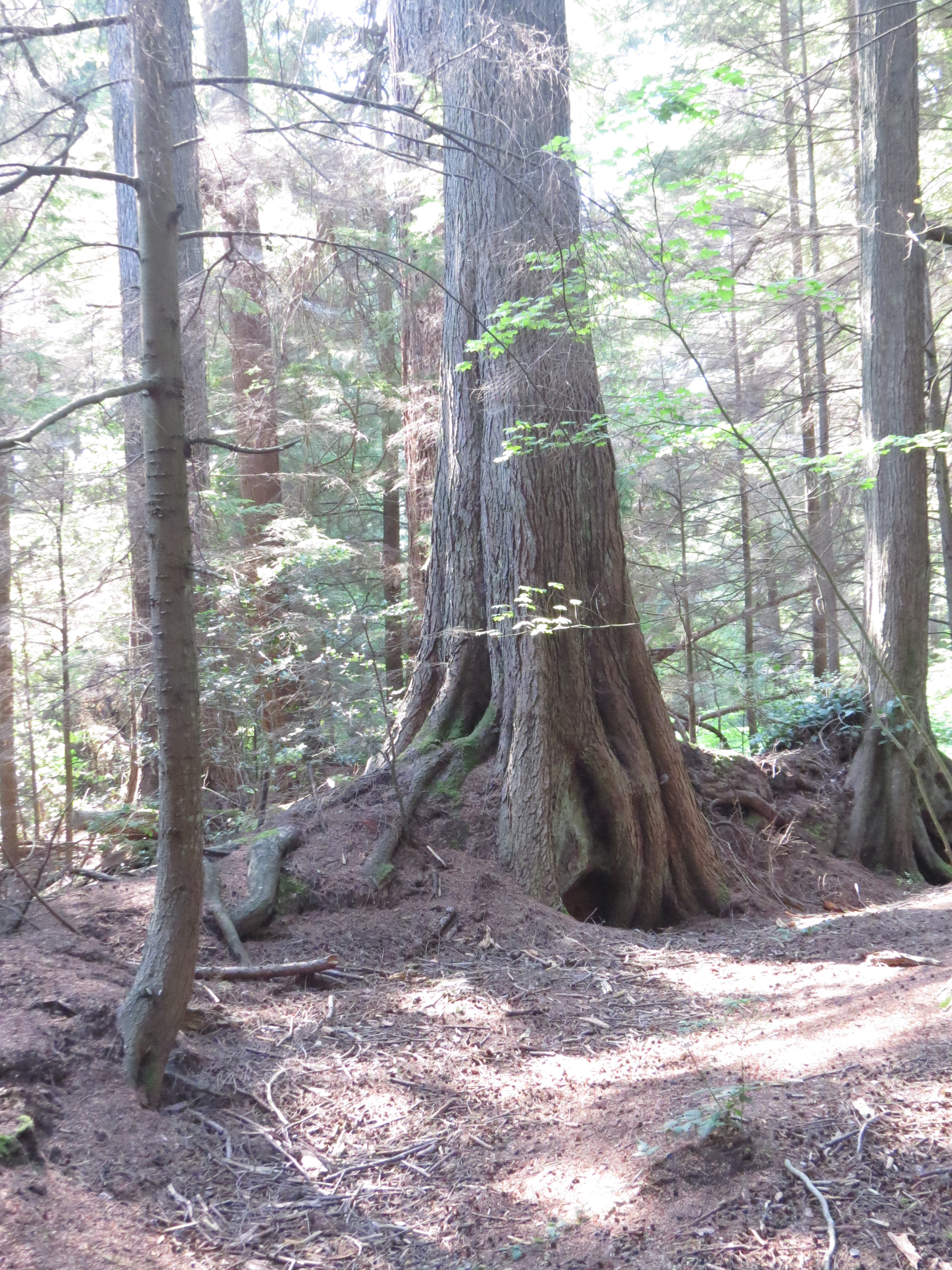
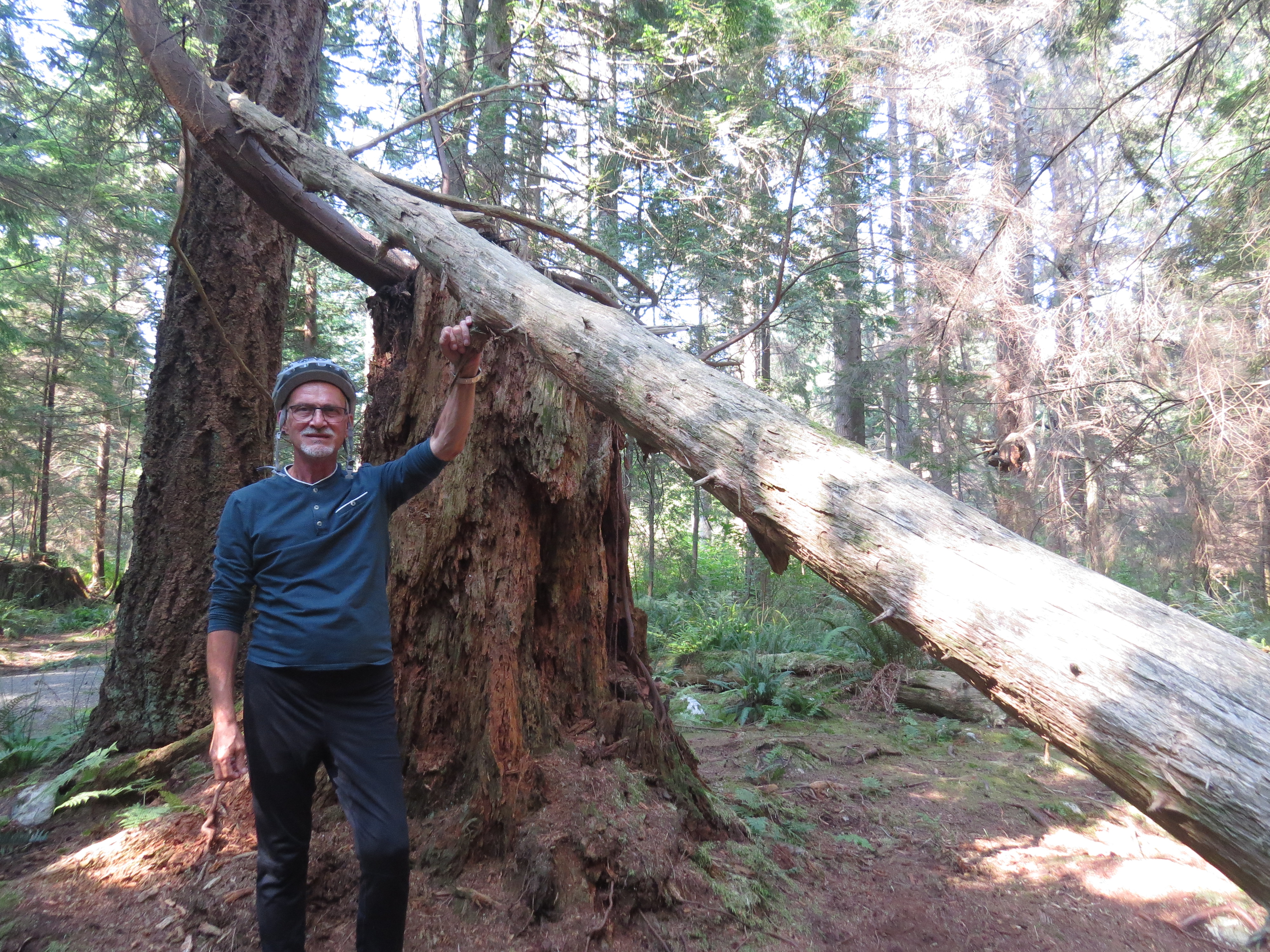
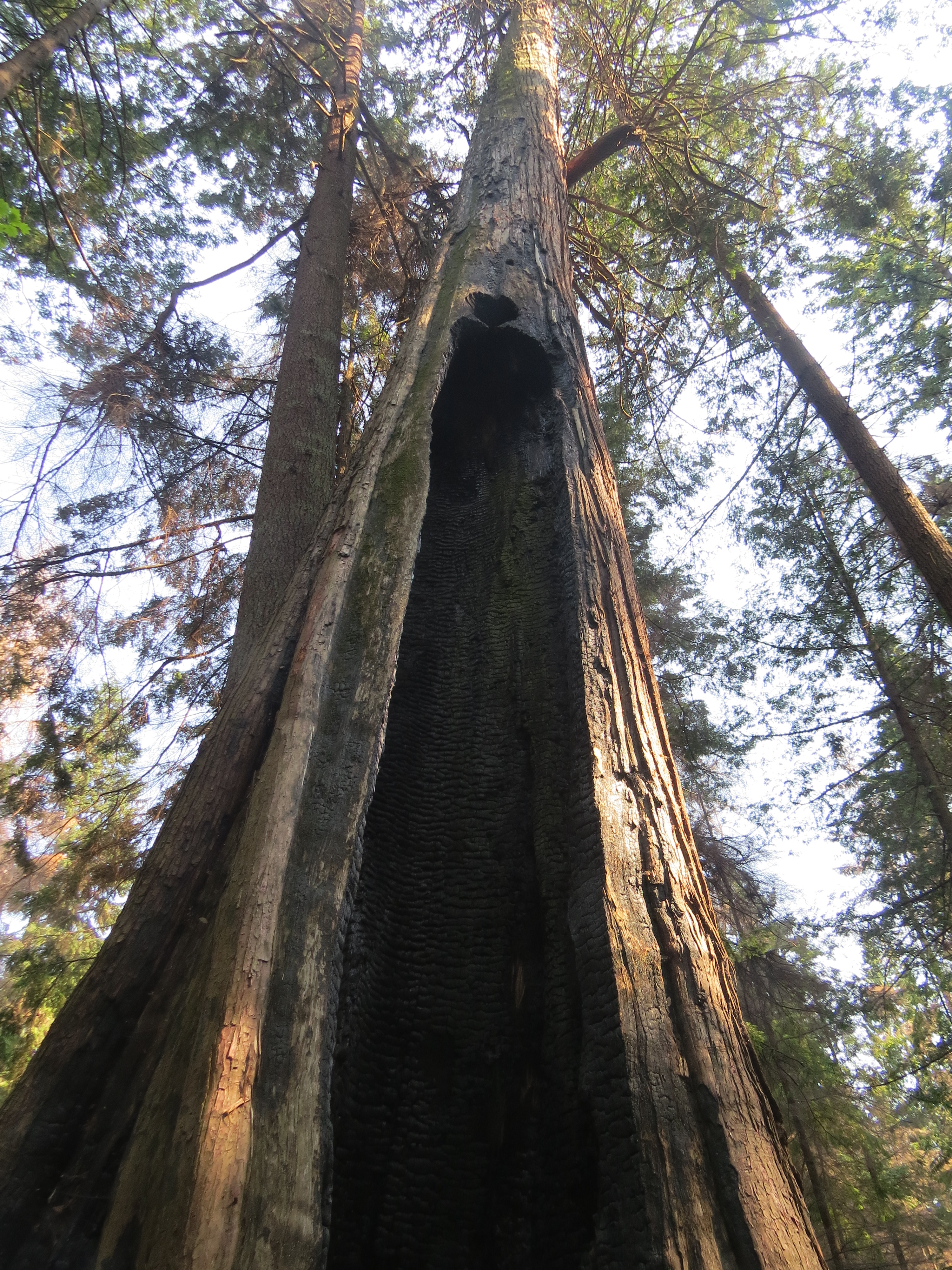
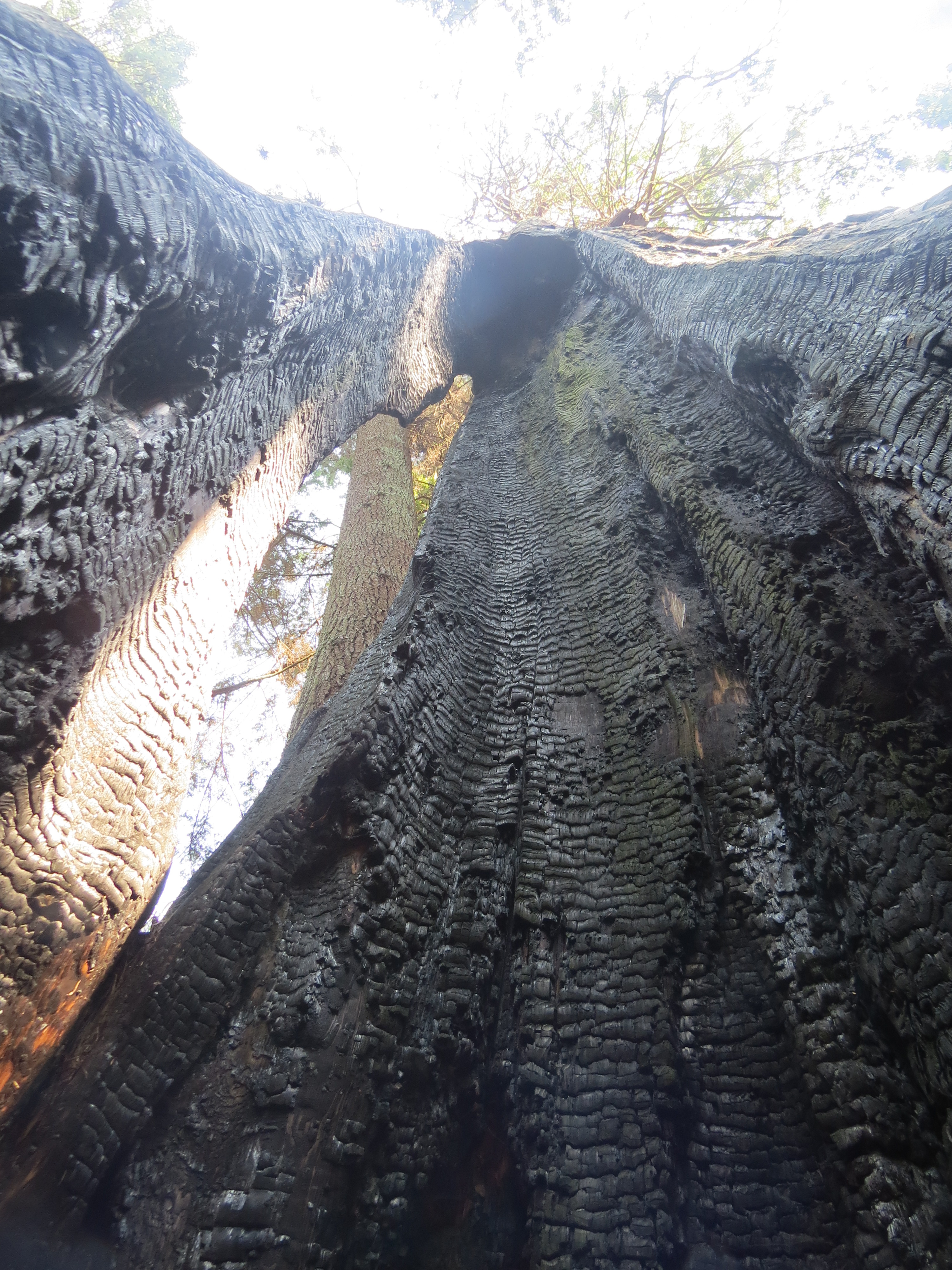
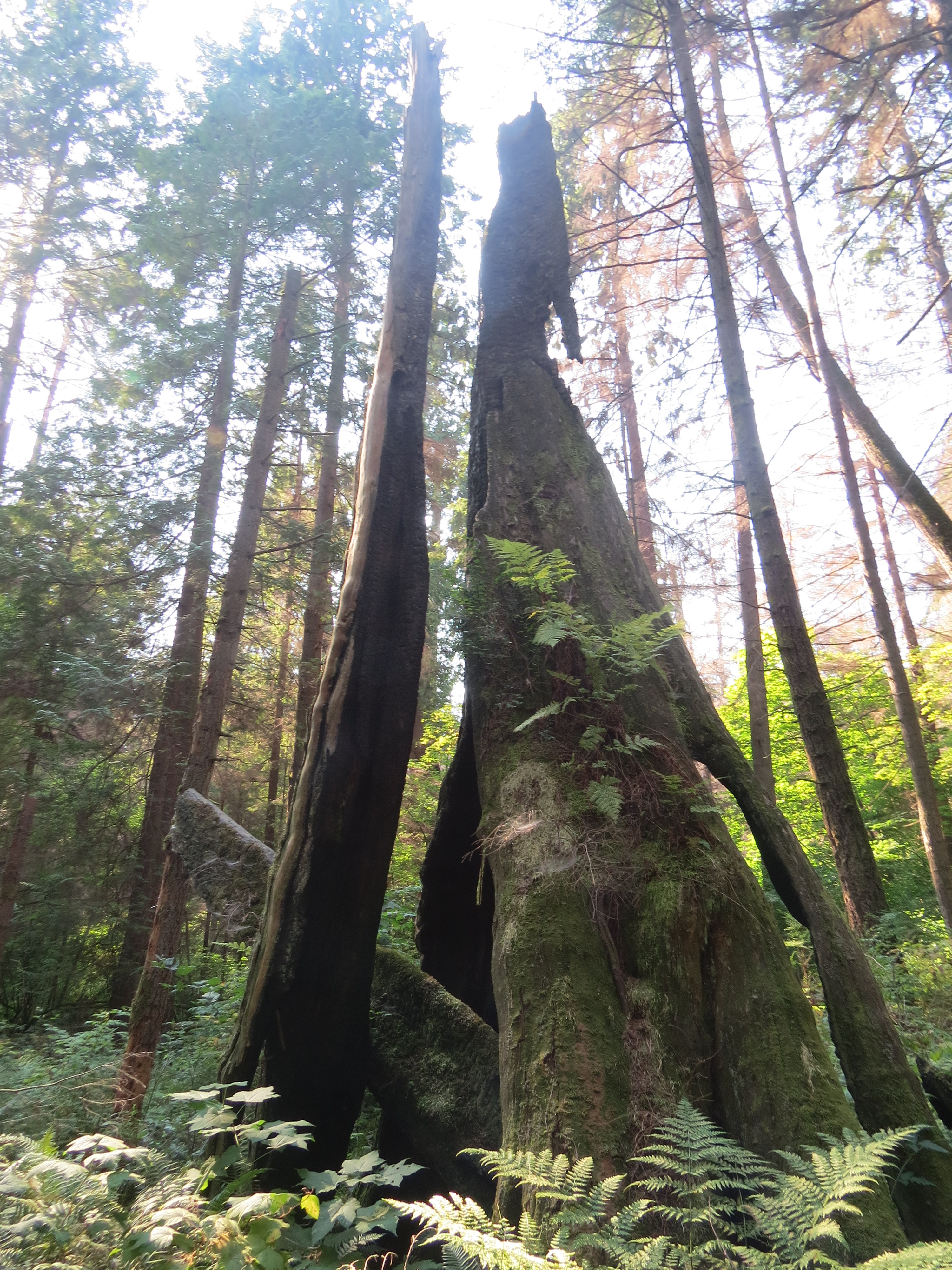
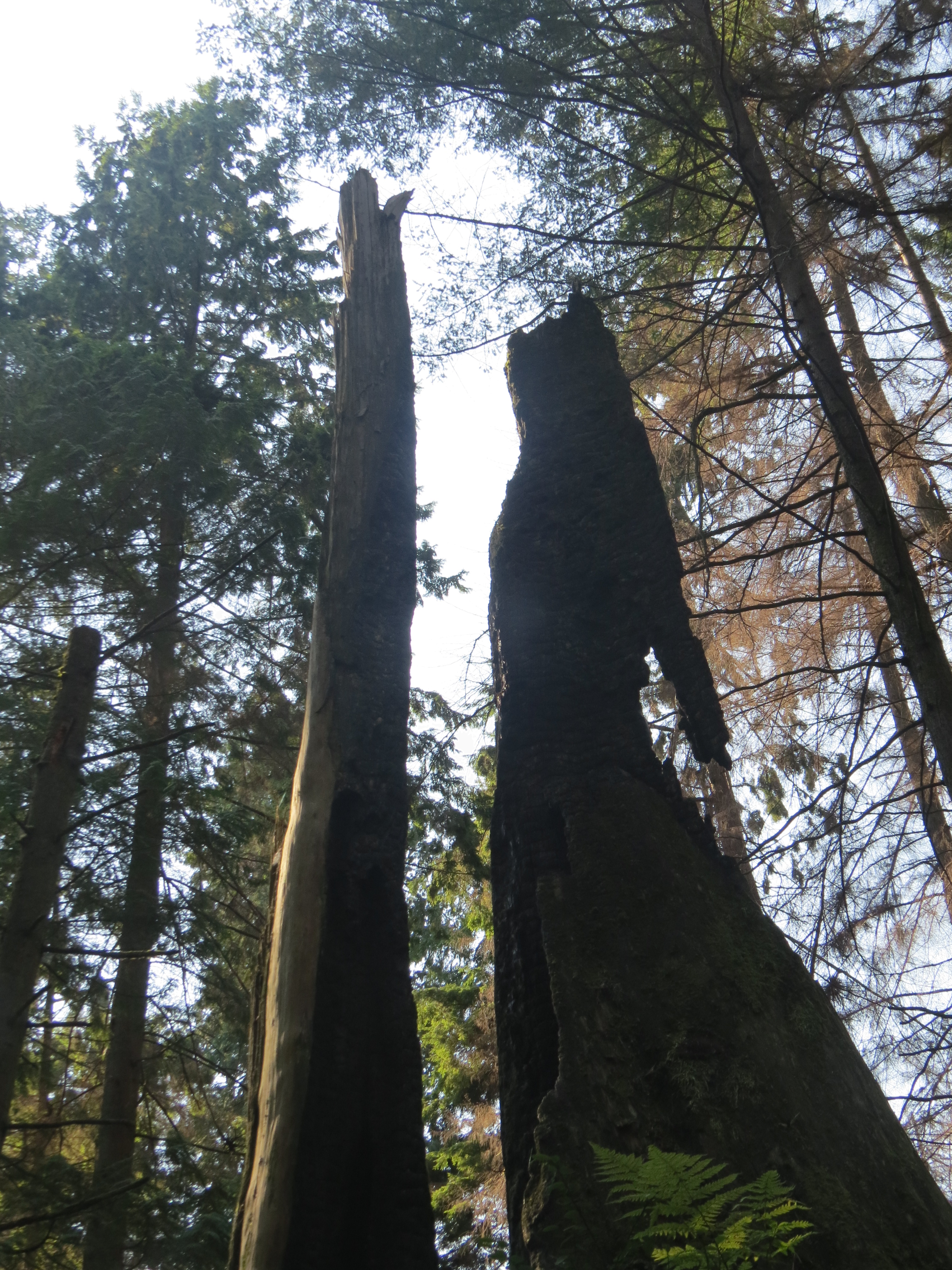
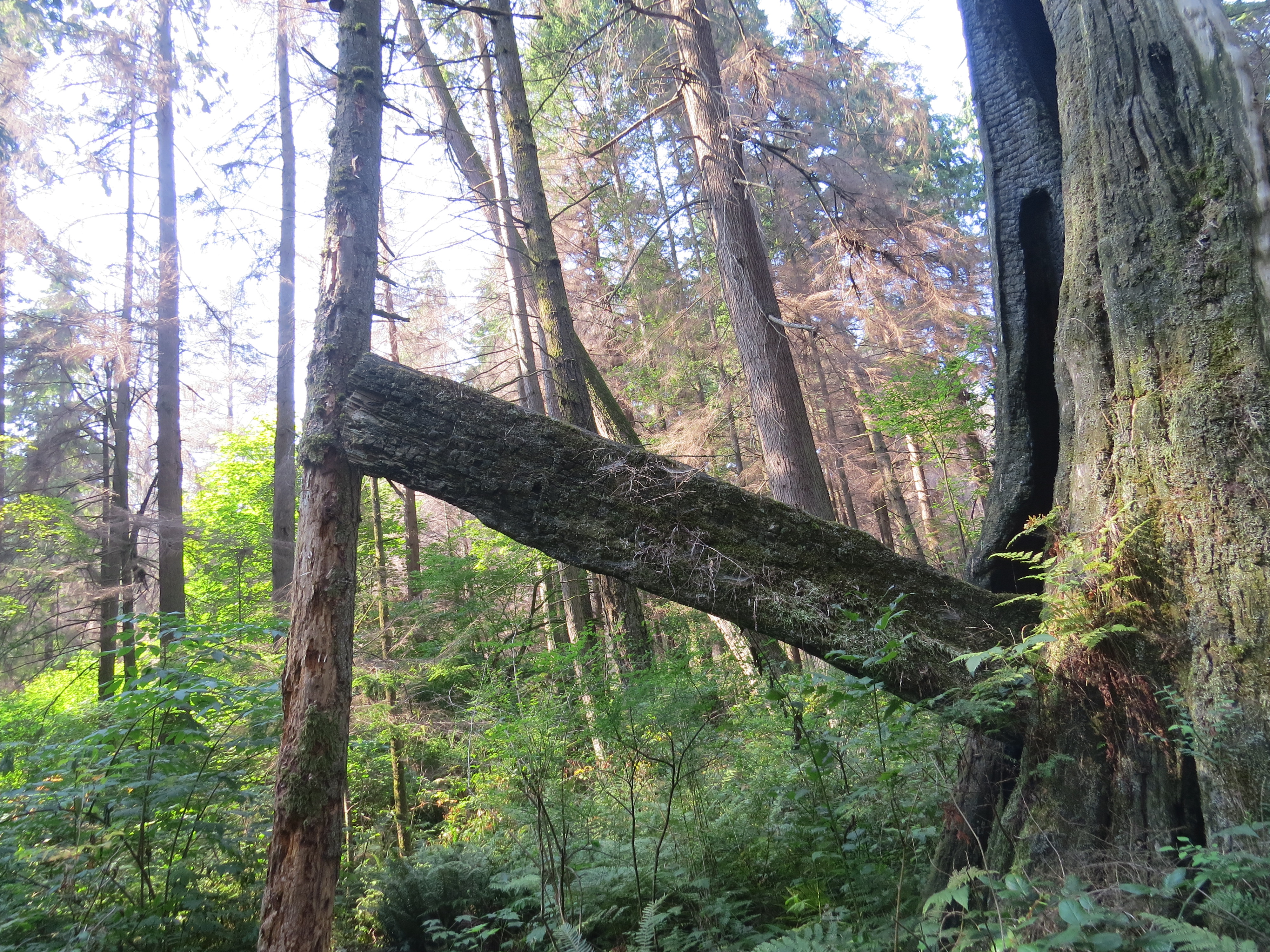
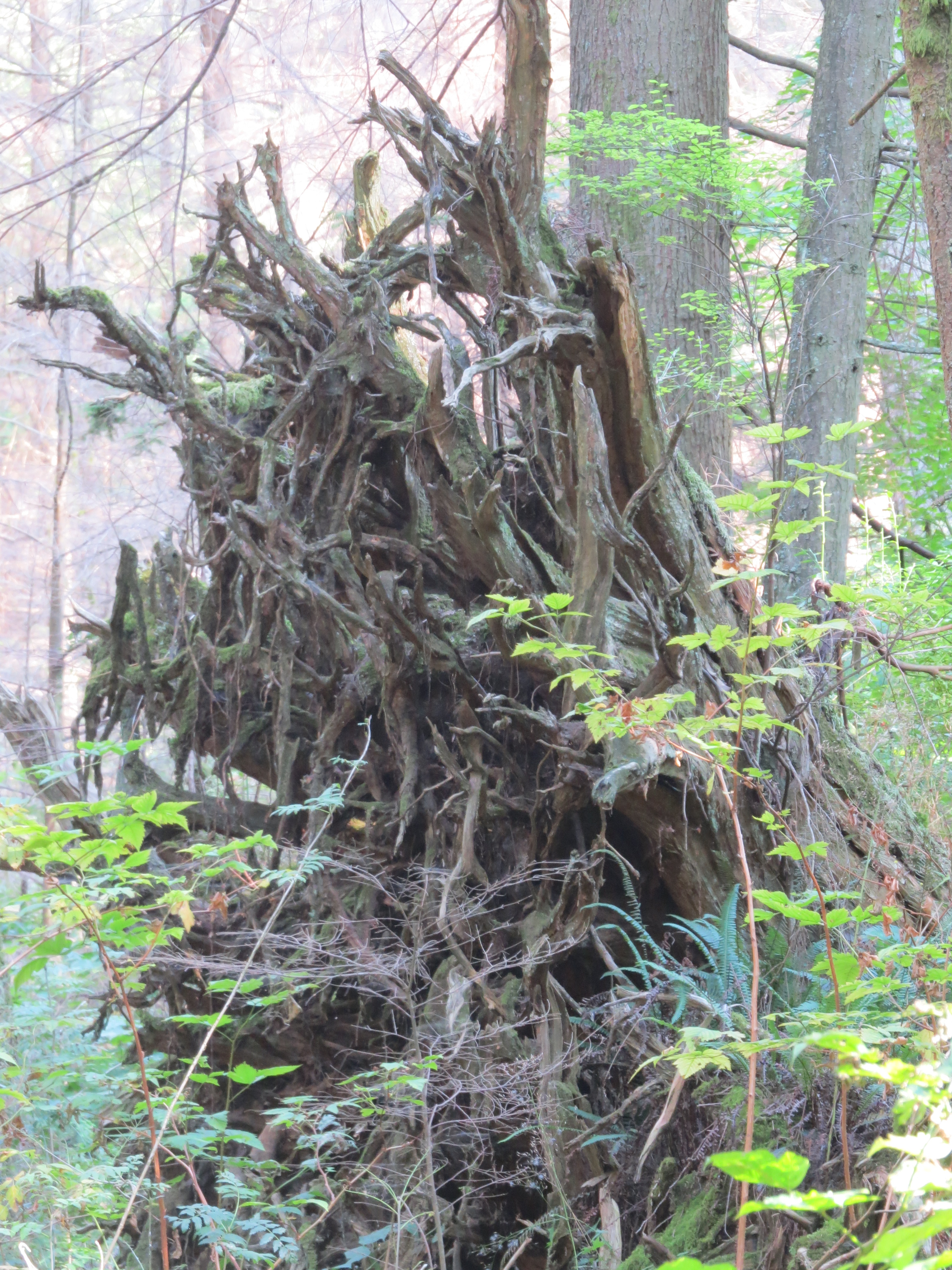
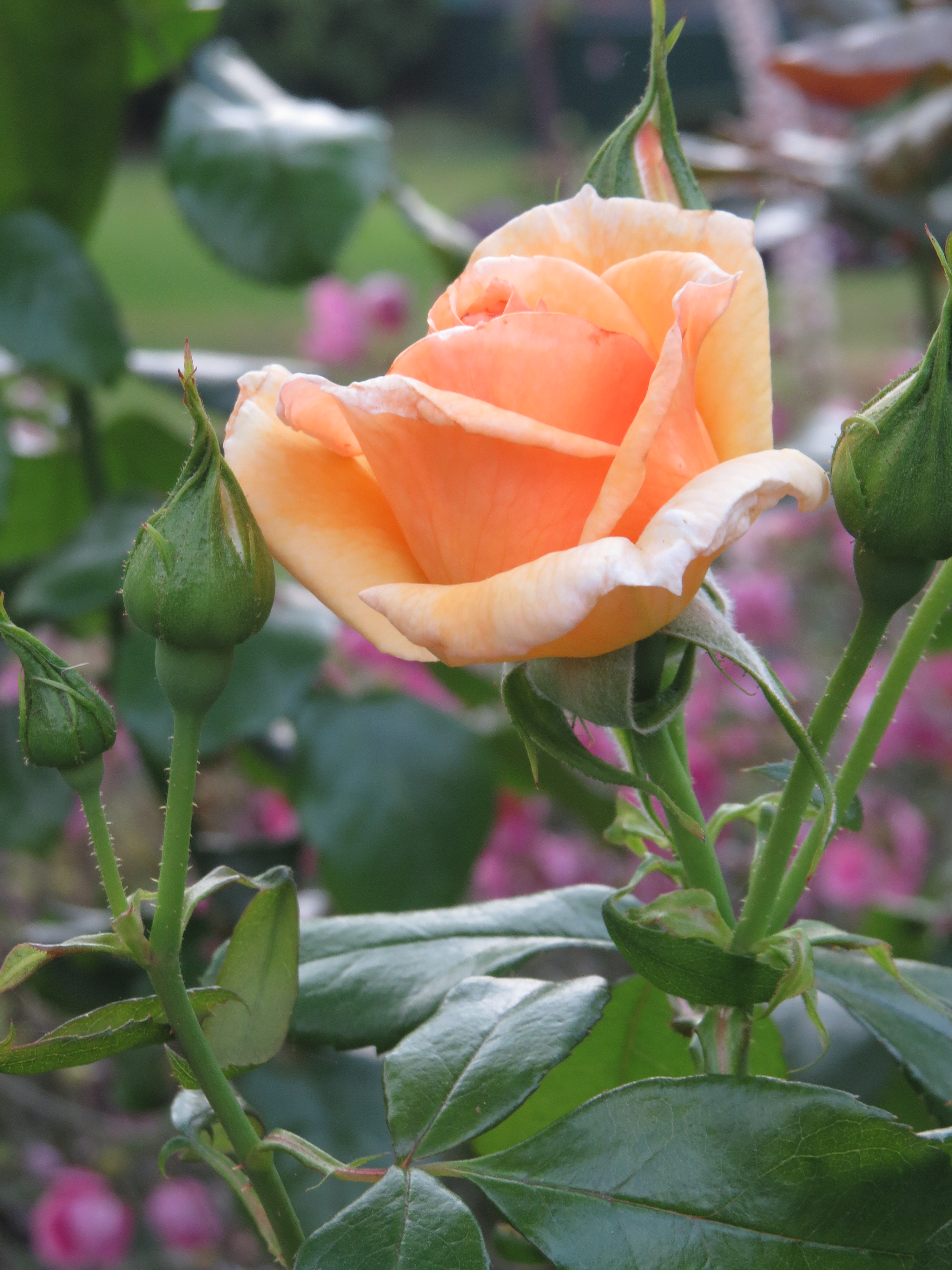
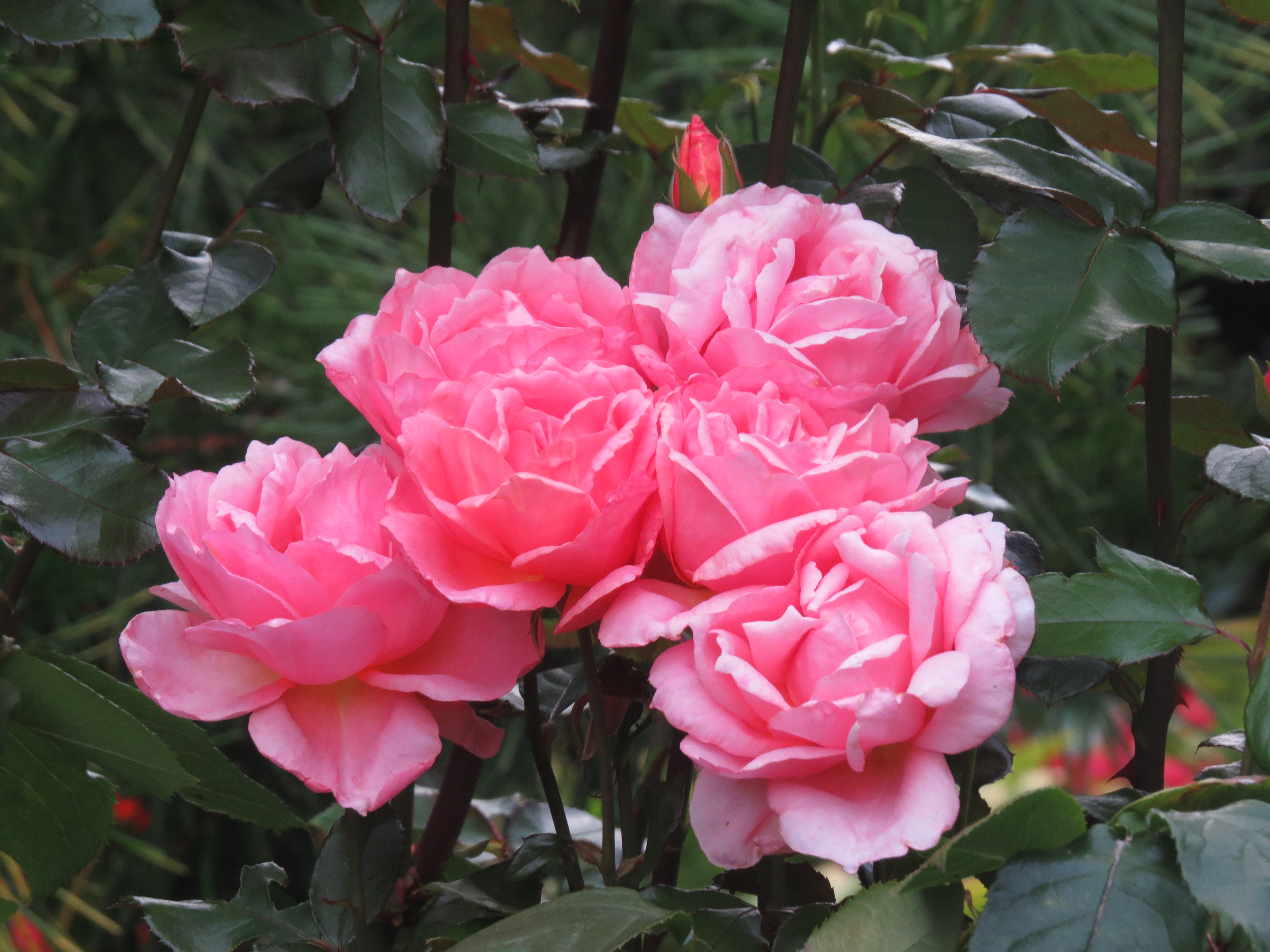
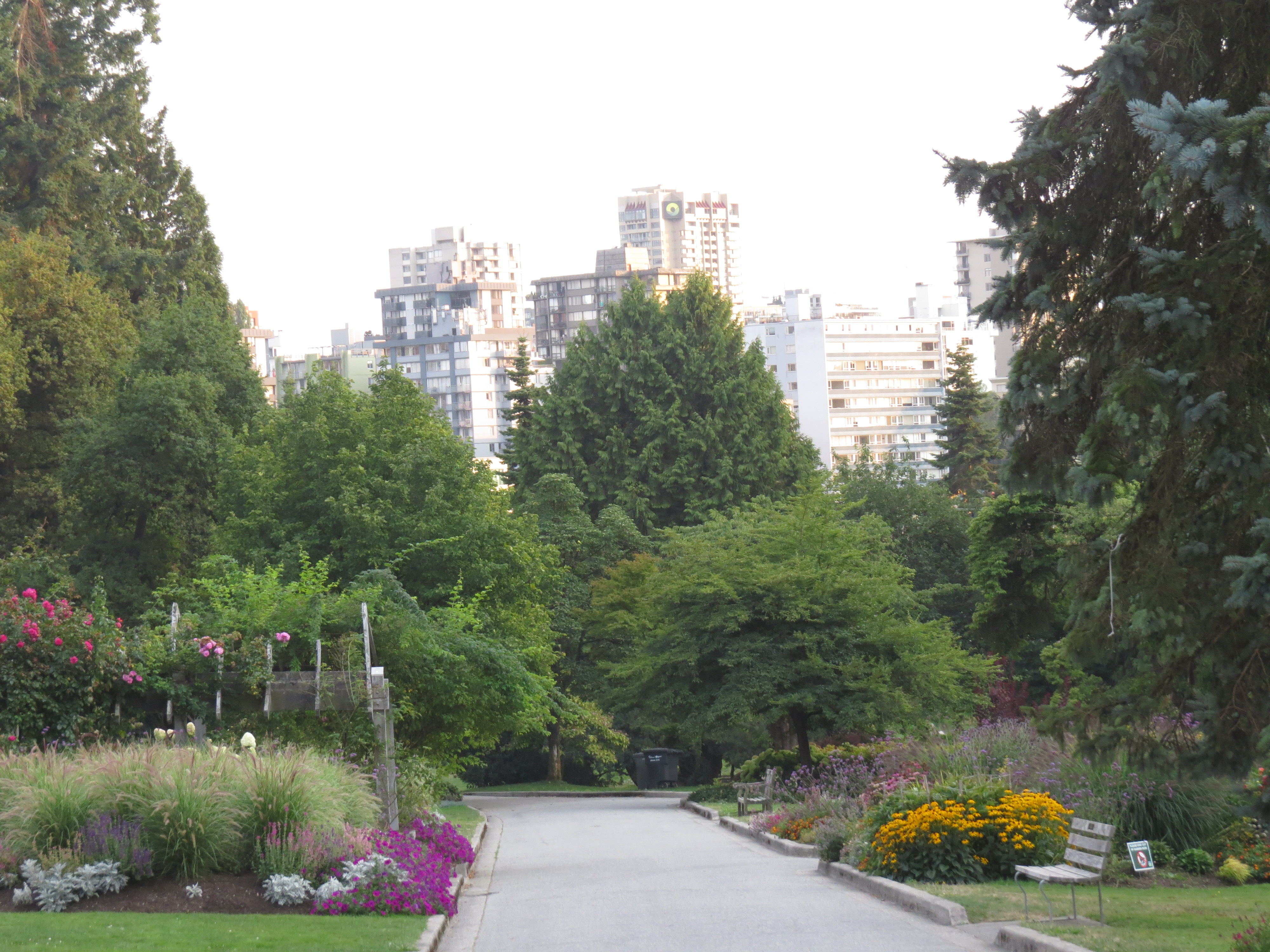
Myślałem długo, po kilkakrotnych już spacerach w tym parku, czym dla mnie on jest. Czy jest faktycznie jednym z wielu na świecie, które uwielbiam i podziwiam? Jak Hyde Park londyński, berliński Tiergarten, warszawskie Łazienki. I jednak nie. Nie jest jednym z wielu. Nie mogę go postawić nawet na emocjonalnej wadze obok innych, wspaniałych parków vankuwerskich: Central Park, Park Królowej Elżbiety, czy rozkwiecony VanDusen.
Stanley Park ma dla mnie zupełnie inny wymiar emocjonalny, personalny. Jest jedyny, niepowtarzalny. I możliwe, że dlatego, że łączy się z najbliższymi, którzy ze mną tam chodzili. Głównie z moją Mamą, która go szczerze kochała też, rozumiała, słyszała, jak mówi, śpiewa. John naturalnie też ze mną tam bywał, ale aż tak blisko nie był z nim zżyty. Byłem tu z moimi siostrami kilkakrotnie, byłem z Damiankiem moim. Ale tylko Mama rozumiała moje uczucia do tego parku i obdarowała go swoimi
Przed wyjazdem na stałe i już po śmierci Mamy, właśnie tam pojechałem na spacer pożegnalny. Długi bardzo spacer. Odwiedzałem najbardziej bliskie miejsca, personalne zakamarki tego wielkiego królestwa flory. Rozmawiałem z nimi, dotykałem rękoma, obejmowałem wzrokiem.
Pamiętam przed wielu laty wielką wichurę, kiedy Park zamknięto ze względów bezpieczeństwa, a prasa i telewizja mówiły o powalonych olbrzymach i okrutnych zniszczeniach. Natychmiast tam pojechałem , zaparkowałem dalej i pobiegłem w knieje. Nie, nie był powalony na kolana, nie był śmiertelnie ranny. Ale zniszczenia były poważne. Przedzierałem się przez ściany leżących olbrzymów … i płakałem dotykając ich gałęzi, głaszcząc ich korę. I odżył.
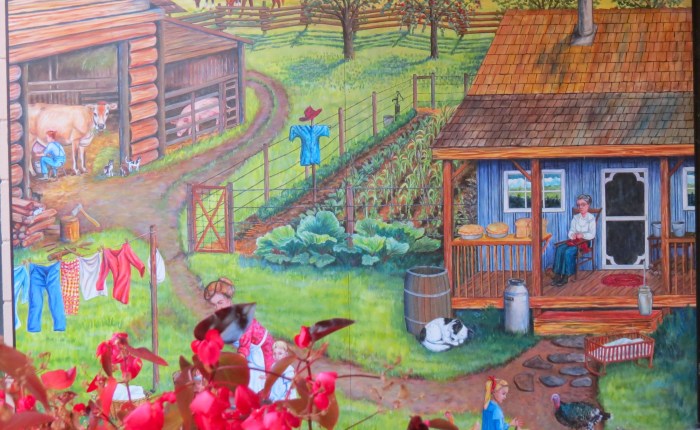
Teraz, kiedy po latach wróciłem, jak syn marnotrawny na swoja ‘ojcowiznę’ , pierwsze kroki też tam skierowałem. Dziś wróciłem objechać go, jak dawnymi laty robiłem też, rowerem. Nie żadnym elektrycznym, a normalnym, mechanicznym. Takim, jaki wtedy miałem i który mi służył potem wyśmienicie w Nowej Szkocji.
Rower odebrałem w centrum Vancouveru, przejechałem wzdłuż bogatego, nowoczesnego wybrzeża, mijając przystanie jachtów. A potem, potem znajoma trasa brzegowa mojego parku. Pomachałem ręką siedzącej na kamieniu syrence w tym samym miejscy (tłumaczono mi kiedyś, że to nie syrenka, że nie ma ogona, tylko nogi – bzdura, jak siedzi nad wodą to ma nogi, jak nocą spływa do fjordu to zakłada ogon, ot i wszystko), przywitałem się ze wzruszeniem z zamienionym w głaz pięknym Indianinem o imieniu Siwash, wypłukałem nogi w falach zatoki. To była zaiste piękna wycieczka. I tak, Park i drzewa gadały do mnie znów. Pozdrawiały, jakbym nigdy nie wyjechał …
I tak dobiegają końca moje spacery cieniami spacerów sprzed lat w tym mieście. Nie, nie wyjeżdżam jeszcze, ale nie mogę żyć tylko przeszłością. I tak masę się jej nazbierało. Czas wrócić do dnia dzisiejszego, do teraźniejszości.
Dalej chodzić będę w miejscach, gdzie chodziłem z Mamą, z Johnem. Nie sposób inaczej – miasto, choć duże, aż tak zmienić się nie mogło! Zasadnicze jego kształty, miejsca pozostały te same. Stare, piękne parki są tam, gdzie były. Katedry, filharmonie, nawet niektóre restauracje – te same. Przybyło więcej domów, zwłaszcza tych niebotycznie wysokich, ale postawiono je na tych samych ulicach; te same plaże nad Pacyfikiem, nawet znajomi i przyjaciele – jak ja też starsi oczywiście – ci sami wciąż są tu. Gdy ich spotykać będę, będę z nimi rozmawiać teraz, w 2025, a nie z cieniami przeszłości. Spacery w Stanley Parku czy po Queen Elizabeth lub Central Park będą teraz. Tak, jak teraz fizycznie i emocjonalnie ja tu jestem. W tym wieku, w jakim jestem.
Ostatni taki sentymentalny spacer był ledwie wczoraj. W Surrey, w okolicach mieszkania na 138 Ulicy. Wybrałem się na jeżyny. Tam, gdzie chodziłem przez lata z Mamą. Dzika długa ścieżka idąca pod trakcja linii wysokiego napięcia, gdzie domów stawiać nie można było. I tak uratowała swoja dzikość. Była też świetną trasa rowerową, która bardzo lubiłem. A dalej nieco, w kierunku na wschód też doczłapałem się mimo upału – do Green Timbers Forest i uroczego parku z jeziorkiem. Jeziorkiem, gdzie jak Mama mawiała ‘chodziła ,na kaczuchy’, chodziła tam jeszcze z naszego domku w Guildford, z małą dziewczynką, którą się opiekowała, wnuczką byłej redaktor i wydawcy “Gazety”, Elżbiety Kozar. Elżbieta dalej mieszka w Surrey, w tym samym mieszkaniu, w którym mieszkała ze swoim partnerem, cenionym i lubianym kompozytorem, pianistą, wodzirejem towarzystwa i sceny, Ryszardem Wrzaskałą.
Ale ja na te jeżyny, z laską i dwoma pojemniczkami. Pamiętałm, że zawsze te moje zbieranie jeżyn kończyło się poharatanymi nogami i ramionami, bo wysokie ponad głowę szpalery jeżyn maja kolec przy kolcu, jak haczyki na wędce. I zawsze mnie na ta wędkę złapały. Mama była dużo ostrożniejsza. Więc ja teraz też byłem ostrożniejszy. Jakże by to wyglądało aby facet w moim wieku chodził podziergany, jak nastolatek na narkotykach, LOL?
Jedno jeszcze, specjalne zdjęcie. Zdjęcie z miejsca, którego już nie ma, a które wyjątkowe znaczenie miało dla mnie i dla wielu. Ludzi kochających jazz, kameralną muzykę klasyczną, stary dobry pop w różnych odmianach, a w salce na półpiętrze – tygodniowe spotkania osób LBTTQ i własne nasze występy queer queens.
Na tym zdjęciu mojej Mamy urodziny tam 75-te, w 2013. Mało z nami siedziała przy stoliku, w zasadzie była królową parkietu. Gdzie – w ‘Heritage Grill’, vis-à-vis Royal Navy (też już nie istniejącego ciągu sklepowego – ale budynek wykorzystywany bardzo mądrze i praktycznie dla młodzieży).
Mama z Johnem
A teraz – droga na jeżyny. Z ostatniej wędrówki śladami przeszłości.
Cała ta okolica zachowała (dzieki tej trakcji chyba elektrycznej) swój stary charakter, te same stare i nowsze domki – dwa kroki dalej i już wieżowce. Stary, wymagający od czasów, gdy tam mieszkałem niezłego remontu tu domek ze starymi drzewkami papierówek. Nikt ich już wtedy nie zbierał, prócz mnie chyba. To i teraz zerwałem dwie – choć jeszcze kwaśne bardzo i twarde. Ale żadne jabłka tak nie smakują, jak te z szabru LOL!
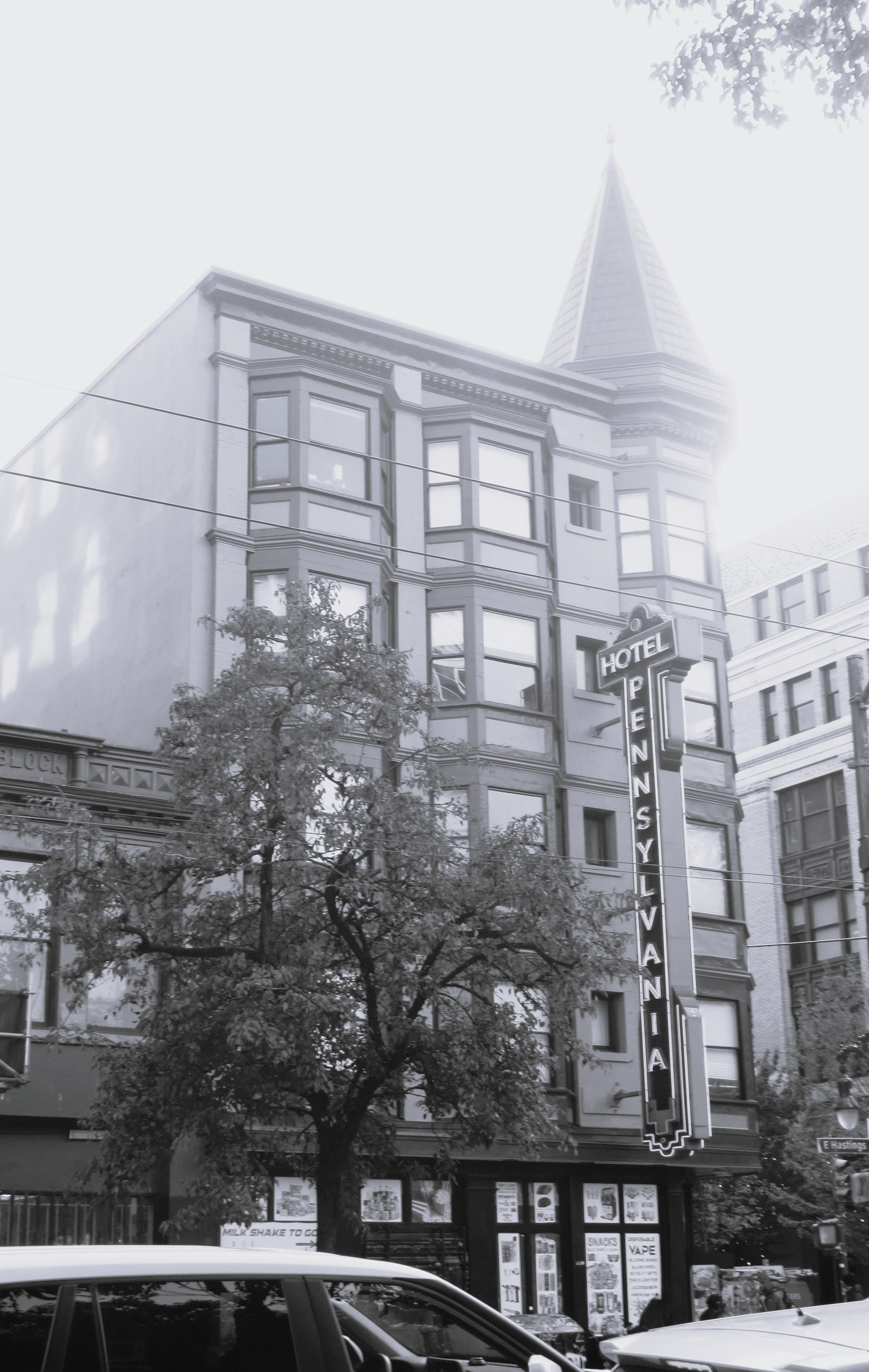
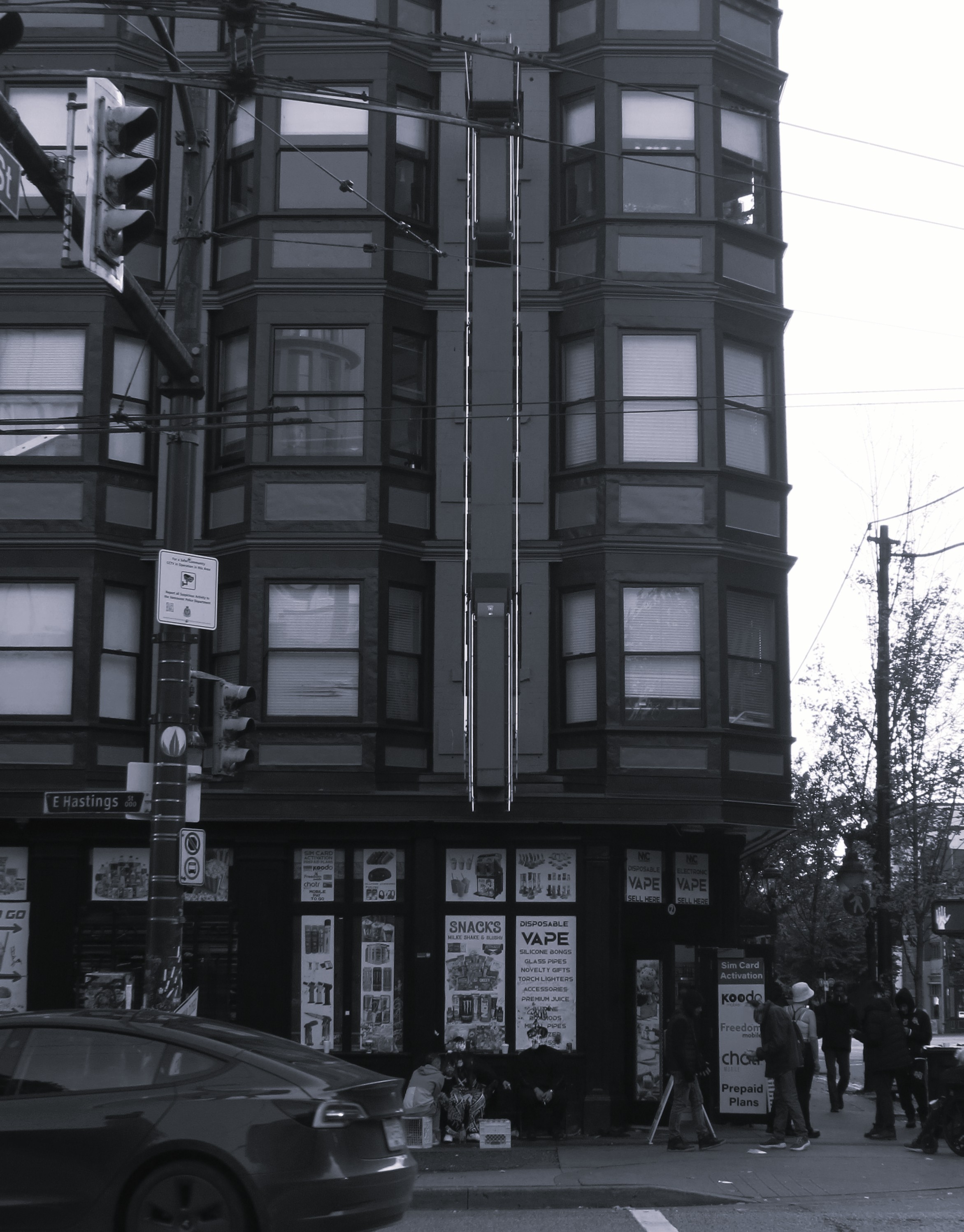
Na rogu 140 Ulicy i 100 Alei smutny, stary domek, też w rozsypce. Smutny, bo to domek po koledze, młodym człowieku, przystojnym, mającym bardzo dobrze płatną pracę w BC Ferry na funkcji supervisora już na kilka lat zanim ja taką mogłem otrzymać ( BC Ferries były bardzo silnie zorganizowane i oparte na długości stażu pracy, jako zasadniczym probierzem awansu – oczywiście poza oczywistym profesjonalizmem i znajomością masy przepisów i regulacji – on zas w tej firmie pracował szereg lat dłużej). Czasami razem robiliśmy car-share do pracy, ale zrezygnowałem, bo męczyły mnie trochę jego dziwactwa i nie lubiłem jeździć do pracy starym samochodem policyjnym, jeszcze ze starymi reflektorami na dachu i znakowaniami policyjnymi. To były jego hobby, miał ich kilka zaparkowanych na podwórku. Wpadł w depresję i zmarł śmiercią prawdopodobnie samobójczą. Młody człowiek, naprawdę przystojny, z dobrą pracą, własnym, spłaconym domem, bez nałogów. A mnie wydaje się, że zmarł skutkiem … silnej homofobii. Zapominamy często o tym, że prawdziwy homophobe to osoba sama o orientacji homoseksualnej nienawidząca się przez to i wrogo nastawiona wobec innych, którzy tą orientację akceptują. Czy mam pewność i dlaczego tym w ogóle piszę?
Primo – jestem starej daty gejem i za moich czasów Pani Natura oficjalnie ofiarowywała nam urządzenie zwane ‘gejdarem’ (radar na rozpoznawanie innych gejów) byśmy łatwo mogli innych rozpoznawać w tłumie. Działał raczej niezawodnie. Z tego, co wiem nigdy mi się nie zepsuł i złych danych nie przekazywał.
Secundo – upłynęło wiele lat od tej smutnej śmierci. Nikt już prawie w BC Ferries z tamtego okresu nie pracuje. Emerytury, odejścia. Po prostu czas. A lekcja strasznie ważna i cenna dla ludzi młodych. Czasy są oczywiście inne, łagodniejsze, lepsze – ale czasy i wówczas w Kanadzie, a już zwłaszcza w BC Ferries , były tolerancyjne, akceptujące, dobre. a byłem z Johnem zatrudniony tam na wiele, wiele lat przed jakakolwiek instytucją małżeństwa – i od pierwszego dnia zrejestrowani byliśmy, jako para, odpowiednik konkubinatu. Najważniejsza przyczyna jednak jest inna: homofobia to ciężkie, trudne i niebezpieczne schorzenie psychiatryczne. Mówię nie o głupiej, wulgarnej ‘homofobii prostaków’ a o tej medycznie rozpoznawalnej chorobie. Która jest uleczalna. Jeśli sam, lub ktoś kogo znasz jest ofiarą tej choroby – powiedz mu, poradź wizytę u lekarza. Może komuś uratujesz tym życie. Bo homophobe jest pierwszą ofiarą tej choroby.
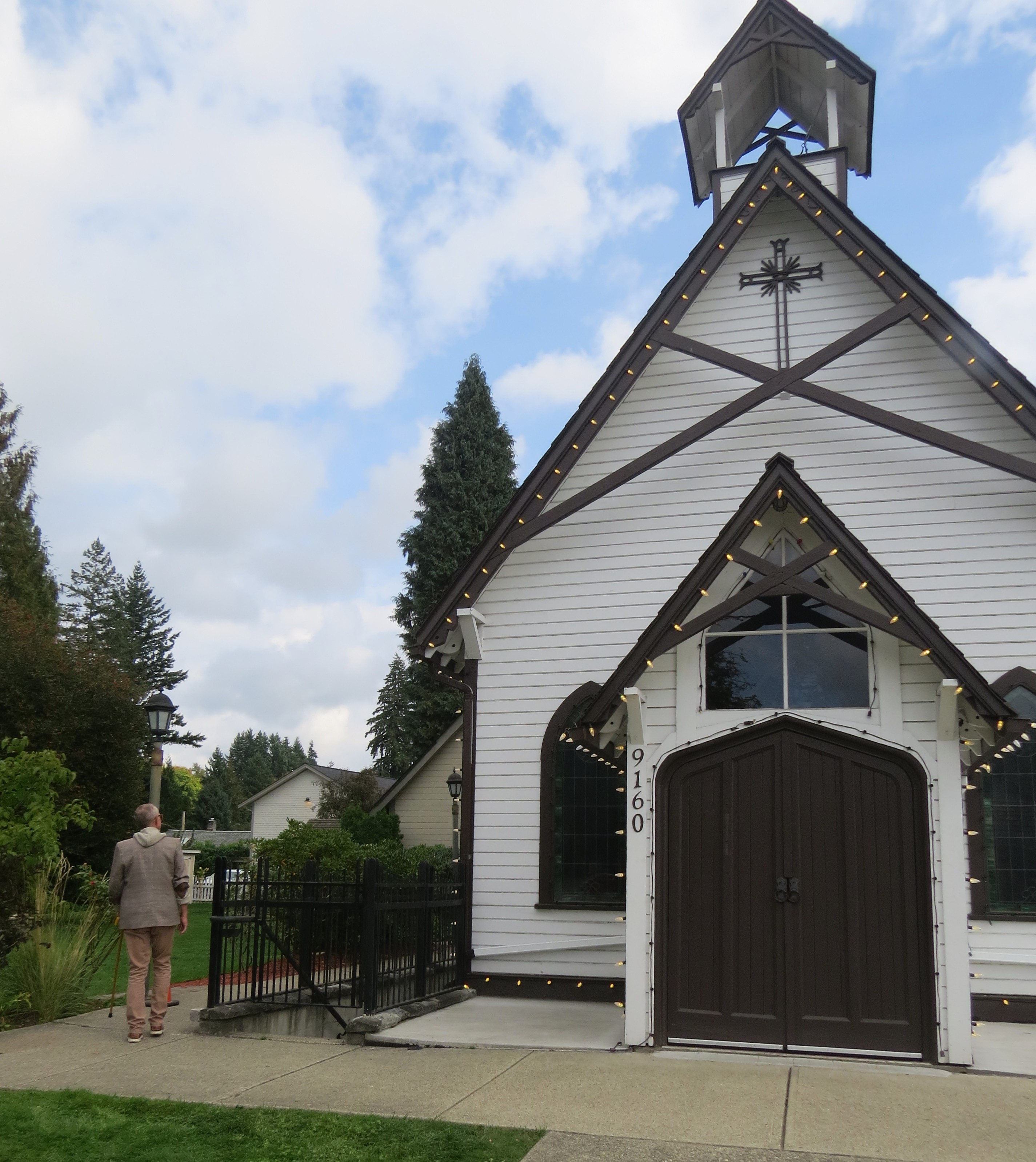
The beauty and the beast? Not necessarily, the two very different solitudes offer both: the mundane and the beautiful.
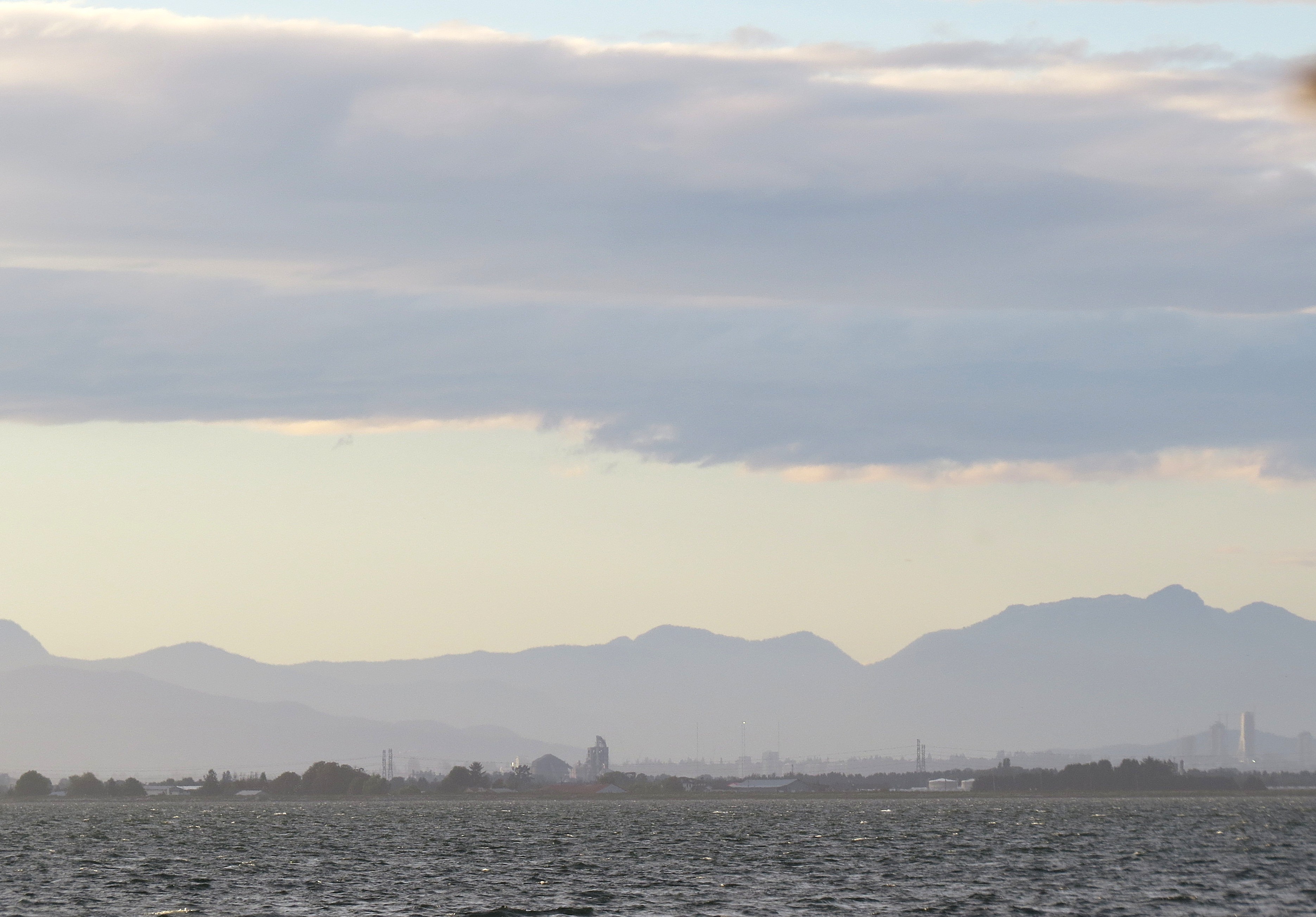
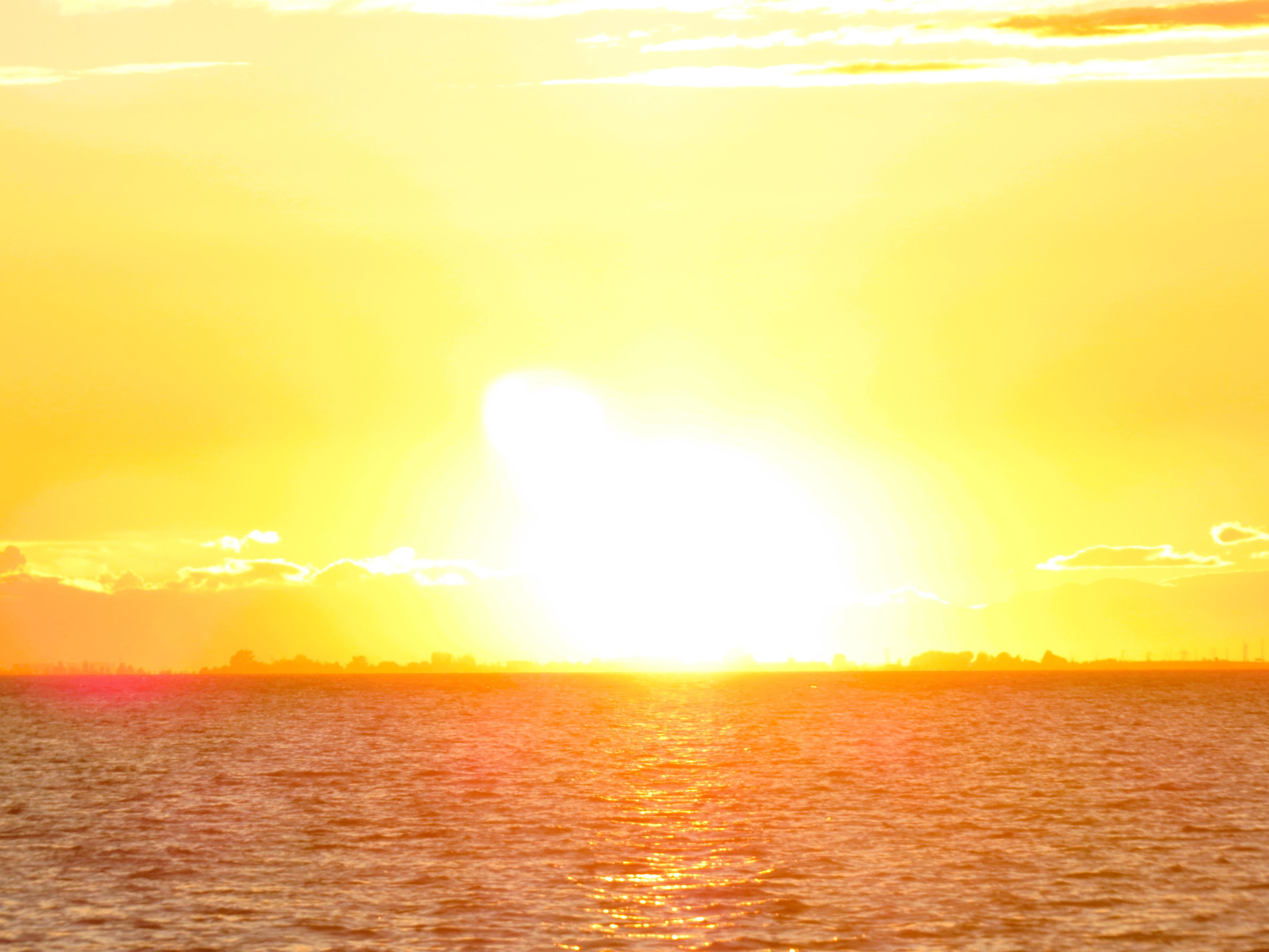
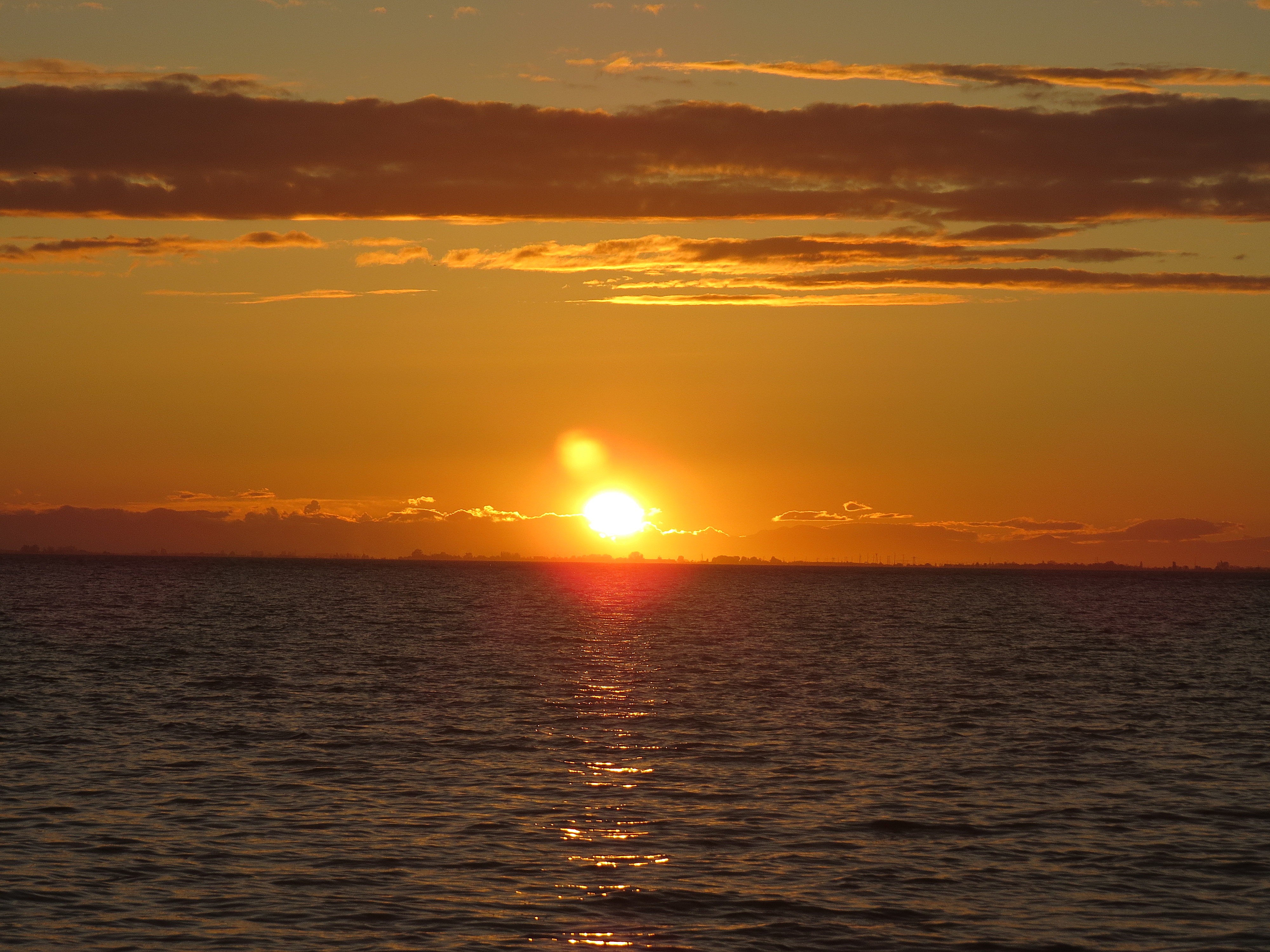
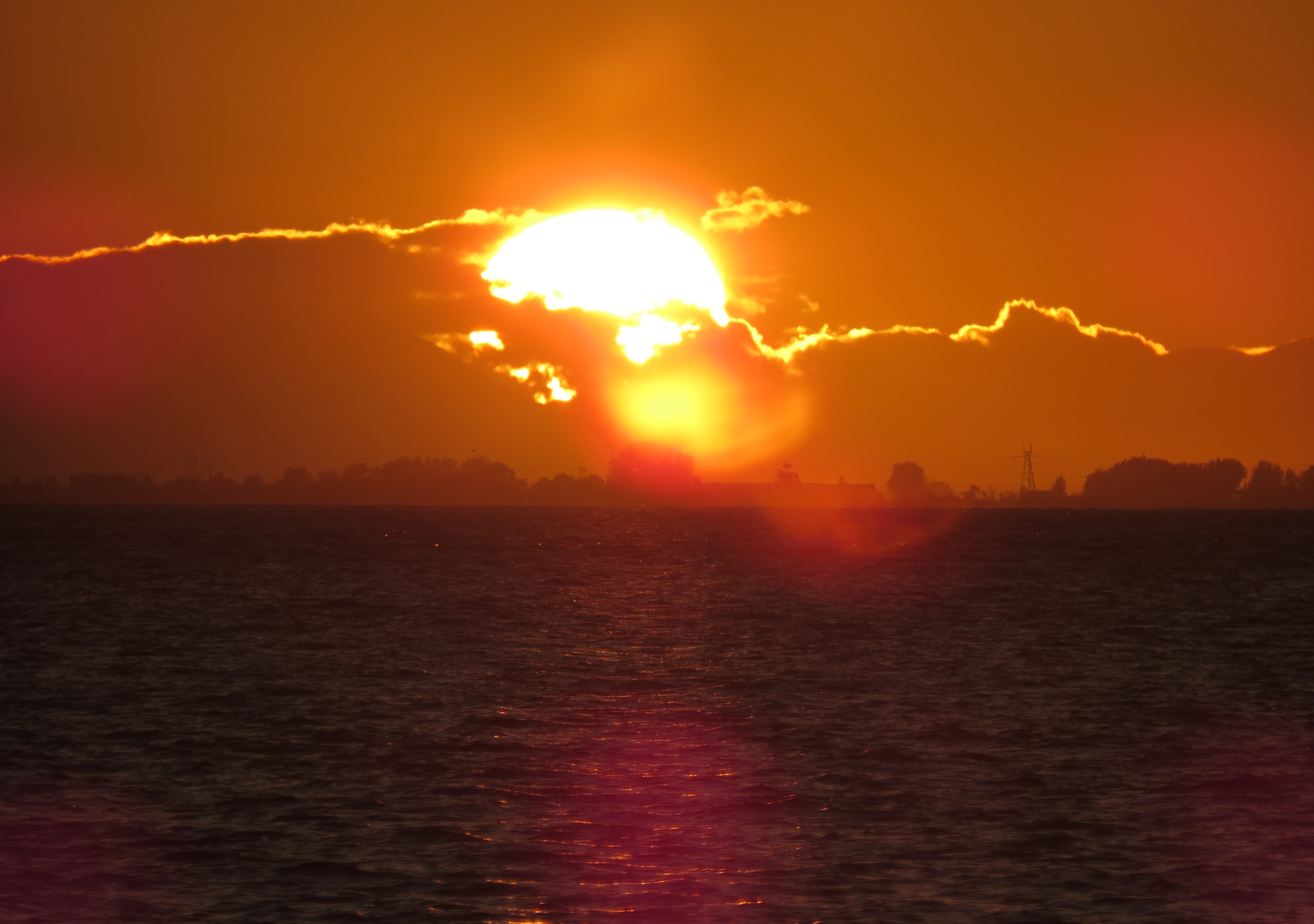
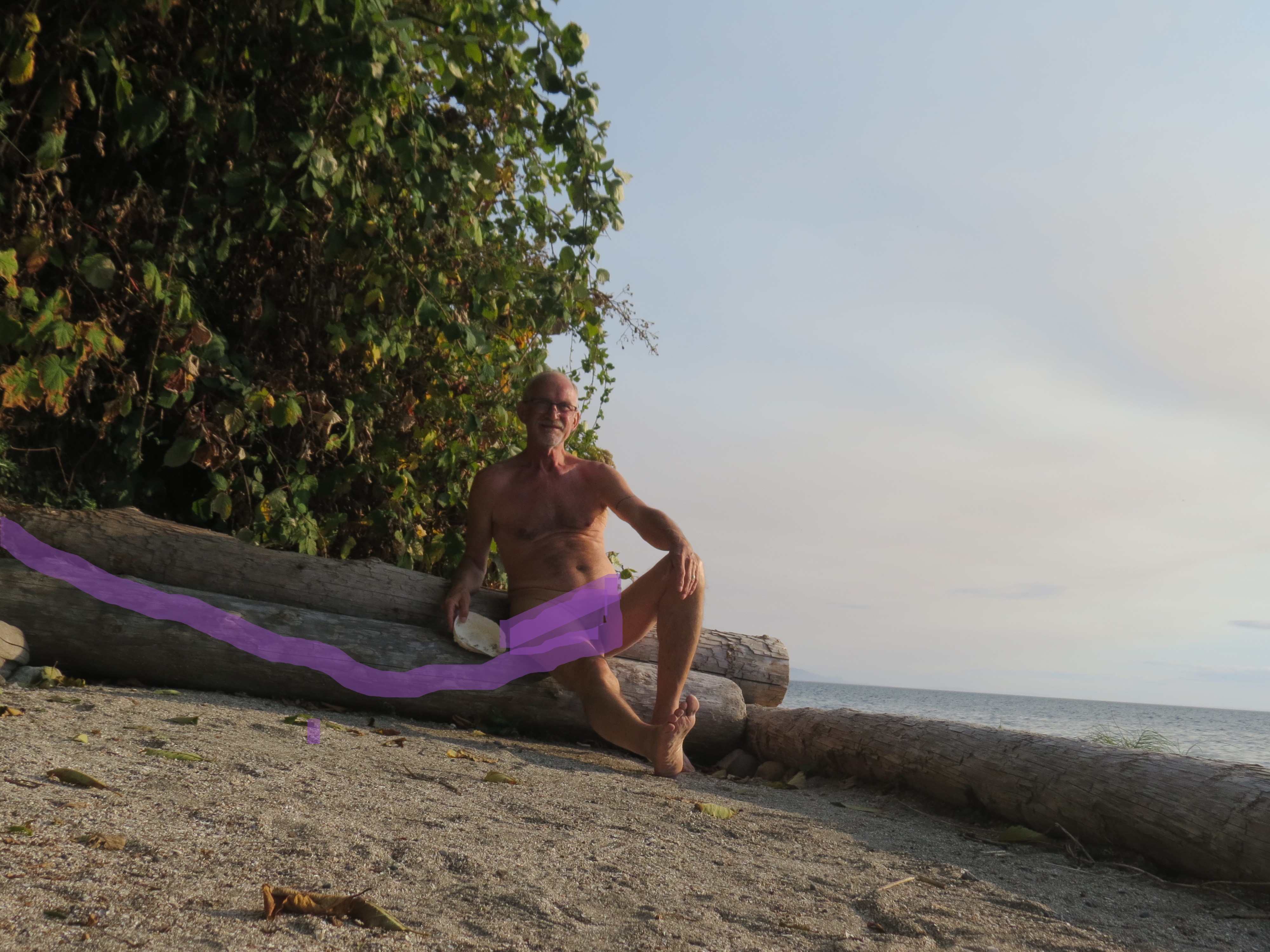
The other day an escape by dusk to Crescent Beach in South Surrey. Not the first one this year, and hopefully not the last one. The clothed and clothed optional beaches there are a think to admire and very different at different times of the day – low or high tide. Seems like a wilderness, but very rocky and a train track right above the stretch of waterfront makes it perhaps not tranquil to all. But there is also a true beauty in the view of beauty of naked human body. No, not only the very young, muscular and shapely. Human body is beautiful in all fragile forms – from very young to truly old. Without the foreign coverings of clothing – it shines in own natural radiance of vulnerability.
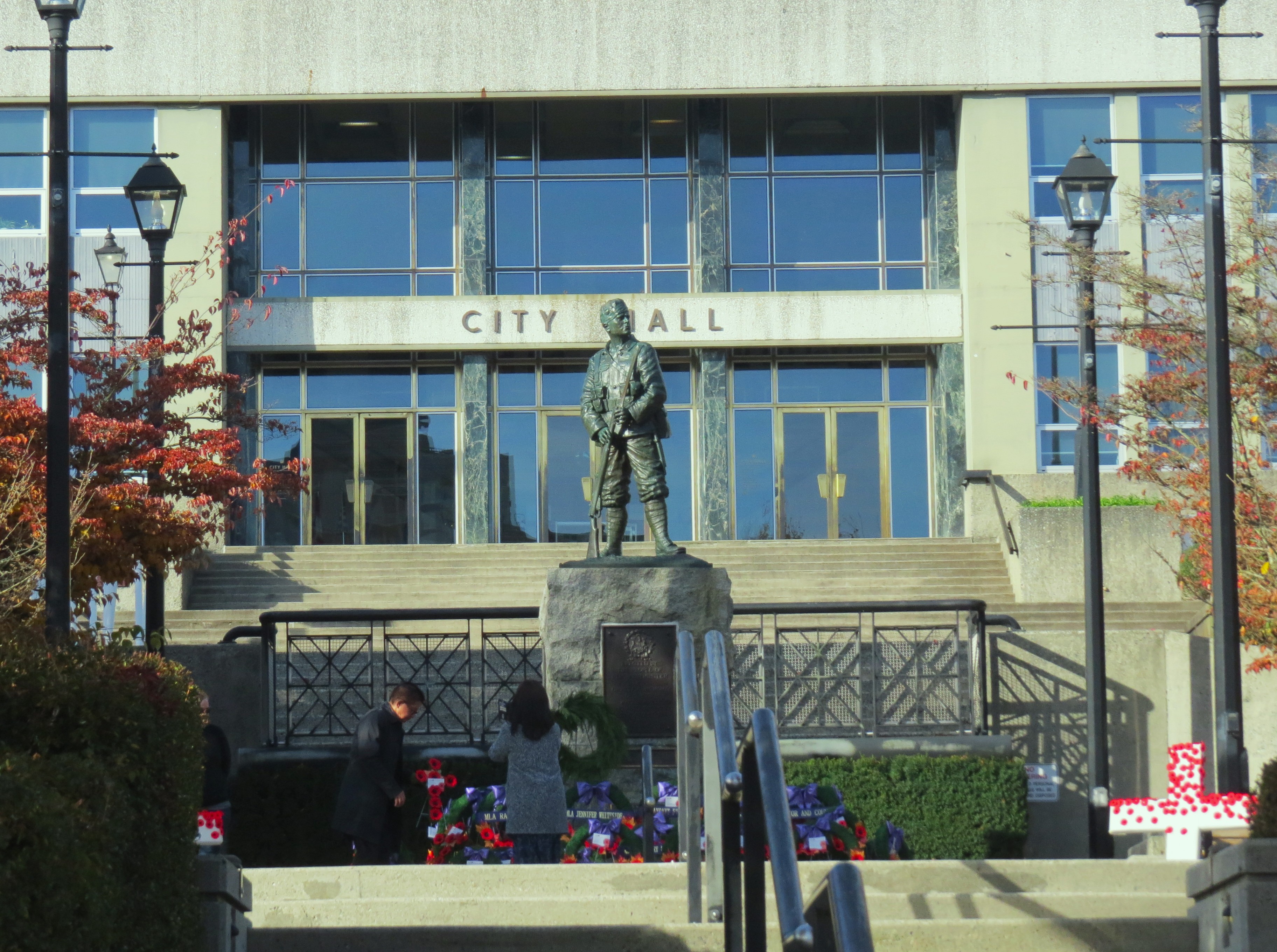
… and then, there is a city. New Westminster pier along the Fraser River. A living organism, too. Like sea and human body could be old or shiny new; opulent and crumbling old; showing the tooth of time and vision of tomorrow. Which one is better or more true to it’s own destiny? We don’t know. For we are only judges of our own time and epoch.
My Canada from ocean to an ocean, from the shores of Atlantic to the shores of Pacific, from Halifax to Vancouver. My Canada intrinsically tied to my John, our Love; his gift to me. Through our meeting and romantic story straight form the pages of Petrarka ‘Beatrice”, from the ancient lovers of Greeks and Macedonians, of Mesopotamians, of Sumerians.
Would I have loved thee if I never met John? Likely, for what there is not to love about thee, Canada? But it would have never consumed me as much, would have never made me such a fervent and ardent lover of this country. My personal private love of John’s Canada for ever etched in my soul and mind.
Halifax Atlantic Fleet
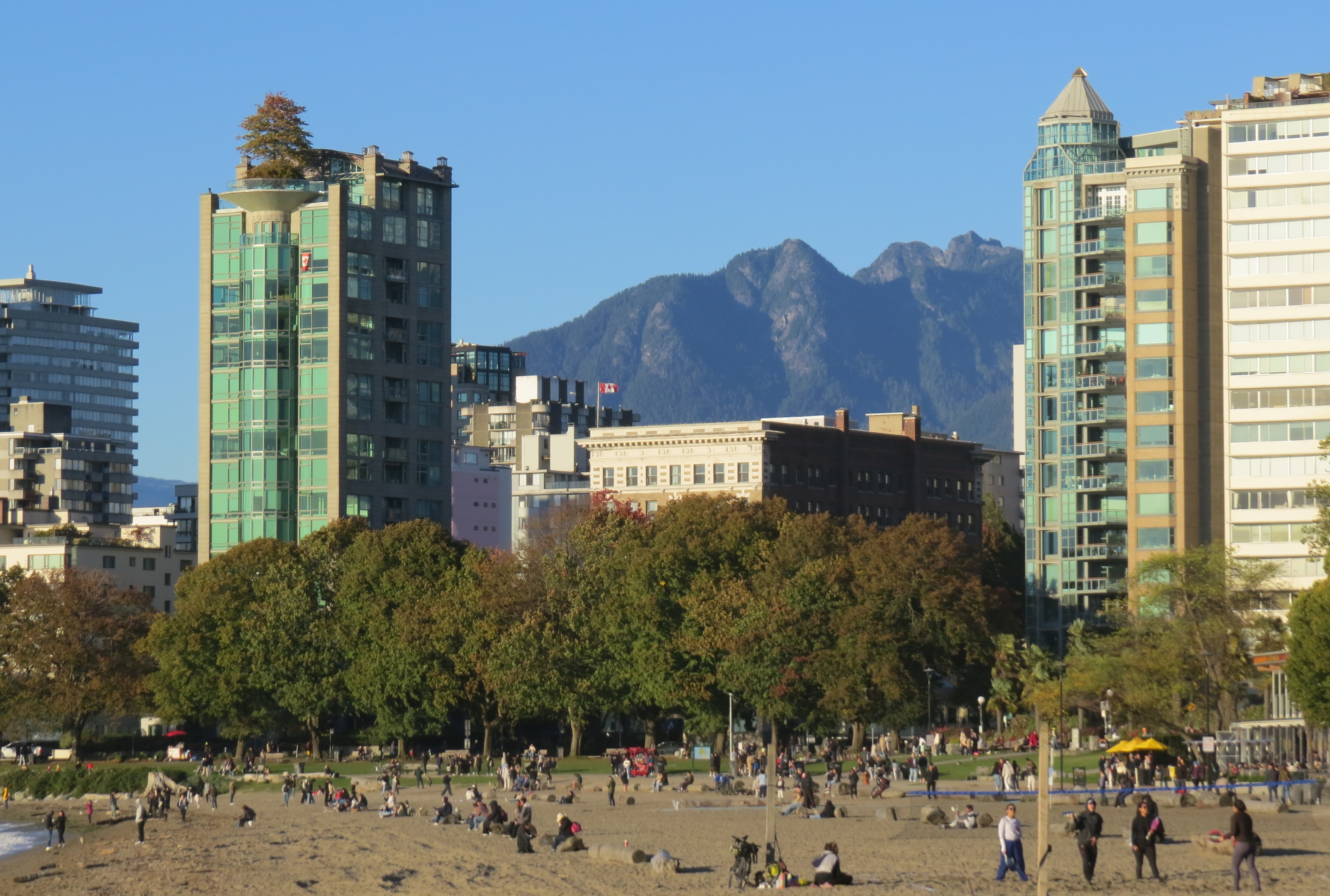
Let’s start with were it all begin in earnest, from our first own home belonging only to us. We met and fell in love almost on the slopes of towering peaks of Rocky Mountain. But it wasn’t till 1994 when we came here, to Greater Vancouver to start a new life in our first own apartment – our Home. On Capitol Hill in North Burnaby. But truly – for us here it is just one big Vancouver. A galery past and recent pictures of that amazing city on the shores of Pacific.
I just noticed that most of the pictures are of people much more than places … . But it is true – it is the people dear or important to you that makes a place – Home. A true home. Where you ar not a tourist, you belo g there, you are IT. My family, dear friends from work and my art promotor activities with poets, actors, musicians from Canada and Poland.
and Atlantic with Halifax – where it all begun for Canada, for entire North America de facto.
Thus end my own journey across the continent, from West to East, and back to West. My Journey of Love, love gifted to me by my own personal love, John. He was, still is in some way, my love to Canada, love of Canada. It begun some odd forty years ago. It didn’t change, it grew stronger perhaps. In a world of growing tensions, being ripped apart, sold to the highest bidder by two megalomaniacs, one from New York and Florida, other from murderous shadows of Kremlin – this country remained true to it’s Canadian core: polite, smiling, carrying. My Canada – a gift that I received from John. Gift of love to good, country, good people. Caring – as he was.
What an interesting concert it was. Not often do I go listening to very young (I mean – kids, not even late teens) pupils of a musical school. Sometime maybe to very young prodigy – such was the case of Jan Lisiecki[i] (Jas – as I still call him, despite his international stardom), but not to entire group of really young kids. Remember going to recitals in an old Warsaw Conservatory of Music on Oczko Street or Vancouver Conservatory of Music – but they were young students in their late teens or early twenties, not kids by any means.
Truth being told, I was looking mostly to the second part with Zbigniew Raubo, whom I didn’t listen to for a long time. I mean in person, on stage, not from electronic recording.
But it was a very nice and happy surprise. They all sort of knew what they were doing by the keyboard, LOL. I’m sure they had to overcome a huge anxiety being in front of relatively big audience full of their teachers, parents, and some famous piano players. Part of their studies is certainly guidance for avoiding stage fright, but still – stage fright is a powerful foe.
The School concert hall (on the back of the proper VSO “Orpheum” building) is very nicely designed. It is more long then wide and instead of acoustic paneling it plays on the original shape of the room. To assist the travelling of the sound and avoid echo (horror!) large wooden beams on the old masonry walls were attached aiding not only the harmony of sound, but also a pleasant visual effect. I would think of modest seating capacity circa 150 seats, maybe with added rows of chairs up to 200.
Of course it would be wrong to write a typical review and trying to be smart by pointing to minor mistakes, imperfections of the young students playing, especially if all of them were well prepared. Therefore these are just going to be general notes of what they played and overall impression how they did it. After all, music is just another way of writing a story. It just uses different alphabet, instead of letters it writes in notes; instead of grammar rules and signs, it uses its own grammar: crescenda, flats (skewed letter of ‘b’ ha ha), sharps (#), and on top of that there is different annotating for major and minor scale. Not to mention that composers sometime make their own personal written advice how a piece should be played. But enough of that, It is not a beginners course of music.
Sophie Meng was very first to perform, a diminutive frame of very young girl, perhaps the youngest of them all. The huge Steinway piano looked like a black mountain in front of her light figure – impenetrable and towering. I observed her hands as their traversed the keyboard and was wondering how much she has to stretched them to cover an octave! That observation leads to another: small-frame pianists play with their hands on the keyboard, full-sized (what a terrible description, LOL) use their fingers, which must be less exhausting and tiring. In more grueling concerts you will sometime find pianist submerging their swollen hands in icy water to remedy their muscle and joint stress.
She played very pleasant a Mazurka in C Major, Op.24. I let myself follow her play into the dream: like she was not playing – she was running on some green field with young Frycek (diminutive of Frederic). That was a nice vision a young Chopin would certainly approve of. What was particularly worth noticing, was the way she kept a perfect harmony by keeping the main musical theme of the composition always in the background, always present. Even if not played at that moment – it still lingered in your memory.
Charlotte Deng played Scherzo in B-flat minor, Op. 31. Herself looking like a cherub, she easily displayed a maturity that surprised me, perhaps a dose of self confidence? These could be uplifting or dangerous emotions for a very young player.
Her physical control of the instrument was visible, as was her aura of confidence. At times maybe the music came a tiny bit too strong, too forte? I smiled – an ‘old hand’ in a body of a youngster. Her posture at the piano, the way she used physically her arms and hands on th keyboard again emanated maturity. Just that the ‘maturity/ was perhaps more a stage performance, not an inner feeling since at moments the music was overplayed on forte. Naturally the true poetic soul[ii] of the music returned fully with the arpeggios. The finale naturally goes back to first section, and was played very well with an elegant coda.
Stephanie Yueyou Liu presented the audience with Waltzin A-flat Major, Op. 34. Her keyboard skills were excellent. At times I thought I am loosing the smoothness of the waltz melody though, as the keyboard skill muted a bit the soul, yet – she re-paid in a very wonderful finale.
Brain Sun played Ballade in G minor, Op. 23. I felt that he thought very deeply of the structure and meaning of the music he was going to play. Would like to listen to his interpretation once more, as for some reasons his intervals and use of pedals seemed a bit odd – and the full impression escaped me. Fackt that I nonetheless wanted to hear him again simply meant that I liked it, That’s easy – and at the very end that is all that matters.
Joshua Kwan played Barcarolle in F-sharp Major, Op.60. His play quickly established very strict control of the instrument, of timing. No rushing, no ‘elongation’ of notes. Smiling to myself, I thought that this guy does not need a metronome on the piano.
Brian Lee in Etude A minor, Op.25. He would let his right hand in quick passages to overtake, or silenced his left hand leading the subject and tempo. It is a difficult composition for a young player. It provokes almost to fly too high, to shine in it’s sounds. Perhaps in its bravado-like finale it is hard to stress the last notes, as you mind is still overflowing with melodies of previous section. He played with full bravado. I must say that one must admire the guts of very young player (or teacher, who tells him to play it, LOL) choosing it. It is just about the most difficult technically etude Chopin composed. Frederic contemporaries in Paris didn’t like it that much exactly for that reason – for being technically challenging to play.
Thus ended the student’s part. After the intermission we were served full musical dinner with three very different and very popular dishes. Maestro Zbigniew Raubo, s’il vous plait.
Zbigniew Raubo, although dedicated very much to his teaching of music, is an accomplished concert pianist himself, known to many of the best stages of the world both as a pianist and with an orchestras. He finished Katowice’s[iii] Karol Szymanowski’s Academy of Music, where he later become a pedagogue himself. During his career he took part and received top prizes and distinctions in many European music festivals.
Currently he teaches at the Vancouver Chopin Society associated with VSO School of Music. His partner in the teaching staff there is another great acclaimed Polish pianist Wojciech Świtała and last but not least by any means – young Polish-Swedish[iv] pianist, Carl Petersson.
I will not write a typical review of maestro Raubo concert in 2nd part of that evening. Would be unfair to the young participants – his and his colleagues’ pupils – to even try to draw any comparisons. That was an evening for the young ones. The ‘master class’ of Zbigniew Raubo was a glass of champagne to the audience for showing up to celebrate his students achievements. Just a list of Chopin’s compositions he presented: Polonaise C-sharp minor, Op.26; Mazurka A-flat Major, Op. 50; Mazurka C-sharp minor, Op. 50; Nocturne D-flat Major, Op. 27; Waltz A-flat Major, Op. 34, and Polonaise A-flat Major, Op. 53.
Yet, one distinction I must make. Chopin’s music and perhaps hundreds of concerts of his music I have listened to is in a way almost like some familiar songs you sing sometimes to yourself without even noticing it. It become sort of part of your nature, grows on you. Especially if it was a normal part of your very early childhood, when you don’t treat it with reverence, but as something normal, part of the routine. The reverence and deeper understanding of it comes later, as you grow up. It makes it a bit like a emotional but also intellectual luggage, not always very convenient. There are (very rare indeed, thank god) concerts you wish you didn’t buy the tickets for. There are (even more rare, phew!) concerts you just wait for the intermission to … leave and go home such is the disappointment. Because you know so many of the compositions, you heard them so many times. But I still find (not as often as many years ago) musician, who just takes my breath away. It has nothing to do with brilliant playing born out of amazing skills. On some level you expect it, too. No, it is the other part, one beyond the skill of playing. It is capturing the essence of the poetry of particular composition, the emotional part of it. The soul (yes, maybe not all humans have souls – but true art always does, without exemption).
Zbigniew Raubo did it to me with his interpretation of Chopin’s Nocturn in D-flat Major. I can’t remember when, was the last time I was touched by that composition so strongly. Music, like a poem, has a story to tell. At times it is not even the story the composer intended or thought of. No, it is your story, story getting life form as you listen to that music. I heard it that evening, intertwined between notes, phrases, and letters and words. Can’t remember the exact text of the story – but remember hearing very clearly, as the music was played. Thank you, Zbigniew Raubo.
from top left:
pic. 04 -Patrick May one of the top organizer of Van. Chopin Society; pic. 06 – prof. Wojciech Świtała, famous Polish pianist; last picture – Board of Directors of Van. Chopin Society and from left: W. Świtała, Zbigniew Raubo and last Polish-Swedish pianist Carl Petersson.
It is continuation of my journey back in time, to the late 90ties of previous century. To the time me and John arrived to BC from Alberta and lived on Capitol Hill there. We were young, in love and the city had such a cosmopolitan taste to it.
From the very top of the Hill, right at the end of our street, there was a forest and a trail I have taken many times toward the Confederation Park. But before I got to the Park, I used to walk there through trails less travelled, wild actually. At the end of these wild overgrown trails I had a secret, invisible to most, narrow access to the shore. I used to call it ‘beach’, but truth being told – it wasn’t a beach at all, just a very rocky outpost, surrendered by rusty and cement relics of an old industrial activity from many years ago. But it always offered me tranquil time to think, relax, sunbath at times. To observe the busy fjord in it’s full glory, and the North and East Vancouver on the opposite shore. It is amazing how busy the fjord is commercially – pipes and pumping stations to transfer the oil from tankers, pleasure crafts. But mostly the industrial, the heavy lifting so to speak, often not noticed by a typical visitor-tourist.
In fact not that much has changed. The Inlet still is a ‘working horse’ for the economy of this region. Just in a more cleaner, efficient way then in the old days. But rusted scraps are visible in that wild shore everywhere.
Maybe first just a few photos from my way toward Capitol Hill via very long walk along the Nanaimo Street in East Vancouver.
…. and the Hill and shore
… from there I wen back to civilization (why I don’t know, LOL) to lovely Confederation Park. It did change a lot, too. Back in my time it was mainly just a vast green space, lots of benches to sit, group of old Italian guys playing bocci in the dirt. Now there are sport fields and tracks for running everywhere, huge sport and aquatic pavilion, and the old Italian guys are gone, too …
Wawa called me from New West and offered to pick me up by car. I can’t say that I wasn’t happy to have this boy as my dear friend (I know that he is rather grown up man – but being my friend he has to put up with me calling him a ‘boy’, LOL). My age gives one some level of impunity from punishment, ha ha ha. By the time he called I was exhausted and my legs (not just the injured one, but both) just had enough. But now that I had a car and driver – why going home?! Of course we went up Hasting, turned on the north side of Burnaby Mountain toward Port Moody and visited a narrow, old beach on the very narrow part of the fjord. I used to come to that beach many a times and swim in the very deep and rather fast moving water. That was an icing on the top of the cake of my long escapade. after that – just a pleasant chat and drive home (in Wawa’s car, naturally).
The entire day, just like the previous day, stirred a lot of memories of the best years of my private life.
Here is the visit to that narrow strip of Burrard Inlet.
W lutym tego roku zacząłem zapiski z powrotów do miejsc jednych z najbliższych mojemu sercu. Na miesiąc zanim wróciłem tu na stałe (naturalnie z caveatem, że nic w moim życiu nie jest stałe).
Dopiero teraz jednak, blisko trzy miesiące później, odważyłem się pojechać na moją starą, oryginalną i pierwszą ulicę w Północnym Burnaby, na ulicę Howard na Wzgórzu Kapitolińskim[i]. Do naszego faktycznie pierwszego samodzielnego i własnego mieszkania. Naszego: mojego i Johna. Rok był 1994. Przedtem mieszkaliśmy na ranczu z rodzicami Johna w okolicach Bragg Creek w Albercie, potem krótko wynajmowaliśmy mieszkanko w domu mojego serdecznego przyjaciela w Calgary.
Te w Burnaby, było pierwszym naszym kompletnie własnym. Był to też chyba najcudowniejszy i najszczęśliwszy okres naszego związku. Byliśmy ciągle bardzo młodzi, on prawie chłopiec jeszcze przed trzydziestką. Tutaj, w tym budynku na Howard dostaliśmy już w pierwszych dniach od mojej kuzynki nasze kochane dzieciątko – maleńkiego czarnego kotka, którego nazwaliśmy Babu. Był z nami przez wszystkie nasze zmiany adresów: od Guildford, po ostatnie w Surrey Central. Przeżył bardzo długie życie – blisko 20 lat. Pożegnaliśmy go cztery lata przed wyjazdem do Nowej Szkocji.
Muszę tam wrócić w tych dniach na spacer dłuższy. Pójść spod tego ,naszego domu’, tak jak chodziłem setki chyba razy, w górę do Scenic Park skąd rozciąga się ładny widok na Burrard Inlet, zejść znajomą ścieżką do maleńkiej dzikiej plaży, potem szlakiem już bitym do Parku Konfederacji. Dawniej, w tym parku, prawie zawsze była grupa Włochów grających z uporem w bocci[ii]. Dużą przyjemność i zaskoczenie sprawiła mi stara piekarenka chińska, do której regularnie ‘wyskakiwałem’ po chleb i bułki. Jest dalej – ma ciągle wspaniałe chlebki, Stones z rodzynkami, z żurawinami i z jagodami. Co najważniejsze – to są scones[iii] a nie ciastka, więc nie są wysmarowanie jakimś lukrem cukrowym, co zdarza się dziś w wielu sklepach i piekarniach, niestety. Kompletnym zaskoczeniem były ceny … zaskoczeniem miałem, bo miałem wrażenie, że te ceny też były z lat 90tych ubiegłego wieku. Poważnie. Naturalnie wypełniłem wypiekami cały swój plecak, LOL. Pod koniec naszego tam mieszkania dojechała do nas moja mama i mieszkała z nami. Było to już tylko mniej niż rok zanim przeprowadziliśmy się do Guildford. Mama zapisała się do dużej starej szkoły podstawowej obok i tam chodziła wieczorami na lekcje angielskiego dla dorosłych.
Sama ulica Hasting prowadzi w dół aż do samego centrum Vancouveru. Lubiłem jeździć spod domu trolejbusem #10 do Vancouveru.
Nie miałem już czasu pójść nieco w dół i połazić właśnie po tej Hastings, może aż do Drogi Boundary oddzielającej Burnaby od ścisłego Vancouveru. Więc do zobaczenia, Wzgórzu Kapitolińskie.
Zanim dojechałem do początku ulicy Hasting i Wzgórza Kapitolińskiego to była długa trasa przez całą Burnaby Mountain i wizyta na jej szczycie – Uniwersytetu Simon Fraser. Dojechać bez samochodu z New Westminster to niezła wyprawa. Ale z kijkiem w ręce wszystko można zrobić. Będę musiał tam zorganizować spotkanie z dwoma pisarzami – Tomaszem Michalakiem, którego pierwszy wiersz publikowałem bodaj w drugim numerze redagowanego przeze mnie wtedy rocznika Rocznik Twórczości Artystycznej “Strumień” oraz z kanadyjskim pisarzem Aminem Ghaziani, autorem bardzo ciekawej książki „Long Live Queer Nightlife”[iv]. Obaj panowie wykładają właśnie na Simon Fraser University.
Więc z tej wizyty na szczytach Burnaby Mountain, zwłaszcza z architektonicznie bardzo ciekawego zaprojektowania budynków i przestrzeni uwzględniającej położenie uniwersytetu – galerię zdjęć też pokaże. Kto jeszcze nie był – zachęcam do pojechania i spaceru. Dostać się można i od strony Downtown Vancouver przez North Burnaby (autobusem R-5) i od strony New Westminster – co ja zrobiłem. To drugie nieco skomplikowane, bo najpierw kolejką przez Lougheed Town Centre do końca, czyli do stacji Production Line i dalej do SFU przez piękną trasę zalesionych stoków góry autobusem #145 do centrum kampusu uniwersyteckiego.
Więc z tego ciekawego architektonicznie i krajobrazowo kampusu galeria zdjęć poniżej.
[ii] rodzaj gry z metalowymi kulami, rzuca się je tak, by wybić z centrum przeciwnika i ustawić w tym centrum własną kulę; emigranci włoscy stanowili się w w Okolicach Wzgórza Kapilońskiego kiedyś większość i stąd okoliczne nazwy są z nimi związane.
[iii] rodzaj prostej bułeczki na śniadanie, lekko słodkiej i robionej na ogół z użyciem sody do pieczenia, nigdy drożdży. Popularne bardzo sę te nie owocowe, a z ostrym żółtym serem.
[iv]A. Ghaziani; „Long Live Queer Nightlife”, wyd. Princeton University Press; 2024; s.270
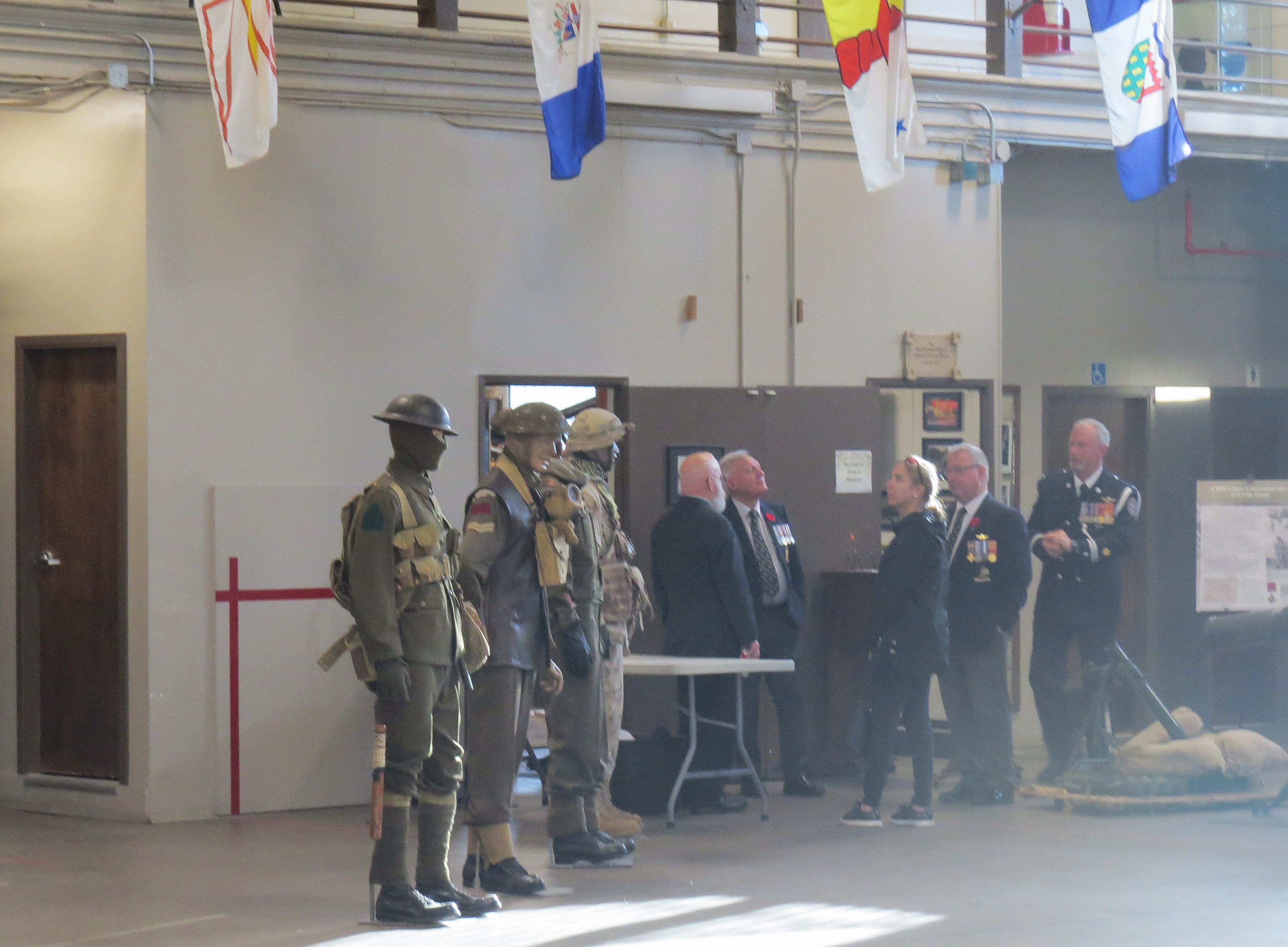
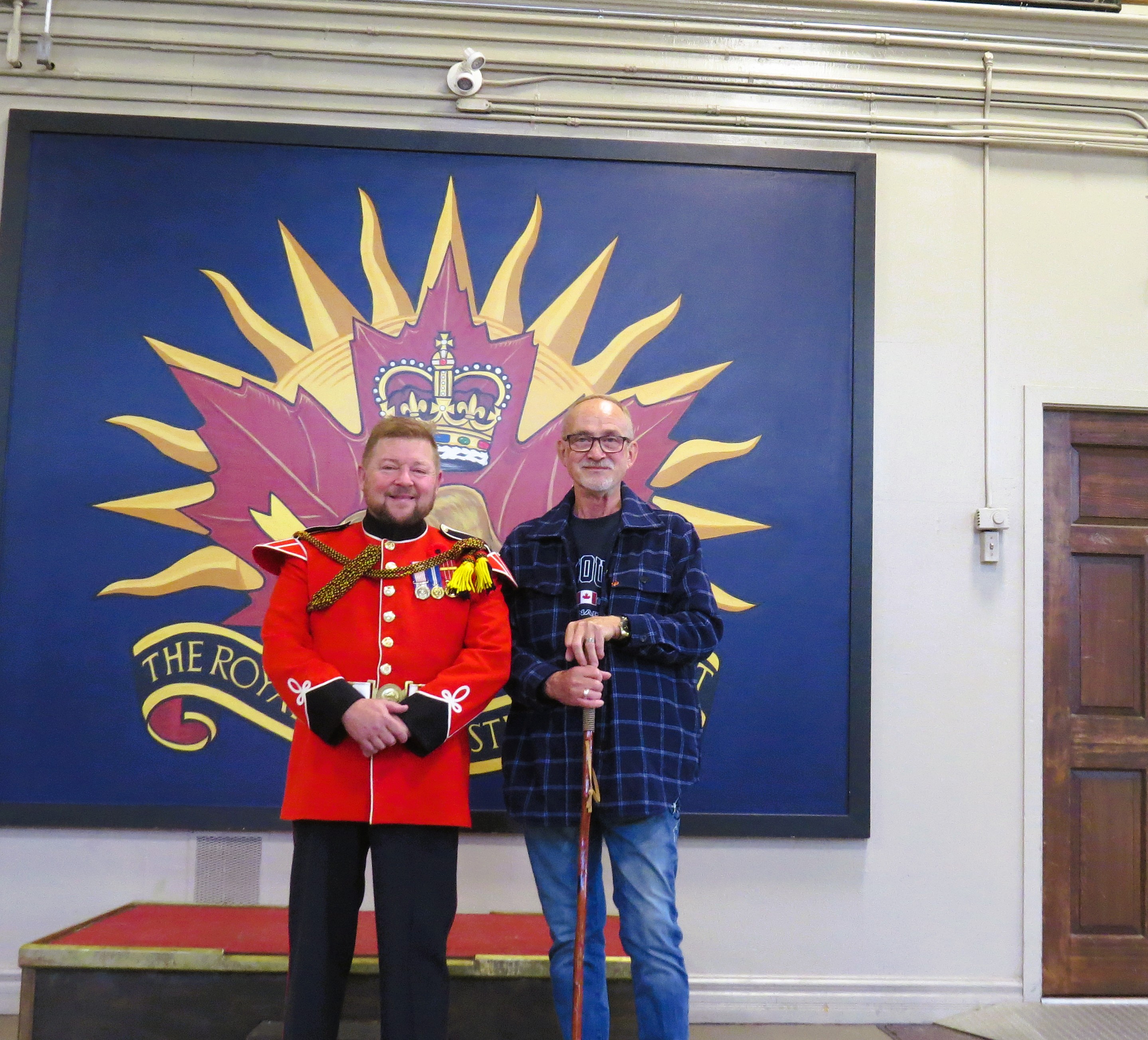
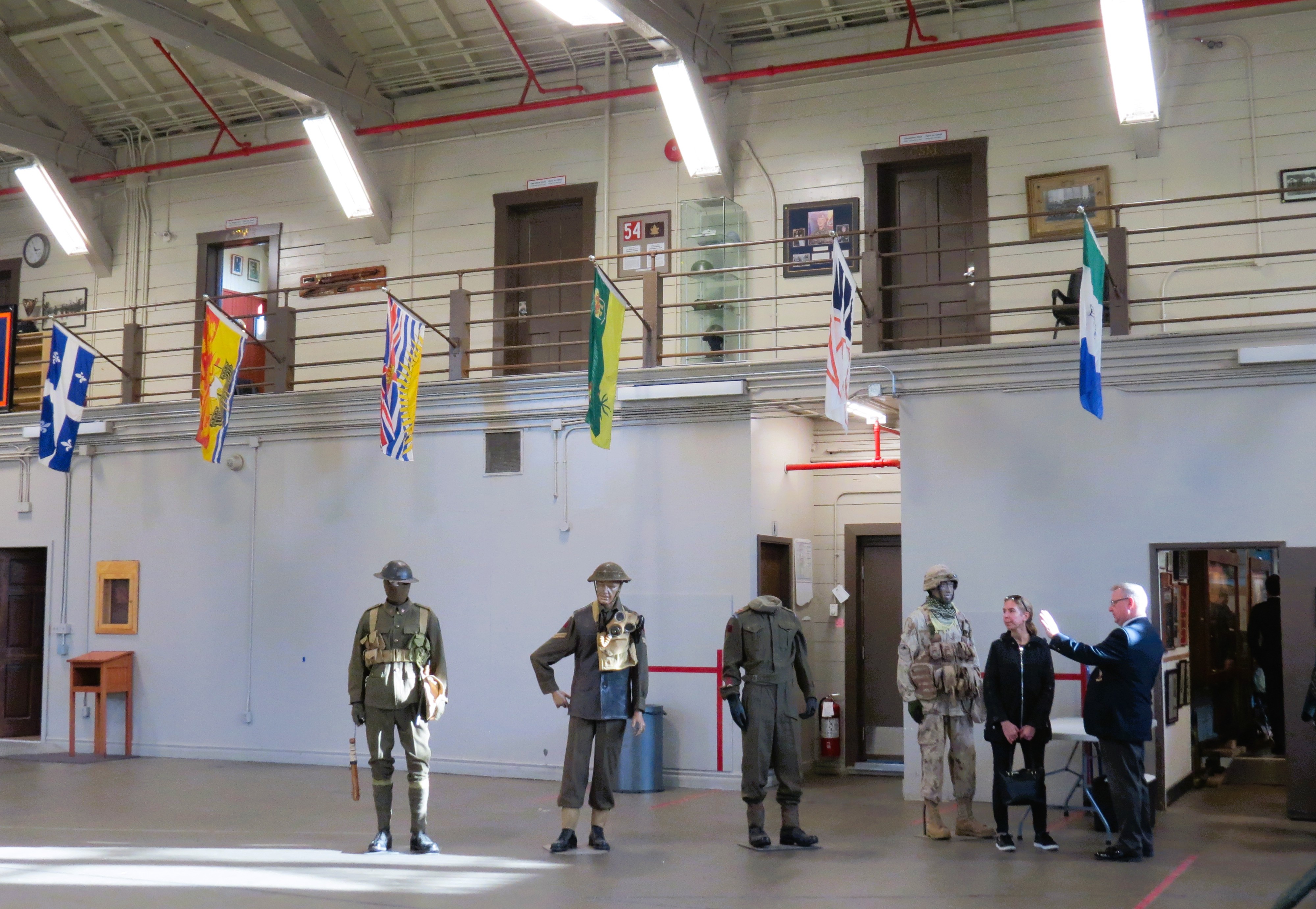
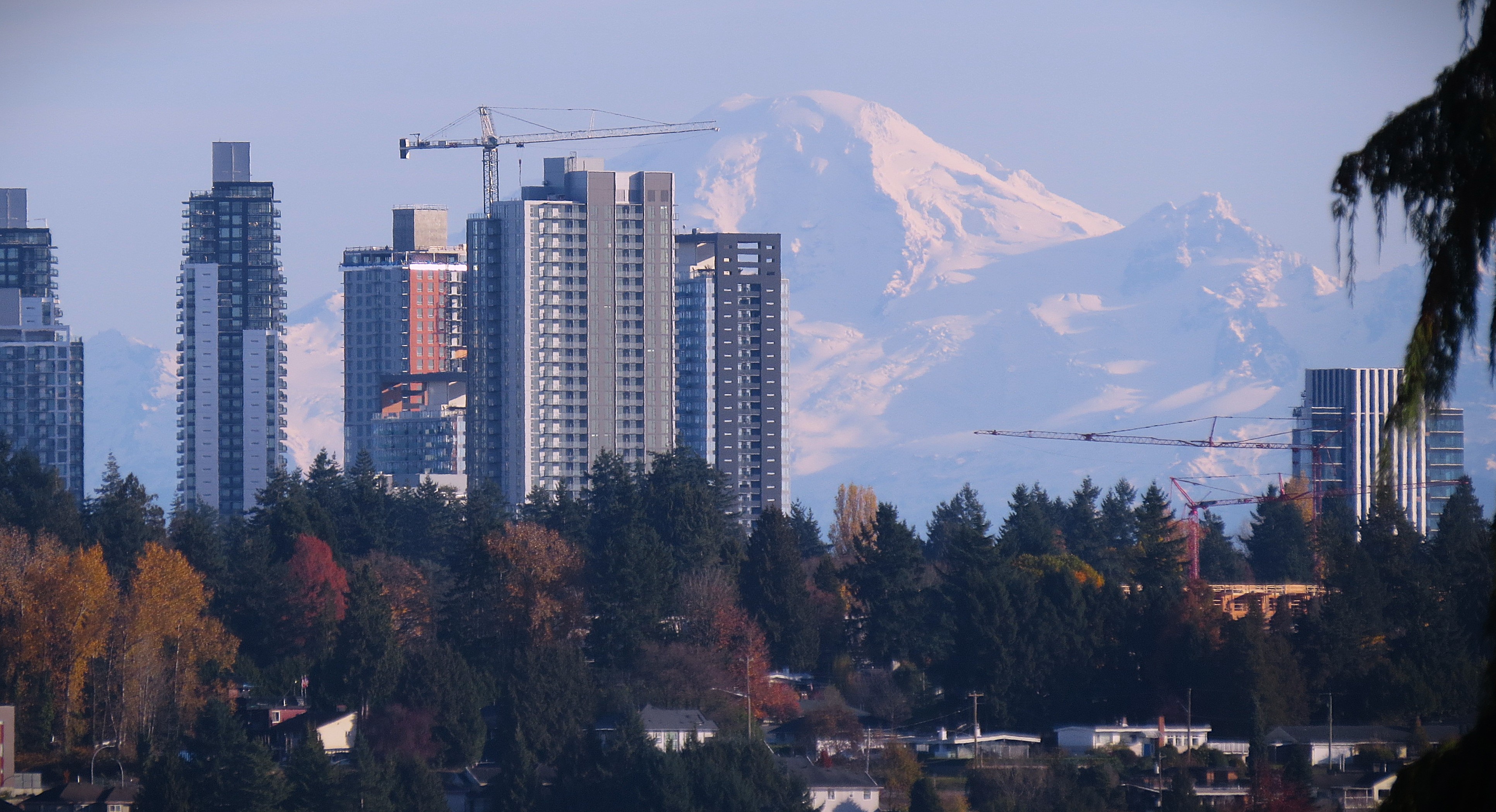
Few days ago in an old mining town of Squamish was a very unusual concert/happening. On the 14 of June Entire group of drag queens descended on that little town. Pandemonium! Out of all the places they choose … an abandoned, old ore mine that used to be the back bone of the community way back when. And it was glorious idea – spooky, very acoustic, with entire walls, where the ore was actually excavated, surrounded us on all sites. I am talking few stores high above the gathering platform for guests and artists. Strategically placed lights shown the intricate colours of the rocks – from most abundant copper, to nickel and even gold. As years gone by, resources dwindled and the mine was closed. Most of you know the town by the characteristic vertical massive mountain-rock used by hiking adeventure-seekers. Most would pass the the town on the way to Whistler. I used to do some hiking in this neighborhood toward the mouth of How Sound.
Definitely I was not wearing high heels during these hikes, LOL. Would have fort hat concert – but my injured leg would not allow me. Found a fun way to stress the drag tradition, LOL. Nothing like an old red Chinese woman dress. I am sure I will find some use for it later, too.
Here is some pictures and some short videos from my YouTube channel.
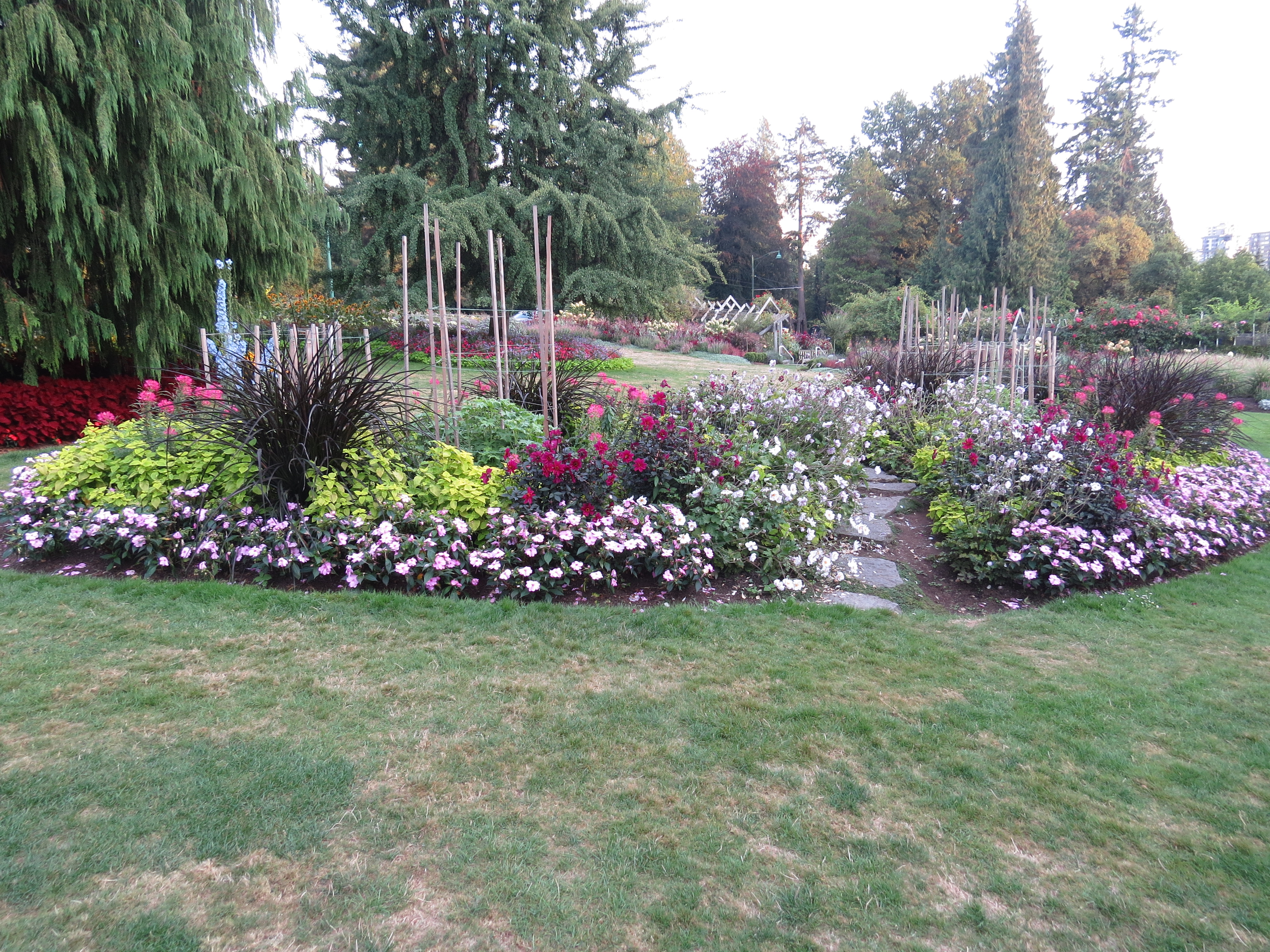
Wśród licznych i słynnych parków miejskich w Wielkim Vancouverze niezbyt często słychać tą nazwę: Park Niedźwiedziego Potoku. W broszurach turystycznych znajdziecie informacje oczywiście o Stanley Park, o Parku Królowej Elżbiety, o Ogrodach Van Dusen. A Bear Creek Park w Centrum Surrey jest warty każdej minuty tam spędzonej – dla spacerowiczów, dla sportowców, dla amatorów sztuki.
Dla mnie ma też bardzo silny wymiar emocjonalny związany z masą wspomnień i wizyt tam od wielu, wielu lat.
Among many world-famous parks in Greater Vancouver you might not find mentions of Bear Creek Park. More than likely you will hear of Stanley Park, Van Dusen Gardens, Queen Elizabeth Park, perhaps Central Park in Burnaby. The truth is that located near Downtown Surrey, Bear Creek Park has a lot to offer. It is an amazing conglomerate of long trails, has a big Art Centre, large outdoor stadium, even swimming pool. Don’t forget lovely and magical little train for young passengers! For myself? A huge bag of sweet memories of many visits by myself and with people very close to my heart.
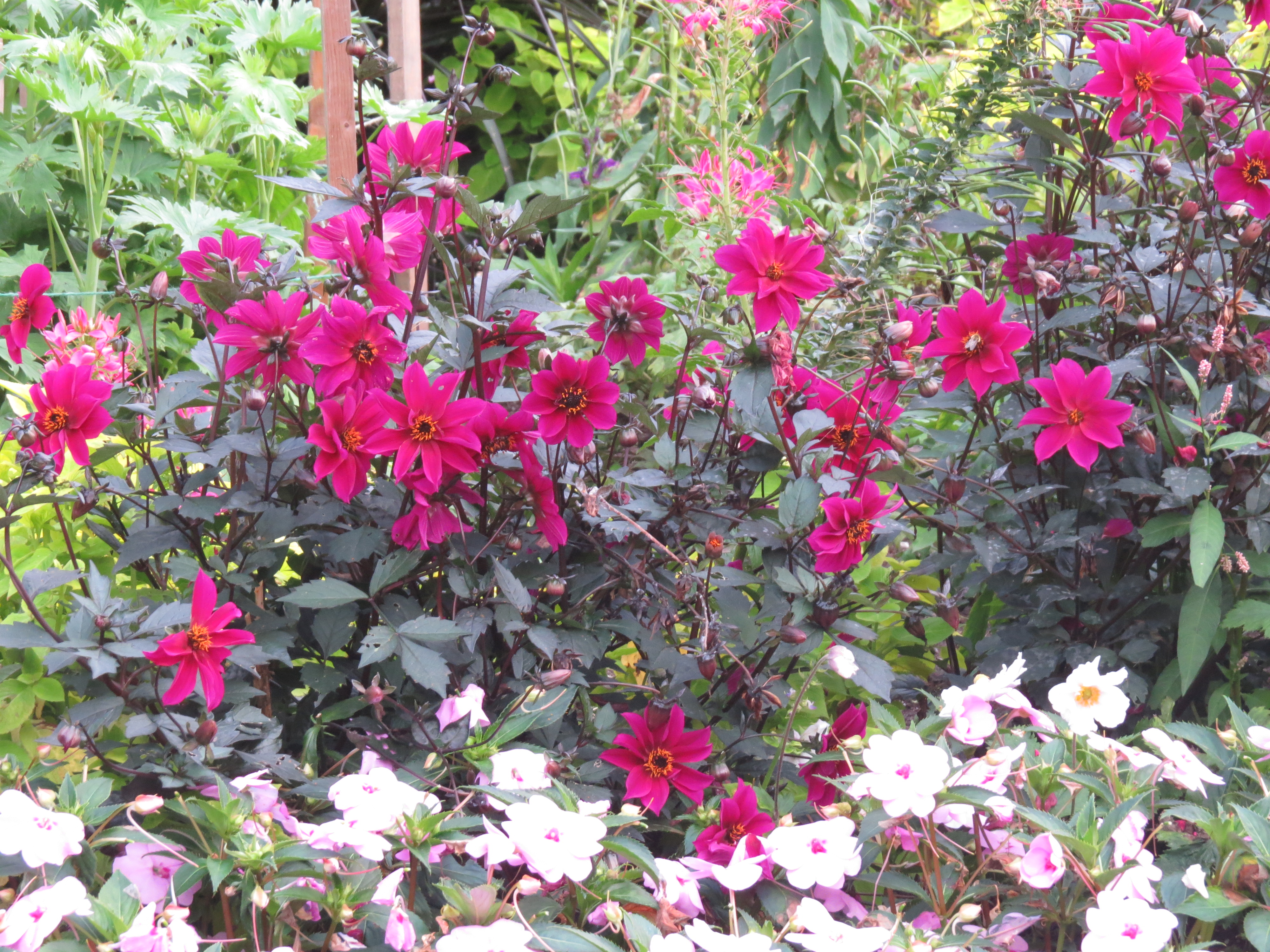
I fioletowa jacaranda. Strojna, jak Pani Pompadour, jak księżniczka hinduska na dworze maharadży. Jacaranda, która zapachniała po raz pierwszy dla mnie ponad pół wieku temu w pięknym eseju Pablo Nerudy. Iwaszkiewicz bardzo pięknie ten esej przetłumaczył w jednym z wydań miesięcznika “Poezji”. Były to lata 70te ubiegłego stulecia, miałem chyba 16 lat? Zapachniała mi wtedy słodko, odurzająco. Tak, jak teraz ta jaccaranda w Surrey, w Parku Niedźwiedziowego Strumienia. Jest ta sama, w tym samym miejscu, gdzie odwiedzałem ją 15-20 lat temu. Przychodziłem sam, z mamą, z Damiankiem, z Johnem. Łaziliśmy tu w dni letnie, wiosenne, czasem przyjeżdżałem rowerem. I zawsze ja witałem, jako dobrą znajomą. Kochankę Nerudy? Może moją?
W lokalnym Centrum Sztuki i teatrze organizowałem z Krystyną Połubińska i naszym ‘Pegazem’ wystawy lokalnej sztuki polskich artystów, koncerty muzyki.
Słyszę śmiech mamy i Damianka, gdy żartowali ze mnie. I ja śmiałem się z nimi serdecznie, bo gniewać się na nich nie potrafiłem. Miło jest wrócić do miejsc, w których kiedyś byłem. Ale to smutny uśmiech. Po prawdzie nie jestem pewny, że tu jestem teraz. Może i ja tamten już nie istnieję? Może jestem tylko jego cieniem, niewyraźnym odbiciem w wodzie. Mój świat jakby został zamknięty przez Czarodzieja Czasu w szklanej kuli. Ludzie podchodzą i oglądają. Napis objaśniający przed kulą zaczyna się od słów: ‘Był tu kiedyś …’. Był. Kiedyś.
A jacaranda kiwa gałązkami, jak głową. Mówi: Nie prawda. Ja cię poznałam i od razu zawołałam: jesteś tu, dawno cię nie widziałam. Dobrze, że wróciłeś. Idź w swoje ścieżki, w knieje. Jeżyny w tym roku obrodziły.
To poszedłem i pełne garście czerwonych i żółtych połykałem i tym śmiesznym zajęciem poczułem się u siebie.